Diana Rigg was one of Britain’s most celebrated actresses, with a career that spanned more than six decades across stage, film, and television. She earned global recognition not just for the range of her talent, but for the sheer force of her presence in every role she took on. Born on 20 July 1938 in Doncaster, England, she grew up partly in India before returning to England to study at the Royal Academy of Dramatic Art in London. From early on, it was clear she was built for the stage.
Rigg made her stage debut in 1957 at the York Festival in a production of Bertolt Brecht’s ‘The Caucasian Chalk Circle’. Her first London stage appearance came four years later. In the years between, she picked up work as a fashion model and took on supporting roles in the television series ‘The Sentimental Agent’. These weren’t idle years — she was building the foundation of a career that would make her one of the most recognizable names in British entertainment.
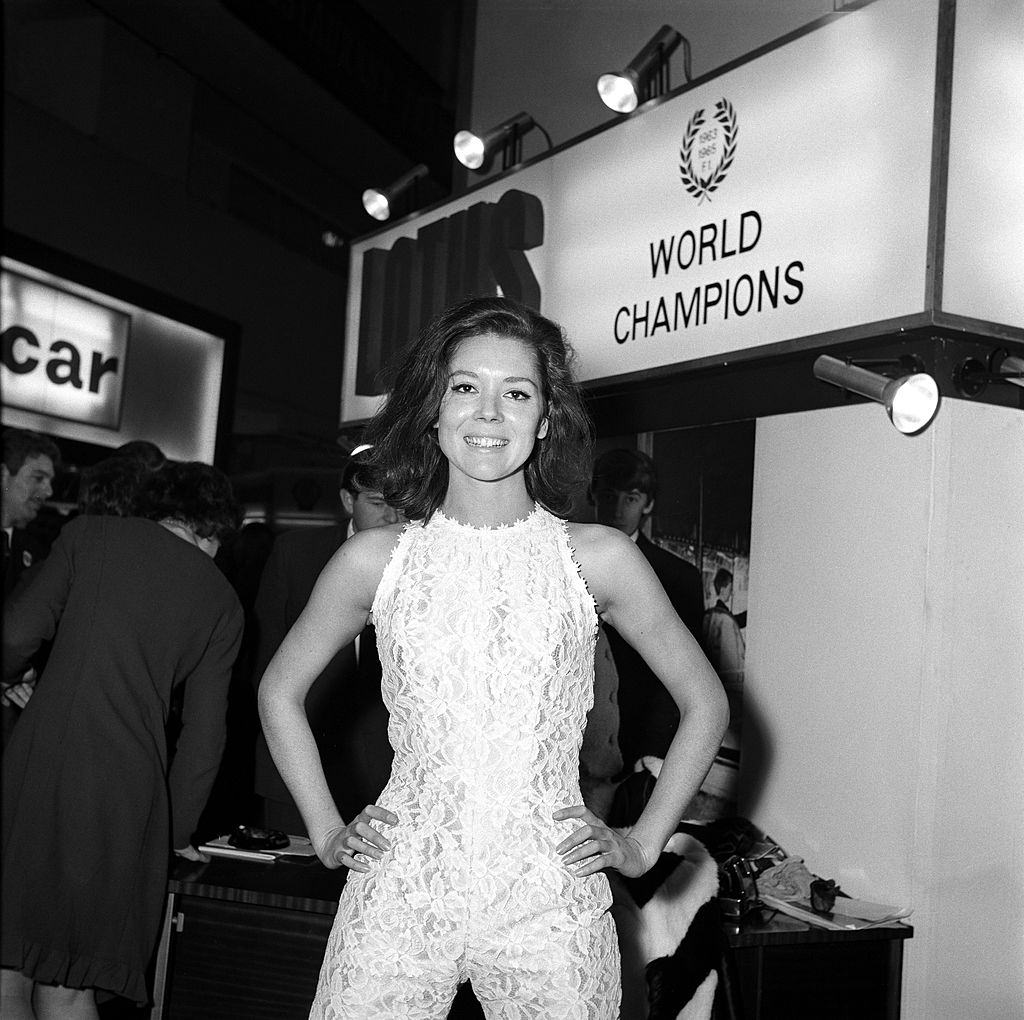
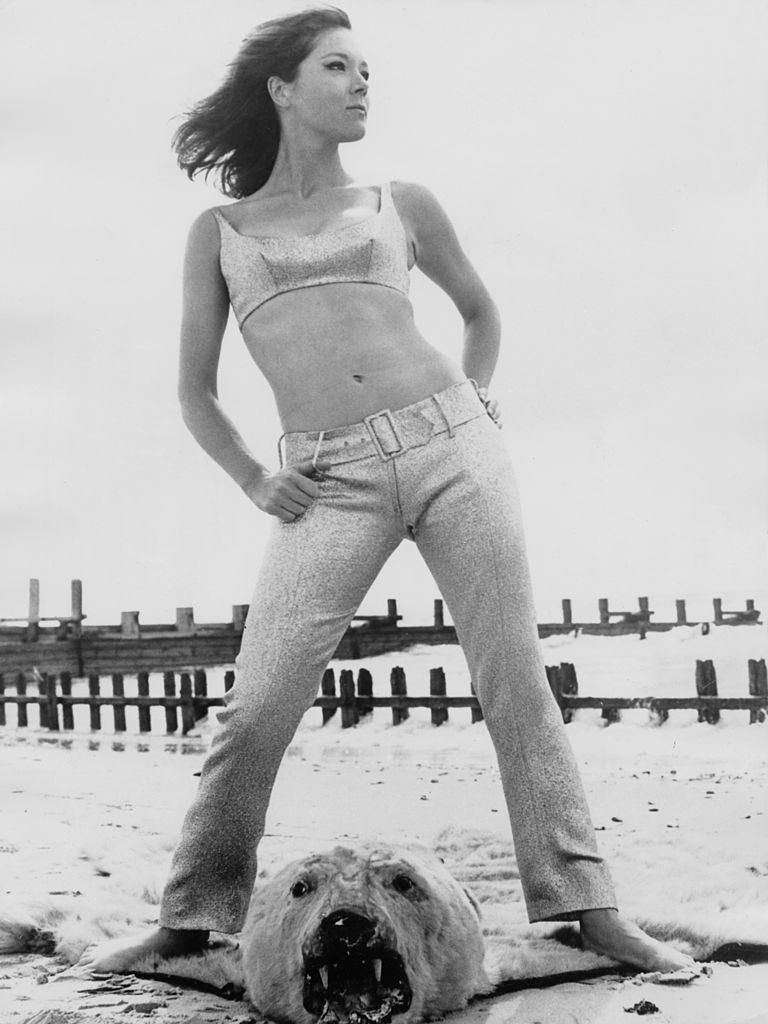
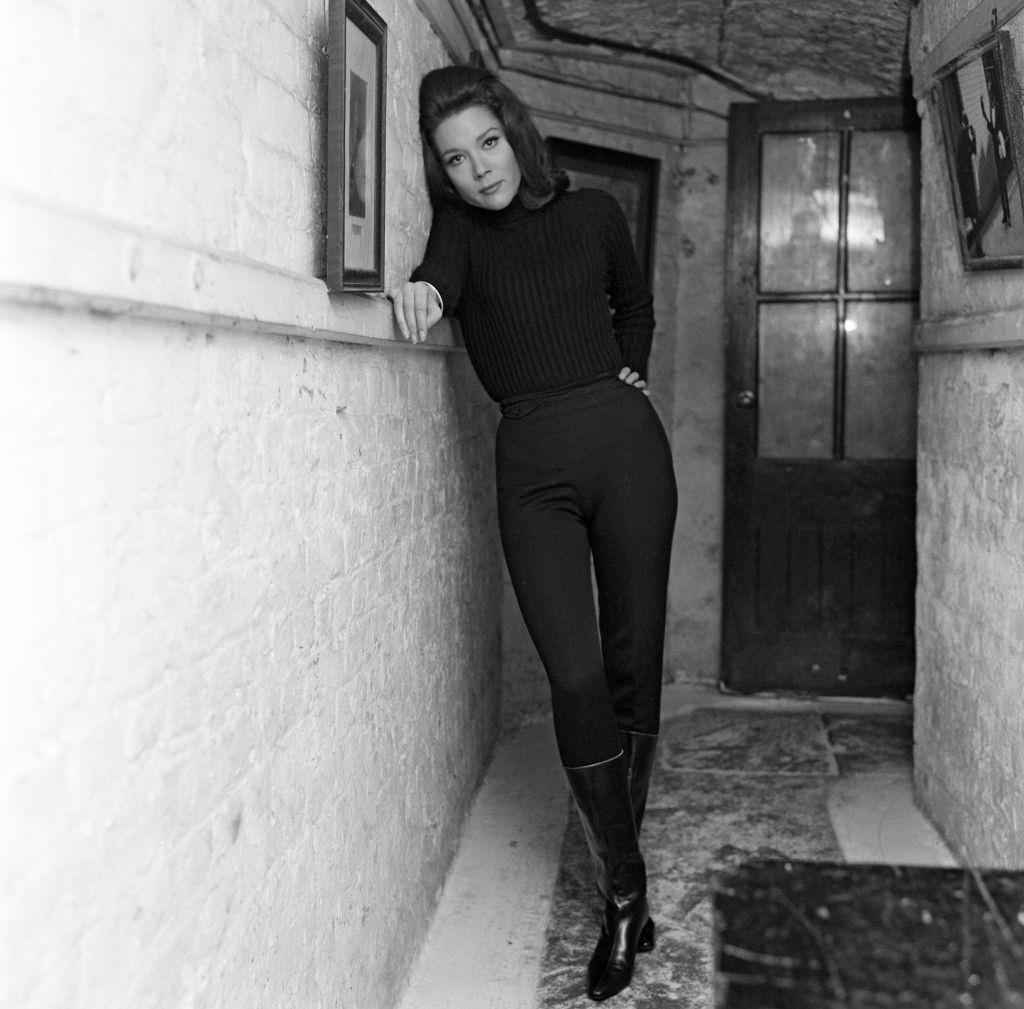
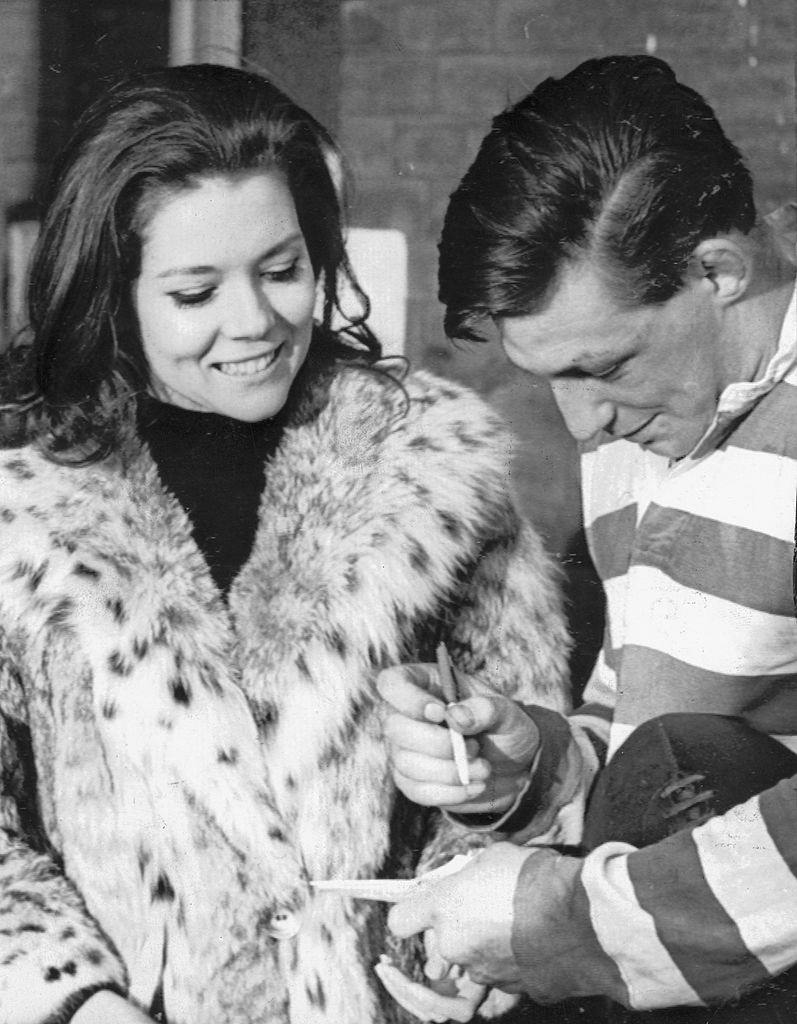
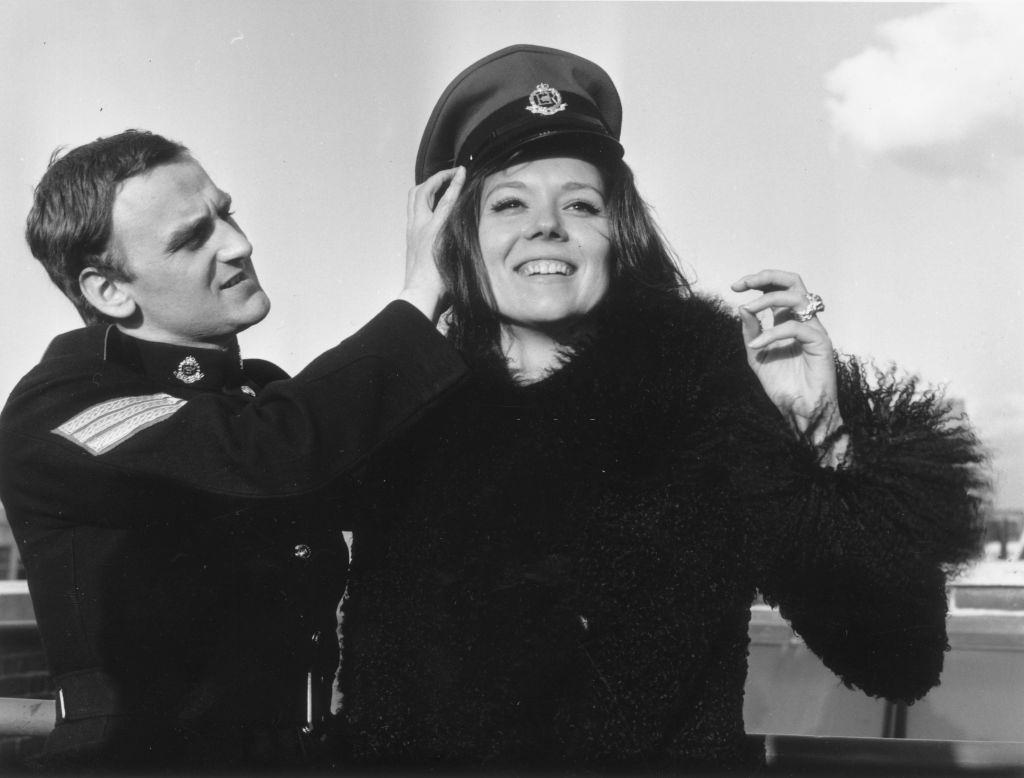
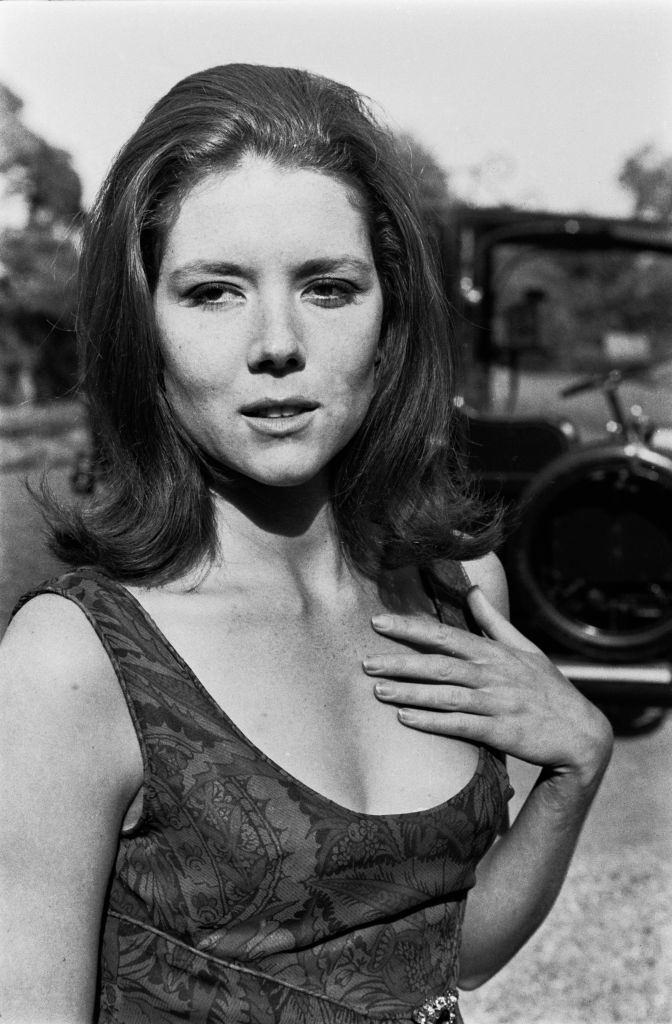
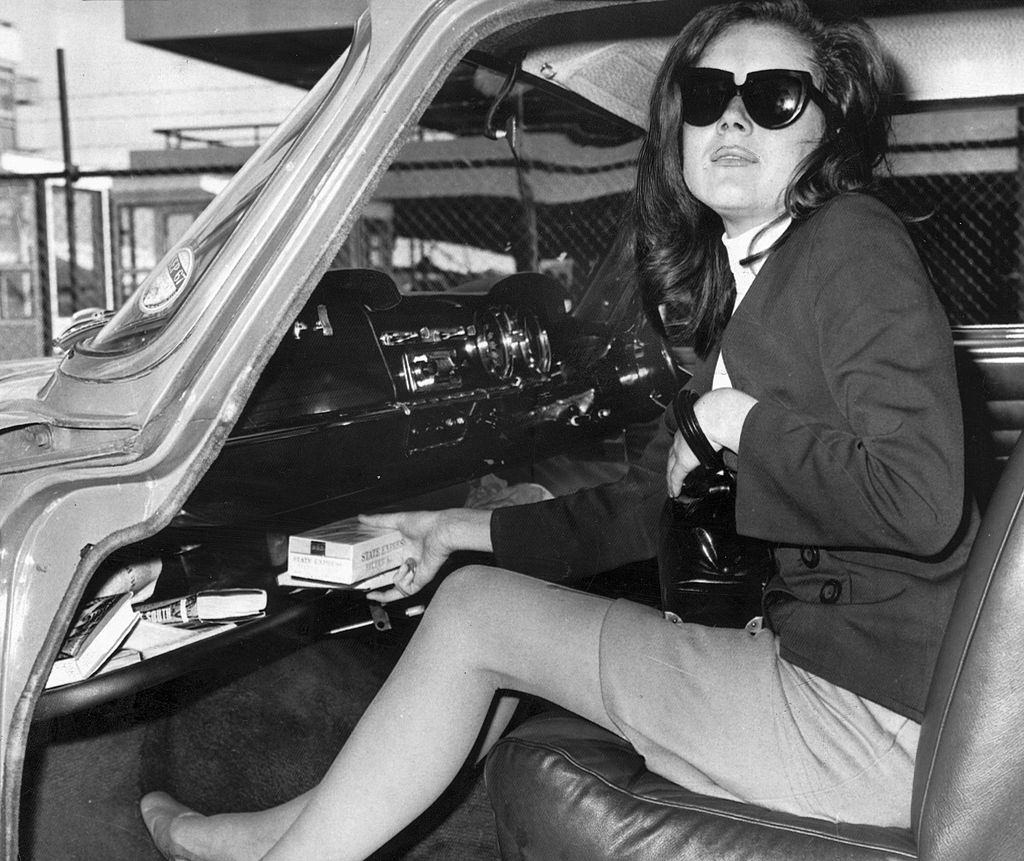
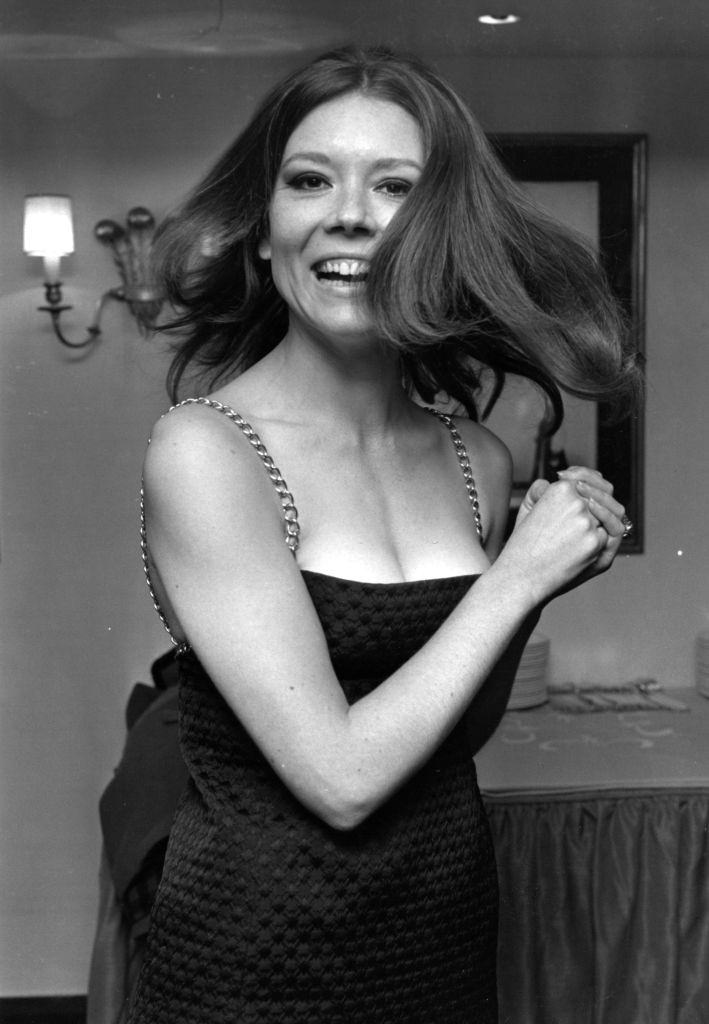
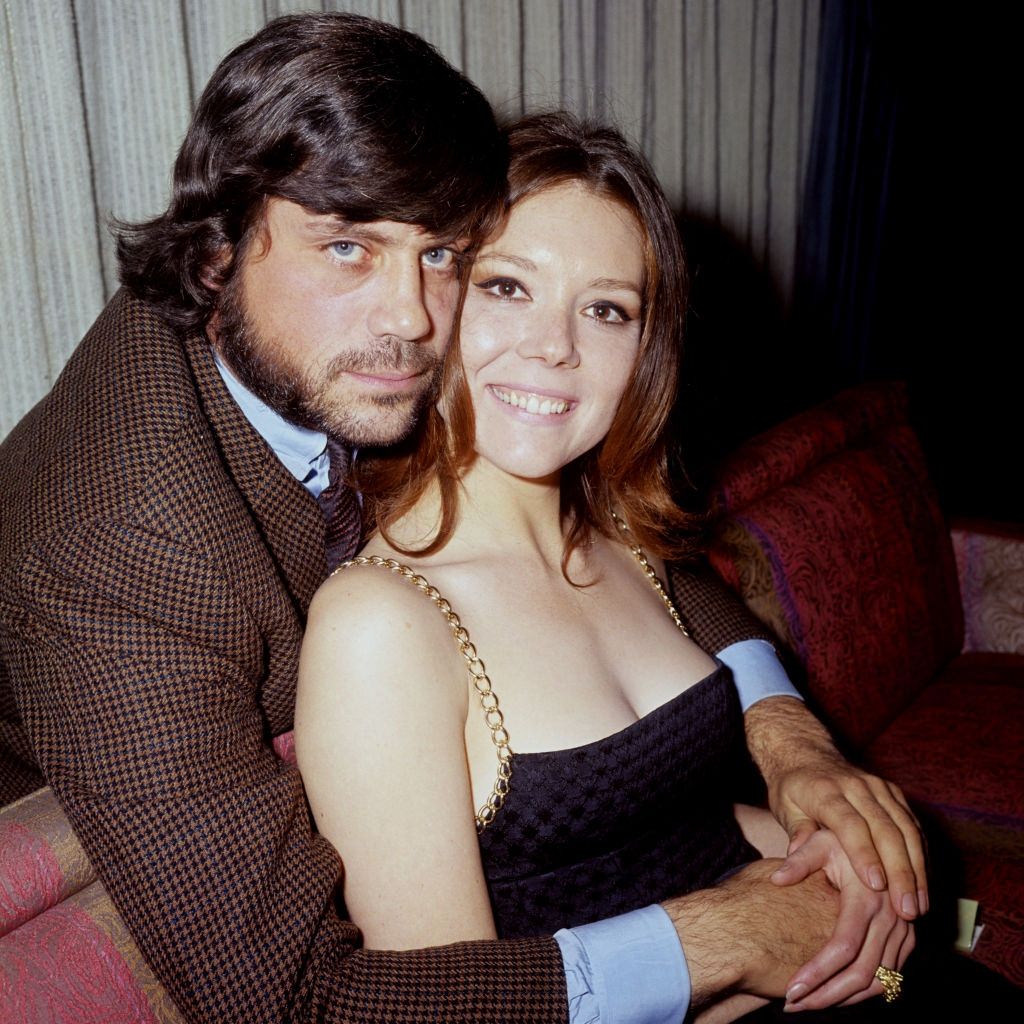
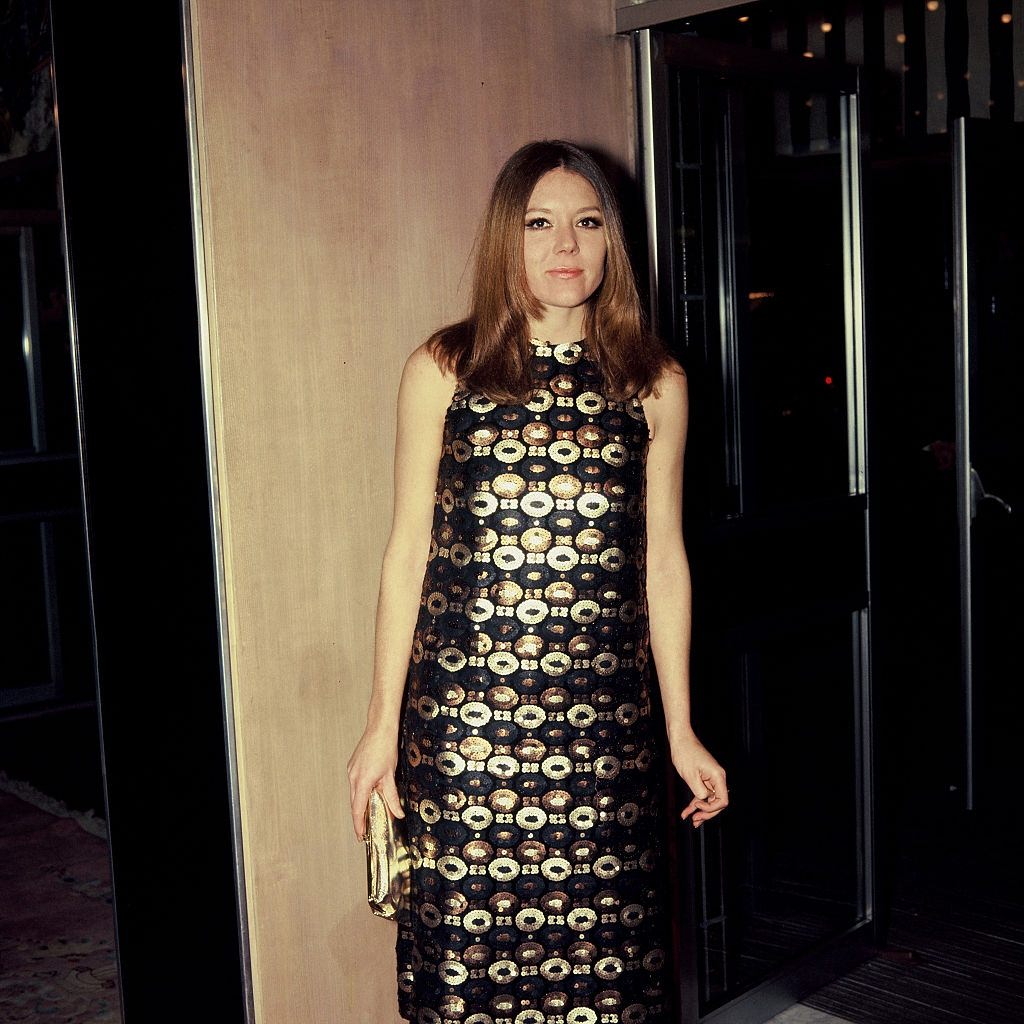
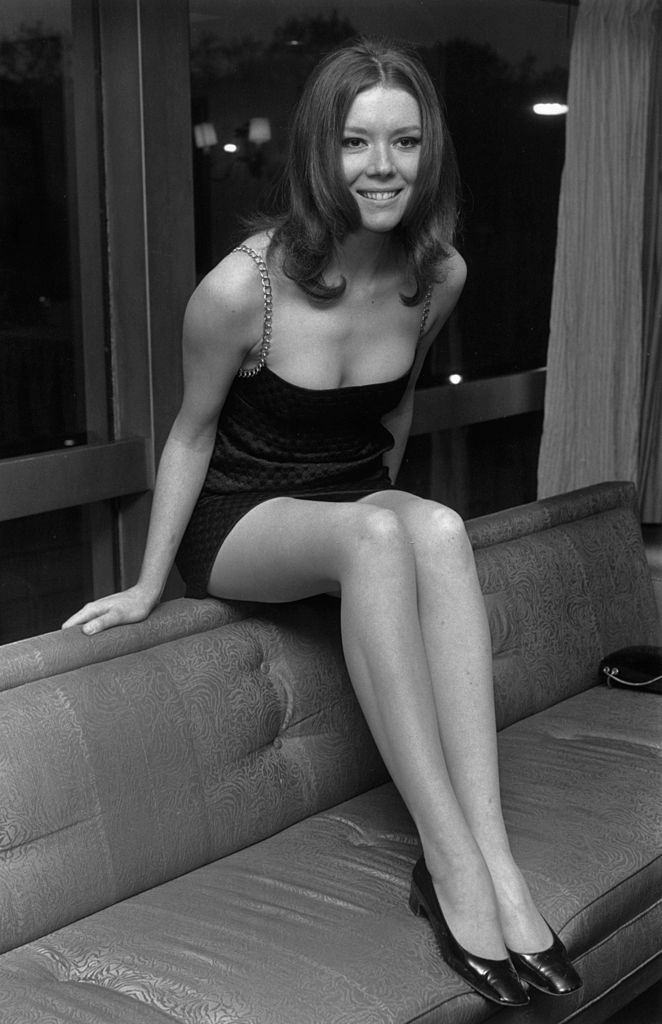
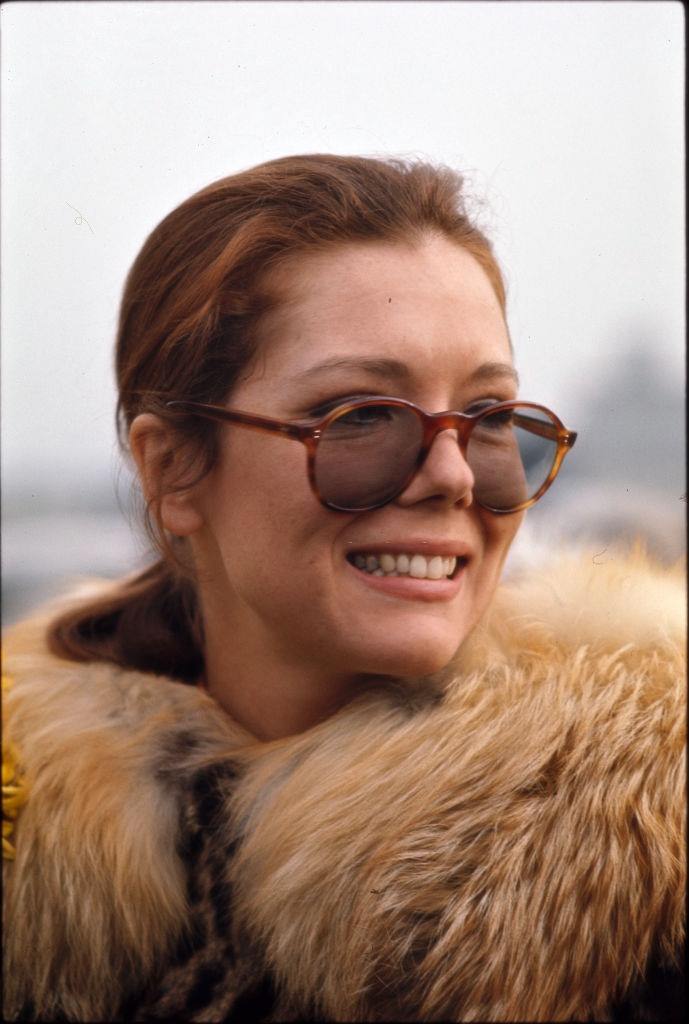
By the mid-1960s, Rigg’s profile was rising fast. She appeared at public events, motor shows, and press calls with the easy confidence of someone already becoming a household name. These early photos from 1965 capture a young actress at the start of her biggest breakthrough.
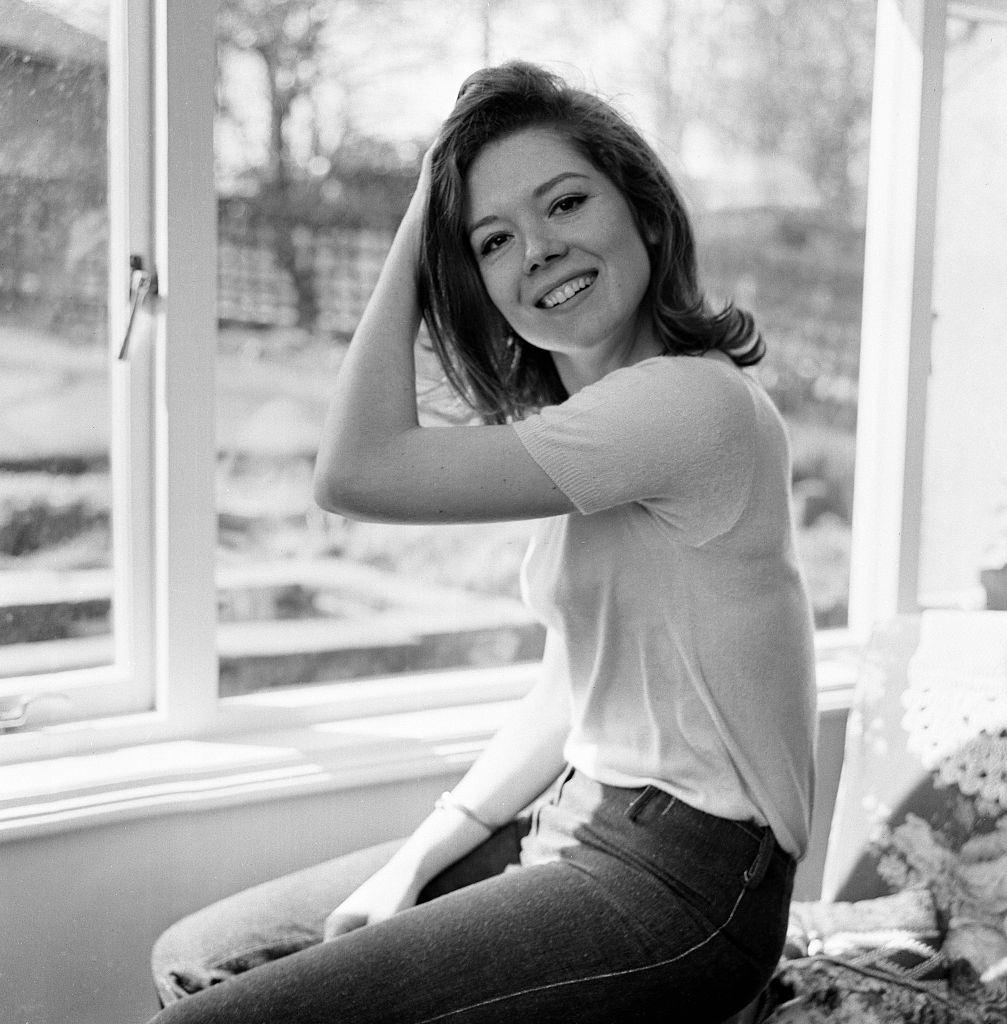
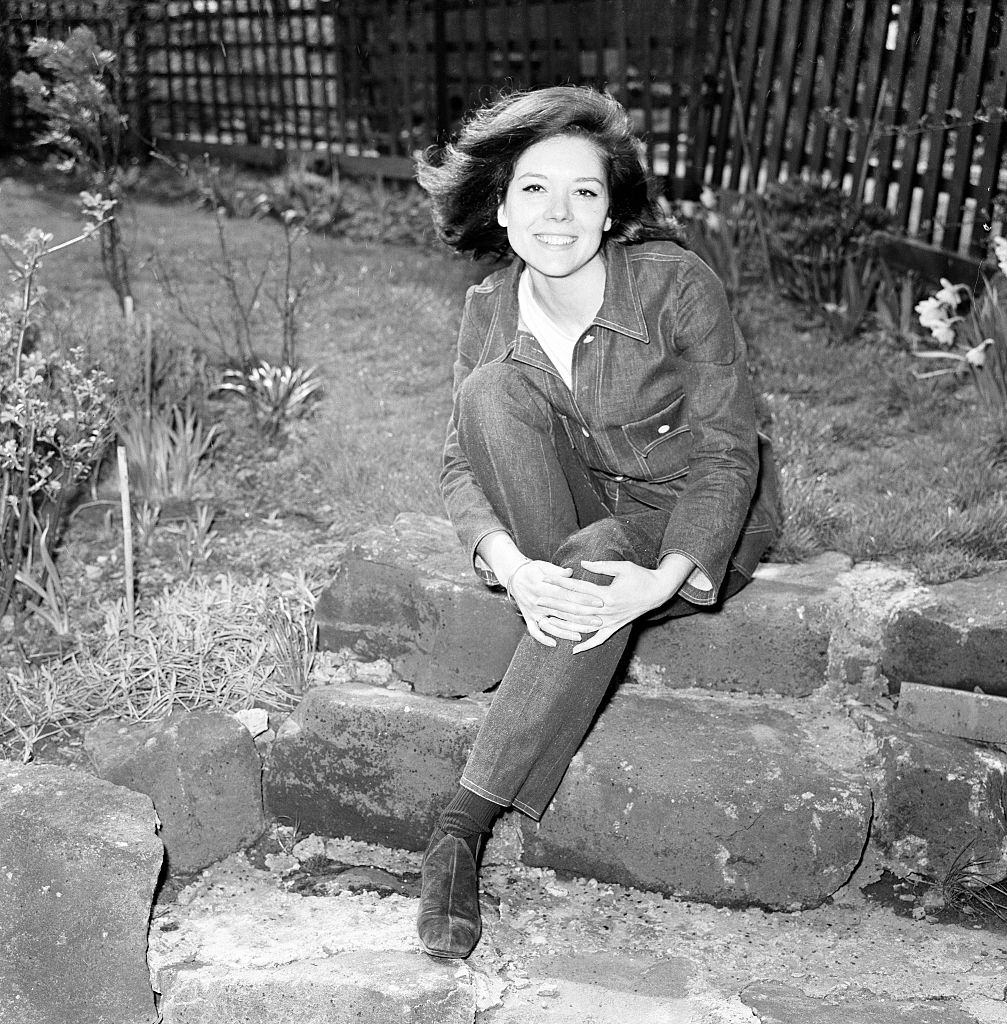
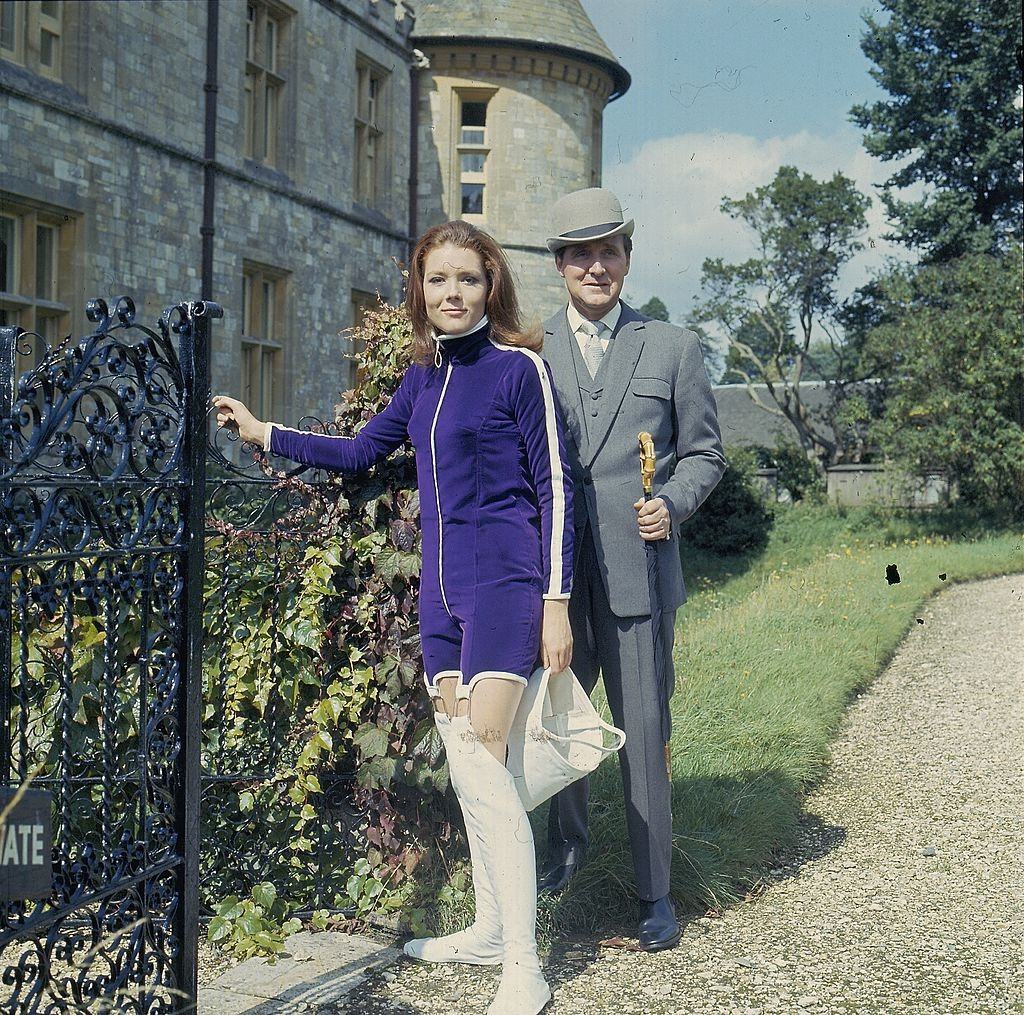
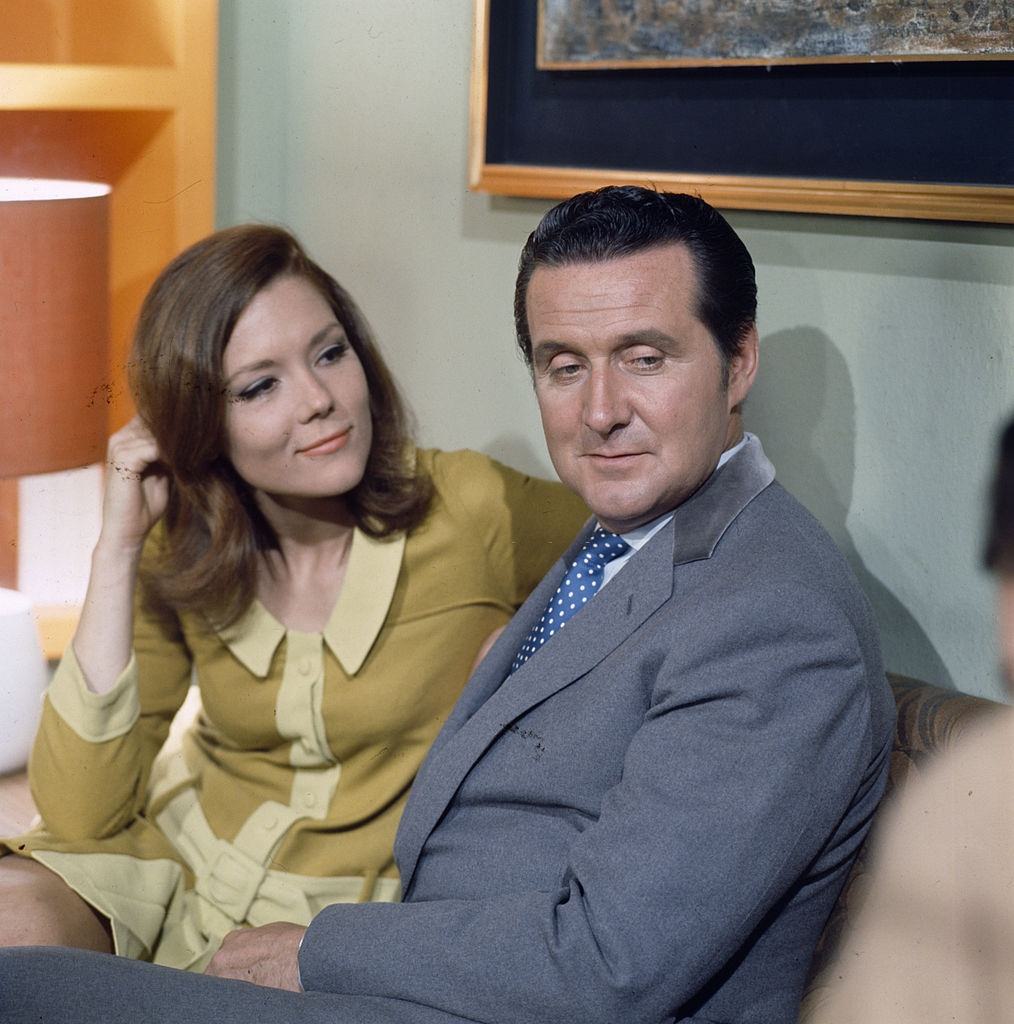
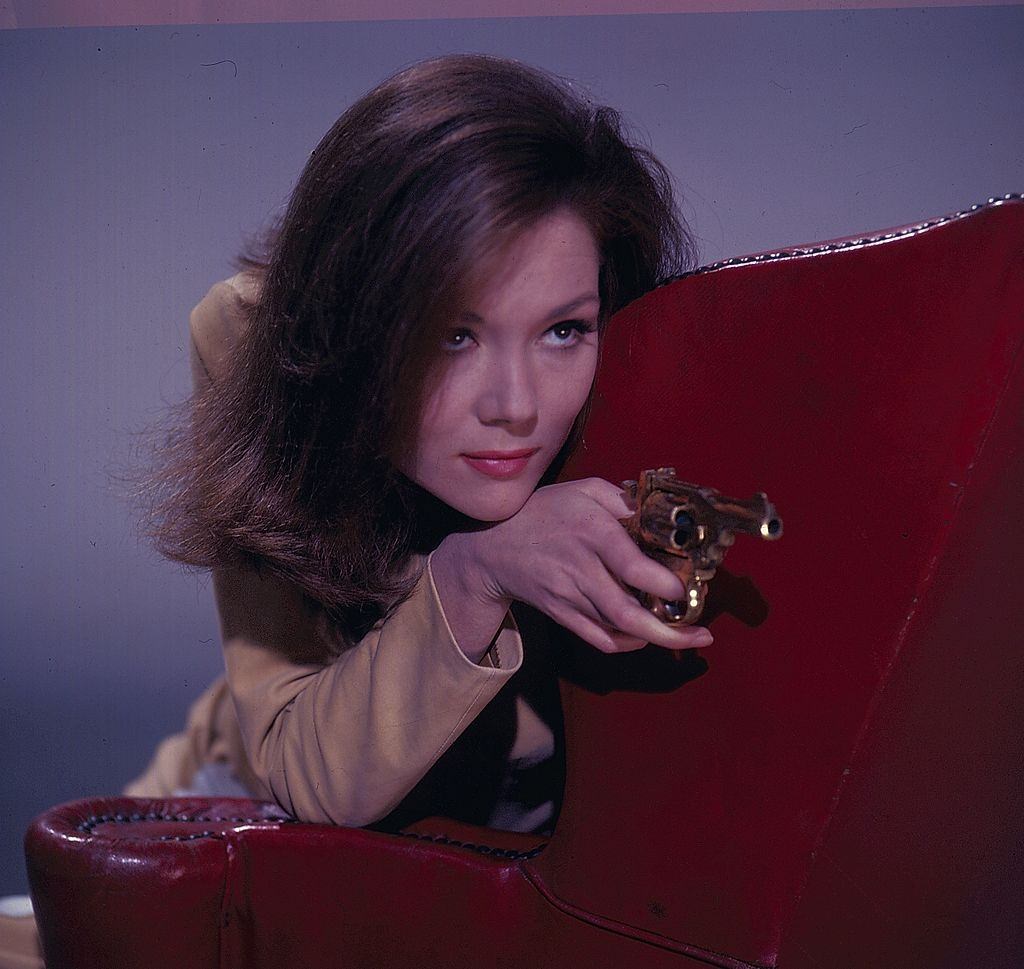
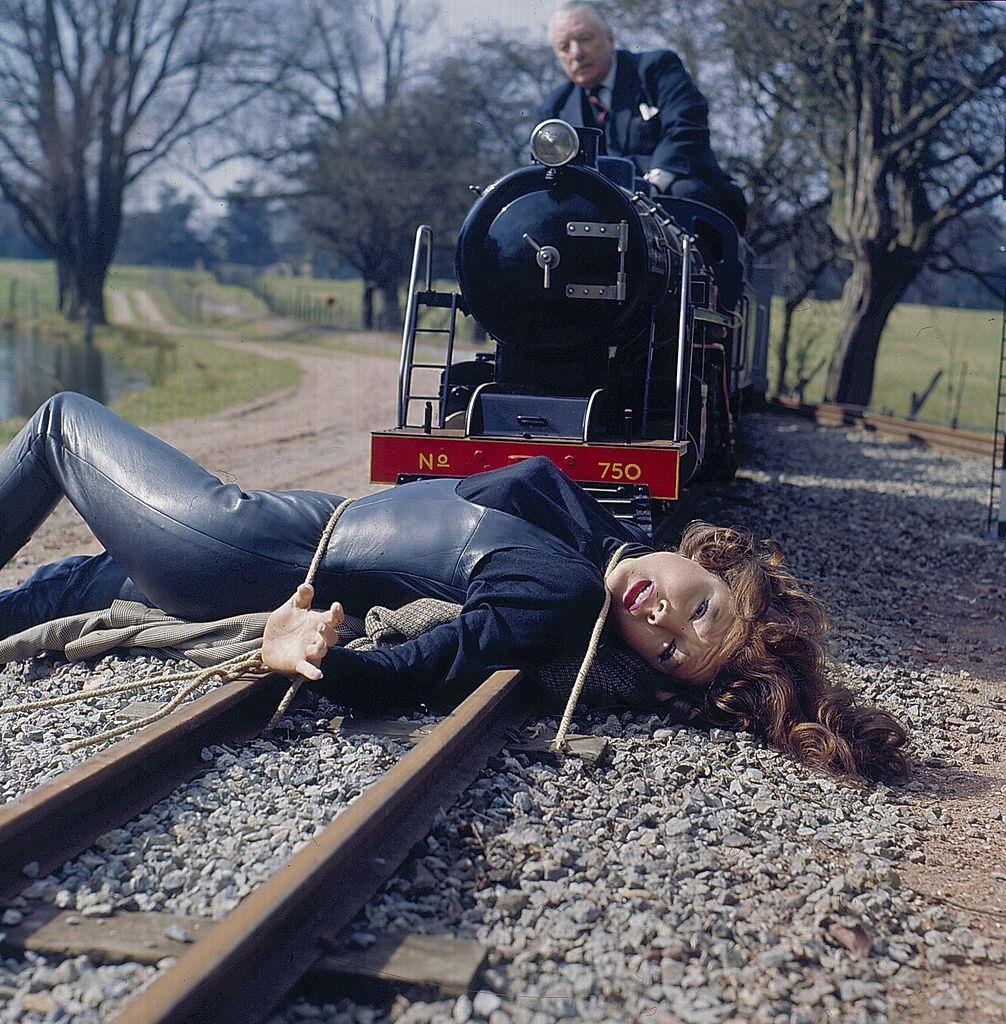
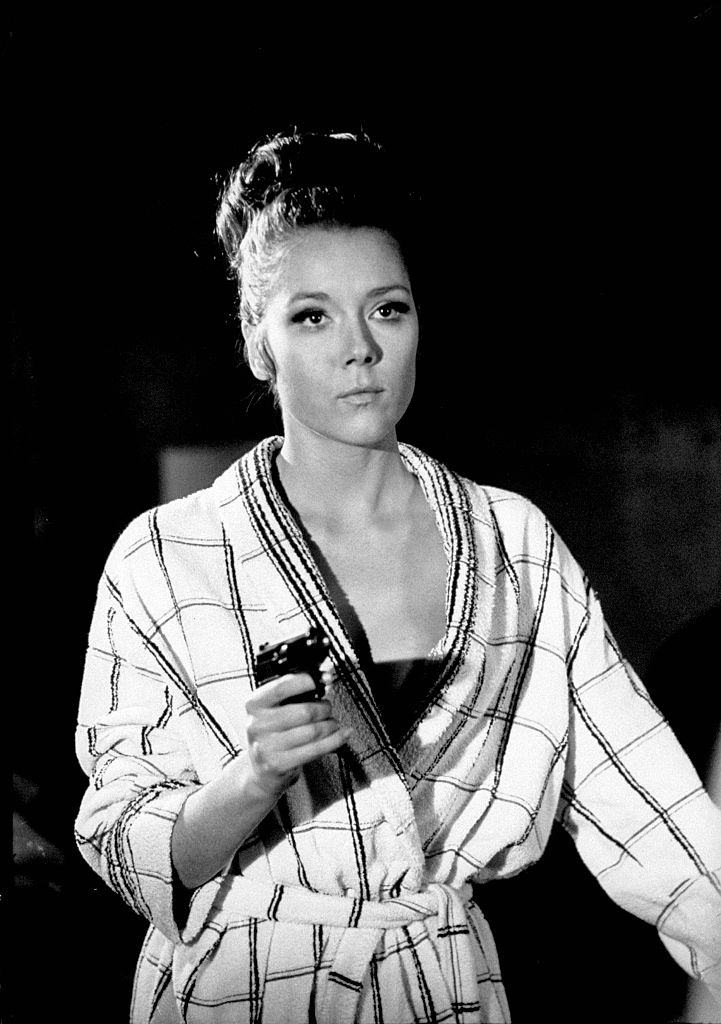
In 1965, Rigg stepped into the role that would define her for a generation of television viewers. She joined the cast of the British espionage series ‘The Avengers’, playing secret agent Emma Peel alongside Patrick Macnee’s John Steed. Emma Peel was unlike almost any female character on British television at the time — she was sharp, physically capable, witty, and completely in control. Rigg played her in 51 episodes between 1965 and 1968, and the character became a cultural icon.
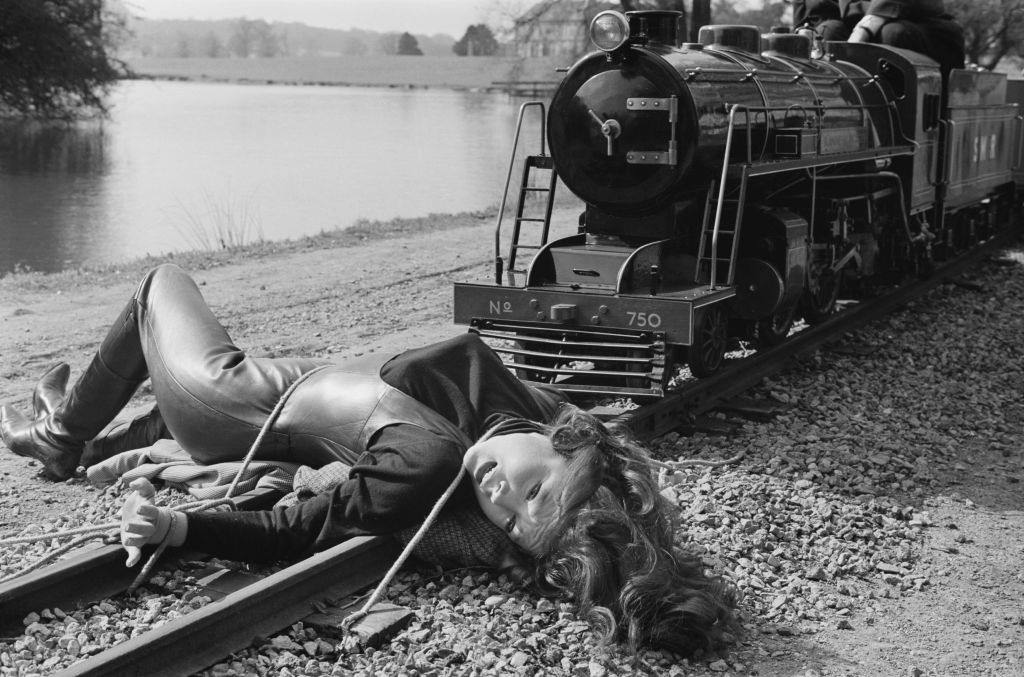
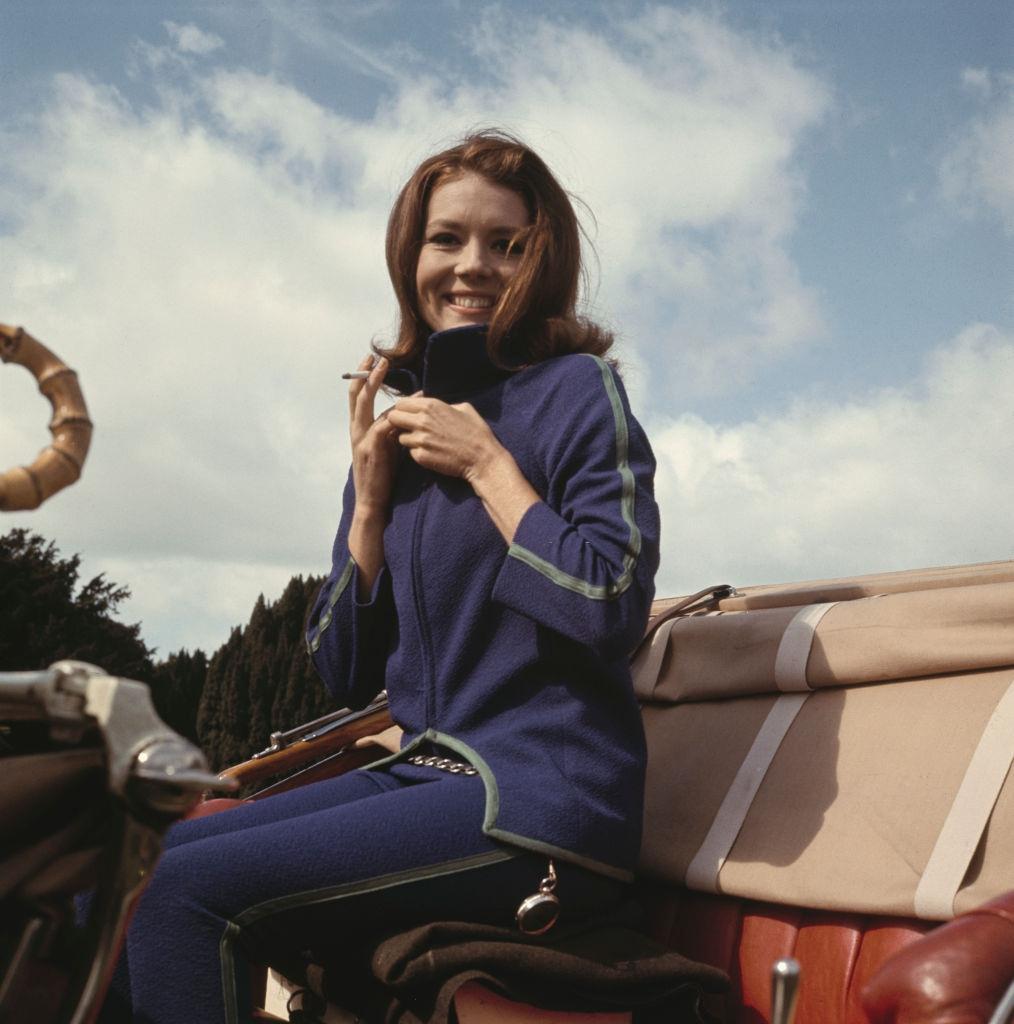
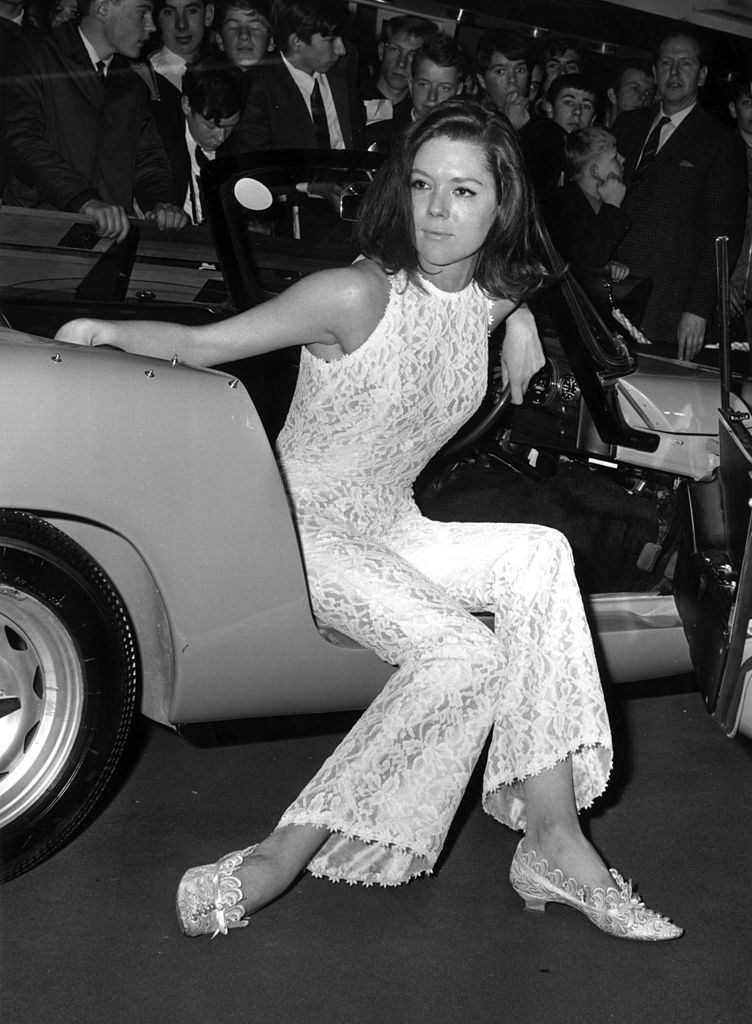
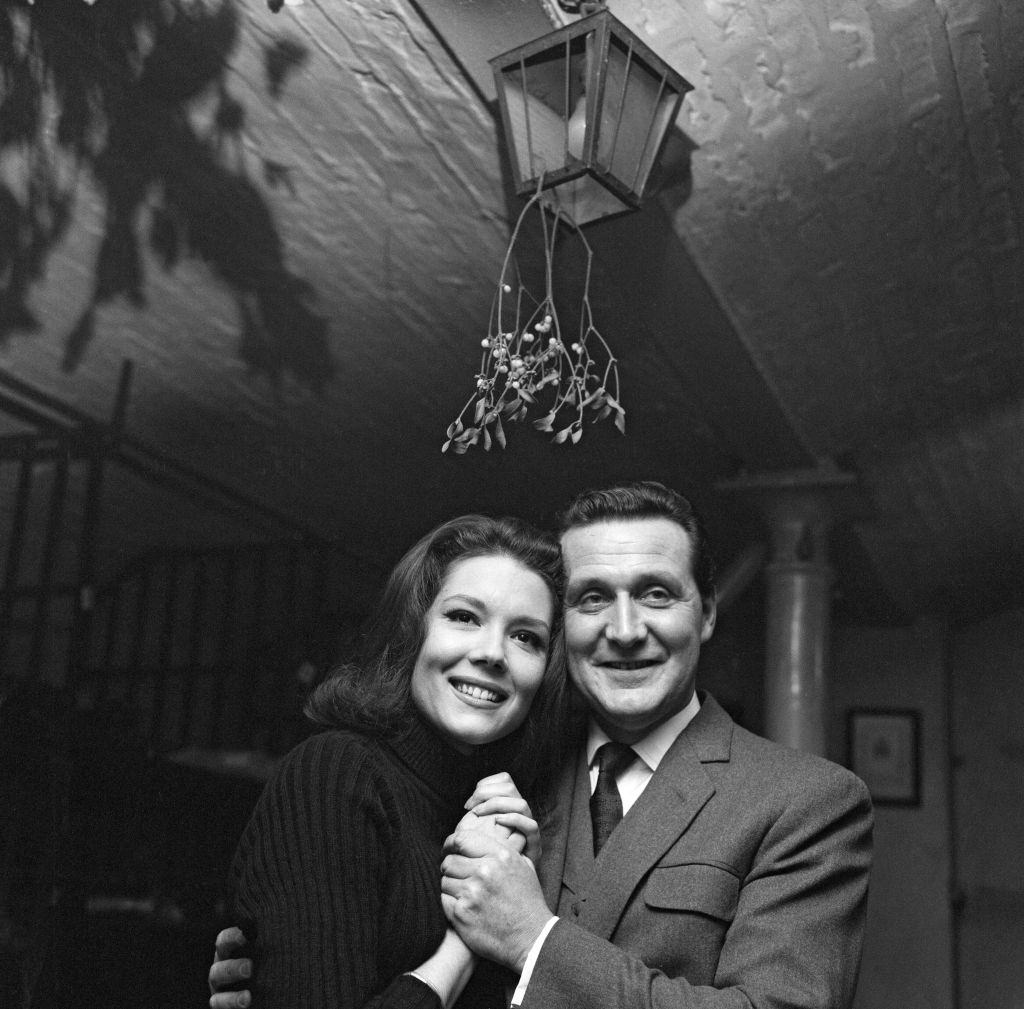
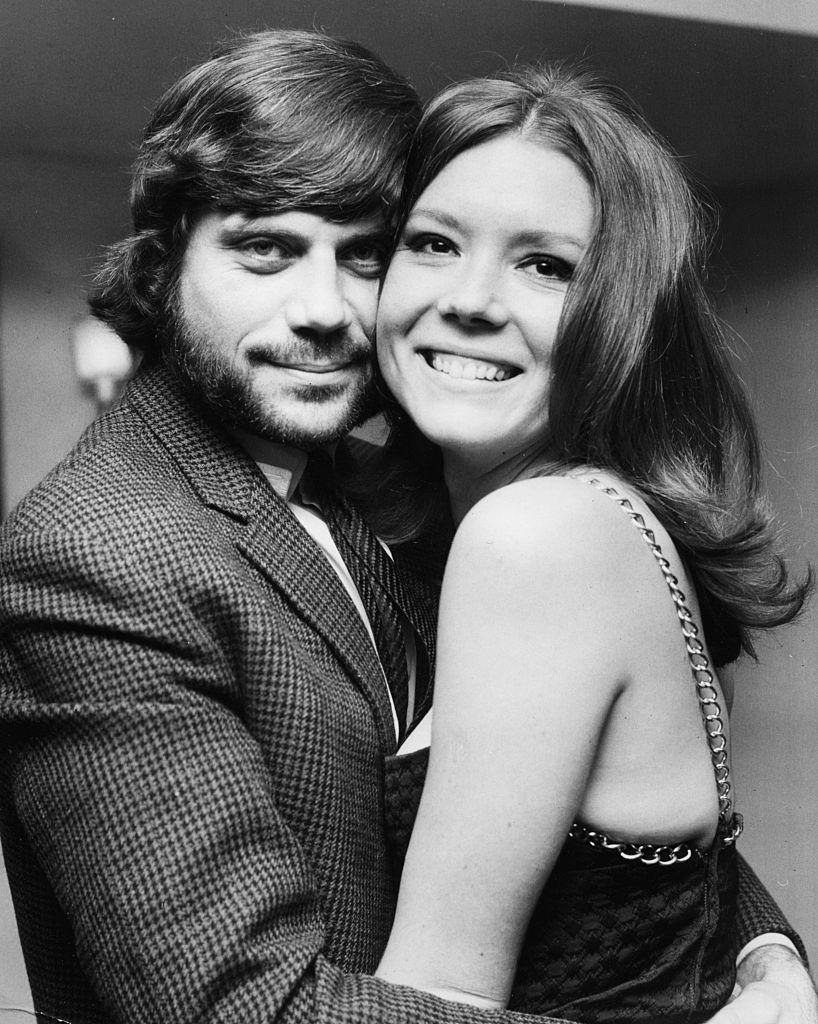
On set, Rigg and Macnee developed a natural chemistry that made the show genuinely entertaining to watch. The pair appeared frequently together at public events and press shoots throughout the 1960s, and photos from that era show how comfortable they were in each other’s company.
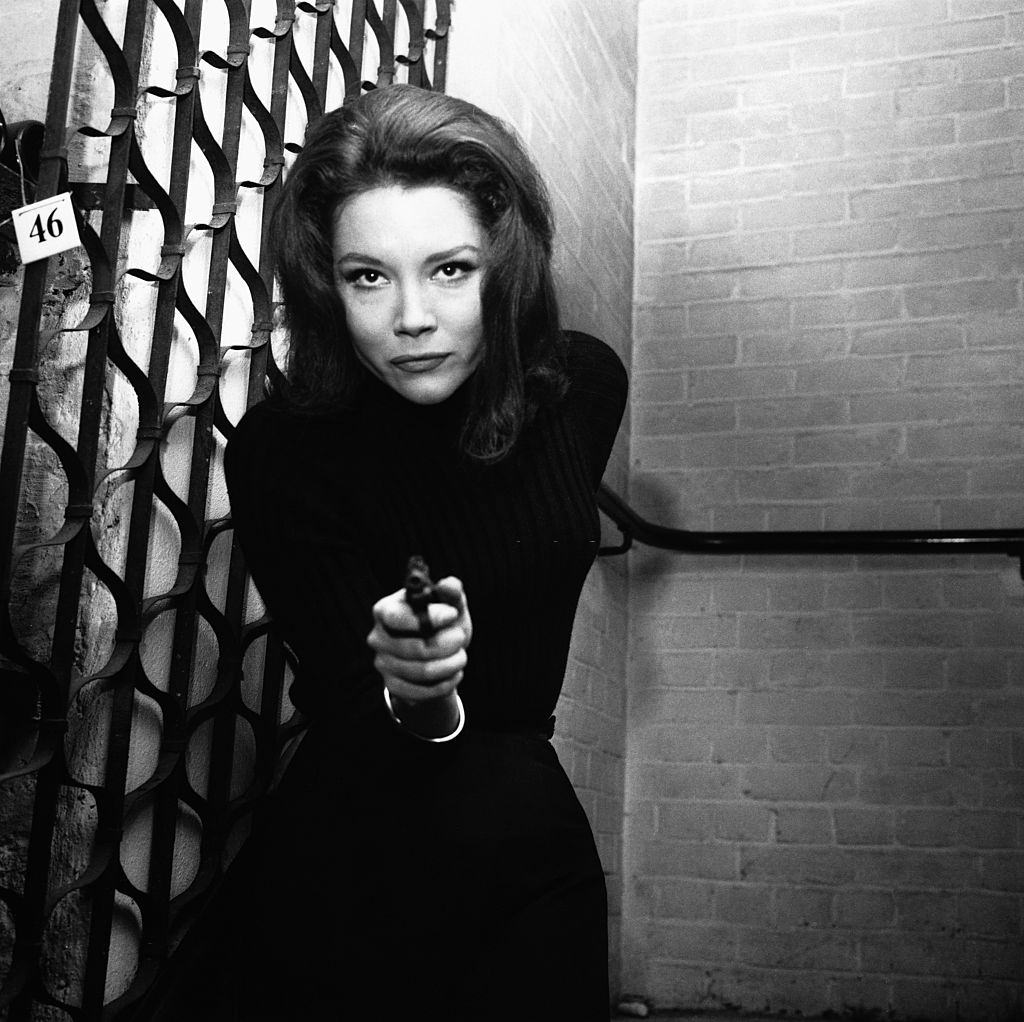
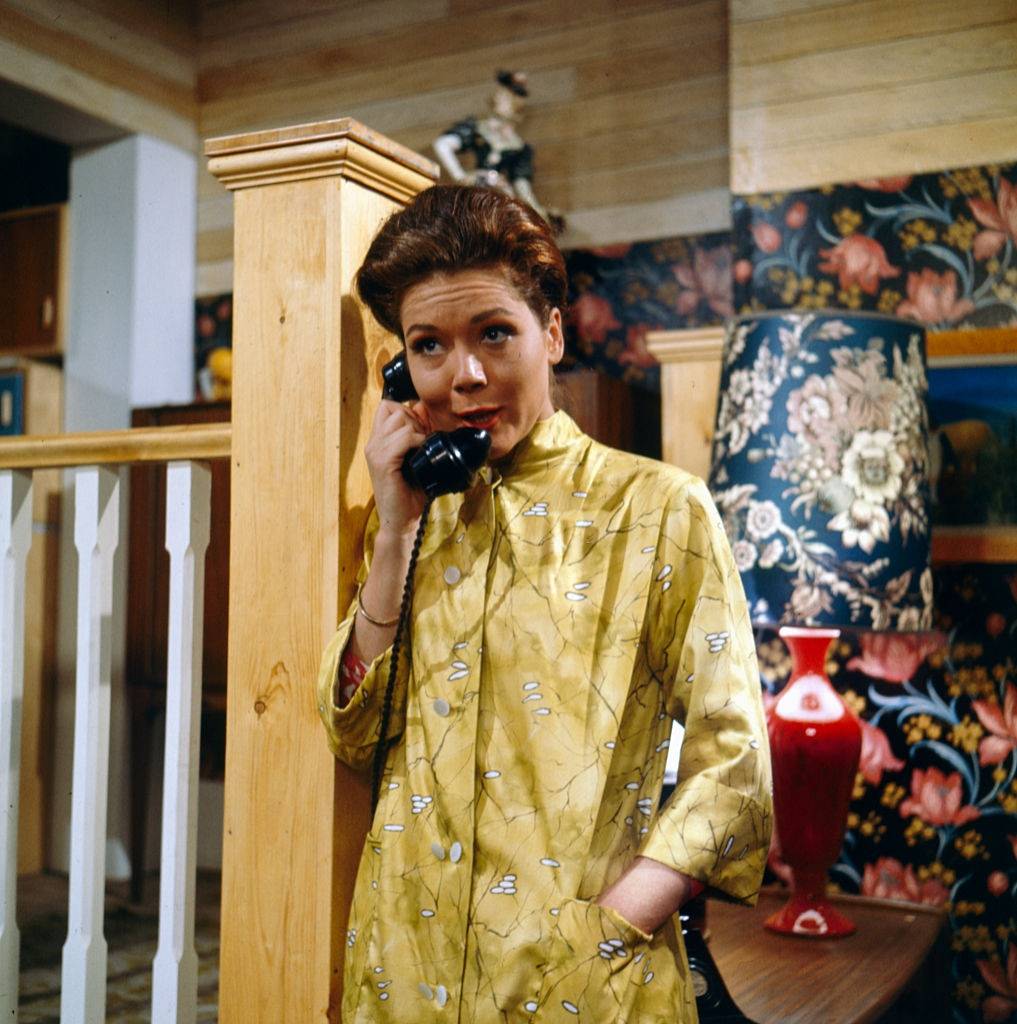
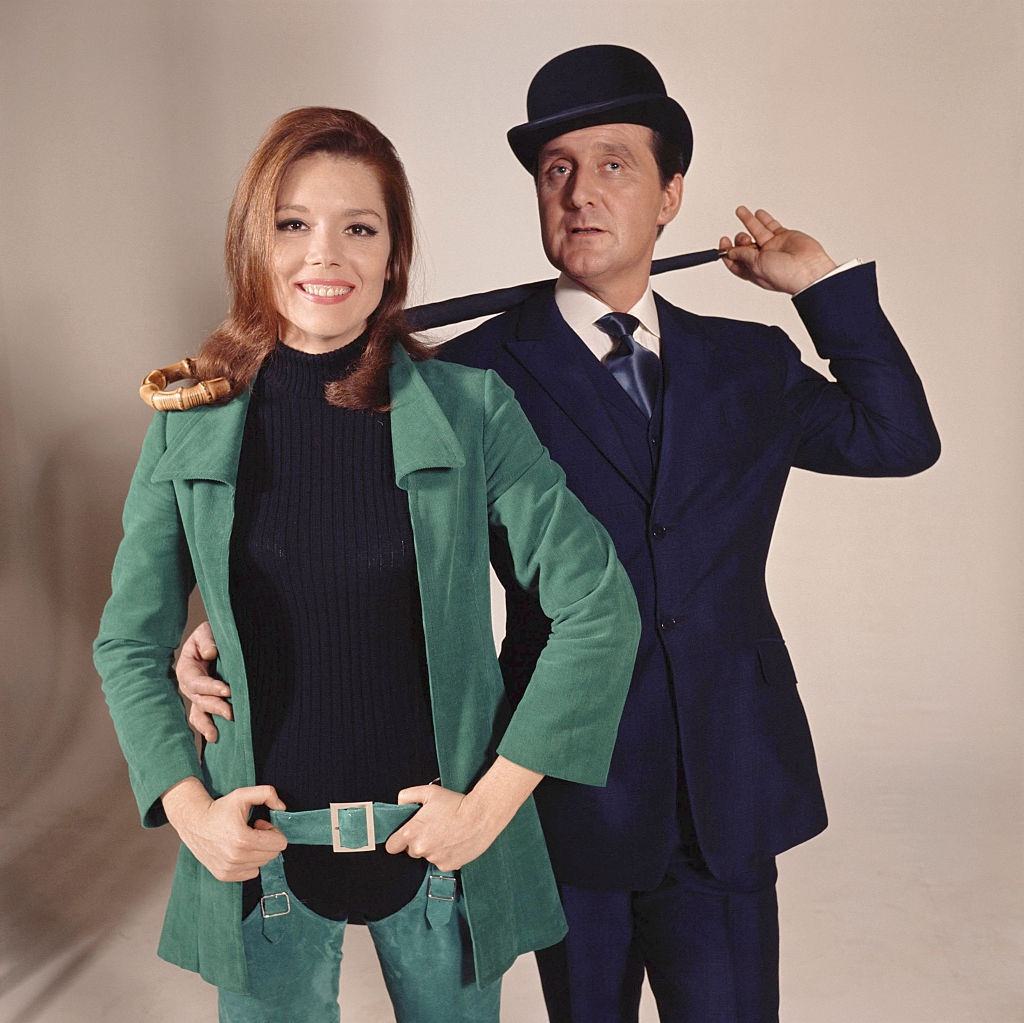
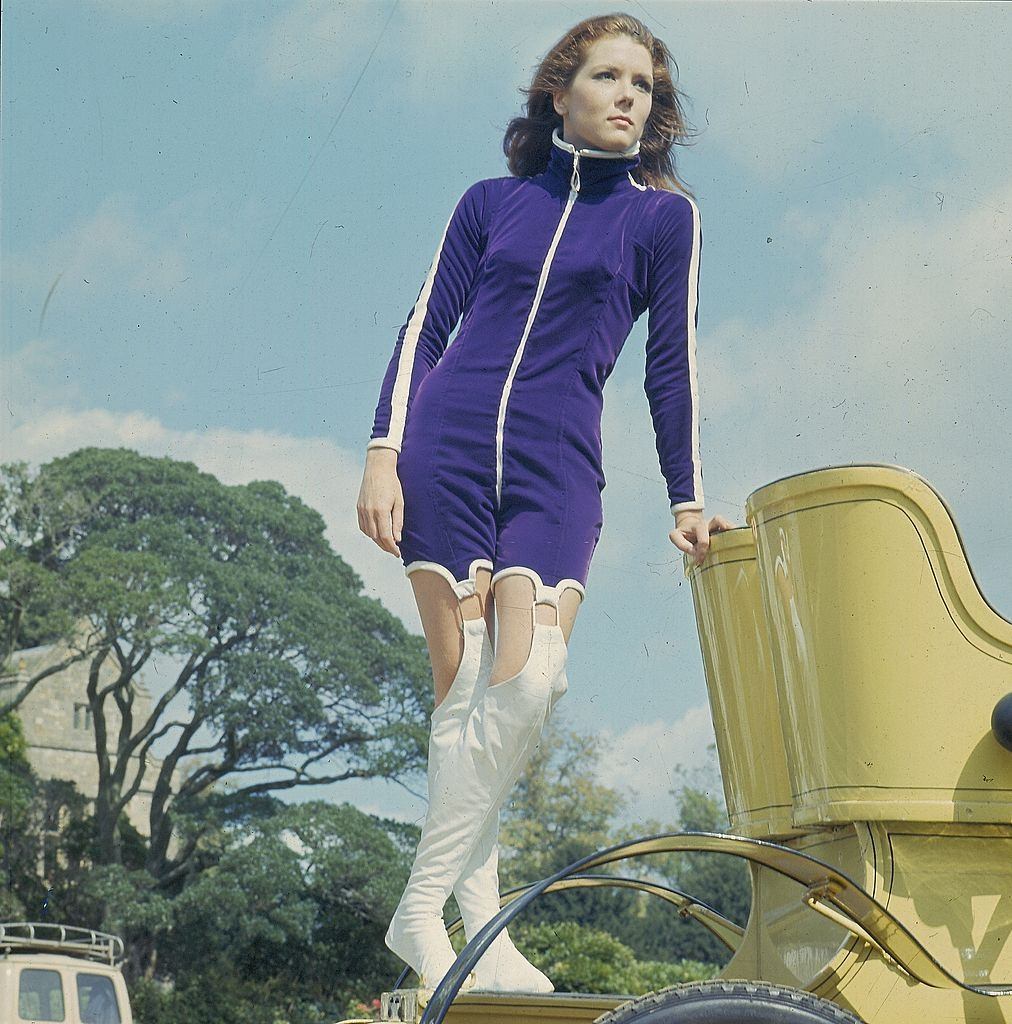
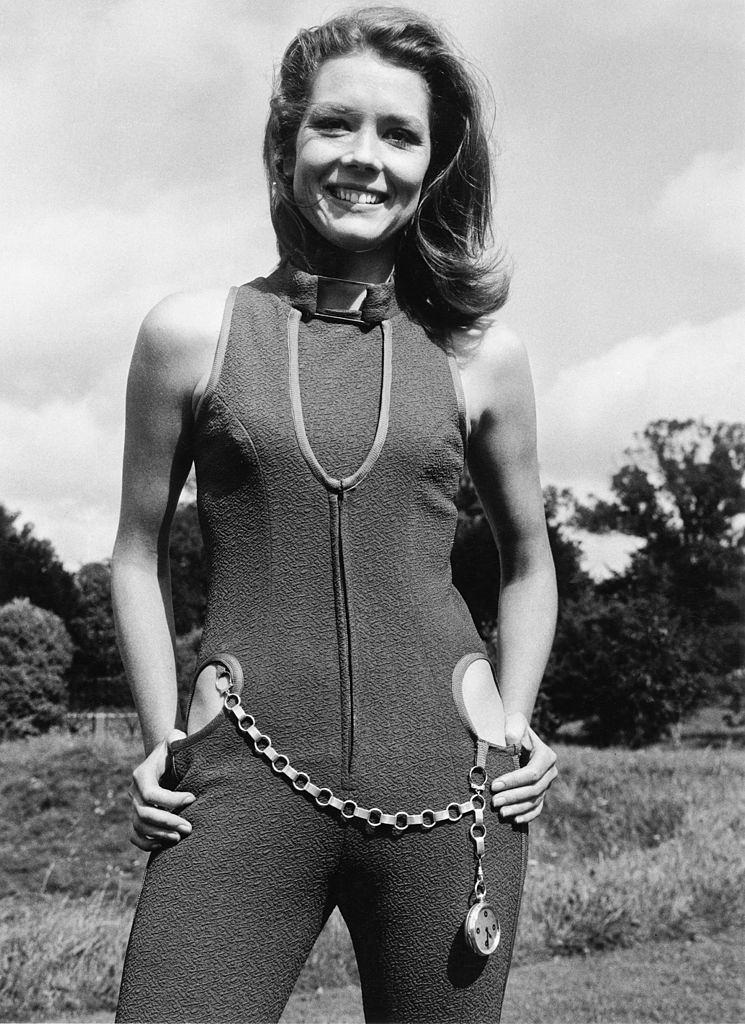
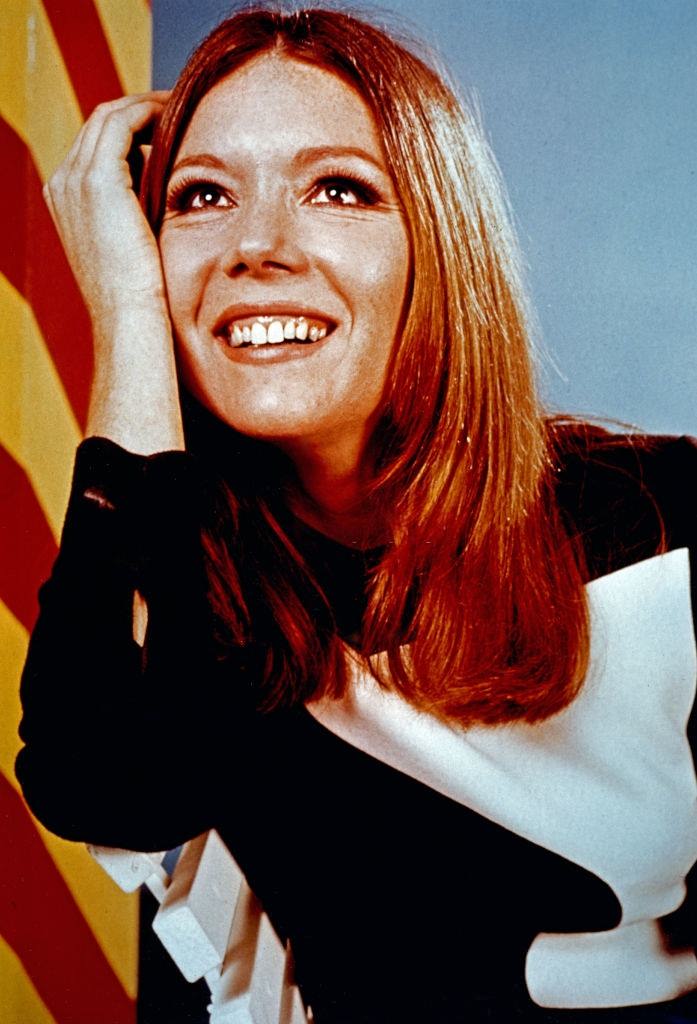
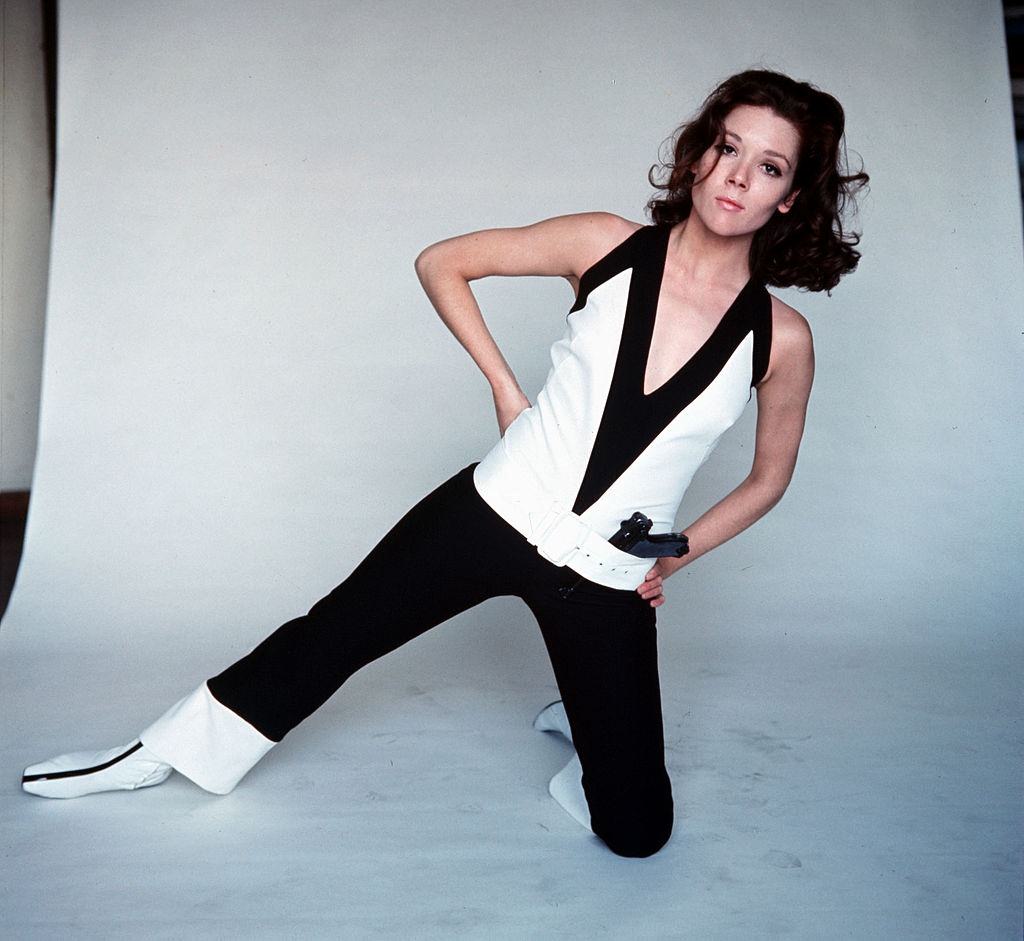
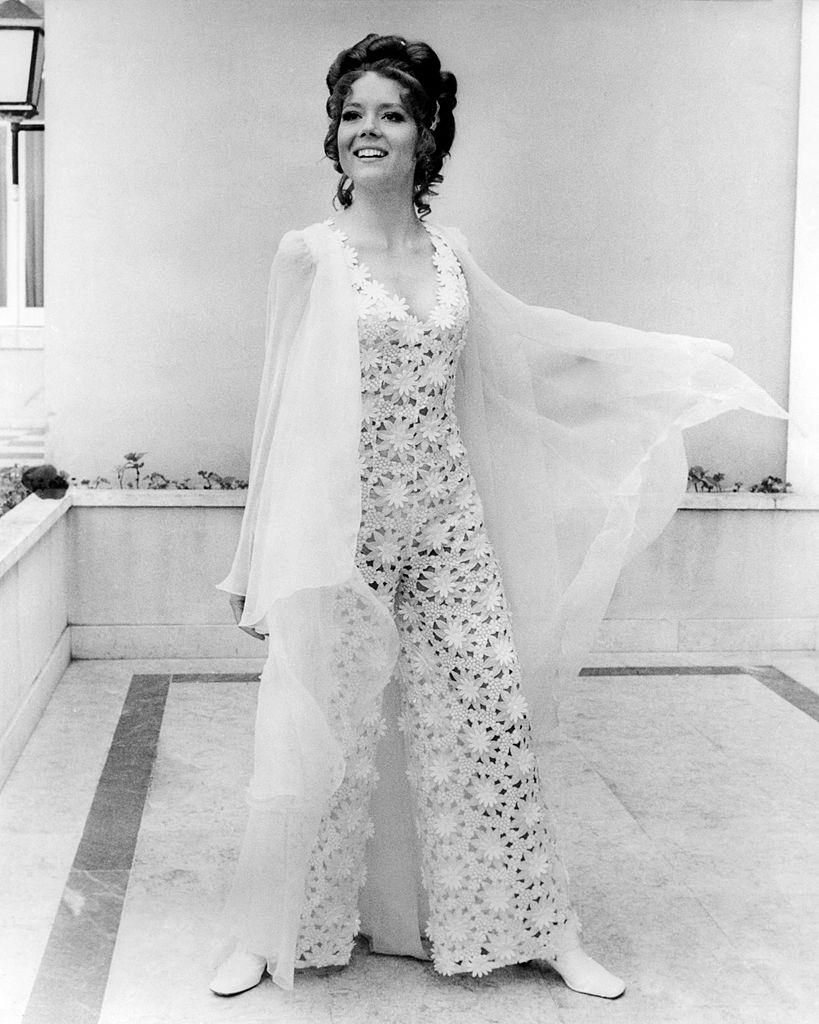
The costumes worn by Emma Peel became as iconic as the character herself. Designer John Bates created a series of striking outfits specifically for Rigg’s role, including catsuits, trouser suits, and bold geometric designs that fit the visual style of the 1960s perfectly. These weren’t just television costumes — they were covered by fashion press and genuinely influenced what women wore during that decade.
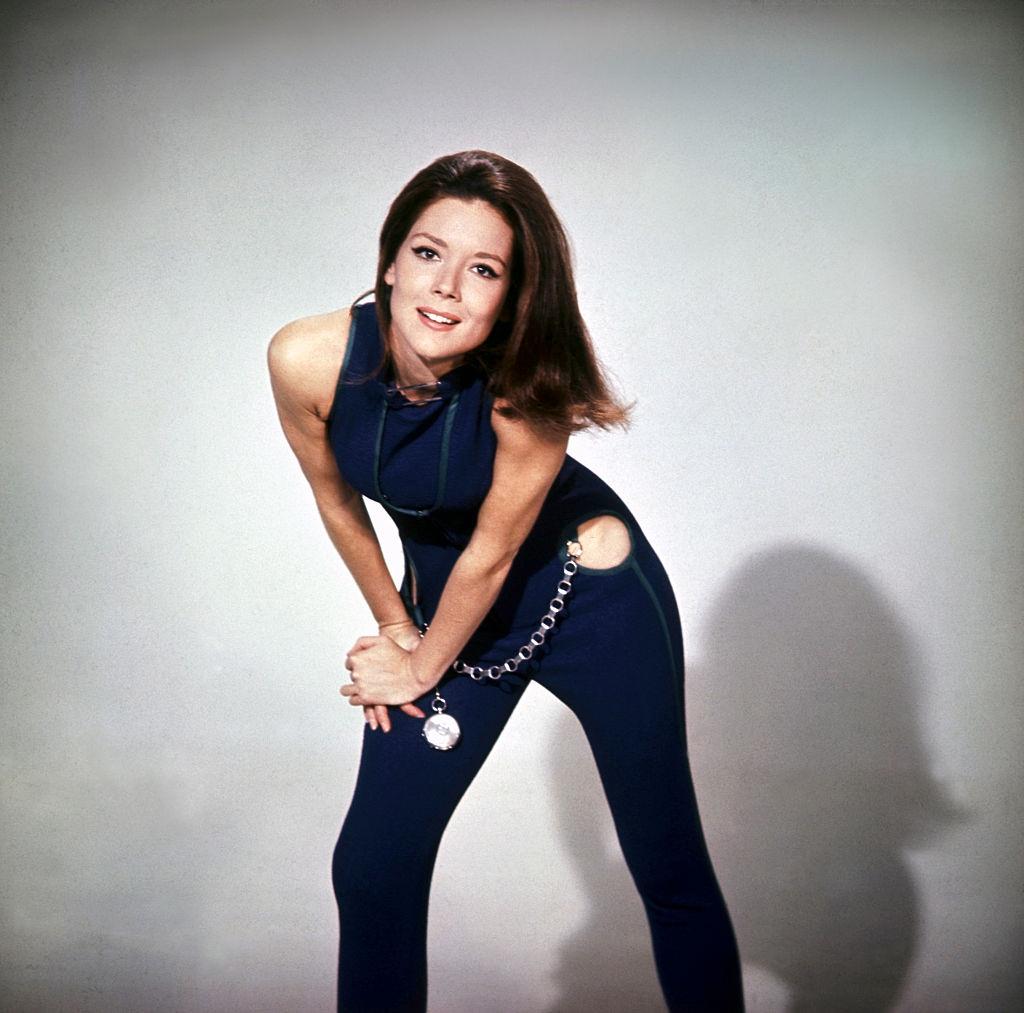
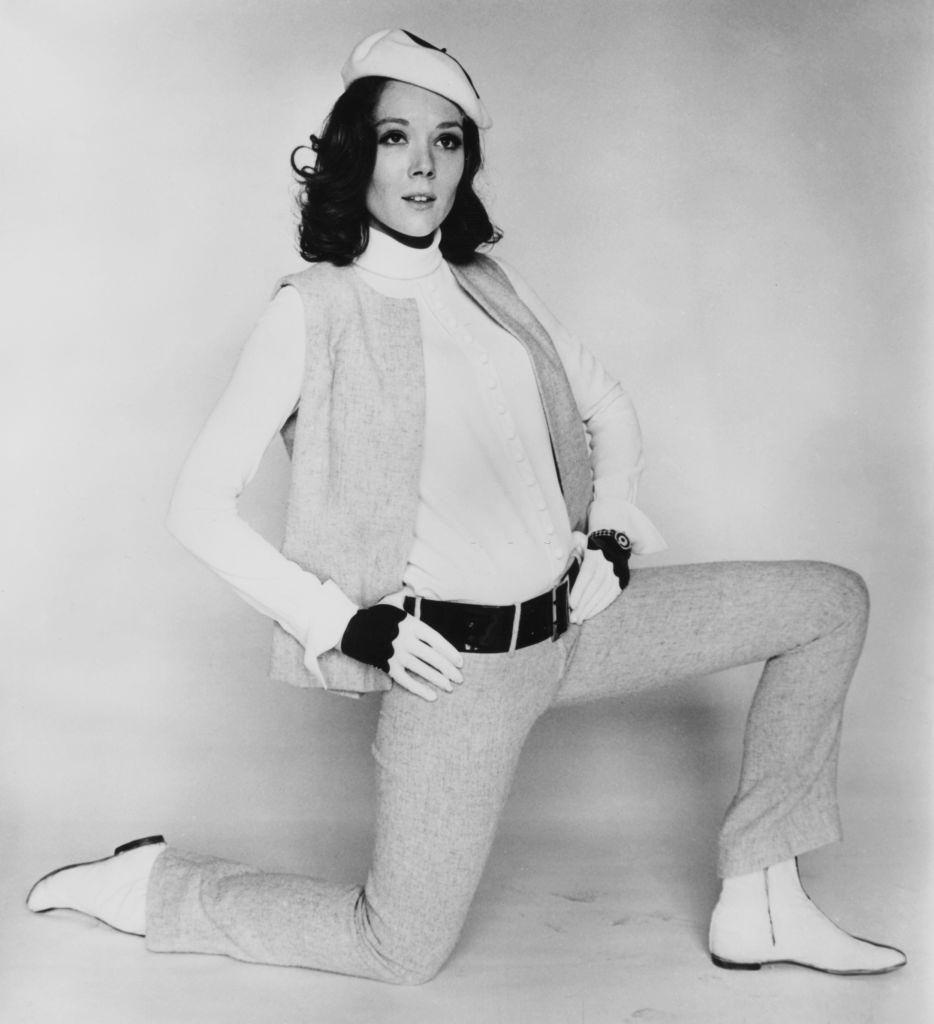
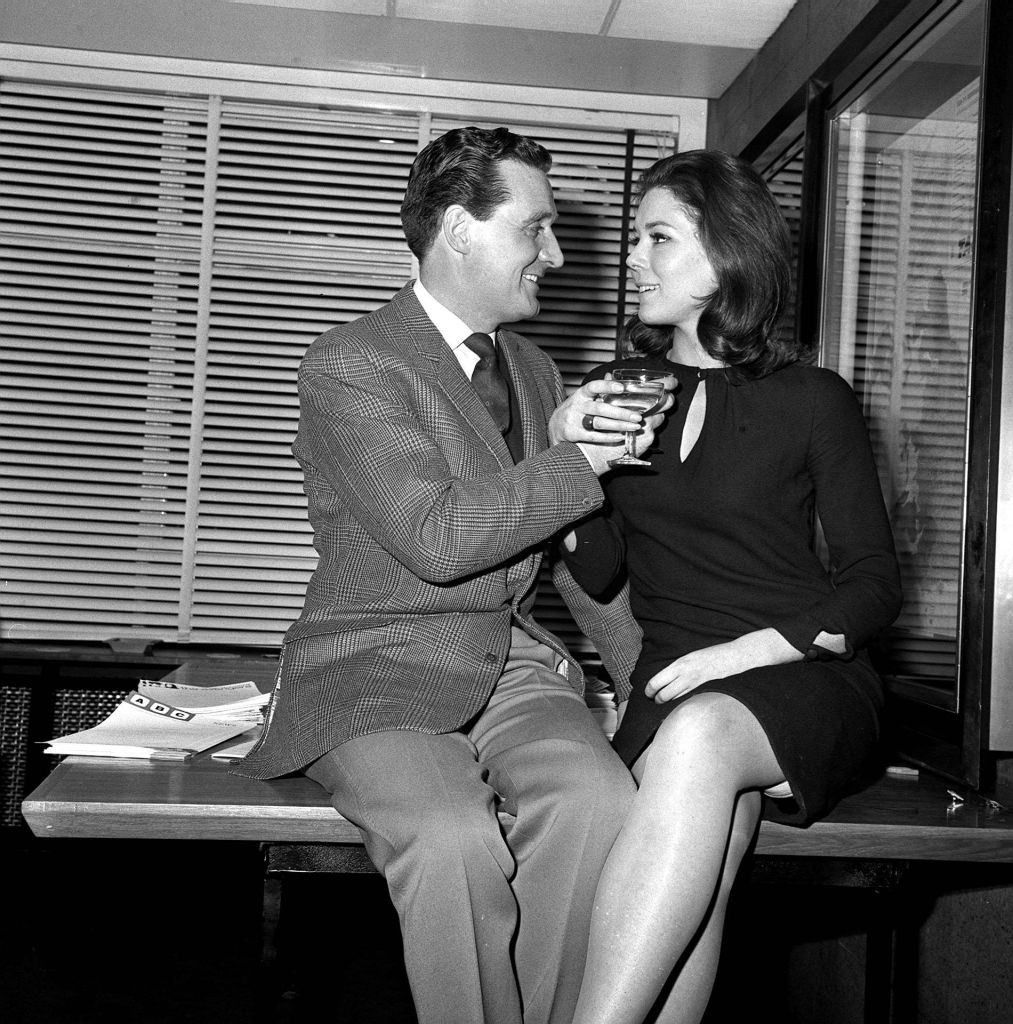
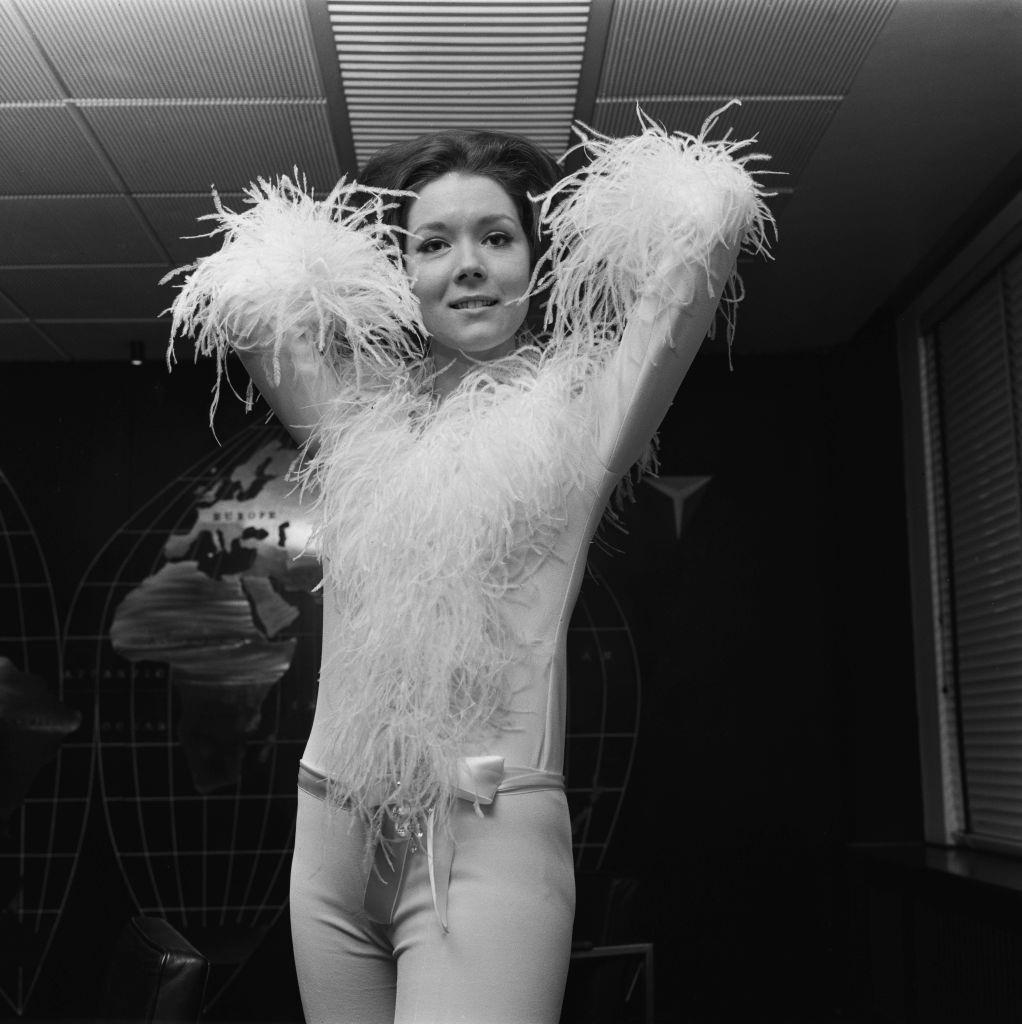
Away from the set, Rigg remained active in the public eye throughout 1966, attending events in Germany, mixing with fellow actors, and continuing her work on ‘The Avengers’. That year, she filmed the episode ‘A Sense of History’, in which Emma Peel appears dressed as Robin Hood — one of the more memorable visual moments from the entire series run.
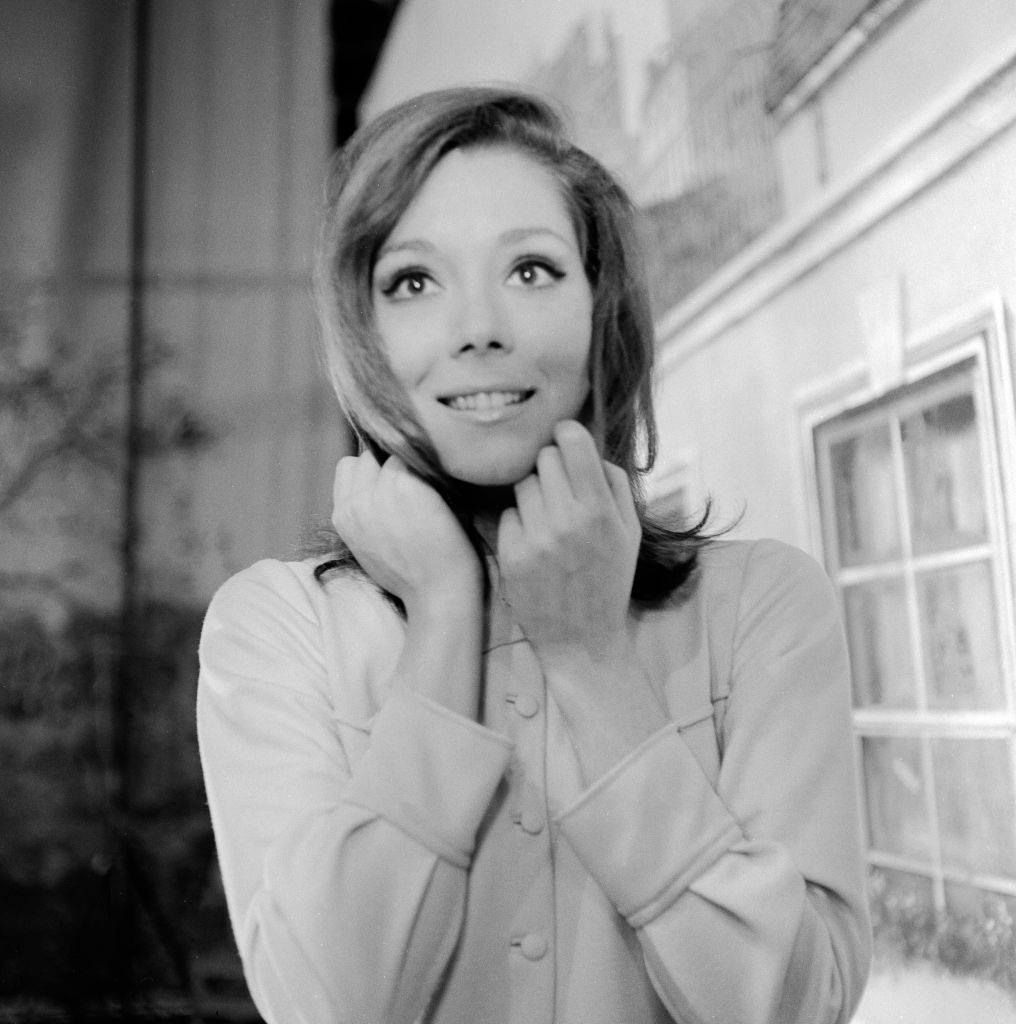
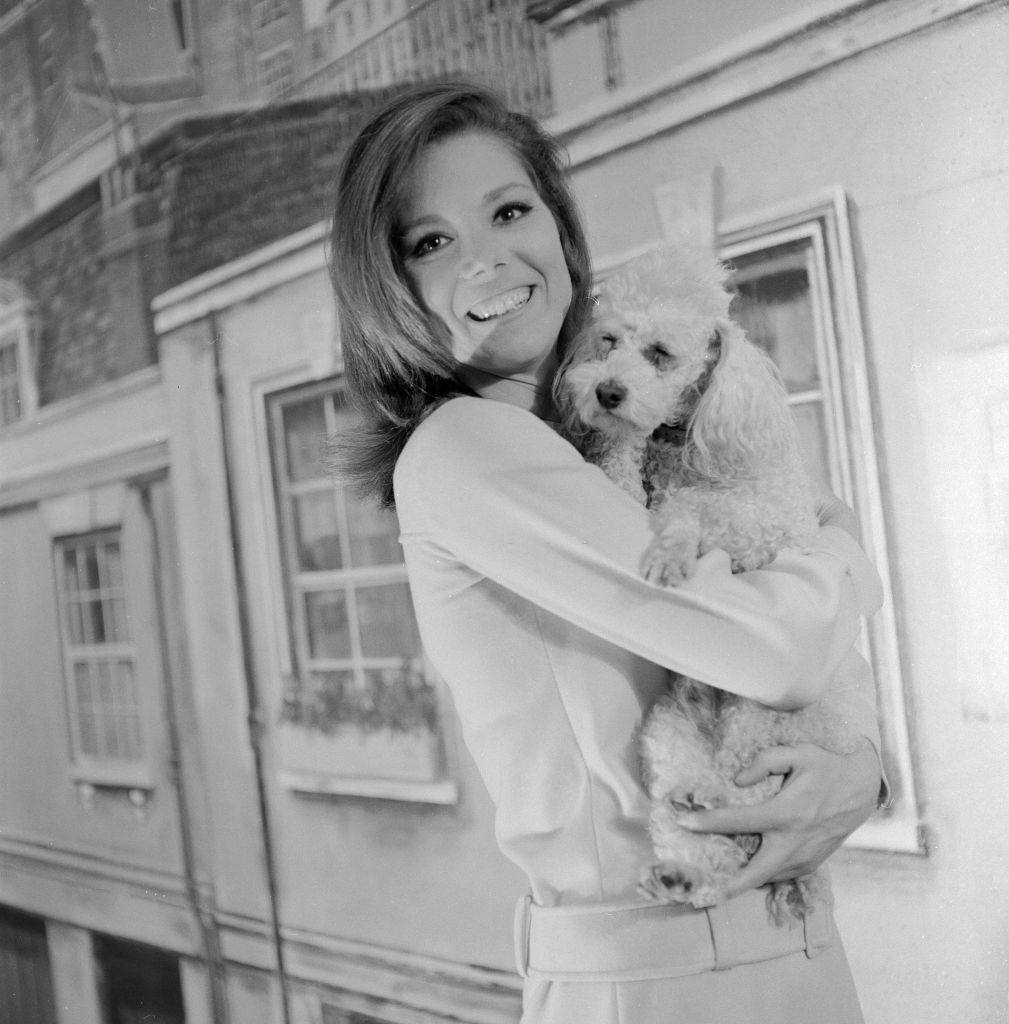
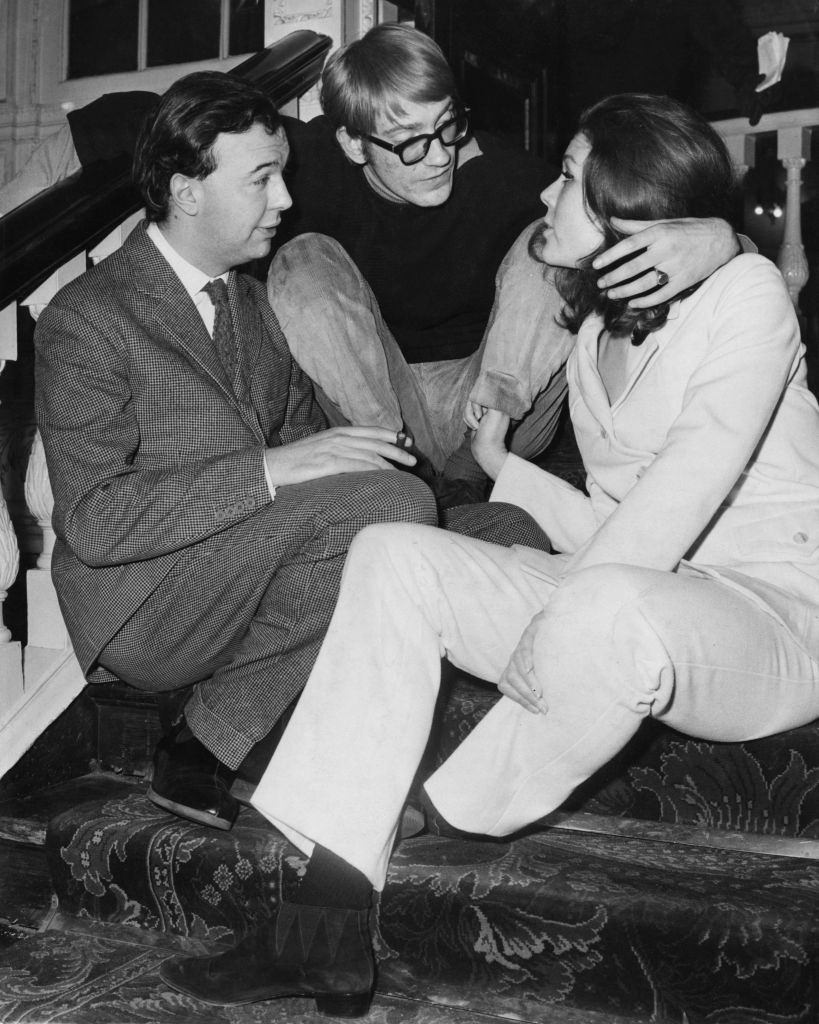
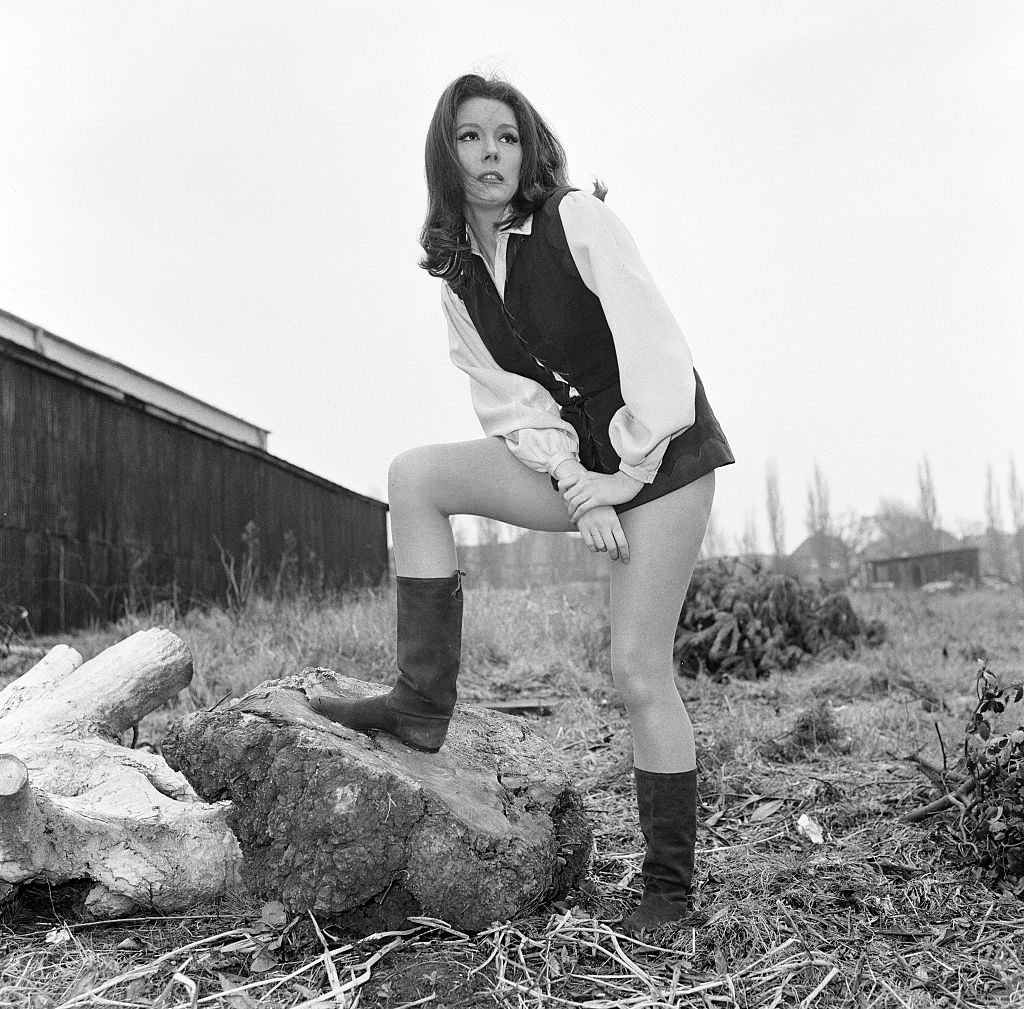
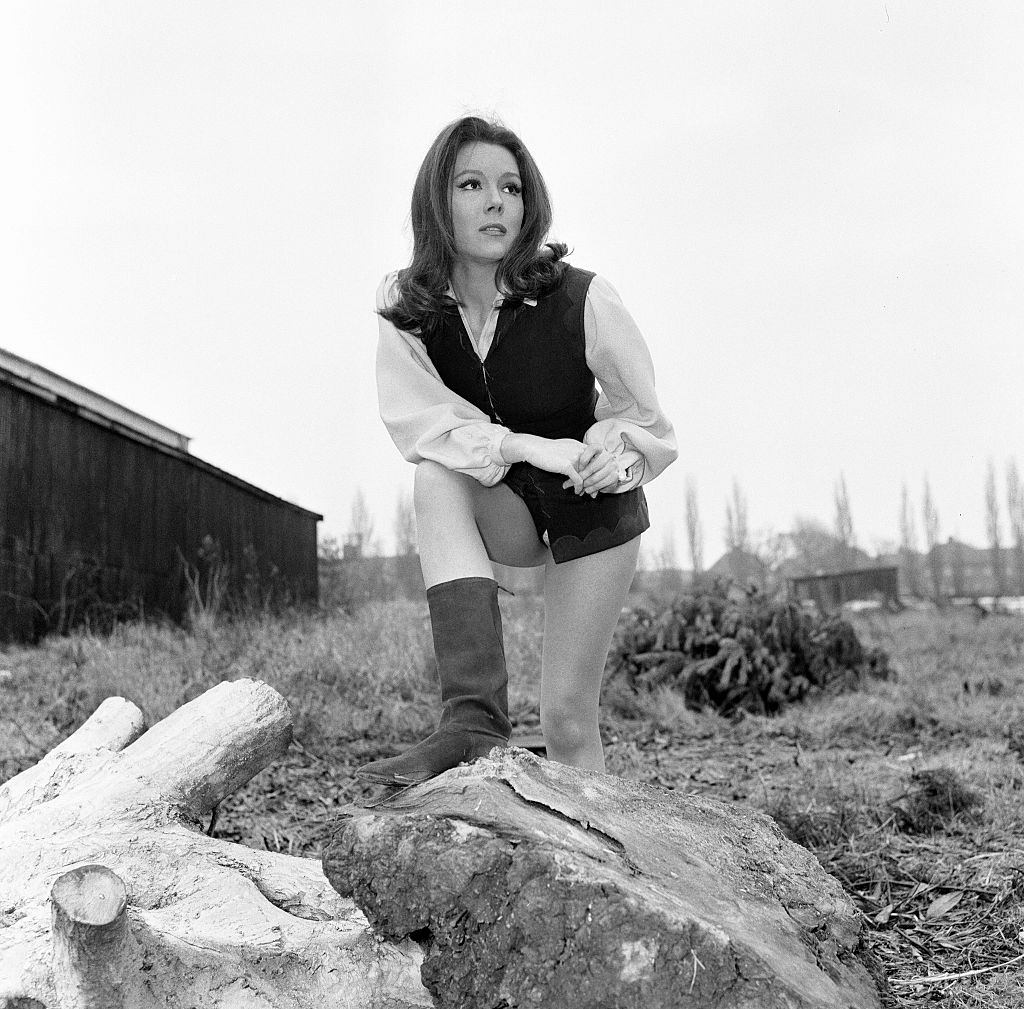
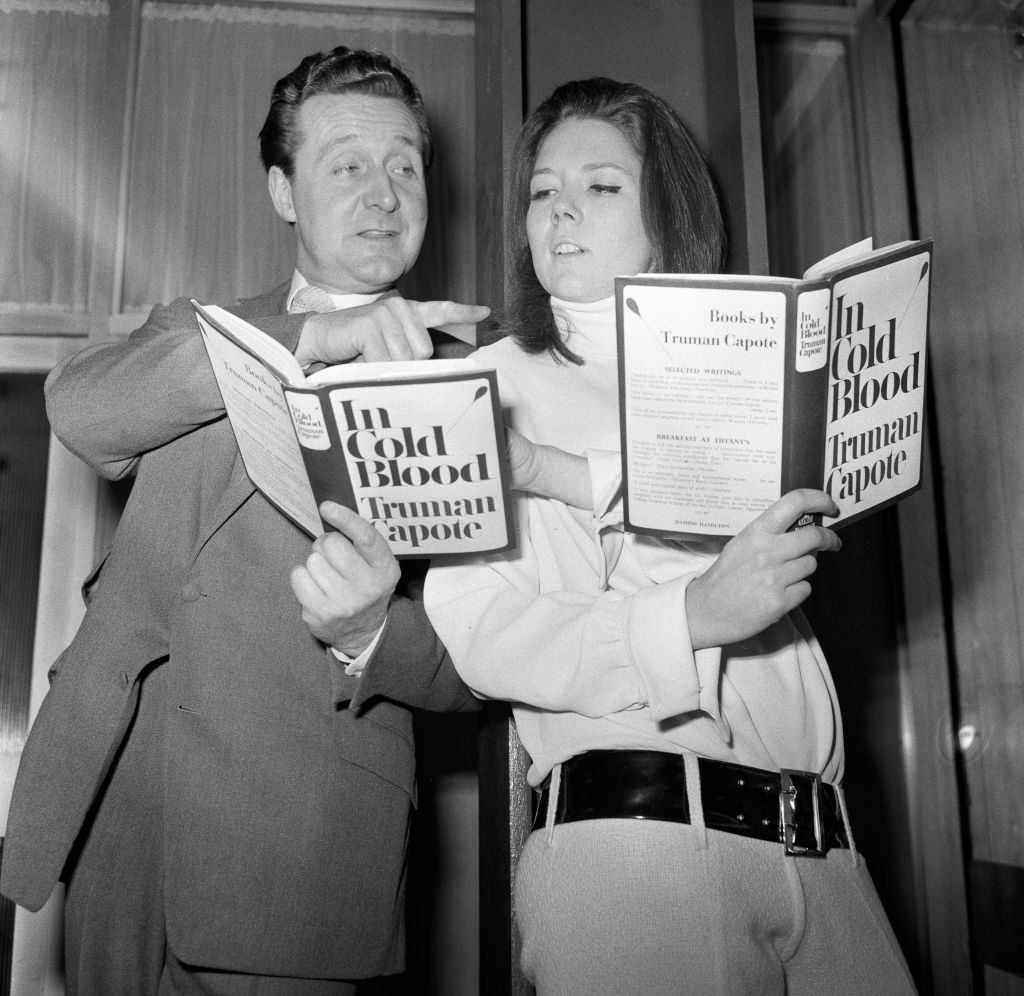
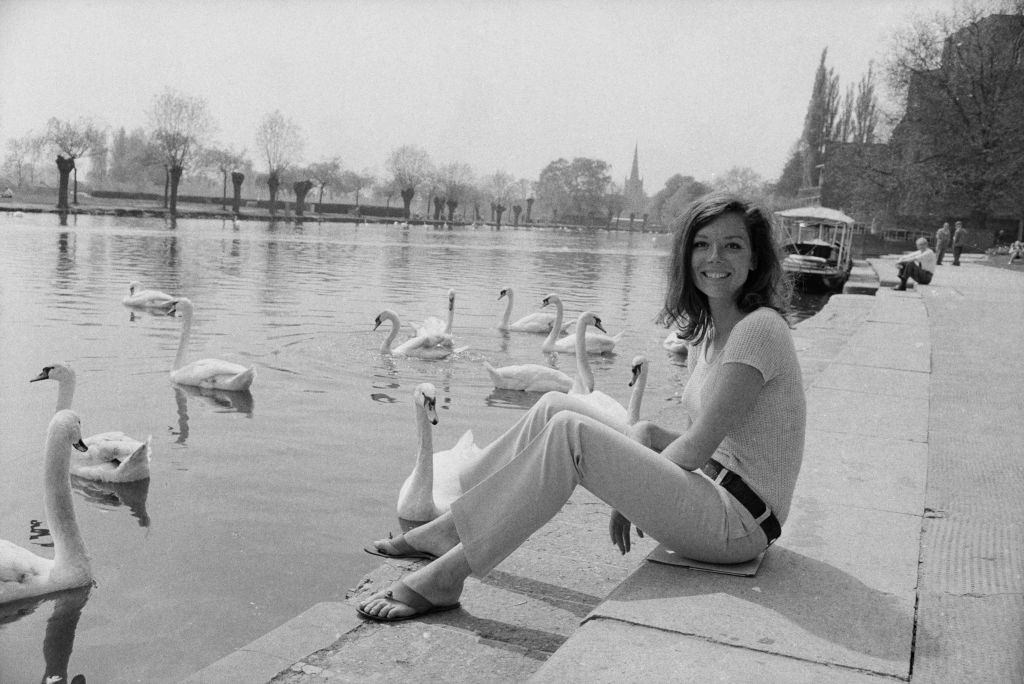
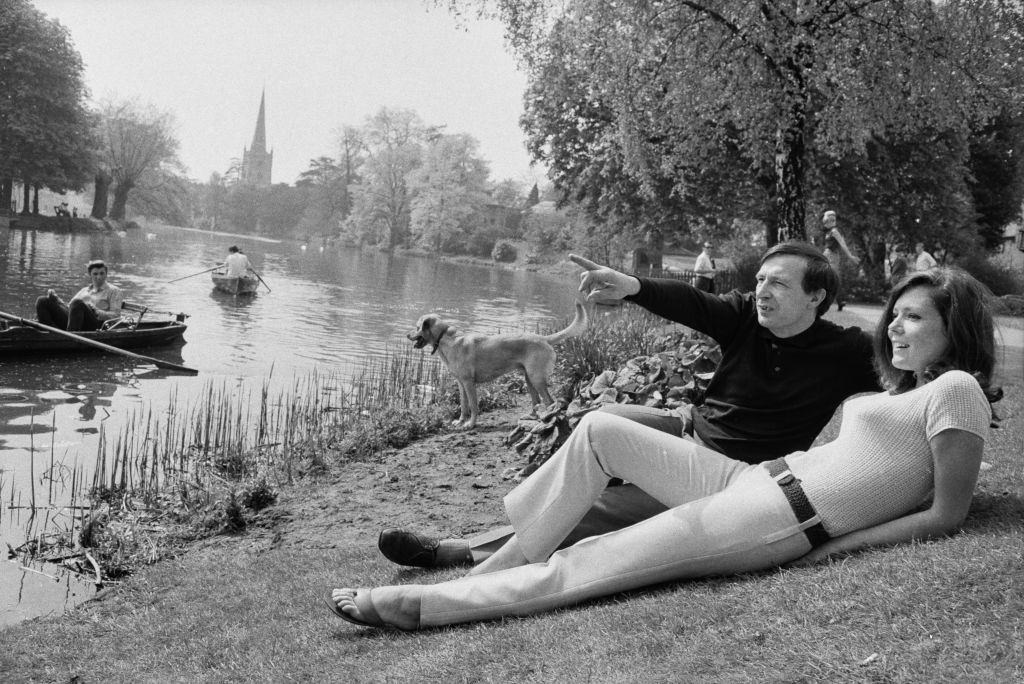
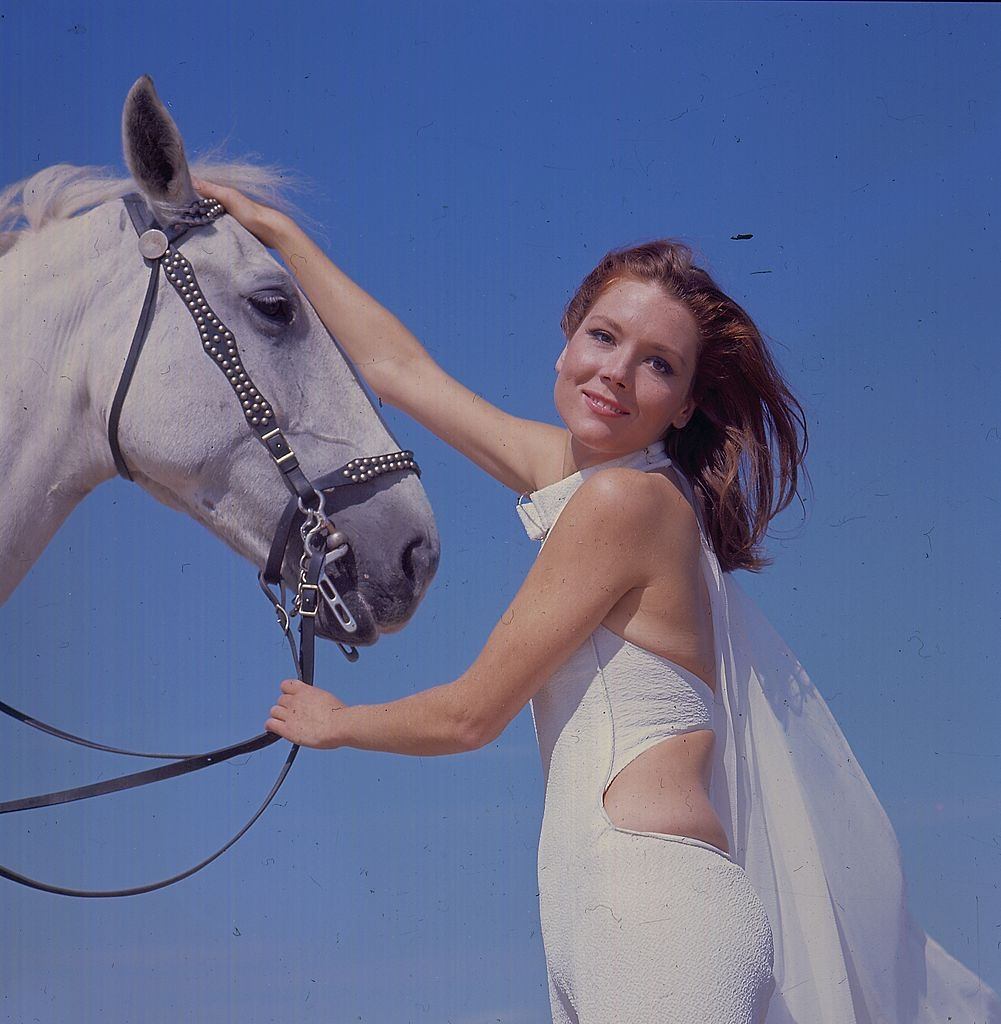
Rigg’s life outside of work during this period was as vivid as her screen presence. She was photographed at events across London and at locations along the river at Stratford-upon-Avon, where her love of Shakespeare connected closely with her theatrical roots.
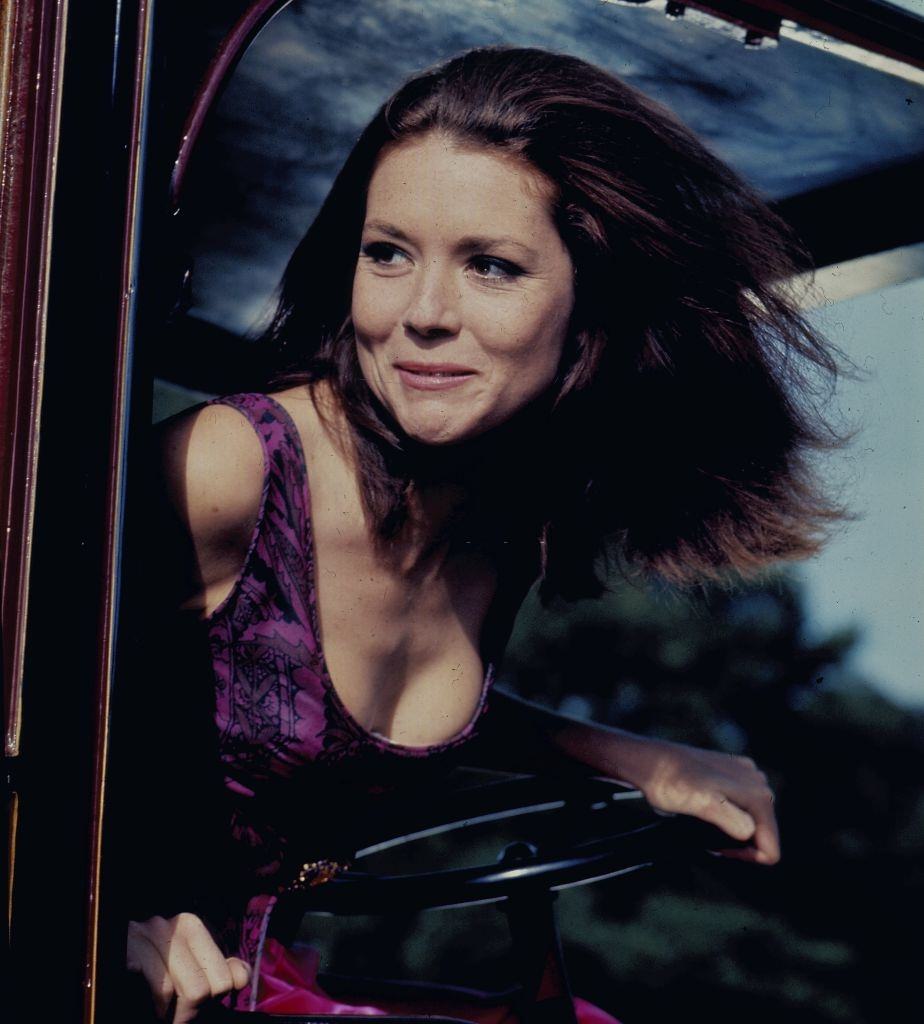
Filming for ‘The Avengers’ took the cast to a variety of locations across England. In September 1966, production moved to Beaulieu in Hampshire, where Rigg and Macnee were photographed in and around vintage cars — a recurring visual motif throughout the series.
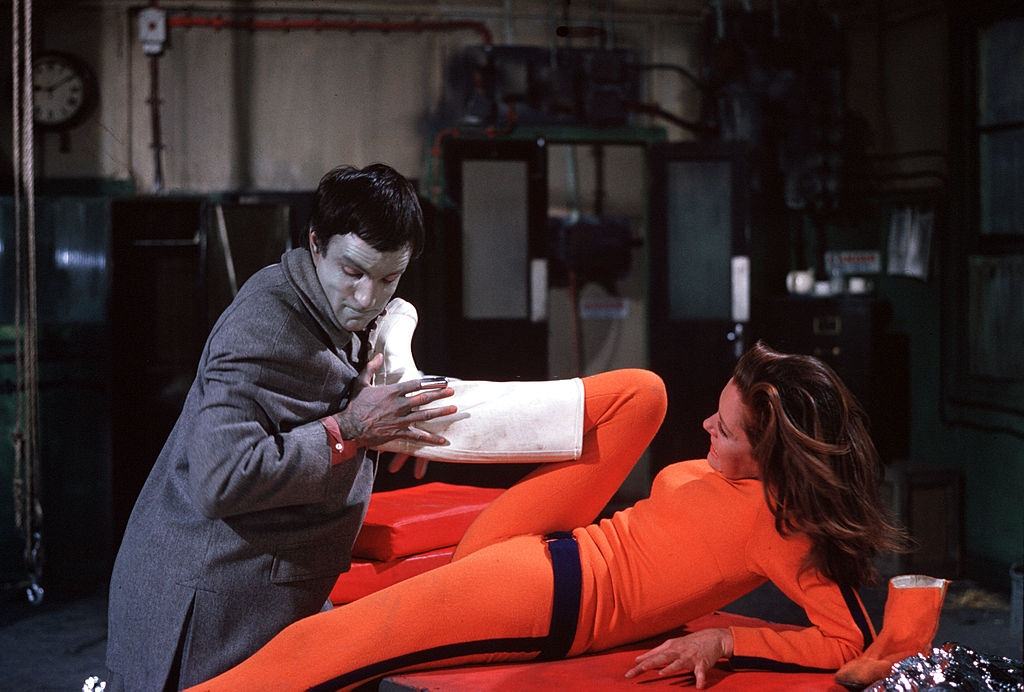
By 1967, Rigg’s final season on ‘The Avengers’ was underway. The show’s action sequences had become increasingly physical, and Rigg performed much of the work herself. Fight scenes, car chases, and dramatic set pieces were all part of a typical week on set.
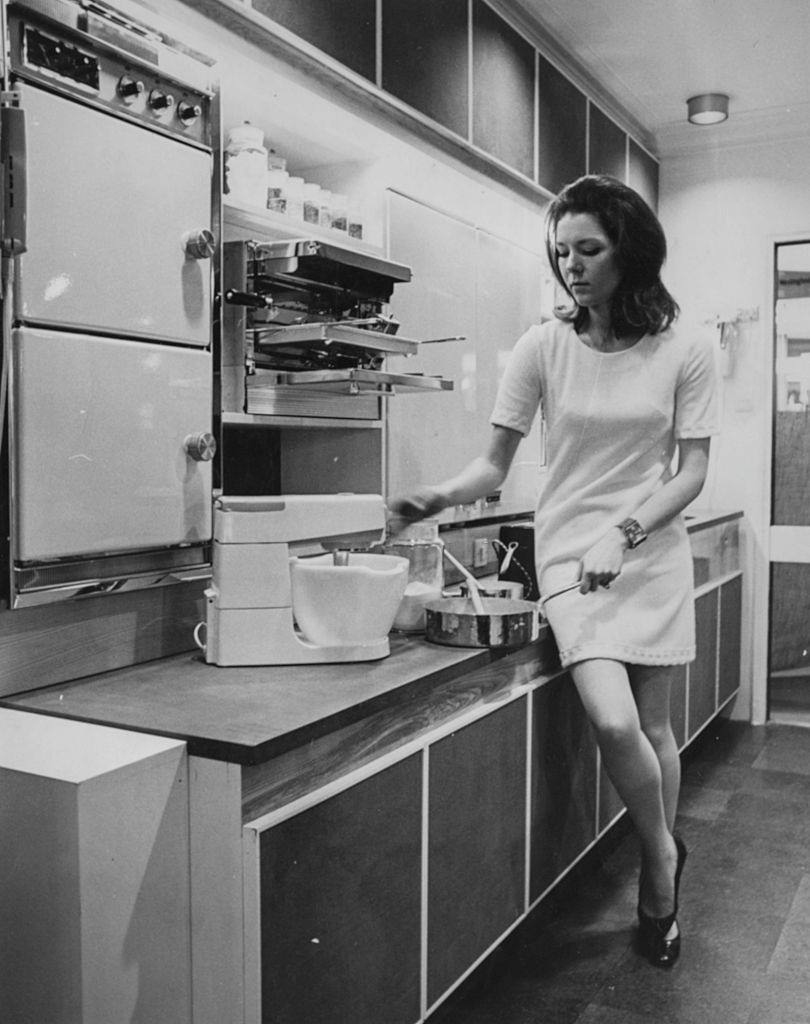
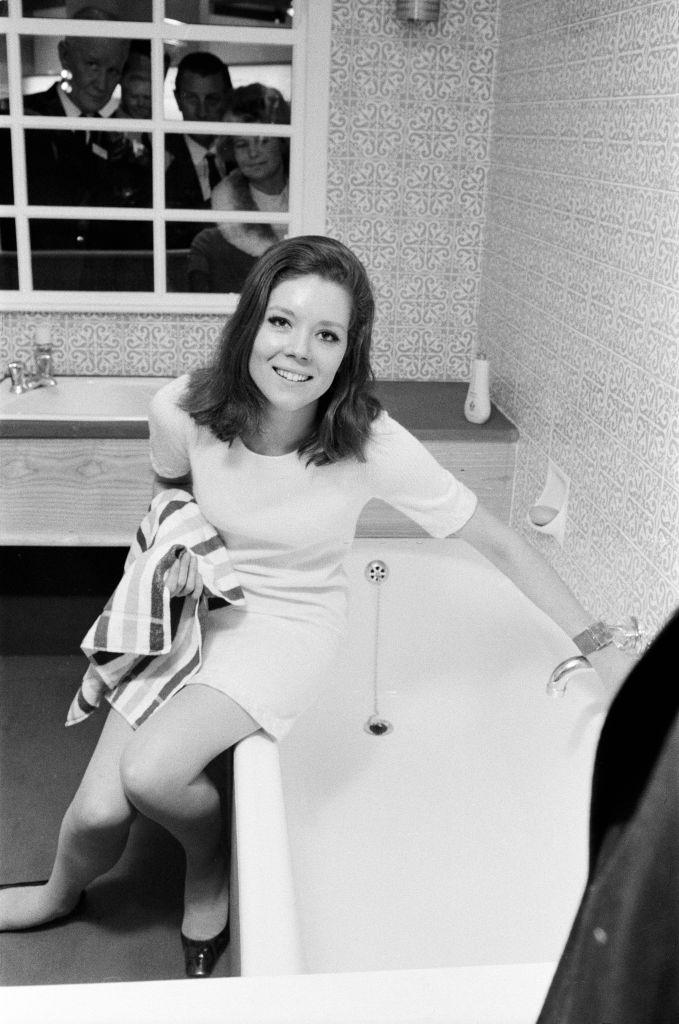
In 1967, Rigg also appeared at the Daily Mail Ideal Home Exhibition and was photographed in a recreation of her St John’s Wood flat bathroom — a glimpse into how celebrity culture worked during this era, with actresses regularly placed in domestic settings for magazine features.
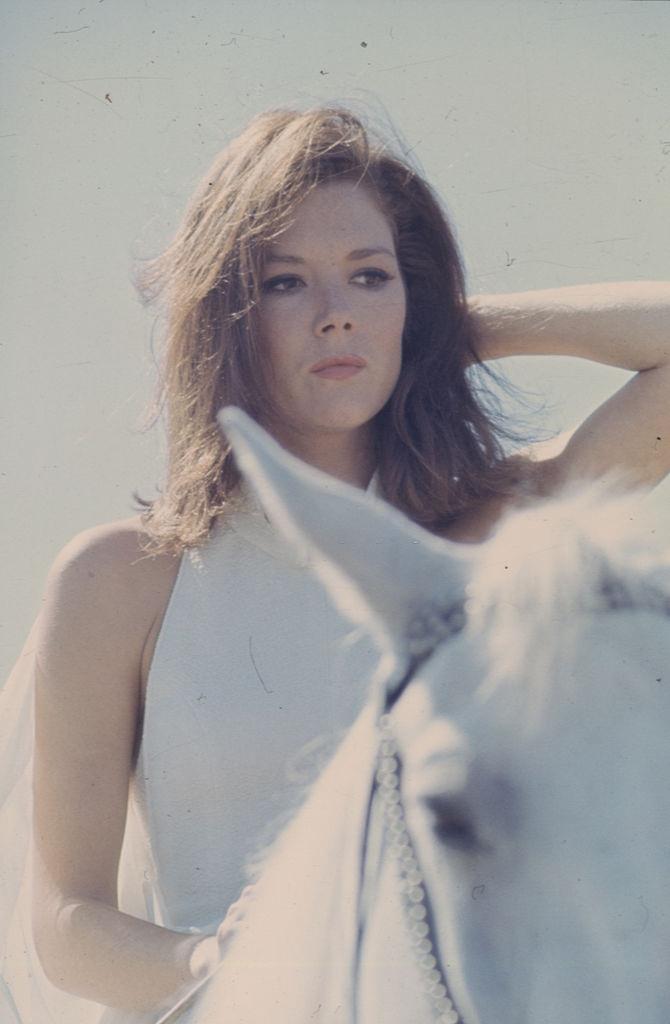
While still filming ‘The Avengers’, Rigg began work on a film adaptation of William Shakespeare’s ‘A Midsummer Night’s Dream’ in 1967, shot on location in the English countryside. The project placed her back in the world of classical theatre — something she had never really left, even during her television years.
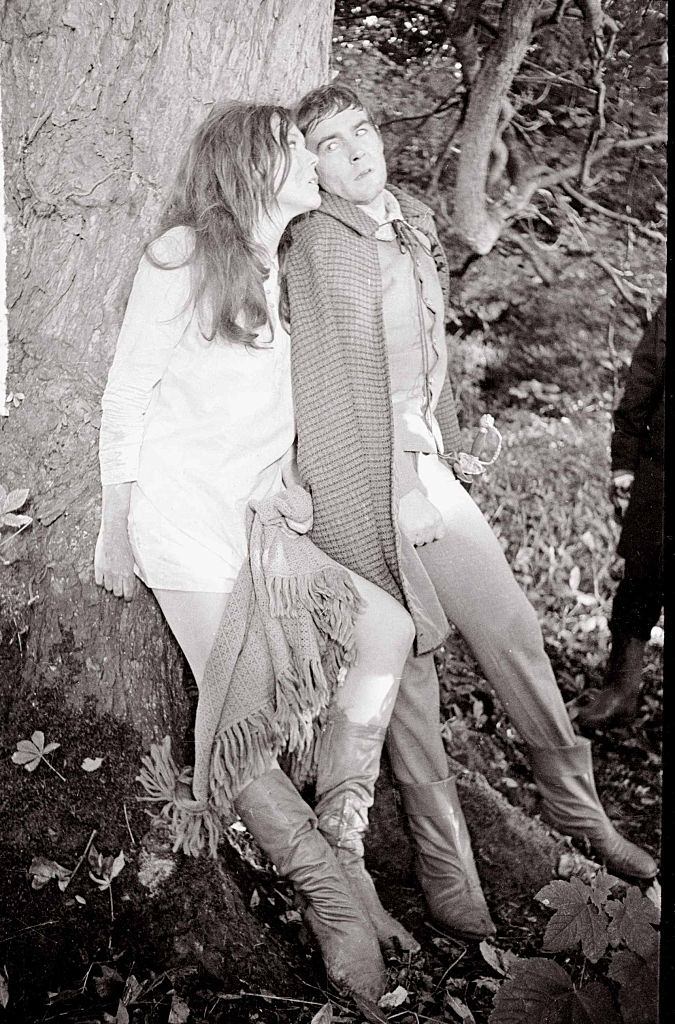
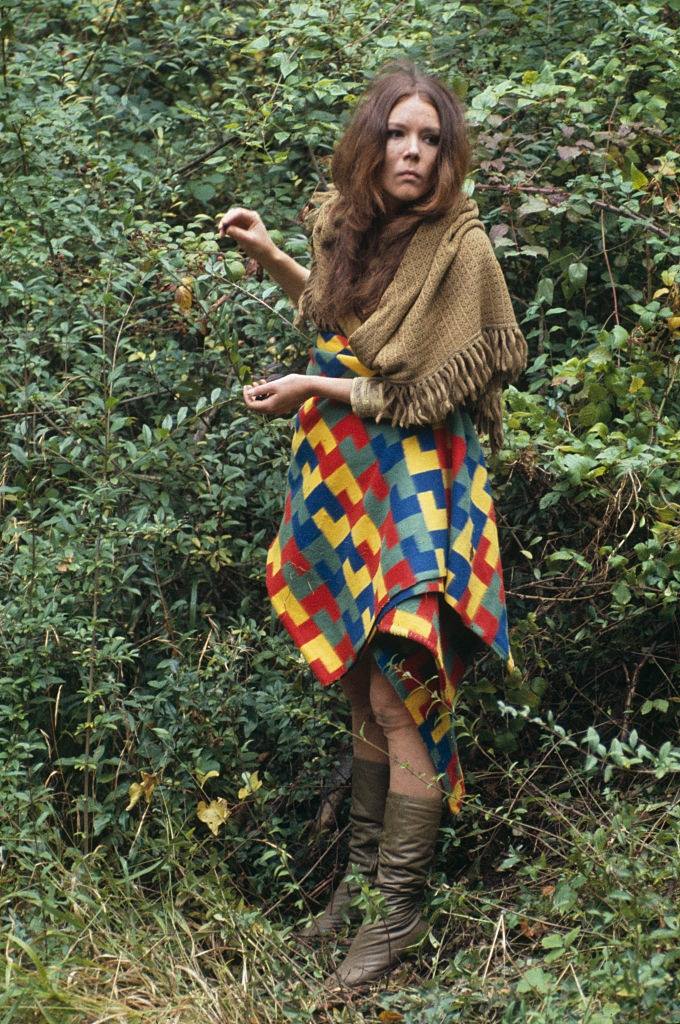
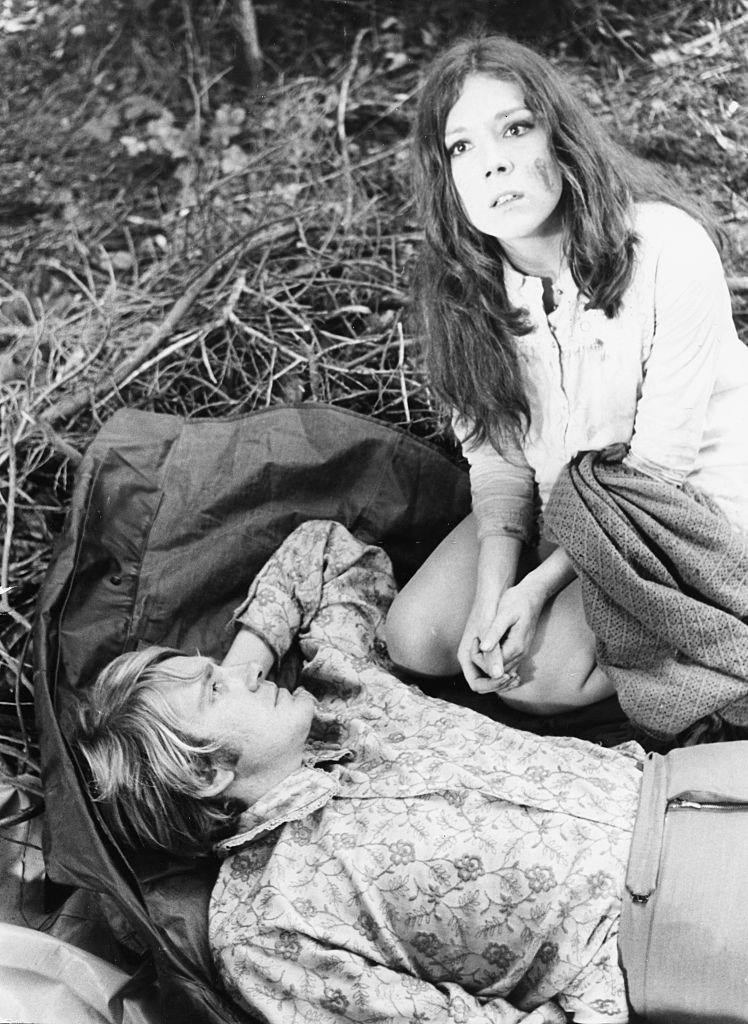
Rigg’s final year on ‘The Avengers’ in 1968 also saw her making her Hollywood debut. She played Helena in the film adaptation of ‘A Midsummer Night’s Dream’, released that year. The role confirmed that her appeal stretched well beyond British television. Her departure from ‘The Avengers’ that same year marked the end of one chapter and the beginning of a much broader film career.
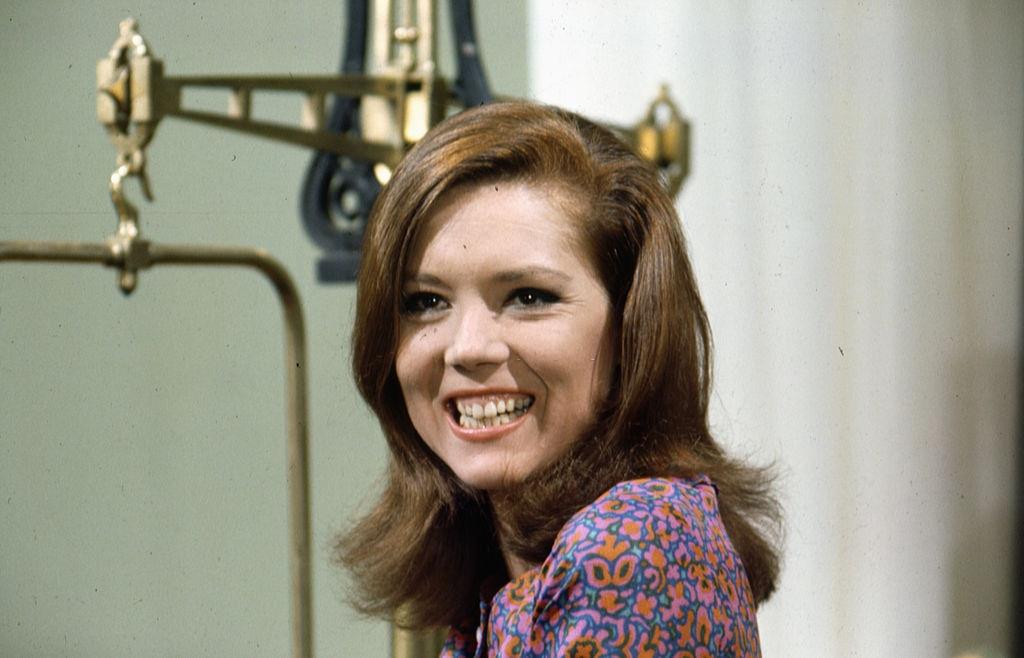
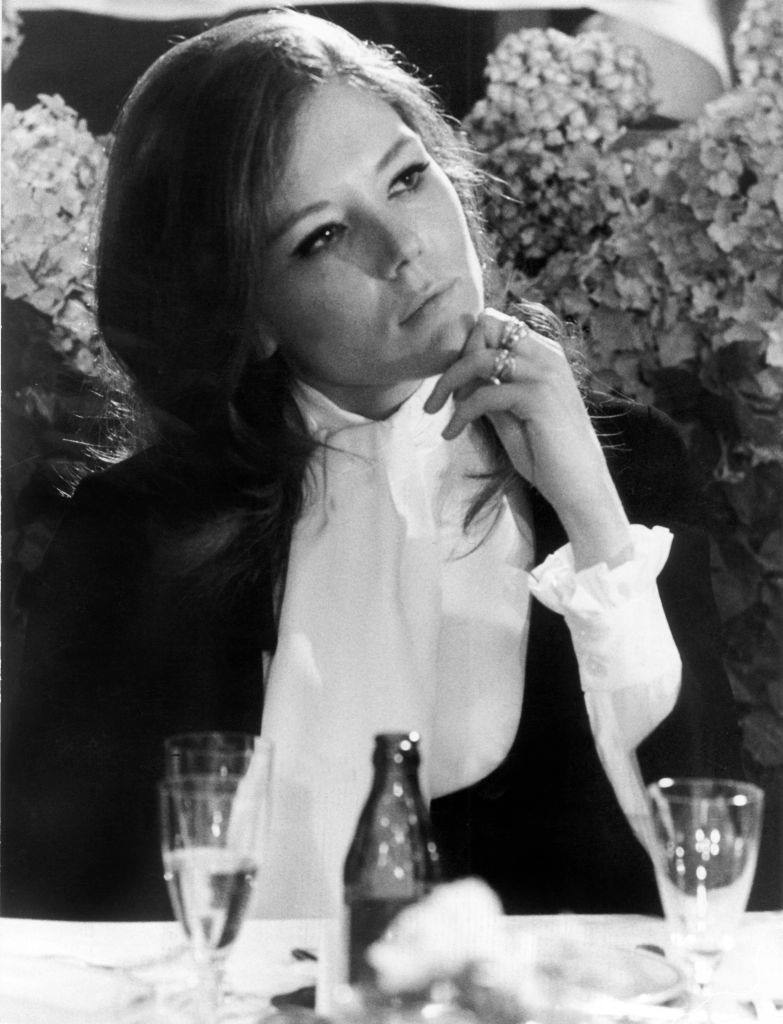
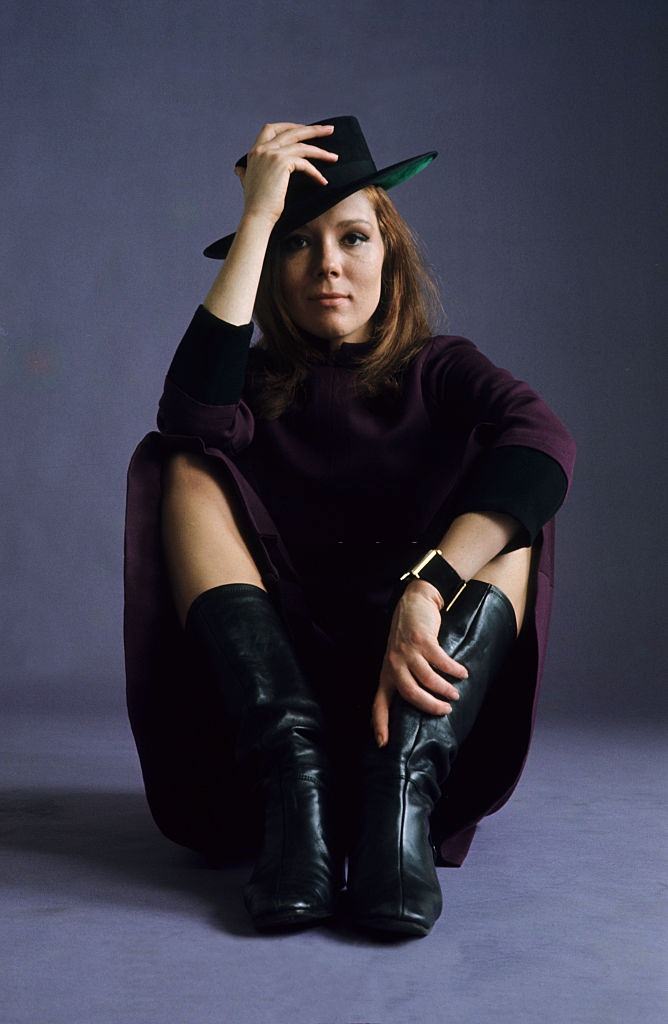
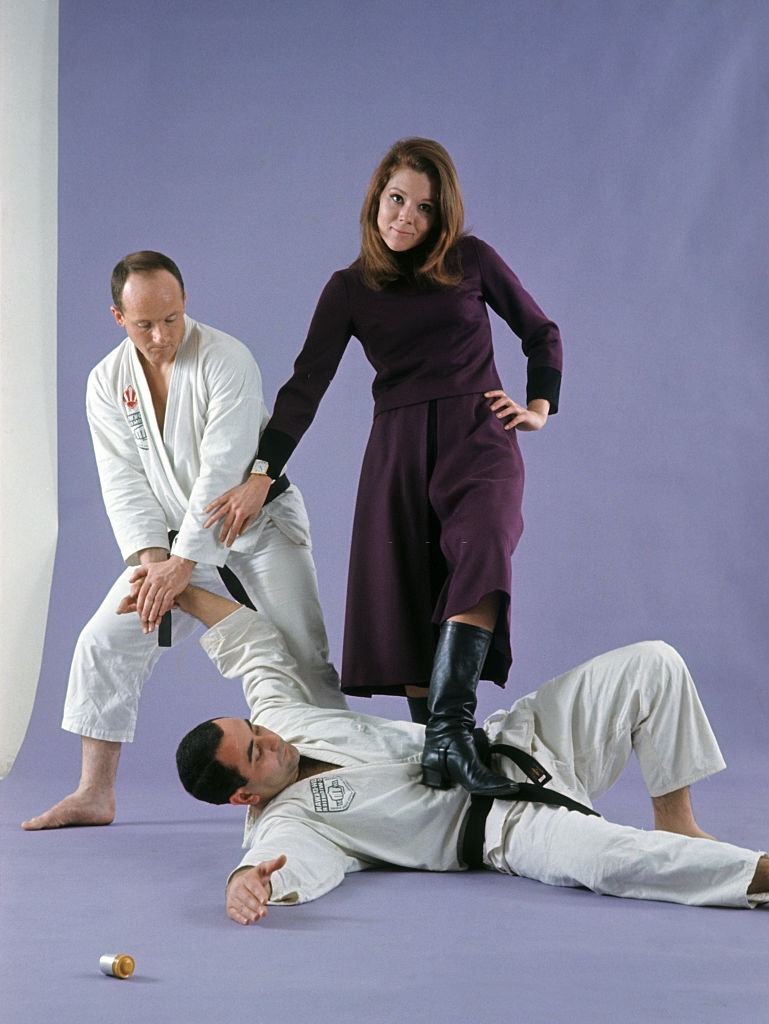
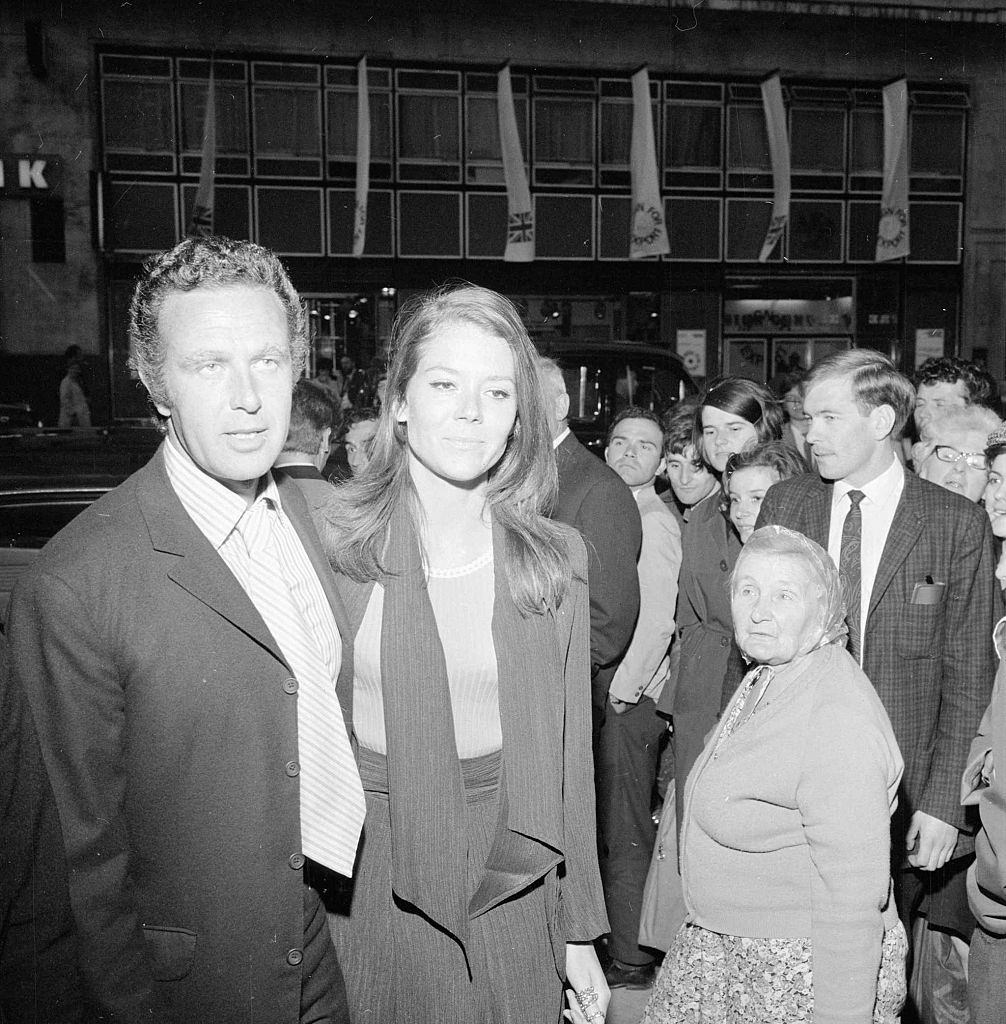
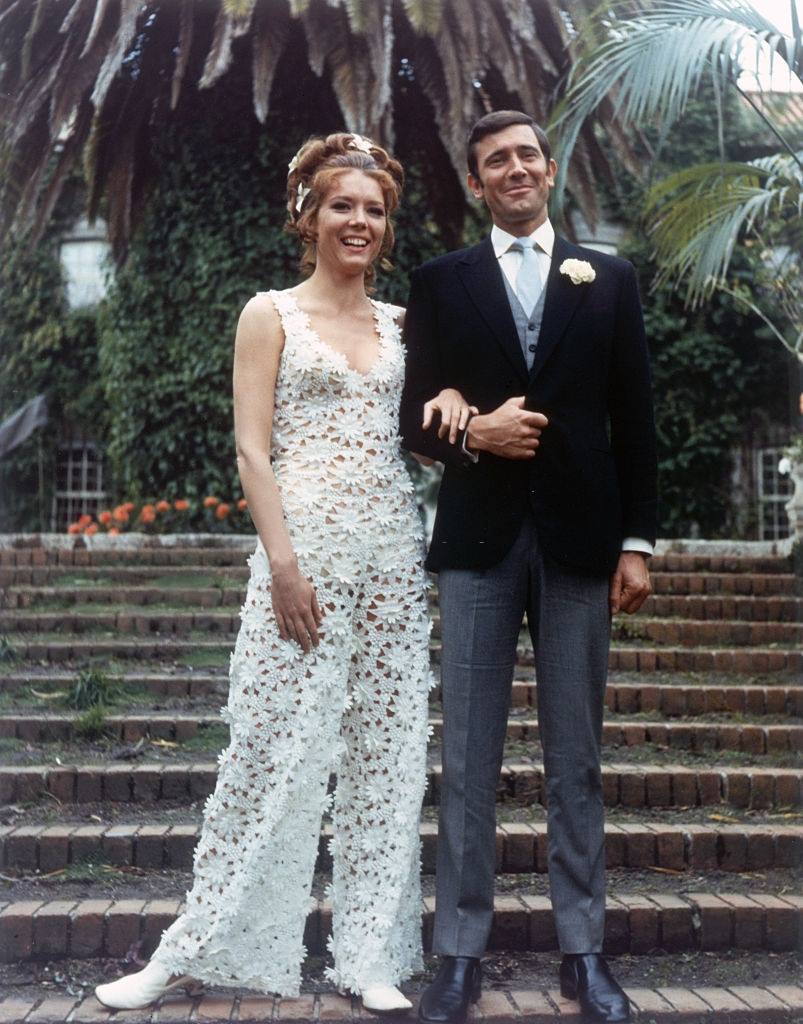
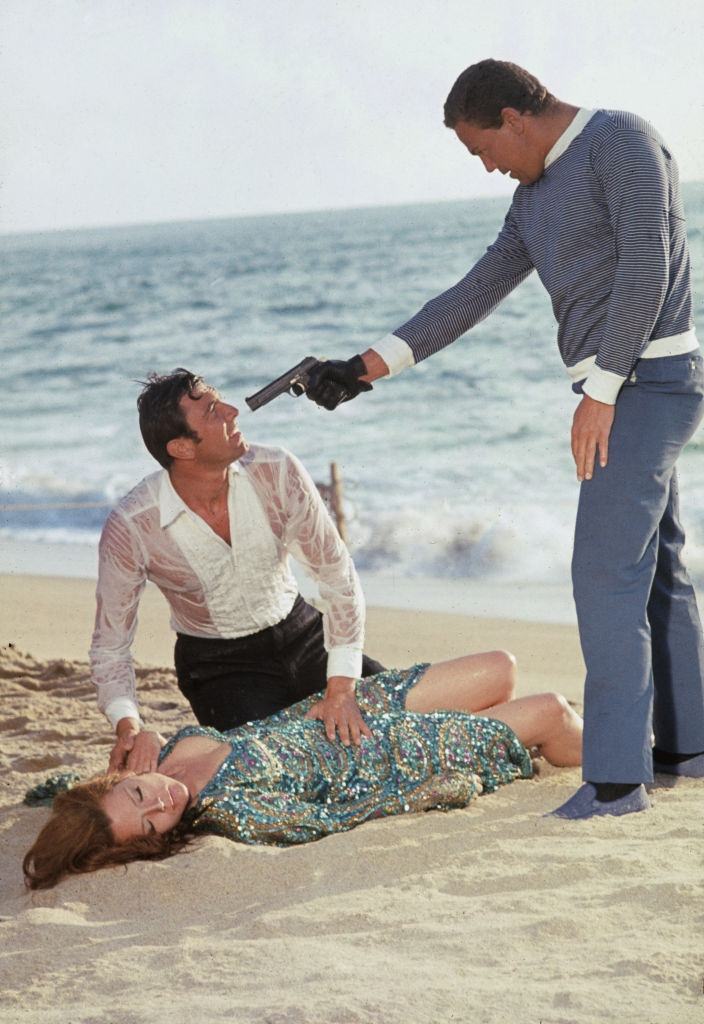
In 1969, Rigg took on the role that would give her a unique place in cinema history. She played Tracy Di Vicenzo — who becomes Tracy Bond — in ‘On Her Majesty’s Secret Service’, opposite George Lazenby as James Bond. Tracy Bond is the only woman to actually marry James Bond in any film in the franchise’s history. The character is also killed at the end of the film, making her one of the most dramatic figures in the entire Bond series. No other actress has held that distinction before or since.
Rigg’s personal life included two marriages. She married Israeli painter Menachem Geffen in 1973, but the marriage ended in divorce three years later. In 1982, she married theatrical producer and former army officer Archibald Stirling. Their daughter, actress Rachael Stirling, was born five years before their marriage. Rigg and Stirling separated in 1990. Beyond her acting work, Rigg also served as Chancellor of the University of Stirling from 1998 to 2008. On the stage, she earned four Tony Award nominations over the course of her career — three for Best Actress in ‘Abelard and Héloïse’, ‘The Misanthrope’, and ‘Night and Day’, and a fourth nomination in February 2018. Her final film appearance came in ‘Breathe’ in 2017. Diana Rigg died on 10 September 2020. Her daughter Rachael Stirling confirmed that the cause was cancer, which had been diagnosed in March of that year.