Gymnastics has produced some of the most breathtaking athletic moments in history. Flips, twists, vaults — the sport constantly evolves as athletes push what the human body can do. But there is one move that sits apart from all the rest. It was performed exactly once on an international stage, stunned everyone who saw it, and was then permanently banned. That move is the Dead Loop.
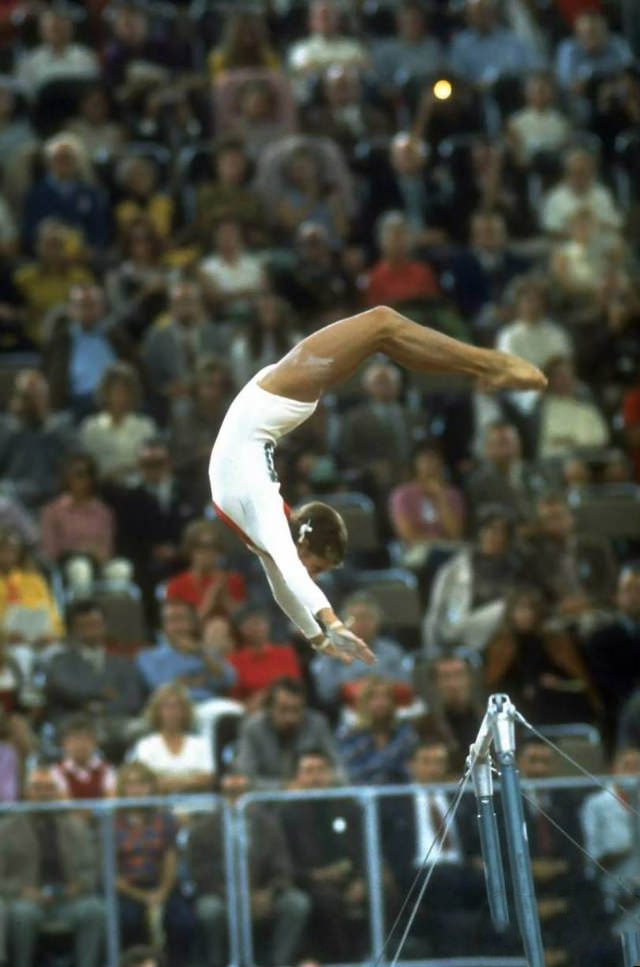
The year was 1972. The city was Munich, Germany. The Summer Olympics that year are remembered for many reasons — including a gymnastics moment that would never be repeated. During the gymnastics competition, an Olympic gold medalist performed a routine that contained the now-infamous Dead Loop. The crowd watched in stunned silence before erupting in applause. No one had seen anything like it. No one has seen it in competition since.
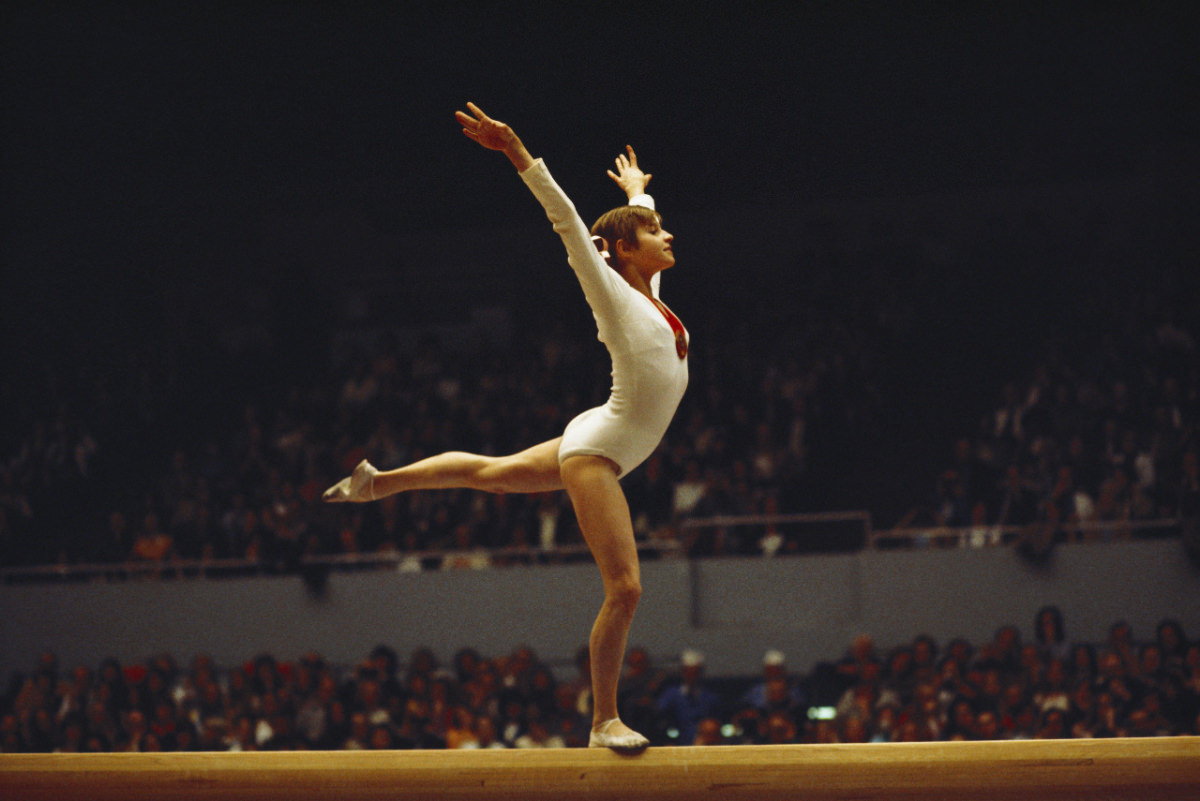
So what exactly was the Dead Loop? The full technical breakdown of the move has never been made fully public, which is part of why it carries such mystique. What is known is that it placed the gymnast under extreme momentum and gravitational forces — the kind that leave almost no room for error. A fraction of a second off in timing, a slight miscalculation in body position, and the result would have been catastrophic injury. The move demanded elite core strength, precise timing, and a level of mental control that few athletes could ever achieve.
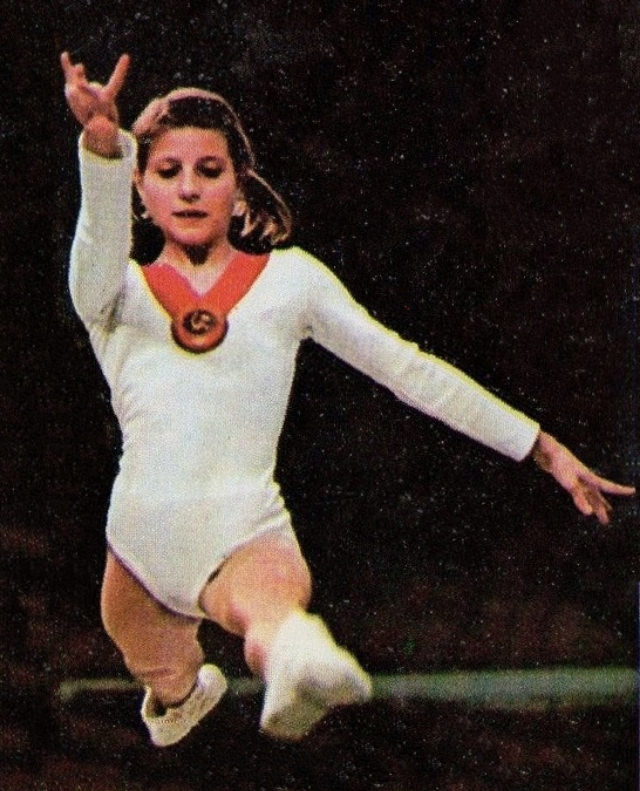
The gymnastics world did not take long to react. While the performance drew widespread awe, it also set off serious alarm bells among coaches, officials, and governing bodies. The question being asked was direct: should a sport celebrated for skill, grace, and athleticism allow a move that could kill or severely injure the person performing it? The answer came quickly.
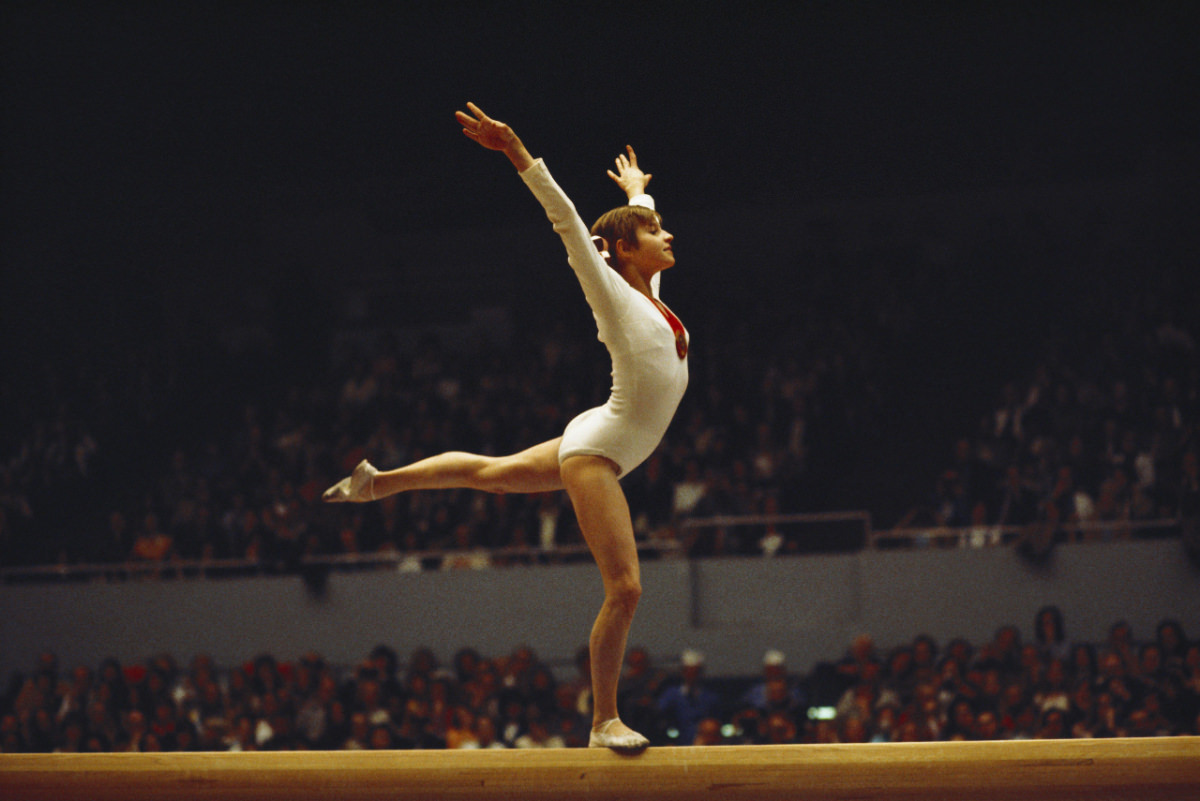
Decision-makers within the gymnastics community convened after the Munich Games. They weighed the value of athletic innovation against the duty to protect competitors. The Dead Loop, despite its extraordinary display of human capability, was deemed too dangerous to ever appear in competitive gymnastics again. The ban was swift and total — no major international competition would permit it. It was removed not because it lacked skill, but because the risk of performing it was simply too high to justify.

More than fifty years have passed since that single performance in Munich. The Dead Loop remains one of the most talked-about moments in gymnastics history — not because it was repeated, but because it was not. Its story is unique: a move so difficult, so dangerous, that one performance was enough to get it banned forever. Sports historians still reference it. Gymnastics fans still debate it. And the athlete who performed it left behind a moment that the sport has never quite moved past.