
In September 1938, photographer Russell Lee pulled off Highway 1 near Raceland, Louisiana, and walked into Danos’ Night Club on a Friday evening. He was on assignment for the Farm Security Administration — a New Deal agency created to fight rural poverty during the Great Depression. The FSA sent photographers across the country to document how ordinary Americans lived, worked, and spent their free time. Lee was one of the program’s most dedicated contributors, shooting thousands of images across dozens of states.
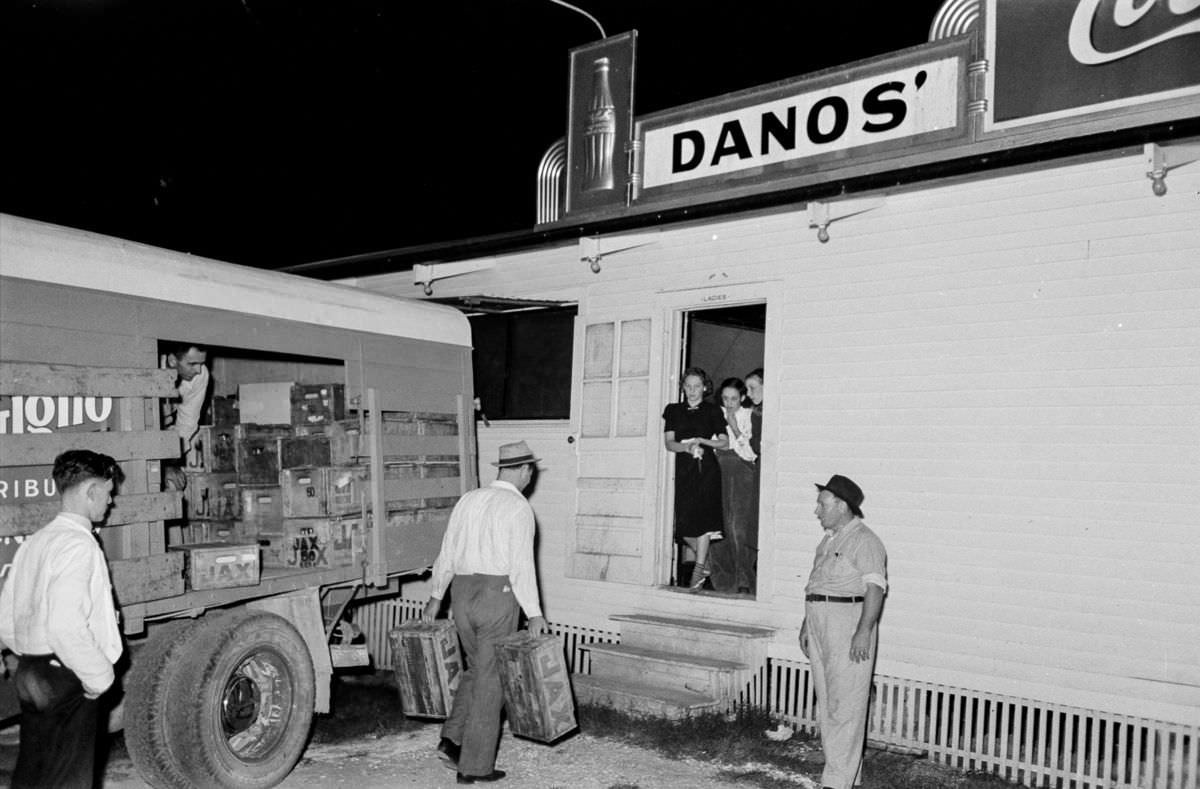
Danos’ was a roadhouse — the kind of local gathering spot common in rural America at the time. Every Friday night, the place held a free weekly crab boil, drawing in crowds from the surrounding area. For many residents of this small Louisiana town, it was the social event of the week. Lee arrived with his camera and spent the evening documenting it all.
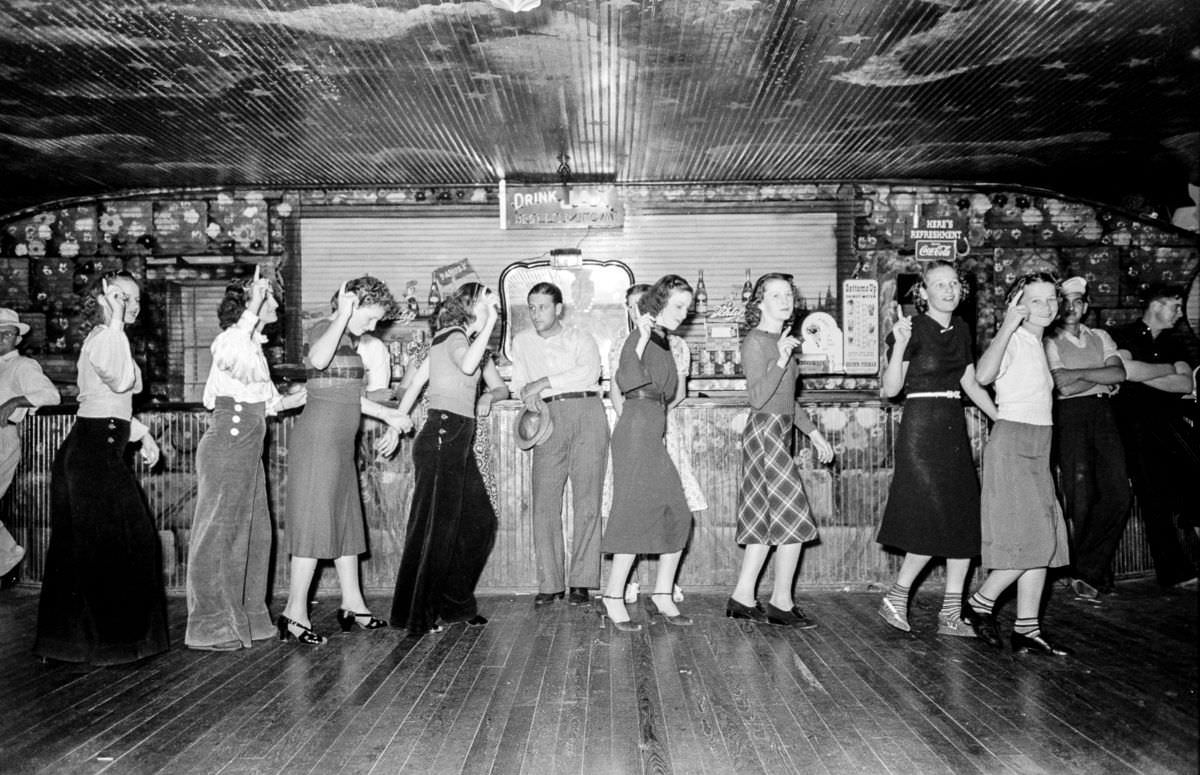
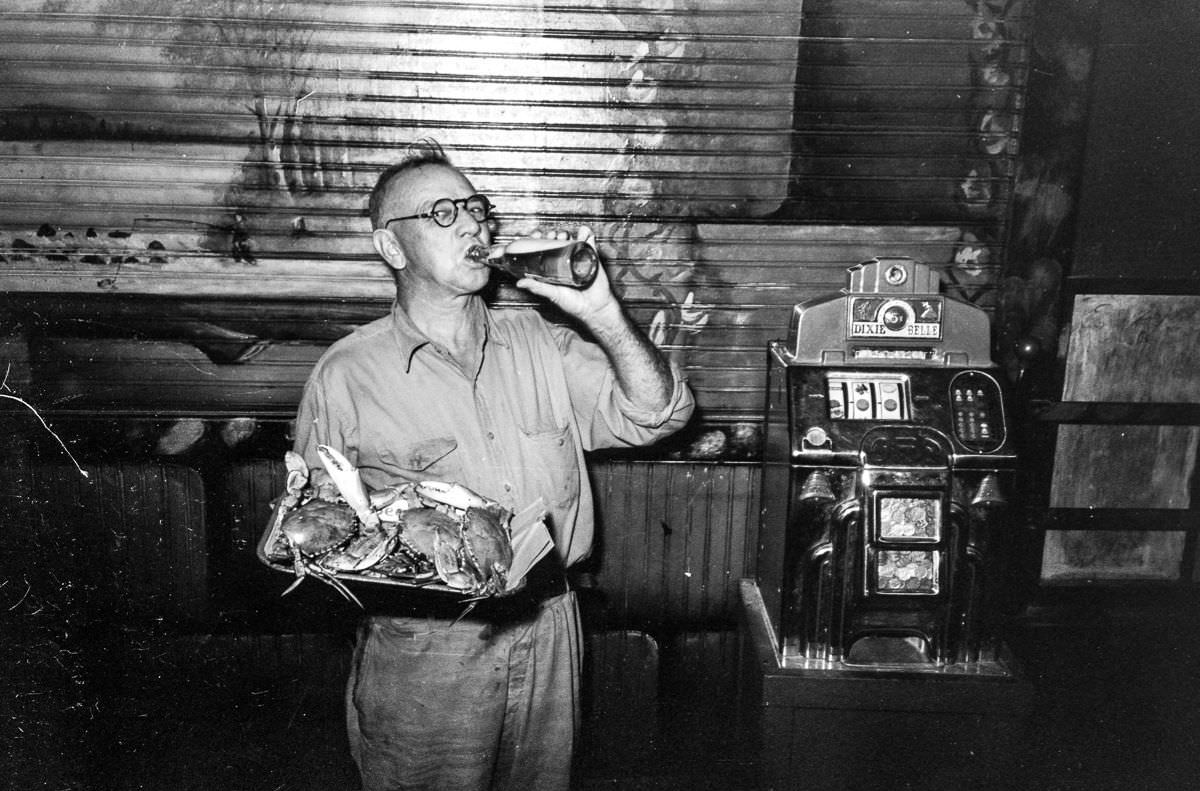
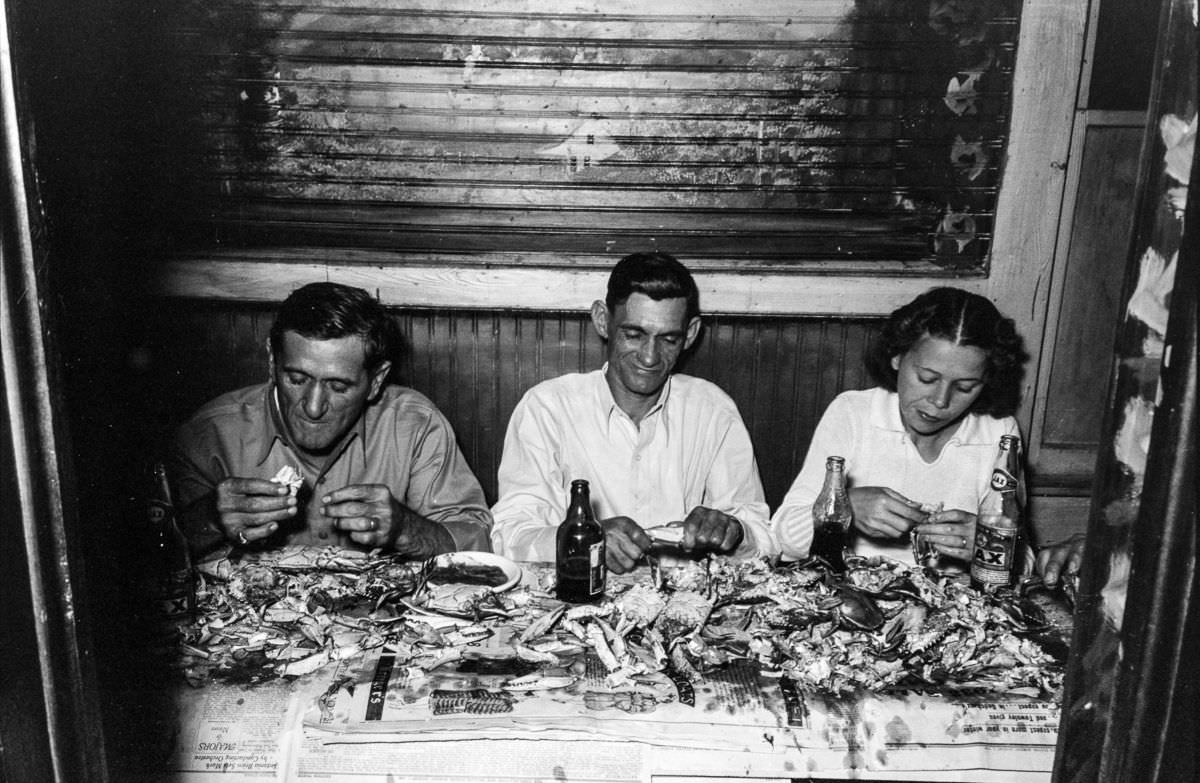
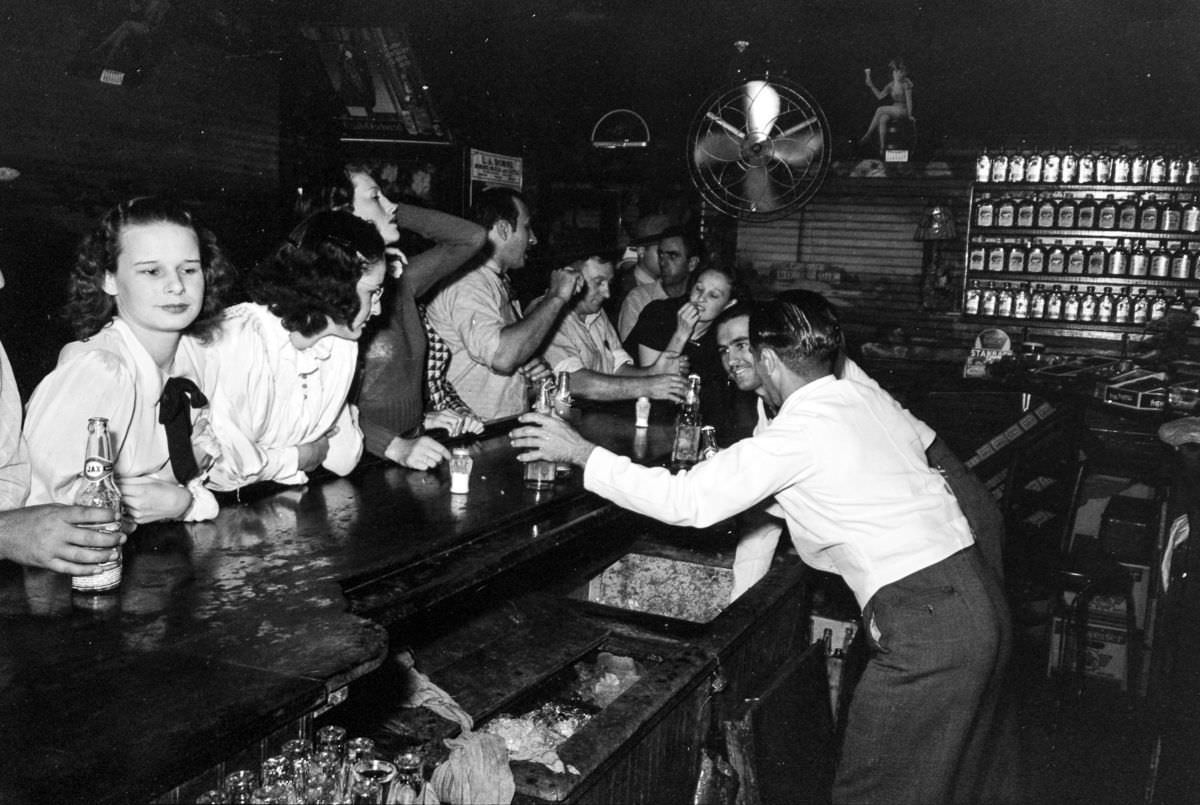
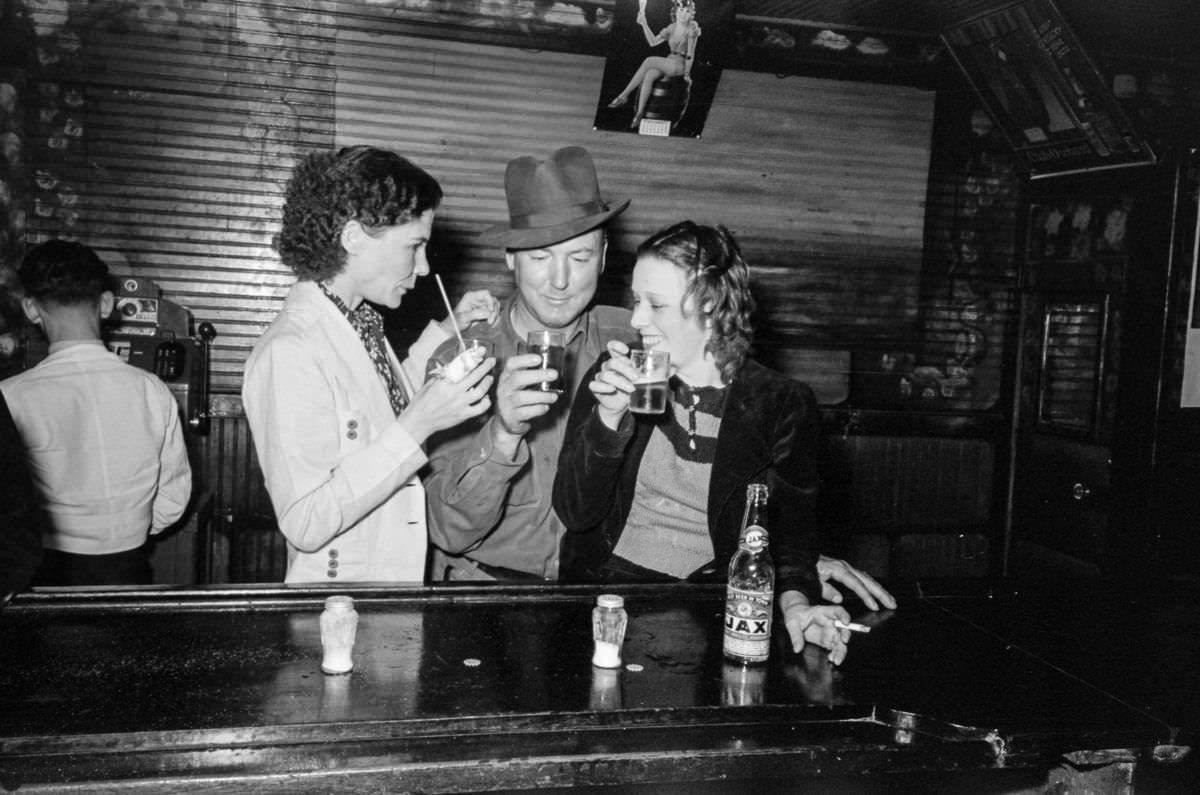
The photographs Lee took that night show people eating together, talking, laughing, and dancing. There was nothing staged about it. Lee had a skill for blending into a scene, and the people at Danos’ carried on with their evening while he worked around them. The images are candid and full of life.
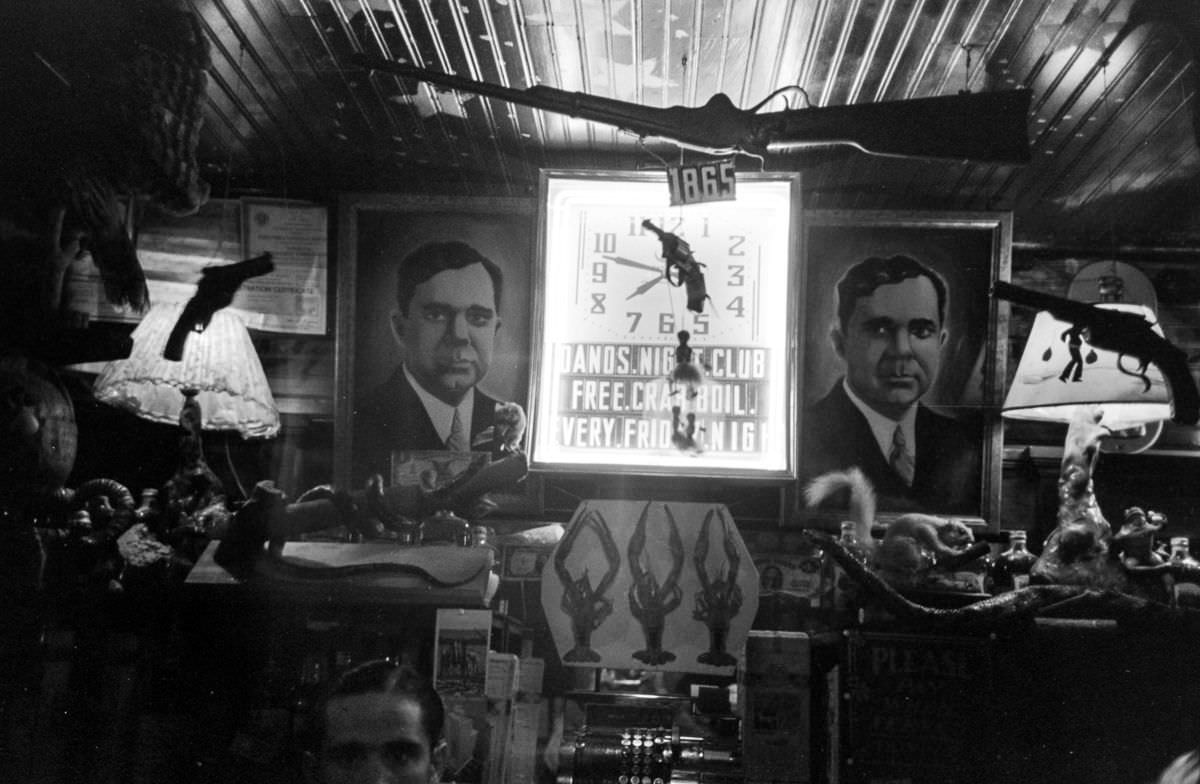
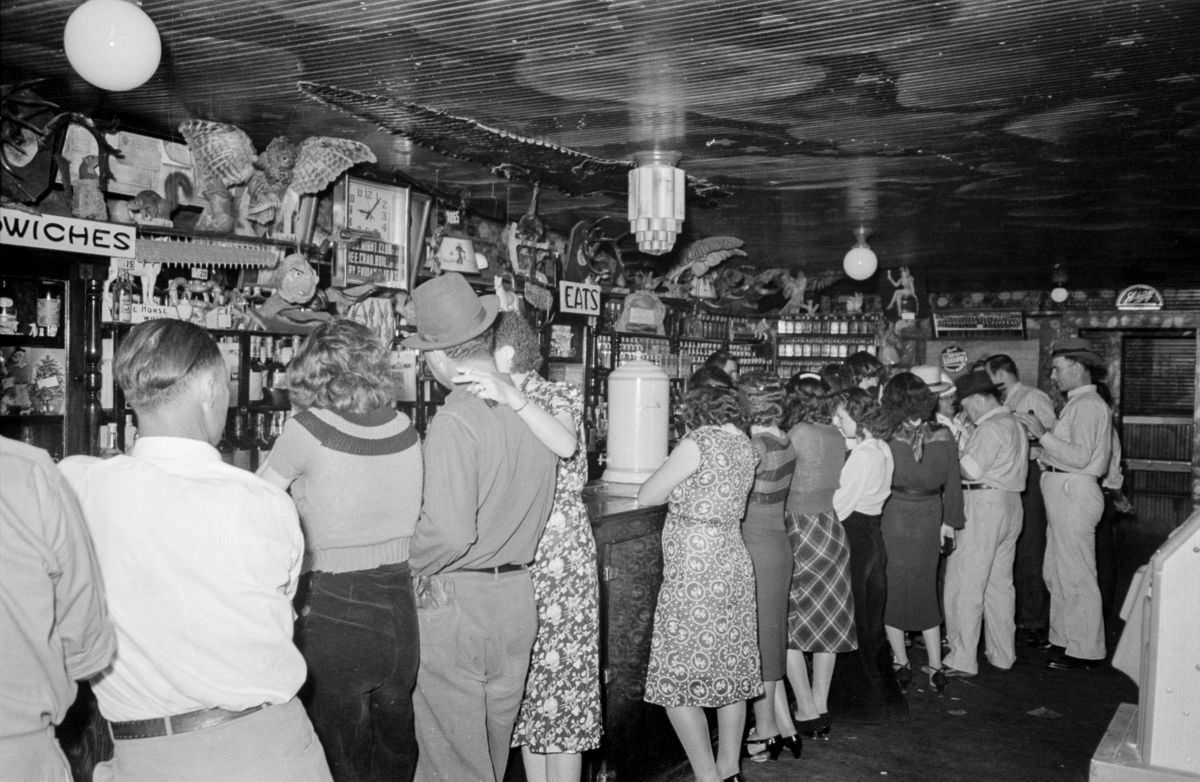
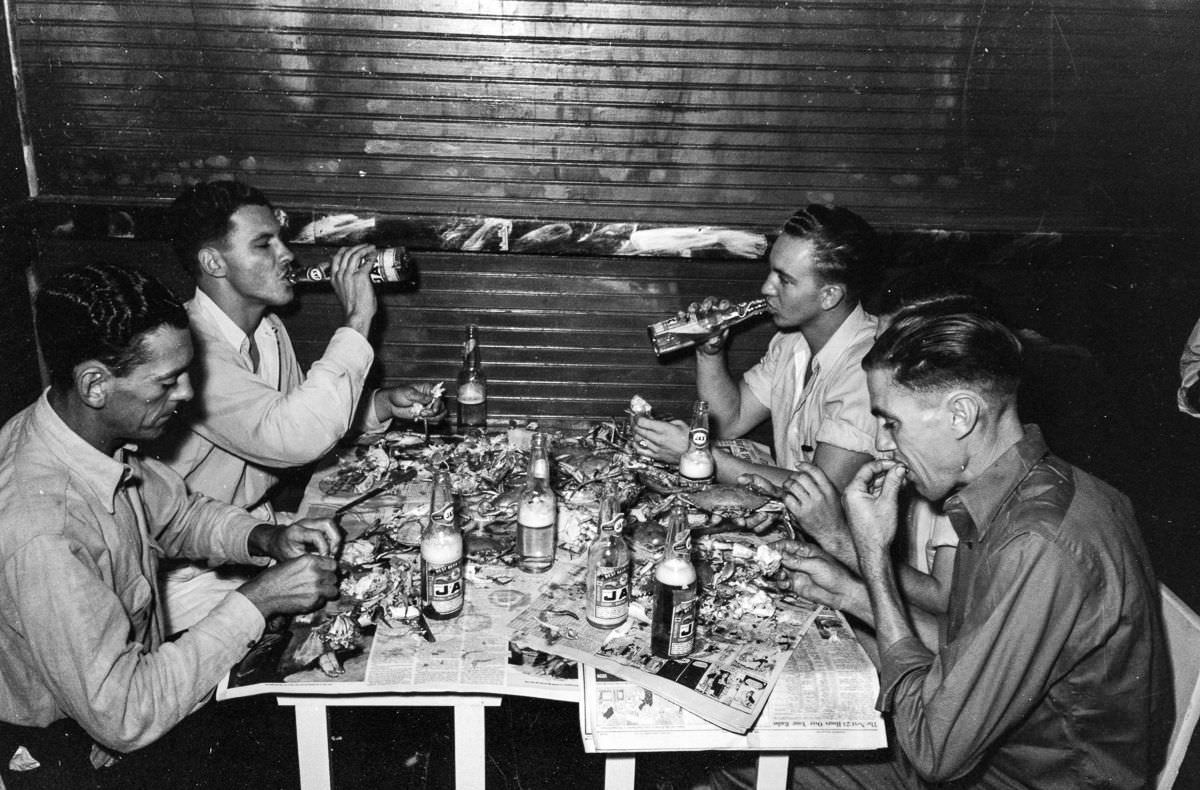
The crab boil was the centerpiece of the evening. Tables were covered with food, and groups of people crowded around to eat. In 1938, Louisiana was still deep in the economic struggle of the Depression, but nights like this one showed that community life carried on. A free meal and a place to gather mattered.
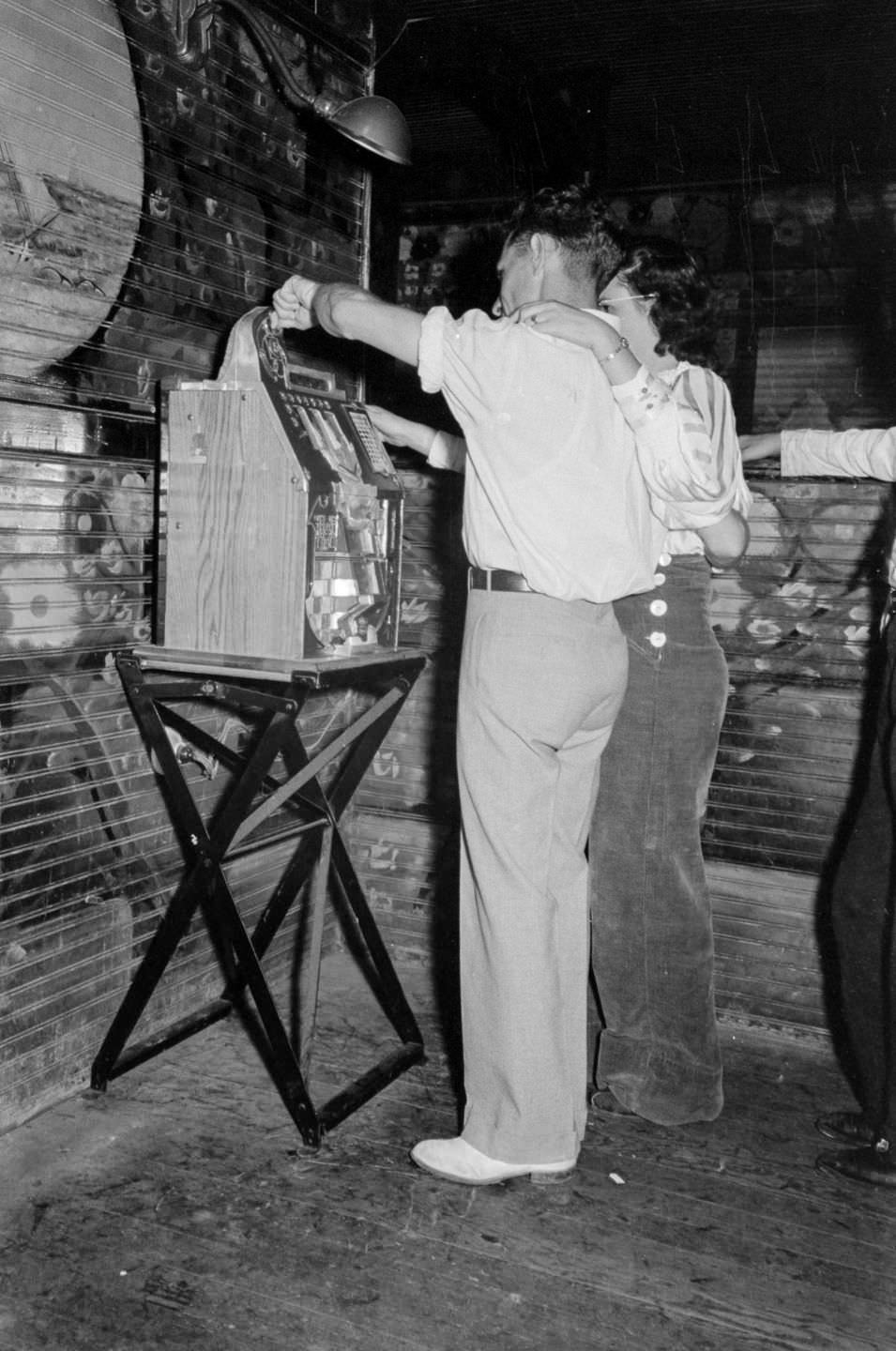
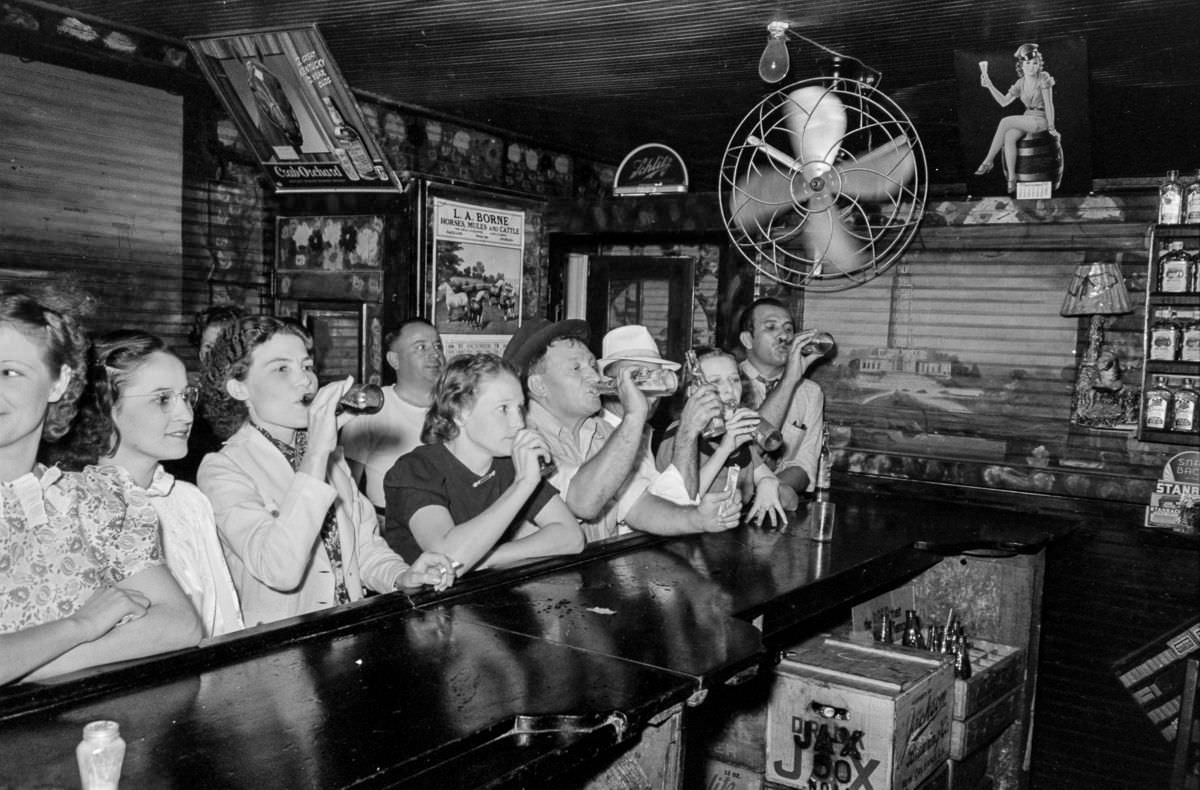
Lee shot the dining, the socializing, and the dancing. Couples moved across the floor while others watched from their seats. The nightclub had the energy of a place that was well-used and well-loved by the people who came to it each week.
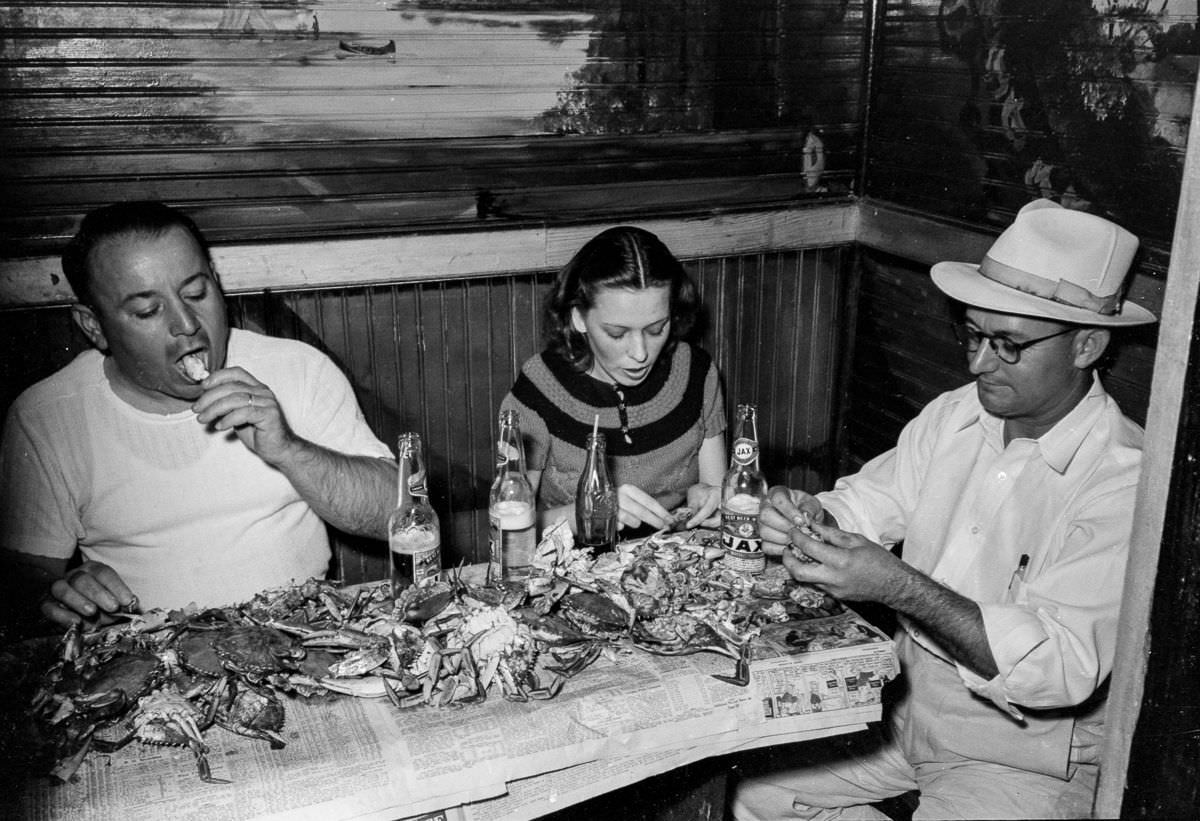
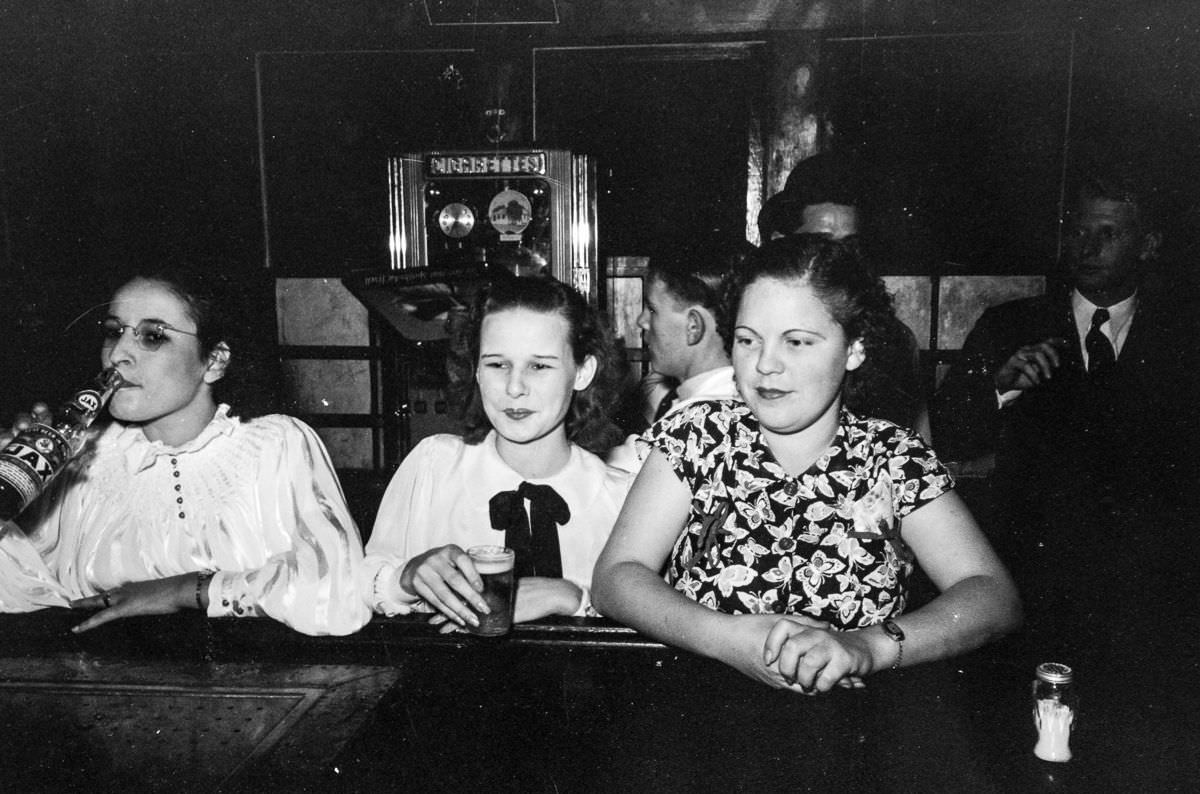
Russell Lee joined the FSA photography project in 1936 and worked alongside well-known names like Dorothea Lange and Walker Evans. While Lange is remembered for her portraits of migrant workers and Evans for his stark images of sharecropper families, Lee tended to photograph everyday social life in close detail. His work at Danos’ fits squarely into that approach.
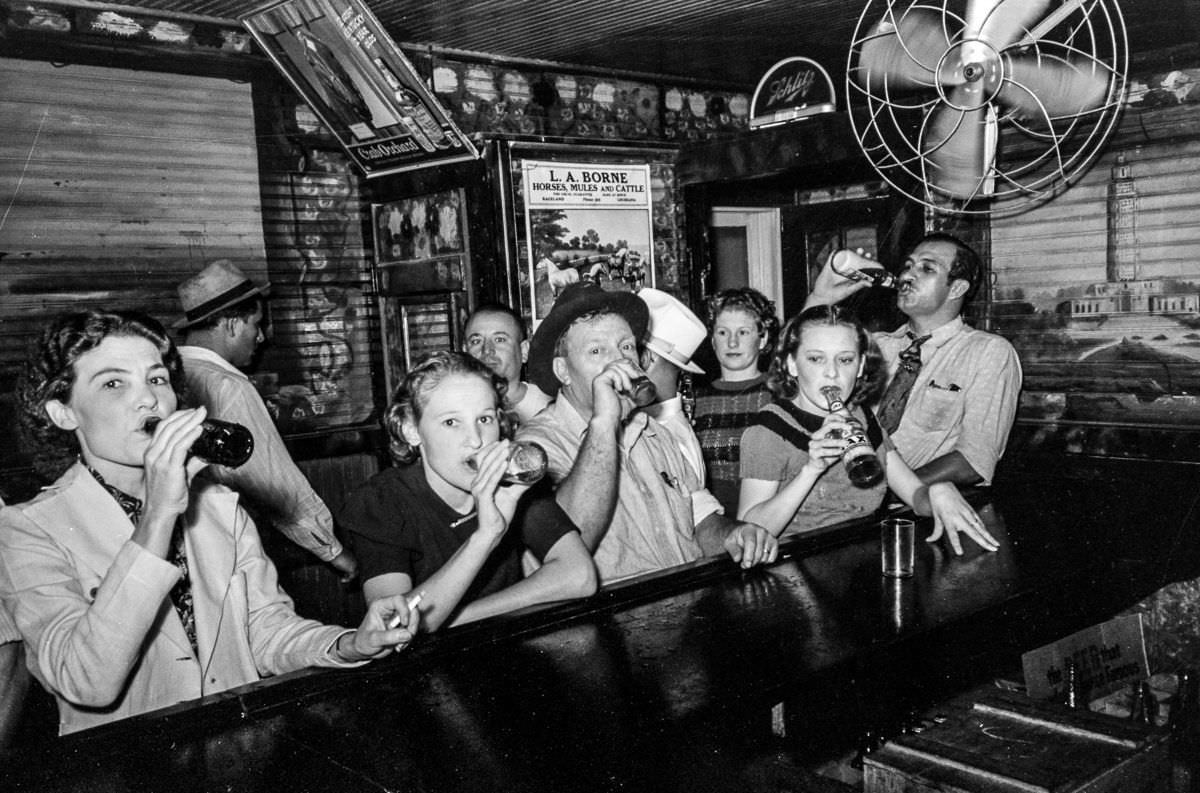
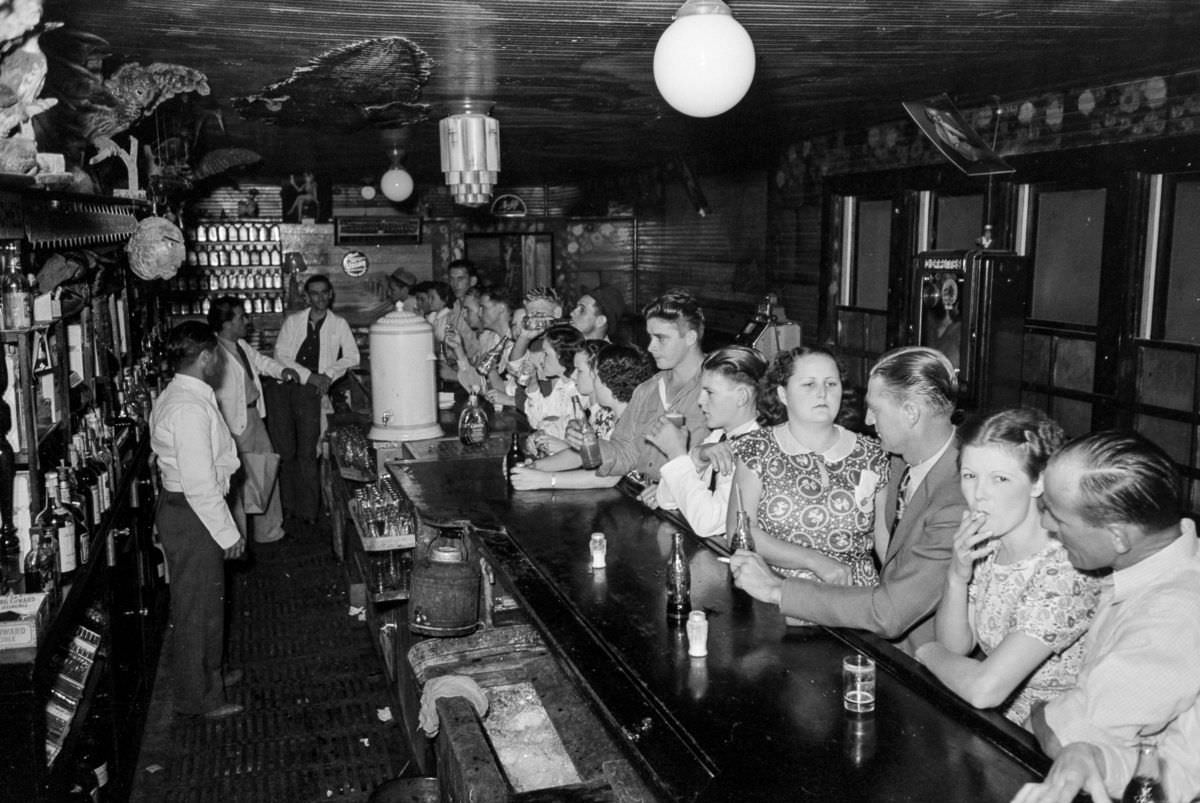
Raceland sits in Lafourche Parish, south of New Orleans, in the heart of Louisiana’s bayou country. The people Lee photographed that night were part of a tight-knit community shaped by the region’s French Creole and Cajun heritage. The food, the music, and the setting all reflected that local culture.
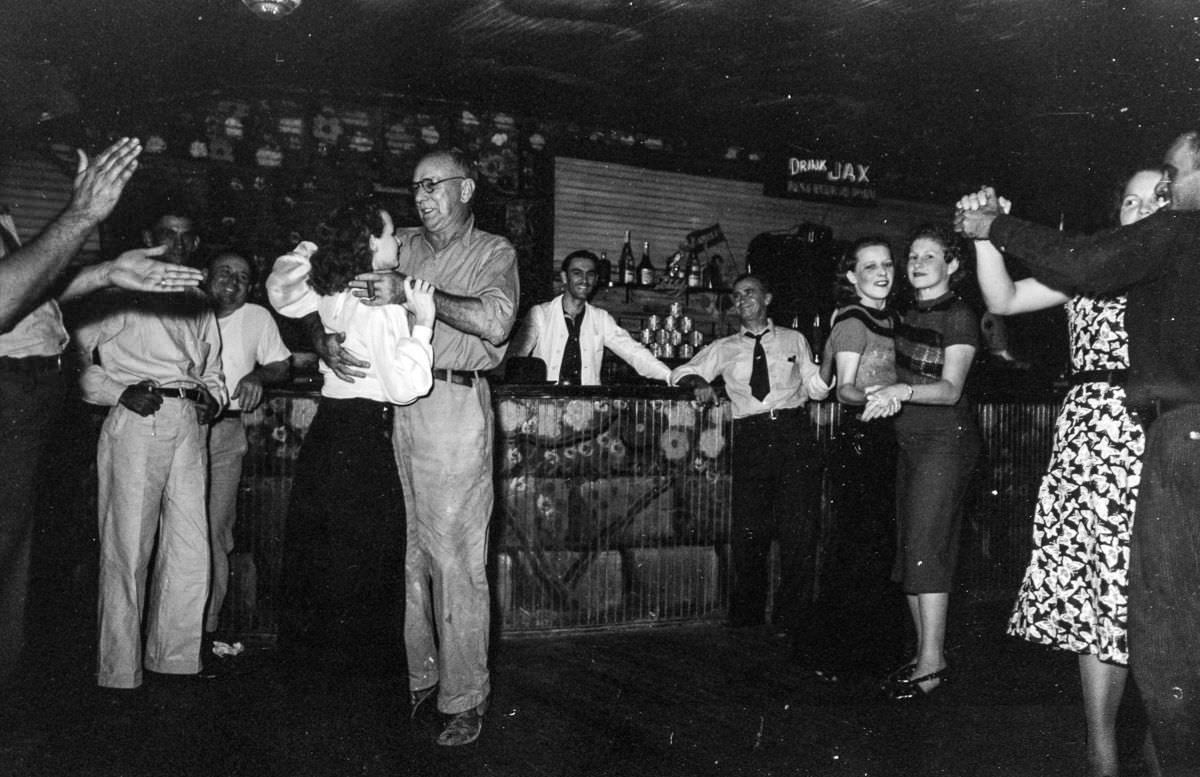
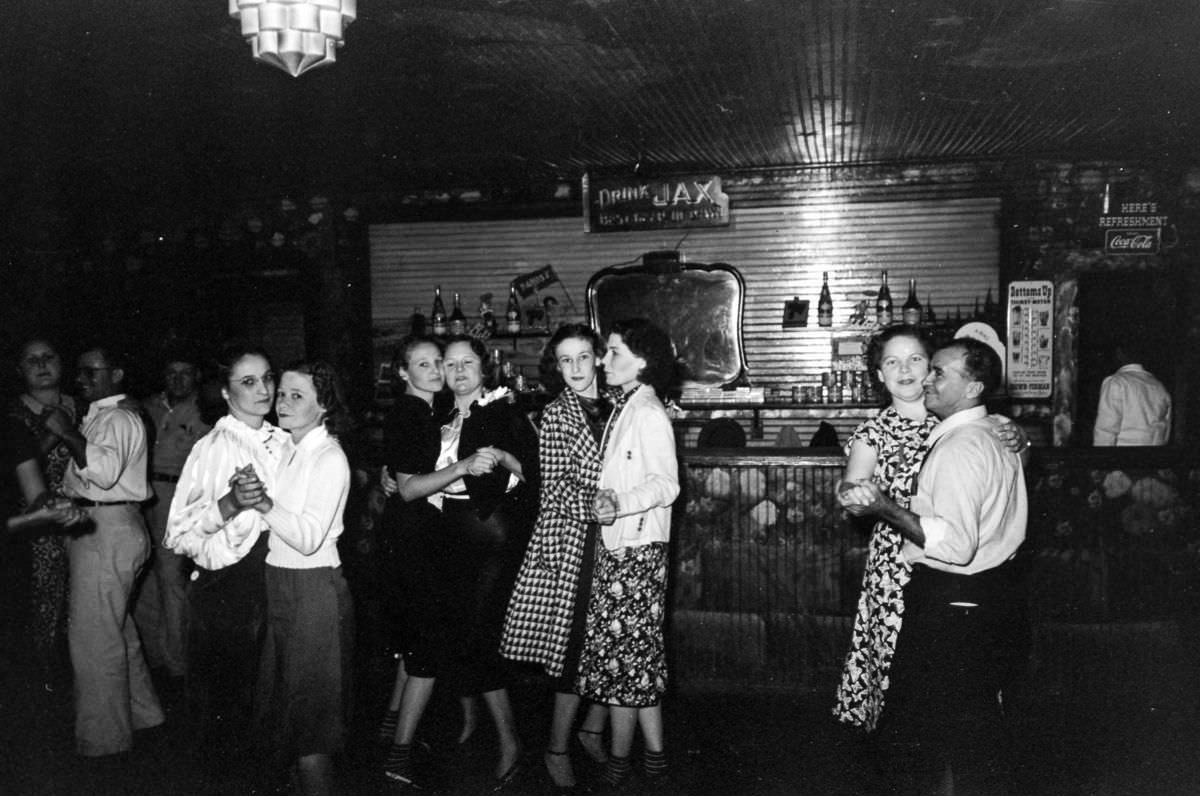
The FSA’s photography mission was partly political — the agency needed images that could show Congress and the public the realities of rural life during the Depression. But Lee’s pictures at Danos’ go beyond hardship. They show resilience, enjoyment, and the texture of a Friday night that people looked forward to all week.
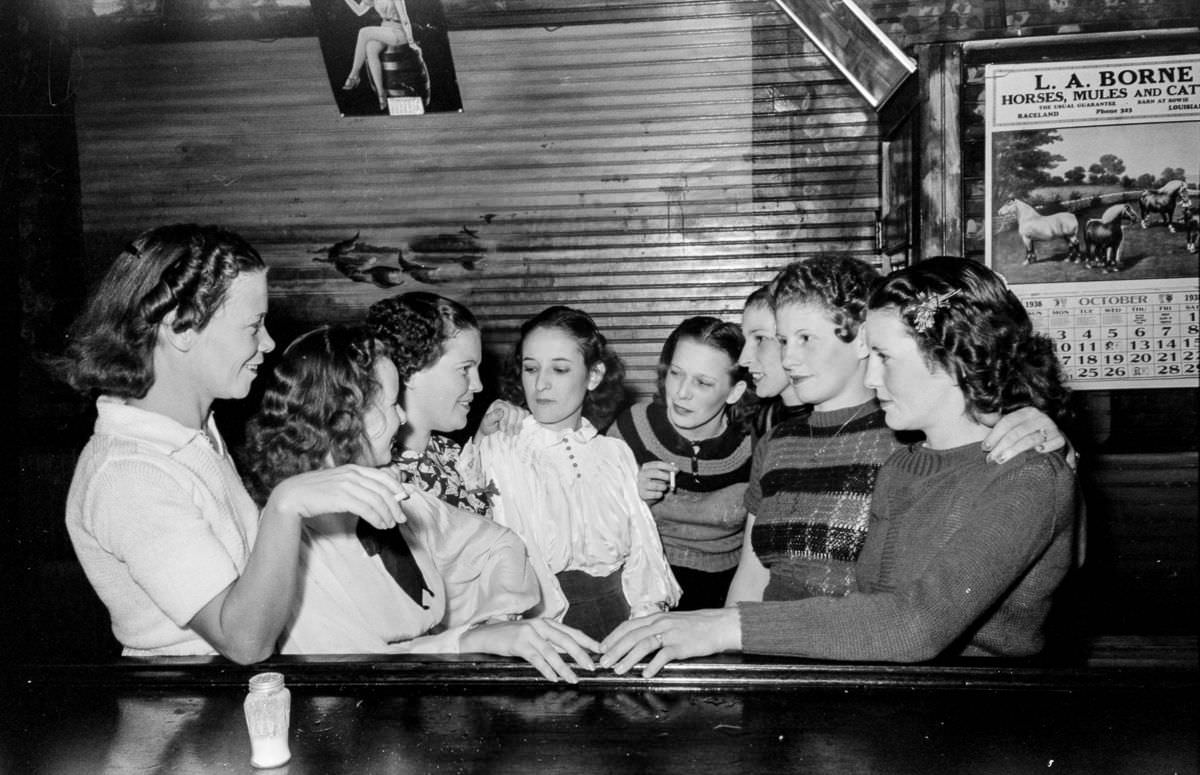
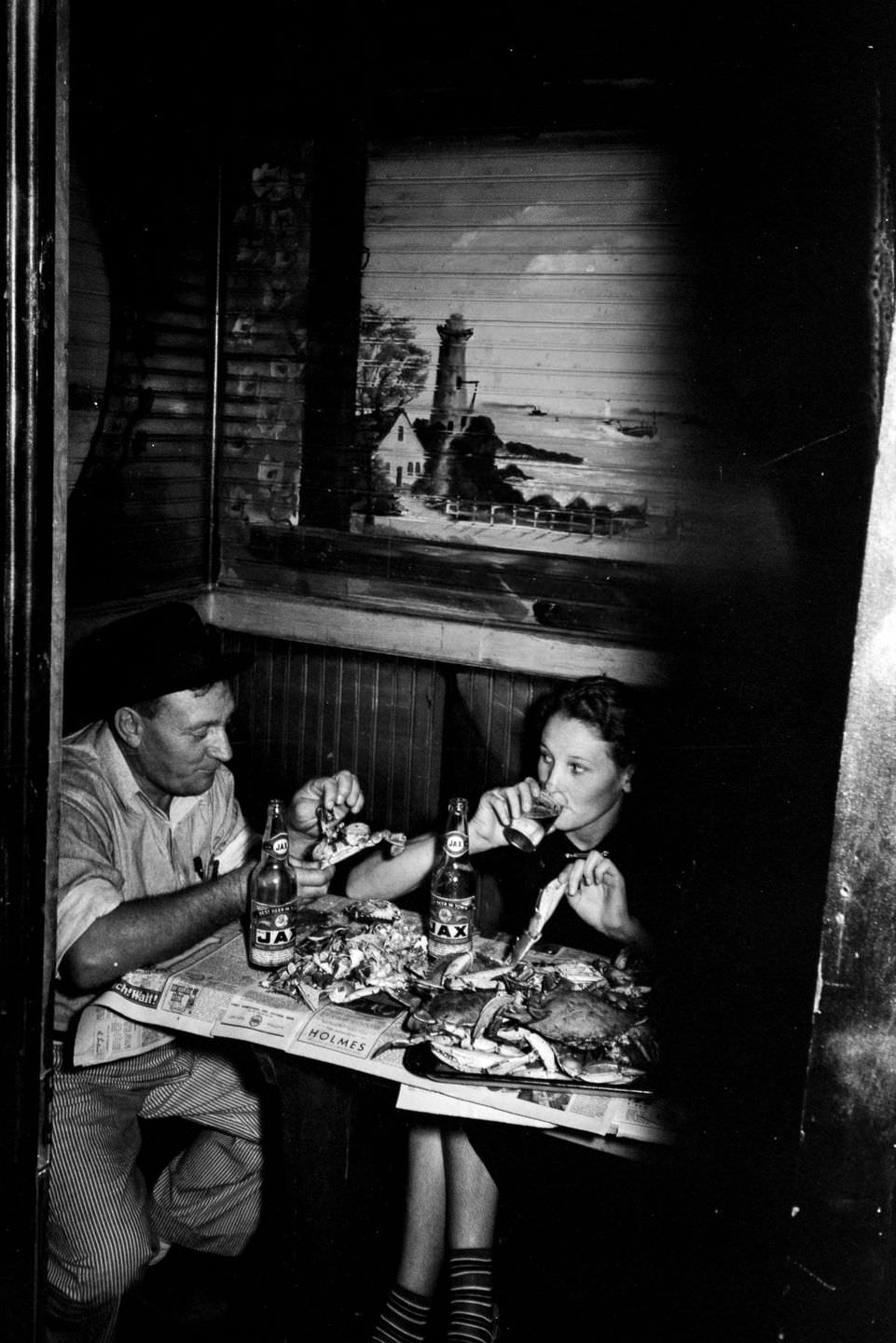
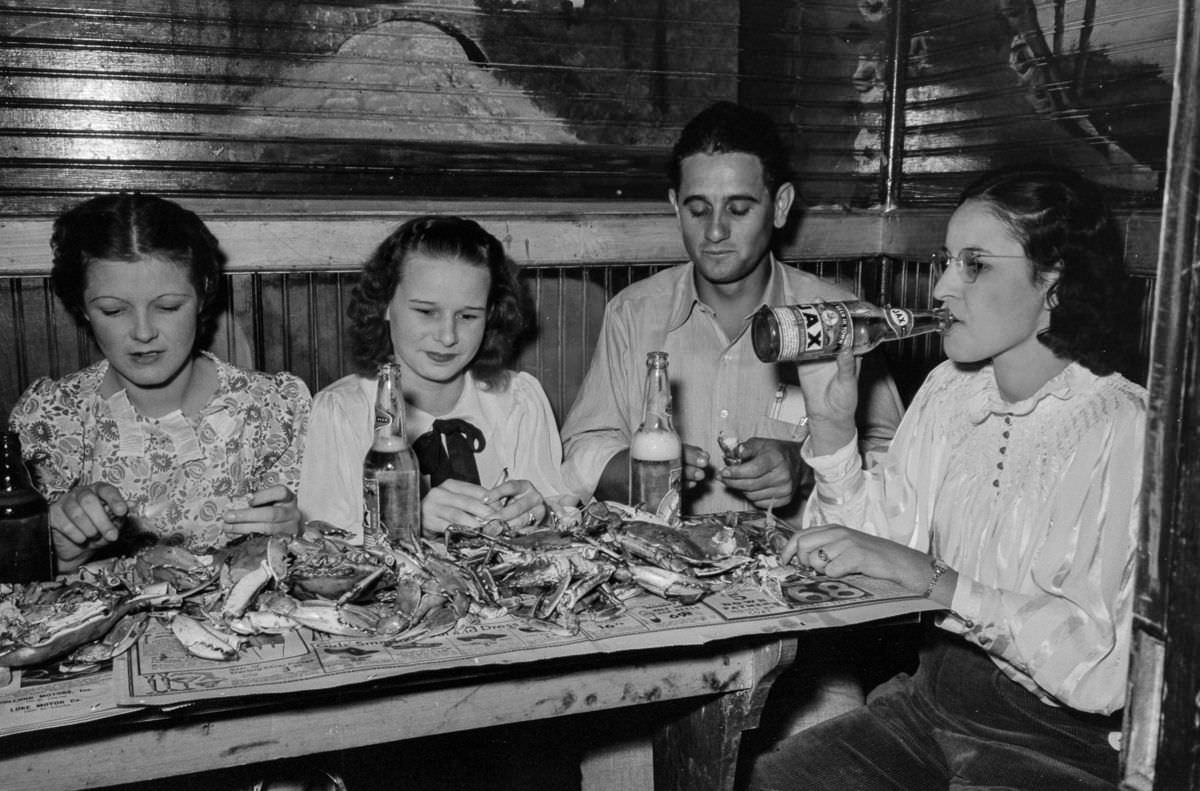
What makes these photographs stand out is their specificity. This is not a generic scene of Depression-era America — it is one particular night, in one particular place, with real people who came out for crabs and dancing on a Friday in September 1938.
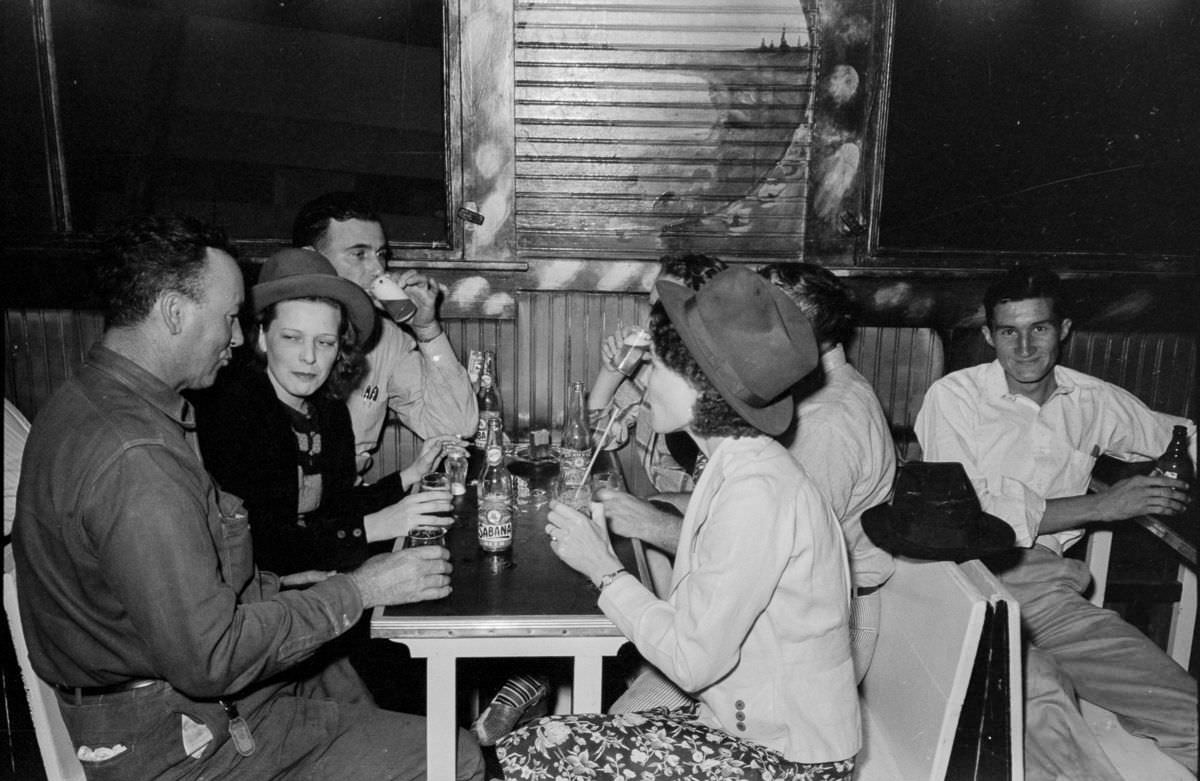





Love the shrine to ol Huey in picture 4!
The crabs look amazing!
Is anyone else kinda struck by how white these are?… oh, and that the kingfish had been dead for 3 years?