Jerry Schatzberg built one of the most distinctive careers in American photography during the 1960s. Working as a freelance photographer, he contributed to some of the most widely read publications of the era, including Vogue, McCall’s, Esquire, and Glamour. His lens captured not just fashion and celebrity, but genuine moments — the kind that feel both polished and real at the same time. Later, in 1970, he shifted into film directing with Puzzle of a Downfall Child, but it was his decade of still photography that produced some of the most striking portraits of the 20th century. The subjects below — models, actresses, musicians, and dancers — all sat for Schatzberg during the 1960s, and the results speak for themselves.
Among his earliest New York subjects was Sara Thom, whom Schatzberg photographed multiple times in 1962. The sessions produced a series of images that showcase his ability to work closely with a subject and draw out varied moods within a single shoot.
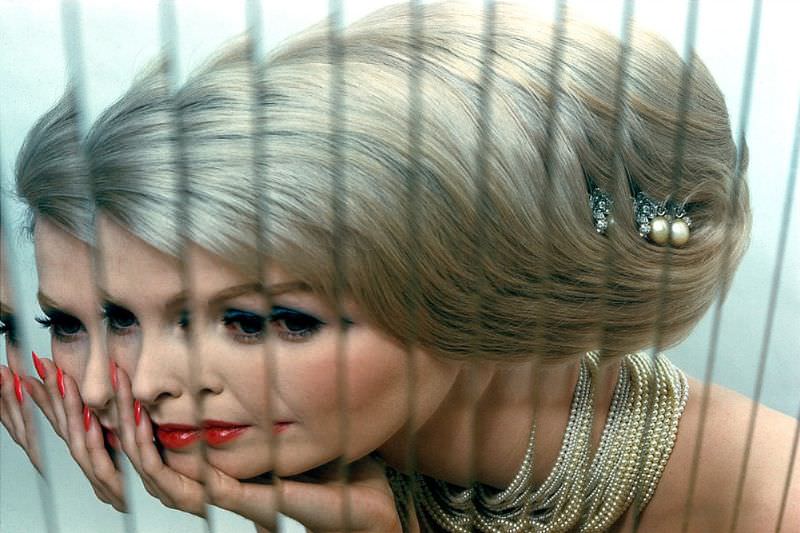
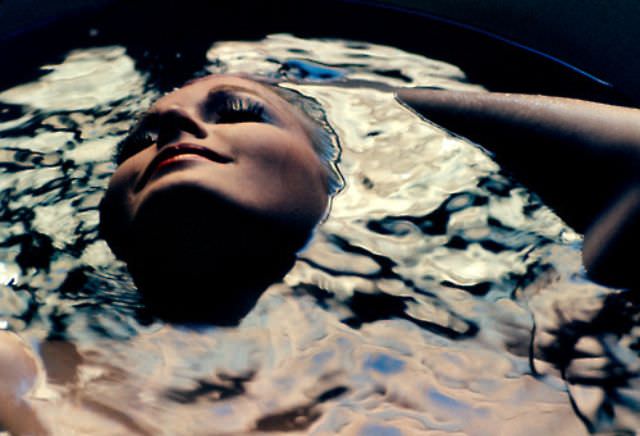
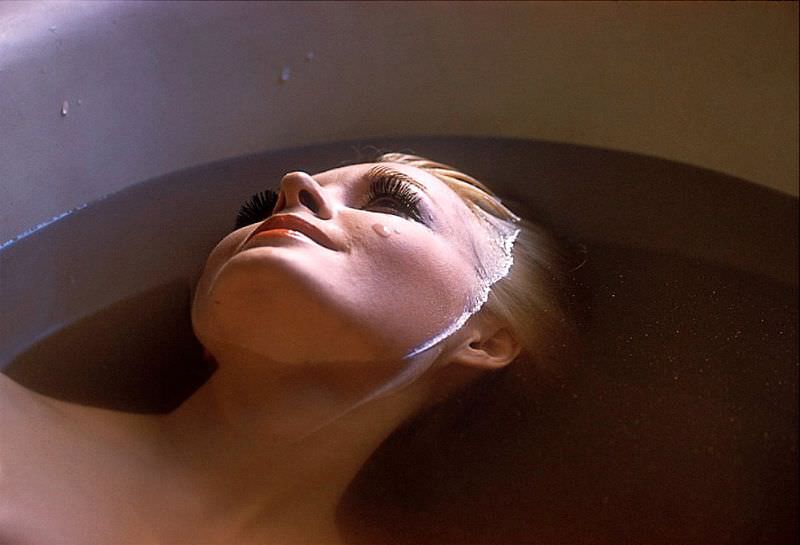
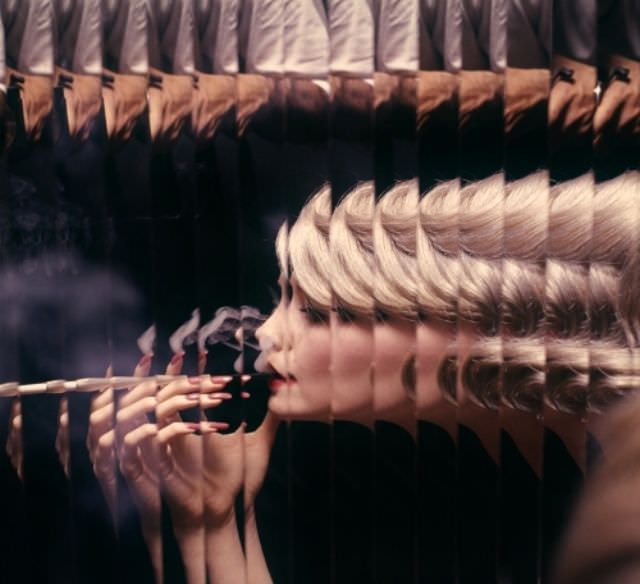
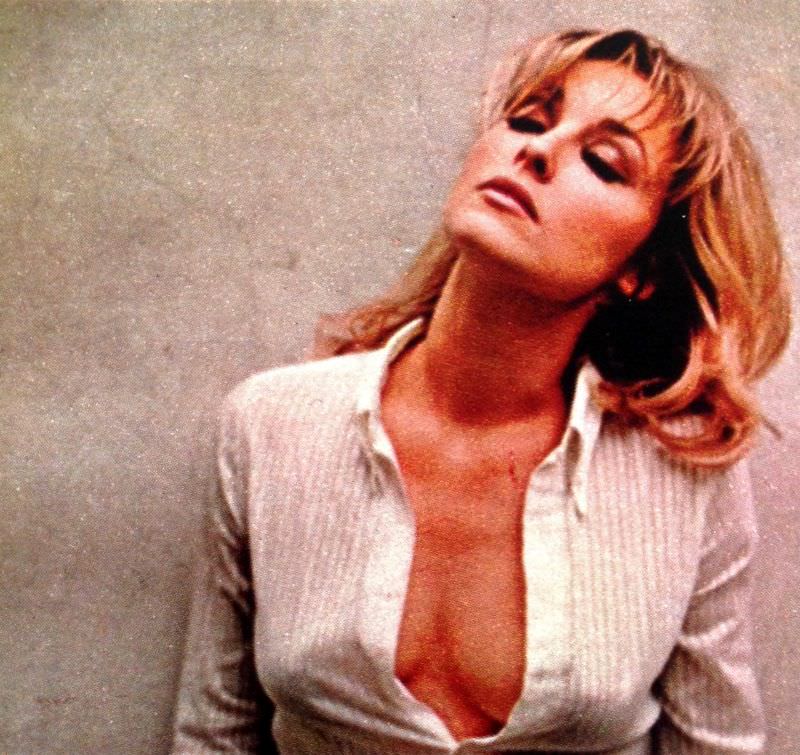
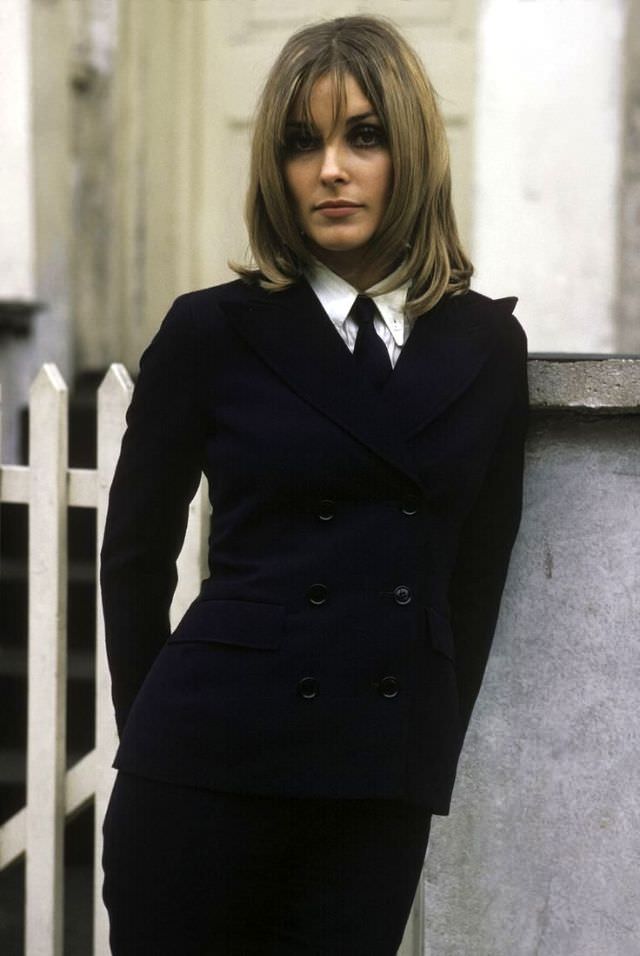
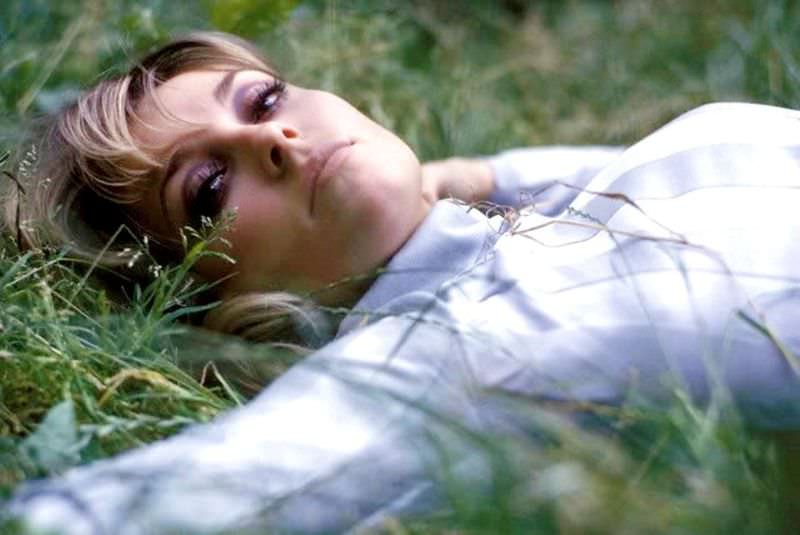
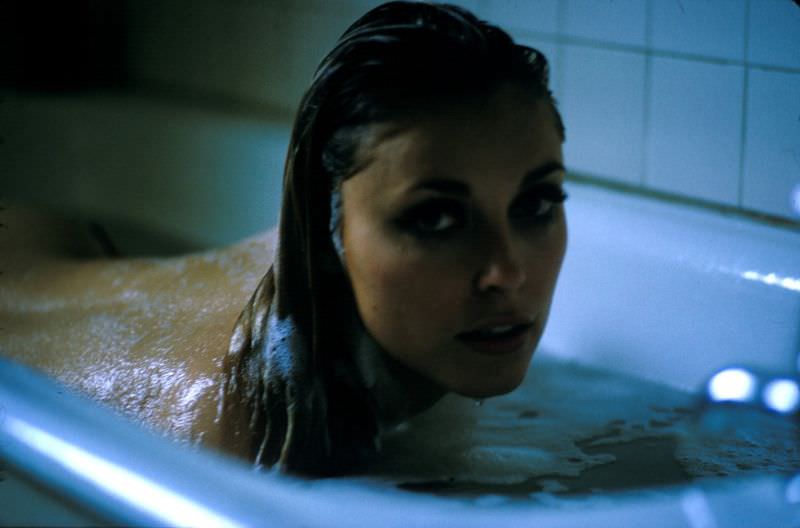
In 1966, Schatzberg photographed Sharon Tate in a series that remains among the most memorable portrait work of that decade. Tate was then a rising actress, and Schatzberg’s photographs caught her at a pivotal moment in her career. The images are relaxed yet composed, projecting a natural confidence that defined her public image at the time.
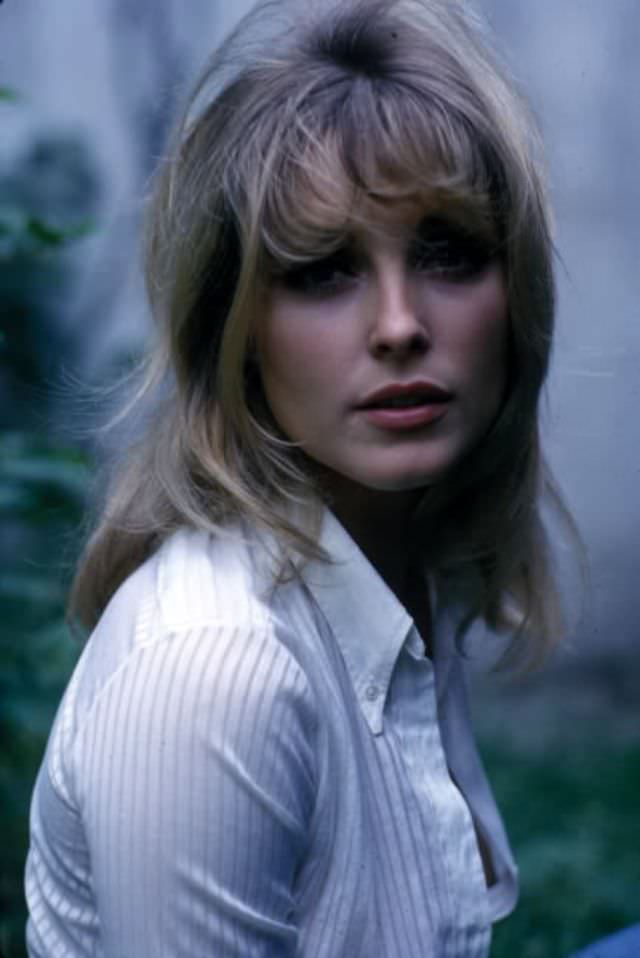
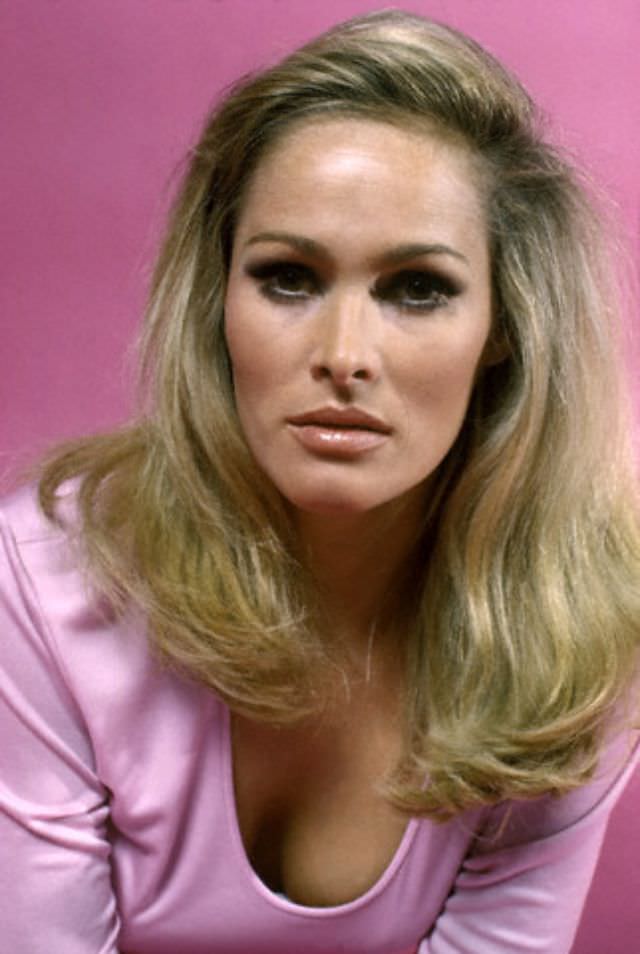
Swiss-born actress Ursula Andress, already internationally famous after her role in the 1962 Bond film Dr. No, sat for Schatzberg in 1965. That same year, he photographed French actress Catherine Deneuve, both in studio settings and on the streets of Manhattan. The contrast between the two women’s styles — Andress bold and sun-warmed, Deneuve cool and precise — highlights Schatzberg’s range as a portrait photographer.
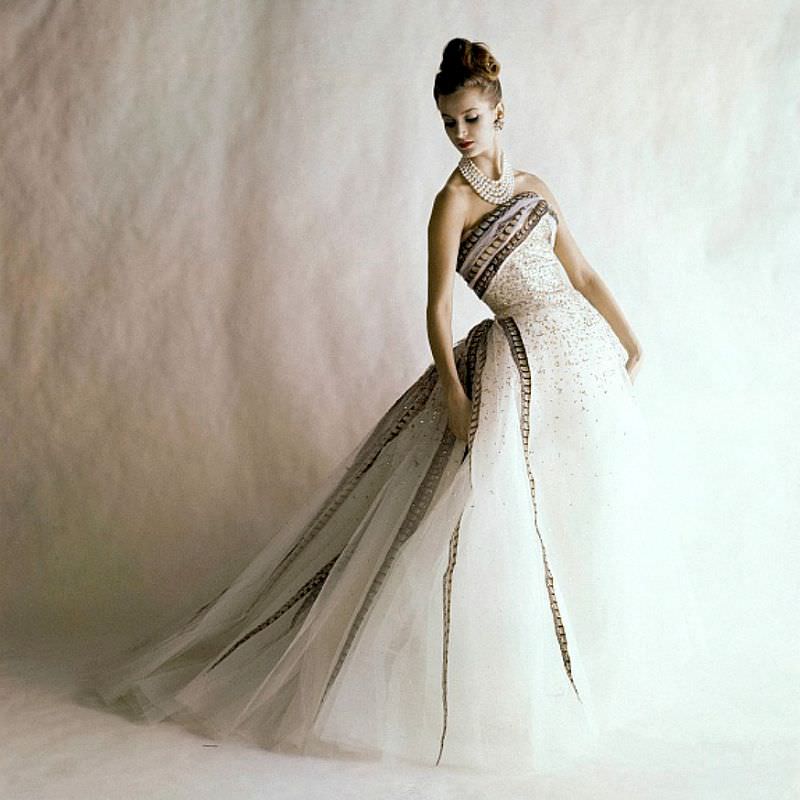
Swedish model Anna Carin Bjorck appeared in front of Schatzberg’s camera three times in 1960 alone. One of those sessions produced a striking image of her in a strapless ball gown by Balmain — white tulle with gold paillettes and pheasant feather ribbons. The gown, photographed in June of that year, is a clear example of how Schatzberg’s editorial work elevated high fashion into something more than a catalog image.
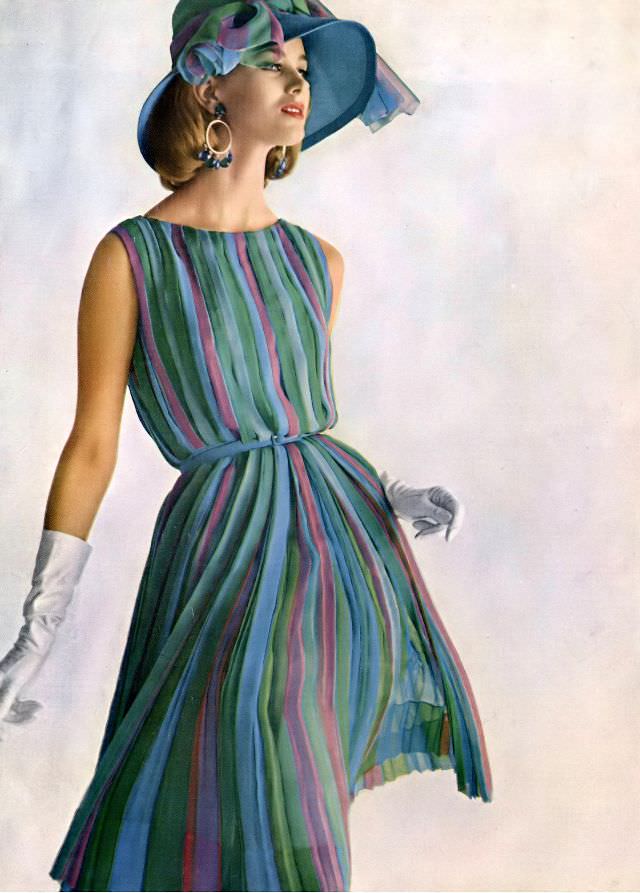
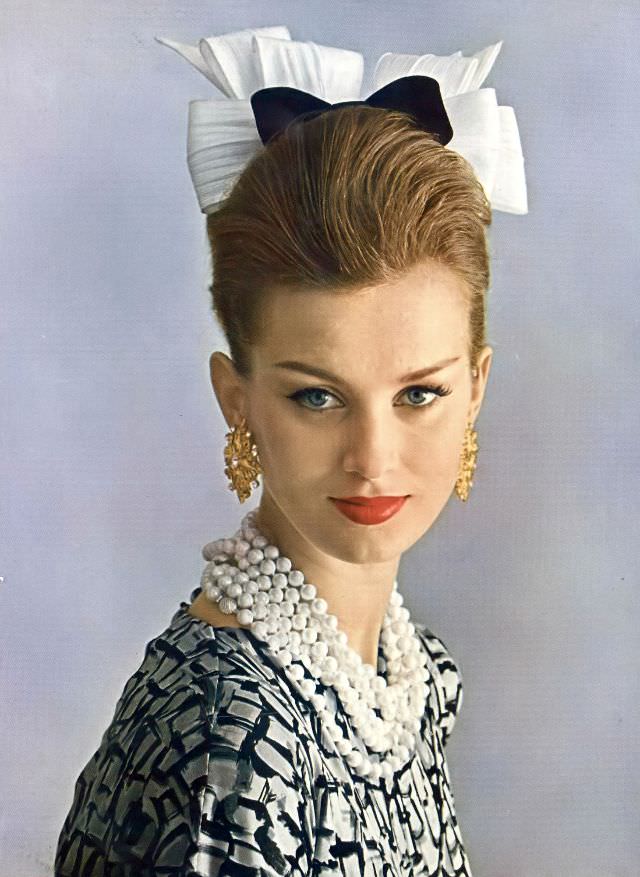
Model Anne St. Marie, one of the defining faces of late 1950s and early 1960s fashion, also appears in Schatzberg’s archive from this period. Around the same time, he photographed Aretha Franklin in 1967 — just as her Atlantic Records career was exploding with hits like Respect. The portrait session captured her before she became a full-fledged cultural institution.
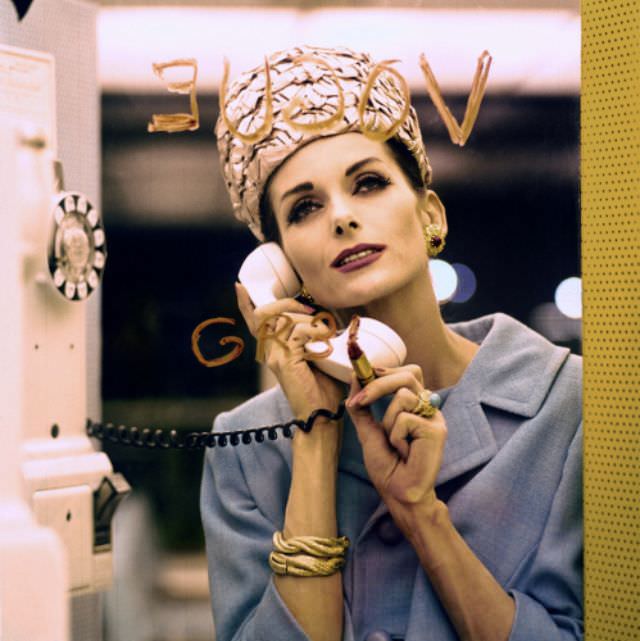
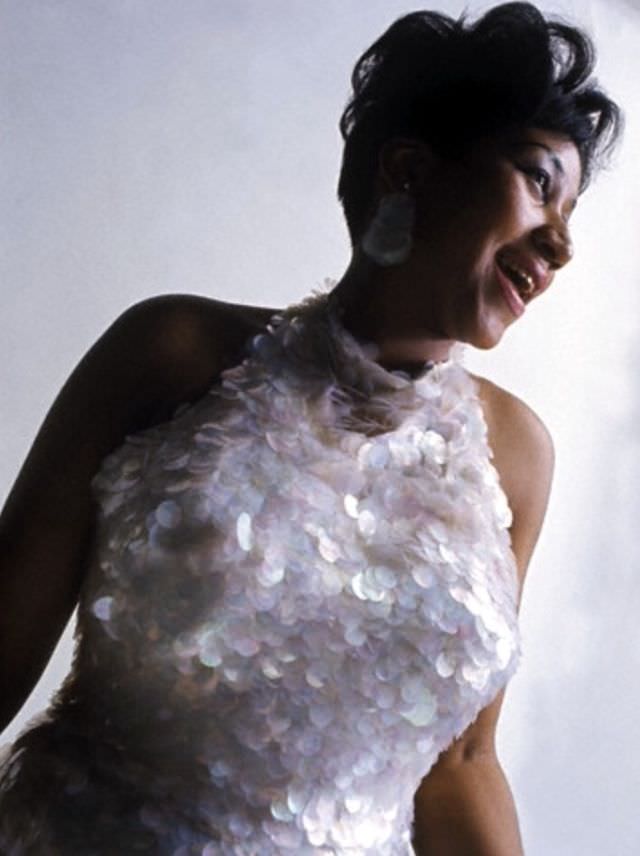
Schatzberg photographed Catherine Deneuve extensively during her 1965 visit to New York. The Manhattan sessions in particular show a different side of the French actress — less formal, more immediate, as if the city itself was part of the frame.
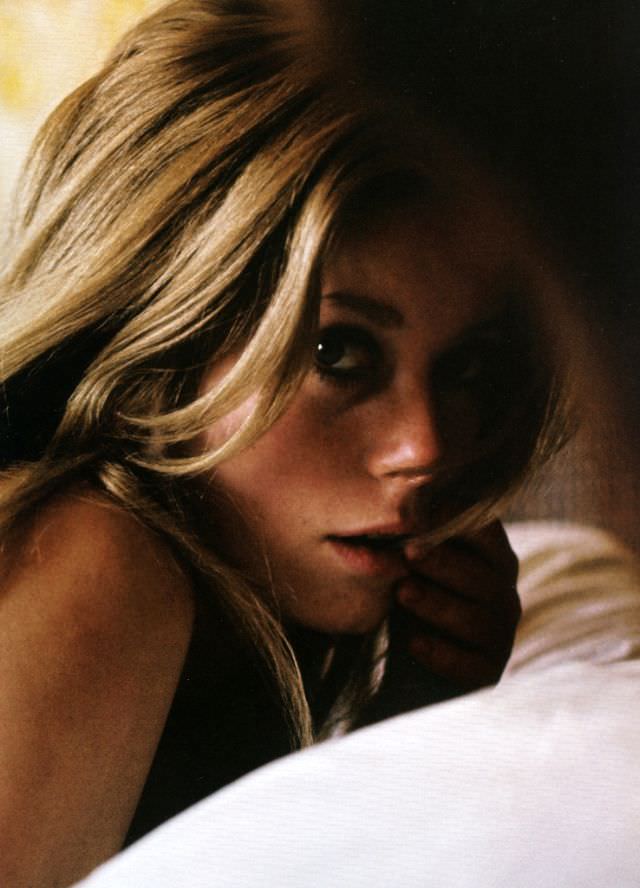
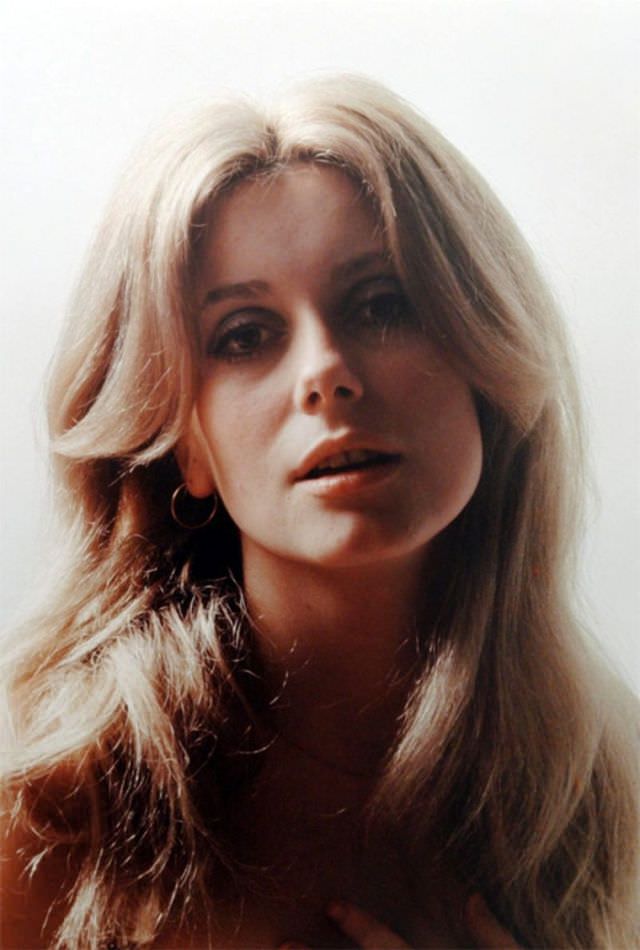
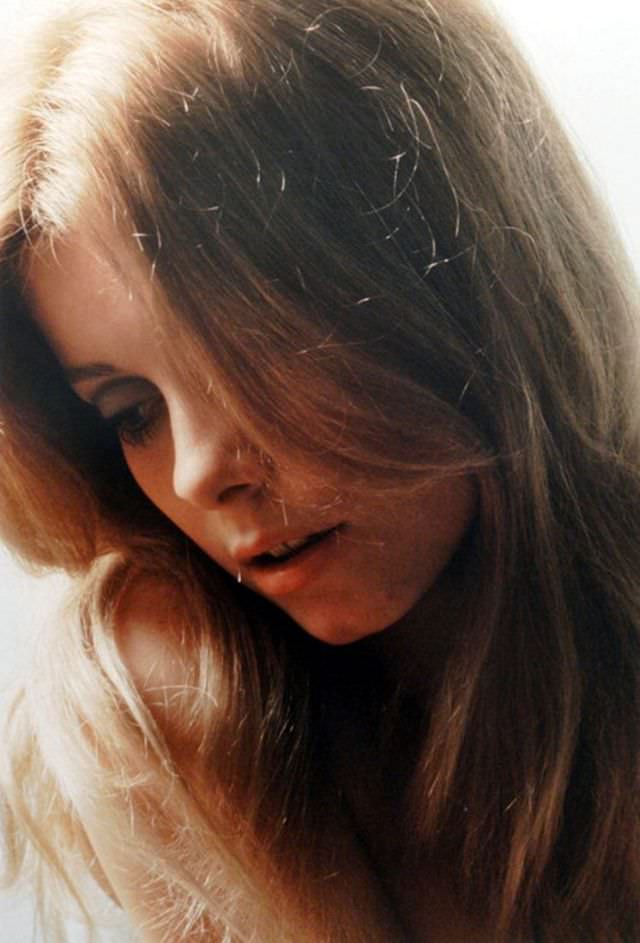
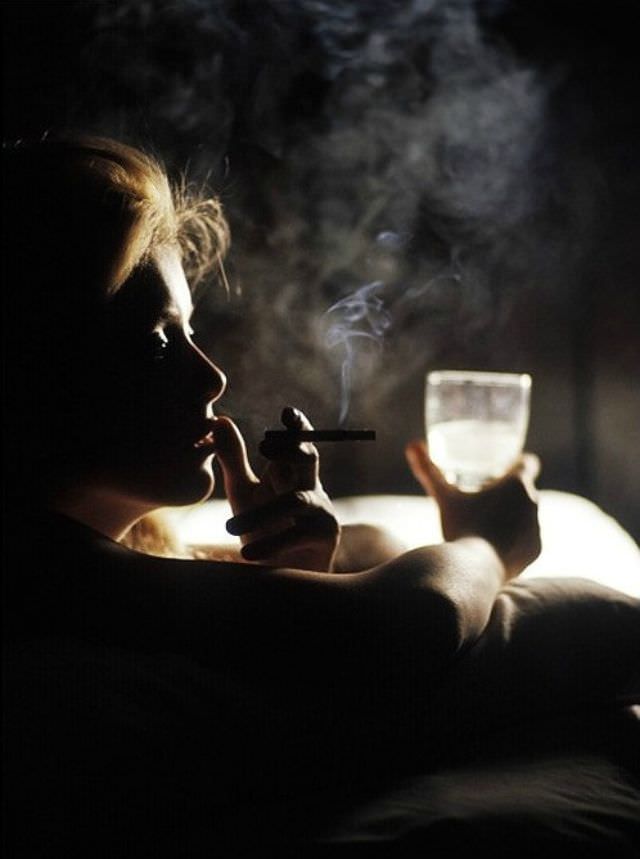
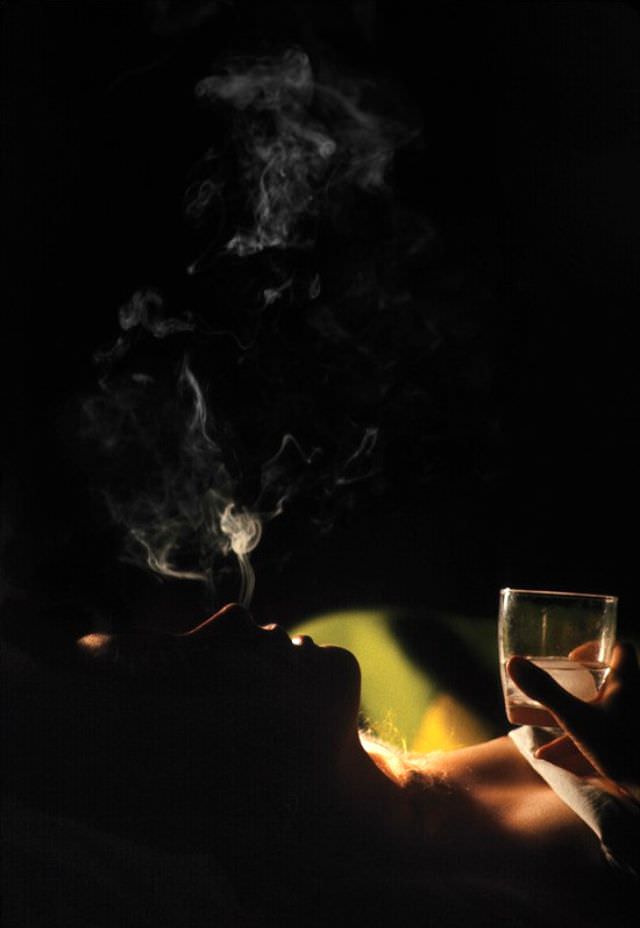
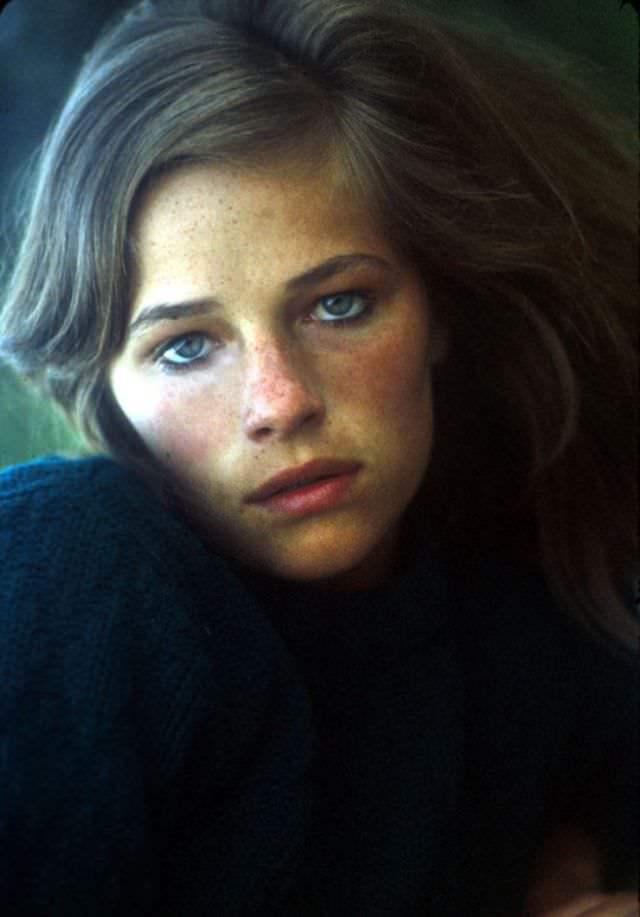
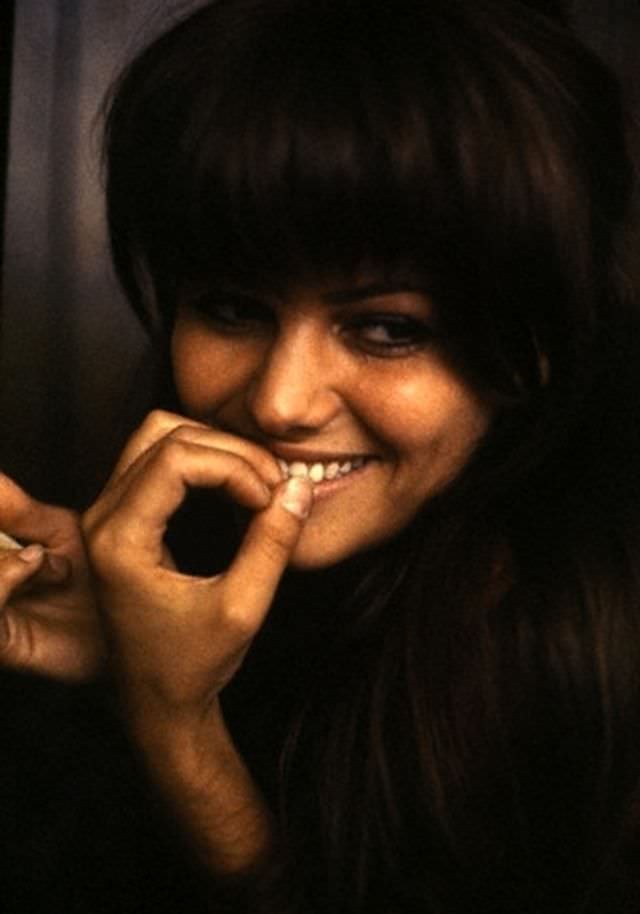
British actress Charlotte Rampling appeared in Schatzberg’s work in both 1965 and 1966. One shot, taken in Brittany, France in May 1965, places her against a coastal backdrop that feels worlds away from the New York studio work. Italian actress Claudia Cardinale, photographed in 1963, brought a different kind of intensity to the frame — Mediterranean, direct, unmistakably cinematic.
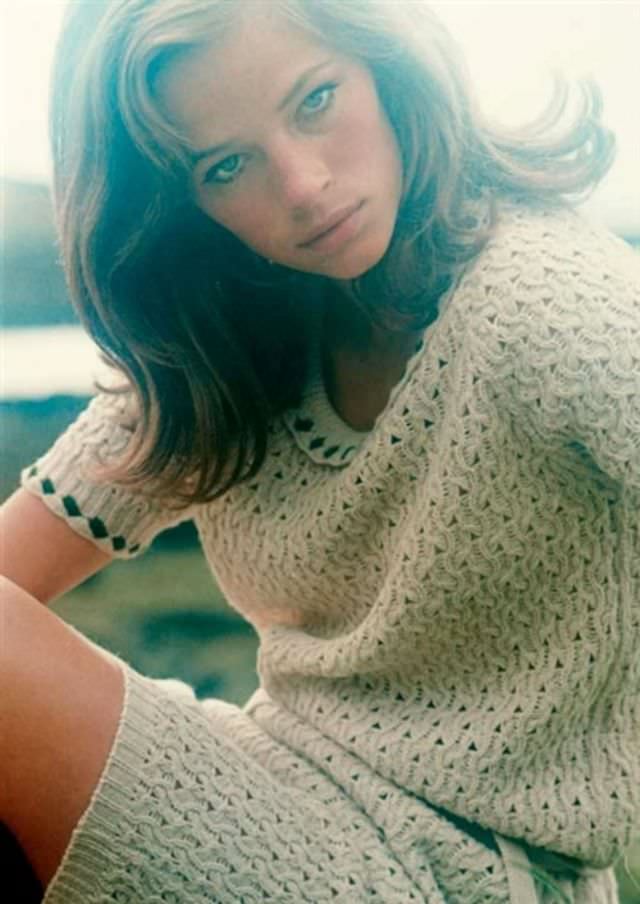
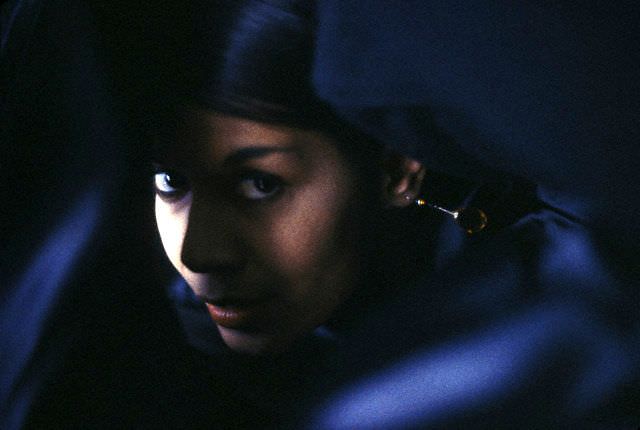
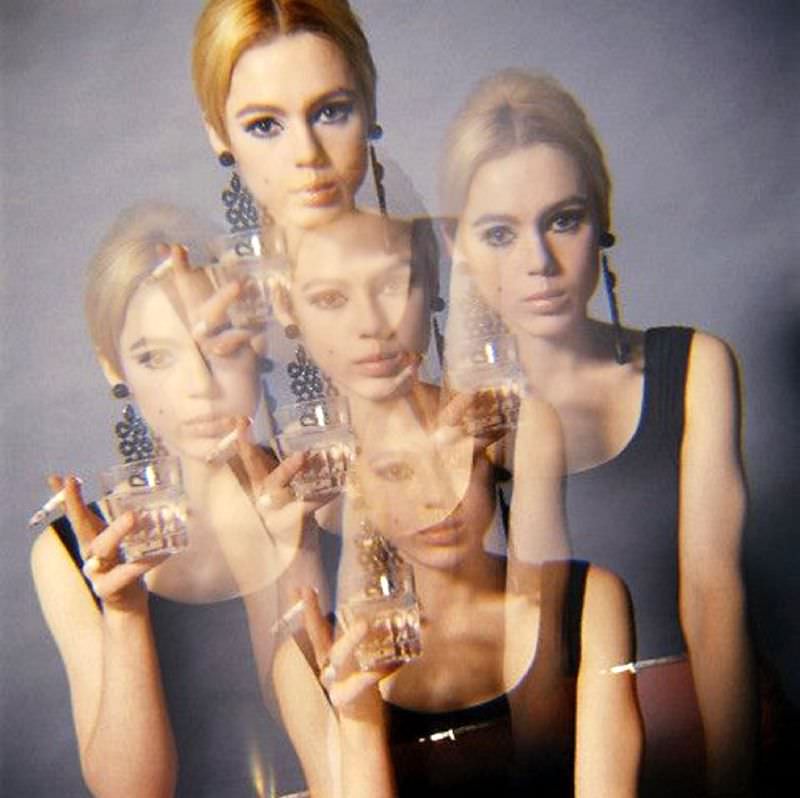
Dancer Carmen de Lavallade, photographed in 1962, represented another dimension of Schatzberg’s subject range. De Lavallade was one of the most celebrated dancers of her generation, and Schatzberg treated her with the same editorial seriousness he gave to film actresses. That same year, the underground art world gave him Edie Sedgwick — Andy Warhol’s most famous Factory muse — captured here in 1966 at the height of her notoriety.
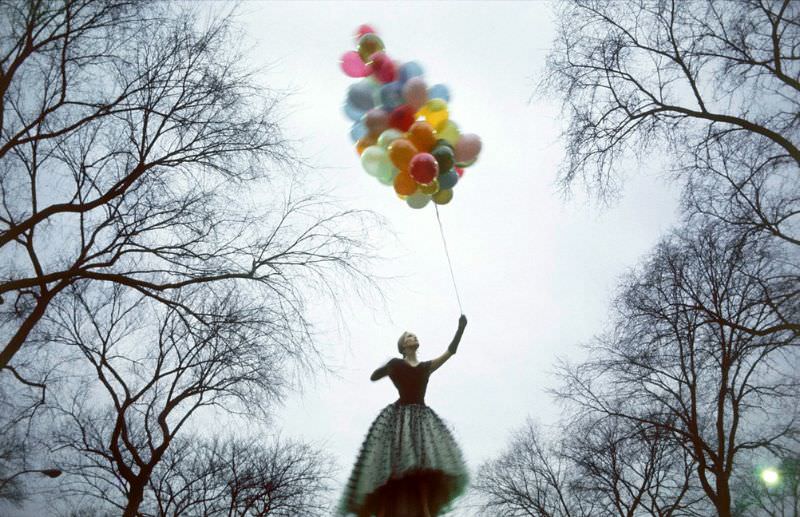
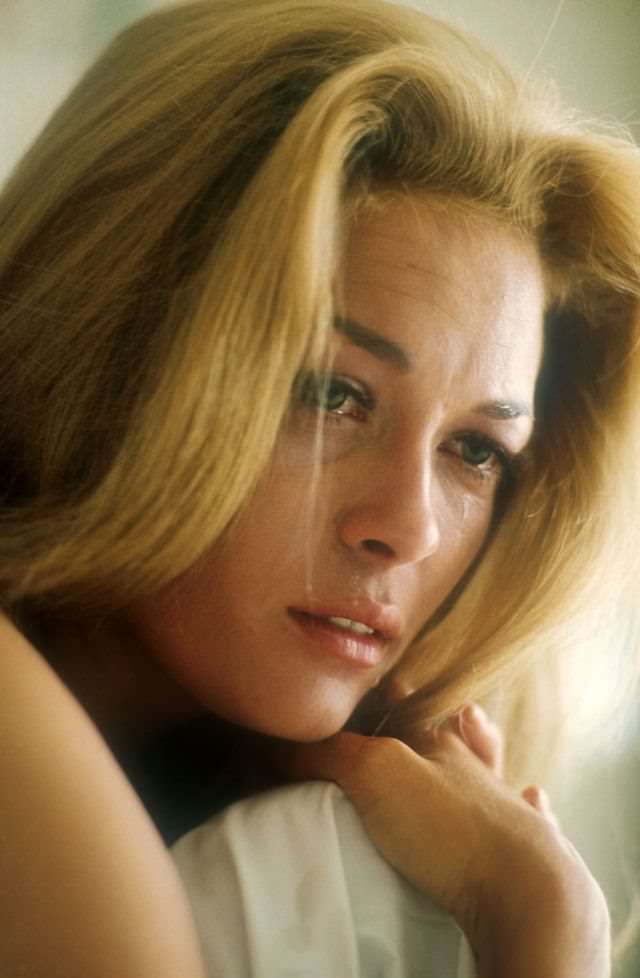
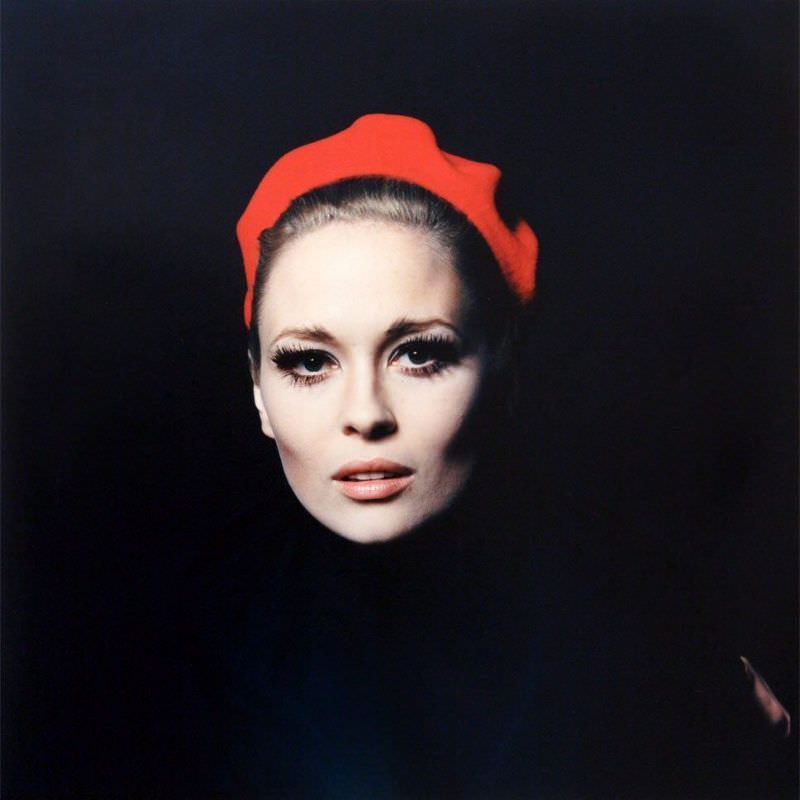
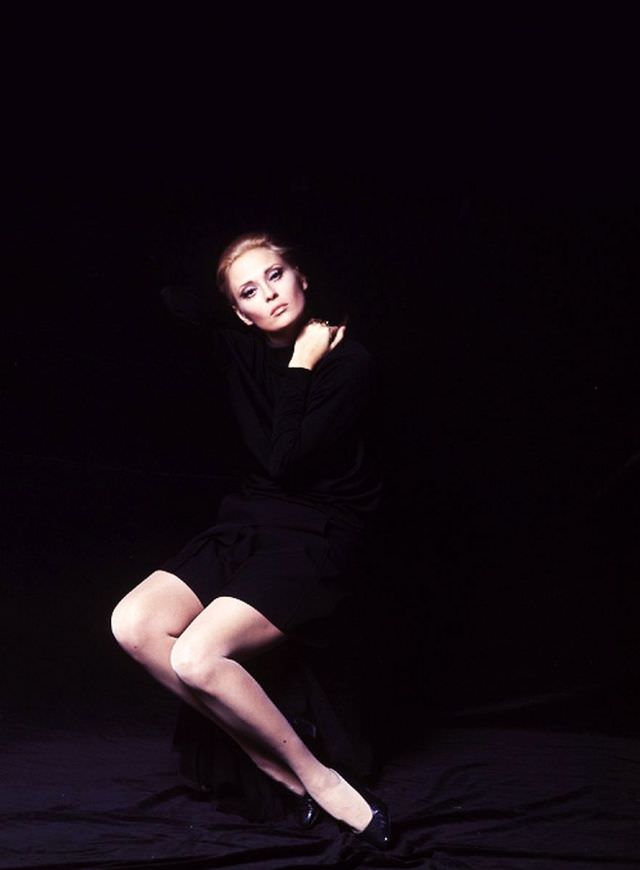
Faye Dunaway sat for Schatzberg multiple times, first in 1966 and again in 1969. The 1969 session, taken in Central Park with Dunaway holding a bunch of balloons, is relaxed and playful — a sharp contrast to her 1966 portraits, which carry the harder edge she was known for on screen. By the time the Central Park photo was taken, she had already starred in Bonnie and Clyde.
The remaining photographs in this collection round out the breadth of Schatzberg’s 1960s work. Italian model Iris Bianchi was photographed in New York in 1967. Model Ivy Nicholson, a staple of European and American fashion in the late 1950s, appears here from the early 1960s. A 1962 backstage shot at the Yves Saint Laurent show in Paris features model Jean Newington, placing Schatzberg directly inside the heart of the fashion world he helped document.
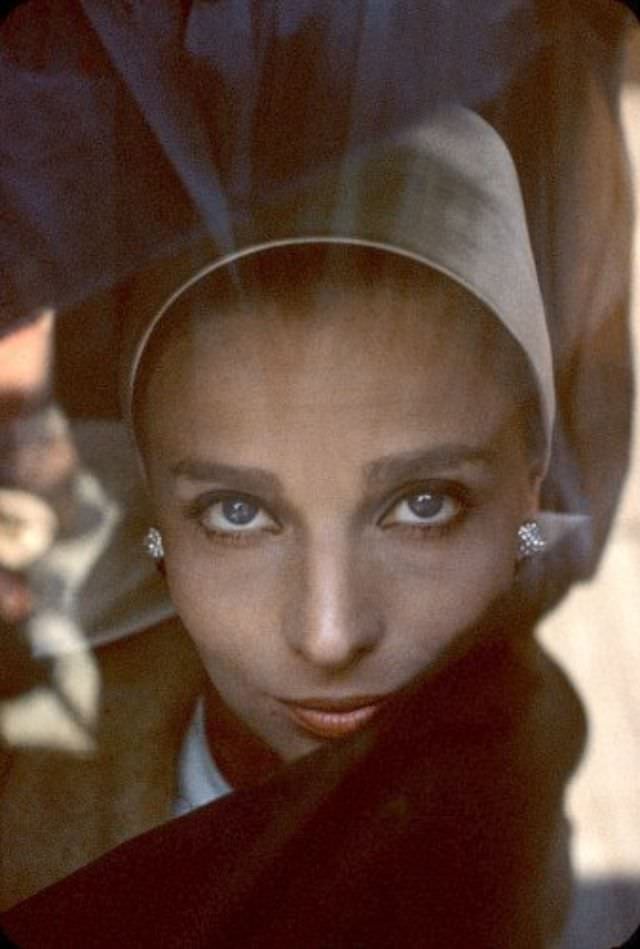
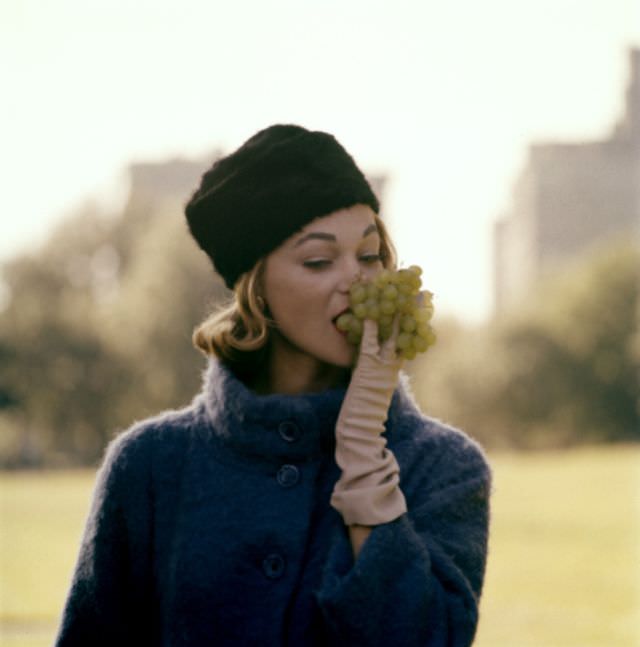
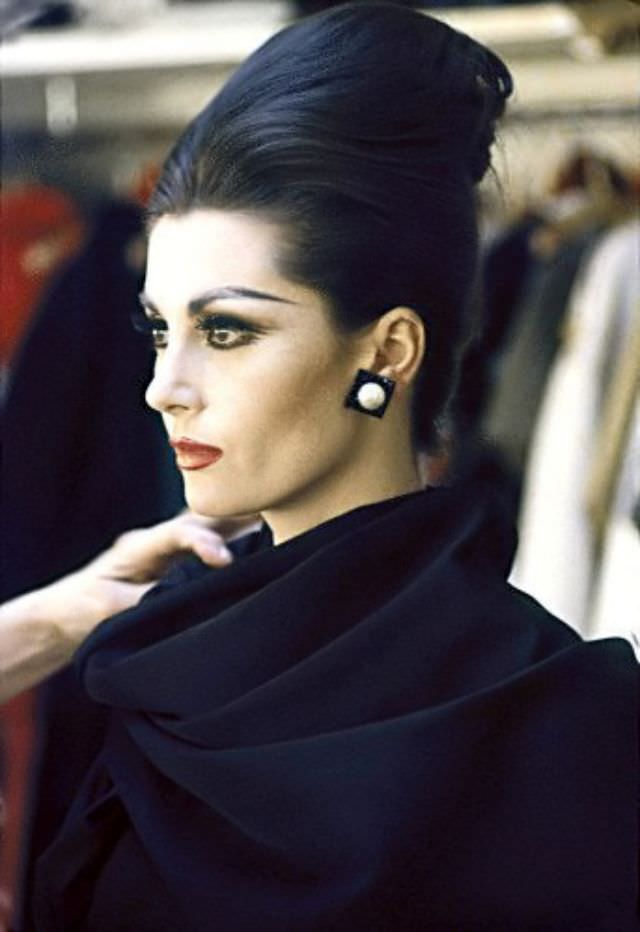
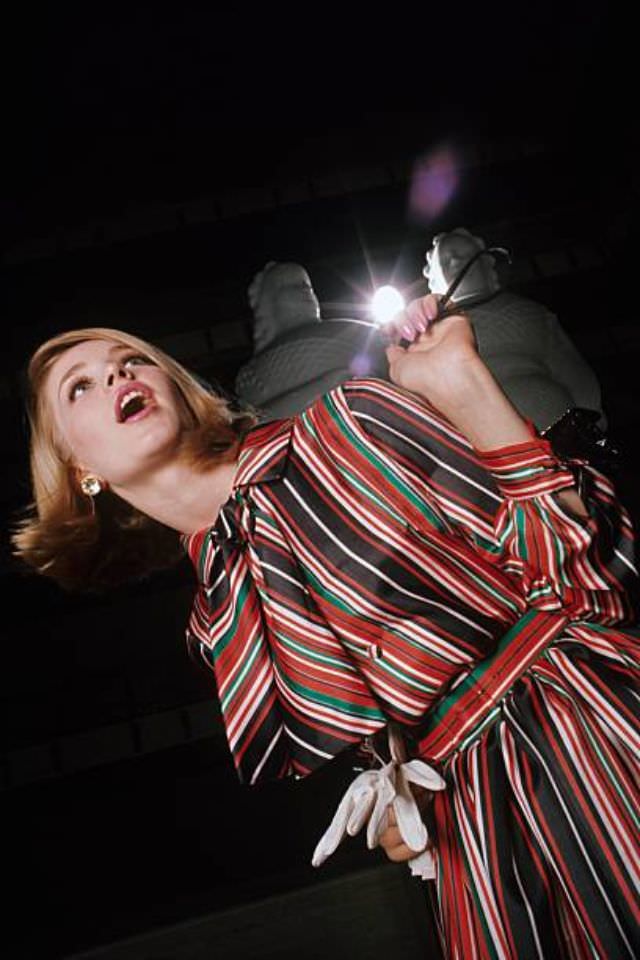
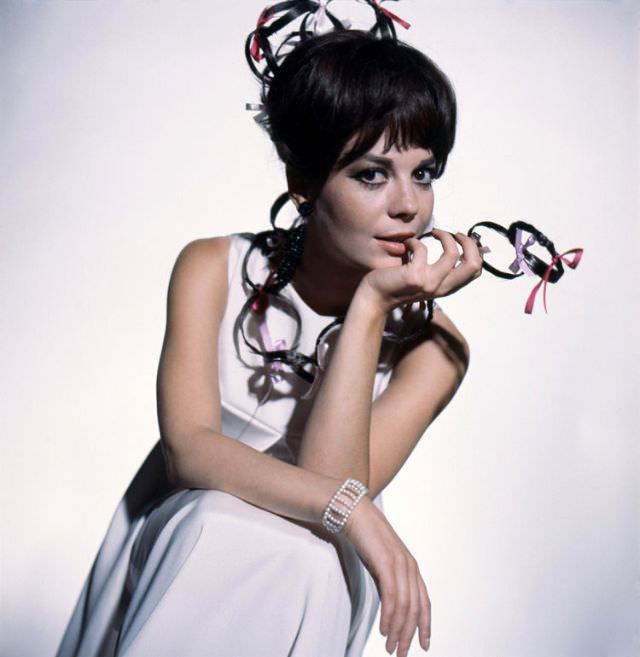
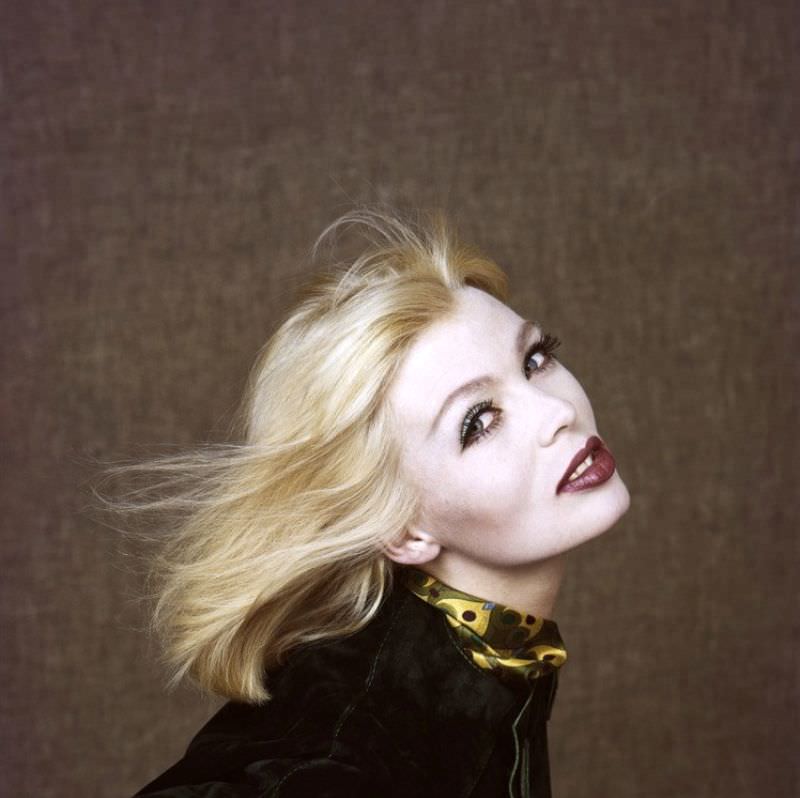
A 1964 fashion editorial features a model in a Roman striped silk shirt and skirt by Robert Sloan — clean, structured, and very much of its moment. Natalie Wood, one of Hollywood’s biggest stars, was photographed in New York City in 1966. And finally, Nico — the German model and singer who would later become the voice of The Velvet Underground’s debut album — appears in a June 1961 Manhattan portrait, taken years before her music career began.