Adolph L. Schafer was born in Salt Lake City in 1902 and grew up to become one of Hollywood’s most respected studio photographers. His family relocated to Hollywood in the mid-1910s, placing him at the center of a booming film industry during some of its most exciting years. After graduating from high school, he was offered an art scholarship from a Chicago school — an opportunity he had to turn down because he simply didn’t have the money to go.
In 1921, Schafer got his foot in the door at Famous Players-Lasky, where he started out processing stills. From there, he built a career that would span more than three decades across multiple major film studios. Along the way, he earned the nickname “Whitey” — most likely picked up during his boyhood years, given that his first name was Adolph.
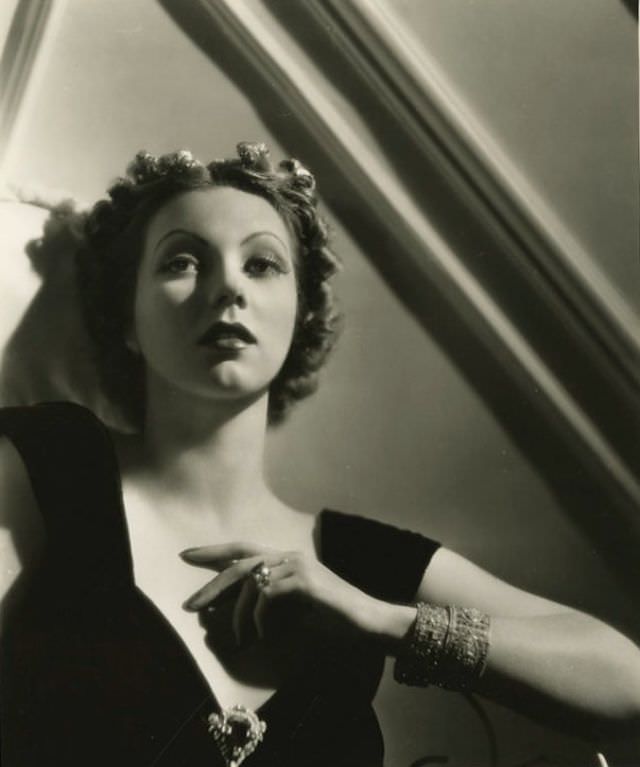
By the 1930s, Schafer had established himself as one of Hollywood’s leading portrait photographers. He headed the portrait galleries at two major studios and won awards for his work. He also took time to teach, sharing his techniques with amateur photographers who admired the craft.
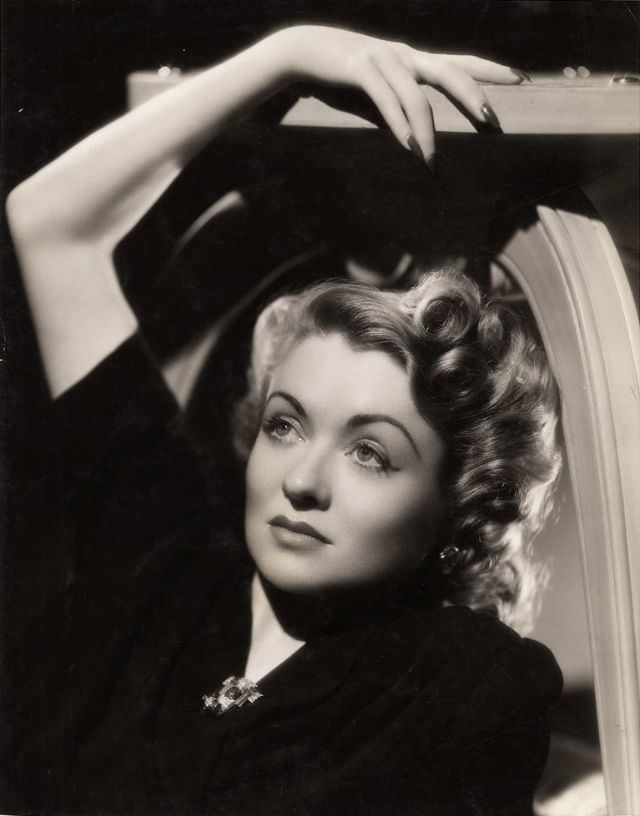
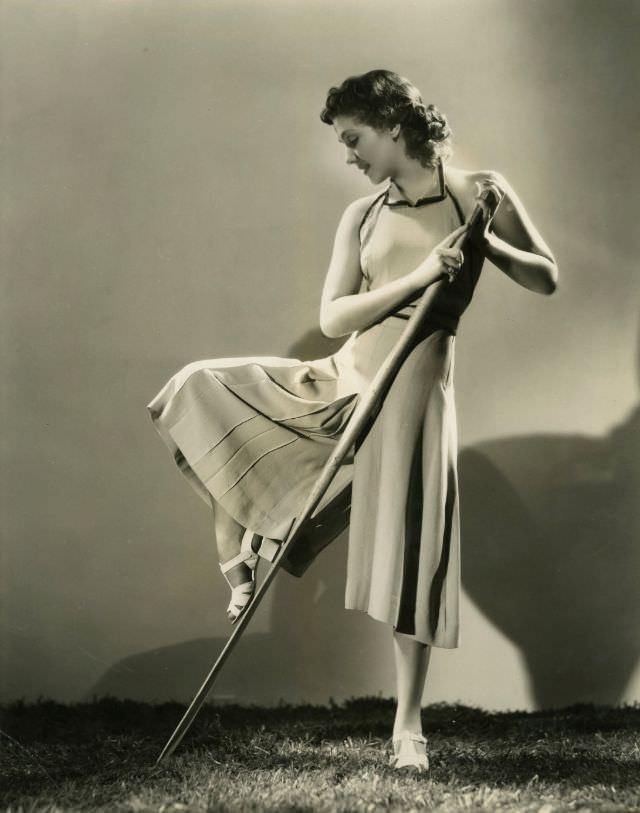
In 1941, Schafer published a book laying out his philosophy of portrait photography. His central argument was clear: the purpose of portraiture is to reveal a subject’s character in a realistic way. The book went into careful detail about his methods, and he followed it up with articles in major publications including Popular Science in 1943 and Popular Photography in 1948. His practical tips ranged from using background patterns and lines of contrast to tilting the camera and having subjects look away from the lens.
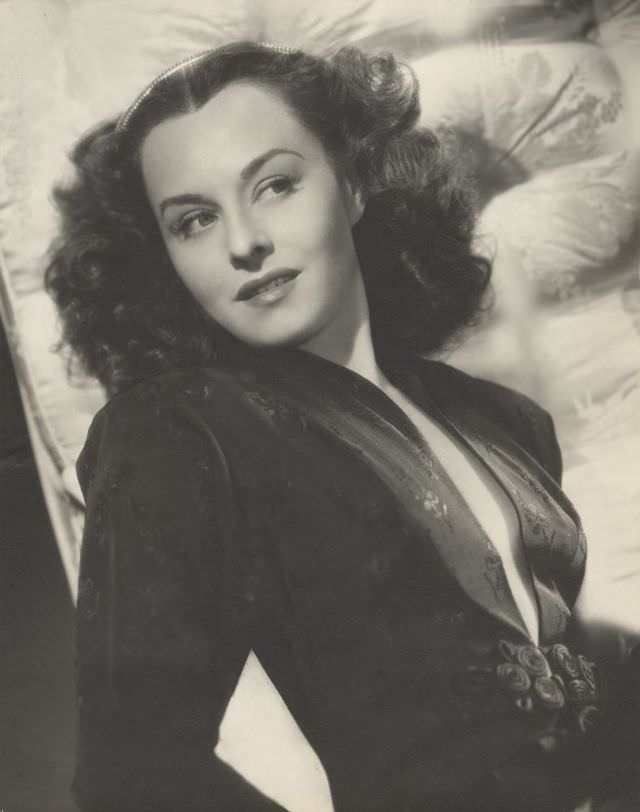
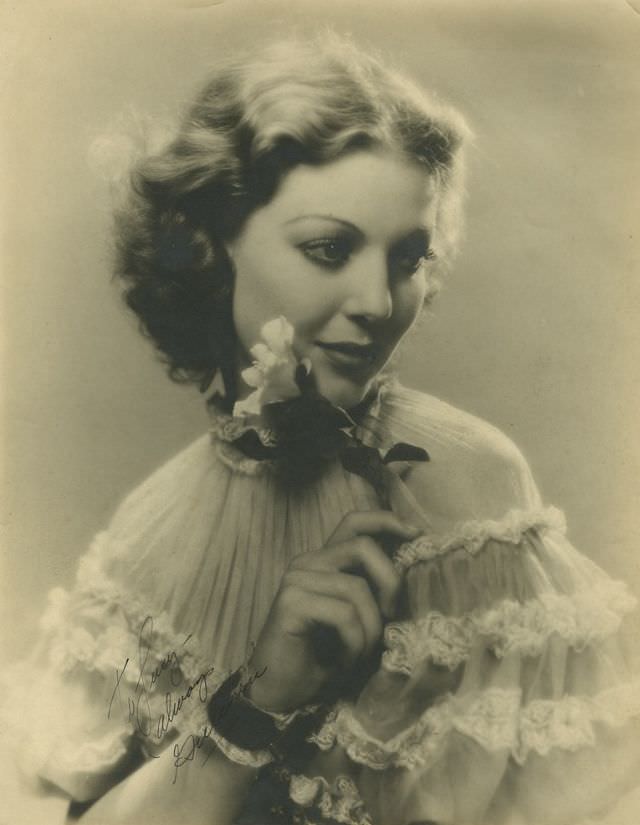
That same year — 1941 — Schafer took over as head of Paramount Studios’ stills department, succeeding the well-known Eugene Robert Richee. Where Richee had favored inventive lighting and a more elaborate style, Schafer leaned toward a cleaner, more subdued approach. He also had a technical side: he designed a specially balanced tripod, created a speed lamp, and patented a color camera.
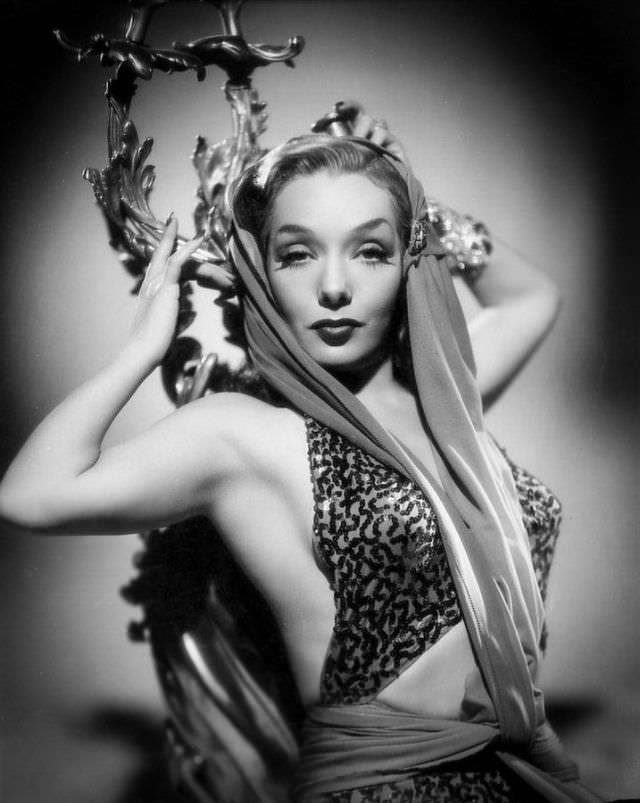
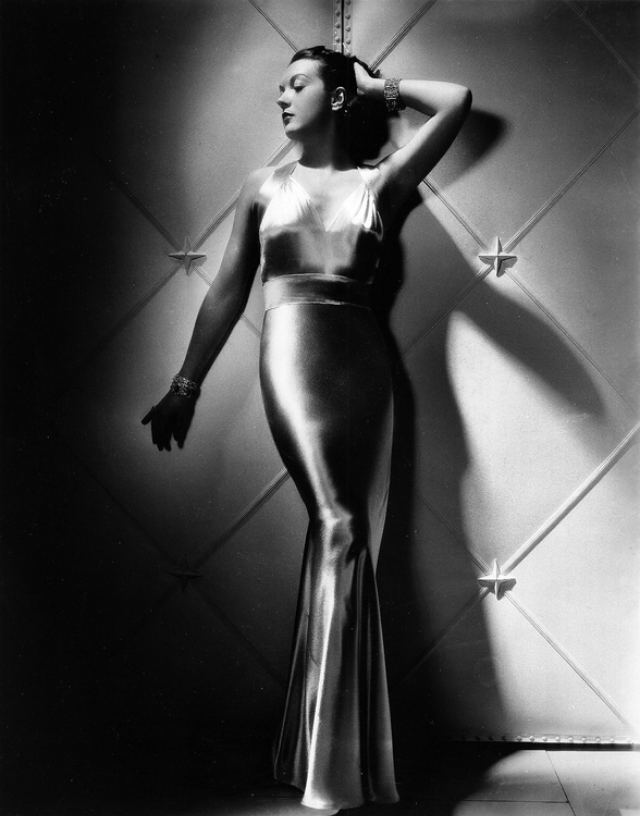
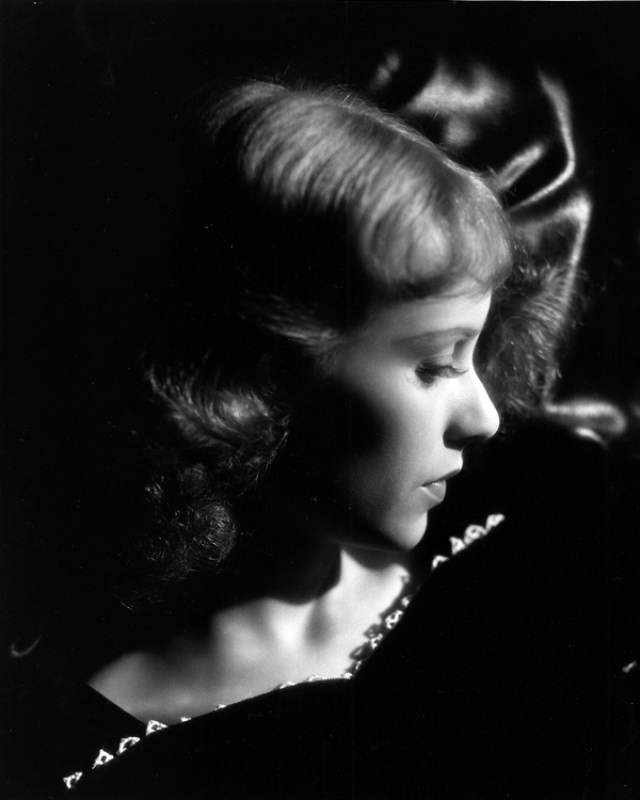
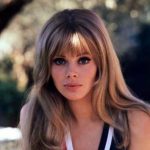
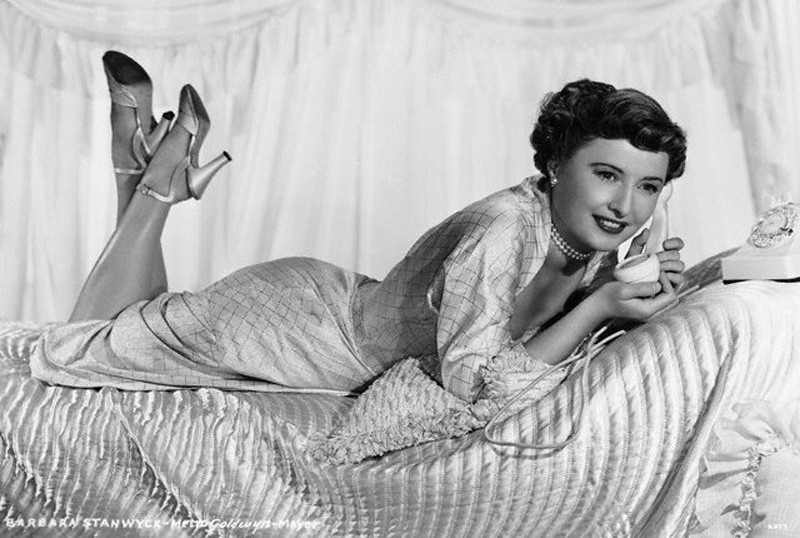
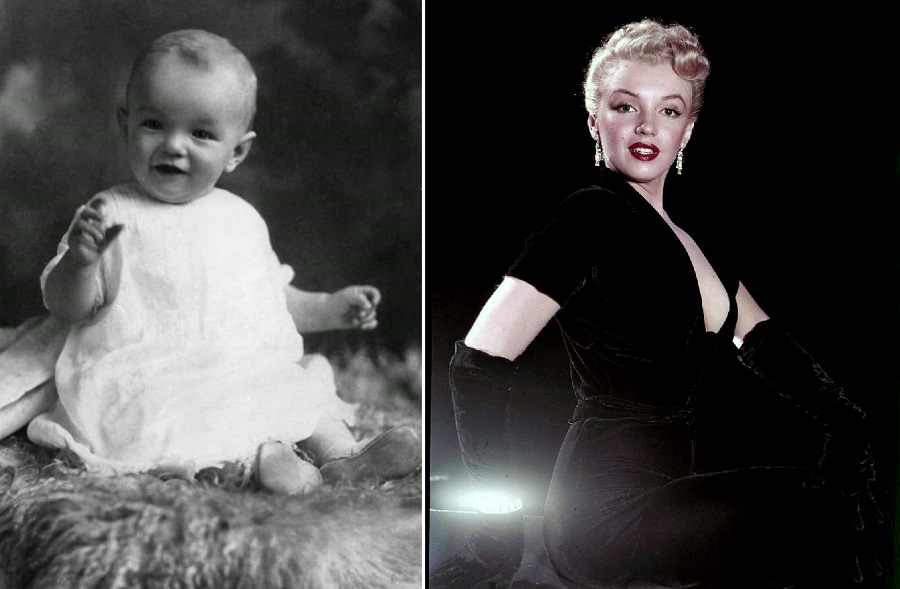
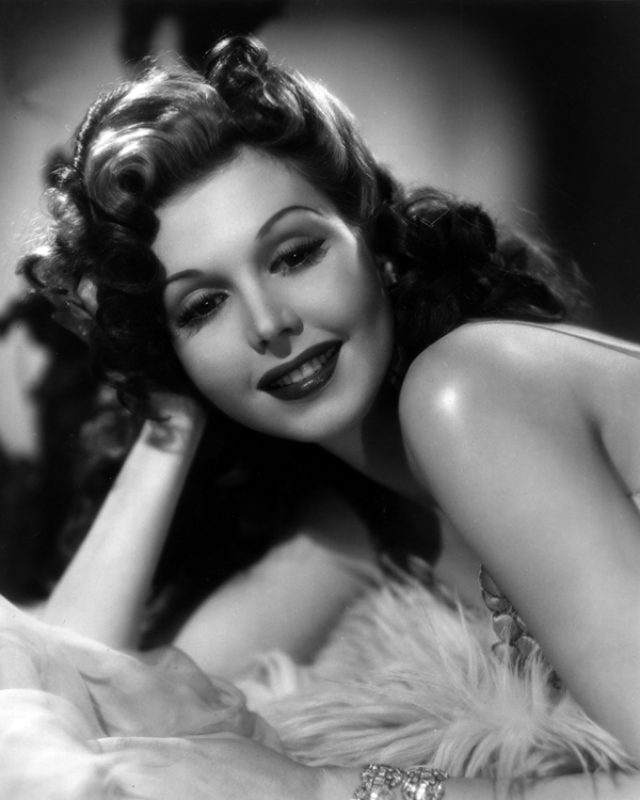
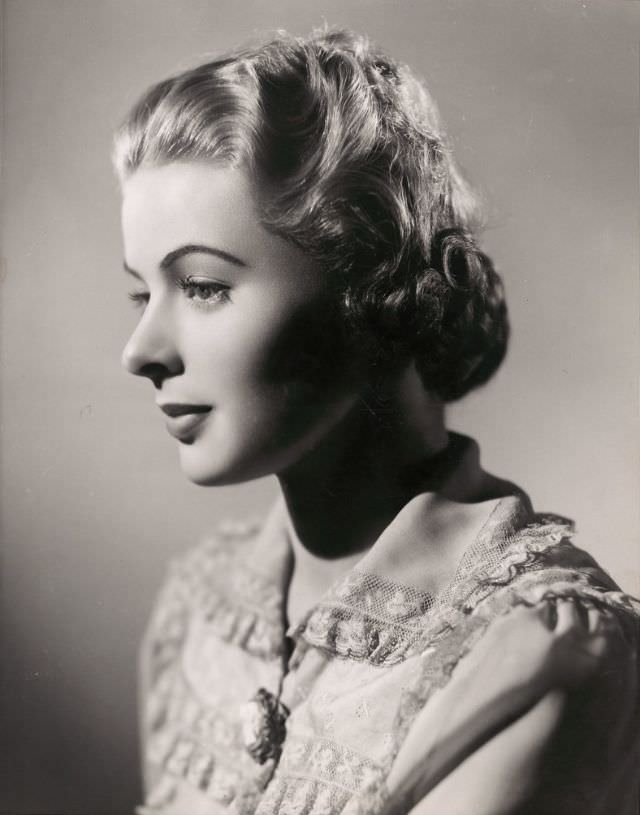
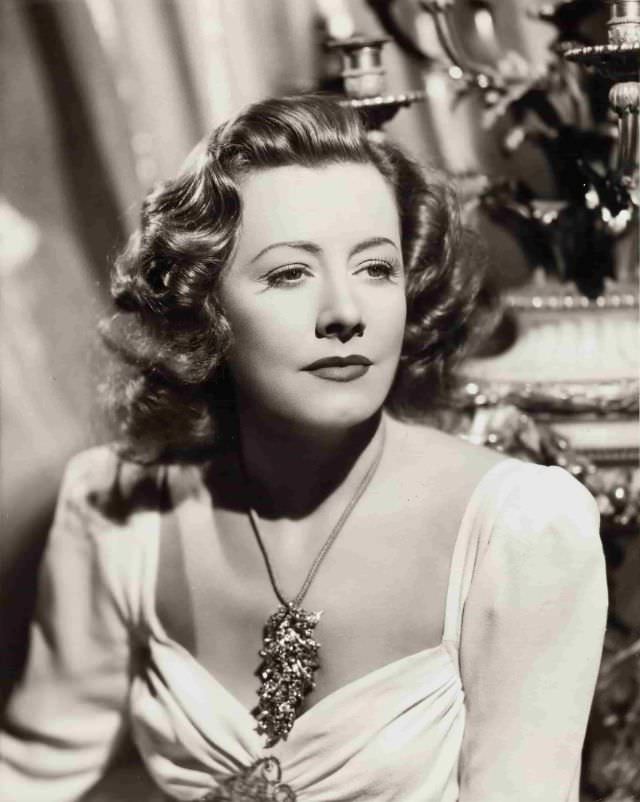
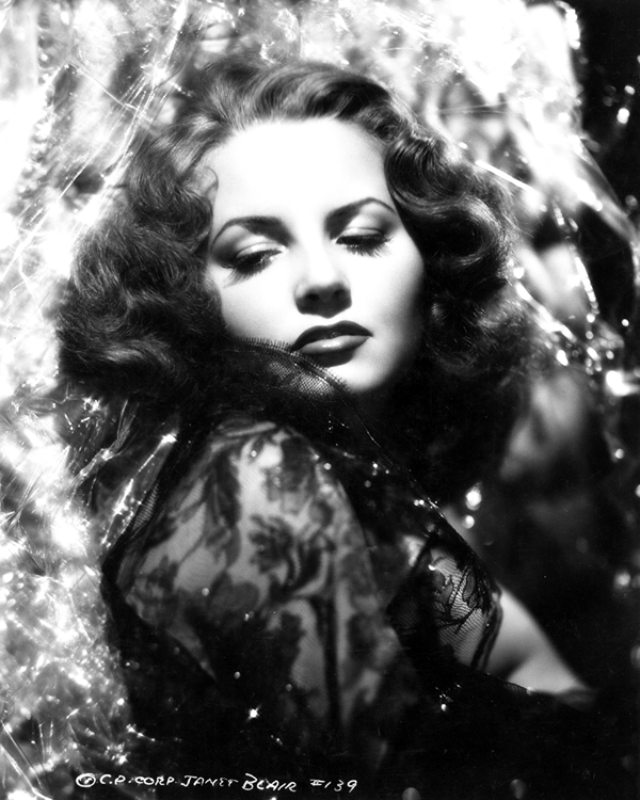
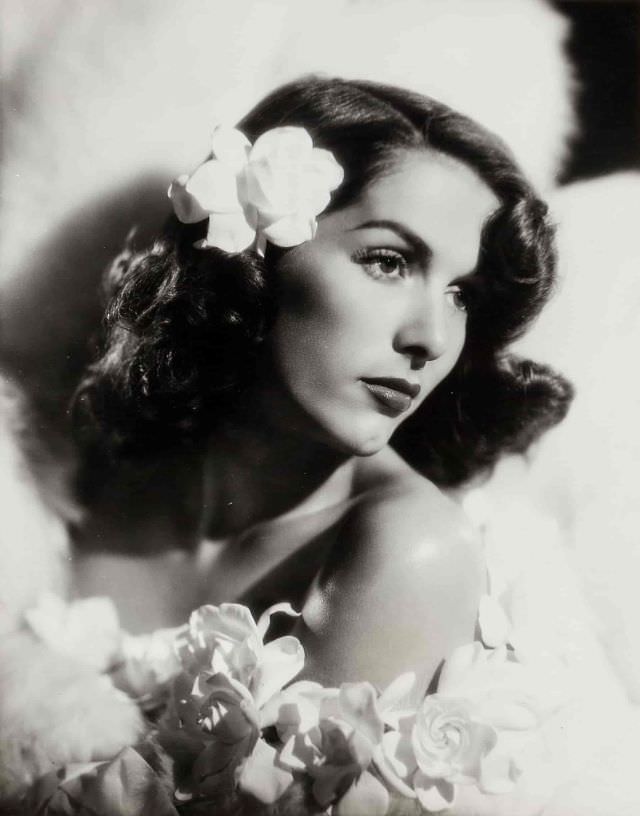
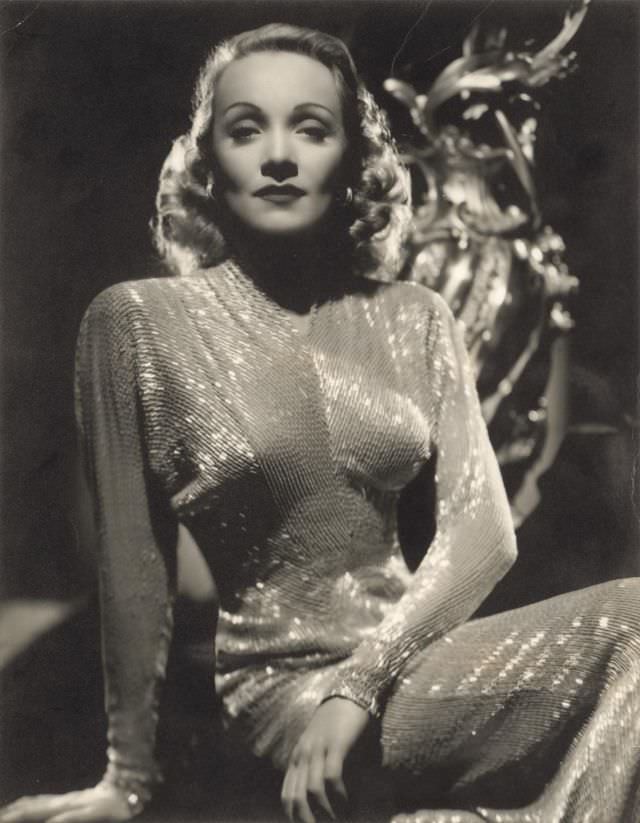
The late 1930s were among Schafer’s most productive years. His camera captured some of Hollywood’s biggest names — women who defined the look and glamour of an entire era. Each sitting produced portraits that balanced elegance with authenticity, the exact quality he wrote about in his book.
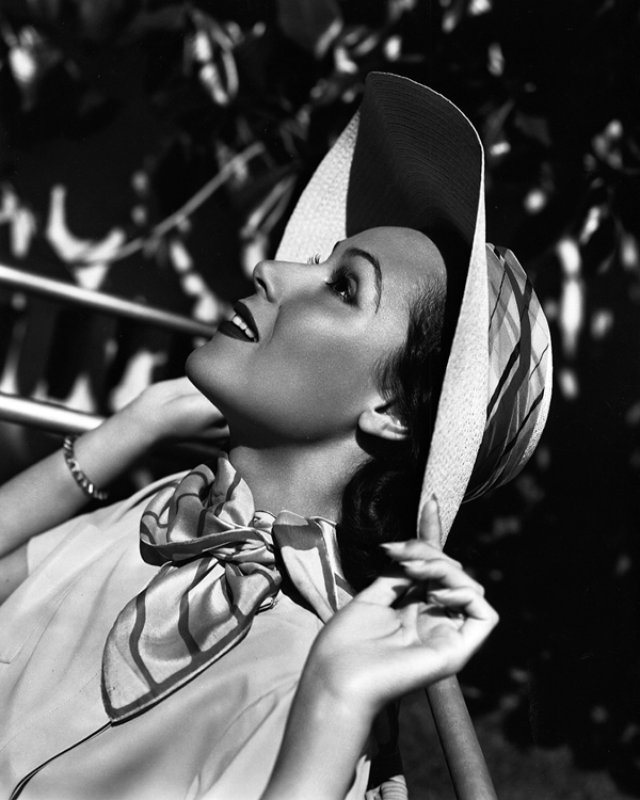
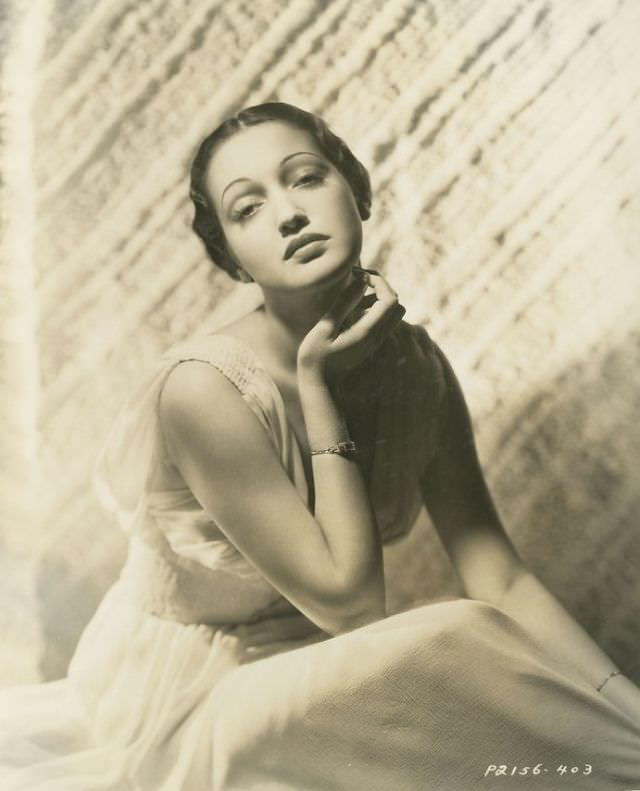
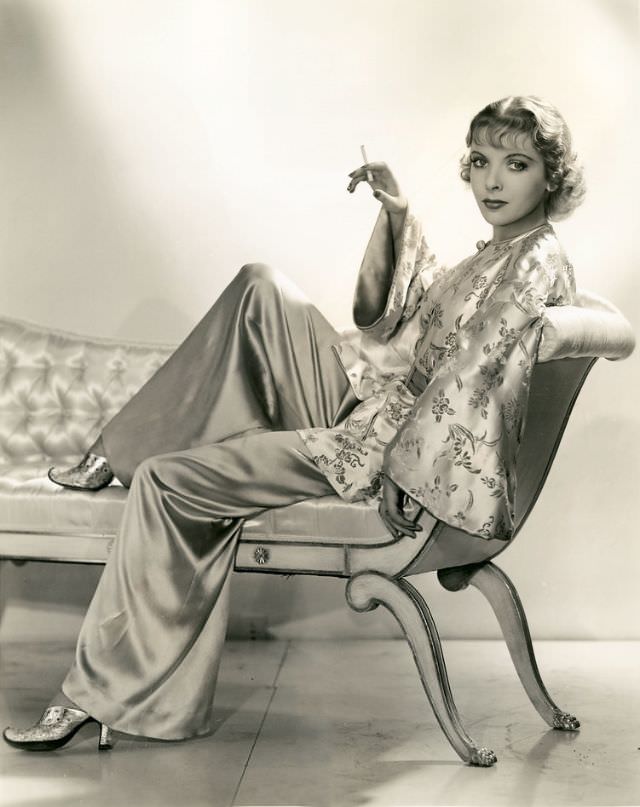
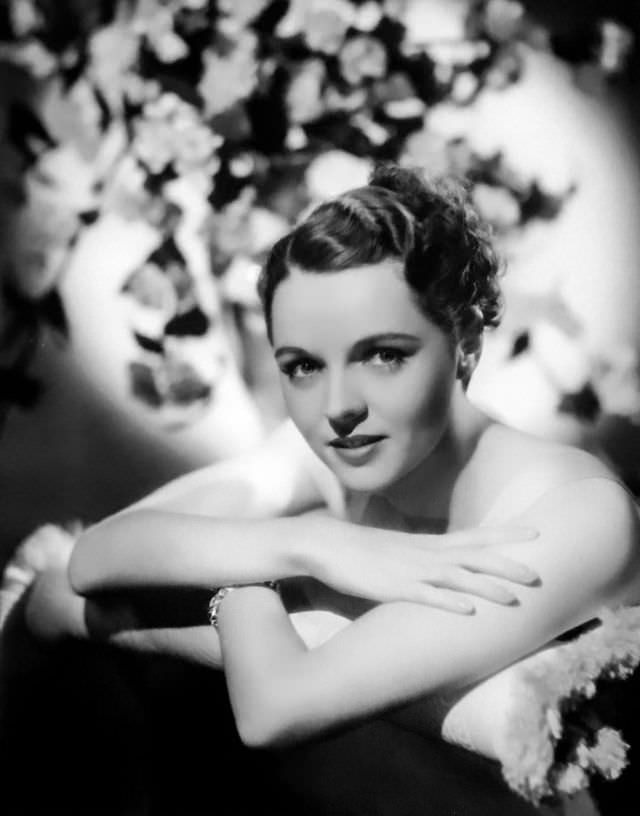
As the 1930s closed, Schafer’s work continued at a high level. His portraits from 1938 show a photographer fully in command of his craft — confident compositions and a consistent ability to draw out the personality of each subject.
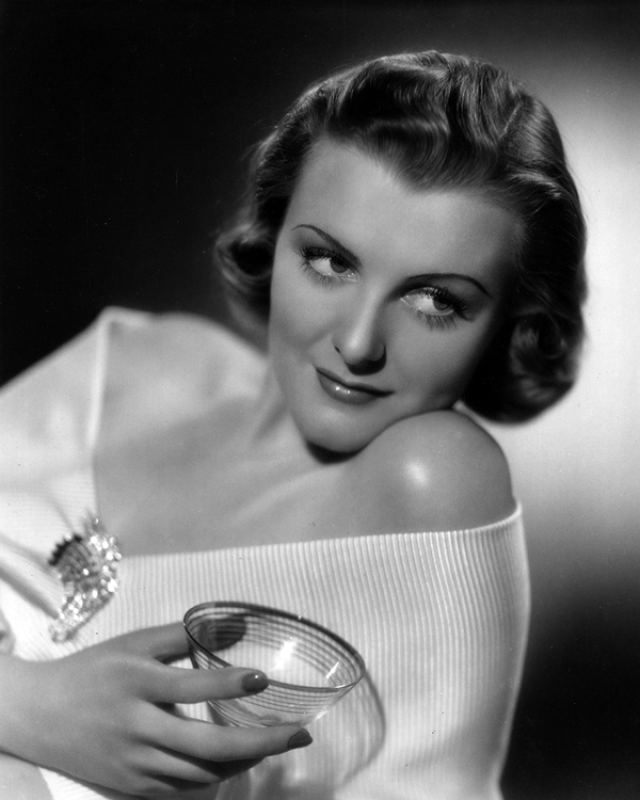
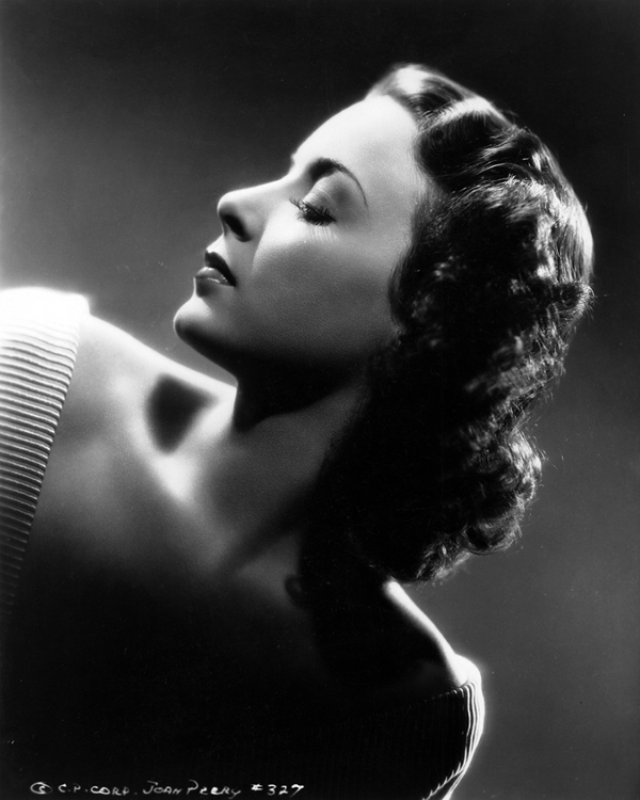
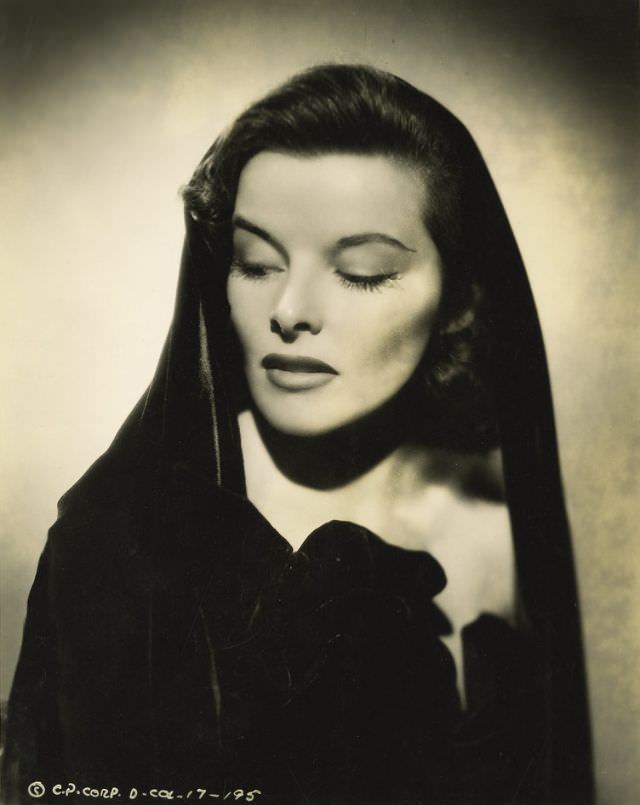
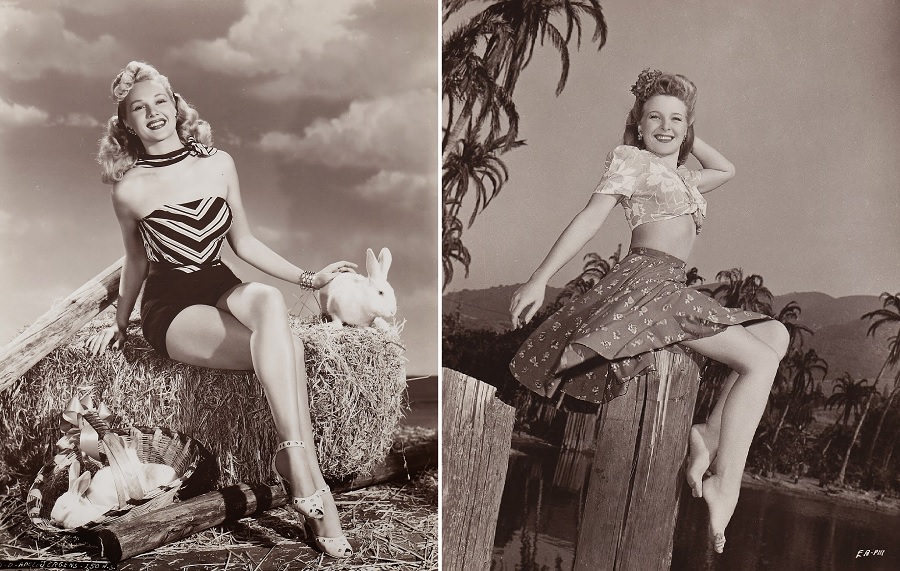
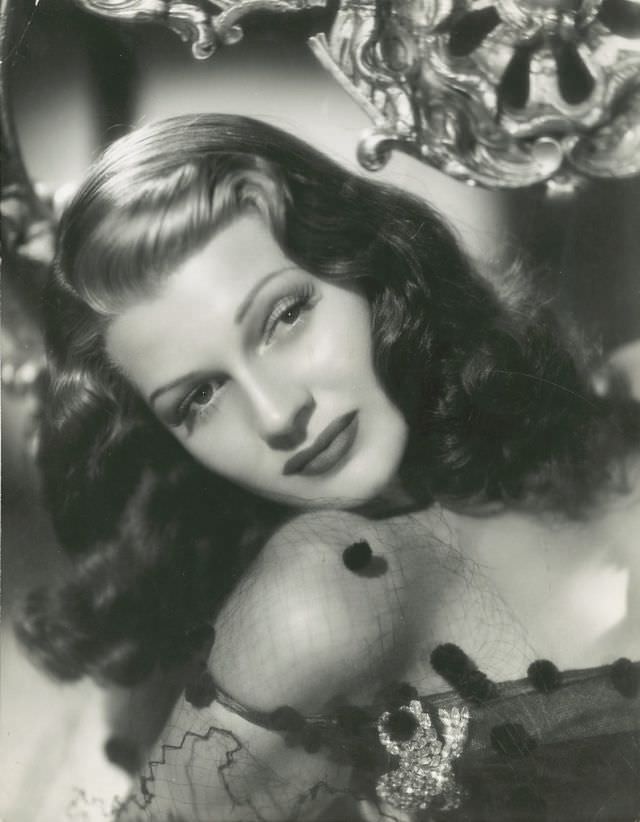
The 1940s brought Schafer to the peak of his studio career. Now leading the Paramount portrait gallery, he photographed the biggest stars of the wartime era. His portraits from 1940 alone form an impressive cross-section of Hollywood talent.
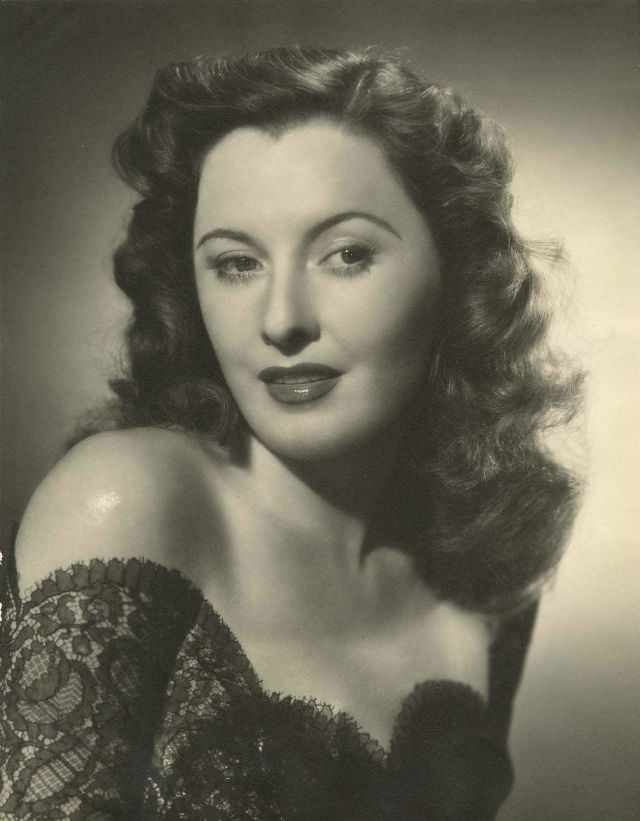
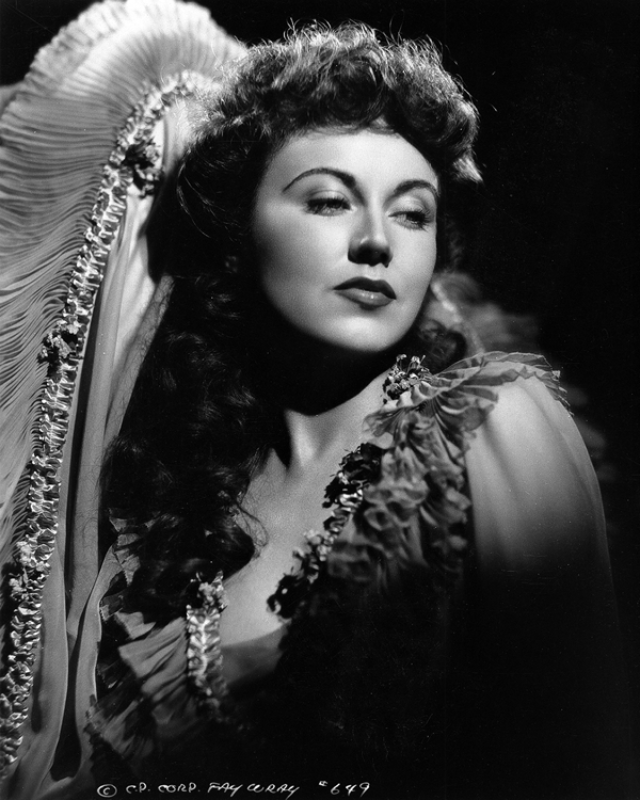
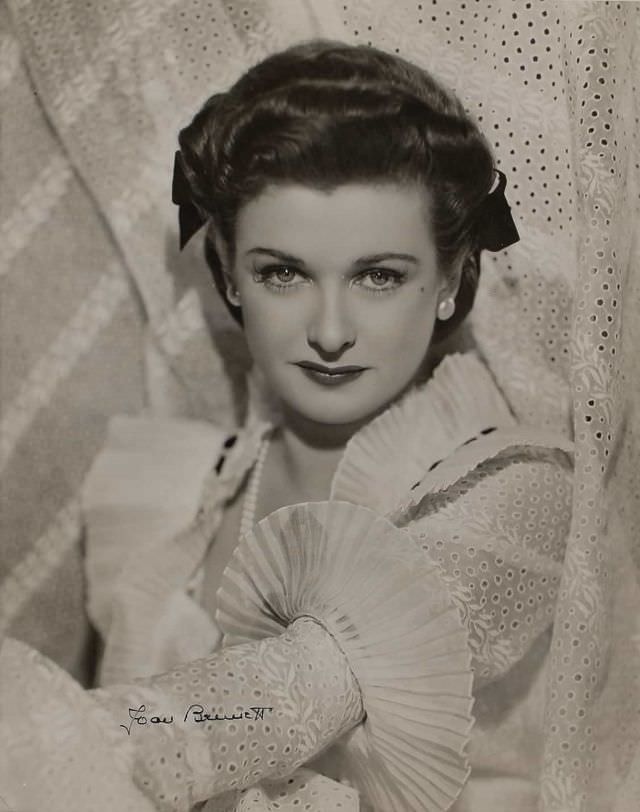
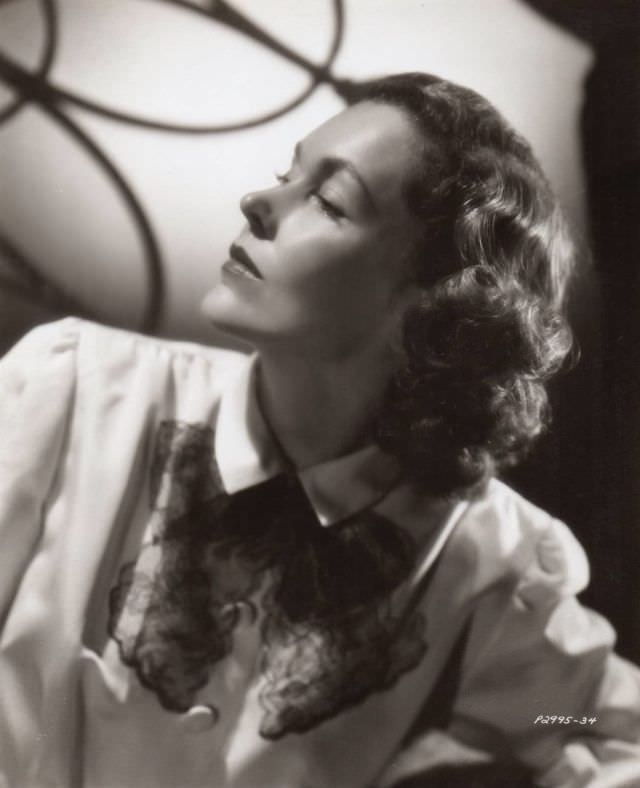
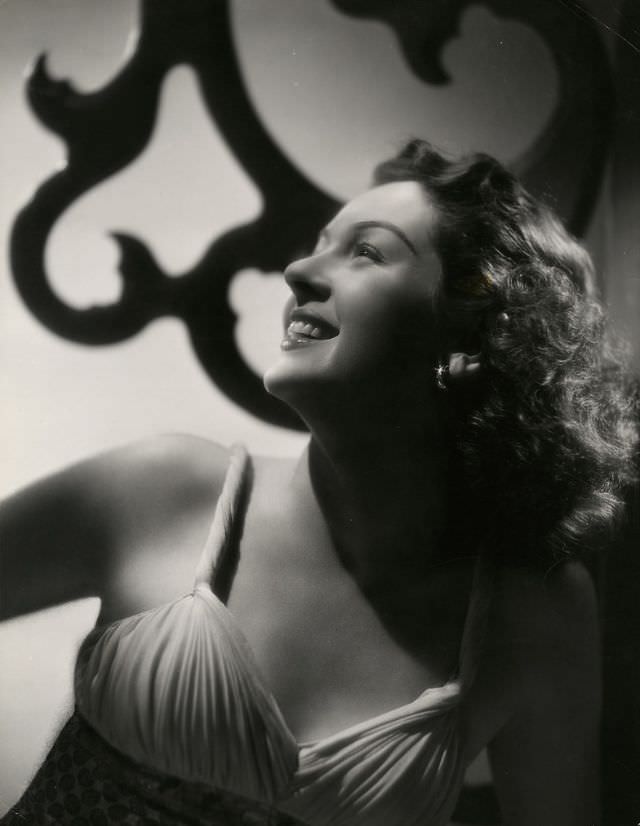
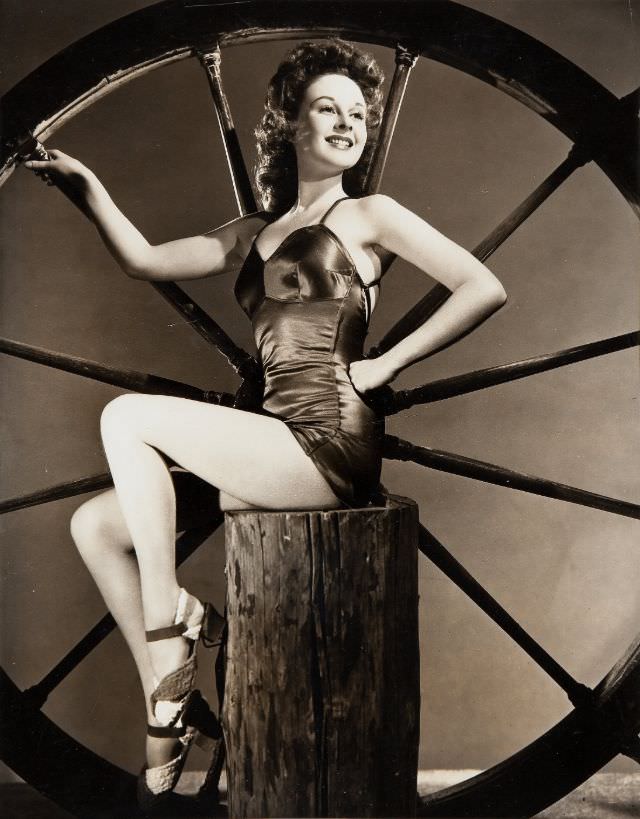
In 1941, the year he formally took charge at Paramount, Schafer produced a remarkable set of portraits. The range of subjects he photographed that year reflects both the depth of his access and the trust that major stars placed in him.
Outside of work, Schafer had built a comfortable life. He and his wife Beulah, along with their son Wayne, lived in a ten-room home in North Hollywood. He drove a flashy convertible and eventually opened his own photography store outside the studio system.
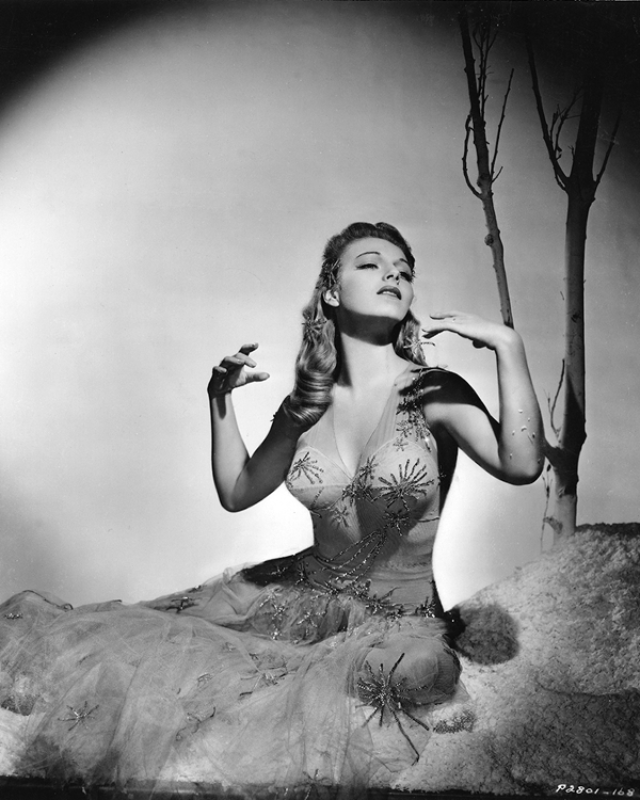
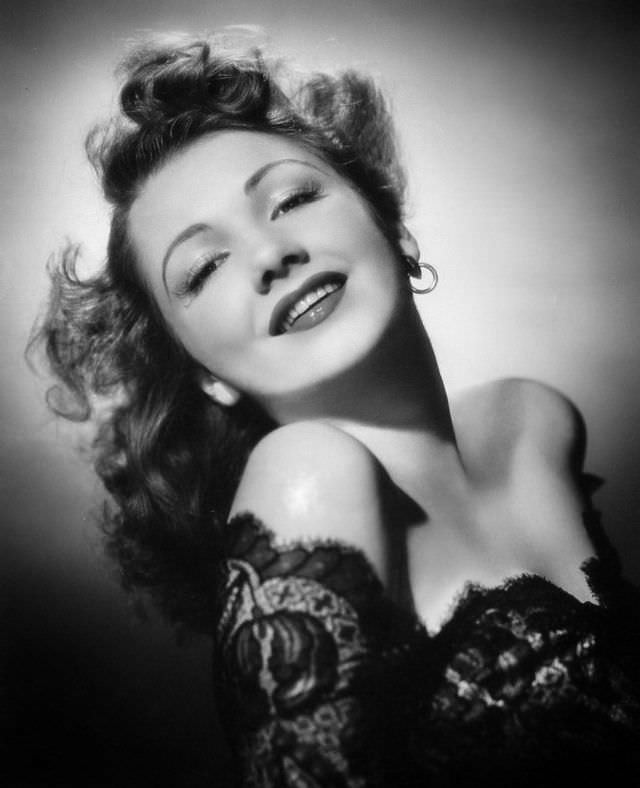
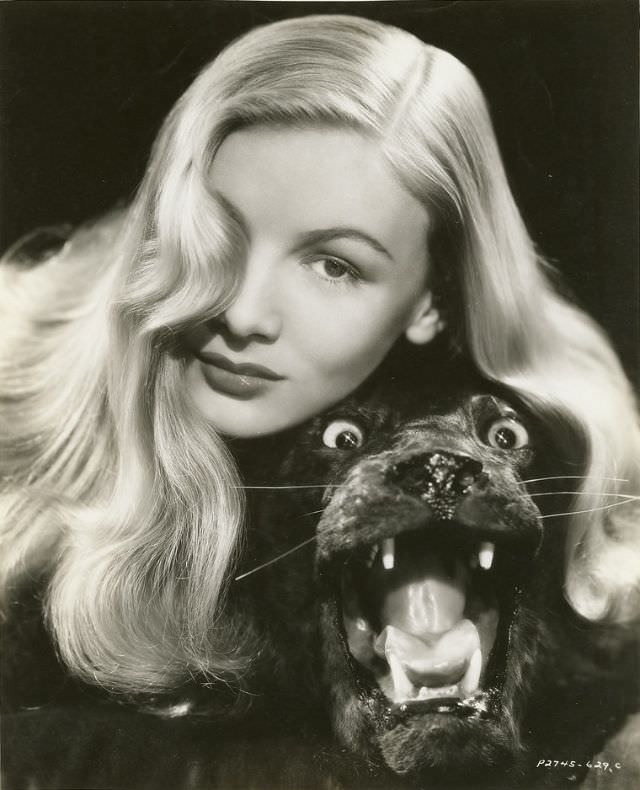
Through the mid-1940s, Schafer’s camera kept working steadily, producing portraits that documented the faces of Hollywood’s golden generation with precision and care.
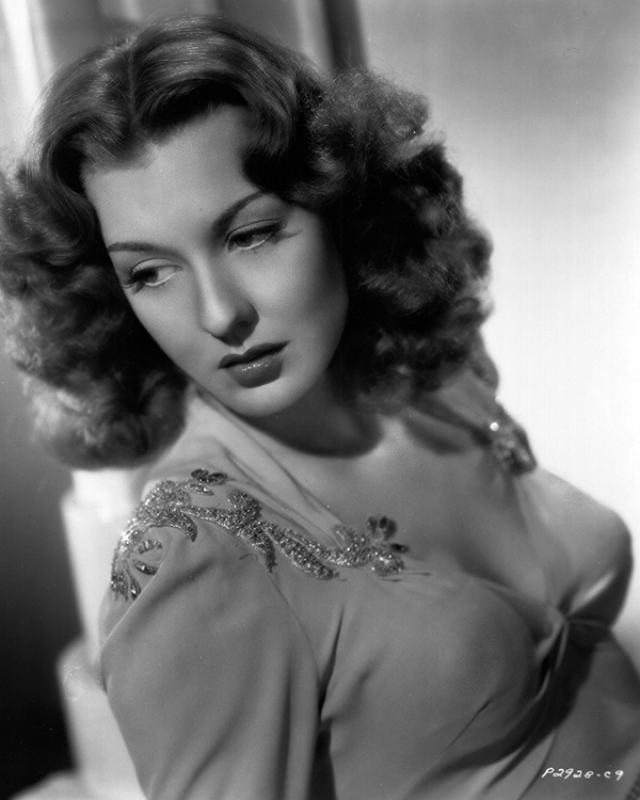
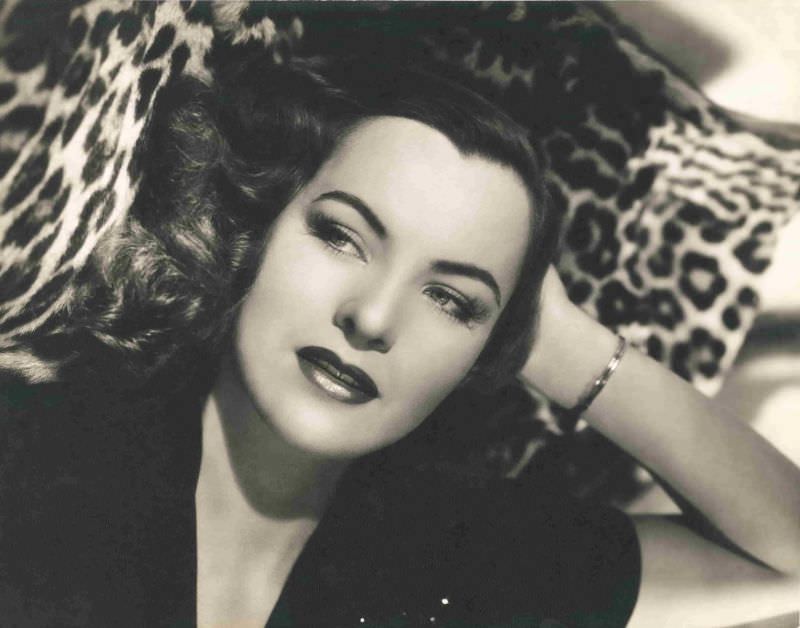
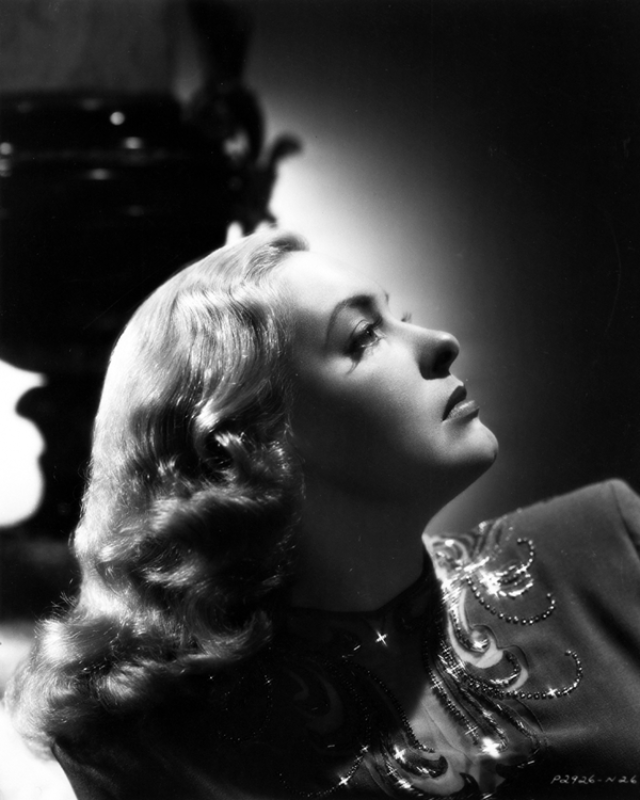
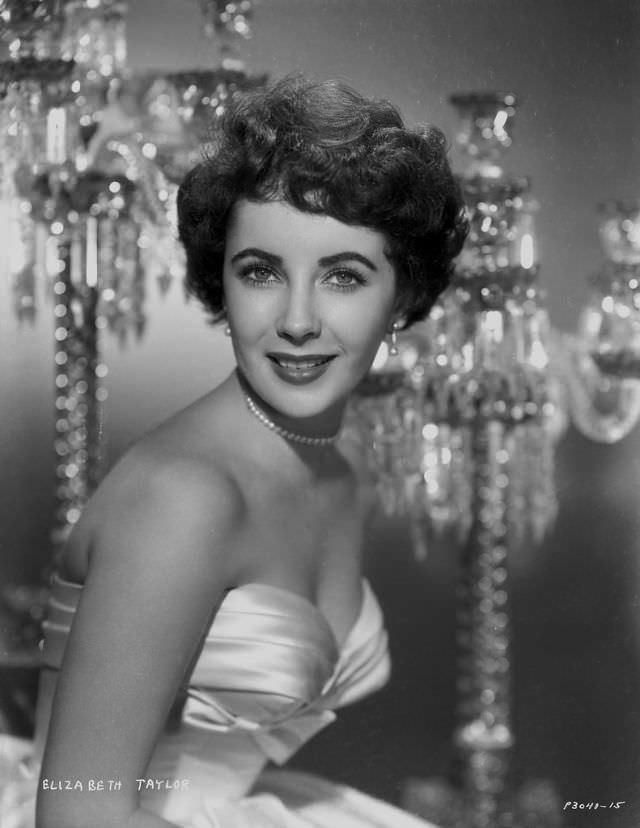
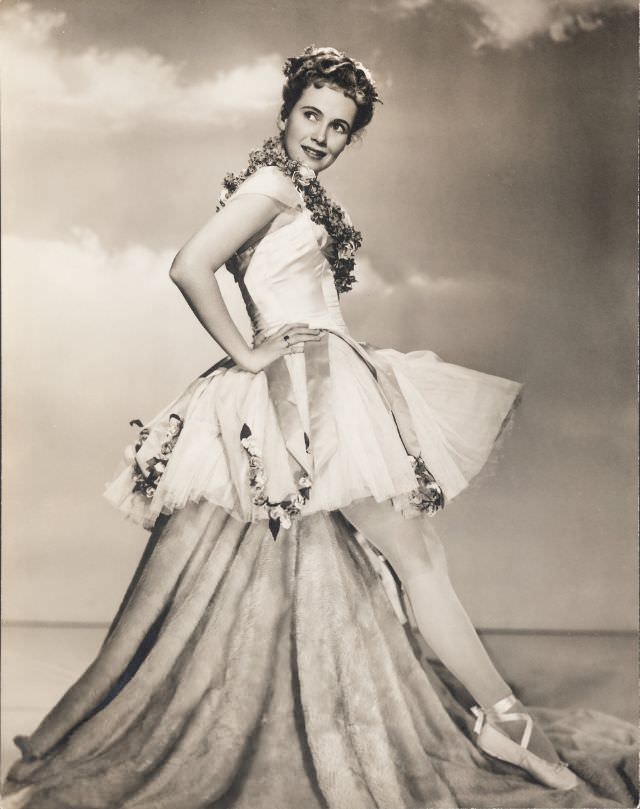
Schafer’s final years of work, captured in portraits from 1948 and 1949, show no drop in quality. He was still photographing major stars right up until the tragic end of his life.
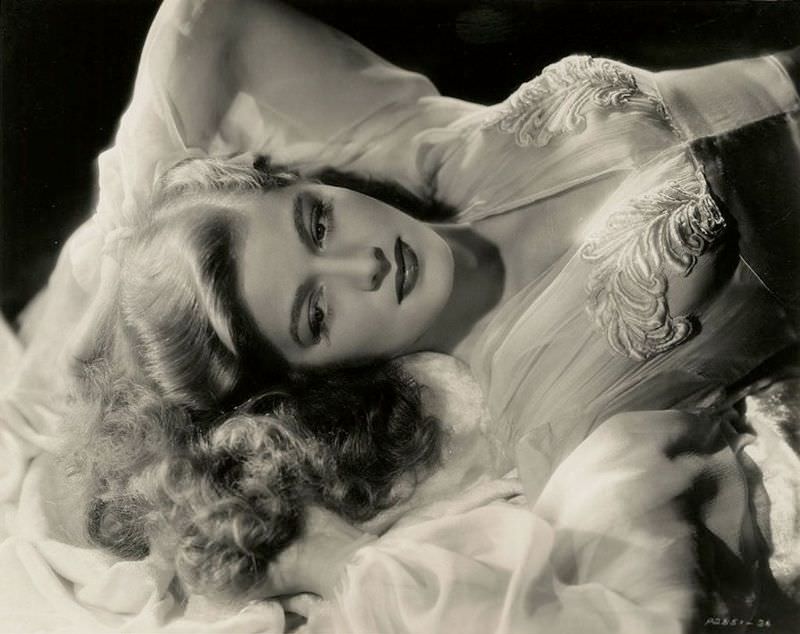
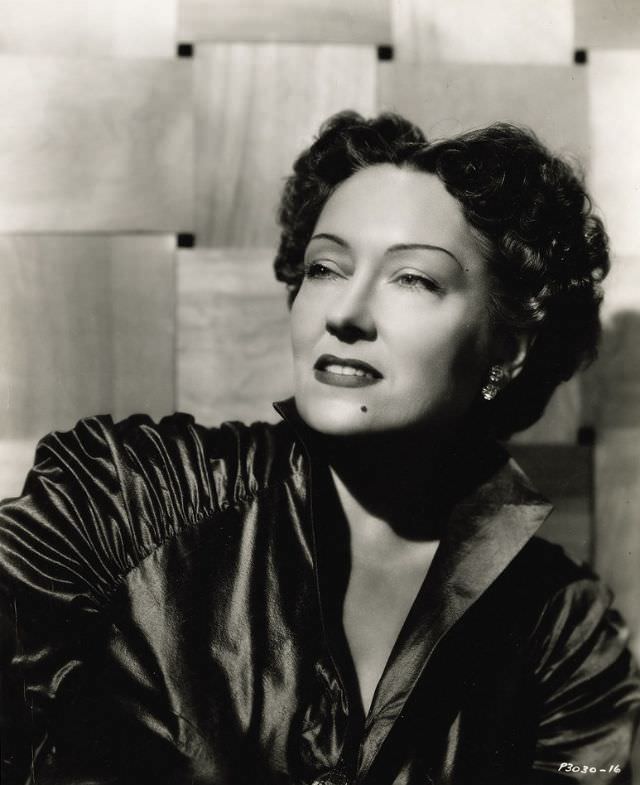
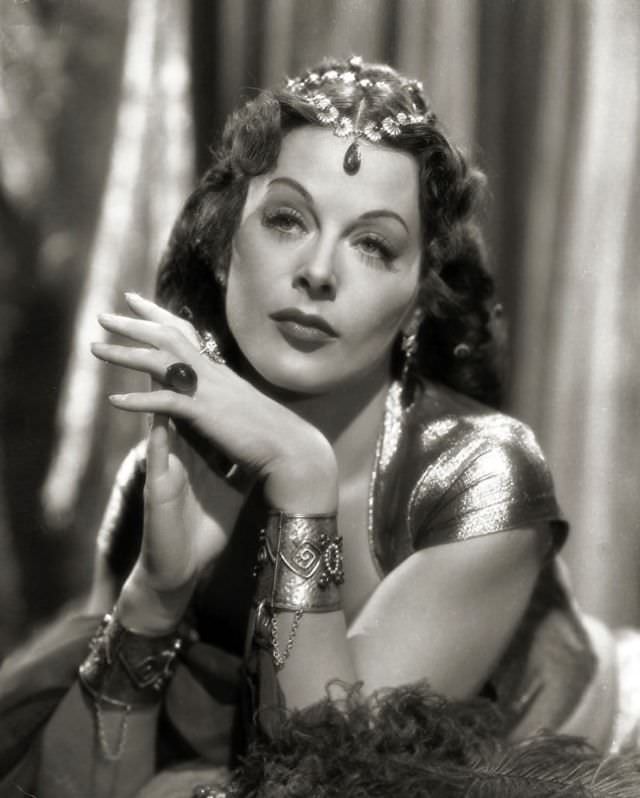
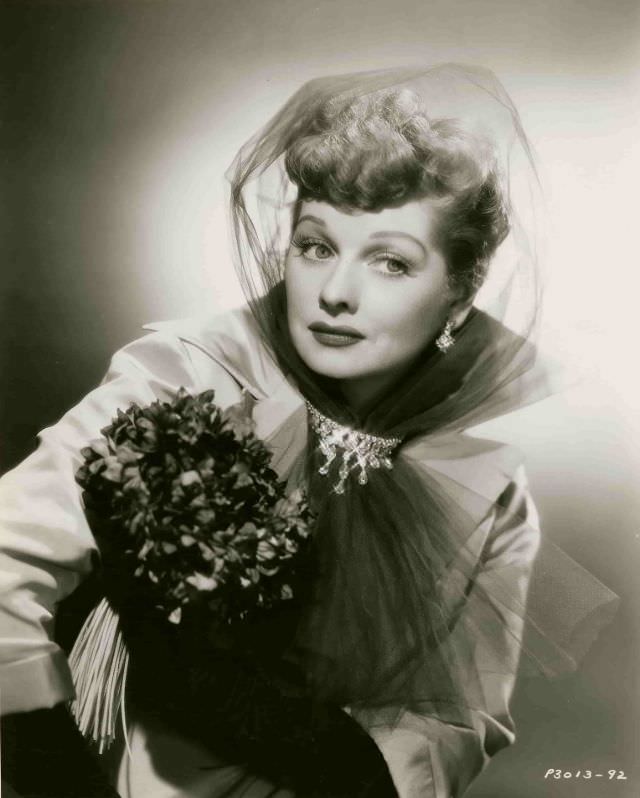
In late August 1951, Schafer and his wife were visiting a friend in Bremerton, Washington. On August 26, he was lighting a stove aboard a 42-foot yacht when the vessel exploded and sank two miles offshore. Four others were injured in the blast. Schafer died three days later from his injuries. He was 49 years old. His Requiem Mass was held on the morning of September 5, 1951, at St. Brendan’s Catholic Church in Los Angeles. The stills department at Paramount closed that morning so that staff could attend. Bud Fraker, son of William Fraker, stepped in to lead the department after his death.