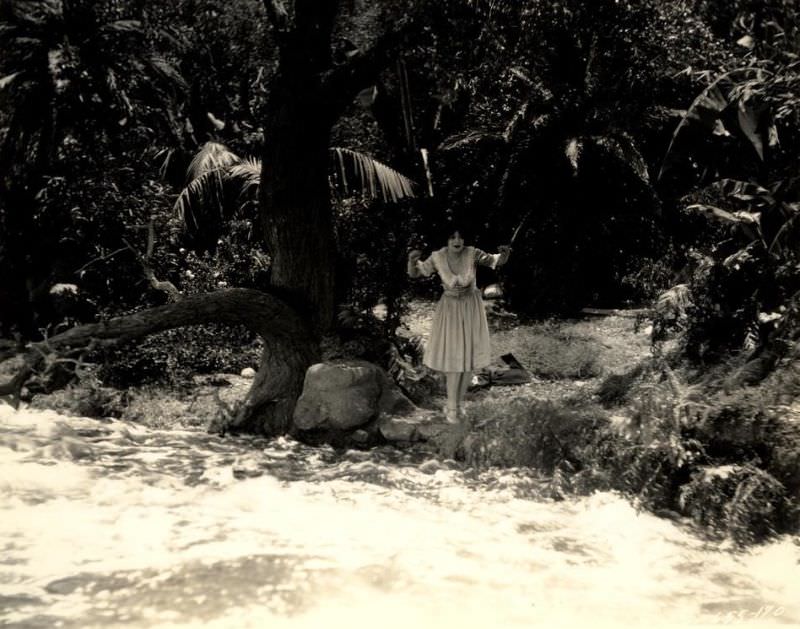
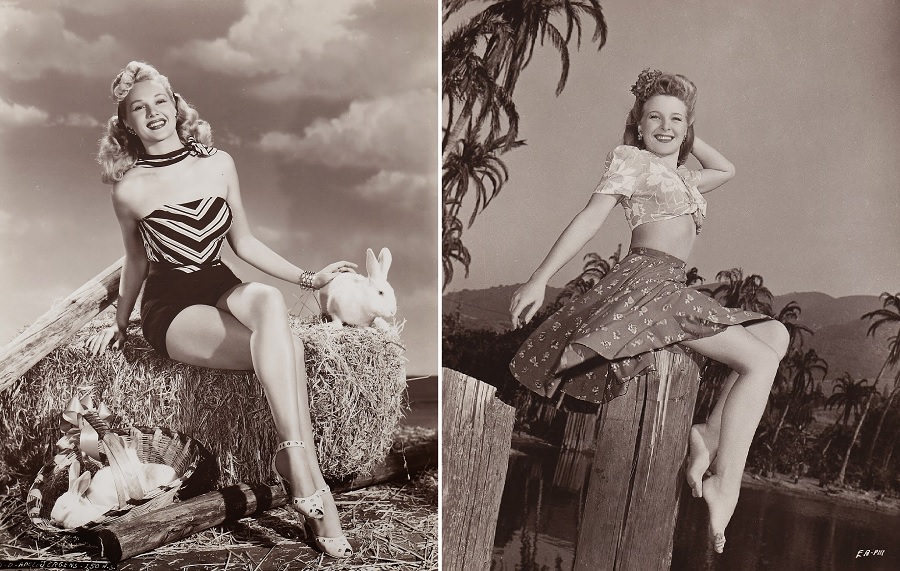
Released in 1927, Hula is a silent romantic comedy based on the novel Hula: A Romance of Hawaii by Armine von Tempski. Director Victor Fleming brought the story to the screen with a cast that included Clara Bow, Clive Brook, Arlette Marchal, and Albert Gran. The film is set on a Hawaiian plantation and blends sun-soaked scenery with a bold, entertaining story.
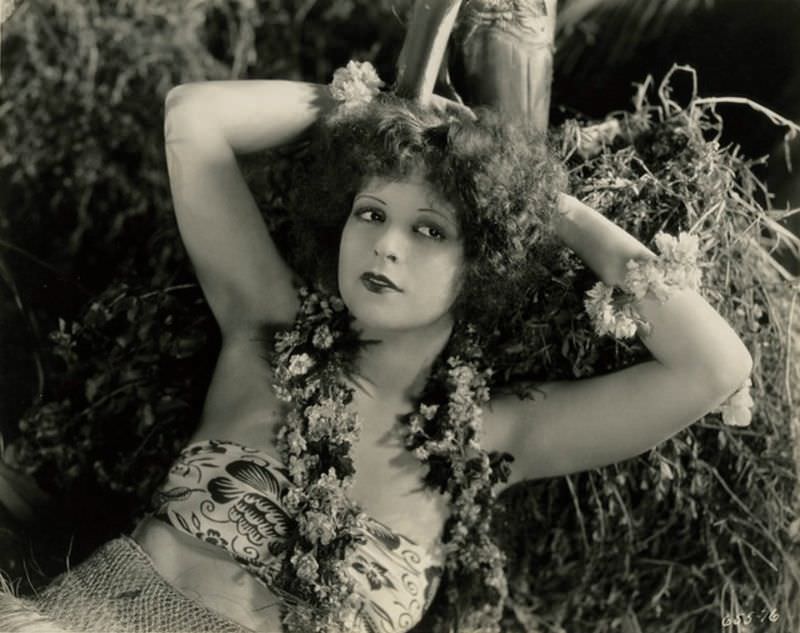
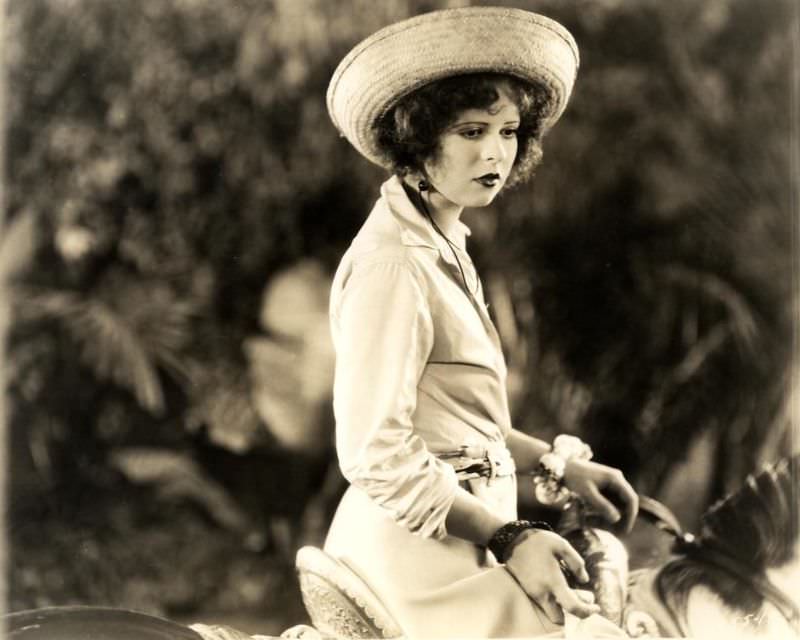
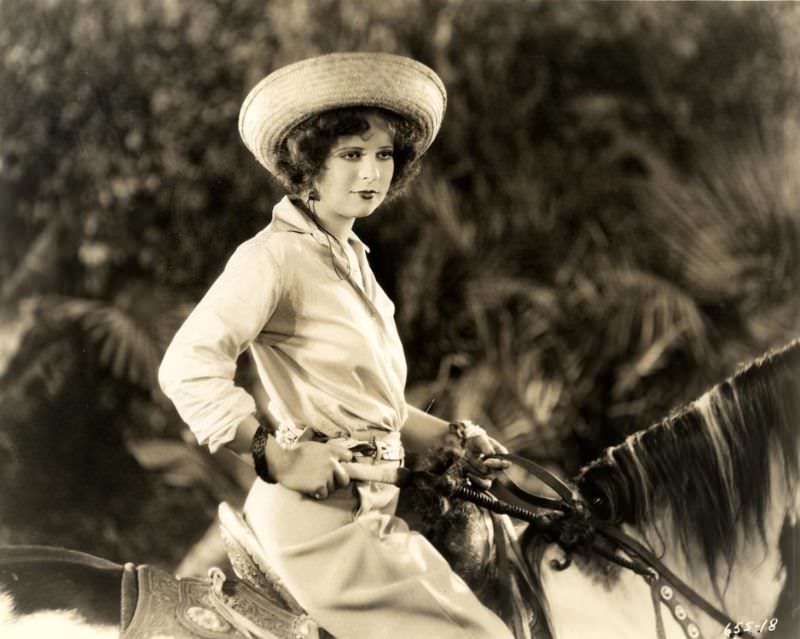
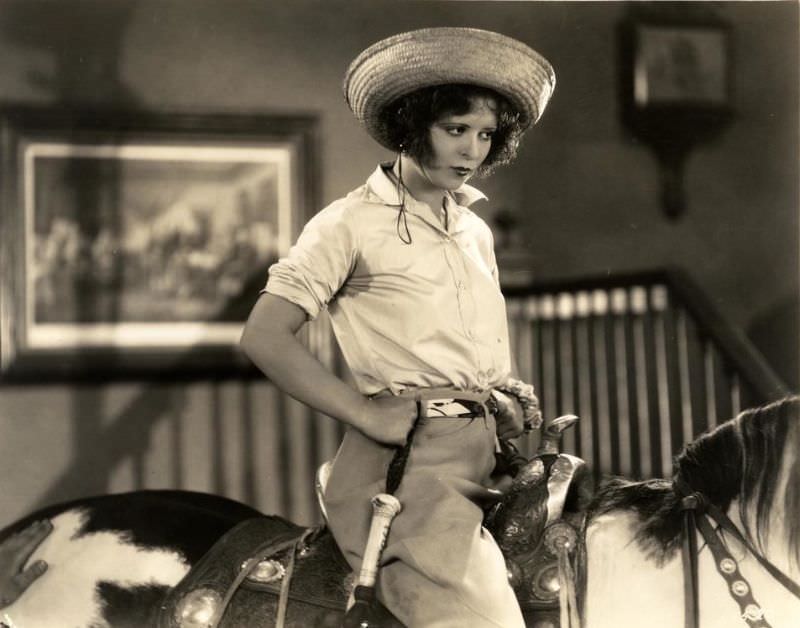
Clara Bow plays Hula Calhoun, the daughter of plantation owner Bill Calhoun, played by Albert Gran. Hula is anything but a typical socialite. Her uncle Edwin, played by Agostino Borgato, raised her to live simply and freely, away from the rules and rituals that governed polite society. She wears pants, rides horses, and answers to no one. To the people around her, she is a “wild child.”
A young man named Harry Dehan, played by Arnold Kent, pursues Hula’s attention, but she has no interest in him. Her eyes are fixed on Anthony Haldane, a British engineer hired to build a dam on her father’s property. Clive Brook plays Haldane with a cool, restrained manner that only makes Hula more determined to win him over.
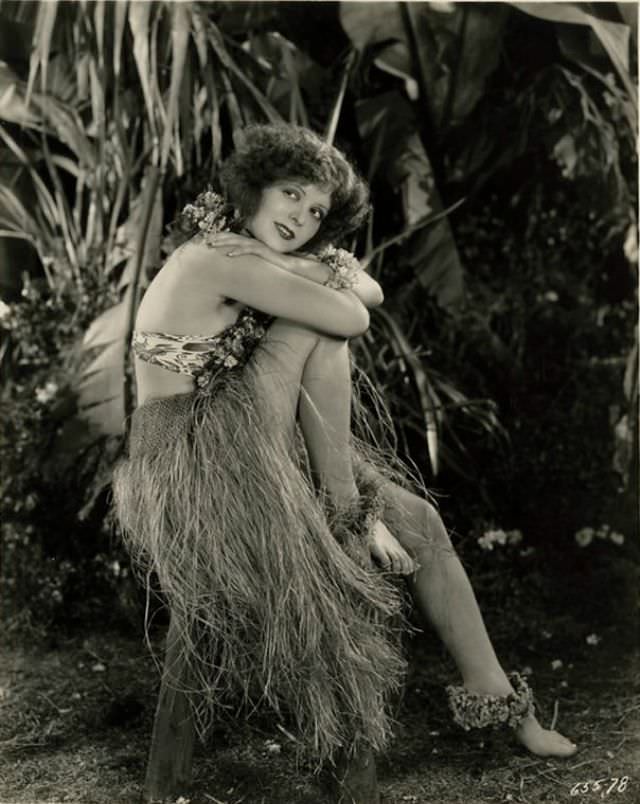
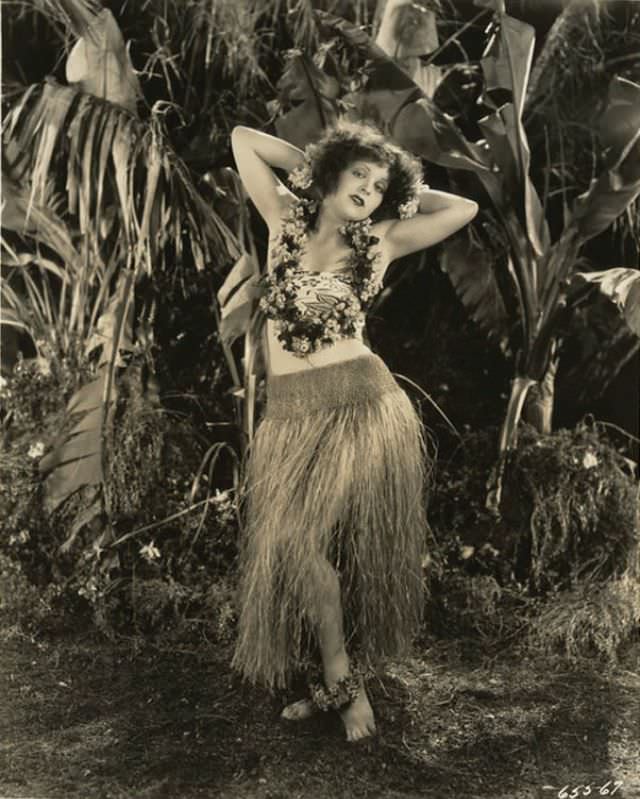
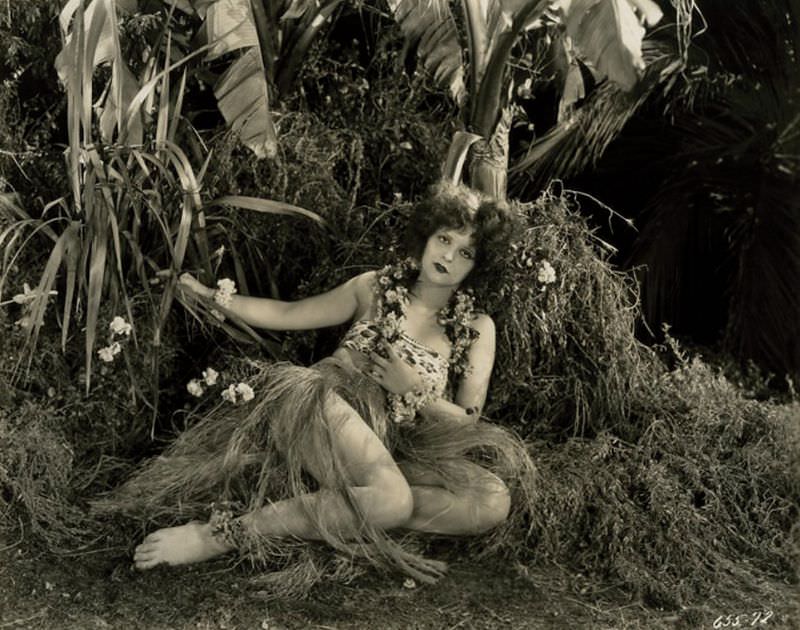
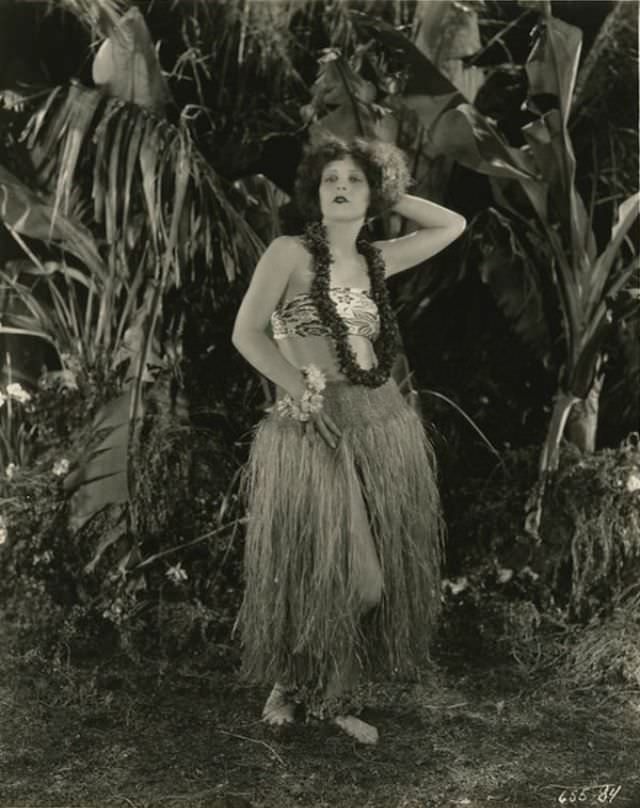
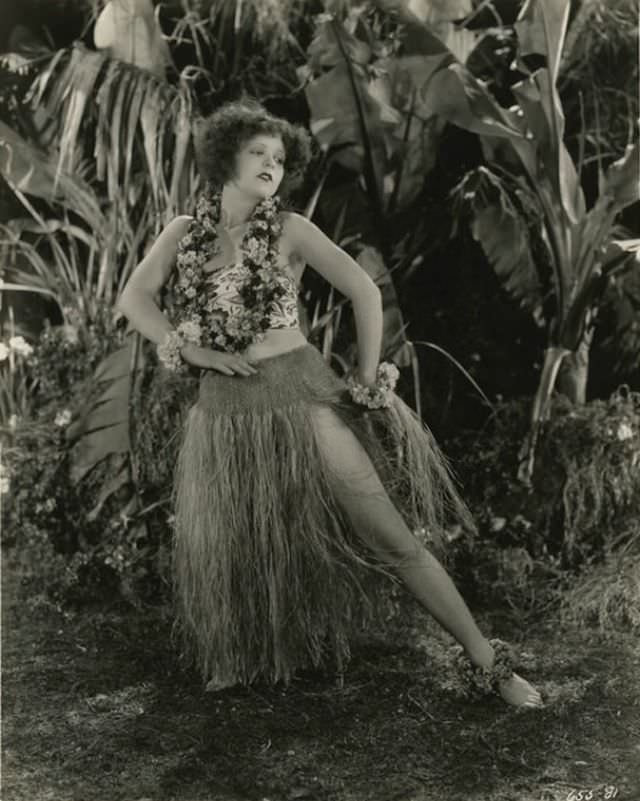
There is one major problem: Haldane is already married. He tries to keep a professional distance from Hula, especially in social settings. At a party, however, Hula gets drunk and performs a seductive hula dance aimed directly at him. The scene is one of the film’s most memorable moments, showcasing Bow’s natural energy and screen presence.
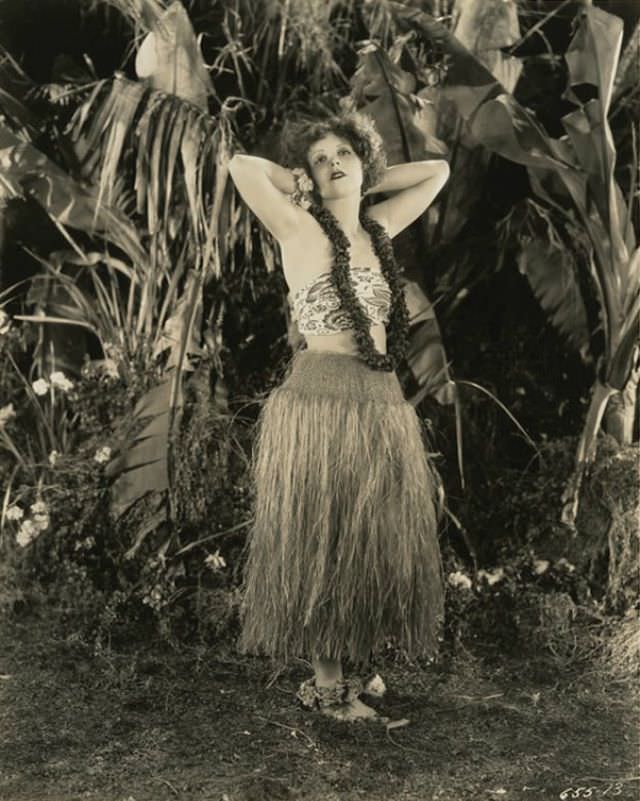
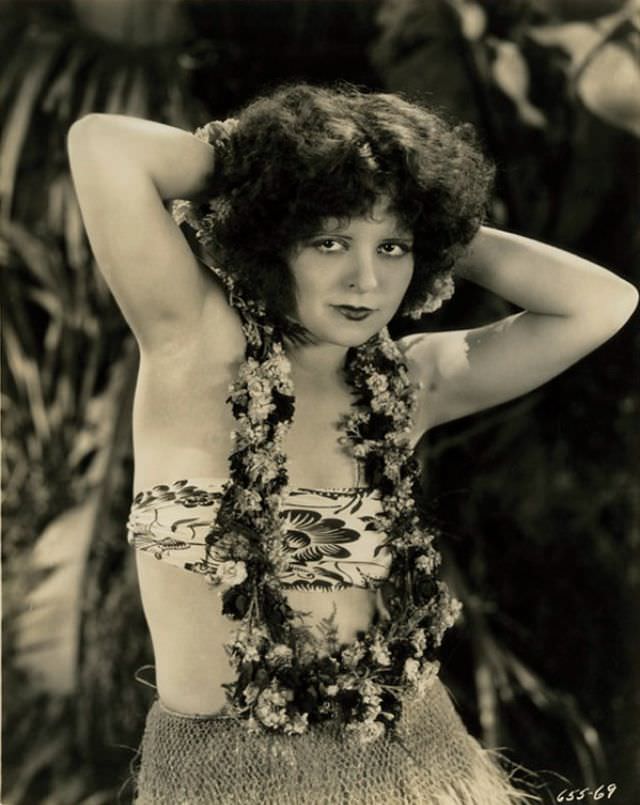
Hula’s pursuit works. Haldane promises to seek a divorce. To force the issue, he arranges for a foreman to blow up a section of the dam with dynamite — deliberately ruining his own project. With Haldane financially destroyed, his wife Margaret realizes she has nothing to gain by staying married to him. She agrees to the divorce.
Clara Bow was already a rising star when Hula was made. Her role as a free-spirited, fearless young woman fit perfectly with the image she had built in Hollywood. Bow had a rare ability to make every scene feel alive, and Hula gave her plenty of room to do exactly that.
Victor Fleming directed the film with a style that balanced comedy and romance without letting either one overpower the other. Fleming went on to direct major Hollywood productions in the years that followed, but Hula stands as a strong example of his early work with charismatic performers.
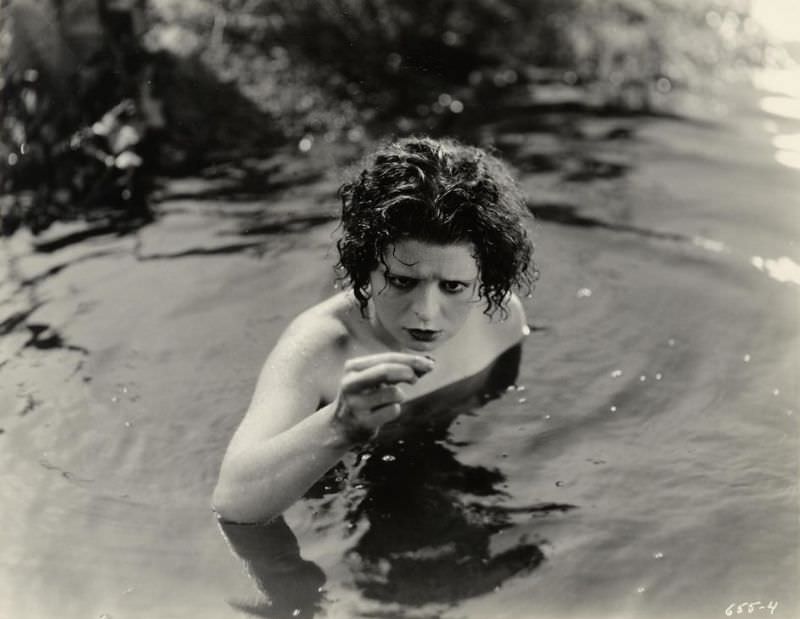
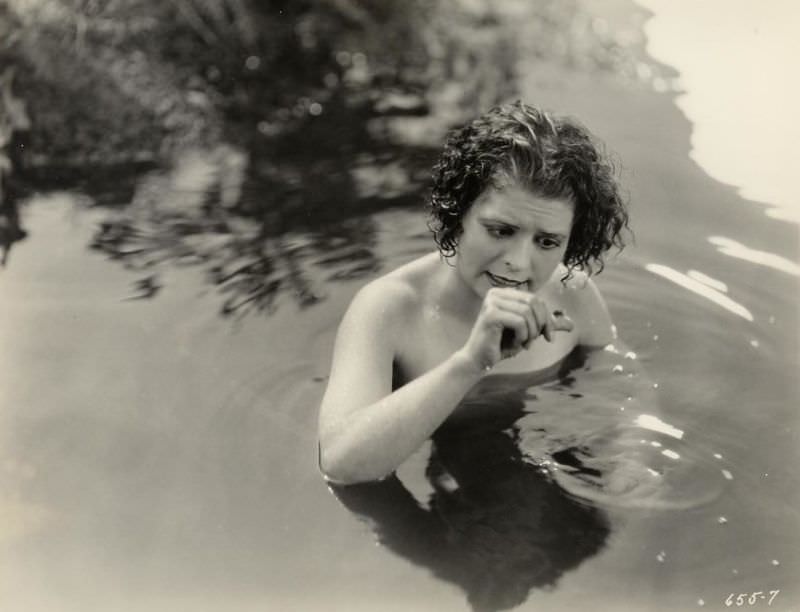
The Hawaiian setting gave the film a distinctive look compared to most studio productions of the era. Lush landscapes, open skies, and a relaxed, tropical atmosphere set Hula apart from the drawing-room dramas that dominated silent film at the time.
Clive Brook’s Haldane is a quiet contrast to Bow’s explosive Hula. Brook was known for playing reserved, dignified characters, and that quality works well here. The tension between his controlled manner and her absolute refusal to be ignored drives much of the film’s energy.
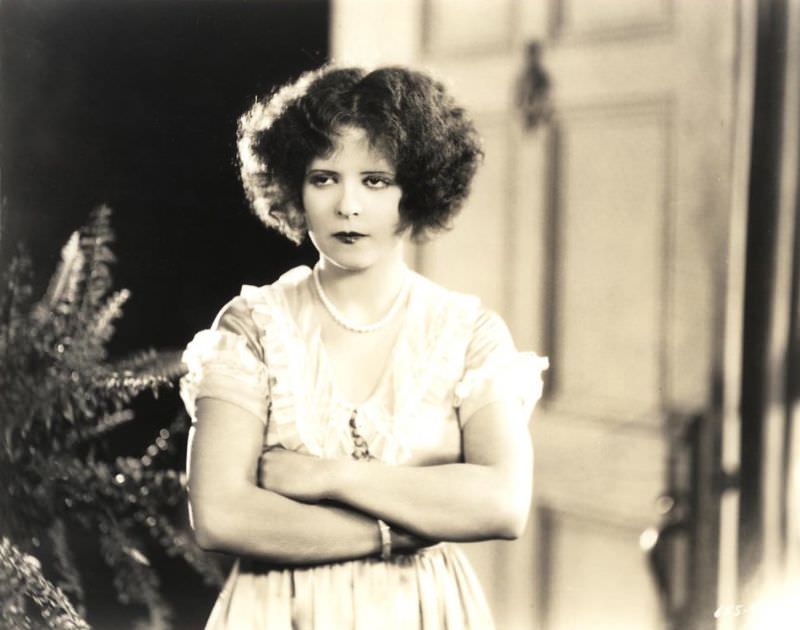
Arlette Marchal also appears in the film’s supporting cast. Marchal was a French actress who worked in Hollywood during the late silent era and brought a cosmopolitan presence to the productions she appeared in.
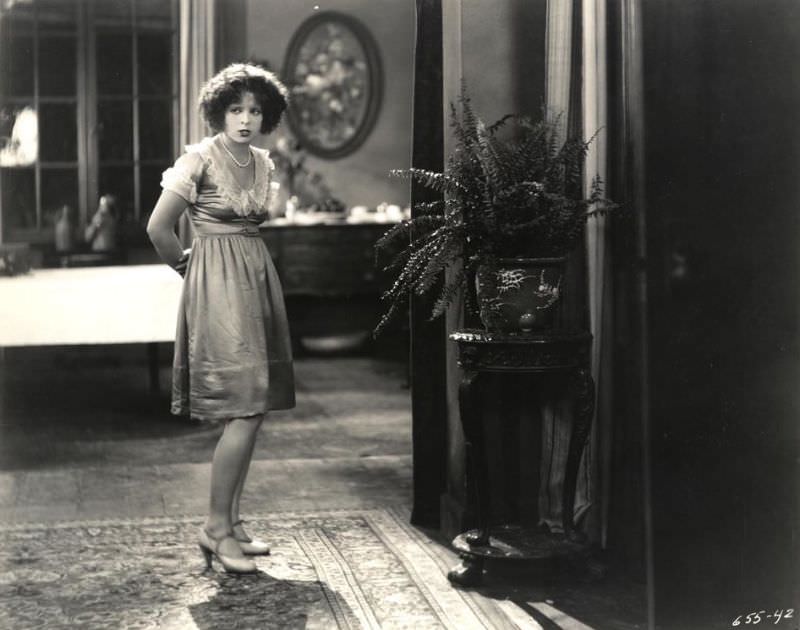
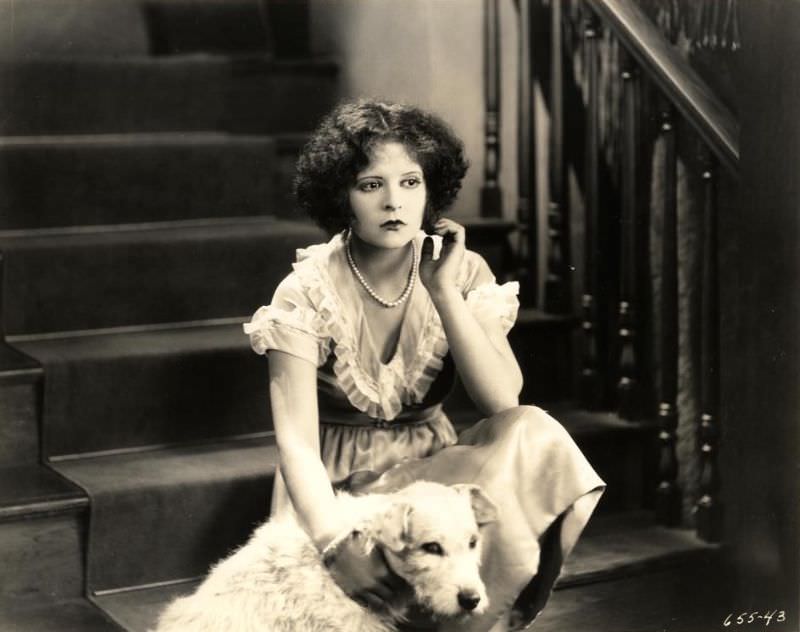
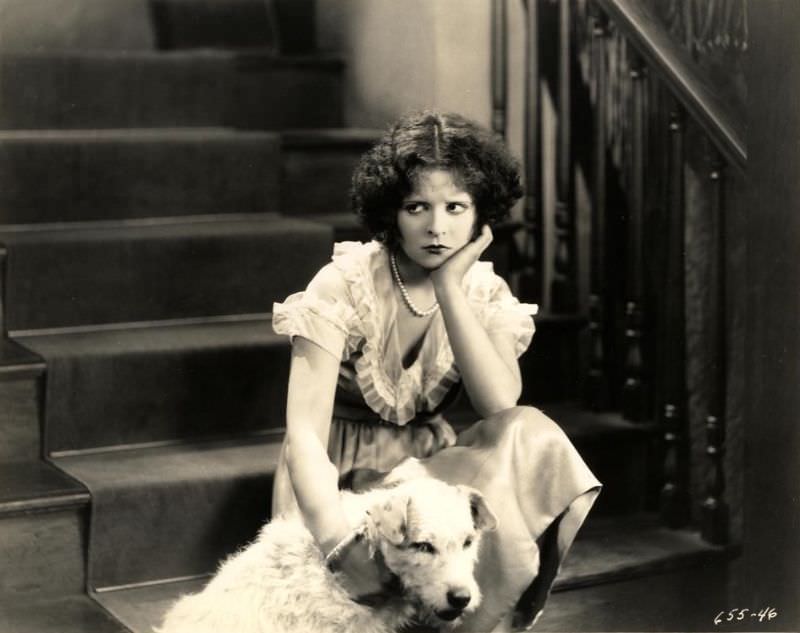
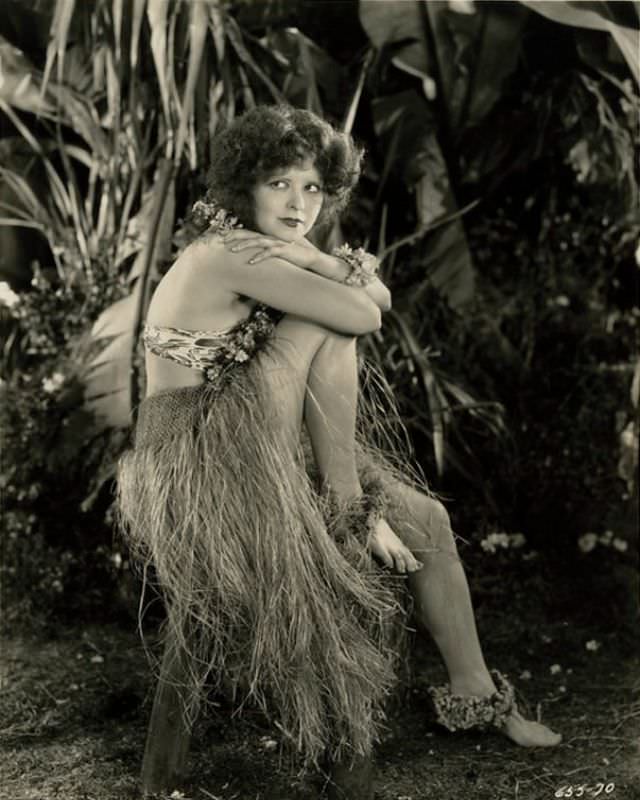
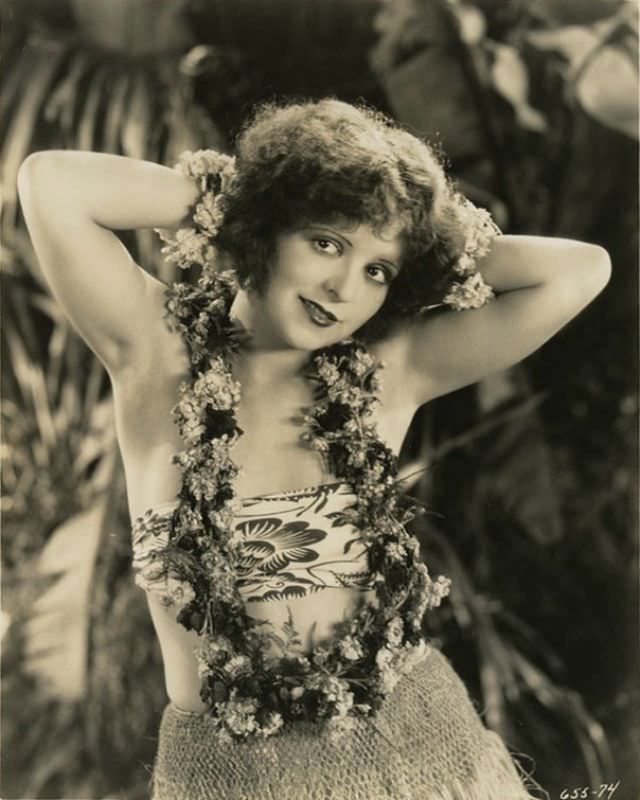
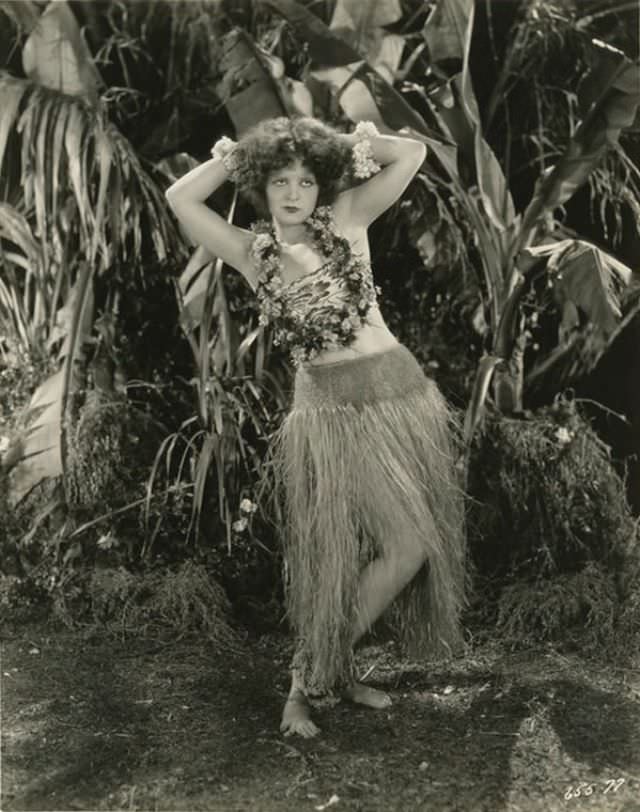
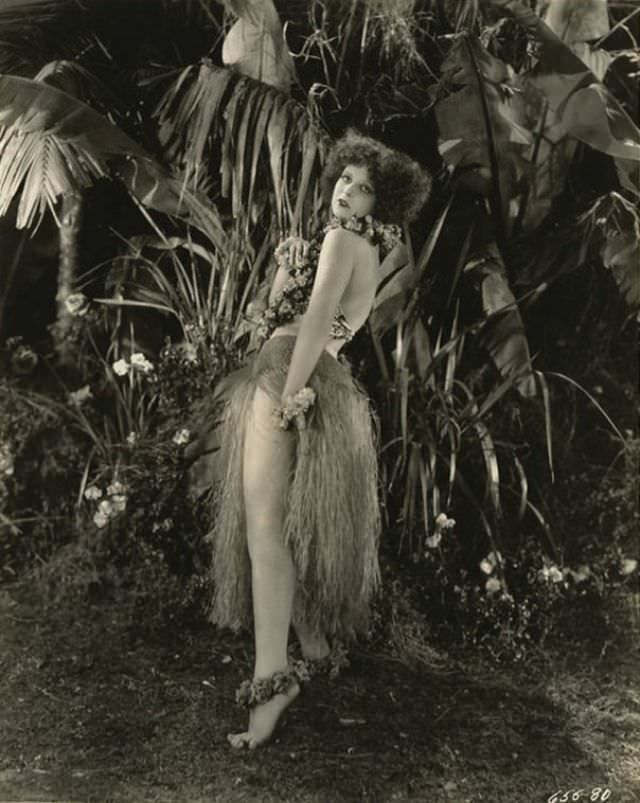
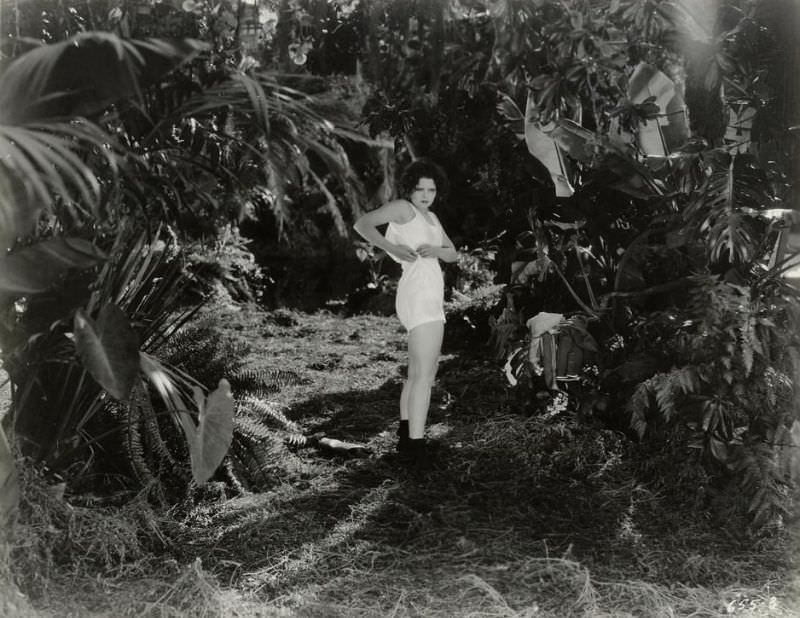
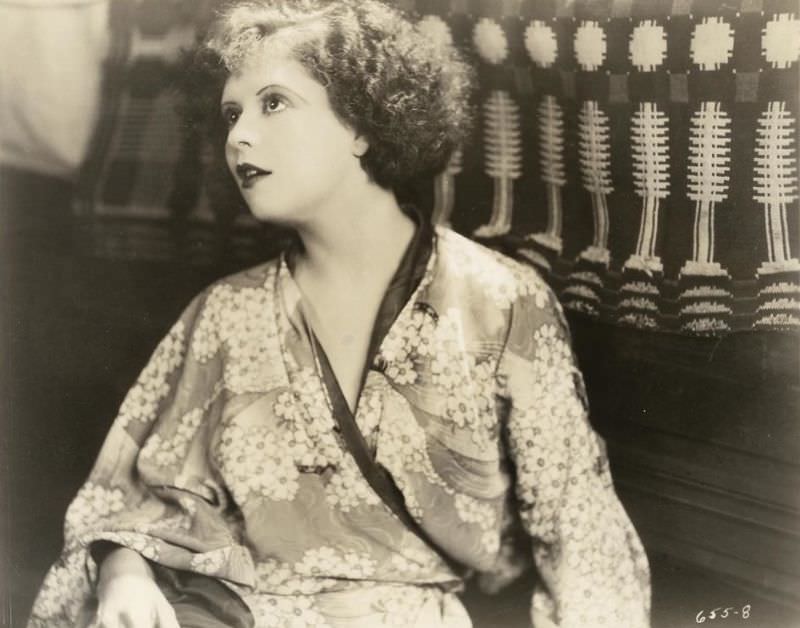
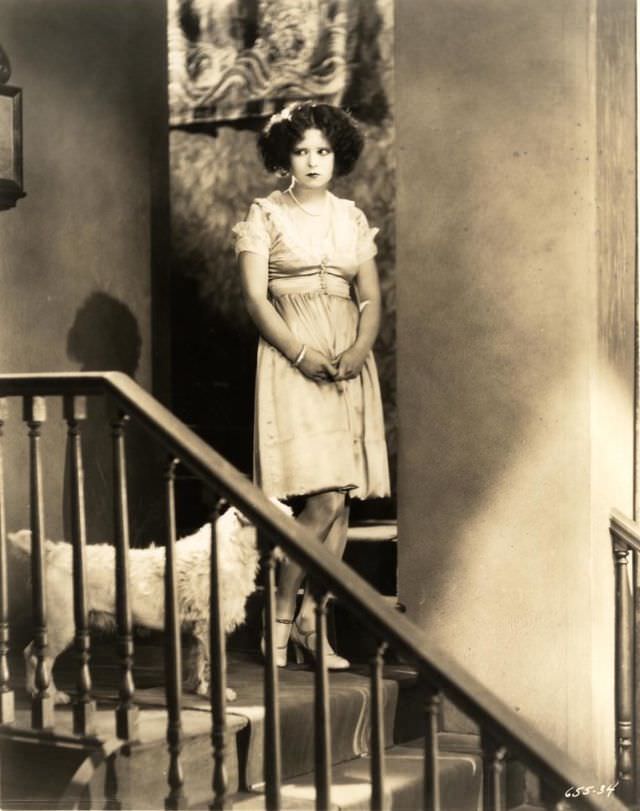
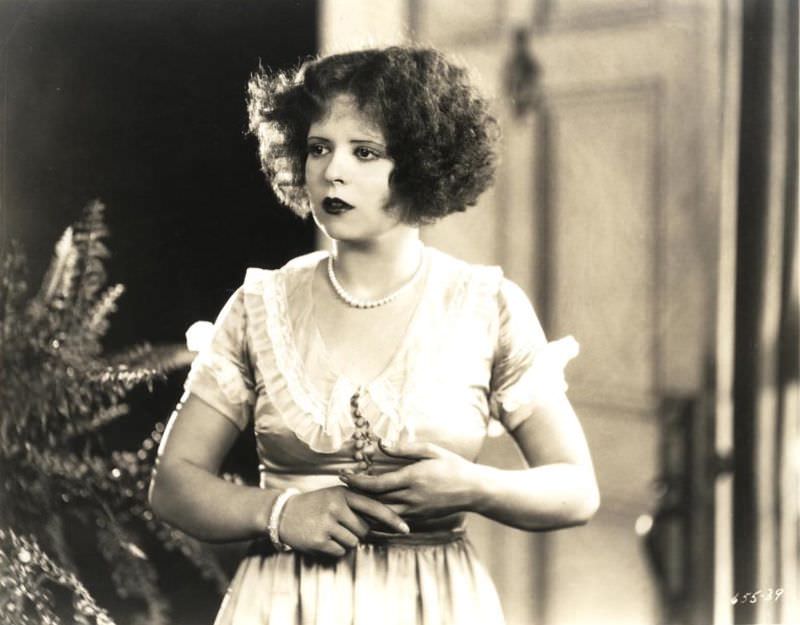
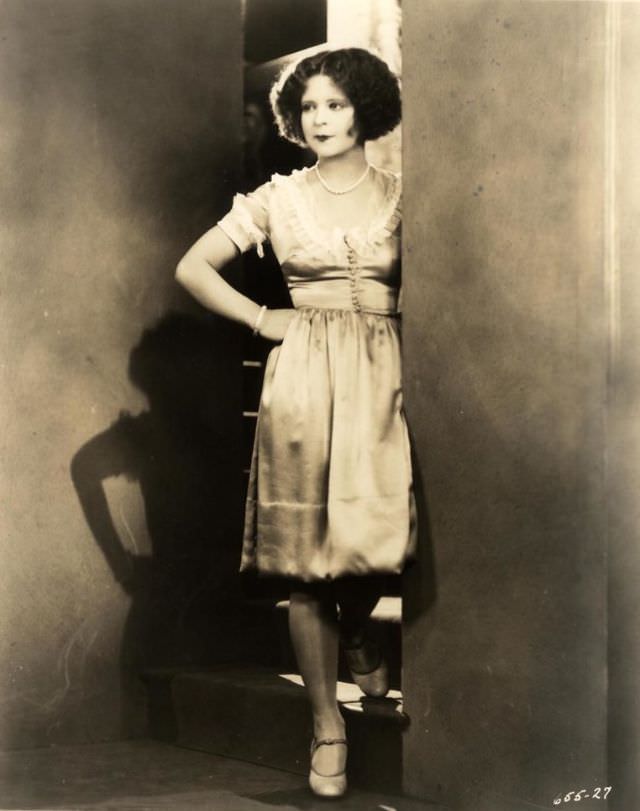
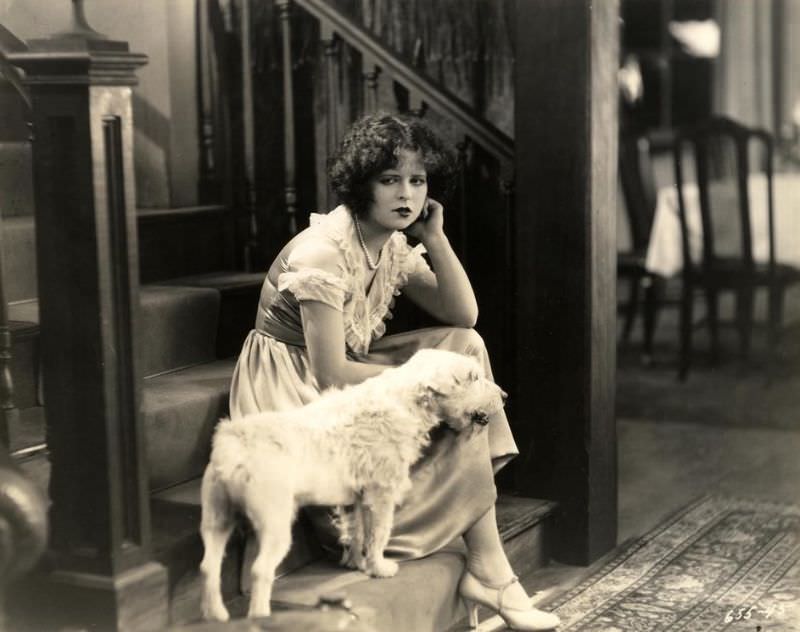
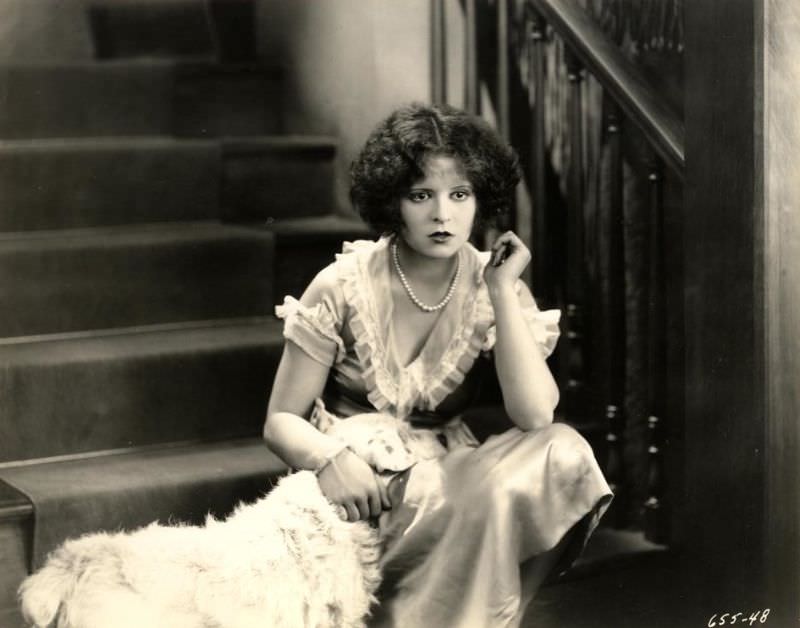
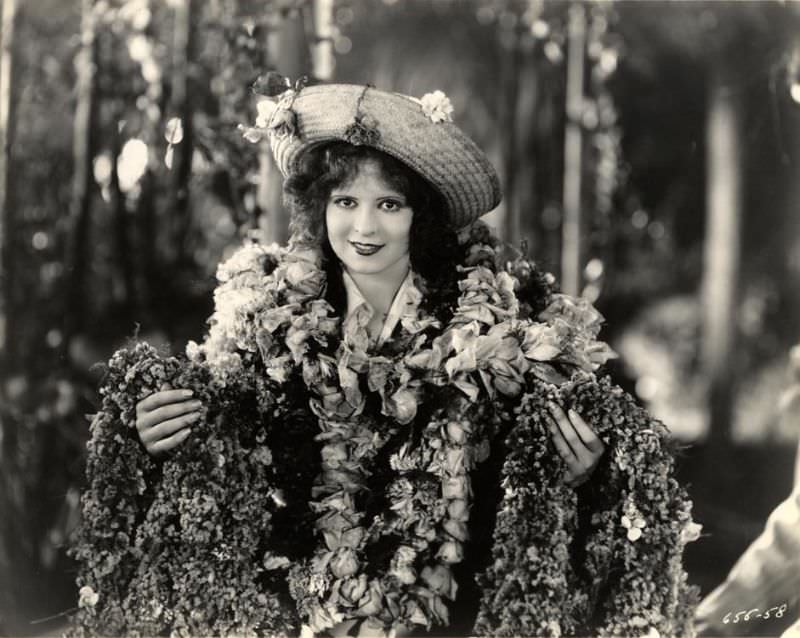
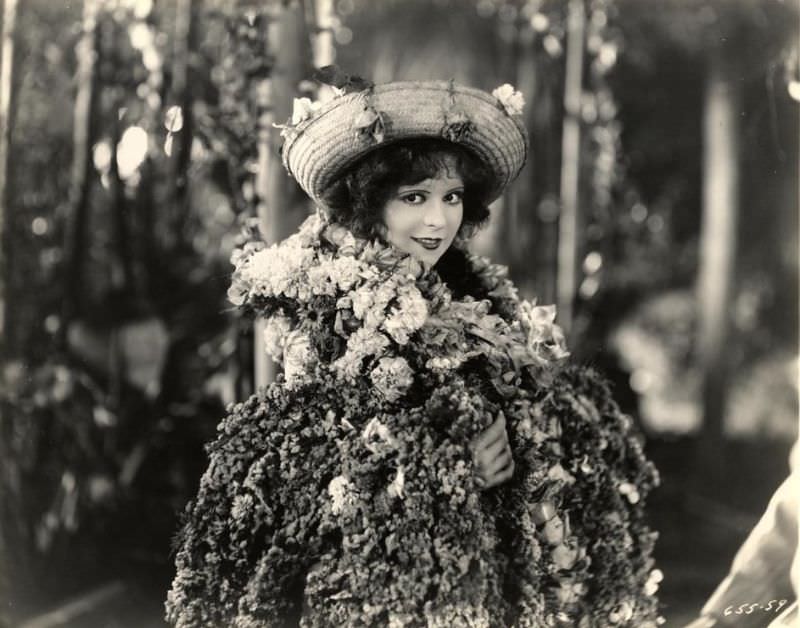
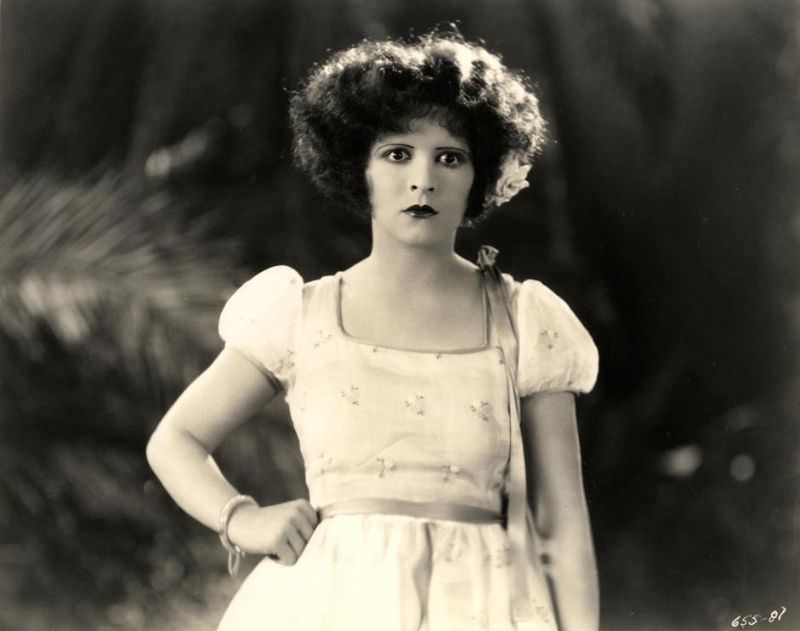
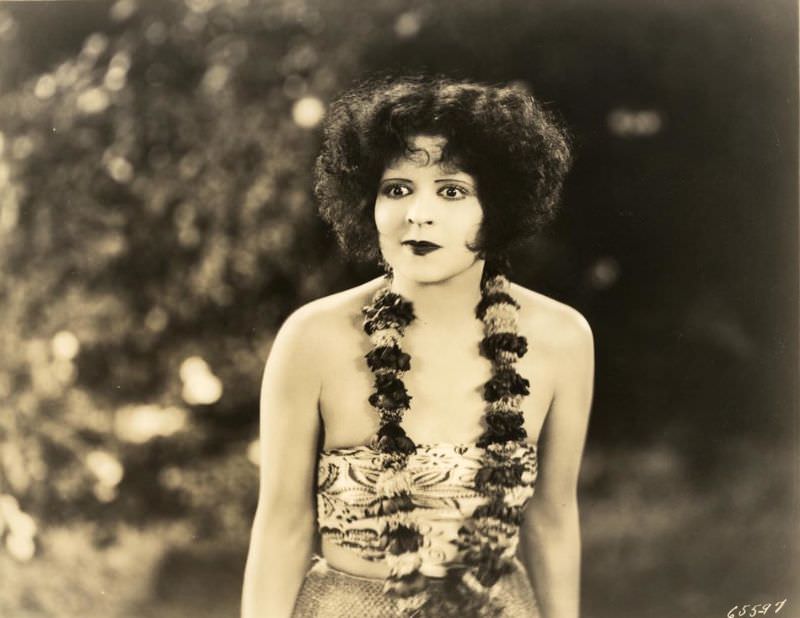
The photos collected here capture Clara Bow at a vibrant point in her career. Her expressions, posture, and sheer on-screen confidence come through even in still images. Each frame reflects the personality she brought to Hula Calhoun — bold, warm, and completely unfiltered.
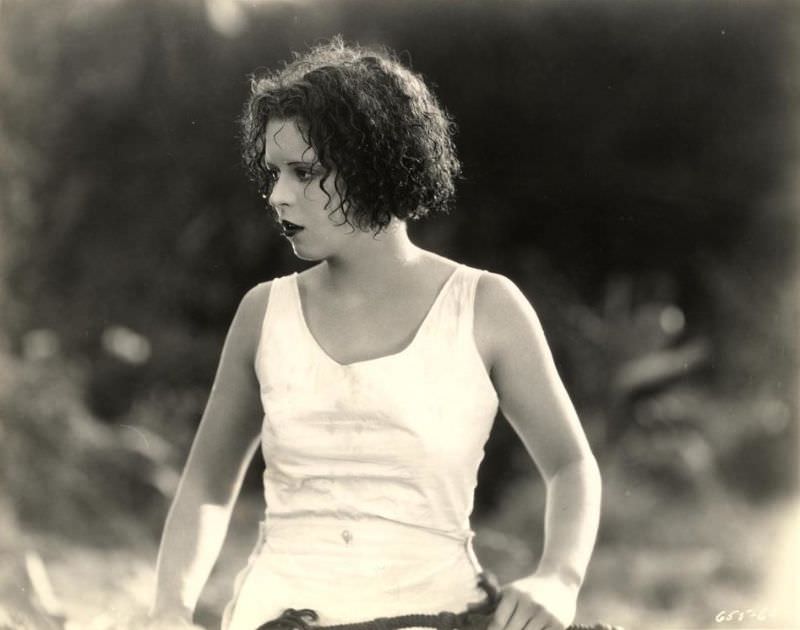
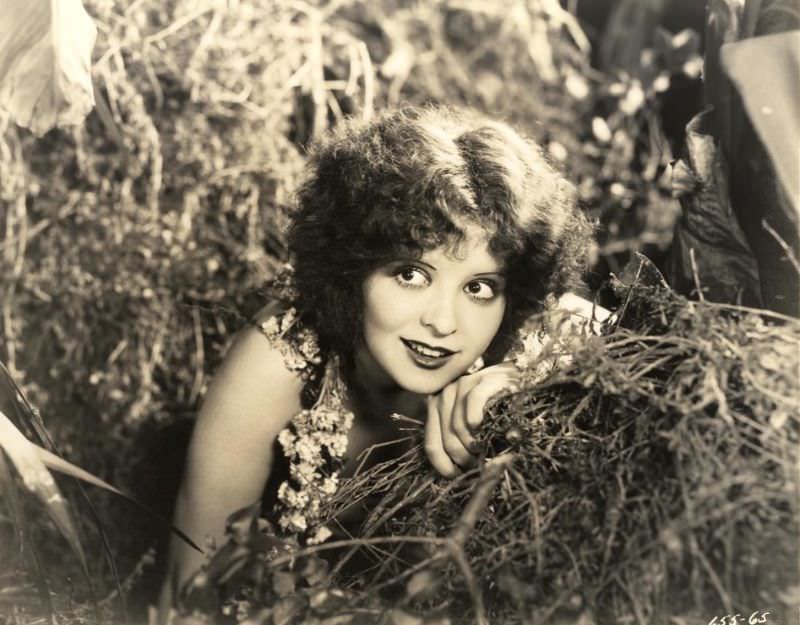
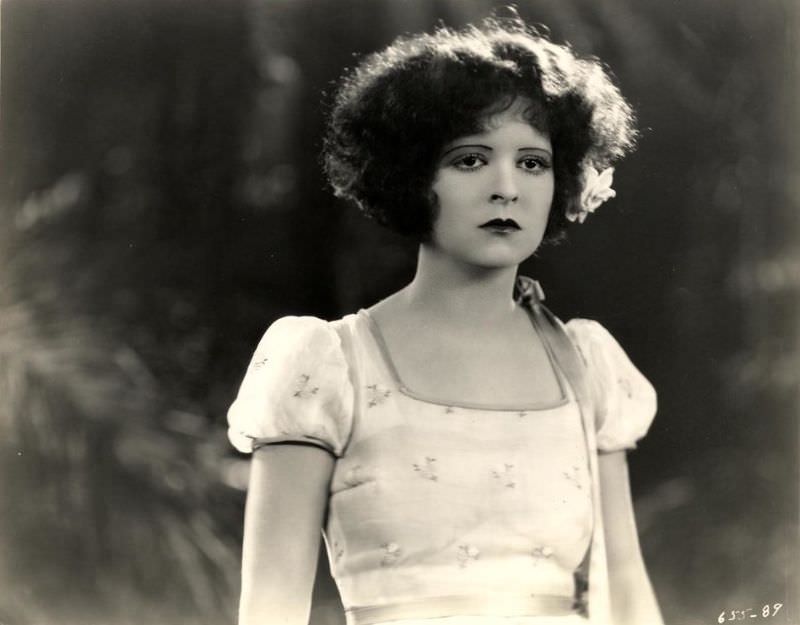
Bow wore a range of costumes throughout the film, from casual riding clothes that fit her character’s outdoorsy lifestyle to more dressed-up looks for the film’s party scenes. The costume choices reinforced exactly who Hula Calhoun was — a woman who dressed for herself, not for anyone else’s approval.
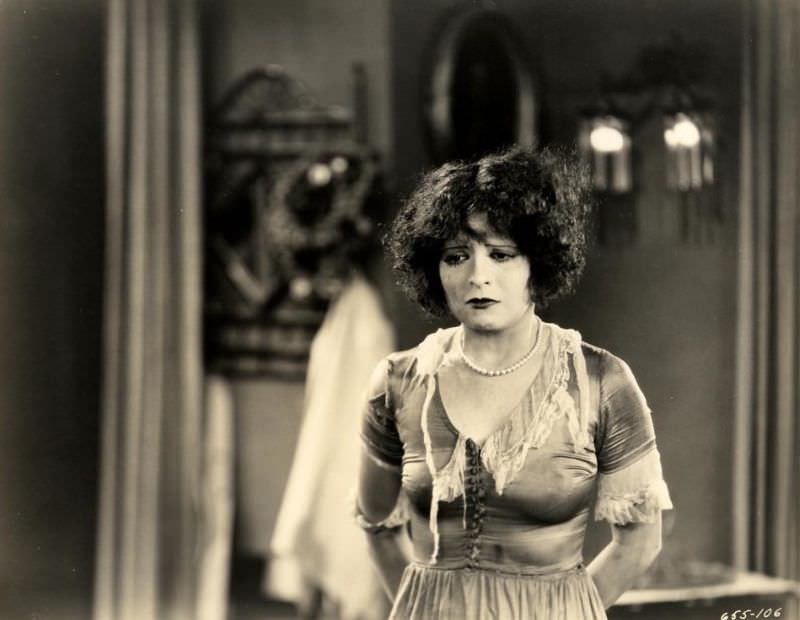
The film’s plot moves quickly, as most silent romantic comedies of the era did. There is little time wasted on setup. Within the first act, the audience knows exactly what Hula wants and what stands in her way. The rest of the film is her figuring out how to get it.
Albert Gran’s Bill Calhoun provides the film with a warm, grounded anchor. As Hula’s father and the plantation owner, he gives the story a sense of place and family without pulling focus from the central romance.
The dynamite scene near the film’s end is a sharp, decisive plot move. Haldane does not wait for circumstances to change on their own — he engineers a crisis to force the outcome he wants. It is an unusual choice for a romantic lead, and it gives the story an unexpected edge.
Once Mrs. Haldane sees that her husband’s financial standing is gone, her motivation for staying in the marriage disappears. Her decision to accept the divorce is practical rather than emotional, which keeps the resolution from feeling too easy or too tidy.
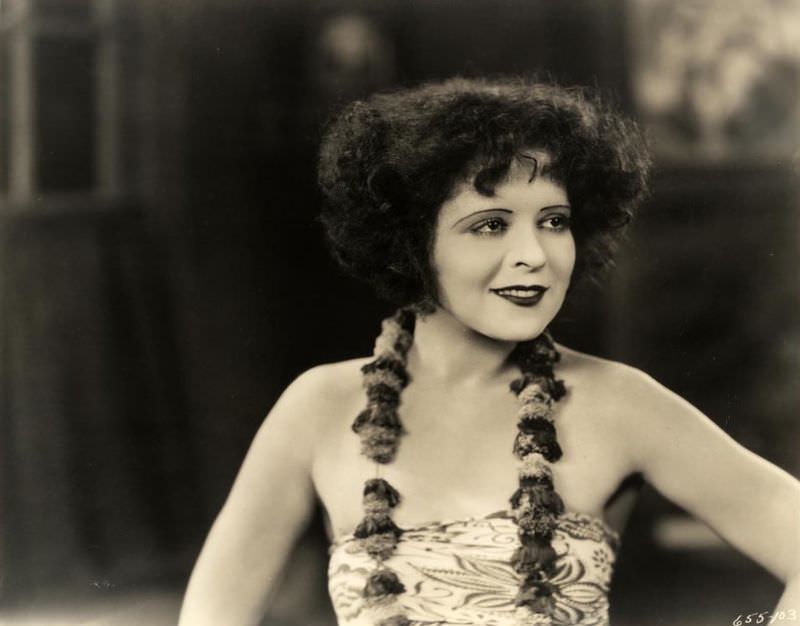
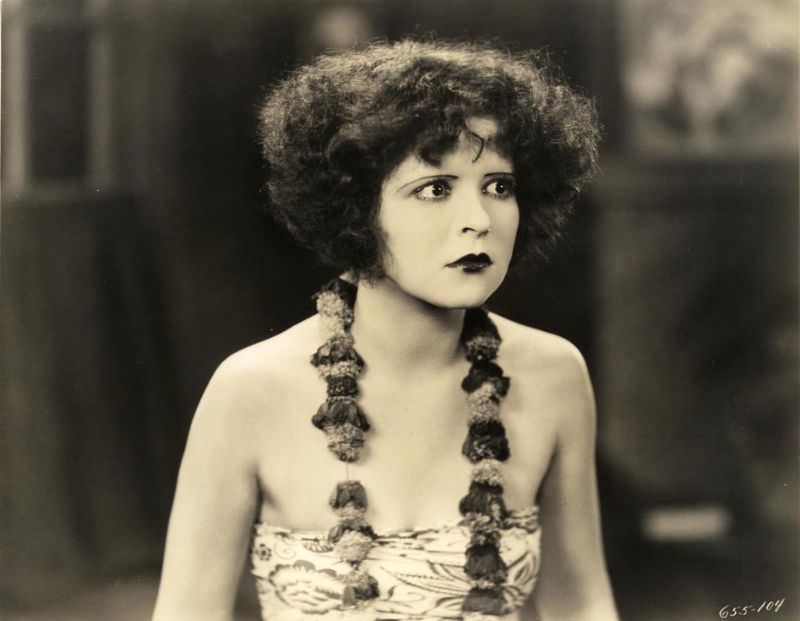
Hula was one of several films Clara Bow made in 1927, a year that saw her firmly establish herself as one of Hollywood’s biggest box-office draws. Her performance in this film is full of the energy and charm that made audiences across the country take notice.
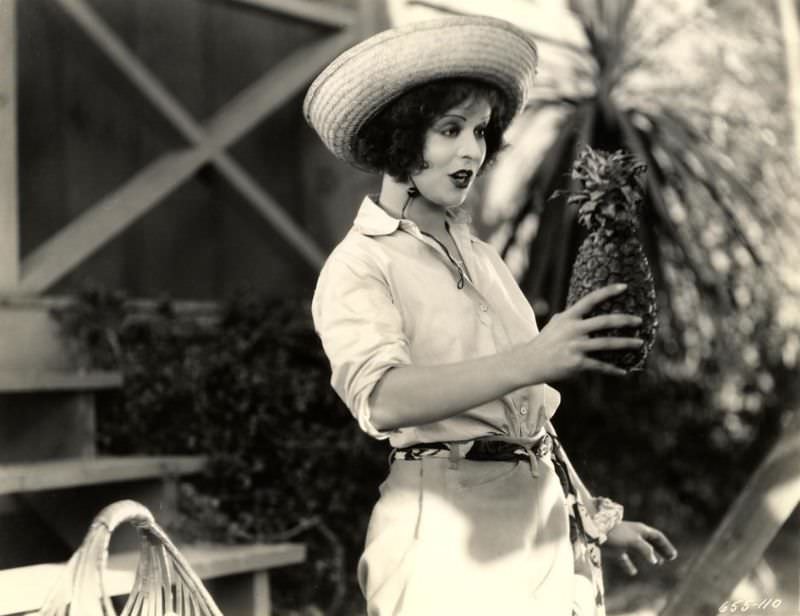
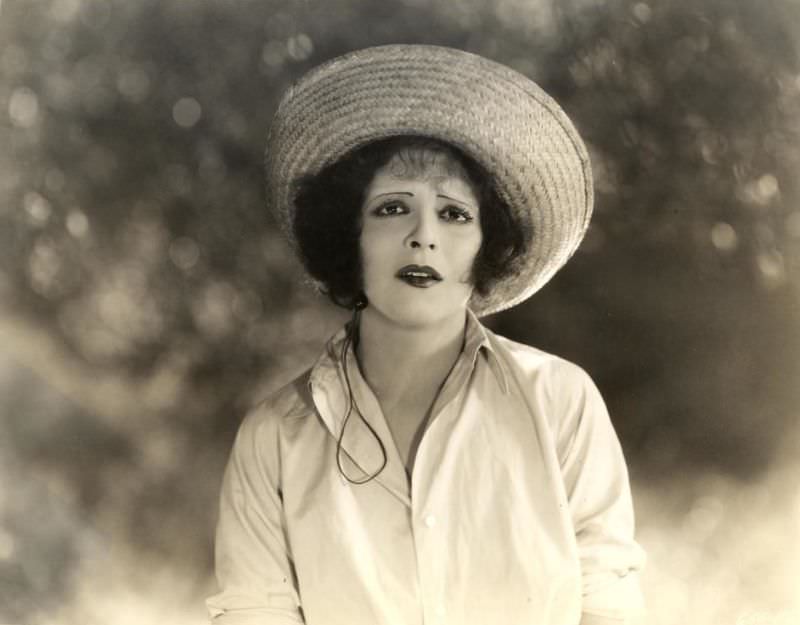
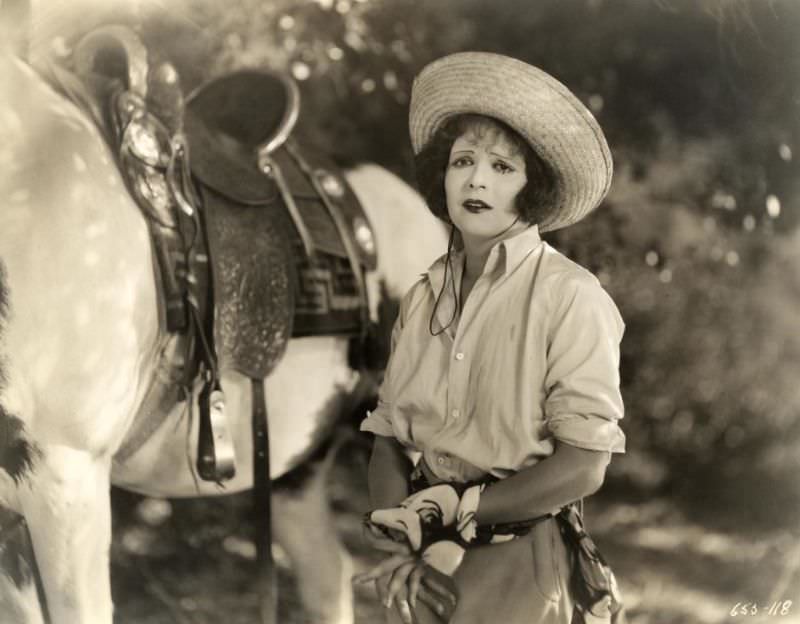
The photos below round out this collection with some of the most striking images from the production. Together, they document a film that captured Clara Bow at her most spirited — playing a character who lived entirely on her own terms.