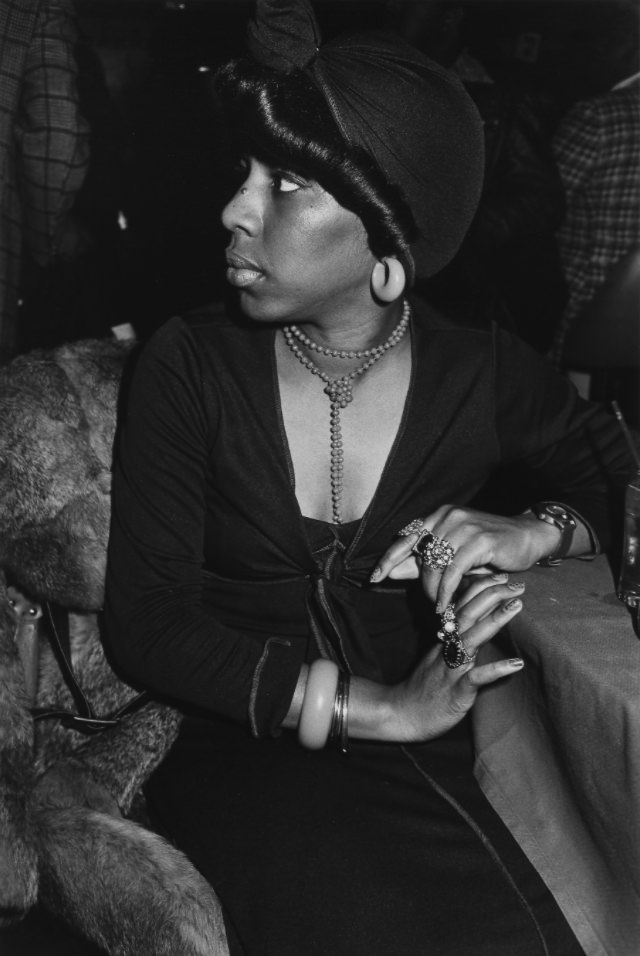
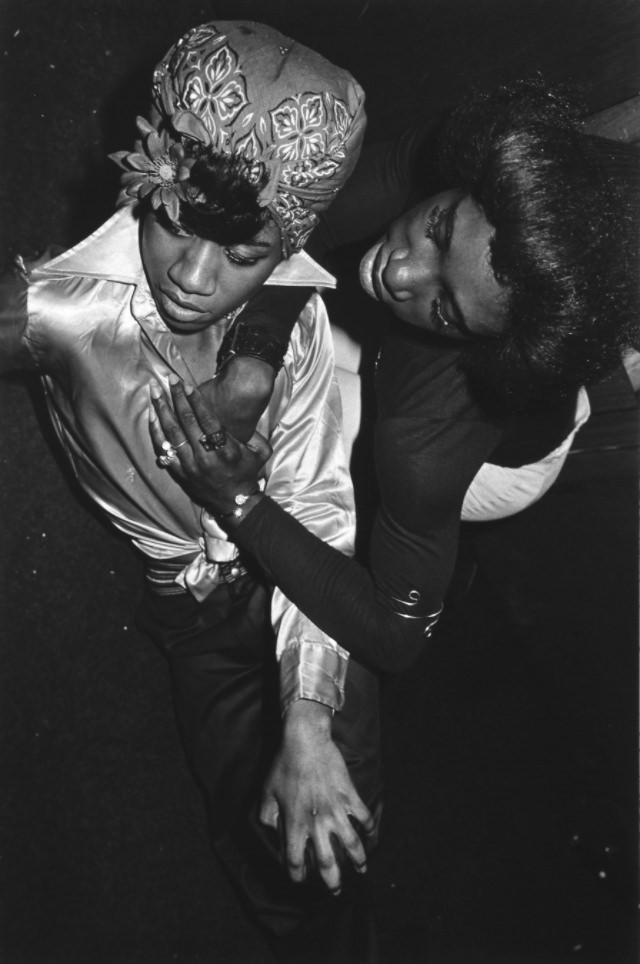
In 1975 and 1977, photographer Michael Abramson made a habit of crossing Chicago. He lived in the city’s north suburbs but spent five nights a week on the South Side, moving through some of the most electric nightlife venues the city had to offer. His destinations included Perv’s House, Five Fingers Social Club, High Chaparral, and the New Jazz Showcase Lounge — places where music, dancing, and the everyday drama of human life played out under dim lights and in thick crowds.
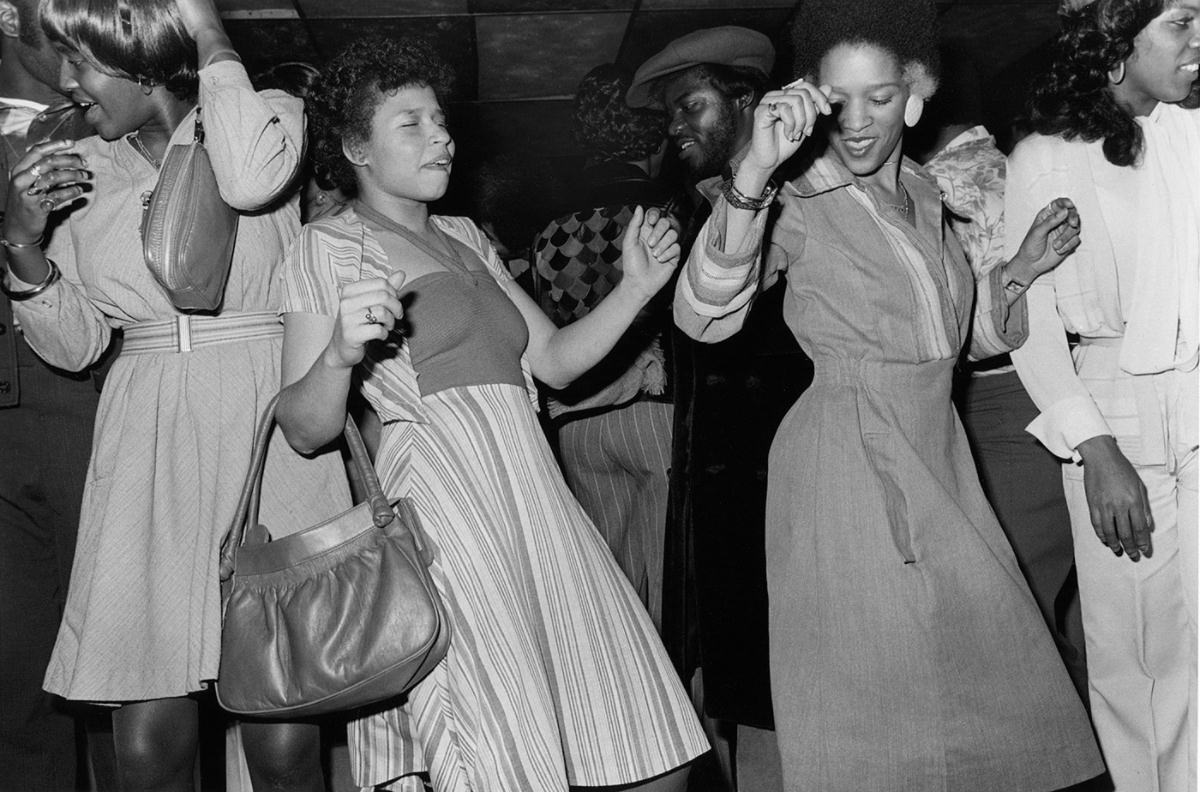
Abramson wasn’t chasing celebrity or spectacle. He was drawn to ordinary moments — a glance across a crowded room, two people leaning close to talk over the music, a dancer lost in the rhythm. His photographs are direct and unsentimentalized. He didn’t pose his subjects or wait for manufactured expressions. He caught people as they actually were.
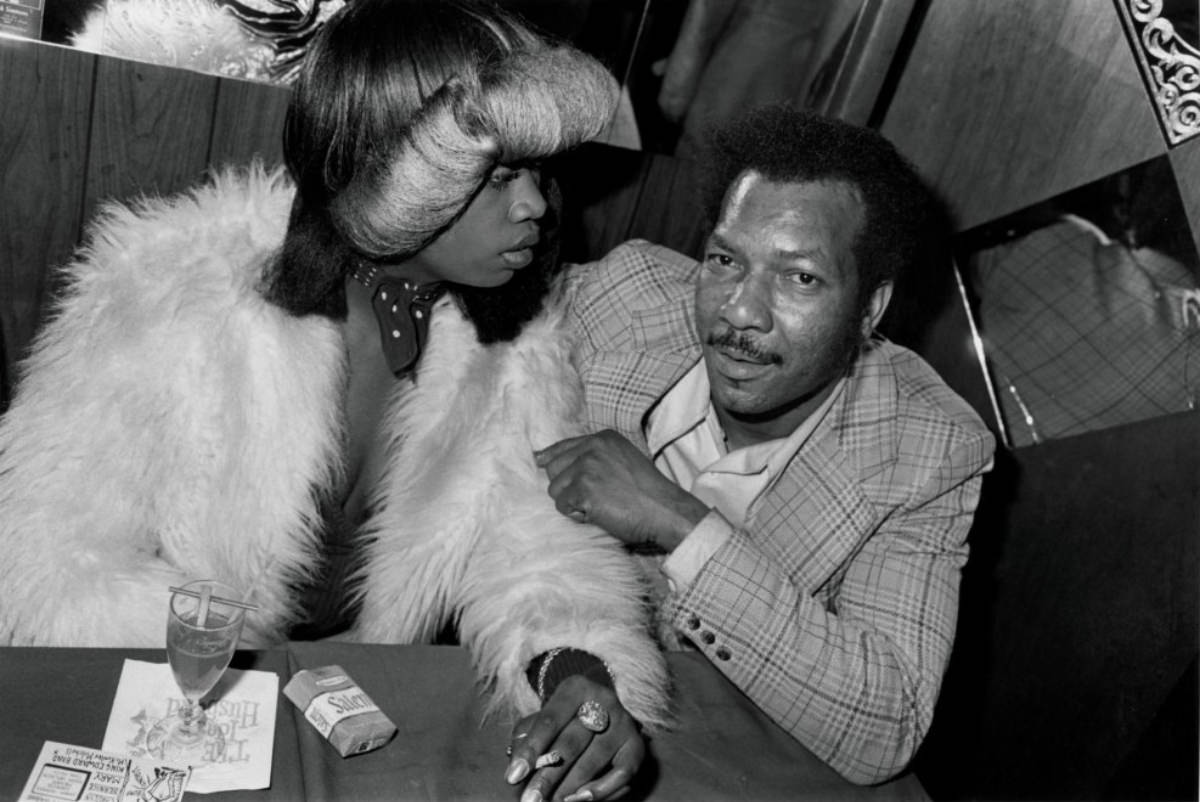
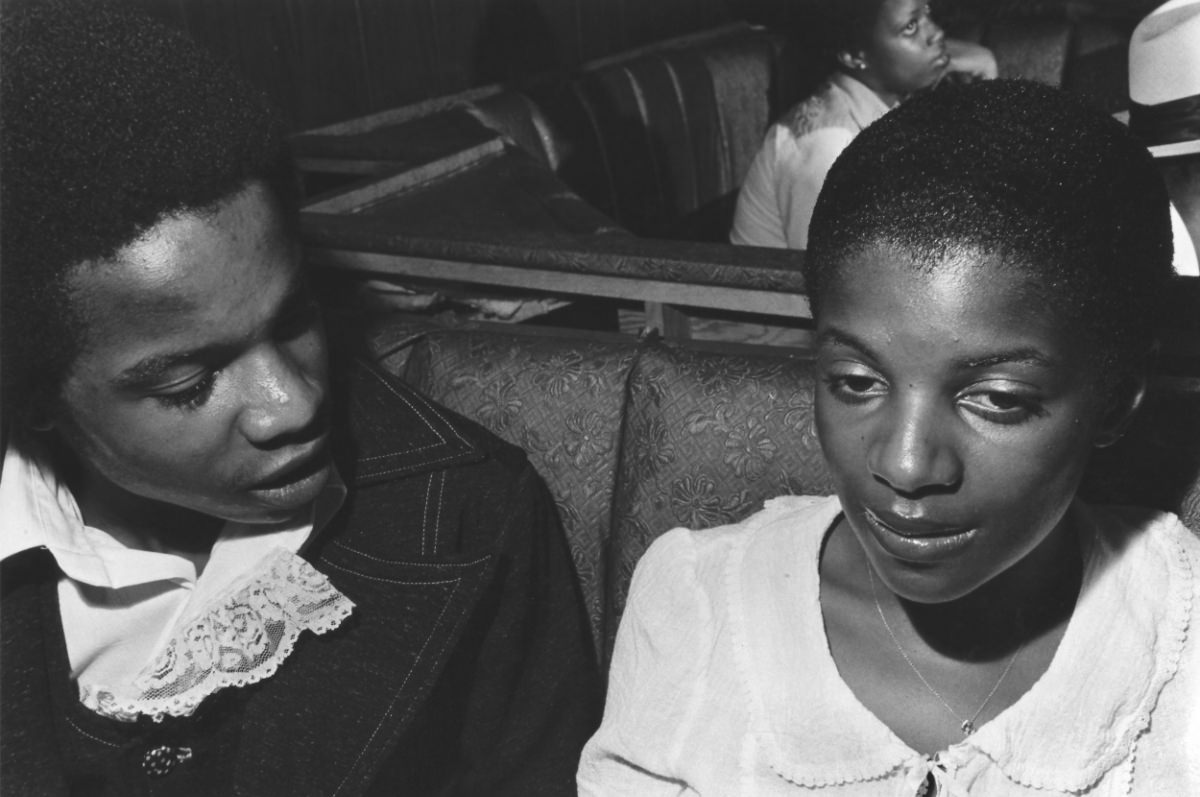
The venues Abramson frequented were deeply rooted in Chicago’s Black South Side community. High Chaparral and Perv’s House were well-known gathering spots where soul, funk, and blues filled the air. These weren’t tourist destinations — they were neighborhood institutions where regulars came to unwind, connect, and celebrate. Abramson was an outsider by geography, but his camera gave him a reason to be present and to move freely through the space.
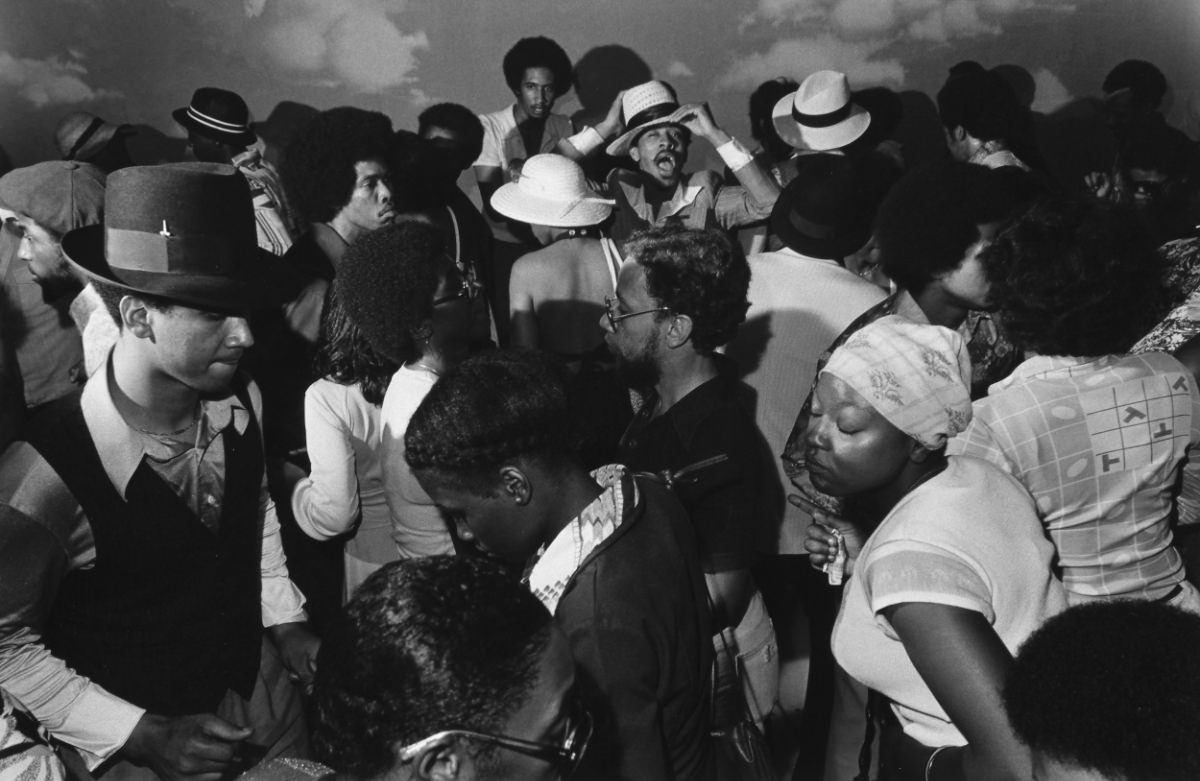
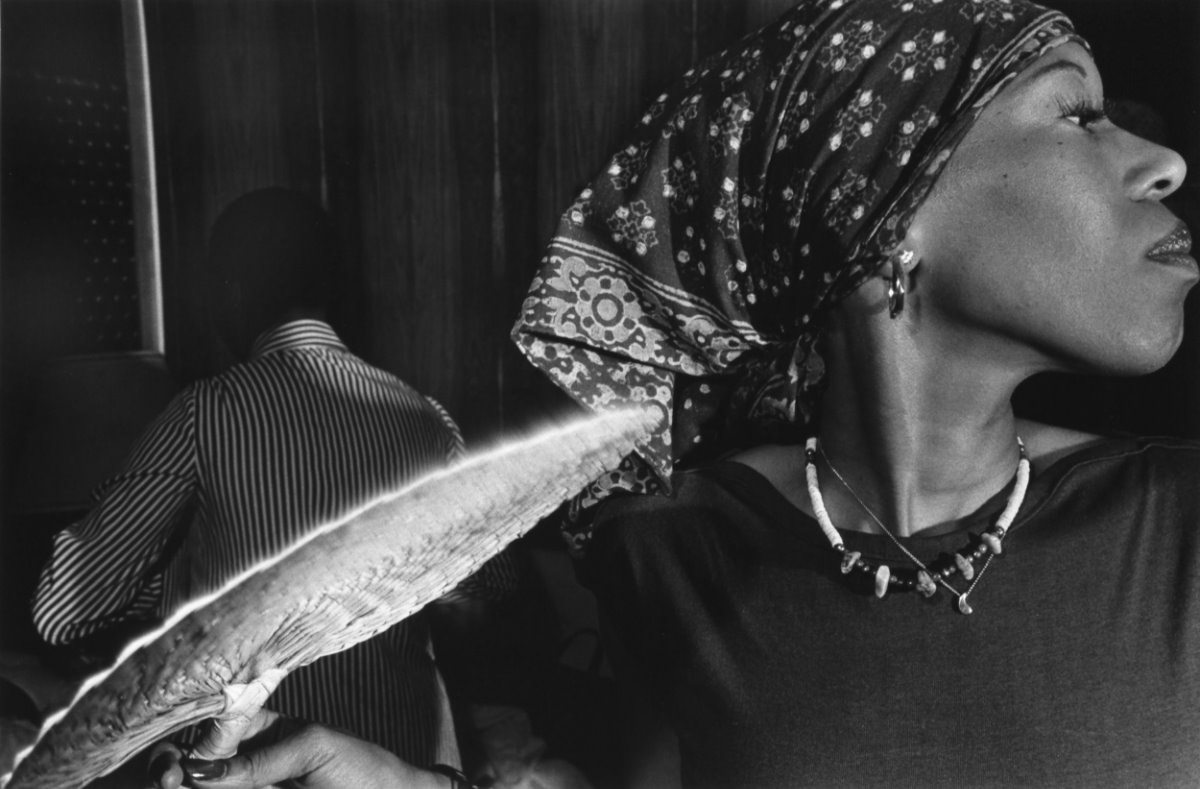
Abramson described his approach in simple terms: “You’re there to have fun… to forget whatever troubles or successes you might have; when you’re looking through the lens, you have a reason to wander all over the place.” That freedom of movement shows in his work. His frames feel spontaneous, never staged.
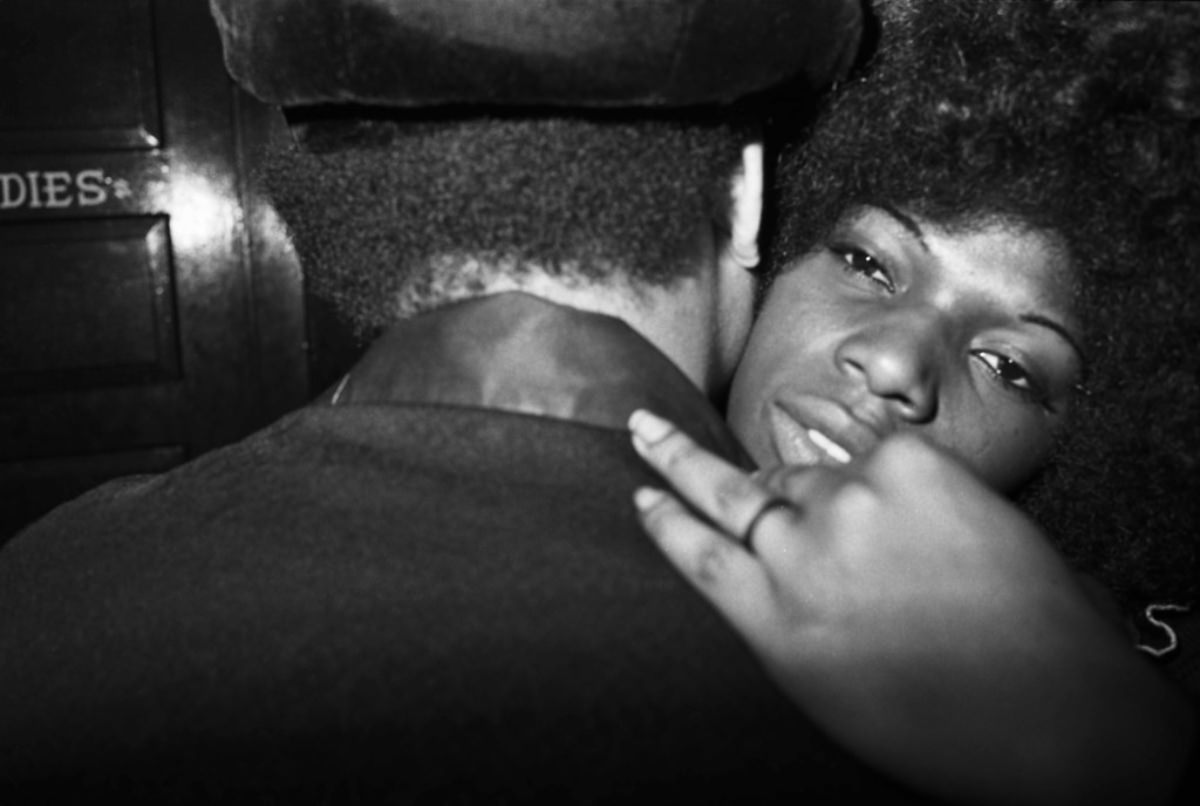
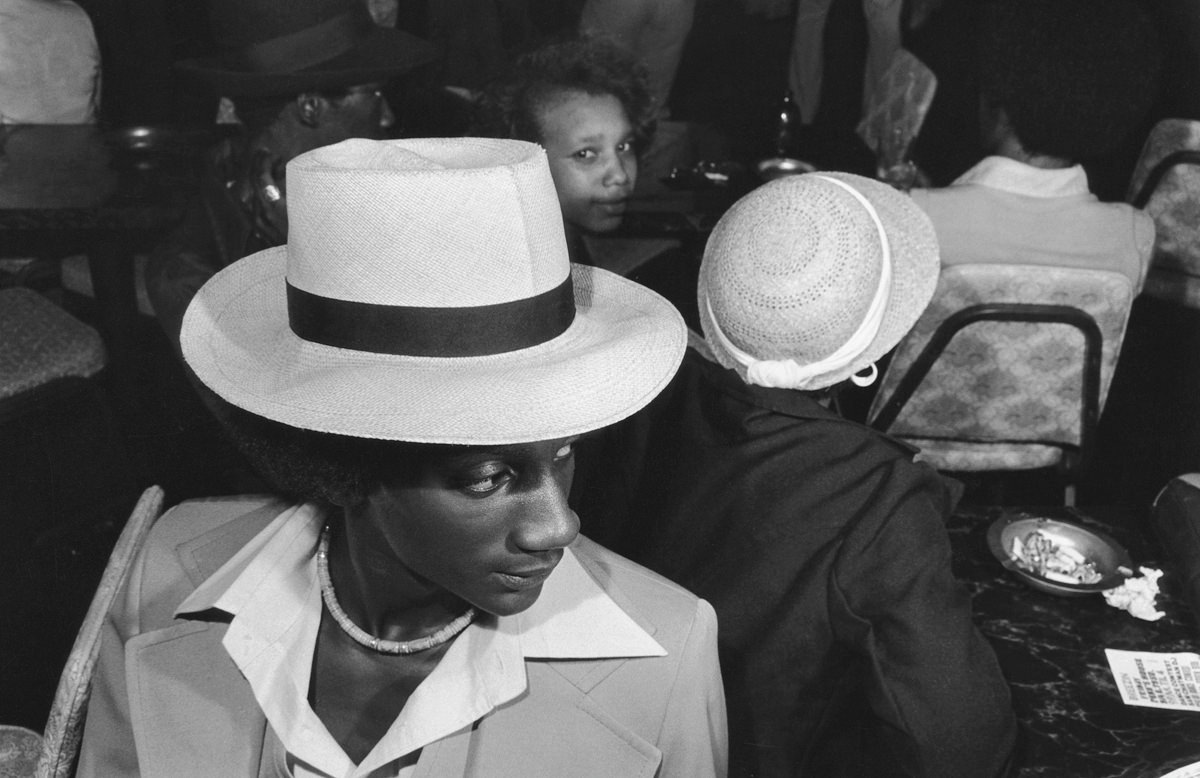
What makes Abramson’s photographs stand out is their emotional specificity. Each image carries a distinct mood — joy, flirtation, exhaustion, concentration. He recorded gestures and gazes that most people overlook, the kind of small, telling details that reveal something true about a person or a moment. Nothing is generic. Every frame belongs to a specific night, a specific place, a specific feeling.
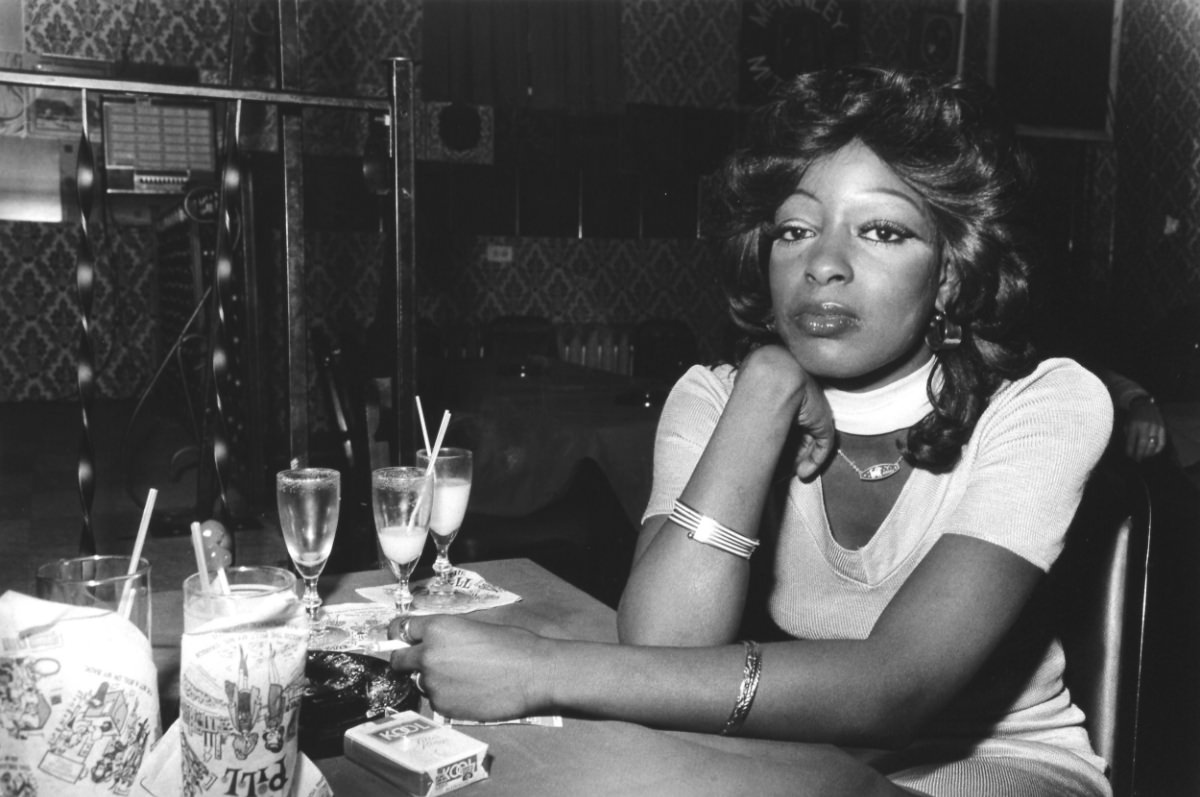
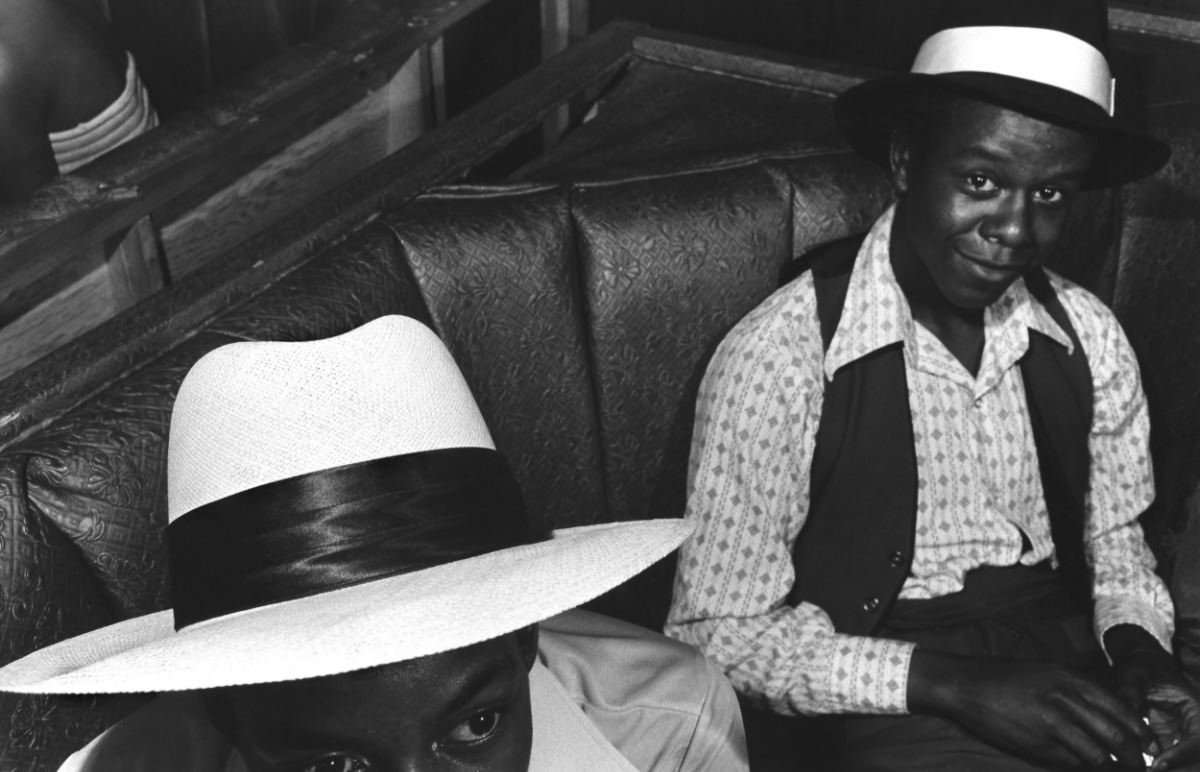
The South Side nightclub scene of the mid-1970s was a world unto itself. Chicago’s broader culture at the time was defined by economic pressure, urban change, and shifting politics. But inside these clubs, none of that disappeared so much as it transformed — into music, into movement, into the shared experience of being in a room full of people choosing, at least for a few hours, to enjoy themselves.
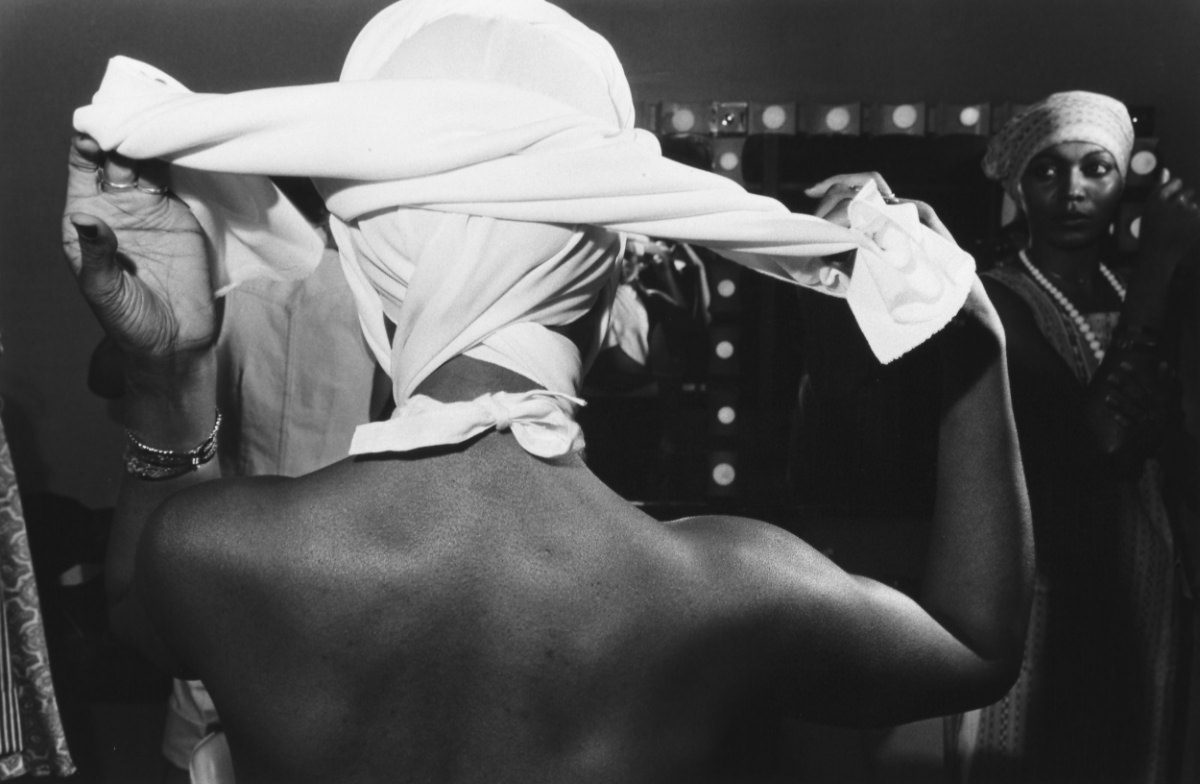
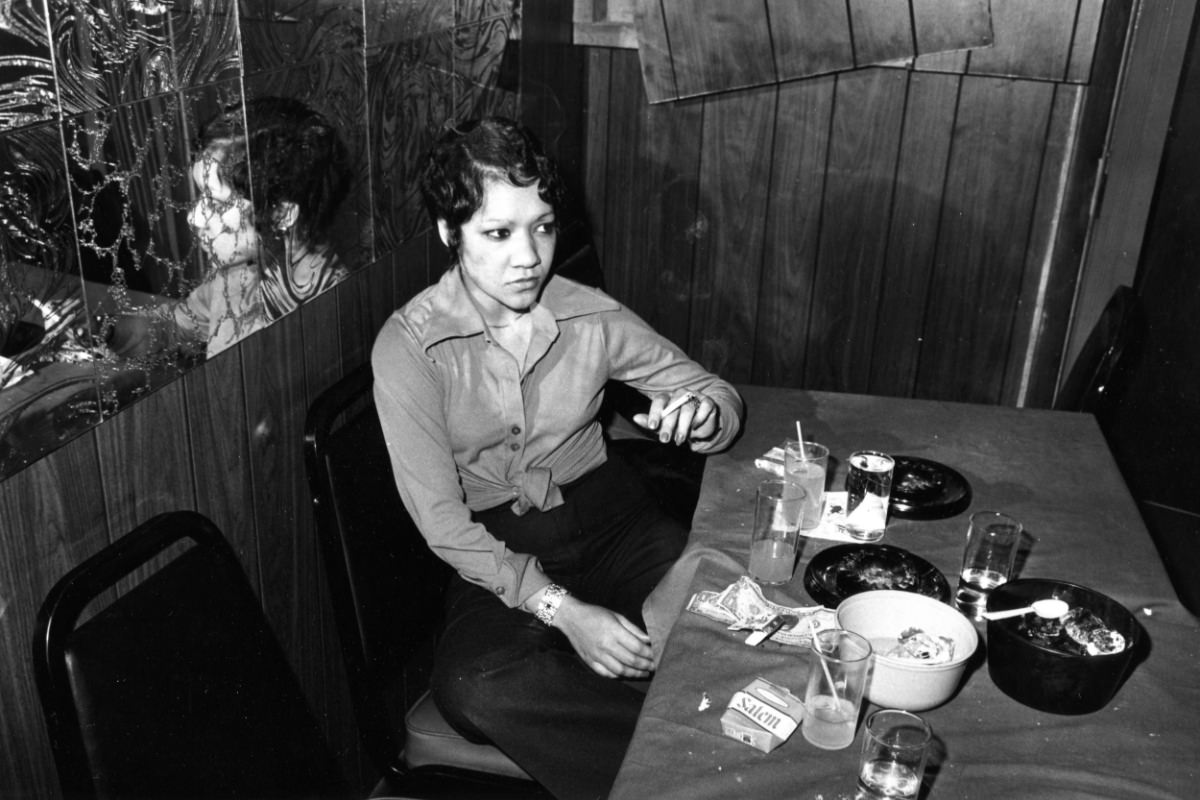
Abramson’s camera worked in low light, up close, and in motion. The technical demands of nightclub photography in the 1970s were significant — no digital adjustments, no second chances on most shots. The grain and contrast in his images reflect those real conditions. They aren’t flaws; they are part of what makes the photographs feel authentic.
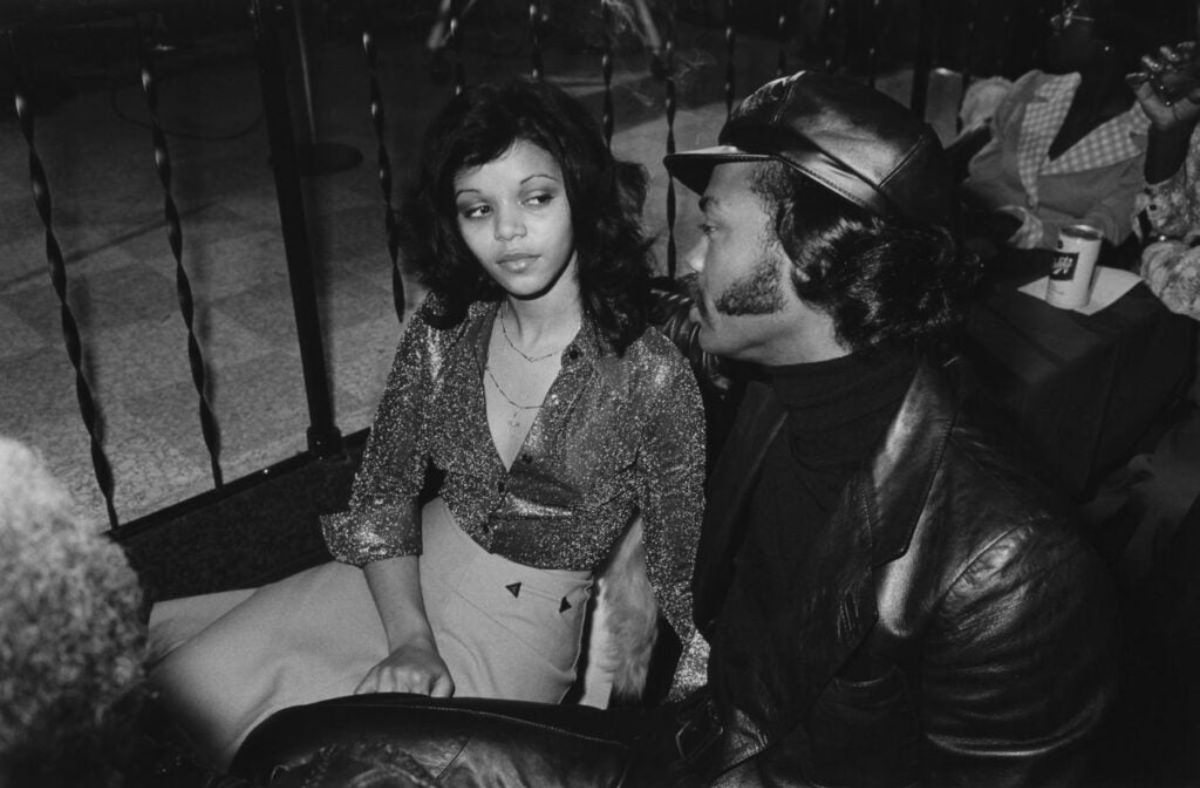
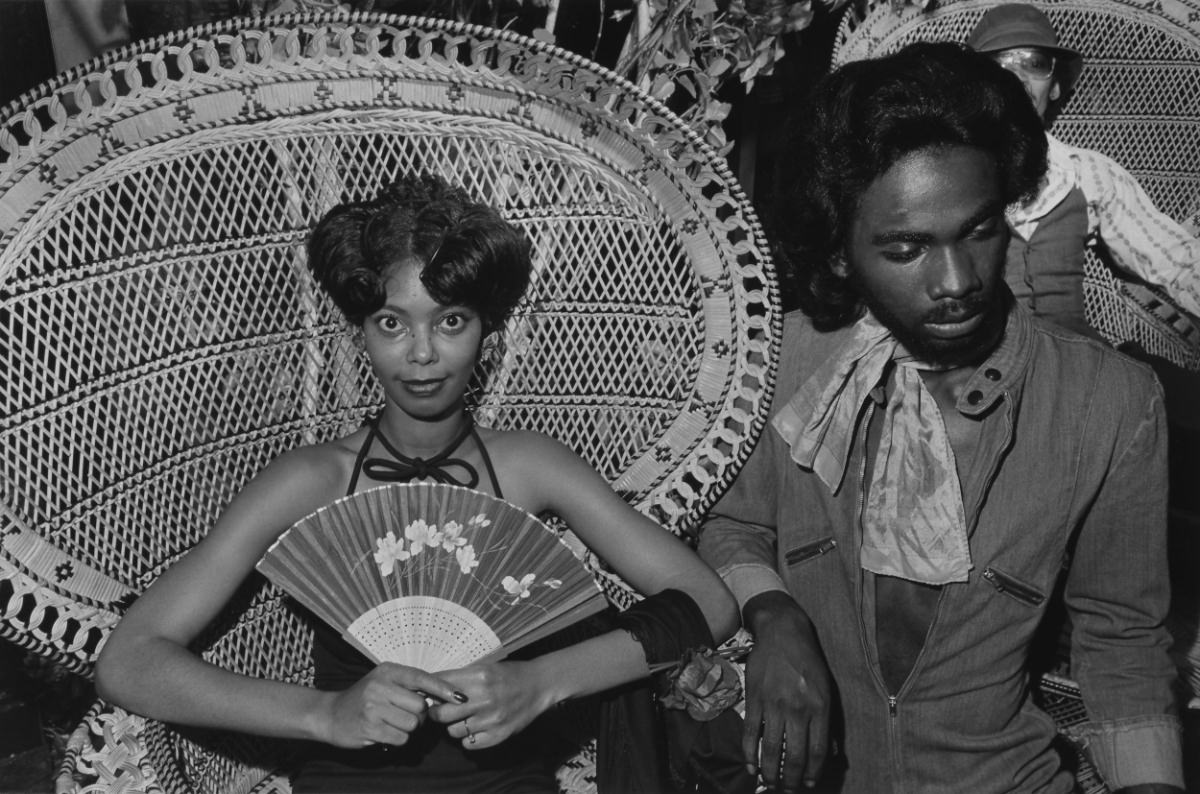
Five nights a week for two years adds up to hundreds of hours spent inside these venues. Abramson built familiarity with the spaces, the regulars, and the rhythms of each night. That sustained presence is visible in the photographs. People don’t appear guarded or self-conscious. They are simply living, and he was simply there to record it.
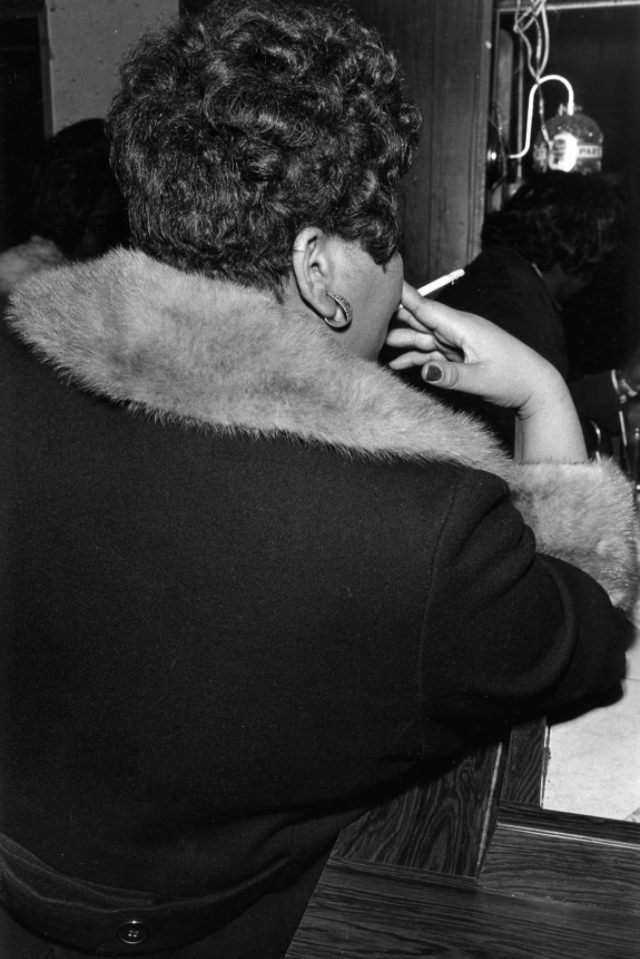
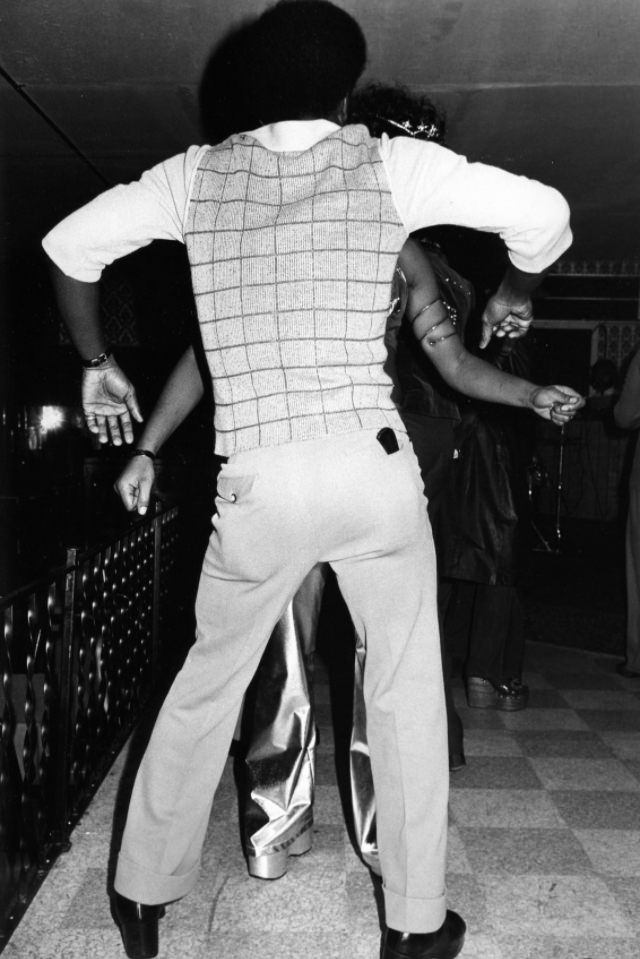
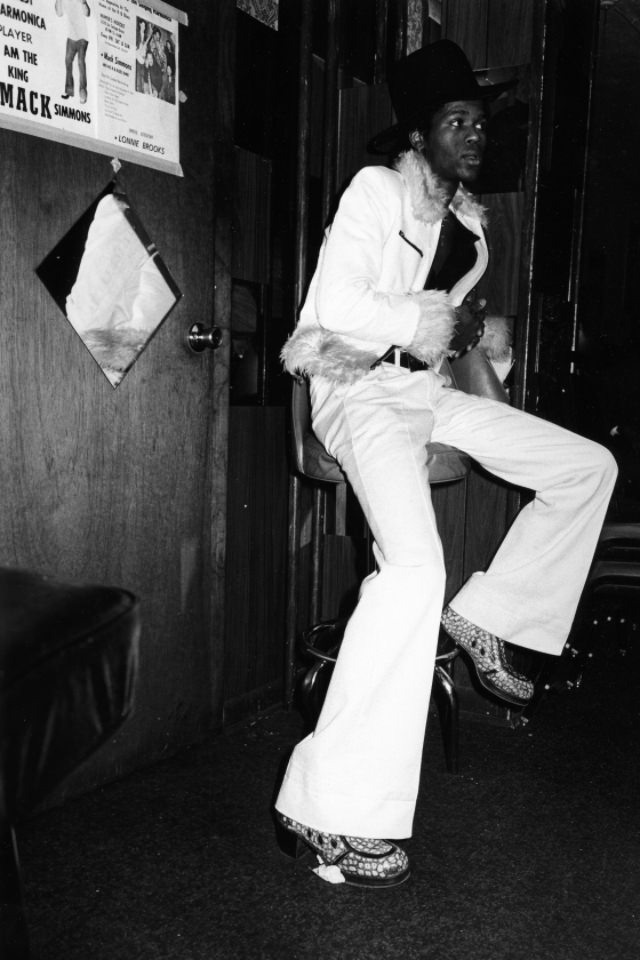
The New Jazz Showcase Lounge brought a different energy than the dance-focused clubs. Jazz crowds listen differently — attentively, with a particular kind of concentration. Abramson captured that too, showing how the mood inside a venue shifted depending on the music being played and the audience it drew.
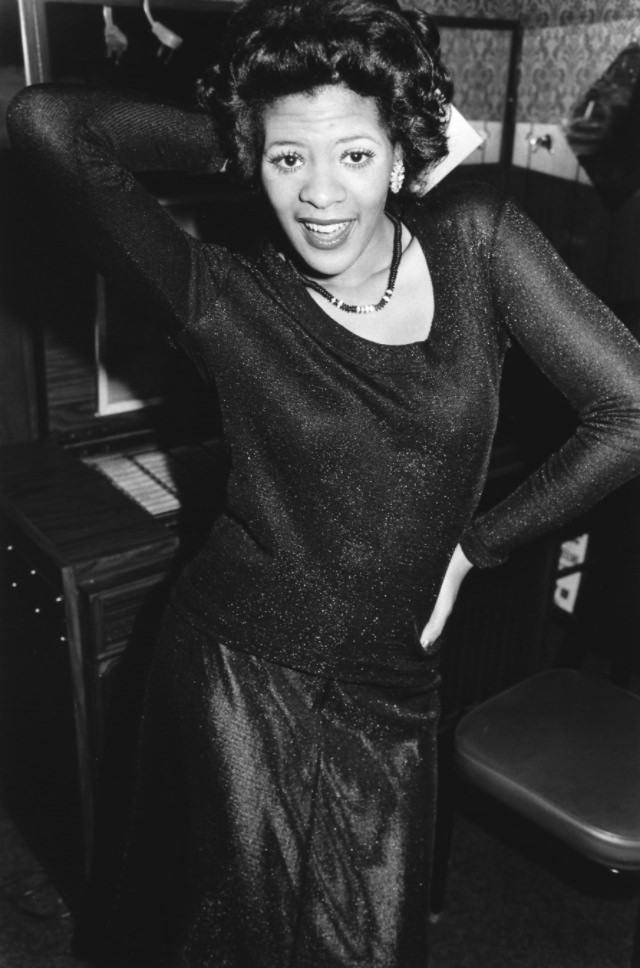
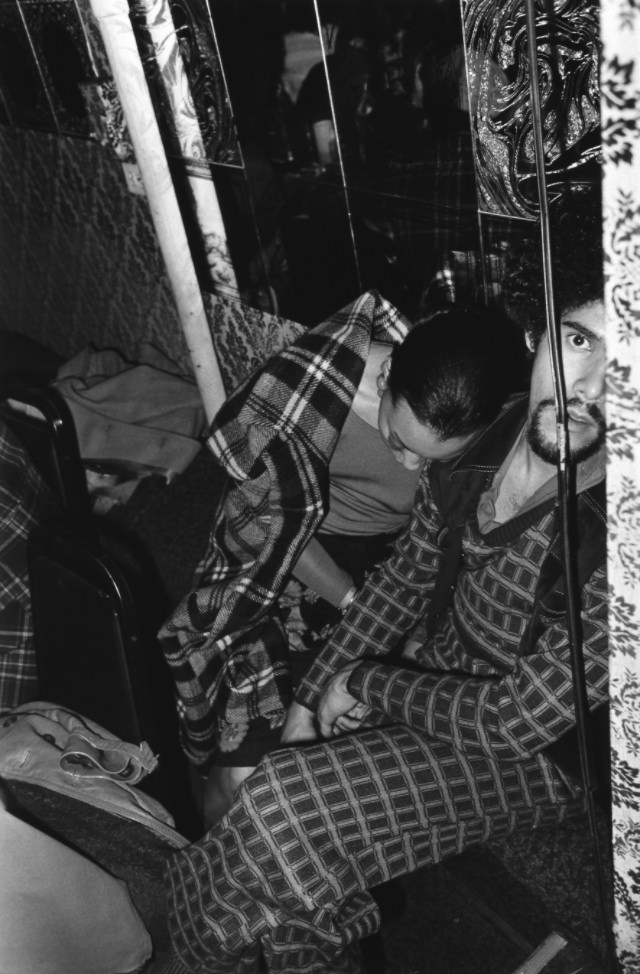
Five Fingers Social Club rounded out Abramson’s regular circuit. Social clubs like this one occupied a specific role in urban life — semi-private spaces where community members gathered outside the formality of bars or restaurants. They were places built on trust and familiarity, which made Abramson’s access to them all the more remarkable.
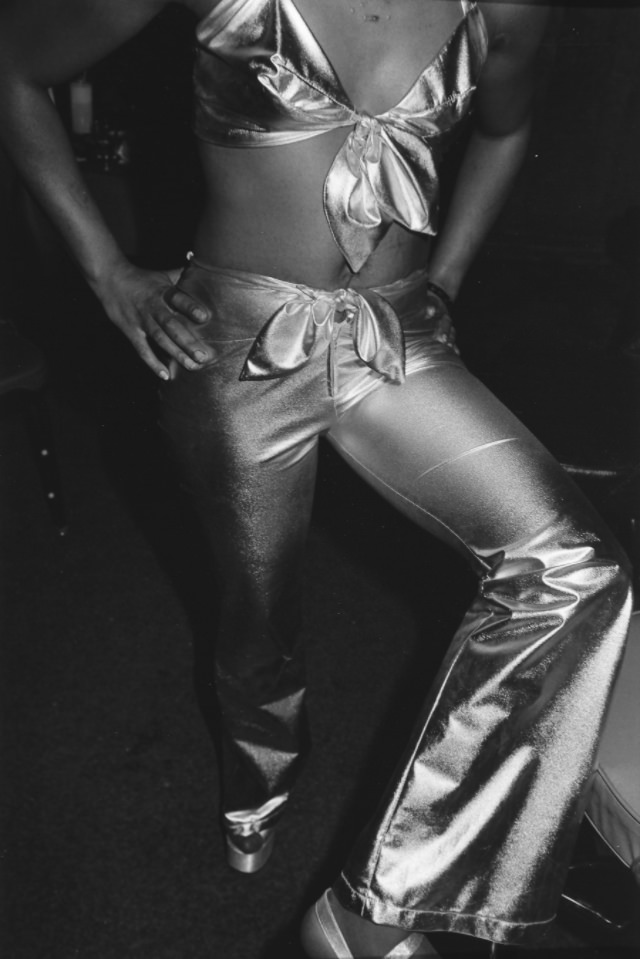
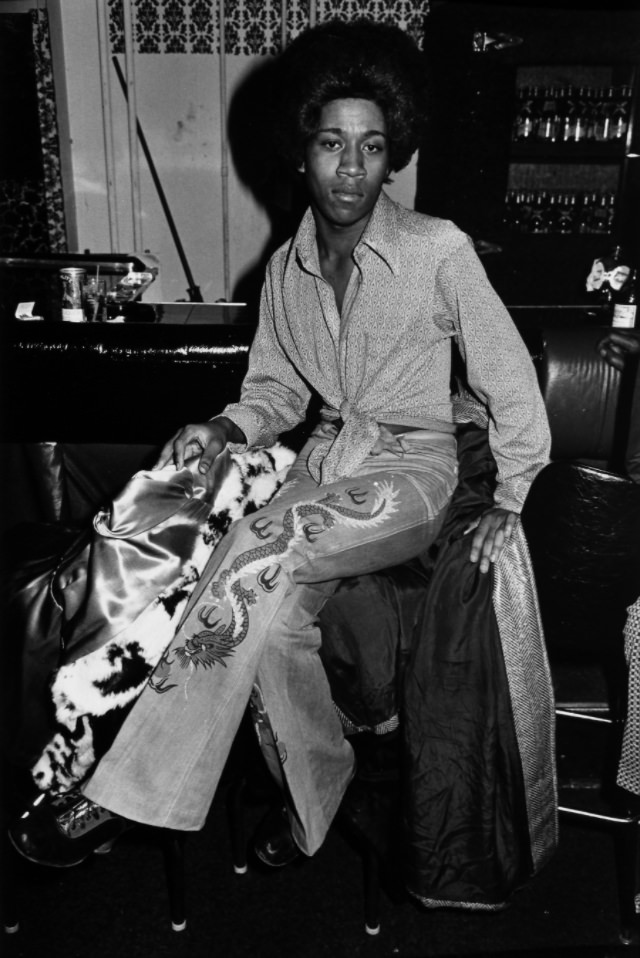
Taken together, Abramson’s photographs from these two years form a detailed record of a specific time and place in American urban life. The South Side of Chicago in the mid-1970s was a community with its own culture, its own gathering spots, and its own way of marking time after dark. His lens documented all of it — plainly, honestly, and without distance.