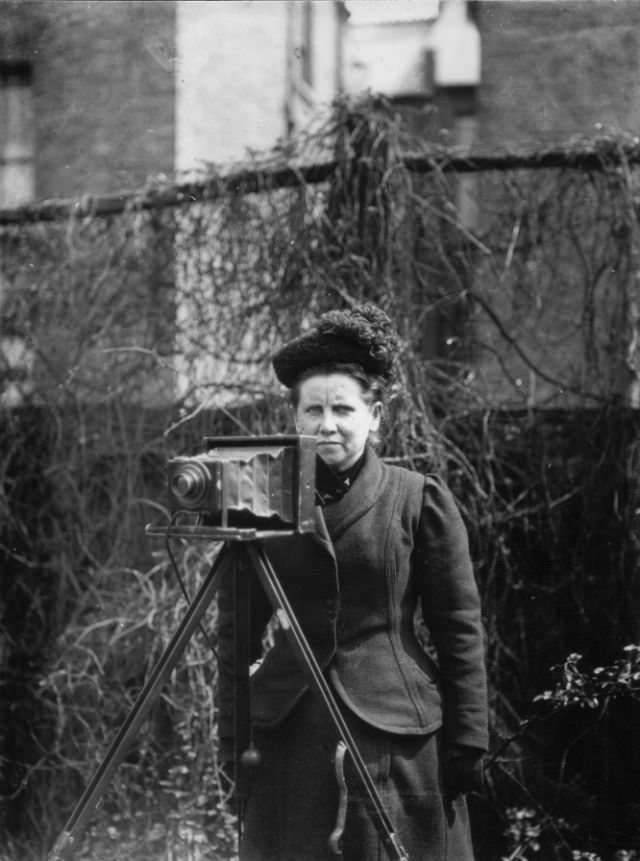
Christina Broom picked up a camera for the first time at the age of 40 in 1903, launching a career that made her one of the United Kingdom’s first female press photographers. She worked during the so-called “golden age of the postcard,” a period when photographic postcards were a booming commercial market. Broom turned this trend into a livelihood, selling her images to publishers and the public alike, and earning a comfortable living for her family. She lived with her husband and their only child, Winifred Margaret — known as Winnie — at 38 Burnfoot Avenue in Fulham, London.
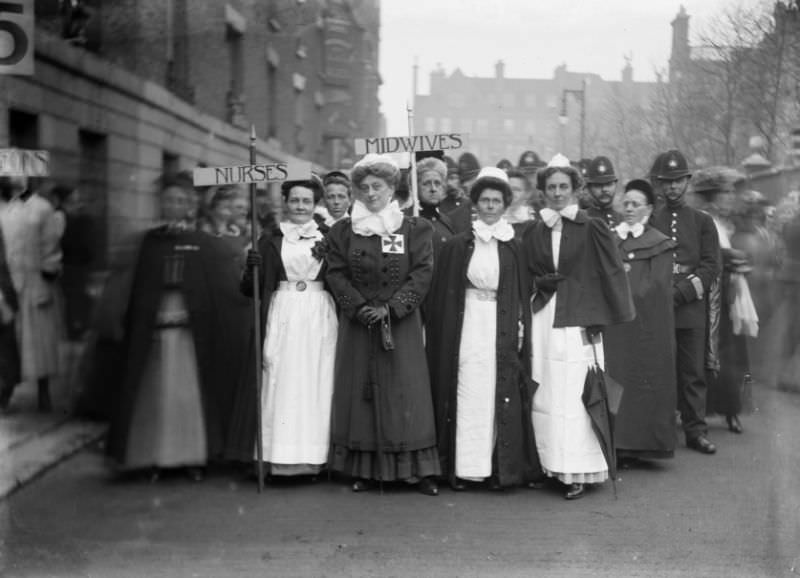
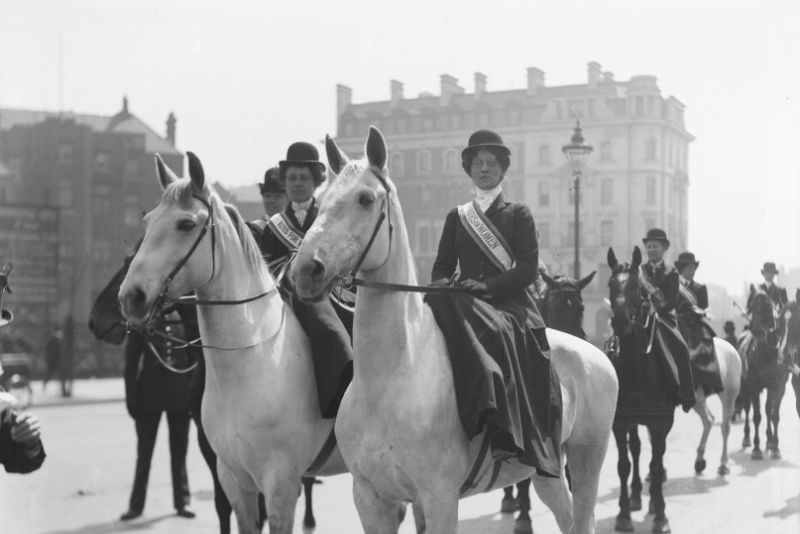
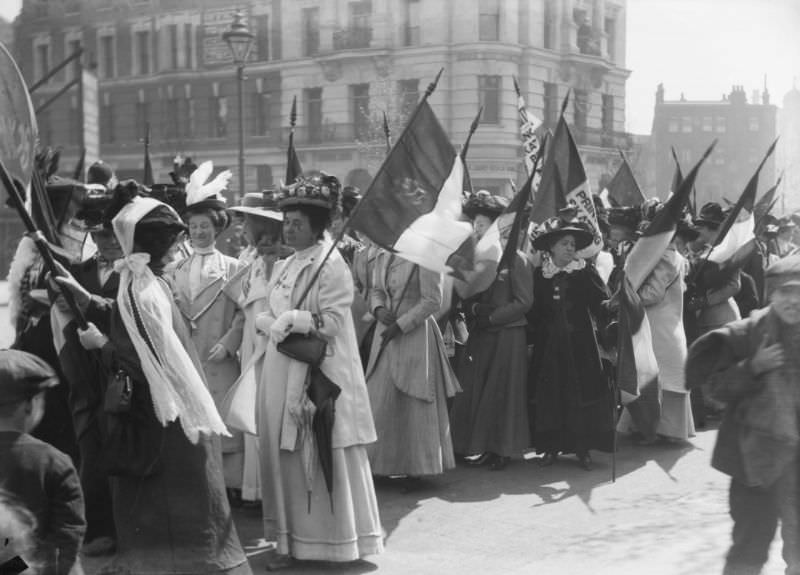
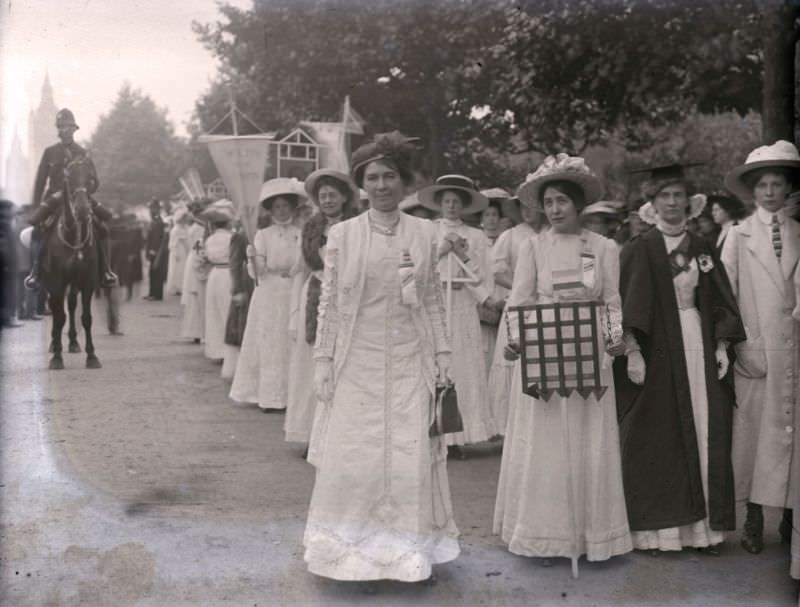
By 1908, Broom was 46 years old and had found a compelling new subject: the women’s suffrage movement. That year she began photographing for Women’s Sunday, capturing the energy of a movement that was growing louder and bolder by the month. The streets of London had become a stage. Women marched in large numbers through the capital, carrying banners, wearing sashes, and demanding the right to vote. For Broom, these scenes were both historically significant and visually striking — exactly the kind of material she excelled at capturing.
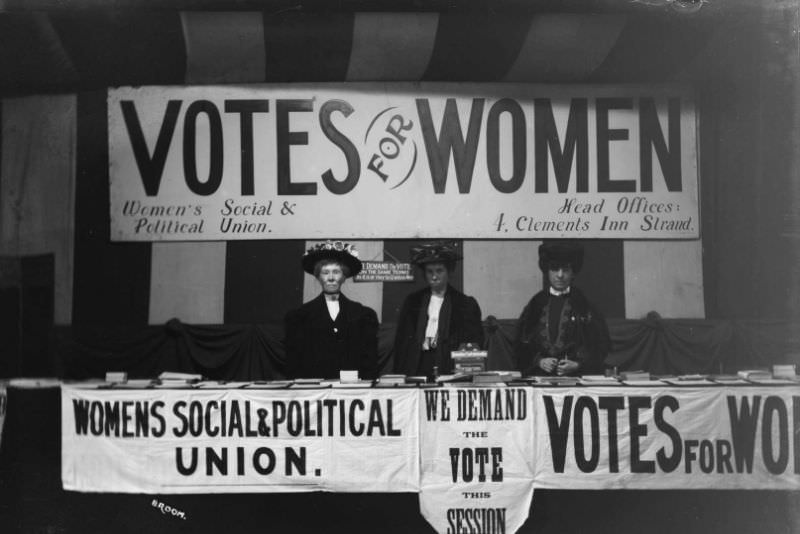
One of Broom’s most remarkable logistical feats came at the Women’s Sunday rally in Hyde Park in 1908. The event drew enormous crowds and featured 20 speaking platforms spread across the park. Broom hauled a heavy box camera and a tripod all the way up to platform six, positioning herself to capture not just the speeches but the genuine warmth between speakers and their supporters. The resulting photographs show real camaraderie — not posed formality, but the honest spirit of a shared cause.
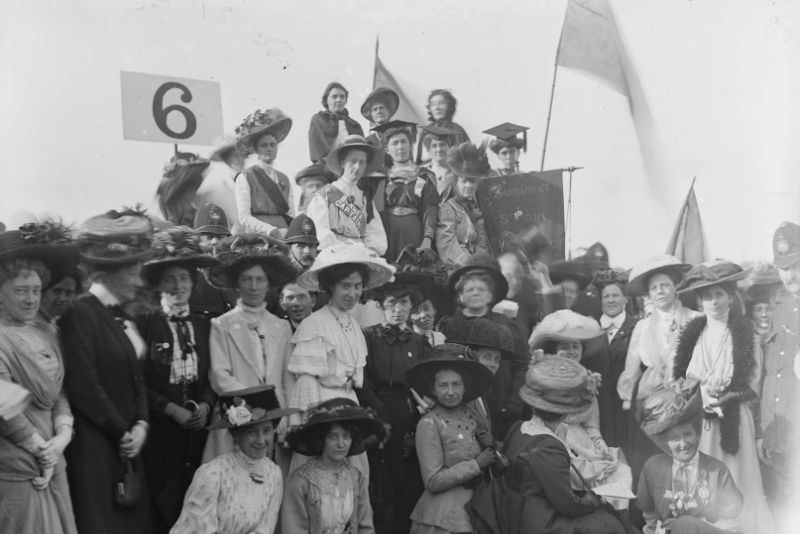
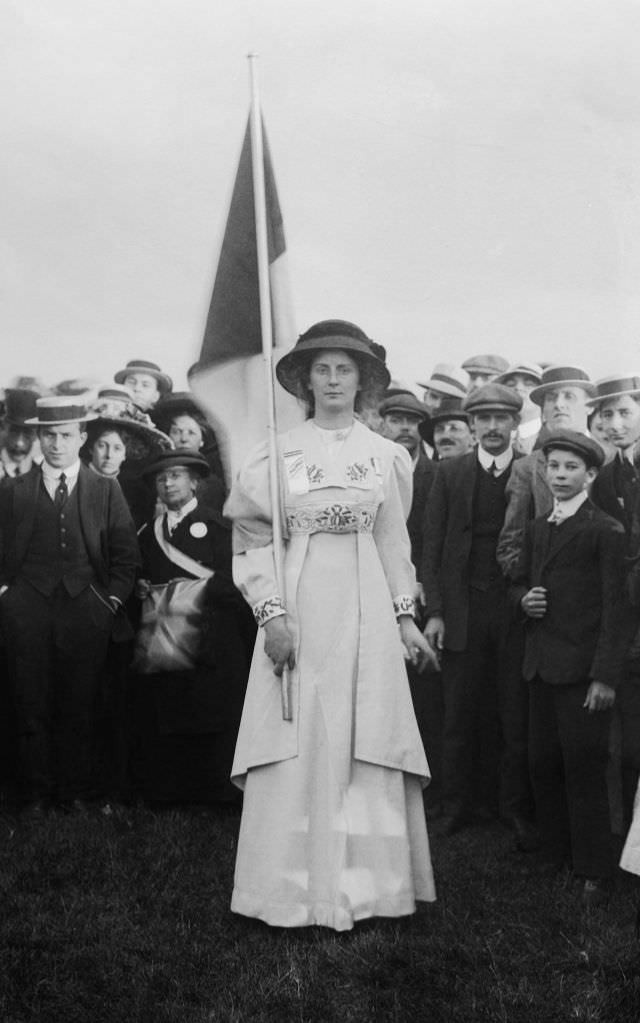
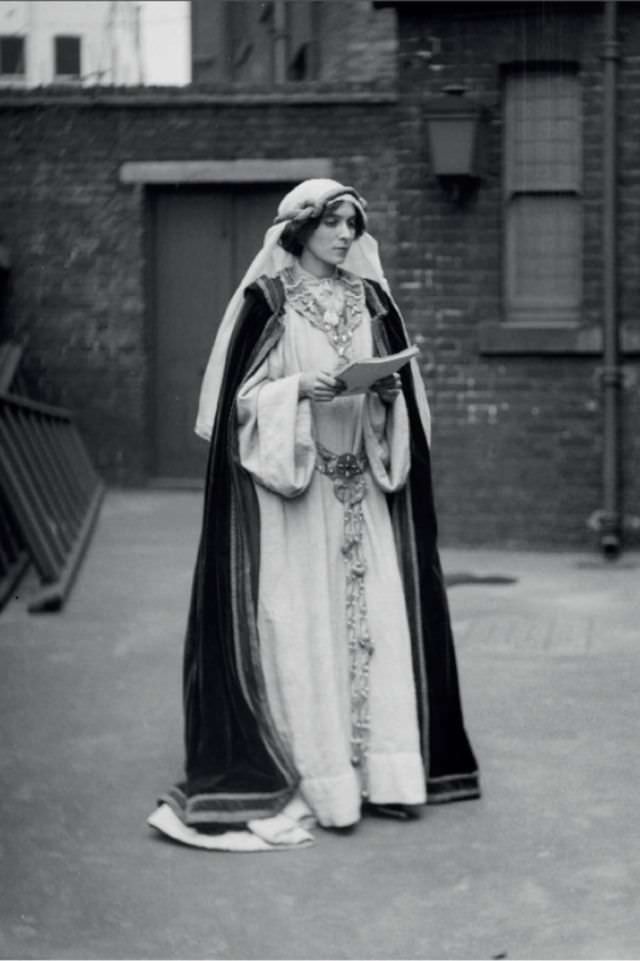
The suffrage movement at this time was made up of two broad camps: suffragettes, who were members of the more militant Women’s Social and Political Union (WSPU), and suffragists, who pursued change through legal and parliamentary means. Both groups provided Broom with photogenic, energetic subjects. The women dressed carefully and carried artistic banners, presenting a deliberate public image of dignity and purpose. Broom’s lens caught all of it — the pageantry, the determination, and the sheer scale of public support.
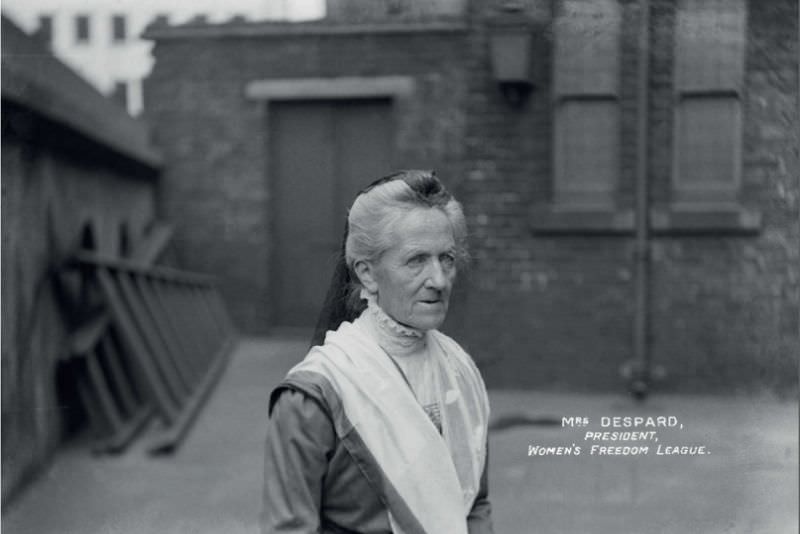
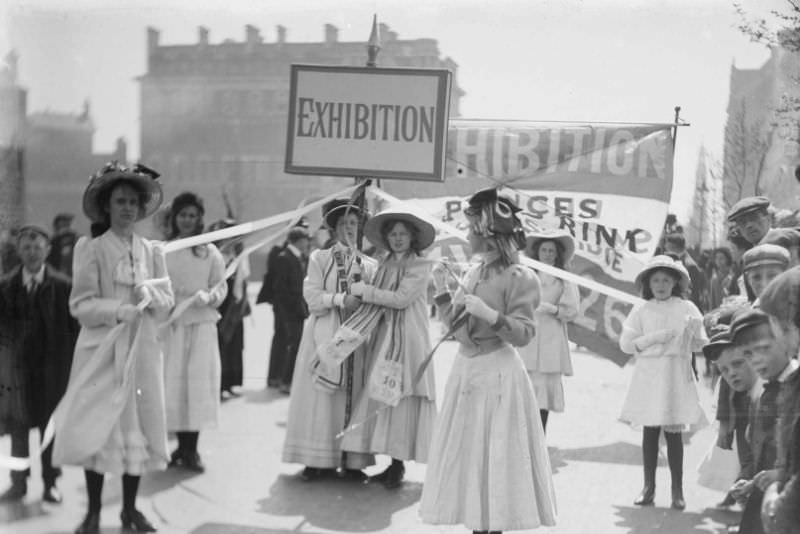
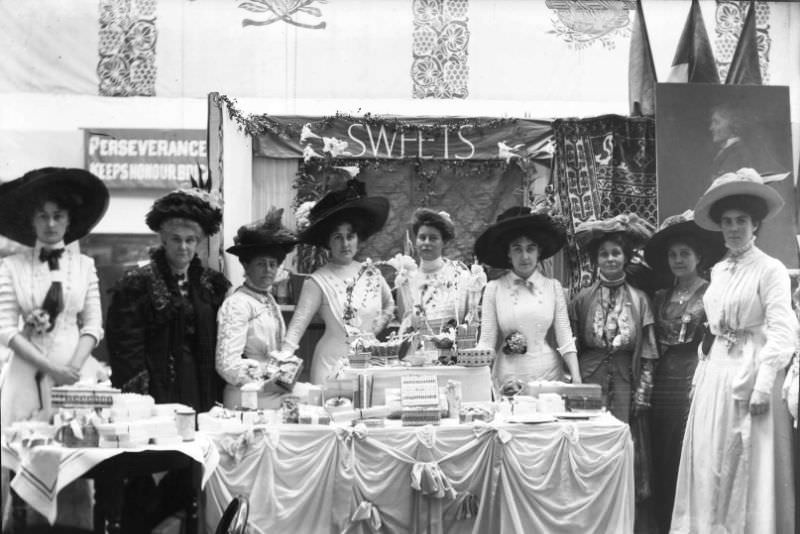
The year 1909 was particularly busy. Suffrage organizations staged a series of high-profile events in London, and Broom was there for many of them. The Women’s Freedom League held its Green, White, and Gold Fair, while the WSPU mounted a major Women’s Exhibition at the Princes’ Skating Rink in Knightsbridge. These were not small gatherings — they were carefully organized public spectacles designed to draw attention, raise funds, and win new supporters.
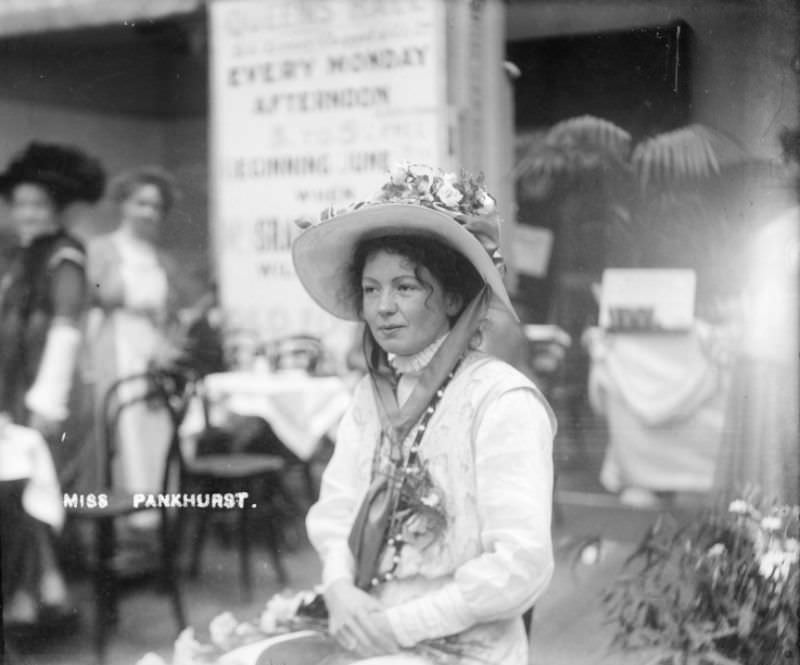
Inside the Women’s Exhibition, Broom photographed everything from the stalls selling sweets and catalogues to far more confronting displays. One exhibit recreated a prison cell — a stark reminder that many suffragettes had been arrested and jailed for their activism. The exhibition was designed to inform and provoke, and Broom’s photographs document its full range, from the festive to the sobering.
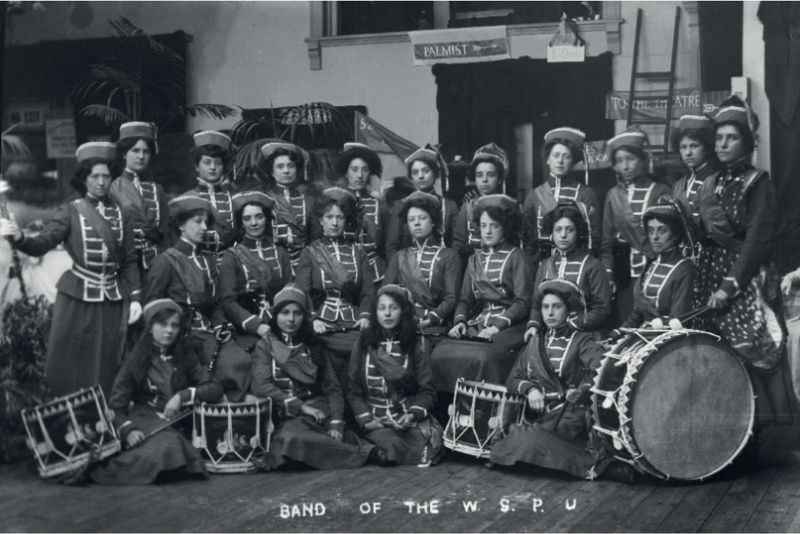
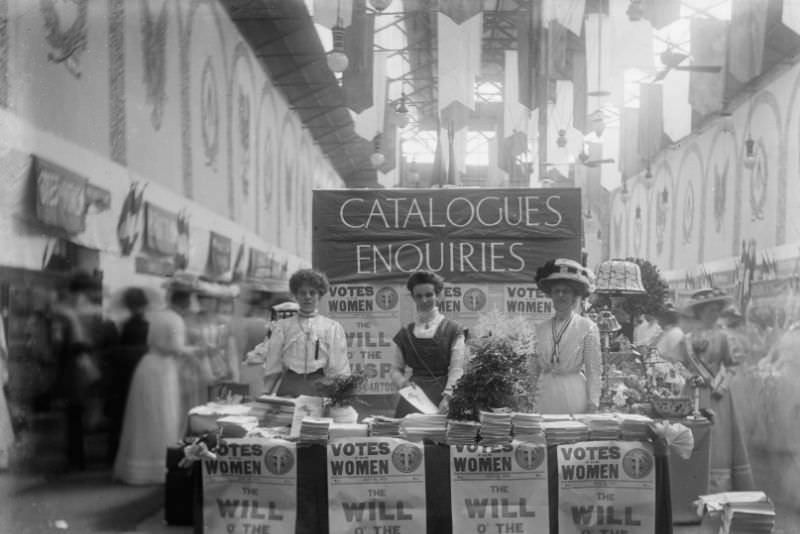
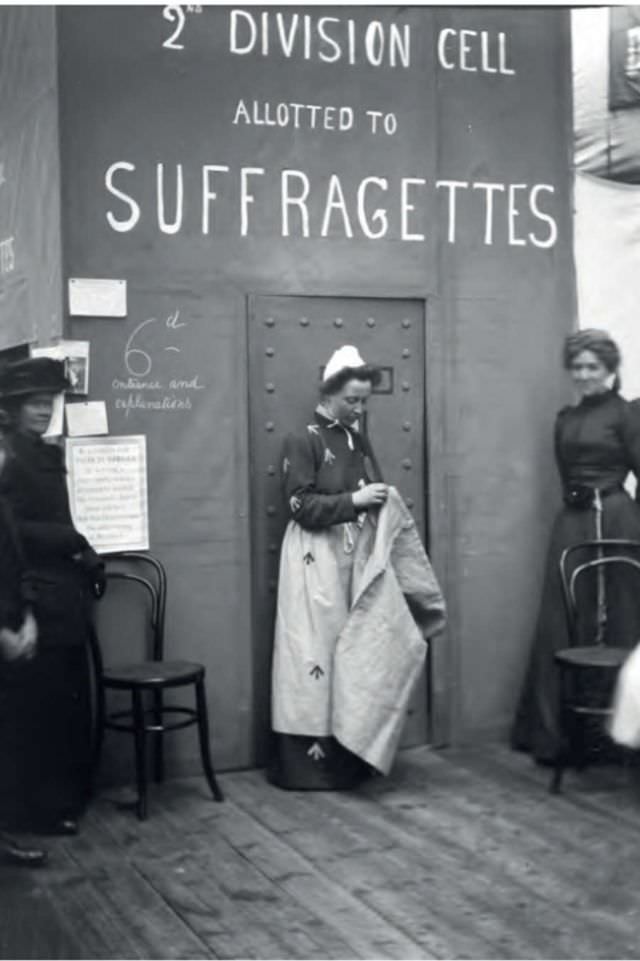
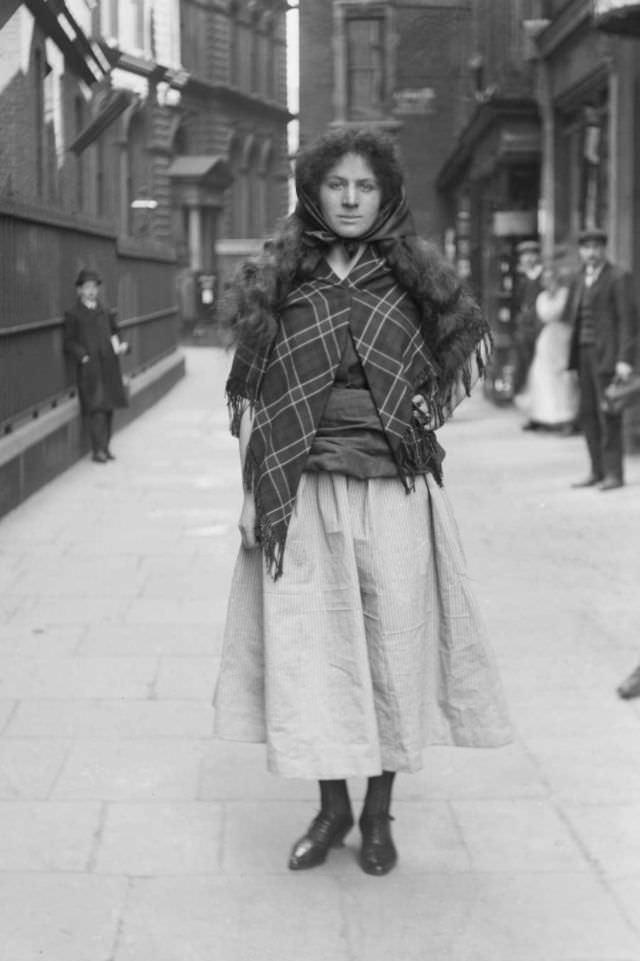
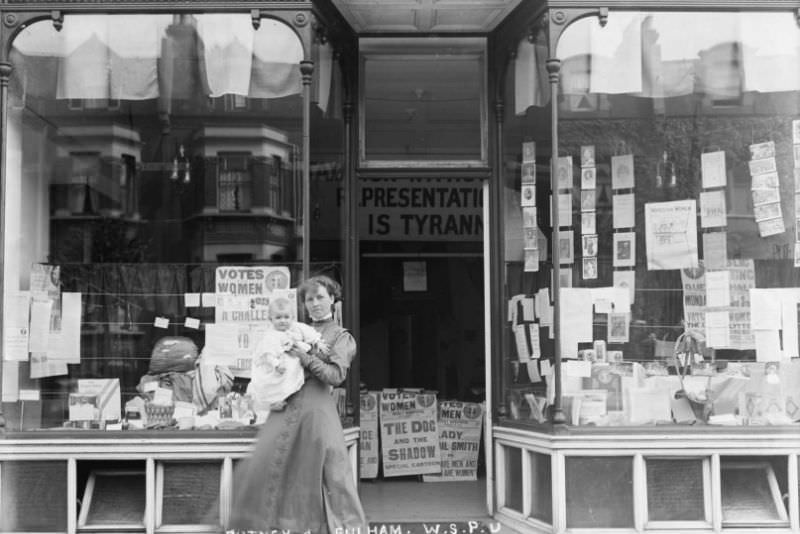
Broom continued photographing the movement into 1910, covering local WSPU branch offices in Putney and Fulham as well as further marches through Hyde Park. Her photographs from this period show a movement that had grown more organized and more embedded in everyday London life. The women weren’t just marching — they were running offices, managing campaigns, and building the infrastructure of a political force.
By 1913, Christina Broom had stopped photographing the suffrage movement entirely. The reasons are not documented, but the context is clear. Between the summers of 1913 and 1914, the WSPU’s campaign shifted sharply toward militant direct action. Newspapers reported window smashing, arson attacks on empty houses, churches, railway stations, and sporting facilities, along with axe attacks on works of art in museums. The peaceful, photogenic processions of elegantly dressed women carrying artistic banners through London’s streets — the kind of scenes that had defined Broom’s suffrage work — were gone. Whatever her reasons, Broom moved on to other subjects, leaving behind a body of work that stands as one of the most detailed visual records of this era in British history.