
The city of Charlotte was incorporated in 1768 under the name “Charlotte Town,” a tribute to Queen Charlotte of Mecklenburg-Strelitz, the wife of King George III. Center City Charlotte was first called “Uptown” because early residents would walk uphill to reach Trade and Tryon Streets, saying they were going “up to town” — a phrase that was later shortened. By the 1930s, Charlotte had a population of around 82,675, and while the 1929 stock market crash caused its growth rate to fall sharply, the variety of the local economy kept growth from stopping altogether. The stunning historical photos below show what Charlotte looked like during that decade.
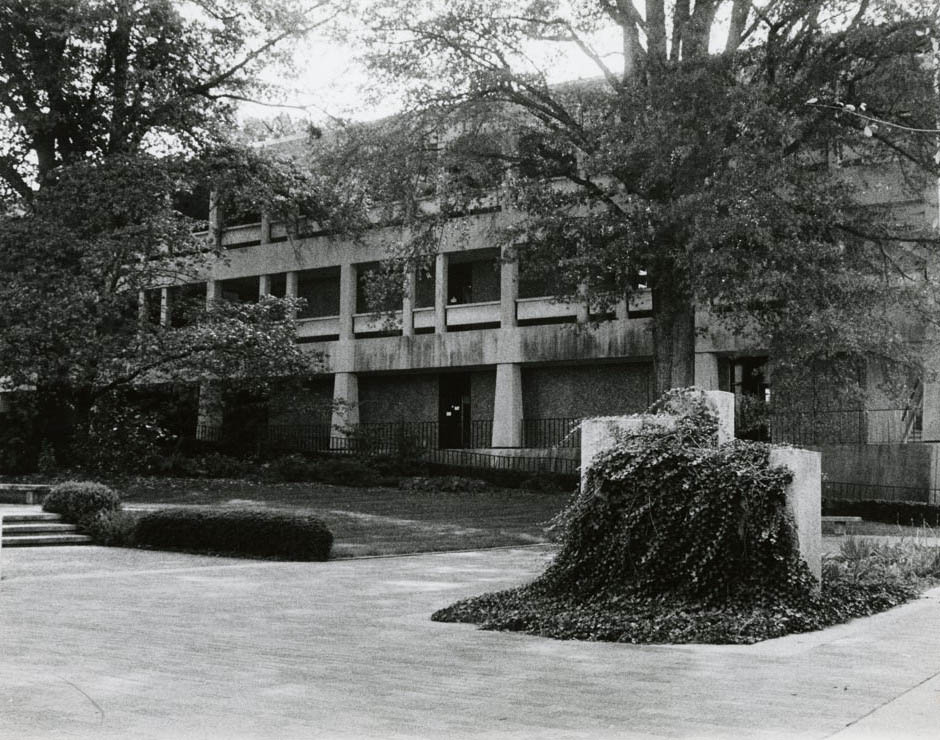
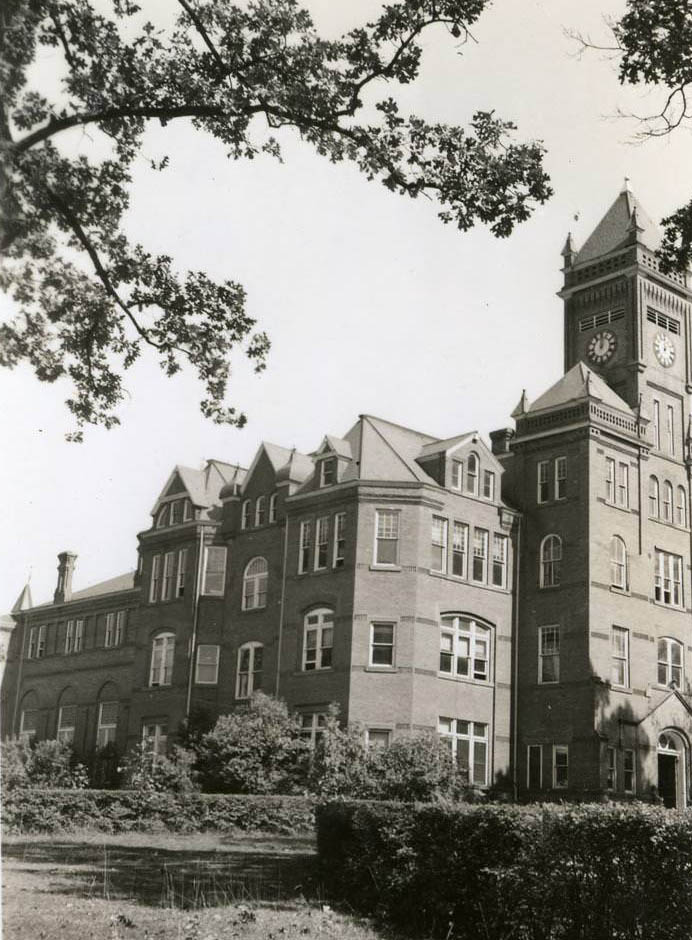
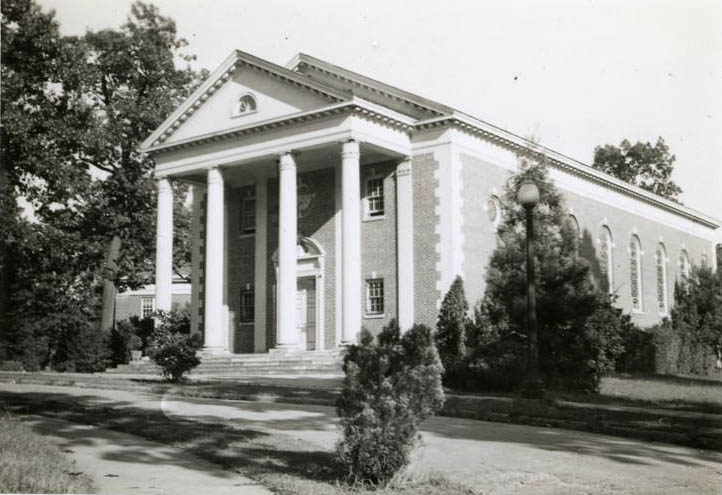
The back side is stamped with developing information “Kodatone Oct 11 1938 Eastman Kodak Stores Pittsburgh” and also has a typed note: “Main Hall.”
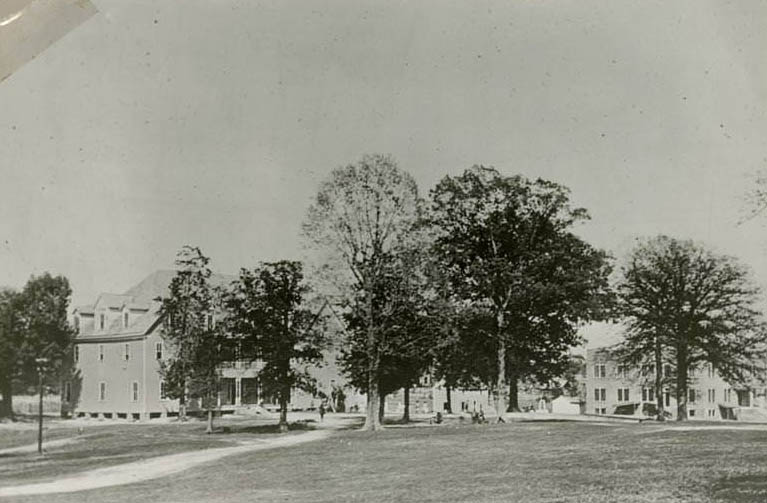
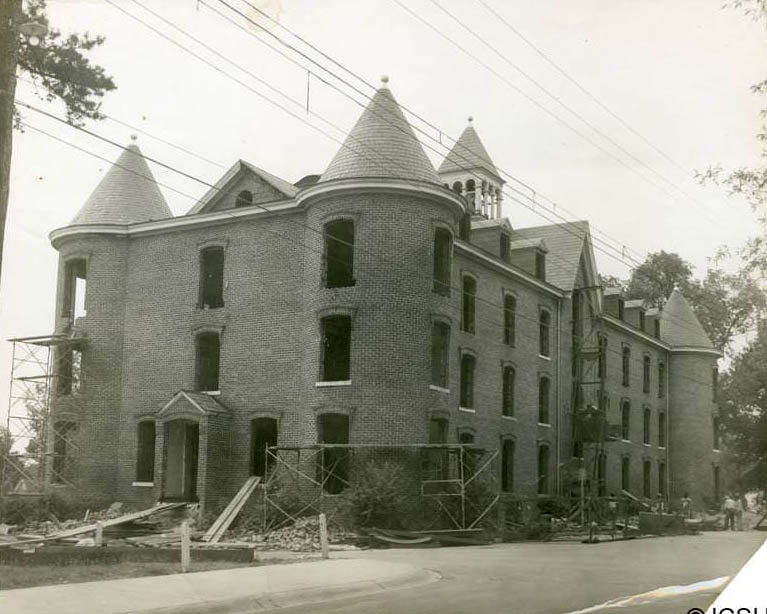
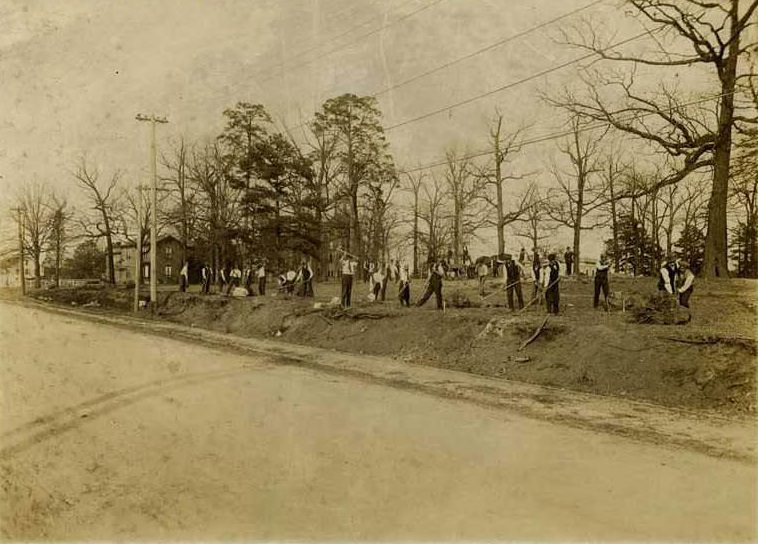
Students digging and working on the JCSU campus. The front is labeled in pen: “Horse named ‘Mack’. Students that work on campus.”
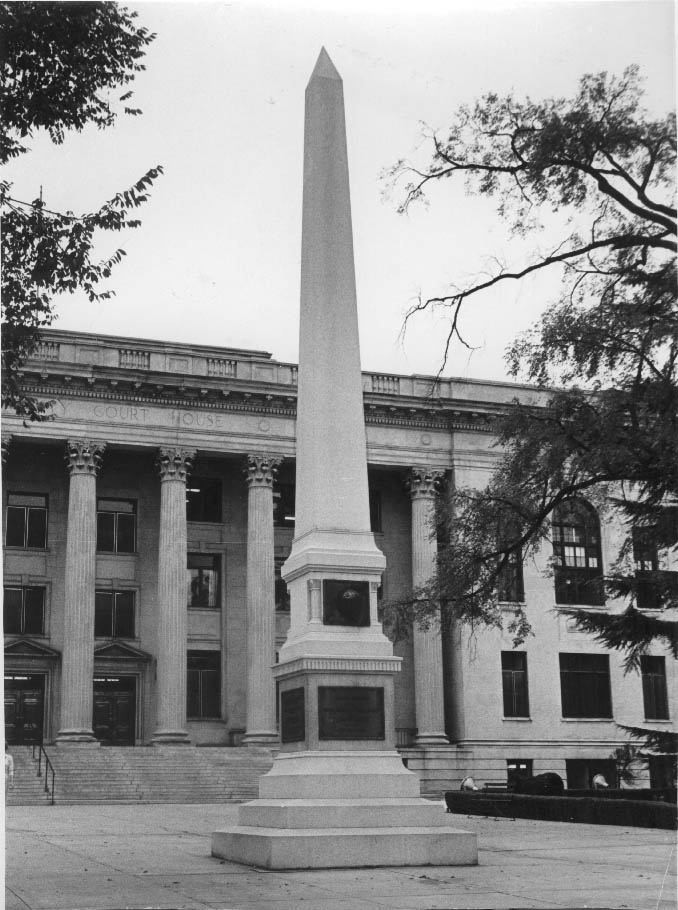
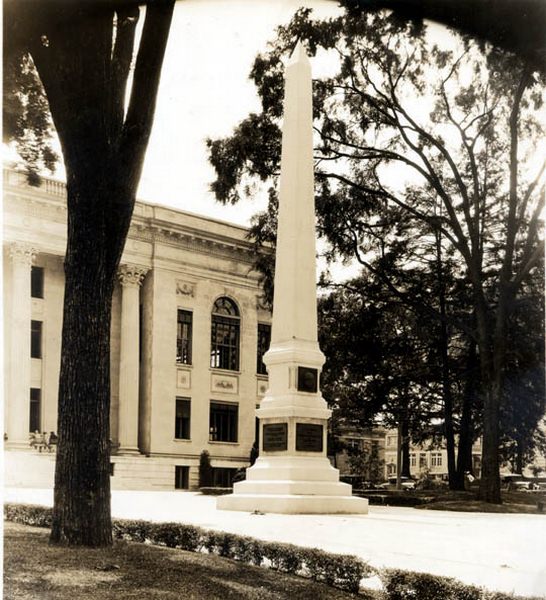
The fifth Mecklenburg County Courthouse is located at 700 East Trade Street. It first opened in 1928. The Shipp Monument is in front.
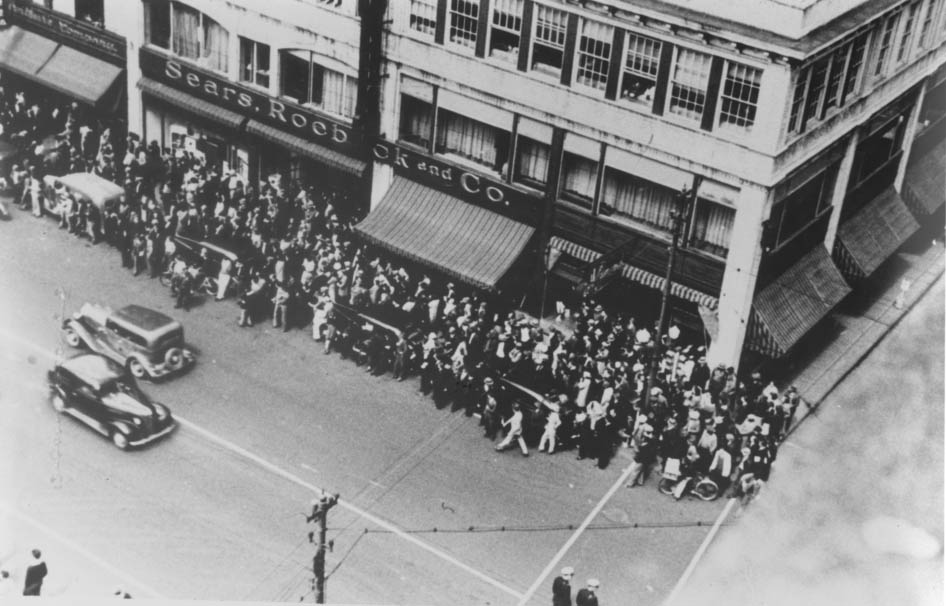
A parade view from the southwest corner of Tryon and Third Streets. The original photograph was taken around 1939. This is from a photocopy from the Charlotte Observer, 1980.
Hayes Bus Lines ran from Charlotte, North Carolina to Columbia, South Carolina. This photograph was taken in front of the Firestone Tire & Rubber Company on 5th Street.
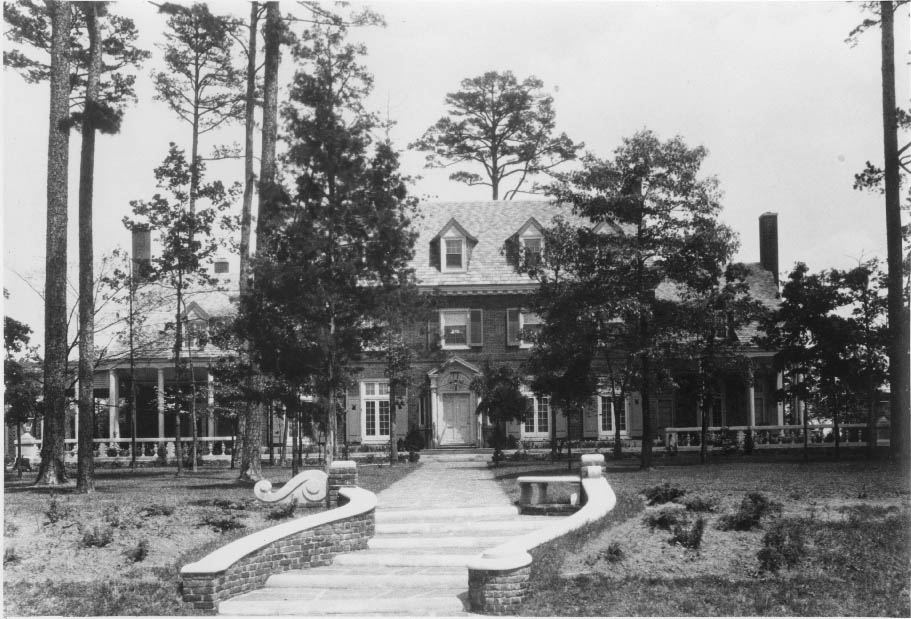
![[Factually Corrected] Luther Snyder House, 1930s](https://www.bygonely.com/wp-content/uploads/2021/11/Charlotte_Historical_photos_513.jpg)
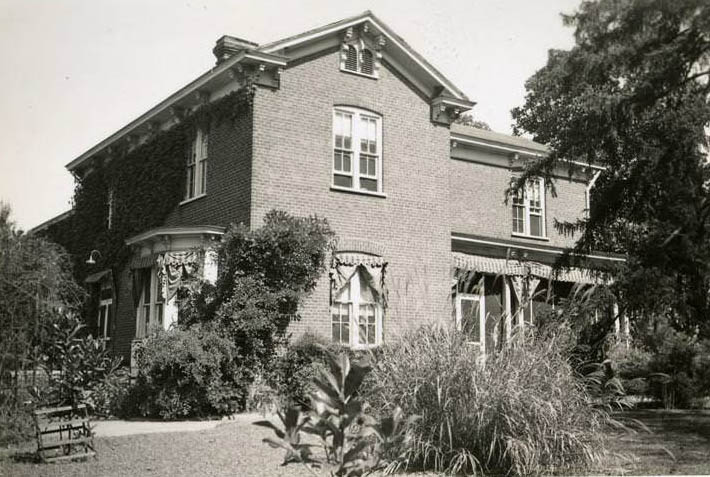
The Luther Snyder Residence at 1109 Queens Road was remodeled in the 1980s. Today it is known as Carol Hall and is used by Queens College.
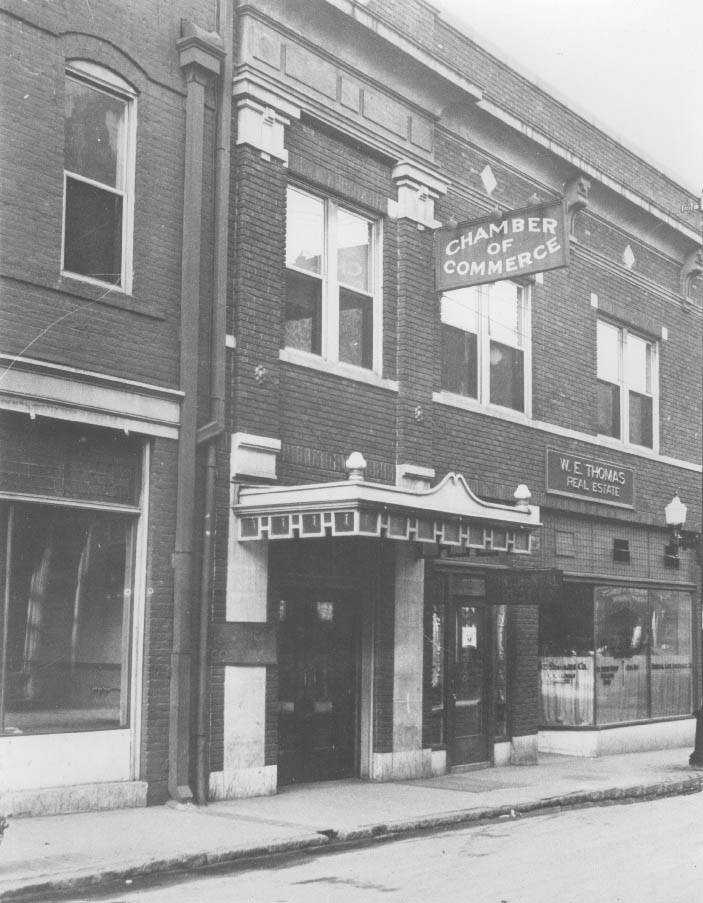
The Charlotte Chamber of Commerce was located on the south side of West Fourth Street in 1936.
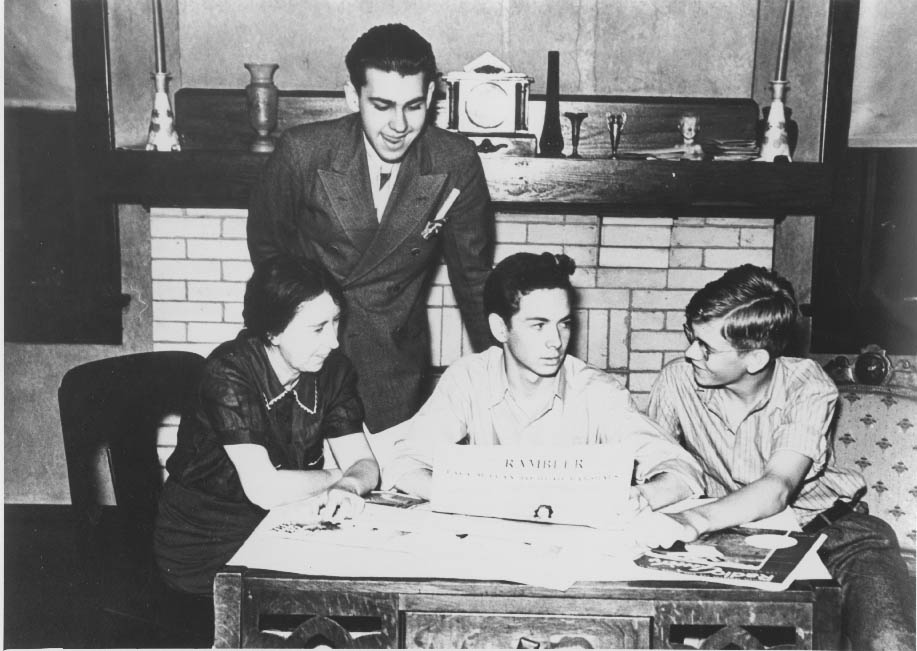
The editorial staff of the Central High Rambler in 1938. Marion Hargrove (center) was the editor. He turned the job over to Kenneth Barnsdalle (standing) and Dick Young, Jr. (right). Faculty advisor Jessie Henderson is on the left. Hargrove went on to become a popular writer.
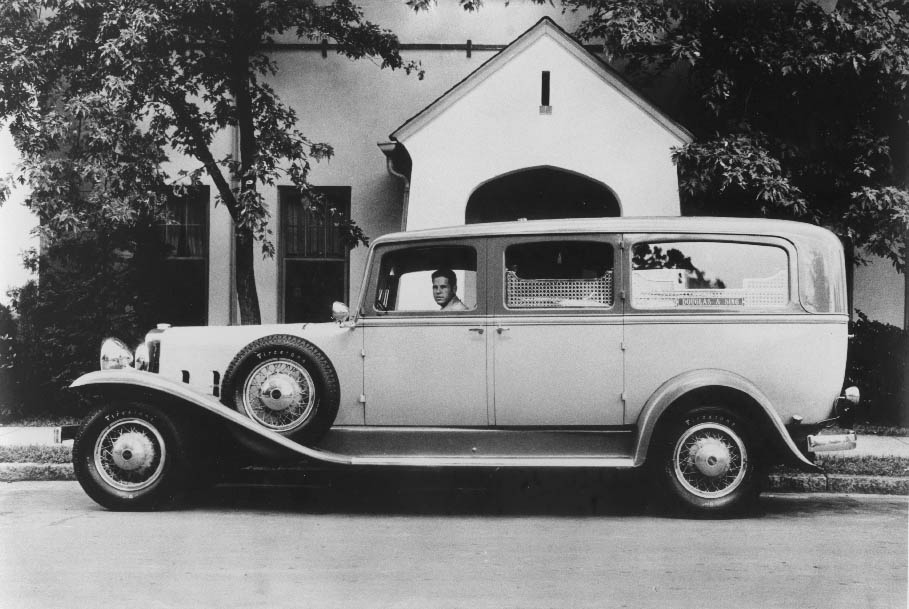
This ambulance was owned by Douglas & Sing Funeral Home. This photograph was taken in 1932. In the photograph, the driver is identified as Karl Miller and was reportedly killed shortly after the picture was taken. However, Karl Miller is the donor of the photograph, there is no death certificate for him in 1932, and he is listed in the Charlotte City Directories well into the 1940s. Therefore, some mistake must have been made.
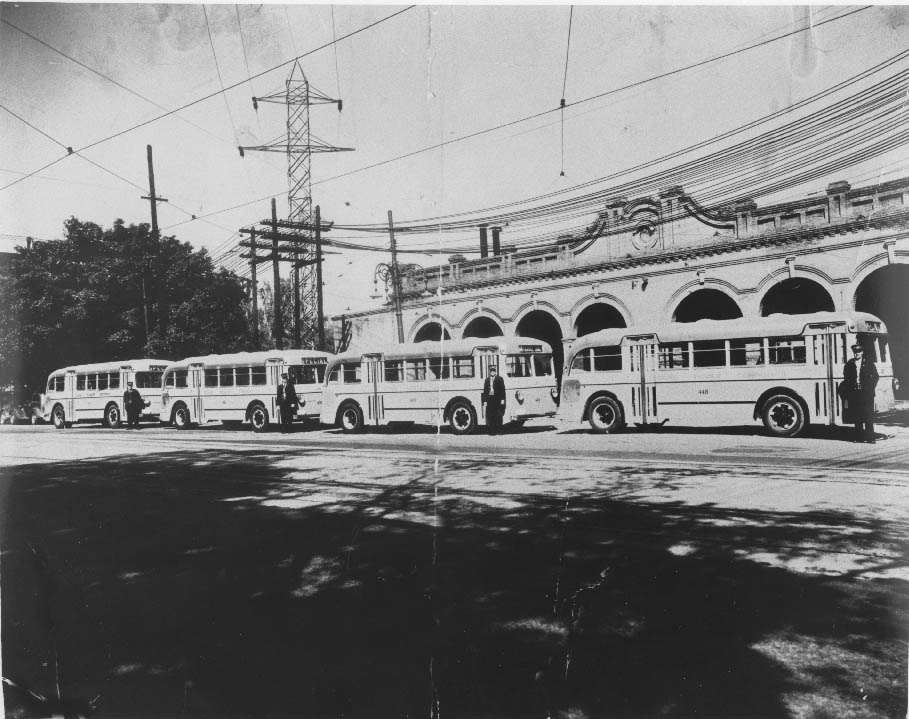
Duke Power operated the bus company in Charlotte during the 1930s. The buses are parked in front of the trolley car barns on South Boulevard. Drivers are, from left to right: Paul Harris, R. H. McLendon, Harry Culp, and Dowd McCrorie. The photograph was taken in February 1936.
Demolished in 1988, the Hotel Charlotte was located at 239 West Trade Street. It was here that Victor Records recorded some of country music’s early stars, including Bill Monroe and the Carter Family.
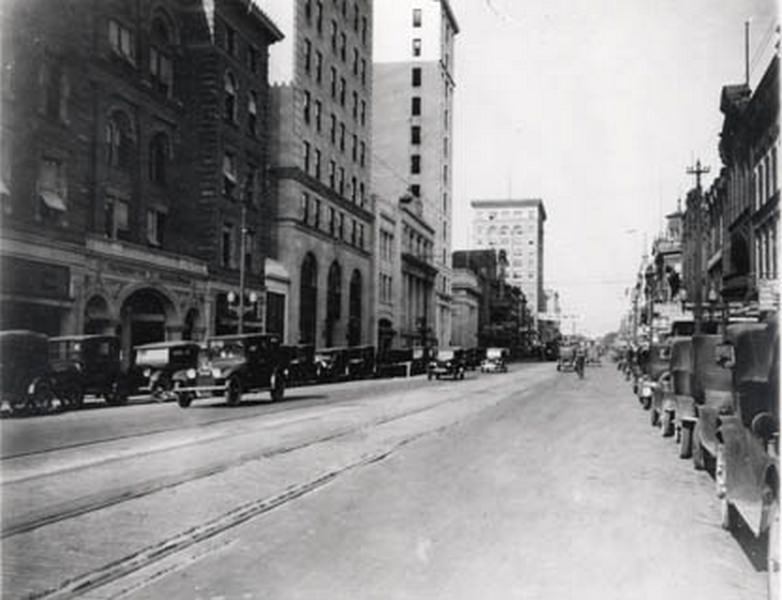
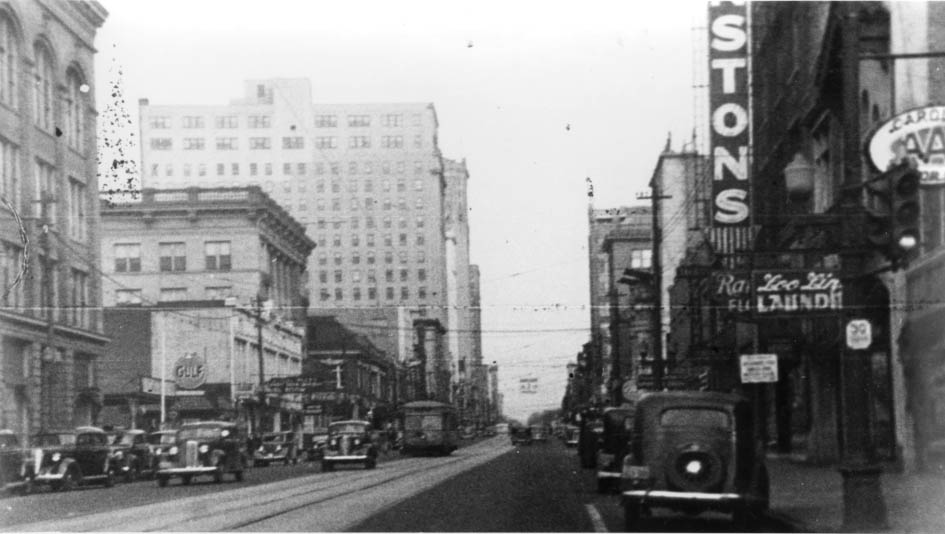
View of South Tryon Street looking north from the 200 block, with the Piedmont Fire Insurance Building on the left. It features three arches.
![[Factually Corrected] Walker's Drugstore & the Fisk Rubber Company, 1930](https://www.bygonely.com/wp-content/uploads/2021/11/Charlotte_Historical_photos_685.jpg)
Walker’s Drugstore and the Fisk Rubber Company occupied the building at 332 North Tryon Street. Dr. T. Arthur Walker ran the drugstore. This building stands on the corner of 8th and Tryon.
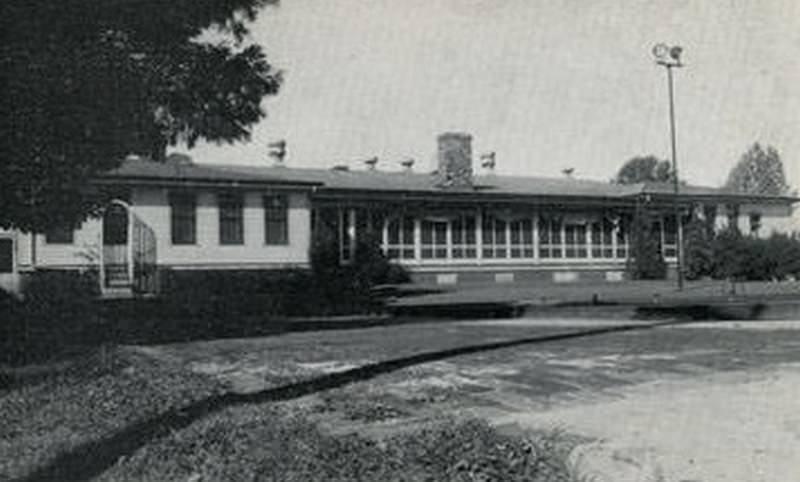
The Myers Park Country Club formed in 1921 with over three hundred members.
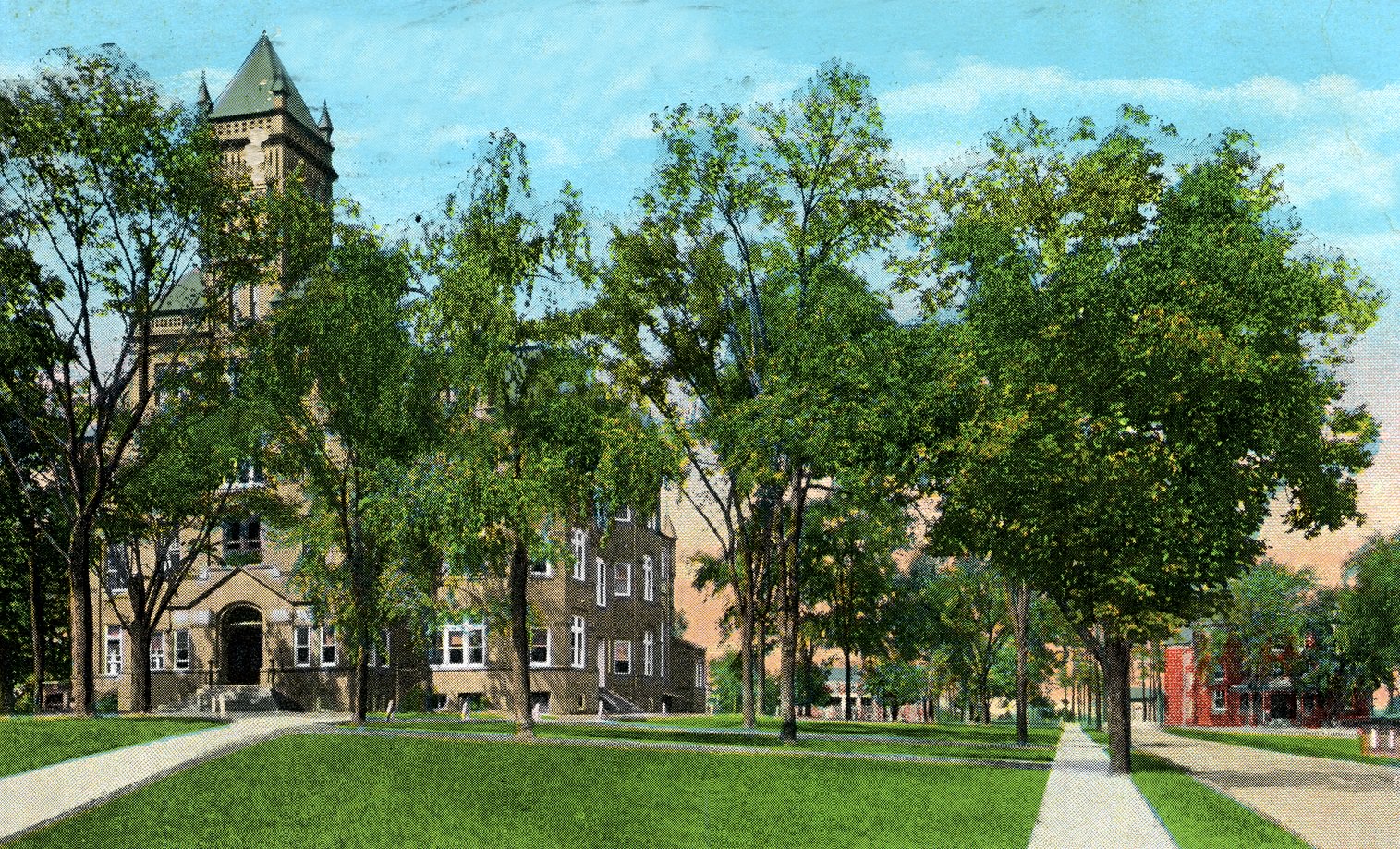
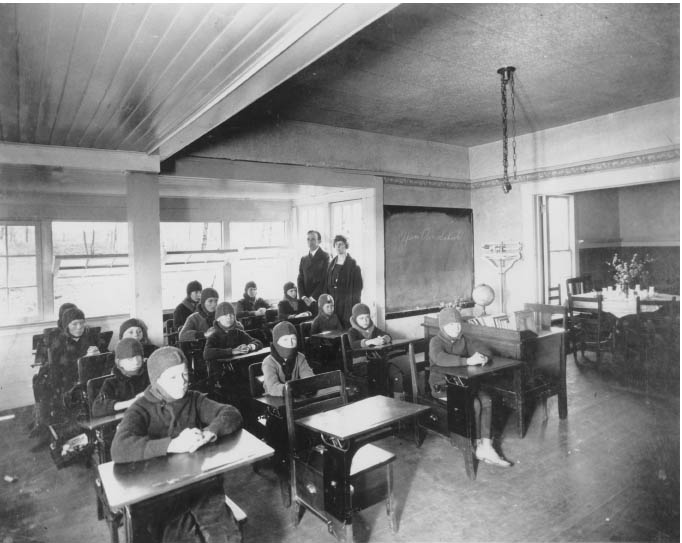
Once known as Biddle University, Johnson C. Smith University is Charlotte’s only historically Black college. The Catawba Presbytery gathered after the Civil War and raised the funds for a school to educate the newly freed men. It opened its doors in 1867 as Biddle Memorial Institute, then later changed its name to Biddle University in 1876. In 1922, Jane Berry Smith, of Pittsburgh, Pa., gave funds to build a theological dormitory, science hall, teachers’ cottage, and memorial gate. She provided a large endowment for the institution in memory of her late husband, Johnson C. Smith. In recognition of these gifts, the board of trustees changed the name of the institution to Johnson C. Smith University.
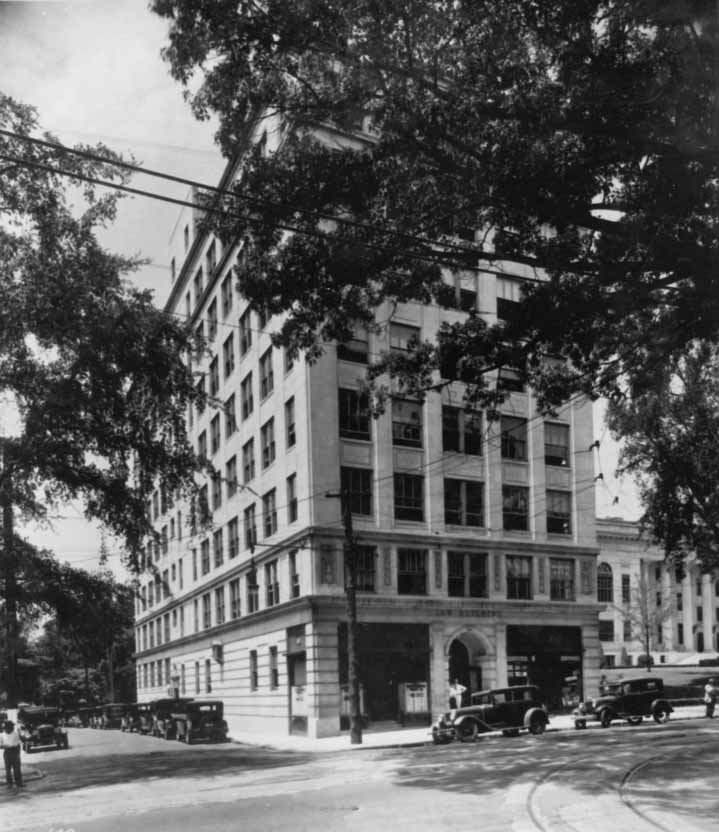
The Law Building was once located at 730 East Trade Street. The building at 700 East Trade served as the County Courthouse from 1927 to 1977.




