Patrick Lichfield — born Thomas Patrick John Anson — was one of Britain’s most celebrated photographers. He was the only son of Lieutenant-Colonel Thomas William Arnold Anson and a first cousin once removed of Queen Elizabeth II. Through his paternal grandfather, he inherited the Earldom of Lichfield, but it was behind the camera that he built his lasting reputation. Educated at Harrow and Sandhurst, he joined the Grenadier Guards in 1959 before leaving the Army in 1962 to pursue photography full time.
He began as a photographer’s assistant and steadily built his profile throughout the 1960s. His royal connections opened doors, but his skill kept them open. By the time he was photographing the biggest names in fashion, film, and society, Lichfield had become a fixture of the London cultural scene. His early portraits capture the energy and style of the decade with striking clarity.
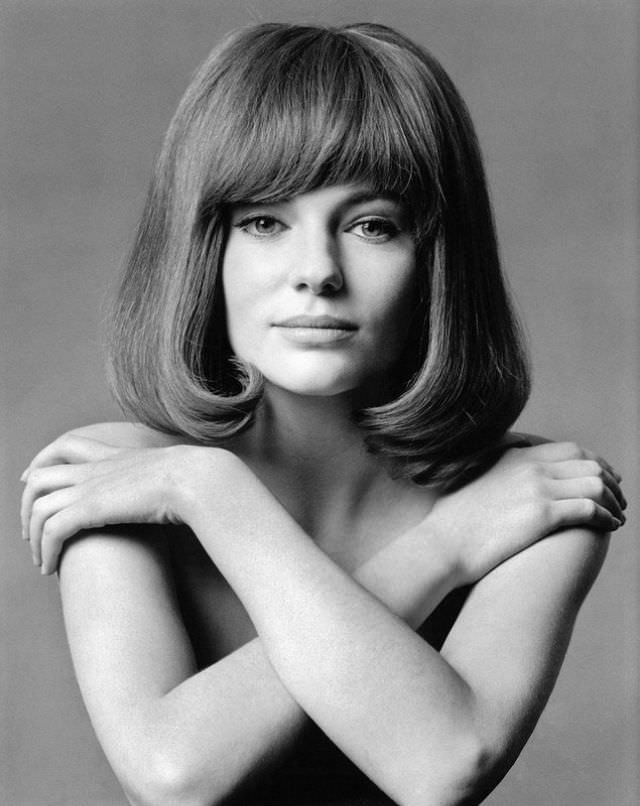
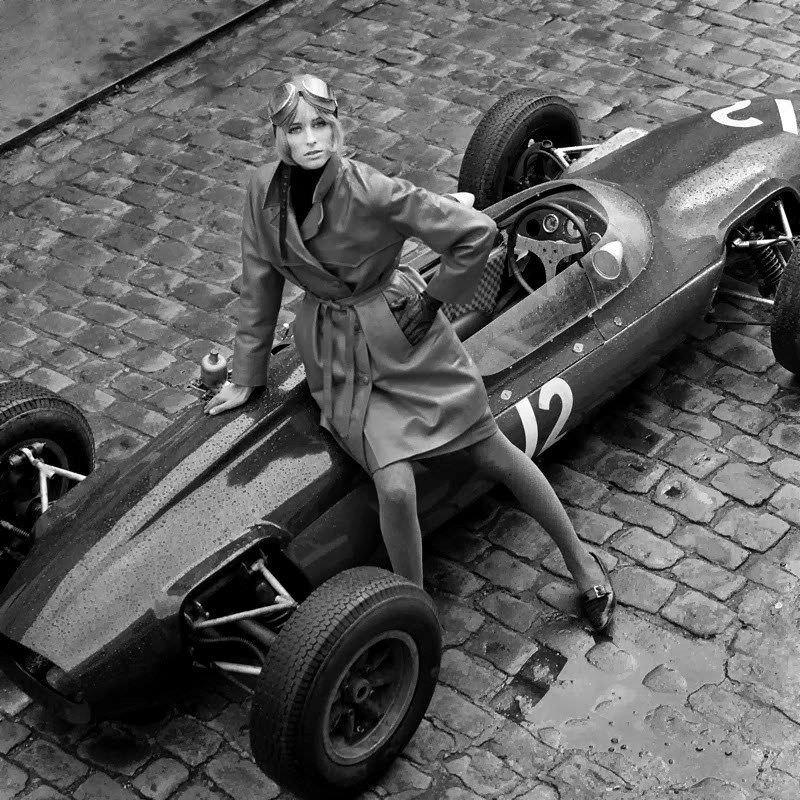
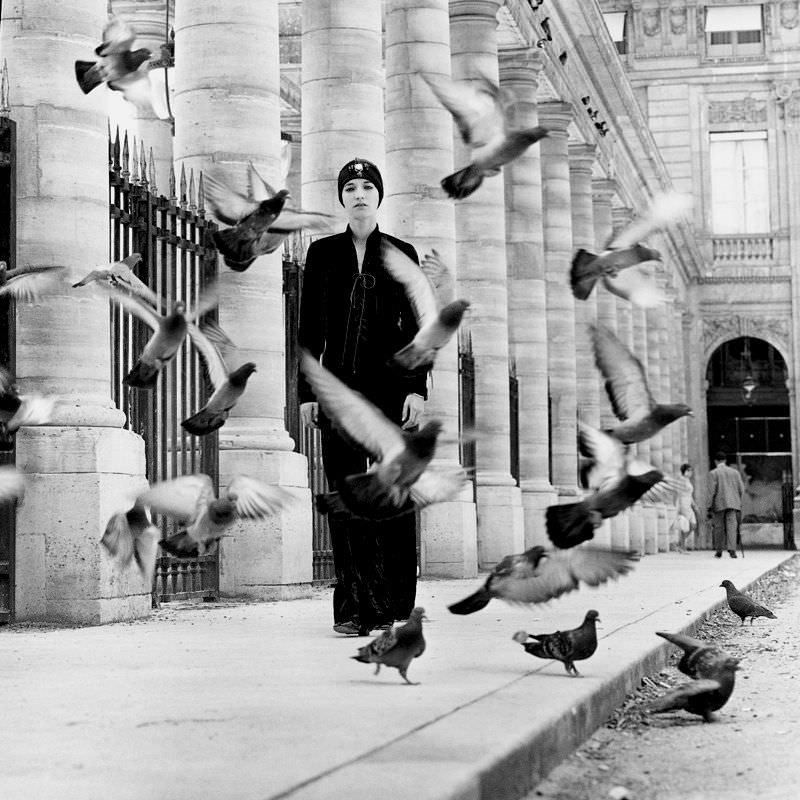
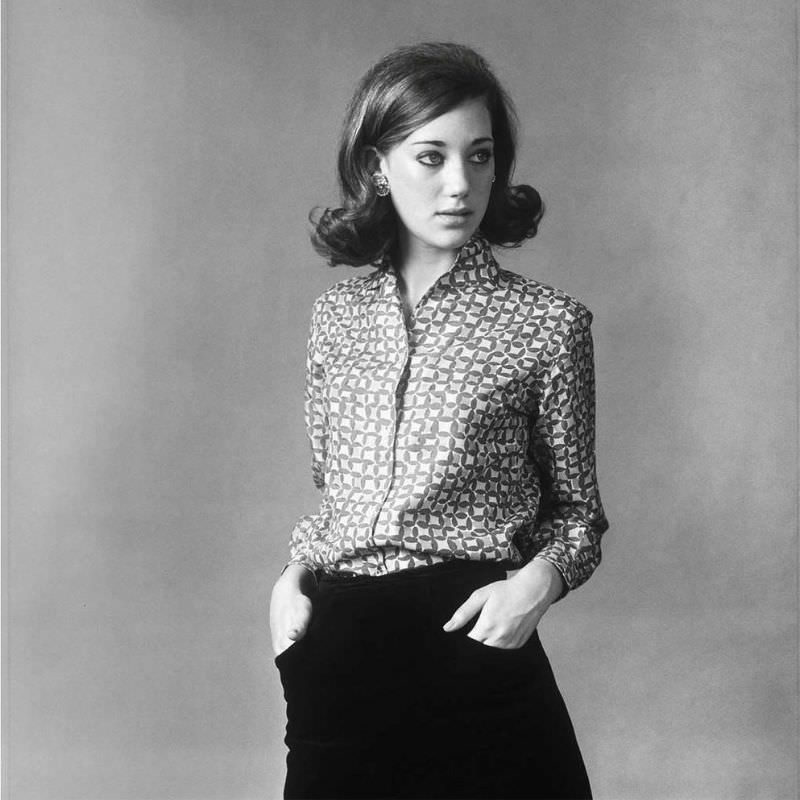

By 1965, Lichfield was photographing some of the most recognizable faces in Europe. His subjects ranged from cinema icons to rising stars of the London fashion world. He had a particular talent for capturing people at ease — not stiff or posed, but alive and present in the frame.
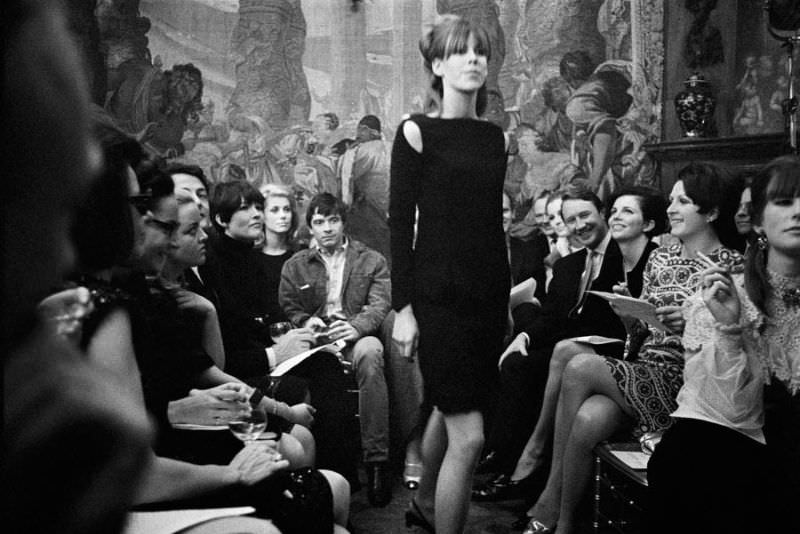
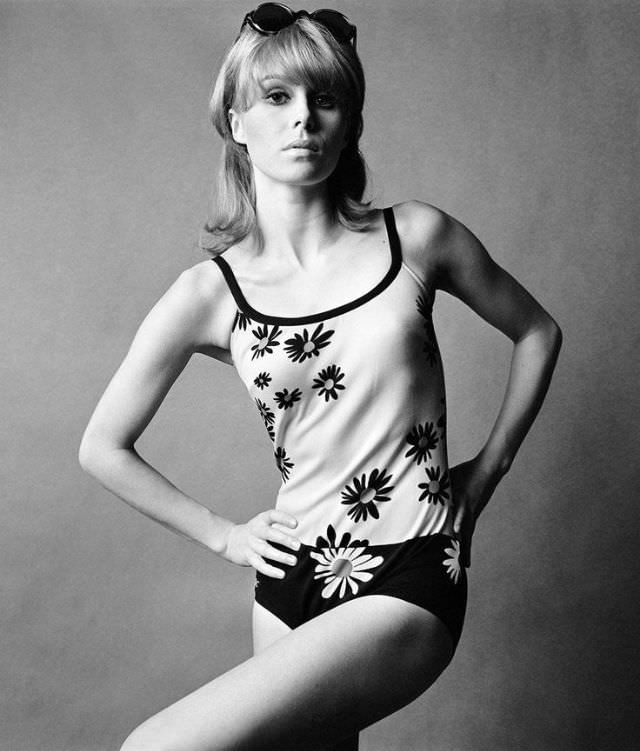
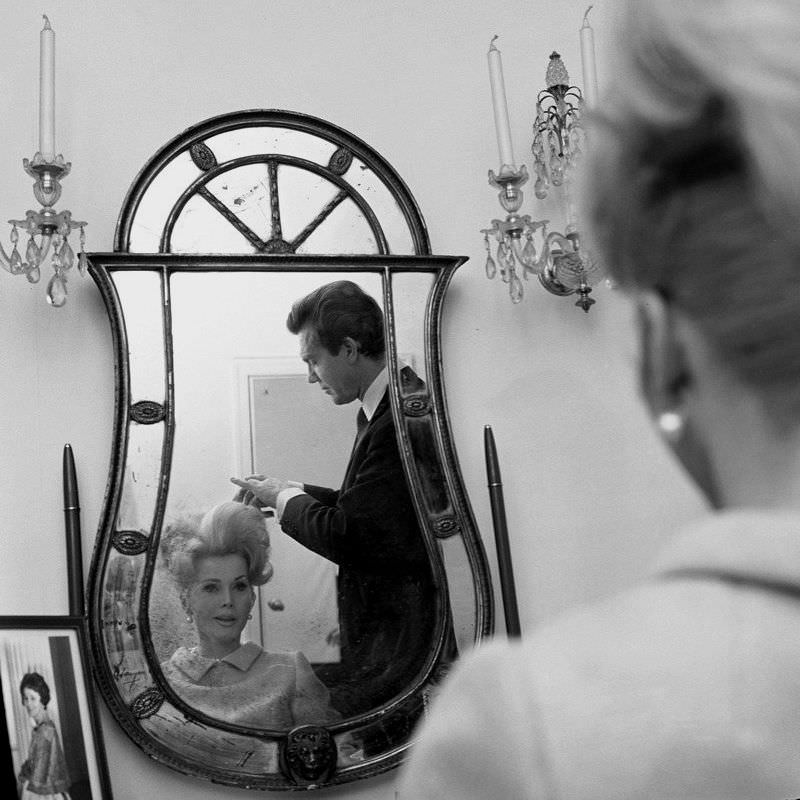
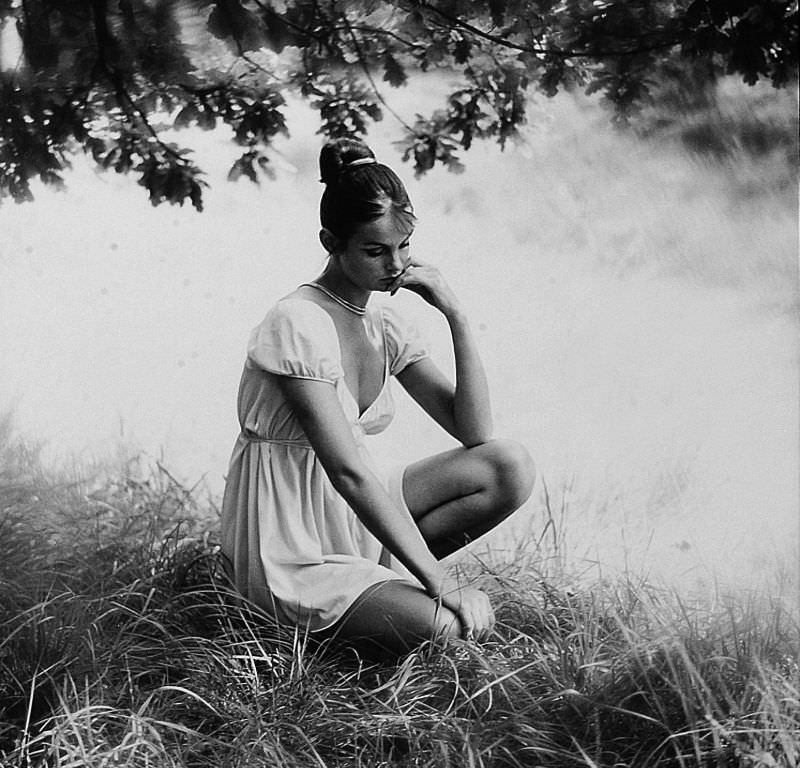
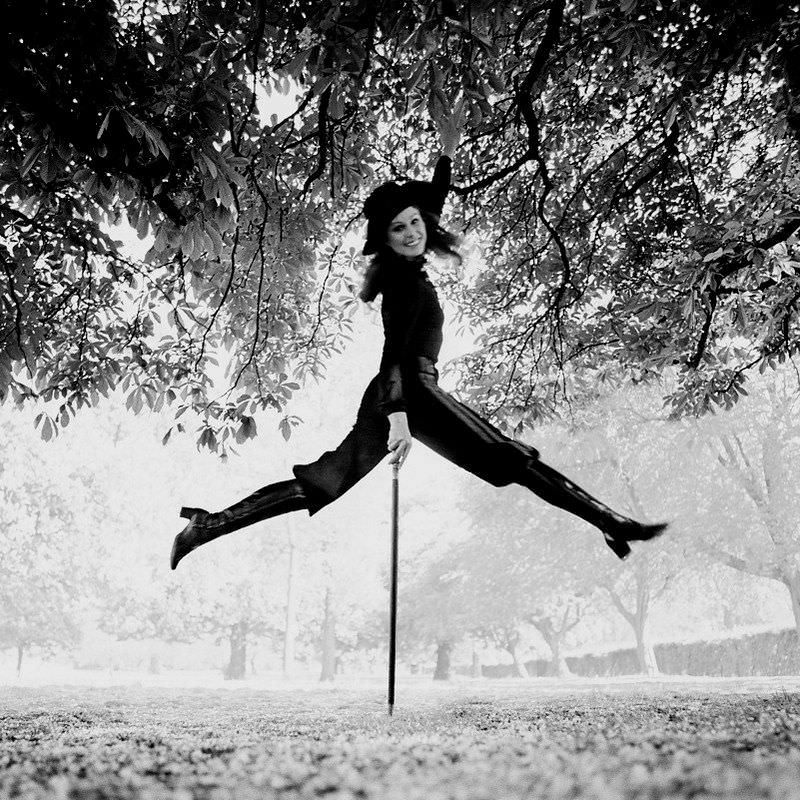
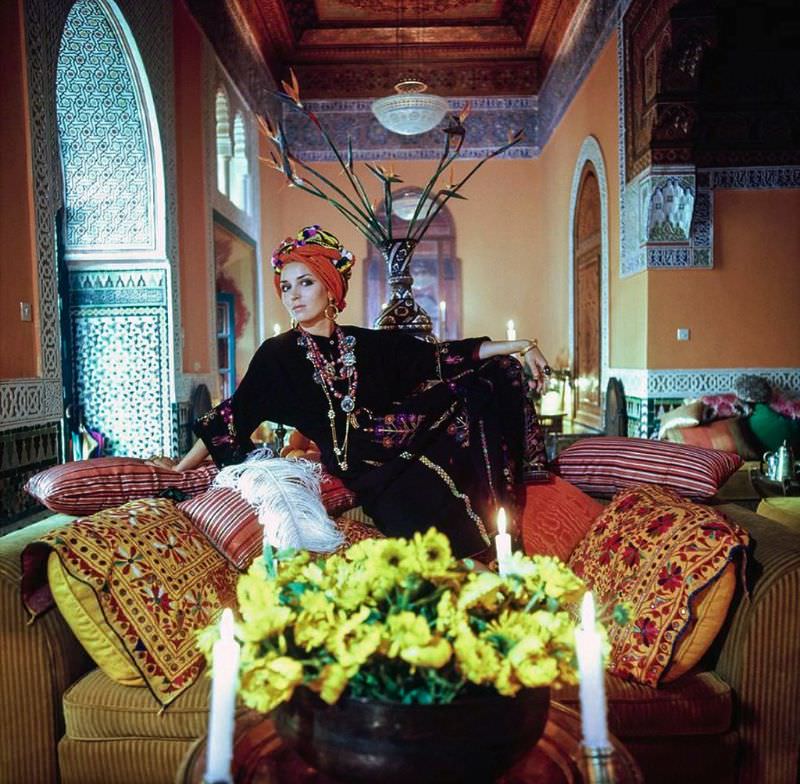
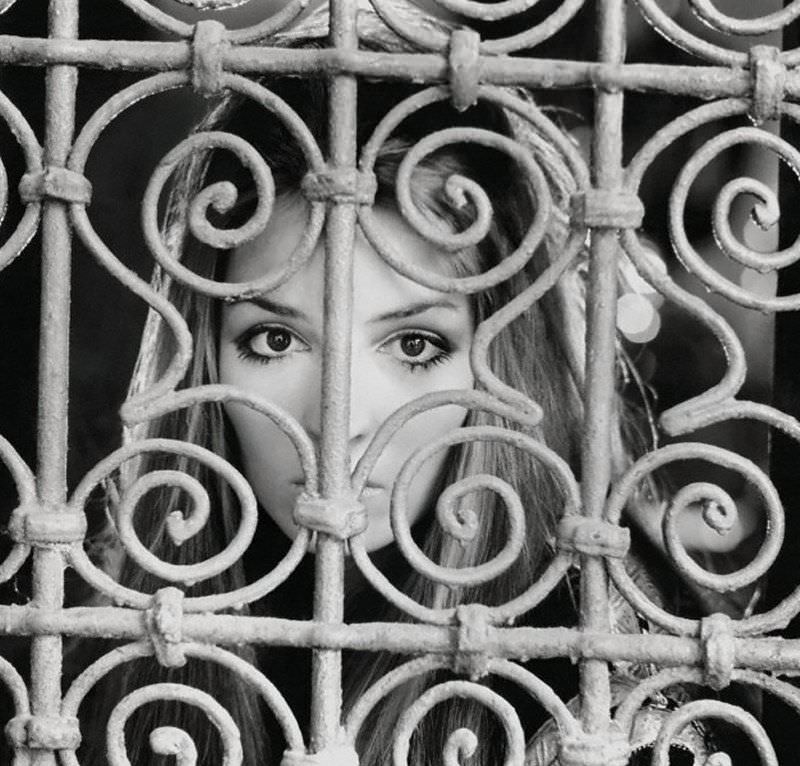
The late 1960s marked one of the most productive periods of Lichfield’s career. He documented the ‘In’ crowd of London — a tight circle of artists, writers, actors, and models who defined the cultural moment. He shot on film sets in Spain, in Marrakesh, and in London studios. Each setting brought out a different side of his subjects.
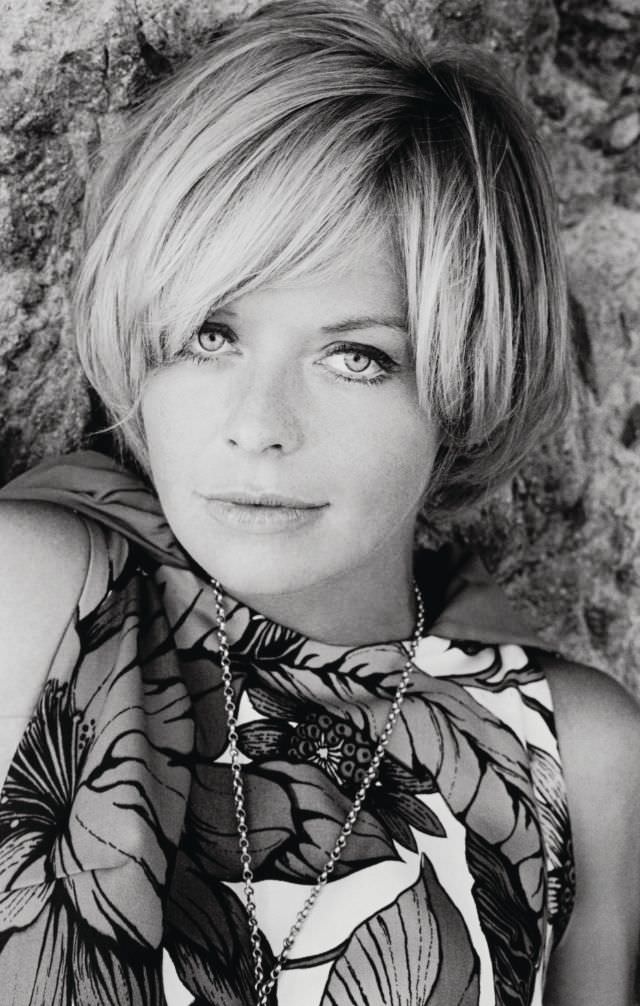
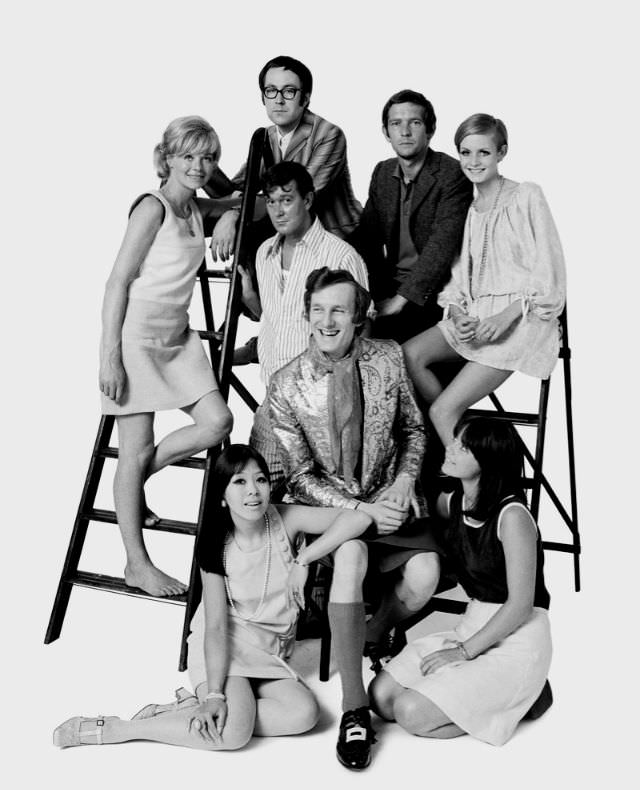
Back row (left to right) Susannah York, Peter S Cook, Tom Courtenay, Twiggy; centre row (left to right) Joe Orton, Michael Fish; front row (left to right) Miranda Chiu, Lucy Fleming
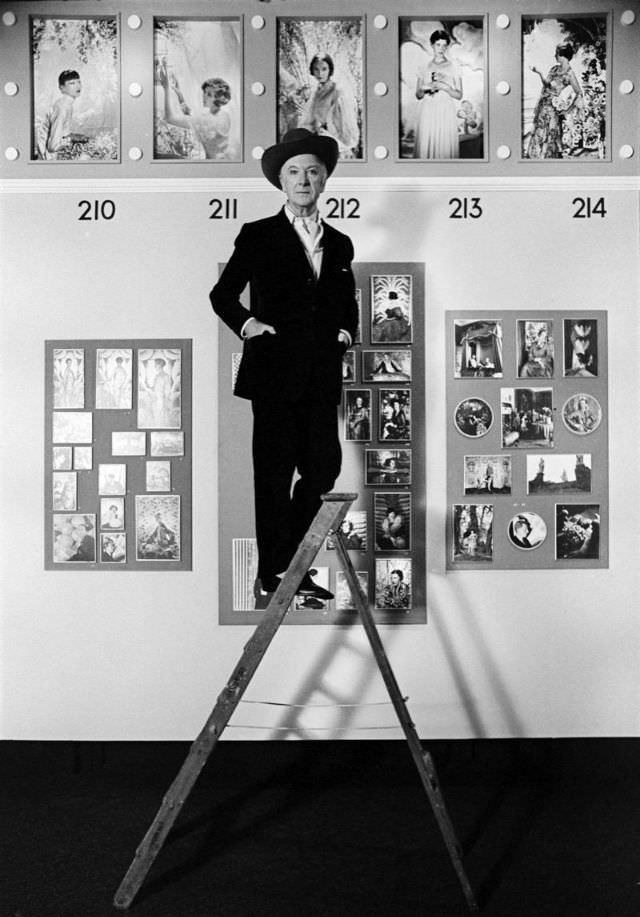
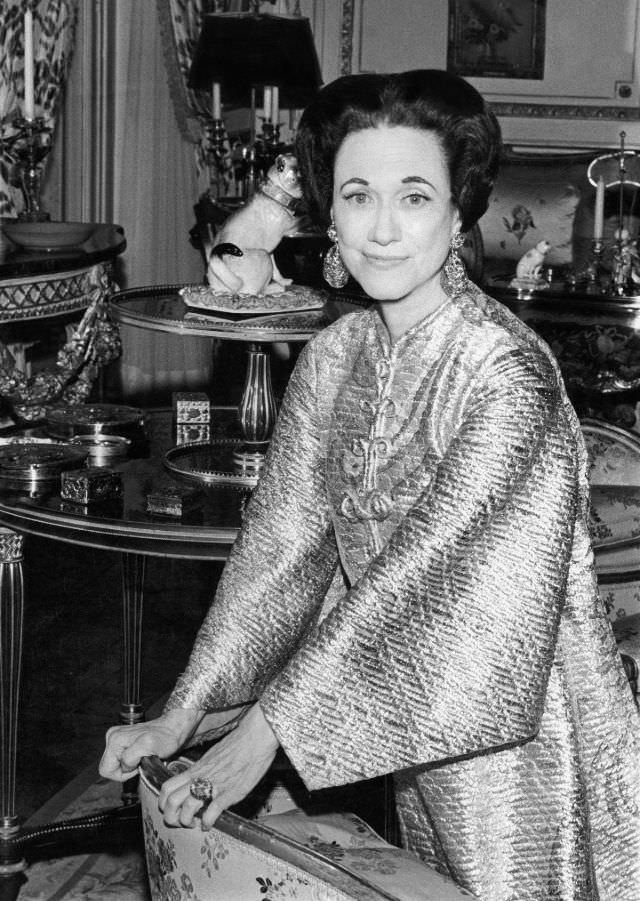
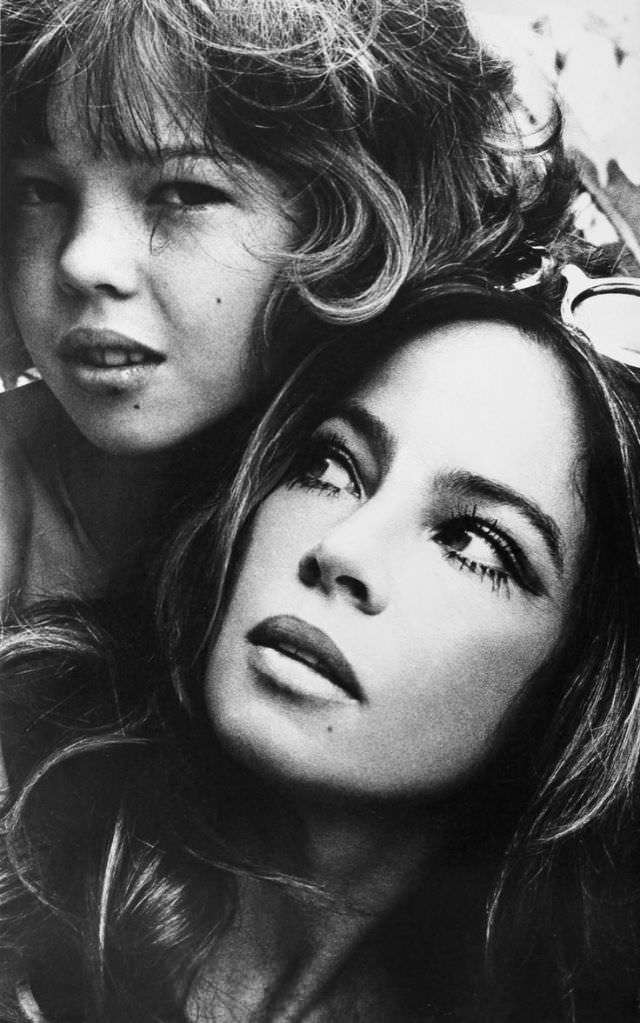
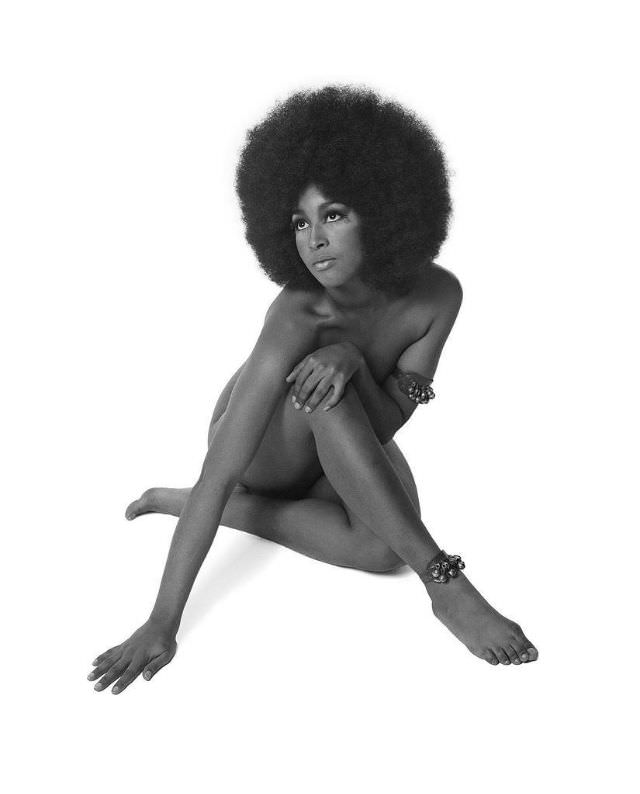
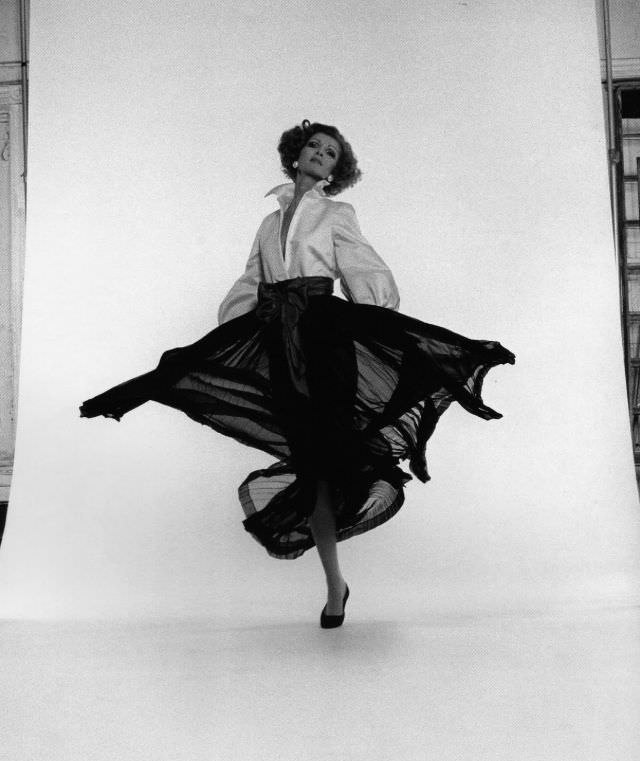
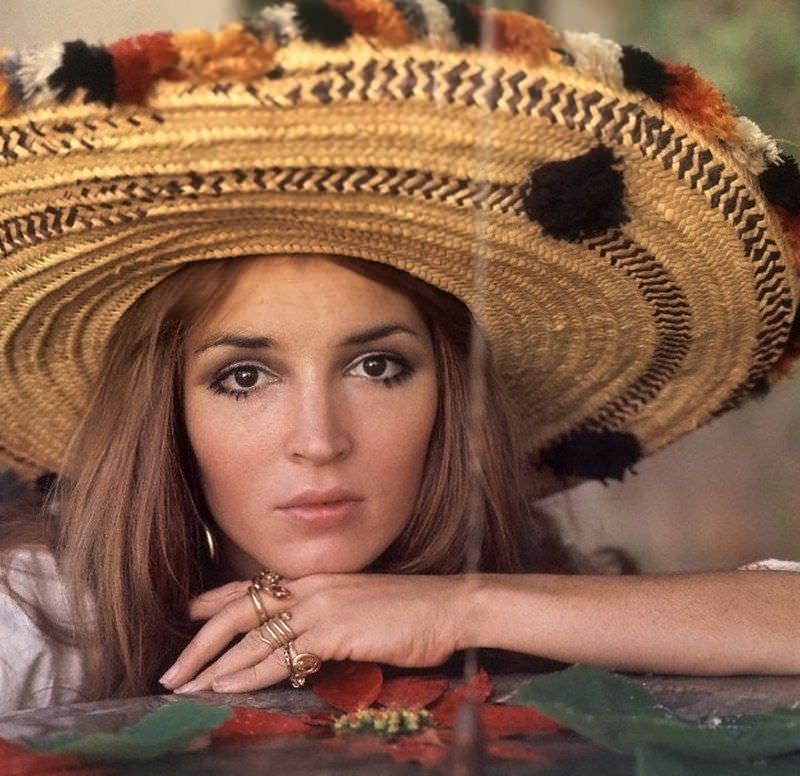
As the decade closed, Lichfield’s lens found some of its most compelling subjects. He photographed Anjelica Huston before her acting career took off, captured David Bailey — himself a towering figure in British photography — and shot Jane Birkin in the summer of 1969. He also photographed John Paul Getty Jr. and Talitha Getty, whose bohemian lifestyle made them two of the most glamorous figures of the era.
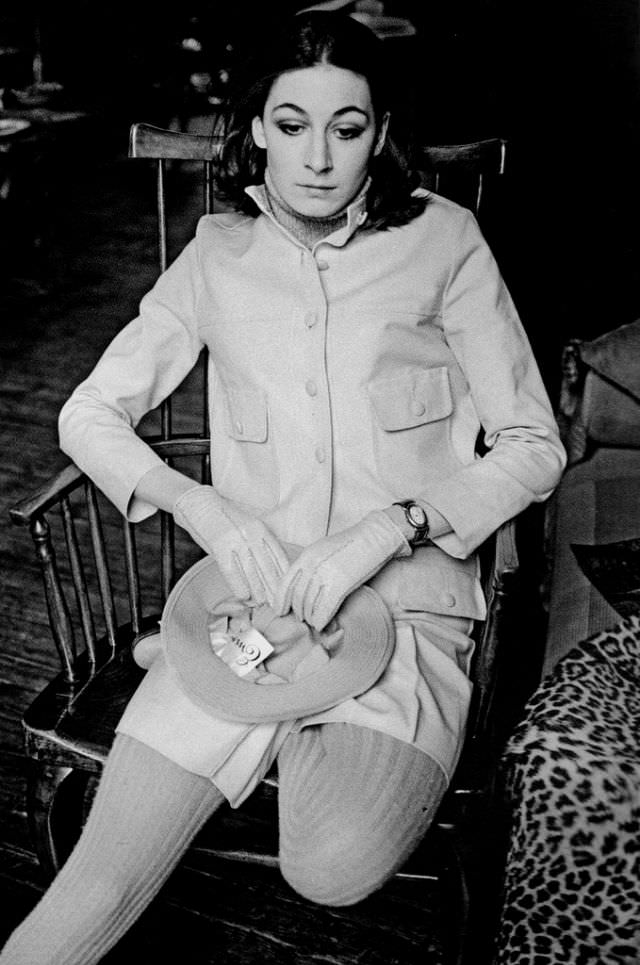
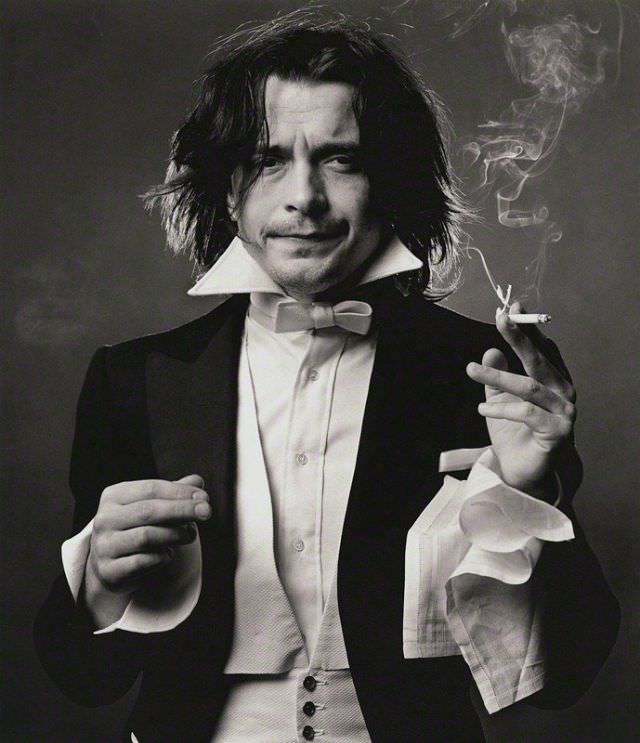
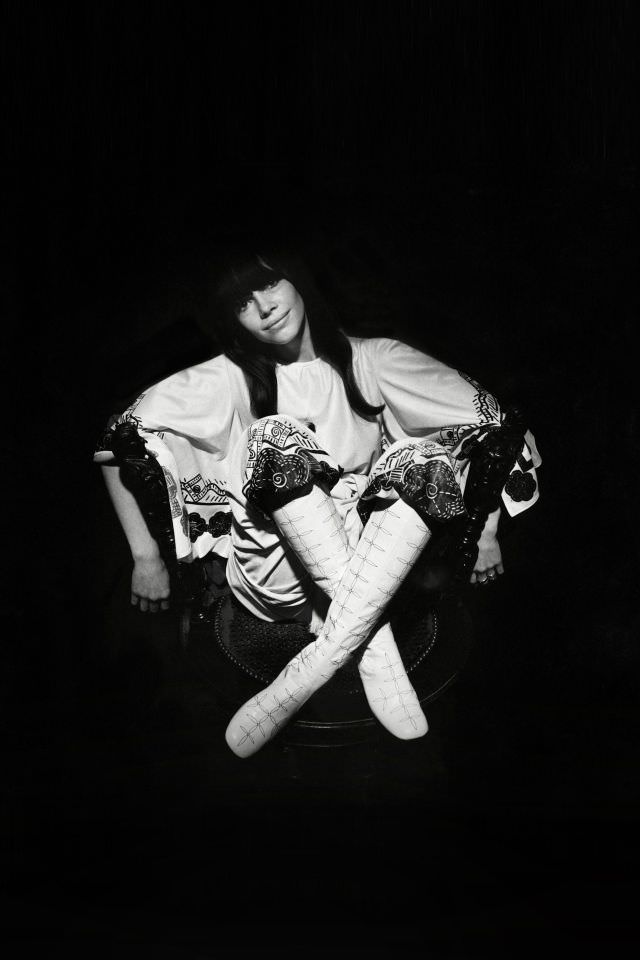
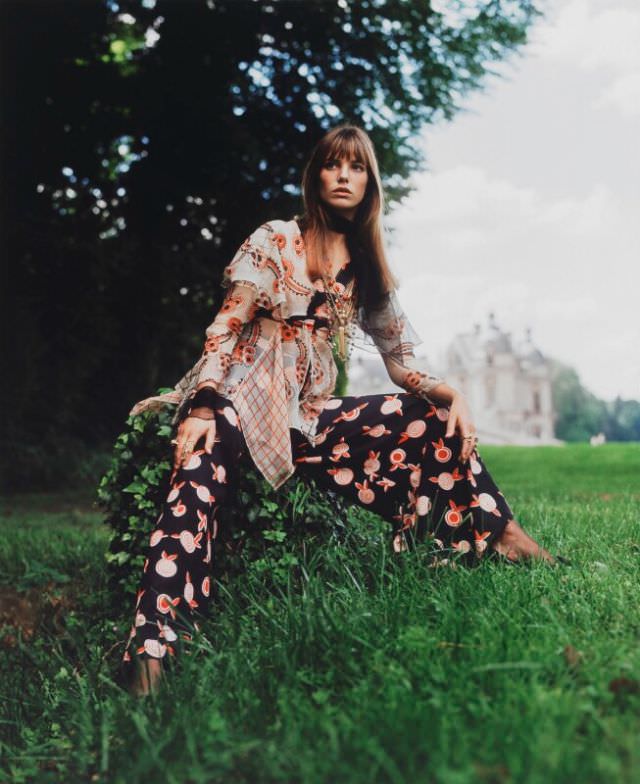
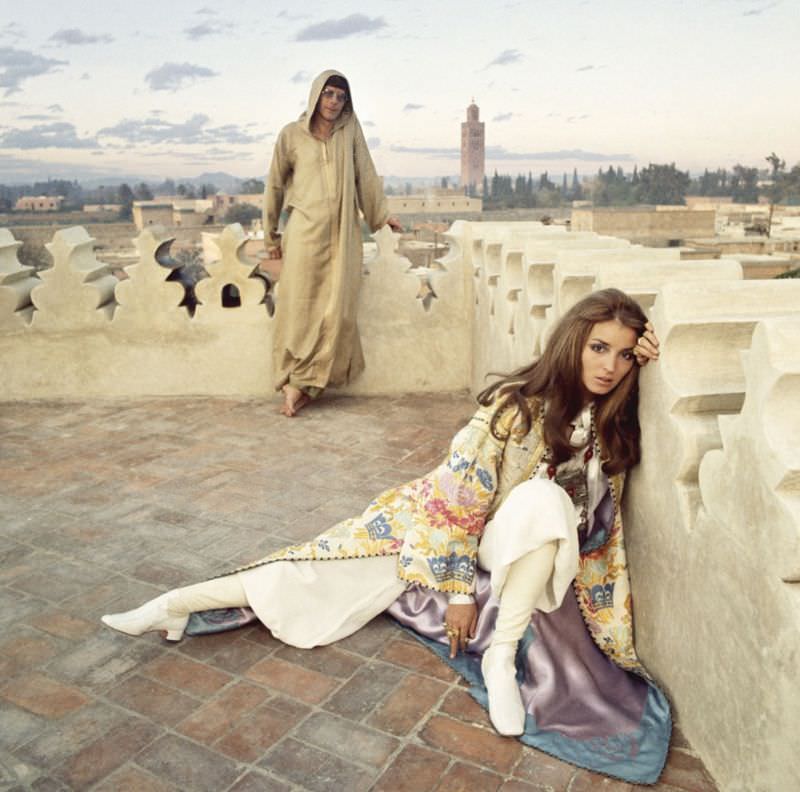
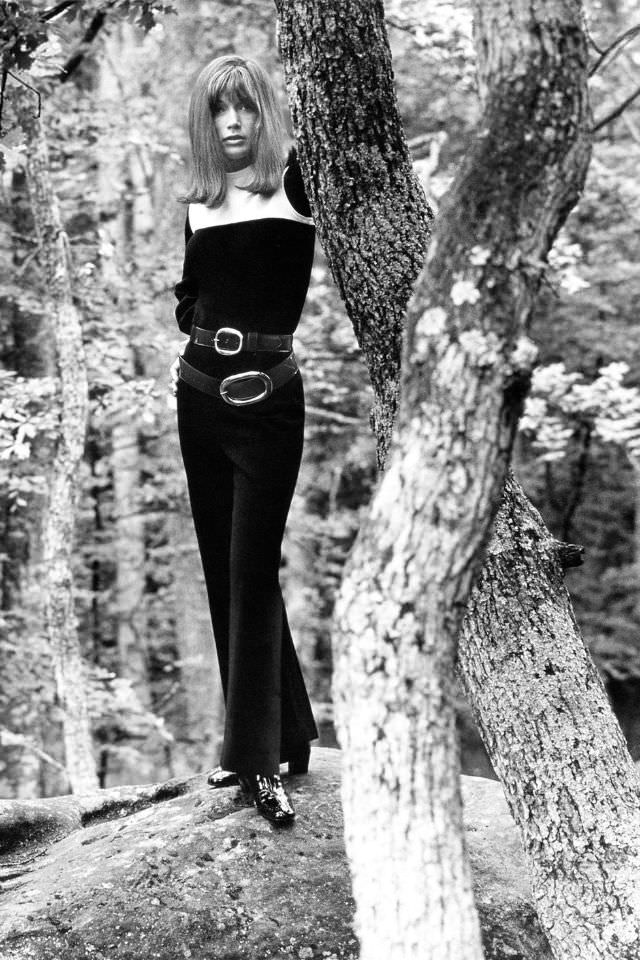
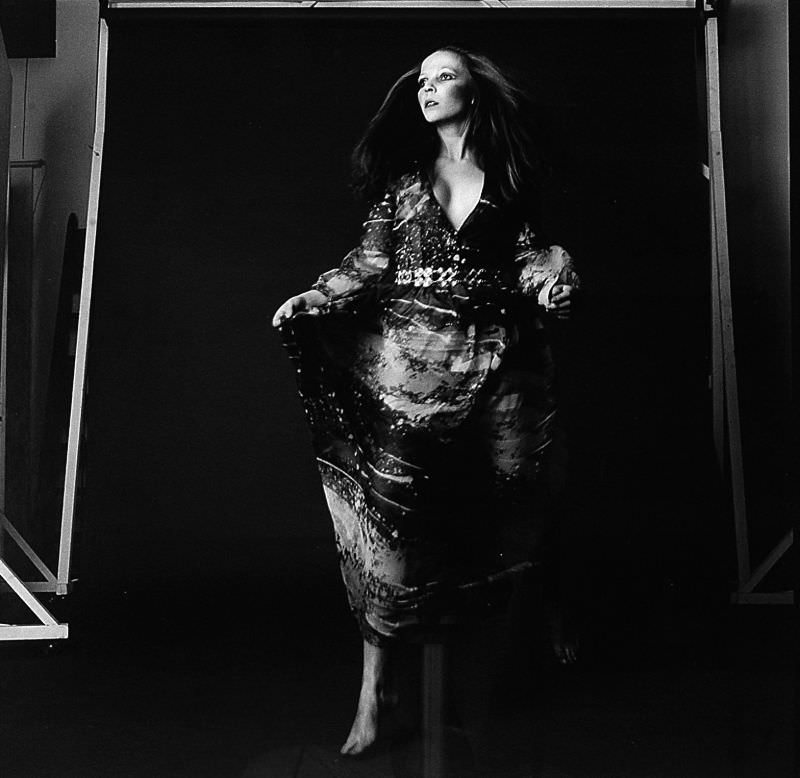
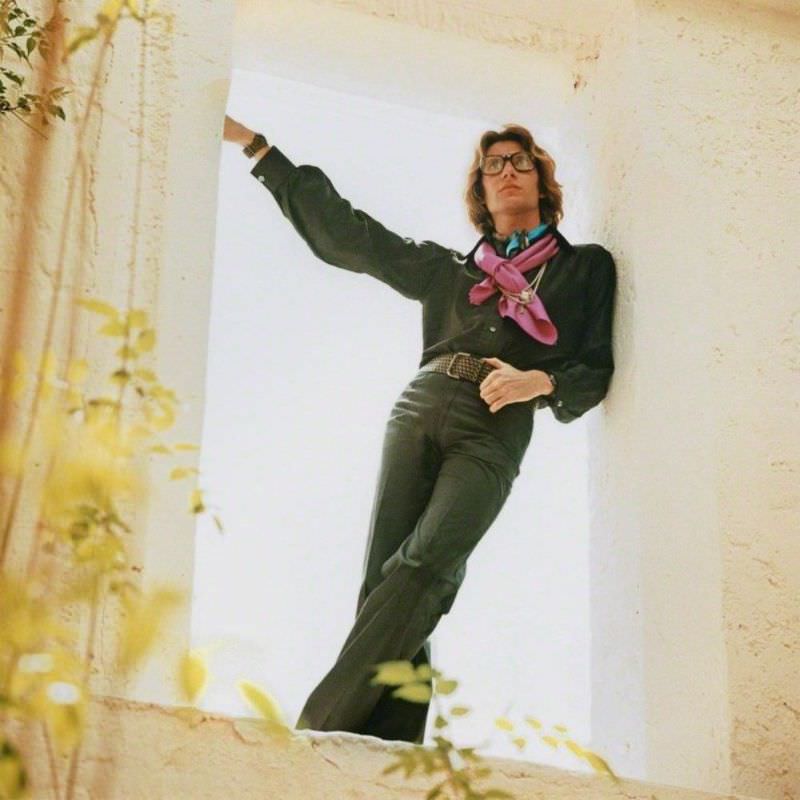
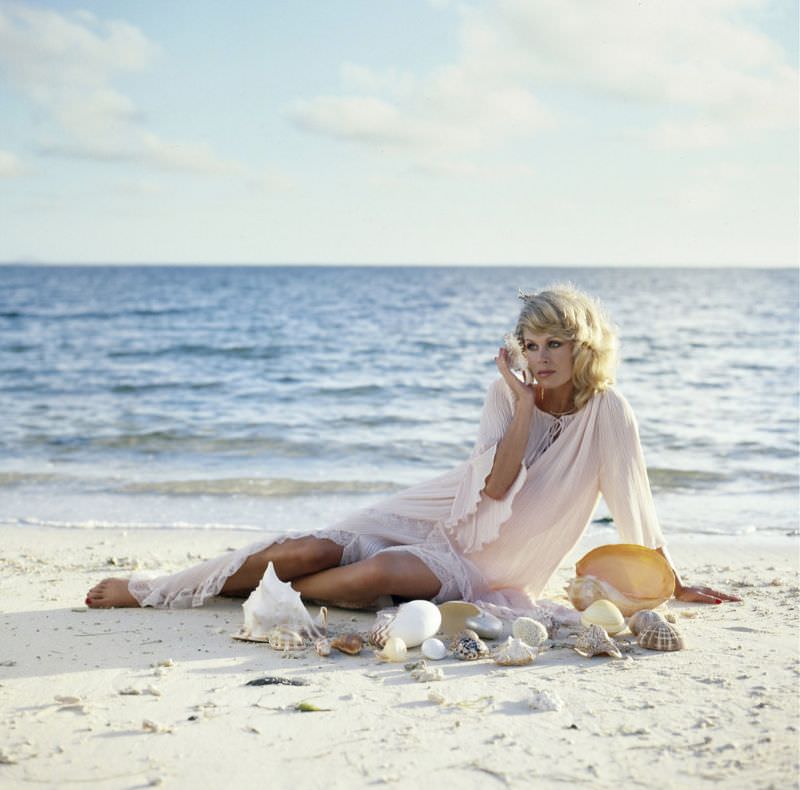
The 1970s brought a new wave of subjects to Lichfield’s studio. Talitha Getty, photographed in 1970, appeared in a series of striking portraits that remain among his most memorable work. She died later that same year from a heroin overdose in Rome, making these images among the last professional portraits taken of her. Lichfield also photographed supermodel Jean Shrimpton and actress Britt Ekland during this period, as well as a young Jane Birkin in a series of fashion-forward sessions.
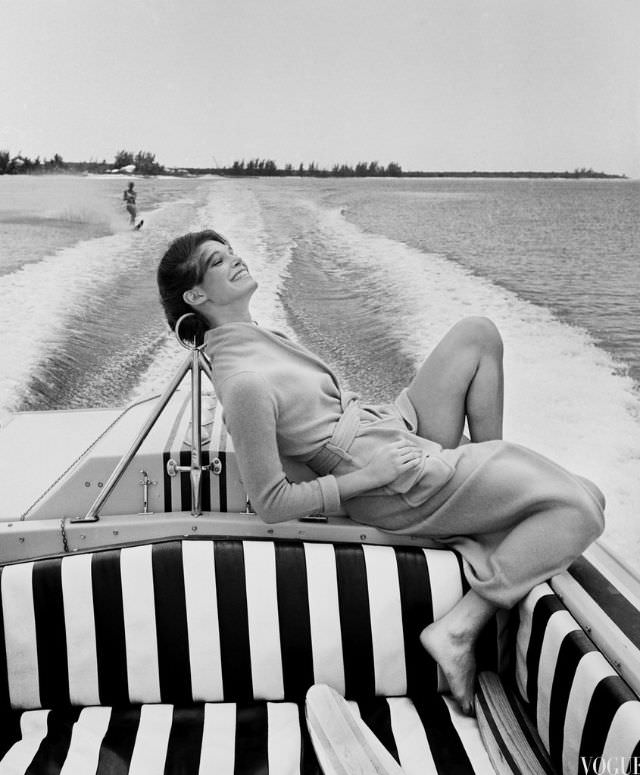
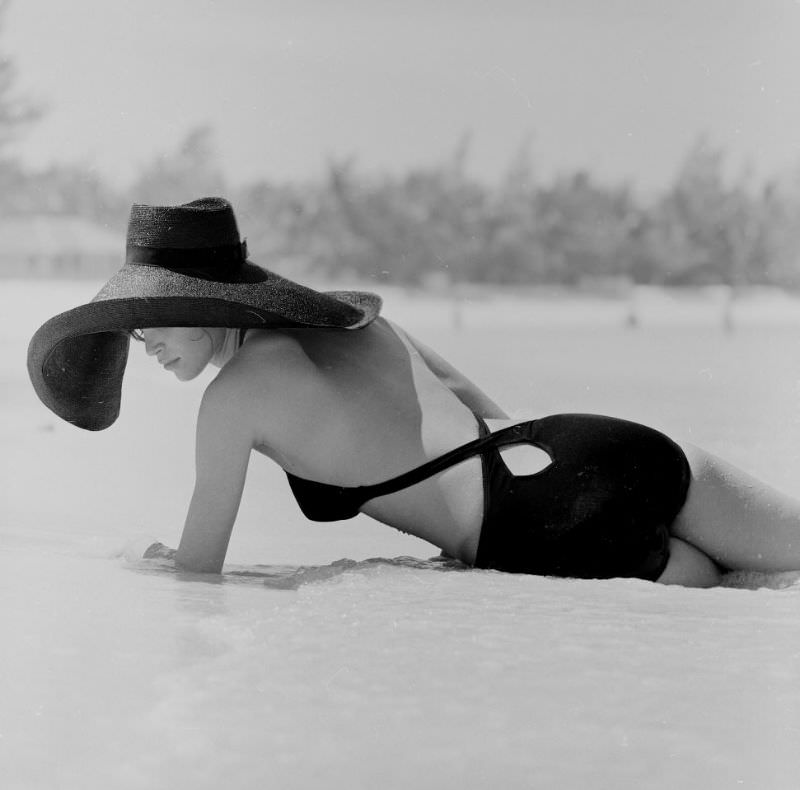

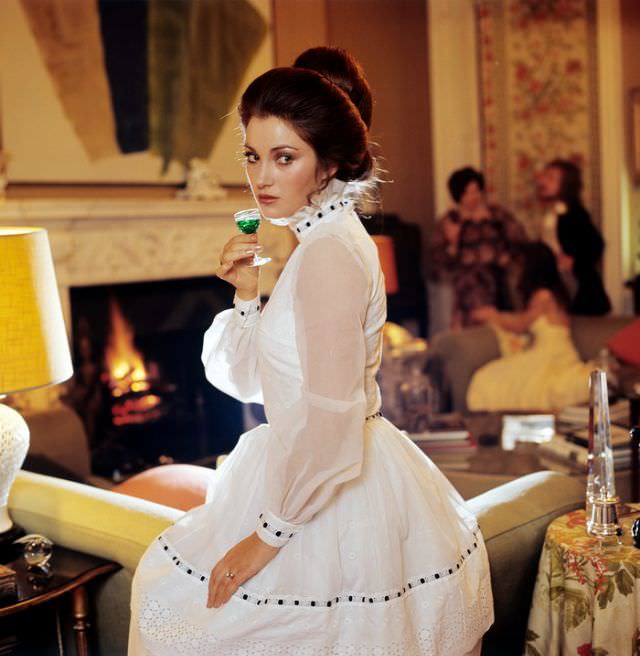
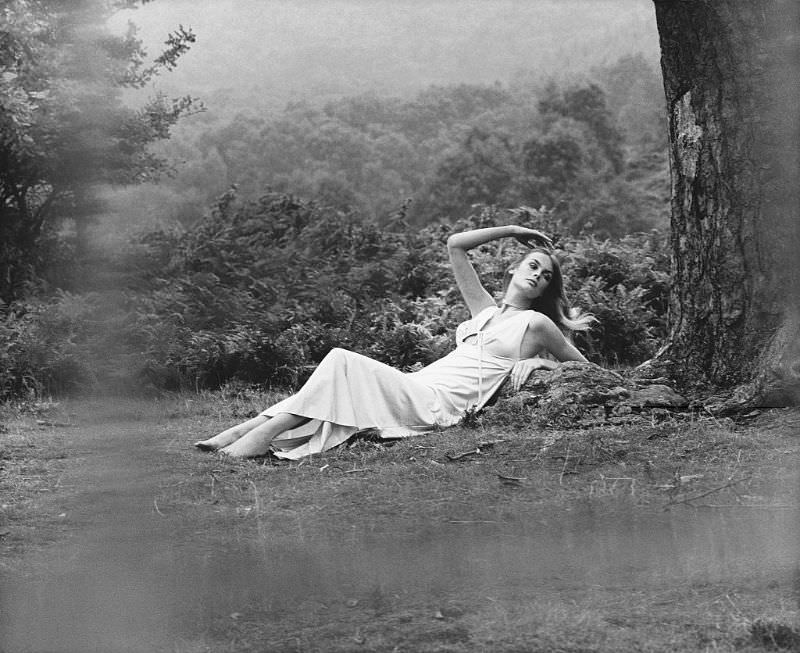
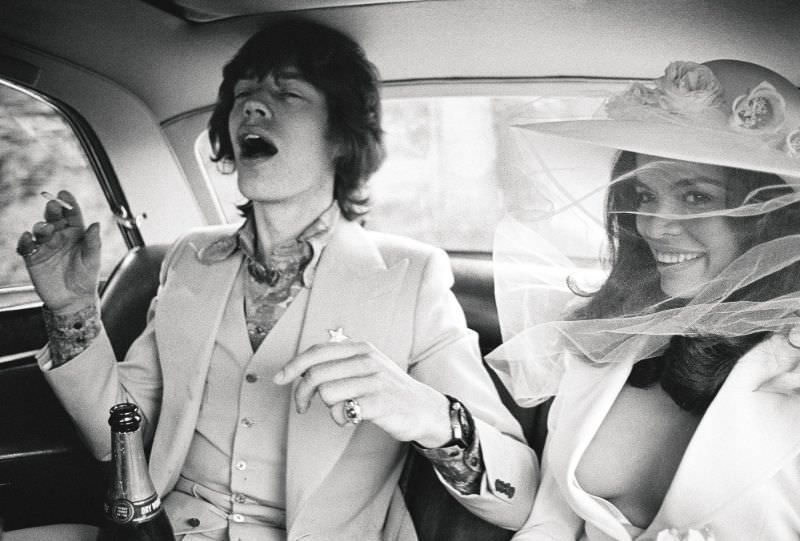
In 1971, Lichfield documented Mick Jagger and Bianca Perez Morena de Macias — the couple married in Saint-Tropez that May. The following year, he was trusted with one of his most significant royal assignments: official portraits of Queen Elizabeth II in March 1972. His access to the Royal Family was unlike that of almost any other photographer working at the time.
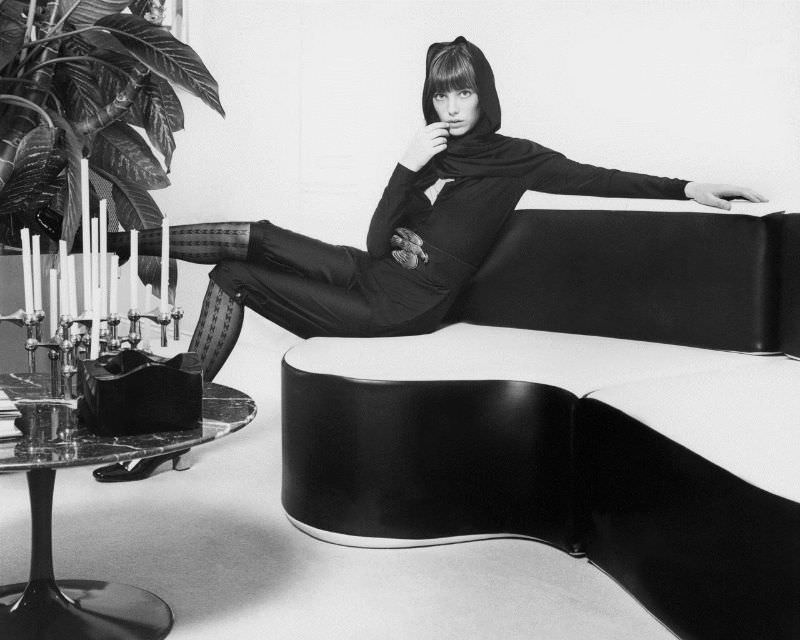
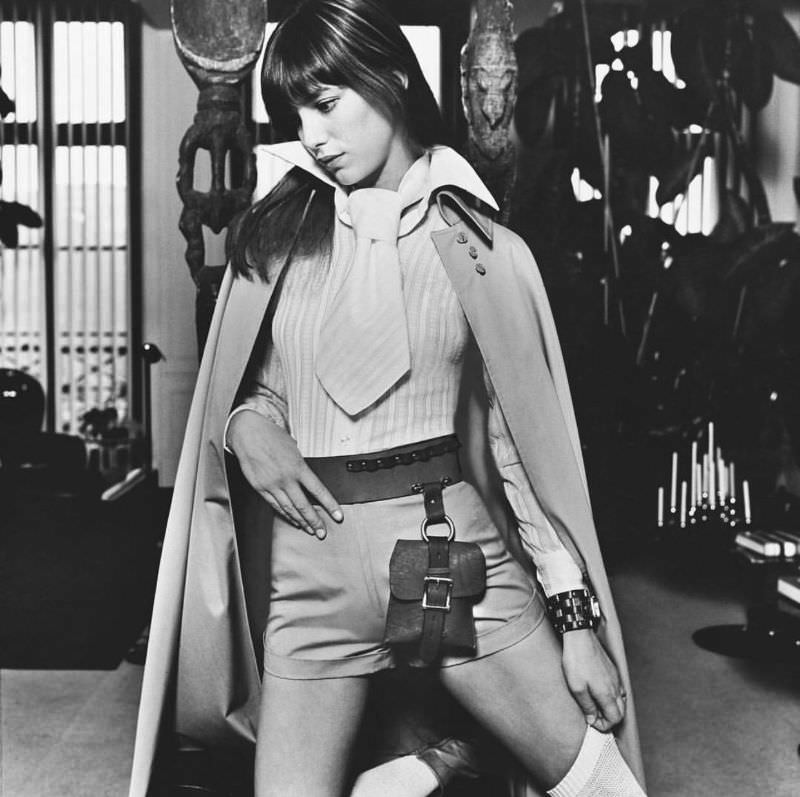
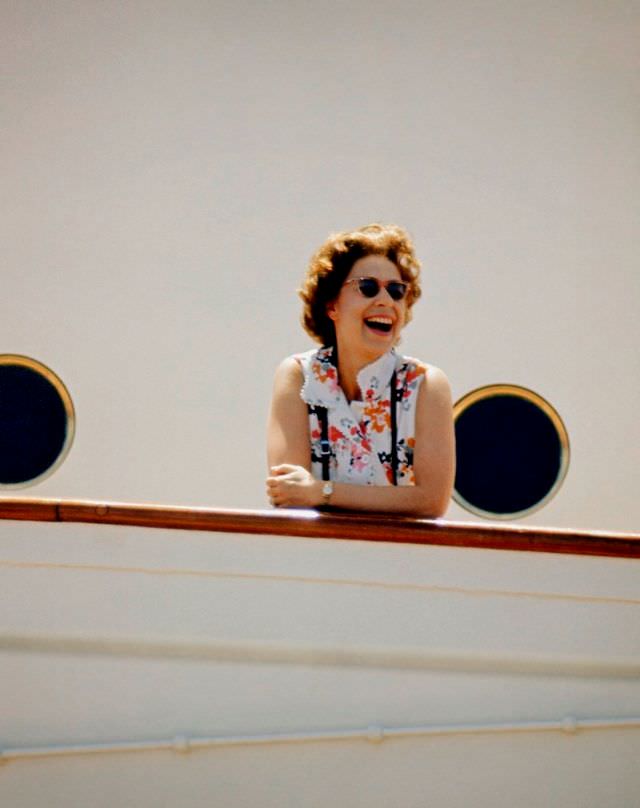
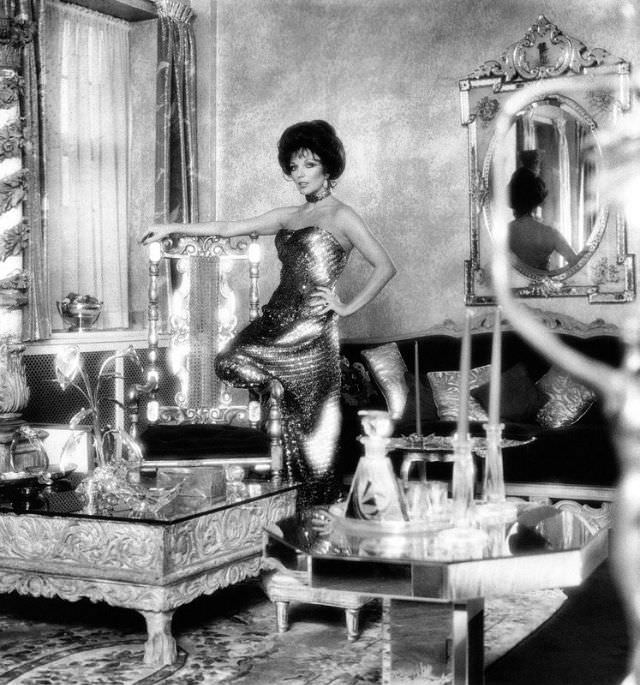
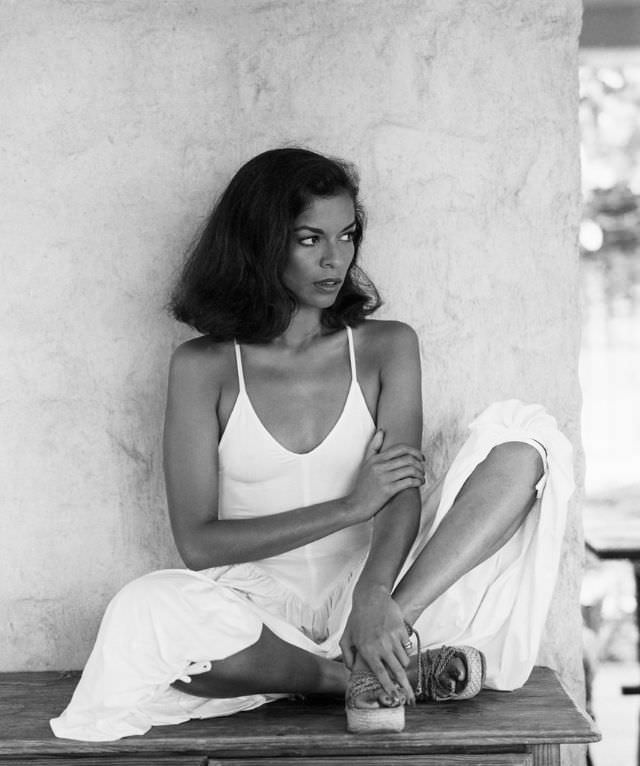
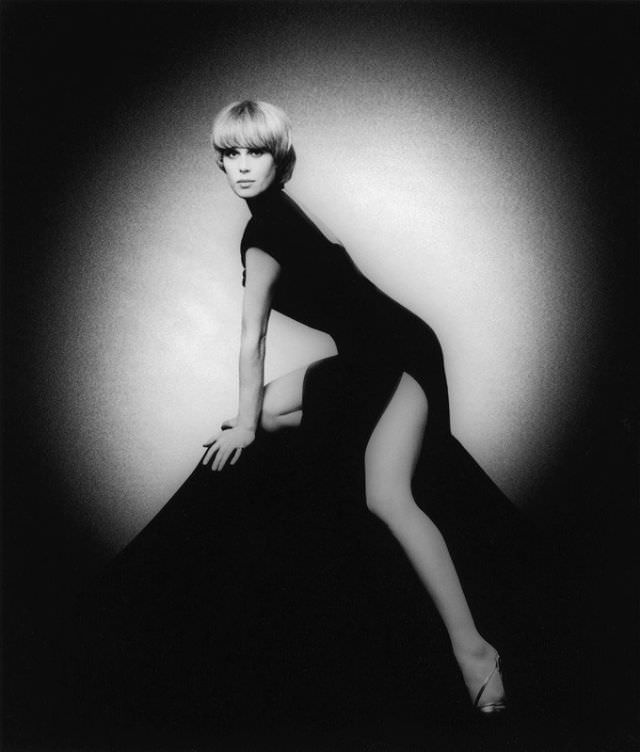
Through the mid-to-late 1970s, Lichfield continued to photograph some of the most glamorous women in the world. Joan Collins sat for him in 1974. Bianca Jagger was photographed on the island of Mustique in 1976. Joanna Lumley appeared in front of his camera three separate times — in 1965, 1977, and 1978 — across different stages of her career.
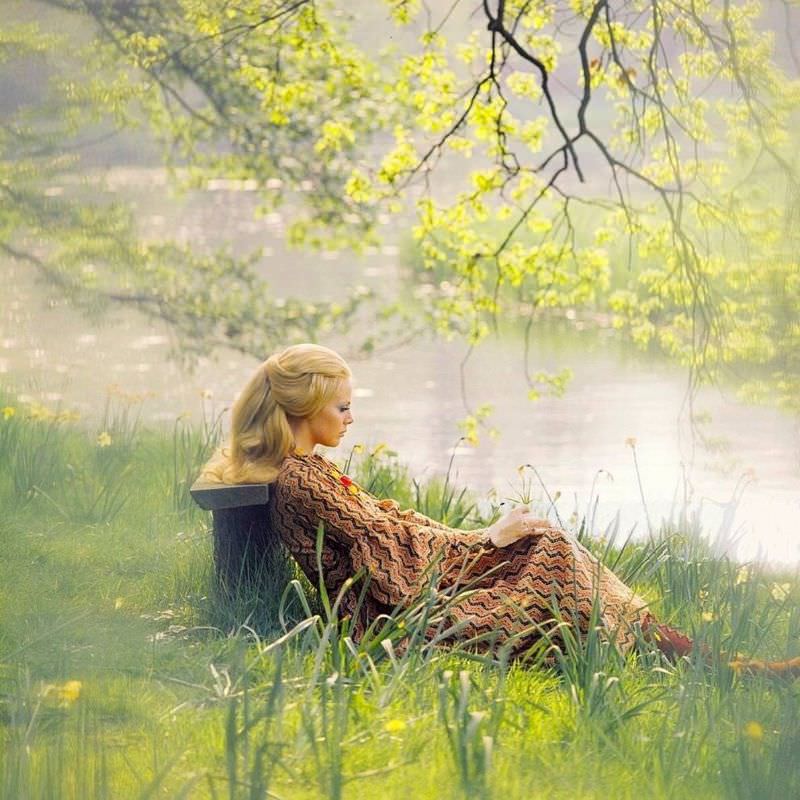
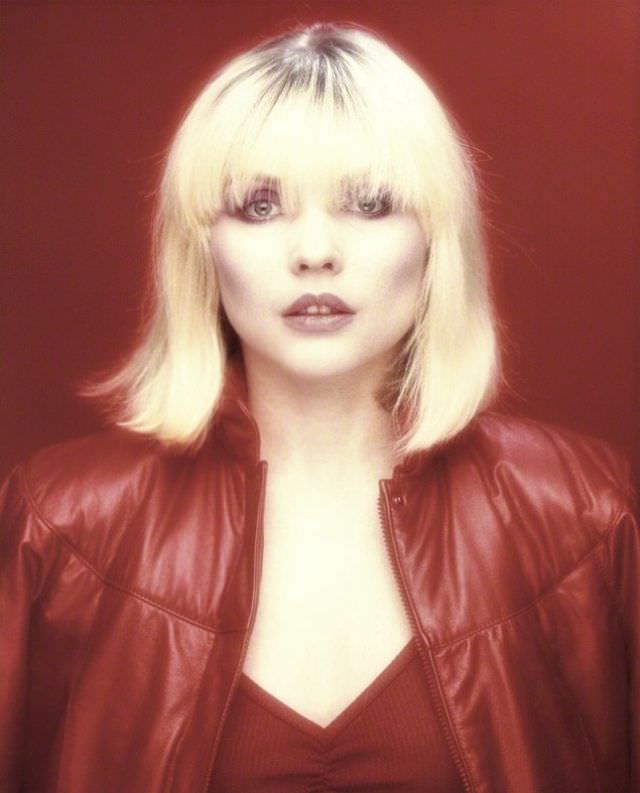
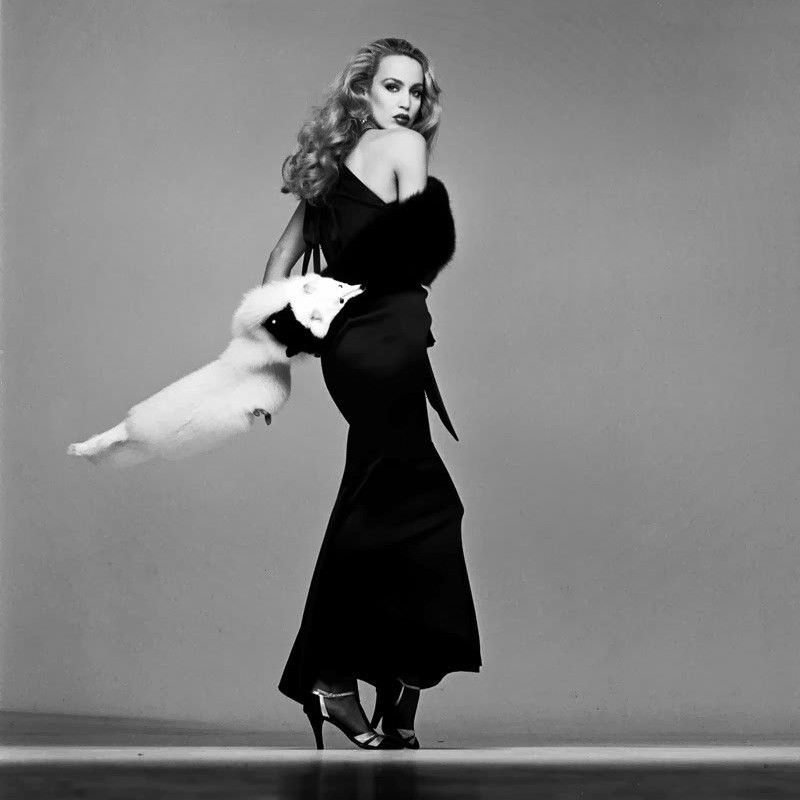
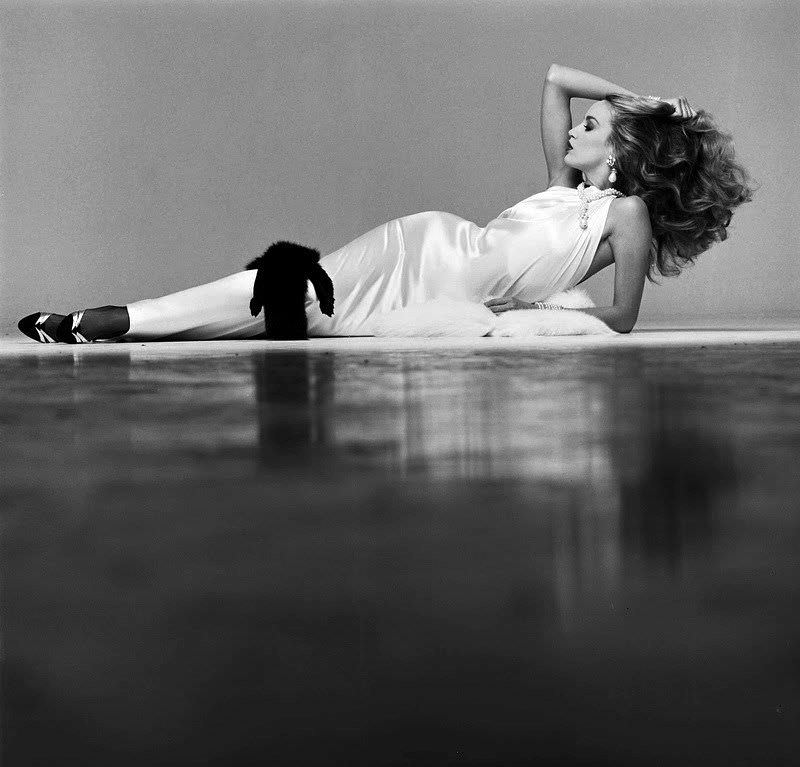
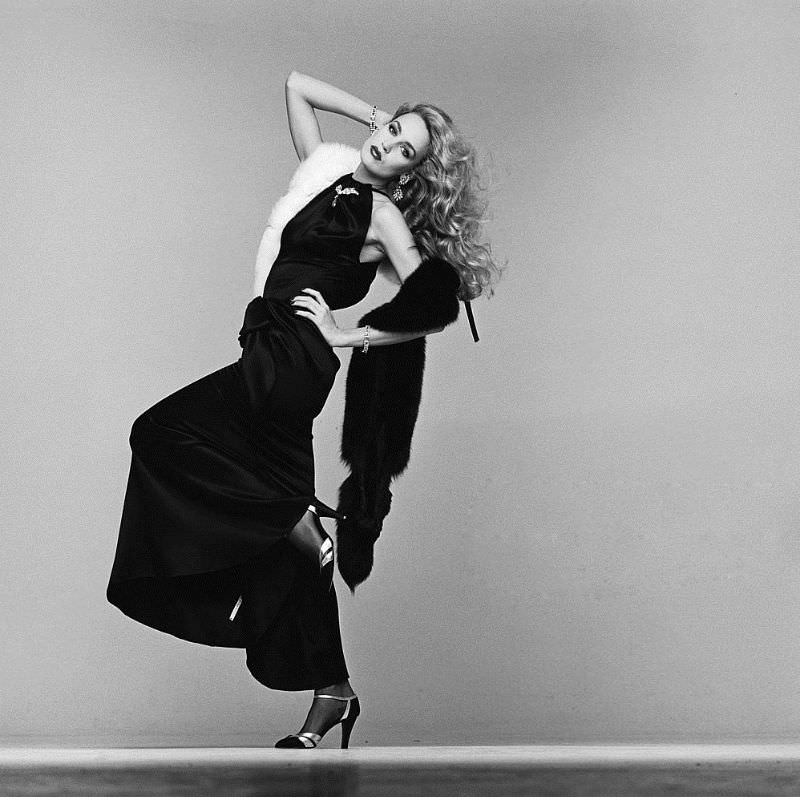
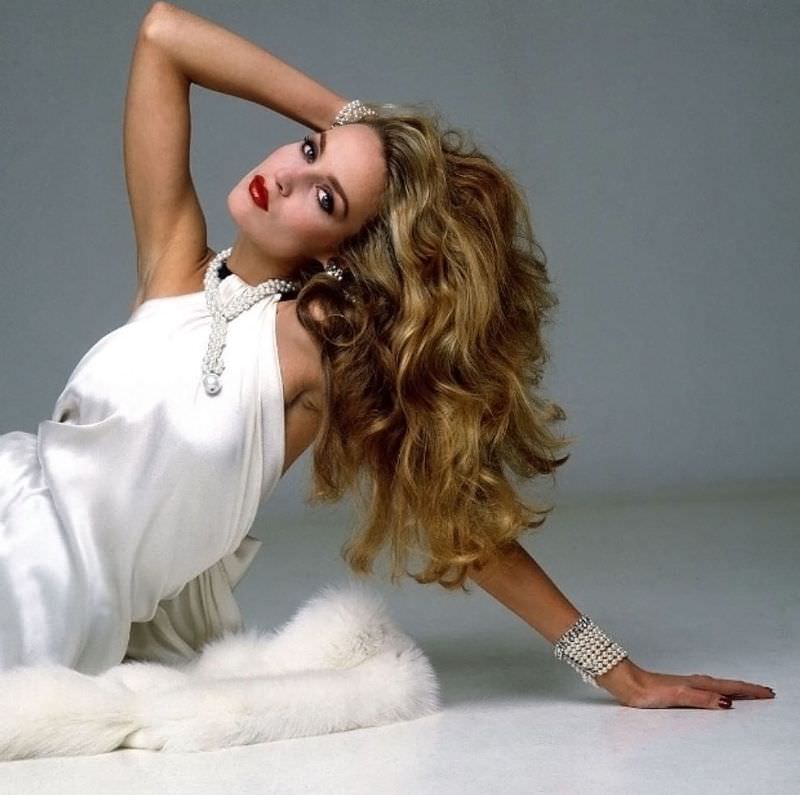
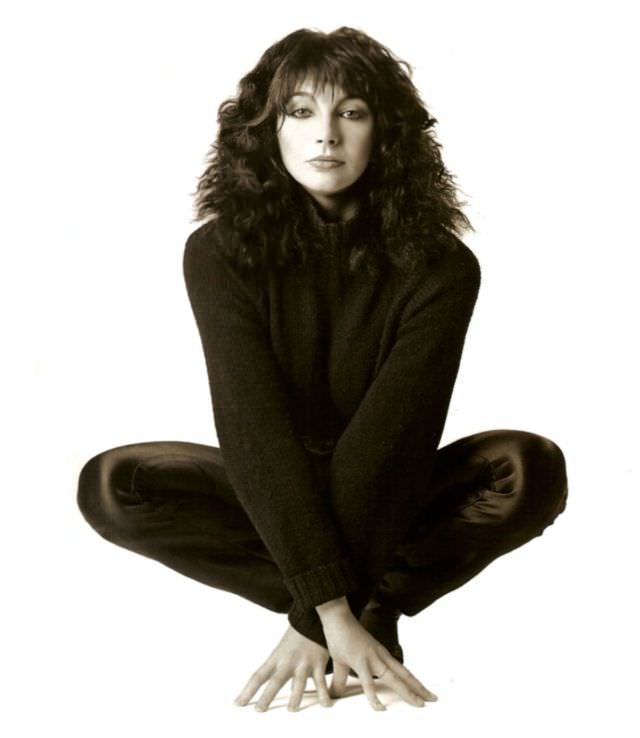
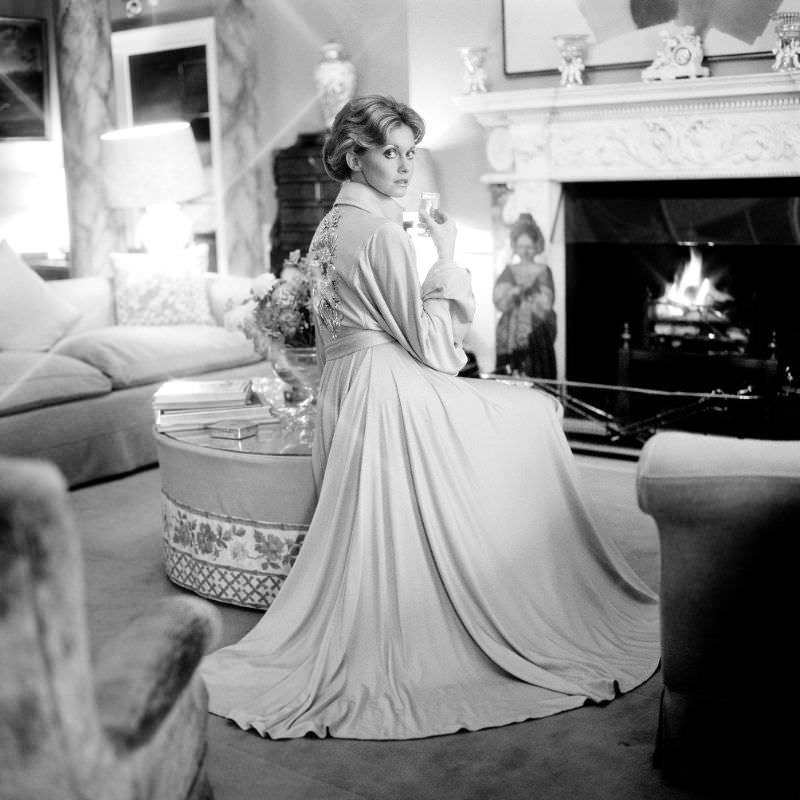
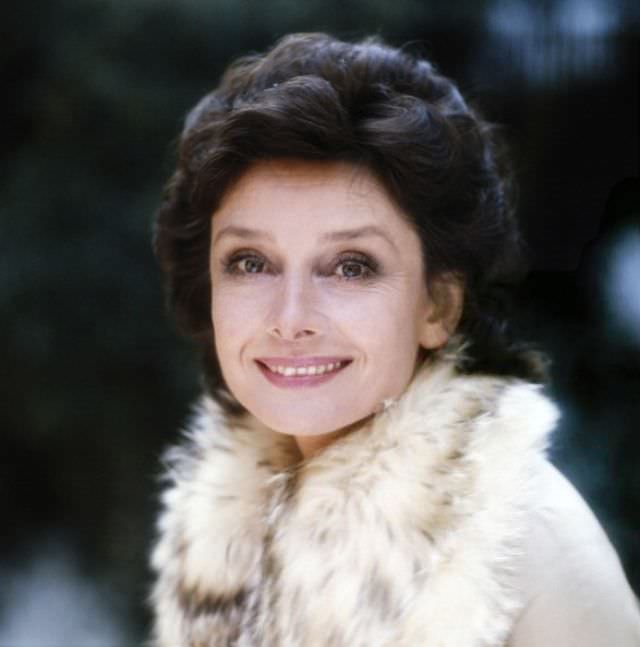
By 1980, Lichfield was photographing the faces of a new decade. Debbie Harry, the frontwoman of Blondie, sat for a portrait. Jerry Hall — then at the height of her modeling career — appeared in four separate portraits from that year alone. Kate Bush and Olivia Newton-John also appeared in front of his camera in this period. In 1981, Audrey Hepburn joined the list of his subjects.
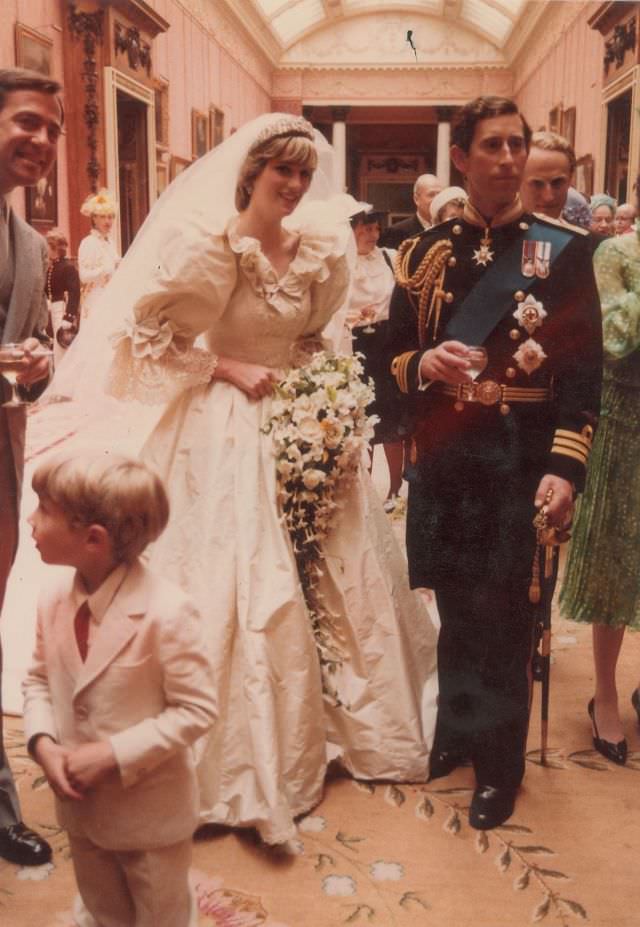
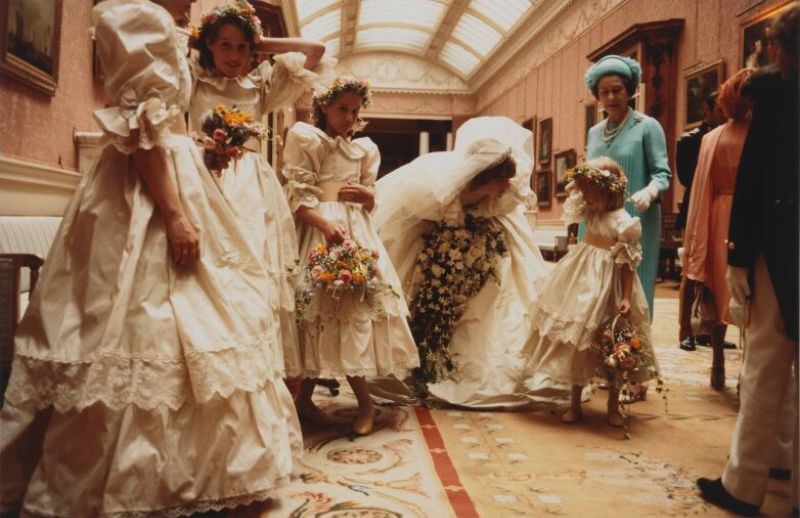
The pinnacle of Lichfield’s royal work came in 1981, when he was chosen to take the official wedding photographs of the Prince and Princess of Wales. He was present behind the scenes and at the ceremony itself, producing images that were seen around the world. Prince Philip later selected him again to shoot the official portraits for Queen Elizabeth II’s Golden Jubilee in 2002. Lichfield suffered a stroke on November 10, 2005, and died the following day — Remembrance Day — at the John Radcliffe Hospital in Oxford. He was 66 years old.