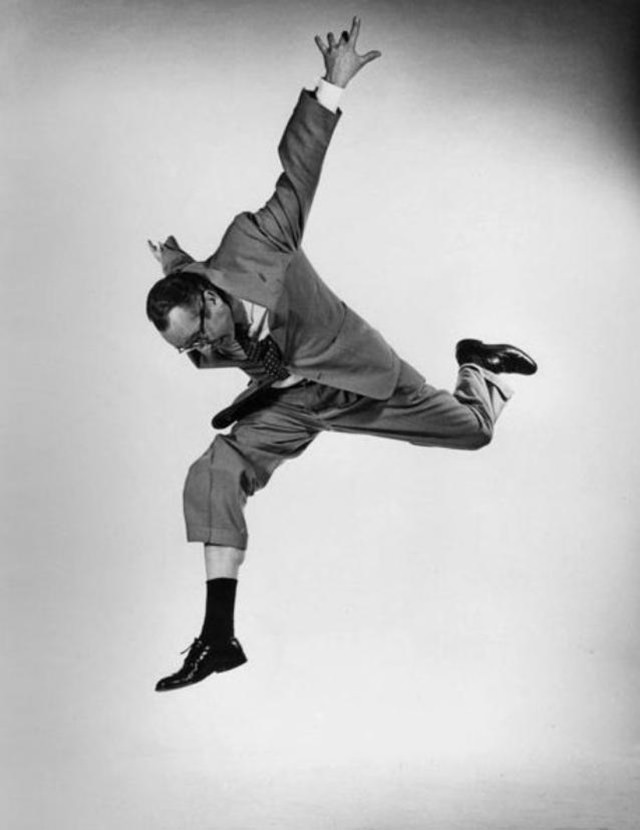
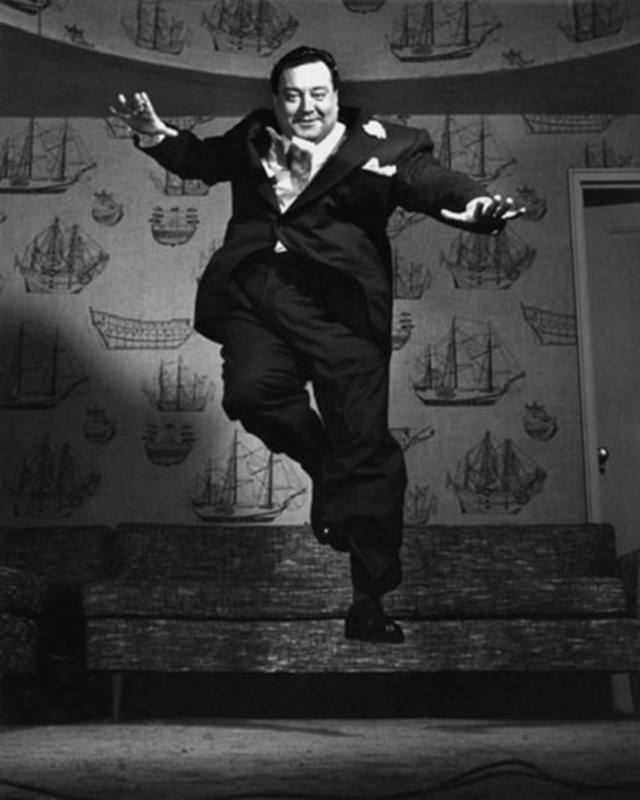
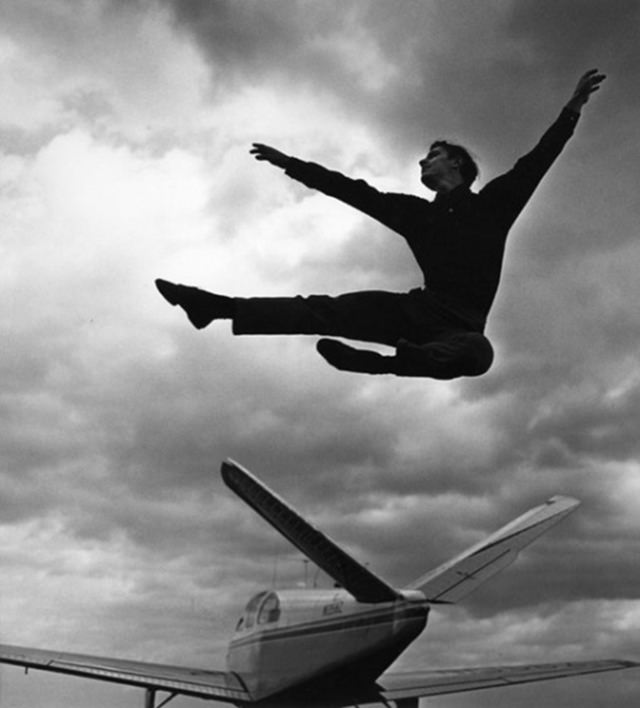
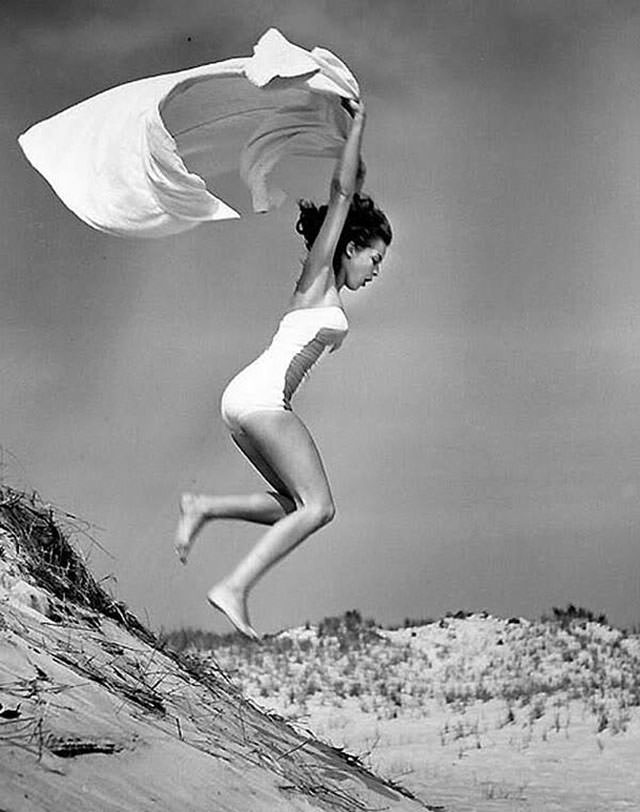
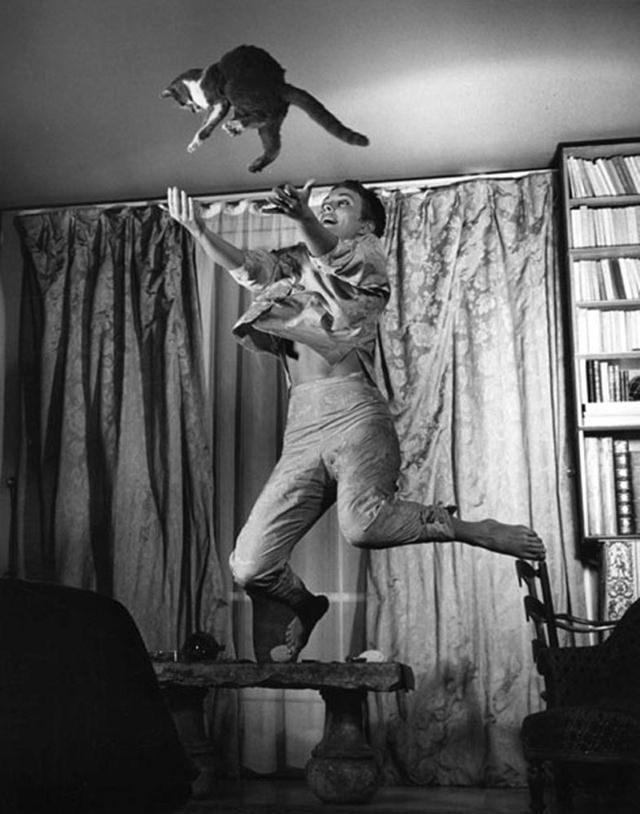
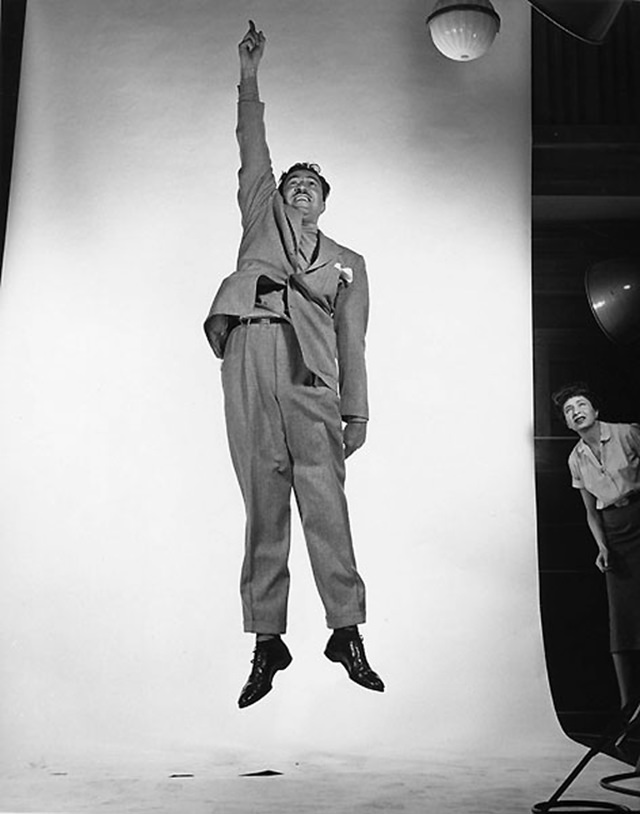
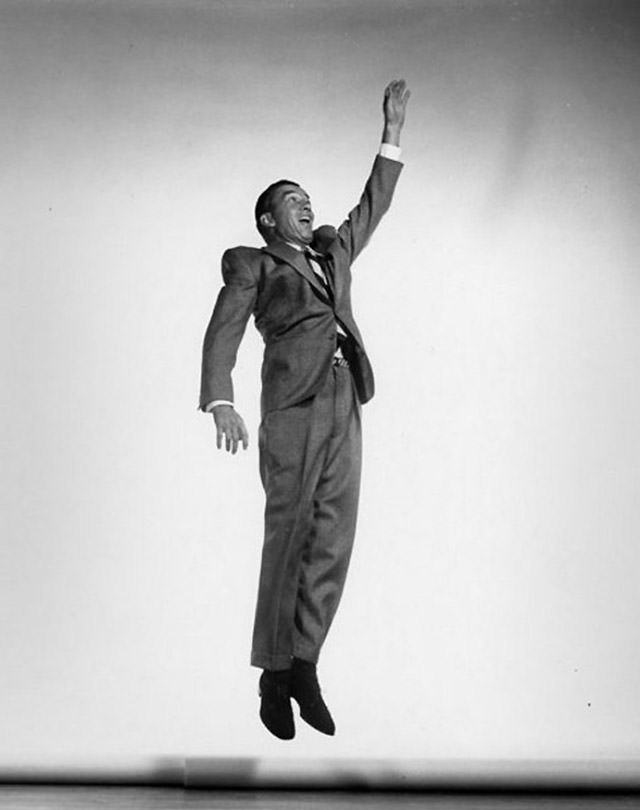
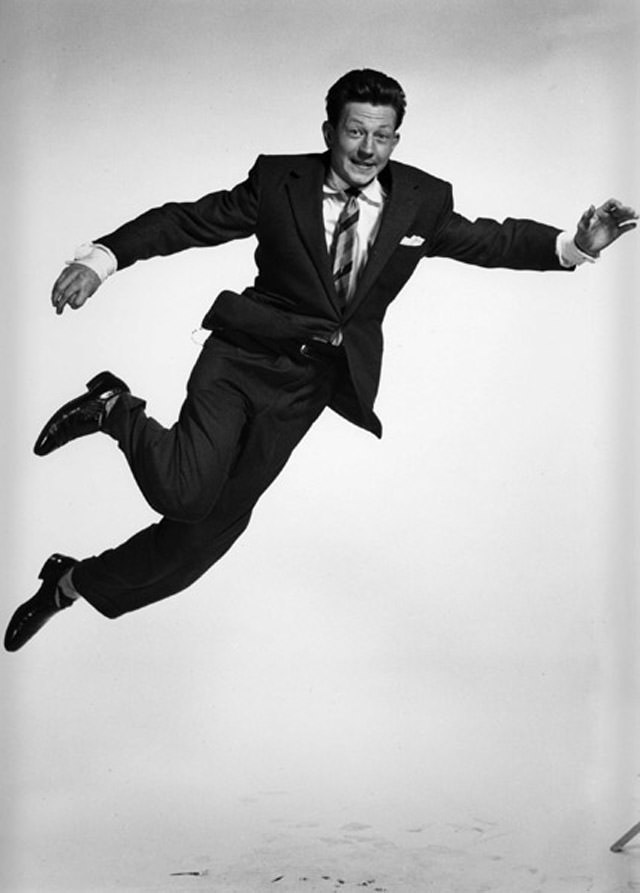
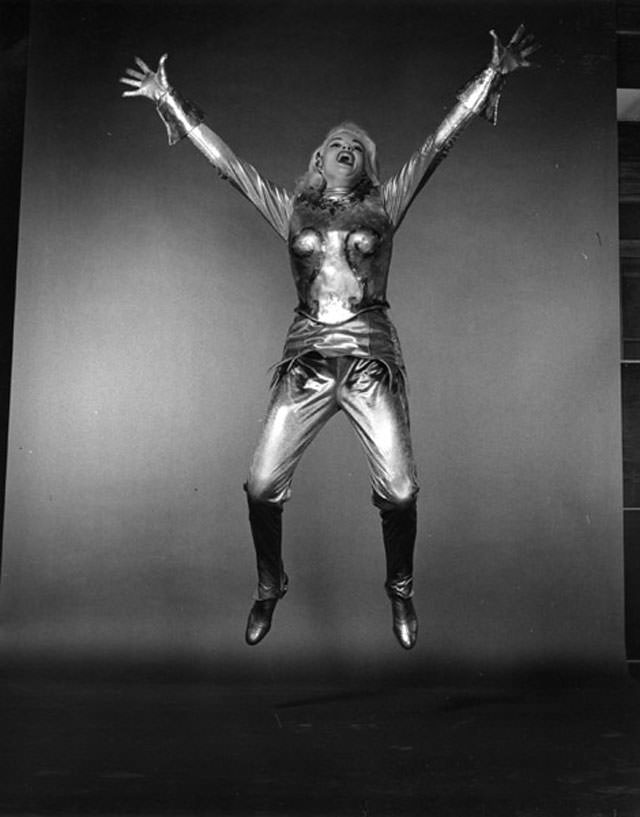
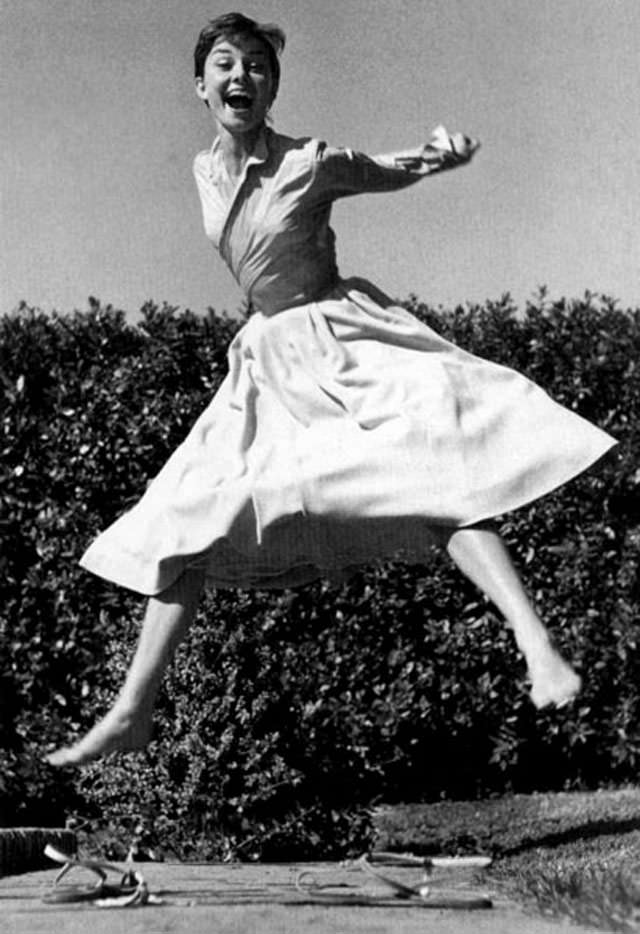
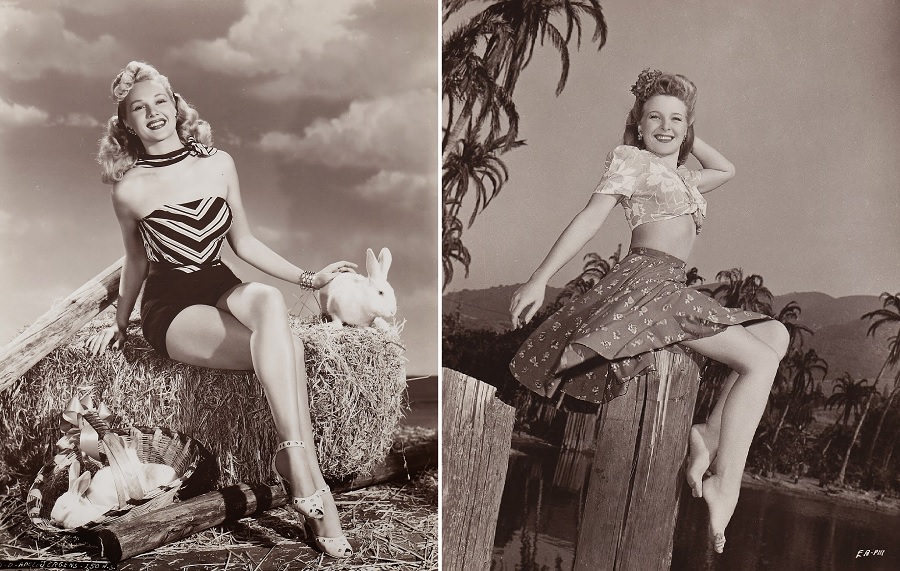
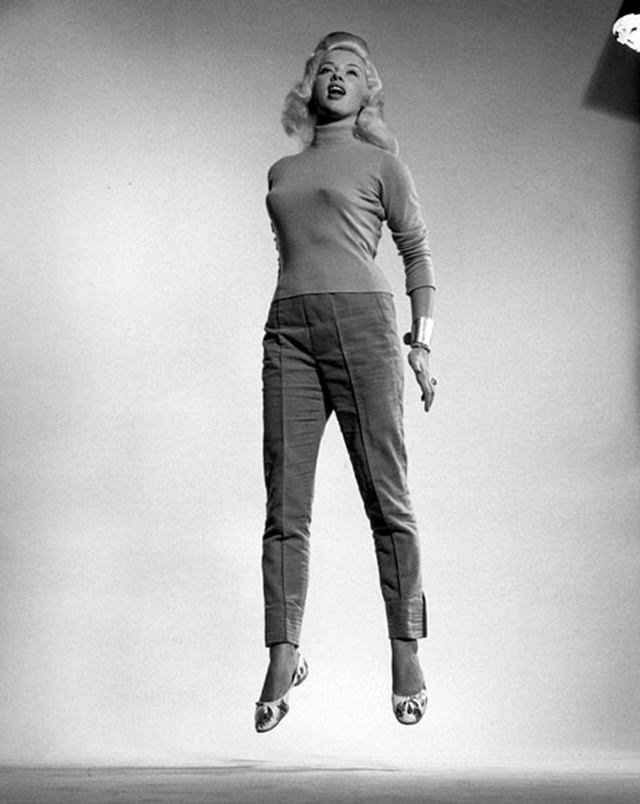
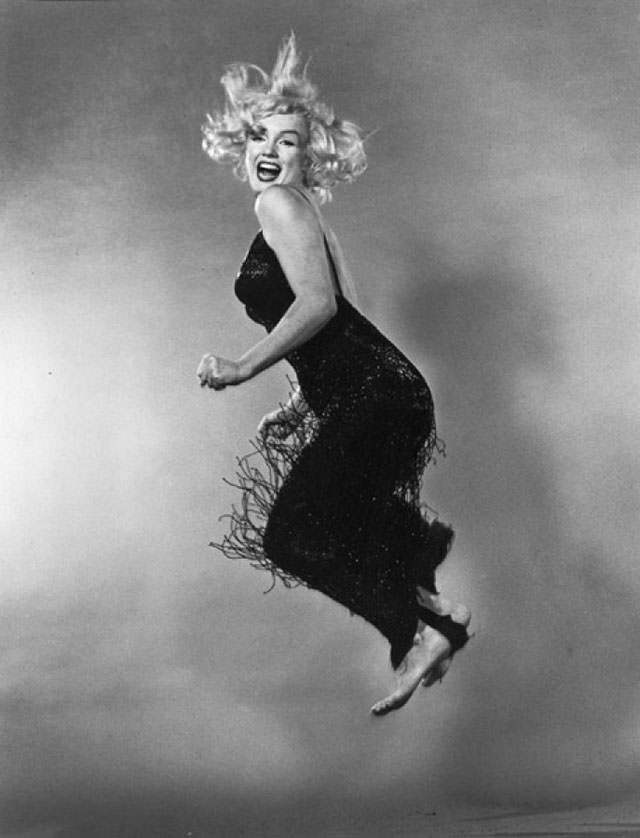
Philippe Halsman had a theory: ask someone to jump, and the mask comes off. The Latvian-born photographer, who became one of America’s most celebrated portrait artists, believed that the physical act of leaping stripped away a subject’s carefully constructed public image. In that split second off the ground, concentration breaks, self-consciousness fades, and something real surfaces. Starting in the late 1940s and running through the 1960s, Halsman turned this idea into one of the most distinctive portrait series of the 20th century.
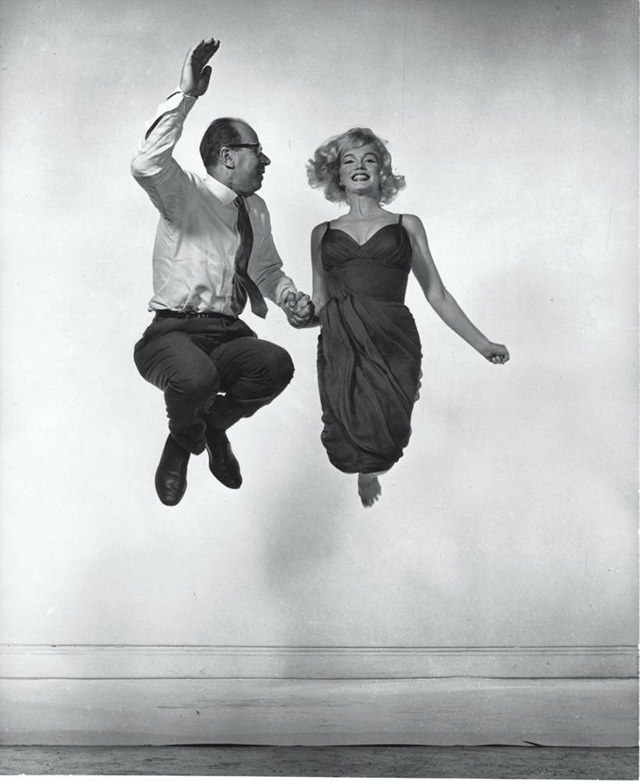
Marilyn Monroe was among his most famous subjects. In their sessions together, her blonde curls caught the air and her energy filled the frame in a way that her polished studio portraits rarely captured. She threw herself into the jumps with full commitment, and the results showed a spontaneity that her carefully managed public persona usually kept hidden.
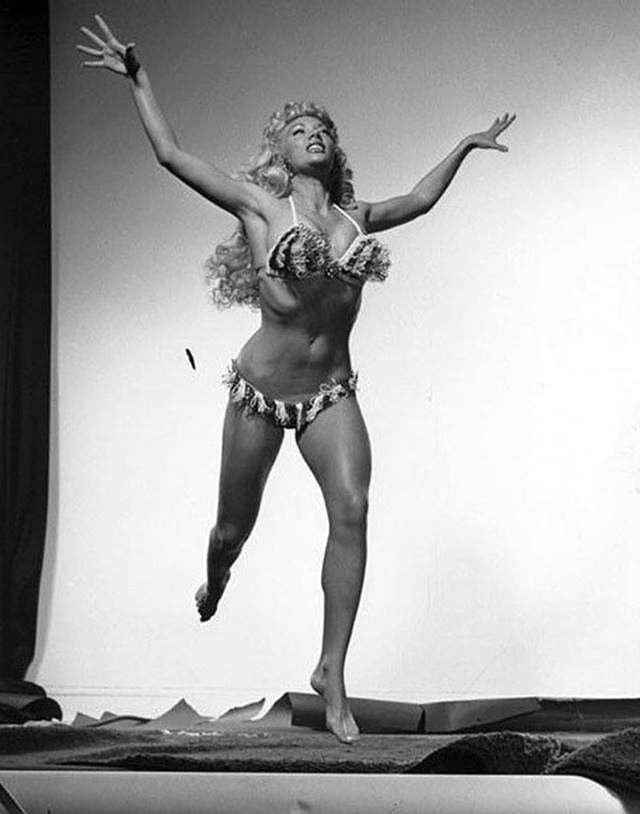
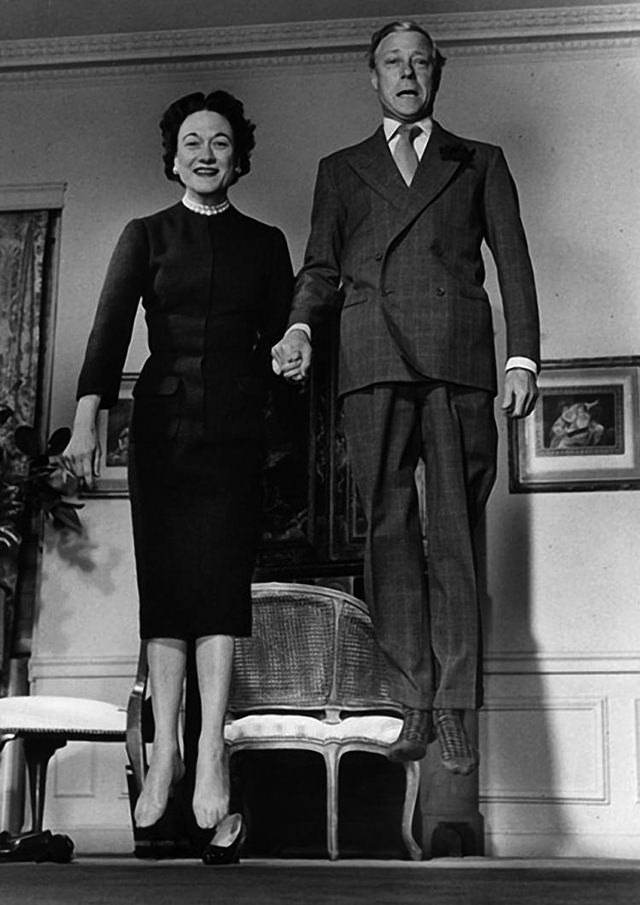
Not every subject leaped with the same ease. The Duke and Duchess of Windsor, known for their rigid sense of royal decorum, still carried an air of formality even in mid-air. Grace Kelly, by contrast, brought a lightness to her jump that matched her screen presence perfectly.
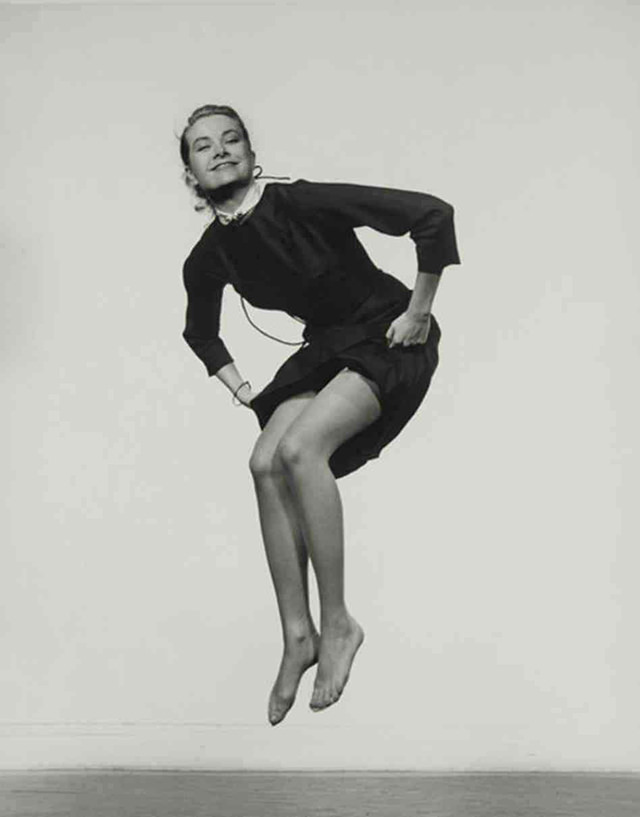
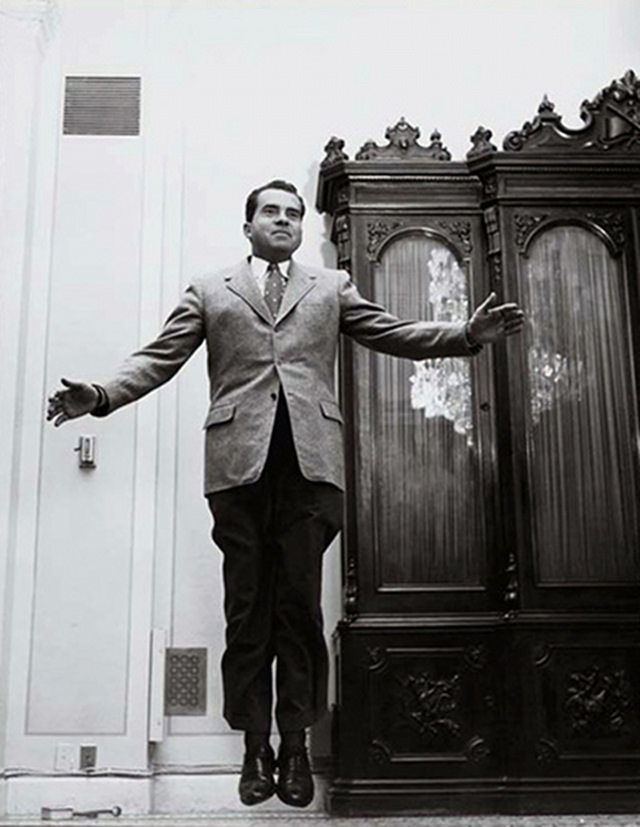
Richard Nixon’s jump told a different story entirely. His face carried visible tension, his body stiff with the weight of political ambition. Where other subjects grinned freely, Nixon looked as though he were treating the leap like a task to be completed.
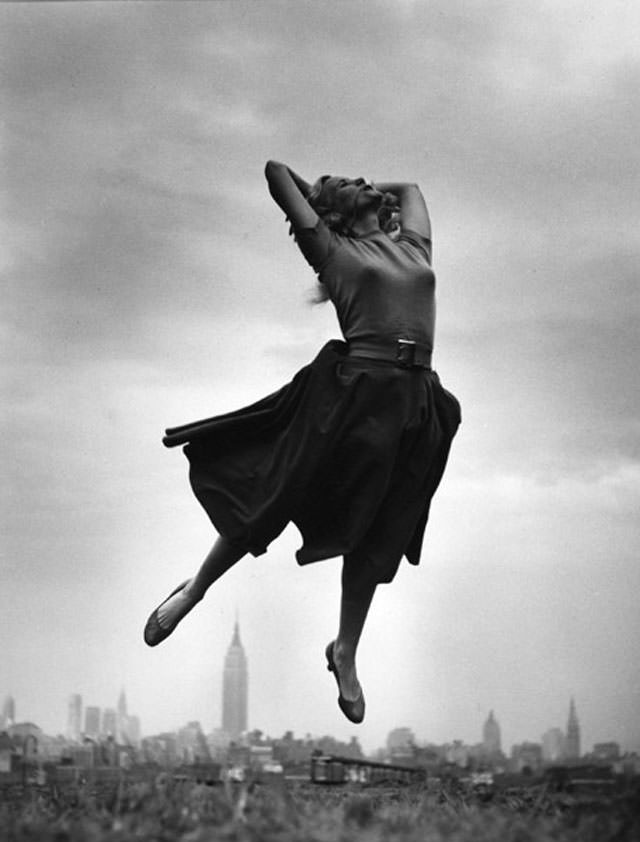
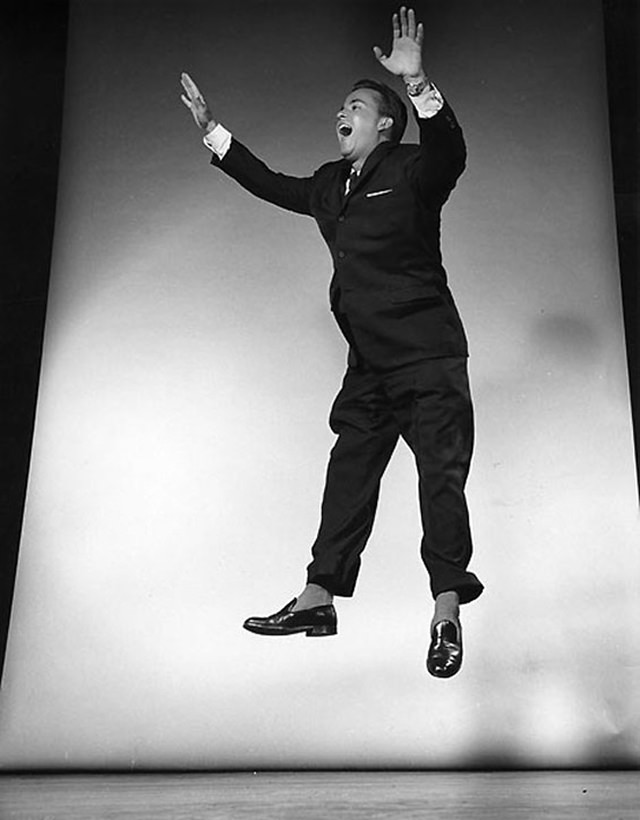
Halsman worked with an extraordinary range of subjects — entertainers, politicians, intellectuals, and athletes. Each one brought something different to the frame. Performers like Danny Kaye and Donald O’Connor used their bodies with natural ease, while thinkers like Aldous Huxley and J. Robert Oppenheimer produced images that were striking precisely because jumping seemed so far outside their usual world.
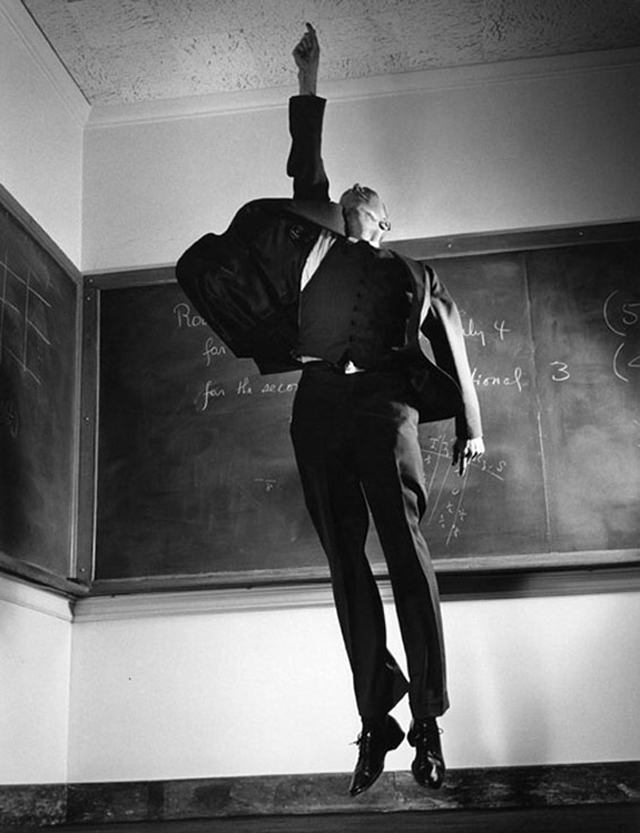
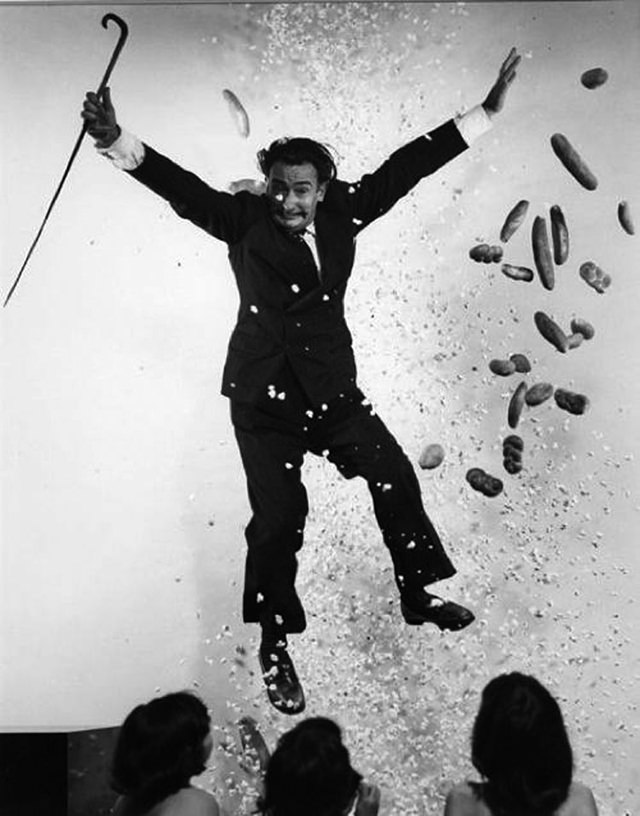
Salvador Dalí was a natural collaborator — surrealism and mid-air photography shared an obvious kinship. Their sessions together pushed the concept furthest, with Dalí embracing the absurdity of the project completely. Other cultural figures like jazz legend Benny Goodman and television host Ed Sullivan brought their own distinct energy to Halsman’s studio floor.
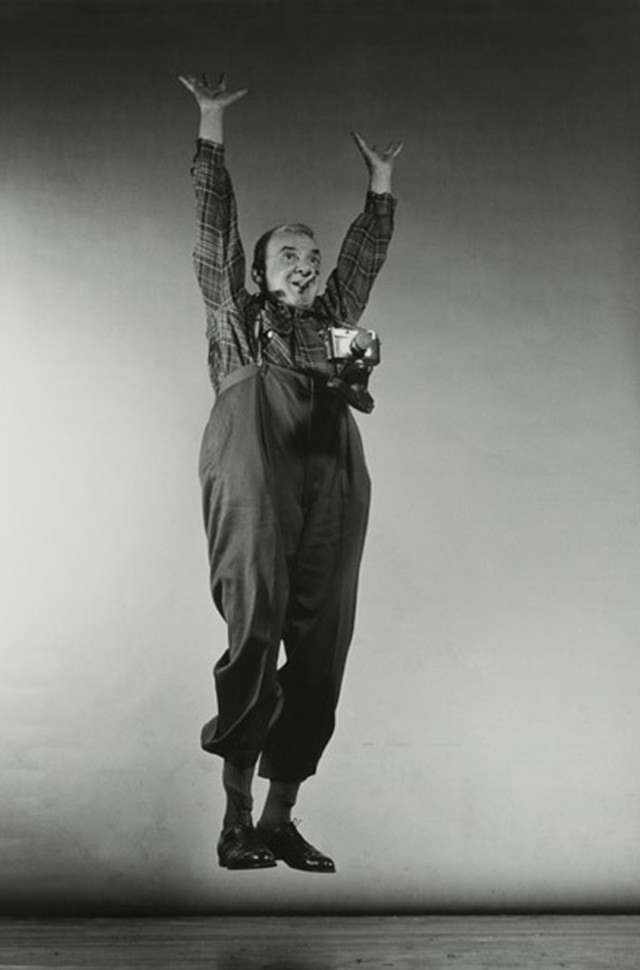
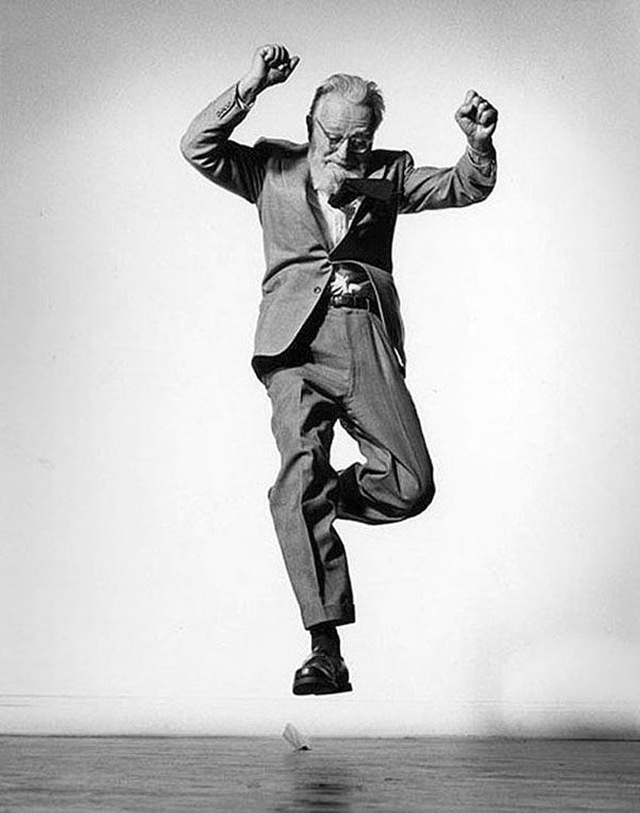
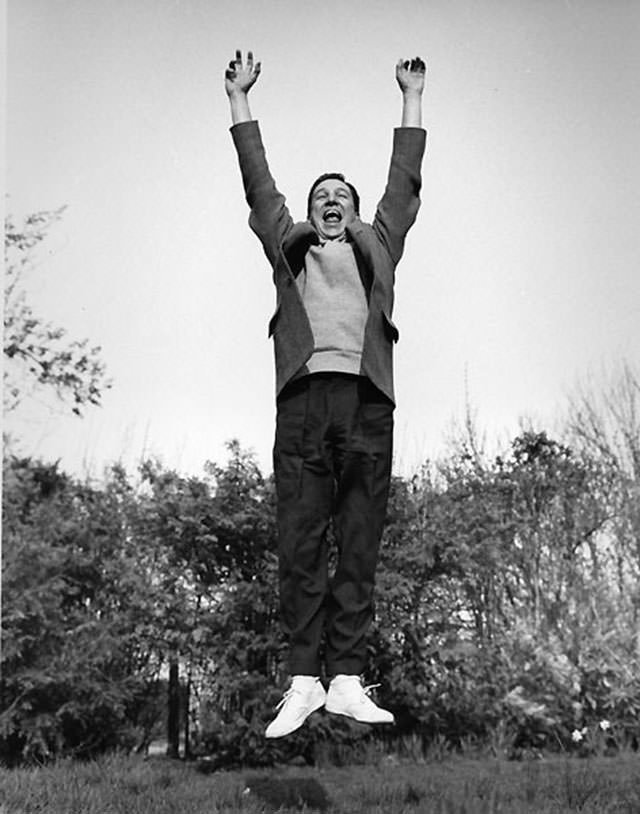
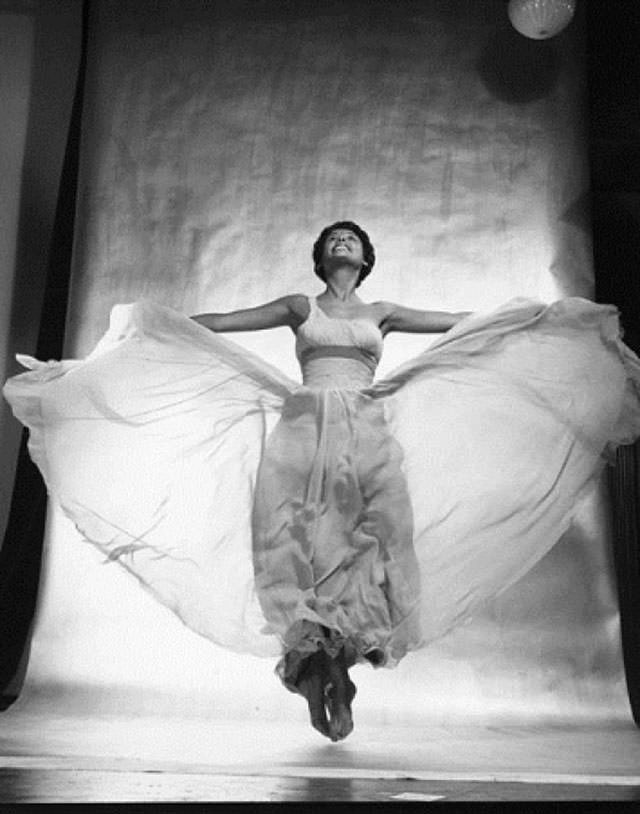
Lena Horne, Sophia Loren, and Brigitte Bardot each brought a glamour to the series that was wholly their own. Their jumps felt effortless, charged with the same magnetism that made them stars. Audrey Hepburn’s photograph stands out for a different reason — her leap was playful and loose-limbed, a genuine contrast to the composed elegance she projected on screen.
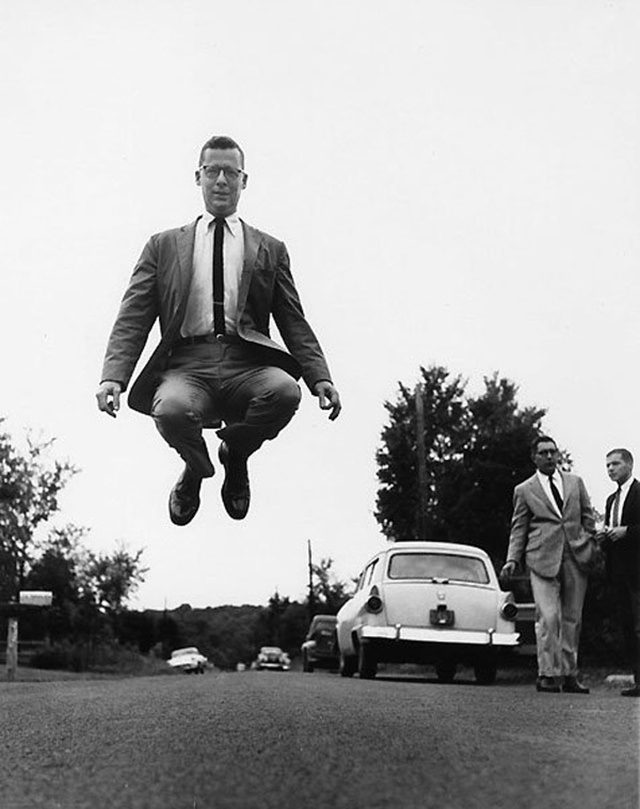
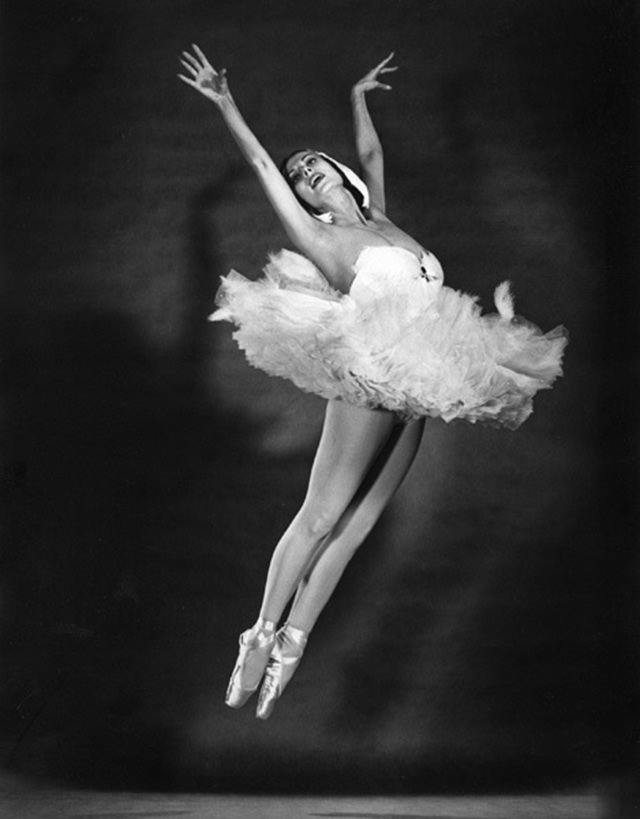
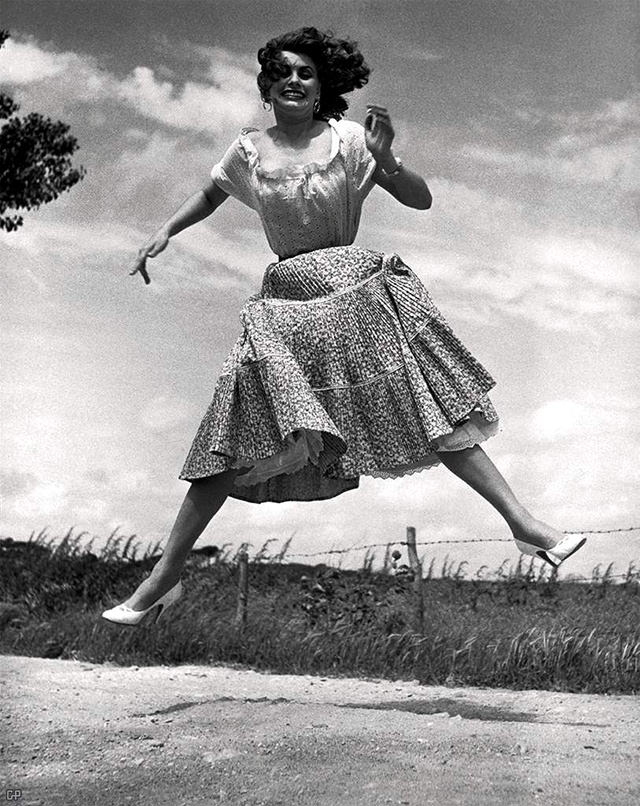
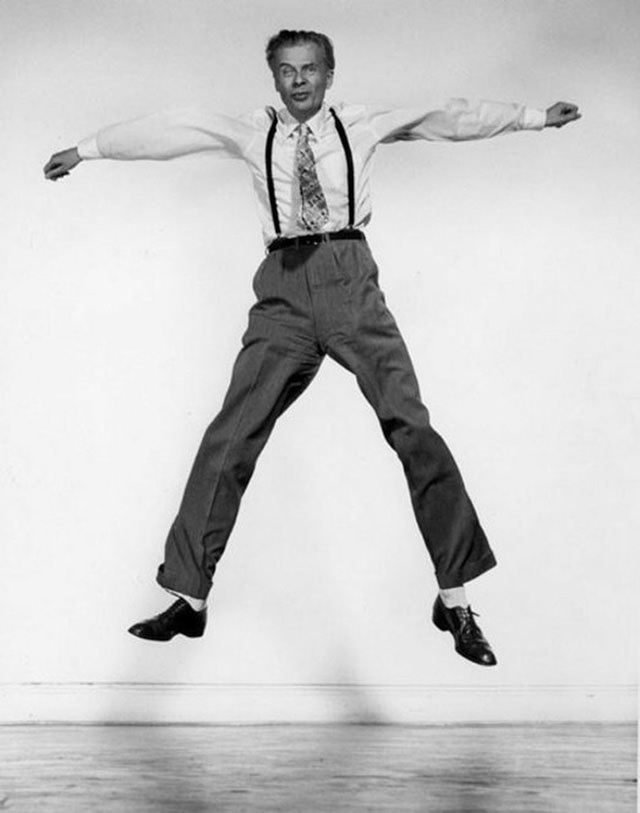
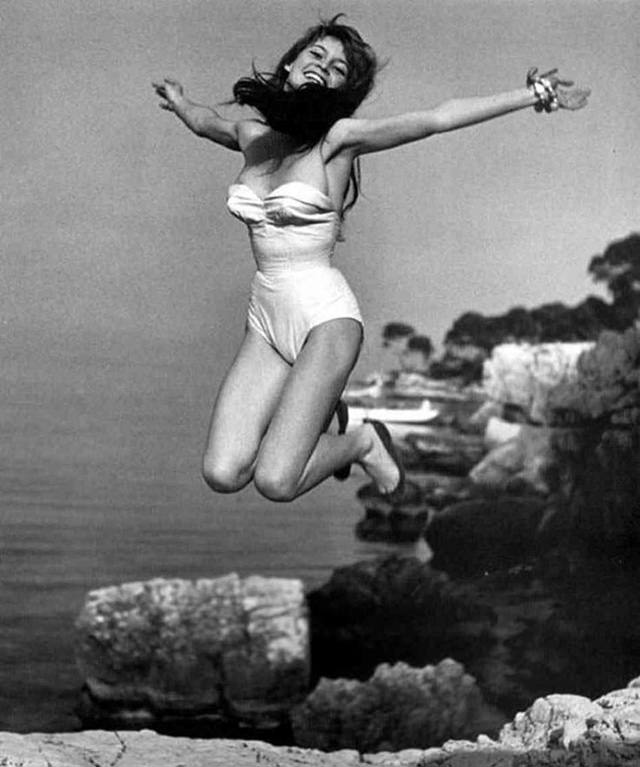
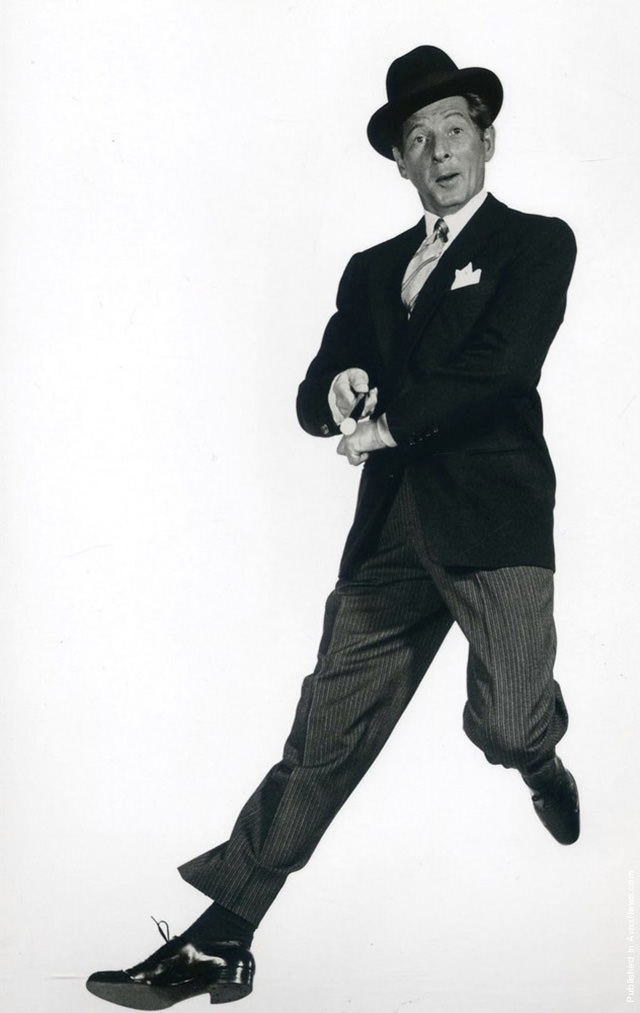
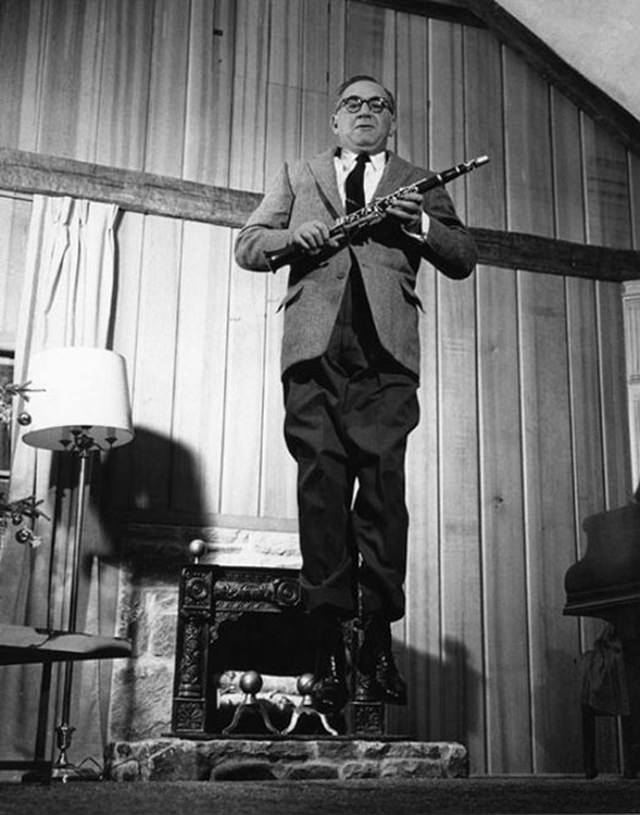
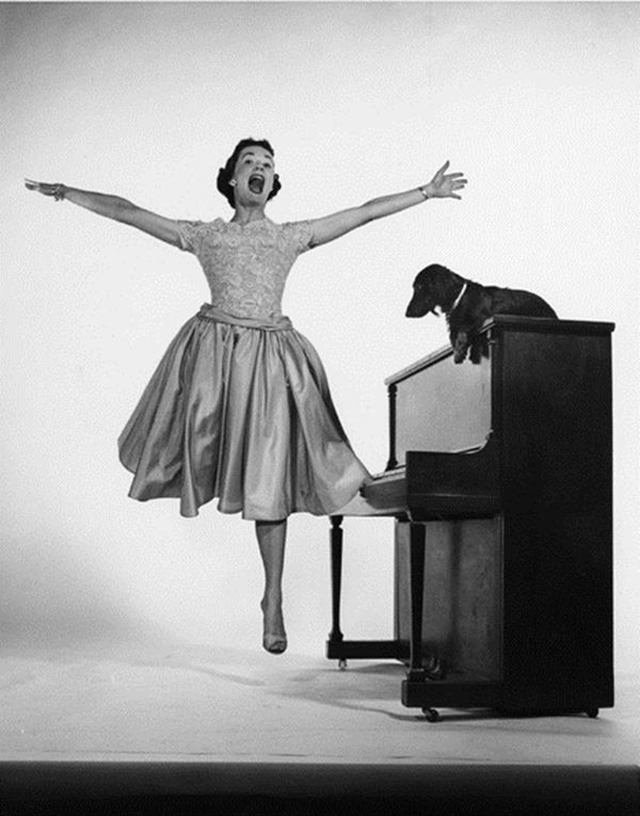
Halsman eventually compiled the work into a 1959 book simply titled Jump Book, featuring over 100 subjects. The project required real patience from both sides — Halsman often needed multiple takes to get the shot he wanted, and his subjects had to trust the process completely. The technical challenge of freezing motion sharply at the peak of a jump, with studio lighting and the cameras of the era, was considerable.