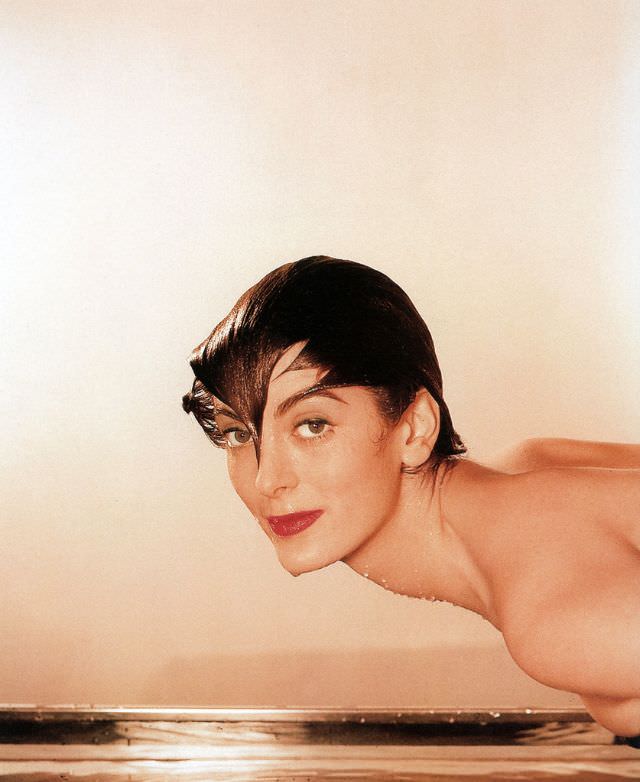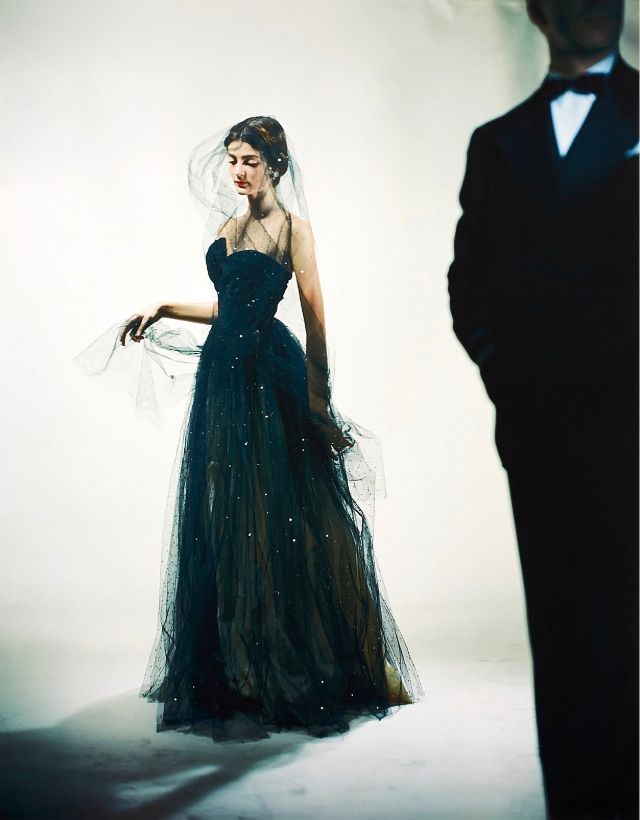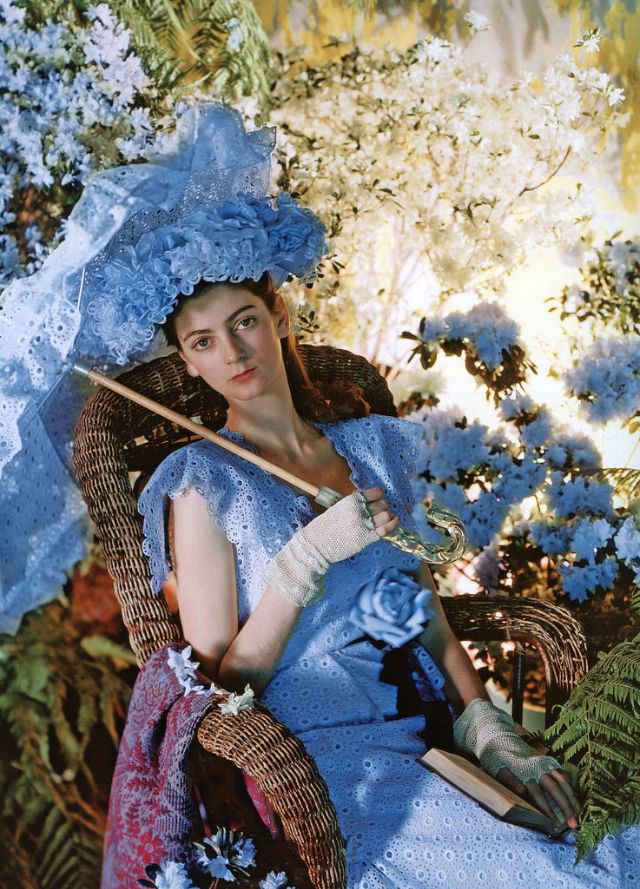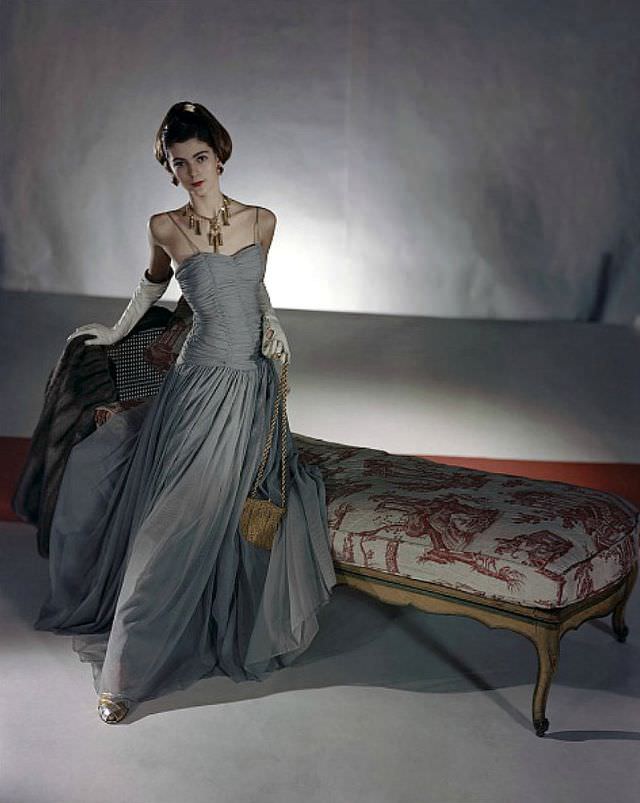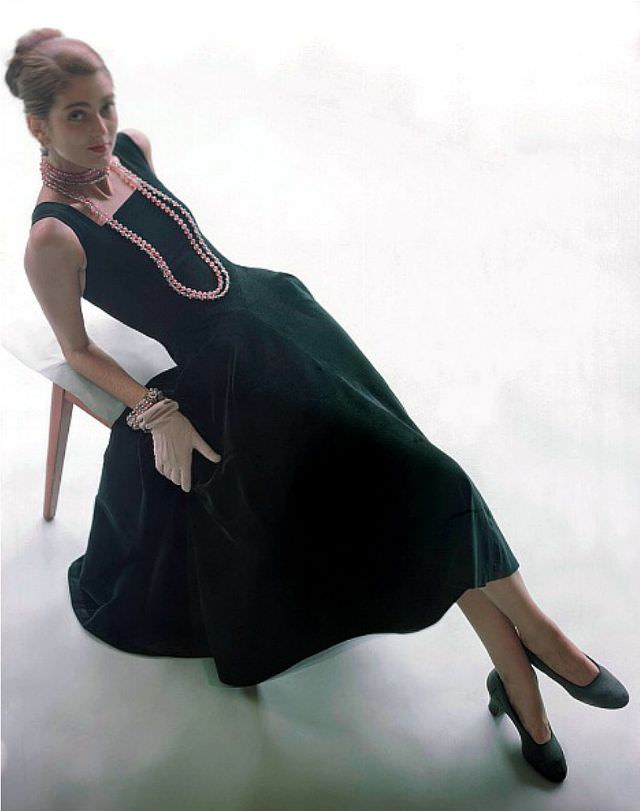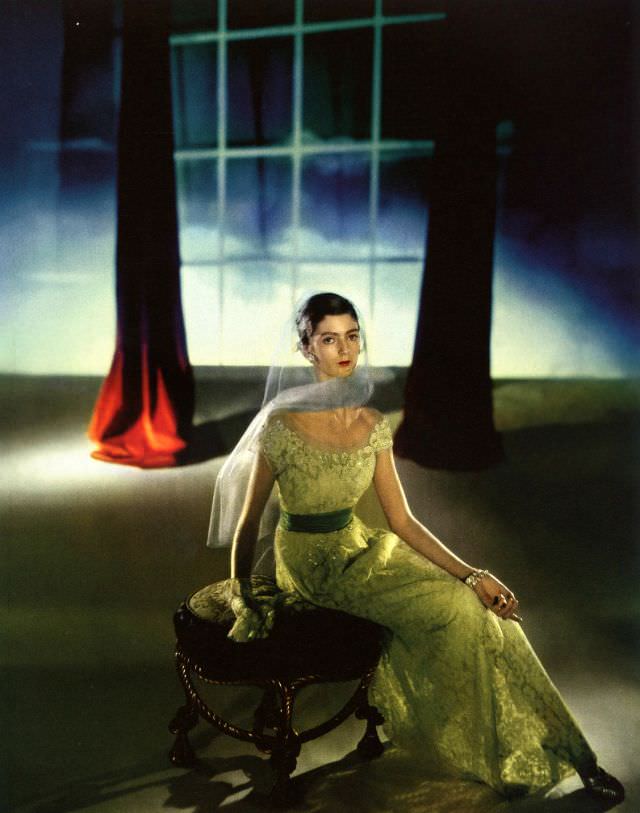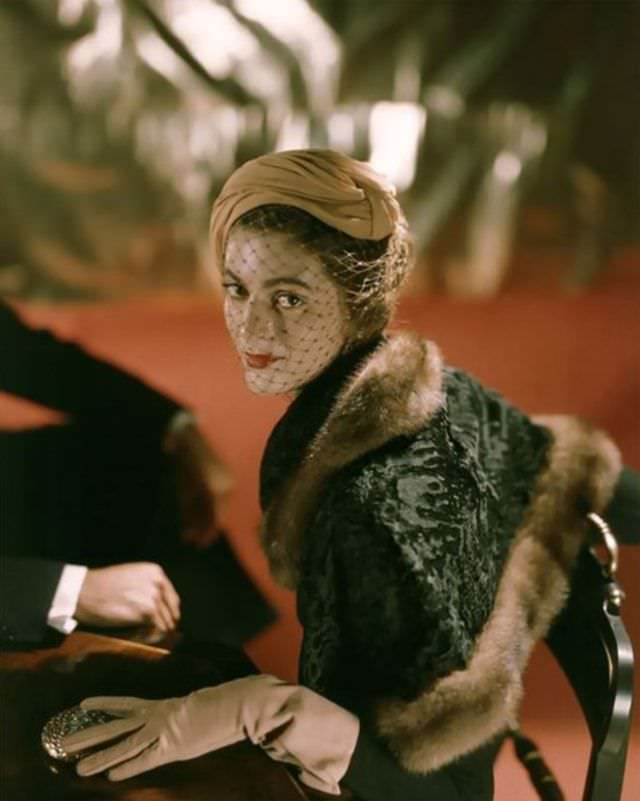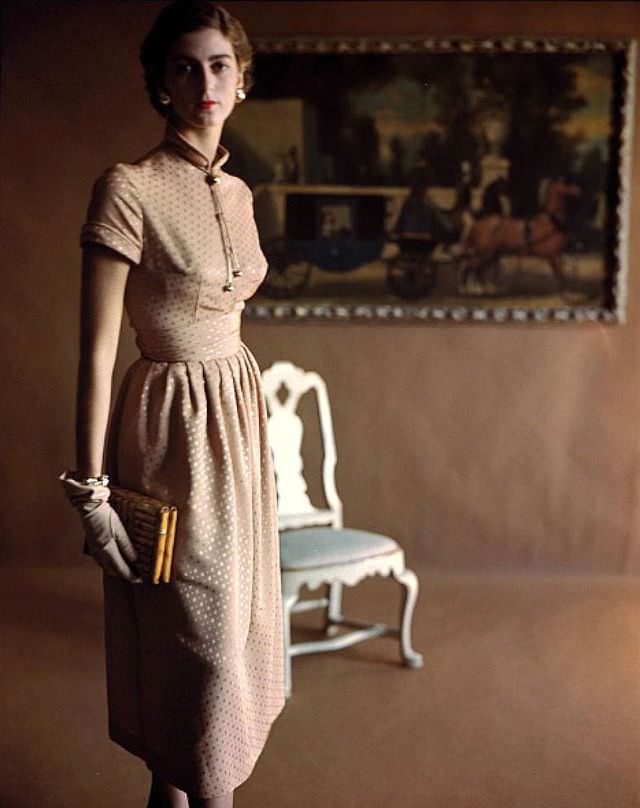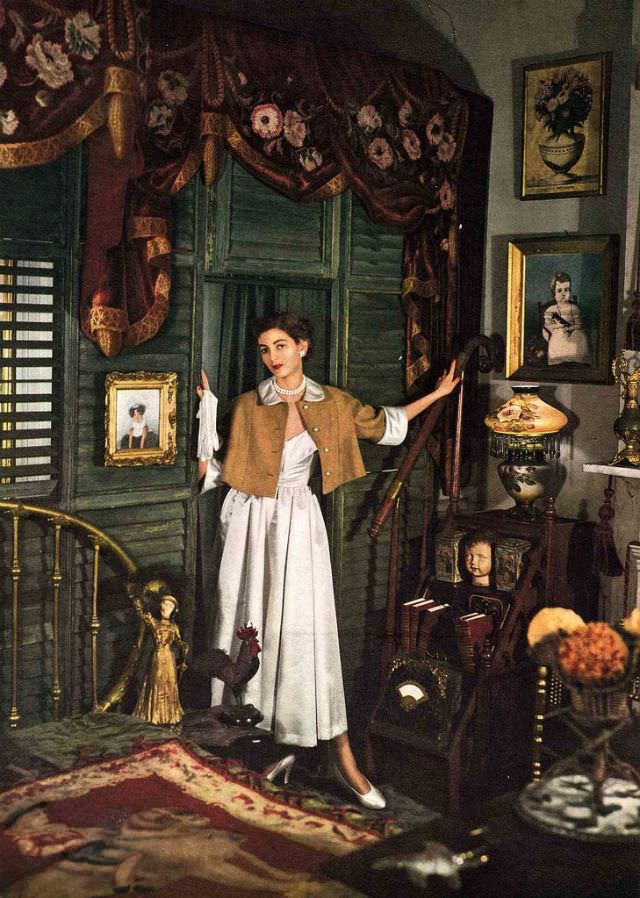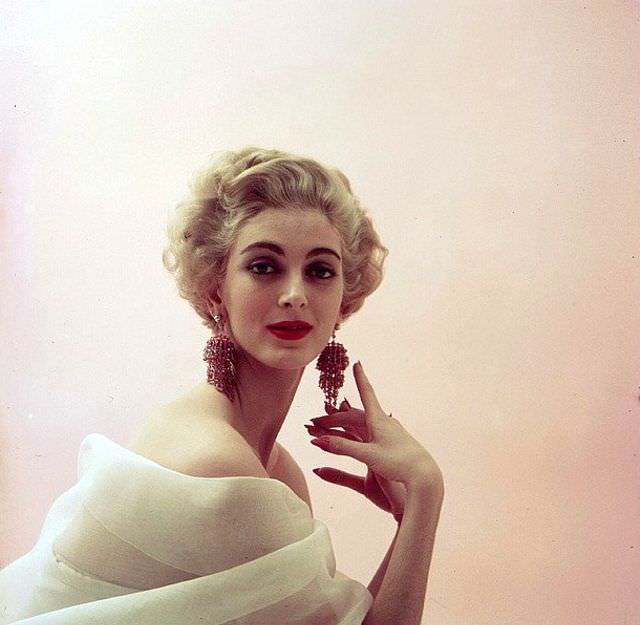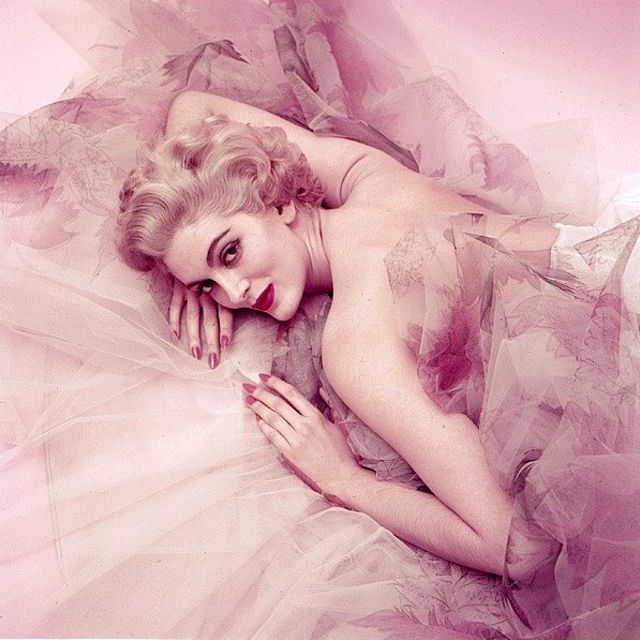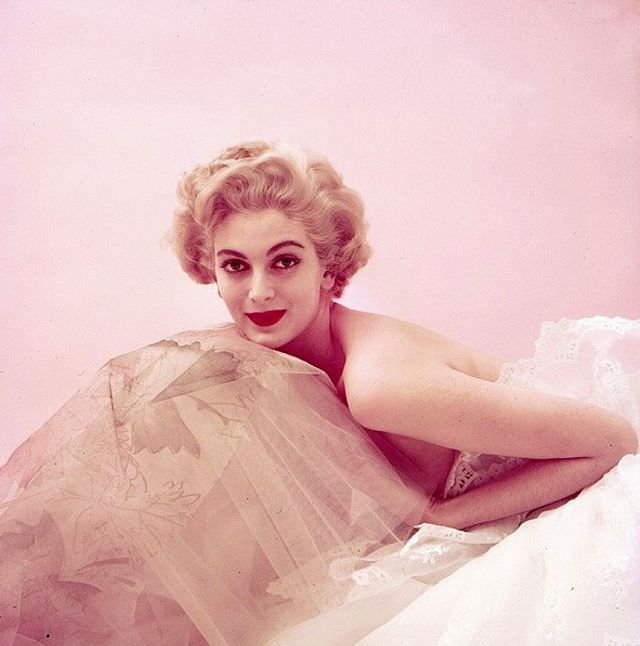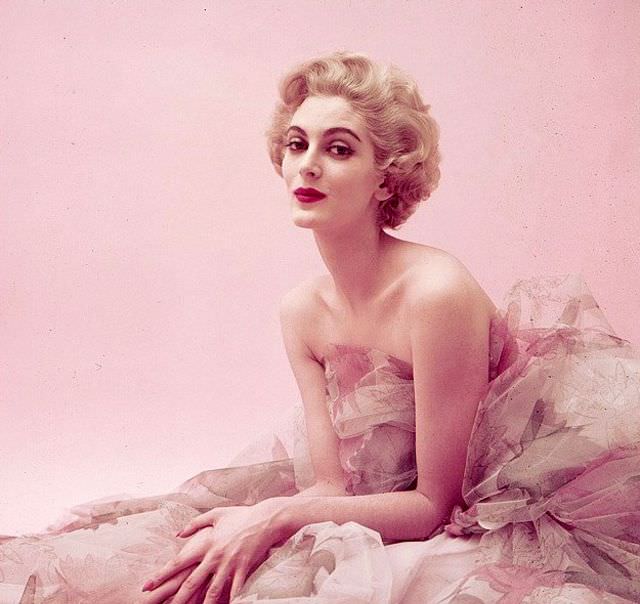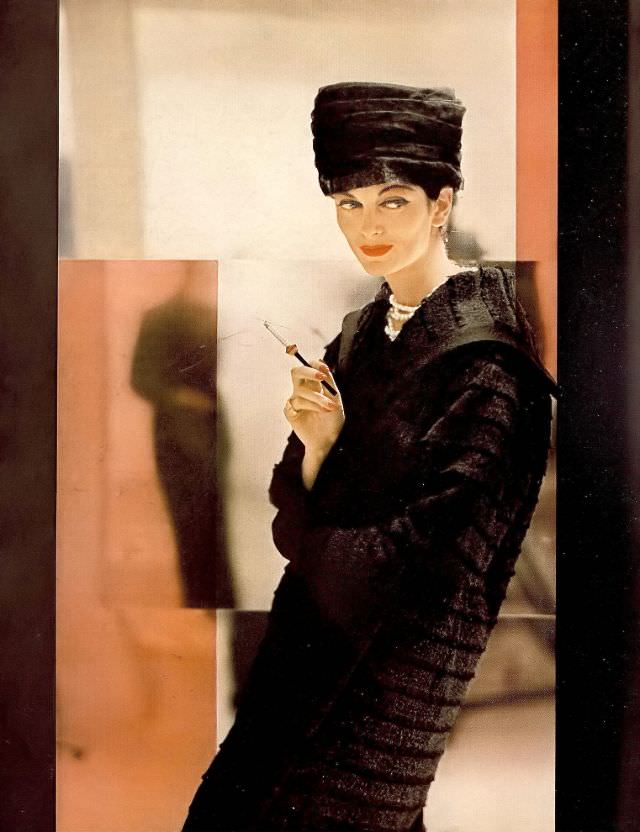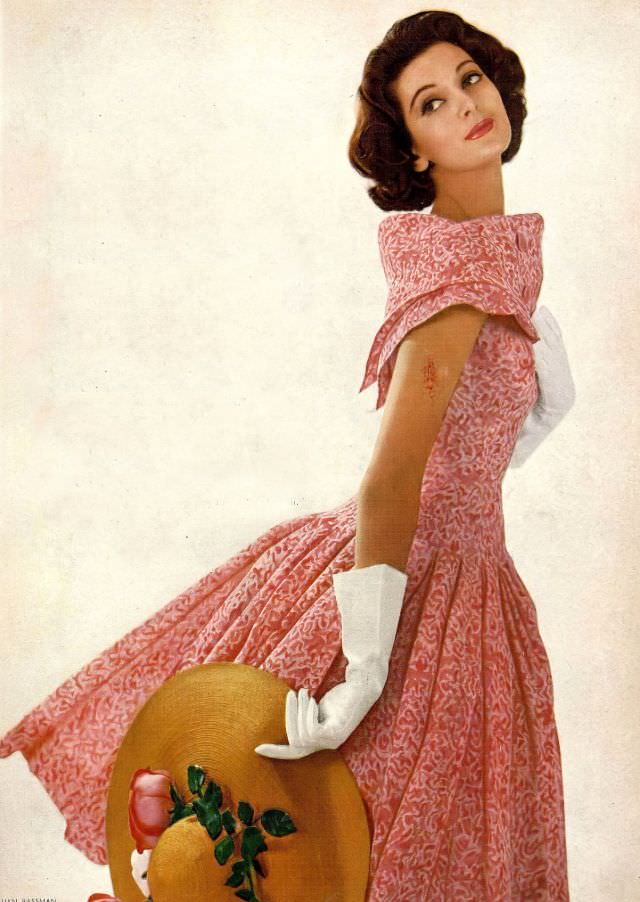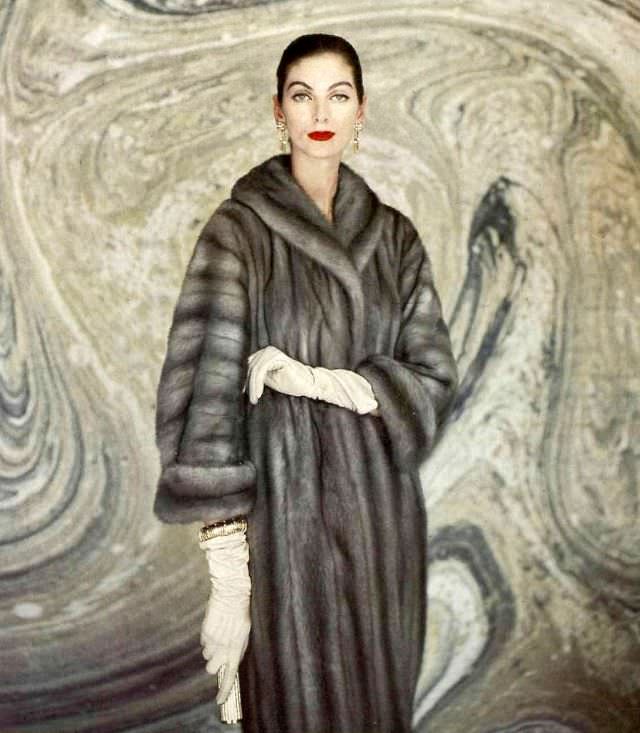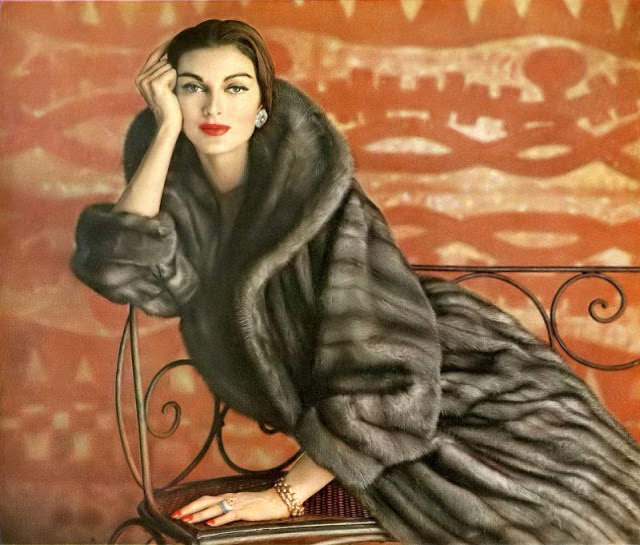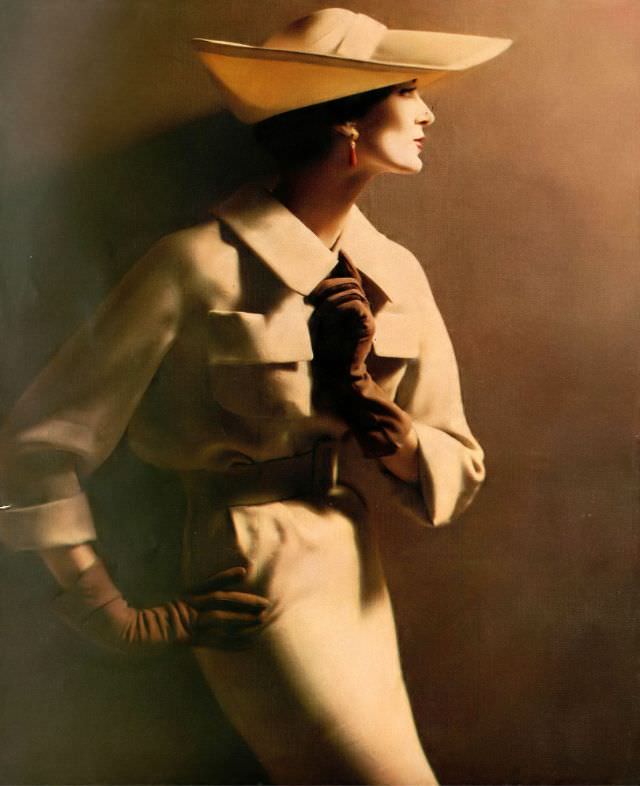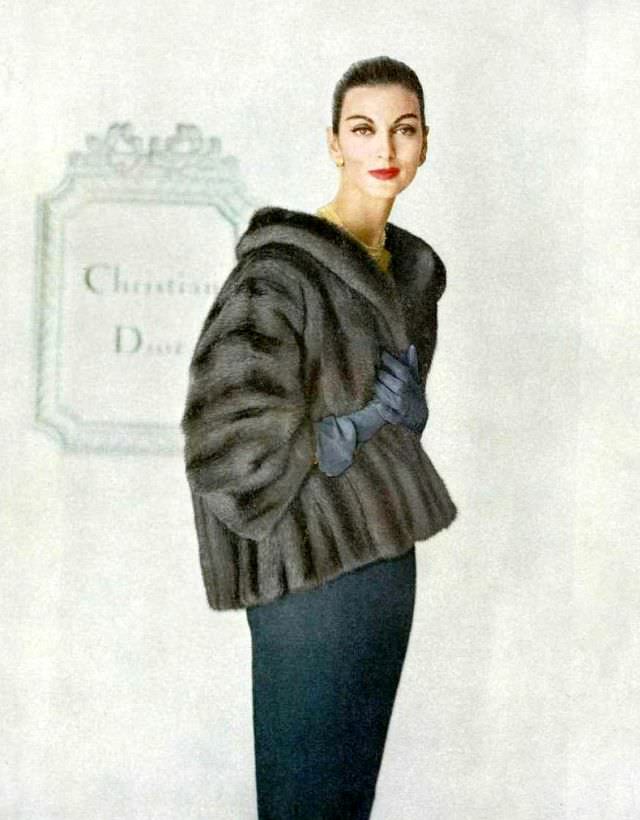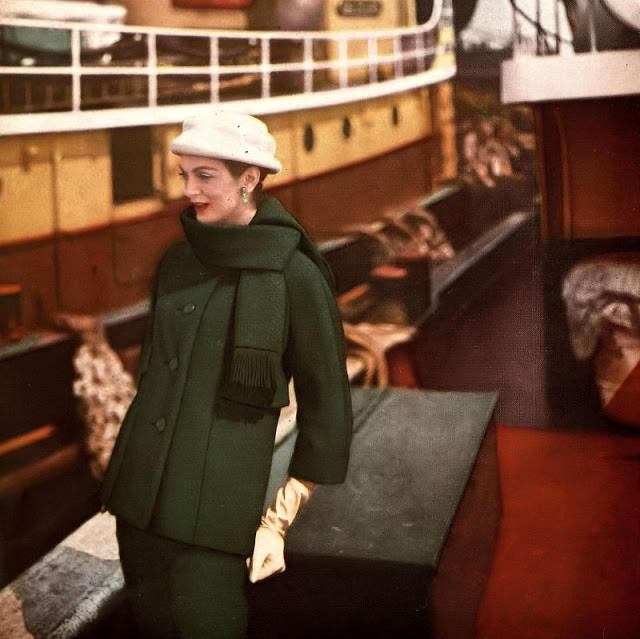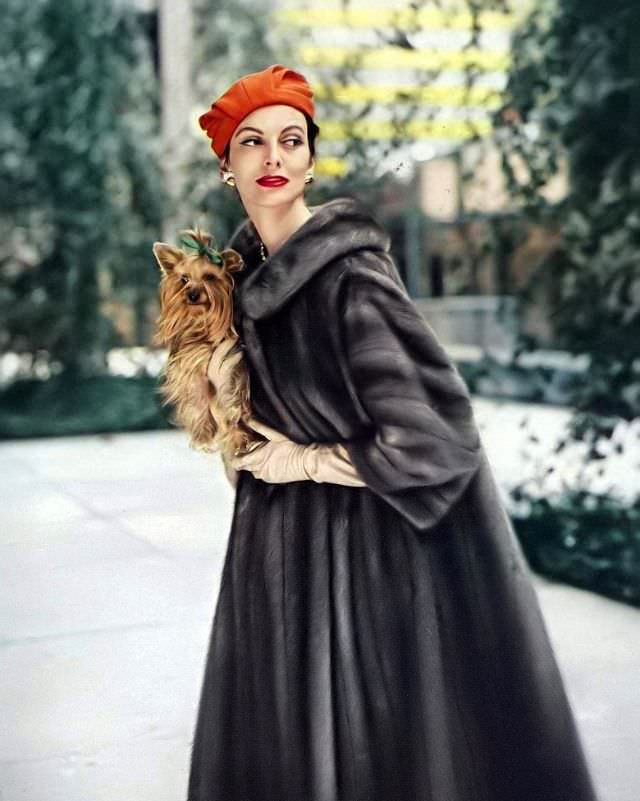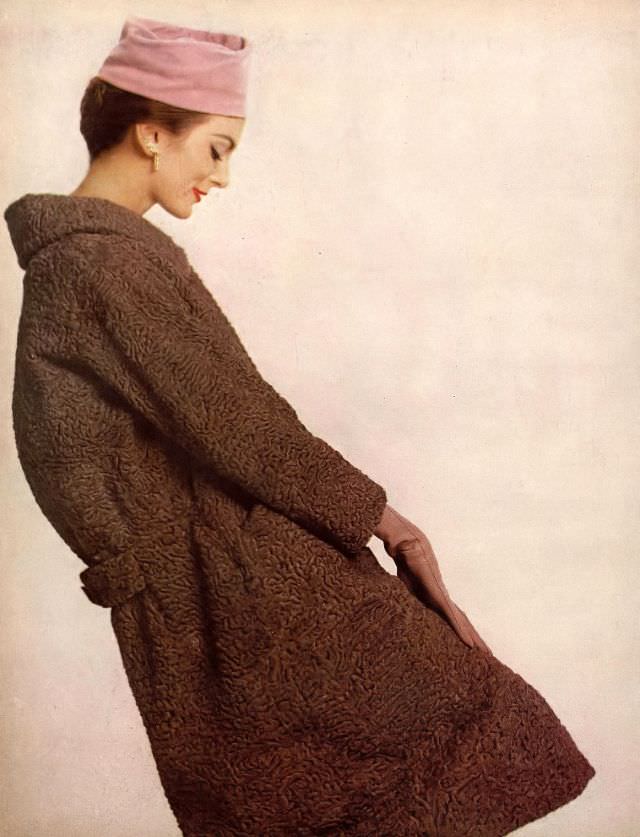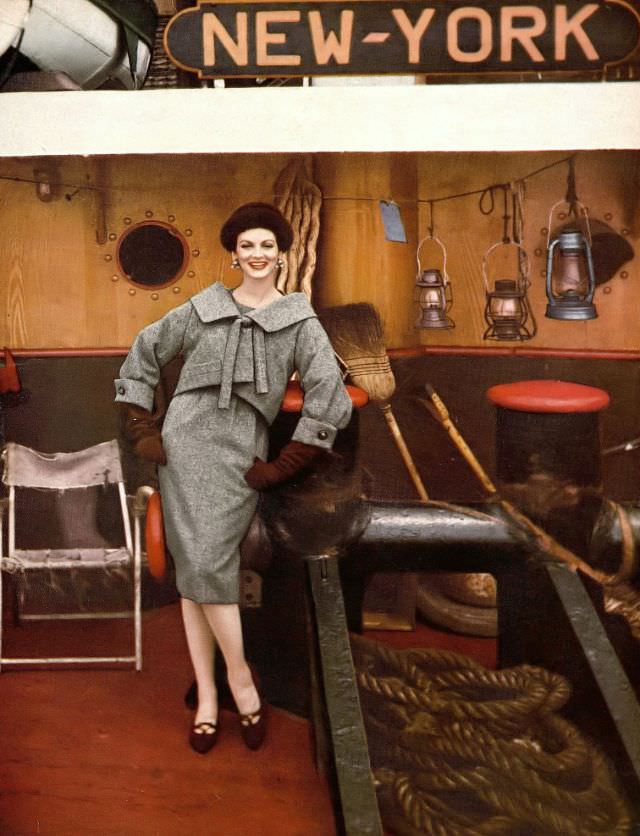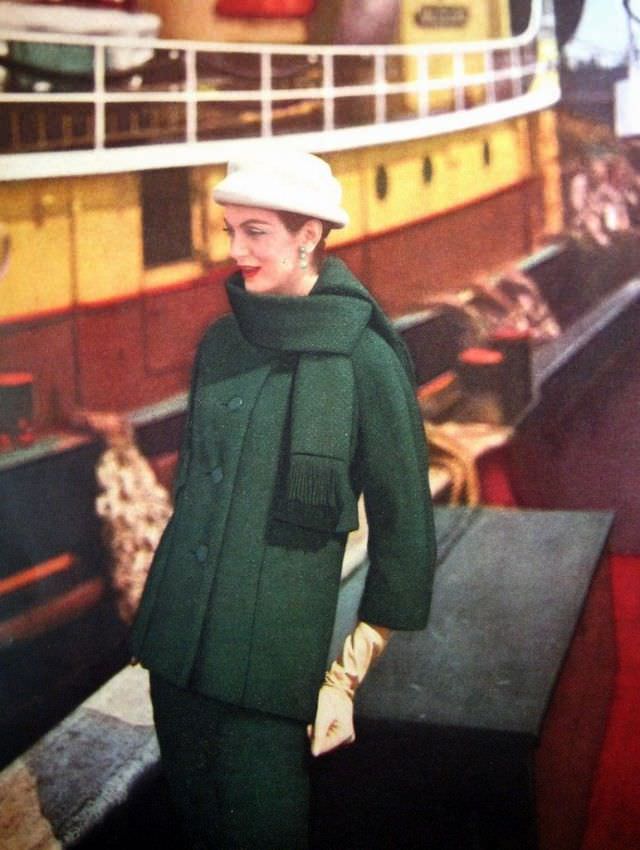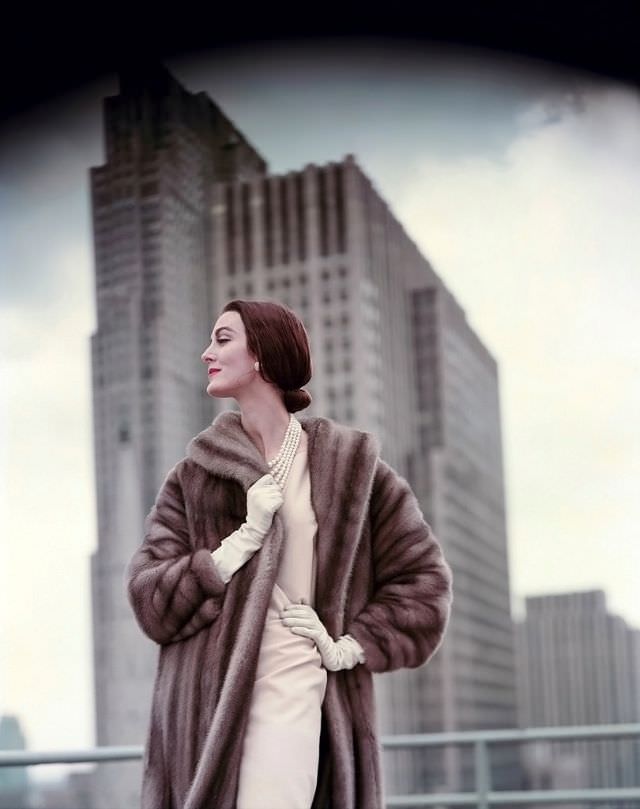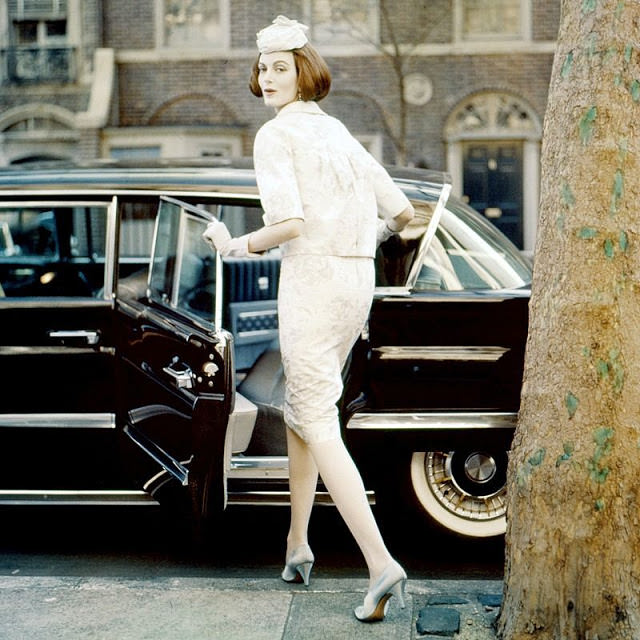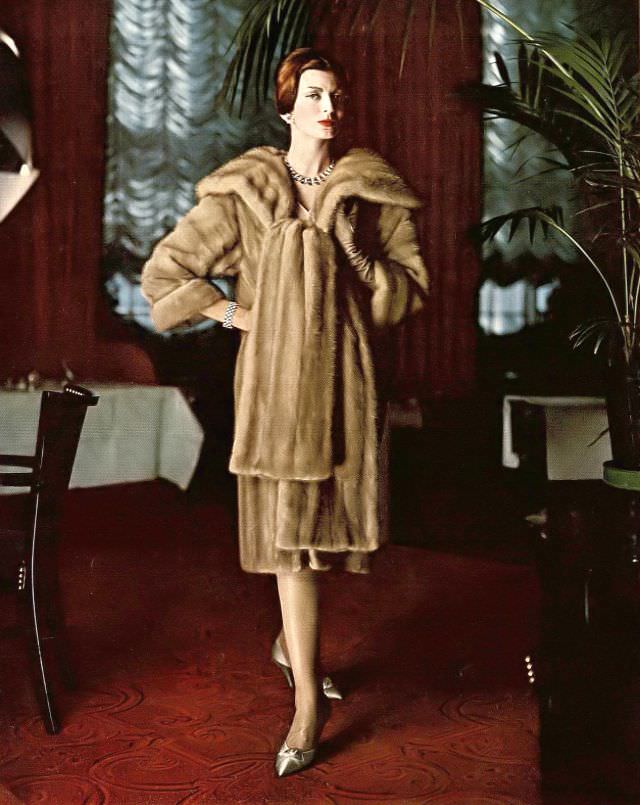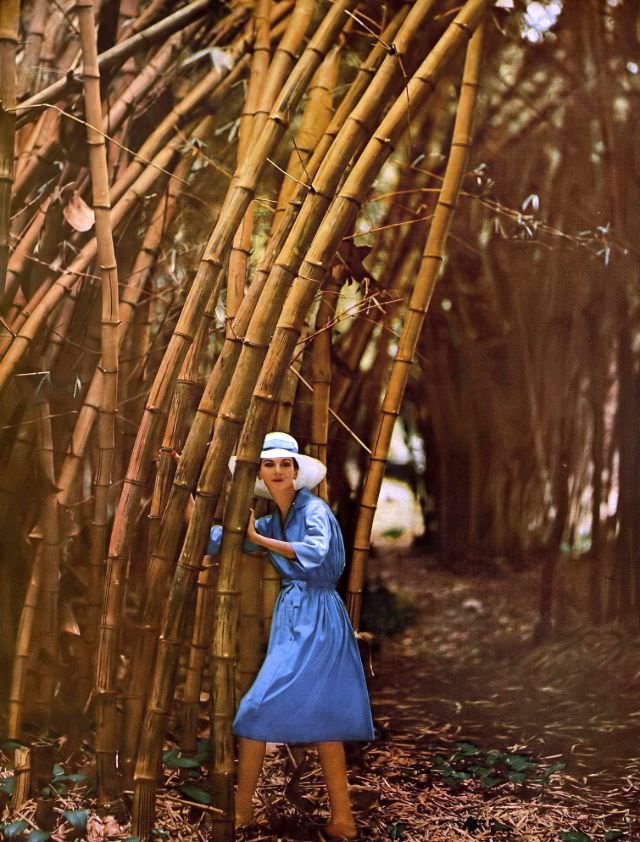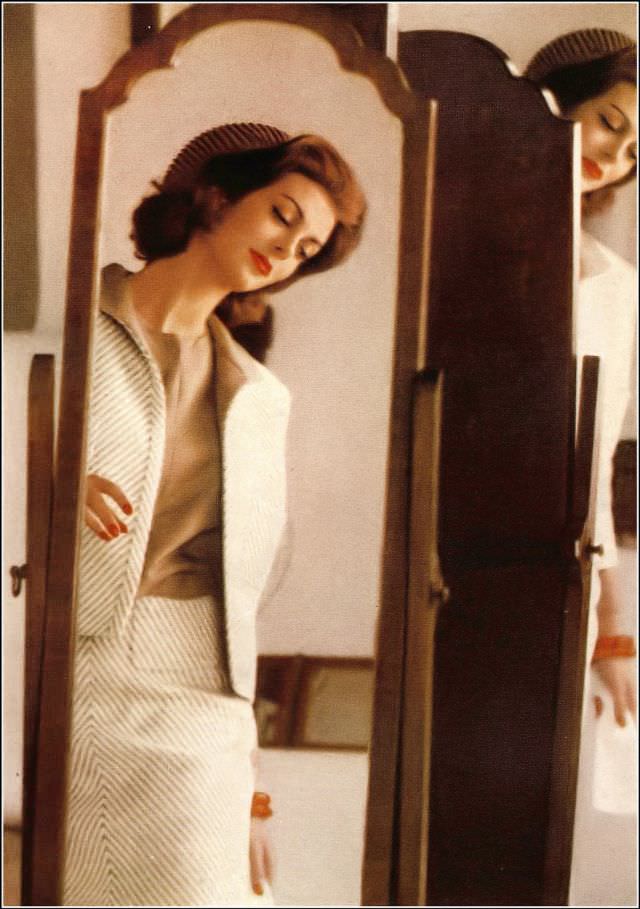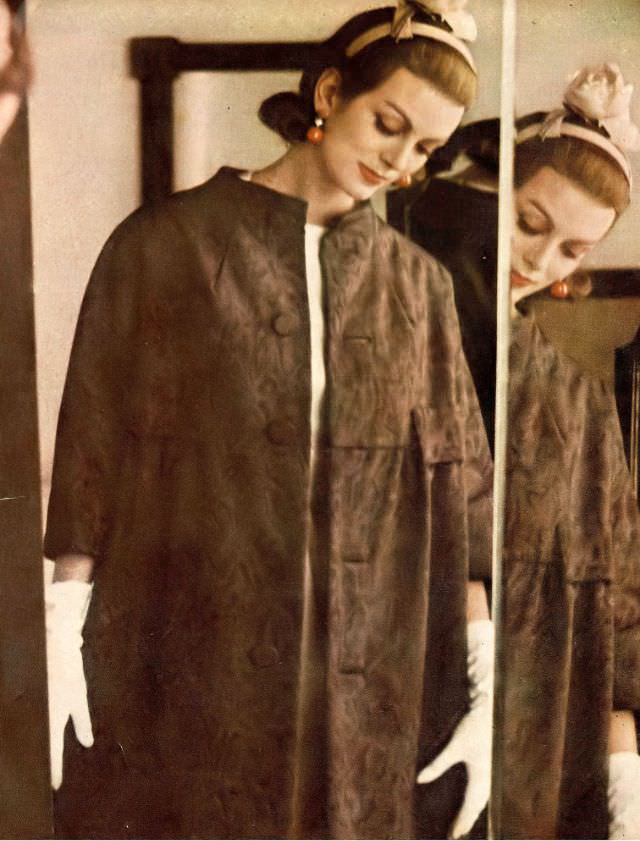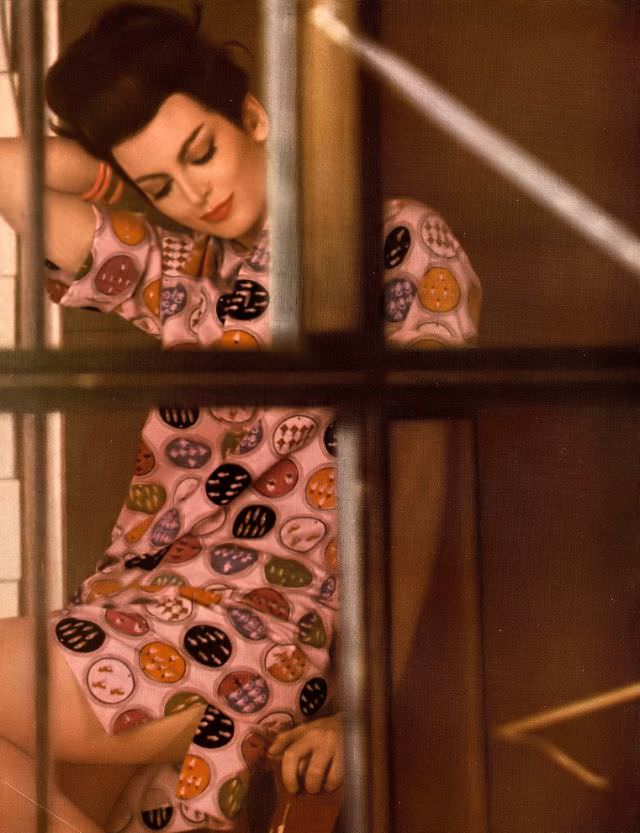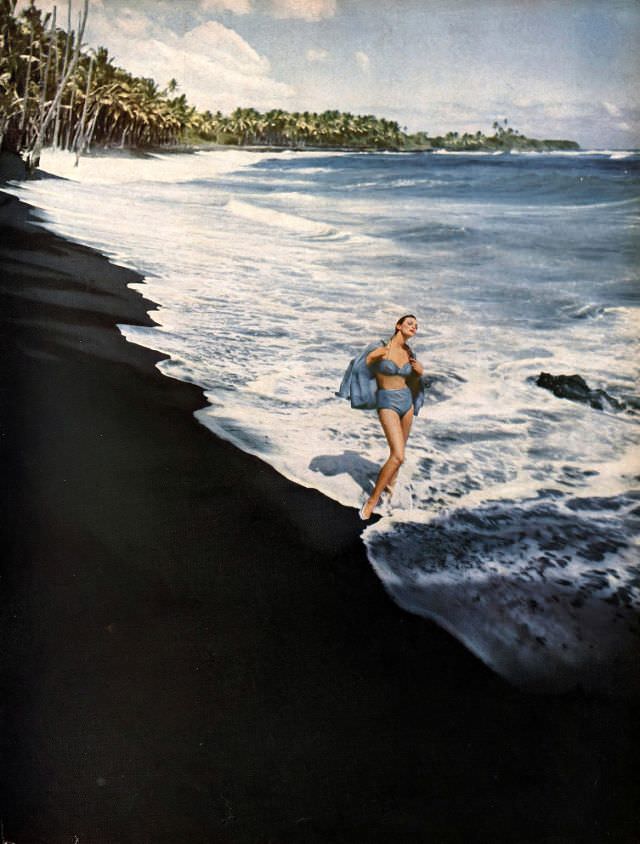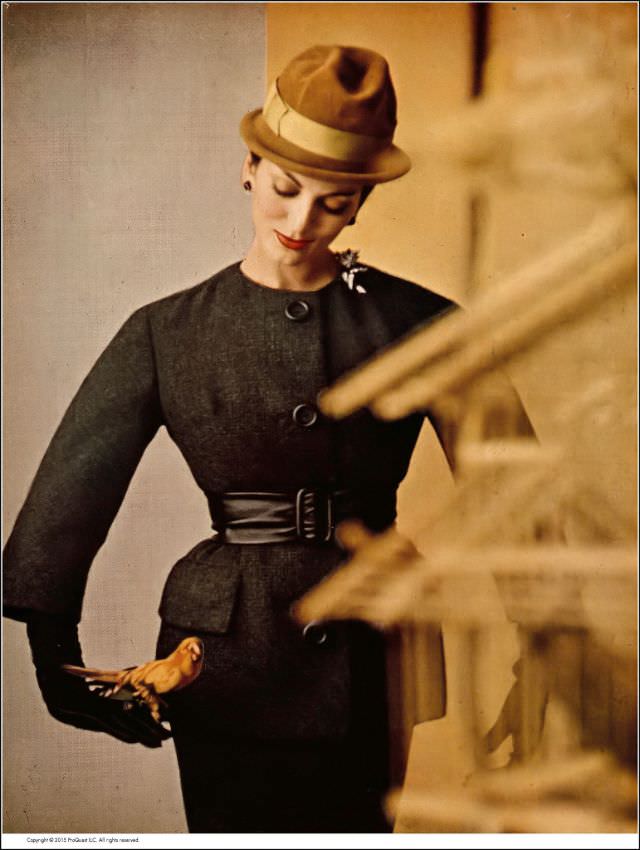

Carmen Dell’Orefice is one of the most remarkable figures in the history of fashion. She began modeling at just 13 years old, and by the time she was 15, her face was already on the cover of Vogue. That kind of early recognition set the tone for a career that would span decades and place her among the most photographed women of the 20th century. During the 1940s and 1950s, she worked alongside some of the most celebrated photographers of the era, including Irving Penn and Richard Avedon, two names that defined what fashion photography could be.

Carmen’s early life was far from easy. Her parents’ constant conflicts meant she spent stretches of her childhood living in foster homes or with various relatives. That instability, however, did not slow her rise. By 1946, she was already appearing in the pages of Vogue in carefully styled editorial shoots, wearing designs from some of New York’s most respected fashion houses.


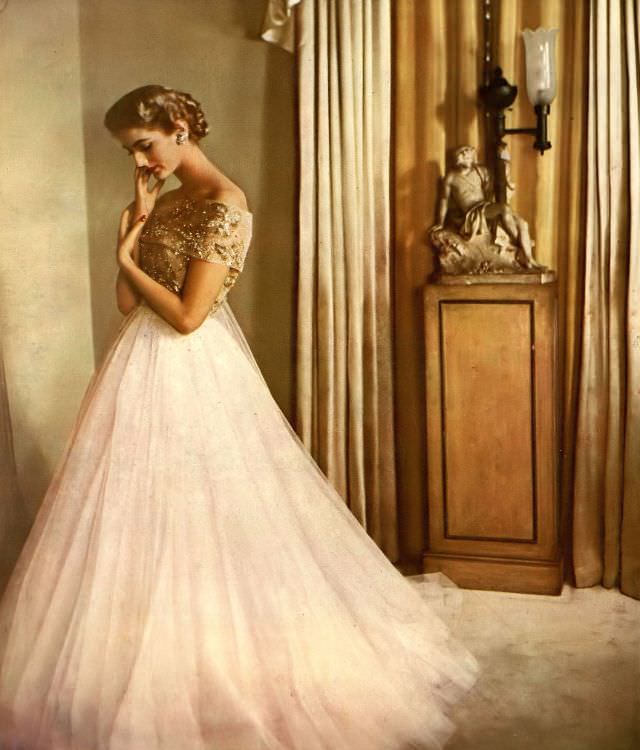
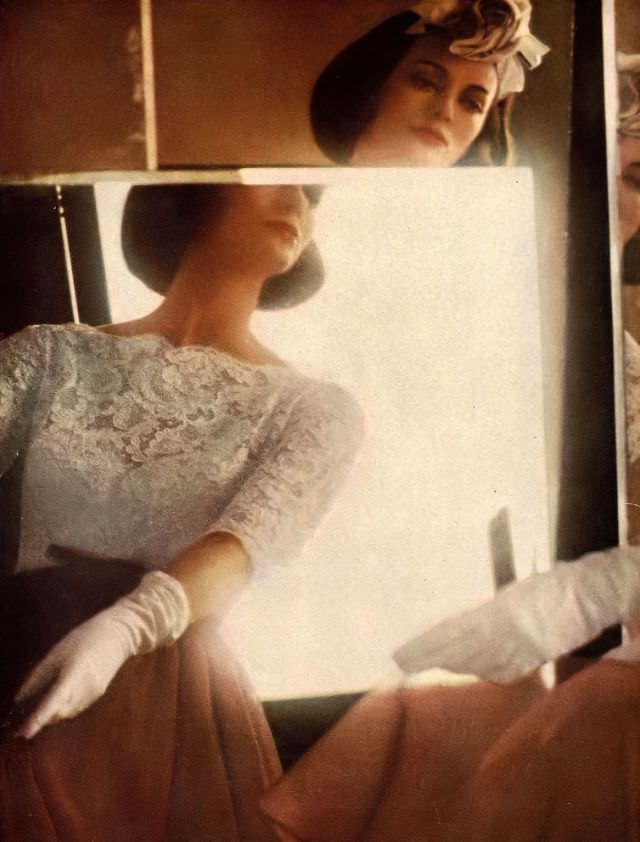
By 1947, Carmen was a fixture in high-fashion editorial work. The photographs from this period show her in everything from delicate lace dresses to rich velvet gowns, always paired with precise accessories — the kind of styling that reflected both the discipline of postwar fashion and Carmen’s natural ease in front of the camera.


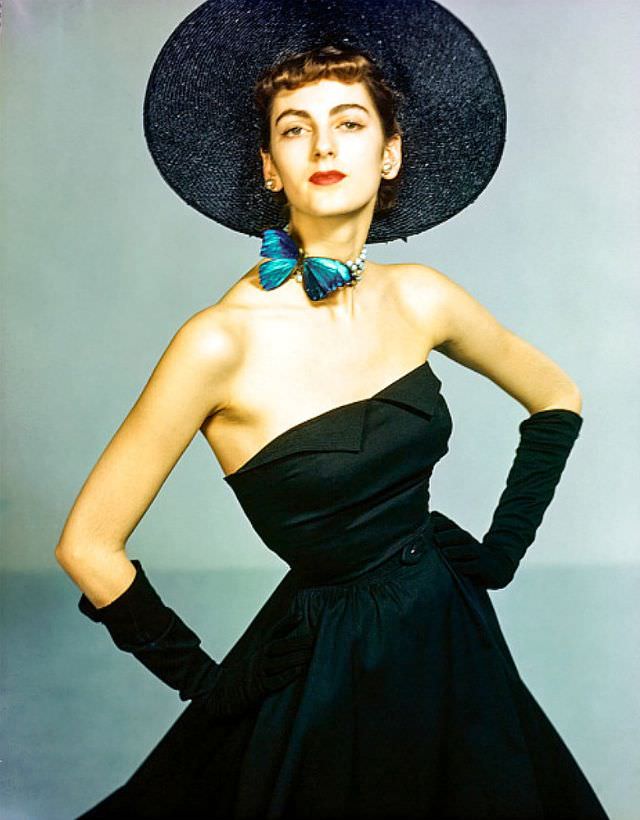
Her work with legendary photographer John Rawlings in 1948 produced some of the most striking images of her early career. Rawlings had a sharp eye for composition, and Carmen gave his images an effortless quality that set her apart from other models of the time.


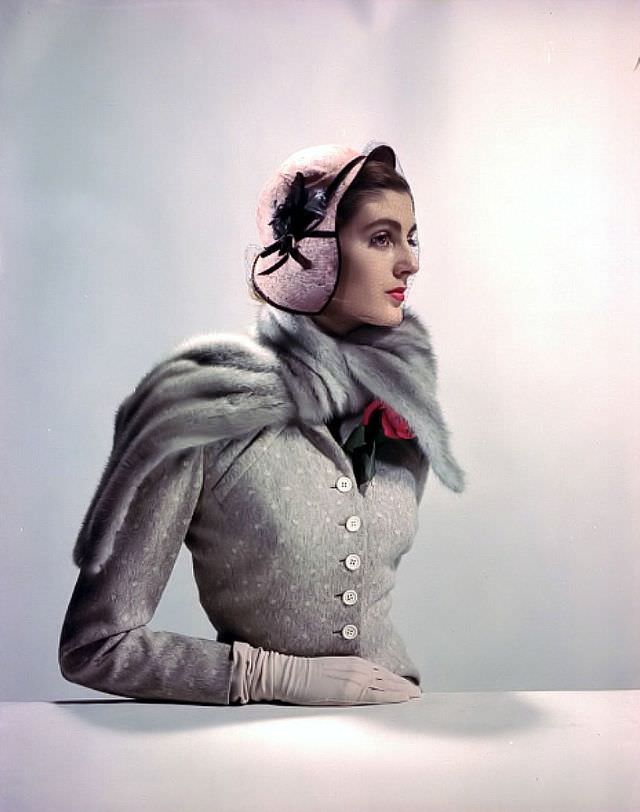
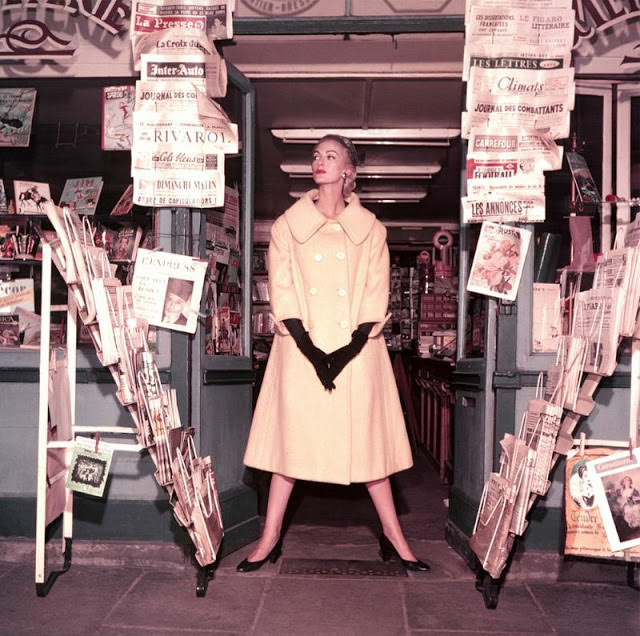
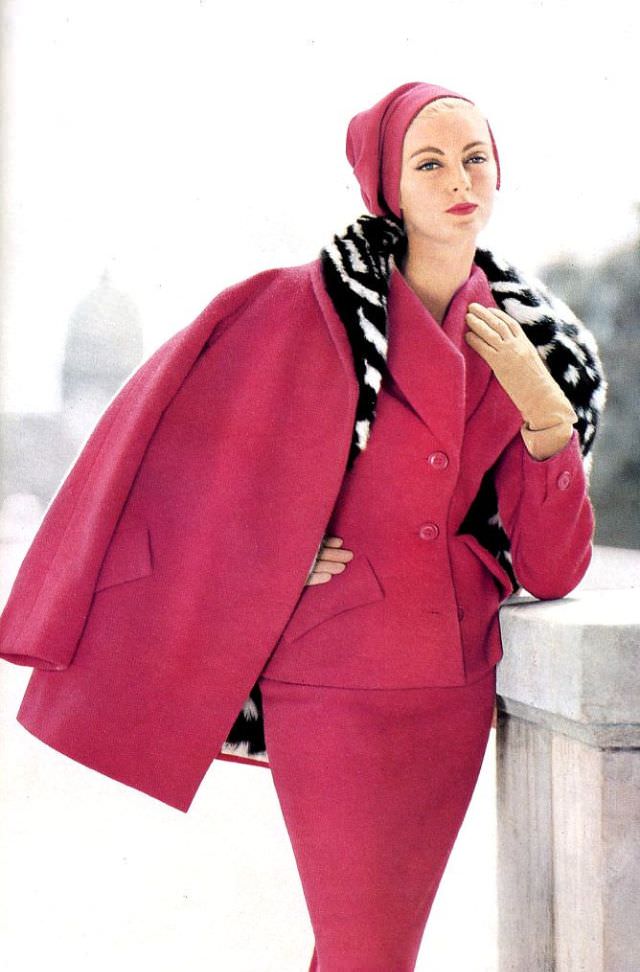
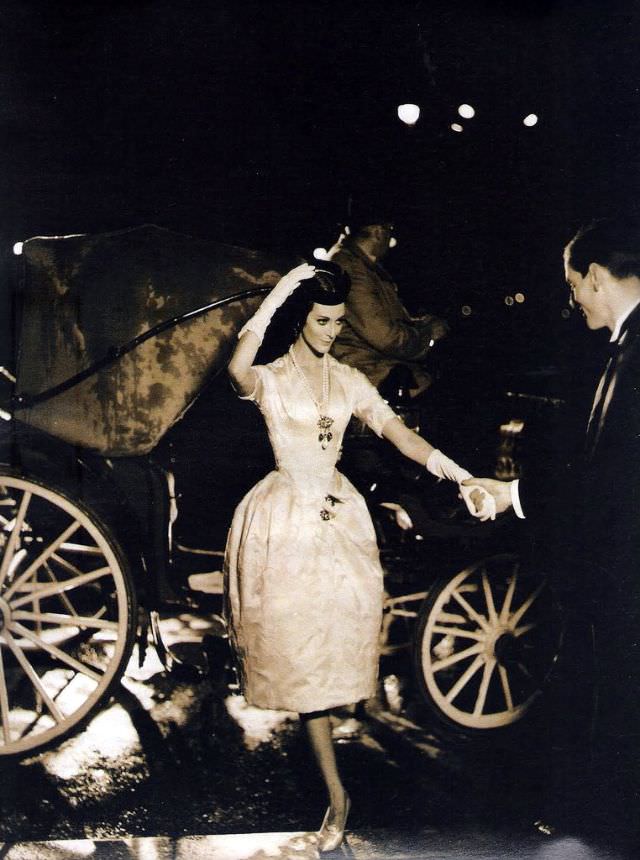
As the decade turned, Carmen’s editorial range expanded. By 1949, she was appearing in finely detailed wool suits, mink scarves, and full evening gowns — often styled head to toe, including hats and gloves, in a way that reflected the highly formal aesthetic of postwar American fashion.


Carmen’s personal life through the 1950s was complicated. She married Bill Miles in the early part of the decade, and the two had a daughter named Laura before divorcing. In 1958, she met photographer Richard Heimann and married him just six months later. That marriage lasted only two years, ending in divorce in 1960. She also married architect Richard Kaplan, a relationship that lasted eleven years, and was engaged at one point to television host David Susskind.


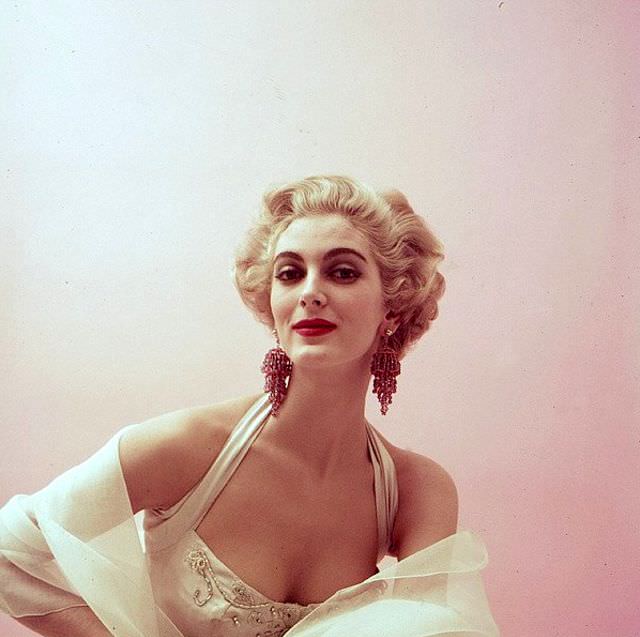
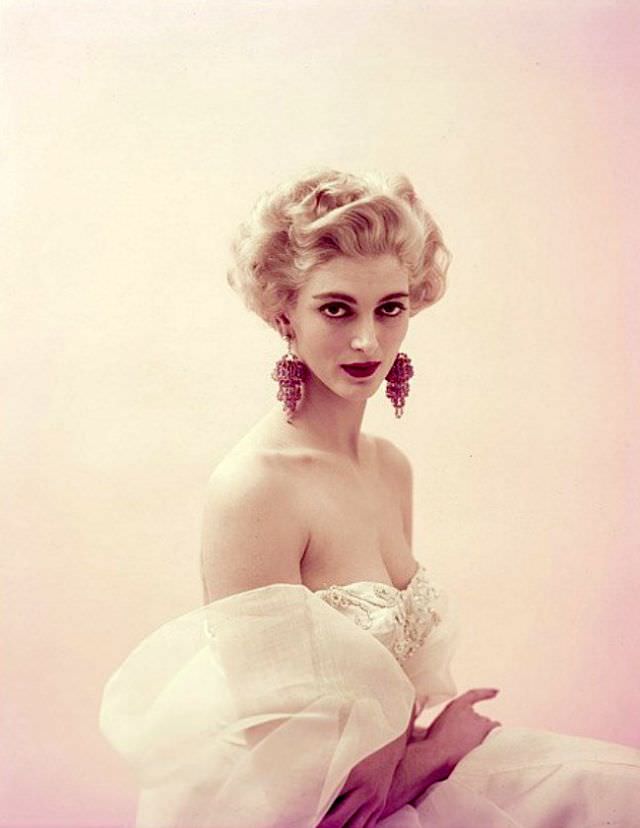
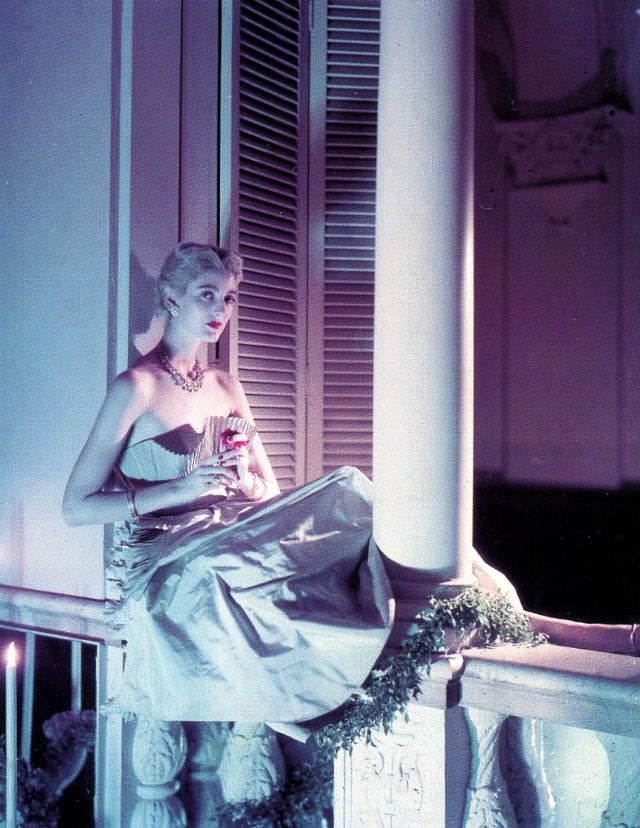
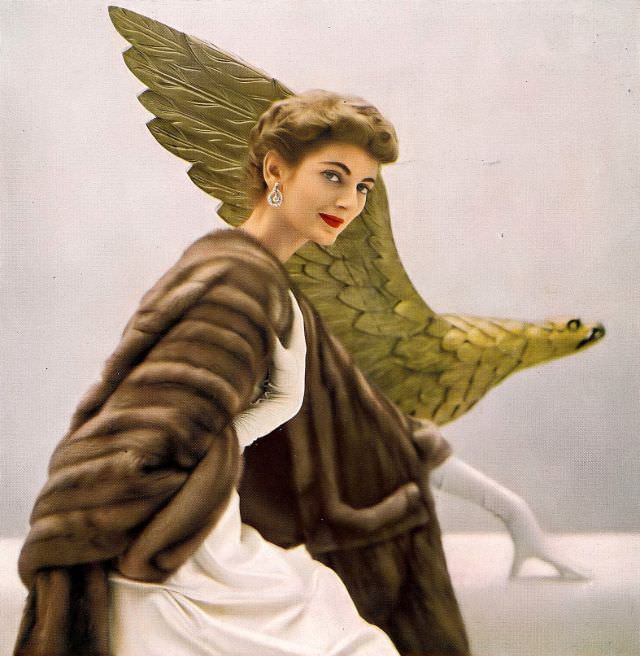
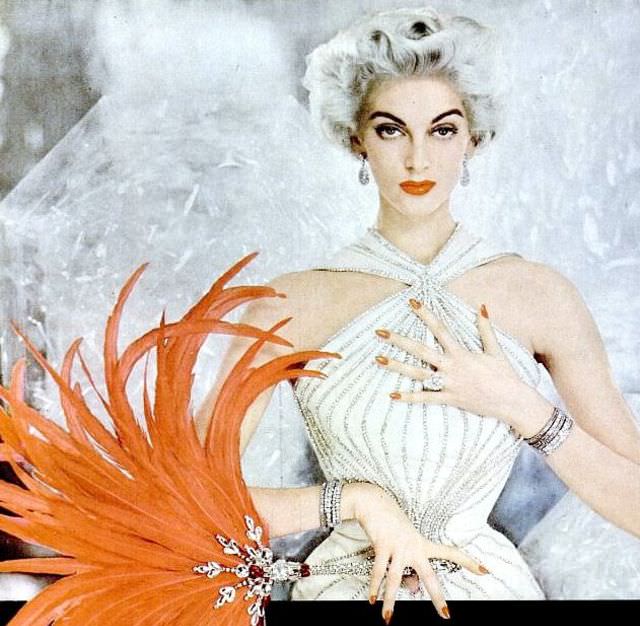
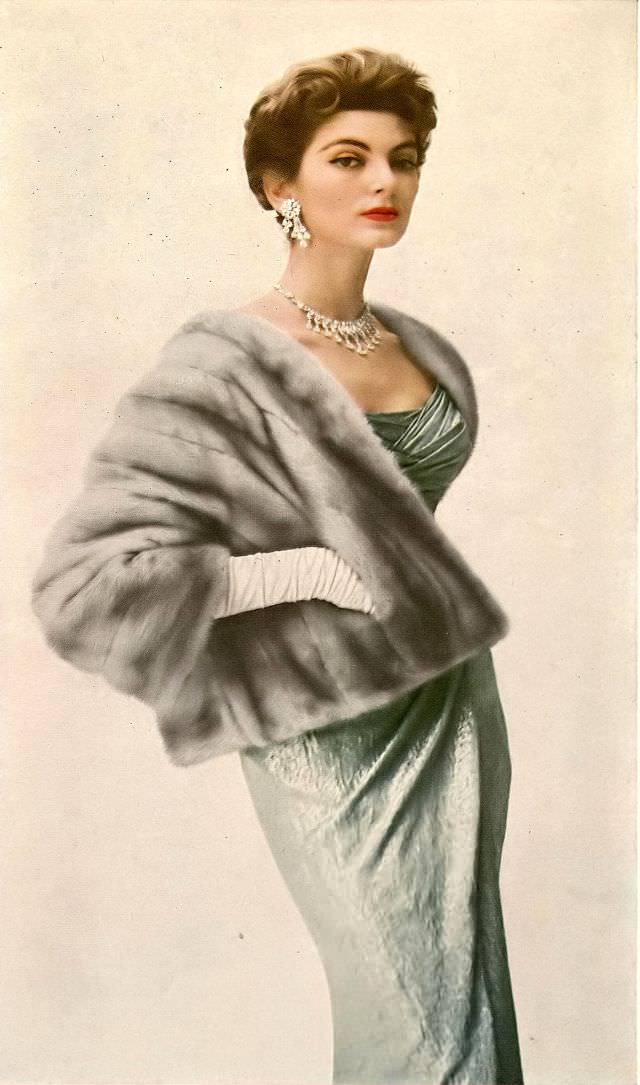
Even as her private life shifted, her professional output never slowed. The early 1950s brought a stream of luxurious editorial work — mink wraps, Harry Winston diamonds, and gowns by Ceil Chapman. These images captured a version of postwar glamour that was aspirational in every sense.


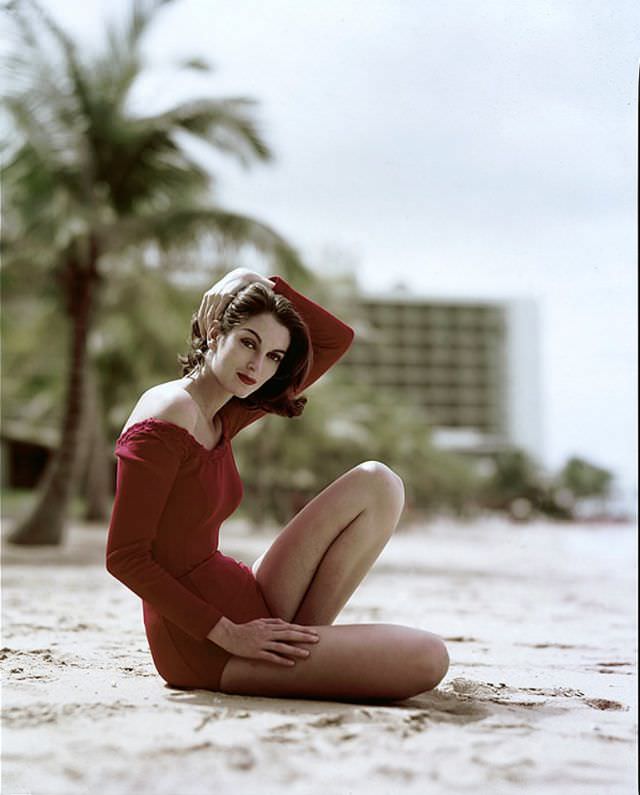
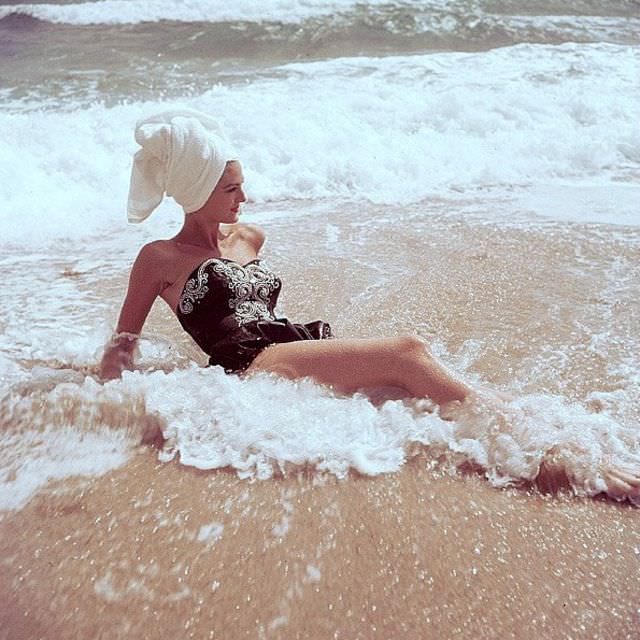
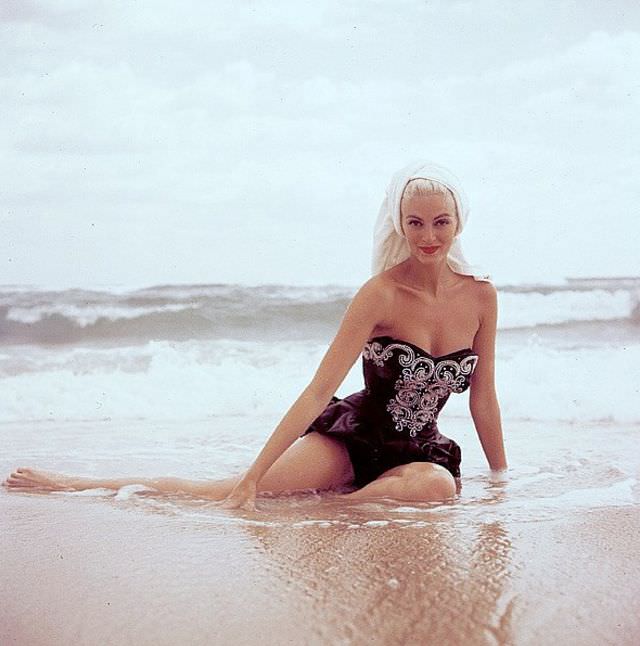
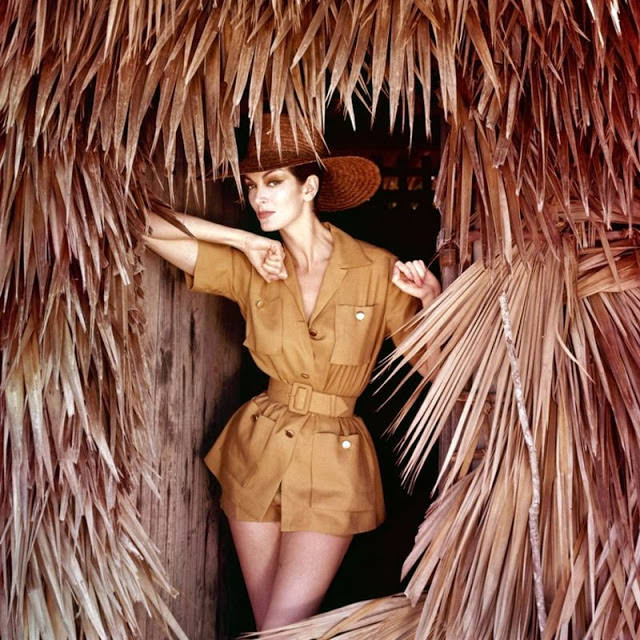
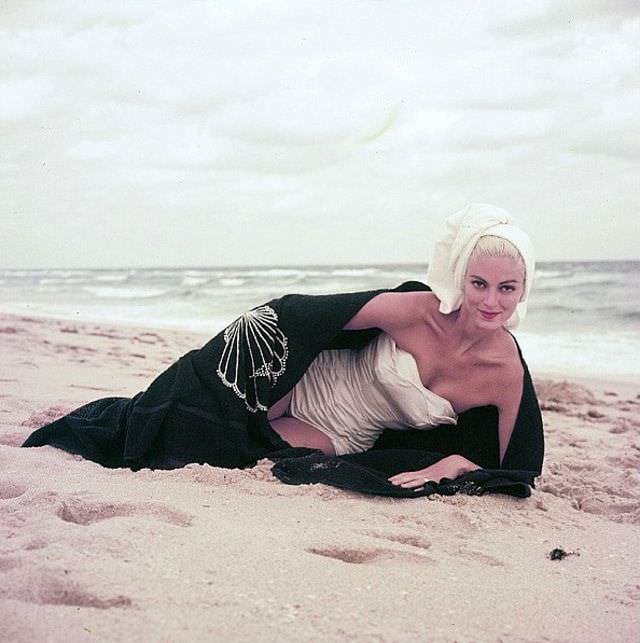
The year 1954 was one of Carmen’s most active. She appeared in shoots for multiple publications, modeling everything from couture gowns by Lanvin-Castillo to outerwear by Jacques Fath, and even featured in a Revlon advertisement — one of the most prominent beauty brands of the era. She also traveled to Manalapan Beach in Florida for a series of outdoor fashion photographs that showed a more relaxed side of her image.


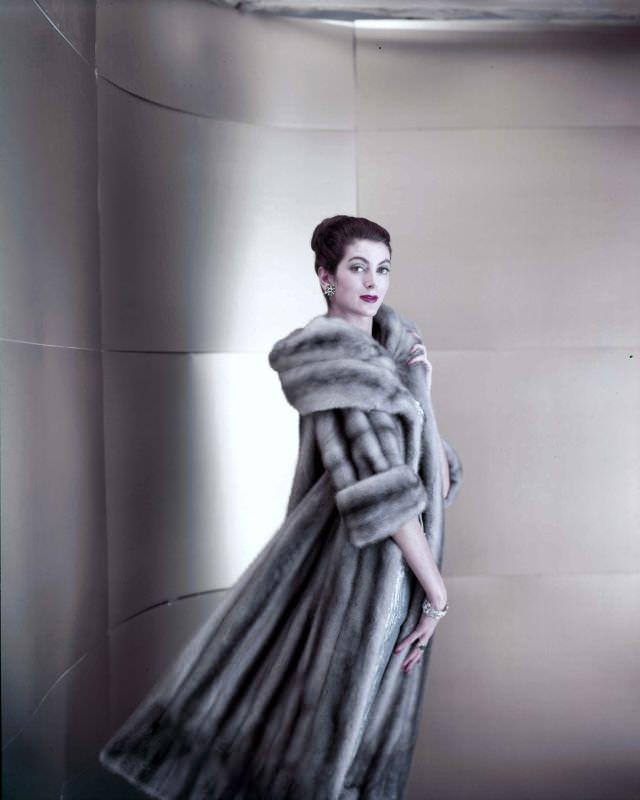
From 1955 onward, Carmen became a go-to model for high-end fur campaigns. She appeared in shoots featuring EMBA mink coats and boleros, with jewelry by Cartier, for some of the most prestigious furriers in New York. These campaigns demanded a specific kind of poise, and Carmen delivered it consistently.
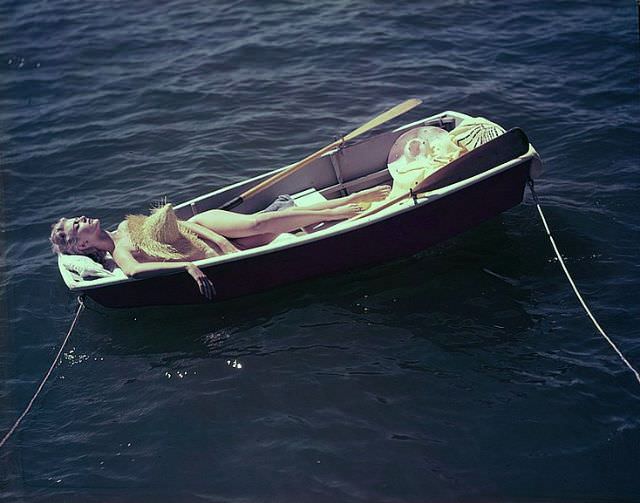


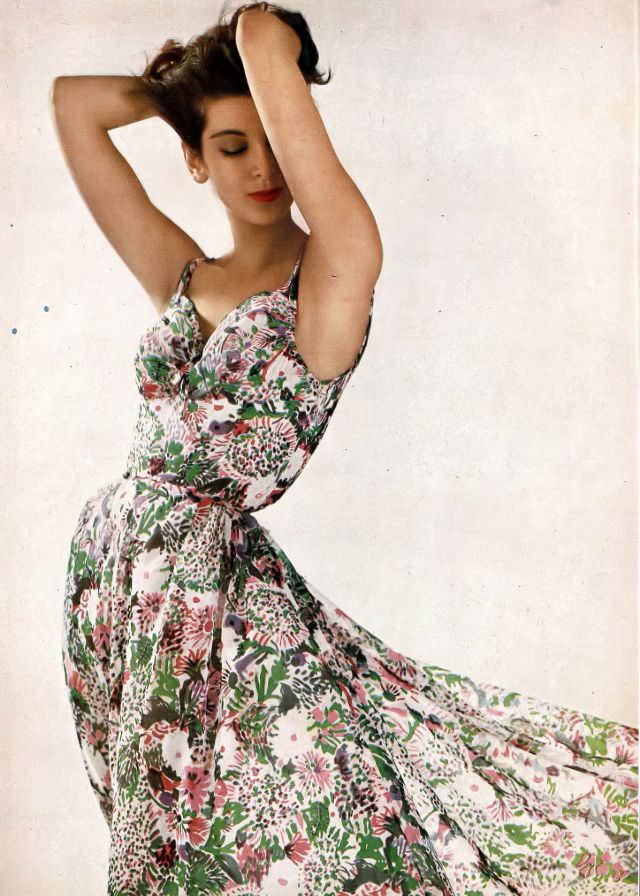
The mid-1950s also brought more variety in her editorial work. In 1956, she appeared in Harper’s Bazaar and other publications wearing everything from a silver-blue mink coat to a peony-pink silk print dress by Galanos — showing the full breadth of what American fashion offered at the time.
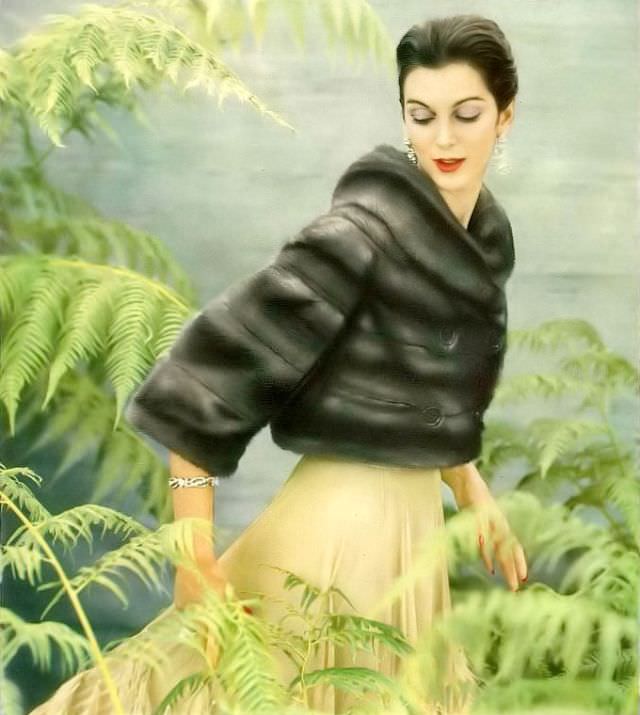


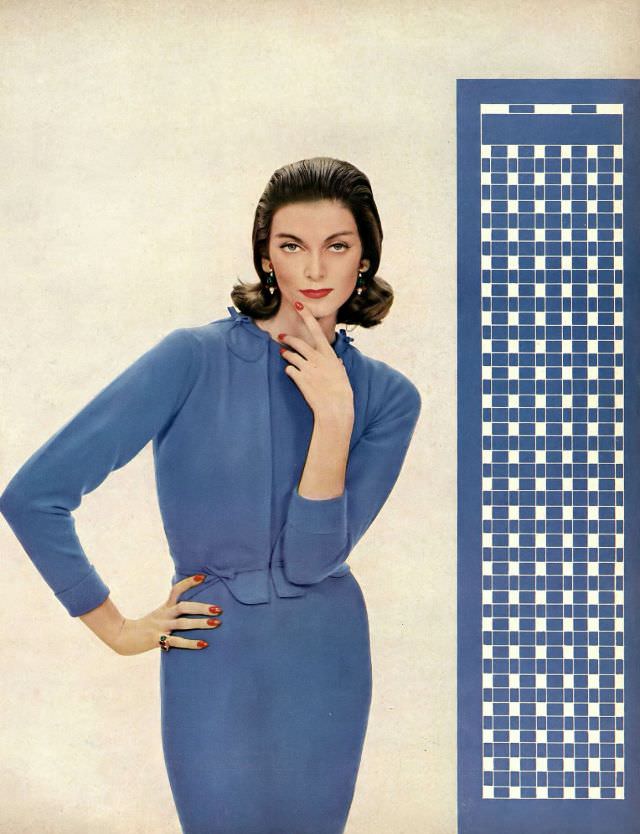
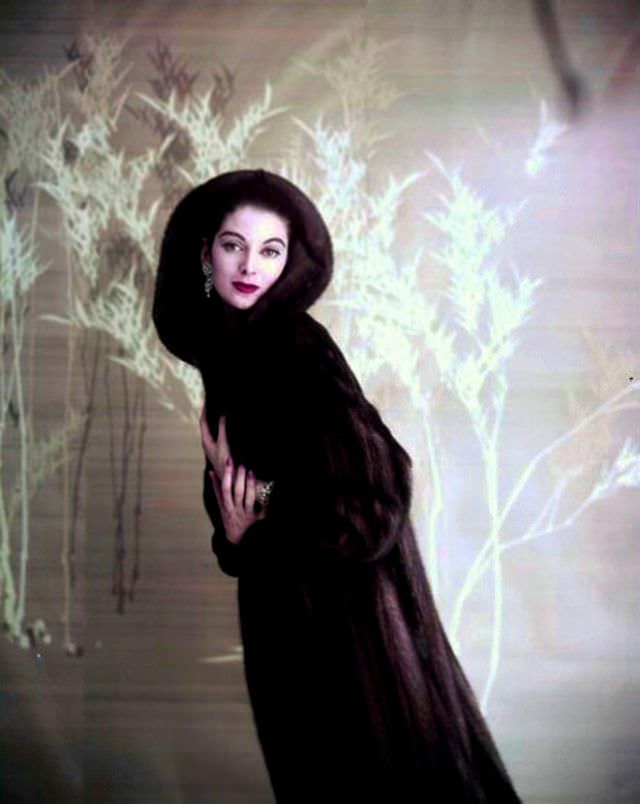
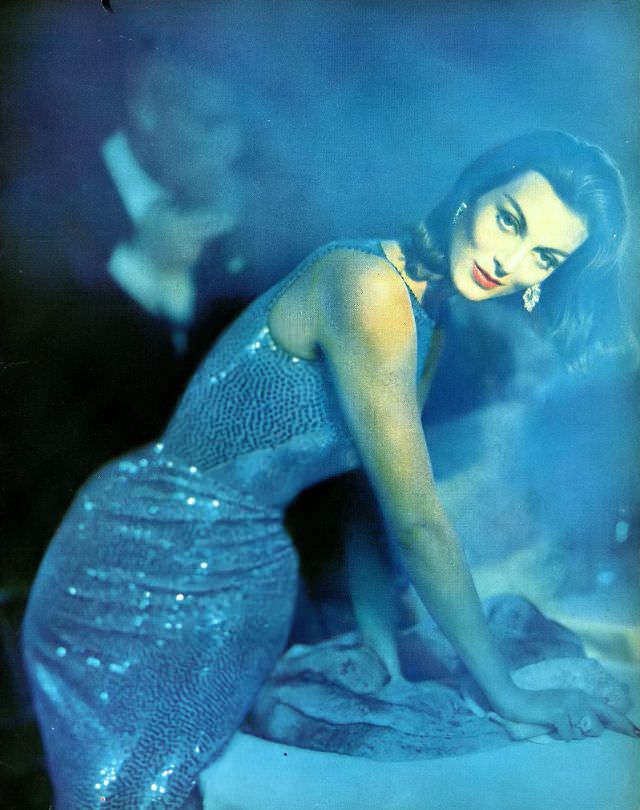
By 1957, Carmen was working with Lanvin-Castillo again, as well as appearing in Harper’s Bazaar in a soft blue cashmere cardigan by Vera Stewart. She also modeled a sequined dress by Traina-Norell and a series of dark hooded mink coats — the kind of winter glamour that defined upscale fashion photography in New York during this period.


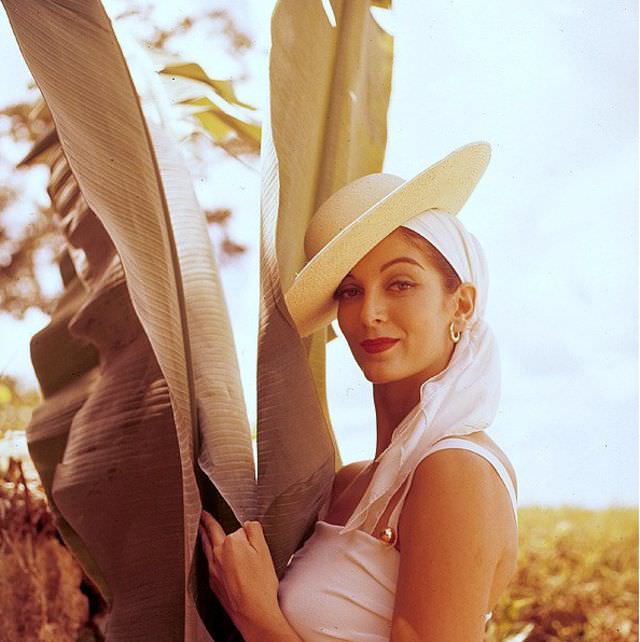
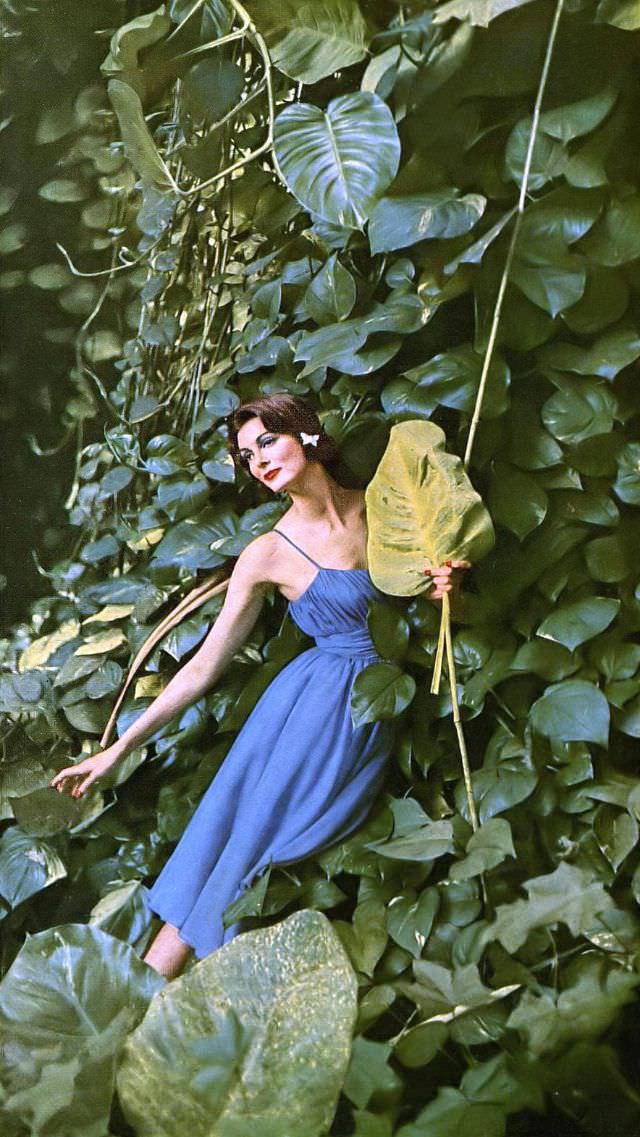
In 1958, Carmen’s editorial schedule was just as demanding. She worked with designers including Christian Dior-New York, Schiaparelli, and Monte Sano & Pruzan, and appeared in a wide range of looks — from structured beige wool suits to full-length mink coats. Photographer Gleb Derujinsky photographed her in Hawaii for Harper’s Bazaar the following year, taking her work to a completely different setting.


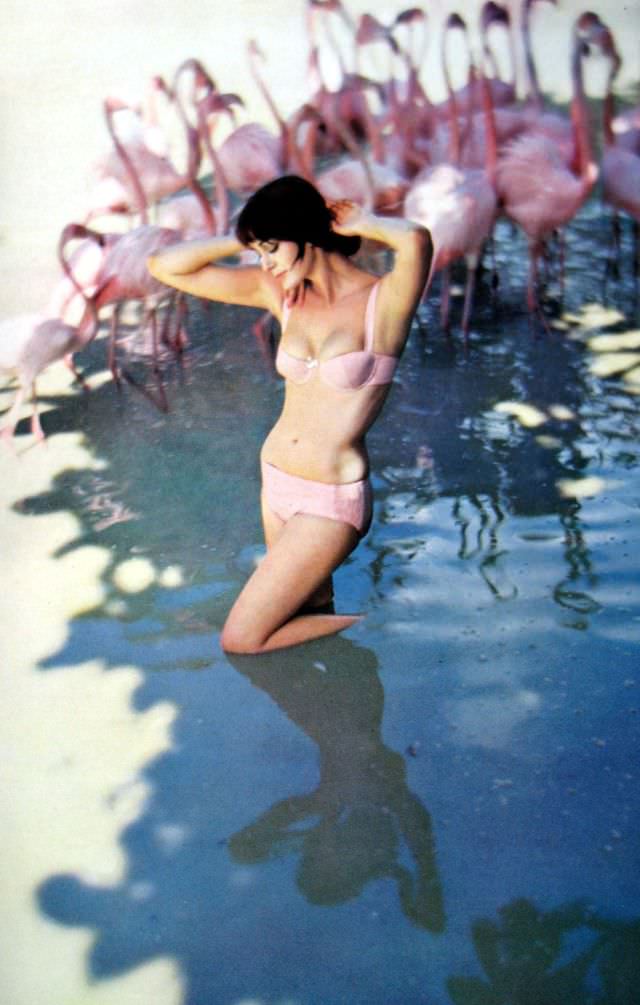
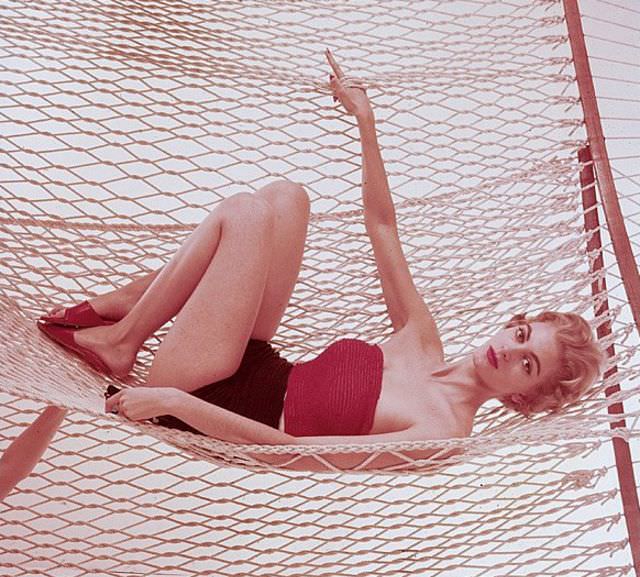
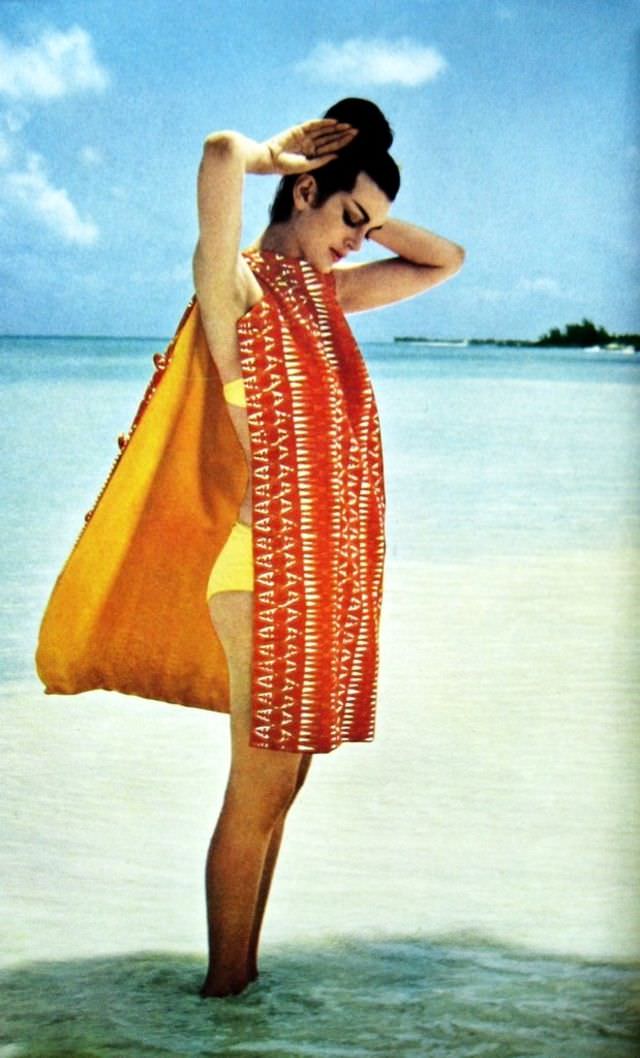
The final years of the decade brought an equally varied body of work. In 1959, Carmen appeared in swimwear by Cole of California, a Tiktiner two-piece suit, cotton beach shirts inspired by East Indian playing cards, and evening gowns in Supima cotton. She also posed in Autumn Haze EMBA mink with Tiffany jewelry — a pairing that spoke directly to the wealthiest readers of the era’s top fashion magazines. Her July 1959 cover for British Vogue capped off one of the most productive stretches of her career.