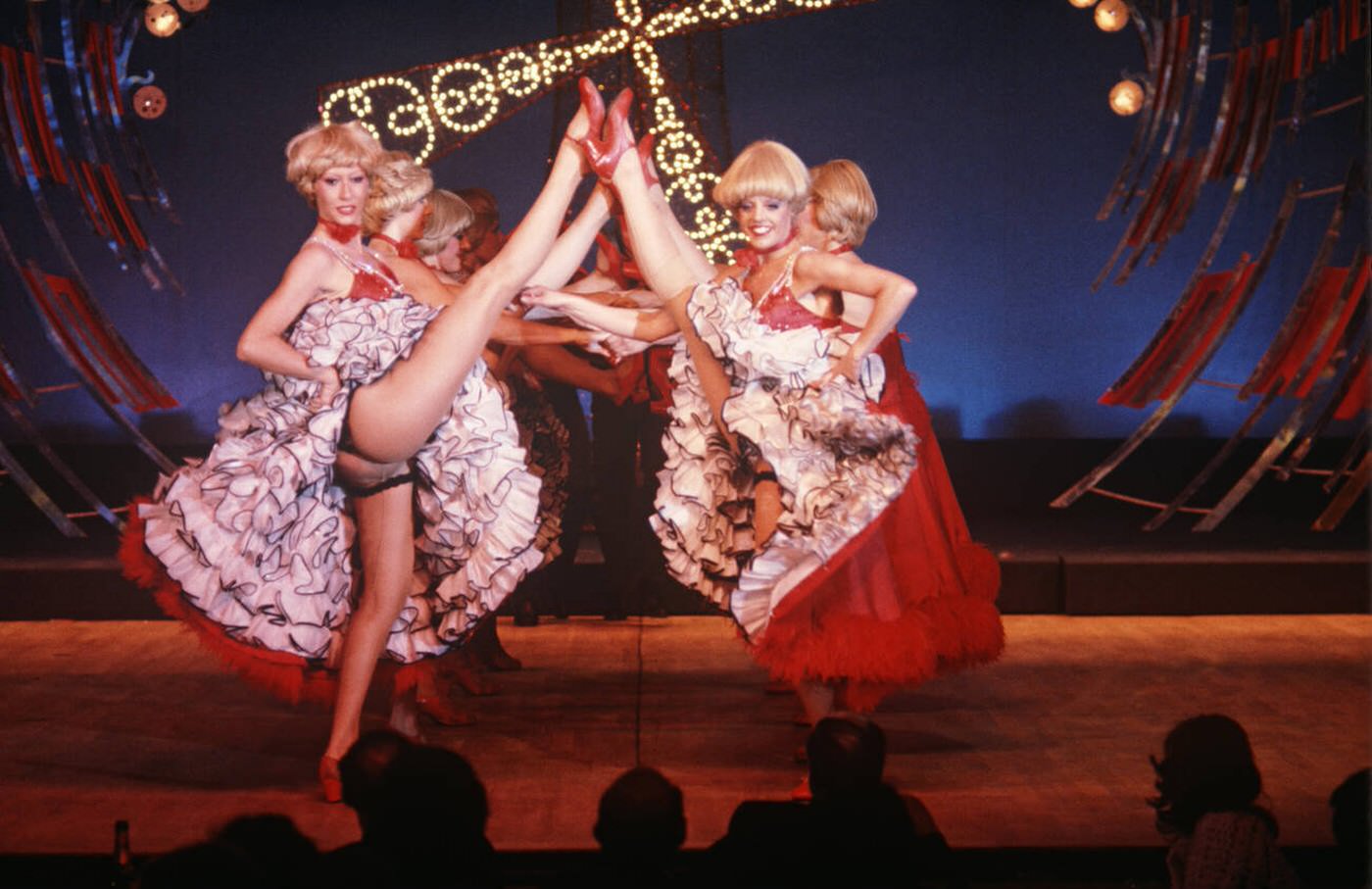
Cabaret took root in France in the 1880s as a response to stiff, formal entertainment. People wanted smaller venues where artists could perform songs, poetry, and provocative comedy up close. Unlike grand theaters, these clubs and restaurants put performers within arm’s reach of the audience — sometimes literally among the tables. Dance quickly became the heartbeat of the format. The can-can, with its explosive high kicks and frilled skirts, was among the first styles to define the cabaret stage.
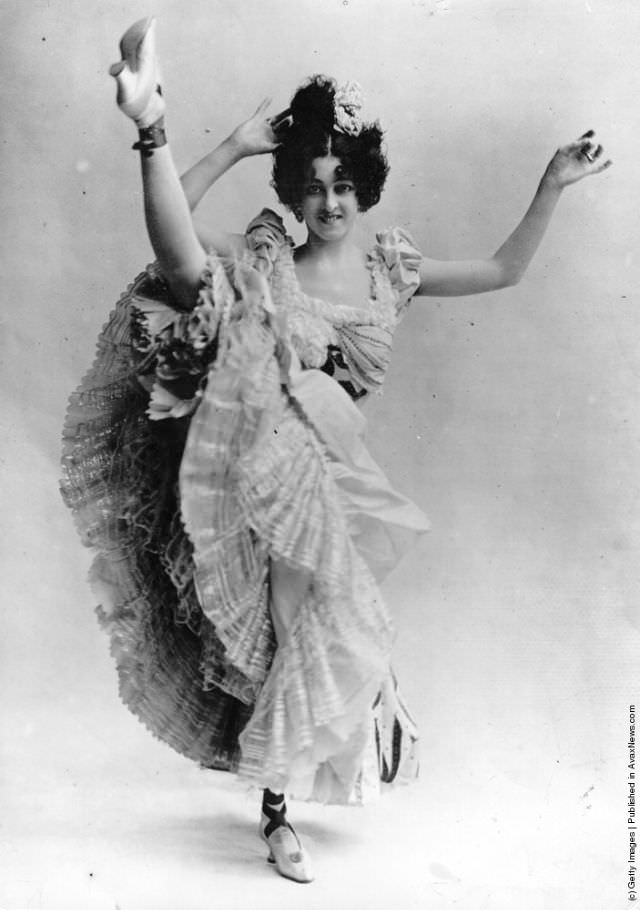
By the late 1890s, cabaret dancing had moved well beyond a novelty. Artists built personal brands through bold costumes and distinctive movement styles. The can-can remained a crowd favorite, demanding real athletic ability from its performers.
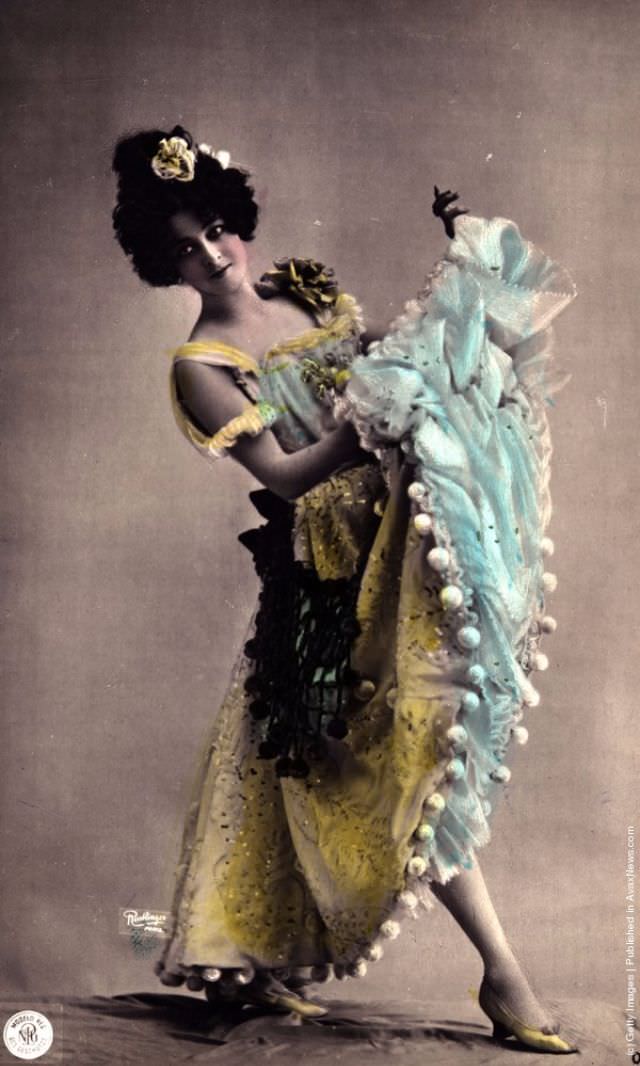
Costumes were a central part of a dancer’s identity. Elaborate, colorful, and sometimes daring for the era, they signaled a performer’s character before a single step was taken. Artists like Blanche Vaudon cultivated a visual presence that audiences recognized and returned to see.
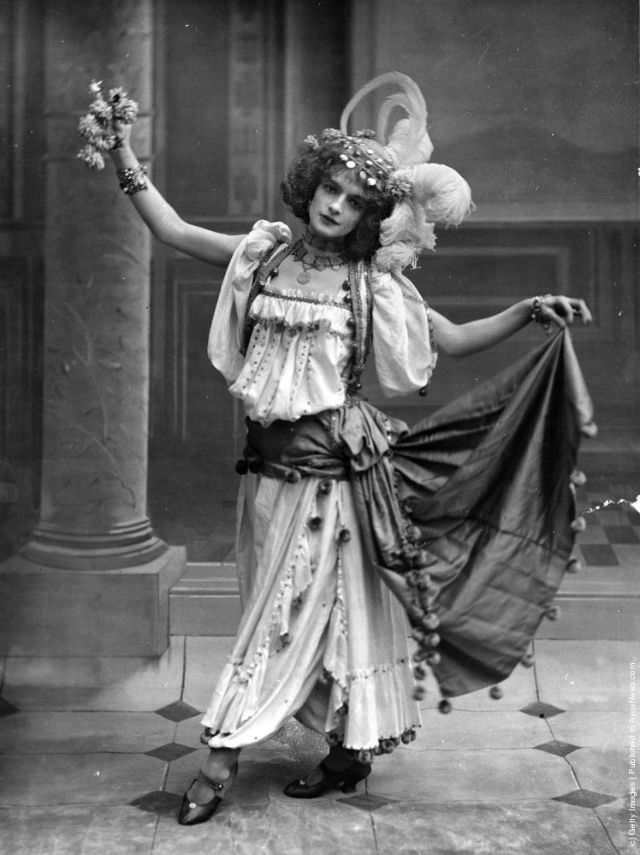
Paris was the undisputed center of cabaret culture. Venues like the Folies Bergère drew enormous crowds, launching careers for performers who became household names. Mistinguett became one of the most celebrated entertainers France ever produced, known for her showmanship and her legs — which she famously insured.
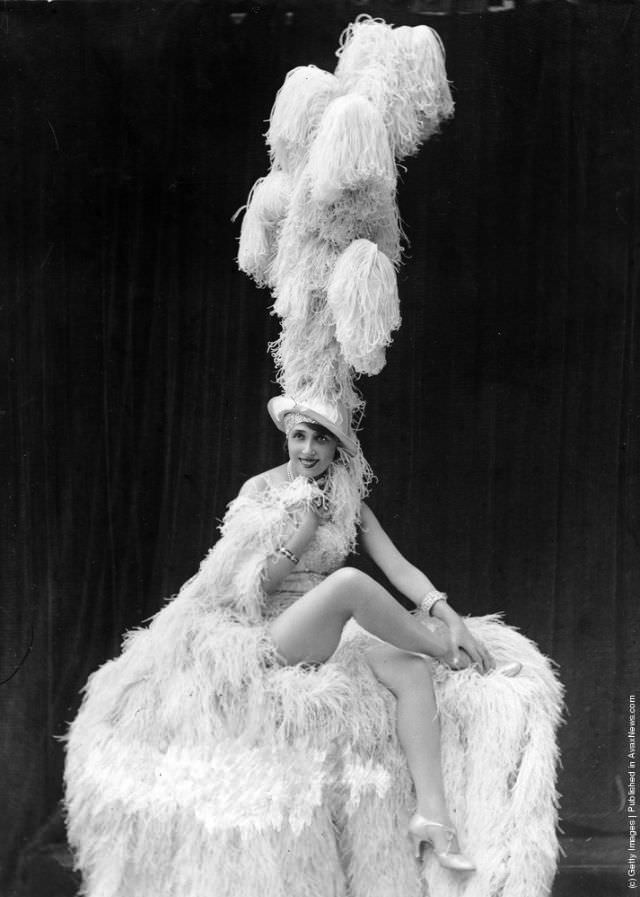
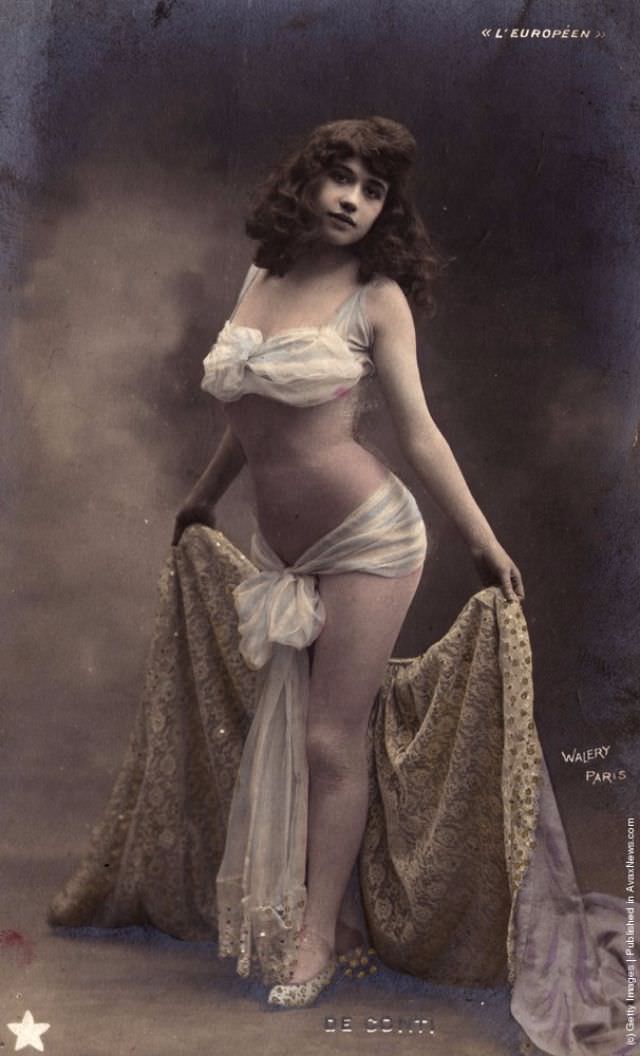
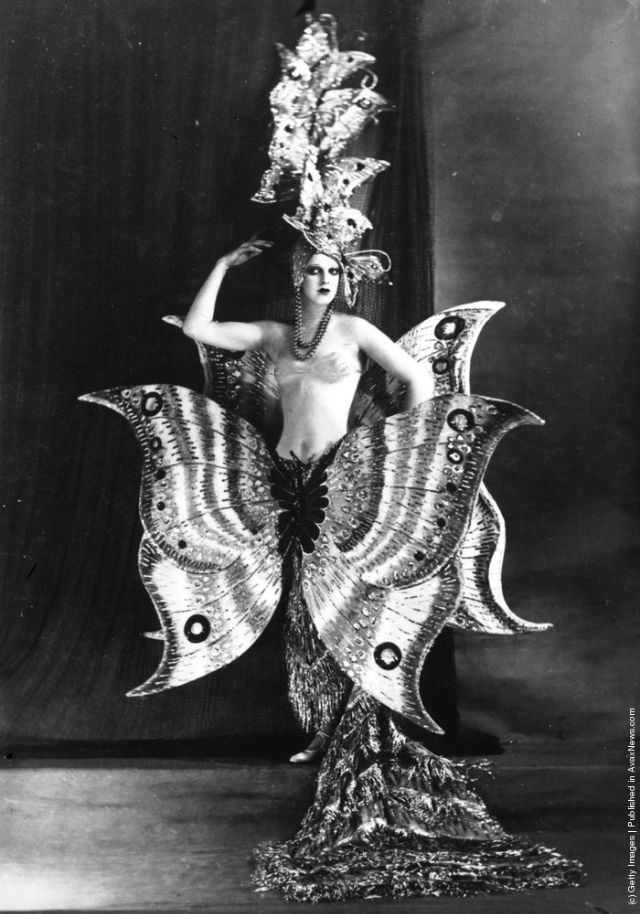
Themed performances added spectacle to the stage. Dancers appeared in costumes drawn from folklore, nature, and fantasy — none more striking than the butterfly act, where a performer’s wings could span the width of the stage under colored lights.
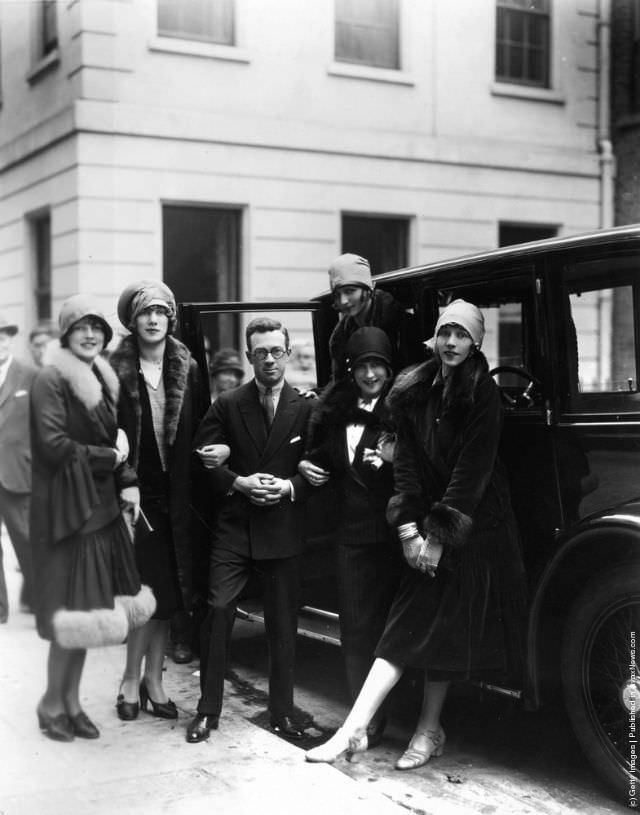
Cabaret culture crossed the English Channel and took firm hold in London. By the early 1920s, West End performers and variety artists mixed freely in the city’s entertainment scene. Stars like Dorothy Dickson became recognizable faces both on stage and at public events.
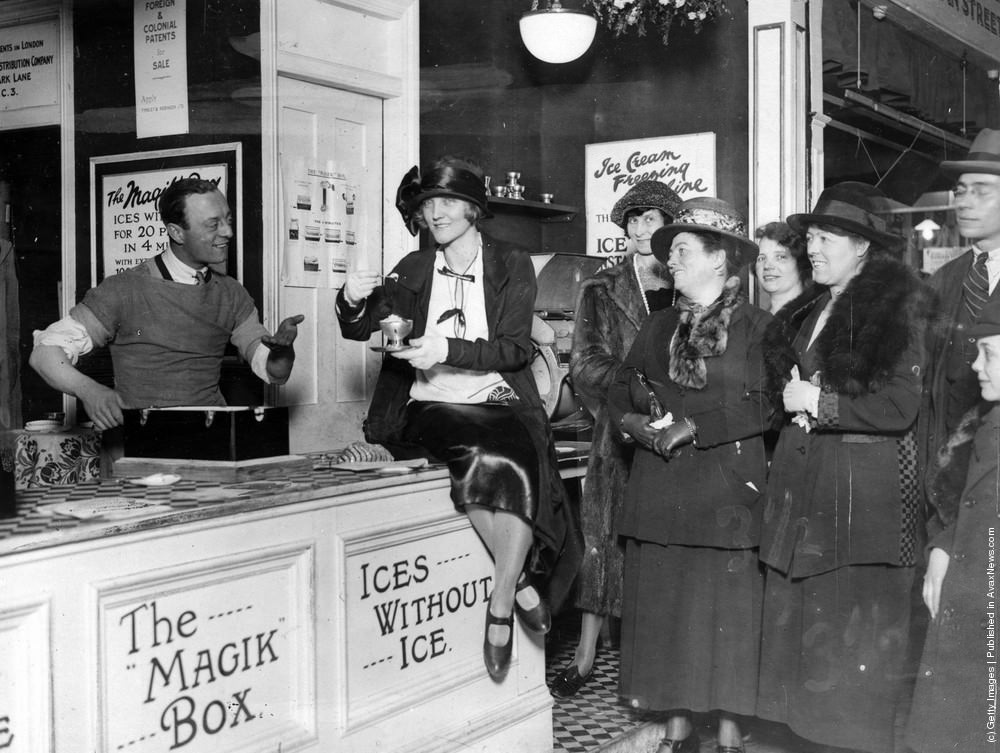
London’s appetite for cabaret grew quickly. In 1924, the city hosted its first dedicated afternoon cabaret performance — a sign that audiences were hungry for the format at any hour of the day.
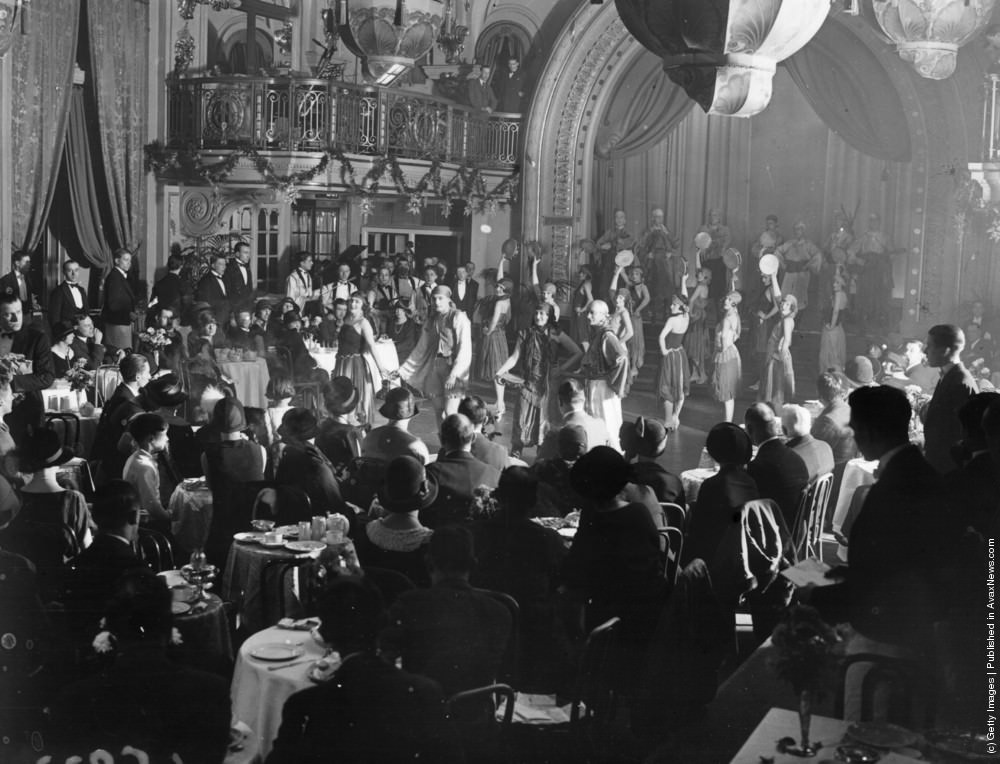
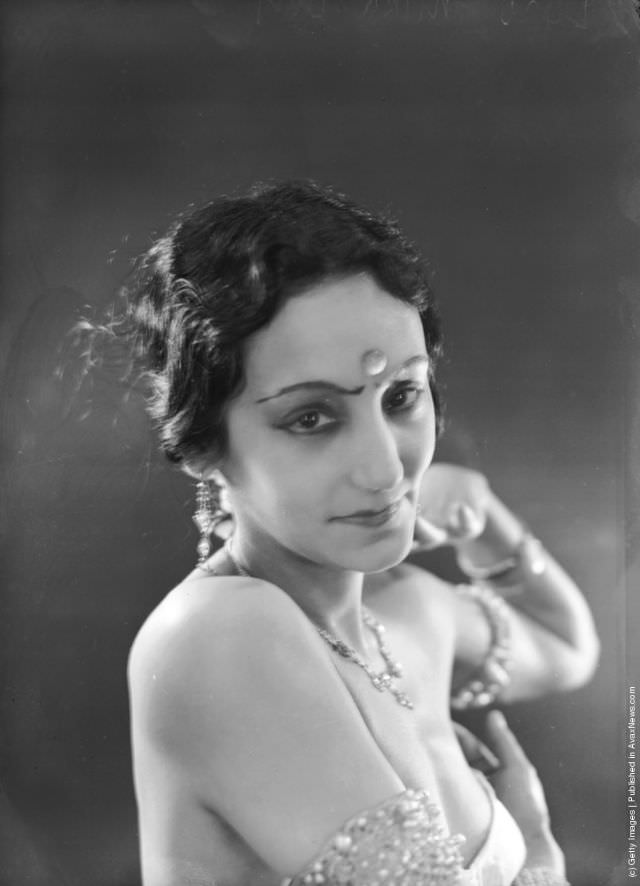
Cabaret stages also drew performers from far beyond Europe. Dancers from India, South America, and Asia brought their own movement vocabularies to Western venues, and audiences were fascinated. These acts were often billed as “exotic,” reflecting the era’s framing of non-Western art forms.
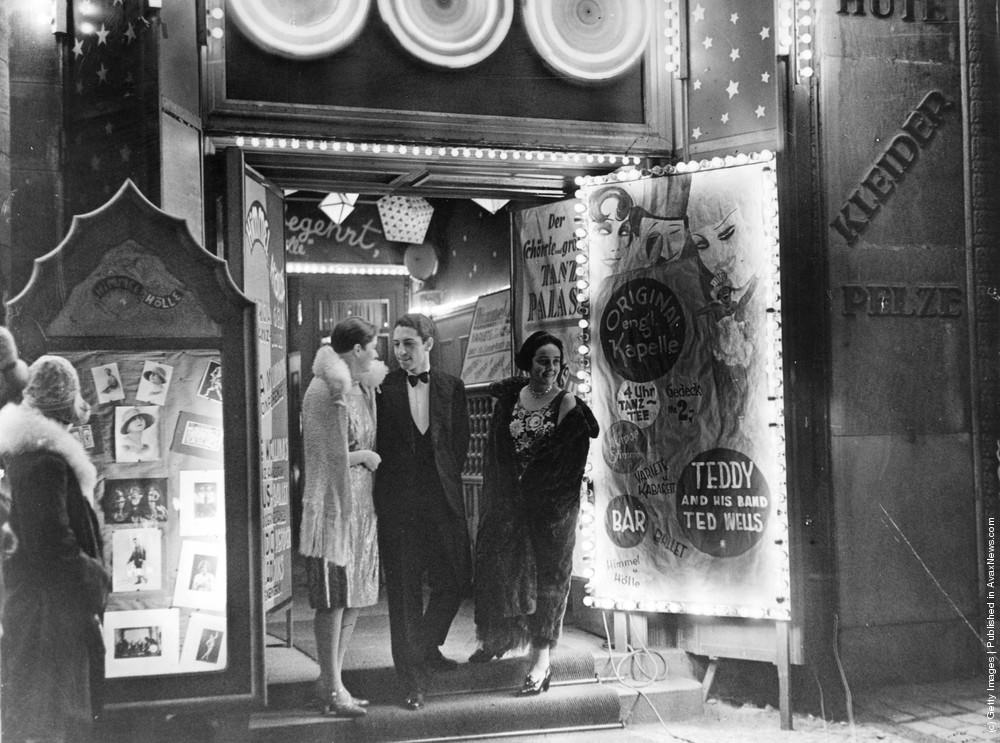
Germany, particularly Berlin, emerged as another major cabaret hub during the 1920s. The German scene was known for its sharp political edge and bold artistic experimentation. Even outside the clubs, the cultural pull of cabaret was visible in the streets.
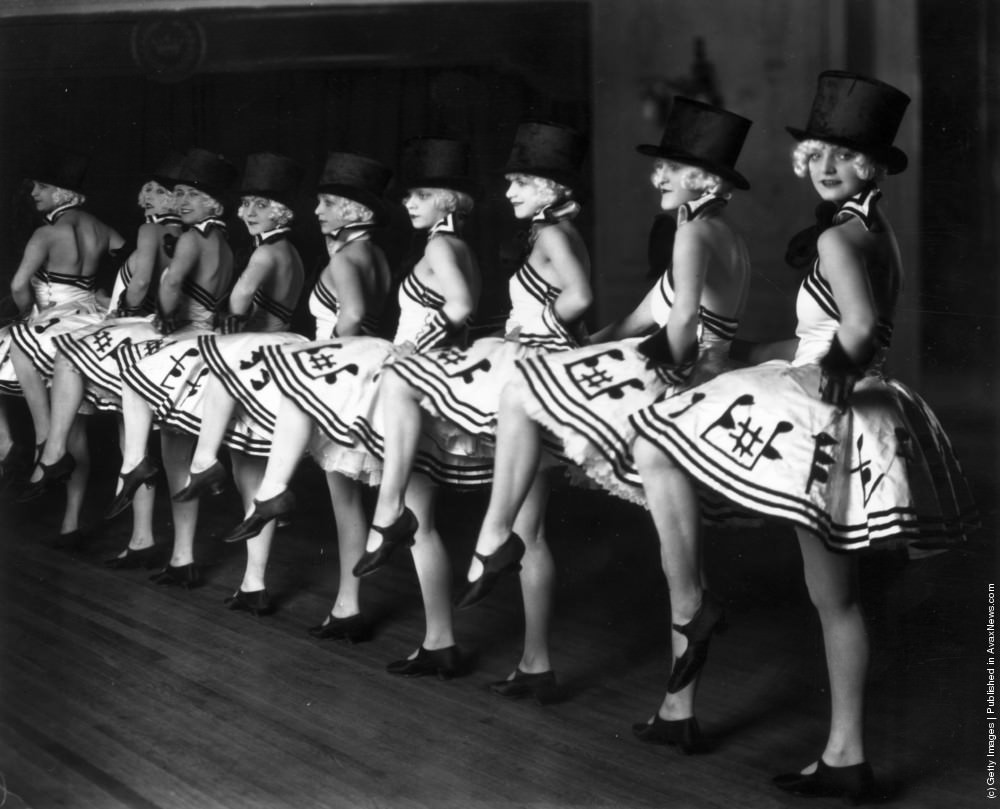
Chorus lines became a defining feature of cabaret shows throughout the 1920s. Groups of dancers performing tightly synchronized routines brought a sense of precision and scale to the intimate venue format. London’s Piccadilly Hotel became a regular host for these polished ensemble acts.
Backstage at the Folies Bergère, the machinery behind the glamour was constant. Costumes were adjusted, choreography was reviewed, and performers readied themselves for acts that demanded both beauty and stamina.
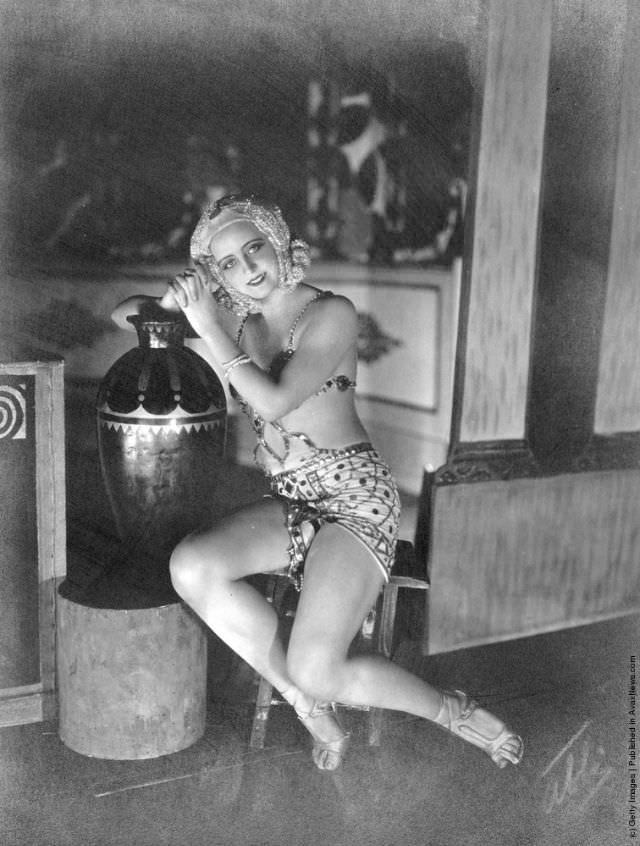
Troupes like the Hoffman Girls brought a new level of professionalism to cabaret dance. Their 1925 production “Shake Your Feet” was a high-energy showcase of coordinated movement that blended jazz rhythms with precision choreography.
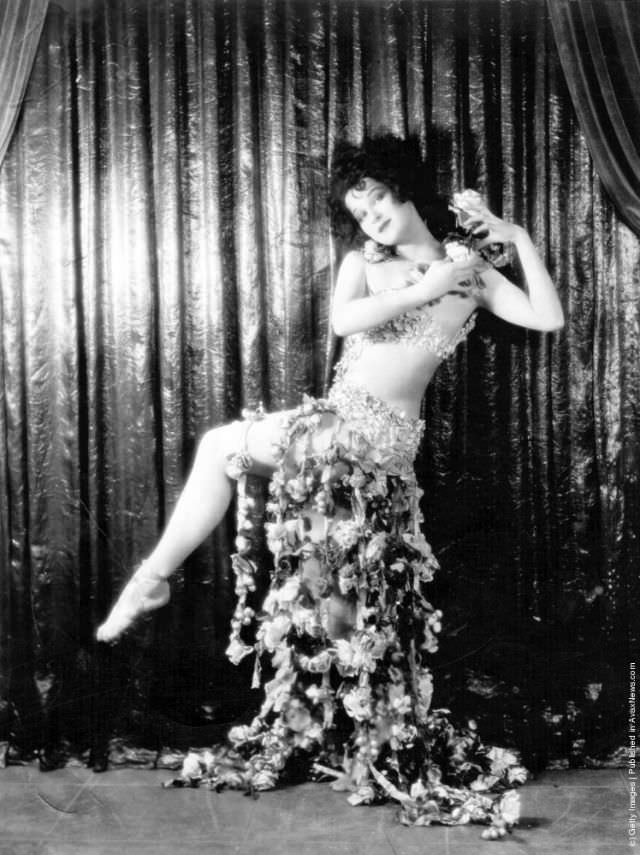
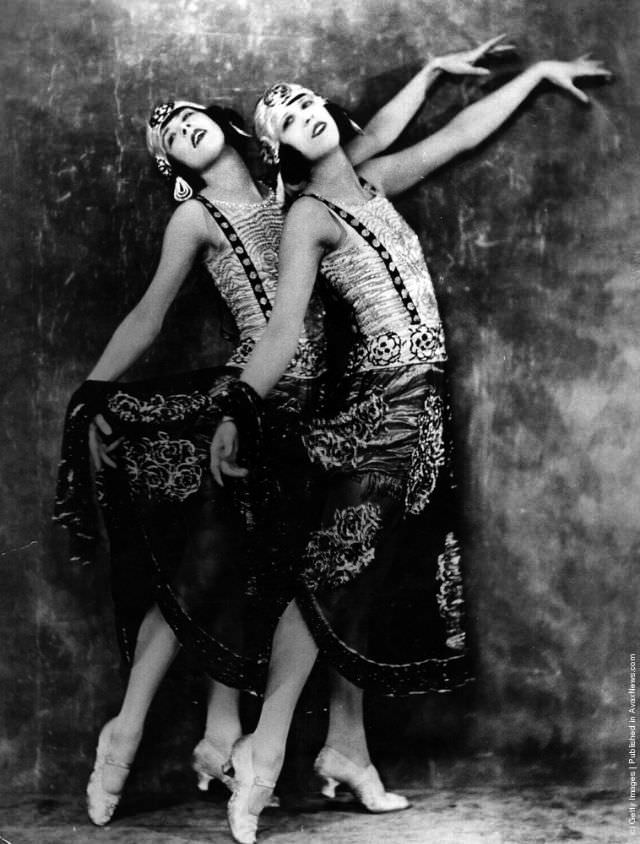
The Moulin Rouge in Paris remained a top-tier venue well into the mid-1920s. Performers like Edmonde Guydens danced on the same stage that had hosted legends from the previous generation, keeping the tradition alive while adapting to newer musical styles.
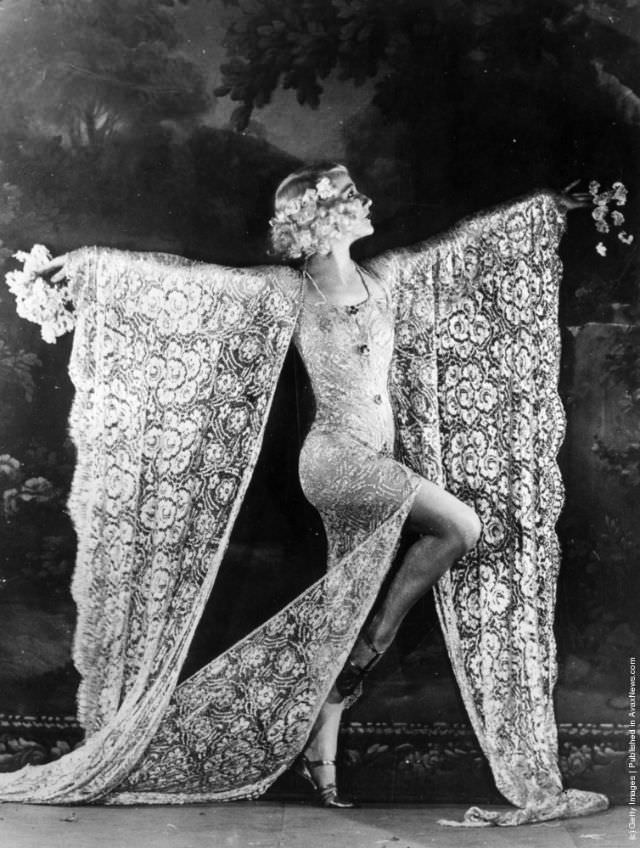
Not all cabaret happened in dedicated clubs. Upscale London restaurants and cafes hosted performers as diners ate, blending fine dining with live entertainment. The Palm Beach Cafe was one such venue where audiences could watch a dancer while finishing their meal.
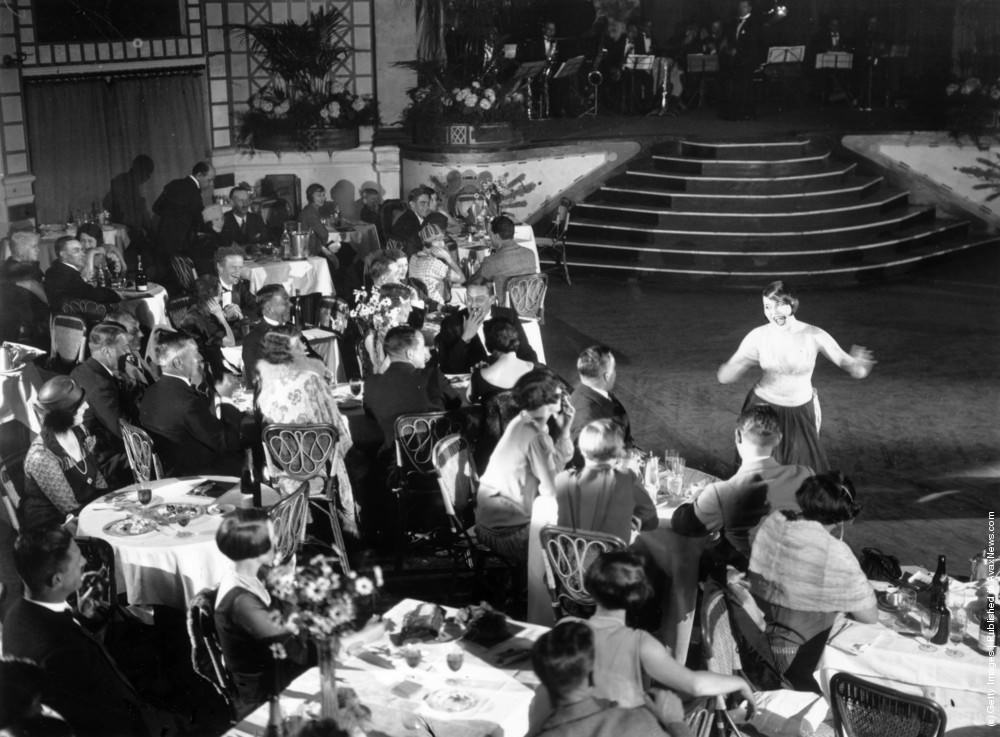
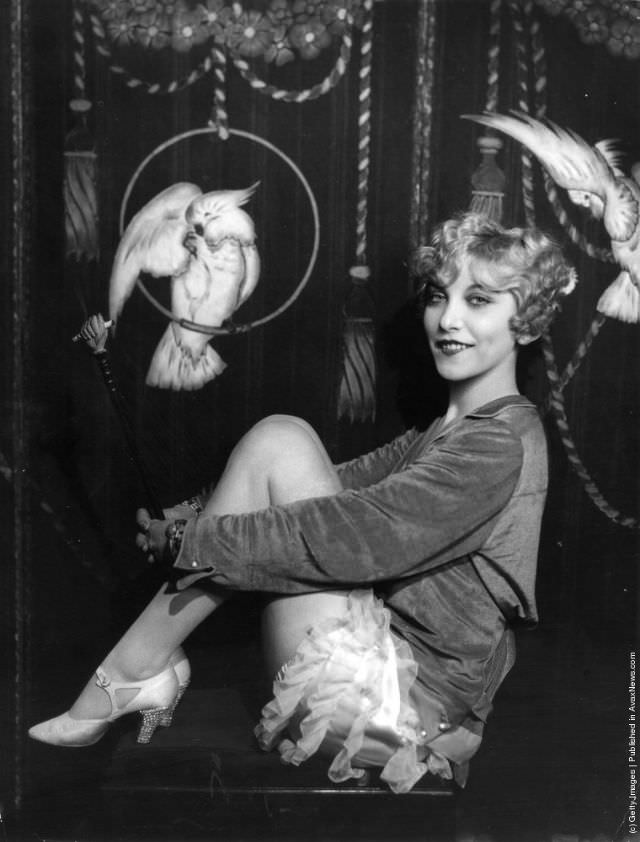
Themed troupes gave cabaret shows a narrative thread. The Blue Train cabaret troupe at the Prince of Wales Theatre built their act around a clear visual concept, with matching costumes and choreography designed to tell a story across the stage.
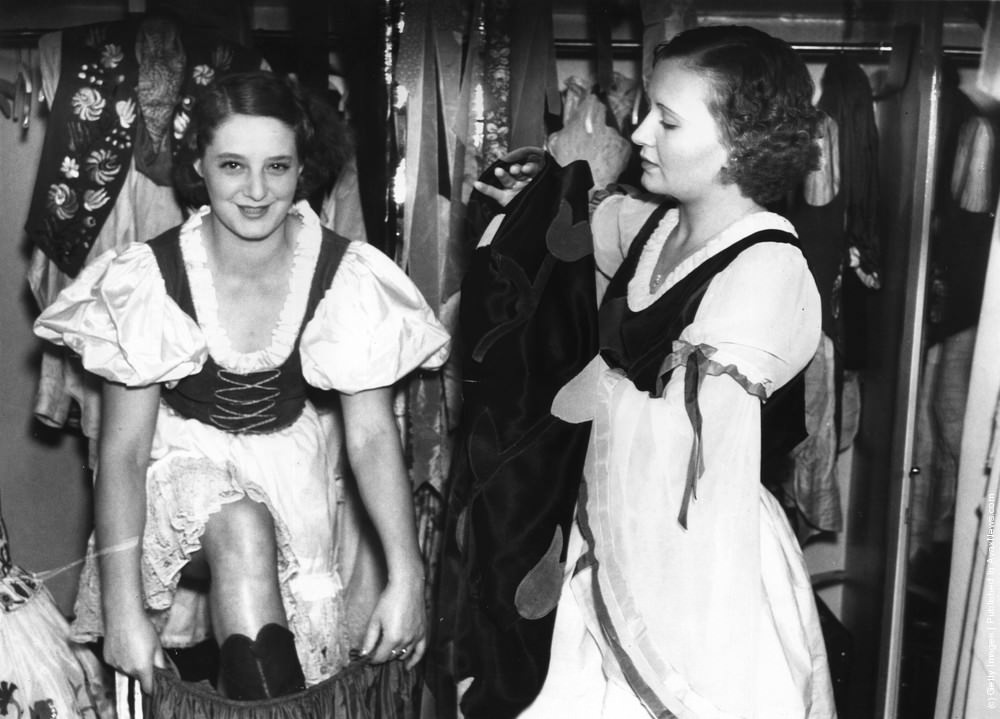
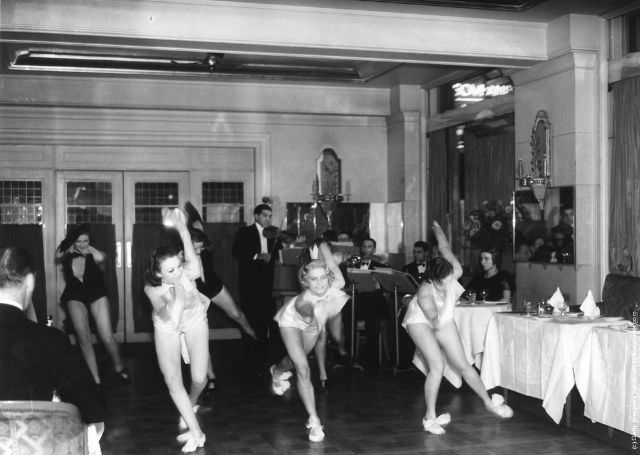
The Hoffman Girls returned to London stages in 1927, this time at the London Hippodrome. Their continued success reflected the growing demand for technically skilled chorus-line entertainment across the city’s major venues.
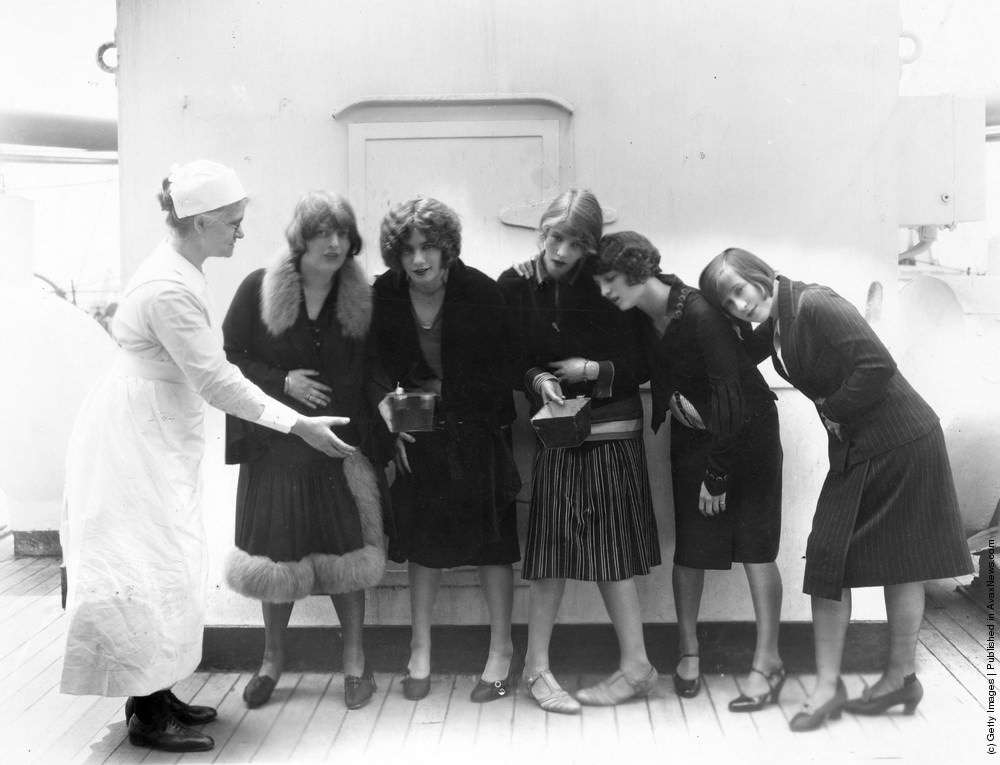
Producer Andre Charlot was one of London’s most influential figures in staging large-scale cabaret and revue performances. His meticulous rehearsals shaped some of the most polished chorus work seen on the city’s stages in the late 1920s.
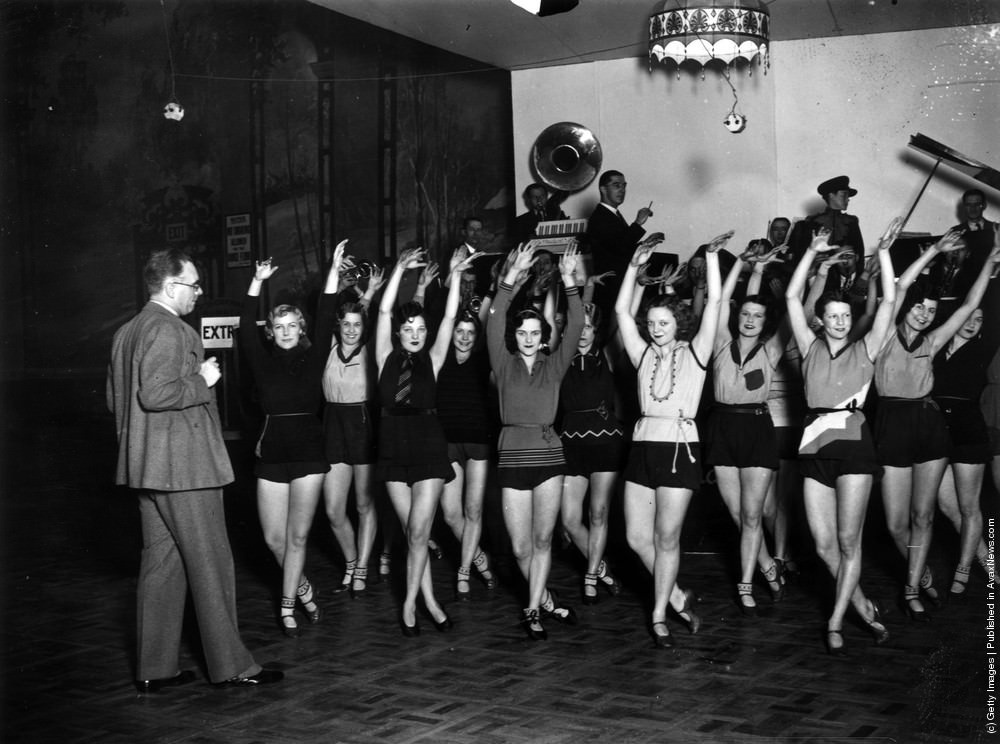
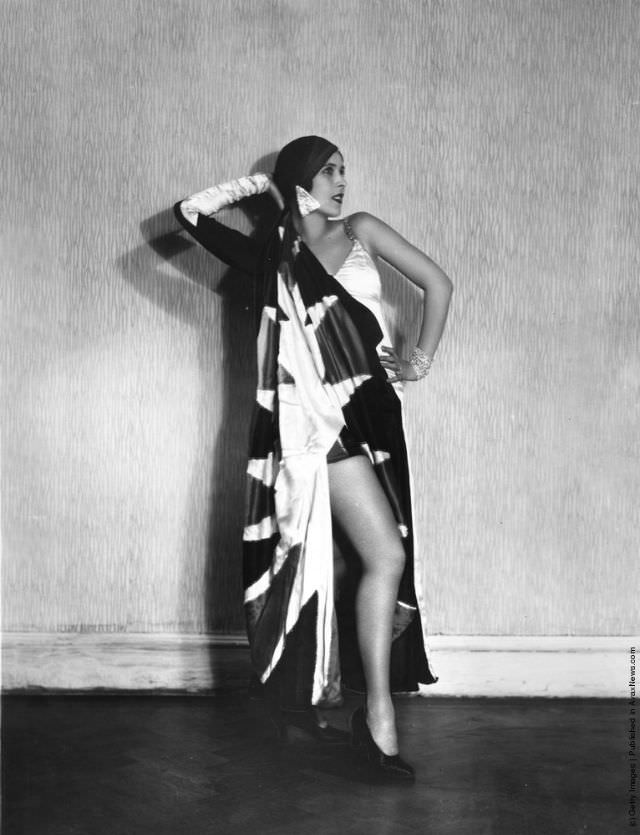
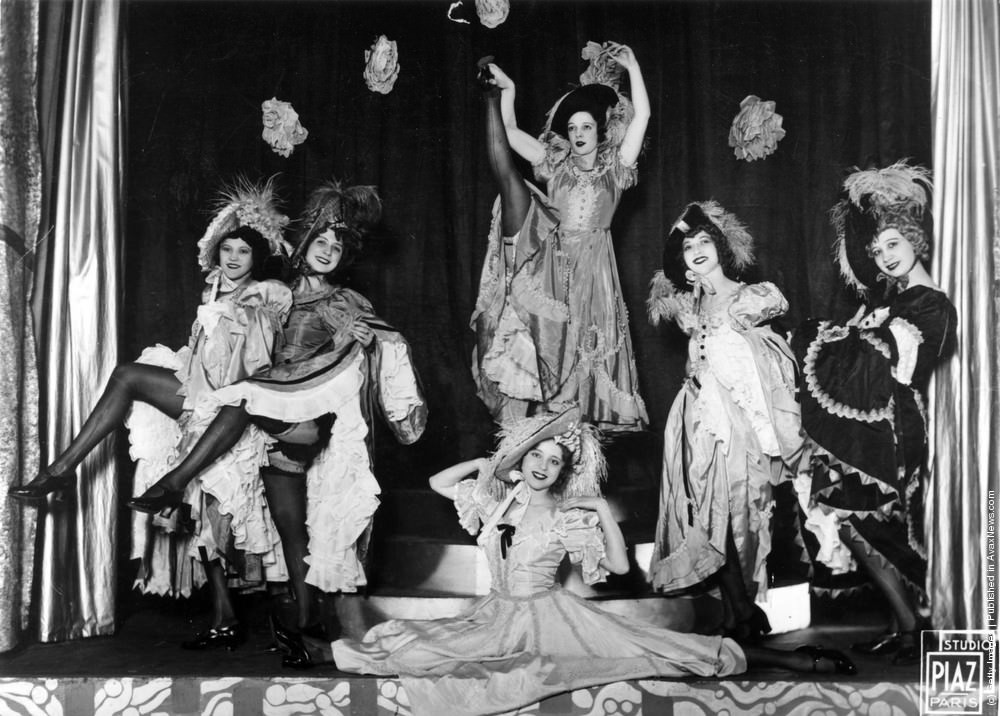
As the 1920s closed, the can-can remained a staple. London venues like the Piccadilly Hotel continued programming the style for audiences who never tired of its energy. The dance had traveled far from its Parisian origins and showed no signs of fading.
Cabaret shows frequently marked seasonal occasions. Special performances tied to New Year’s celebrations were common at London’s luxury hotels, with performers costumed to embody the spirit of the occasion.
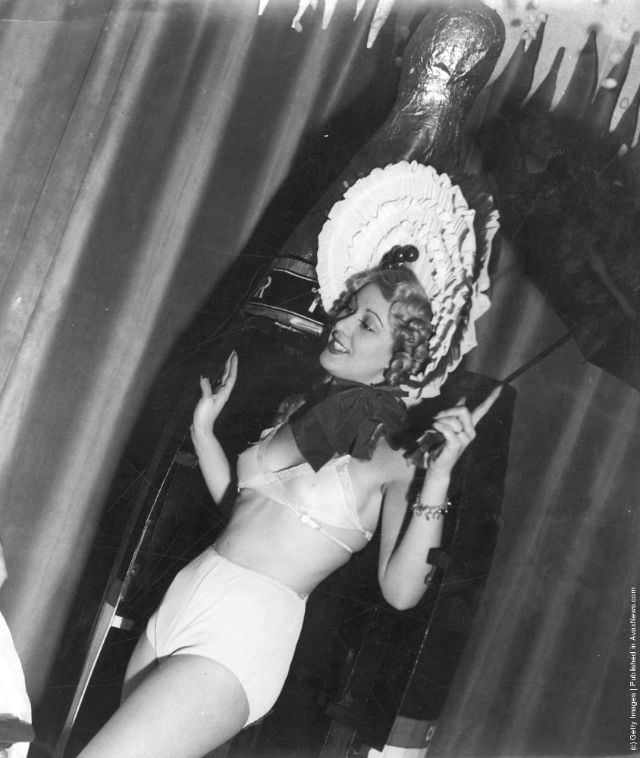
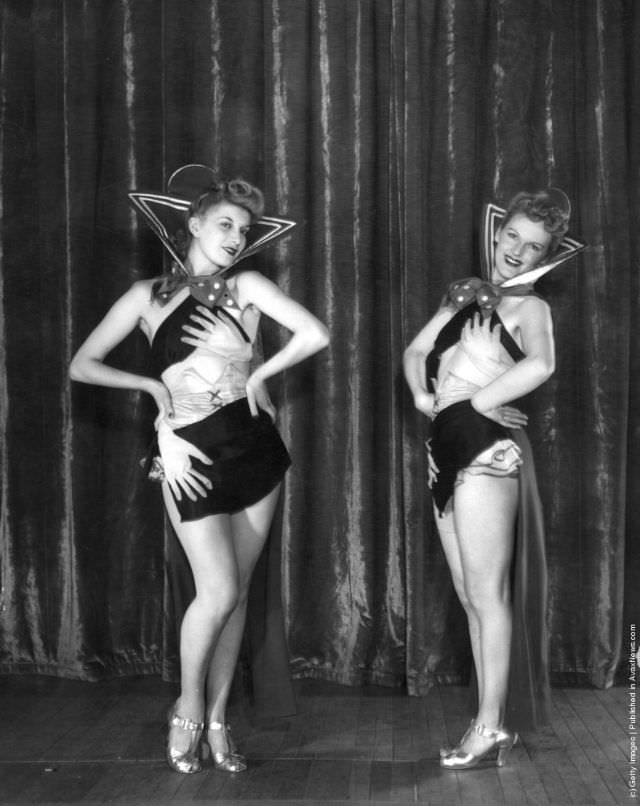
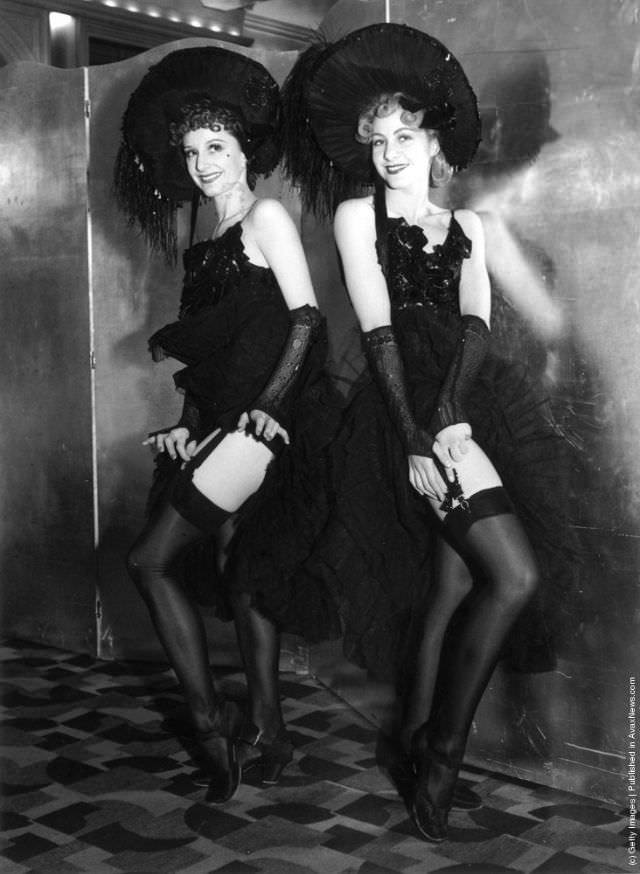
Fan dances added a layer of theatrical mystery to cabaret programming. The interplay between concealment and reveal made the act a natural fit for the cabaret format, where performers worked to hold an audience’s attention from just a few feet away.
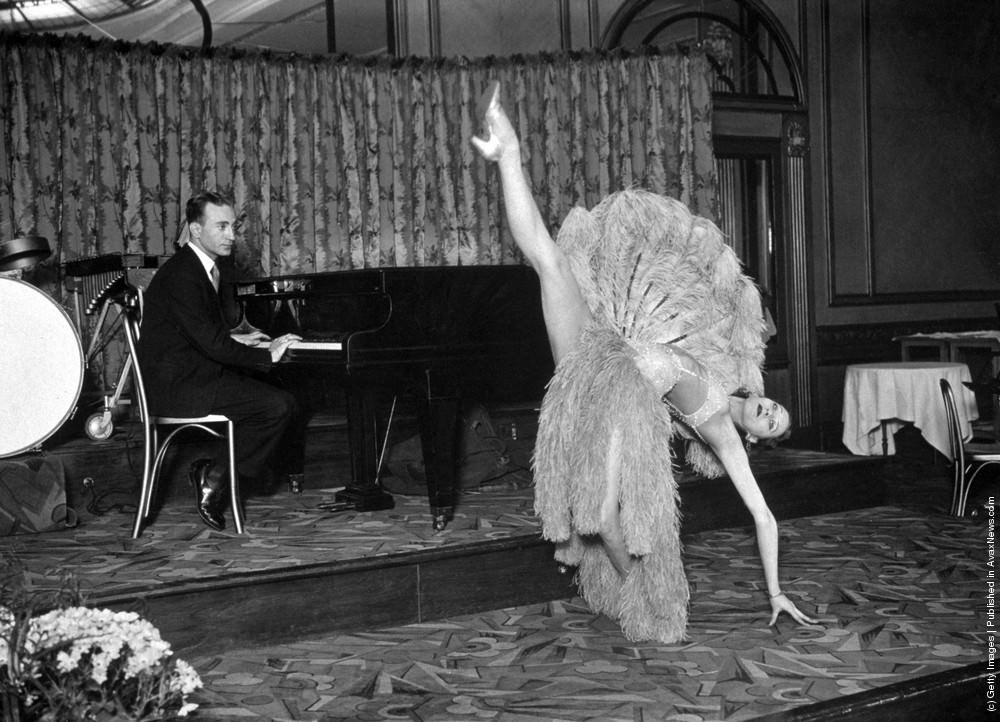
Acrobatic acts pushed the physical limits of cabaret performance. Upside-down duos and contortionists were booked alongside dancers to keep variety programs unpredictable. These acts required years of training and genuine athletic ability.
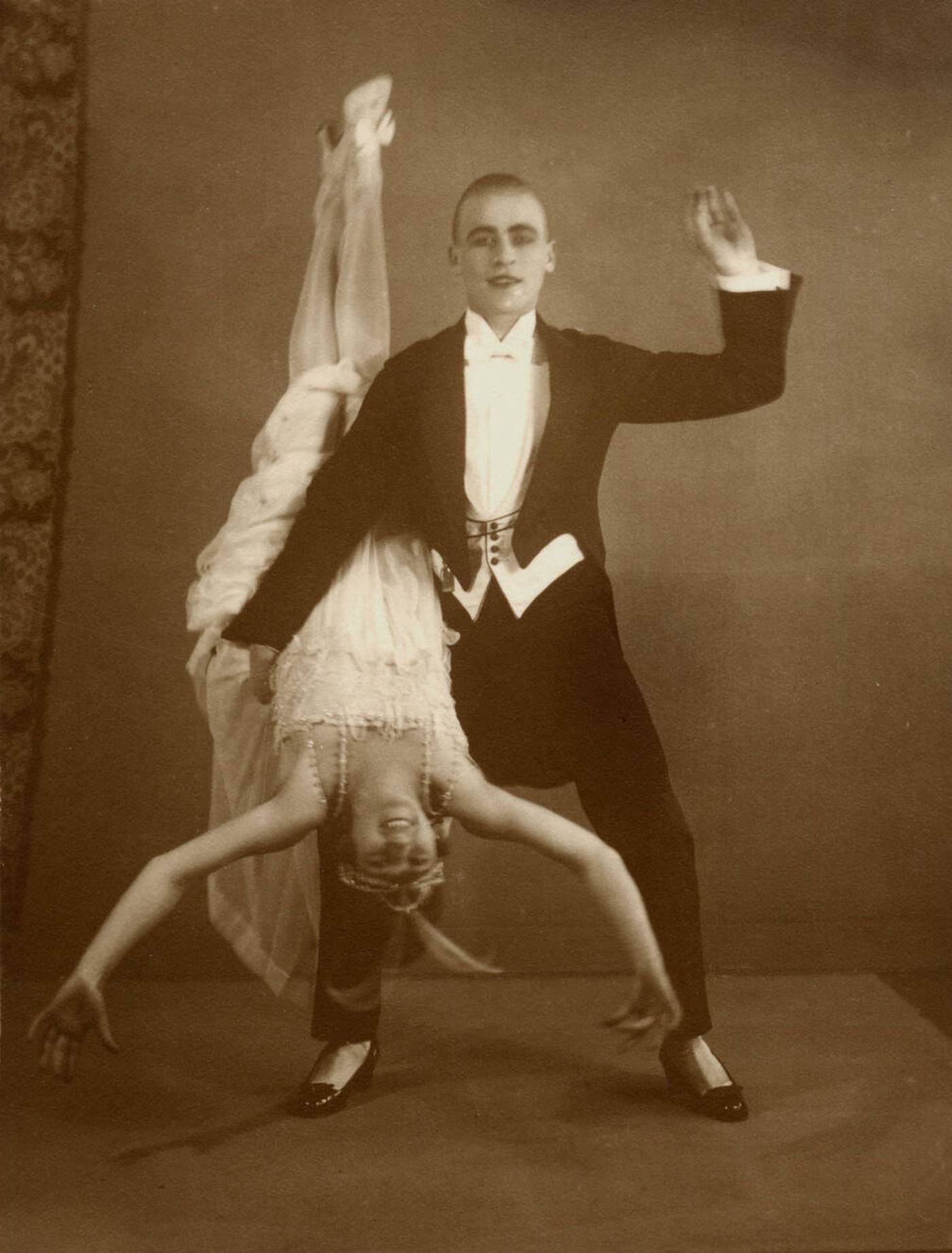
Cabaret’s cultural weight was strong enough by the early 1920s that the stage itself became a subject for theatrical storytelling. Productions like “The Cabaret Girl” used the world of the cabaret as a dramatic setting, signaling how deeply the format had embedded itself in popular imagination.
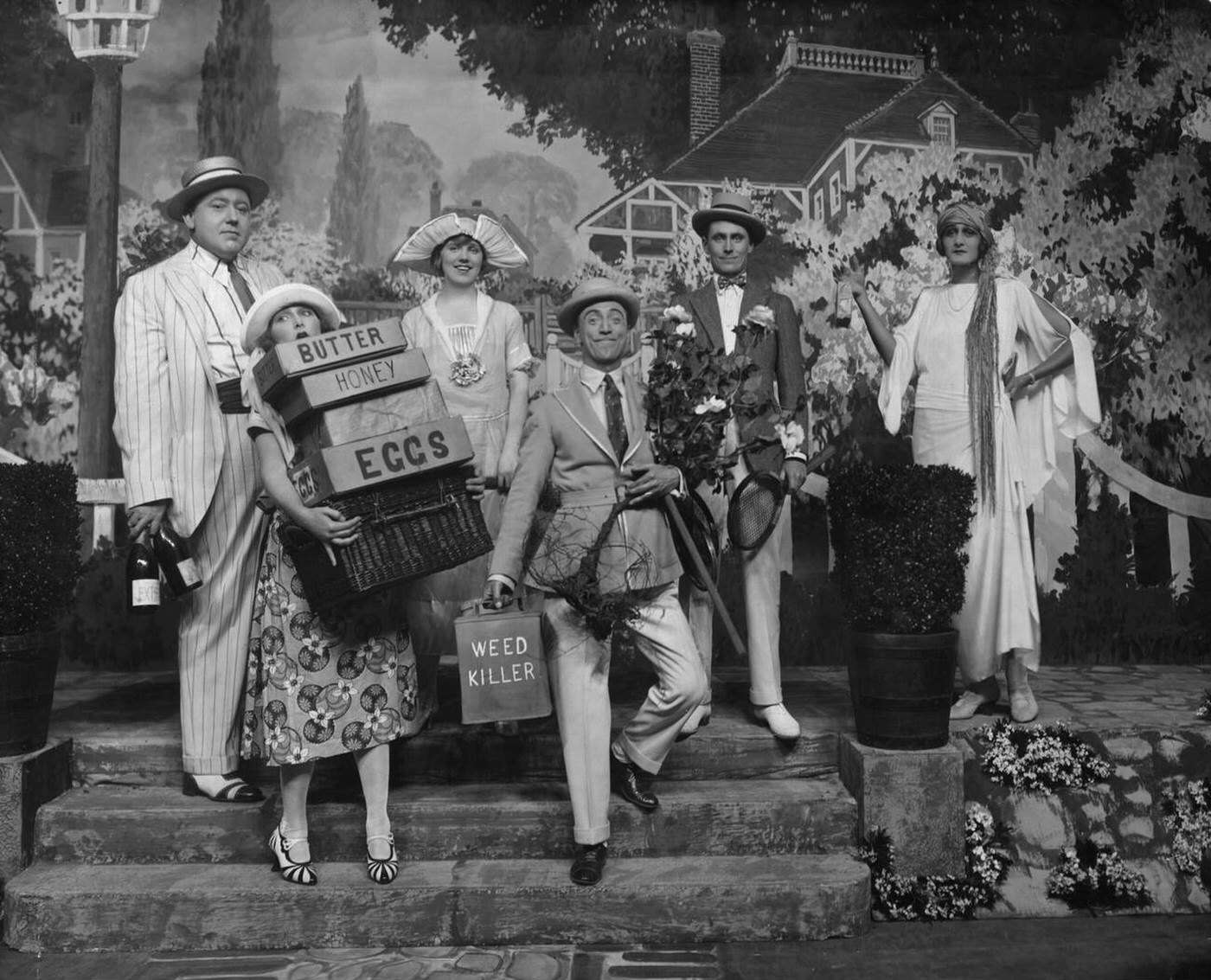
Austria developed its own cabaret tradition alongside France and Germany. Performers like M Roberts and Mlle Maria Ley built reputations as the country’s leading cabaret artists, bringing a distinct Viennese sensibility to their work.
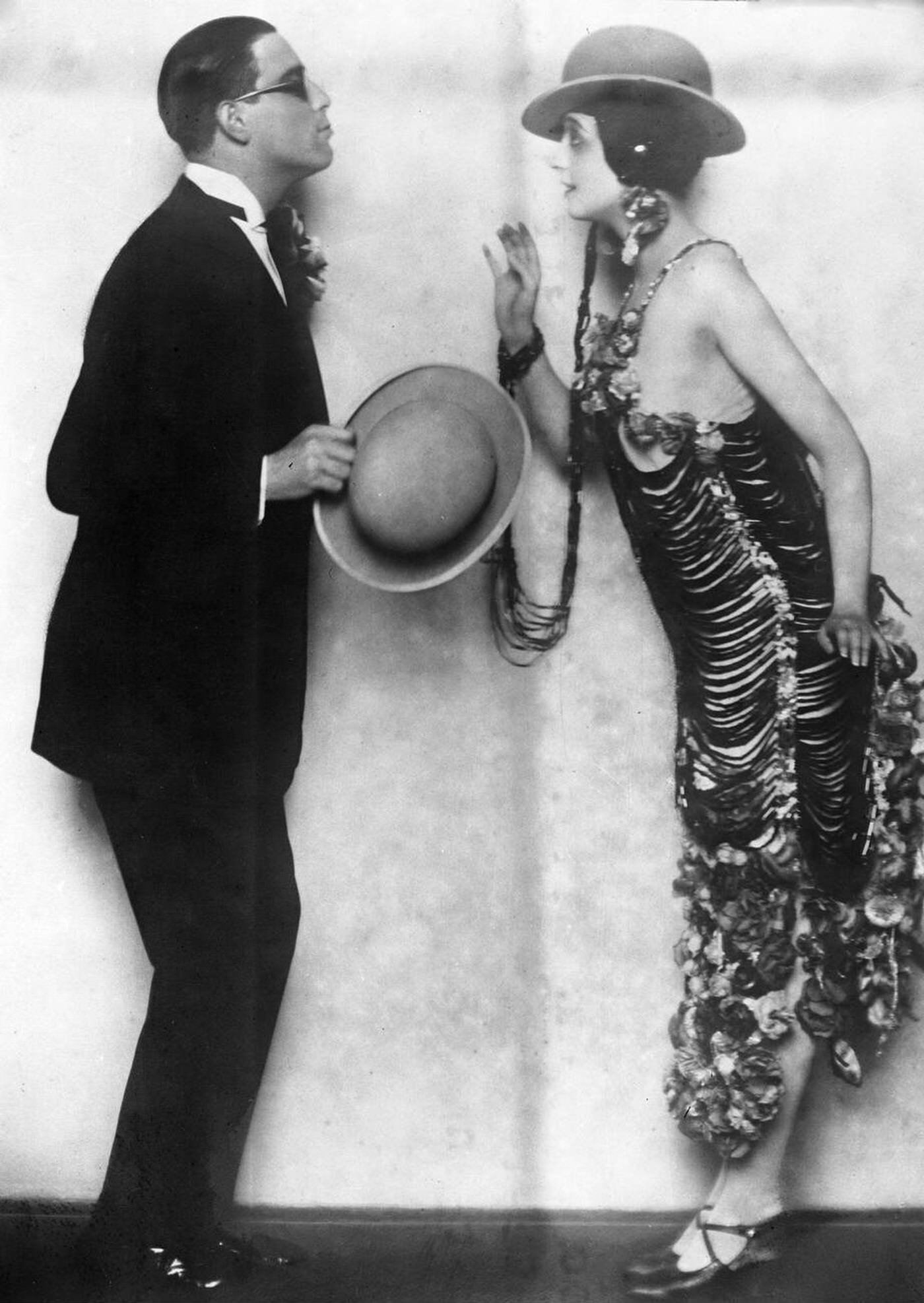
France produced specialists who pushed dance to its athletic and theatrical limits. Mlle Ixe earned the title of France’s champion stunt dancer — a performer who combined technical skill with daring physical feats that set her apart from conventional cabaret acts.
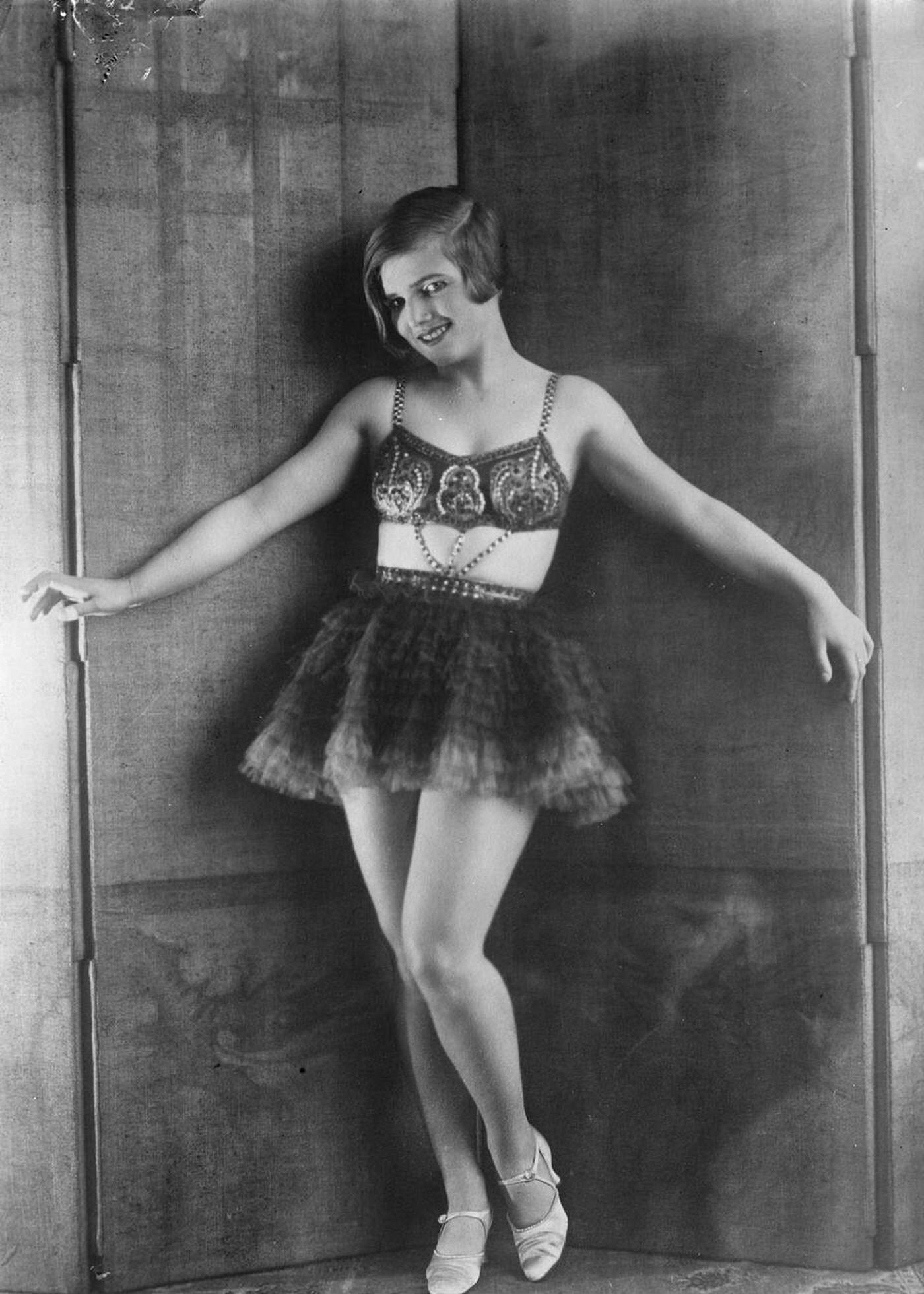
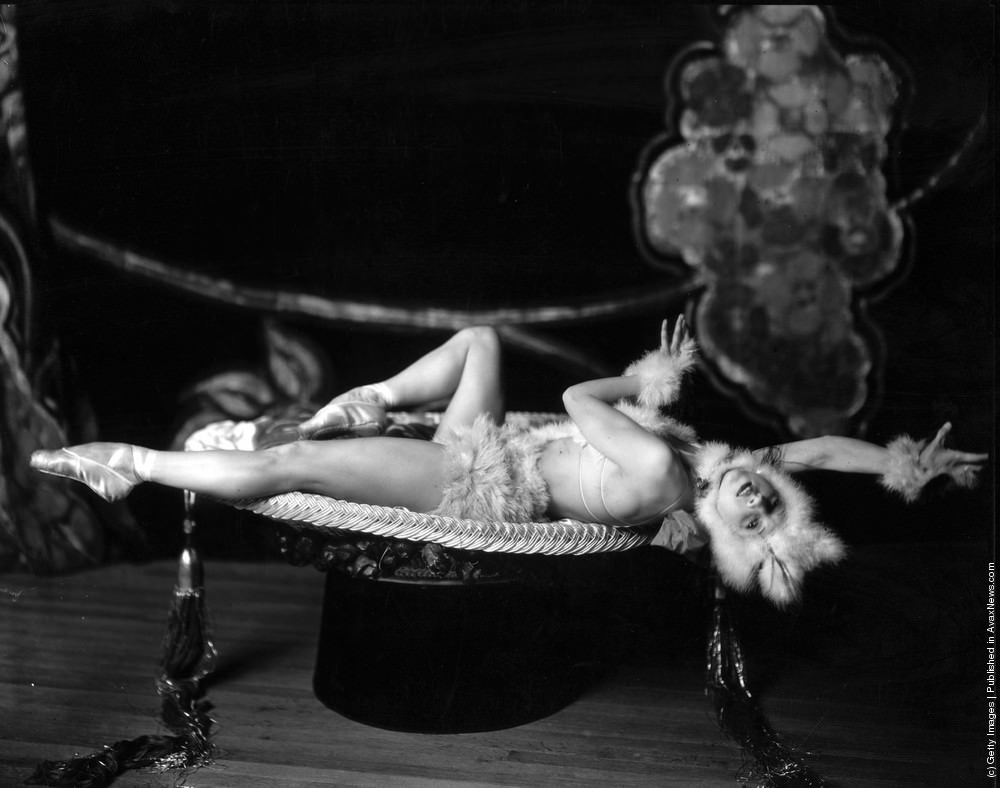
American cabaret venues like Chicago’s Cafe Chez Paree hosted acts that blended drama with dance. The Waltons’ performance of “The Leopard Lady” was one such production — a themed act that brought a theatrical narrative directly onto the cabaret floor.
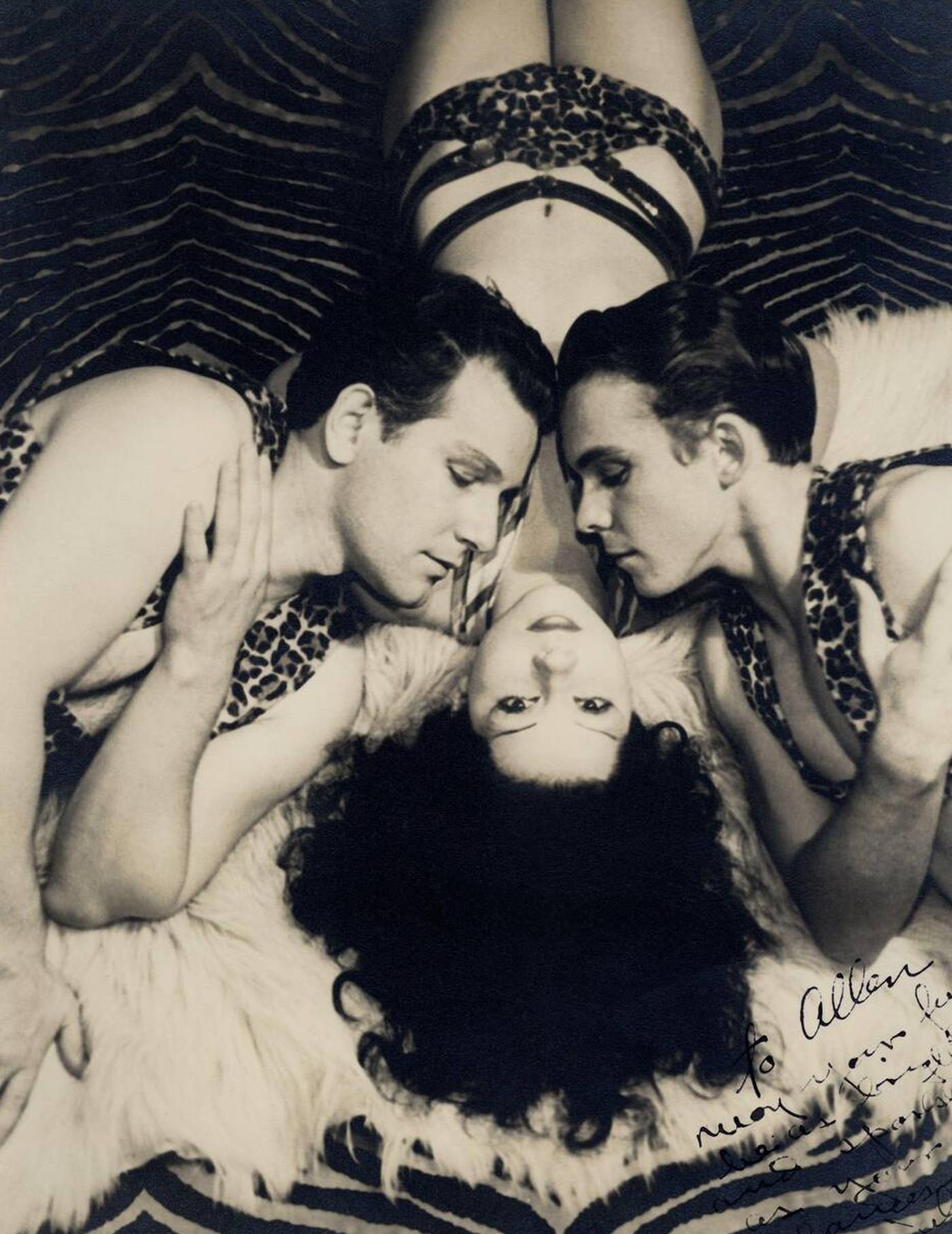
New York’s cabaret scene embraced partner dances with passionate intensity. The tango, which had traveled north from Argentina, became a fixture in upscale New York clubs. Performers like Horace Nicolsburgh and Dixi Adel Roberto built careers on the dance floor’s most demanding and expressive style.
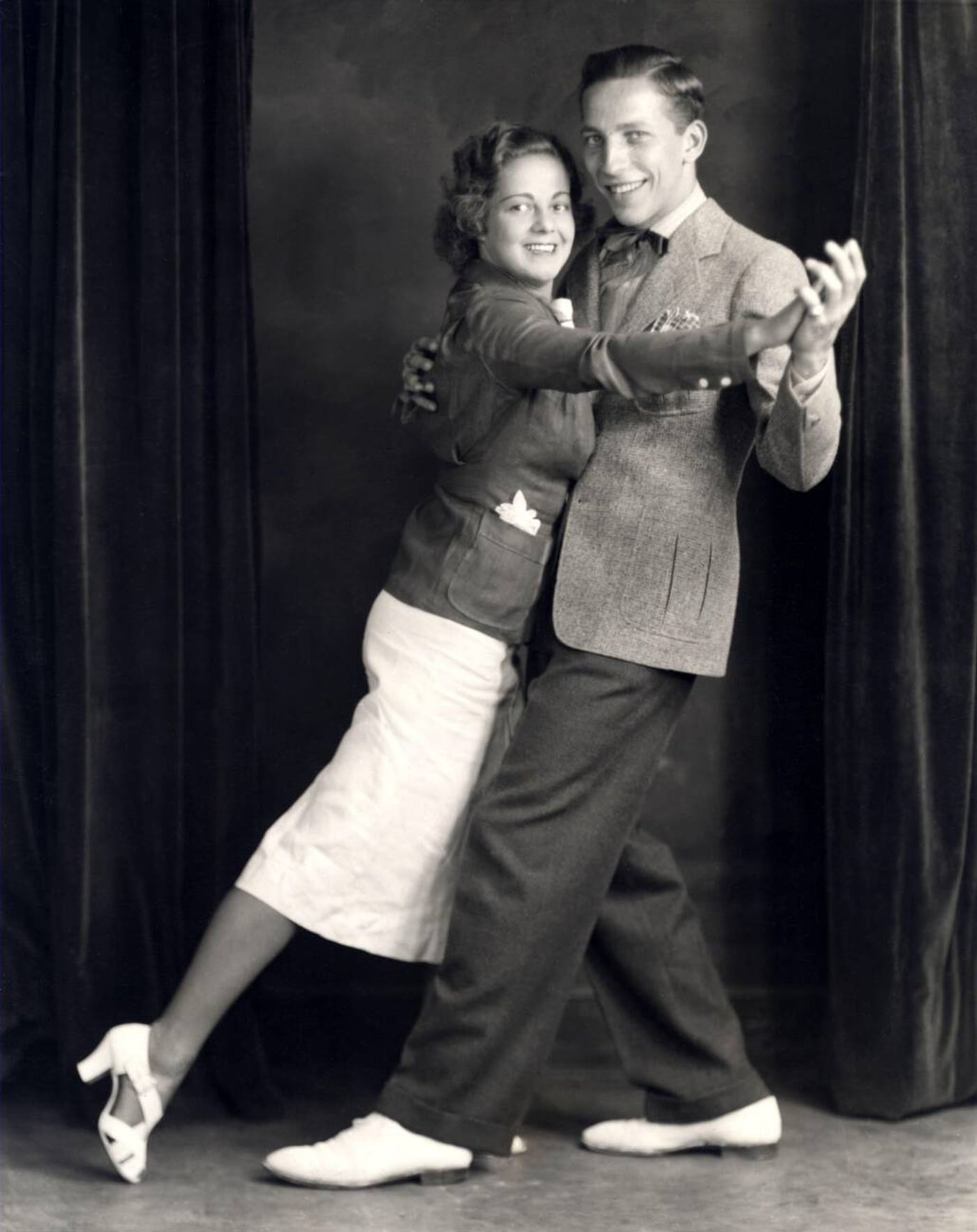
Cabaret was not exclusively a European or North American phenomenon. In Buenos Aires, gaucho performers brought Argentina’s own entertainment traditions to cabaret stages, fusing local folk culture with the international format of the variety show.
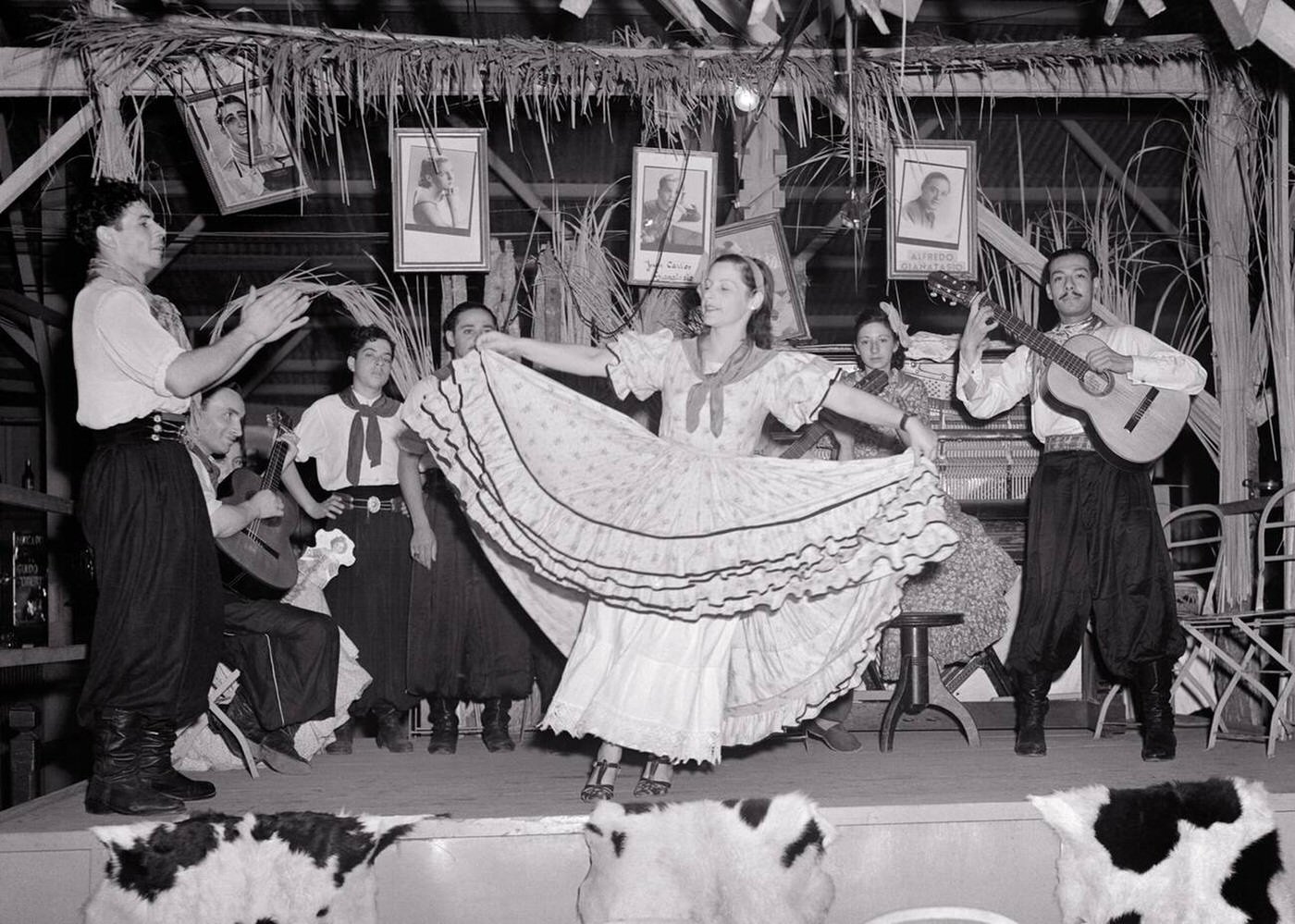
American cities sustained a thriving cabaret circuit well into the 1940s. Chicago’s club scene offered audiences everything from jazz-driven dance acts to elaborate floor shows, keeping the format commercially strong even as the entertainment landscape shifted.
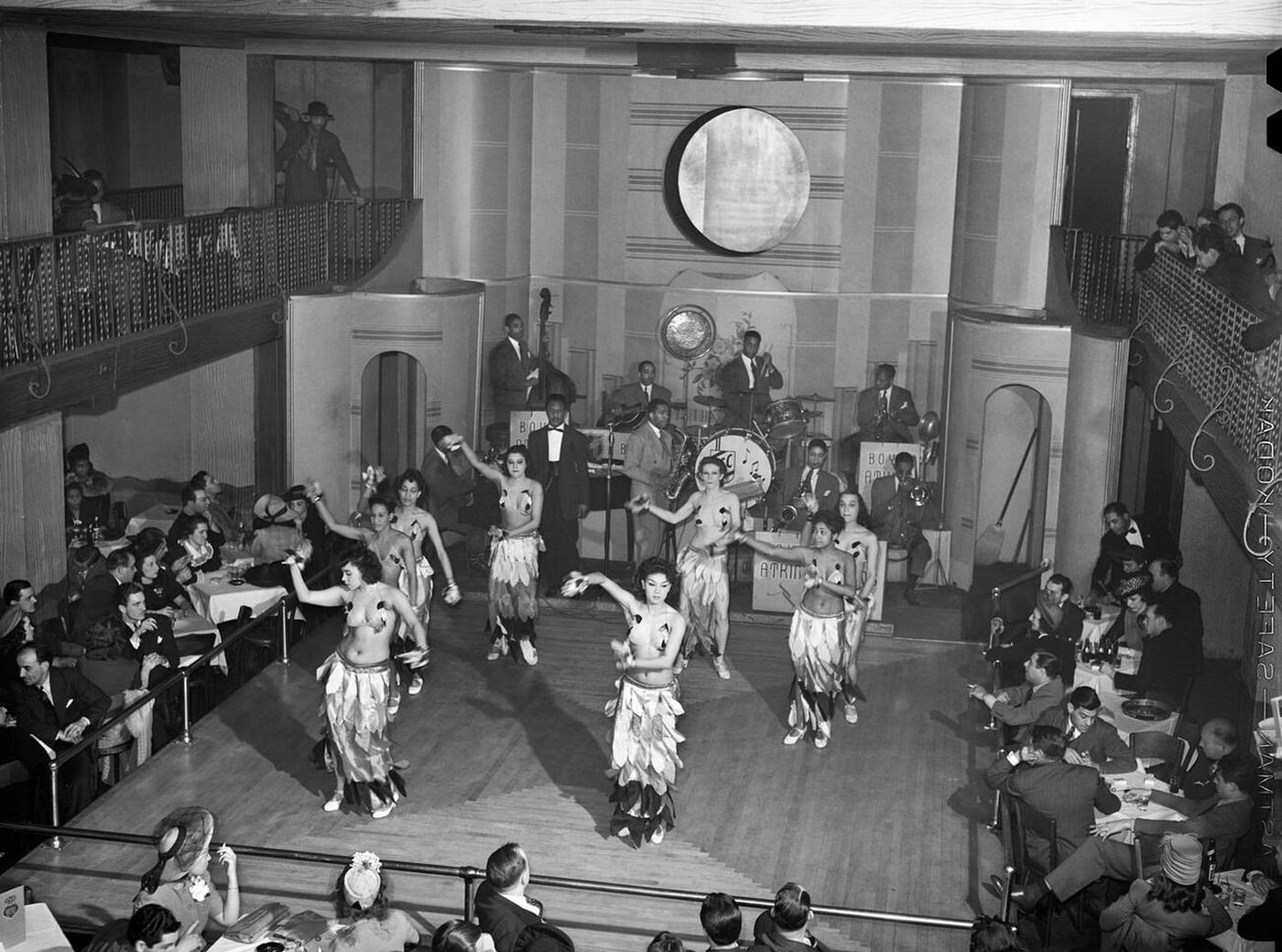
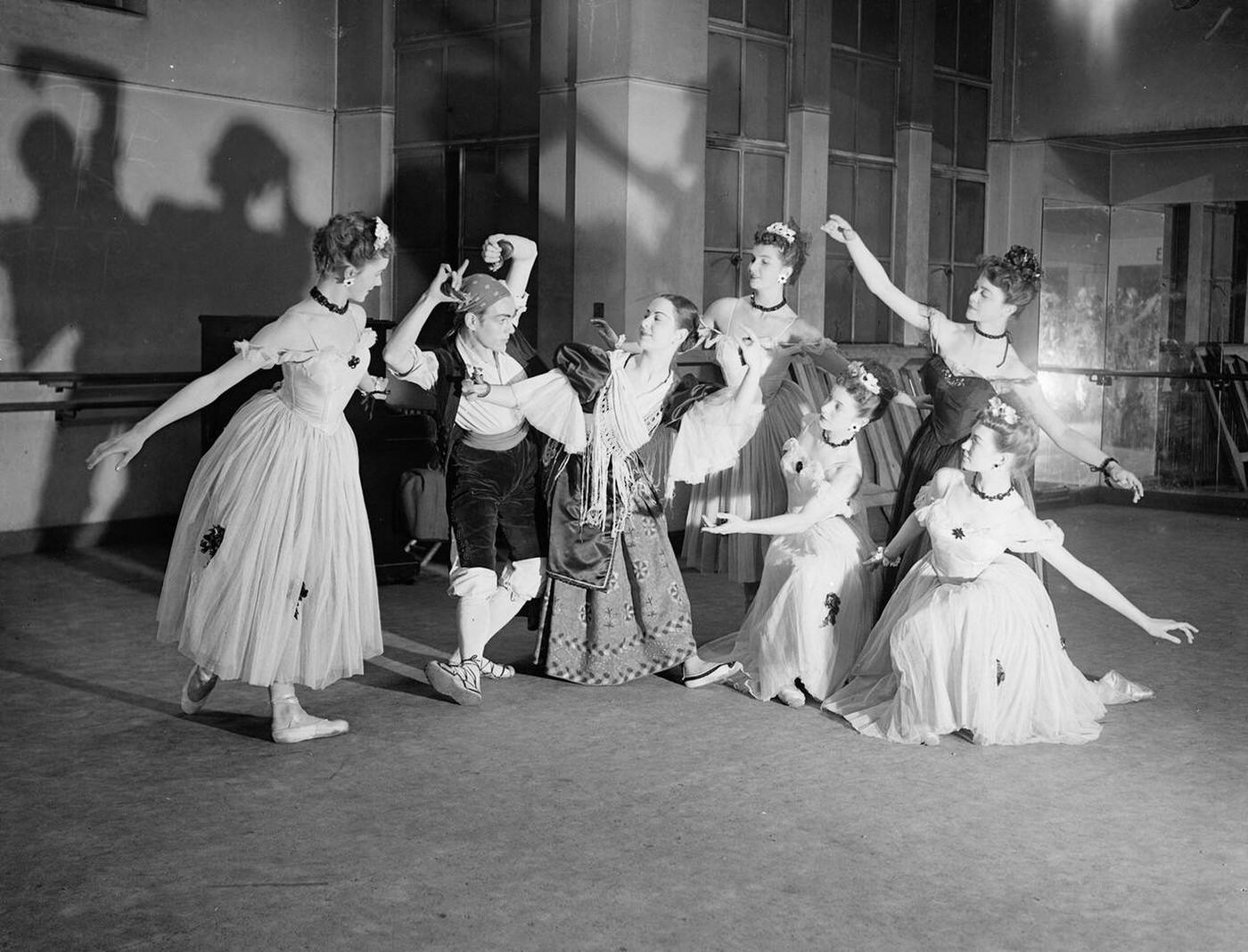
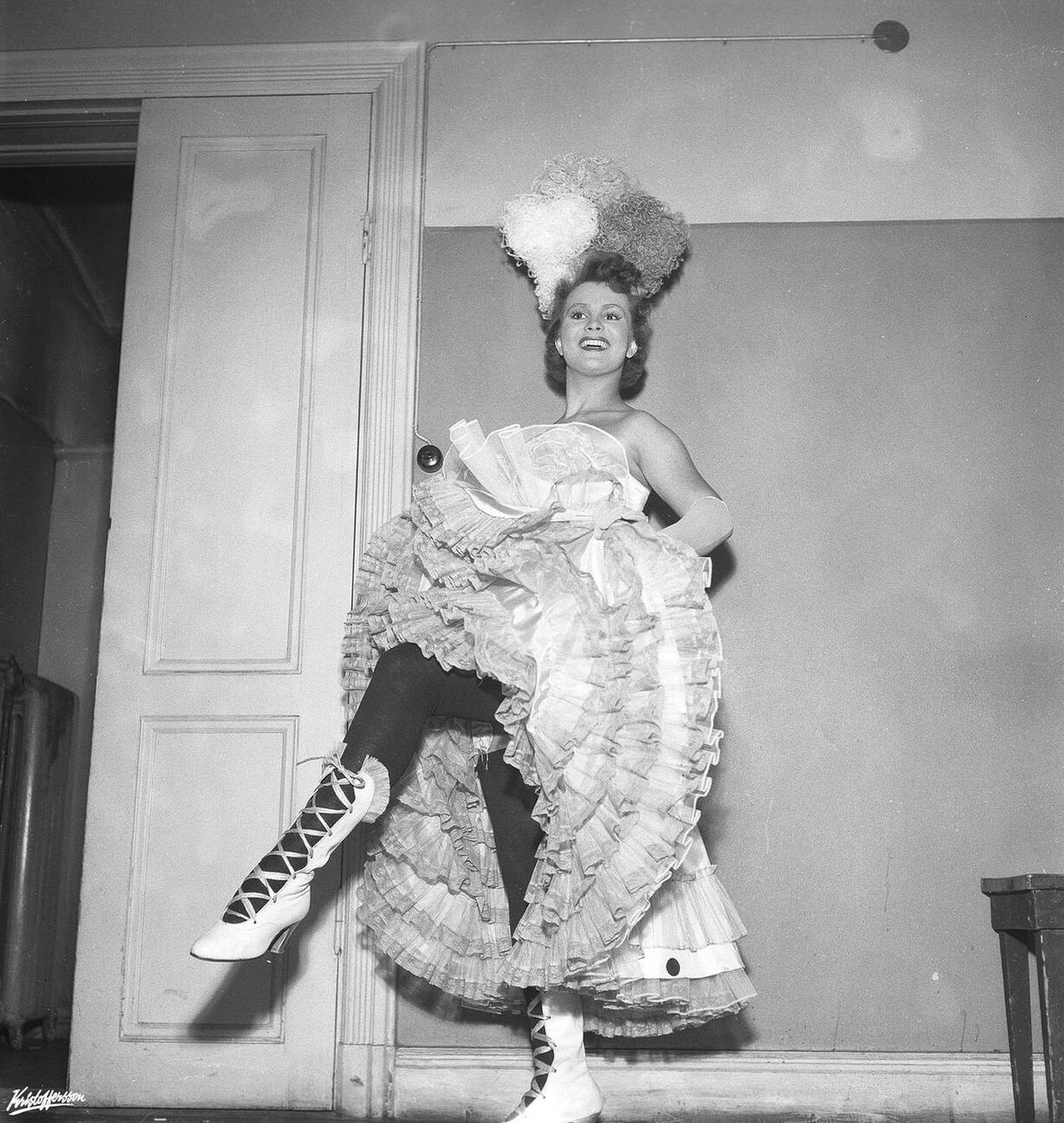
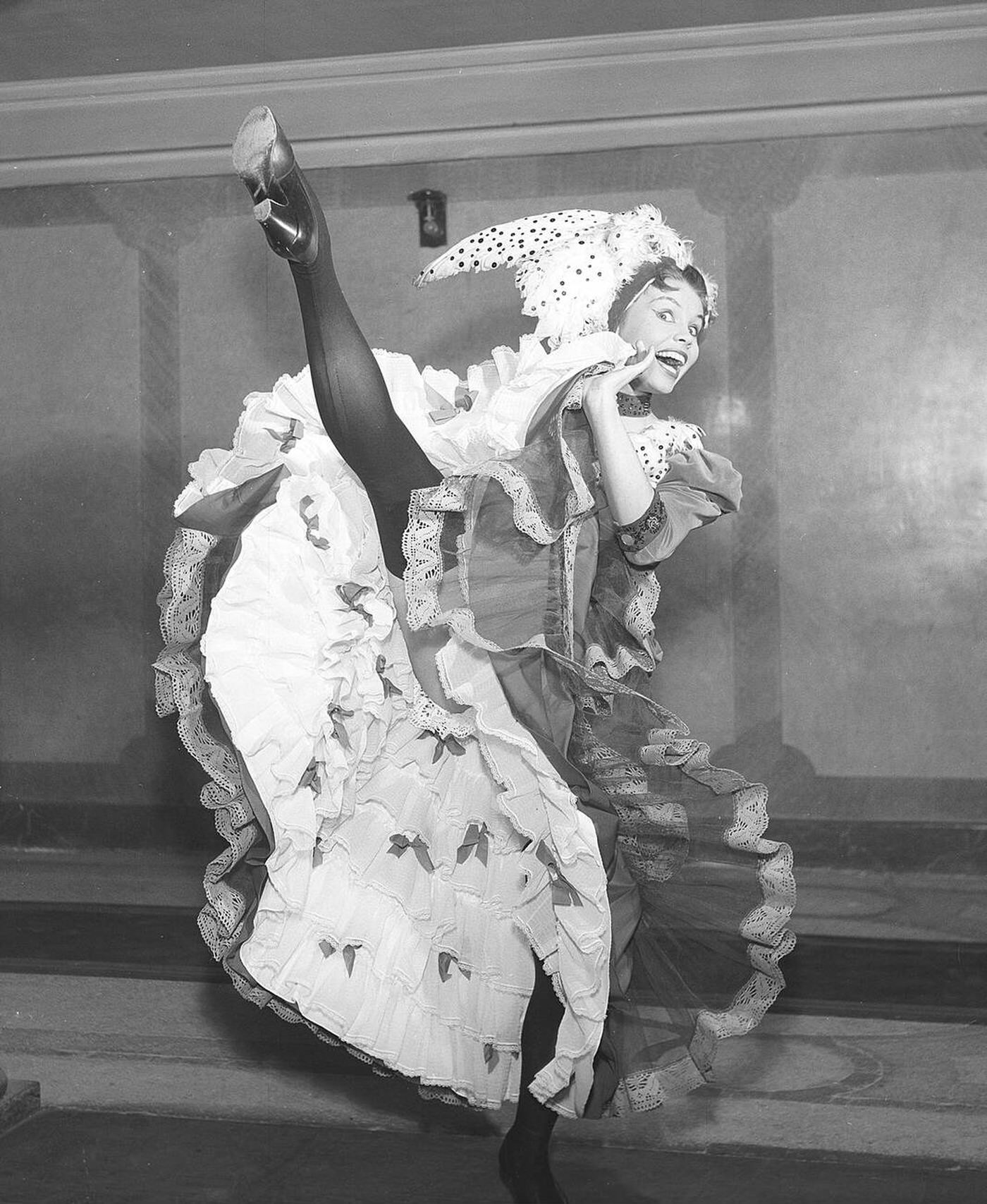
The can-can never disappeared. By the 1950s it was being performed on stages across the world, its identity so firmly fixed in popular culture that it needed no introduction. Solo performers could build an entire act around the dance’s kinetic energy and theatrical flair.
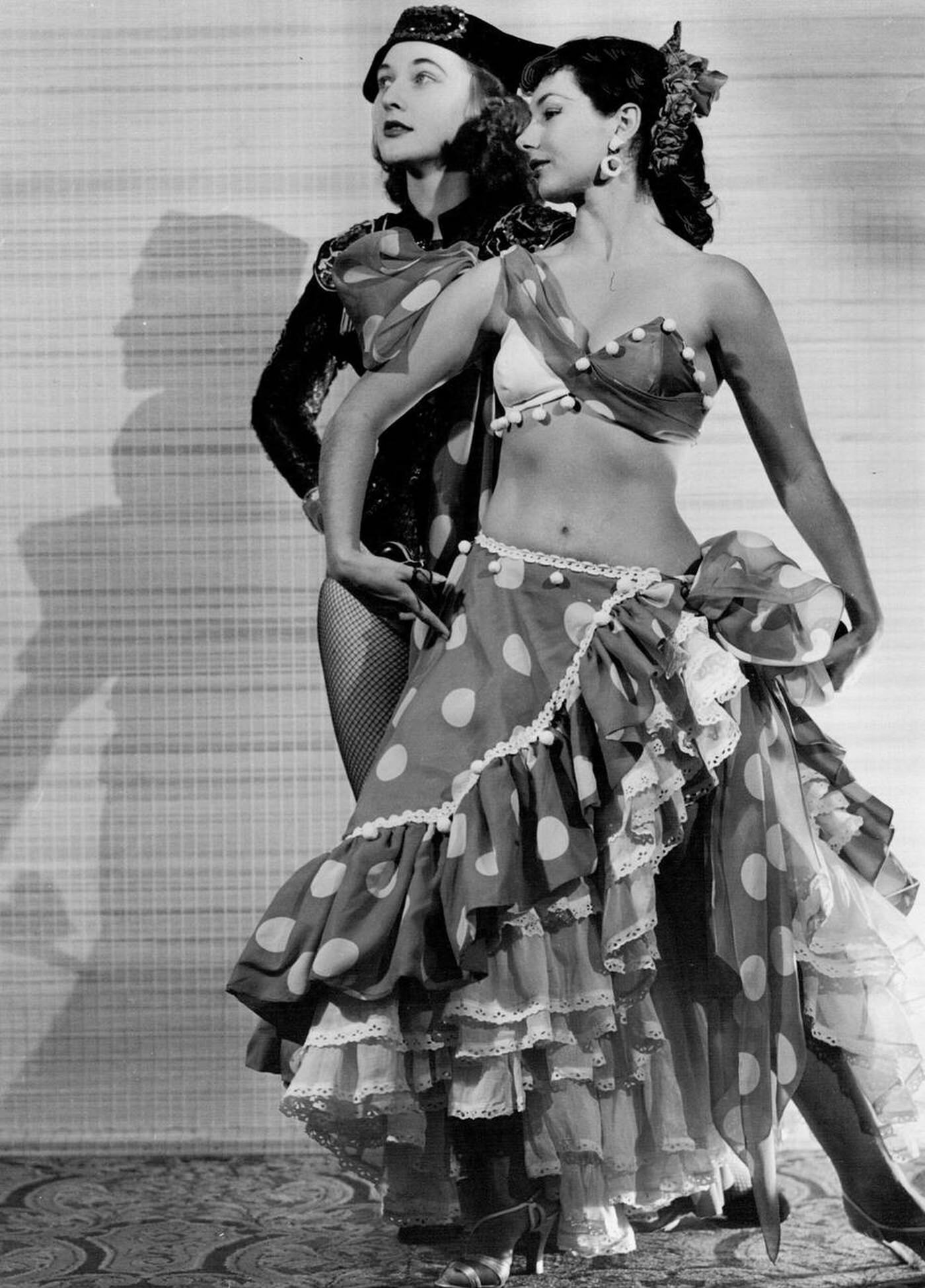
Cabaret programs in the 1950s continued to embrace culturally specific dance styles. In Sydney, performers like Valery Cooney and Monica Scott presented Spanish-themed numbers, bringing flamenco-influenced movement to Australian audiences hungry for international flair.
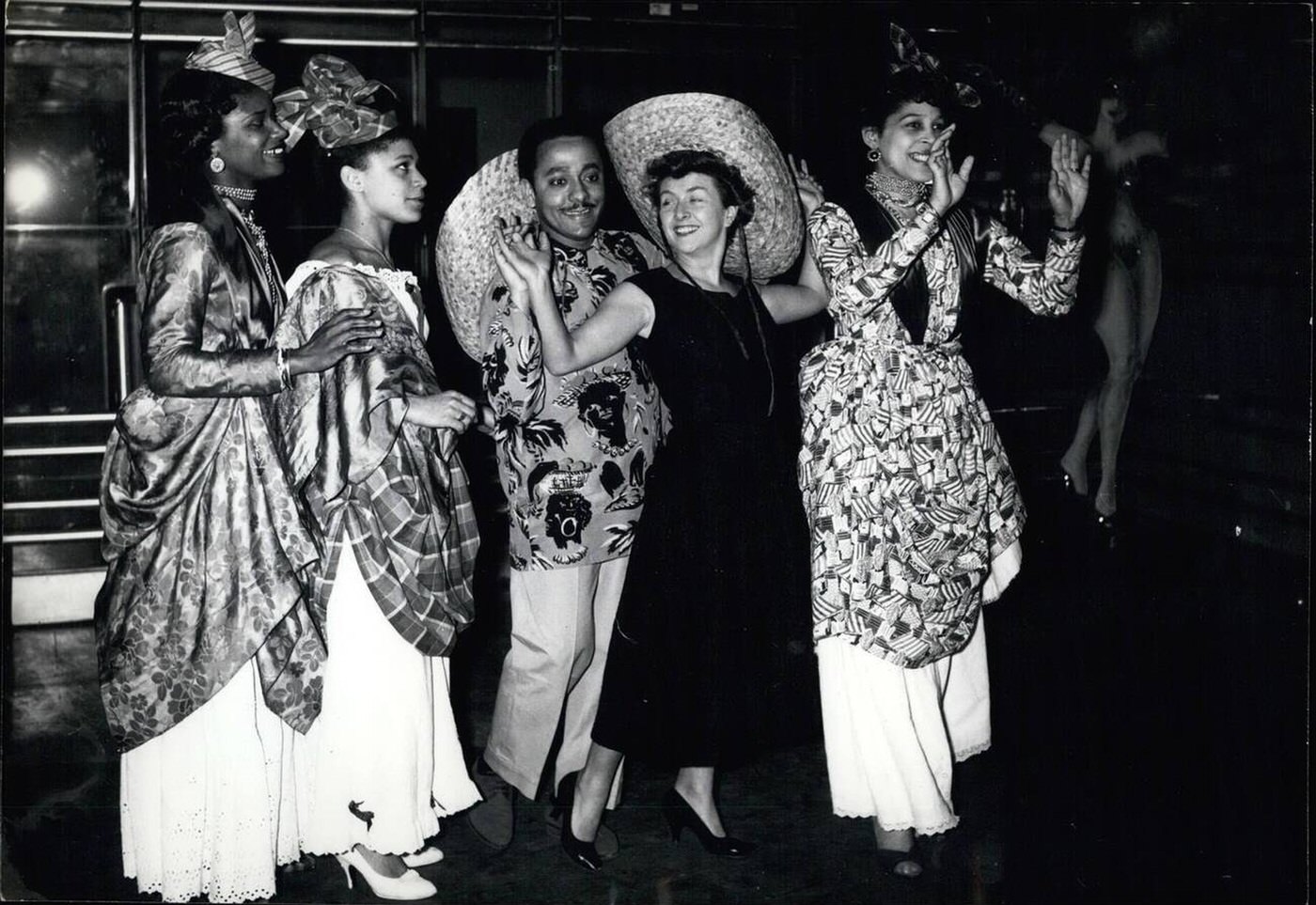
Caribbean rhythms swept into cabaret programming during the mid-1950s. Calypso, with its infectious tempo and hip-driven movement, found enthusiastic audiences in European and American clubs alike. Performers like Mick Micheyl led the charge, making calypso a cabaret staple.
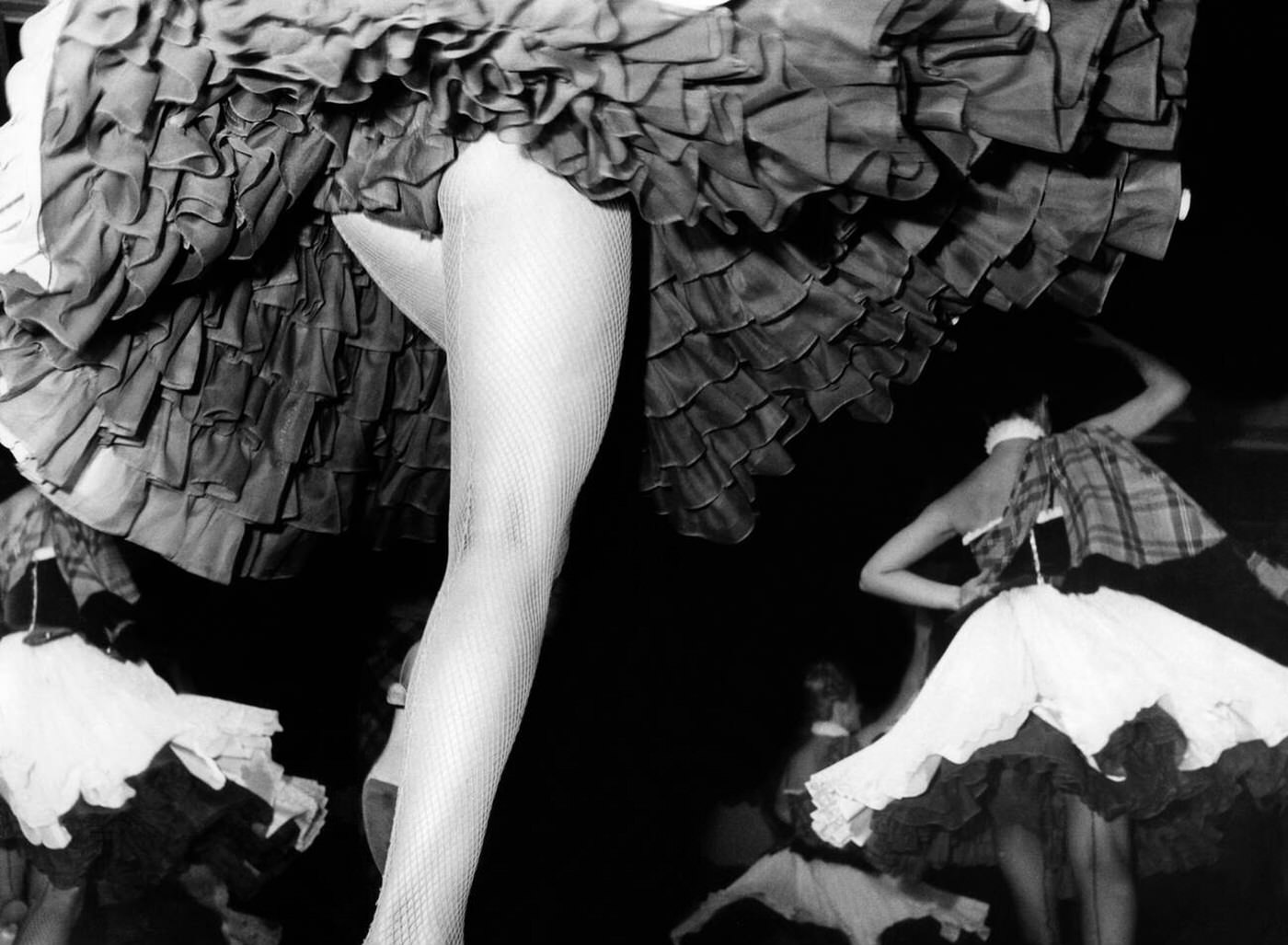
Paris’s Lido, which opened in 1946, carried the city’s cabaret tradition into the late 20th century. By 1959, its stage was home to some of the most technically ambitious and visually spectacular shows in Europe, continuing a lineage that stretched back to the Moulin Rouge and Folies Bergère.
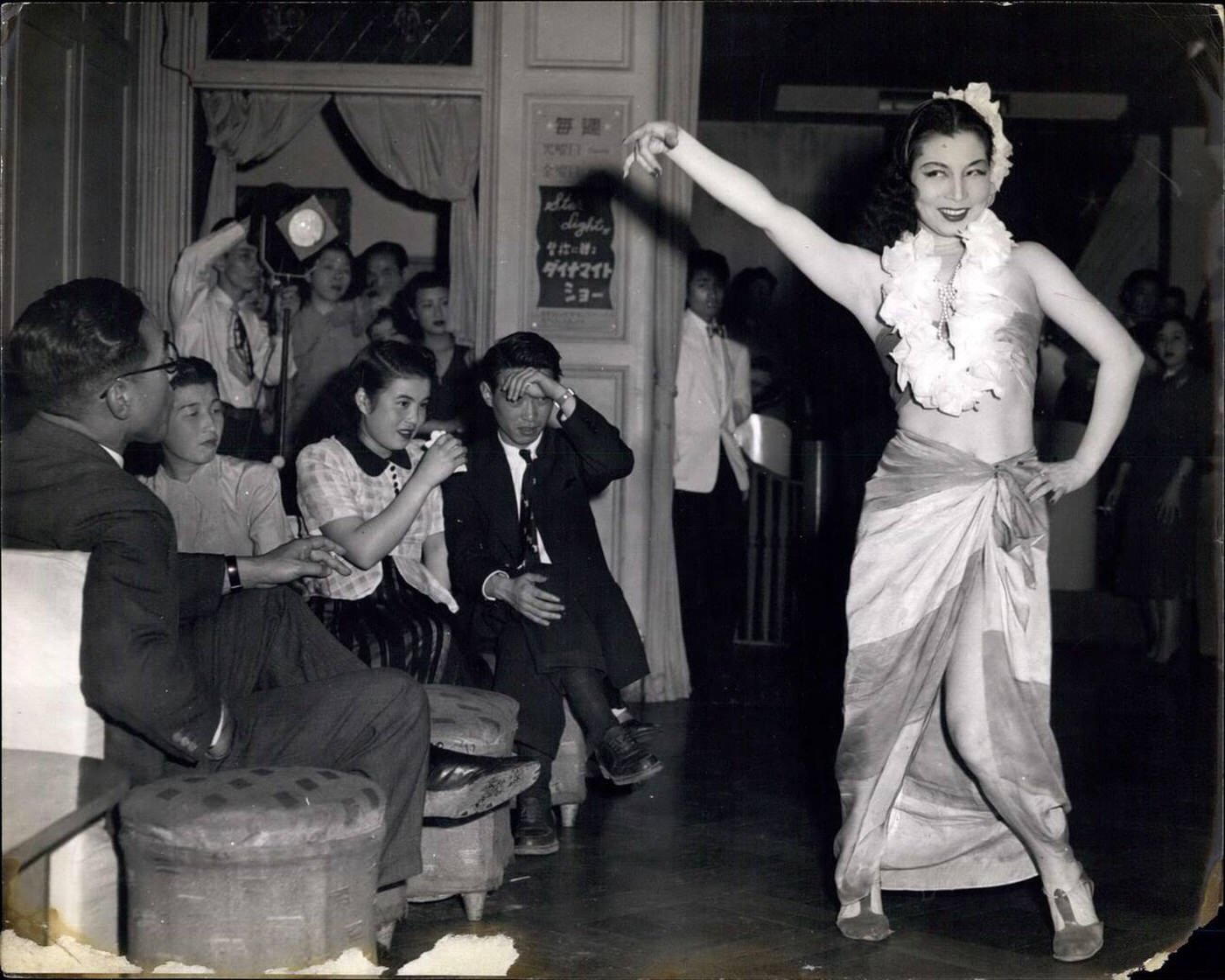
Japan developed a distinct cabaret culture in its major cities. Tokyo’s nightclub scene in the mid-1950s blended Western performance styles with local aesthetics, producing shows that were uniquely Japanese in character while drawing on the global cabaret tradition.
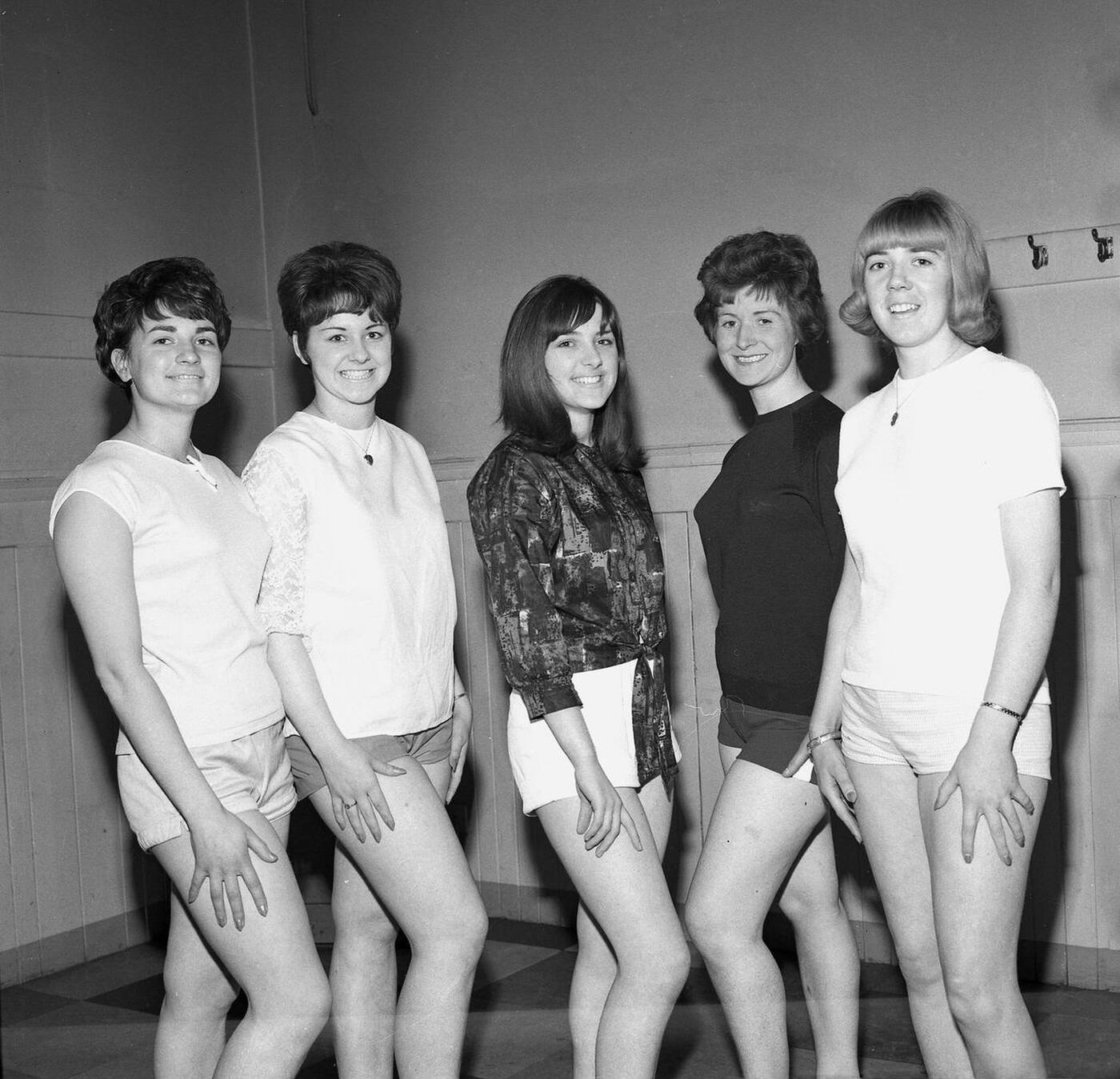
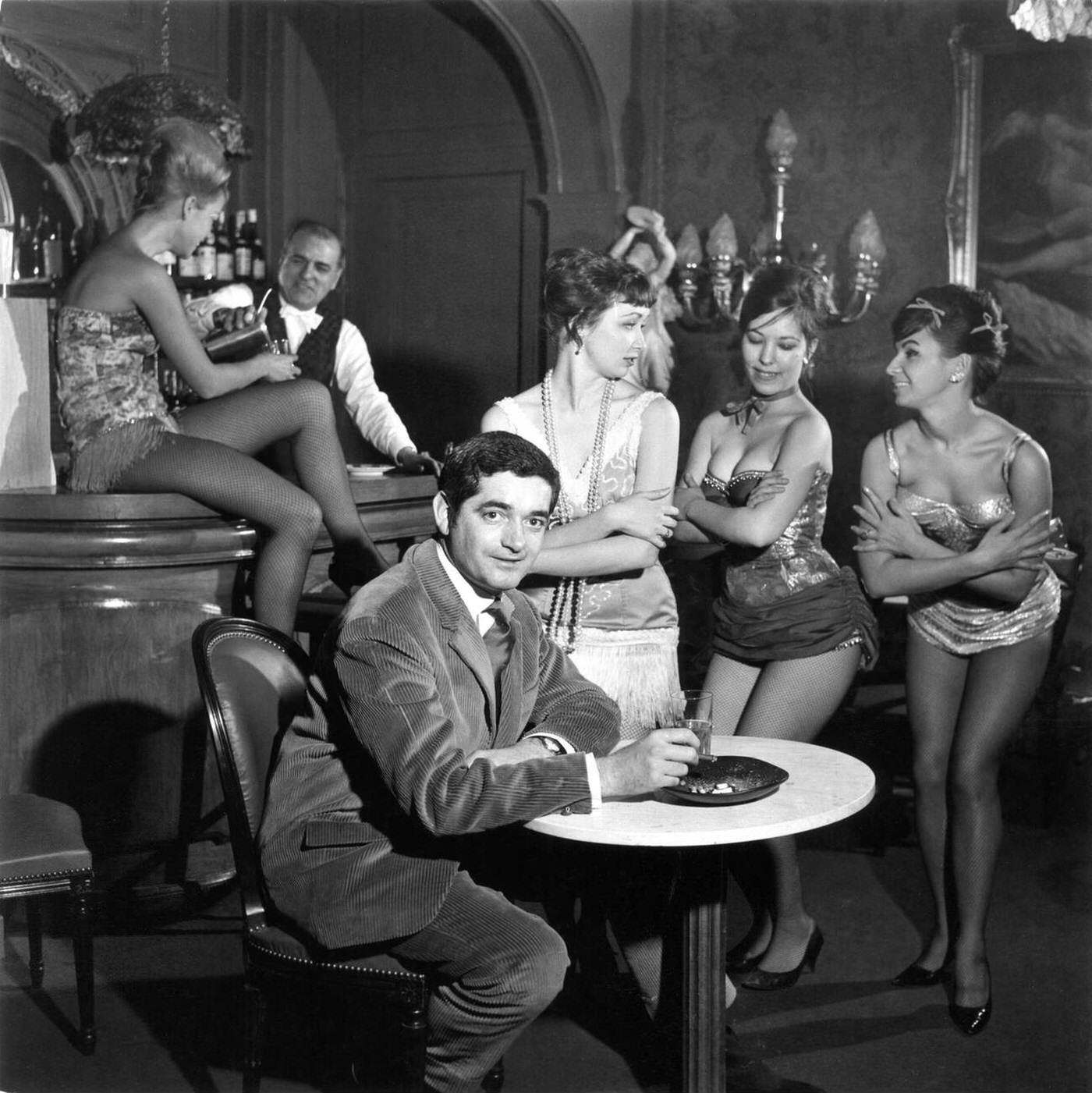
Film began to intersect with cabaret culture by the early 1960s. Director Jacques Demy used cabaret performers in his 1961 film Lola, bridging the worlds of cinema and live entertainment. The “Lola Girls” brought the energy of the club stage directly to the screen.
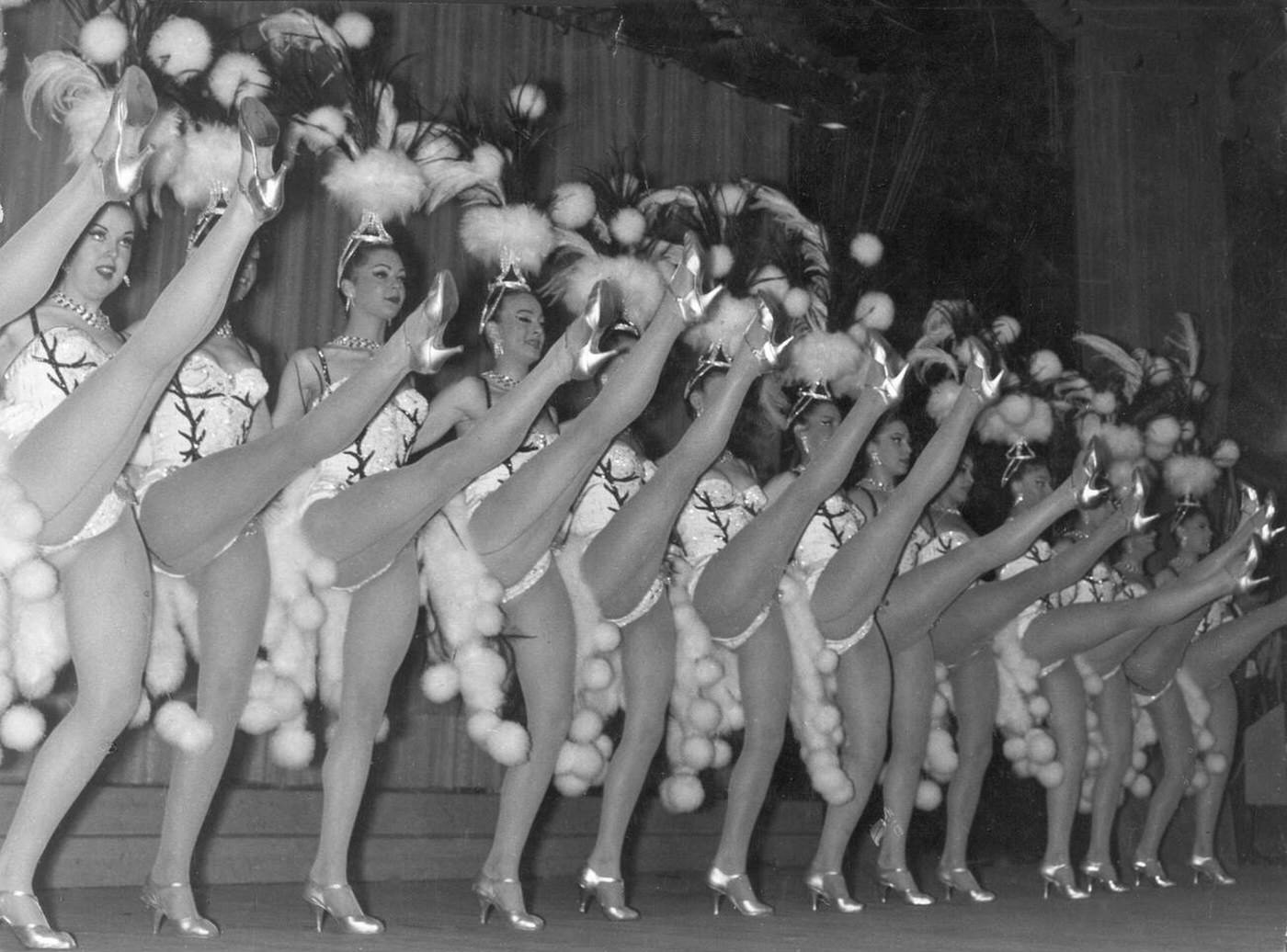
The Moulin Rouge remained a global symbol of Parisian entertainment through the 1960s. Its resident performers — like the Doris Girls in 1963 — kept the venue’s reputation for precision, spectacle, and glamour firmly intact decade after decade.
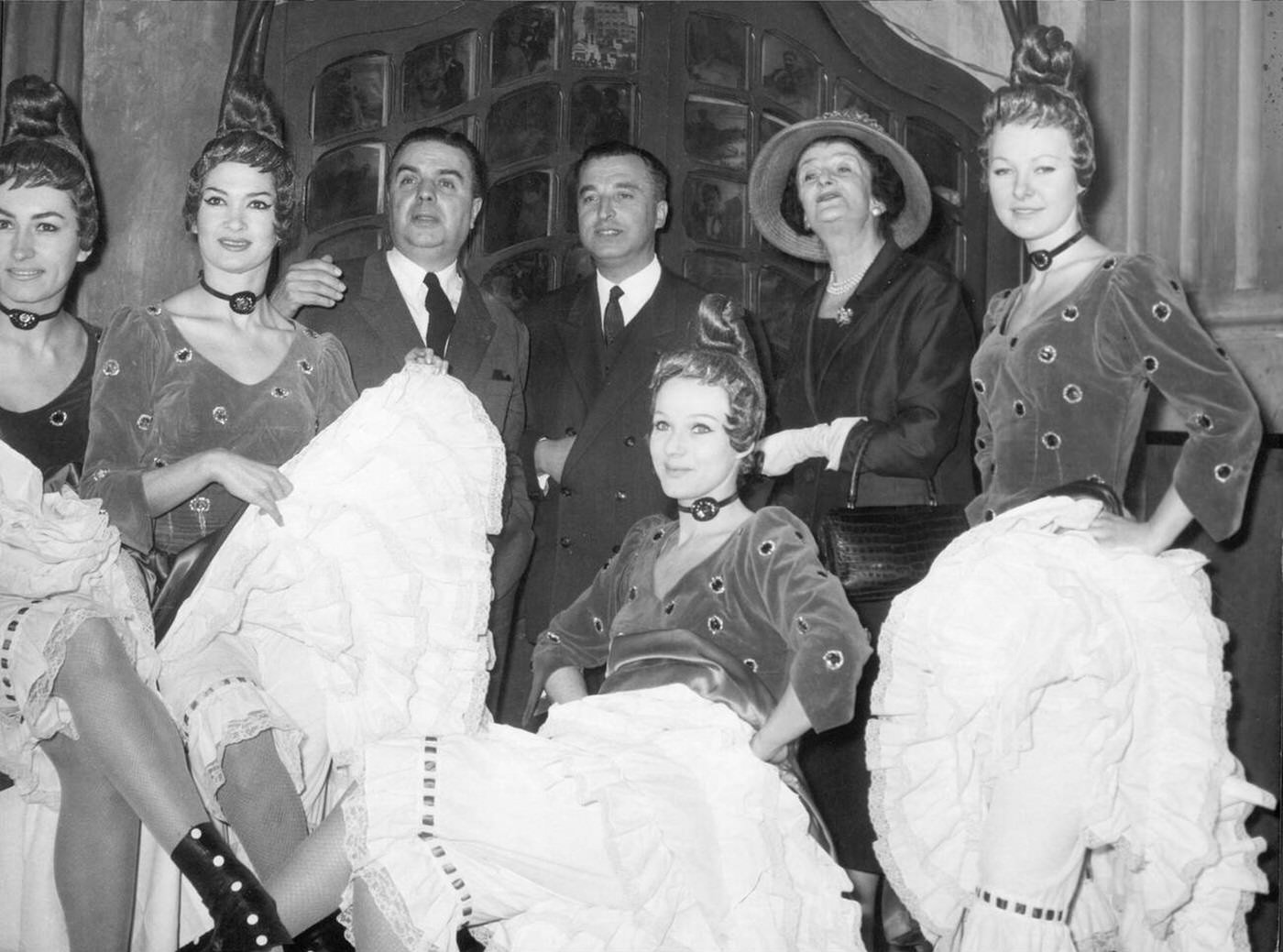
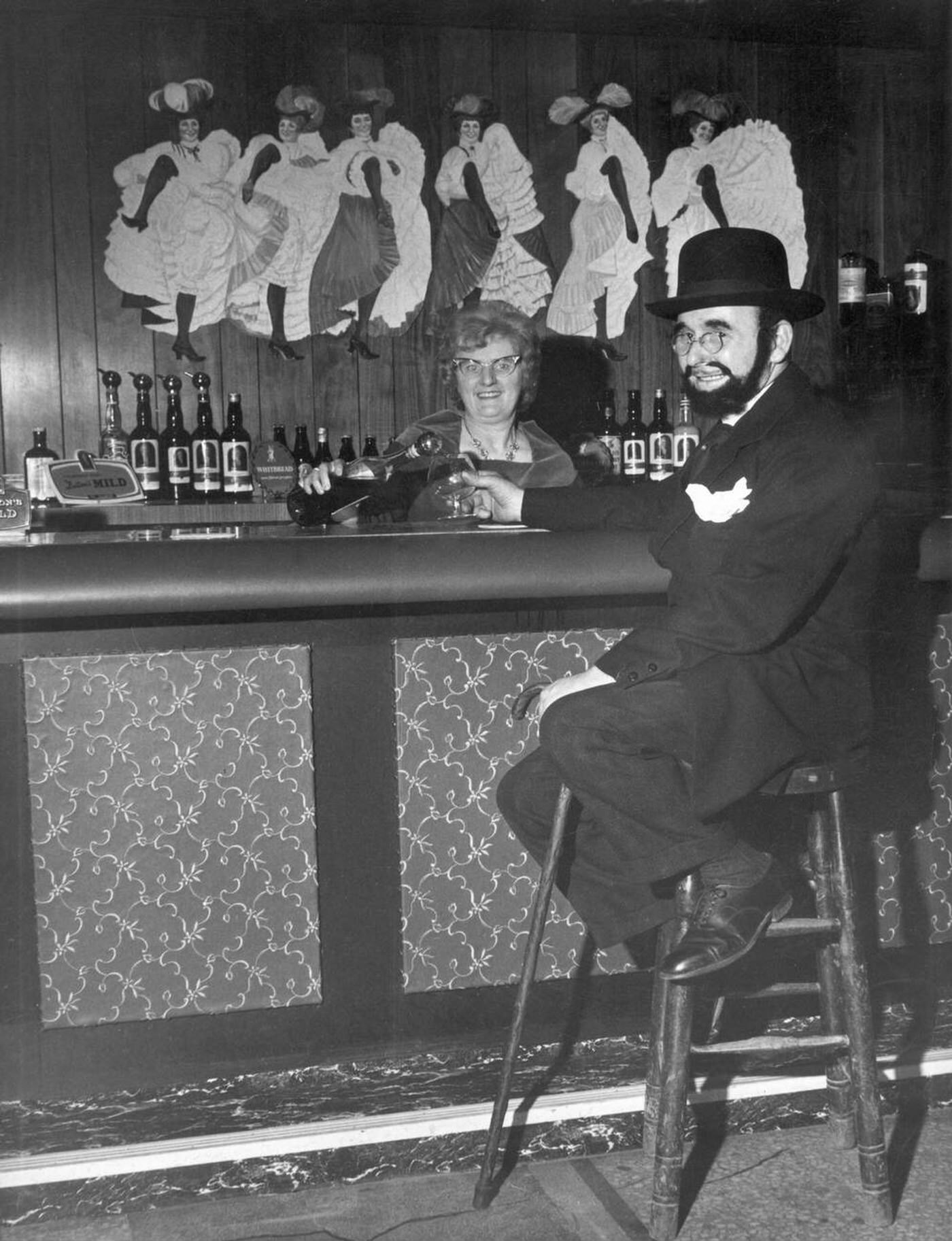
The Moulin Rouge’s connection to the painter Henri de Toulouse-Lautrec, who famously documented the venue’s performers in the 1890s, became part of the club’s mythology. That artistic history gave the venue a cultural weight that extended well beyond any single decade of performances.