On October 26, 1984, The Terminator arrived in theatres and immediately changed what audiences expected from a science-fiction action film. Directed by James Cameron, the movie blended post-apocalyptic storytelling with time-travel mechanics in a way that felt fresh and genuinely unsettling. It was not a big-budget studio production — it was made for roughly $6.4 million — yet it went on to gross over $78 million worldwide and became one of the defining films of the decade.
The story is set across two time periods. In a war-ravaged future, machines have risen against humanity under the command of an artificial intelligence called Skynet. To prevent the human resistance from ever being born, Skynet sends a cyborg assassin — the T-800 Model 101 — back to Los Angeles in 1984. Its mission is to kill Sarah Connor before she can give birth to the man who will lead the resistance. The resistance responds by sending back a soldier named Kyle Reese to protect her.
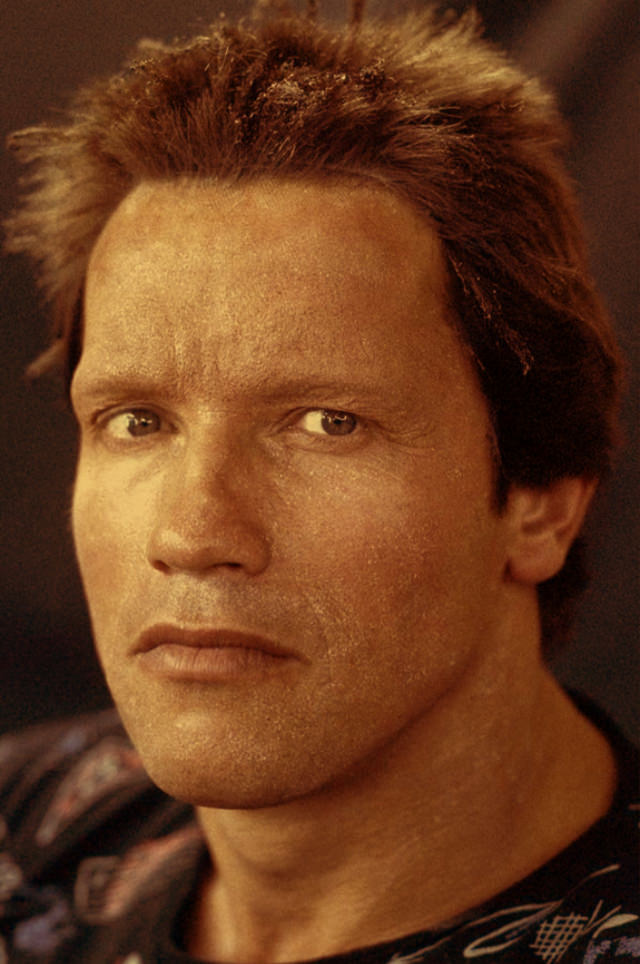
Arnold Schwarzenegger played the T-800, a role that became permanently linked to his identity as a film star. Cameron had originally considered Schwarzenegger for the role of Kyle Reese, but after the two met, it became clear that Schwarzenegger’s physicality and screen presence made him far more suited to play the machine. Schwarzenegger spent months training and studying robotics and mechanics to portray a character that moved and thought without human emotion.
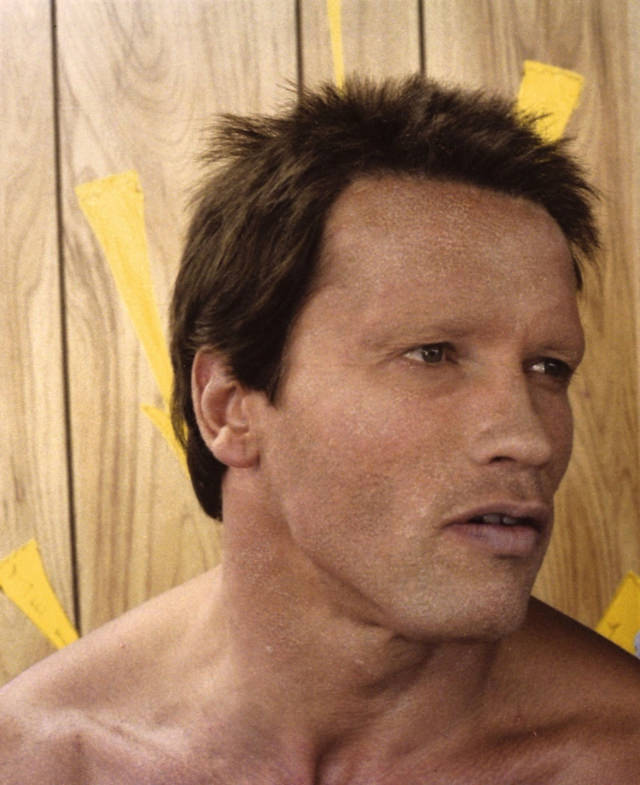
Linda Hamilton played Sarah Connor, a young Los Angeles waitress who begins the film with no knowledge of the war that awaits the future. Her transformation from an ordinary woman into someone capable of surviving a relentless mechanical hunter is the emotional backbone of the story. Michael Biehn played Kyle Reese, the soldier sent from 2029 to protect her.
Filming took place primarily in and around Los Angeles, with locations including downtown streets, parking garages, and industrial spaces that gave the film a gritty, lived-in look. Cameron deliberately used the city’s nighttime atmosphere to create a sense of dread. Much of the action unfolds in darkness, which also helped the production work around its limited budget by keeping certain effects and set pieces out of full view.
One of the film’s most striking sequences involves the Terminator systematically tracking down women named Sarah Connor in the phone book, killing two of them before closing in on the right one. These scenes established the T-800 as a genuinely terrifying villain — patient, methodical, and completely without mercy. There is no negotiation, no hesitation, and no way to reason with it.
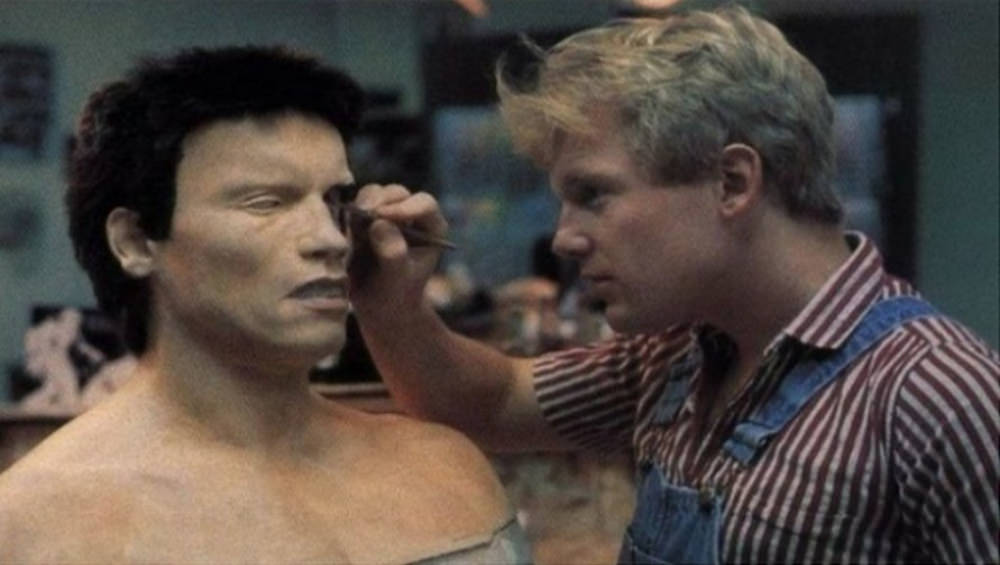
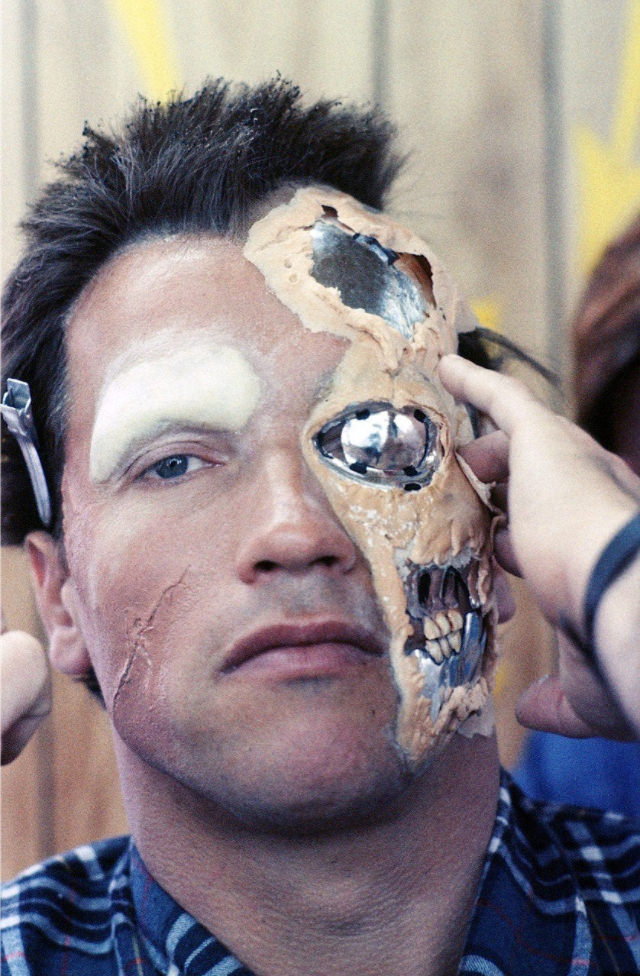
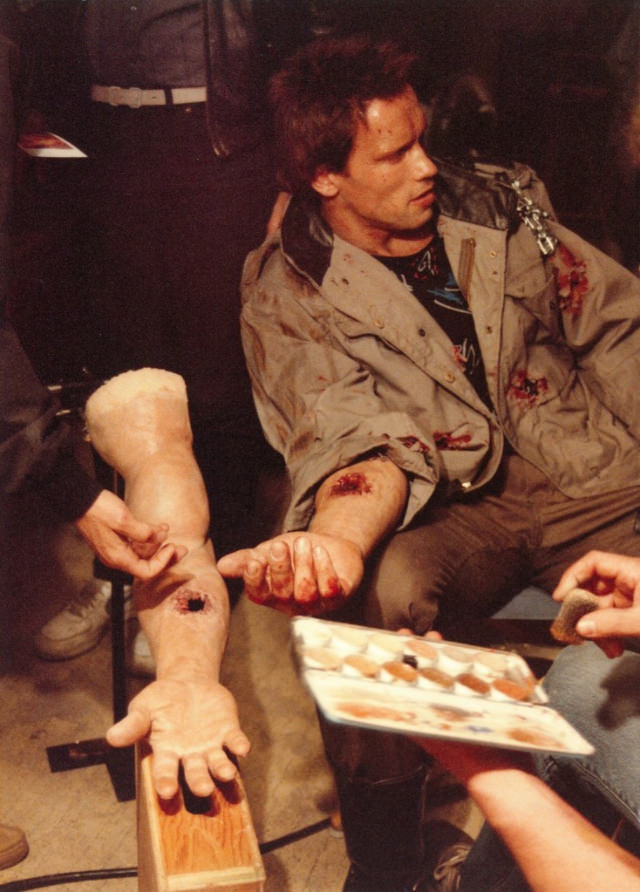
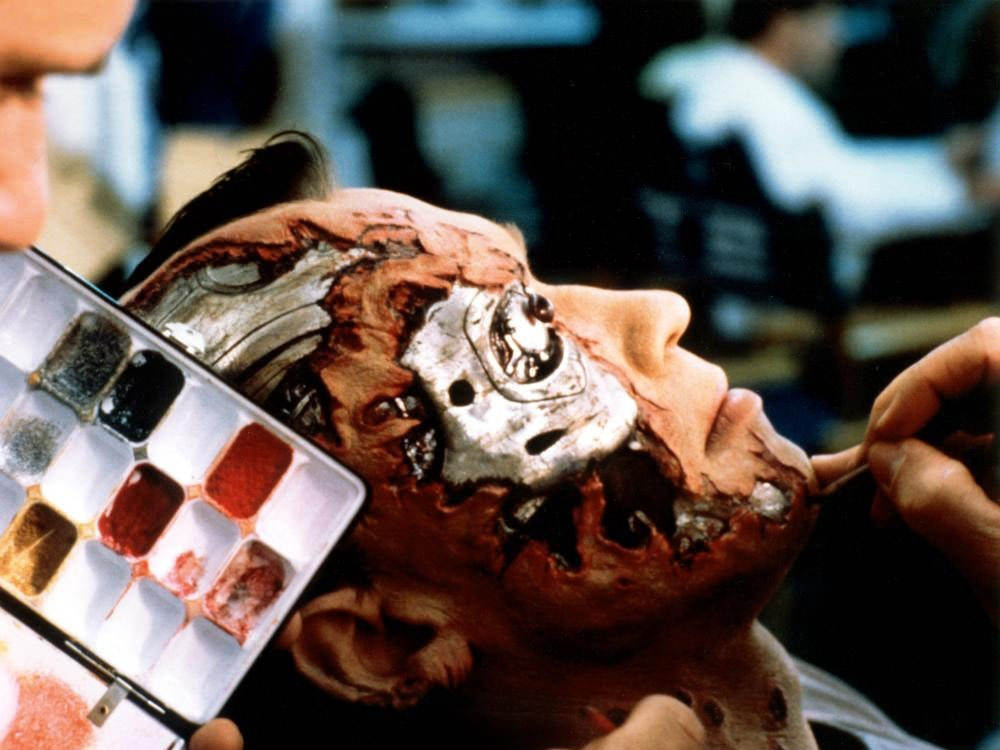
The special effects team, led by Stan Winston, was responsible for bringing the mechanical endoskeleton of the Terminator to life. Winston’s team built full-scale animatronic models and partial mechanical arms and heads that were used in close-up shots. These practical effects required enormous patience on set, with some sequences taking hours to set up for just a few seconds of screen time.
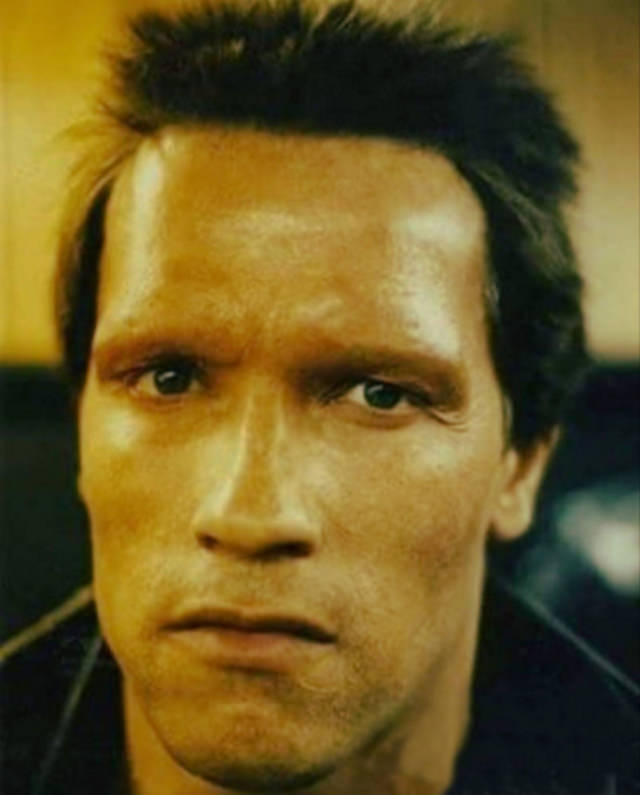
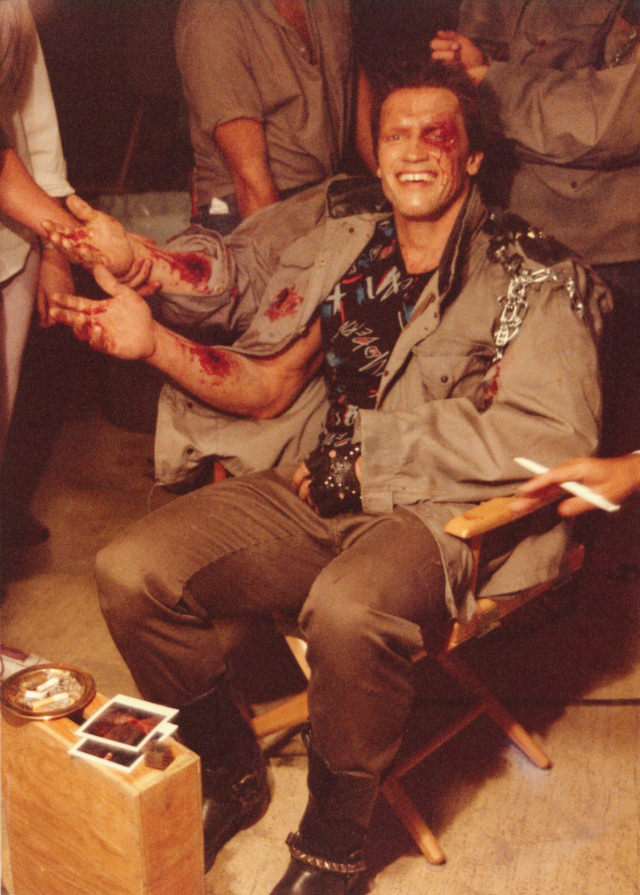
Stop-motion animation was used for several key shots of the endoskeleton moving across the floor during the film’s final act. This technique, combined with Winston’s physical models, created a seamless look that audiences accepted as completely real. The stop-motion work was handled by animator Doug Beswick, who carefully matched each frame to the live-action footage shot around it.
Cameron wrote the screenplay himself, and the script went through several drafts before production began. The core idea — a machine sent back in time to kill the mother of a future savior — came to Cameron during a fever dream while he was in Rome working on another project. He sketched out the concept and developed it into a full screenplay over the following months.
The film’s score was composed by Brad Fiedel, who created the iconic main theme using a synthesizer. The mechanical, repetitive rhythm of the theme was designed to mirror the relentless forward motion of the Terminator itself. Fiedel’s score became one of the most recognizable pieces of film music from the 1980s.
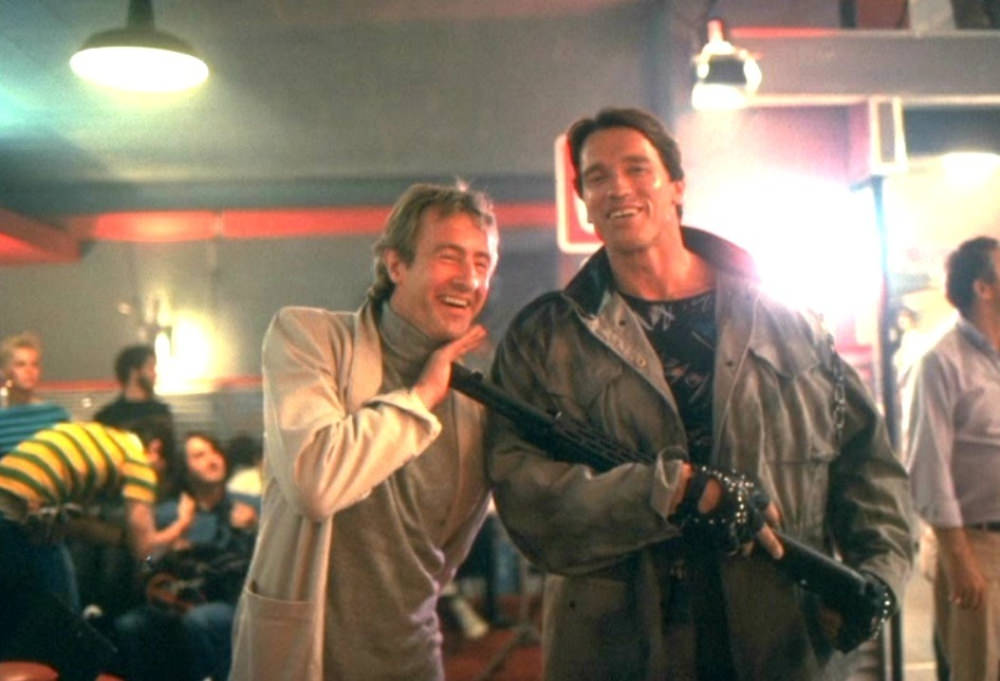
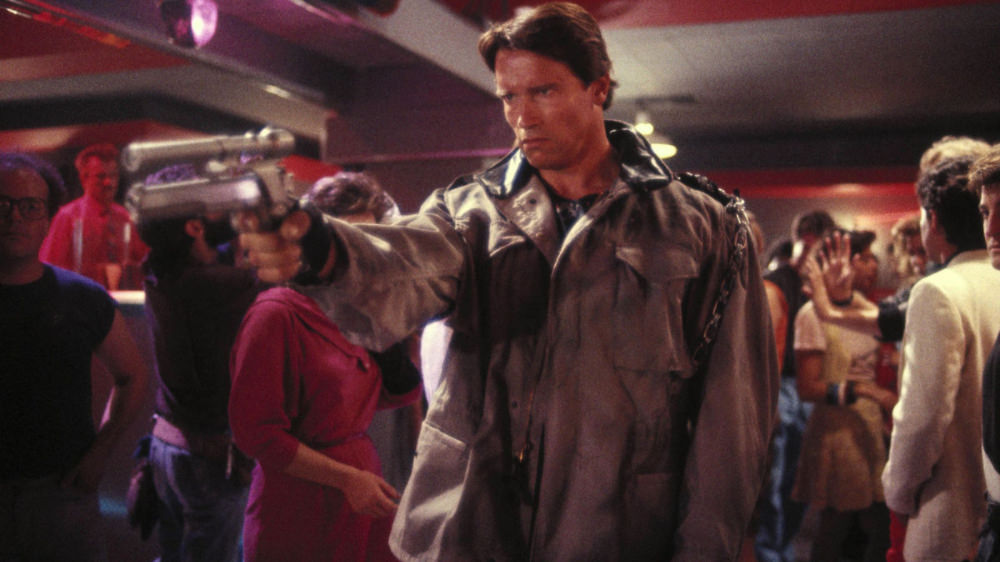
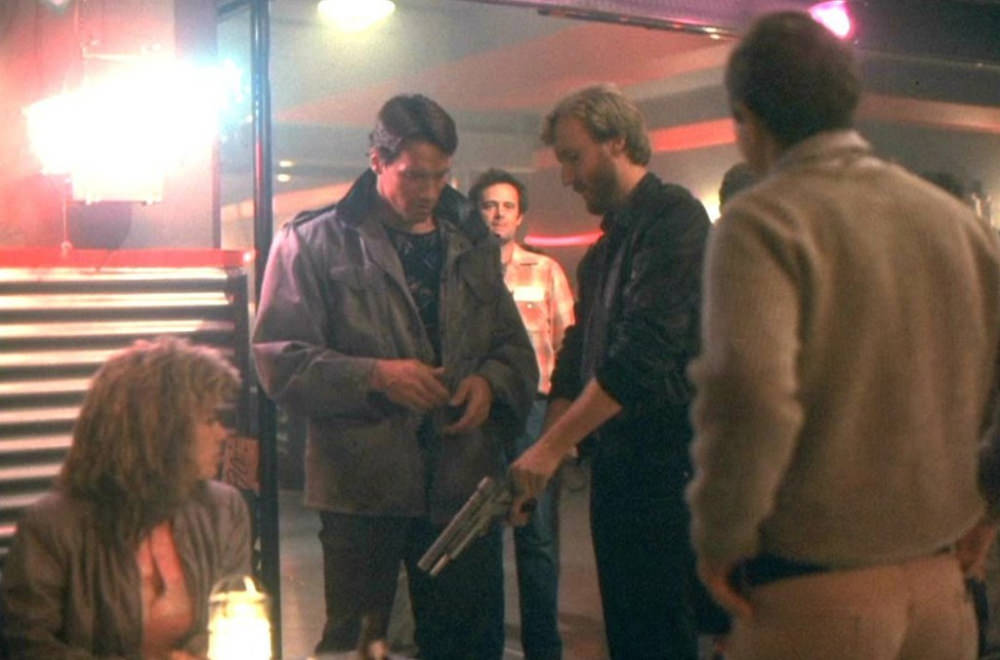
The Tech Noir nightclub scene, in which the Terminator first confronts Sarah Connor, required careful coordination between the stunt team, the camera crew, and the actors. Schwarzenegger rehearsed his movements through the club many times to ensure the T-800’s cold, mechanical walk read clearly on camera even in the dark and crowded environment of the club set.
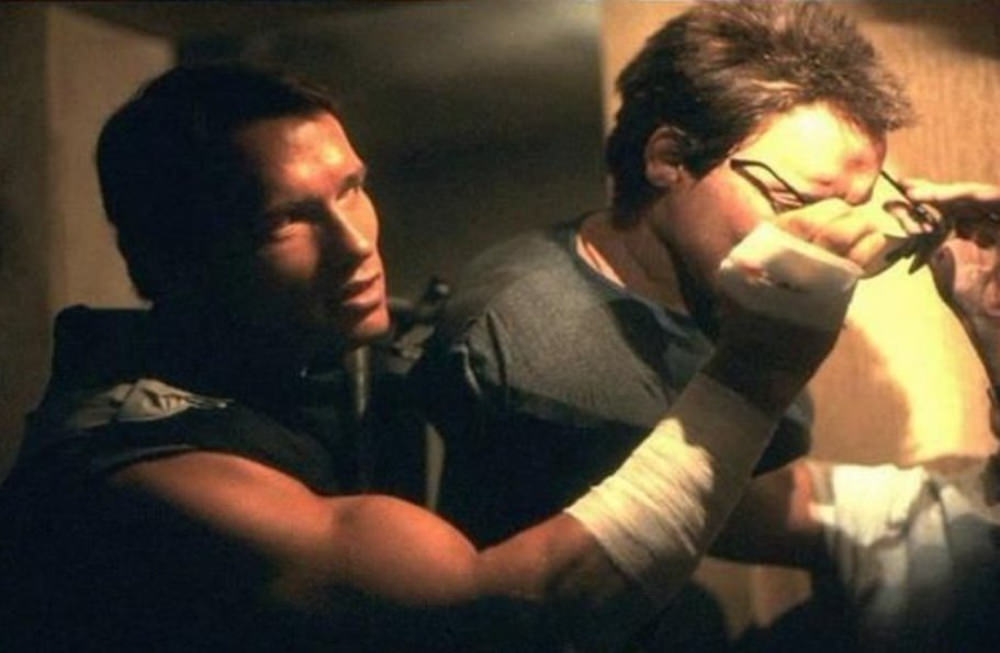
Schwarzenegger delivered his now-famous line — “I’ll be back” — during a scene at a police station. The line itself was almost changed before filming. Schwarzenegger was uncomfortable with the word “I’ll” and suggested saying “I will be back” instead, feeling it sounded more robotic. Cameron insisted on keeping the contraction. The moment is now one of the most quoted lines in cinema history.
The police station assault sequence that follows is one of the most intense in the film. The Terminator drives a car directly into the lobby and then proceeds to shoot through the building, killing dozens of officers. The sequence required extensive stunt coordination and was shot over multiple nights, with the production team resetting the practical destruction between each take.
The time-travel logic in the film creates a closed loop paradox. Kyle Reese travels back in time and fathers John Connor — the very leader of the resistance who sends Reese back in the first place. Without the time travel, John Connor would never exist. Cameron built this paradox into the script intentionally, making it a structural feature rather than a plot hole.
The film’s climax takes place in an industrial factory where Sarah Connor finally destroys the Terminator using a hydraulic press. This sequence was physically demanding for Hamilton, who performed many of the shots herself. The factory location was a real working plant, and the crew had limited time to shoot there before handing it back to the owners.
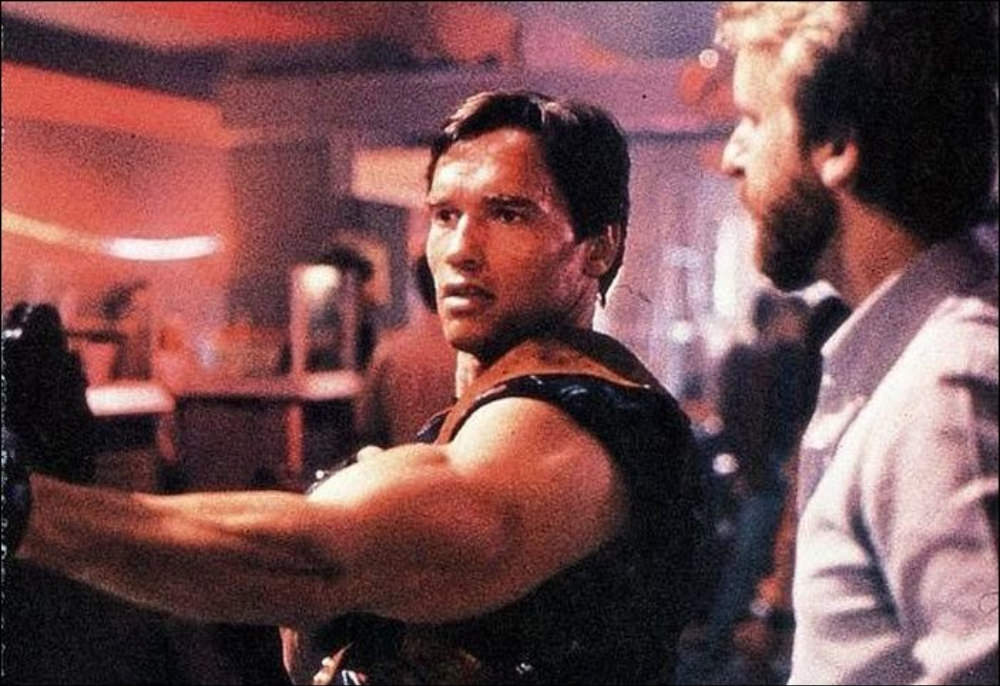
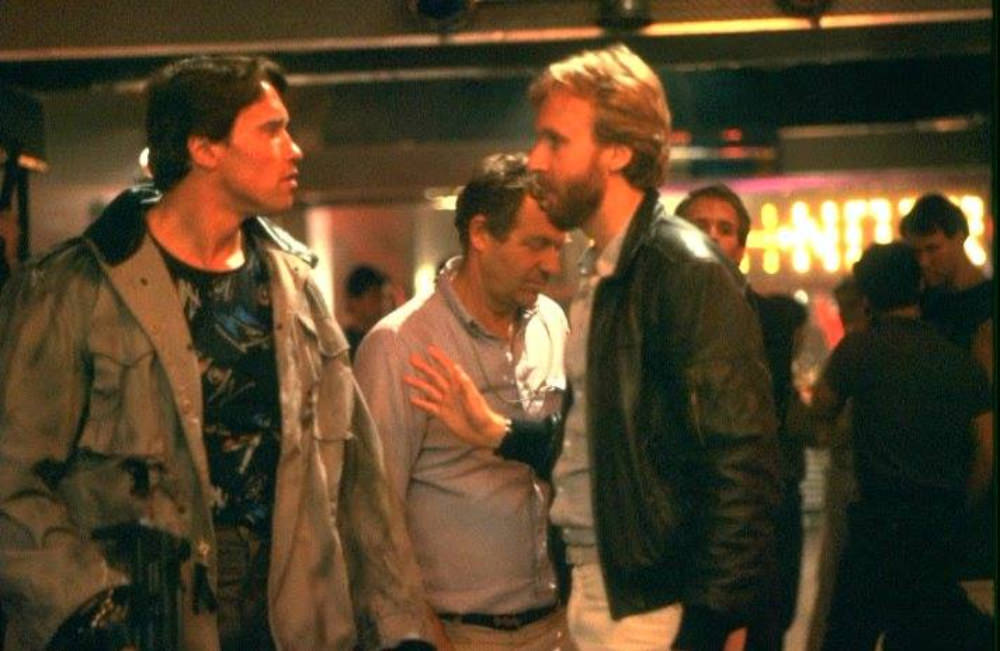
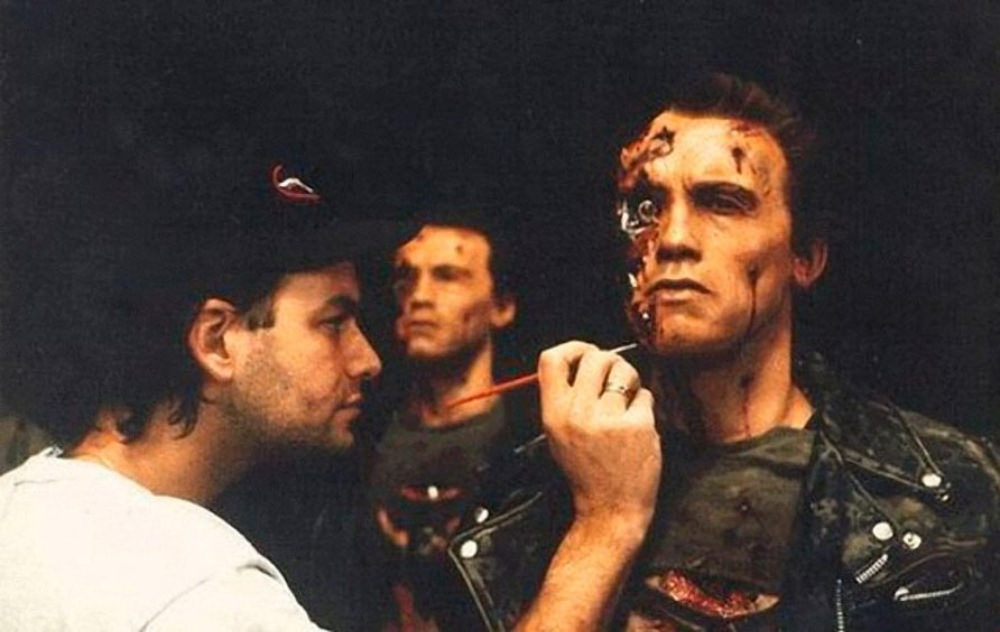
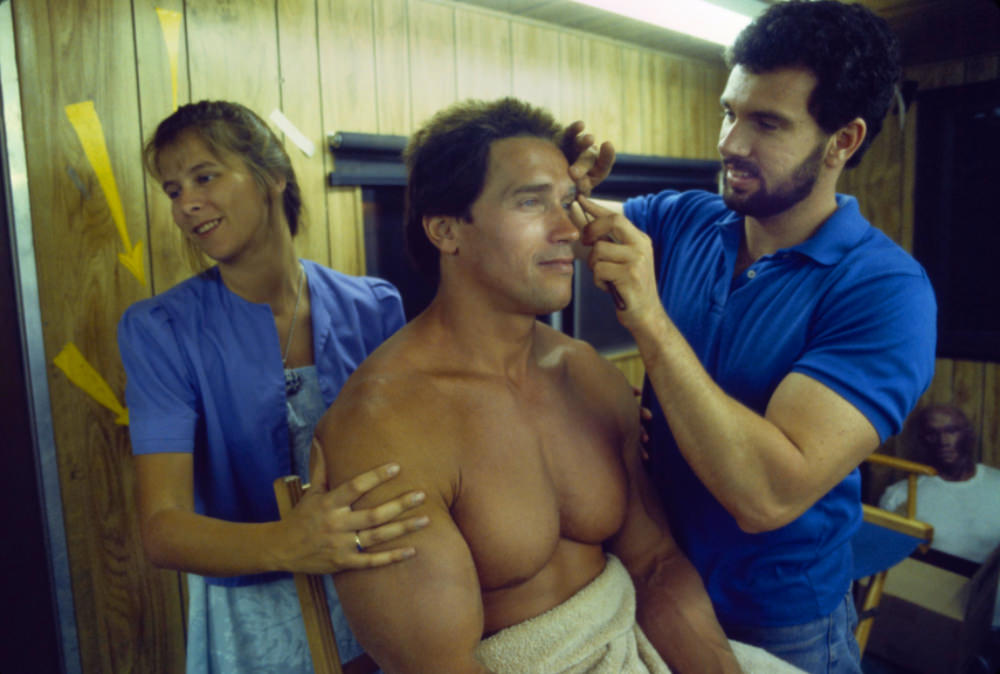
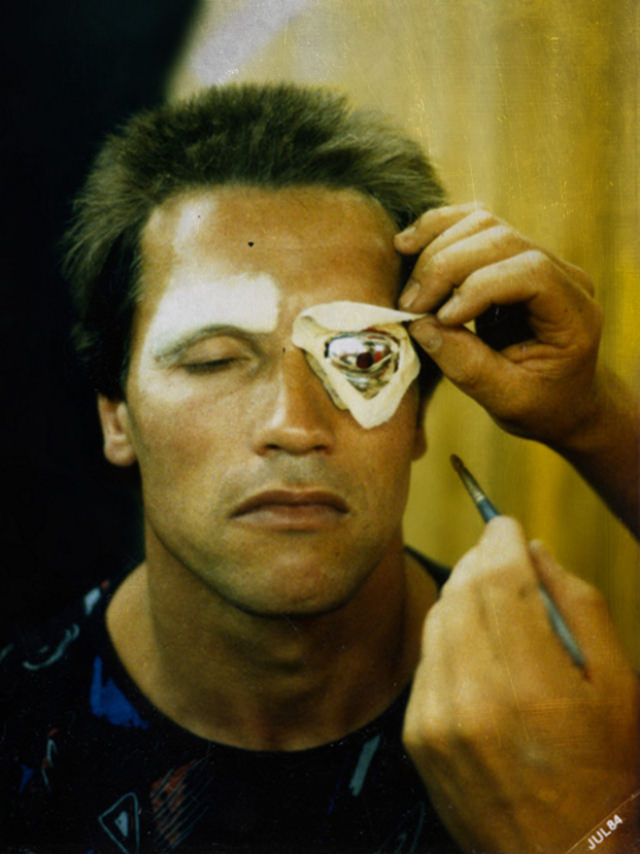
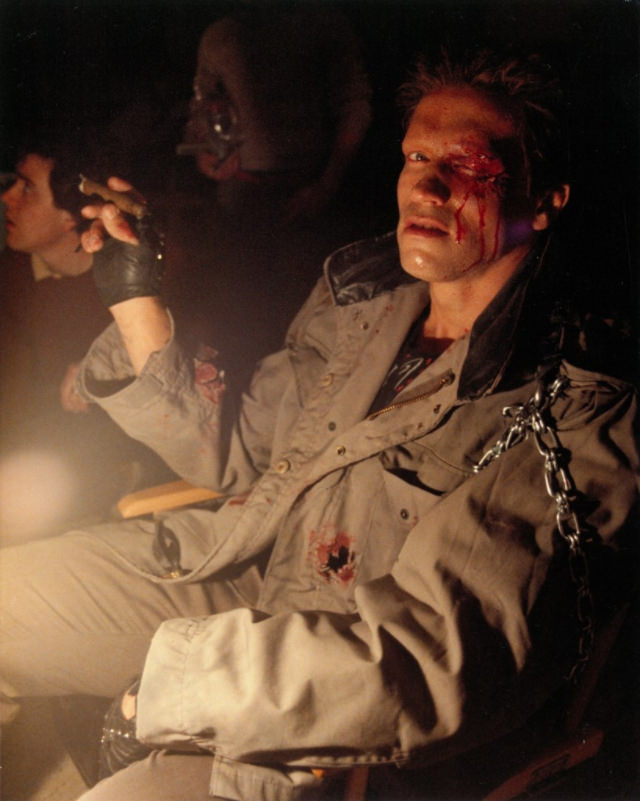
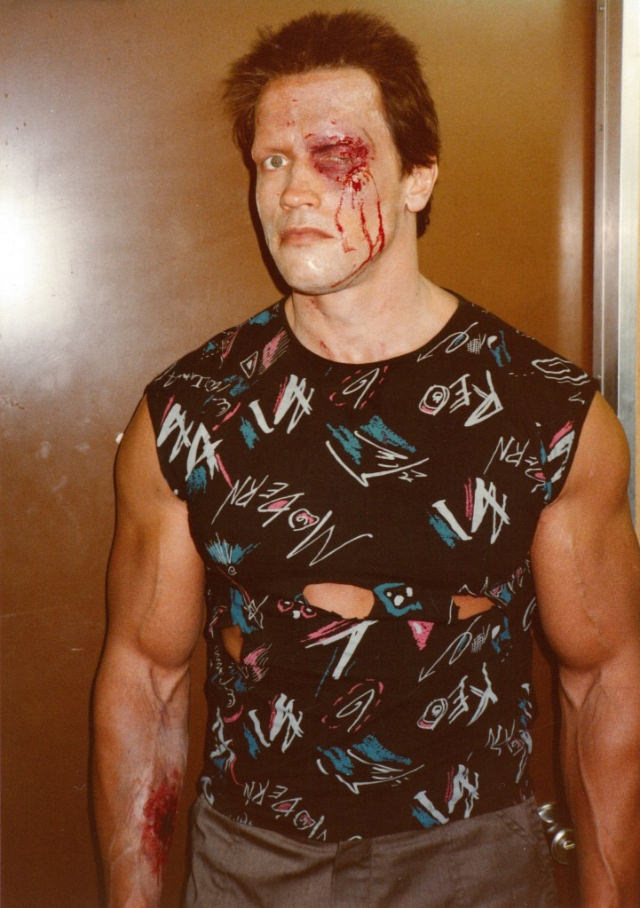
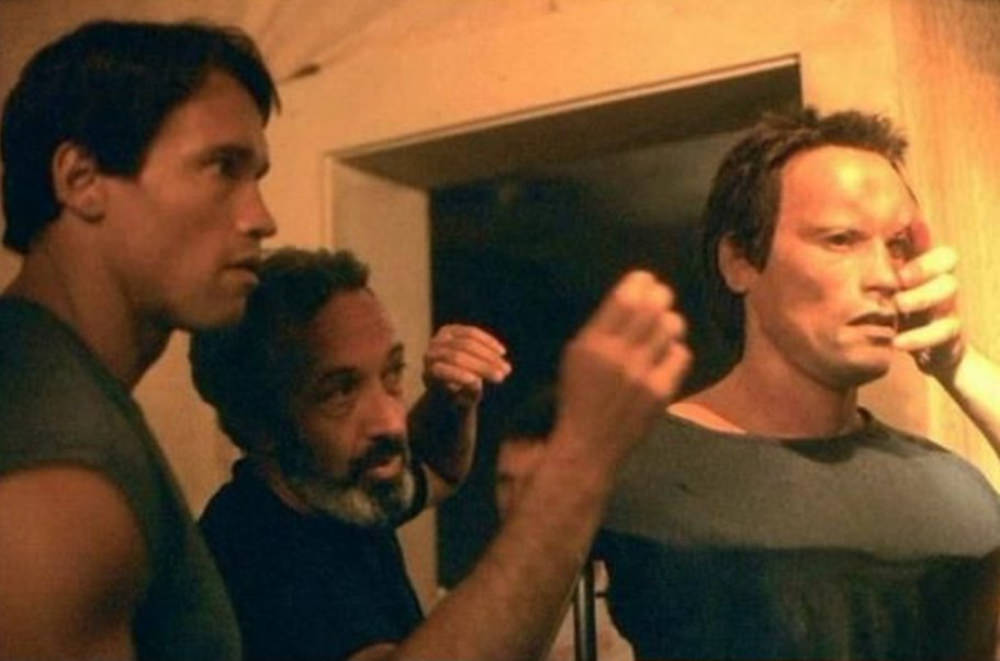
The makeup team faced a major challenge in the scene where the Terminator repairs its own damaged eye in front of a mirror. Schwarzenegger wore a prosthetic eye piece for these shots, and the team needed to match the look precisely to the mechanical endoskeleton revealed beneath. The sequence took a full day to shoot and required the makeup to be reapplied several times between takes.
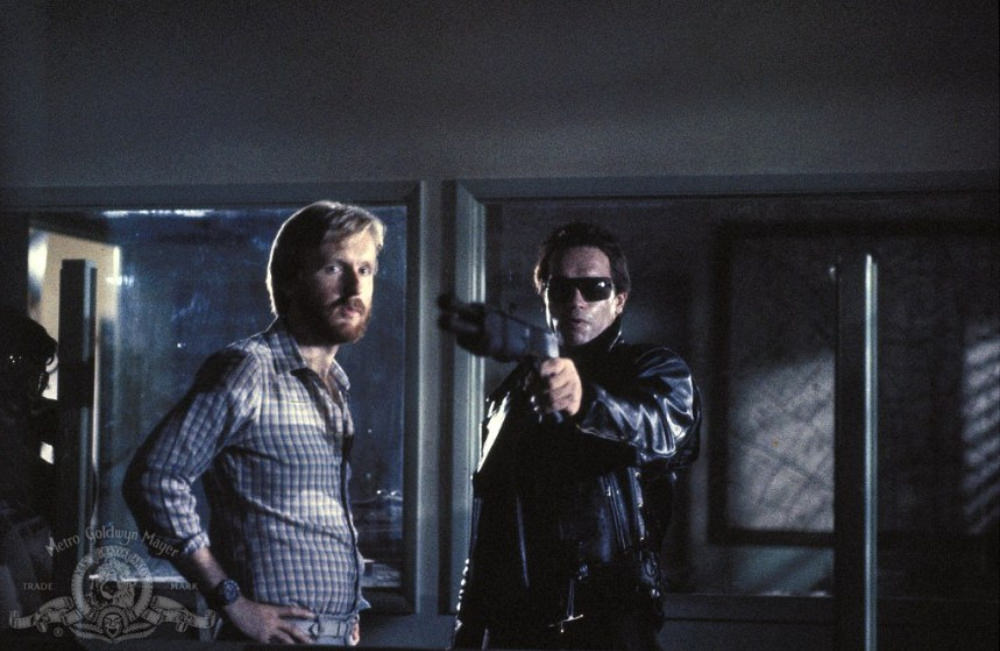
Cameron kept a tight grip on the production despite the low budget and a shooting schedule that frequently ran into complications. He was known for working long hours and expecting the same from his crew. The discipline paid off — the final cut ran at 107 minutes and moved at a pace that left little room for the audience to catch their breath.
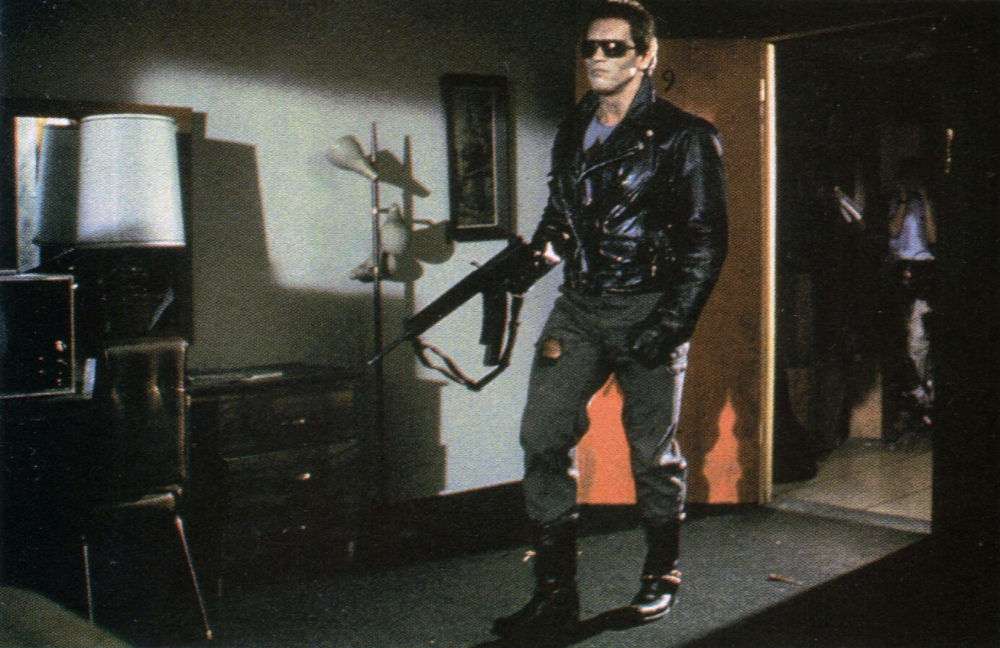
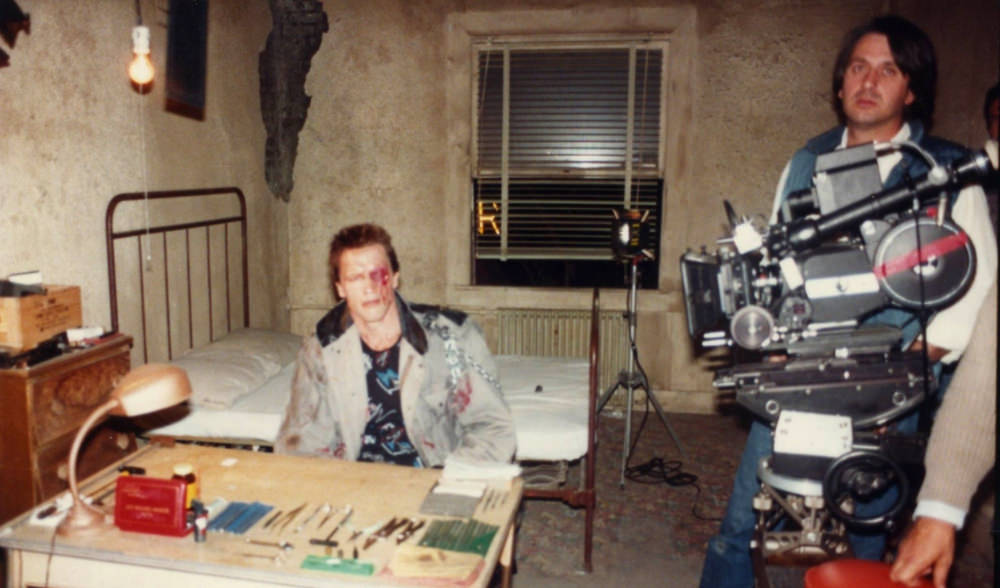
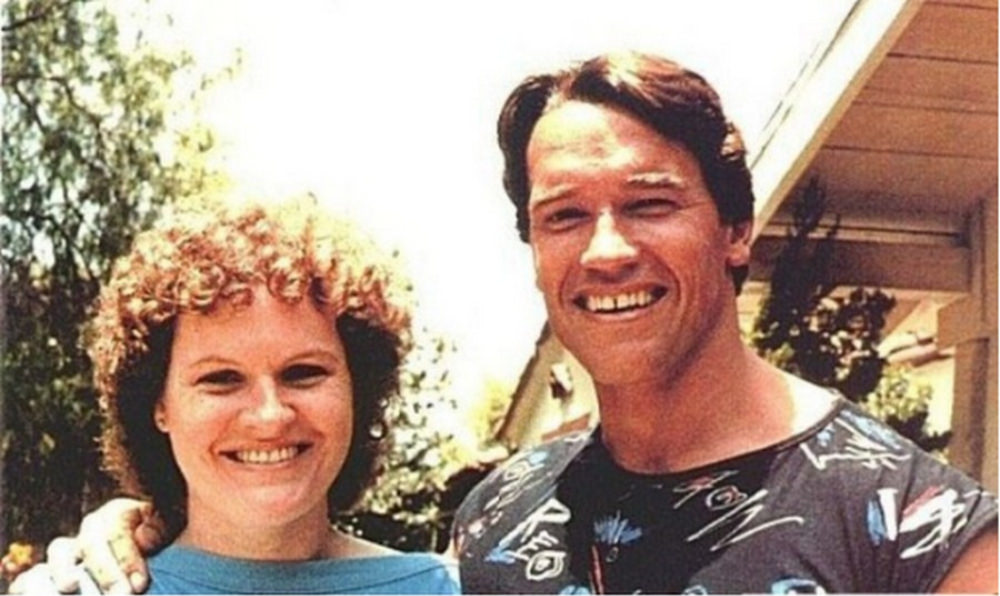
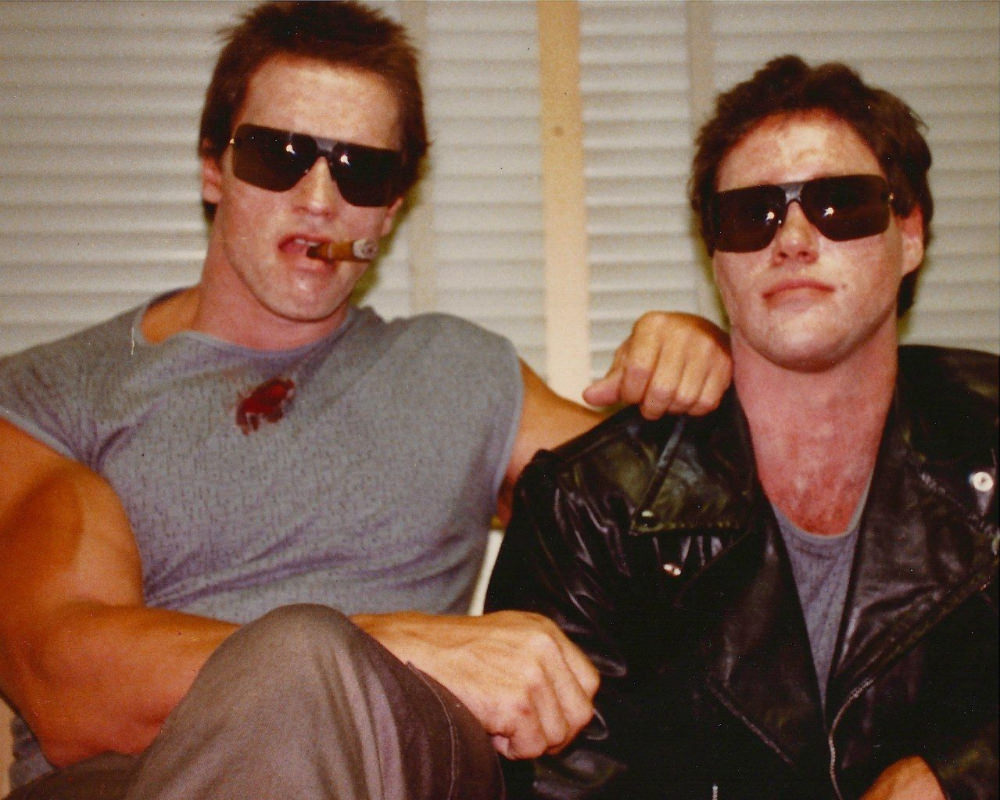
These behind-the-scenes photos offer a rare look at the work that went into building one of cinema’s most enduring science-fiction films. From the prosthetics table to the factory floor, every frame in The Terminator was the product of careful planning, precise execution, and a crew that believed in the project from day one.