The 1966 ‘Batman’ TV show is one of the most colorful and memorable adaptations of the superhero genre. Based on the popular DC Comics character created by Bob Kane and Bill Finger, the series brought Batman to life in a way that had never been done before. The show was unique, campy, and filled with action, humor, and a whole lot of “Bam!” and “Pow!” But behind the show’s fun and cartoonish exterior, there was a lot of careful planning, creativity, and hard work.
How the Idea for the Show Began
By the mid-1960s, Batman was a well-known character, but comic book sales were declining. William Dozier, a television producer at ABC, saw the potential in bringing Batman to the small screen. At that time, superheroes weren’t a big part of American TV. However, Dozier believed that with the right approach, a Batman show could stand out and be successful.
Dozier didn’t want to make the show too serious. He saw an opportunity to create something different by making the show funny and over-the-top. His idea was to take the comic book style and exaggerate it for television. This meant bright colors, dramatic acting, and ridiculous situations. The humor wasn’t meant to make fun of Batman but to celebrate the fun and silliness of comic books.
Read more
Casting the Iconic Roles
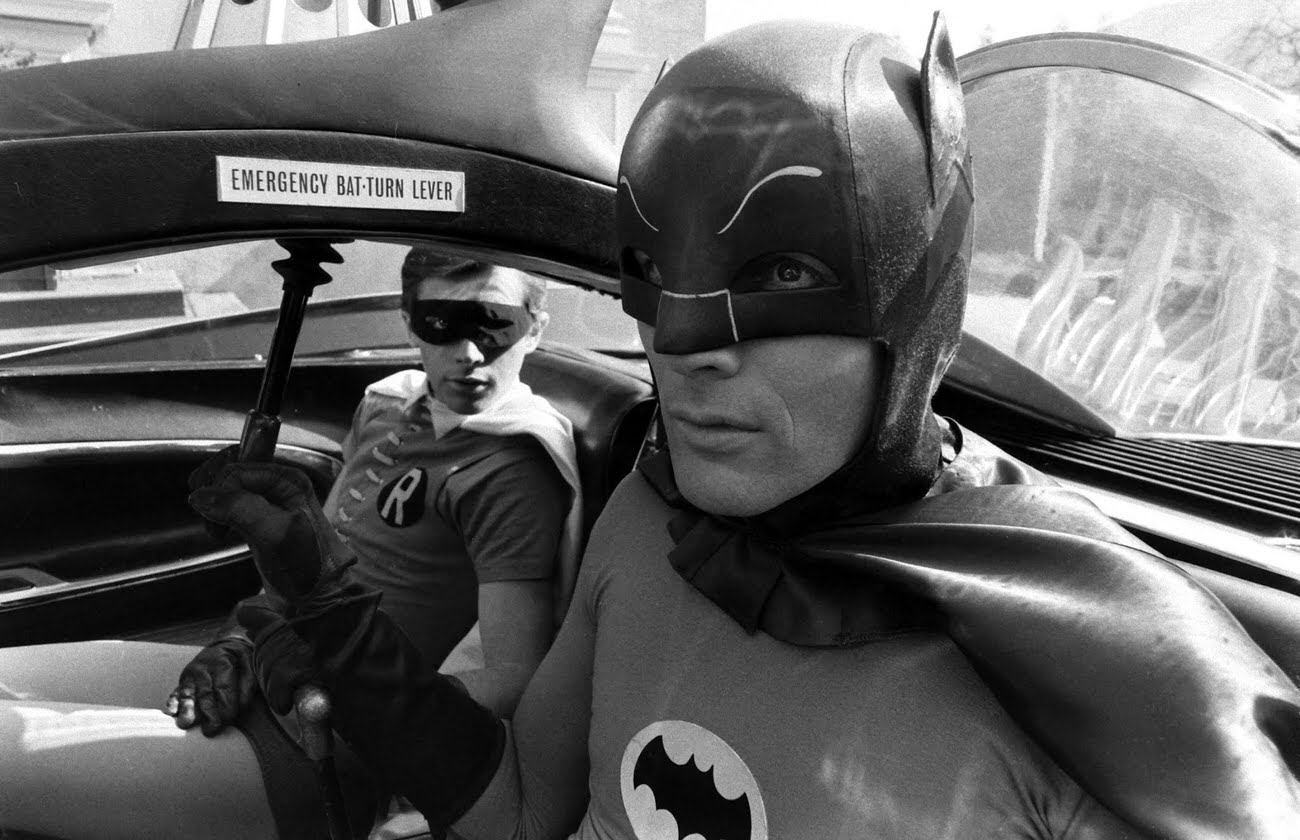
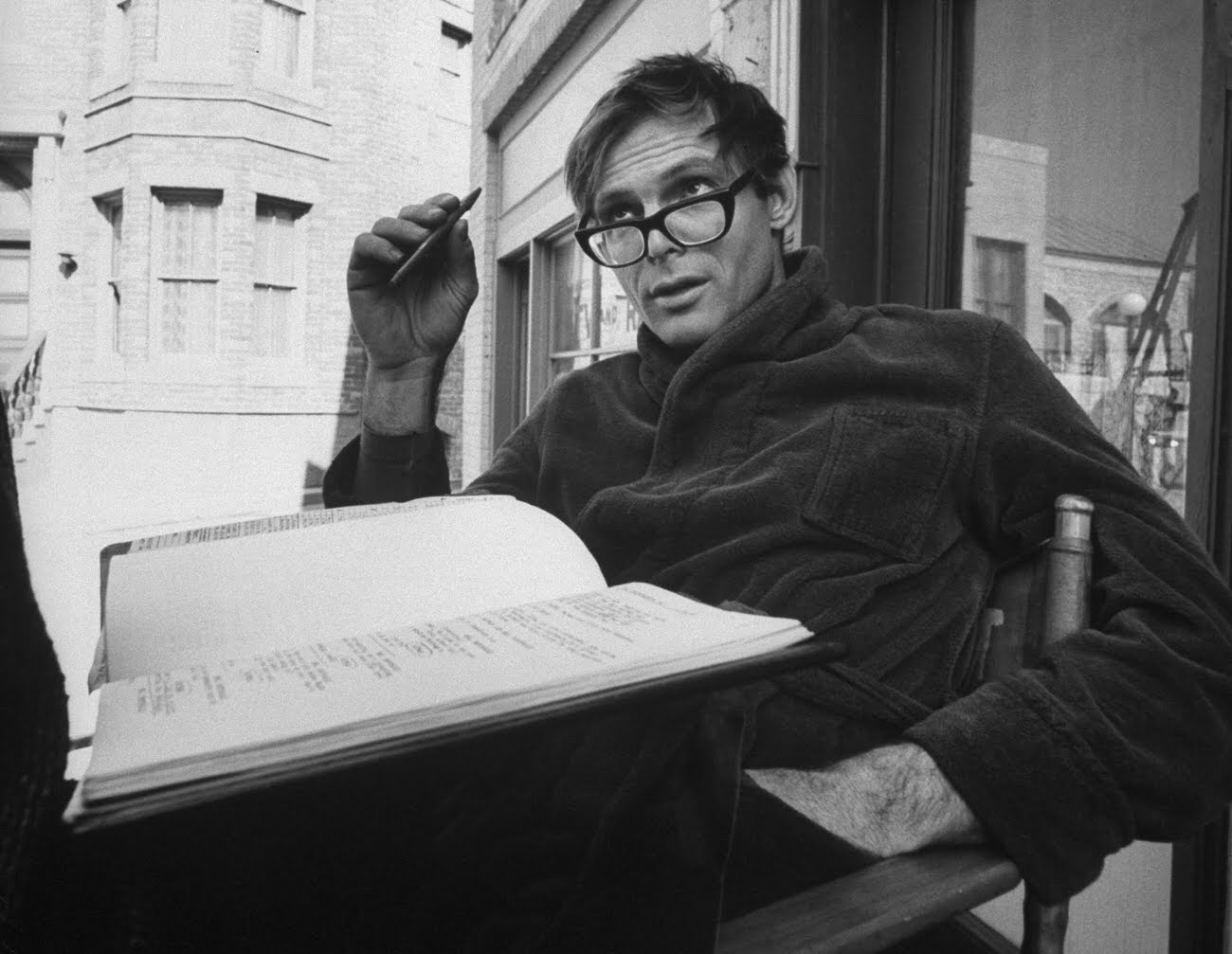
One of the biggest decisions in the making of the show was casting. They needed someone who could play the dual role of Bruce Wayne and Batman. After a long search, they chose Adam West, who had been in some TV shows and movies but was not a major star. West had the perfect mix of seriousness and humor for the role. He played Batman as if he didn’t know how silly everything around him was, which made the character even funnier.
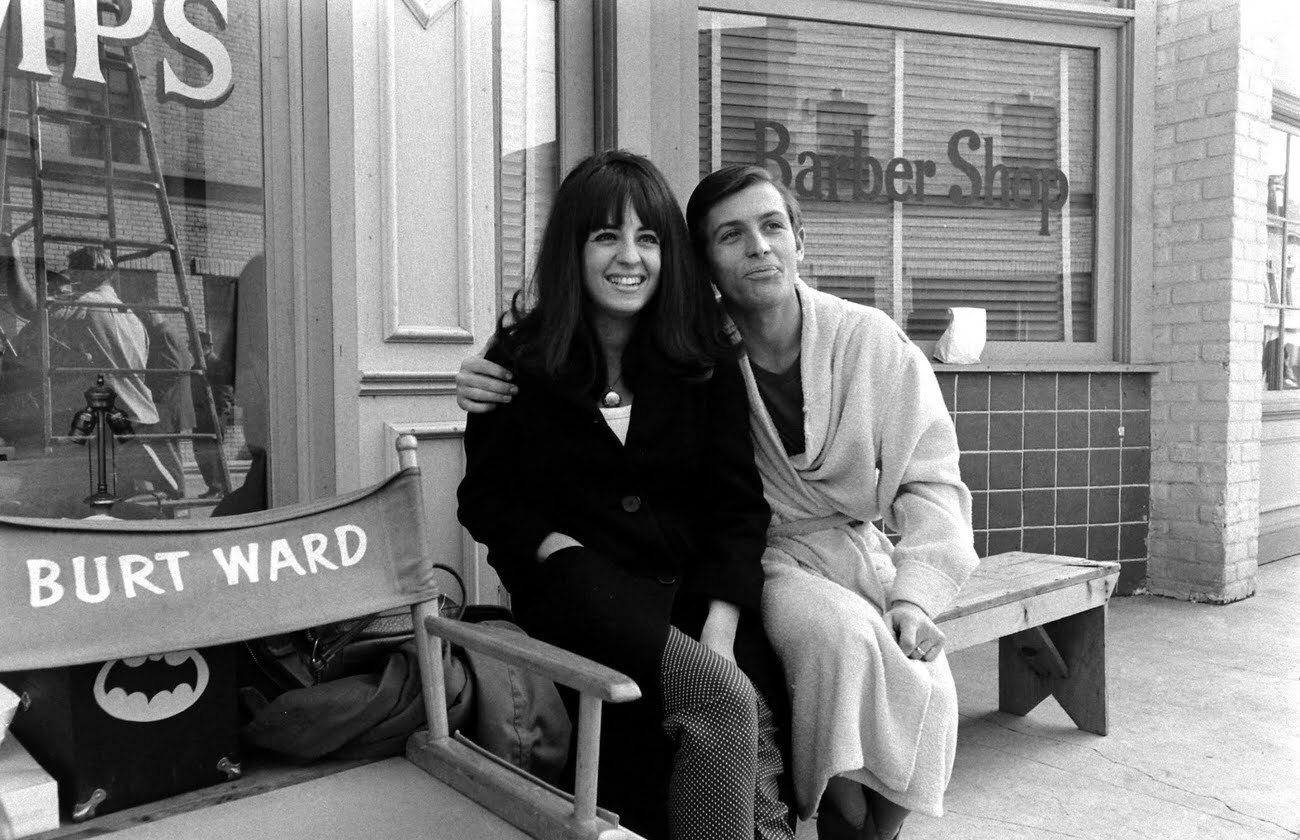
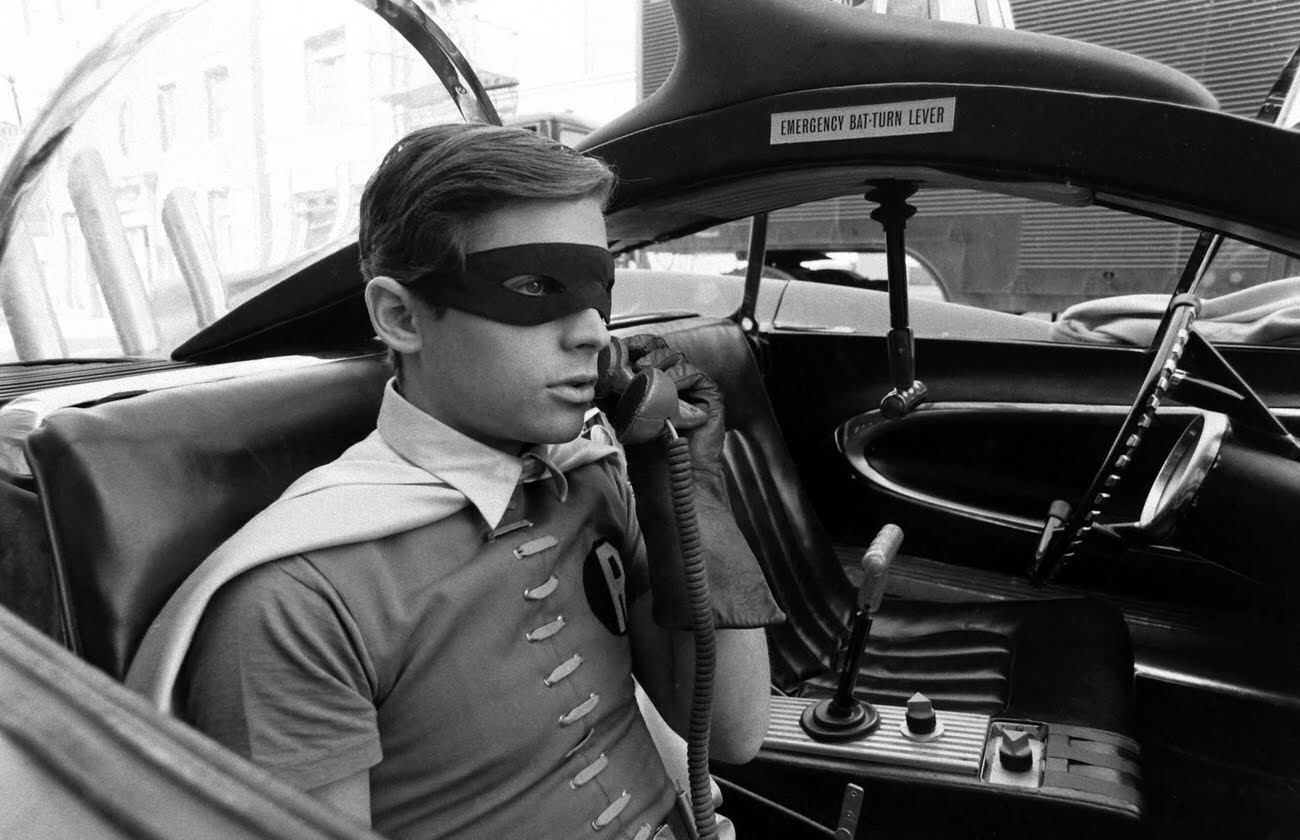
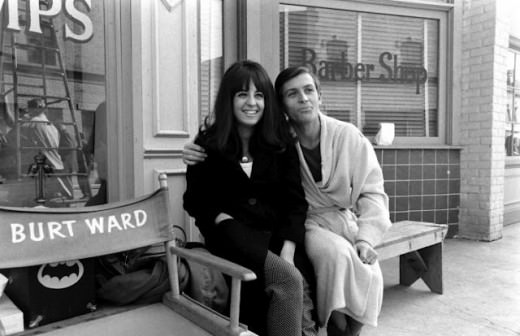
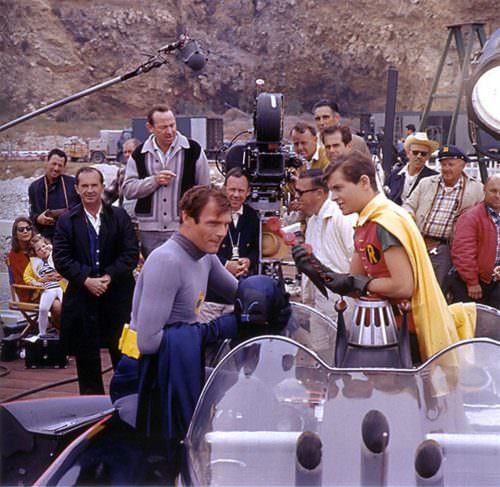
For the role of Robin, Batman’s teenage sidekick, they cast a young actor named Burt Ward. Unlike West, Ward didn’t have much acting experience, but he had the right look and energy for the role. Together, West and Ward formed a memorable team, with their characters’ trademark catchphrases like Robin’s famous “Holy [insert word], Batman!” becoming part of pop culture.
The Visual Style of the Show
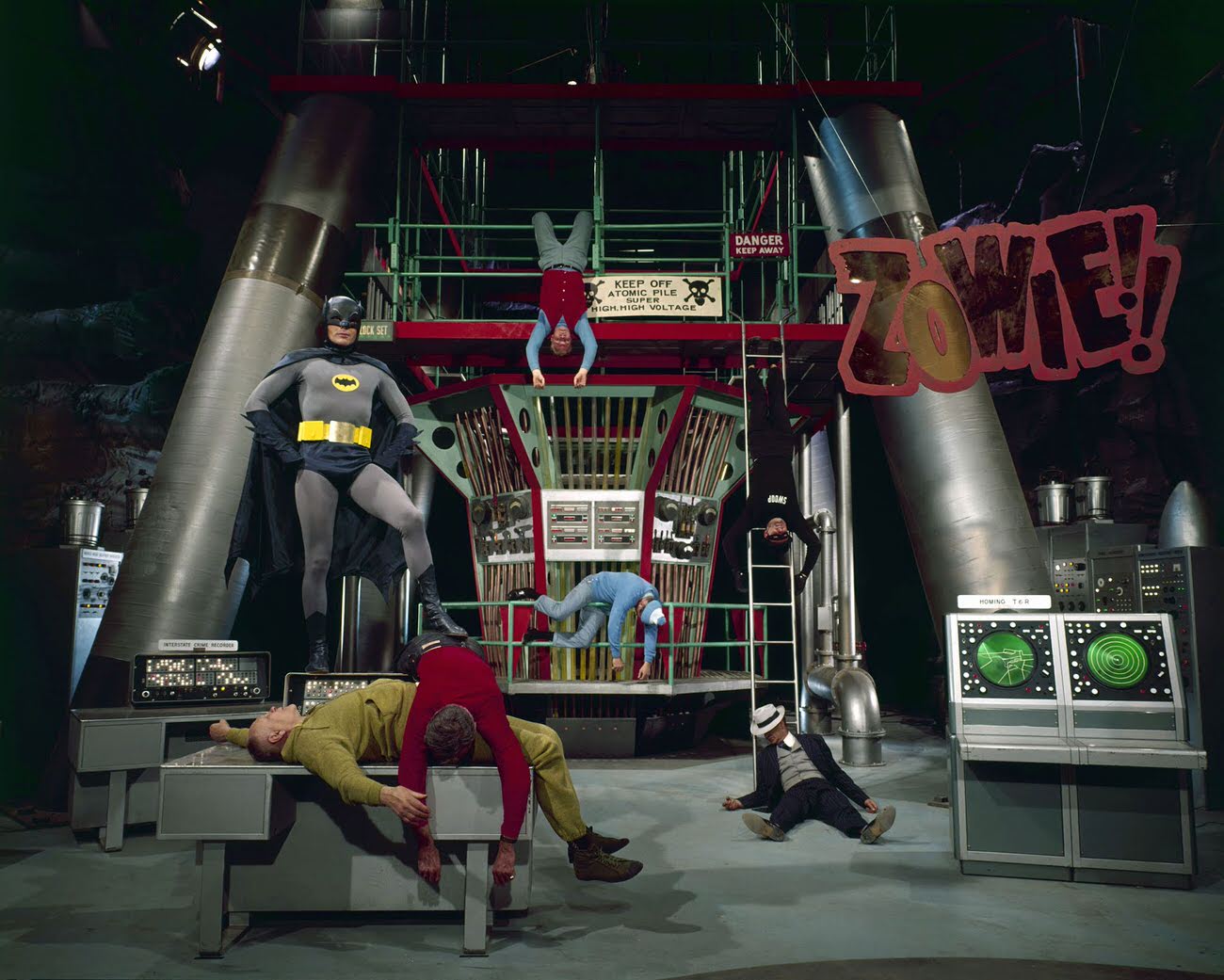
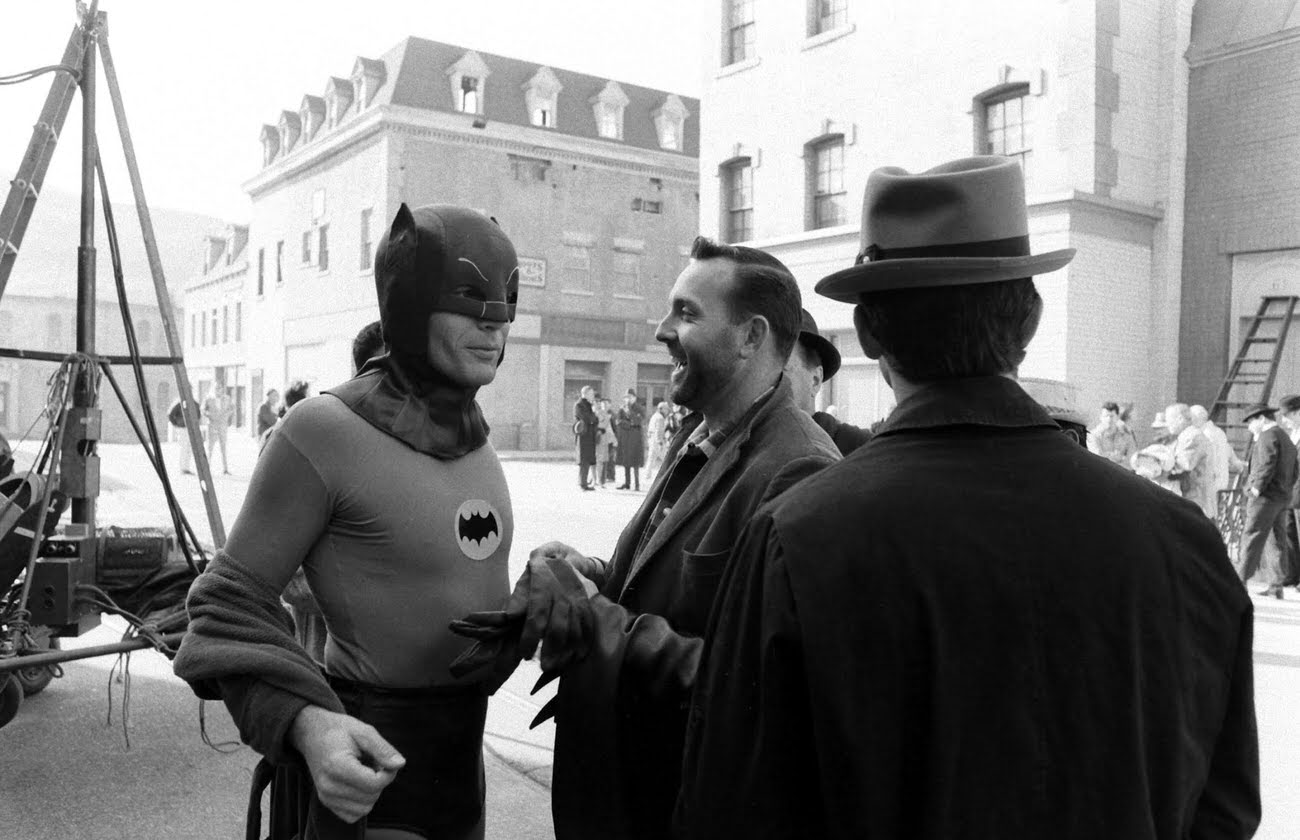
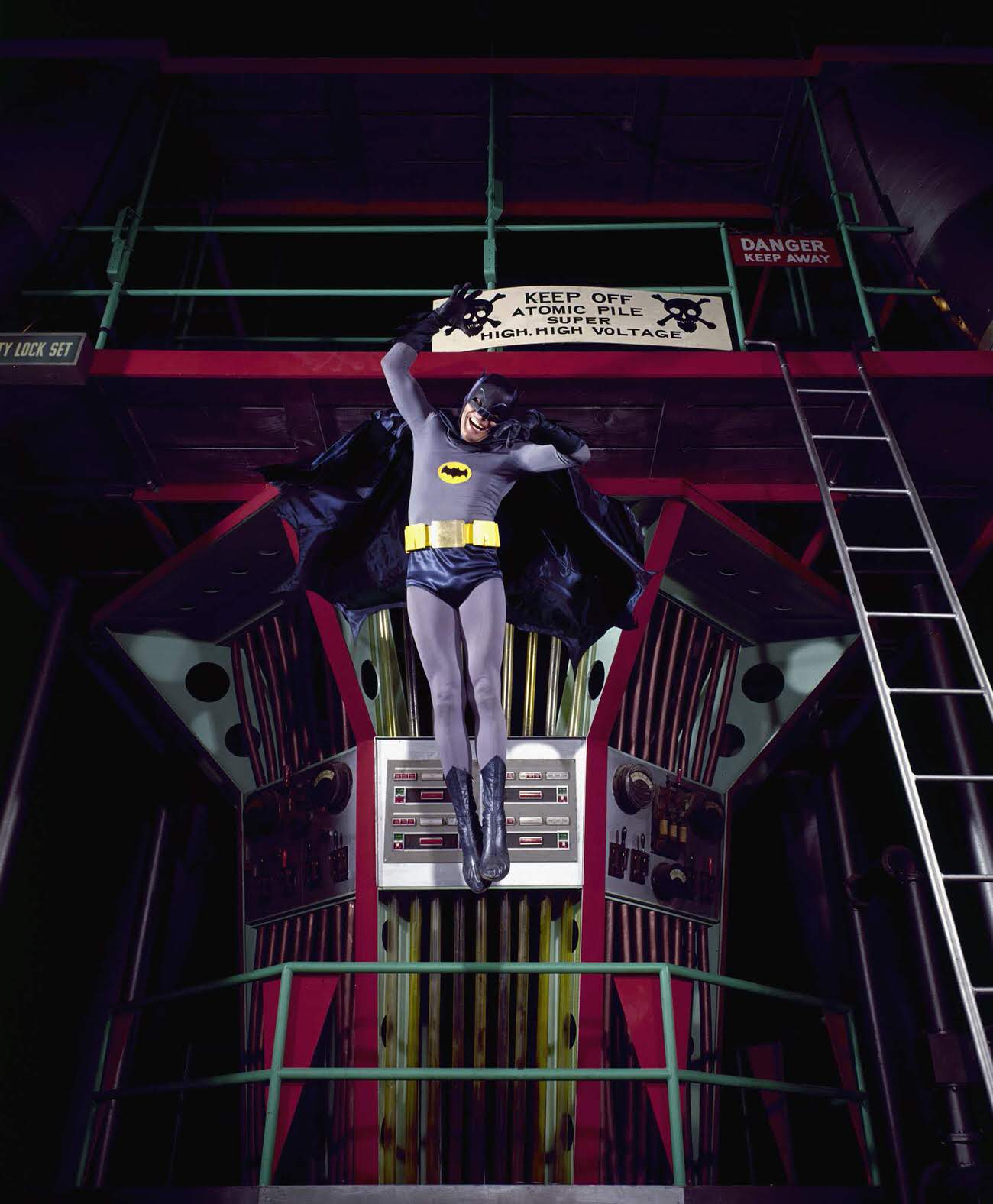
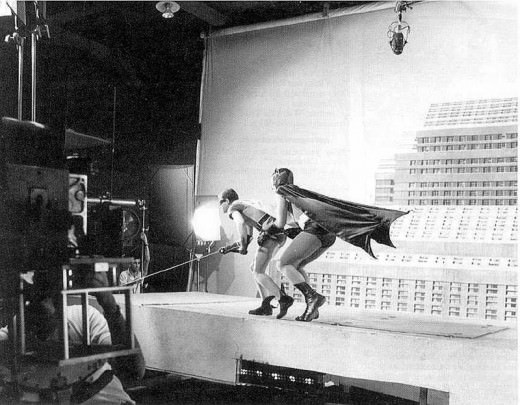
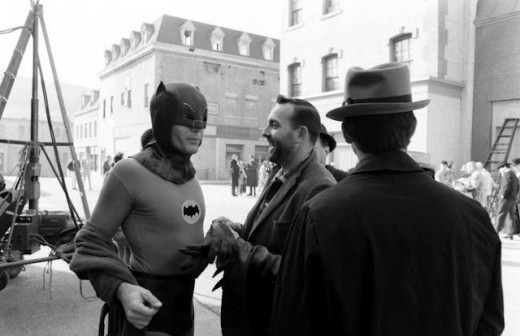
The look of the ‘Batman’ TV show was just as important as the casting. The producers wanted the show to feel like a live-action comic book, so they used bright colors and bold sets to create a fun and exciting world. The costumes, especially Batman’s blue-and-gray suit and Robin’s bright red, yellow, and green outfit, were designed to stand out on screen.
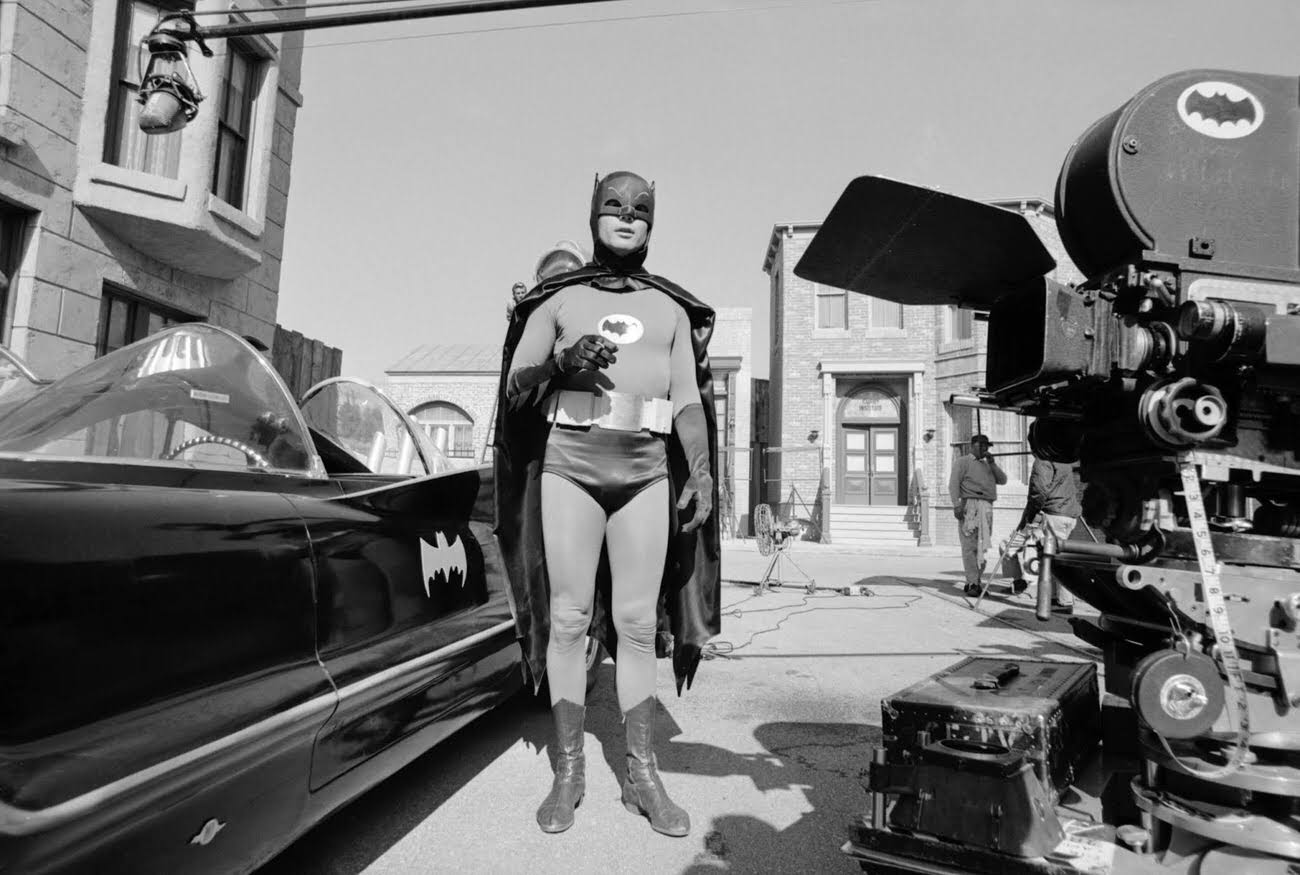
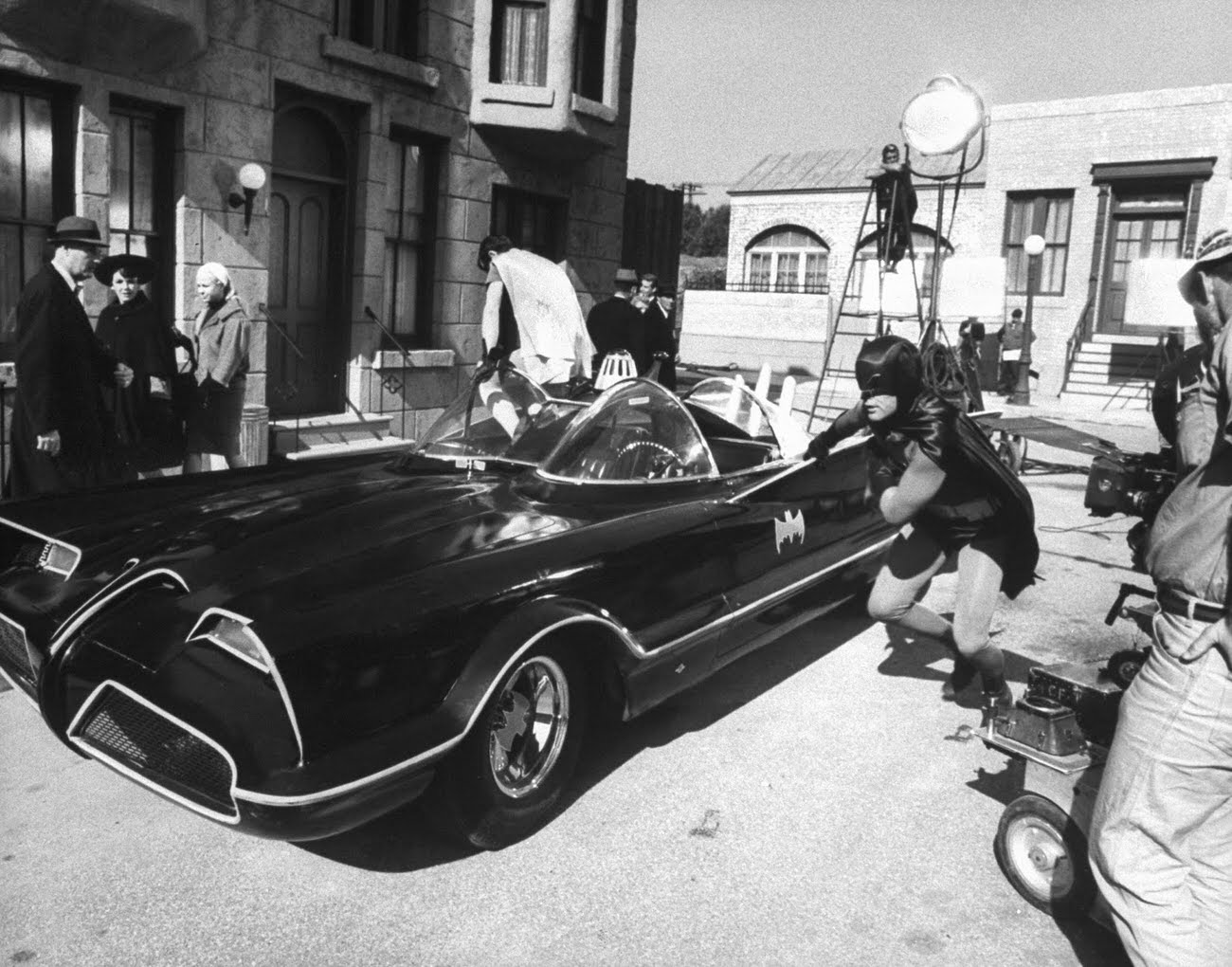
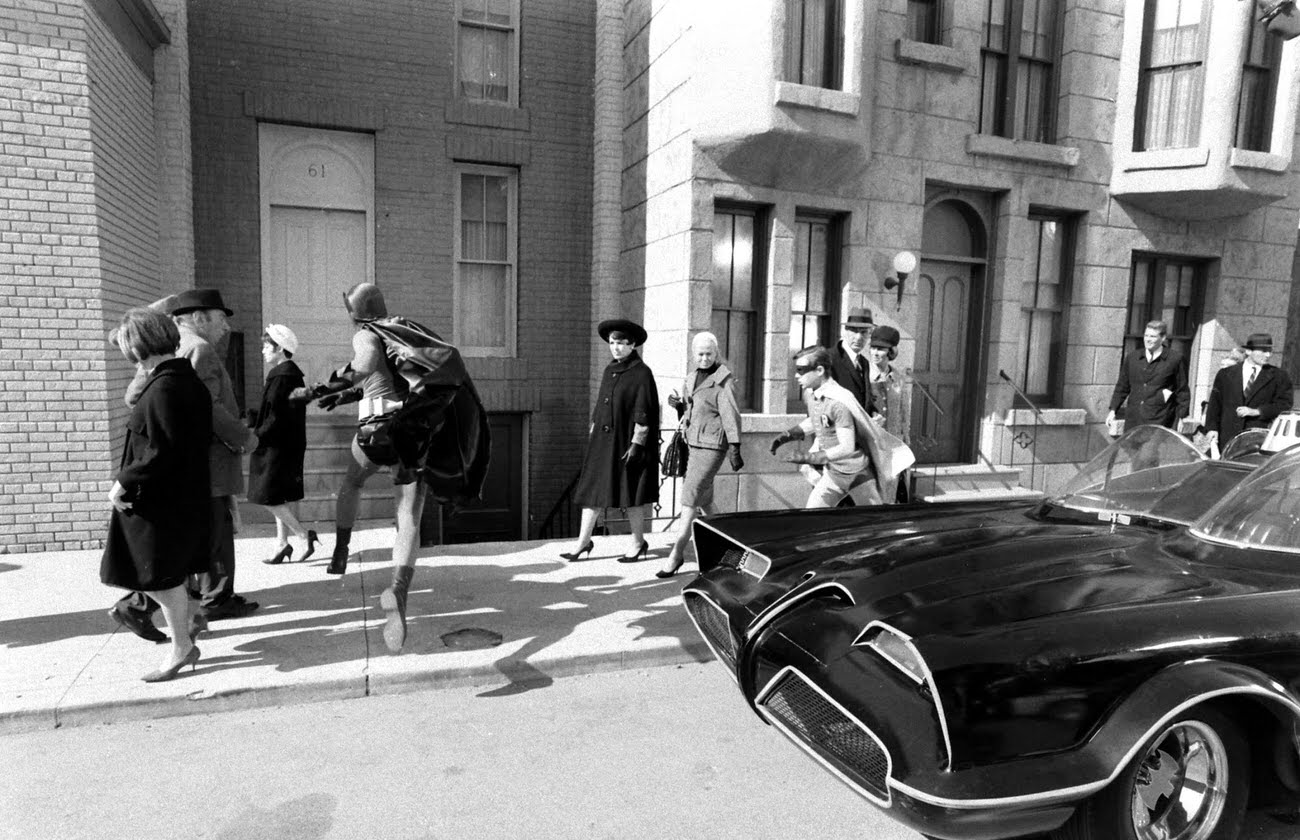
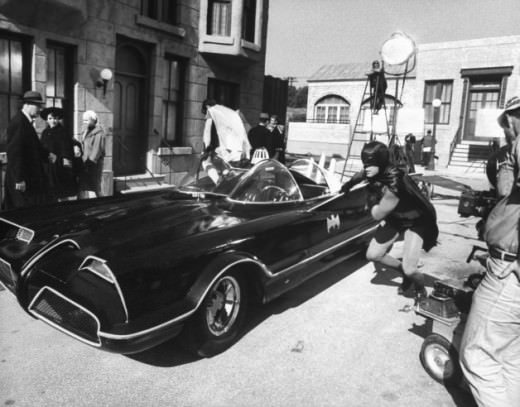
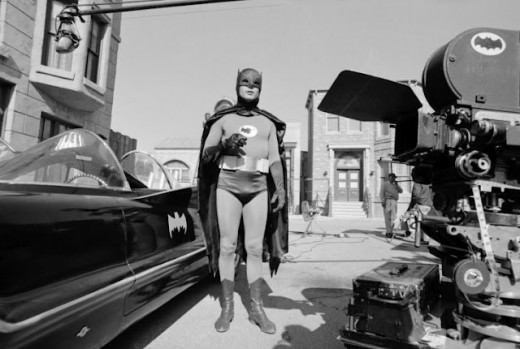
The show’s sets were also exaggerated, with slanted camera angles and dramatic lighting. This gave the show a sense of action and adventure, even when the storylines were silly or lighthearted. The Batcave, Batman and Robin’s headquarters, was filled with high-tech gadgets and vehicles, including the famous Batmobile, which became one of the most recognizable cars in TV history.
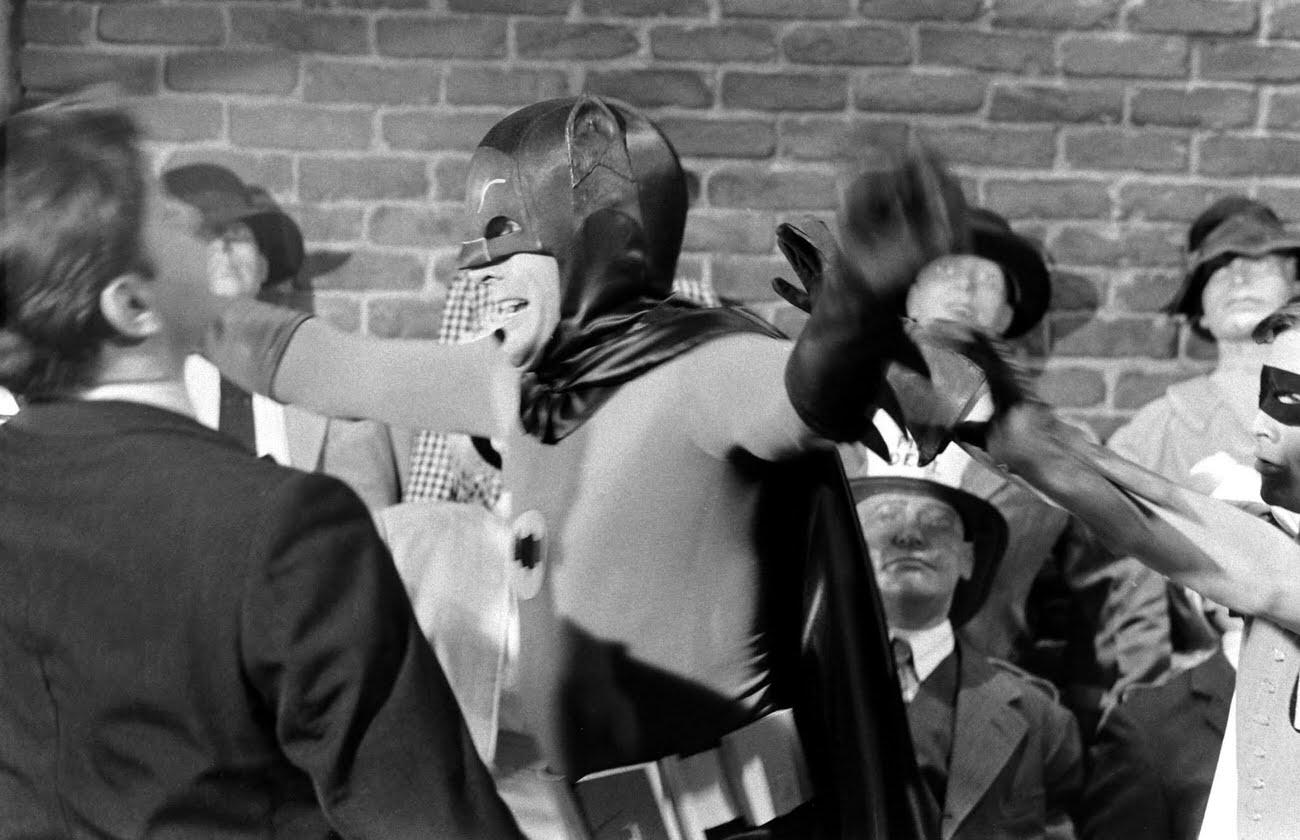
The use of on-screen text during fight scenes, with words like “Bam!” and “Pow!” popping up as Batman and Robin fought their enemies, further added to the comic book feel of the show. These elements were all carefully planned to make the show visually unique.
Villains and Guest Stars
One of the most popular aspects of the show was its villains. Batman’s rogues’ gallery is one of the best in comic books, and the TV show used that to its advantage. The producers brought in famous actors to play the colorful villains, and these guest stars often gave over-the-top performances that matched the show’s exaggerated tone.
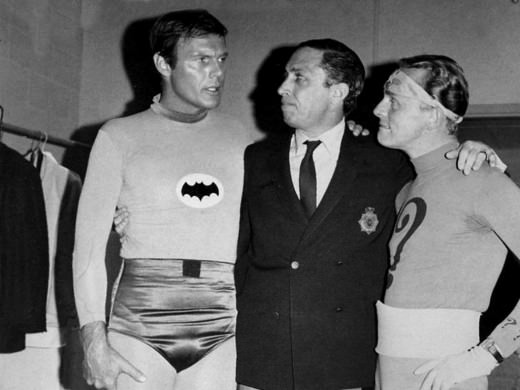
Cesar Romero played the Joker, one of Batman’s most famous enemies. Romero refused to shave his mustache, so they simply applied white makeup over it, which became part of his character’s look. Frank Gorshin played the Riddler, with his maniacal laugh and constant riddles keeping Batman and Robin on their toes. Burgess Meredith was cast as the Penguin, complete with a top hat and his signature squawk-like laugh. Julie Newmar, and later Eartha Kitt, portrayed Catwoman, who often flirted with Batman while trying to outsmart him.
These villains were often larger-than-life, making them a perfect match for the campy tone of the show. The guest stars who played them loved to go big with their performances, which made each episode exciting and unpredictable.
The music of the ‘Batman’ TV show is another part of what made it so iconic. The theme song, written by Neal Hefti, is instantly recognizable with its catchy “na-na-na-na-na-na-na-na, Batman!” chorus. The theme was simple but effective, and it captured the fun and action-packed spirit of the show.