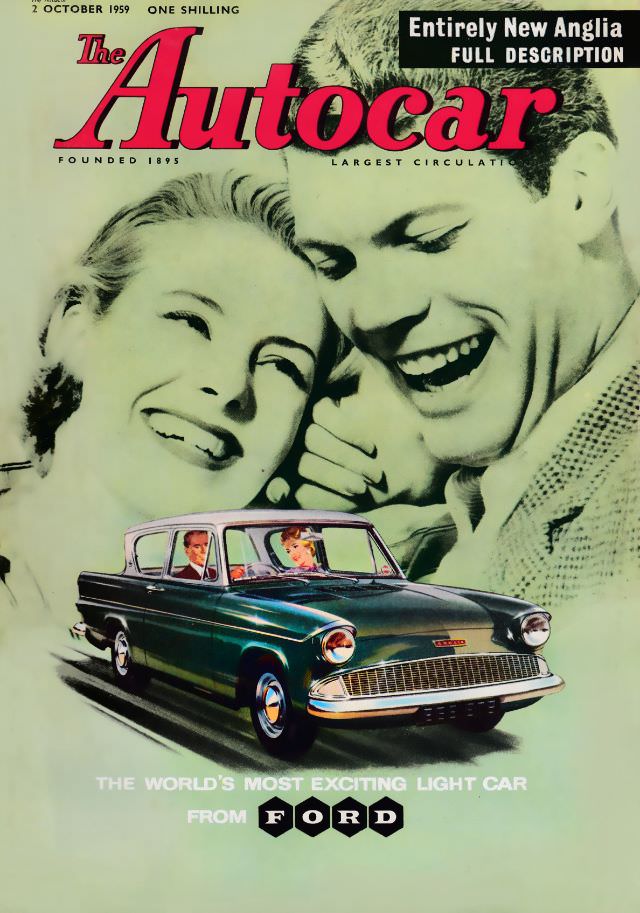
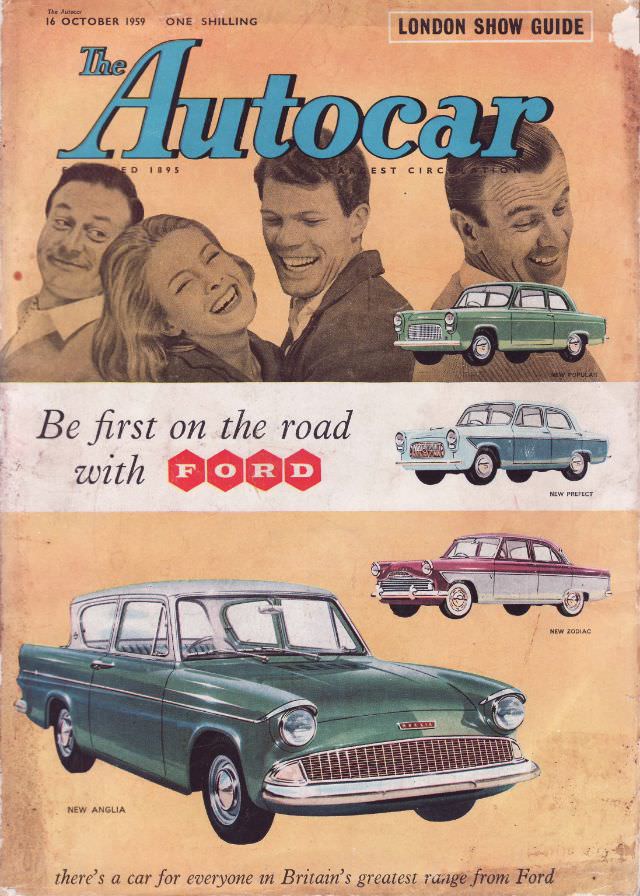
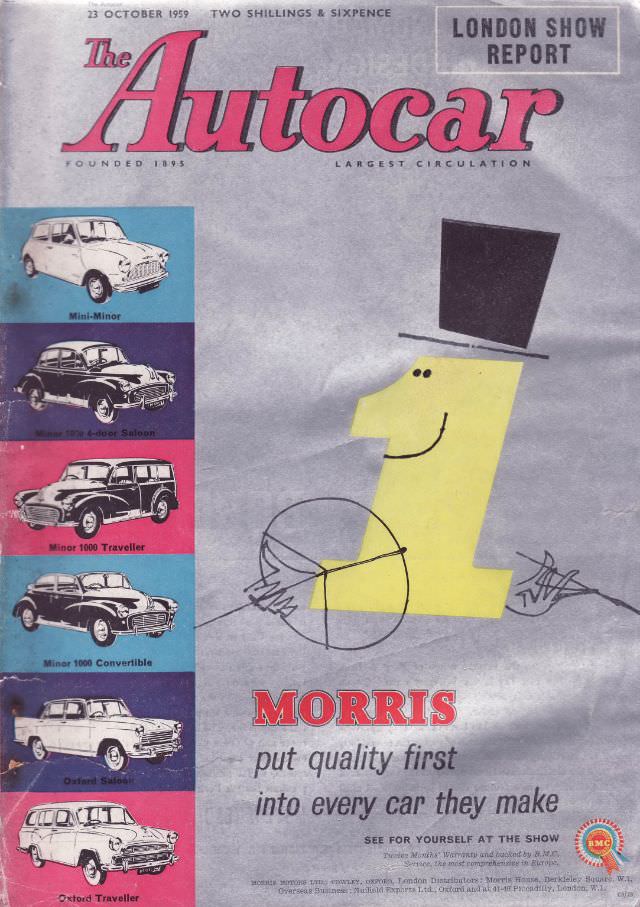
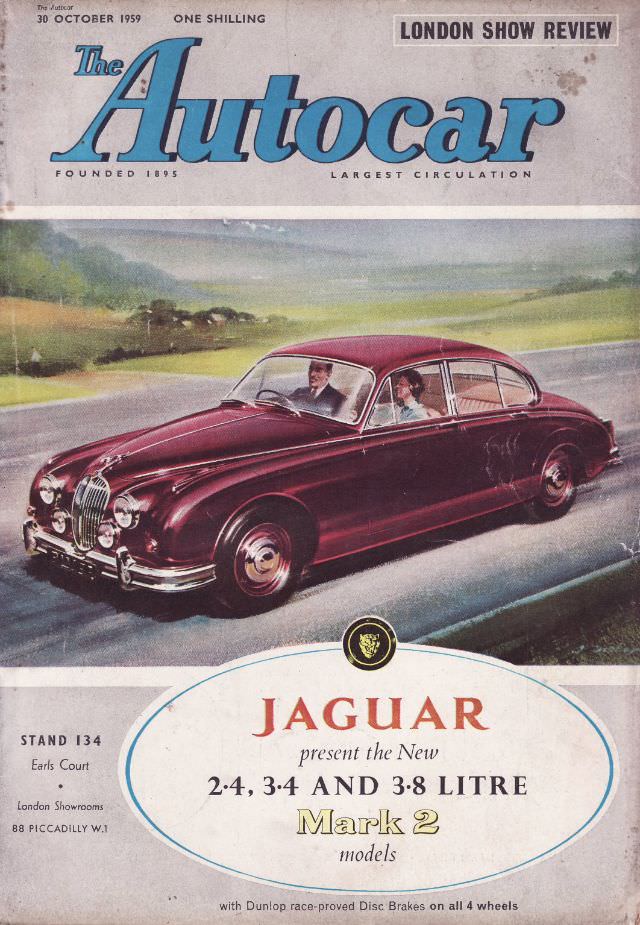
Autocar is a weekly British automobile magazine with a history stretching back to 1895, making it the world’s oldest car magazine. Published by the Haymarket Media Group, it has spent well over a century covering the cars, technology, and culture that define motoring. The 1950s were a particularly vibrant era for the publication, when its covers featured bold photography and striking artwork that reflected the excitement of postwar car design.
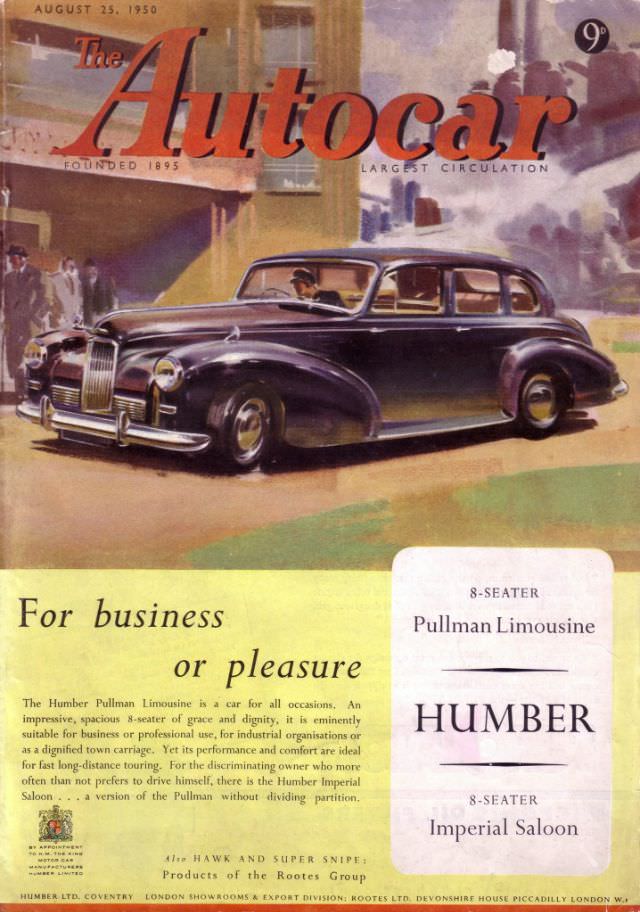
Throughout the early 1950s, Autocar’s covers captured the clean lines and optimistic style of a motoring world rebuilding after World War II. British cars were finding their footing again, and each weekly issue documented the latest models rolling out of manufacturers across the country.
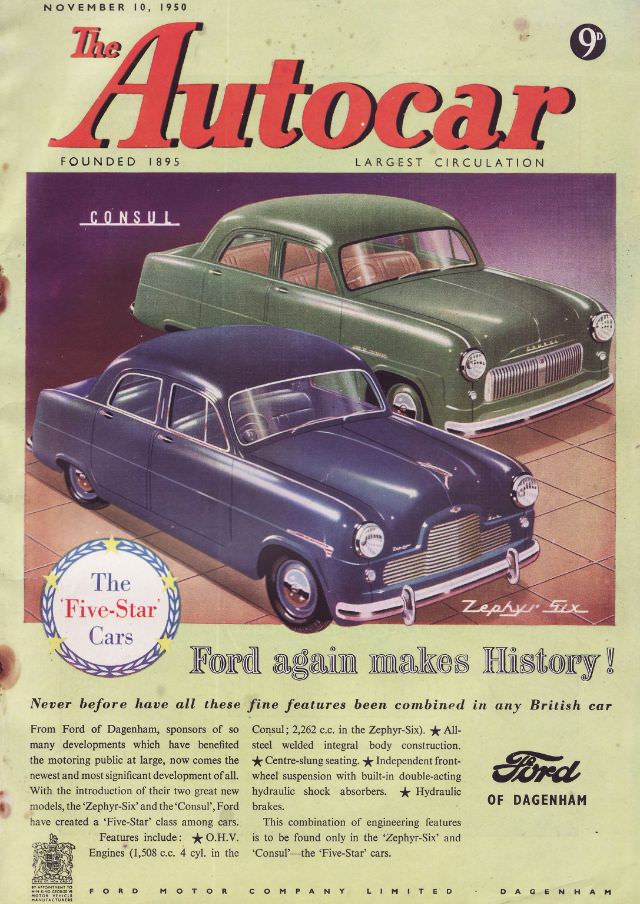
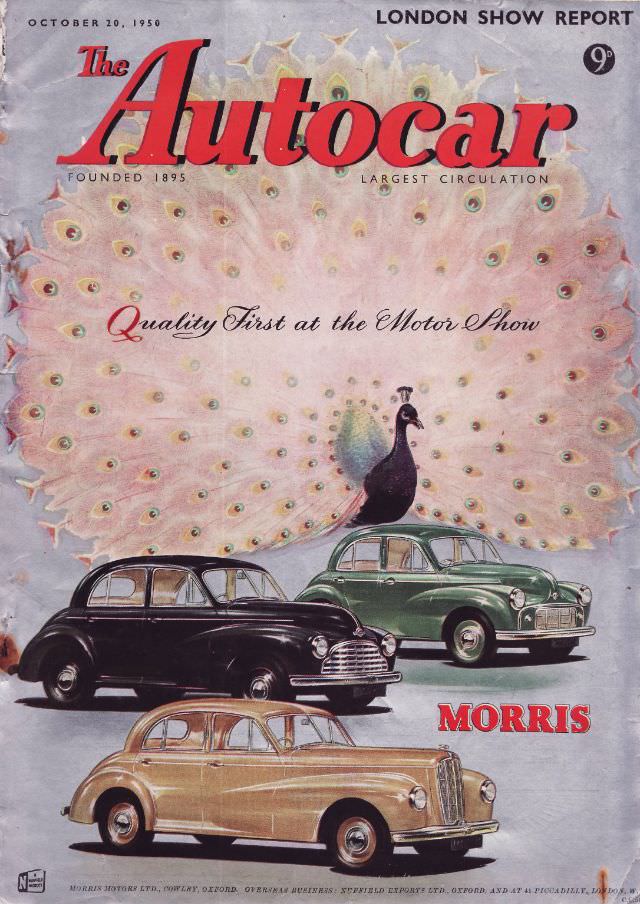
Autocar had a fierce rival on the newsstands in Motor, a competing publication it had battled since 1903. That rivalry pushed both magazines to produce high-quality covers and content week after week for decades. The competition finally ended in 1988 when Autocar absorbed Motor entirely.
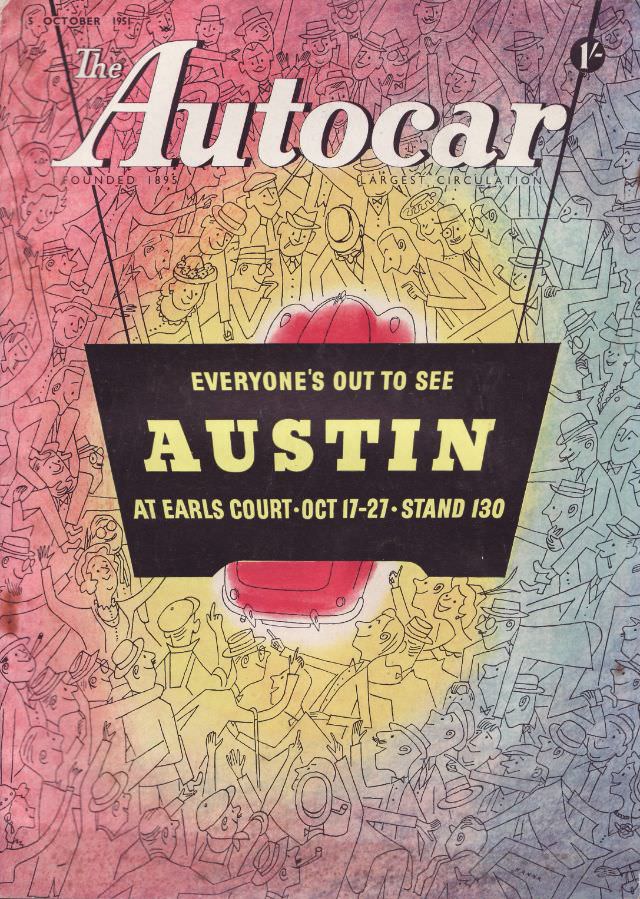
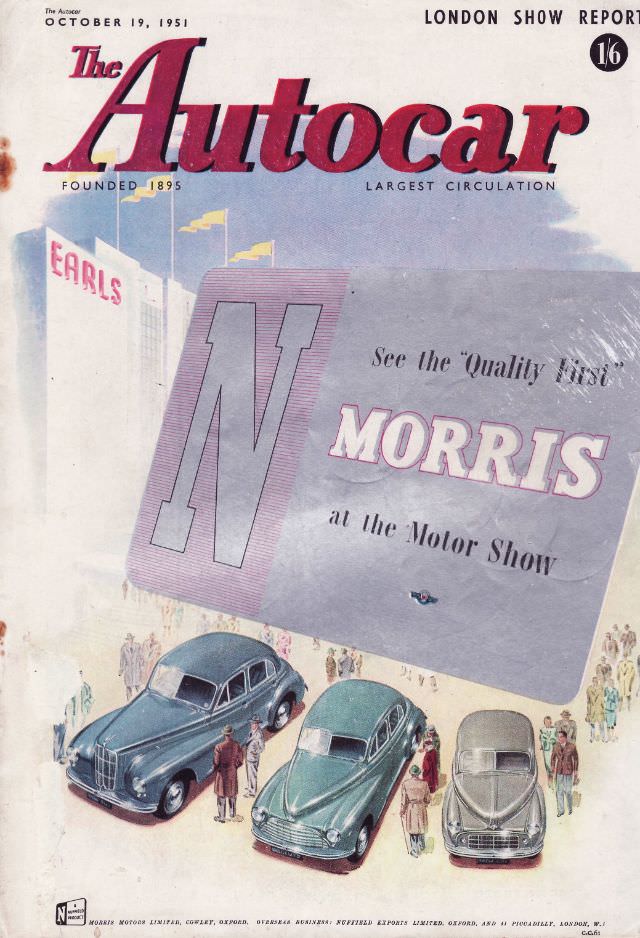
By 1952, the magazine’s cover designs reflected a growing confidence in automotive photography. Cars were shown at dynamic angles, often set against open roads or dramatic skies, selling readers not just a vehicle but a lifestyle.
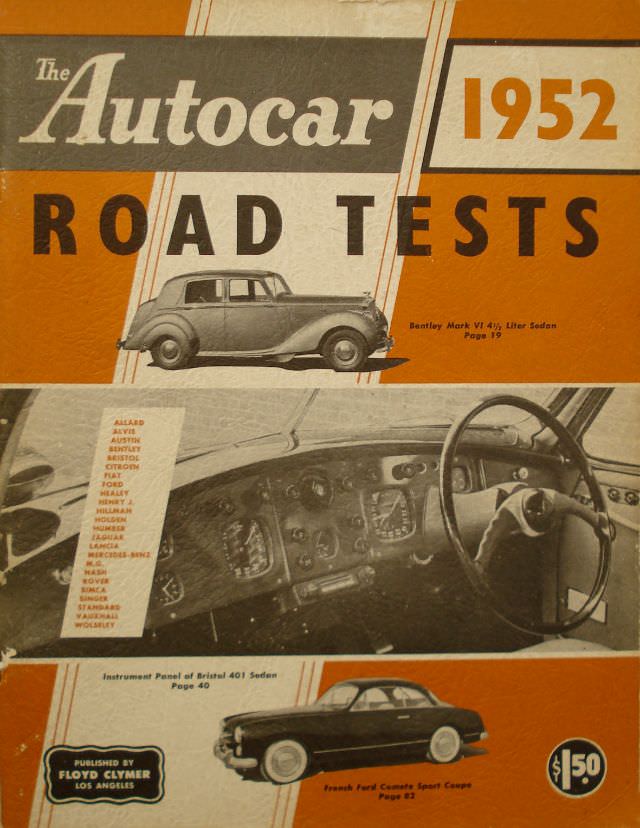
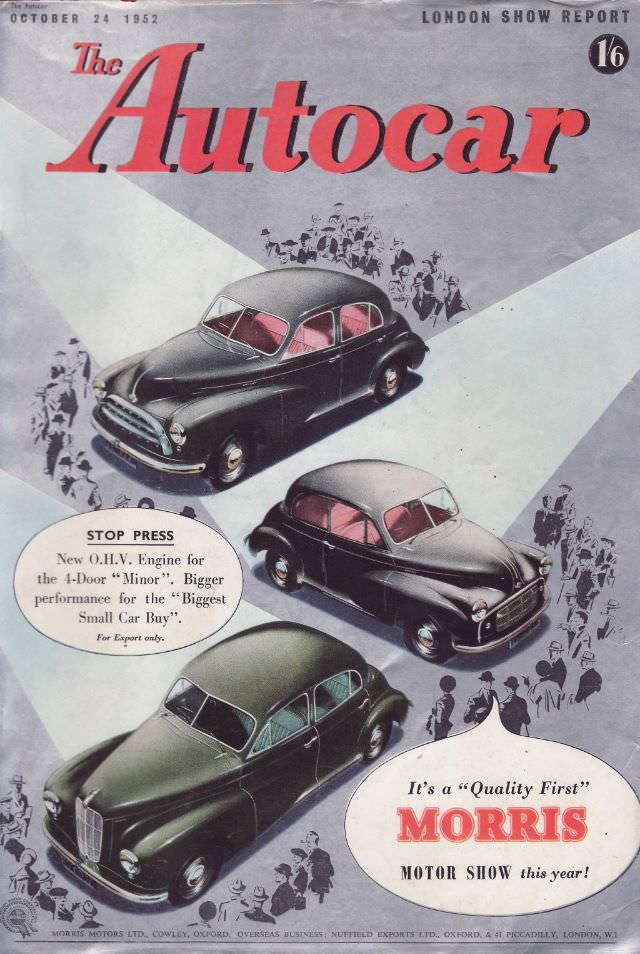
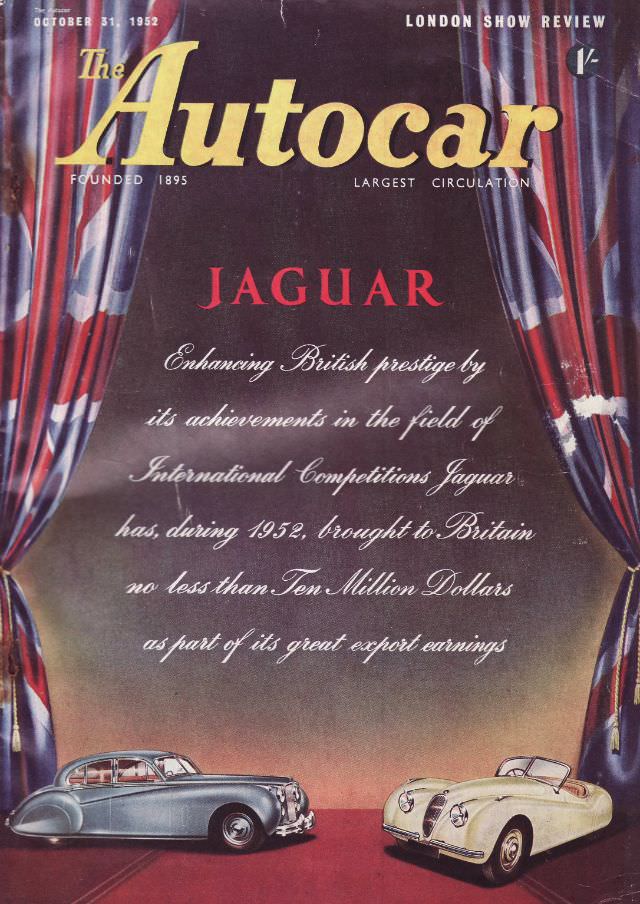
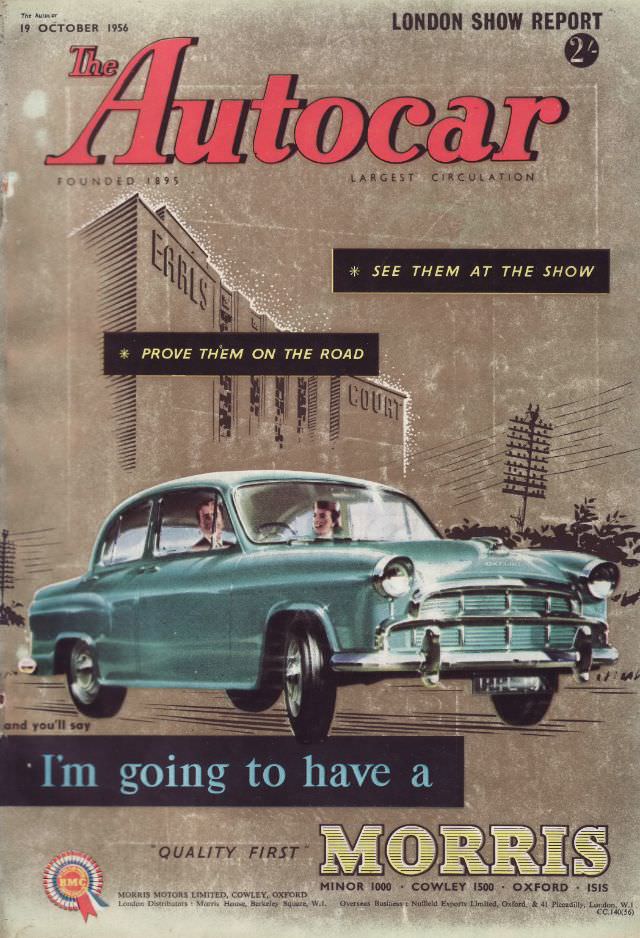
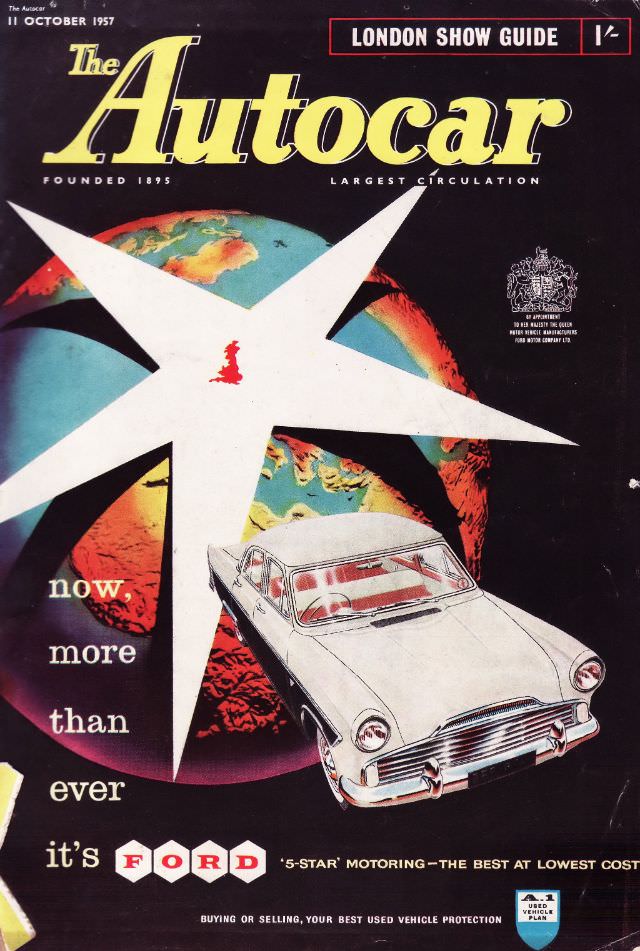
The October and November issues of any given year were especially important for Autocar. These editions coincided with the London Motor Show at Earls Court, one of the biggest automotive events in Britain. Readers expected detailed coverage of the newest cars on display, and the magazine always delivered.
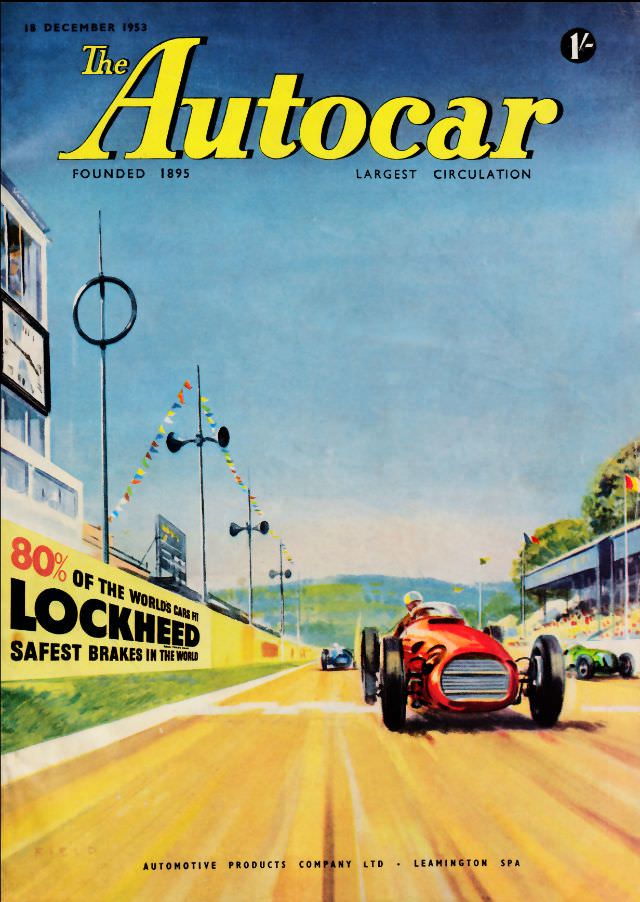
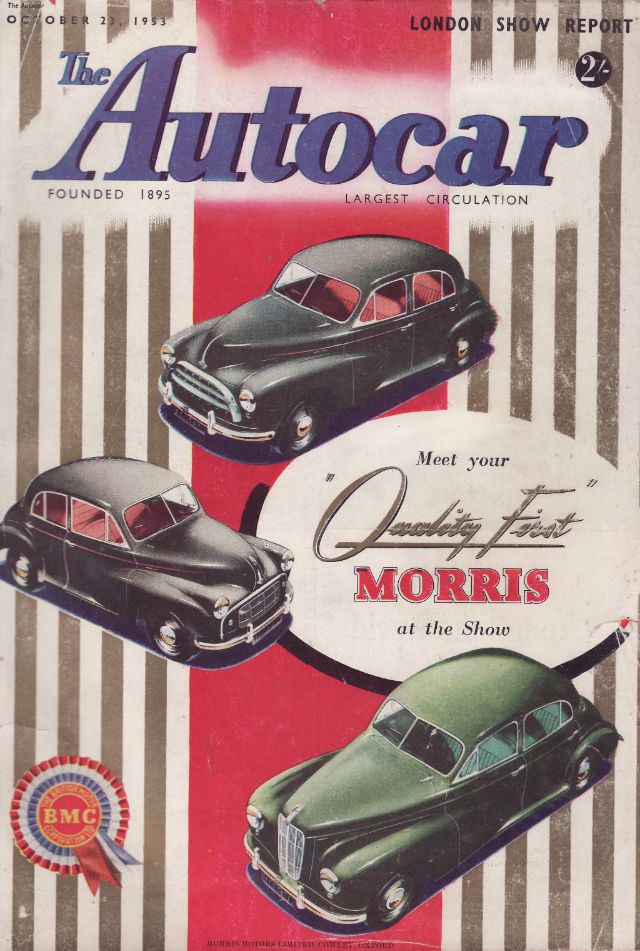
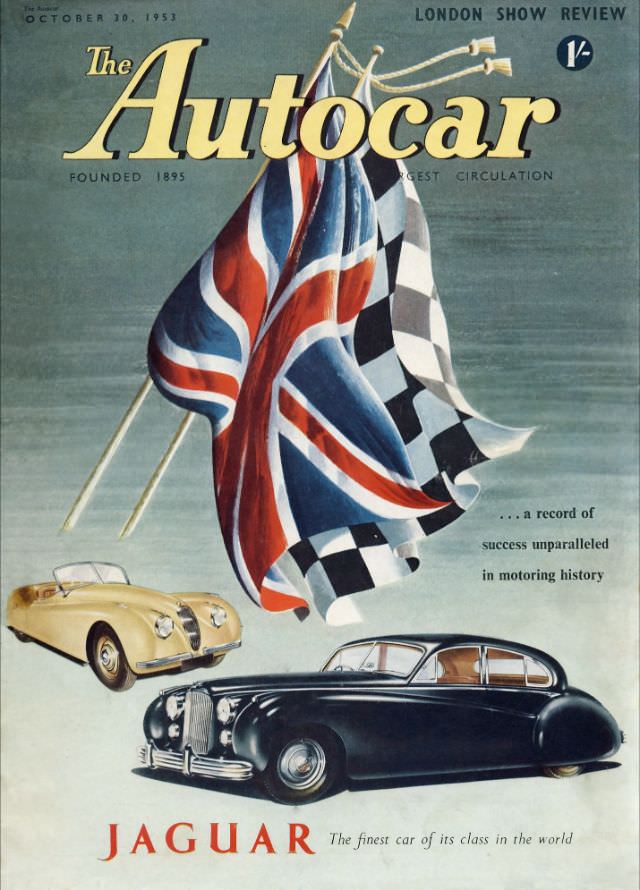
Mid-decade issues from 1954 and 1955 show a clear shift in cover presentation. Color photography became richer, and the cars themselves — sleeker, lower, and more styled than their prewar predecessors — made for naturally compelling front pages.
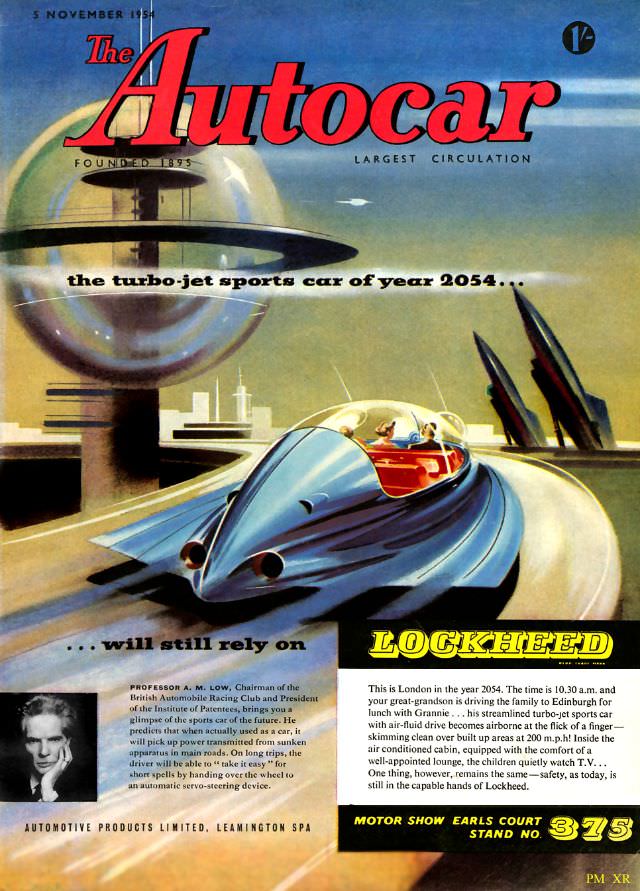
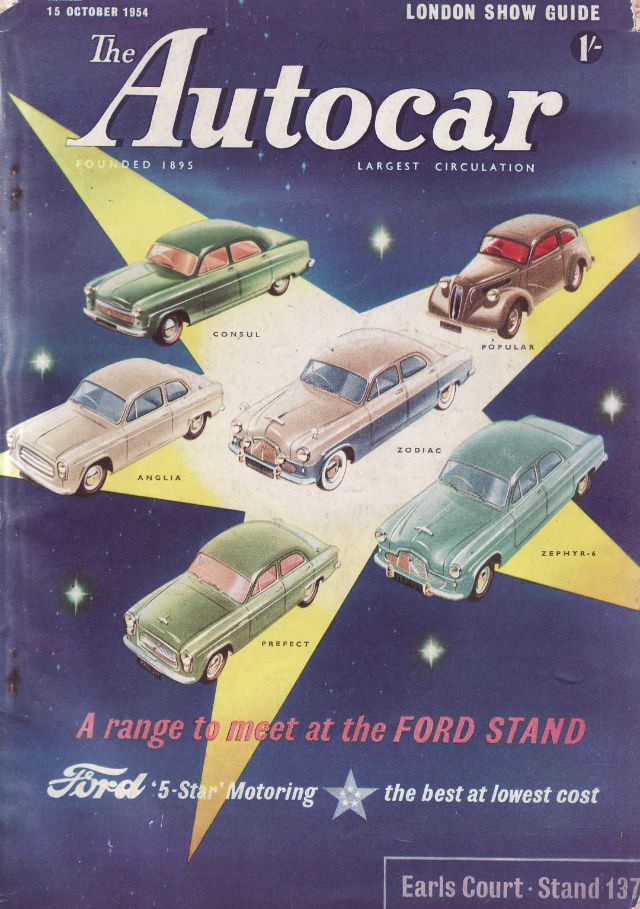
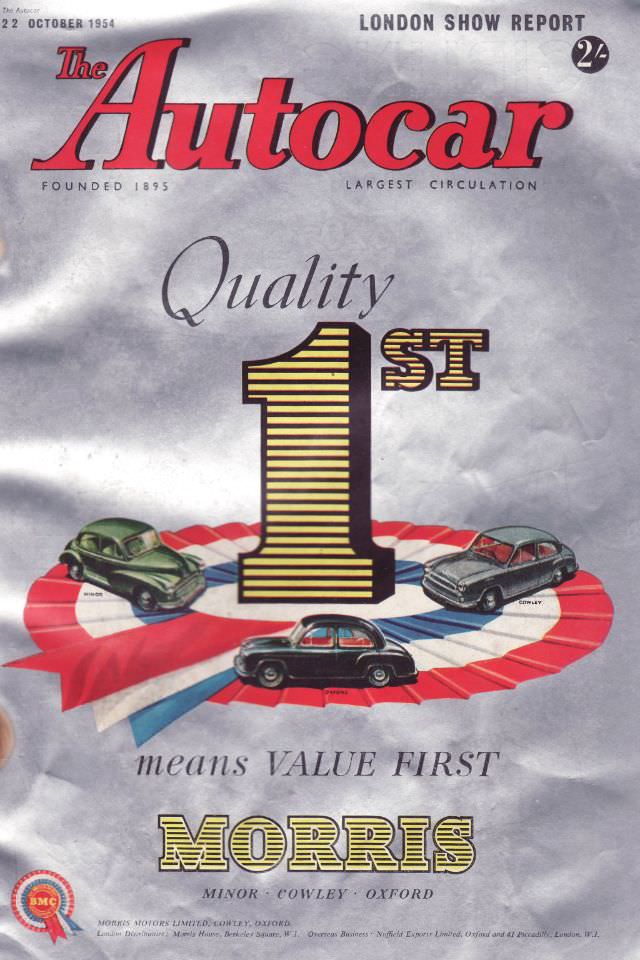
The name printed on the cover during this entire decade read simply “The Autocar.” It wasn’t until the start of 1962 that the publication dropped “The” and officially became just Autocar. That name held until 1988, when the merger with Motor briefly changed it to Autocar & Motor, starting with the September 7 issue of that year.
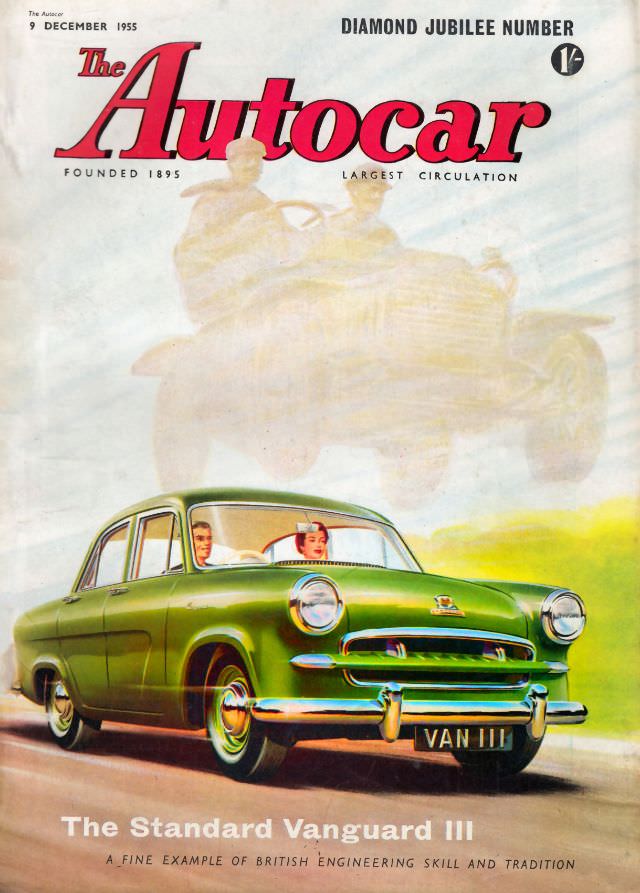
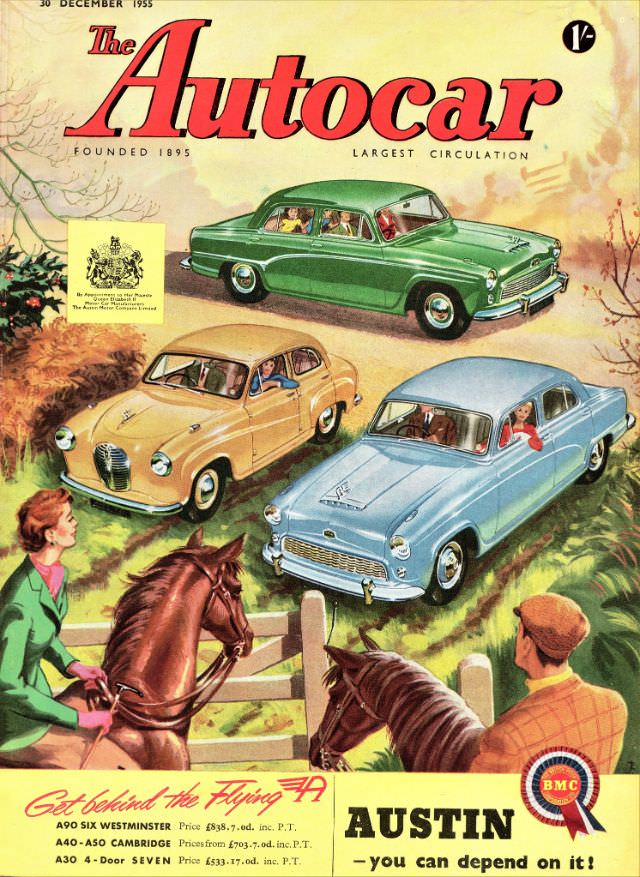
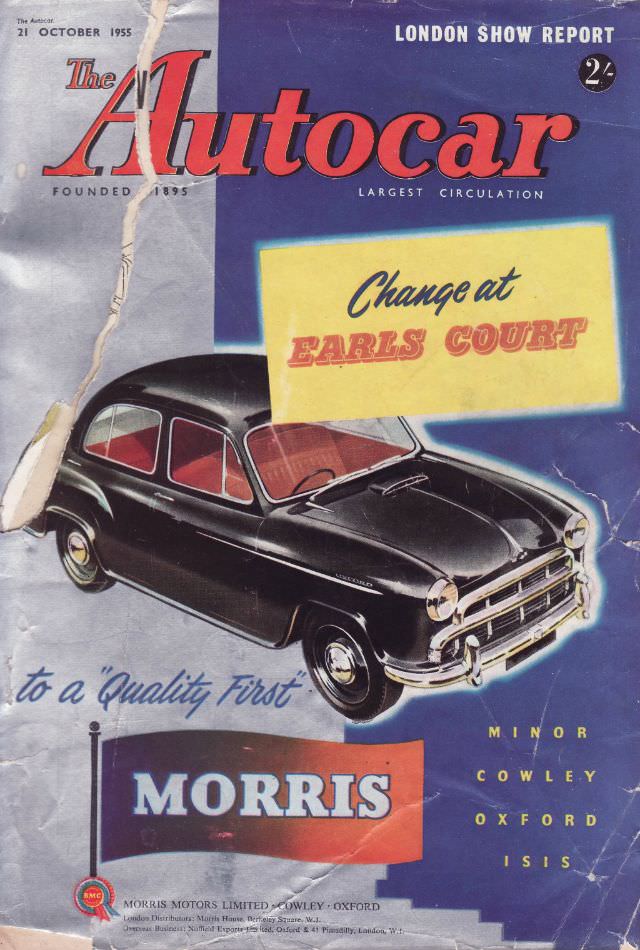
The 1956 issues continued the tradition of showcasing British and European automobiles at their most photogenic. Summer covers often featured open-top cars on scenic routes, while autumn editions leaned heavily into Motor Show previews and new model reveals.
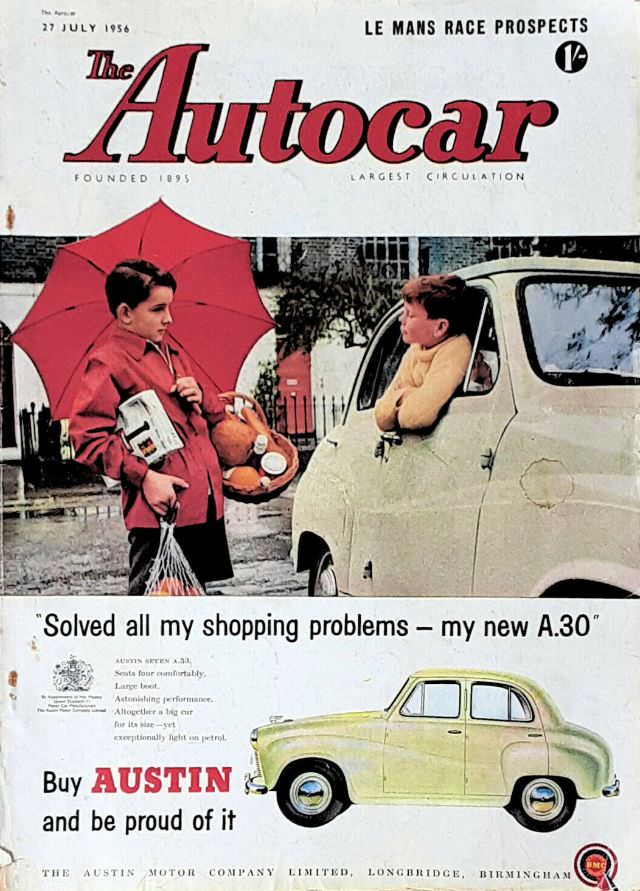
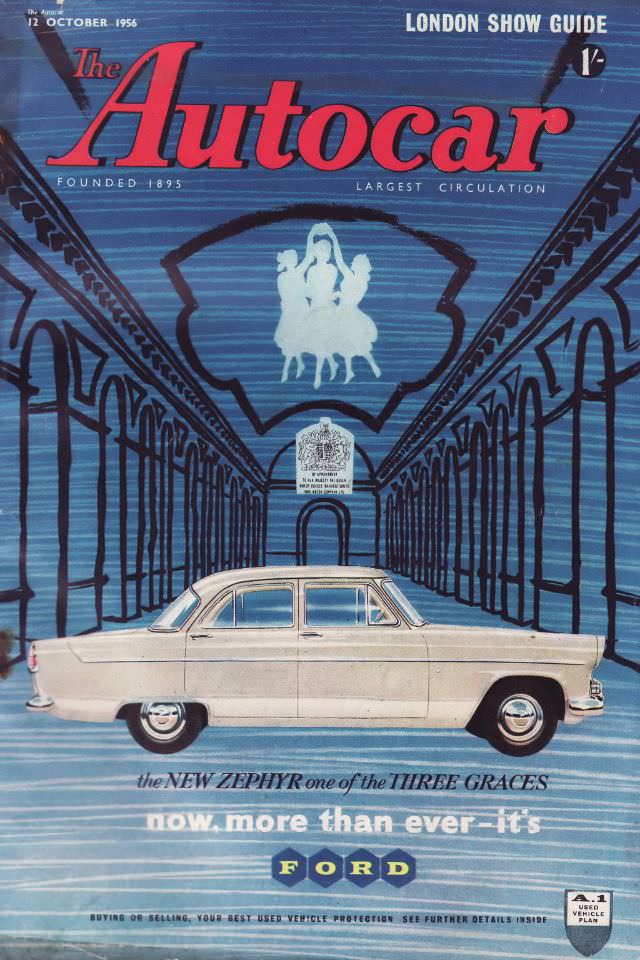
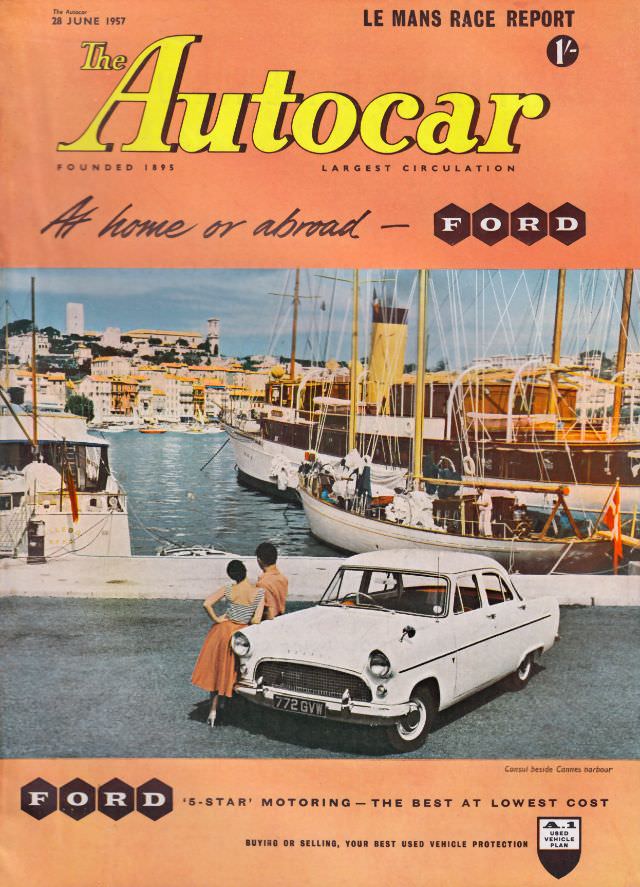
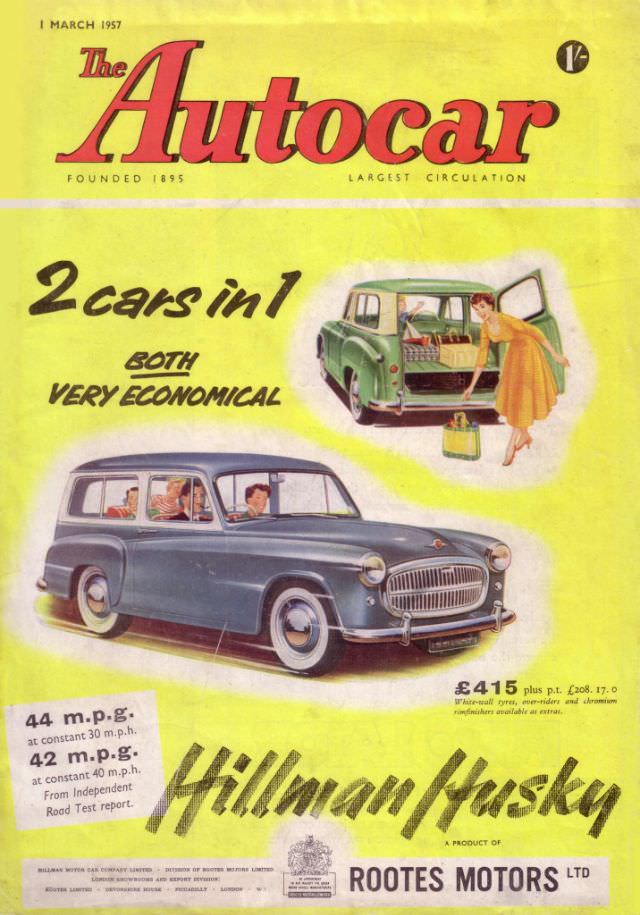
By 1957, Autocar was reaching readers across Britain and beyond. The magazine had already established itself as an authoritative voice on all things automotive. Its covers that year balanced glamour with technical credibility, appealing to enthusiasts as much as everyday drivers.
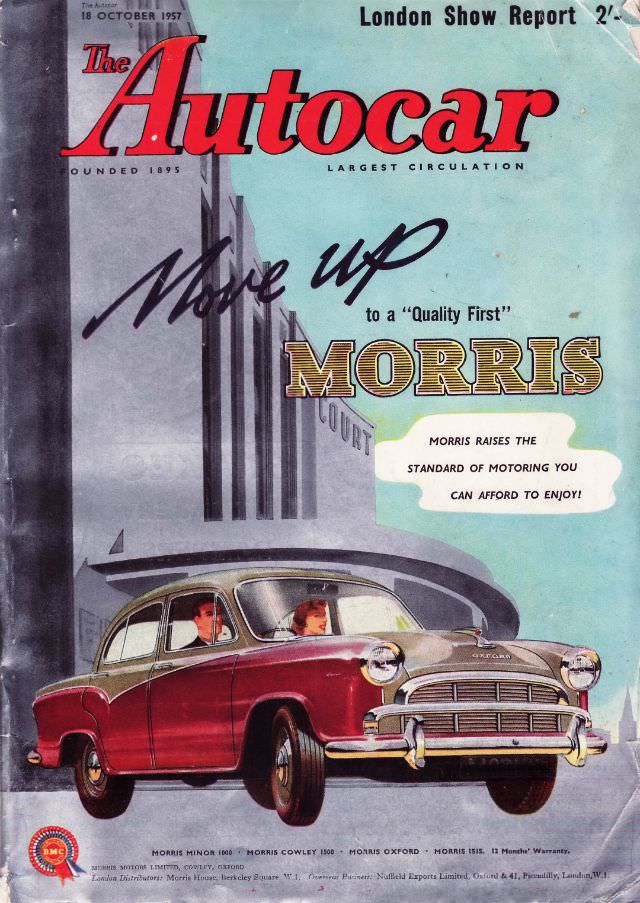
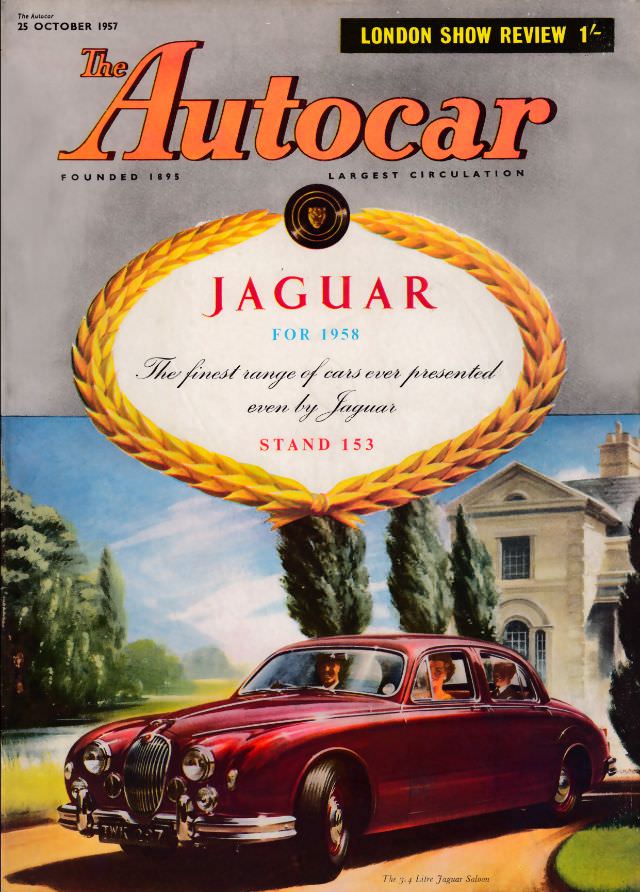
The late 1950s brought a new wave of car designs influenced by American styling trends — longer bodies, tail fins, and chrome accents. Autocar’s 1958 covers reflected this energy, presenting automobiles that felt bold and forward-looking against the magazine’s clean layouts.
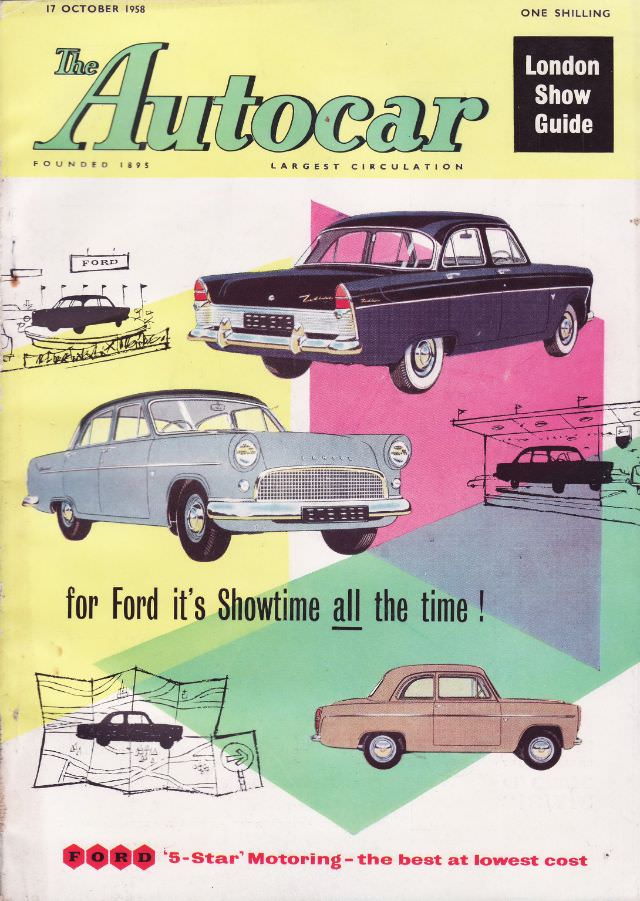
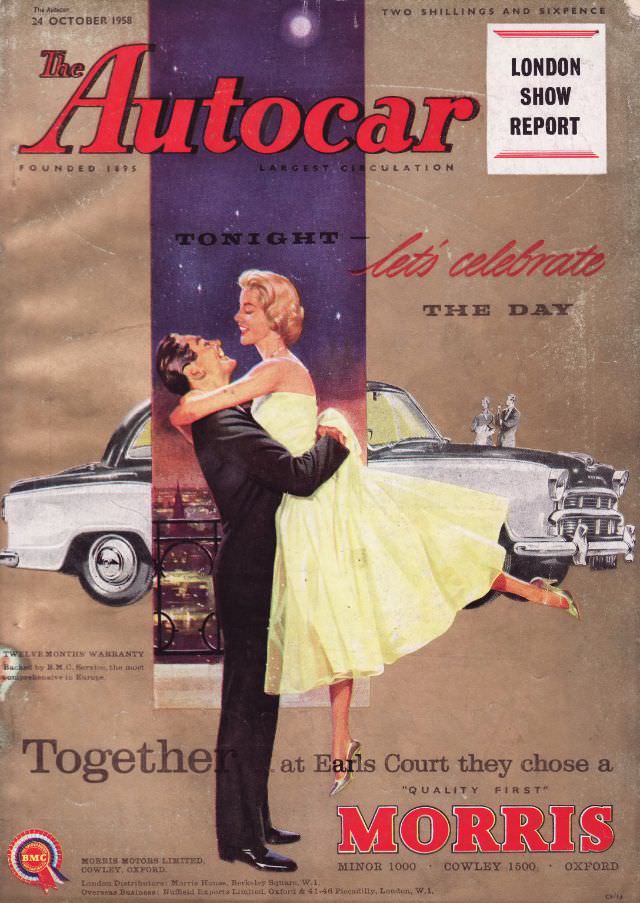
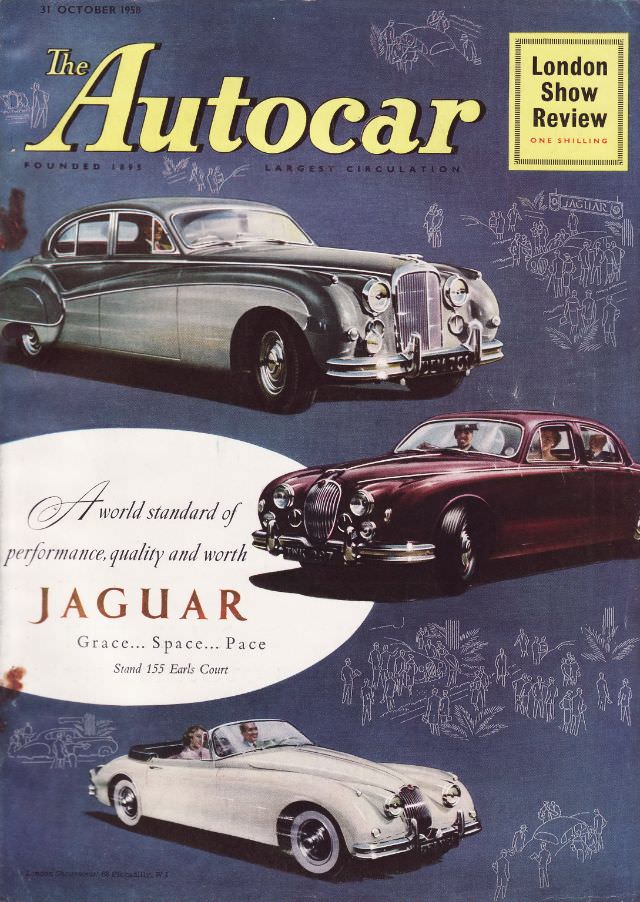
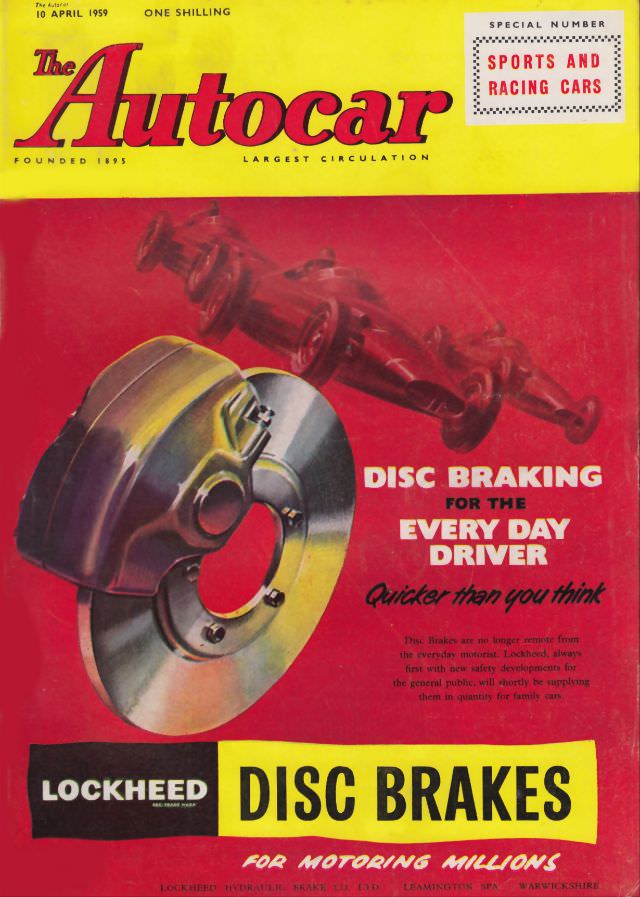
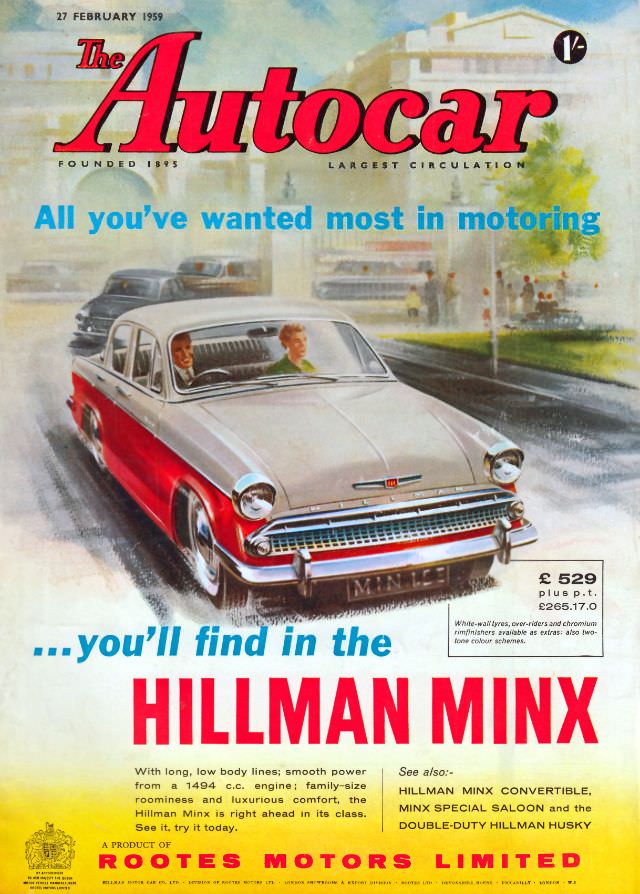
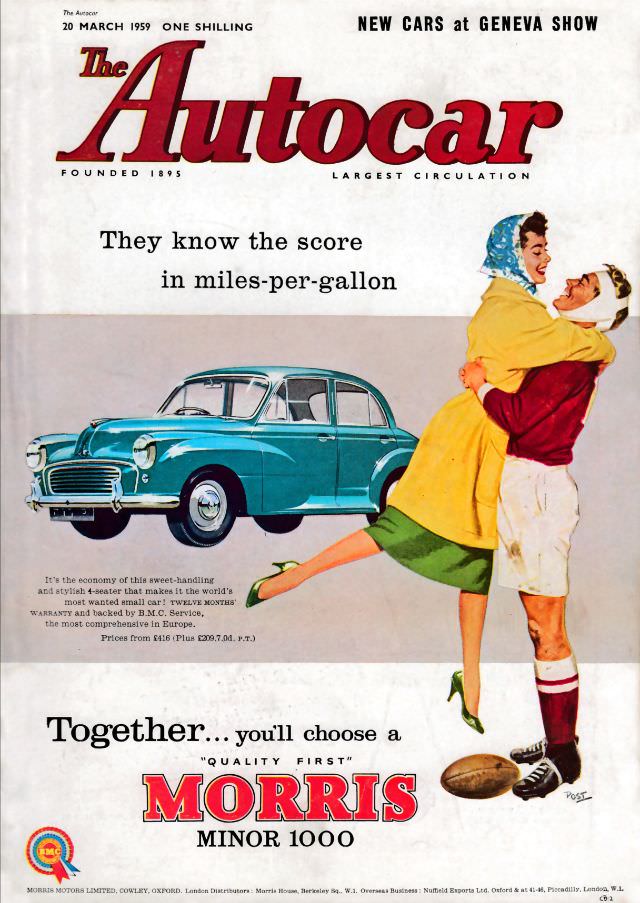
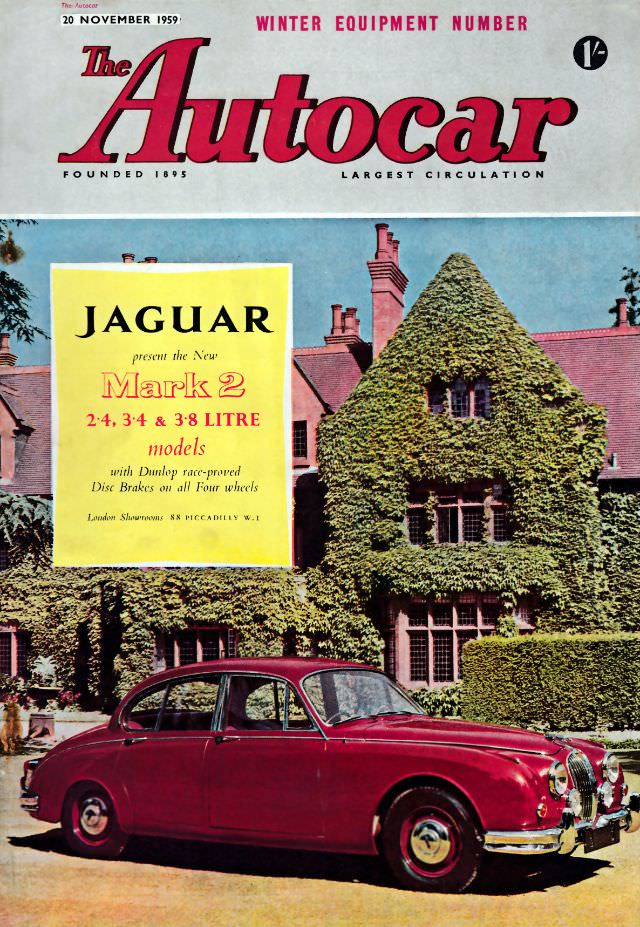
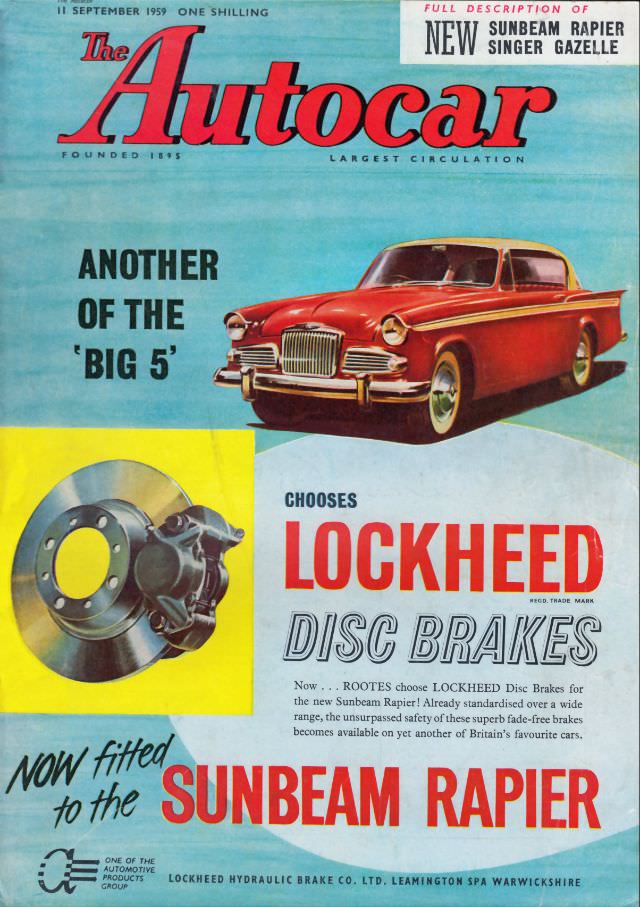
The final year of the decade, 1959, produced some of the most varied covers in Autocar’s 1950s run. From early spring issues to the busy autumn Motor Show season, the magazine closed out the decade with a wide range of cars on display. In 2021, Autocar digitized its entire archive dating back to 1895, making every one of these covers accessible online to subscribers through the Motoring Archive.