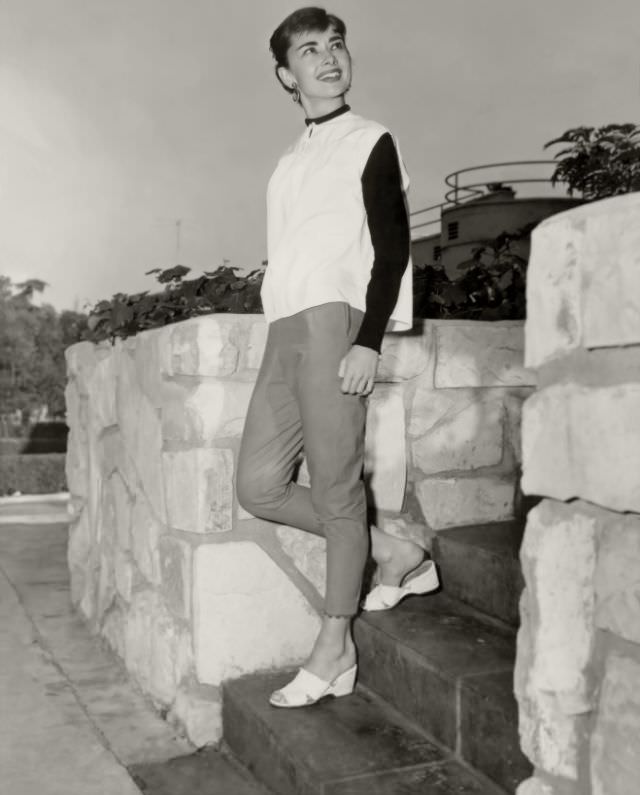
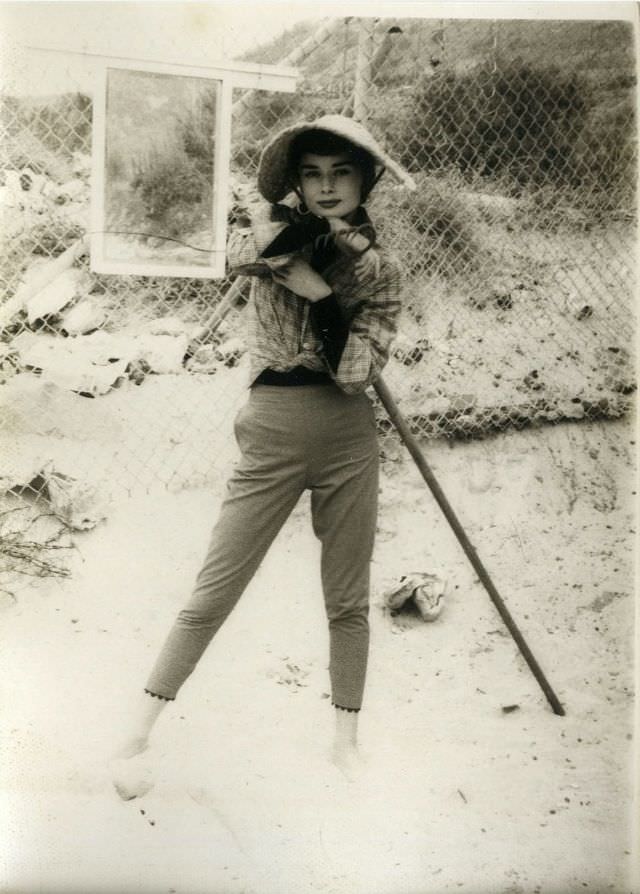
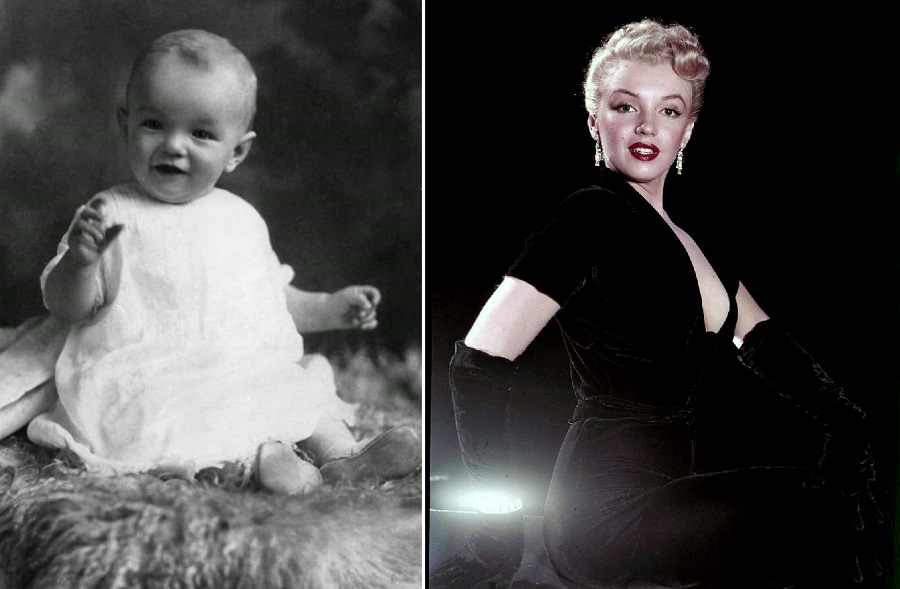
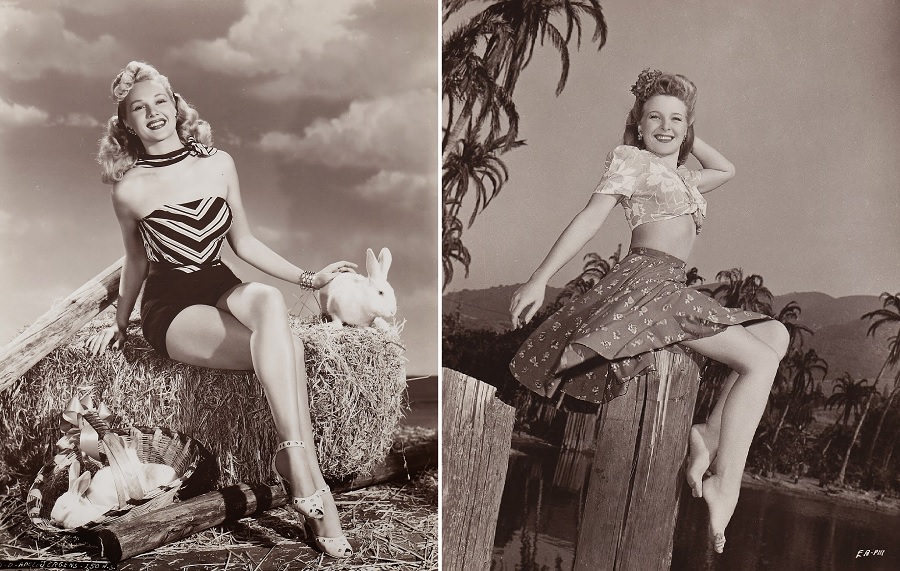
In 1953, Audrey Hepburn sat down for a photo shoot with Milton H. Greene for Life Magazine. At the time, Life was one of the most widely read publications in the United States, landing in millions of American homes each week. For a young actress still building her name, appearing in its pages was a significant moment.
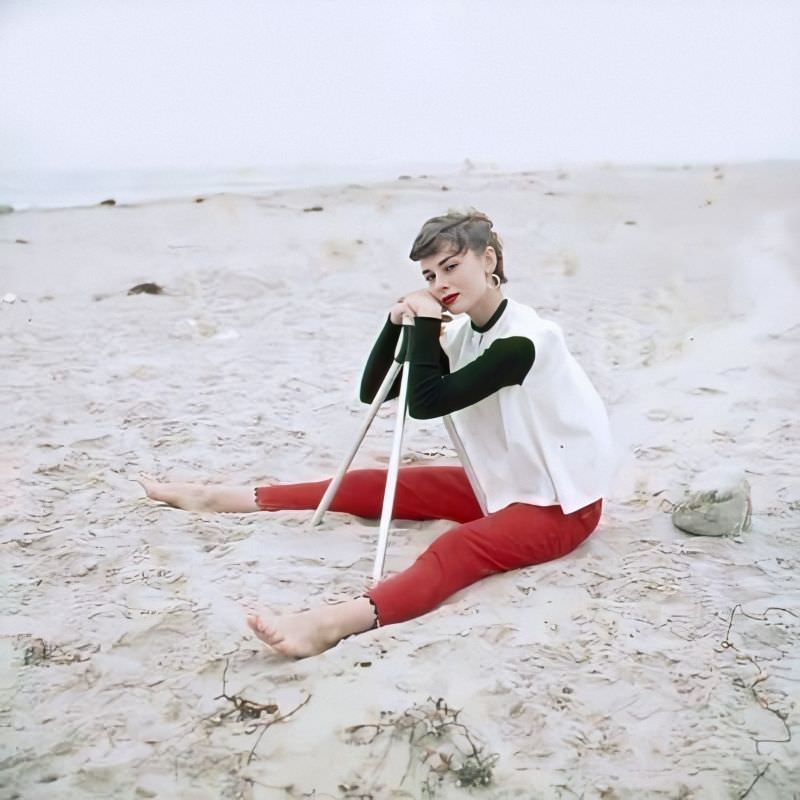
Greene was already a respected name in fashion and portrait photography by the early 1950s. He had a rare talent for making his subjects look completely natural in front of the camera, and his work with Hepburn was no exception. The two shared an easy creative chemistry, and it shows in every frame.
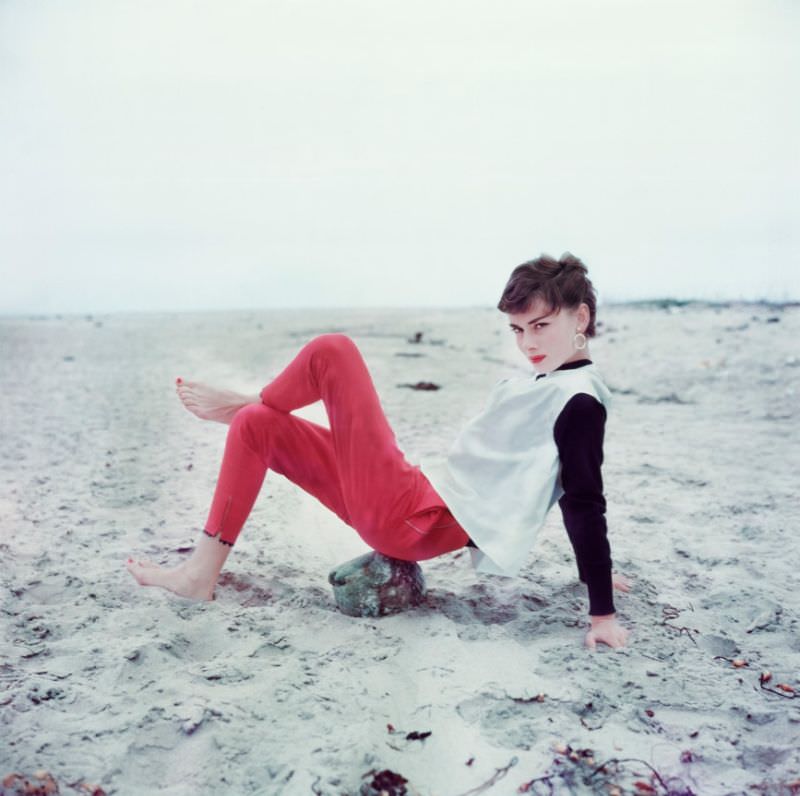
Hepburn wore a simple, elegant black dress throughout the shoot. Her hair was pinned up in her signature chignon — a style that would become closely tied to her public image for decades. Her eyes were wide and direct, meeting the camera with a calm, self-assured gaze.
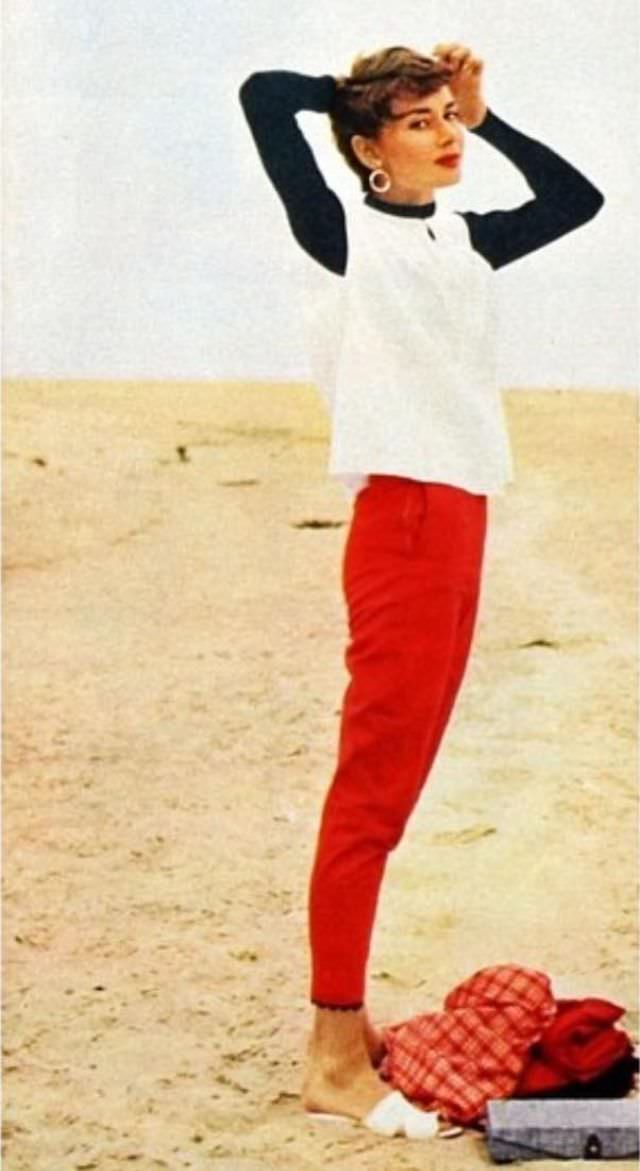
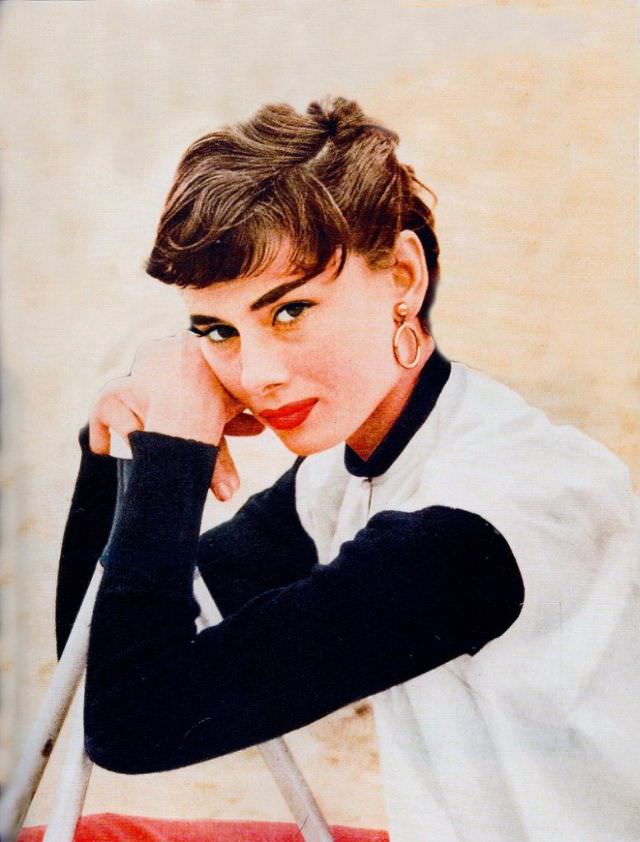
What made these photographs stand out was their simplicity. Greene didn’t rely on elaborate sets or heavy styling. Instead, he let Hepburn’s natural presence carry the images. The result was a series of portraits that felt both polished and deeply personal.
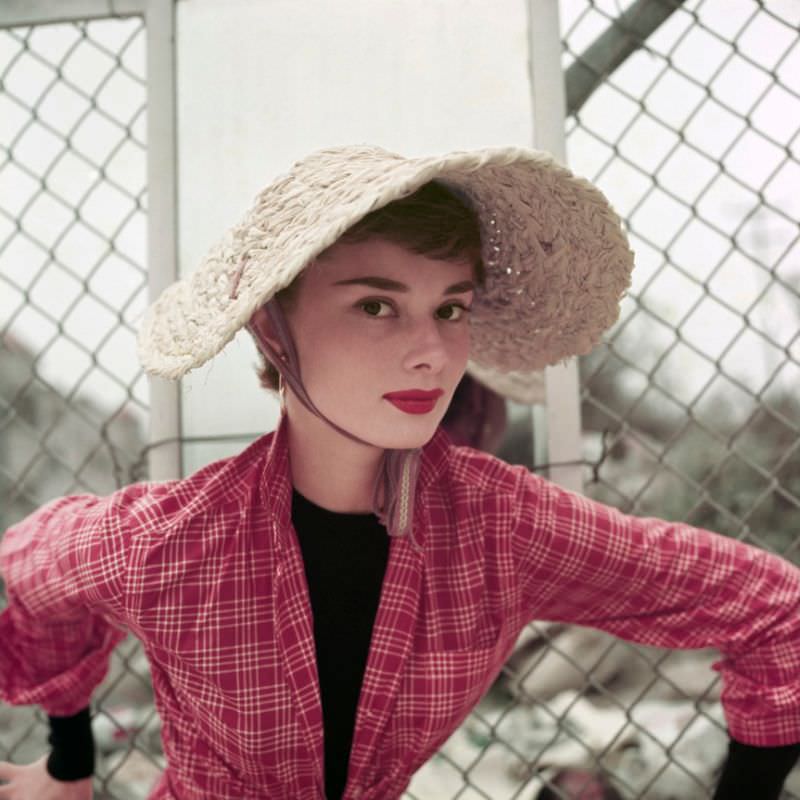
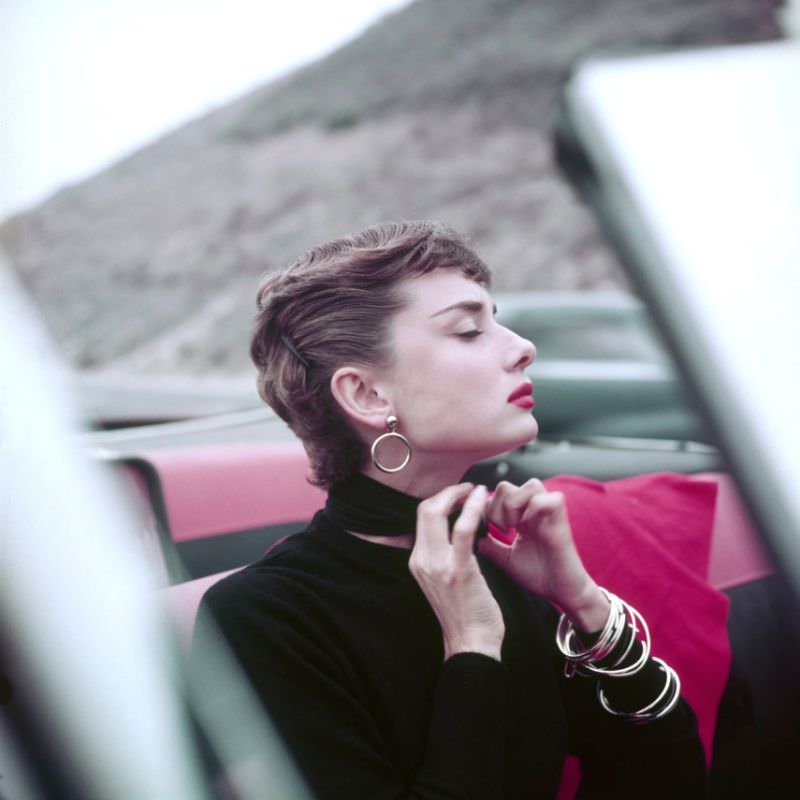
Hepburn was 24 years old at the time of the shoot. She had just completed filming Roman Holiday, which would earn her an Academy Award for Best Actress when it released later that year. The Life Magazine session caught her at a turning point — on the edge of international stardom.
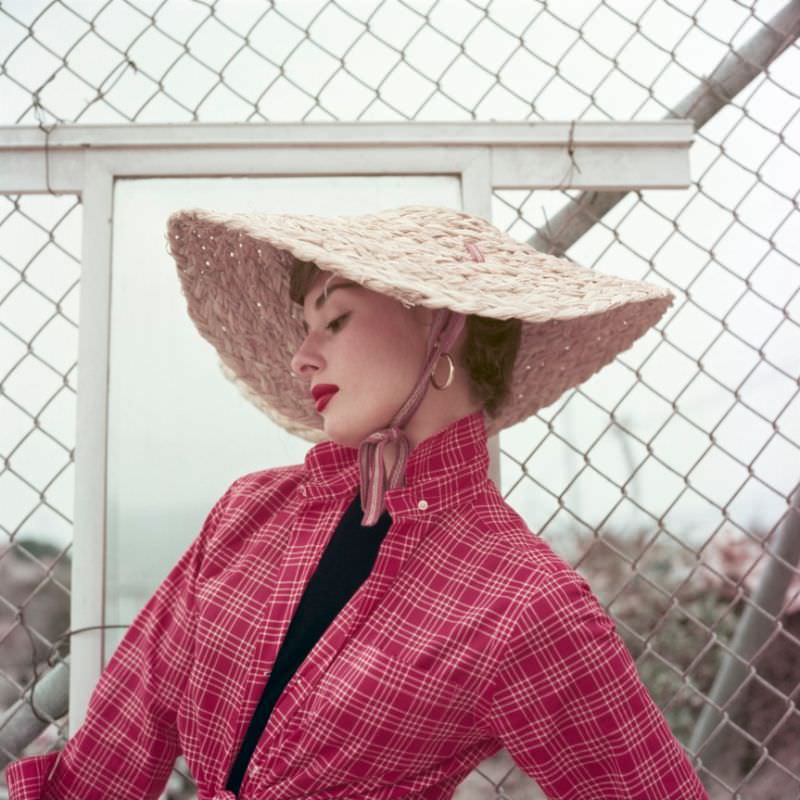
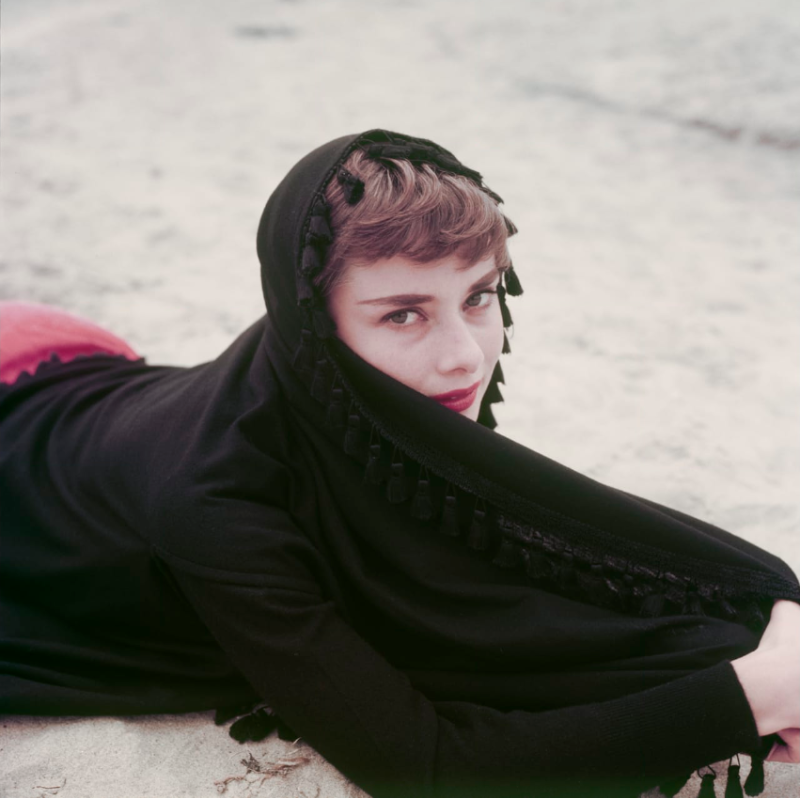
Greene’s photographs captured something that went beyond typical celebrity portraiture. The images show a young woman who is composed, thoughtful, and quietly confident. There is no performance in them — just Hepburn, still and present.
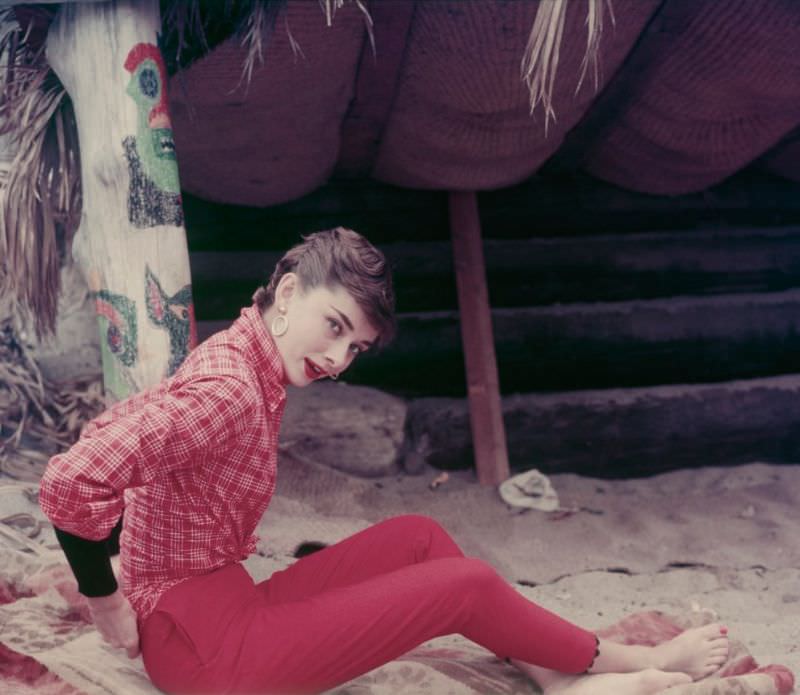
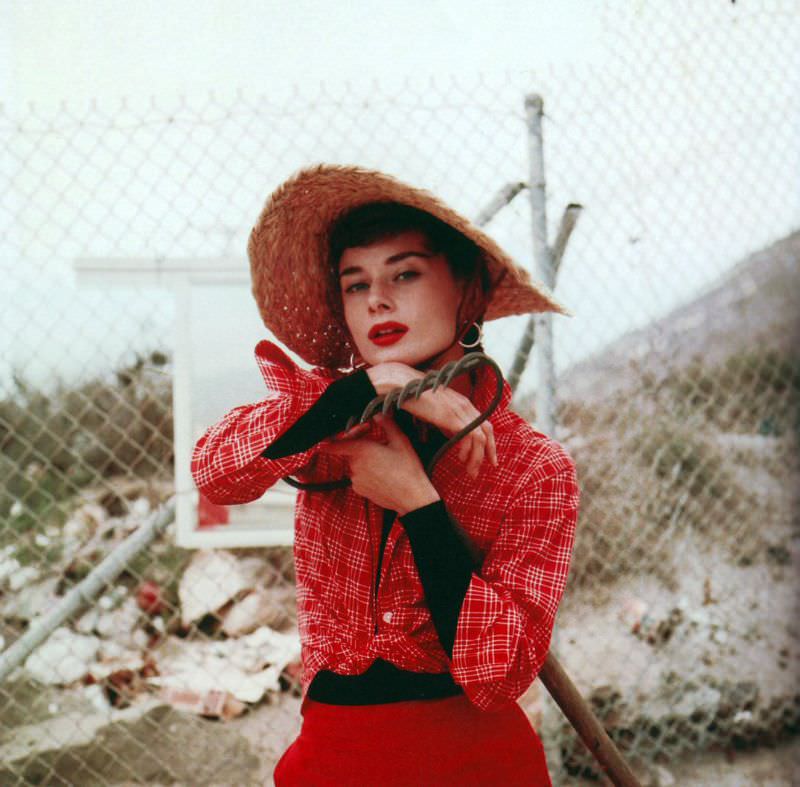
The shoot produced some of the most reproduced photographs in Hepburn’s archive. They have appeared in books, museum exhibitions, and magazine retrospectives across multiple decades. Among Greene’s extensive body of work — which also included iconic sessions with Marilyn Monroe — the Hepburn portraits remain among his most recognized.
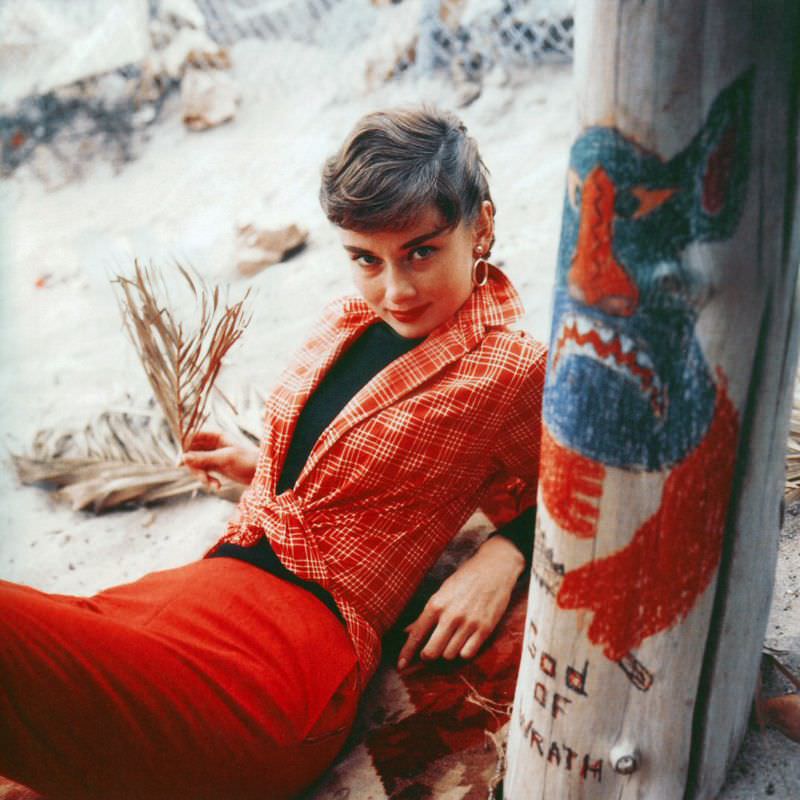
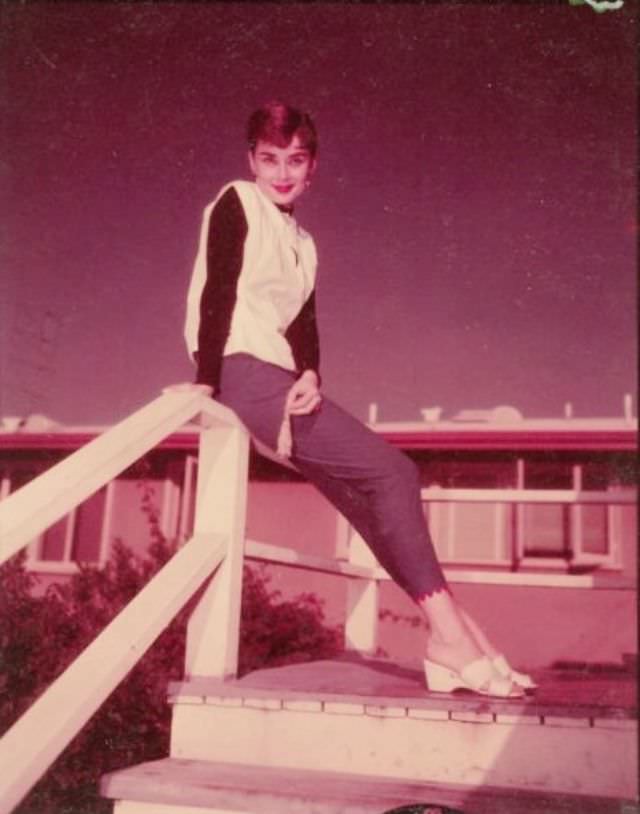
Each photograph in the series tells a slightly different story. Some frames are close and intimate. Others pull back, giving space to her posture and the quiet elegance of her silhouette. Together, they form a complete and cohesive portrait of a woman who was already, in 1953, entirely herself.
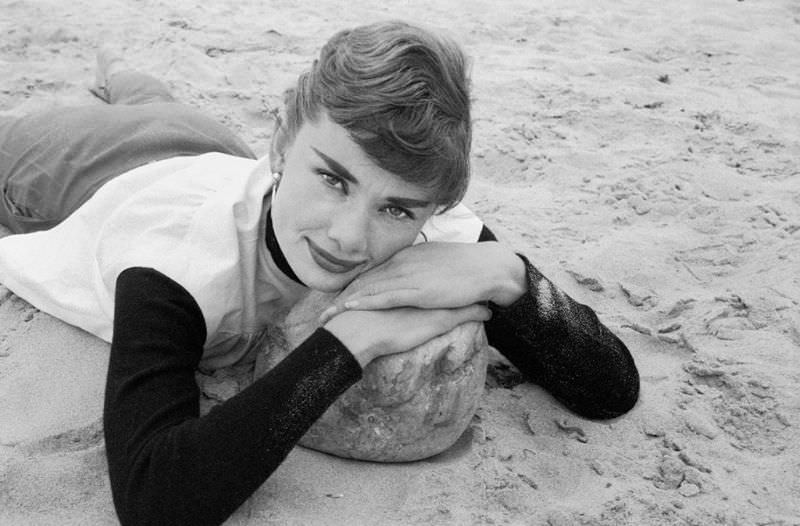
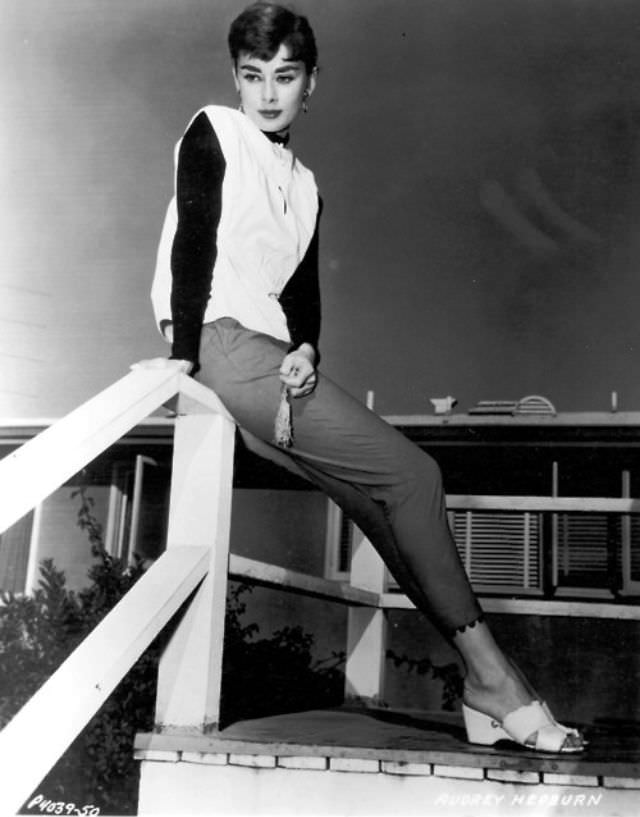
Greene’s skill lay in his restraint. He understood that the strongest portrait photographs don’t overwhelm the subject — they reveal them. With Hepburn, he found a subject whose own clarity and precision matched his approach perfectly.