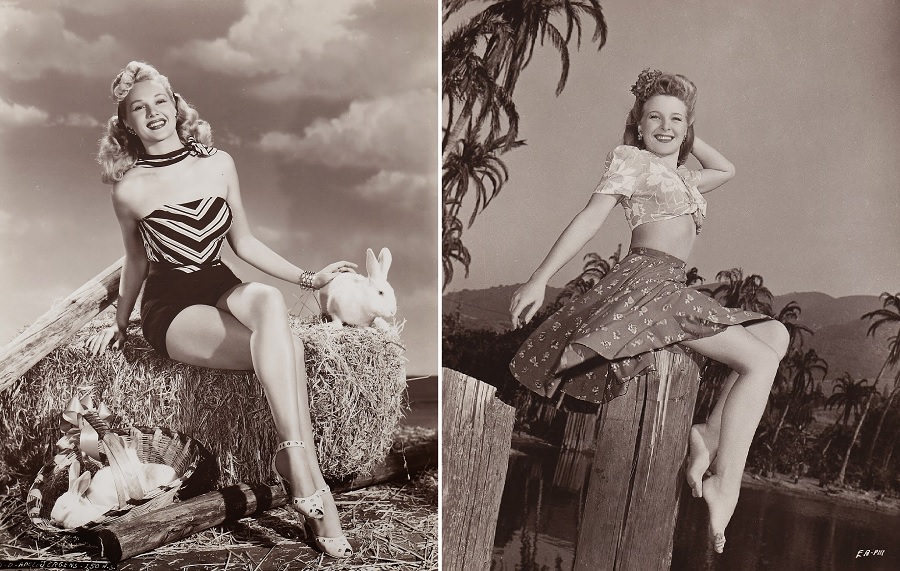
Anouk Aimée is one of the most recognized faces in the history of French cinema. Born Françoise Sorya Dreyfus, she became a screen presence defined by sharp, expressive features and a quiet intensity that translated effortlessly to film. Her career stretched across more than seven decades, during which she appeared in over 70 productions spanning France, Italy, Spain, the United Kingdom, Germany, and the United States. Even people who have never sat through one of her films tend to recognize her face.
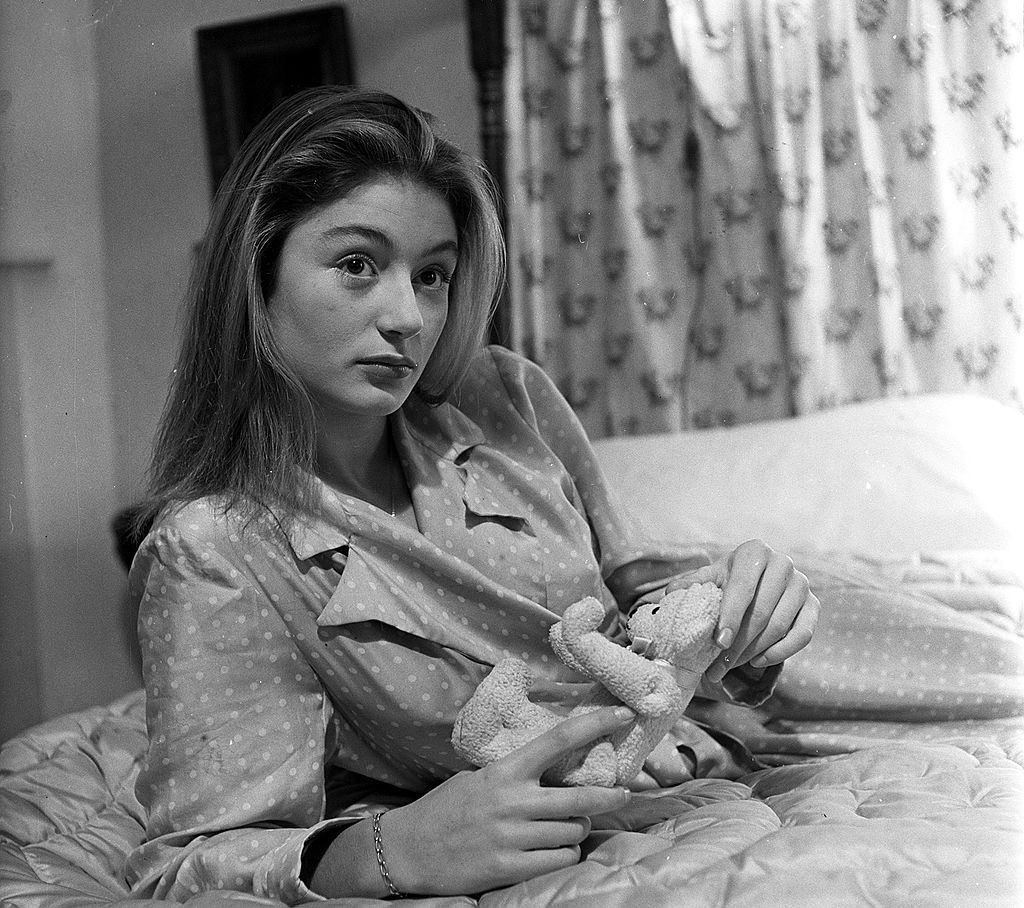
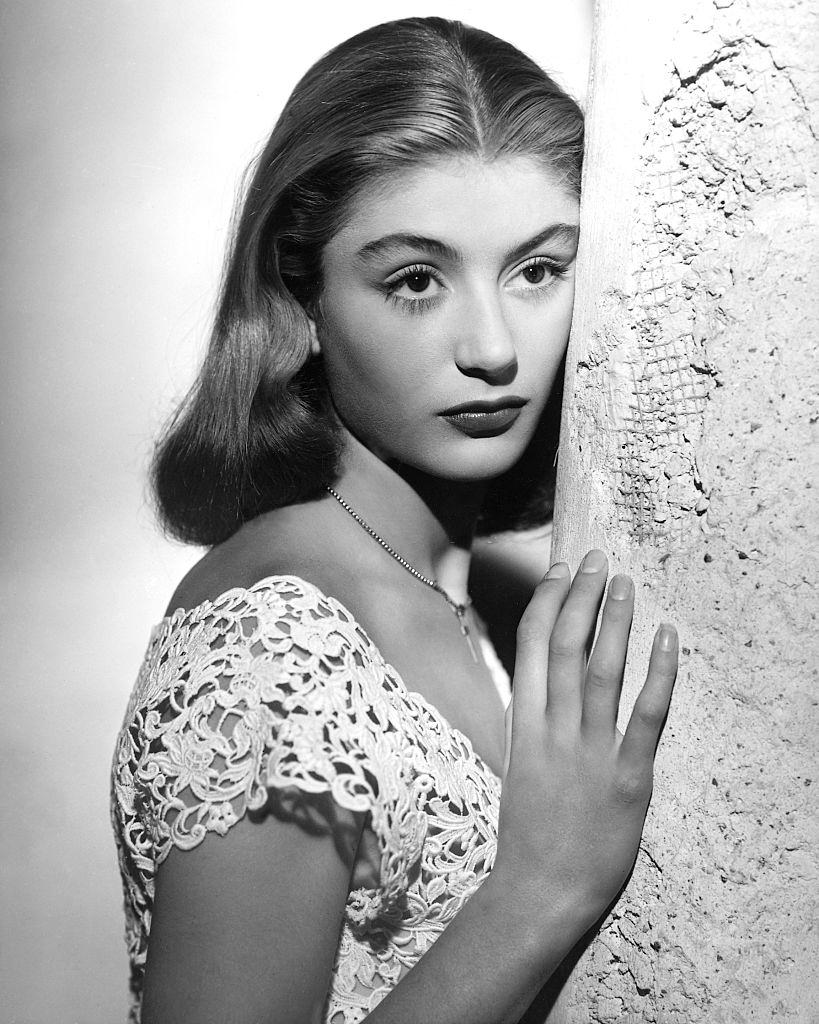
Aimée made her film debut at just fourteen years old in the 1946 production La Maison sous la mer. Casting directors and critics immediately noticed what set her apart. Her face was described as having “fine lines, expressive enjoyment, and an inspiring look” — qualities that made close-up shots work powerfully in her favor. She was not simply photogenic; she was capable of communicating emotion with very little visible effort, which is a rare quality in an actor of any age, let alone a teenager.
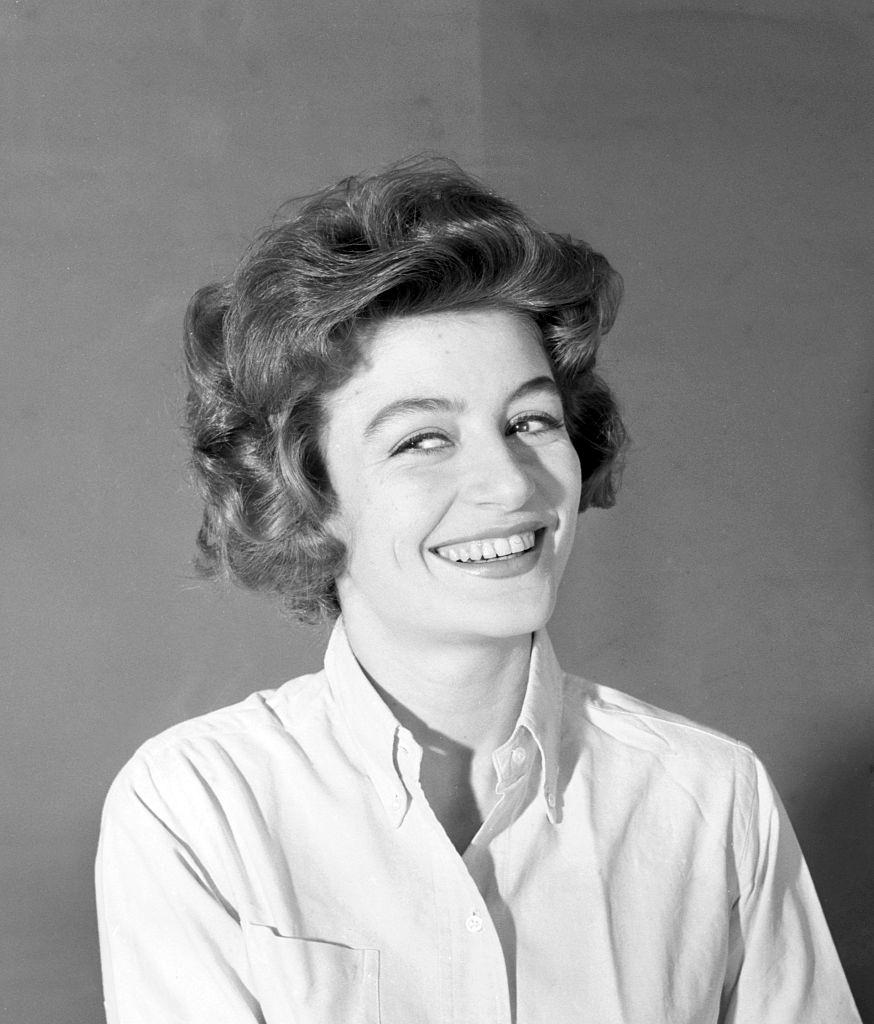
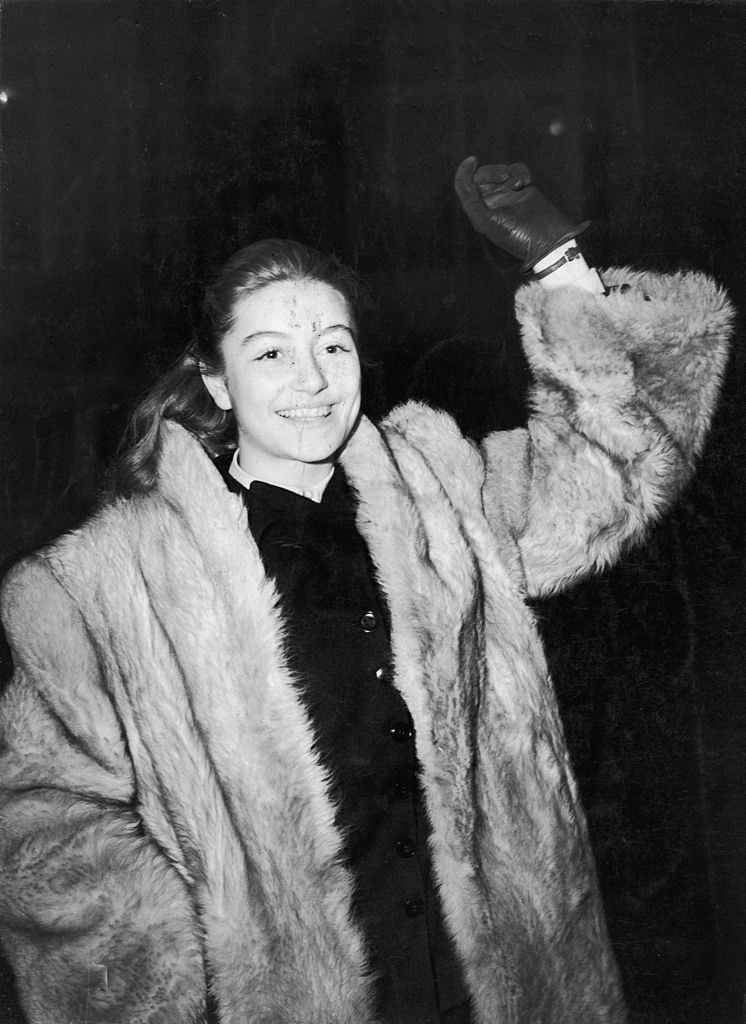
By 1949, still only seventeen, she was already working steadily on film sets and drawing attention in the French press. That same year she appeared in Les Amants de Vérone, a production that placed her alongside established actors and solidified her standing as a serious screen talent rather than a novelty.
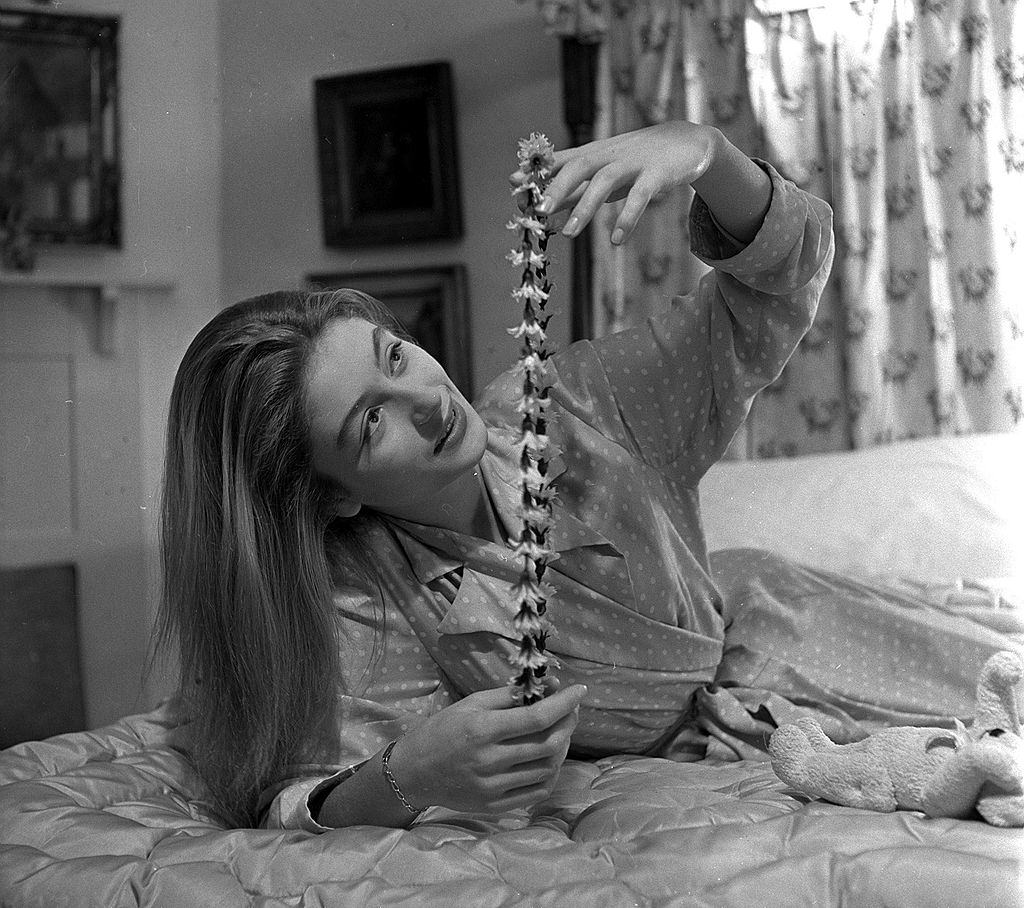
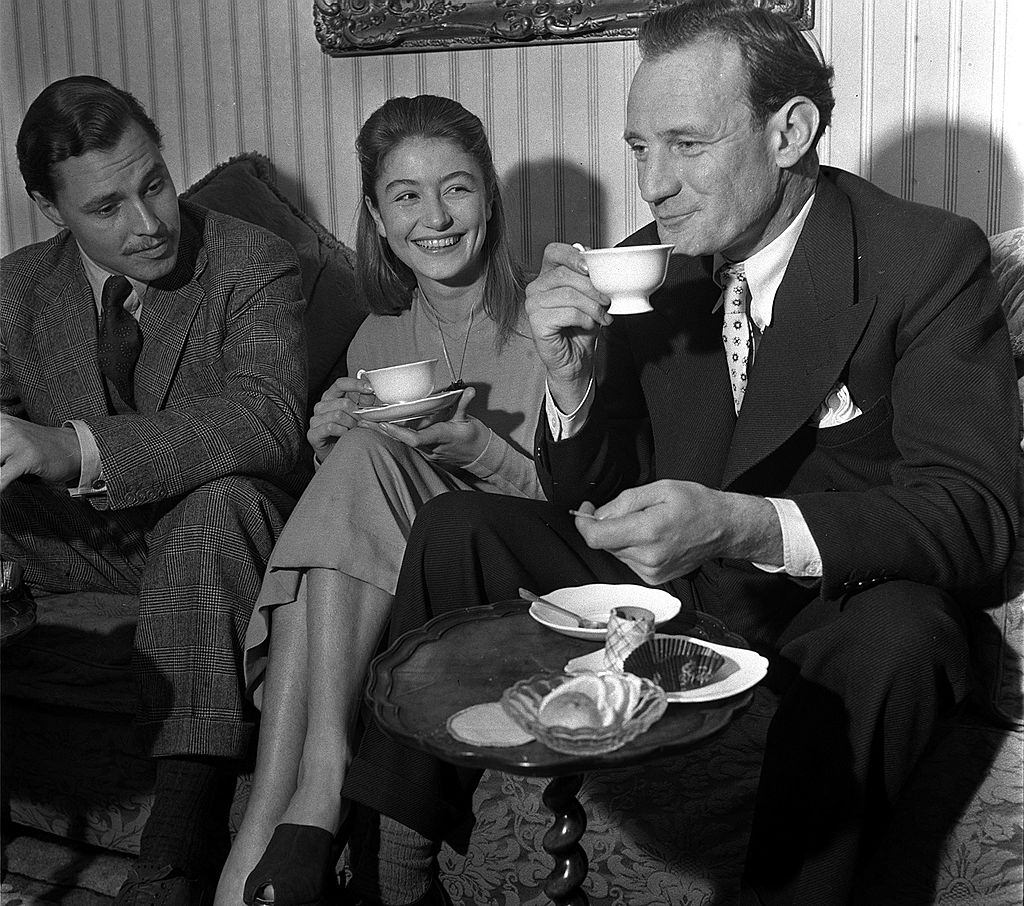
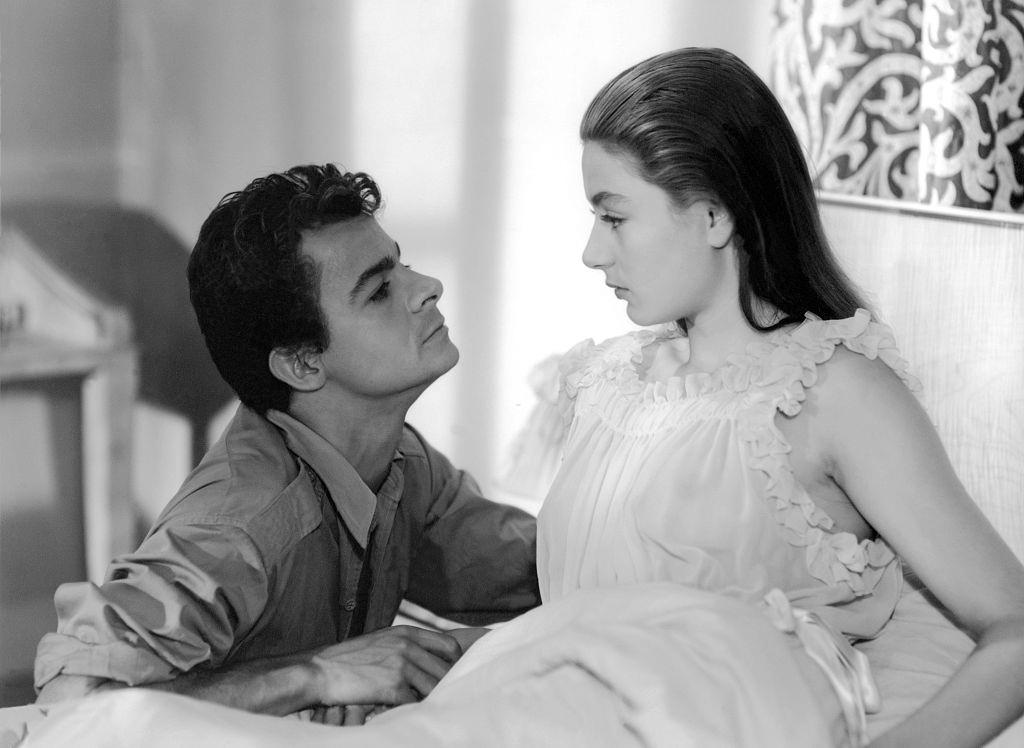
The set of Les Amants de Vérone brought Aimée into contact with Serge Reggiani, a French singer and actor who became one of her most notable early co-stars. The film was shot in 1949 and placed both performers in a romantic drama that drew comparisons to Shakespeare’s Romeo and Juliet. Orson Welles and Cécile Aubry were also involved in the production, putting the young Aimée in company with some of the most prominent names in European film at the time.
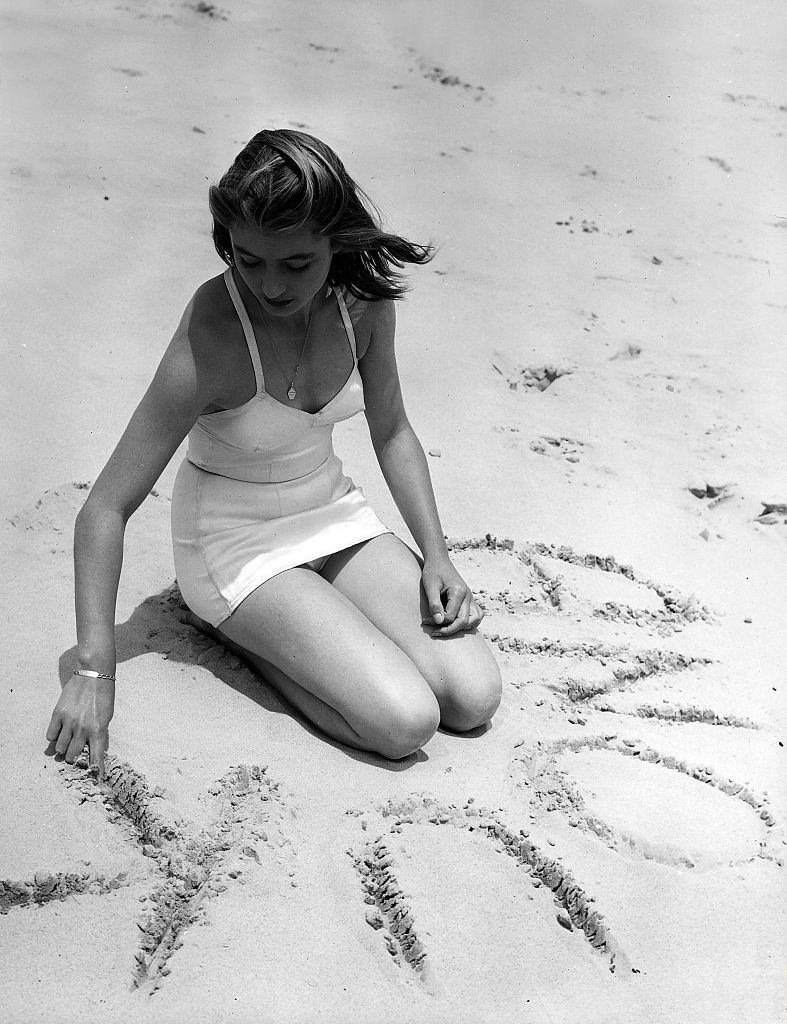
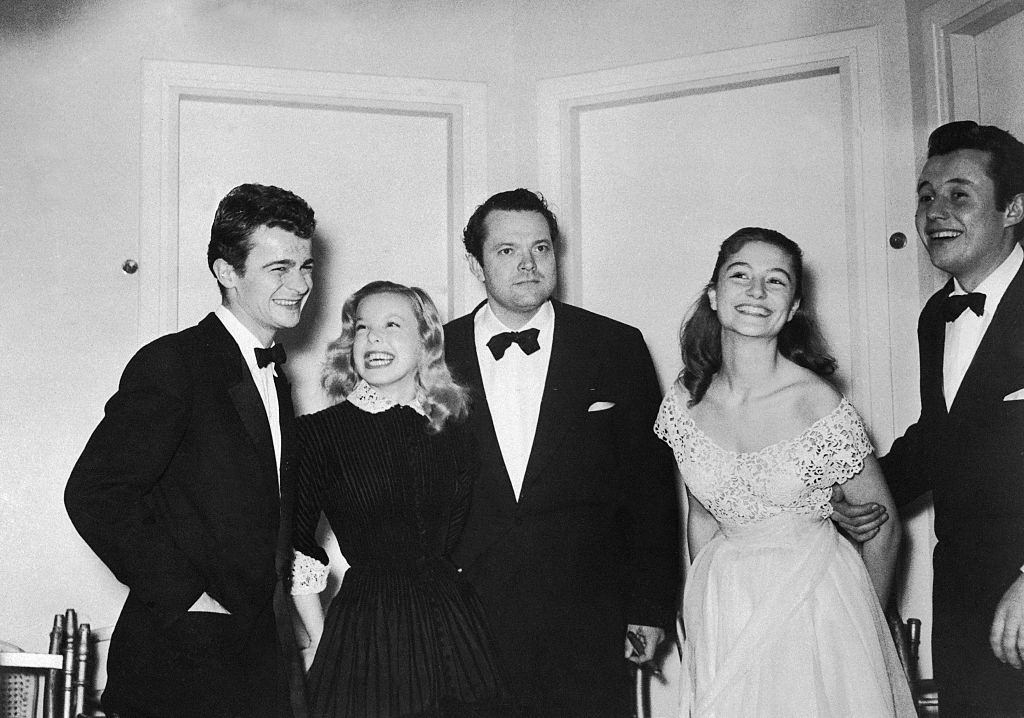
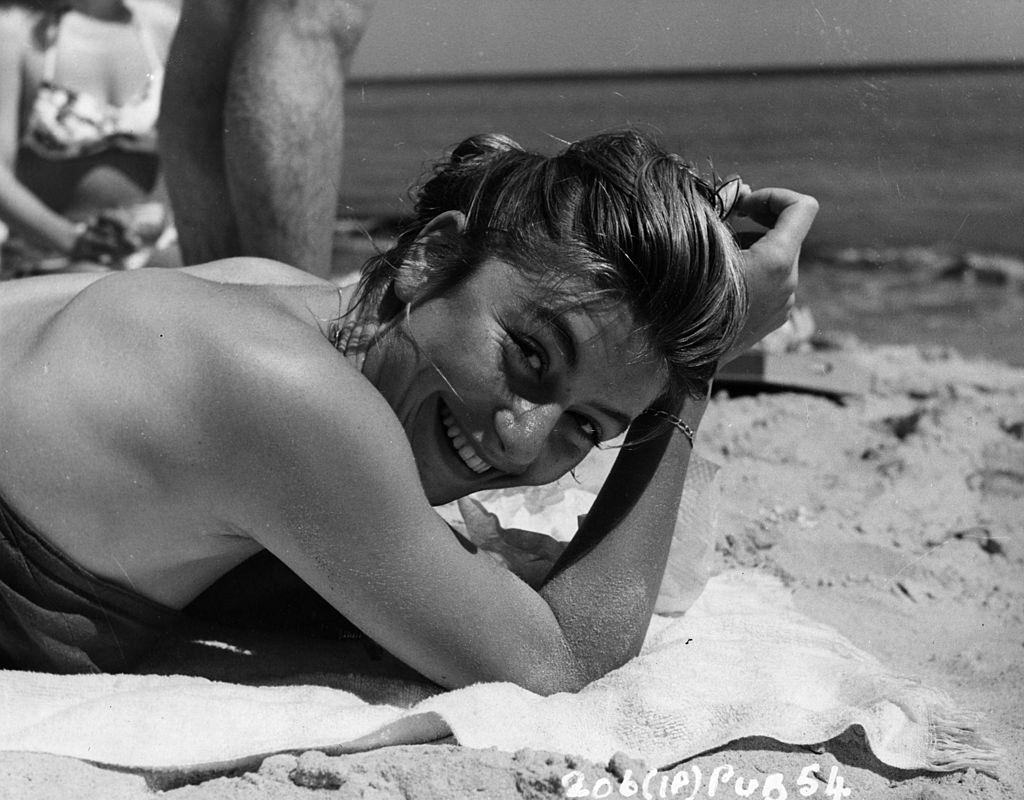
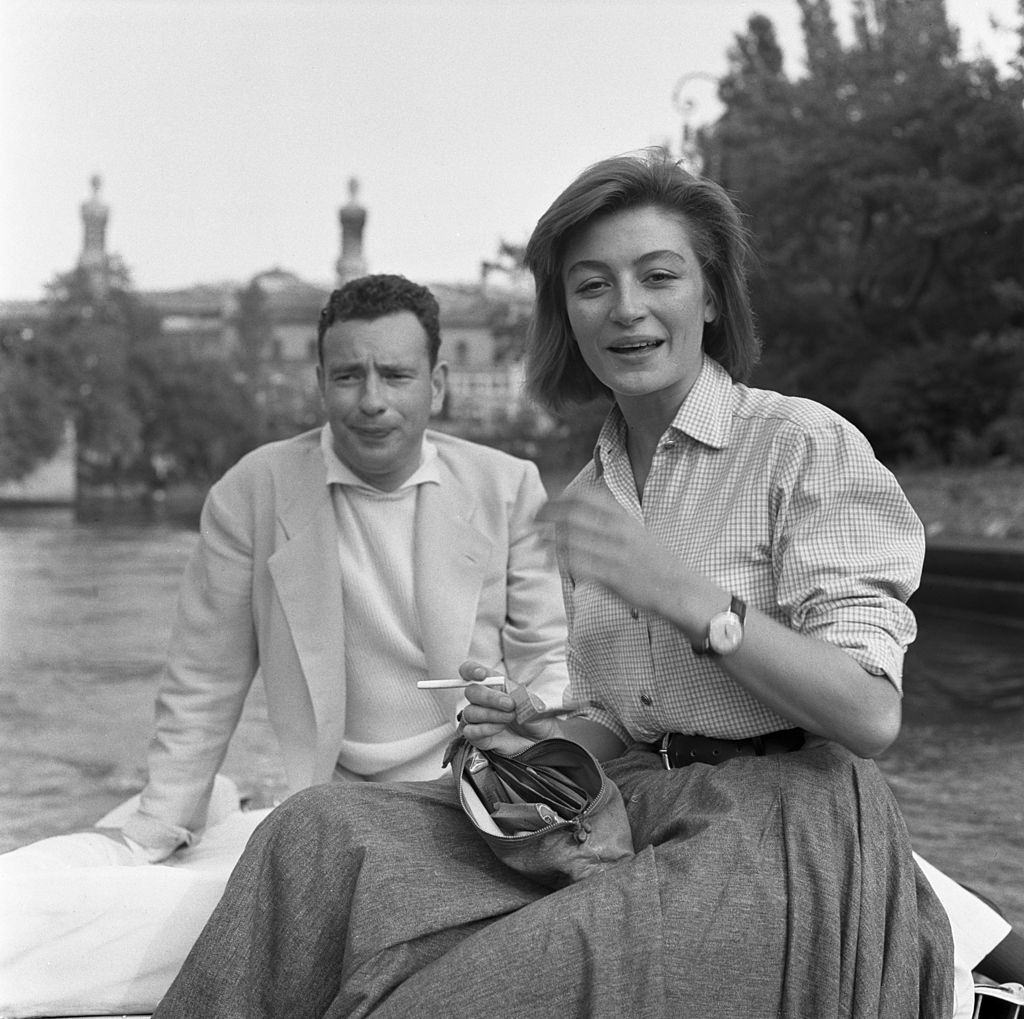
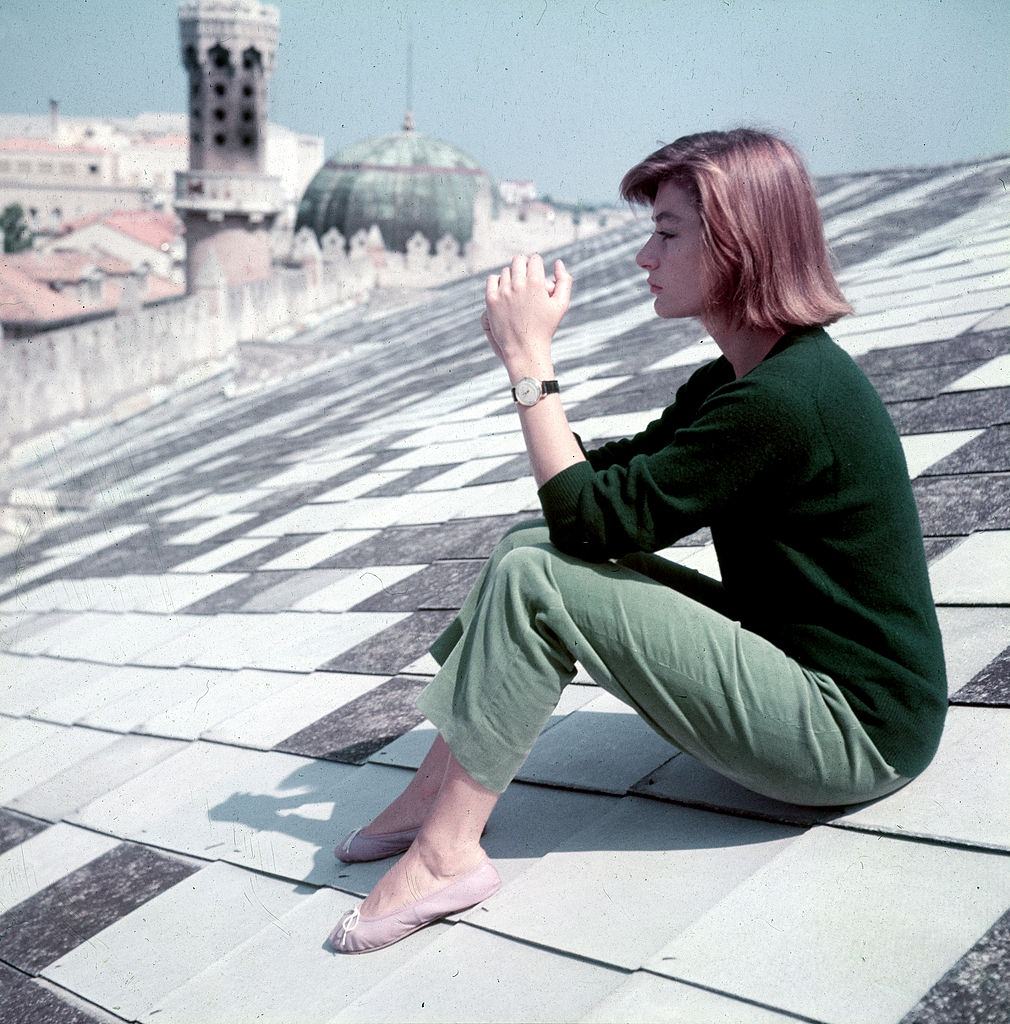
As the 1950s began, Aimée’s profile continued to grow. She attended major European film festivals, including the Venice International Film Festival, where she was photographed alongside actors and directors who were shaping postwar European cinema. She appeared at the festival’s sixteenth edition with actor Jean-Claude Pascal, and was photographed at events, on rooftops, and around the famous Lido. Her presence at these gatherings was not just social — she was a working actress with films in competition.
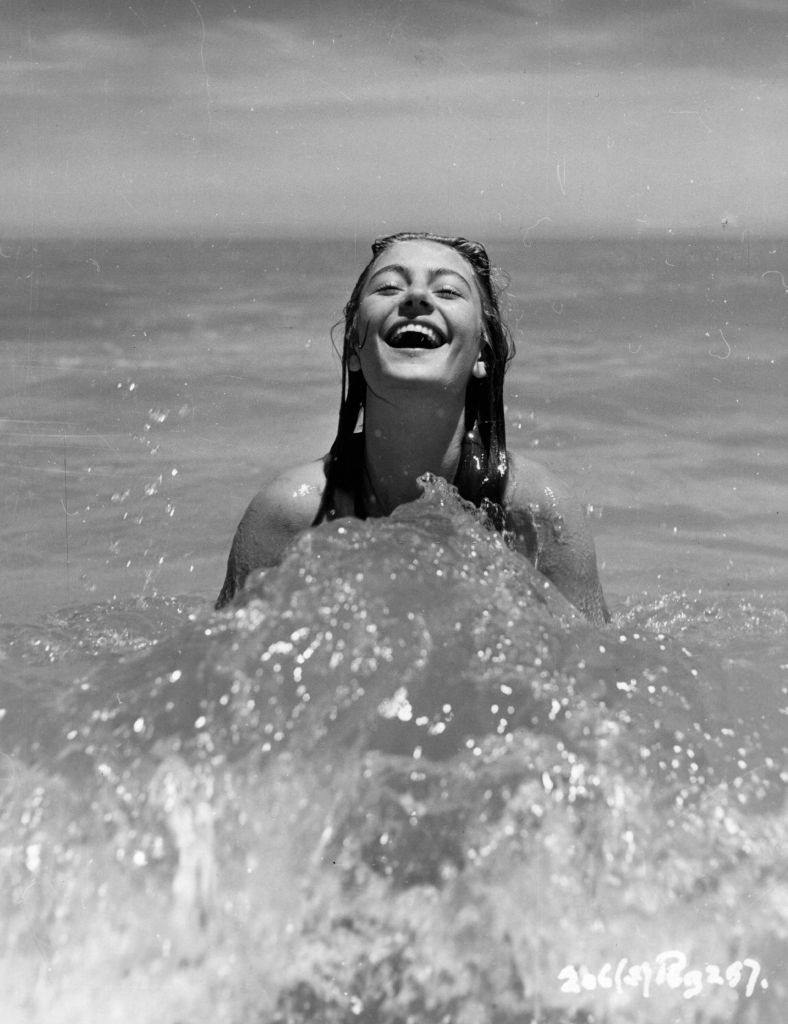
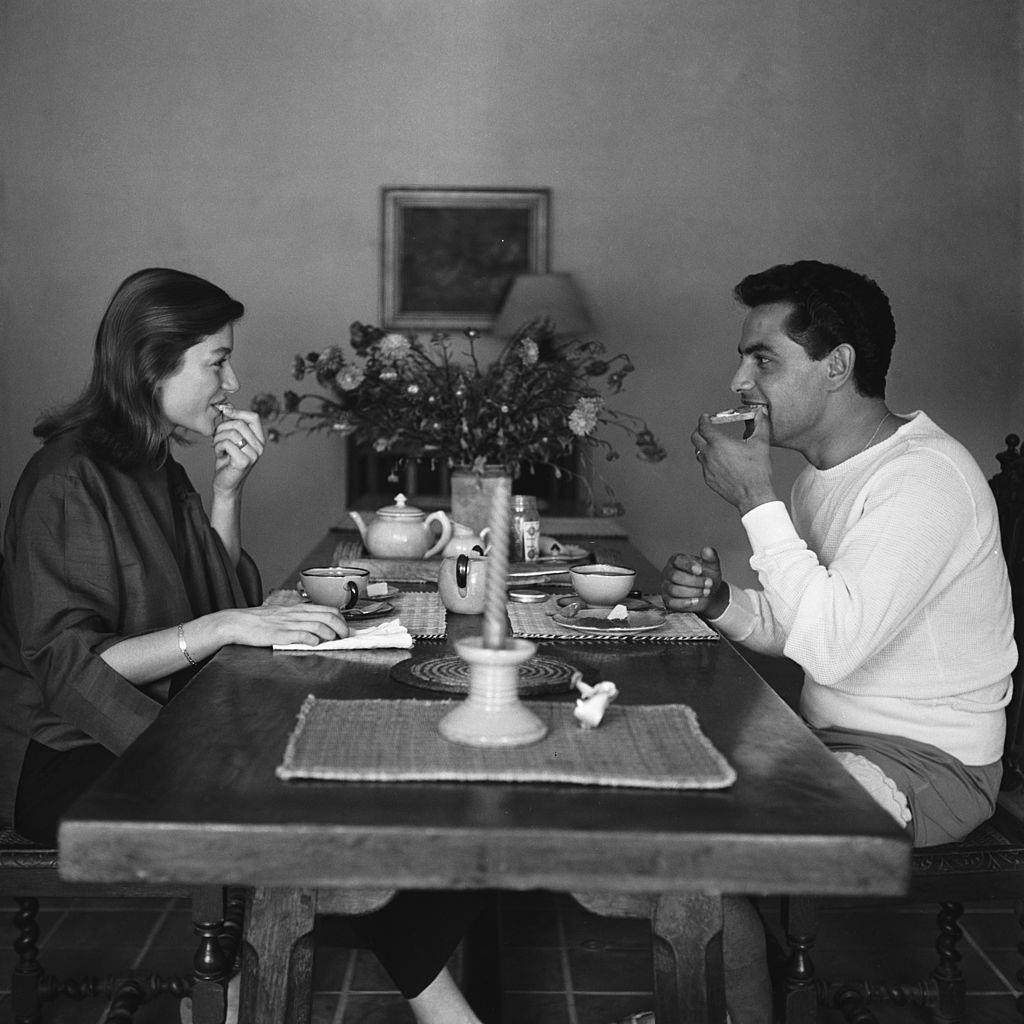
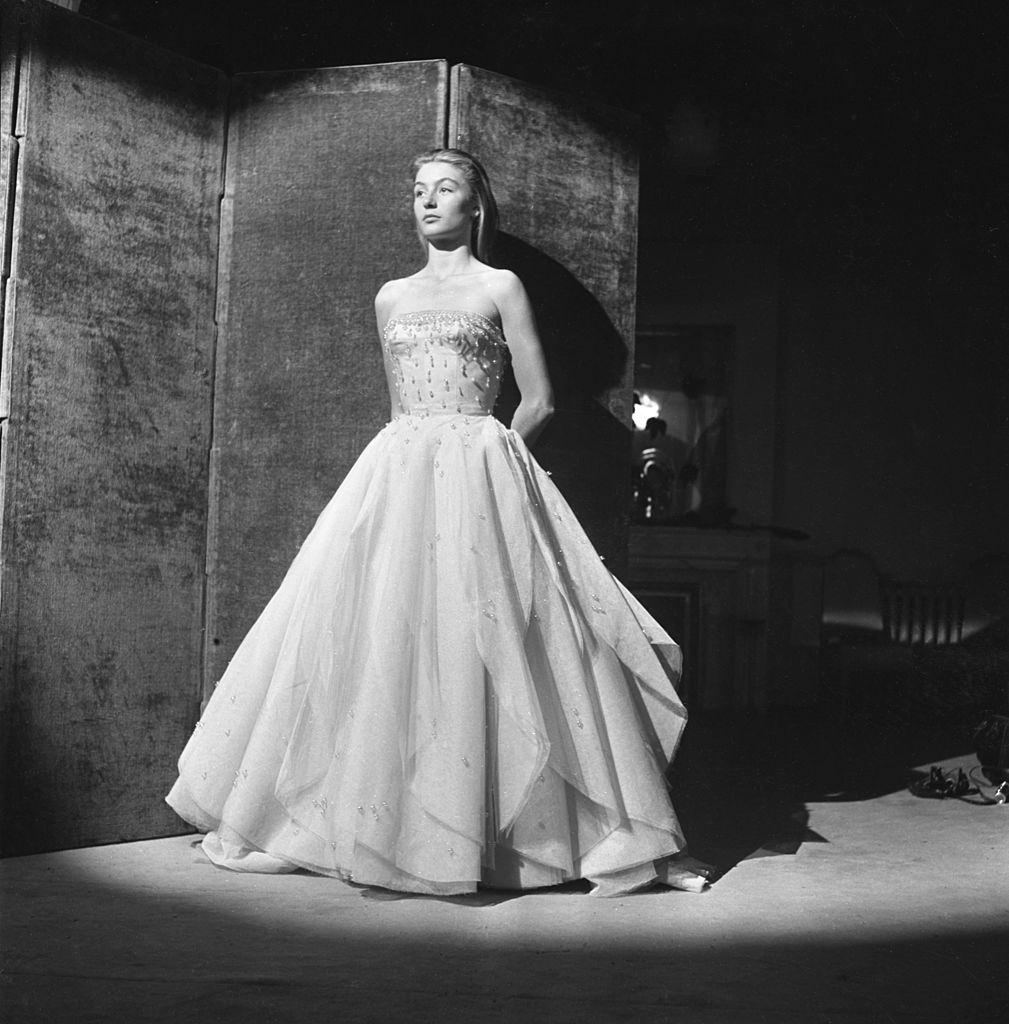
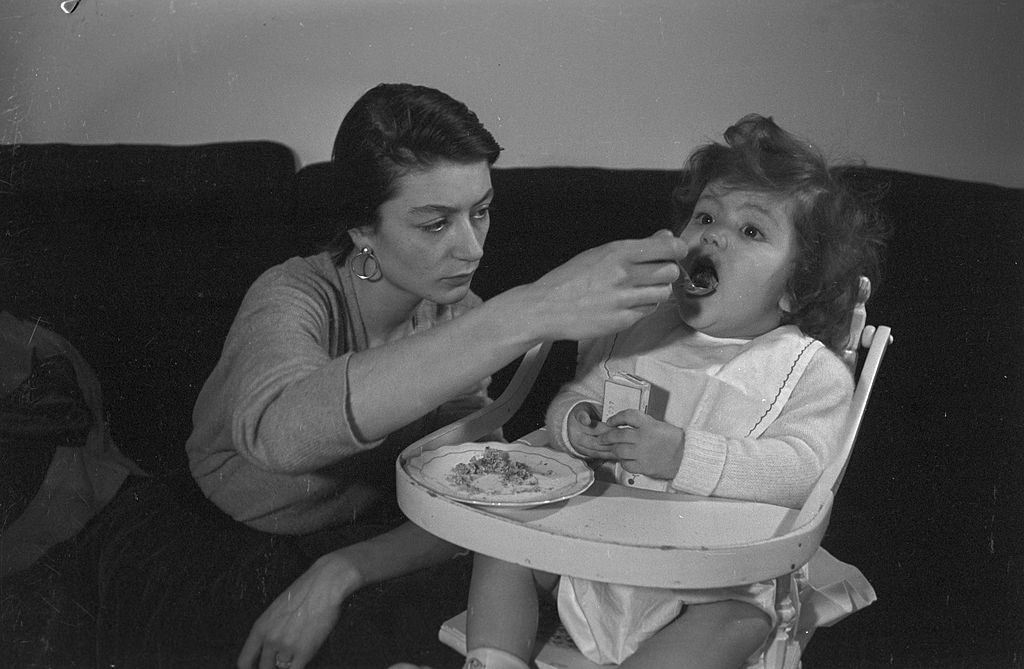
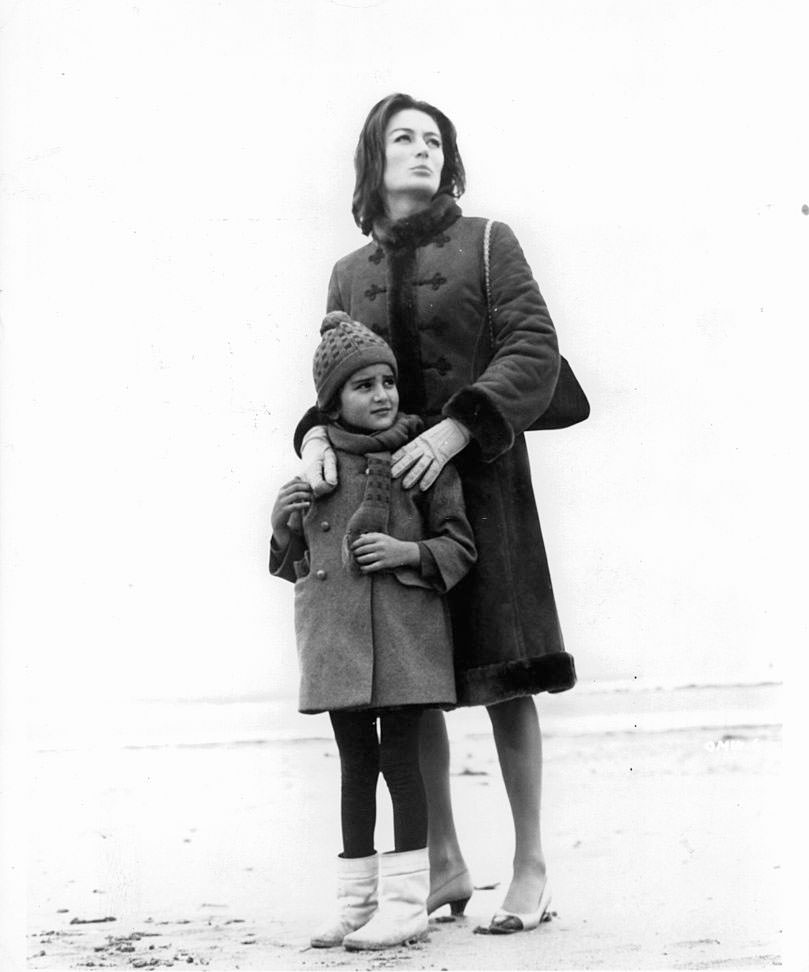
Her personal life during this period was eventful. Her first marriage, to Edouard Zimmermann, lasted only a year before ending in divorce. She then married Greek director Nikos Papadakis in 1951, and the two had a daughter, Manuela, in 1952. That marriage ended in 1954. Despite the changes in her personal life, her professional output did not slow. She continued working across multiple countries and collecting roles that ranged from romantic leads to more complex dramatic parts.
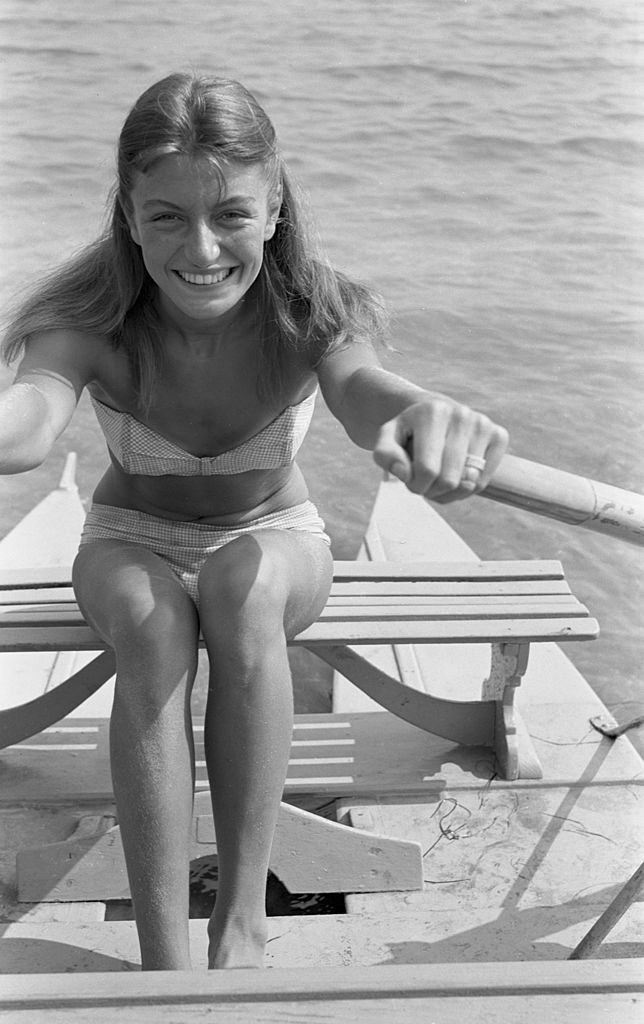
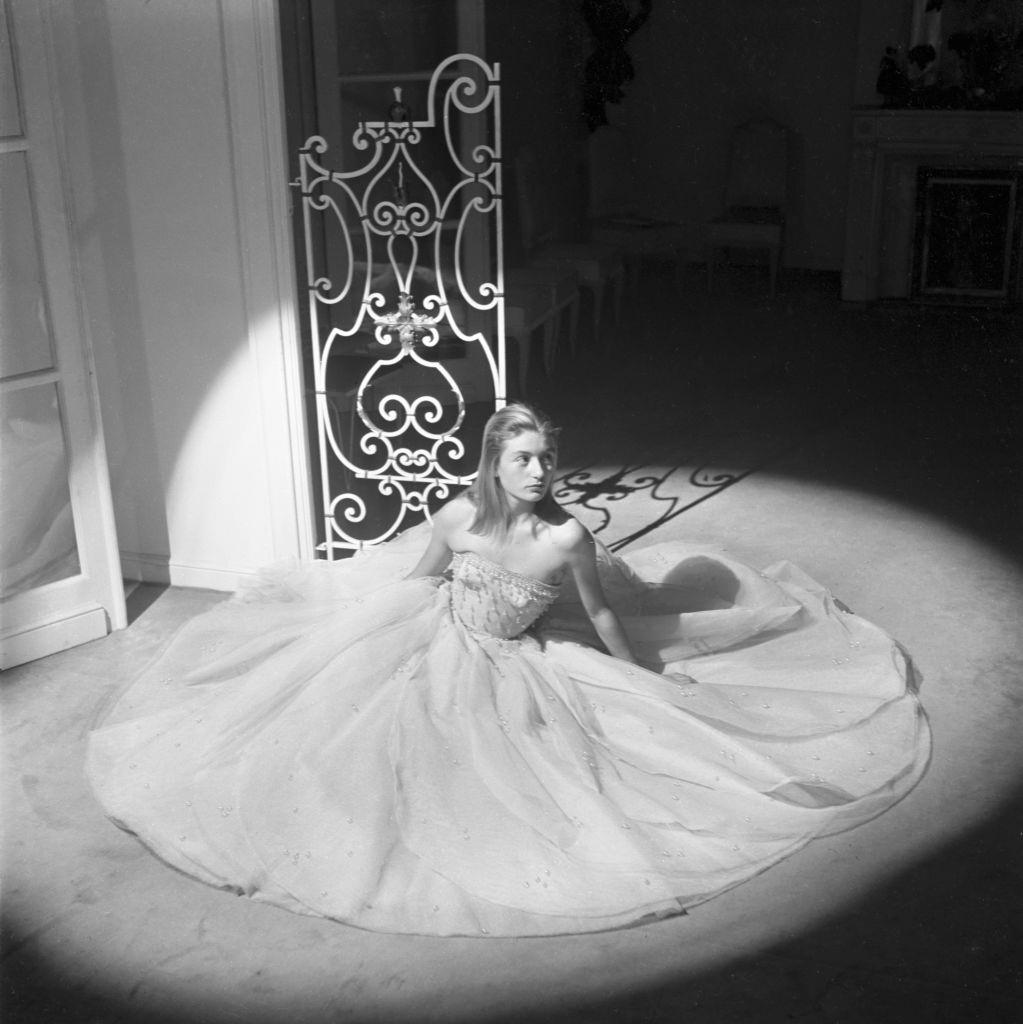
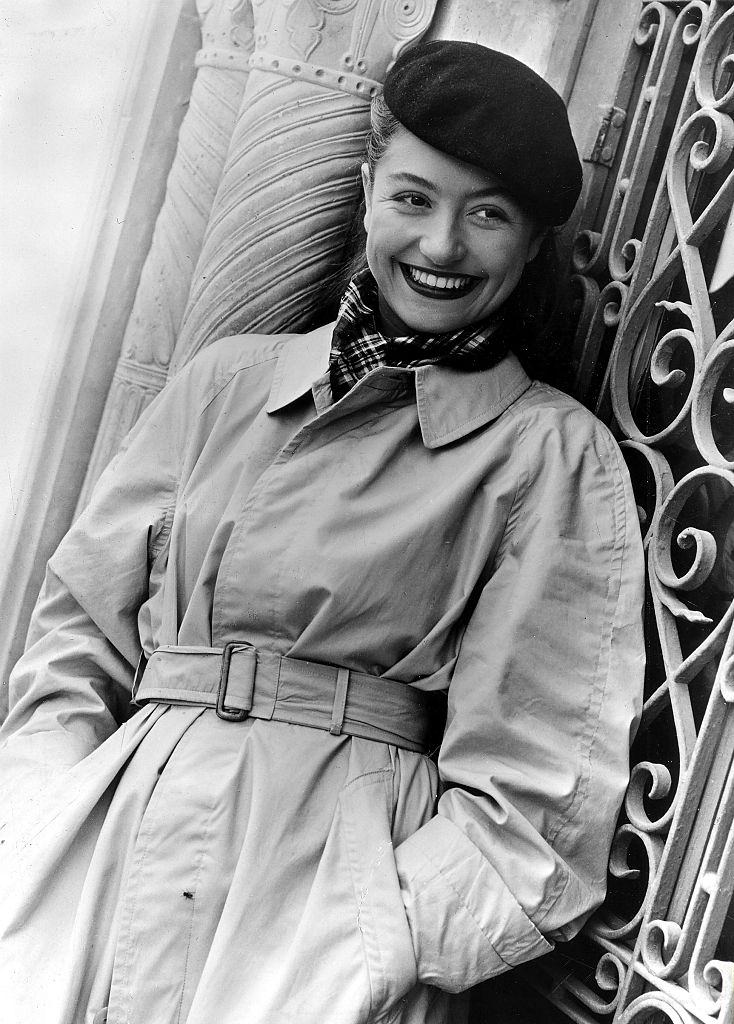
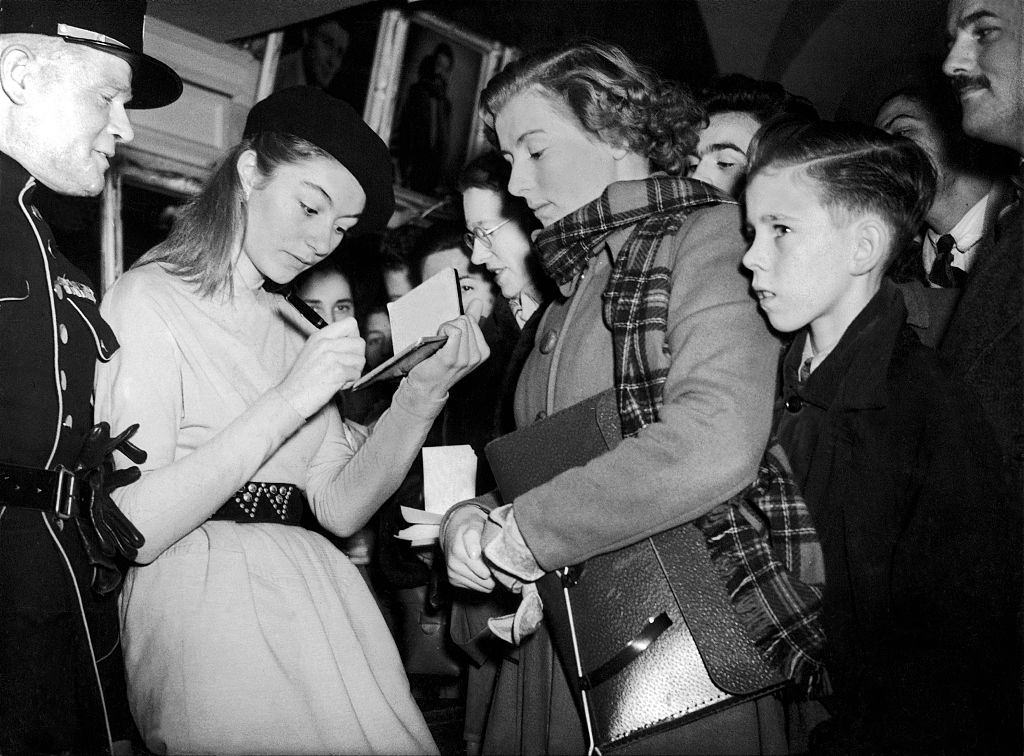
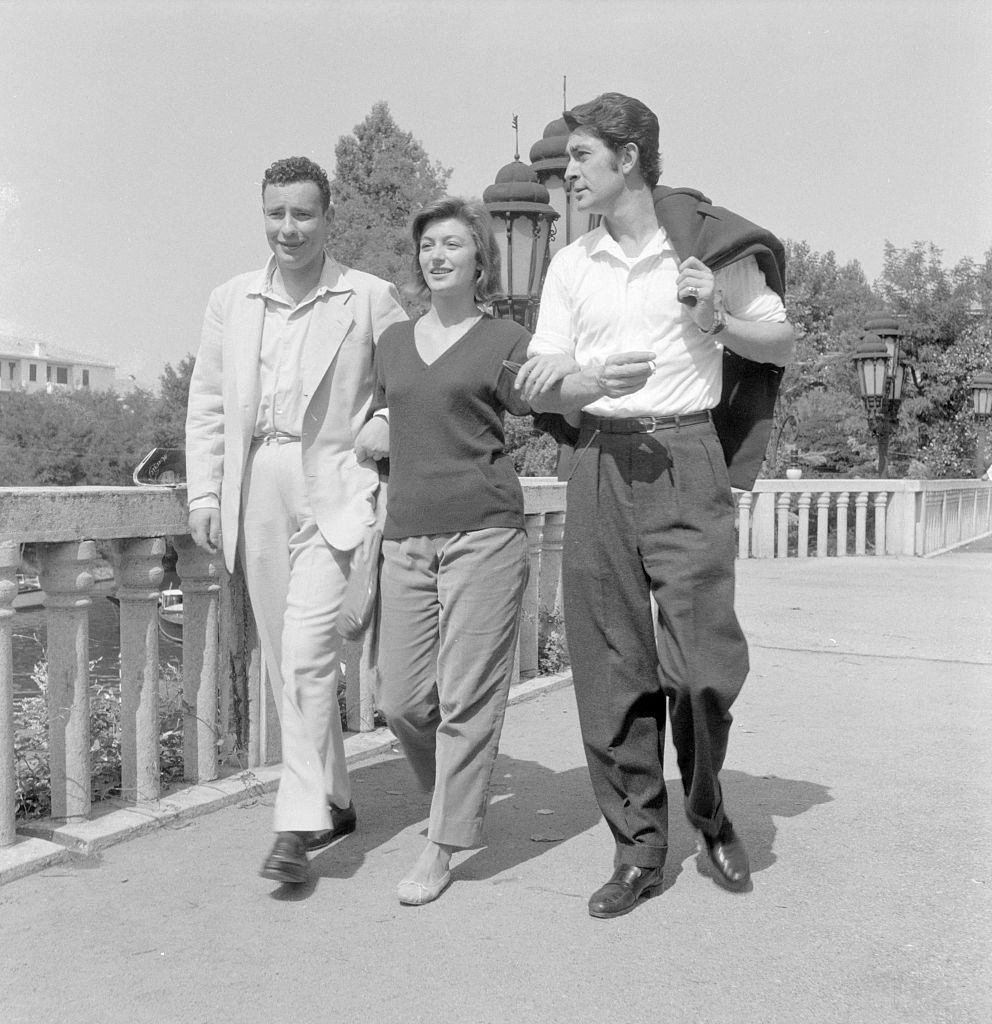
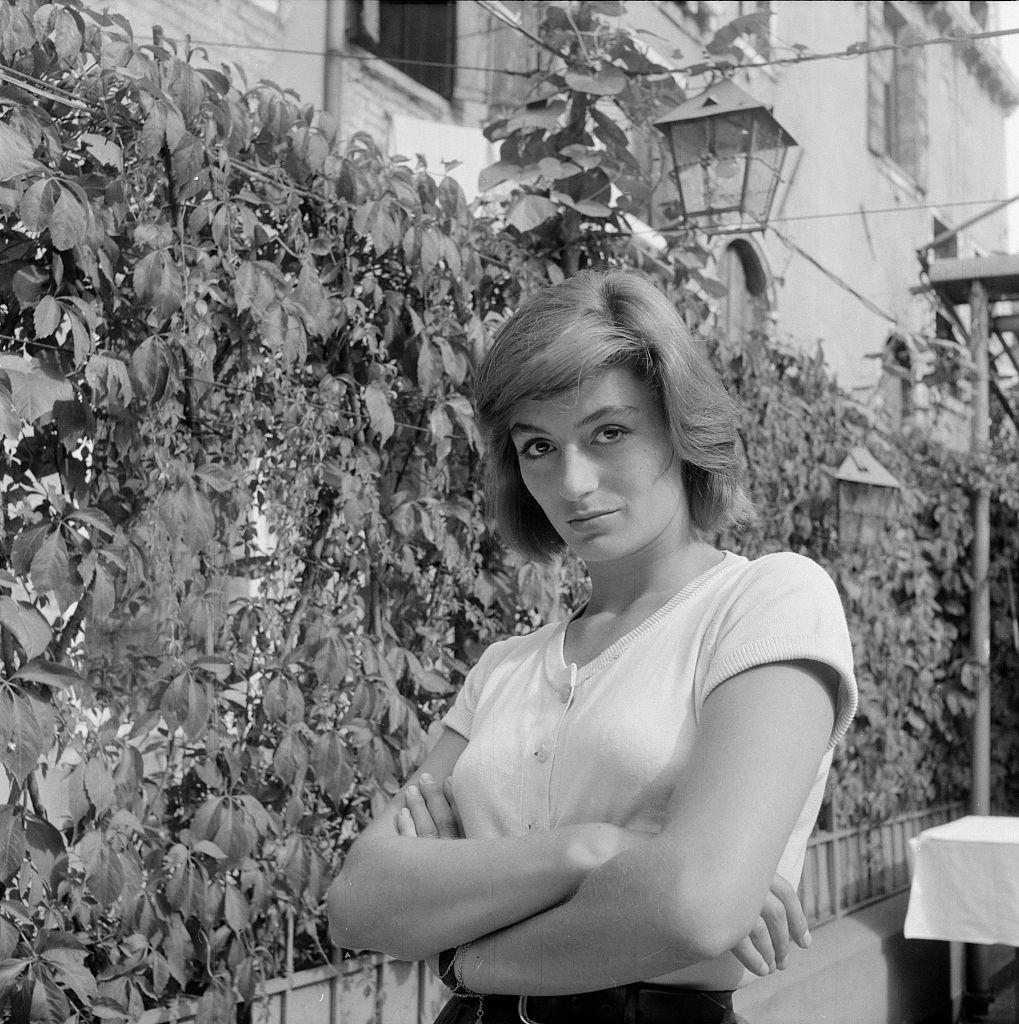
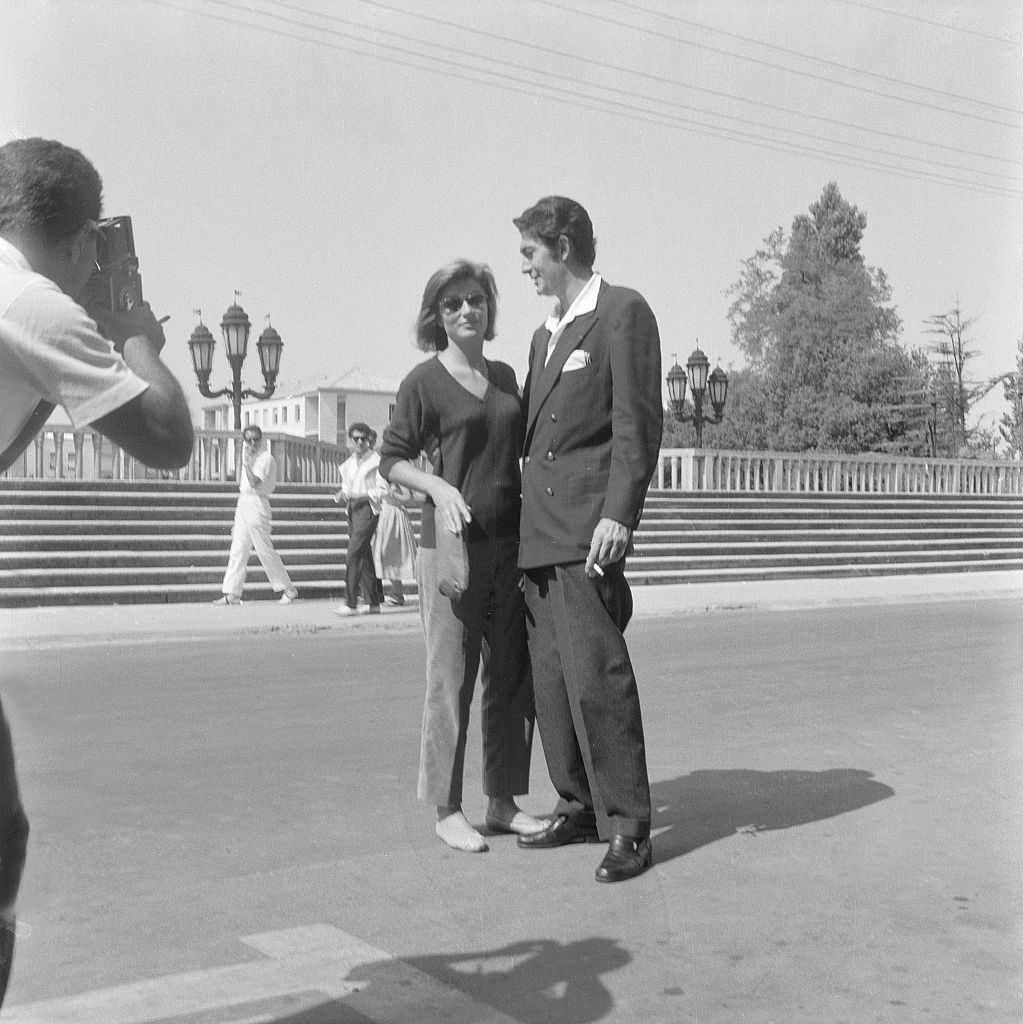
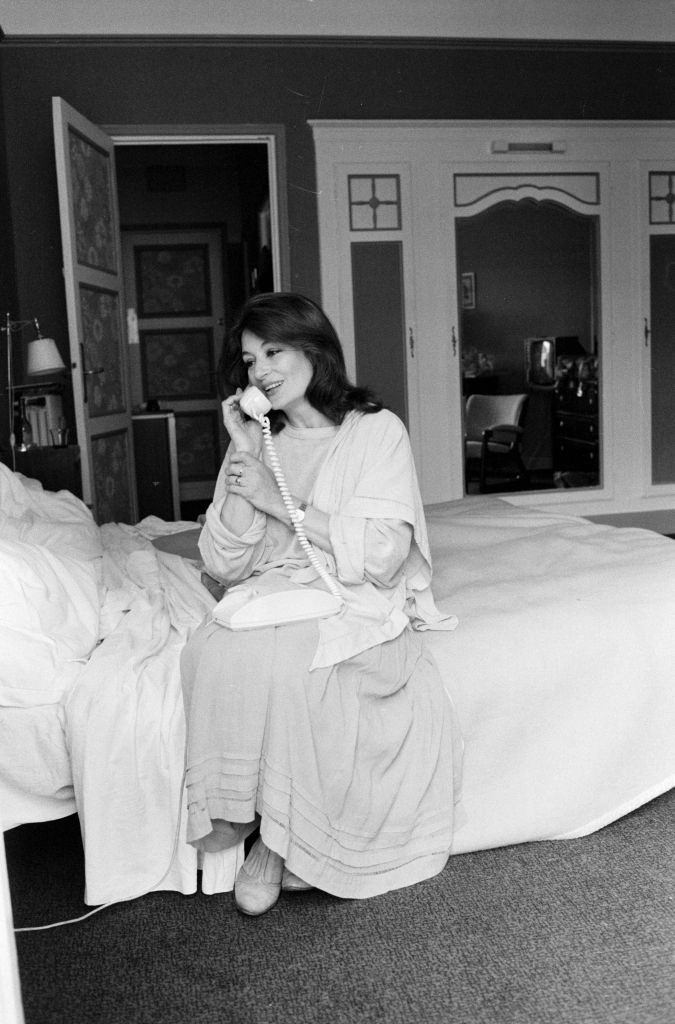
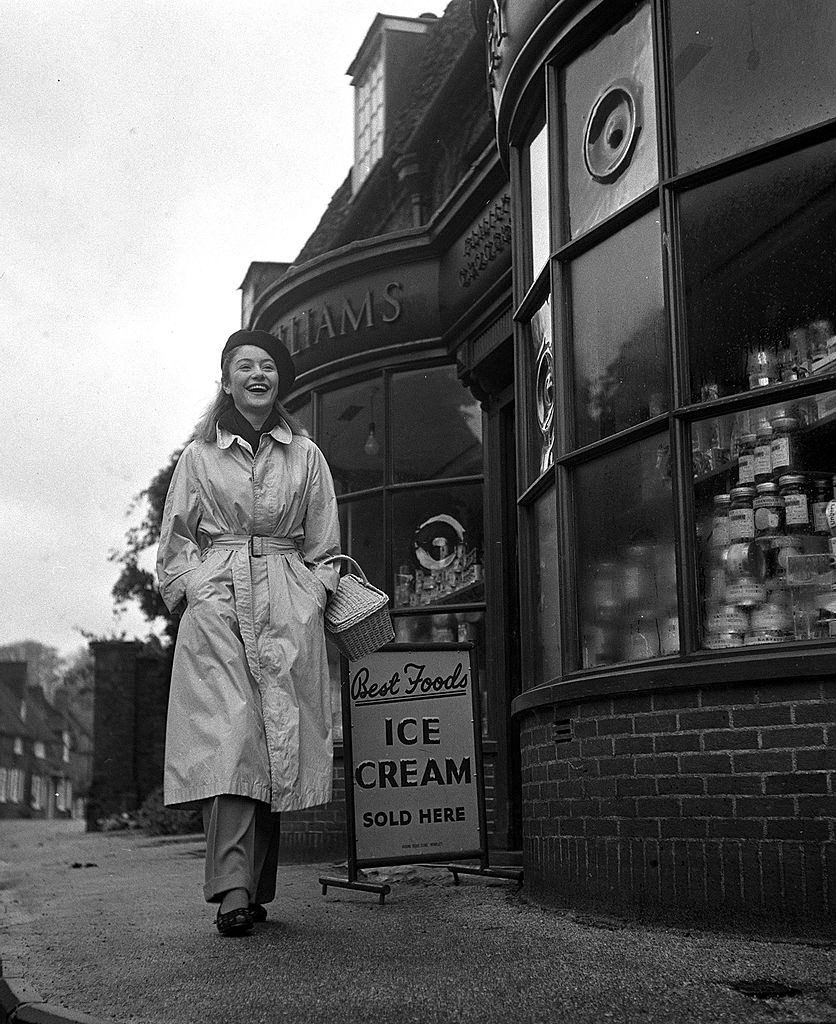
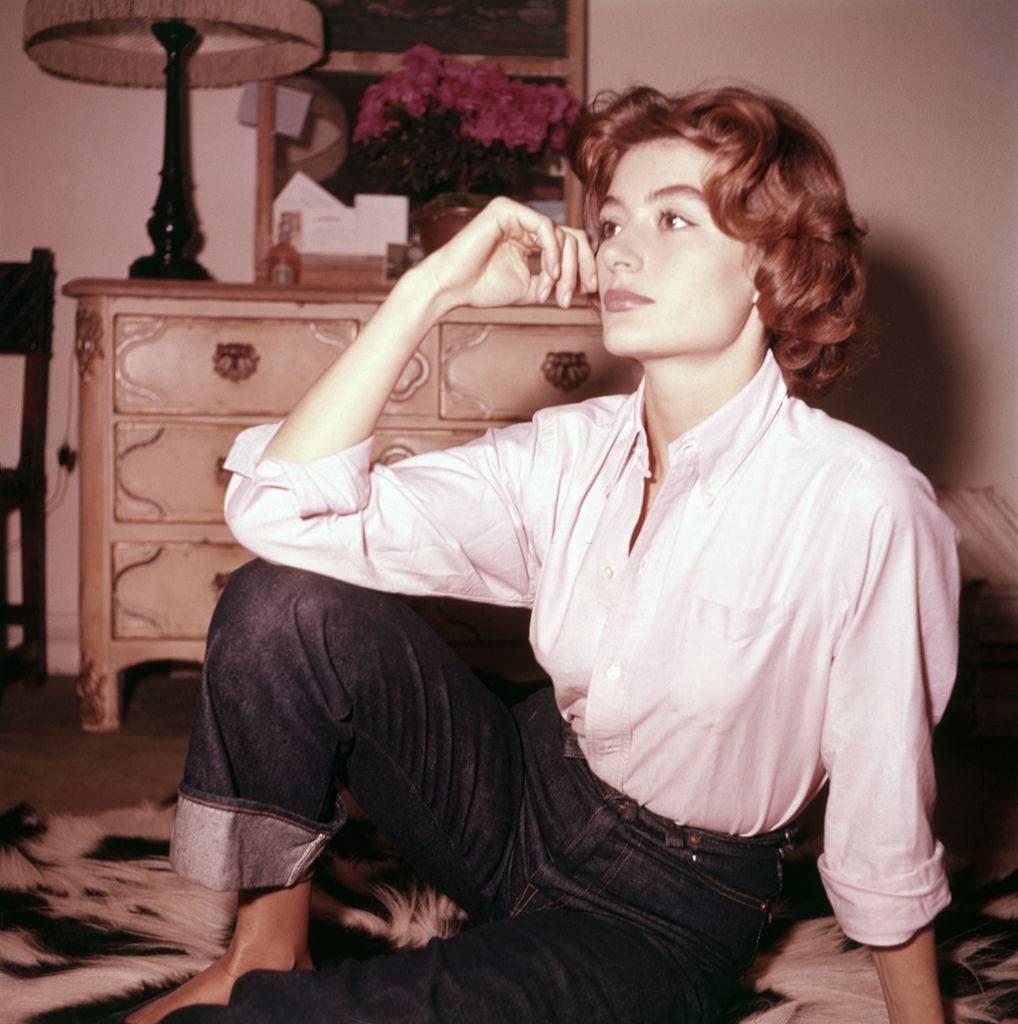
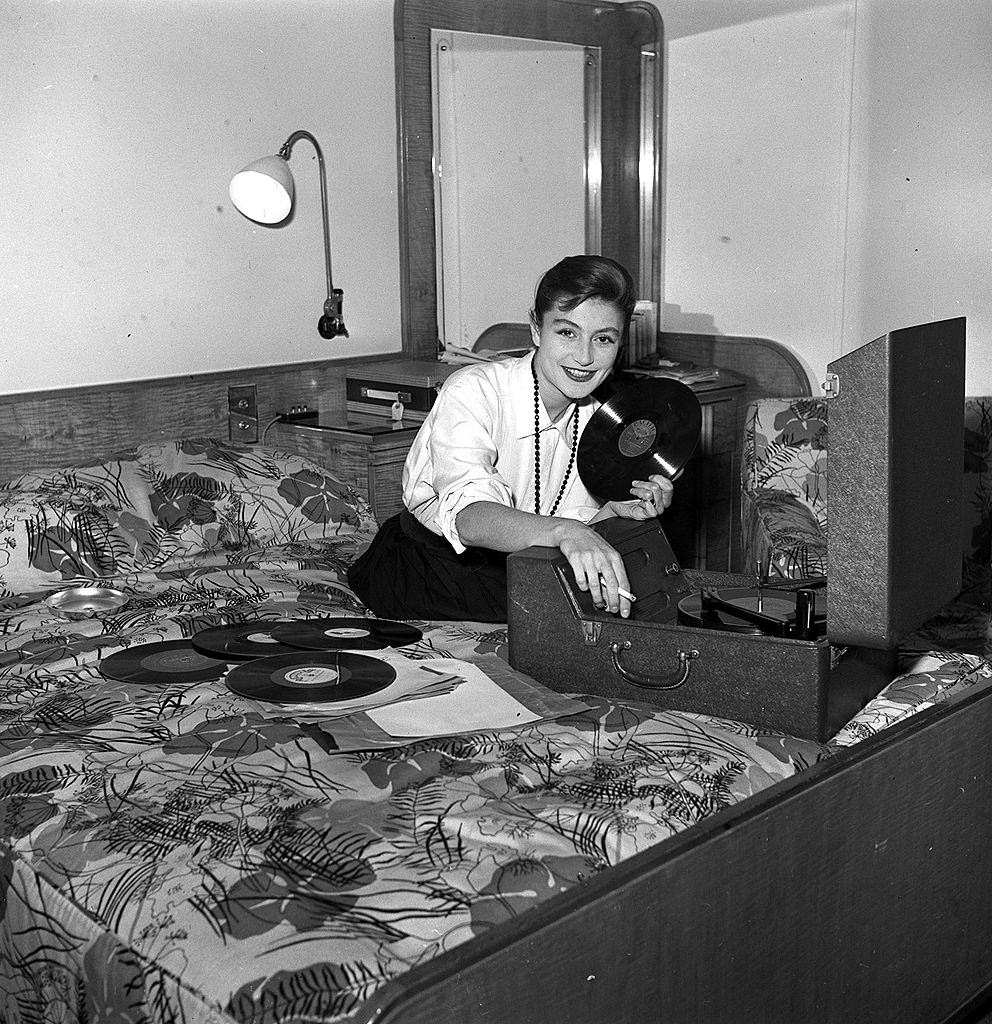
Through the mid-1950s, Aimée was photographed on film sets, in hotel rooms, at festivals, and in everyday street settings across Europe. The candid images from this period show someone completely at ease in front of a camera whether it was rolling or not. At the Savoy Hotel in London in 1954, she was captured playing a record player in her room — an unguarded moment that made its way into the press. She moved between Rome, Paris, Venice, and London with the kind of ease that belonged to the era’s most internationally active performers.
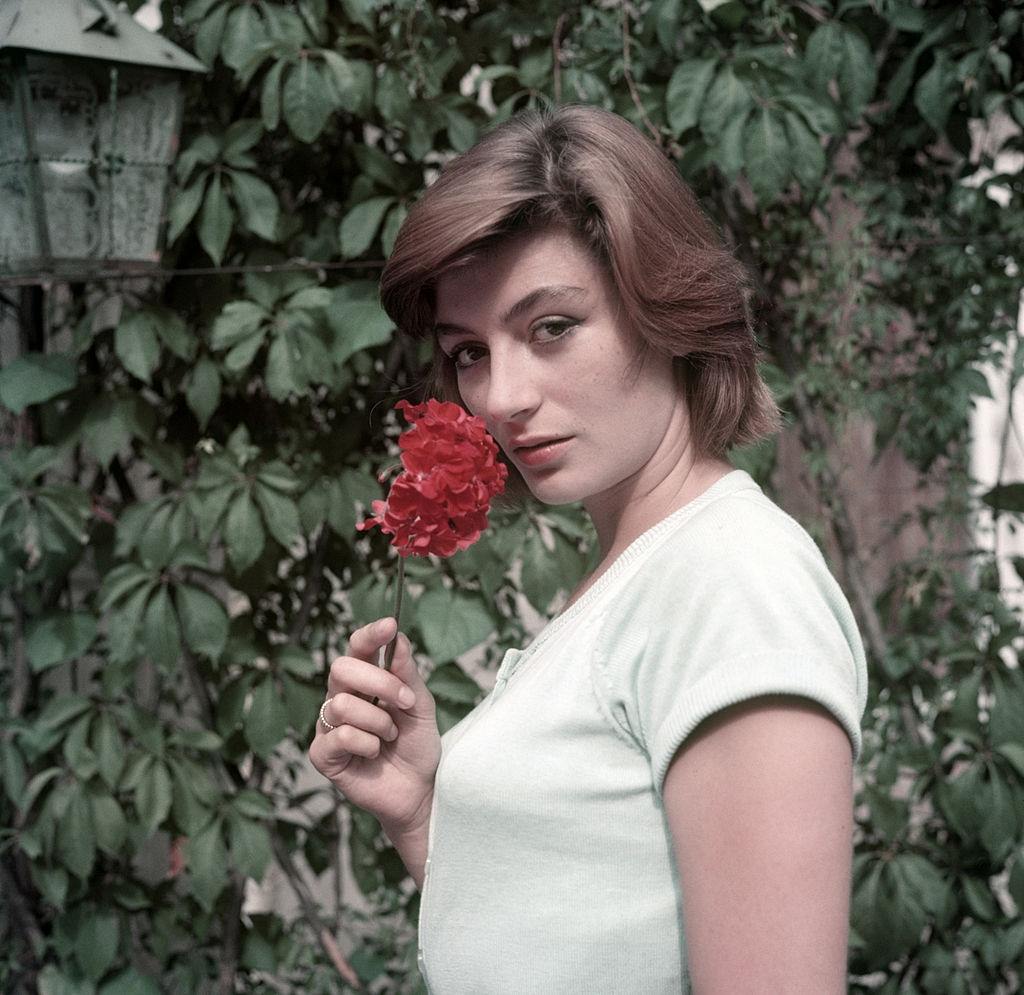
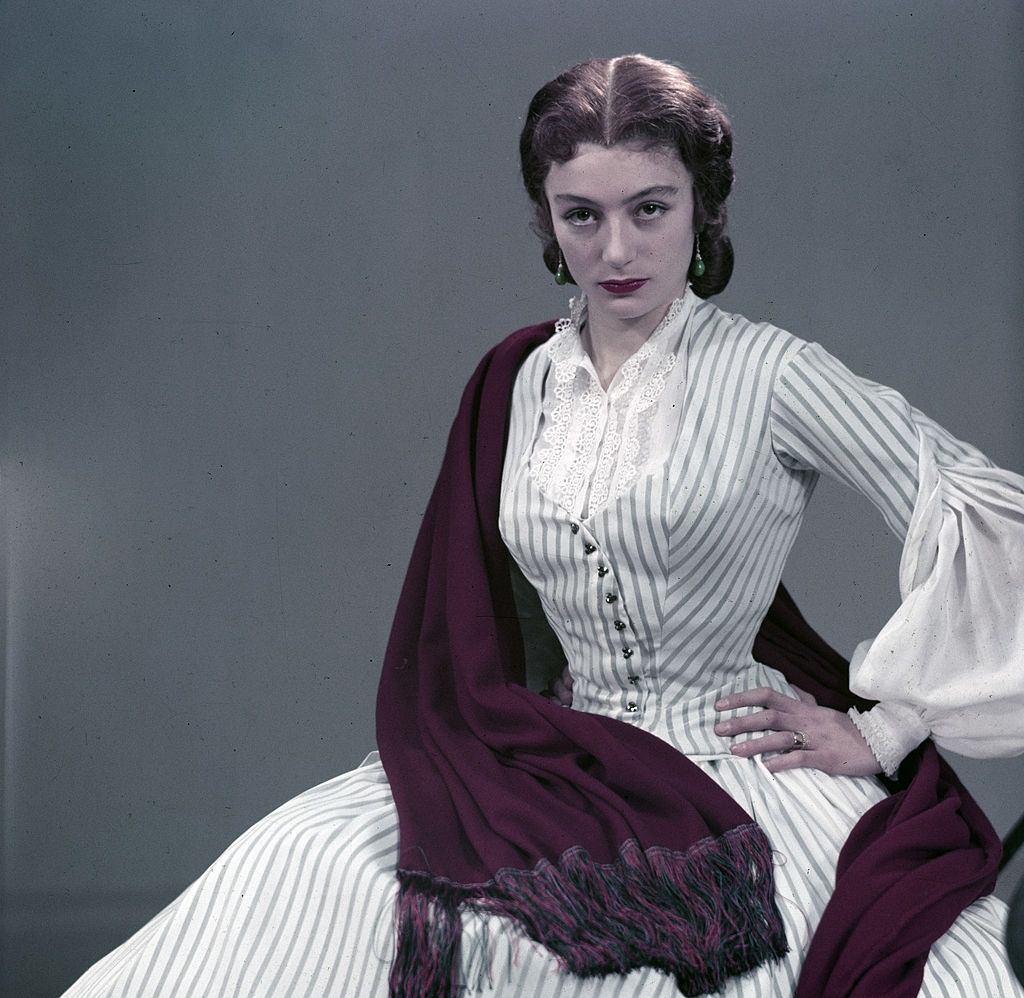
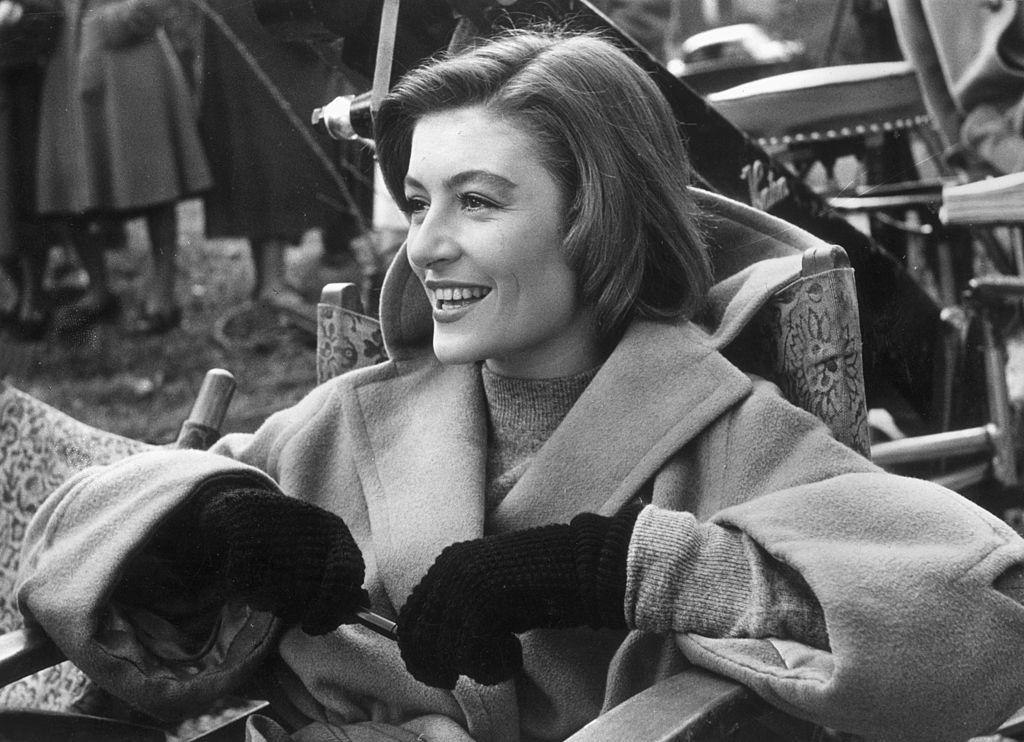
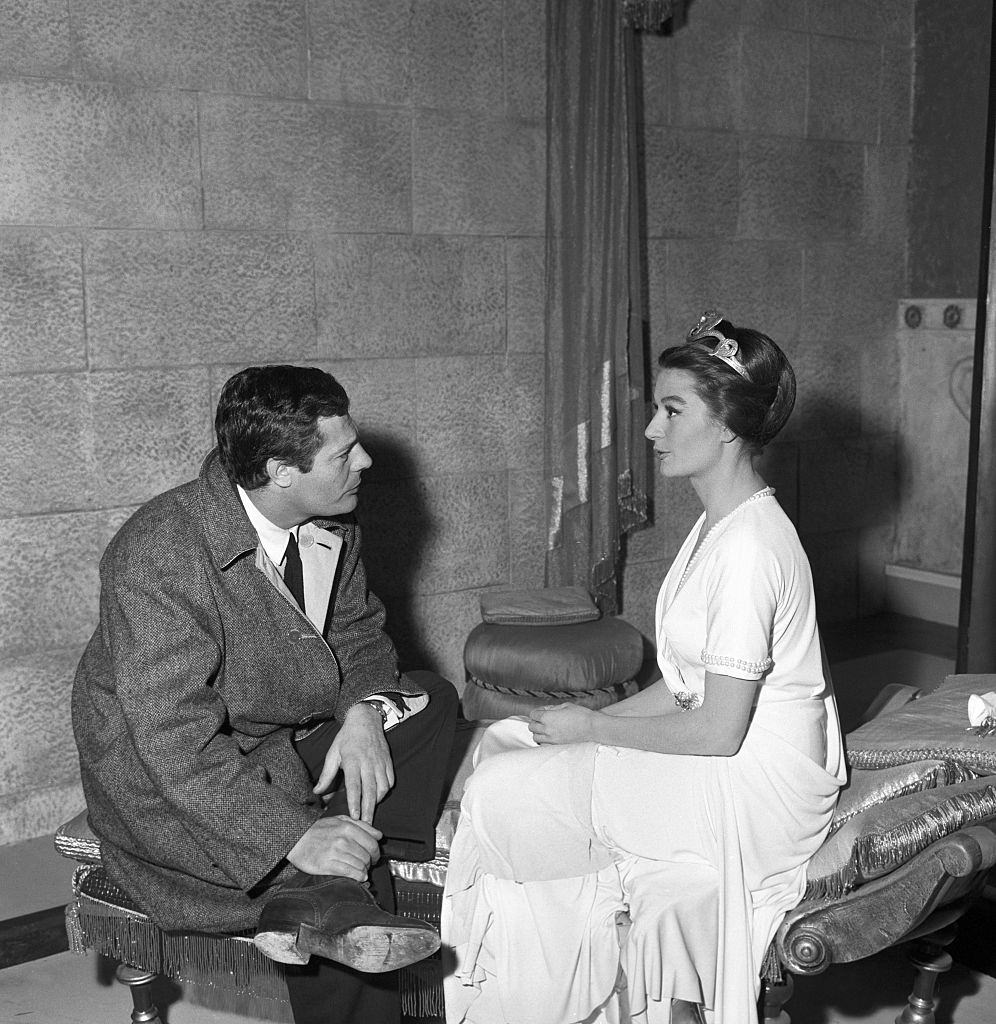
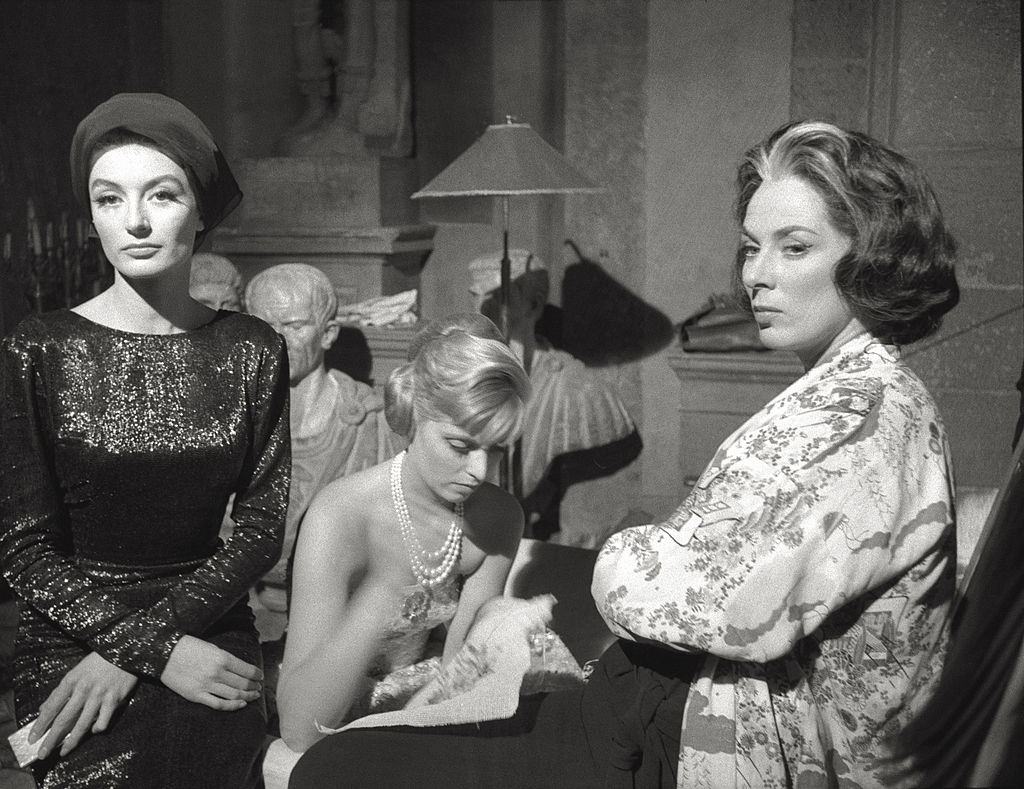
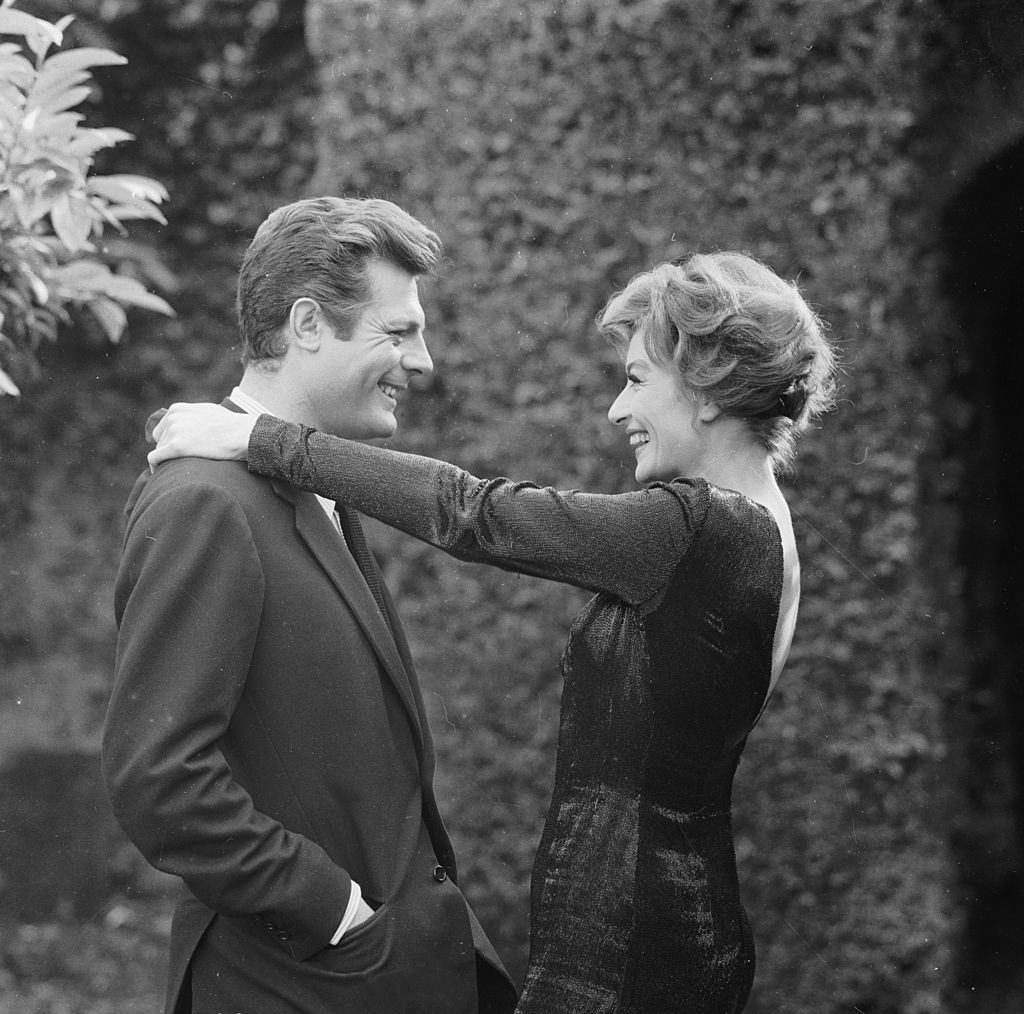
The late 1950s brought her to one of the defining projects of her career. Federico Fellini cast her in La Dolce Vita, which began filming in 1959 and was released in 1960. Aimée played Maddalena, a wealthy and restless socialite who drifts through Rome’s nightlife alongside Marcello Mastroianni’s gossip columnist character. The film became one of the most talked-about works in postwar European cinema, and Aimée’s performance earned her international recognition that extended well beyond France.
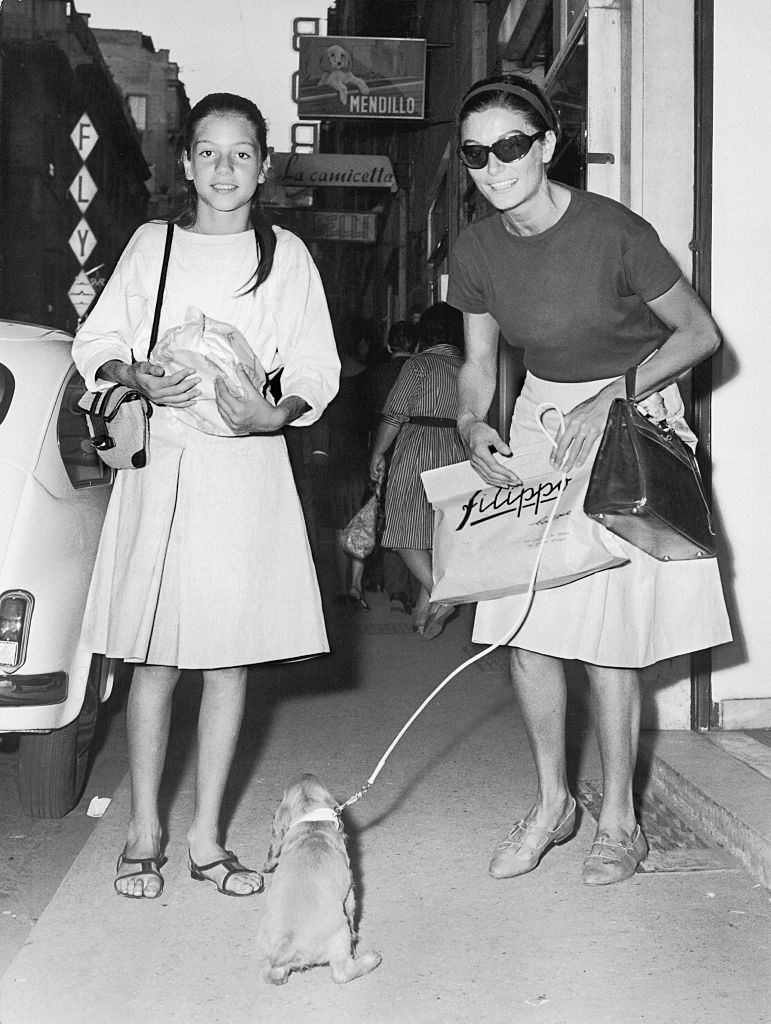
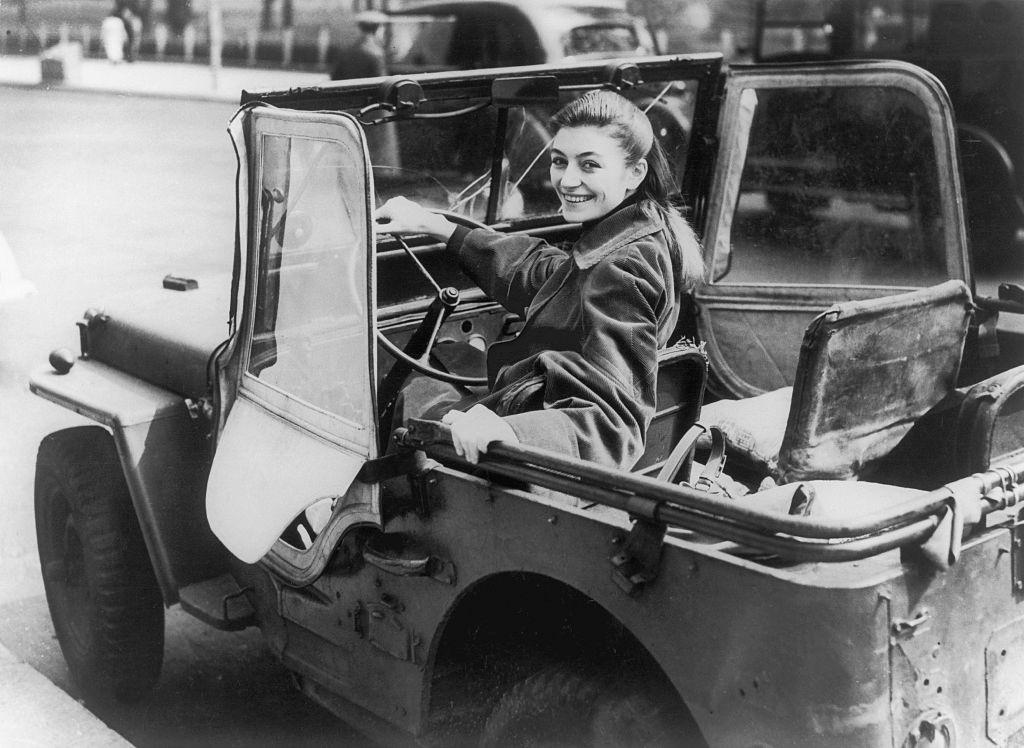
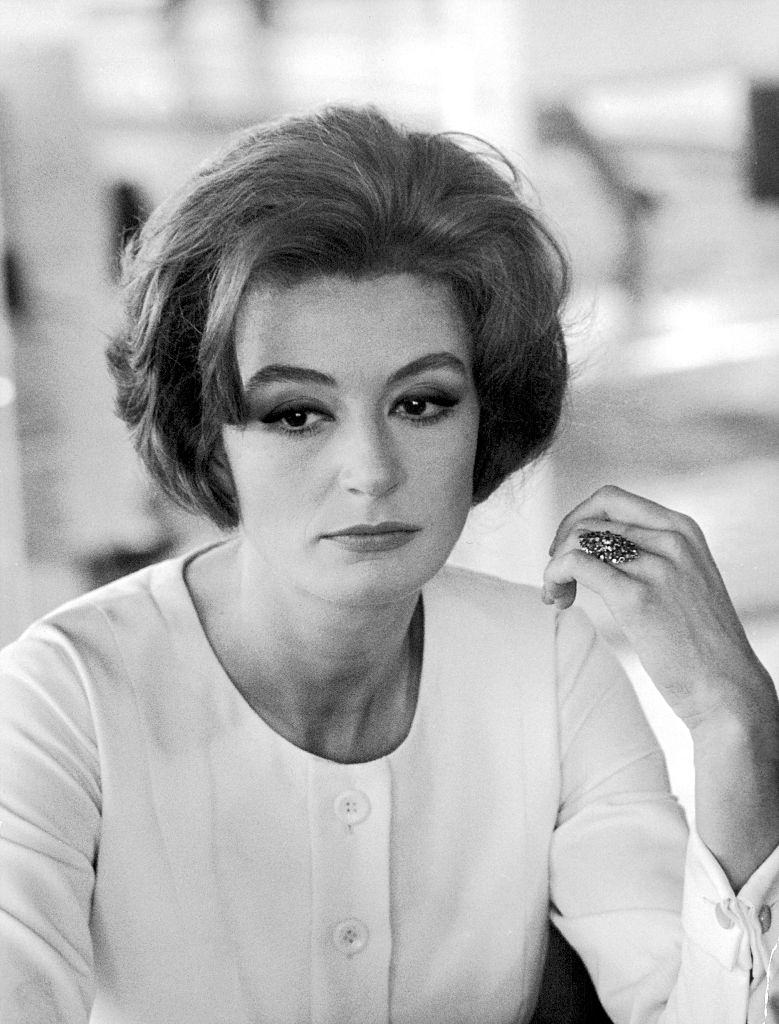
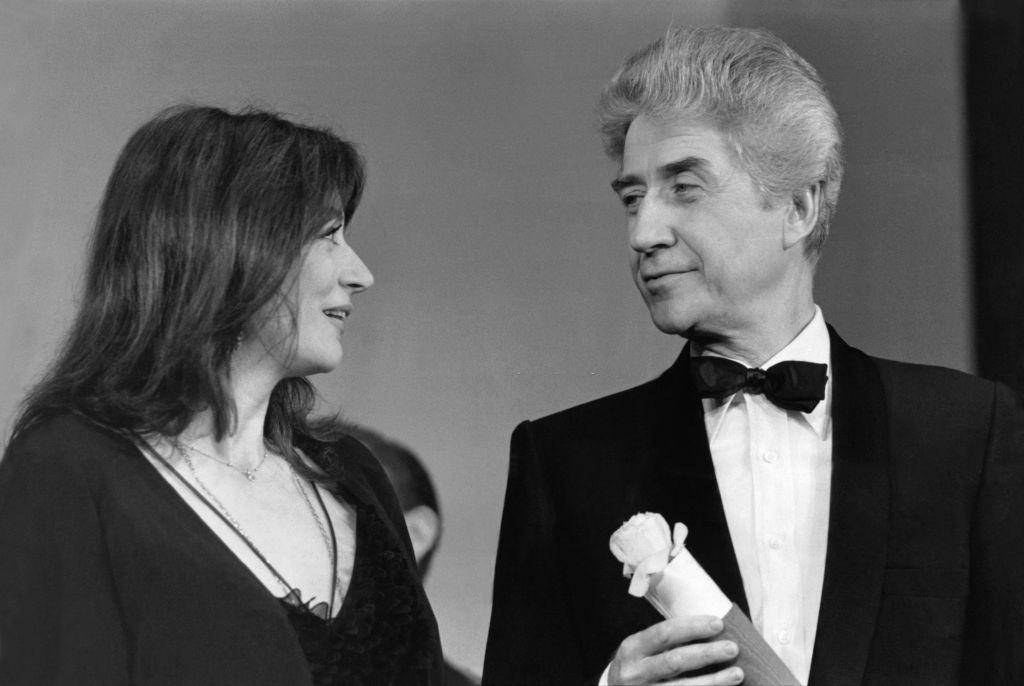
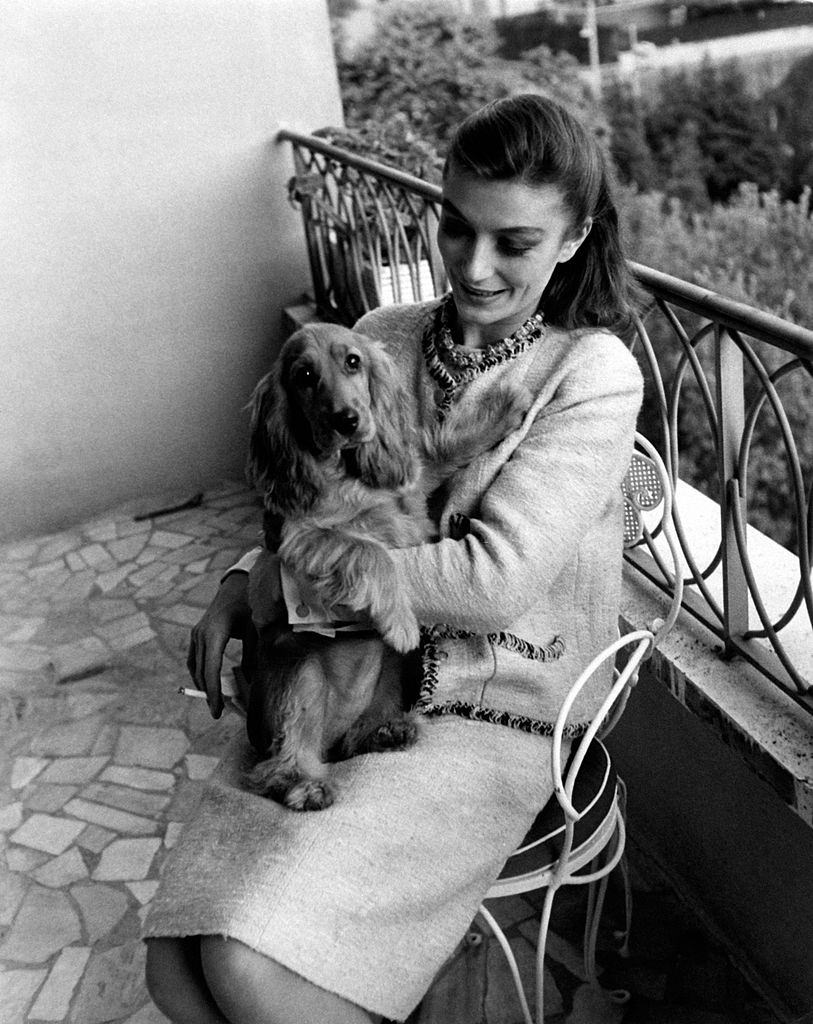
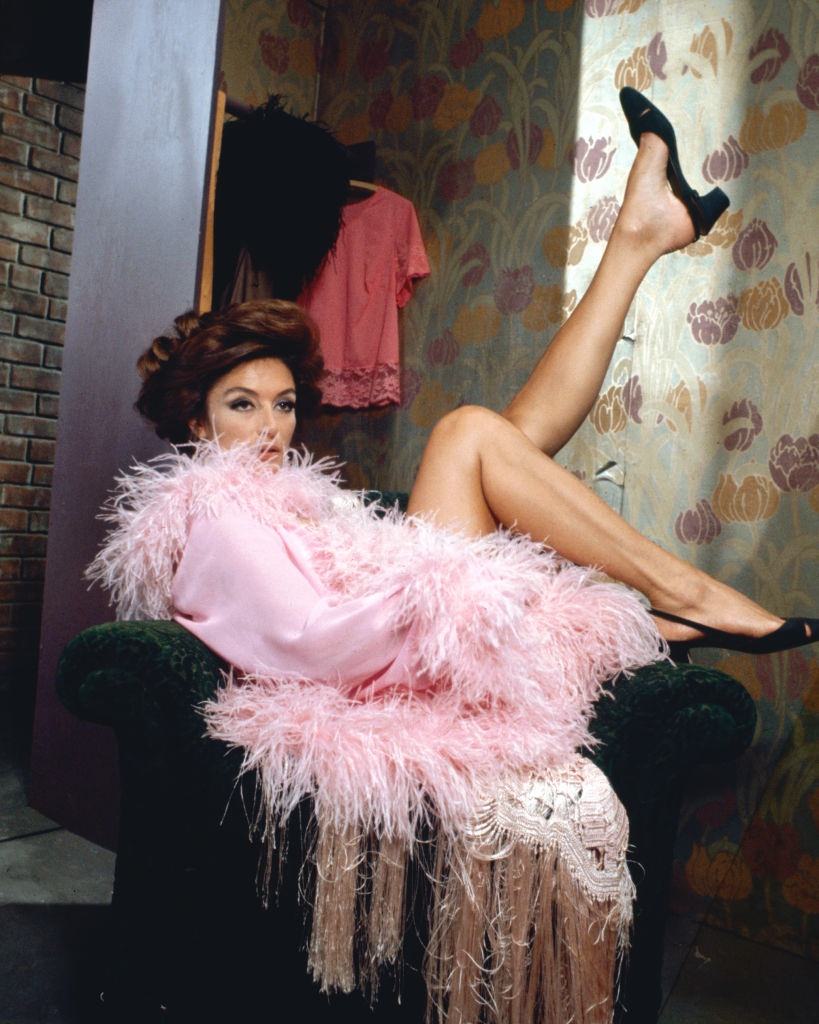
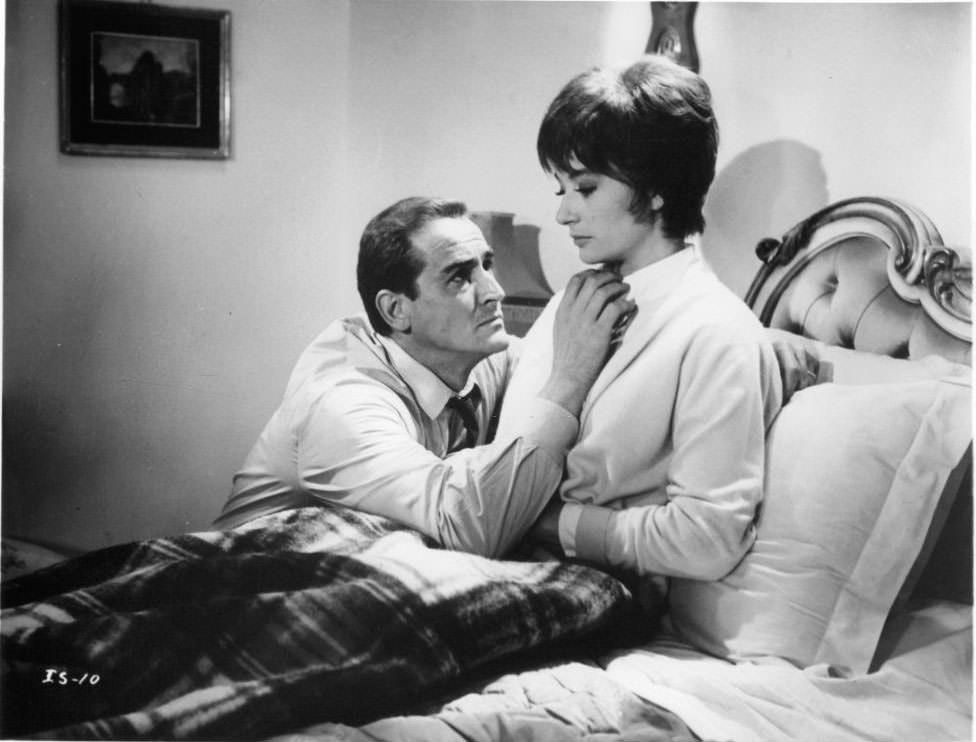
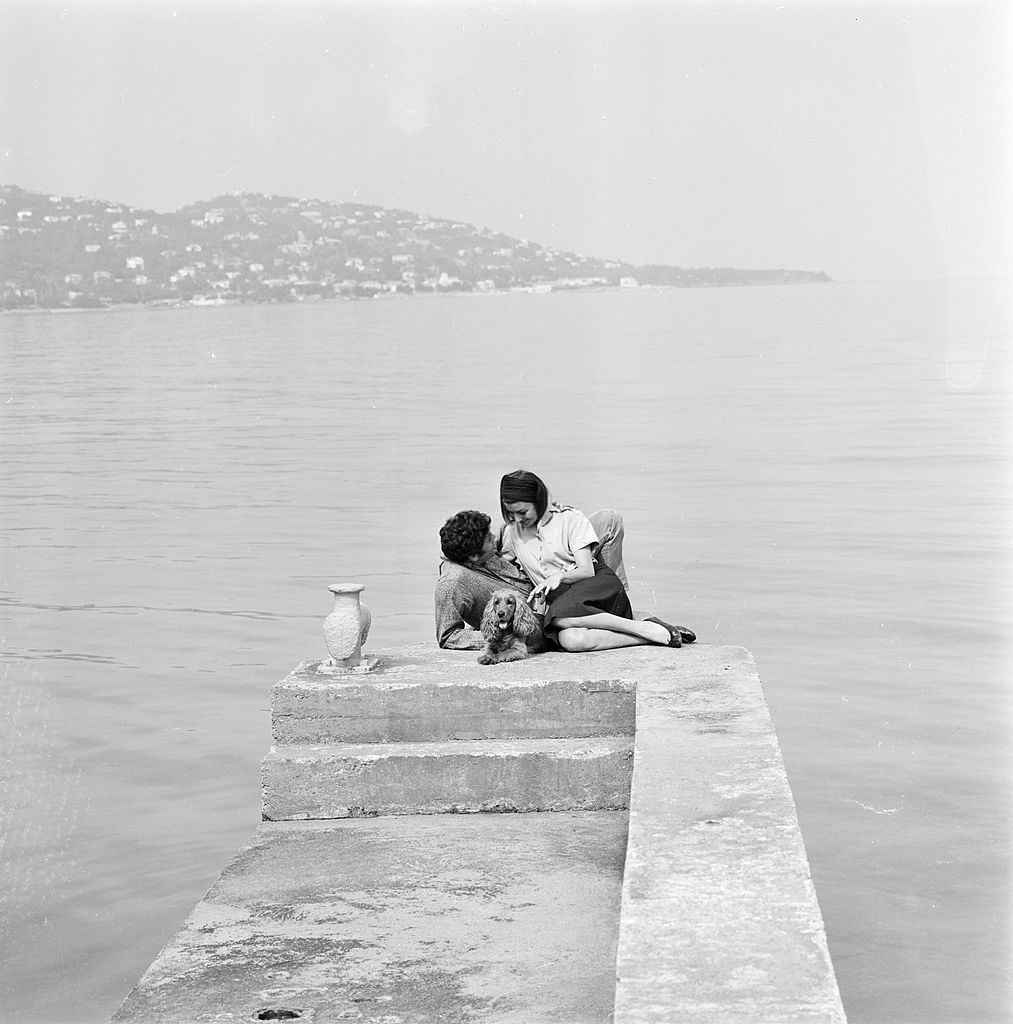
She worked with Fellini again in 8½ (1963), cementing a creative relationship with the director that placed her among the most respected actresses of the Italian art film scene. That same year, photographs show her on a Rome balcony with her female dog Lulù — a relaxed, domestic image that contrasted sharply with the glamour of her on-screen roles. In 1965, she appeared in Il Successo alongside Vittorio Gassman, and in La Fuga, where she played a sophisticated interior decorator.
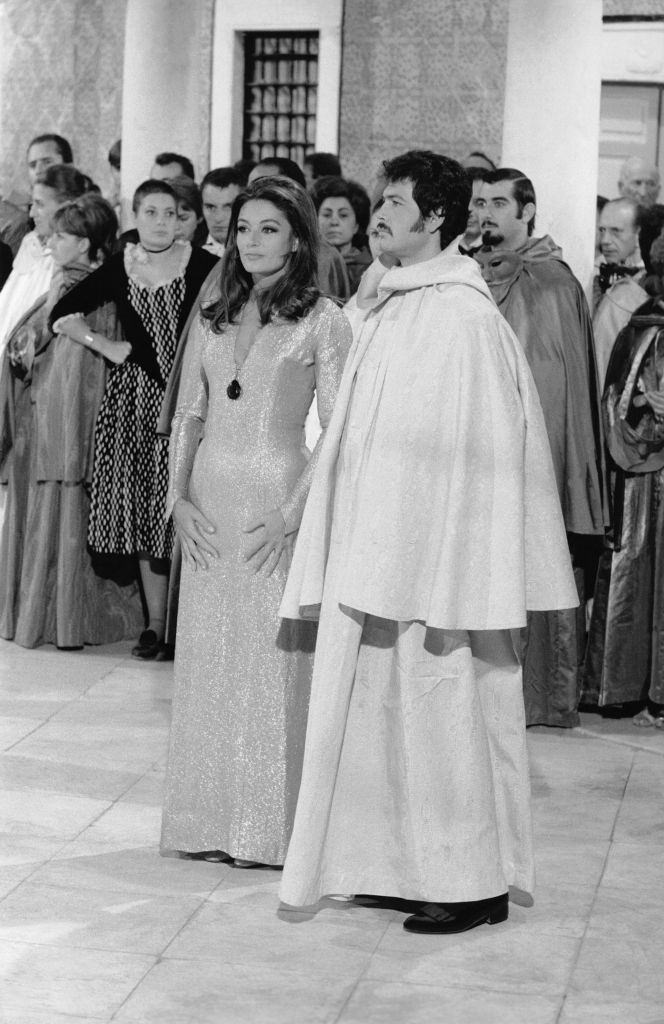
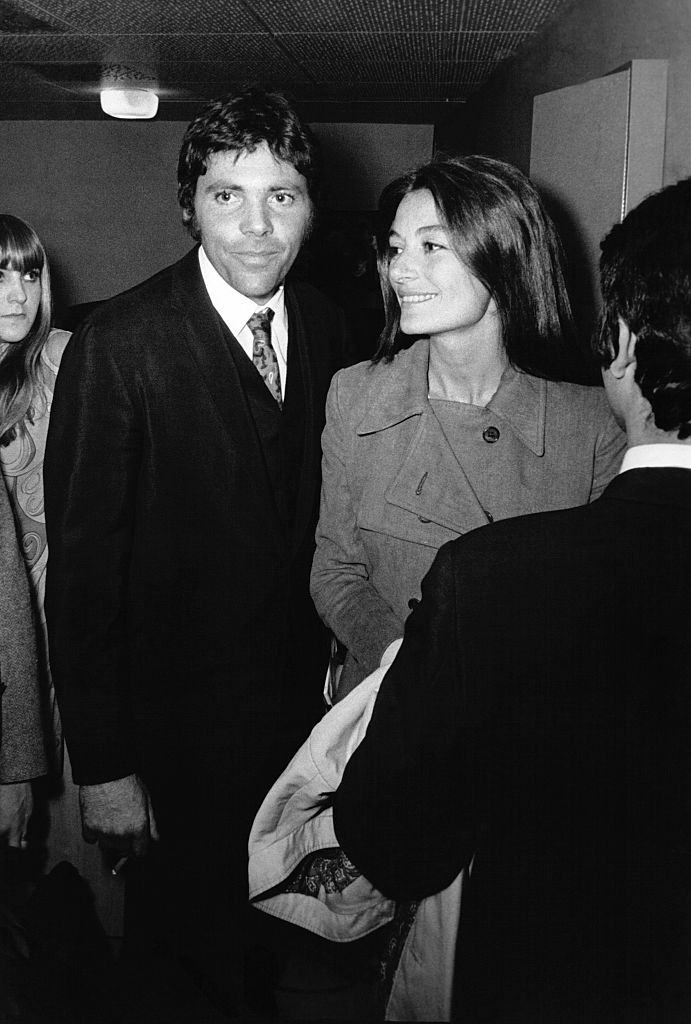
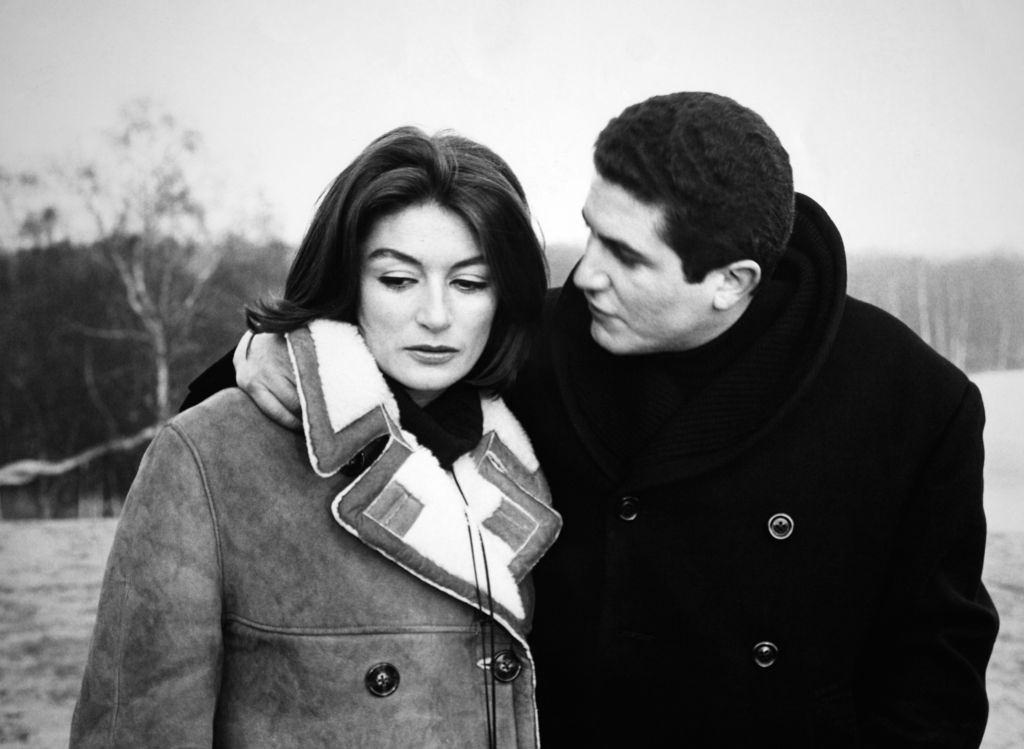
The biggest commercial success of Aimée’s career came in 1966 with Un homme et une femme, directed by Claude Lelouch. She starred alongside Pierre Barouh, who became her third husband the same year. The film won the Grand Prize at the 1966 Cannes Film Festival and took home two Academy Awards, including Best Foreign Language Film. It was a worldwide box-office success that turned Aimée into a household name far beyond European art cinema circles. The Cannes win was followed fourteen years later by a Best Actress award at the 33rd Cannes Film Festival in 1980.
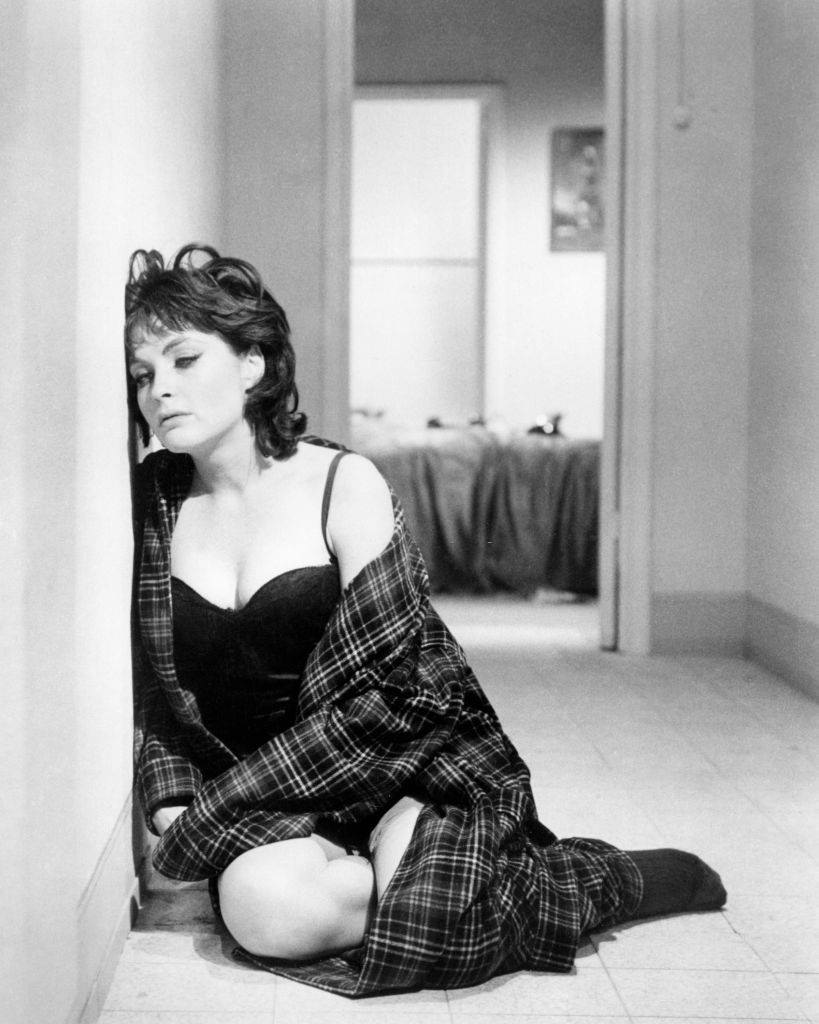
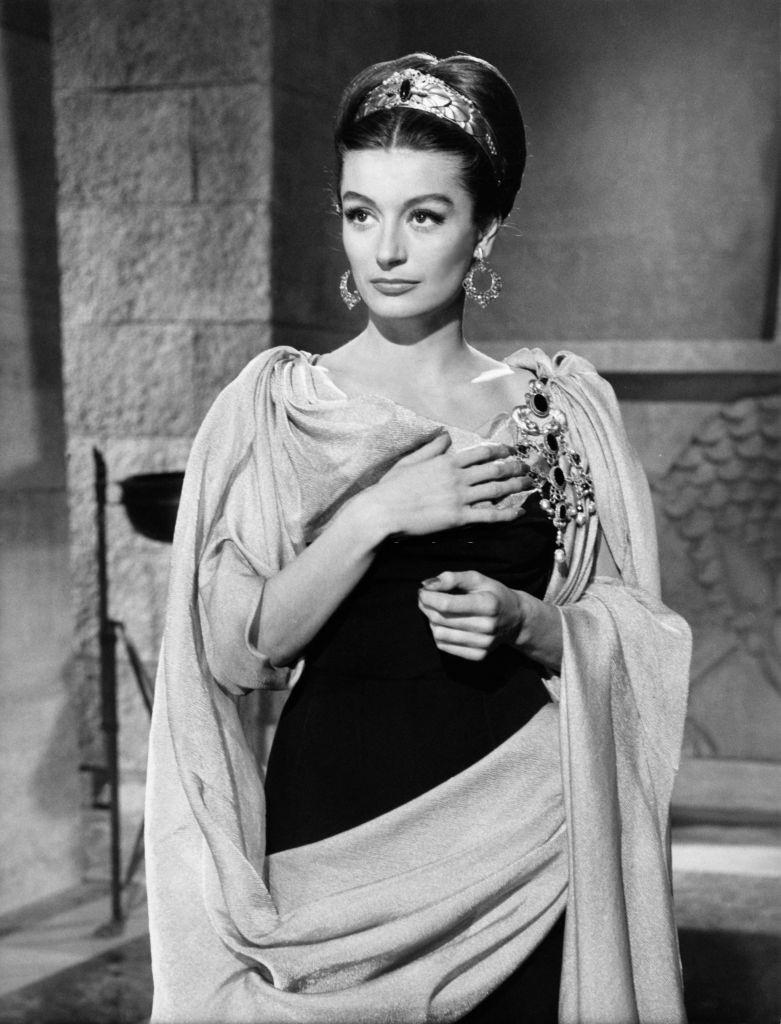
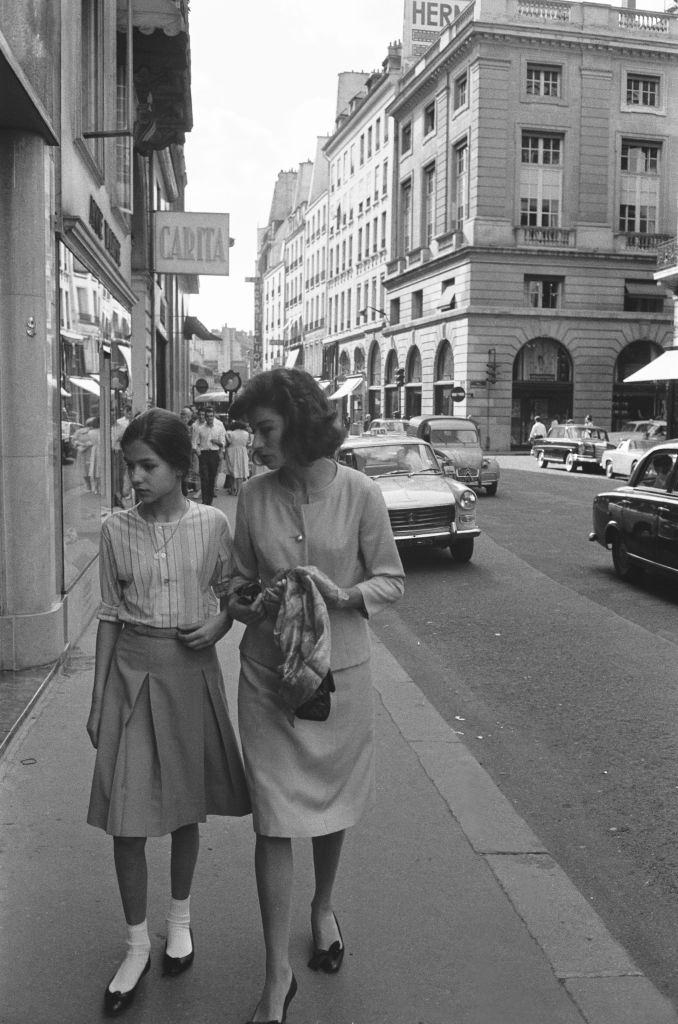
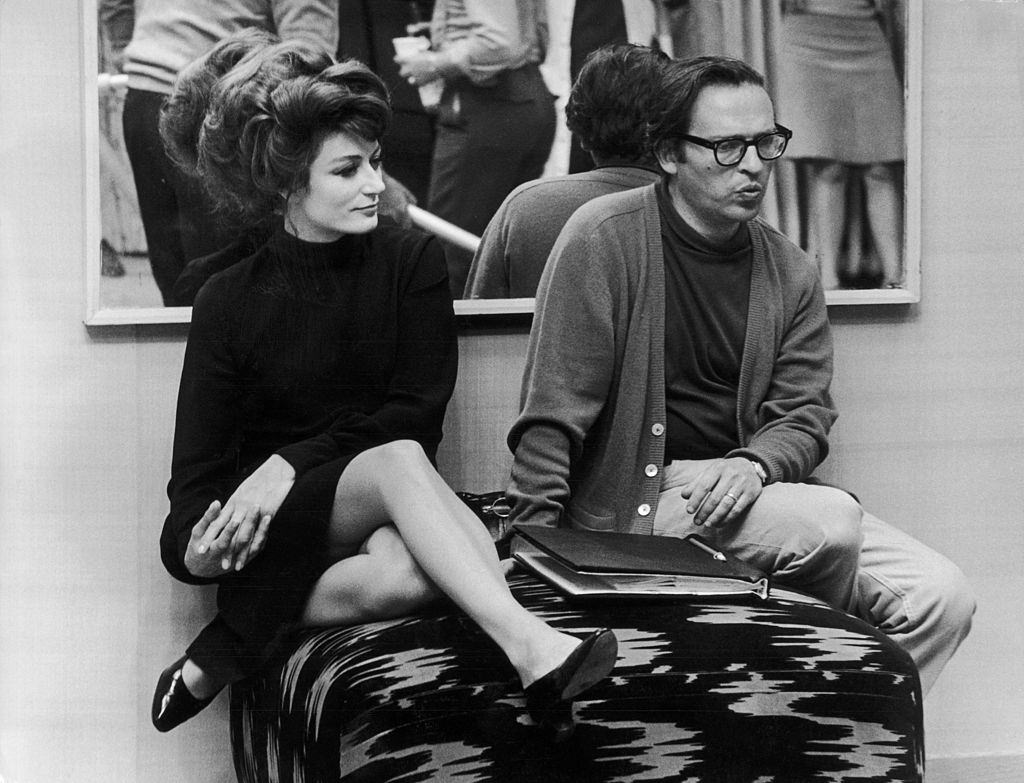
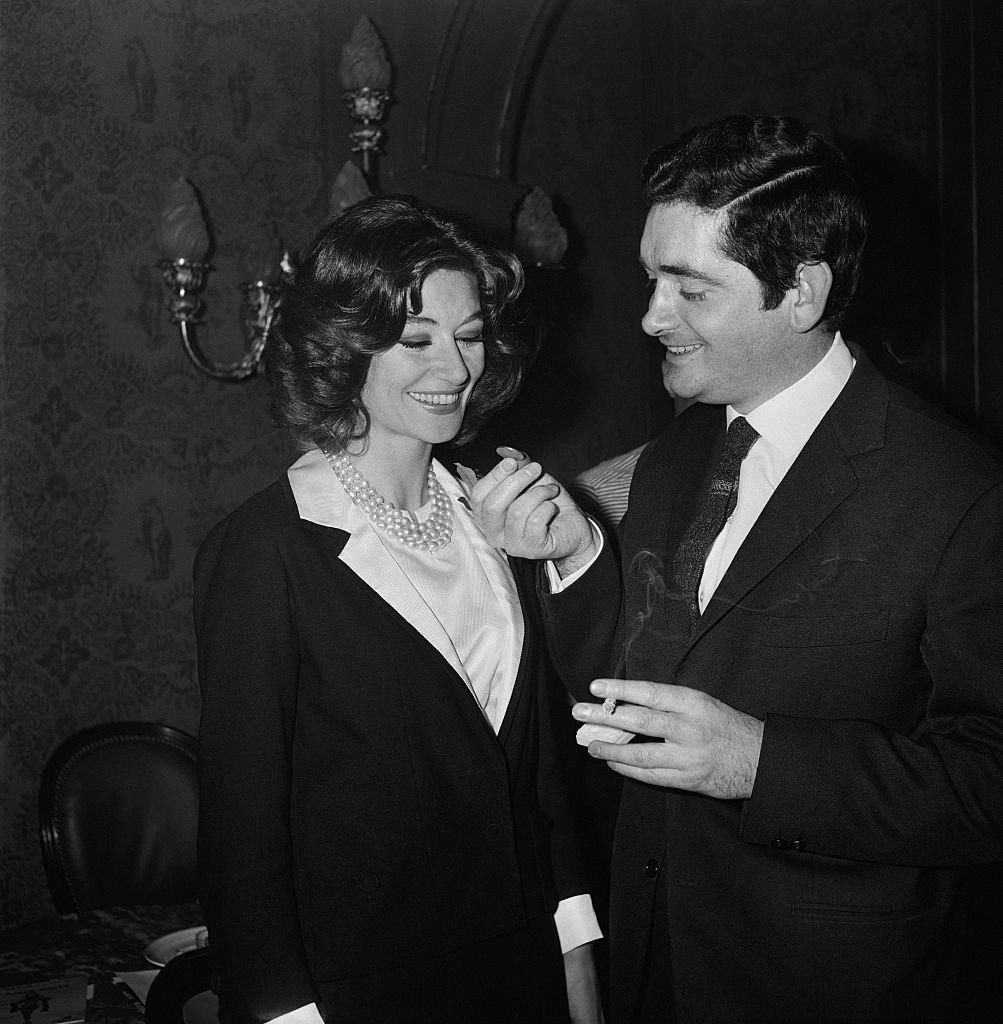
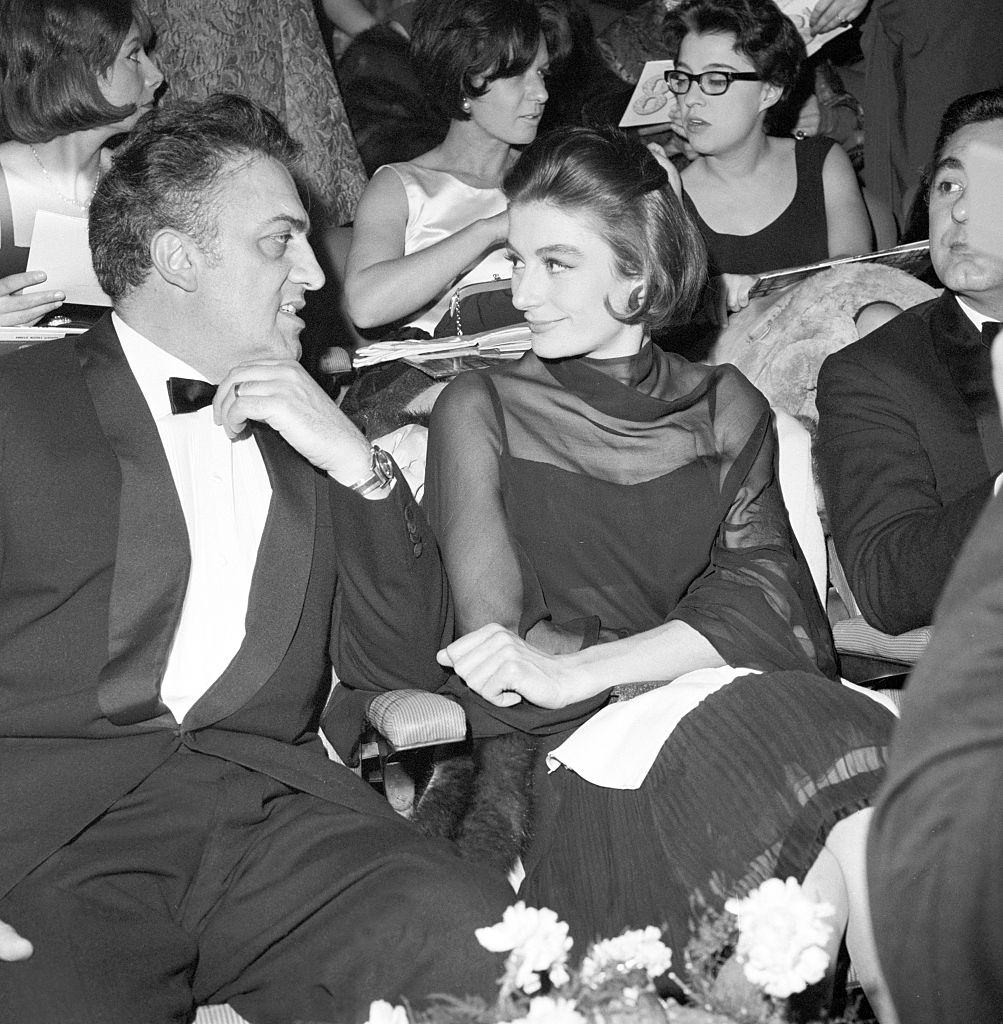
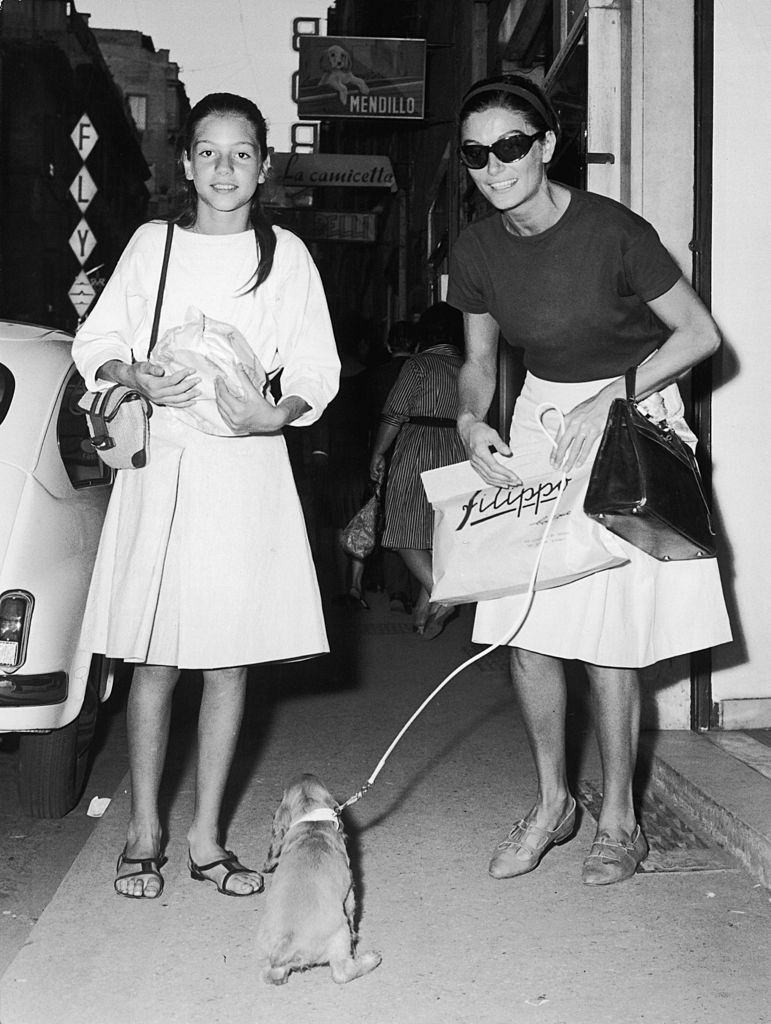
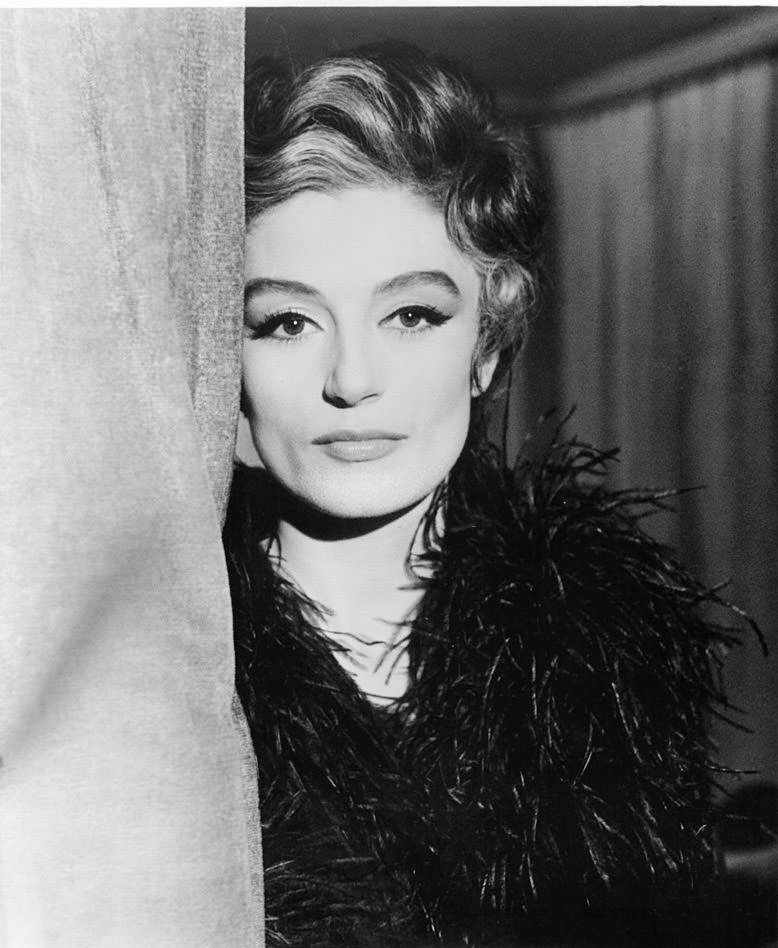
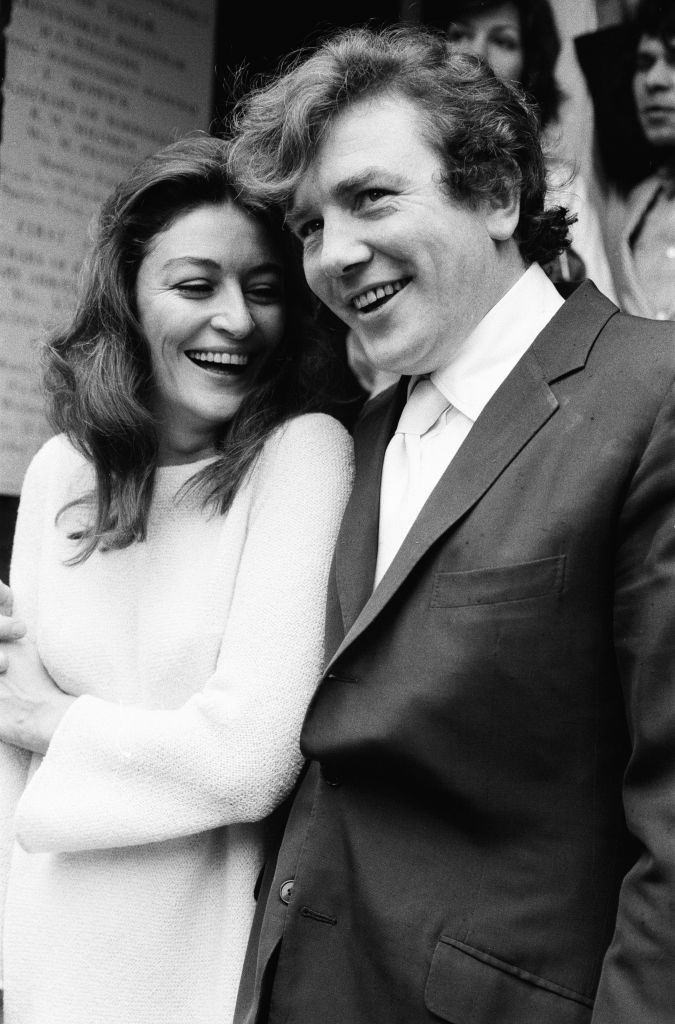
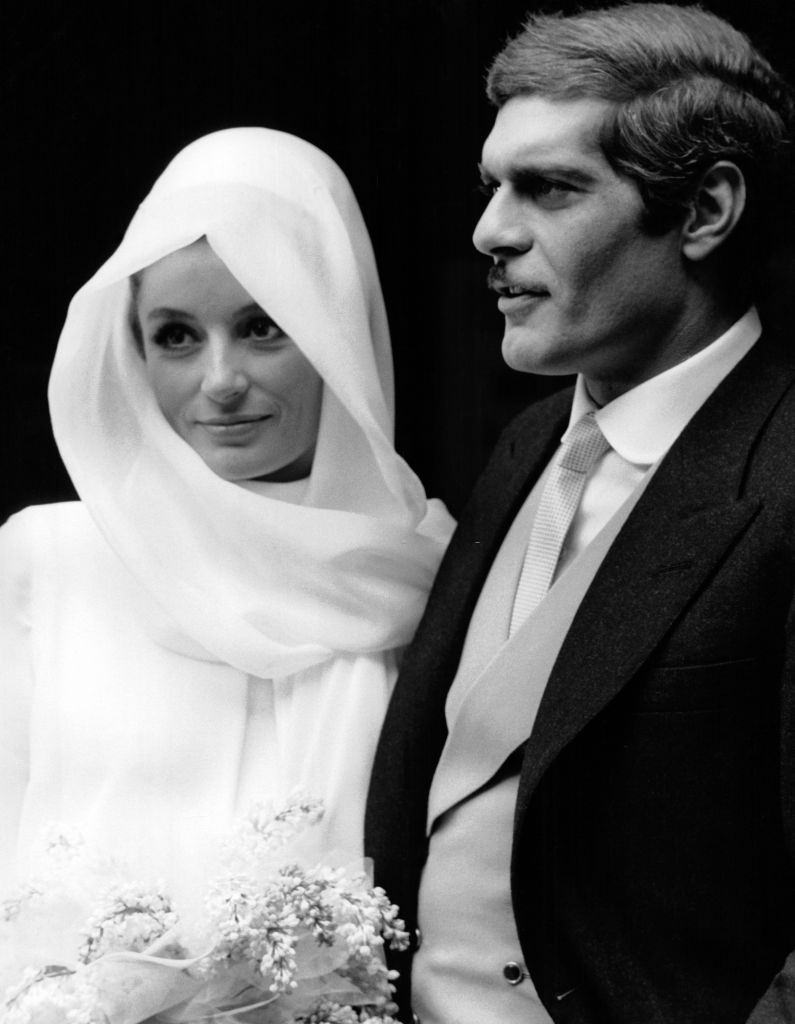
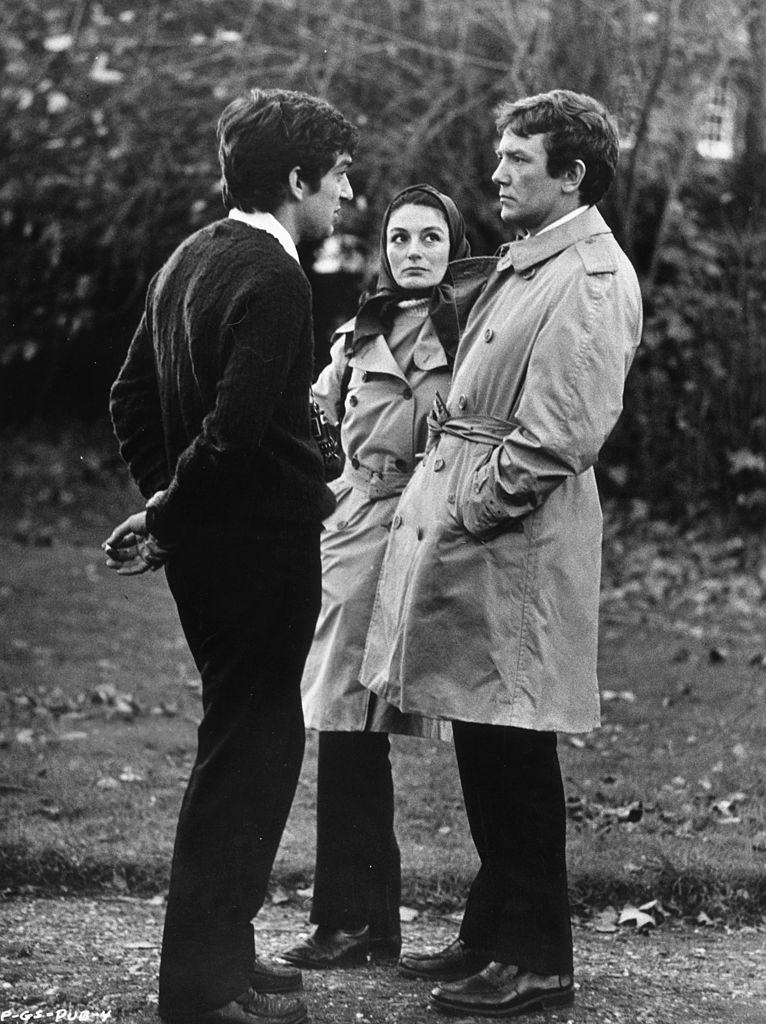
Her marriage to Pierre Barouh ended in 1969. The following year she married British actor Albert Finney. The wedding took place at Kensington Registry Office in 1970, and the marriage lasted until 1978. During this period she worked with American director Sidney Lumet on The Appointment (1968), co-starring Egyptian actor Omar Sharif. Aimée also had well-documented relationships with Warren Beatty and Omar Sharif outside her marriages.
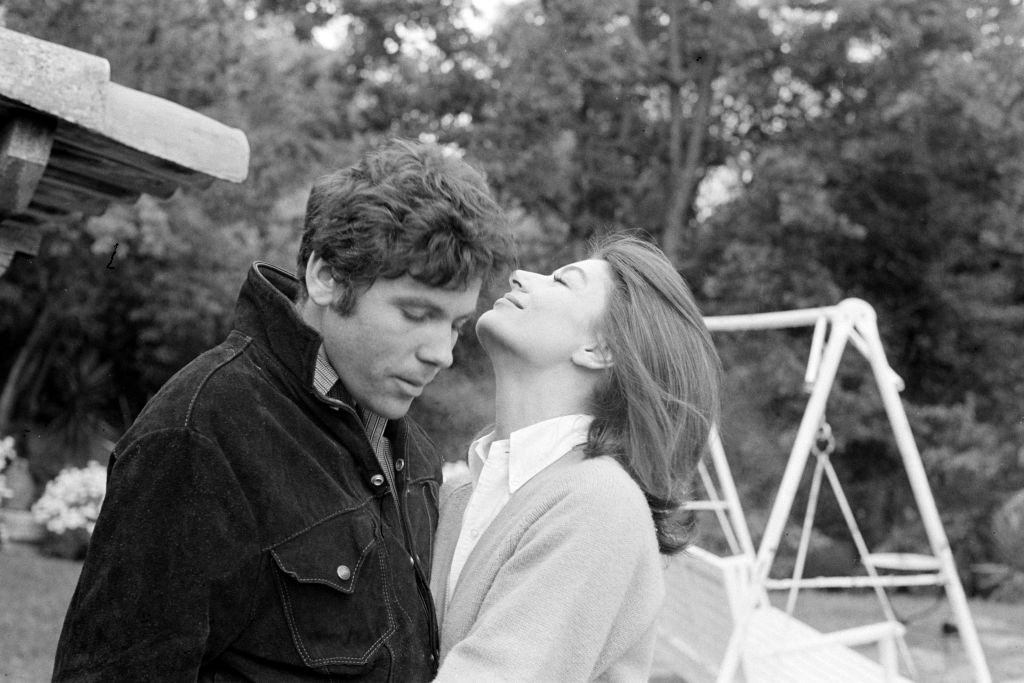
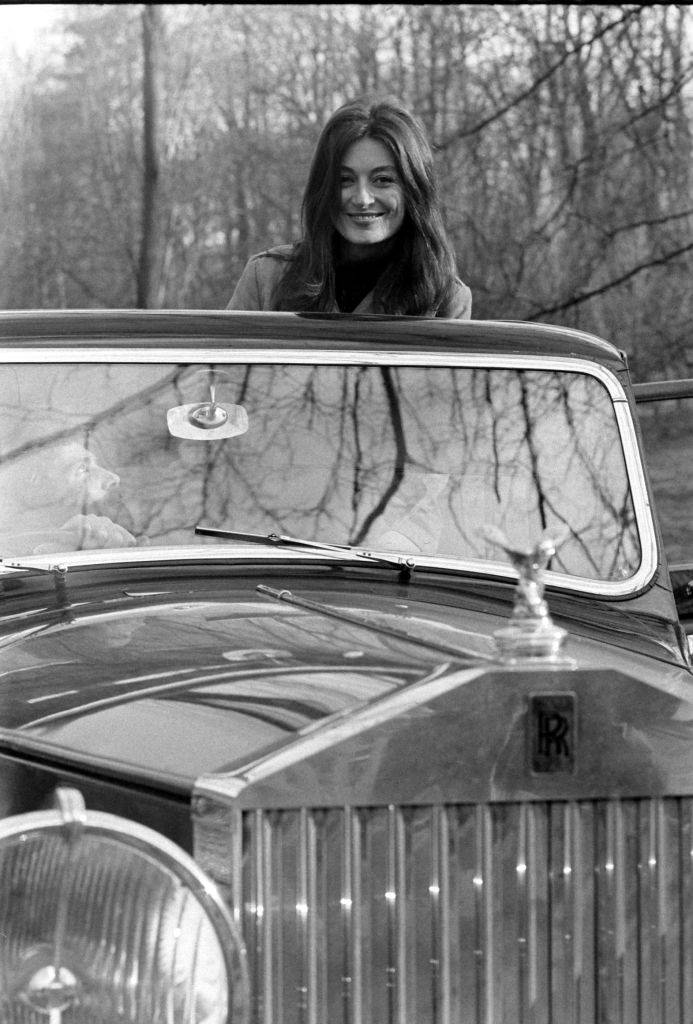
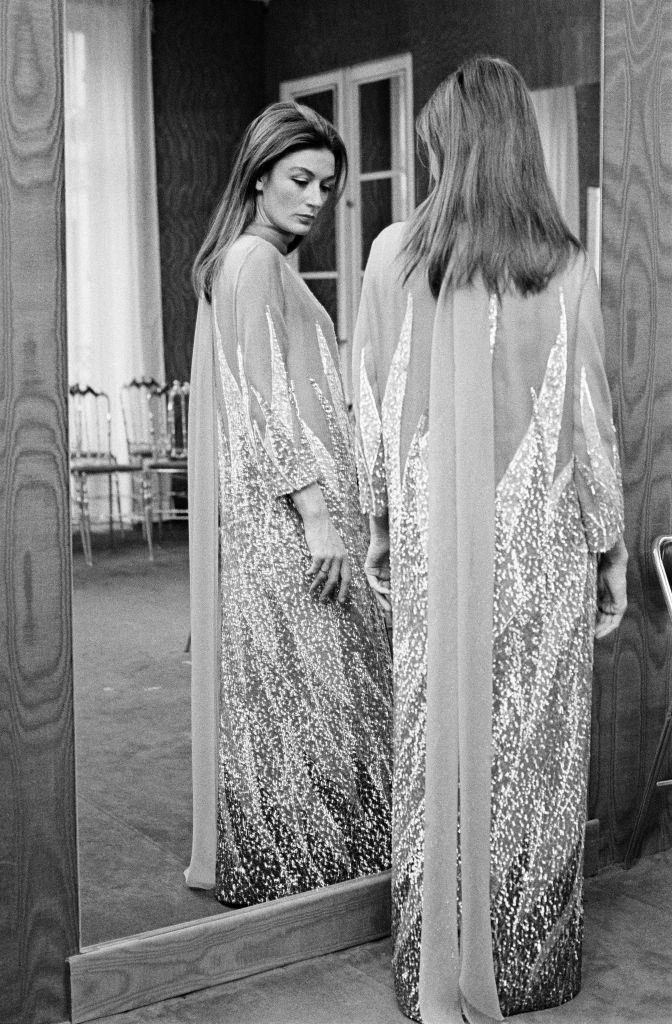
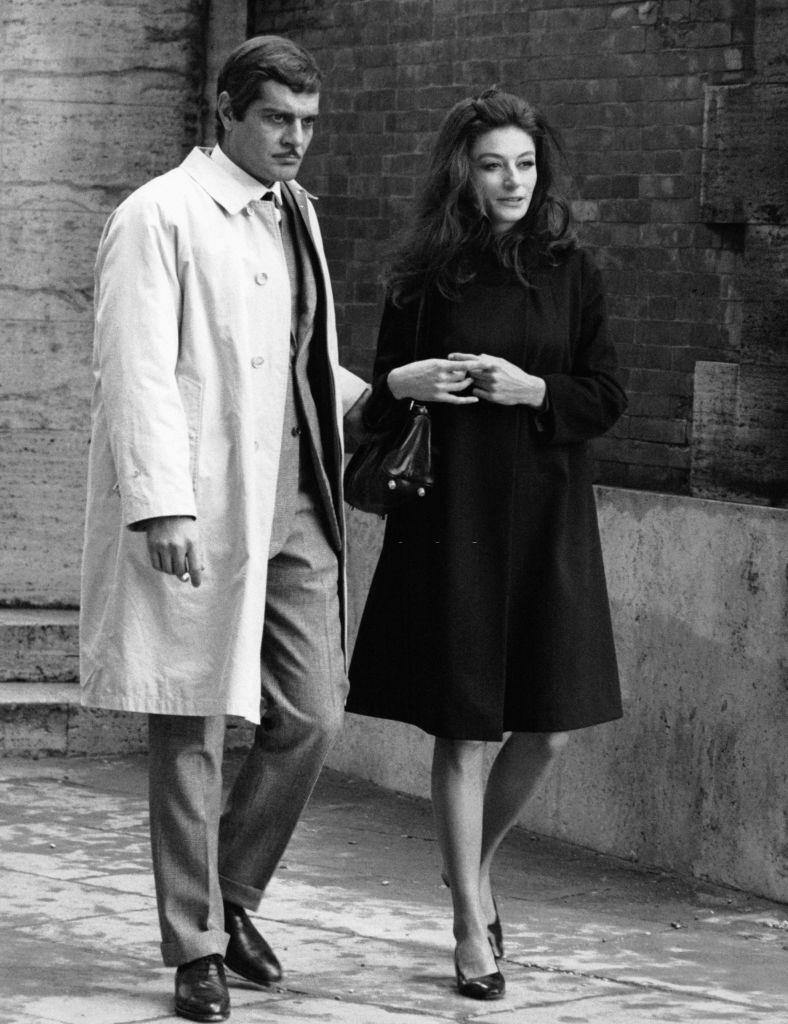
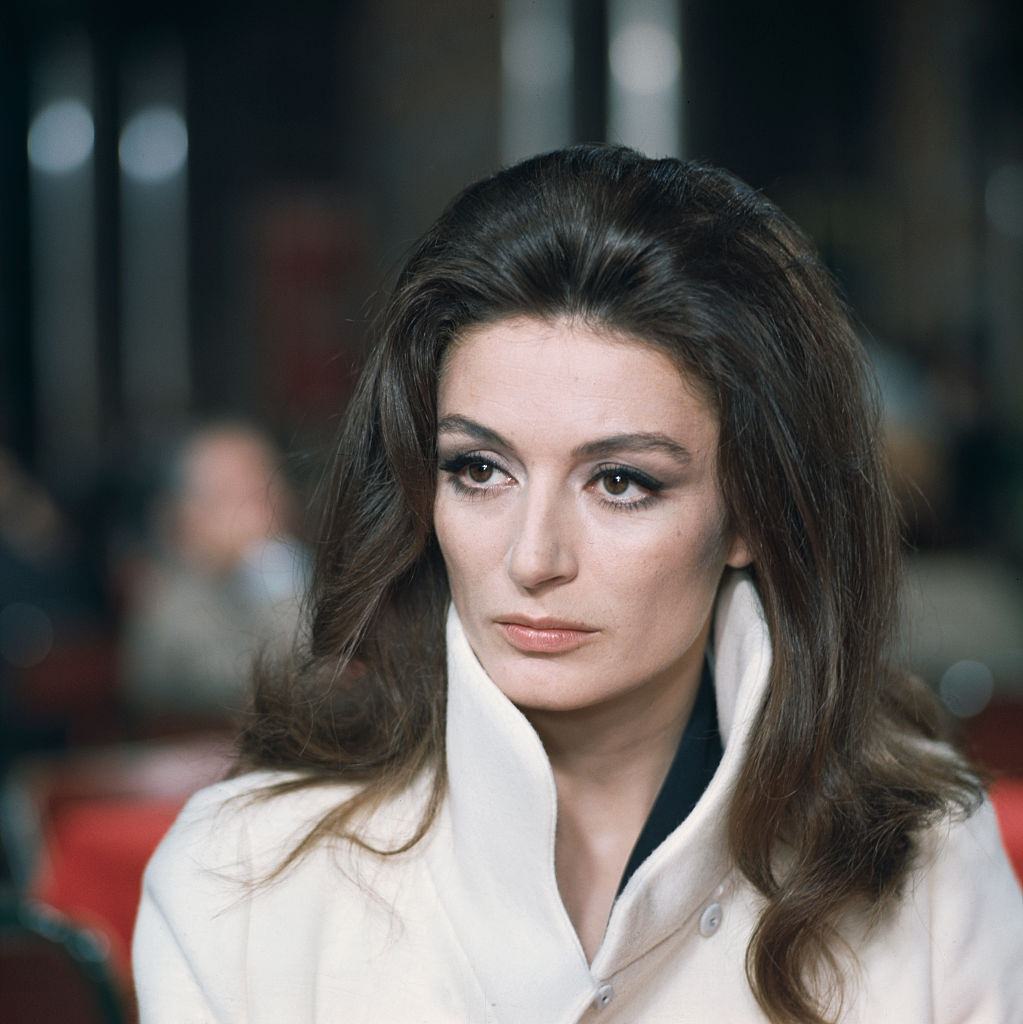
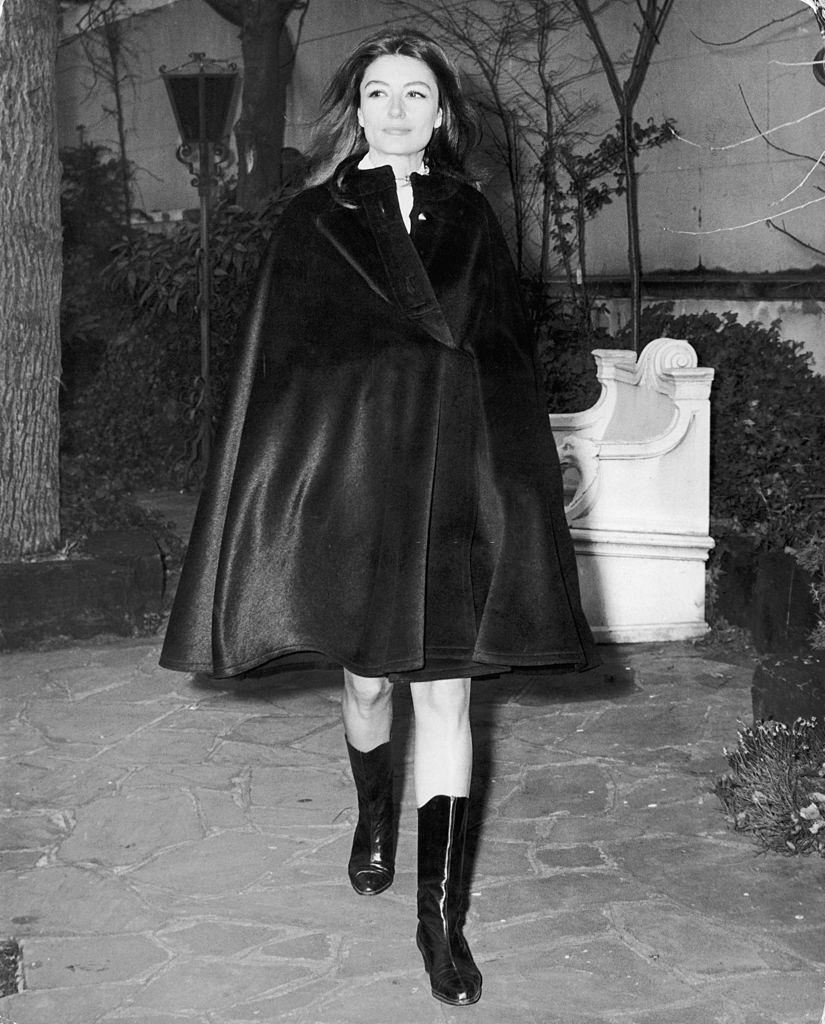
Through the 1970s and 1980s, when many actresses of her generation found the film industry offering them fewer and fewer opportunities, Aimée kept working at a steady pace of roughly one film per year. In 1975, she appeared in Bernardo Bertolucci’s La tragedia di un uomo ridicolo. She also appeared in Justine (1969), directed by George Cukor. The 1980s brought further recognition, including her Best Actress honor at Cannes in 1980. She also received an honorary César Award and a national film award in France. By this point, her career had spanned four decades without any significant break.
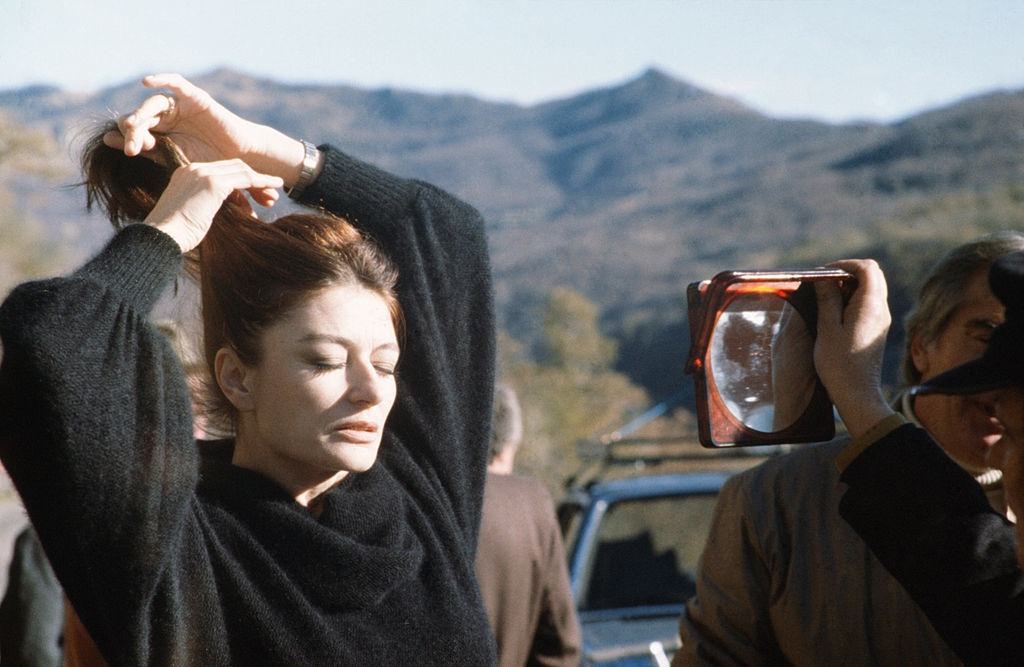
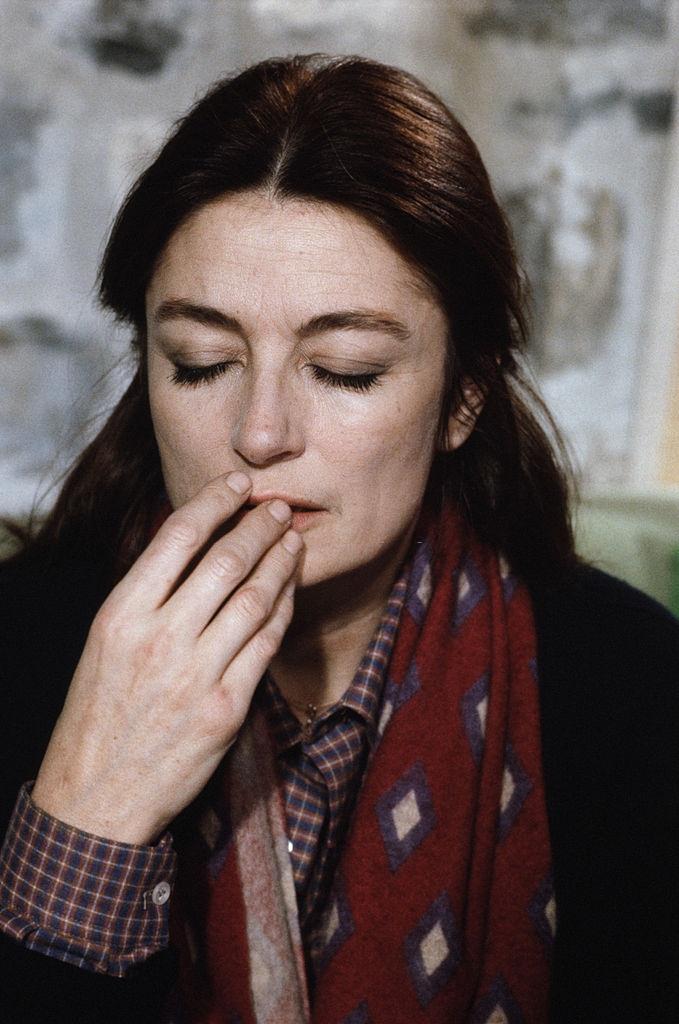
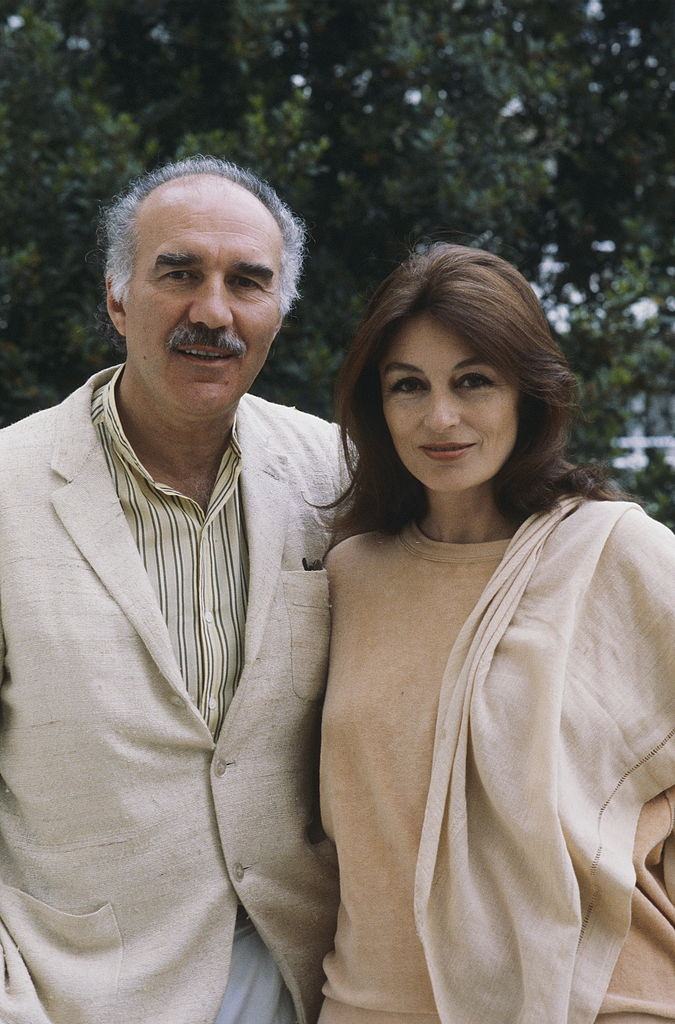
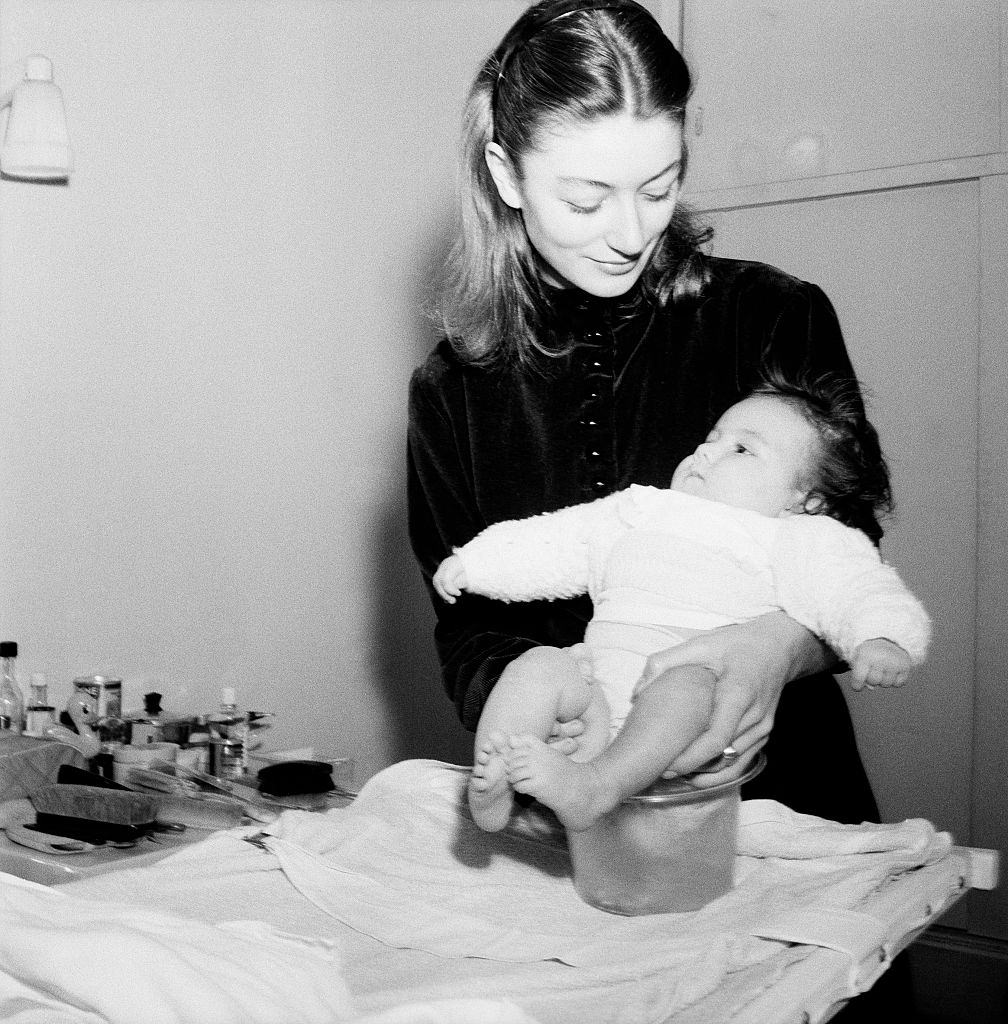
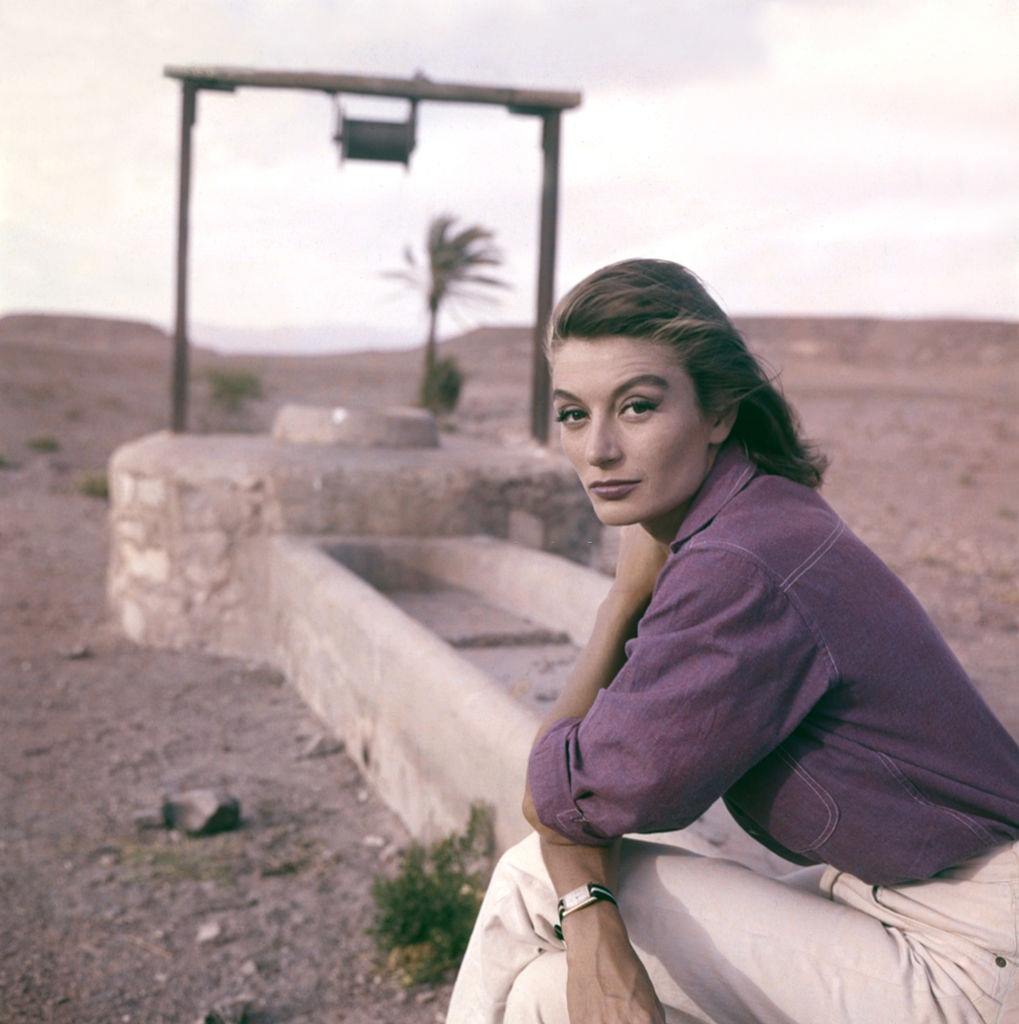
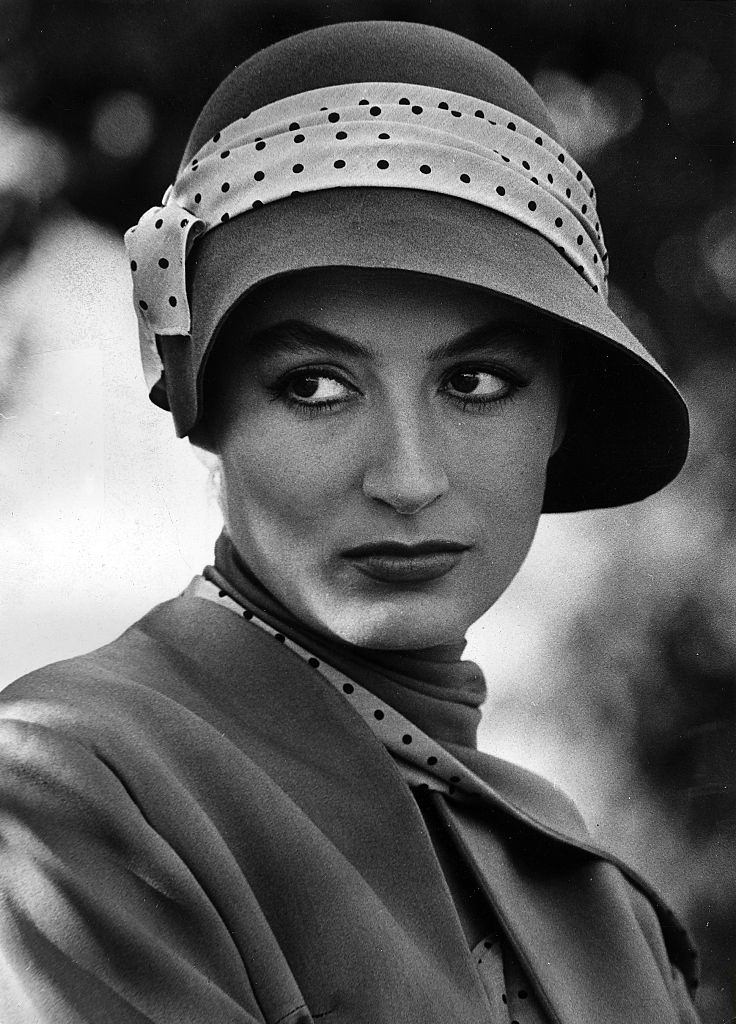
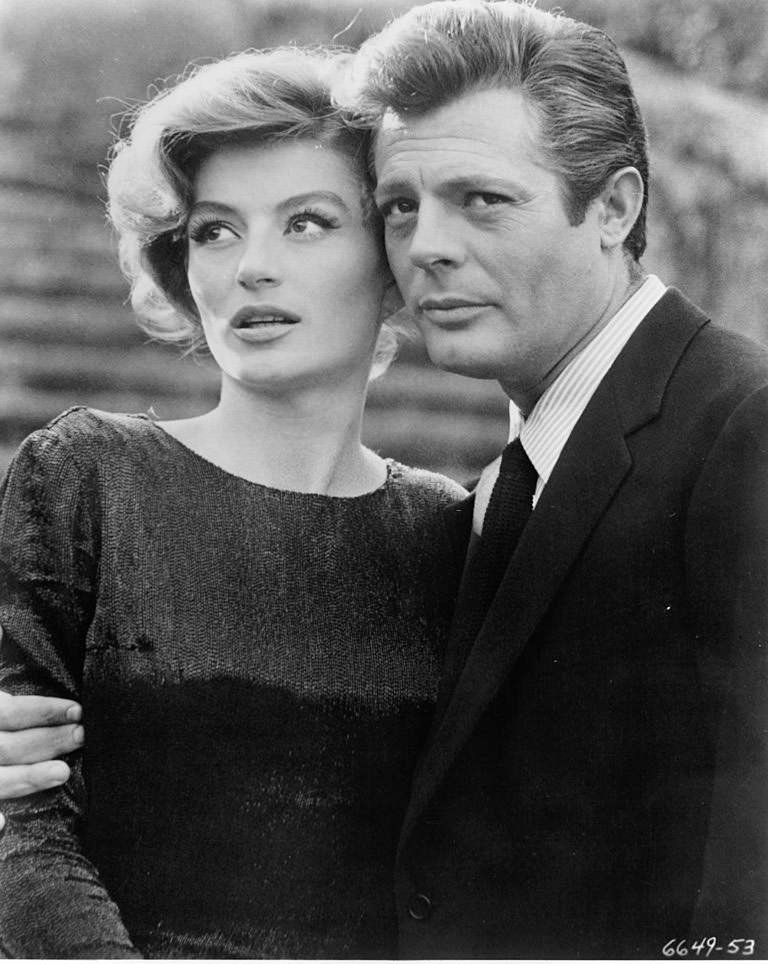
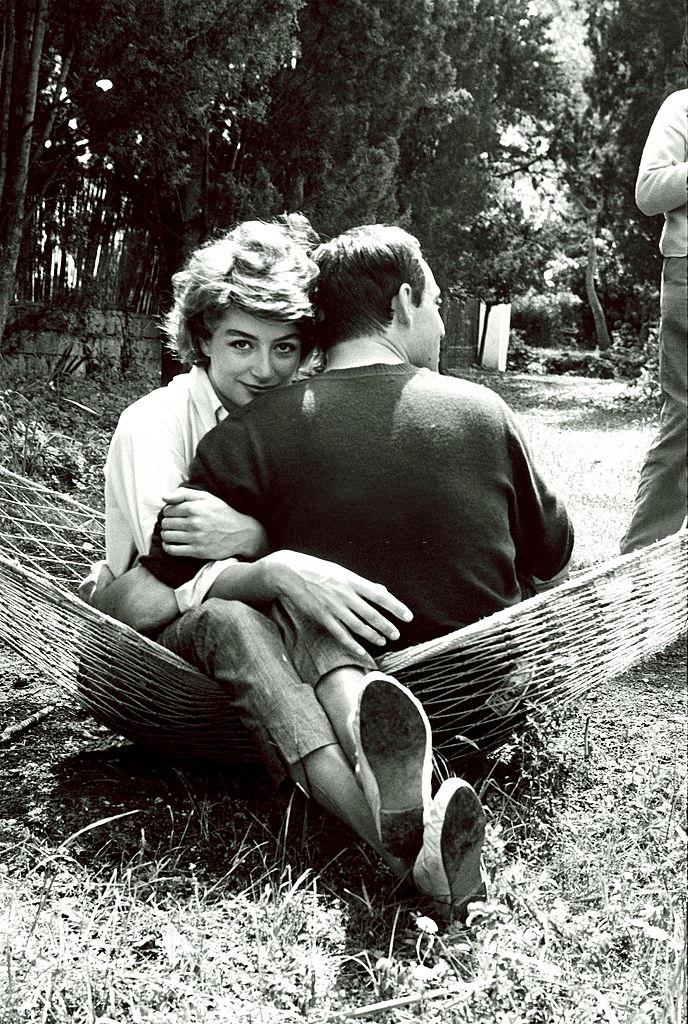
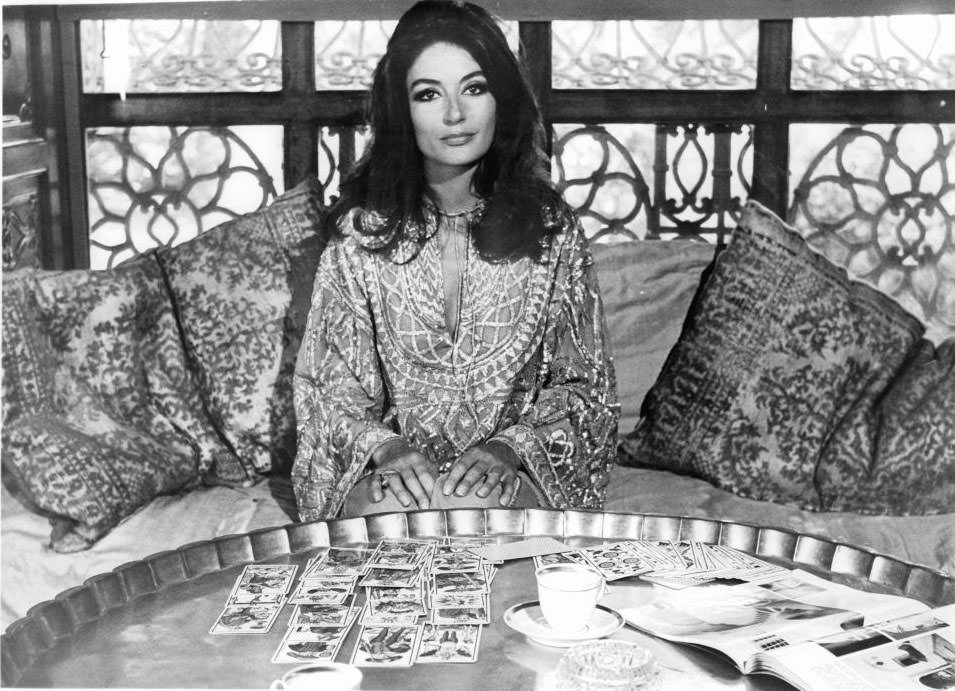
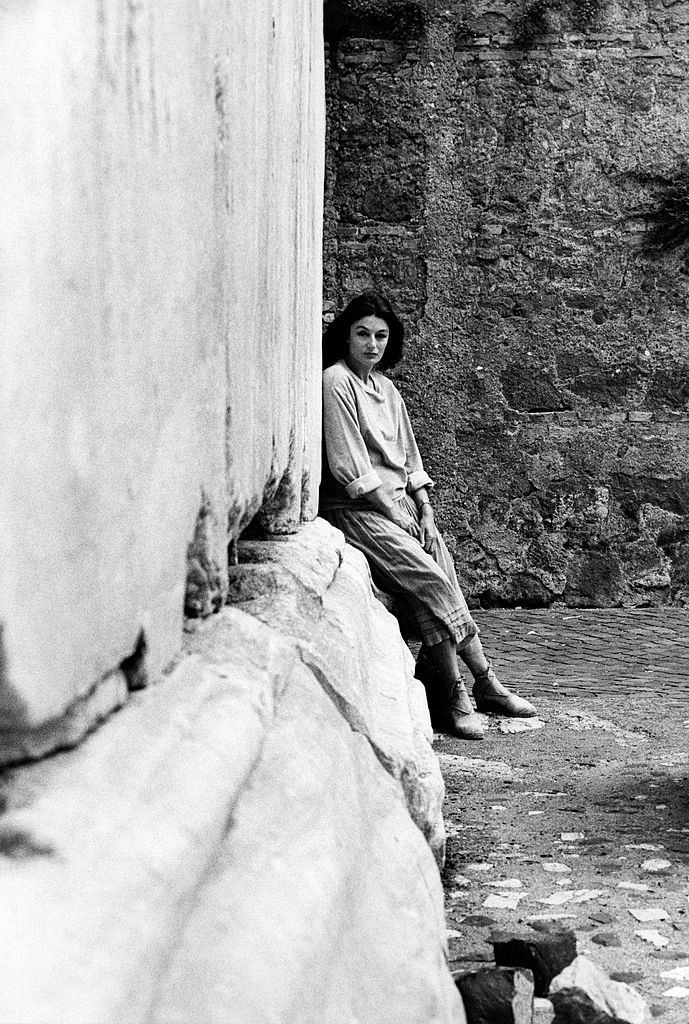
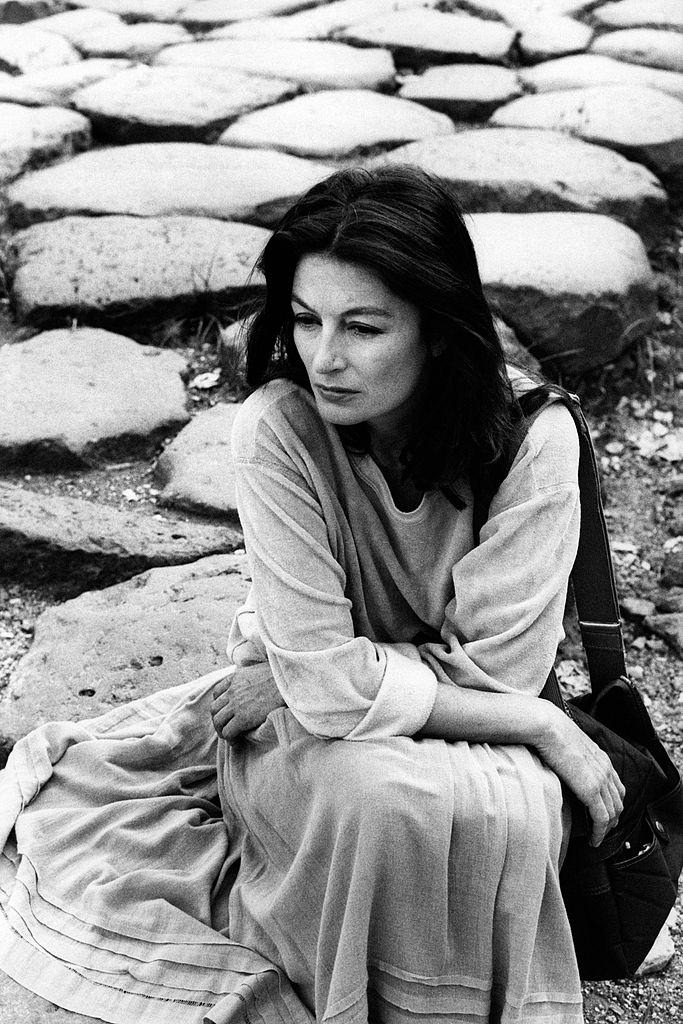
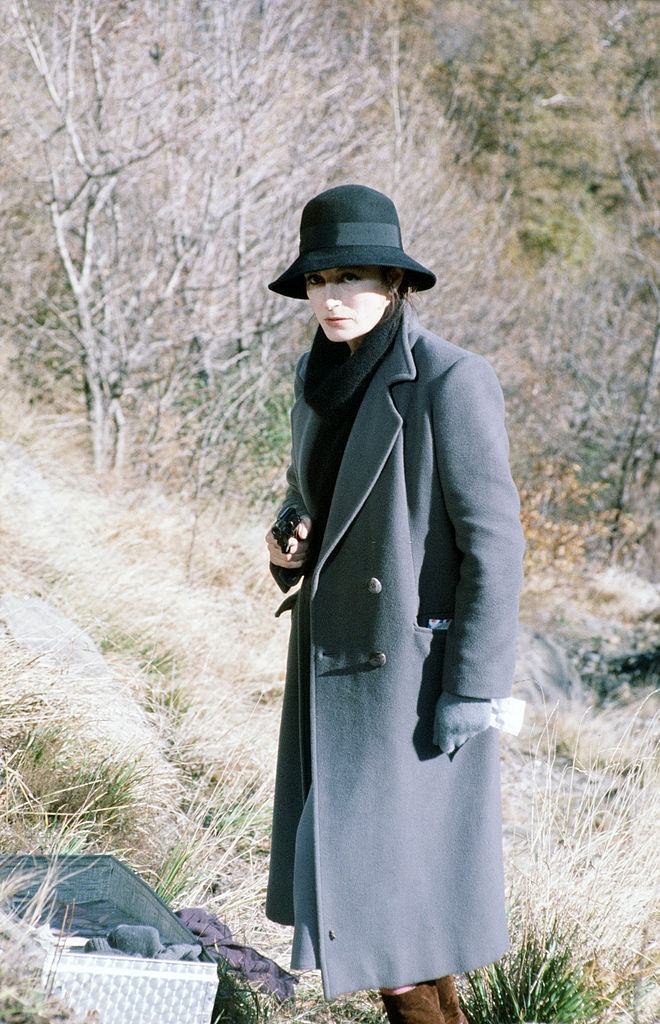
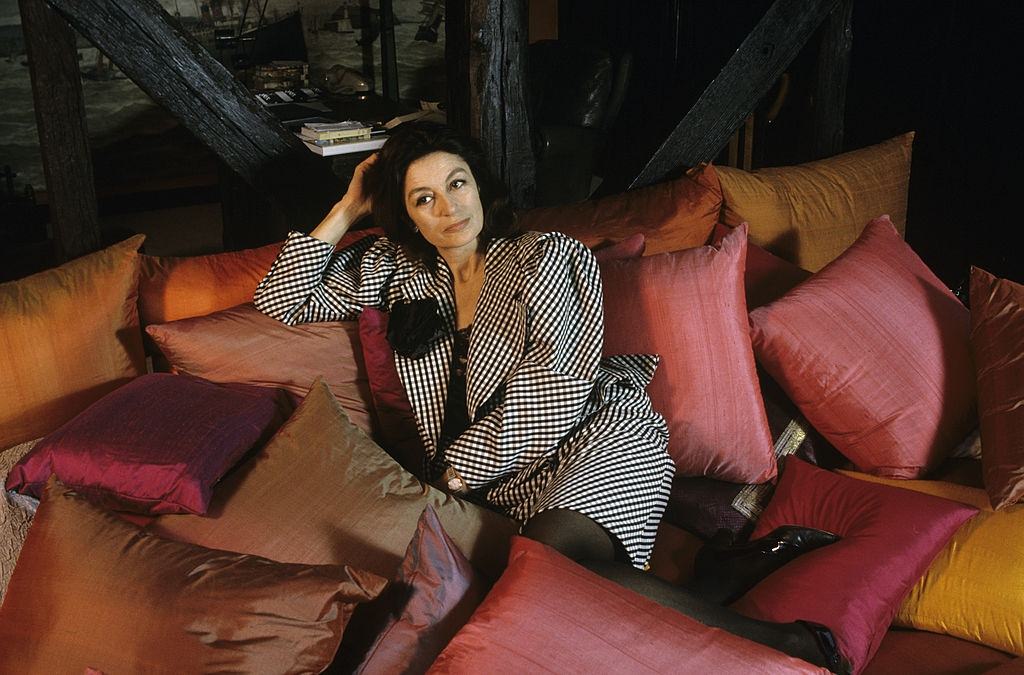
Aimée has continued to act well into the twenty-first century, maintaining a schedule that many younger performers would find demanding. She and her daughter Manuela have long lived in the Montmartre neighborhood of Paris, one of the city’s most historically rich districts. The roles she takes on now reflect the same mix of depth and restraint that defined her earliest screen work — a combination critics have described as a distinctive blend of melancholy and passion. What the photographs across these decades show is a woman who aged entirely on her own terms, with the same level of presence at sixty as she had at seventeen.