In 1935, President Franklin D. Roosevelt signed the Works Progress Administration into existence as part of his New Deal program. The WPA’s primary mission was to put unemployed Americans back to work during the Great Depression. It funded roads, bridges, and public buildings — but it also did something more unusual. The agency hired writers, illustrators, and artists to produce posters that informed, motivated, and shaped public opinion. These weren’t decorations. They were tools of communication in a country dealing with economic collapse and, soon after, a world war.
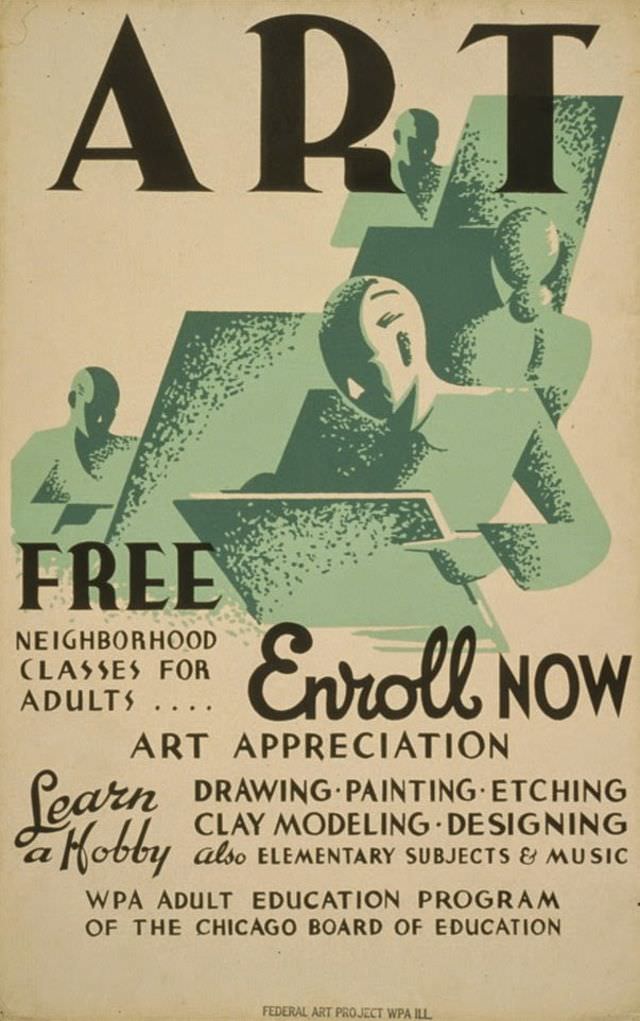
The WPA established more than 100 art centers across the United States, reaching an estimated eight million people. Artists on the government payroll produced posters promoting everything from library programs and music education to workplace safety and wartime rationing. The visual style was bold and direct — flat colors, strong lines, and short messages that anyone could read and understand quickly.
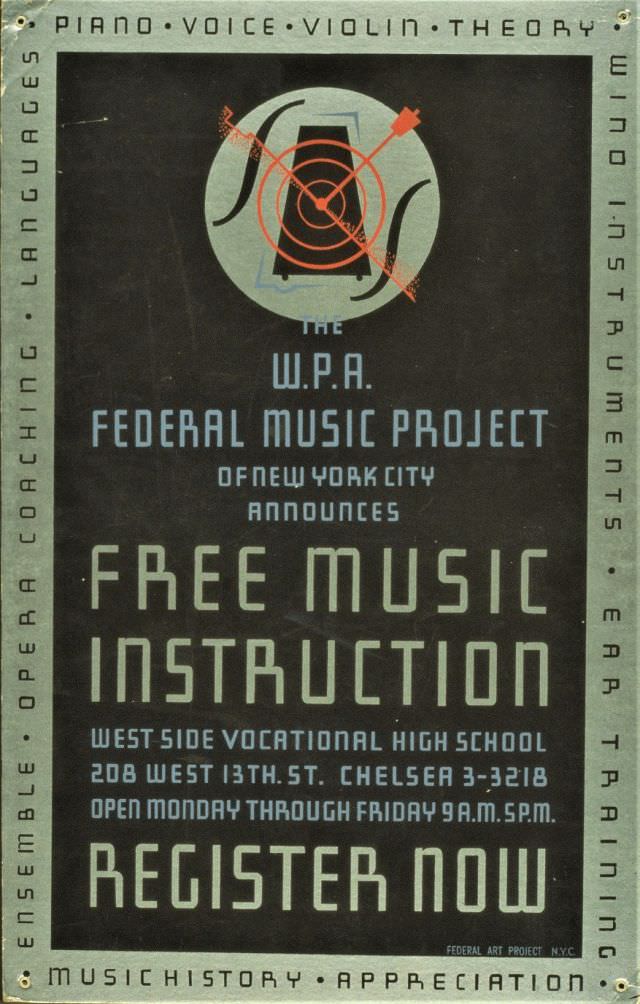
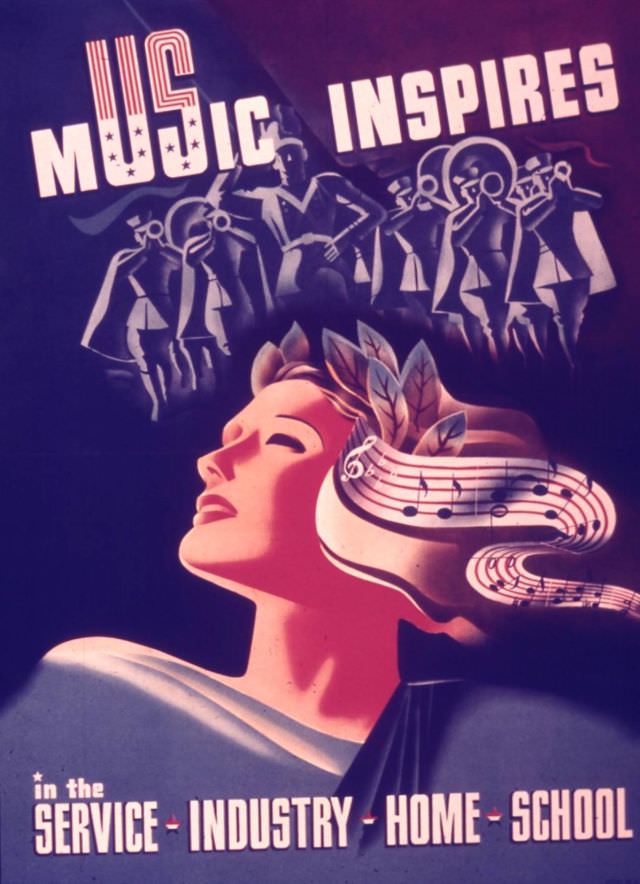
Among the WPA’s earliest cultural projects were programs supporting the arts. The Federal Music Project offered free music instruction to the public, bringing professional-level education to communities that had little access to it. Posters advertised these free lessons widely, making it clear that government support for the arts was a real and accessible benefit — not just a political promise.
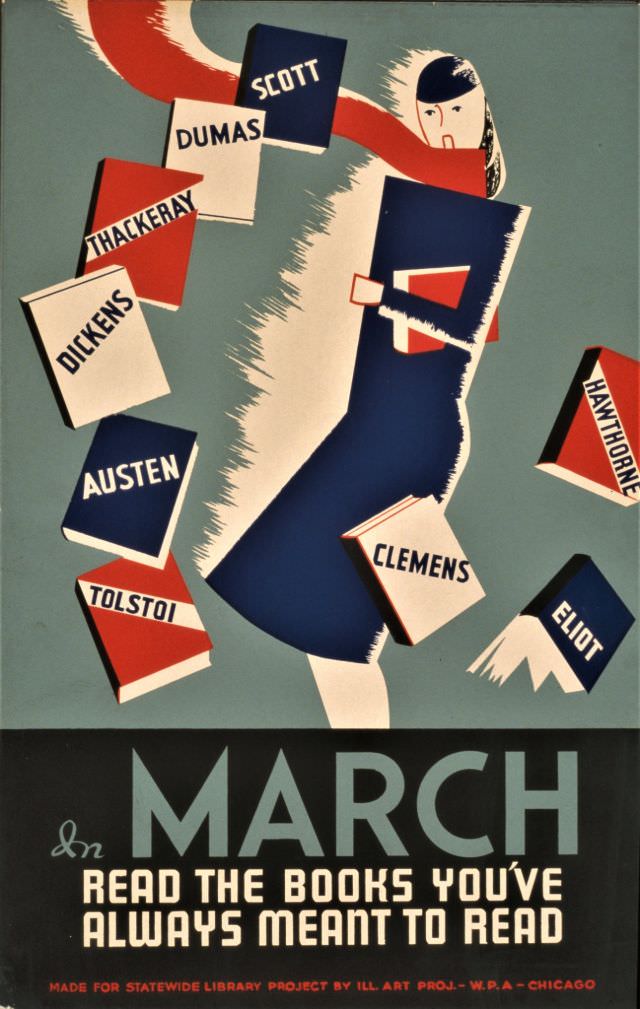
Public literacy was another priority. The WPA’s Statewide Library Project worked to expand access to books and reading resources across the country. Posters promoting the project encouraged Americans to use their local libraries, framing reading not just as a personal habit but as a civic responsibility.
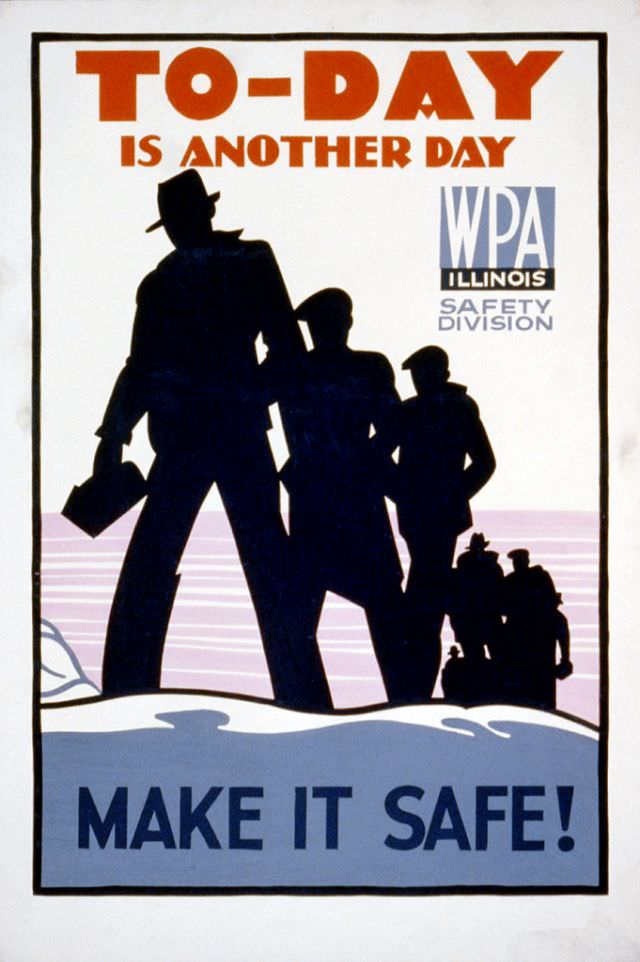
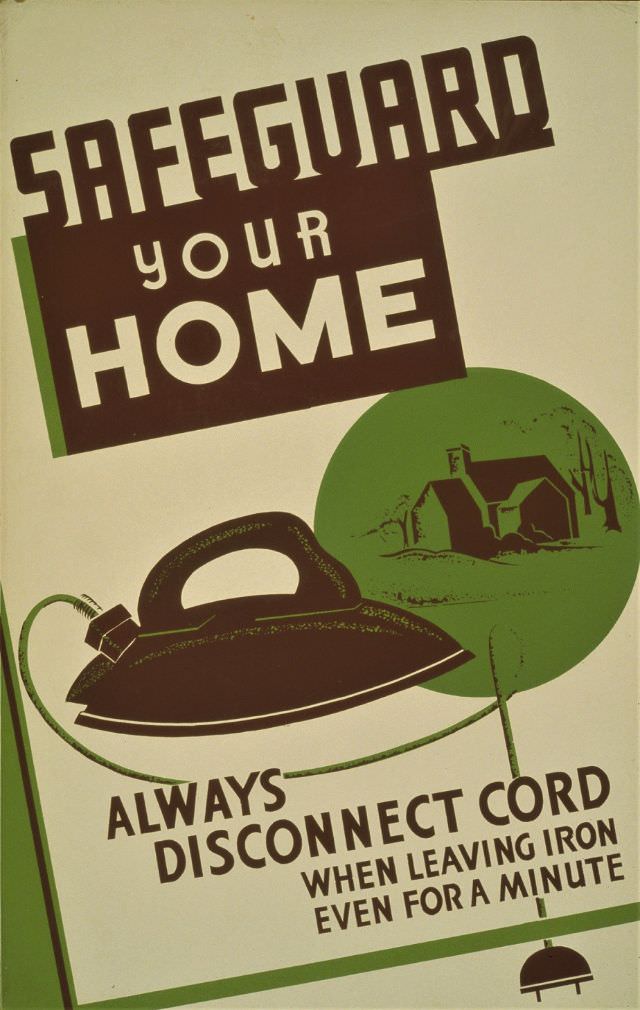
Workplace safety was a recurring theme in WPA poster campaigns. With millions of Americans employed in factories, construction sites, and industrial settings, accidents were common and costly. Safety posters reminded workers to follow procedures, wear protective gear, and stay alert on the job.
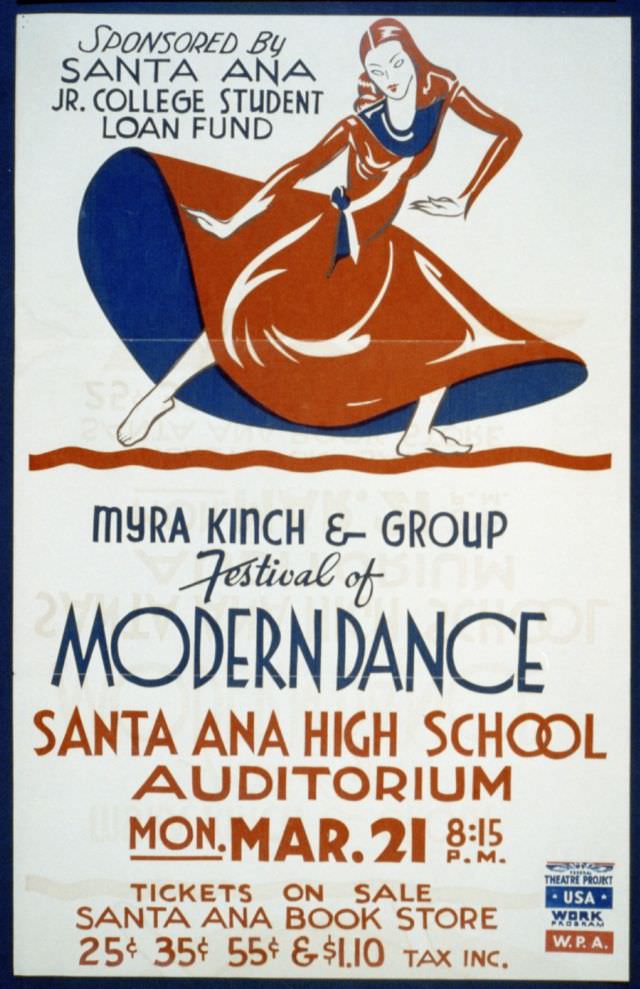
The Federal Theatre Project, another WPA program, used posters to advertise live performances across the country. These events brought professional theater and dance to audiences who had never seen it before. In 1938, a performance by Myra Kinch and her group at the Hollywood Playhouse was promoted through striking imagery that captured the energy of modern dance.
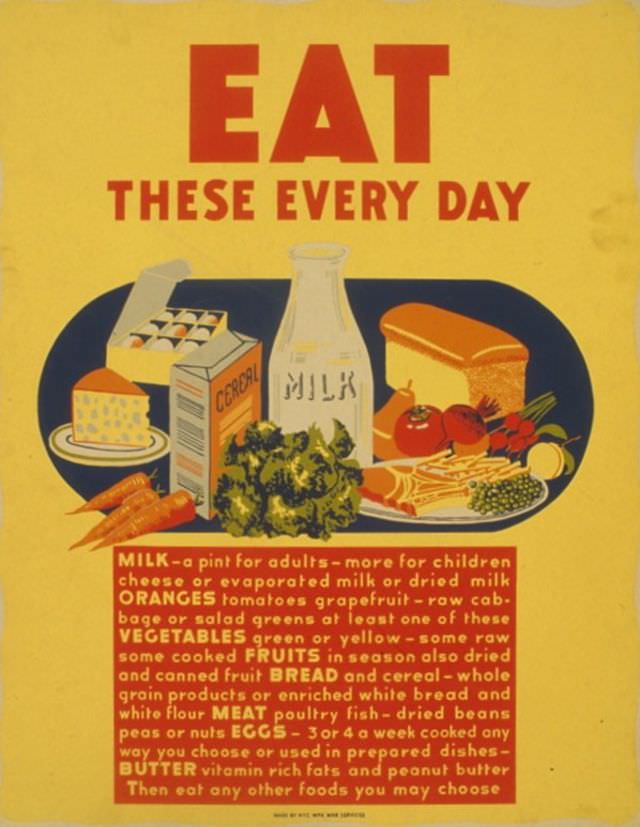
Public health was also part of the WPA’s poster agenda. Americans were encouraged to eat balanced meals and maintain healthy habits. These campaigns weren’t just about individual wellbeing — a healthy workforce was seen as essential to national productivity, especially as the country began preparing for the possibility of war.
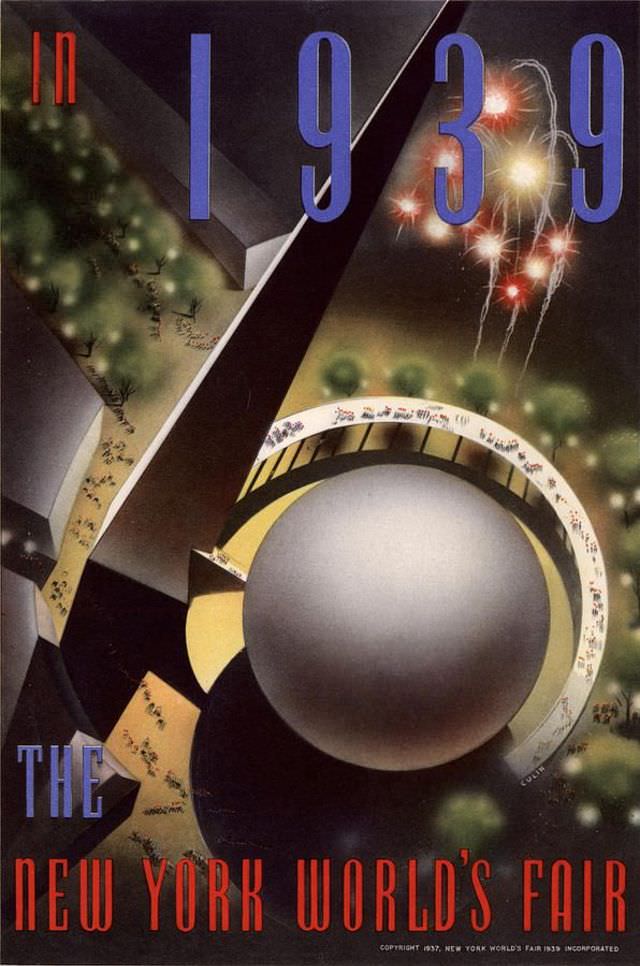
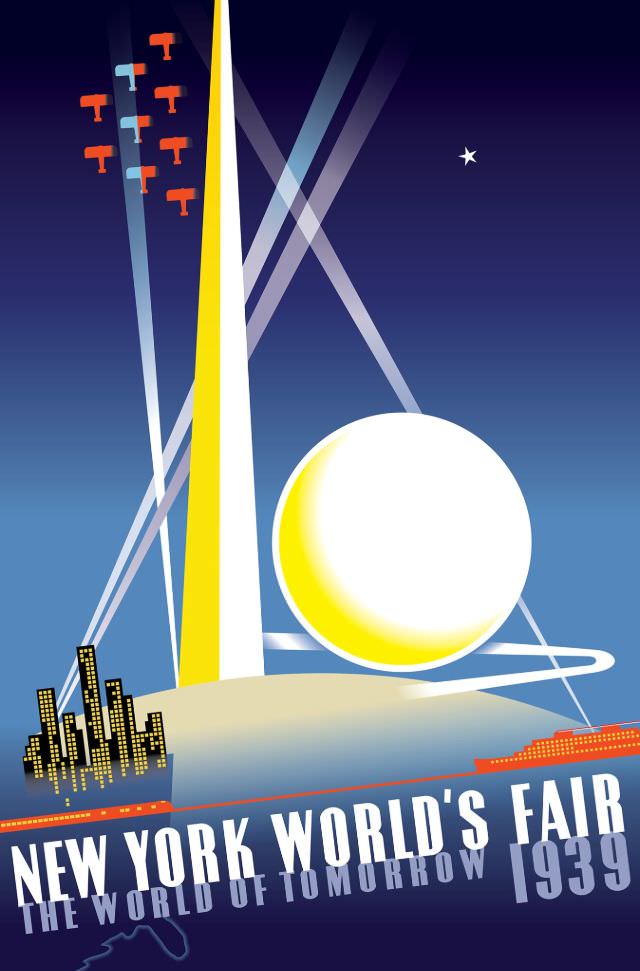
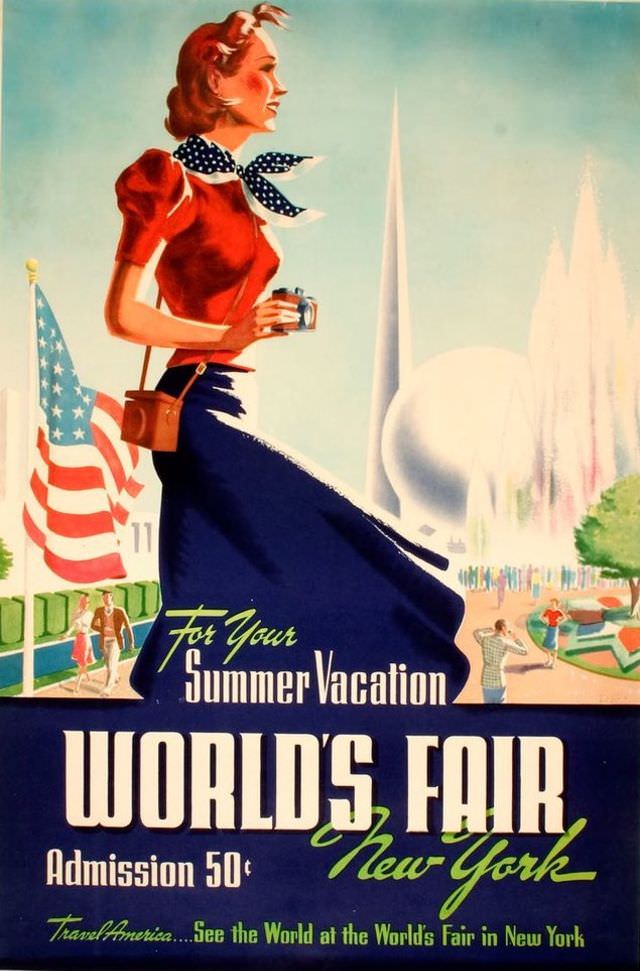
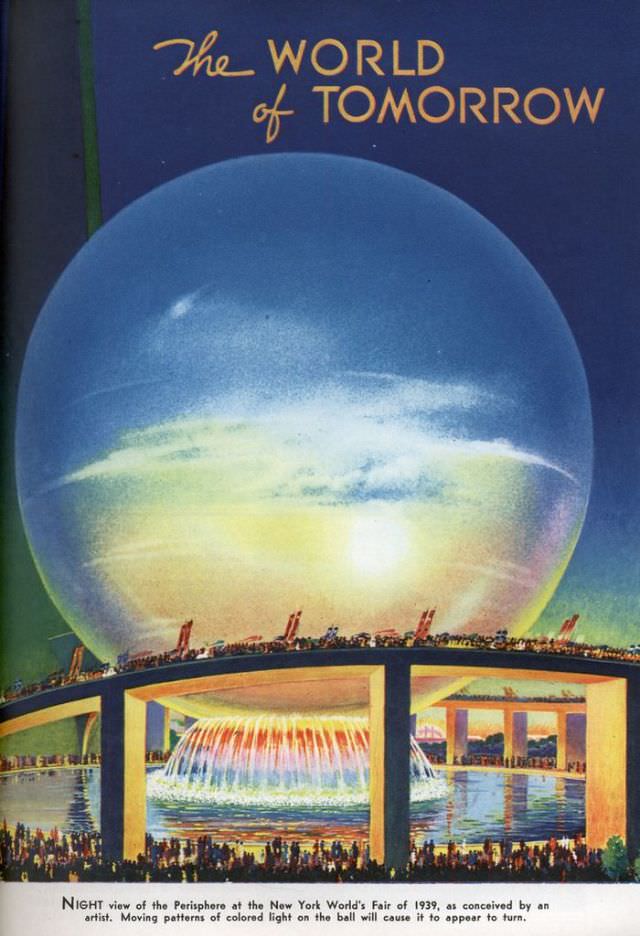
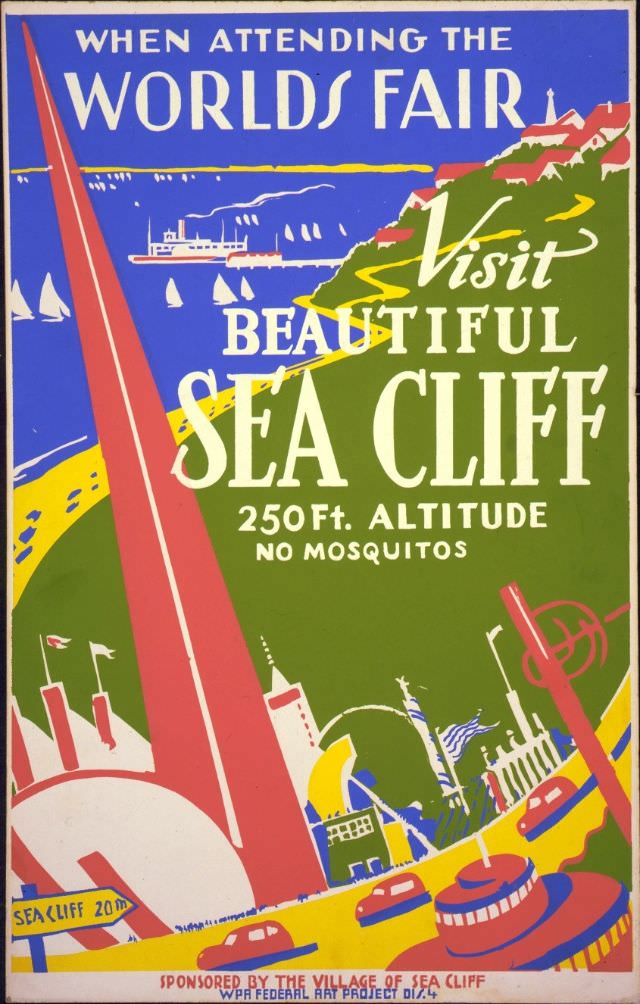
In 1939, New York City hosted the World’s Fair, and the WPA produced a series of posters to promote it. The fair was themed around “The World of Tomorrow” and drew millions of visitors. Artists like Joseph Binder and Nembhard N. Culin created visually striking advertisements that became iconic examples of American modernist design.
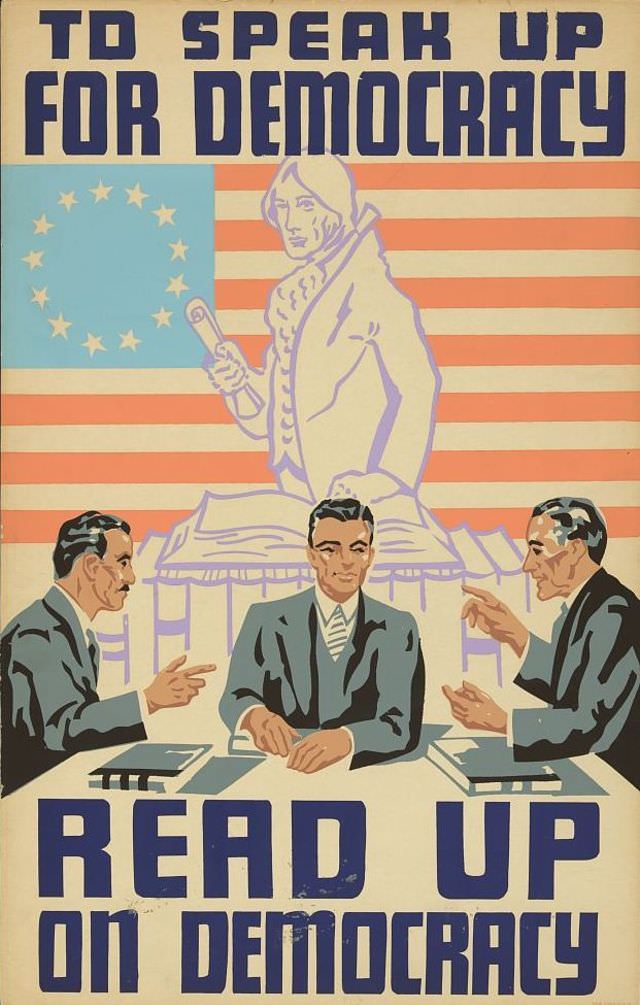
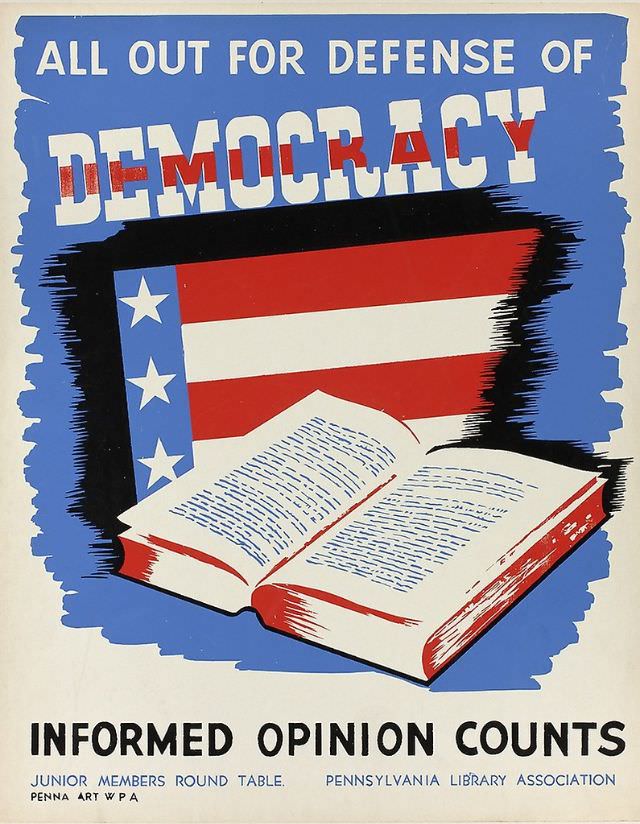
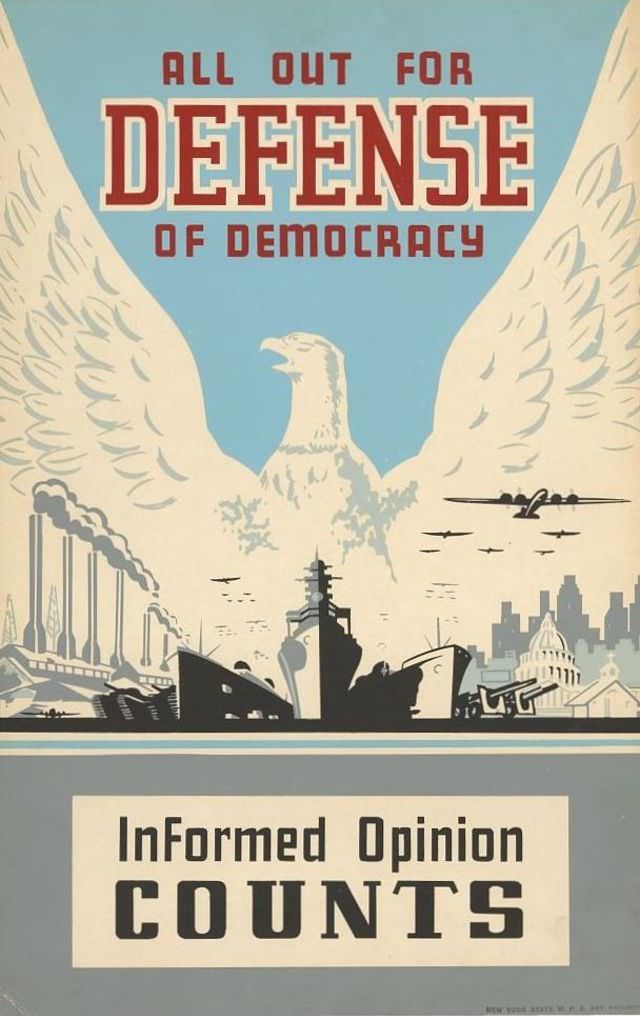
Not all WPA posters were tied to specific events or programs. Some aimed to shape civic behavior more broadly. Posters urged Americans to think critically, question what they read, and become more informed citizens. In a decade marked by the rise of fascism abroad and economic hardship at home, these messages carried real weight.
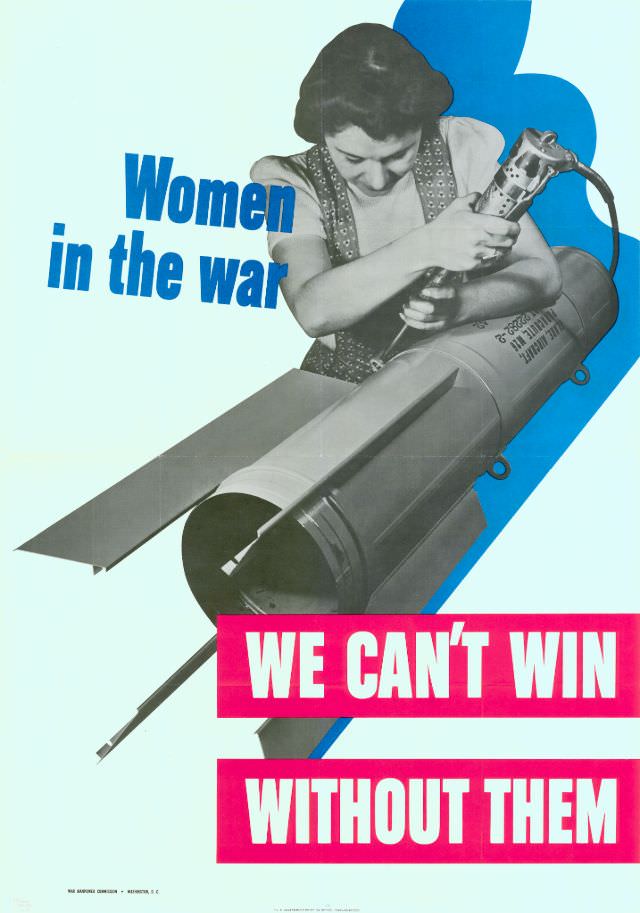
After the United States entered World War II in December 1941, the tone and urgency of government posters shifted dramatically. Women were called into the workforce in large numbers to fill jobs left by men who had gone overseas. Posters celebrating women war workers became a staple of wartime visual culture, pushing back against the idea that factory and industrial work was only for men.
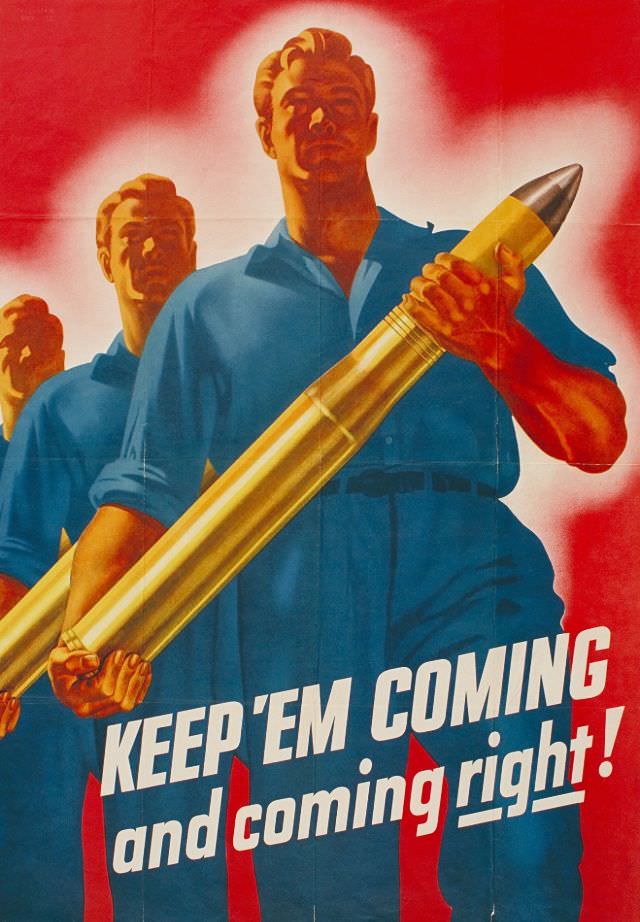
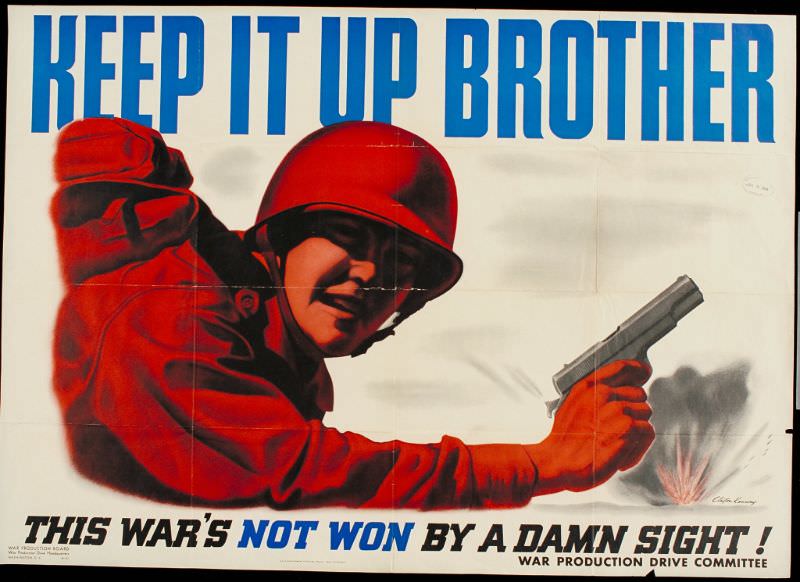
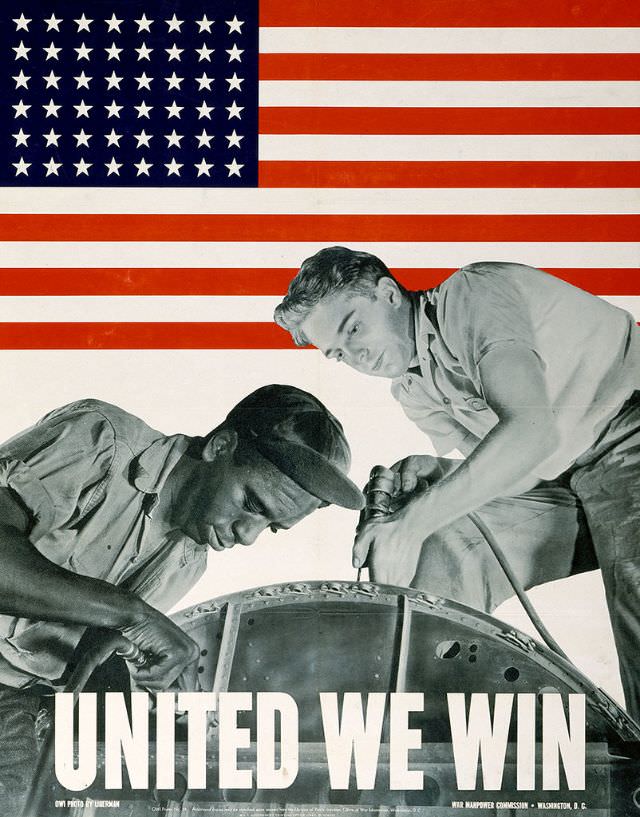
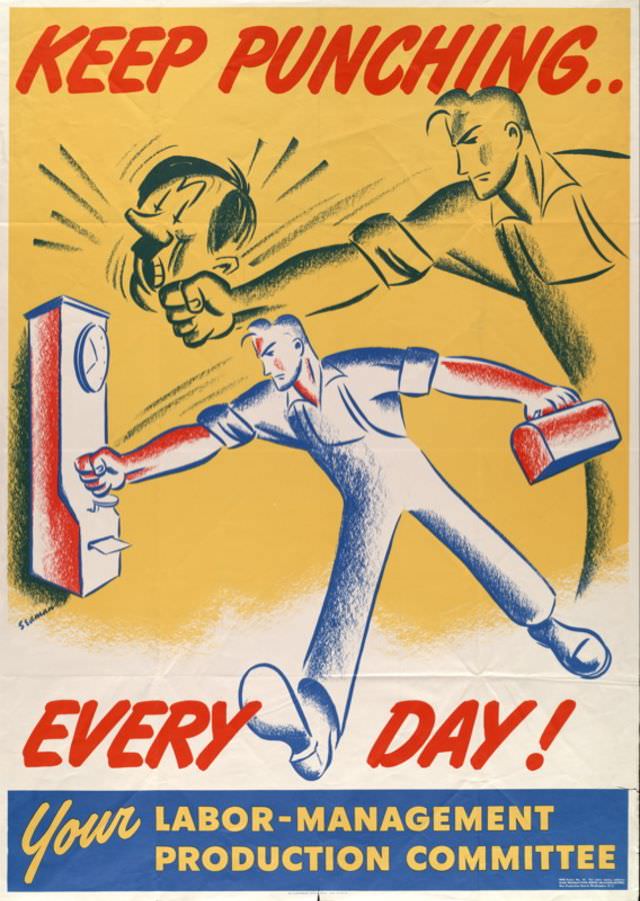
On the factory floor, productivity was treated as a form of combat. Workers were told that every bolt tightened and every part assembled was a contribution to the fight. Posters reinforced good workplace habits — punctuality, focus, and care — framing them as patriotic duties rather than just professional expectations.
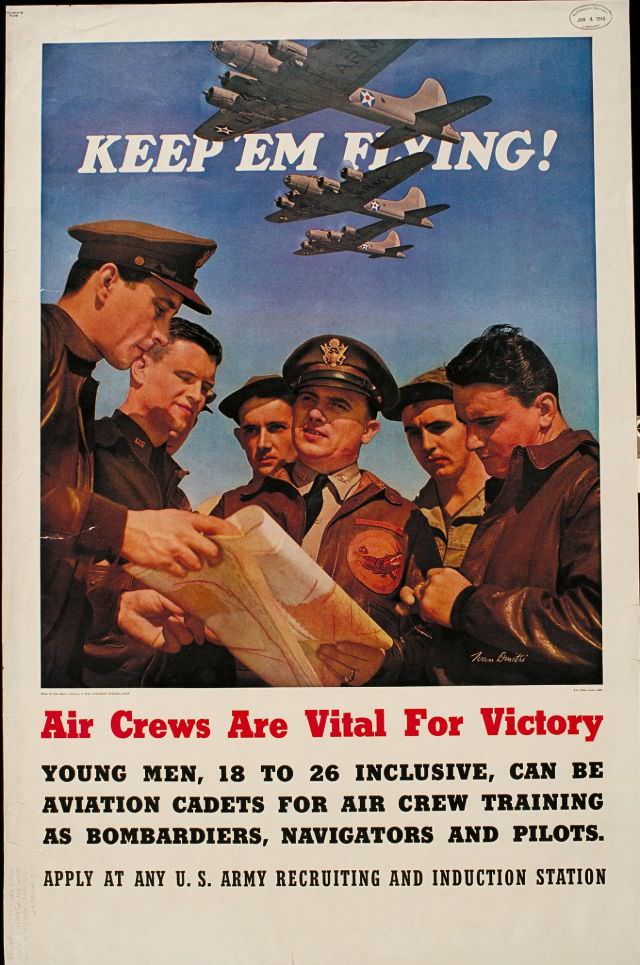
Military recruitment was another major area for wartime poster campaigns. Artists like Ivan Dimitri created compelling images designed to draw volunteers into the armed forces. These posters combined patriotic imagery with direct calls to action, targeting young men across the country.
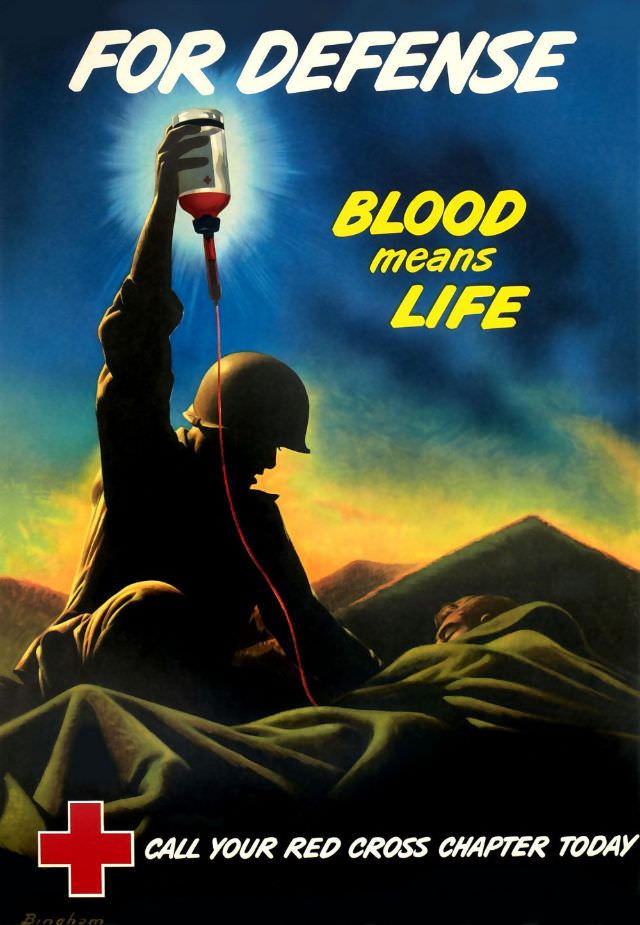
Blood donation became a critical need as battlefield casualties mounted. The Red Cross ran campaigns reminding civilians that donating blood directly saved the lives of wounded soldiers. The message was simple and urgent: blood means life, and the call to donate was framed as a personal responsibility.
Conservation became a national obligation during the war. Civilians were asked to collect and donate scrap metal, rubber, paper, and other materials to support weapons production. Salvage drives turned ordinary household discards into raw materials for tanks, ships, and ammunition.

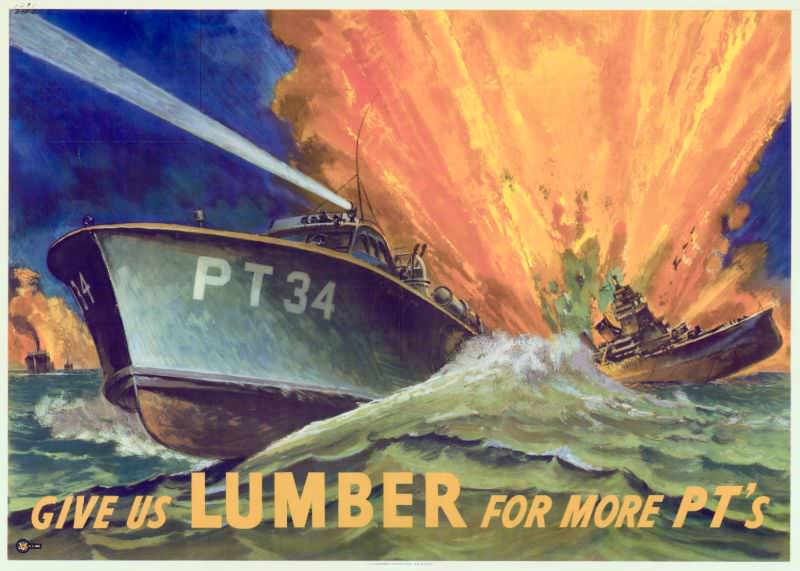
Lumber production was another wartime priority. The construction of military bases, barracks, and shipping crates demanded enormous quantities of wood. Posters targeted workers in the timber industry, stressing that their output was as vital to the war effort as the output of any weapons factory.
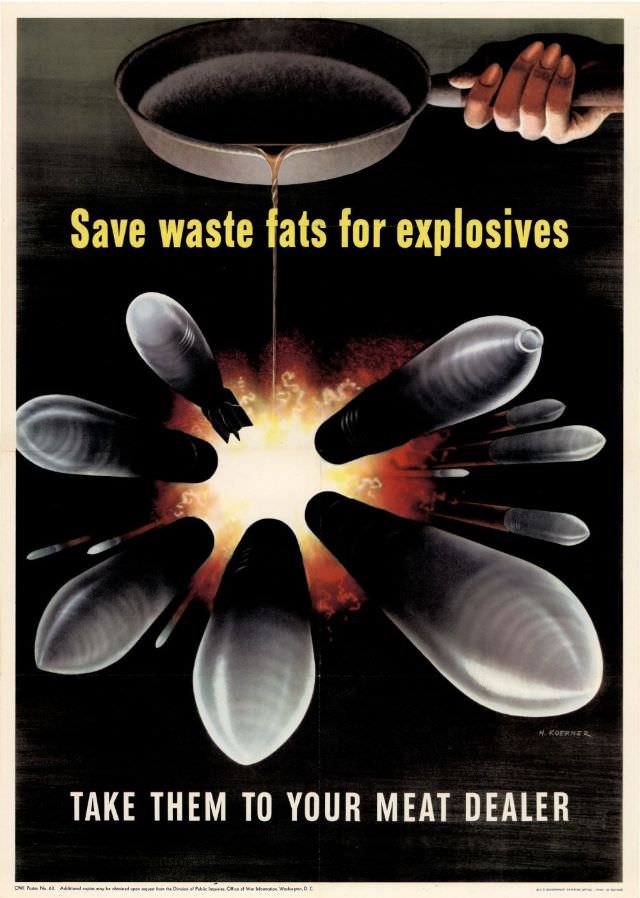
One of the more unusual home front campaigns asked civilians to save their cooking grease. Animal fat was a key ingredient in the production of glycerin, which was used to manufacture explosives. Posters instructed housewives to pour leftover cooking grease into cans and turn it in at local collection points — a small act with a direct military application.
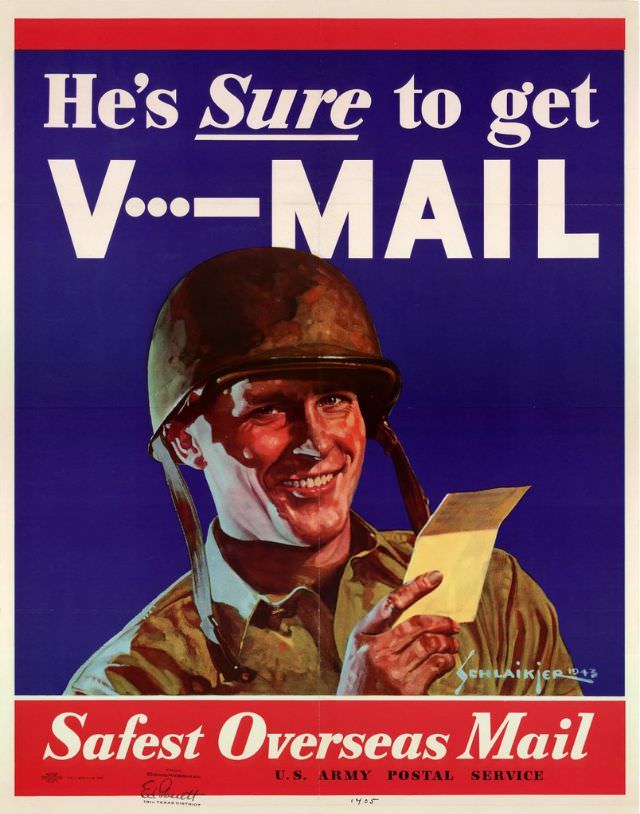
Keeping soldiers connected to home was both a morale and logistical challenge. V-Mail — short for Victory Mail — was a system introduced by the U.S. military that photographed letters onto microfilm, shipped the film overseas, and then printed copies for delivery. This saved cargo space on ships crossing the Atlantic and Pacific. Posters promoted the V-Mail system to civilians, encouraging them to write letters to soldiers using the official forms.
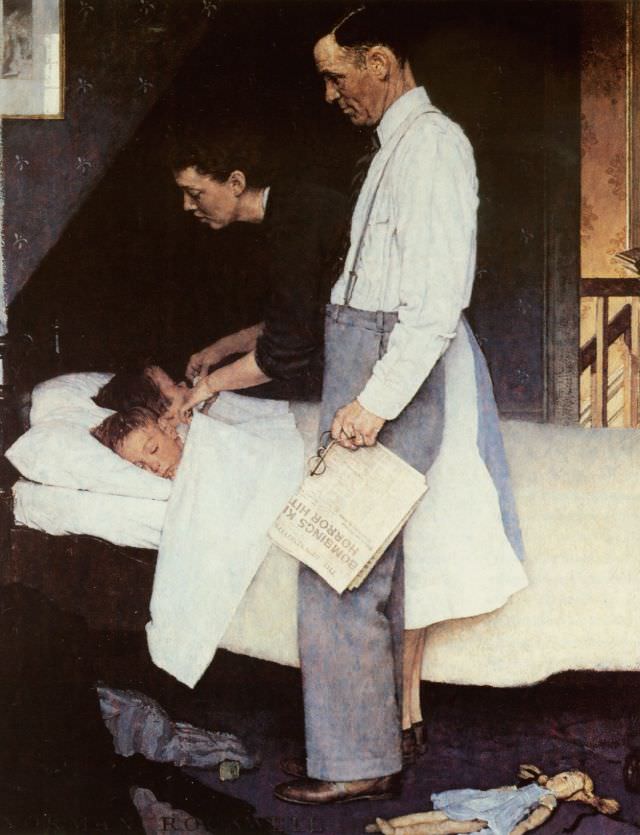
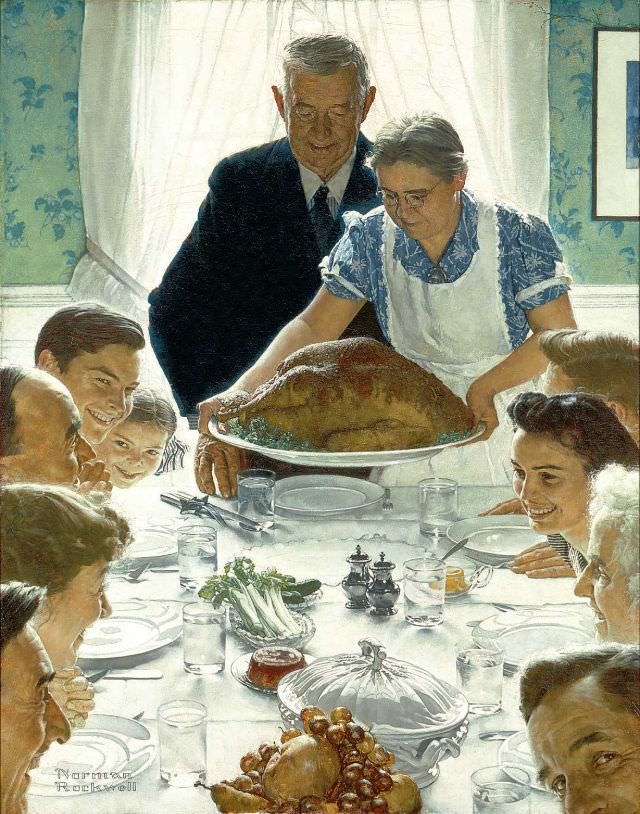
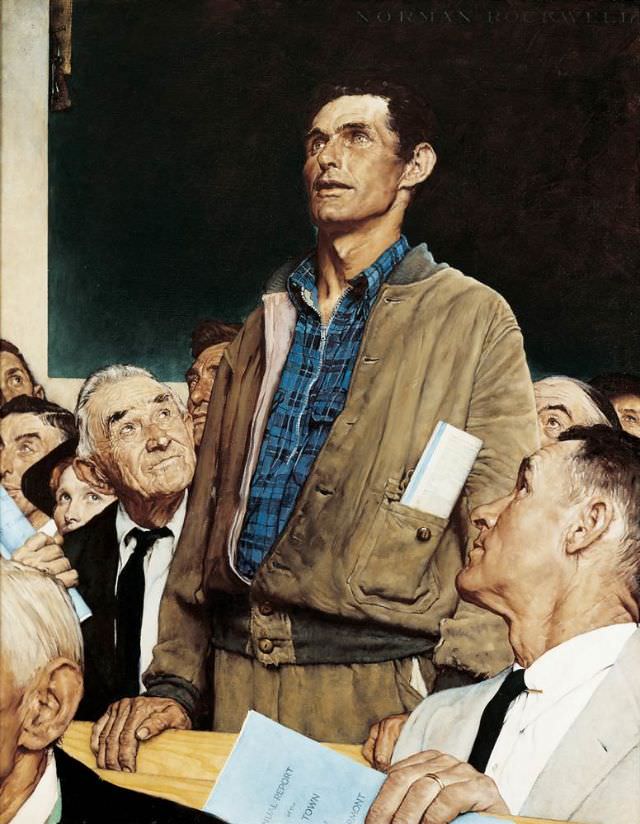
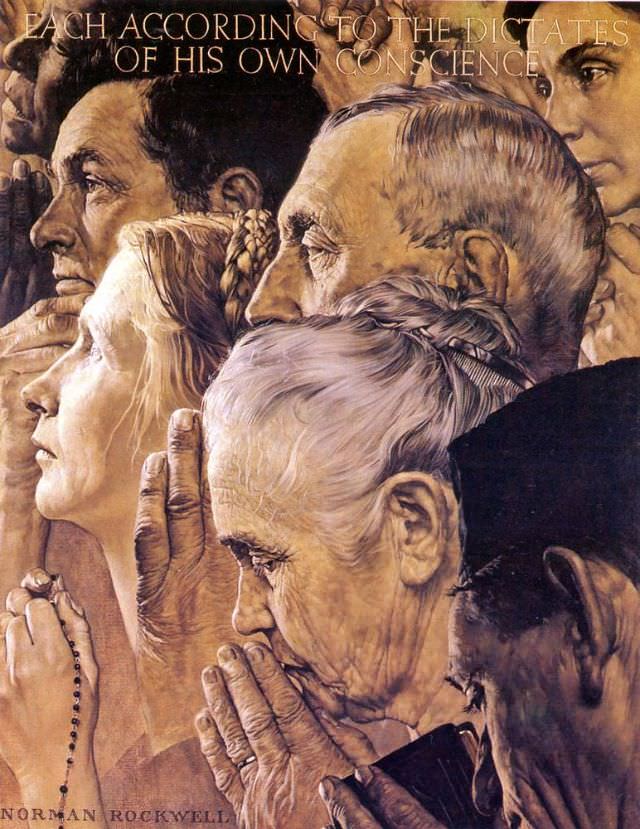
In February 1943, the Saturday Evening Post published four paintings by Norman Rockwell that became some of the most recognized images of the war. Based on President Roosevelt’s 1941 “Four Freedoms” speech, each painting depicted one of the four principles: freedom of speech, freedom of worship, freedom from want, and freedom from fear. The Office of War Information turned them into posters that were distributed by the millions.
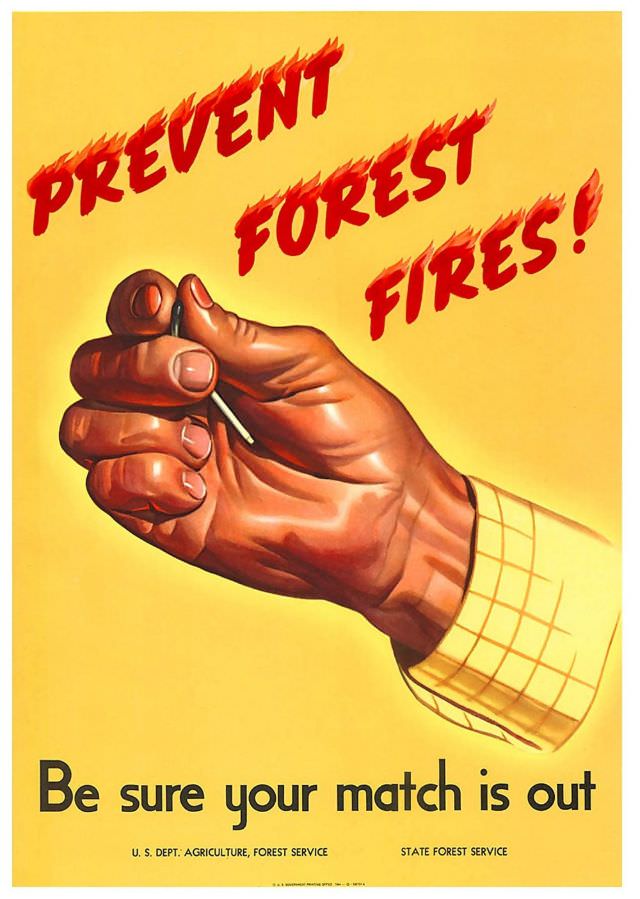
Forest fires posed a serious threat to the lumber supply the military depended on. In 1944, fire prevention posters warned that a single unattended campfire or carelessly discarded match could destroy thousands of acres of timber needed for the war effort. These campaigns laid the groundwork for what would eventually become the Smokey Bear program.
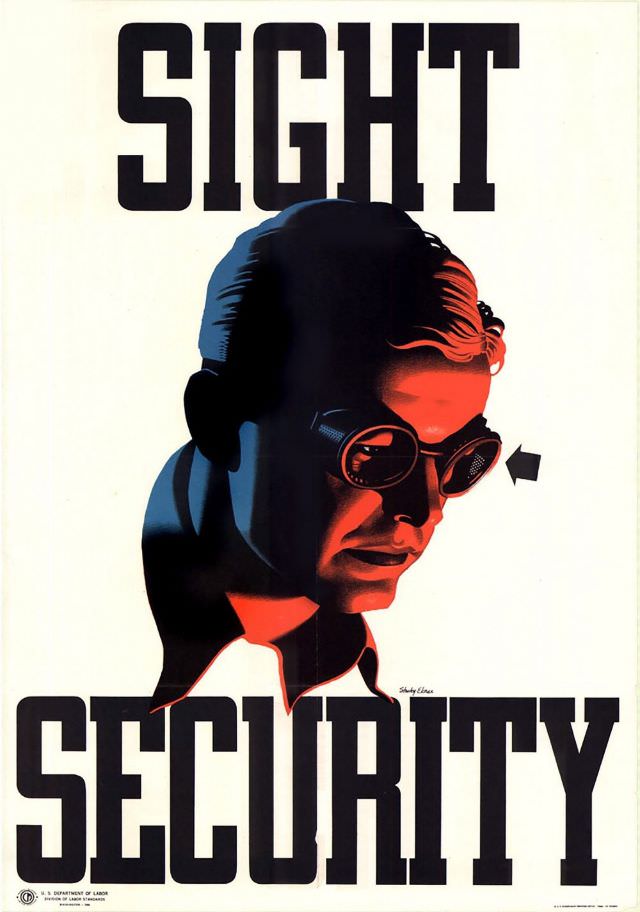
Eye injuries were among the most common and preventable accidents in wartime factories. A single metal chip or chemical splash could permanently blind a worker and remove them from the production line. Posters promoting eye safety were posted in plants across the country, emphasizing the use of goggles and face shields.
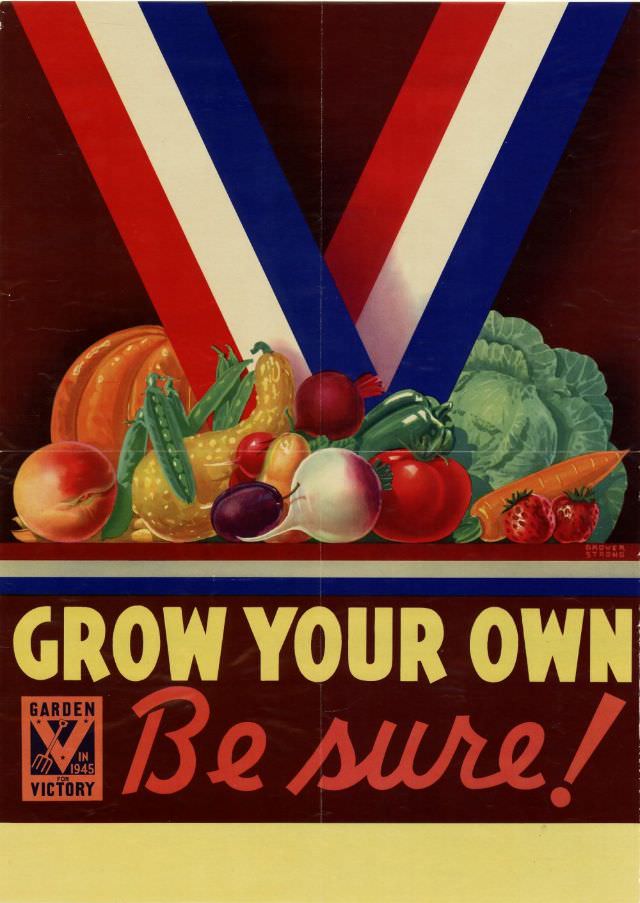
Victory Gardens were home vegetable plots that civilians were encouraged to grow to reduce pressure on commercial food supplies. With so much food being shipped overseas to feed troops, domestic production had to increase. By 1944, an estimated 20 million Victory Gardens across the U.S. produced roughly 40 percent of the country’s vegetables.
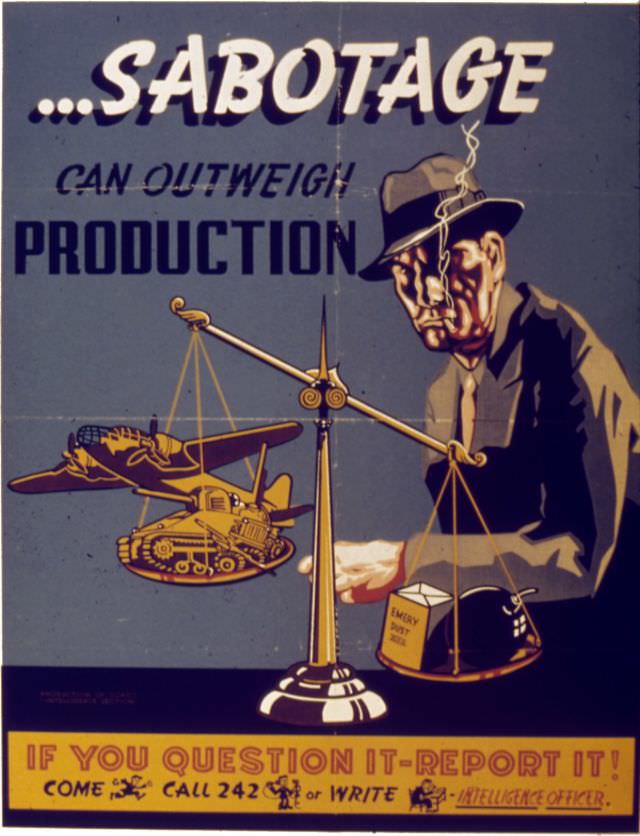
Sabotage was a genuine fear during the war. Enemy agents were known to operate on American soil, and wartime industries were considered prime targets. Posters warned factory workers to be watchful for suspicious activity, to guard sensitive information, and to report anything unusual to supervisors or authorities.
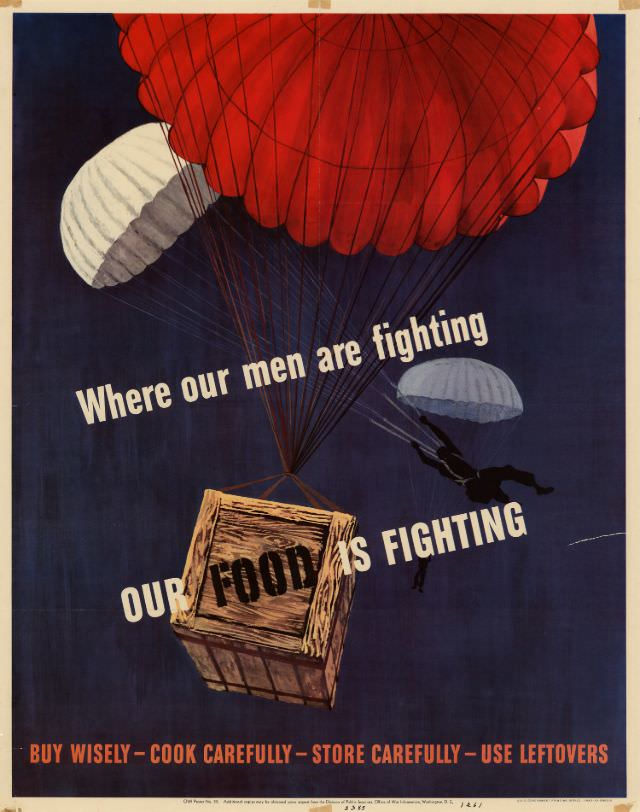
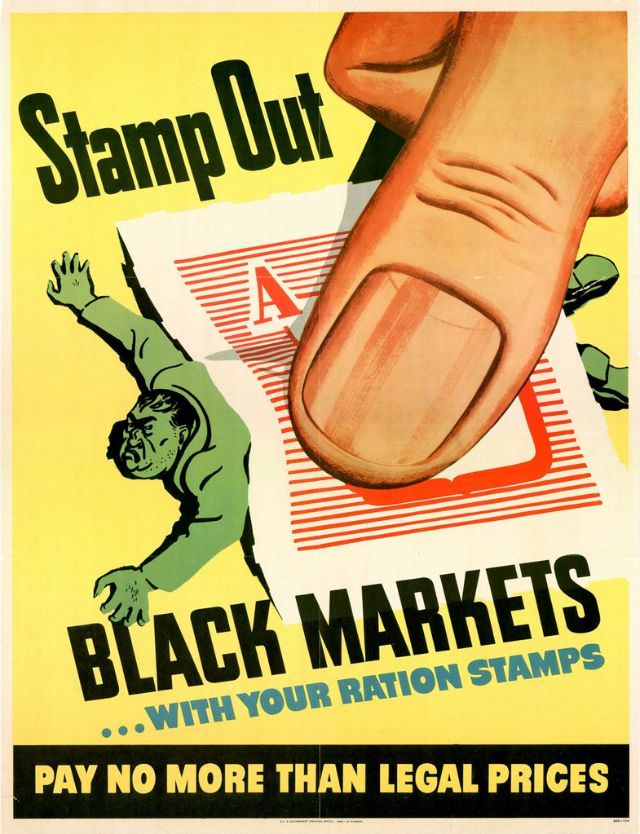
Rationing was a central feature of the American home front during WWII. Sugar, meat, butter, gasoline, nylon, and dozens of other goods were rationed through a coupon system managed by the Office of Price Administration. Posters reminded civilians that hoarding and waste were not just selfish — they were obstacles to winning the war.
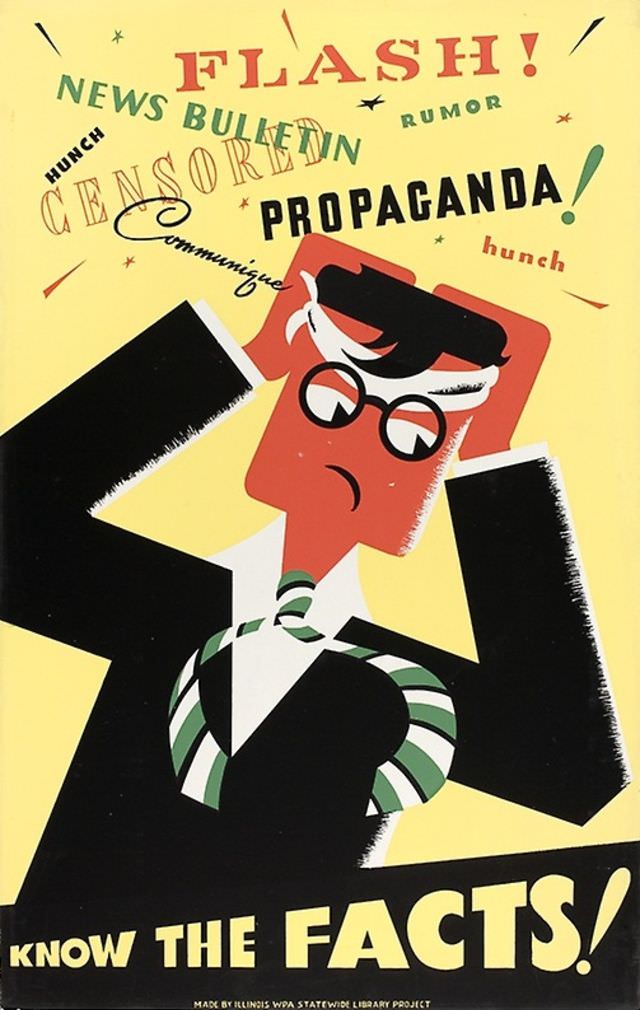
Wartime posters didn’t just address practical matters. Some tackled democratic values directly. Americans were reminded that an informed citizenry was essential to defending democracy — both abroad and at home. The threat of propaganda and misinformation was real, and these posters pushed back by encouraging people to seek out facts and think for themselves.
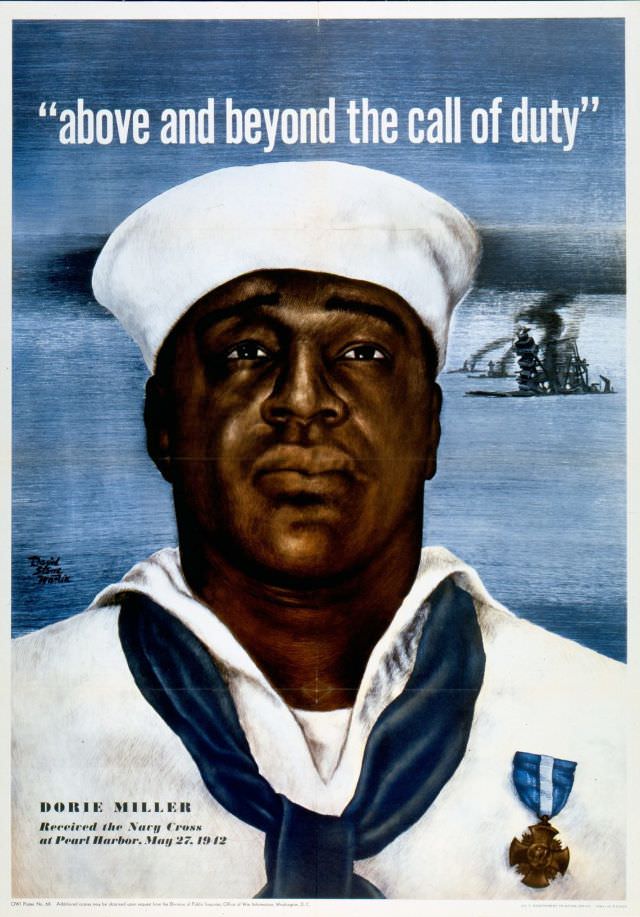
One of the most powerful wartime posters honored Doris “Dorie” Miller, a Black U.S. Navy cook who manned an anti-aircraft gun during the Japanese attack on Pearl Harbor on December 7, 1941 — despite having no formal training on the weapon. He was awarded the Navy Cross for his actions that day. The poster, titled “Above and Beyond,” was part of a campaign to promote both the war effort and recognition of Black Americans’ service.
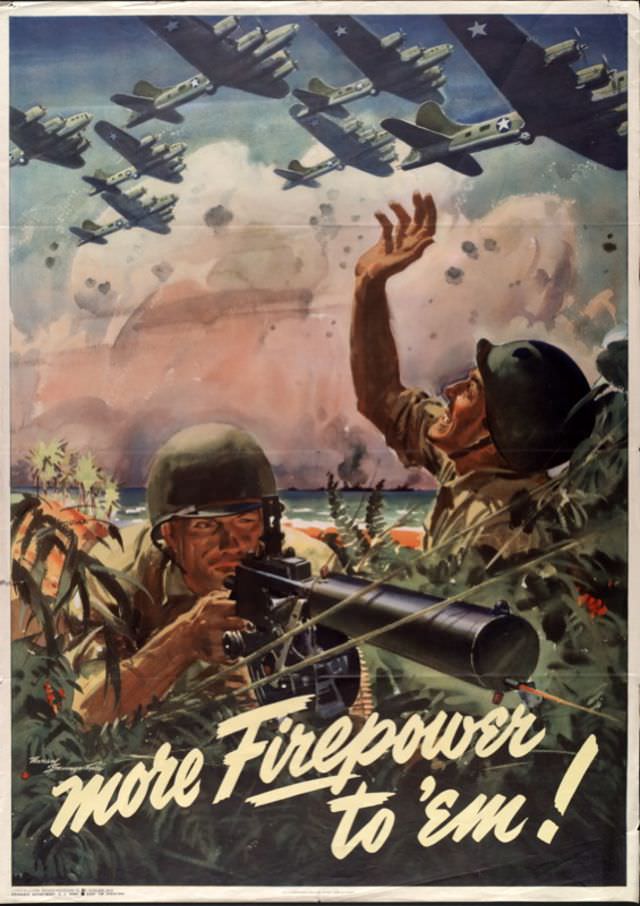
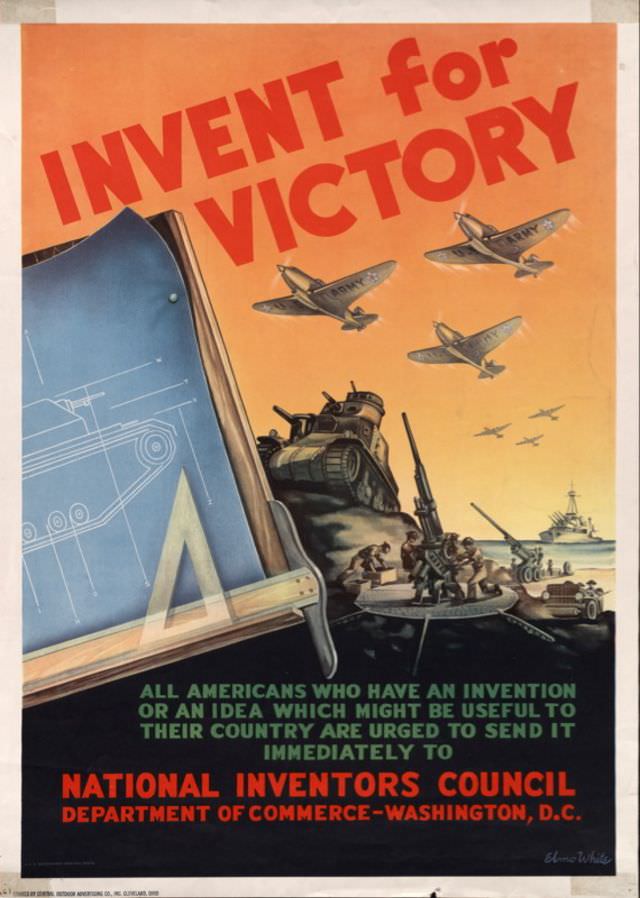
Production posters pushed American workers to keep output high throughout the war. “Keep Punching” was one of many slogans used to frame factory work as a form of fighting. The message was consistent across thousands of posters: every shift worked, every part produced, and every deadline met brought the country one step closer to victory.
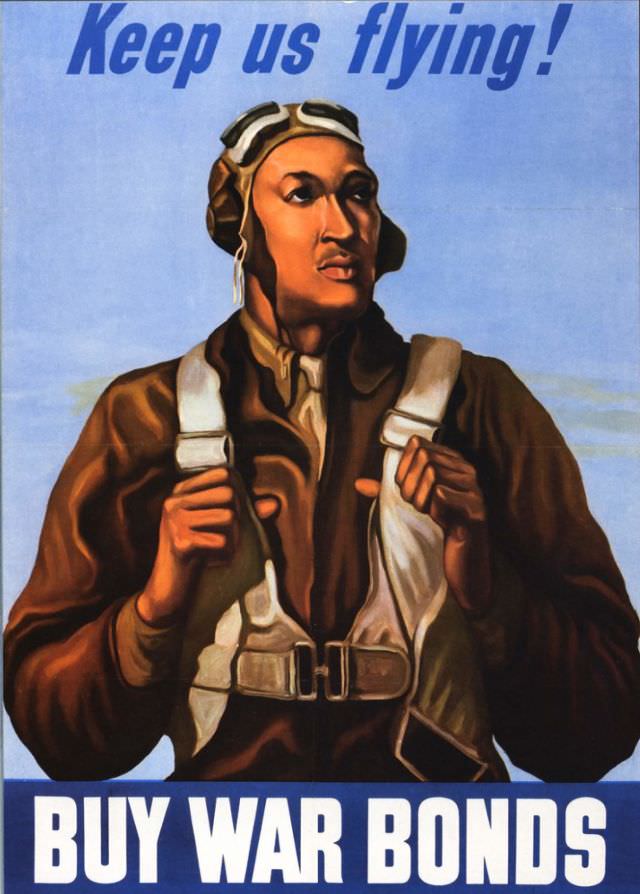
The Tuskegee Airmen were the first Black military aviators in the U.S. Armed Forces. One poster from the Office of War Information featured Tuskegee Airman William Diez with the words “Keep Us Flying,” urging Americans to buy war bonds to fund the air campaign. The poster was part of a broader series of patriotic images that also served to push back against racial segregation in the military.
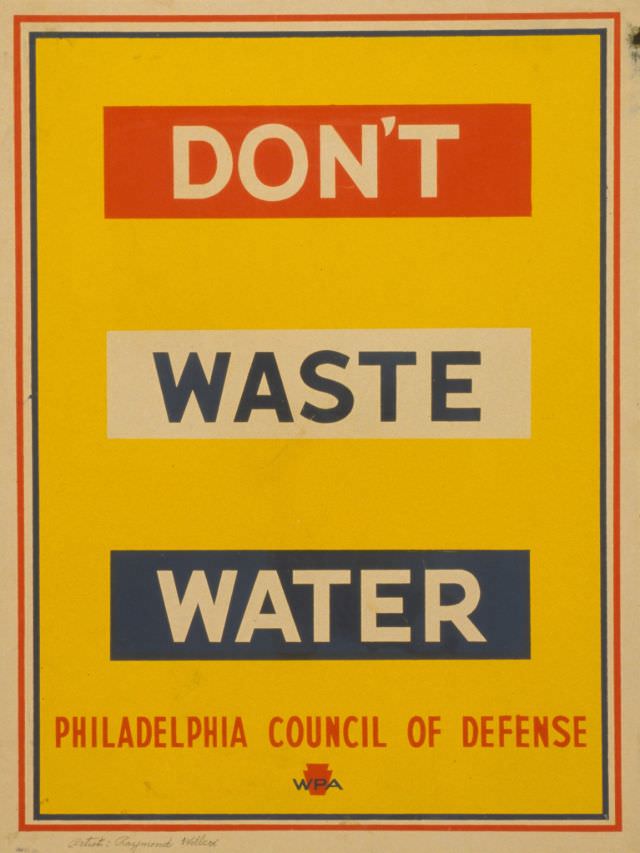
Water conservation was another wartime campaign that targeted both industrial and civilian users. Artist Raymond Wilcox created a poster urging Americans to reduce water waste, recognizing that industrial water use for weapons manufacturing competed with civilian needs. Every resource saved on the home front was a resource redirected toward the front lines.
From the earliest days of the New Deal to the final months of World War II, WPA and government-commissioned posters formed a continuous thread of public communication. They addressed hunger, ignorance, danger, and despair during the Depression — then shifted to mobilize an entire nation for total war. Taken together, these posters form a detailed visual record of what the U.S. government wanted its citizens to know, do, and believe across two of the most turbulent decades in American history.