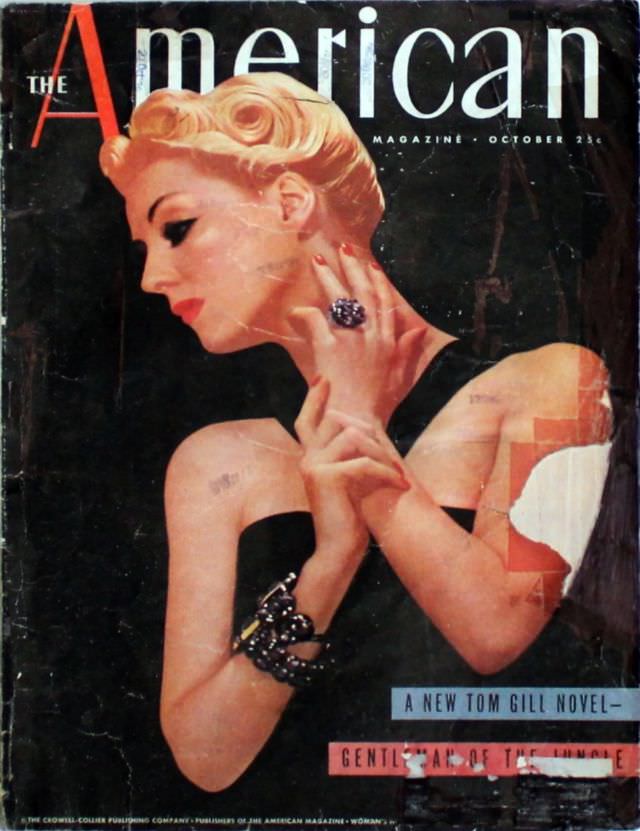
The American Magazine was one of the most widely read periodicals in the United States during the 1930s. Founded in 1906, it grew out of a long line of predecessors, including Frank Leslie’s Popular Monthly and Leslie’s Monthly Magazine. Through each name change, it kept continuous volume numbering — a small but telling sign of its dedication to readers. By the time the 1930s arrived, the magazine had found its stride.
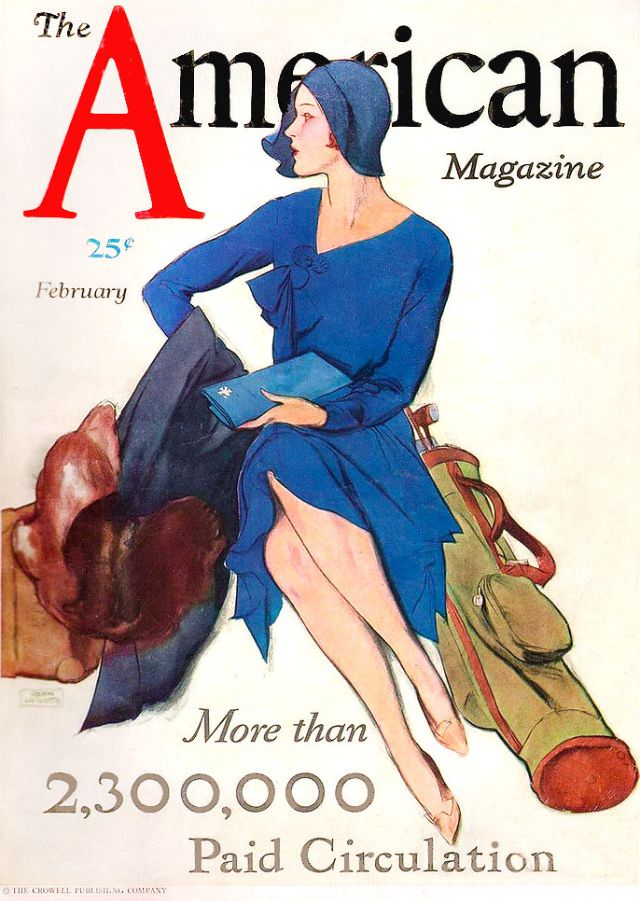
The early 1930s covers reflect a country navigating the Great Depression. While millions of Americans struggled with unemployment and economic hardship, magazines like this one offered an affordable escape. Each issue packed serialized novels, human-interest stories, and commentary on politics, science, and culture into one place.
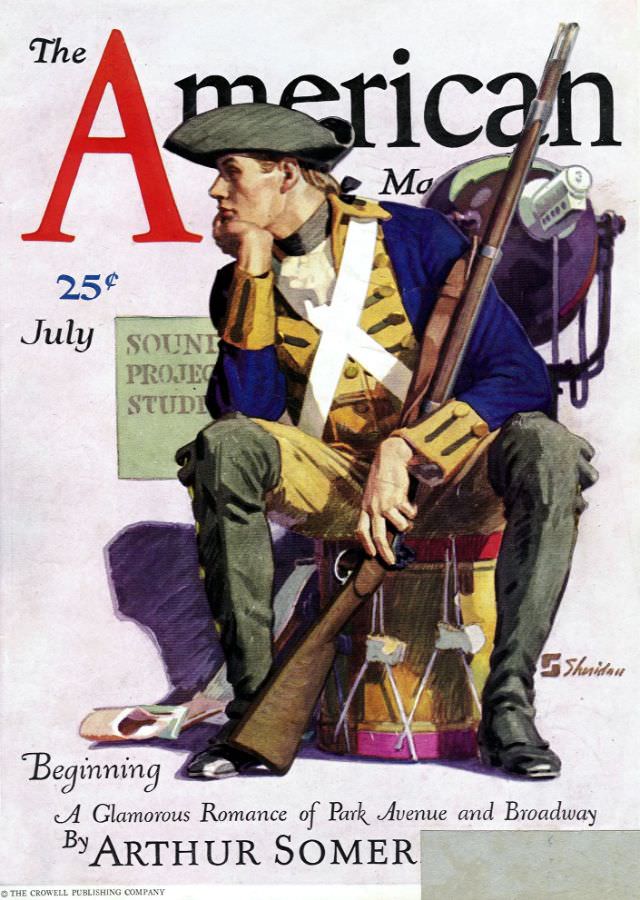
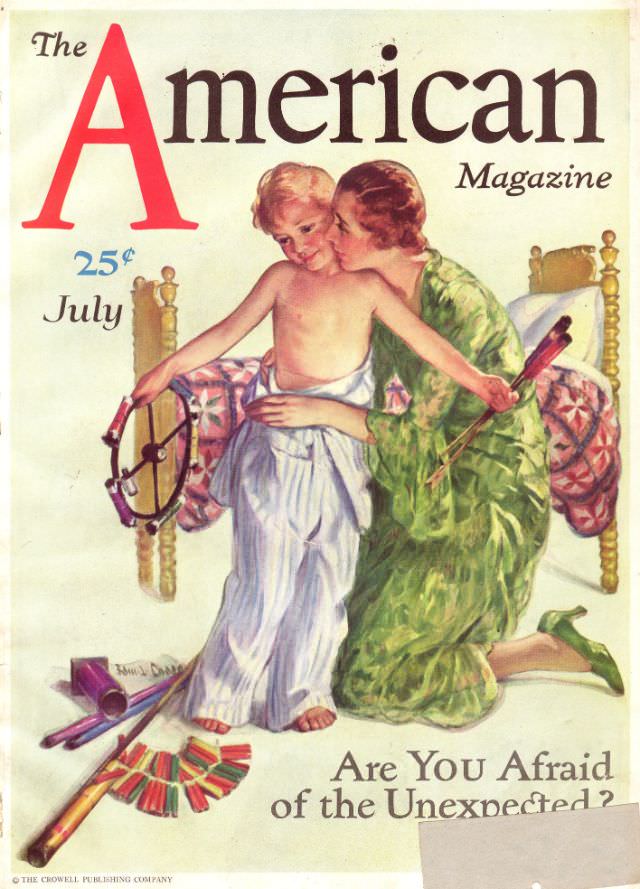
Serialized fiction was a major draw. Readers would follow a novel across several issues, building anticipation the way audiences today follow a streaming series. This format kept subscribers loyal and gave writers room to develop complex, layered stories. The magazine also actively published new literary voices, many of whom became major American writers.
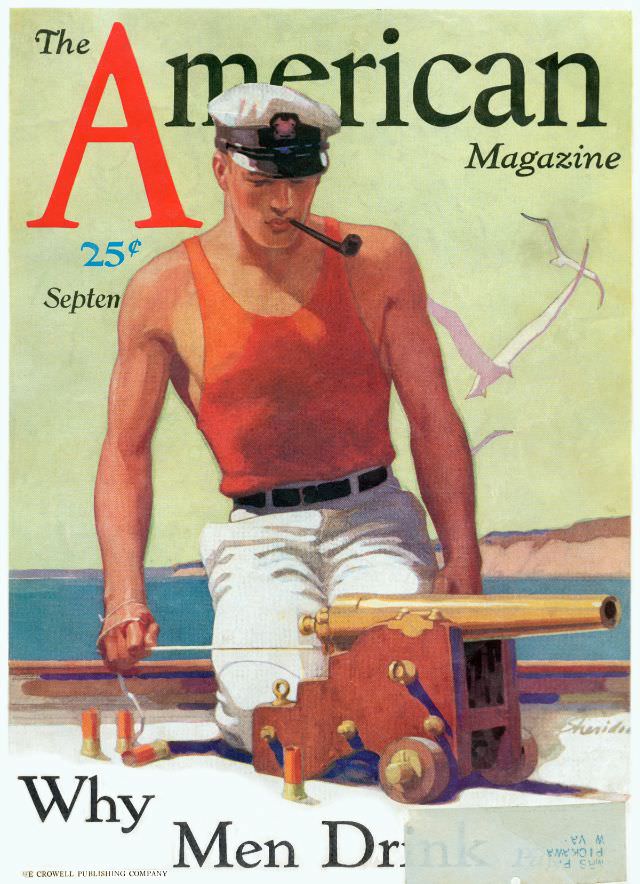
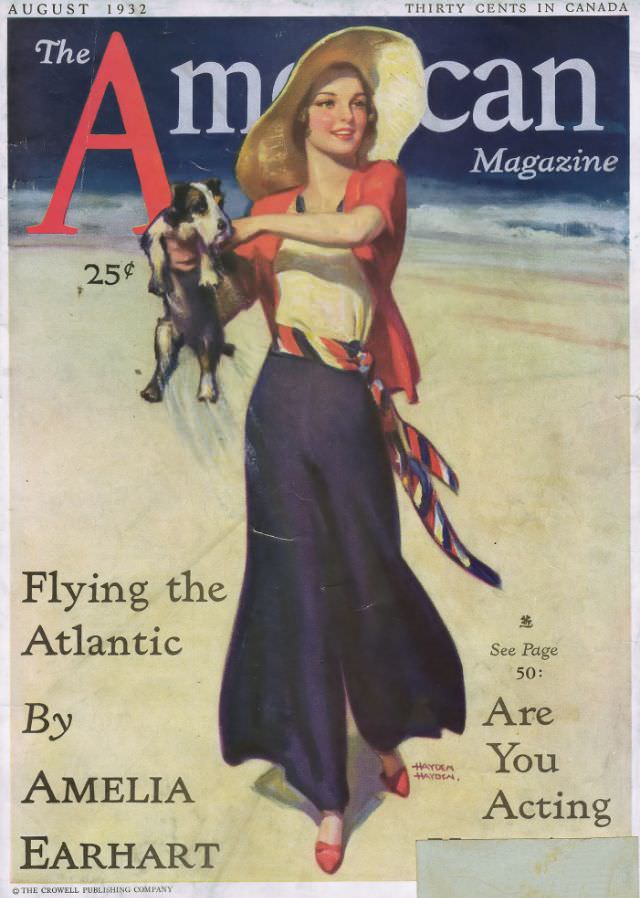
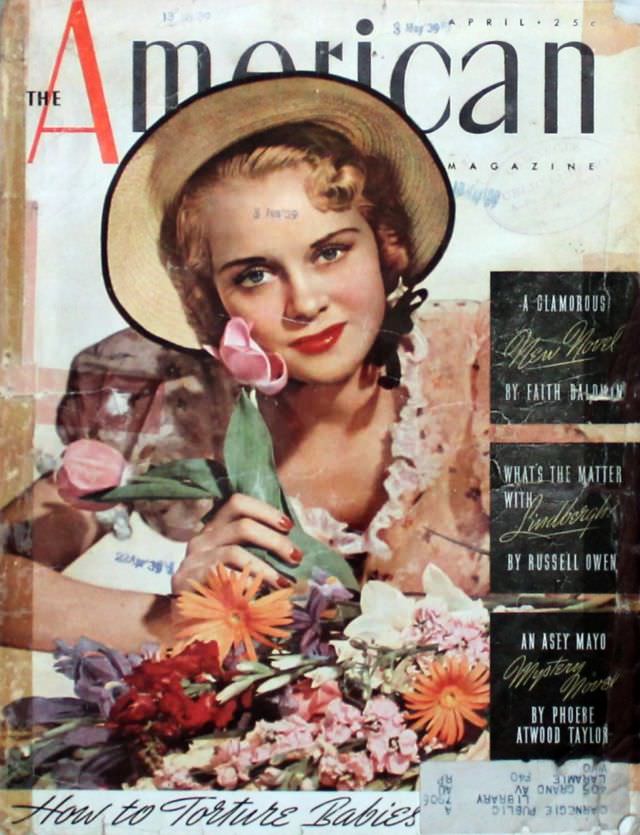
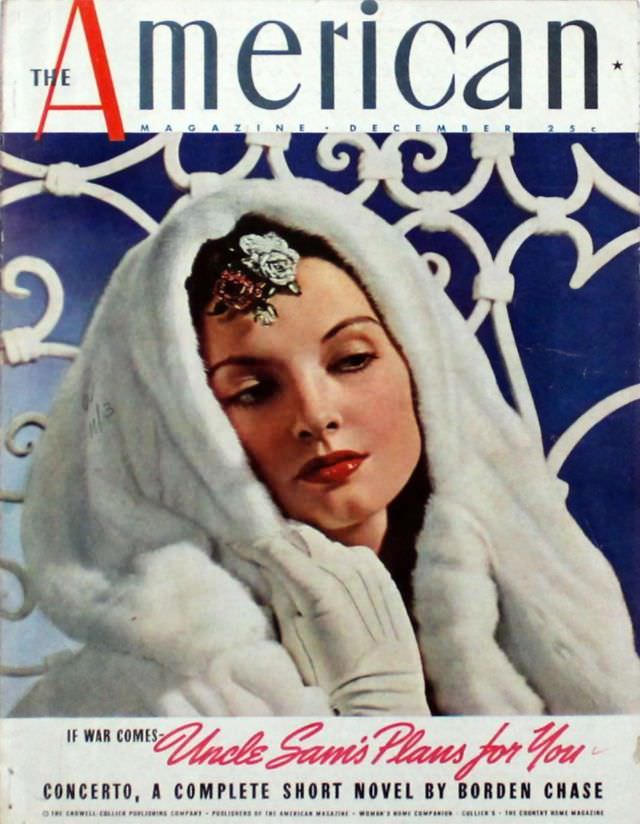
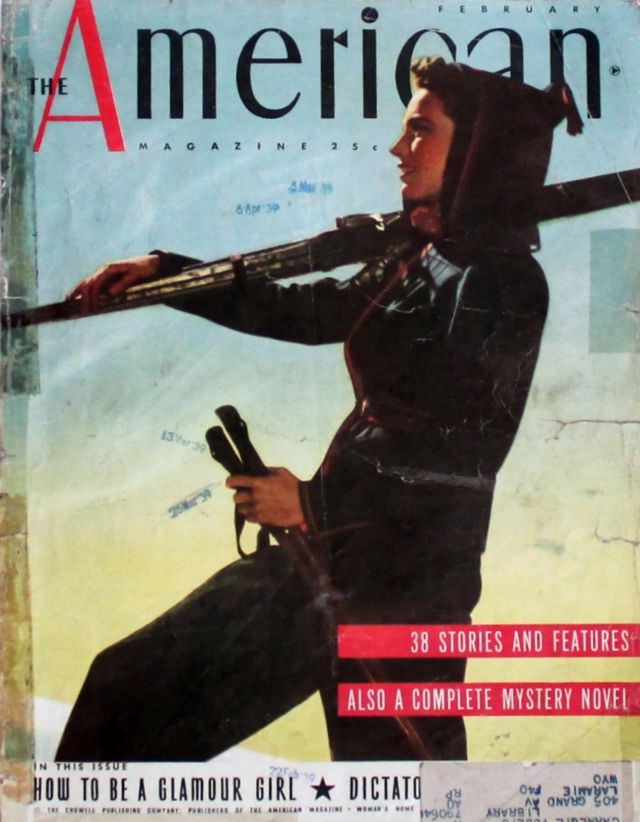
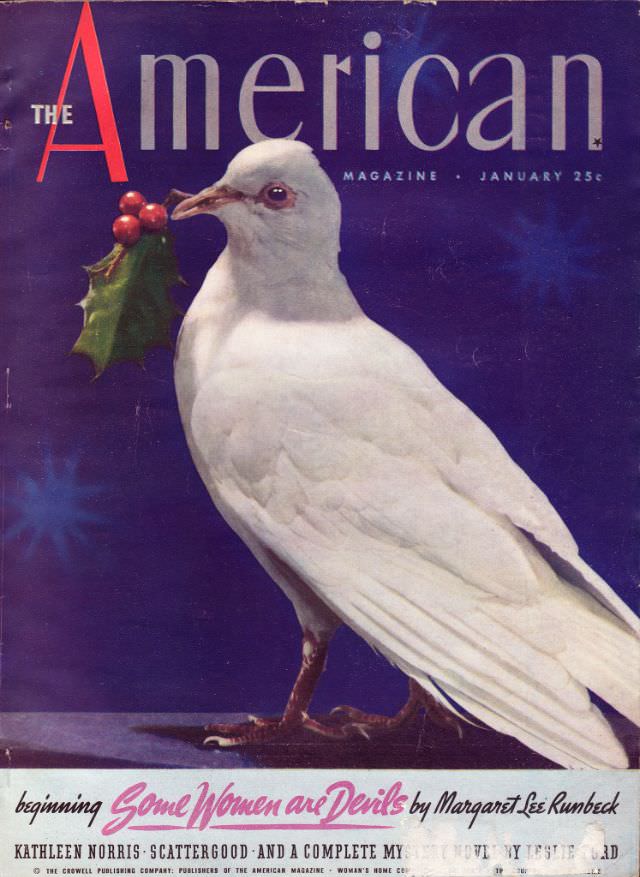
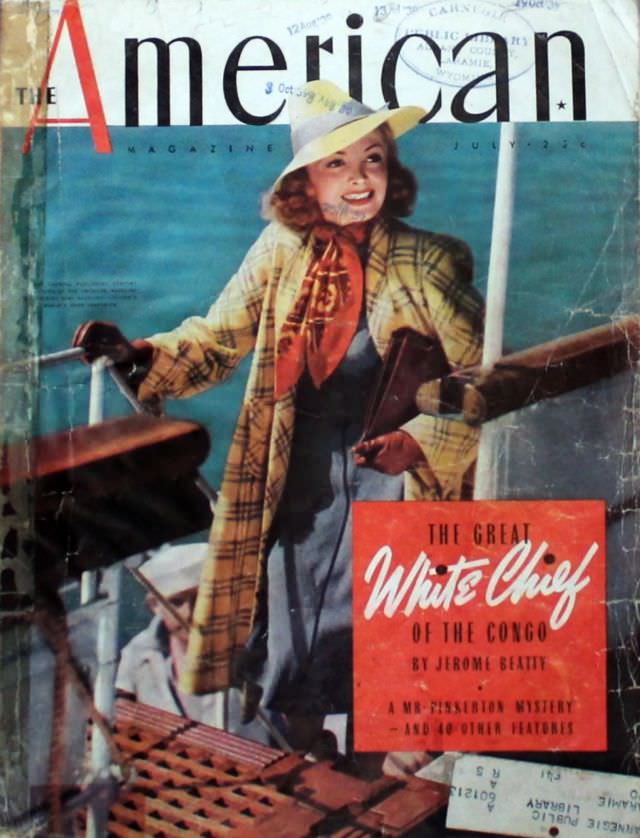
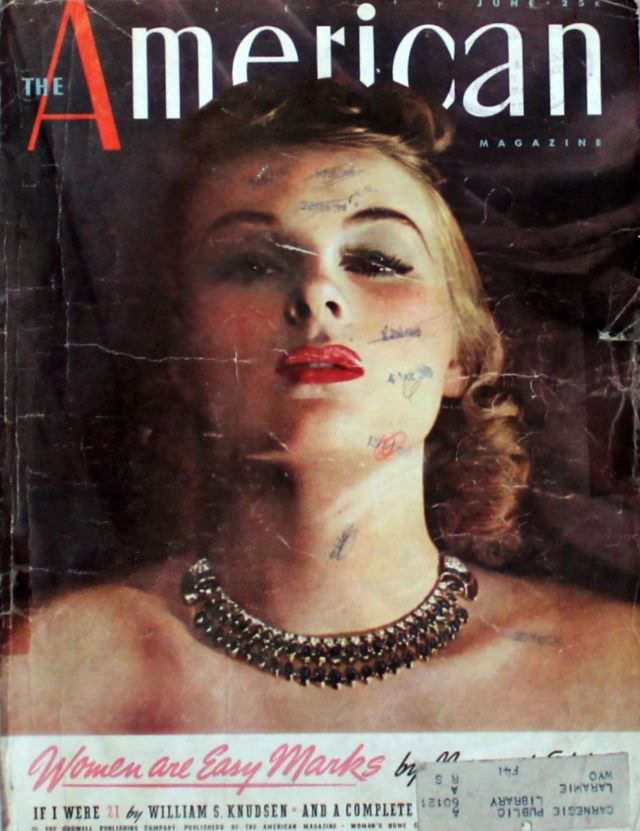
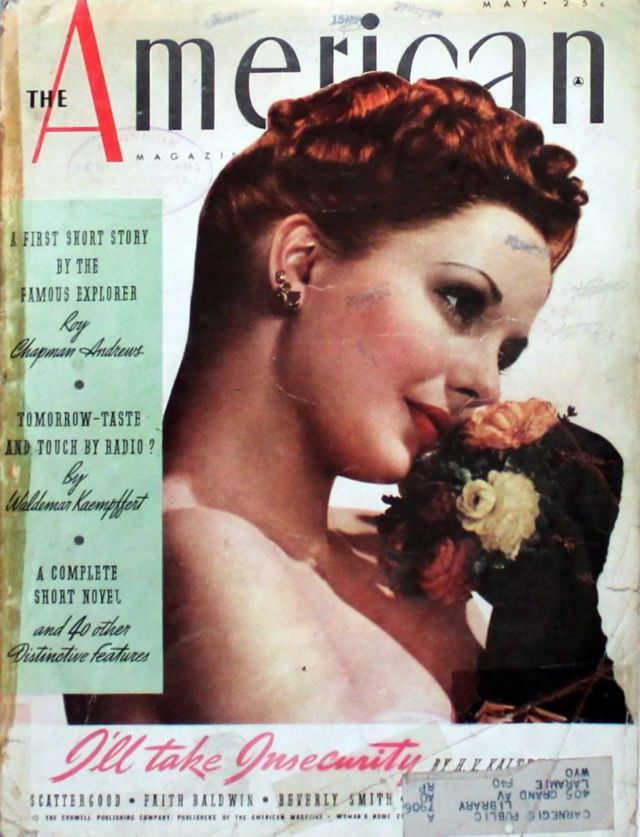
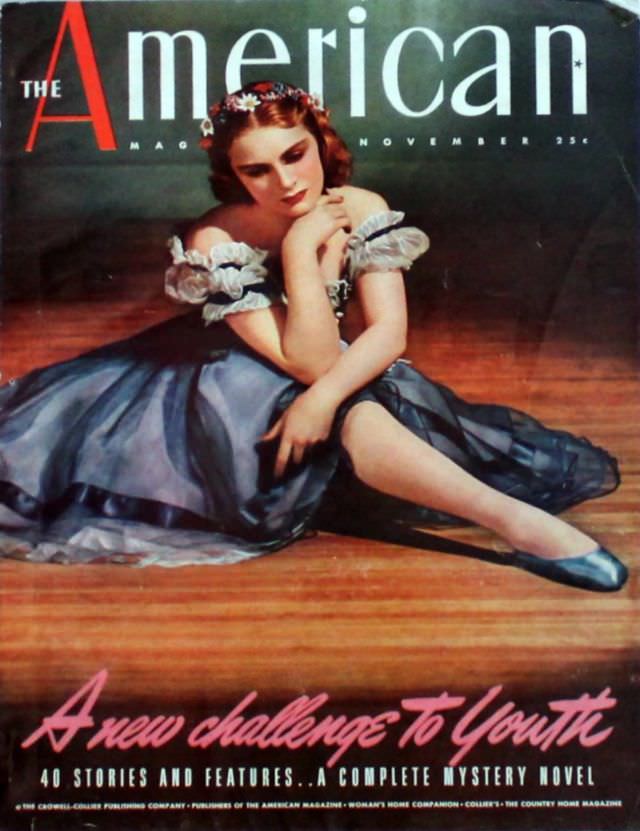
The covers themselves were a visual statement. Bright, carefully composed, and often featuring idealized American life, they stood out on newsstands during one of the country’s darkest economic periods. The contrast between the cheerful imagery and the grim daily reality of Depression-era America was striking.
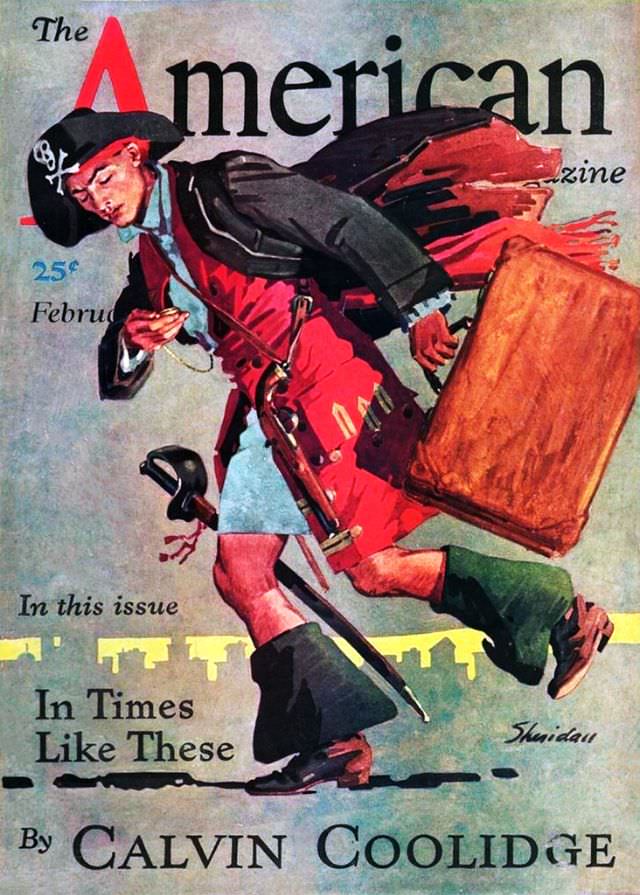
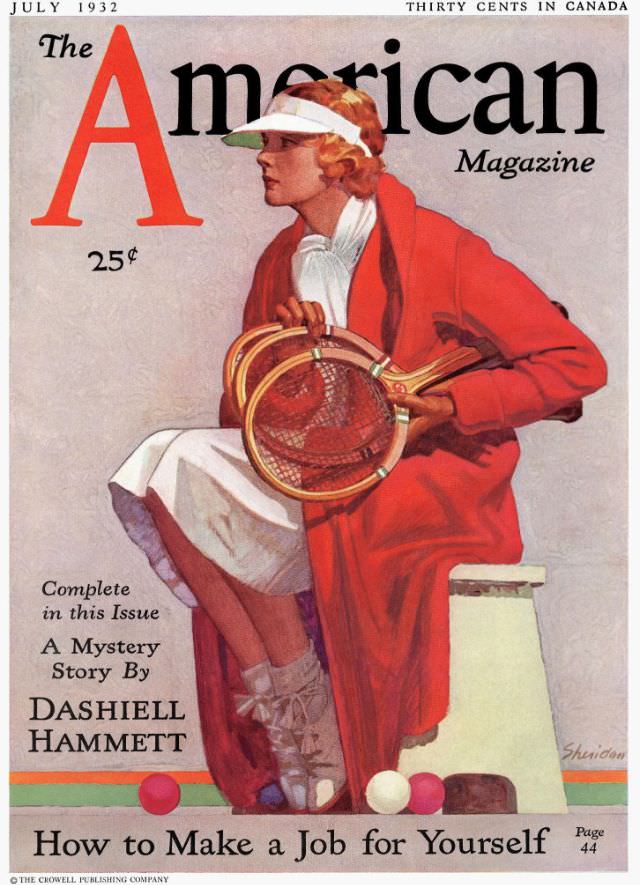
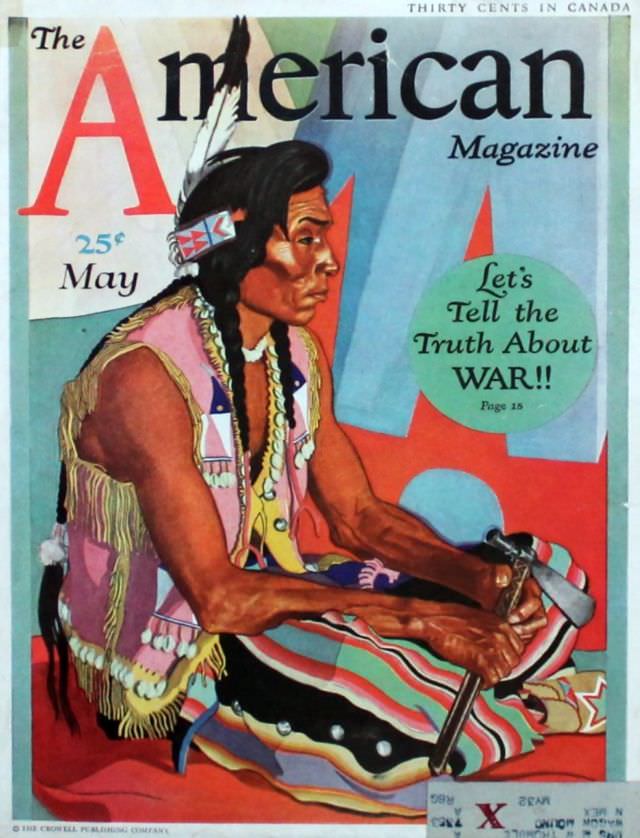
By 1933, the magazine’s covers continued to project confidence and vitality. The artwork remained polished and inviting, giving readers a sense of normalcy during turbulent times. Inside, articles tackled real-world issues head-on, covering economics and social change without shying away from difficult topics.
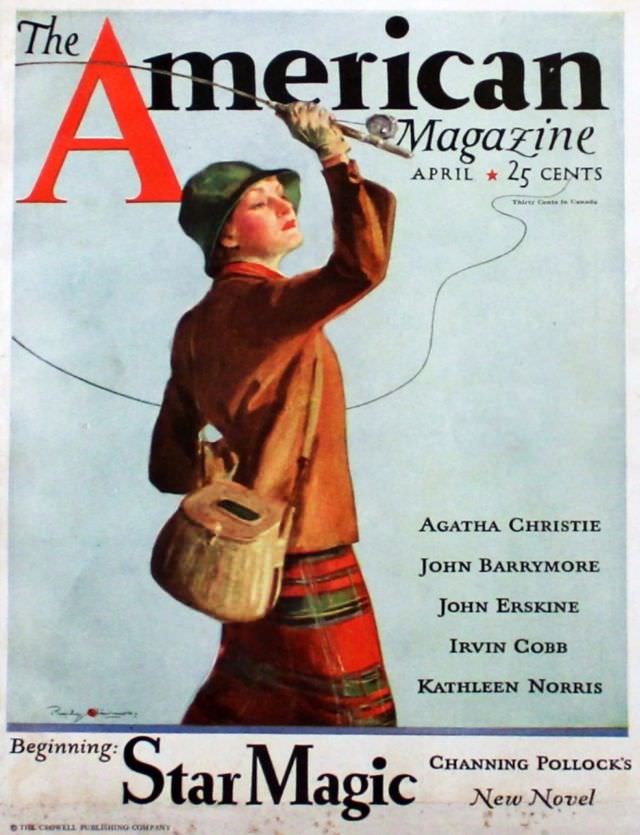
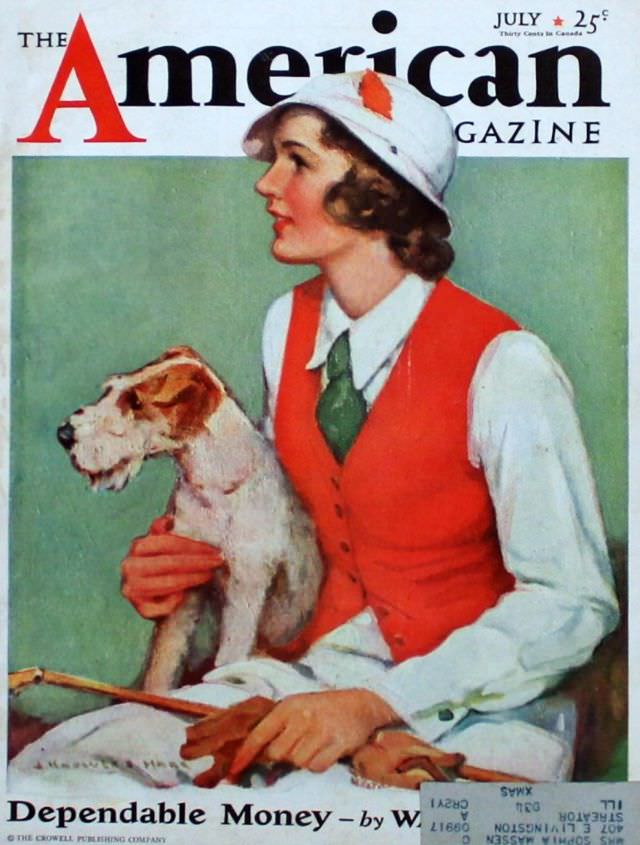
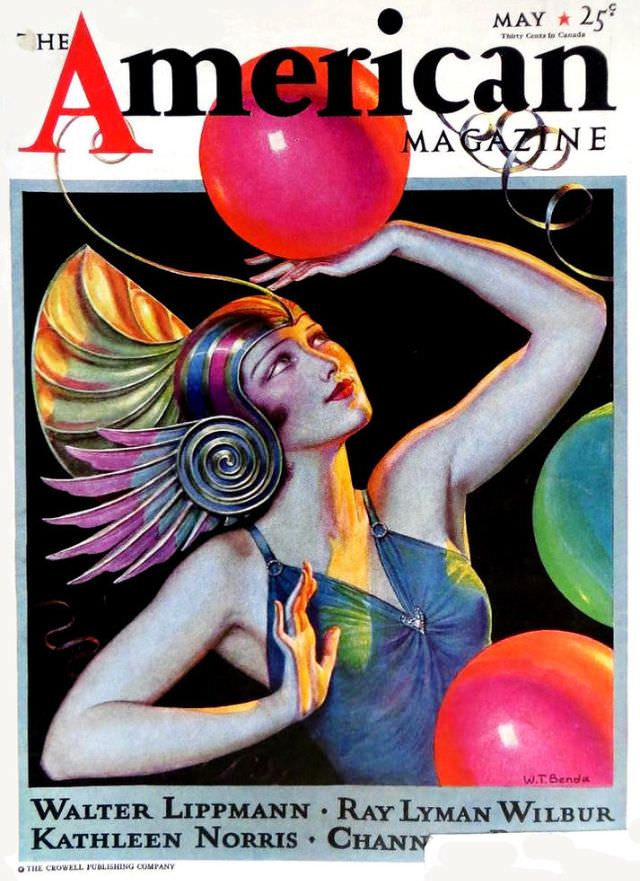
The mid-1930s saw the magazine settle into a confident visual style. Cover illustrations grew more dynamic, often featuring women, children, and scenes of everyday American life. These images were crafted to feel relatable and aspirational at the same time — a balance the magazine maintained well throughout the decade.
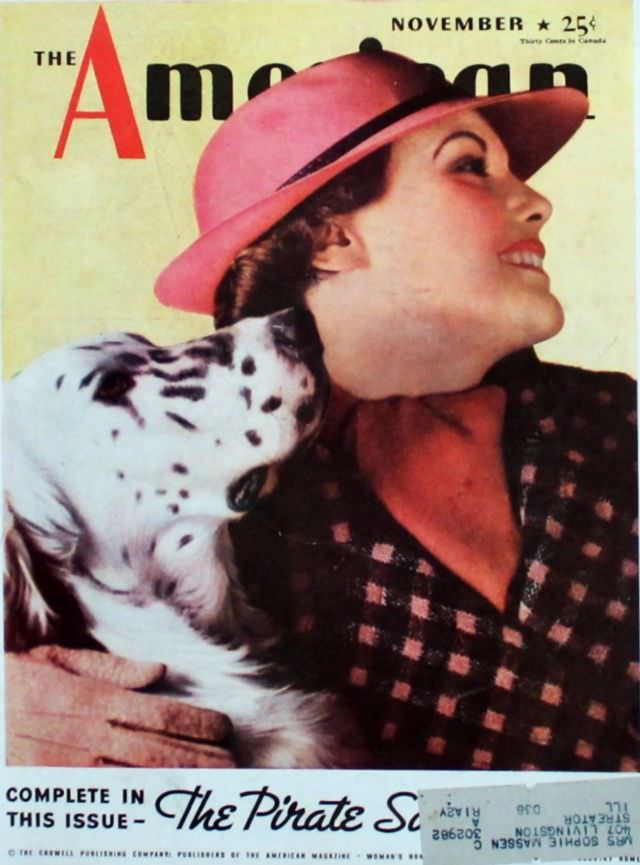
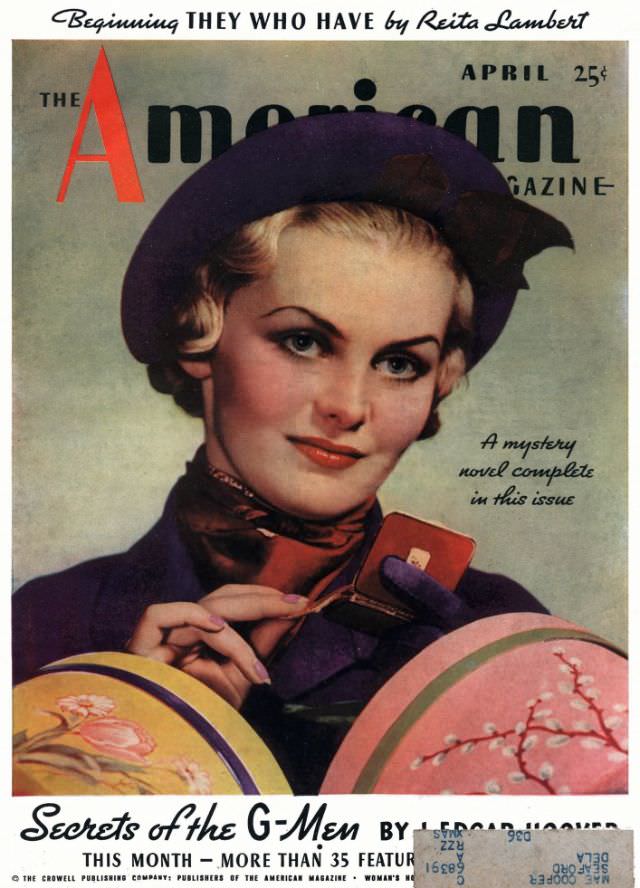
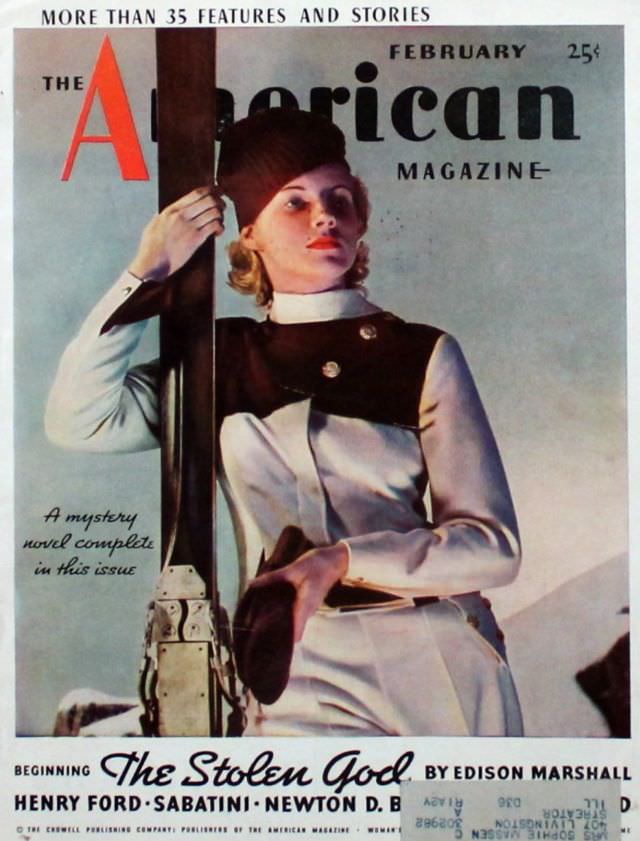
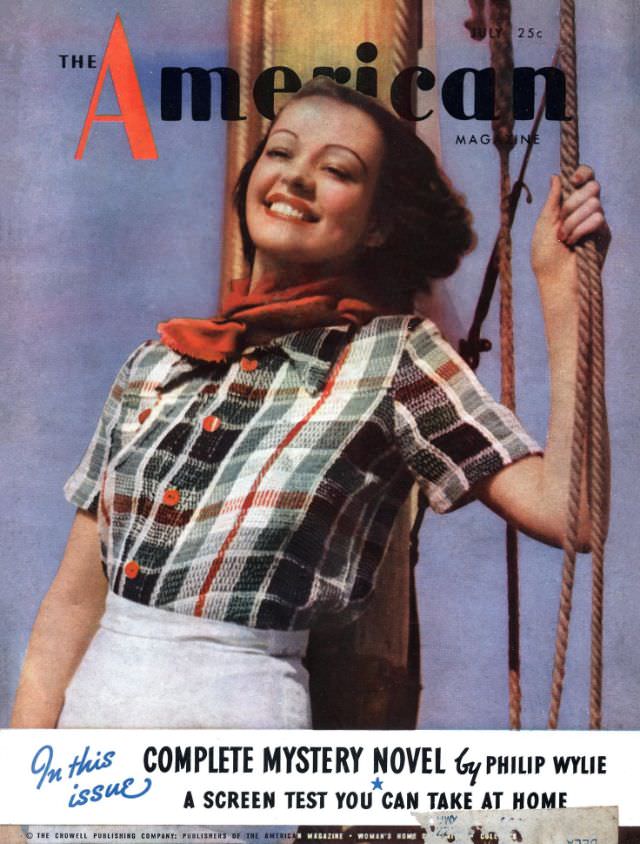
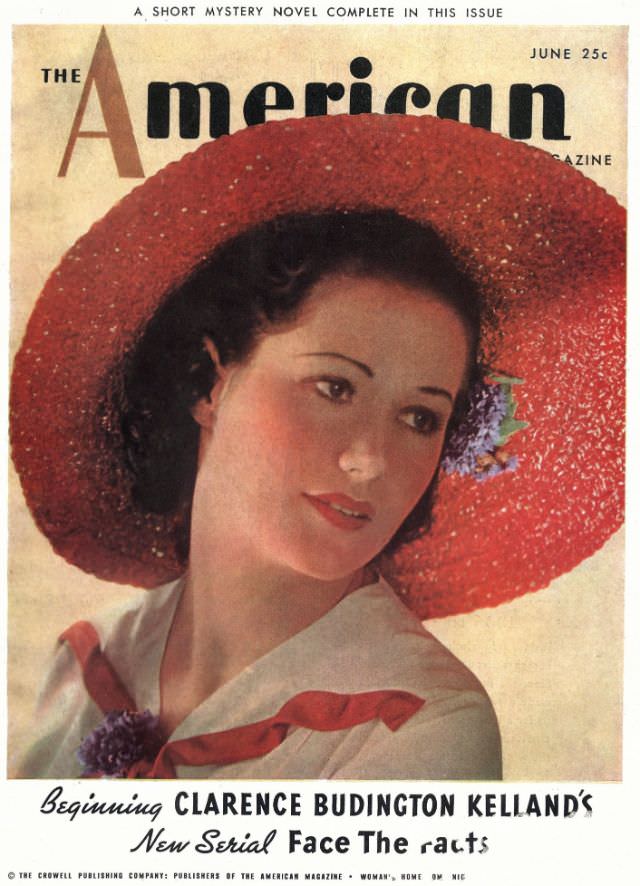
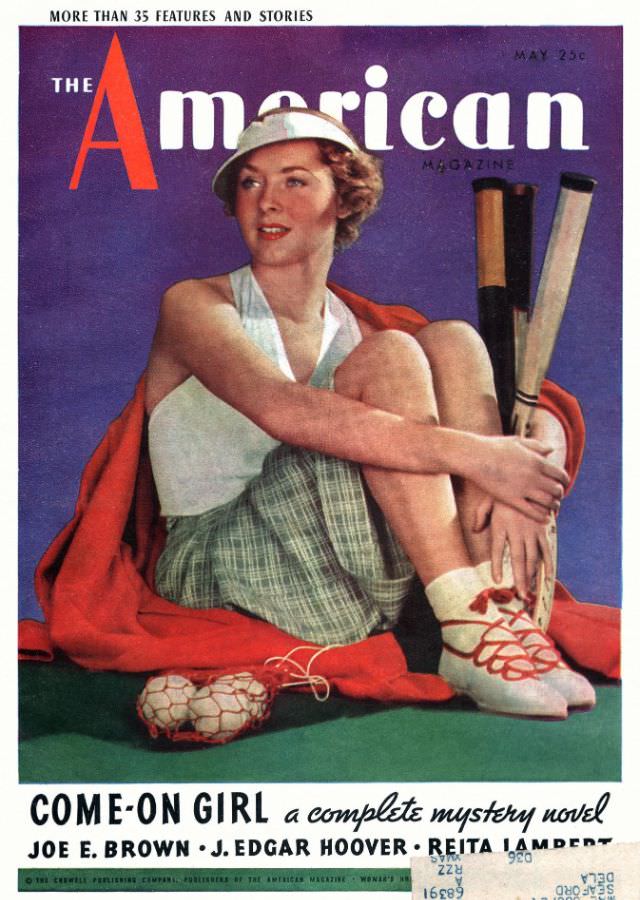
As 1936 gave way to 1937 and 1938, the covers shifted with the times. The nation was slowly recovering, and the magazine’s imagery reflected a growing sense of optimism. Colors felt warmer, compositions more playful. The American Magazine was tracking the national mood issue by issue.
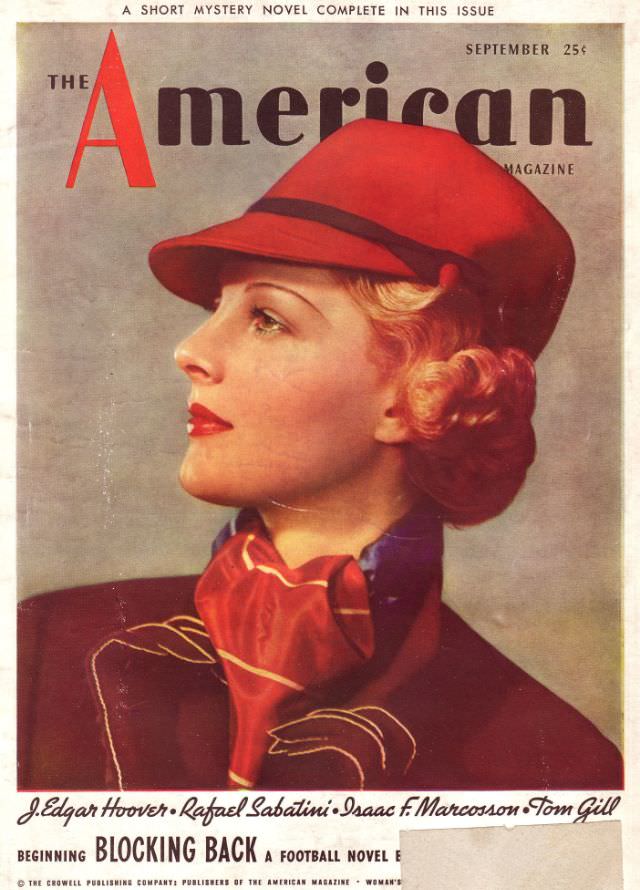
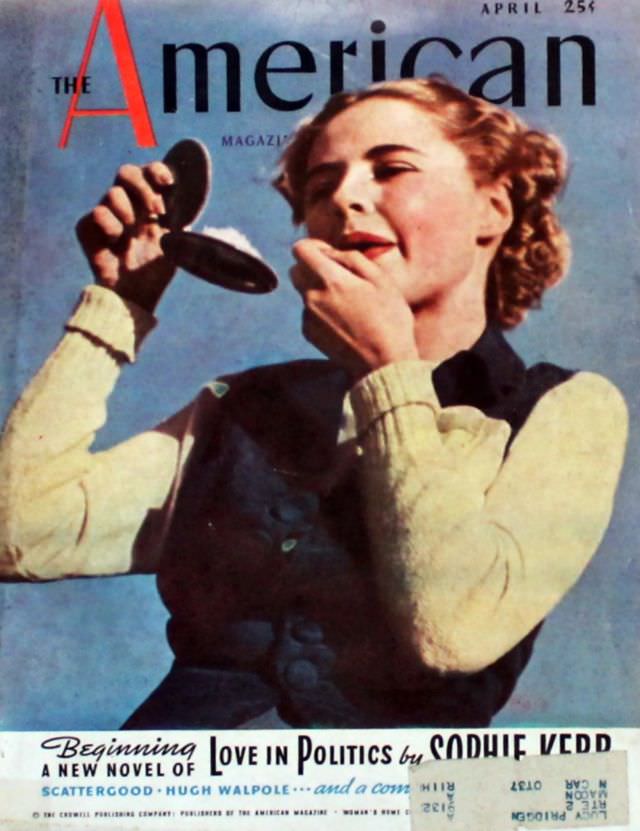
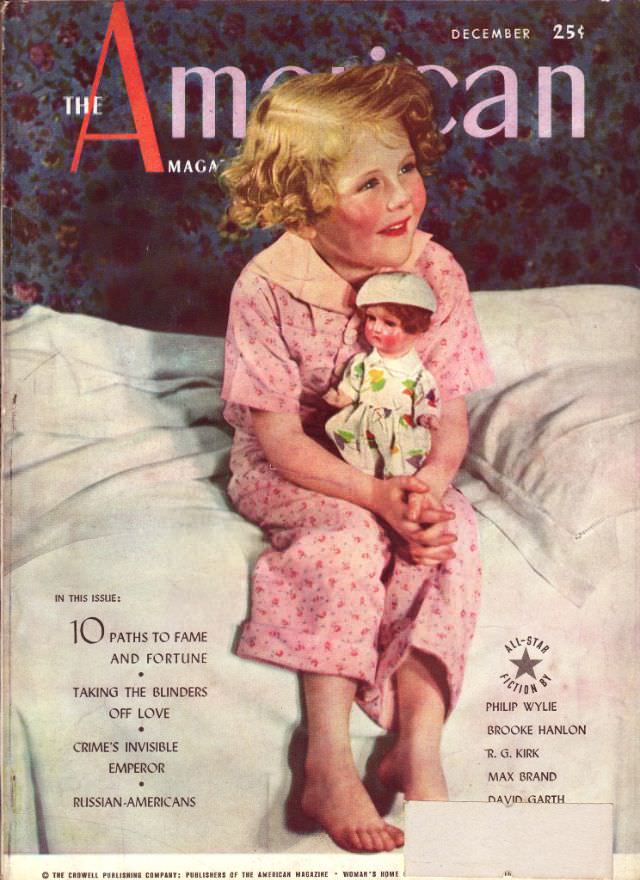
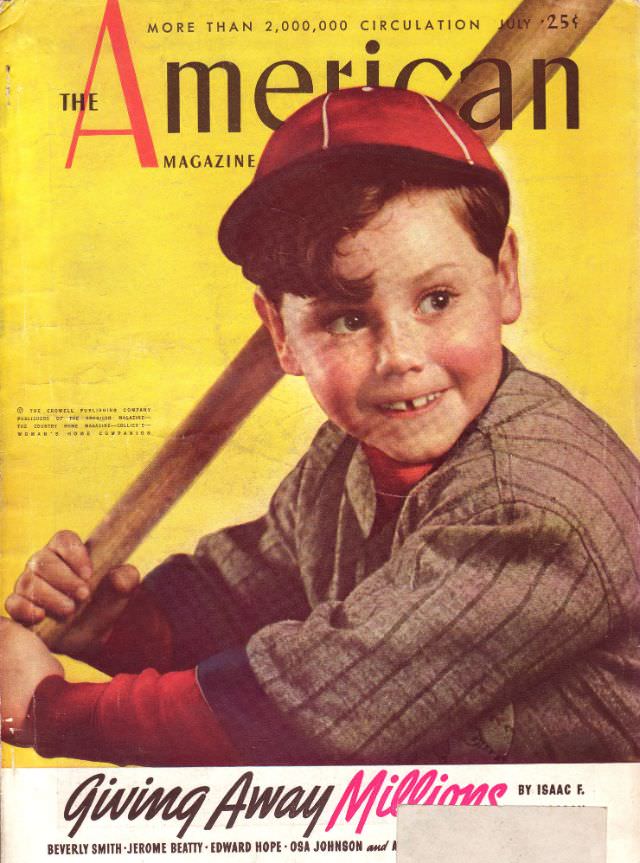
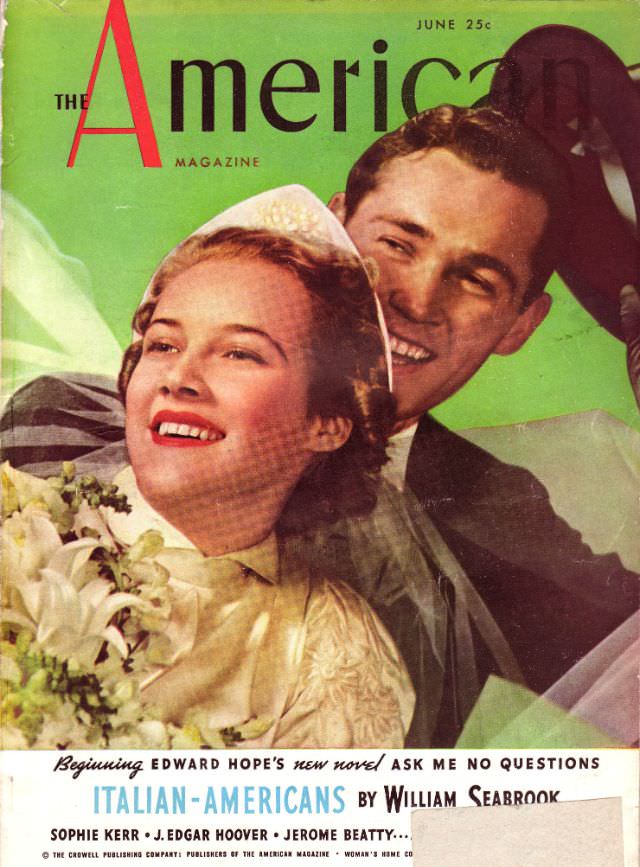
The 1938 covers showcase some of the decade’s most refined cover art. Illustrations were precise and expressive, reflecting advances in printing technology that allowed richer color reproduction. Each cover functioned as a small work of art, designed to catch the eye and pull readers in before they ever opened to the first page.
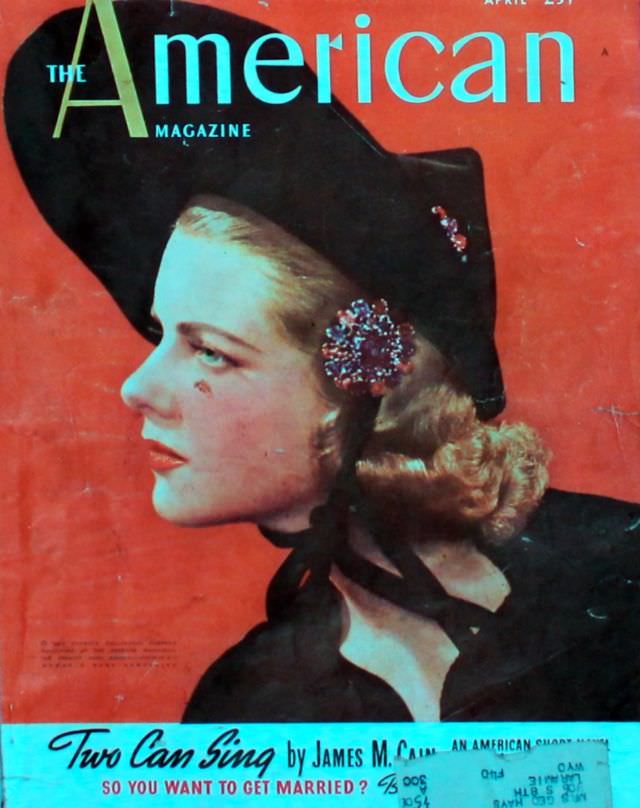
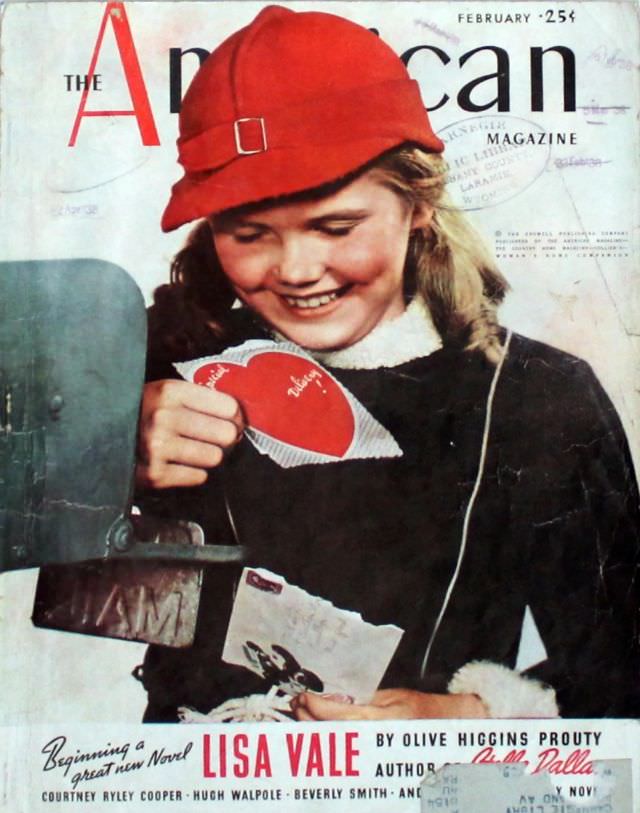
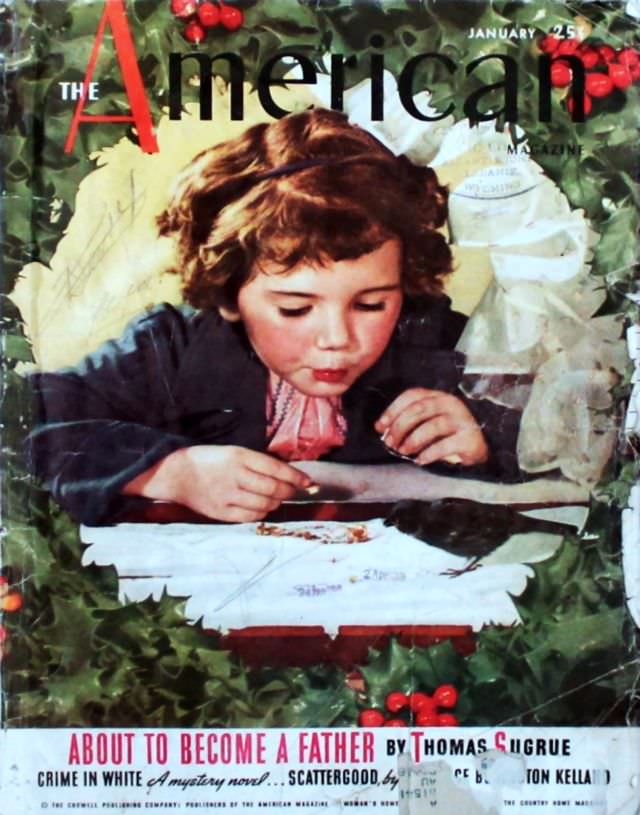
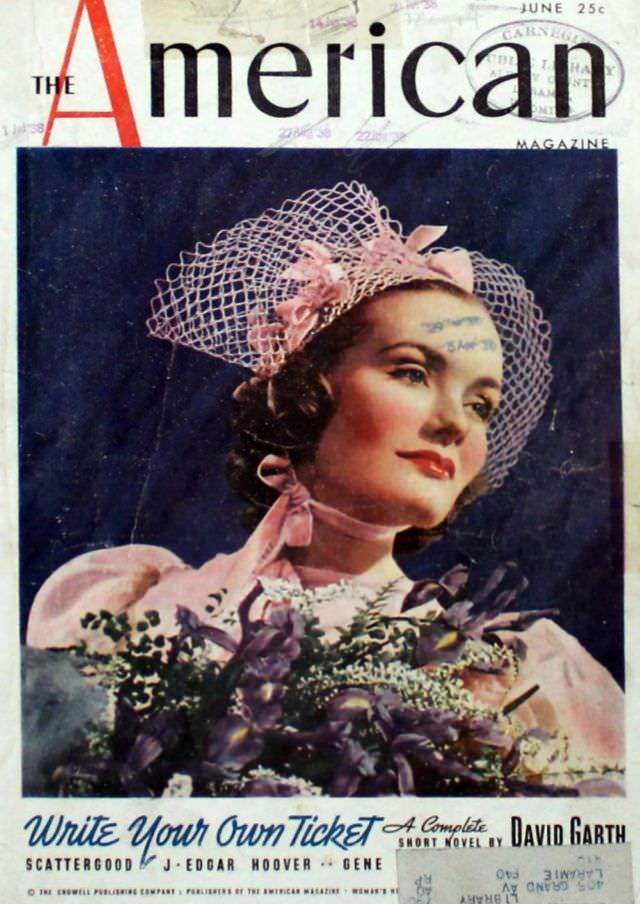
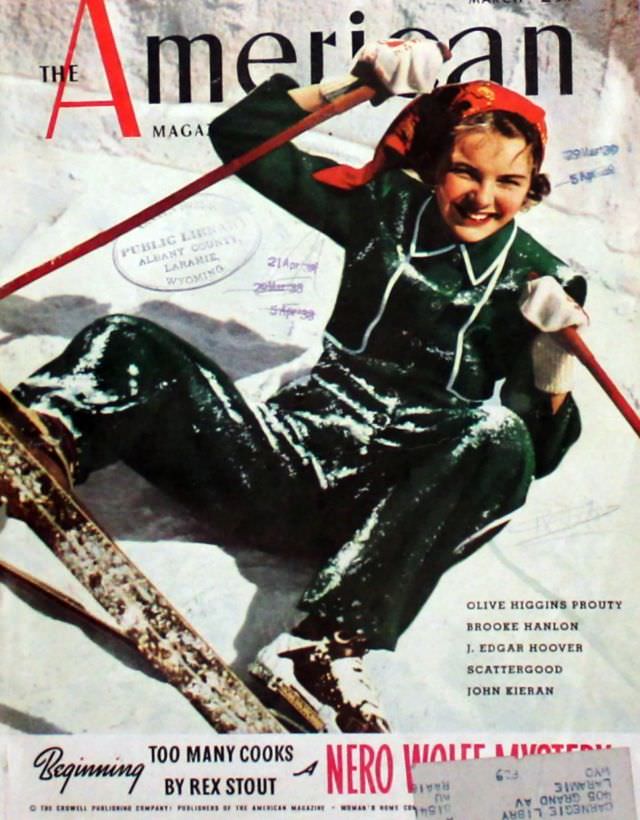
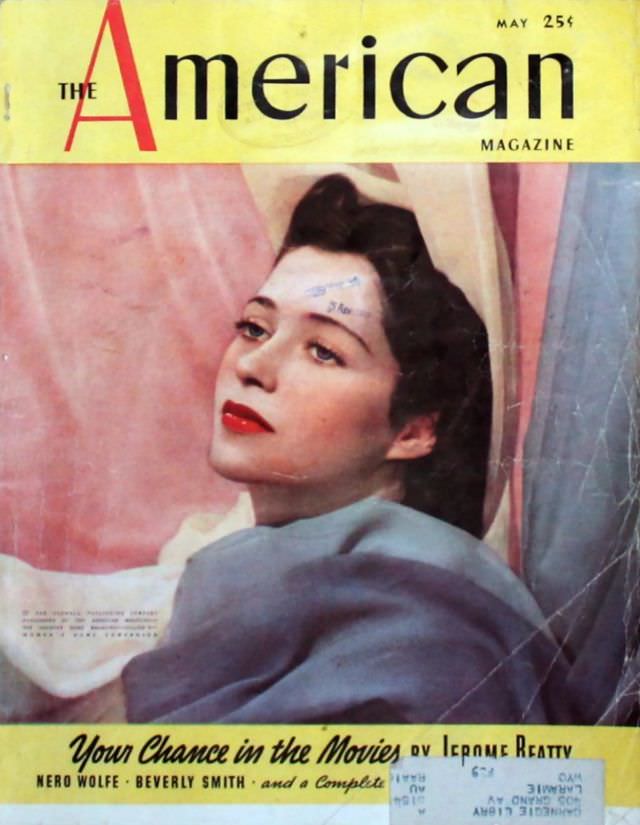
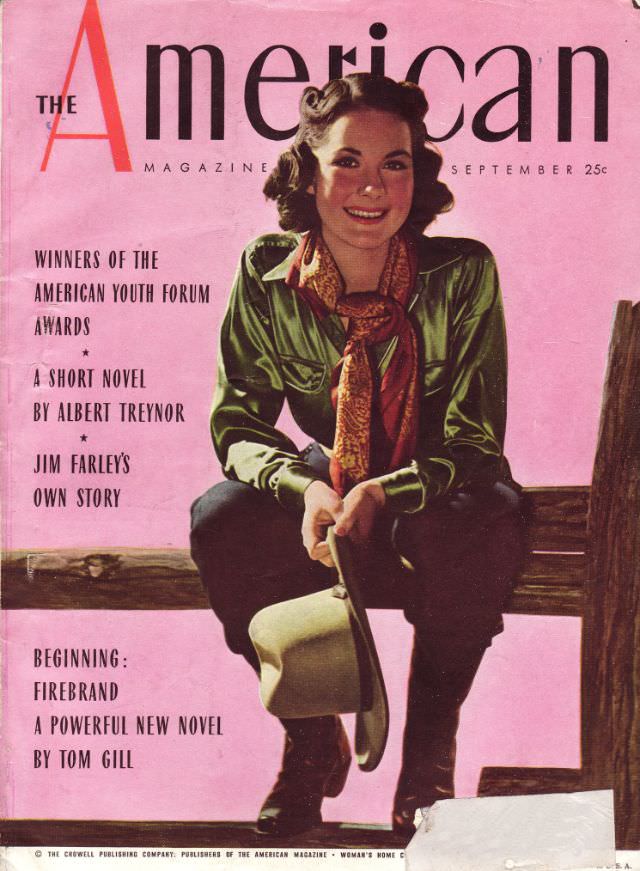
By 1939, the final year of the decade, global tensions were rising as World War II loomed in Europe. The American Magazine’s covers, however, largely held to their familiar domestic warmth. Scenes of American life — family, leisure, and community — remained front and center, even as the world outside grew more uncertain.