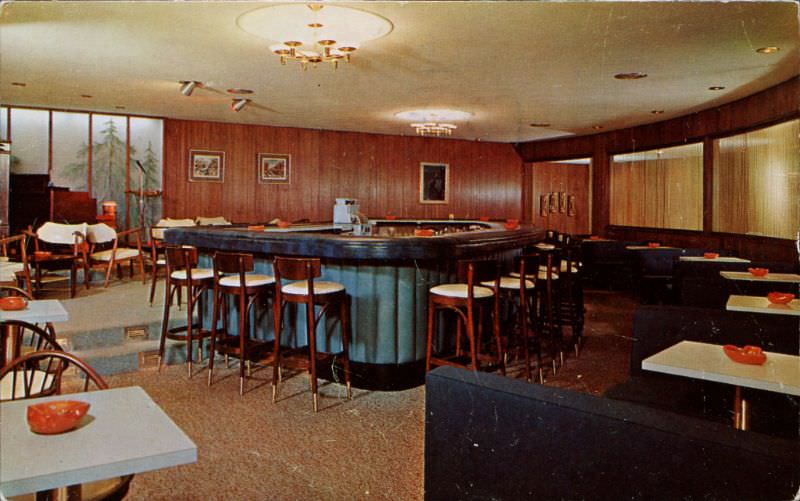
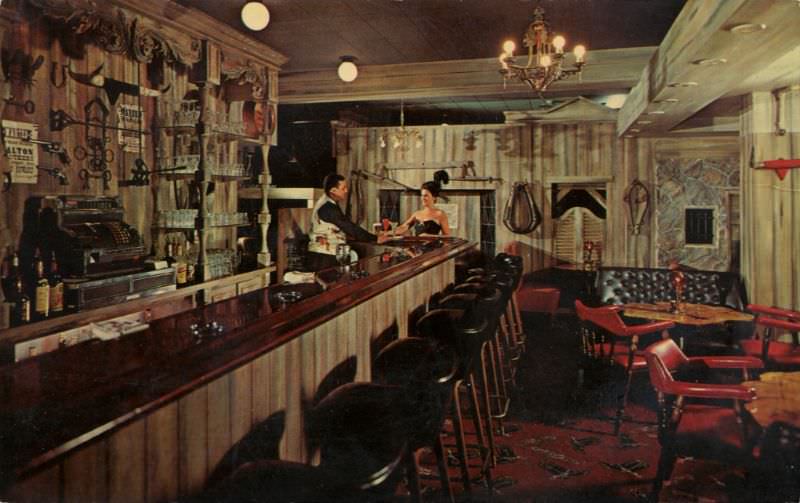
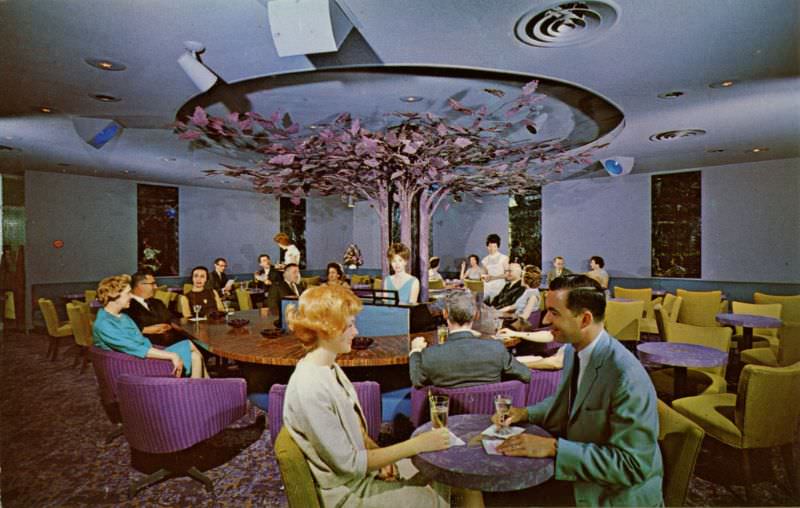
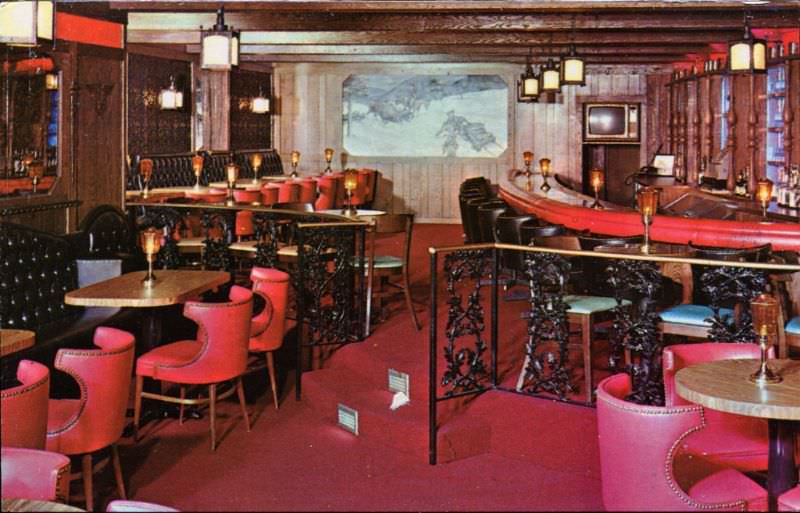
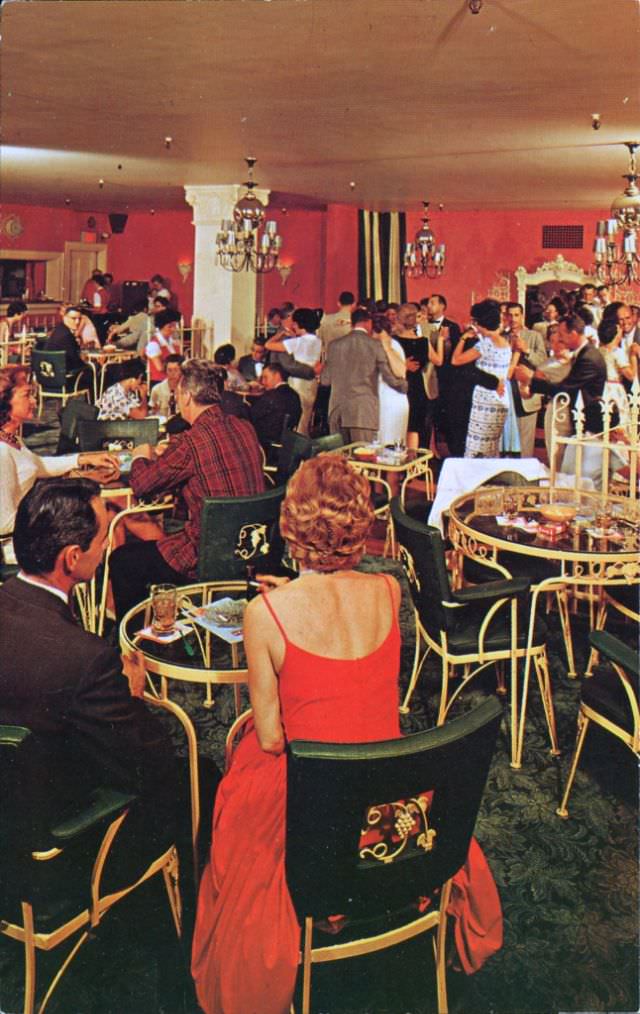
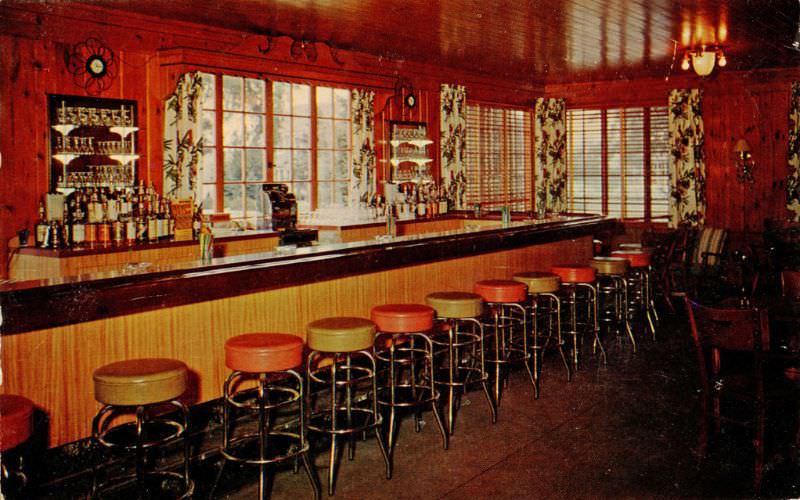
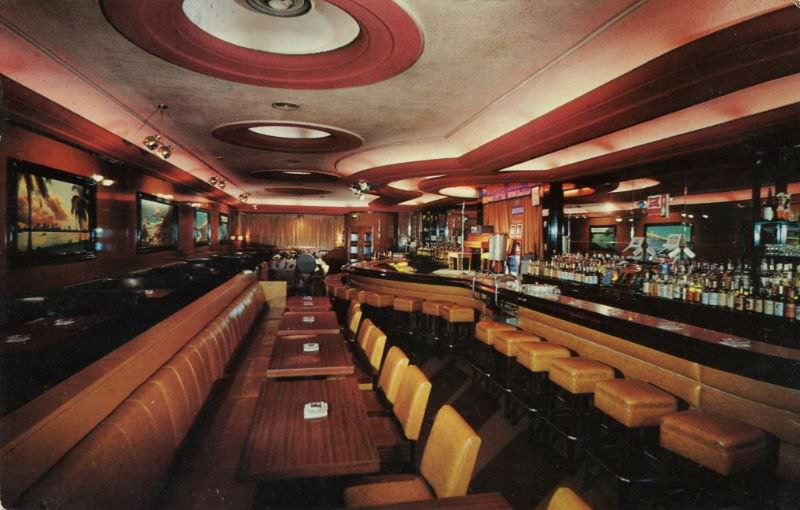
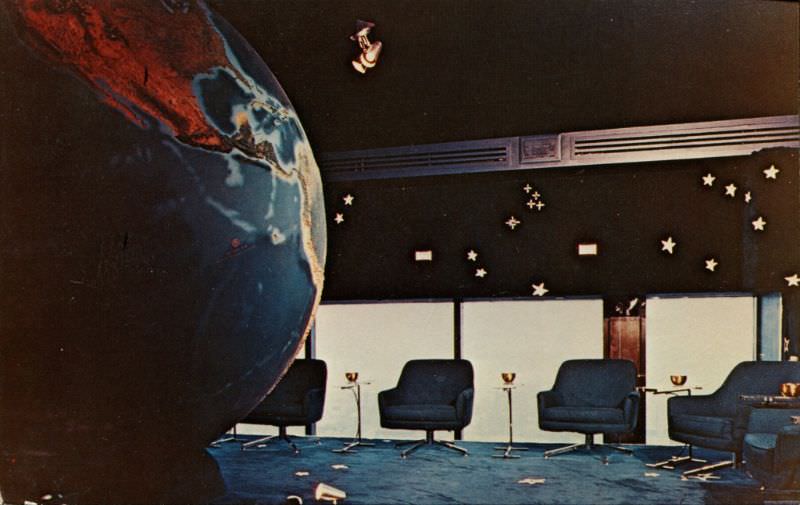
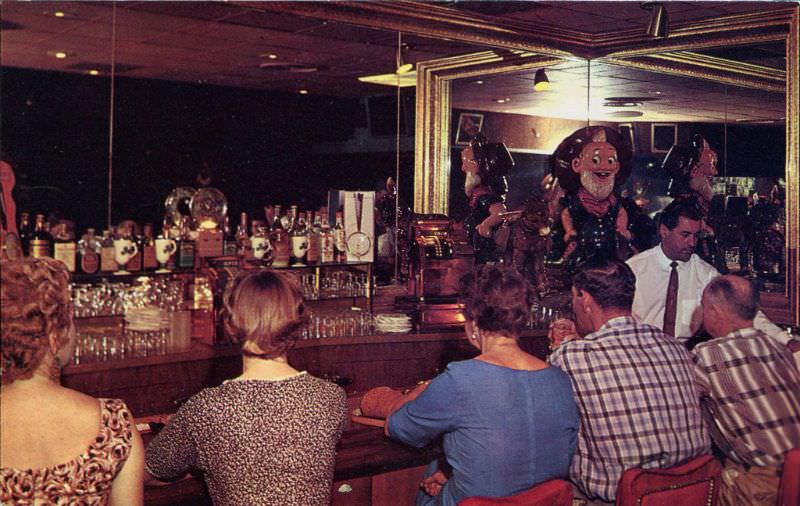
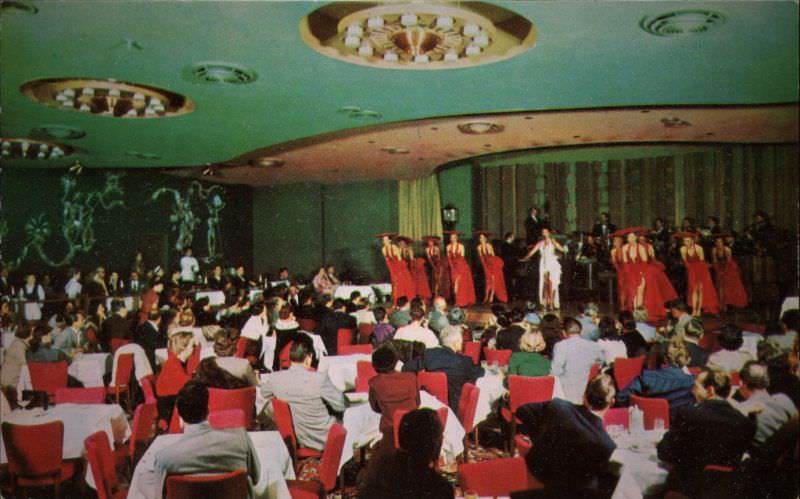
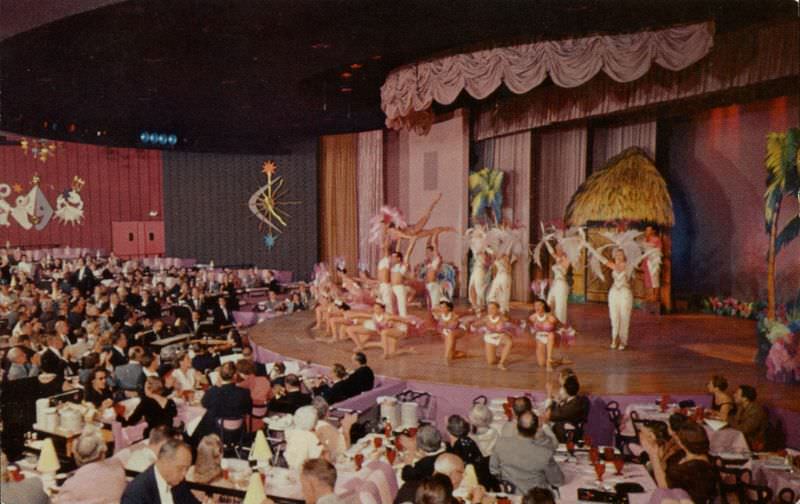
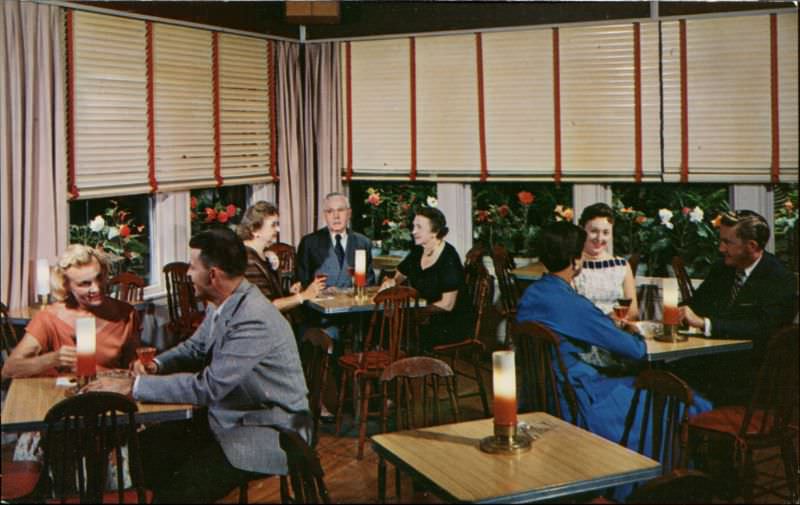
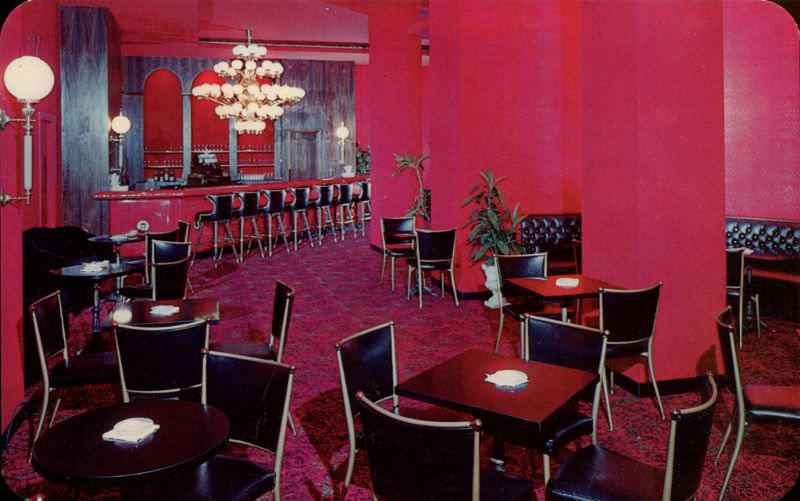
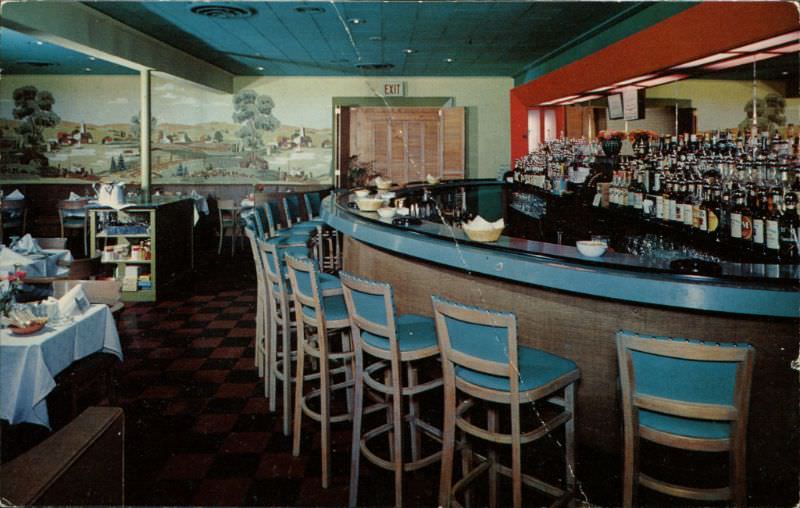
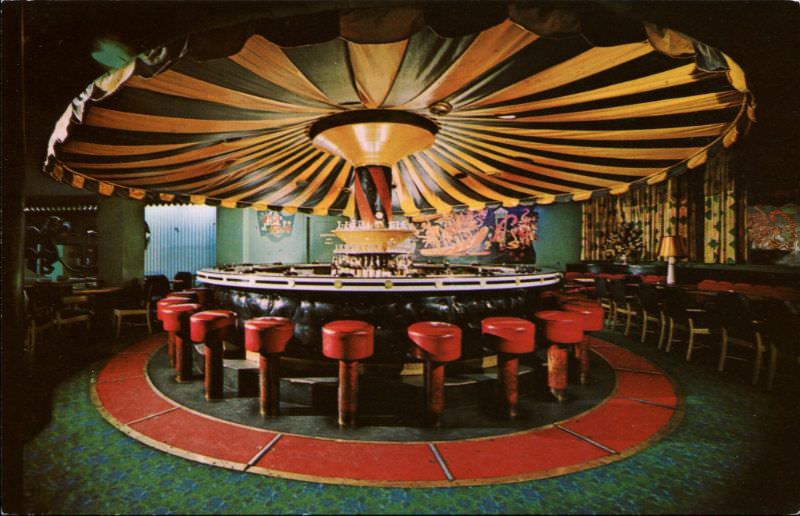
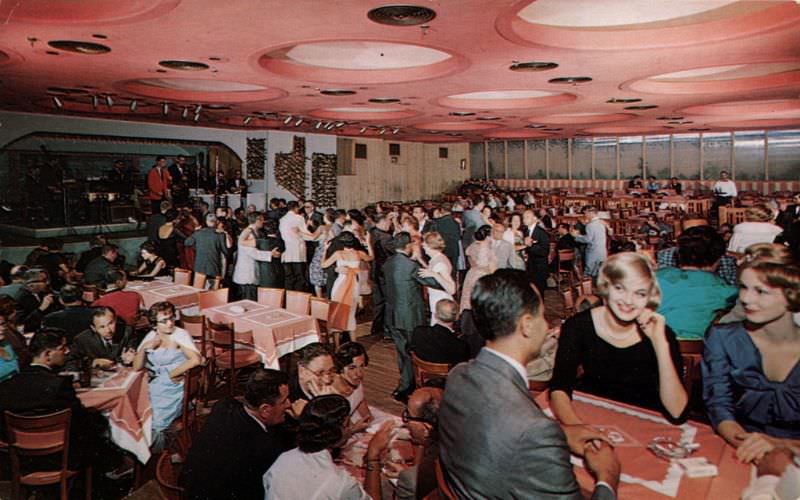
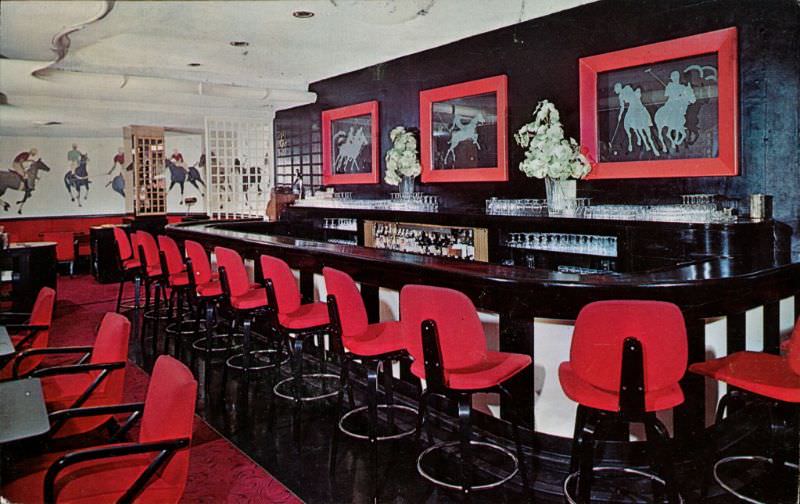
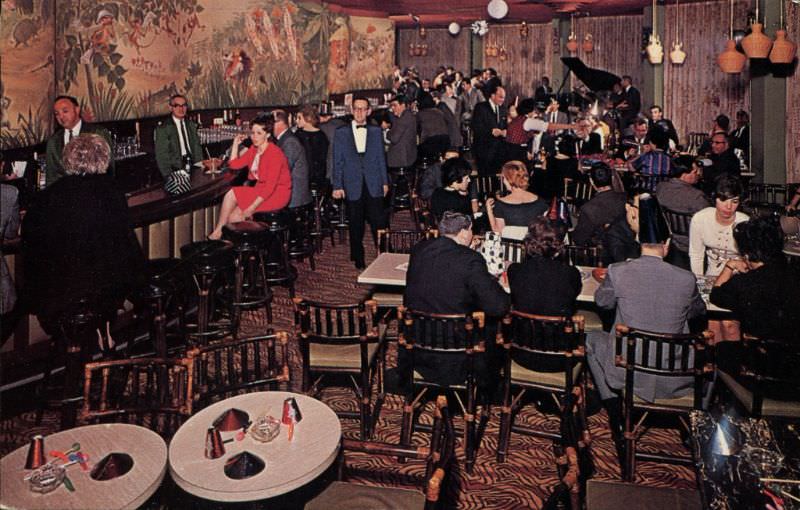
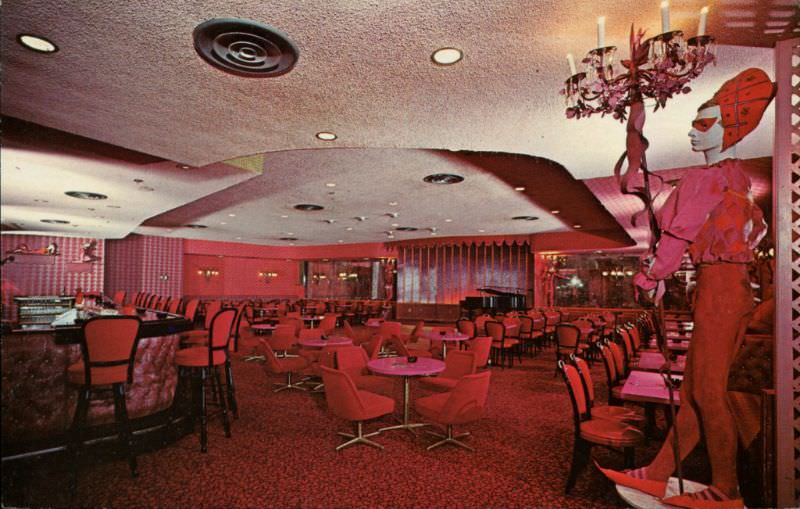
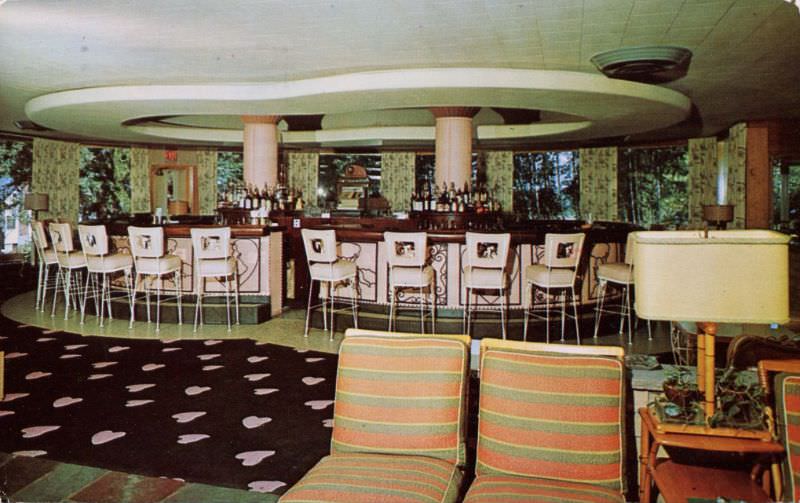
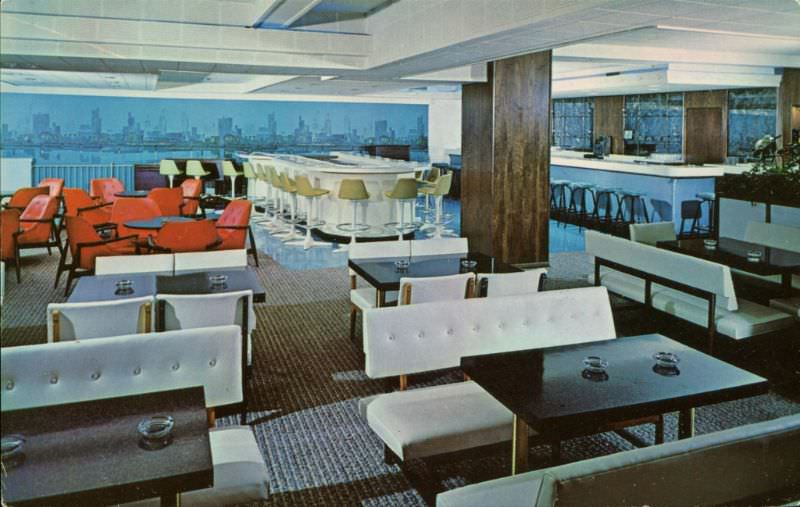
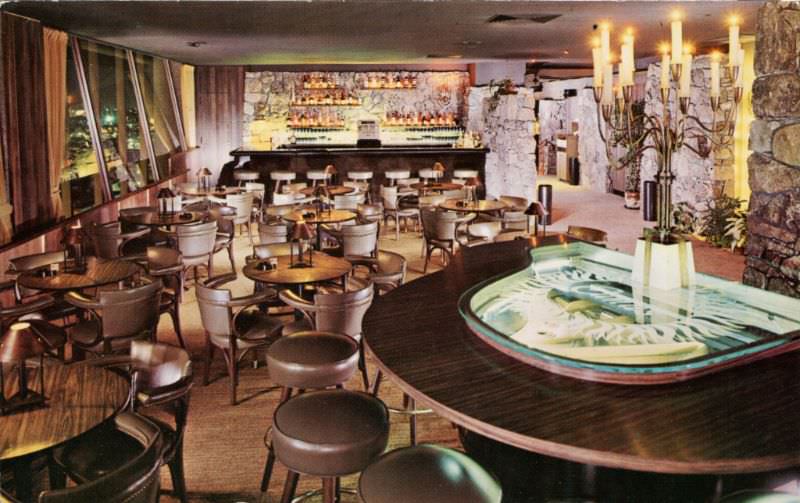
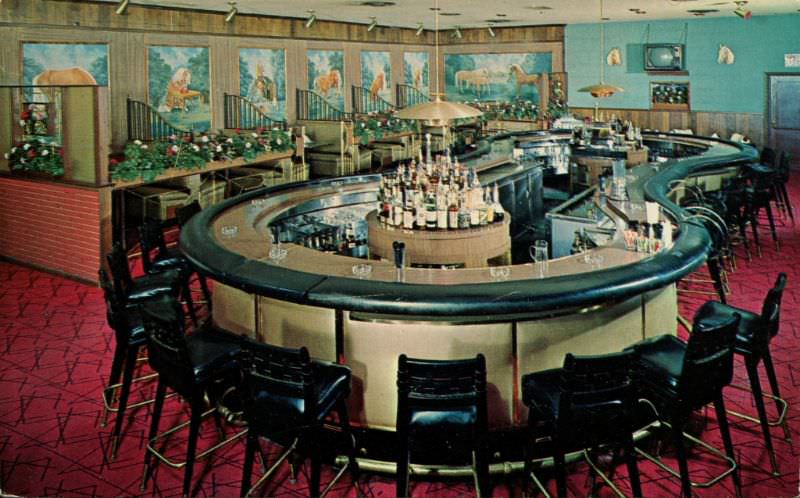
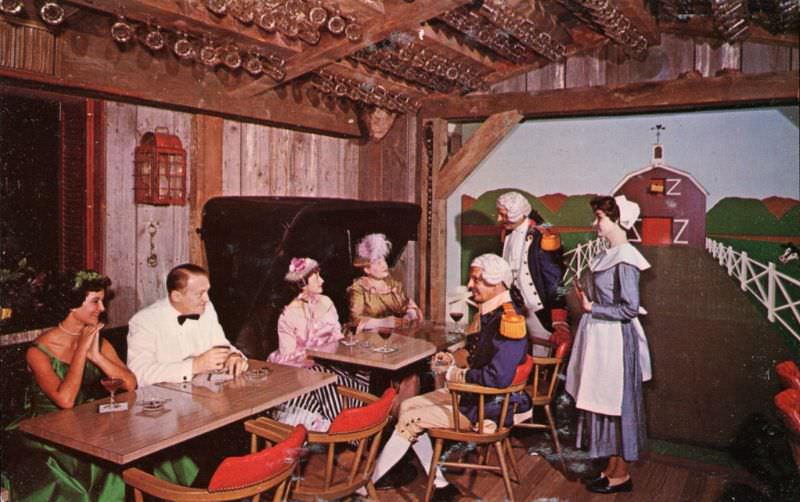
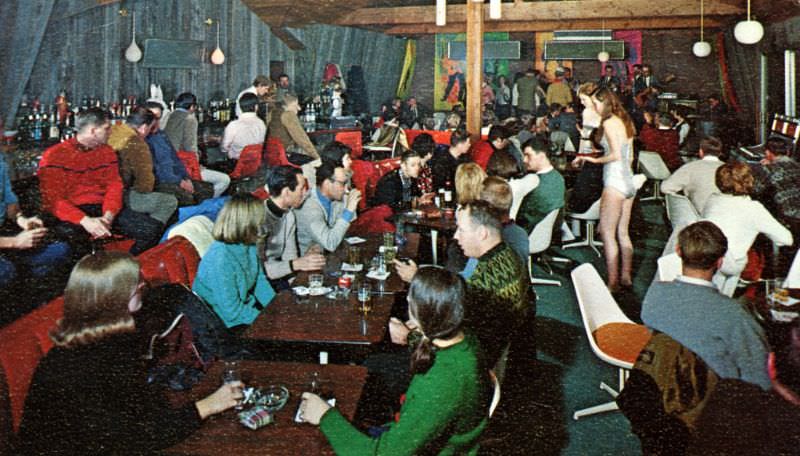
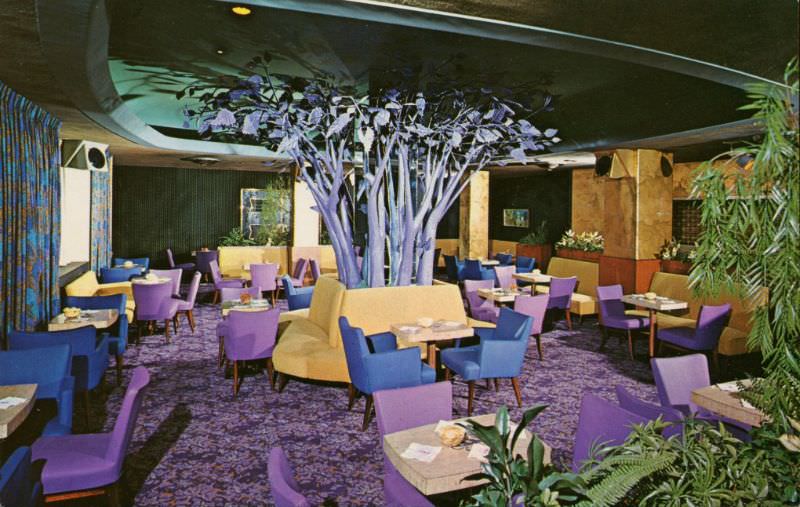
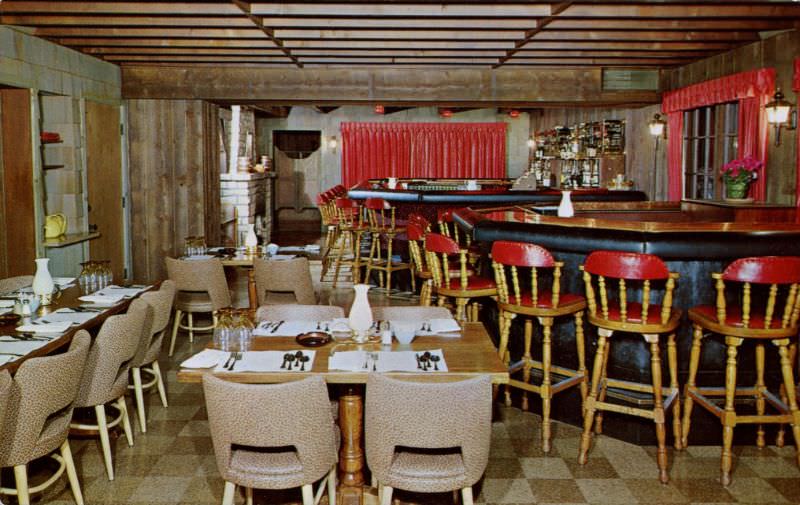
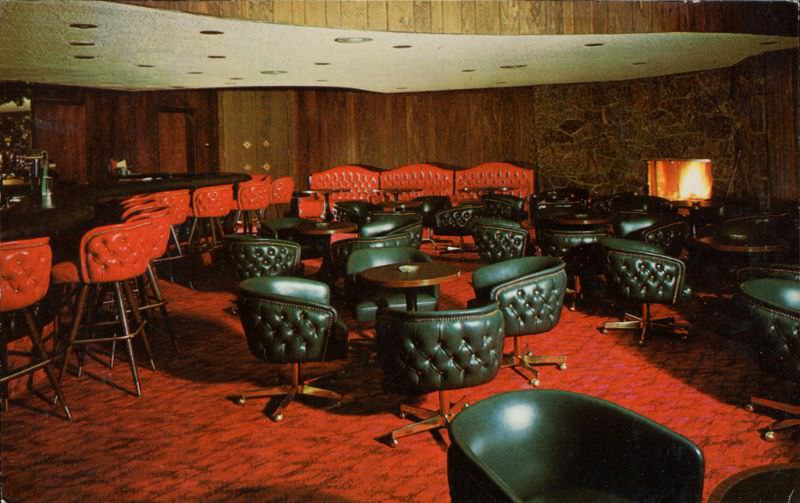
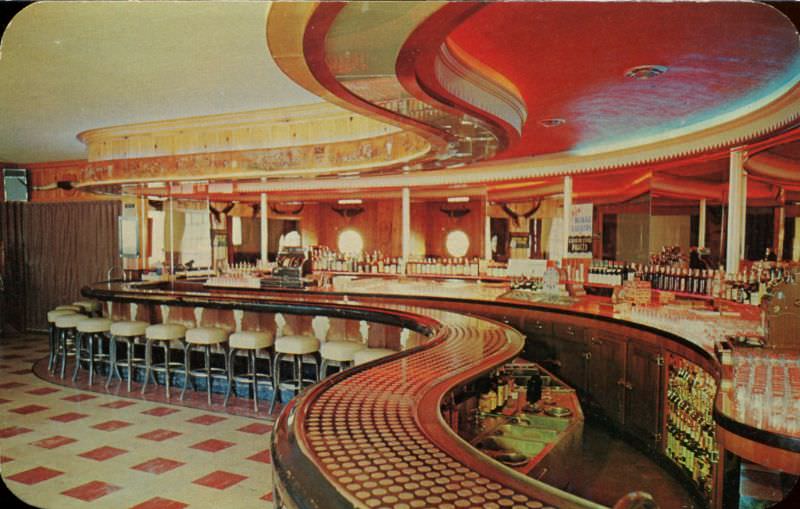
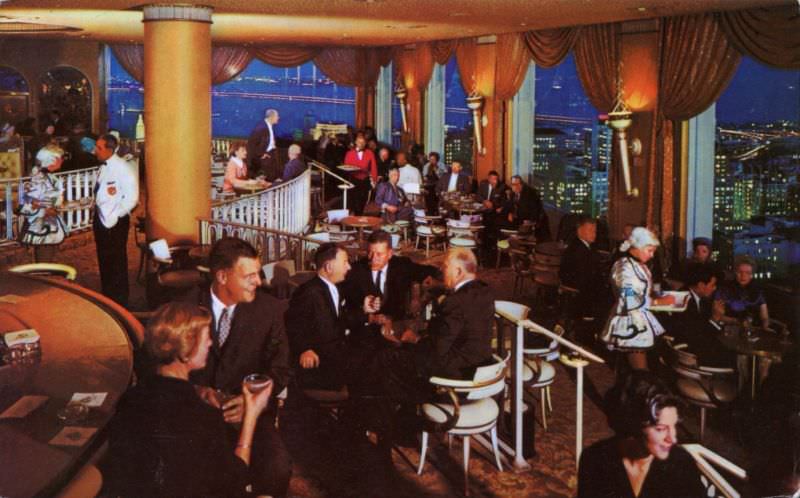
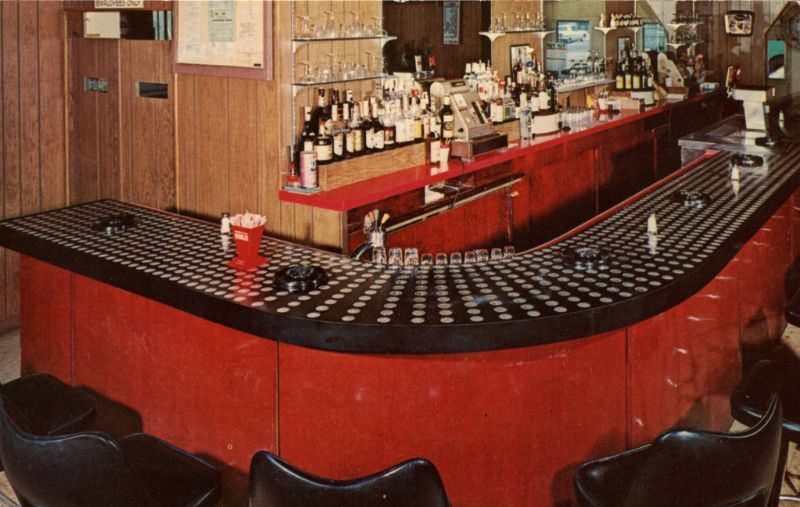
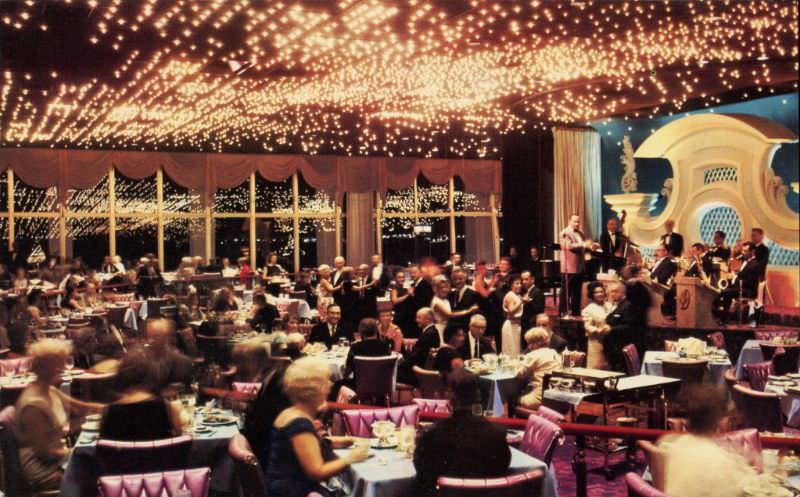
Walk into any American cocktail lounge in the 1960s and you were immediately hit with dim lighting, plush seating, and the low hum of live jazz. These weren’t just bars — they were destinations. Dressed-up patrons filled booths and barstools, drinks in hand, ready for a proper night out. From small-town motor hotels to glittering Las Vegas showrooms, cocktail lounges were the social heartbeat of the decade.
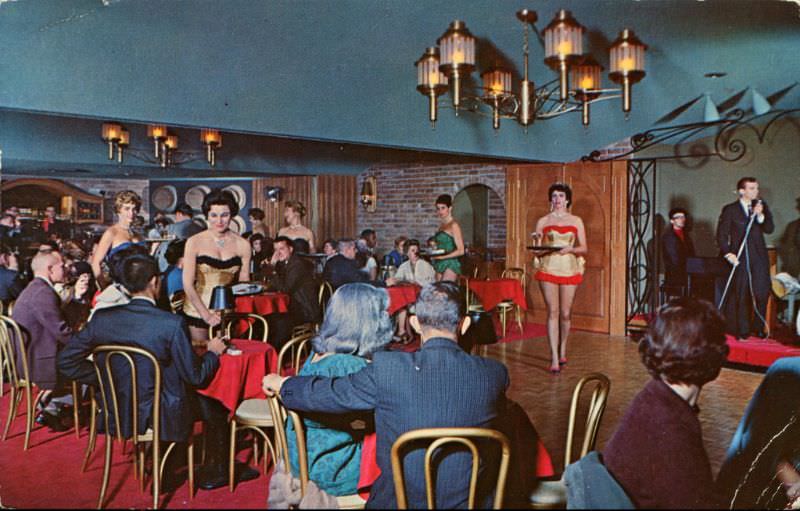
The drinks were the main event. Bartenders in the 1960s treated their craft seriously, shaking and stirring classics like the Old Fashioned, the Martini, and the Manhattan with precision. As the decade moved on, newer cocktails joined the menu — the Tequila Sunrise, the Harvey Wallbanger, and the Singapore Sling all gained popularity during this era, reflecting a broader cultural appetite for the new and adventurous.
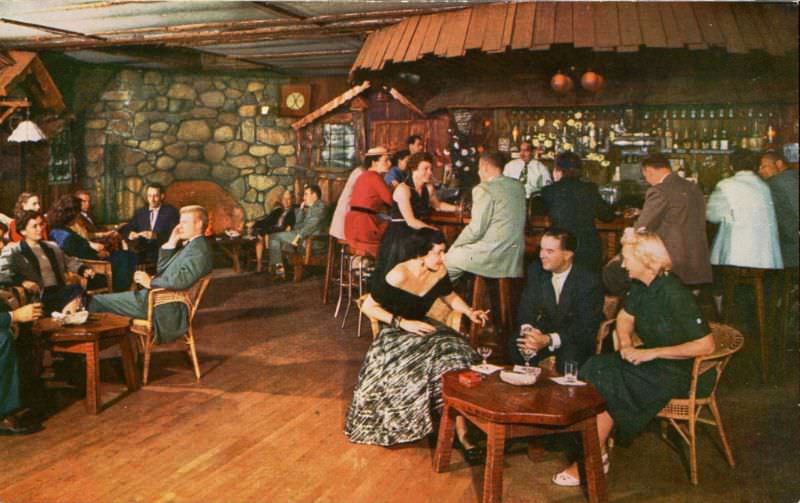
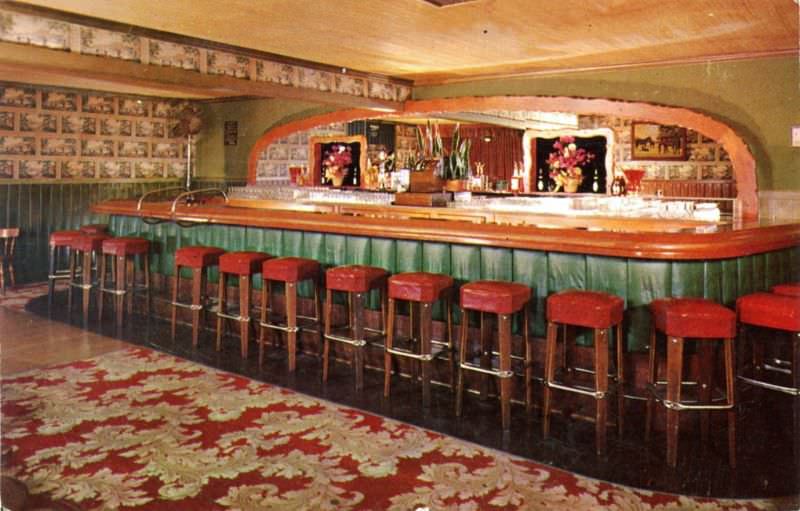
The “Rat Pack” style cast a long shadow over lounge culture. Frank Sinatra, Dean Martin, and Sammy Davis Jr. made sophistication look effortless, and their influence showed up everywhere — from the sharp suits men wore to the elegant dresses women chose for a night out. Getting dressed up to go to a lounge wasn’t just expected; it was part of the appeal.
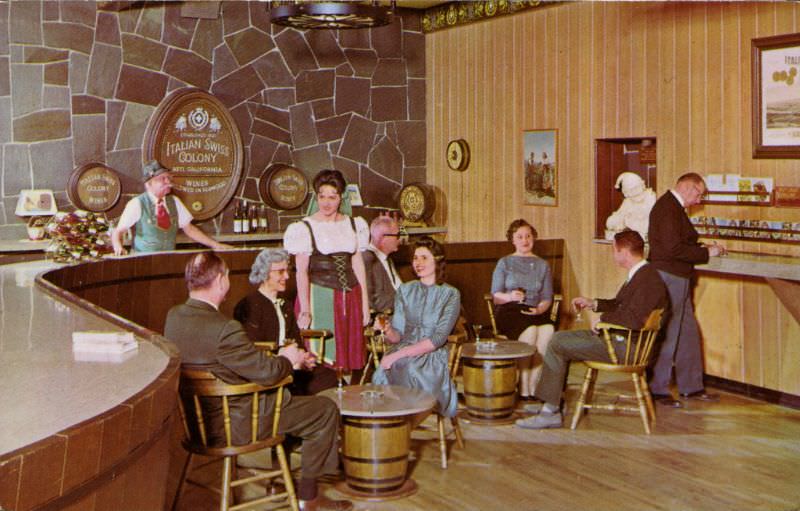
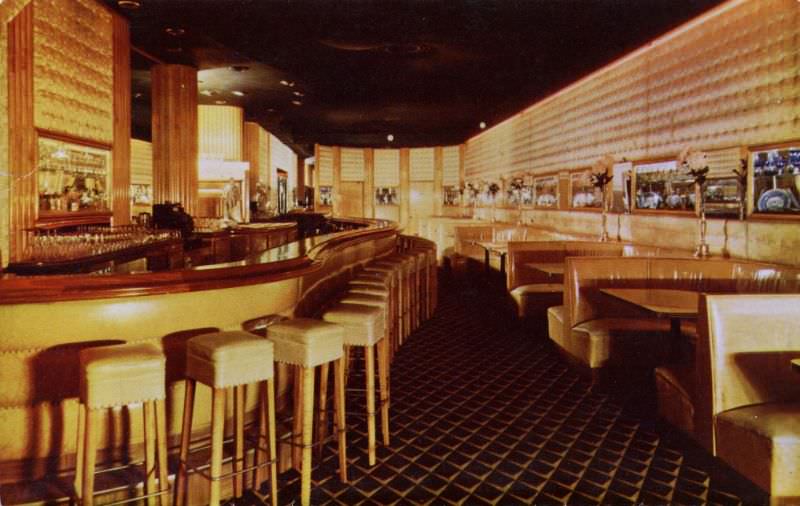
Food played a supporting role. Many lounges served light bites alongside the drinks — shrimp cocktail, deviled eggs, and cheese fondue were staples. These small plates kept patrons comfortable and lingering longer, which was exactly the point. A good lounge was designed to make you want to stay.
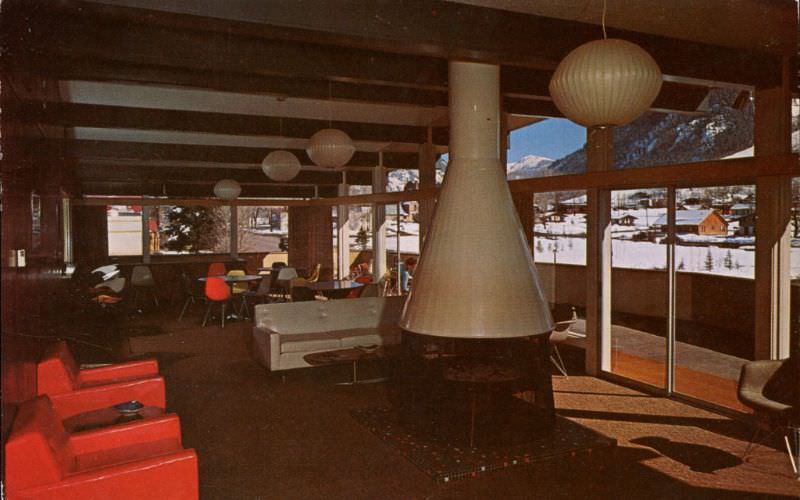
Live music was a fixture. Jazz and blues acts filled the air on weeknights, while pop hits took over on weekends. The music wasn’t background noise — it set the tempo for the whole room. Lounges that booked strong acts built loyal followings and became genuine local institutions.
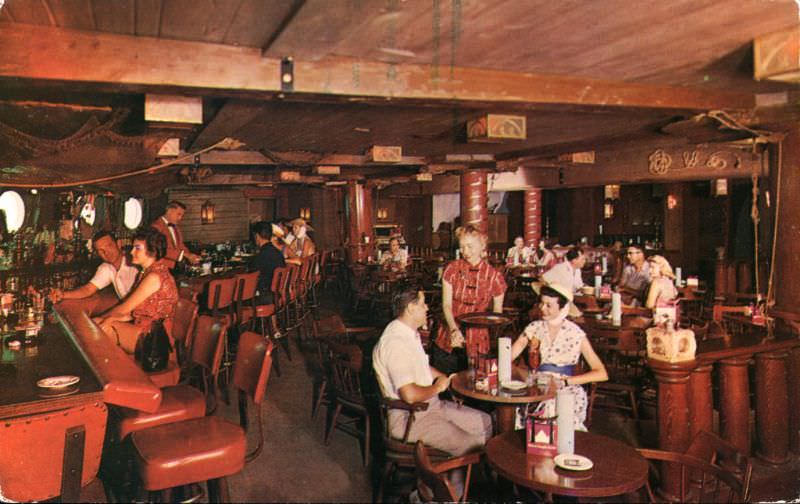
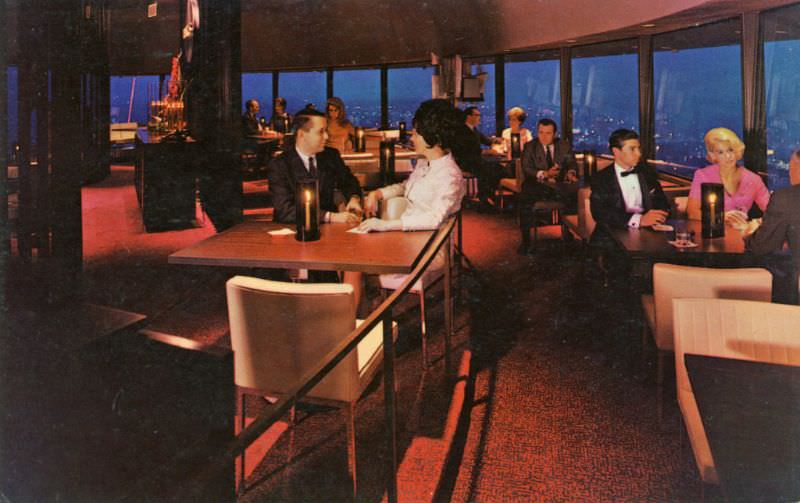
These spaces also served a social function that went beyond entertainment. People came to talk — about politics, business, romance, and everything in between. A cocktail lounge was one of the few public spaces where a wide cross-section of Americans sat side by side and actually held conversations. The bar top was a great equalizer.