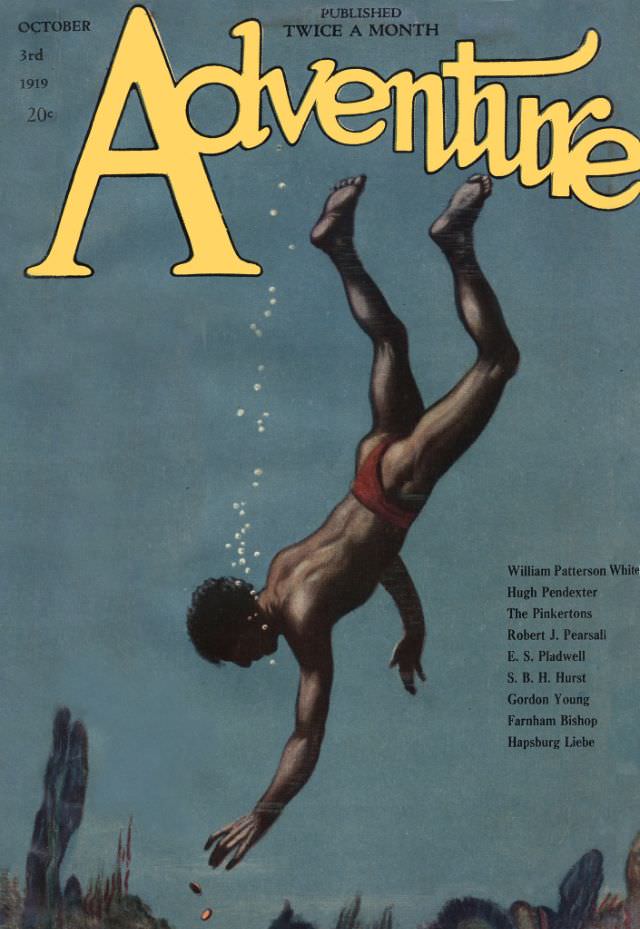
Adventure Magazine launched in November 1910, published by the Ridgway Company, a subsidiary of the Butterick Publishing Company. From the very first issue, it turned a profit and quickly grew into one of the most respected pulp magazines in the United States. Its first editor, Trumbull White, gave the magazine an early sense of direction. Then, in 1912, Arthur Sullivant Hoffman took over the editorial chair and held it until 1927 — and that’s when Adventure truly hit its stride.
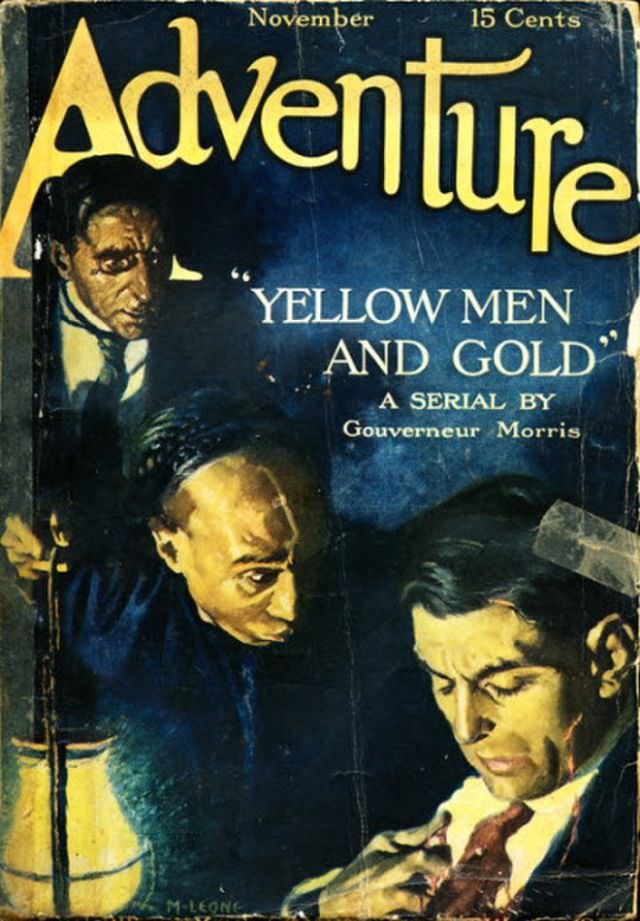
Hoffman’s steady editorial vision shaped Adventure into something readers looked forward to with every issue. Over its entire run, the magazine published 881 issues — each one packed with gripping stories and larger-than-life characters. The early issues from 1911 set the tone for what was to come, with covers that pulled readers in before they even cracked open the spine.
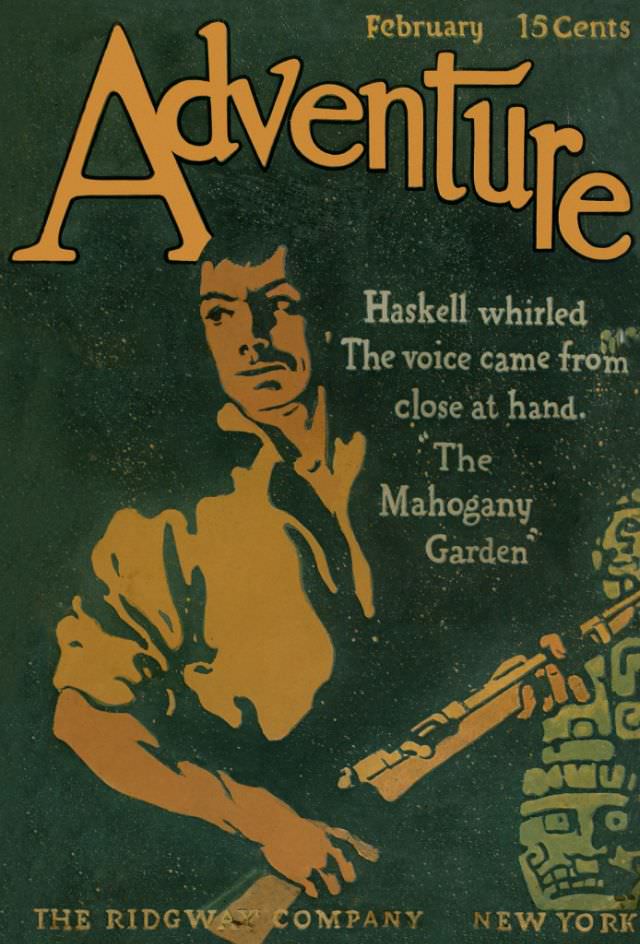
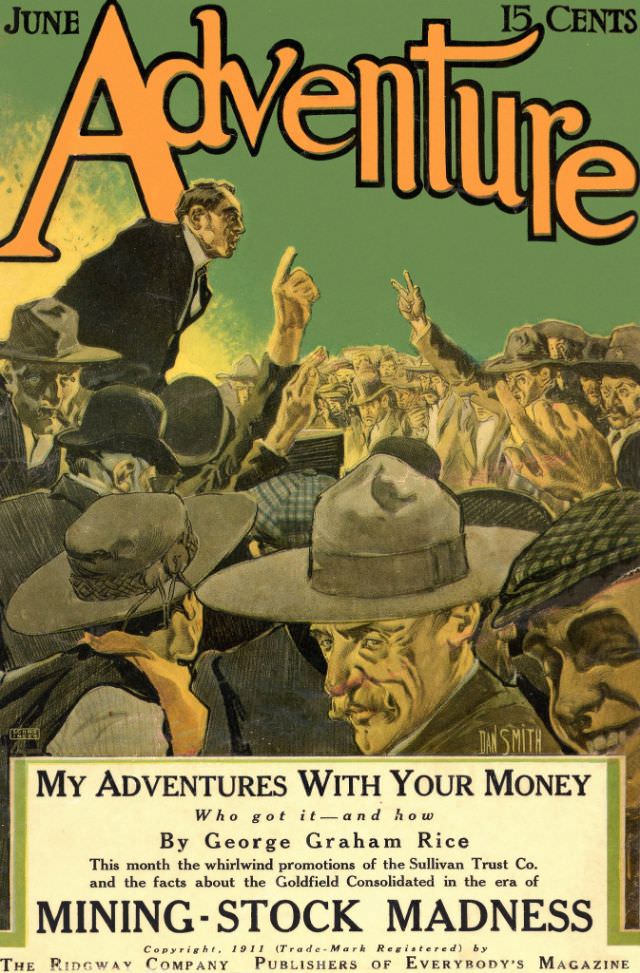
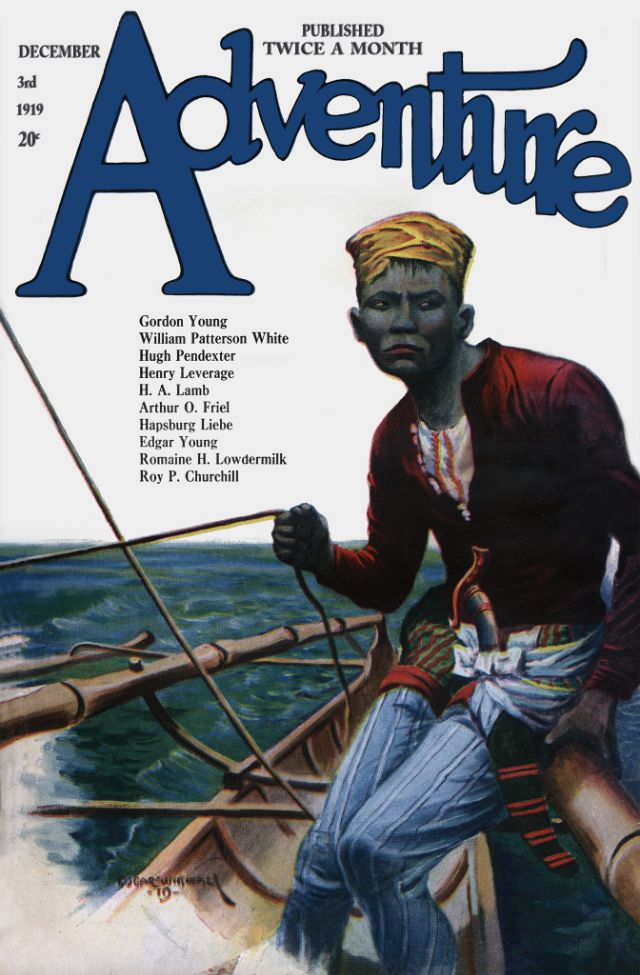
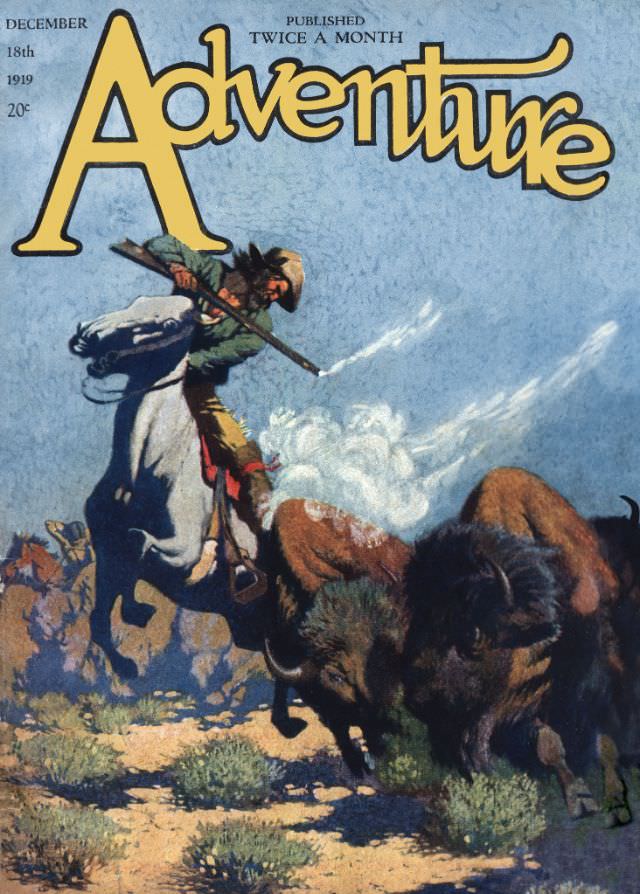
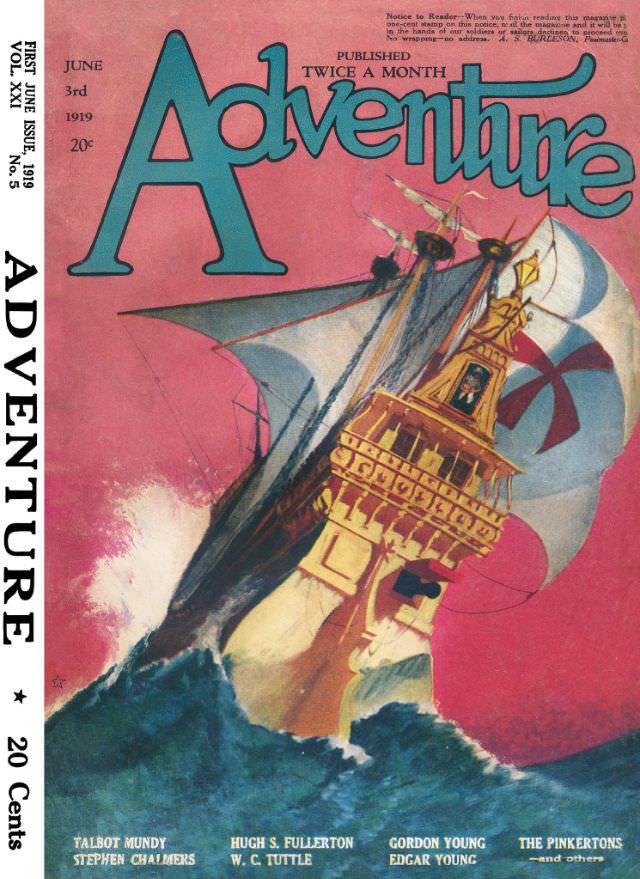
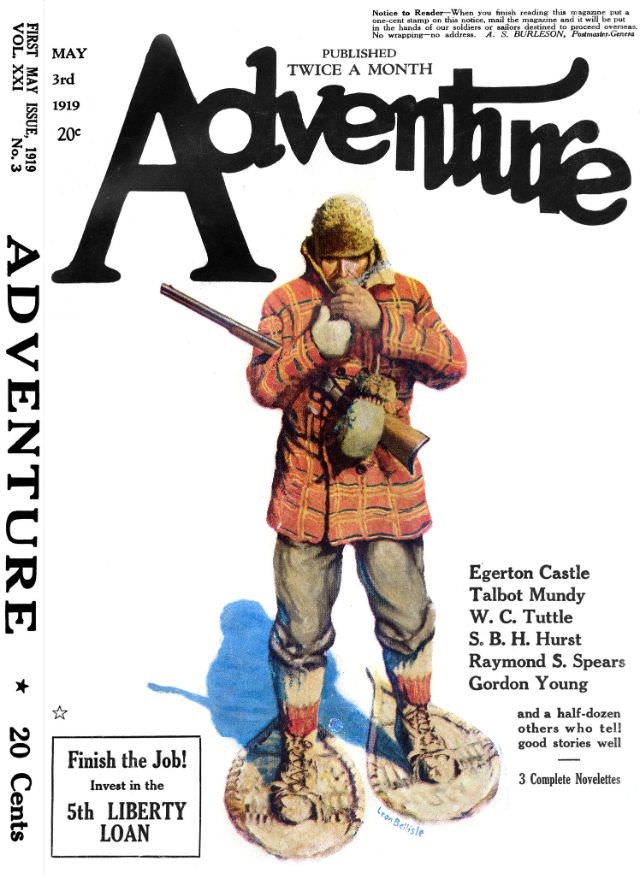
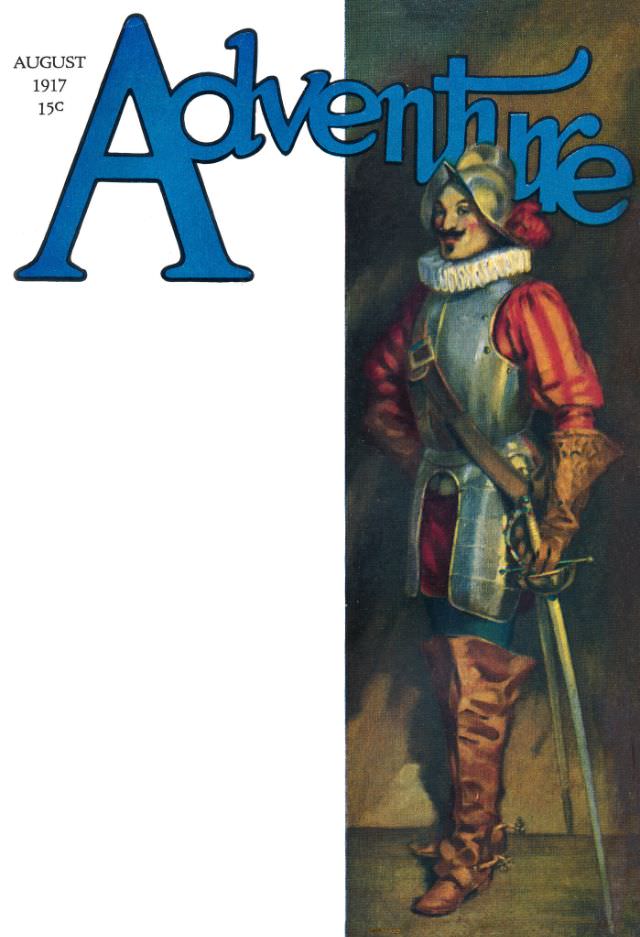
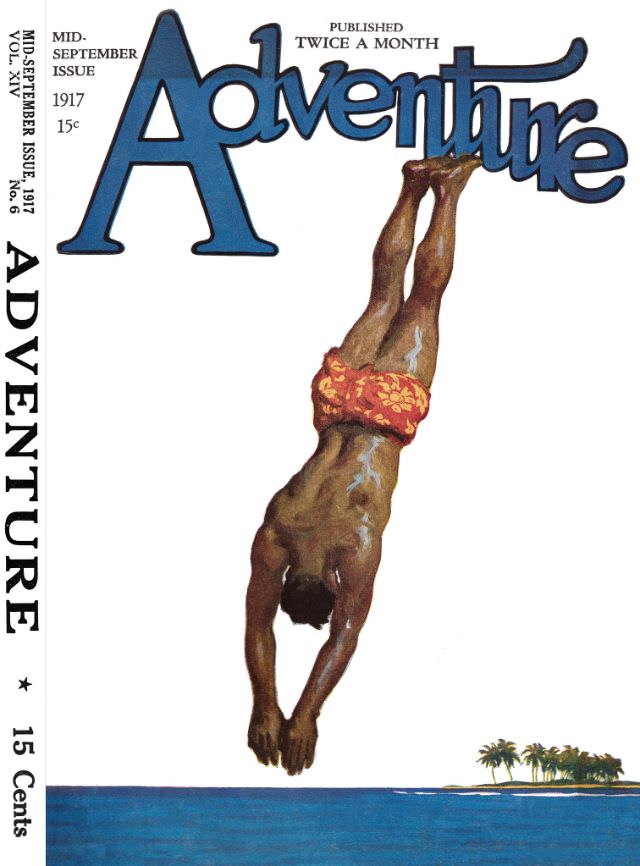
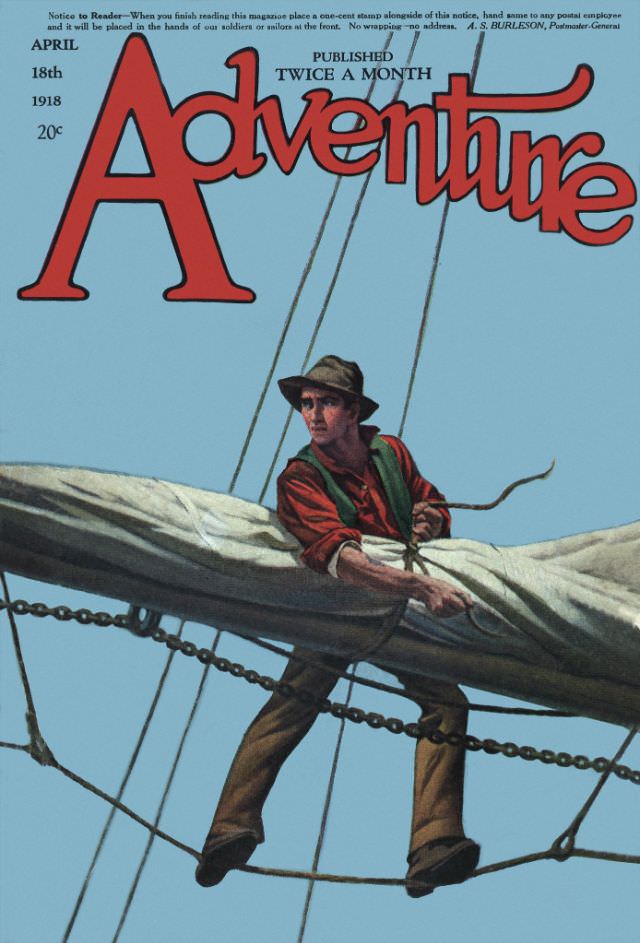
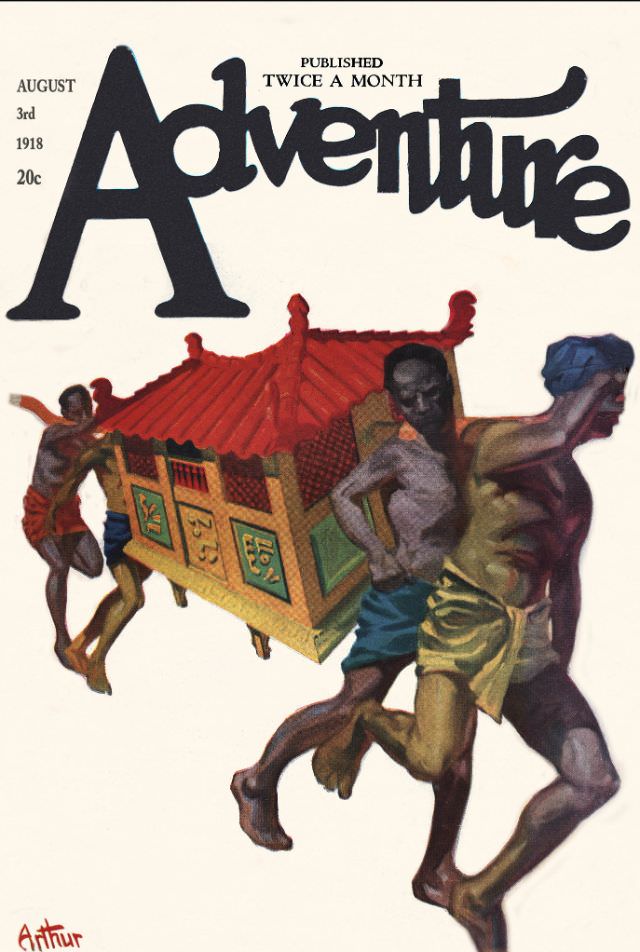
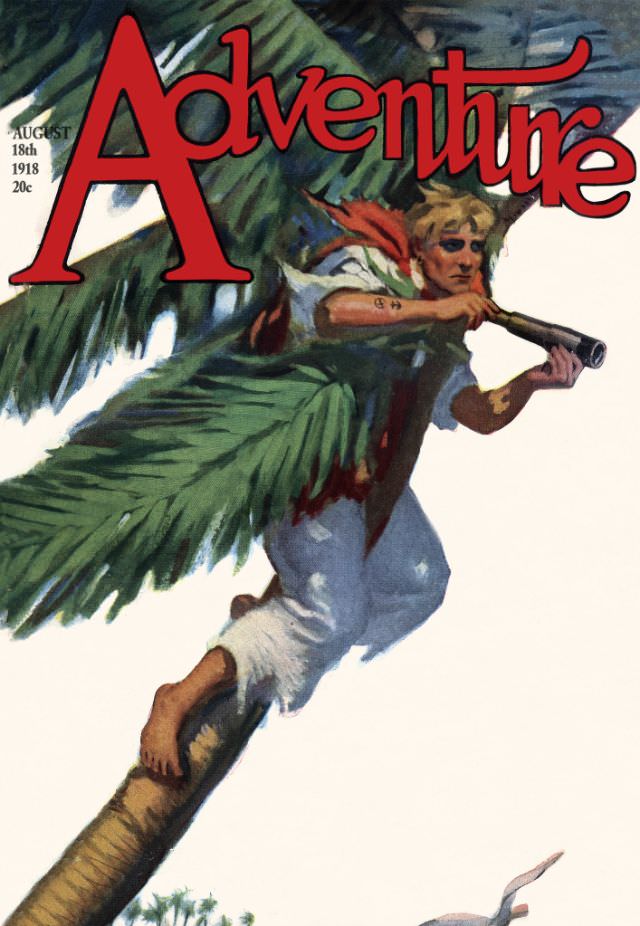
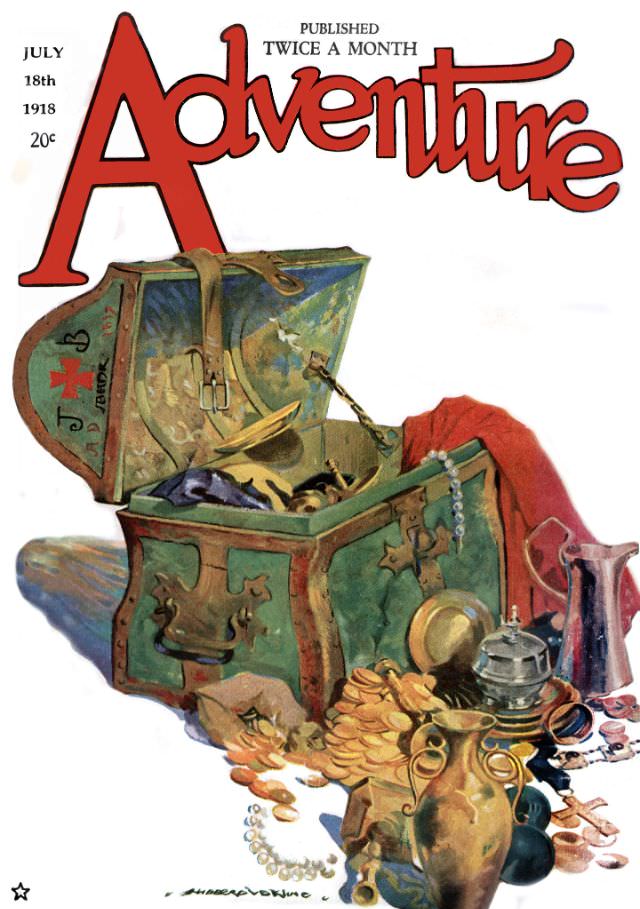
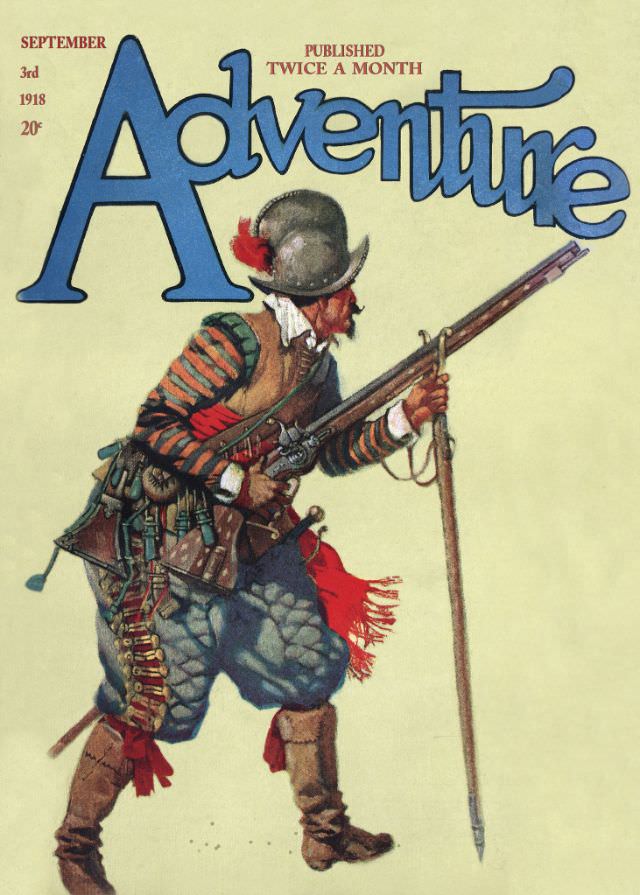
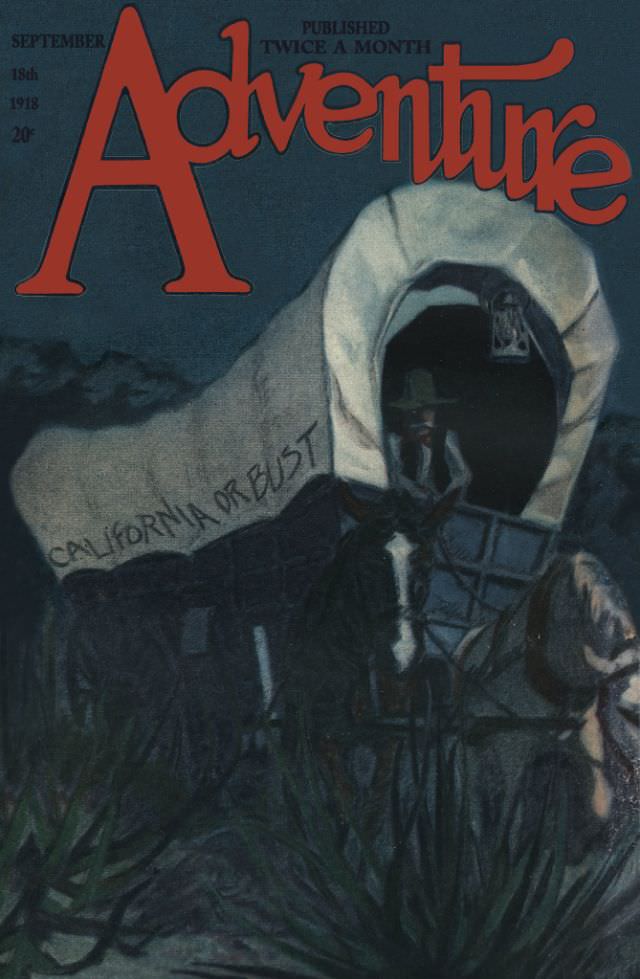
The cover illustrations were central to the magazine’s identity. They weren’t decorative afterthoughts — they were bold, vibrant works of art that promised excitement on every page. High-seas pirates, jungle expeditions, Wild West showdowns: the covers captured all of it with energy and detail that matched the stories inside.
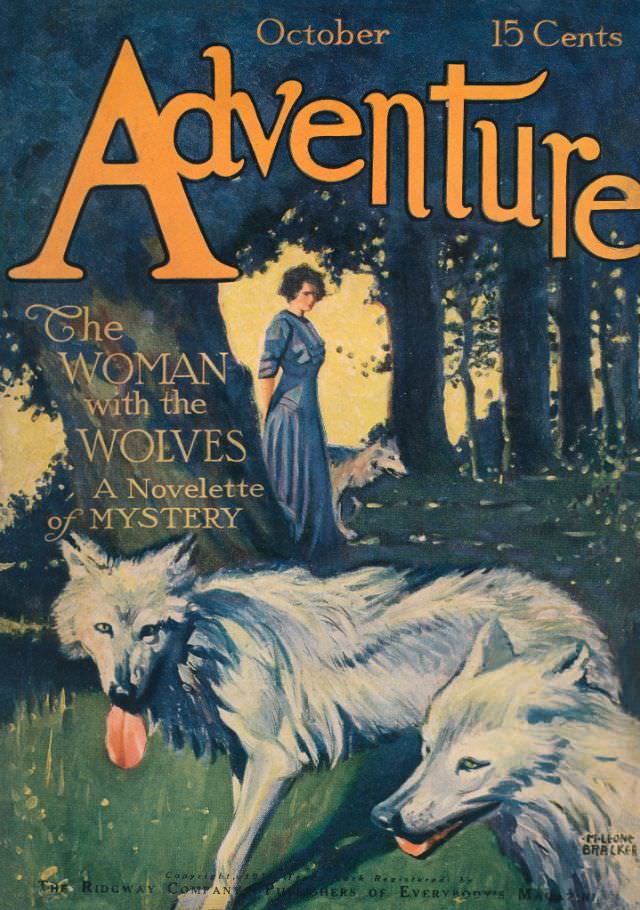
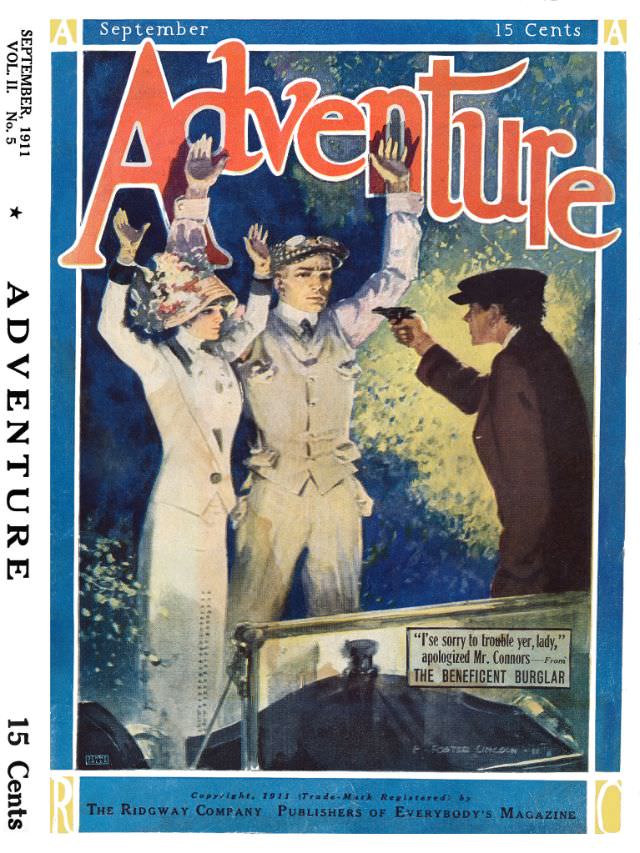
By the mid-1910s, the magazine’s cover art had developed a distinctive visual language. Each illustration reflected the themes that defined the era — exploration, danger, and the thrill of the unknown. These weren’t just magazine covers. They were windows into the popular imagination of early 20th-century America.
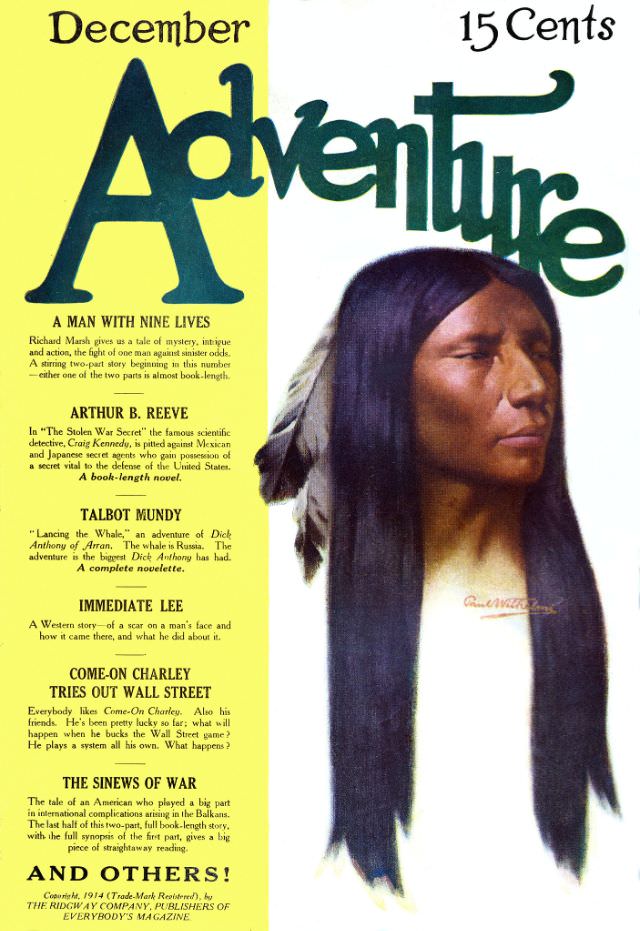
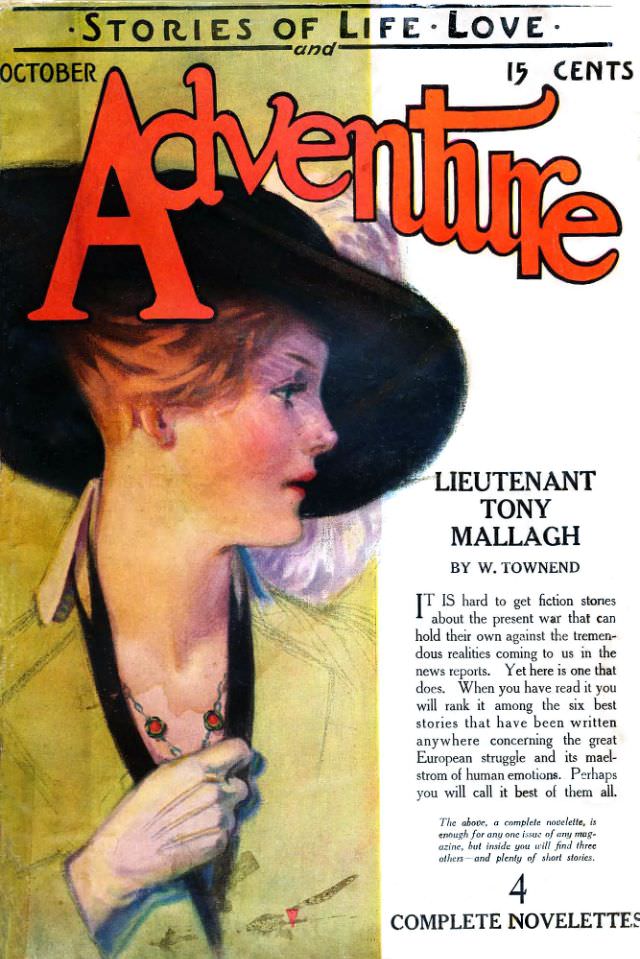
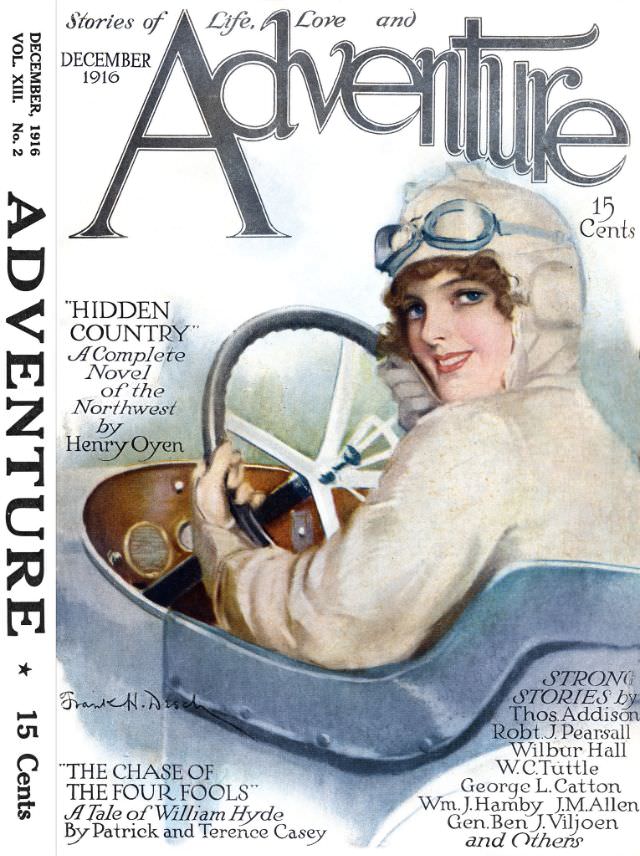
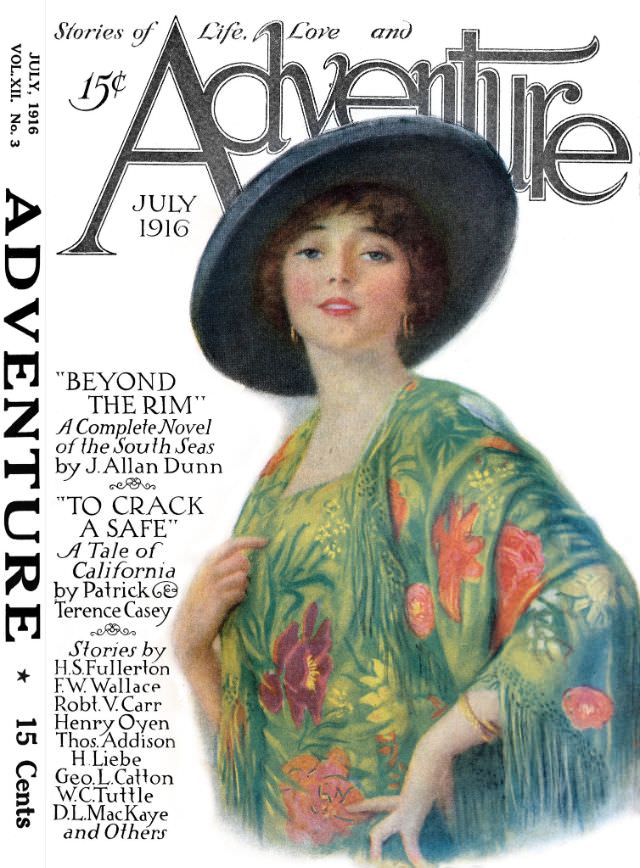
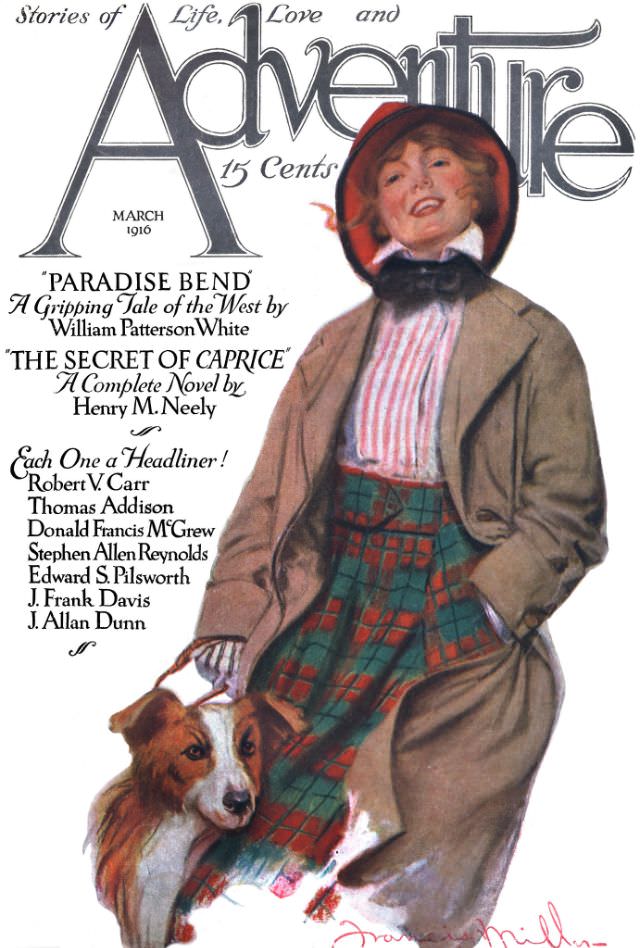
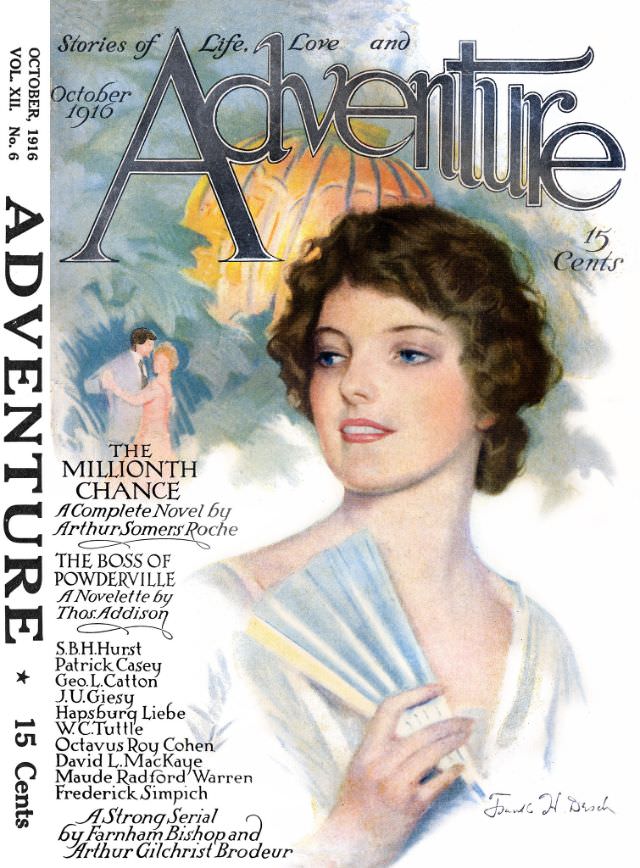
The year 1916 was particularly productive for the magazine’s visual output. Cover after cover delivered striking scenes that gave readers an immediate sense of the action waiting inside. From dramatic confrontations to exotic locales, the illustrations of that year rank among the finest in the magazine’s history.
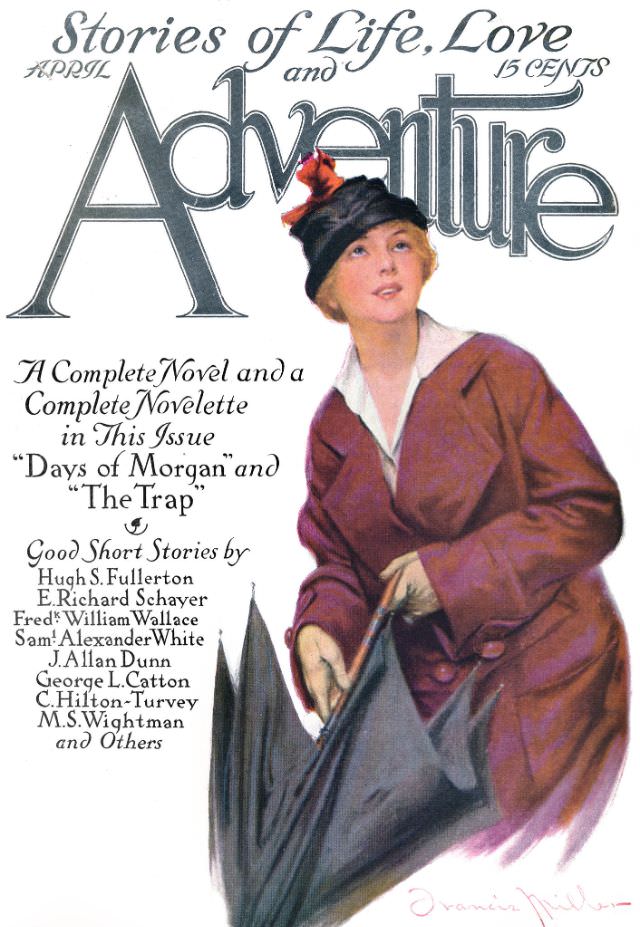
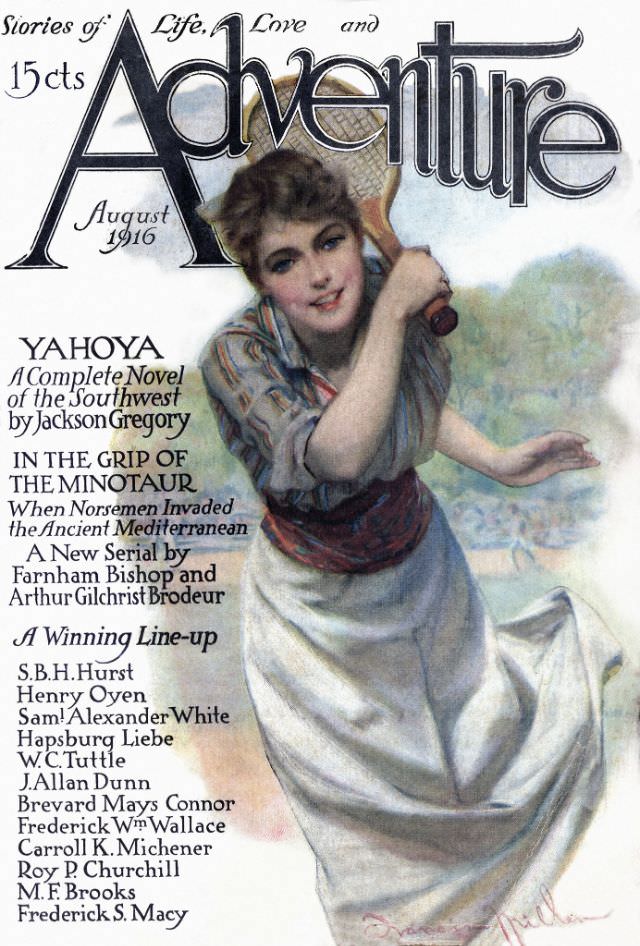
As the United States entered World War I, the covers of 1917 and 1918 began to reflect a world in conflict. The same spirit of adventure remained, but the tone grew sharper — more urgent. The frequency of publication also increased during this period, with issues released multiple times per month, each with a distinct cover.
By 1919, Adventure had firmly established itself as a staple of American popular culture. The covers from this final year of the decade continued to deliver the vivid, action-driven imagery that readers had come to expect. Each one stood as a self-contained piece of illustration art, complete with its own story told in a single frame.