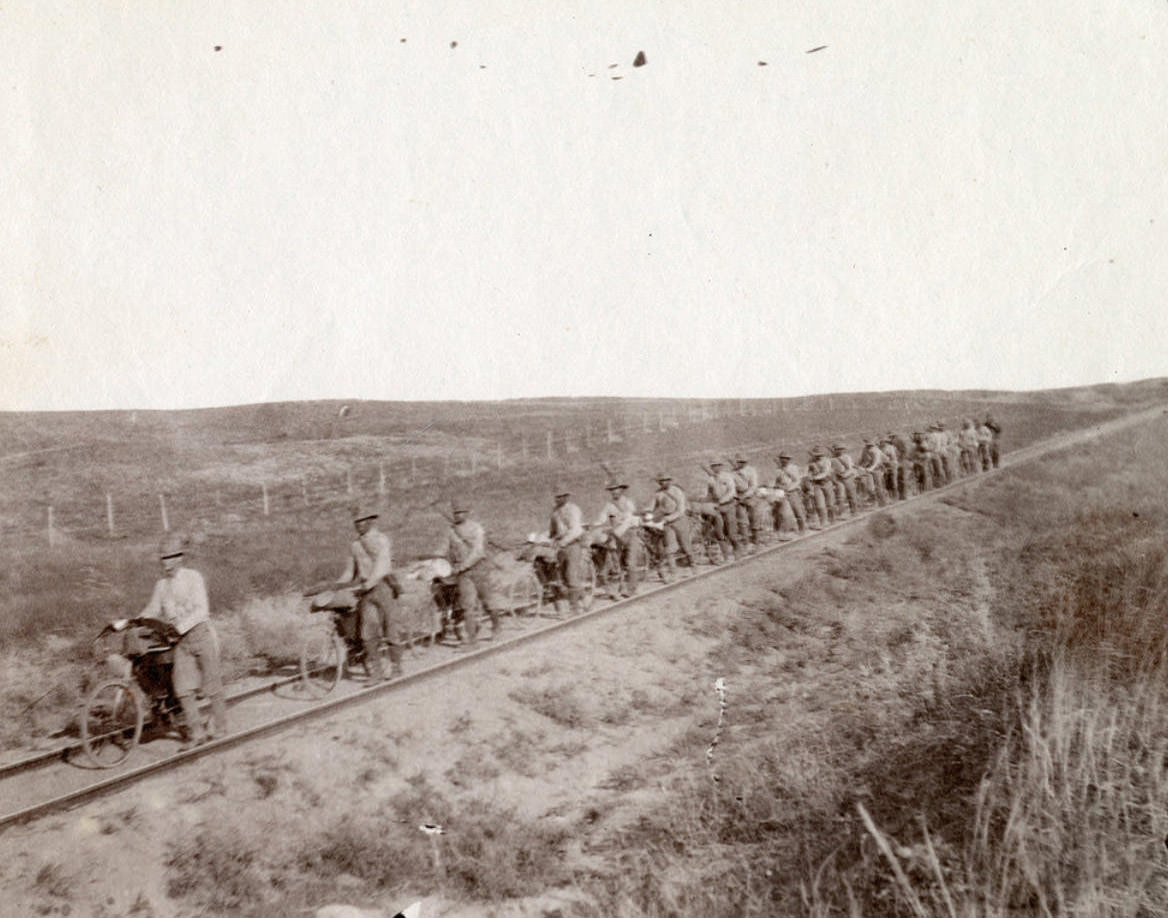
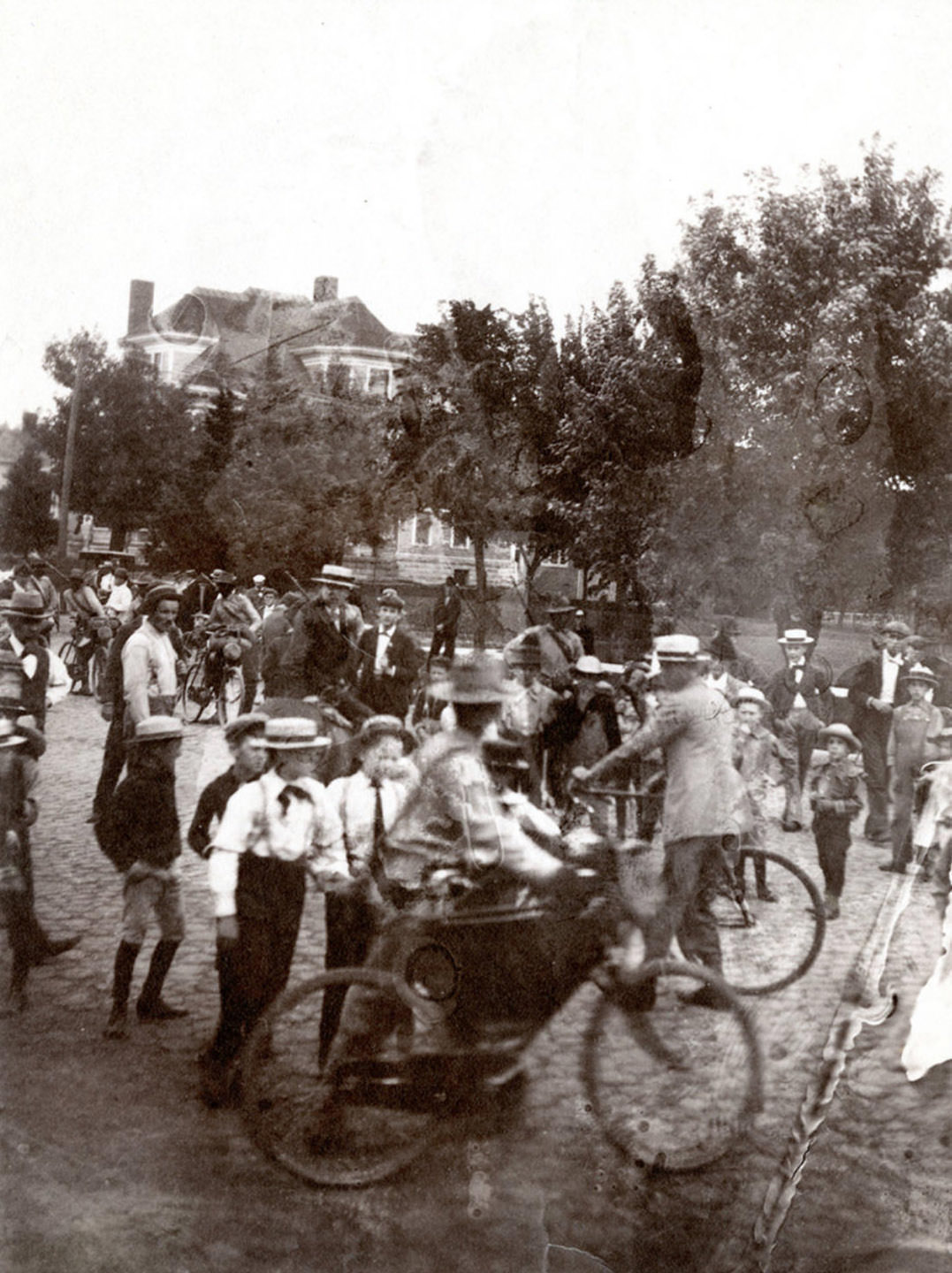
In the summer of 1897, a small group of Black soldiers mounted bicycles at Fort Missoula, Montana, and pedaled into history. They were the 25th Infantry Bicycle Corps, a U.S. Army experiment designed to answer a simple question: could bicycles replace horses on the battlefield? The answer would take nearly 2,000 miles to find.
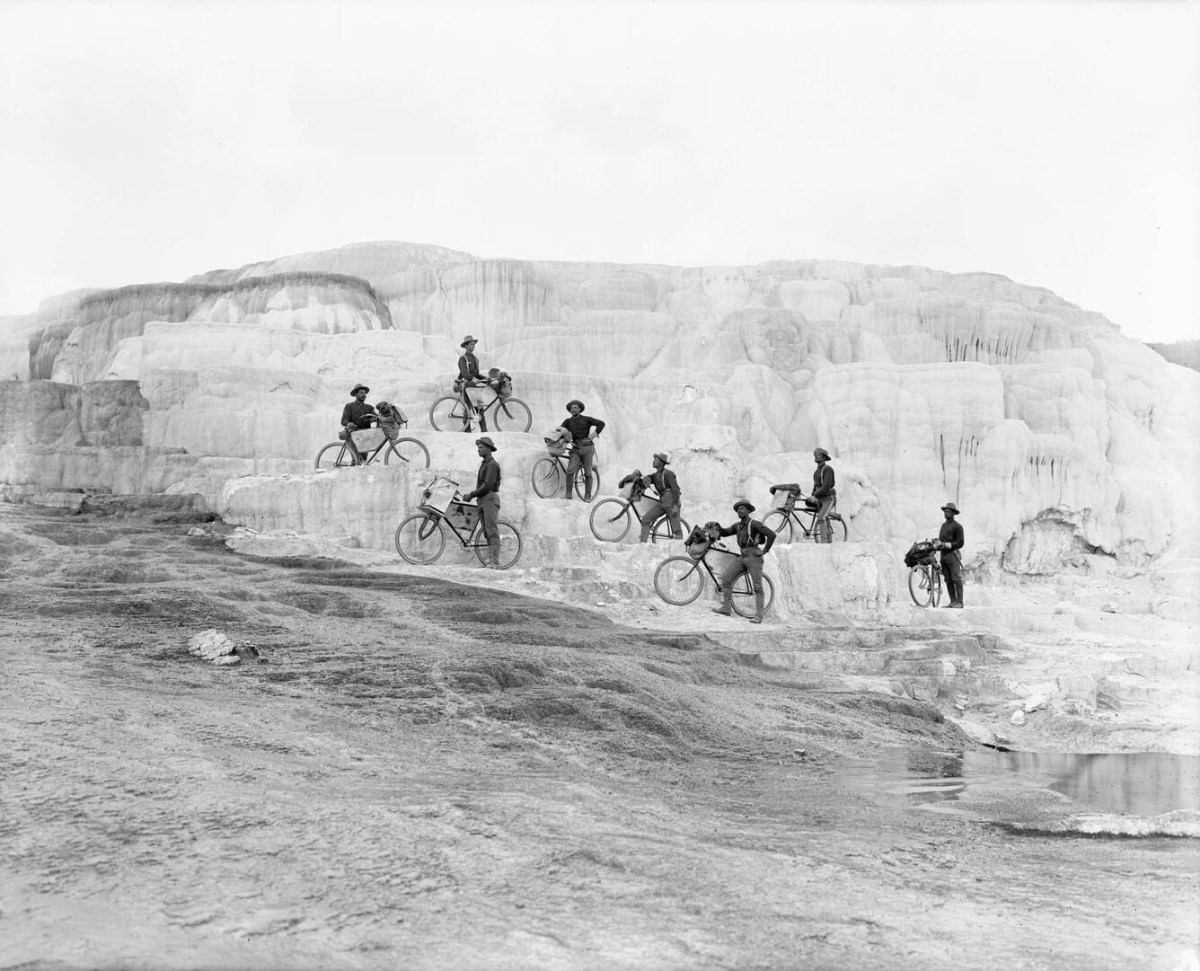
The man behind the experiment was Major General Nelson Miles, a West Point graduate and serious cyclist who believed bicycles had real military value. Miles held his Black enlisted soldiers in high regard and reached out to Lieutenant James A. Moss, placing him in command of the special unit. Moss assembled a team of twenty Black enlisted men, including First Sergeant Mingo Sanders, along with a white medic. The Spalding Bicycle Company of Springfield, Massachusetts, supplied the bikes. Reporter Edward Boos rode along to document every mile.
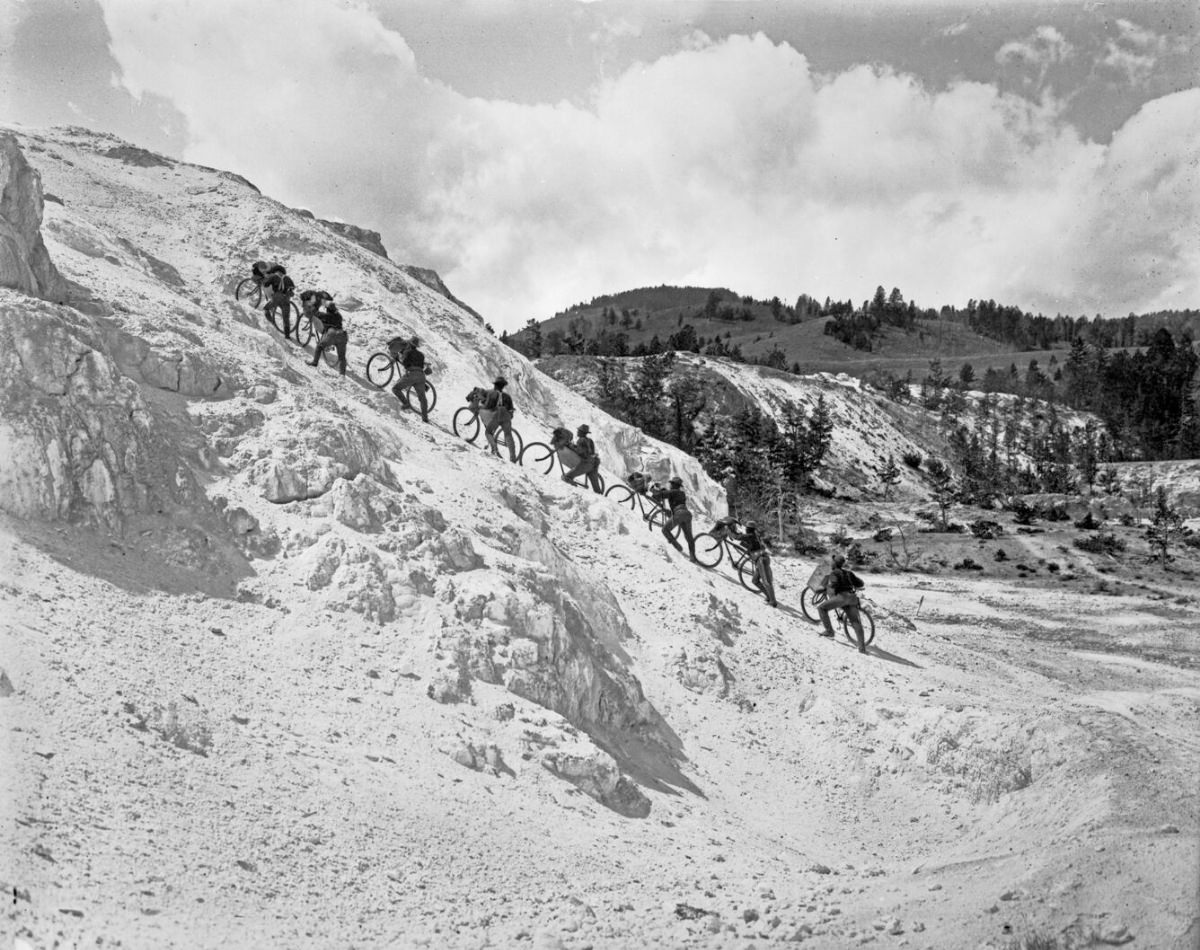
The Corps had already completed a shorter test run in 1896, riding from Fort Missoula to Yellowstone National Park. That trip went well enough to justify a far more demanding challenge the following year. On June 14, 1897, a crowd of townspeople gathered to cheer the riders off as they departed the fort. The real test had begun.
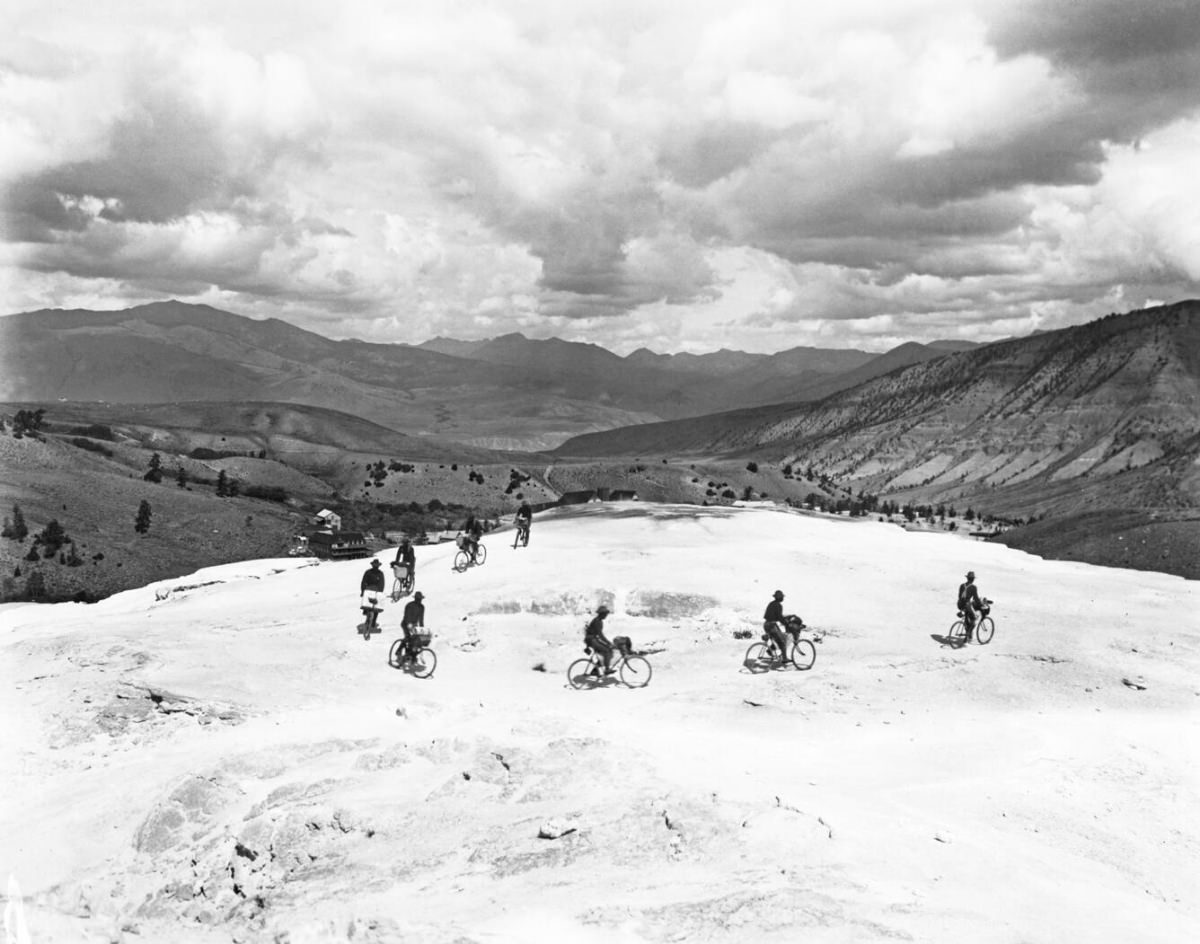
The Rocky Mountains immediately made their presence known. Muddy roads and fresh snow slowed the riders as they crossed the Continental Divide. Once clear of the mountains, they followed the Missouri River into the Gallatin Valley. Crowds in Bozeman, Montana, turned out with curiosity and excitement as the Corps rolled through town. From there, the men crossed the Bridger Mountains, tracked the Yellowstone River to Billings, and pushed south toward the site of the Battle of Little Bighorn before crossing into Wyoming.
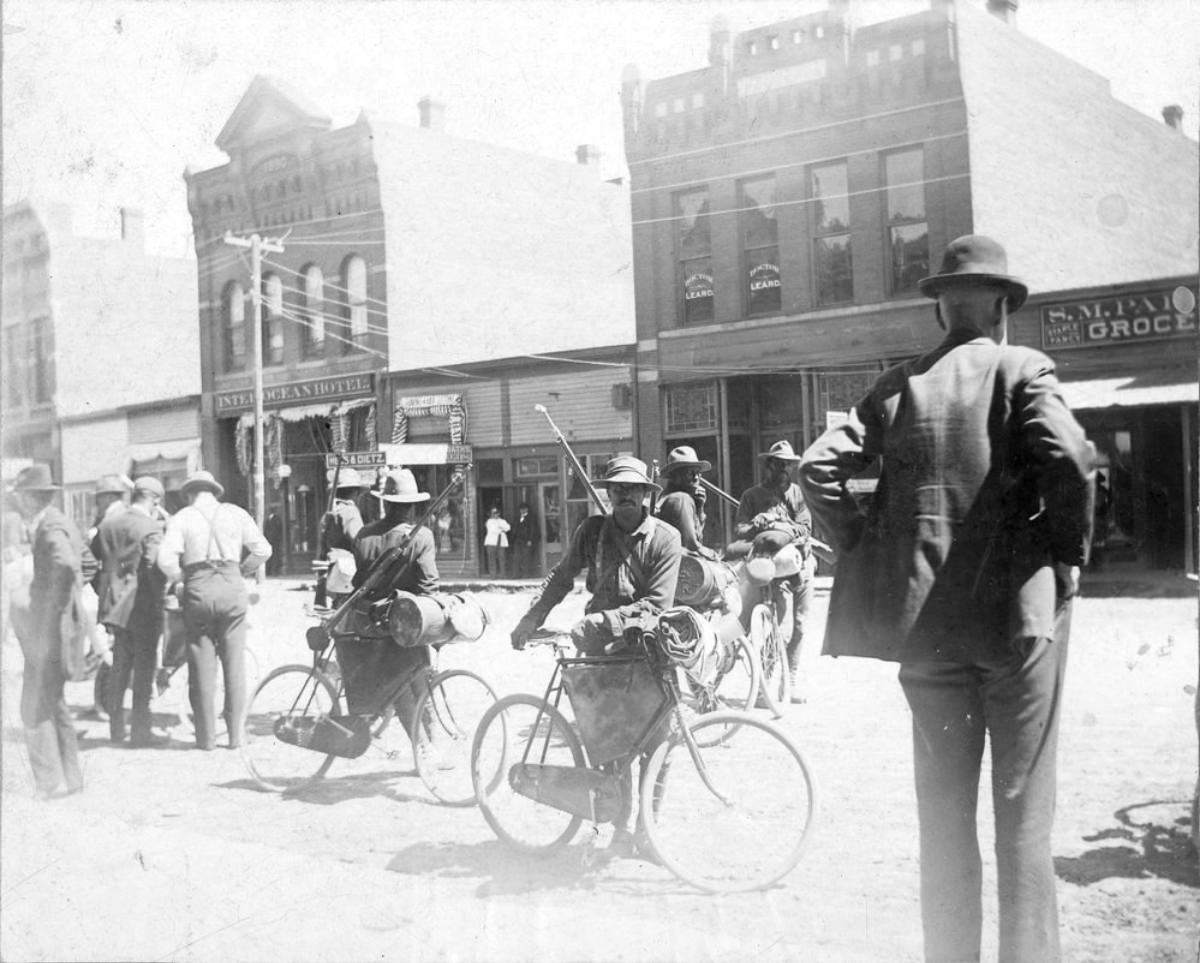
Wyoming nearly ended the expedition. Fatigue and poor visibility from bad weather caused the riders to lose their way, and they barely reached Moorcroft. The stretch from Moorcroft into Nebraska brought a new threat: extreme heat and a water shortage. The only available water sources were contaminated with alkali, making the water undrinkable. Many of the men fell ill as a result.
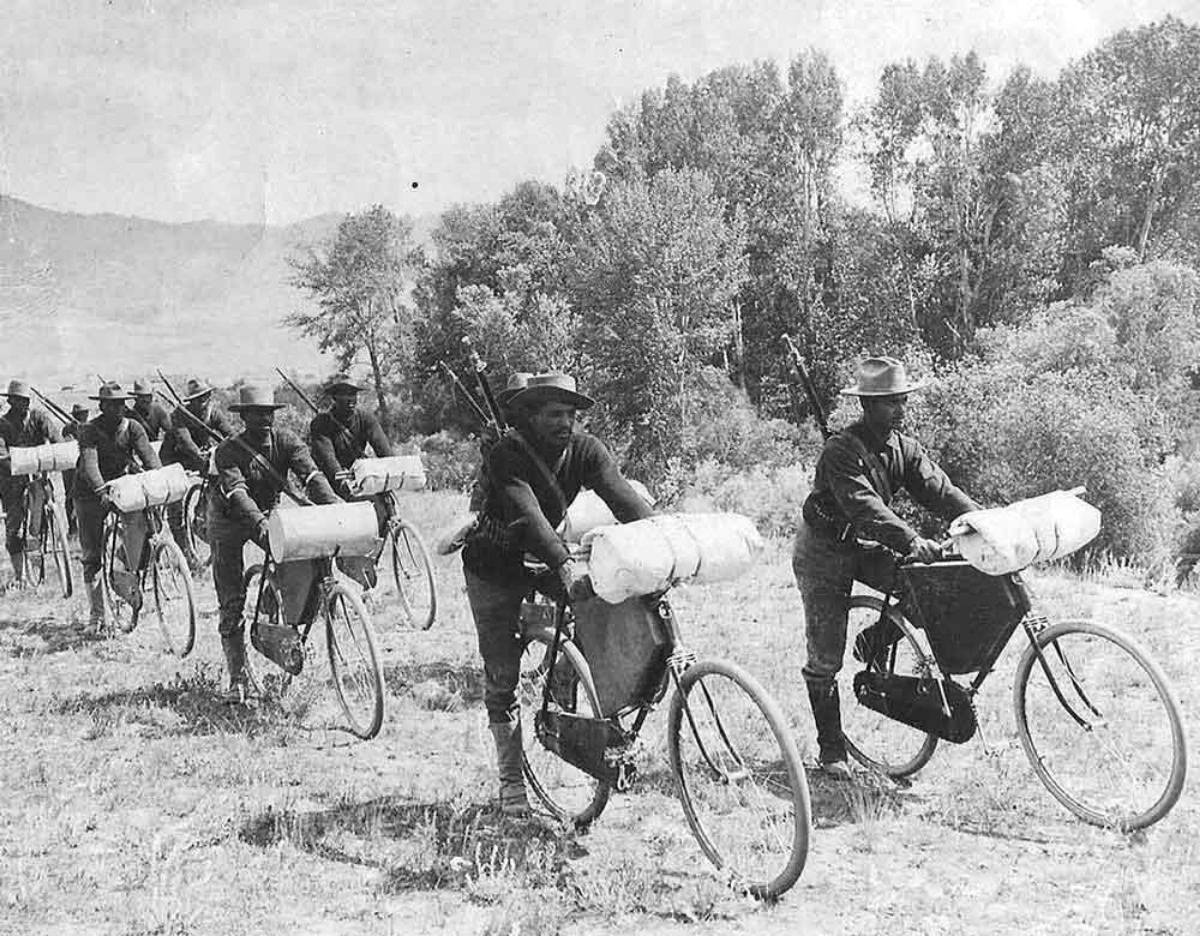
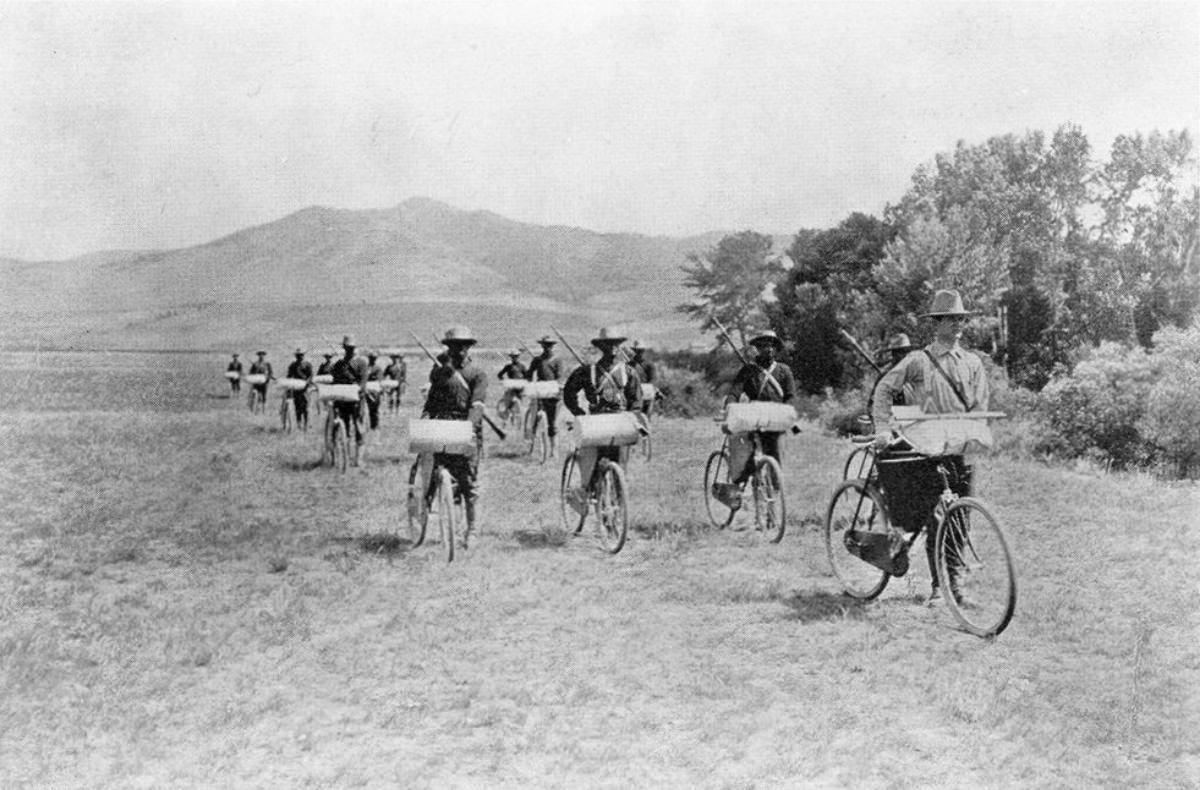
Conditions improved once the Corps crossed into Missouri, but the reception turned cold. Local residents refused to let the soldiers camp on their farms, citing grievances with the Union Army from decades earlier. The hostility was a sharp contrast to the warm crowds they had met in Montana. One member of the Corps, Eugene Jones, left the unit in Missouri and returned to Montana on his own.
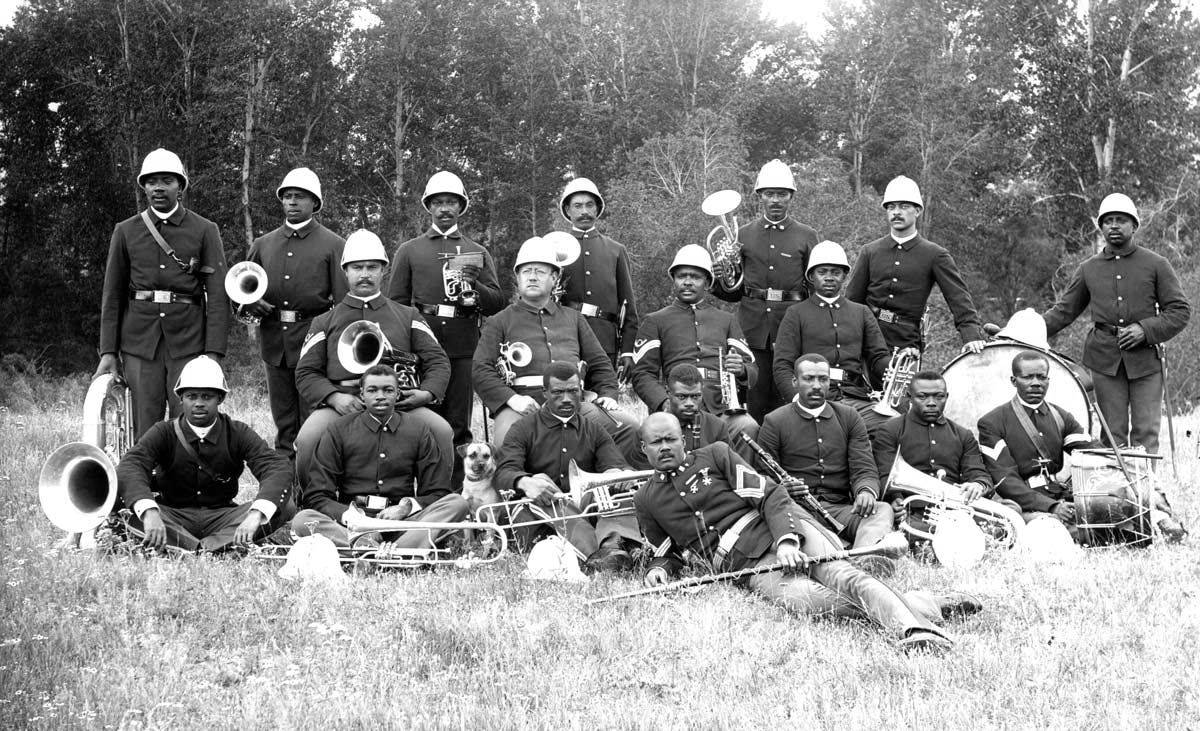
On July 24, 1897, the Corps crossed the Mississippi River. The Saint Louis Wheelmen, a local bicycle club, rode out to escort them into the city. Saint Louis welcomed the soldiers with genuine excitement. Citizens lined the streets, and the arrival was covered widely. The men had covered roughly 1,900 miles in forty days of riding.
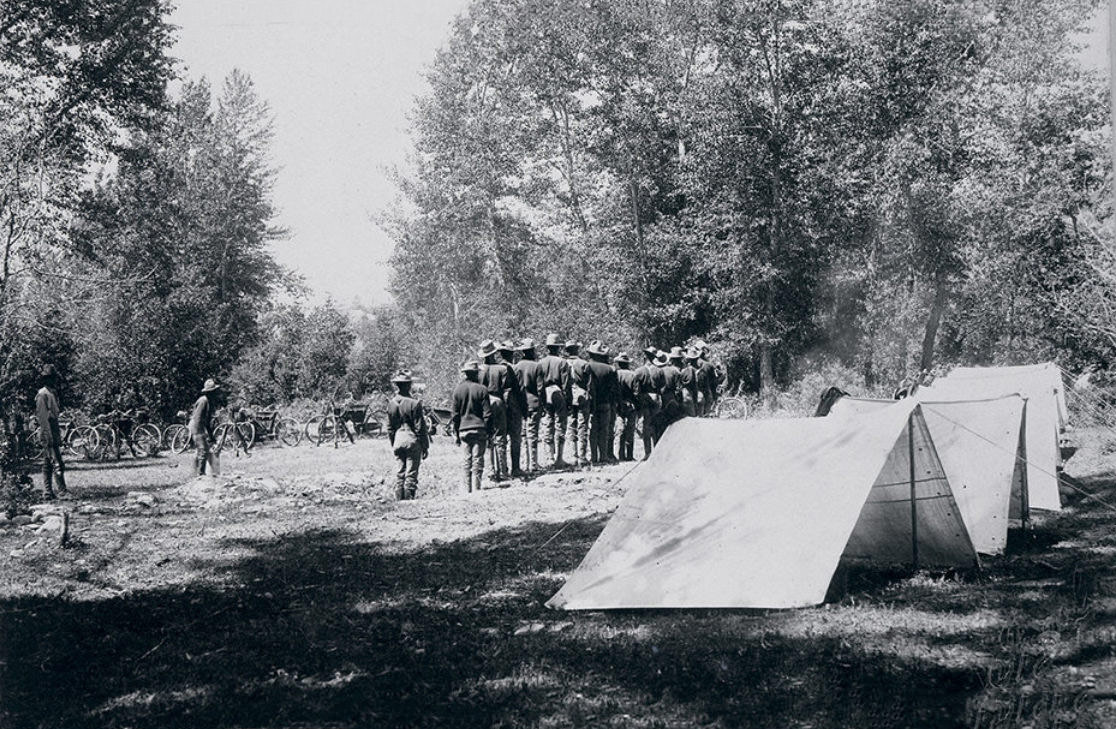
Despite the public enthusiasm, military interest had already faded. Lieutenant Moss proposed extending the journey to Saint Paul, Minnesota, to gather more data. The Army denied the request. The Spalding bicycles were returned to the company, and the soldiers boarded a train back to Montana. The experiment was over.
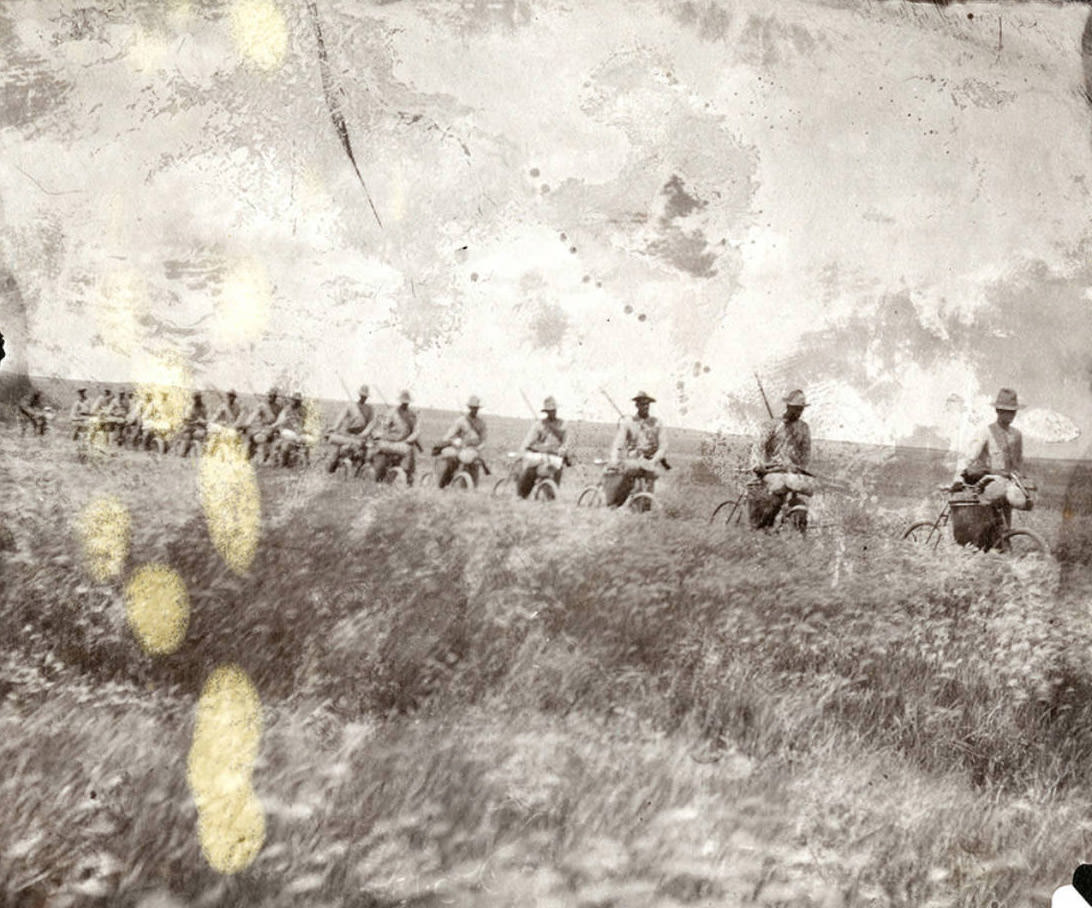
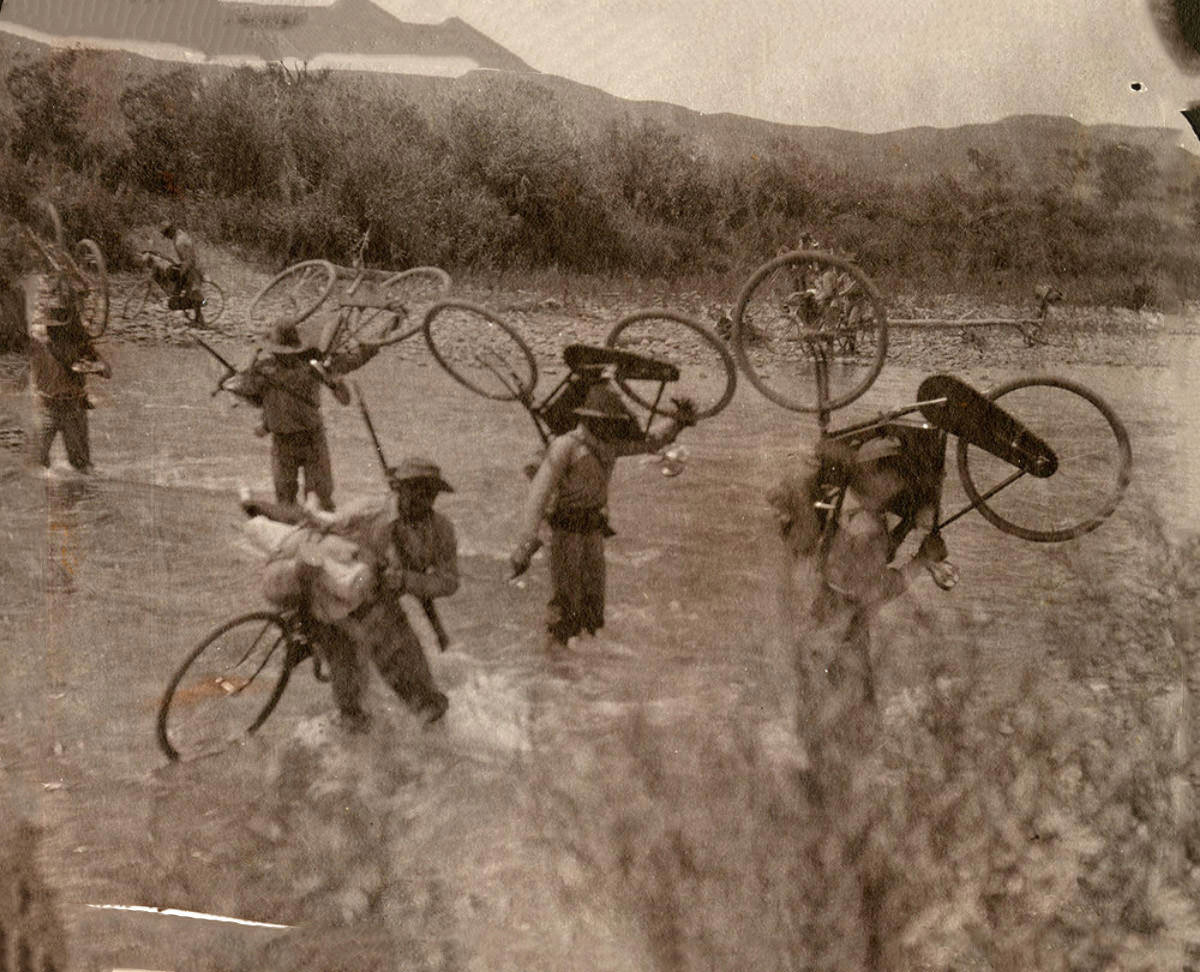
The Army’s attention had shifted elsewhere. When the Spanish-American War broke out the following year, the 25th Infantry was deployed to Cuba — not on bicycles, but as standard infantry. The bicycle’s moment in American military history lasted just two summers and a handful of grueling miles.