
On December 7, 1970, West German Chancellor Willy Brandt did something no German leader had done before. He knelt silently at the monument to the victims of the Warsaw Ghetto in Poland. No words. No speech. Just a long, still moment in the rain. The photograph spread across the world within hours and became one of the most powerful images of postwar Europe — a visual acknowledgment of German guilt for the crimes of the Second World War, 25 years after it ended.
That same day, Brandt signed the Treaty of Warsaw, formally recognizing Poland’s postwar western border and opening the door to normalized relations between West Germany and Eastern Europe. It was part of his broader foreign policy known as Ostpolitik — a deliberate effort to ease tensions with the East through negotiation rather than confrontation. The groundwork laid by these treaties helped shape a new political reality on the continent.
By 1973, both the German Democratic Republic (East Germany) and the Federal Republic of West Germany were admitted as members of the United Nations. That same year, the two German states signed the Basic Treaty, in which they agreed to establish what they called “normal neighborly relations” — a remarkable step given that the two countries had been ideological opposites since 1949. The scenic Bavarian town of Berchtesgaden, nestled in the Alps near the Austrian border, looked far removed from these political dramas. These photos from 1972 show the town as it appeared during this era.
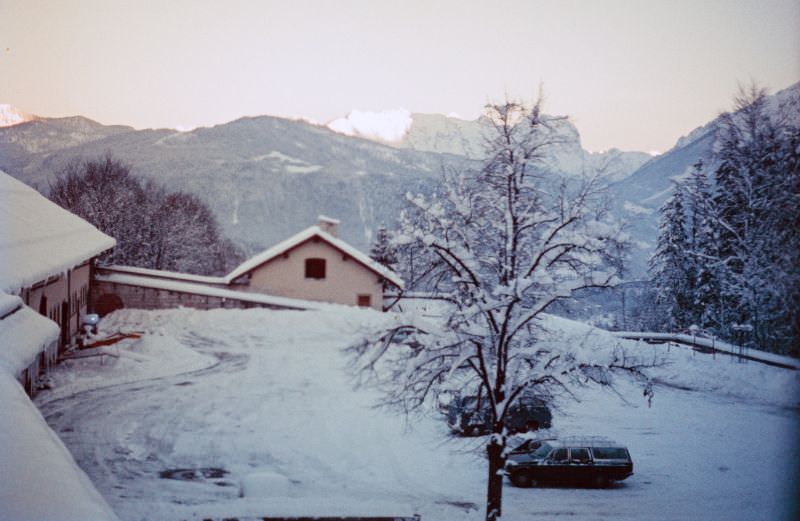
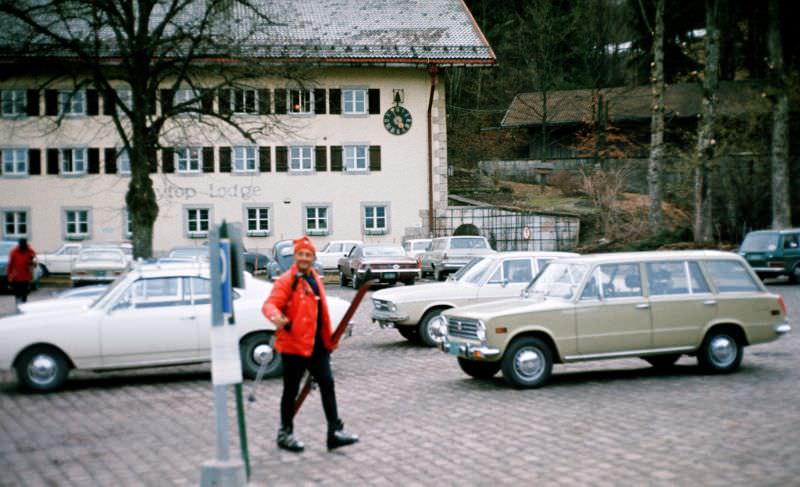
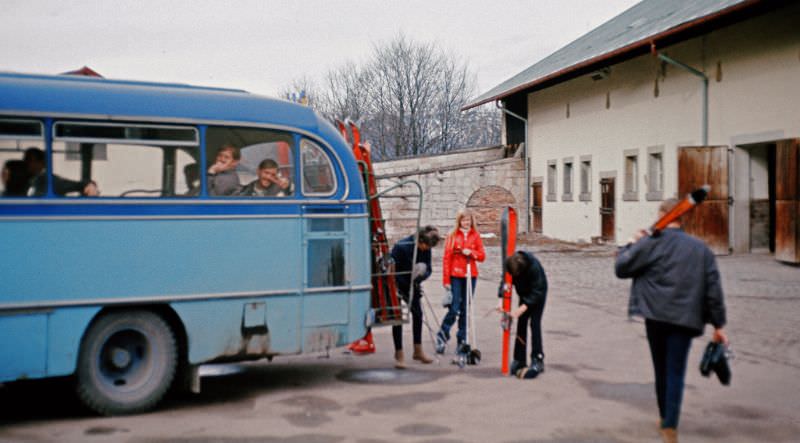
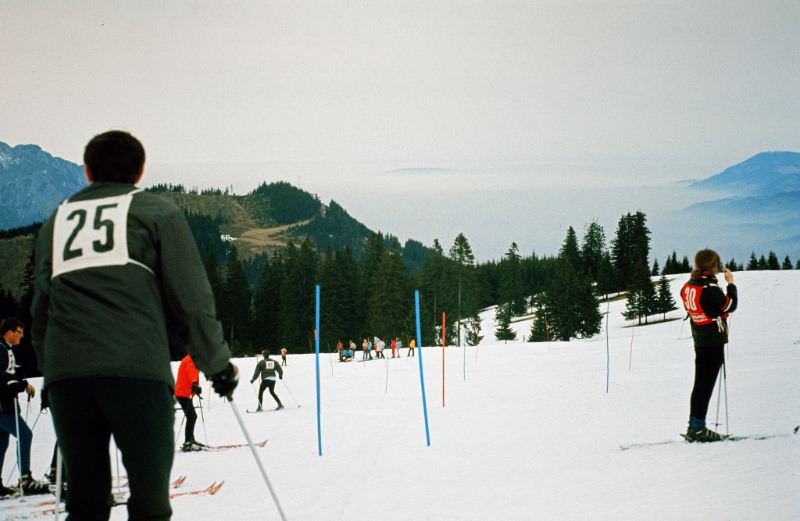
While diplomacy reshaped Germany’s international standing, the country’s internal politics took a dramatic turn in 1974. Brandt was forced to resign as Federal Chancellor after it was revealed that one of his closest aides, Günter Guillaume, was a spy for the East German intelligence service, the Stasi. Guillaume had worked inside Brandt’s inner circle for years, with access to sensitive government communications. The scandal ended one of the most consequential political careers in postwar German history. Helmut Schmidt took over as Chancellor.
Frankfurt was Germany’s financial and transportation hub throughout the decade. Frankfurt Airport — officially known as Frankfurt Rhein-Main Airport — was one of the busiest in Europe, connecting West Germany to the world at a time when international air travel was still a relatively new experience for most people.
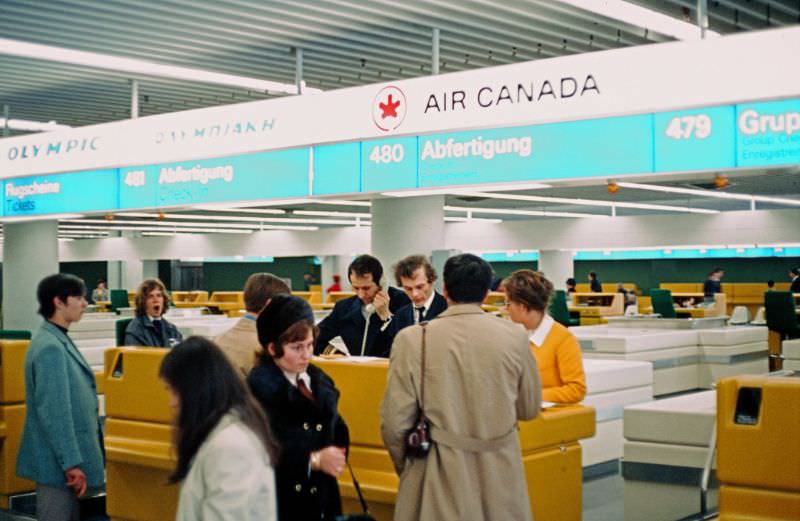
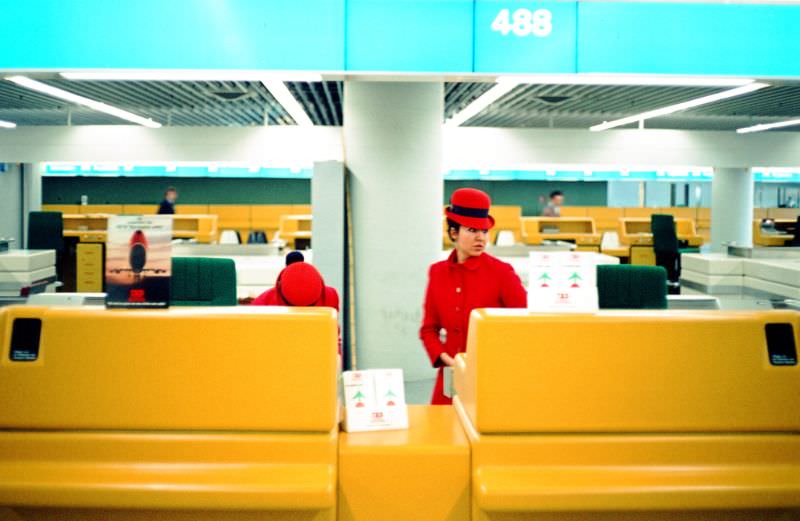
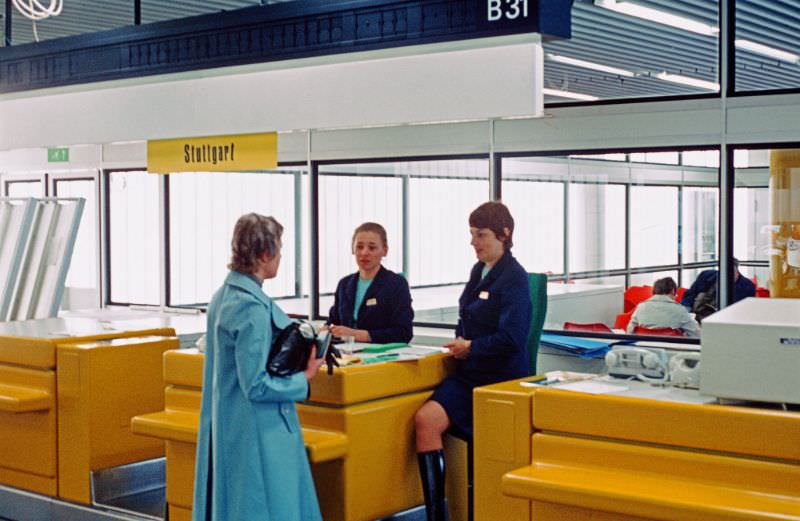
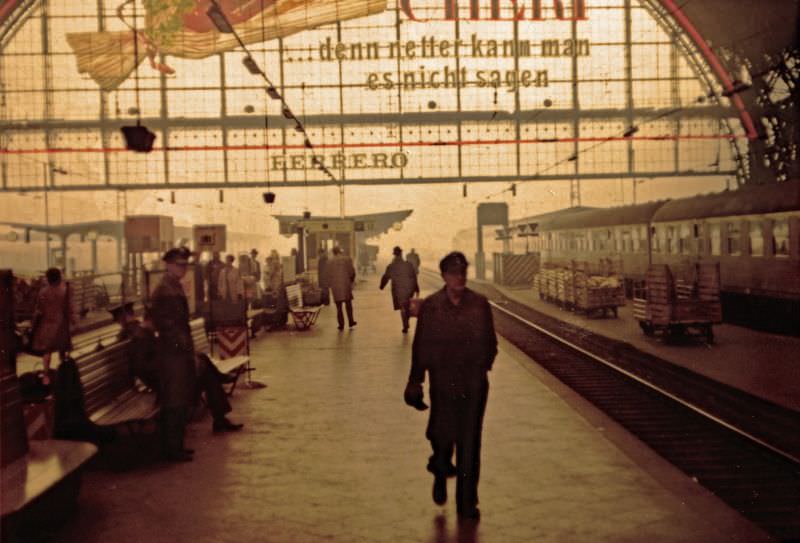
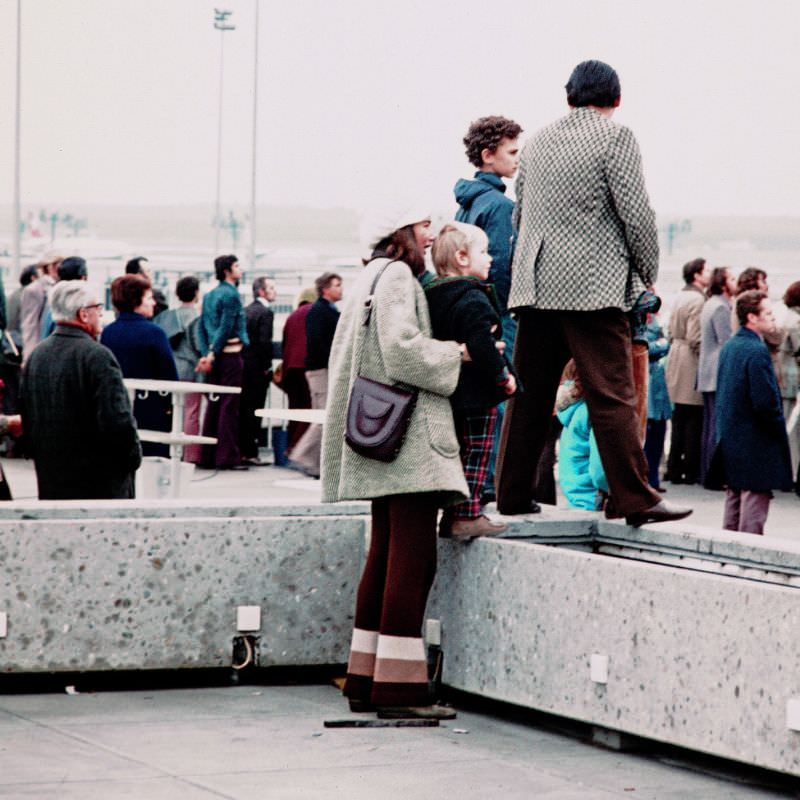
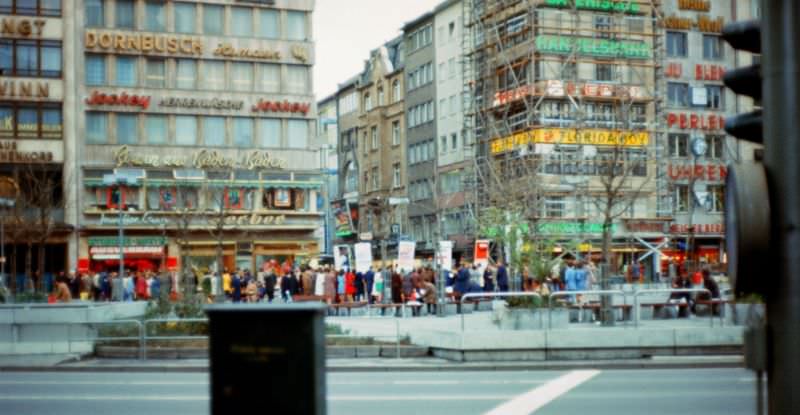
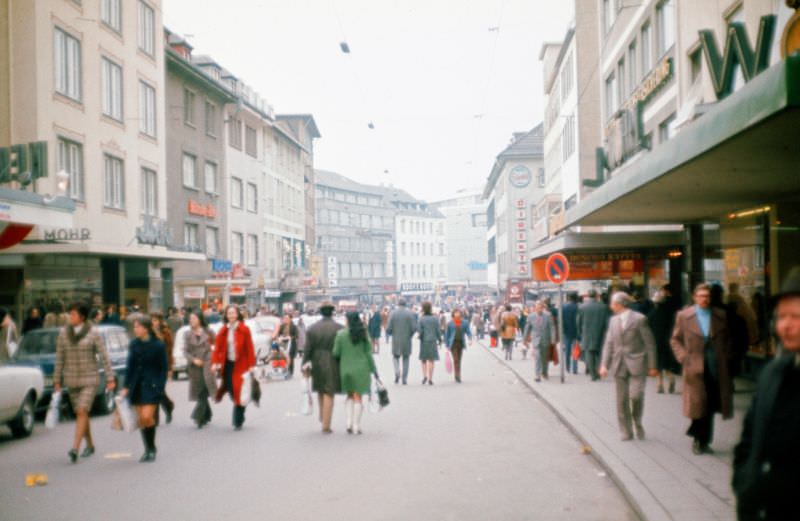
The streets of Frankfurt in 1972 reflected a city in transition — modern glass towers rising alongside older postwar buildings, busy tram lines, and a commercial energy that set it apart from other West German cities. As the seat of the Bundesbank and home to Germany’s stock exchange, Frankfurt had already established itself as the country’s economic nerve center.
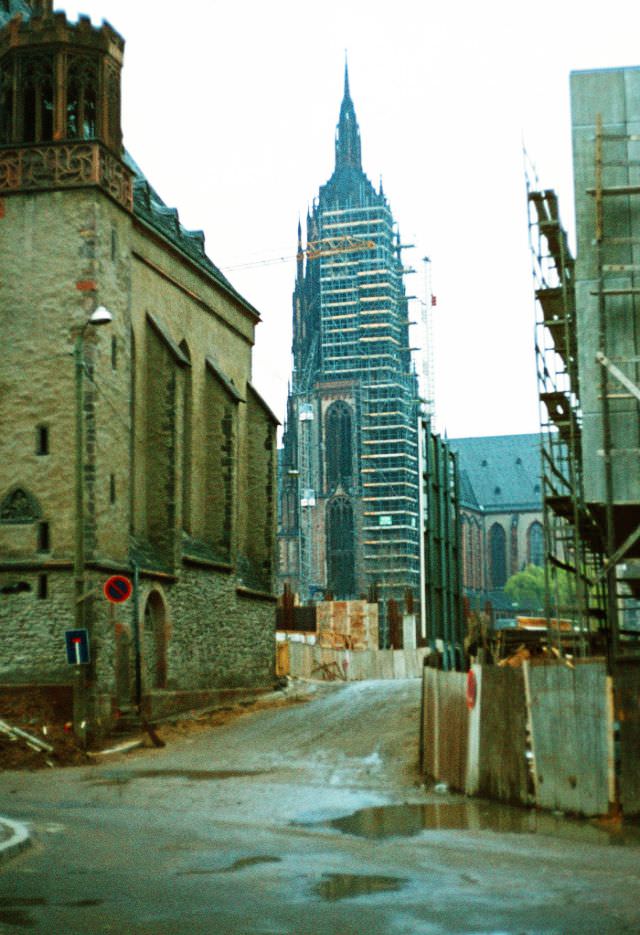
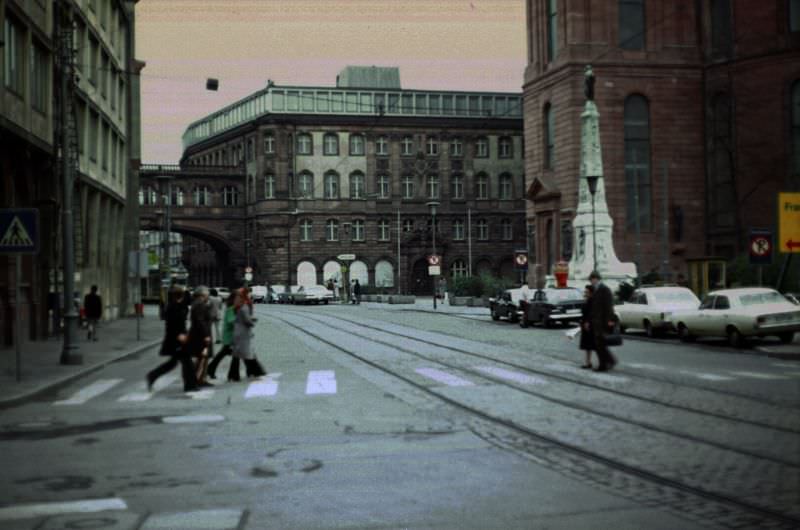
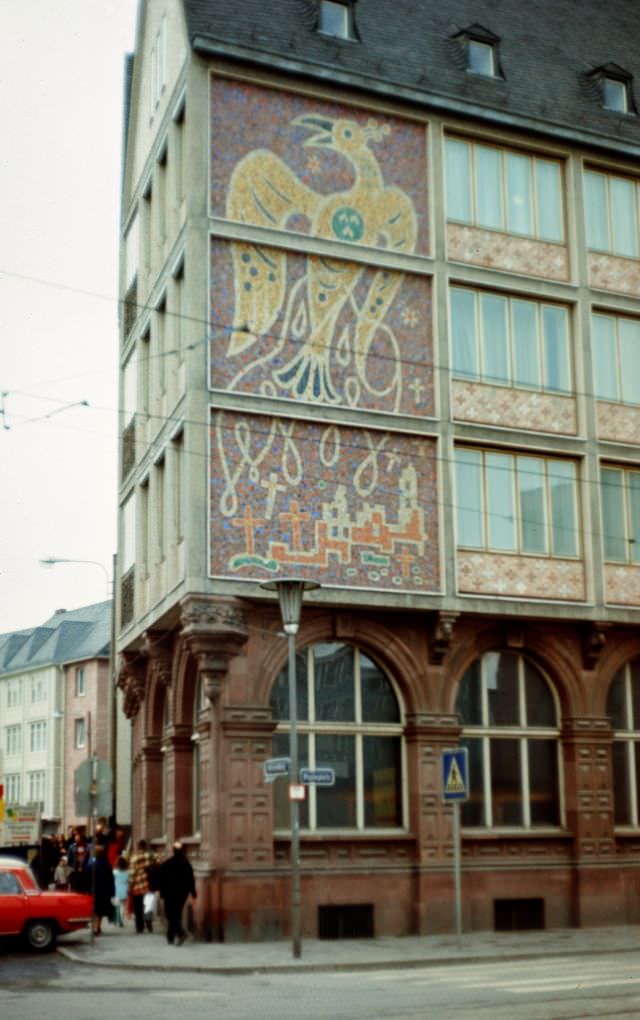
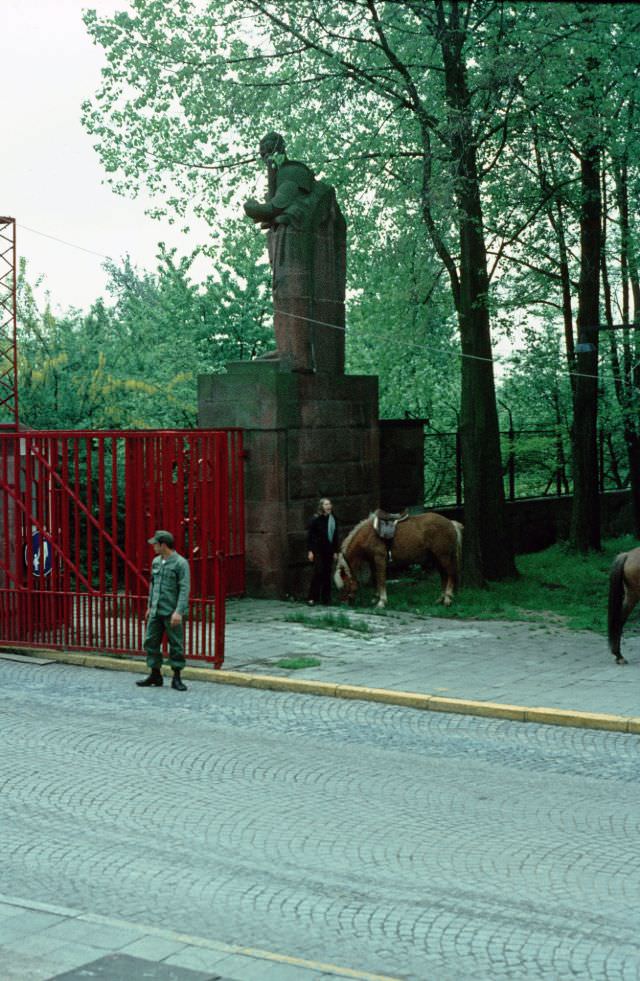
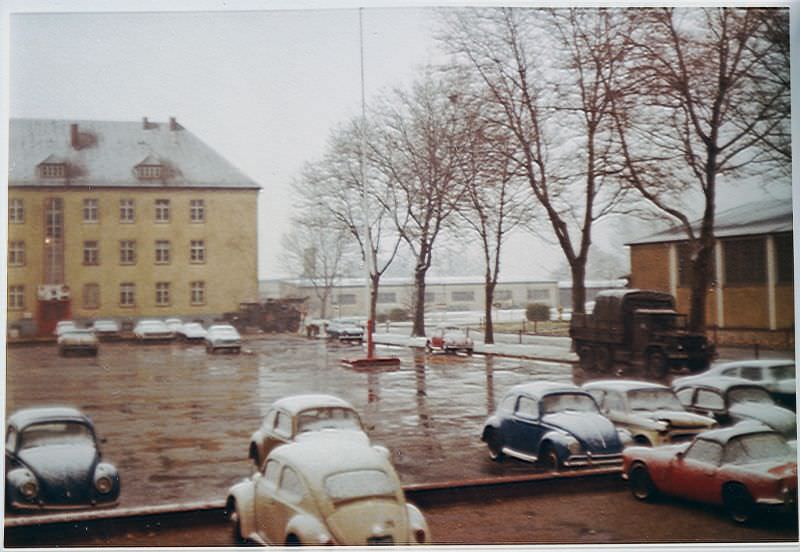
The United States military maintained a significant presence in West Germany throughout the Cold War. Kornwestheim, a town just north of Stuttgart, was home to the Ludendorff Kaserne — a U.S. Army base that housed American soldiers and served as part of NATO’s defense posture in Central Europe. Monthly readiness drills kept units prepared for rapid deployment, a routine reminder of the military tensions that defined the era.
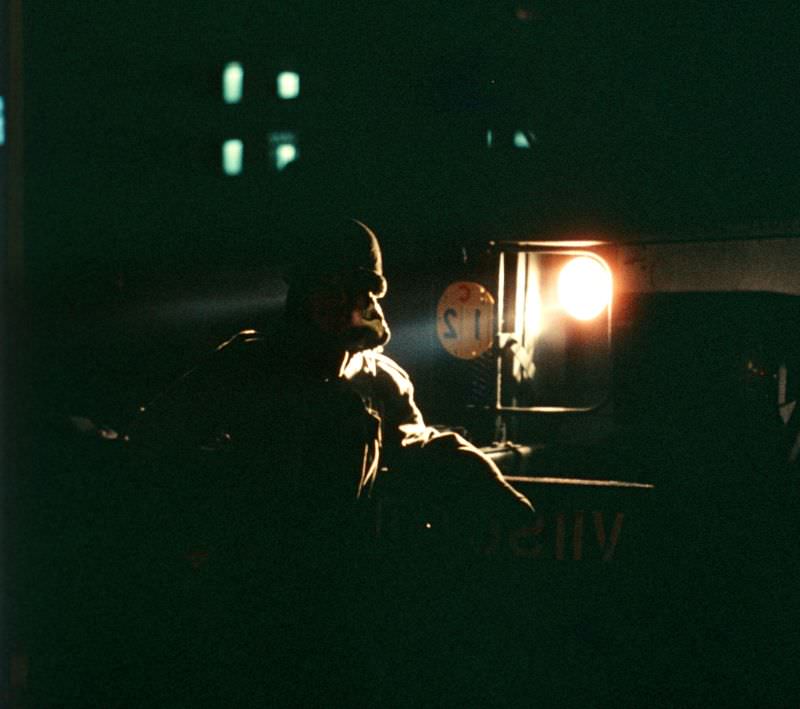
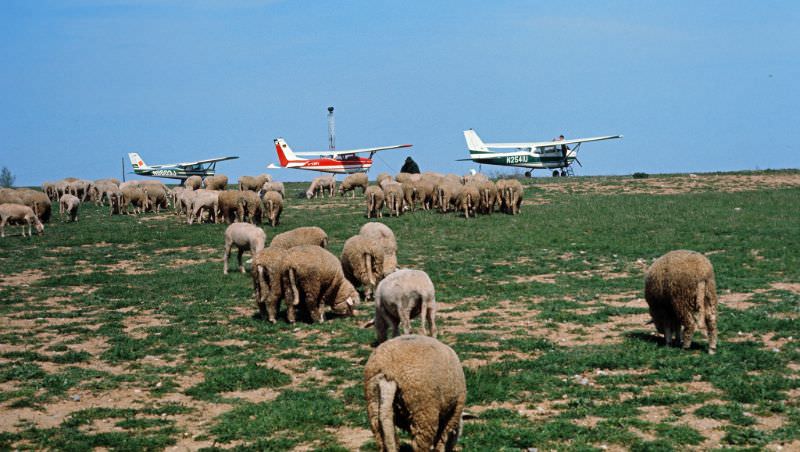
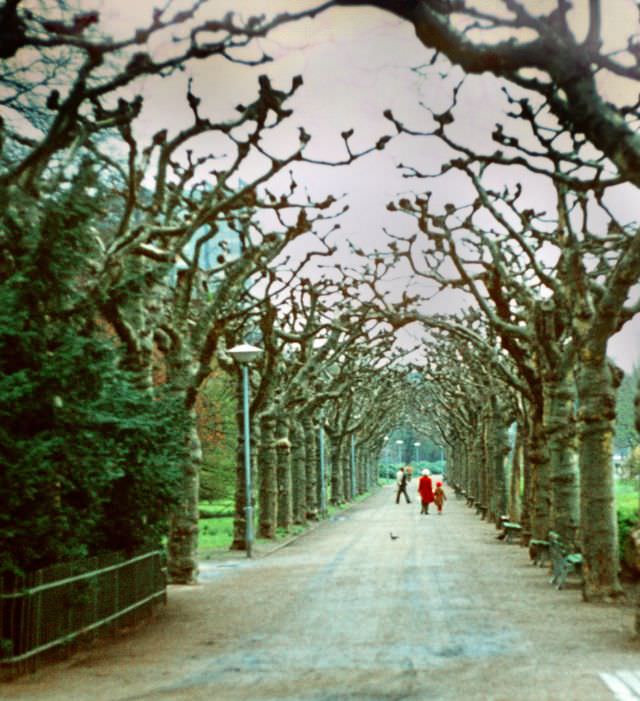
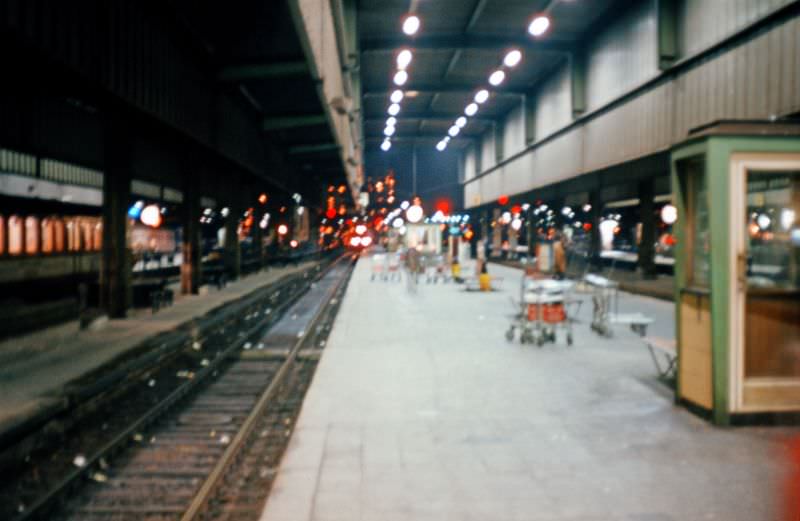
Stuttgart, the capital of Baden-Württemberg and home to major manufacturers like Mercedes-Benz and Porsche, showed a different face of Germany — one built on engineering and industry. Its main train station, the Stuttgart Hauptbahnhof, was a major transit point for workers and travelers moving through southwest Germany.
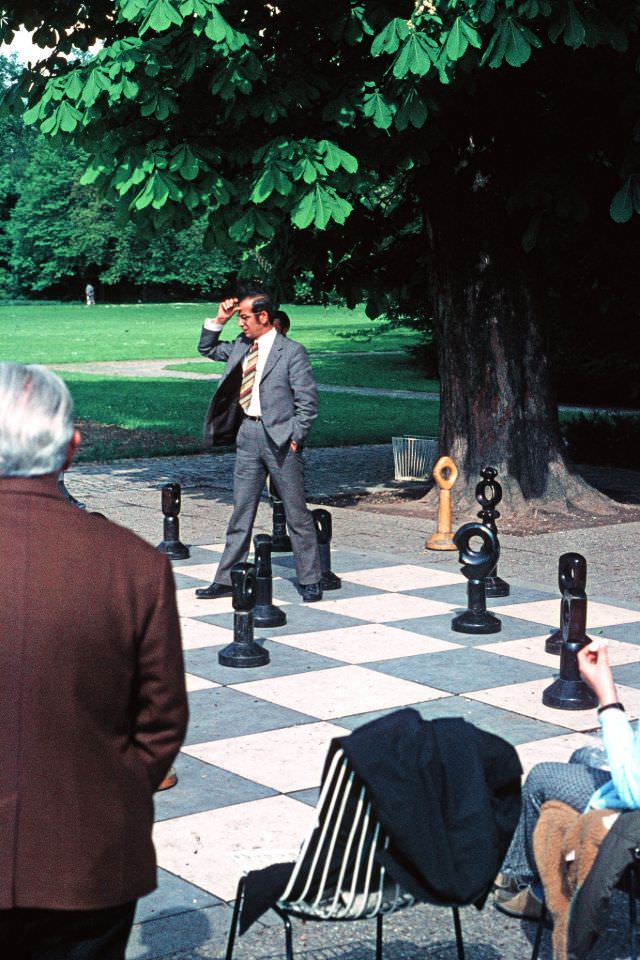
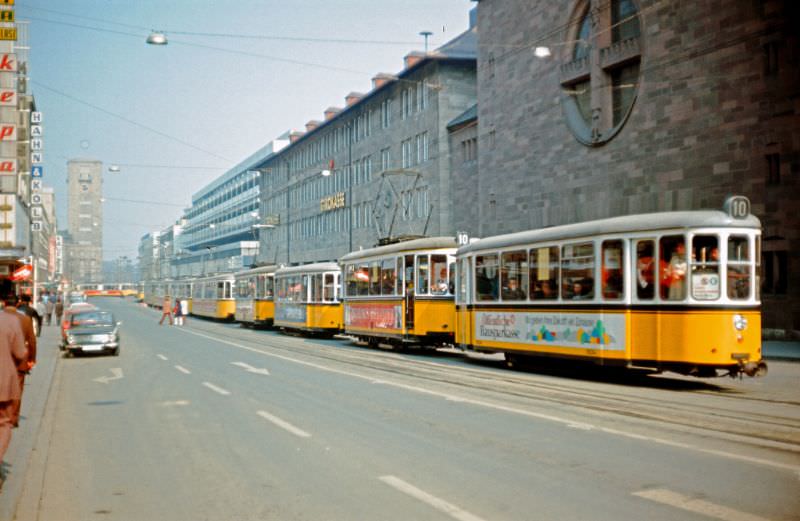
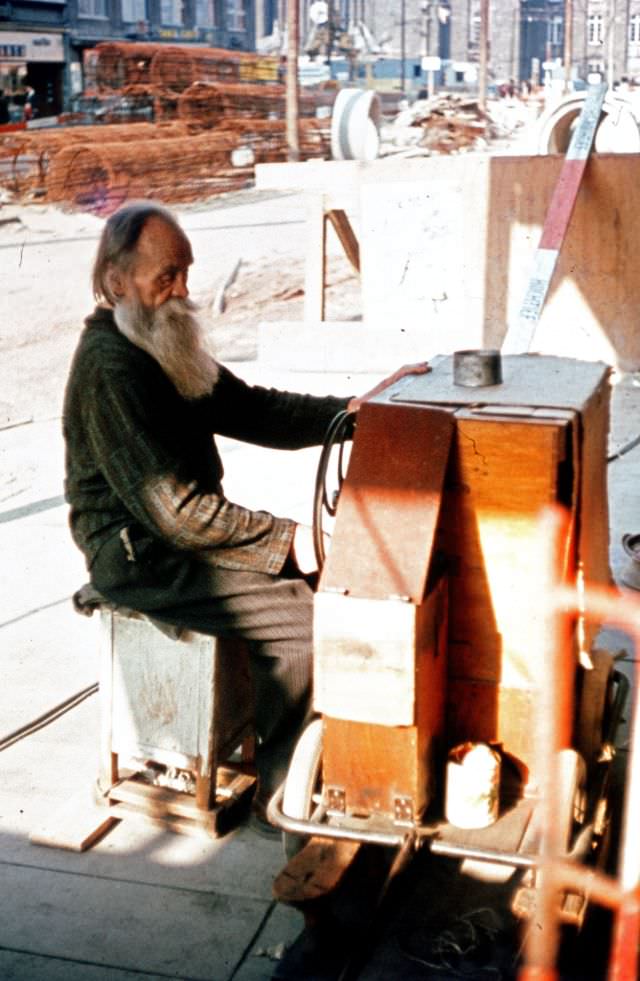
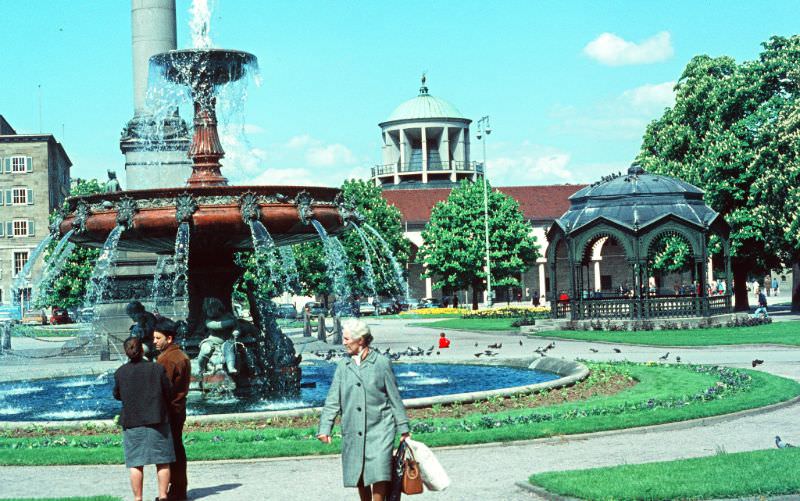
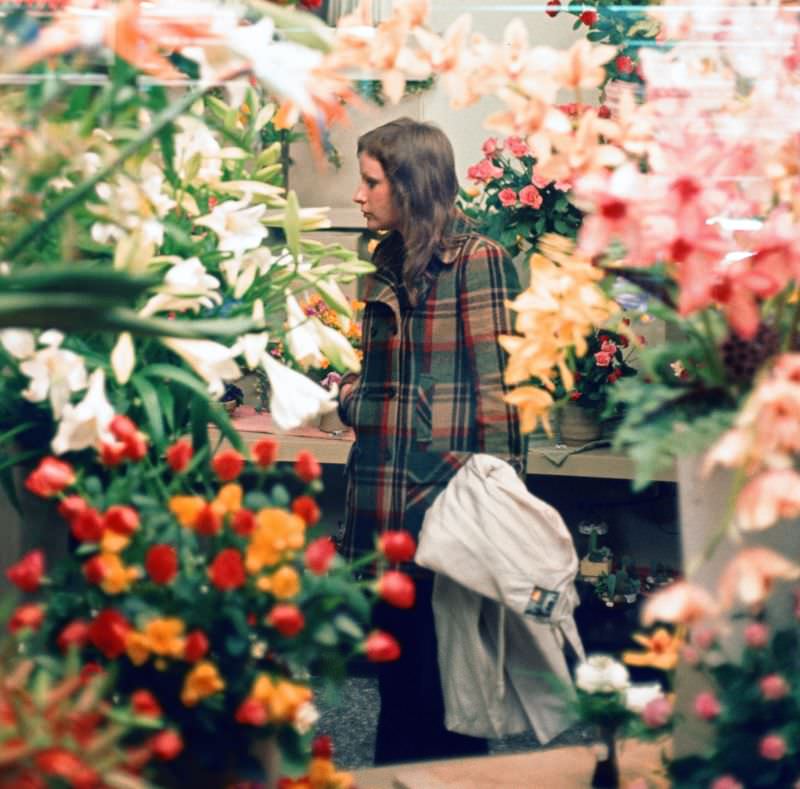
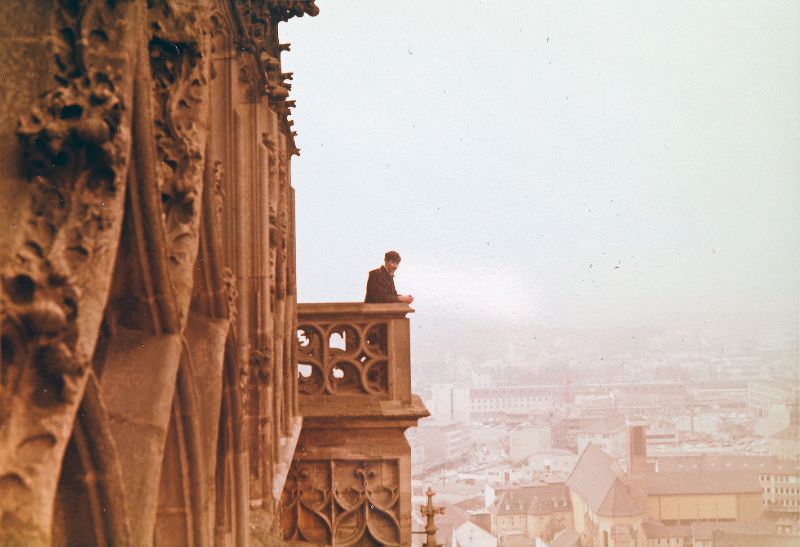
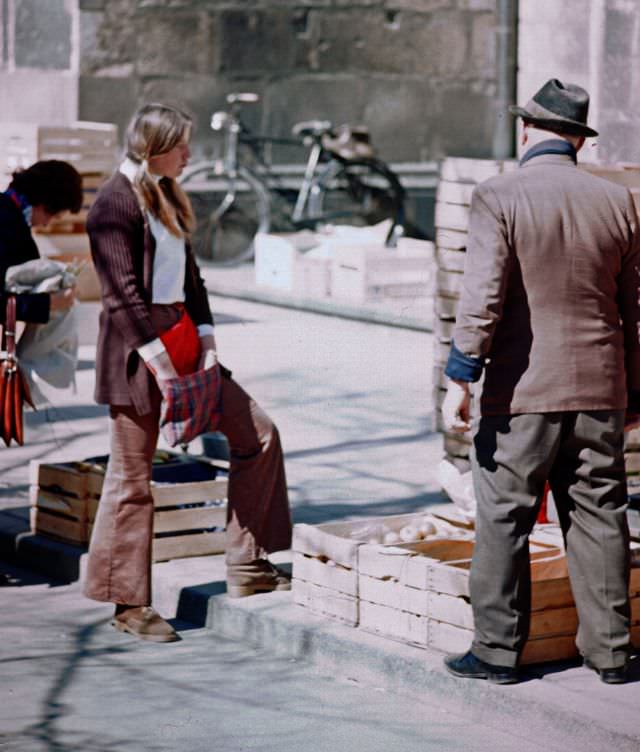
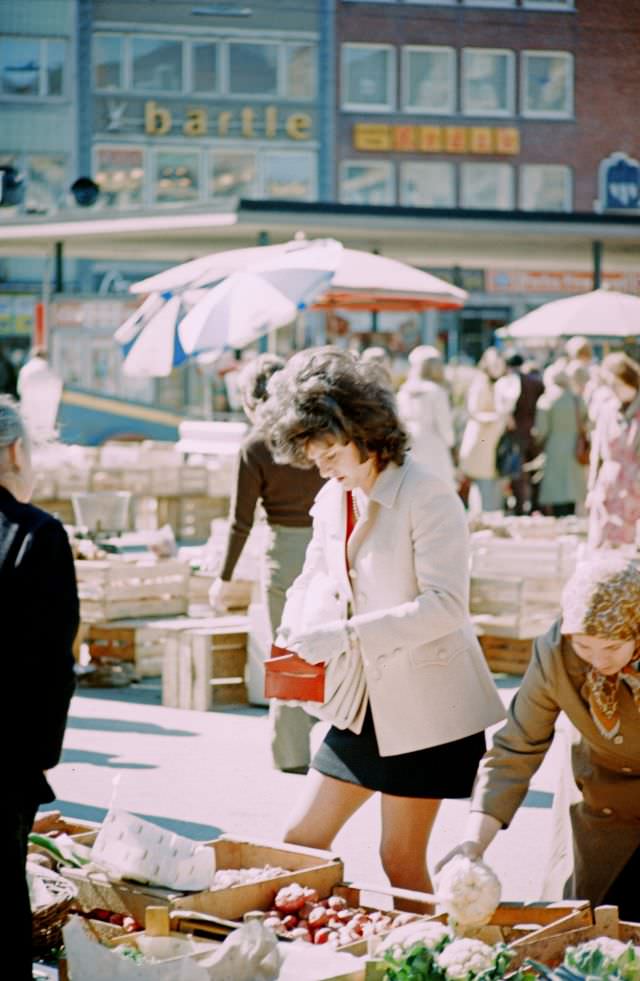
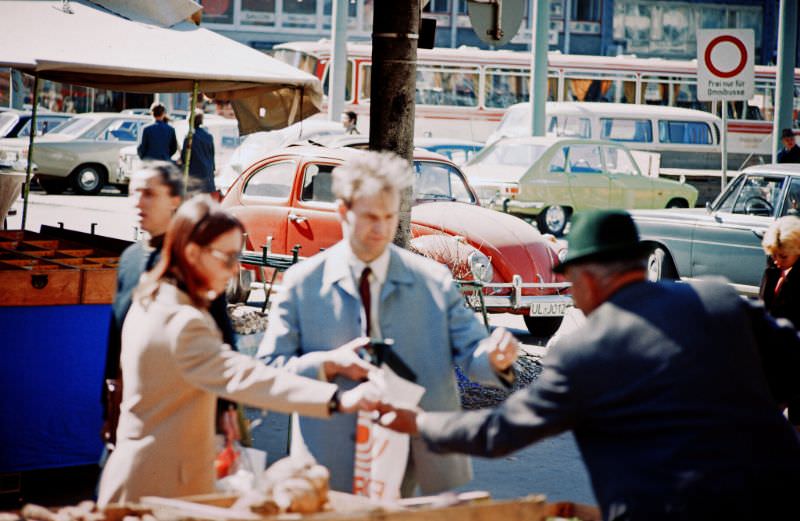
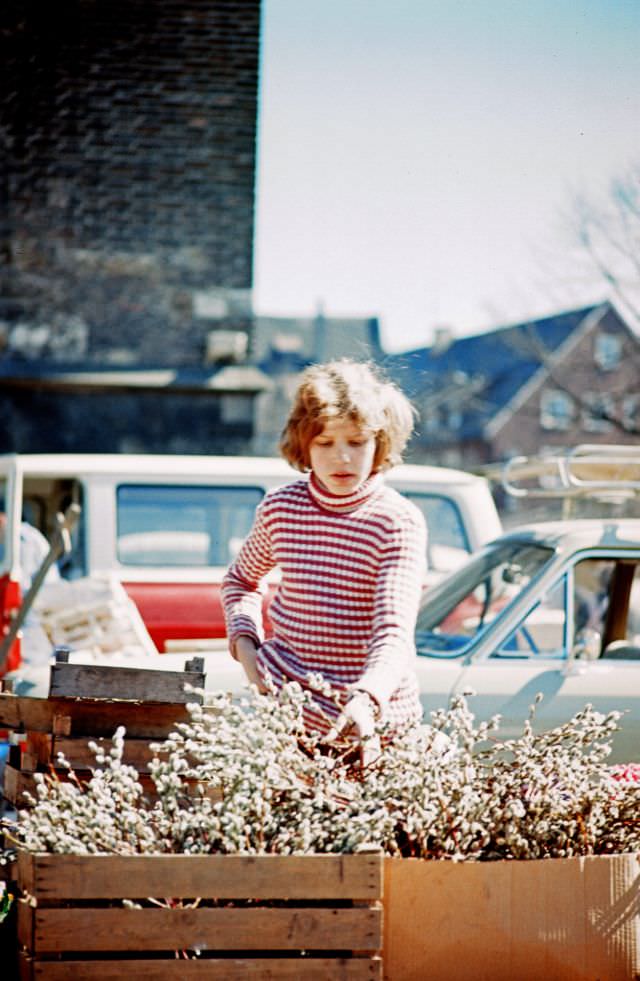
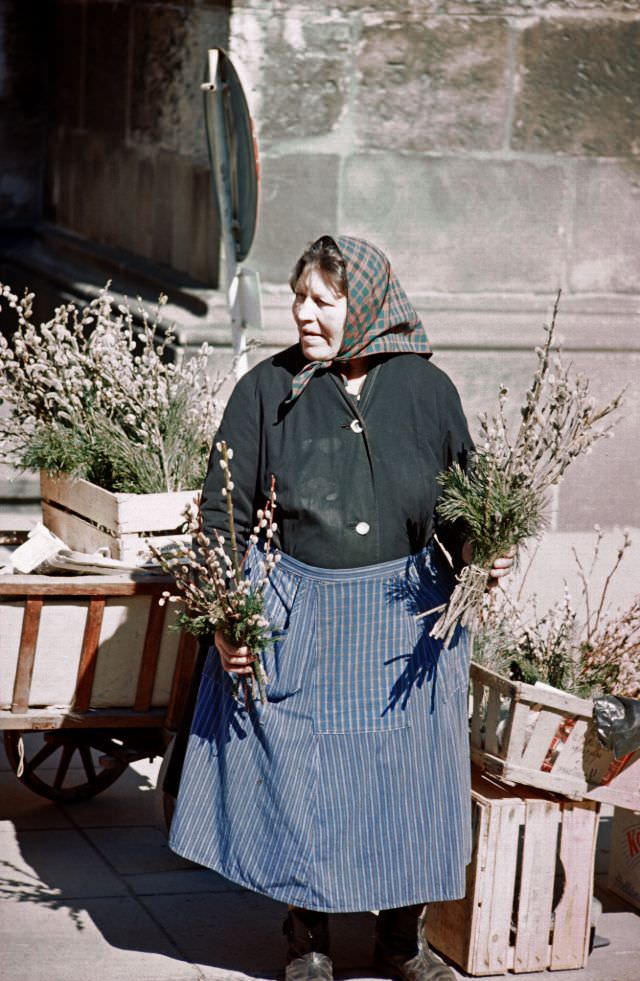
Ulm, sitting on the Danube River at the border between Baden-Württemberg and Bavaria, was a city defined by its cathedral. The Ulm Minster holds the record for the tallest church steeple in the world at 161.5 meters, a feature that dominates the city’s skyline in every direction. Beyond the cathedral, Ulm’s outdoor marketplaces in 1972 were lively hubs of local commerce, with vendors selling flowers, produce, and everyday goods to residents.
The global oil crisis of 1973 hit West Germany hard. When OPEC cut oil supplies to countries that had supported Israel during the Yom Kippur War, fuel prices soared almost overnight. Germany introduced car-free Sundays — “Autofreie Sonntage” — in late 1973, banning private car use on certain days to conserve fuel. Unemployment, which stood at around 300,000 in 1973, climbed sharply to 1.1 million by 1975. The Ruhr region, Germany’s traditional industrial heartland, suffered most. Its coal mines had become too expensive to run competitively, and the steel industry faced steep losses as cheaper producers in Japan undercut German prices on international markets.
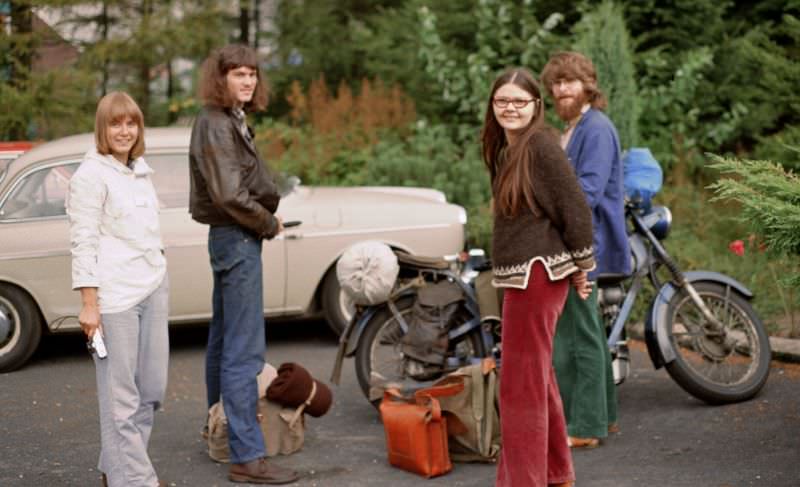
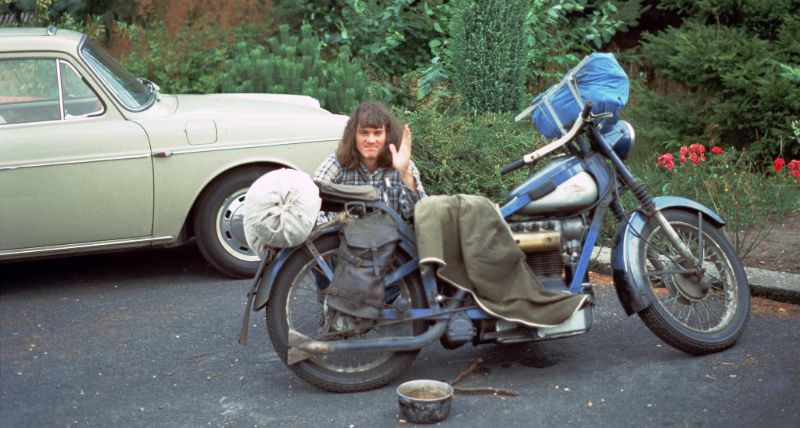
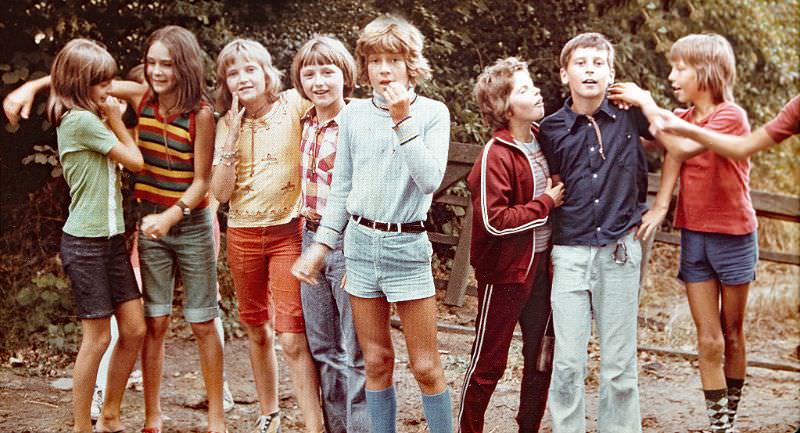
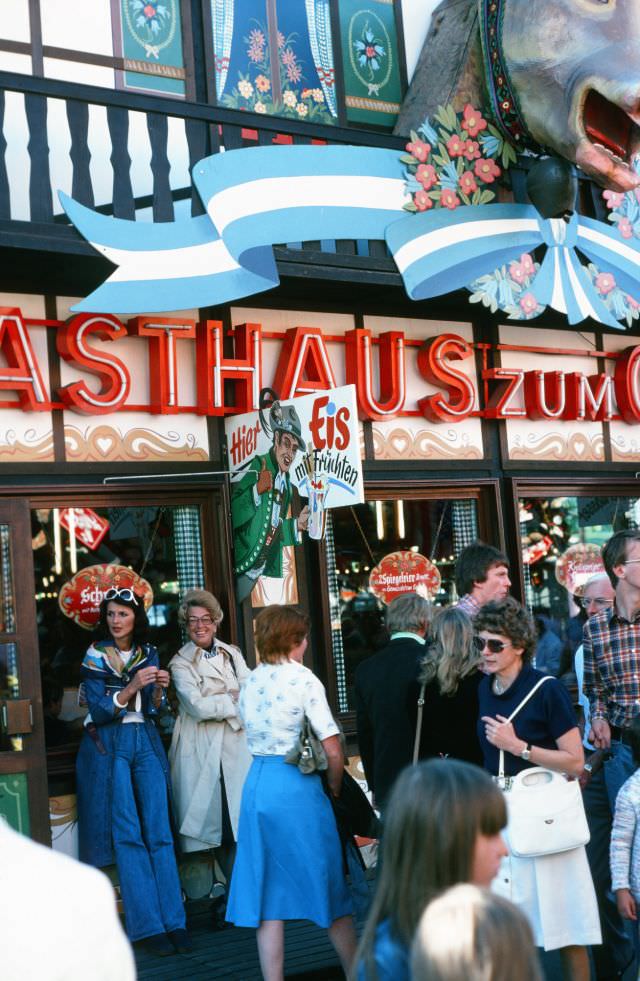
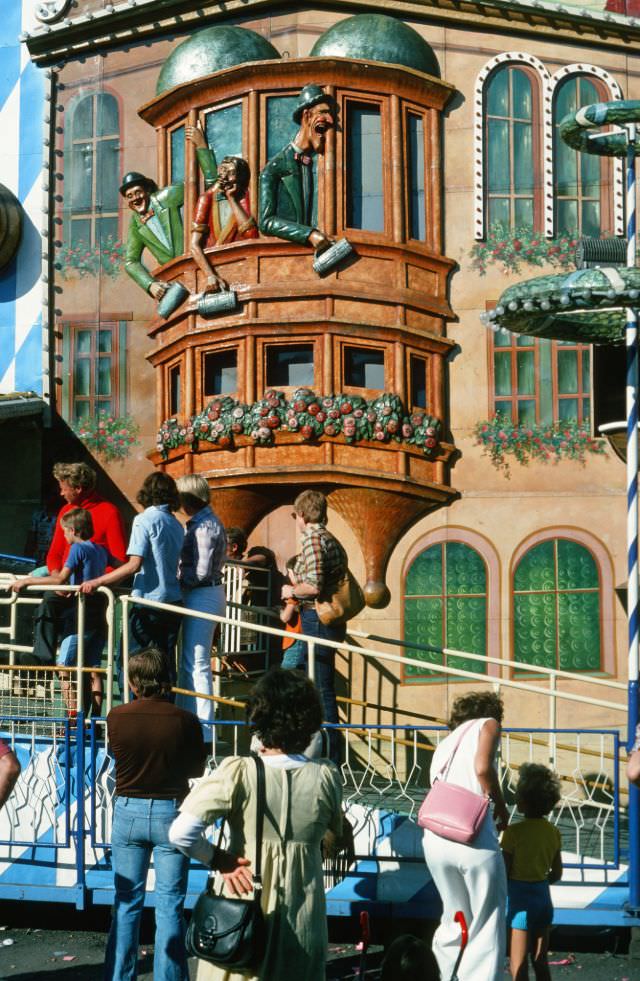
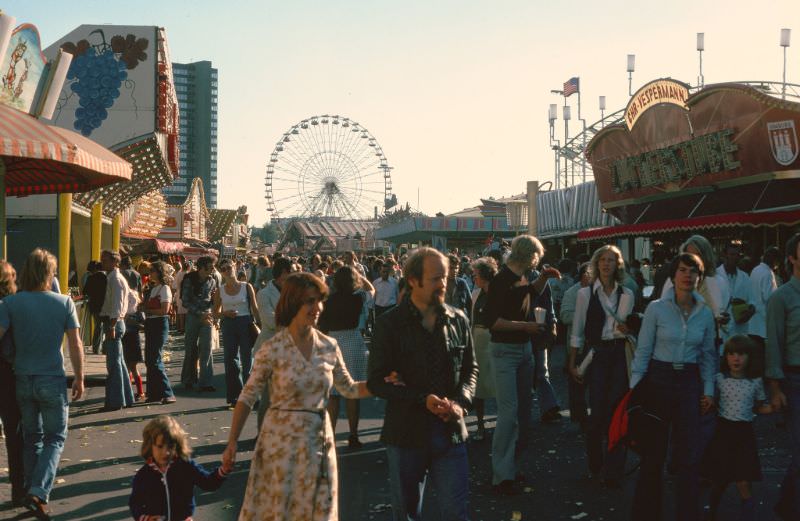
The welfare system cushioned the blow for many workers who lost their jobs during this period. Factories that survived the downturn did so by shifting toward high-value specialty products rather than competing on volume. By the mid-1970s, Bremen and Hamburg still showed signs of active street life and commerce, even as the broader economy struggled to adjust. These photos from 1975 and 1976 capture northern Germany during that difficult transitional period.
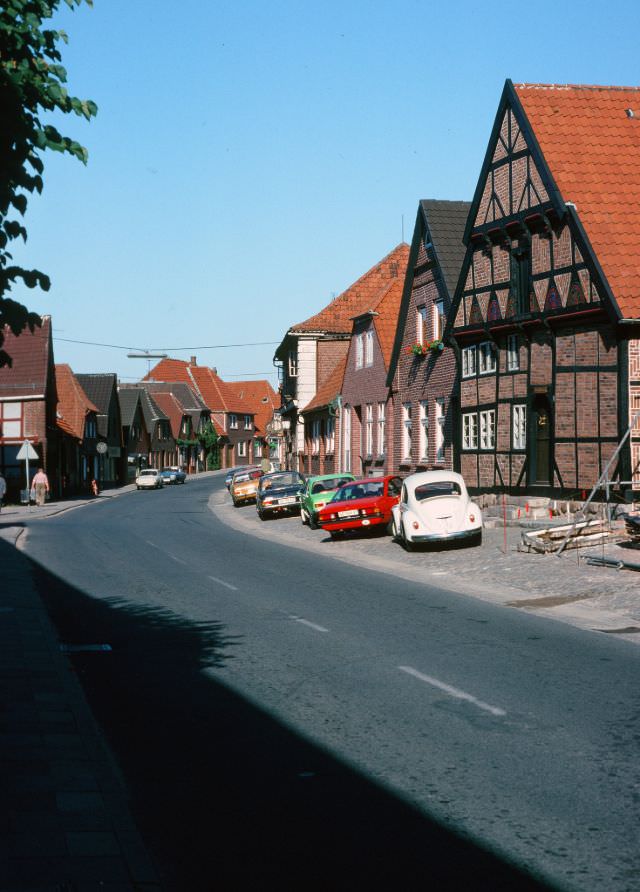
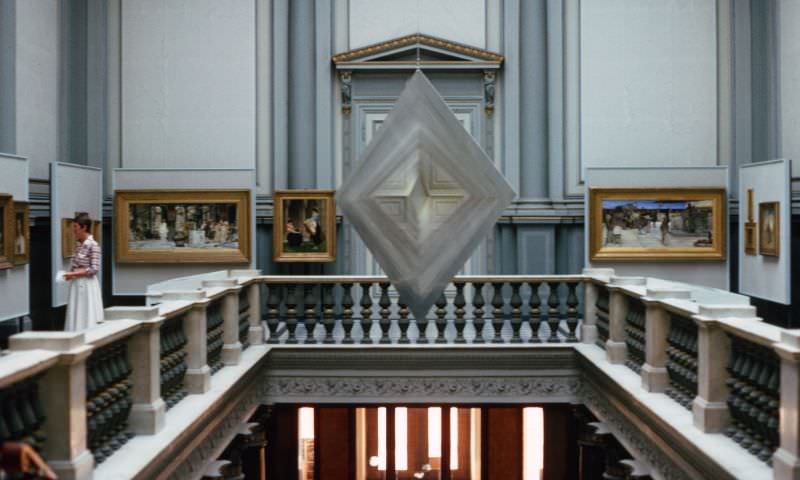
Hamburg, Germany’s largest port city and its gateway to global trade, remained a vibrant place despite the economic pressures of the mid-1970s. The Hamburg Kunsthalle, one of the oldest and largest art museums in Germany, drew visitors from across the country and abroad. The city’s waterfront, neighborhoods, and public spaces carried the particular energy of a place that had always looked outward — toward the sea, toward trade, and toward the wider world.





Born 1971 but this feels somehow warm and nice (even if it seems like the 70ies were only autumn and winter). I’d like to live in these pictures 😊