
Chicago in the 1960s was a city in motion — and under pressure. Its skyline was growing upward while many of its neighborhoods were hollowing out. The decade brought new architecture, a thriving entertainment scene, and a busy transit network, but it also brought deep social fractures that played out on the city’s own streets. These vintage photographs, most taken in 1967 but spanning the full decade, capture both sides of that story.
One of the most visible forces reshaping Chicago during this era was white flight. White residents left city neighborhoods in large numbers for the suburbs, and real estate agents actively drove the process through blockbusting — convincing homeowners to sell cheaply by stoking racial fears, then reselling at a profit. The result was rapid neighborhood turnover, falling property values in some areas, and swelling profits for speculators.
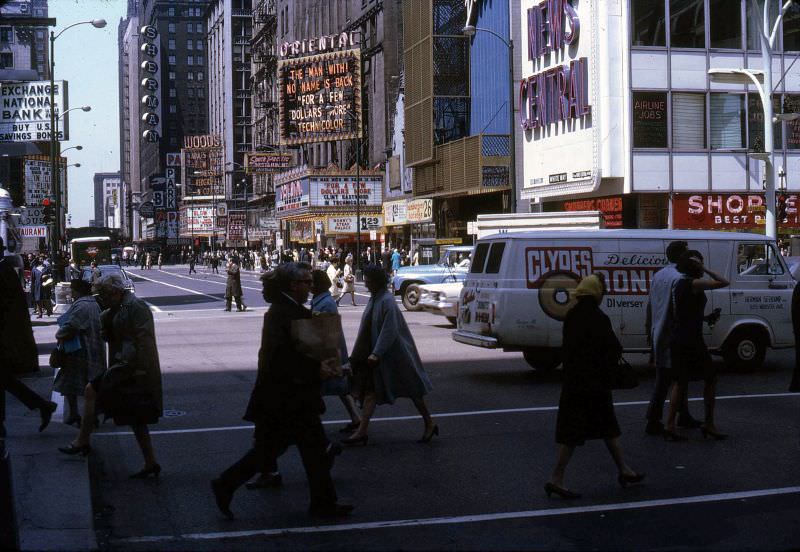
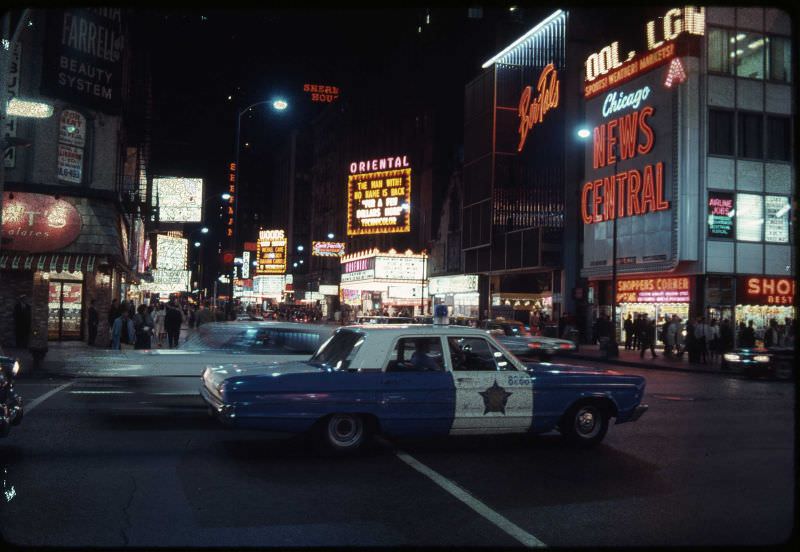
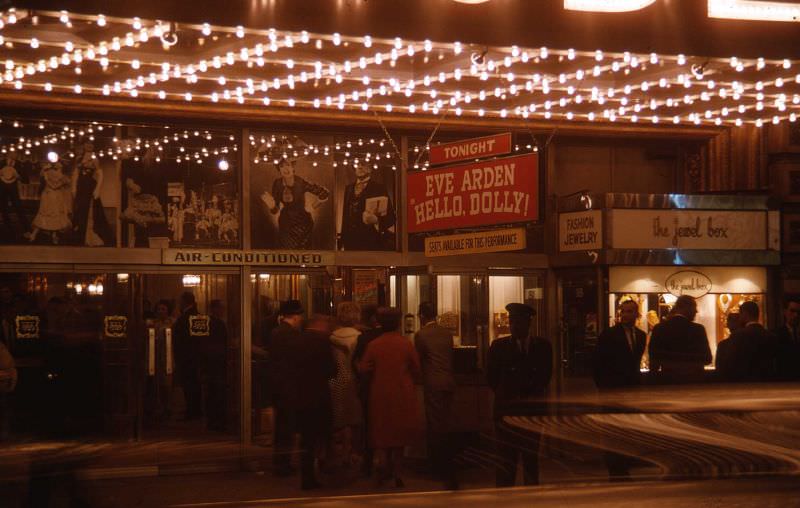
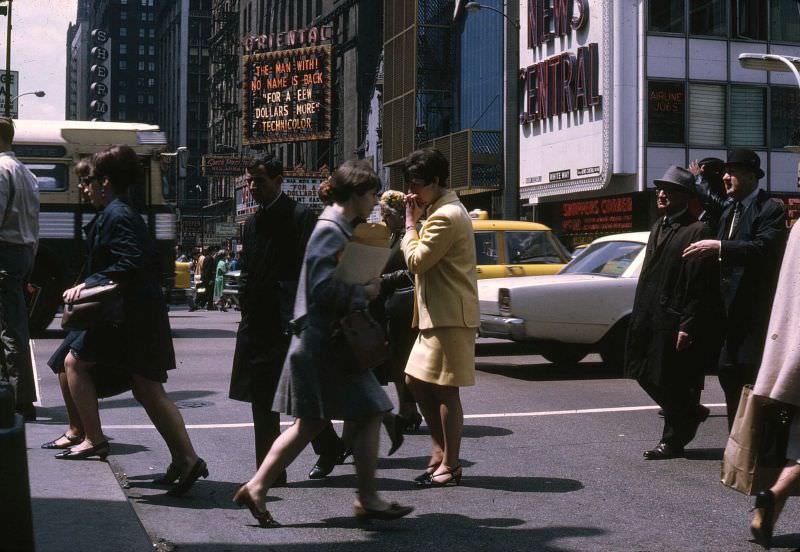
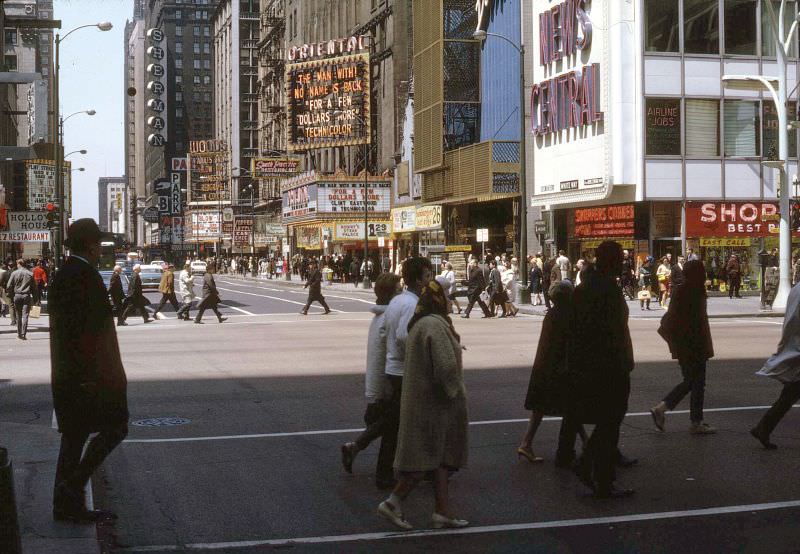
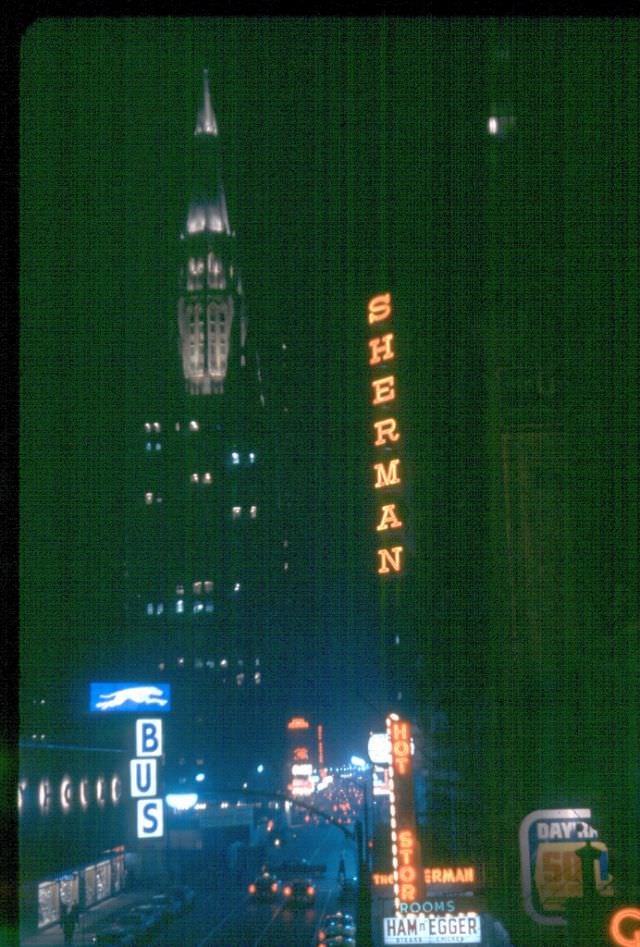
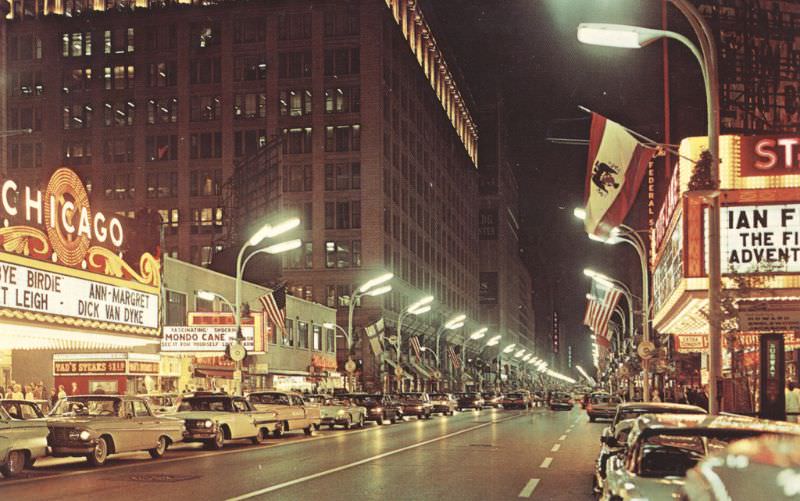
Along Randolph Street and the downtown theater district, life looked far removed from those struggles. Marquees advertised films and live shows, and foot traffic filled the sidewalks on any given evening. The Woods Theater, the Oriental Theatre, and the Sherman Hotel stood as anchors of the city’s cultural life, drawing crowds from across the metro area.
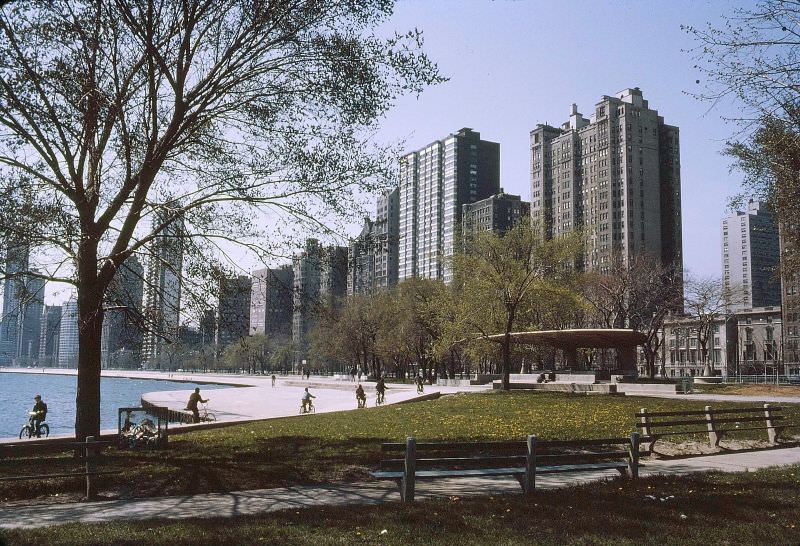
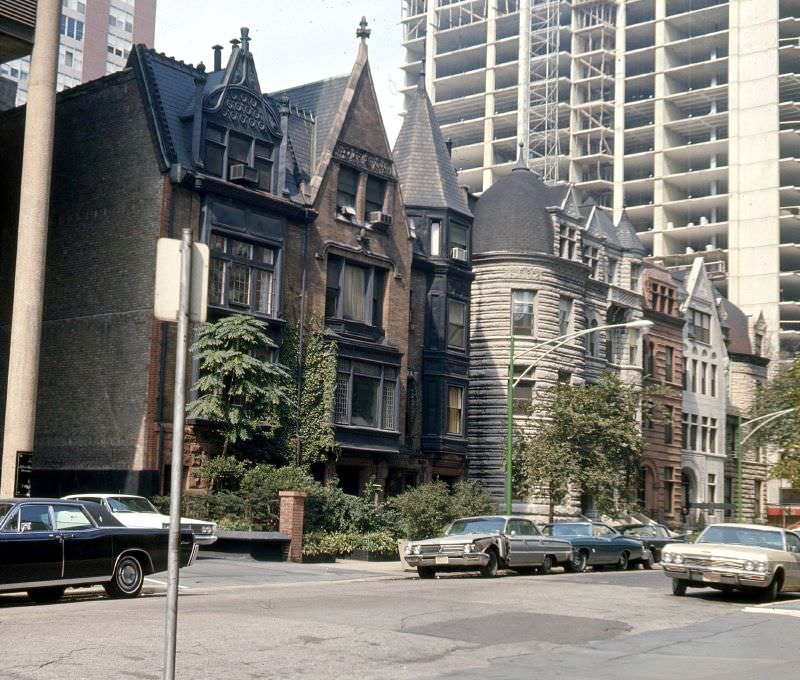
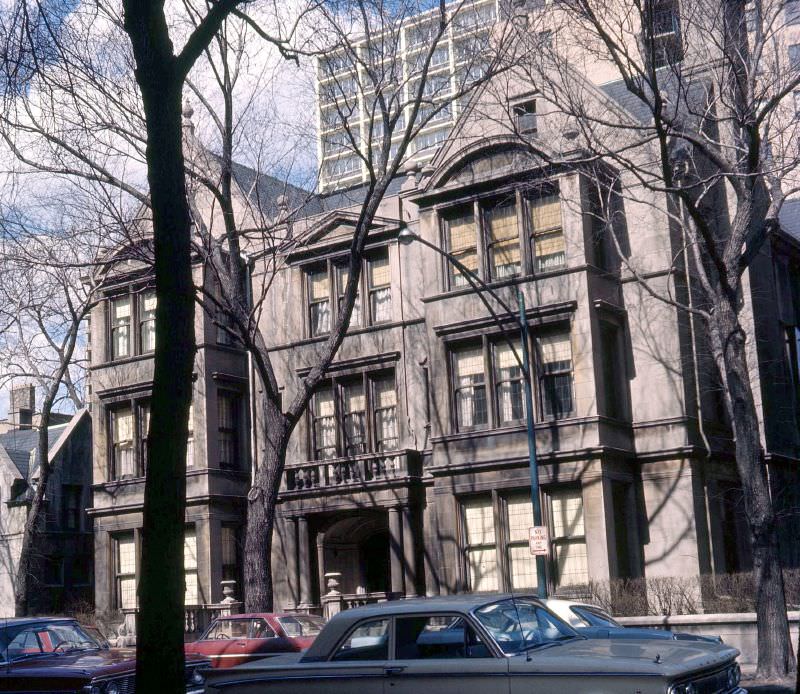
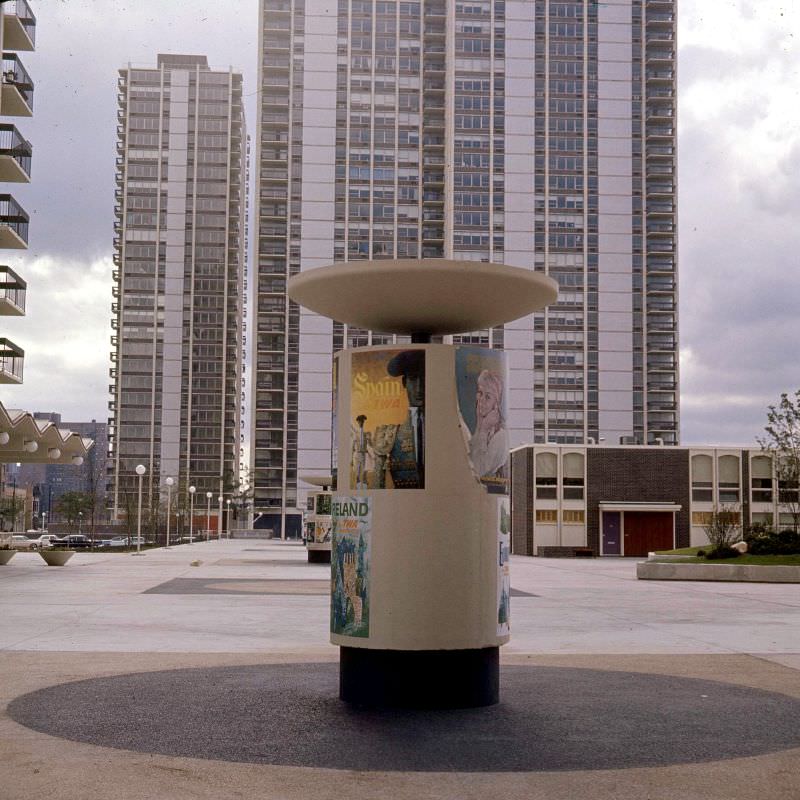
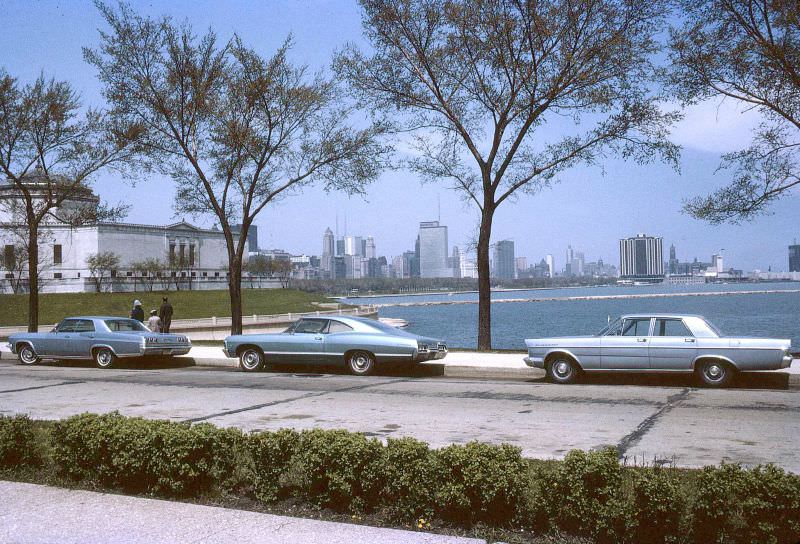
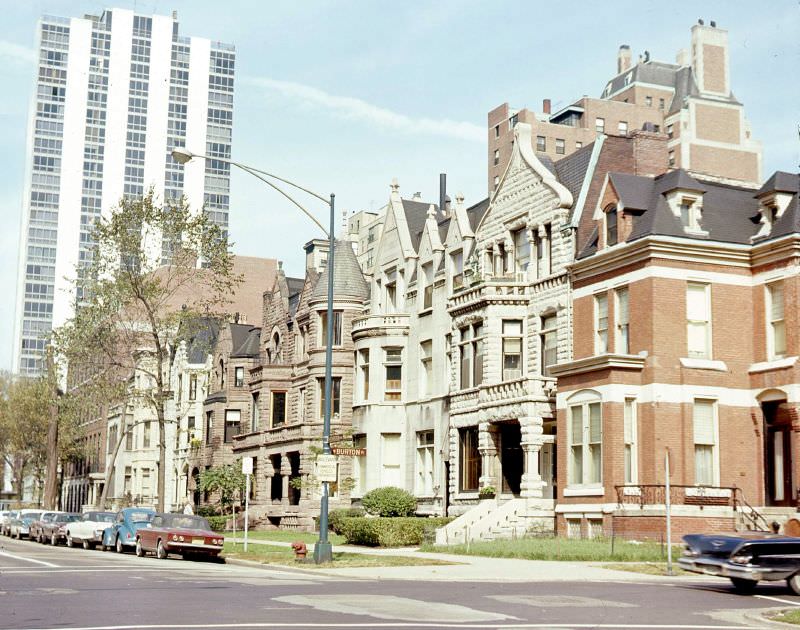
The lakefront offered some of Chicago’s most desirable real estate. Apartment towers rose along the shore, offering views of Lake Michigan and proximity to parks and beaches. Astor Street, running through the Gold Coast neighborhood, remained one of the most prestigious addresses in the city — lined with historic mansions and well-kept brownstones.
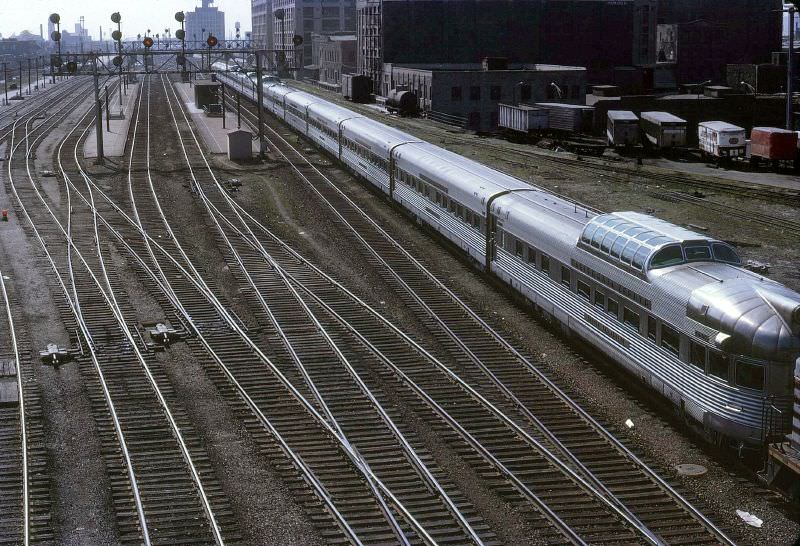
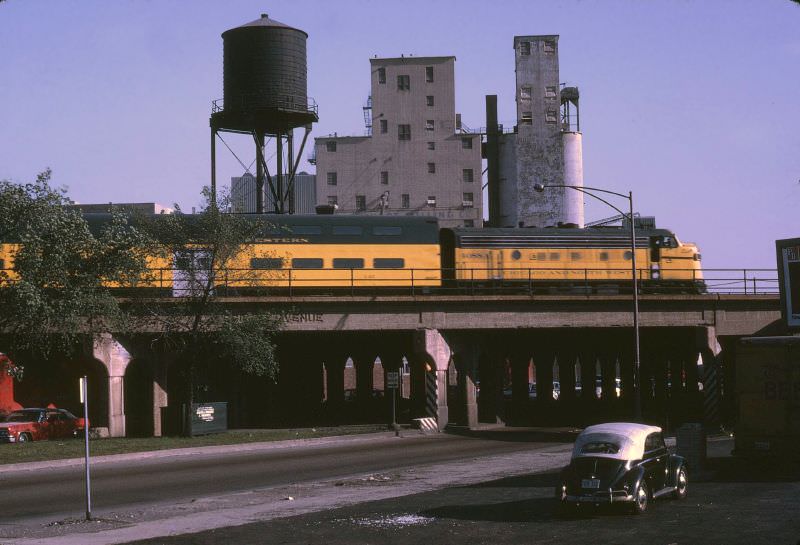
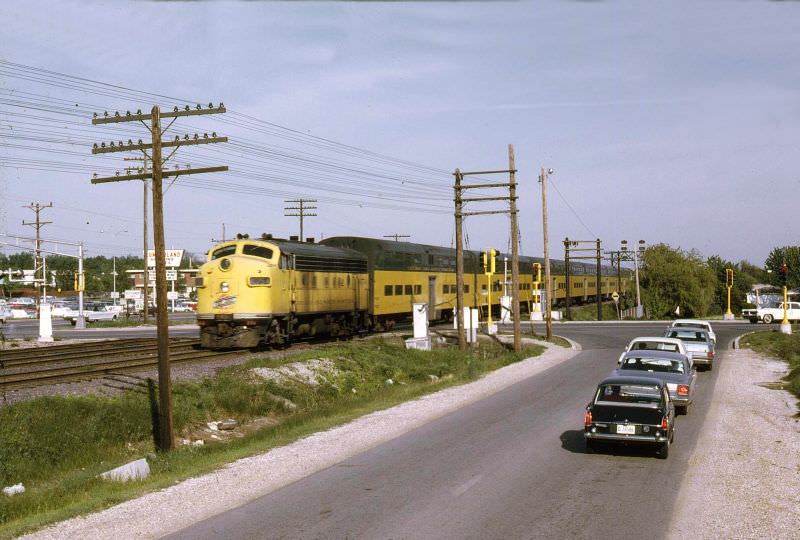
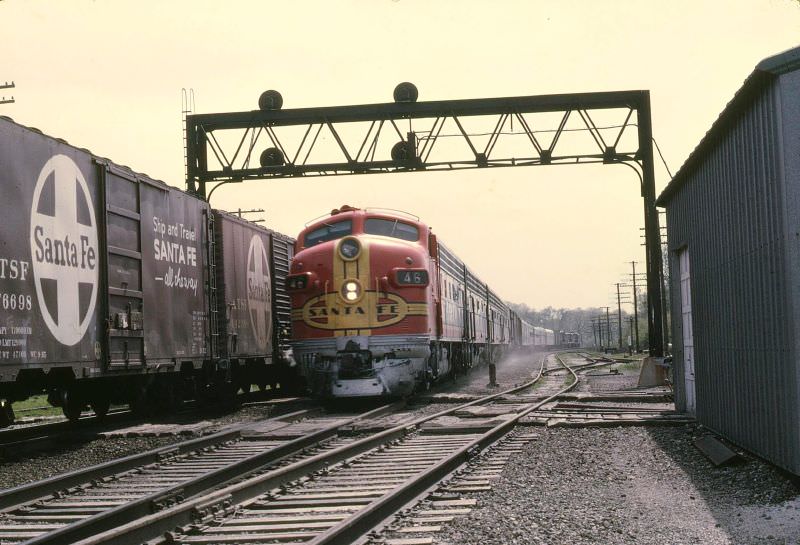
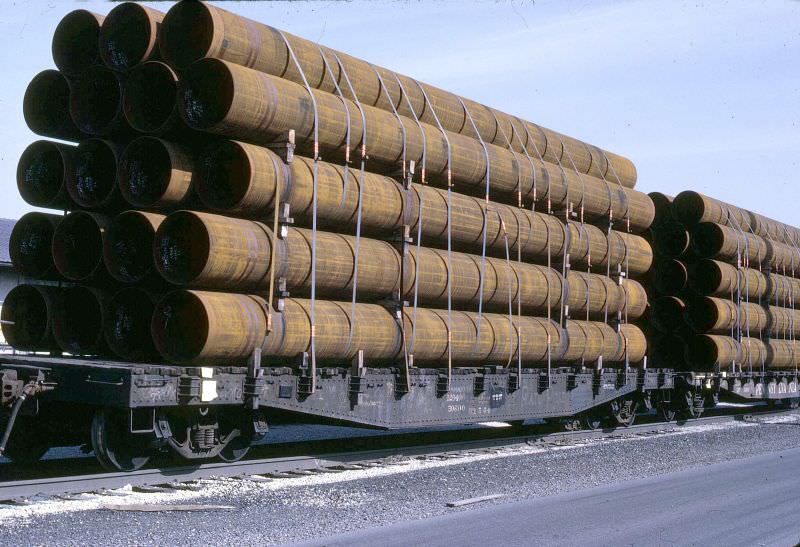
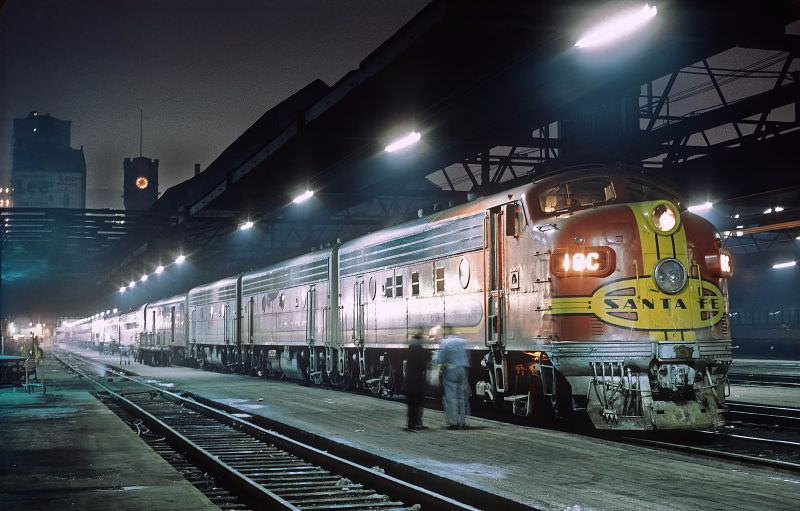
Chicago’s rail network was a lifeline for the city. The California Zephyr, one of the most celebrated passenger trains in American history, passed through the city’s rail yards with its distinctive stainless steel cars. The Chicago and Northwestern Railroad operated commuter and freight lines across the region, with trains crossing the Chicago River on iron bridges that had become fixtures of the cityscape.
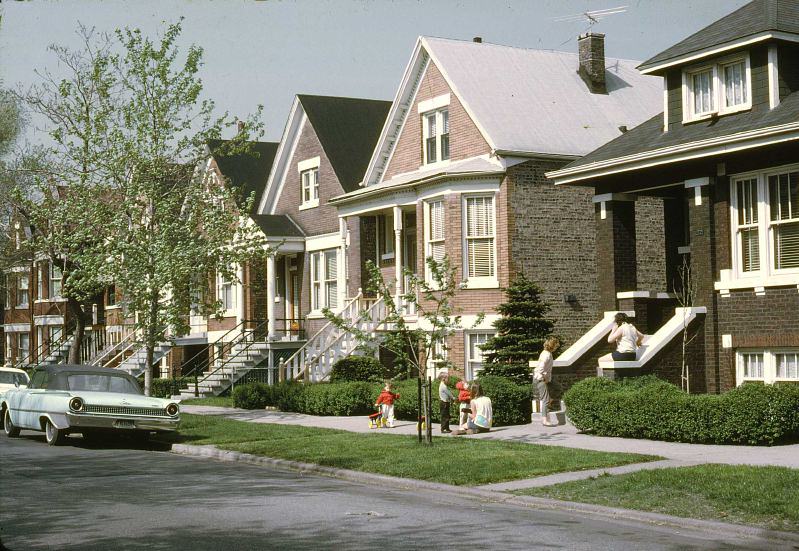
Away from the lakefront towers and the theater marquees, residential Chicago had a more grounded look. City homes sat close together on narrow lots, and working-class blocks stretched for miles in every direction. The skyline loomed in the distance, visible from rooftops and upper-floor windows across the city.
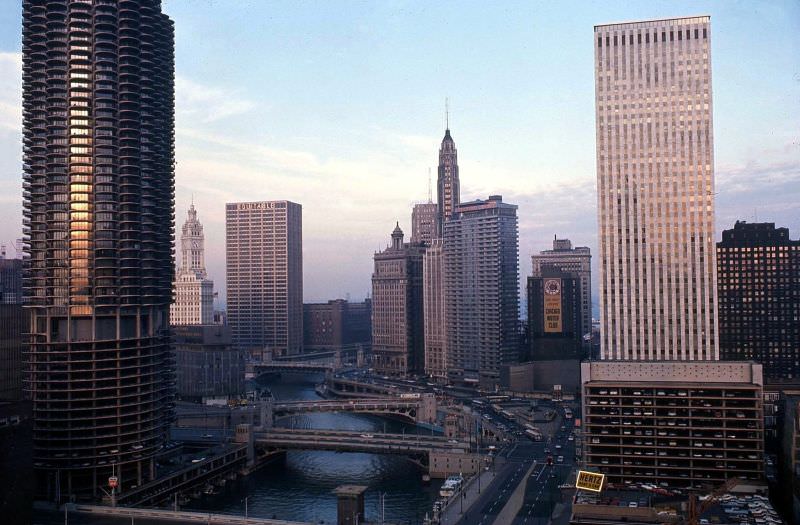
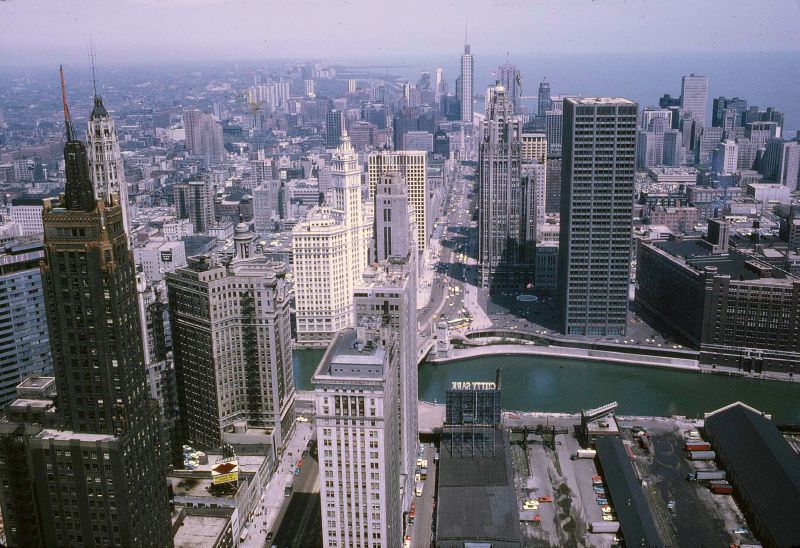
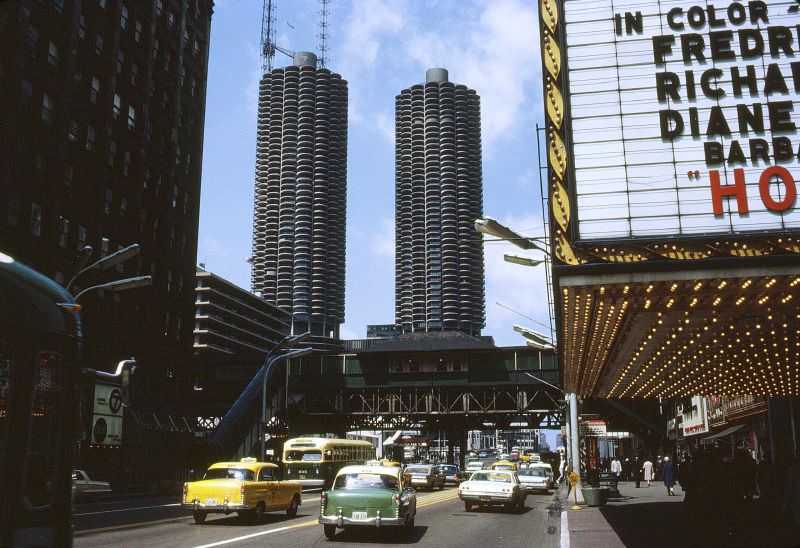
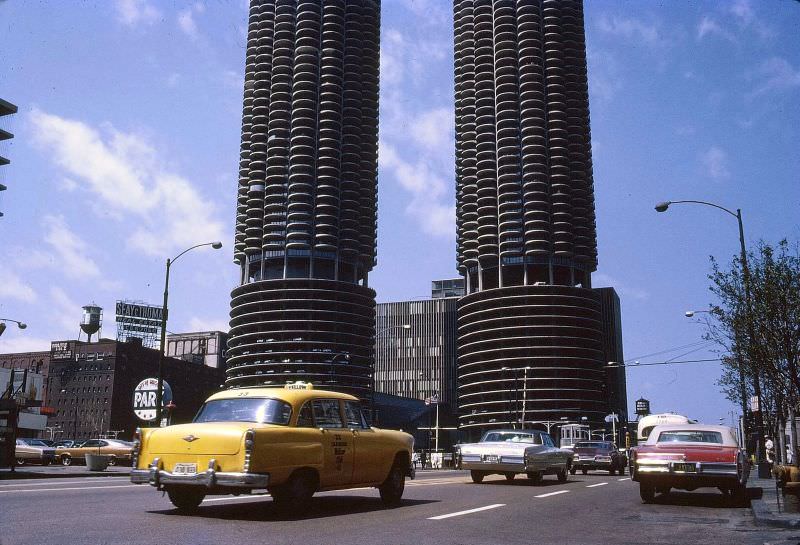
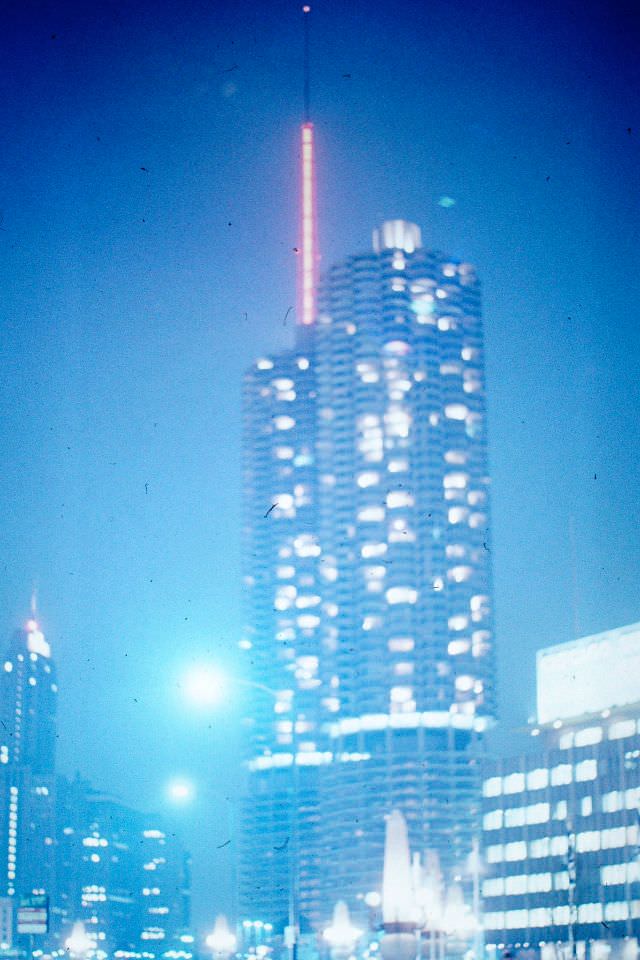
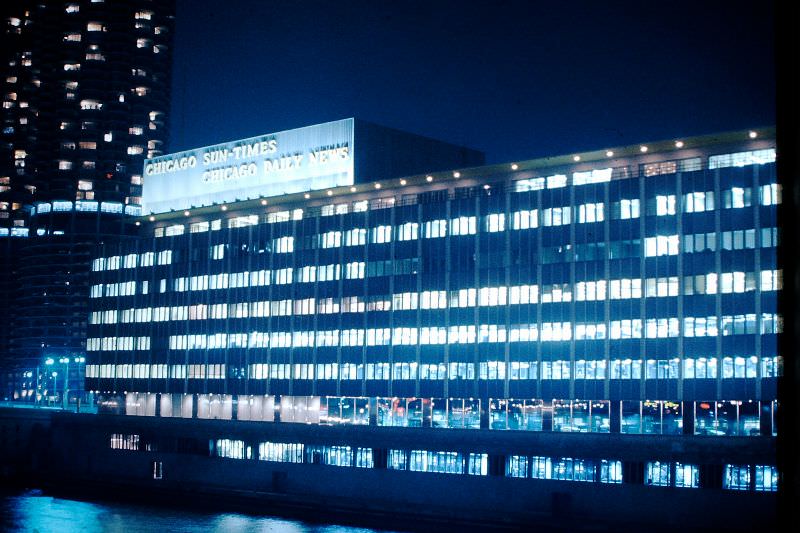
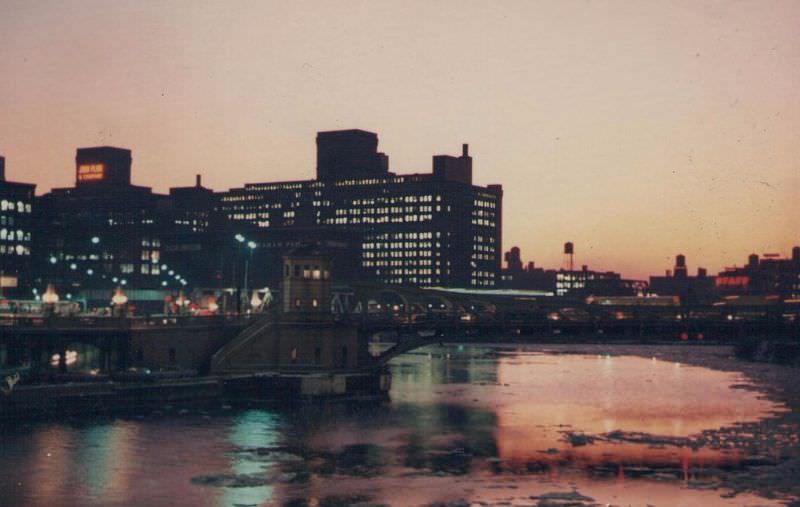
The Chicago River ran through the heart of downtown, framed by some of the city’s most recognizable new construction. Marina City — the twin corncob towers completed in 1964 and 1967 — rose along the riverbank alongside the Equitable Building, giving the waterway a modern, ambitious backdrop. These structures represented the city’s push to keep middle-class residents from leaving for the suburbs by building urban living that competed on amenities.
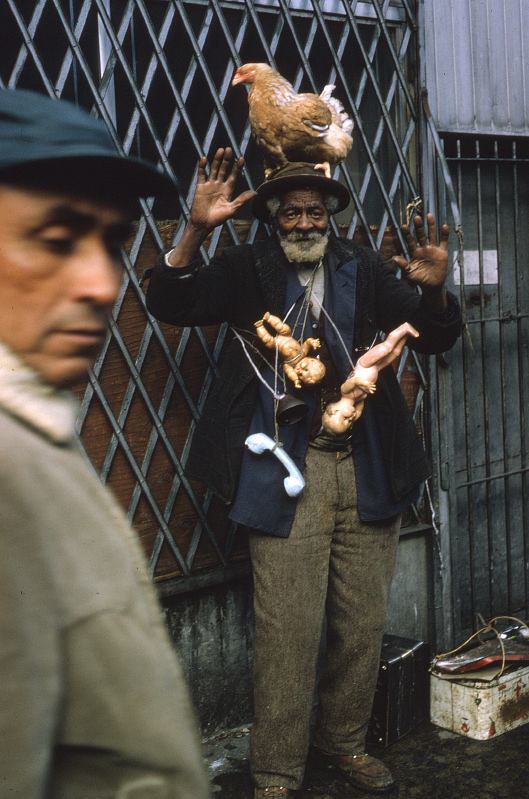
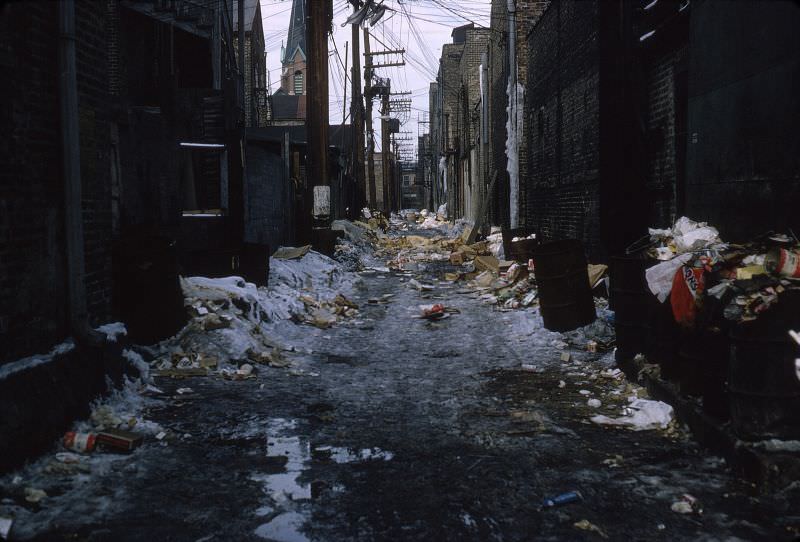
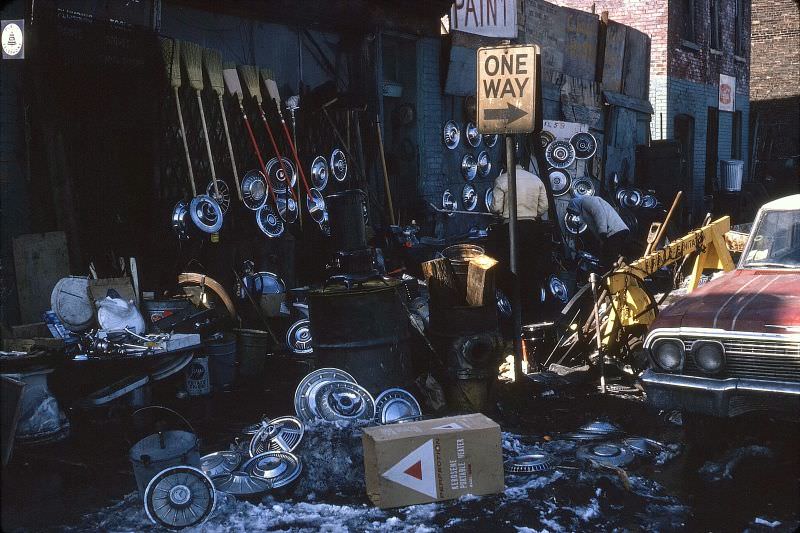
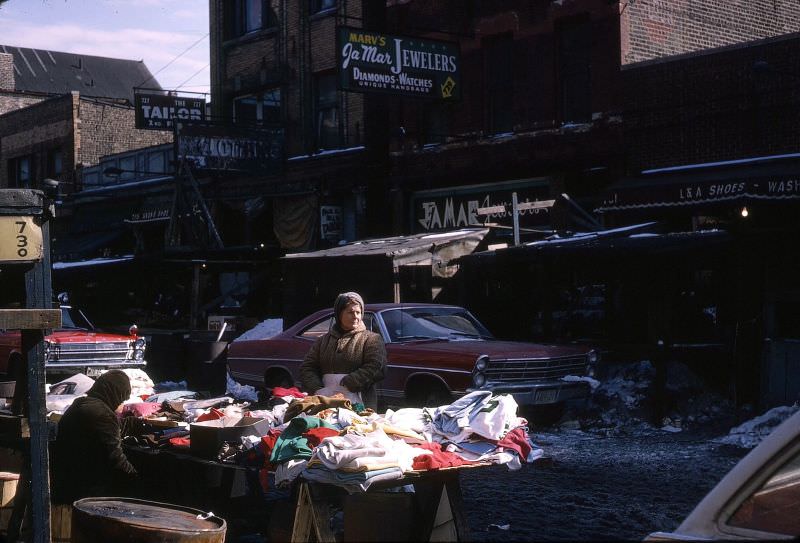
Maxwell Street was a world of its own. The open-air market on the Near West Side had operated since the 1880s, and by the 1960s it was still a loud, crowded bazaar where vendors sold everything from hubcaps to live chickens. The alleyways running off Maxwell Street told a harder story — narrow, dirty, and worn down by years of neglect and poverty.
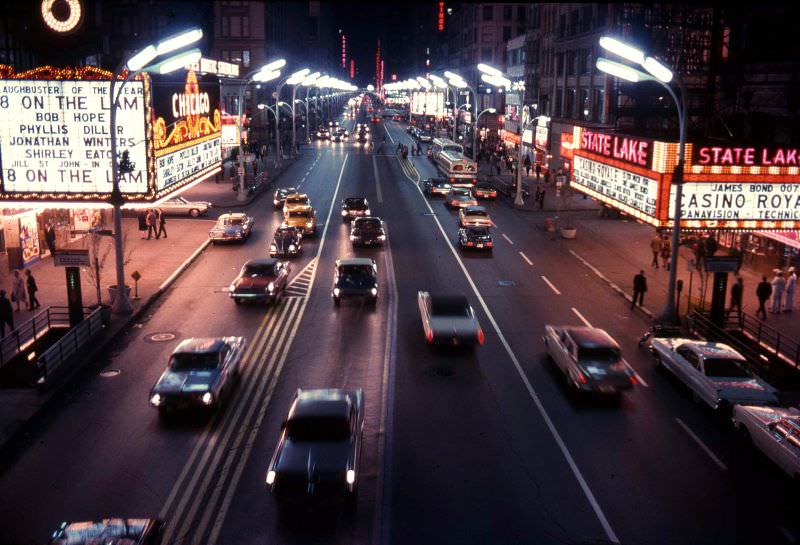
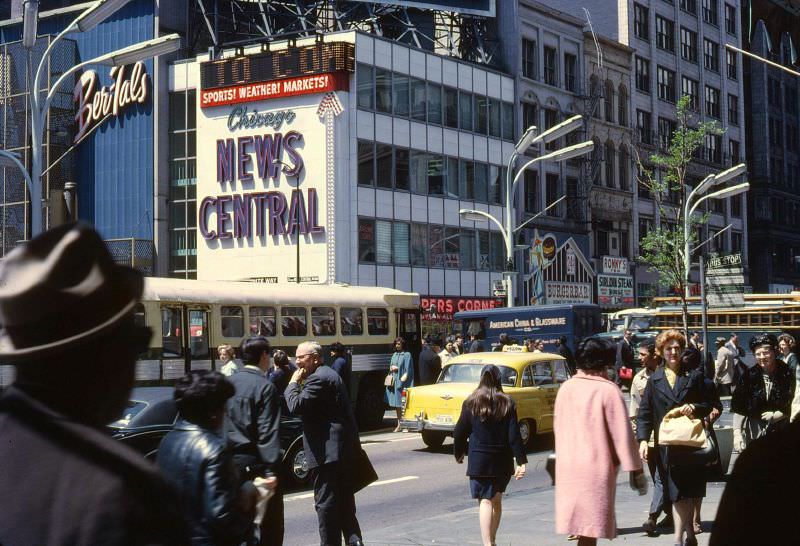
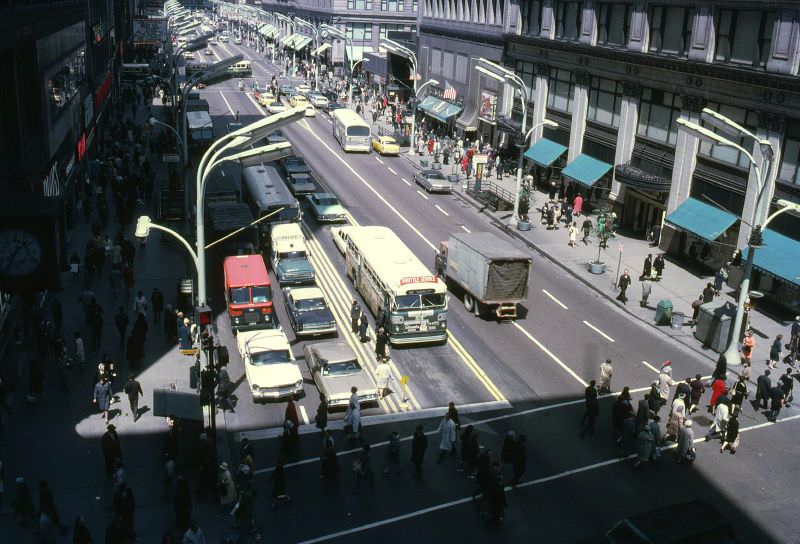
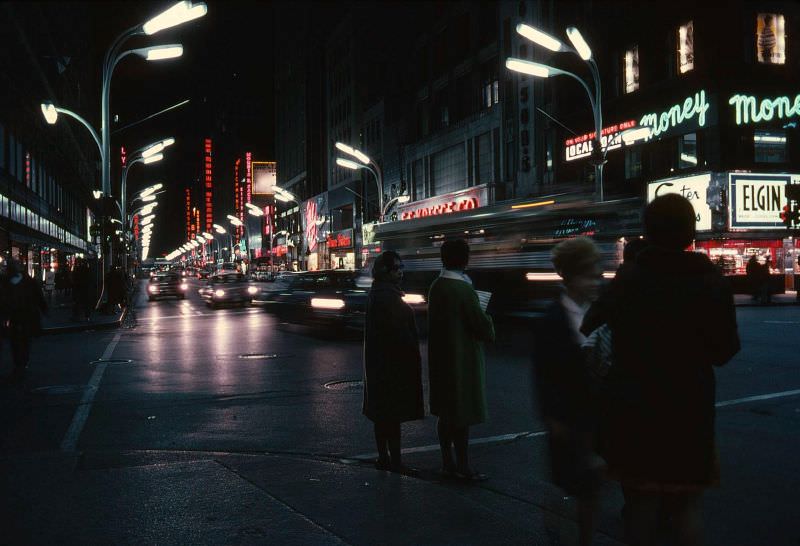
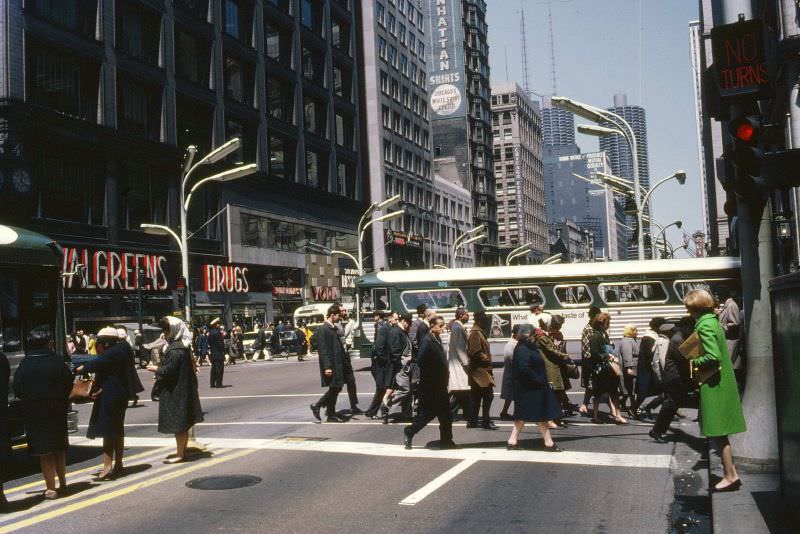
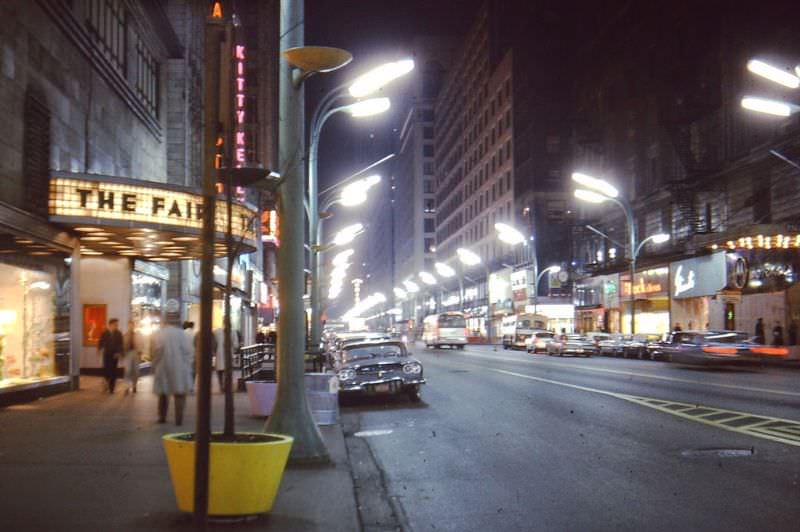
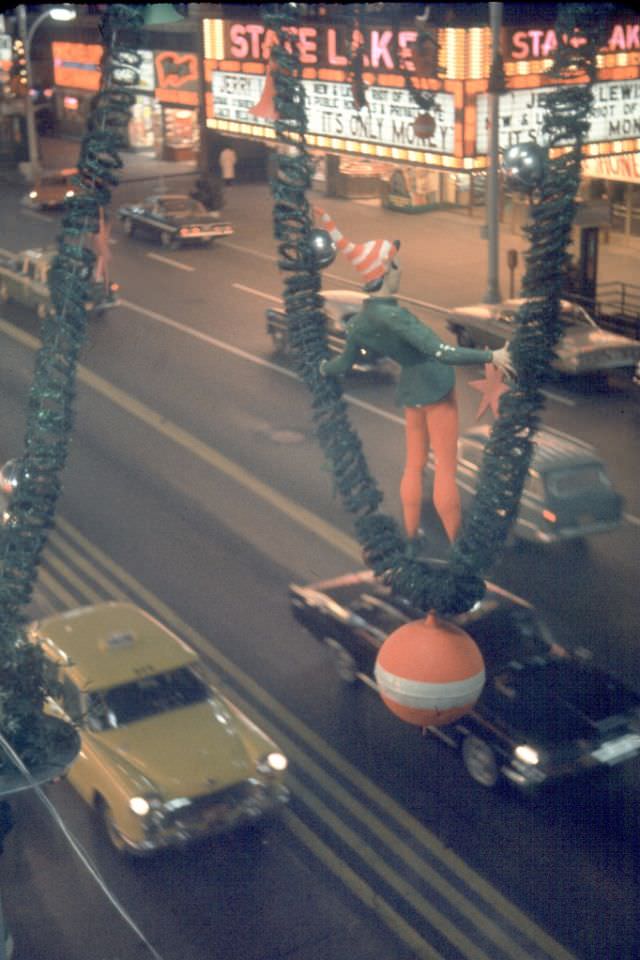
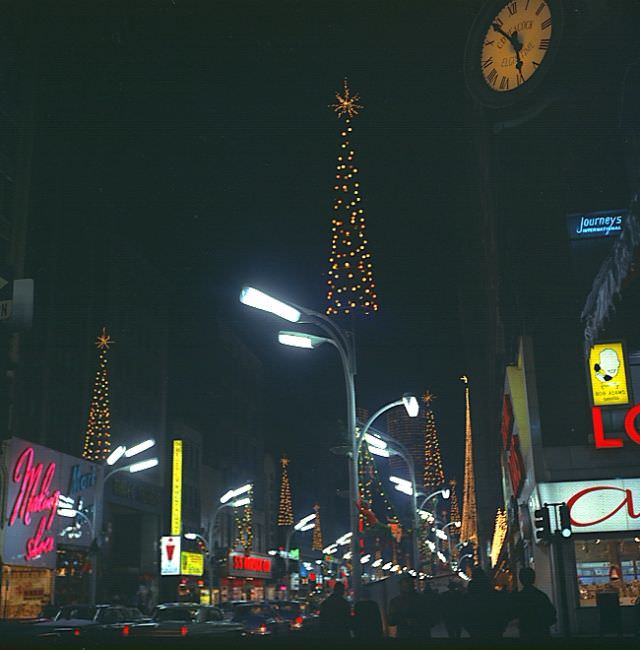
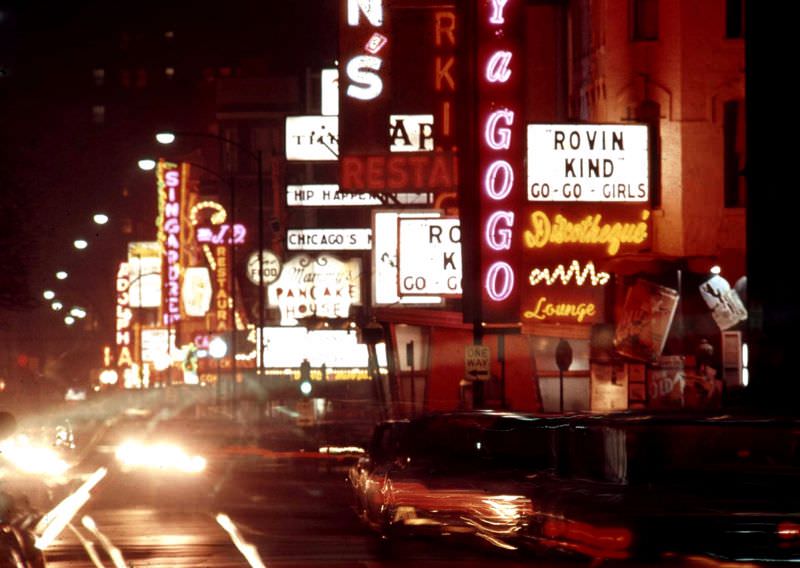
State Street and the surrounding downtown grid hummed with commercial activity. Department stores, drugstores, theaters, and diners competed for foot traffic. Walgreens anchored corners across the Loop, and theaters like the State-Lake drew moviegoers with first-run Hollywood releases. At night, neon signs turned the street into a wash of color, and the sidewalks stayed busy well into the evening.
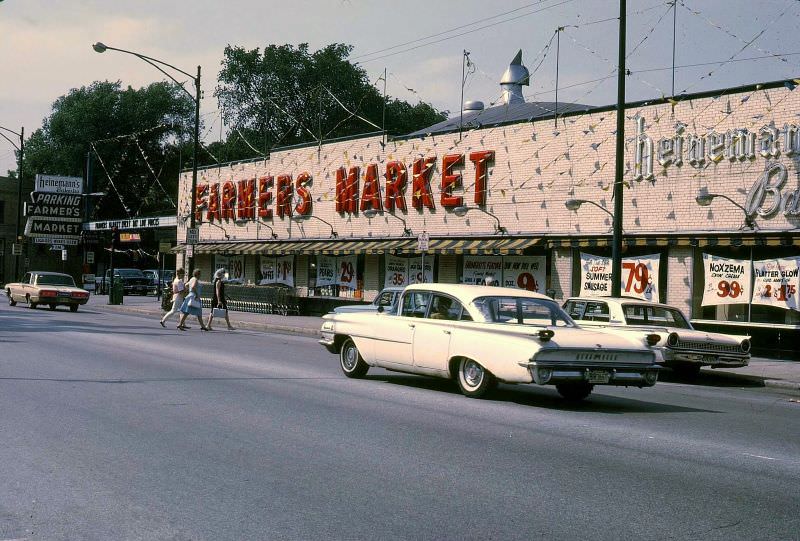
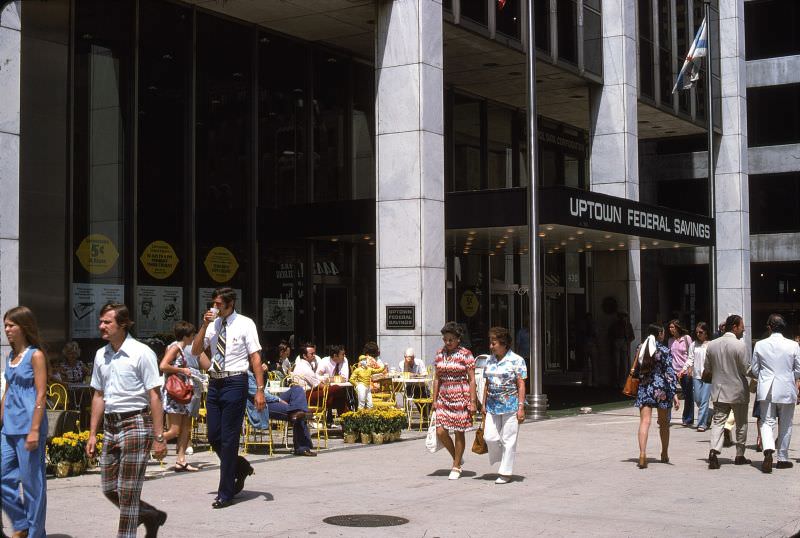
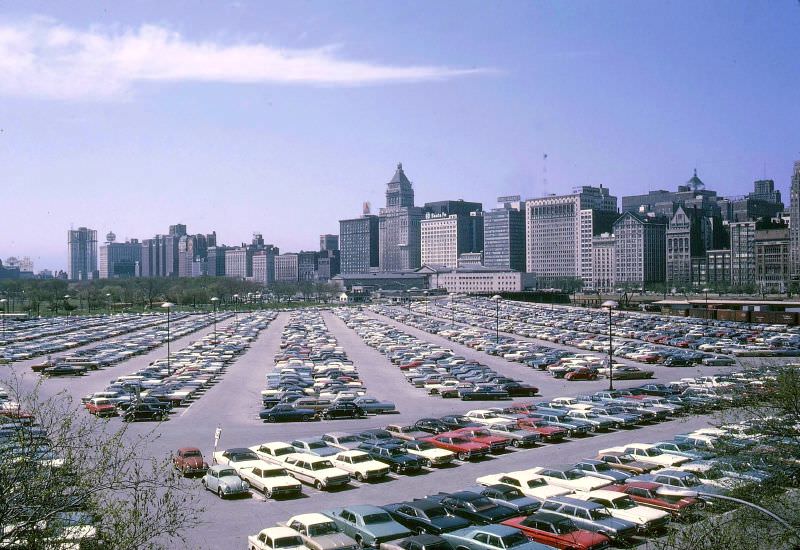
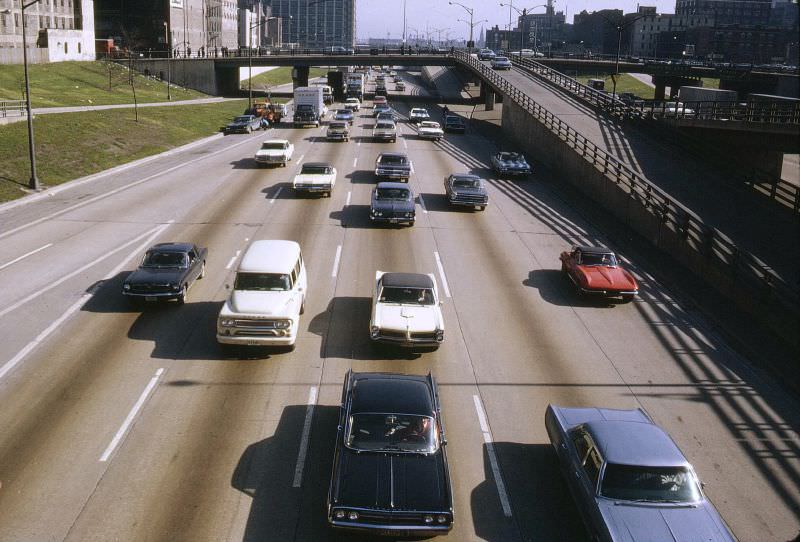
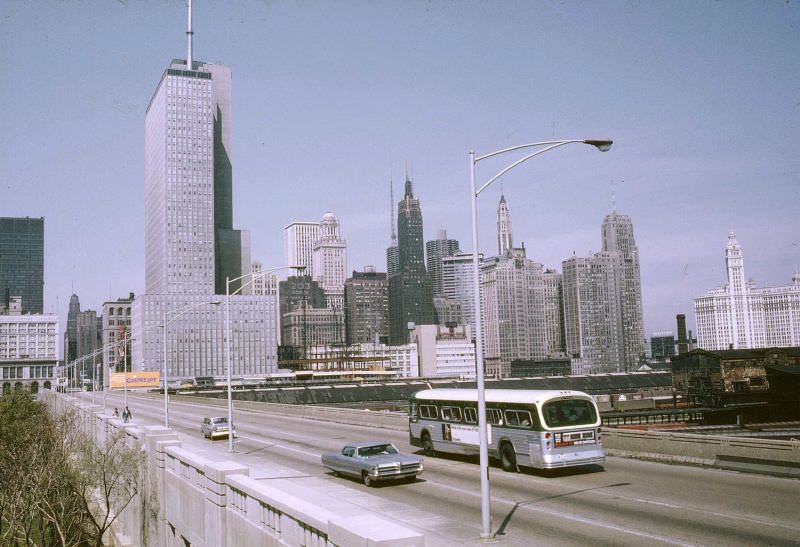
Rush hour traffic clogged the expressways and major arterials every weekday. The Kennedy Expressway, one of the city’s main commuter corridors, regularly backed up with cars heading out of the Loop. Buses, taxis, and private cars competed for space on bridges and intersections throughout the city, and pedestrians navigated the same streets on foot.
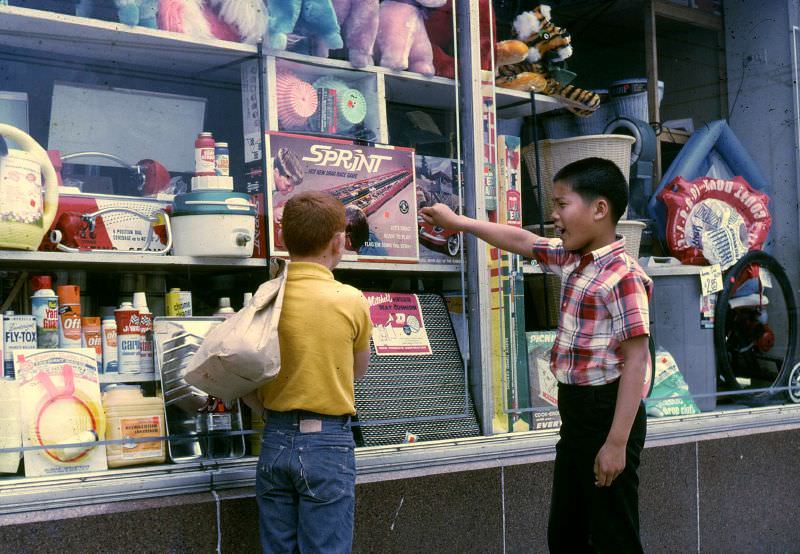
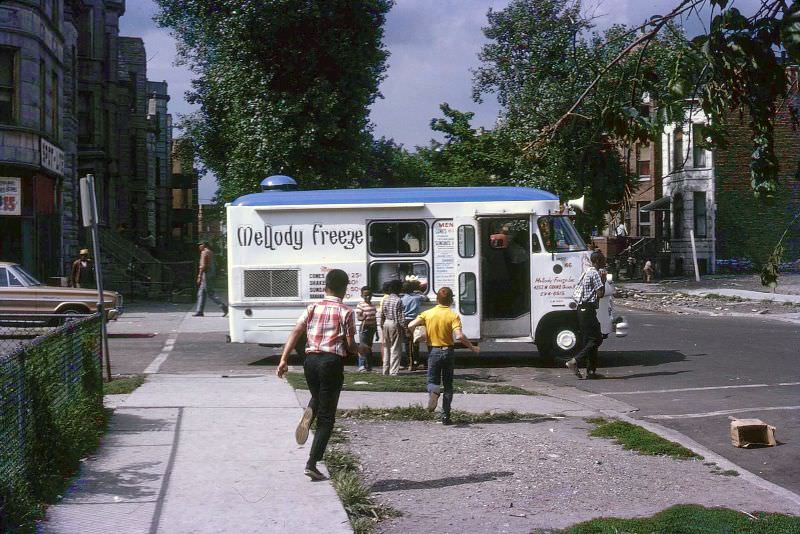
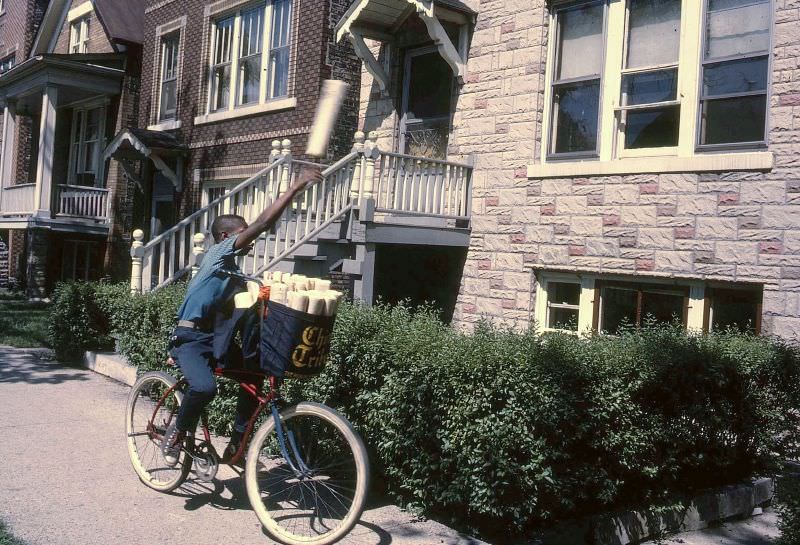
Daily life on Chicago’s streets had its own rhythms. Ice cream trucks made their rounds through residential neighborhoods in the summer. Paperboys delivered the Chicago Tribune to doorsteps before sunrise. Kids pressed their faces against toy store windows. These were ordinary moments, but they are now preserved as a record of how the city actually lived during one of its most turbulent decades.
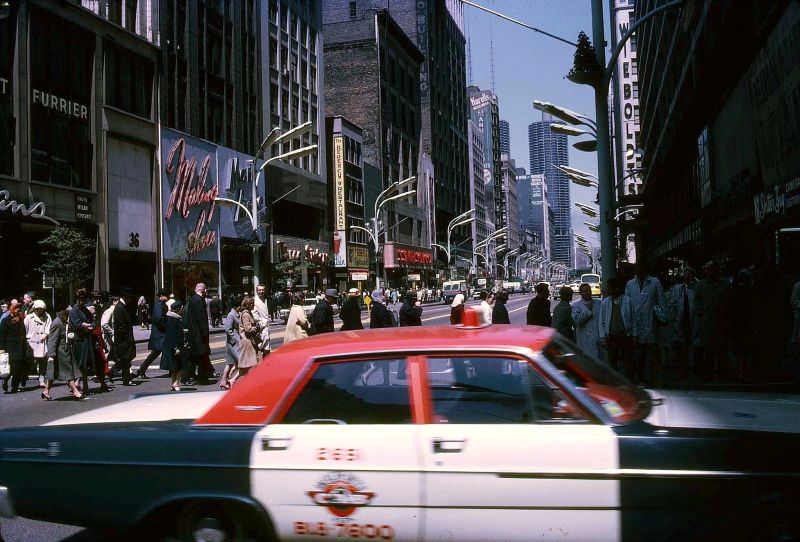
The political tension building through the decade exploded in 1968. When Martin Luther King Jr. was assassinated on April 4, 1968, Chicago erupted. Riots broke out across the city, lasting several days. Eleven people died, and more than a hundred buildings were destroyed by fire, mostly on the West Side. The National Guard was deployed, and entire blocks were left in ruins. Later that same year, anti-war protesters gathered in Chicago for the Democratic National Convention. Mayor Richard J. Daley ordered a heavy police response, and officers beat demonstrators in the streets — scenes broadcast live on national television.
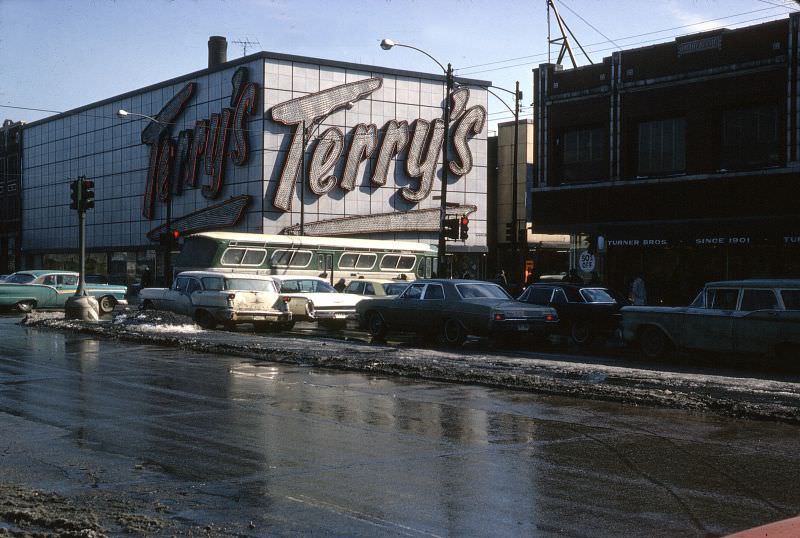
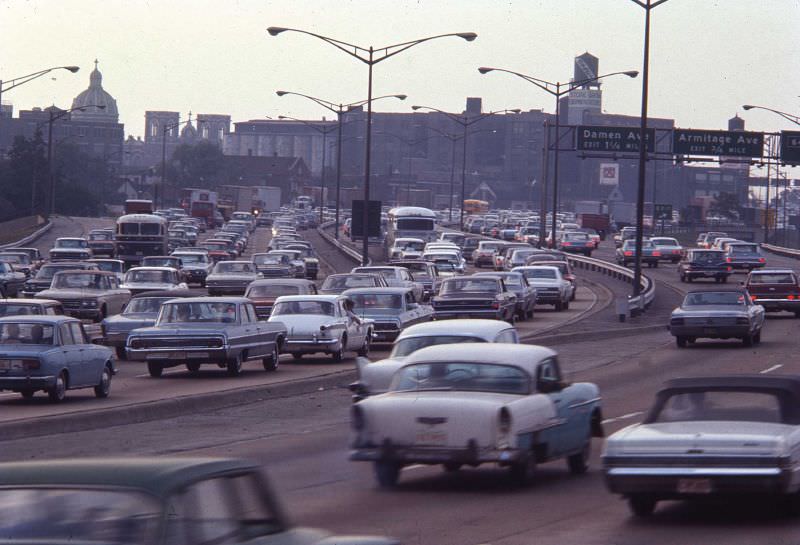
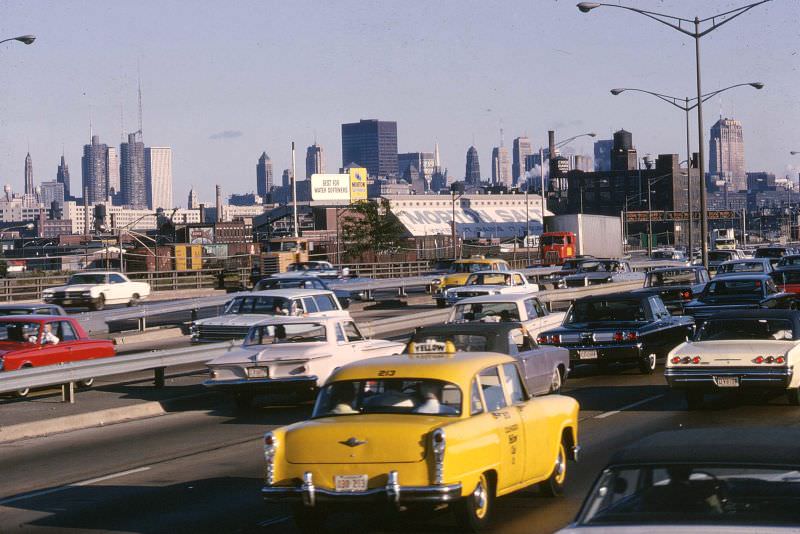
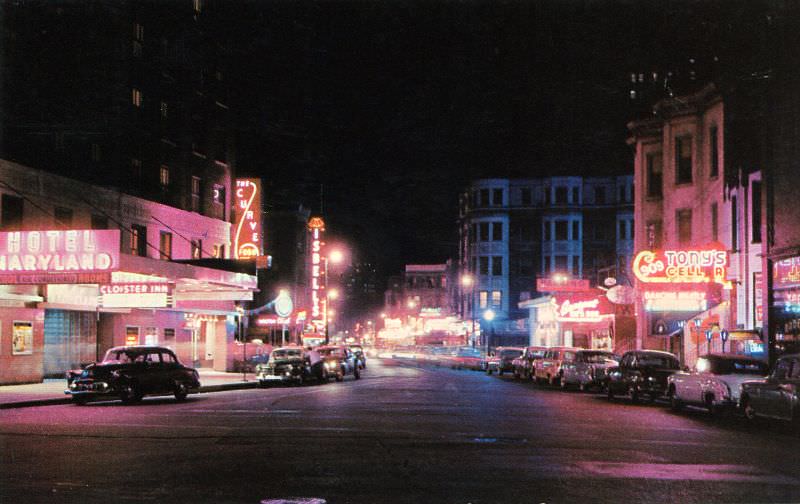
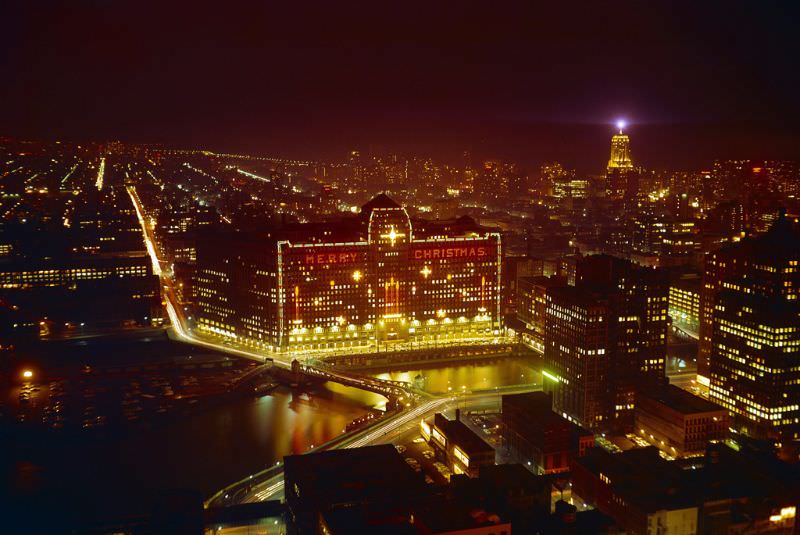
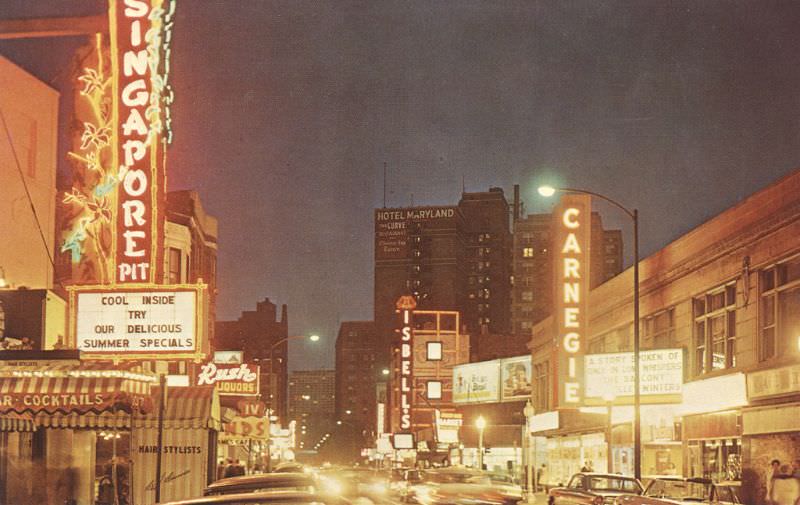
Earlier in the decade, Chicago’s commercial streets were thriving. Rush Street in 1960 was lined with bars, restaurants, and clubs that drew a steady nighttime crowd. The Chicago Merchandise Mart lit up for Christmas that same year, its massive facade decorated along the riverfront. State Street in 1962 was packed with shoppers and storefronts, a corridor that still functioned as the retail heart of the city.
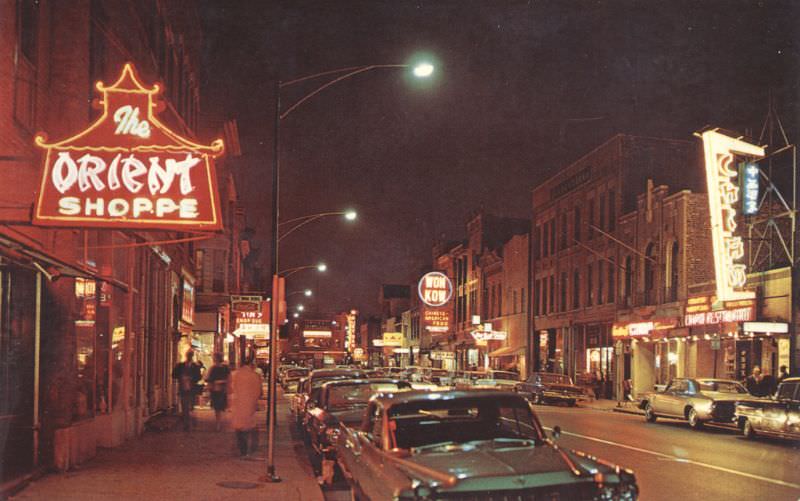
By 1964, downtown Chicago was dense with activity. Chinatown held its own as a distinct community anchored by restaurants, shops, and community organizations along Wentworth Avenue. Lincoln Park attracted families and students to its open green spaces, while the rail stations connected the city to the rest of the country in an era before air travel became the default for long-distance trips.
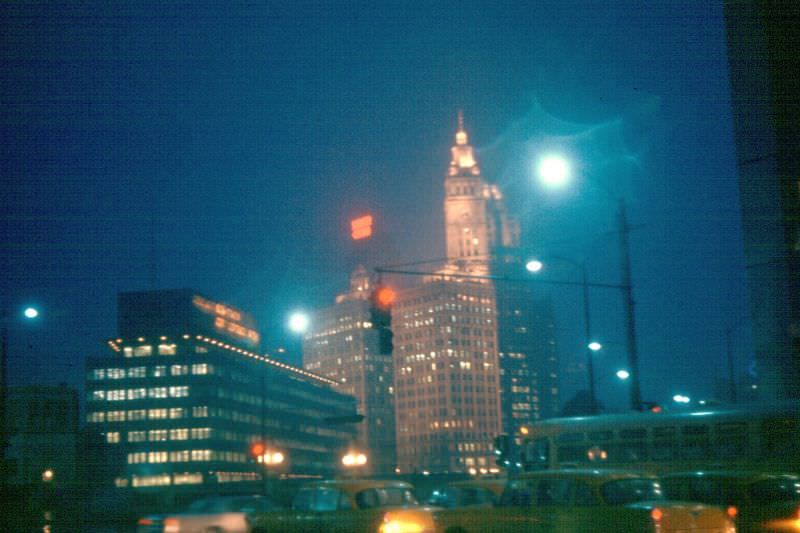
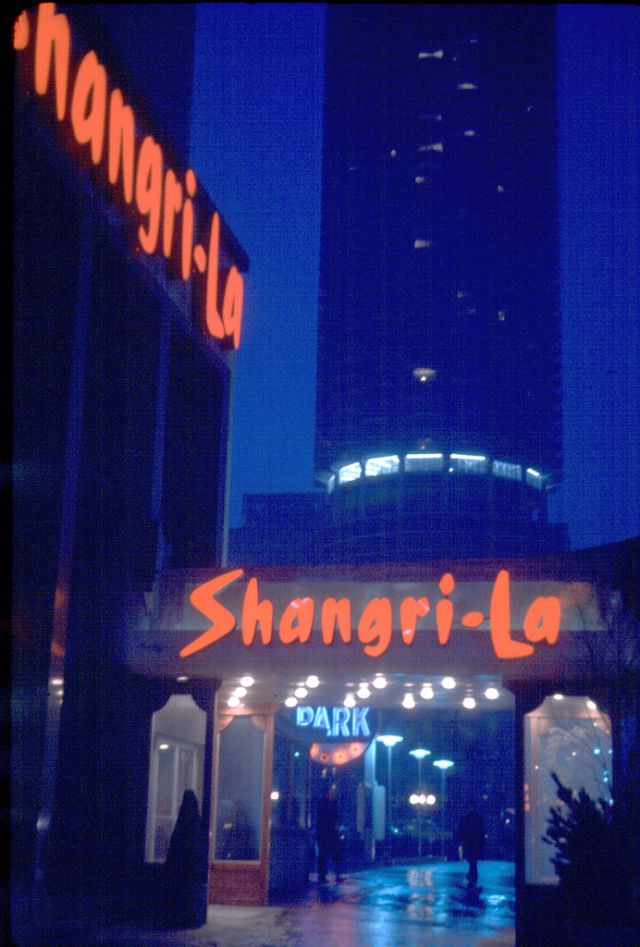
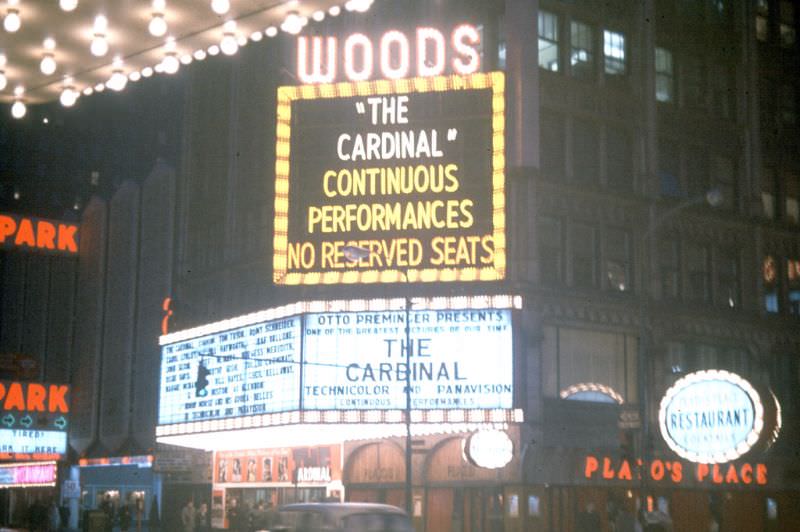
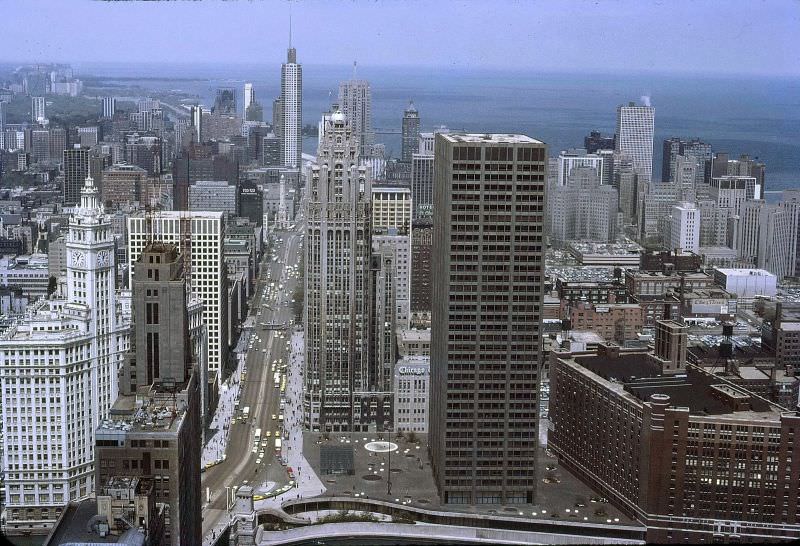
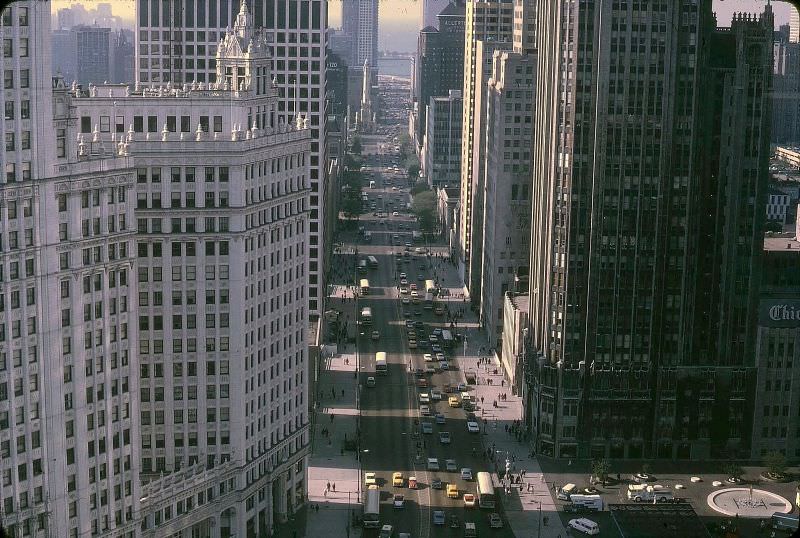
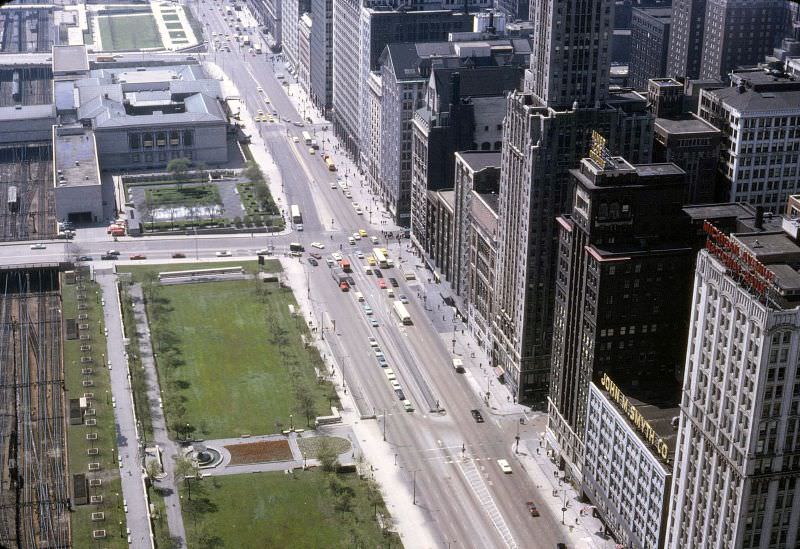
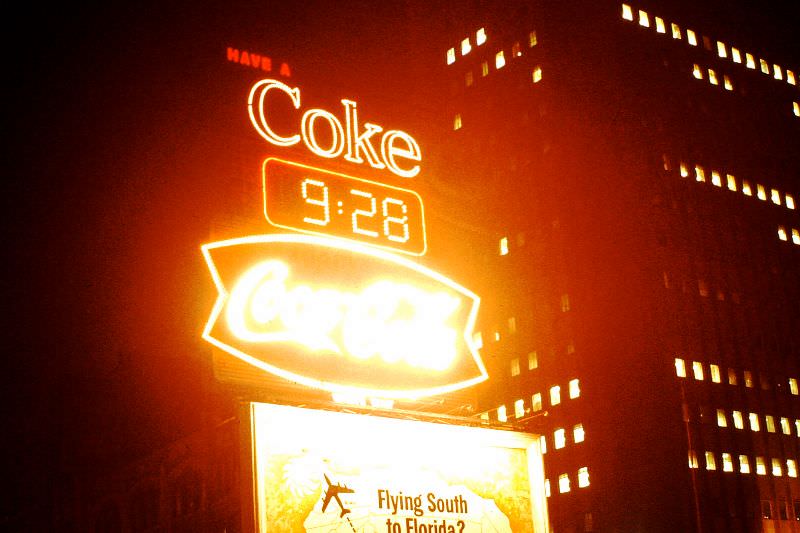
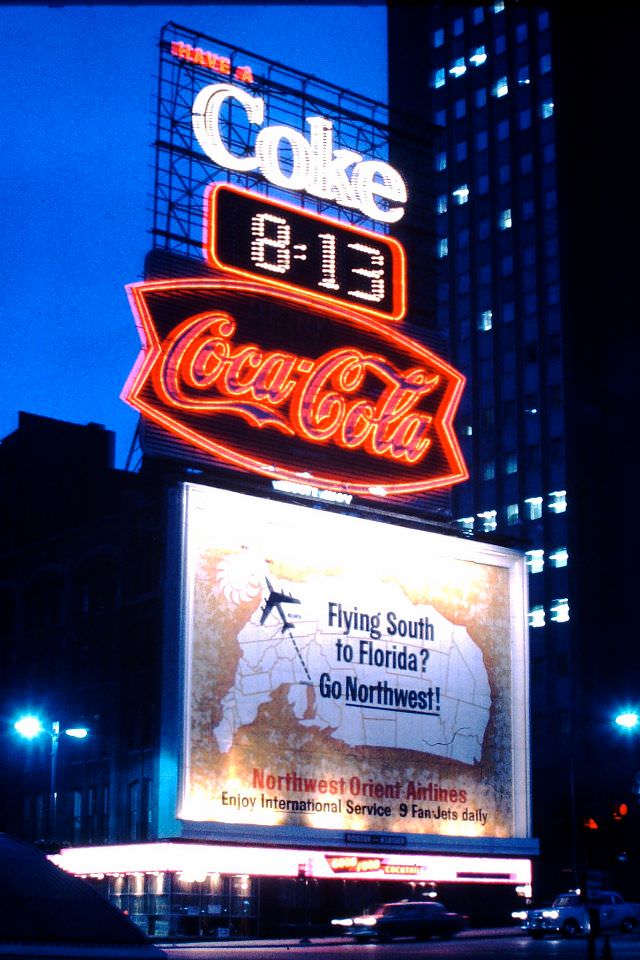
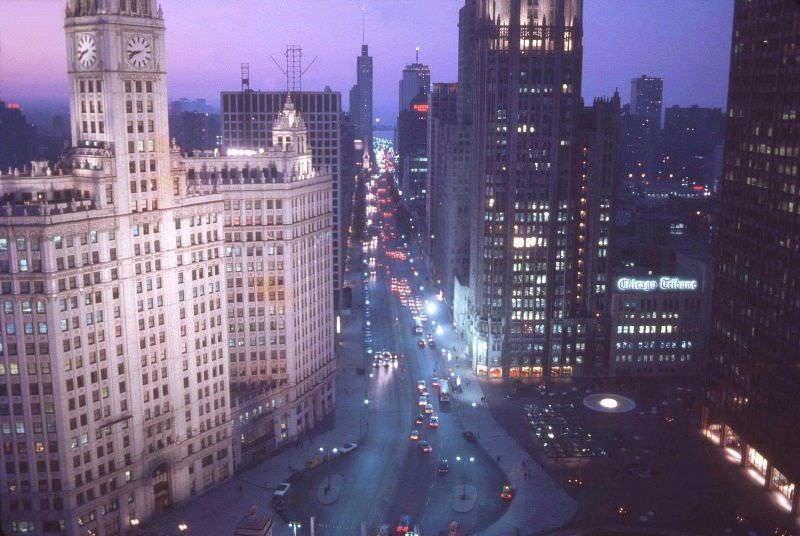
Michigan Avenue in 1965 showed Chicago at its most polished. The Wrigley Building gleamed white at the north end of the Michigan Avenue Bridge. Tribune Tower rose beside it, its neo-Gothic stone facade embedded with fragments from famous buildings around the world. The London House jazz club sat at the corner of Michigan and Wacker, hosting performers like Oscar Peterson and Dave Brubeck. A large Coca-Cola sign on the avenue became one of the more recognizable commercial landmarks of the mid-decade streetscape.
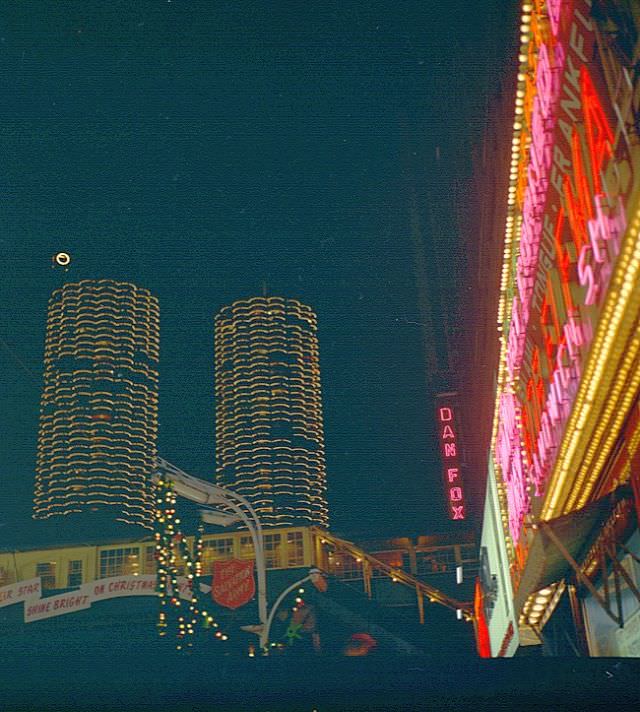
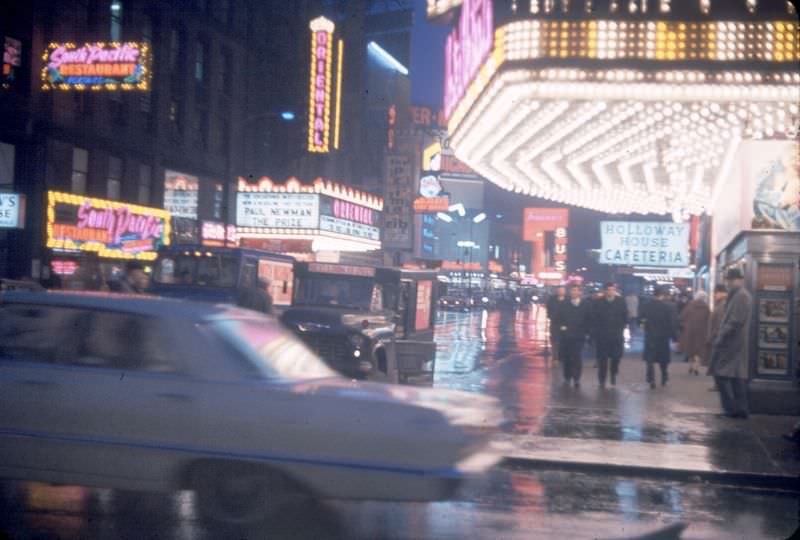
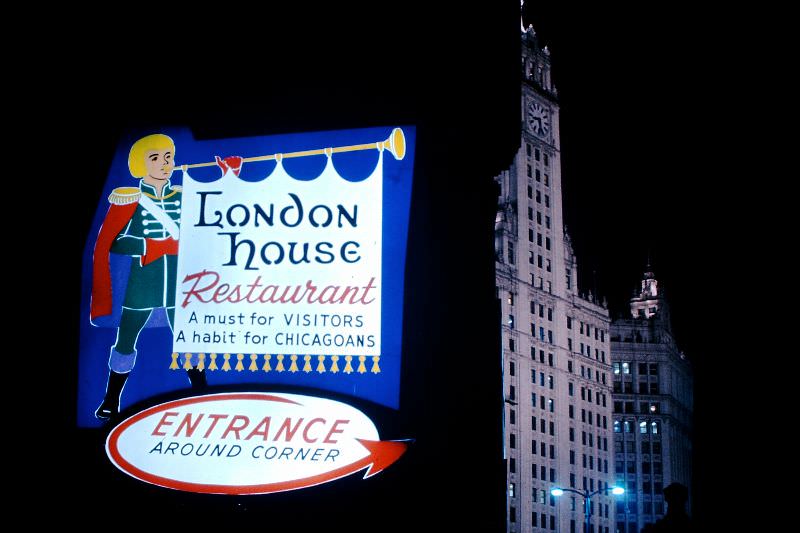
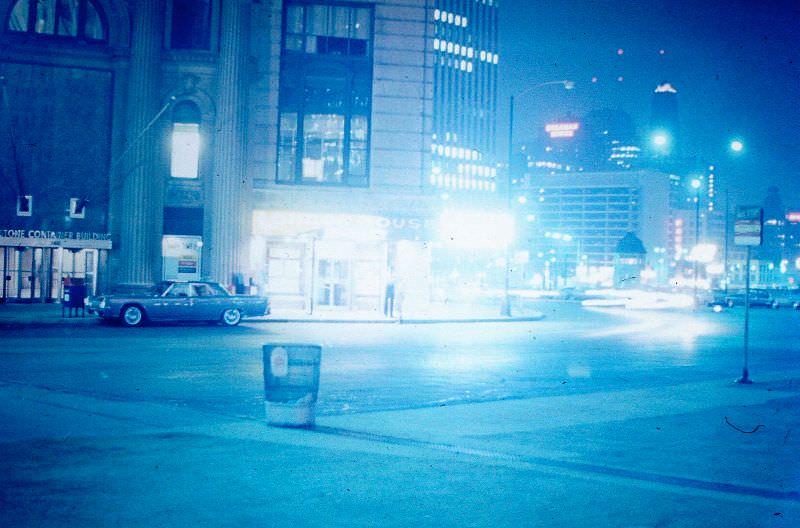
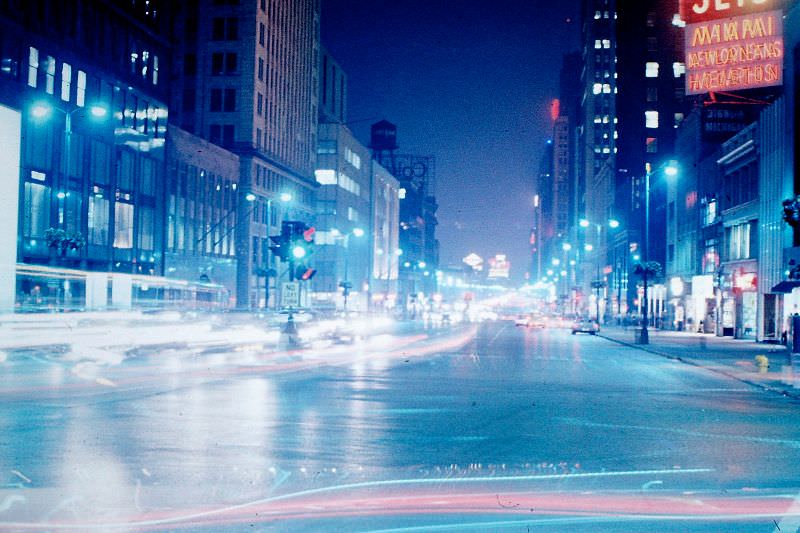
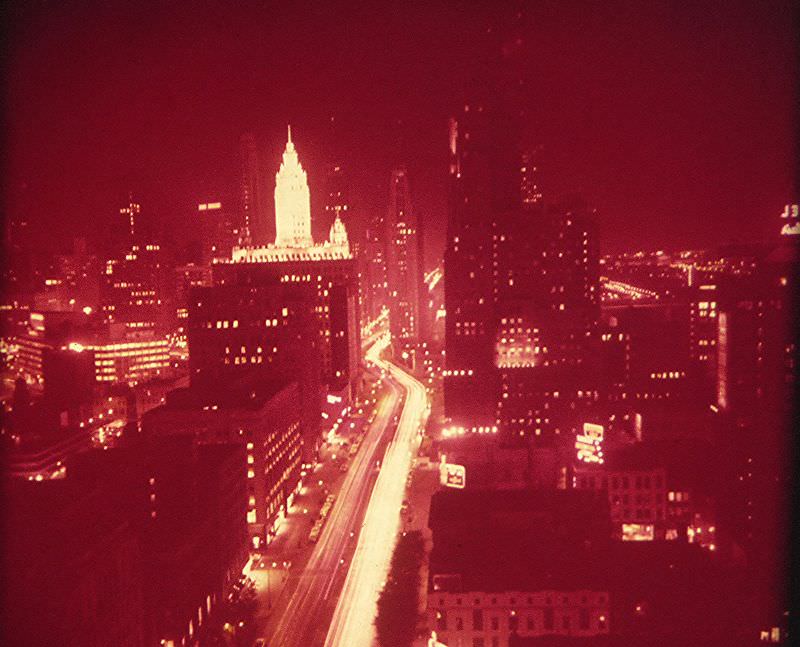
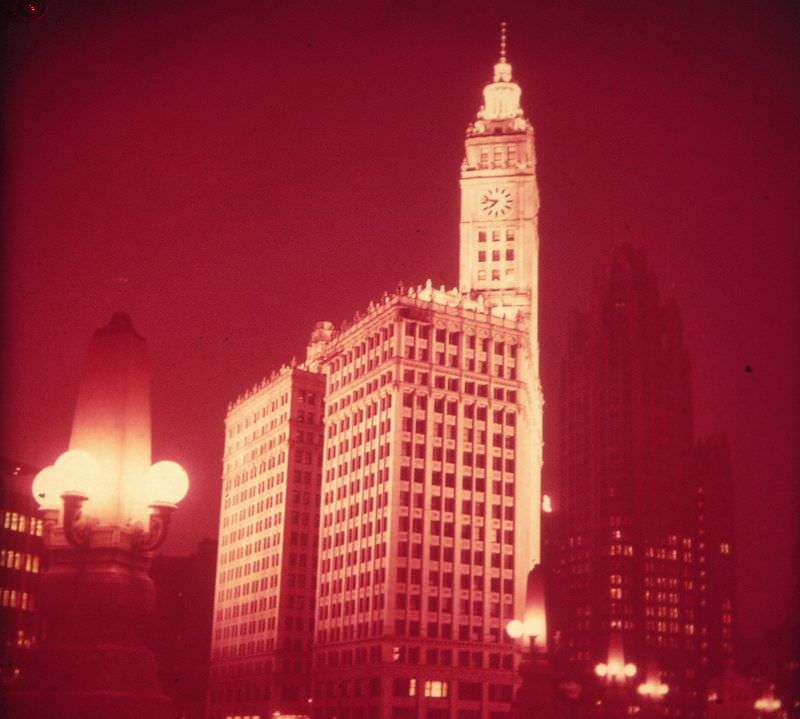
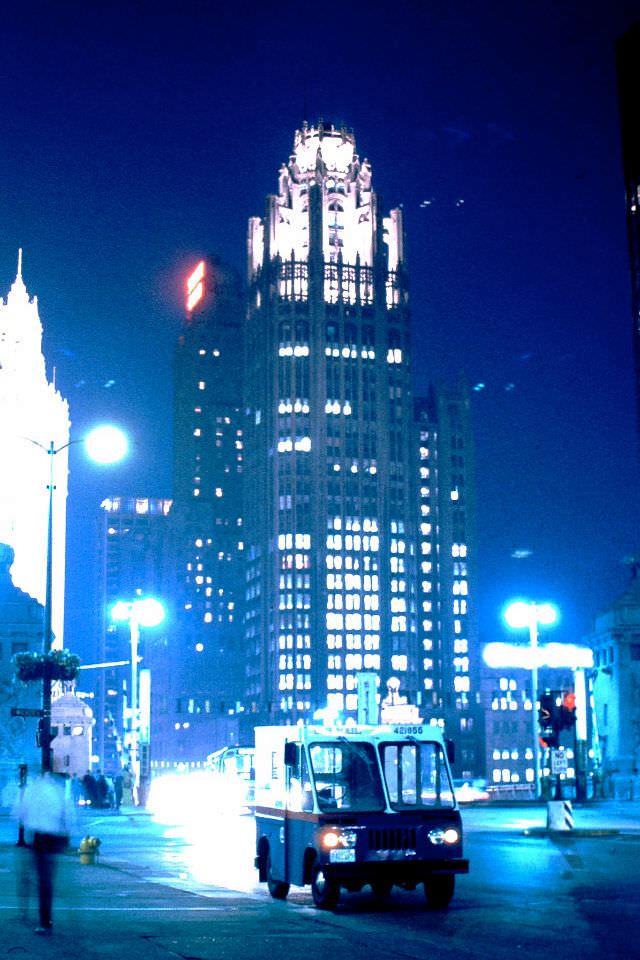
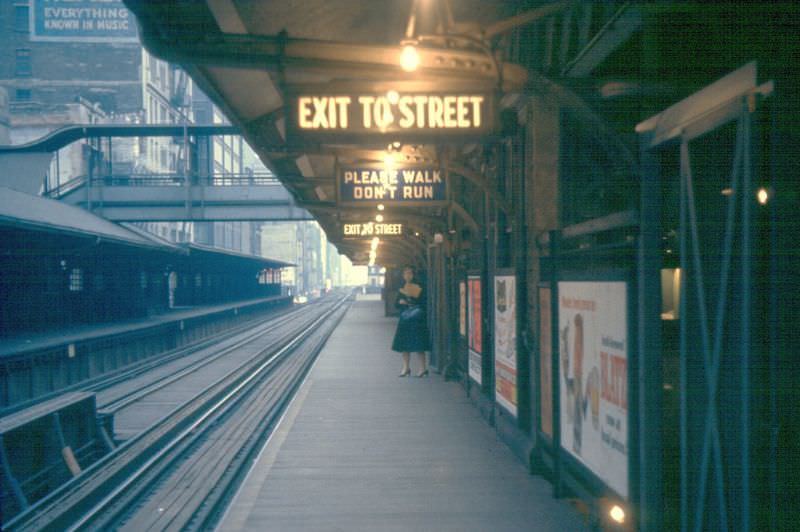
The second half of the decade brought more of the same visual energy, even as the social pressure mounted. The Chicago Surface Lines and its successor transit systems kept the city moving. In June 1966, a South Shore Line Pullman car rolled through Randolph Street station. Rush Street continued its nighttime pace into 1967, with bars and restaurants staying open late and yellow cabs lined up outside. The Wrigley Building and Tribune Tower remained fixed points on the skyline, photographed over and over as symbols of the city.
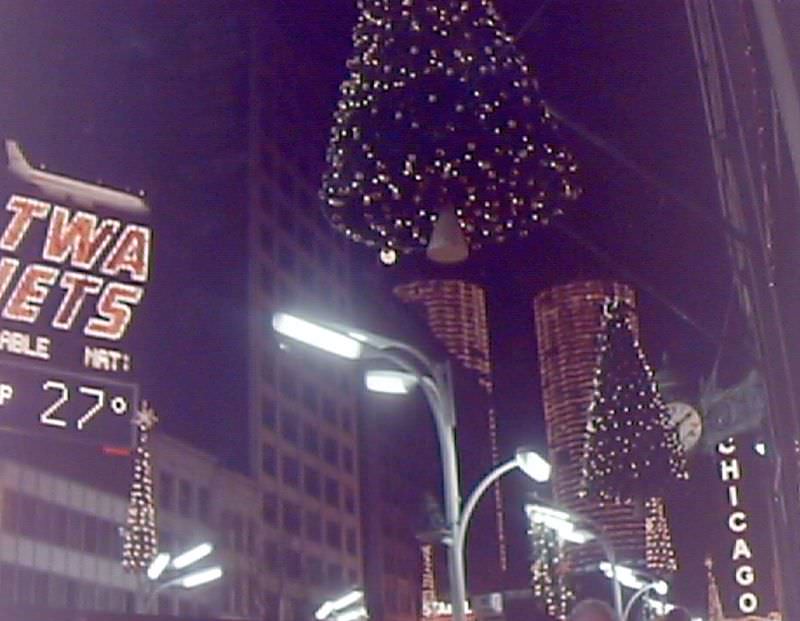
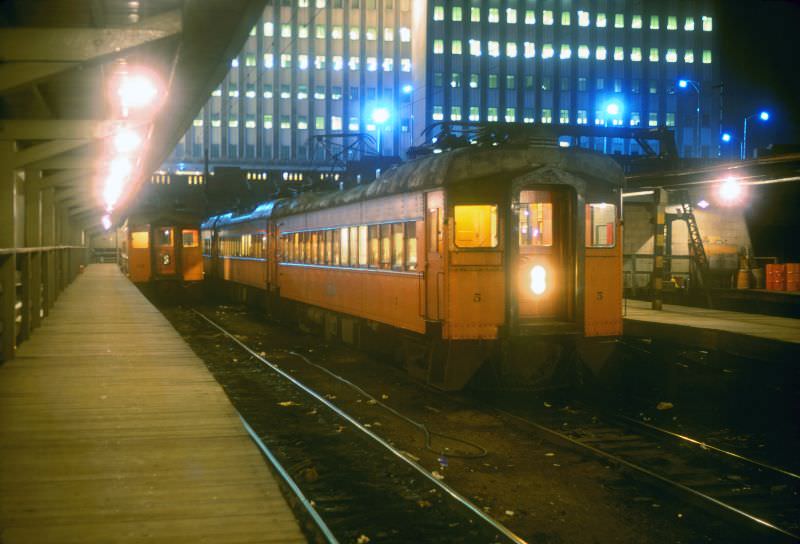
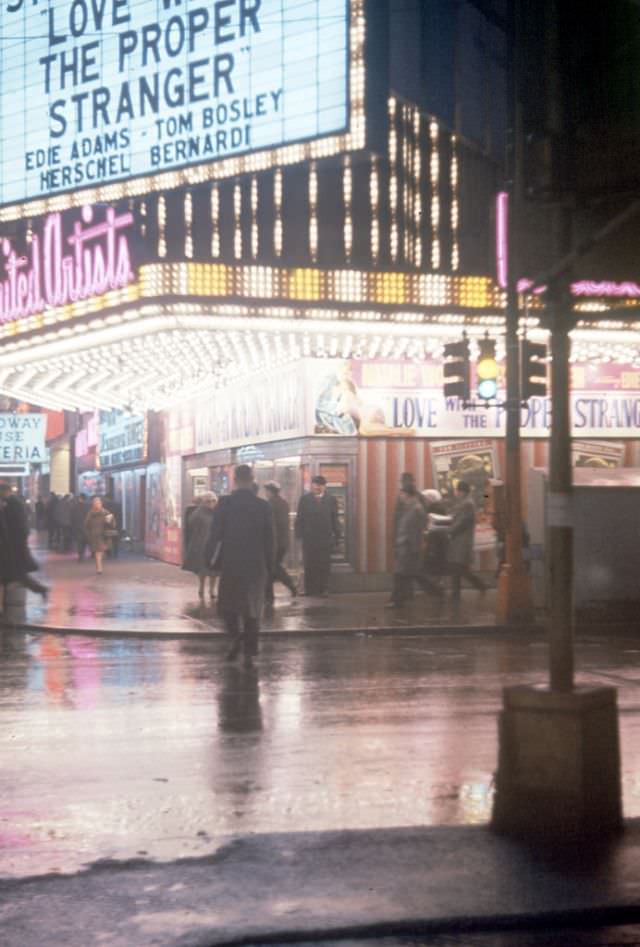
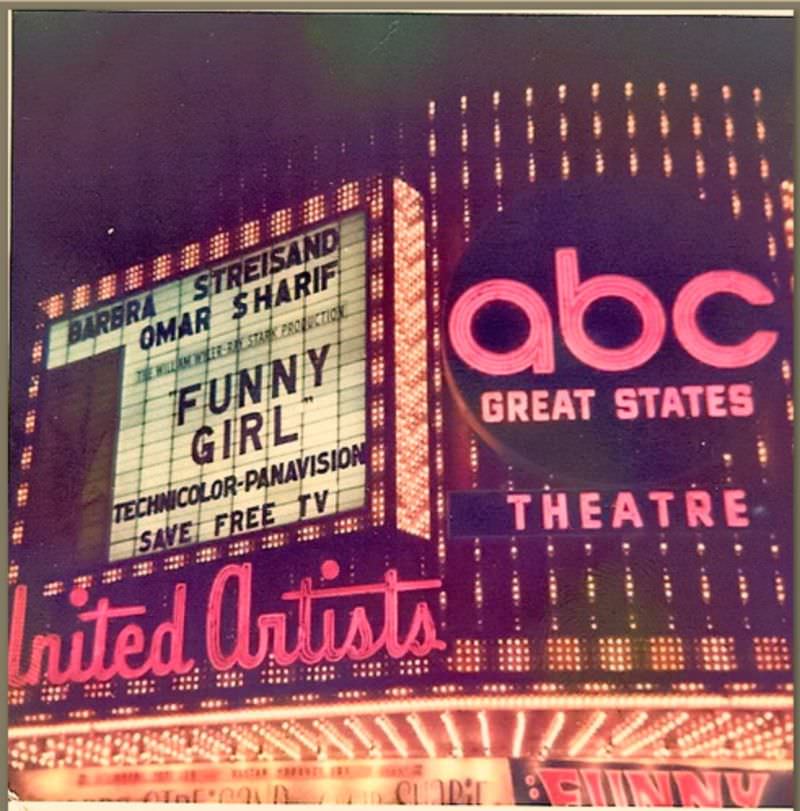
As the decade closed, Chicago pushed into a harsh winter. Streets went quiet under snow and ice, and the city took on a different character — quieter, colder, stripped of its summer energy. The Kansas City Chief sat at Dearborn Station on February 2, 1968, waiting for departure, one of the last years that long-distance passenger trains ran from that historic terminal before it closed in 1971. The United Artists Theater on State Street was still drawing audiences in 1969, its marquee lit against the cold.





My grandfather was a construction worker on the Marina Towers. He mentioned that he and his colleagues used to enjoy their lunch on the balconies, with their legs hanging over the edge. However, they had to stop doing so when one of his friends accidentally fell off.
Cars back then looked so cool.
I was chatting with a car dealer. I expressed my desire to retain the efficient engines of present-day vehicles while incorporating the vintage aesthetic of the past.
Well, my grandparents were living in the city during that time, and they always talked about how lively it was. There were so many different neighborhoods with their own unique cultures and traditions. They would often take my mom and her siblings to visit Chinatown, which was always a fun adventure. They would try new foods and see the beautiful architecture of the area.
My grandparents actually owned a small grocery store in a predominantly Polish neighborhood. They would always tell us about the different customers they had and how they would stock the shelves with traditional Polish foods. They loved being a part of that community, and they always felt like they were making a difference in people’s lives.
Wow, these photos of 1960s Chicago really take me back! I wasn’t actually alive during that time, but my parents used to tell me stories about what life was like in the city back then.
It’s fascinating to see how much the city has changed over the years, but also how some things have stayed the same.
Anybody remember Chickenman on WCFL?
Greatest Crimefighter the world has ever known!
Great photos!
Fantastic find. So many memories from childhood. Had an older cousin who lived in Marina city. I remember the rooftop observation deck with the Channel 7 antenna (before the John Hancock & Sears Tower were built.)
Too many damn cars. So glad it’s not like this anymore but man do we have a long way to go.
Ridiculously cool. What’s the story on Chicken Man?
He’s not the Philly one from the Springsteen song.
The chicken man was a well-known street entertainer who was active in Chicago for much of the 20th century. He trained chickens to dance and do other tricks, and is referenced in at least one Daniel Pinkwater novel. “No dime, no show.”
Chicken Man was a five-minute comedy bit running on WLS (or WCFL?). It was so funny, even my Dad loved it. “he’s everywhere, everywhere, it’s Chicken Man” A spoof on Batman
Chicken Man was a five-minute comedy bit running on WLS (or WCFL). It was so funny, even my Dad loved it. “he’s everywhere, everywhere, it’s Chicken Man” A spoof on Batman
Chicken Man was a five-minute comedy bit running on WLS (or WCFL?). It was so funny, even my Dad loved it. “he’s everywhere, everywhere, it’s Chicken Man” A spoof on Batman