After World War II, Florida was transformed. The warm climate, endless coastline, and promise of a fresh start pulled people south in huge numbers. Florida ranked twentieth among all U.S. states in population at the start of the decade. Fifty years later, it had climbed to fourth. That kind of growth doesn’t happen quietly — it reshapes roads, neighborhoods, beaches, and daily life at every level. The photographs collected here document that transformation in real time, from the early 1950s through the end of the decade.
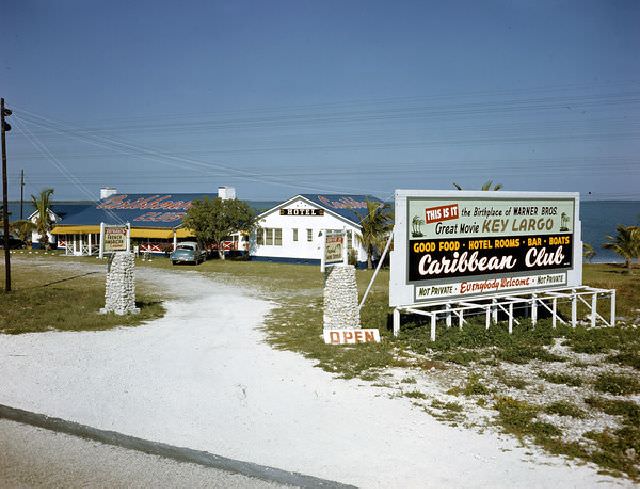
Migrants from the North and Midwest poured into the state, drawn by cheap land, new construction, and a climate unlike anything they had left behind. Small towns swelled. Beachside resorts filled up. Communities that had been quiet fishing villages in the 1930s were now busy tourist stops. The Florida Keys, for instance, were becoming a destination in their own right, with roadside clubs and bars drawing travelers heading south on the Overseas Highway.
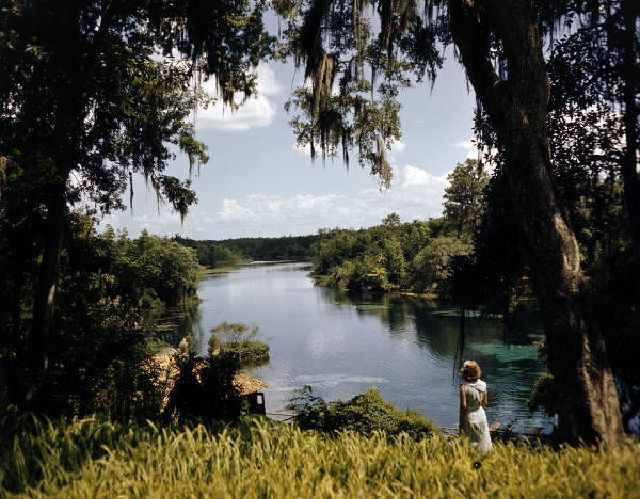
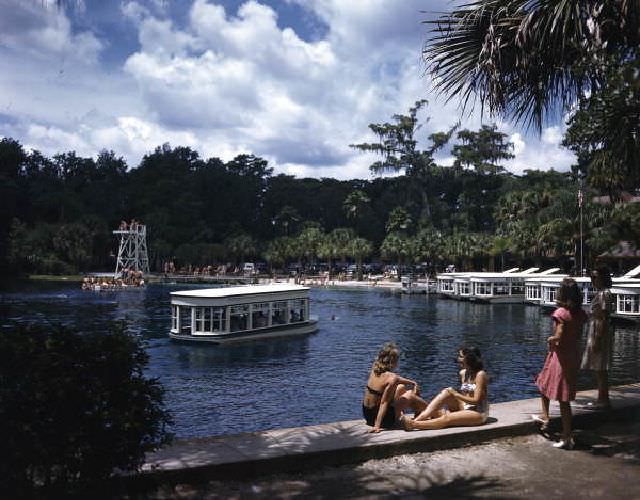
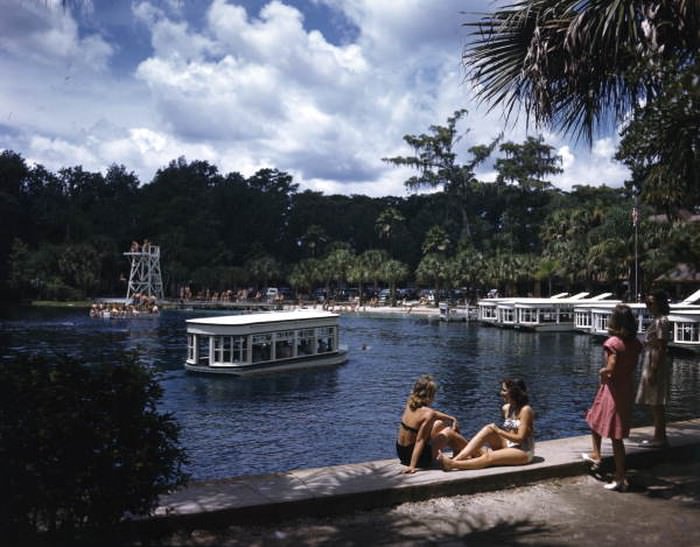
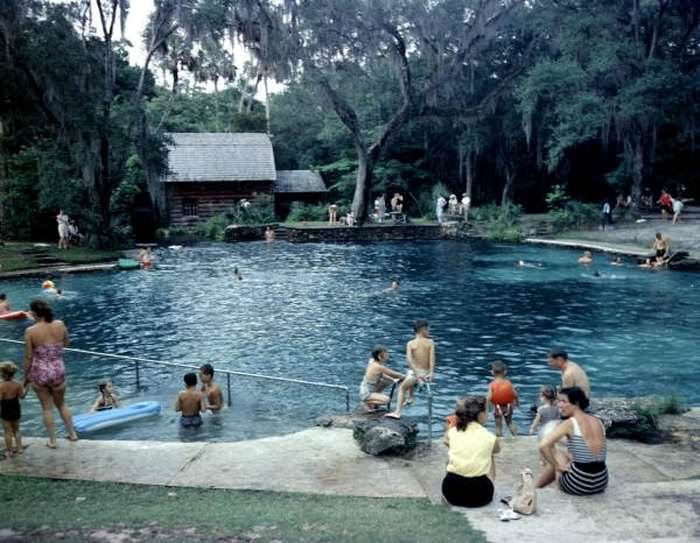
Florida’s natural springs were a major draw. Crystal-clear water bubbling up from underground aquifers created swimming holes and tourist attractions that families visited by the thousands. Rainbow Springs near Dunnellon and Silver Springs near Ocala were two of the most visited. Glass-bottom boats gave tourists a view of the underwater world below, and the lush greenery surrounding the springs made them feel like something out of a jungle adventure.
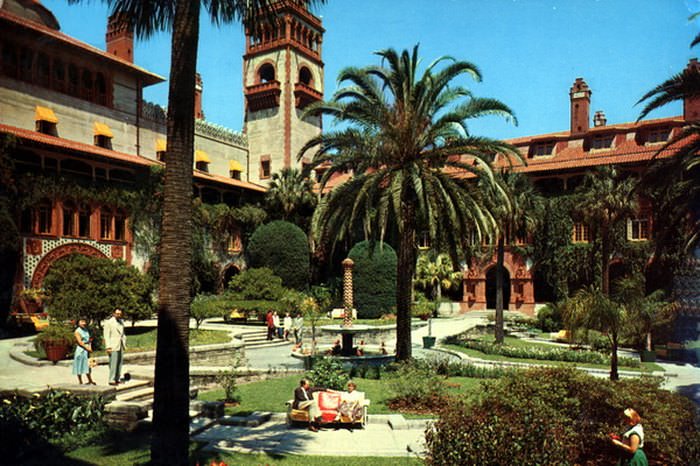
Everyday life in 1950s Florida looked different depending on where you lived and who you were. For African-American families, daily life took place against the backdrop of segregation. Florida was a Jim Crow state, and Black residents faced legal separation in schools, restaurants, beaches, and public spaces throughout the decade.
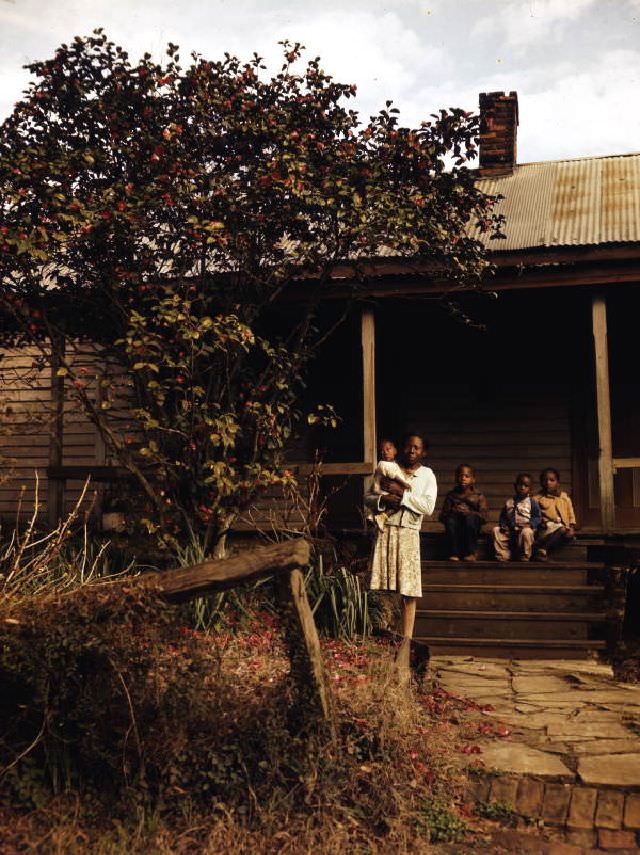
For many Floridians, spring training was a seasonal ritual. Cities like St. Petersburg hosted major league baseball teams during their pre-season workouts, and locals packed the stands. Al Lang Field in St. Petersburg was one of the most well-known spring training venues in the country during this era, drawing fans who wanted to see their favorite players up close before the regular season began.
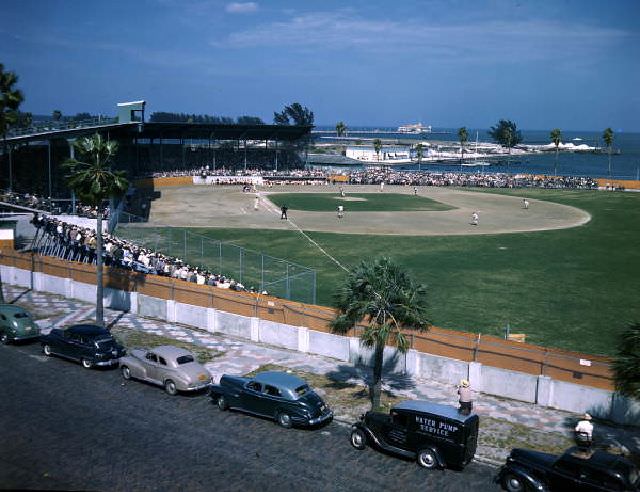
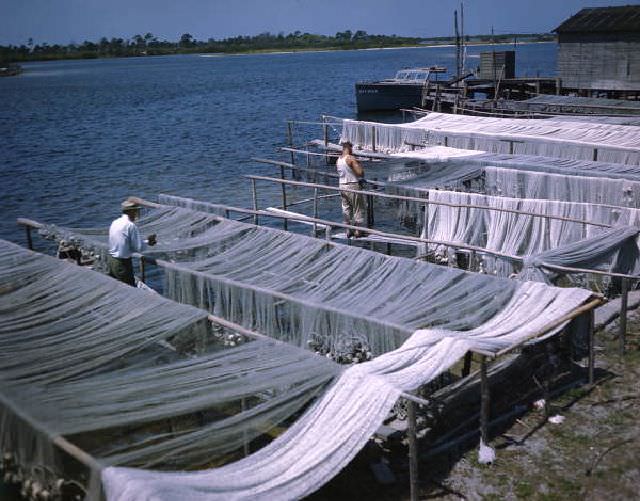
Sarasota had a distinct identity in the 1950s. It was home to the Ringling Circus’s winter quarters, which meant acrobats, clowns, elephants, and performers of all kinds lived and trained there during the off-season. The town also had a strong fishing industry. Workers dried and mended nets along the docks, and each day’s catch was tallied at the waterfront — a routine that had gone on for generations.
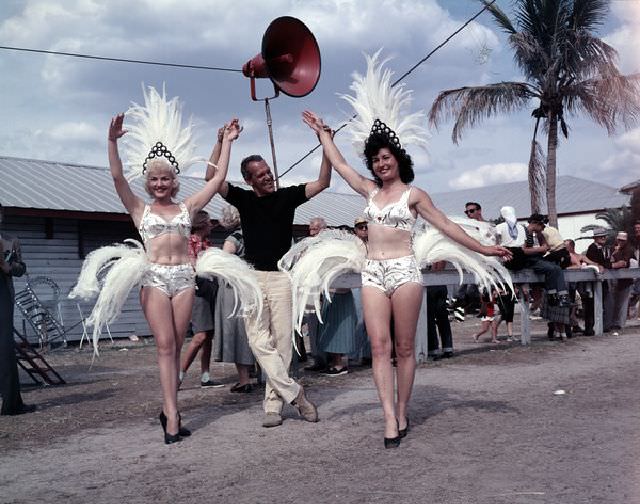
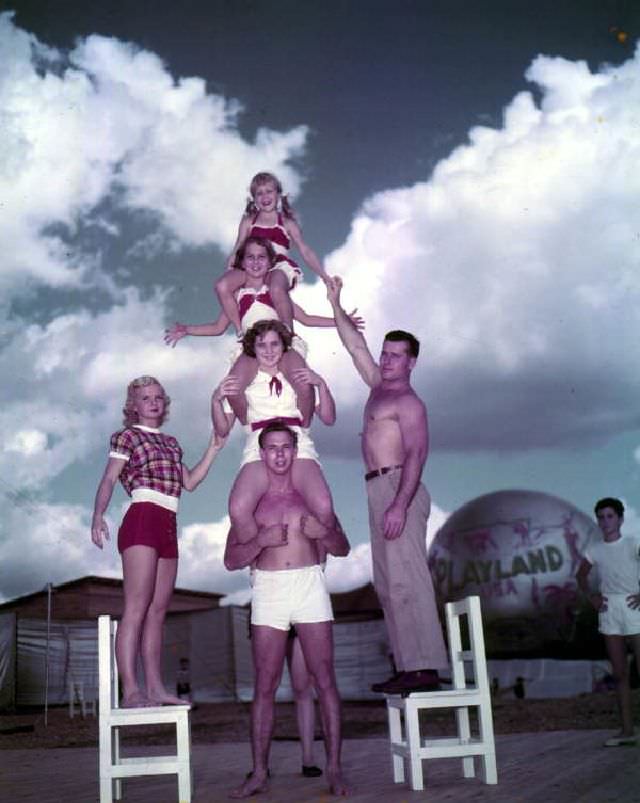
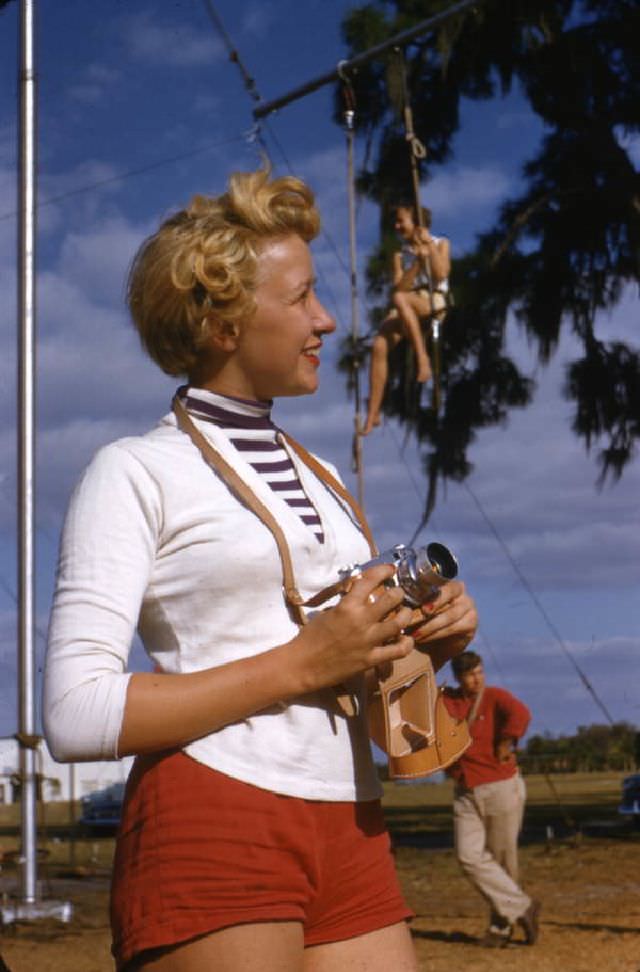
The circus world that called Sarasota home was no small operation. Ringling Bros. and Barnum & Bailey brought performers from across the country and around the world to train and rehearse at their winter facility. Acrobats practiced their routines, and the Sailor Circus — a youth circus program that Sarasota is still known for — produced skilled young performers who trained alongside professionals.
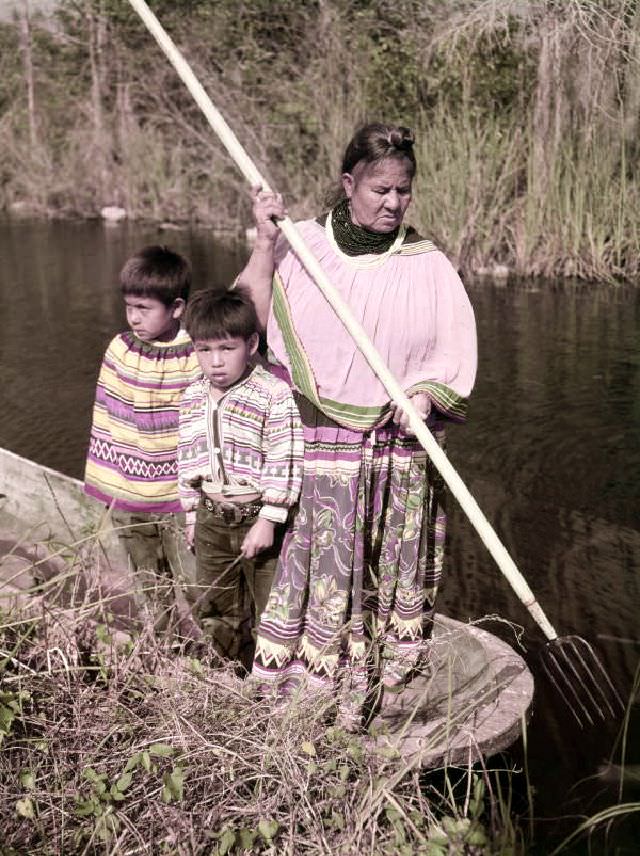
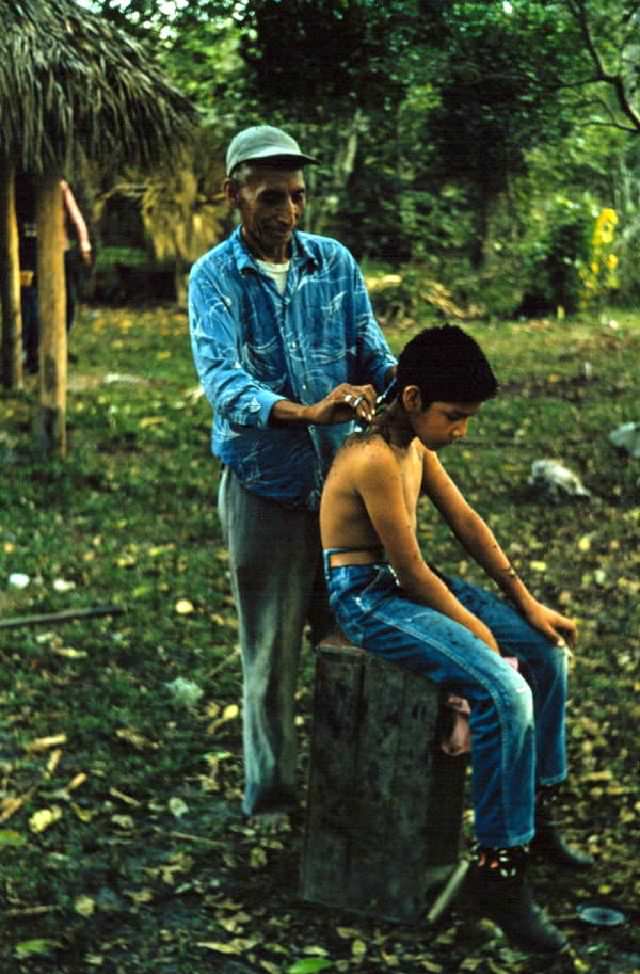
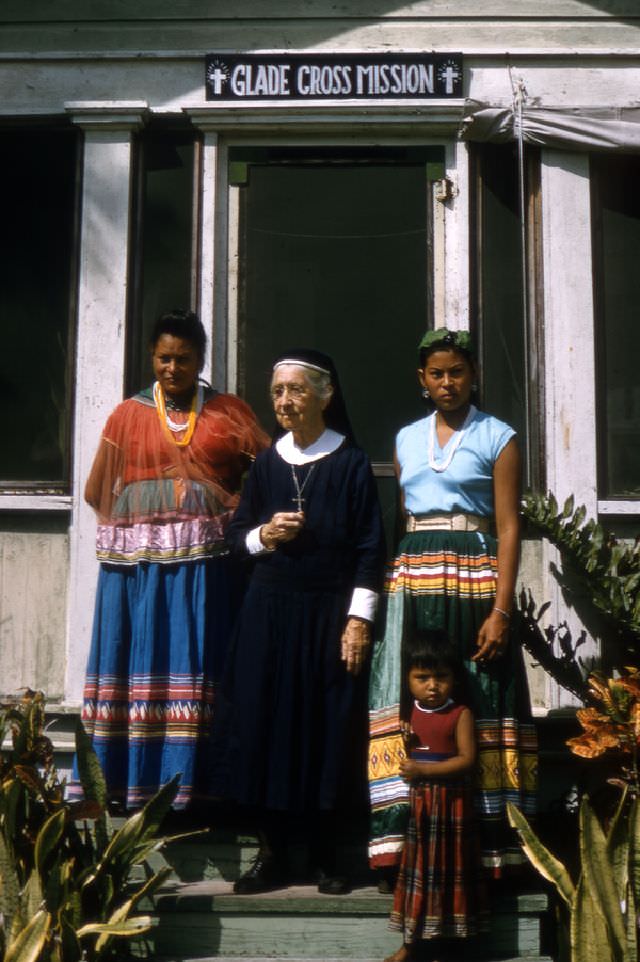
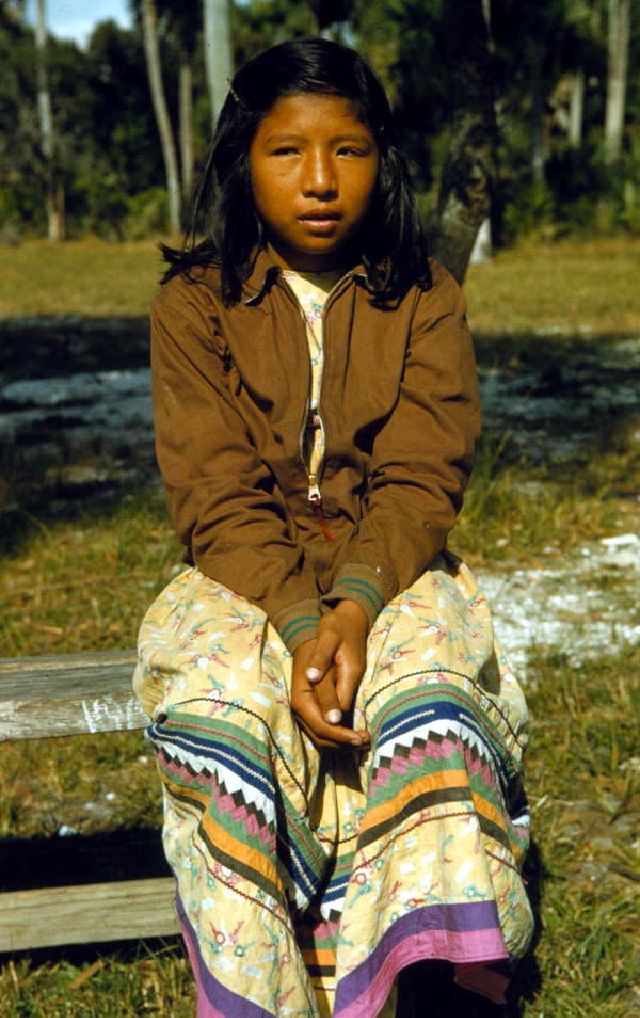
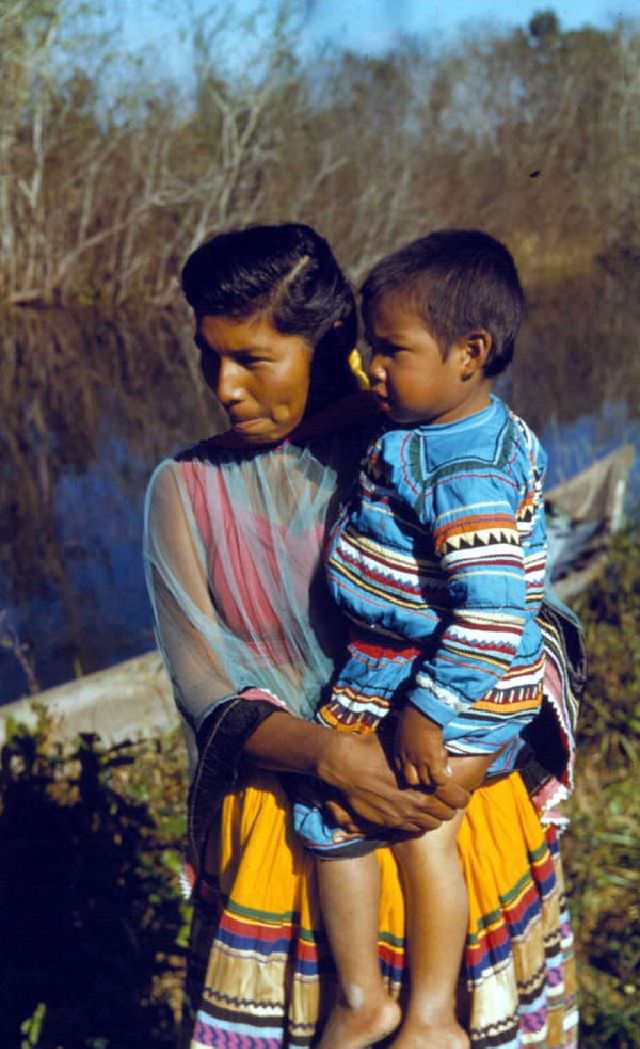
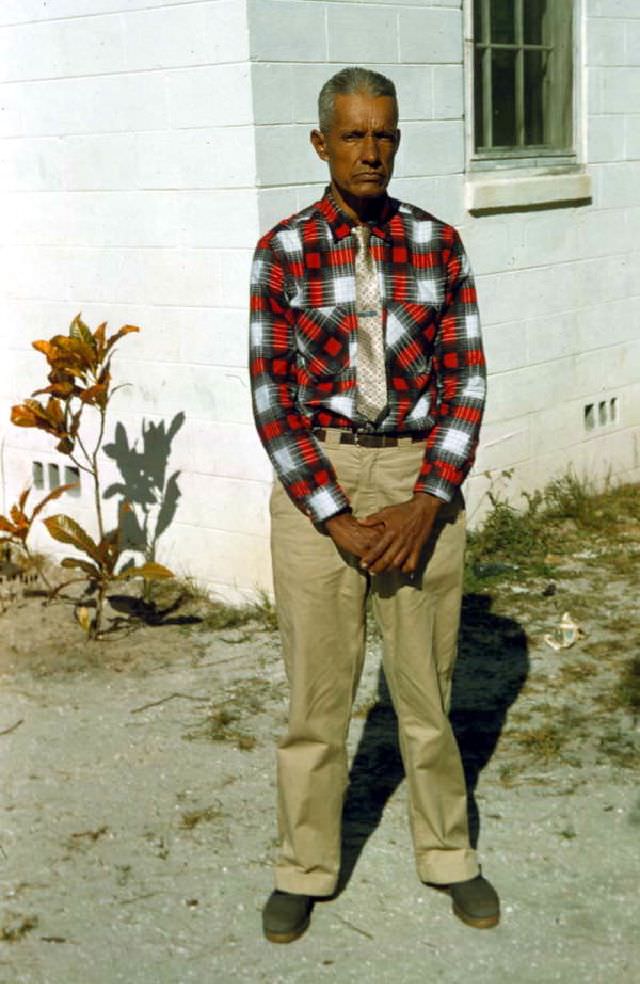
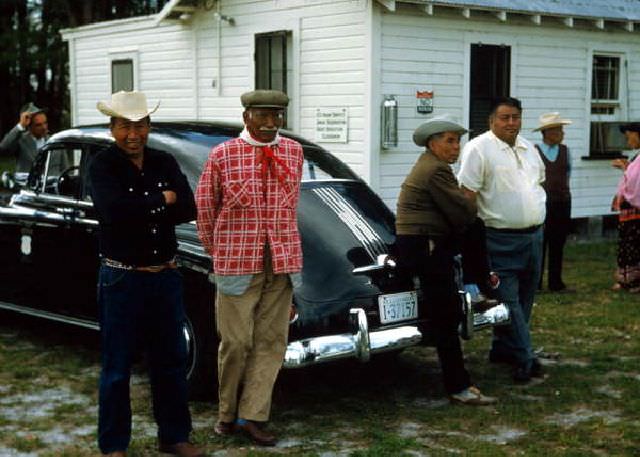
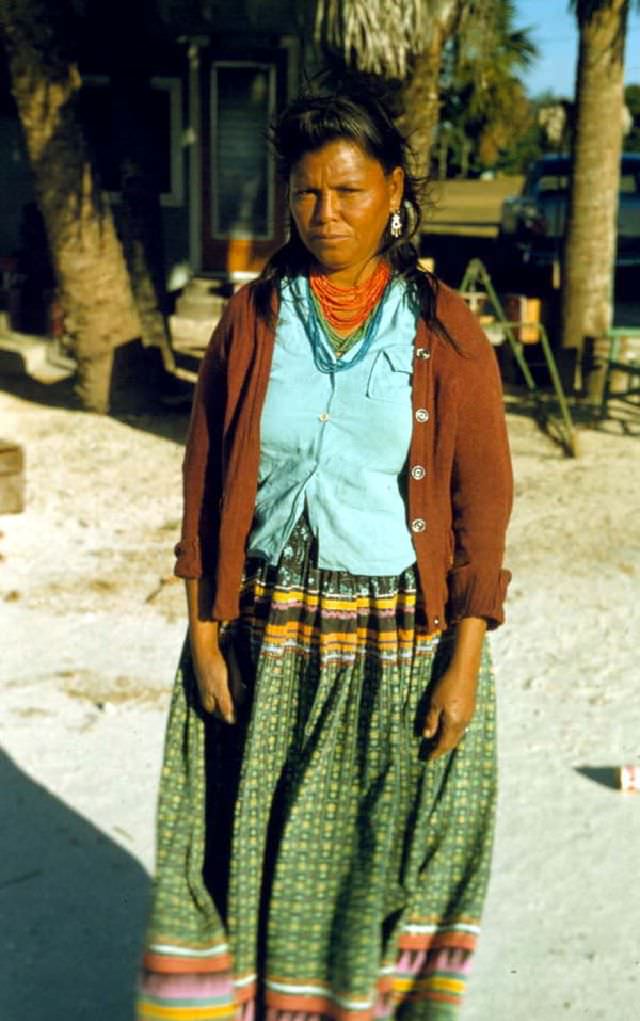
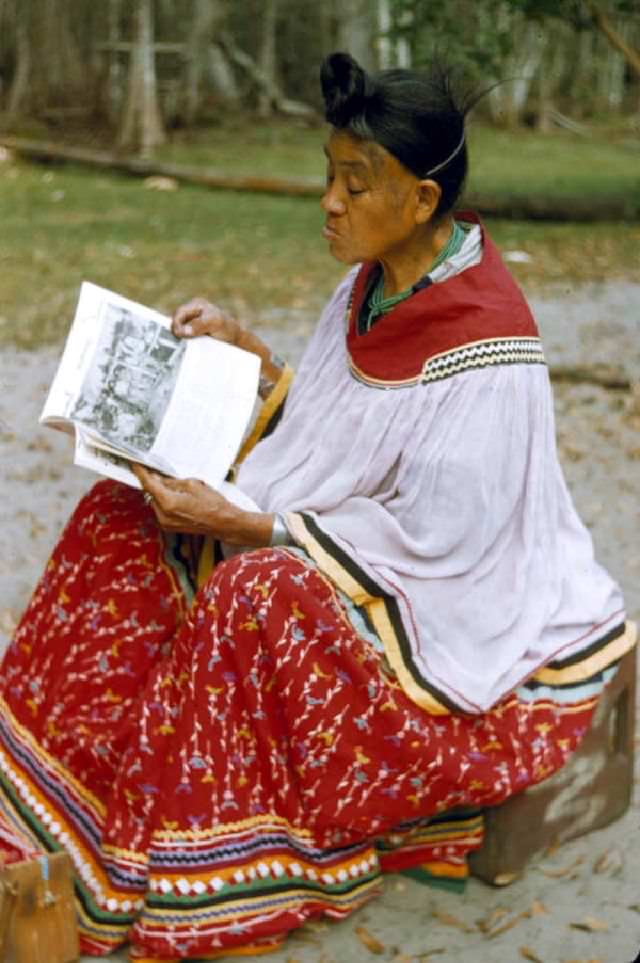
The Seminole people had lived in Florida long before tourists and developers arrived. In the 1950s, several Seminole communities were established on federal reservations, including Brighton, Big Cypress, and Dania (now Hollywood). Life on the reservations included both traditional practices and adaptation to the modern world. Seminole women were photographed gigging frogs along the Tamiami Trail — a skill tied to both subsistence and tradition. Others were photographed reading, getting haircuts, and going about daily routines on the reservations.
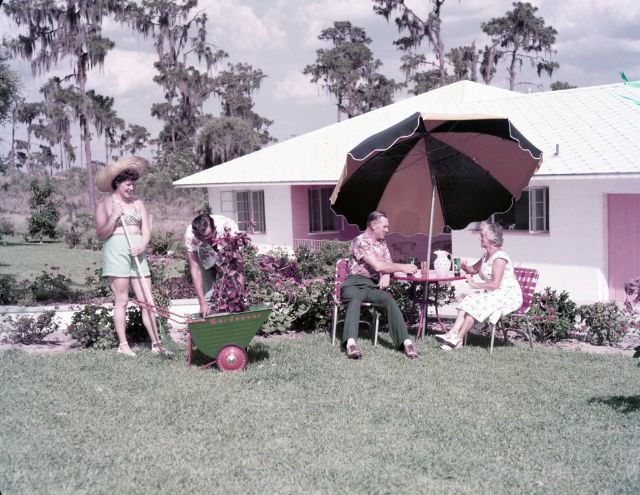
Real estate was booming, especially in central Florida. Towns like Winter Haven promoted new housing developments with professional advertisement shoots, selling the idea of suburban Florida living to families across the country. The pitch was simple: sunshine, space, and a backyard in a place most Americans only visited on vacation.
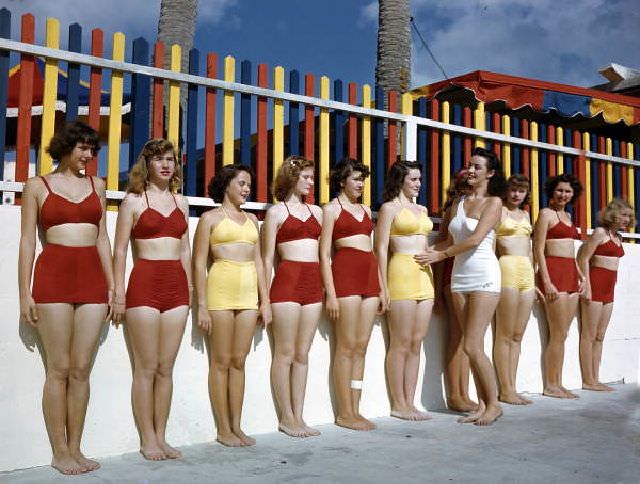
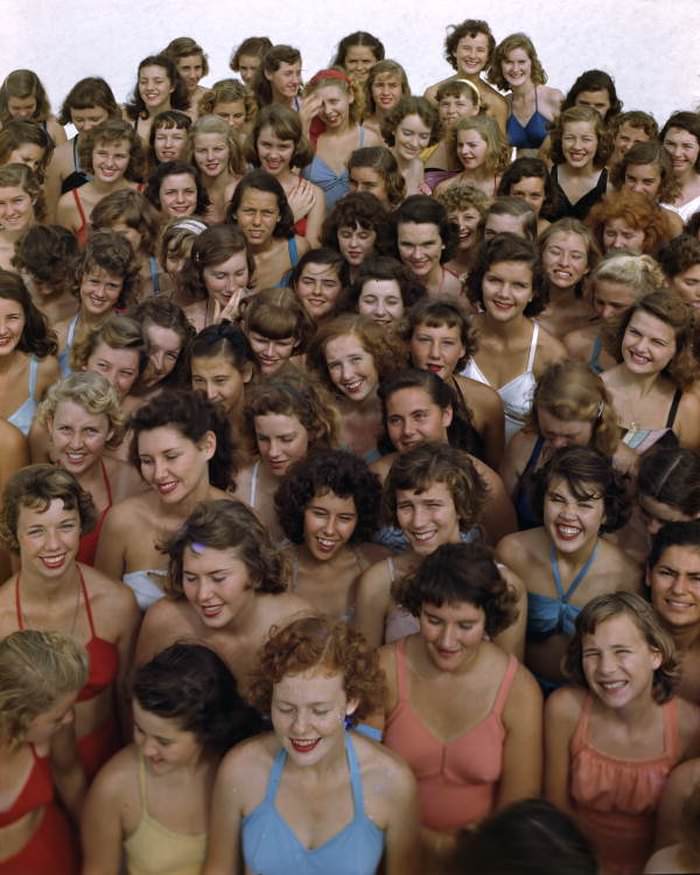
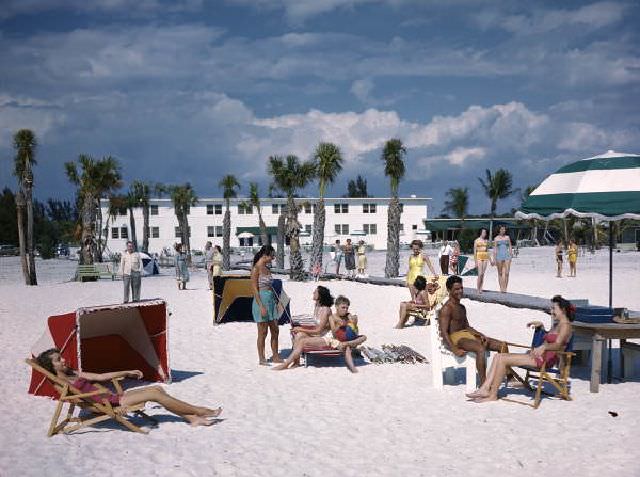
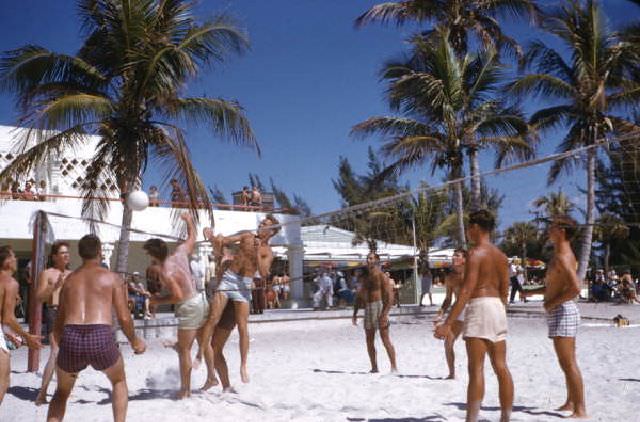
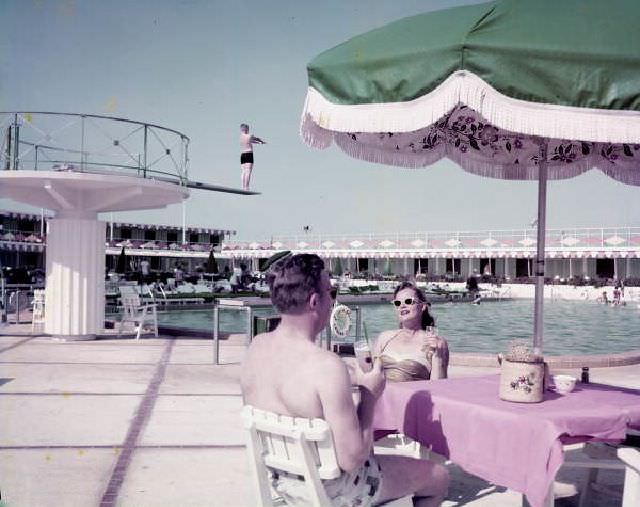
Florida’s beaches were the centerpiece of its tourist appeal. Lido Beach near Sarasota was a popular spot, and it hosted more than just sunbathers. The Sarasota Sun-Debs, a local women’s group, held posture training classes there in 1953. Volleyball games were played at the municipal casino on Lido Beach. Farther south, Miami Beach’s Eden Roc Cabana Club offered a more polished poolside scene, where guests lounged in a setting that mixed glamour with the ease of seaside living.
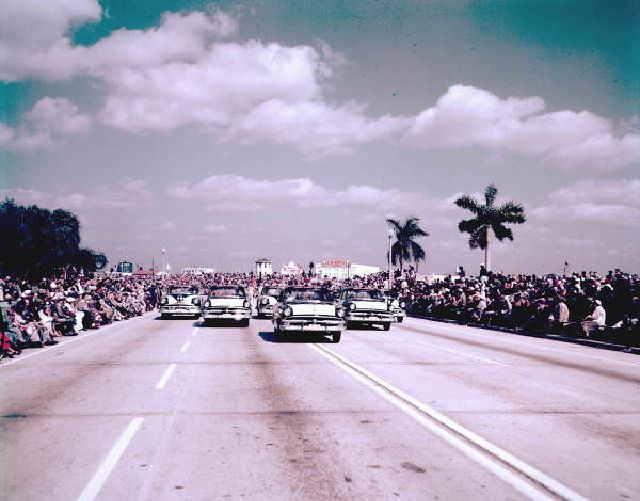
Tampa’s annual Gasparilla parade was one of the most theatrical events in the state. The festival, based on the legend of the pirate José Gaspar, drew large crowds and featured elaborate floats, costumes, and a fleet of boats invading the harbor. By 1954, even the highway patrol was part of the spectacle, their cars rolling through the parade route as part of the show.
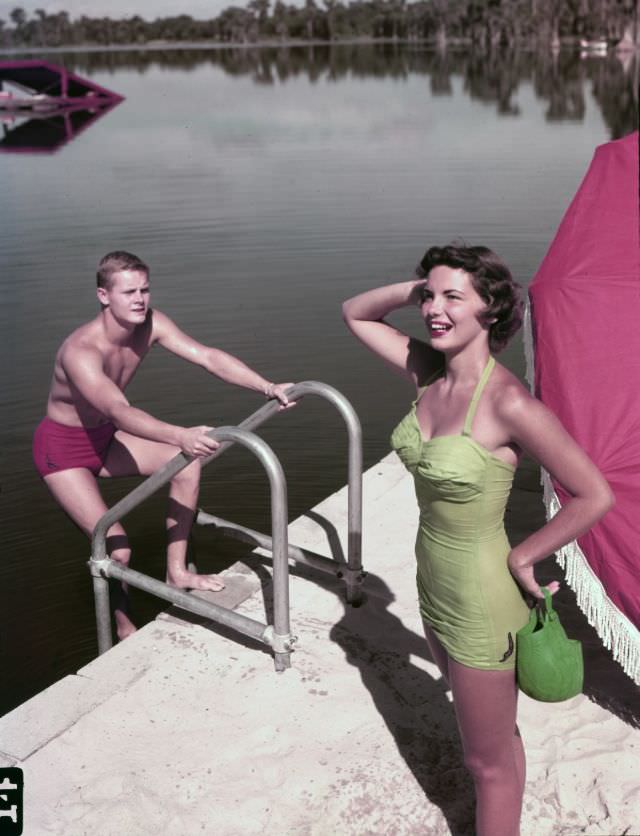
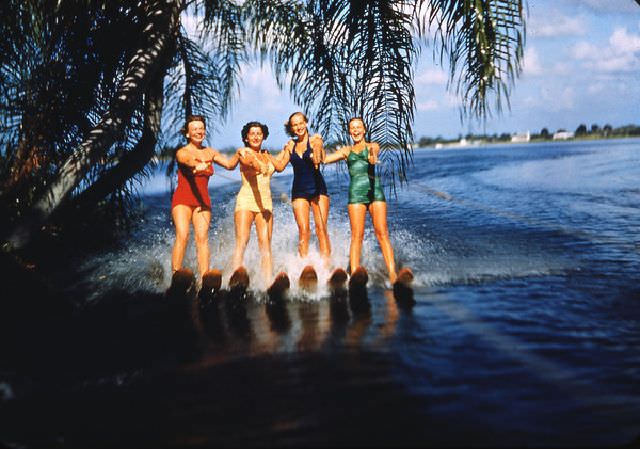
Cypress Gardens in Winter Haven was one of Florida’s biggest attractions in the 1950s. The theme park was built around elaborate water ski shows, manicured gardens, and performances that drew visitors from across the country. Models posed in Jantzen bathing suits along the waterways, and the park’s shows featured ski jumps, pyramid formations, and choreographed routines on the water.
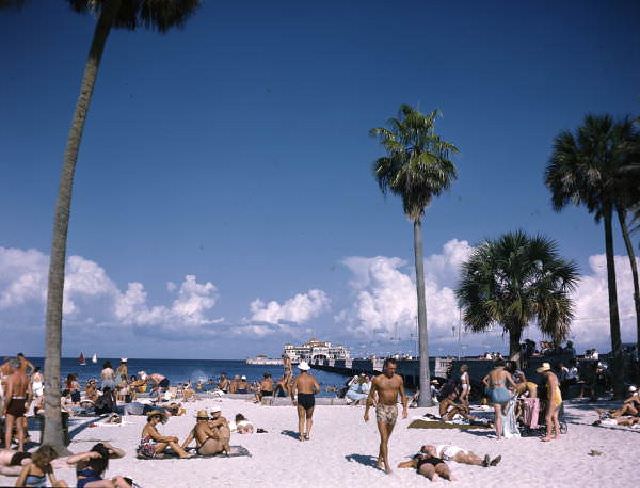
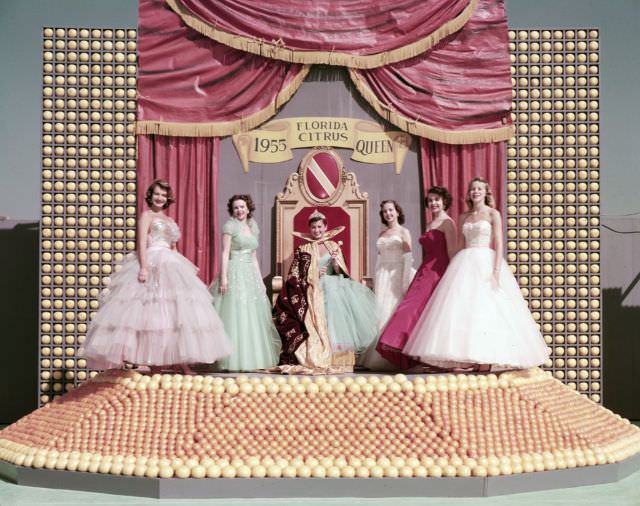
St. Petersburg’s Spa Beach was a well-organized public beach on Tampa Bay, popular with locals and tourists alike. The Florida Citrus Exposition in Winter Haven, held annually, crowned a Citrus Queen each year — a tradition that reflected how central the orange industry was to the state’s identity and economy in the 1950s.
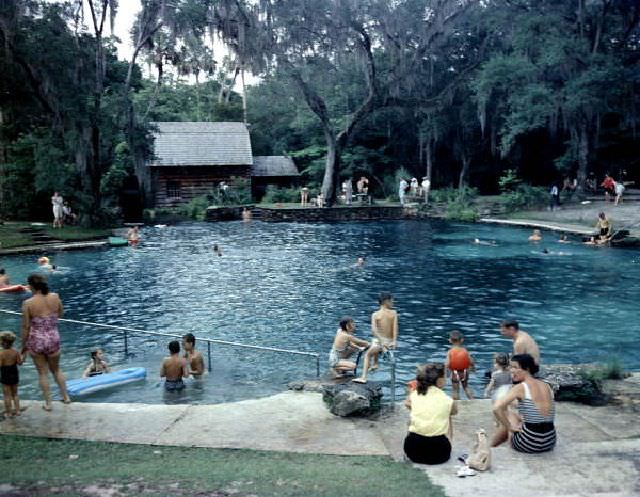
Ocala National Forest offered a different kind of Florida experience. Juniper Springs, tucked inside the forest, was a natural swimming area fed by a constant flow of spring water. Canoeists paddled through narrow, tree-lined runs while families camped nearby. It was one of the oldest recreation areas in the national forest system, and by the mid-1950s it was drawing steady crowds of outdoor enthusiasts.
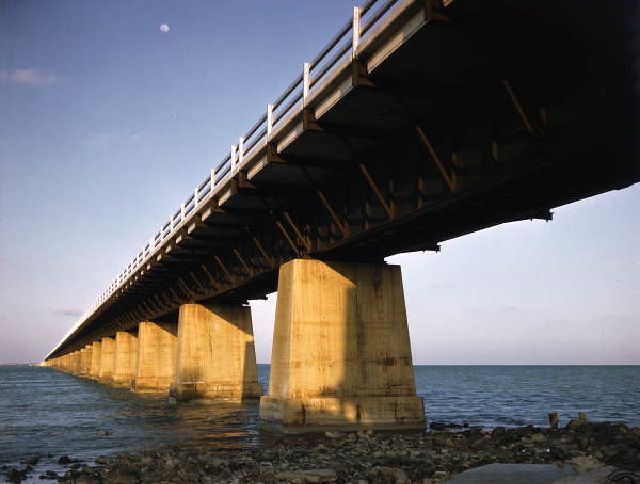
The Overseas Highway connecting the Florida Keys was an engineering achievement that made the islands accessible by car. The bridges stretching across open water gave drivers an experience unlike any other road in America. By the mid-1950s, the highway was carrying tourists deep into the Keys, opening up towns like Key Largo and Key West to a new wave of visitors.
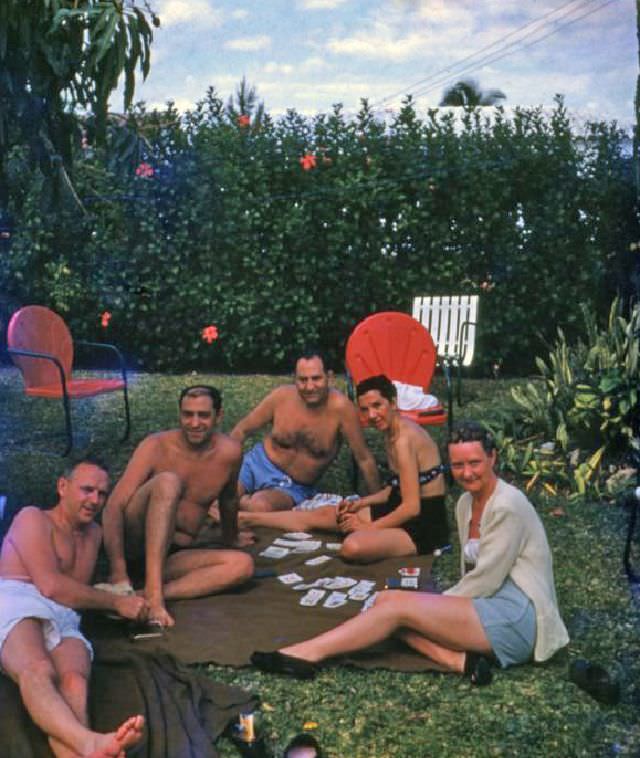
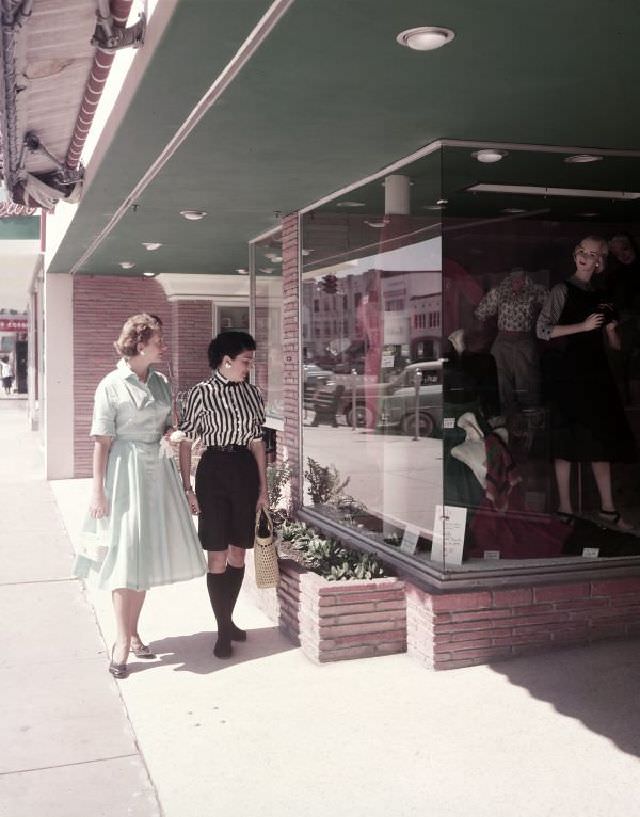
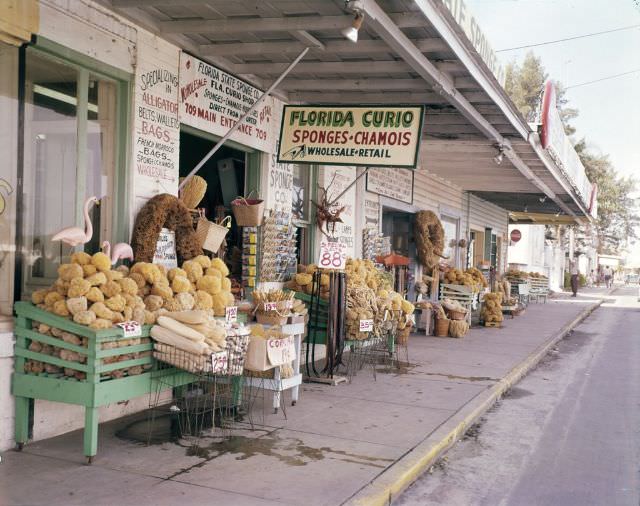
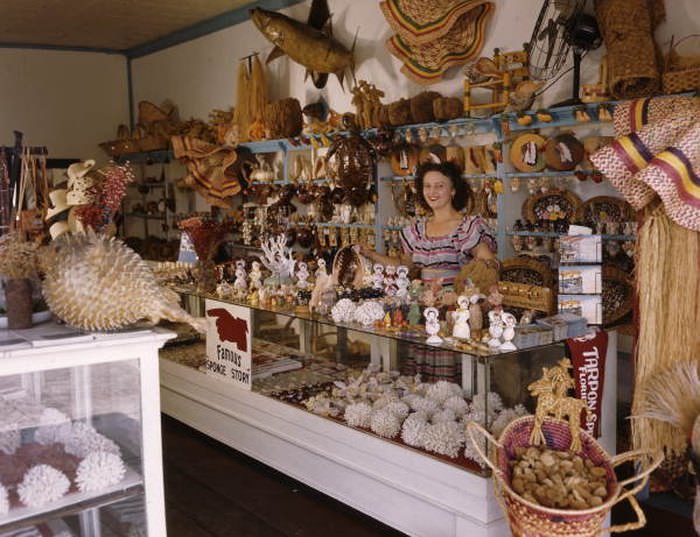
Social life in Florida’s cities was casual and outdoors-focused. In Miami, neighbors gathered in backyards for card games on warm evenings. In Hollywood, residents browsed shop windows along commercial streets. Tarpon Springs, heavily influenced by Greek immigrants who dominated the sponge diving industry, displayed its famous sponges outside shops along the waterfront.
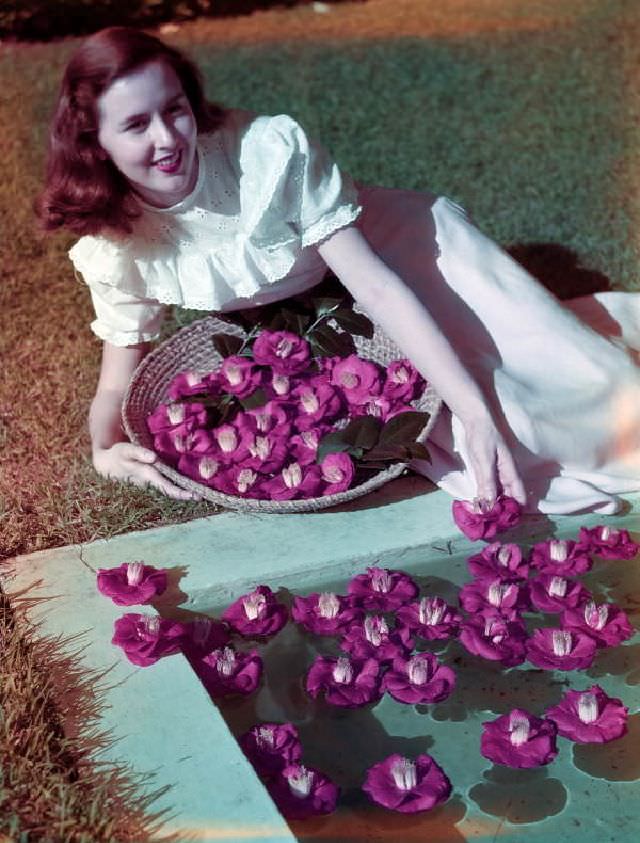
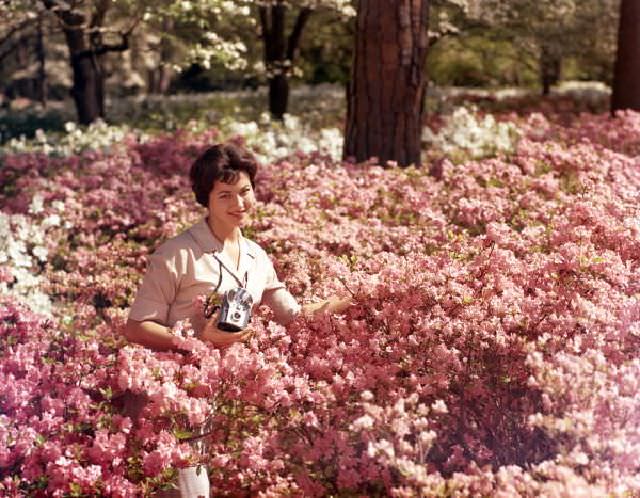
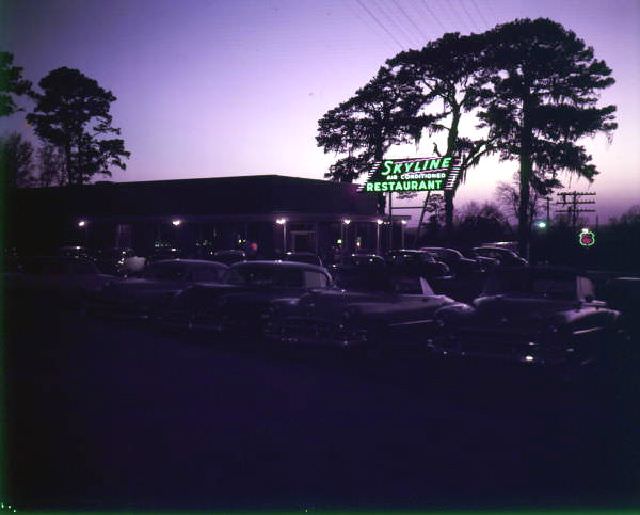
Tallahassee, the state capital, had its own distinct character. Killearn Gardens State Park — later renamed Maclay Gardens — was known for its spectacular camellia and azalea blooms in late winter and early spring. The Skyline Hotel stood as one of the city’s notable landmarks at dusk, while gymnasts and athletes trained at local facilities, reflecting the growing interest in fitness and physical performance culture during the decade.
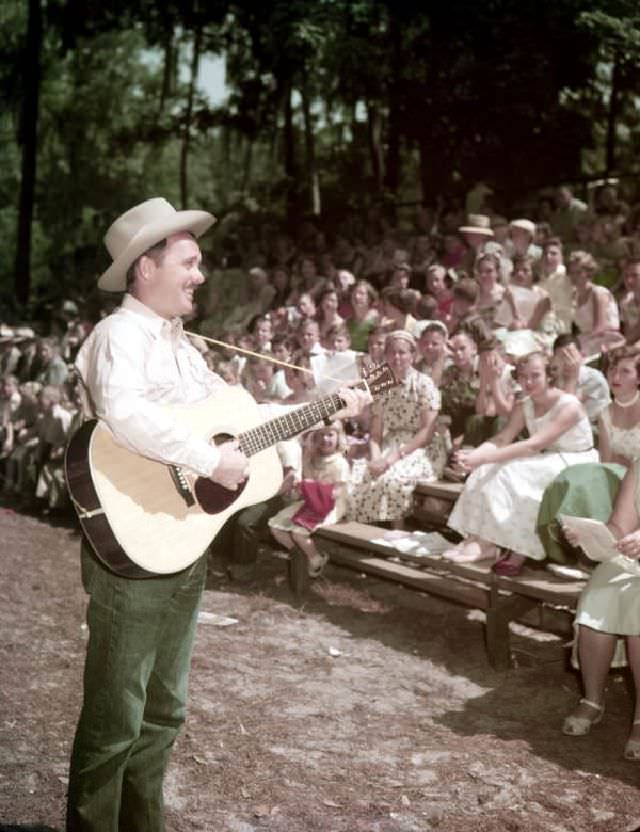
The Florida Folk Festival in White Springs brought musicians and performers together each year to celebrate the state’s cultural traditions. Guitarists, folk singers, and storytellers performed for audiences who came to hear music rooted in the communities that had shaped Florida long before the postwar boom. It was one of the oldest continuously running folk festivals in the country by the late 1950s.
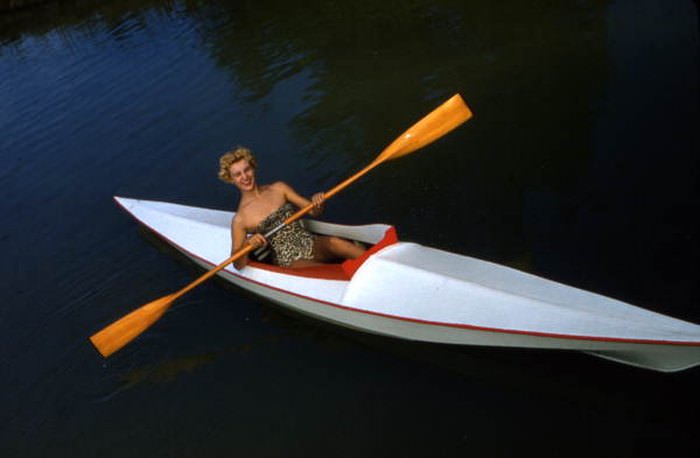
Sarasota’s waterways were well-used year-round. Residents and visitors fished from the docks, paddled kayaks through calm inlets, and took motorboats out onto the bay. The Sailor Circus continued to produce young performers, and by 1955 the program was well-established as part of the city’s identity — a fitting development for a town that had long been home to professional circus arts.
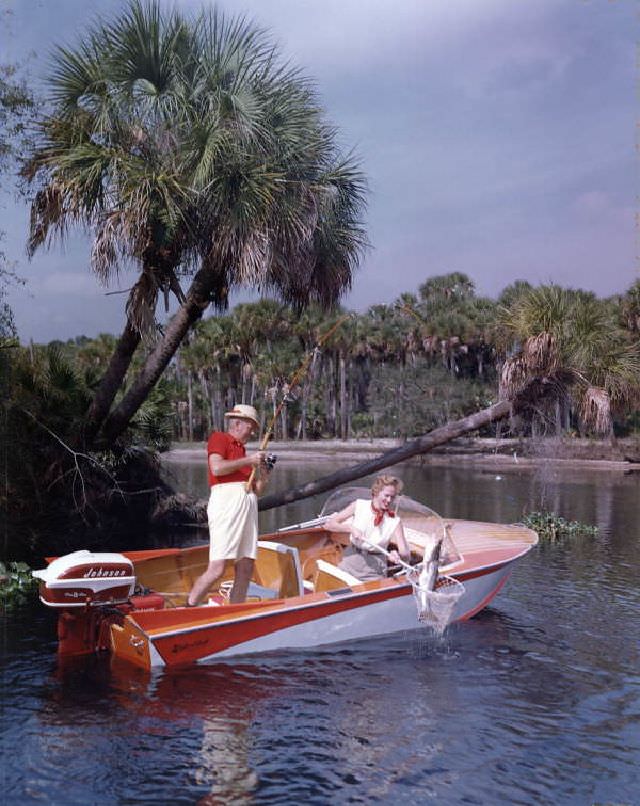
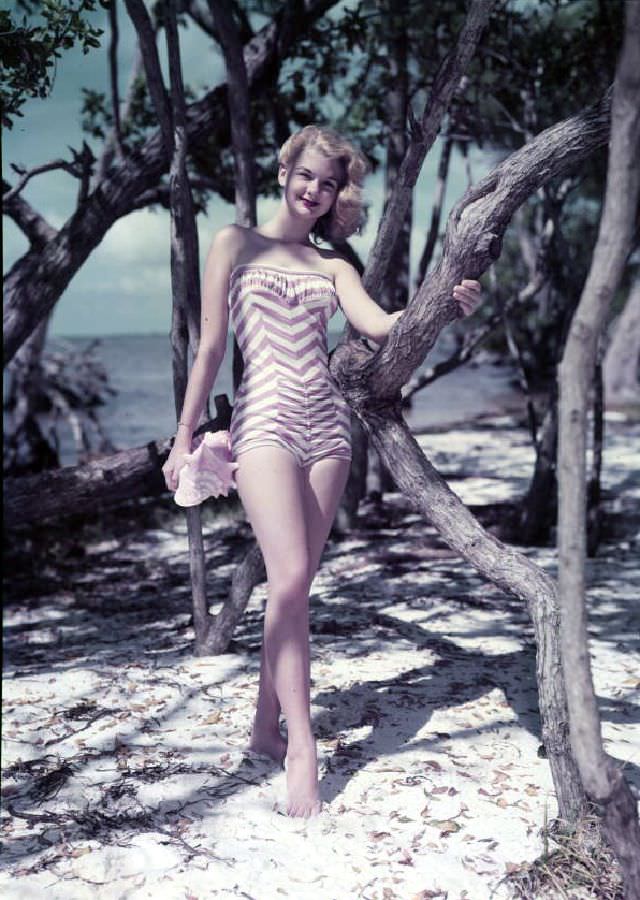
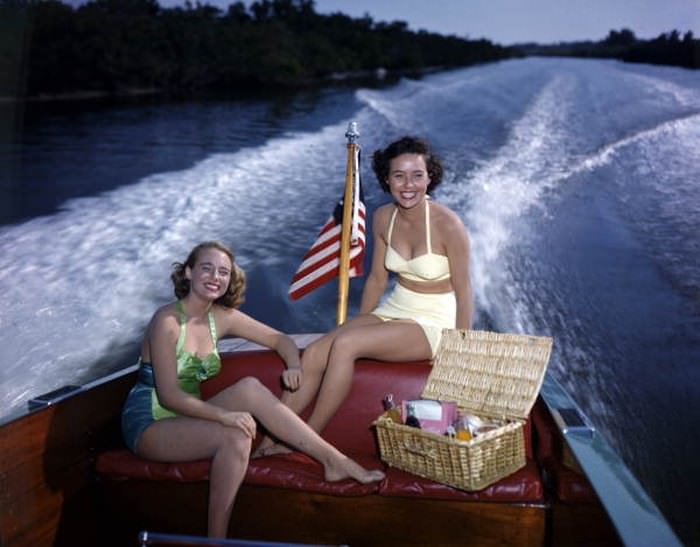
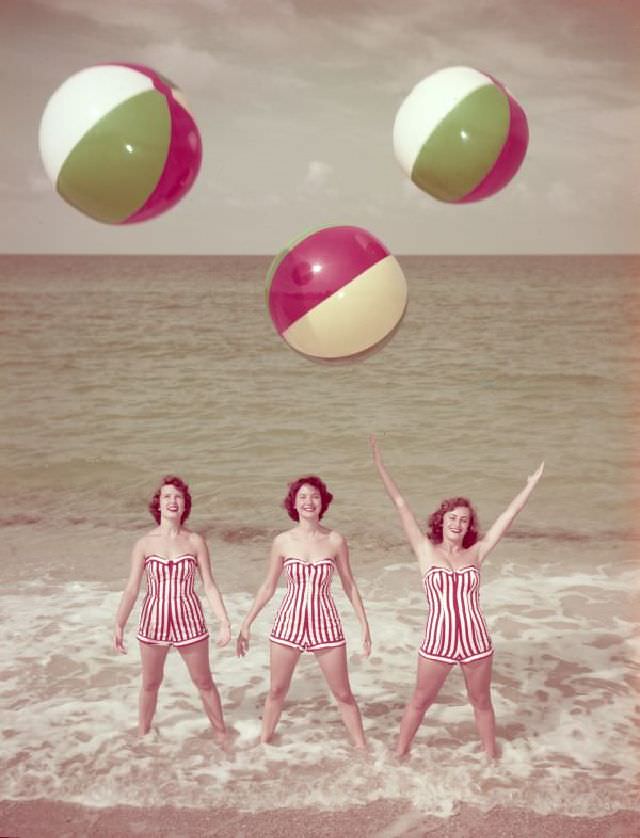
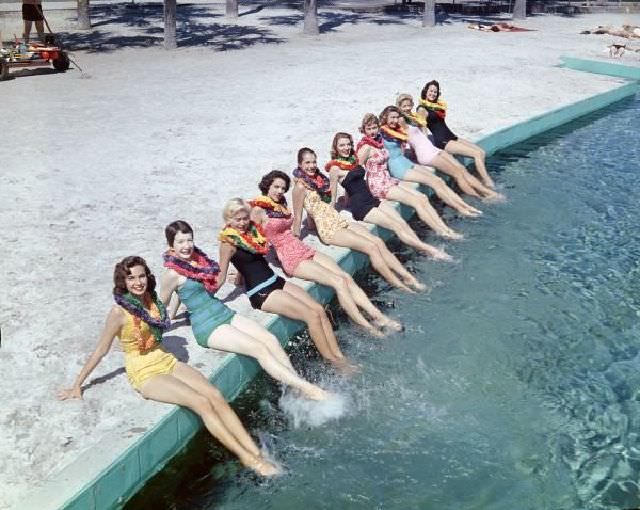
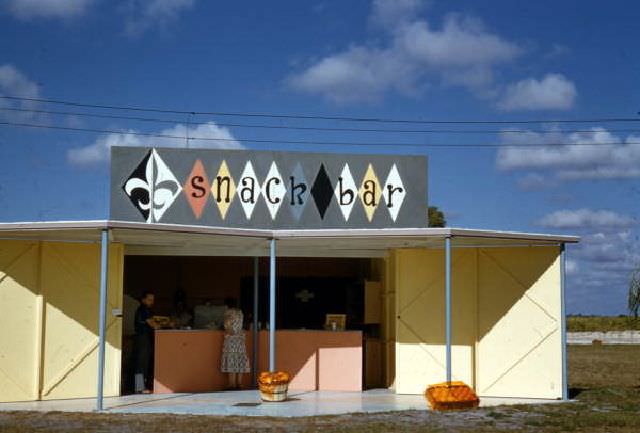
Bathing suit culture was everywhere in 1950s Florida. Models posed on beaches in branded swimwear, and beach scenes were used in advertisements, magazine spreads, and promotional materials for the state’s tourism industry. Warm Mineral Springs in North Port attracted visitors with its naturally heated water, and a snack bar on site kept the atmosphere relaxed and social.
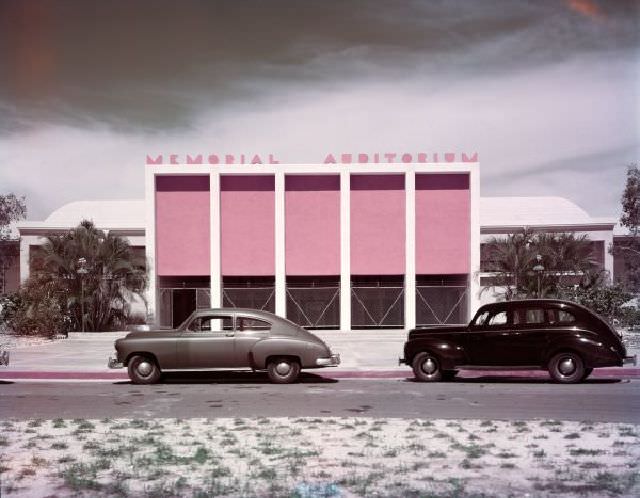
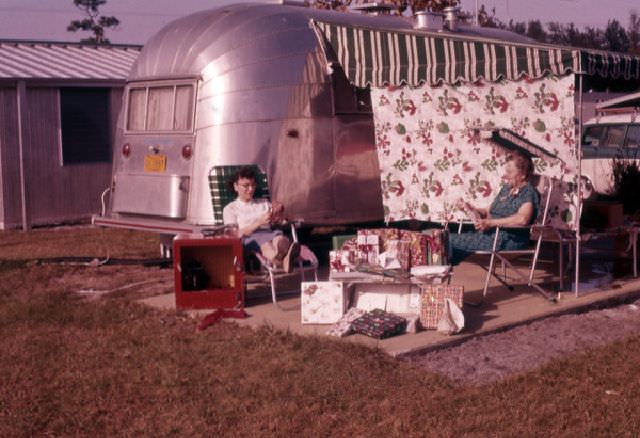
Christmas in Florida looked different from the holiday scenes most Americans associated with the season. At Lake Seminole Resort in Largo on December 25, 1957, families gathered to open presents in warm weather — no snow, no heavy coats, just sunshine and palms in the background. Fort Lauderdale’s Memorial Auditorium was one of the civic anchors of Broward County, hosting events throughout the year and reflecting the rapid urban growth of the region.
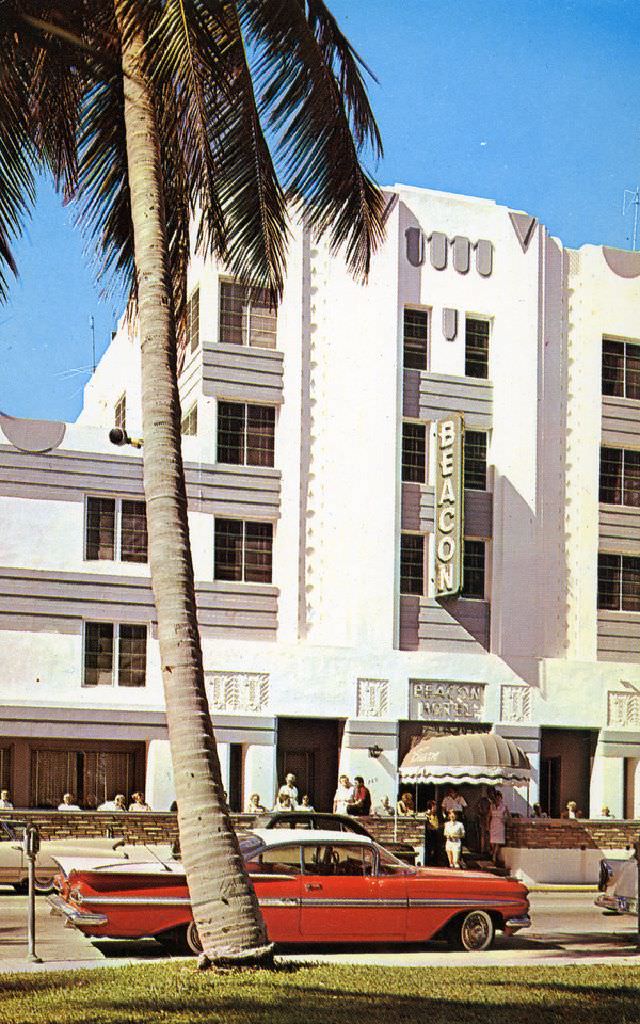
By the late 1950s, Miami Beach had cemented its place as one of the most glamorous resort destinations in the United States. The Beacon Hotel was one of many Art Deco structures lining Ocean Drive, and the area attracted celebrities, socialites, and tourists from across the country and abroad. Photographers captured models posing on the beach with seashells — images that were used to sell Florida’s coastal lifestyle to the rest of the world.