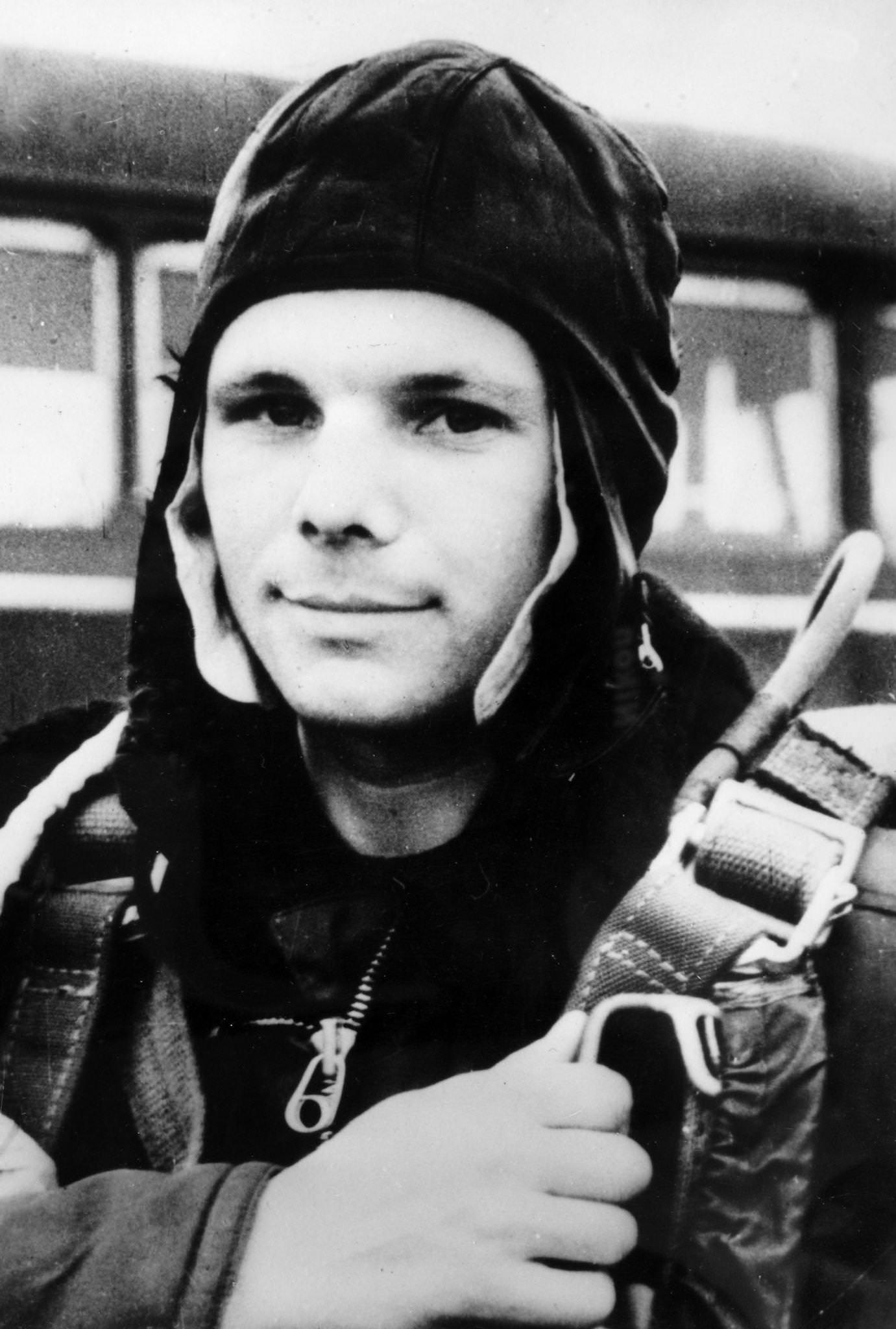
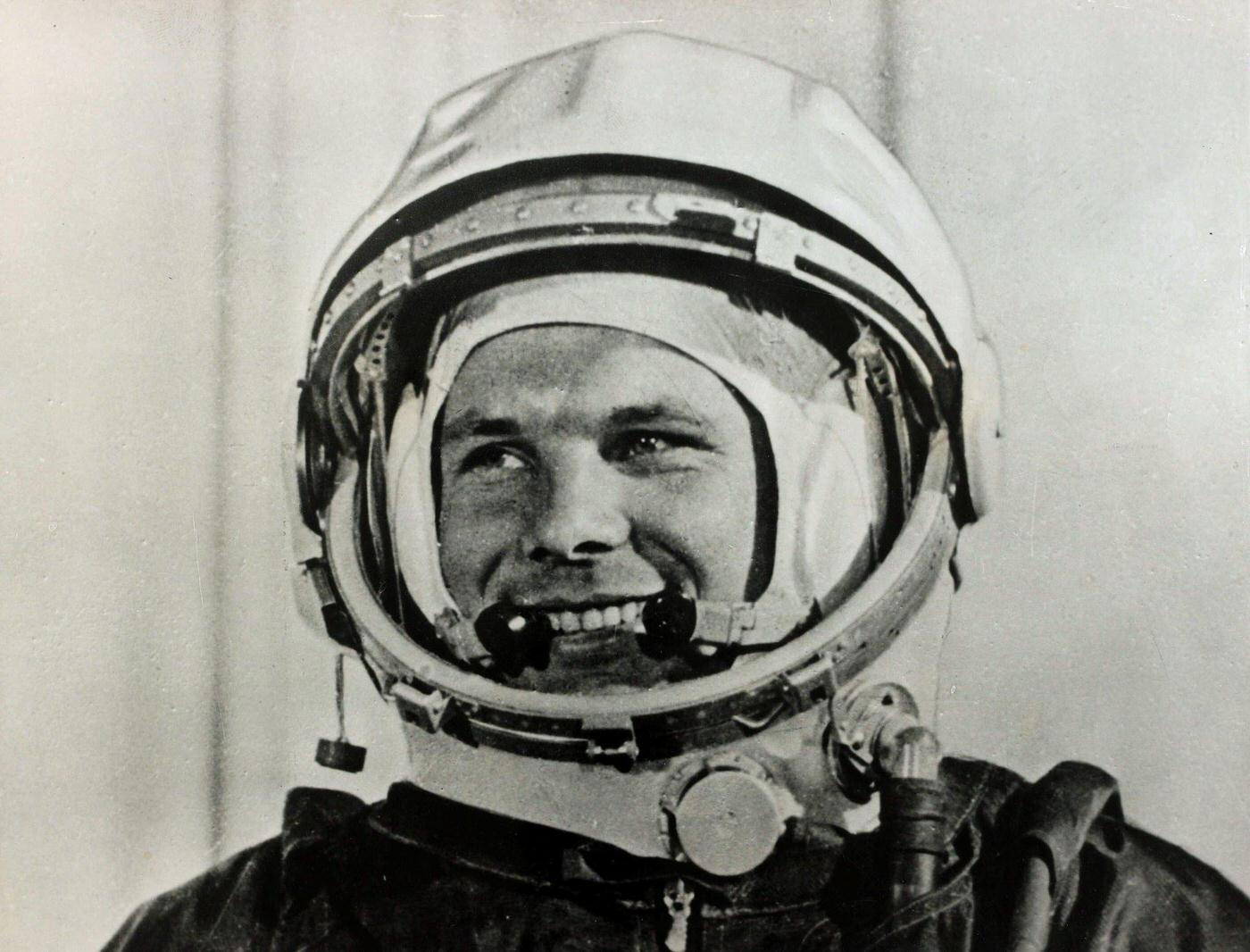
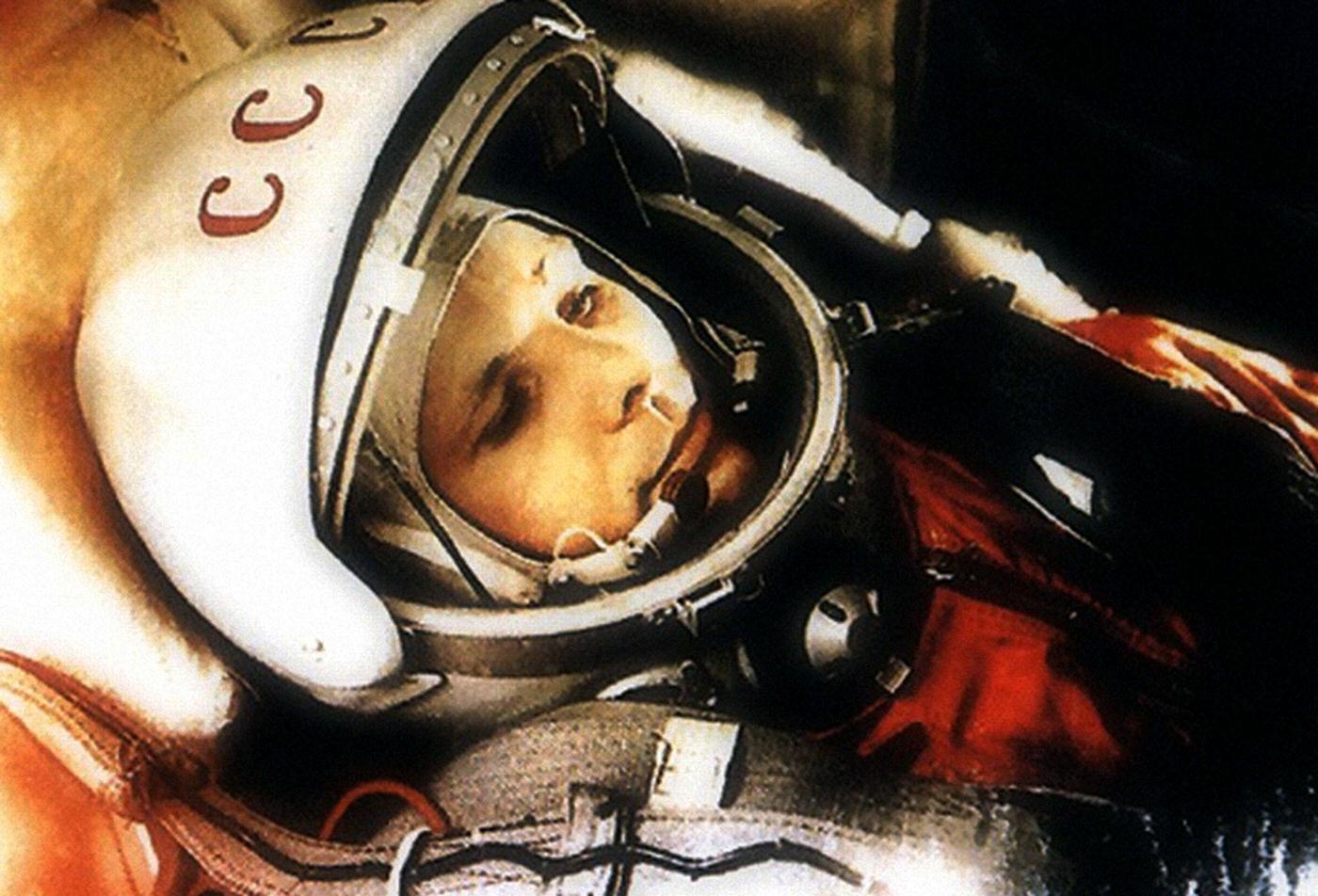
On April 12, 1961, a 27-year-old Soviet pilot named Yuri Gagarin climbed into a small spherical capsule and was launched into orbit. He became the first human being to travel into outer space. The flight lasted 108 minutes. In that short window of time, Gagarin completed a full orbit of the Earth and changed history.
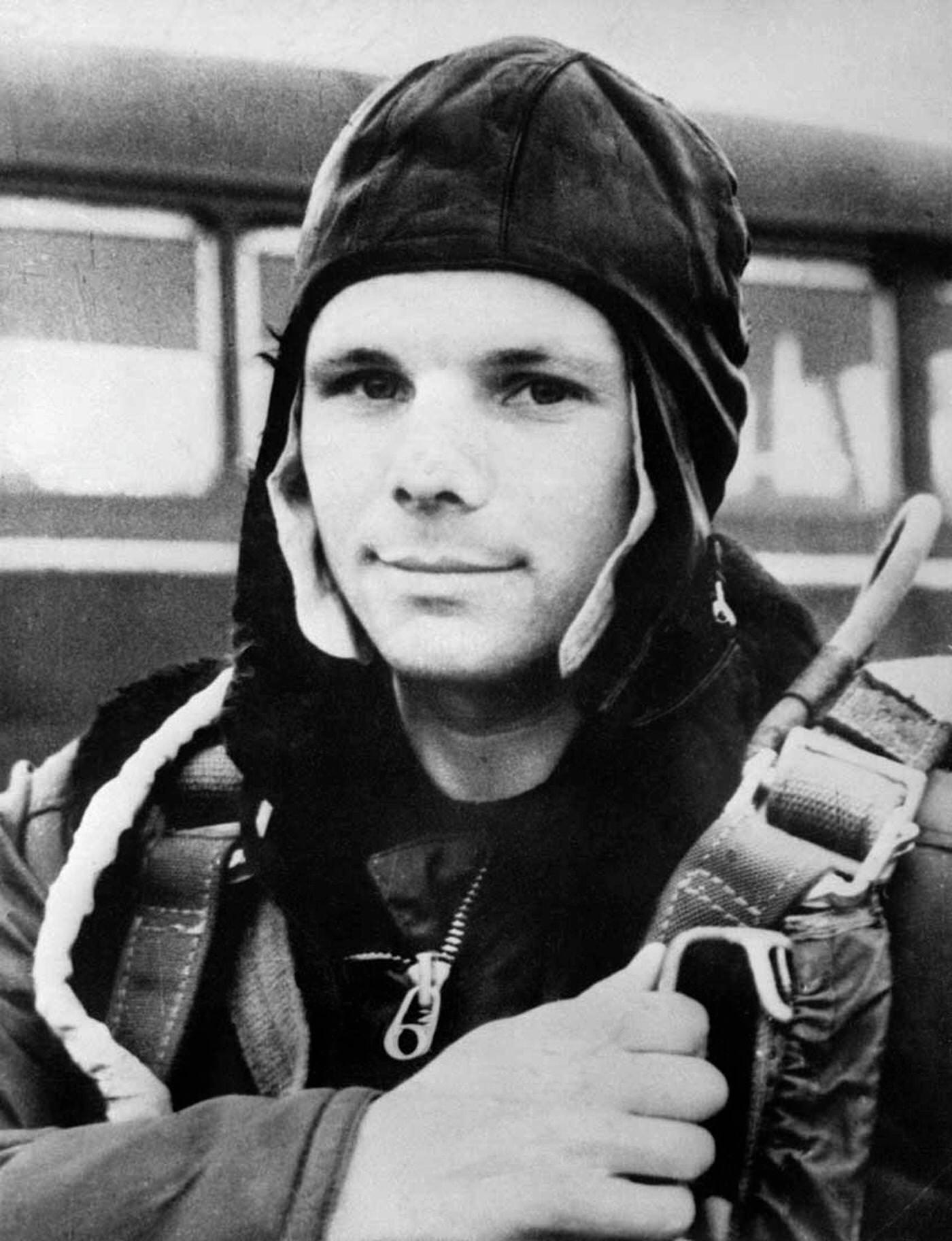
Gagarin was born on March 9, 1934, in Klushino, a small village in western Russia. He grew up during World War II, and his early years were difficult. His interest in flying began as a teenager, when he joined a local aviation club and took his first lessons in a small aircraft. That early passion never faded.
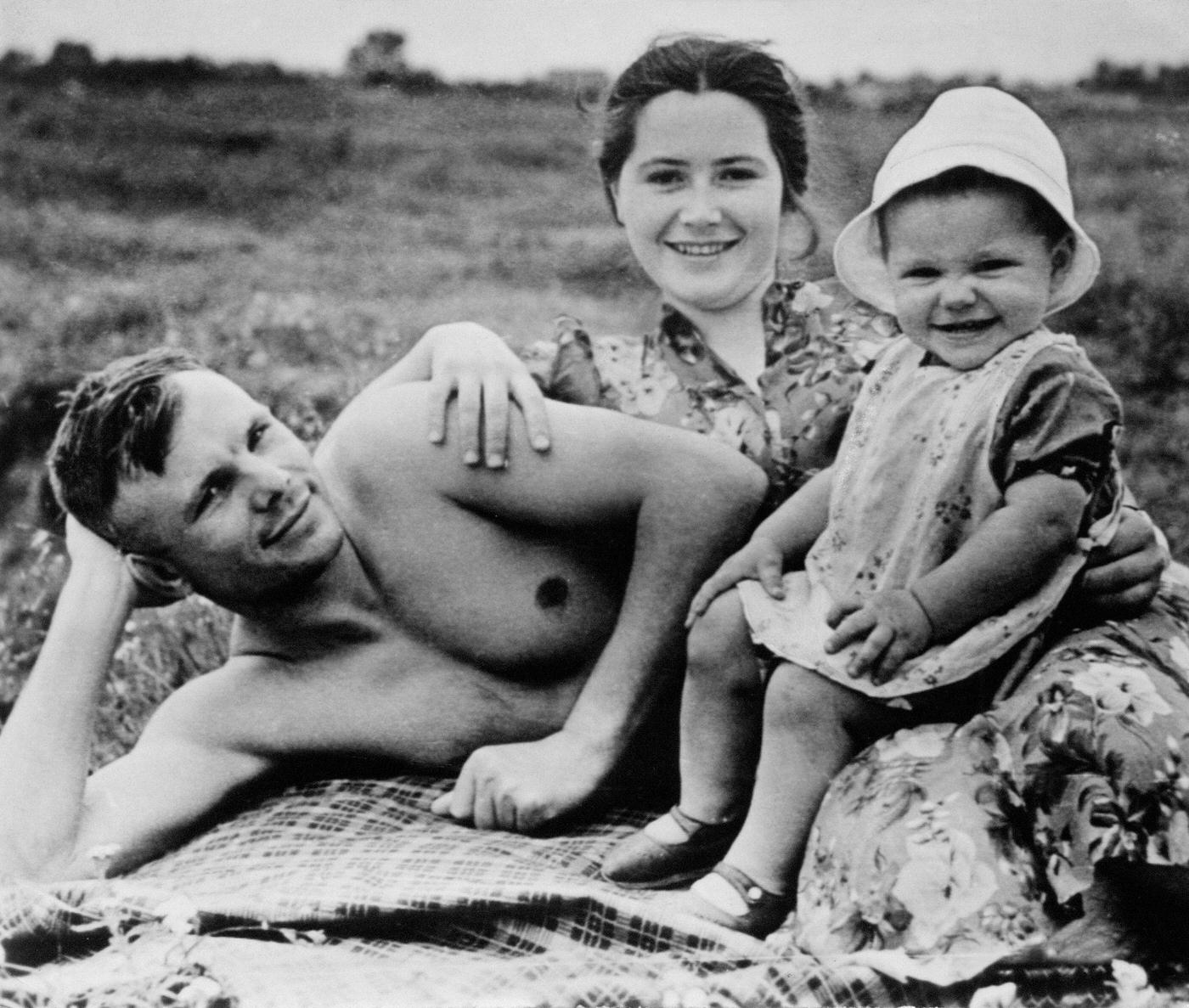
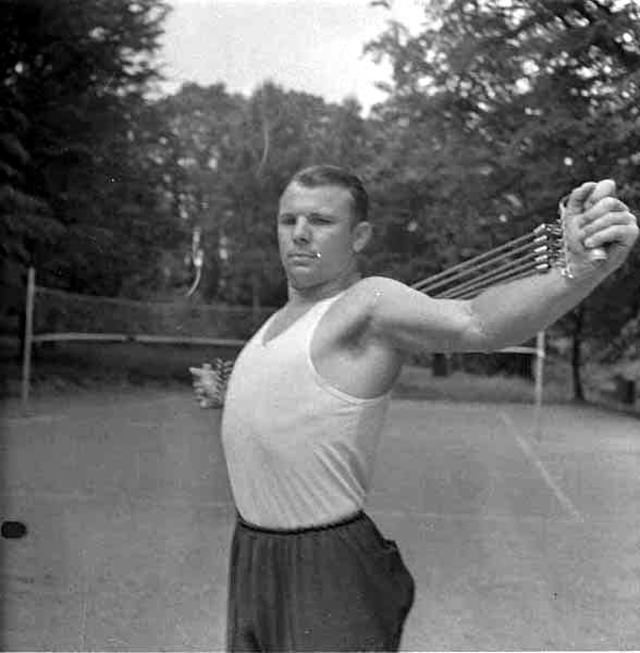
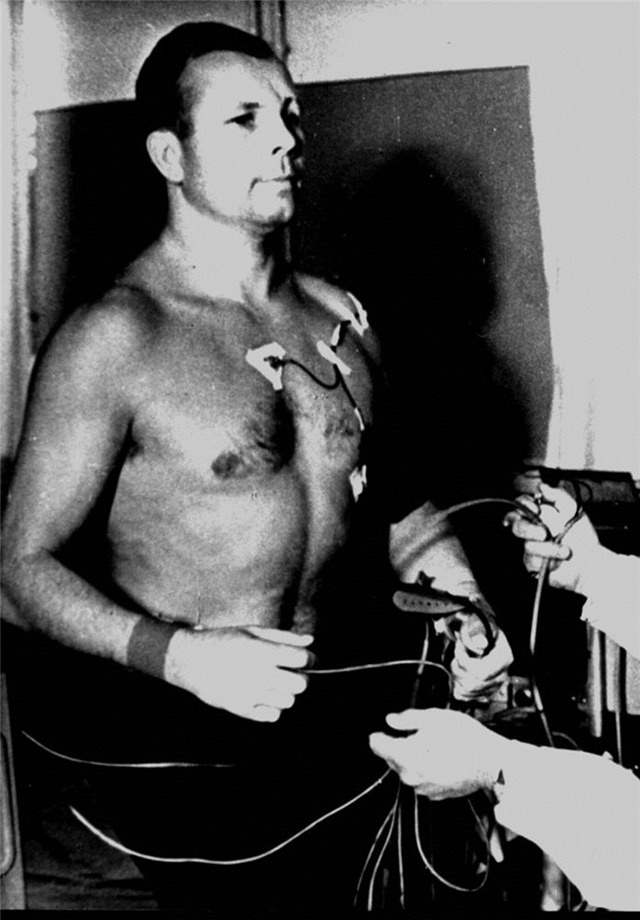
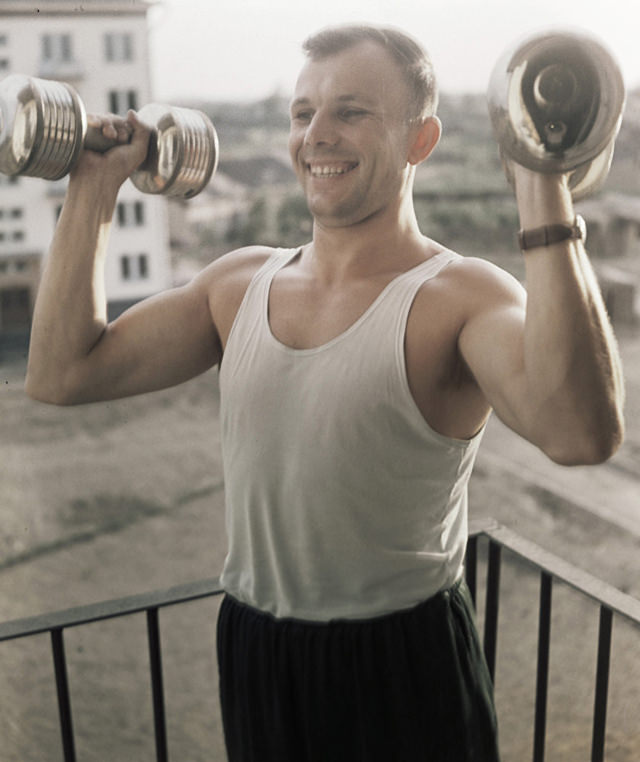
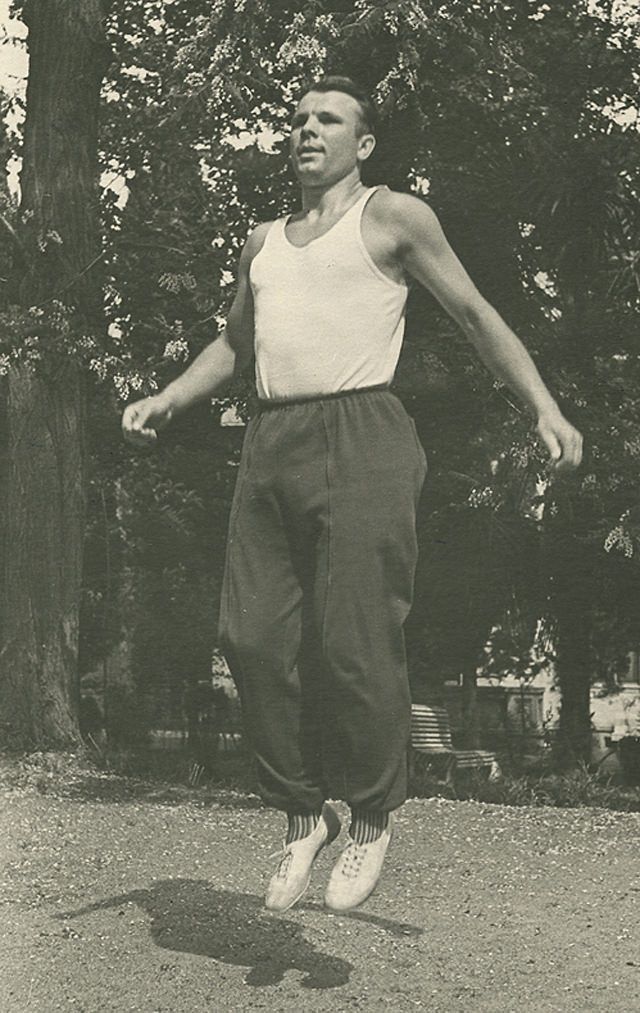
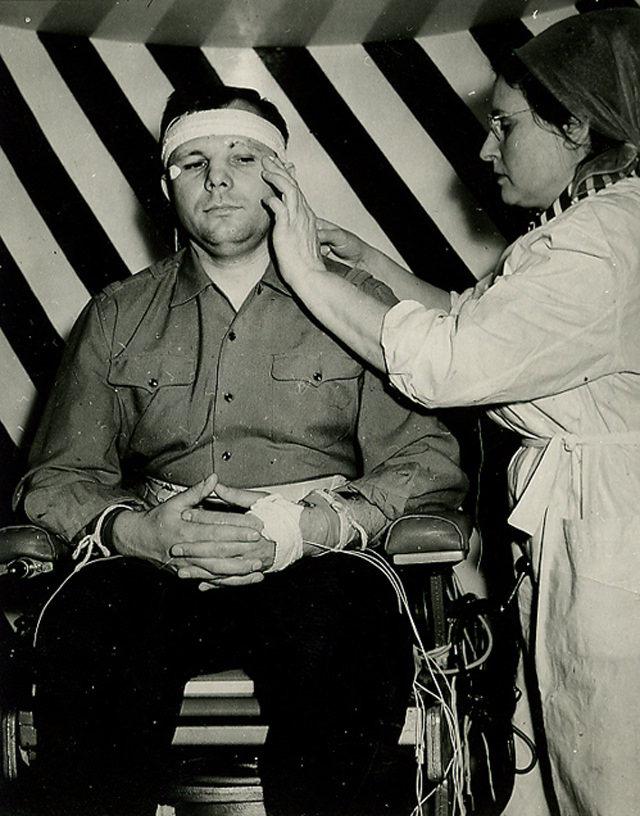
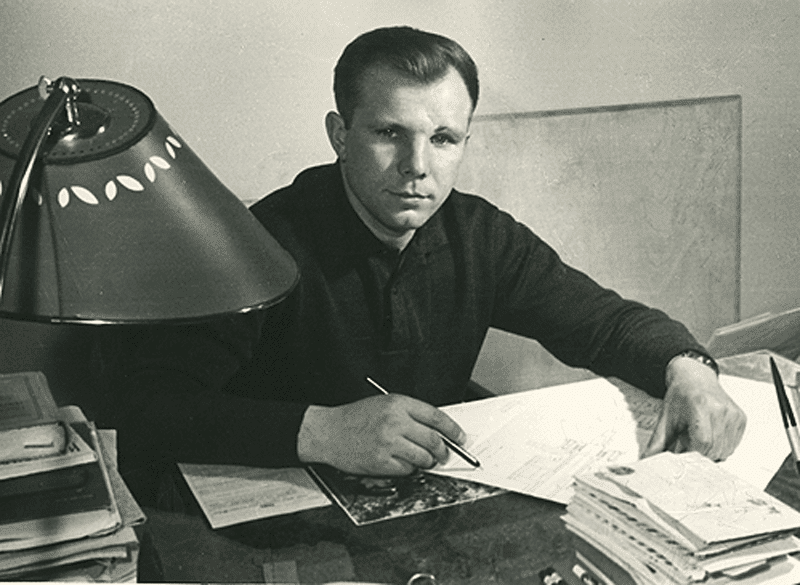
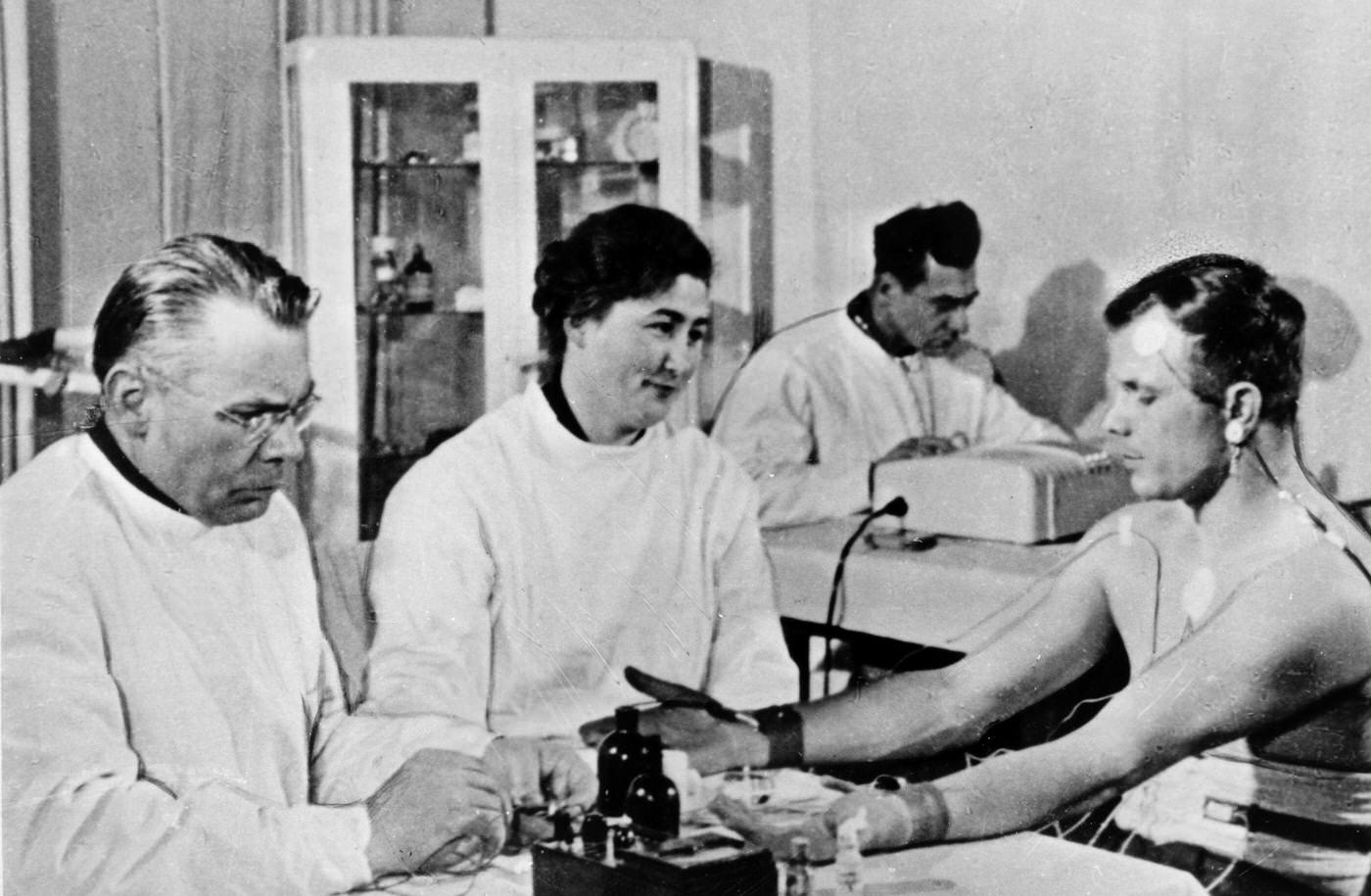
After completing his military service, Gagarin was accepted into the Soviet Air Force and trained as a fighter pilot. He proved to be a skilled and disciplined aviator. In 1960, Soviet space program officials selected him from a pool of candidates to begin training for a crewed spaceflight. He was one of twenty pilots chosen, and he stood out for his physical fitness, calm temperament, and technical ability.
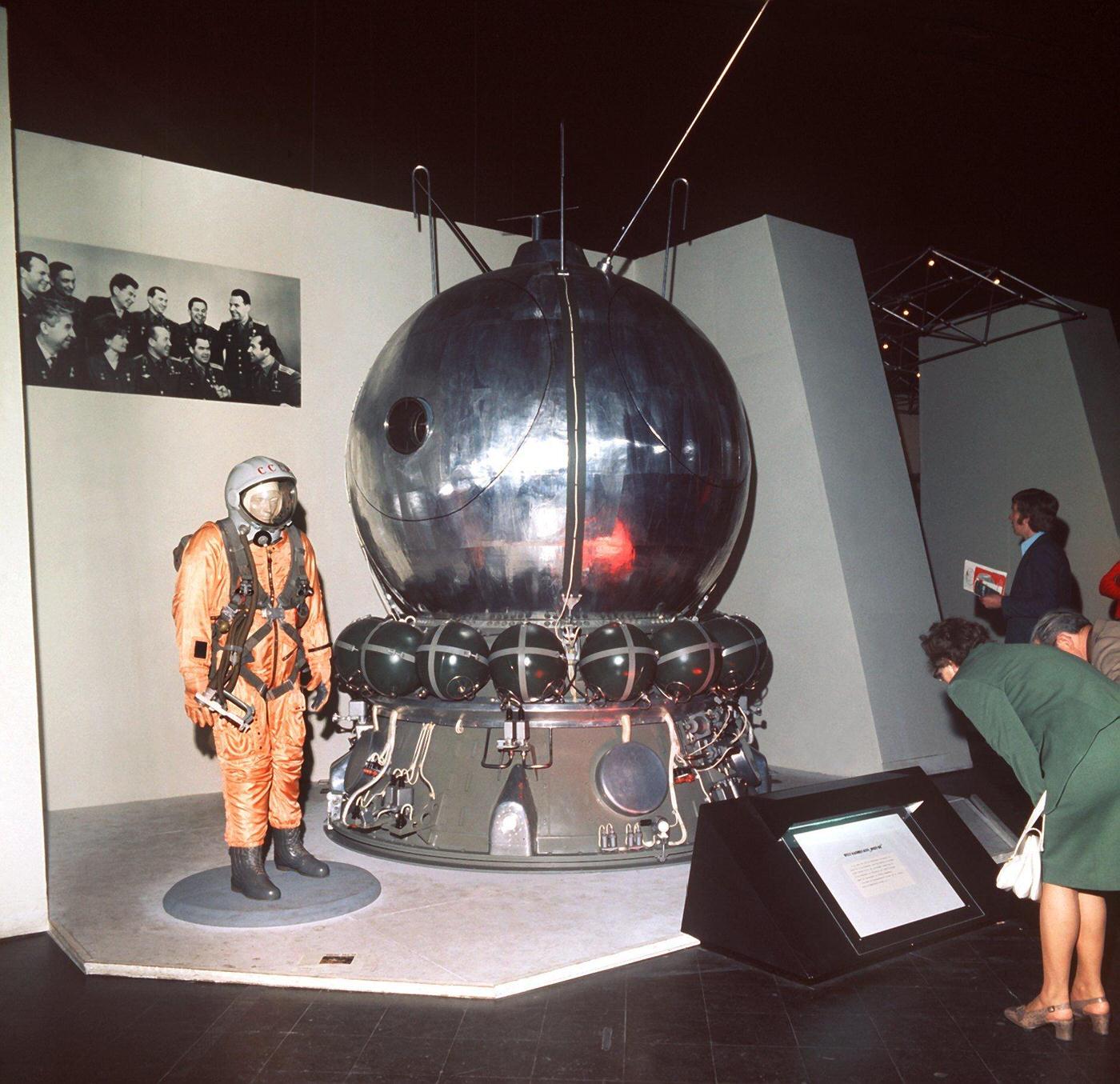
The spacecraft chosen for the mission was the Vostok 1. It had a simple design: a spherical capsule for the cosmonaut attached to a service module that handled propulsion and life support. The capsule carried an ejection seat, which Gagarin would use to return to Earth separately from the craft after re-entry.
The launch took place at the Baikonur Cosmodrome in Kazakhstan. The Vostok 1 reached a maximum altitude of about 203 miles above Earth. The flight did not go perfectly. Shortly after launch, the automatic guidance system failed, and Gagarin had to pilot the spacecraft manually for much of the journey. When it came time to land, the landing system malfunctioned and Gagarin came down off-course, landing in a field in the Saratov region of Russia. Despite those problems, the mission was declared a success.
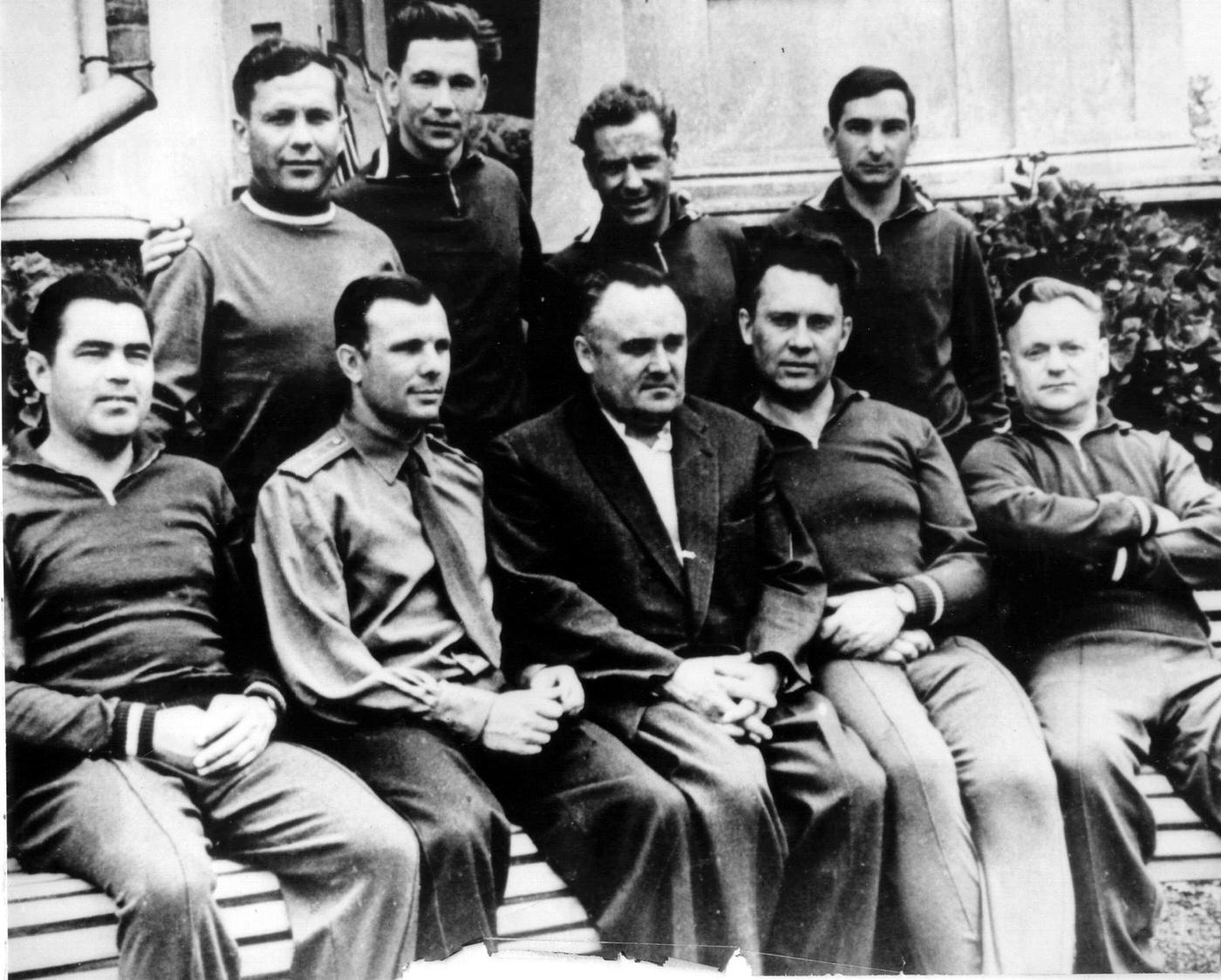
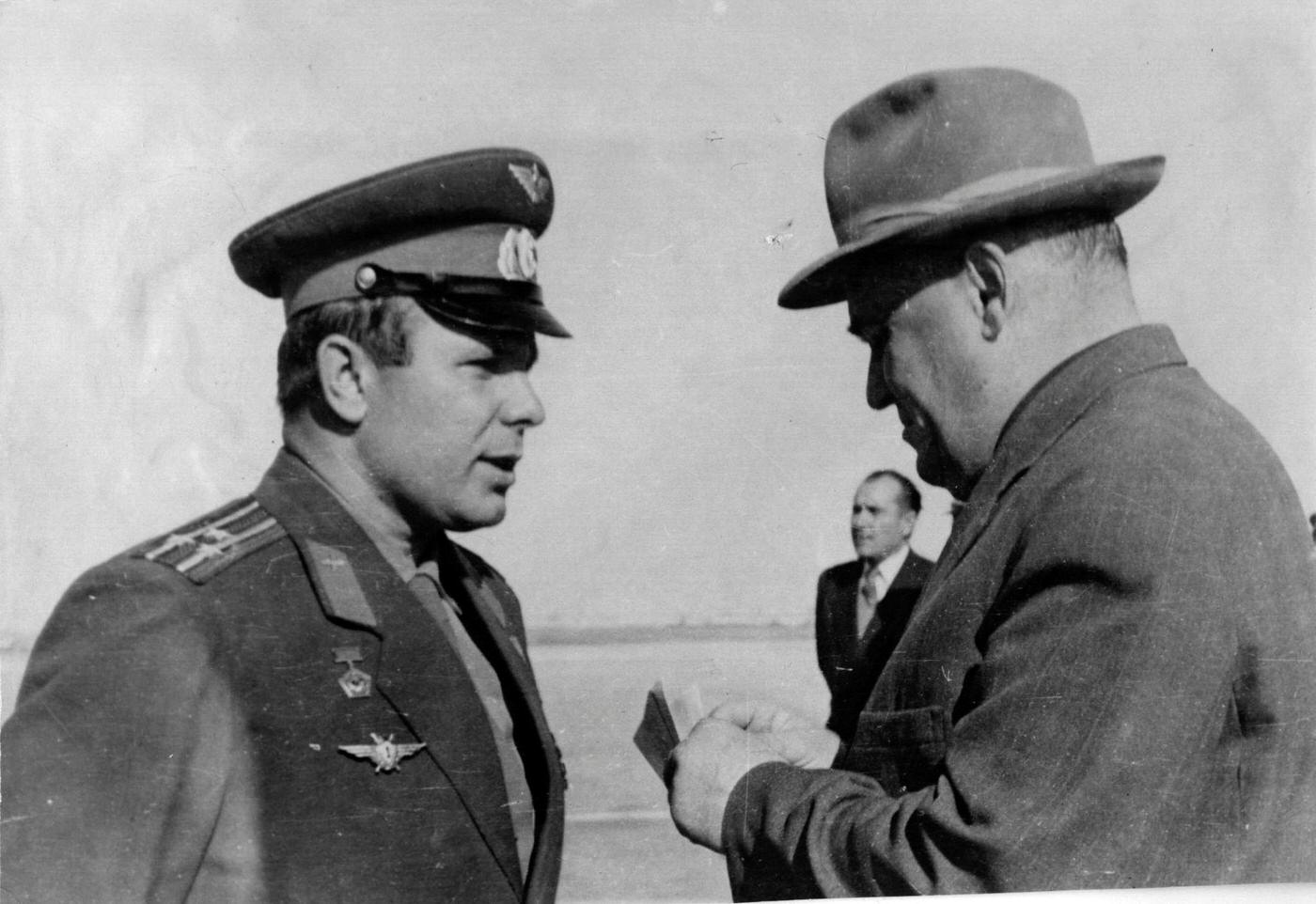
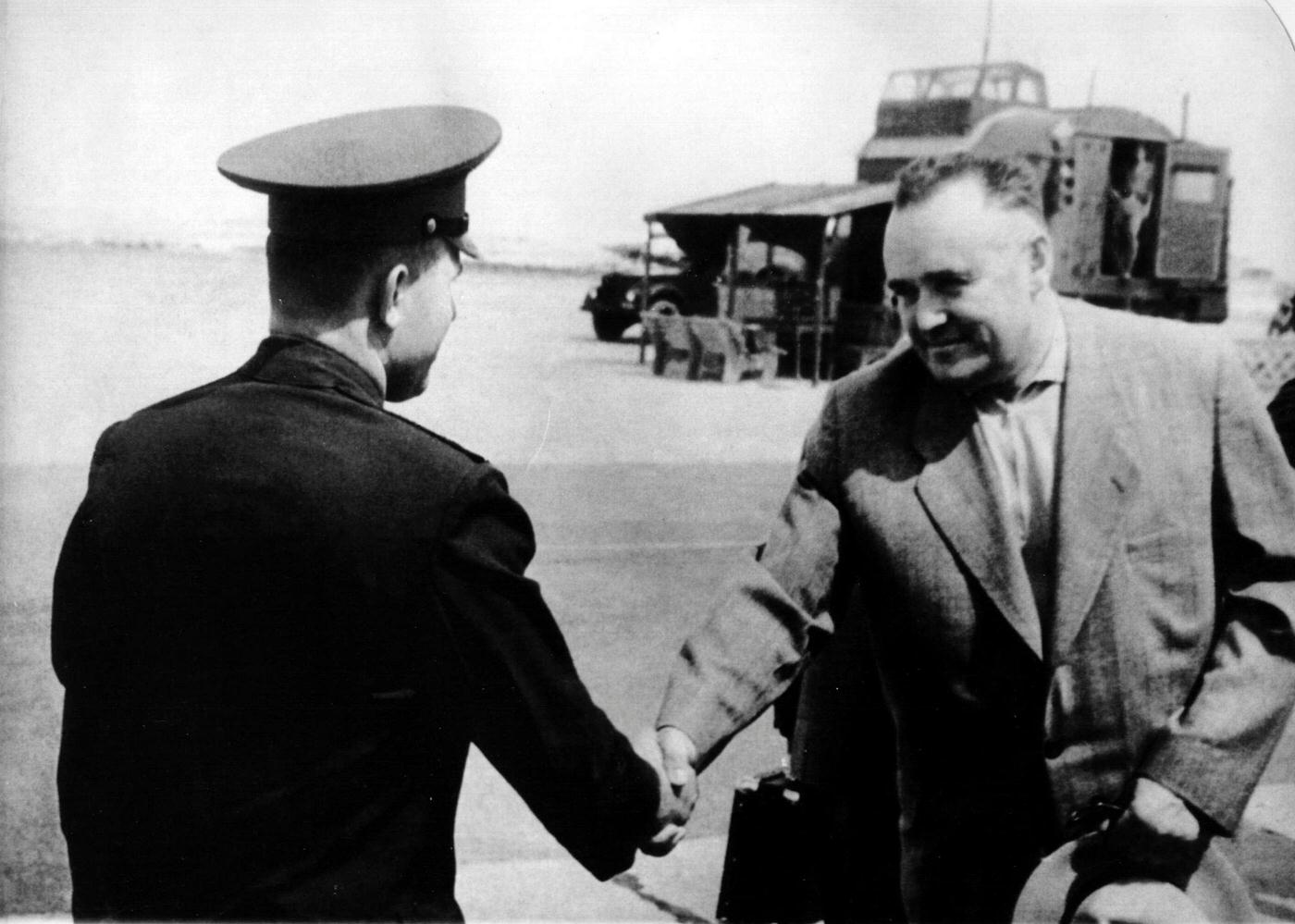
The men behind the mission were just as remarkable as the flight itself. Chief rocket engineer Sergey Korolyov had designed the Vostok program and pushed Soviet space technology forward at a rapid pace. His partnership with Gagarin was central to the mission’s preparation.
Gagarin’s flight was a major victory for the Soviet Union in the Cold War space race against the United States. The Soviets had already launched the first satellite, Sputnik, in 1957. Now they had sent the first human into space. The achievement was seen across the Soviet Union as proof of the country’s scientific and technological strength.
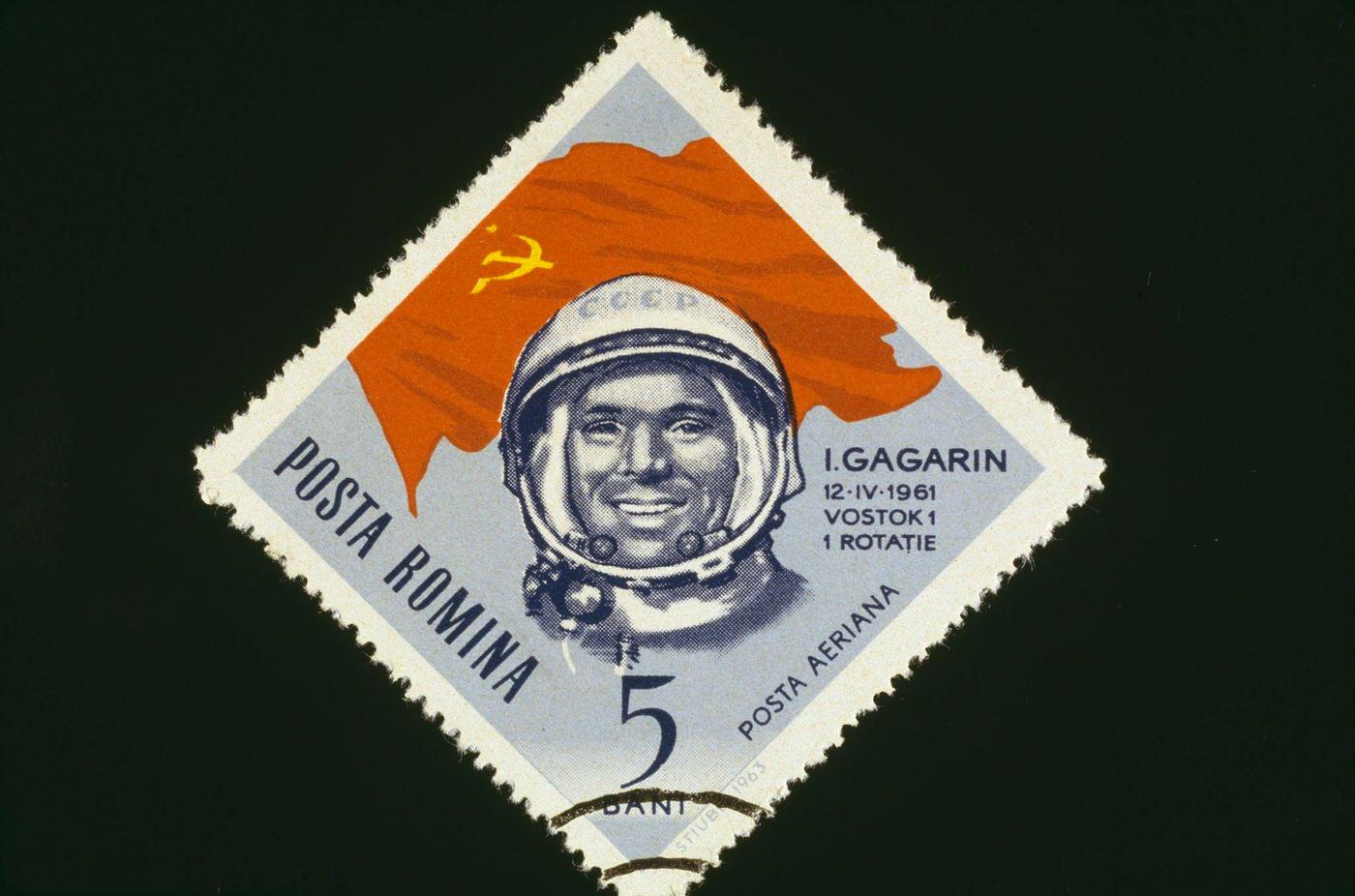
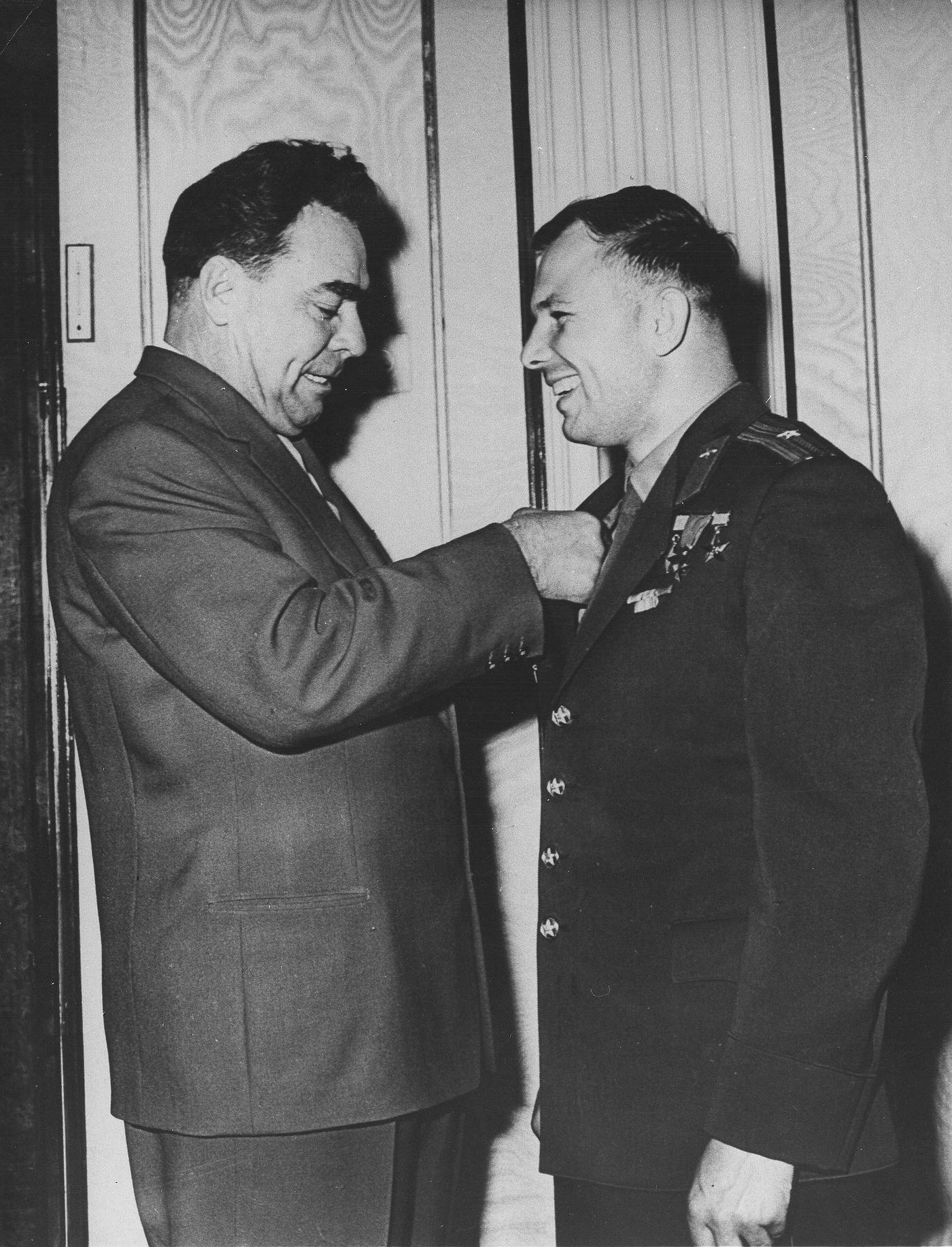
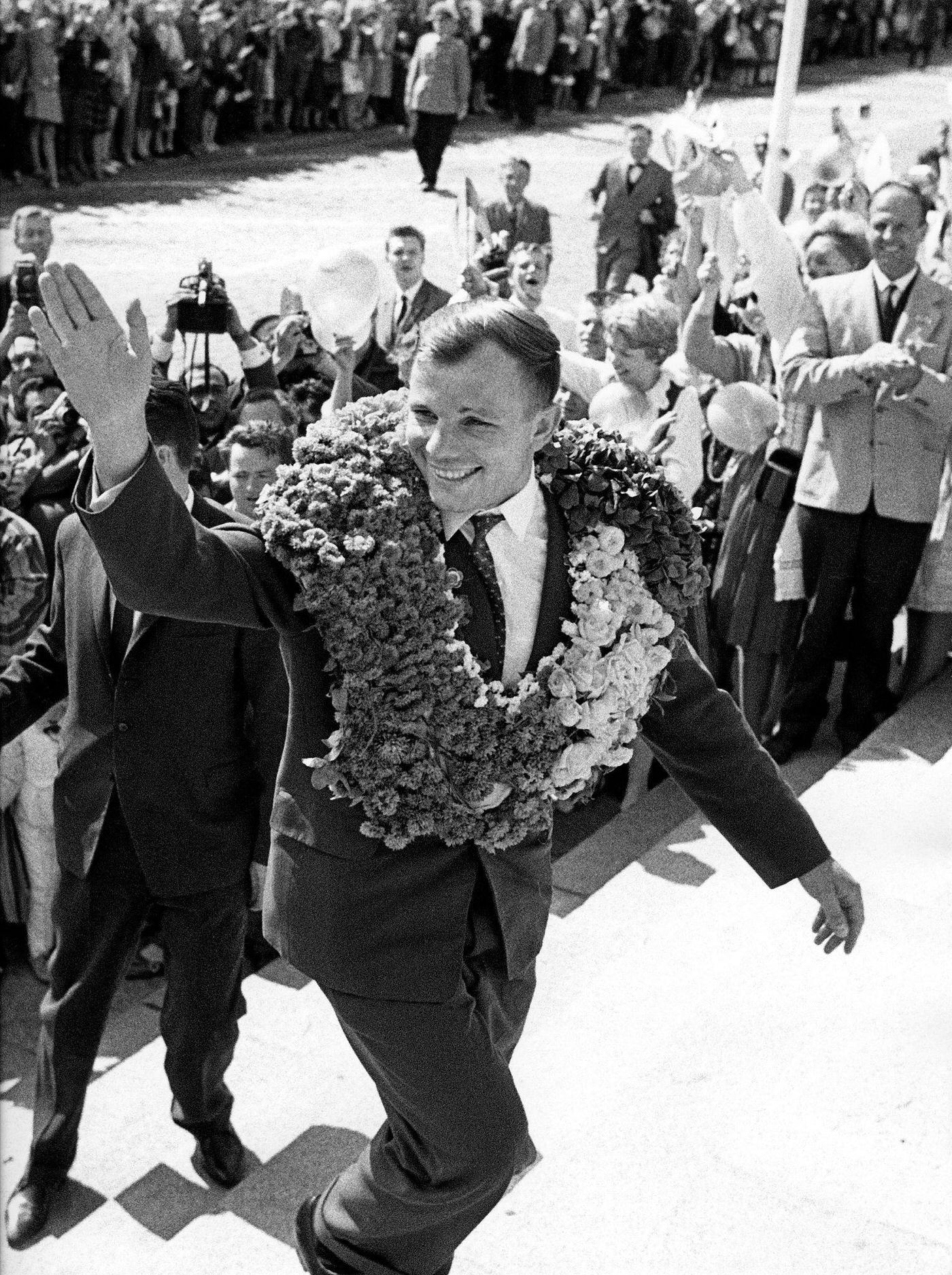
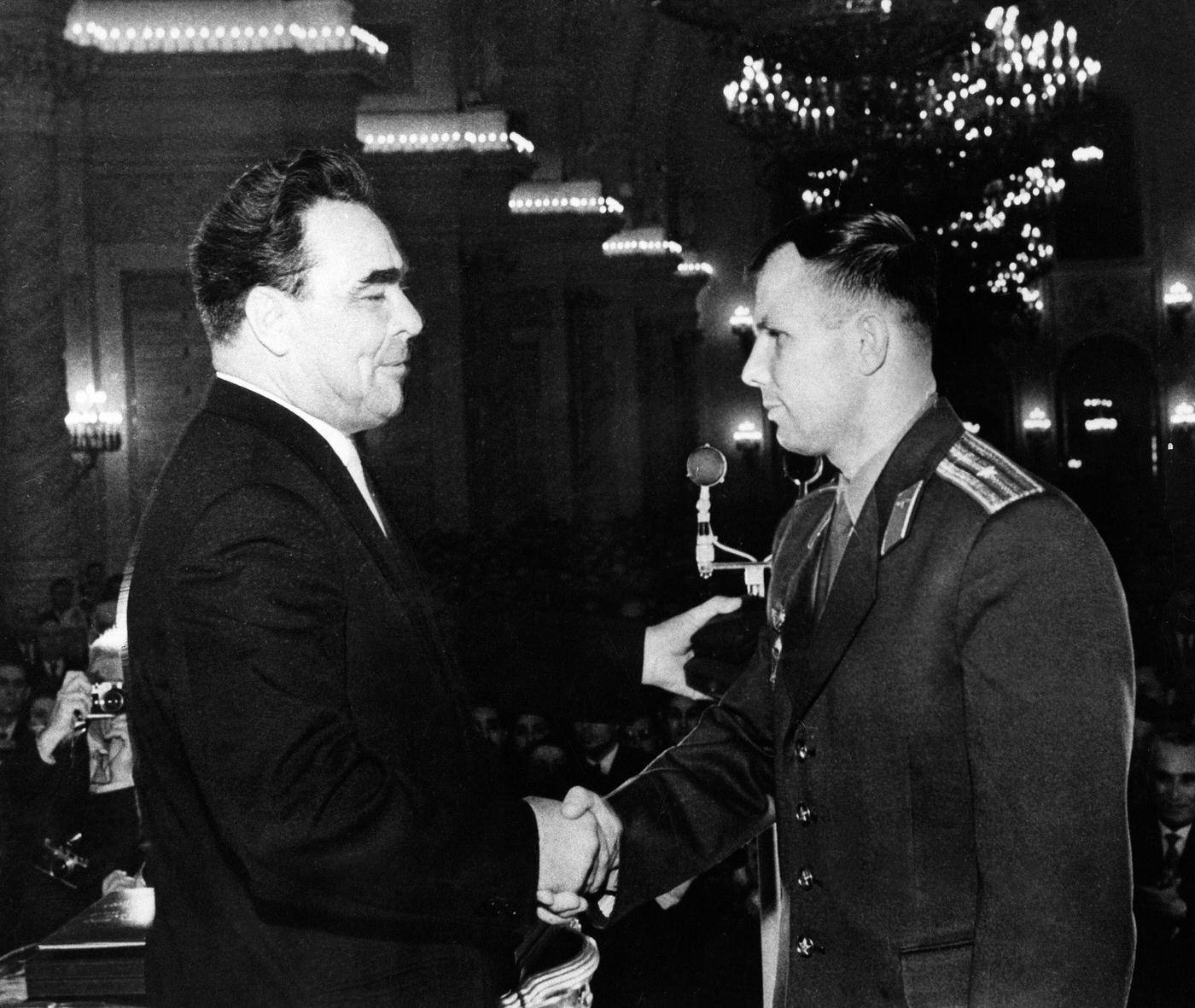
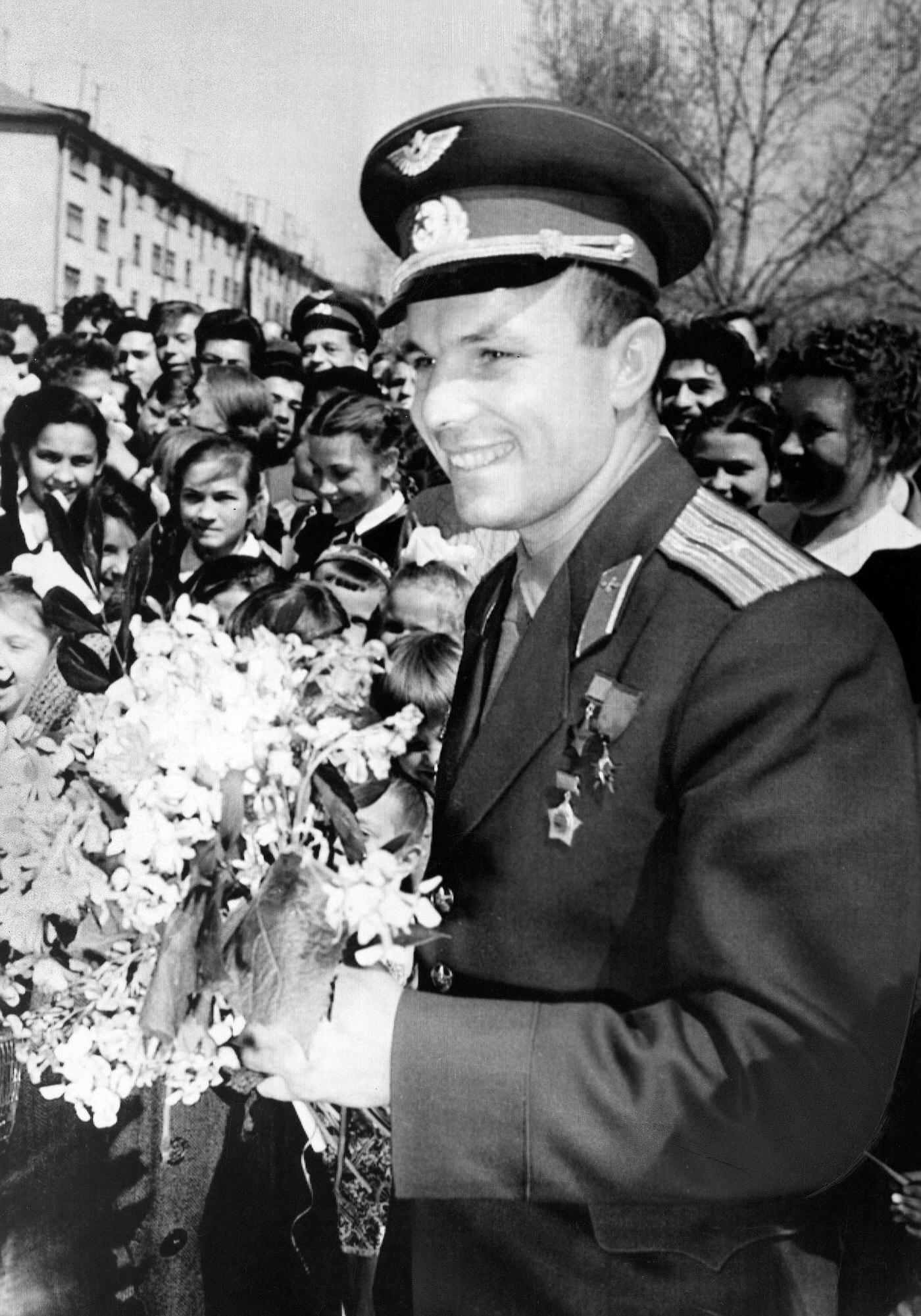
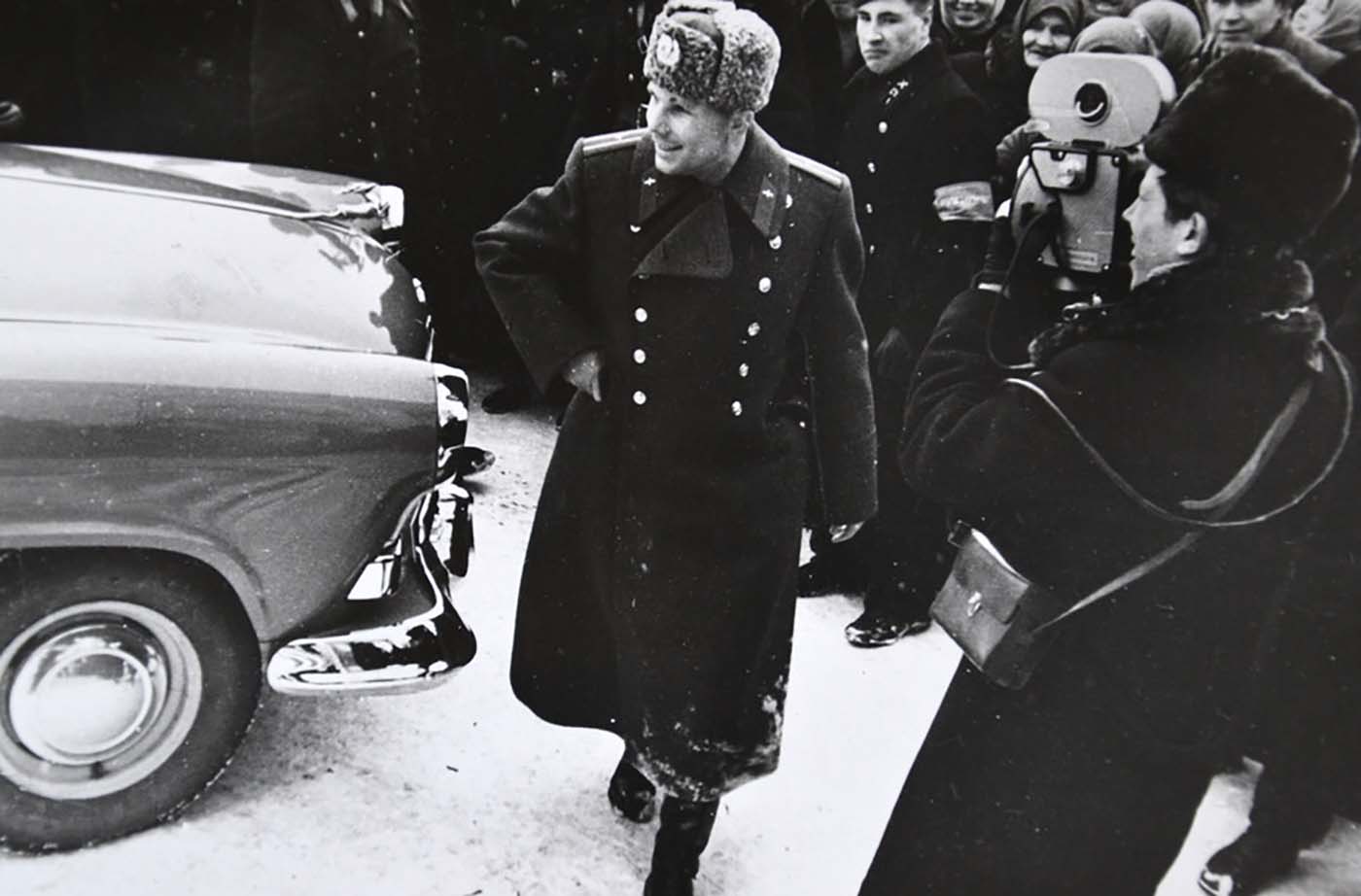
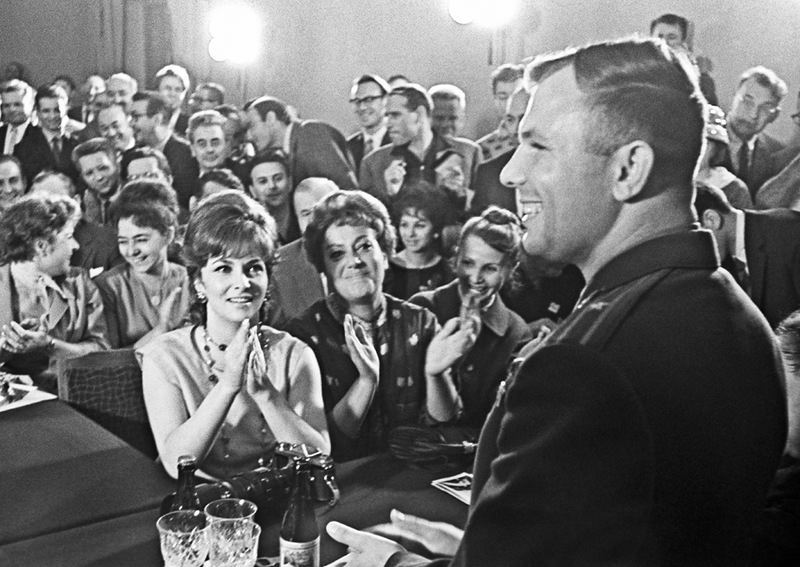
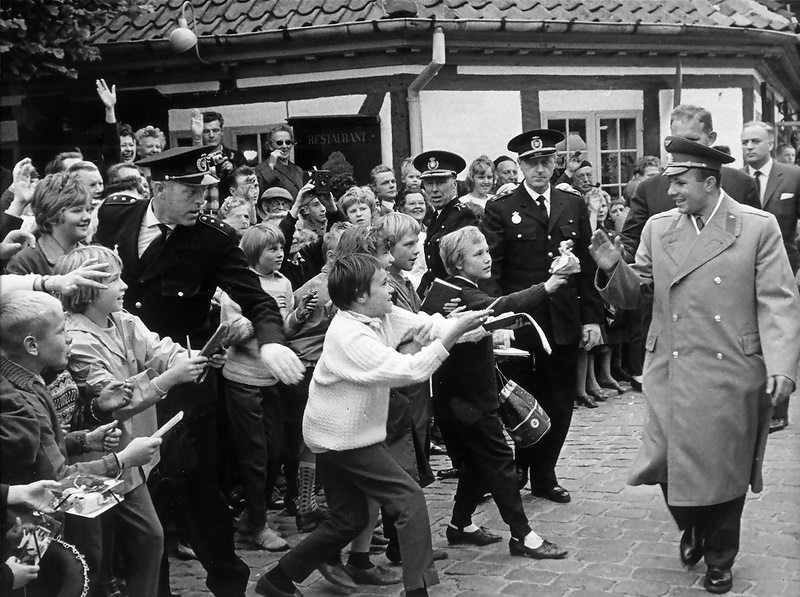
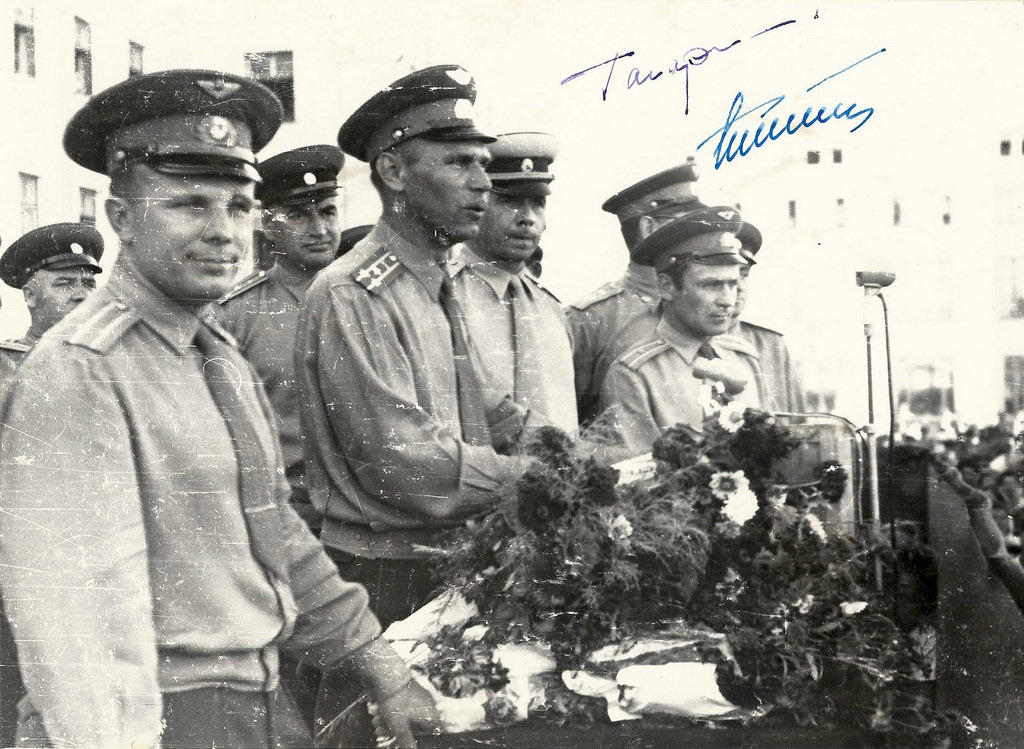
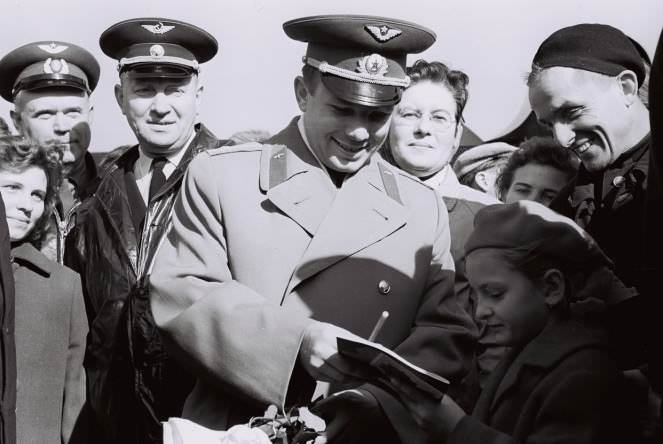
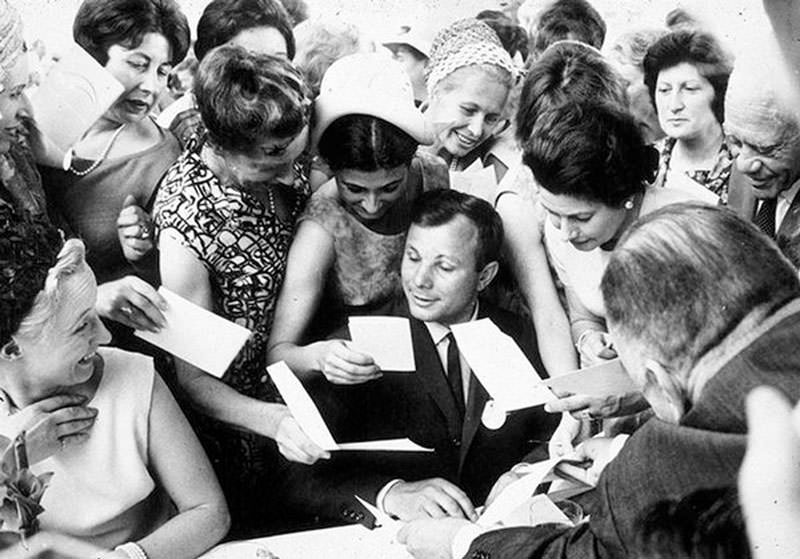
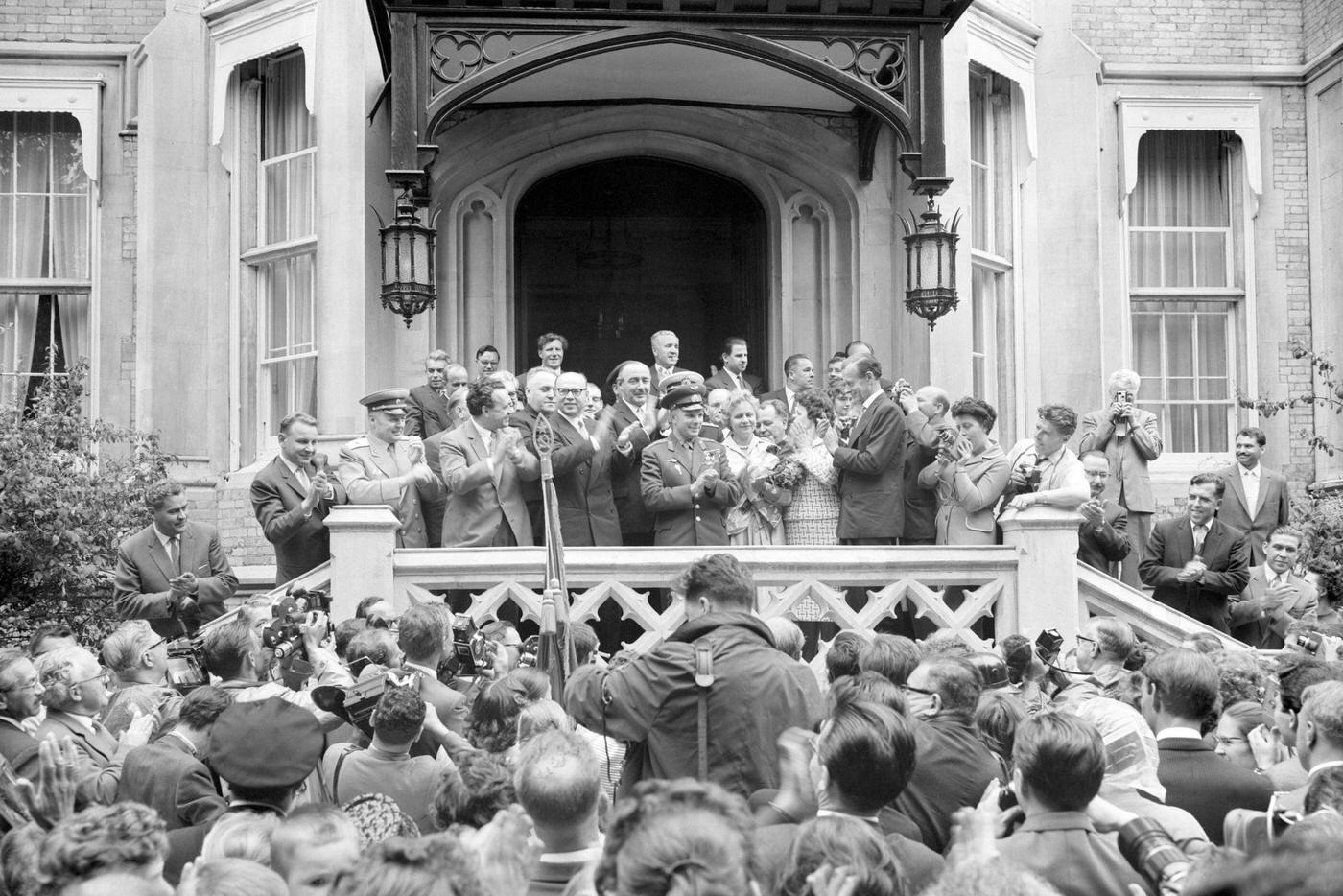
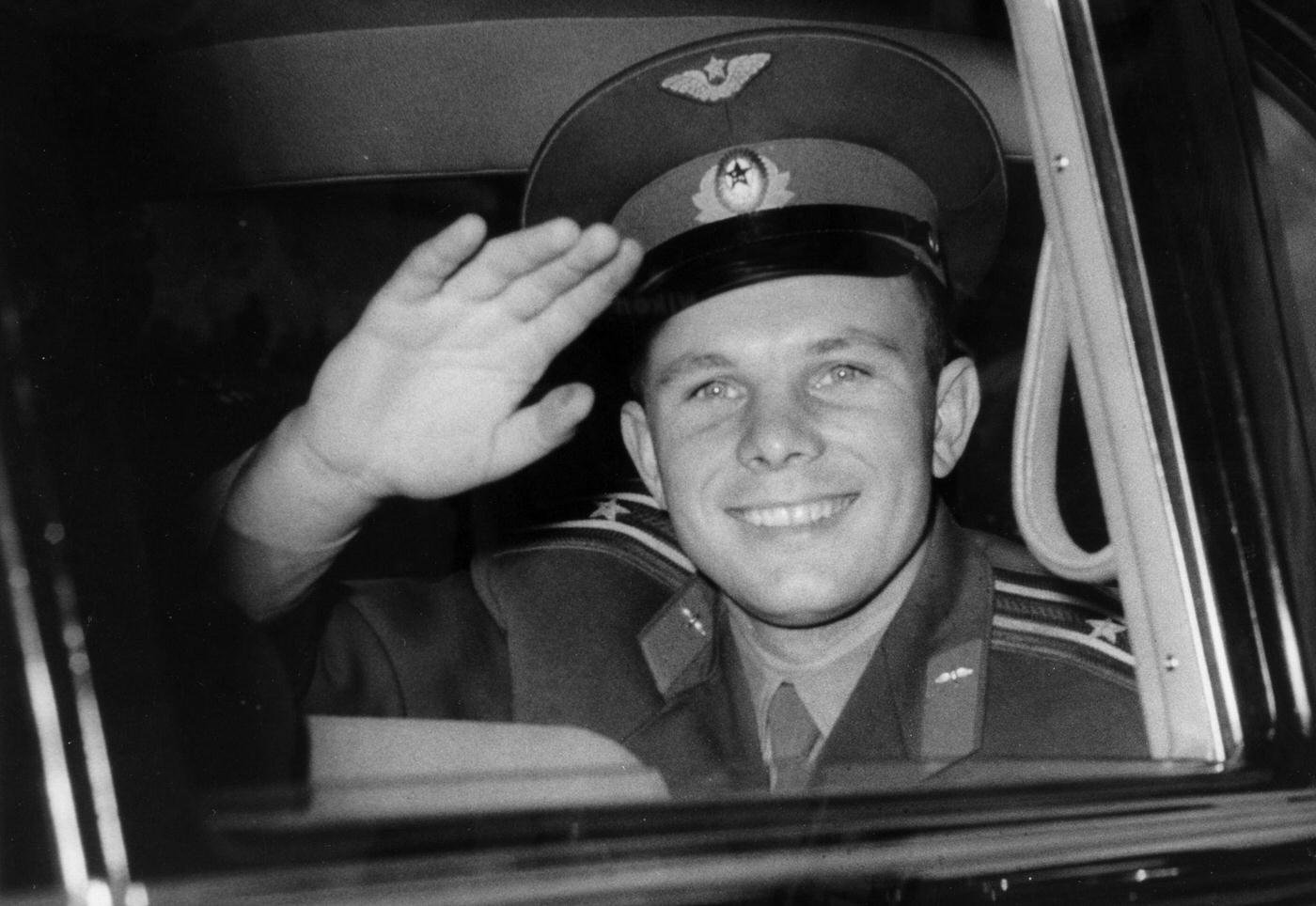
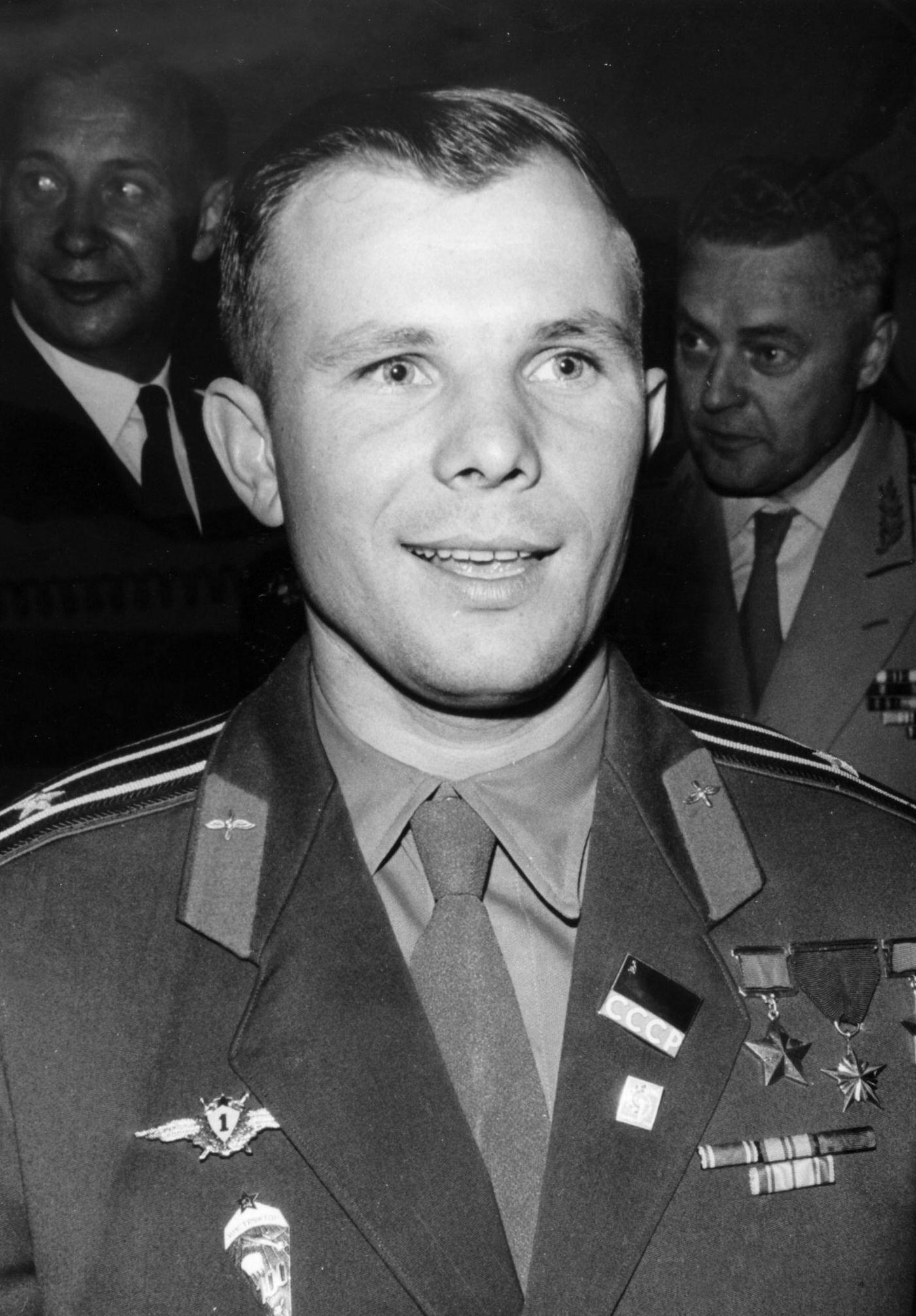
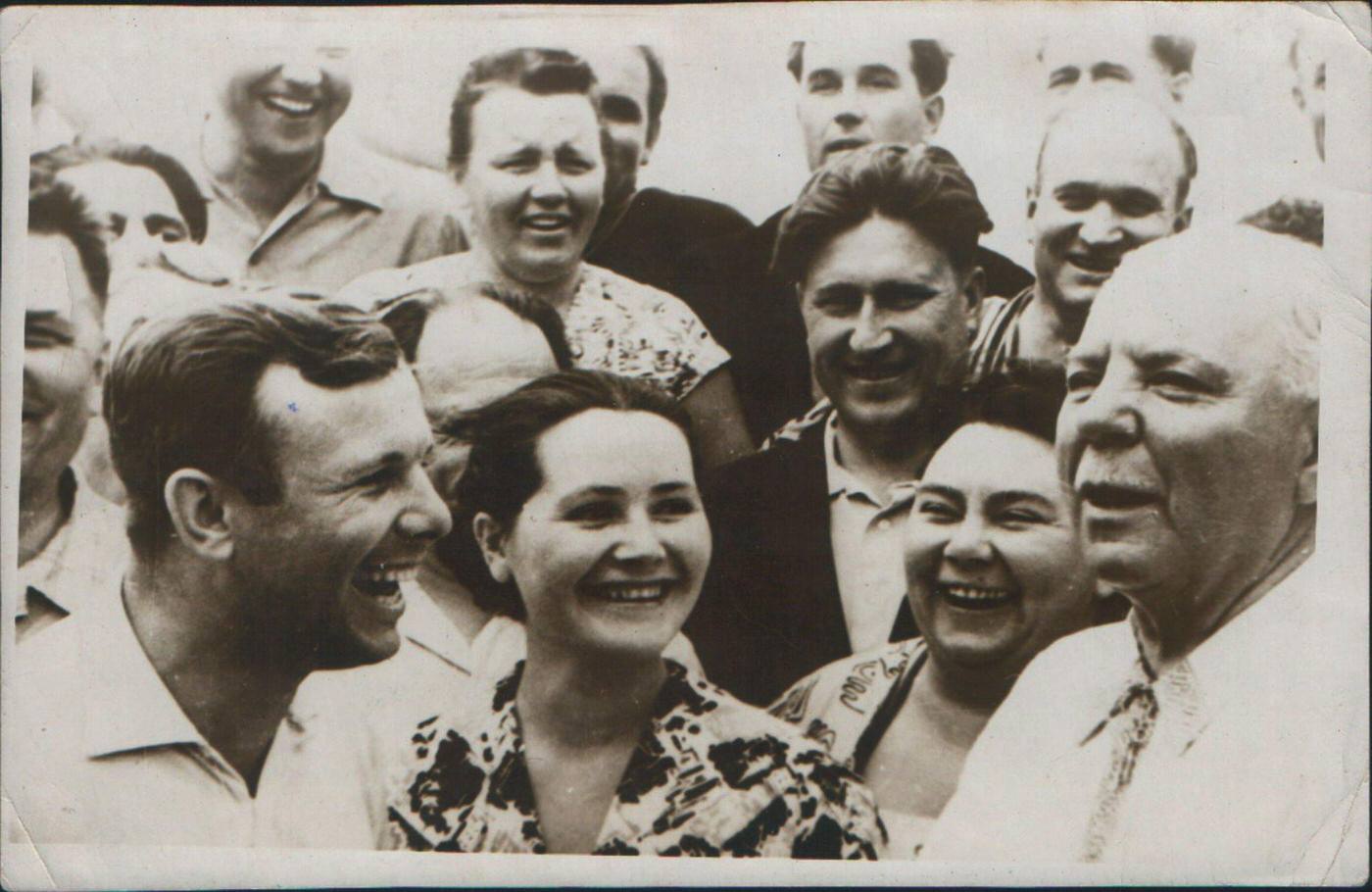
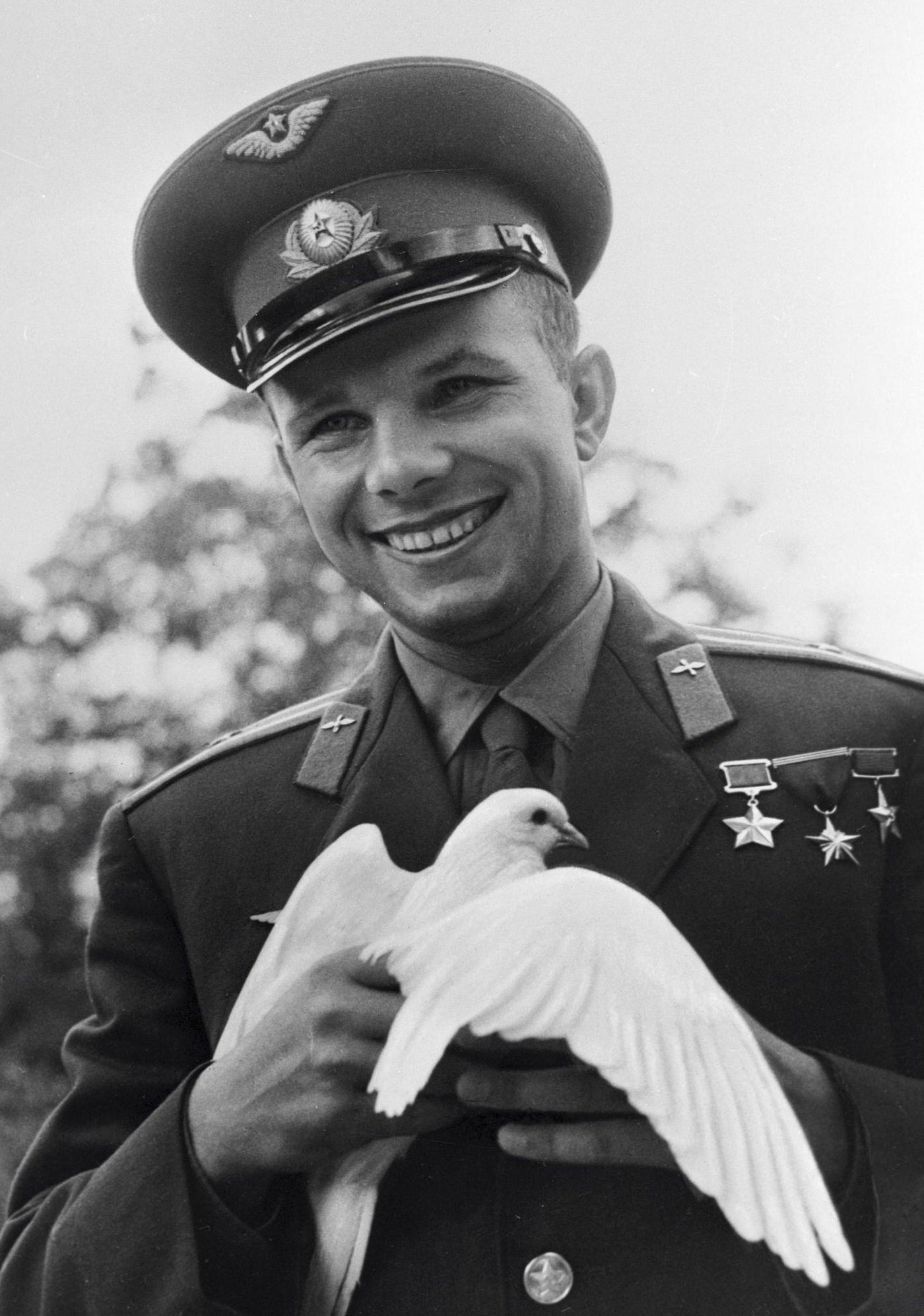
Back on the ground, Gagarin became a global celebrity almost overnight. He was awarded the title Hero of the Soviet Union and received numerous other medals. The Soviet government quickly sent him abroad as a goodwill ambassador, and he visited dozens of countries. He was met by heads of state, celebrities, and enormous crowds wherever he went.
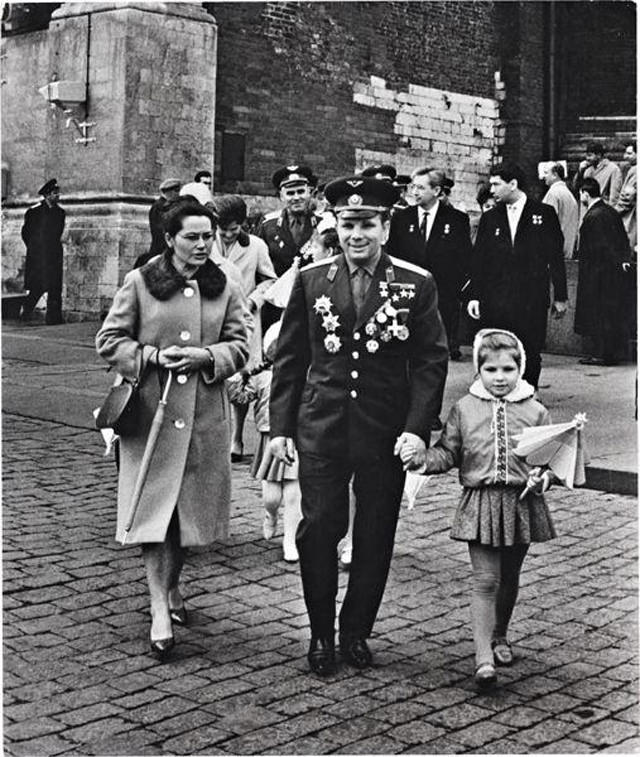
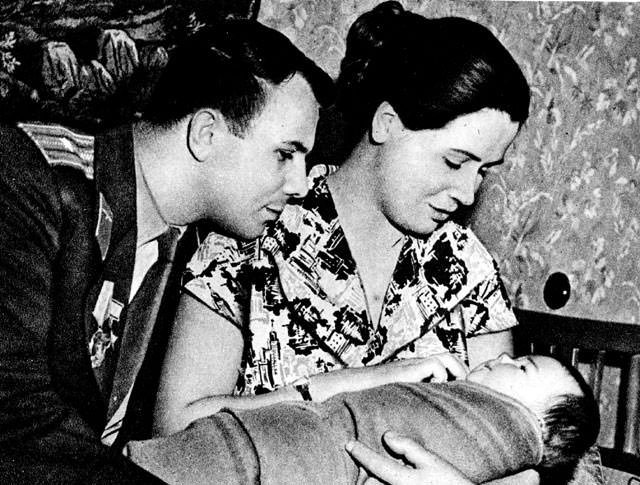
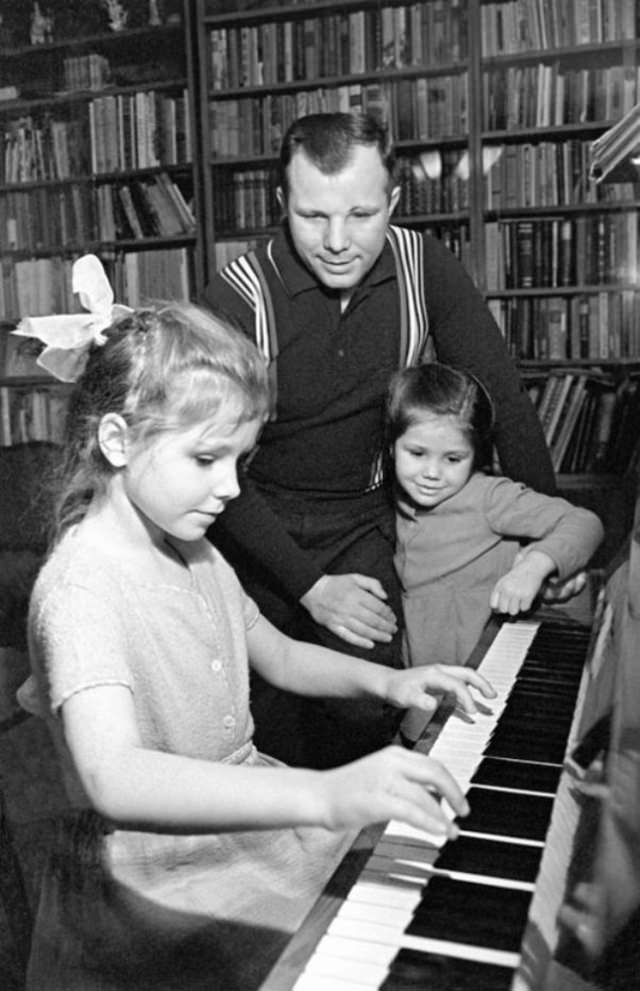
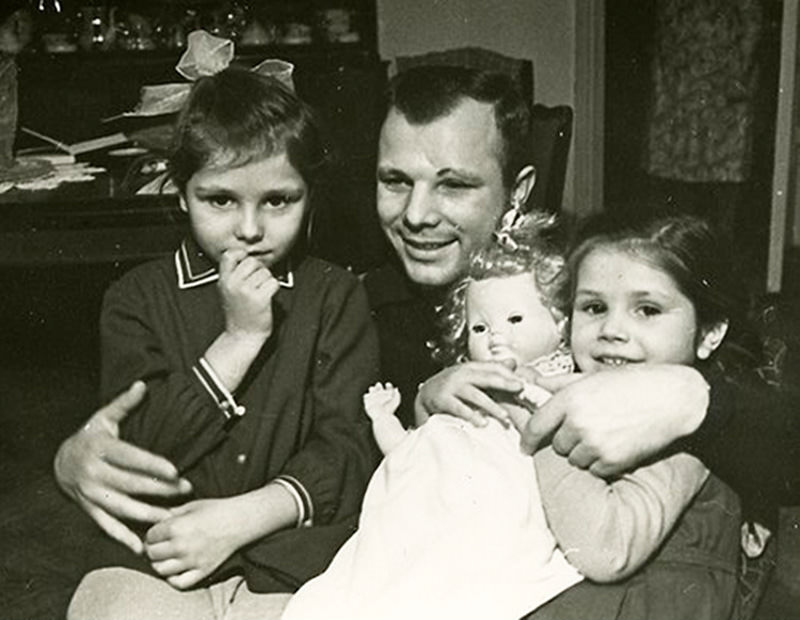
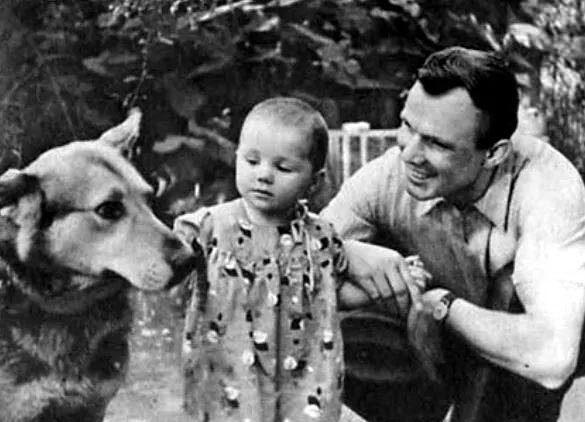
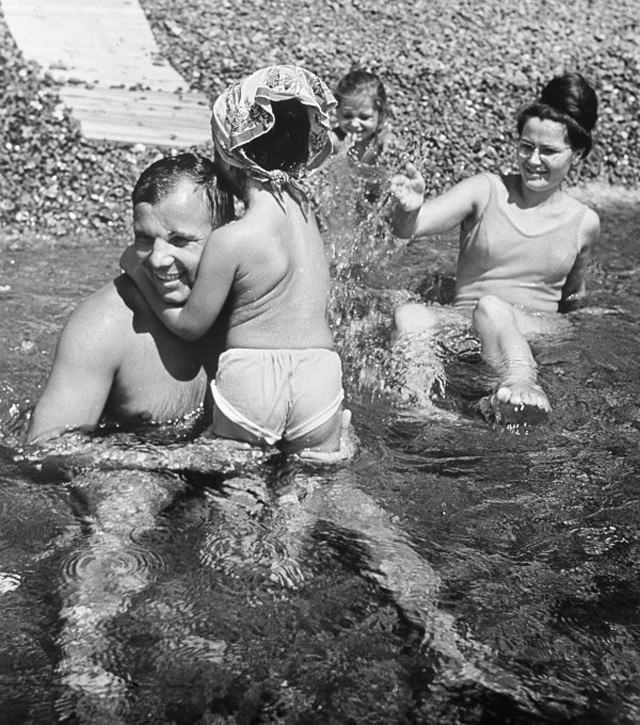
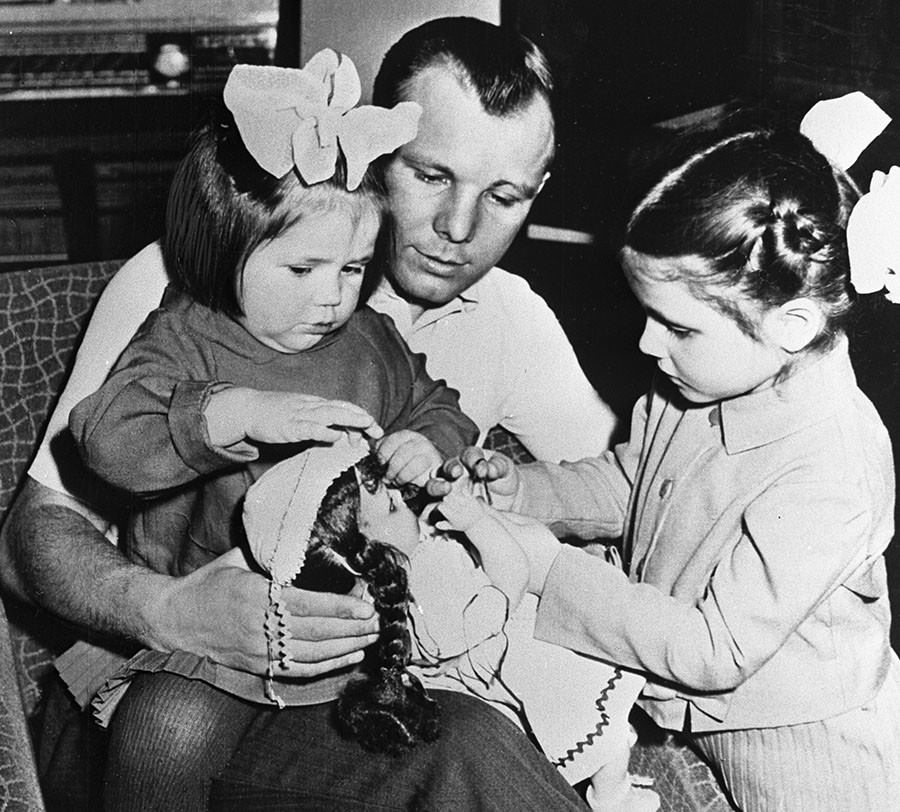
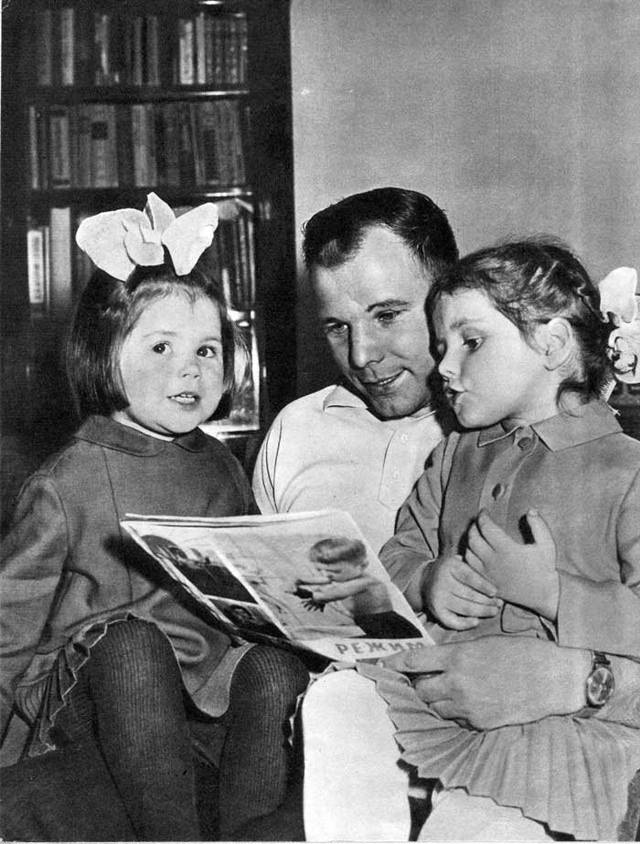
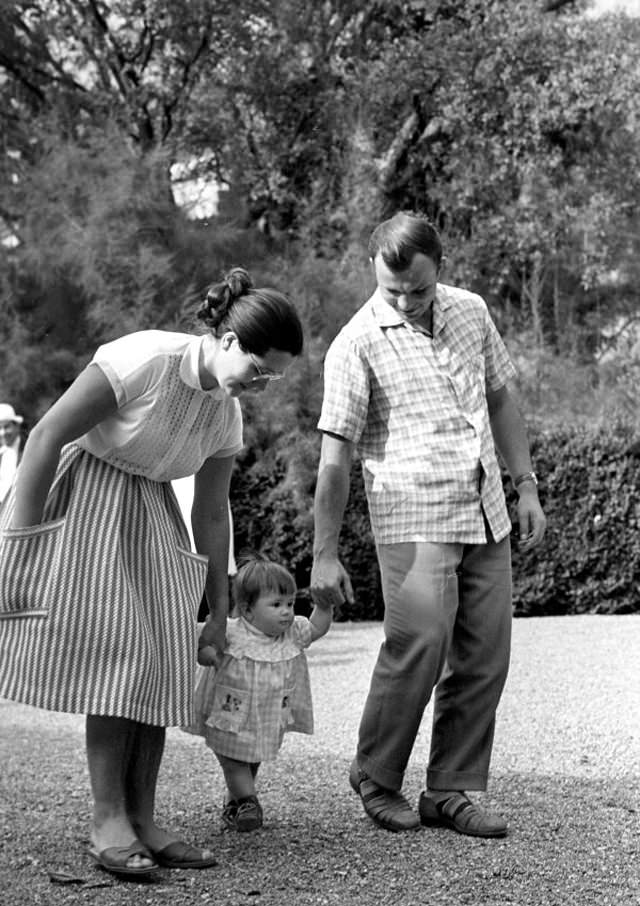
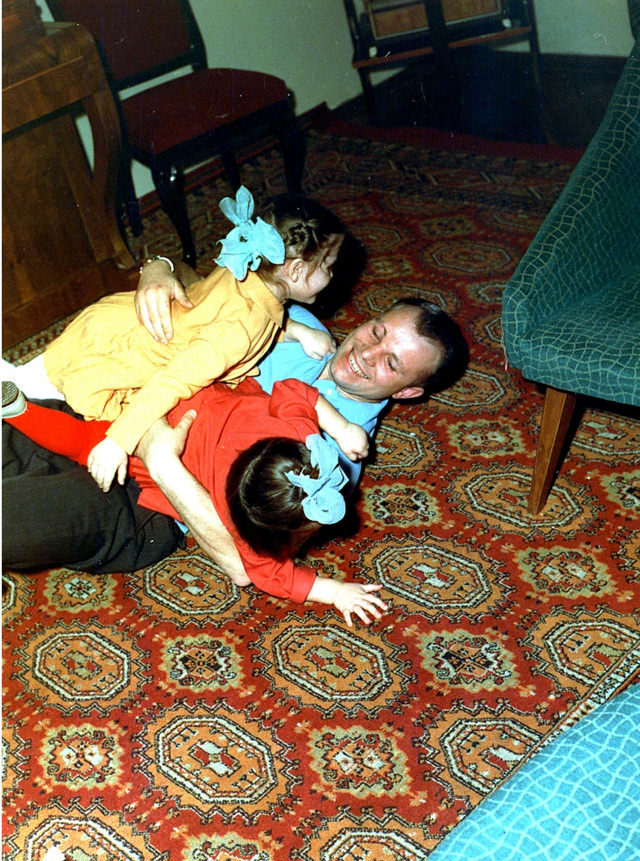
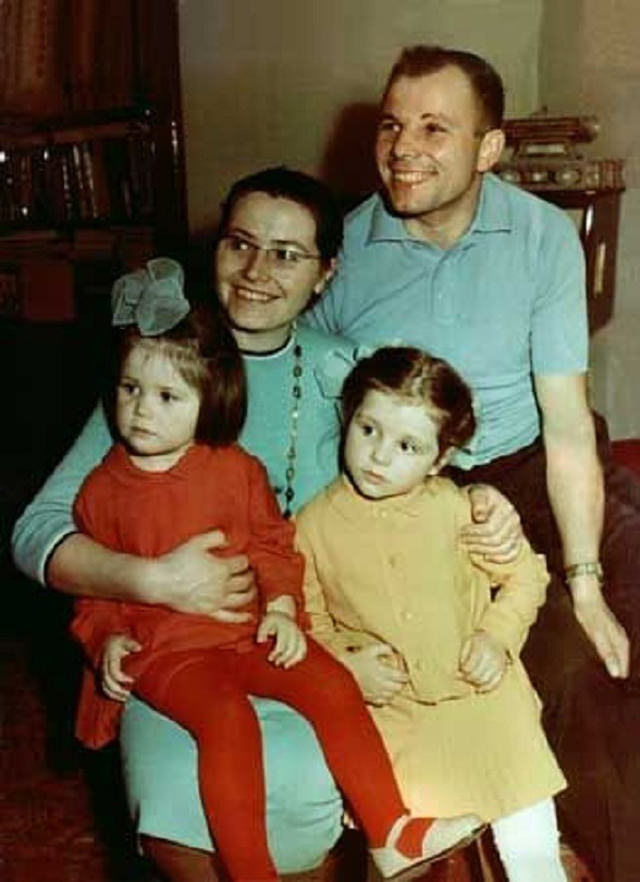
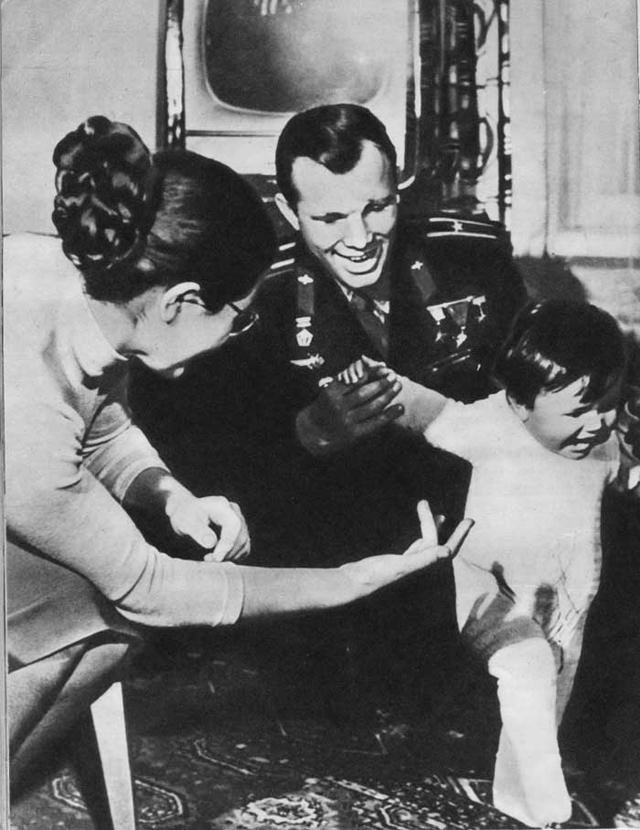
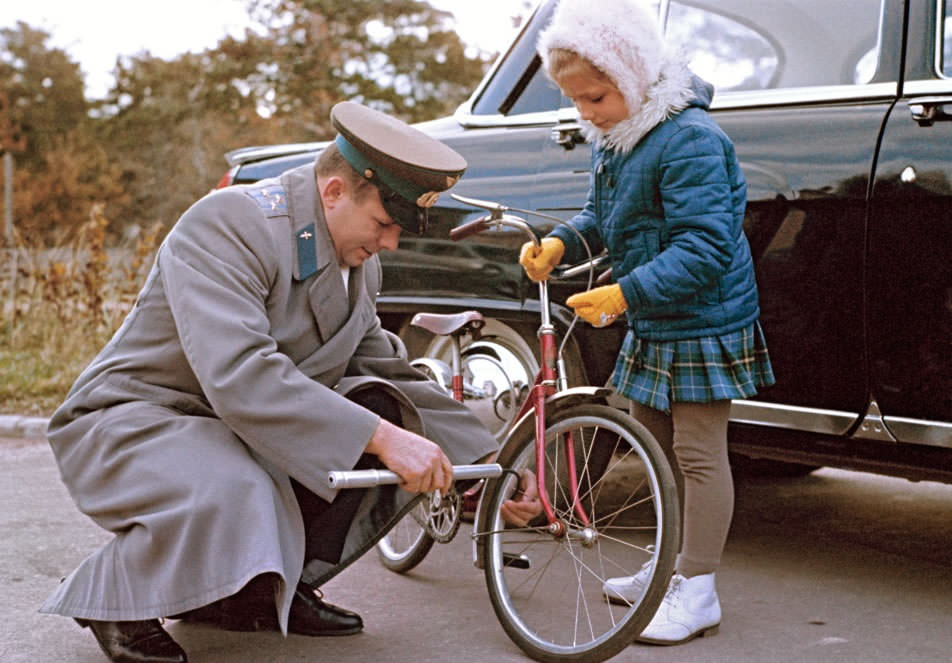
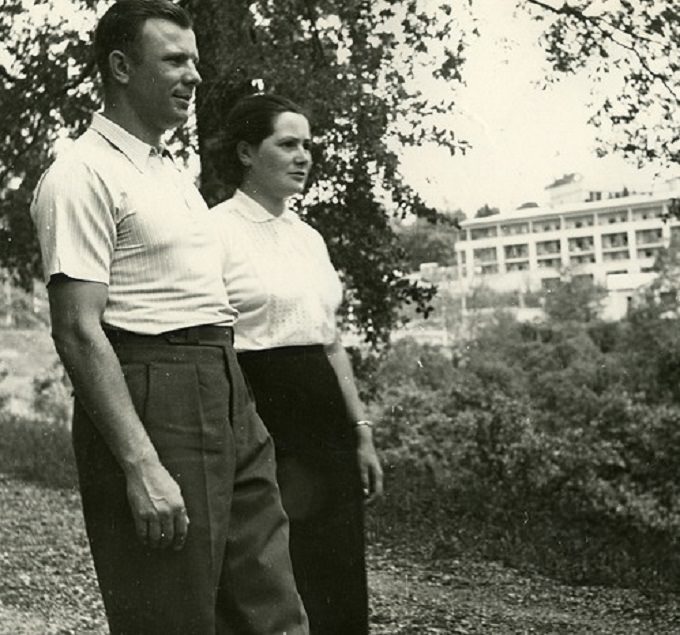
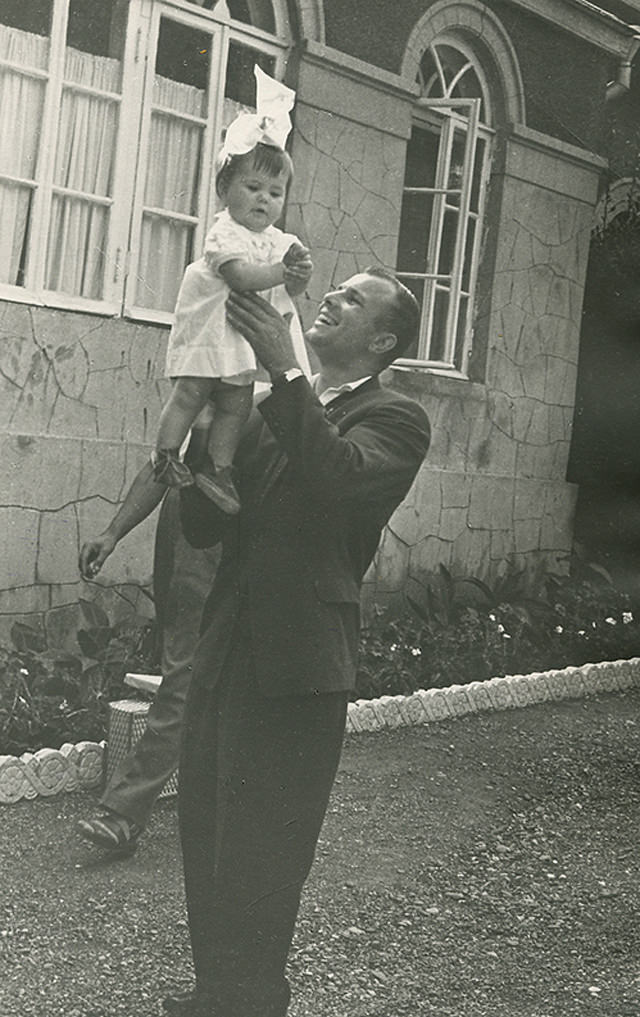
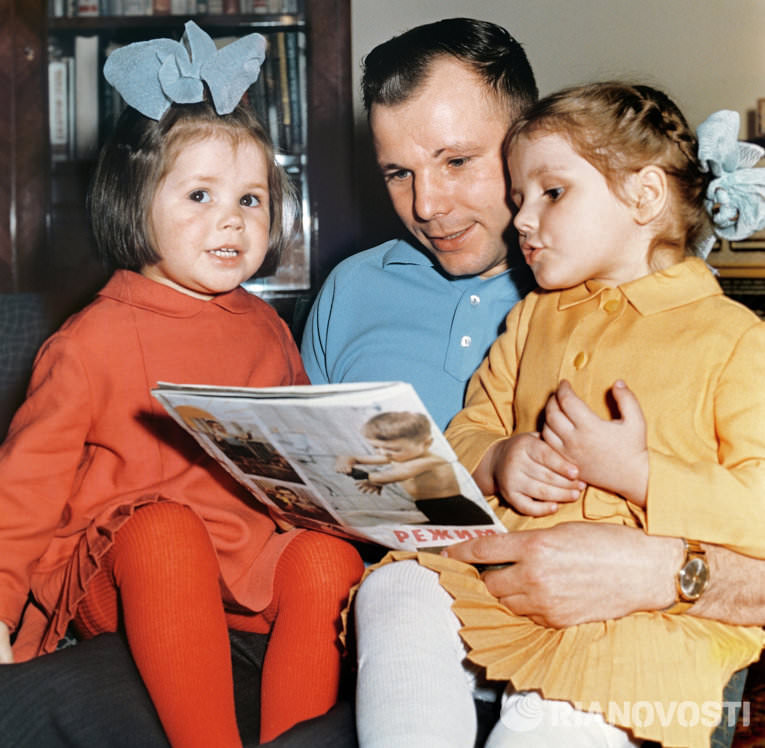
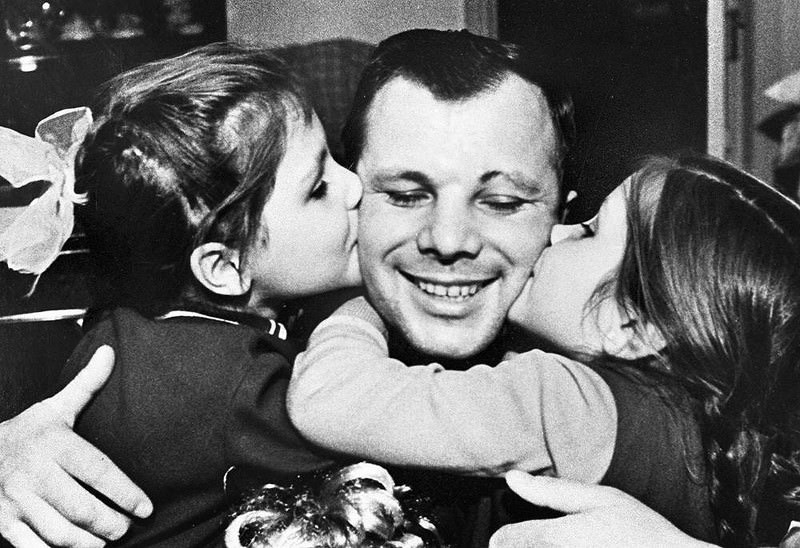
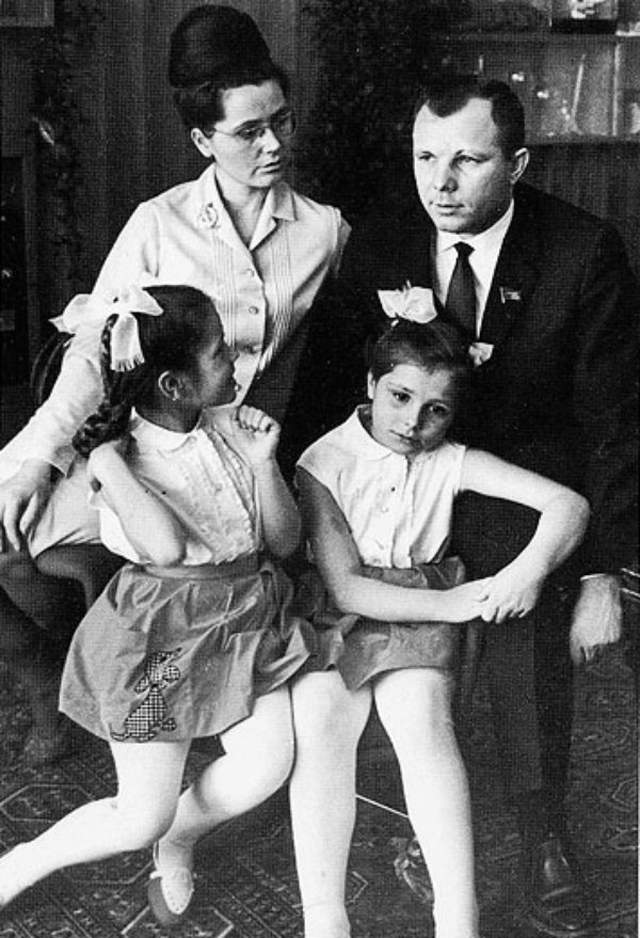
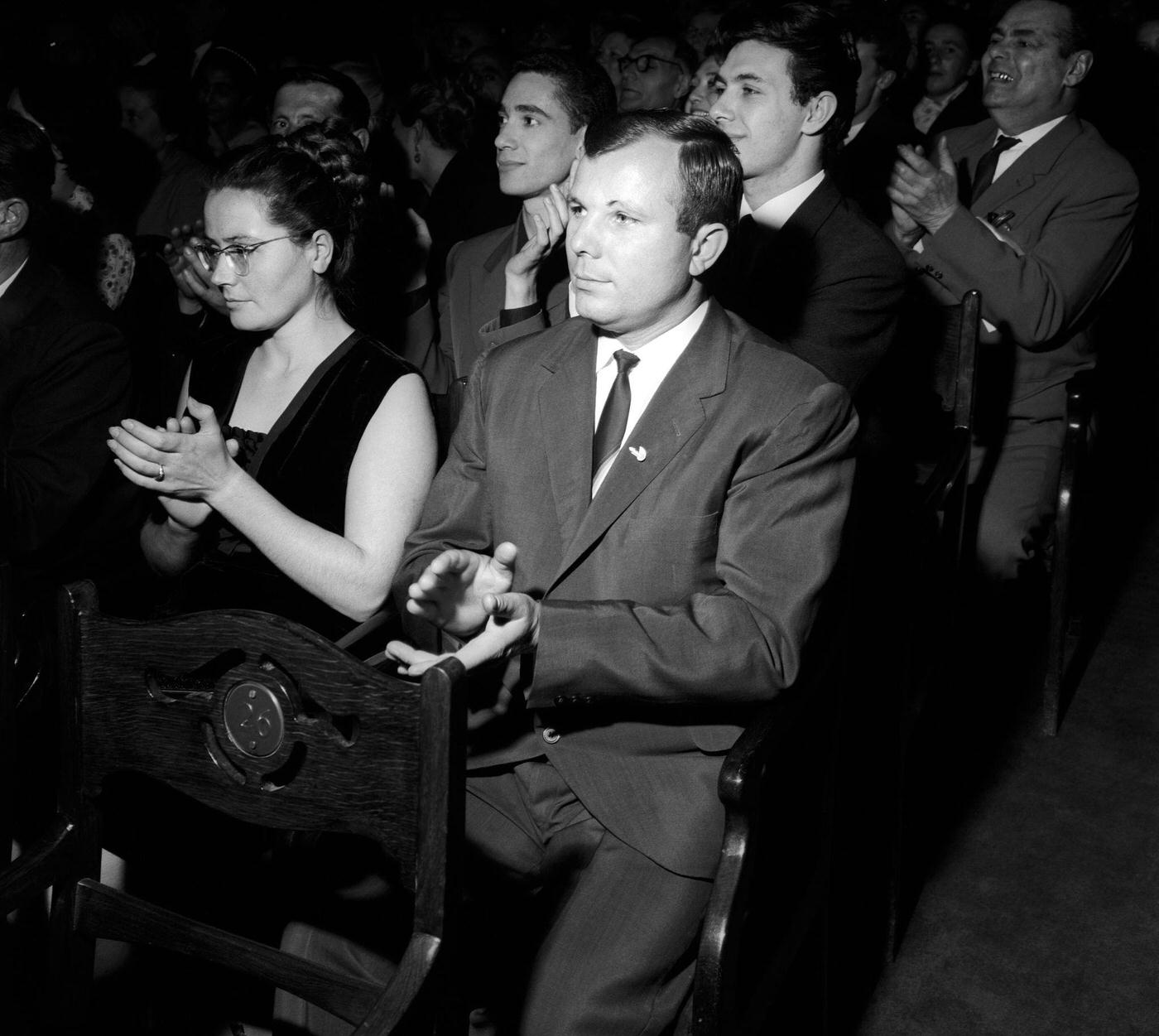
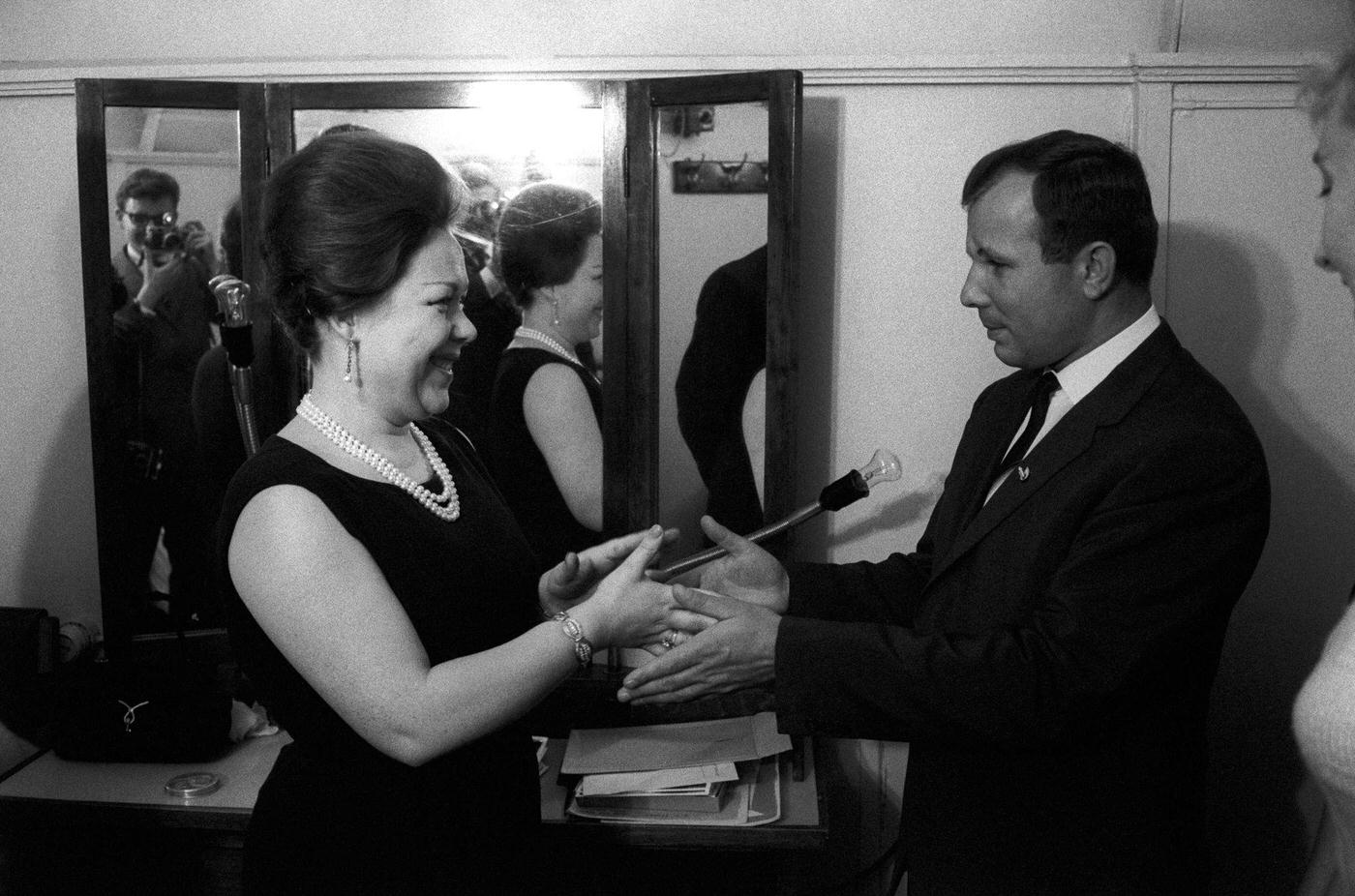
At home, Gagarin was married to Valentina Goryacheva, and together they had two daughters, Galina and Yelena. He was known as a devoted husband and father who prioritized family life despite his demanding public role. The couple attended cultural events together, including performances at the Bolshoi Theatre in Moscow.
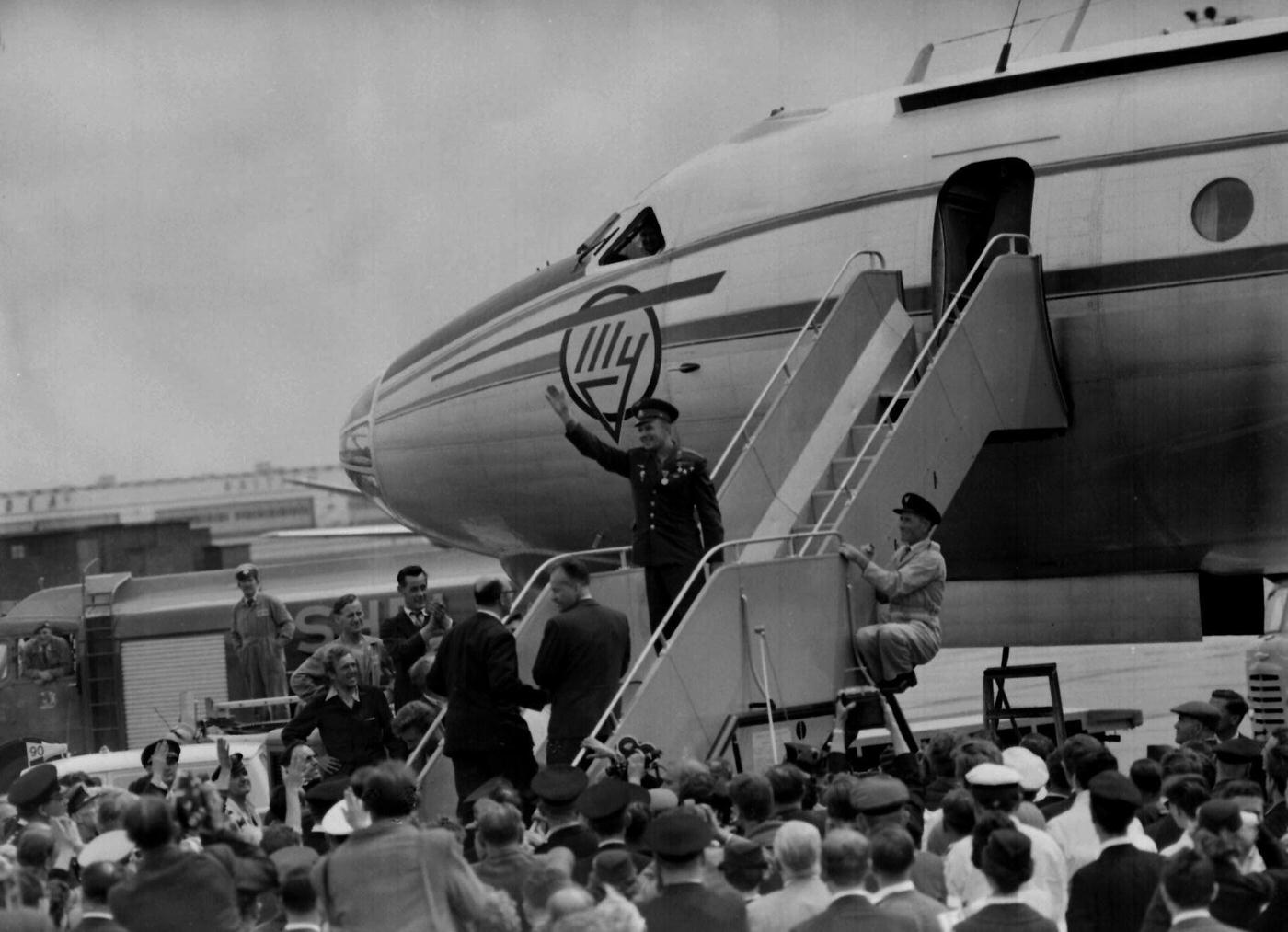
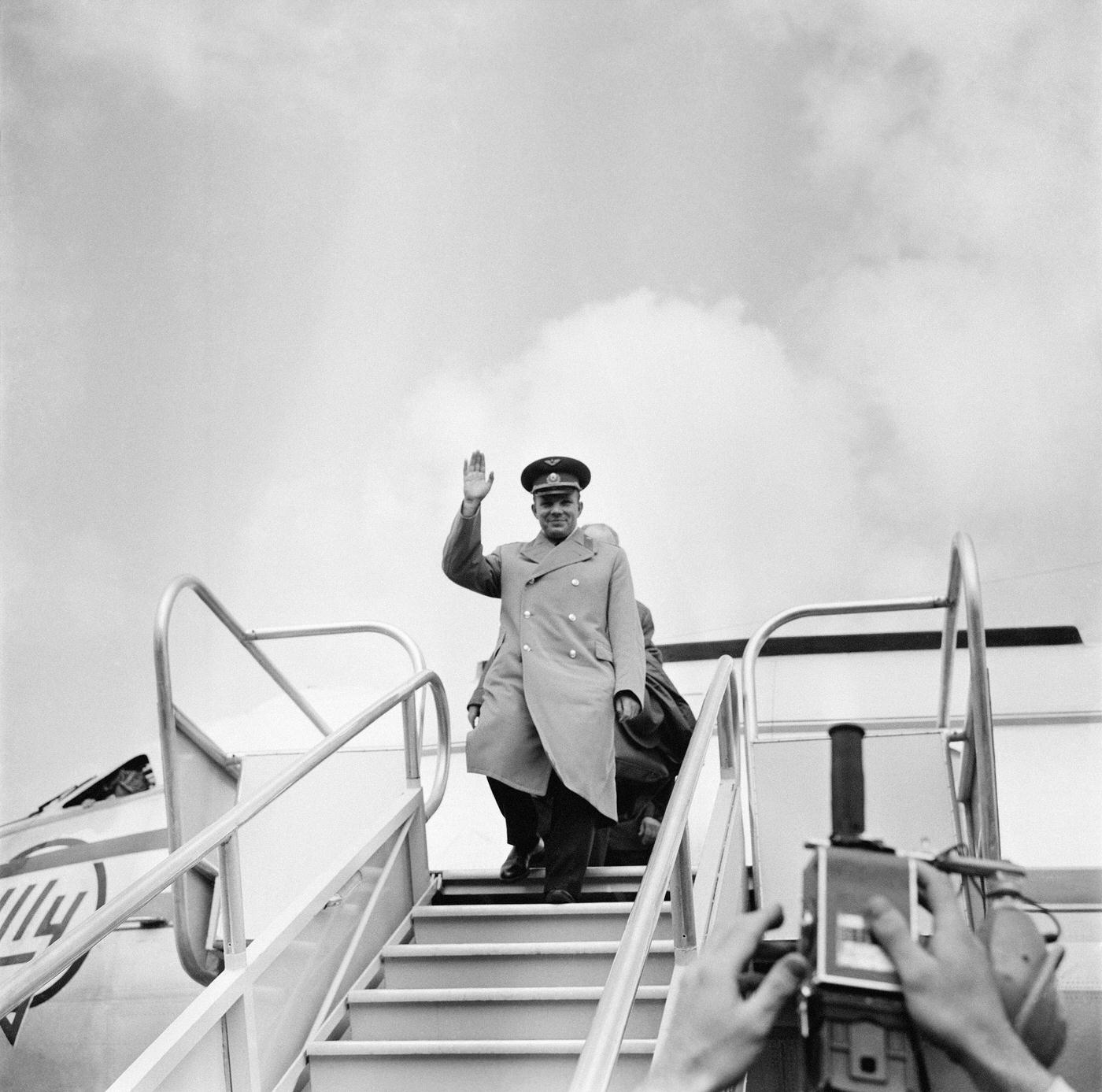
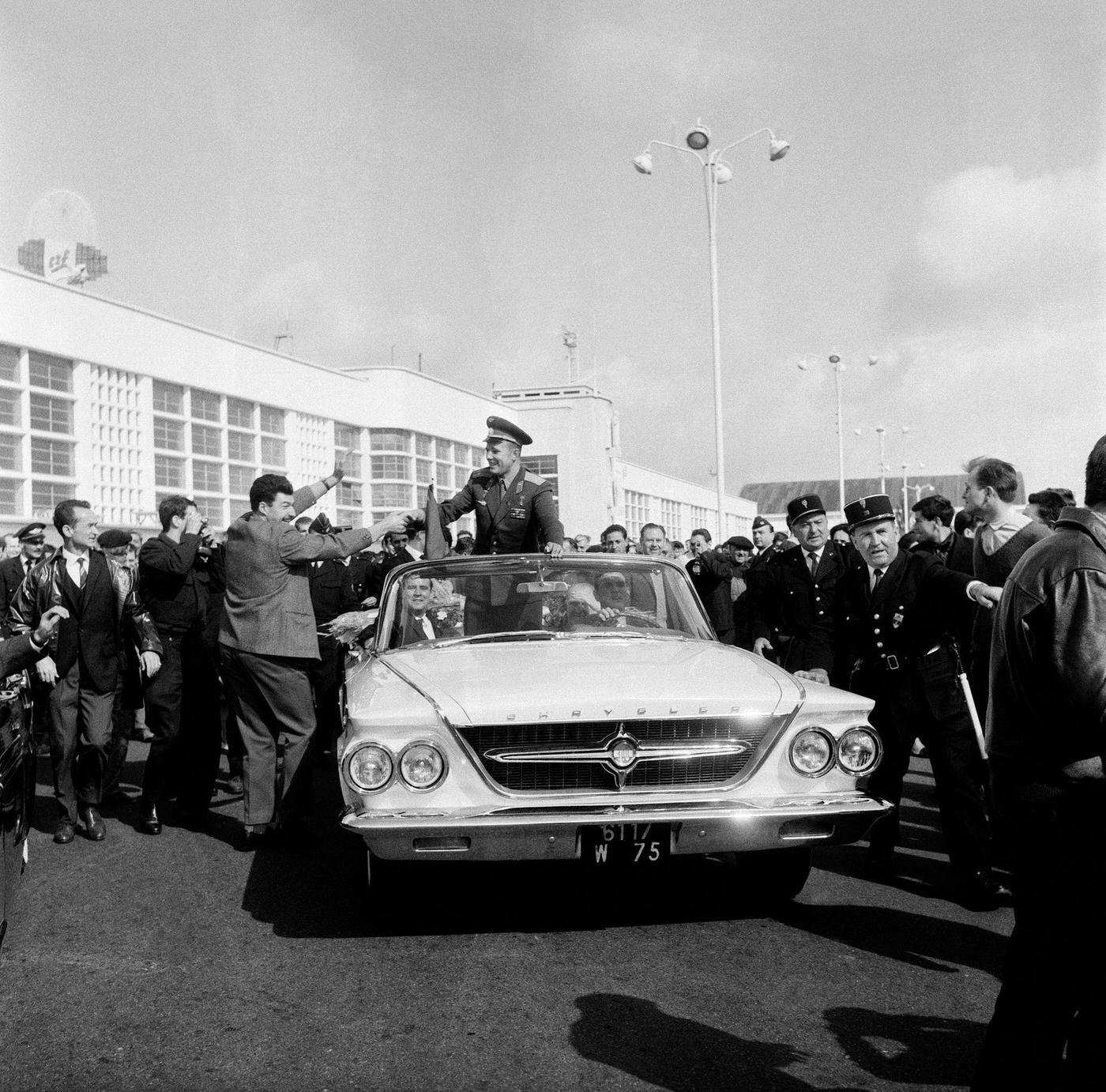
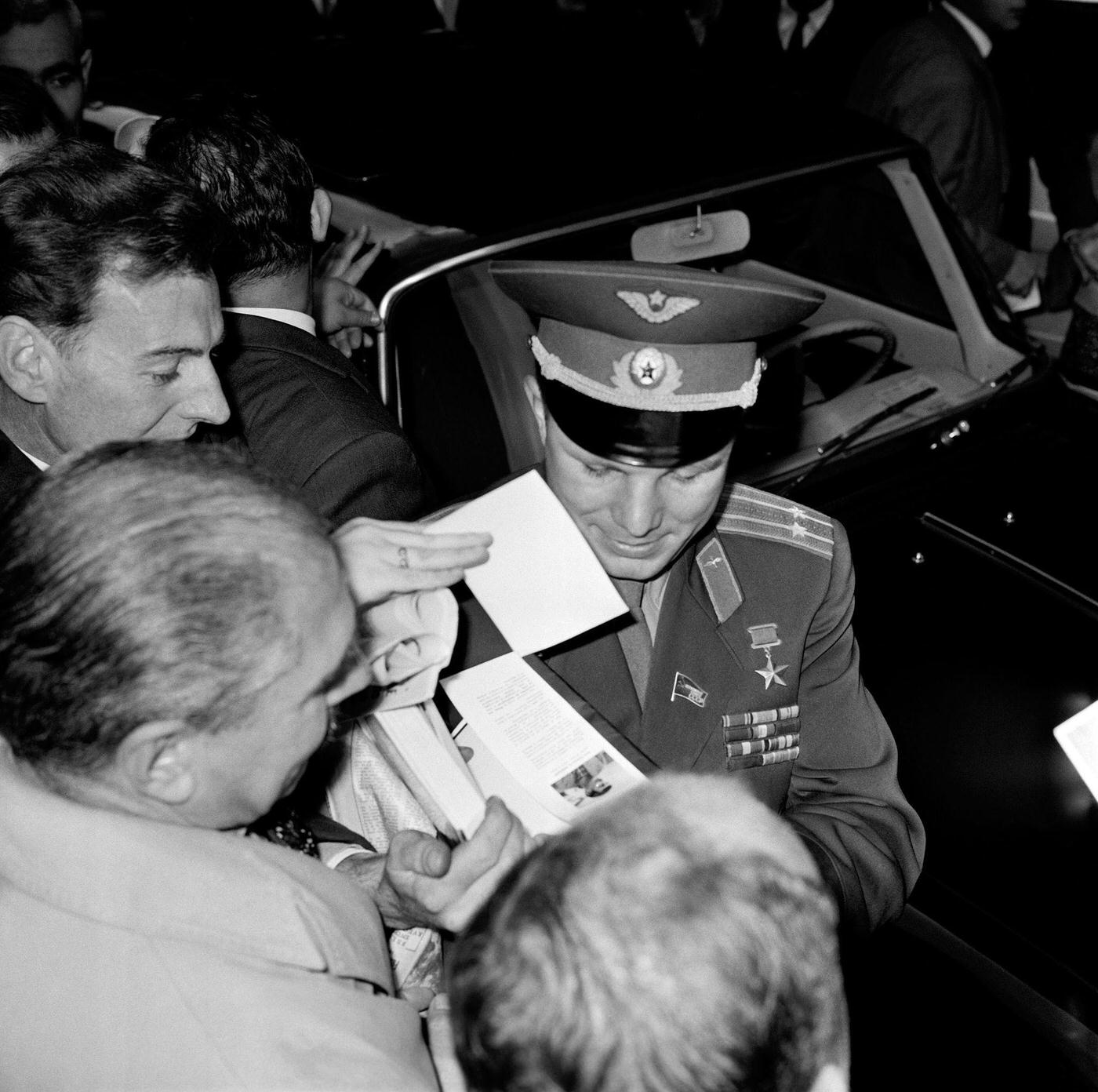
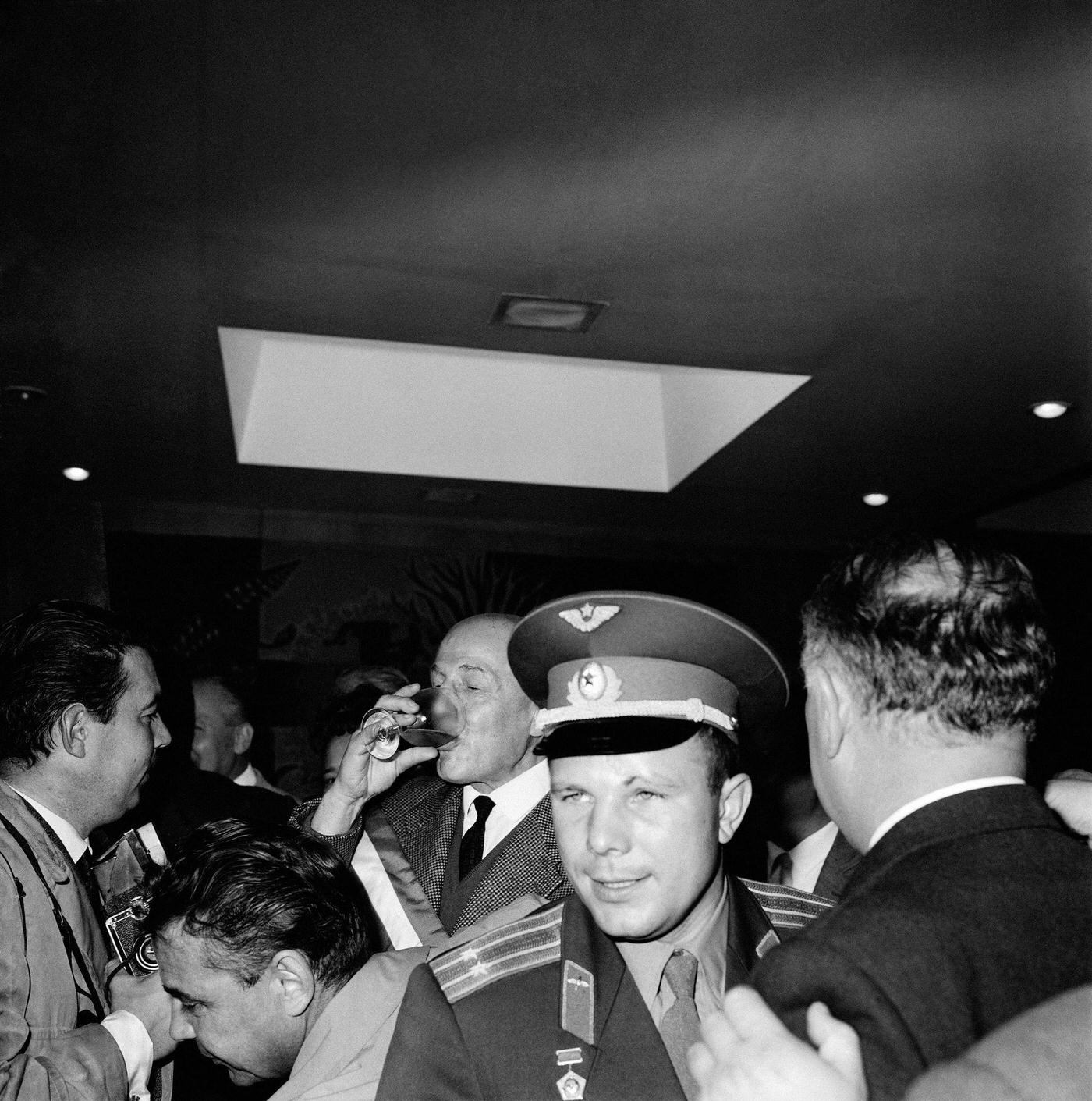
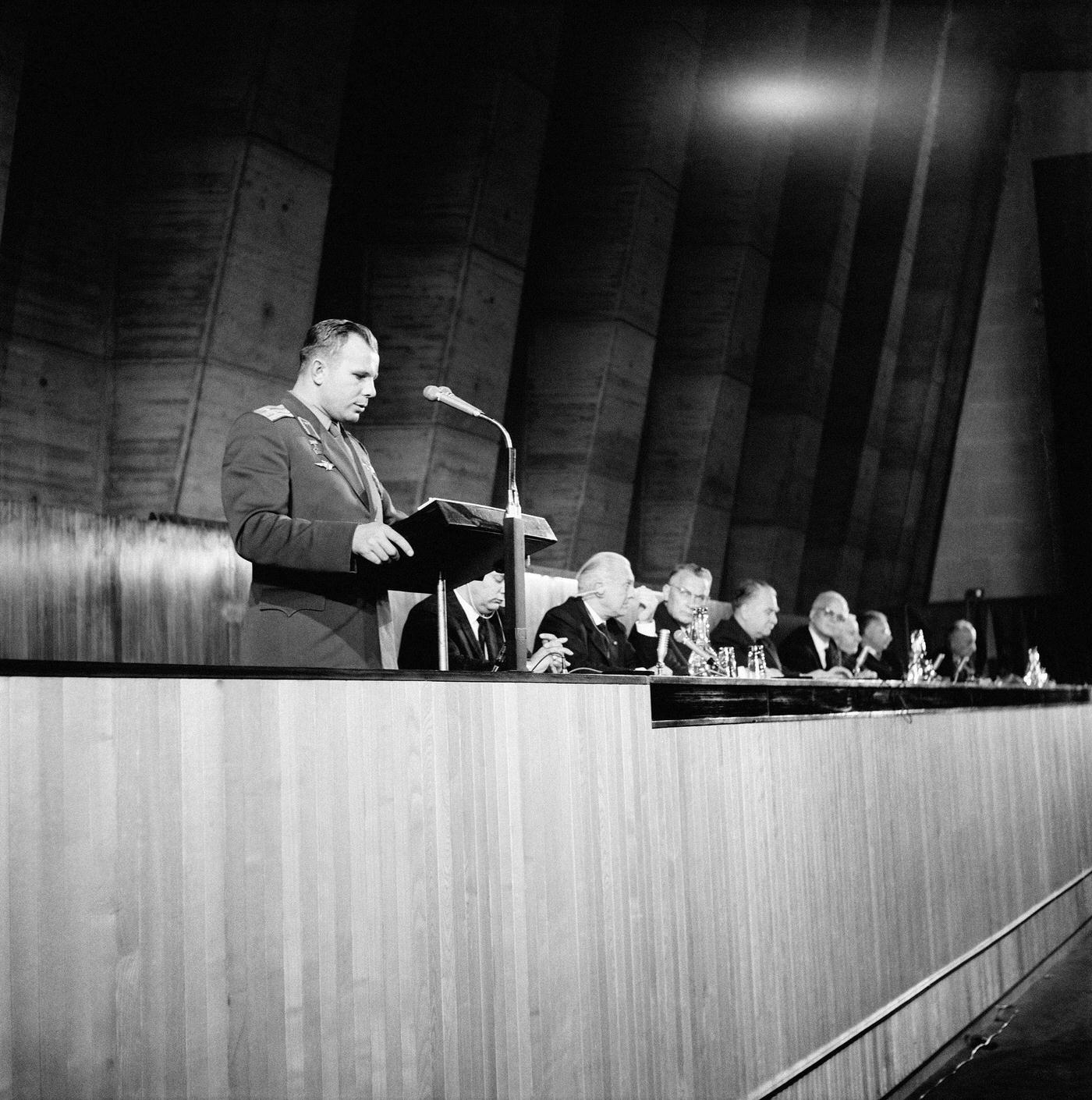
Gagarin traveled frequently as an official representative of the Soviet Union. In 1963, he attended the XIVth Astronautics Conference in Paris, arriving at Le Bourget Airport to a large reception. He was welcomed by Russian Ambassador Sergei Vinogradov and greeted by enthusiastic crowds.
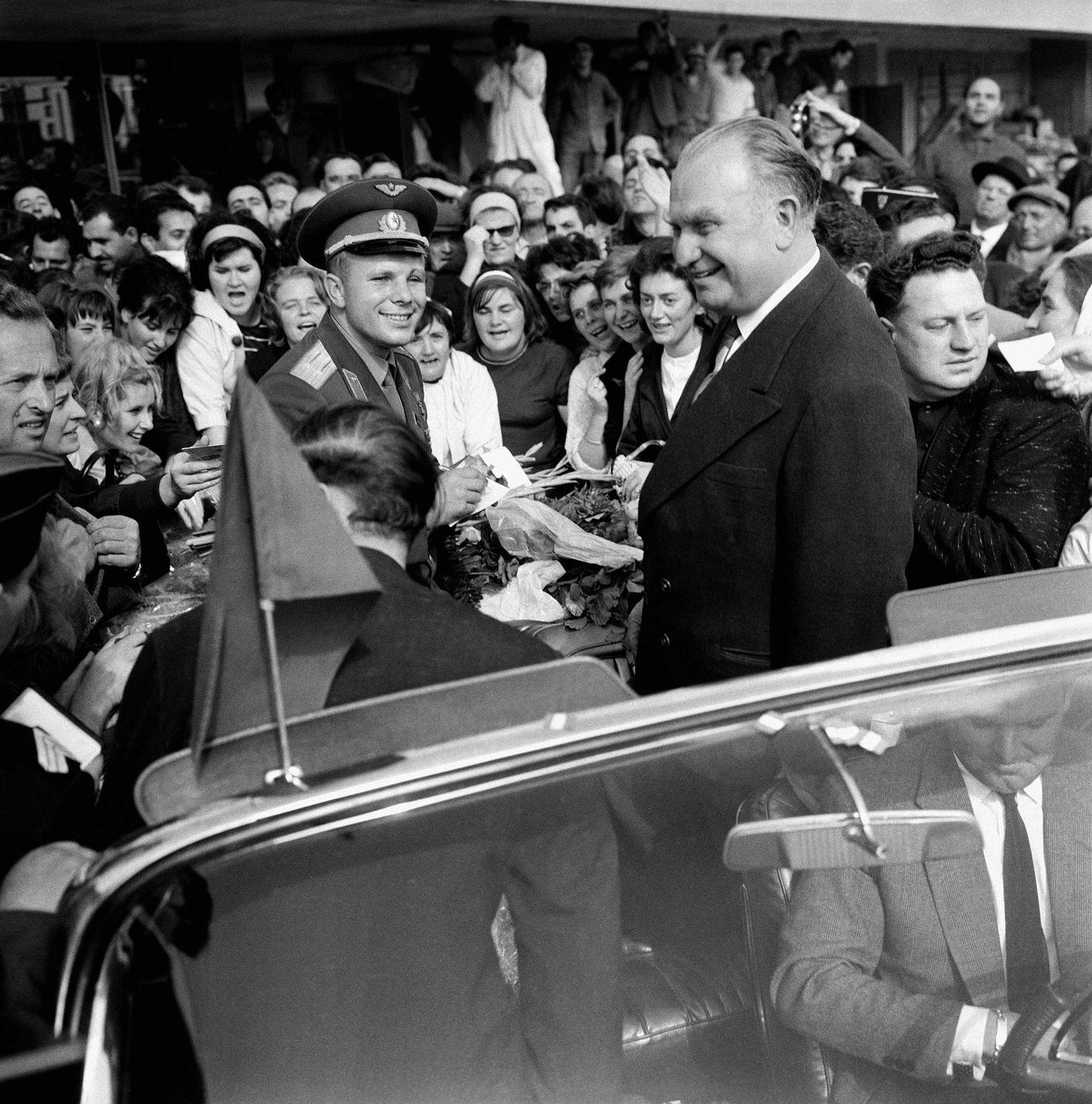
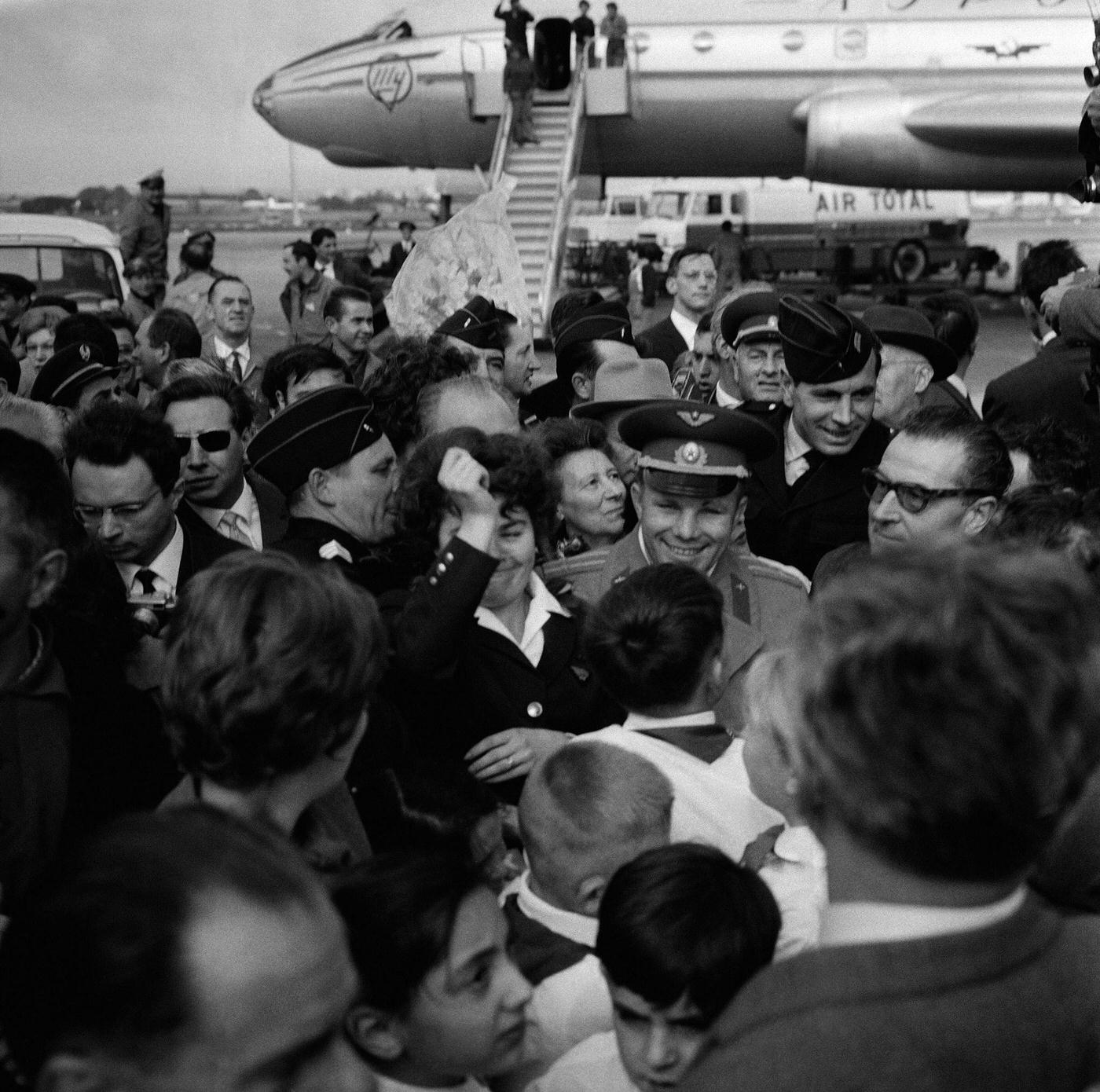
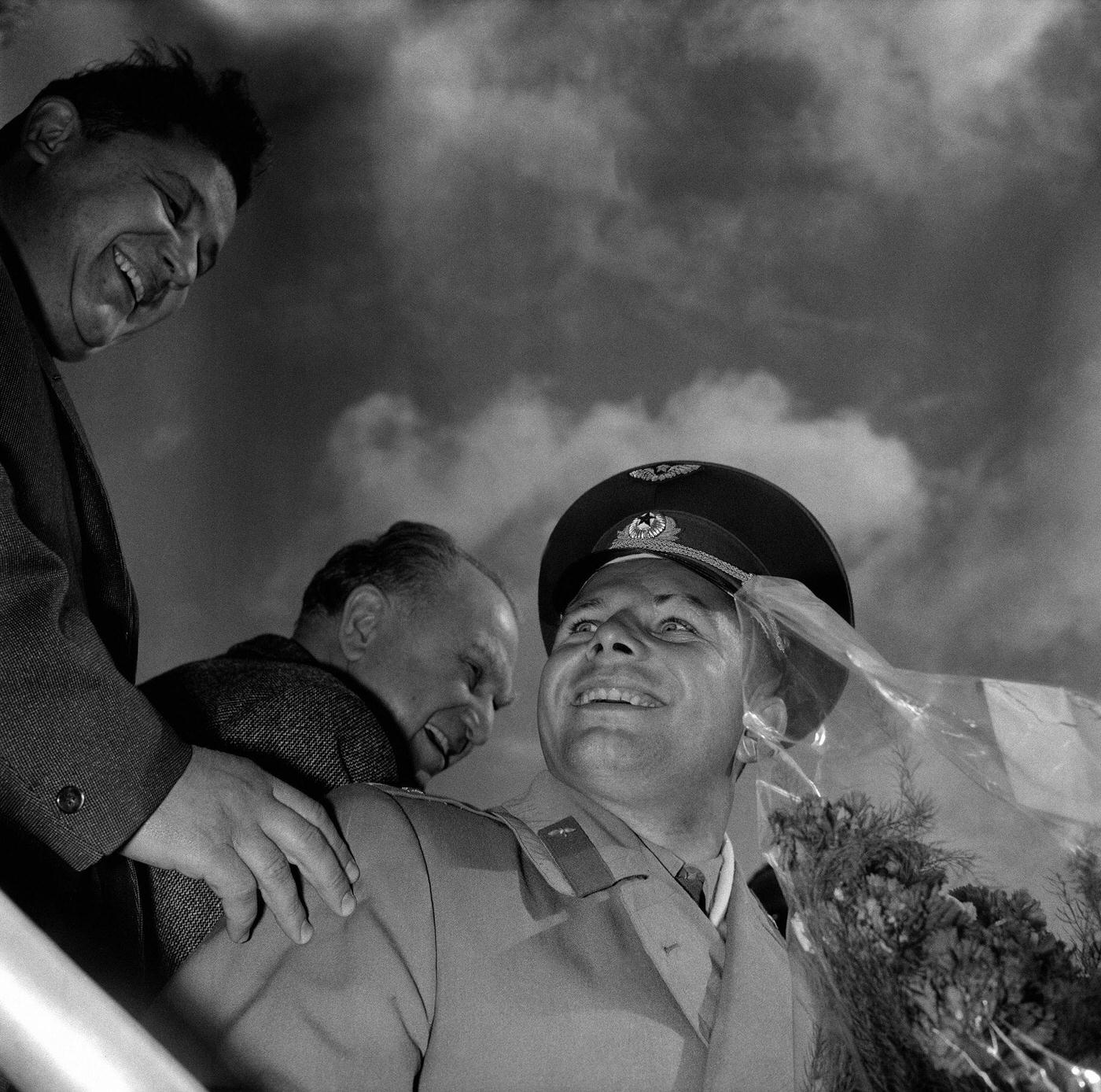
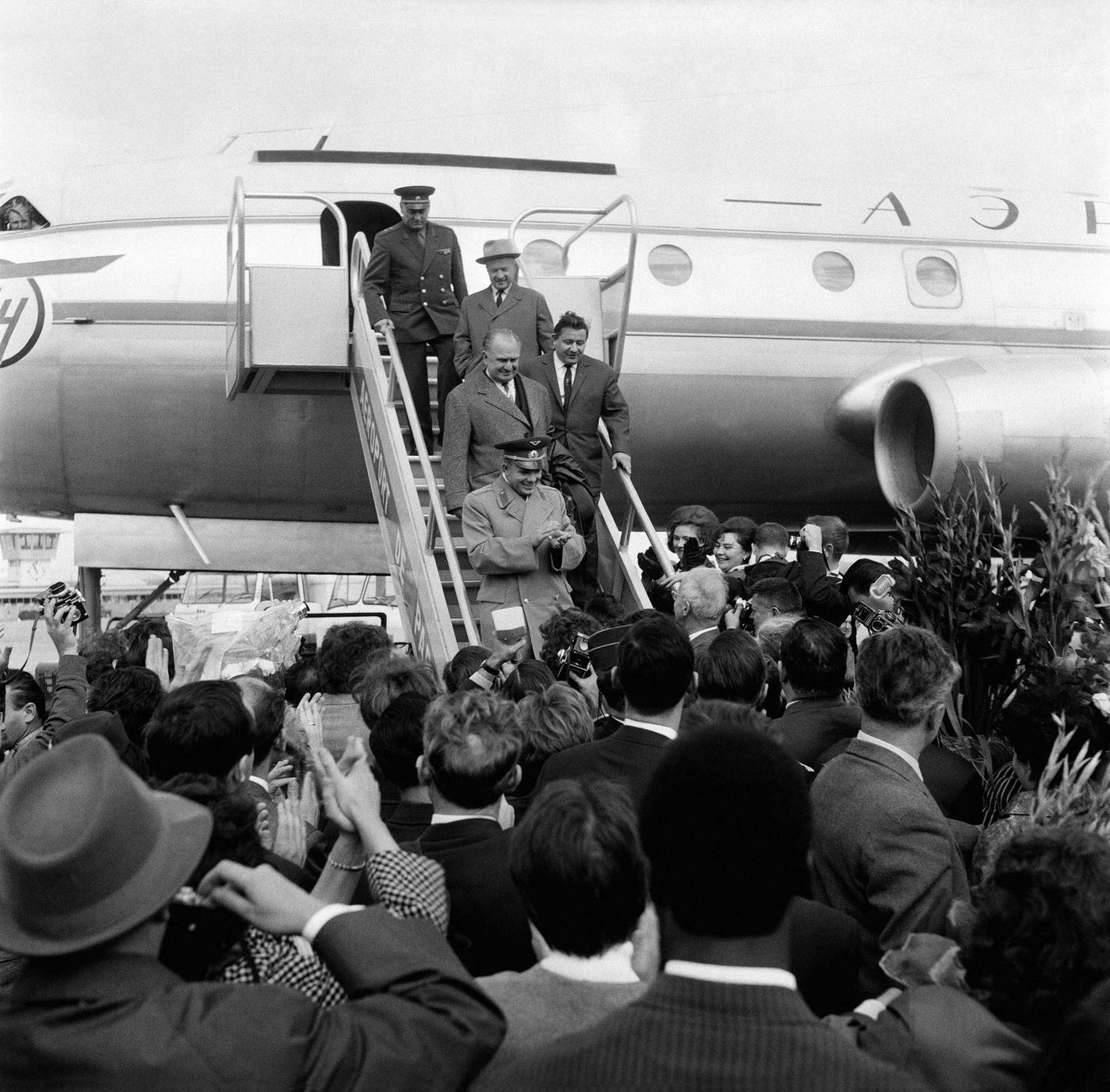
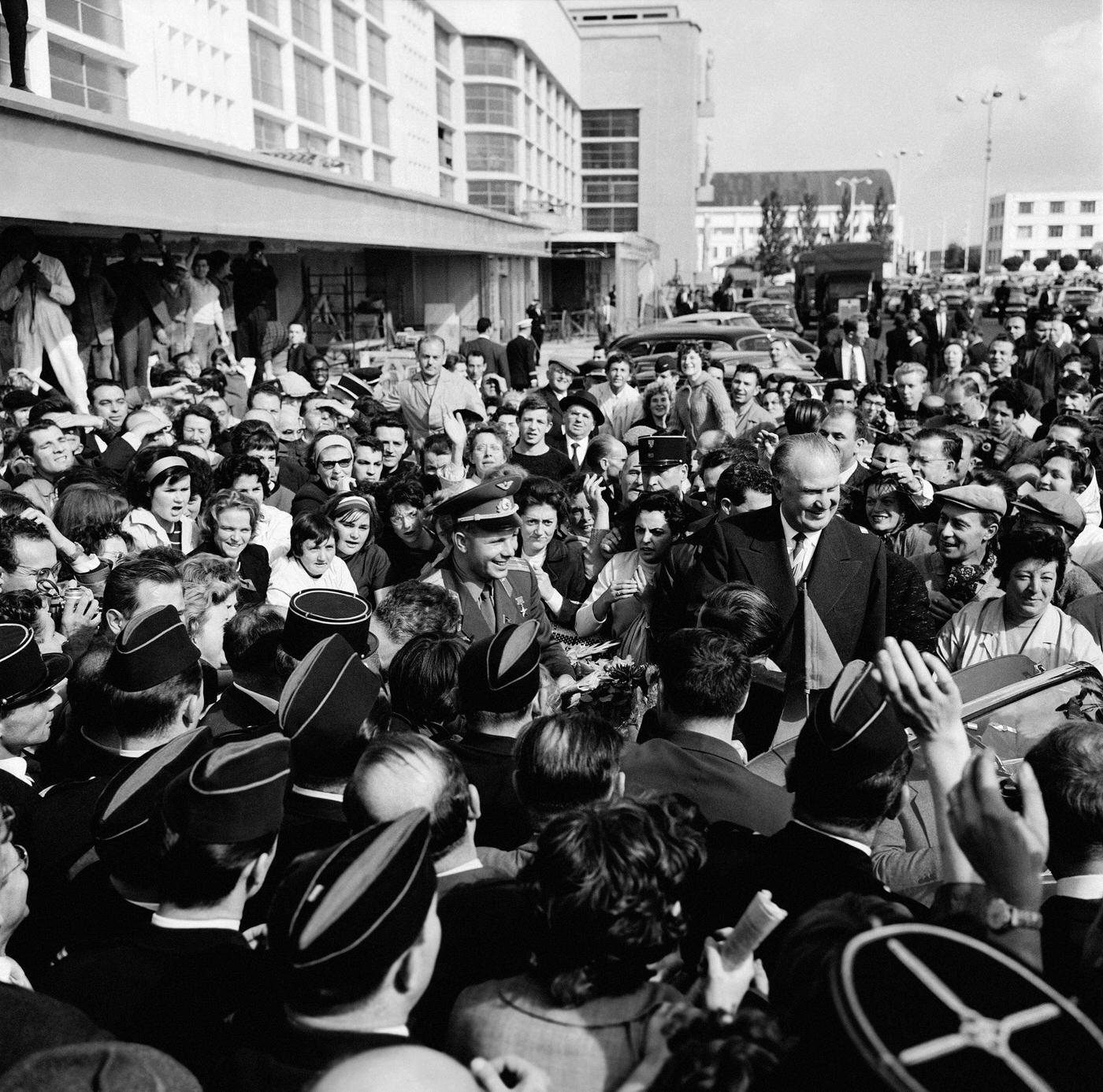
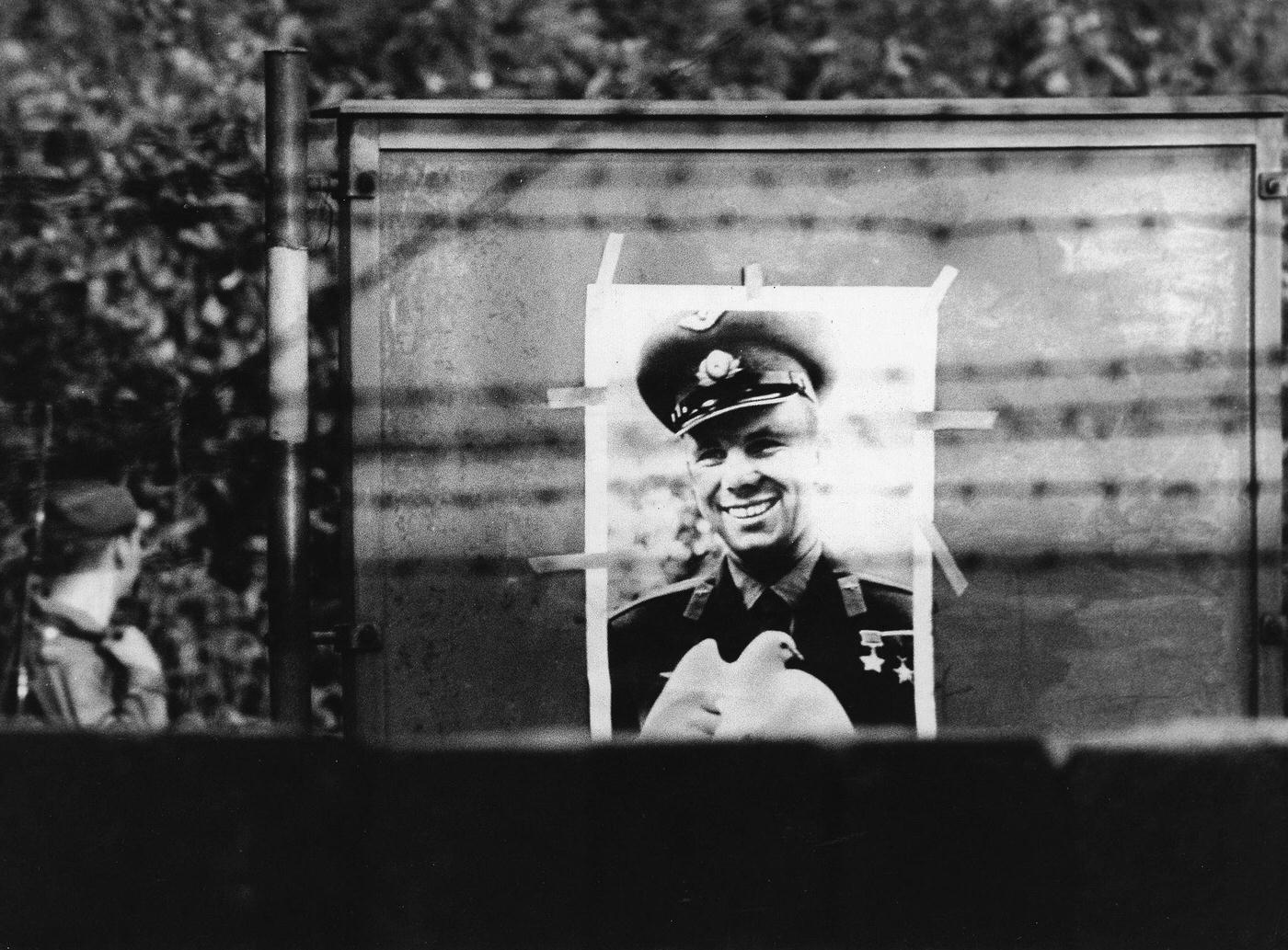
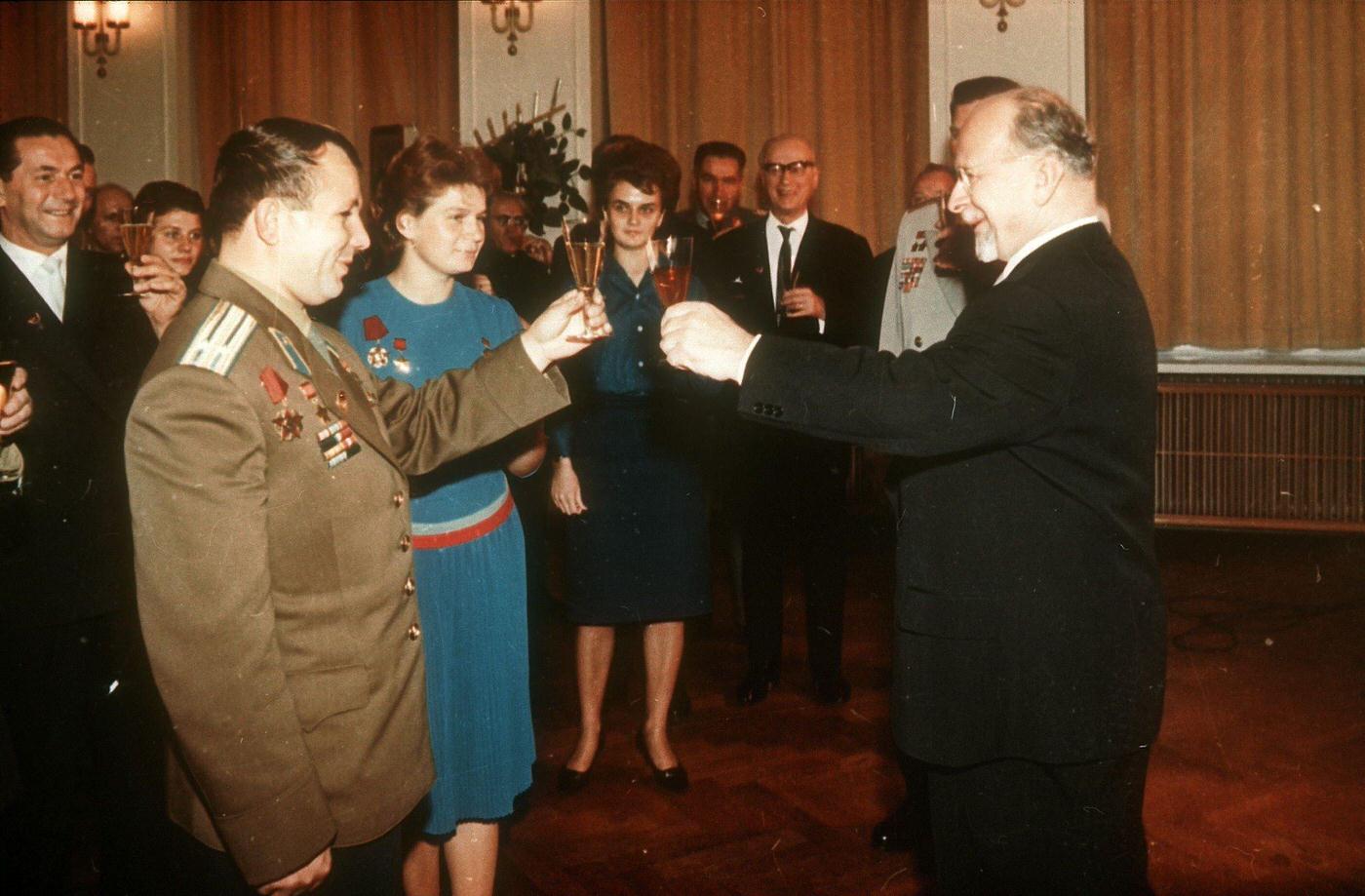
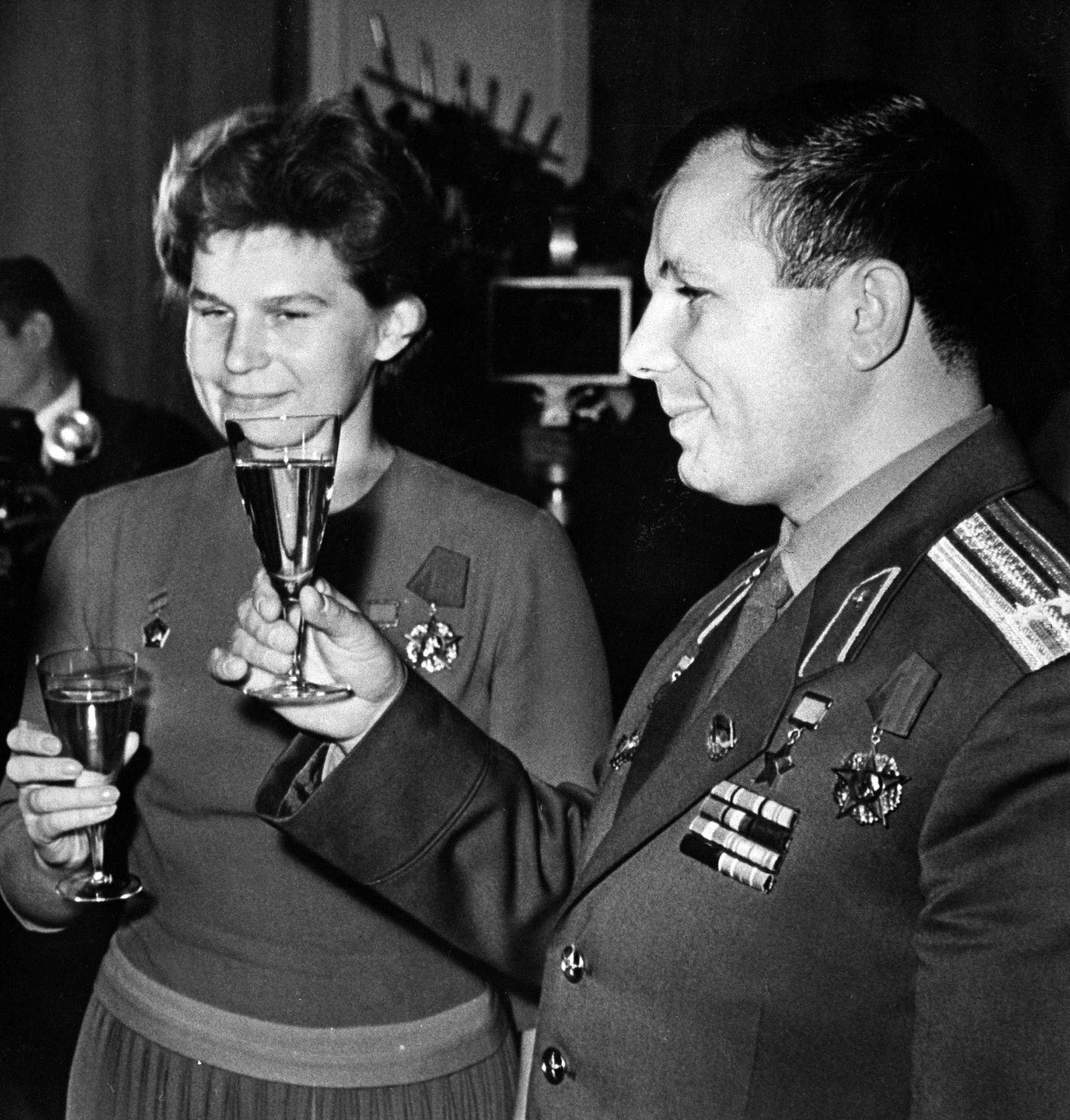
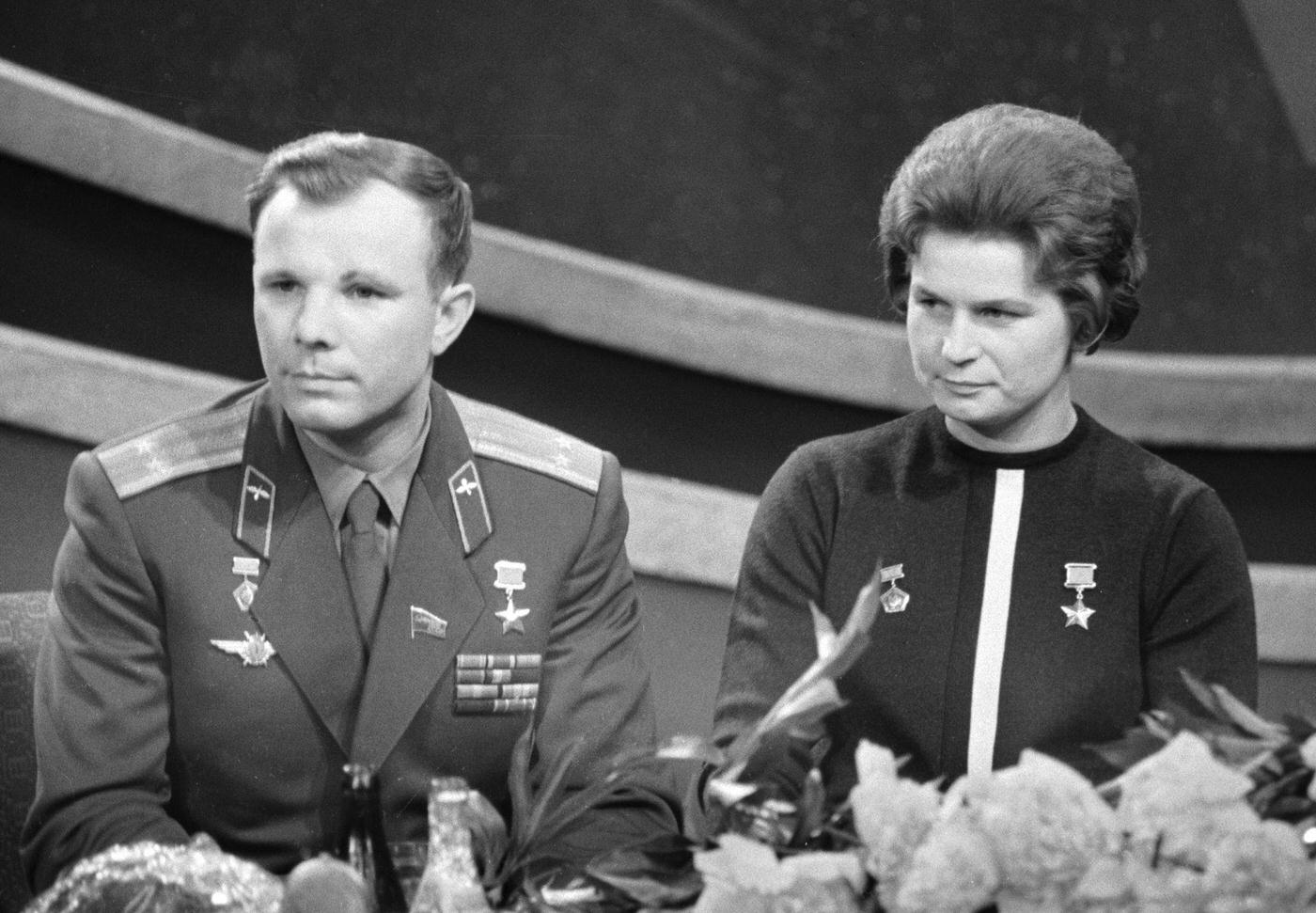
That same year, Gagarin made an official visit to East Berlin alongside fellow cosmonaut Valentina Tereshkova, the first woman in space. The two were received by East German leader Walter Ulbricht and took part in public events and official receptions.
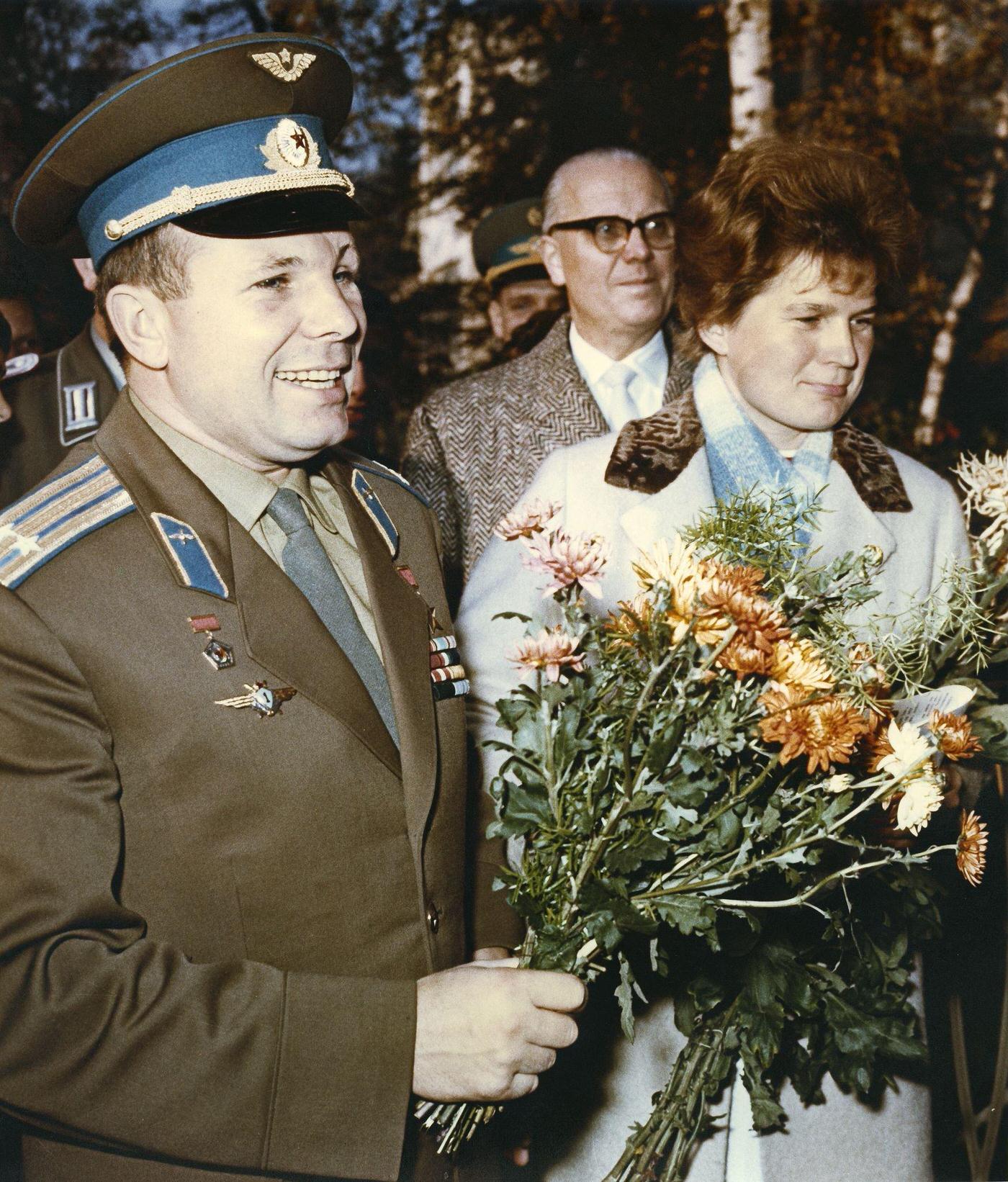
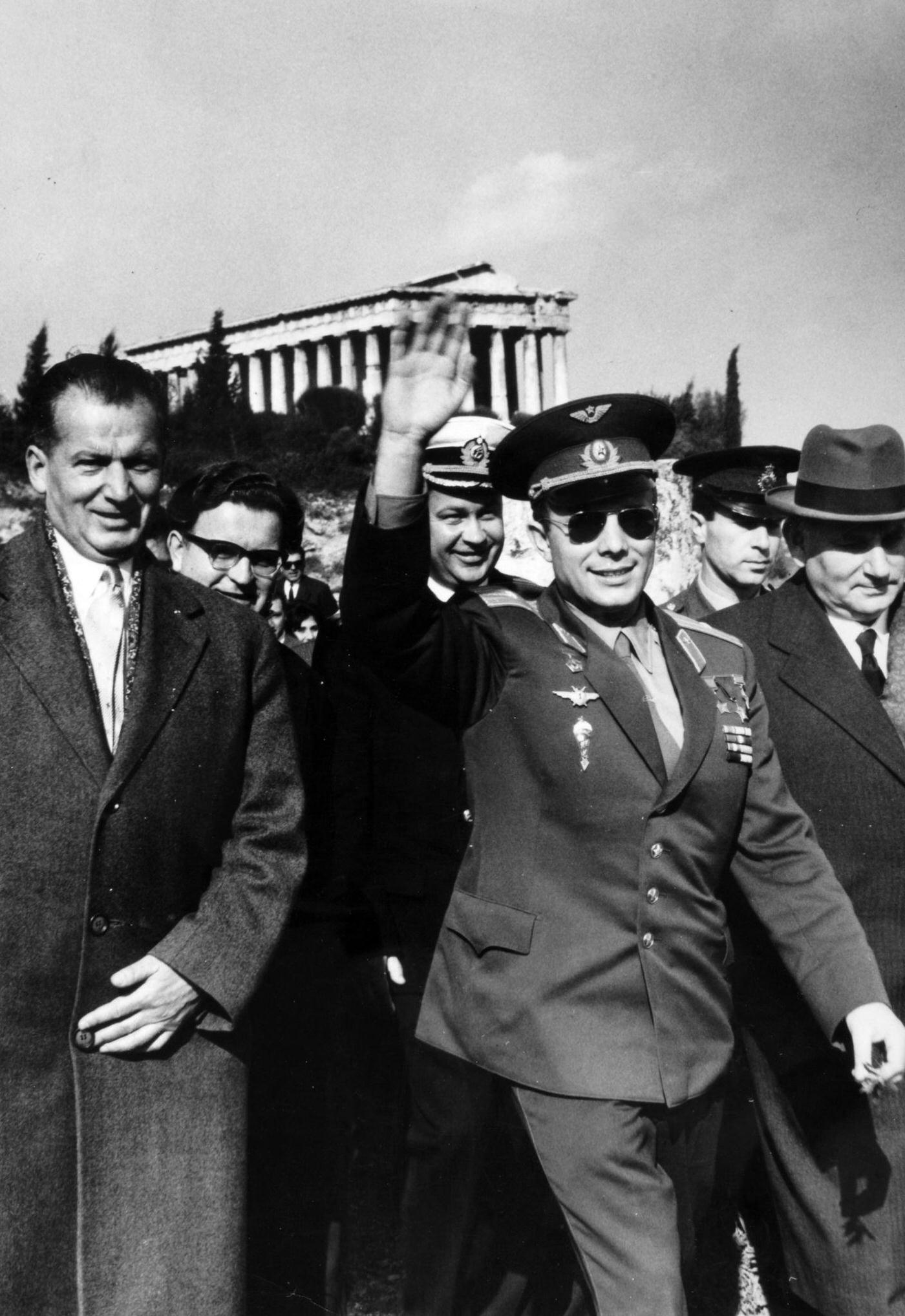
Gagarin’s goodwill travels also took him to Greece, where he toured historical sites and waved to crowds during his visit. His warm, approachable personality made him a natural public figure in every country he visited.
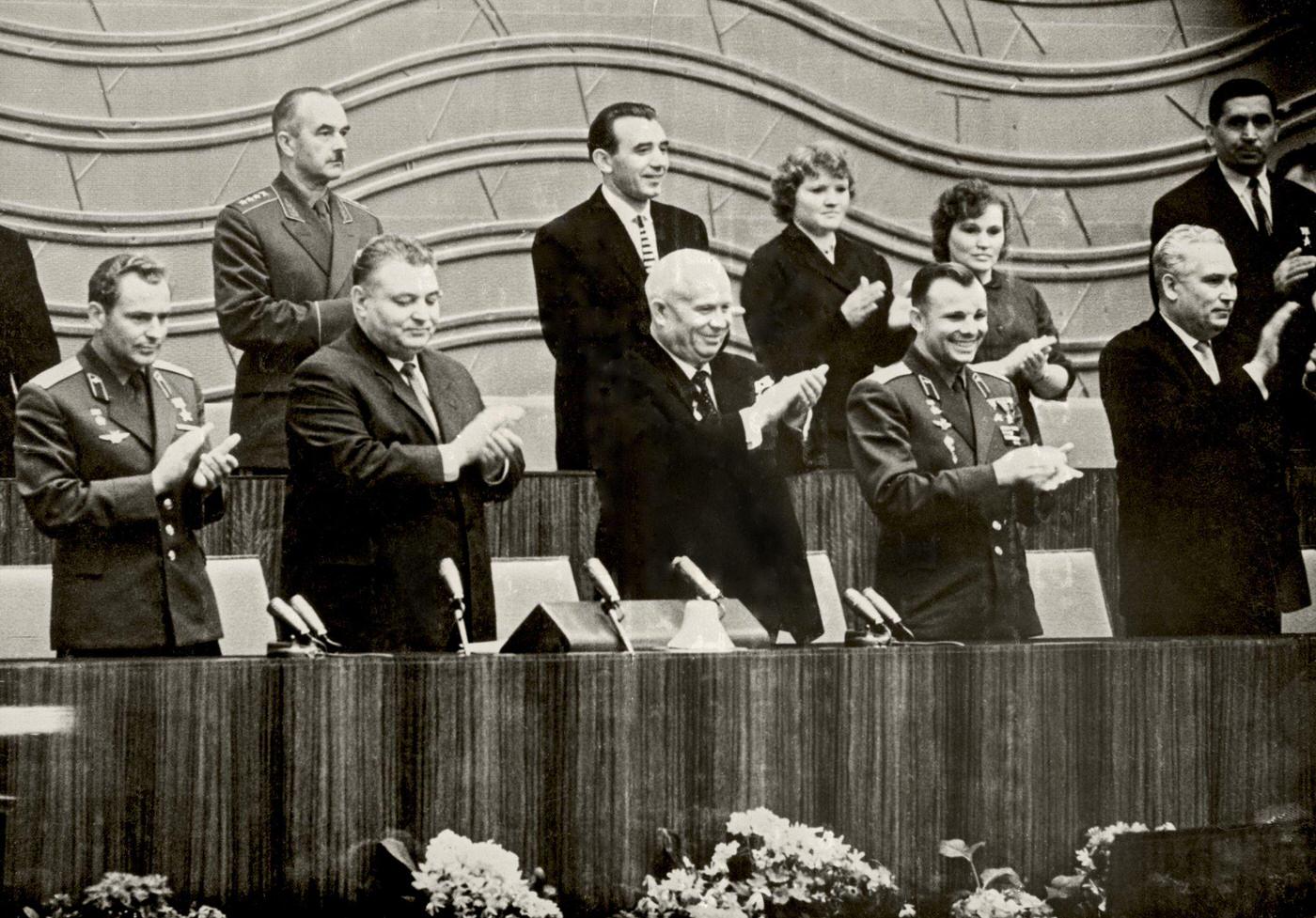
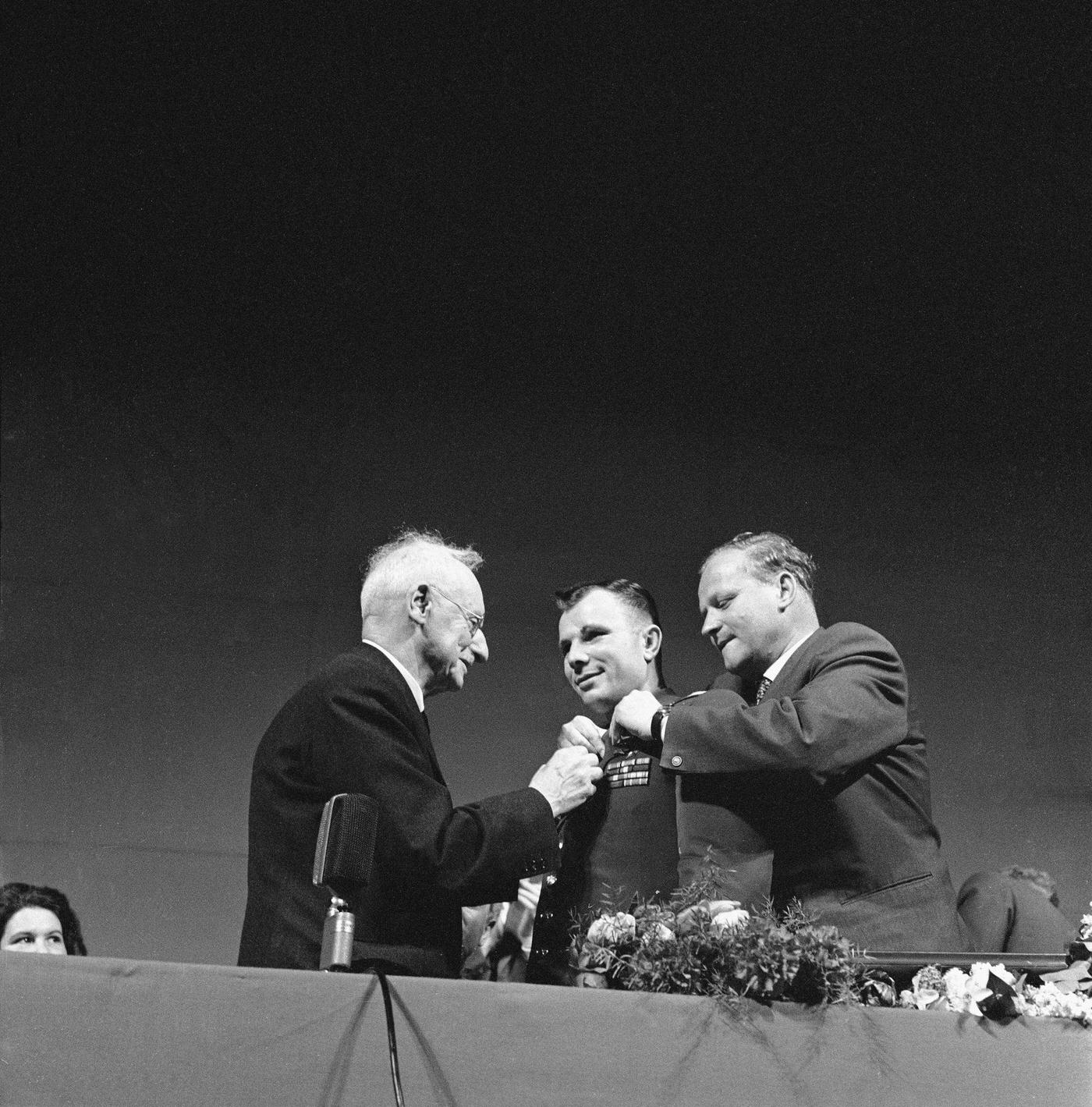
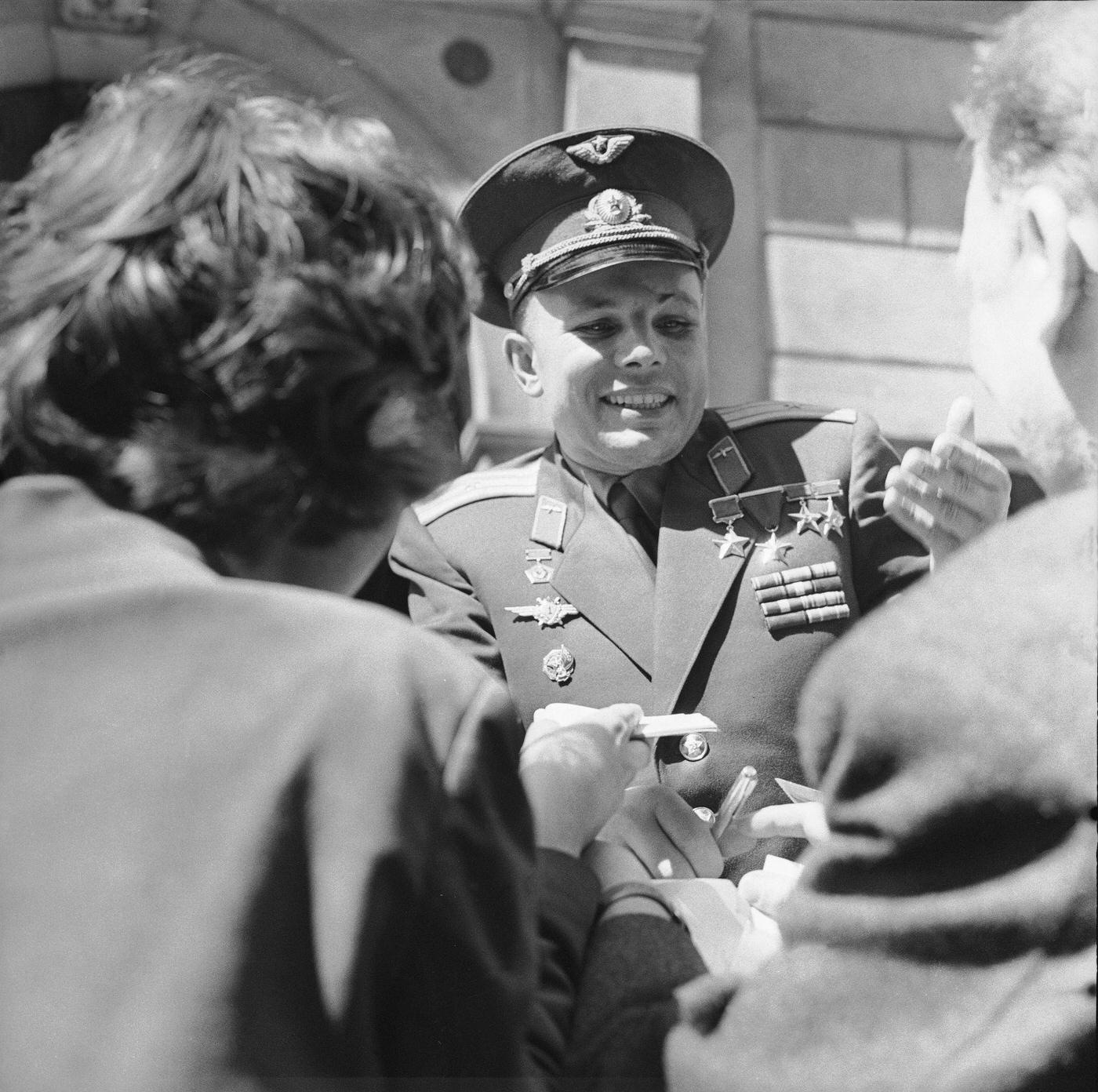
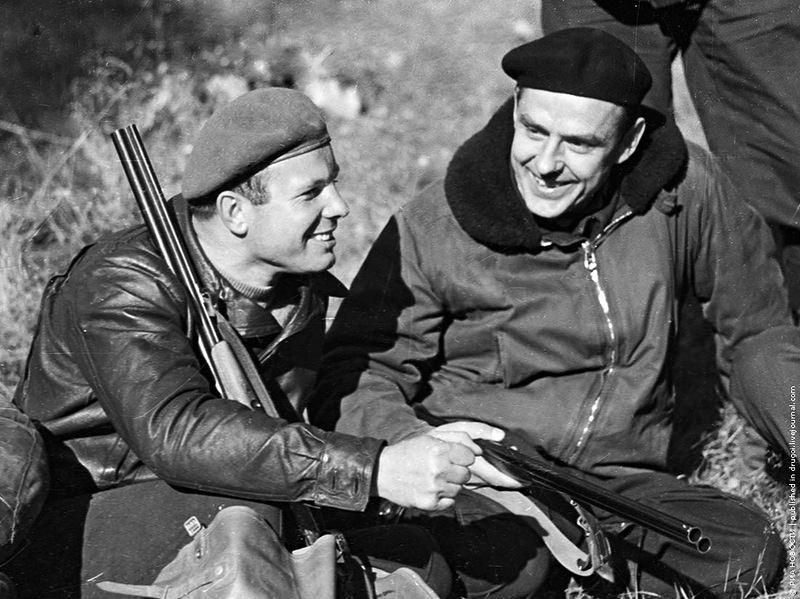
After the Vostok 1 mission, Gagarin continued serving as a cosmonaut. He acted as backup pilot for several subsequent missions and remained involved in the Soviet space program’s planning and operations. One of his closest colleagues during this period was Vladimir Komarov, a fellow cosmonaut.
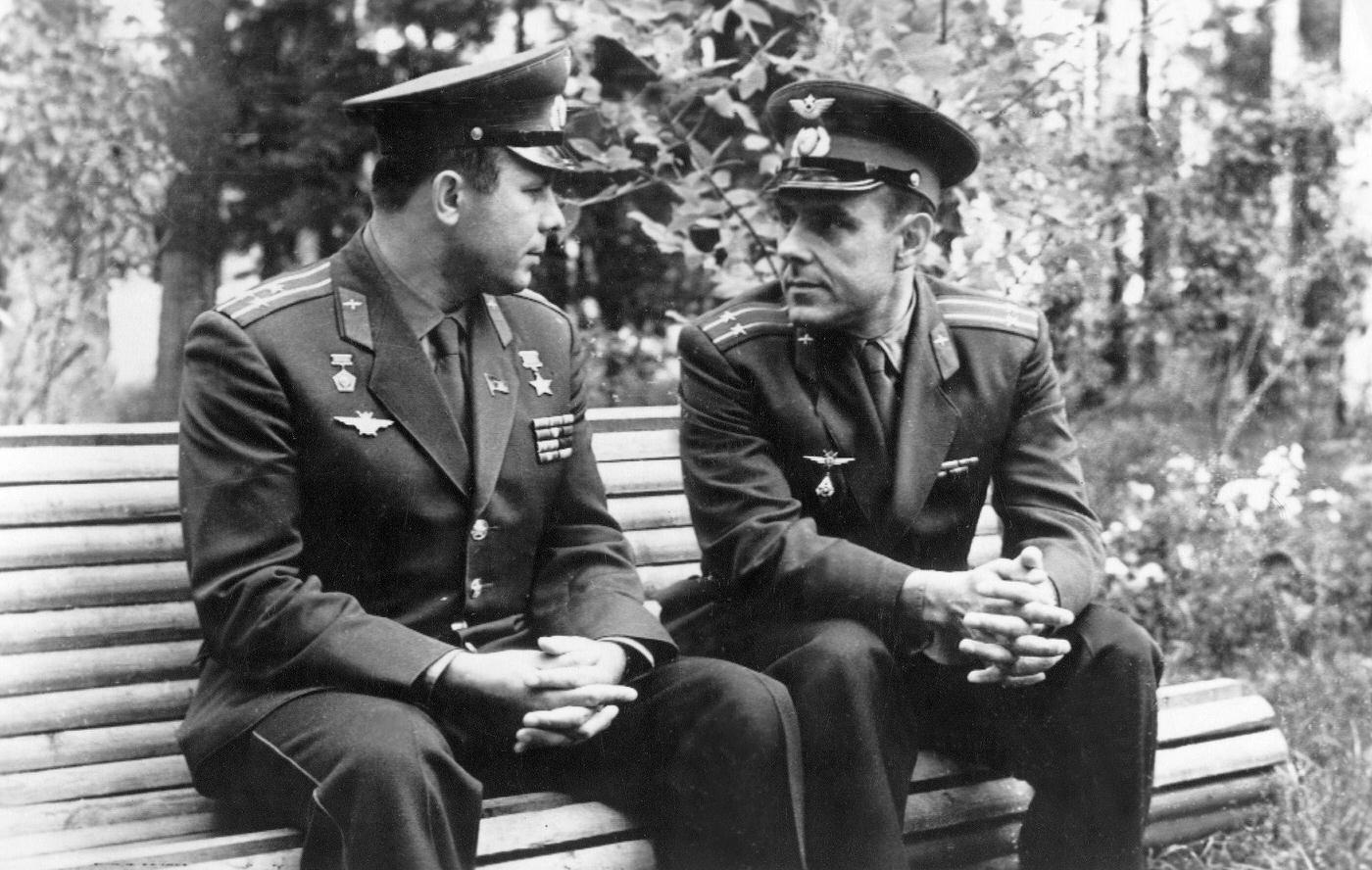
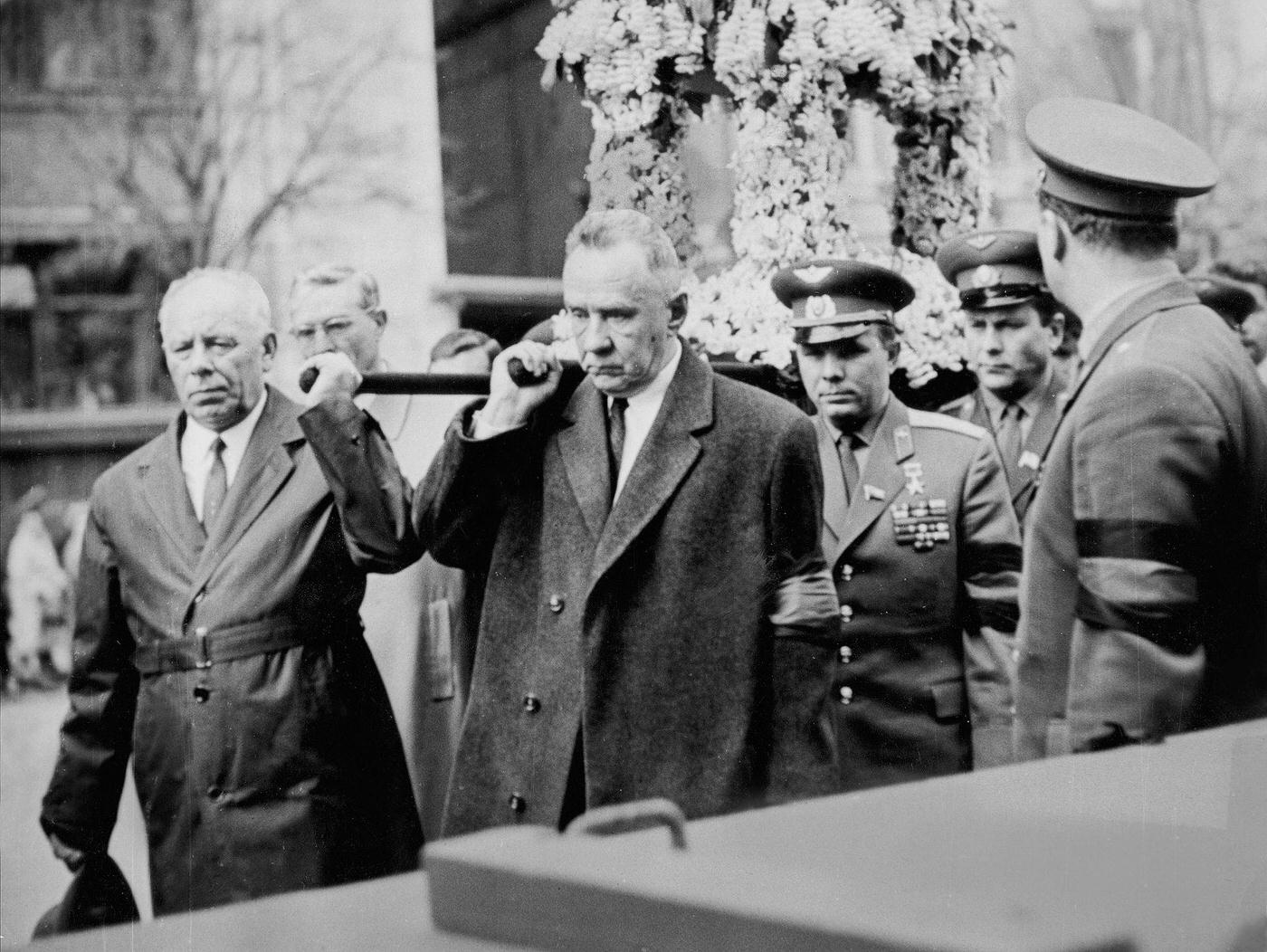
In April 1967, Komarov died when his Soyuz 1 spacecraft crashed on re-entry, becoming the first human to die in a spaceflight accident. Gagarin served as a pallbearer at the state funeral in Moscow, walking alongside Soviet Premier Alexei Kosygin as Komarov’s decorated coffin was carried through the ceremony.
Gagarin himself died less than a year later, on March 27, 1968. He was killed when the MiG-15 training jet he was piloting with instructor Vladimir Seregin crashed near the town of Kirzhach during a routine training flight. He was 34 years old. At the time of his death, he was preparing for a planned mission to orbit the Moon.