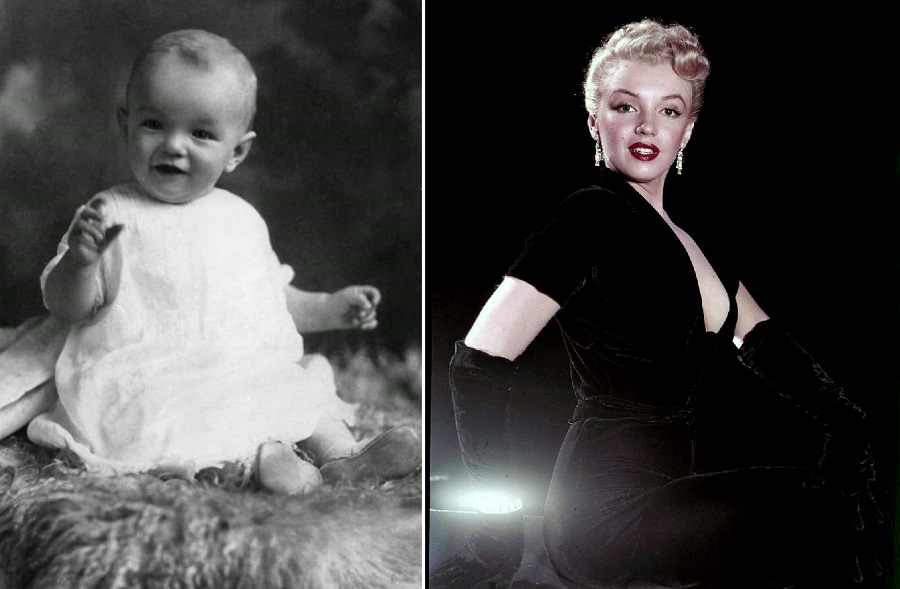
Marlon Brando was born on April 3, 1924, in Omaha, Nebraska. His home life was rough from the start. Both of his parents were alcoholics, and the family moved frequently before his parents finally separated. He had two sisters, Frances and Jocelyn, and the three children often had to fend for themselves emotionally. Despite the instability, Brando developed a sharp sensitivity to human behavior — something that would define his acting for decades.
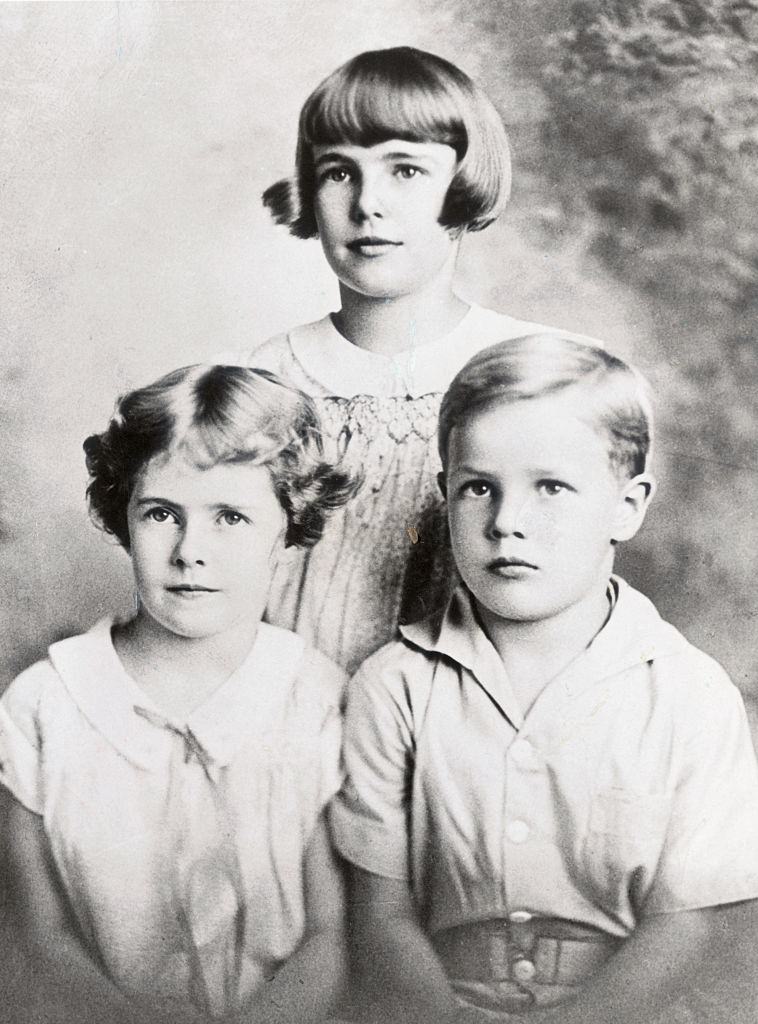
Growing up, Brando was not a standout student. He struggled with authority and had little interest in formal academics. His mother, Dodie, had a passion for theater and passed that spark on to her children, particularly Jocelyn and Marlon. As a boy, Brando was curious and physically active, spending time outdoors whenever he could.
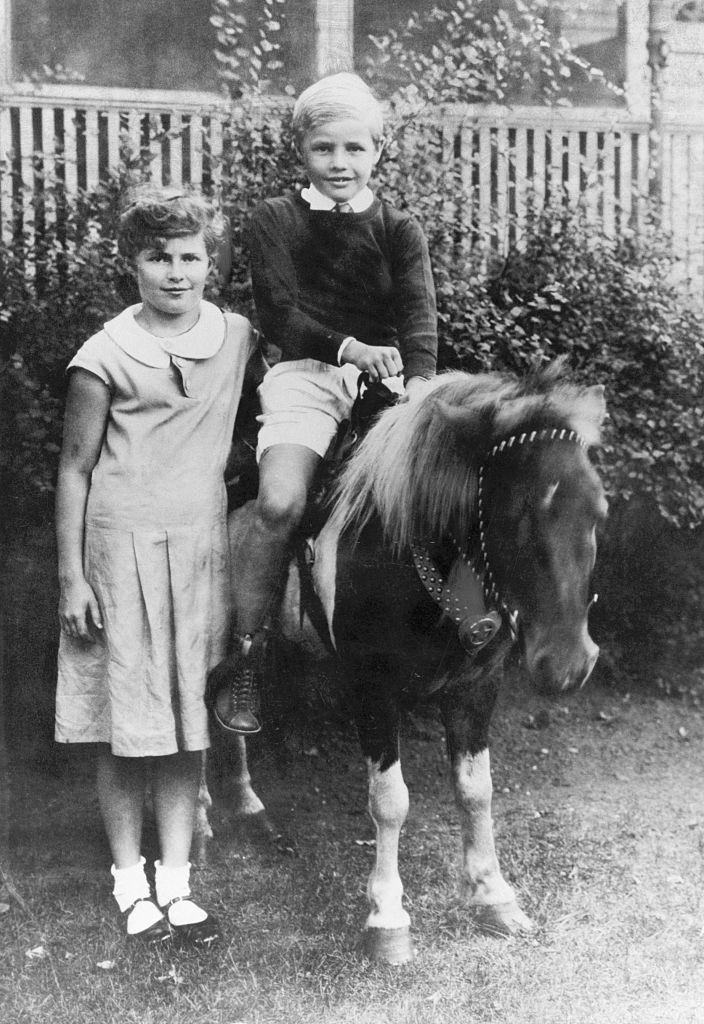
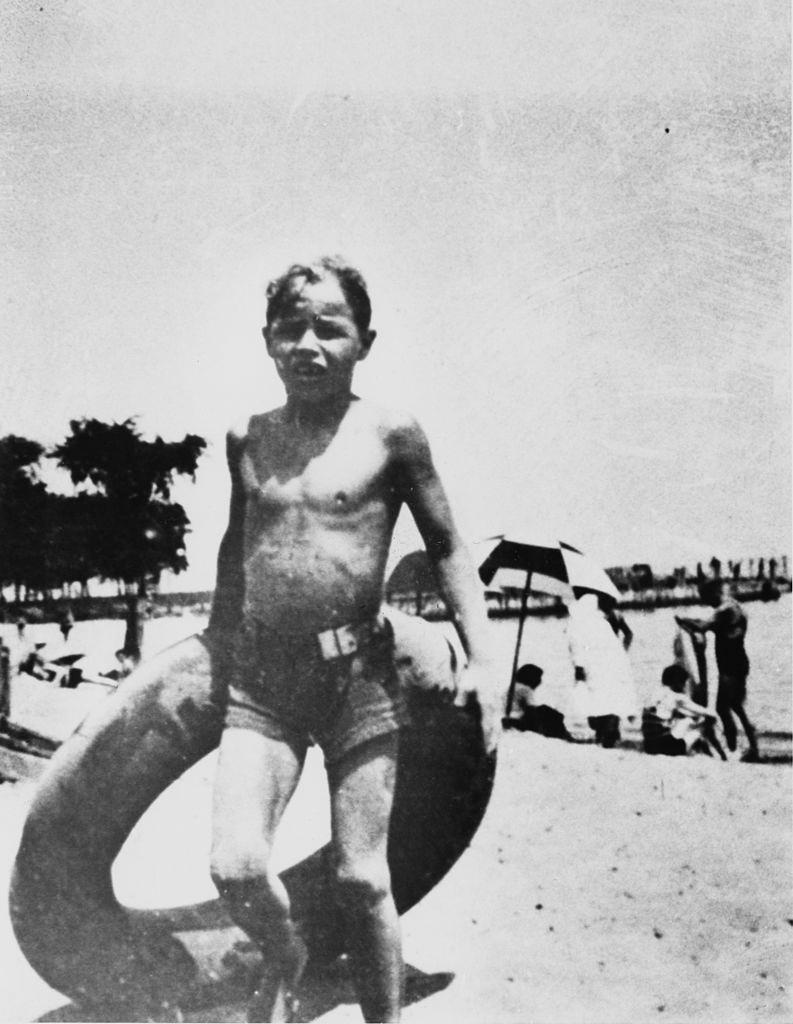
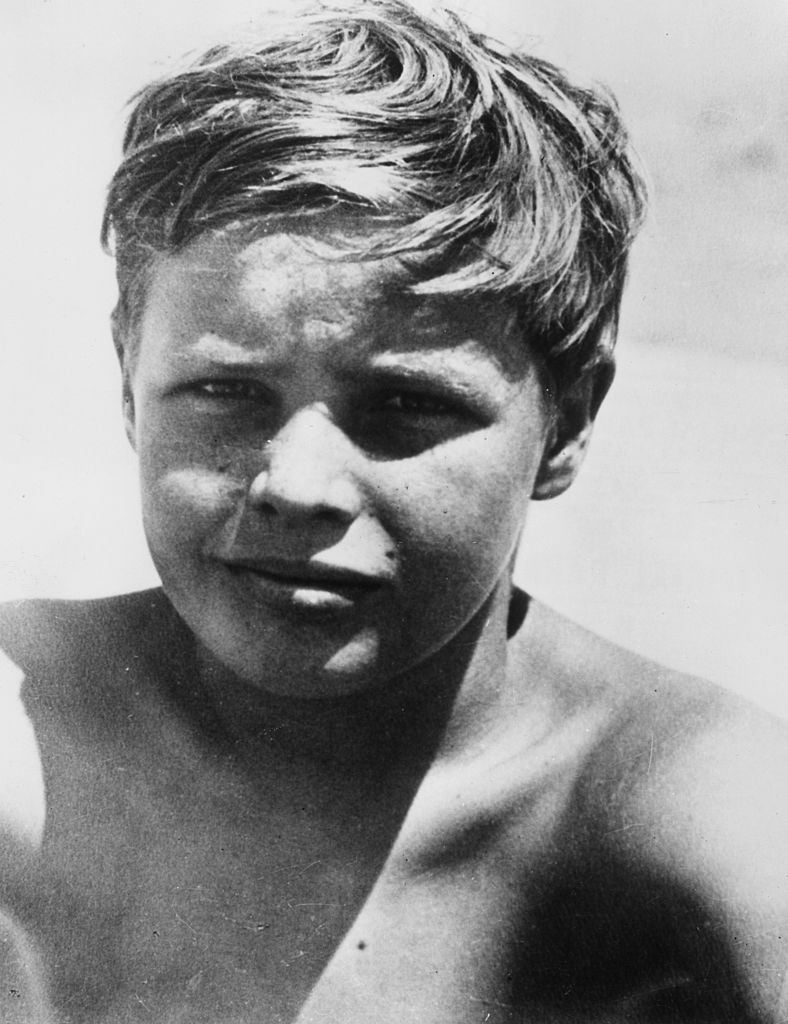
By his teenage years, Brando’s defiant streak was fully on display. His father eventually enrolled him at the Shattuck Military Academy in Minnesota, hoping the rigid structure would straighten him out. It did not. Brando was expelled before graduating. Still, his time at the academy gave him his first real taste of performing — he appeared in school productions and discovered he had a natural presence on stage.
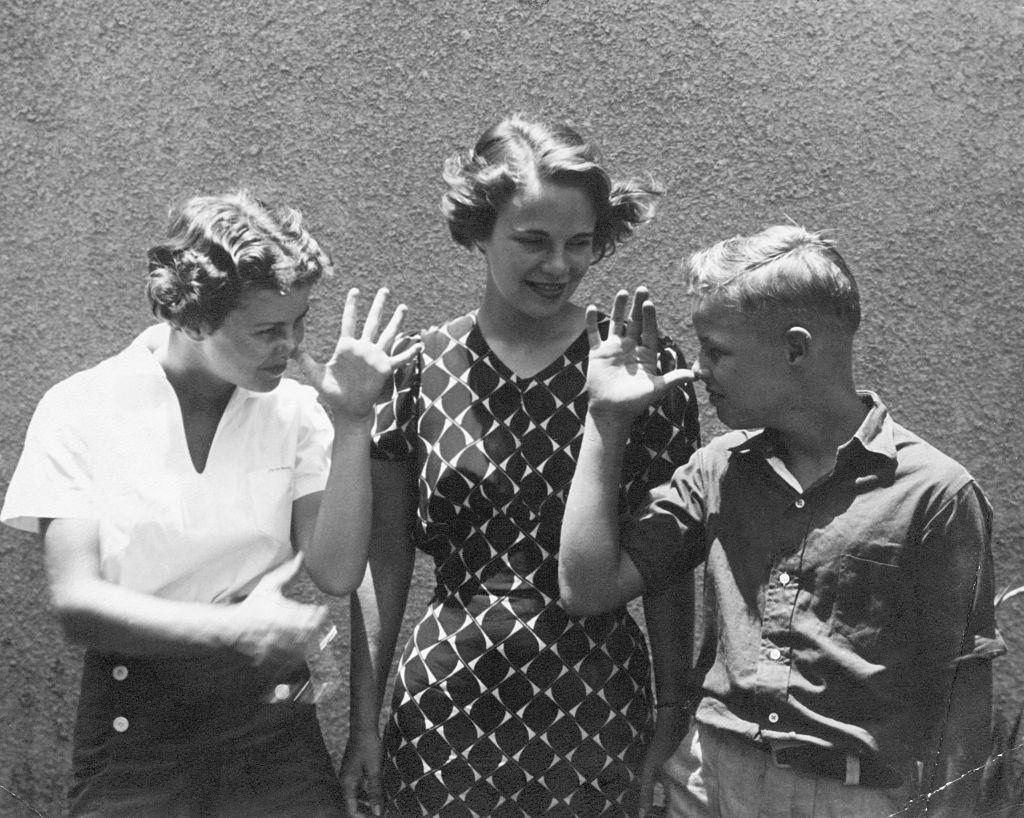
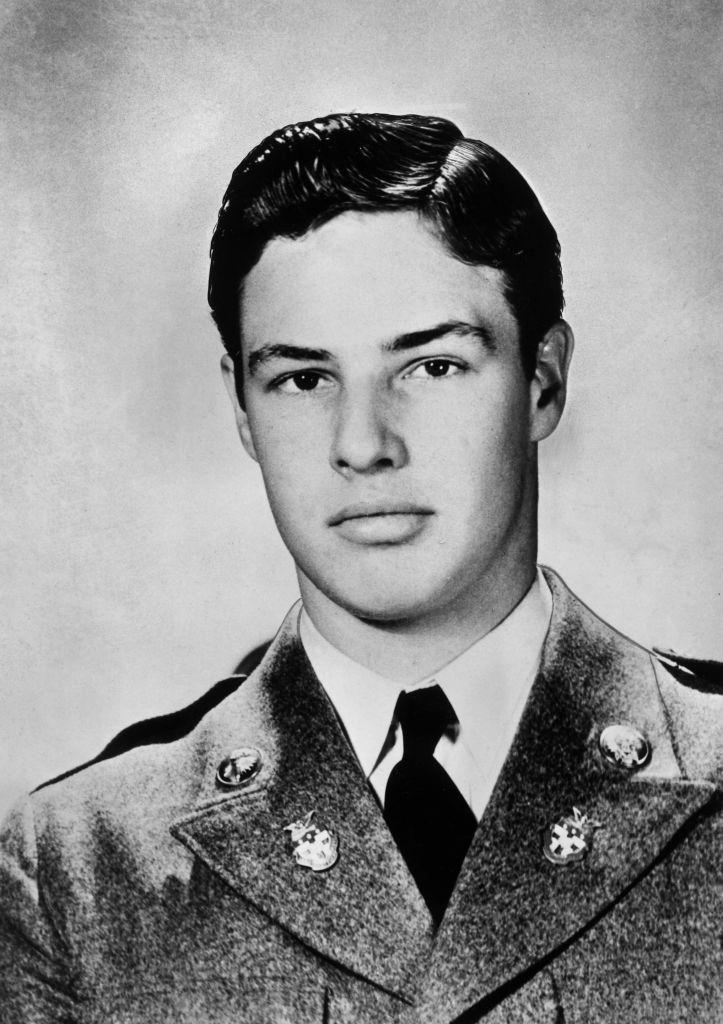
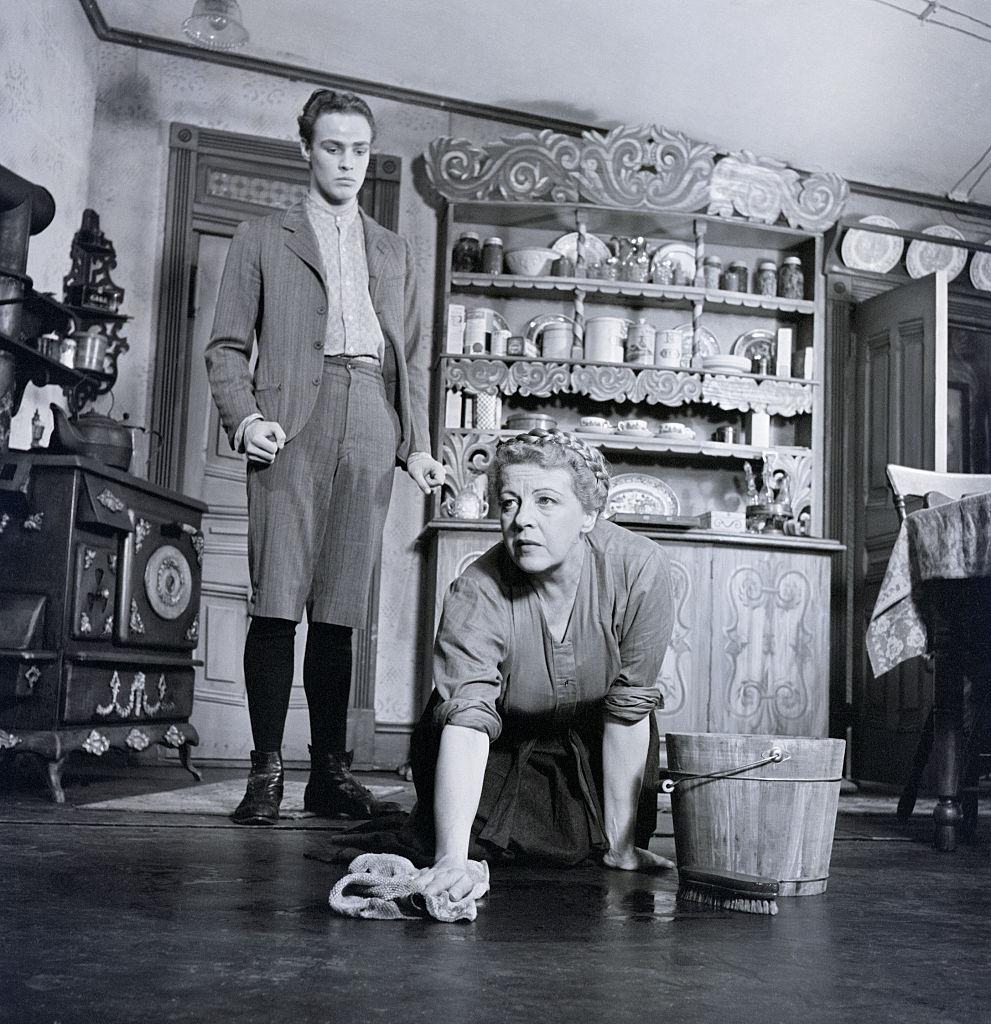
After leaving the academy, Brando moved to New York City in the early 1940s and studied acting under Stella Adler at the New School. Adler taught the Stanislavski method, which pushed actors to draw on real emotions and genuine experience rather than theatrical tricks. Brando absorbed this approach completely. In 1944, he made his Broadway debut in ‘I Remember Mama,’ stepping onto one of the most competitive stages in the world at just 20 years old.
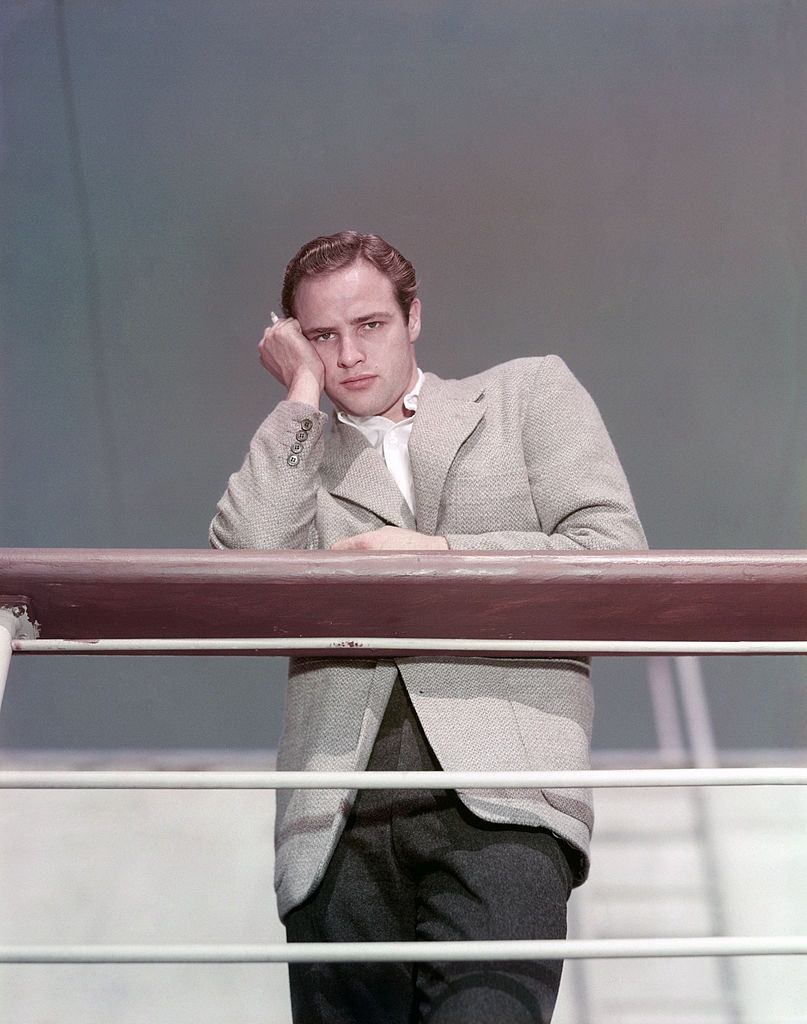
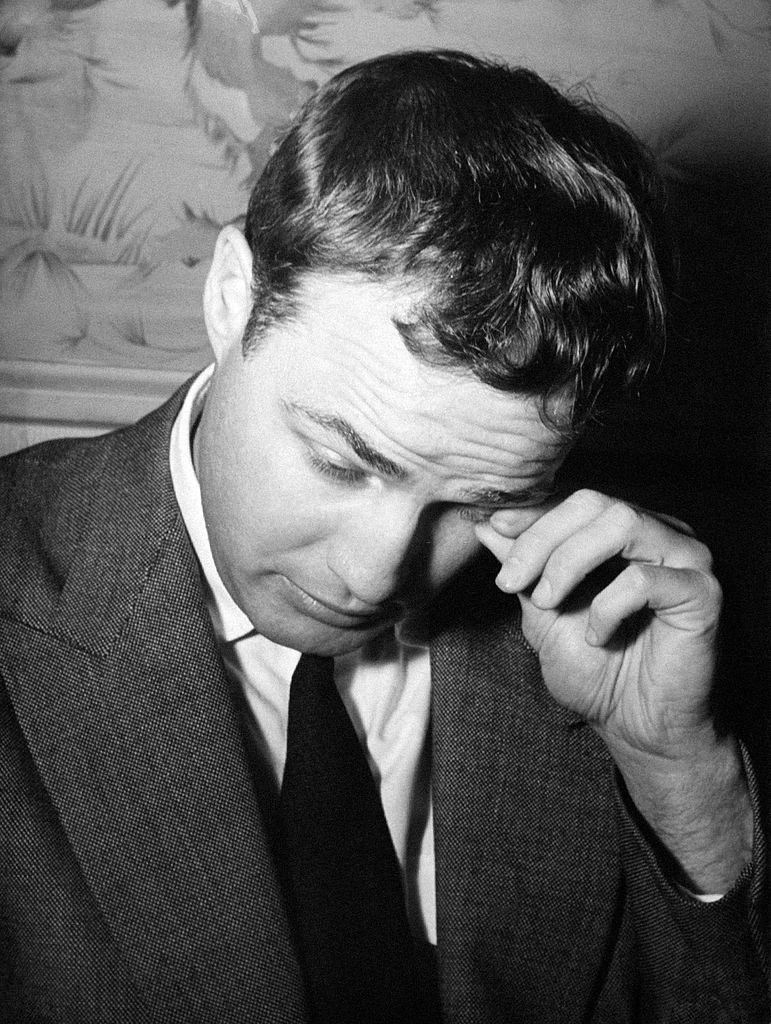
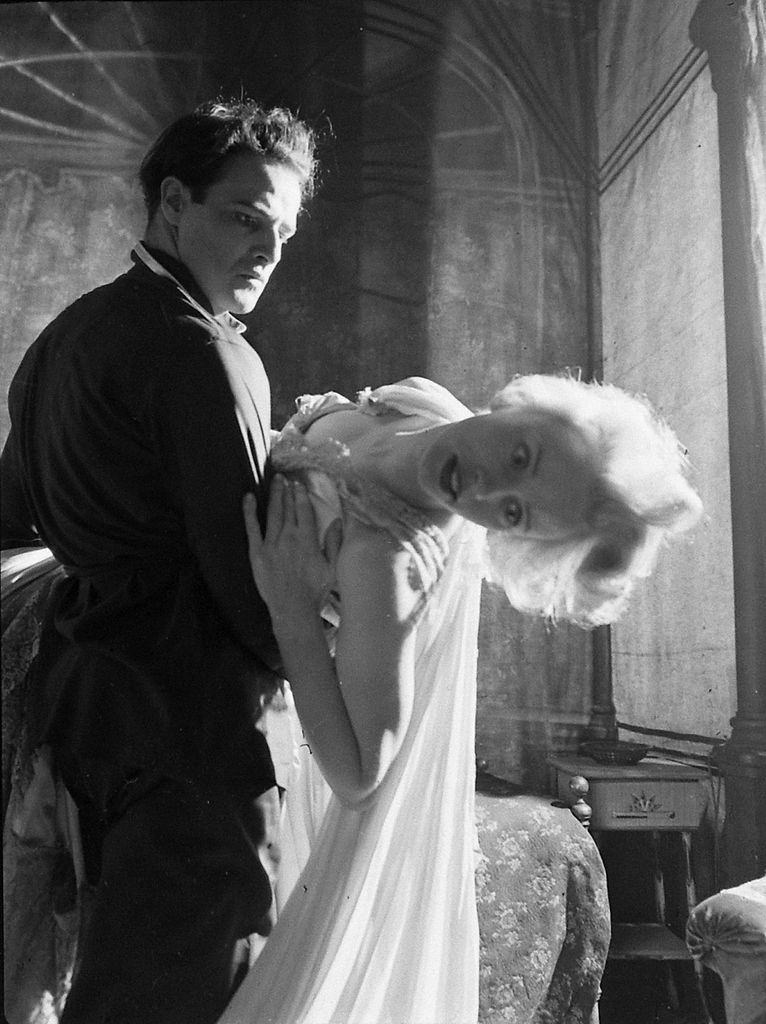
The role that made Brando a Broadway sensation came in 1947. He played Stanley Kowalski in Tennessee Williams’ ‘A Streetcar Named Desire,’ directed by Elia Kazan. Stanley was brutal, volatile, and magnetic — and Brando played him with a raw, physical energy that stunned audiences. Critics and theatergoers had never quite seen anything like it. The performance ran for 855 shows and transformed Brando into one of the most talked-about young actors in America.
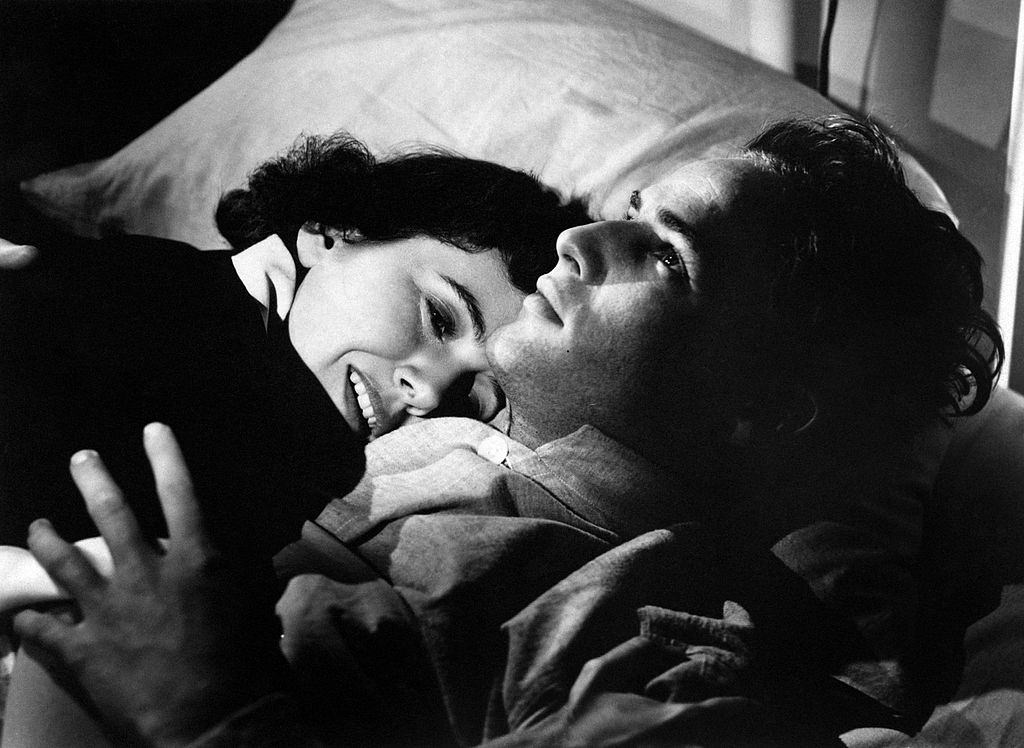
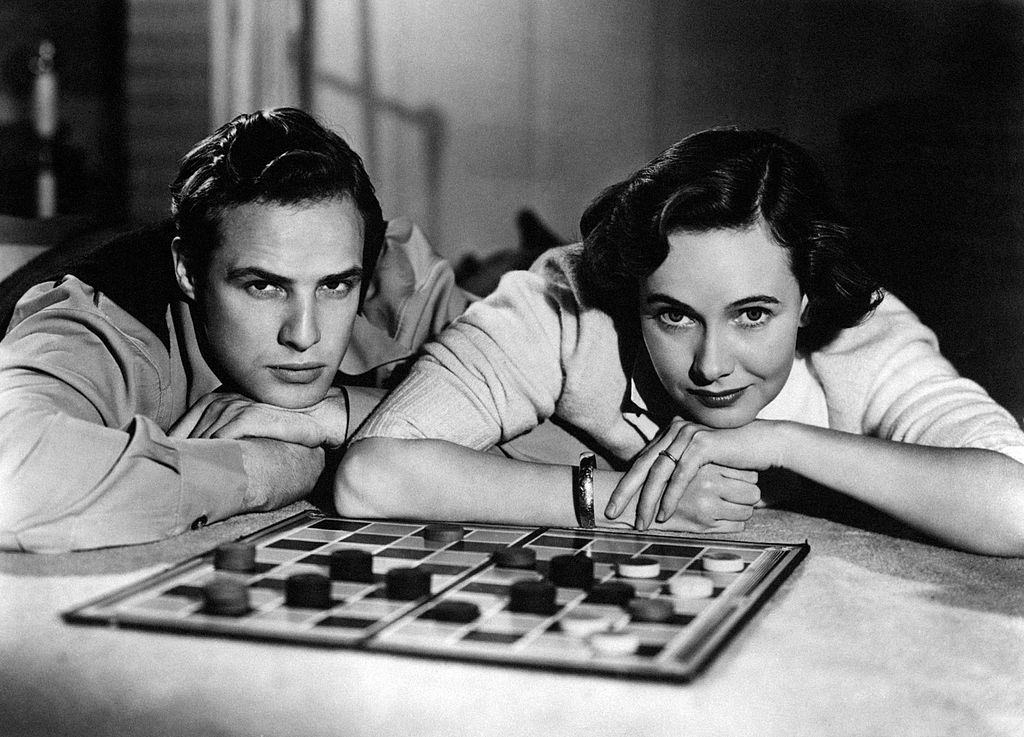
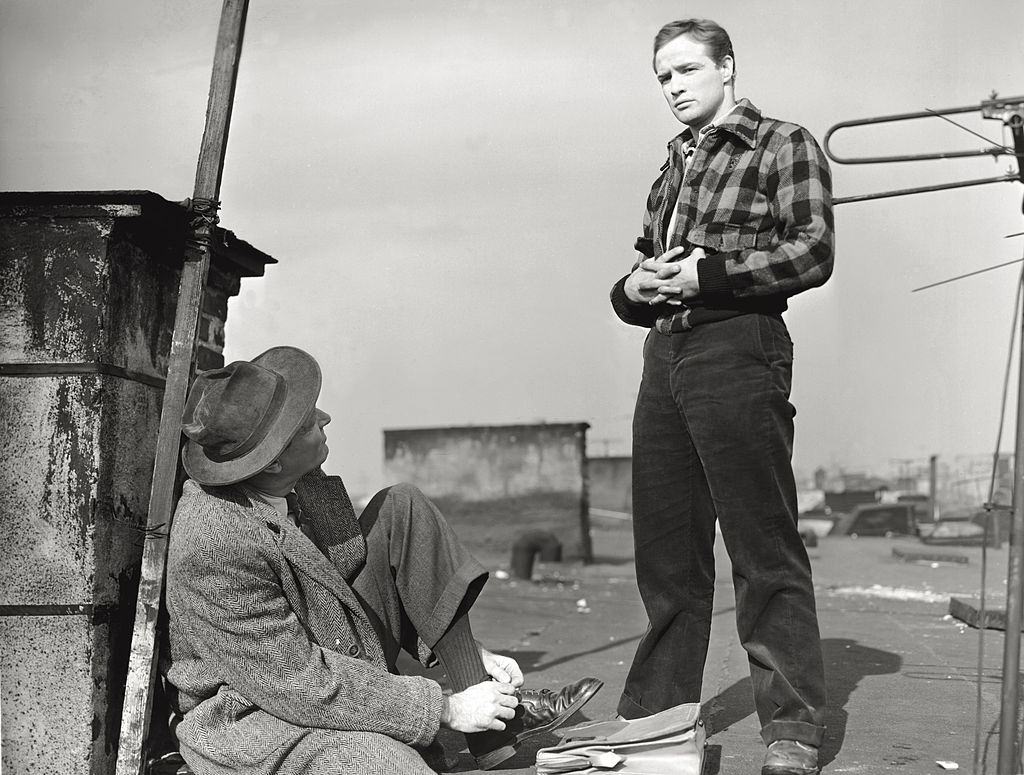
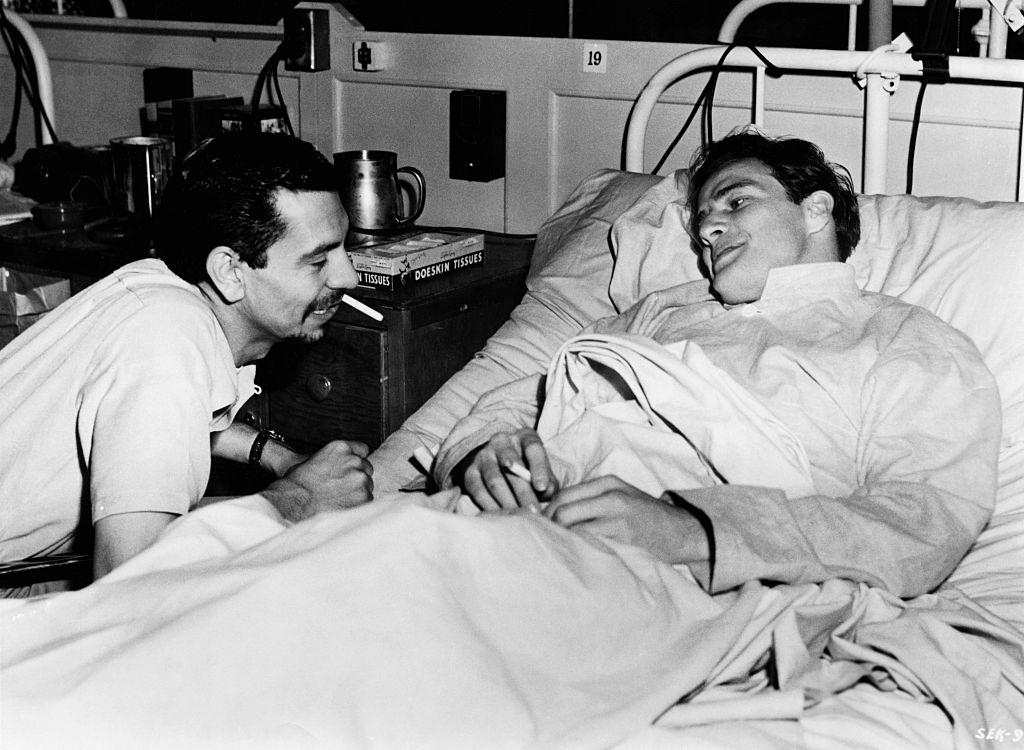
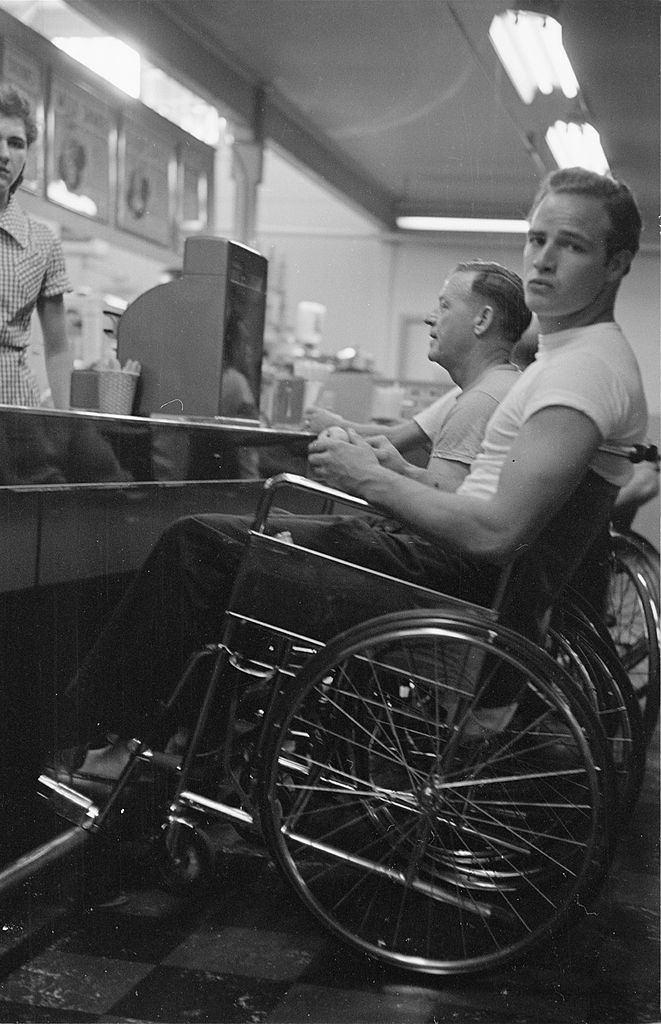
Brando made his film debut in 1950 with ‘The Men,’ playing Ken, a World War II veteran paralyzed from the waist down. To prepare, he spent a month living in a veterans’ hospital ward, using a wheelchair and living alongside patients with spinal injuries. The dedication was total. The film was a critical success, and Hollywood took notice immediately.
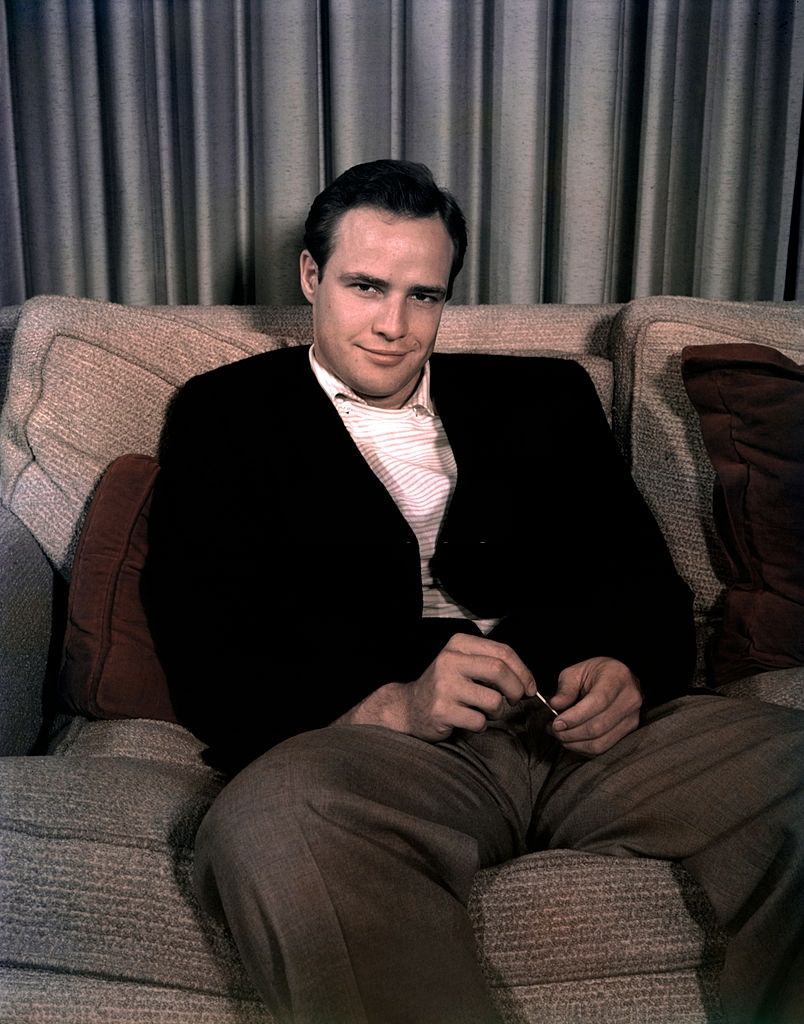
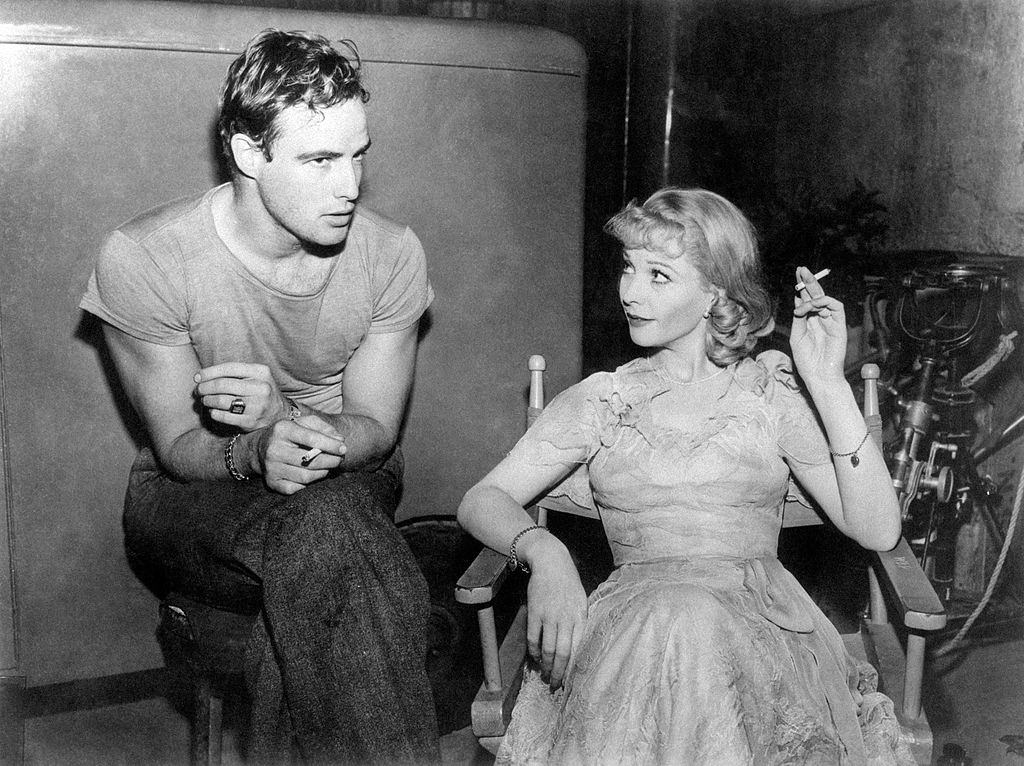
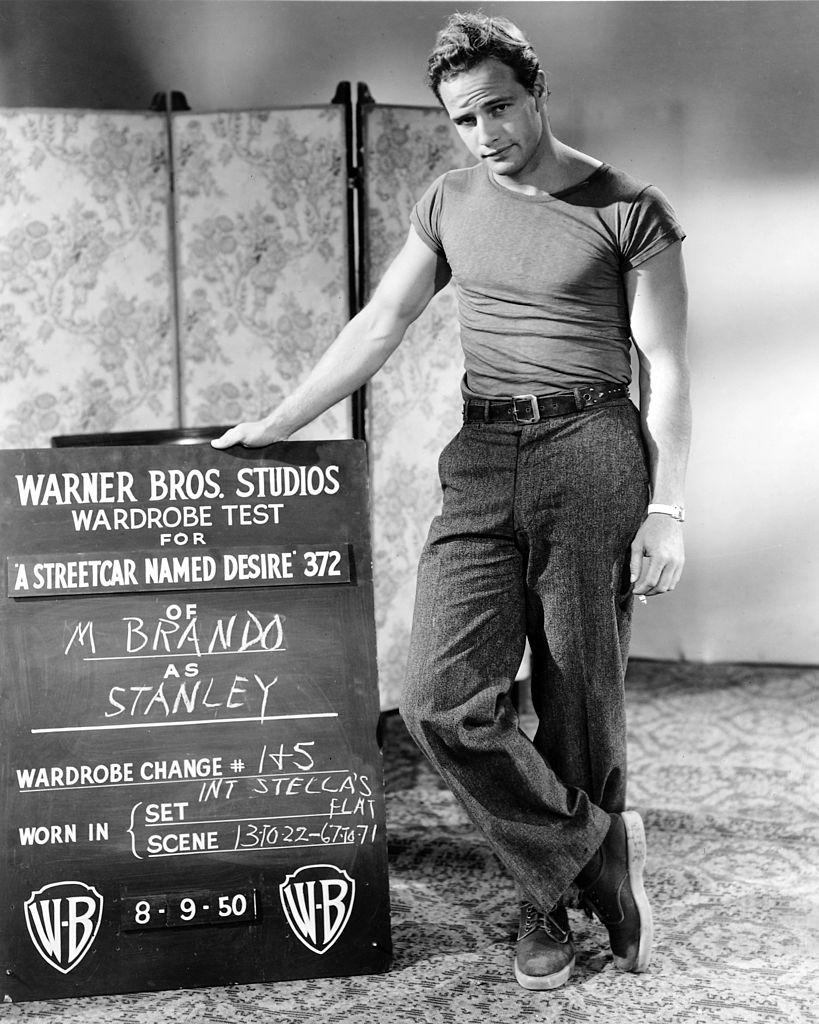
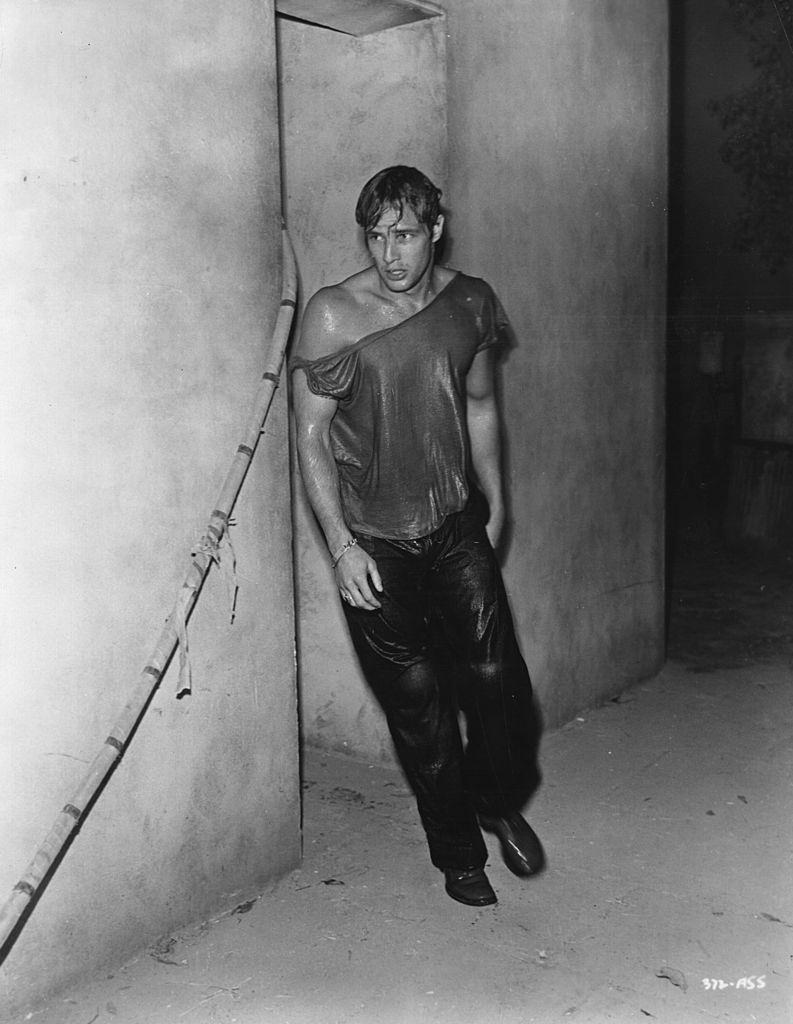
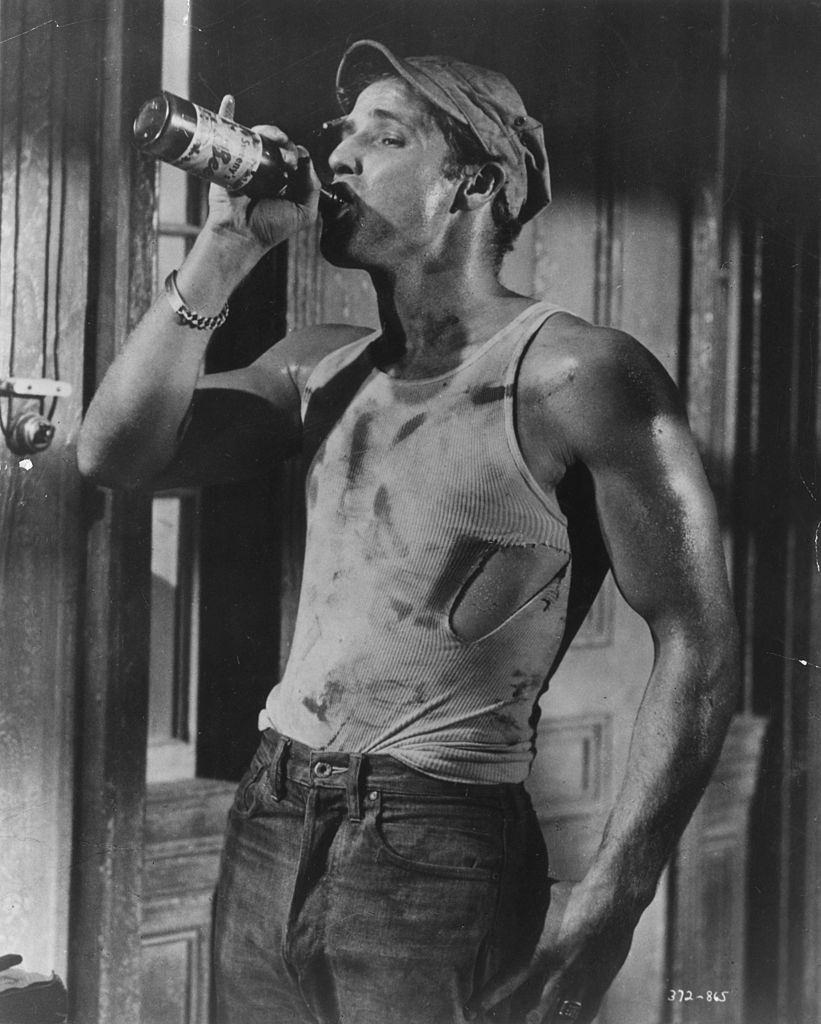
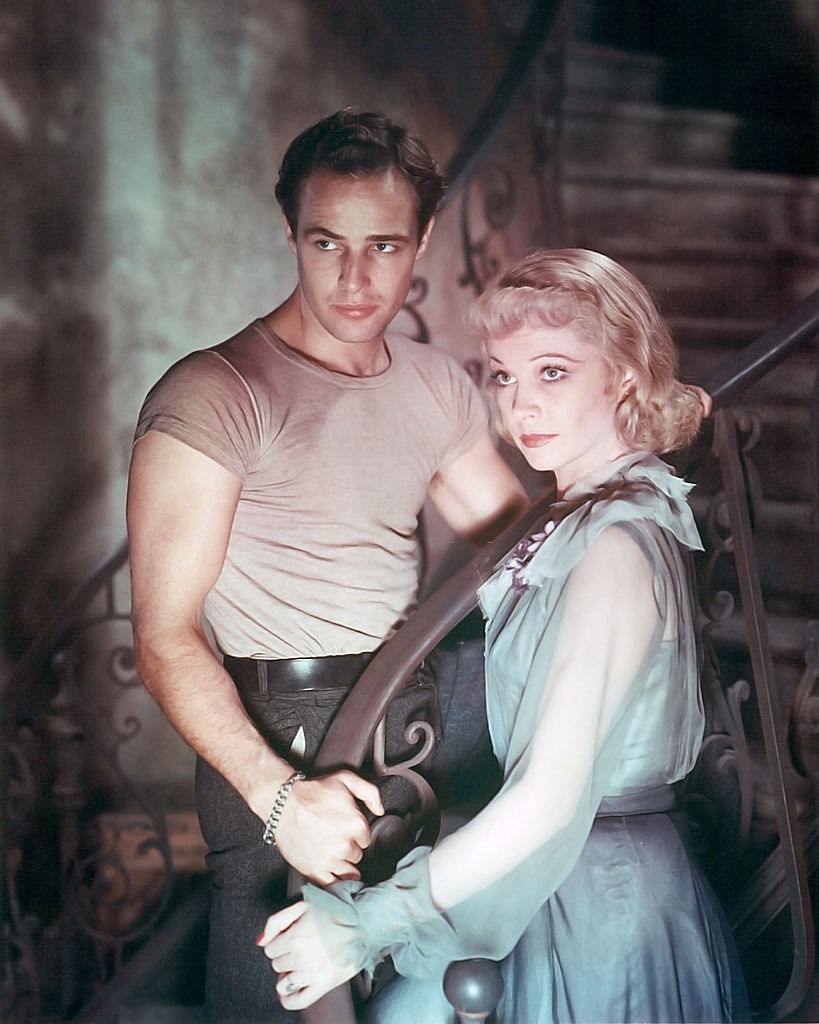
In 1951, Brando reprised his role as Stanley Kowalski in the film adaptation of ‘A Streetcar Named Desire,’ this time opposite Vivien Leigh. The film earned him his first Academy Award nomination for Best Actor. Leigh won the Oscar for Best Actress. The film cemented Brando’s status not just as a stage talent, but as a genuine movie star capable of leading a major Hollywood production.
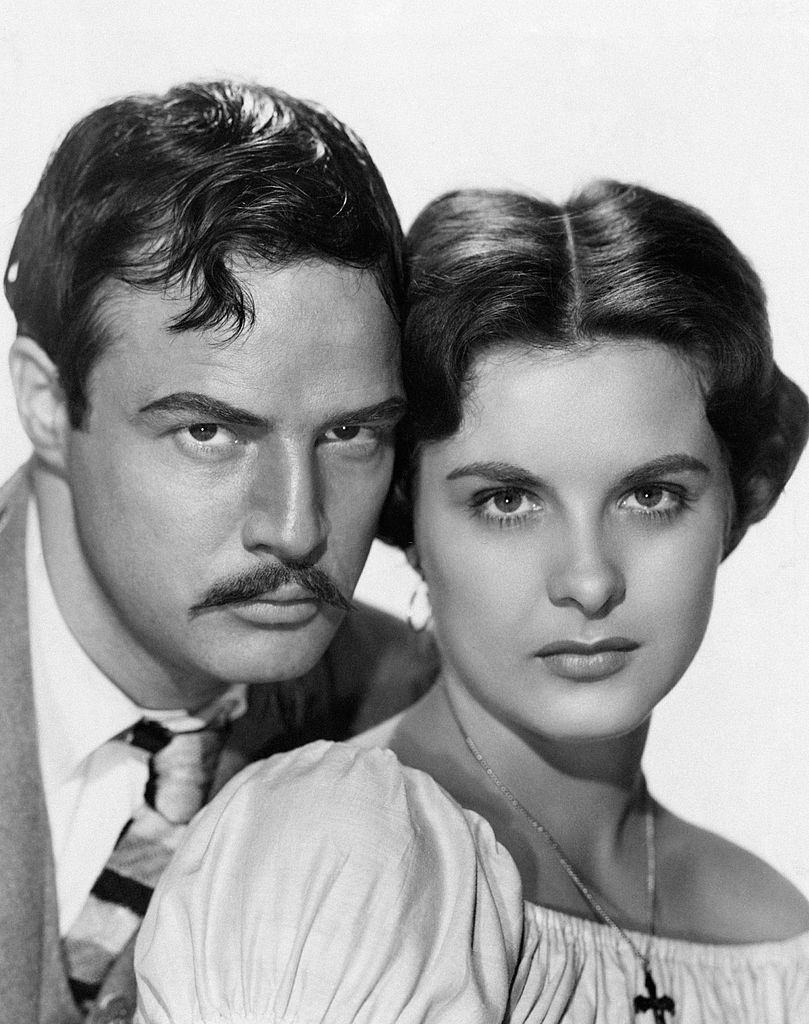
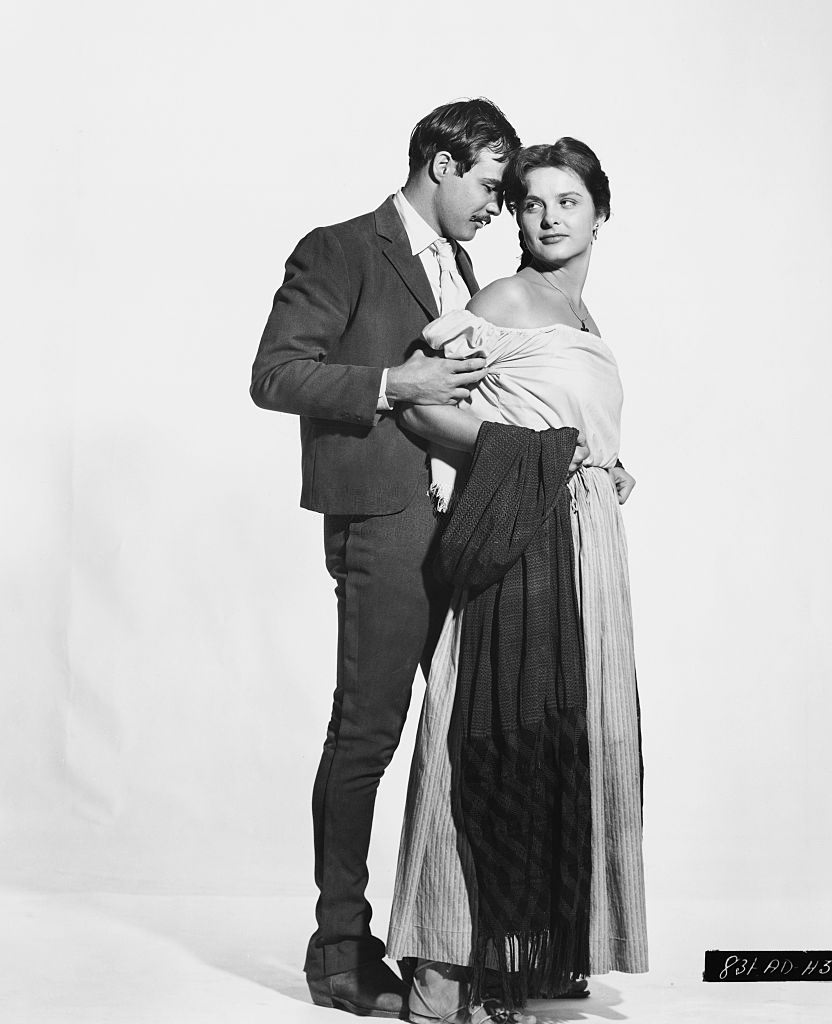
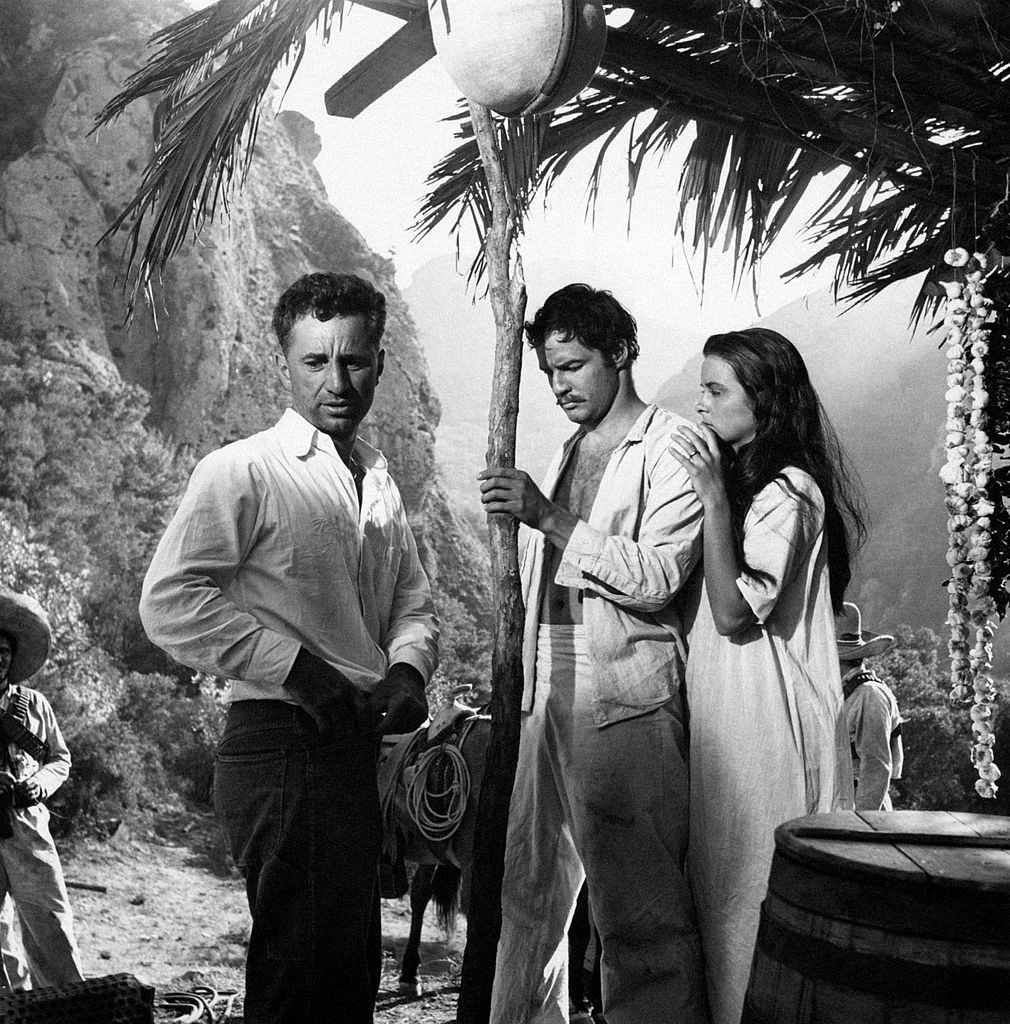
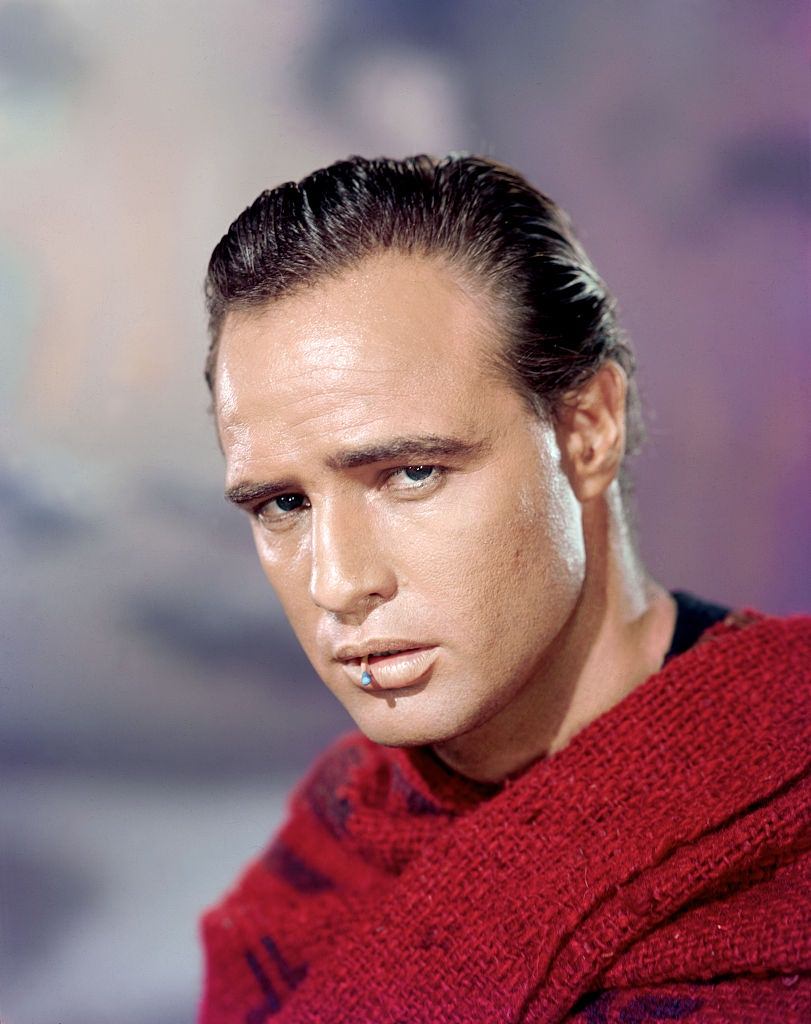
In 1952, Brando starred as Mexican revolutionary leader Emiliano Zapata in ‘Viva Zapata!’ alongside Jean Peters. Director Elia Kazan again helmed the project. The film showed Brando’s range — moving away from the gritty urban violence of Stanley Kowalski into a historical epic set across the border. He received another Academy Award nomination for Best Actor for the role.
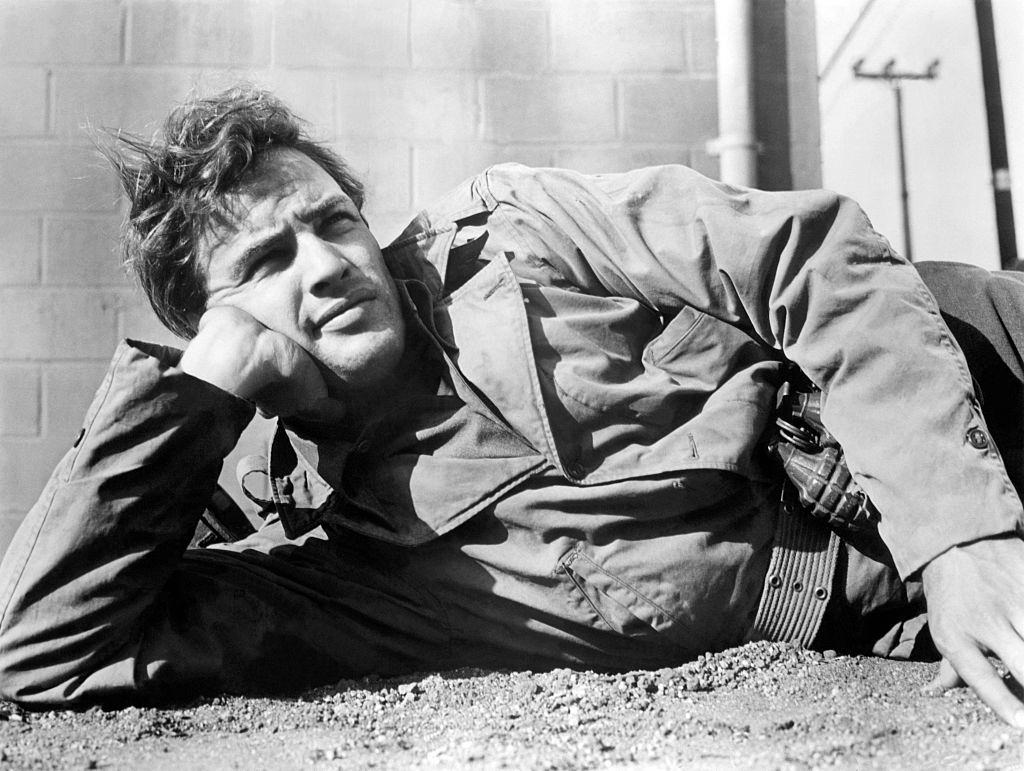
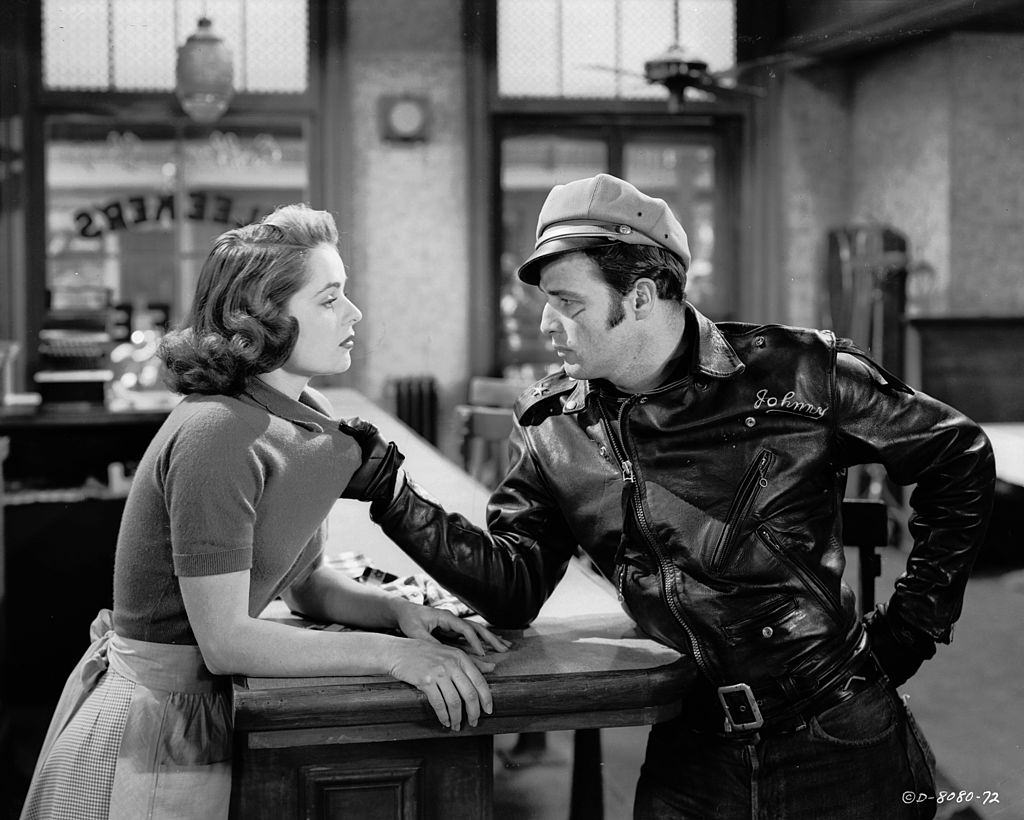
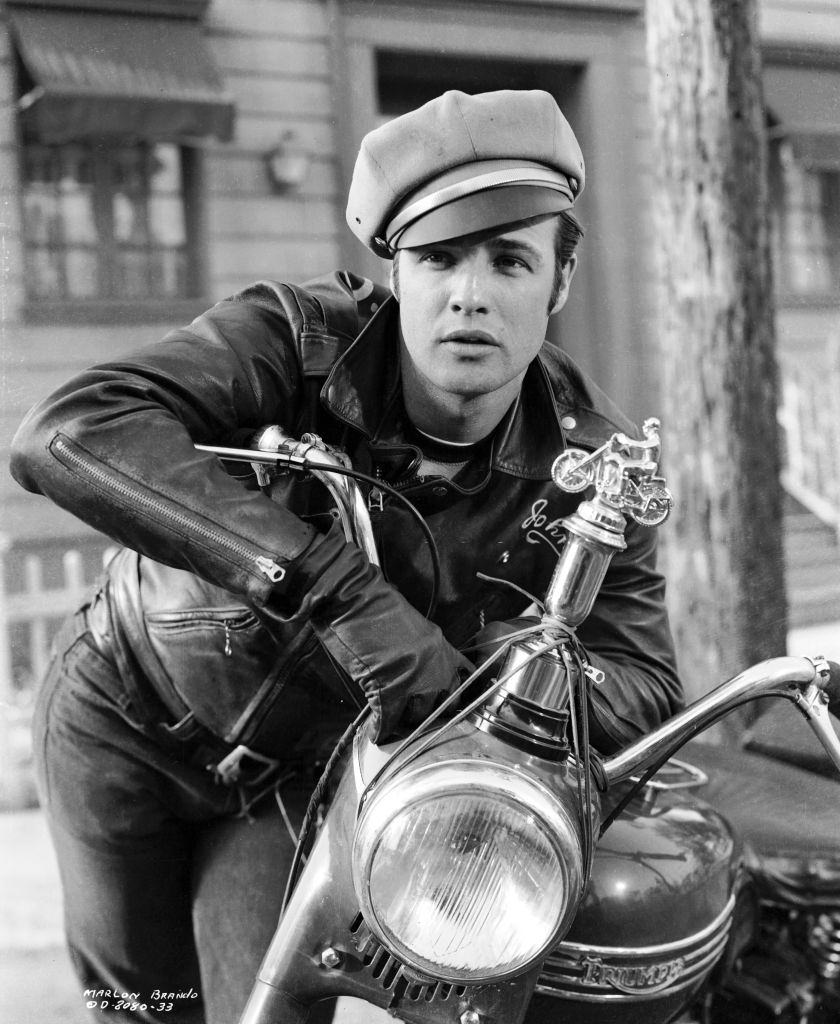
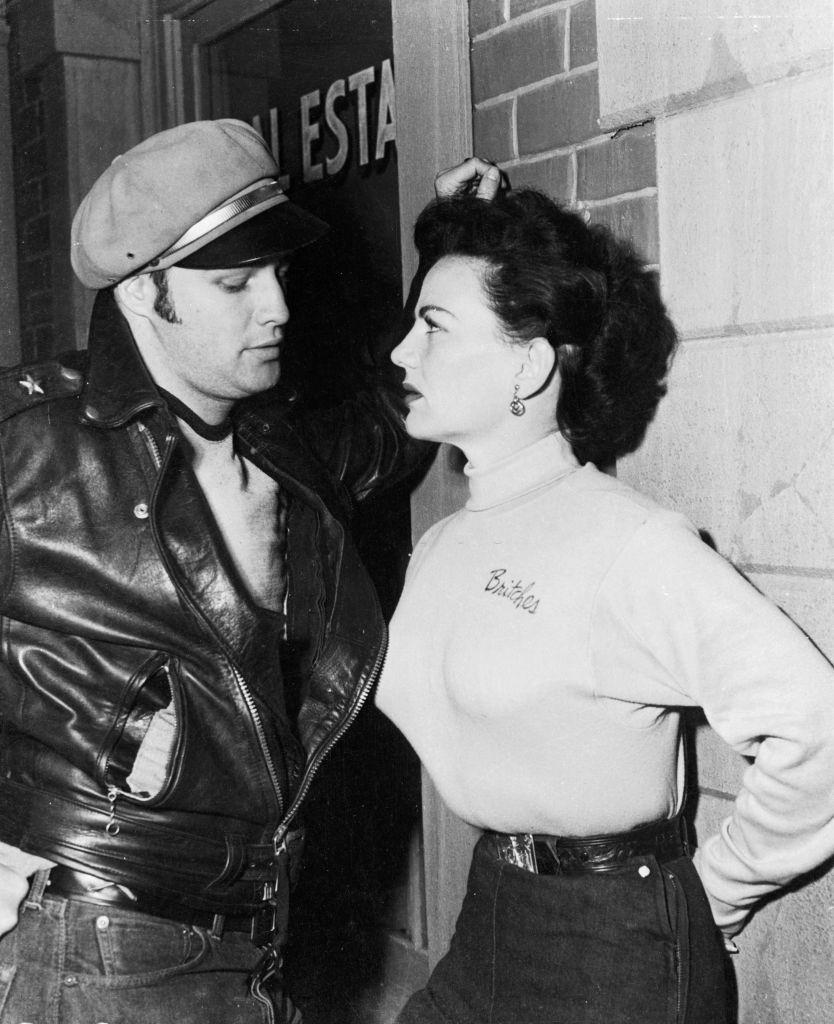
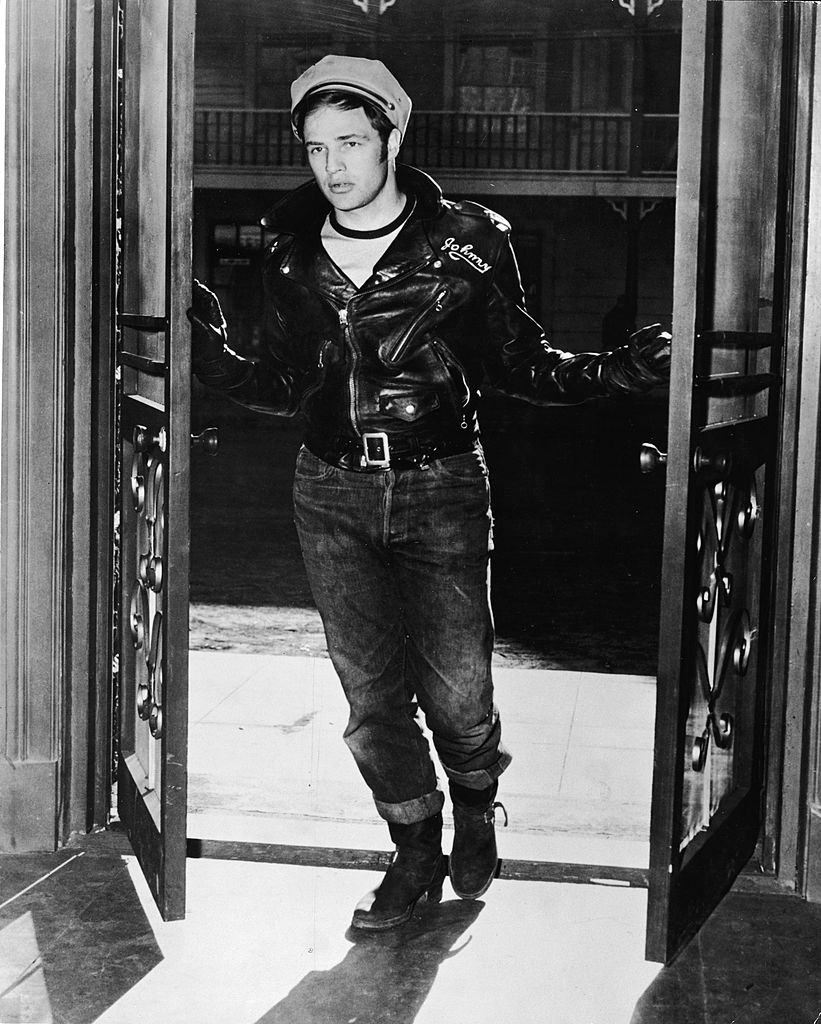
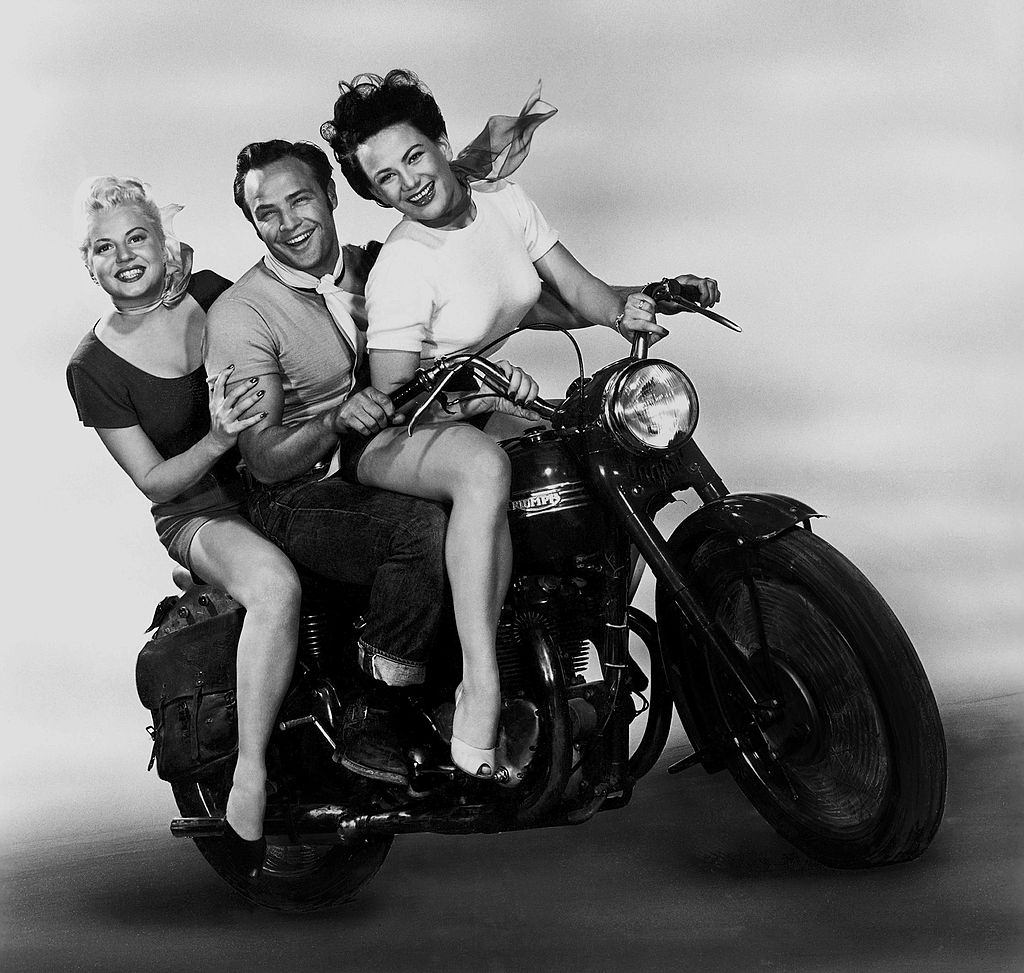
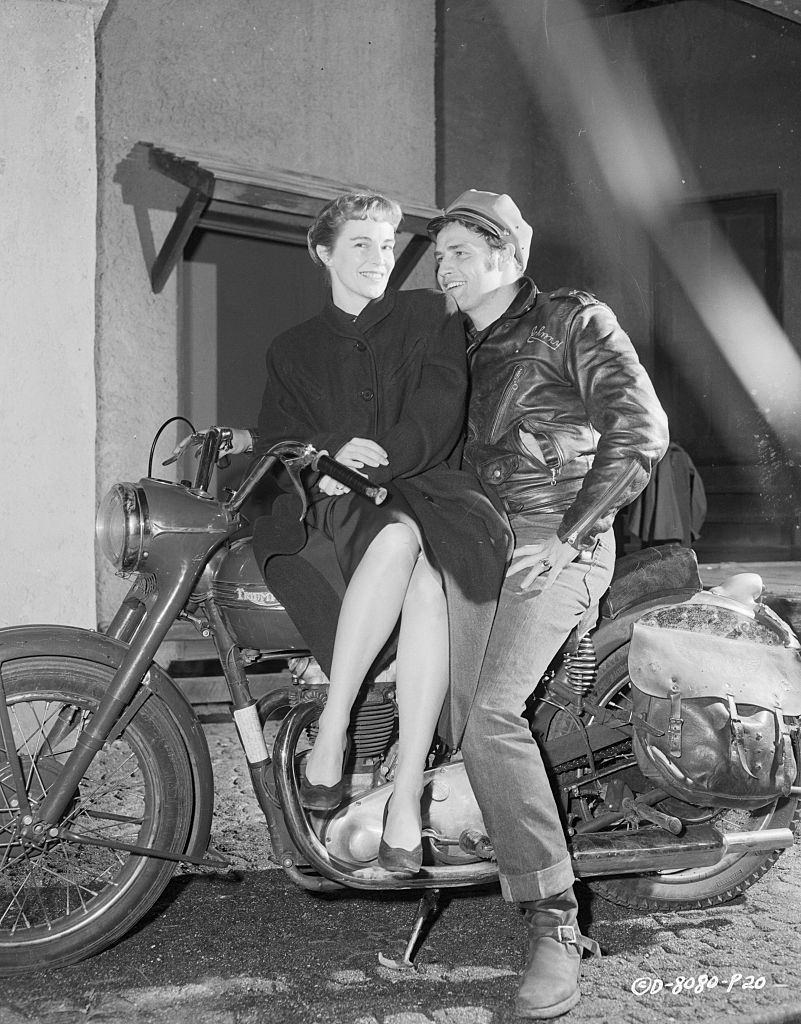
The year 1953 brought one of Brando’s most iconic roles. In ‘The Wild One,’ he played Johnny Strabler, the leather-jacketed leader of a motorcycle gang. The film was based on a real 1947 incident in Hollister, California, and it tapped directly into postwar anxiety about young men and rebellion. Brando’s look in that film — leather jacket, jeans, cap — became one of the most imitated images in American pop culture.
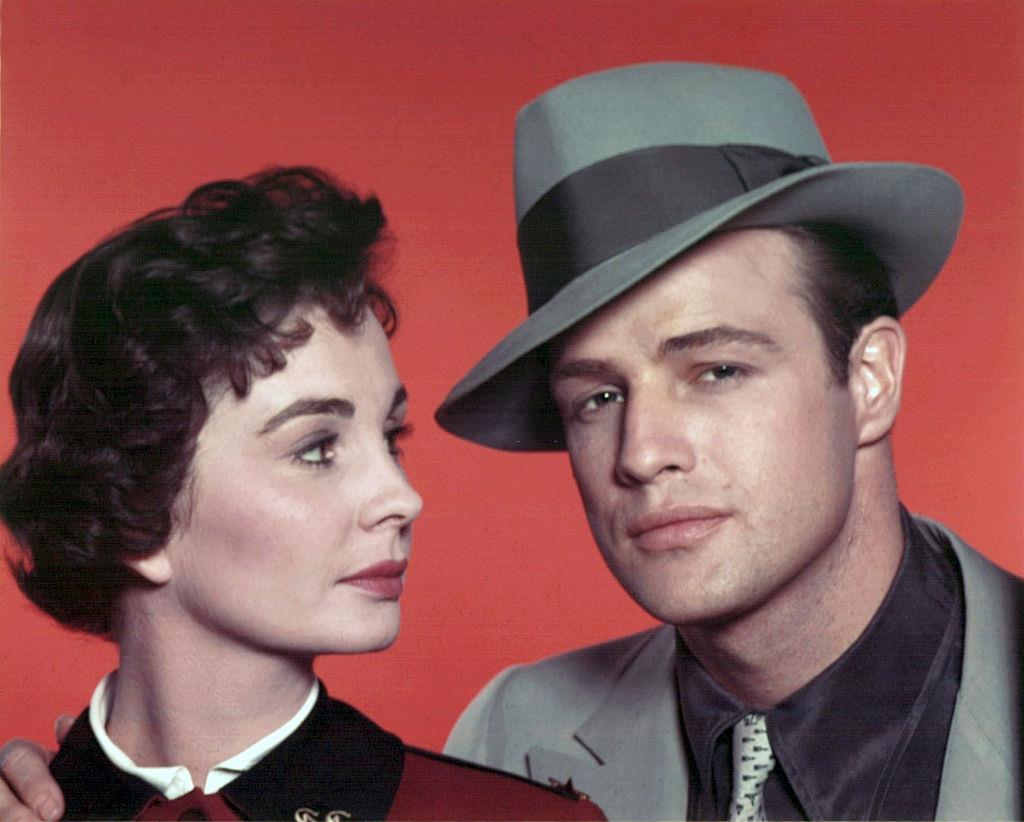
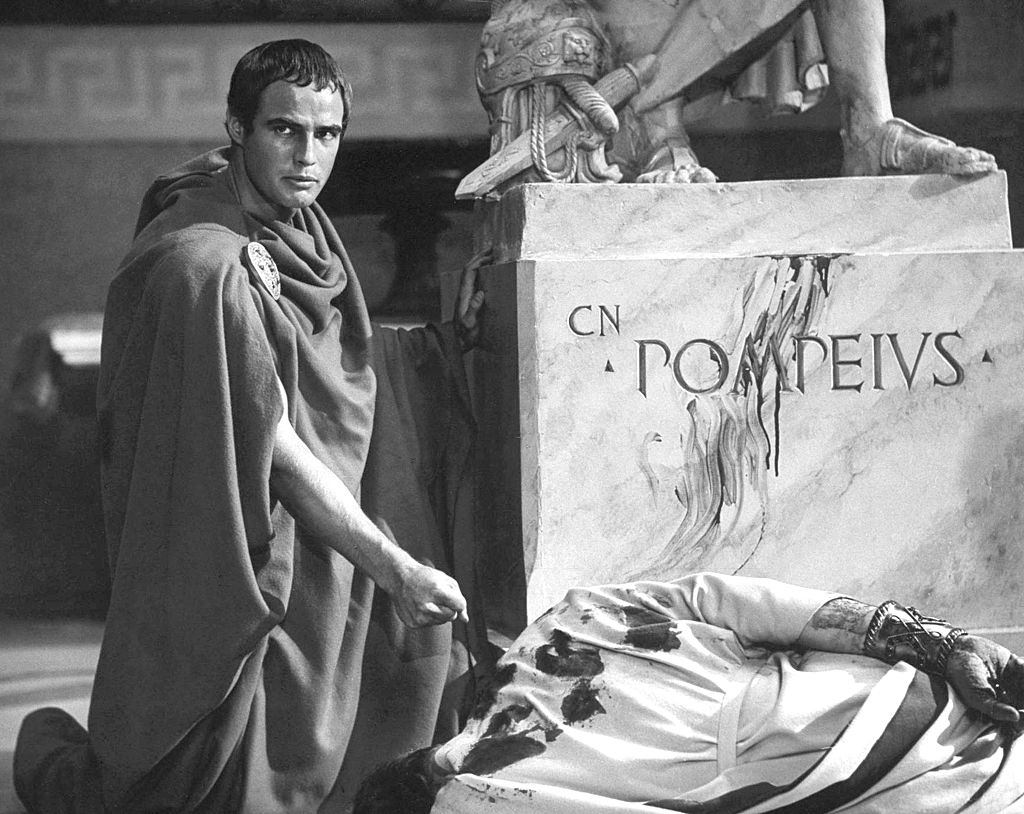
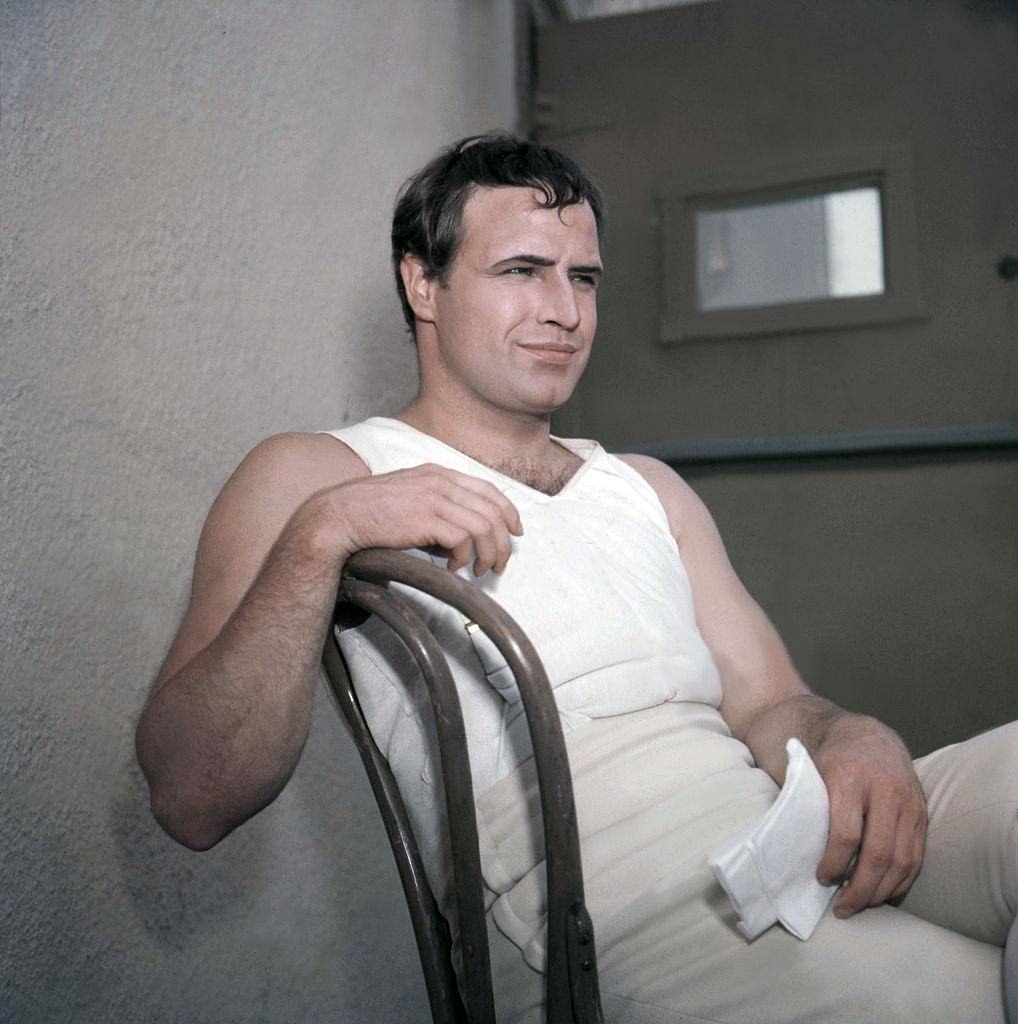
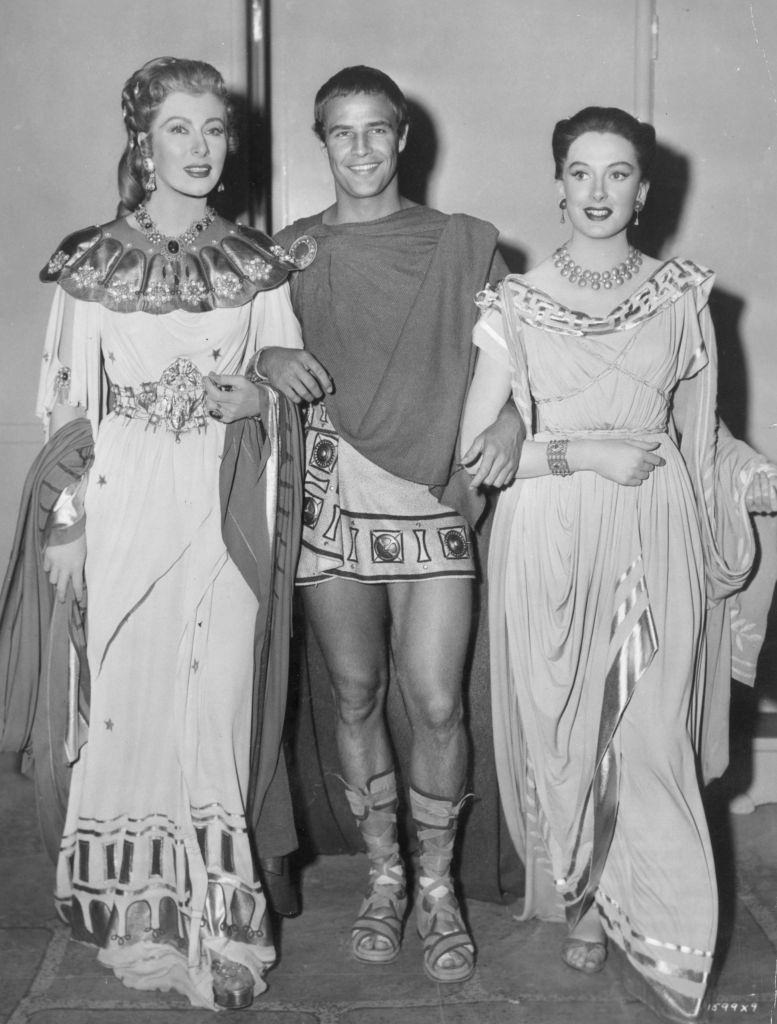
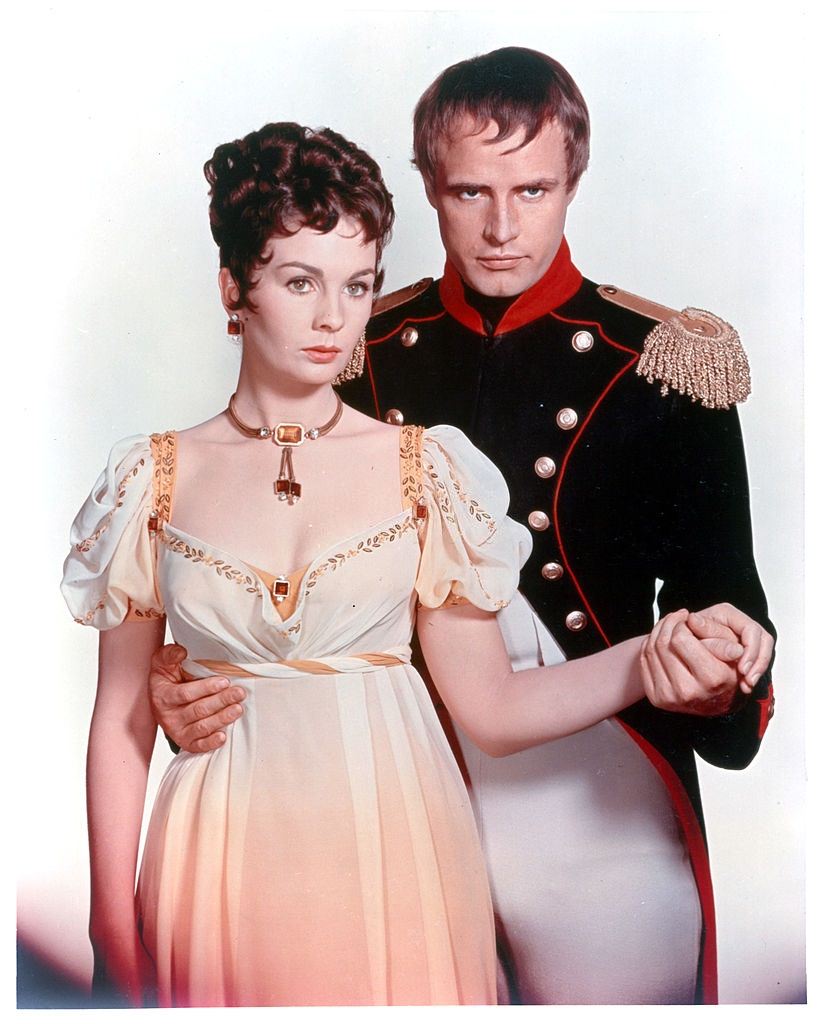
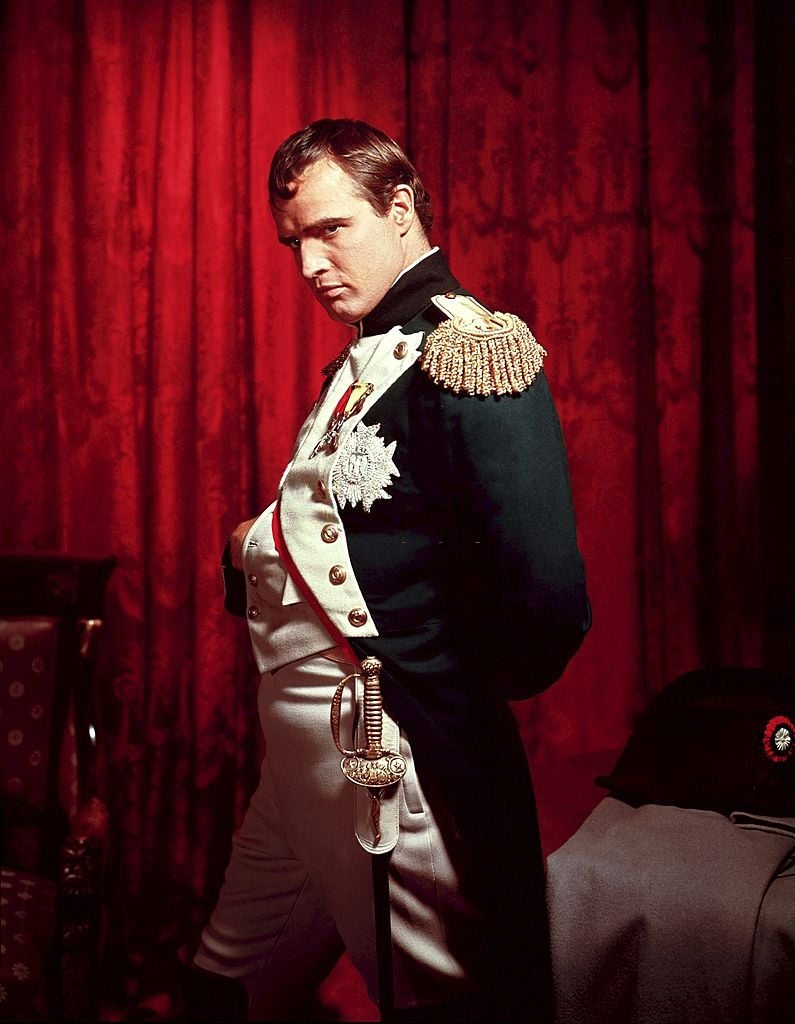
Also in 1953, Brando played Mark Antony in the MGM adaptation of Shakespeare’s ‘Julius Caesar.’ Many doubted he could pull off classical verse. He proved every skeptic wrong. His ‘Friends, Romans, countrymen’ speech was gripping and perfectly controlled, earning him yet another Academy Award nomination. That same year, he demonstrated his range again by playing Napoleon Bonaparte in ‘Désirée.’ Across just four years in film, Brando had played a paralyzed veteran, a brutal blue-collar husband, a Mexican revolutionary, a Shakespeare hero, a motorcycle gang leader, and a French emperor.
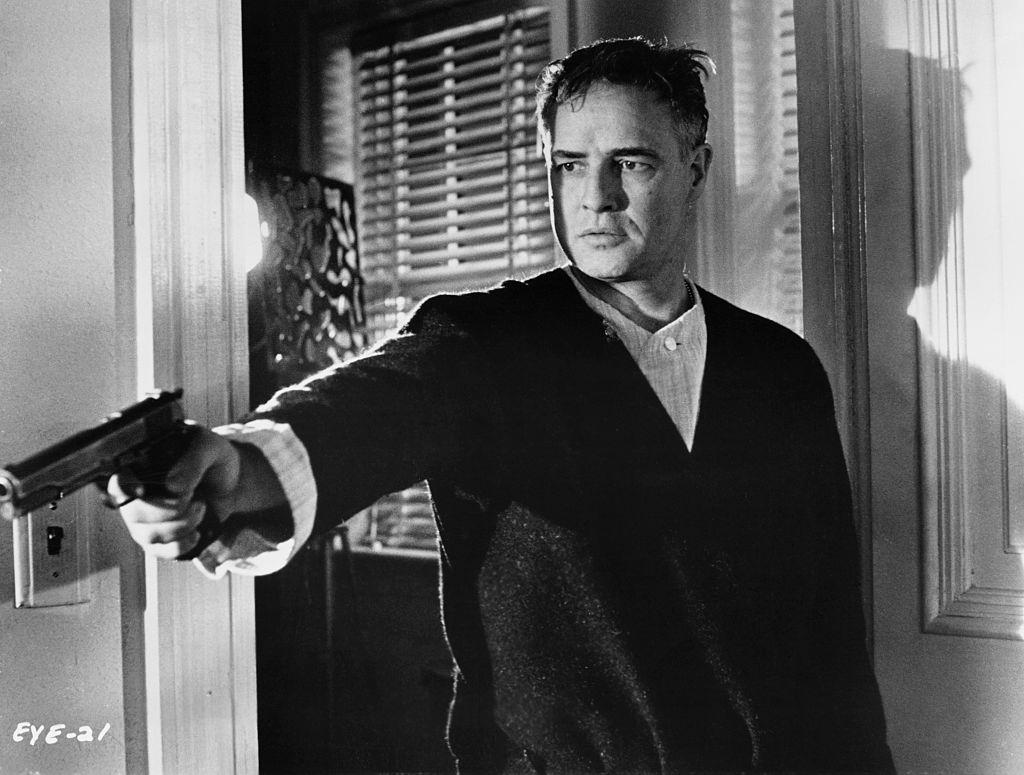
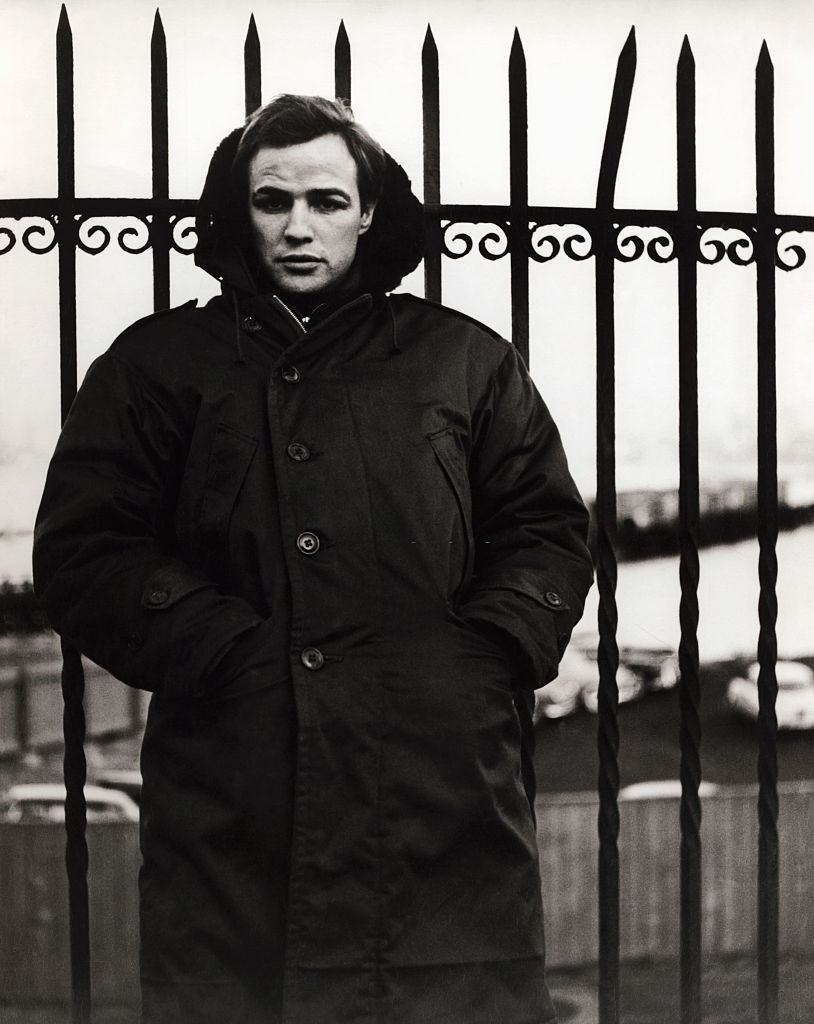
In 1954, Elia Kazan directed Brando once more in ‘On the Waterfront.’ Brando played Terry Malloy, a dockworker caught between loyalty to a corrupt union and his own conscience. The performance is widely regarded as one of the greatest in cinema history. The film won eight Academy Awards, and Brando finally took home the Oscar for Best Actor. His famous ‘I coulda been a contender’ speech became one of the most quoted lines in film history.
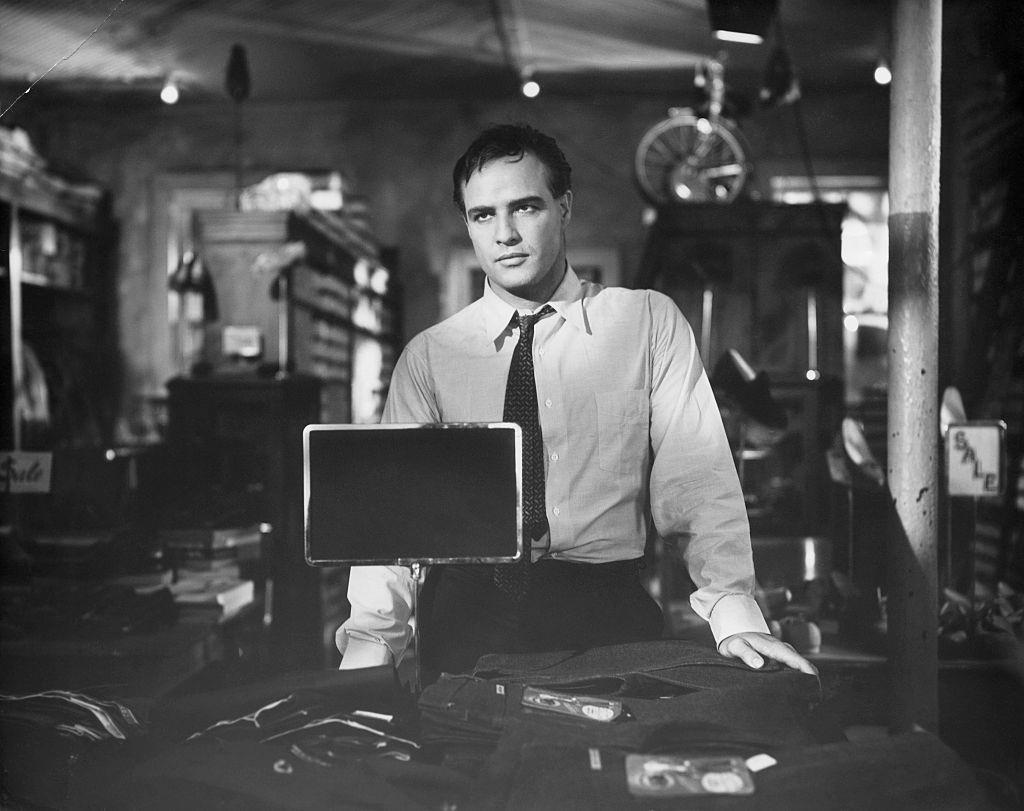
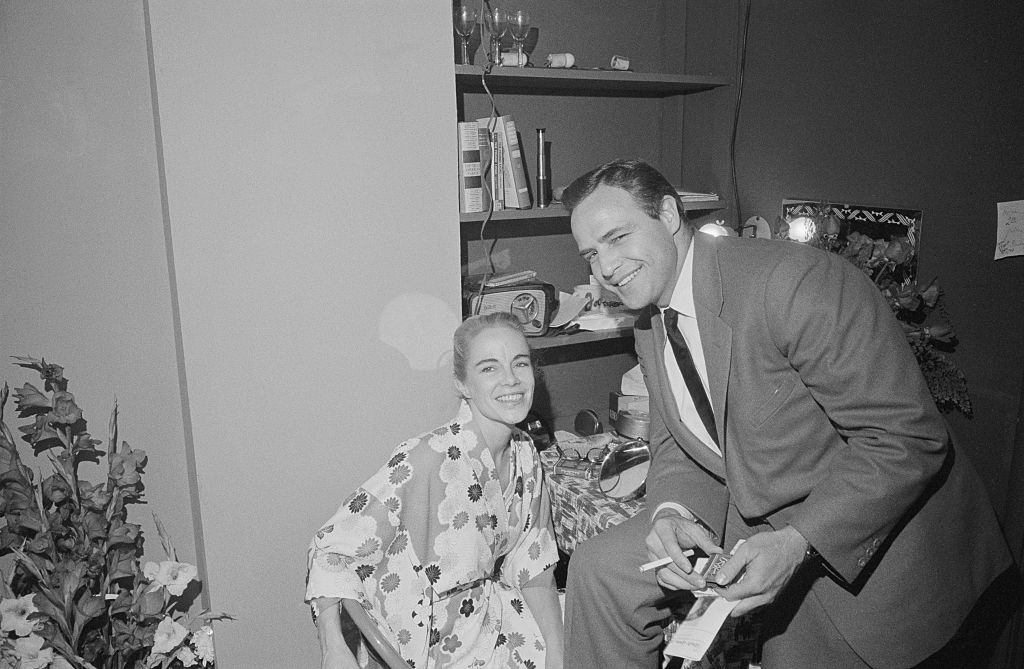
Brando’s personal life was never quiet. He had a long series of relationships and was married three times. His first marriage was to actress Anna Kashfi in 1957. That marriage lasted two years. He then married Mexican-American actress Movita Castaneda in 1960, with whom he had two children, before that marriage also ended. His third and longest marriage was to French Polynesian actress Tarita Teriipaia, whom he wed in 1962. They stayed married for ten years. In addition to his three marriages, Brando fathered children with several other women, including a long-term relationship with his housekeeper Maria Christina Ruiz, with whom he had three more children. In total, he was the father of at least 11 children, three of whom were adopted.
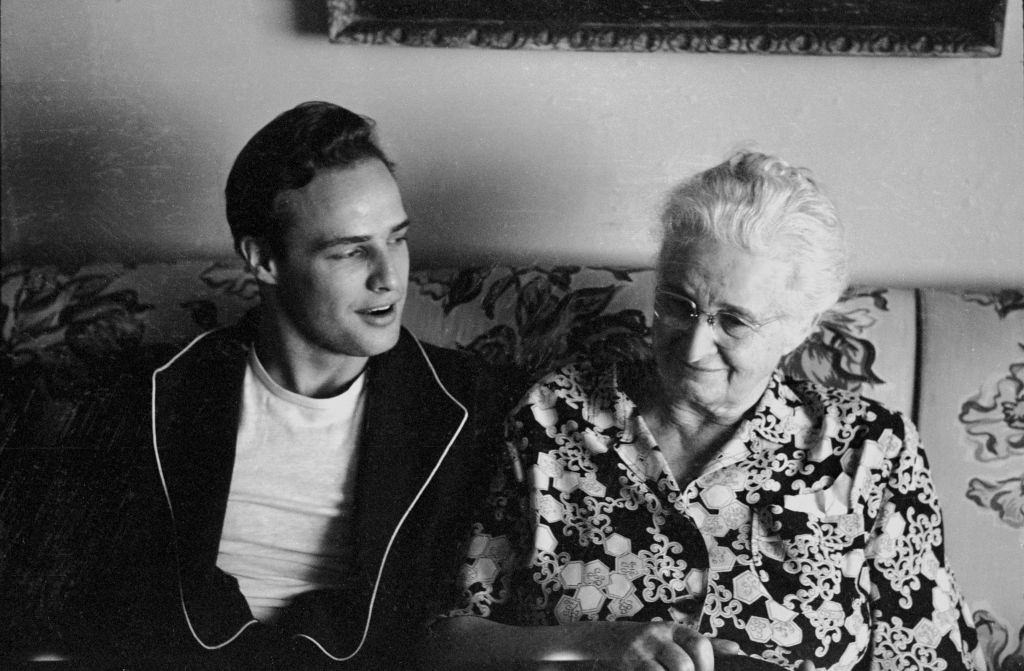
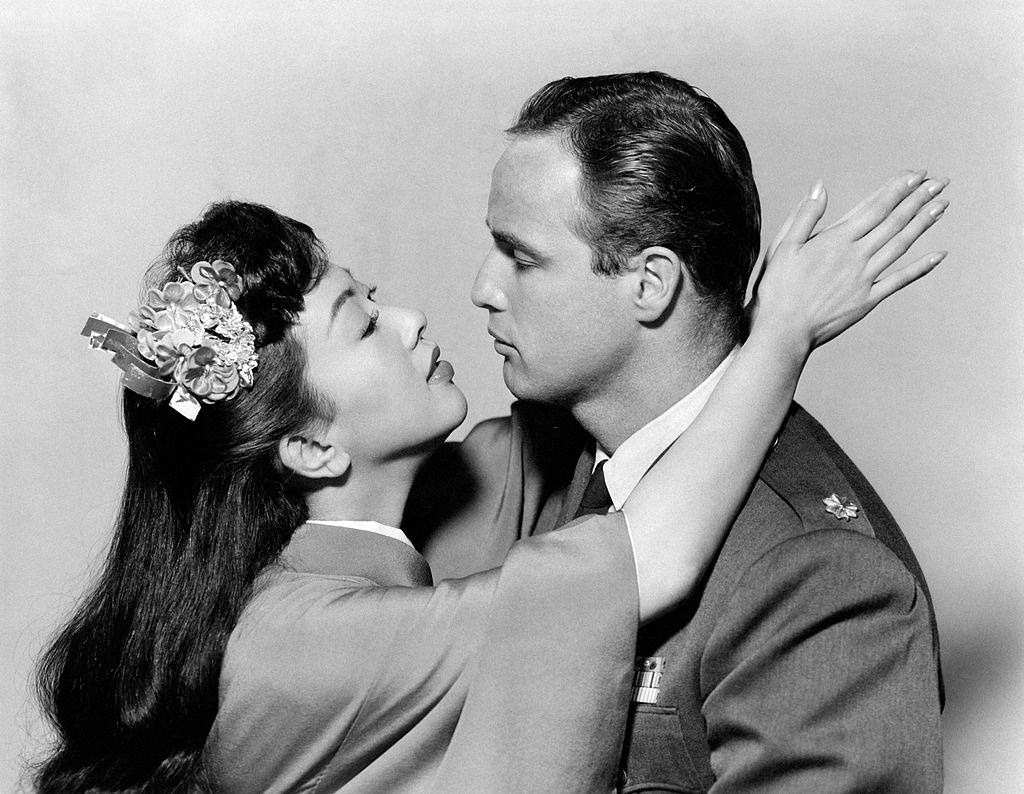
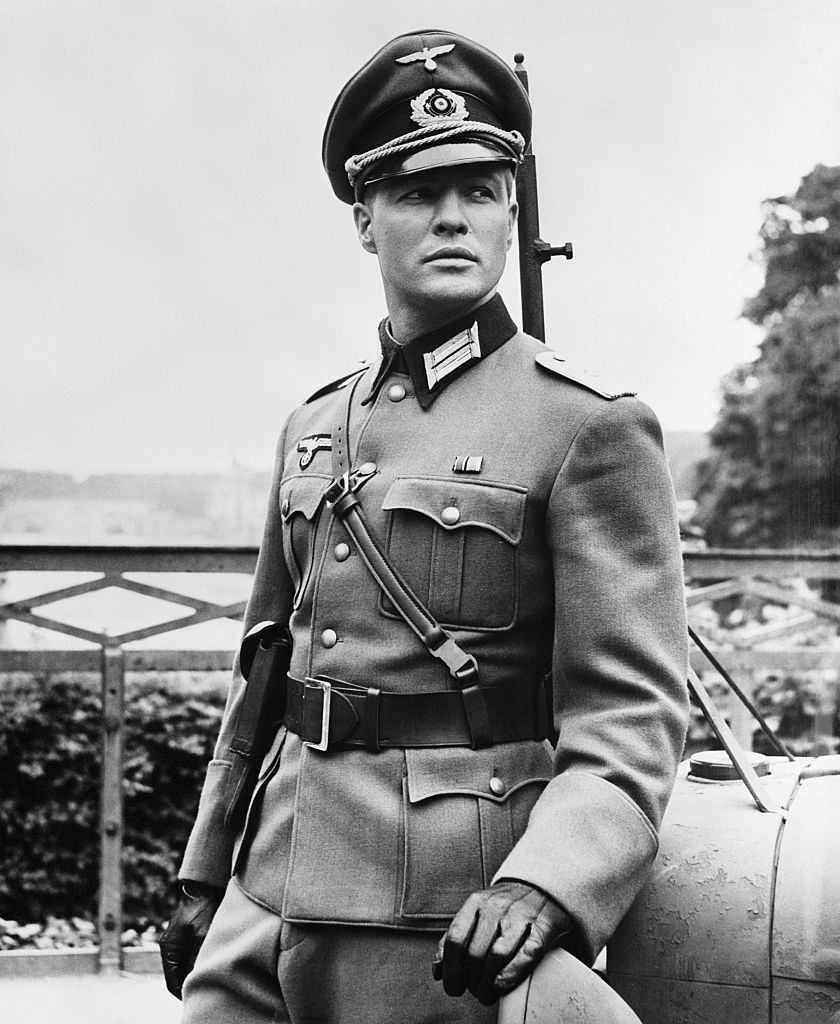
Throughout the late 1950s, Brando continued to take on ambitious roles. In 1957, he played a blonde German officer in ‘The Young Lions,’ a WWII drama adapted from Irwin Shaw’s novel. That same year, he starred in ‘Sayonara,’ a film about a U.S. Air Force pilot who falls in love with a Japanese performer during the Korean War. ‘Sayonara’ earned four Academy Awards, though Brando himself was not among the winners.
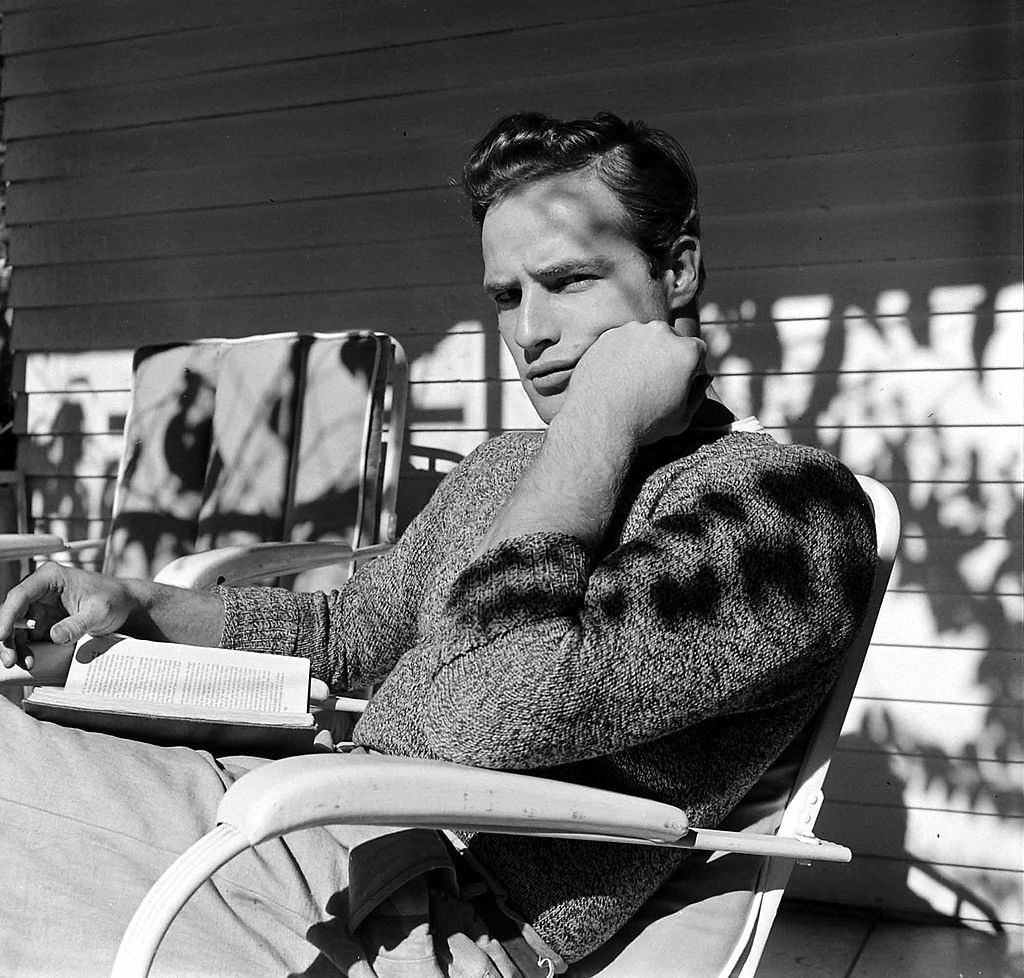
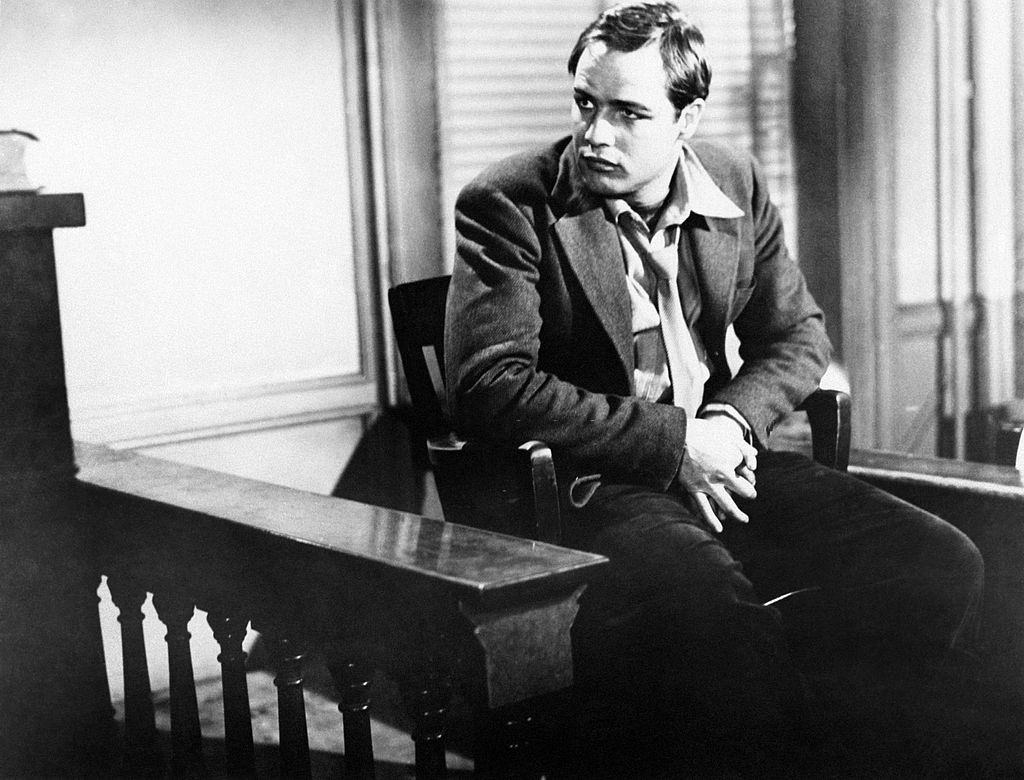
By the late 1960s, Brando’s career had lost much of its momentum. He had taken on a string of films that failed at the box office and had developed a reputation for being difficult on set — showing up unprepared, demanding rewrites, and clashing with directors. Critics grew impatient, and studios became reluctant to trust him with major productions. For several years, it looked like his best work was behind him.
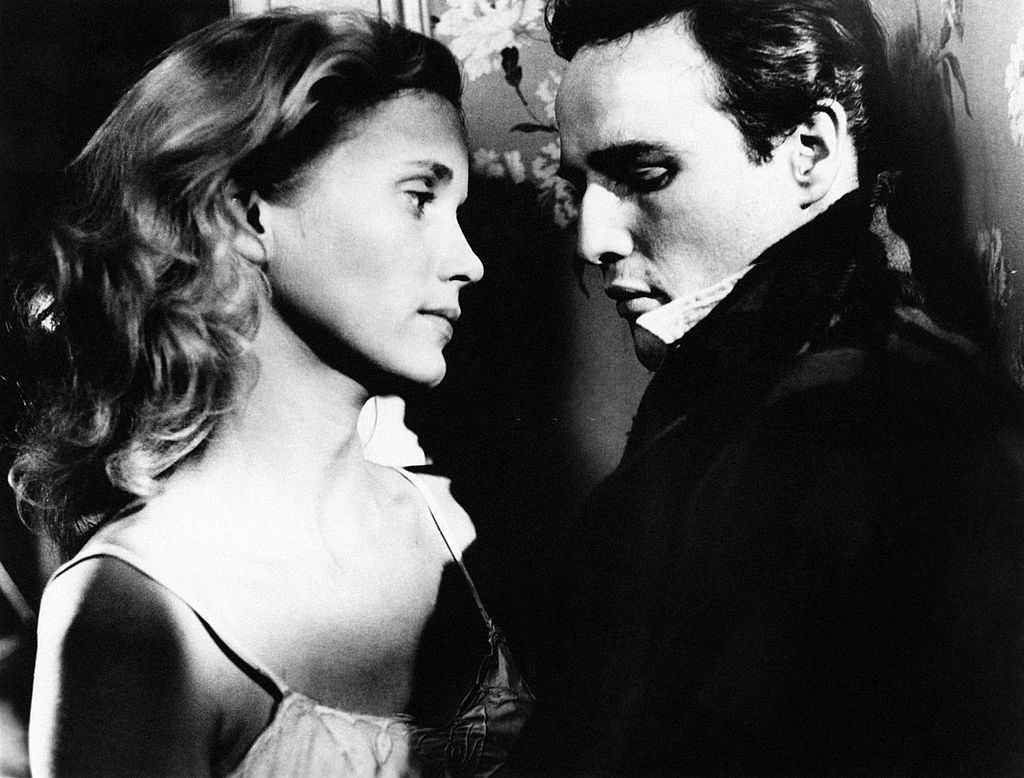
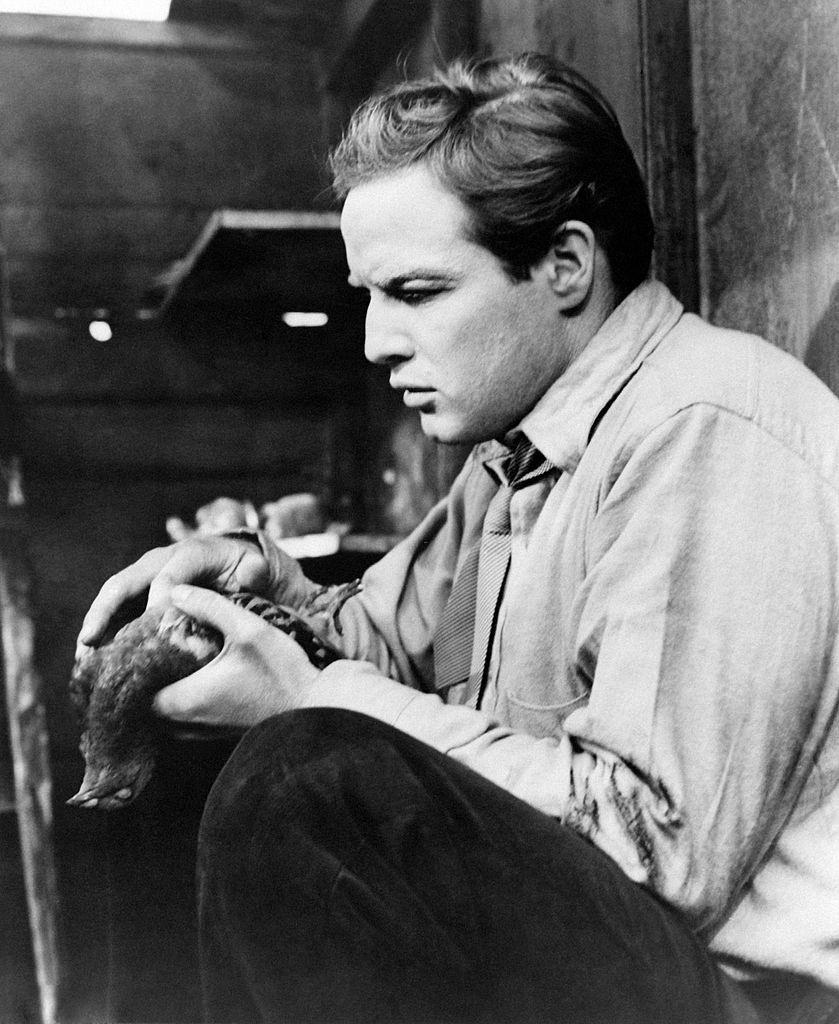
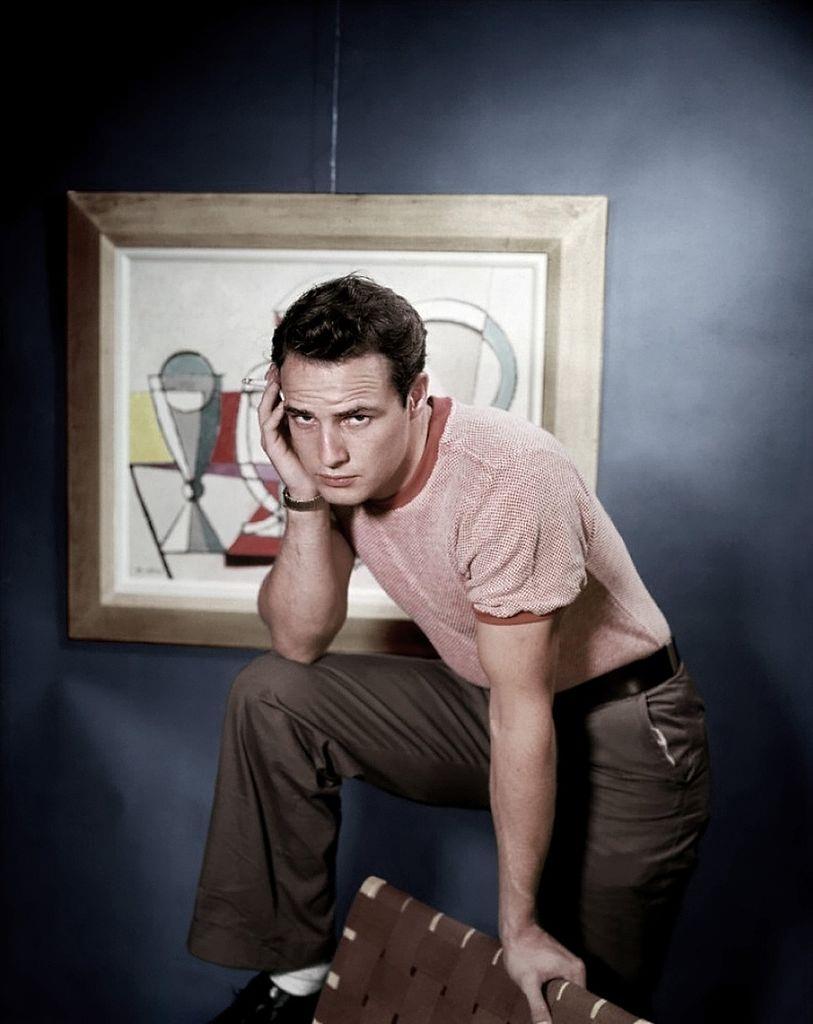
Then came 1972 and ‘The Godfather.’ Director Francis Ford Coppola cast Brando as Vito Corleone, the aging patriarch of a New York Mafia family. Studio executives were resistant — they saw Brando as a liability. Coppola pushed hard for him anyway. The result was a performance that shocked Hollywood back into paying attention. Brando stuffed his cheeks, altered his posture, and dropped his voice to create one of the most distinctive characters ever put on film. He won his second Academy Award for Best Actor, though he famously refused to accept it in person as a protest over the treatment of Native Americans in Hollywood.
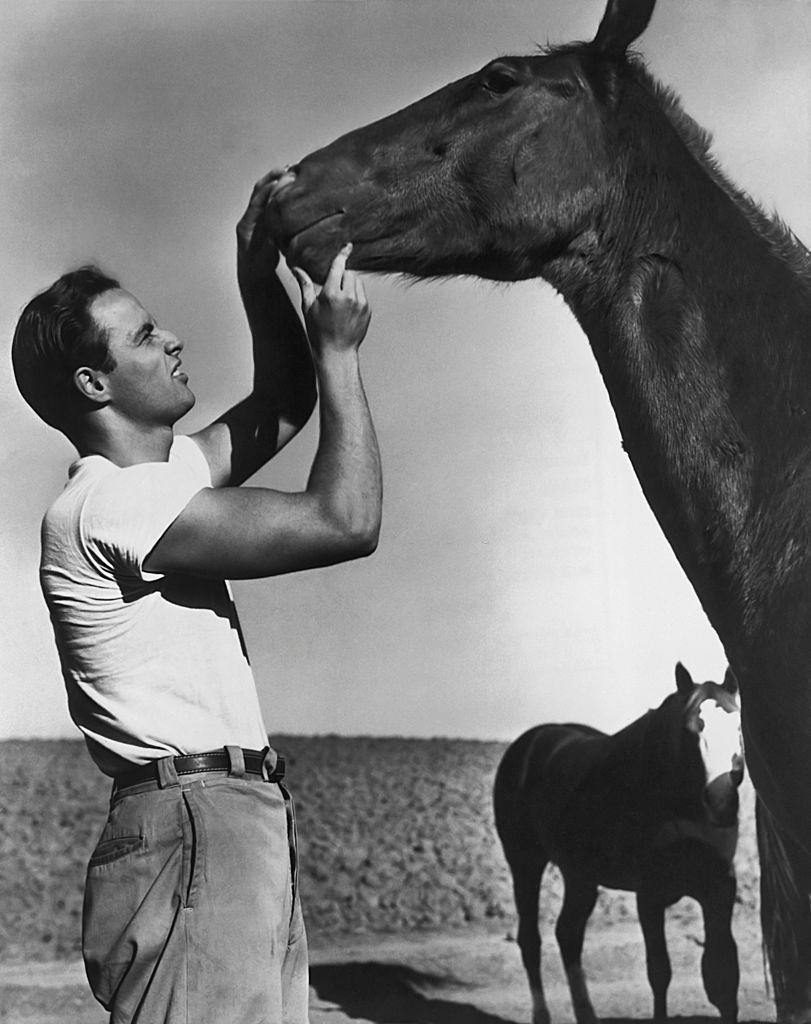
A year after ‘The Godfather,’ Brando starred in Bernardo Bertolucci’s ‘Last Tango in Paris’ opposite Maria Schneider. The film was sexually explicit and deeply controversial. It received serious critical praise but also fierce public backlash. Brando himself later wrote in his autobiography that the role embarrassed him. In 1976, he appeared alongside Jack Nicholson in ‘The Missouri Breaks,’ reuniting with director Arthur Penn, who had directed him in ‘The Chase’ a decade earlier.
Brando was also deeply involved in civil rights causes throughout his life. He marched alongside Martin Luther King Jr. and donated significant amounts of money to the civil rights movement. His refusal of the Academy Award in 1973 was a deliberate act of political protest. He sent Sacheen Littlefeather, an Apache activist, in his place to decline the Oscar and read a statement about Hollywood’s portrayal of Native Americans. The moment became one of the most discussed in Oscar history.
In his final years, Brando’s health deteriorated significantly. By the 1990s, he weighed over 300 pounds (140 kg). He was diagnosed with Type 2 diabetes, which damaged his eyesight, and later developed lung cancer. His family life was also marked by tragedy — his son Christian Brando was convicted of manslaughter in 1990, and his daughter Cheyenne died by suicide in 1995. Marlon Brando died on July 1, 2004, at the age of 80, from respiratory failure caused by pulmonary fibrosis combined with congestive heart failure. He was cremated, and his ashes were placed together with those of his longtime friends Wally Cox and Sam Gilman, as he had wished.
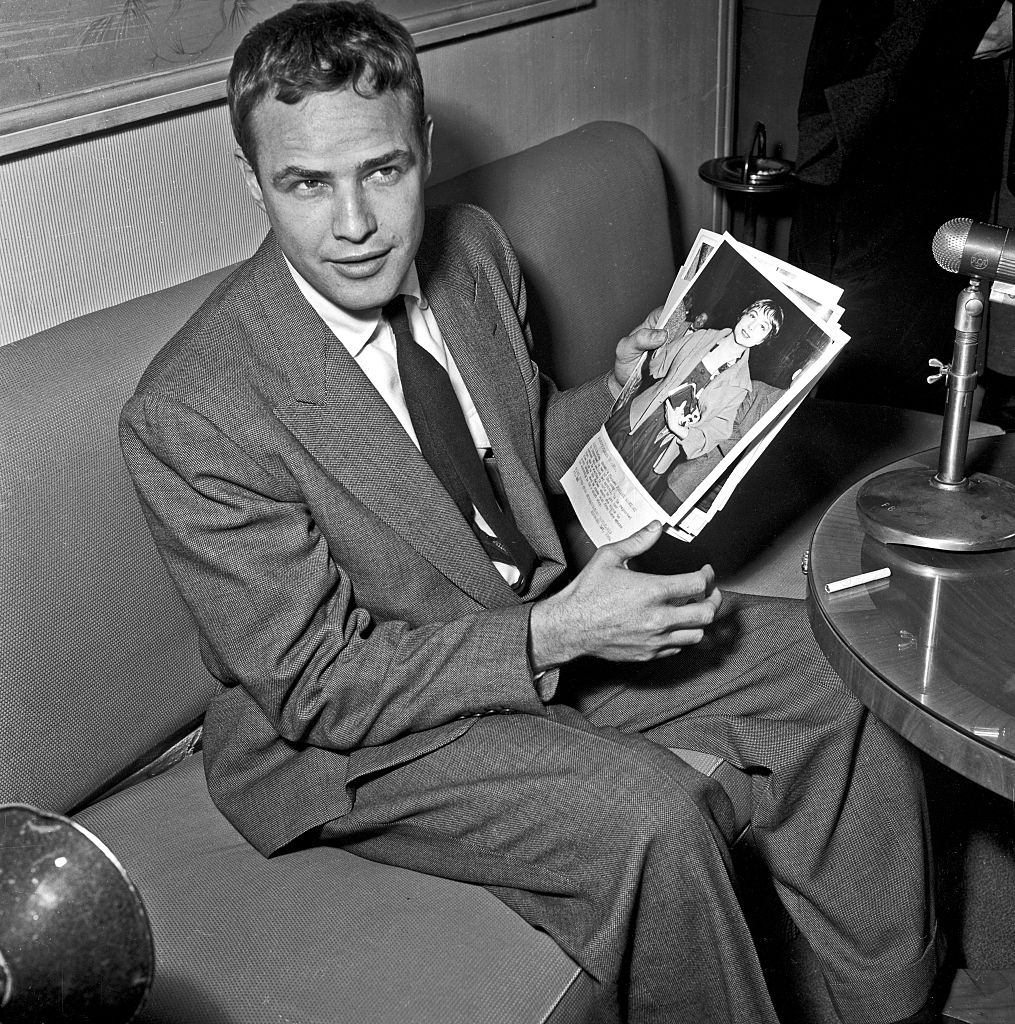
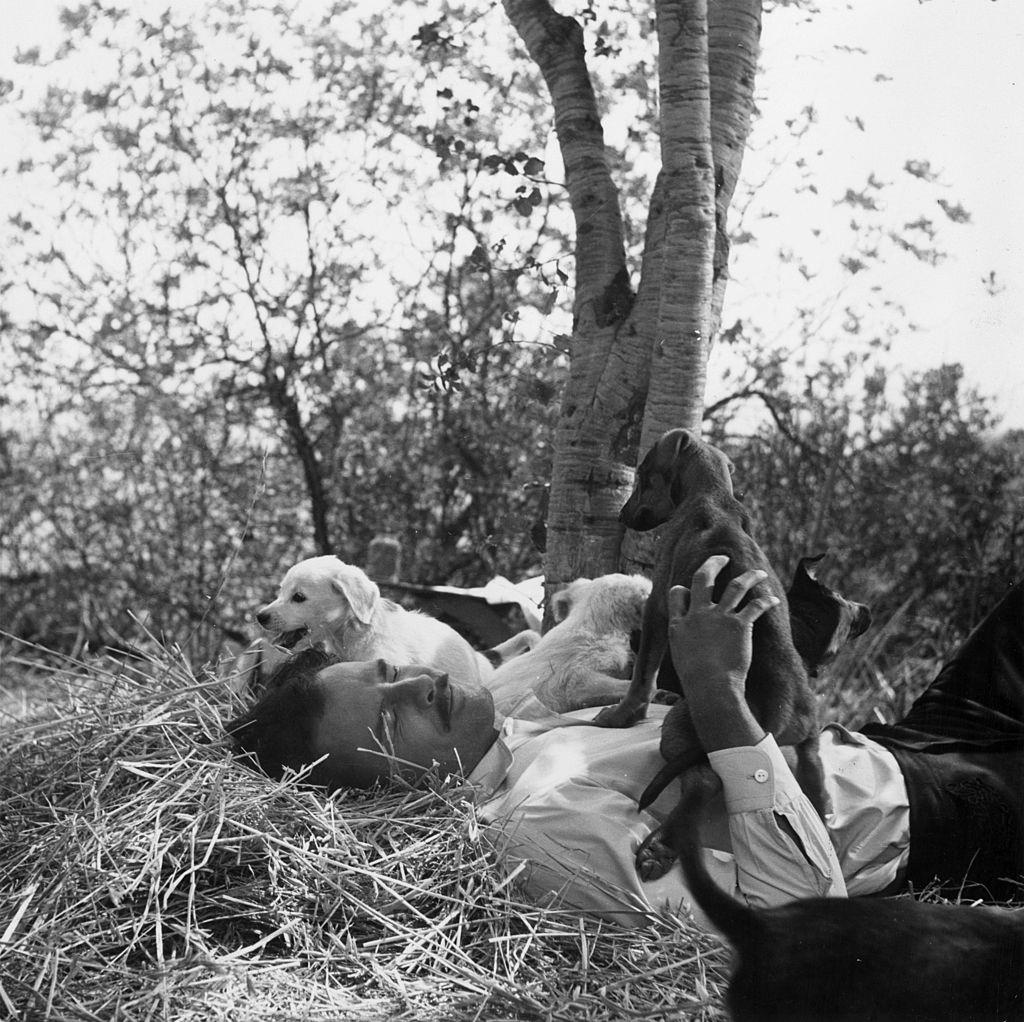
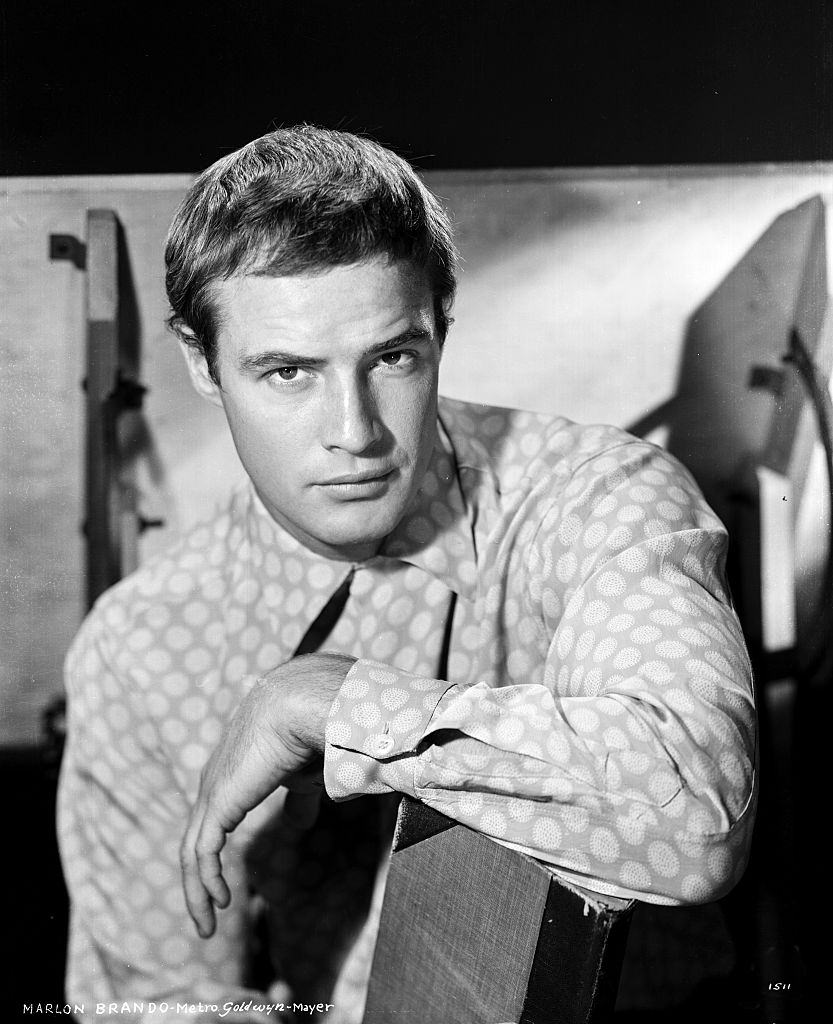
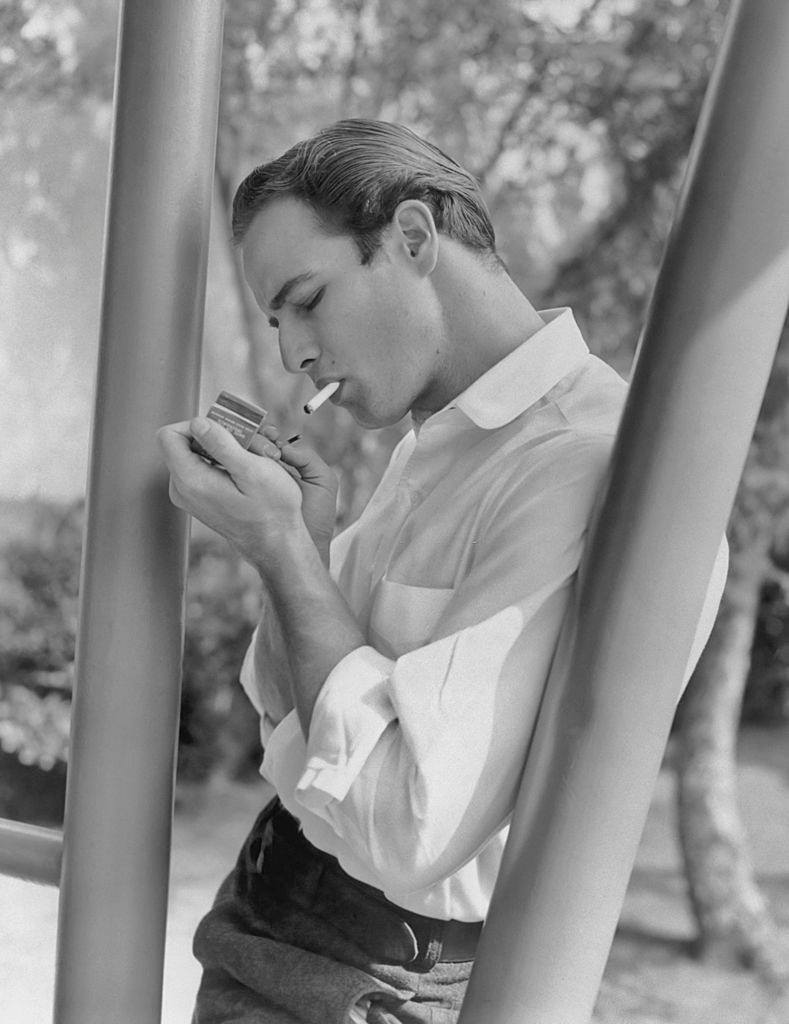
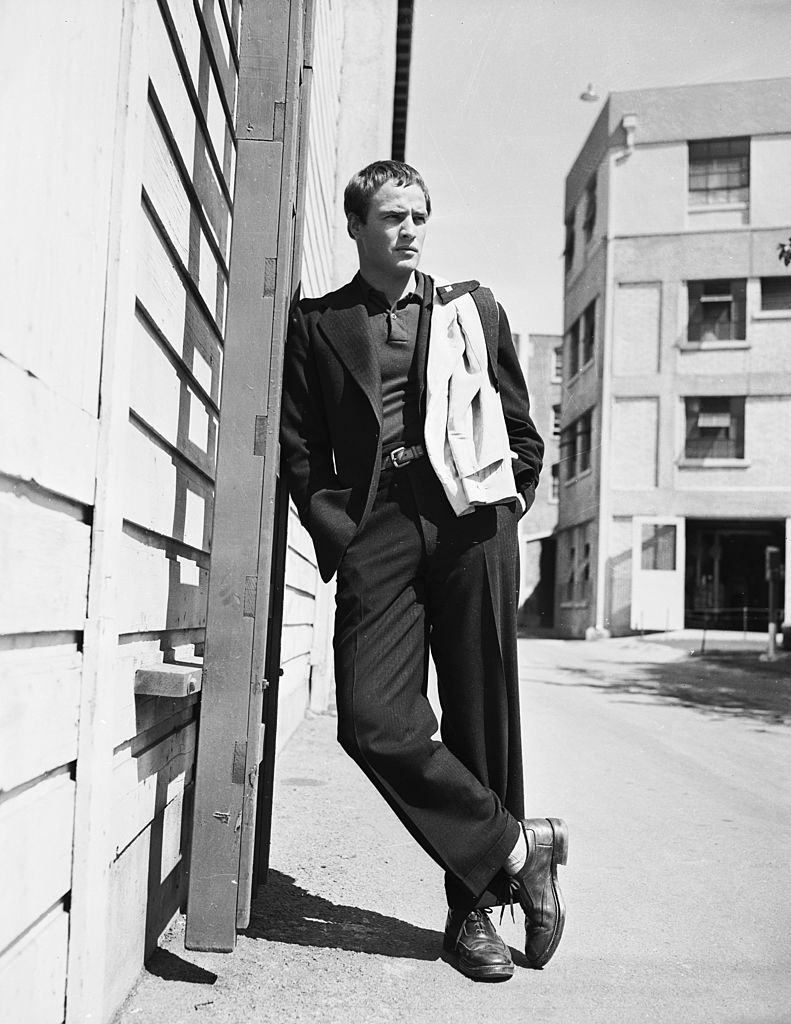
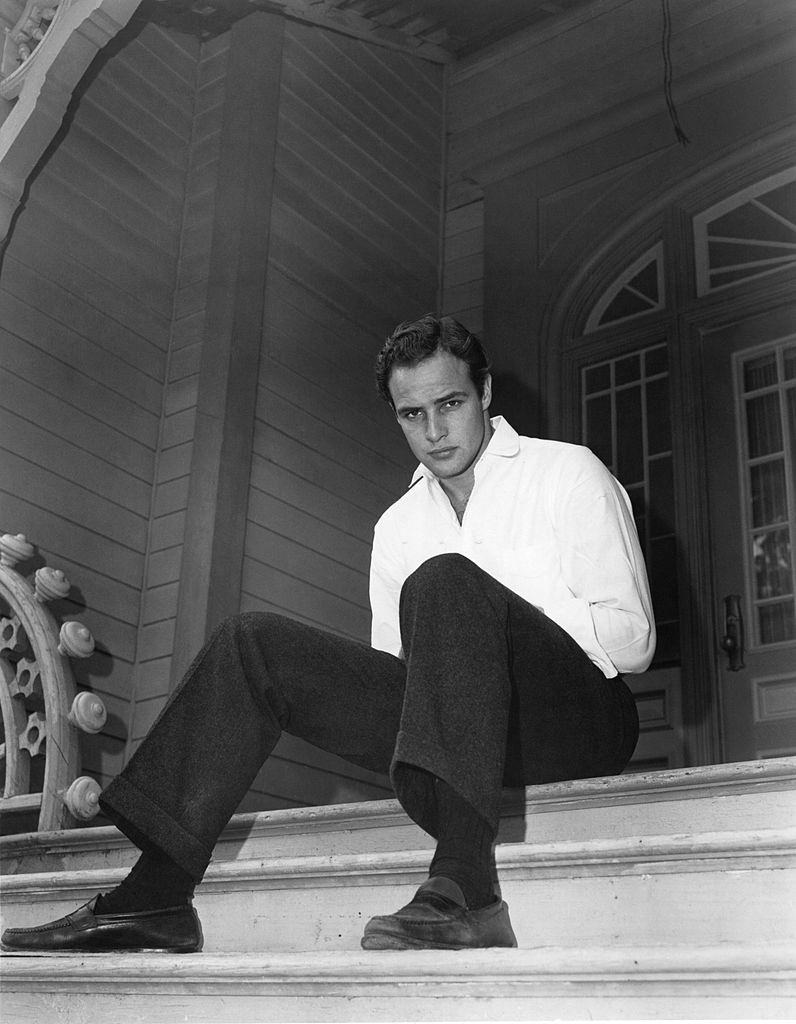
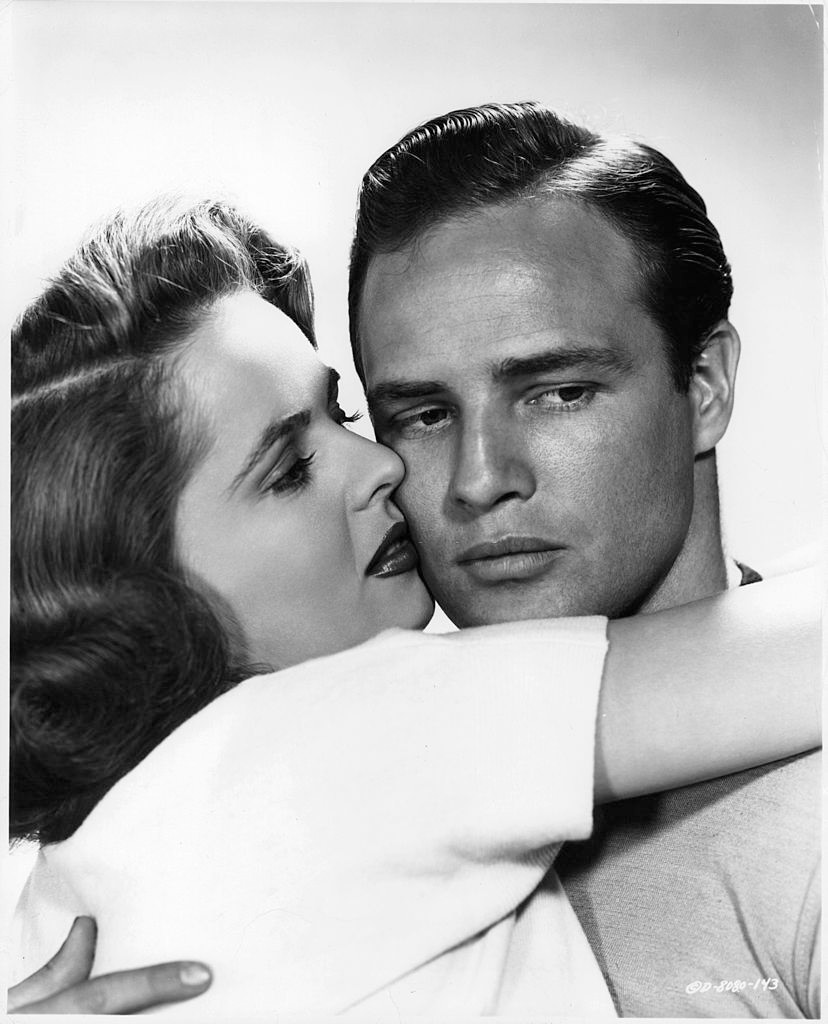
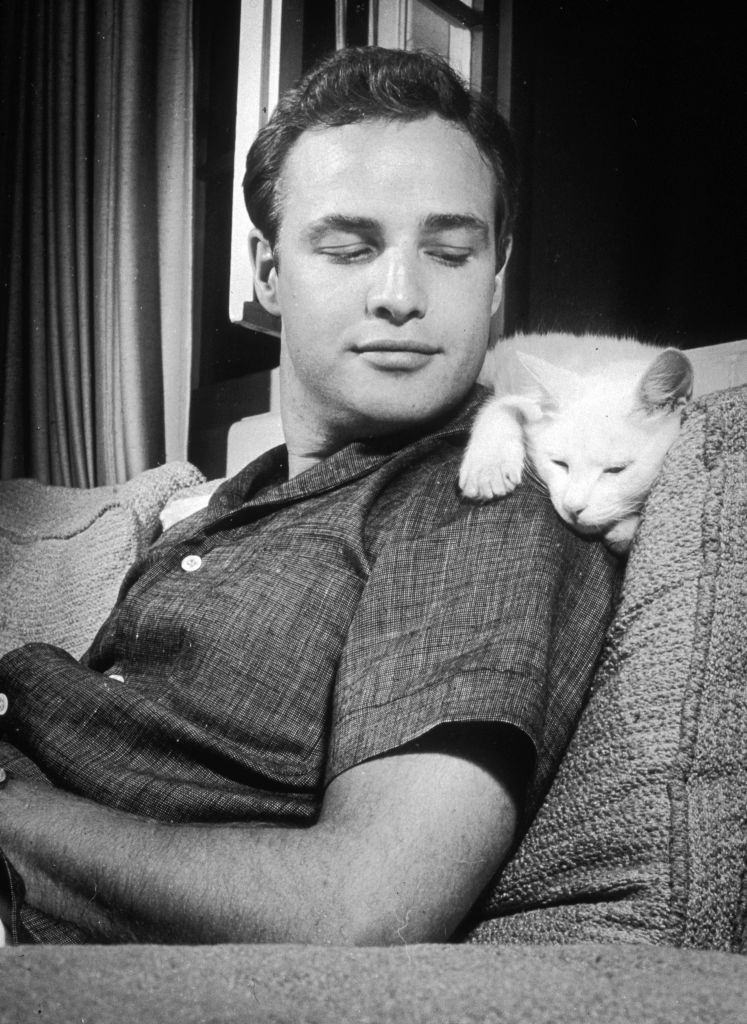
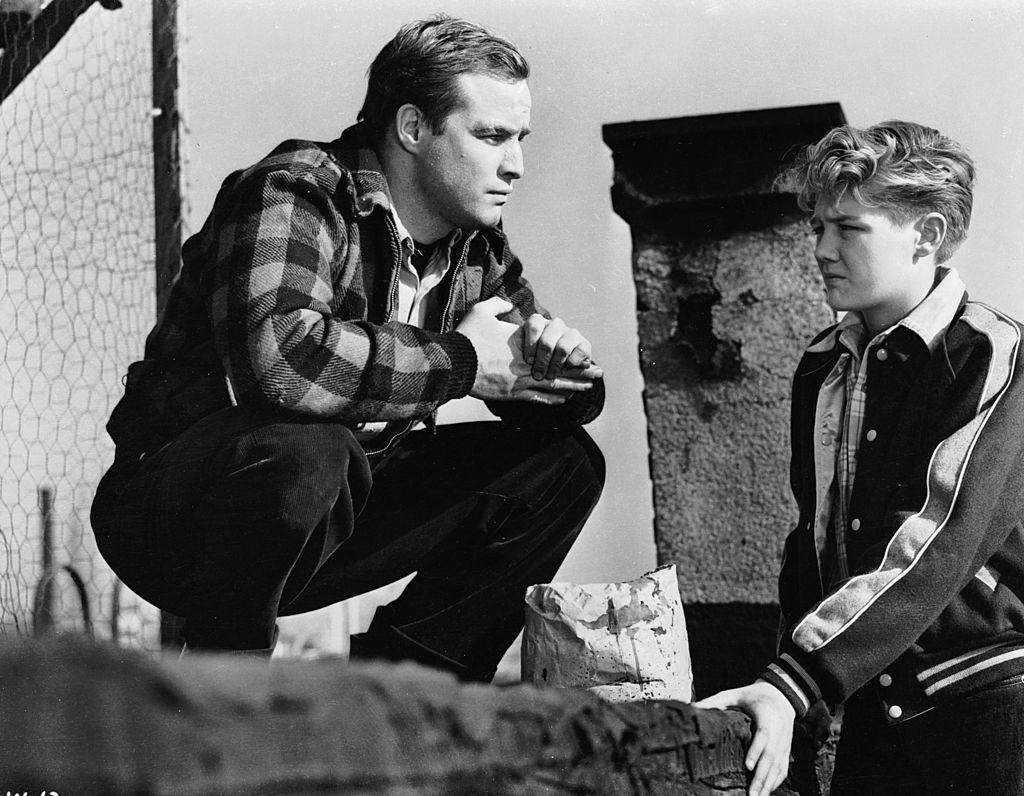
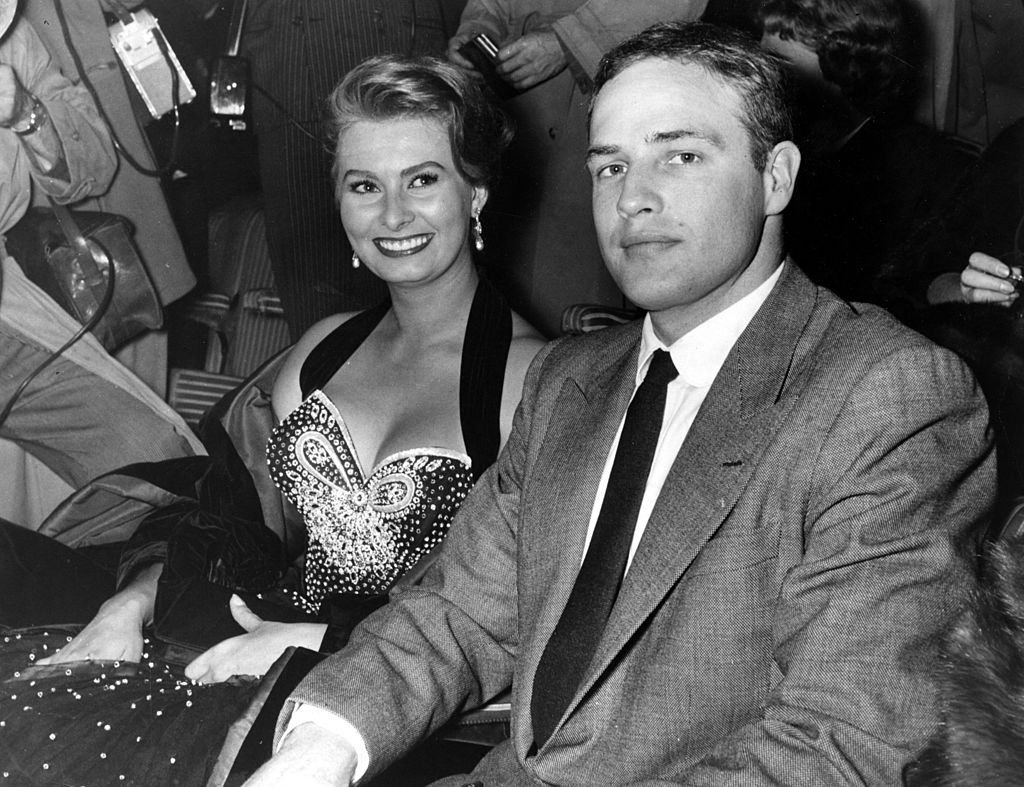
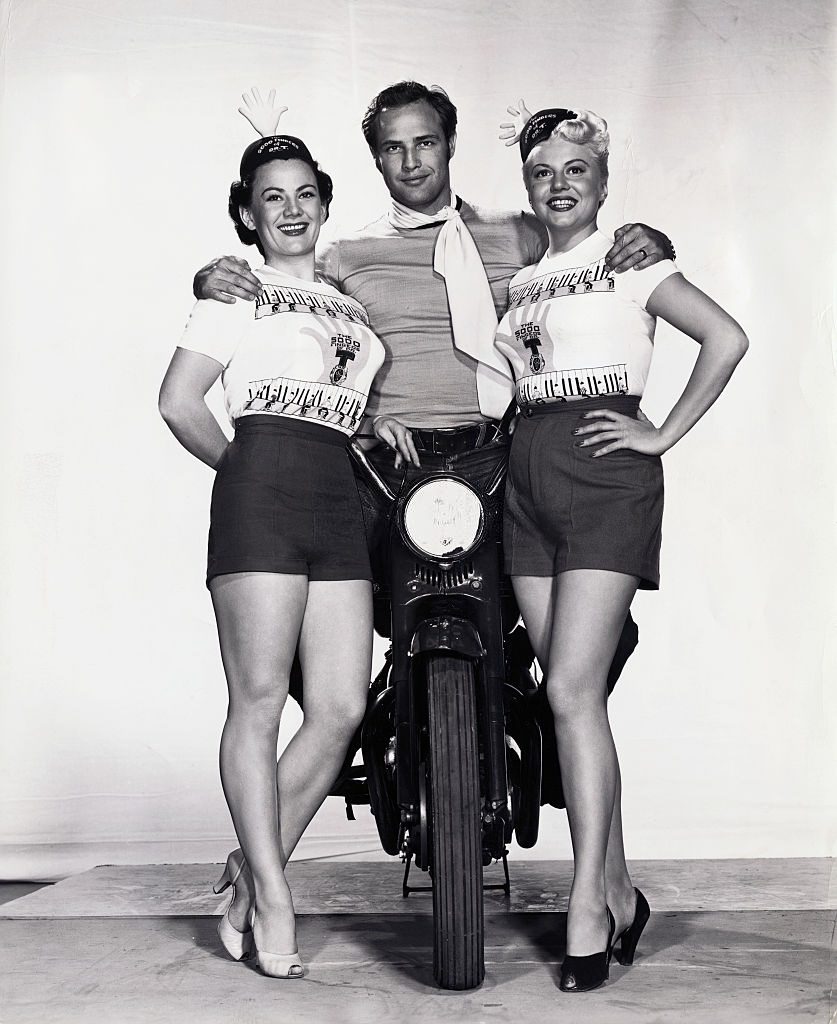
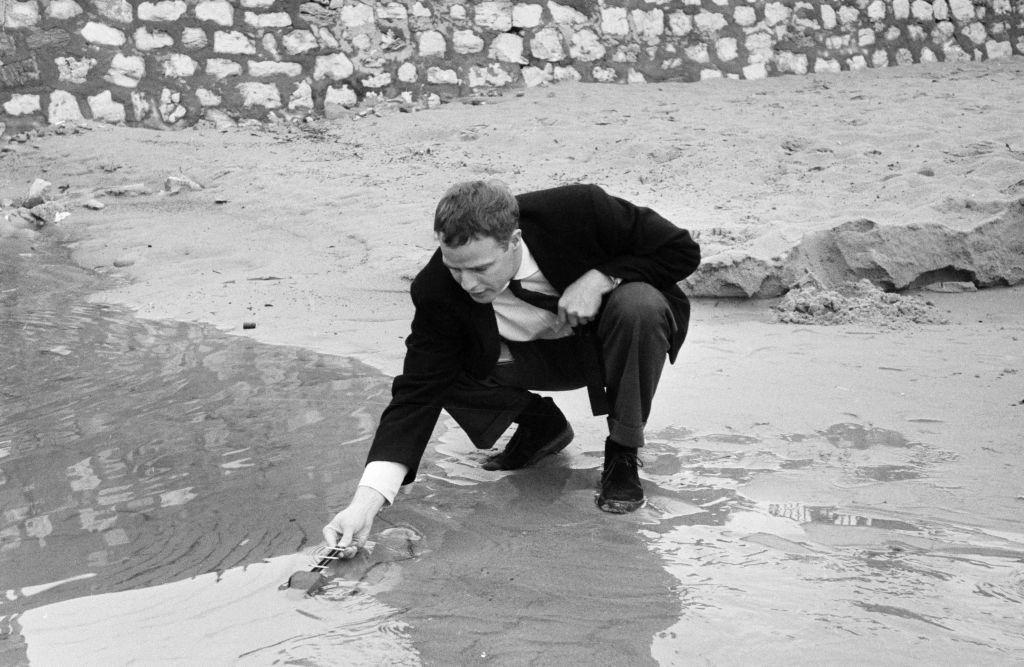
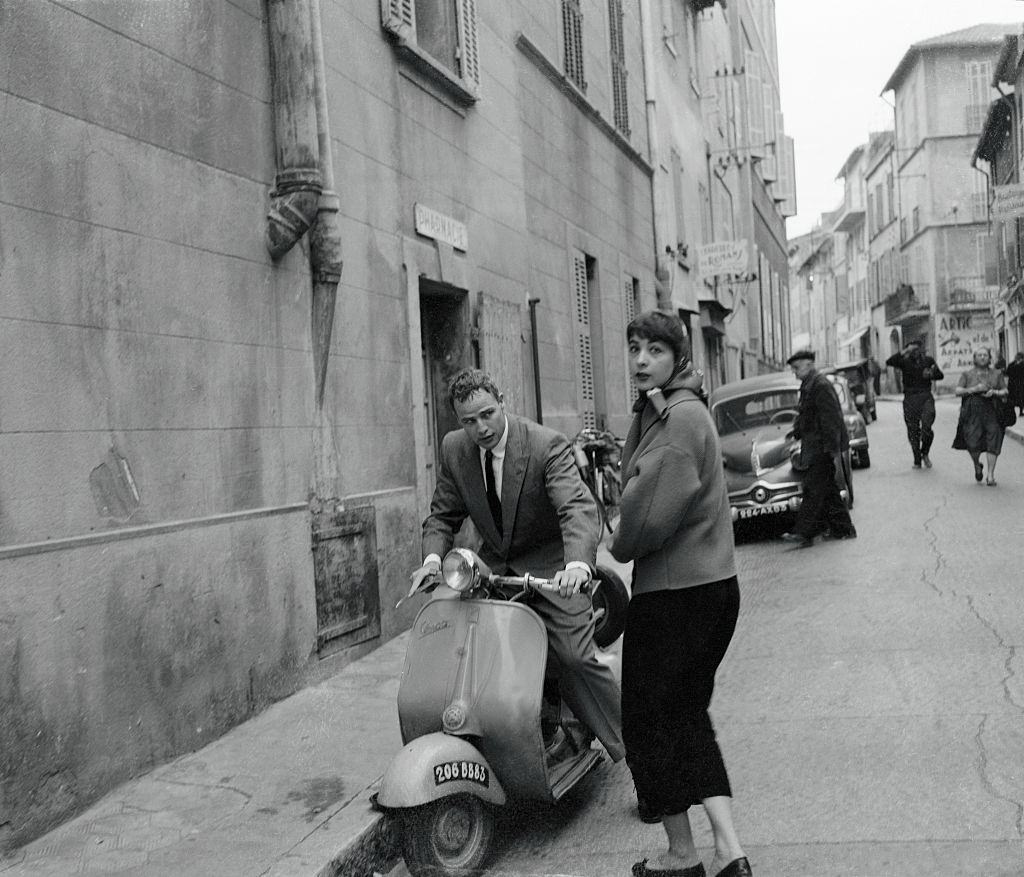
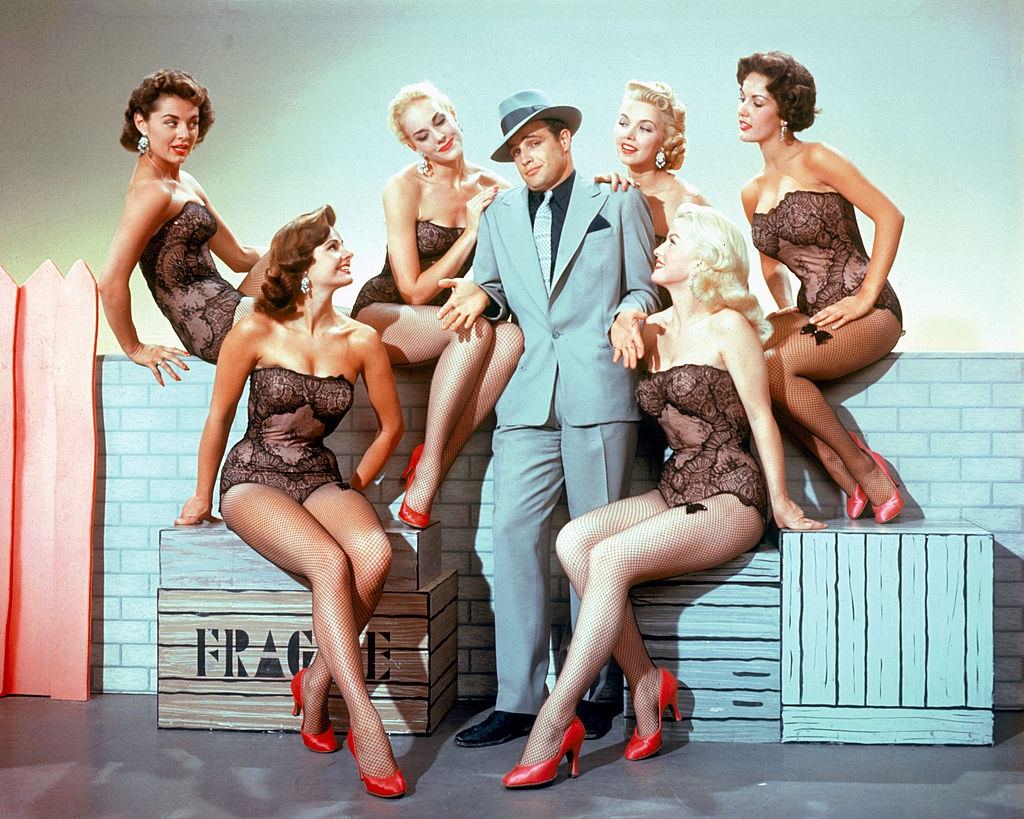
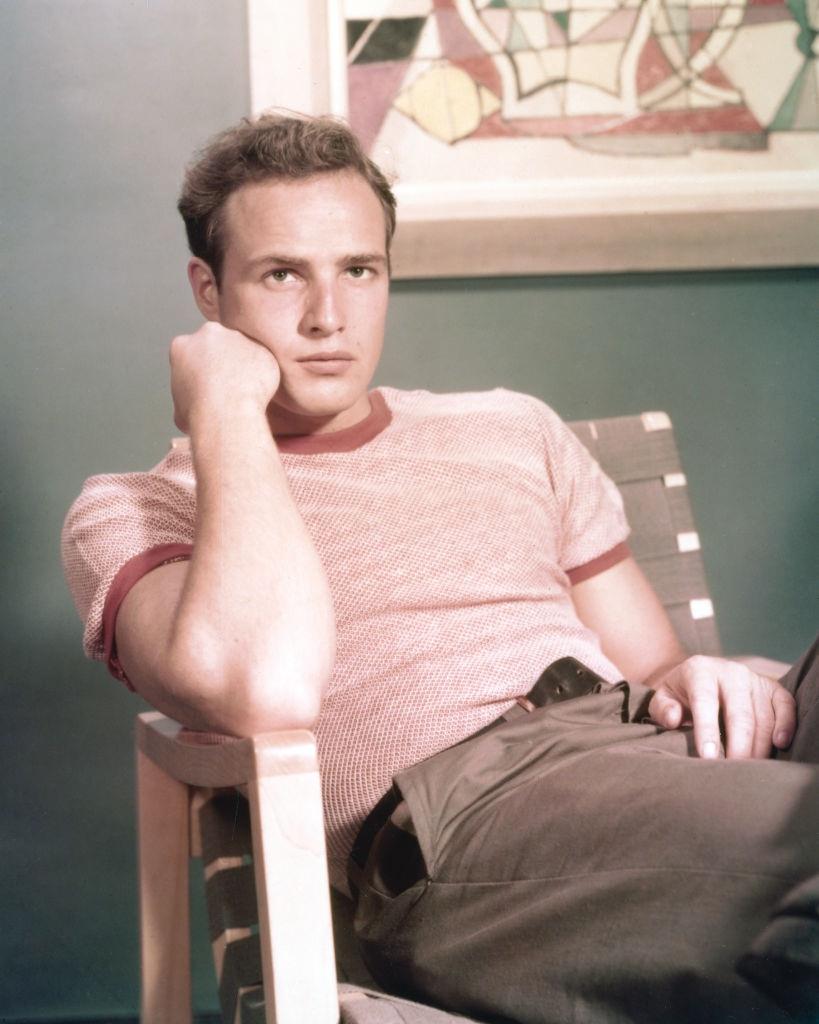
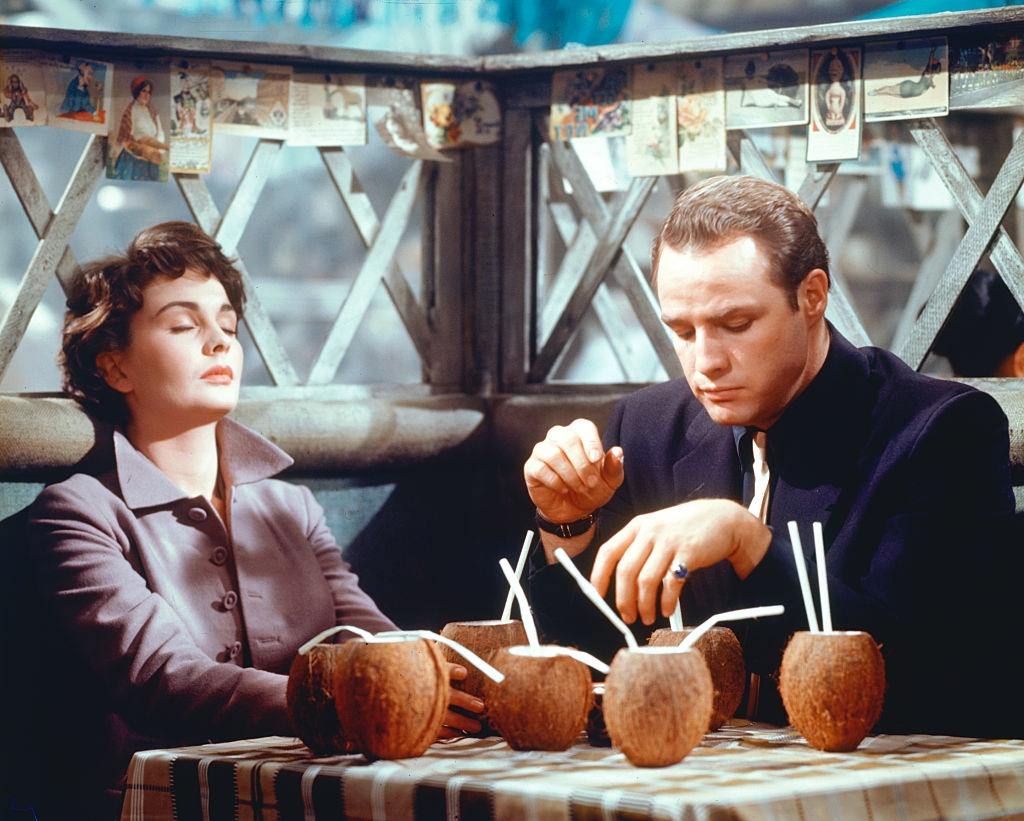
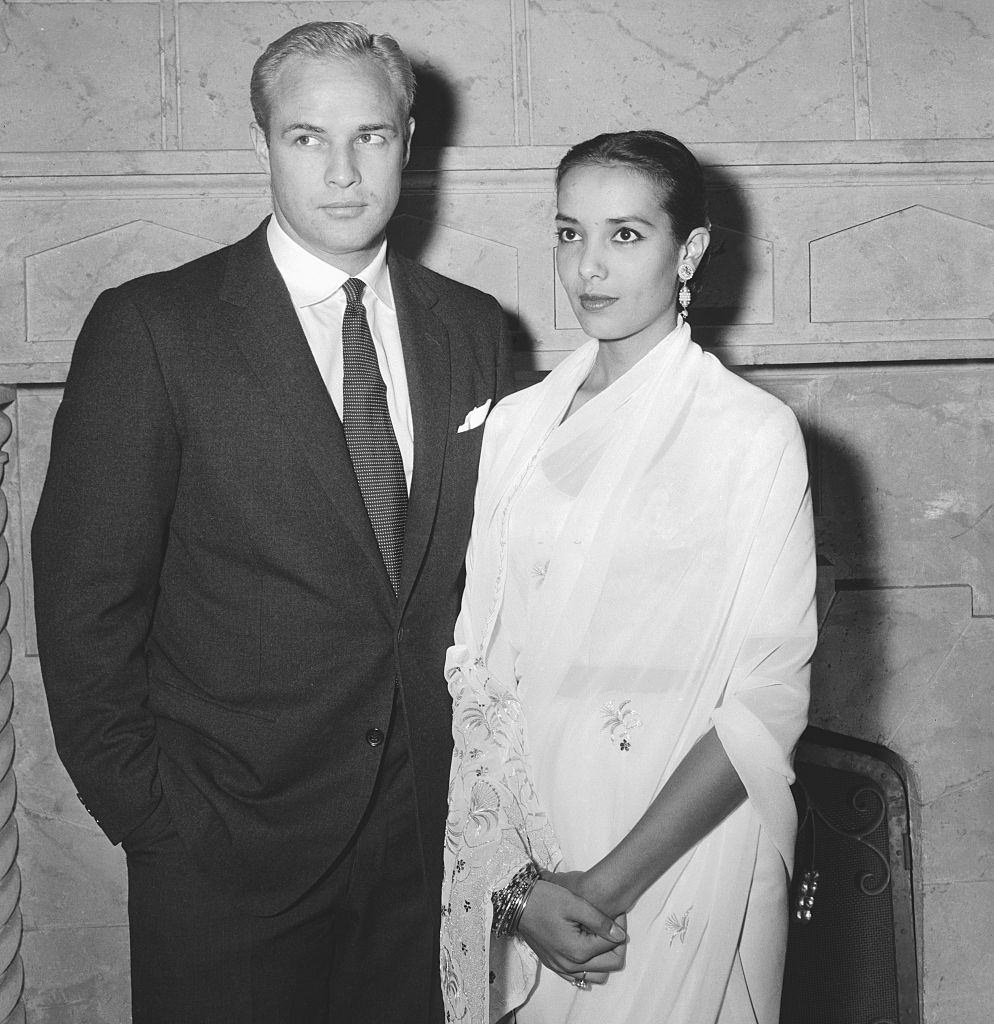
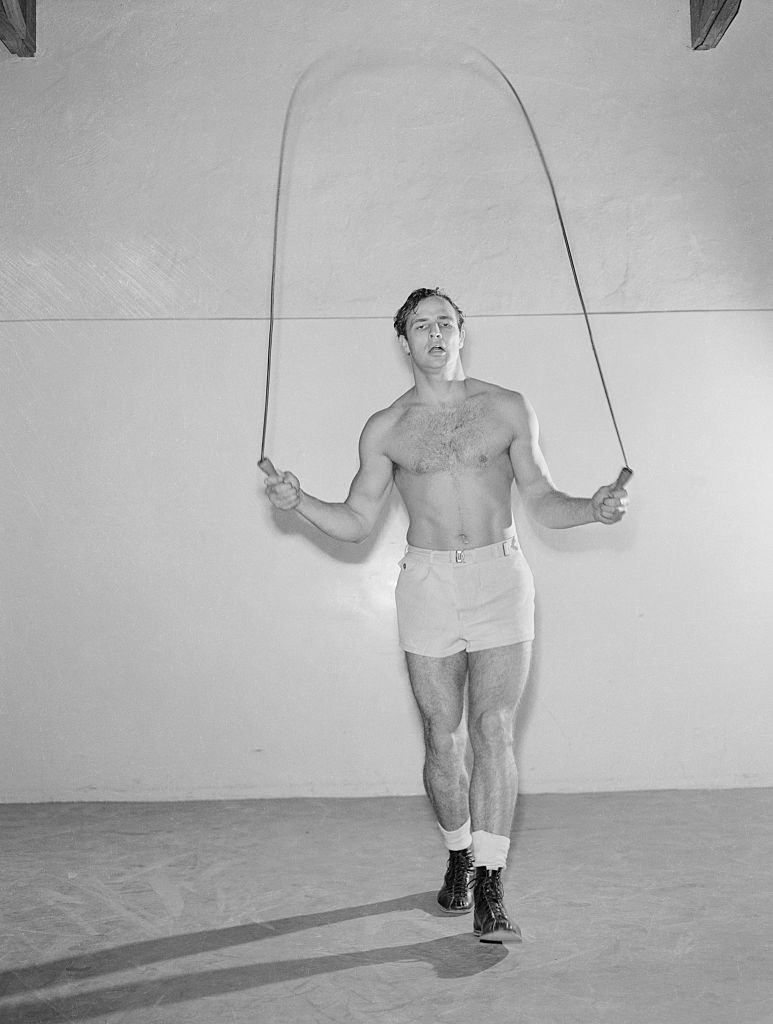
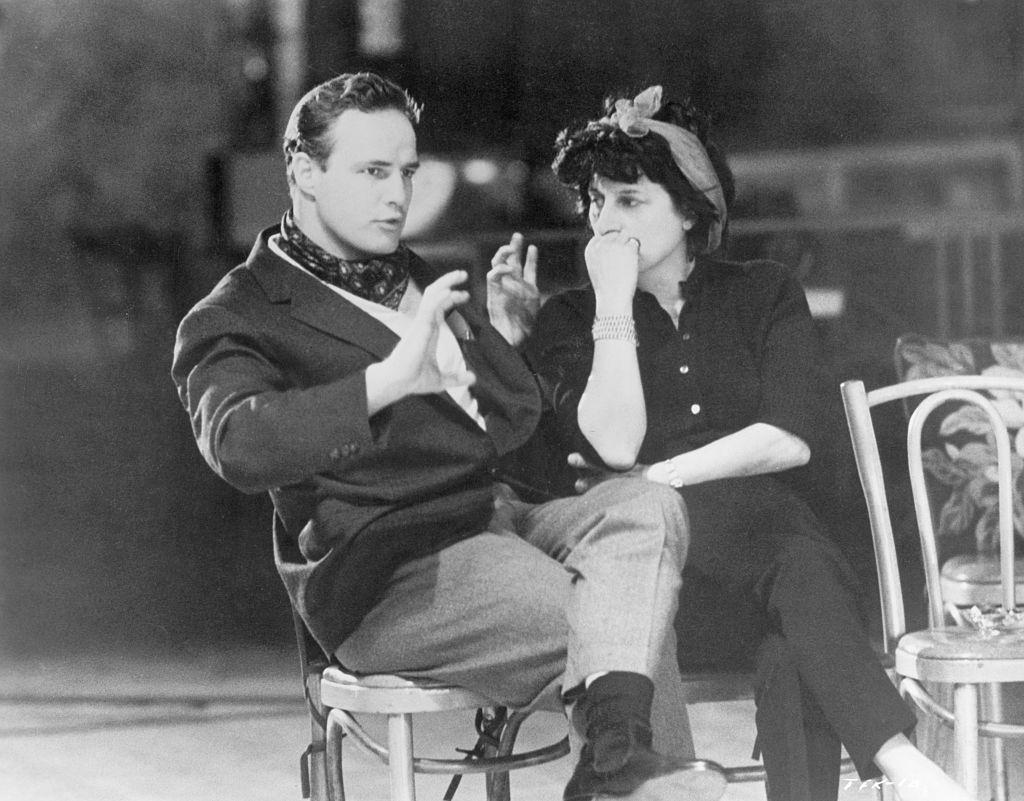
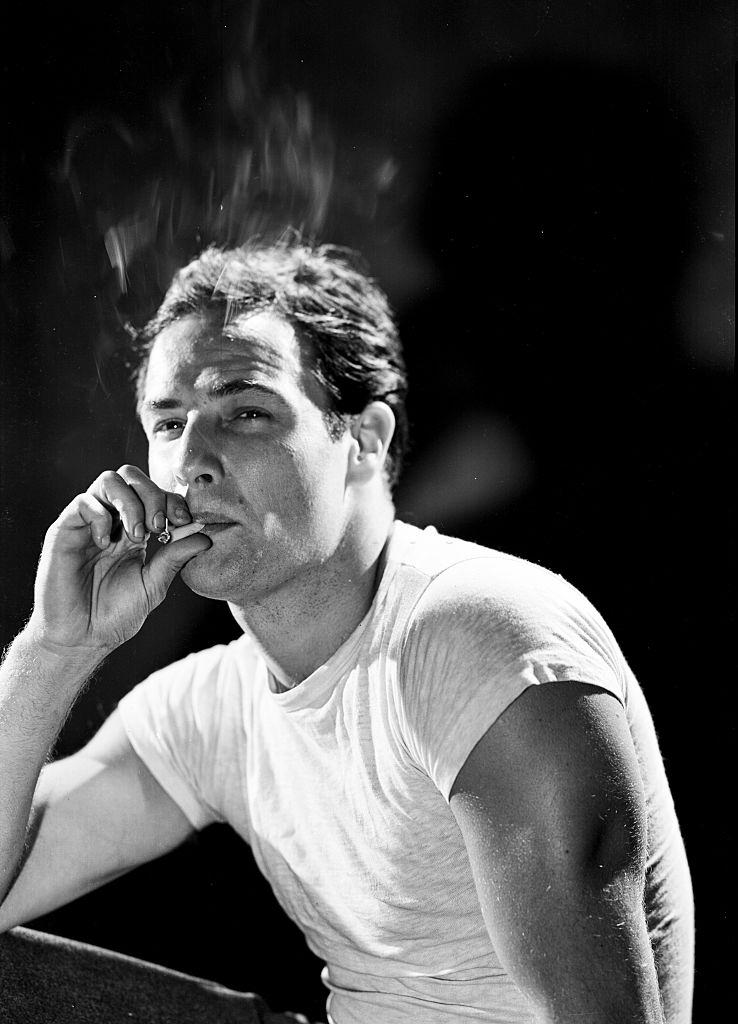
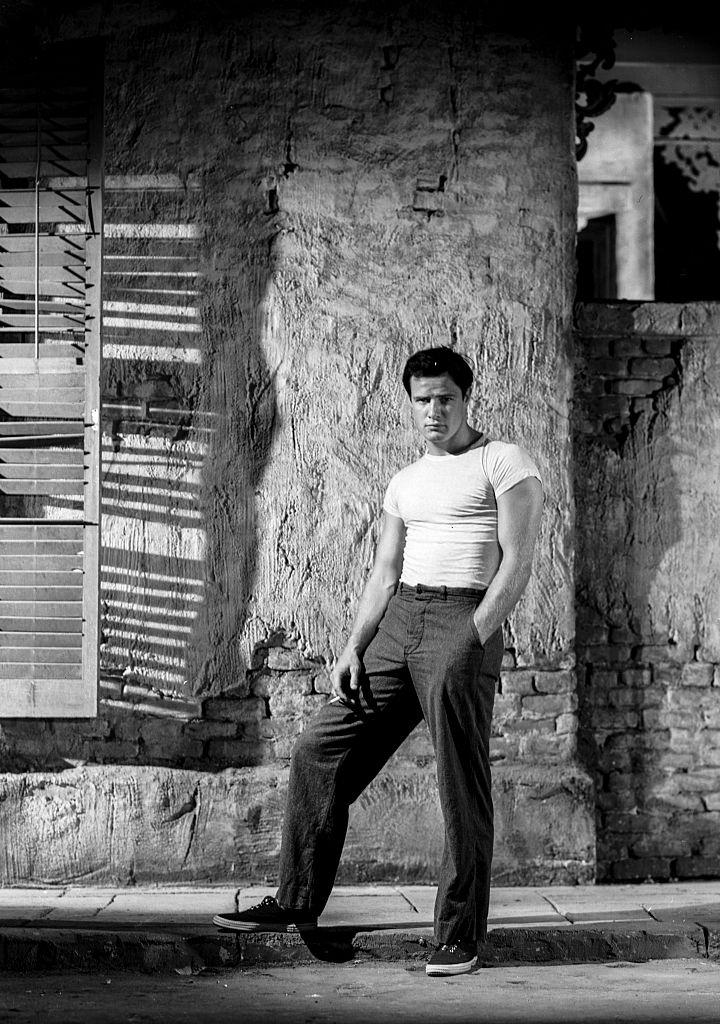
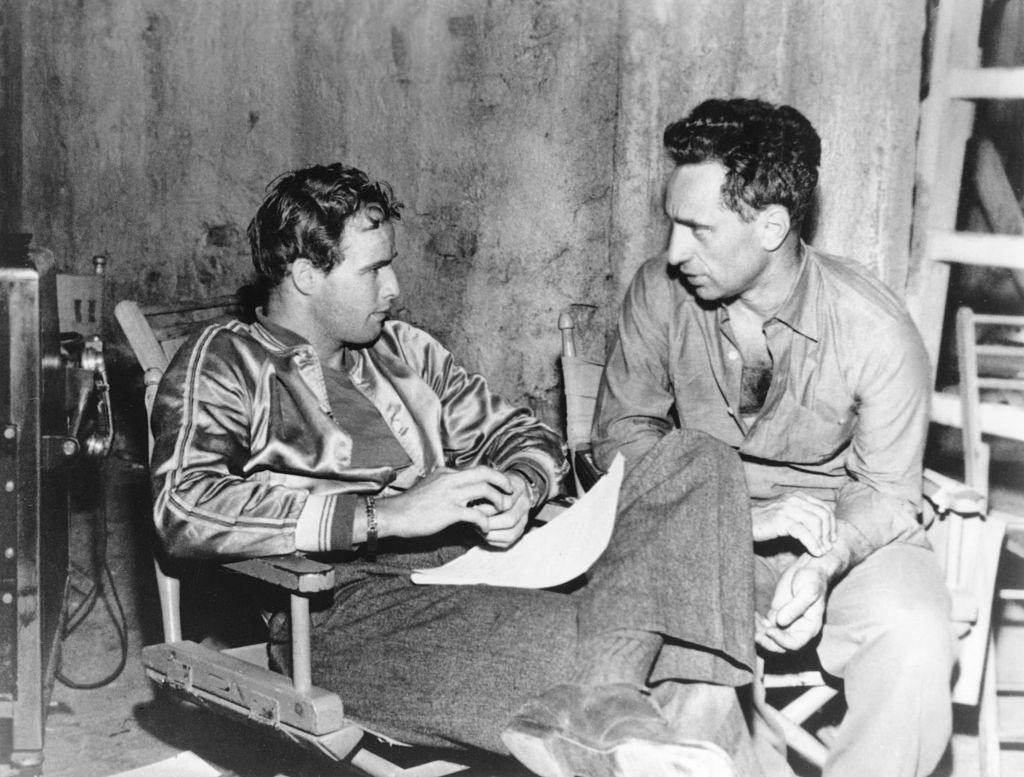
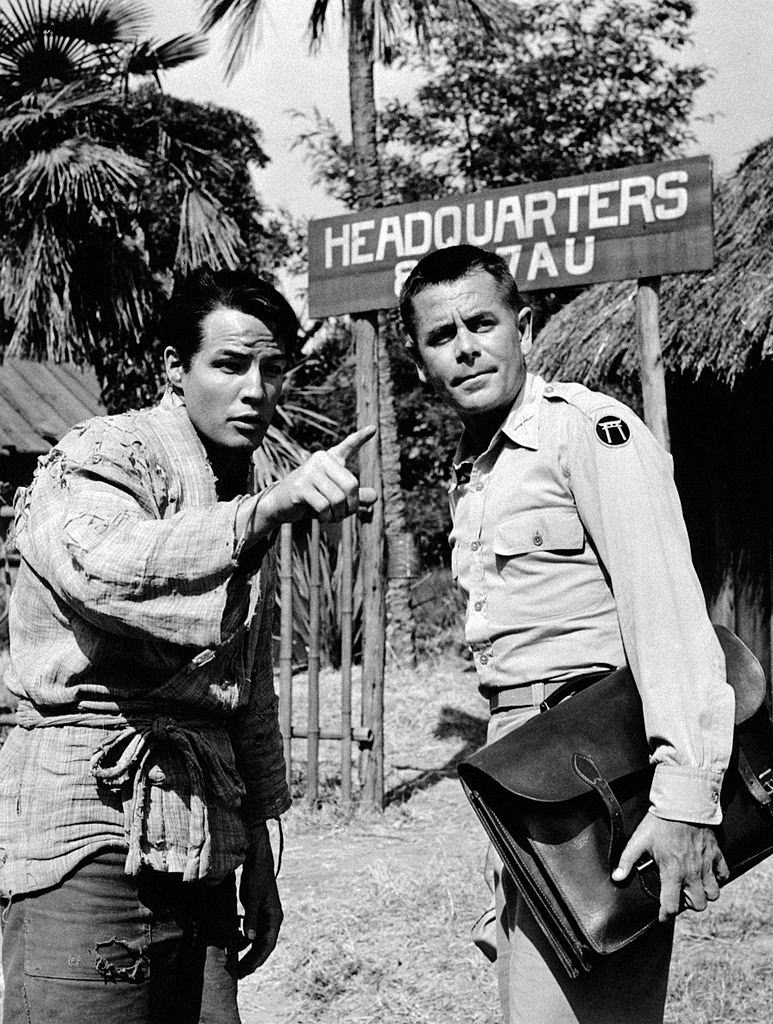
Over a career that spanned more than six decades, Brando appeared in 40 films and seven stage productions. He also recorded voice tracks for the character Mrs. Sour in an unreleased animated film called ‘Big Bug Man.’ His ‘bad boy’ reputation — built on public outbursts, personal controversies, and a refusal to play by Hollywood’s rules — never managed to fully push audiences away. If anything, it added to the mystique that made him one of the most enduring figures in the history of American cinema. Below are some rare and beautiful photos of young Marlon Brando from his early life and career.