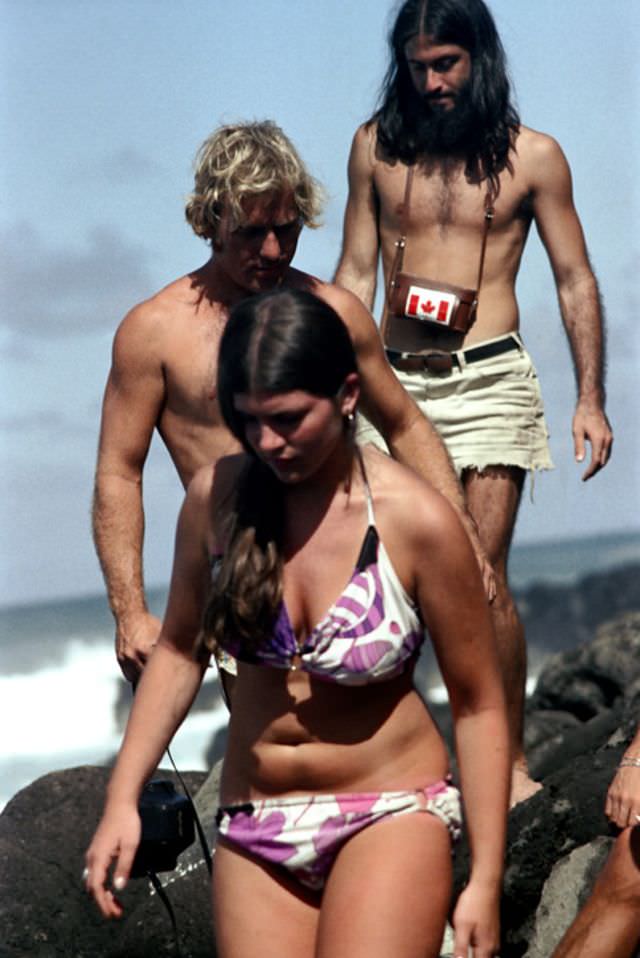
Hawaii has long been one of the most beautiful places on Earth. Its white-sand beaches, lush green parks, and warm ocean waters draw visitors from around the world. After Hawaii became the 50th U.S. state in 1959, tourism grew rapidly. That year, around 240,000 visitors traveled to the islands. By 1970, that number had exploded to over 1.7 million people per year.

In 1973, photographer Nick DeWolf visited Hawaii and turned his camera toward everyday life on the islands. DeWolf was known for documenting real moments rather than posed scenes. During his time there, he photographed young Hawaiian girls enjoying the beaches and parks, capturing a slice of island childhood in the early 1970s.
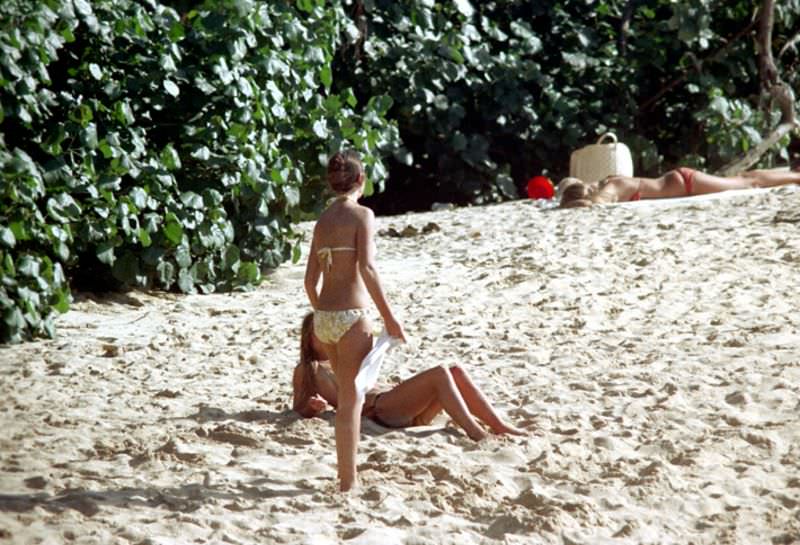
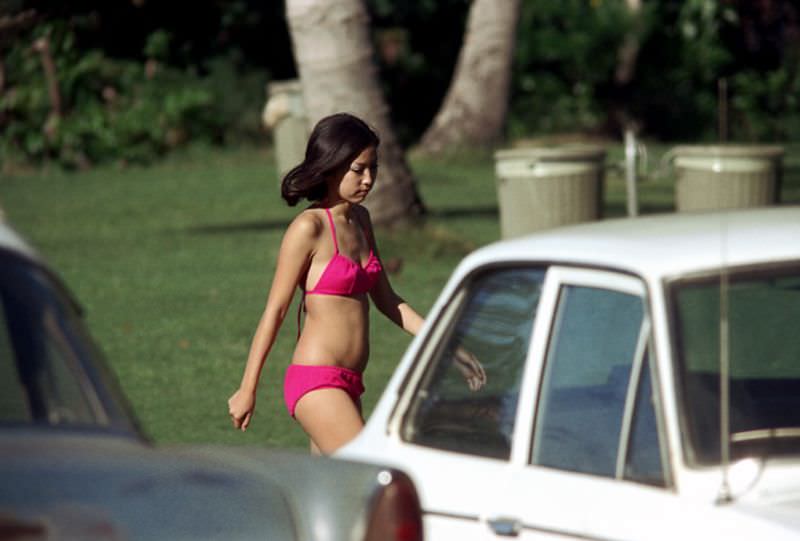
The girls in DeWolf’s photos are relaxed and natural. There are no studio lights or formal settings — just kids in their element, surrounded by the scenery that makes Hawaii so memorable.
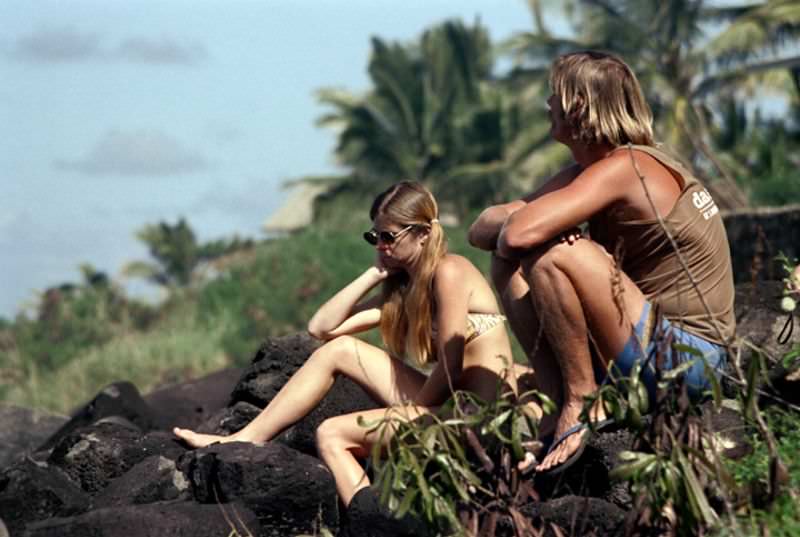

DeWolf had a talent for blending into a scene. His subjects rarely look stiff or staged. The images feel like genuine windows into what daily life looked like for young people growing up in Hawaii during that era.
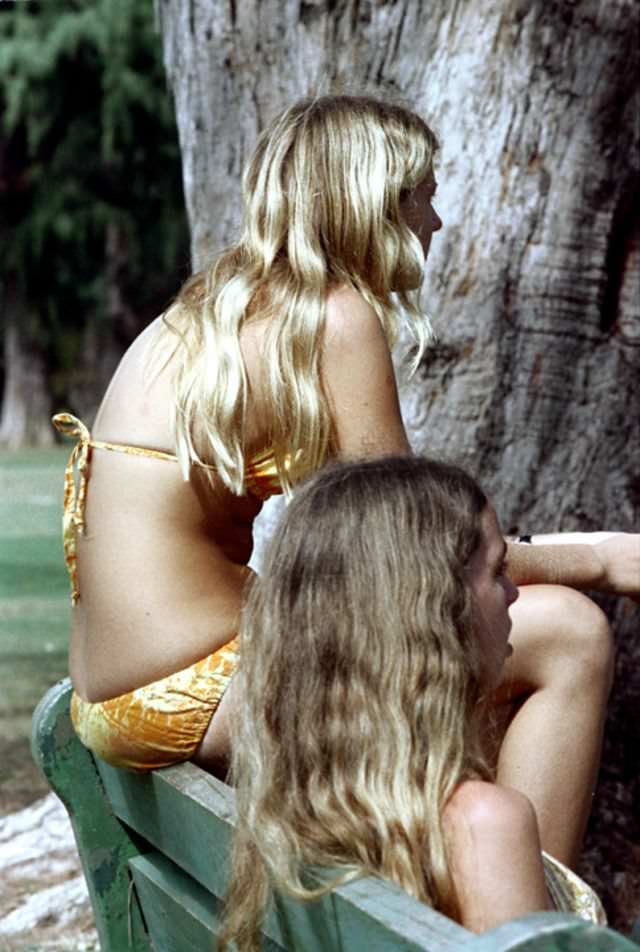
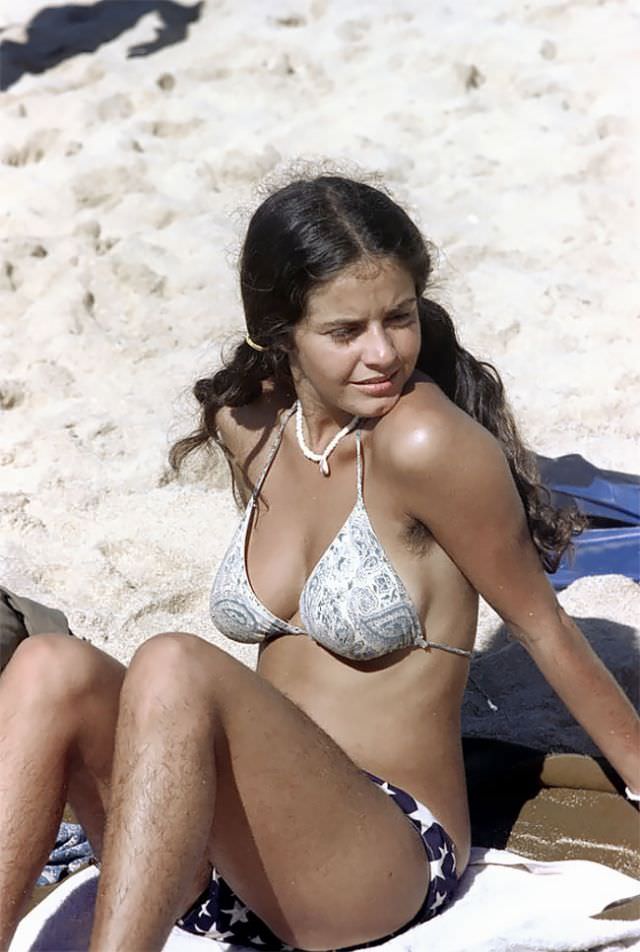
Hawaii’s outdoor culture made the beaches and parks natural gathering spots. For the children who grew up there, the ocean wasn’t a vacation destination — it was a backyard. DeWolf’s photos reflect that closeness to the natural environment.
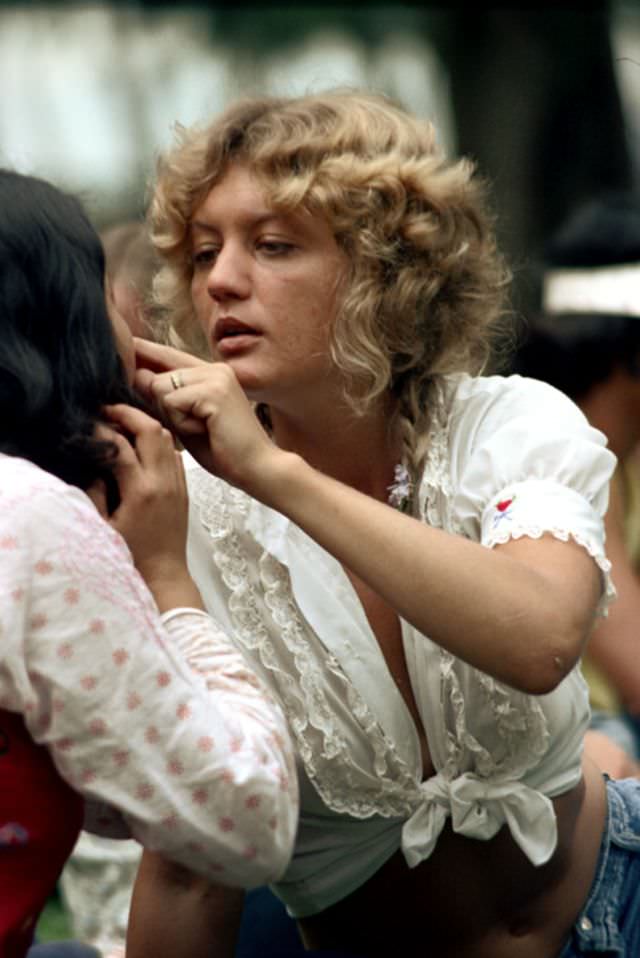

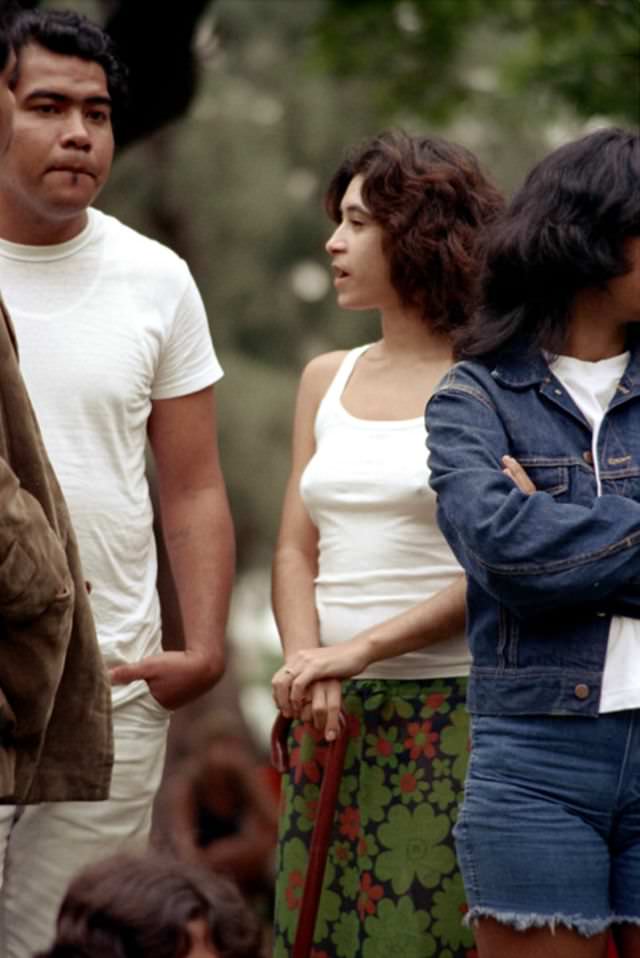
The early 1970s were a distinct period in Hawaiian history. Tourism was booming, development was increasing, and the islands were changing fast. DeWolf’s photographs preserve a version of Hawaii that existed before much of that growth reshaped the landscape.
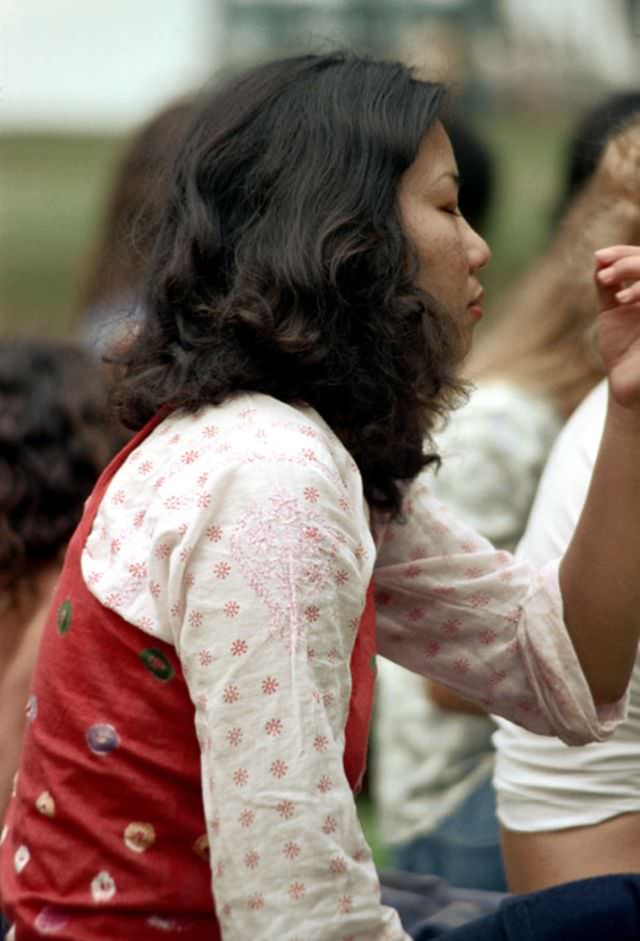

Each photo in this collection tells its own small story. A girl at the shoreline, a group in a park, a candid expression caught in afternoon light — these are the kinds of moments that rarely make it into official historical records but say just as much about a time and place.
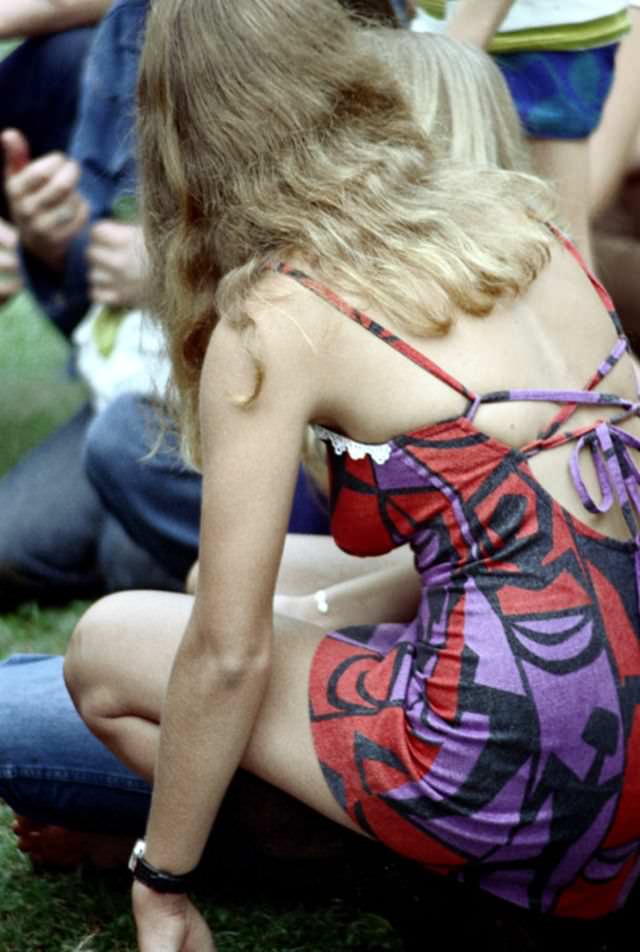

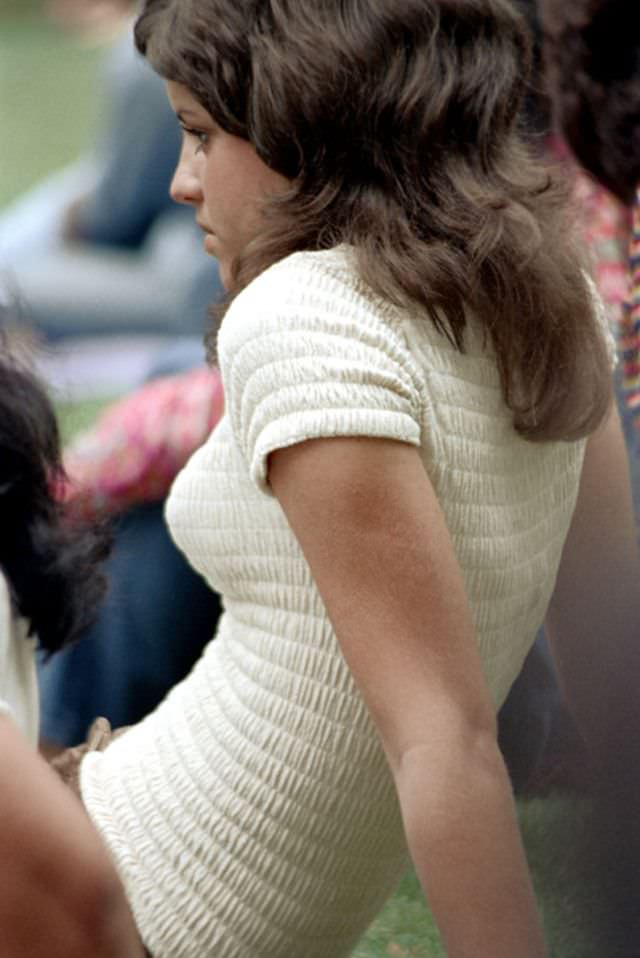
DeWolf shot on film, which gives his images a warm, grainy quality that digital photography doesn’t replicate. The colors are rich but soft — typical of 1970s film stock — and they suit the Hawaiian setting perfectly.

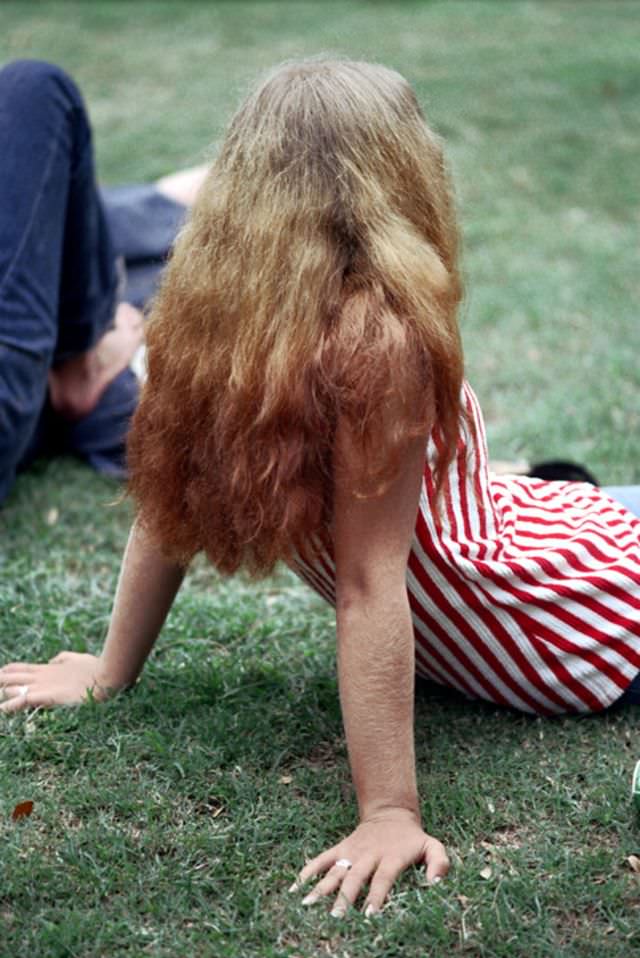
Looking through these photographs, it’s easy to see why Hawaii captured so many visitors’ attention during this period. The setting is stunning, but it’s the people — especially the children going about their ordinary days — who give the images real life.



DeWolf’s archive, which spans decades and dozens of locations around the world, is widely admired by photography enthusiasts and historians alike. His Hawaii collection from 1973 stands out as a vivid, honest portrait of island life during a transformative decade.

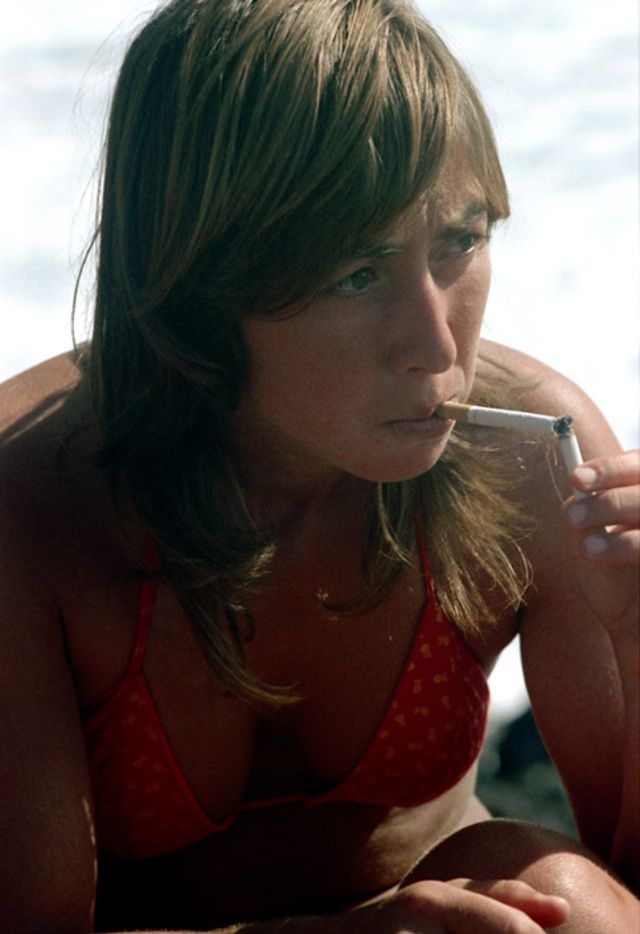

The beaches and parks where these girls played were part of a world still largely untouched by the full weight of the tourism boom. By the end of the 1970s, much of that would shift. These photos freeze a moment just before it changed.
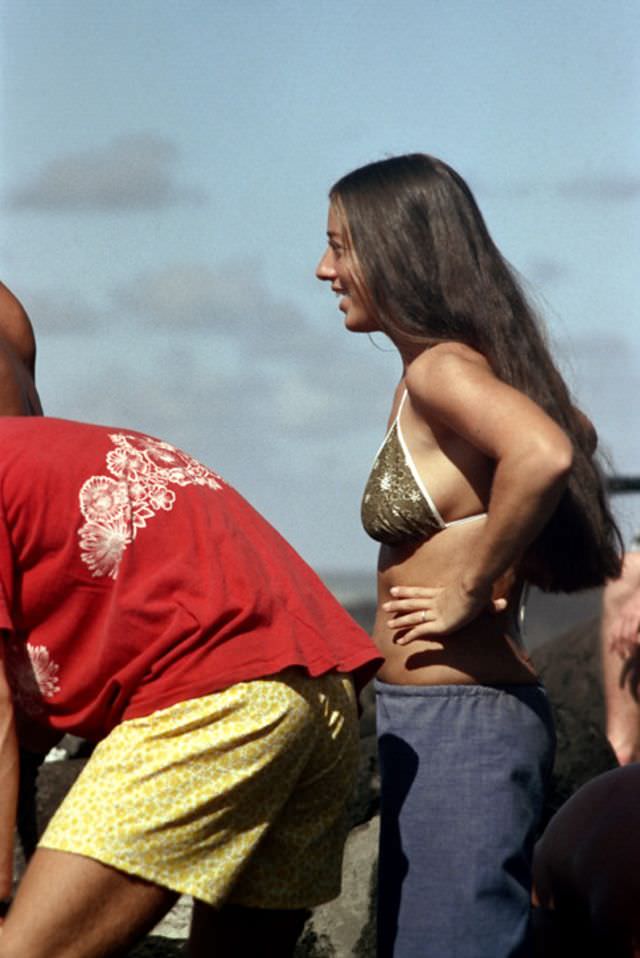


What makes DeWolf’s work valuable isn’t just technical skill — it’s his eye for authenticity. He found the human story inside every location he visited, and Hawaii in 1973 was no different.