John Birks “Dizzy” Gillespie was born on October 21, 1917, in Cheraw, South Carolina, and went on to become one of the most important figures in American jazz history. As a trumpeter, bandleader, composer, educator, and singer, he reshaped the sound of jazz in ways that few musicians ever have. His starting point was the virtuosic trumpet style of Roy Eldridge, but Gillespie pushed far beyond it — adding layers of harmonic and rhythmic complexity that the jazz world had never heard before.
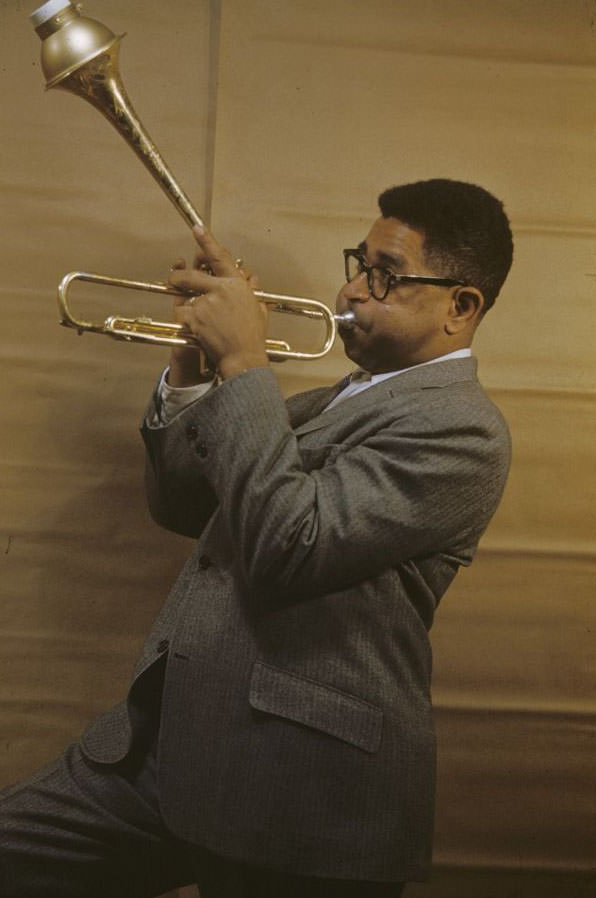
Gillespie is widely credited with popularizing bebop, the fast-moving, technically demanding style of jazz that emerged in the 1940s. His talent on the trumpet was matched by his showmanship and sharp wit, making him a magnetic presence both on stage and off. His look became iconic: a beret, horn-rimmed glasses, a trumpet with a bell bent upward at 45 degrees, and cheeks that ballooned dramatically when he played. That pouched-cheek technique became one of the most recognizable images in jazz.
In the late 1930s and early 1940s, Gillespie moved through some of the biggest bands in jazz. He played alongside Cab Calloway, Ella Fitzgerald, Earl Hines, Duke Ellington, and Billy Eckstine. These years sharpened his skills and exposed him to a wide range of musical styles and arrangements. But it was in the after-hours sessions at Minton’s Playhouse in Harlem where Gillespie truly came into his own.
Minton’s Playhouse was a gathering spot for adventurous musicians who wanted to experiment beyond the boundaries of swing. Late-night jam sessions there became the laboratory for bebop. Gillespie was a regular, working out new ideas alongside other forward-thinking players. The music that emerged from those sessions would change jazz forever.
By the late 1940s, Gillespie had formed his own orchestra — a large big band that many critics and musicians considered one of the finest in jazz history. The group was known for its complex instrumental arrangements and the remarkable skill of its players. Managing a big band of that caliber required not just musical vision but also strong leadership, and Gillespie delivered both.
His reach extended well beyond his own performances. Among the musicians who counted Gillespie as a key influence were trumpeters Miles Davis, Jon Faddis, Fats Navarro, Clifford Brown, Arturo Sandoval, Lee Morgan, and Chuck Mangione, as well as balladeer Johnny Hartman. That list alone speaks to the breadth of his impact across different styles and generations of jazz.
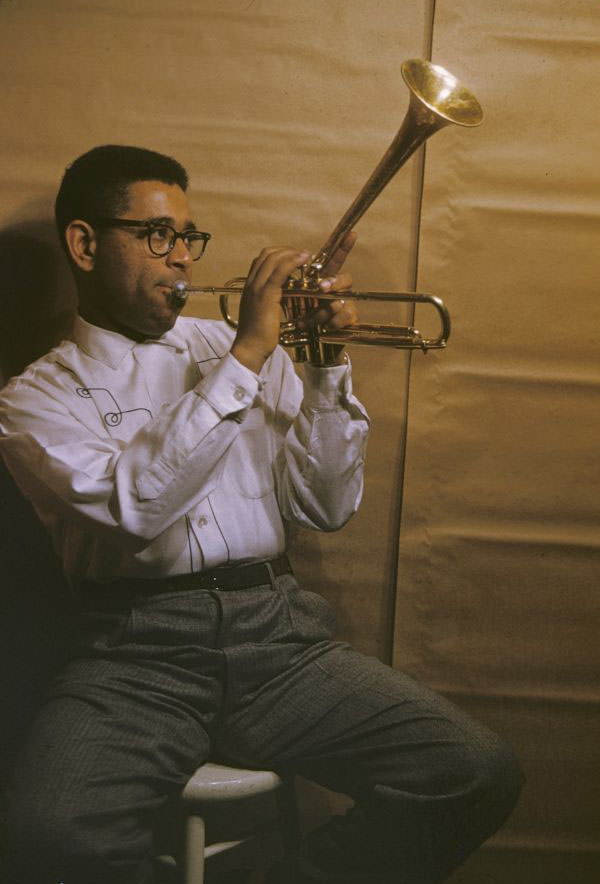
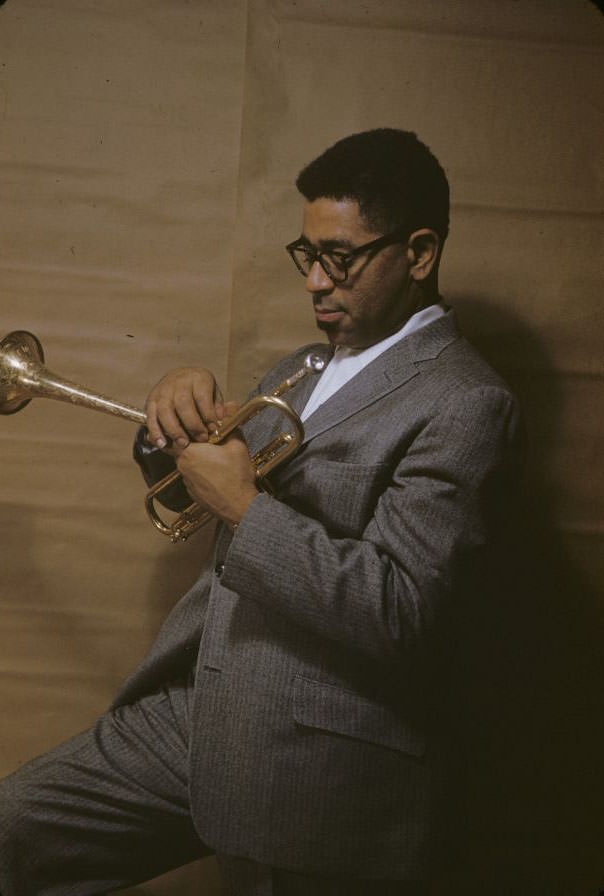
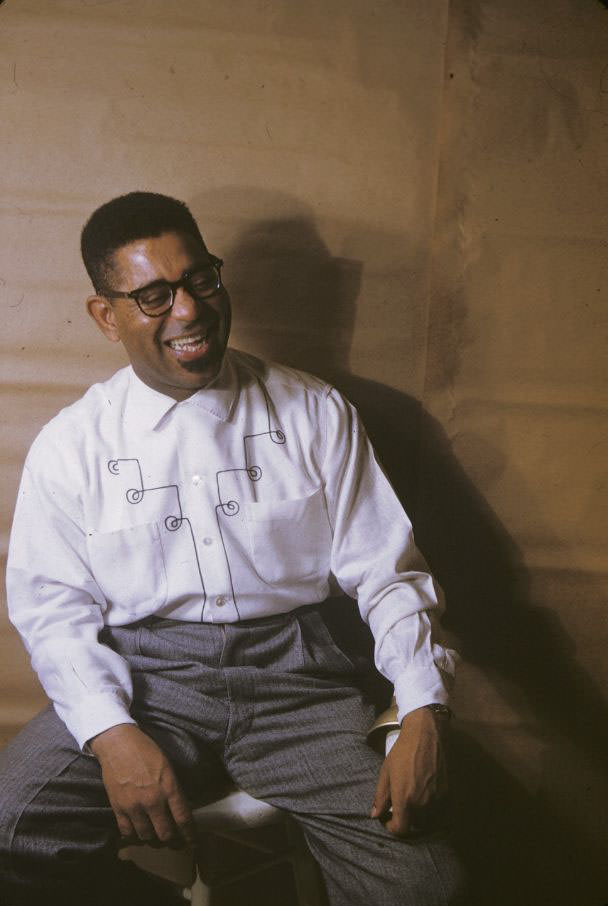
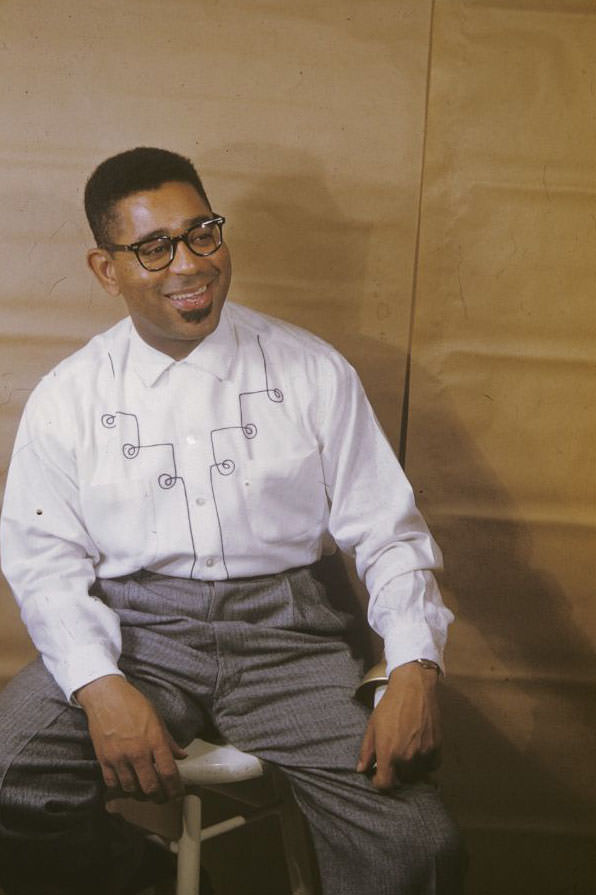
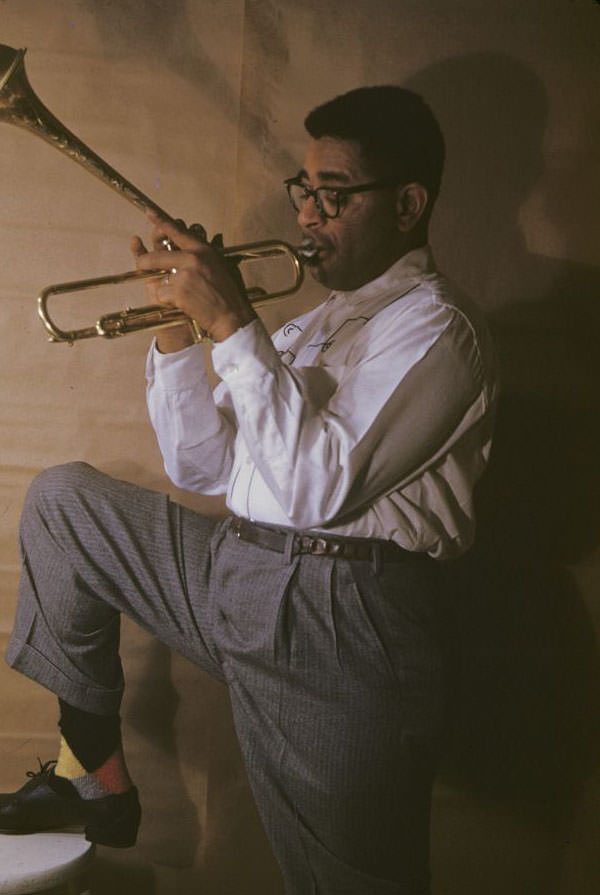
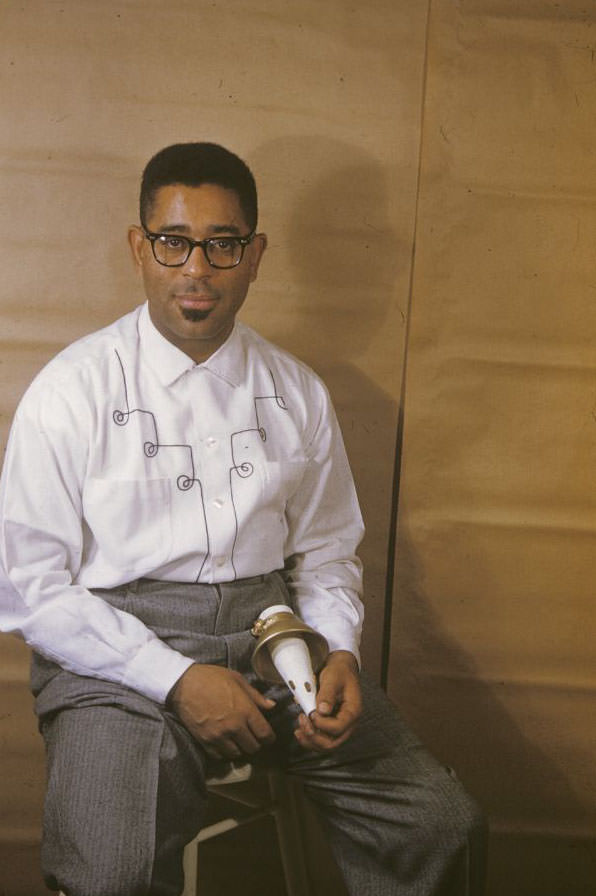
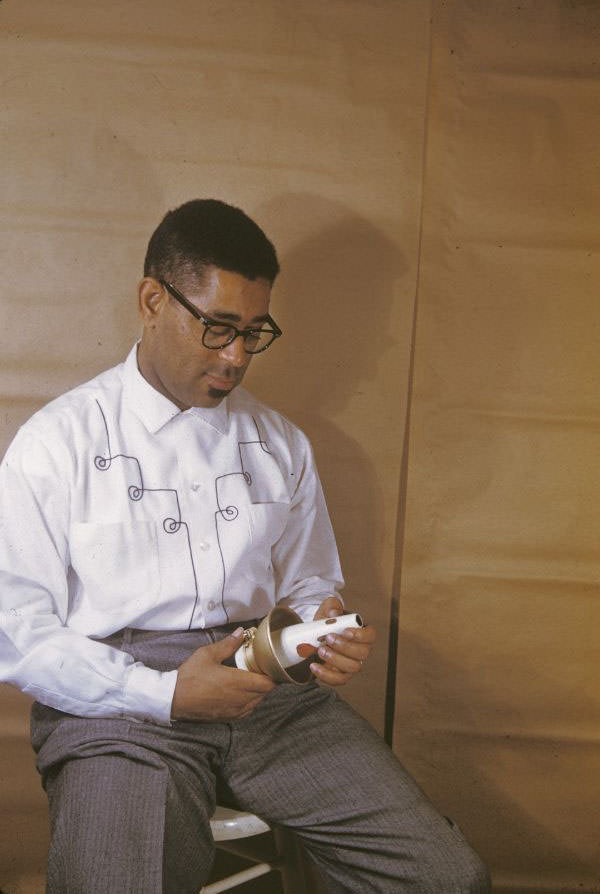
On December 2, 1955, photographer Carl Van Vechten turned his camera on Gillespie and captured a striking set of portraits. Van Vechten was already a well-established figure in American arts and culture, known for his extensive photographic documentation of African American artists, writers, and musicians during the 20th century. By 1955, Gillespie was 38 years old and at a commanding point in his career.
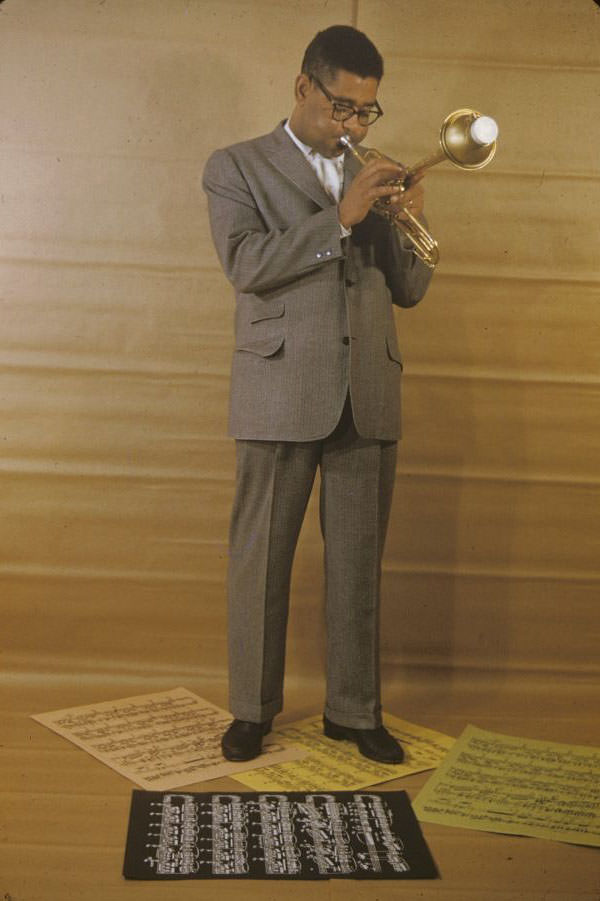
The session produced images that show Gillespie with the same energy and personality that defined his performances. His expressive face, natural charisma, and comfort in front of the camera come through clearly in every frame Van Vechten captured that day.
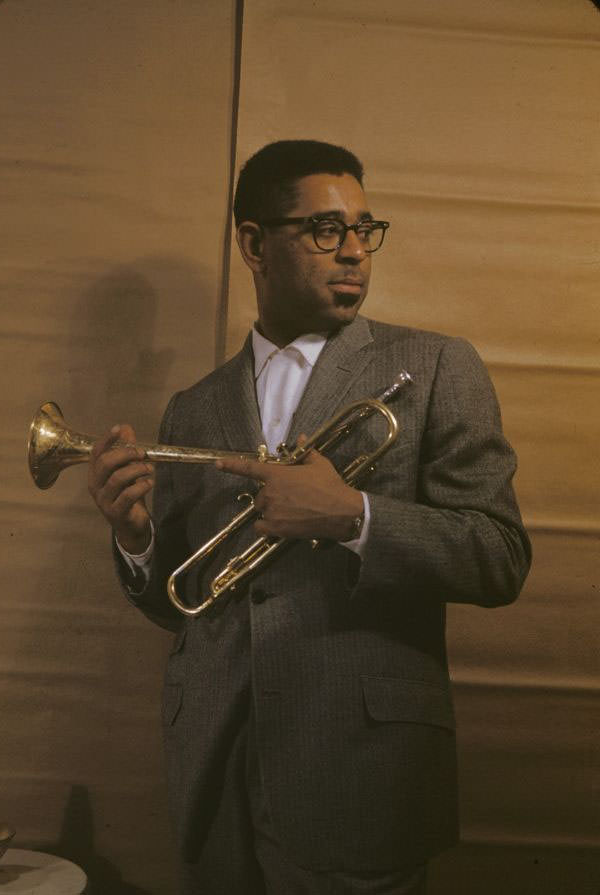
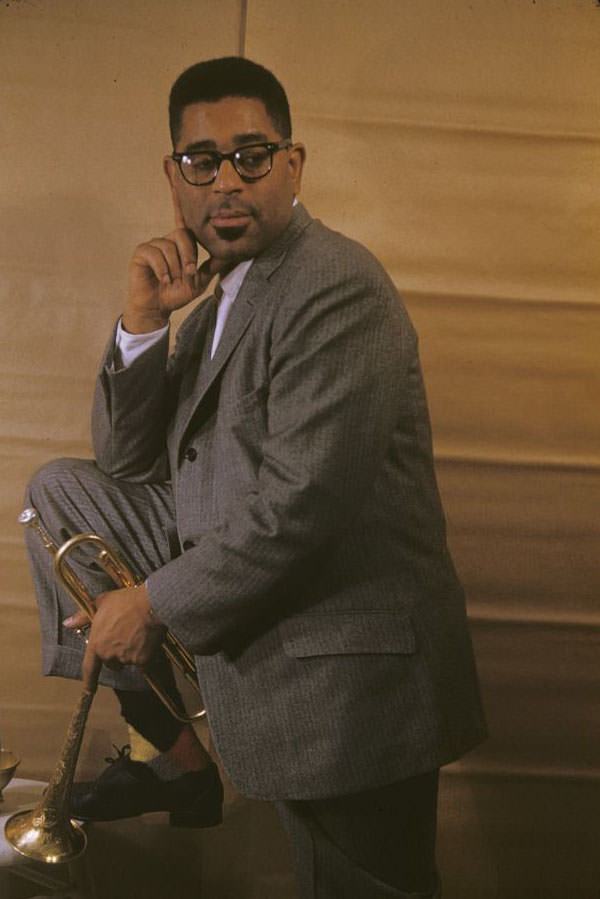
Van Vechten’s photographs serve as an important visual record of Gillespie during a period when bebop had already cemented its place in jazz history. The images sit alongside Van Vechten’s broader archive, which preserved the faces of countless major figures from the Harlem Renaissance onward. For Gillespie, these portraits add a personal dimension to the well-documented musical legacy he was still actively building.
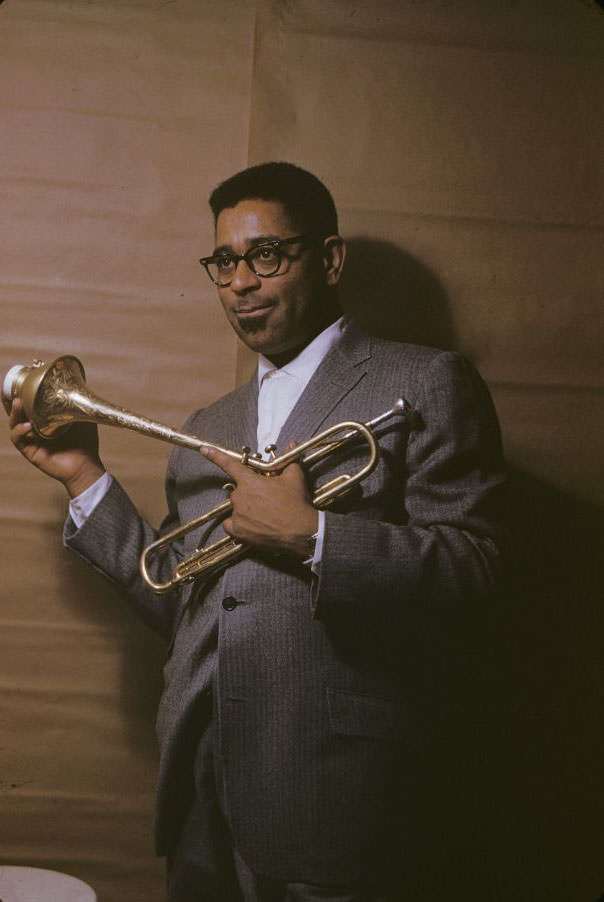
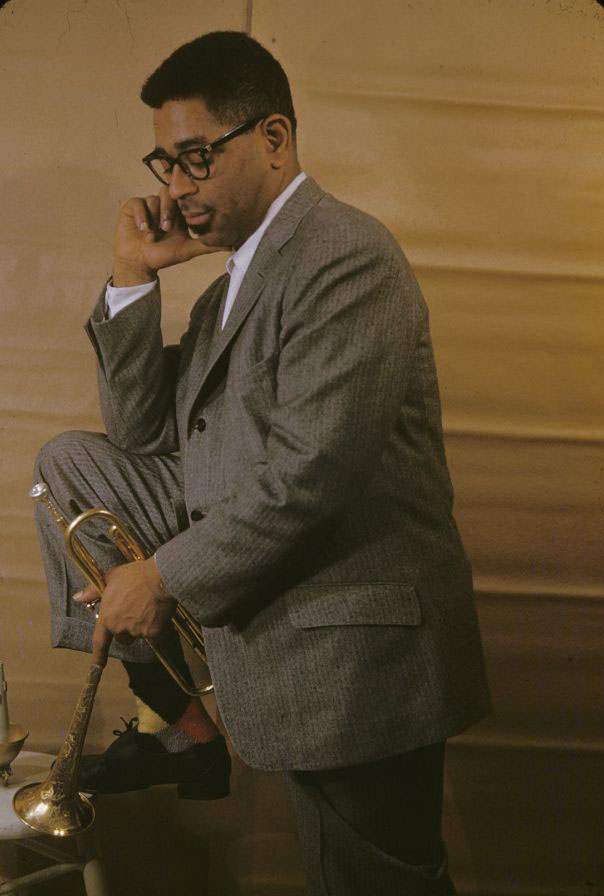
Below are the remarkable photographs Carl Van Vechten took of Dizzy Gillespie on December 2, 1955 — a vivid window into the life and presence of one of jazz’s most original voices.