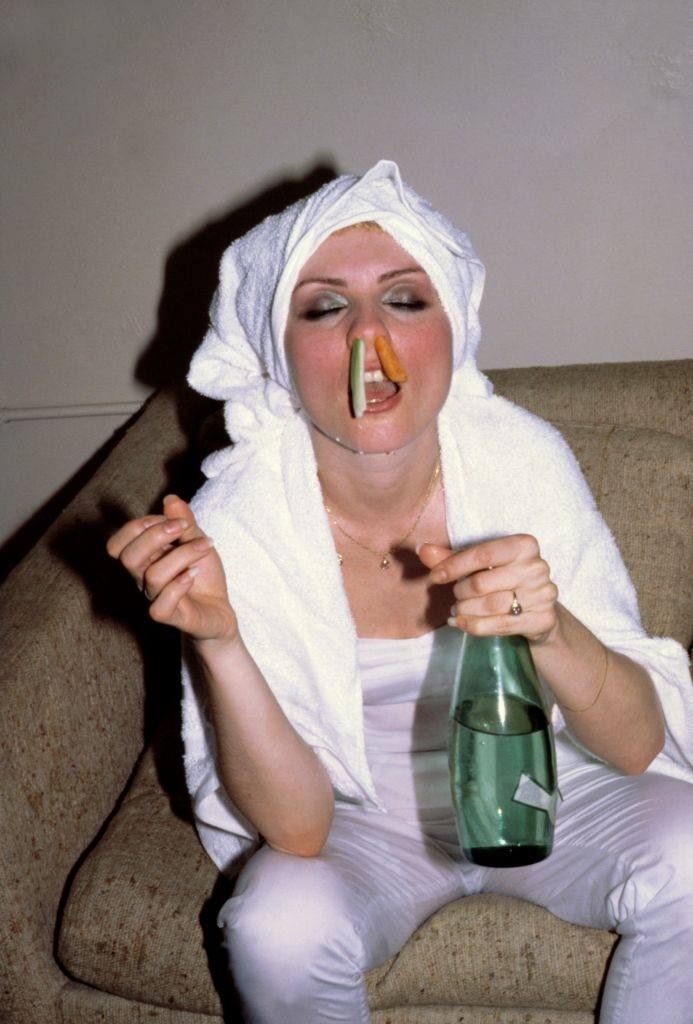
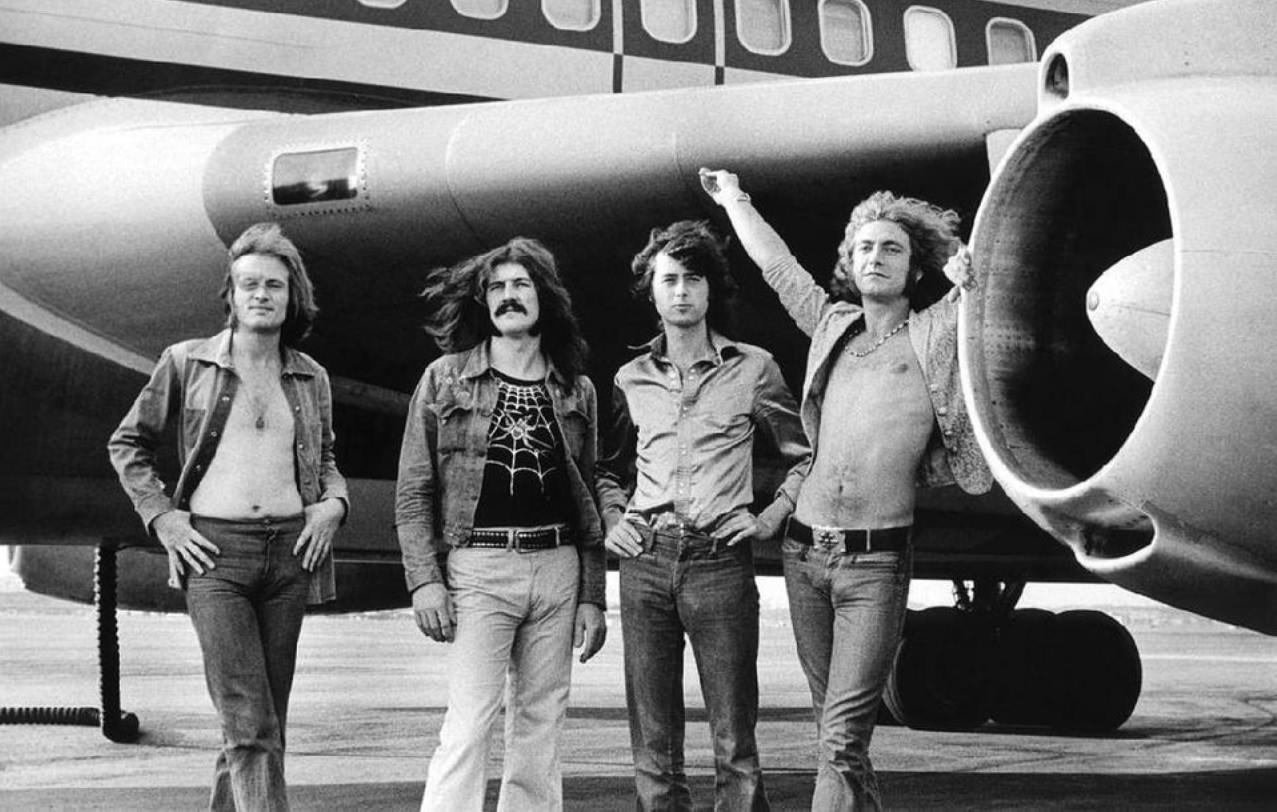
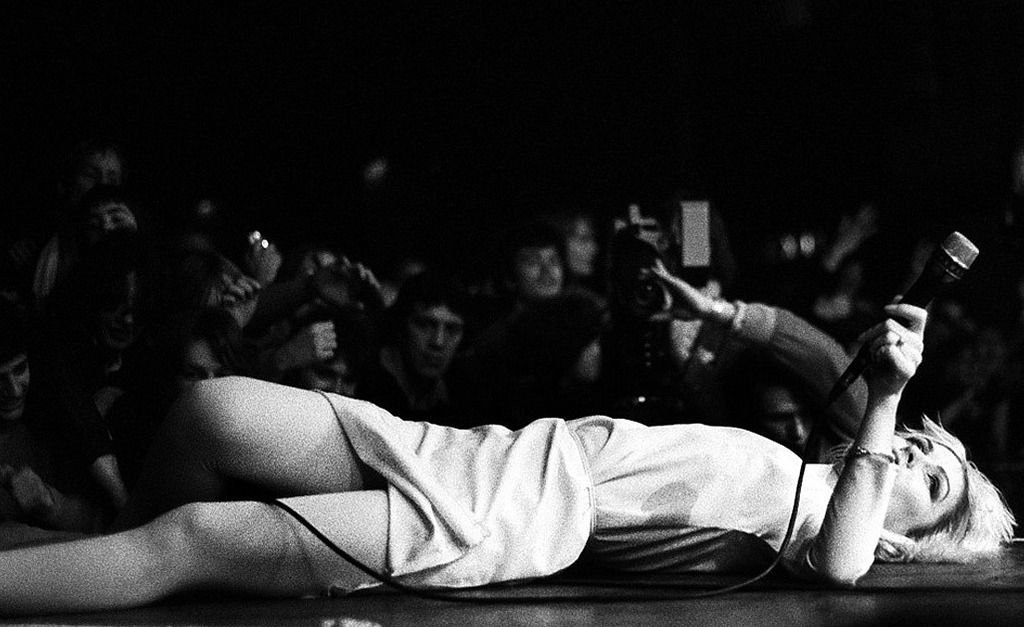
Debbie Harry is one of the most recognizable figures in rock and pop history. As the lead singer of Blondie, she spent more than five decades recording music, topping charts on both sides of the Atlantic, and building a look that became impossible to imitate. With platinum-blond hair, sharp cheekbones, and a cool, unshakeable stage presence, Harry turned heads long before she ever stepped into a recording studio.
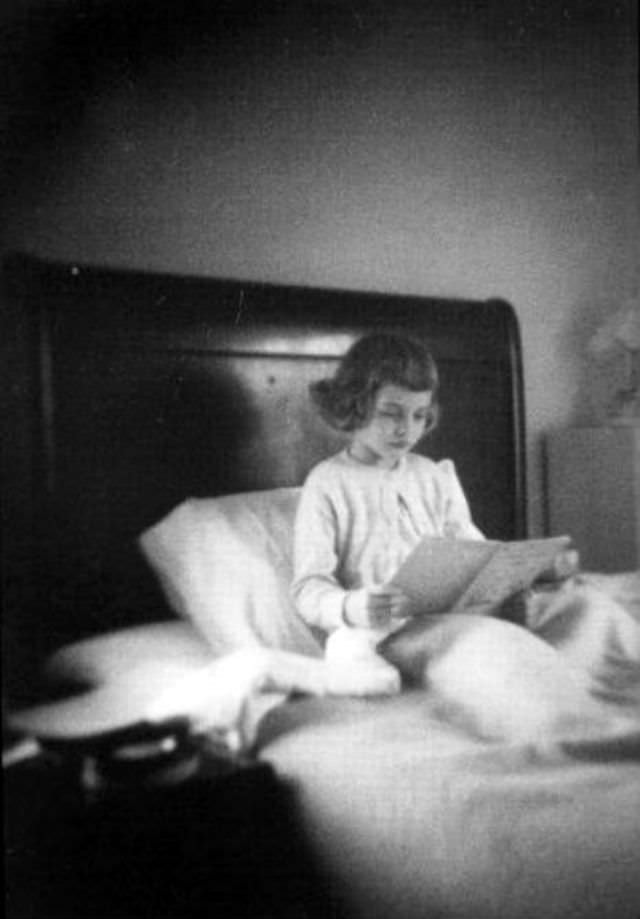
Born Angela Tremble on July 1, 1945, in Miami, Florida, Harry was adopted at three months old by Richard and Catherine Harry of Hawthorne, New Jersey. She grew up in a quiet suburban household, but she was drawn to music and performance from an early age. Her school years gave little hint of the rock star she would become — at least on the surface.
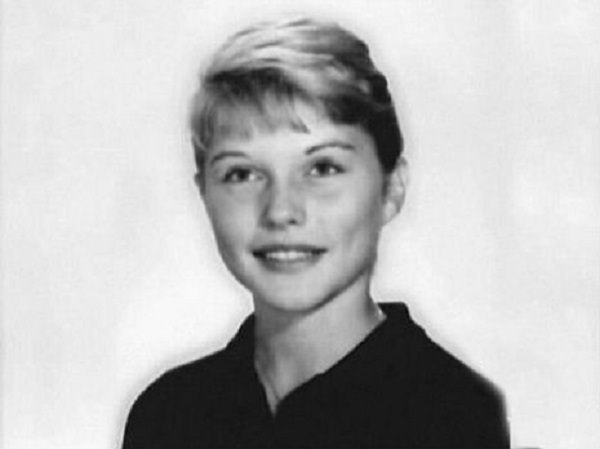
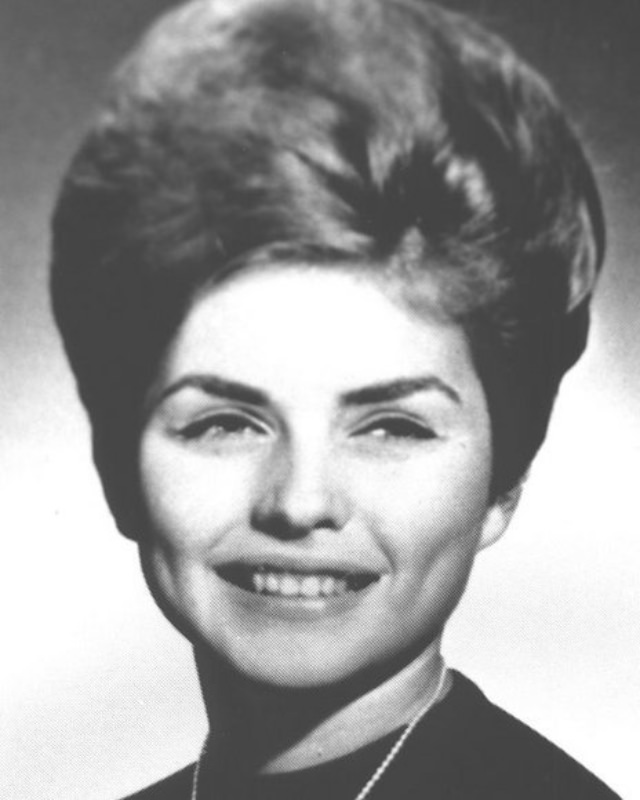
After graduating from Hawthorne High School in 1963, Harry moved around and took on a string of jobs — secretary, beautician, Playboy Bunny, and go-go dancer, among others. She eventually landed in New York City, where the music scene was beginning to boil. She started singing as a backing vocalist for the folk-rock group Wind in the Willows, who released one album in 1968 before dissolving.

Through the early 1970s, Harry passed through several other bands without finding a breakthrough. That changed when she met guitarist Chris Stein. The two became partners in music and in life, and together they formed Blondie. The band quickly became fixtures at two of New York City’s most important venues — Max’s Kansas City and CBGB — where the raw, energetic sound of punk and new wave was taking shape.
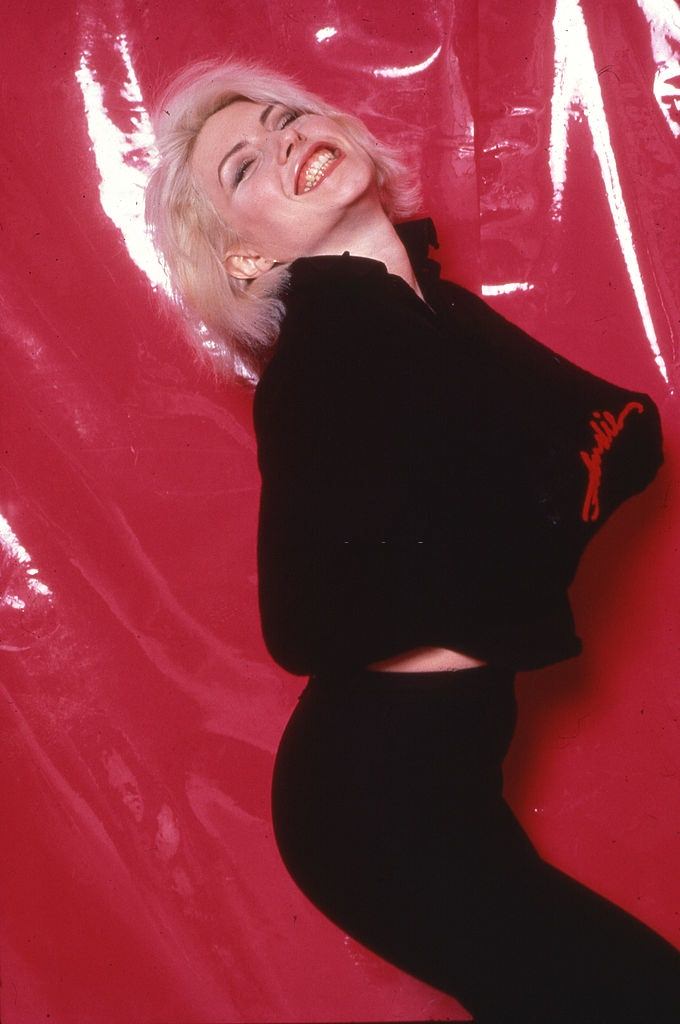
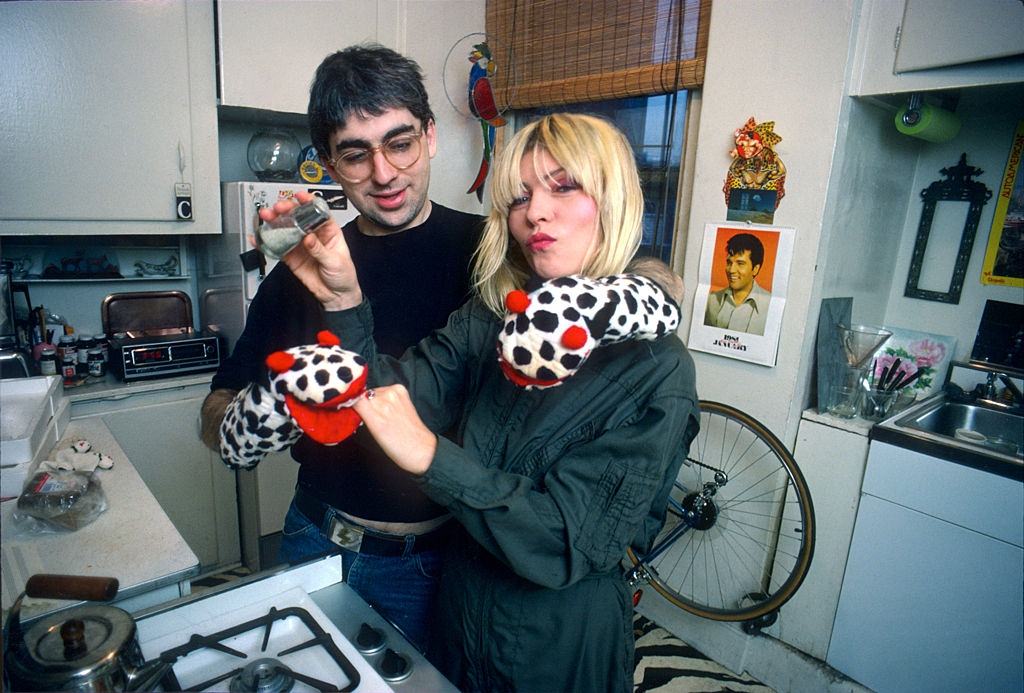
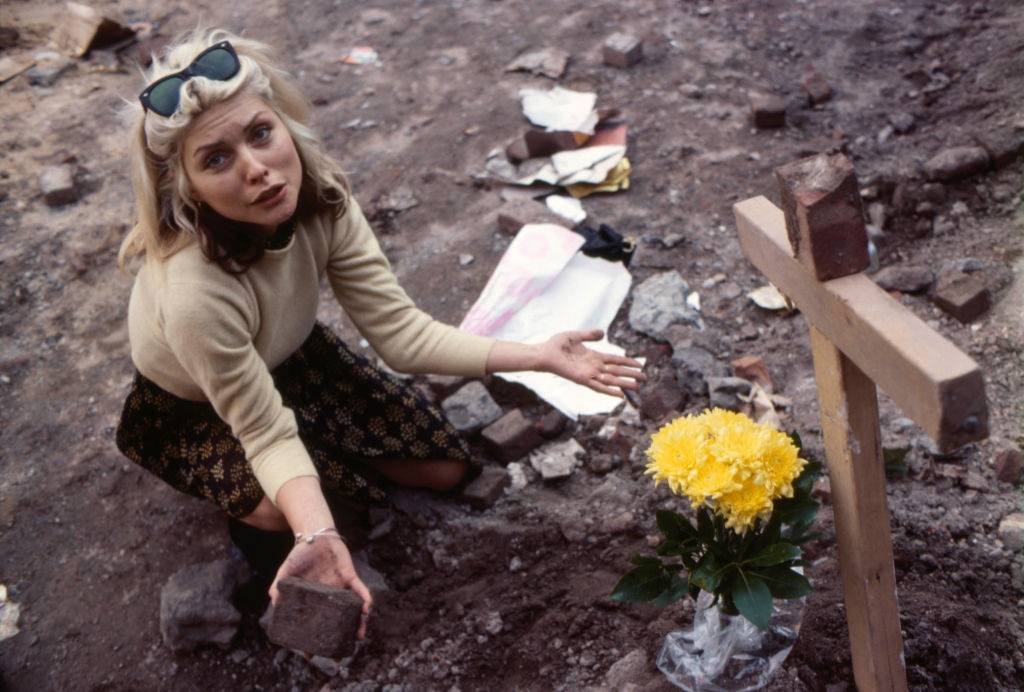
Blondie released their self-titled debut album in 1976. The record planted a flag in the New York punk scene and introduced Harry’s voice to a wider audience. She wasn’t just the frontwoman — she co-wrote many of the band’s songs with Stein. The group’s sound was hard to pin down: part punk, part pop, part disco, and entirely their own.
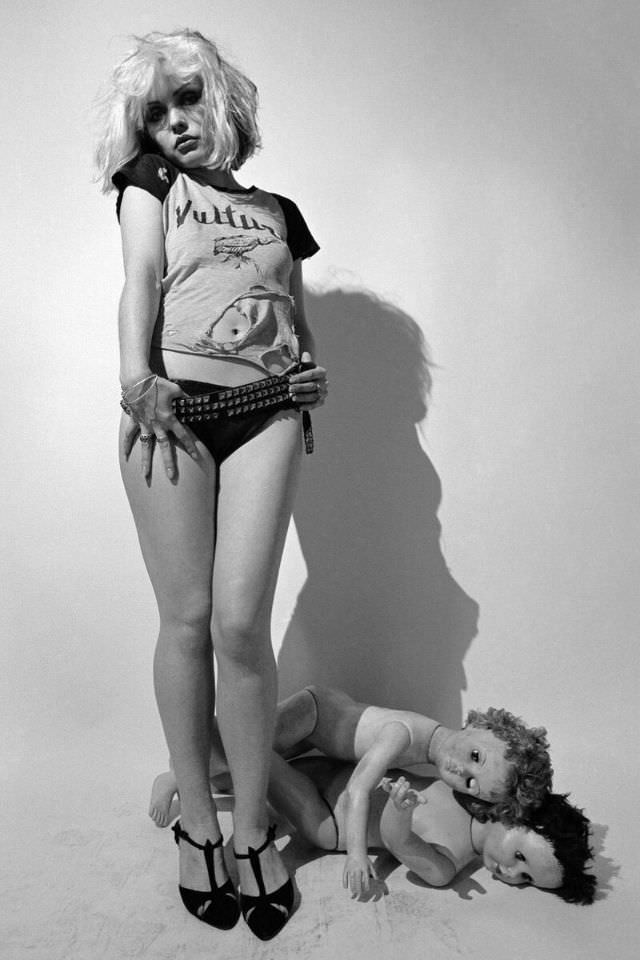
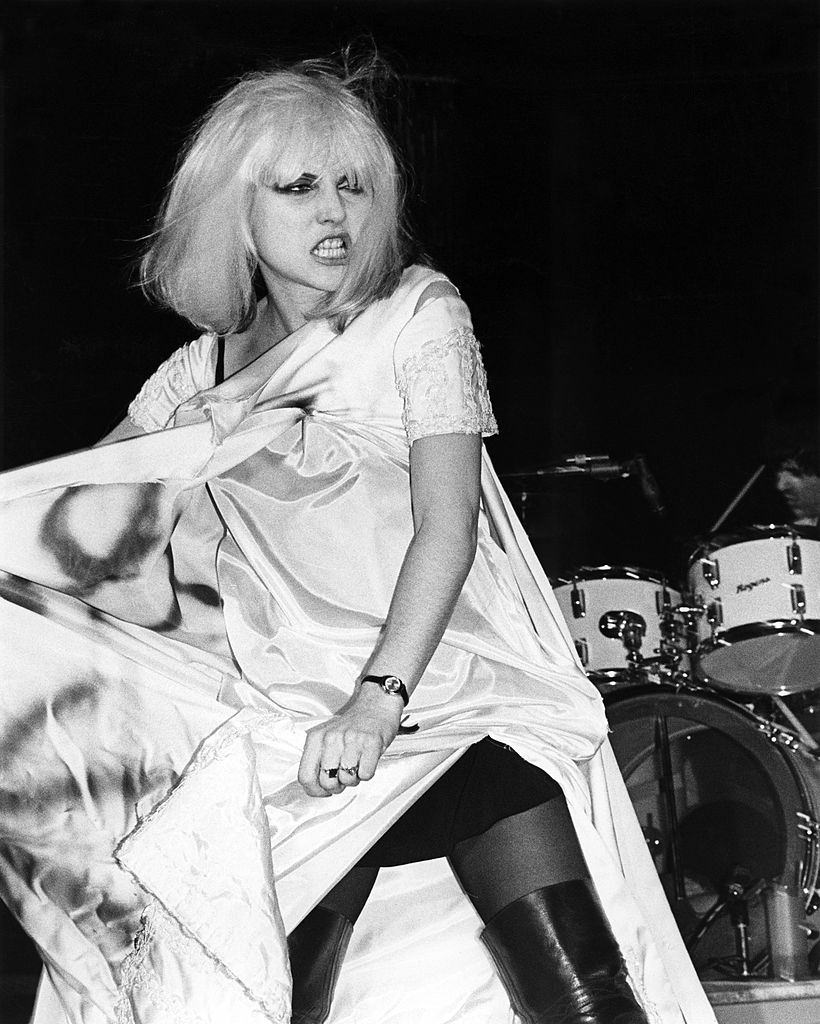
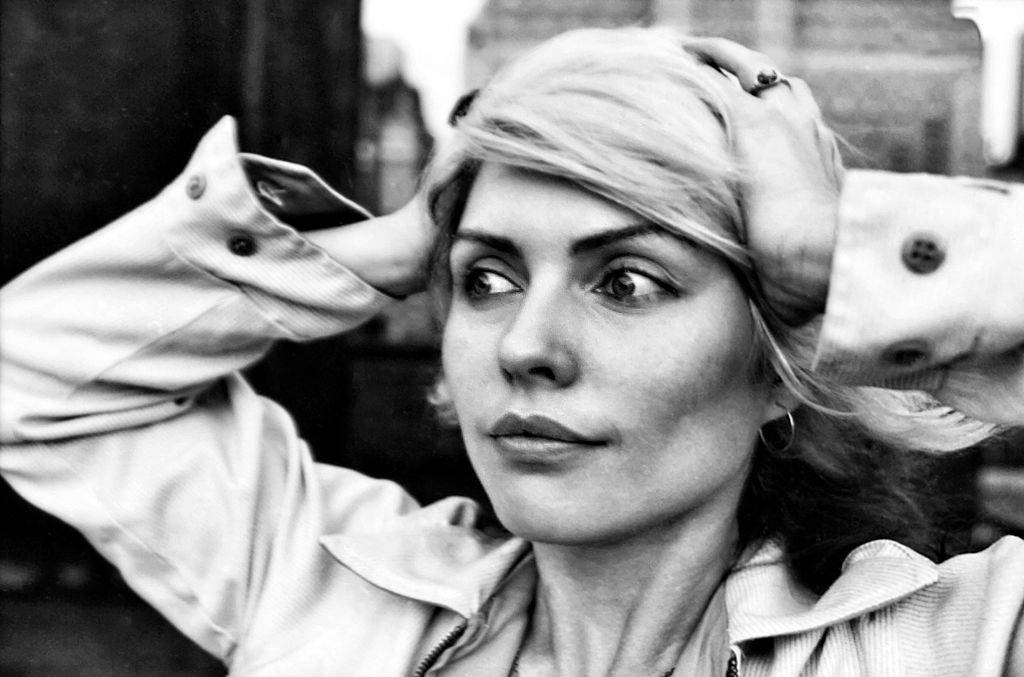
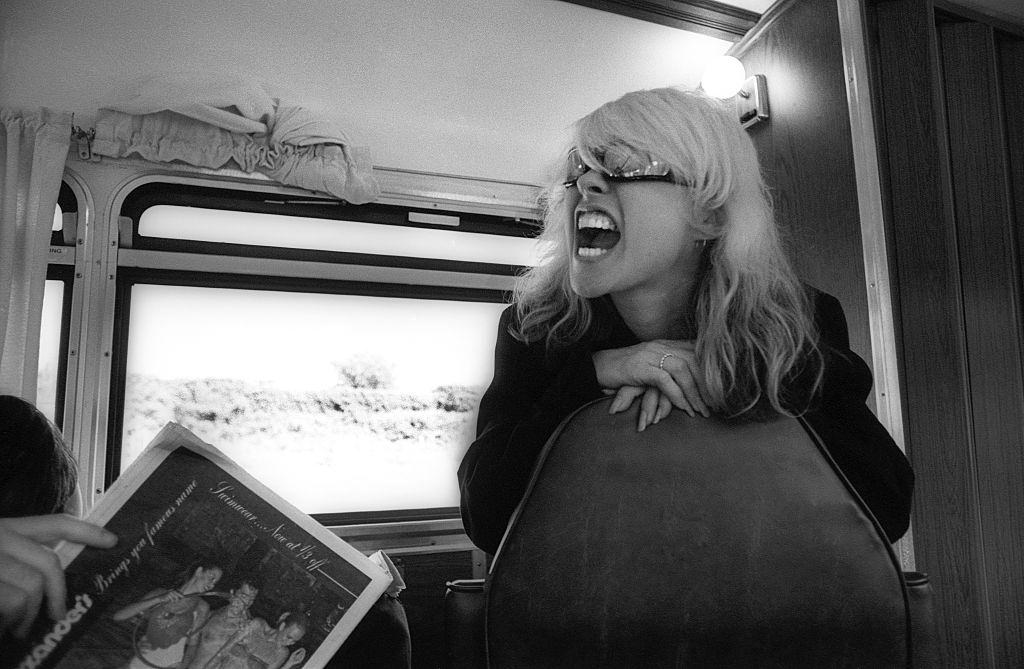
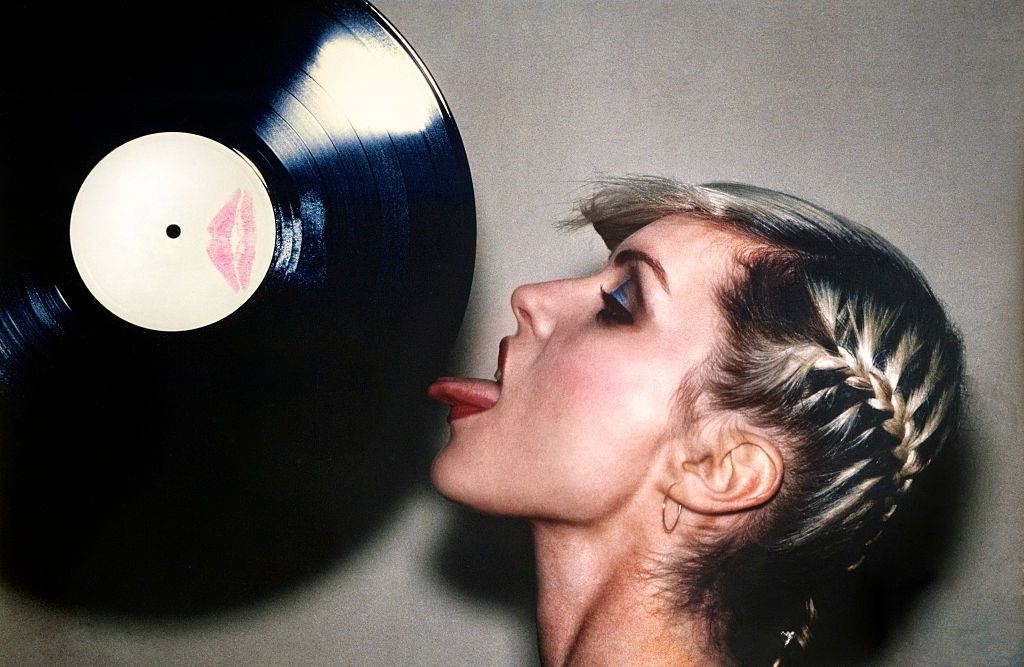
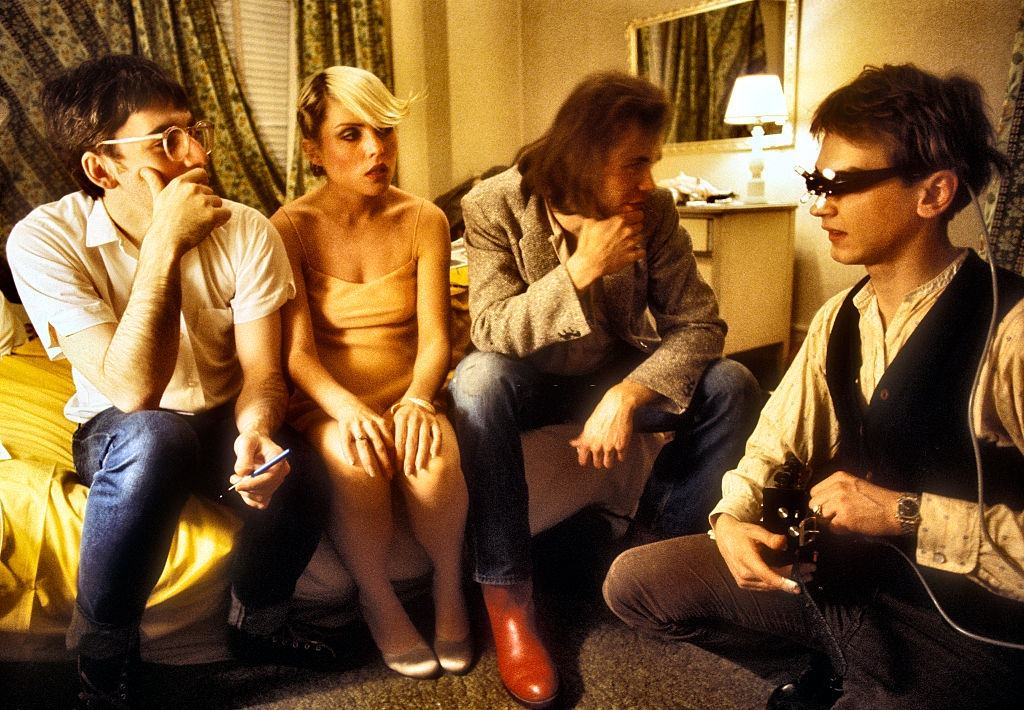
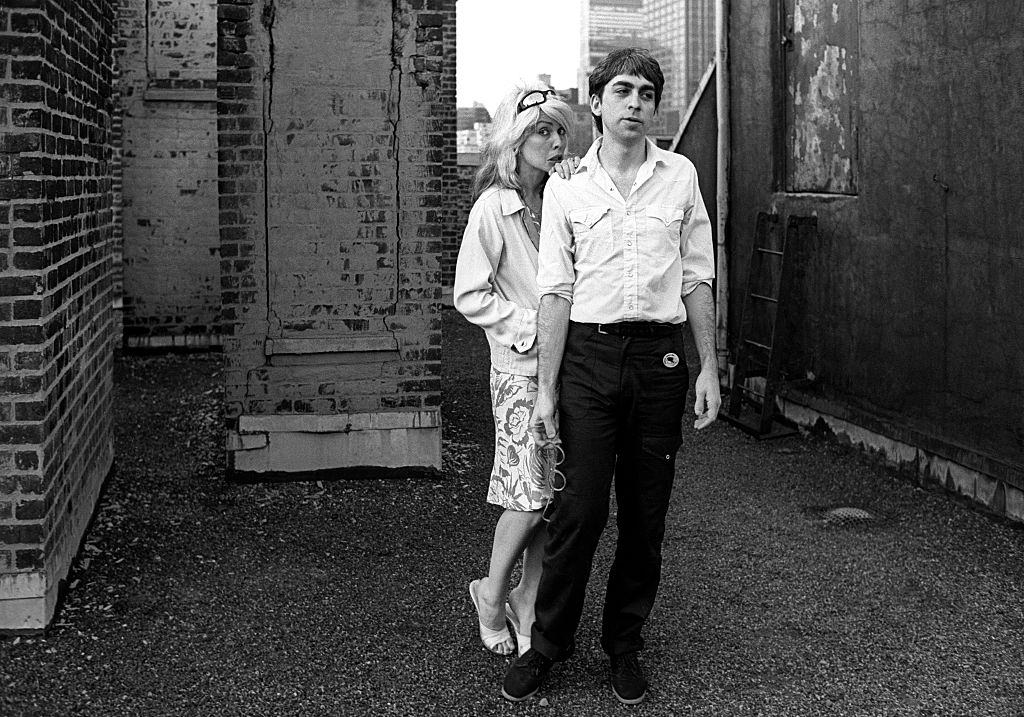
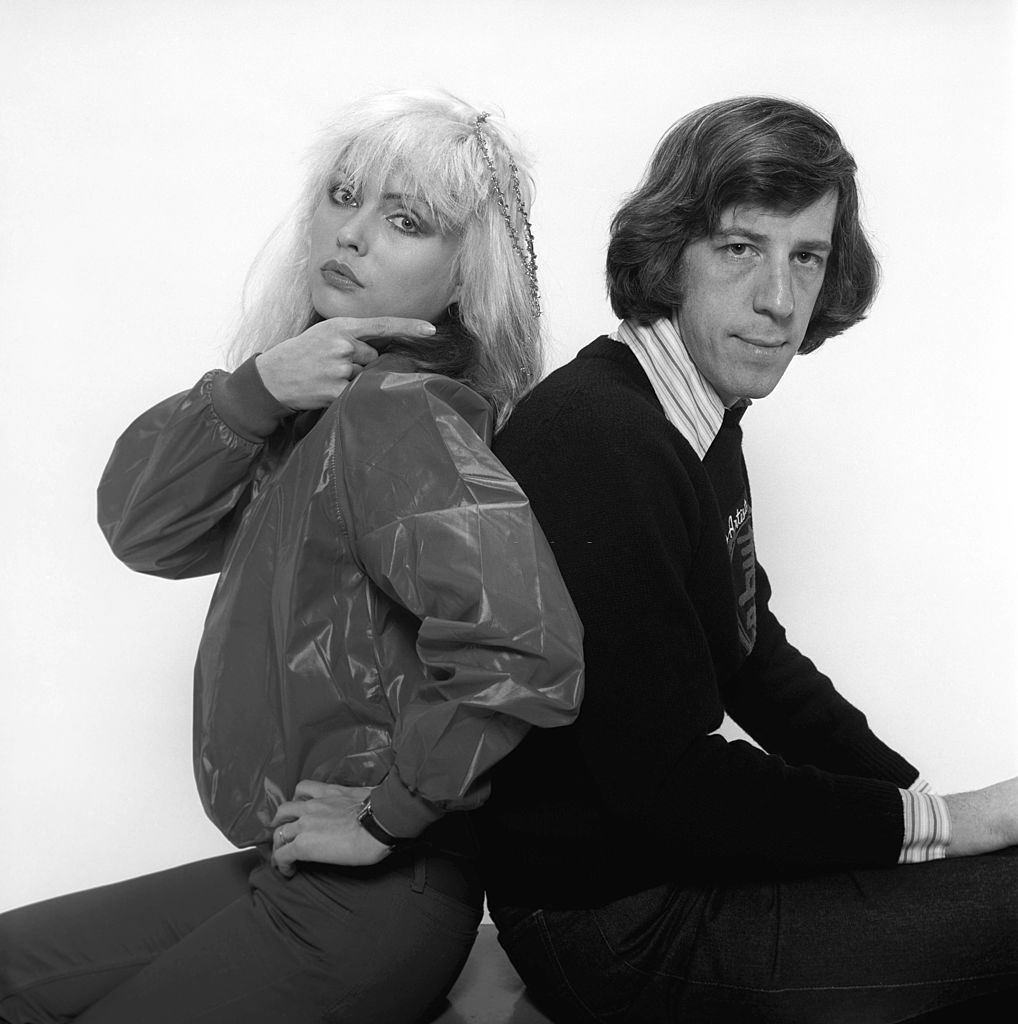
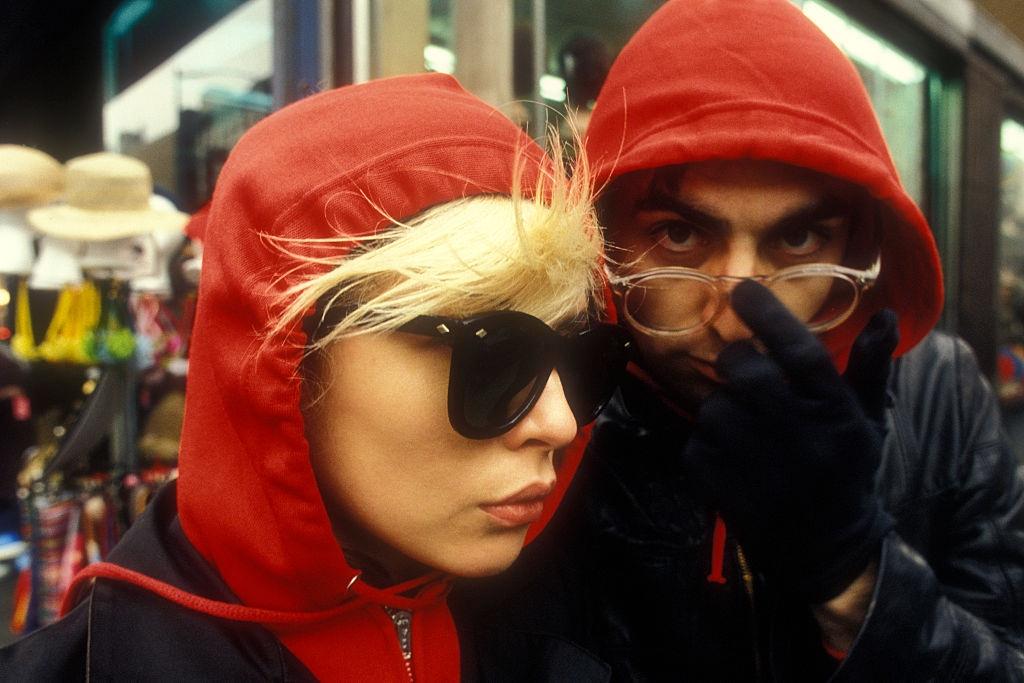
By 1977, Blondie were building serious momentum. Harry was photographed with some of the most prominent names in rock during this period, including Iggy Pop and Joan Jett. She made her first visit to London, where the British punk scene embraced Blondie with enthusiasm. Her image — bleached hair, red lips, knowing stare — was plastered across music magazines.
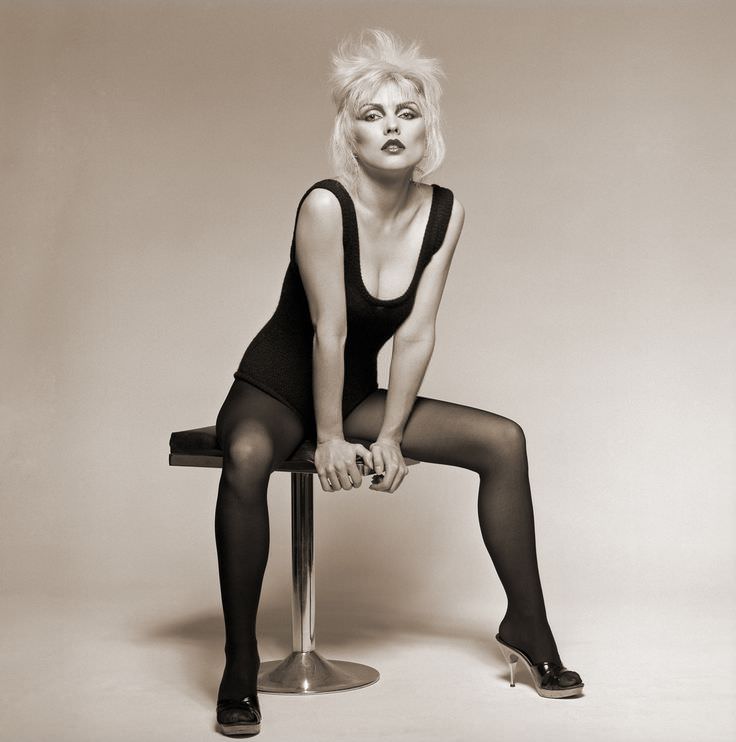
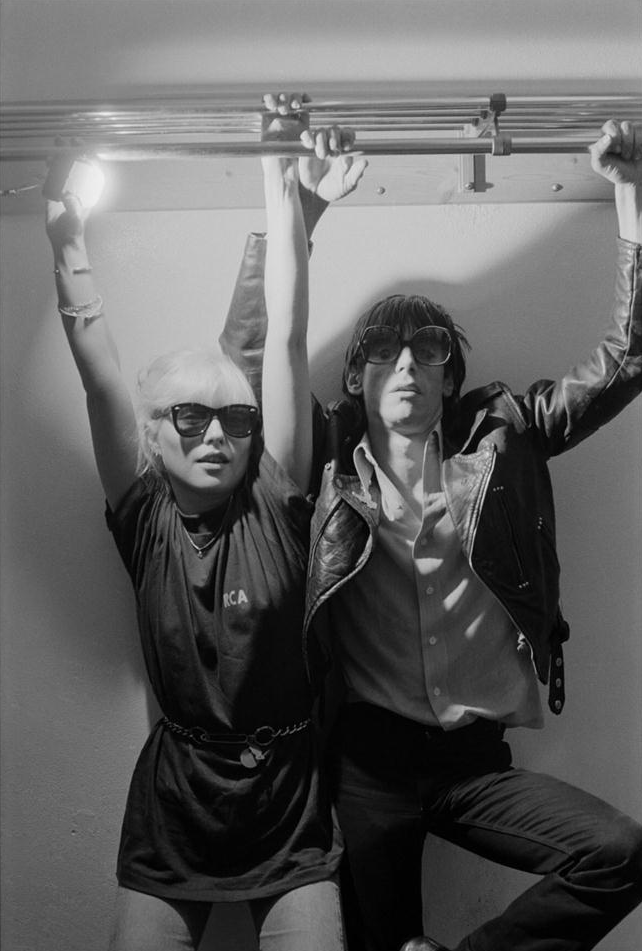
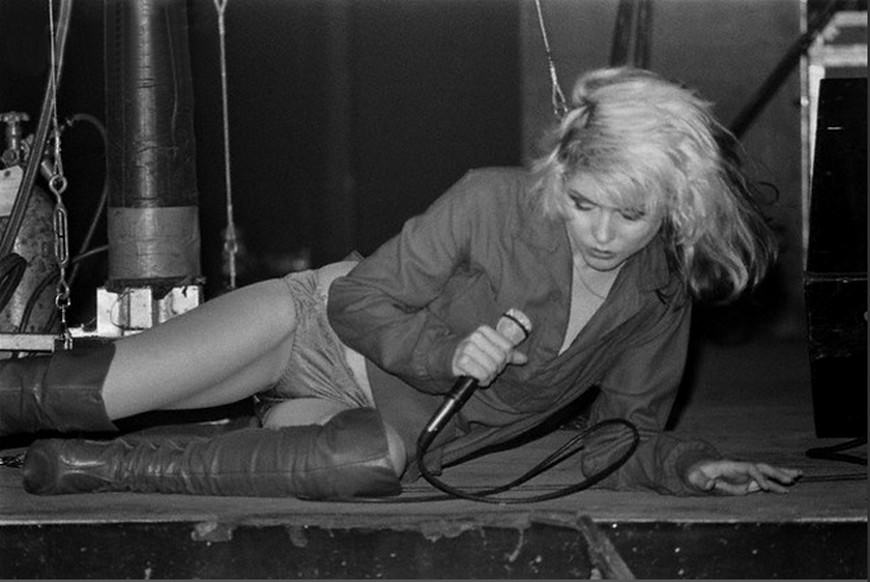
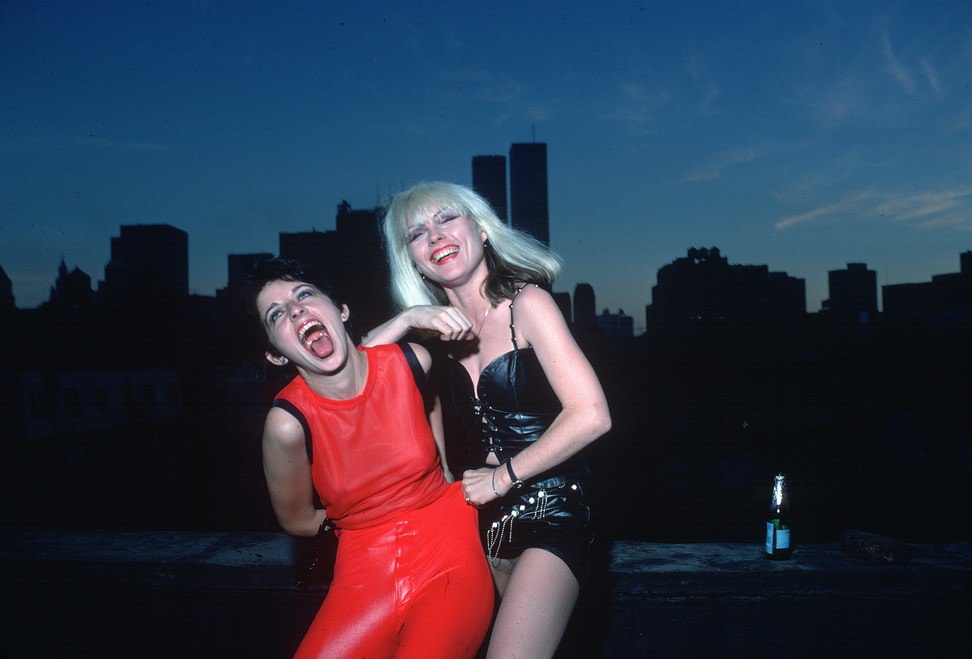
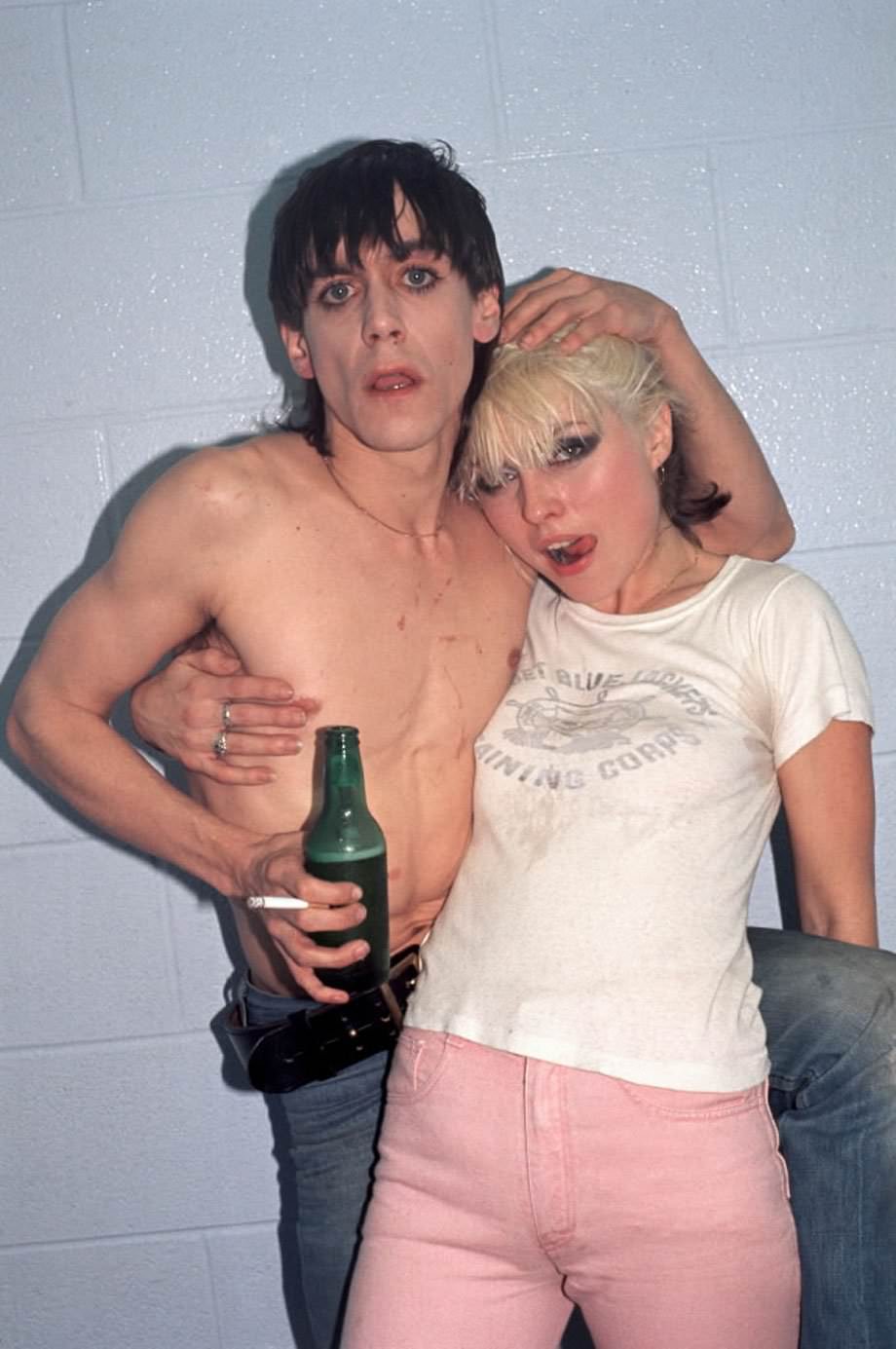
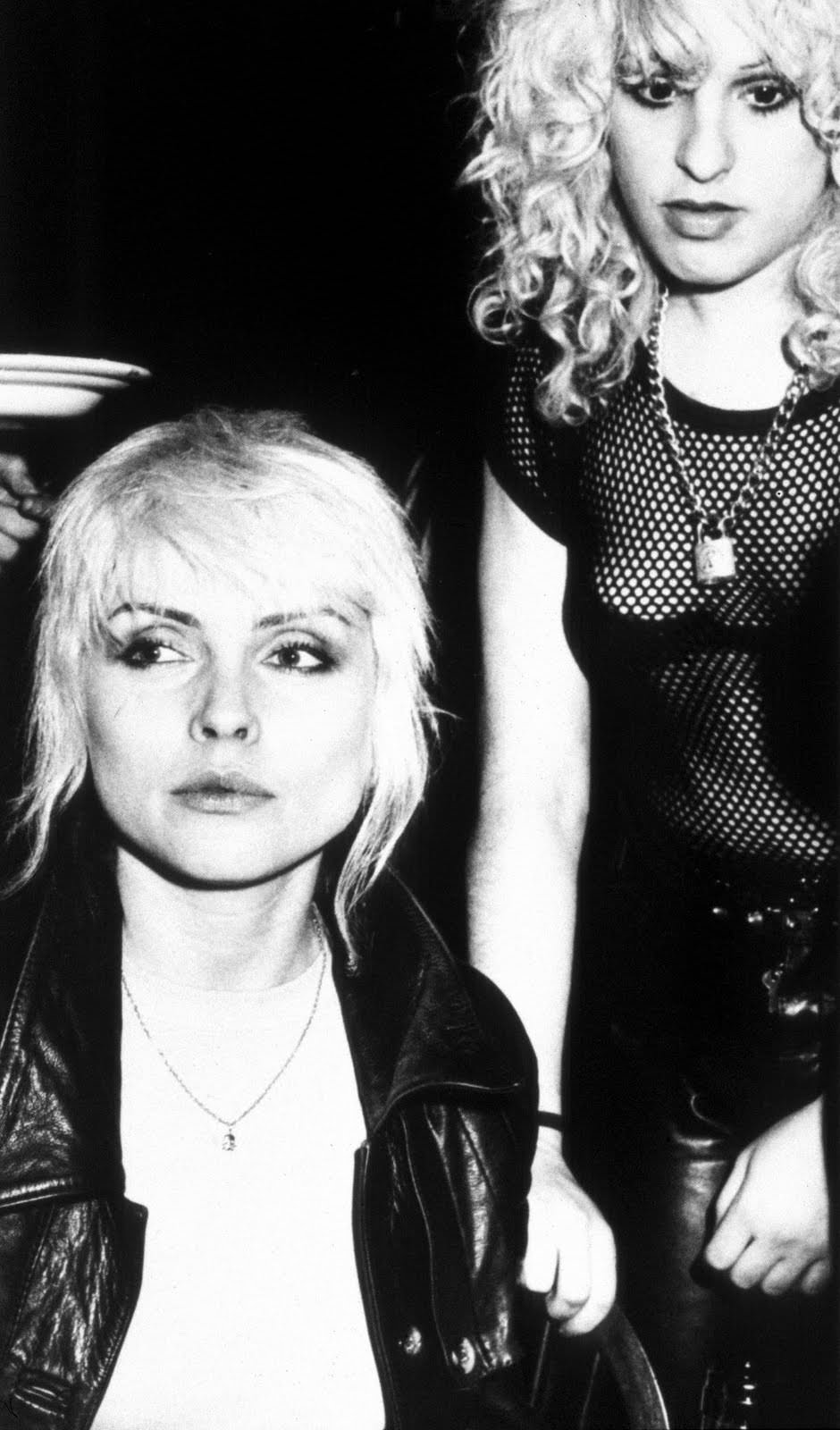
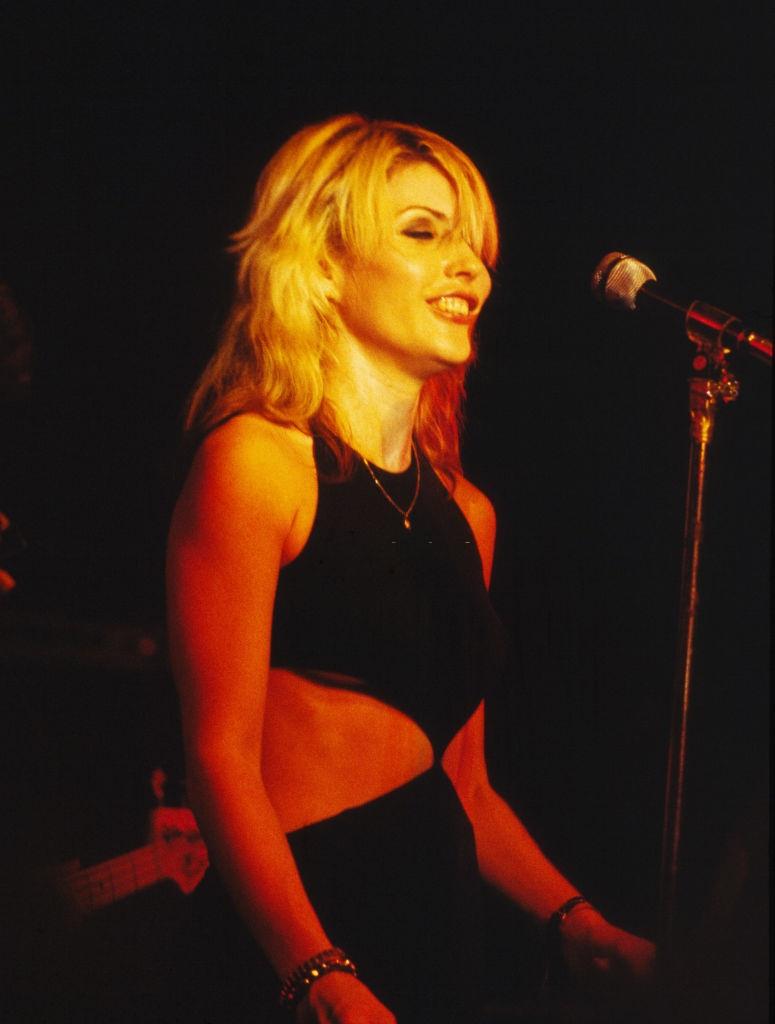
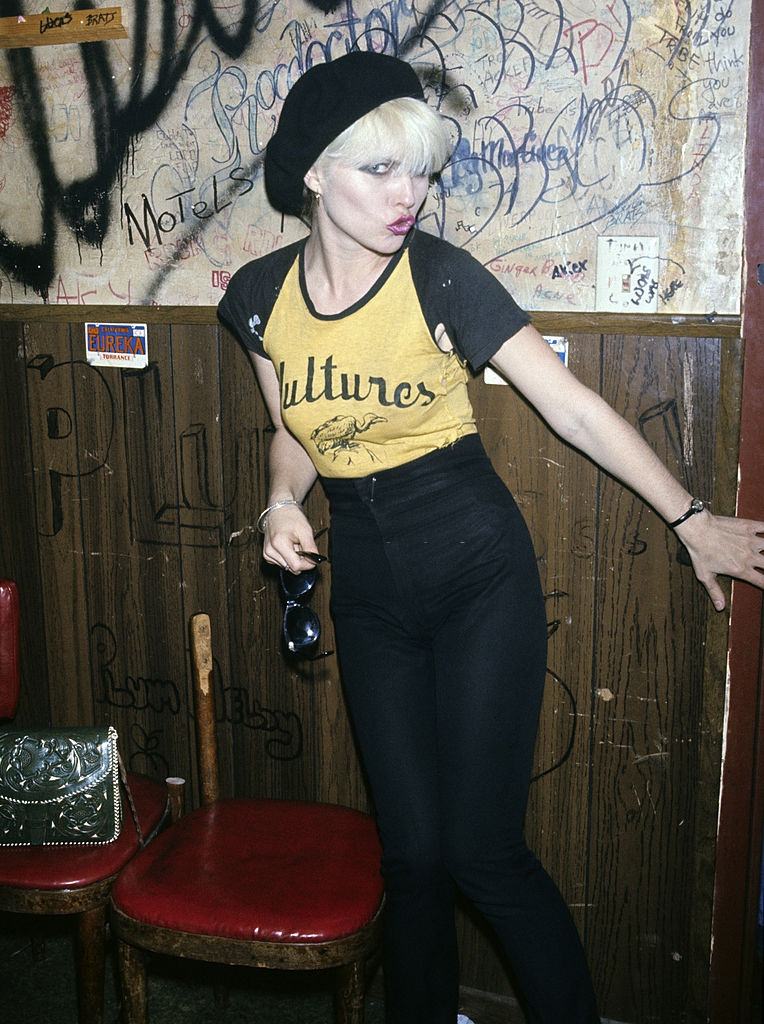
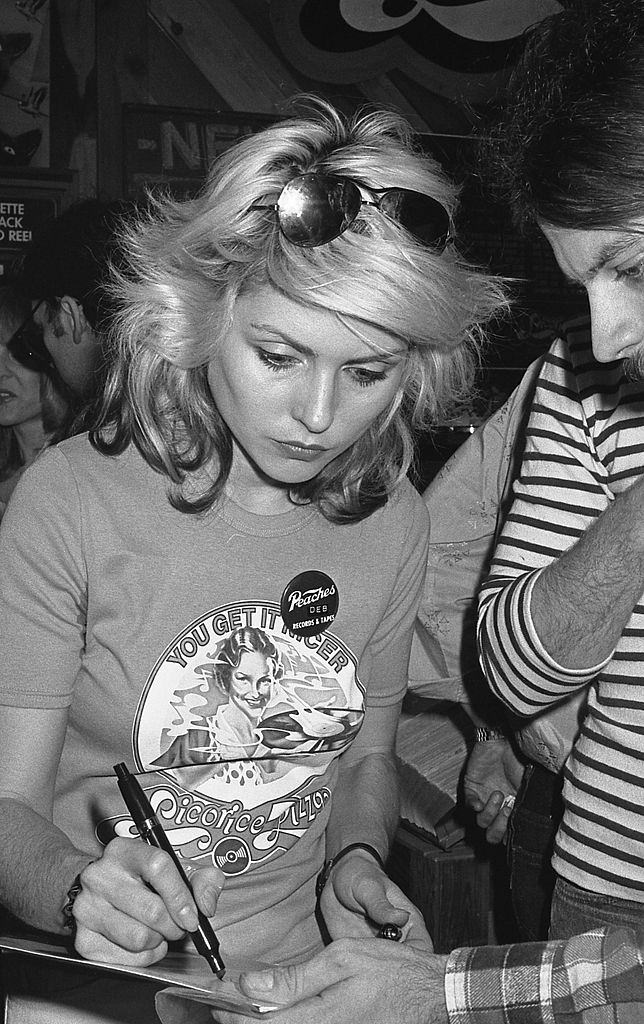
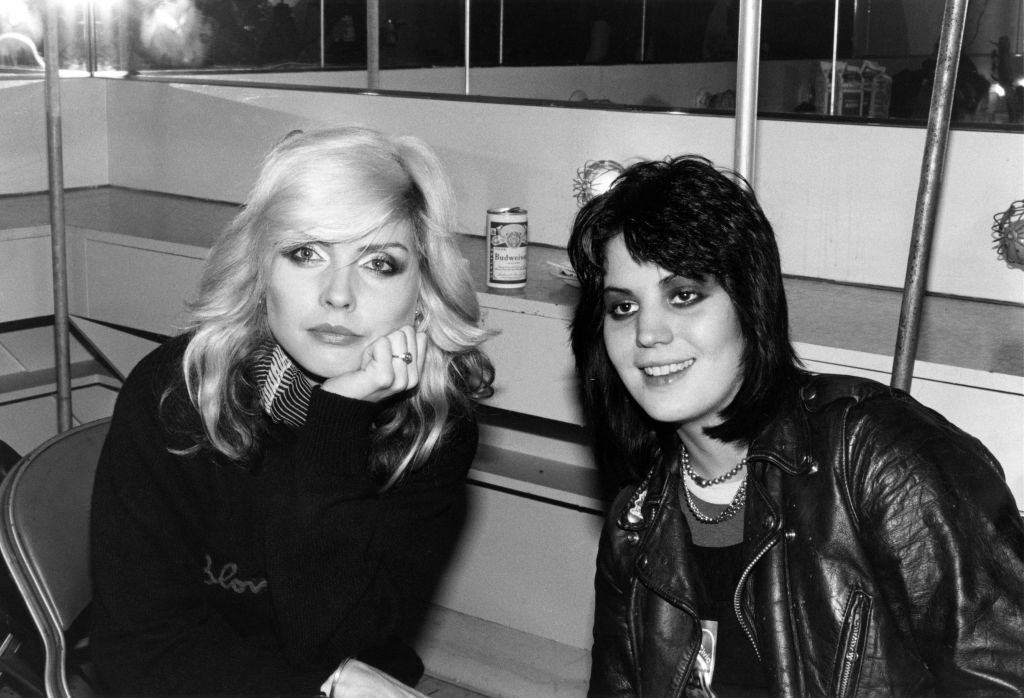
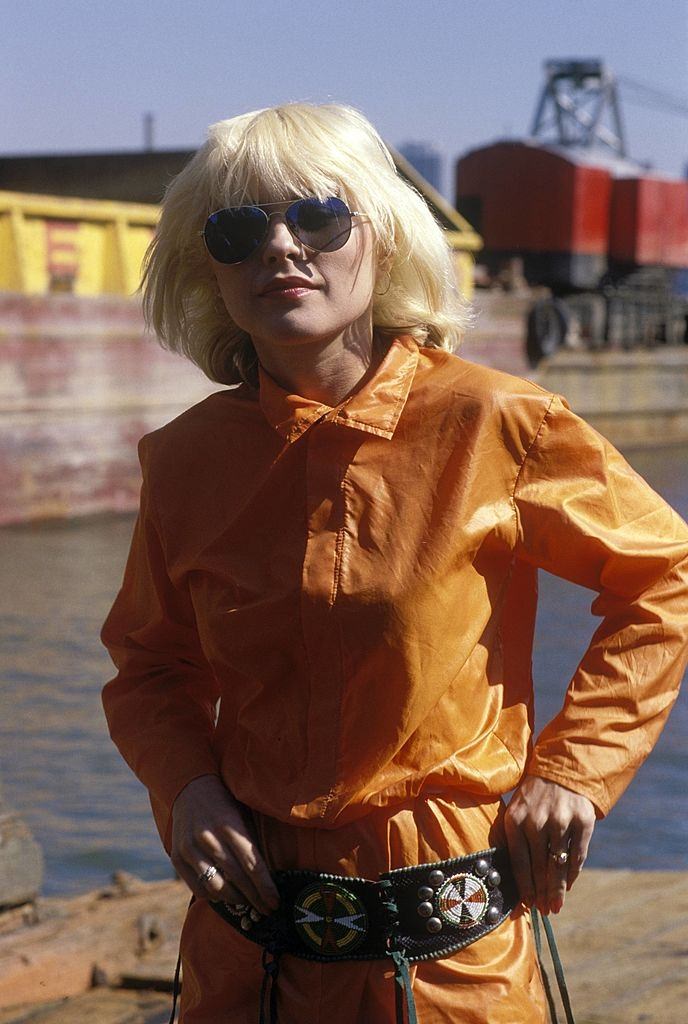
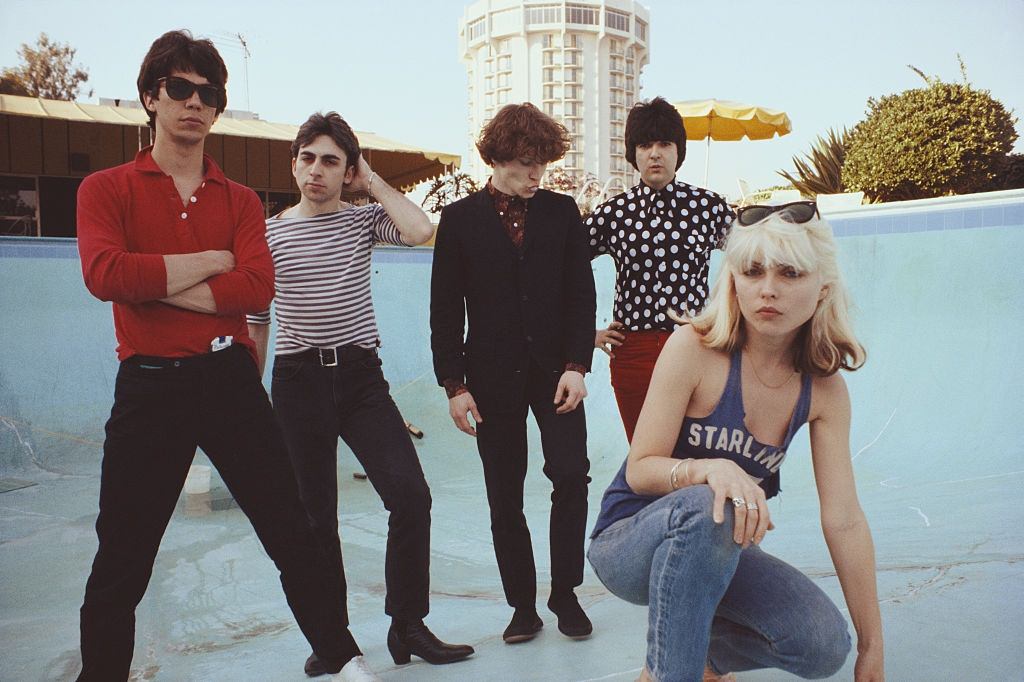
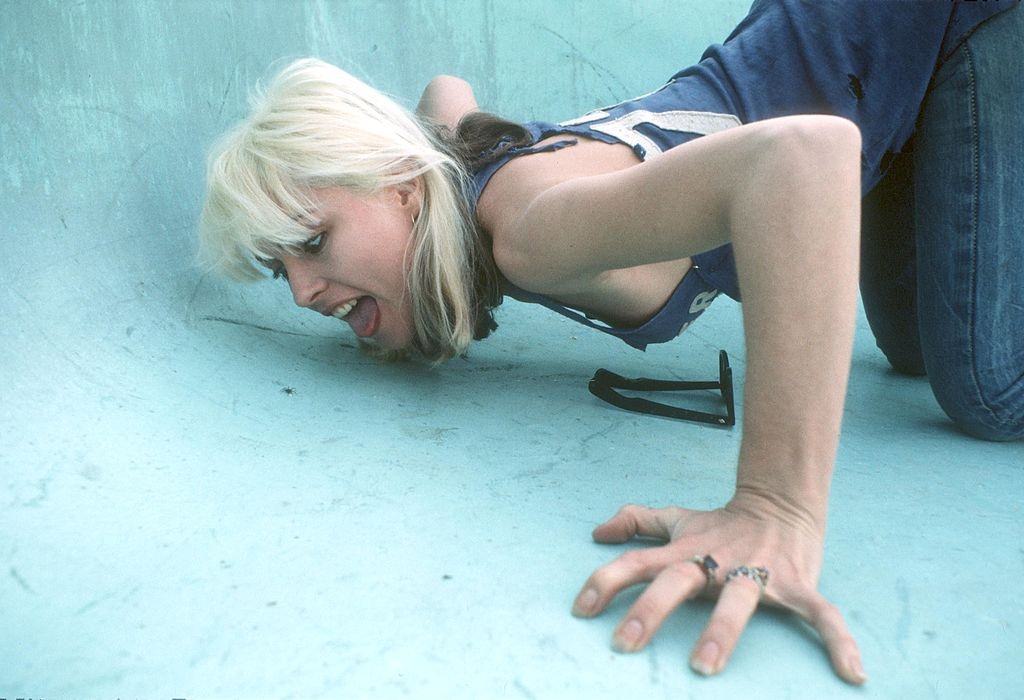
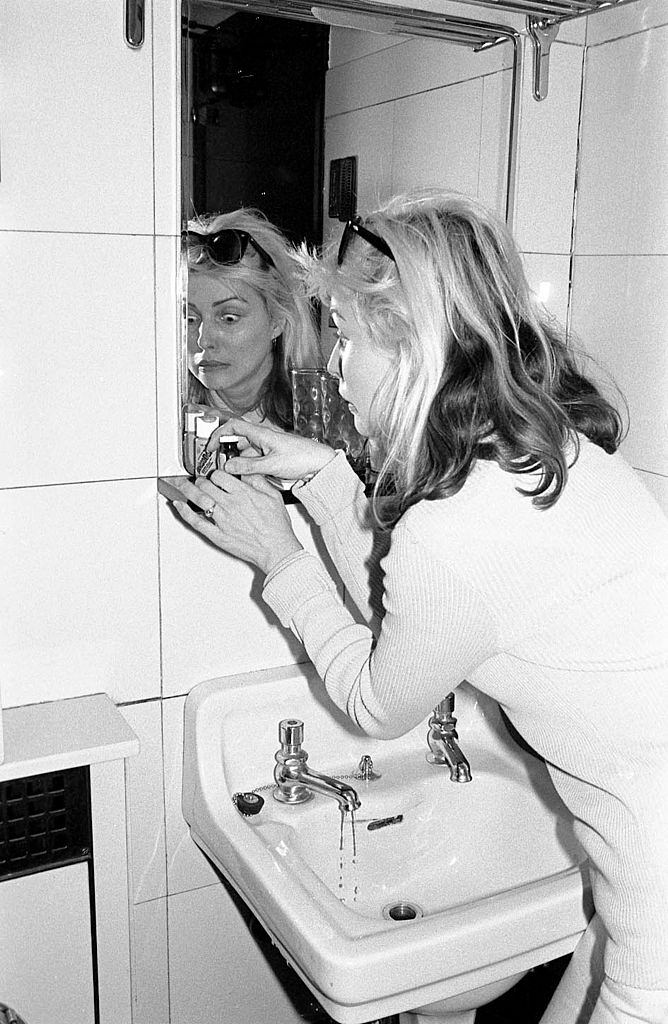
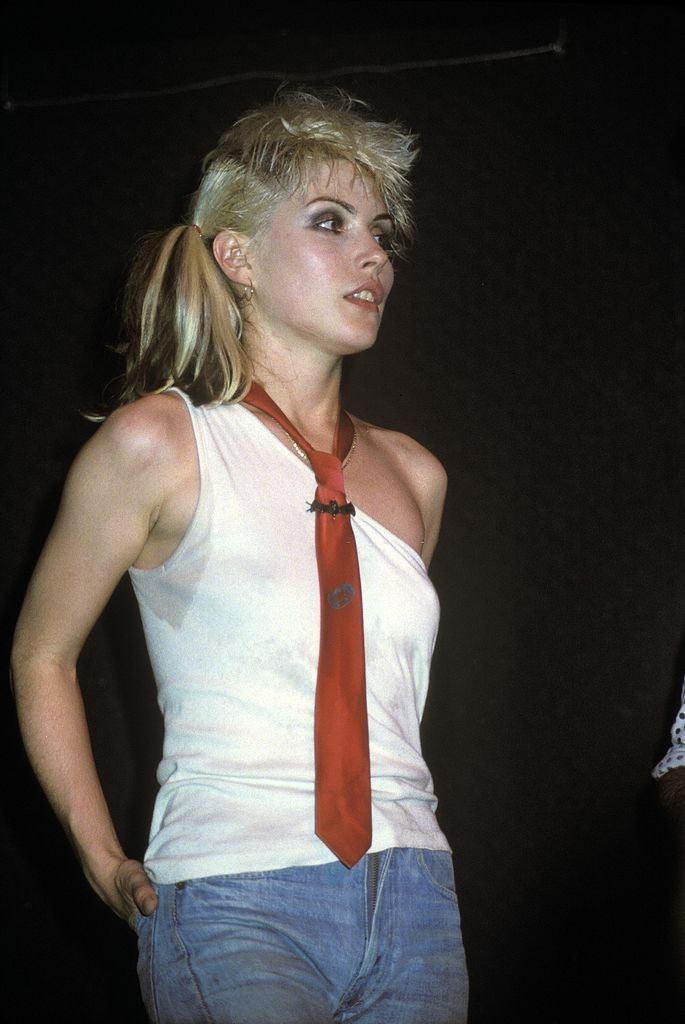
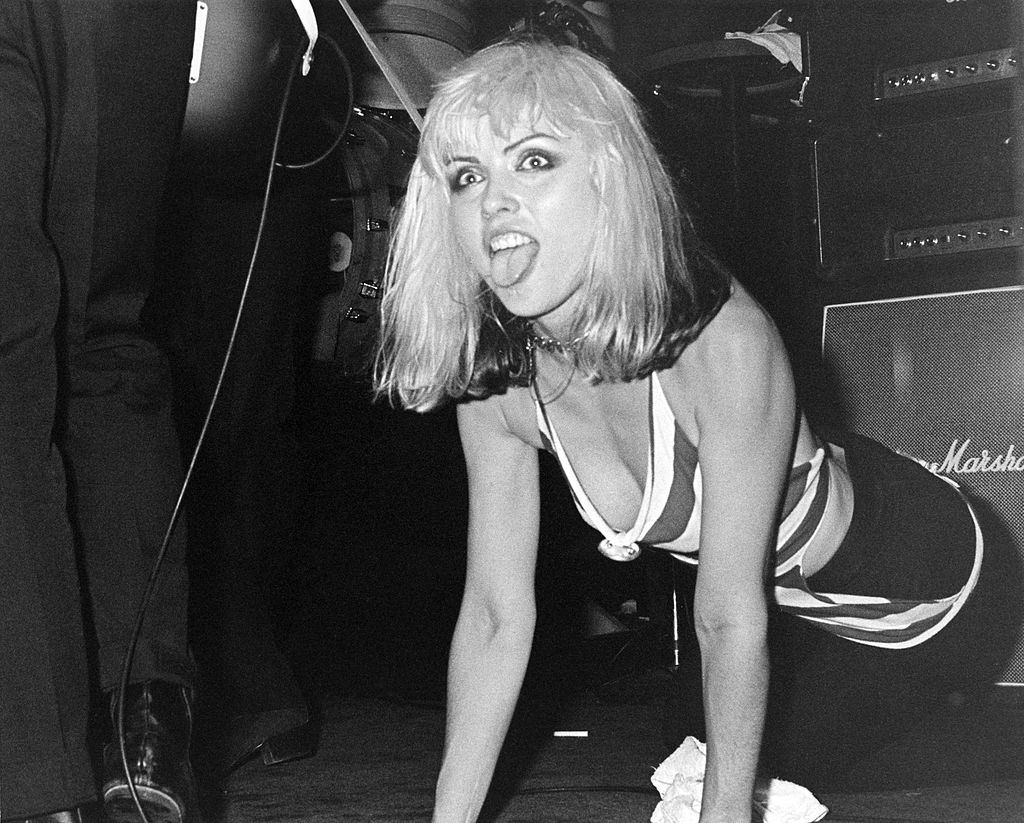
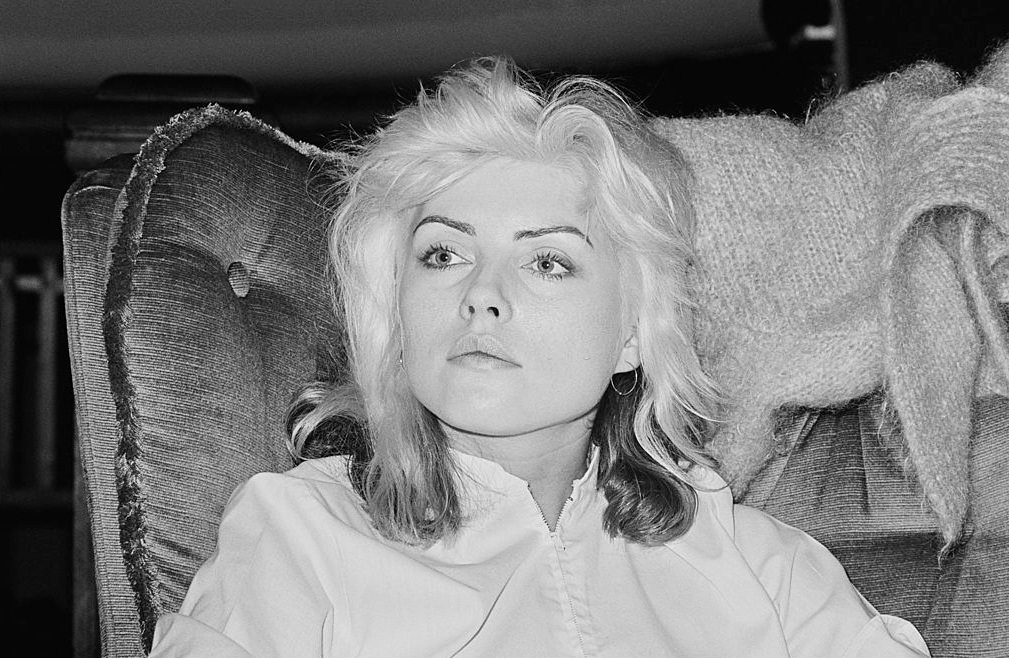
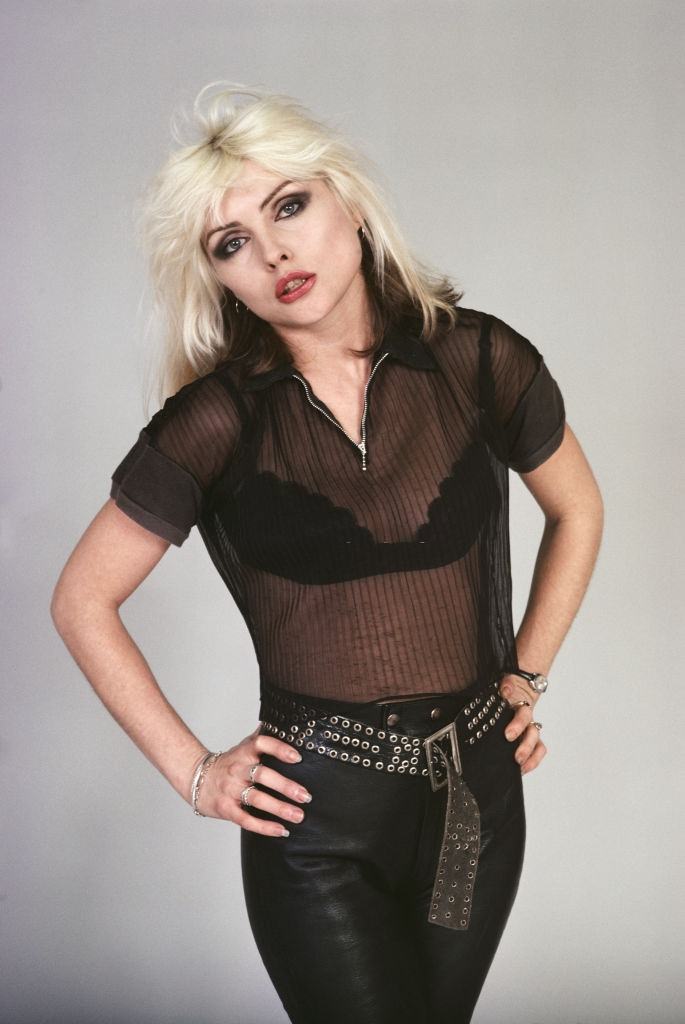
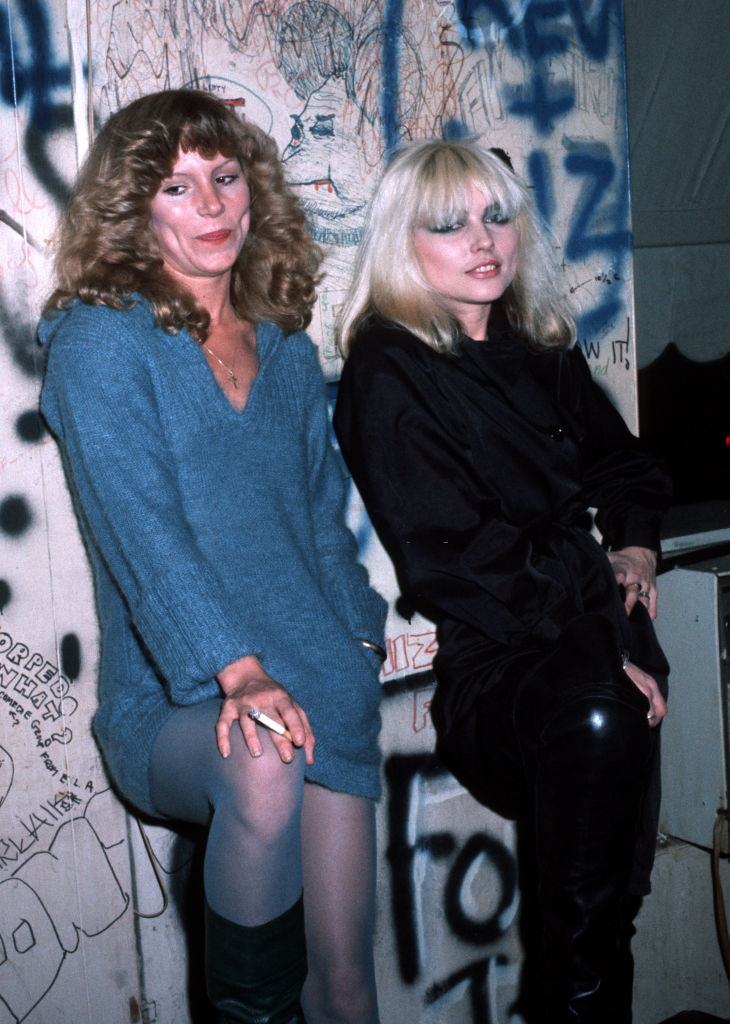
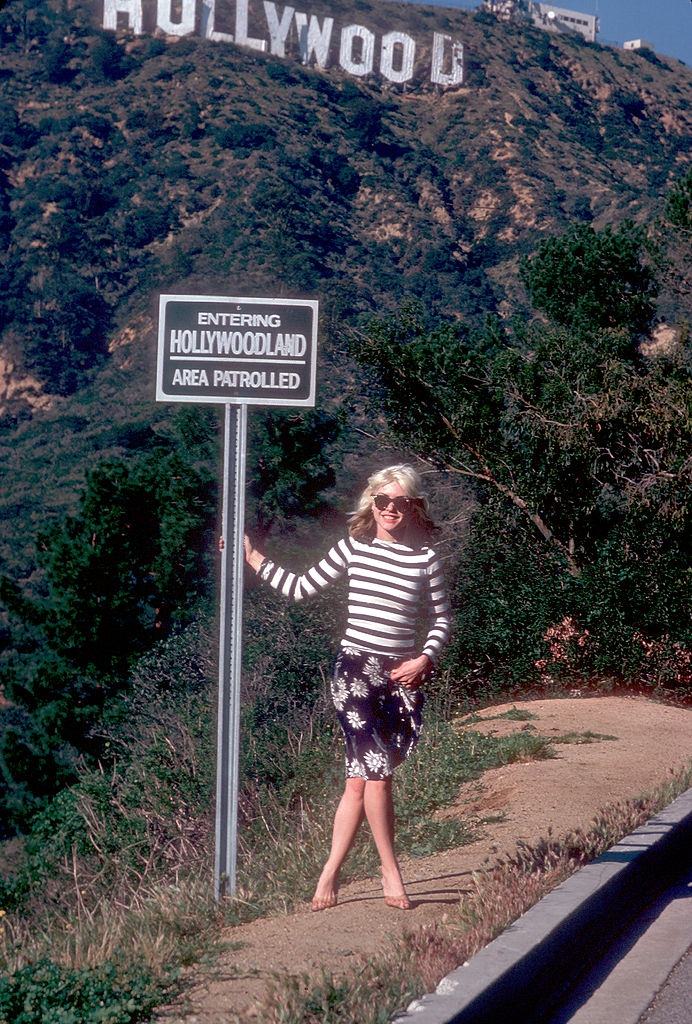
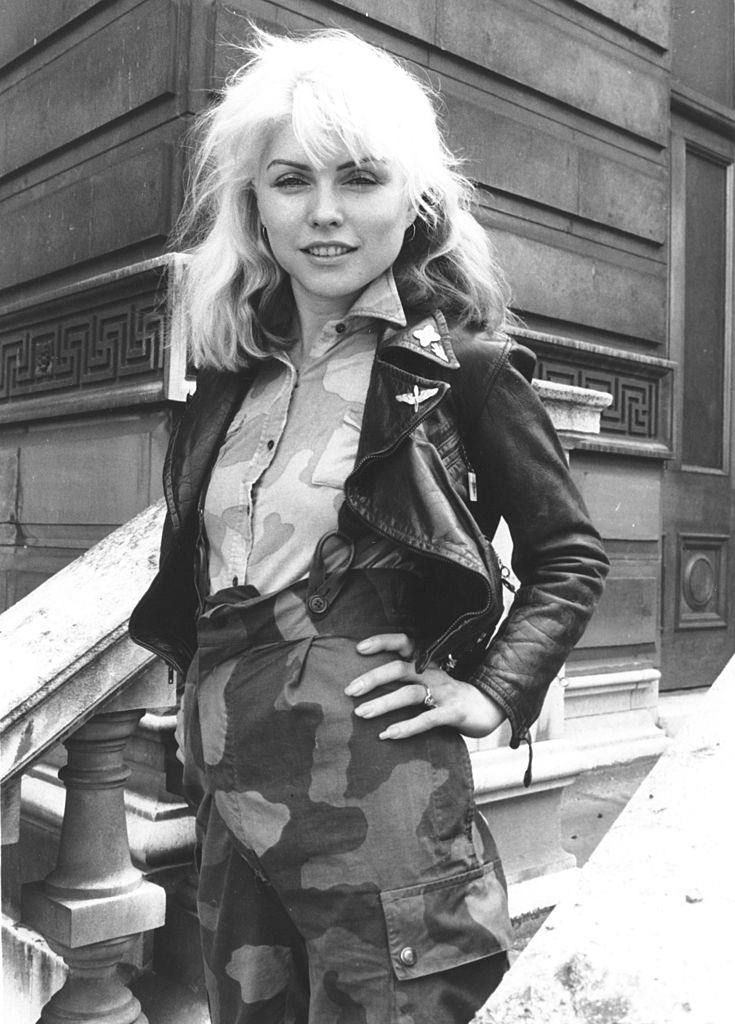
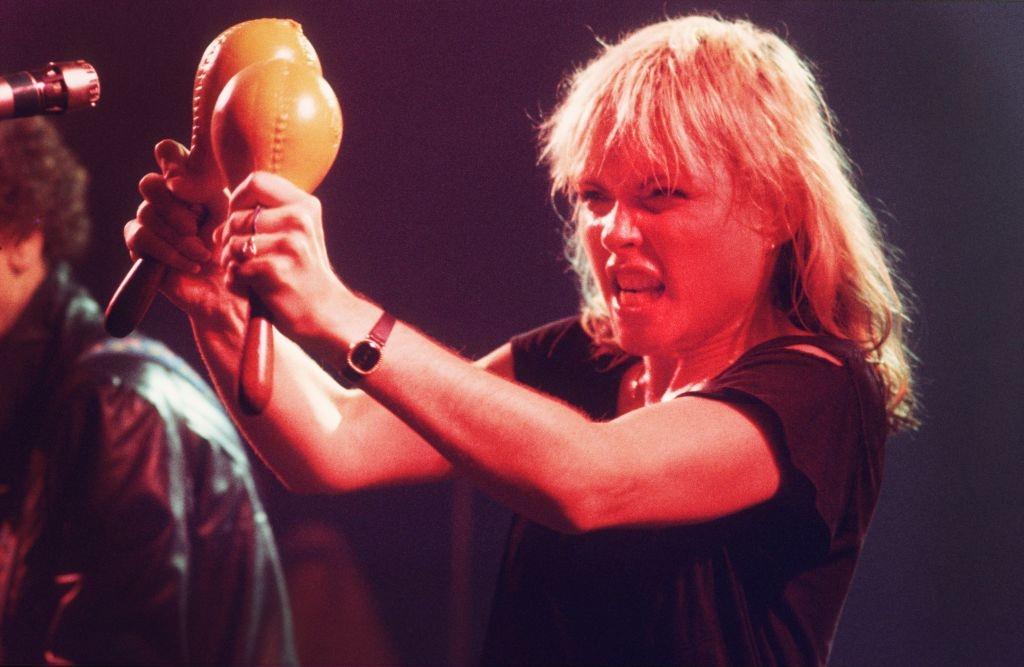
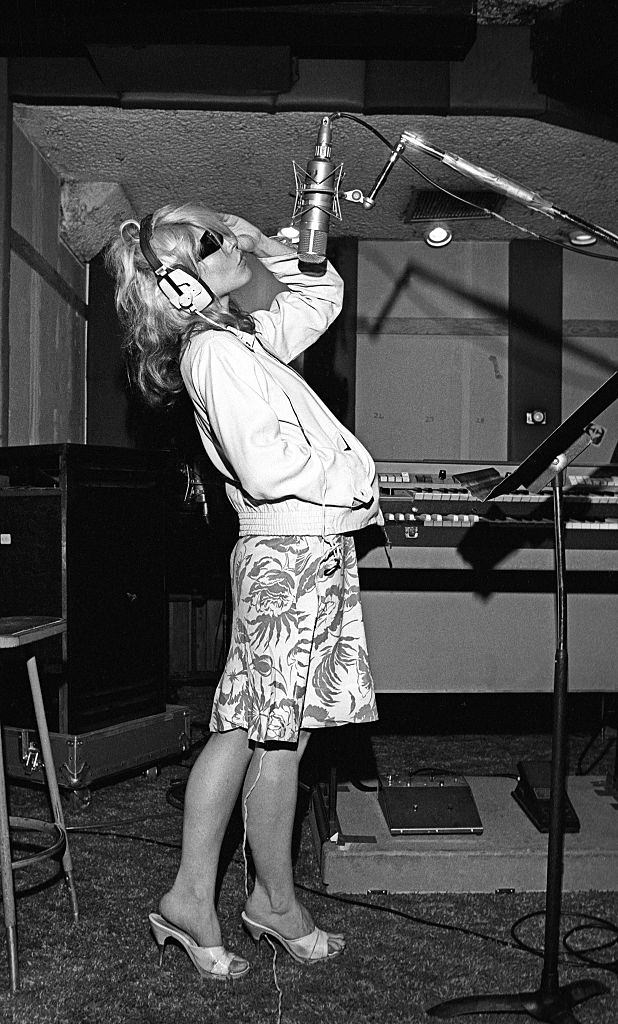
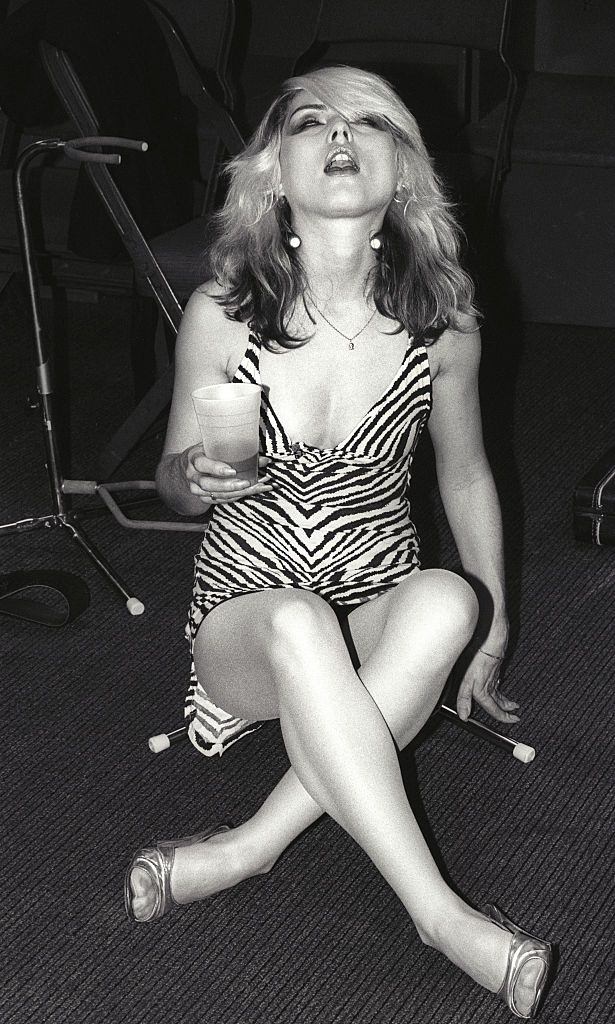
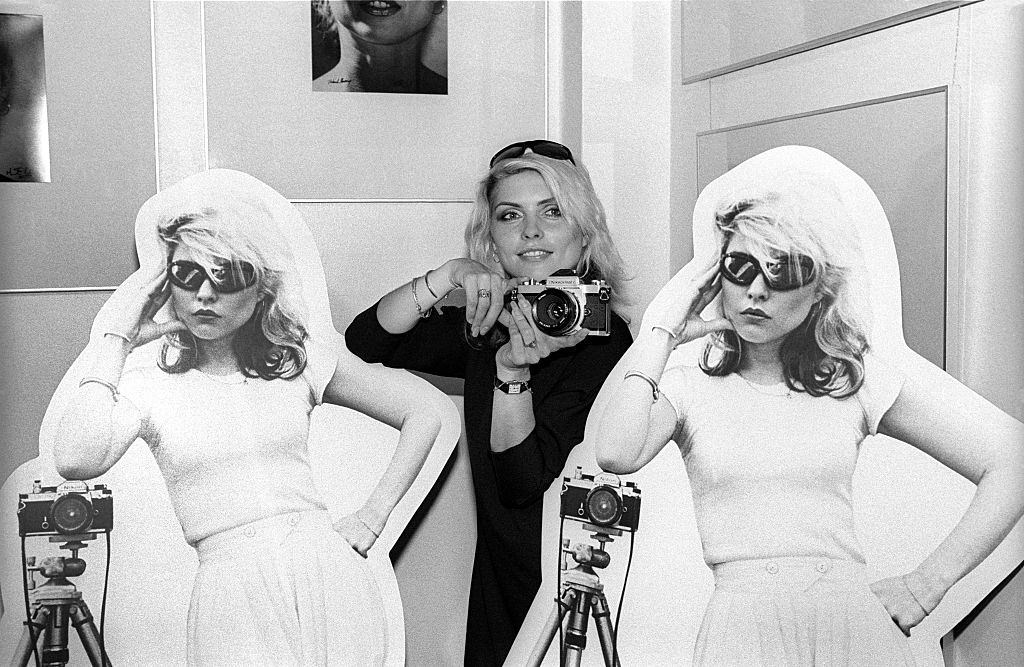
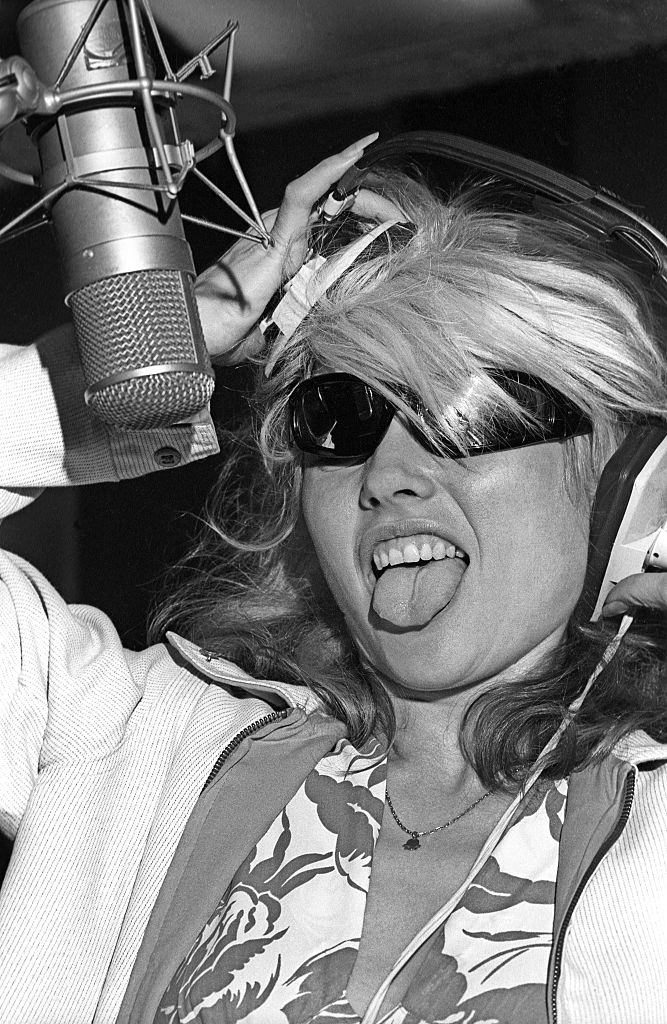
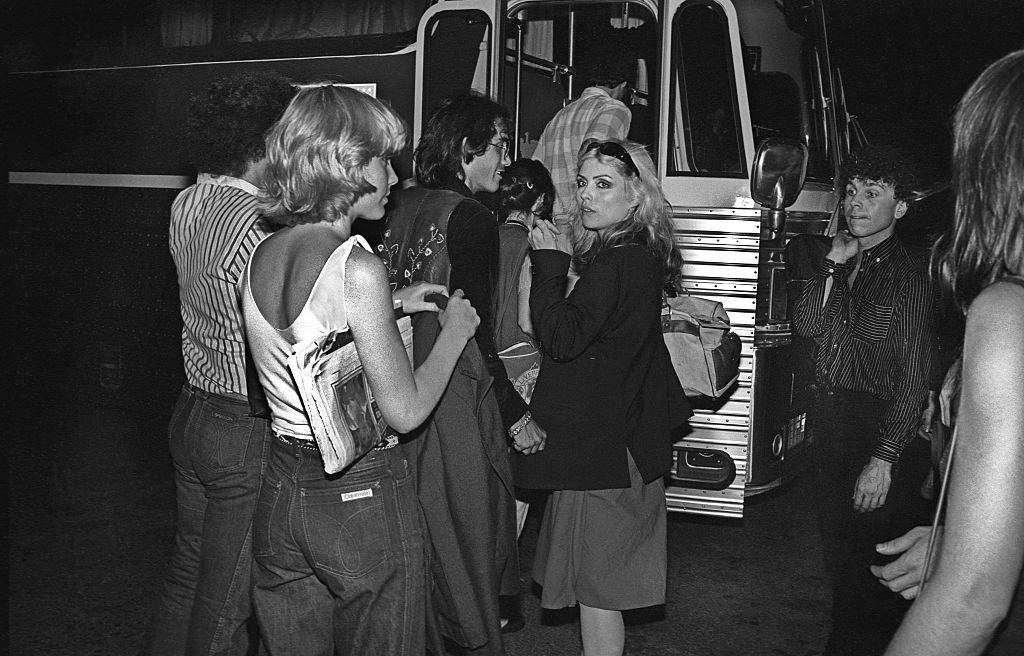
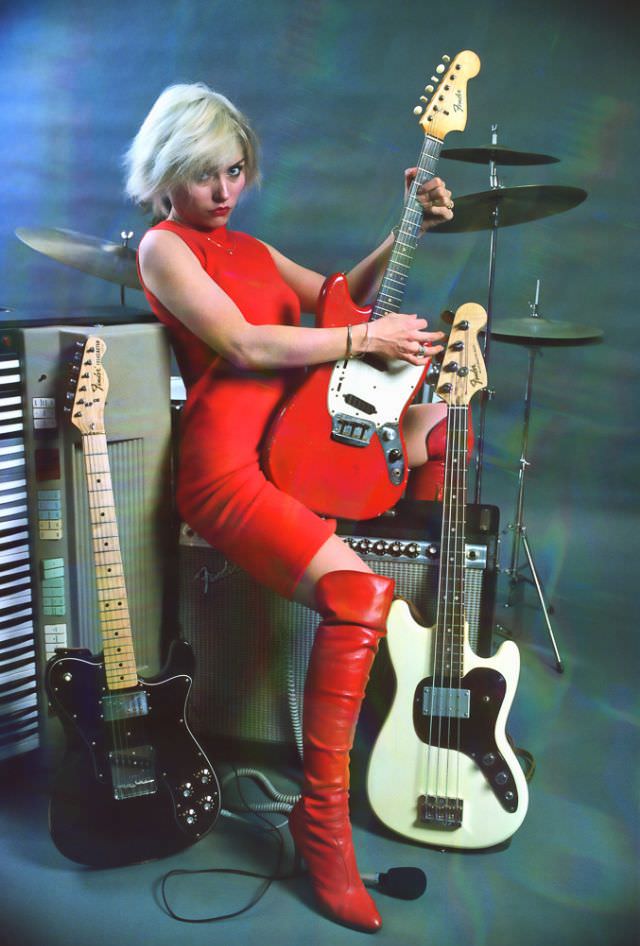
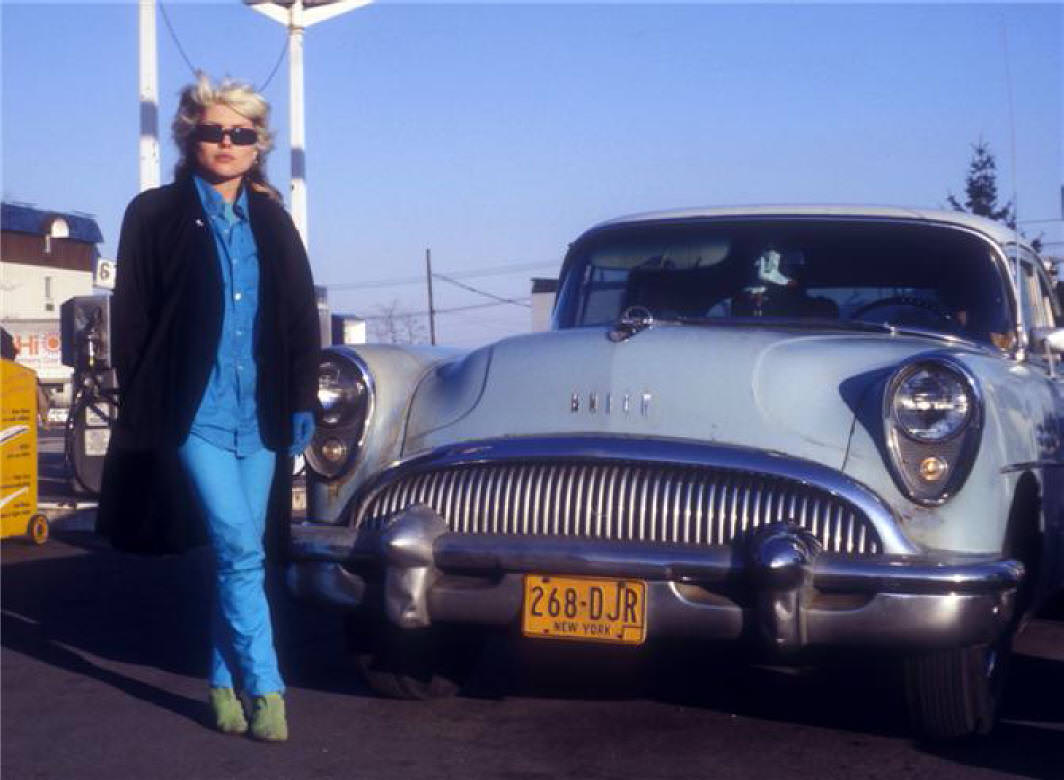
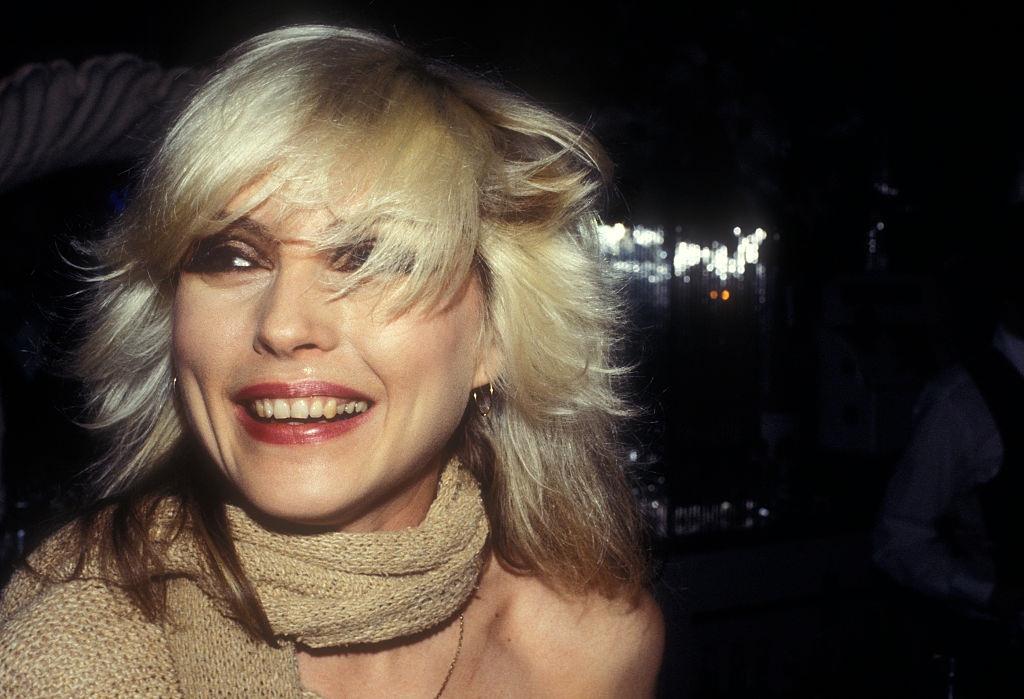
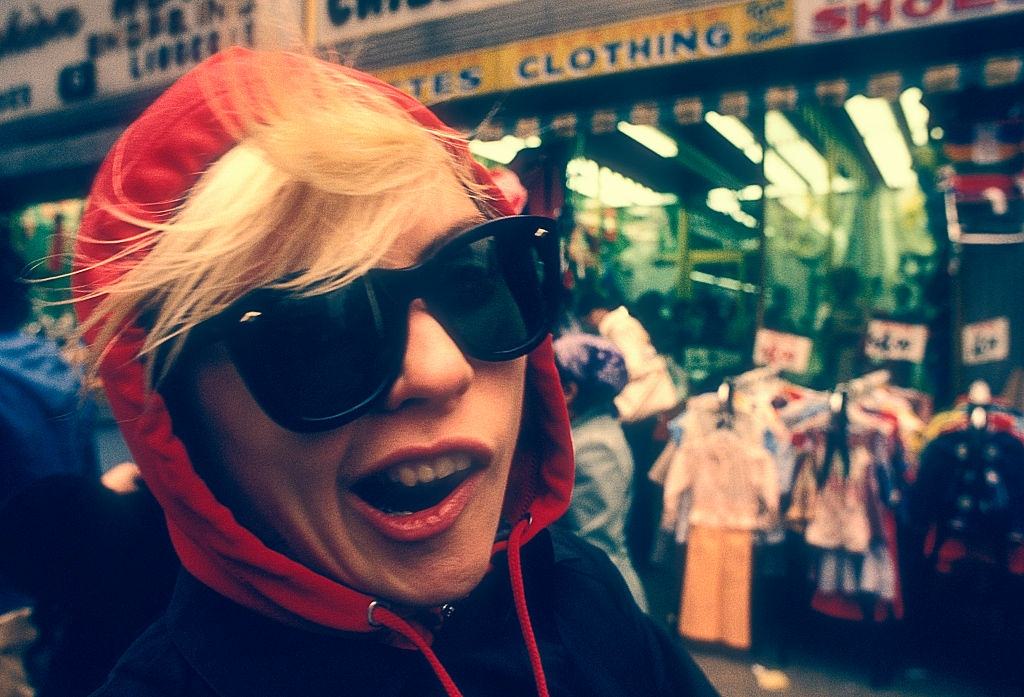
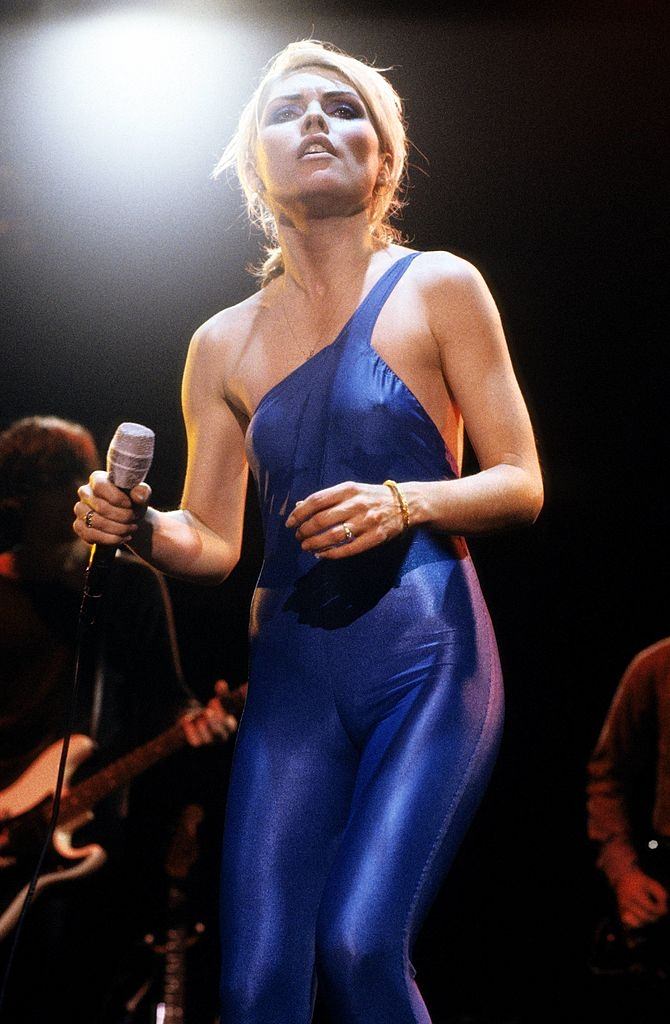
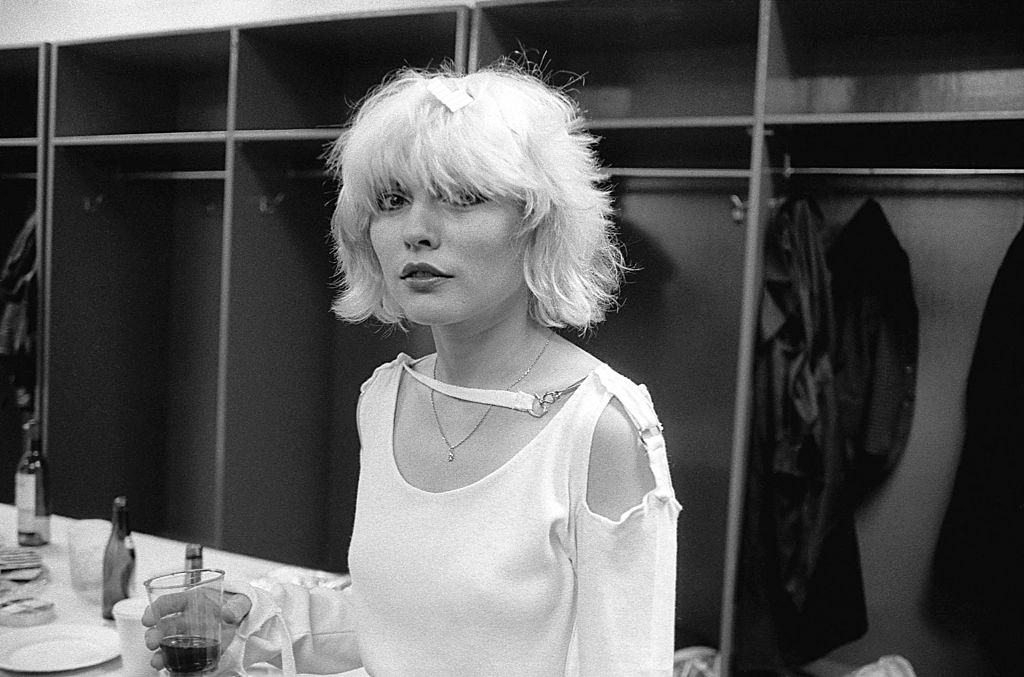
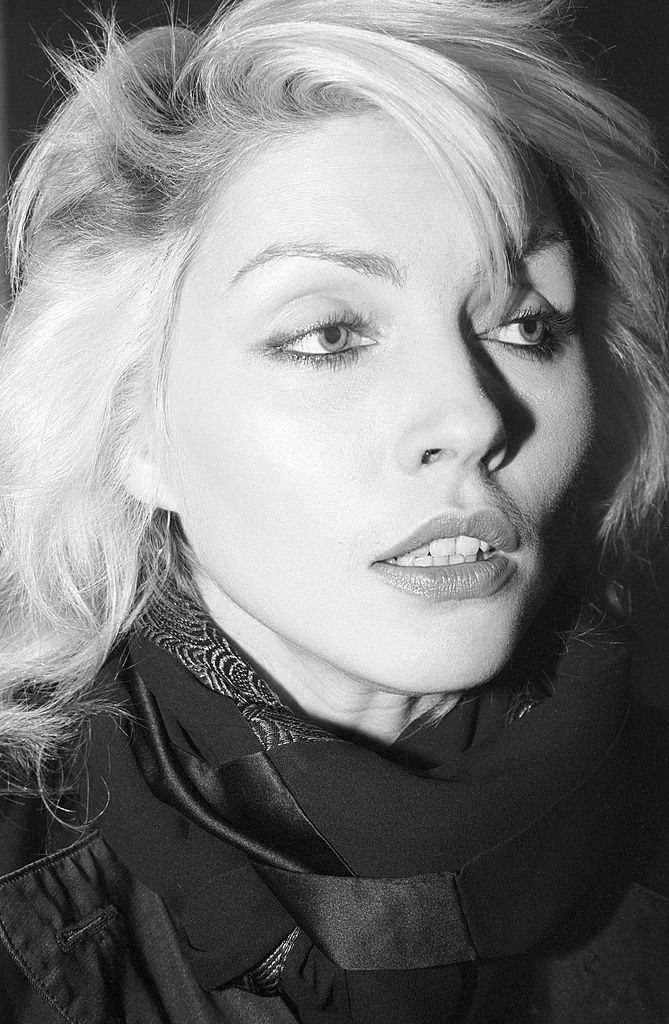
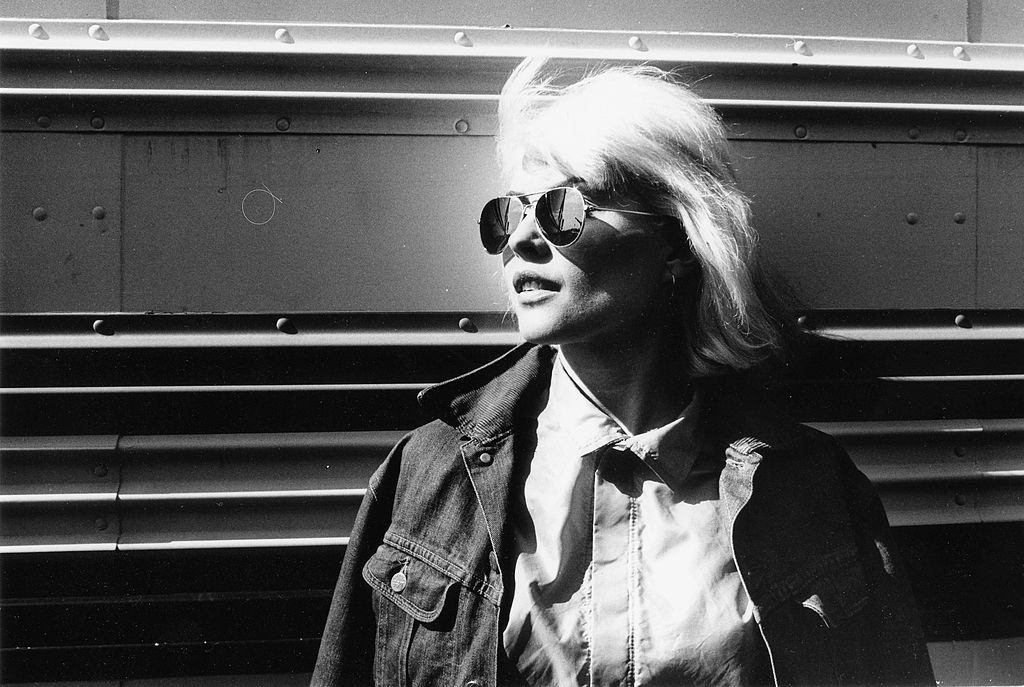
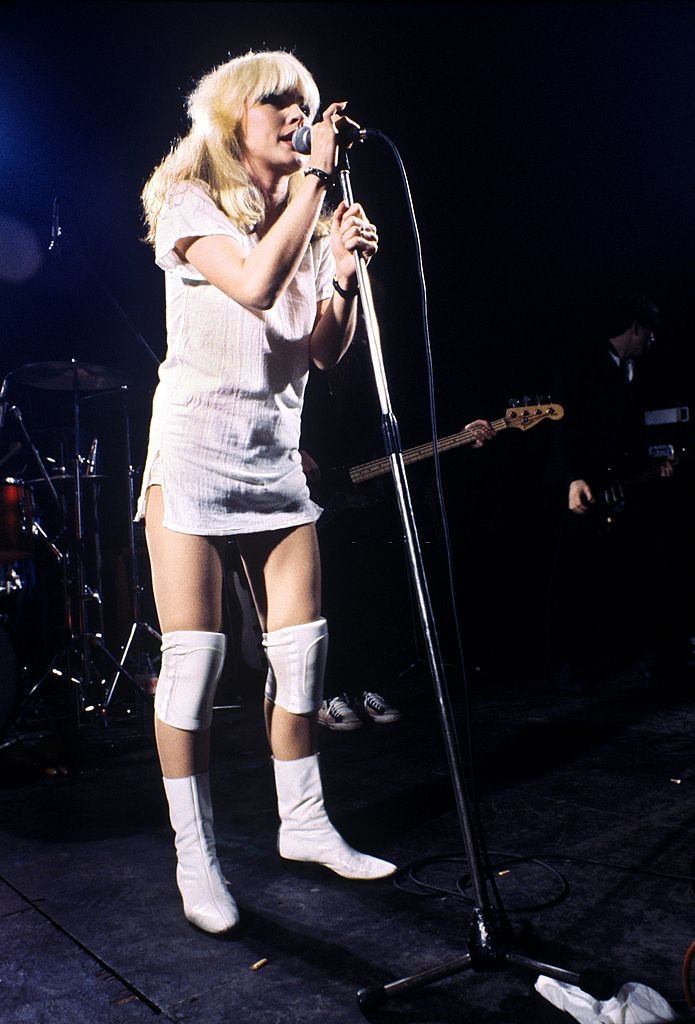
Then came 1978 — the year everything changed. Blondie’s third album, Parallel Lines, was recorded at Record Plant Studios in New York and released to massive commercial success. The record produced a string of hits and turned Harry into an international star. In 1981, Harper’s Bazaar included her on their 10 Most Beautiful Women in America list, and VH1 later ranked her 18th on their 100 Sexiest Artists countdown. The photos from this year alone tell the story of a band at the height of its powers.
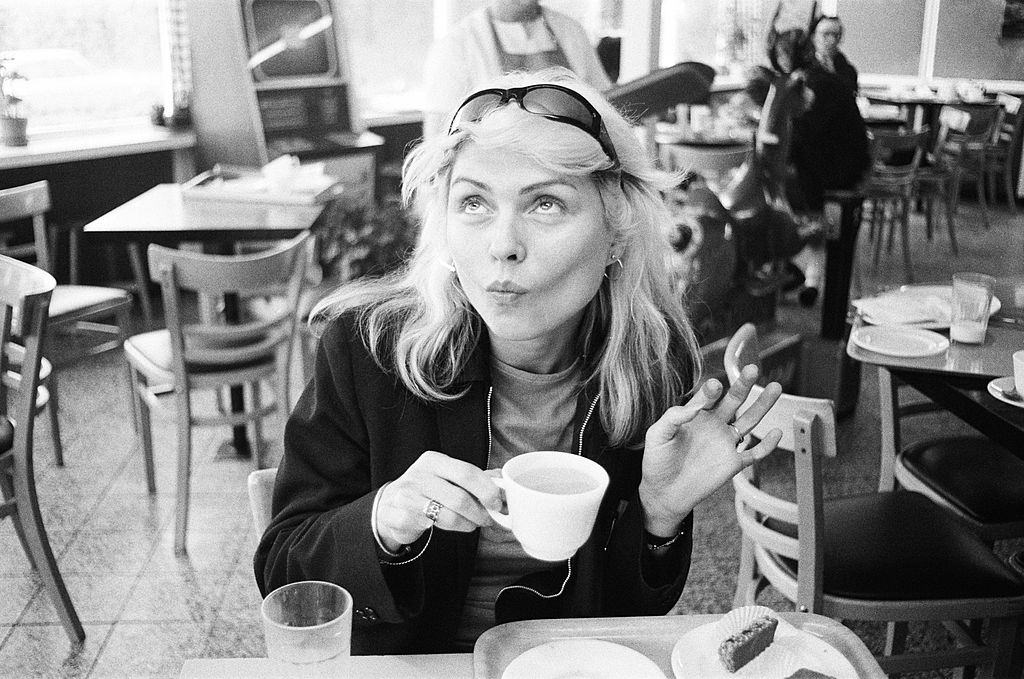
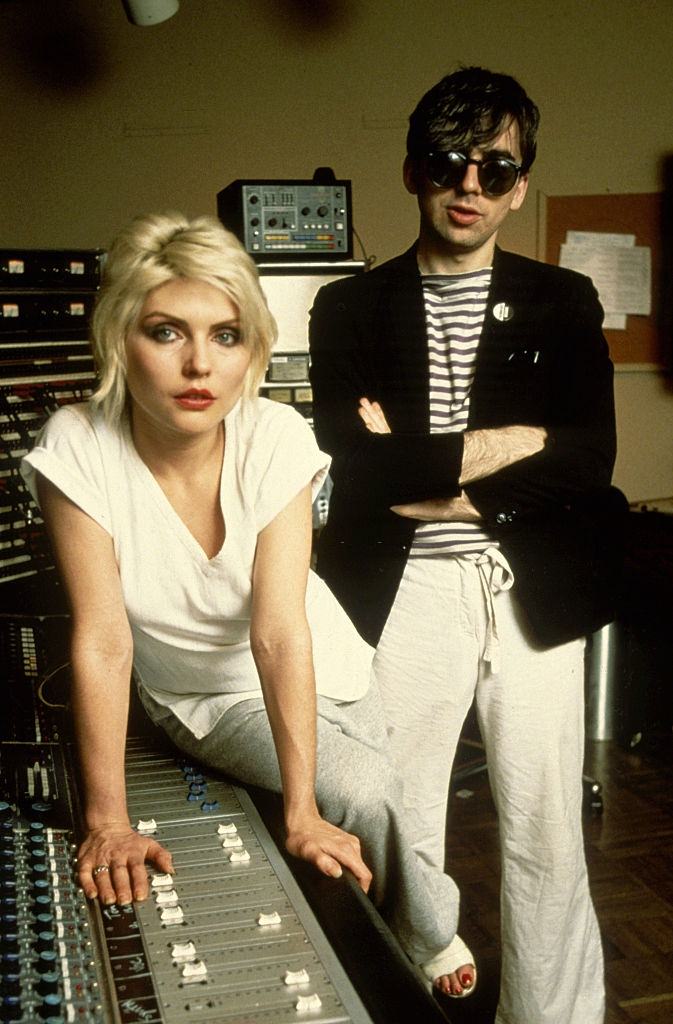
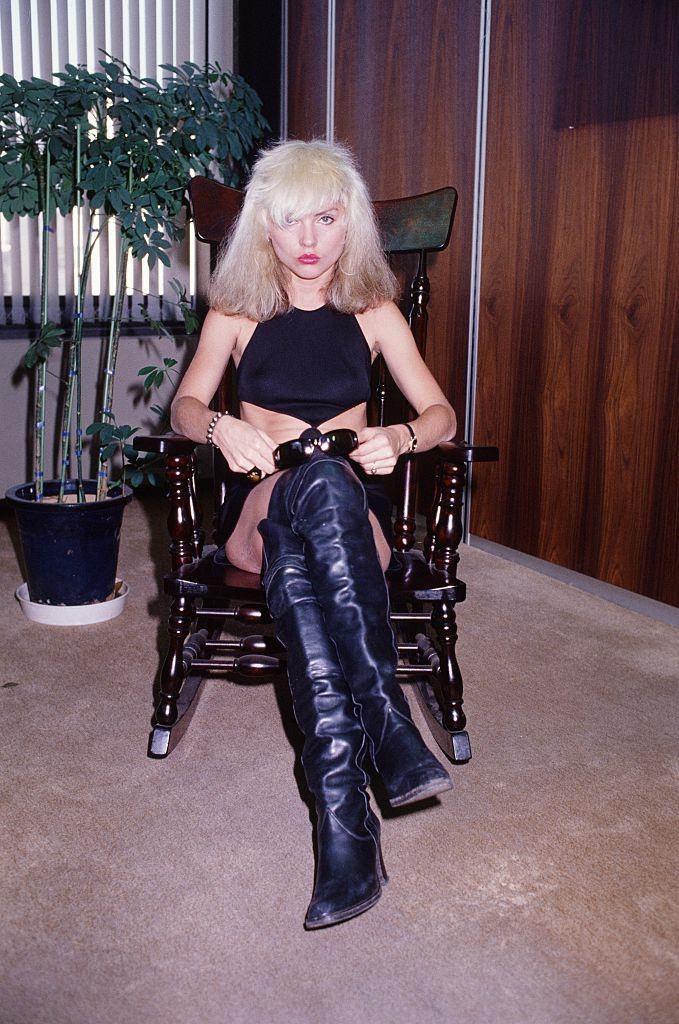
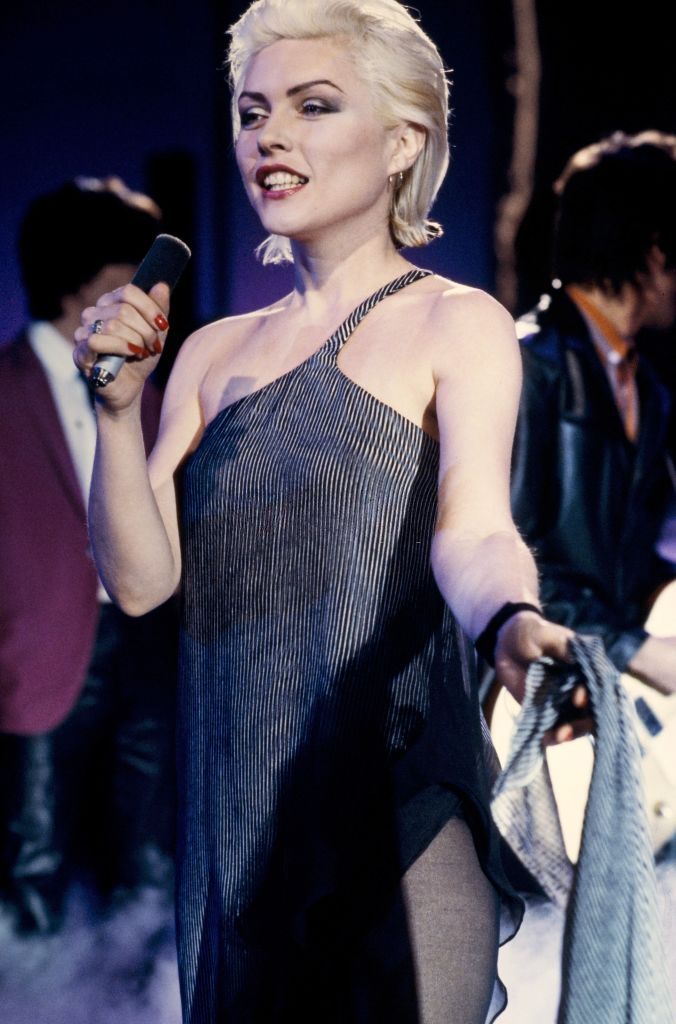
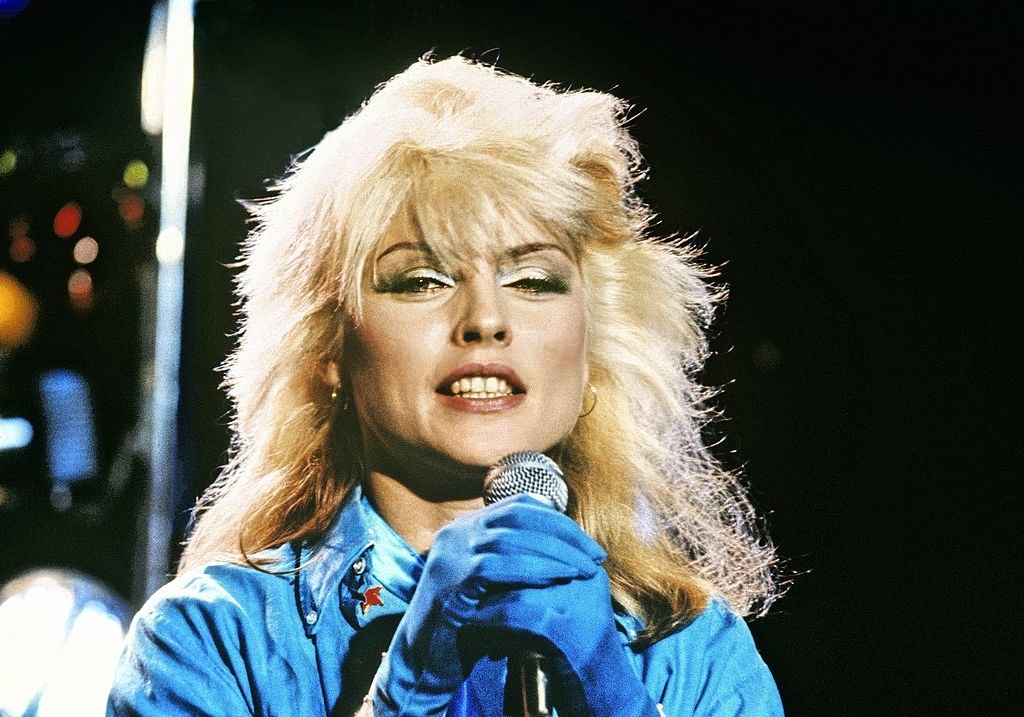
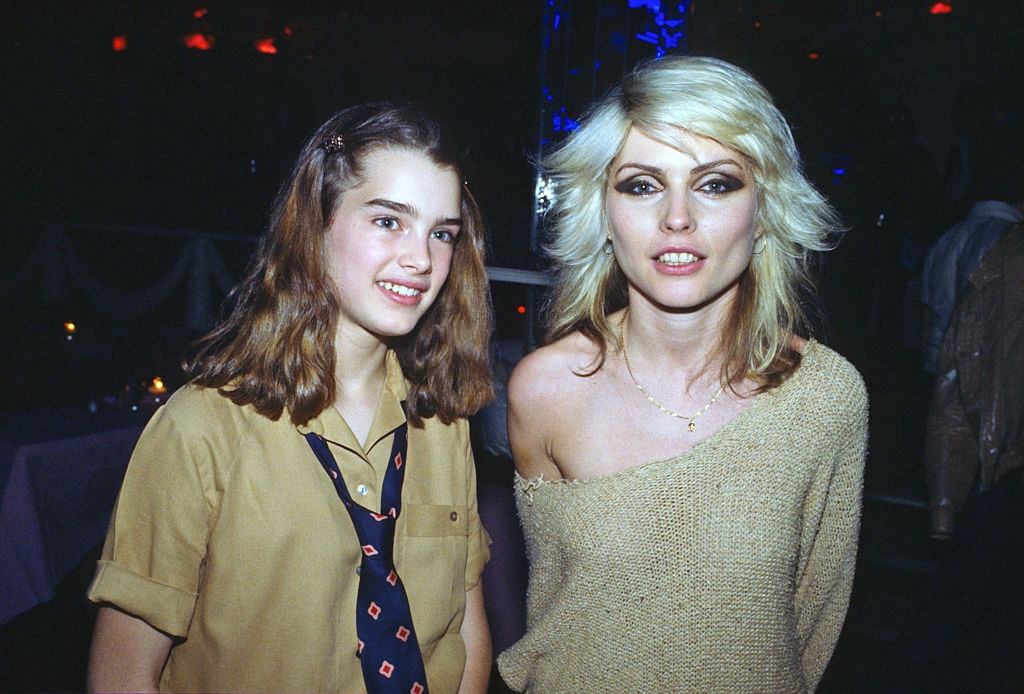
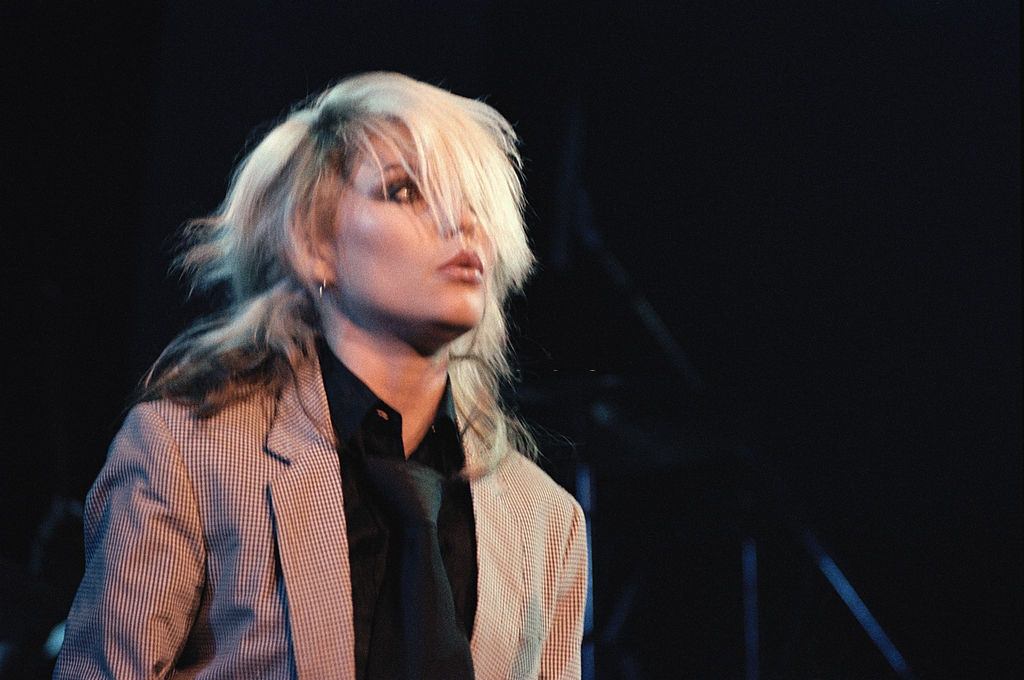
Blondie’s success pushed Harry into film as well. She had already made her screen debut in the 1975 thriller Deadly Hero and appeared in art films by director Amos Poe. In 1980, she landed a lead role opposite James Woods in Union City. More film work followed, including Hairspray (1988), Heavy (1995), and Six Ways to Sunday (1997). Harry proved she could hold her own on screen just as well as she could on stage.
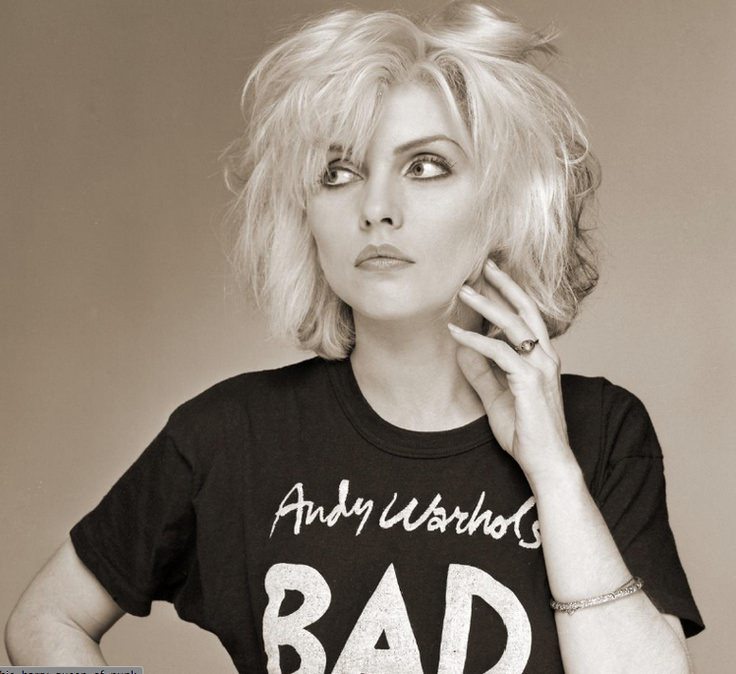
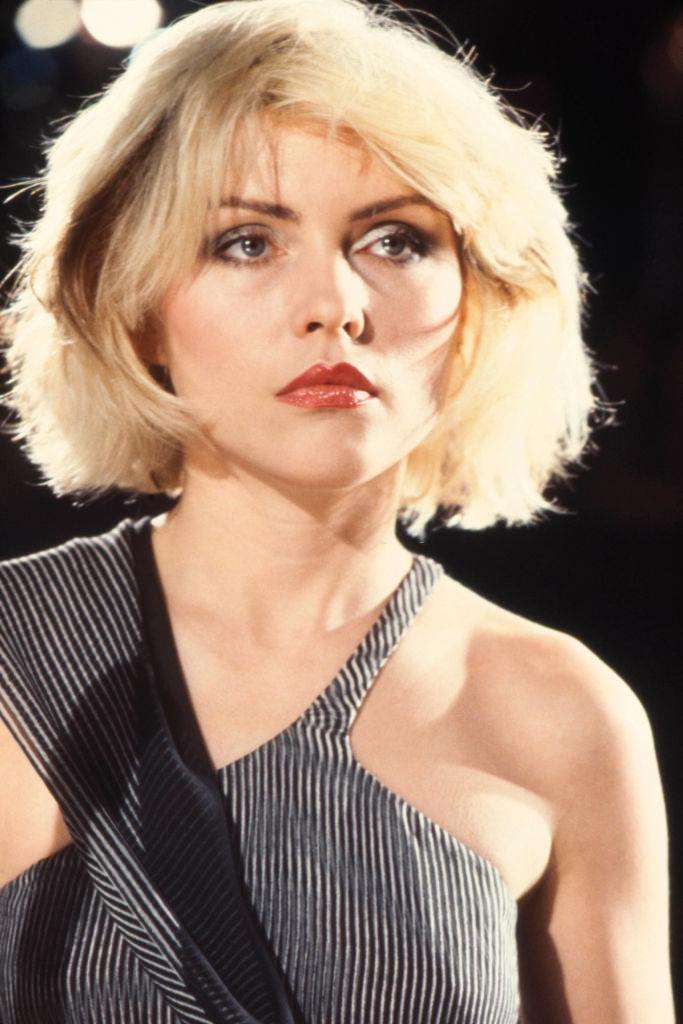
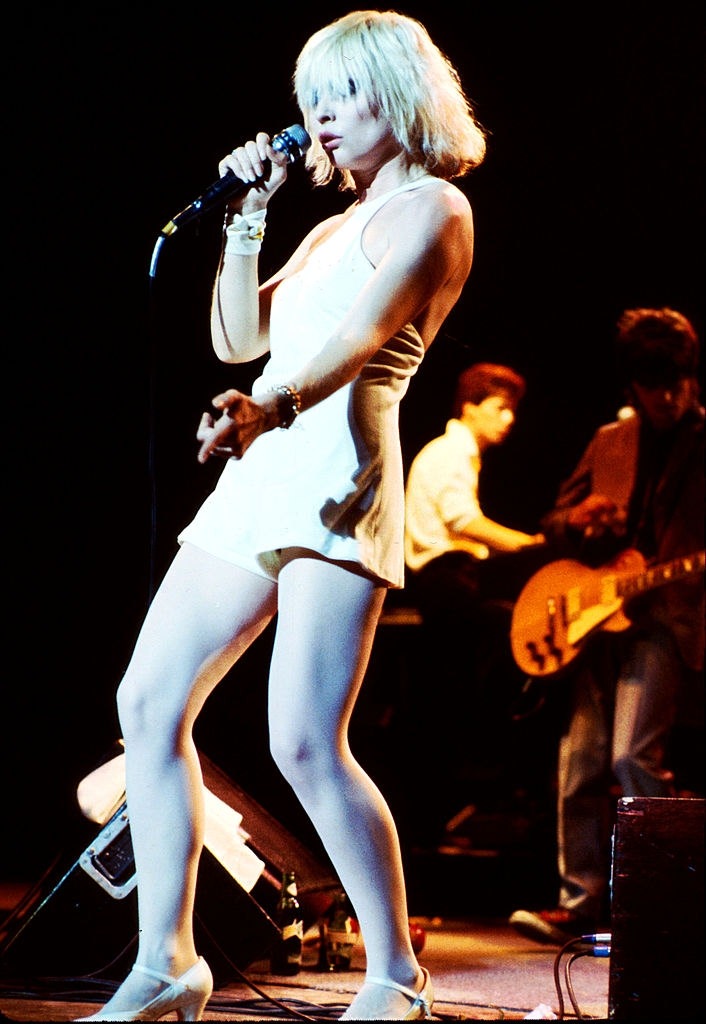
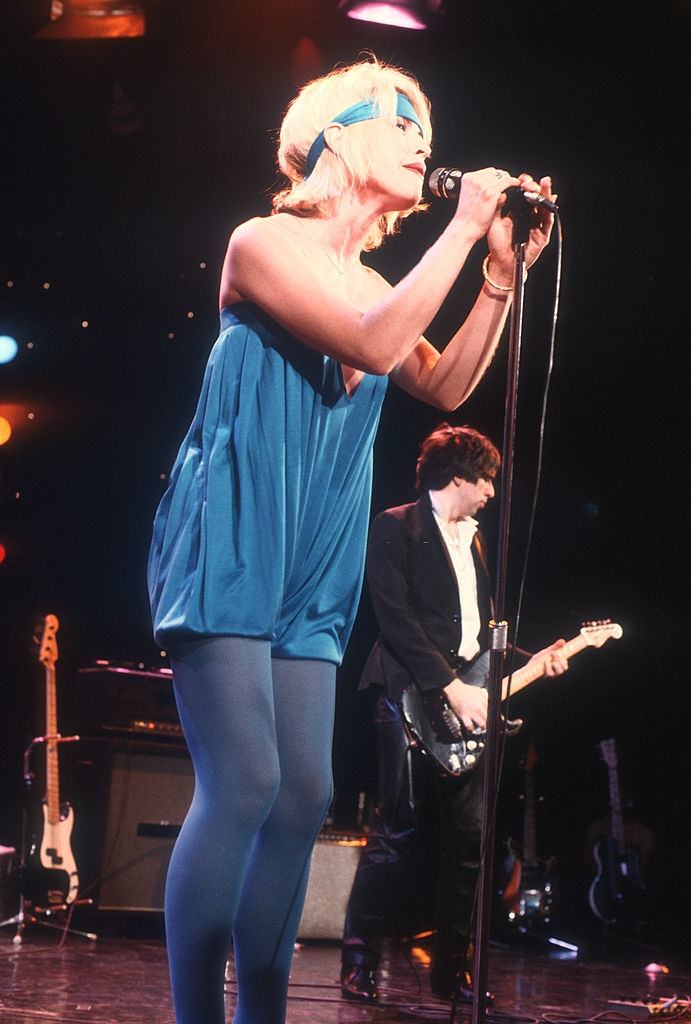
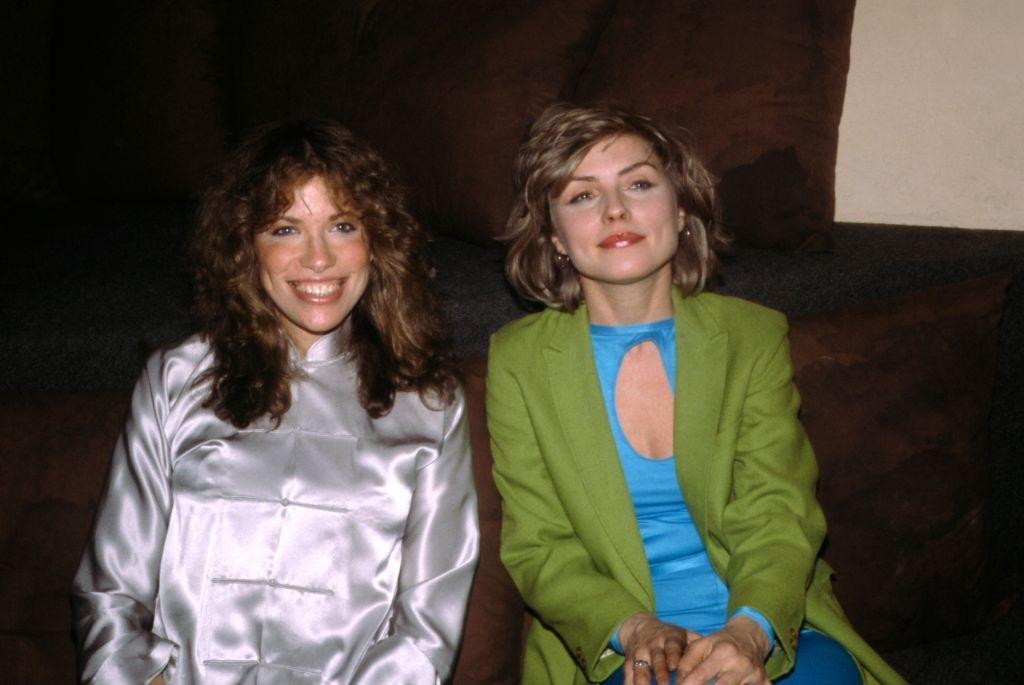
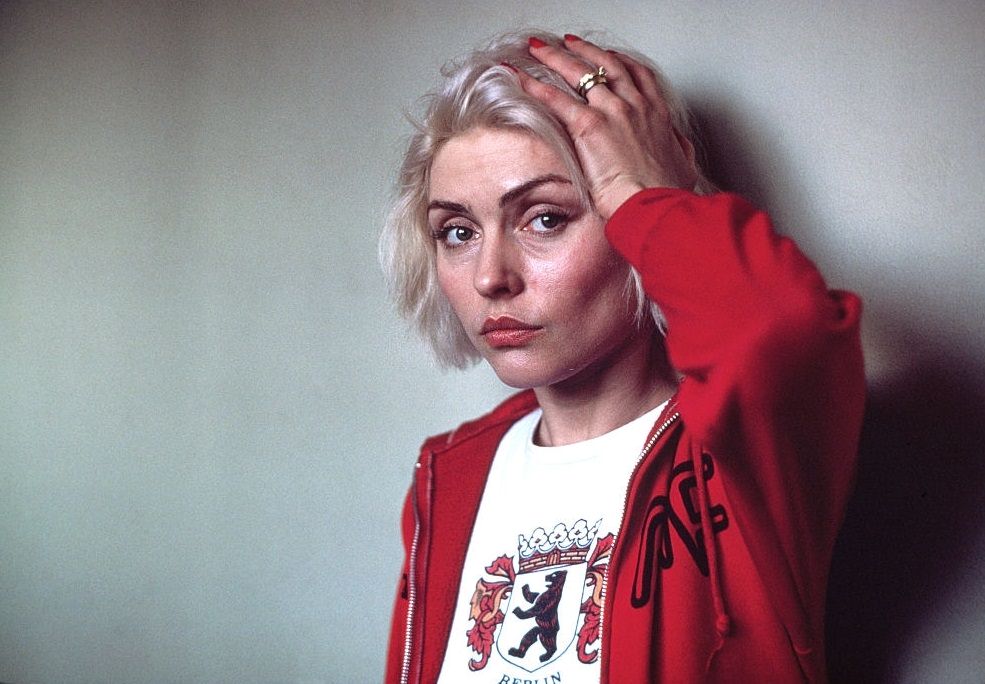
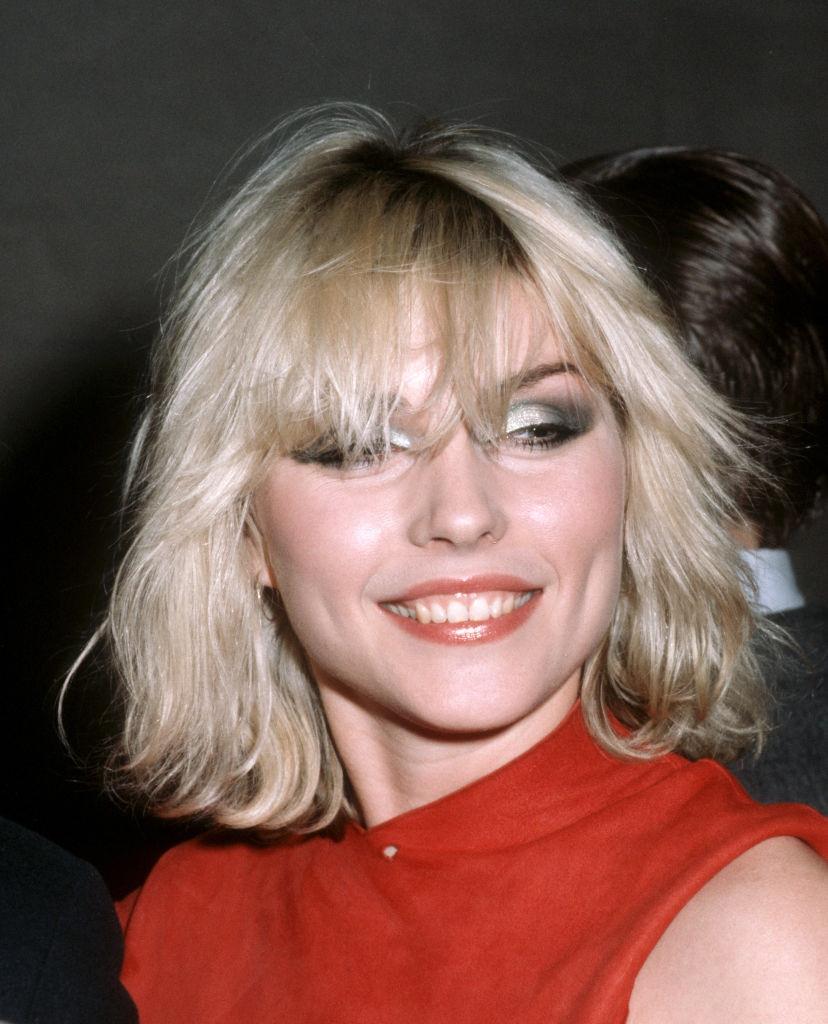
In 1981, Harry released her first solo album, KooKoo, while still at the height of Blondie’s fame. That same year, Chris Stein was diagnosed with a serious, rare genetic disease called pemphigus. Harry stepped back from her career entirely to care for him. Blondie officially disbanded in 1982. Despite years of devoted care, the romantic relationship between Harry and Stein ended in 1989. In her 2019 memoir, Face It, Harry disclosed that she had been raped at knifepoint during a burglary at the home she shared with Stein — one of several painful personal disclosures in the book. She also revealed that she had used drugs during their relationship and had been involved with several women in her earlier years.
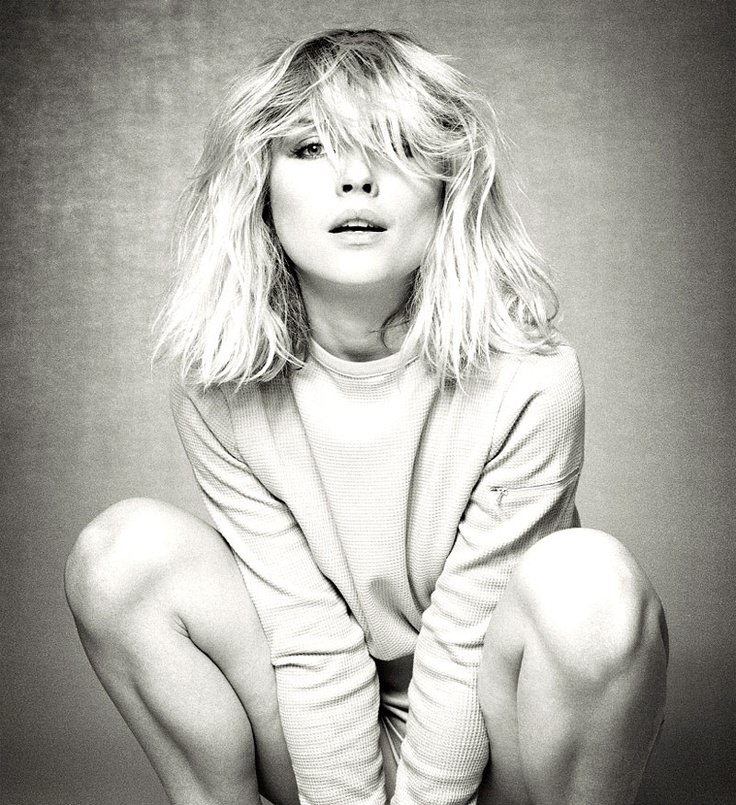
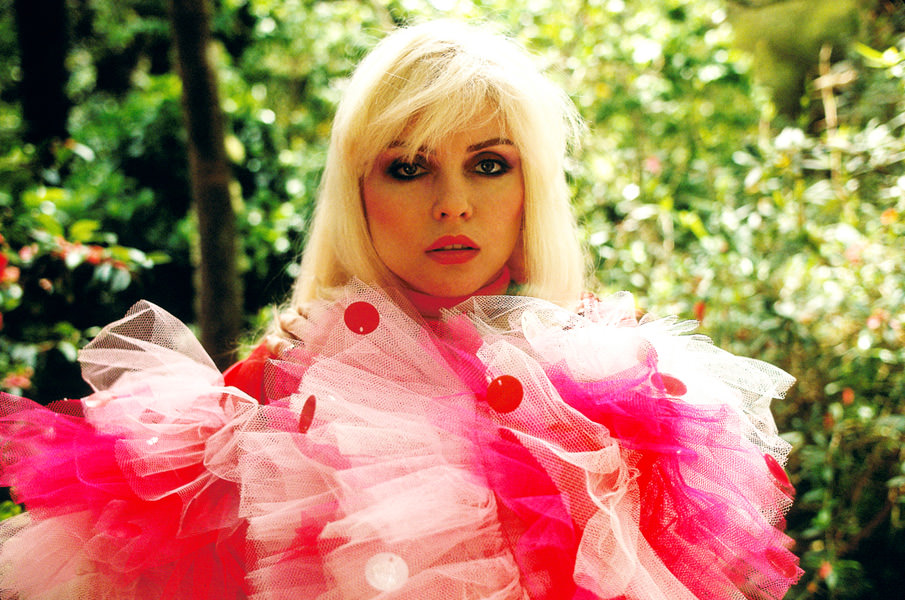
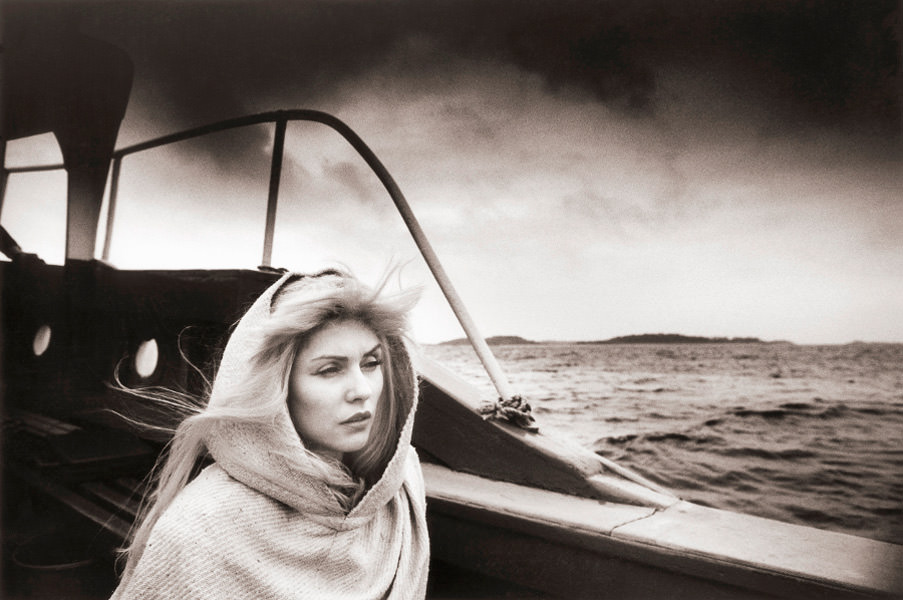
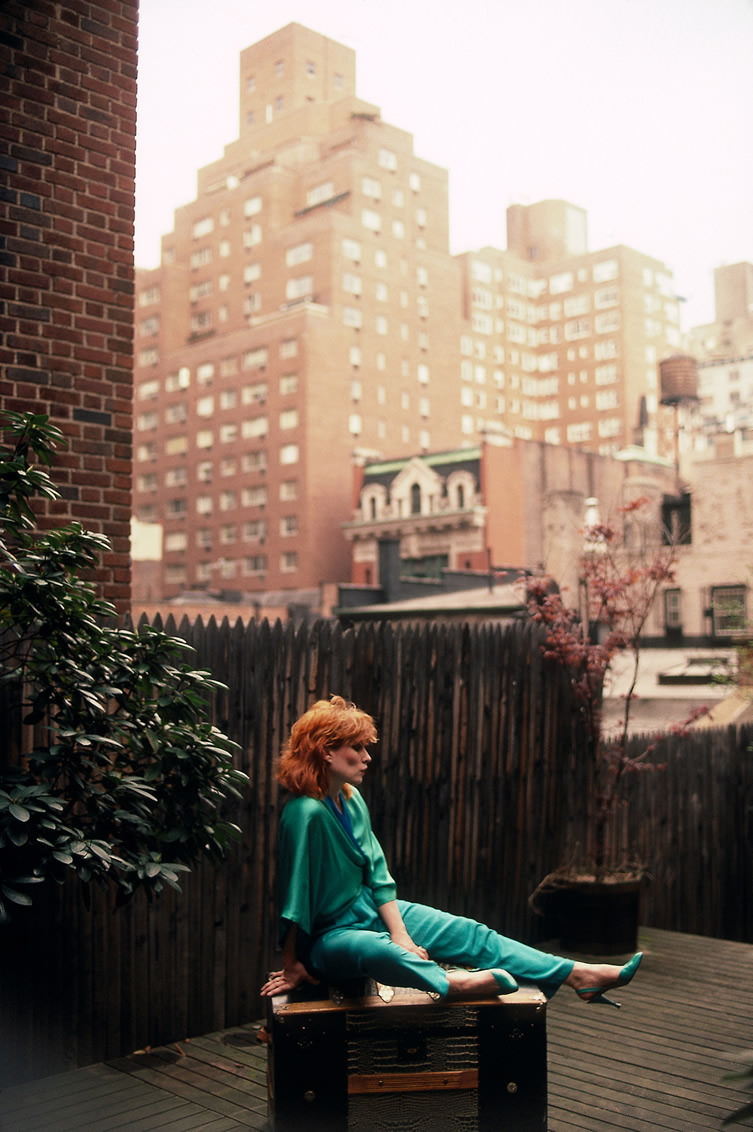
After Stein recovered, Harry returned to recording. She released the solo album Rockbird in 1986, five years after KooKoo. Then in 1997, she reunited with her Blondie bandmates for the first time in fifteen years, releasing No Exit in 1999. The band toured in 2008 to mark the 30th anniversary of Parallel Lines, performing the album that had made Harry a household name in full.