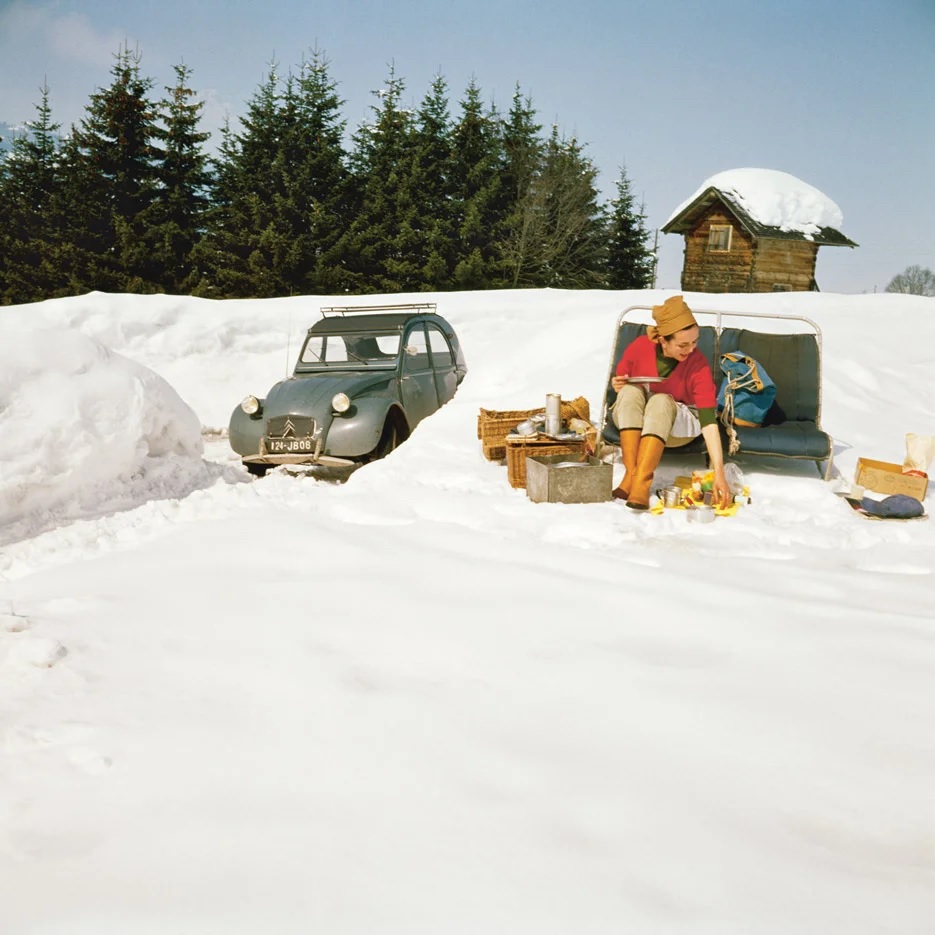
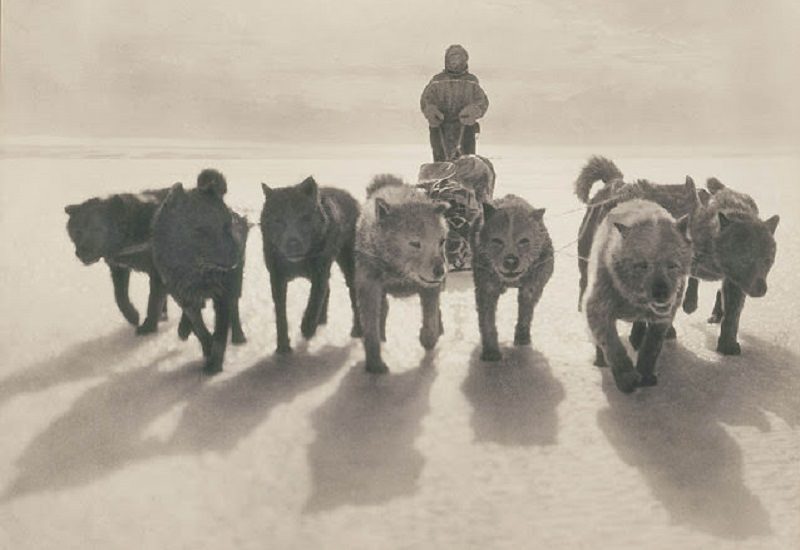
Jacques-Henri Lartigue picked up a camera at age six and never really put it down. Born in France in 1894, he grew into one of the most distinctive photographers of the 20th century — a man whose work captured joy, movement, and the texture of everyday life with rare honesty. He was also a painter, and that artistic eye shows in every frame he ever shot.
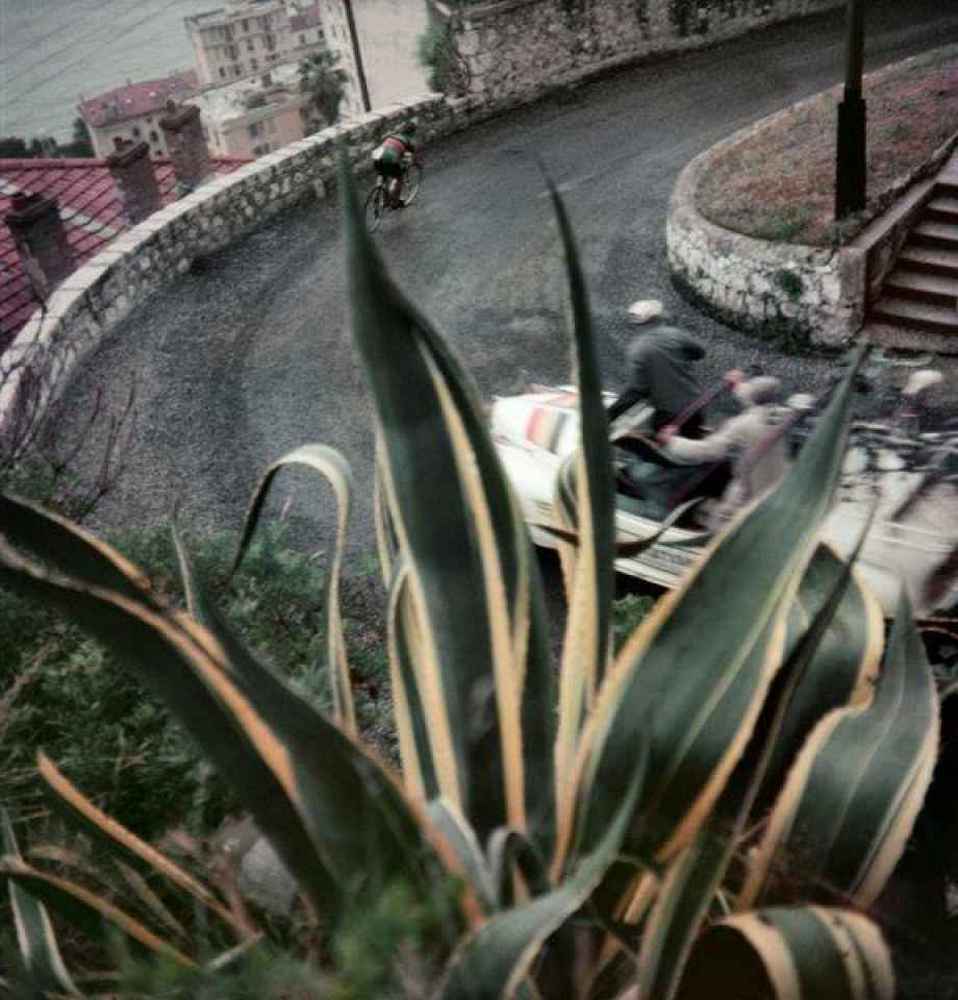
Lartigue’s photographs feel alive. They don’t pose or lecture. They catch a laugh mid-breath, a woman turning in the sun, a wet road after rain. He was one of a small group of photographers who helped shape street photography as we know it today. His images don’t just record a moment — they feel like the moment itself.
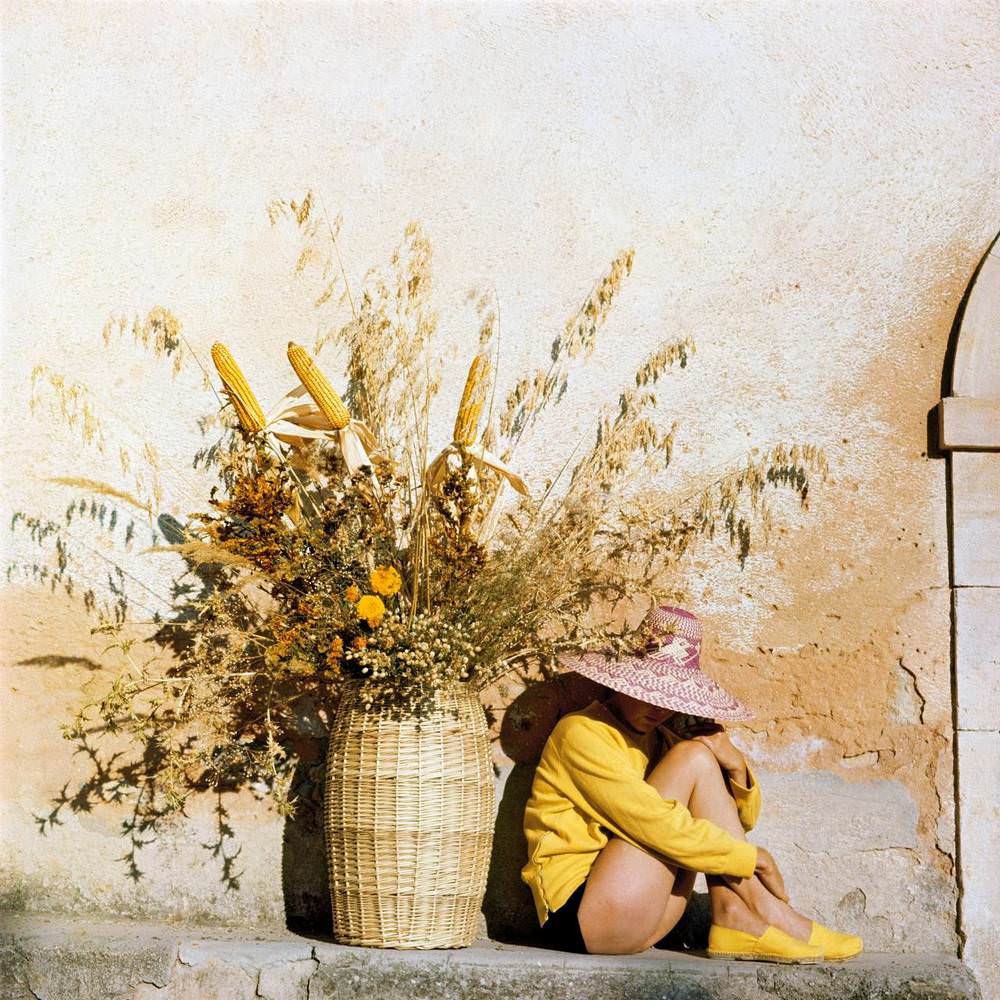
For decades, almost no one outside his personal circle knew his work existed. His photographs sat largely unseen until 1963, when John Szarkowski — the influential curator at the Museum of Modern Art in New York — offered him a solo exhibition. That show introduced Lartigue to the wider world at the age of nearly 70. The timing was extraordinary: a lifetime of photographs, finally seen.
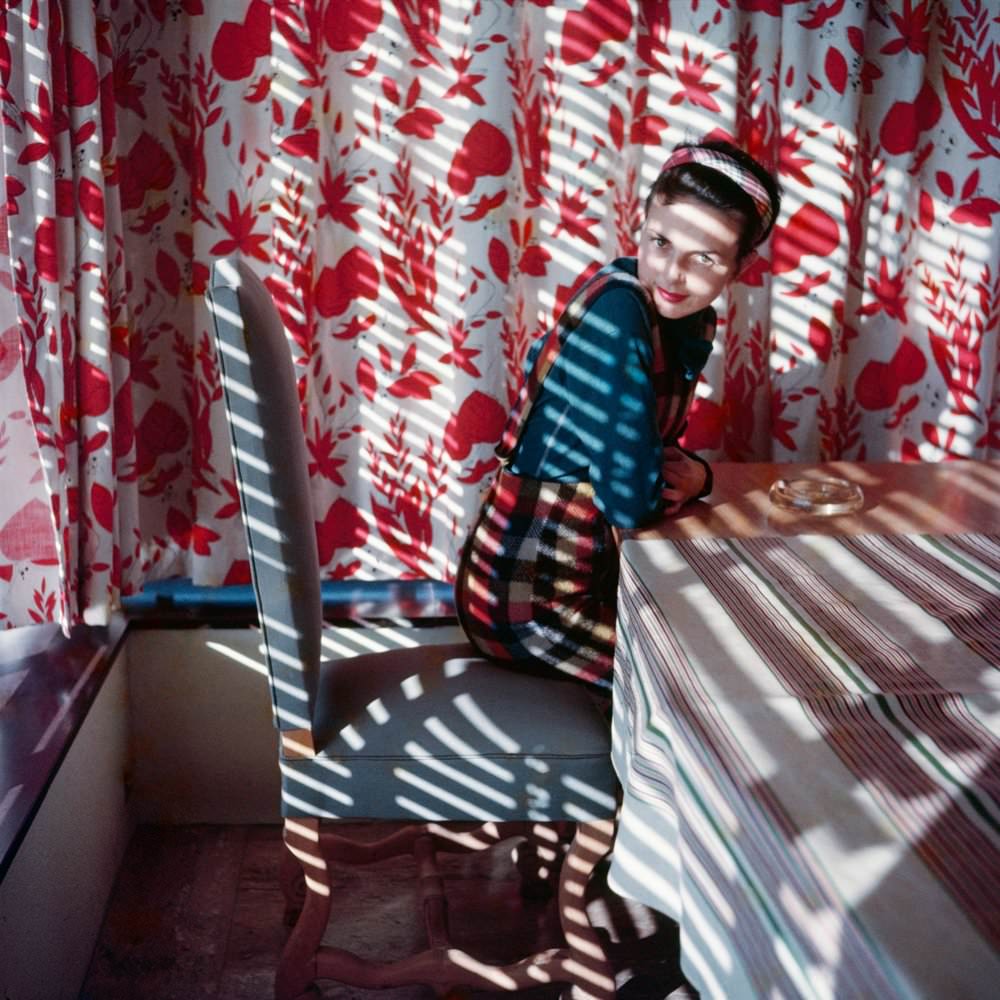
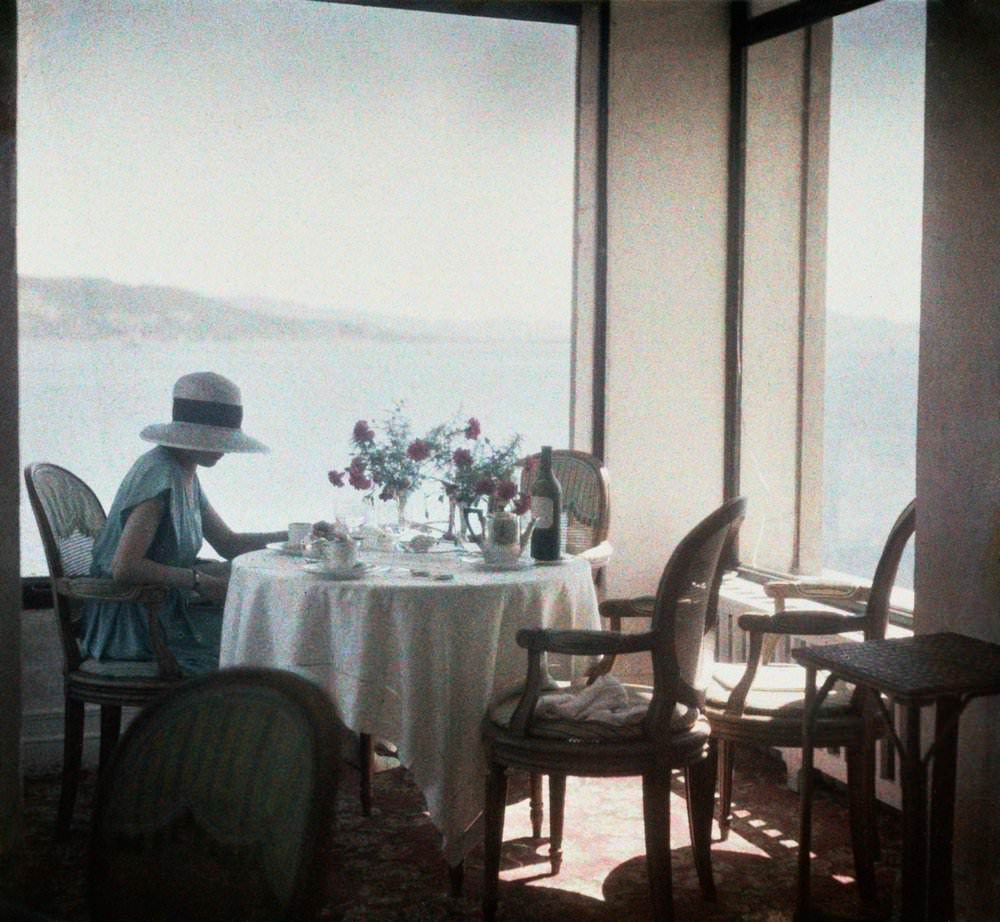
What makes Lartigue’s archive especially remarkable is his commitment to color. While most serious photographers of his era worked in black and white, Lartigue was shooting in rich, saturated color well before it was fashionable or widely accepted in fine art photography. Color photography didn’t gain real mainstream recognition in the art world until the mid-1970s — yet Lartigue had been doing it for years.
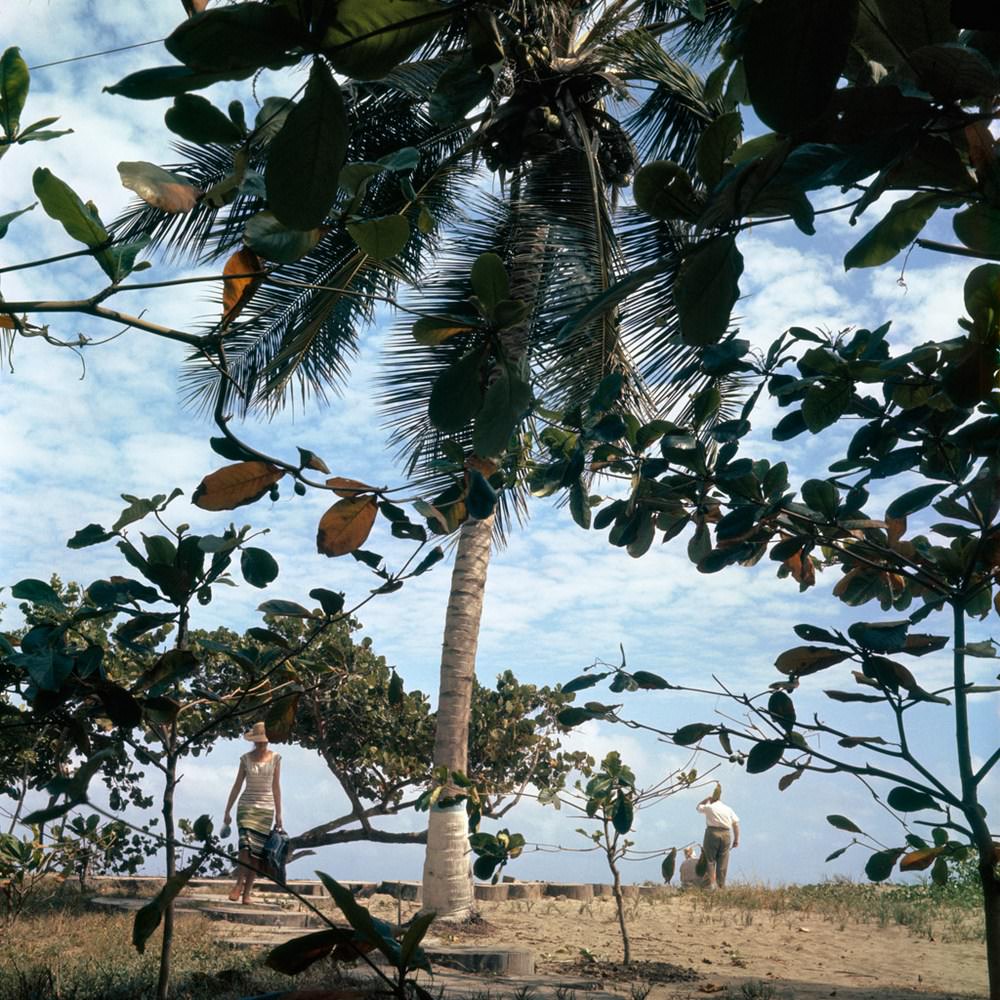
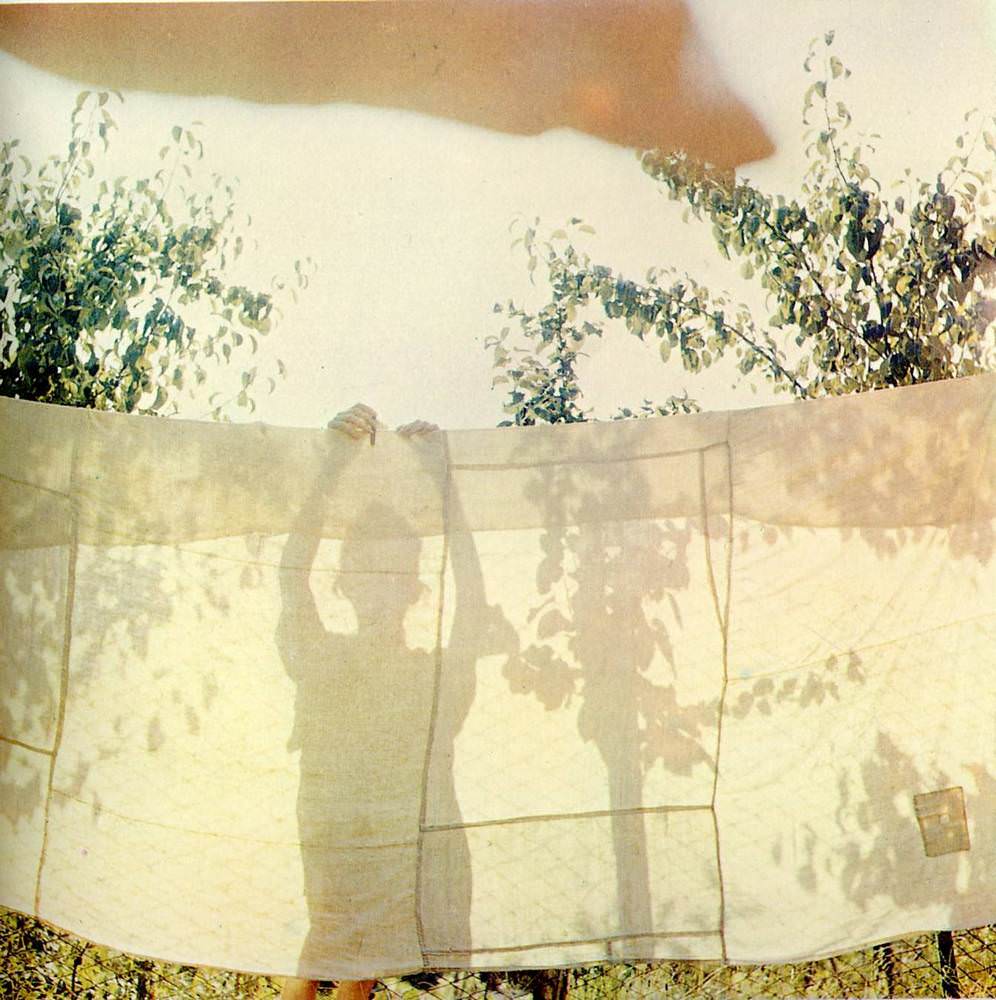
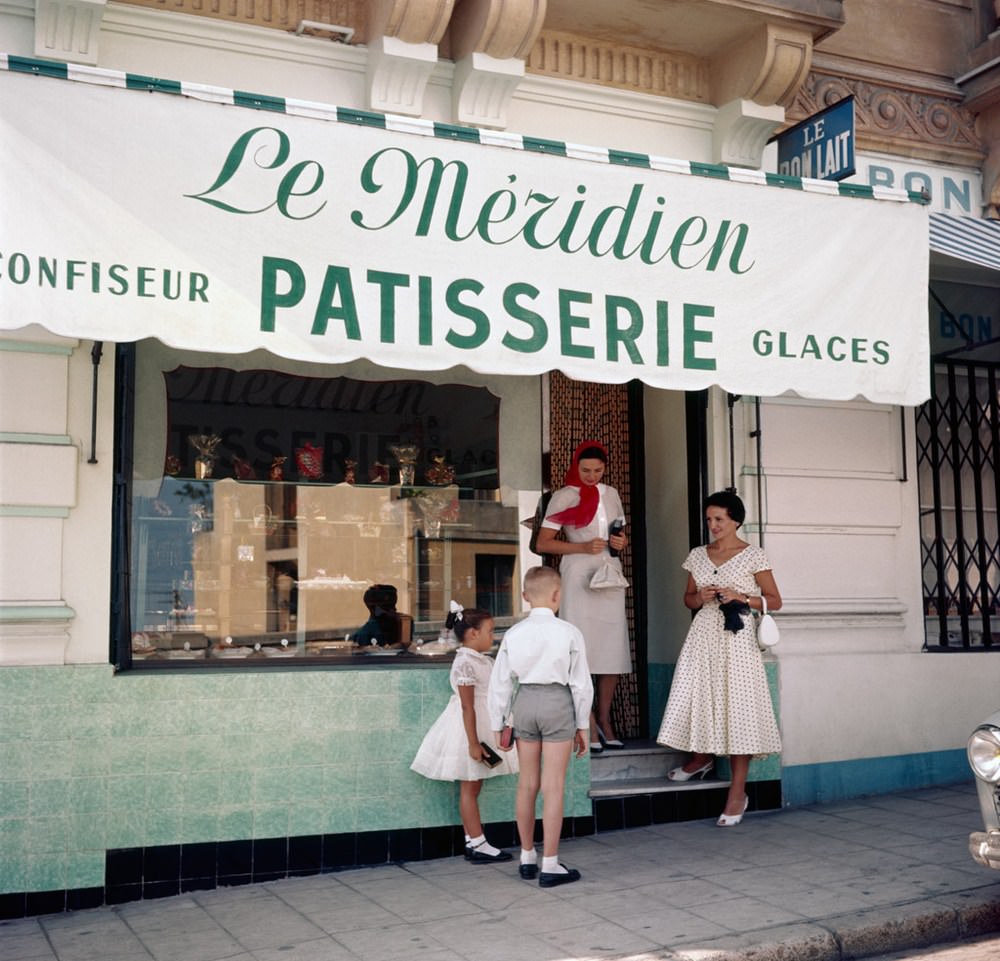
His color work brings France to life in a way that black-and-white simply couldn’t. The blue of the Mediterranean sky over Cannes, the golden light over Provence in the morning, the green fields of Brittany — all of it glows with a warmth that feels personal rather than documentary.
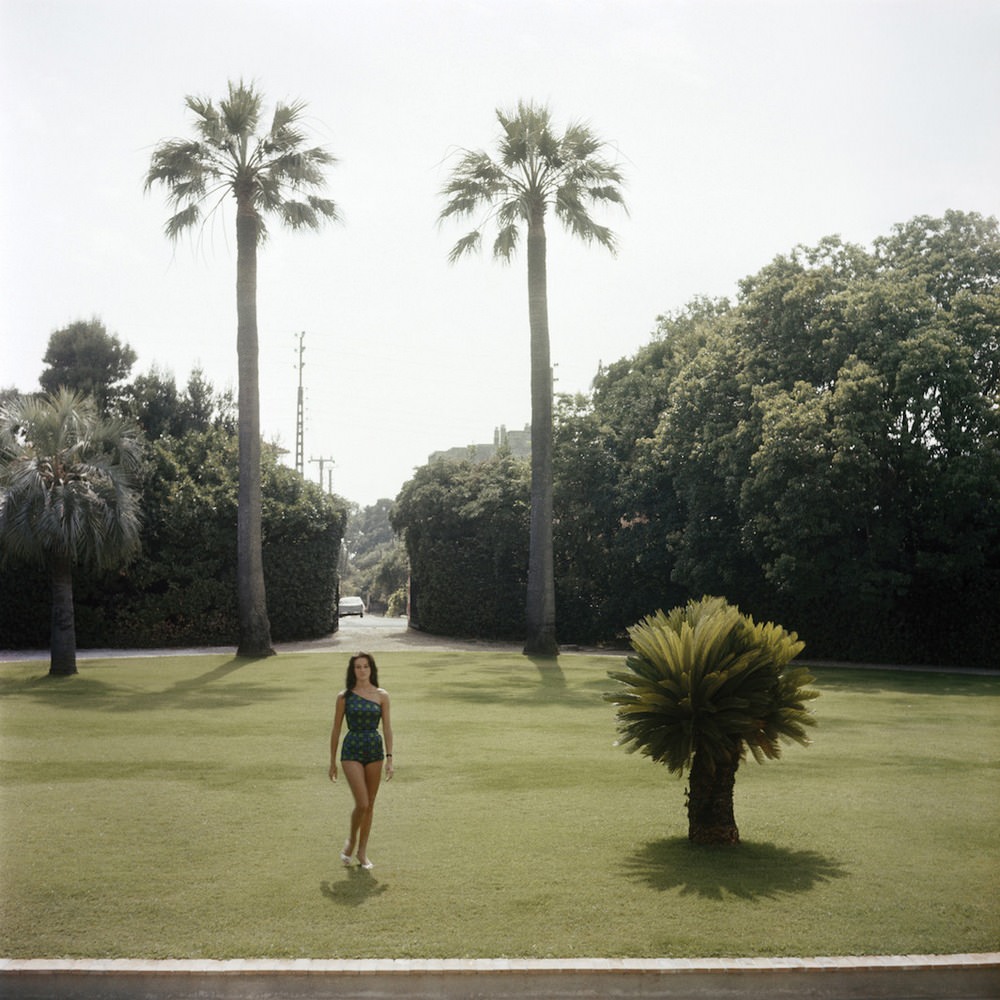
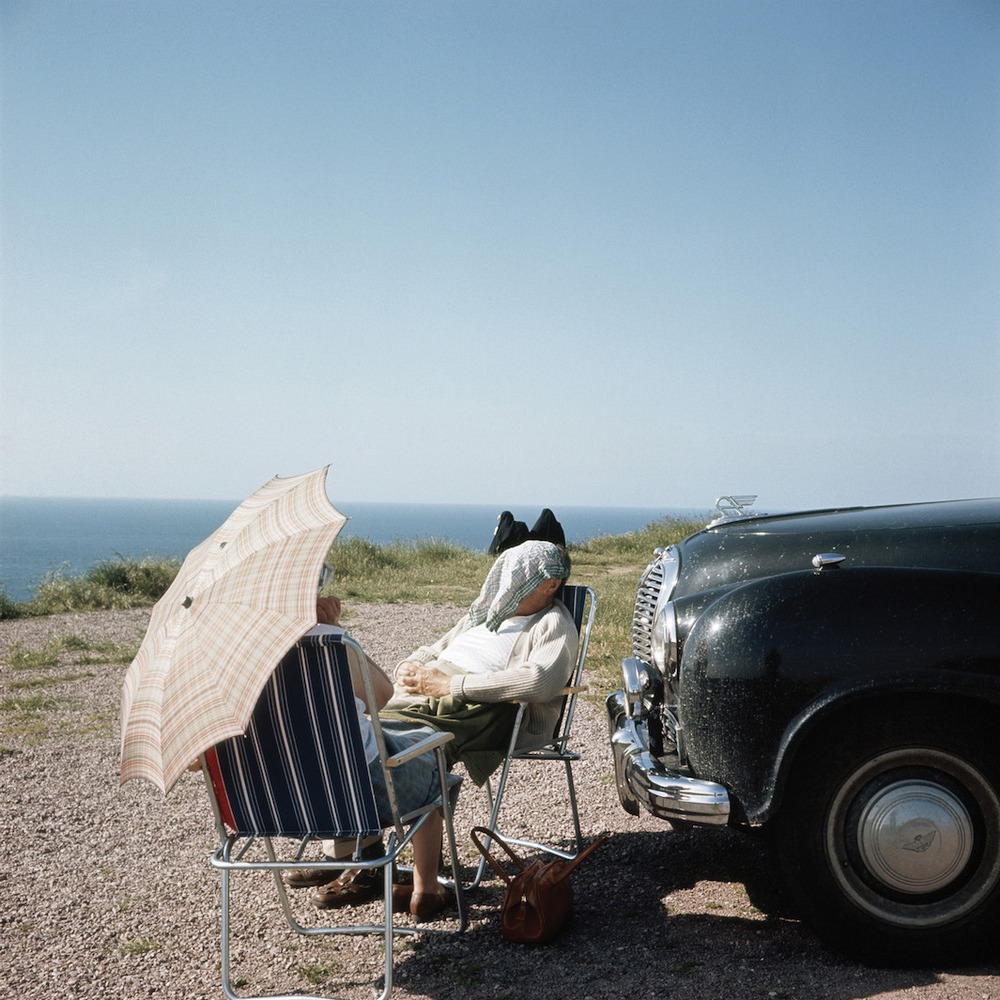
Brittany appears frequently in Lartigue’s color photographs, its moody coastal landscapes providing a striking contrast to the sun-drenched south. He returned to these places again and again, finding something new in familiar scenes each time.
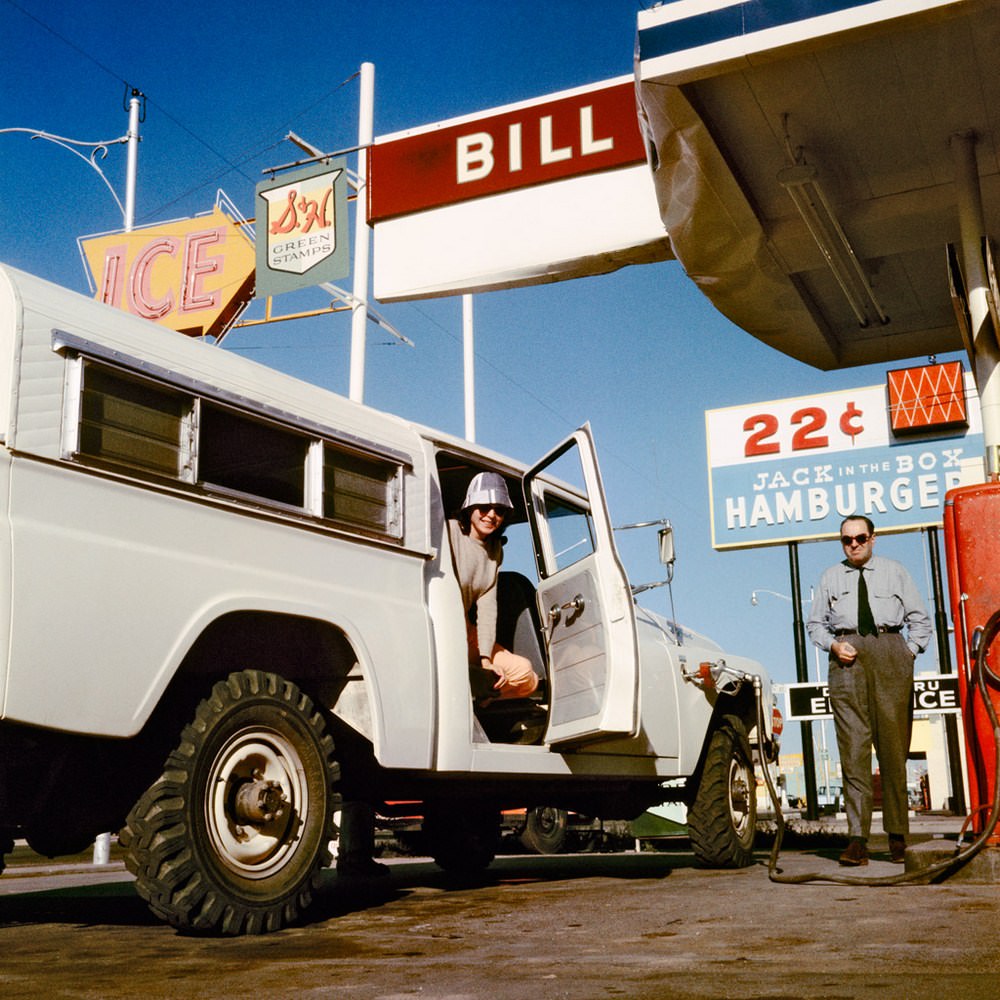
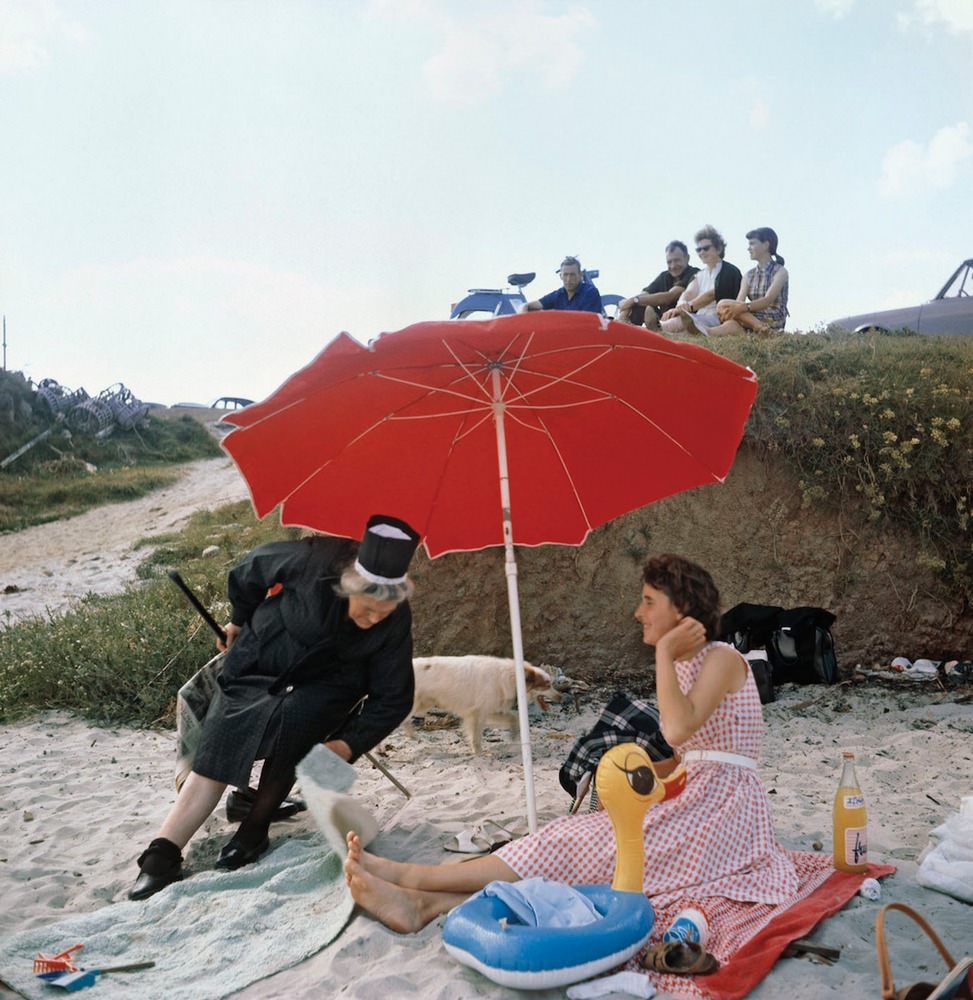
The women in Lartigue’s life appear throughout his photographs as central subjects. Florette, Sylvana, and others are captured not as formal portraits but as people in motion — reading, laughing, standing in gardens, or caught in quiet private moments. There is no artifice in how he photographed them.
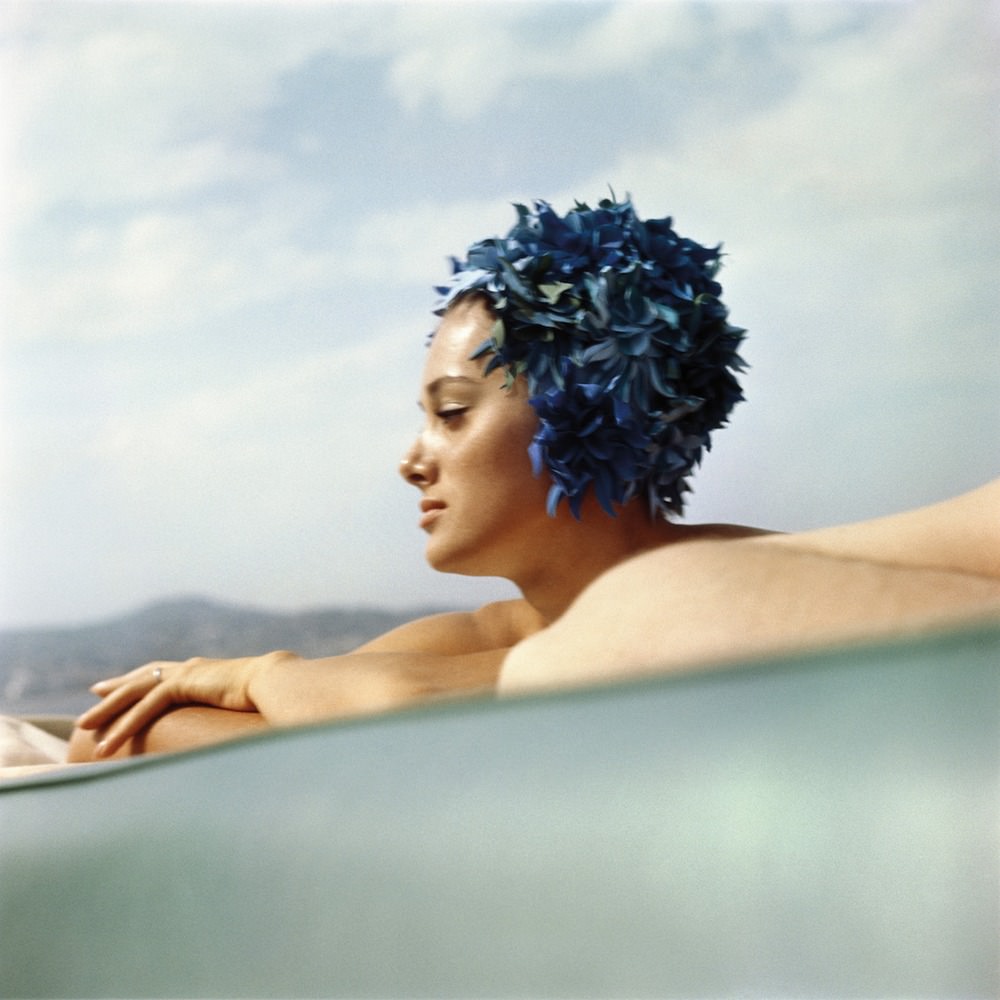
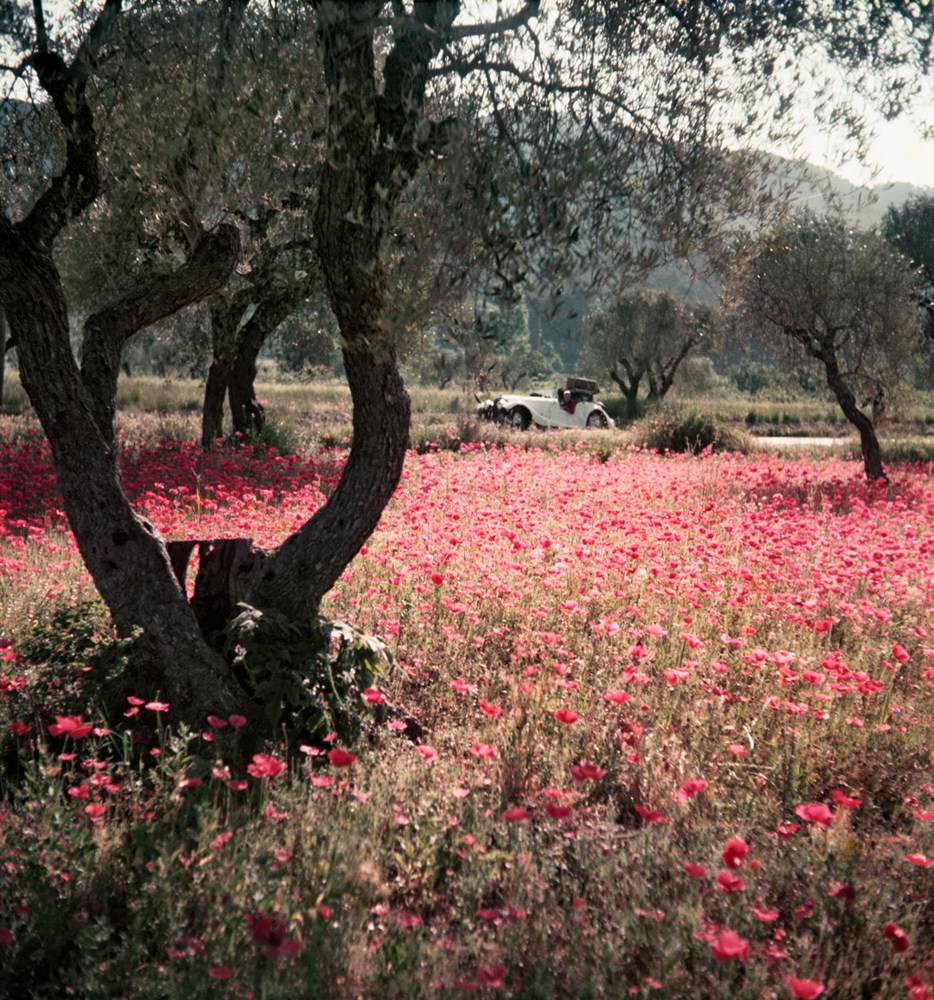
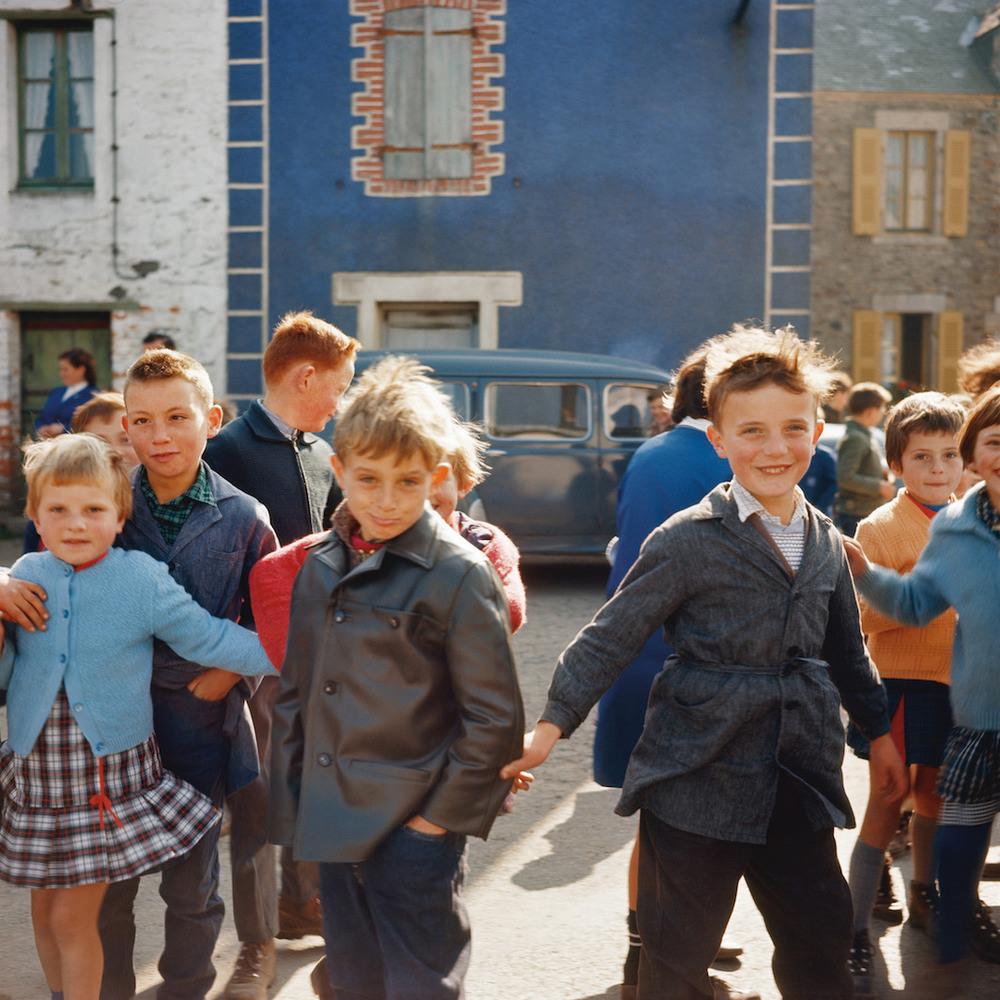
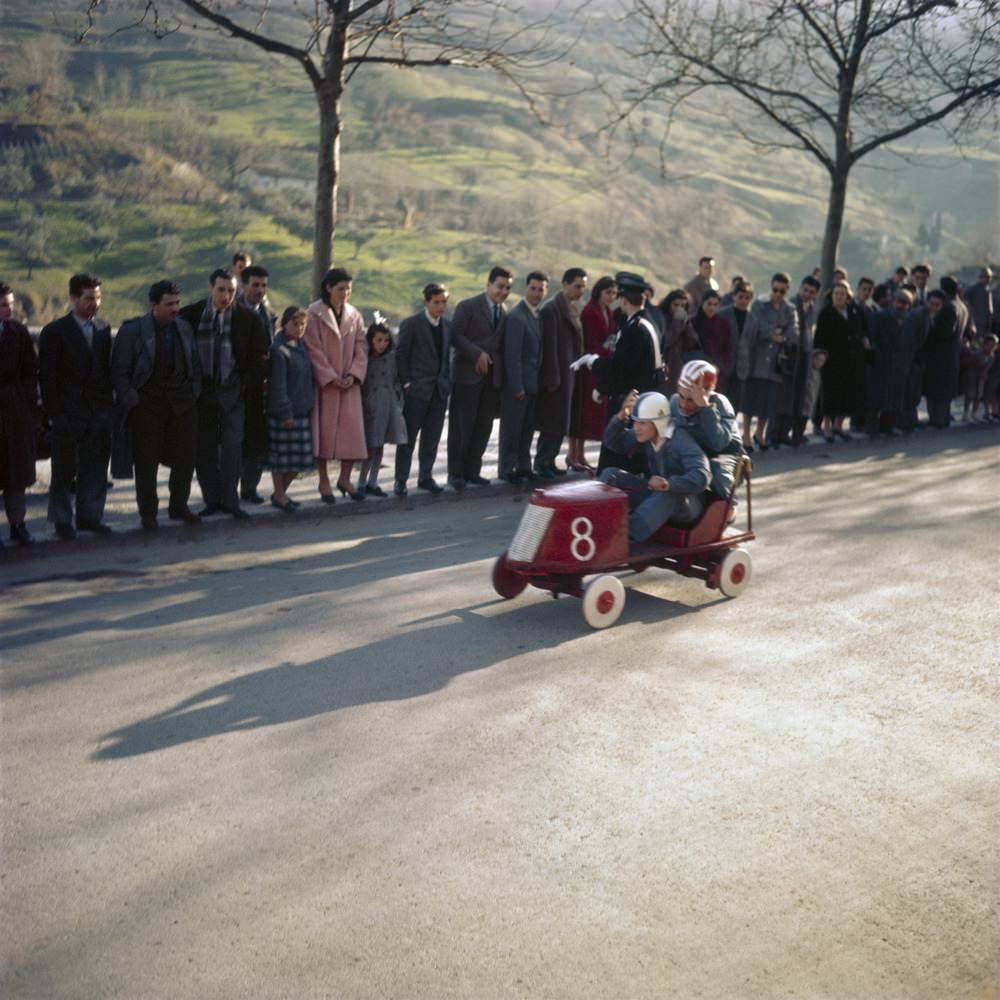
His travels gave him an even broader canvas. From the Italian town of Piozzo to the canals of Venice to the coastal stretch of Cap d’Antibes, Lartigue carried his camera everywhere. His photographs from these trips carry the same spontaneous energy as his images of France — alert, curious, and full of light.
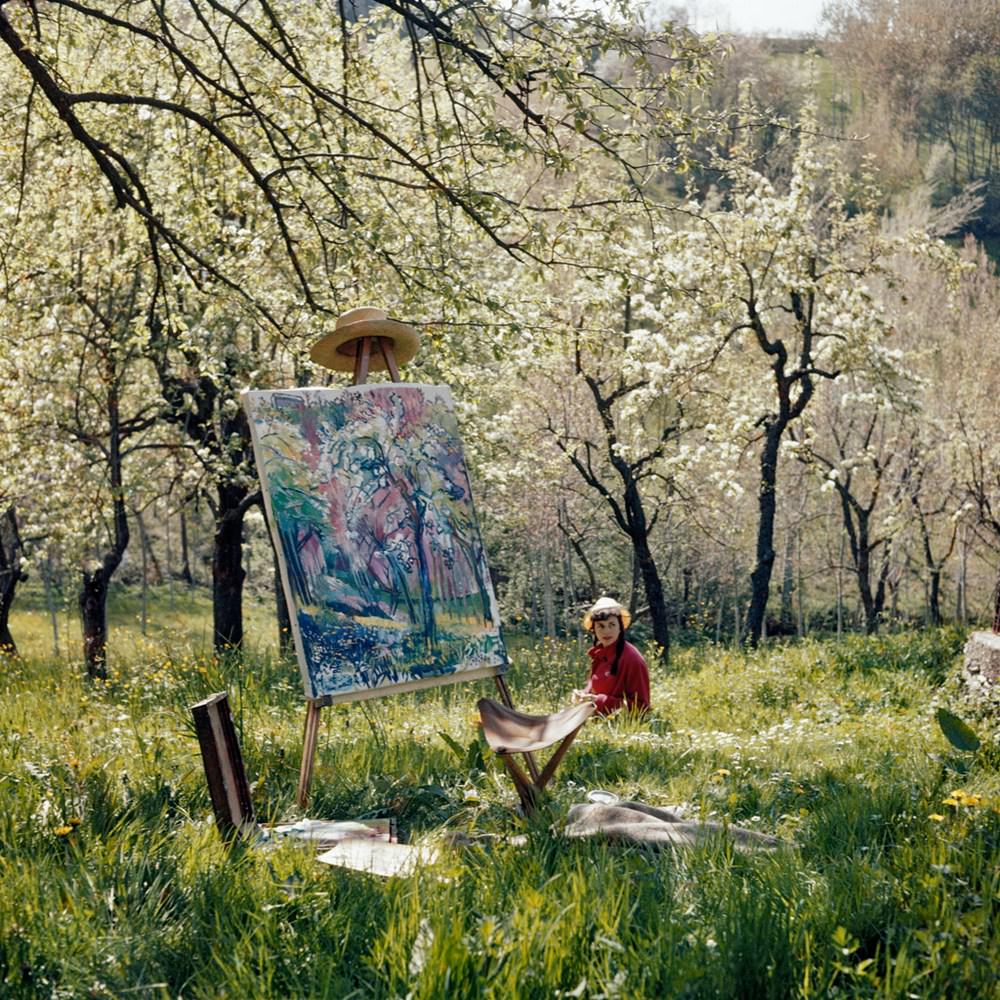
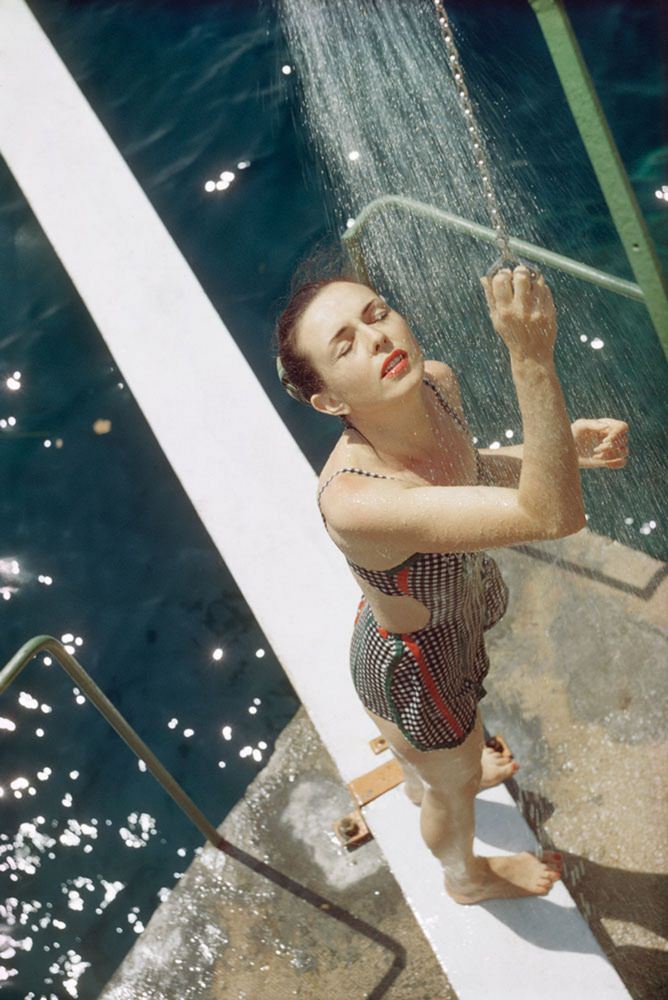
Opio, a small village in the hills above the French Riviera, was another favorite location. Lartigue photographed people there with the same relaxed intimacy he brought to every setting — a girl posing with a painting in a garden, another caught under an outdoor shower on a warm afternoon.
Lartigue’s photographs also brush up against celebrity. He moved in a world that included Pablo Picasso and Federico Fellini, and his camera caught them as naturally as it caught strangers on the street. Fame didn’t change his approach — every subject got the same attentive, unhurried gaze.
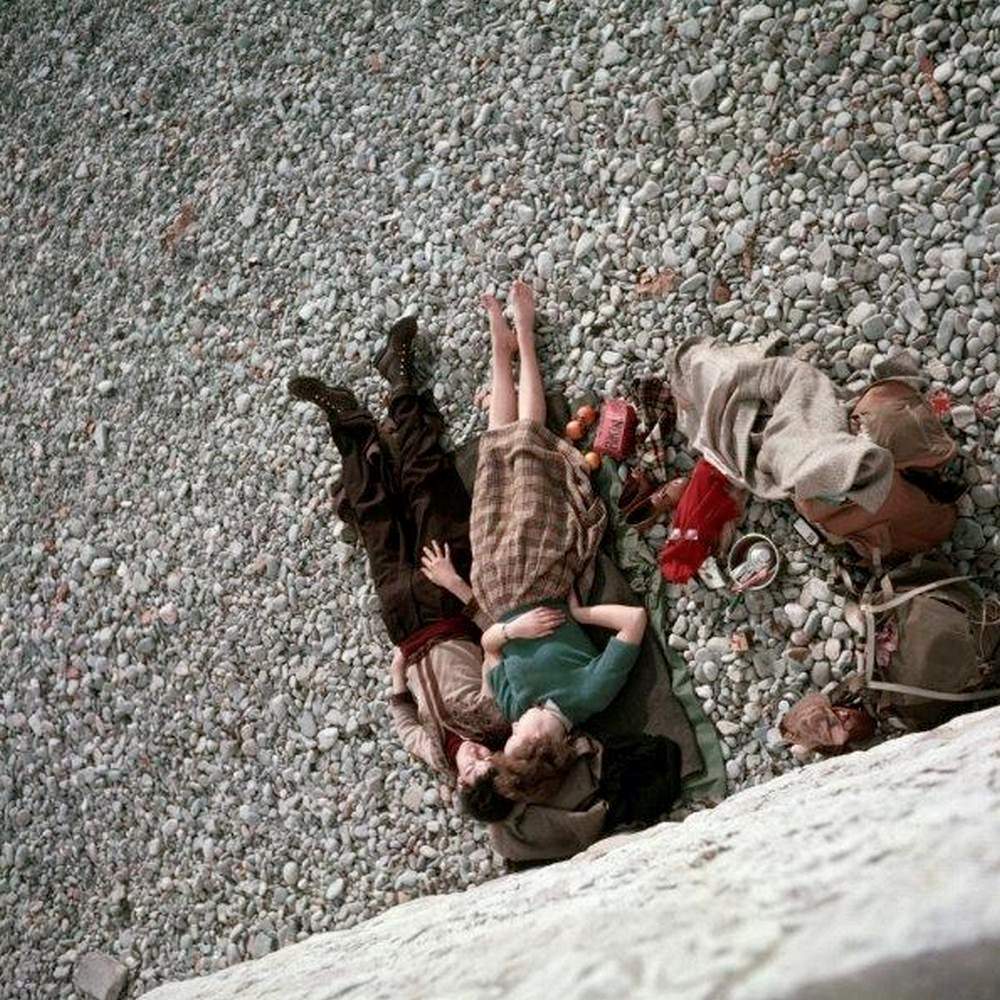
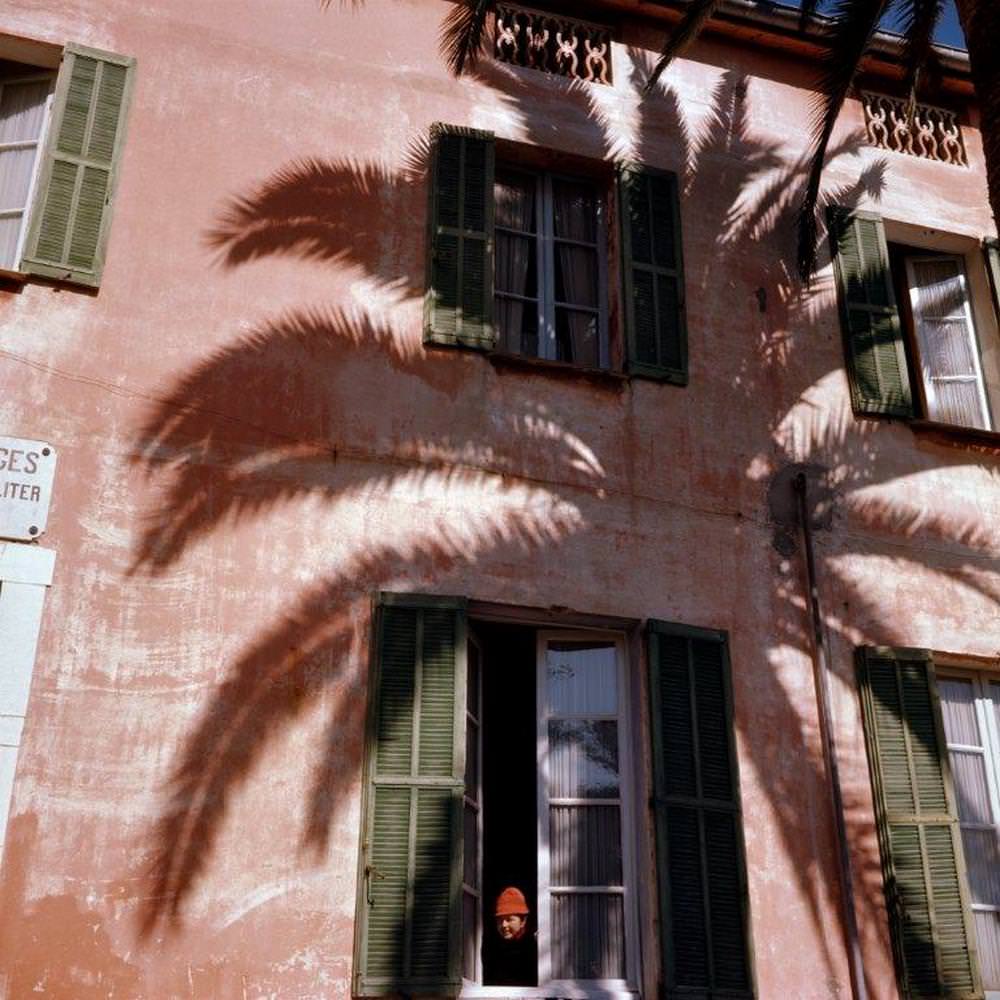
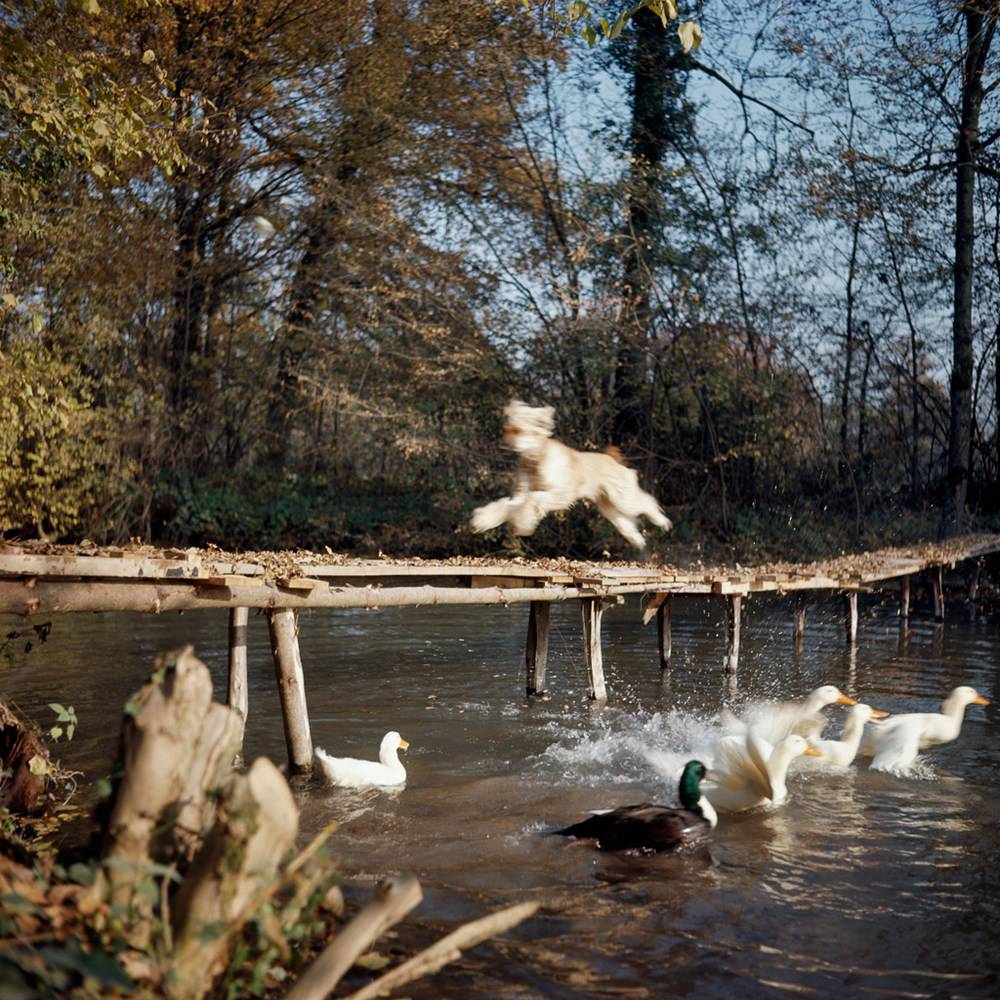
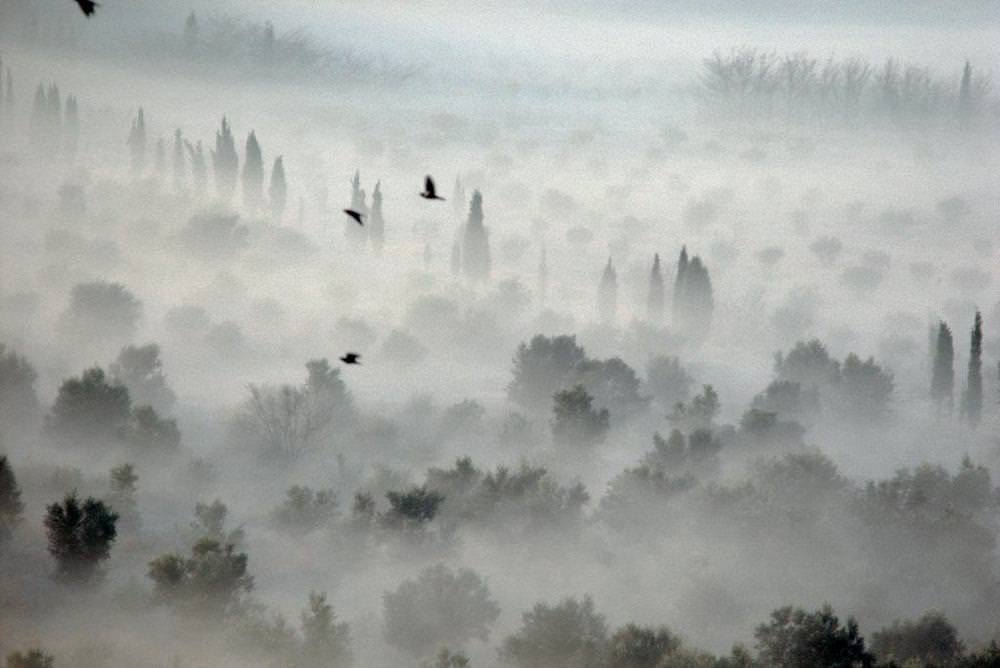
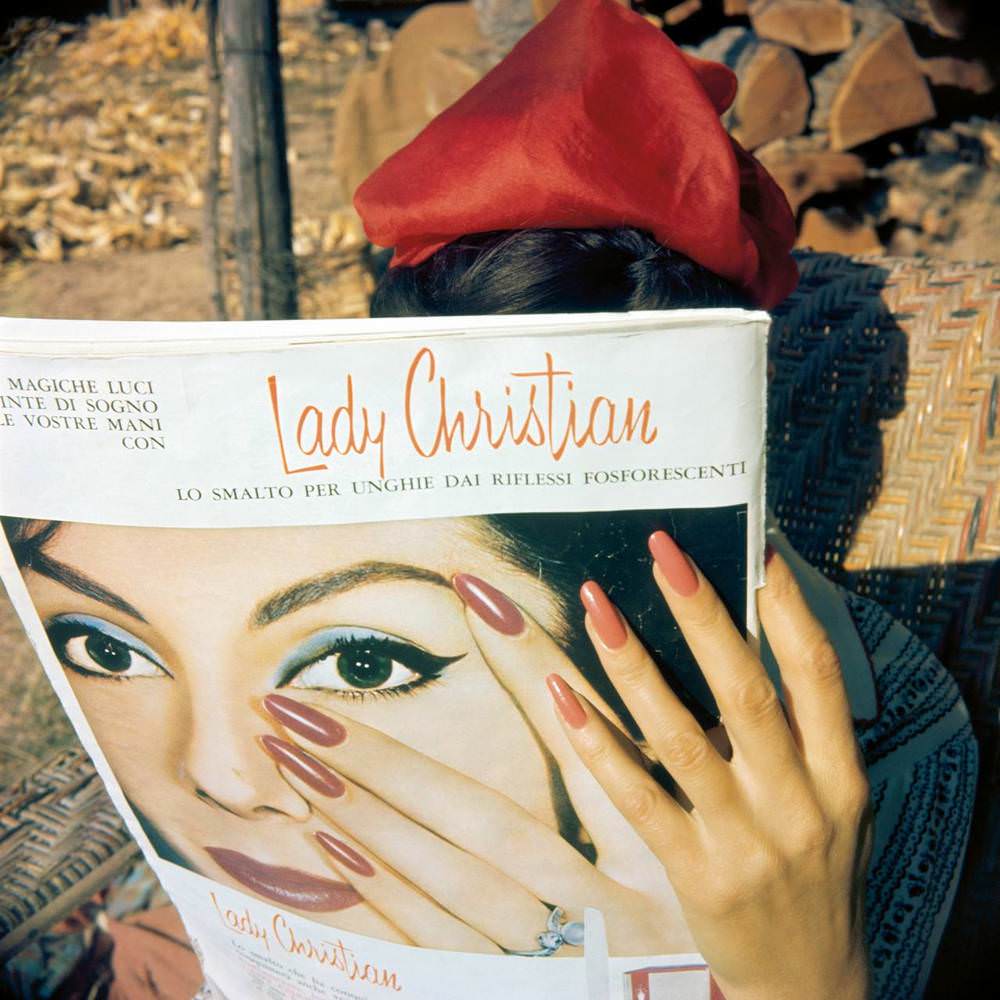
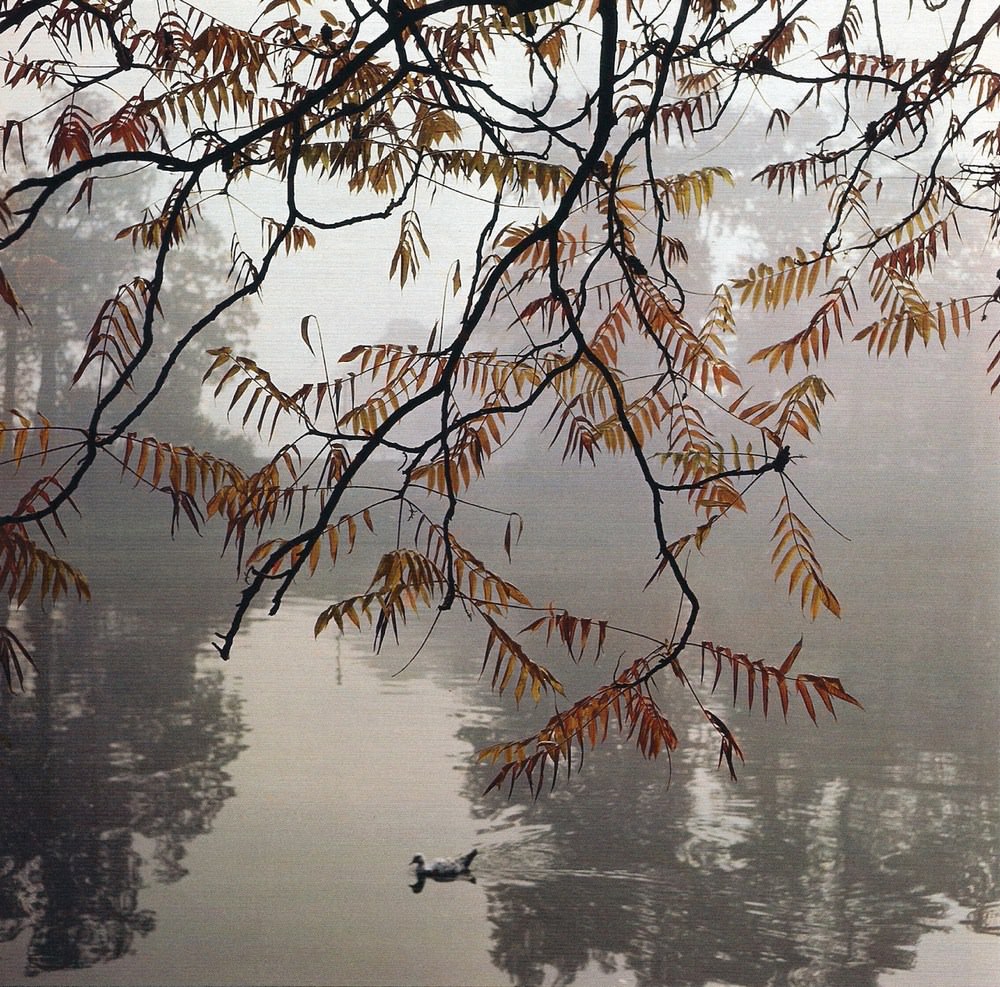
There is a tenderness in how Lartigue documented his world. A close-up of Florette’s hands in a garden in June 1961, a misty aerial view taken from above the clouds, a single duck on a still lake — these are not grand statements. They are small, careful observations made by someone who genuinely loved looking.
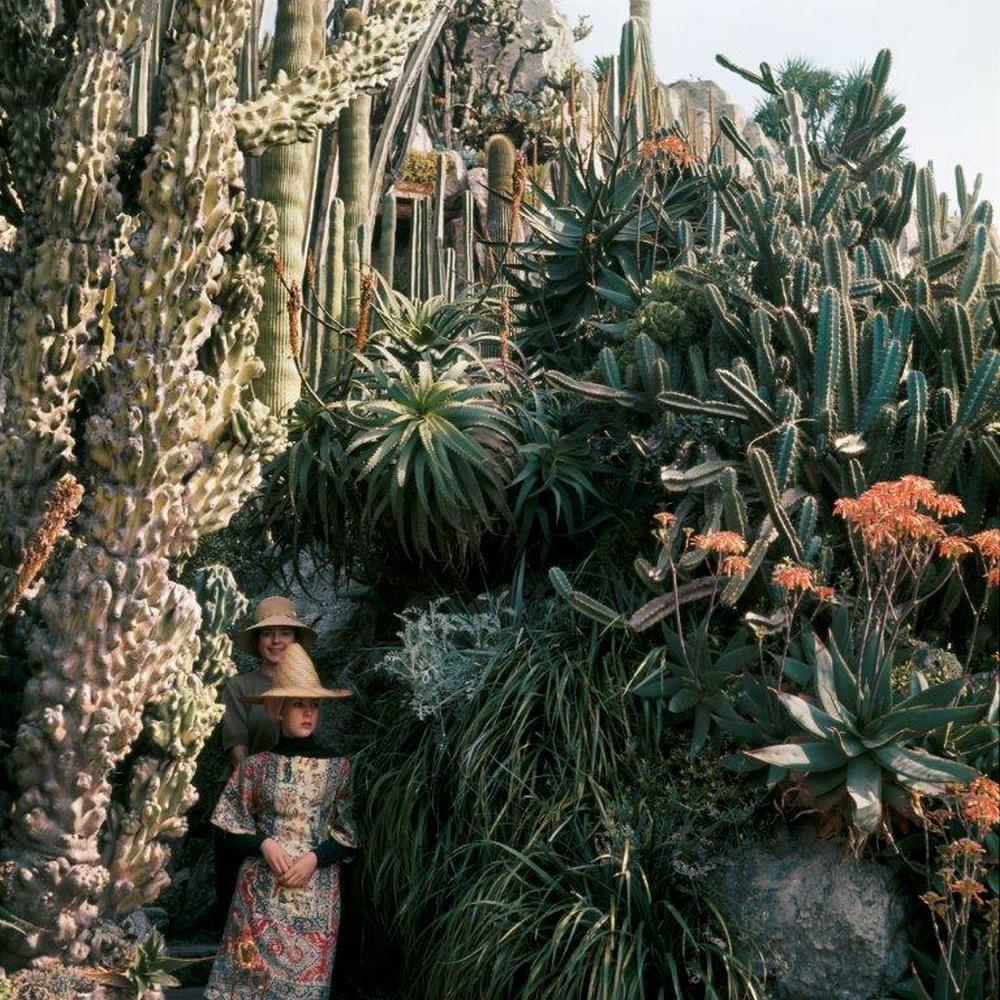
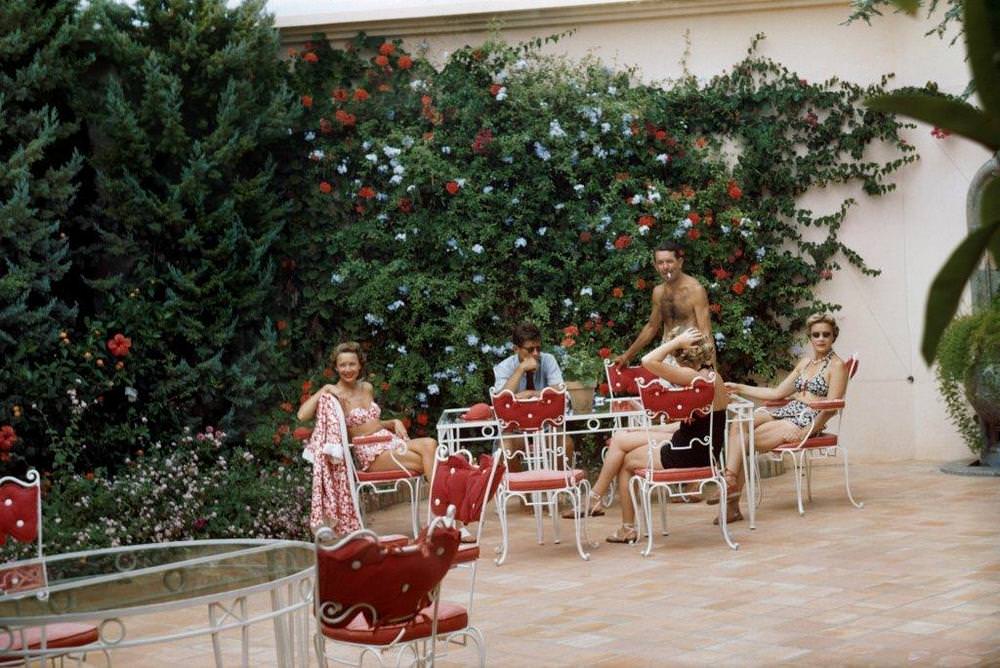
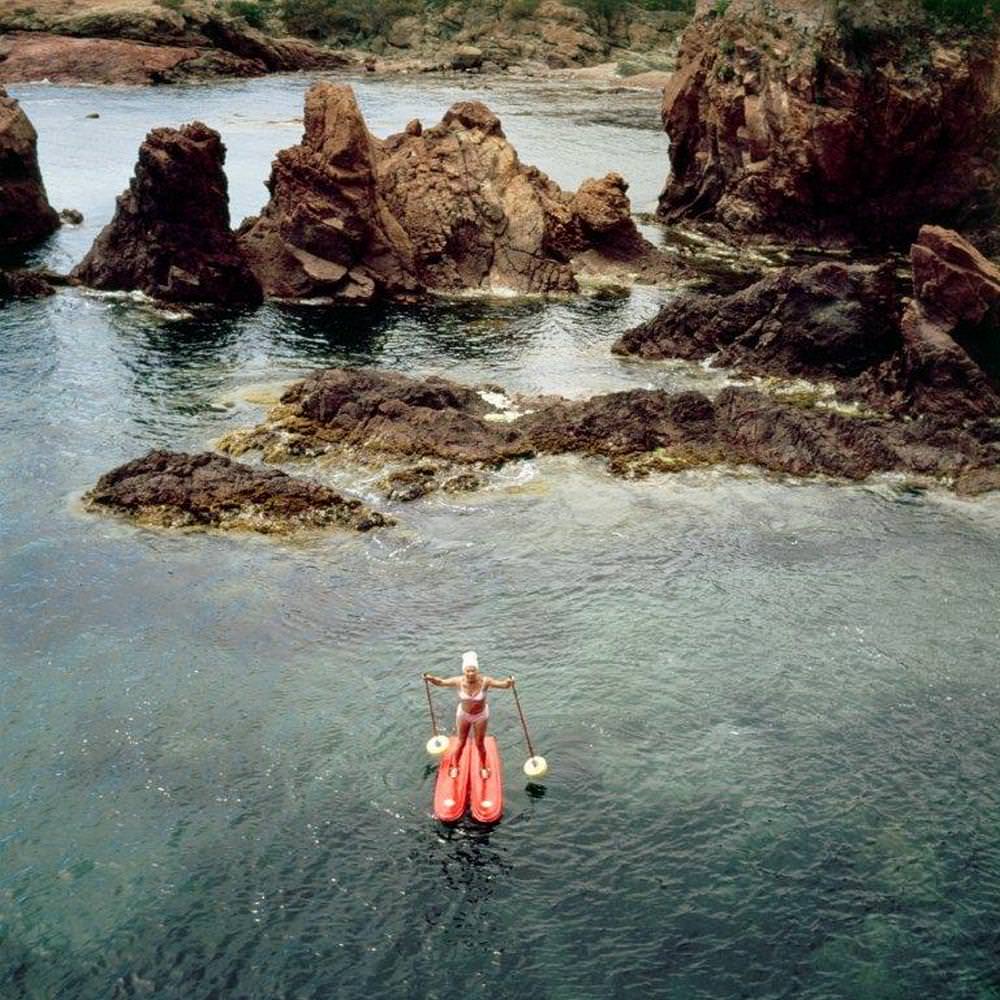
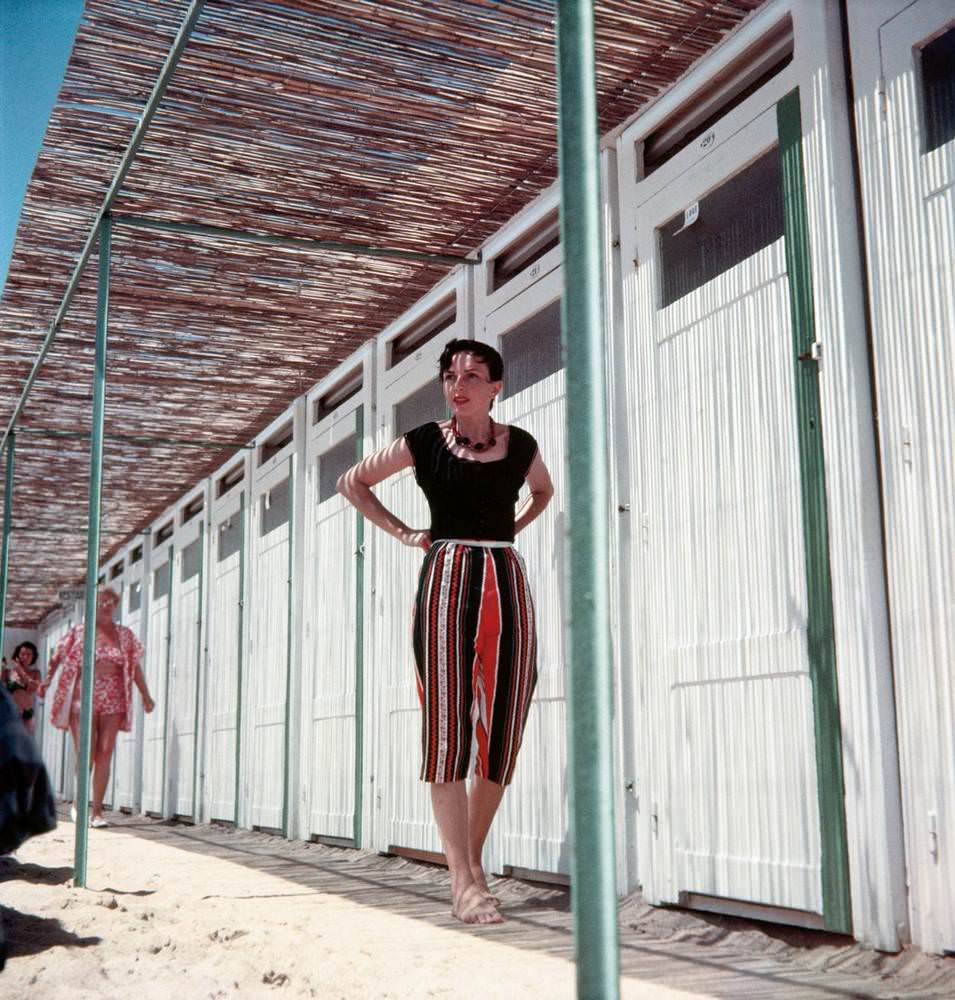
The French Riviera runs like a thread through much of his color work. Cannes, Agay, Cap d’Antibes, Juan-les-Pins — Lartigue photographed this coastline across many decades, always finding people living freely under its famous light.
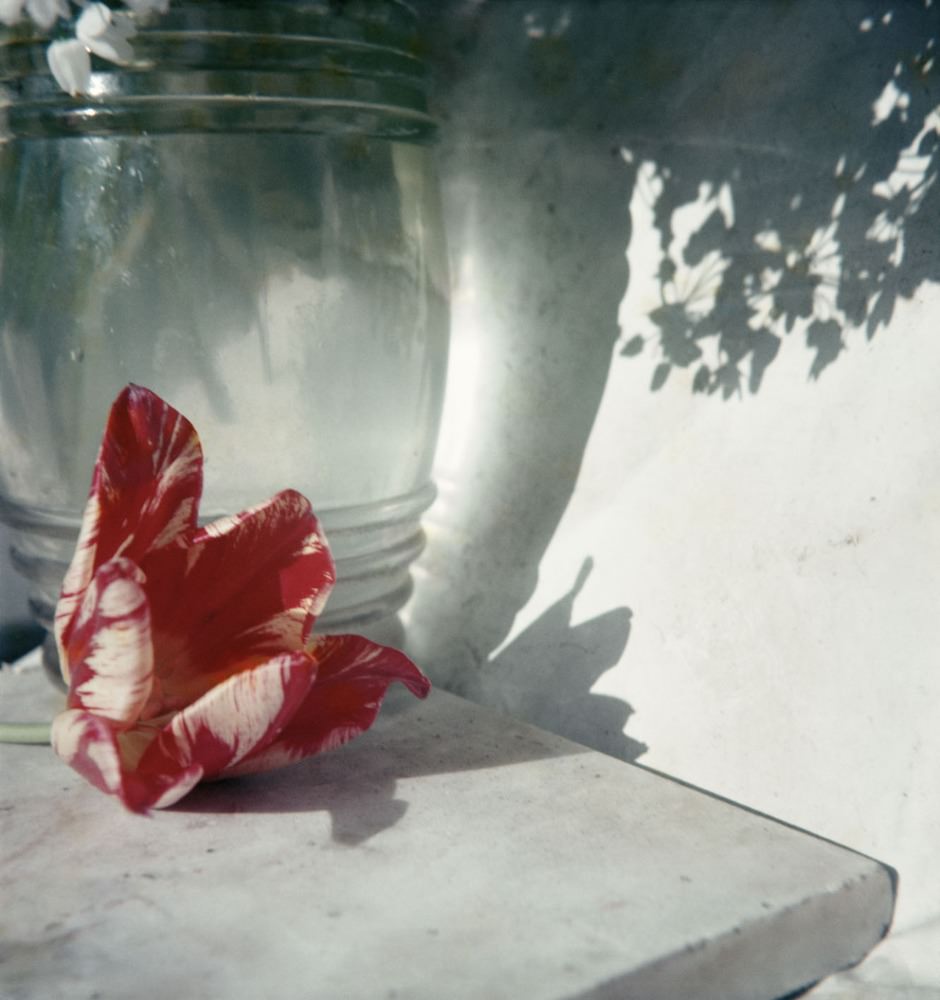
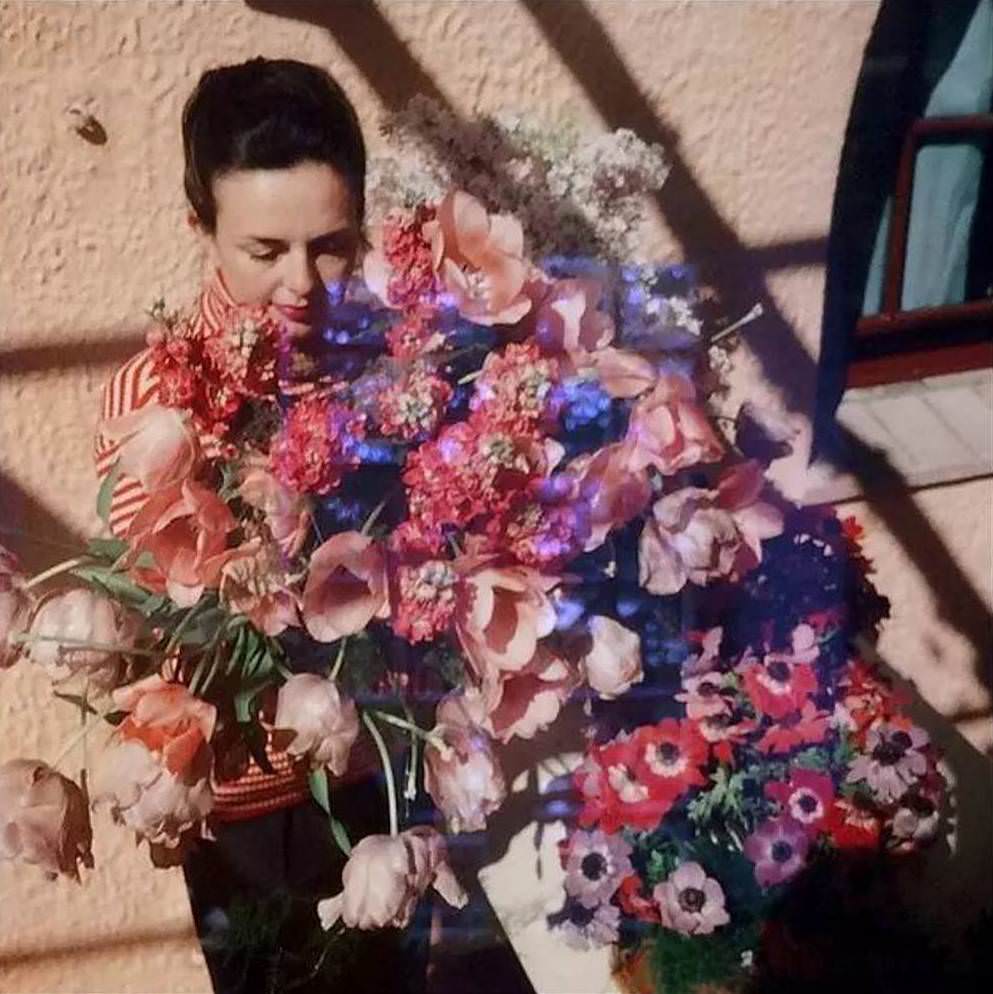
Even in still subjects — hands resting in a garden, a flower in bloom, a bouquet held loosely — Lartigue found the same vitality he captured in people. His color palette in these quiet shots is just as deliberate and rich as in his busiest street scenes.
What runs through all of Lartigue’s color photographs is a clear sense of pleasure — not performance, not ambition, just the genuine delight of someone who found the world endlessly worth looking at. From the mountain town of Megève in winter to the bright gardens of Opio, his camera followed his joy.