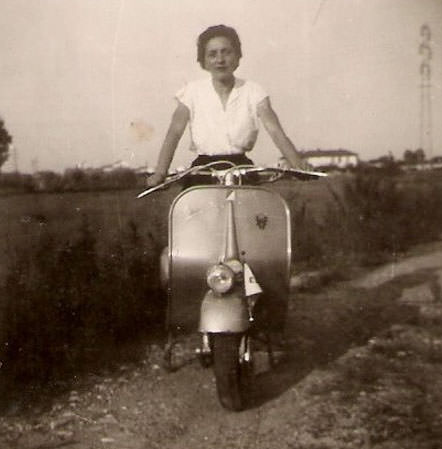
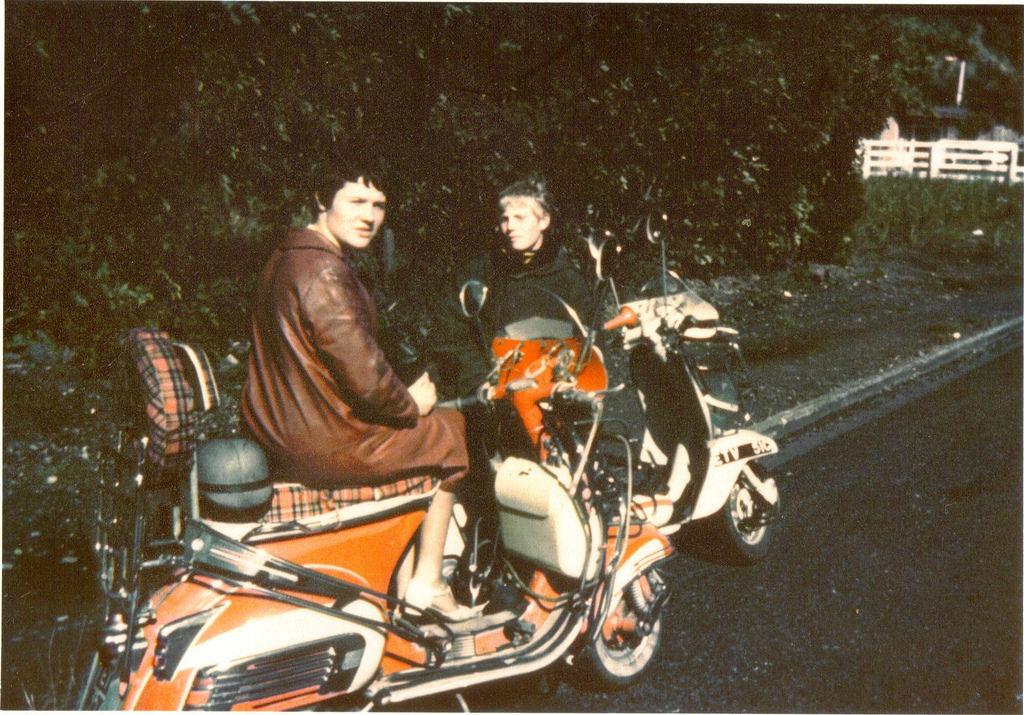
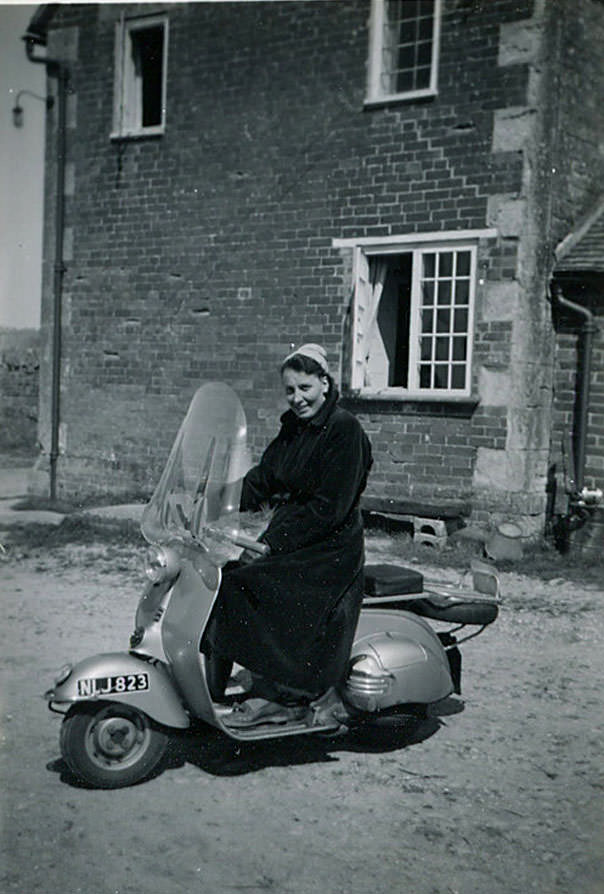
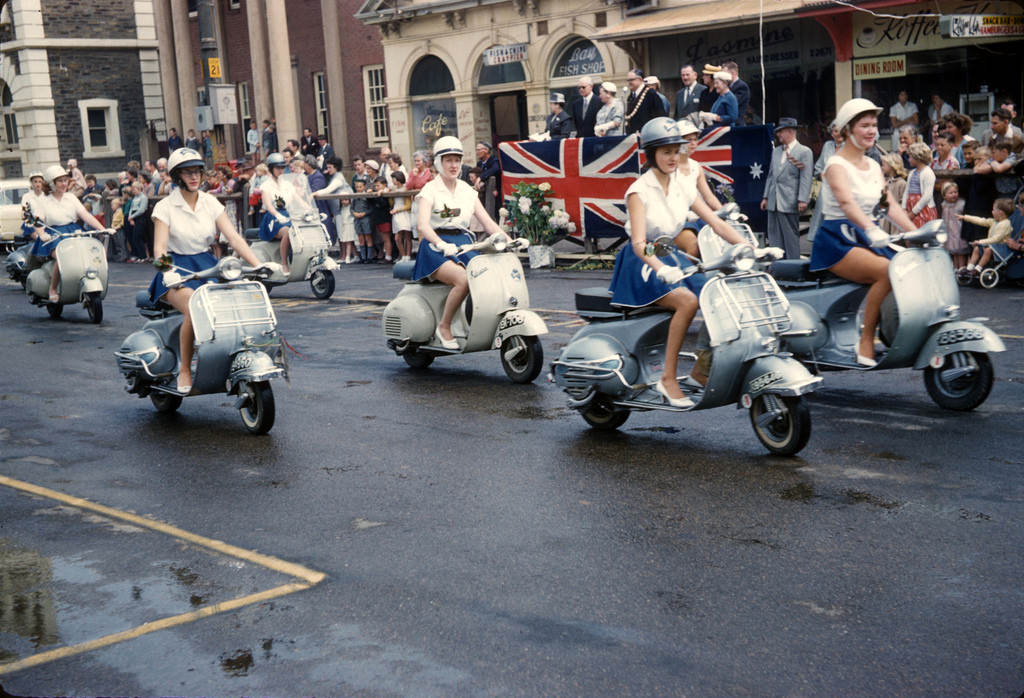
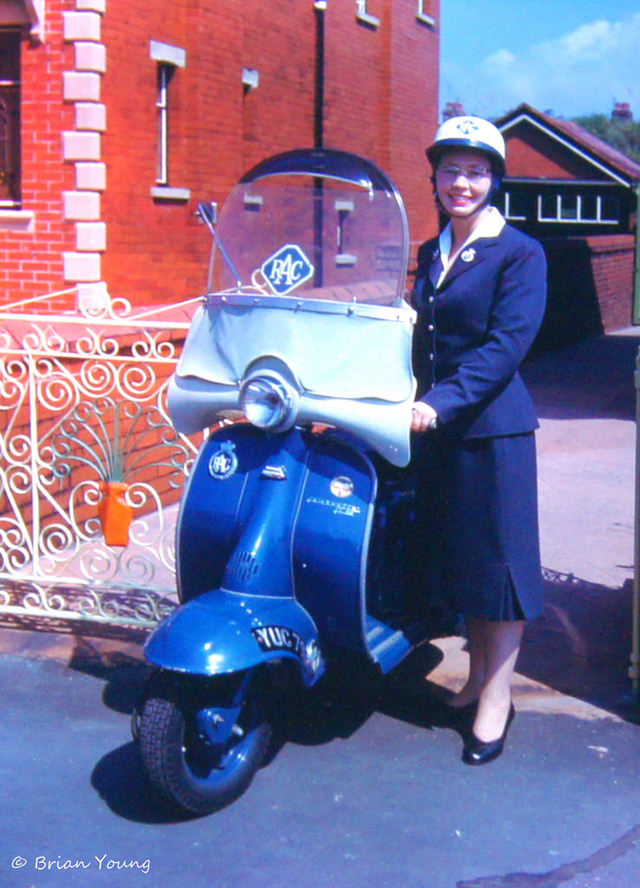
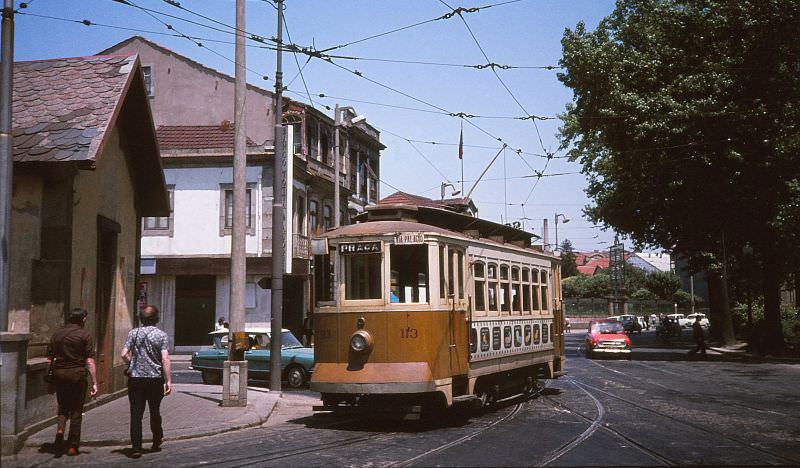
In the mid-20th century, the scooter became more than a way to get around. For women in cities across the world, it was a symbol of freedom. At a time when personal mobility was largely shaped by men, women climbed onto scooters and moved through urban streets on their own terms.
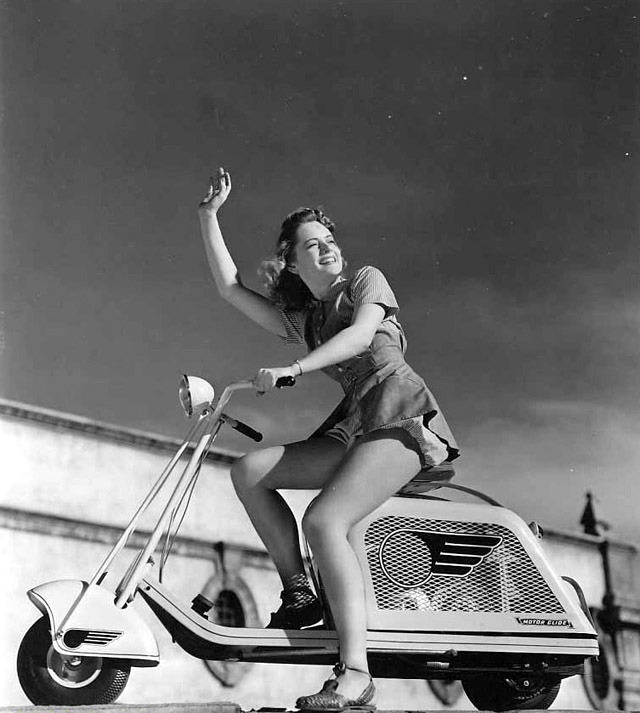
What made these women stand out wasn’t just the fact that they were riding — it was how they looked doing it. Fitted dresses, cat-eye sunglasses, headscarves, and heels. They didn’t dress down to ride. Style wasn’t an afterthought; it was part of the statement.
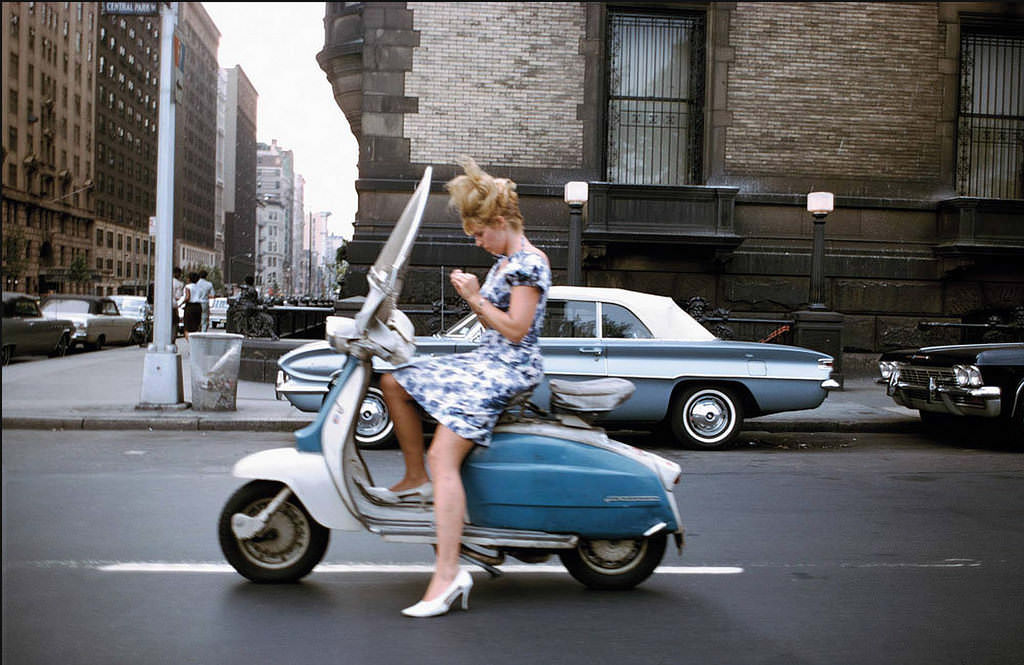
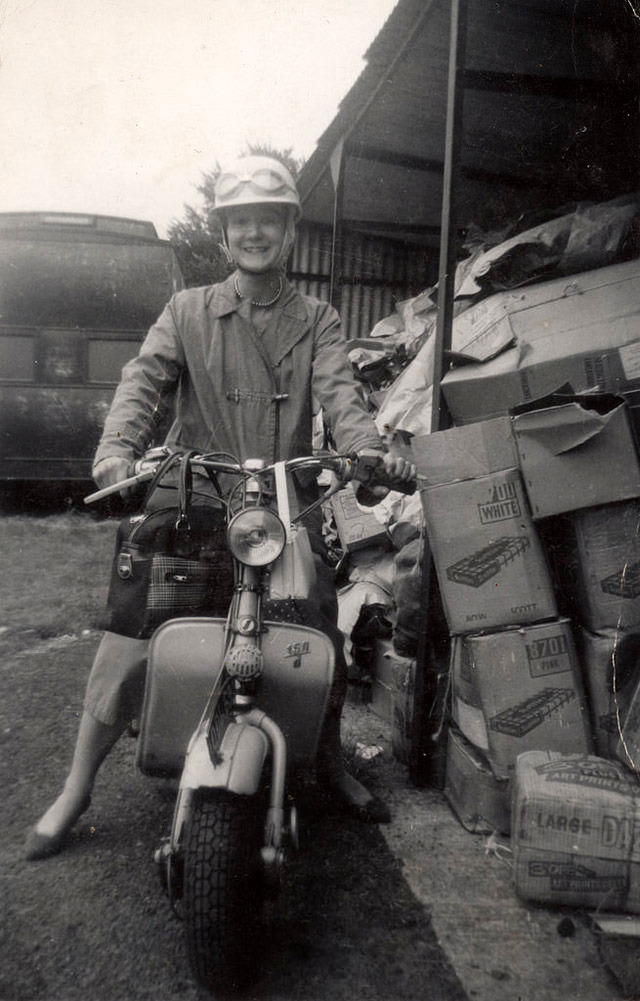
Scooters like the Vespa and Lambretta, produced in postwar Italy, spread quickly through Europe and beyond. They were lighter and easier to handle than motorcycles, which made them especially popular with women navigating busy city streets.
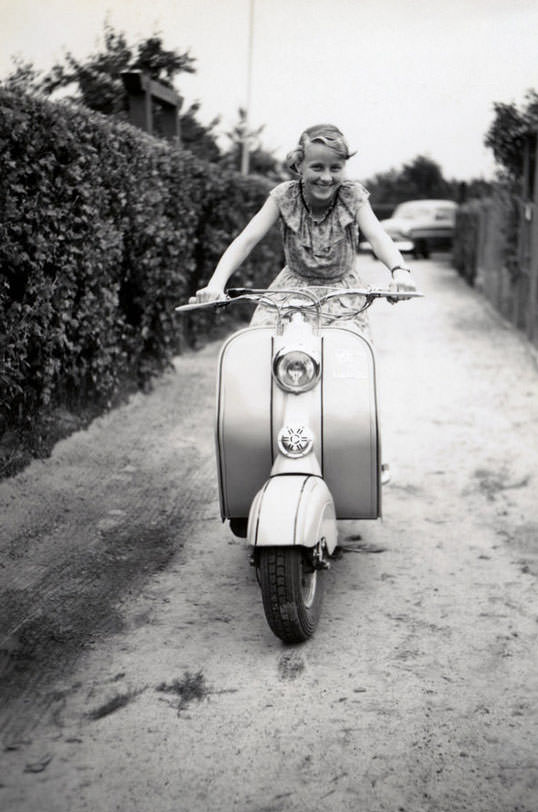
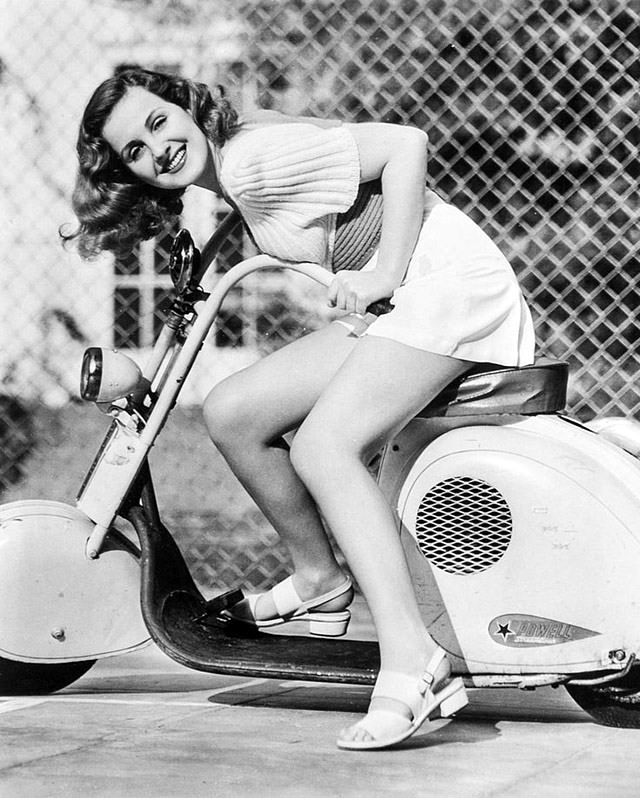
The women in these photos carry themselves with real confidence. A hand resting on the handlebar, a scarf tied under the chin, a glance back at the camera — every detail shows someone completely at ease with where she is and where she’s going.
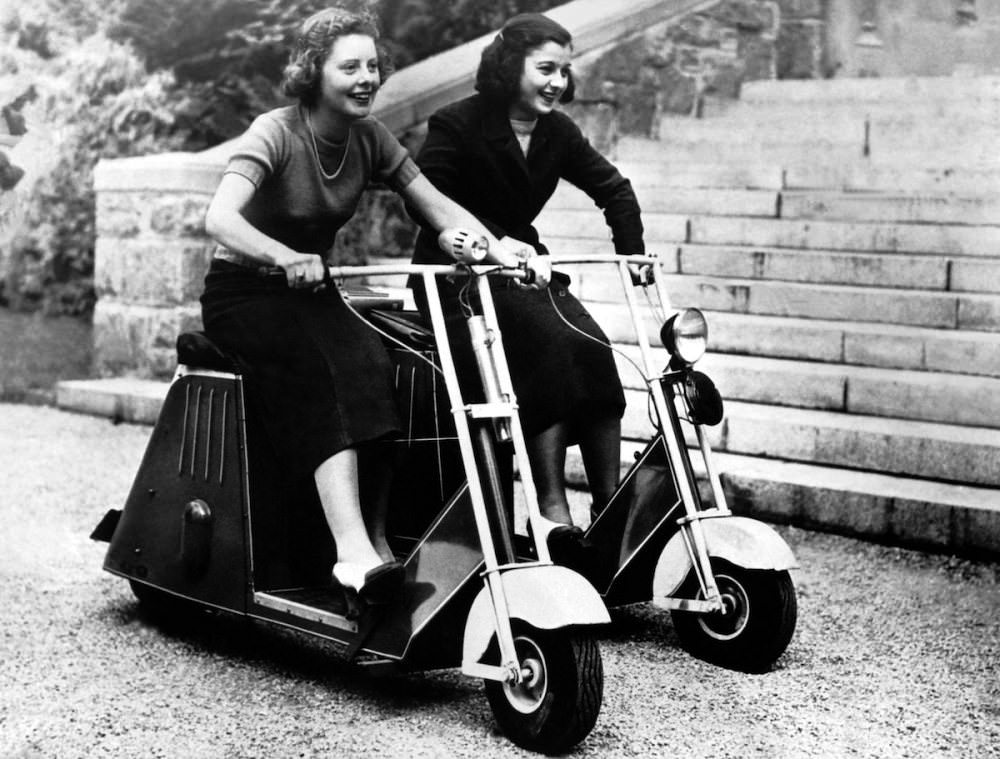
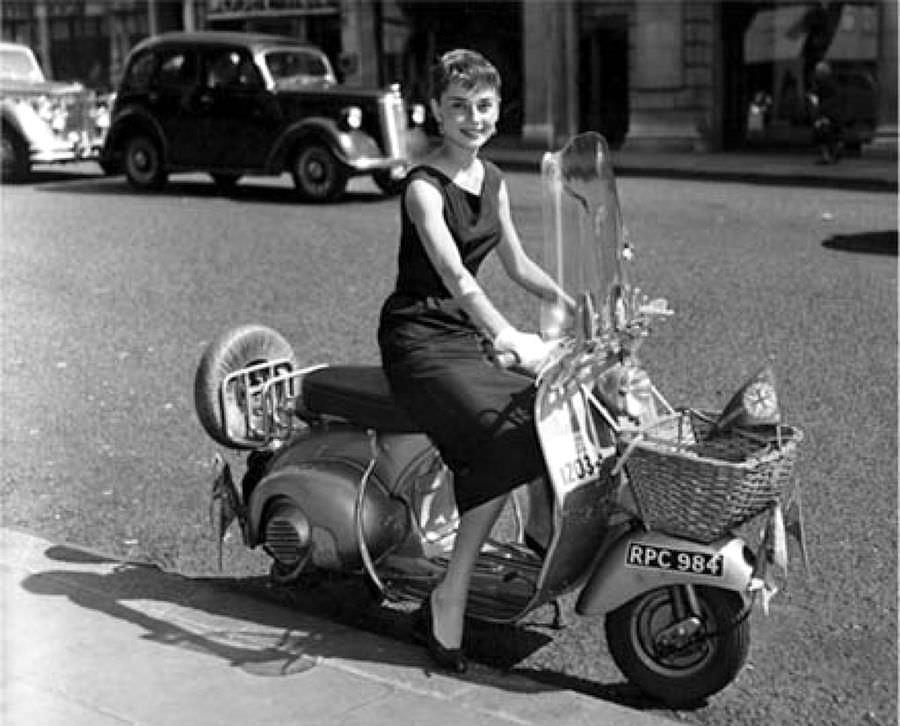
Urban life in the 1950s and 1960s demanded quick, practical transport. Scooters fit perfectly. They were affordable, fuel-efficient, and easy to park. For working women especially, they cut commute times and gave access to parts of the city that buses and trams didn’t always reach.
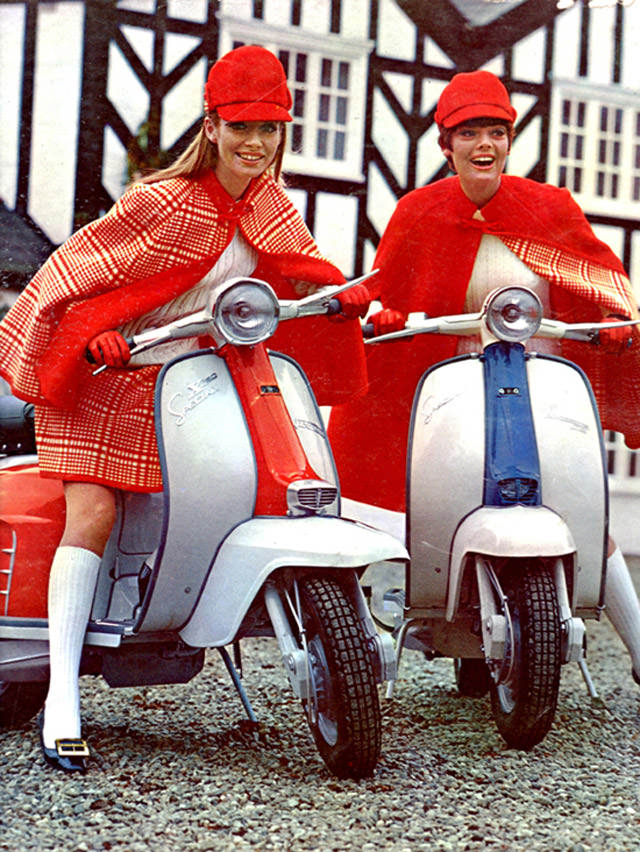
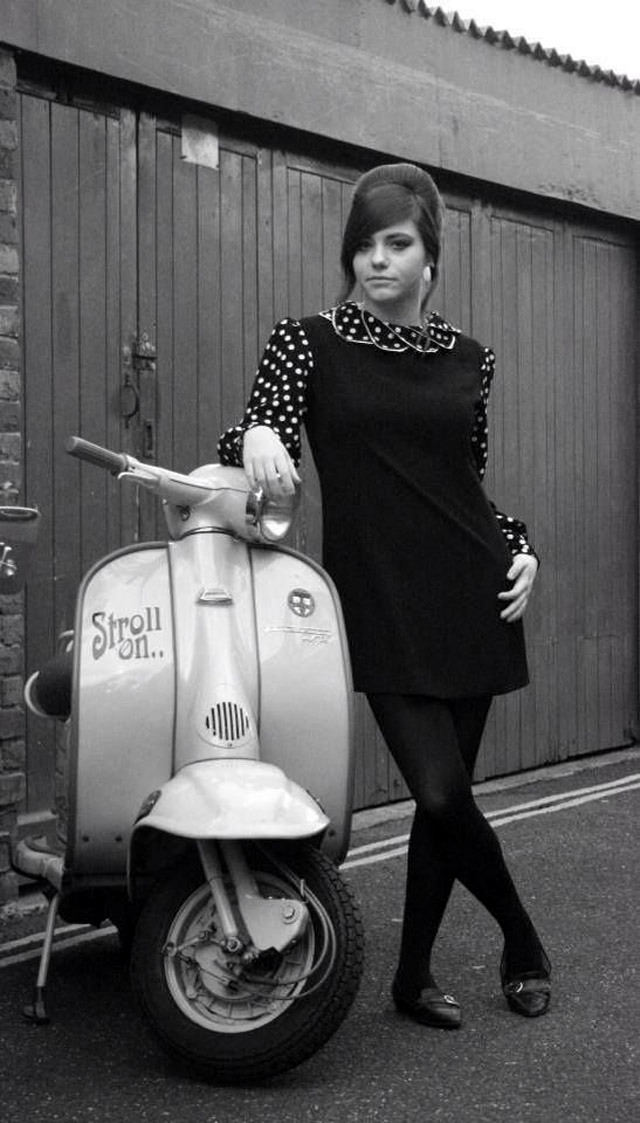
Fashion magazines of the era picked up on the trend quickly. Scooters appeared in photo shoots alongside the season’s latest looks. The combination of motion and style made for striking images — and these candid street photos carry that same energy.
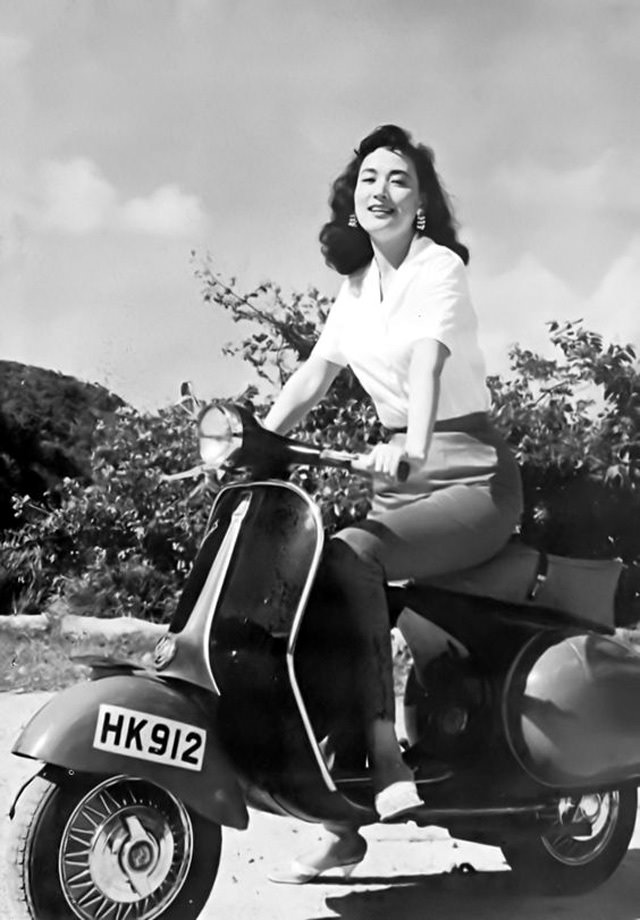
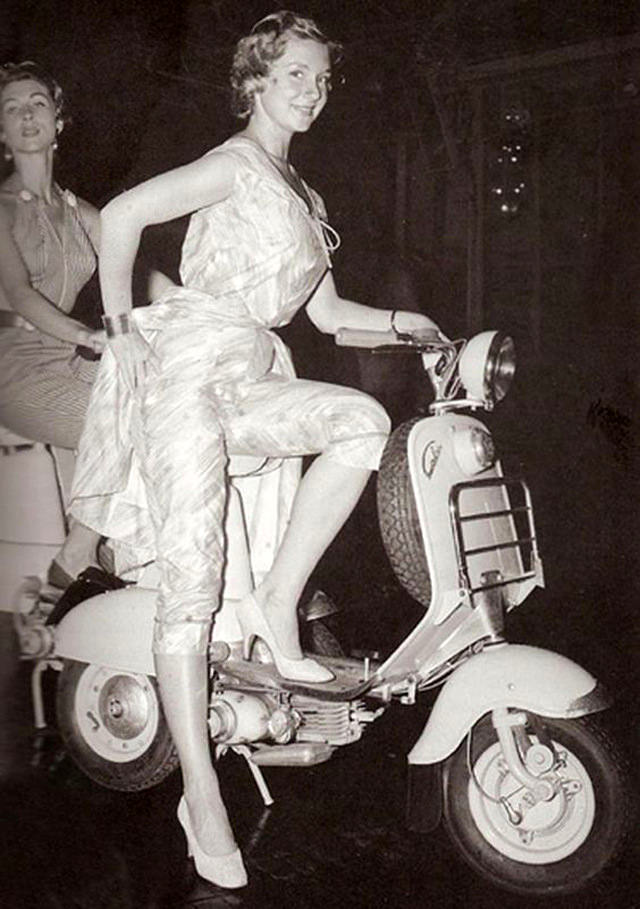
Not every woman in these photos is dressed for a runway. Some wear simple skirts and blouses, practical shoes, a bag slung over one shoulder. That practicality is just as telling. The scooter fit into real, everyday life — not just glamorous occasions.
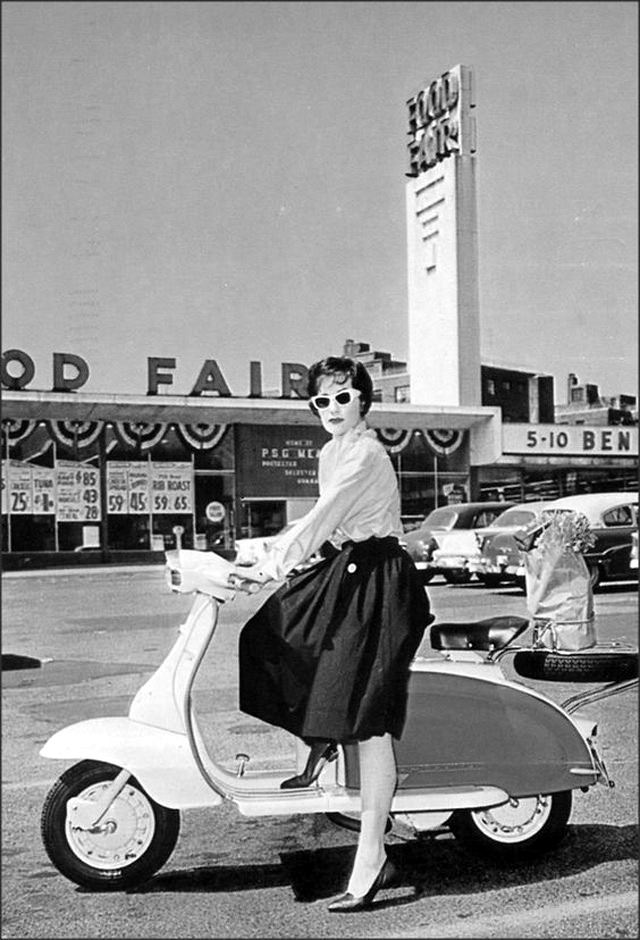
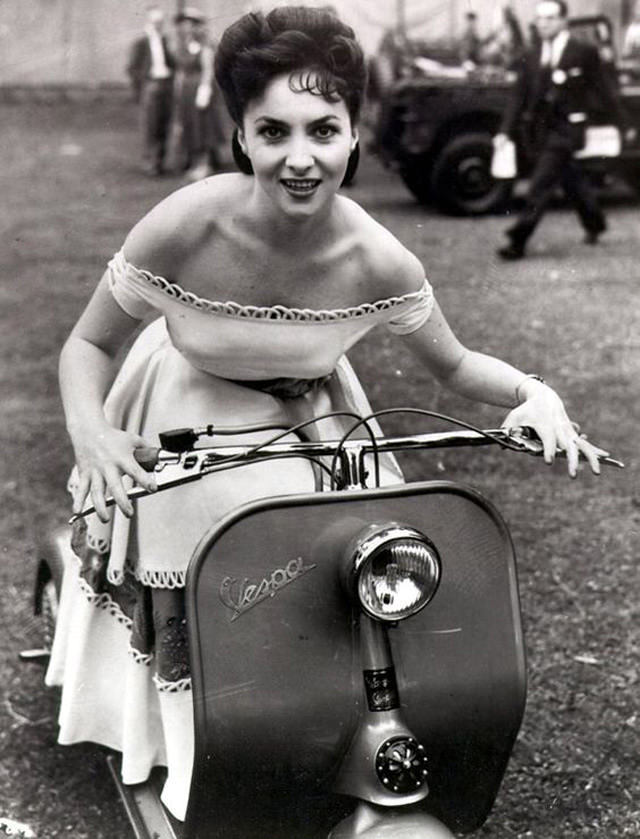
The scooter gave women the ability to move through a city without depending on anyone else. No waiting for a ride, no fixed schedules. That kind of independence was genuinely new for many women at the time, and these photos capture it in its most casual, everyday form.
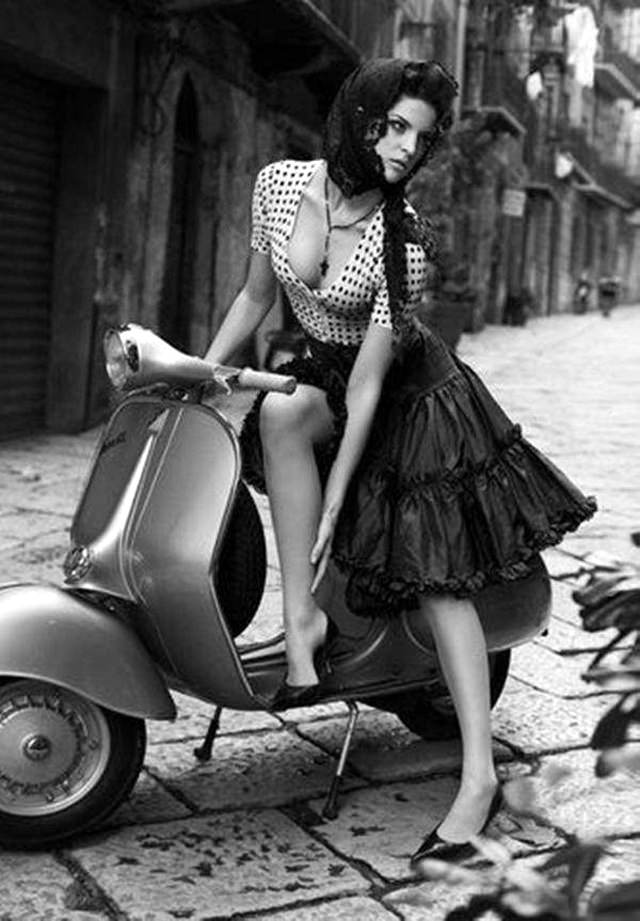
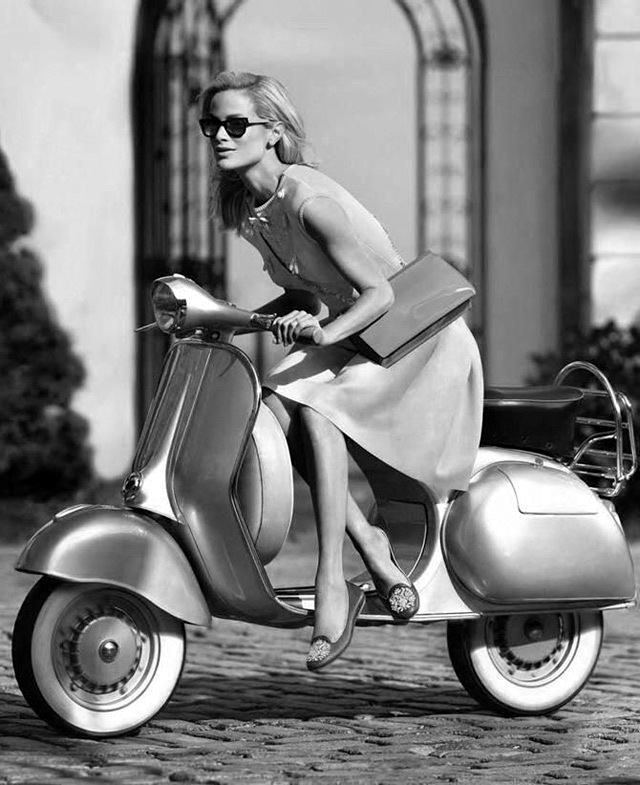
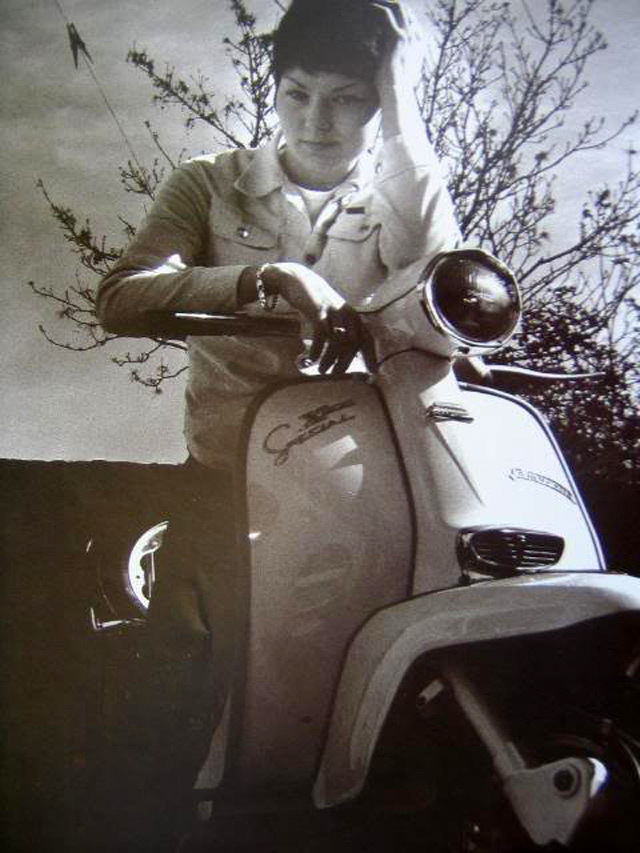
Across Europe, scooter culture grew into its own social world. Clubs formed, rallies were held, and riders developed a shared identity. Women were a visible part of that culture from the beginning — not passengers, but riders in their own right.
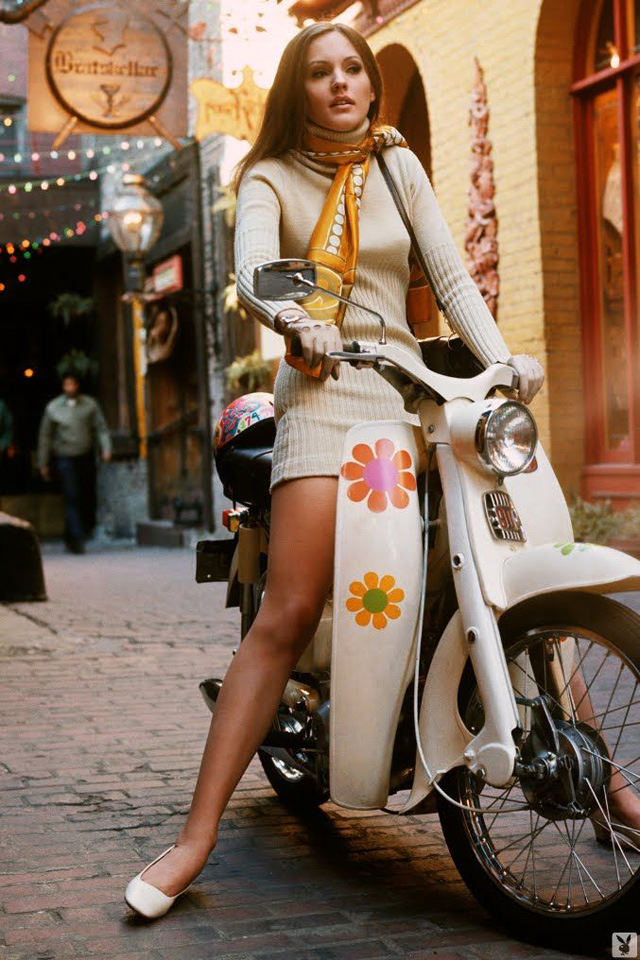
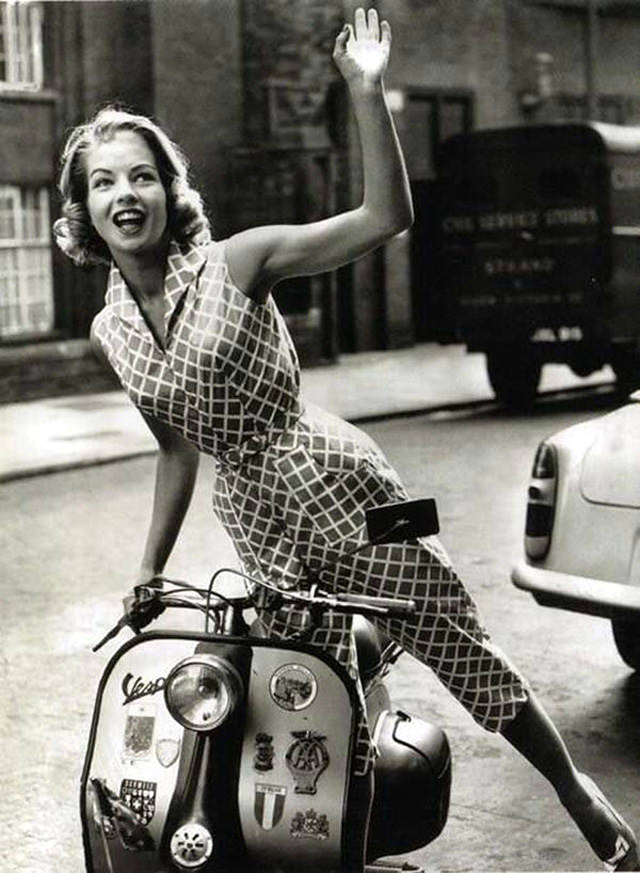
Some of these photos come from Italy, others from France, Britain, and the United States. The settings are different, but the look is consistent — put-together, relaxed, and fully in control. Geography didn’t change the attitude.
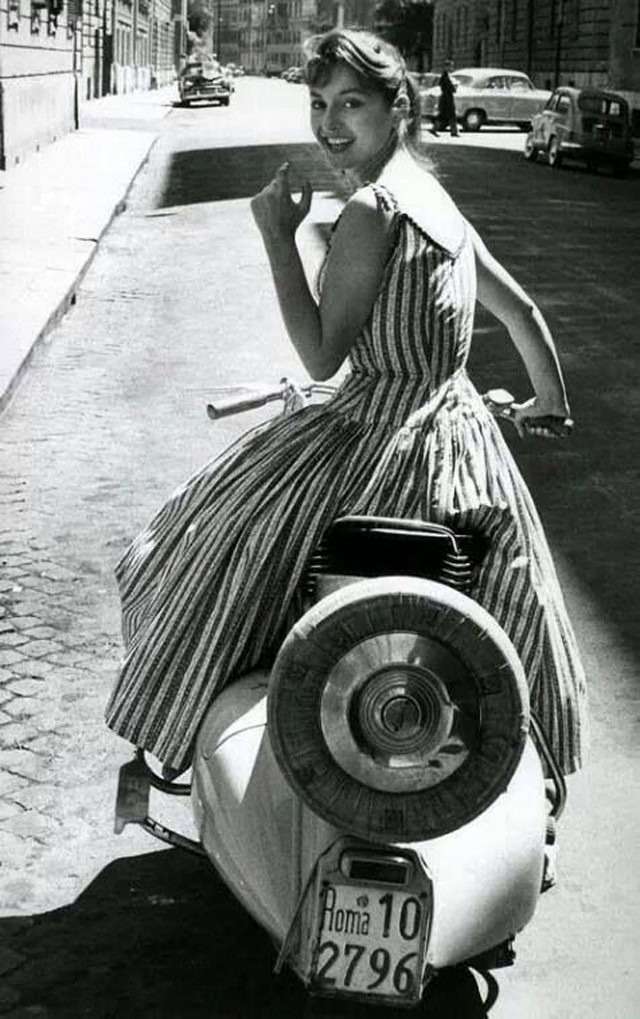
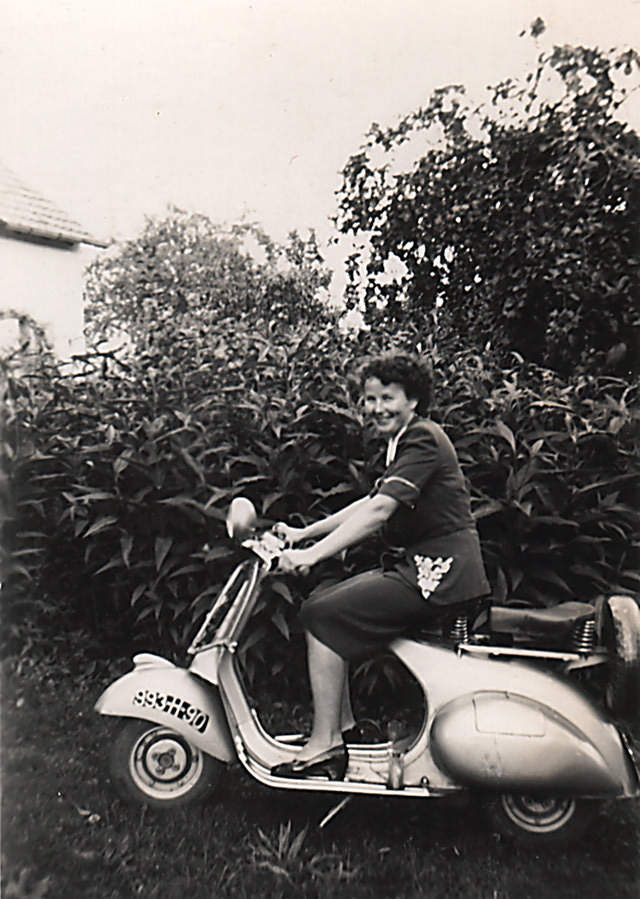
The clothing choices weren’t accidental. Wide-leg trousers, tailored jackets, and wrap skirts were all practical for riding without looking like riding gear. Women adapted their wardrobes to the machine without giving up what they wanted to wear.
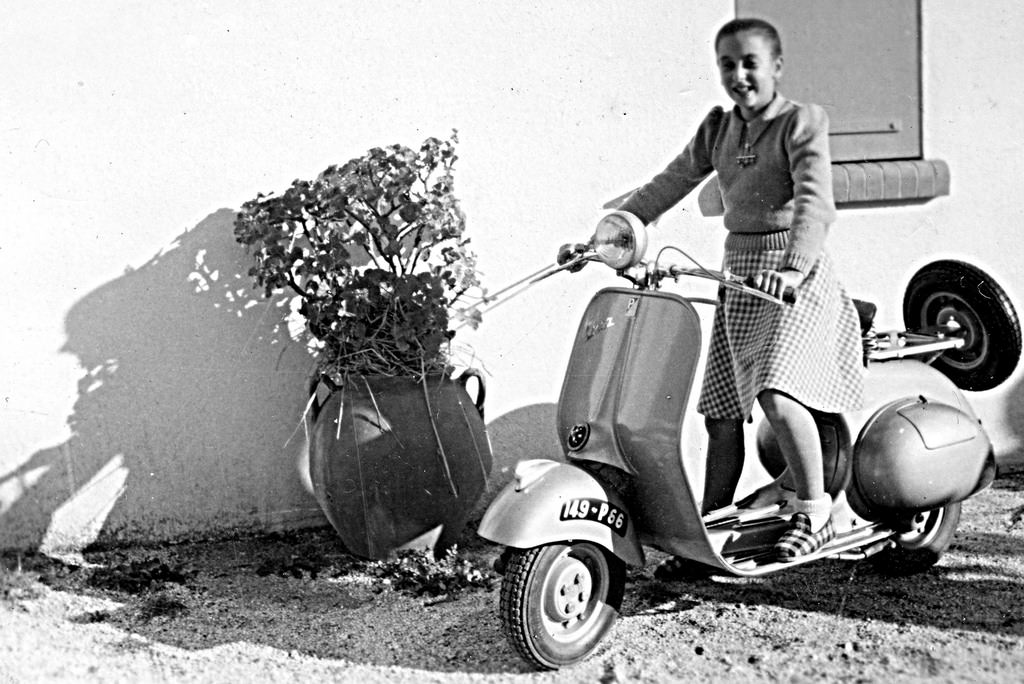
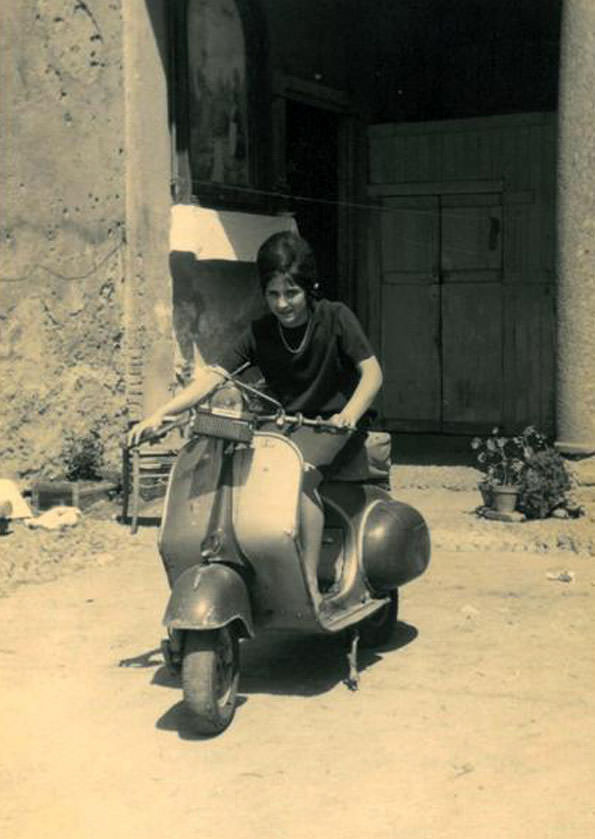
These vintage photographs document a real shift in how women occupied public space. The street was no longer just something to cross — it was somewhere to be, fully visible, on the move, and dressed exactly as they chose.