Most people reach for mint toothpaste without a second thought. But in 1954, Dr. Don Poynter had a very different idea about what brushing your teeth should taste like.
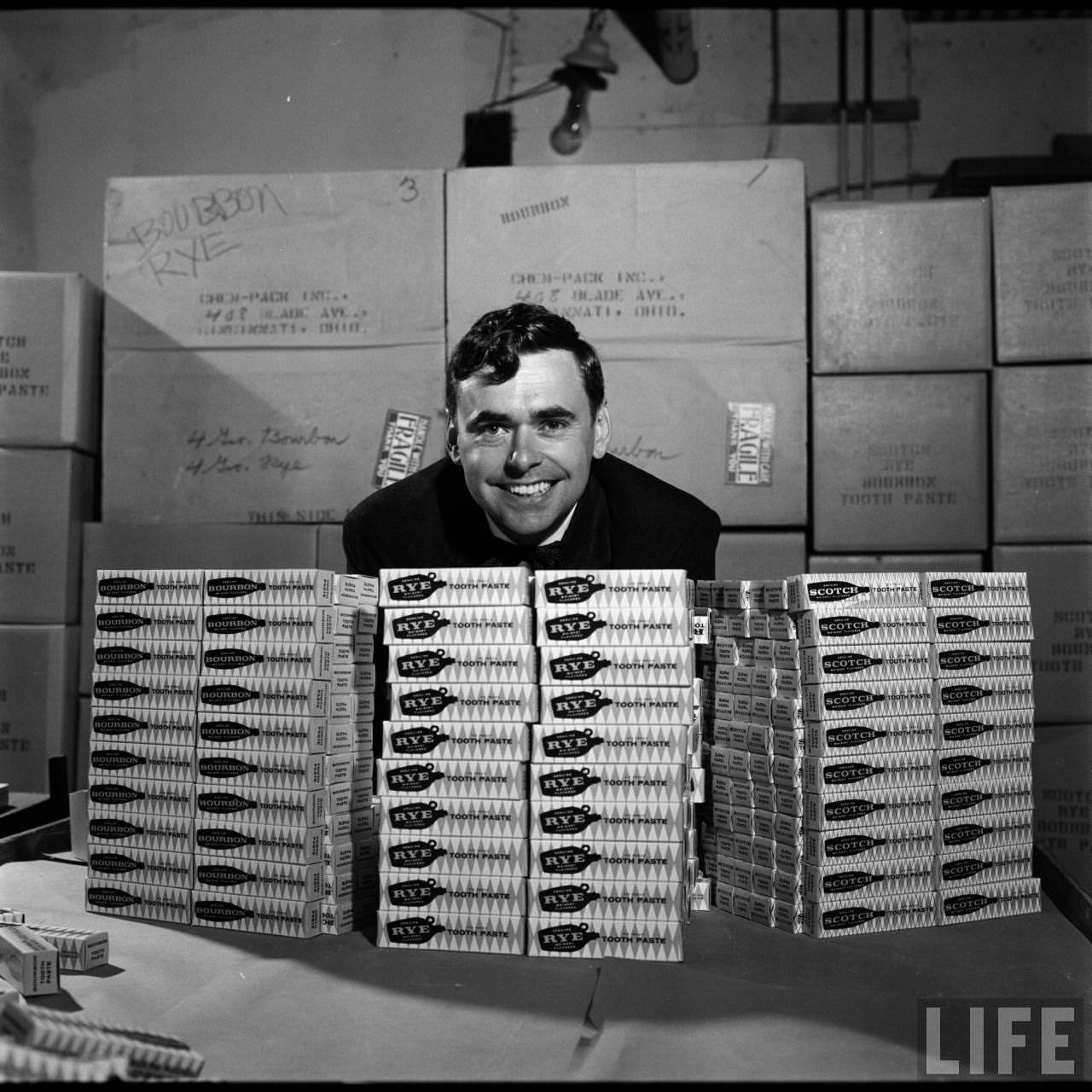
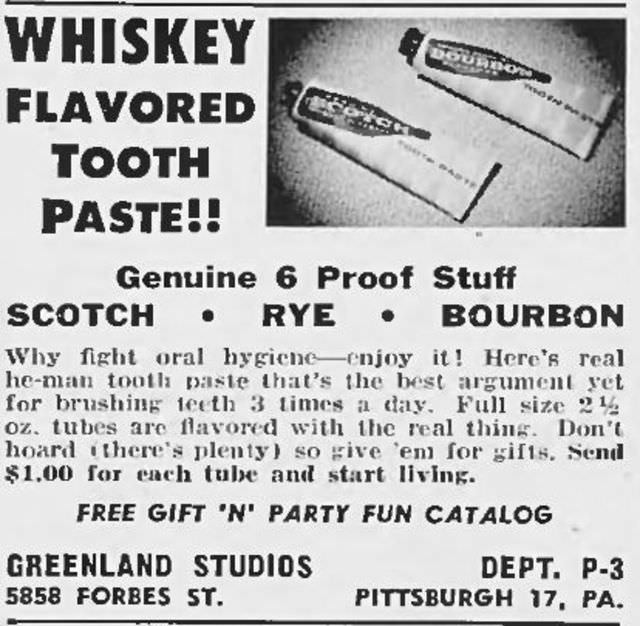
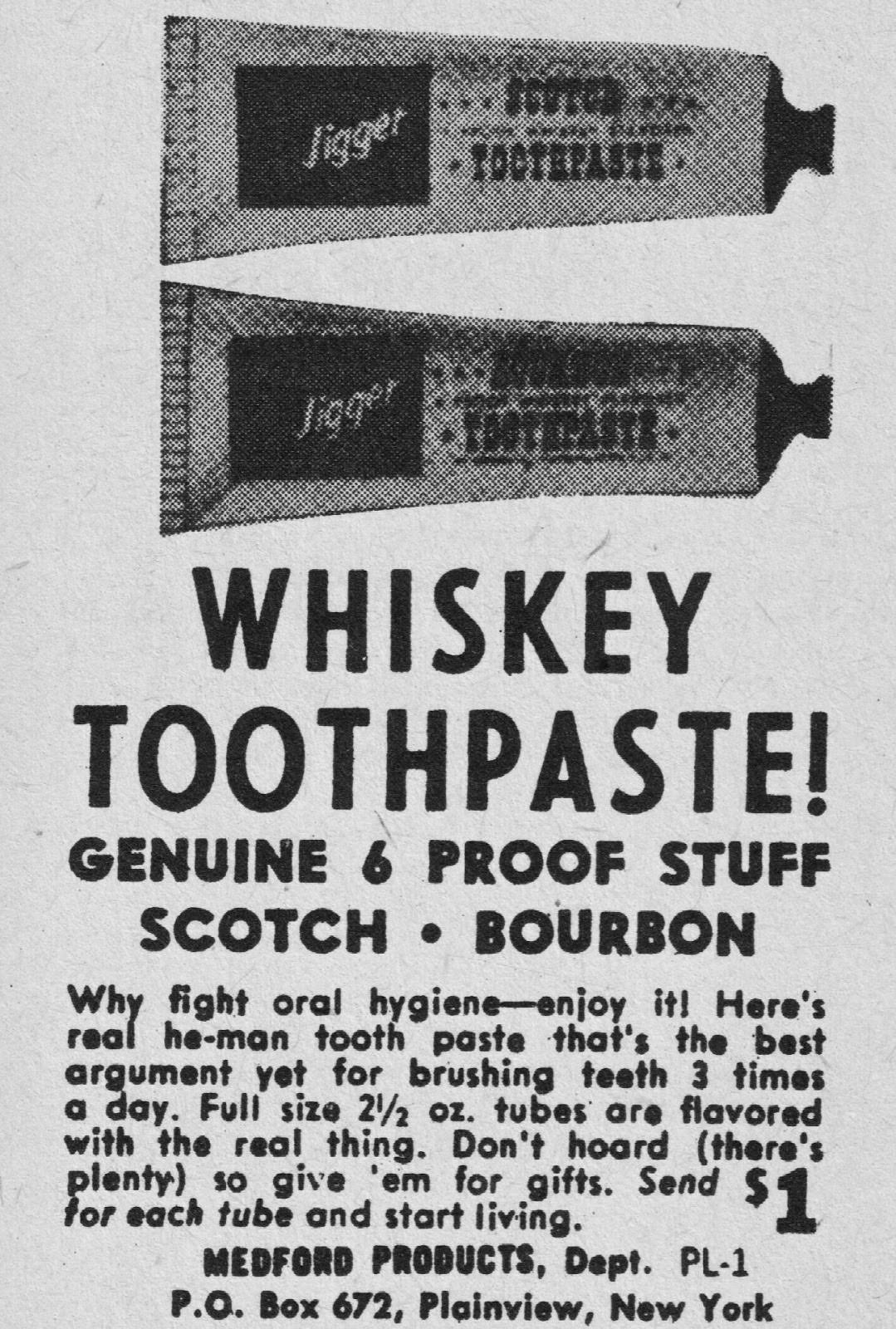
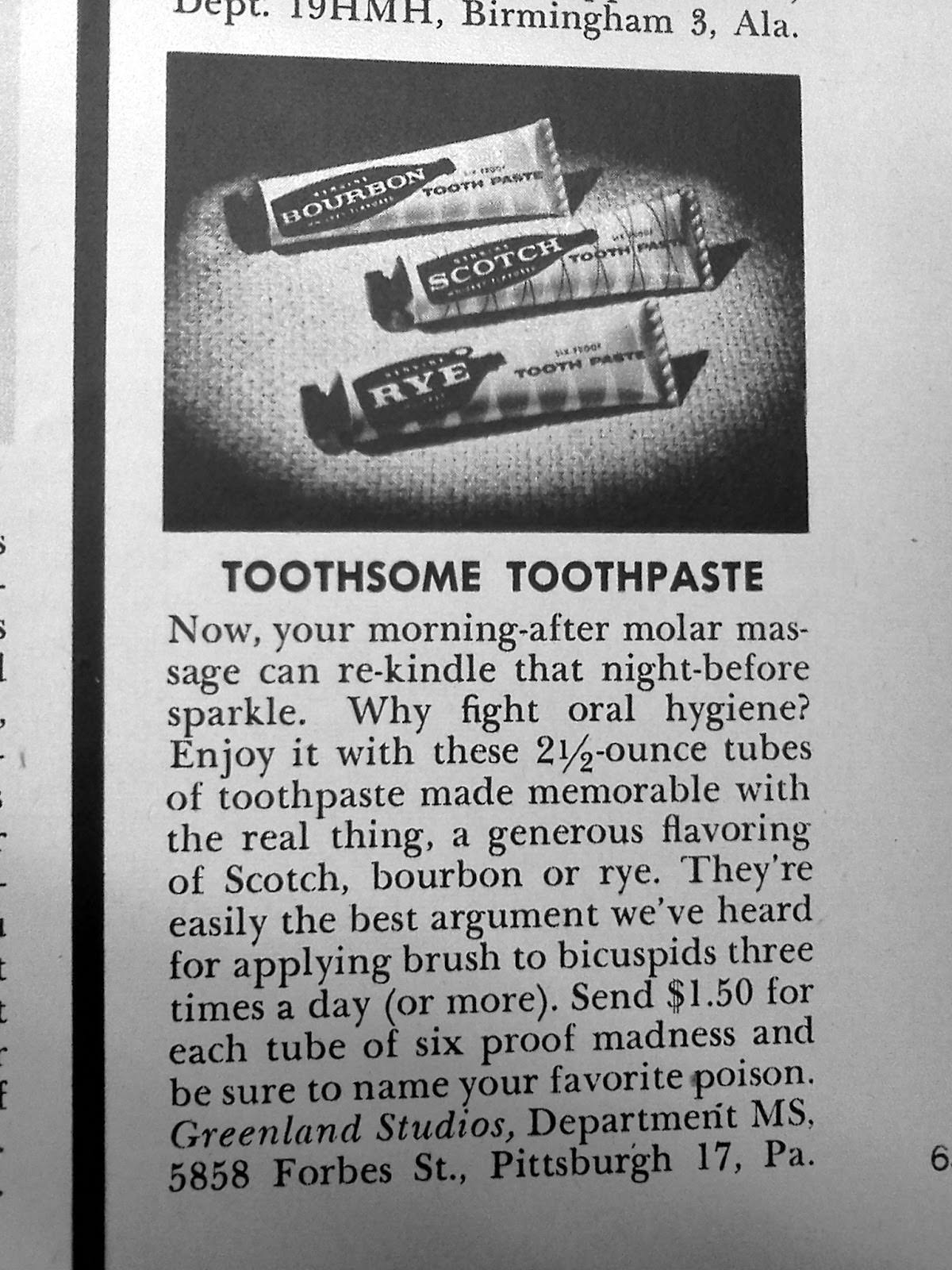
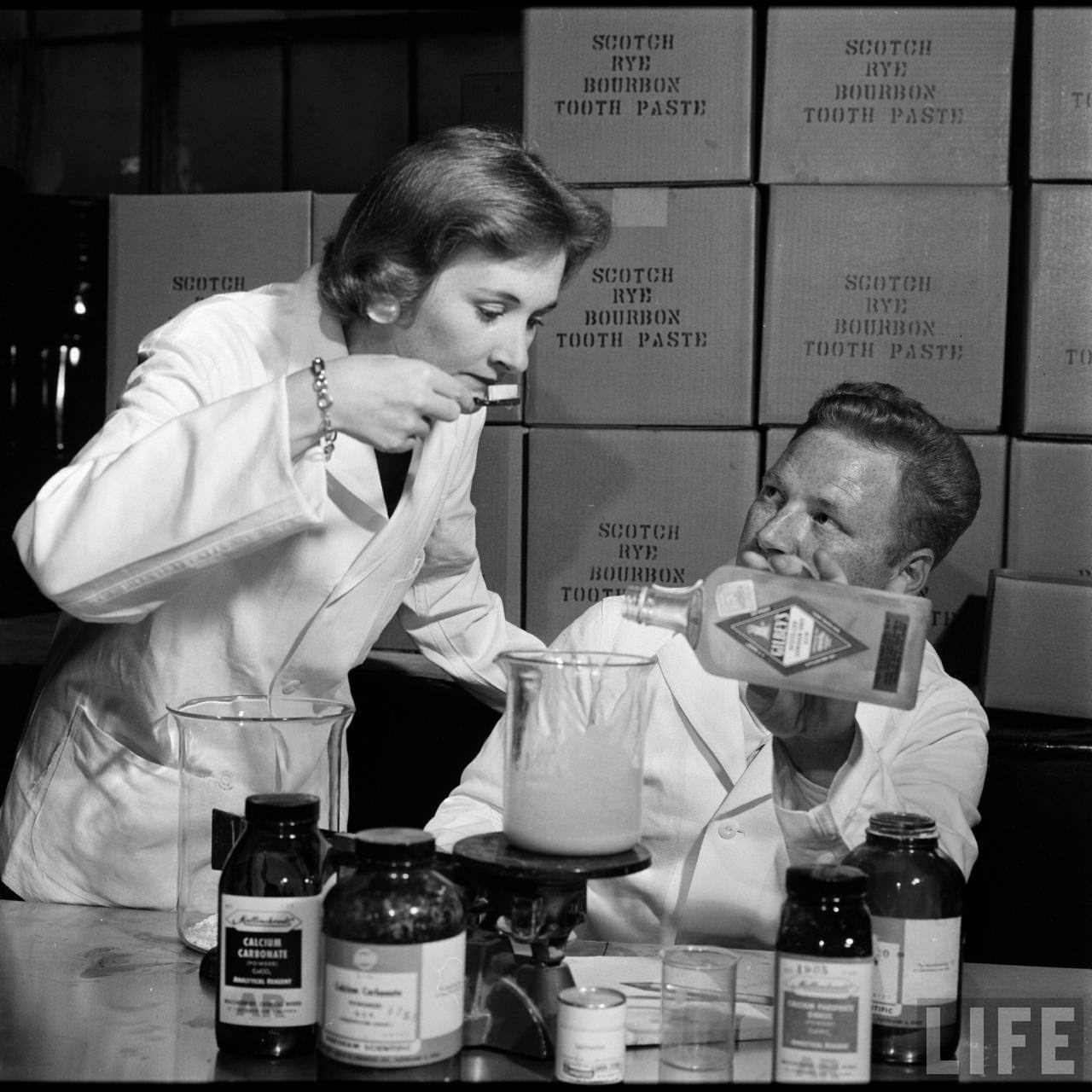
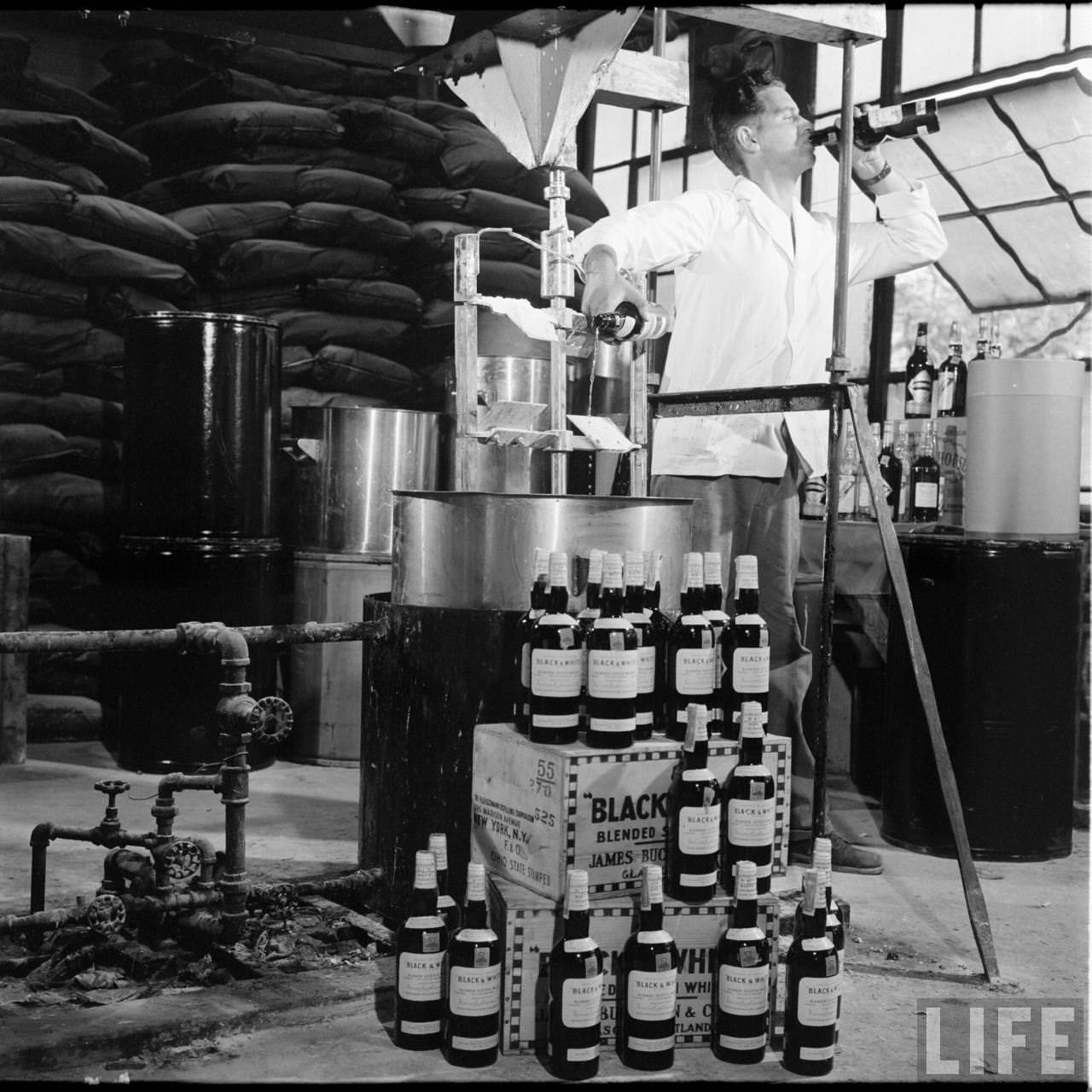
Poynter created a toothpaste that contained actual whiskey. Not just a whiskey flavor — real Scotch, Bourbon, and Rye were mixed into the formula, along with 3% alcohol. It was a novelty product through and through, and Poynter knew it. The goal was amusement as much as hygiene.
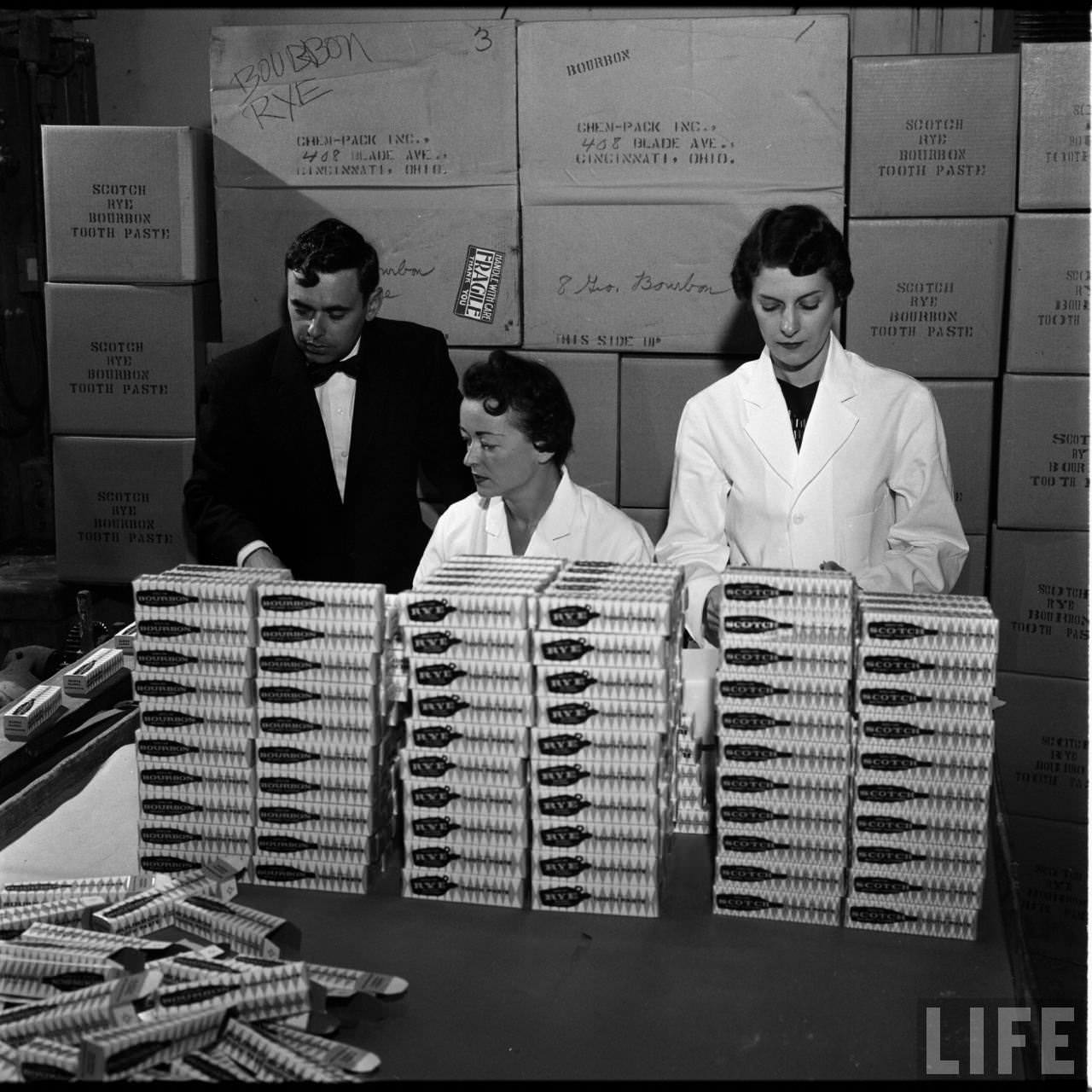
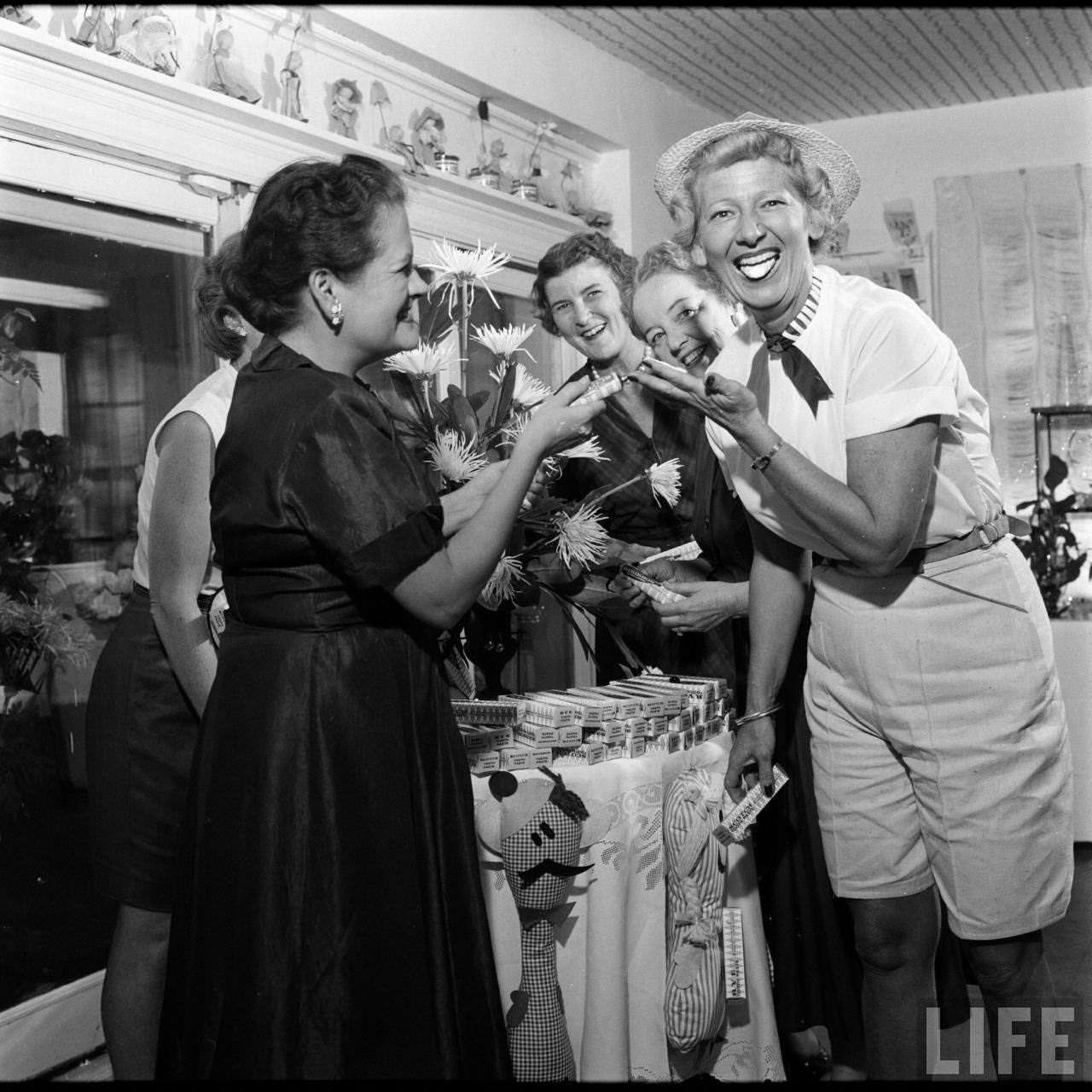
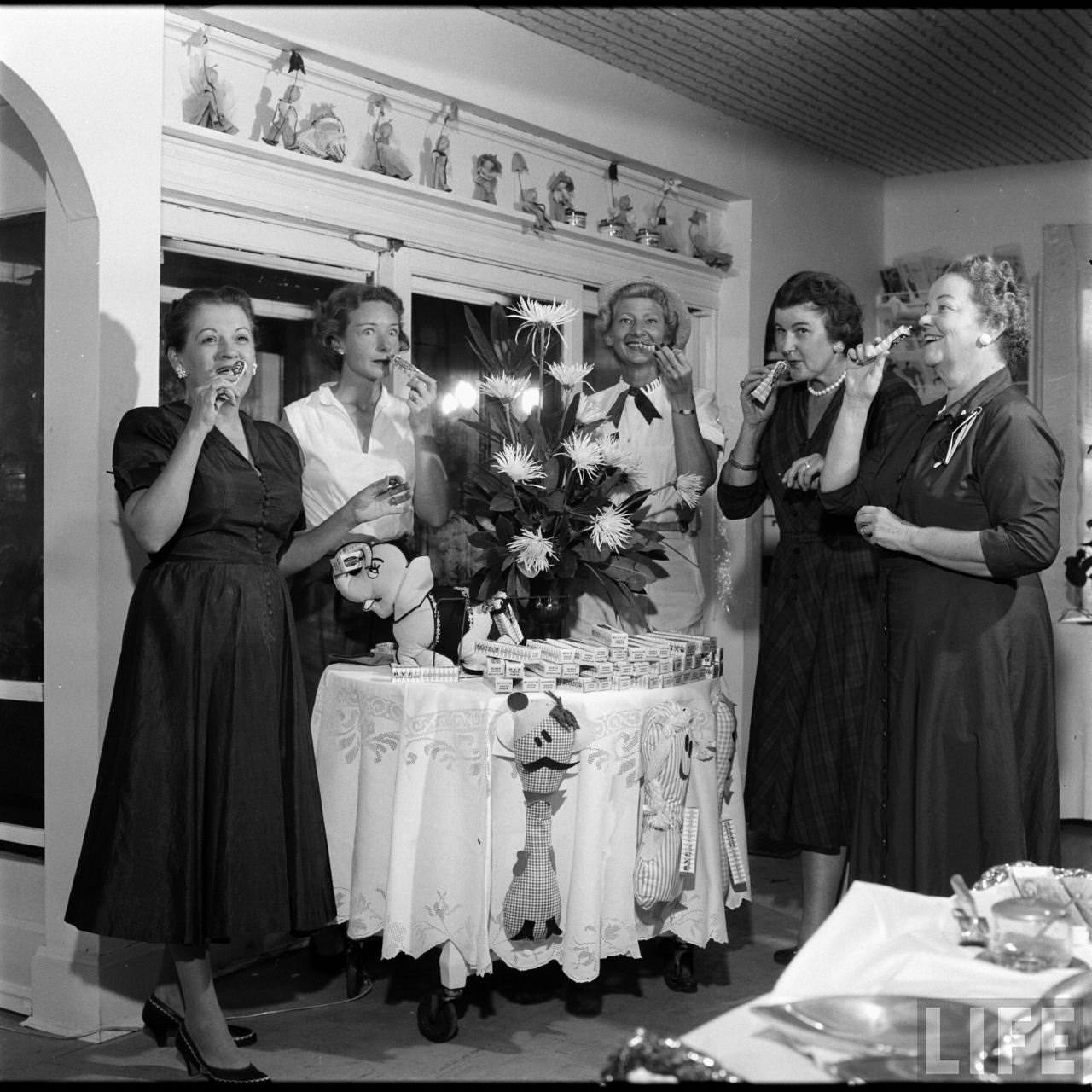
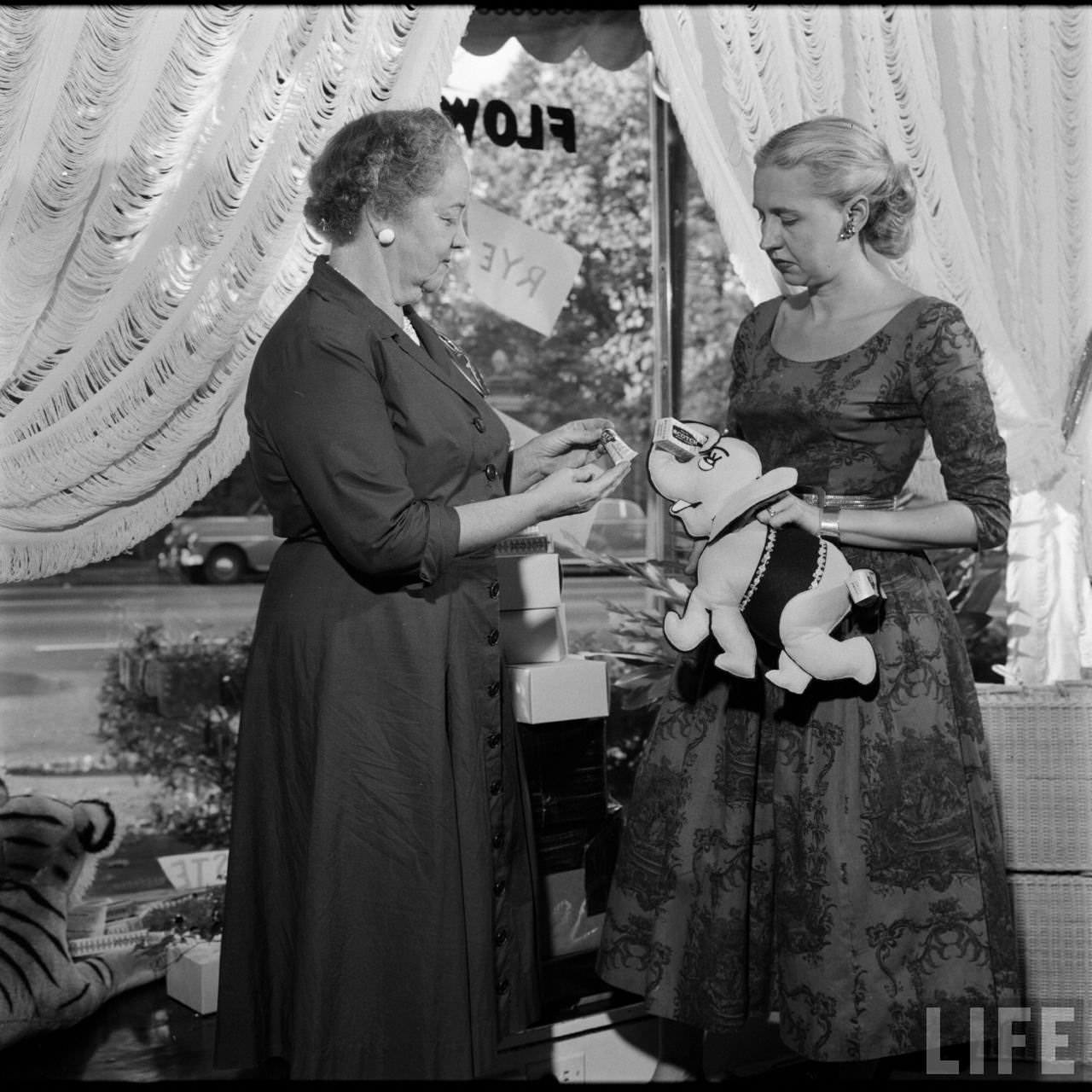
The product got people talking fast. It was the kind of invention that made headlines not because it solved a major problem, but because it was genuinely unexpected. Life magazine ran a story on it, giving Poynter’s whiskey toothpaste a national spotlight.
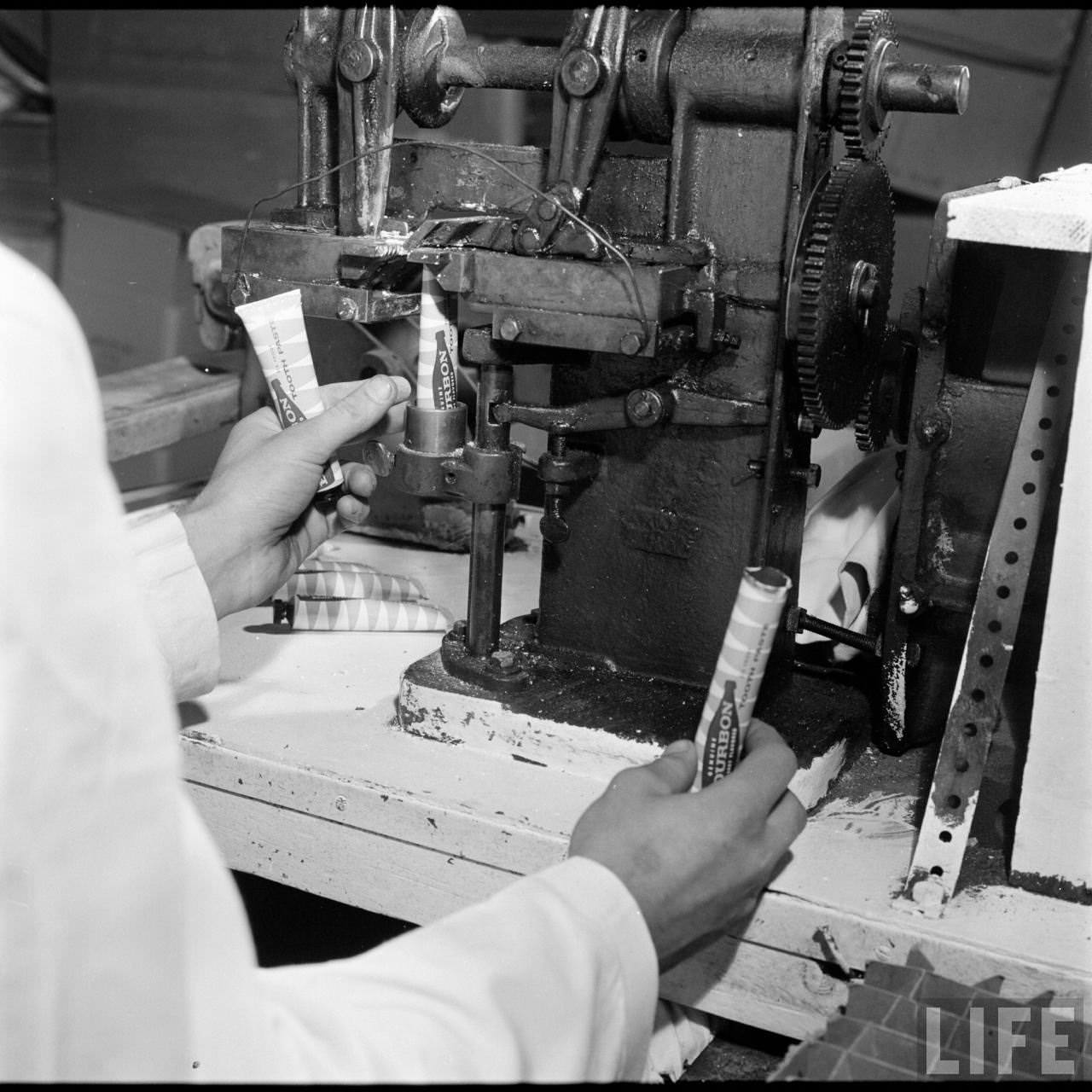
That media attention brought both fans and imitators. Several other brands jumped on the concept and released their own versions of alcohol-infused toothpaste. The market got crowded quickly, and Poynter shut down production of his original product shortly after the copycats arrived.
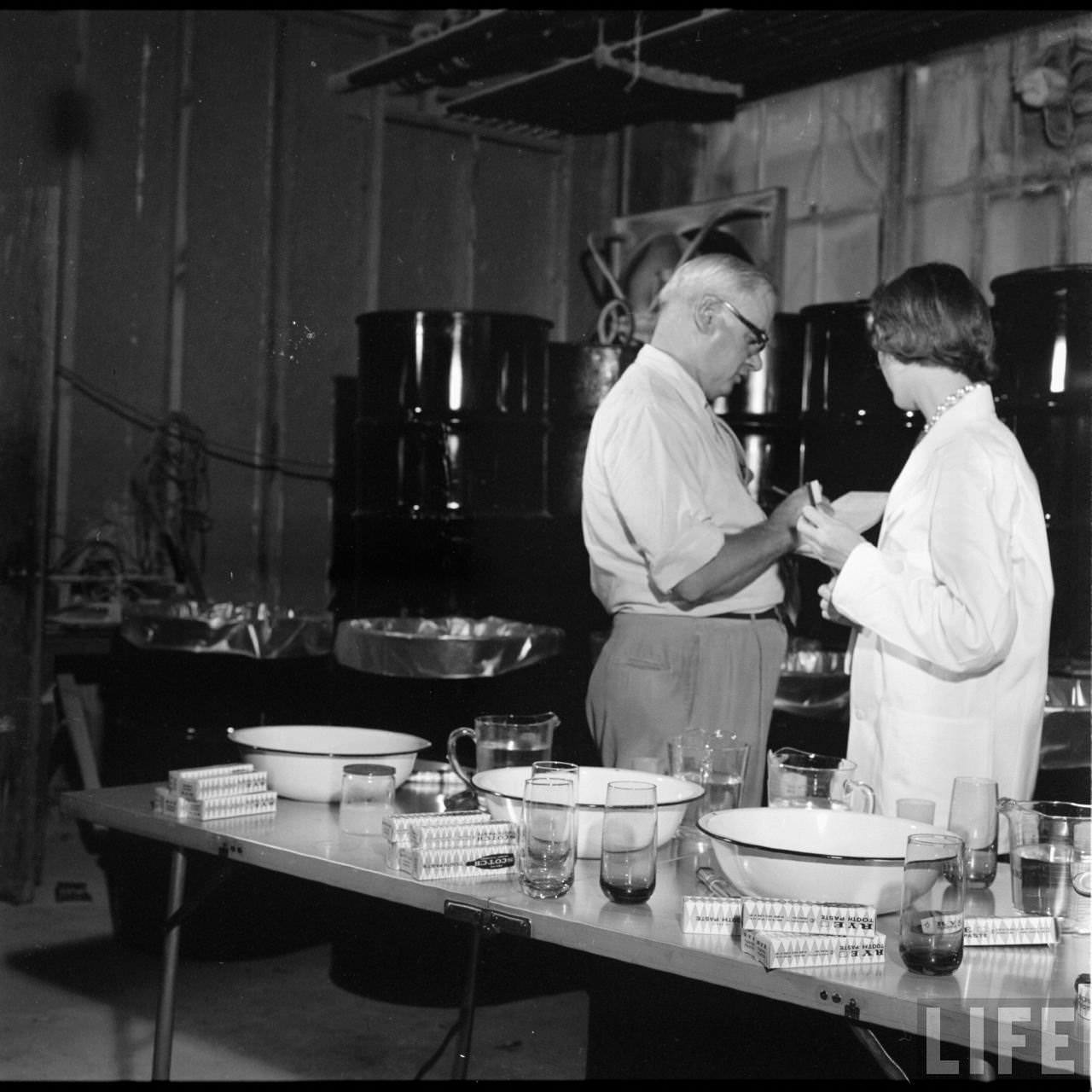
Poynter’s whiskey toothpaste was far from his only odd creation. By the time he retired in the late 1990s, he held patents on roughly 100 novelty items. He was loose about the exact number, telling an interviewer, “I never really bothered looking it up.” That casual attitude fits the spirit of someone who spent decades inventing things purely for the fun of it.
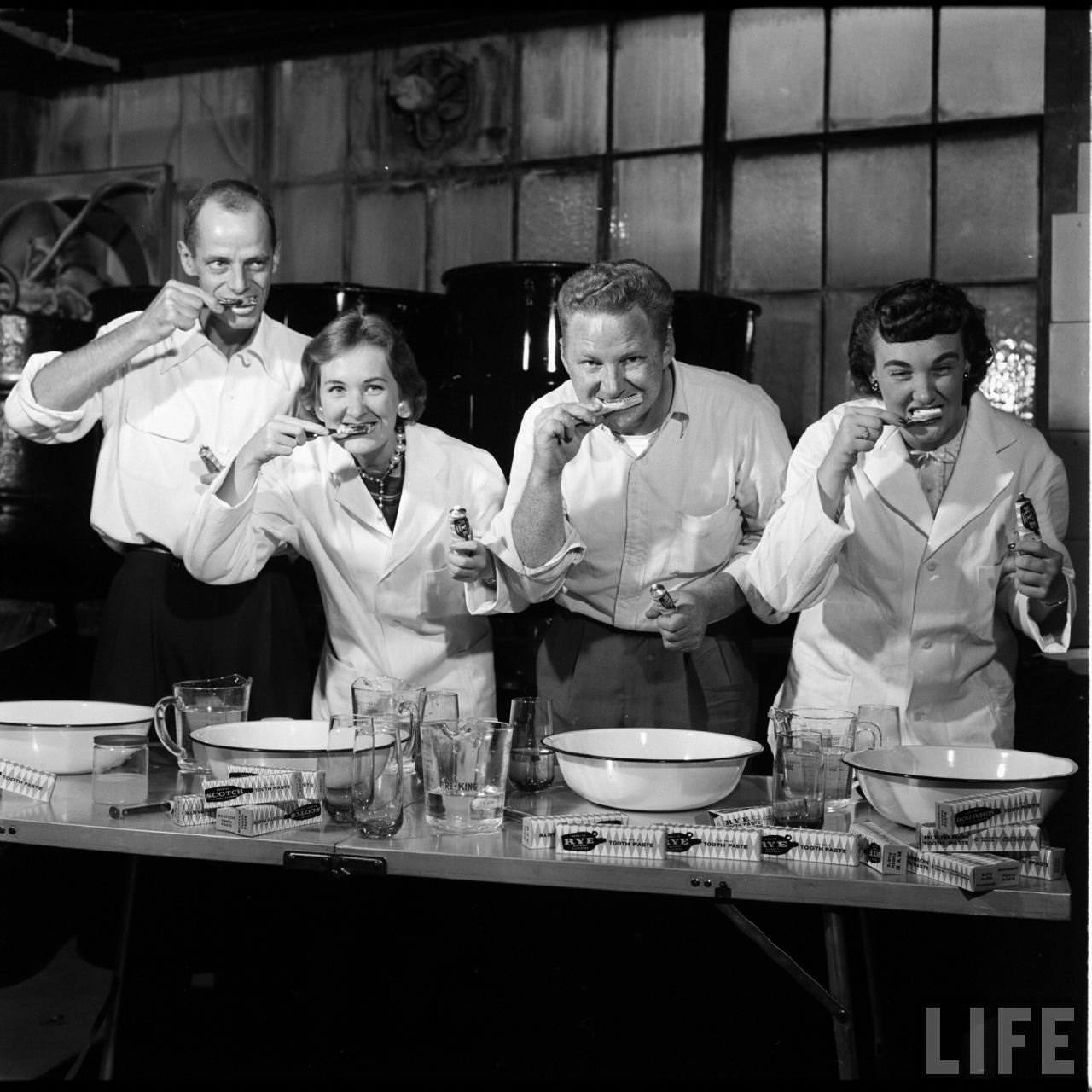
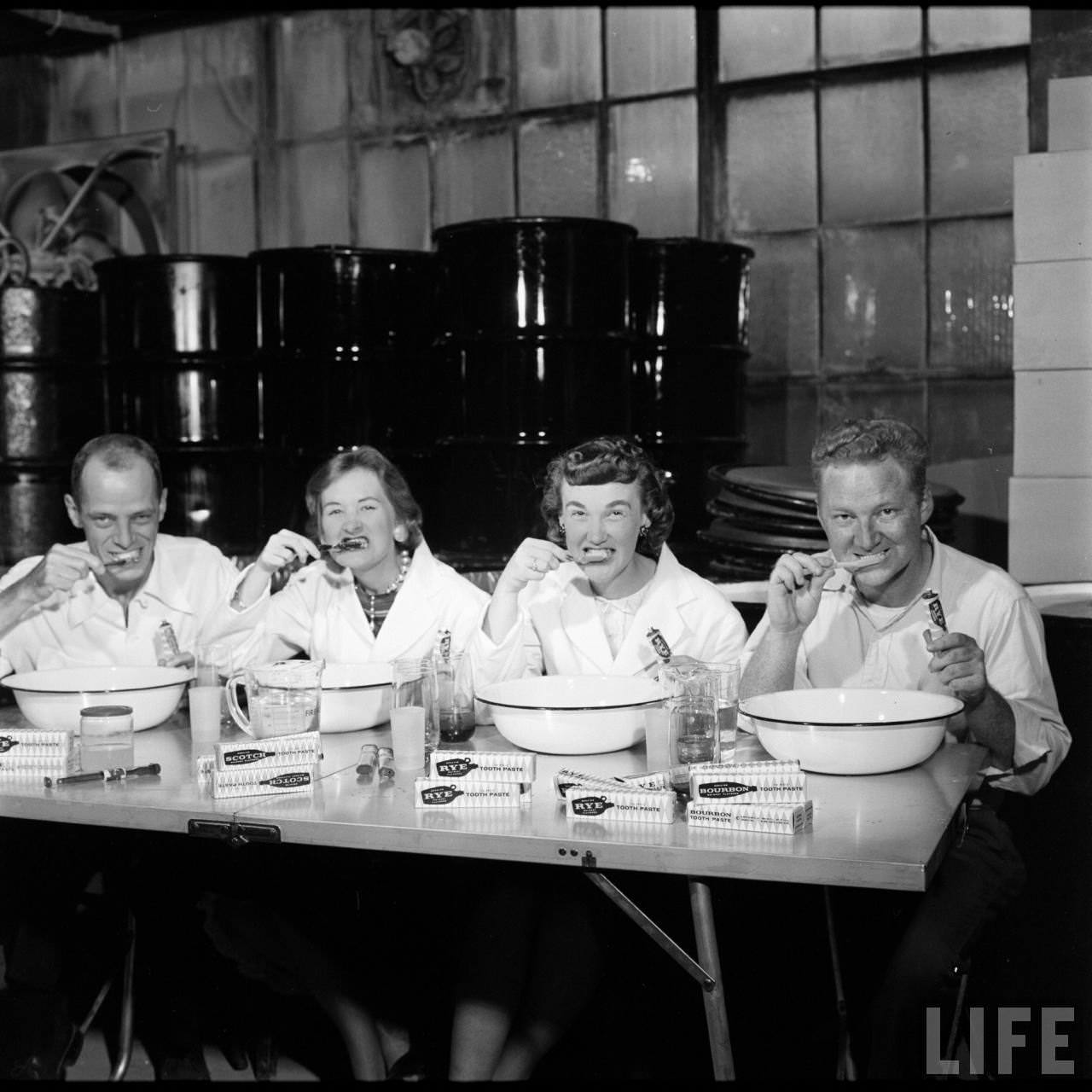
The whiskey toothpaste craze of the 1950s lasted only a short time, but it reflected something real about the era. Post-war America was full of energy and a willingness to experiment. Novelty products flooded the market, and consumers were often happy to try something just because it was new and strange.
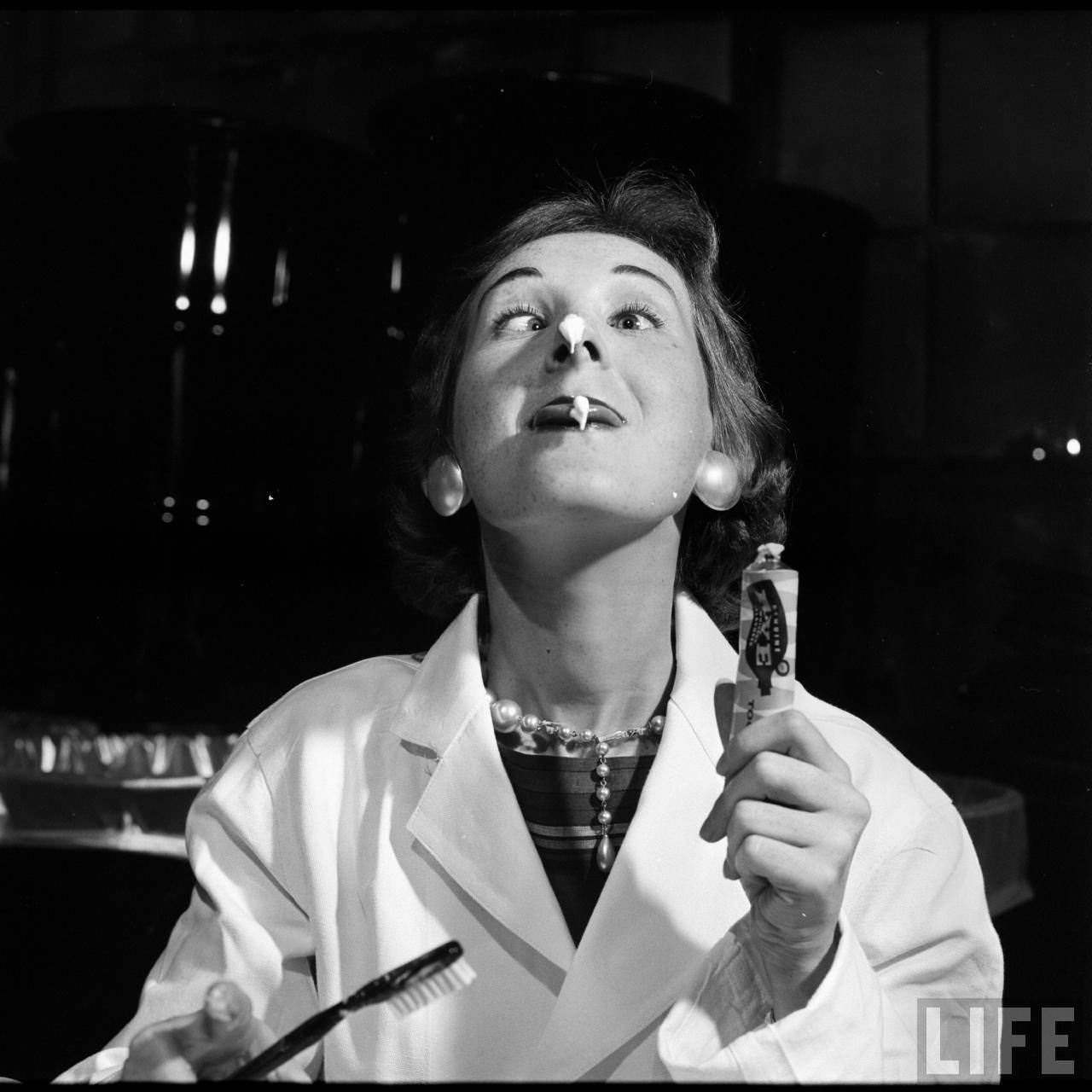
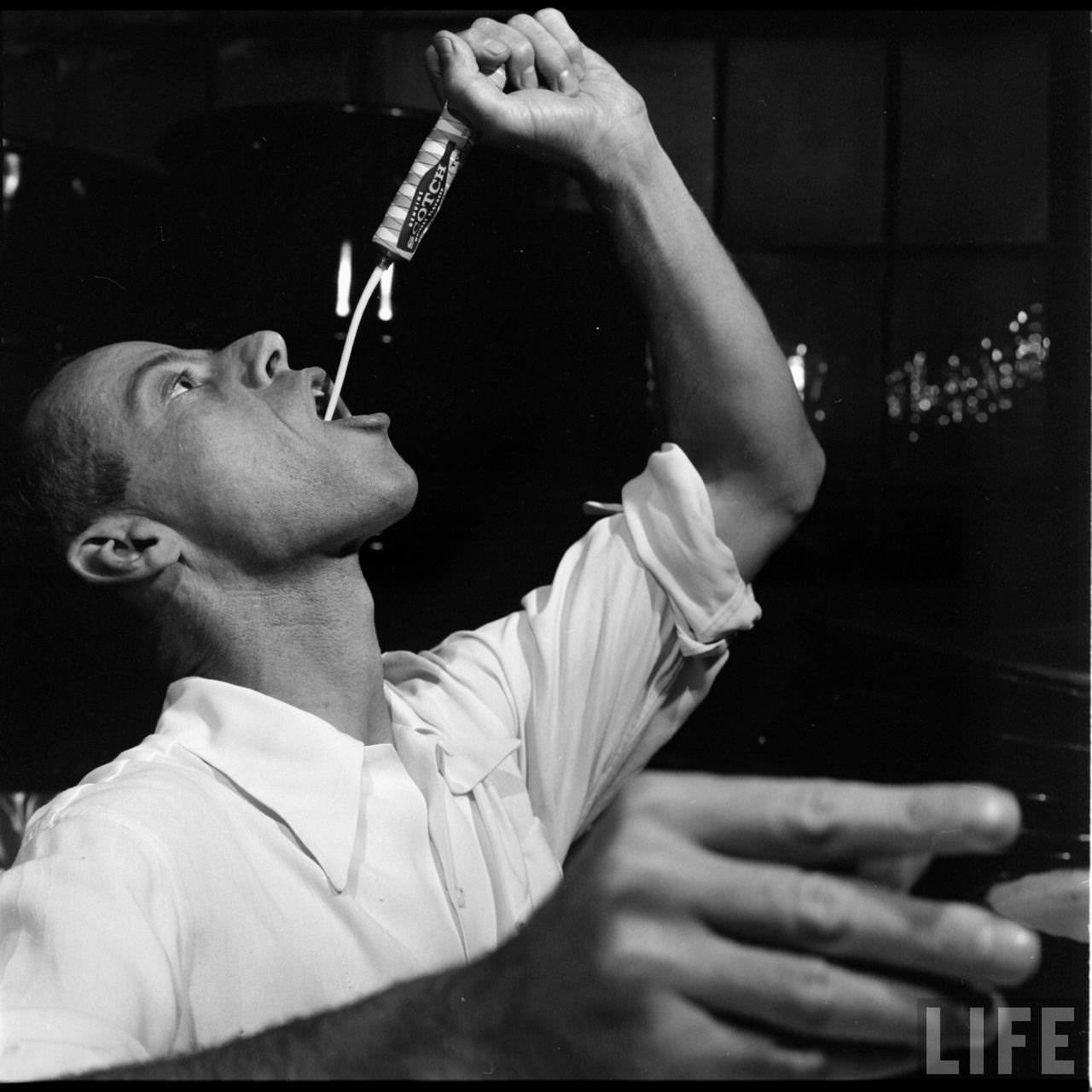
Poynter’s invention sits in a particular corner of American product history — not life-changing, not groundbreaking, but genuinely odd enough to earn its place. A toothpaste that tastes like Bourbon is hard to forget, even seven decades later.