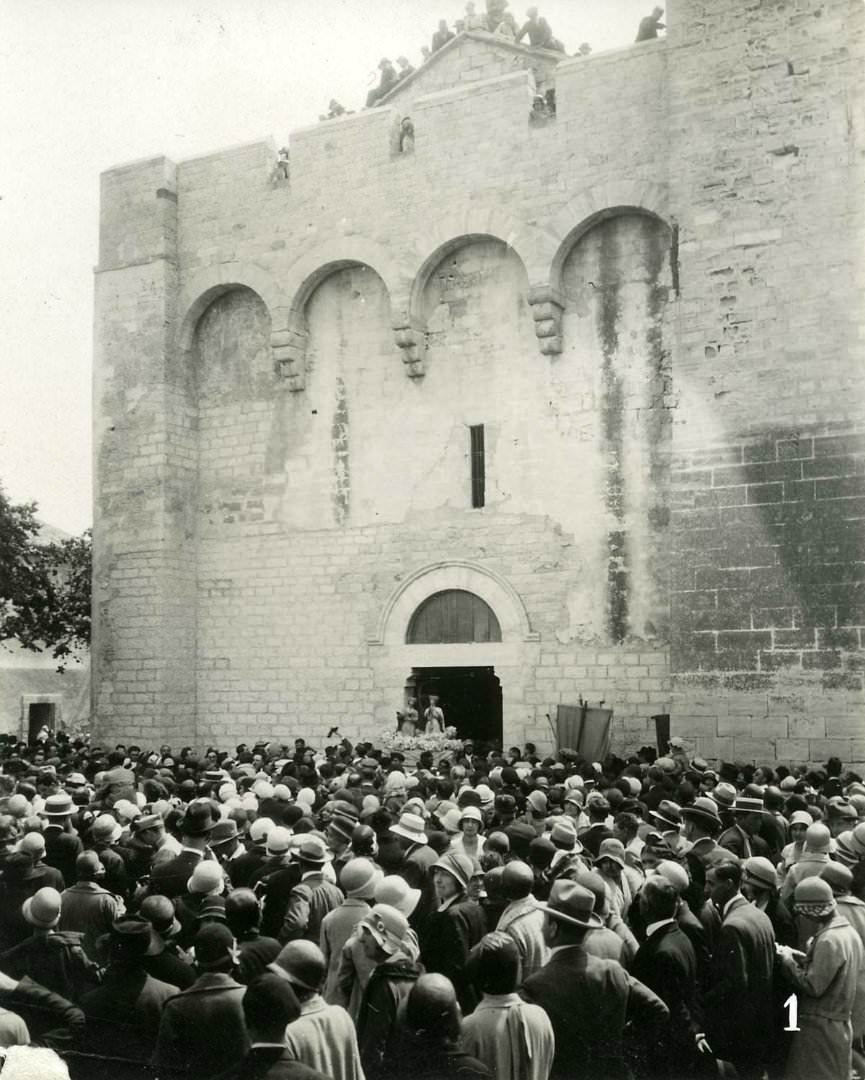
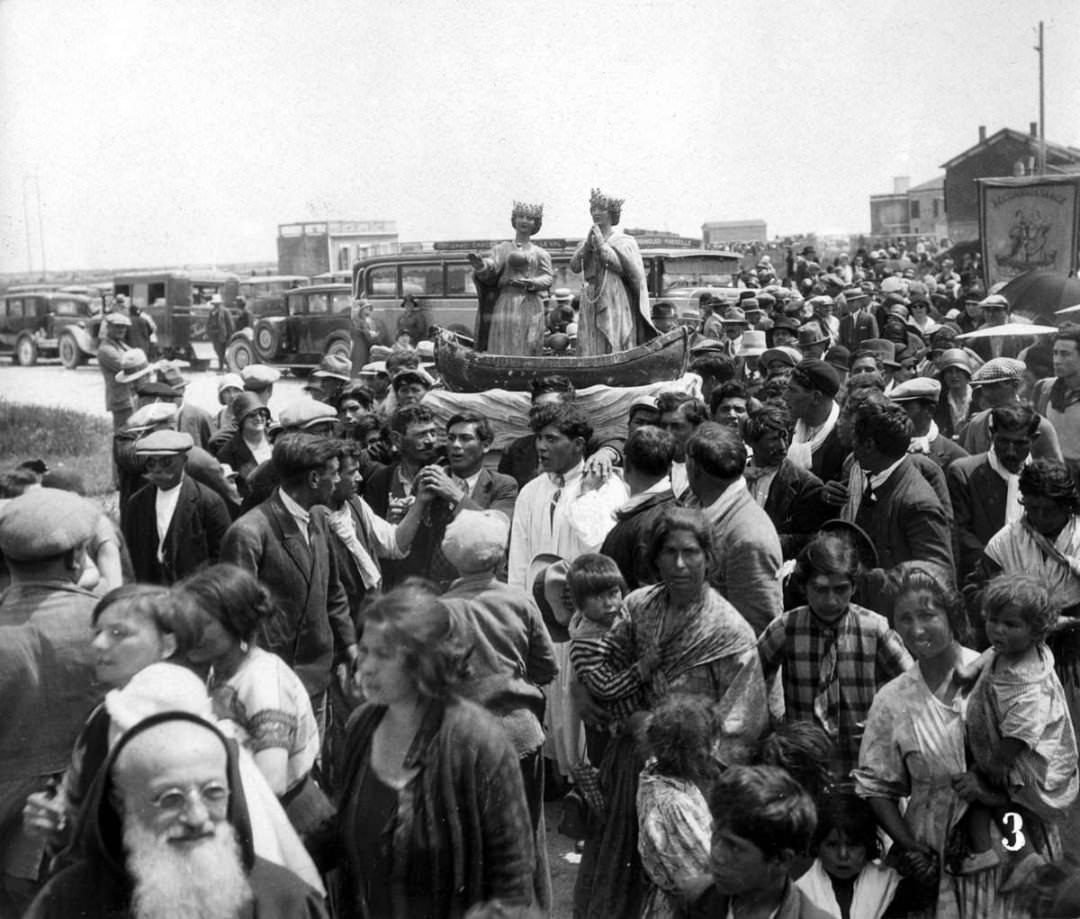
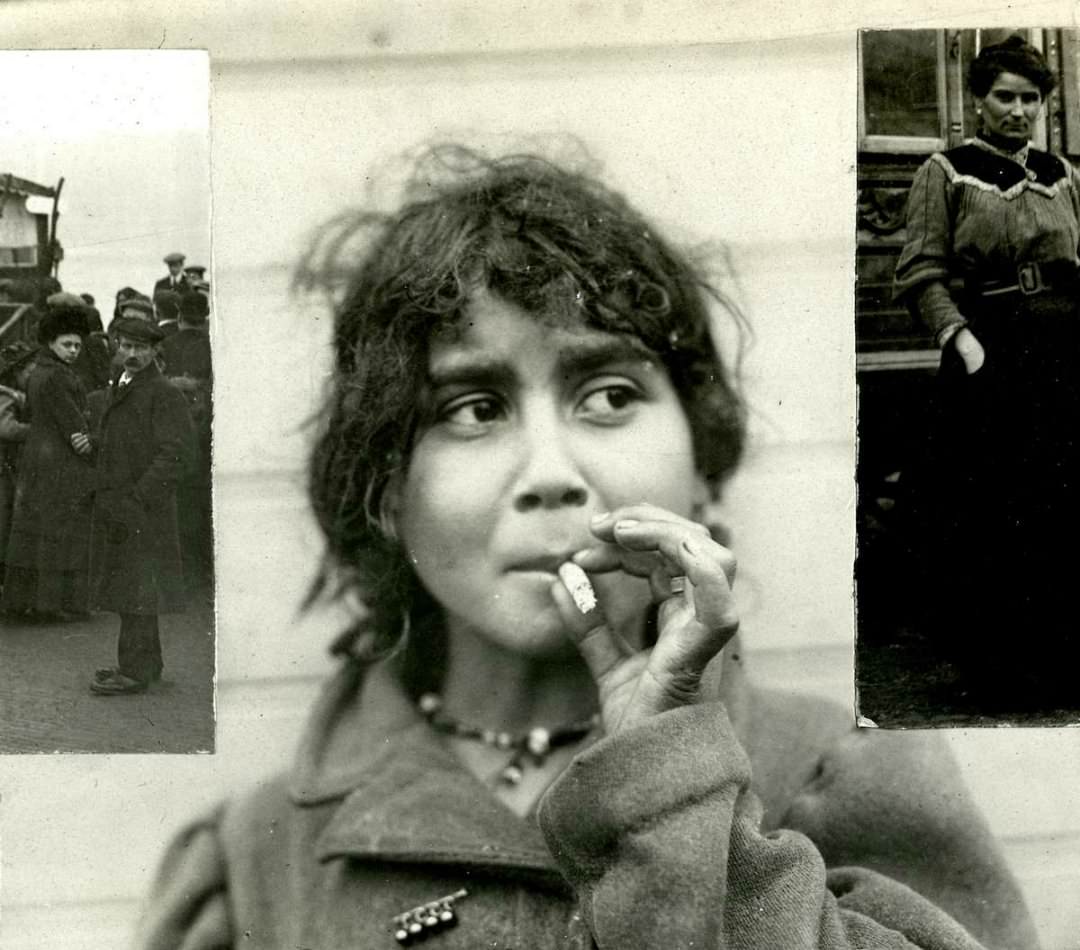
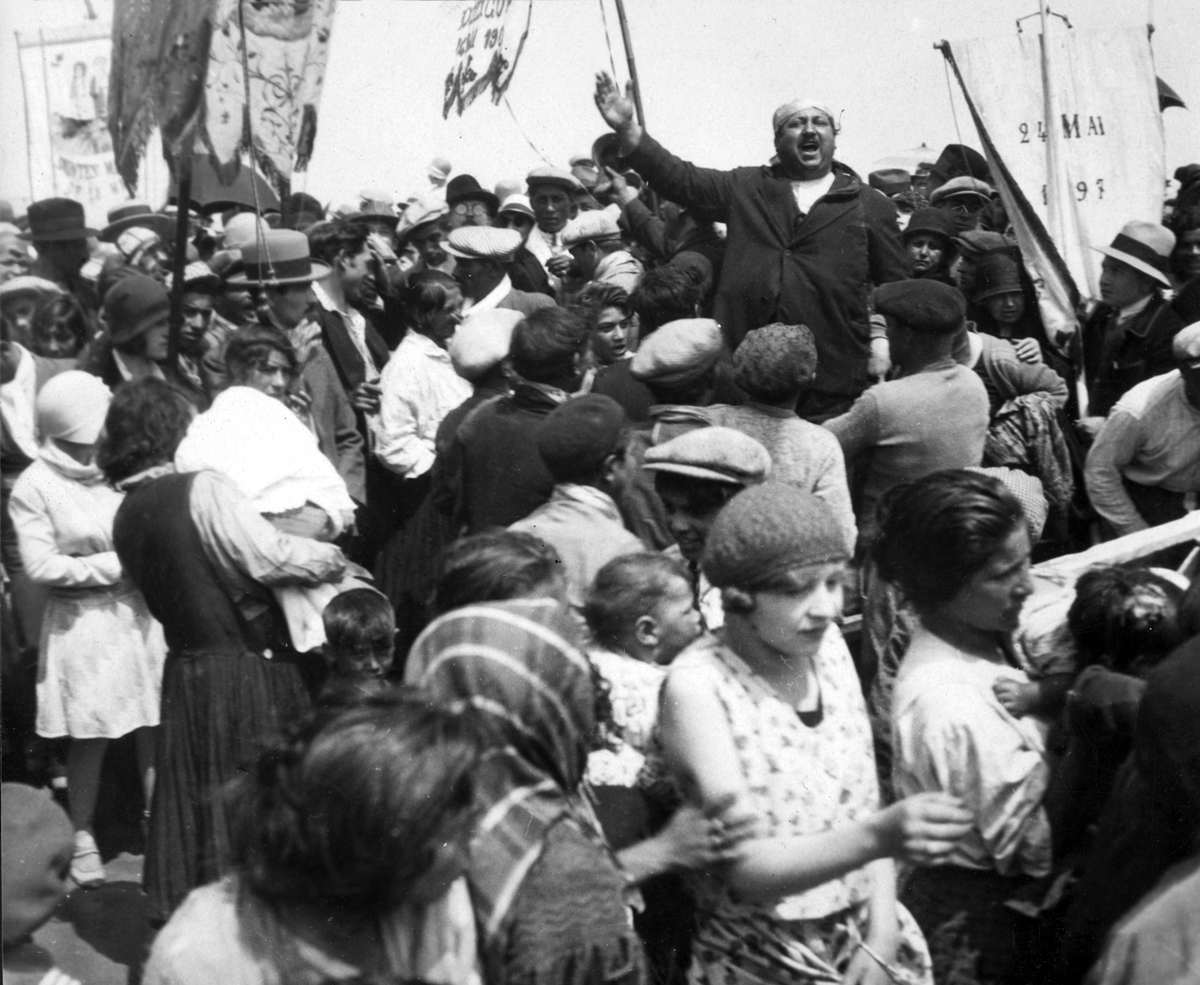
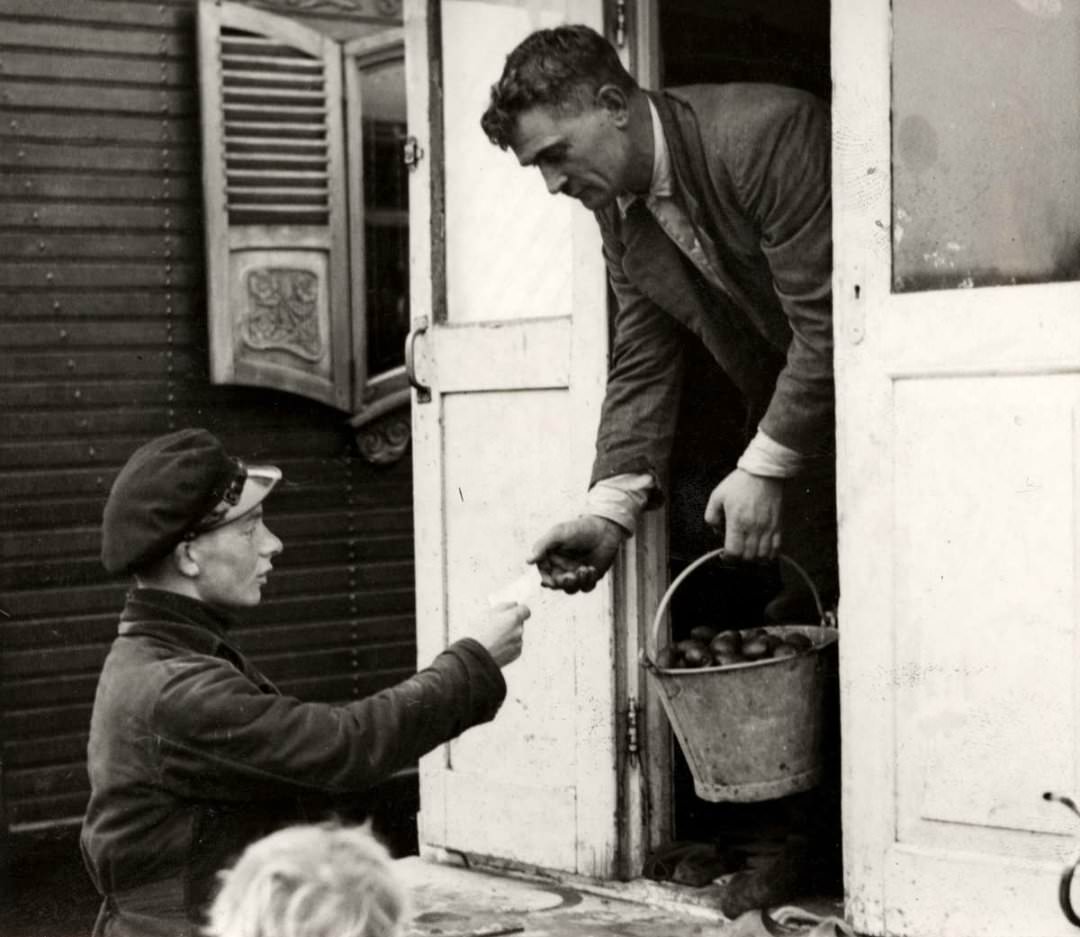
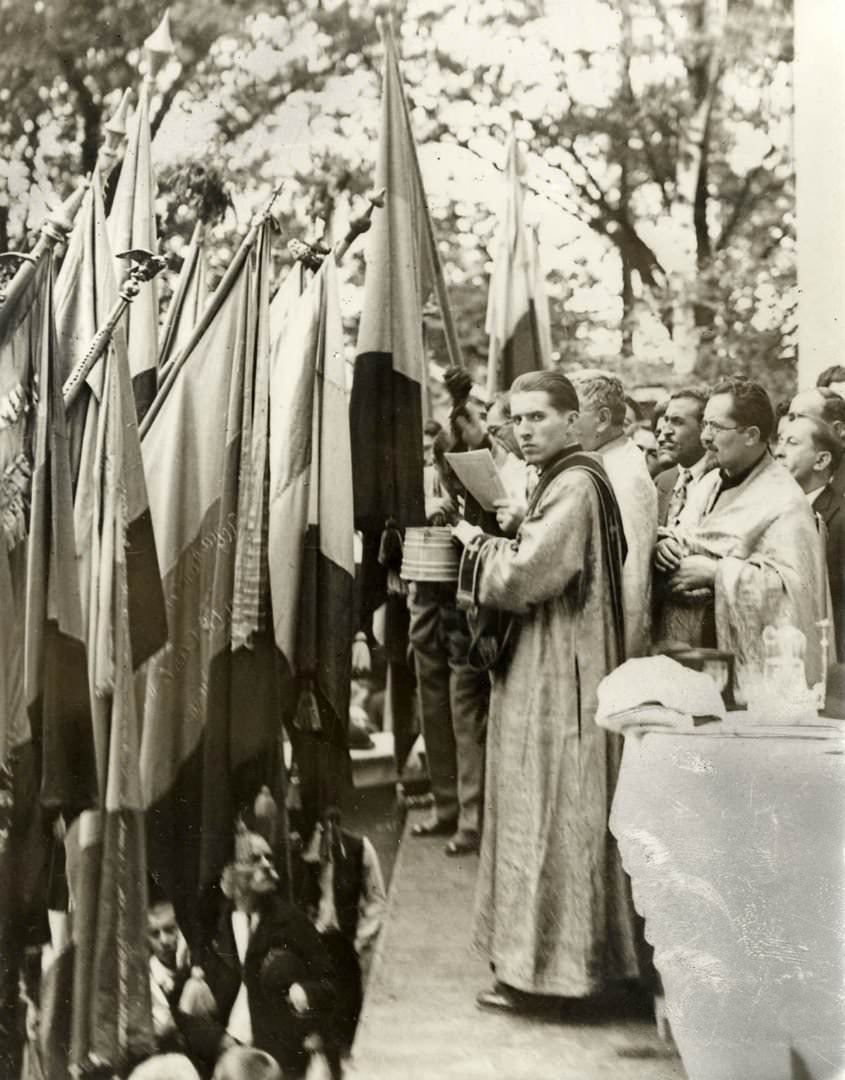
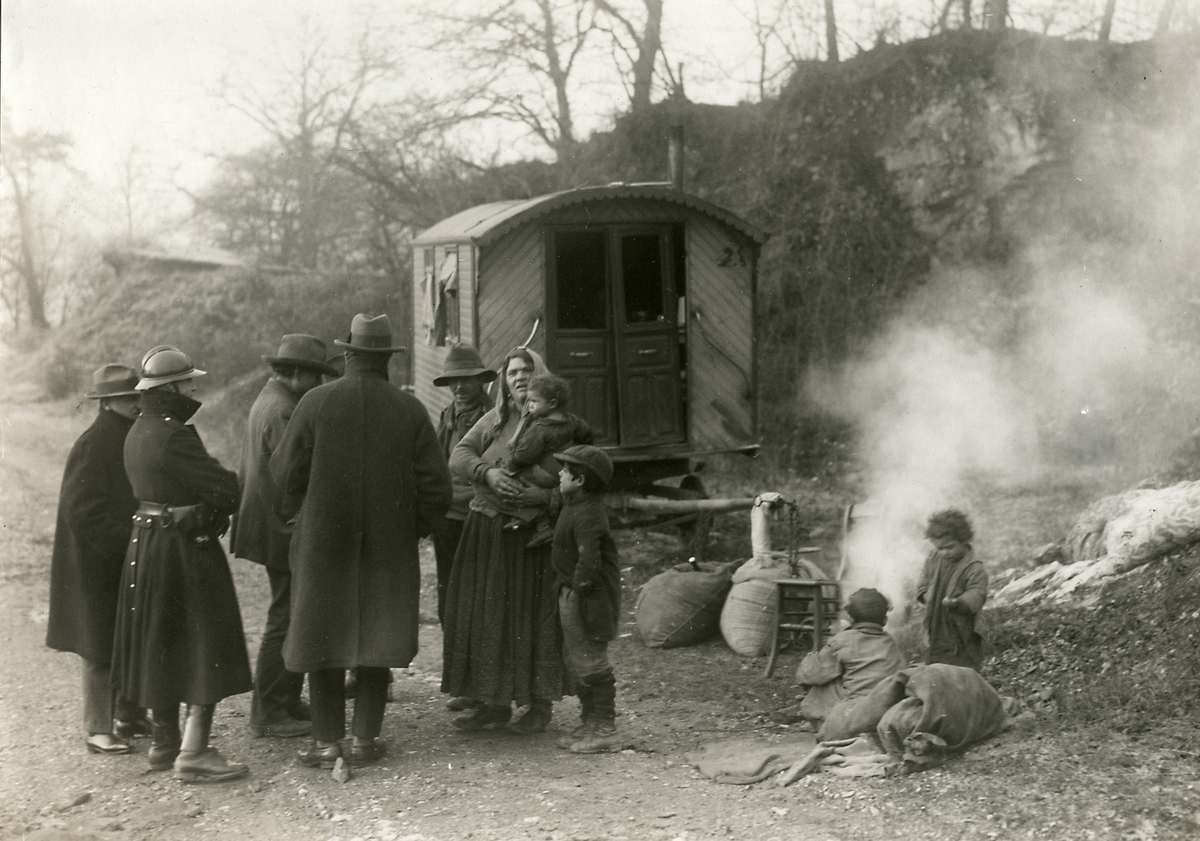
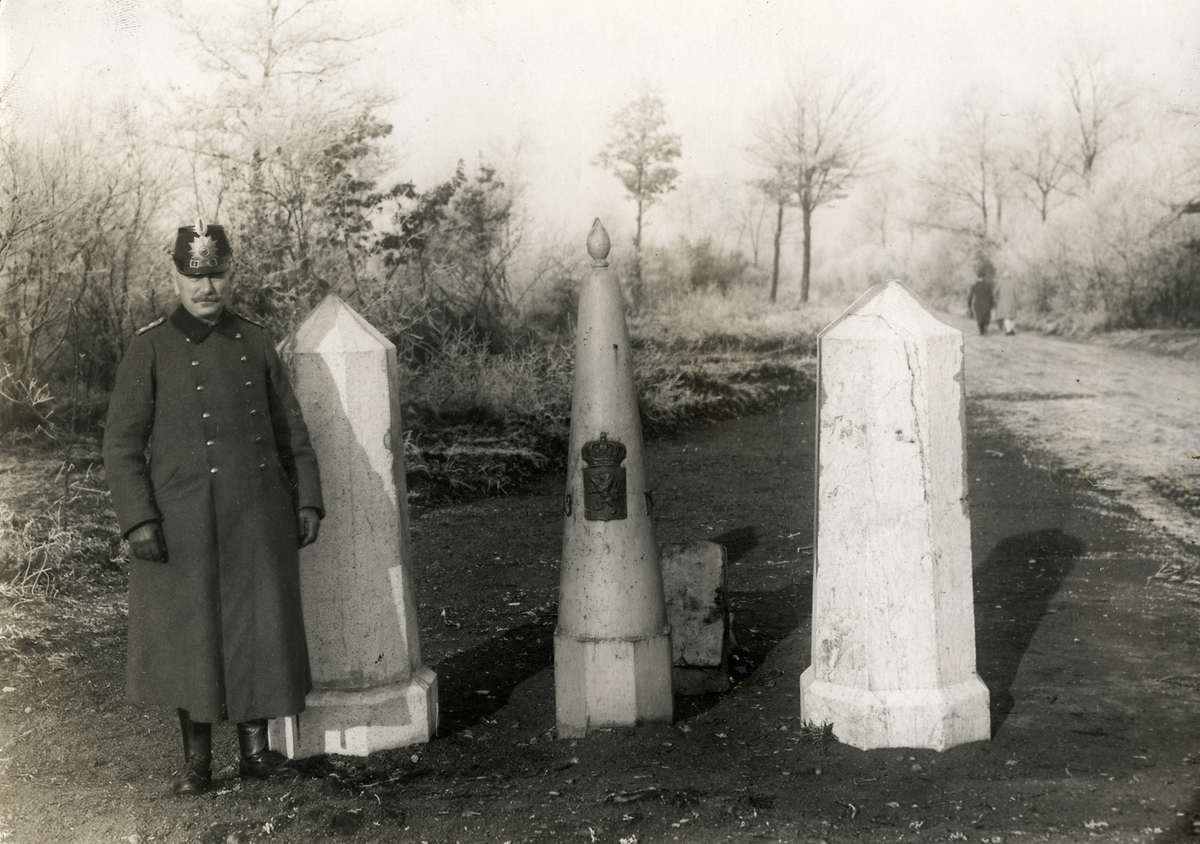
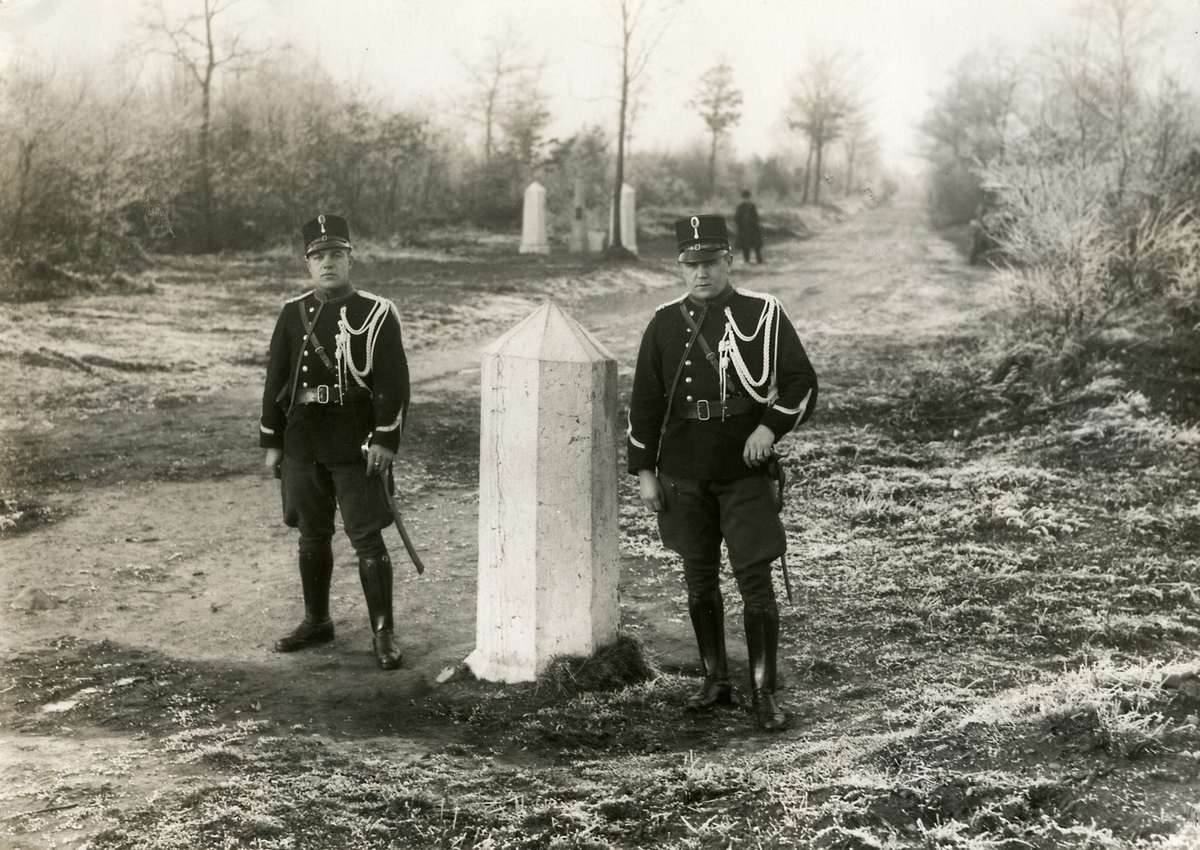
Between the 1930s and 1960s, photographer Paul Almásy traveled through Western Europe documenting the lives of Romani people — commonly called “Gypsies” — across countries including the Netherlands, France, and Germany. His photographs stand as one of the most detailed visual records of Romani communities from this period.
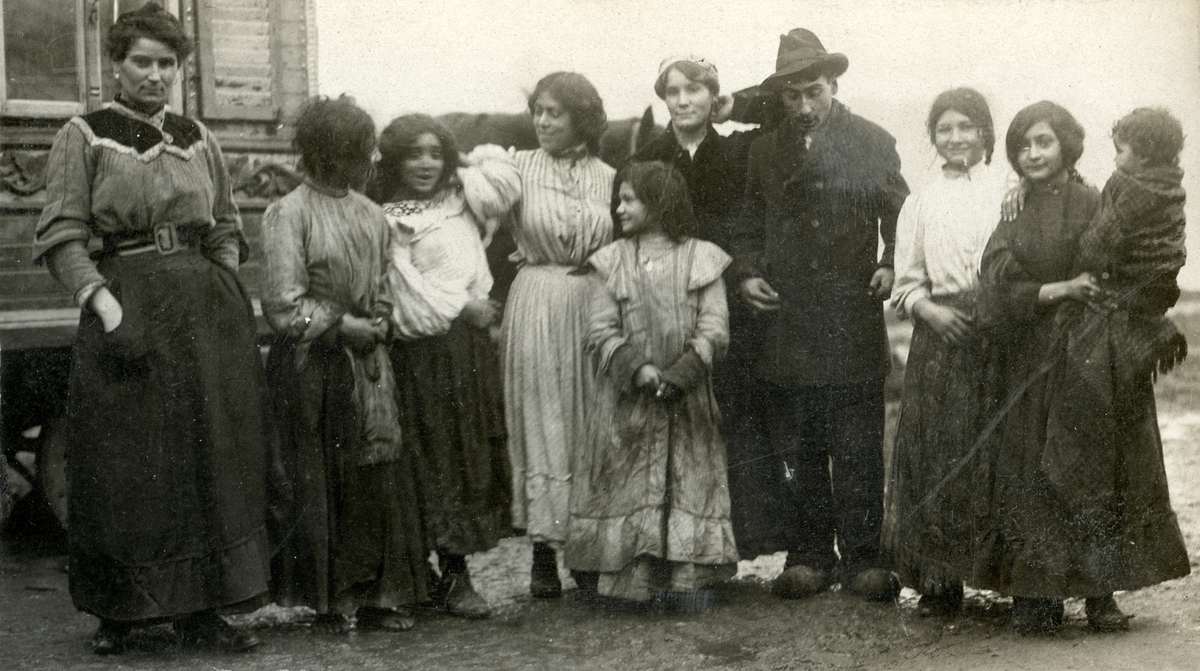
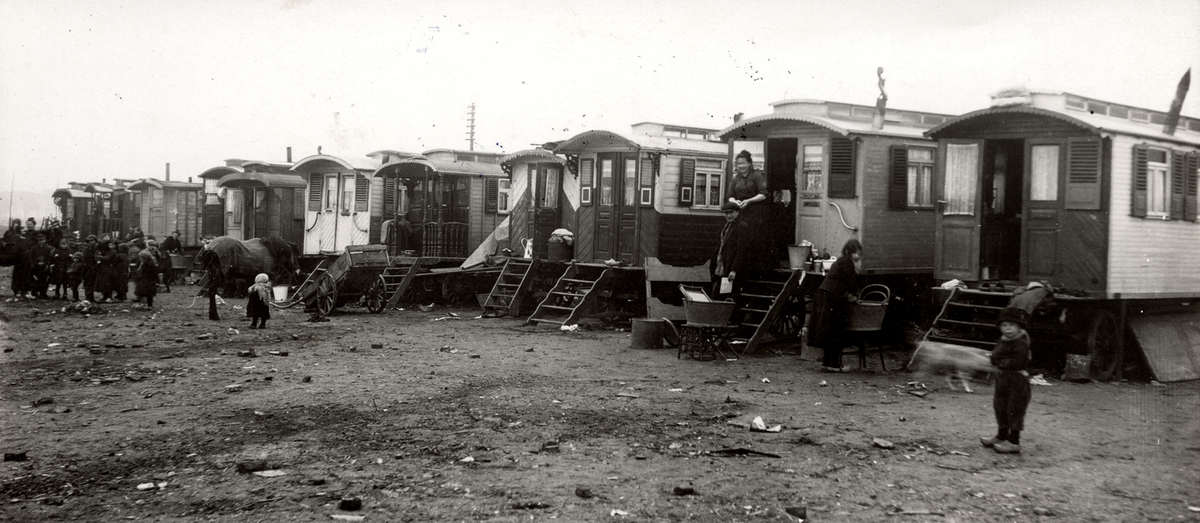
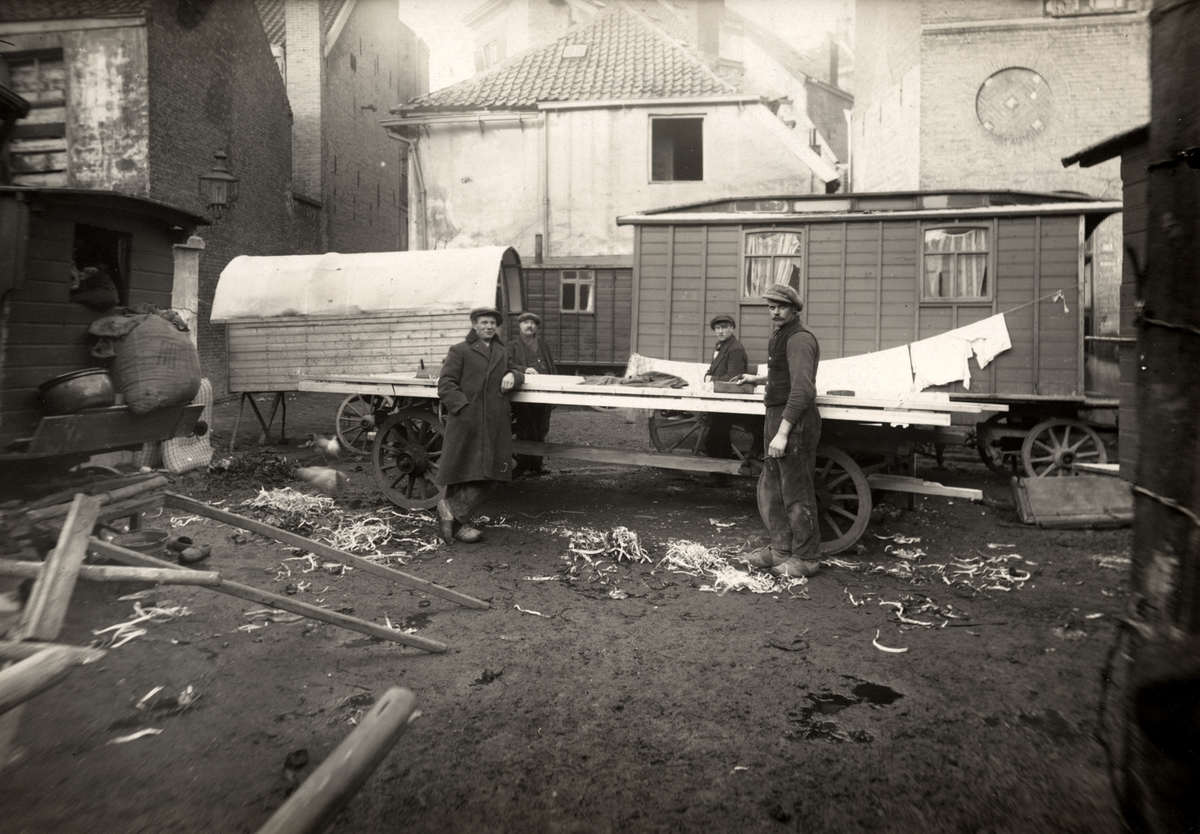
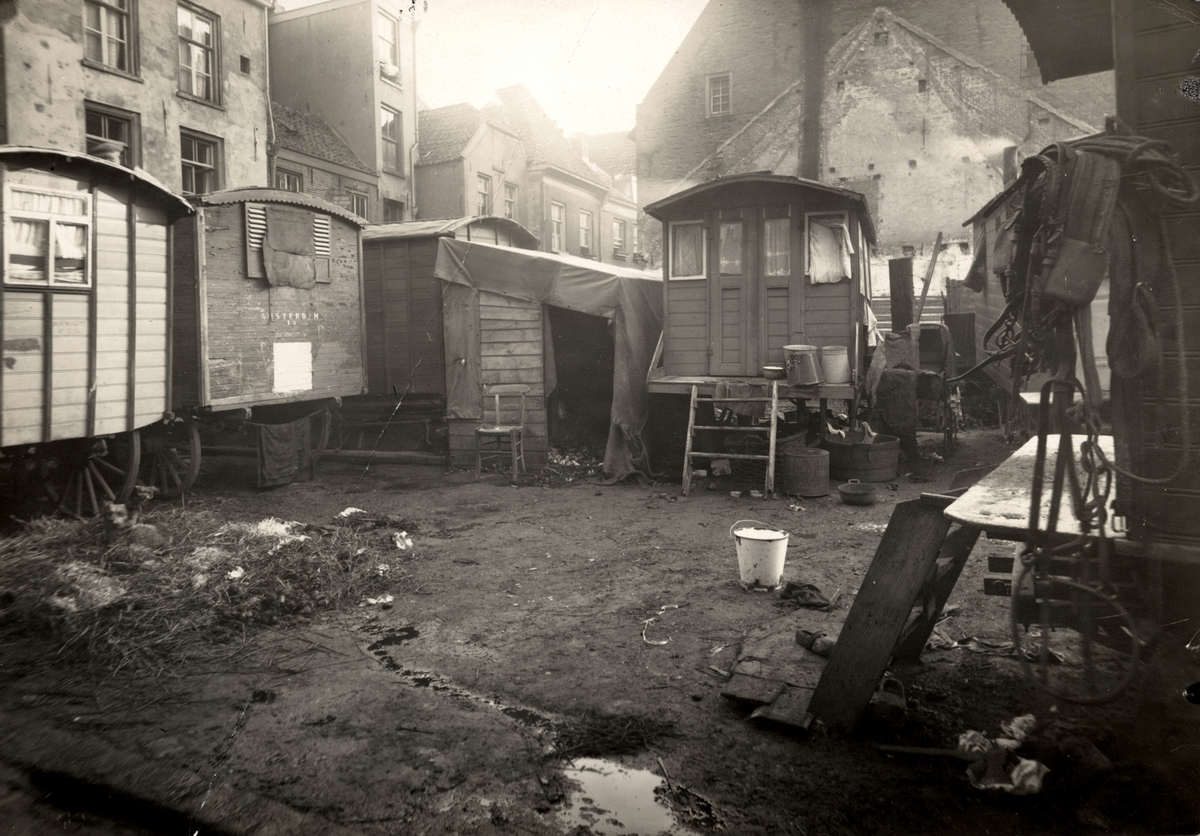
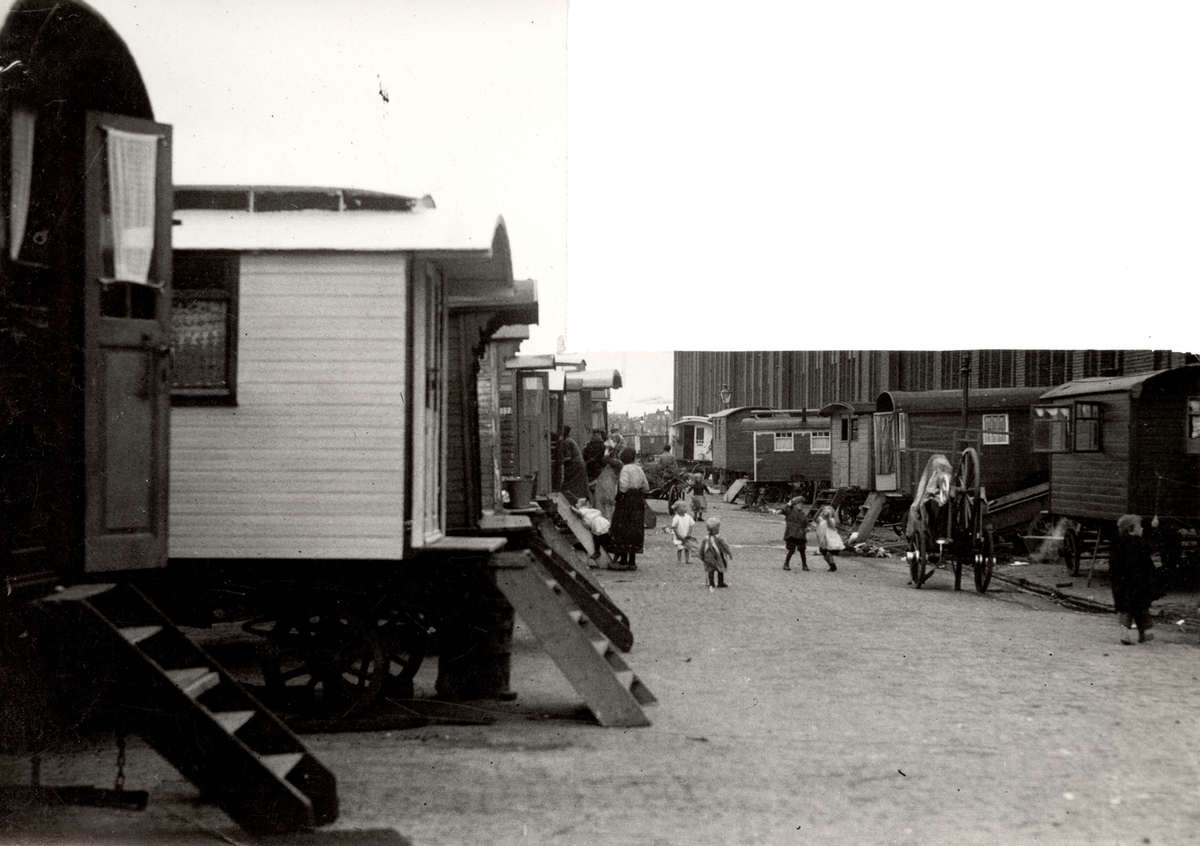
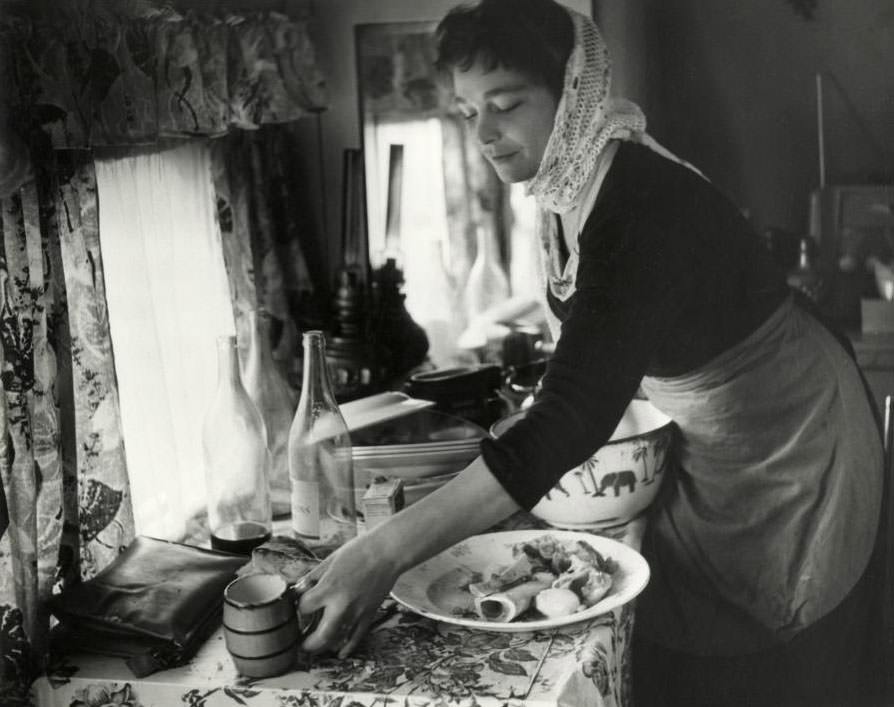
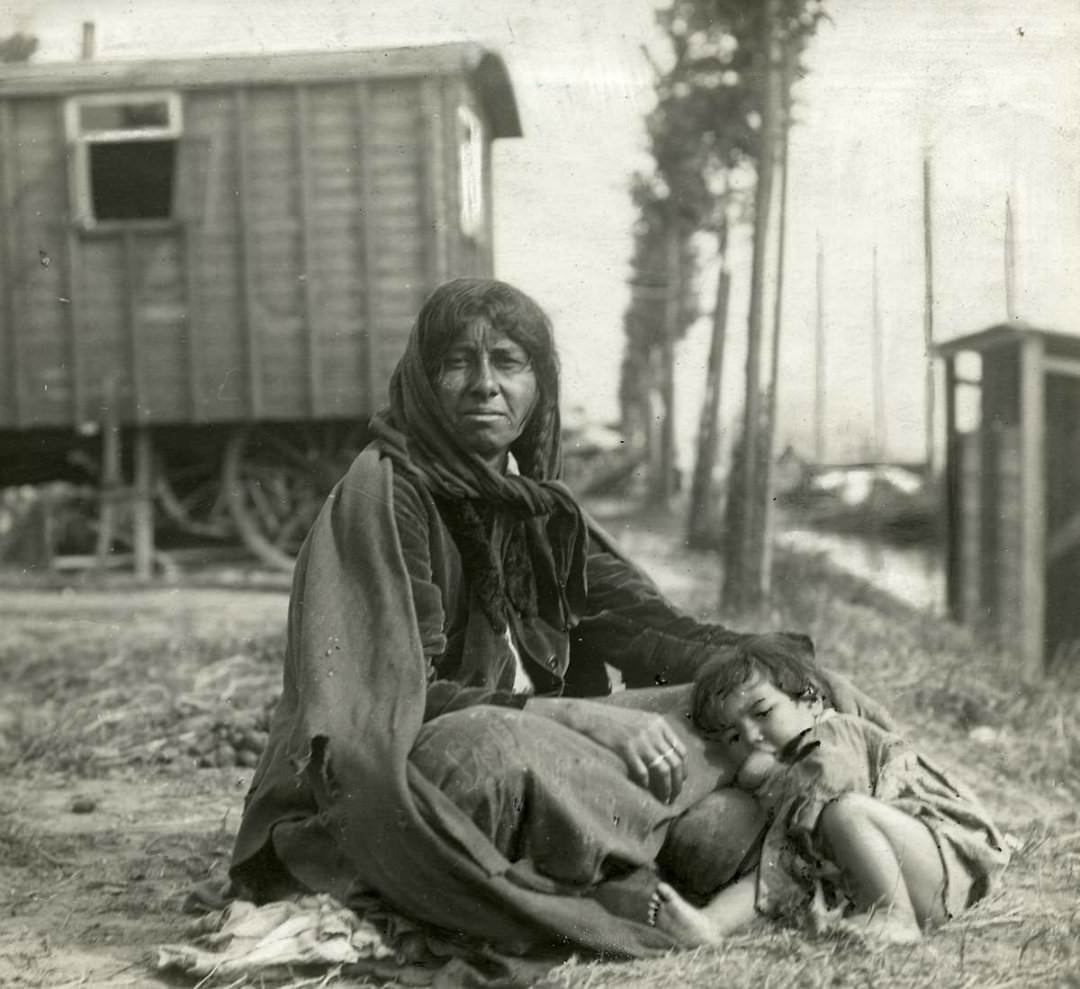
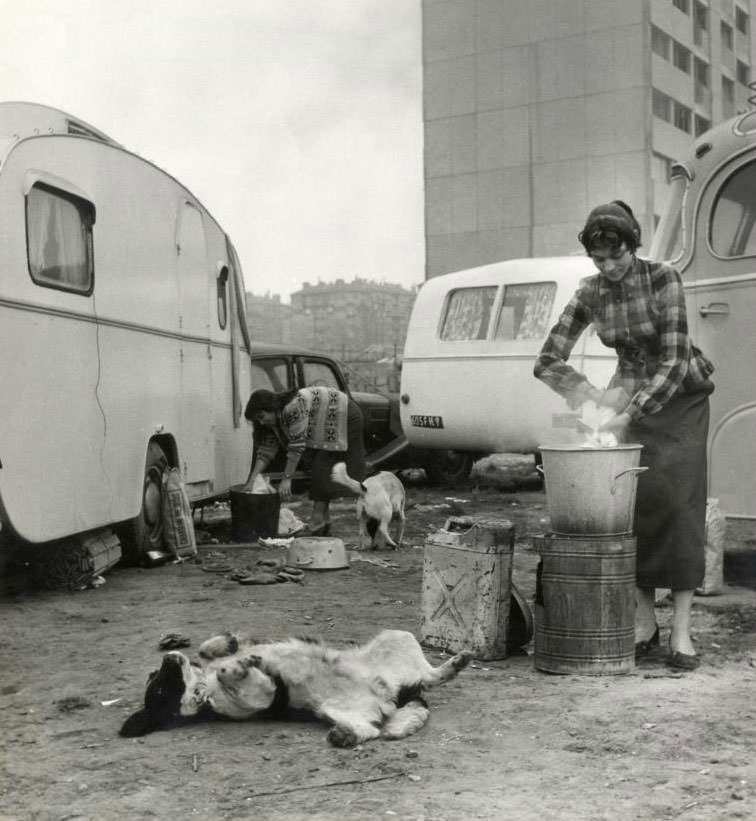
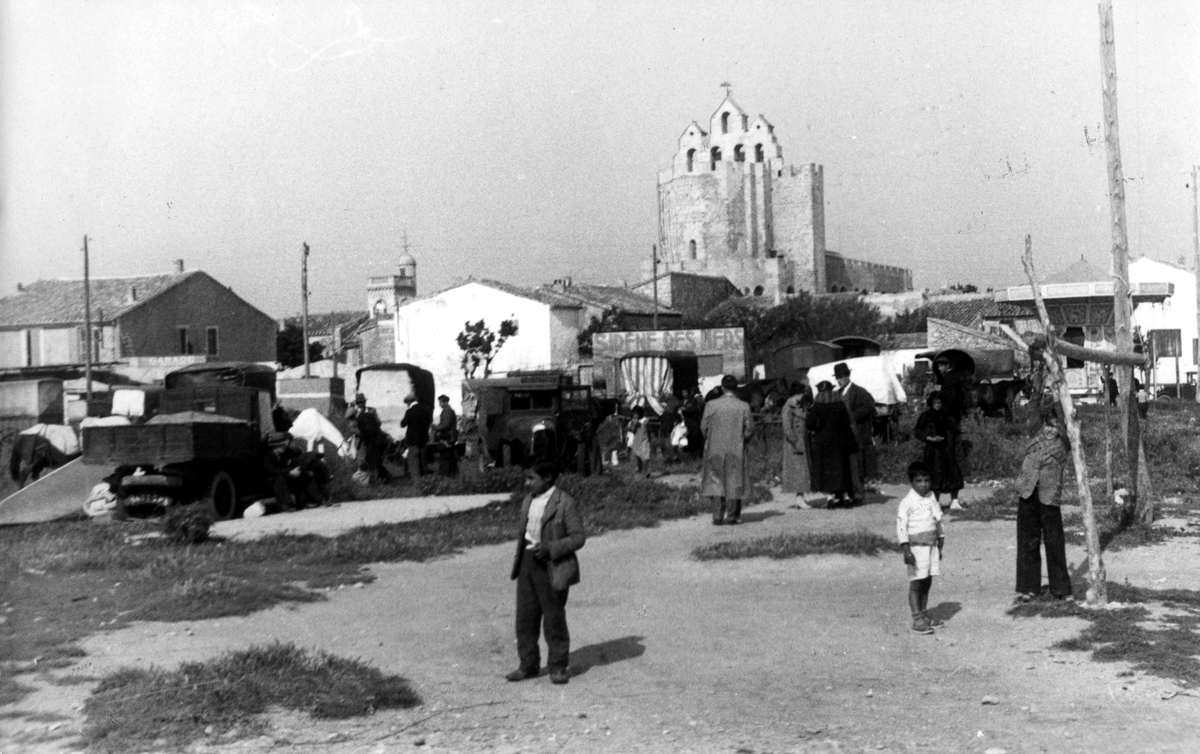
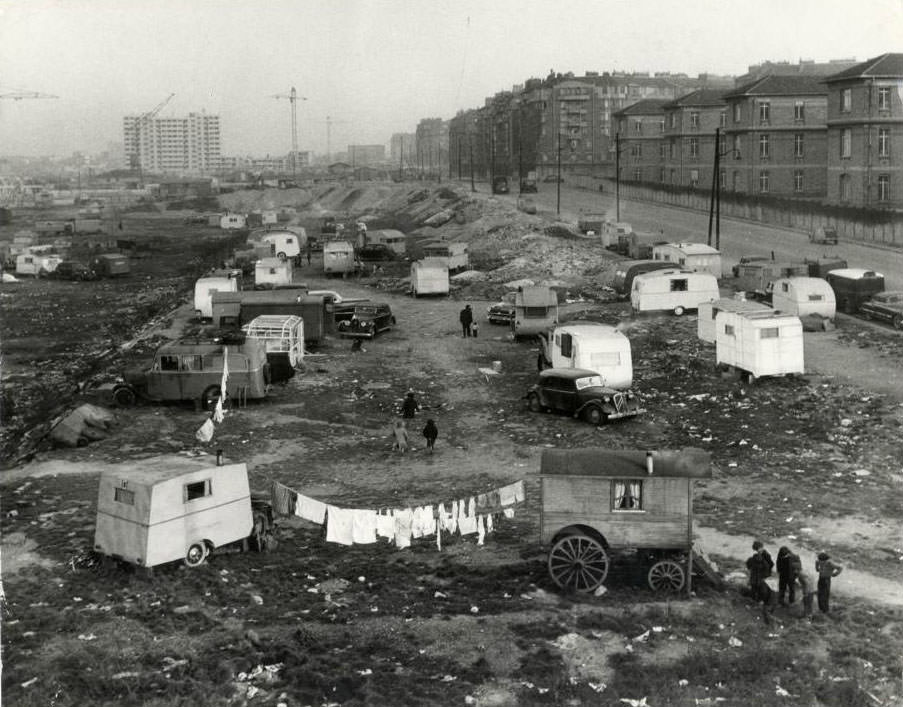
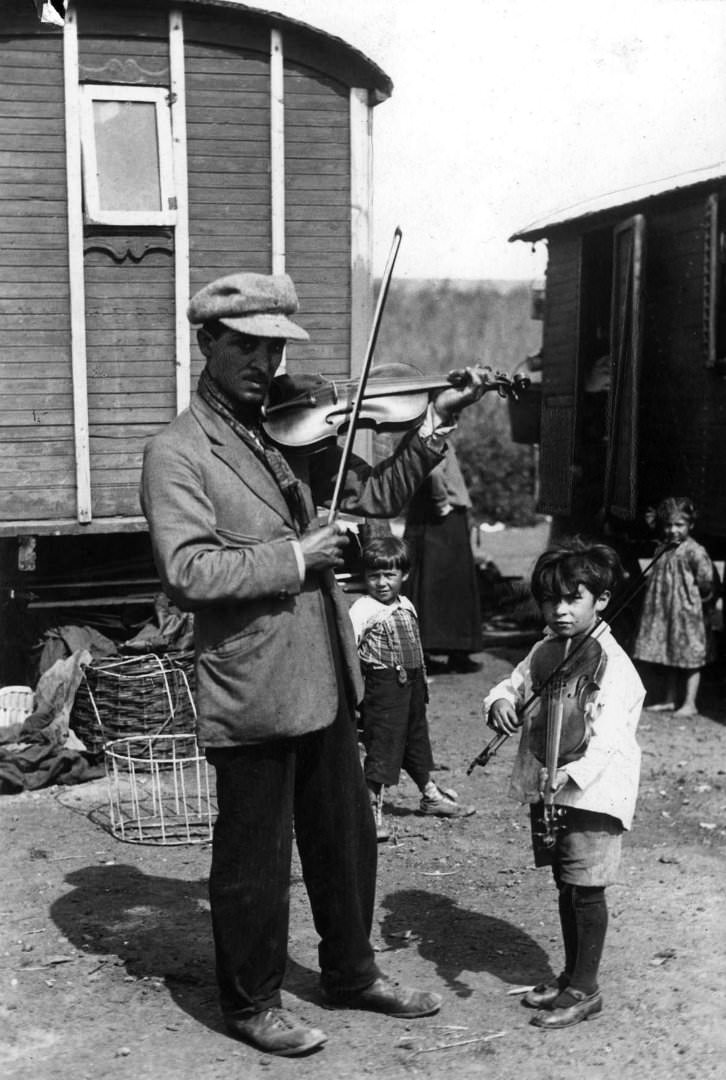
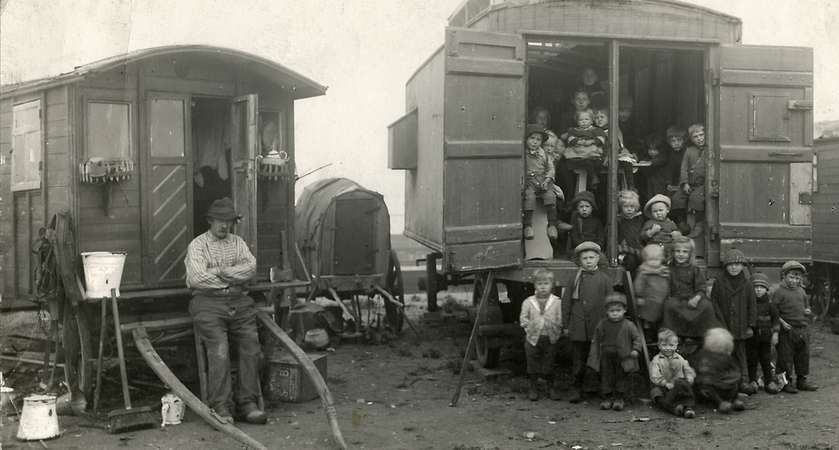
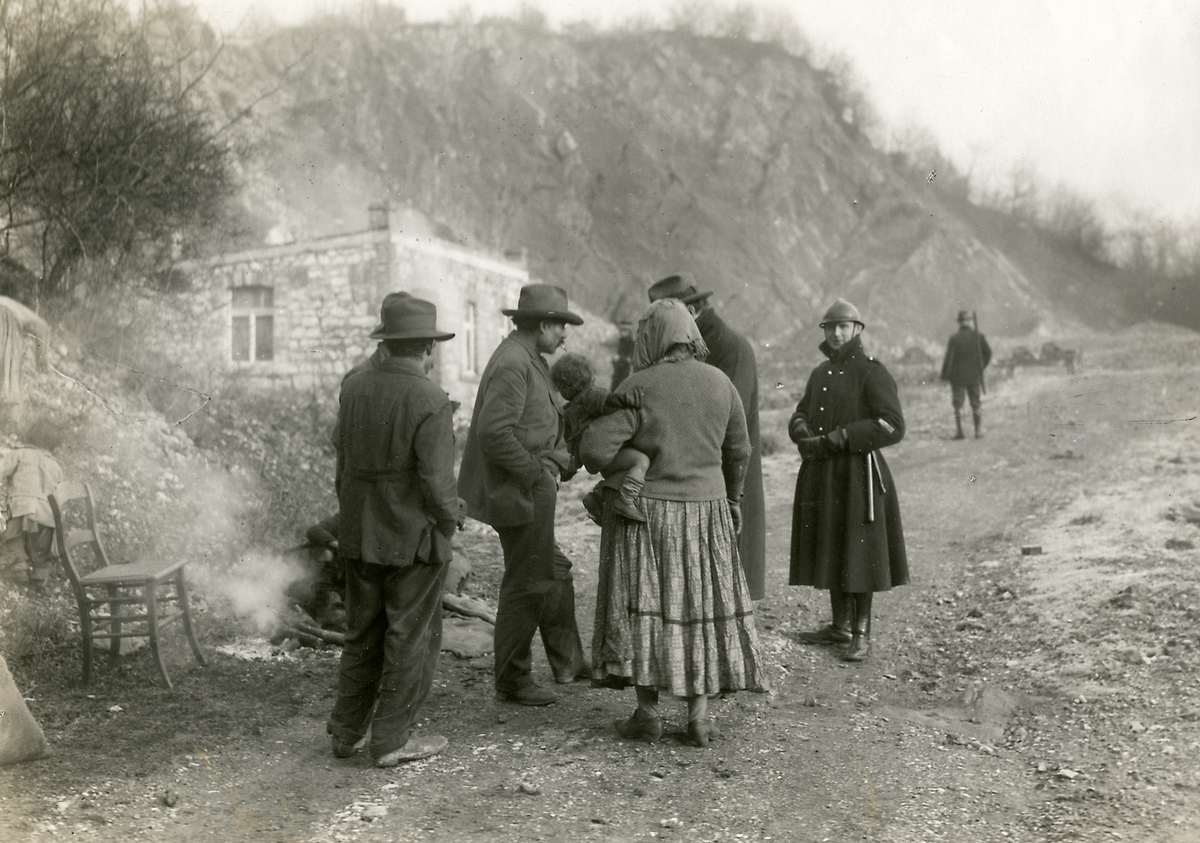
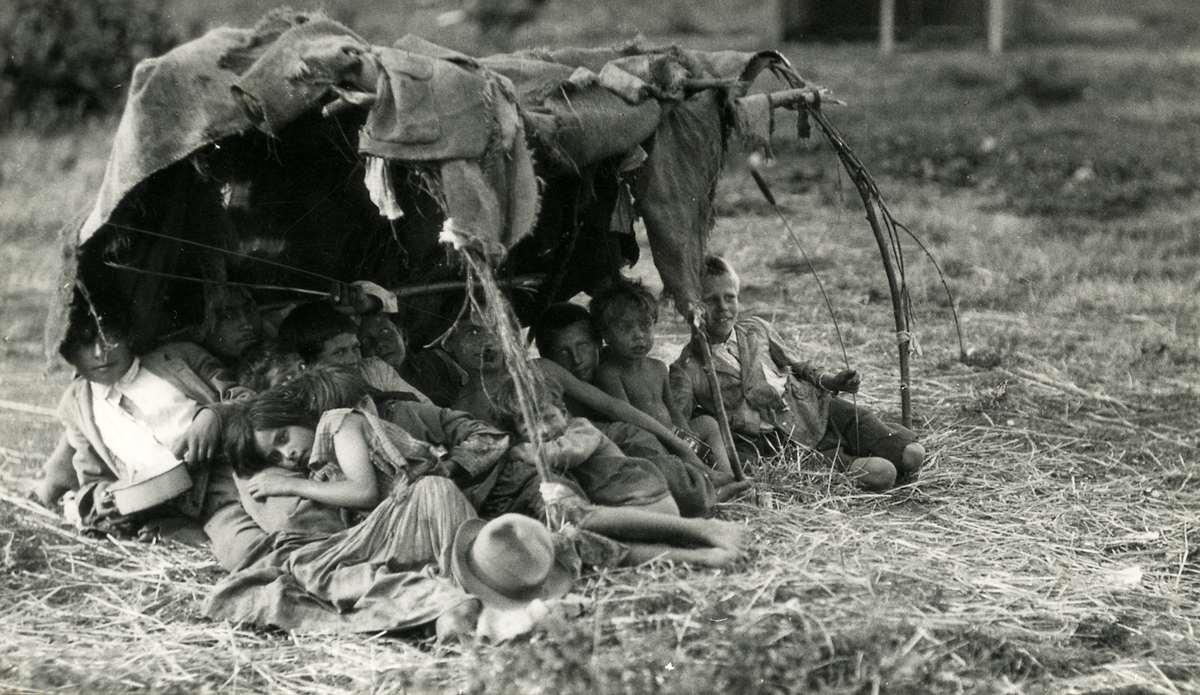
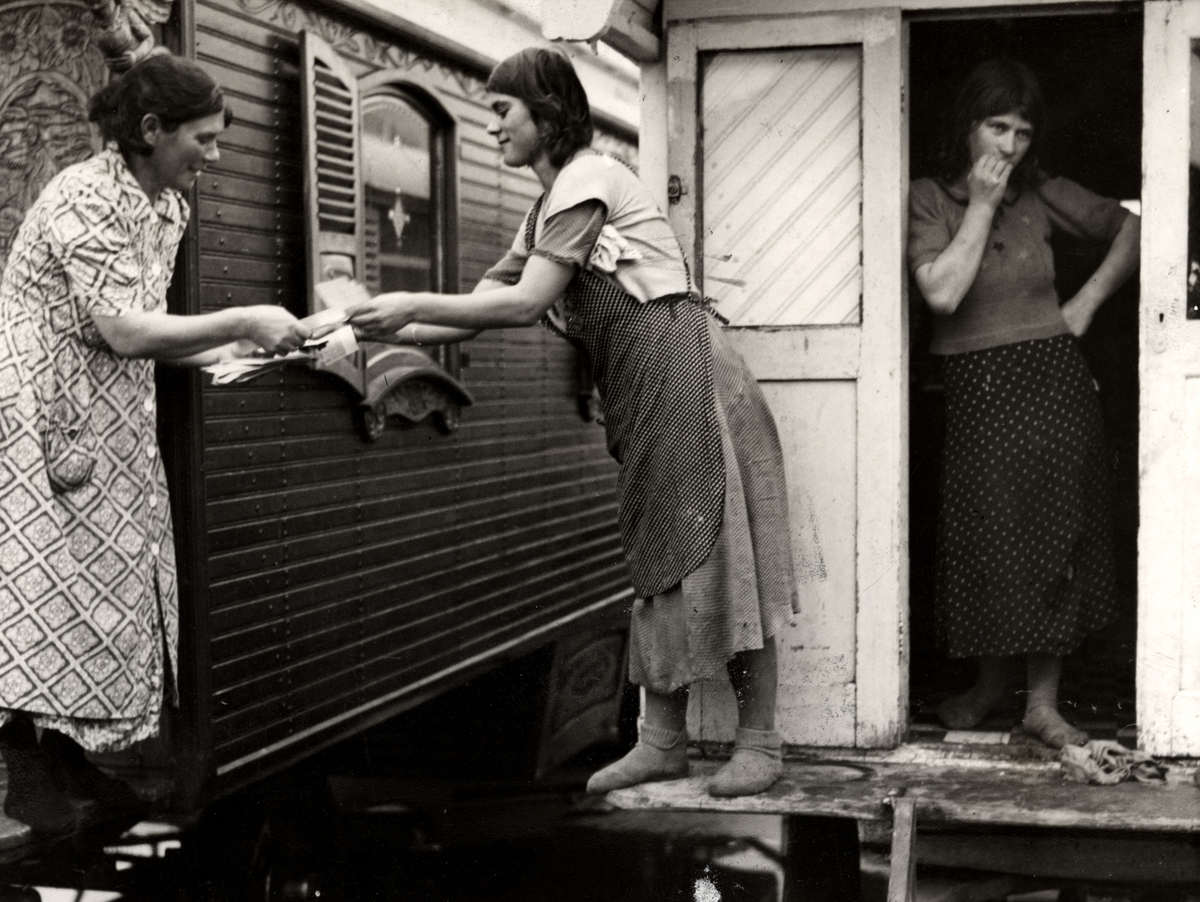
Romani settlements in Western Europe took many forms. Some families lived in traditional horse-drawn wagons and canvas tents. Others occupied more permanent structures on the edges of towns — rough shacks or small houses built from whatever materials were available. Life on the outskirts was the norm, both geographically and socially.
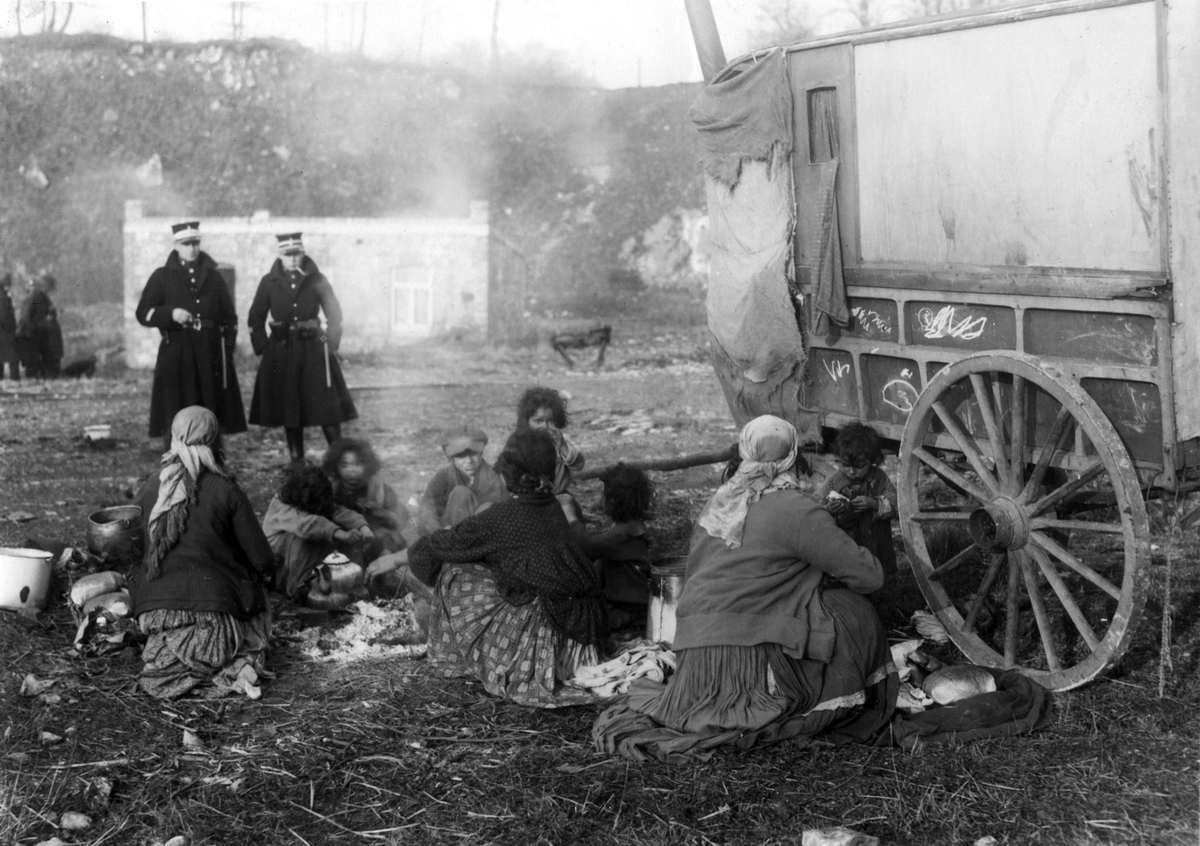
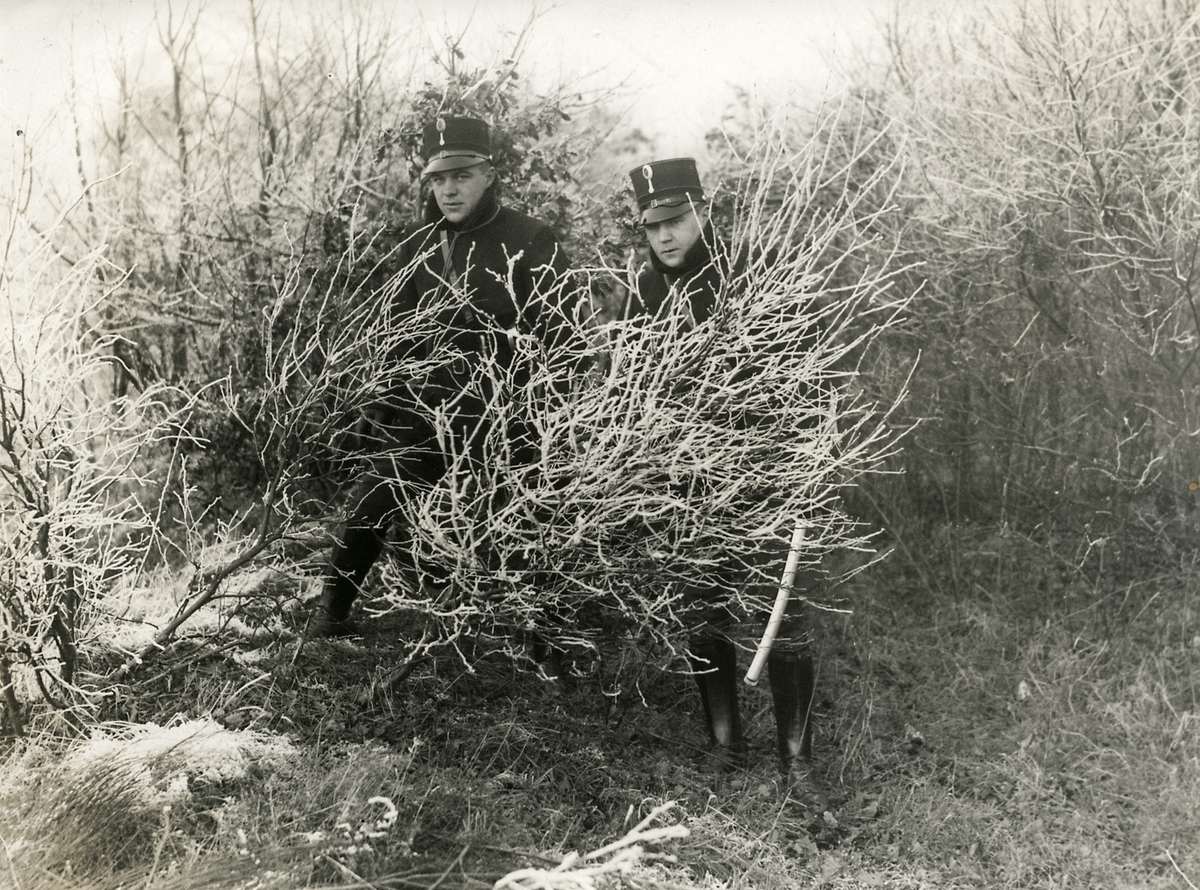
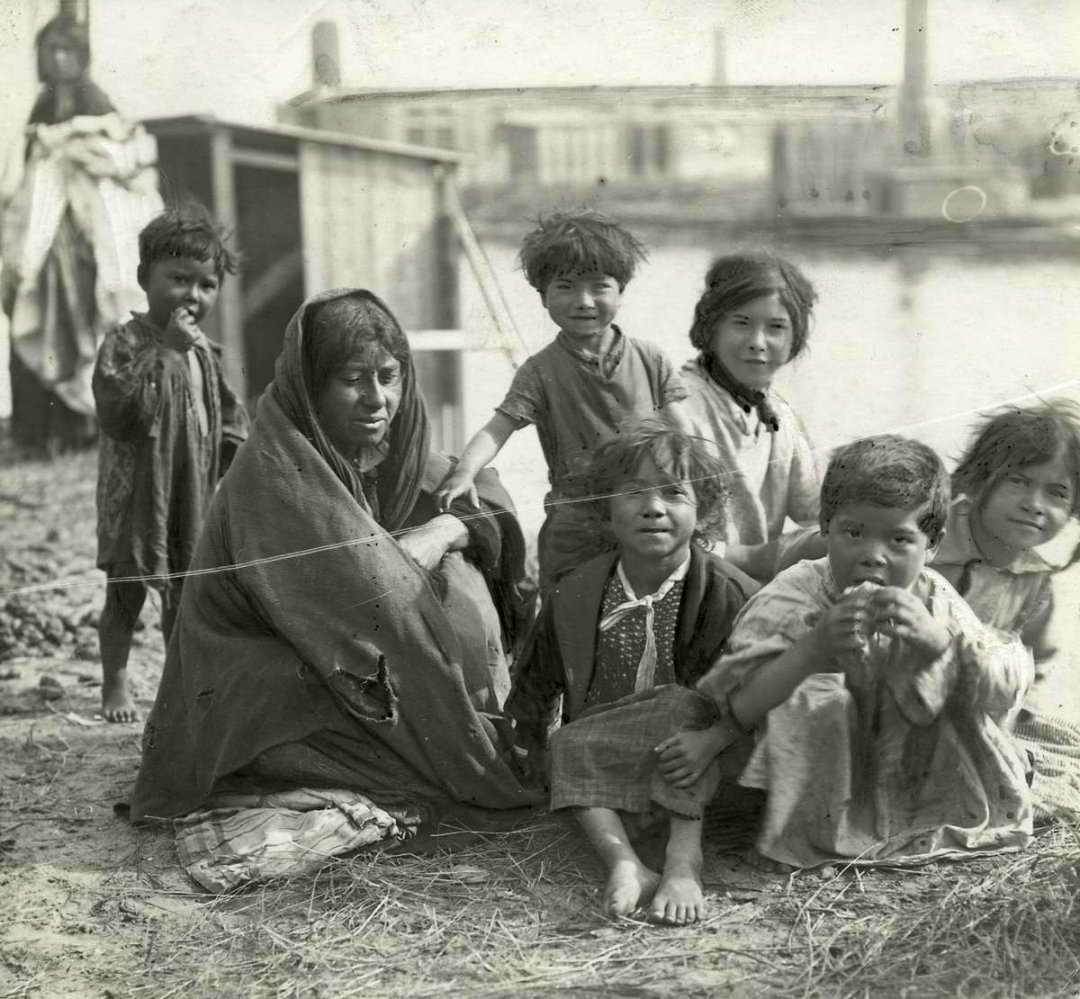
Discrimination was a defining feature of daily life for Romani people during these decades. Widespread prejudice locked many out of formal employment and schooling. Poverty was common, and social exclusion pushed entire families to the margins of mainstream society.
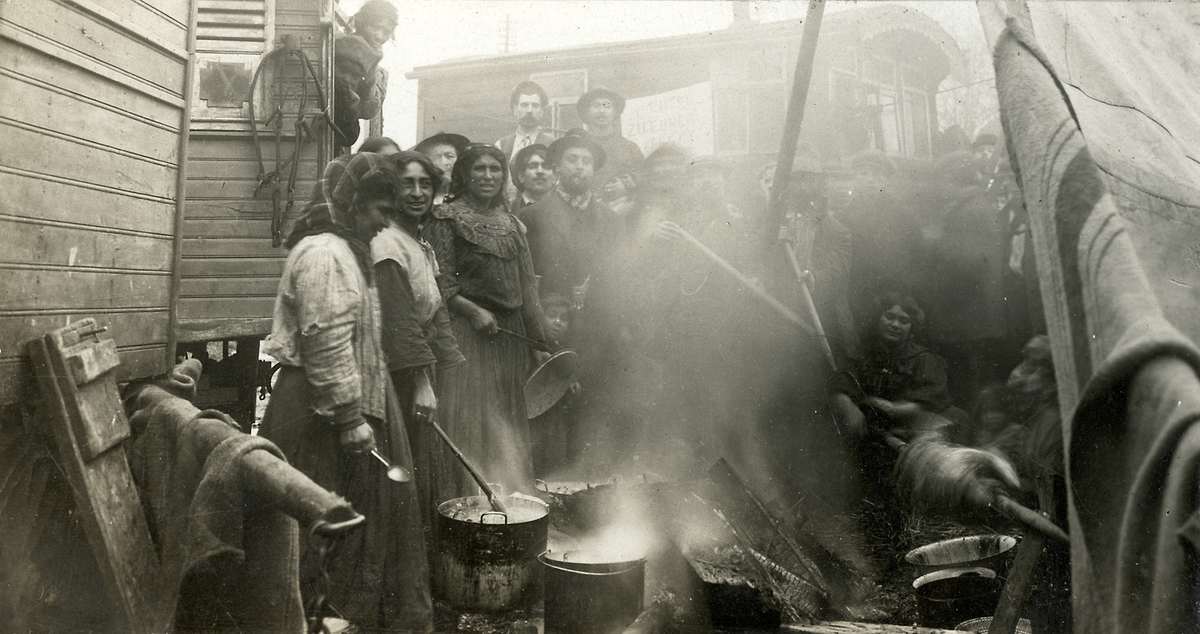
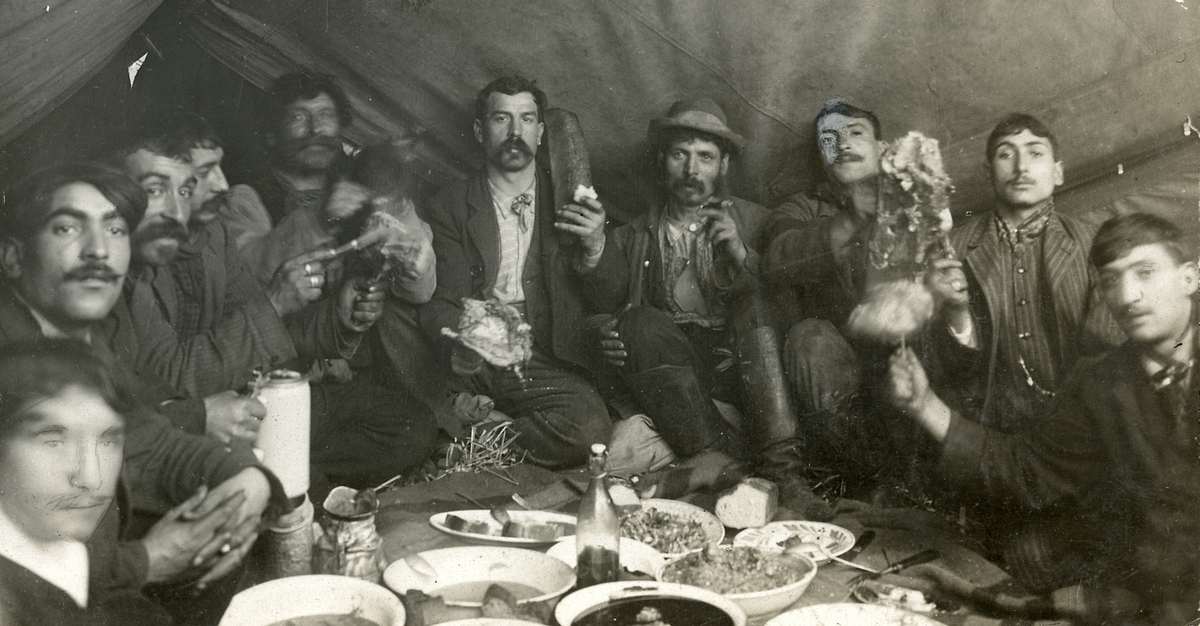
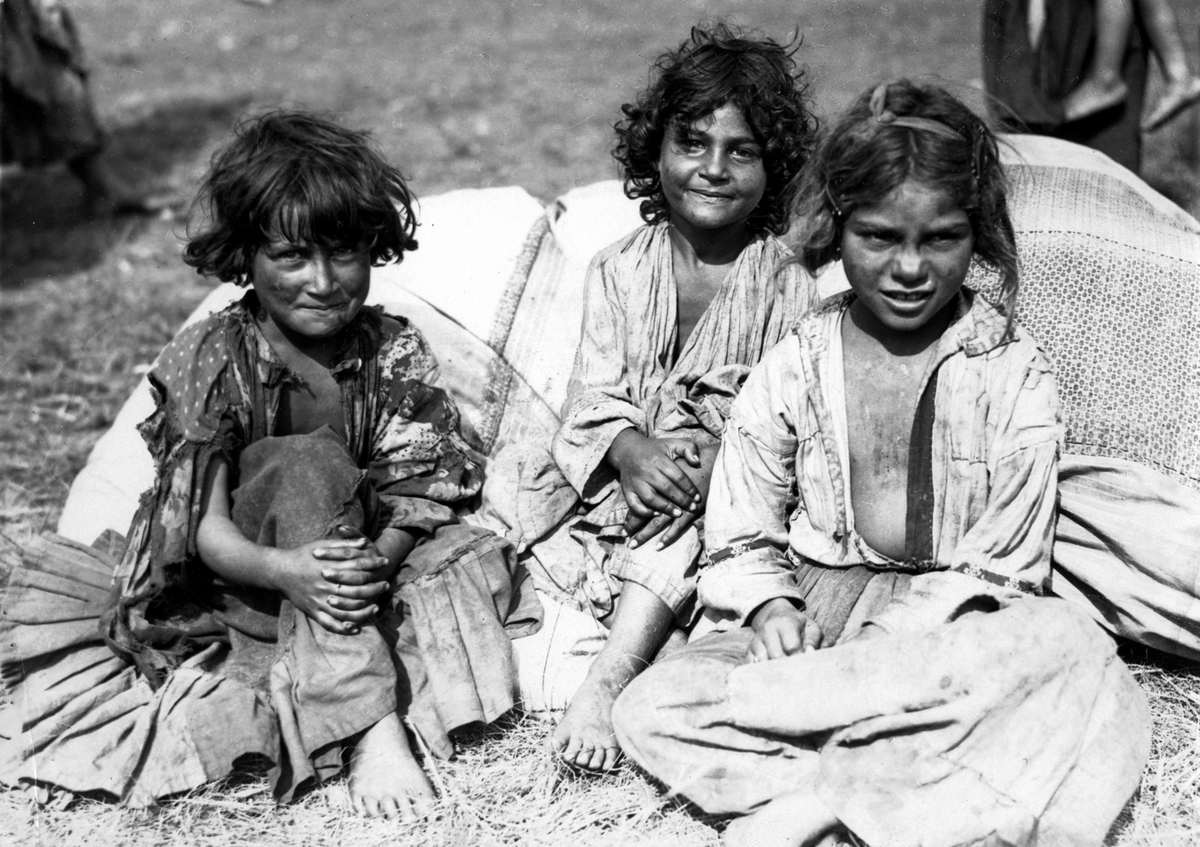
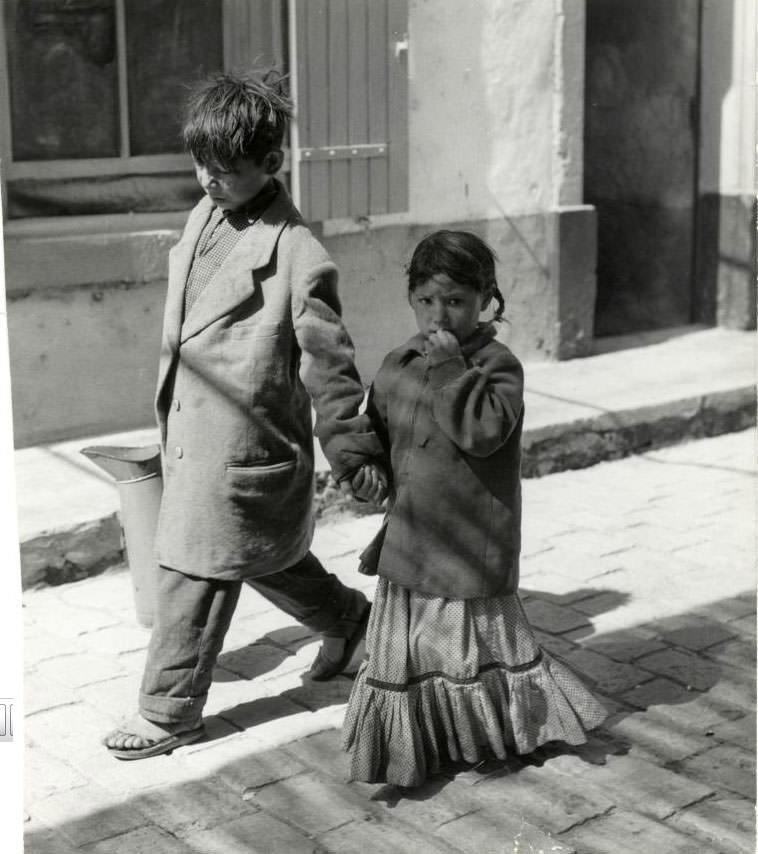
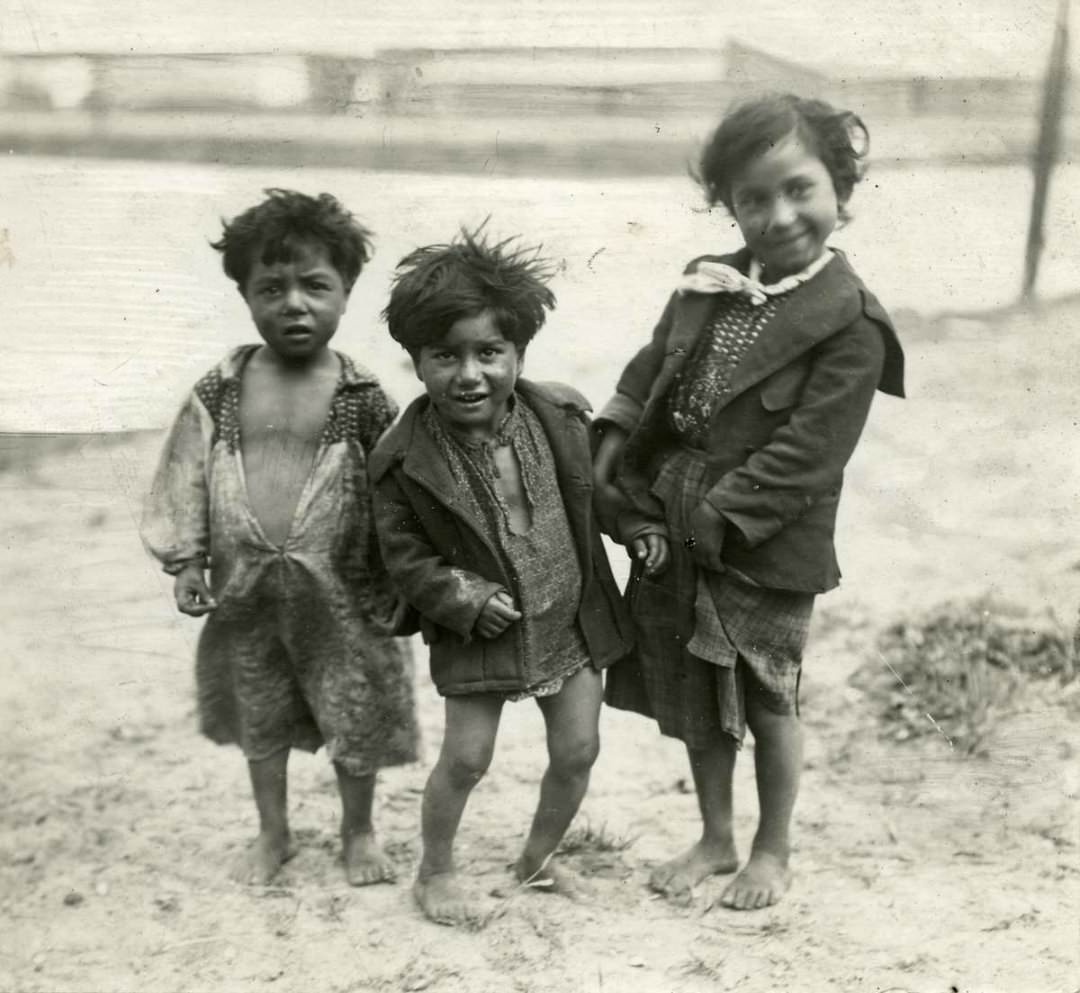
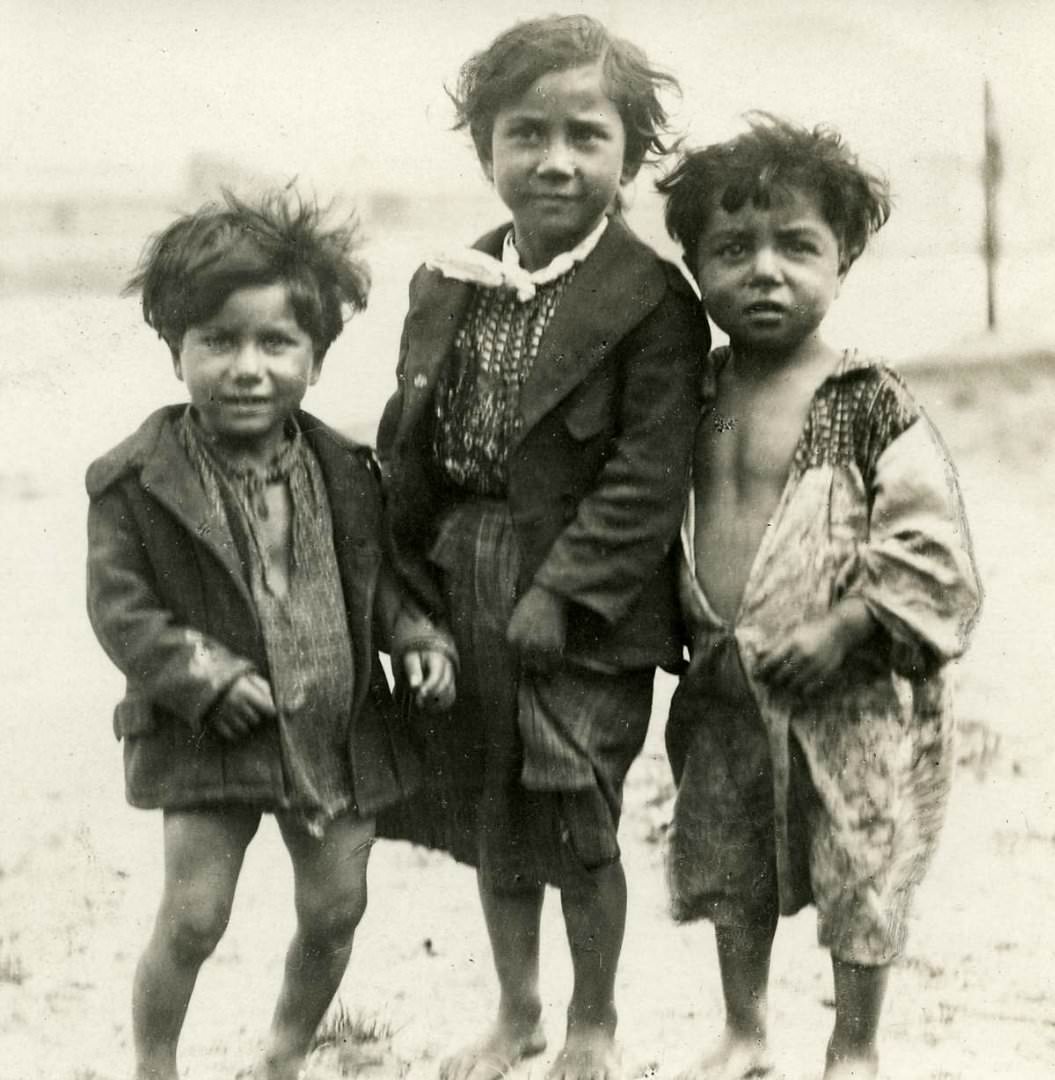
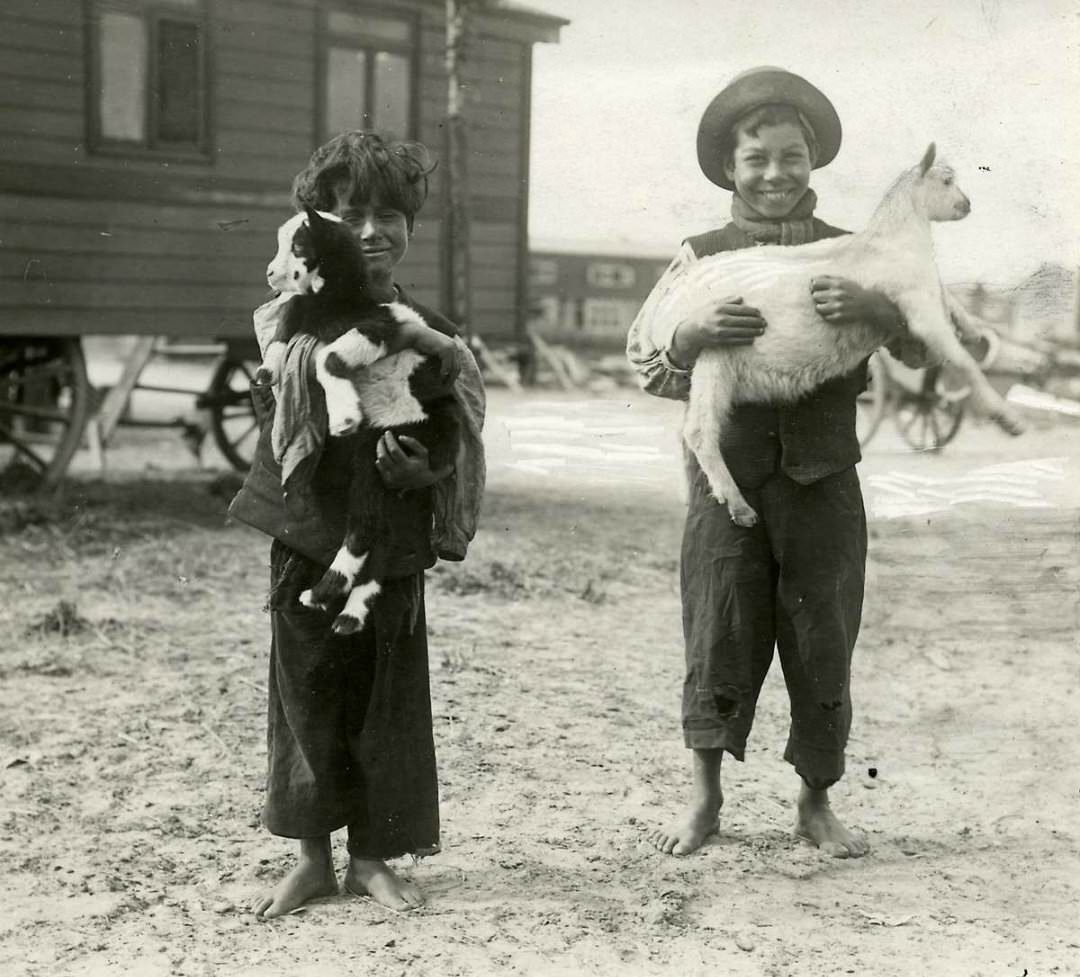
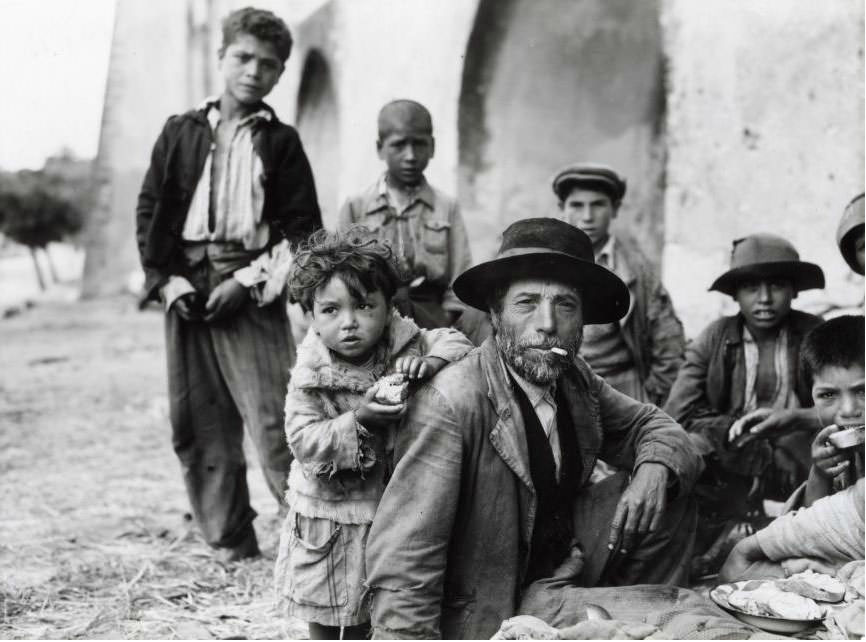
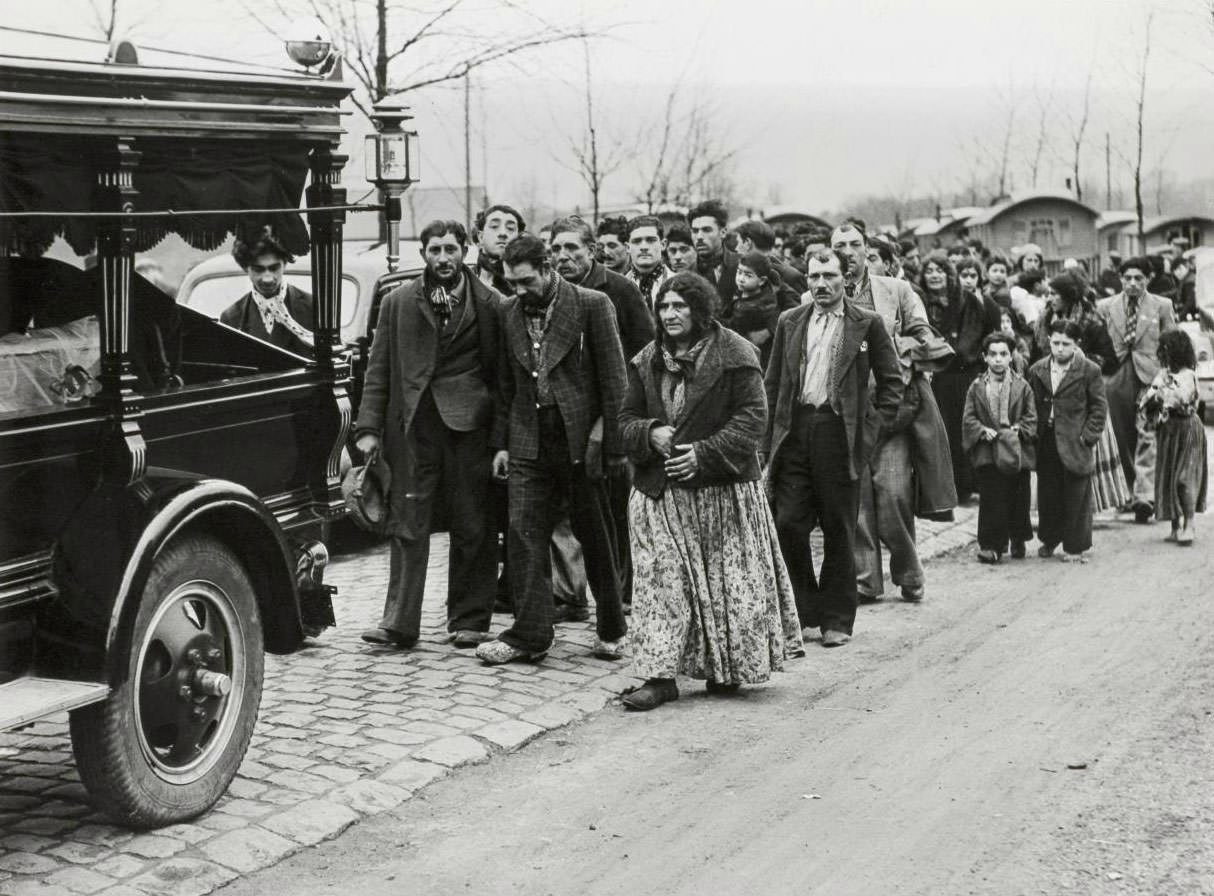
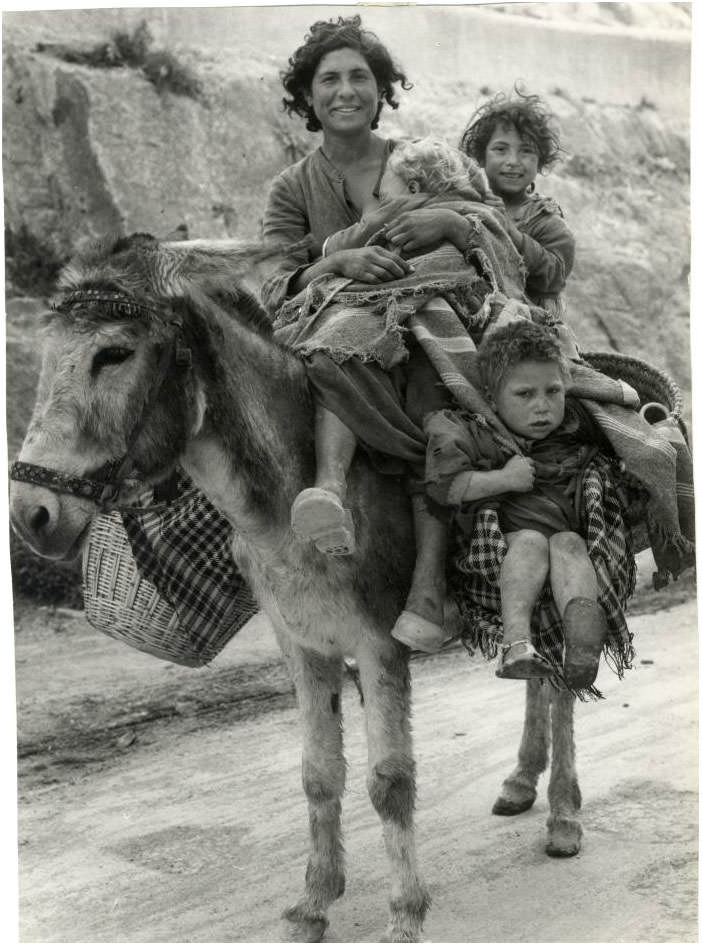
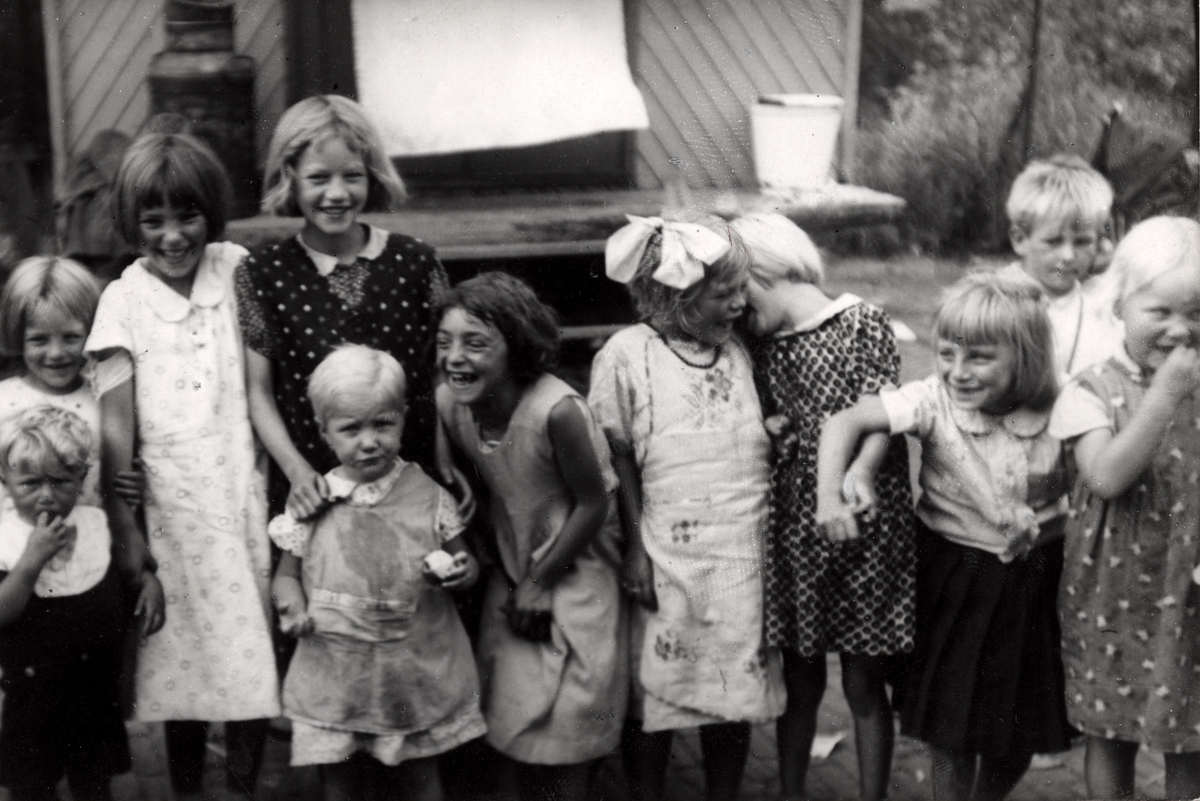
Almásy’s lens did not look away from hardship. His photographs show children playing in impoverished surroundings and adults whose faces carry the weight of difficult lives. These are not staged or softened images — they are direct records of real conditions.
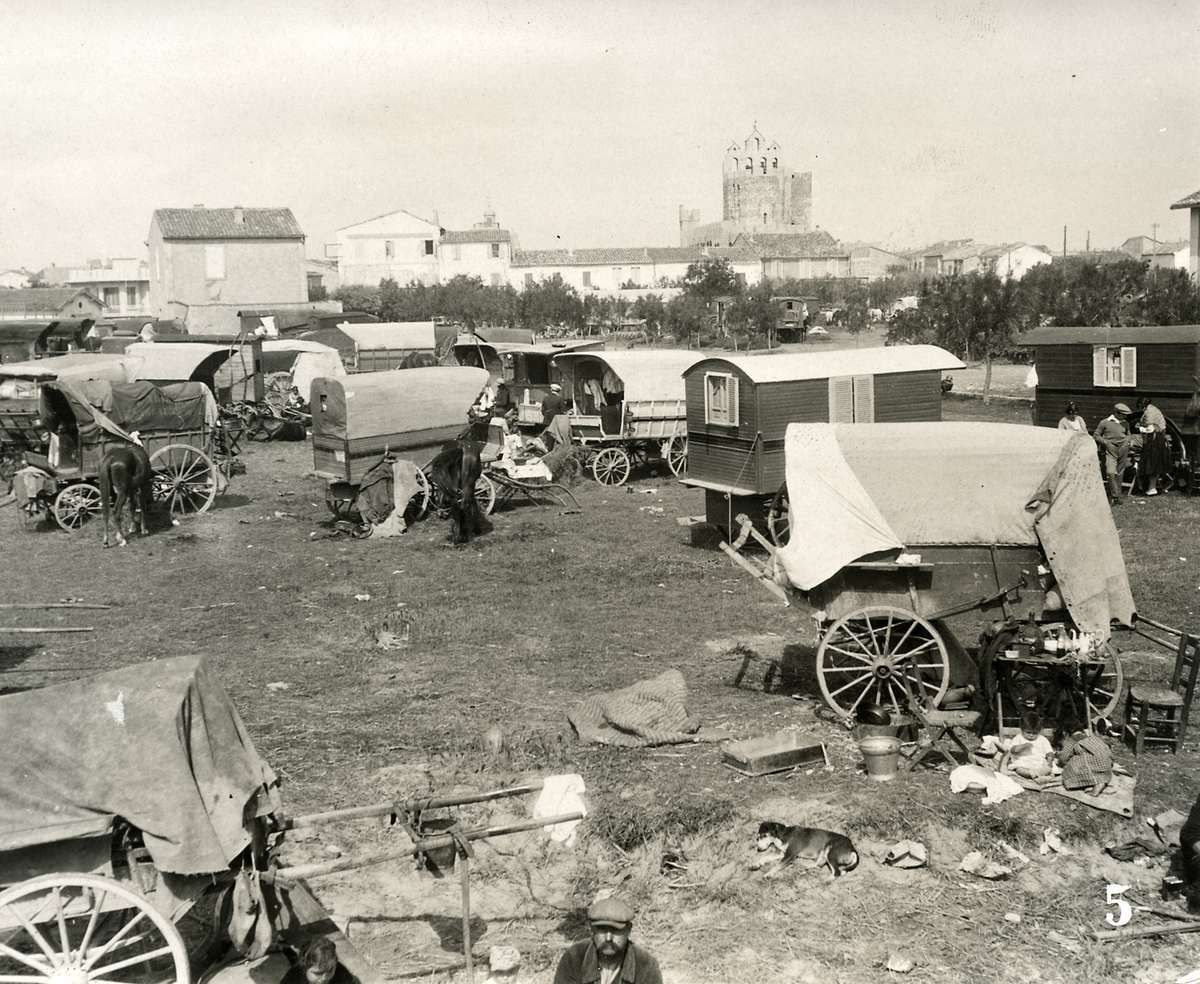
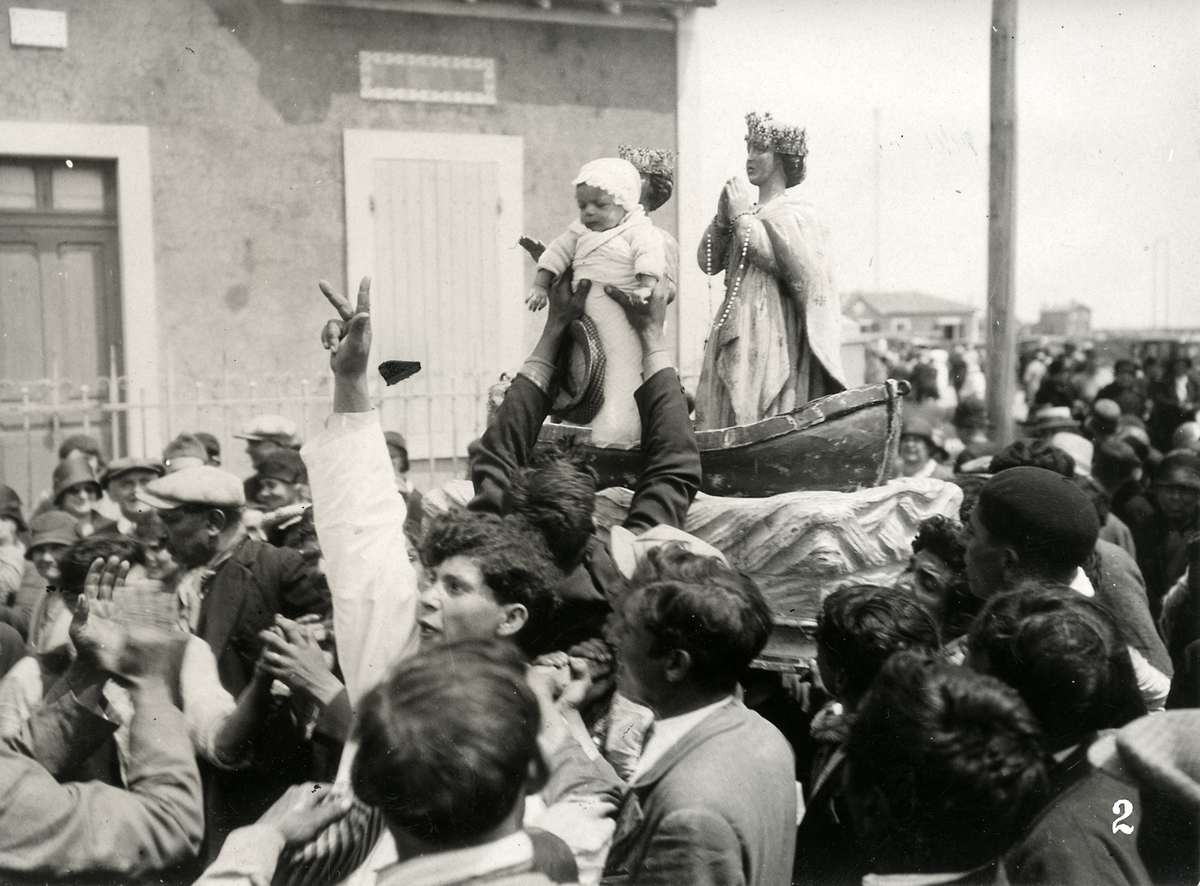
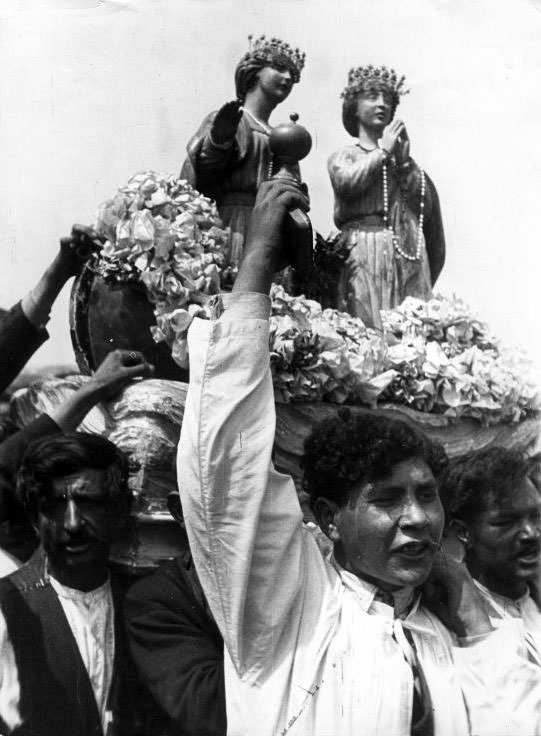
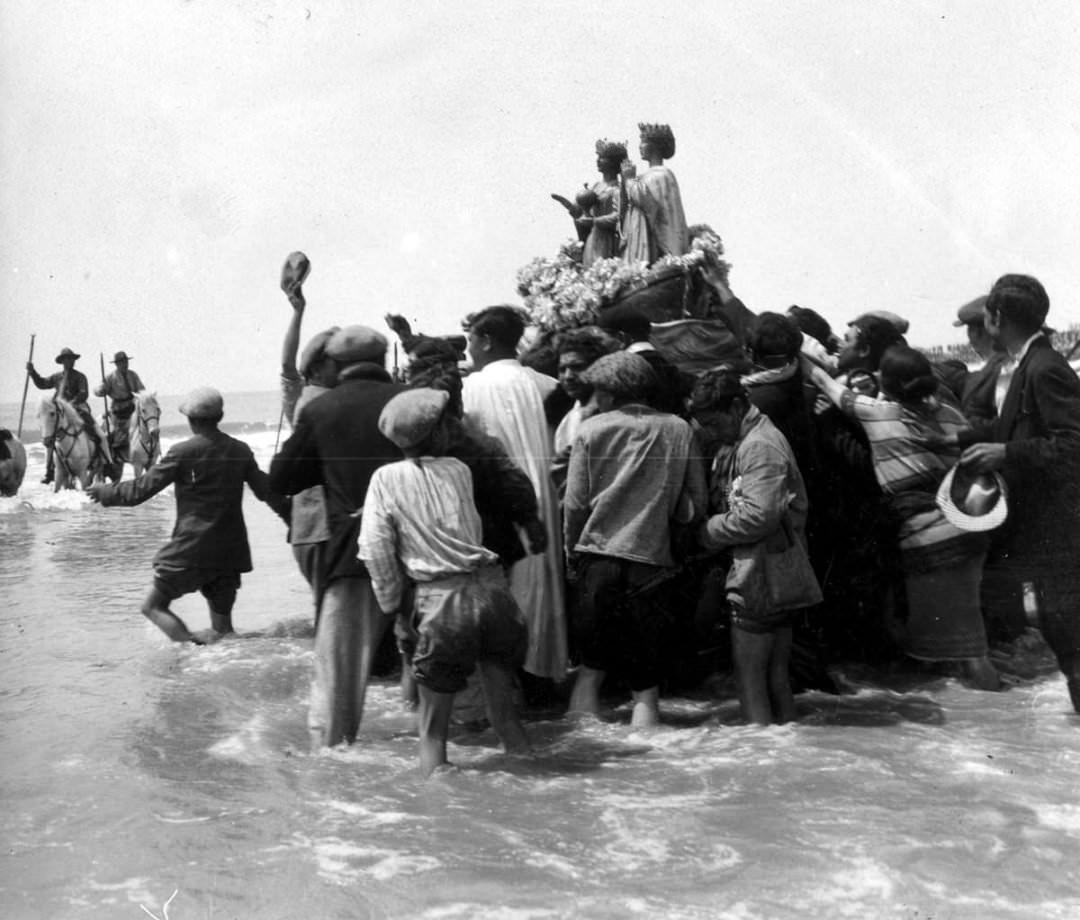
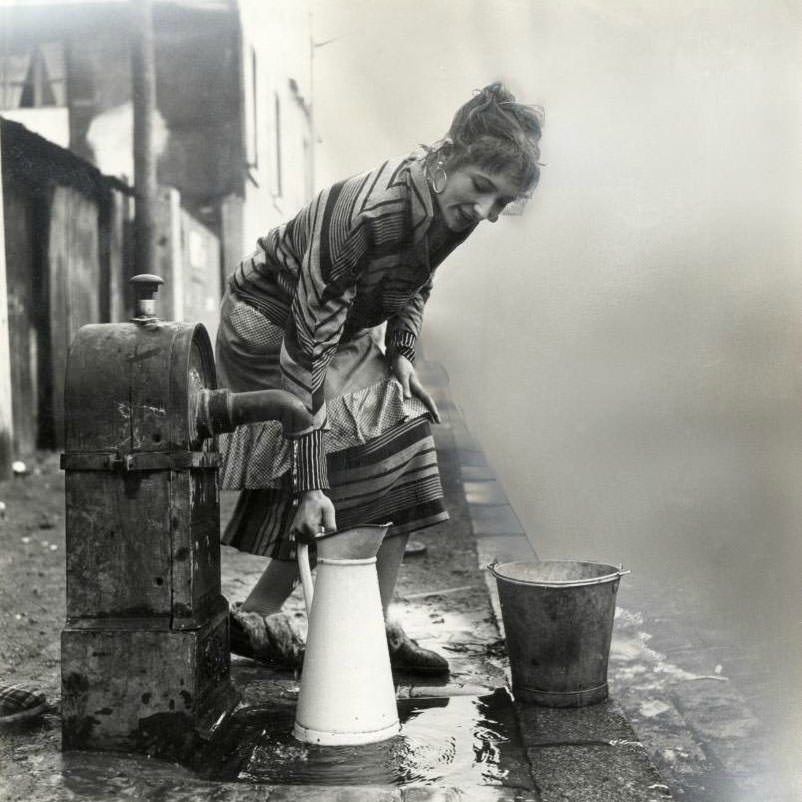
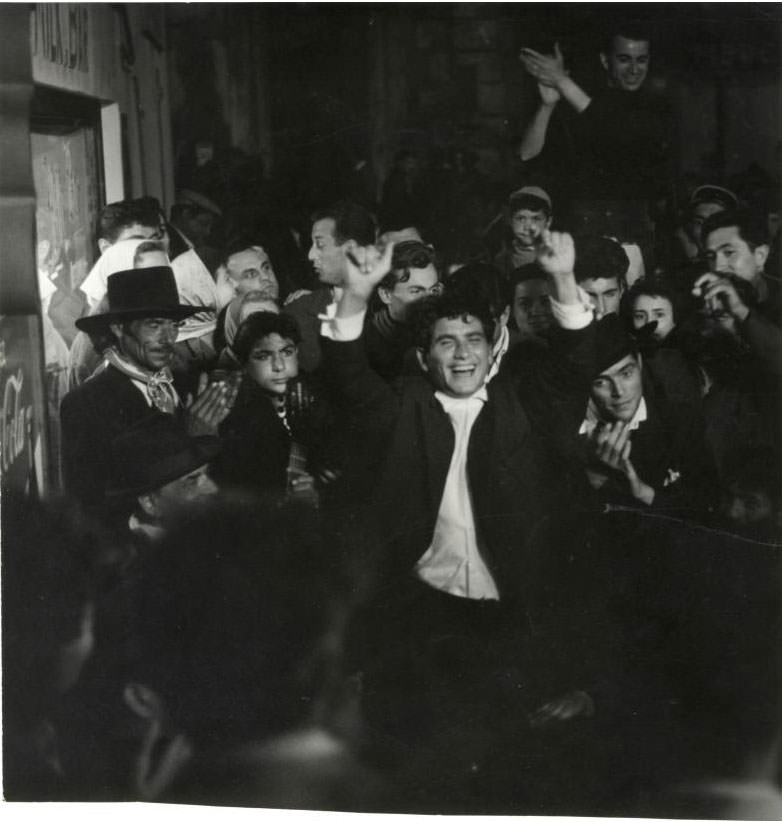
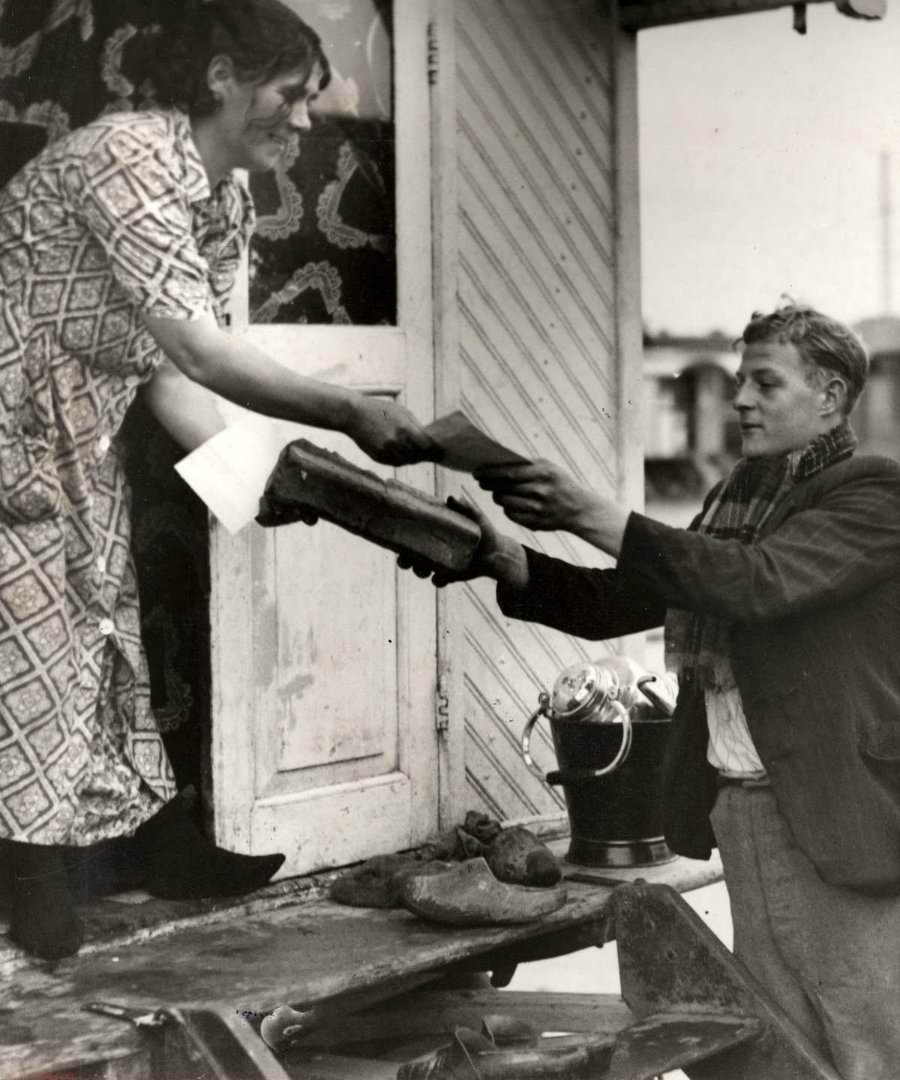
At the same time, the photos reveal a striking diversity within Romani communities. Clothing, occupations, and living arrangements differed widely from group to group and region to region. Some individuals appear in traditional Romani dress, while others wear clothing indistinguishable from their non-Romani neighbors.
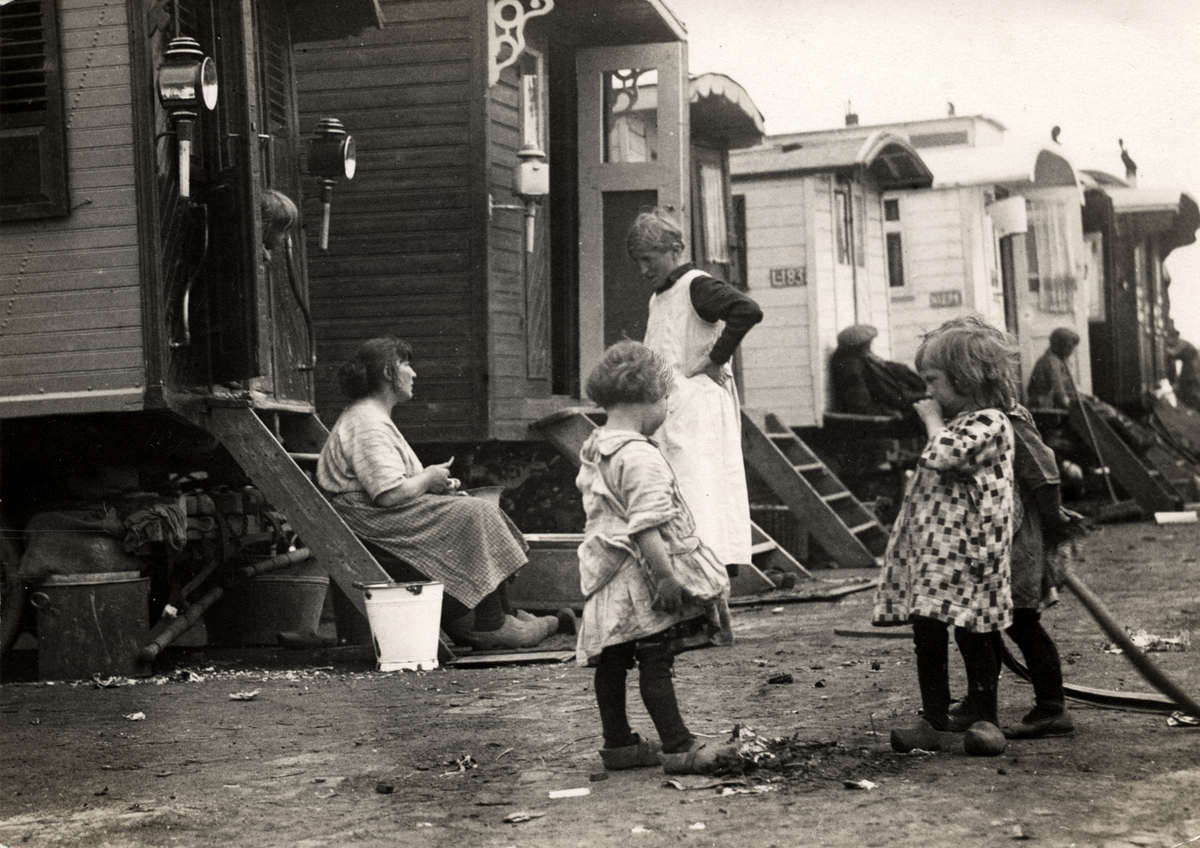
This variety dismantles the idea of a single, uniform “Gypsy” identity. Romani people across Western Europe were not a monolithic group — they were individuals and families with their own specific histories, trades, and ways of living.