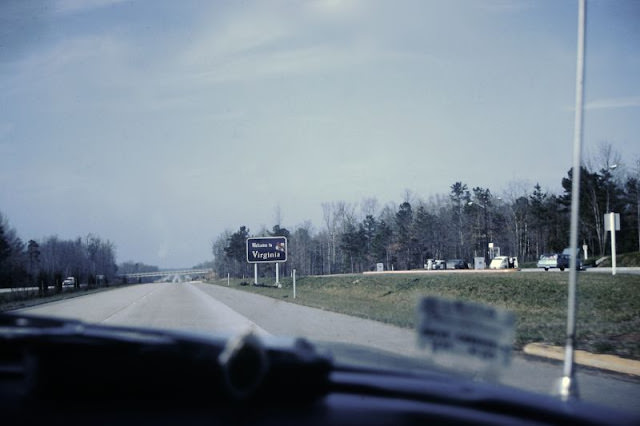
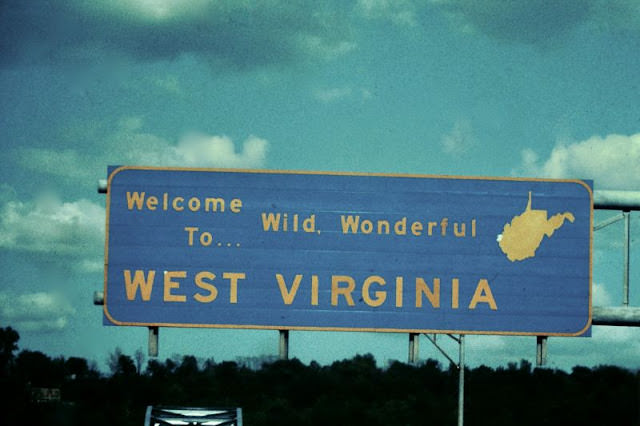
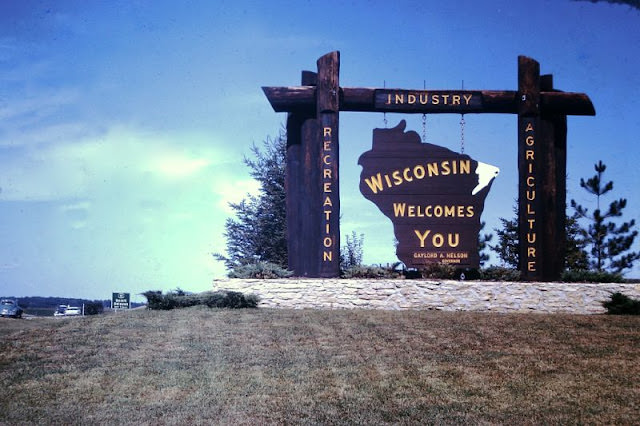
Welcome signs are more than just markers at the edge of a city or state line. They tell travelers they’ve arrived somewhere worth knowing about. At a glance, they deliver facts — a new jurisdiction, a new set of roads, a new community. But they also carry personality, pride, and a sense of place that a simple road sign never could.
Across the United States and beyond, these signs have served a dual role for decades: informing drivers and promoting the region they represent. States used them to highlight landmarks, slogans, and local identity. Some were grand and ornate. Others were simple and painted. All of them marked a moment — the crossing of a line, the start of something new.
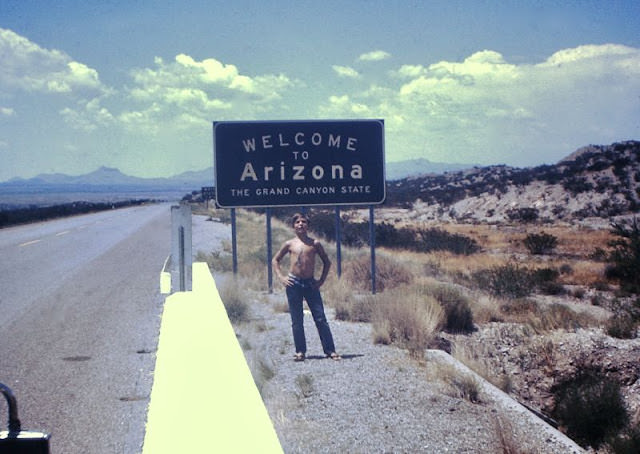
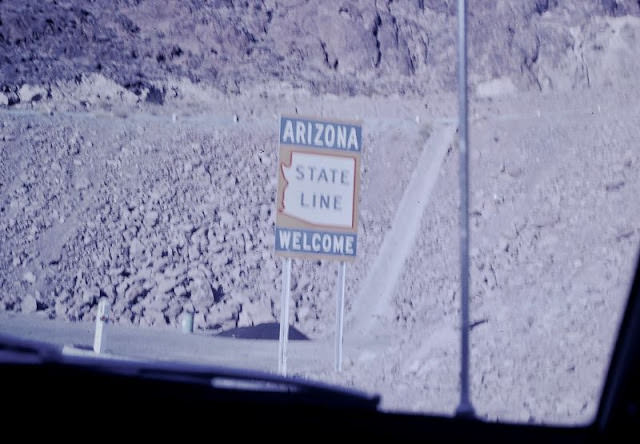
The design of these signs changed over time, reflecting shifts in materials, printing technology, and the growing importance of tourism to local economies. Mid-20th century signs often featured bold lettering, painted wood, or early sheet metal. They were built to catch the eye of a driver passing through at highway speed.
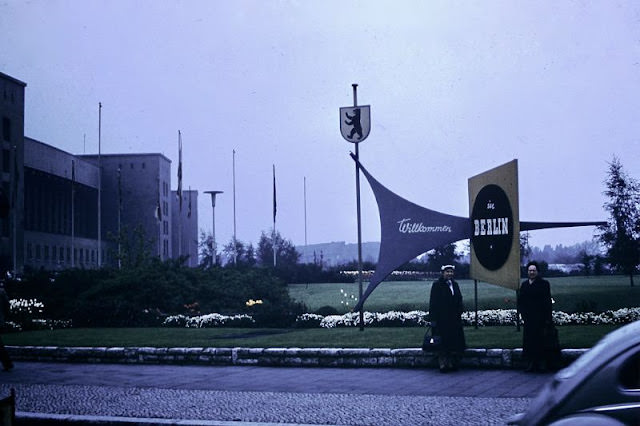
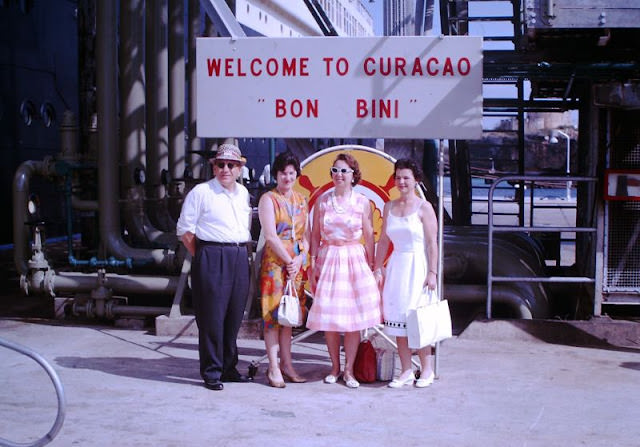
In Europe, welcome signs took on an additional layer of meaning. Under the Schengen Agreement, crossing from one country to another became a simple formality, and roadside signs became the primary signal that a border had been crossed at all. A single sign could mark the edge of an entire nation.
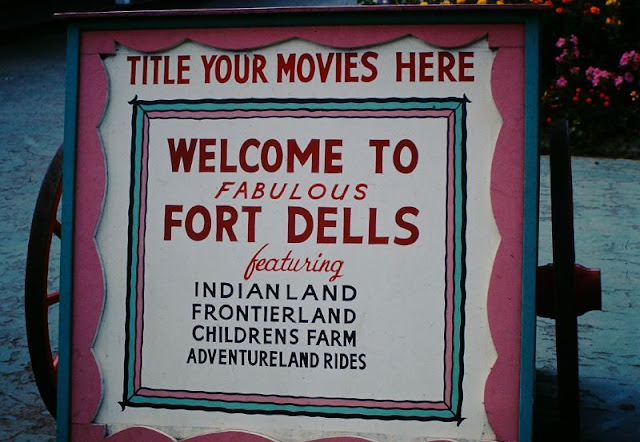
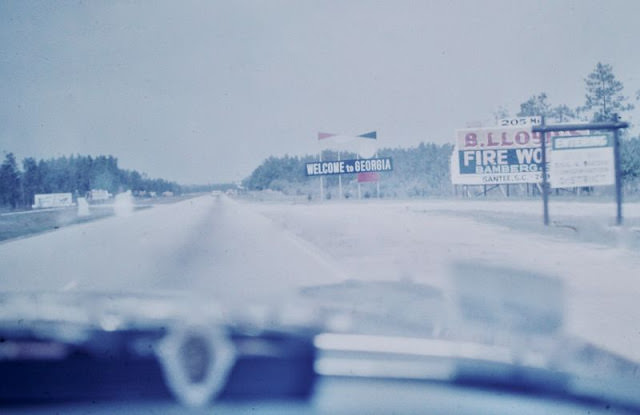
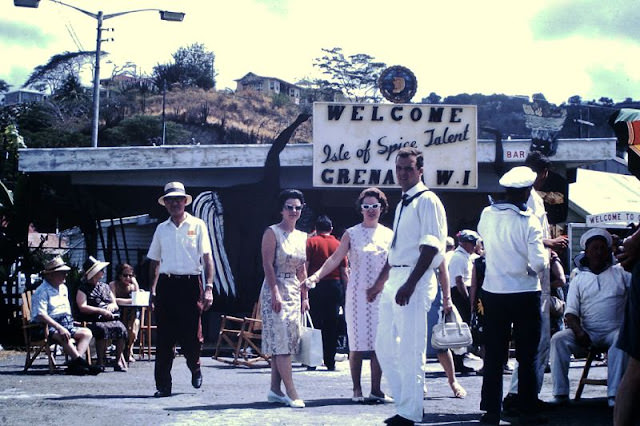
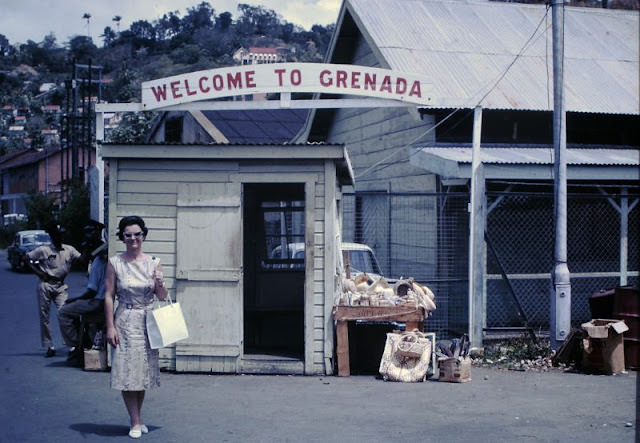
Smaller towns and cities used welcome signs to punch above their weight. A well-crafted sign made a modest town feel like a destination. Slogans, illustrations, and even local mascots appeared on signs across the country, each one a small window into what a community valued most about itself.
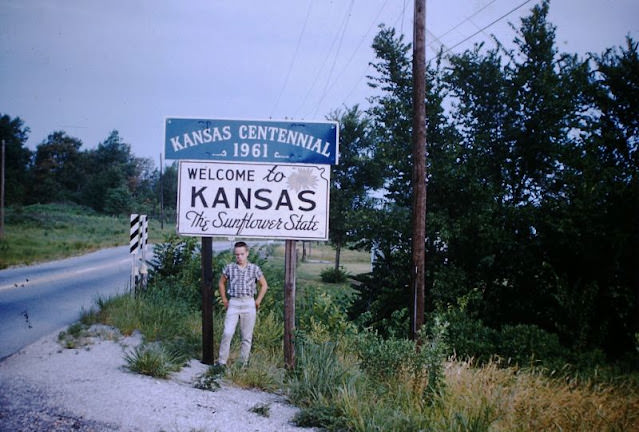
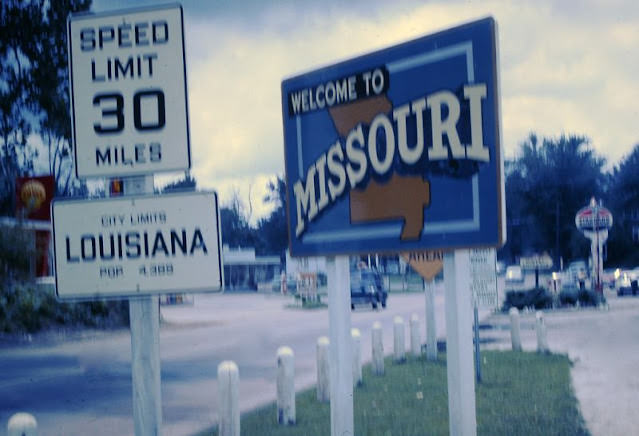
Nevada produced some of the most recognizable welcome signage in American history. The state’s identity — tied to gambling, entertainment, and the open desert — made its signs instantly iconic, especially those greeting visitors to Las Vegas.
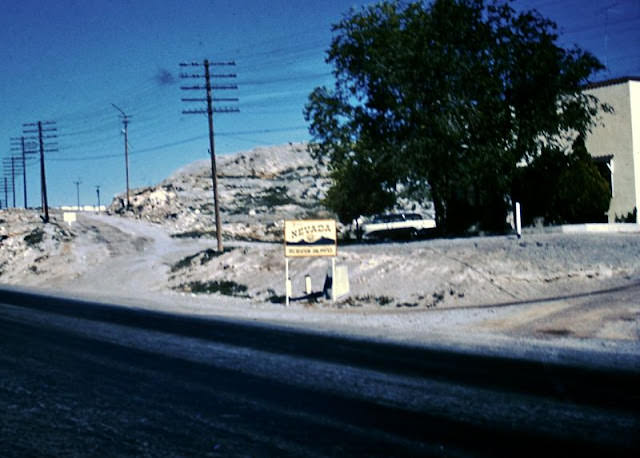
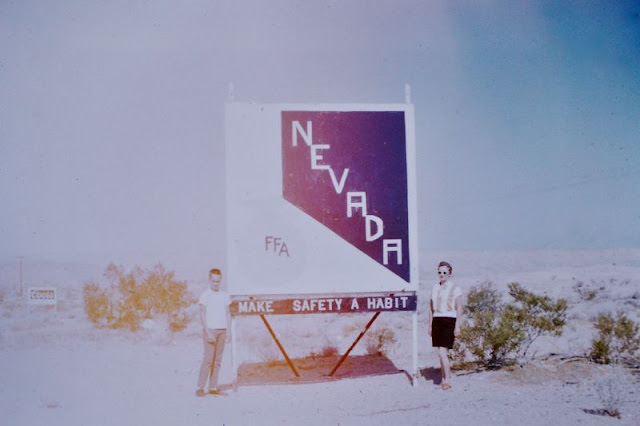
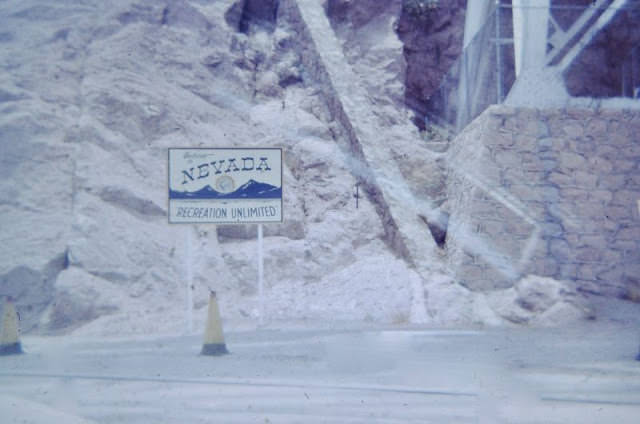
The Southwest states leaned heavily on their natural landscapes and Native American heritage in their sign designs. New Mexico’s signs, in particular, reflected the state’s distinctive cultural blend of Spanish, Indigenous, and Anglo-American traditions.
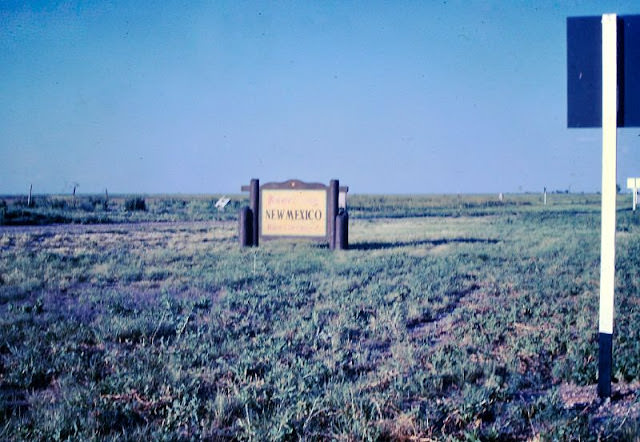
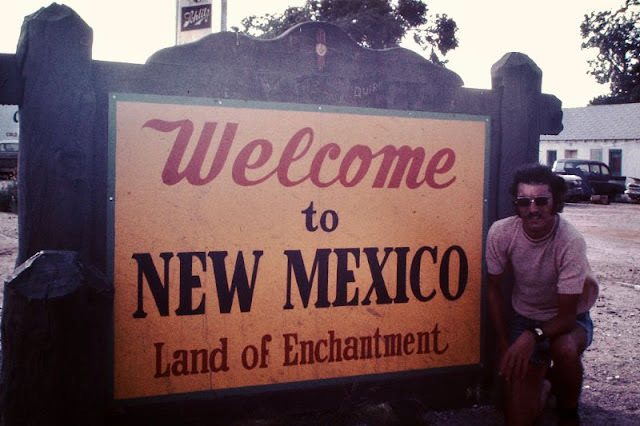
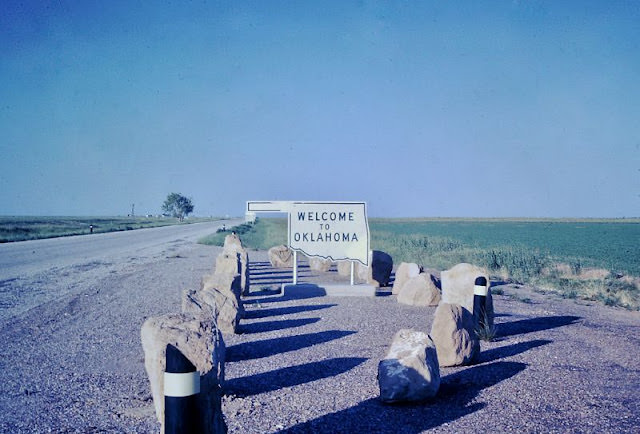
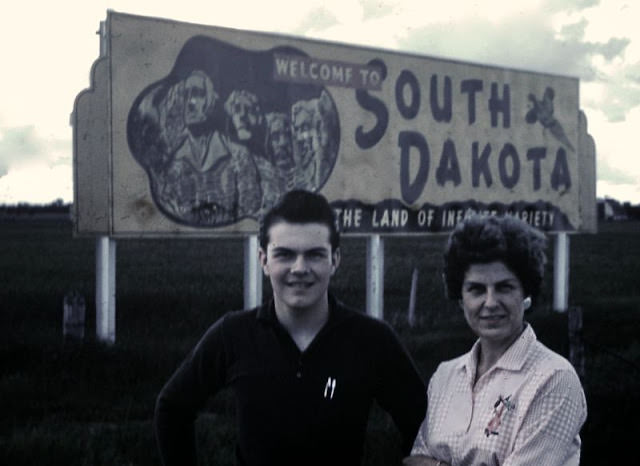
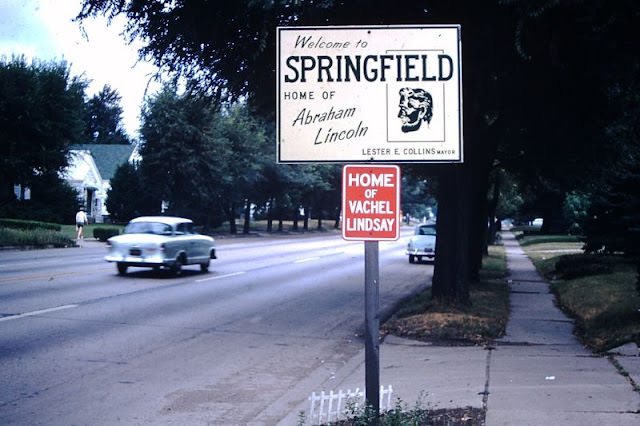
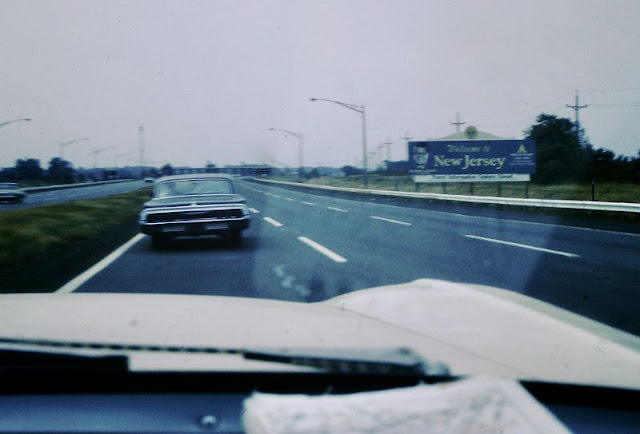
From the Atlantic seaboard to the heartland and the mountain states, these vintage photos capture welcome signs as they once stood — weathered, proud, and full of regional character. Each one is a small piece of history frozen at the roadside.