Feeling self-conscious about your smile? One look at these vintage photos will change that fast. People in past centuries had a very different relationship with their teeth — and the pictures prove it.
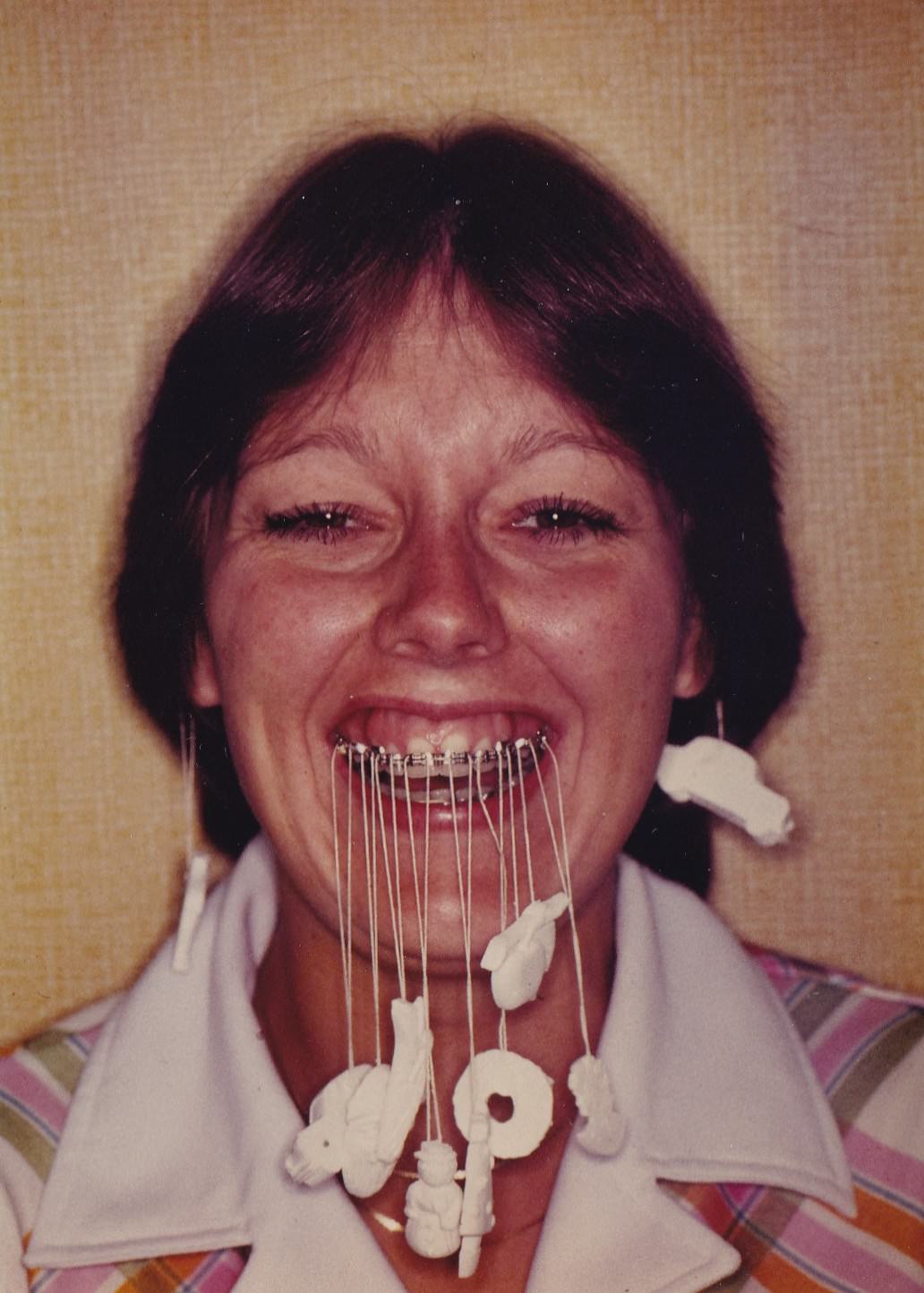
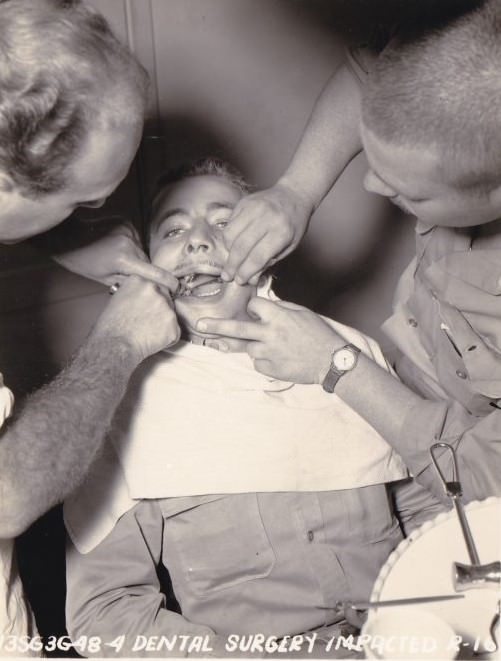
Before modern dentistry, a trip to the dentist looked nothing like today’s clean, calm offices. Early dentists worked with heavy metal tools, no real anesthesia, and very little understanding of hygiene. Patients often sat in wooden chairs, gripping the armrests for dear life.
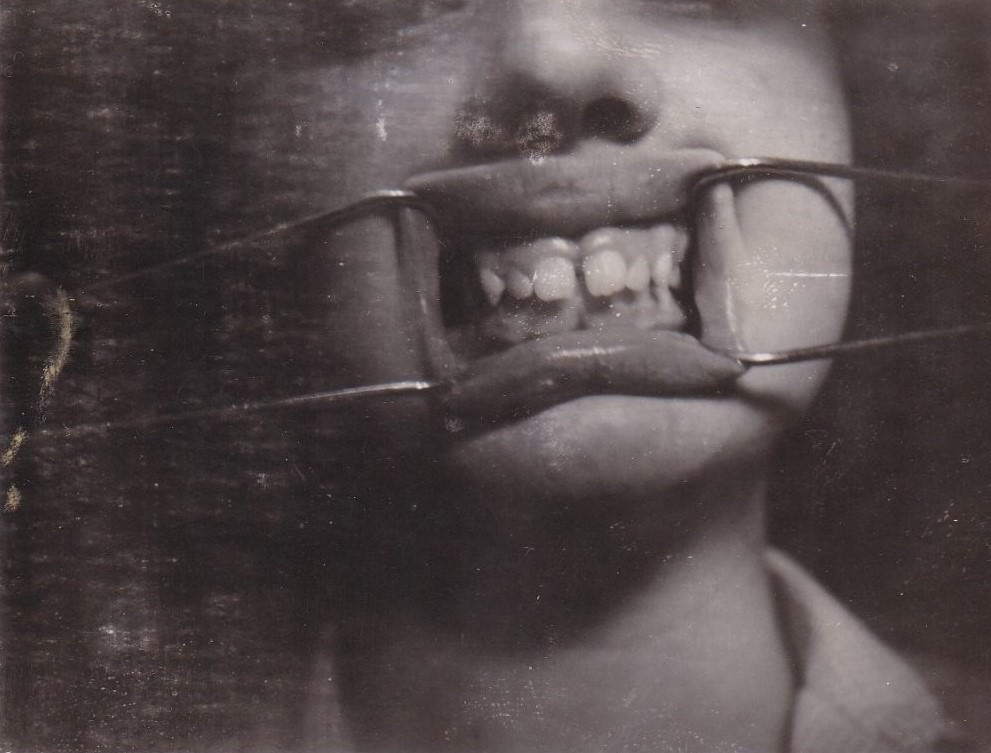
Some dentists in old photos sport thick handlebar mustaches and long coats, holding tools that look more like hardware store finds than medical equipment. Their patients wear expressions somewhere between dread and disbelief.
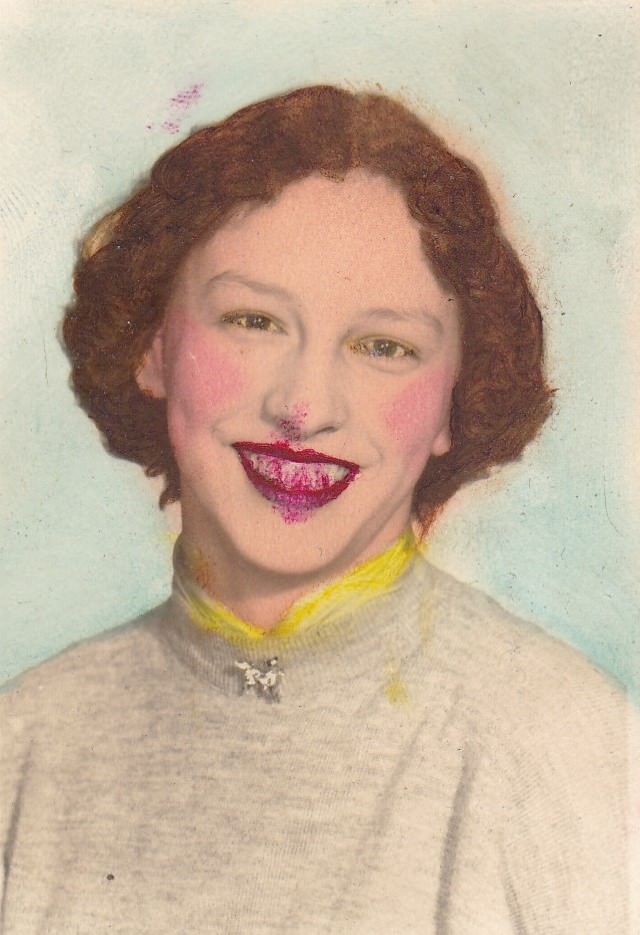
In the Victorian era, wealthy women sometimes had gold caps fitted over their teeth or jewels implanted to show off their status. It was a very literal way of flashing your fortune every time you smiled.
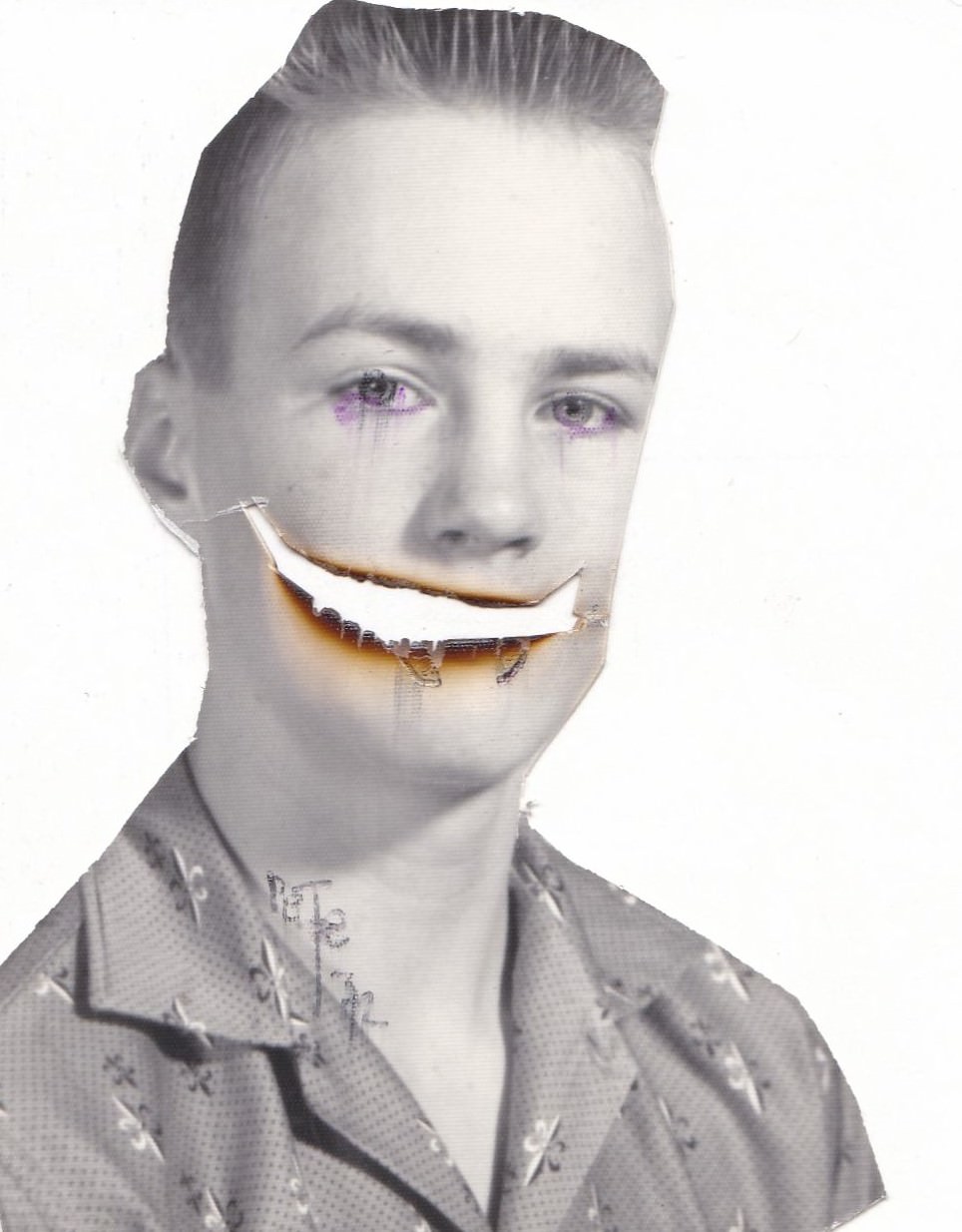
There were also popular trends that seem bizarre today. Some people deliberately filed their teeth to create a gap between the front two — considered charming and attractive at the time.
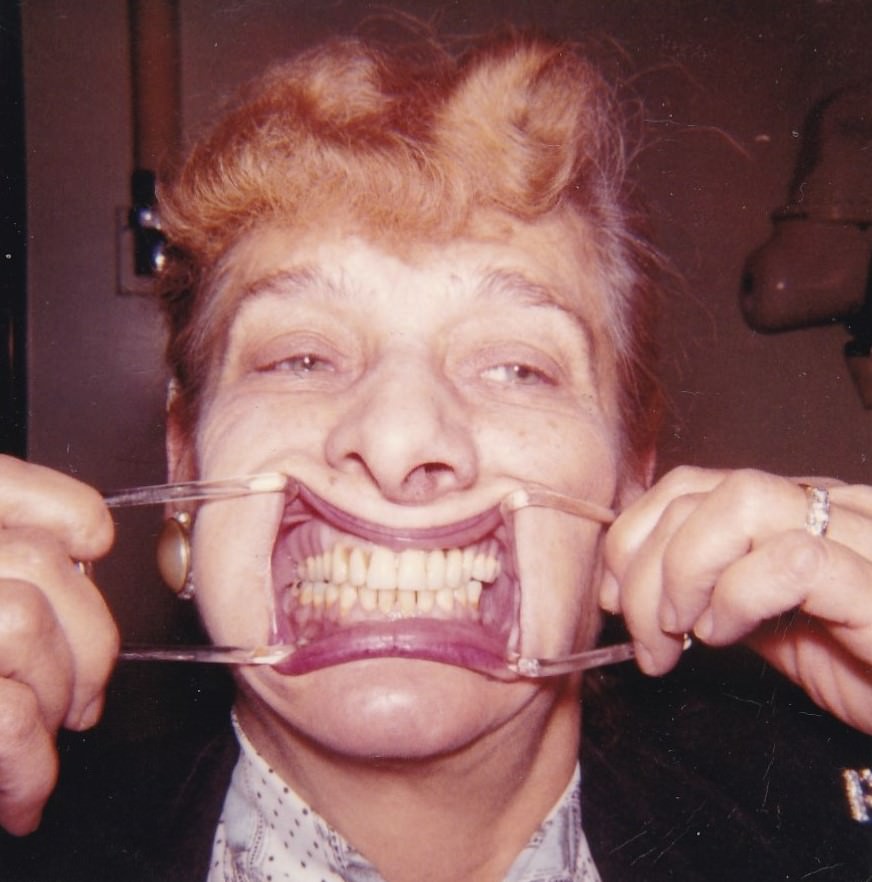
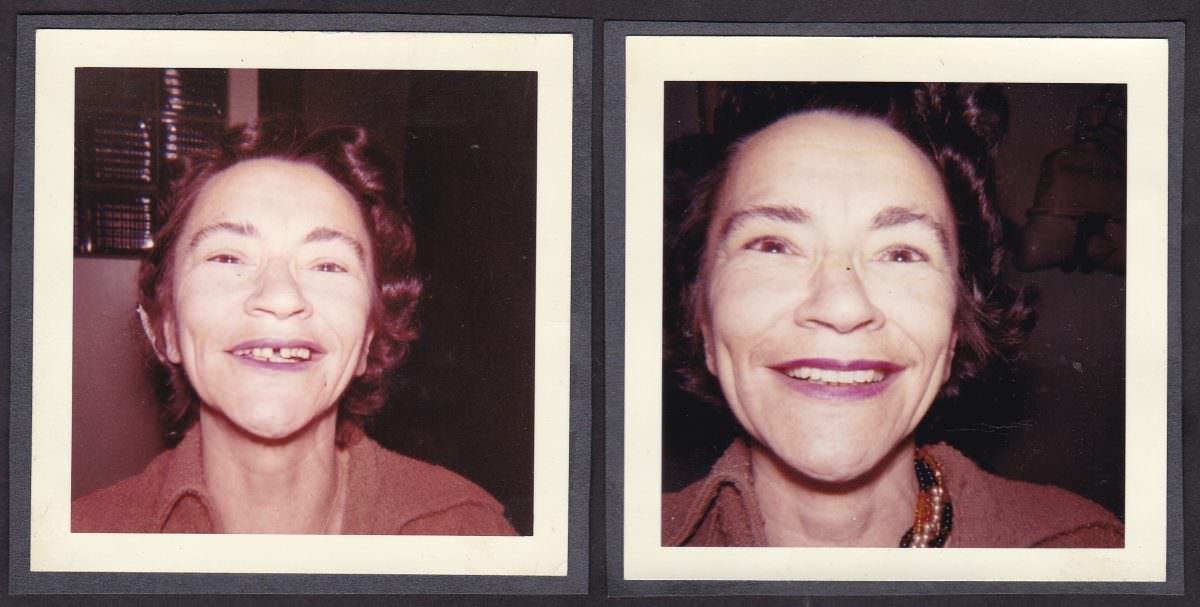
Group photos from the 1800s and early 1900s rarely show anyone grinning wide. Smiling for a portrait was seen as undignified. So most subjects stood stiff and tight-lipped, which makes the rare open smile even more striking.
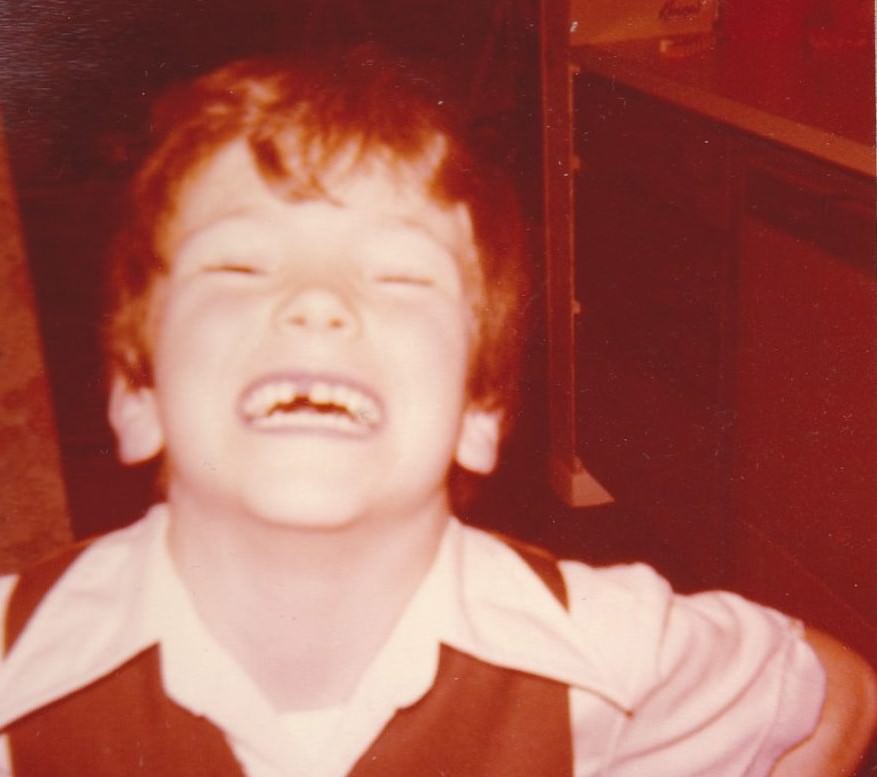
Children, however, never quite got that memo. Old snapshots of kids show gap-toothed grins and toothy laughs that cut right through the era’s formal style.
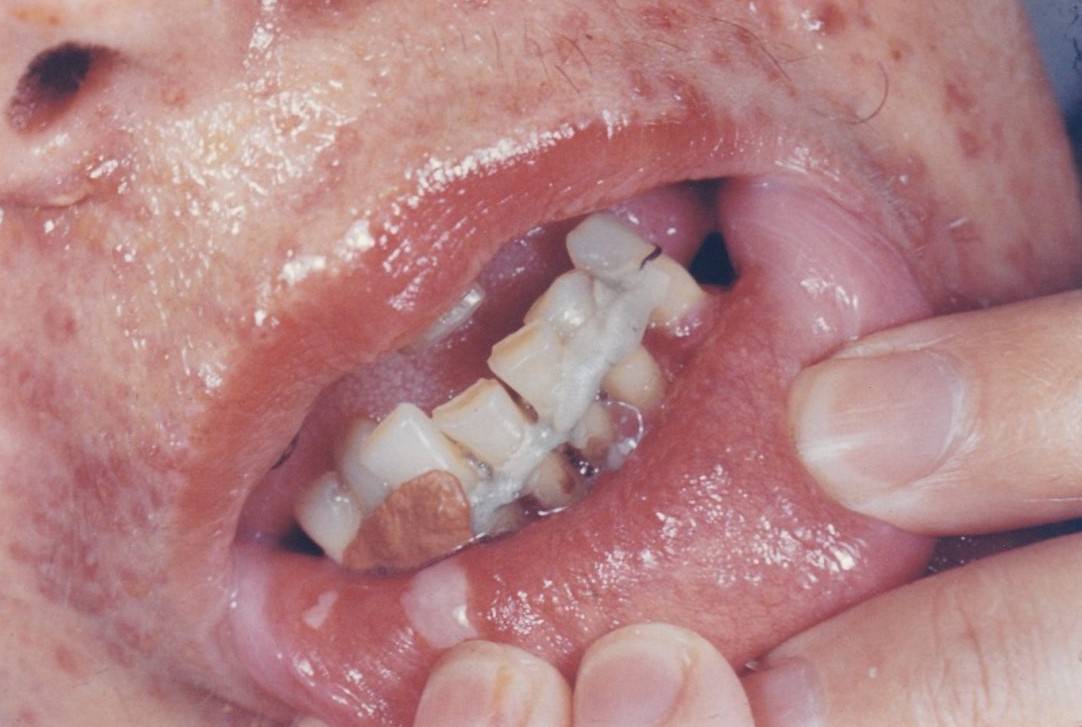
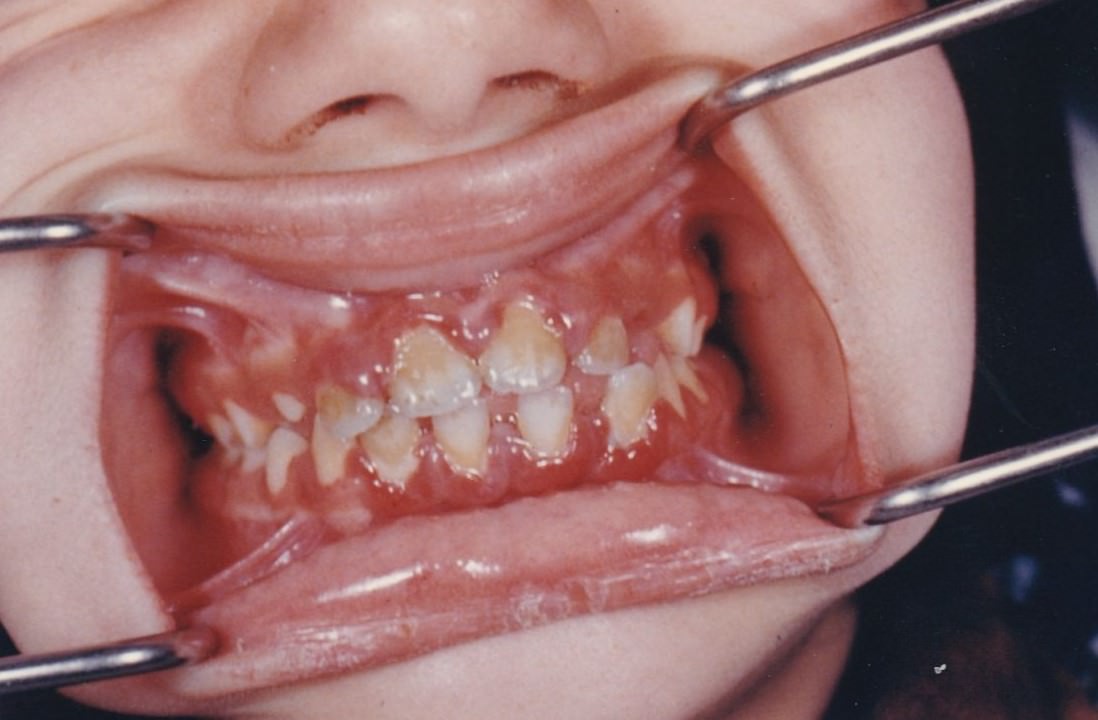
Some contraptions used in early dental offices look genuinely alarming. Wire braces from the early 20th century were bulky, painful-looking devices that bore little resemblance to the slim brackets used today.
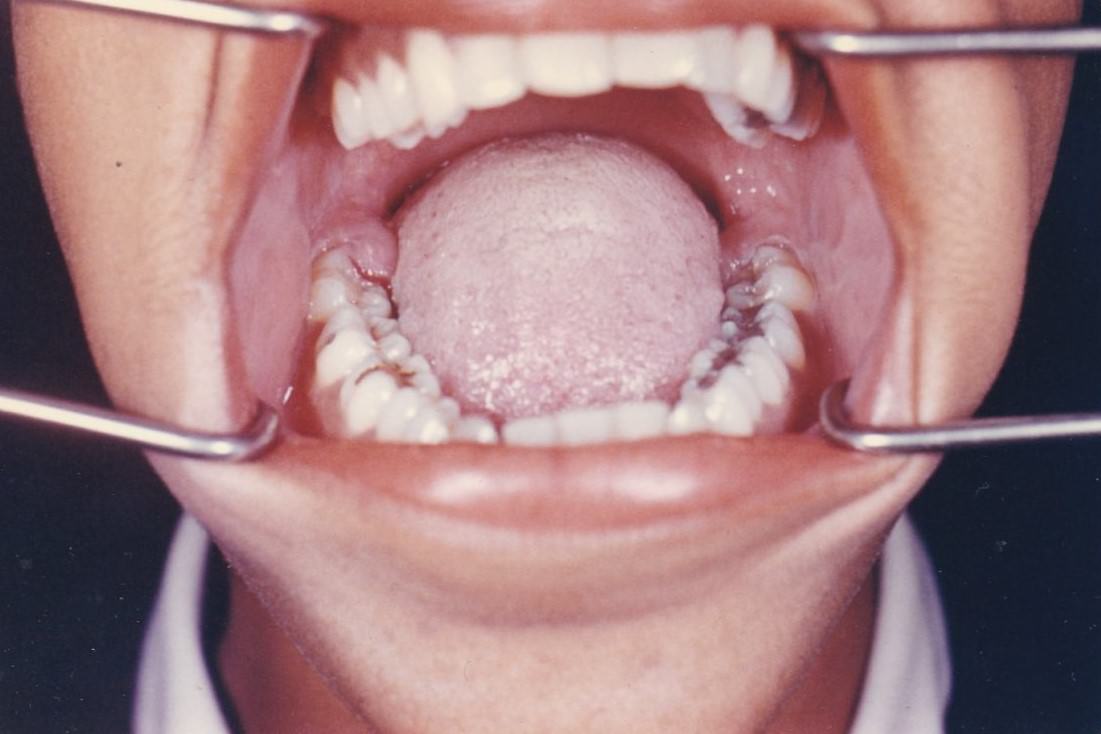
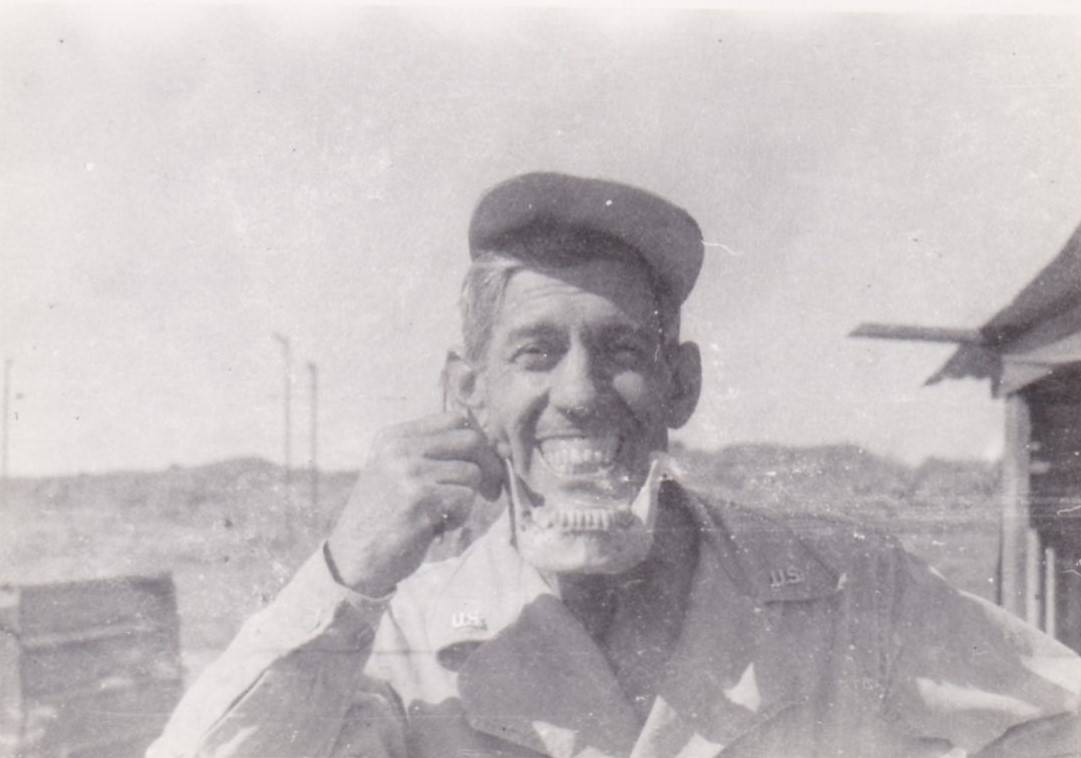
Dentures were common, and early versions were made from ivory, animal teeth, or even teeth pulled from soldiers killed in battle. George Washington’s famous dentures were made from a mix of human, horse, and donkey teeth.
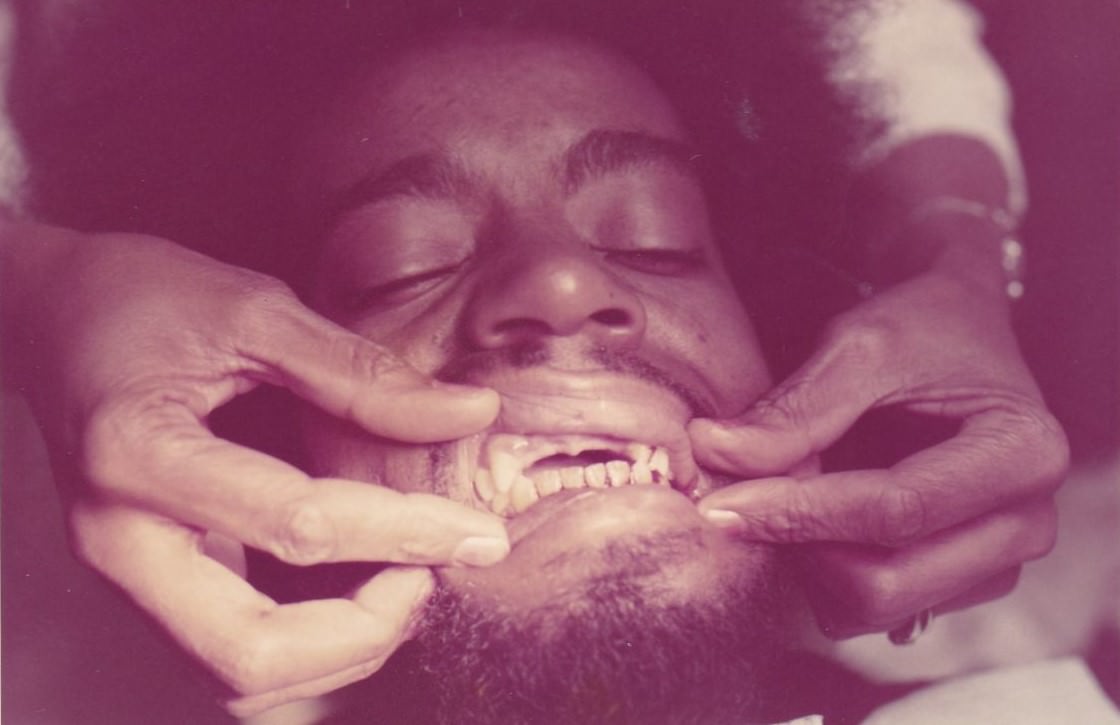
Tooth pulling was a public event in some towns. Traveling dentists would set up in market squares and extract teeth in front of crowds, sometimes with a musician playing nearby to drown out the screaming.
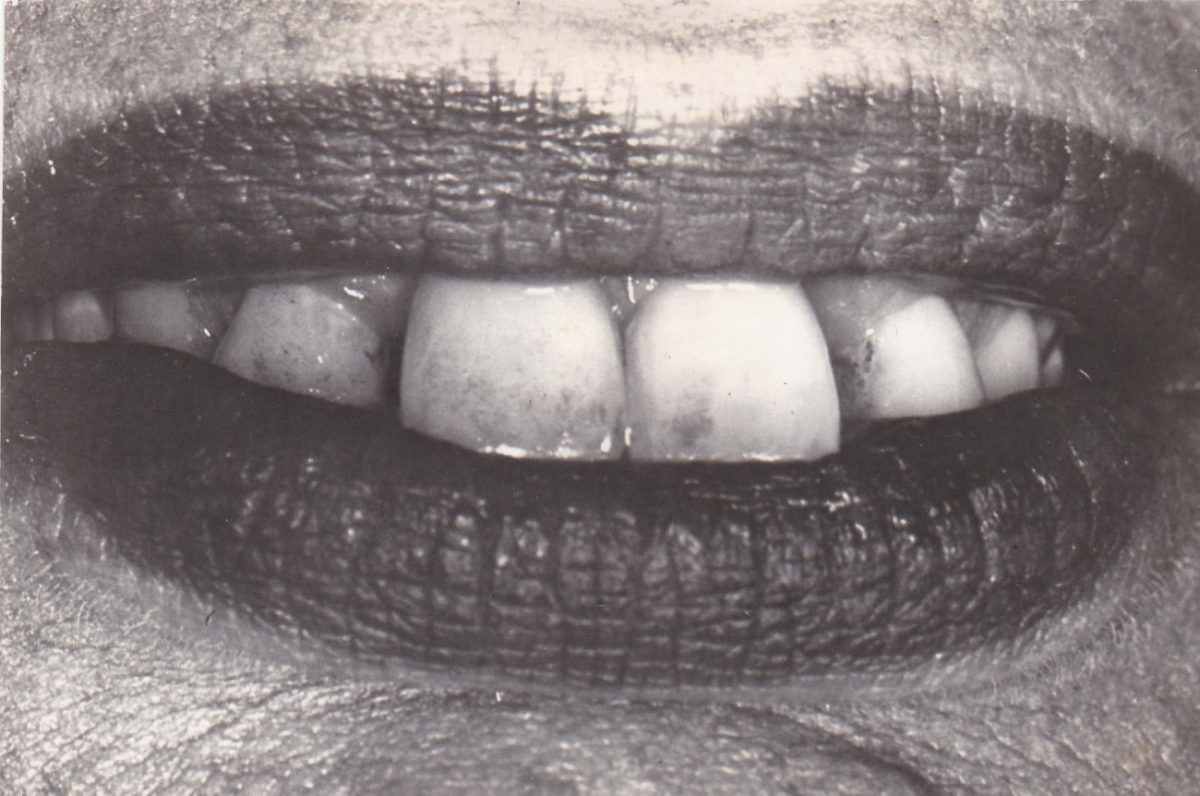
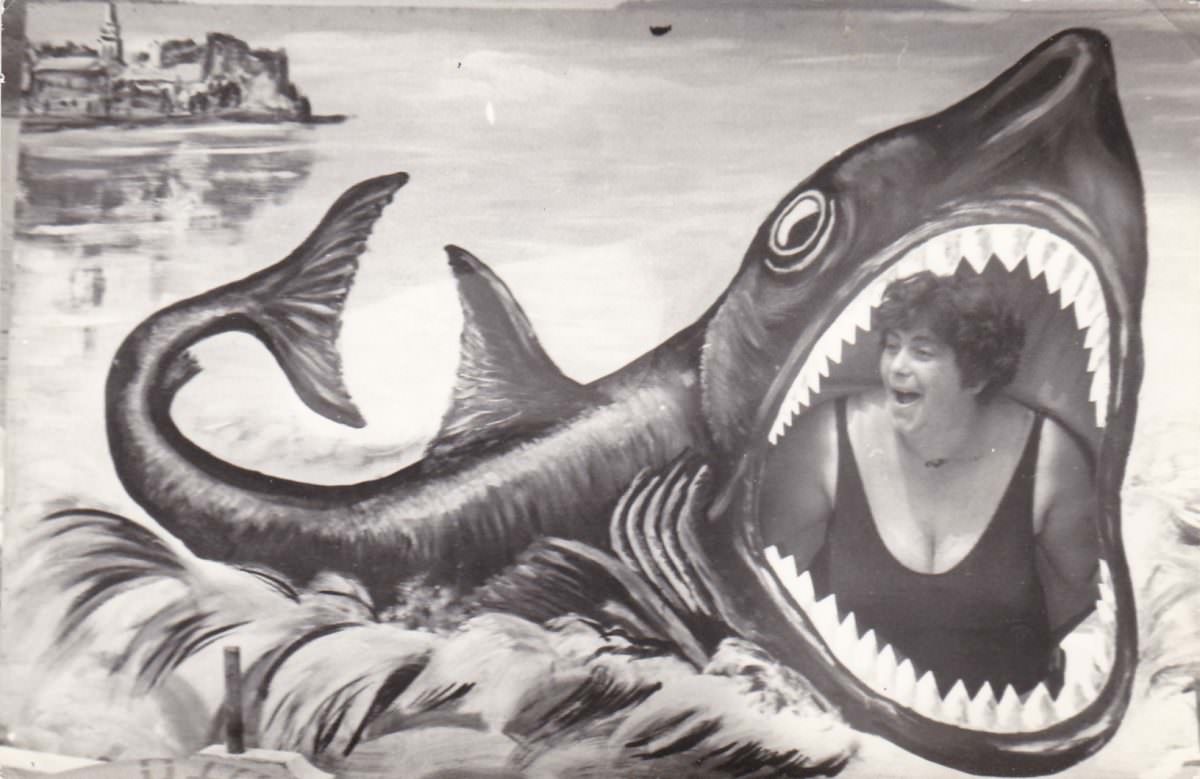
Early toothpaste wasn’t toothpaste at all. People used powders made from crushed chalk, brick dust, or even charcoal to scrub their teeth. Results varied — greatly.
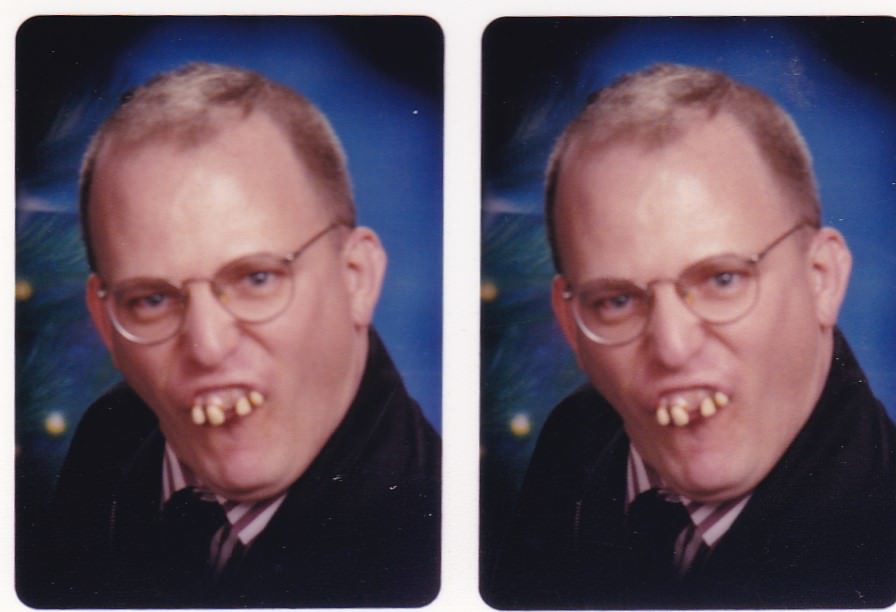
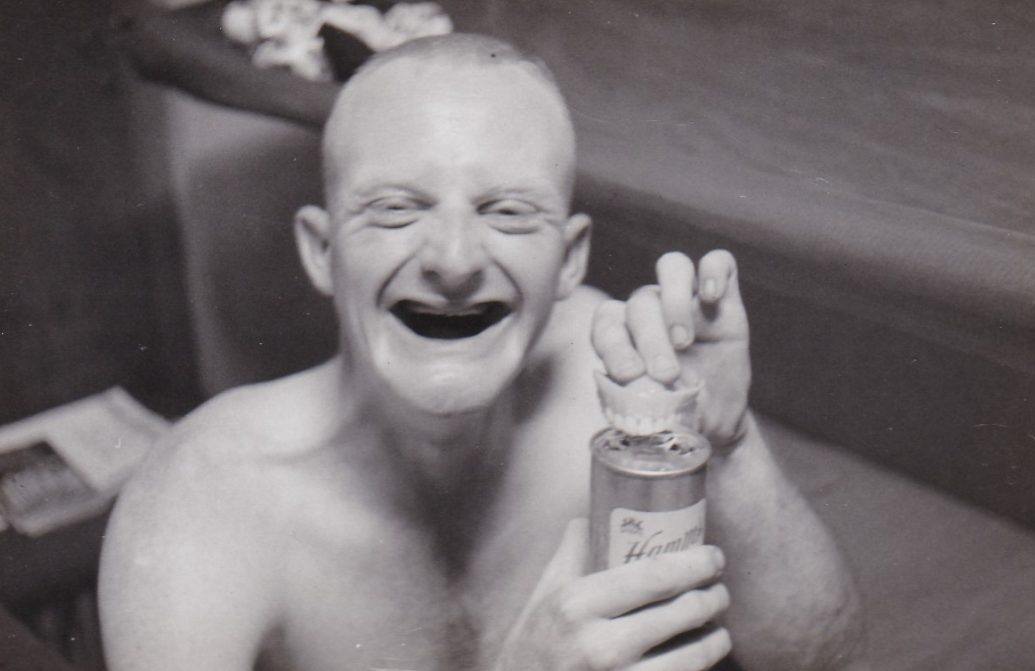
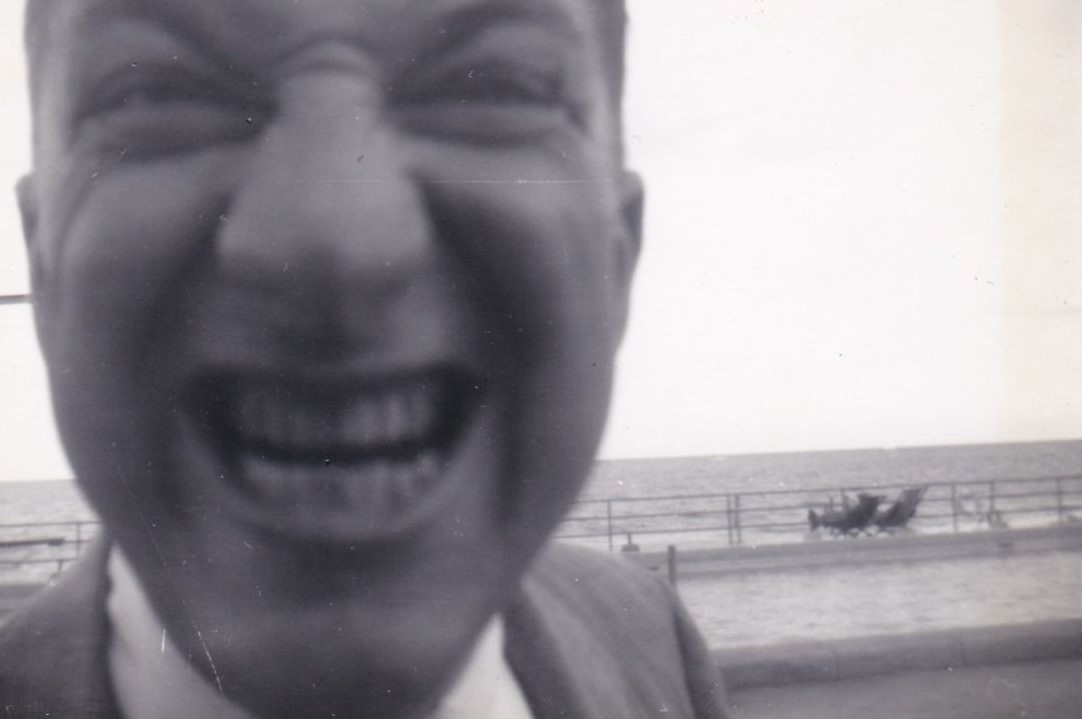
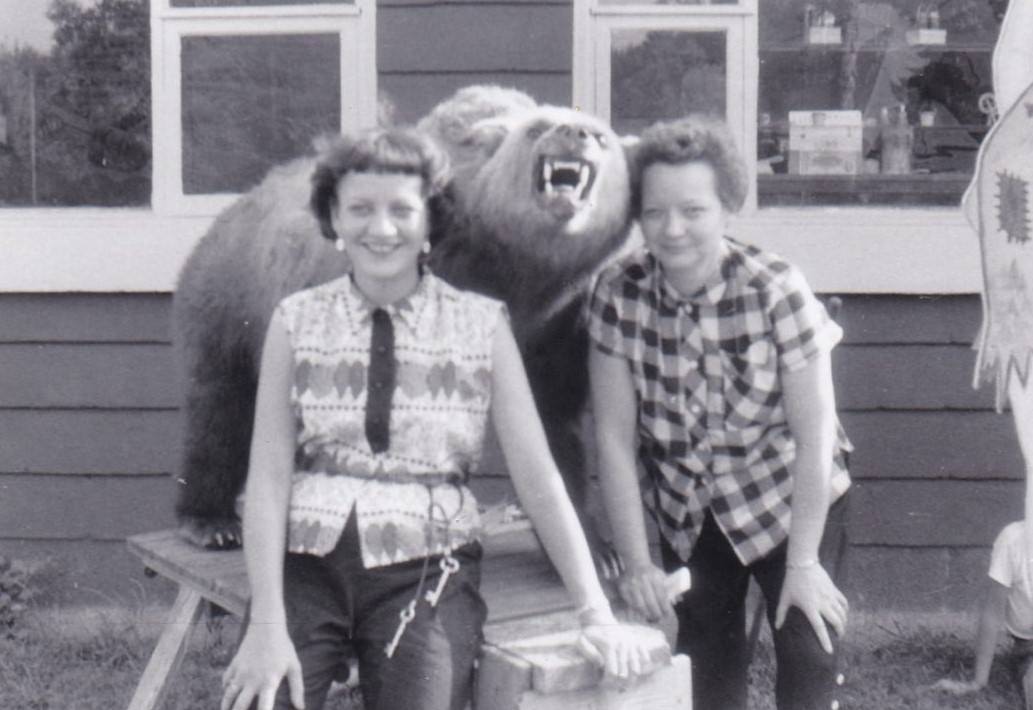
Couples in old photos sometimes share a rare laugh, a chipped tooth visible, a missing molar showing — moments that feel unexpectedly human across the decades.
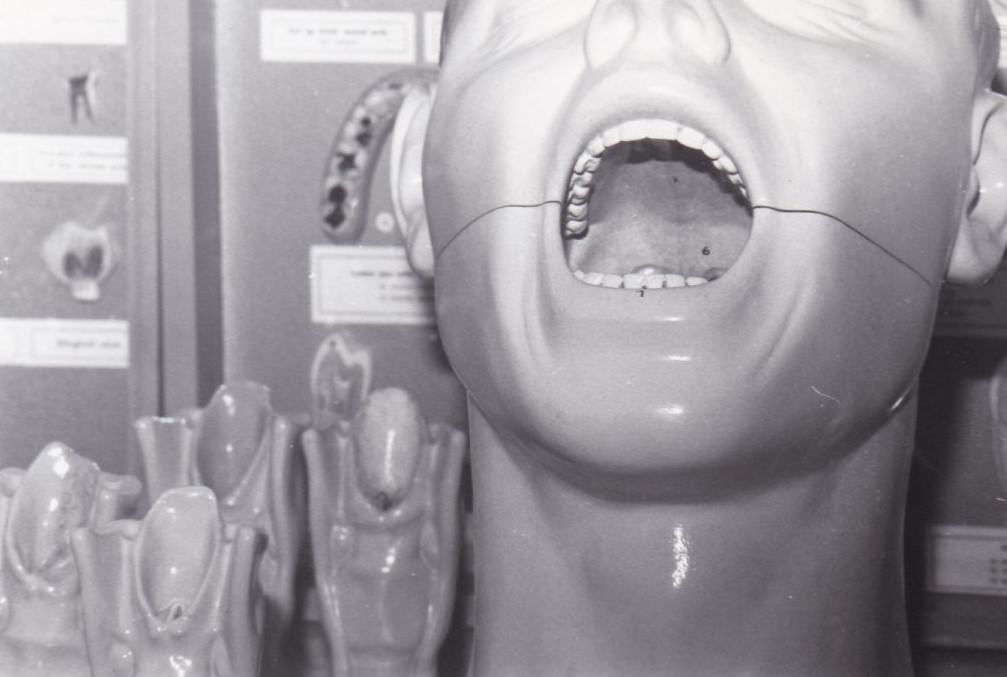
Mismatched smiles in group portraits from the early 1900s tell their own story. Some faces show healthy teeth, others show gaps or dark spots — a reflection of how uneven dental care was across social classes.
Dental chairs evolved slowly. Early versions were simple wooden seats. By the late 1800s, they had leather cushions and a reclining back — marketed as a luxury upgrade at the time.
Laughing gas — nitrous oxide — was introduced as a dental painkiller in 1844. Before that, patients bit down on a leather strap and hoped for the best.
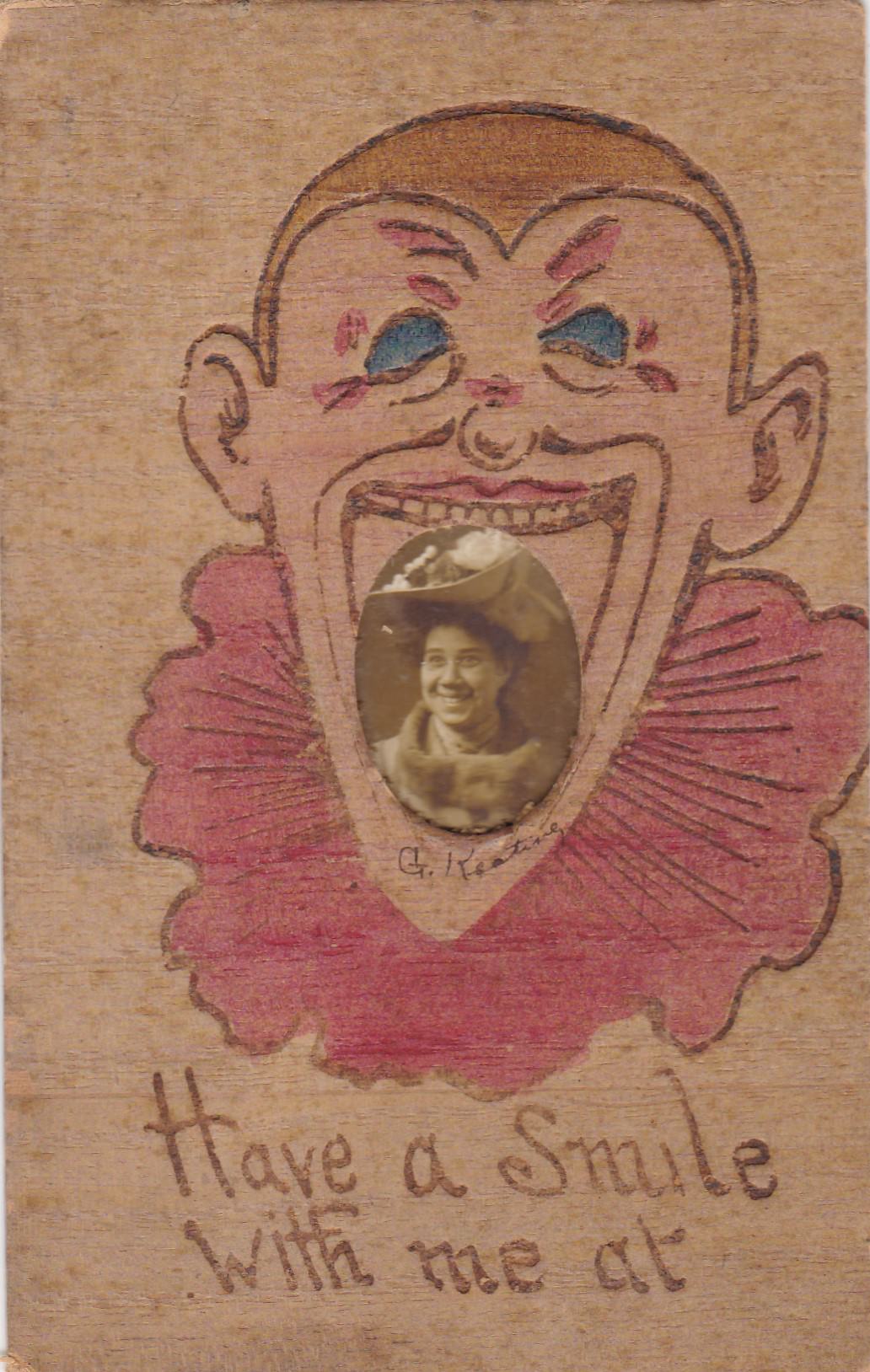
Some vintage ads for dental products make bold, strange claims. Tooth powders promised whiter teeth in three days. Tonics guaranteed to regrow lost teeth. None of them delivered.
School dental inspection photos from the early 1900s show rows of children opening wide for a nurse or dentist. The looks on their faces range from bored to absolutely terrified.
Every one of these photos is a window into a time when dental care was painful, unpredictable, and sometimes just plain strange. Your next dentist appointment suddenly seems a lot less daunting.