Ashington, Northumberland, was once the largest mining village in Europe. Life there ran on the rhythm of the colliery — shift times, pit wages, and the ever-present coal dust that marked the men who worked underground. From 1977 to 1990, photographer Mik Critchlow documented this world from the inside. He grew up in Ashington, which gave him access that an outsider simply wouldn’t have had.

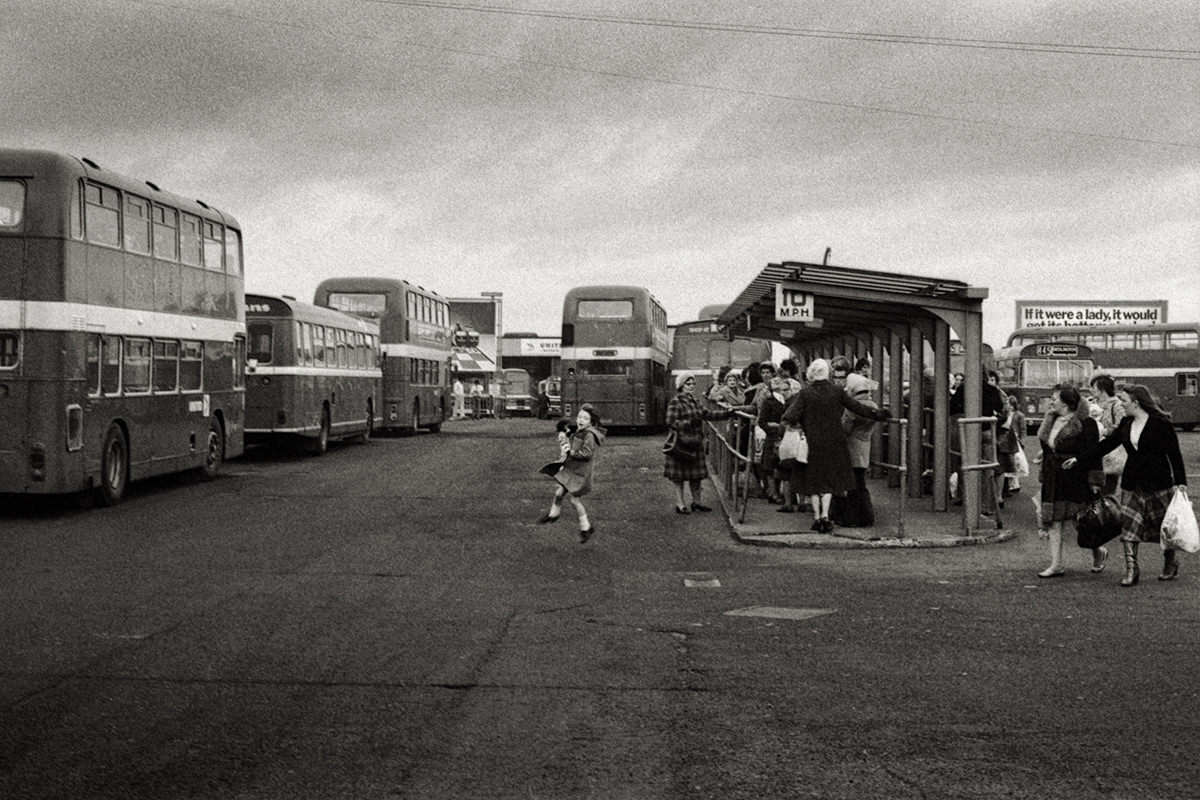
Critchlow’s camera found ordinary moments — a haircut, a pint, a child on a street corner. He wasn’t chasing drama. He was recording the texture of everyday life in a tight-knit community.
Woodhorn Colliery appears in several of his photographs, including the final shifts before its closure. Miners who had worked underground for decades walked out for the last time while Critchlow’s shutter clicked.
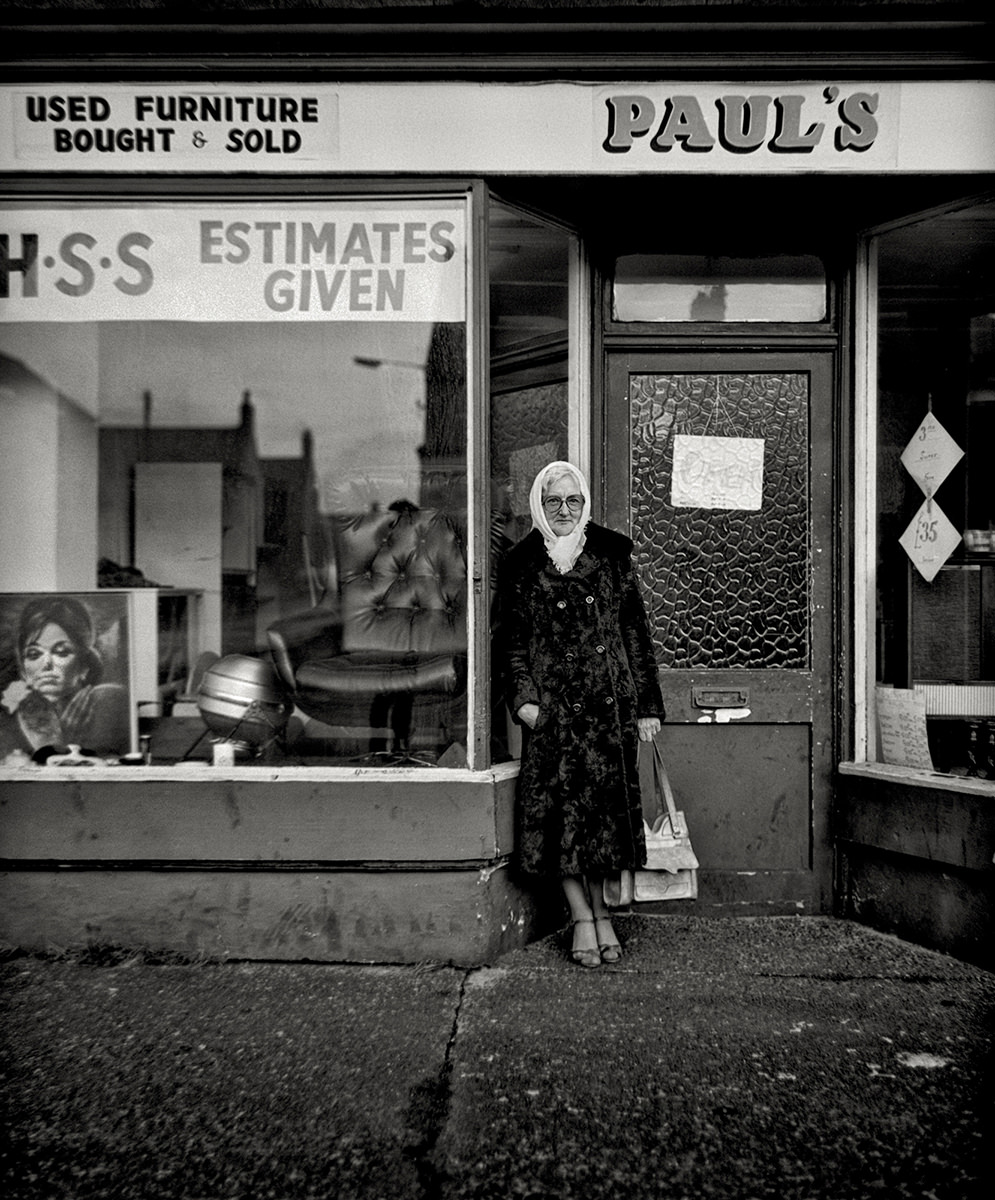
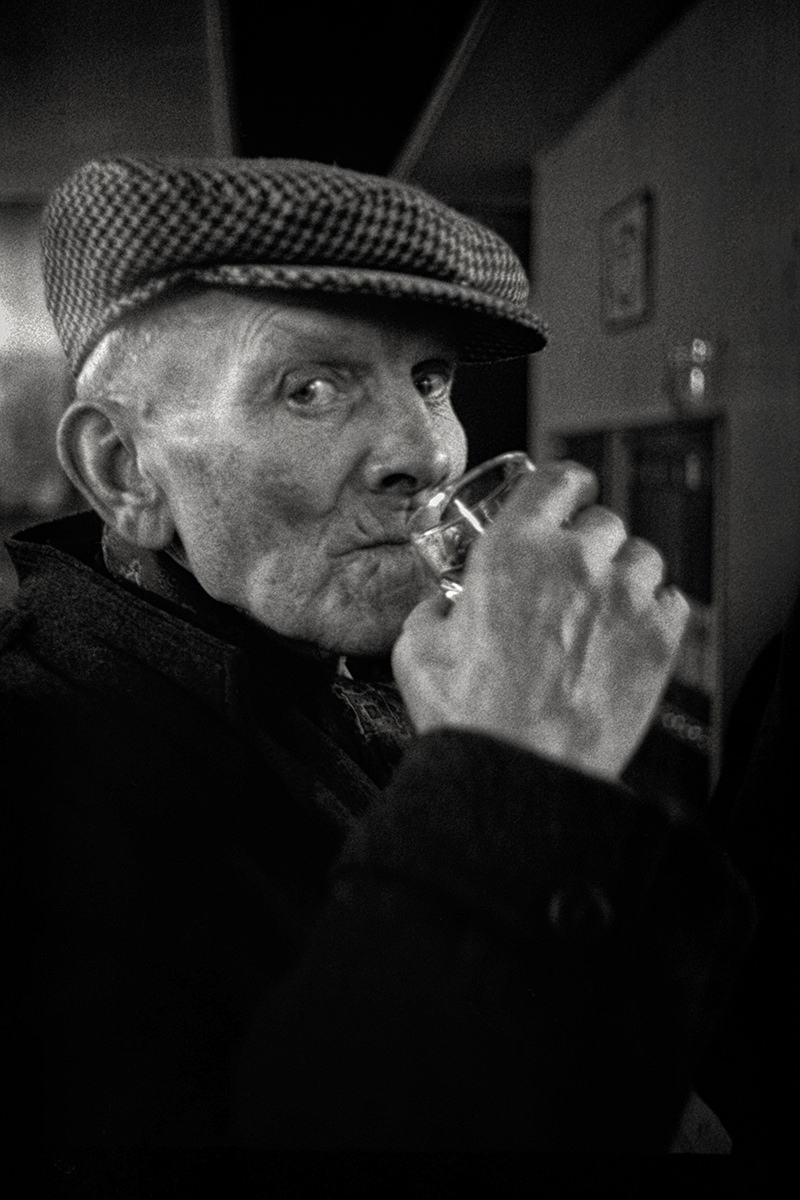
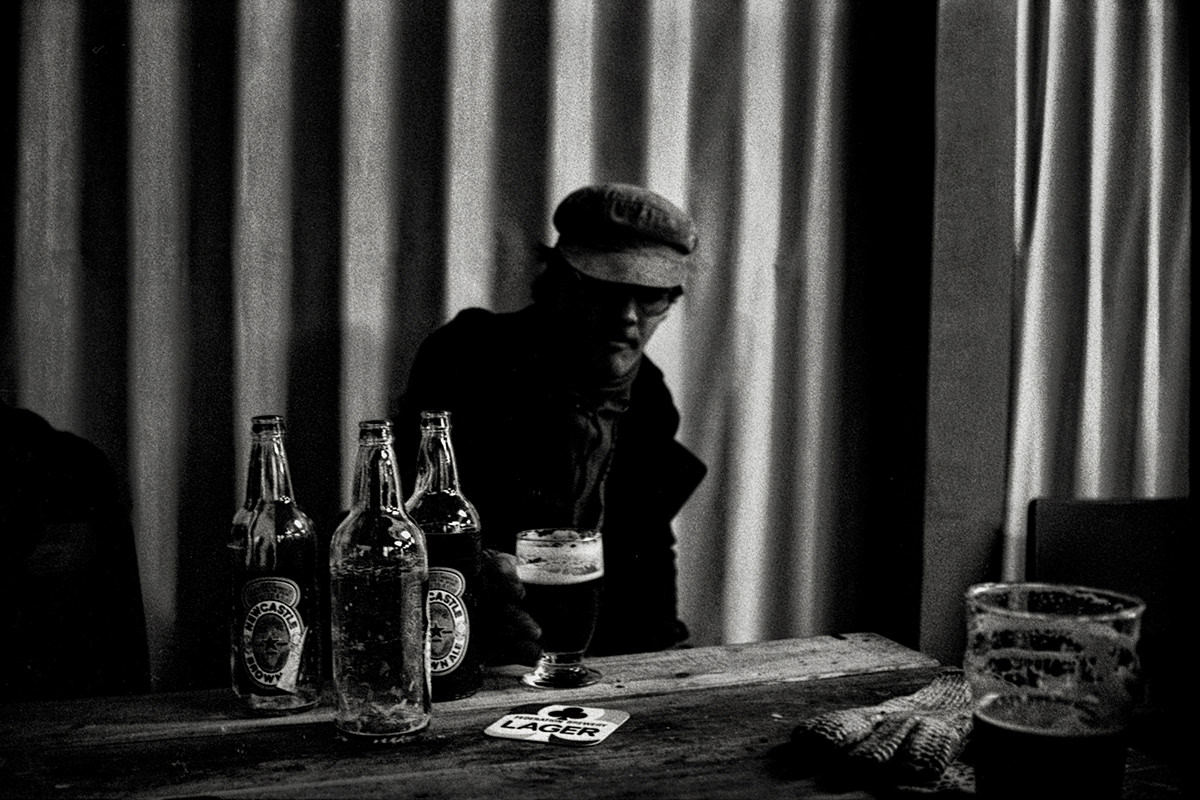
Social clubs were central to Ashington life. The Fell-Em-Doon and the Hirst Miners Welfare Club were places where men gathered after shifts, and where the community maintained its bonds outside of work.
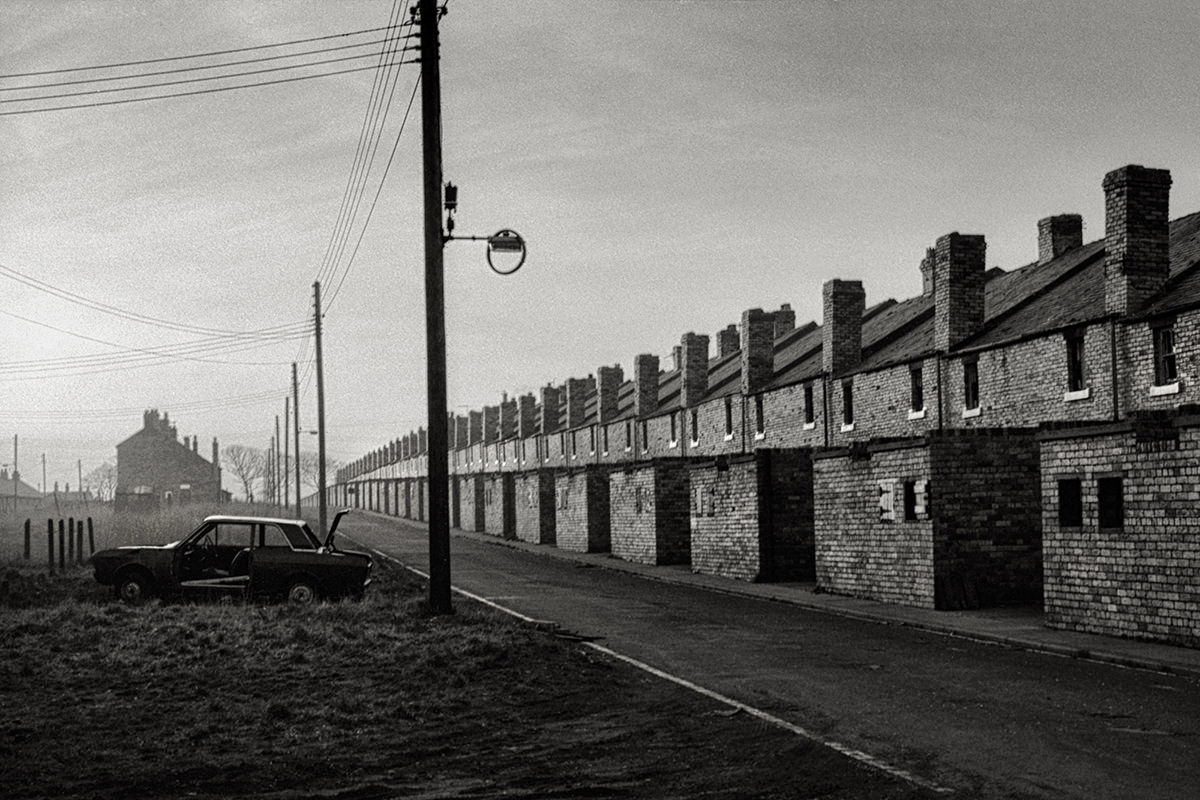
Rows of colliery-owned terraced houses defined the streetscape. The company built them, and the miners filled them with families, routines, and decades of shared history.
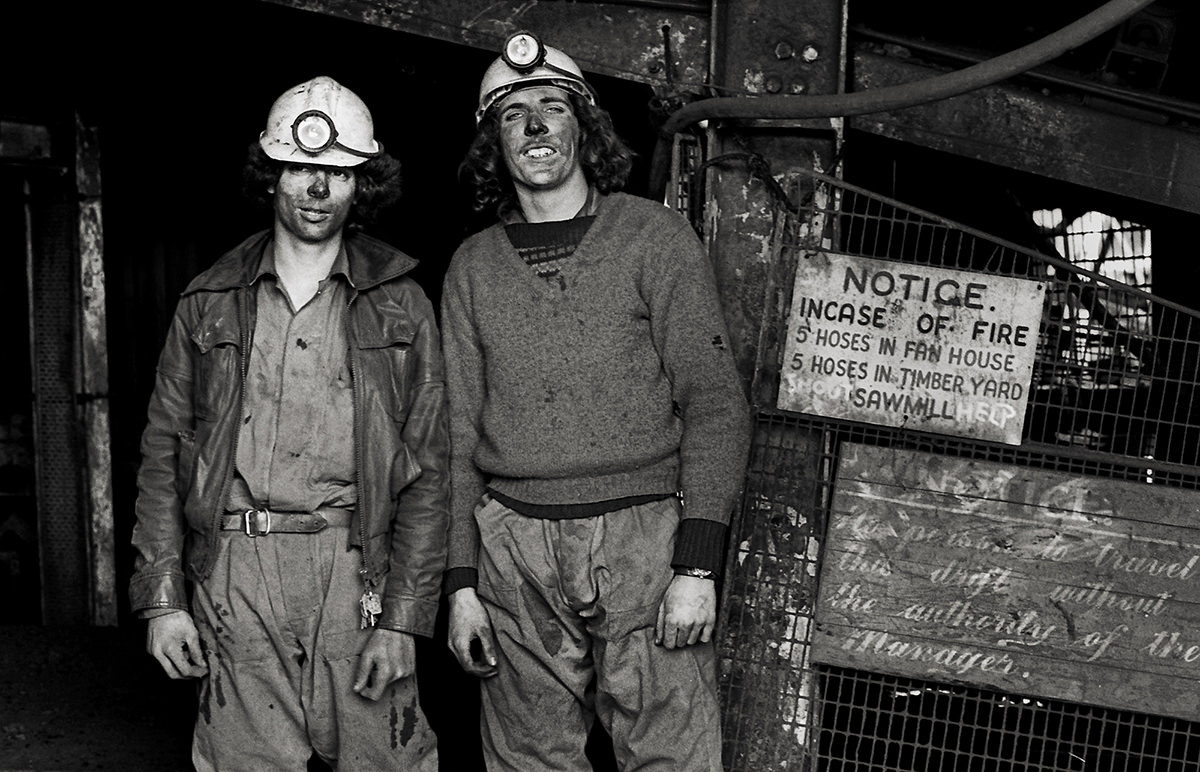
Young men entering the industry in the early 1980s trained at drift mines before going underground. Critchlow photographed these apprentices at a time when the coal industry’s future was already uncertain.
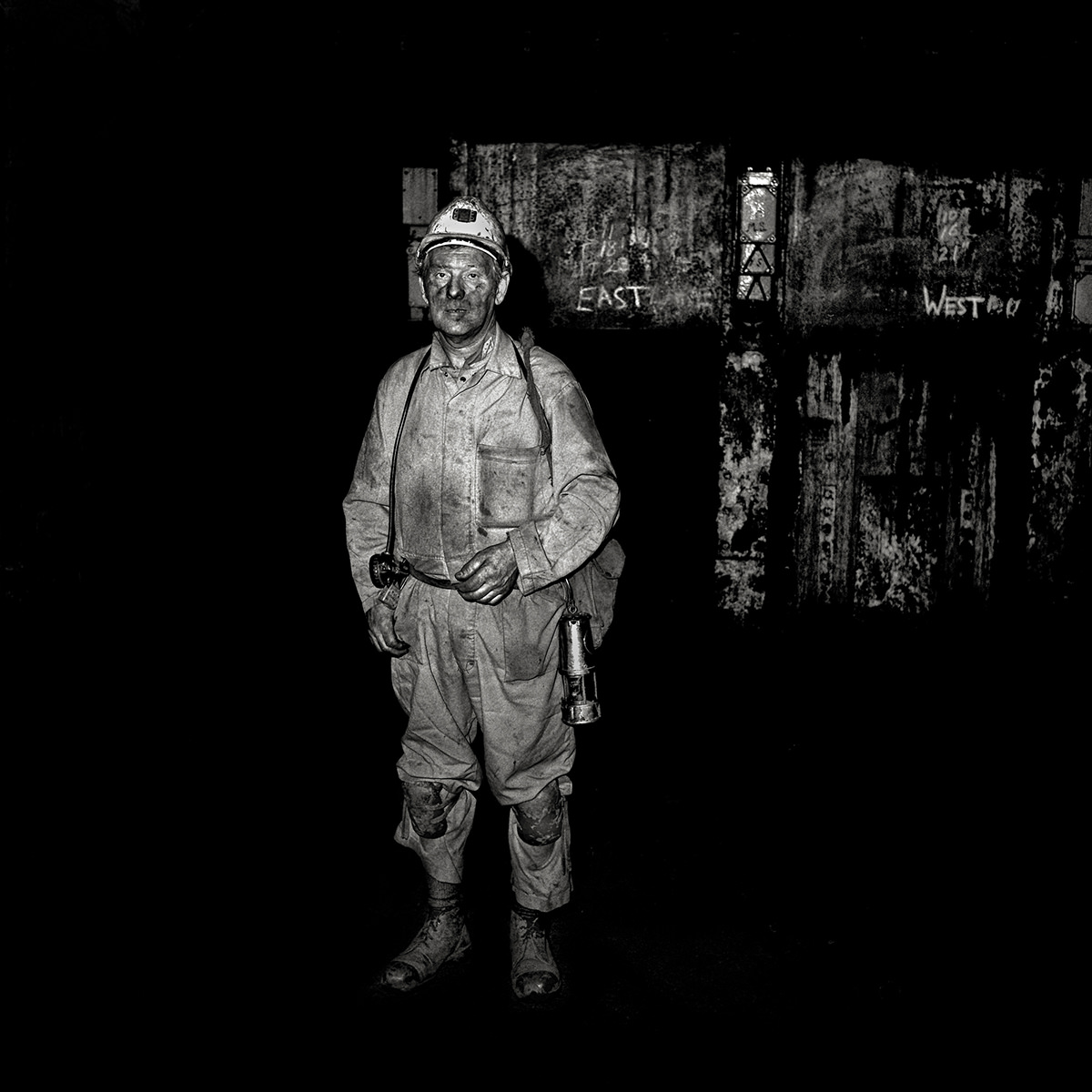
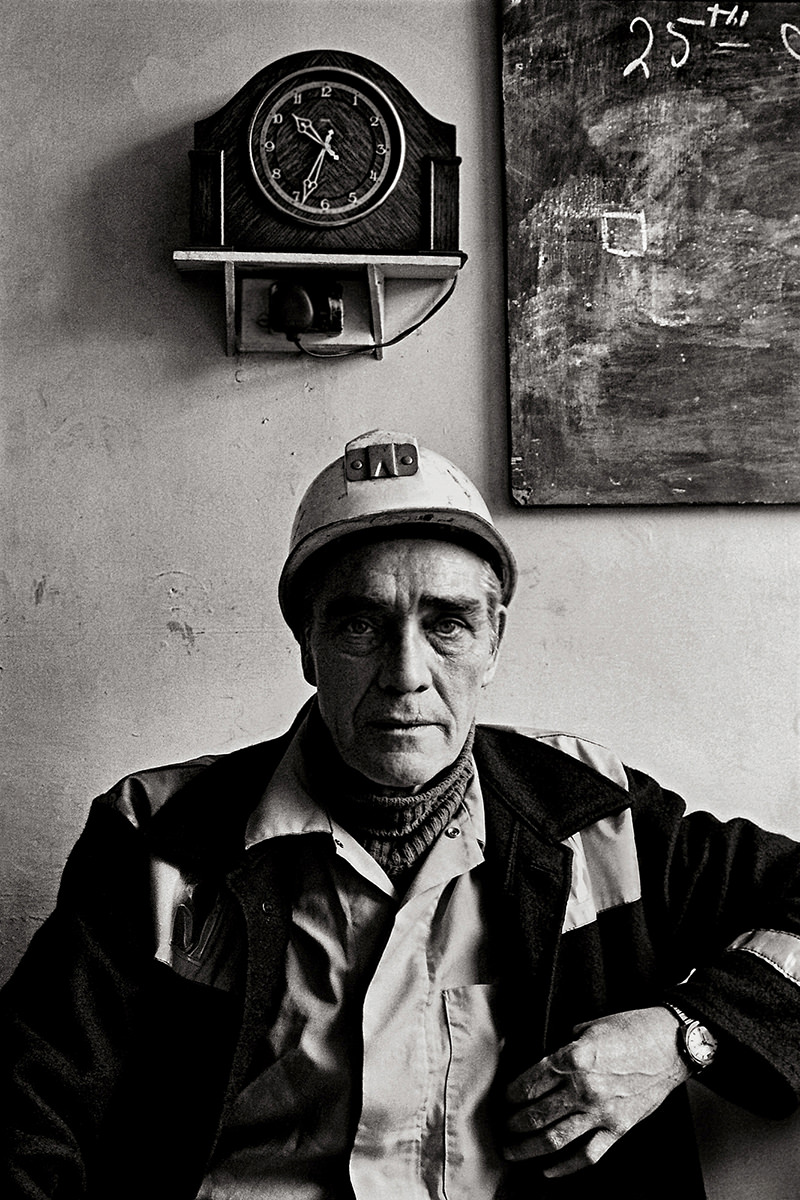
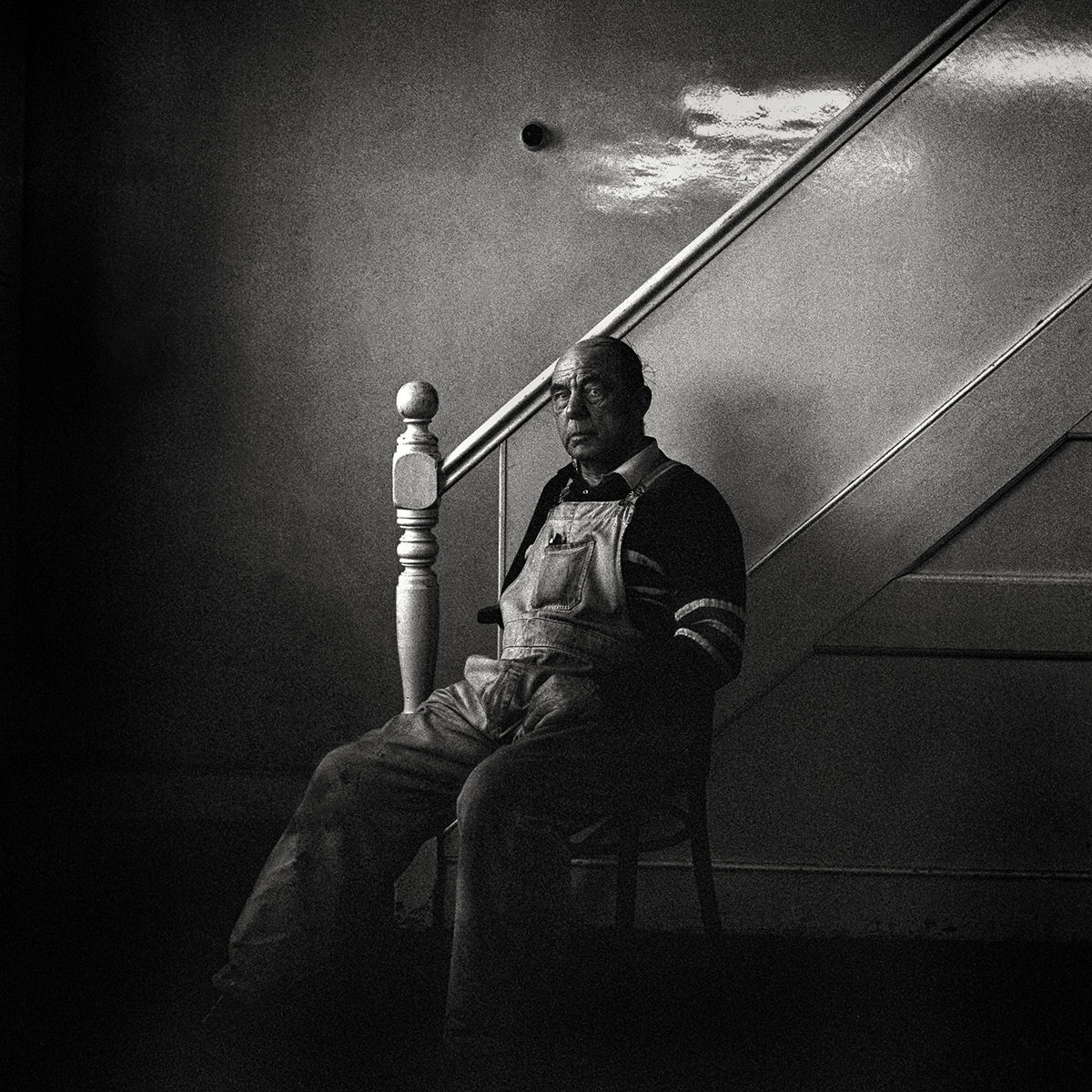
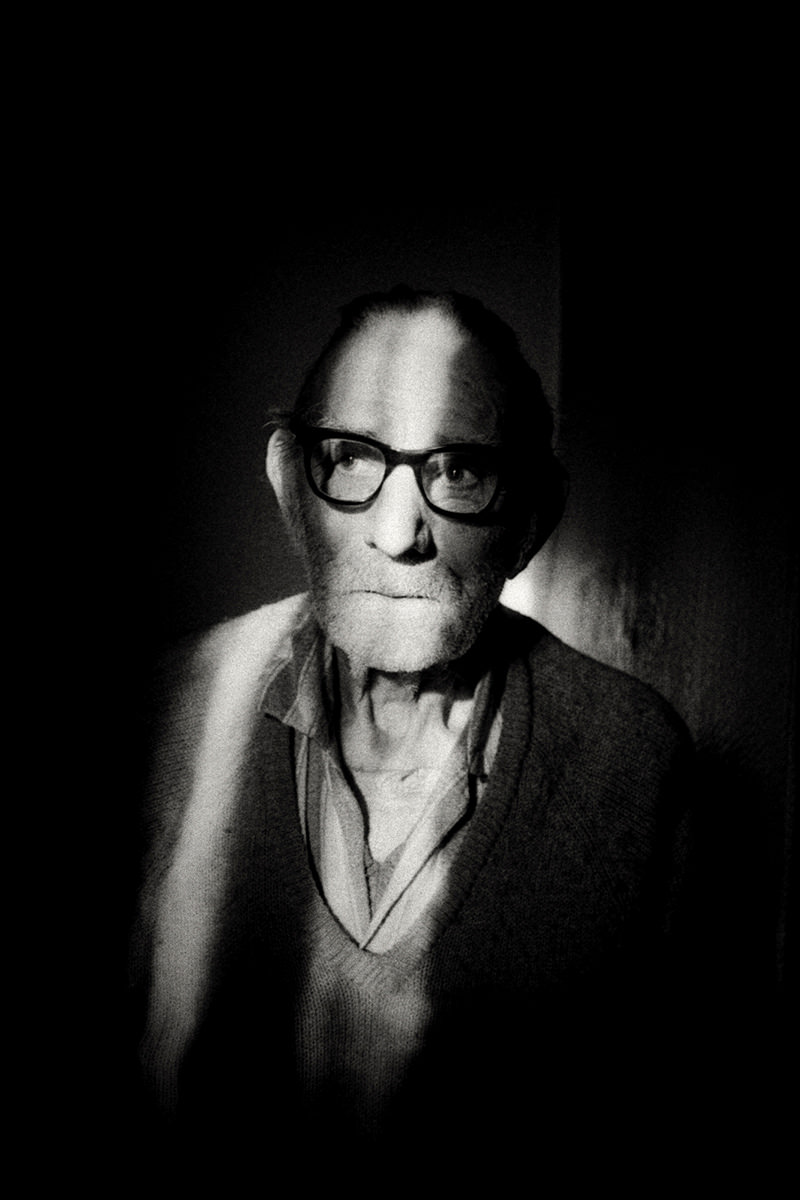
Beyond the pit, Critchlow photographed the streets and faces of Ashington’s residents — individuals like Jimmy Potts on Sycamore Street, captured with the same quiet attention he gave to the miners themselves.
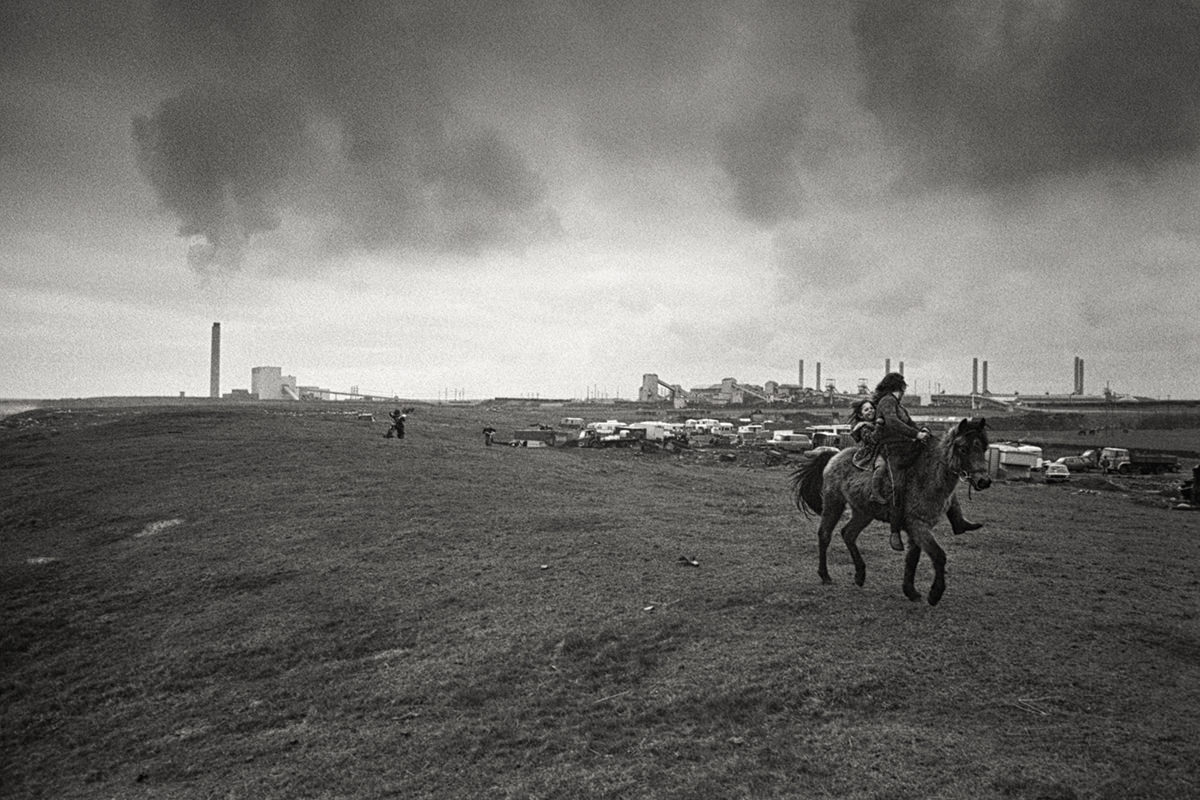
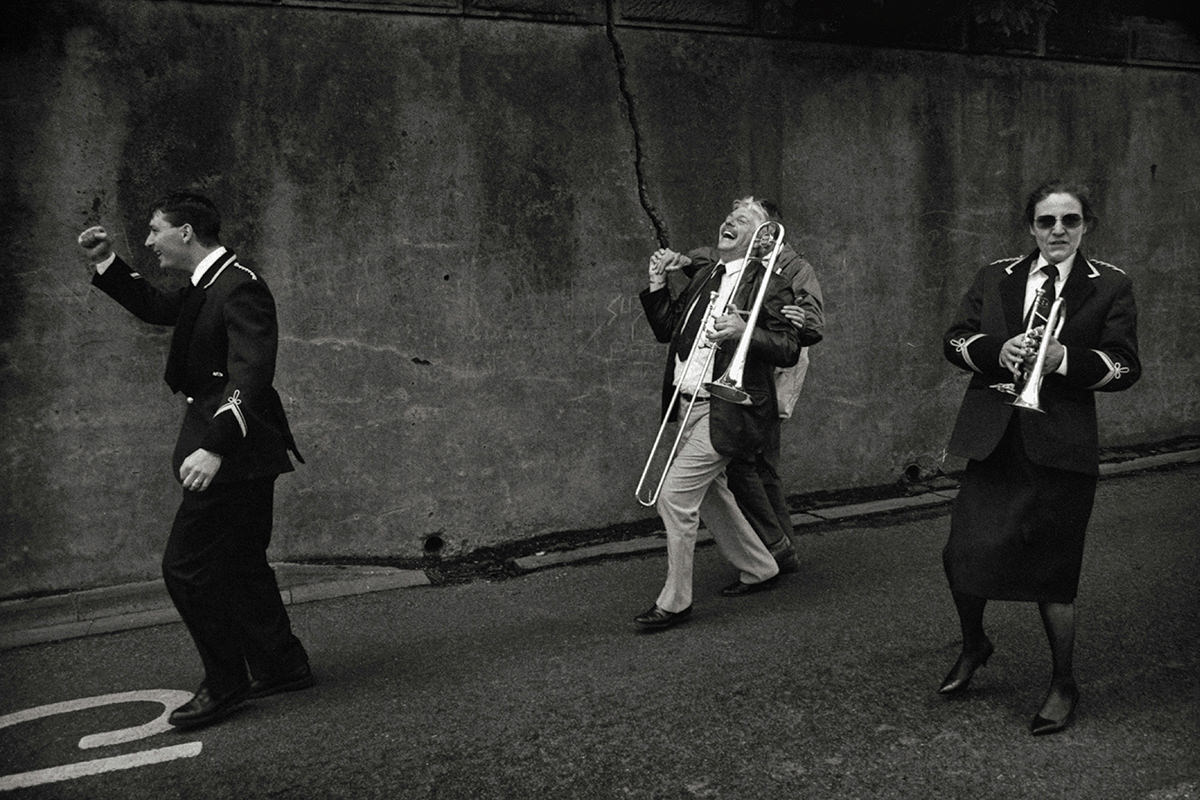
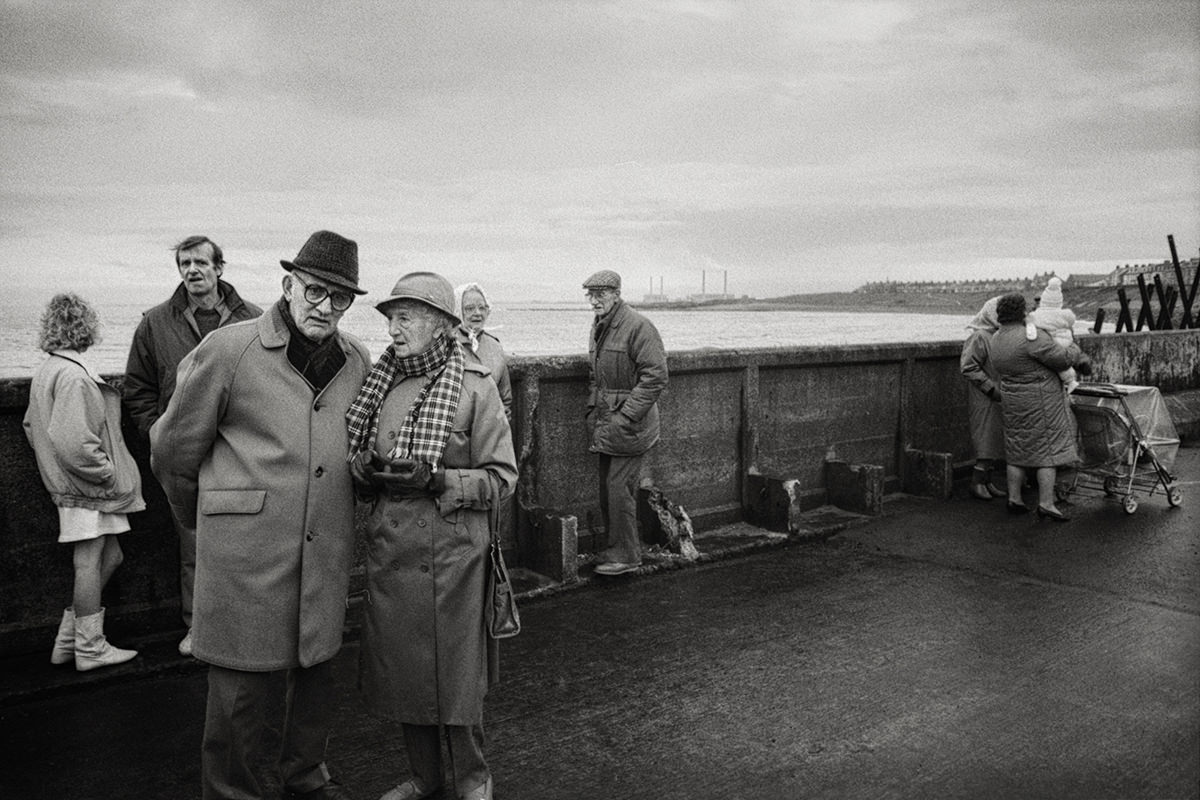
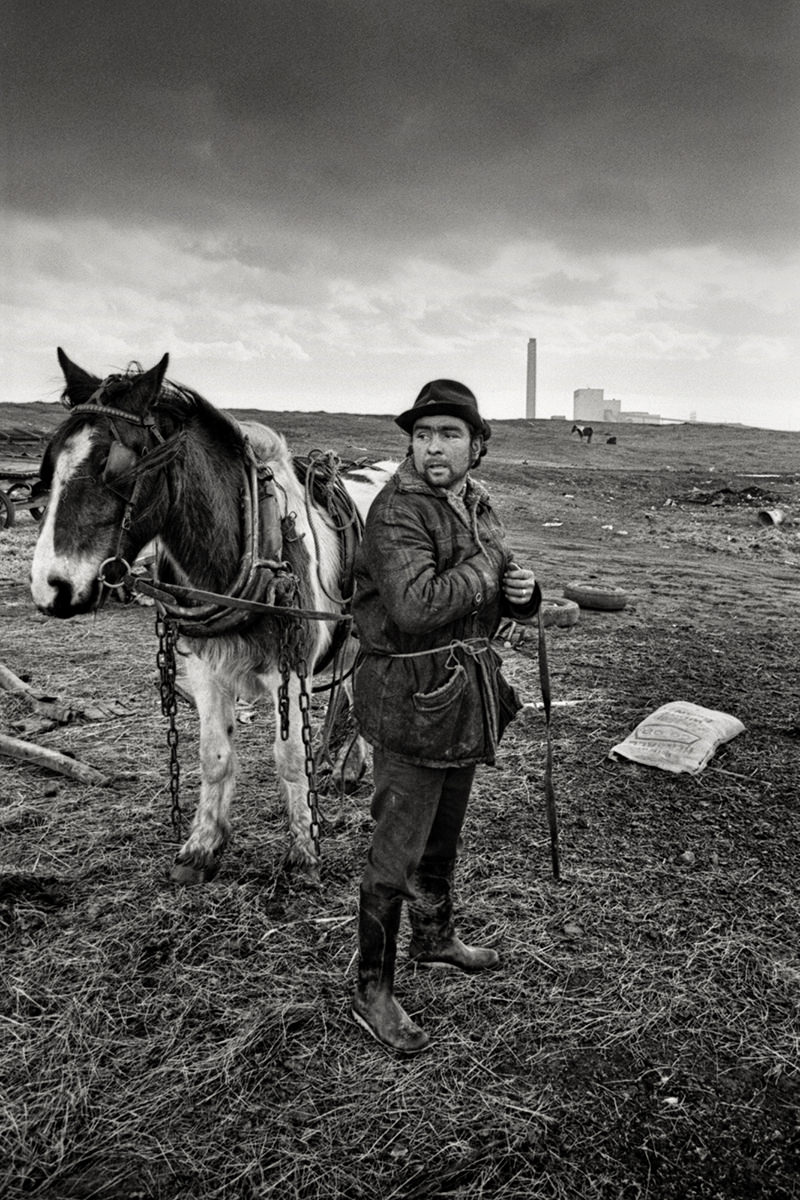
At Lynemouth, children collected sea coal — loose coal washed ashore from undersea seams — a common practice along the Northumberland coast. By 1990, Critchlow was still there, photographing a winning brass band, a fixture of northern working-class culture that outlasted the pits.