
Victorian Britain was a society carved sharply along class lines. Tax records from the era show that the working and middle classes filled their days with farming, fishing, manufacturing, domestic service, mining, and work in the food industry. The middle class was defined by earnings above £150 per year — enough to own a home and maintain a modest household. Above them, the upper class drew wealth from inherited land, family businesses, and strategic marriages. Below them, the poorest workers took on jobs that most people today would find hard to believe: rat catching, chimney sweeping, and leech collecting were all real, documented trades.
Photography itself was a booming Victorian profession. Photographers set up studios, traveled with armies, and documented everyday life with heavy, chemical-soaked equipment. During the Civil War, photographers followed troops into the field, capturing some of the most important images in American history.
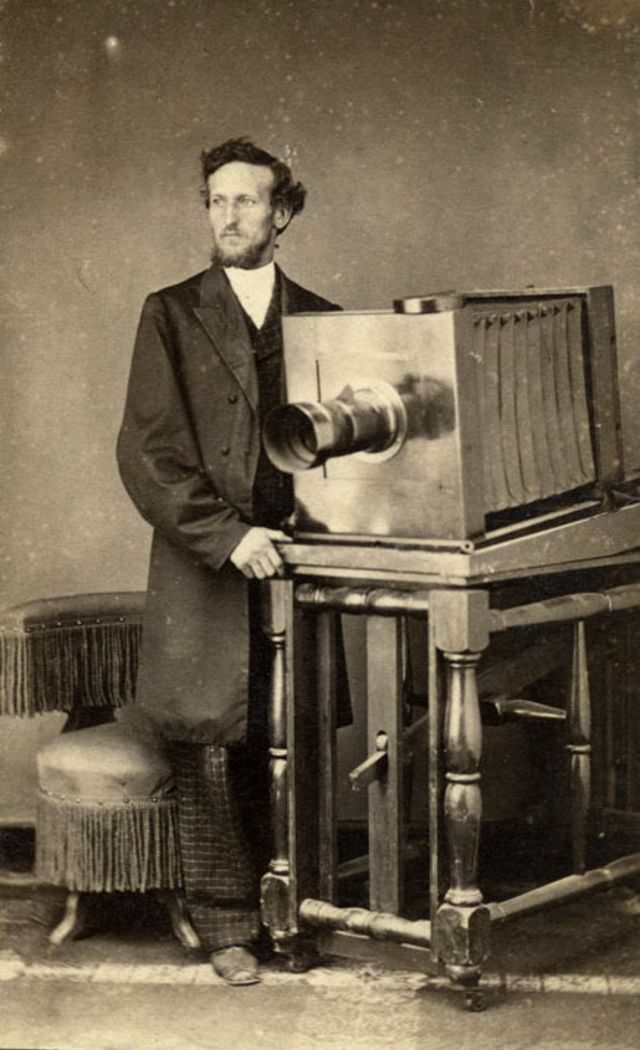
The arts offered another path for Victorians with talent and ambition. Concert singers performed in halls and theaters, drawing audiences from across the social spectrum. Being a professional performer required not just skill but the ability to network and secure patronage.
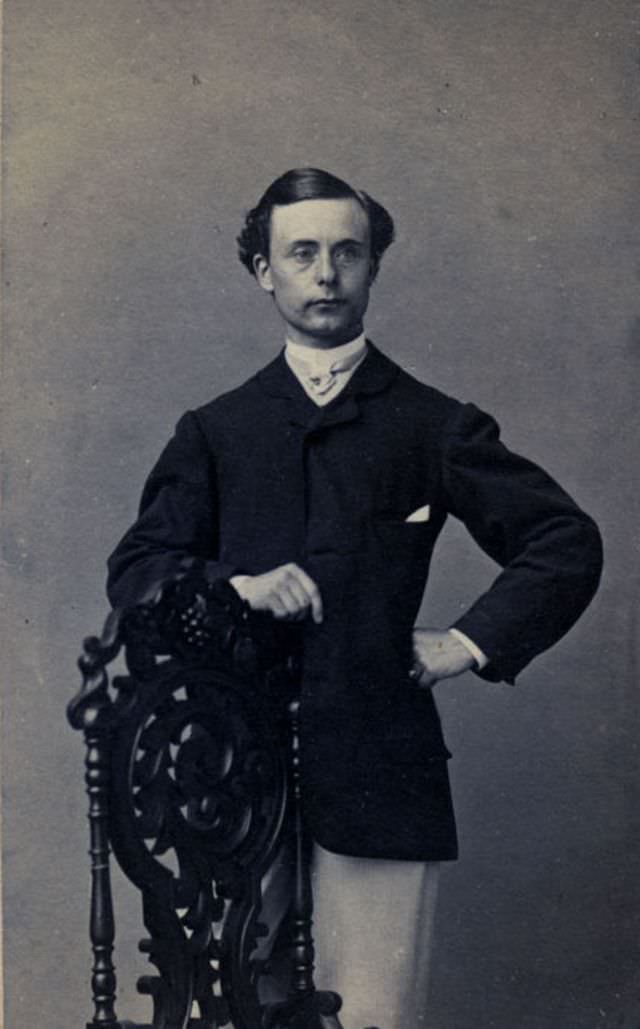
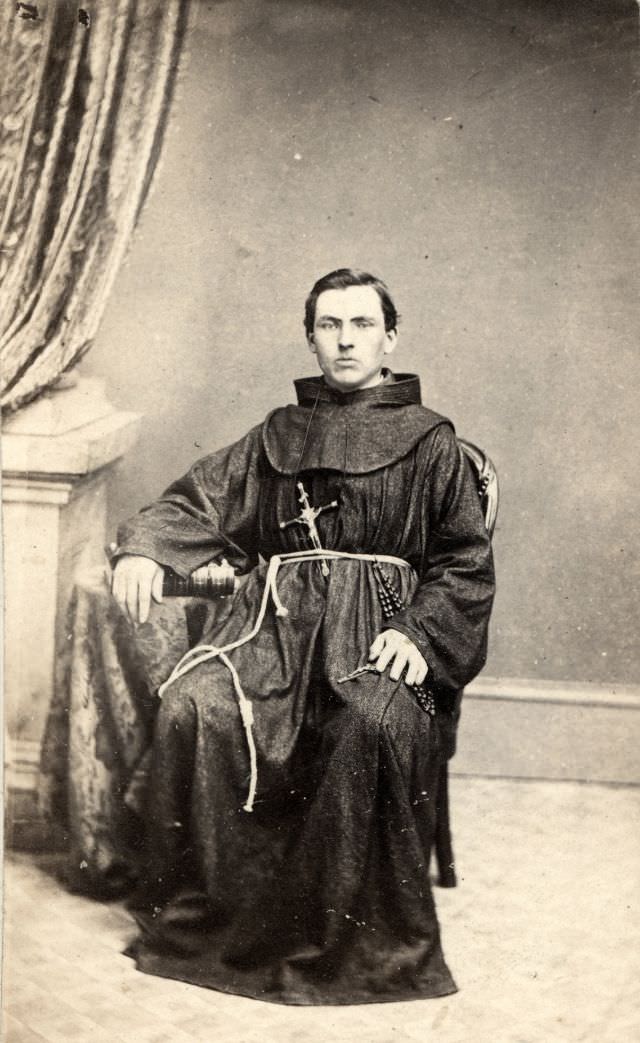
Religion was deeply woven into Victorian daily life, and men of the cloth held significant social standing. Monks, priests, pastors, and clergymen were visible figures in both city and countryside.
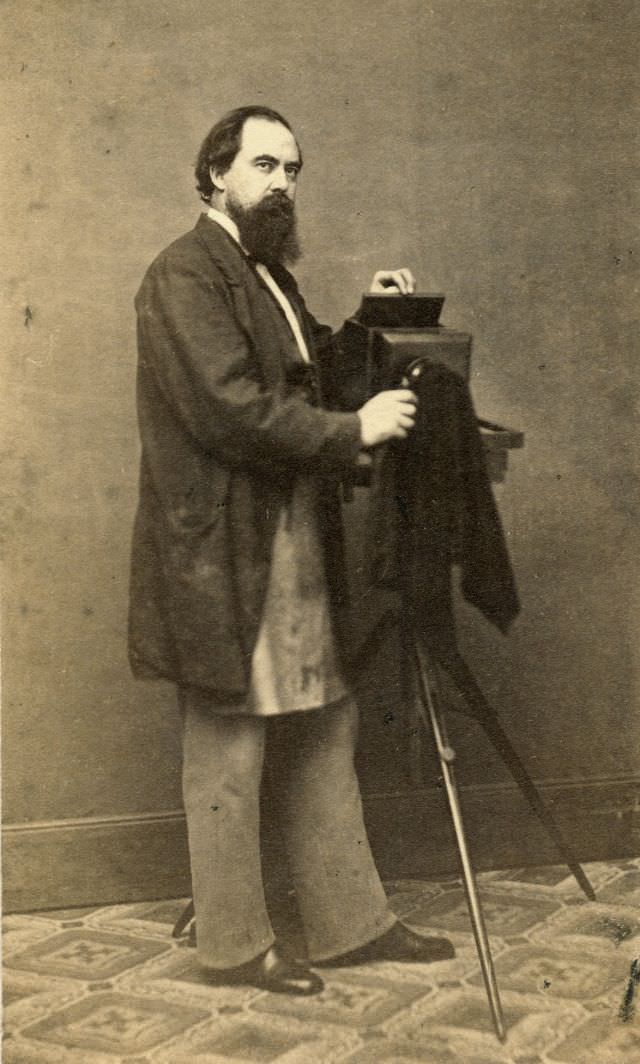
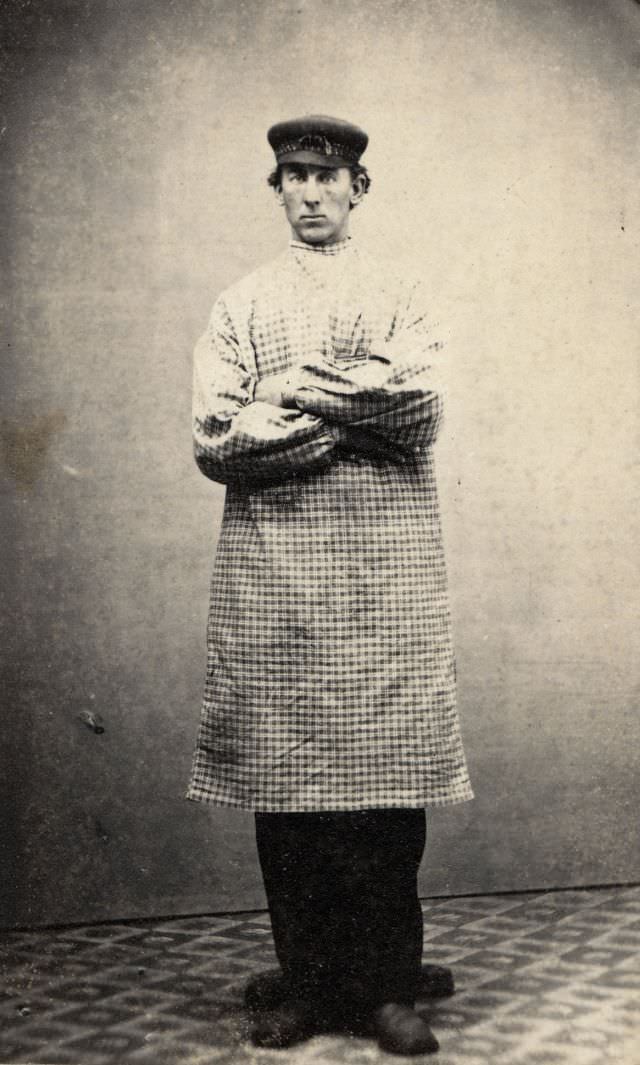
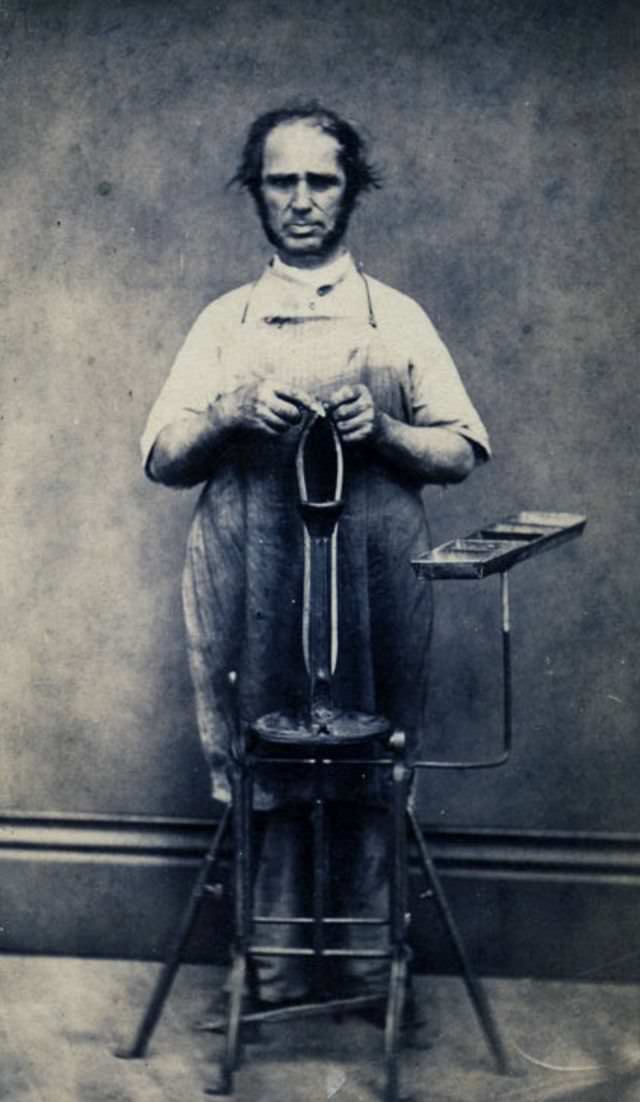
Studio photographers worked with cumbersome glass-plate cameras, toxic chemical developers, and long exposure times. The stained apron was as much a badge of the trade as the camera itself.
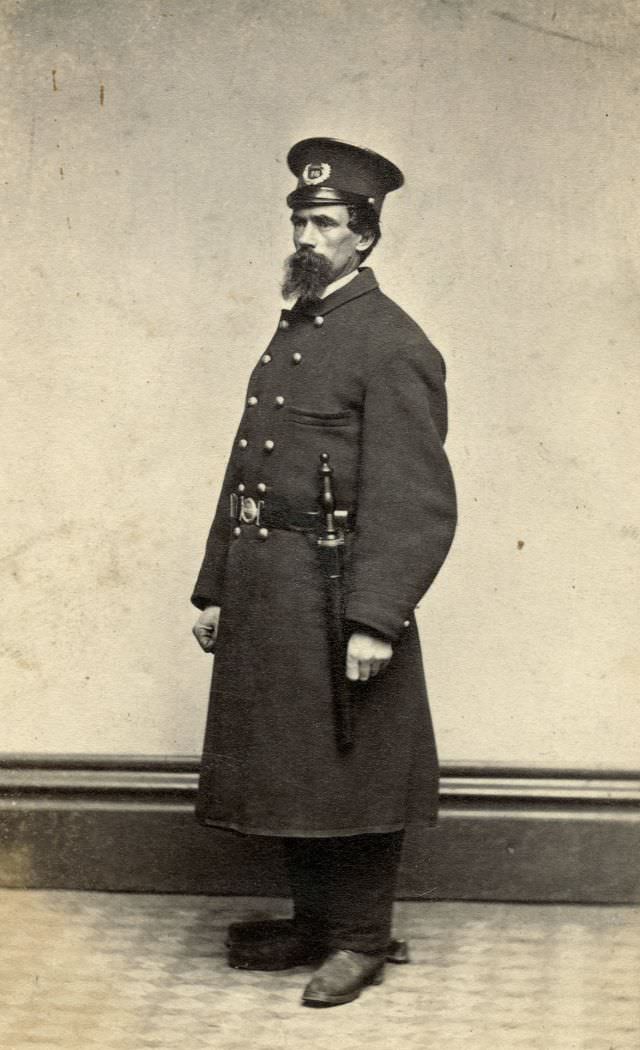
As Victorian cities grew rapidly in population, the need for public order grew with them. Police forces, many newly organized during this period, became a visible part of urban life.
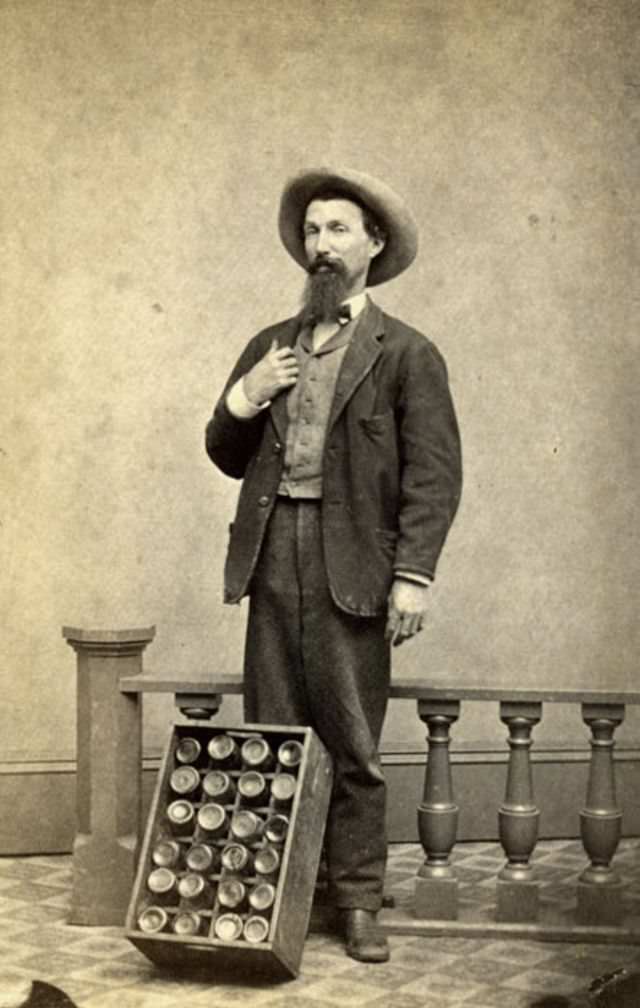
Tradesmen formed the backbone of the Victorian middle class. Whether dealing in goods, tools, or materials, these men ran shops and supply chains that kept the economy moving at street level.
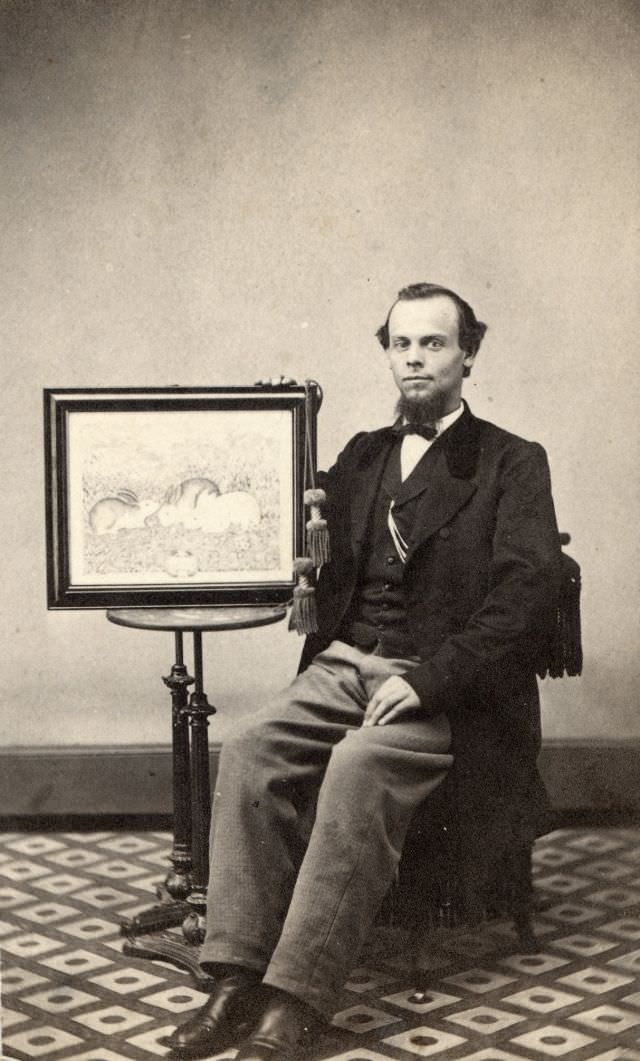
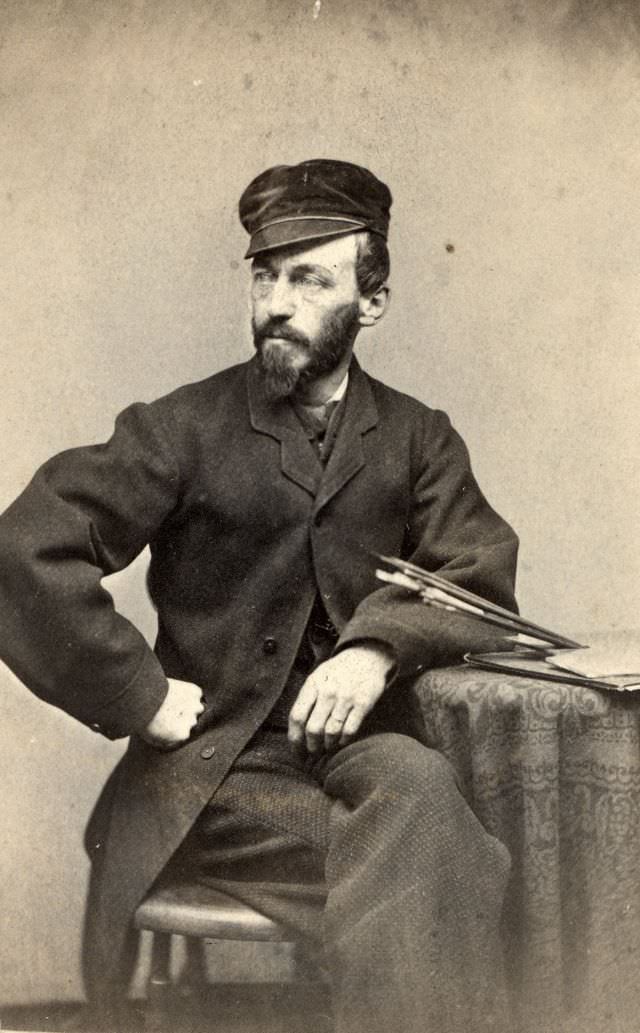
Artists occupied a unique space in Victorian society. Fine art was respected, but making a living from it was difficult. Many artists worked on commission, painting portraits for wealthy families or producing illustrations for the booming print industry.
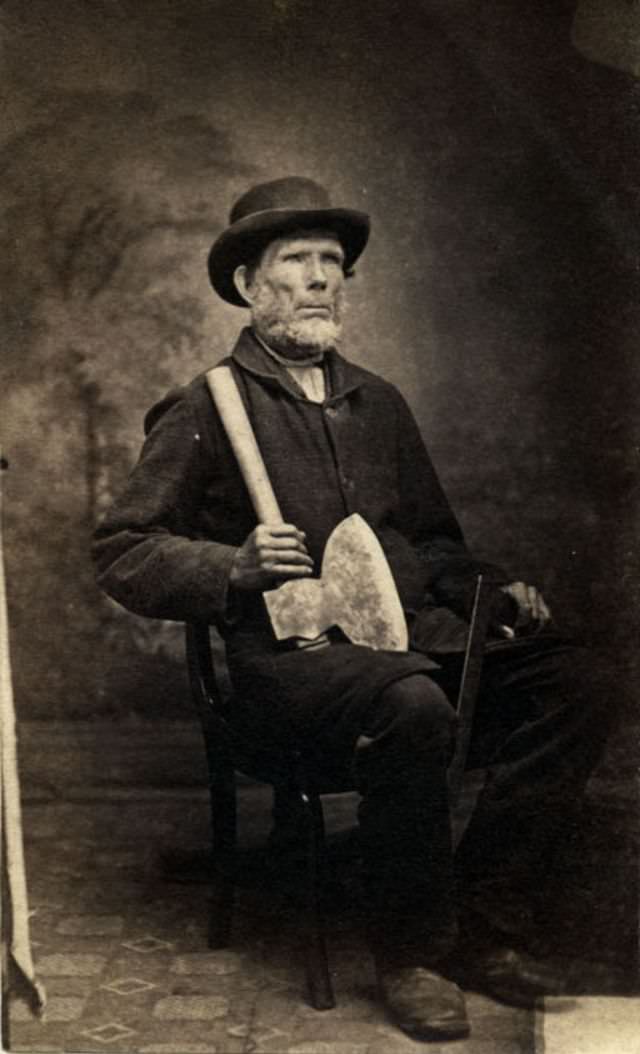
Physical labor defined life for a large portion of the working class. Axe men, stone workers, and carpenters were essential to construction and land clearing — industries that expanded rapidly during the Victorian building boom.
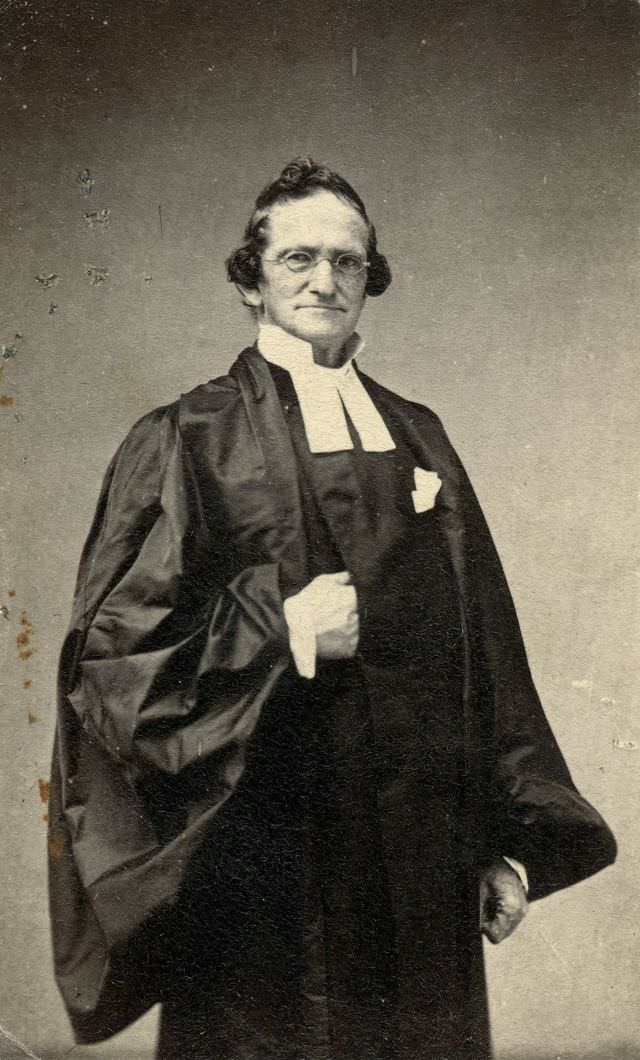
City pastors served dense urban congregations, often running charitable programs alongside their religious duties. In fast-growing capitals, the church was a major social institution.
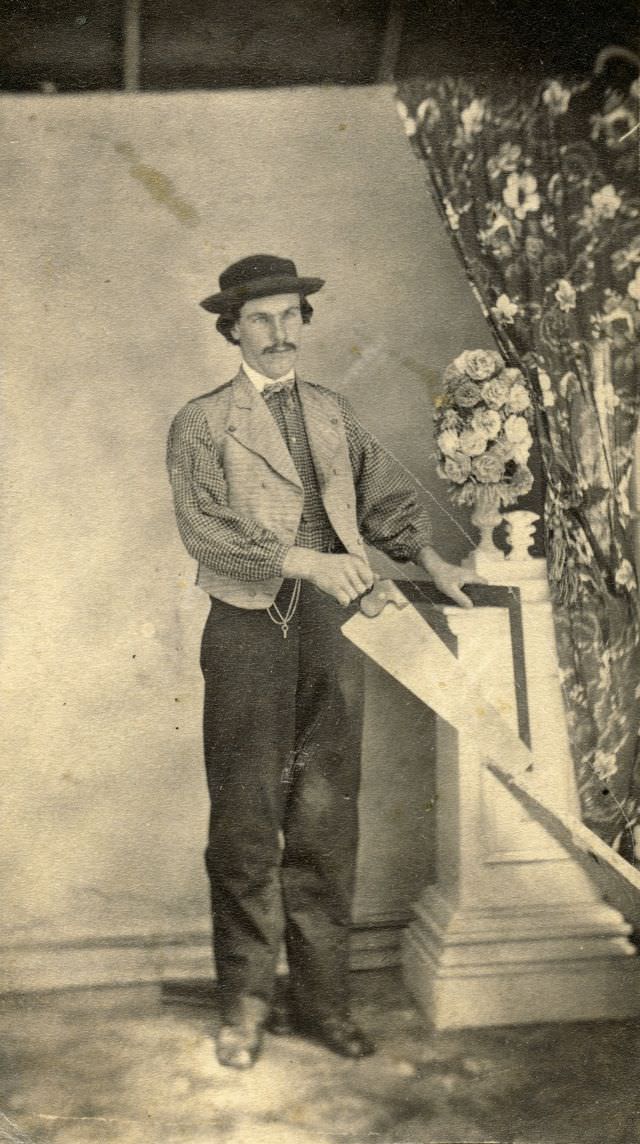
Carpenters were among the most in-demand tradespeople of the Victorian era. From building homes to crafting furniture, their work was tied to the rapid growth of cities and the expanding middle-class demand for well-furnished homes.
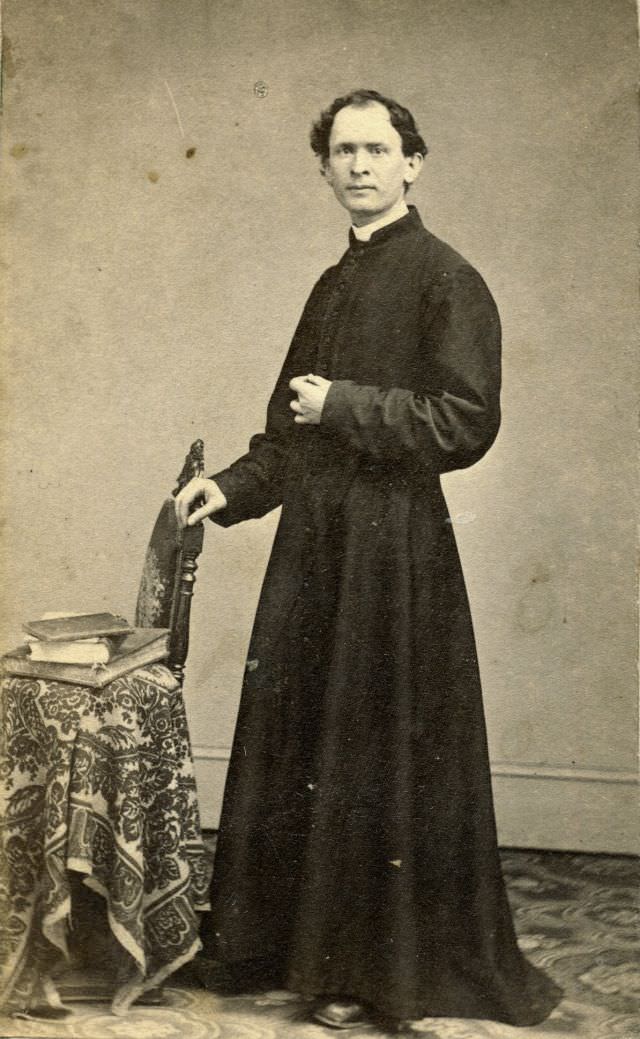
The Catholic Church maintained a strong institutional presence throughout the Victorian period. Priests served parishes, ran schools, and provided social services to immigrant and working-class communities.
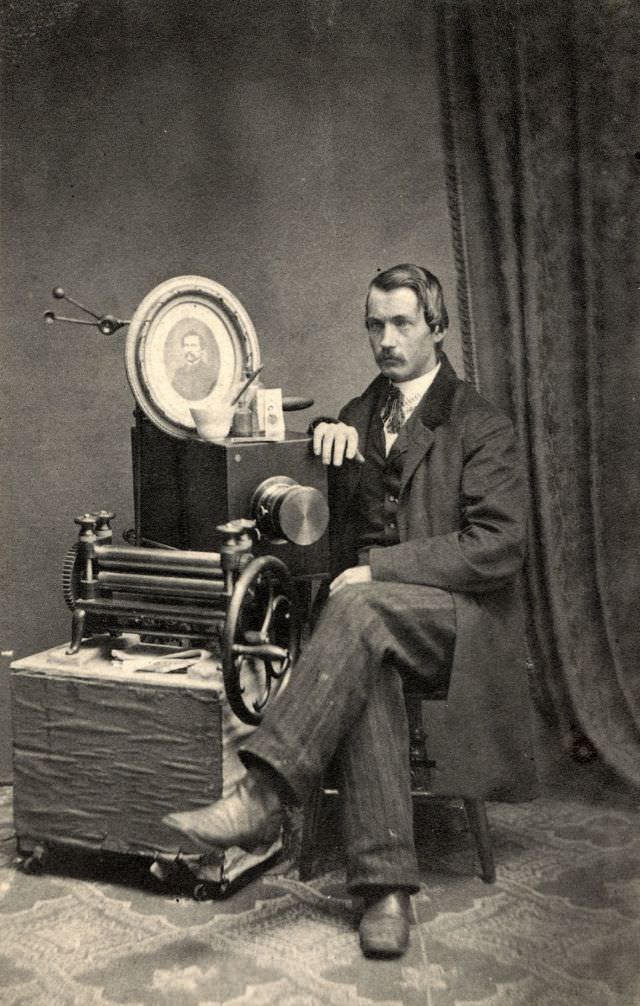
Veterans of the Civil War sometimes turned to photography after their service. The war itself had introduced many men to cameras for the first time, and the skills they witnessed or learned carried into civilian life.
The cobbler was one of the most essential tradespeople in any Victorian town. Shoes wore out fast on unpaved streets, and repair was far more common than replacement for most working-class families.
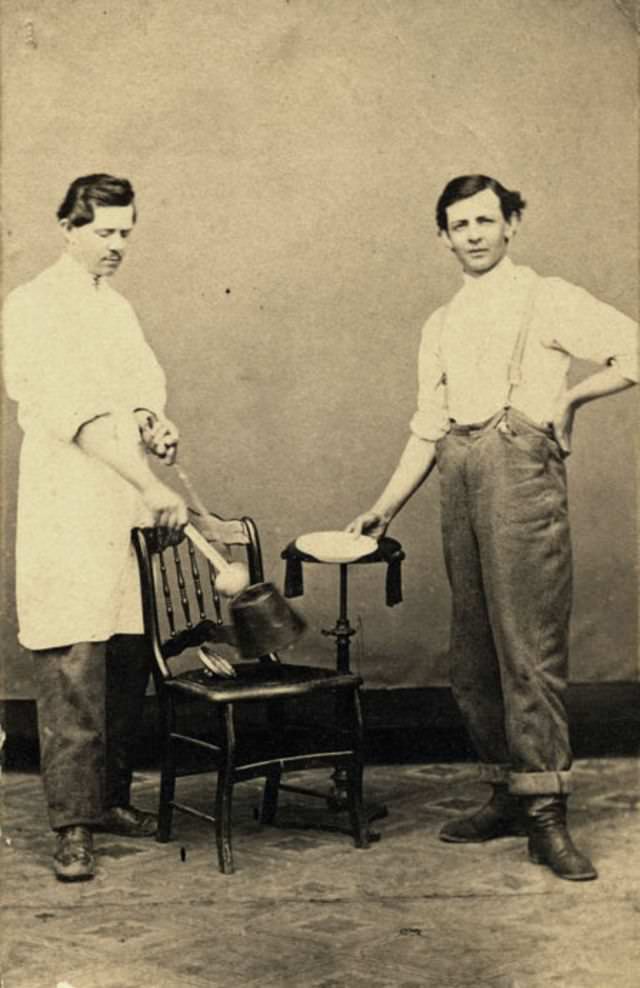
Cooks were central figures in middle- and upper-class Victorian households. Preparing meals for large families and their guests was a full-time occupation, often managed by a head cook who oversaw kitchen staff.
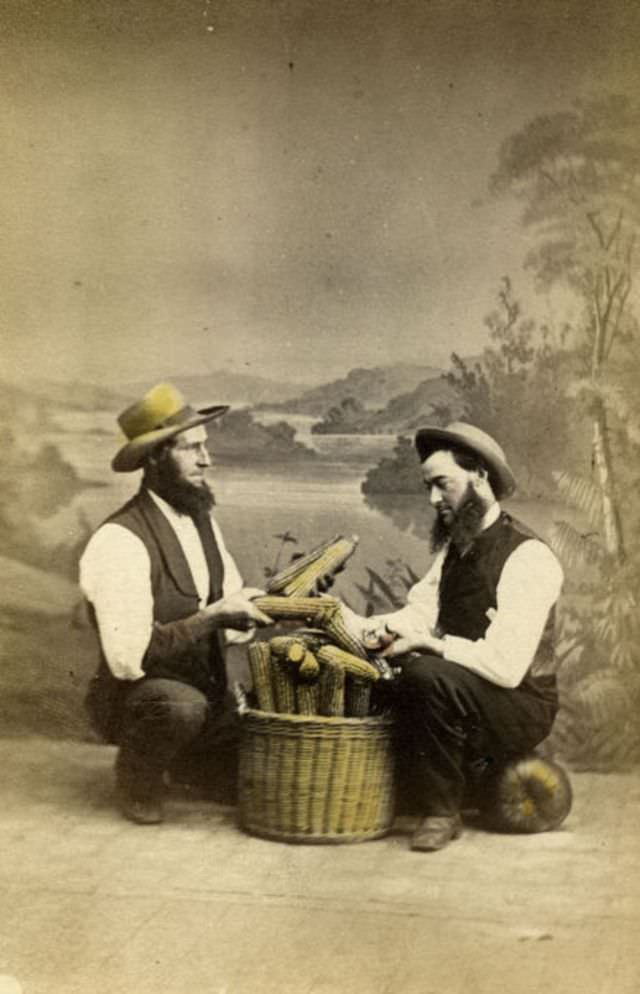
Agricultural work like corn husking was hard, seasonal labor. Farmers and laborers in rural areas worked long days during harvest season, often with the help of entire families.
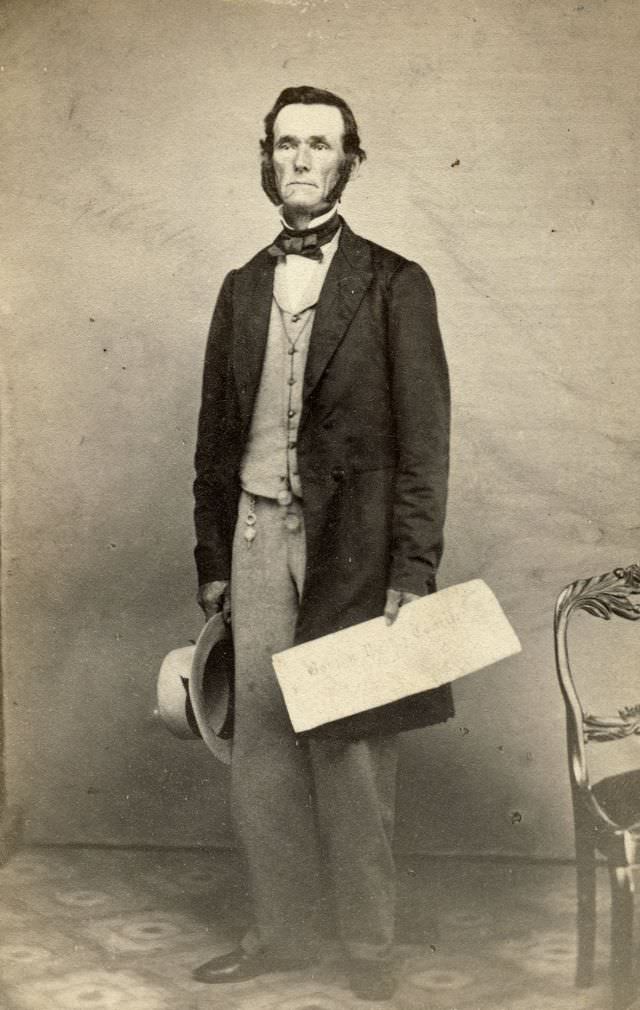
Military camps had their own internal economies and communication systems. Delivering news and dispatches within a camp like Camp Chase — a Union Army prison camp in Ohio — was a defined and necessary role.
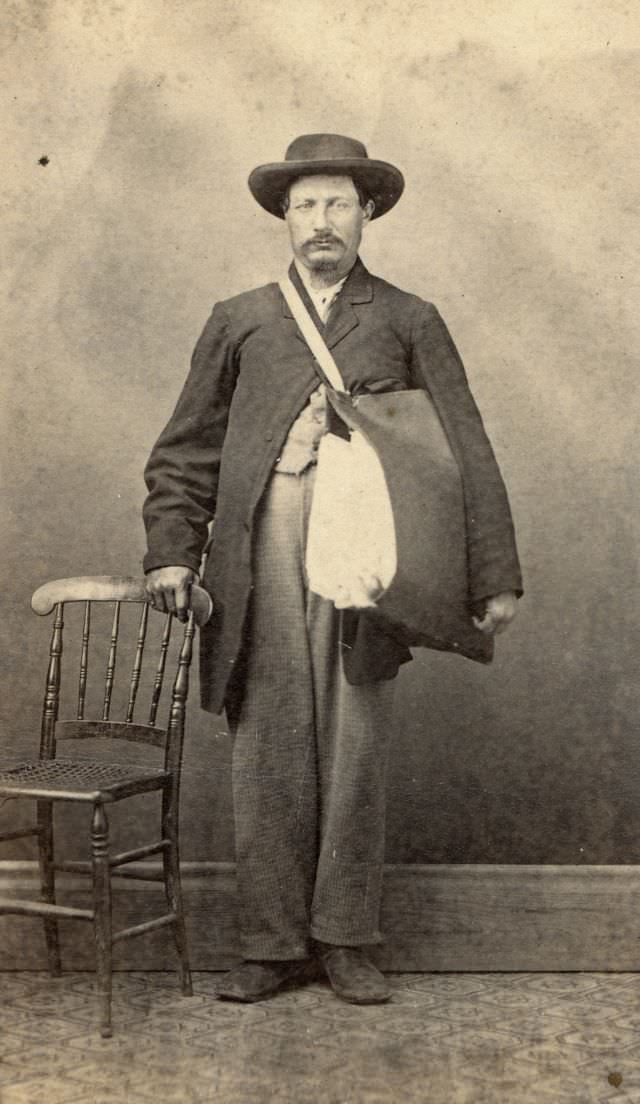
Delivery men were a constant presence on Victorian streets, moving goods between businesses, markets, and homes before any form of motorized transport existed.
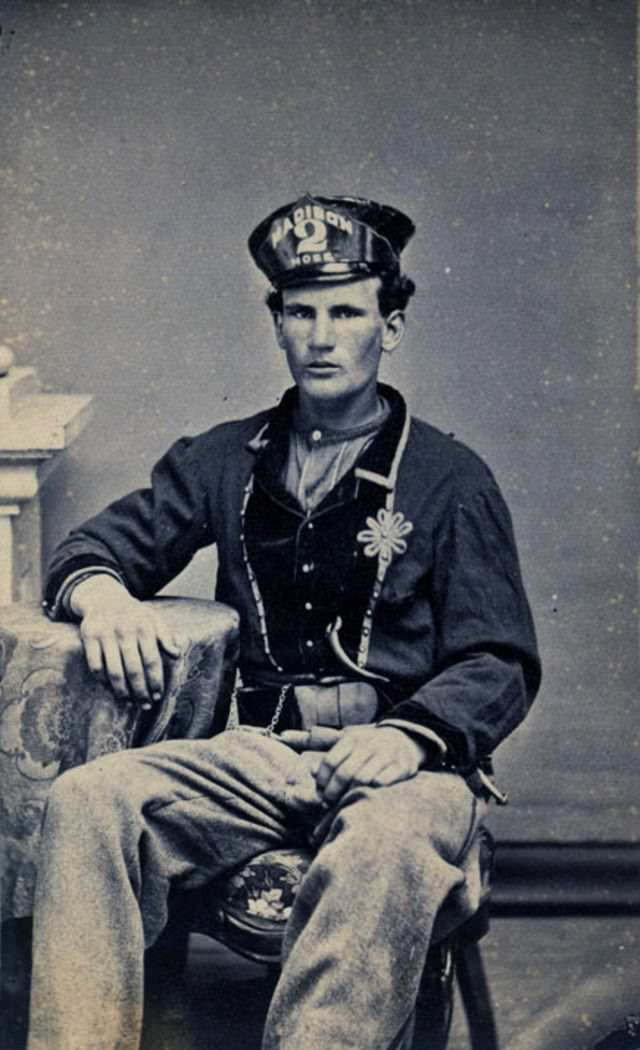
Victorian-era firefighting was a dangerous and physically demanding occupation. Before modern equipment, firemen relied on hand pumps, bucket brigades, and sheer speed to contain blazes in densely packed urban neighborhoods.
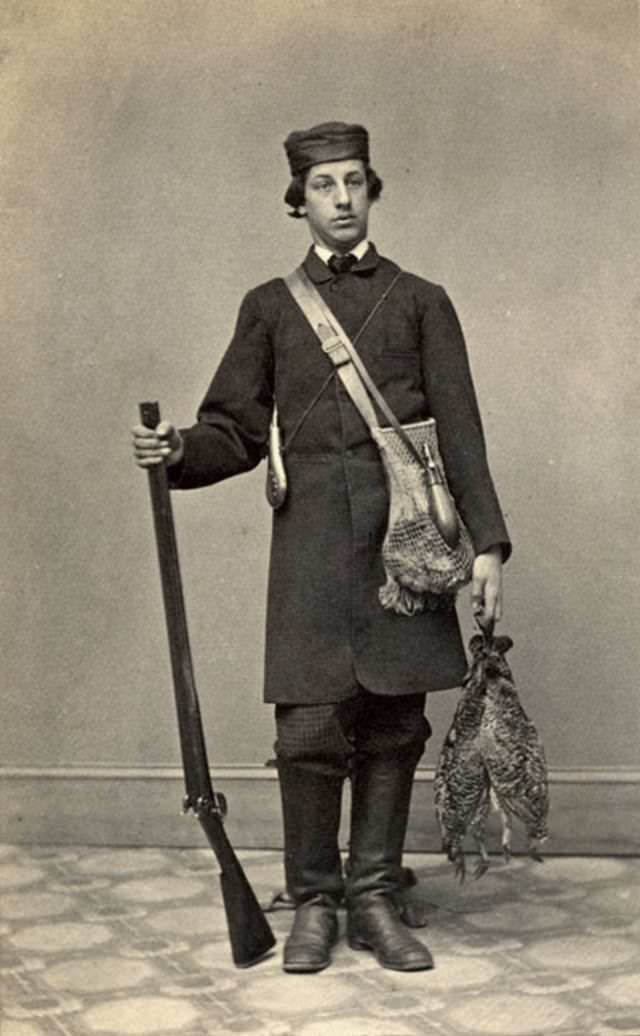
Game hunting was both a sport for the upper classes and an occupation for those hired to supply game birds to markets and estates. Professional hunters knew the land and the seasons well.
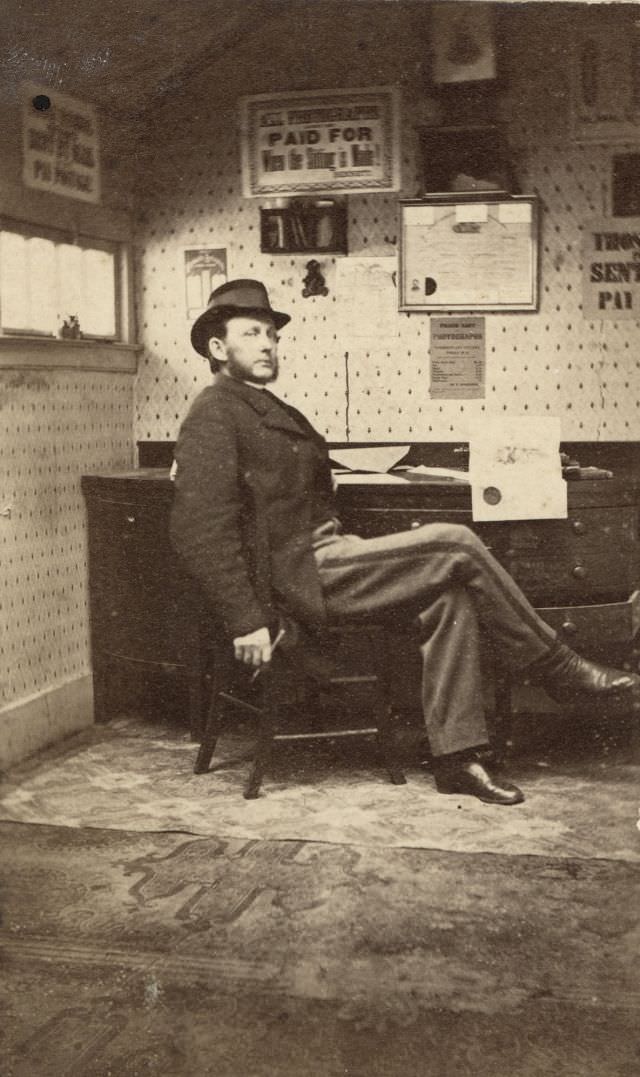
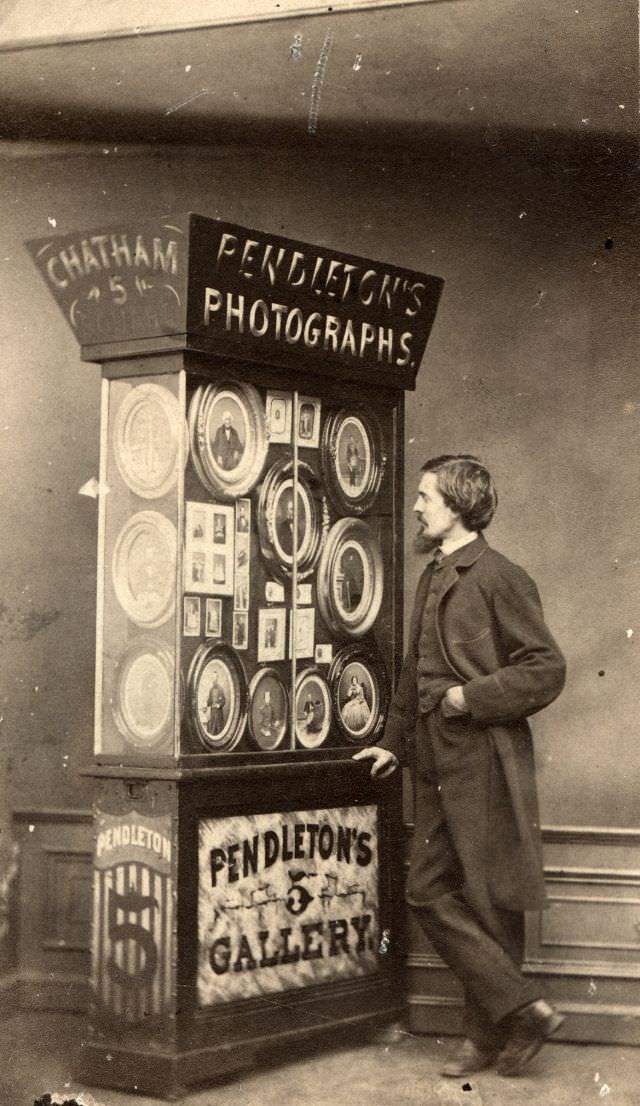
Photography studios became social institutions during the Victorian era. Having a portrait taken was a significant event, and the photographer’s office was a carefully arranged space designed to put subjects at ease.
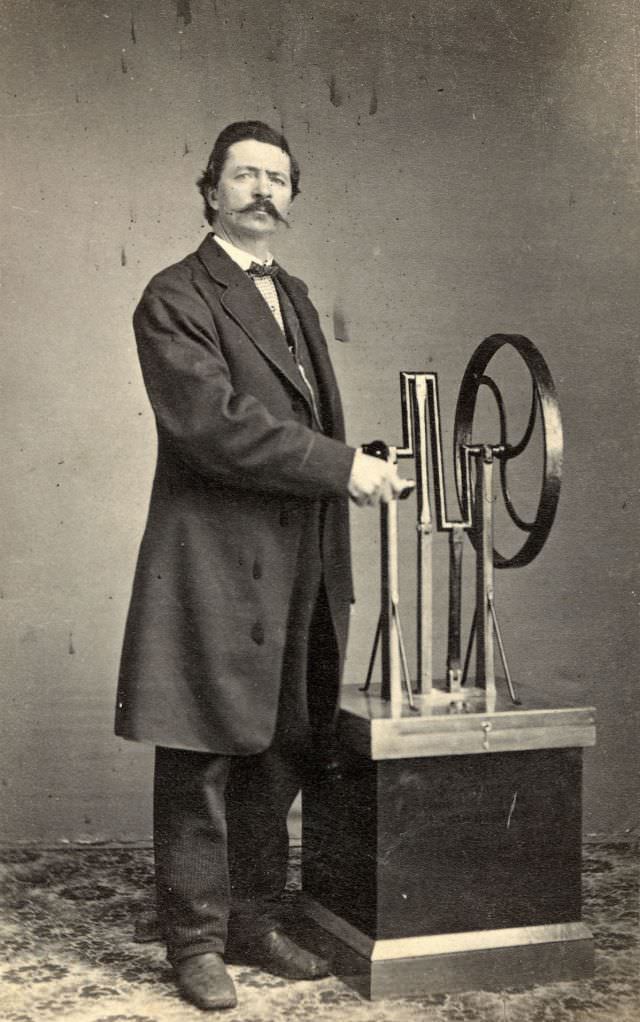
The Victorian era was a period of intense invention and technological change. Inventors — some working independently, others backed by investors — drove the development of steam power, electrical systems, and mechanical processes.
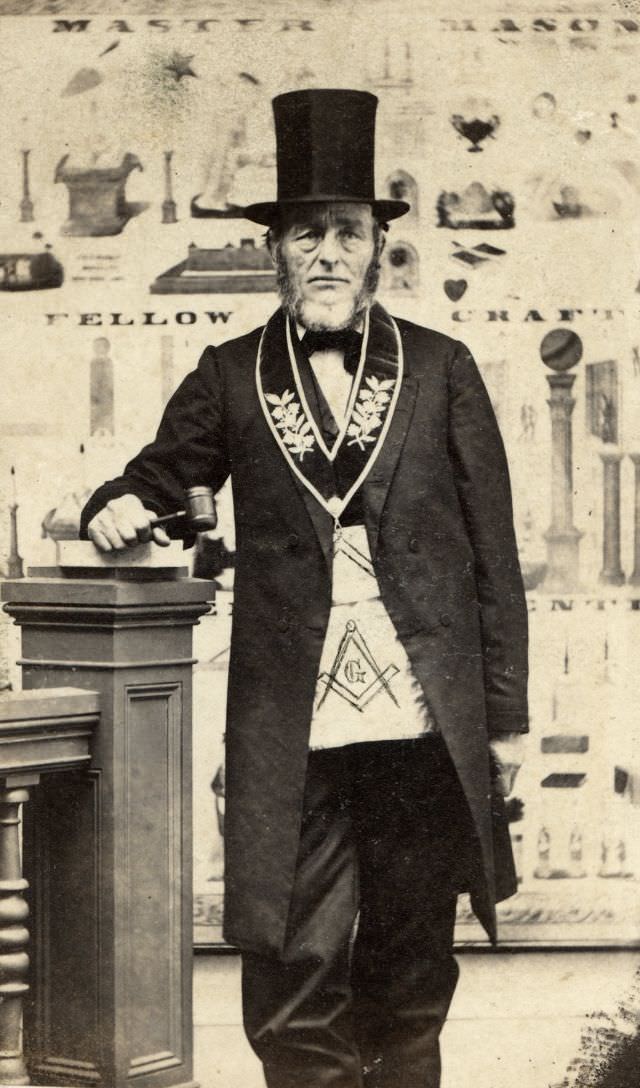
Master masons were skilled craftsmen who shaped stone for buildings, bridges, and monuments. Their expertise was passed down through formal apprenticeship systems, and the rank of master was earned over many years.
The newspaper industry exploded during the Victorian era, fueled by rising literacy rates and cheap printing technology. Newspapermen worked as writers, editors, and typesetters in a fast-paced, competitive field.
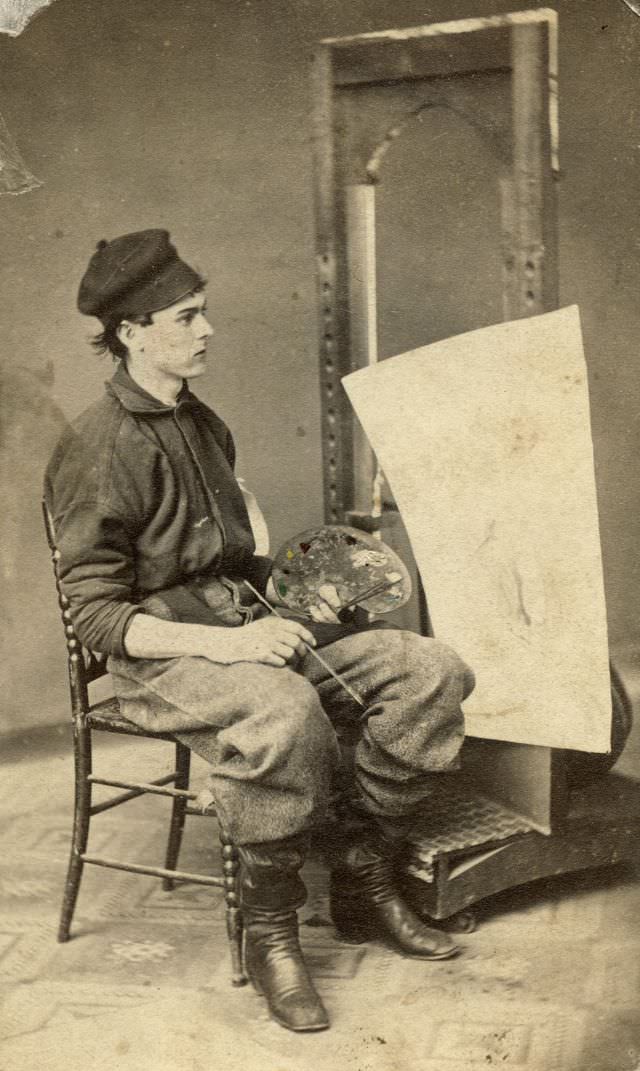
Painters worked across a wide range of settings — decorating homes, painting signs, and producing fine art. The trade required a steady hand and a knowledge of materials, from lead-based paints to specialized varnishes.
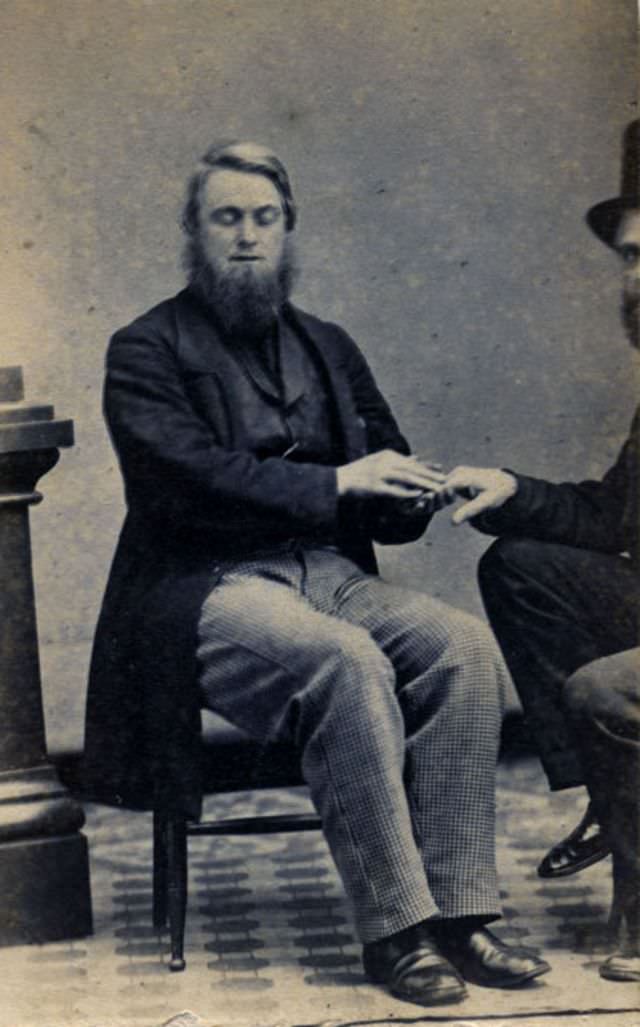
Fortune-telling and palm reading were common street and fair occupations during the Victorian era. Practitioners operated on the edges of respectability, often moving between carnival settings and private consultations.
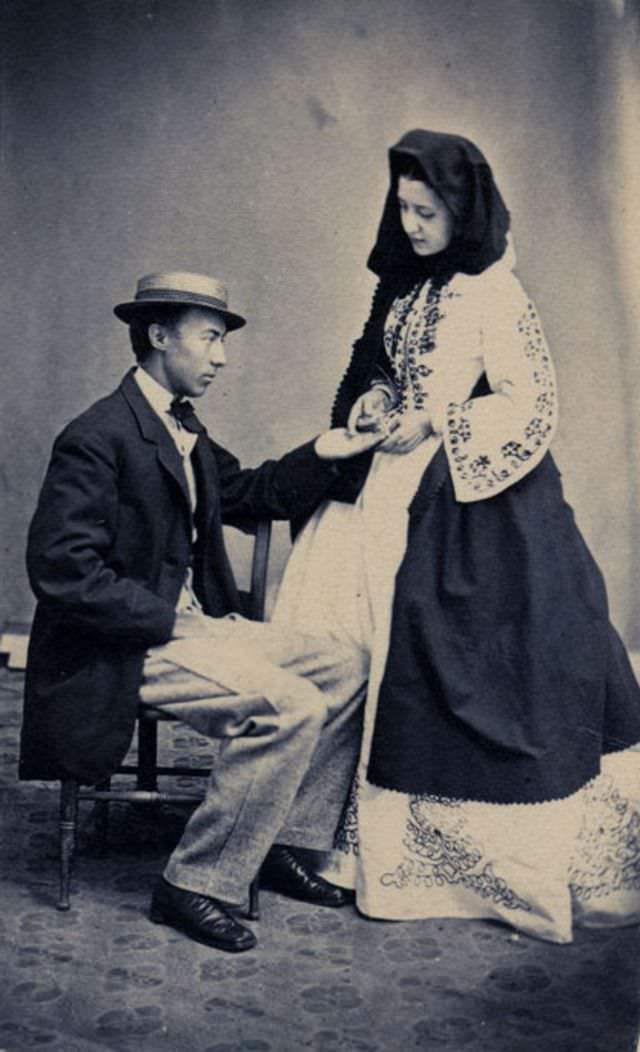
The line between medicine and mysticism was blurry in the Victorian era. Clairvoyants and faith healers advertised alongside licensed physicians in newspapers, and many people consulted both.
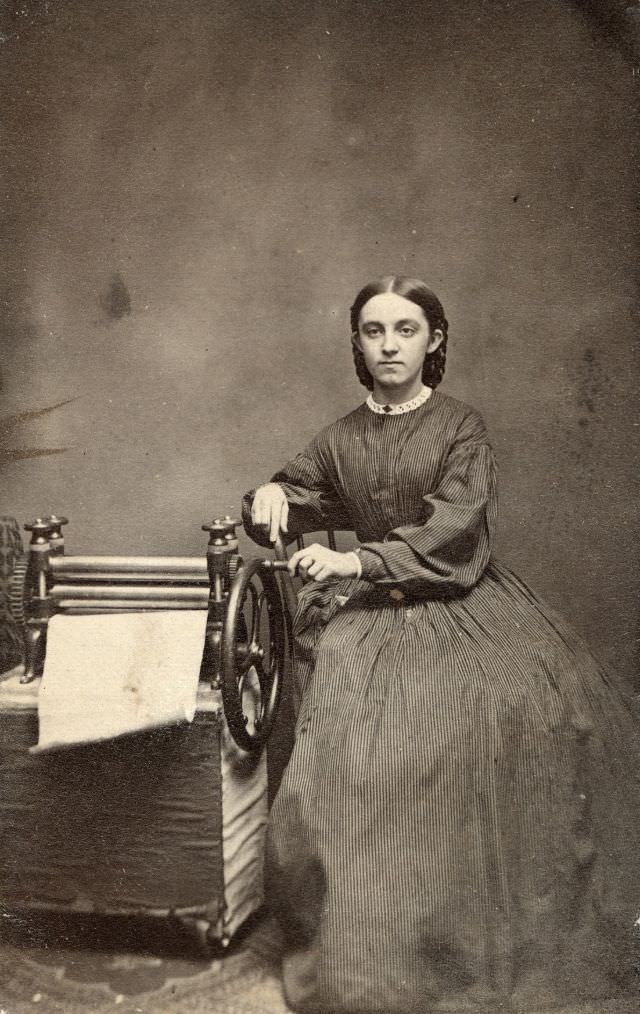
The printing industry employed large numbers of workers, including women who operated presses and managed typesetting. Press women played a key role in producing the books, pamphlets, and newspapers that defined Victorian public life.
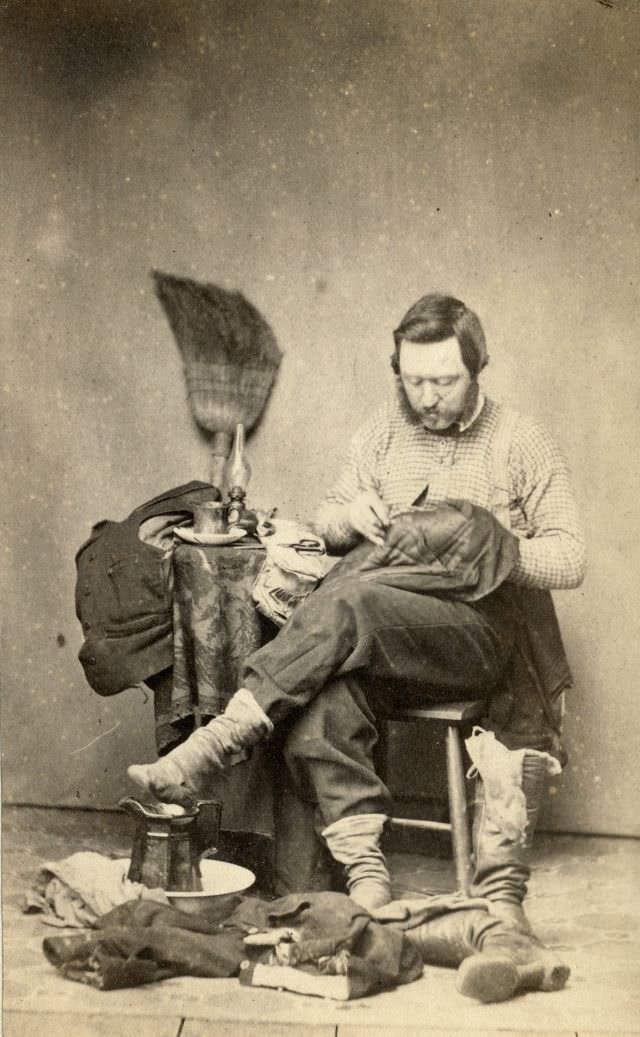
Some Victorian men cycled through multiple trades over a lifetime — or even at the same time. A sailor might also know tailoring; a soldier might take up photography. The diversification of skills was often a matter of economic survival.
Scientists gained new professional recognition during the Victorian era. Universities expanded, laboratories were funded, and figures like Charles Darwin and Michael Faraday made science a prestigious pursuit.
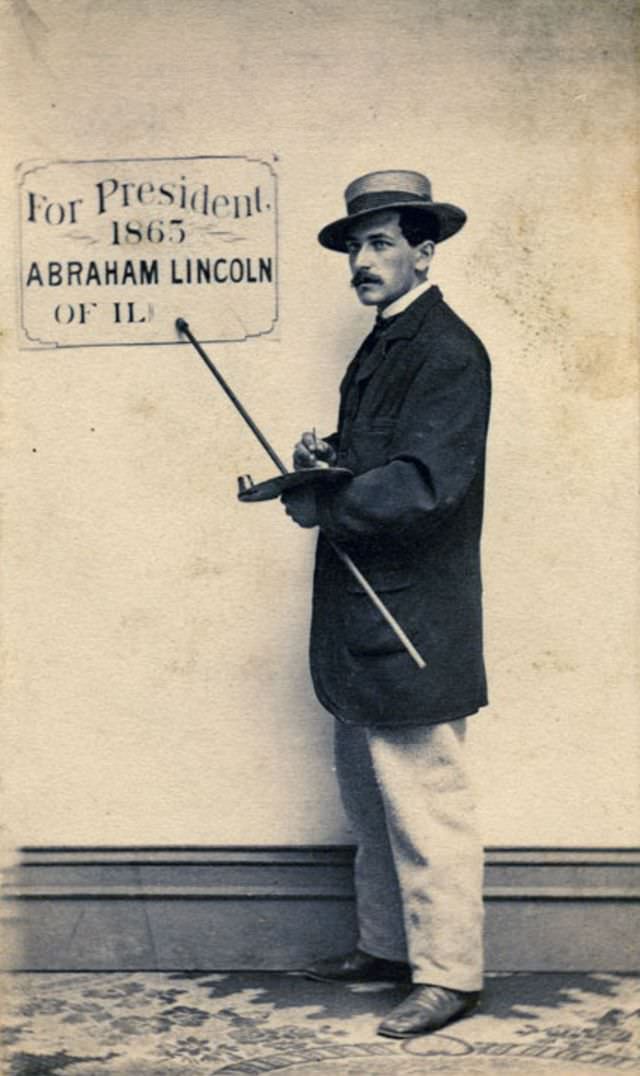
Sign painting was a skilled trade in a world without digital printing. Shop fronts, taverns, and public buildings all needed hand-painted lettering and imagery, and skilled sign painters were well-compensated for their precision.
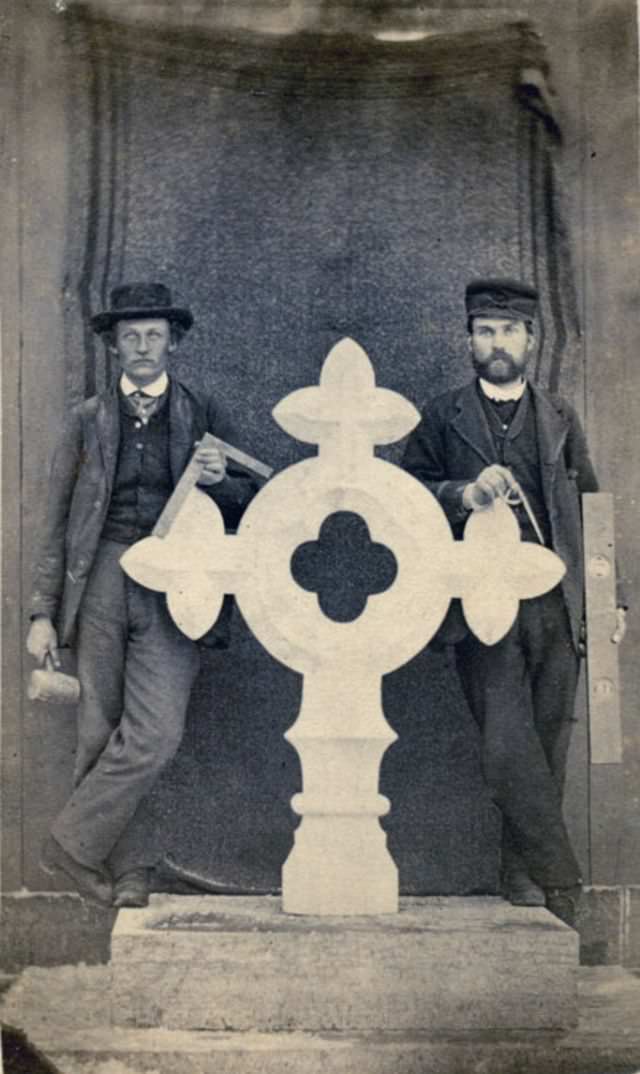
Stone workers quarried, shaped, and laid stone for everything from roads to grand public buildings. The work was brutal on the body and carried serious risks from dust inhalation and heavy lifting.
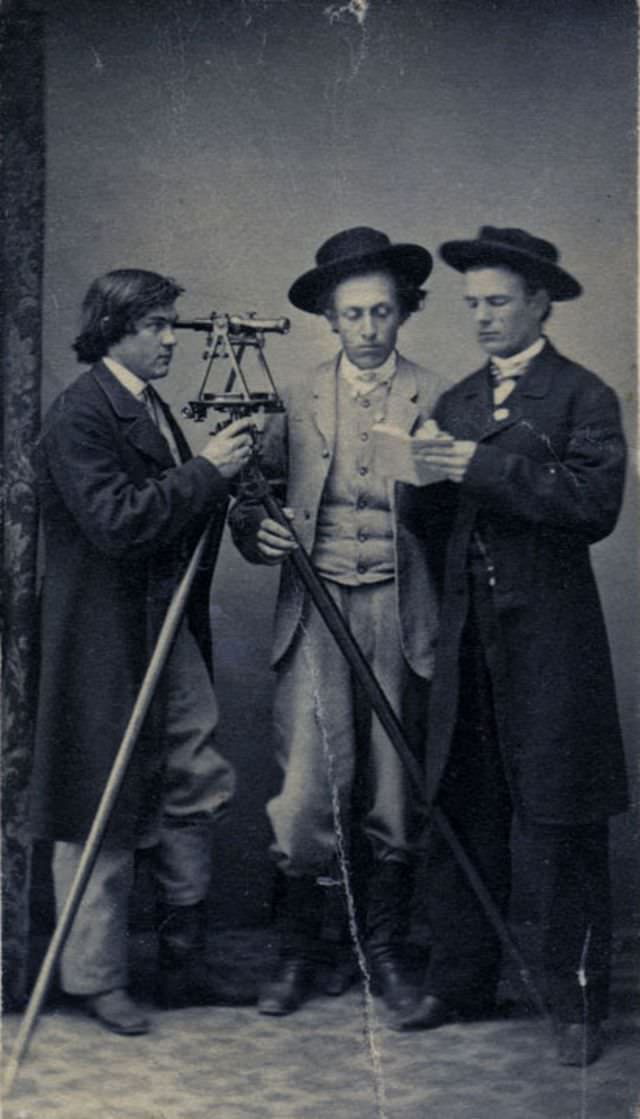
Surveyors were essential to Victorian expansion — mapping land for railways, new towns, and agricultural estates. Their work required mathematical precision and long hours outdoors in all conditions.
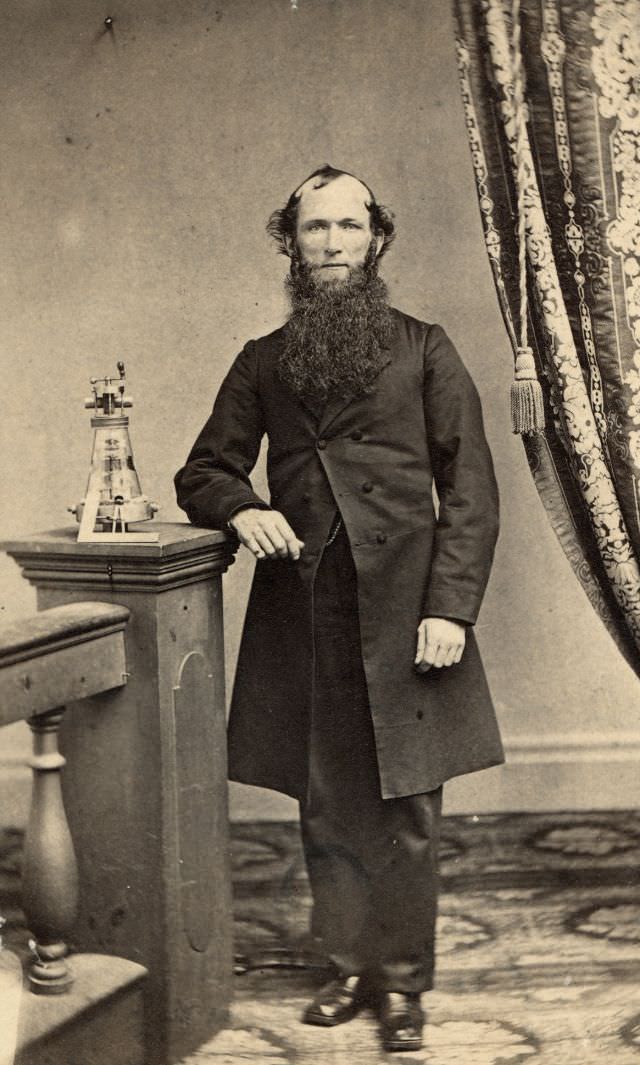
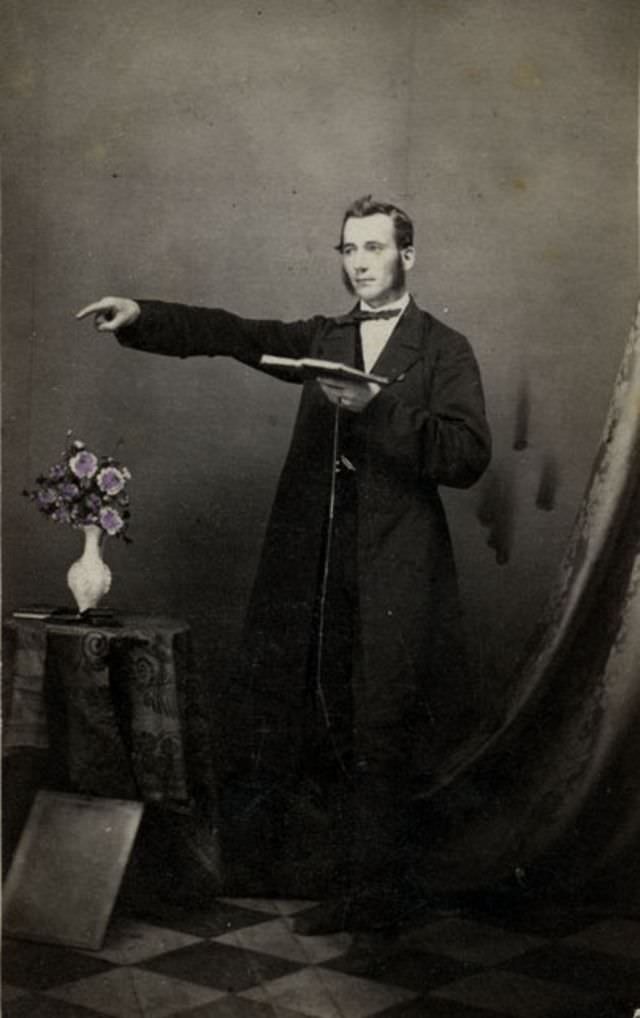
Clergymen held authority in Victorian communities that extended well beyond Sunday services. They were expected to counsel families, adjudicate disputes, and model moral behavior in public life.
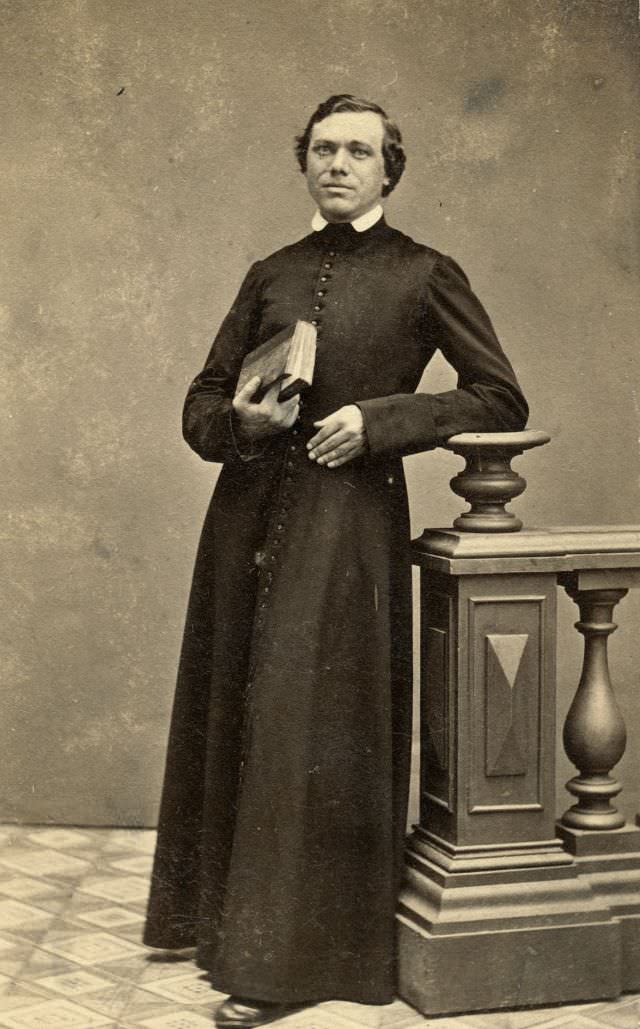
Before color photography existed, colorists hand-tinted photographs using dyes and paints. The work demanded a fine touch and an understanding of how color interacted with photographic surfaces.
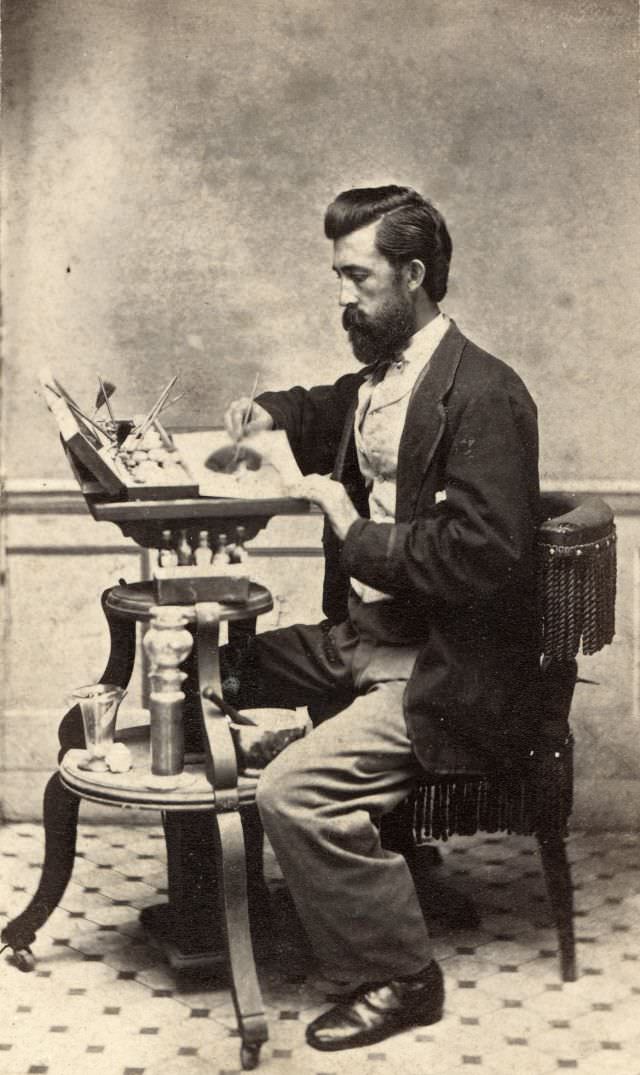
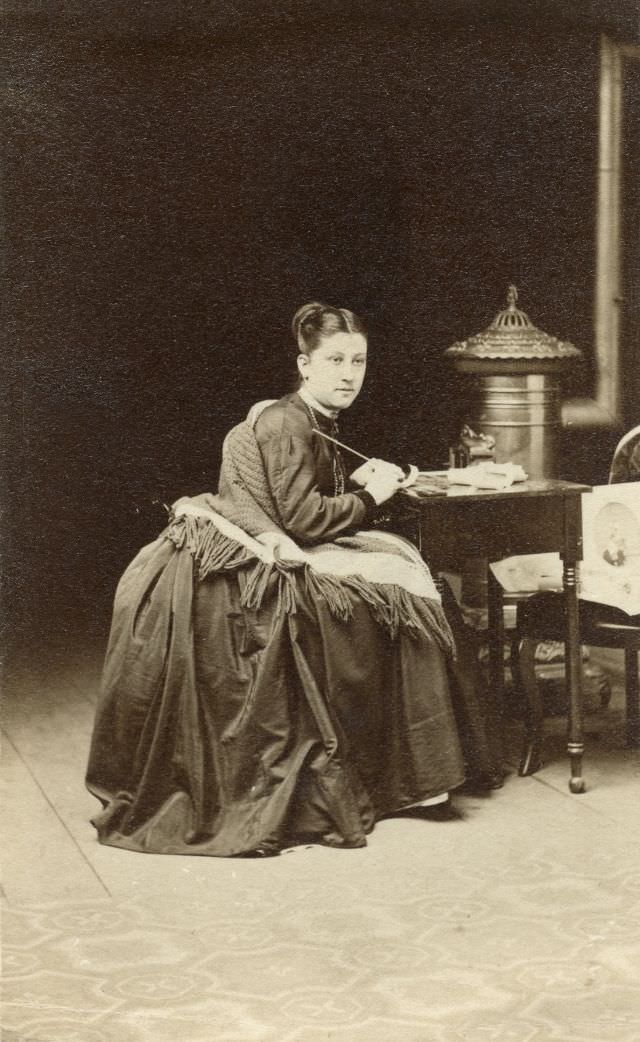
Dendrologists — specialists who study trees — were employed by estates, botanical gardens, and forestry programs. Their knowledge guided decisions about planting, timber harvesting, and land management.
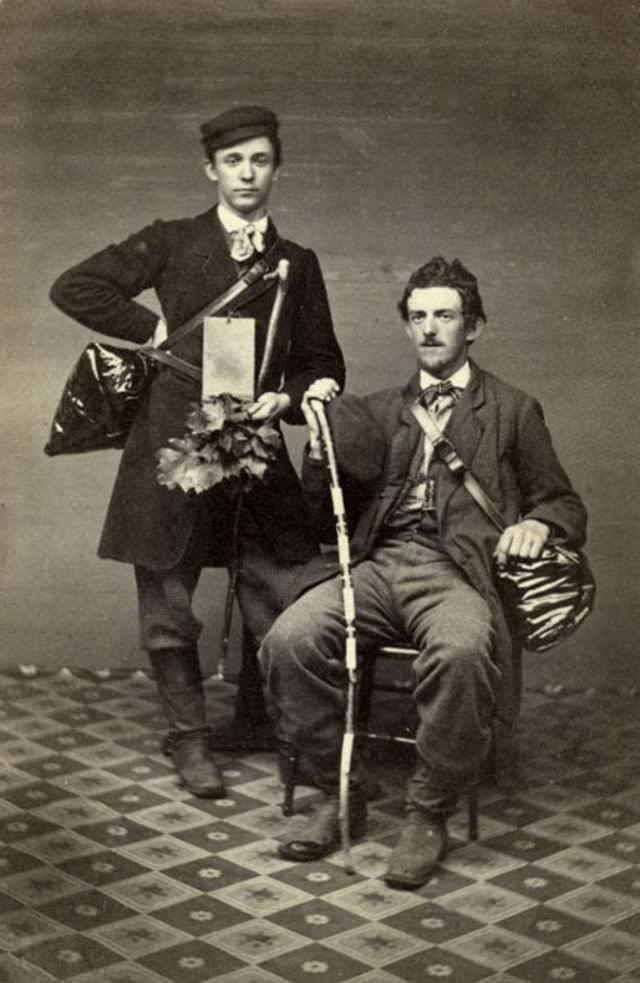
Newspaper editors and printers held real power in Victorian society. Publications like the Herald shaped public opinion on politics, crime, and culture. The print shop was a center of daily civic life.
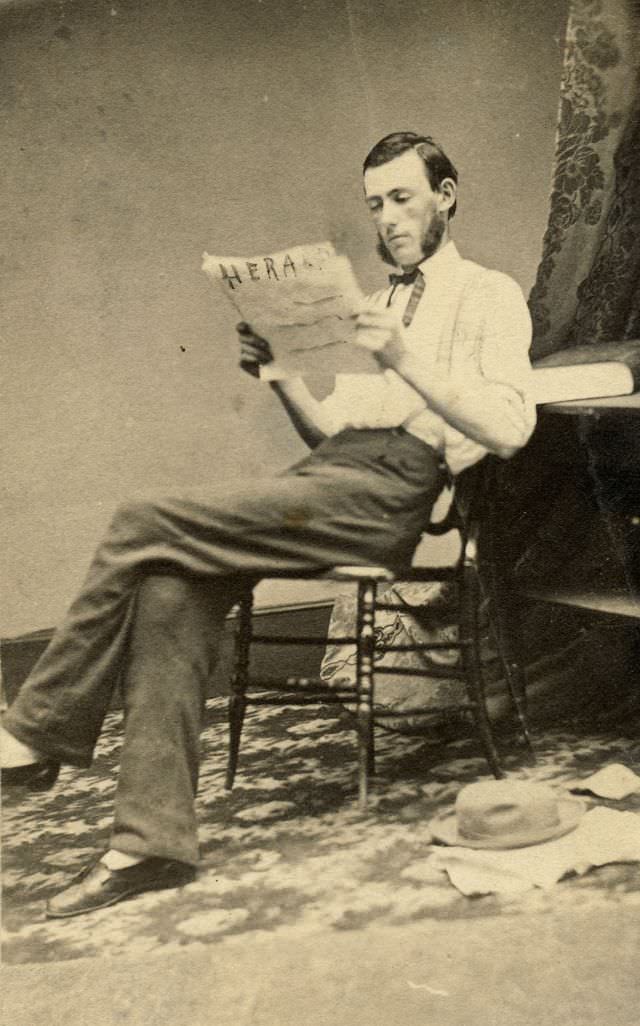
Fine artists of the Victorian era worked in oil, watercolor, and sculpture, often training at formal academies. Their subjects ranged from landscapes and mythology to portraits of the industrialist class that was reshaping society.
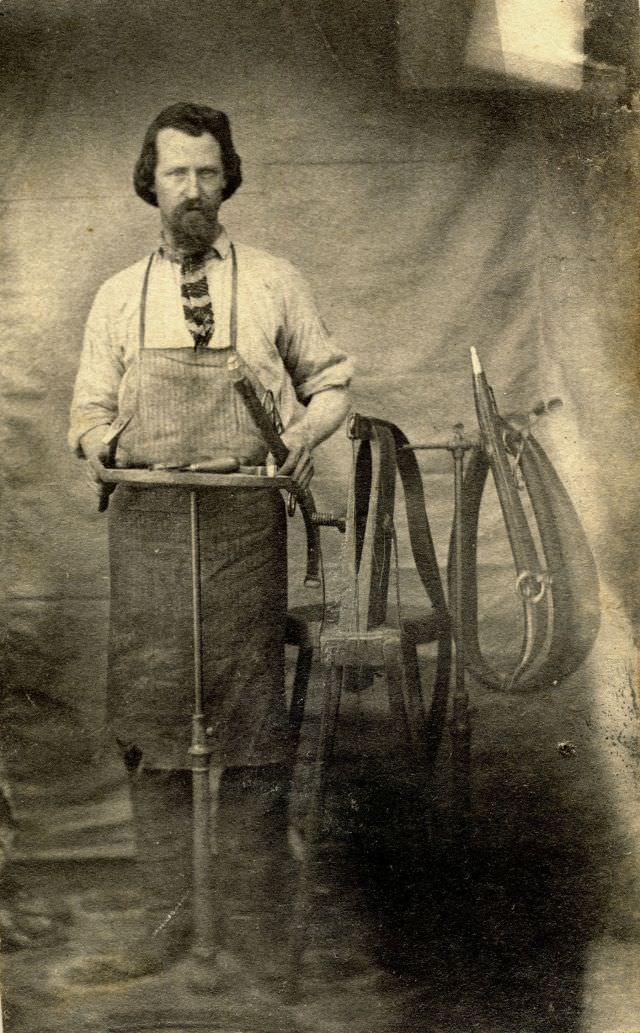
The harness maker crafted leather equipment for horses — the primary mode of transport and agricultural power during the Victorian era. A good harness maker’s work directly determined the safety and efficiency of travel and farm labor.
The lensman — a term for a skilled photographer — represented a growing professional class built around a technology less than fifty years old by the Victorian period’s close. Their portraits now serve as the primary visual record of the age.
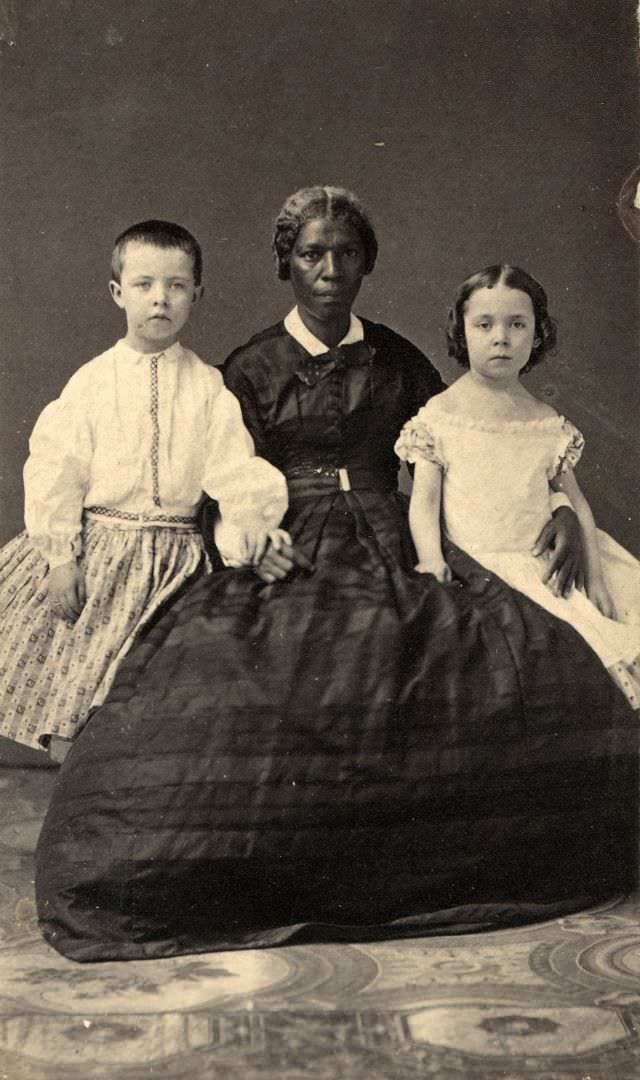
Domestic service was one of the largest employment sectors of the Victorian era, and nannies were among its most important figures. Caring for the children of middle- and upper-class families, nannies often lived in the household and worked six or seven days a week.
Public speaking was a profession in its own right during the Victorian era. Orators lectured on politics, science, religion, and reform in packed halls across Britain and America, filling the role that broadcast media would later take over.
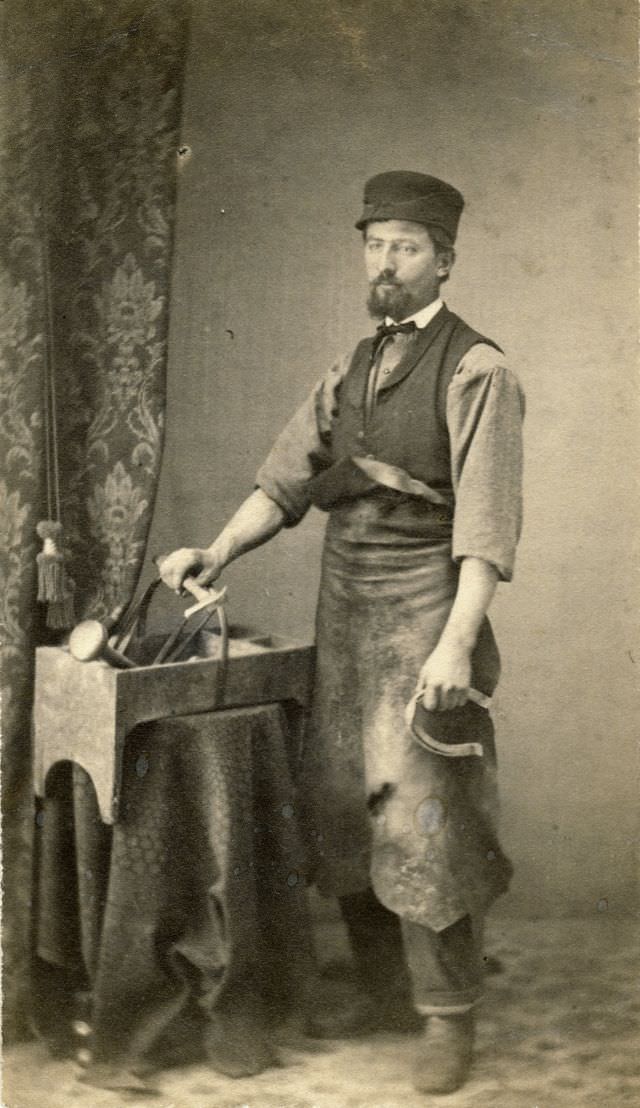
The farrier shod horses — an absolutely critical trade in an era that depended on horse power for transportation, agriculture, and commerce. A well-shod horse worked better and lasted longer, making the farrier’s skill economically vital.
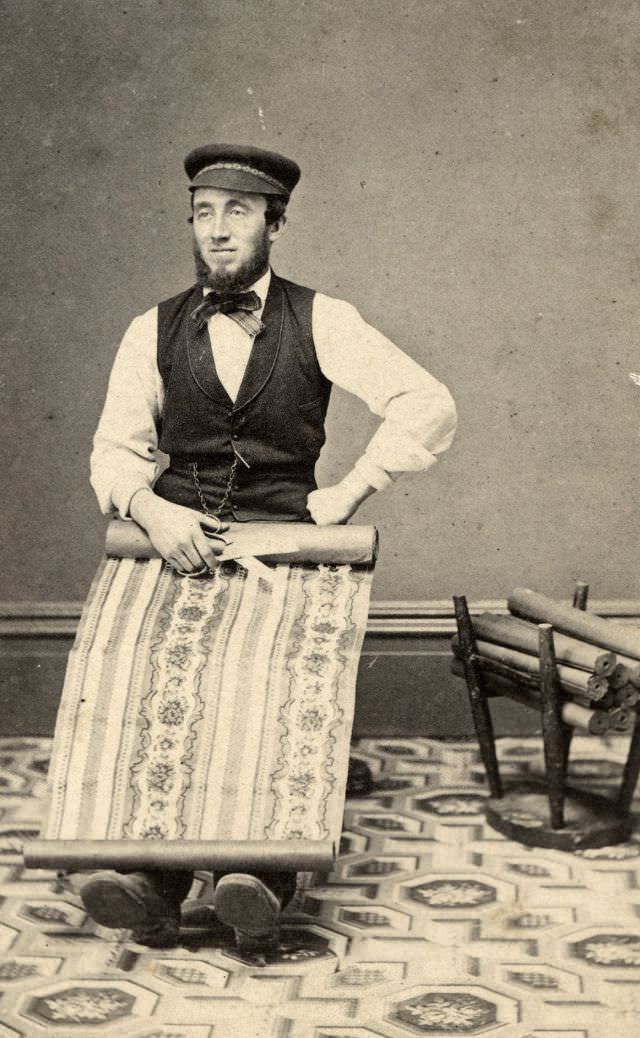
Wallpaper became a defining feature of Victorian interior design. Hanging it correctly required skill and precision, and specialist wallpaper hangers were employed by households looking to keep up with the era’s elaborate decorating fashions.
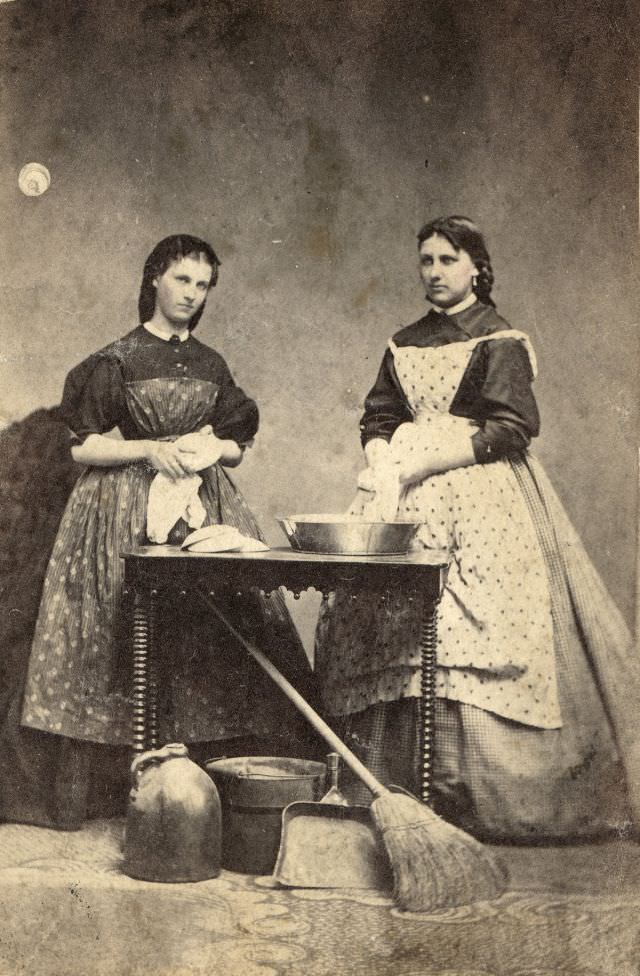
Even washing dishes was an organized labor role in large Victorian households and institutions. Kitchen workers followed strict routines to manage the enormous volumes of tableware used for daily meals and formal dining.





The monk is excellent. I hope you’ll do some more. I’d love a prison warden, a schoolteacher and a gillie if you’re taking requests, lol!