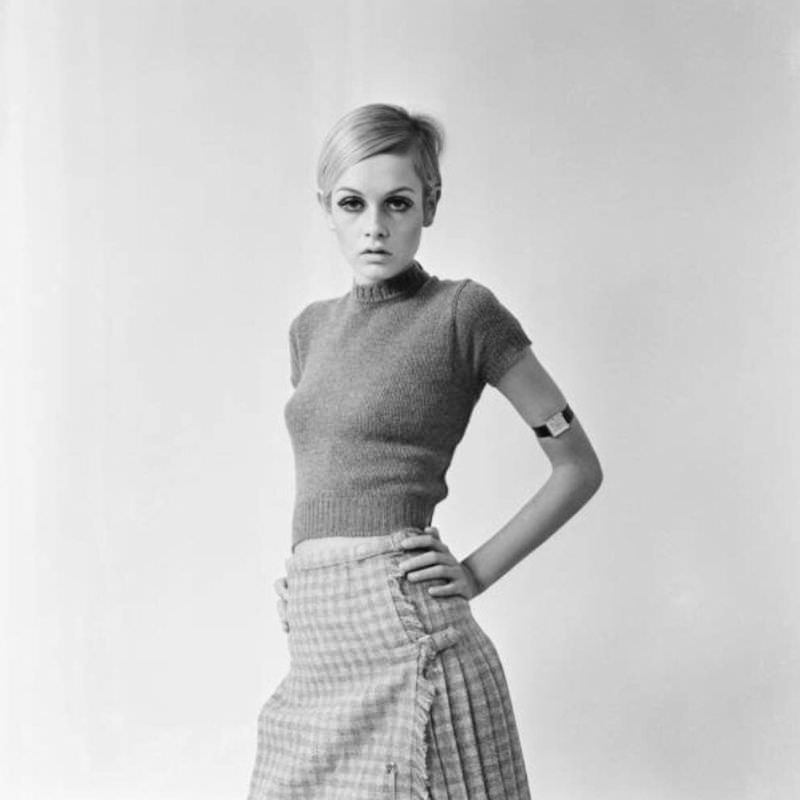
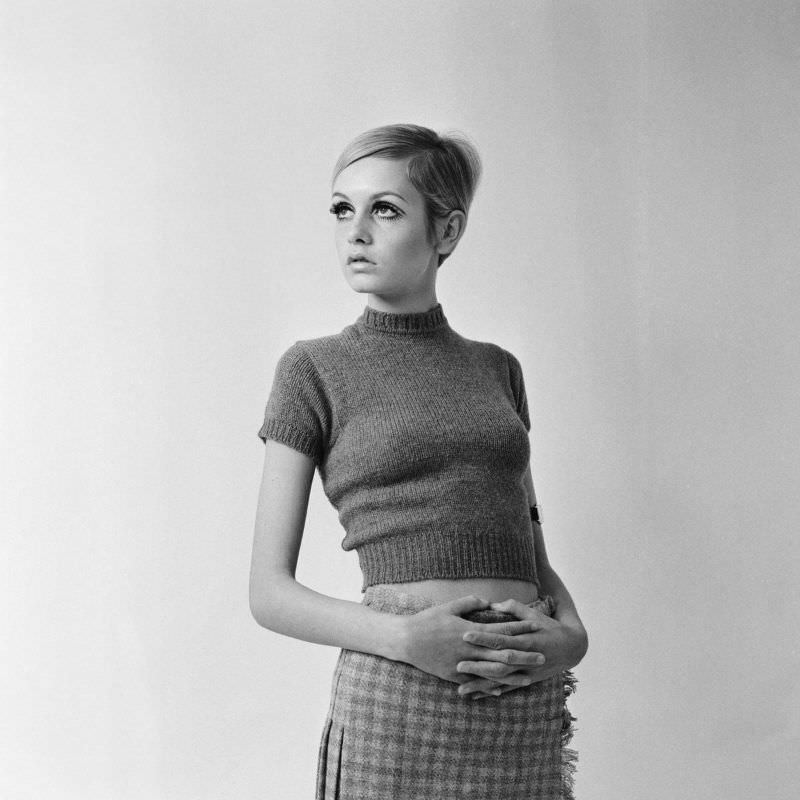
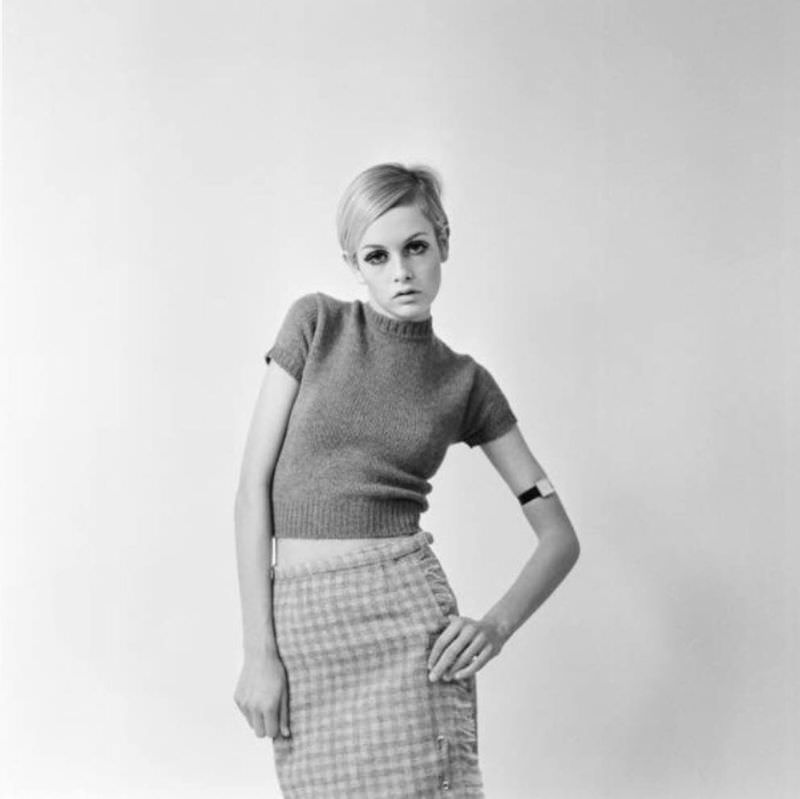
By 1966, Twiggy was the most recognizable teenage face in London. Born Lesley Lawson, she stood out in a fashion world that had never quite seen anyone like her. Her slim frame, wide eyes, dramatically long lashes, and close-cropped hair gave her a look that was completely her own. She didn’t fit the mold of earlier fashion models — and that was exactly the point.
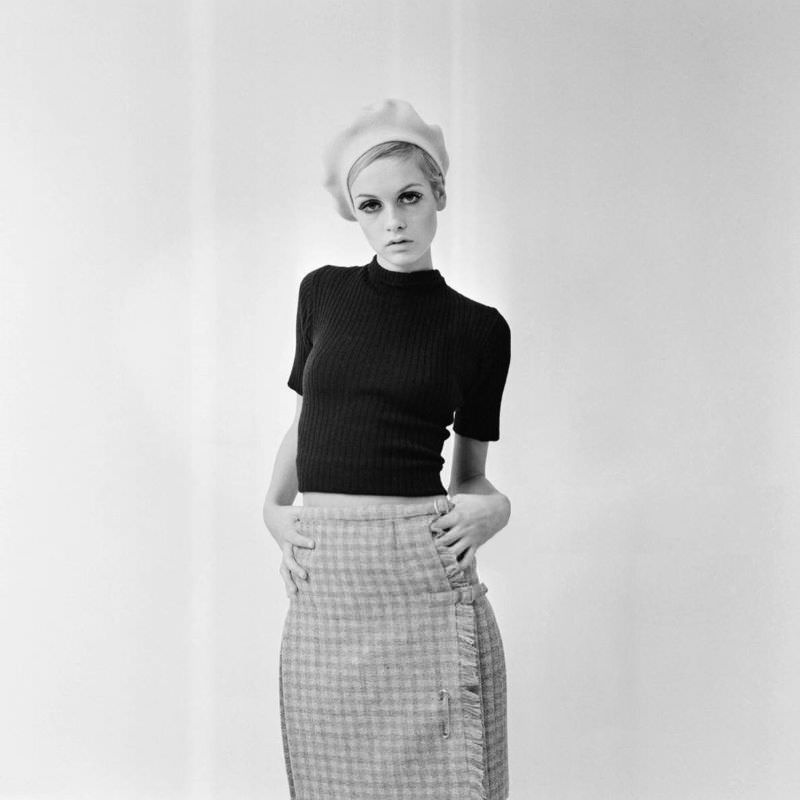
The Daily Express declared her “The Face of 1966” and voted her British Woman of the Year — a remarkable achievement for a teenager from Neasden, North London. These weren’t just magazine titles. They reflected how deeply Twiggy had connected with a generation of young people who saw her as a symbol of a new, freer Britain.
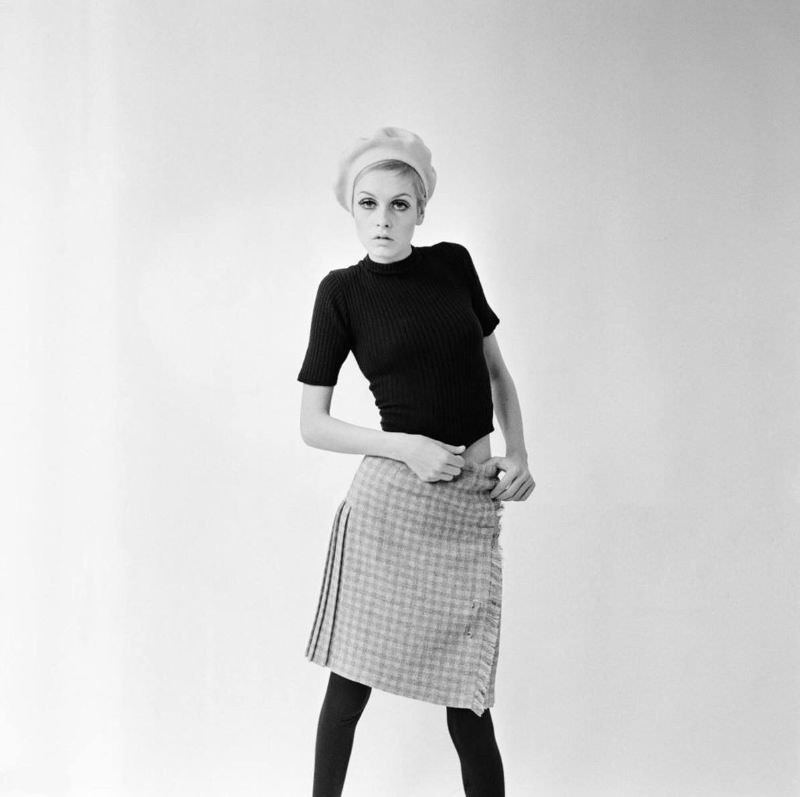
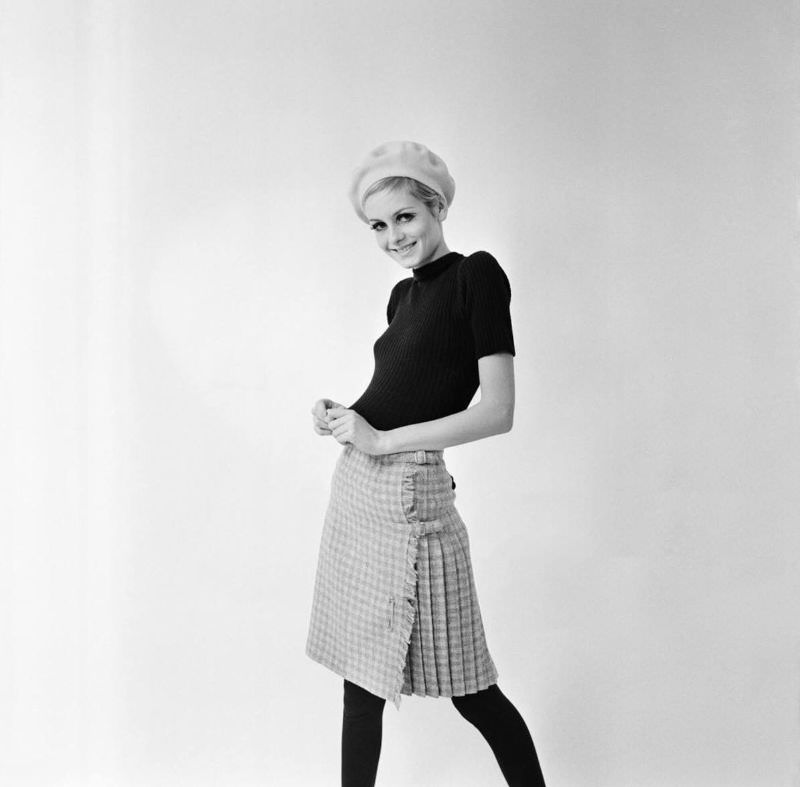
Photographer Ron Burton captured Twiggy for The Mirror and Herald in London in October 1966. Burton worked for the Daily Mirror group, and his editorial eye was sharp and direct. These weren’t overly styled or artificially glamorous shots. They showed Twiggy as she was — natural, confident, and utterly at ease in front of the camera.
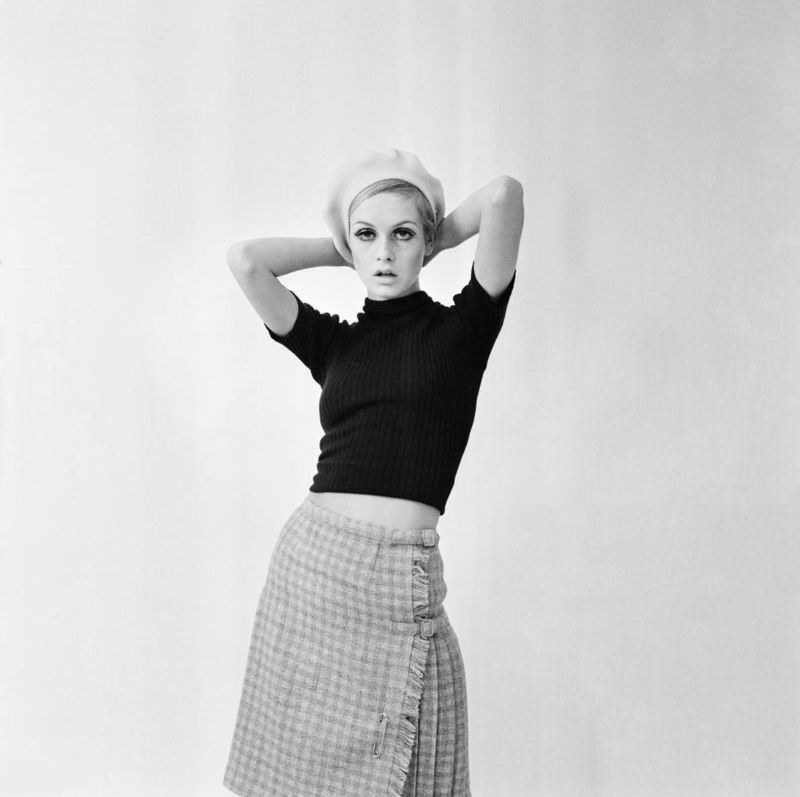
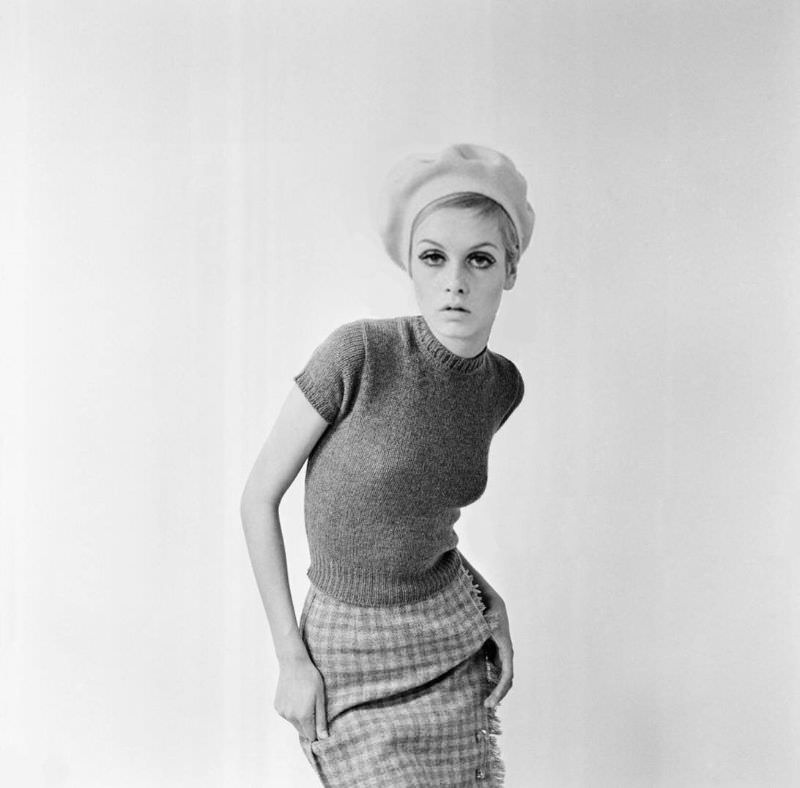
The Swinging Sixties in London was a specific moment in time — one where youth culture, music, art, and fashion collided. Carnaby Street and the King’s Road were the beating heart of it all. Twiggy was squarely in the middle of that world, and Burton’s photos place her firmly in October 1966, right at the peak of that cultural wave.
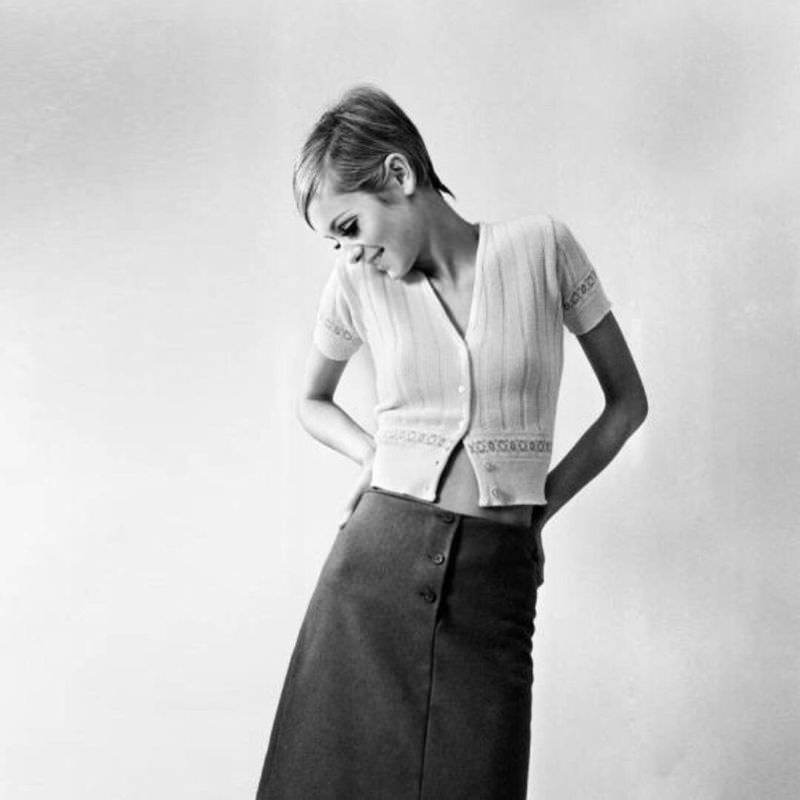
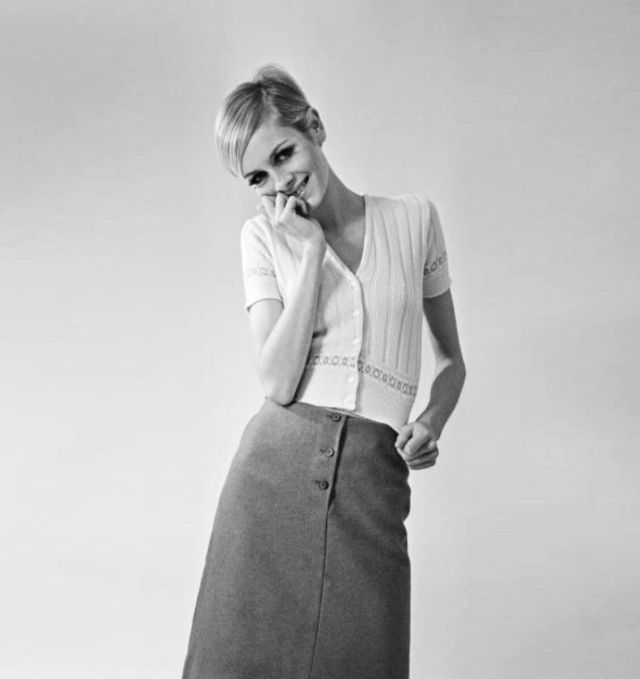
Her androgynous look was a deliberate break from the curves-and-glamour standard of postwar fashion. The big eyes were often accentuated with painted lower lashes — a makeup technique that became one of her most copied signatures. By the time Burton photographed her, that look was already being replicated by young women across Britain.
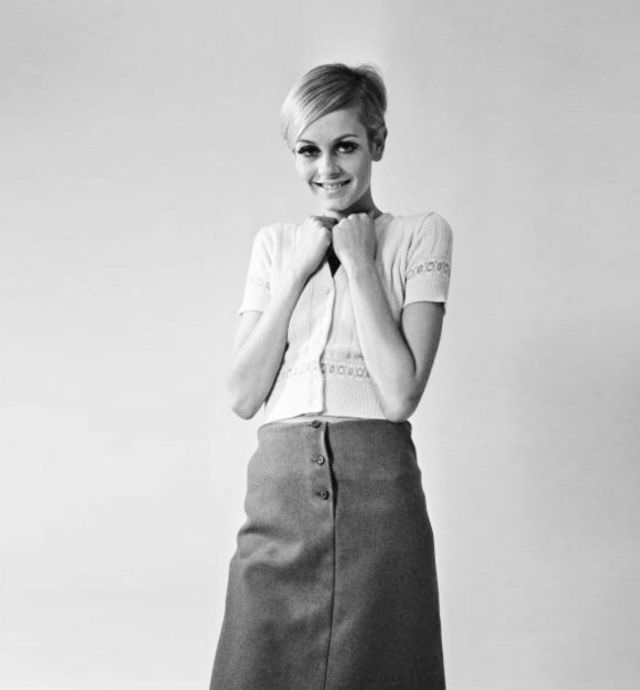
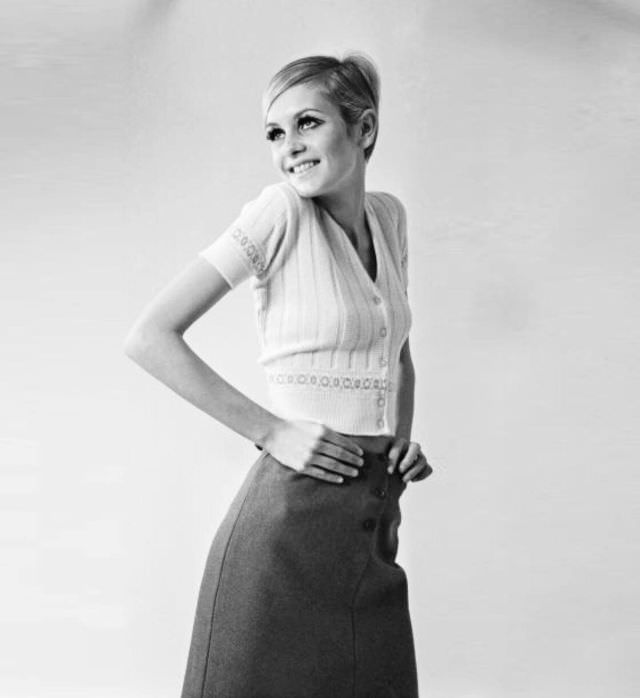
Within a year of these photos, Twiggy had taken her career international. By 1967, she was modeling in France, Japan, and the United States. Her face appeared on the covers of Vogue and The Tatler, and her name was known far beyond London. The momentum that carried her there was already fully built by the autumn of 1966.
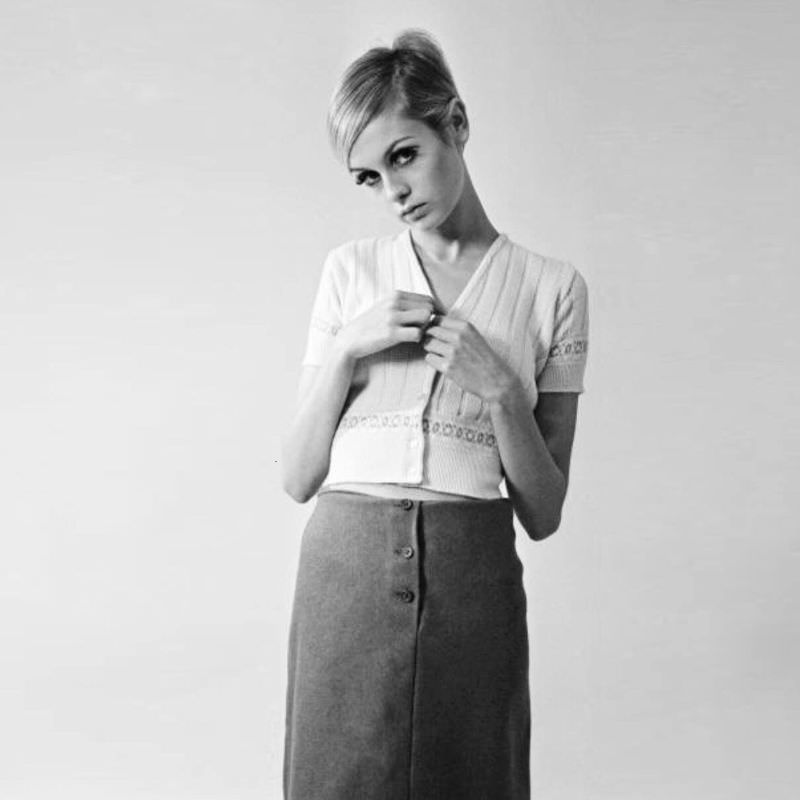
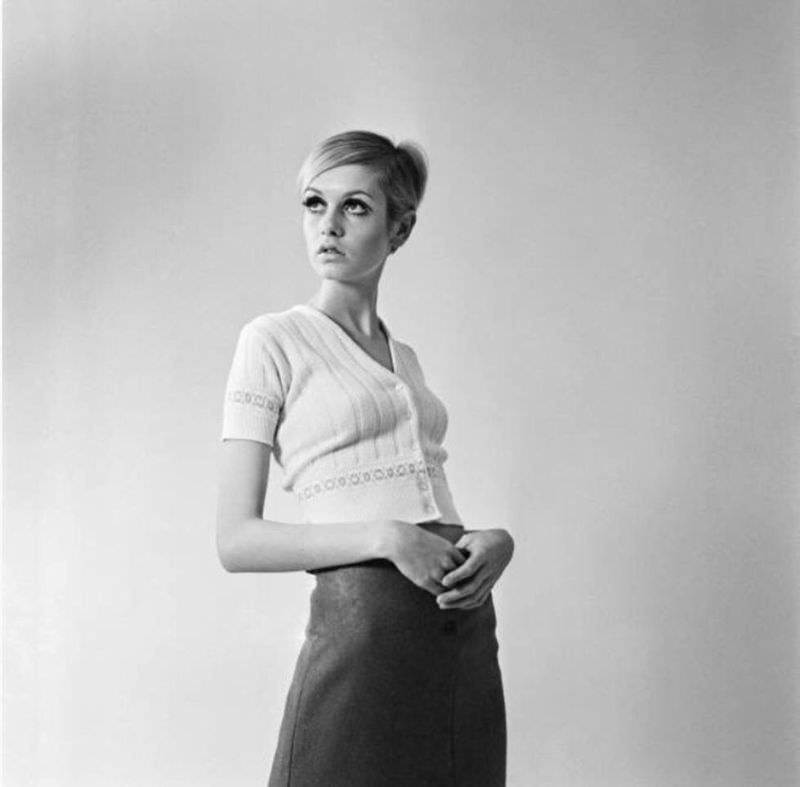
What makes Burton’s photos particularly valuable is their timing. October 1966 sits right at the tipping point — Twiggy was already a household name in Britain but had not yet made her full international leap. These images capture her at the exact moment when she was the biggest thing in British fashion.
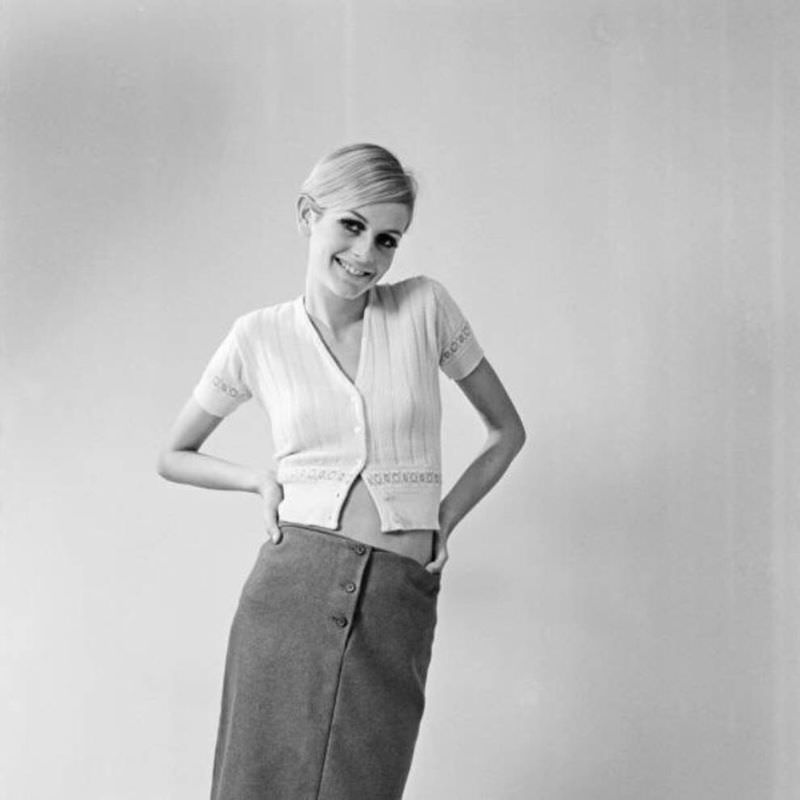
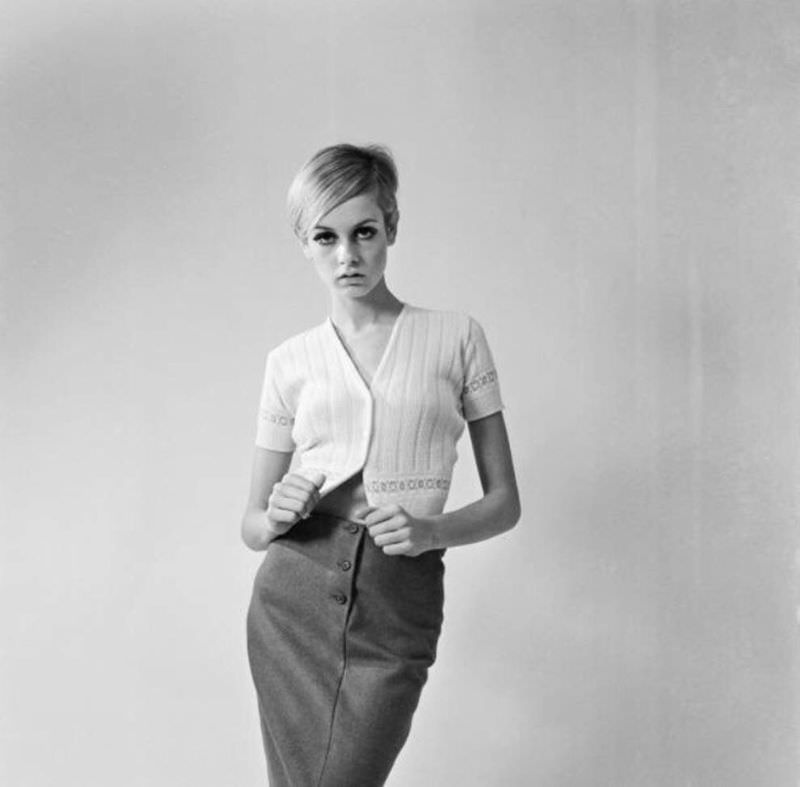
The Mirror and Herald gave Burton’s work wide exposure to a mass readership. These weren’t niche fashion magazine spreads aimed at industry insiders — they were published for everyday readers across Britain. That accessibility was part of what made Twiggy so different. She belonged to the public, not just to the fashion world.