
The 1953 Tour de France was the 40th edition of the world’s most famous cycling race. It covered 4,476 kilometers across 22 stages, routing through France, Belgium, and Luxembourg. The race started on July 3rd in Strasbourg with 119 riders representing national and regional teams from across Europe. They tackled mountain passes in both the Alps and the Pyrenees, endured scorching summer heat, and pushed through brutal descents day after day.
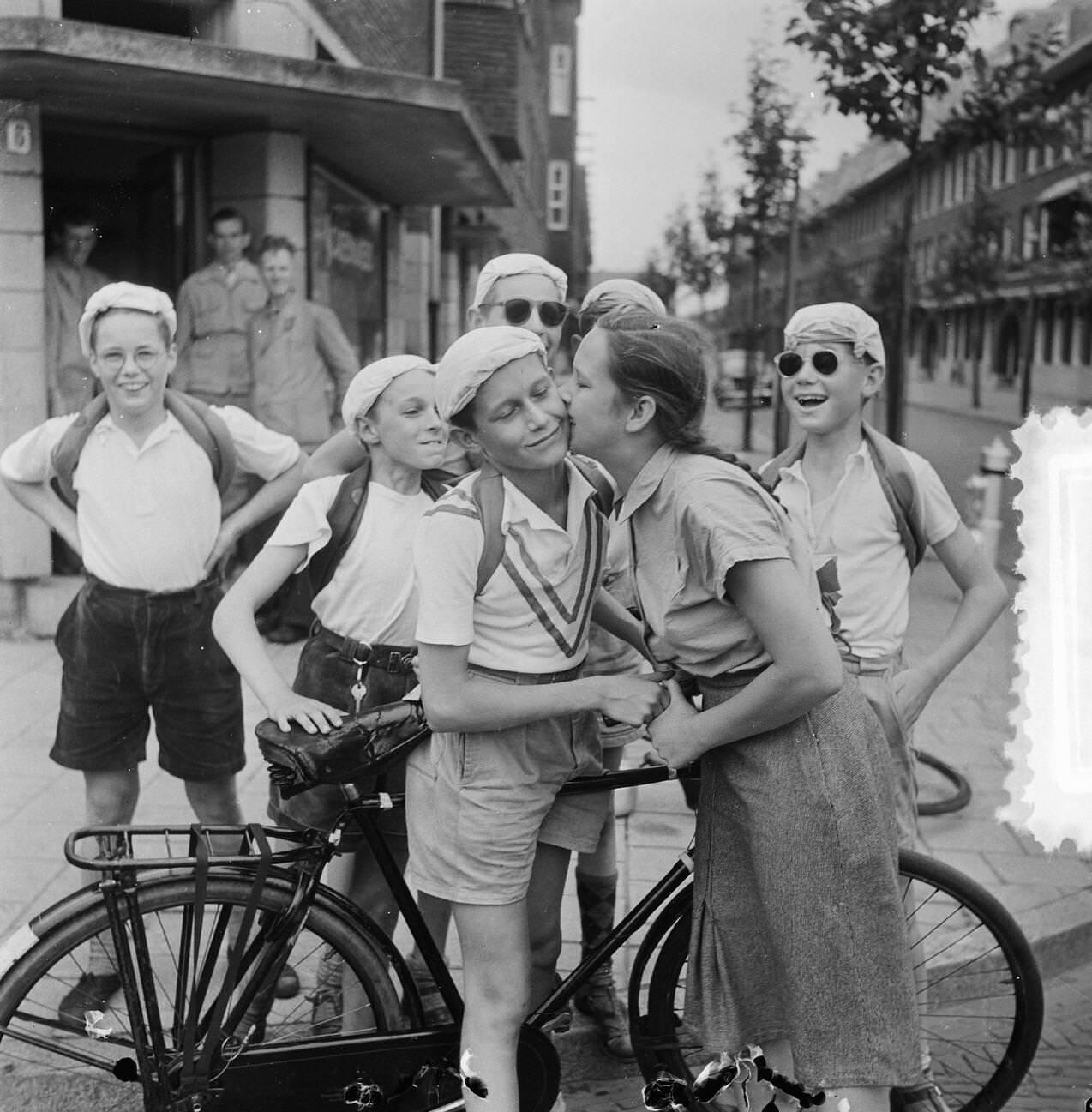
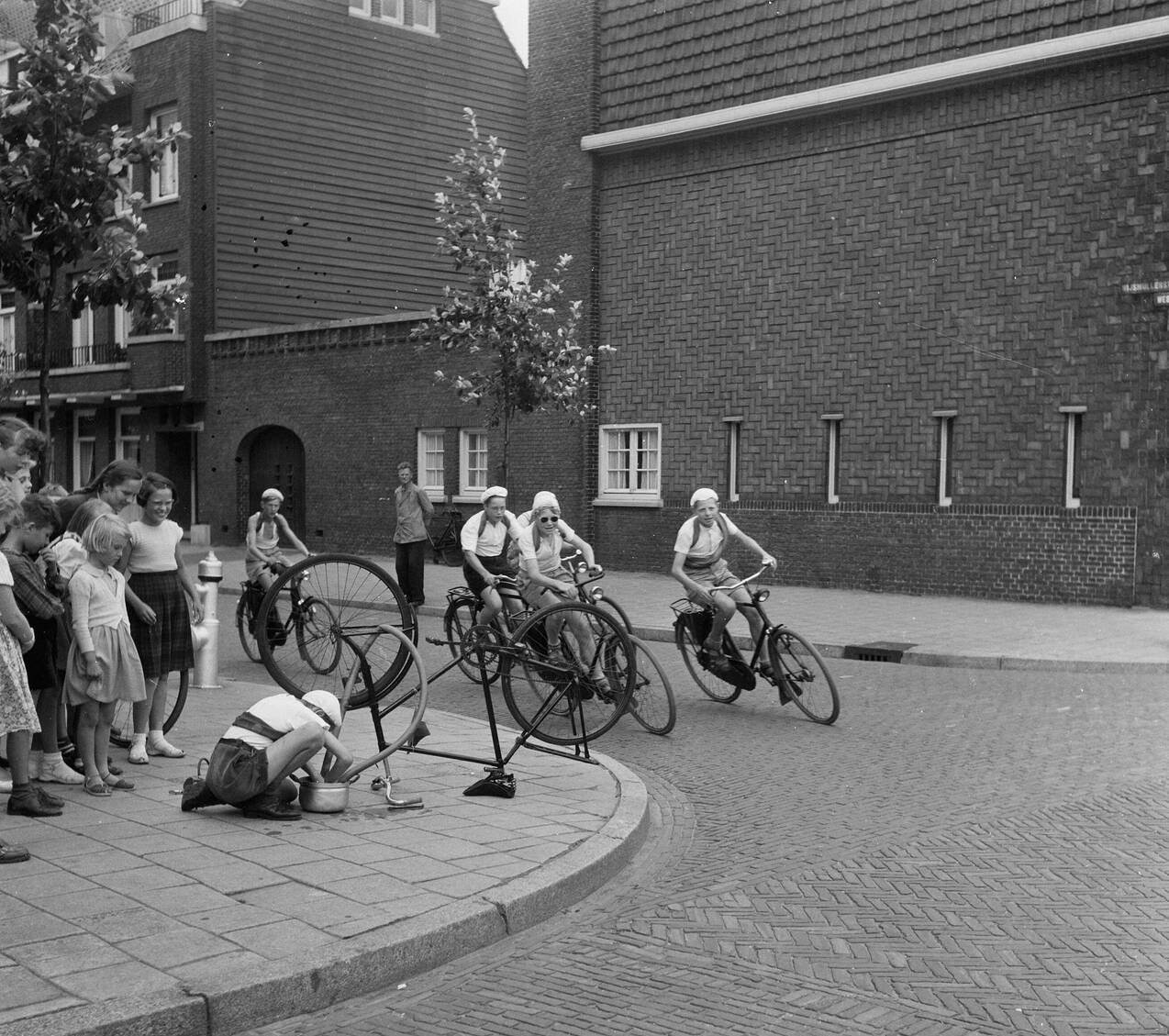
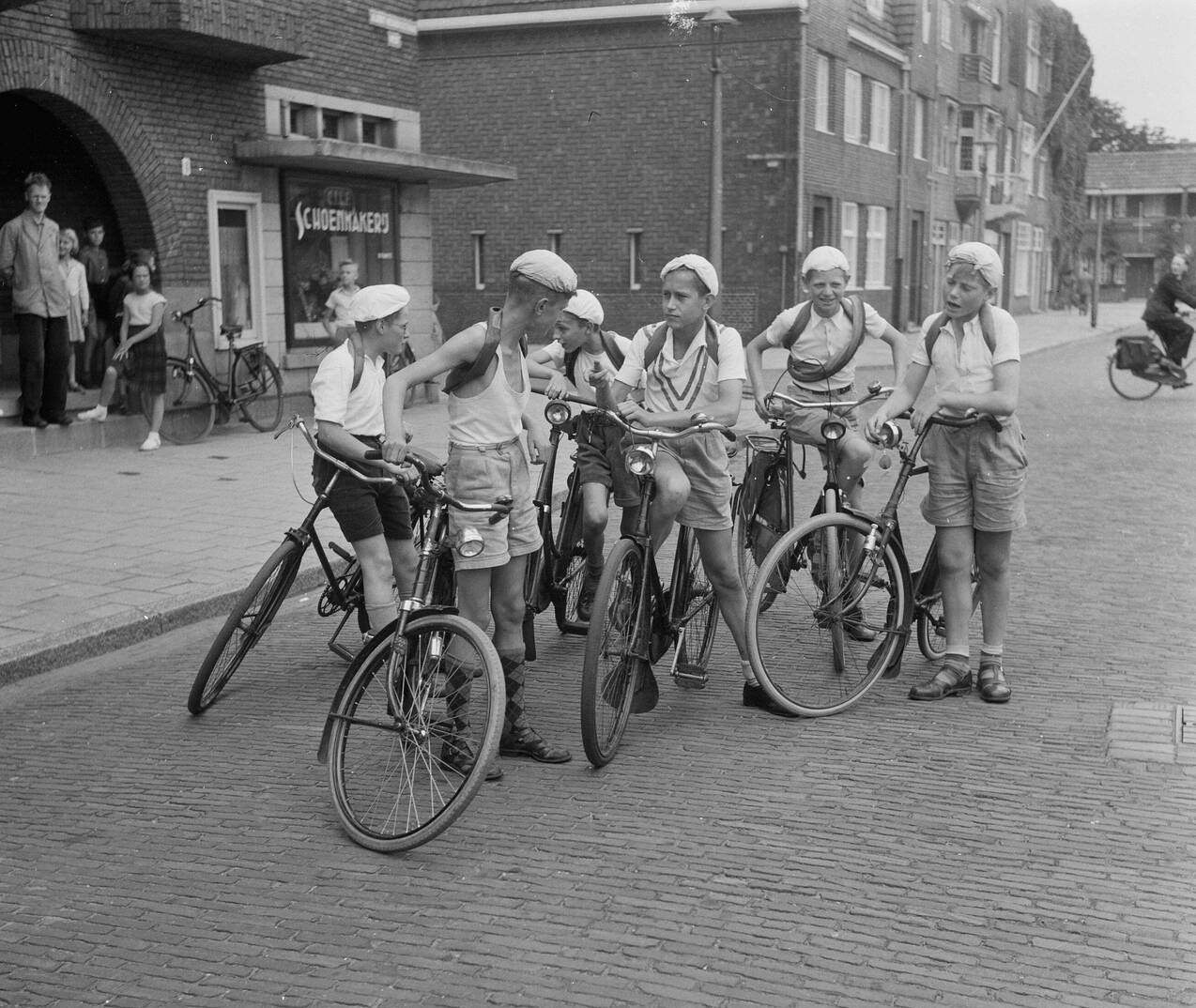
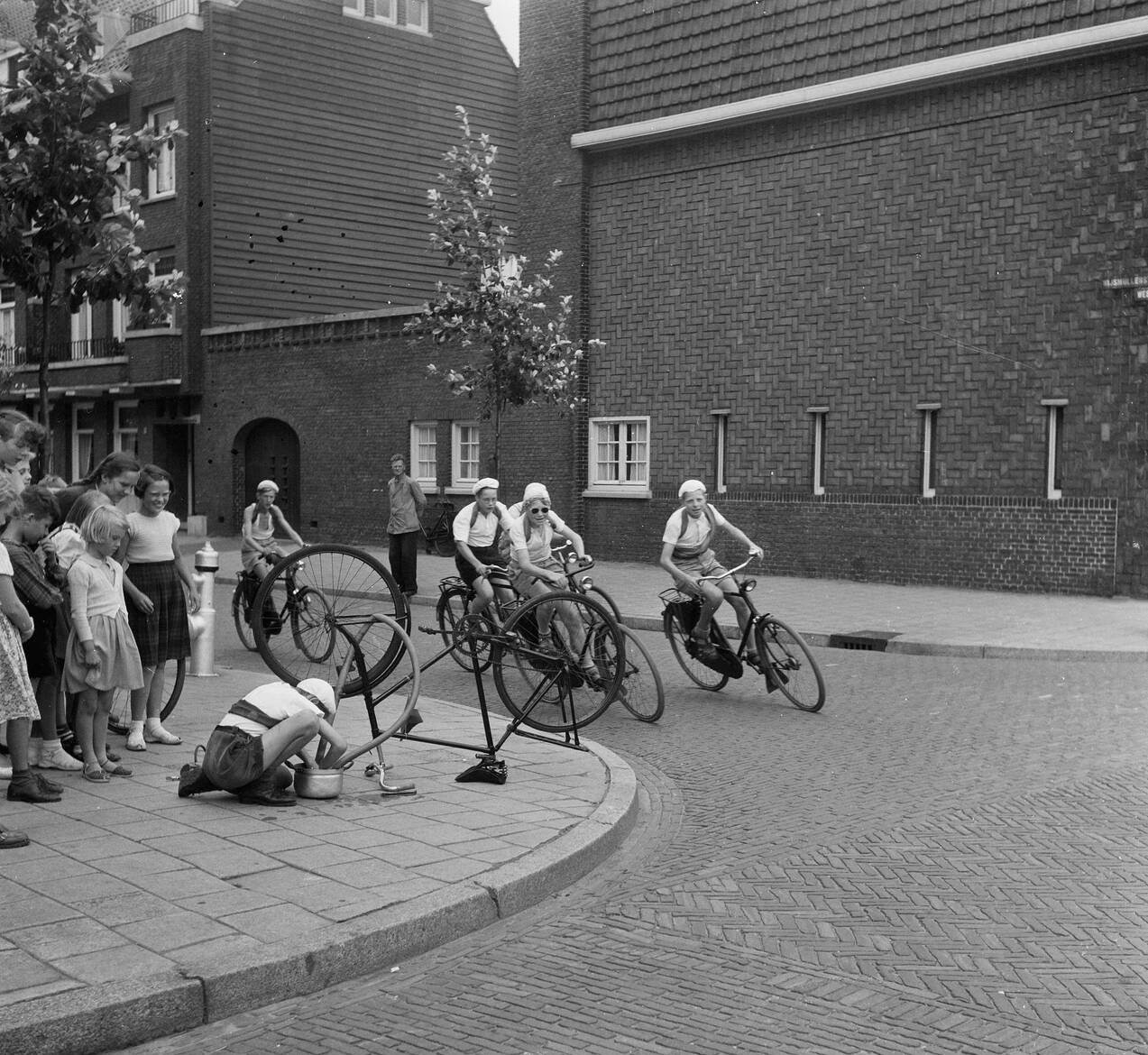
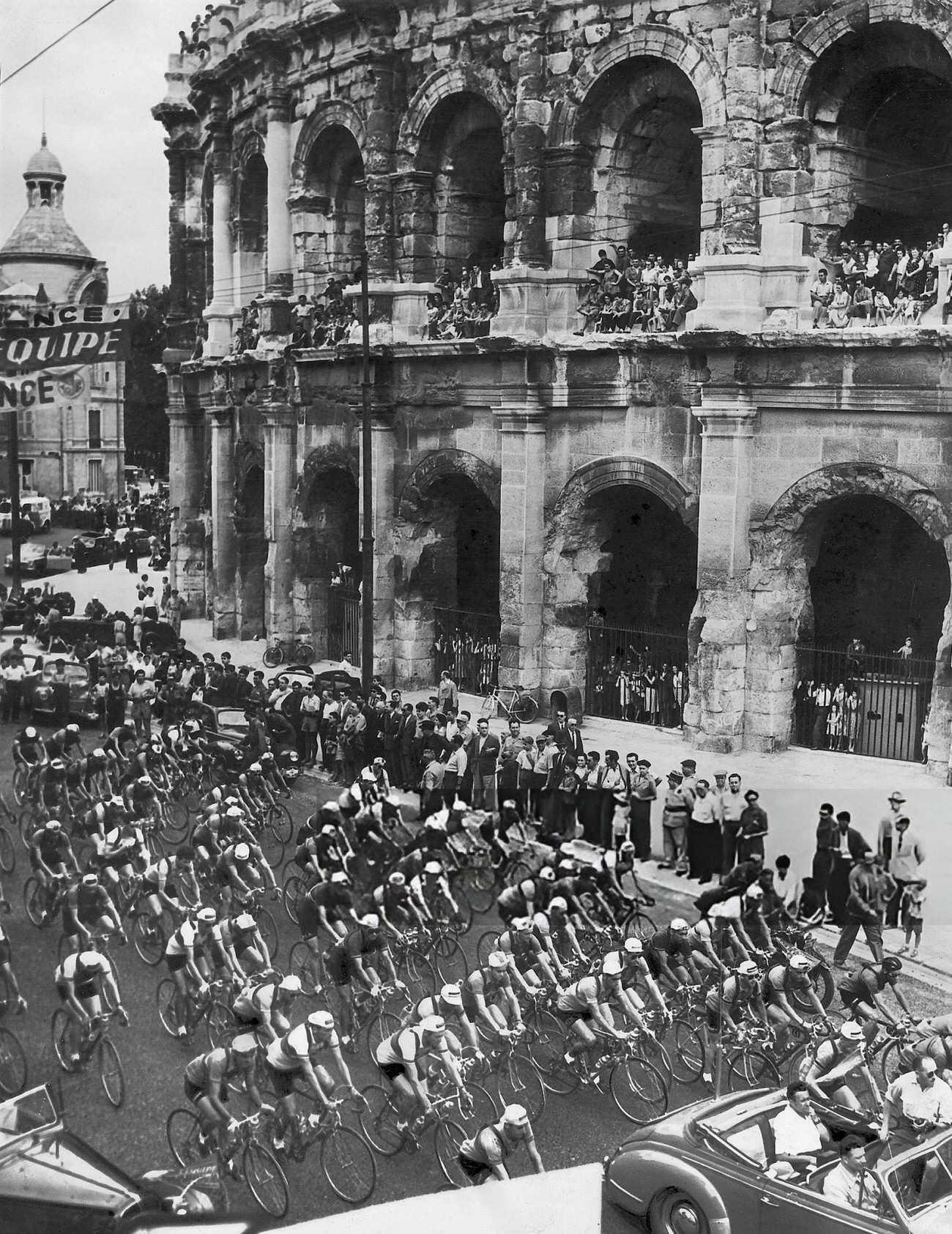
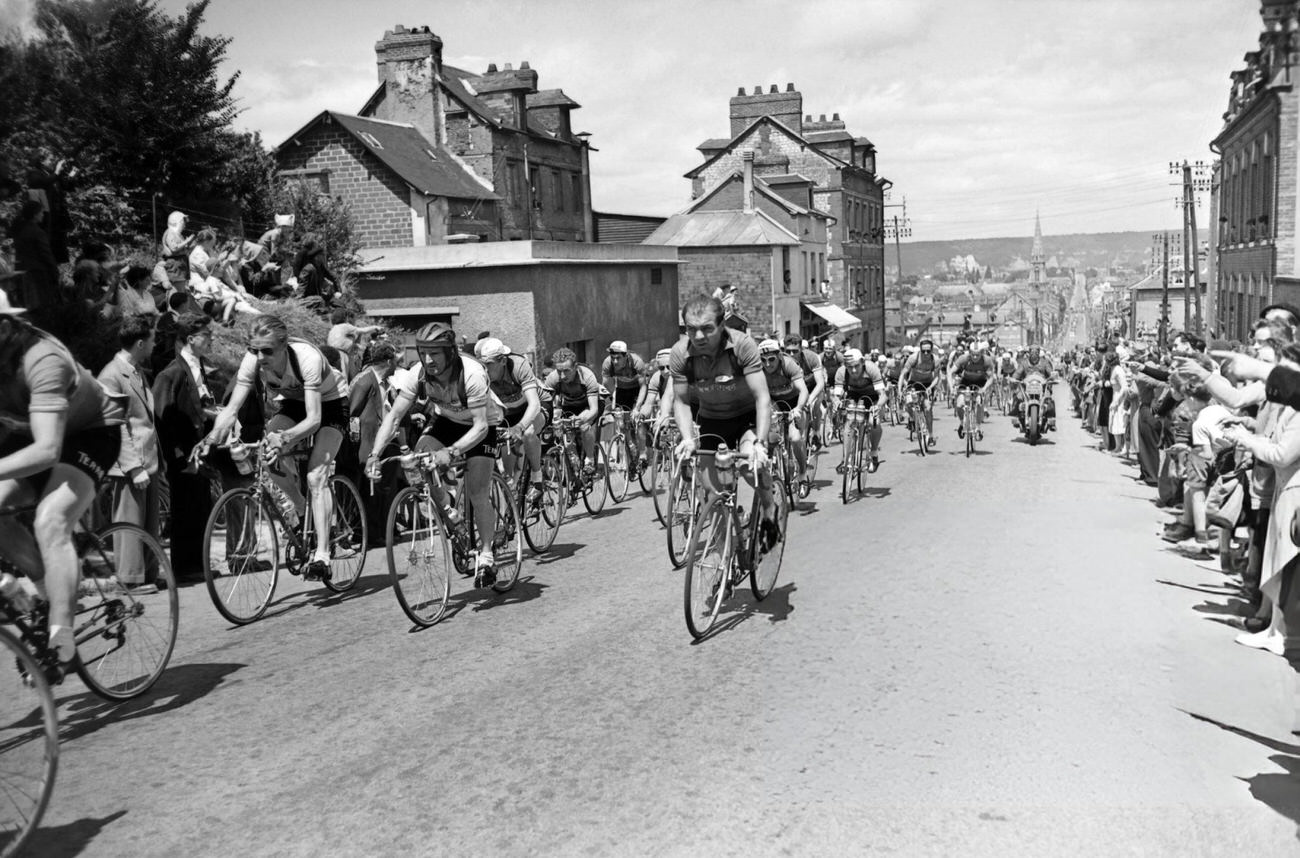
Young fans lined the roads throughout the race, caught up in the excitement of the peloton sweeping past their towns. The Tour had a way of pulling entire communities into its orbit, from city squares to remote mountain villages.
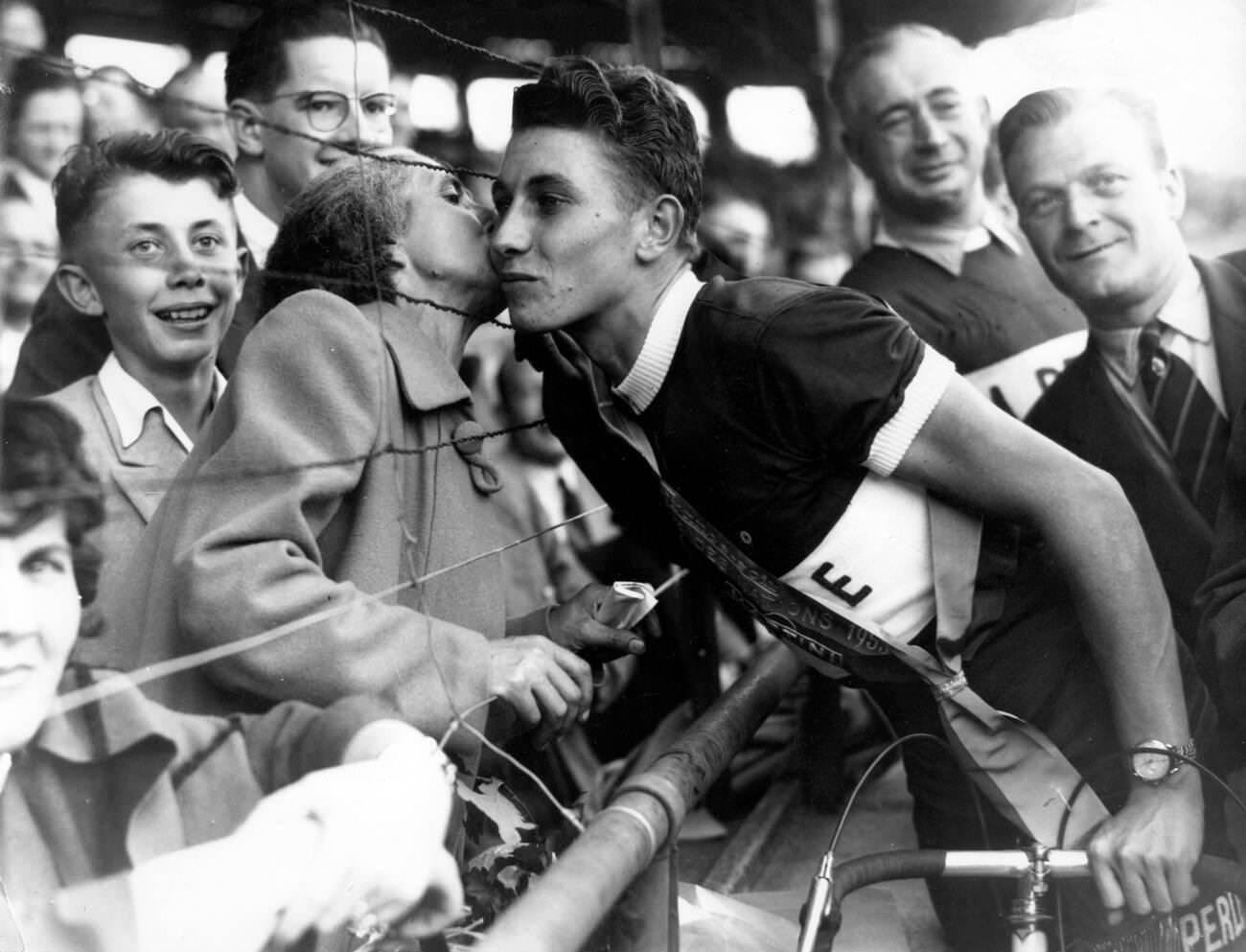
The 1953 cycling season was packed with talent. Jacques Anquetil, just 19 years old, was already making headlines on the French racing circuit that same year.
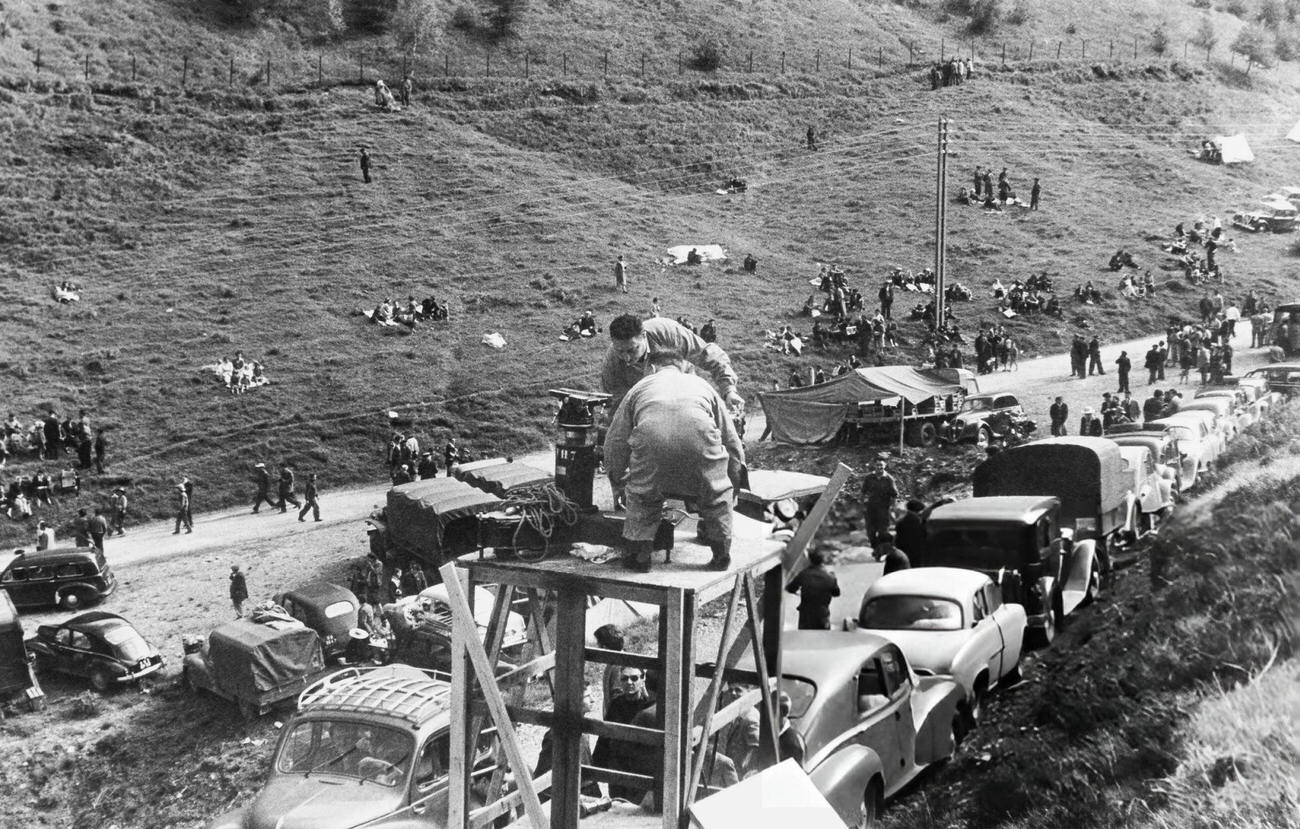
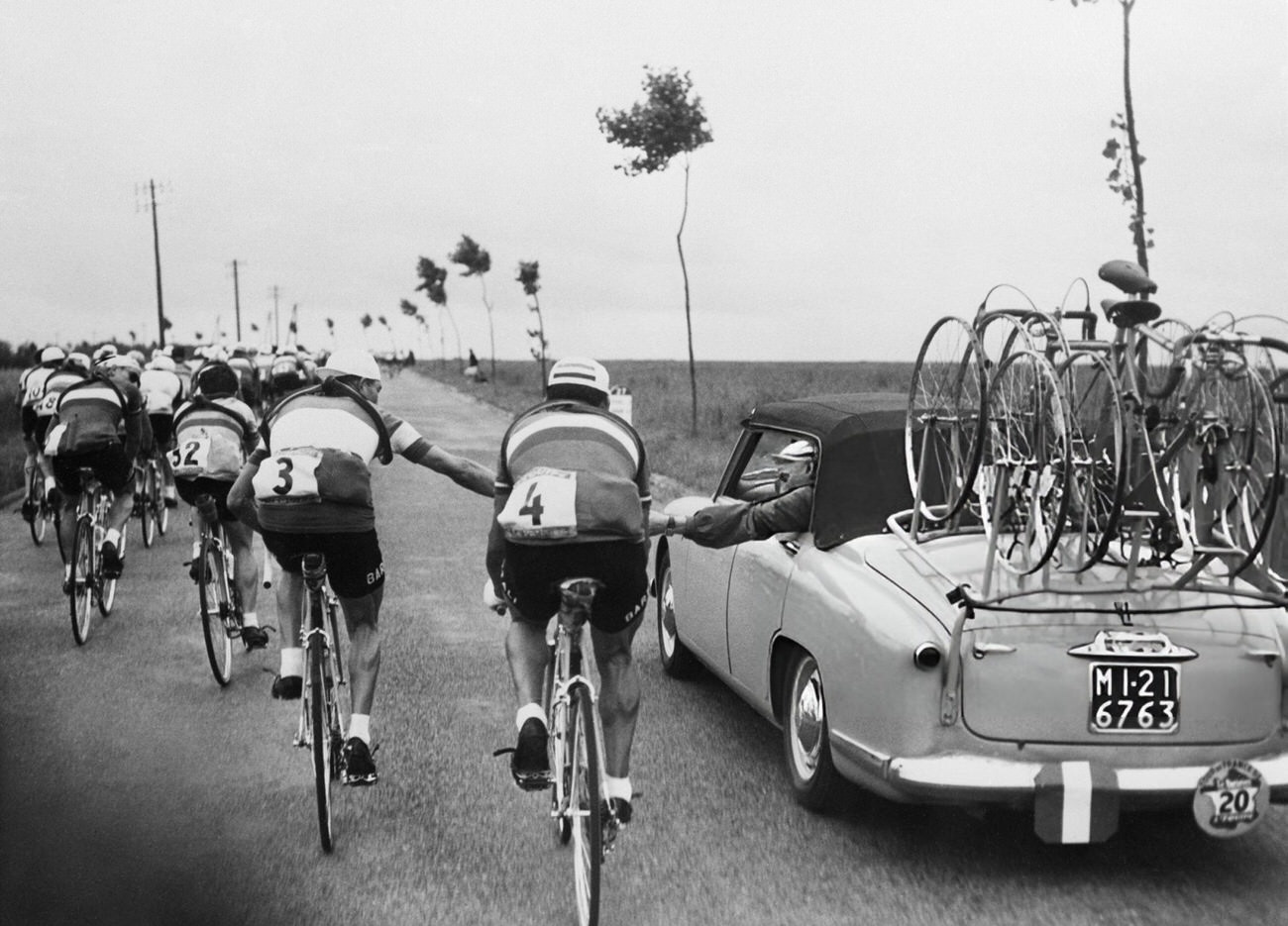
Teams traveled together, trained together, and depended on each other through every stage. Support vehicles and team wagons were a constant presence along the route, keeping riders fed, repaired, and moving.
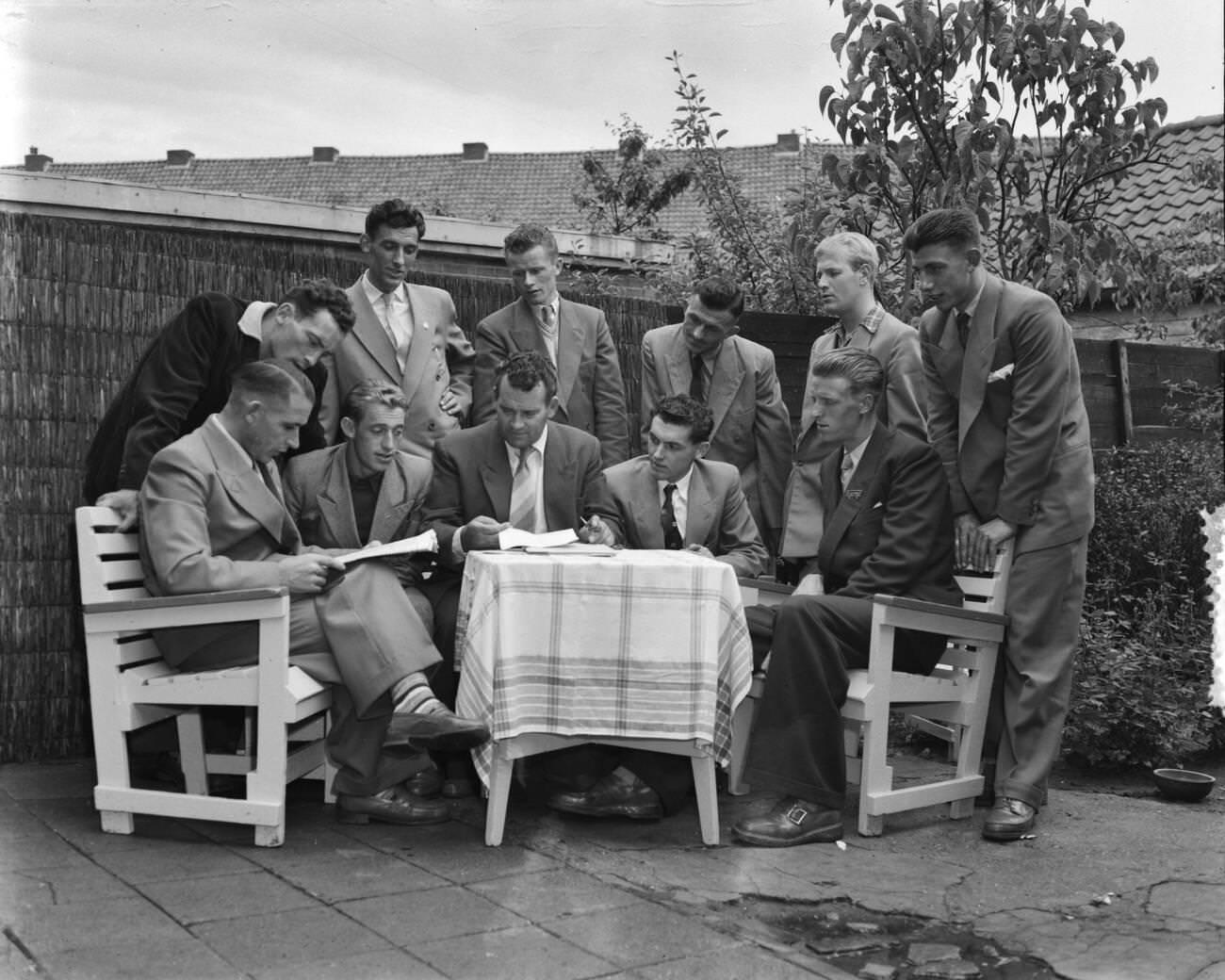
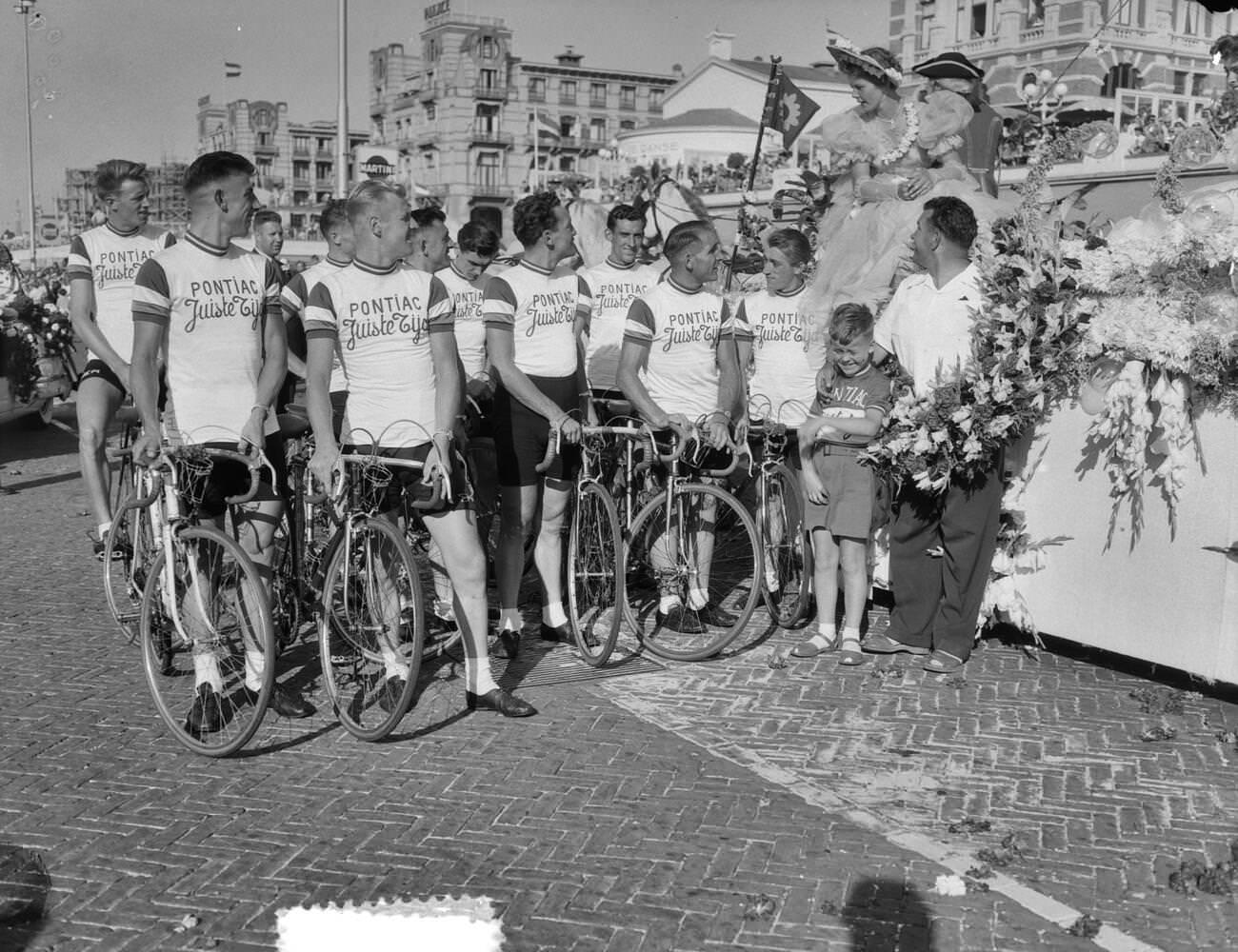
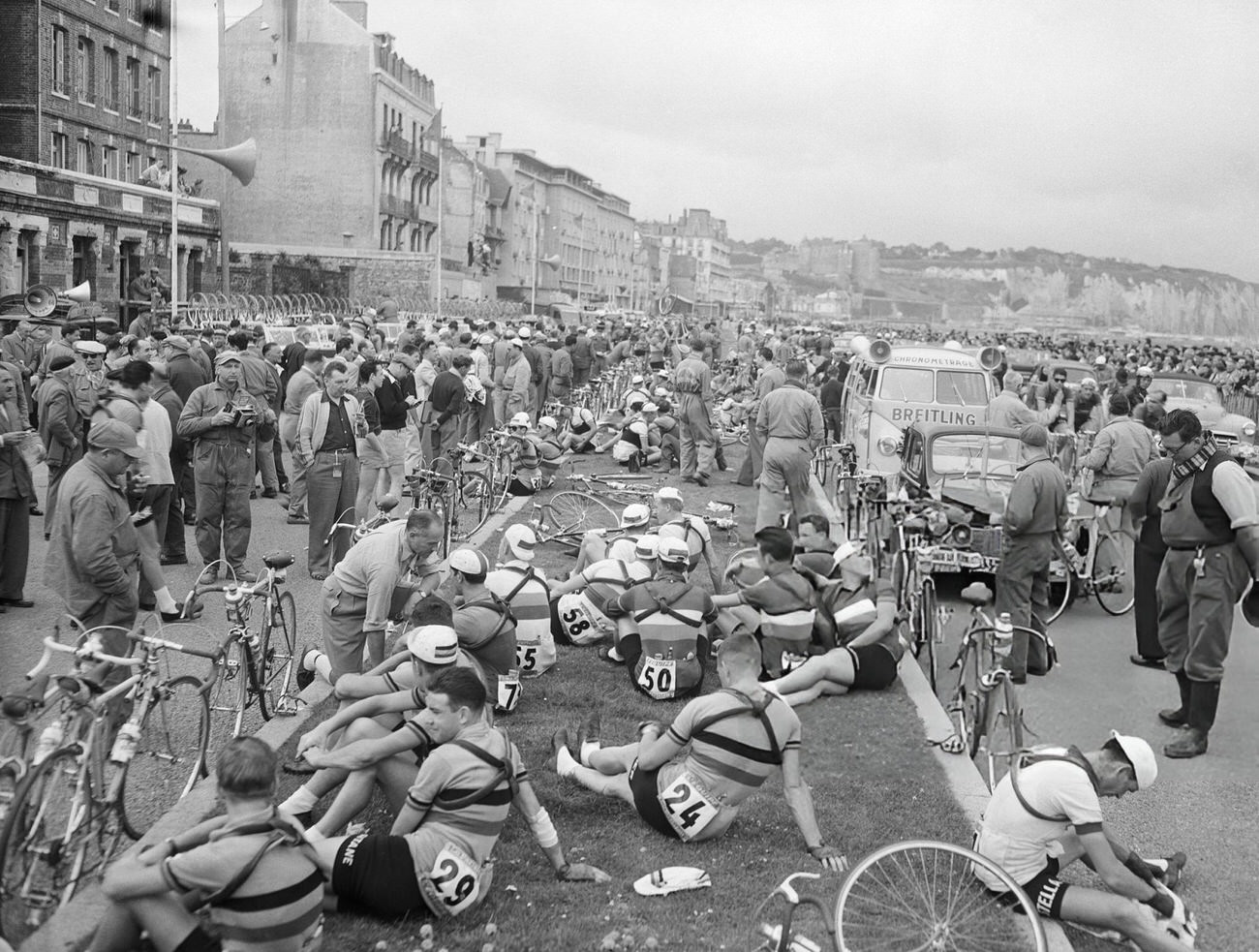
Before each stage, riders and team officials gathered to discuss tactics, conditions, and the road ahead. These pre-stage moments were as much a part of the race as the kilometers themselves.
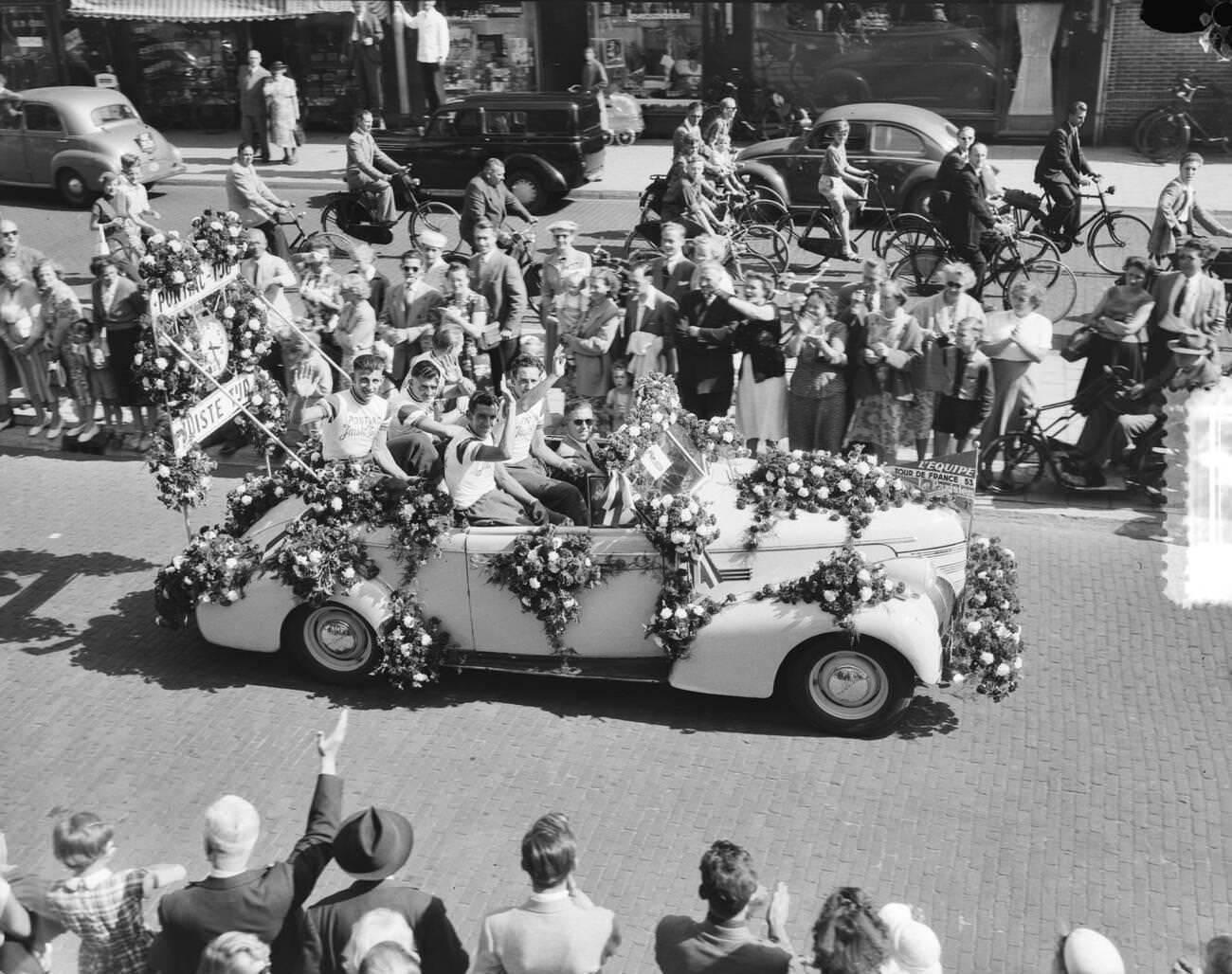
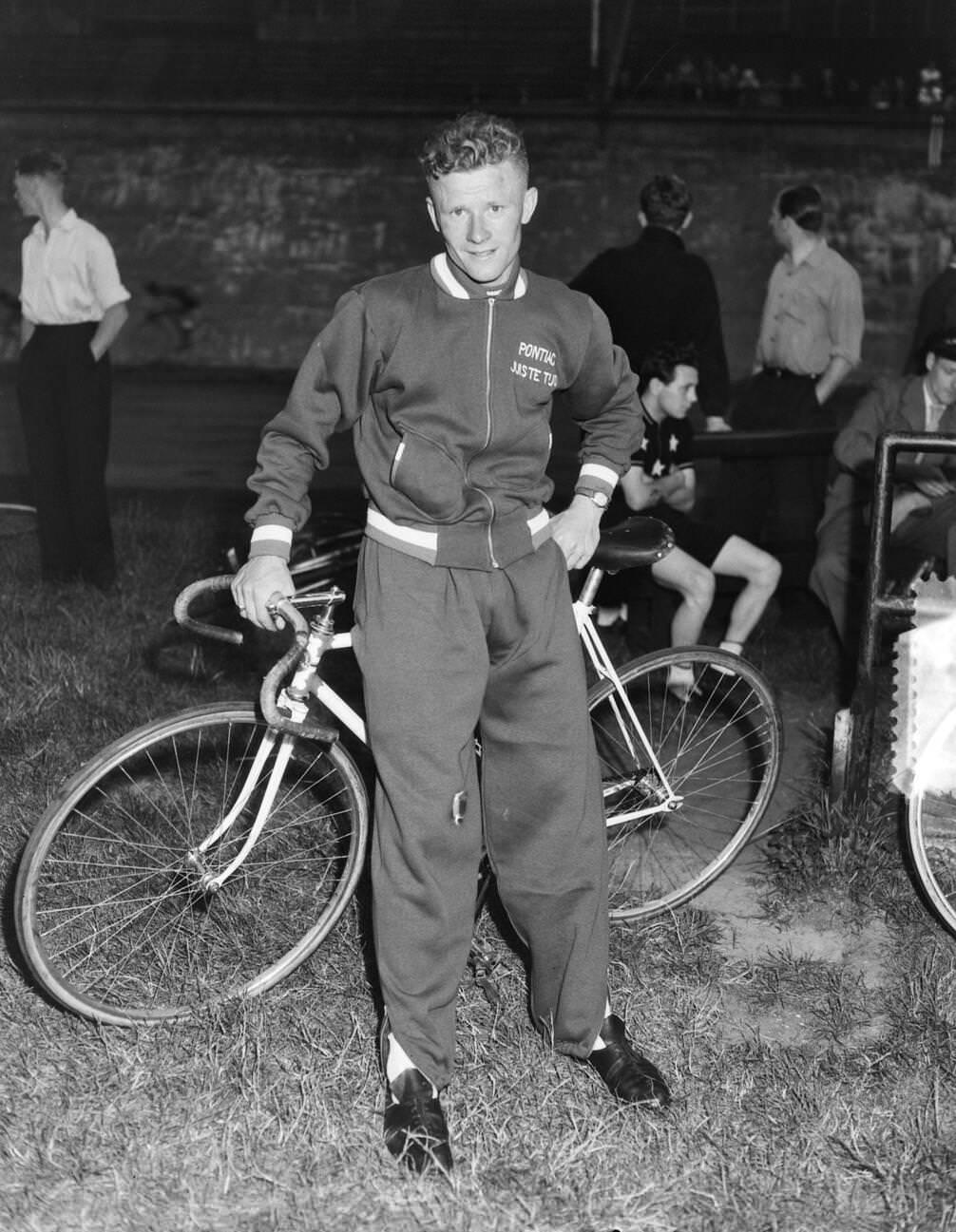
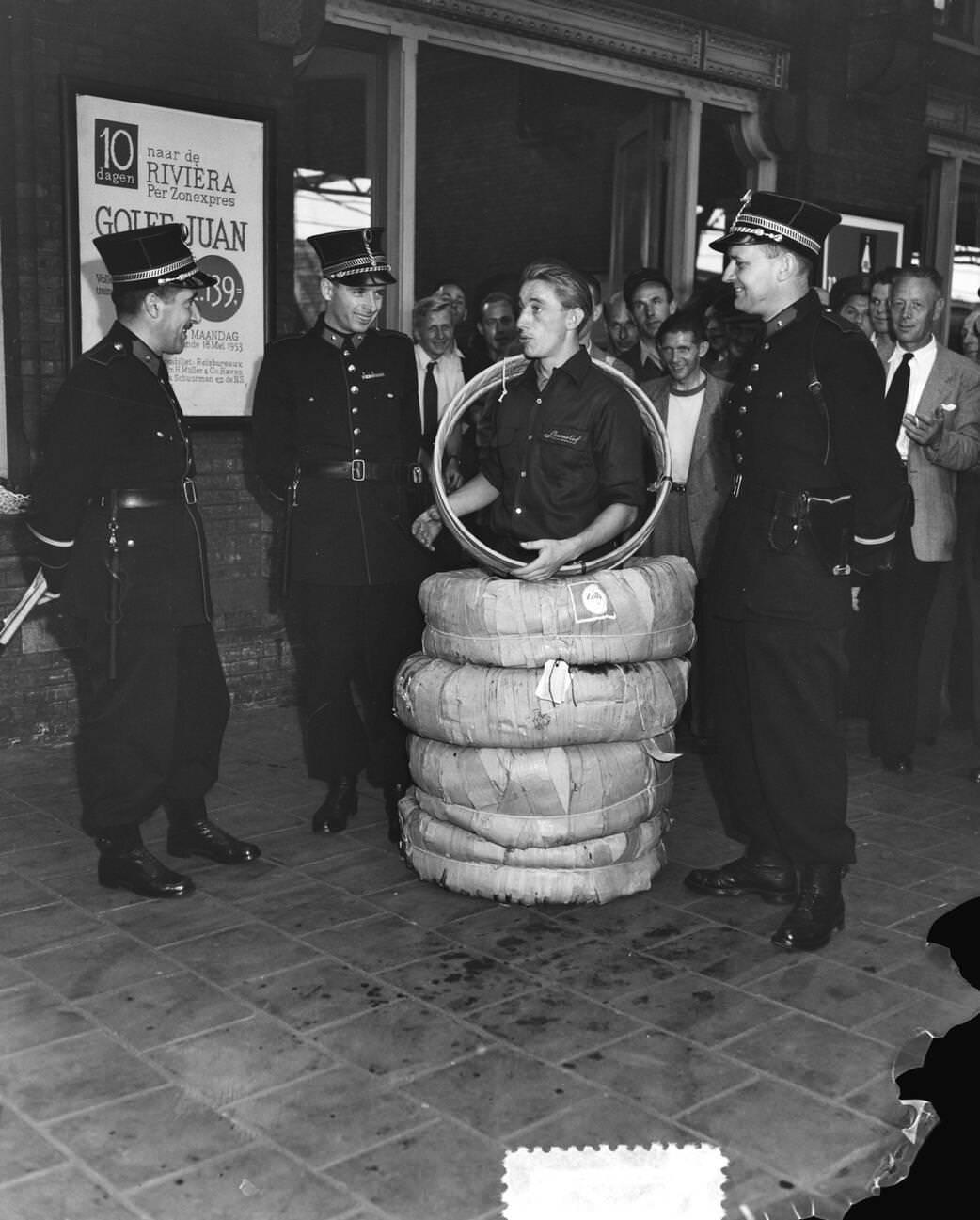
The Dutch brought strong representation to the 1953 race. Their team’s presence was visible from the moment they departed by train and set up their distinctive support vehicles along the route.
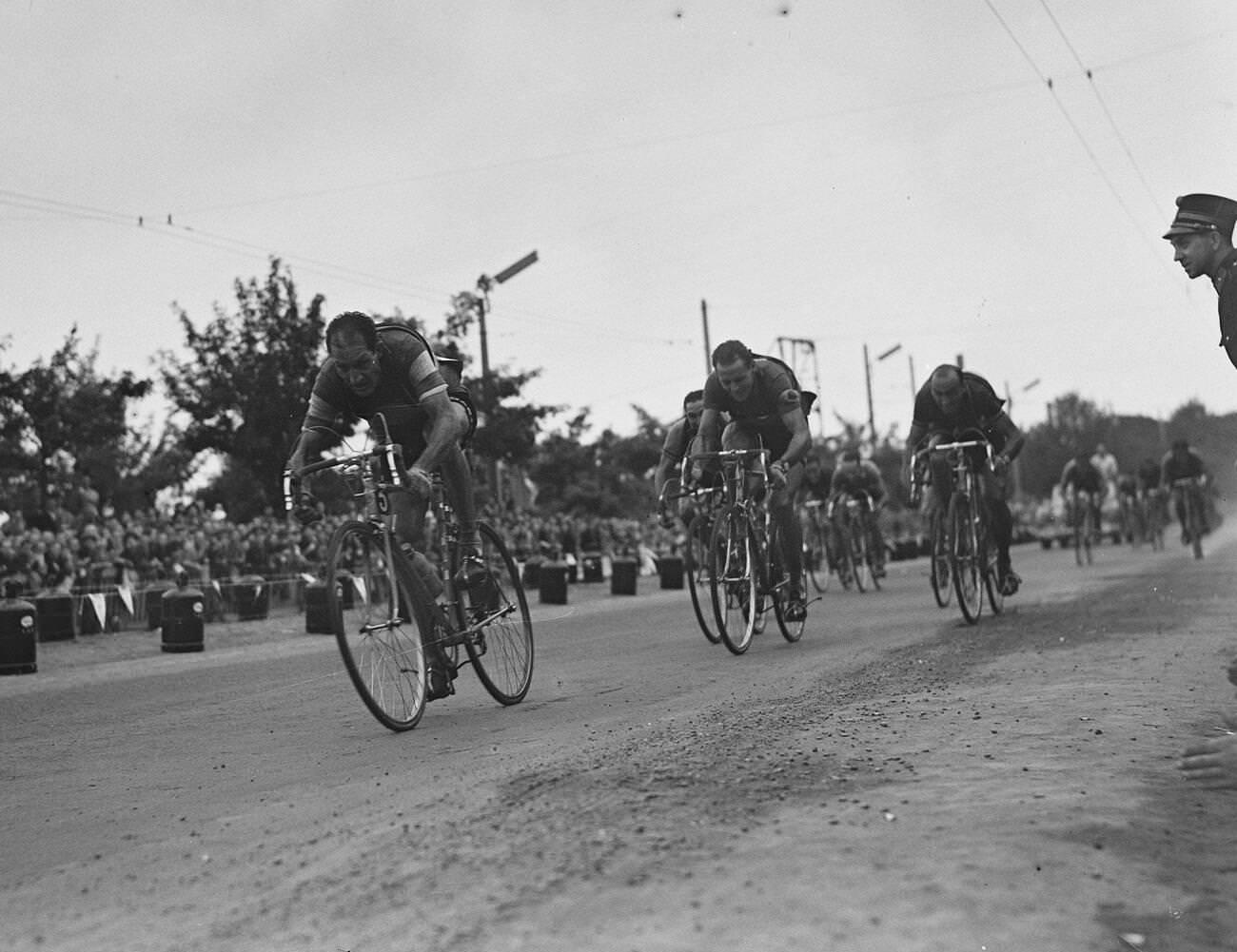
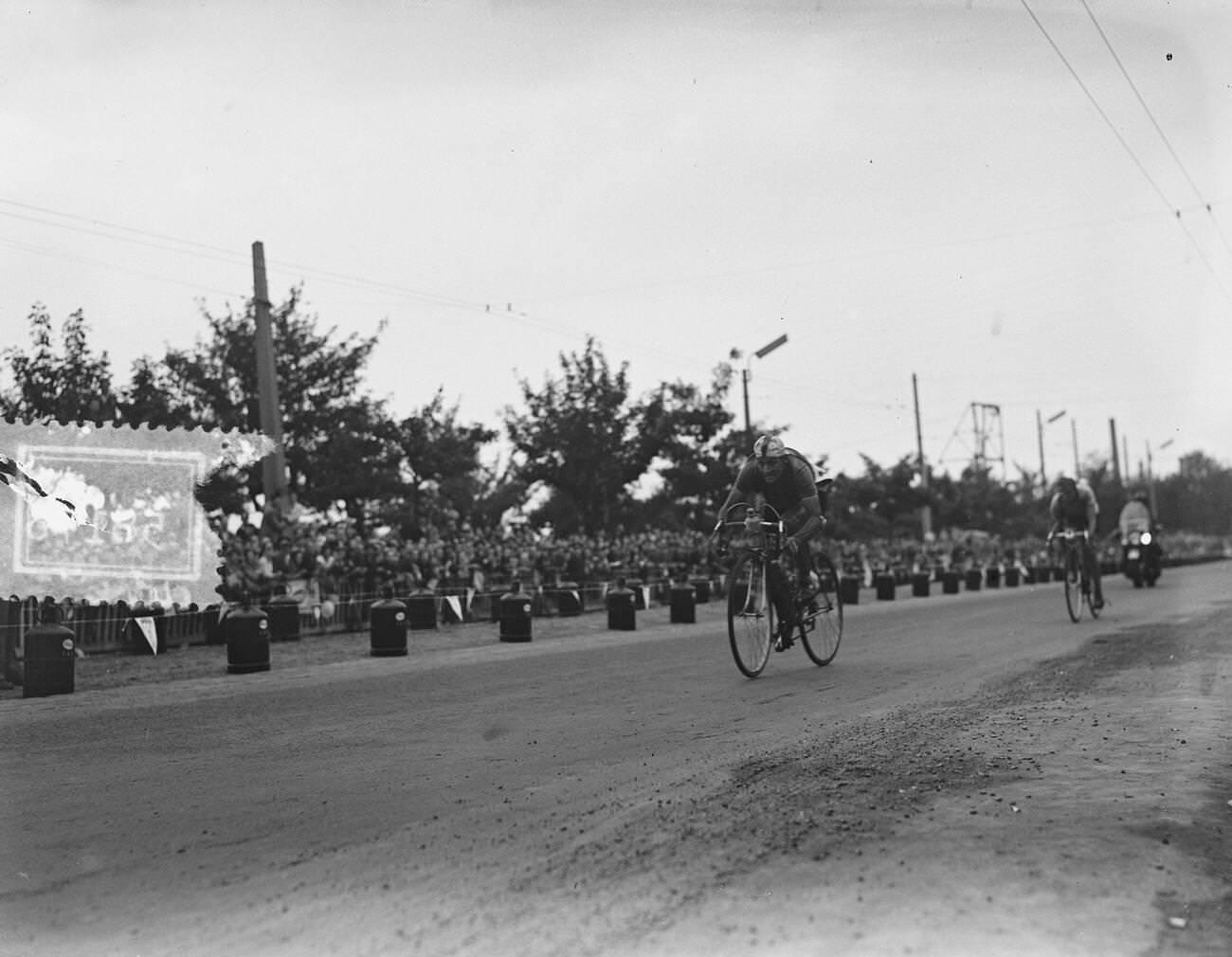
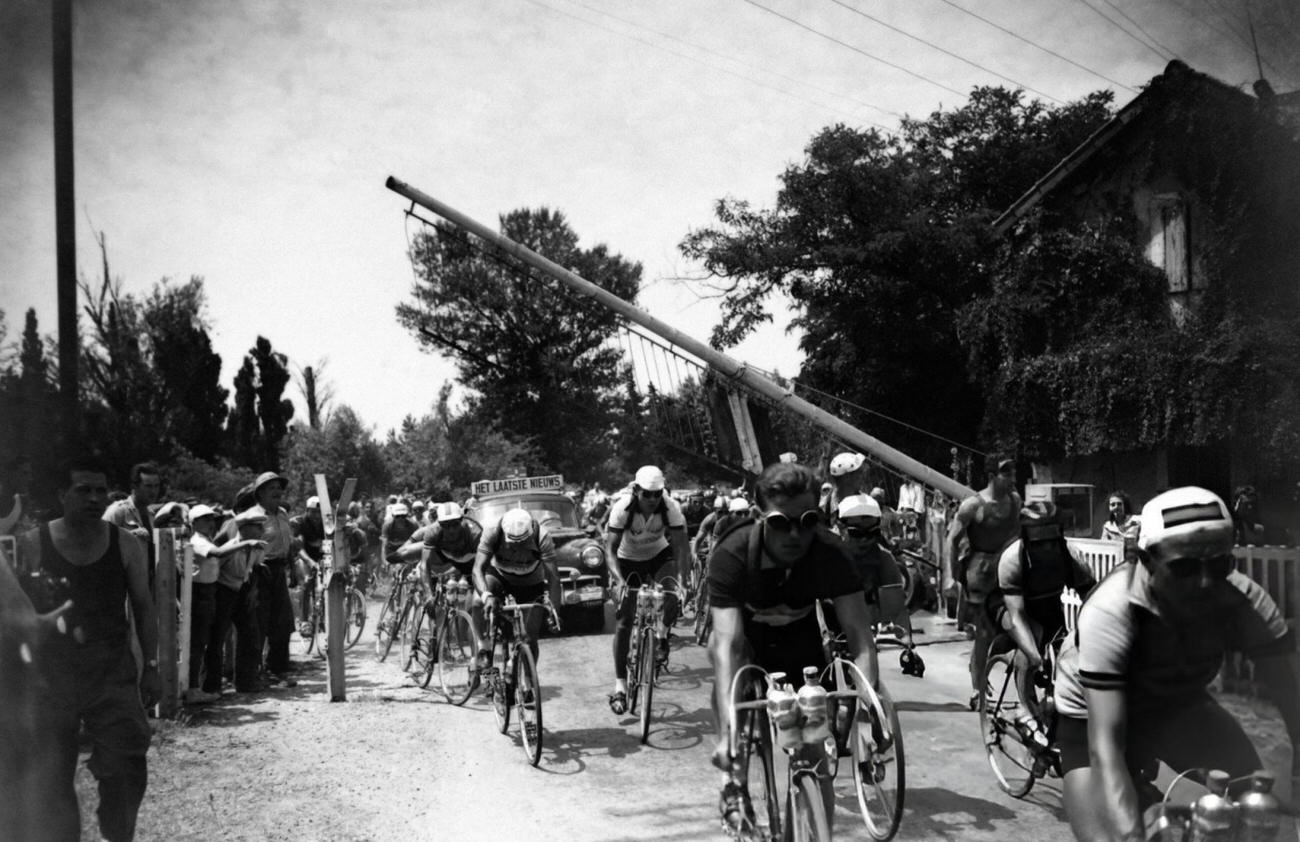
Out on the road, riders competed in tight packs before the mountains split the field apart. Every stage demanded focus, and a single mistake on a descent could end a rider’s race entirely.
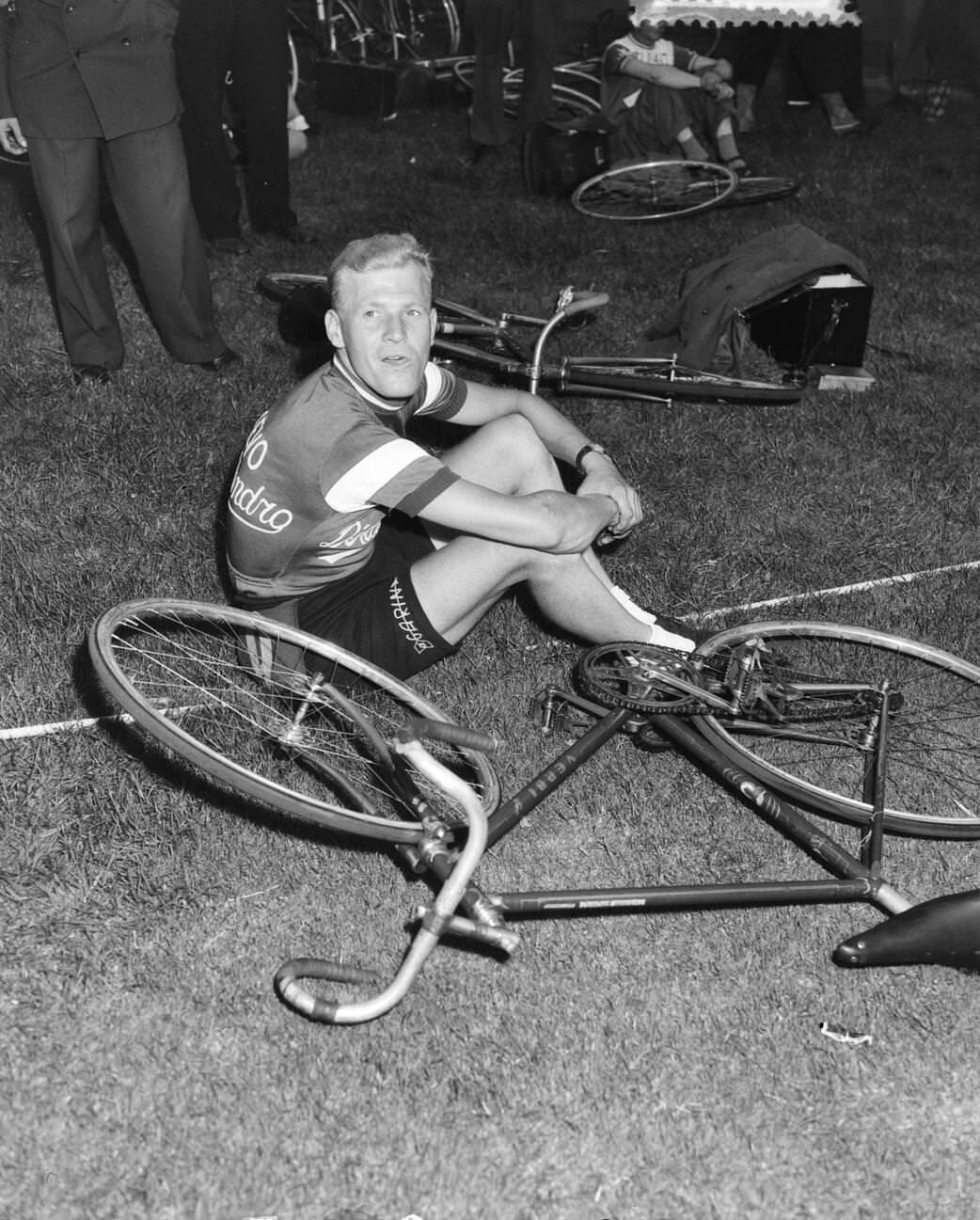
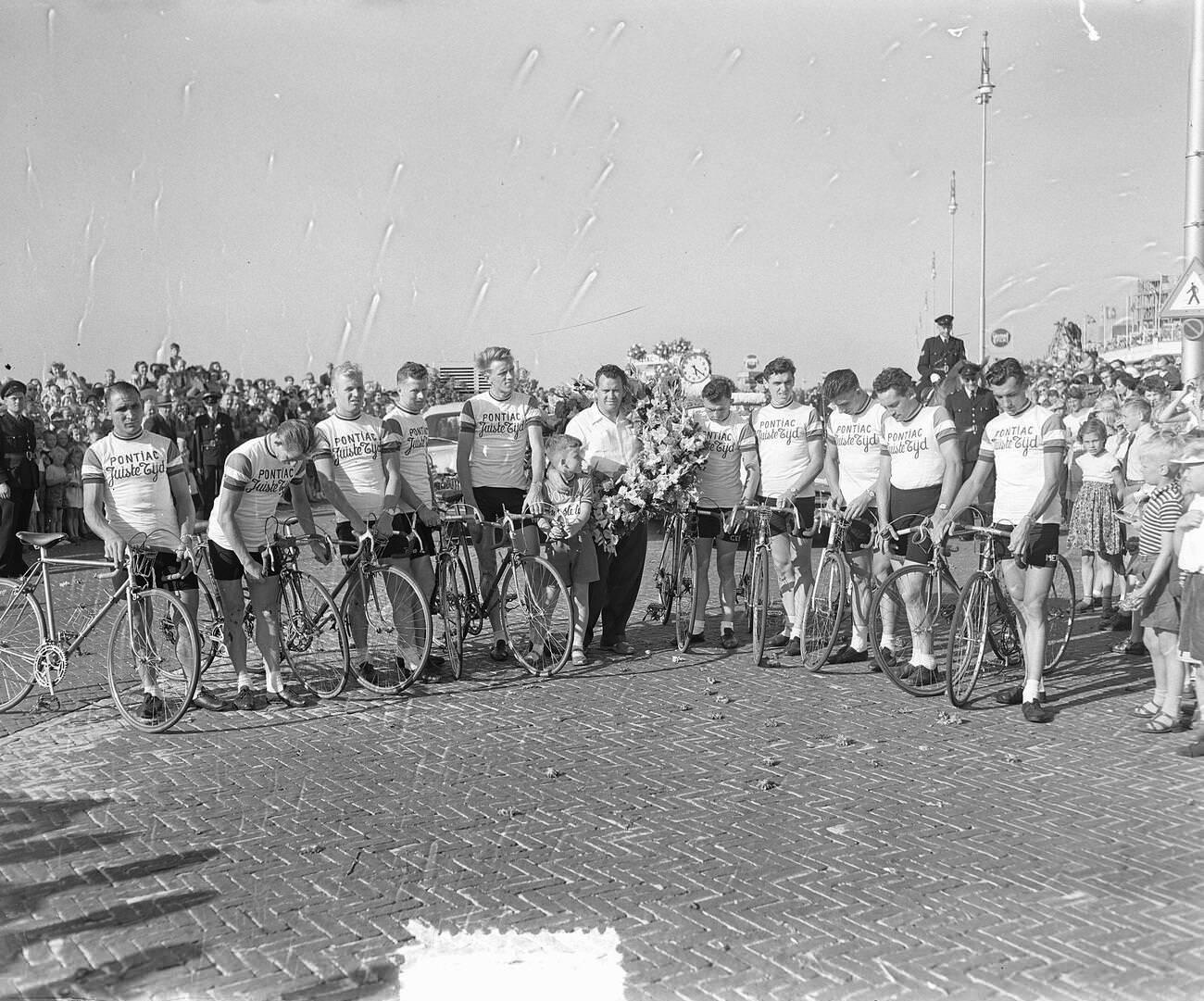
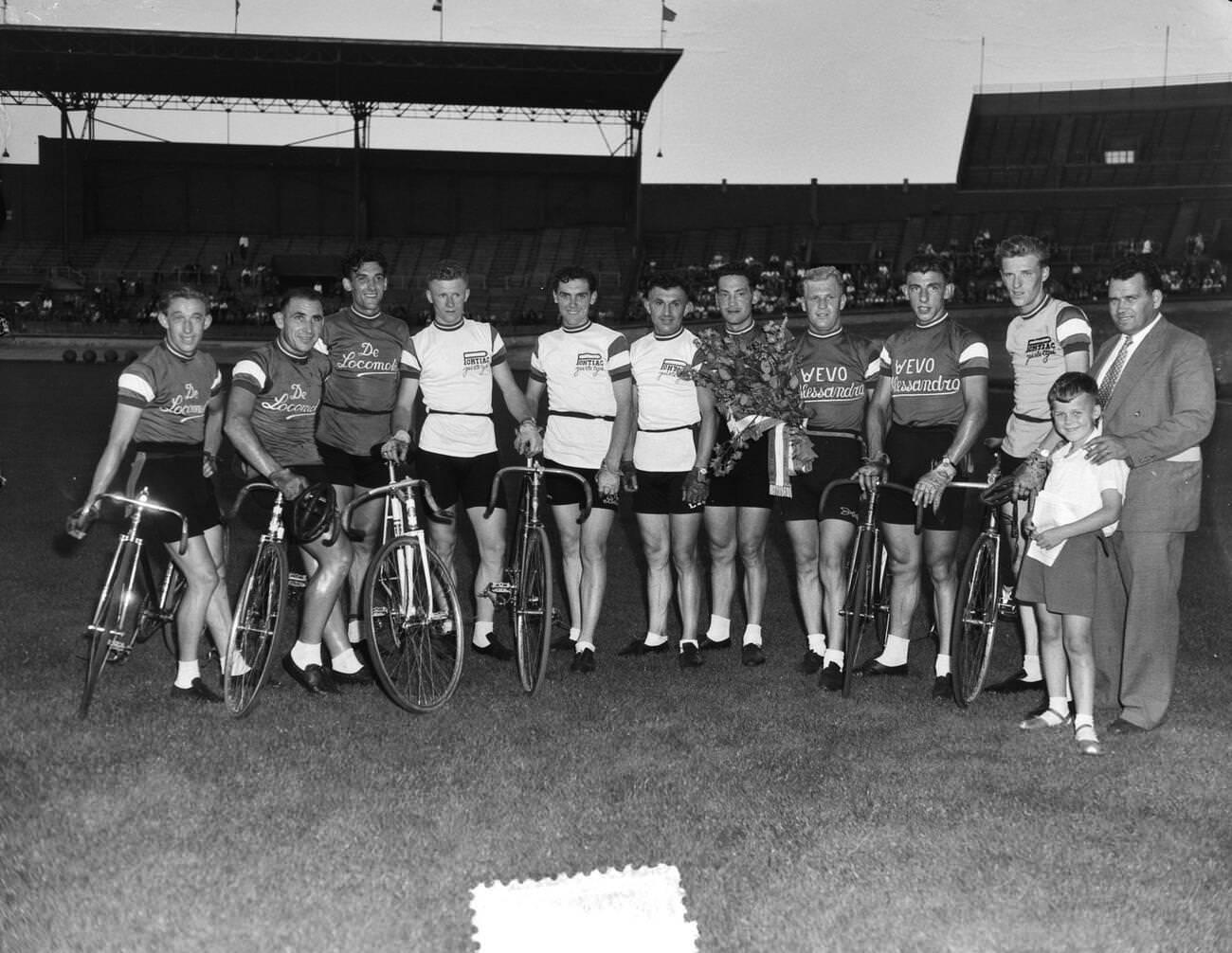
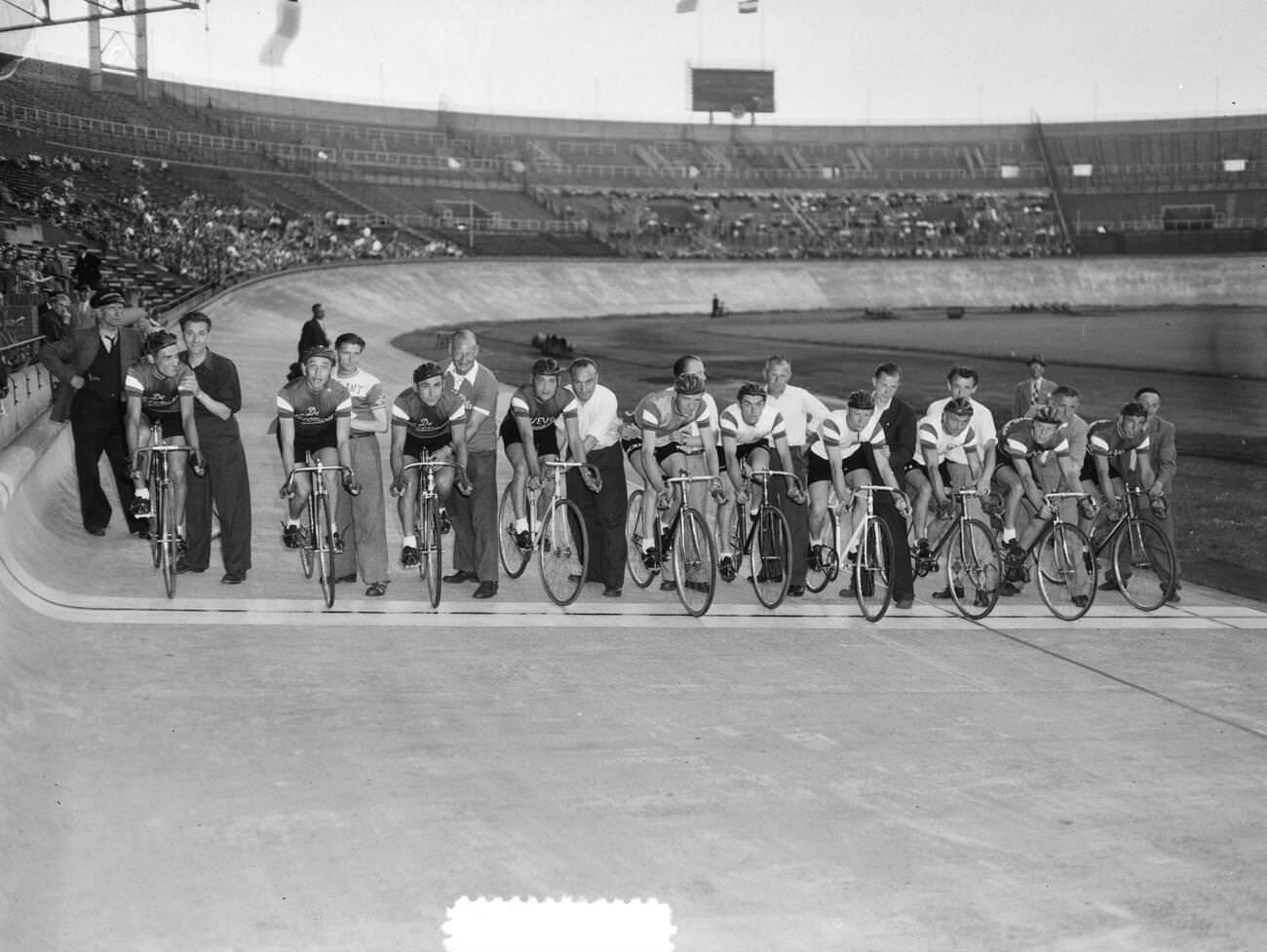
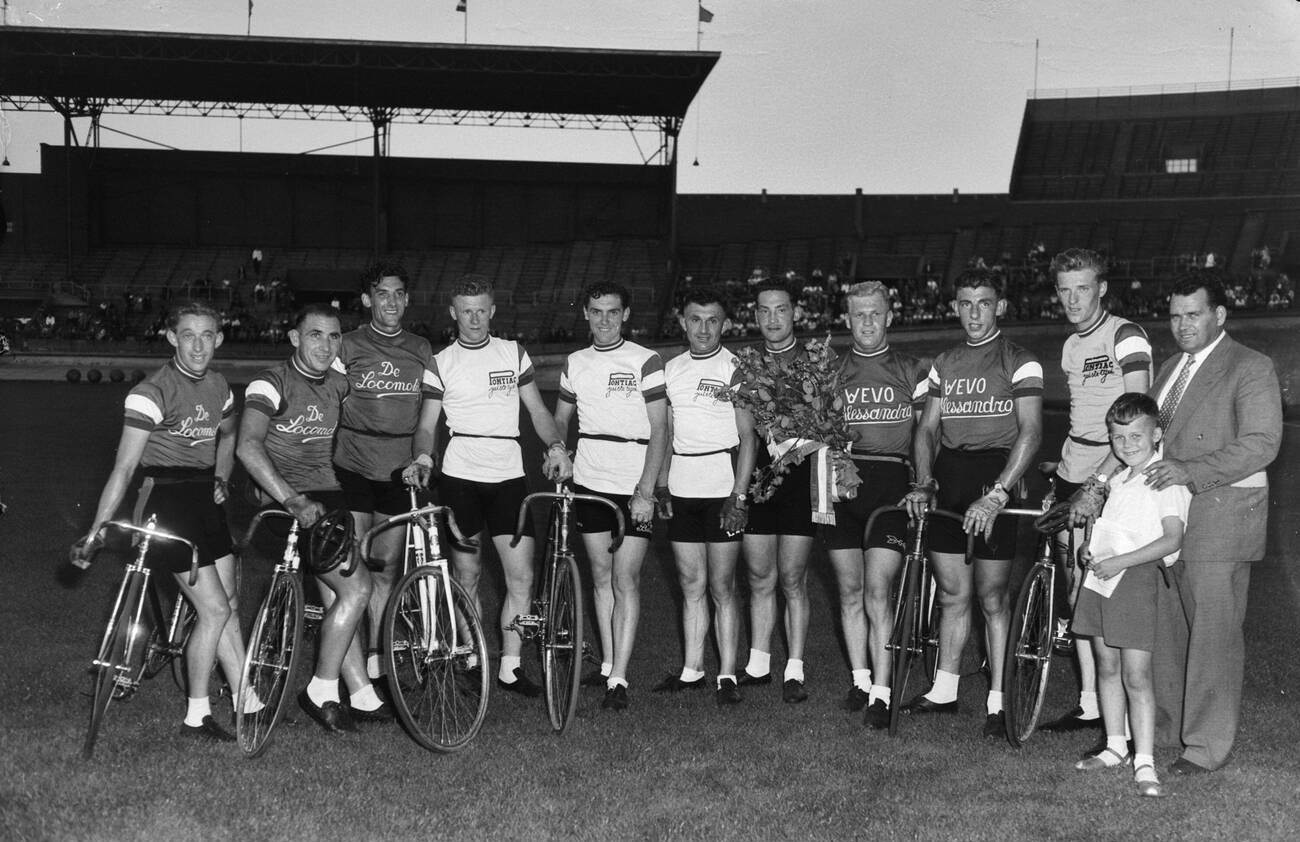
Teams gathered at stadiums before stages for team presentations and logistical coordination. These moments gave spectators a rare close-up look at the athletes before they hit the road.
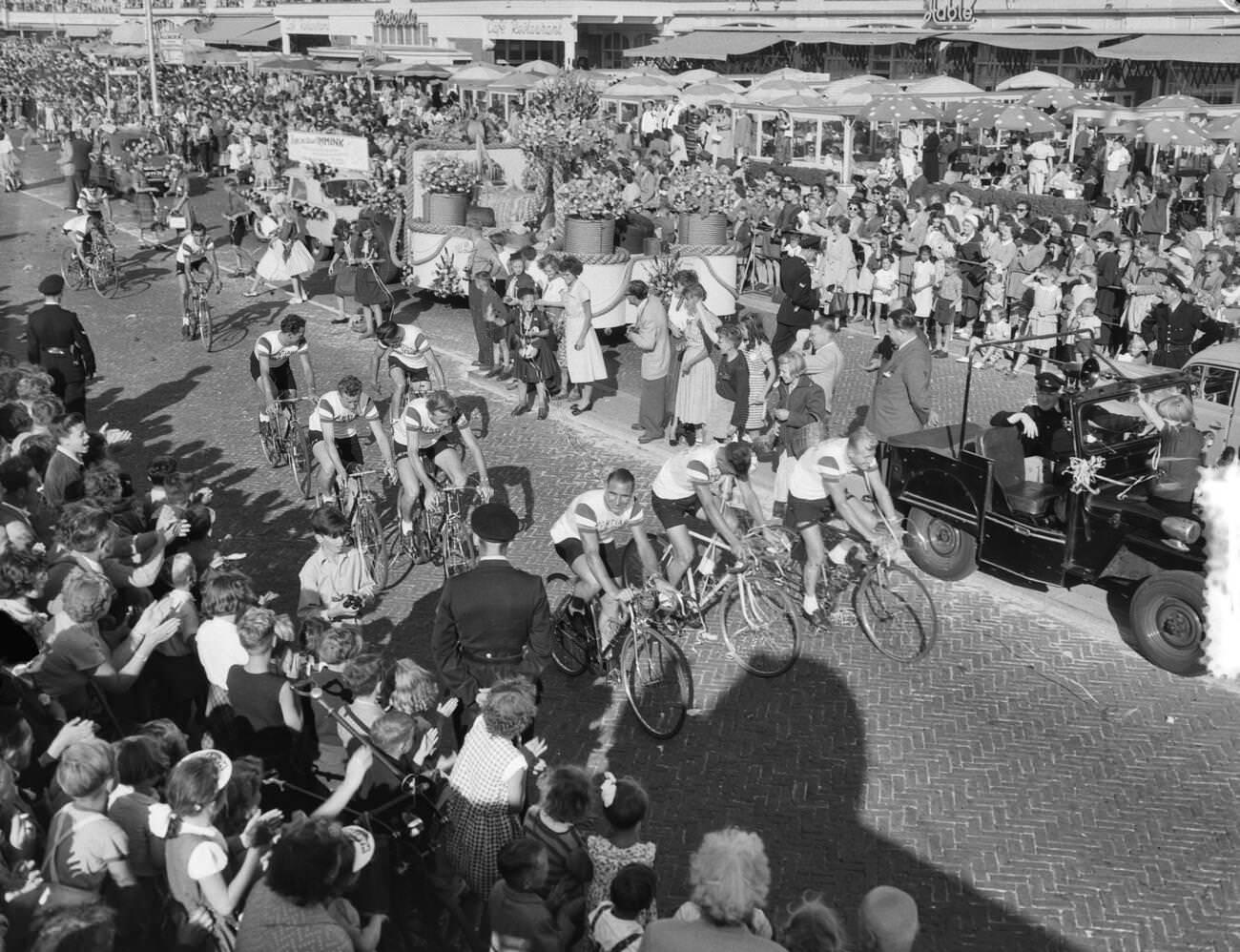
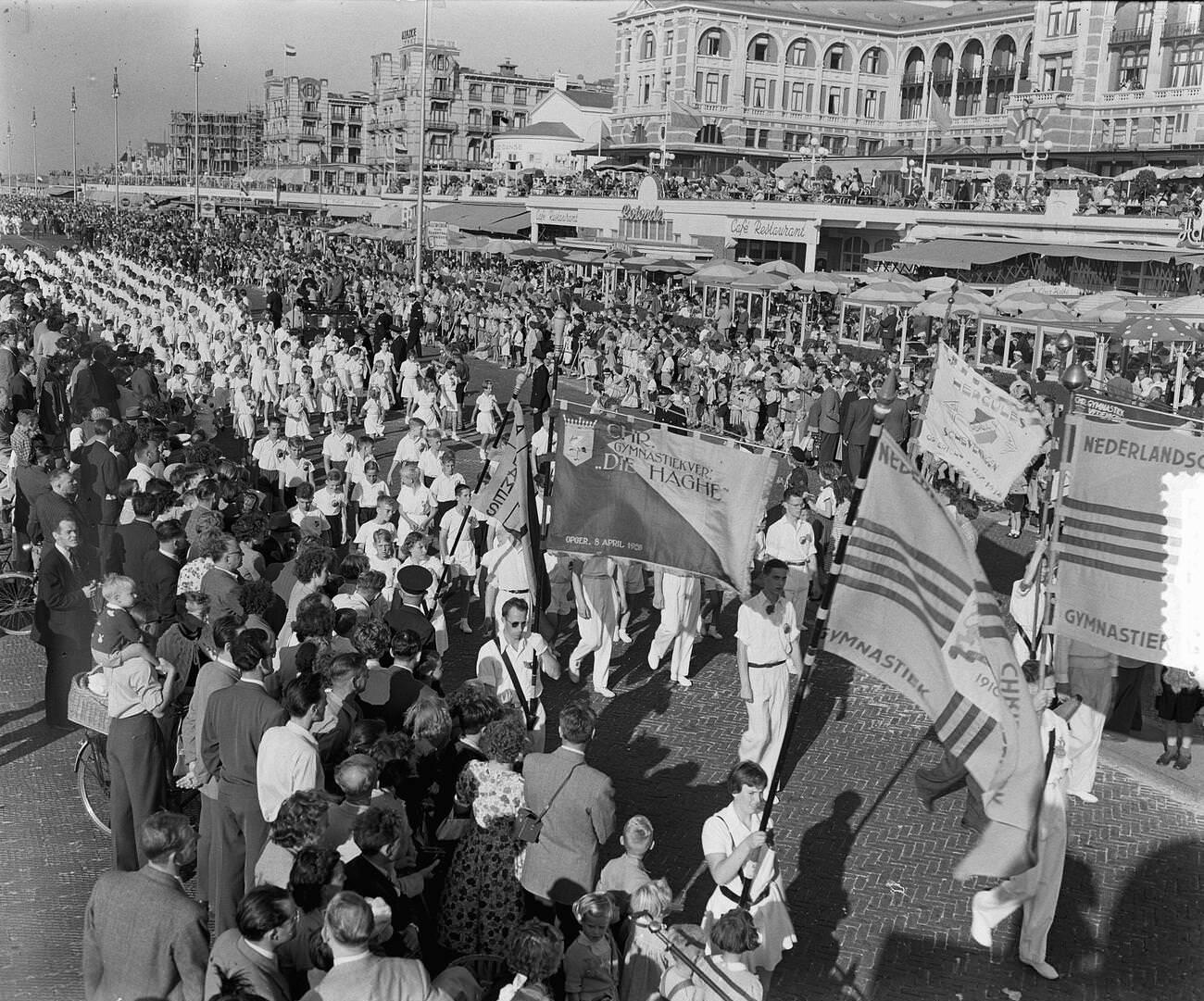
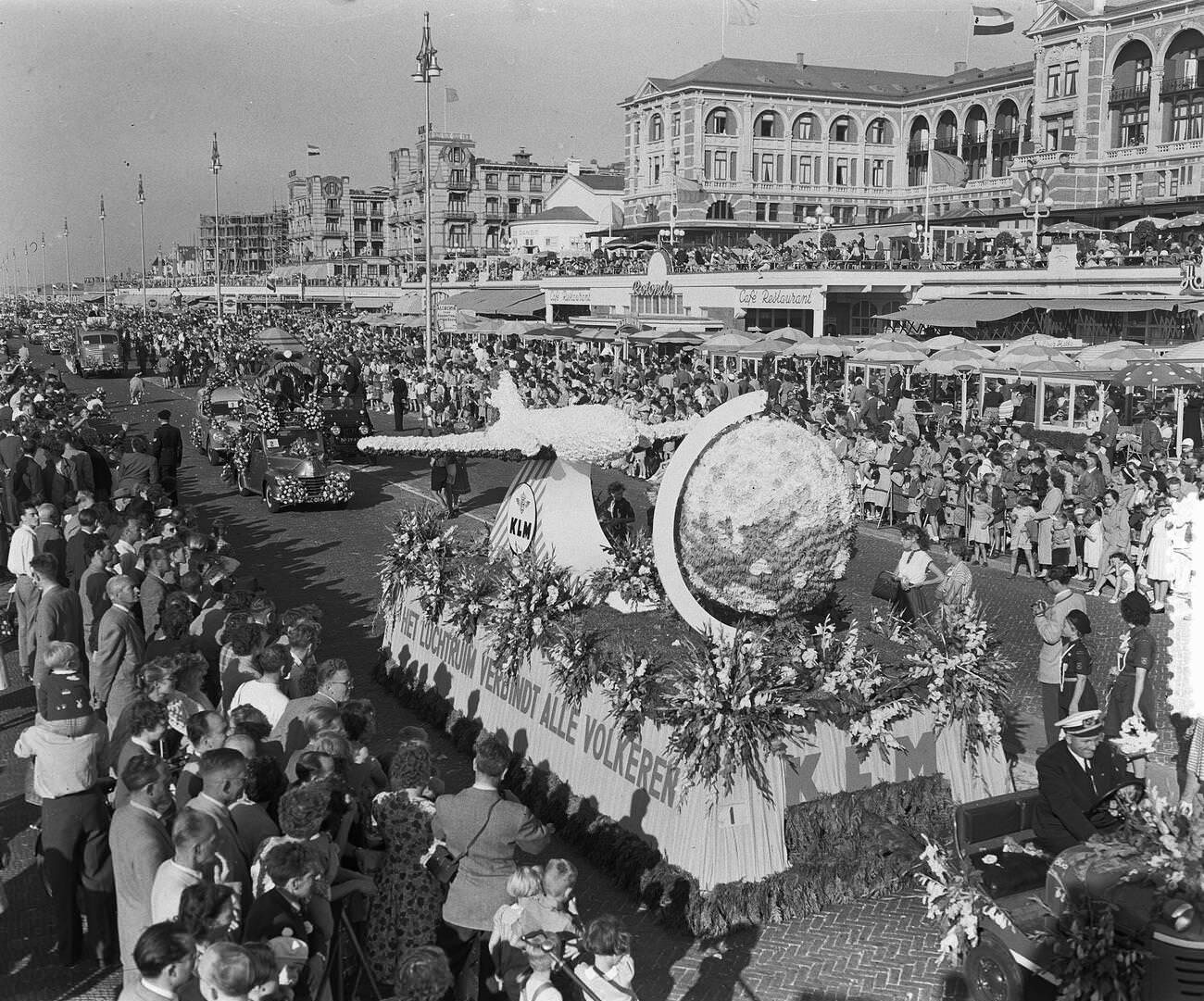
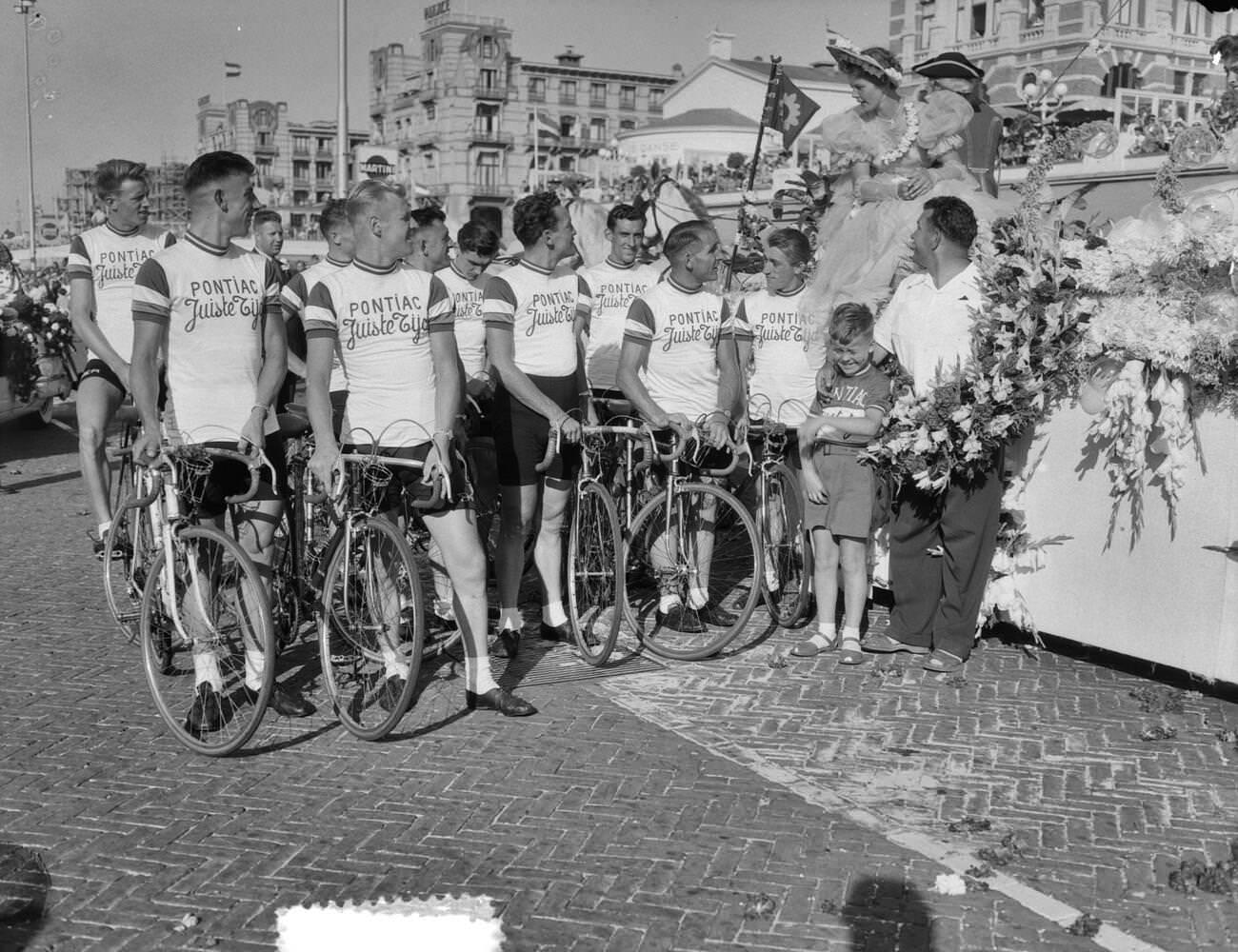
The Tour’s reach extended well beyond the racing itself. In The Hague, celebrations and parades tied local festivities to the excitement of the race unfolding across the country.
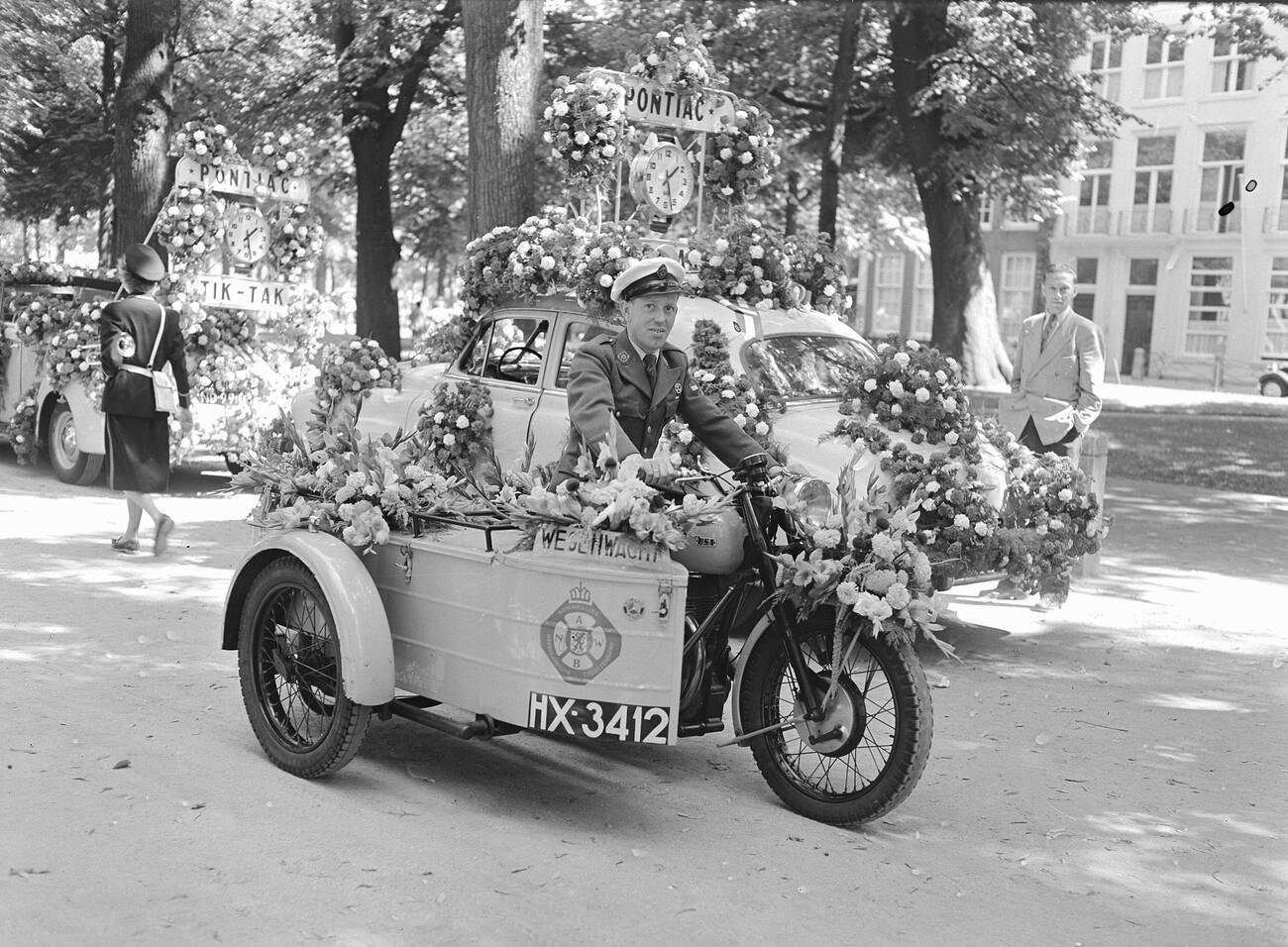
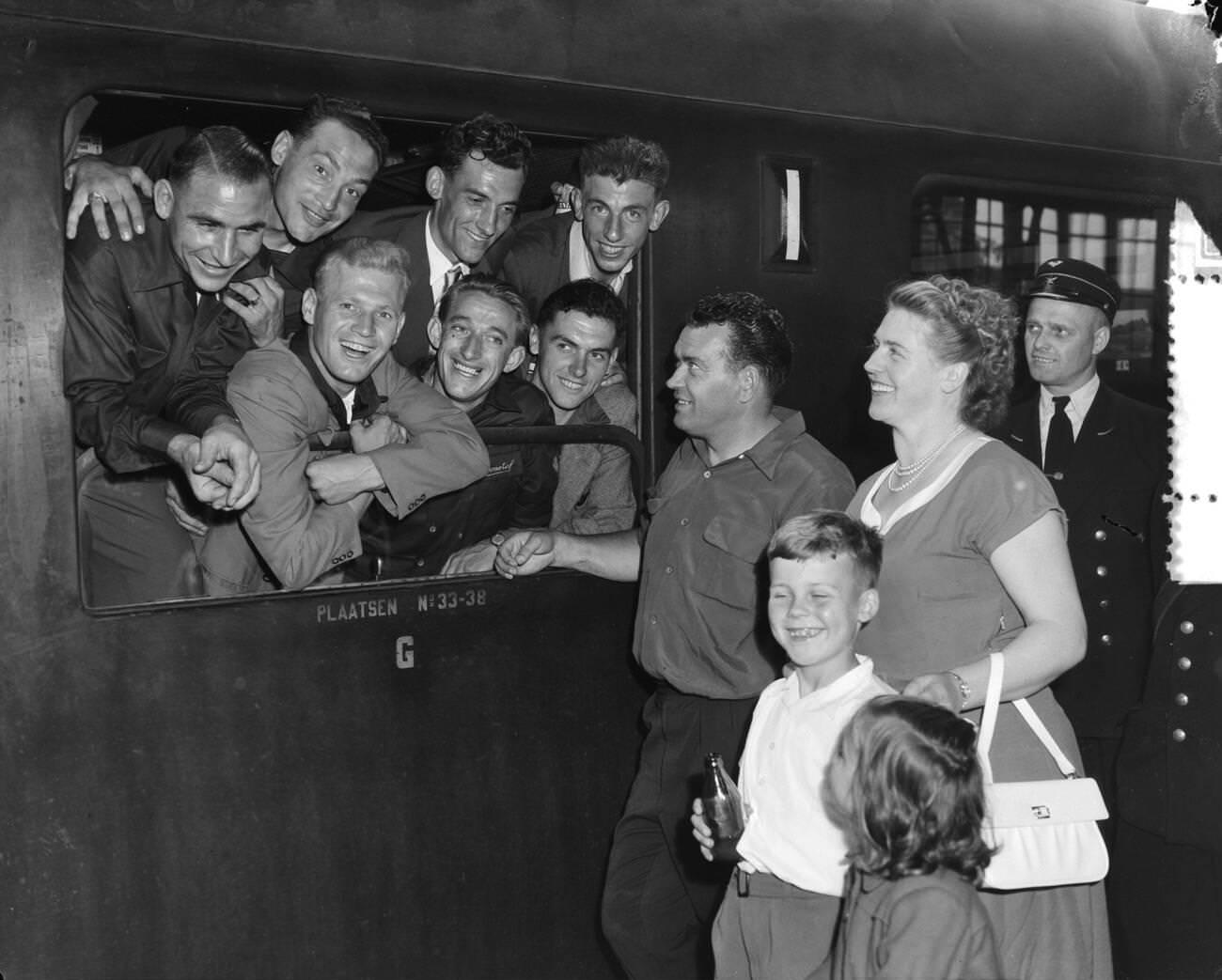
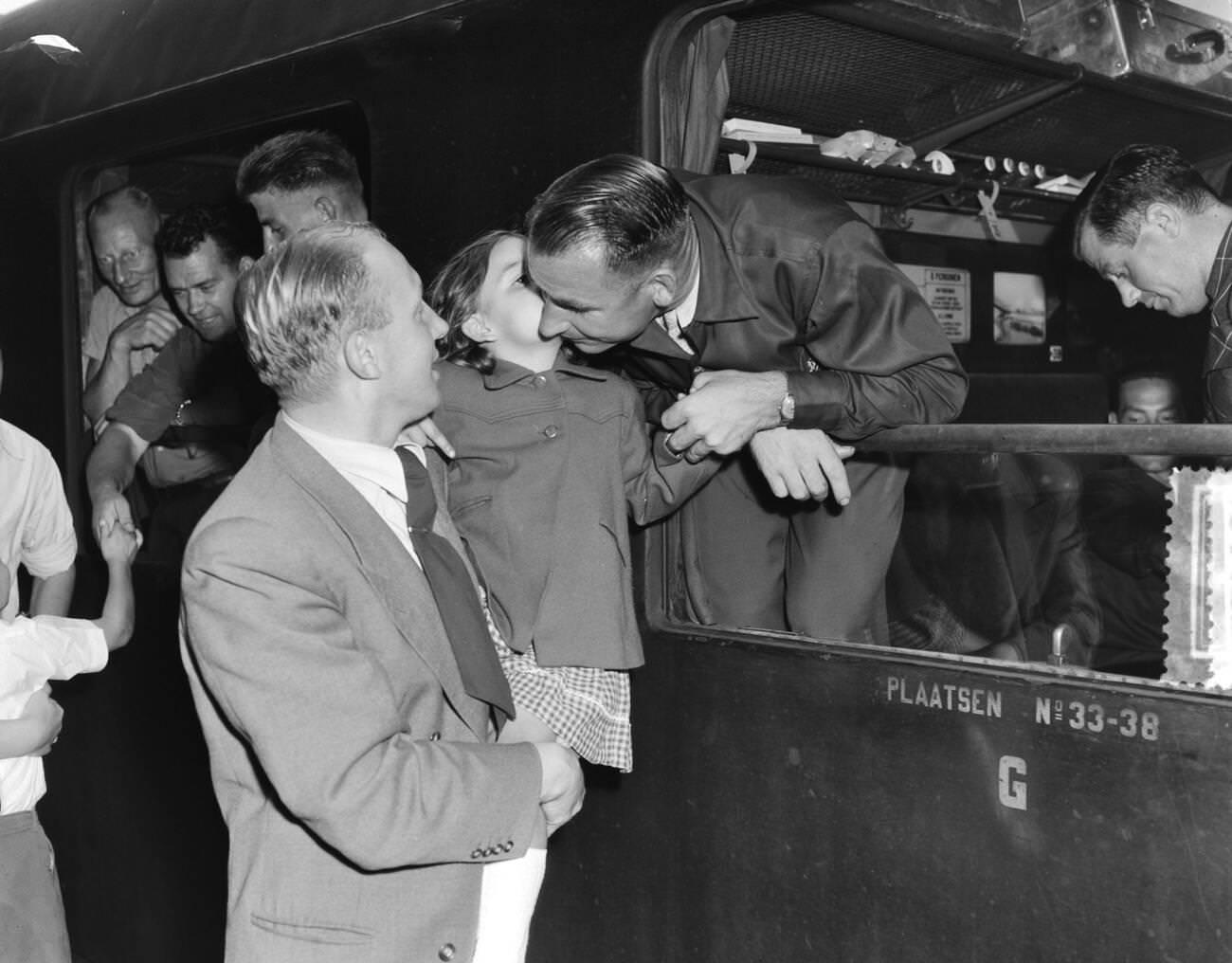
Dutch riders were particularly celebrated at home. Their departure by train was a public event, with crowds turning out to see them off before the race even began.
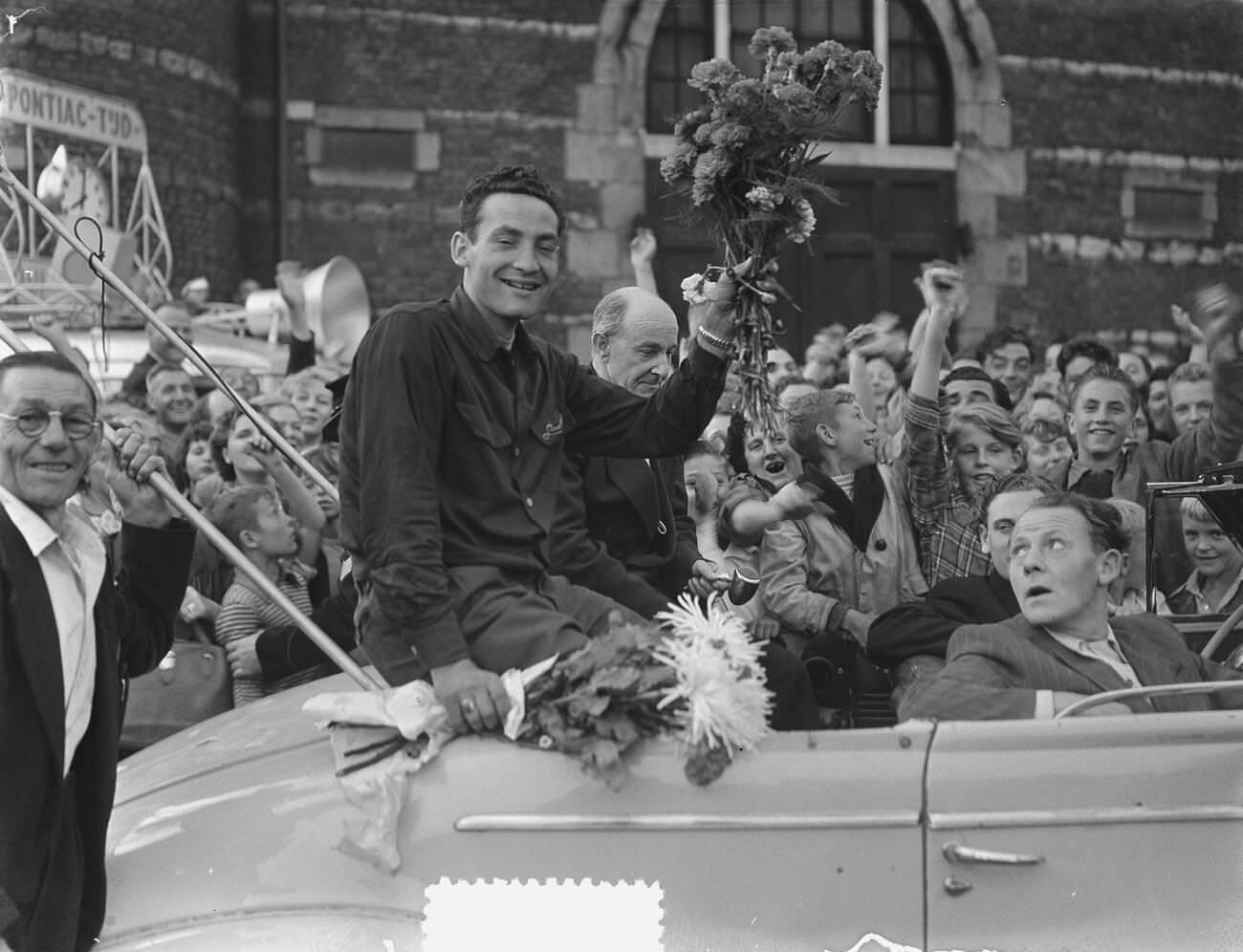
Amsterdam’s Hein van Breenen was welcomed home as a local hero, a reflection of how deeply cycling was woven into Dutch national identity during this era.
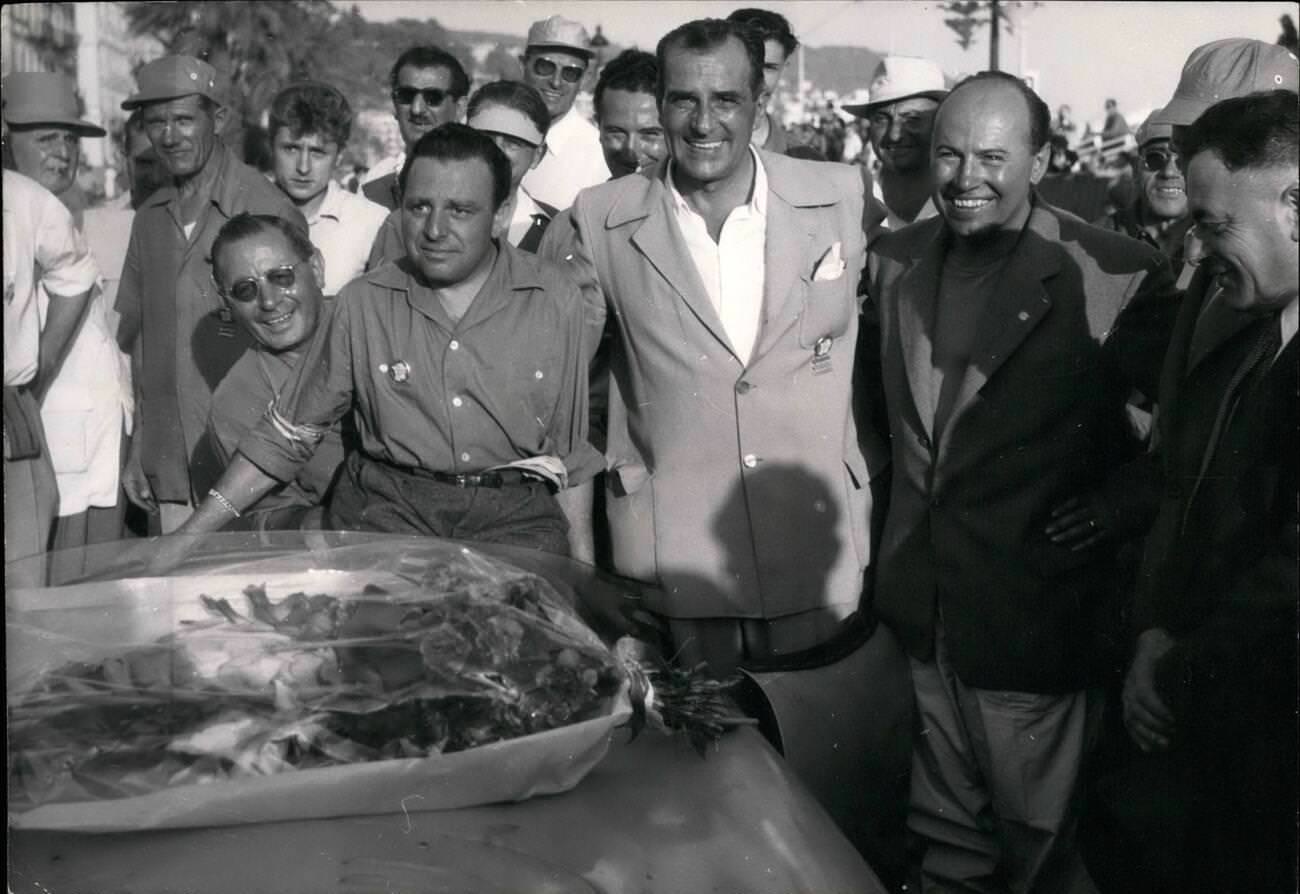
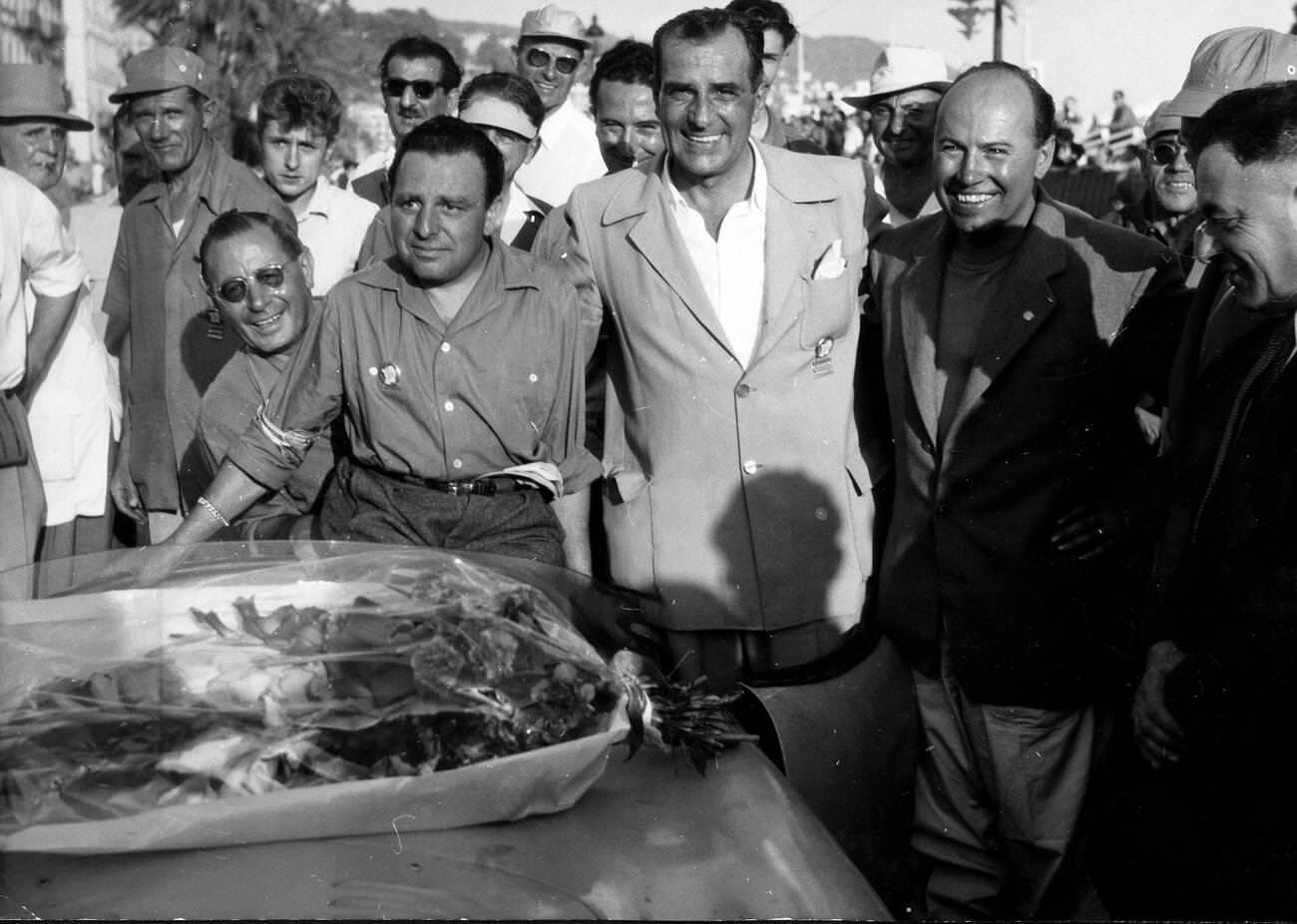
The 1953 Tour also ran alongside a Motor Car race, adding another competitive layer to the broader event. Raymond Bertram took victory in that category.
The peloton in 1953 was stacked with legendary names. Gino Bartali, Hugo Koblet, and Fiorenzo Magni were among the elite riders who started the race, bringing decades of combined experience to the starting line.
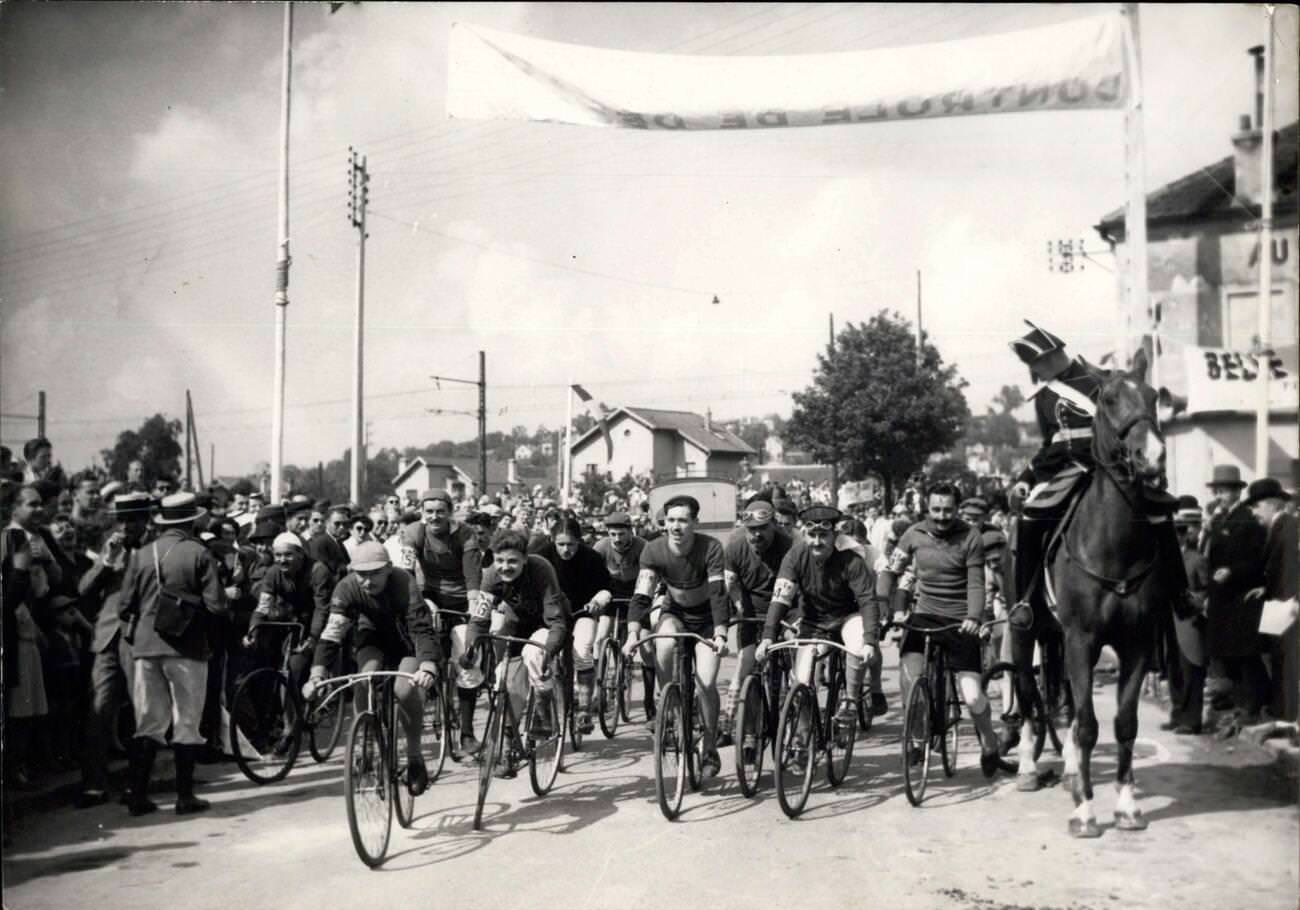
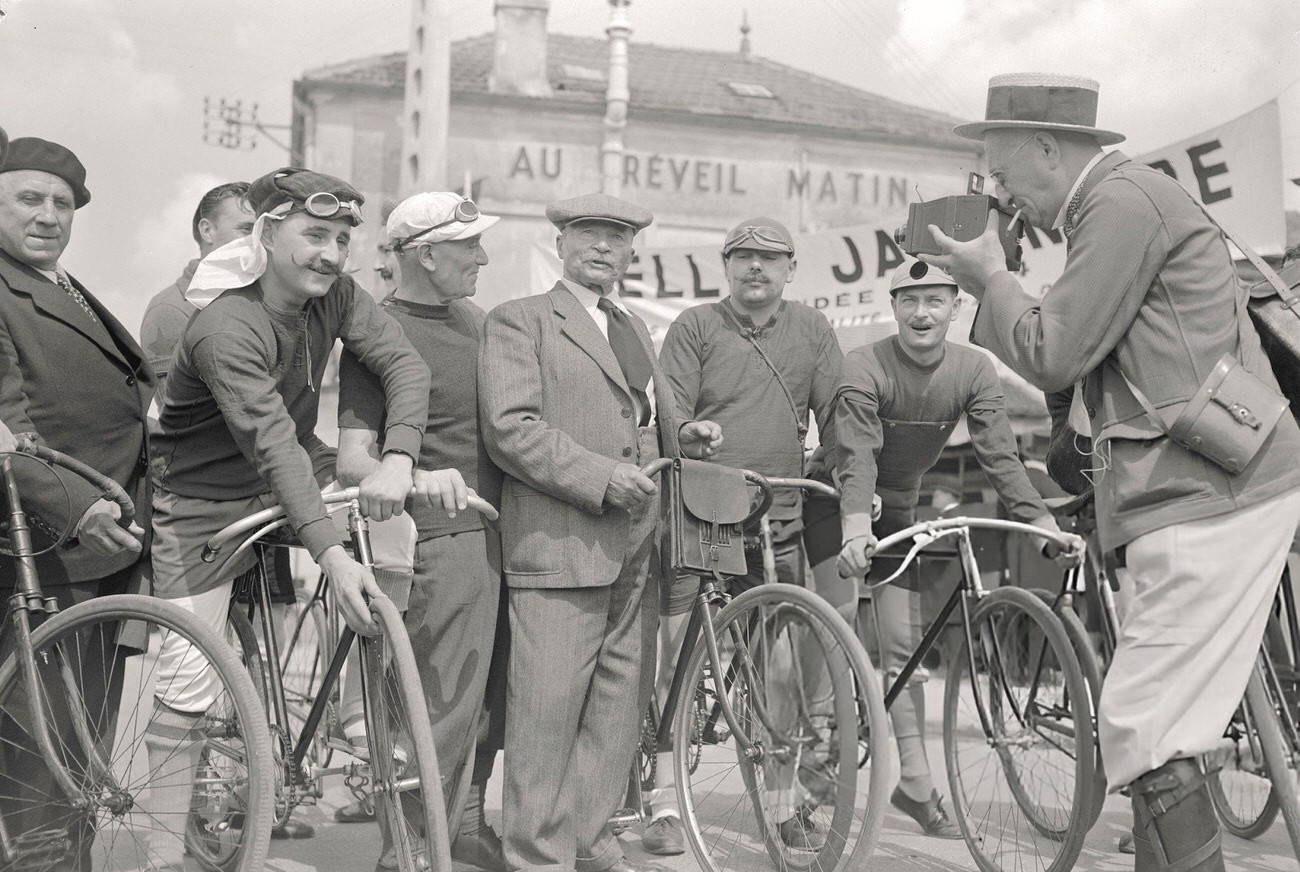
The 40th anniversary of the Tour de France was marked with a reenactment of the original 1903 start, honoring the race’s roots and the riders who first attempted the grueling circuit half a century earlier.
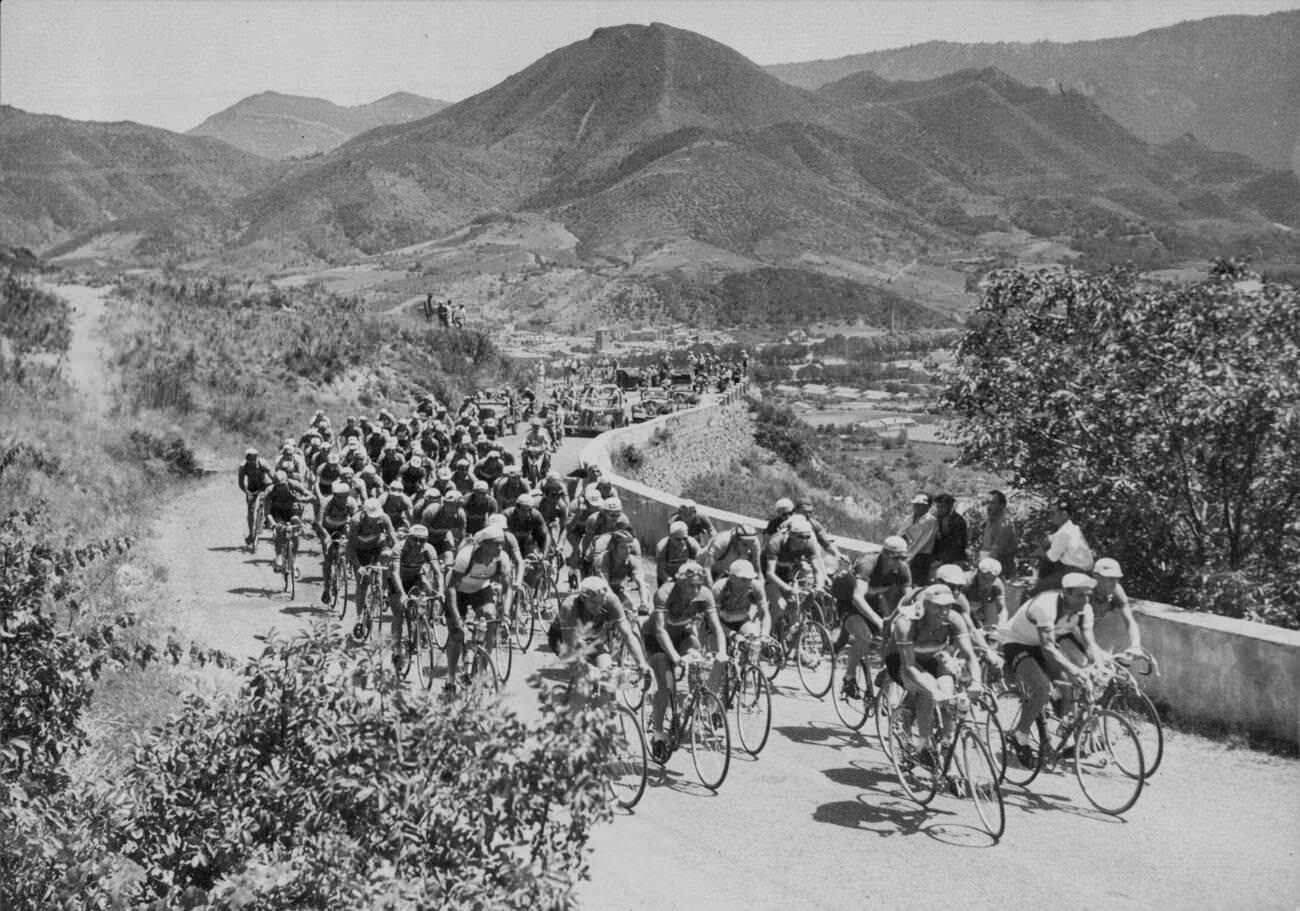
The main peloton was a churning, dangerous mass of riders jostling for position. Crashes were common, and losing contact with the main group on a mountain stage could cost a rider hours.
Fausto Coppi, the celebrated Italian champion, held the race lead at one point during the 1953 Tour, adding to the drama of an already unpredictable race.
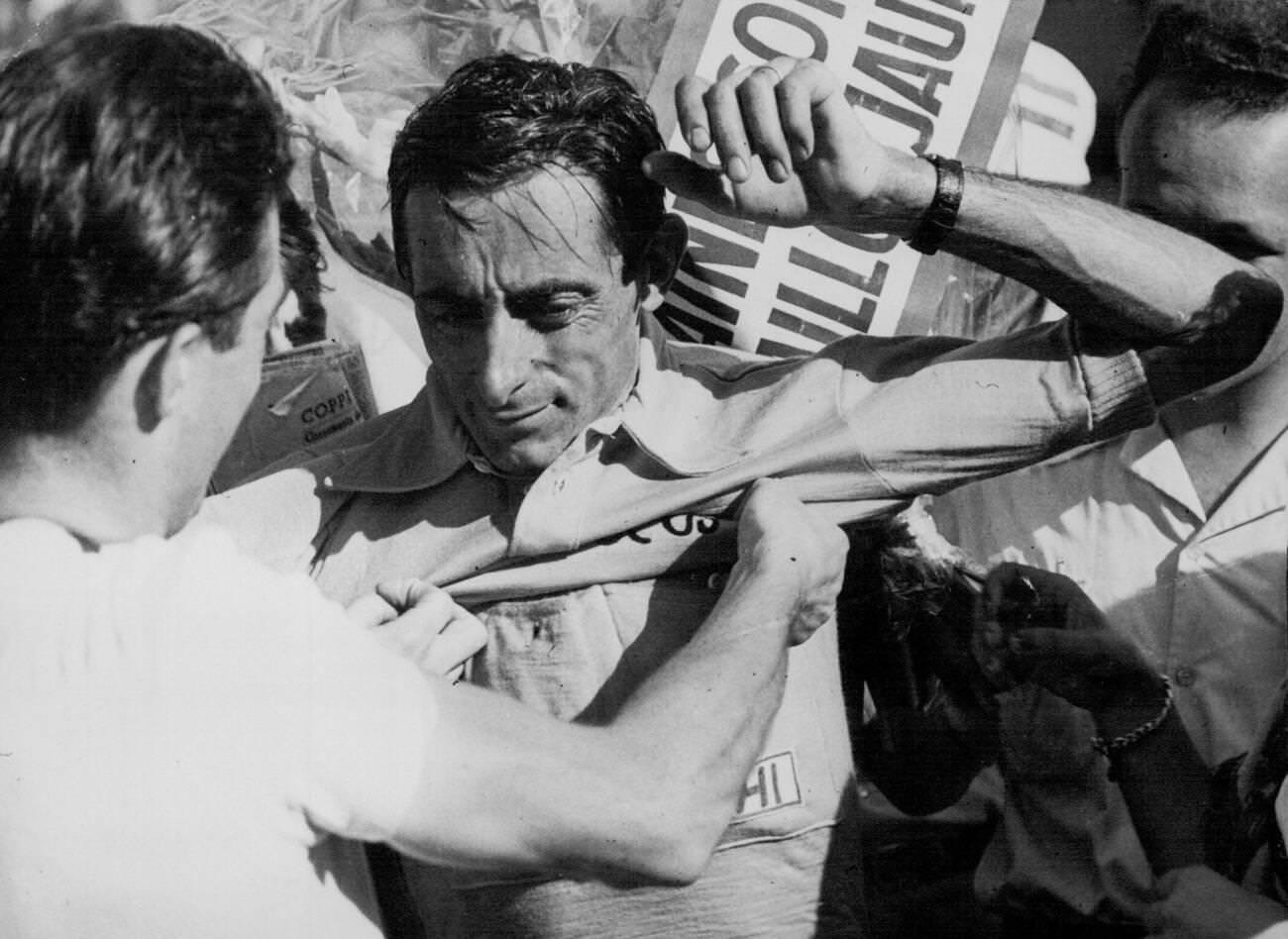
Each day of the Tour followed a relentless rhythm: wake, race, recover, repeat. The physical toll on riders was immense, and the roadside scenes captured just how exhausting that routine truly was.
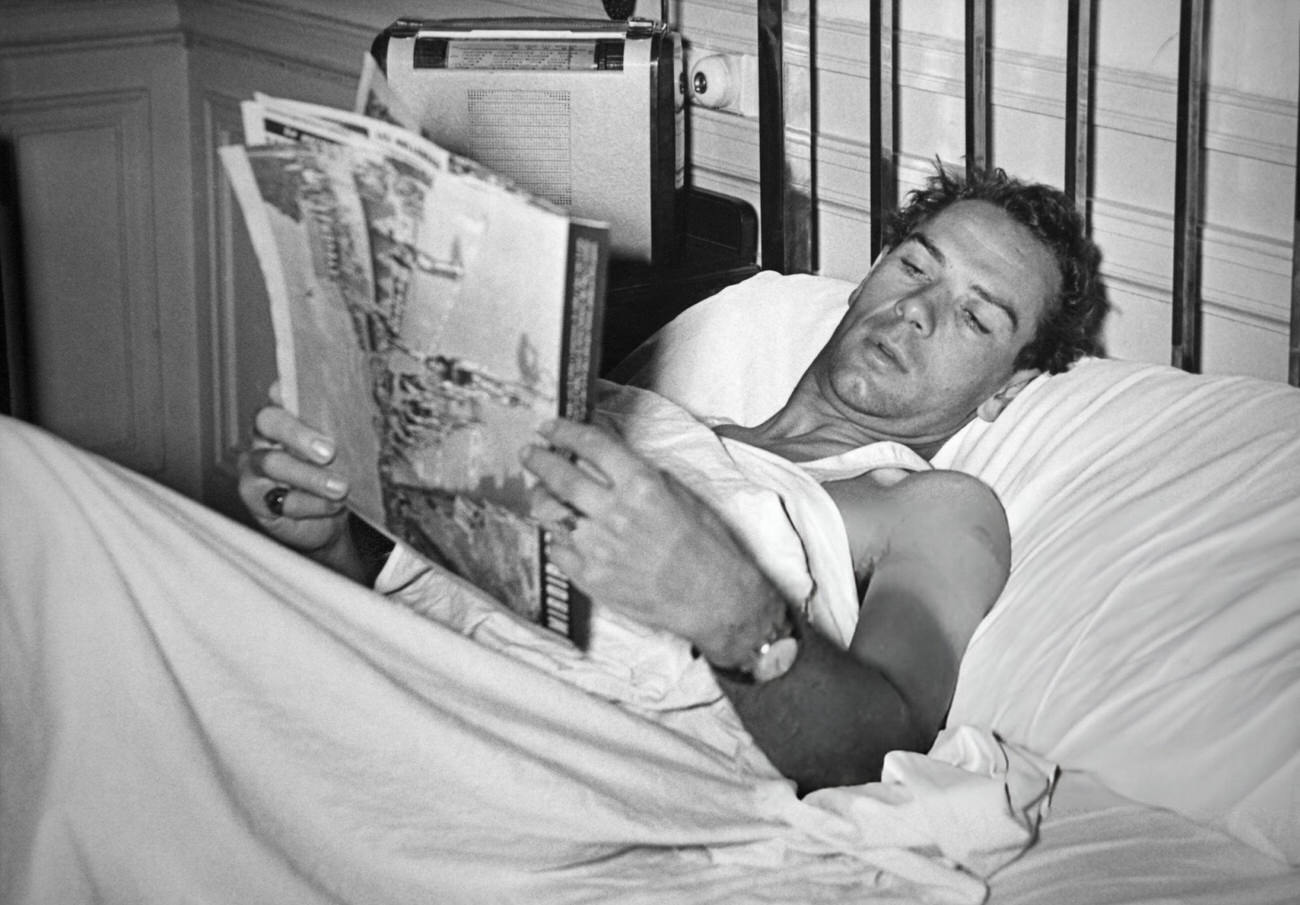
Hugo Koblet entered the 1953 Tour as one of cycling’s biggest stars, but the race turned against him. After a crash during the Tour d’Italie earlier that year and mounting difficulties on the road, Koblet was forced to abandon the Tour de France entirely.
To mark the race’s 40th anniversary, organizers staged a recreation of the 1903 Tour de France, reminding spectators of the event’s humble origins and how far the race had come.
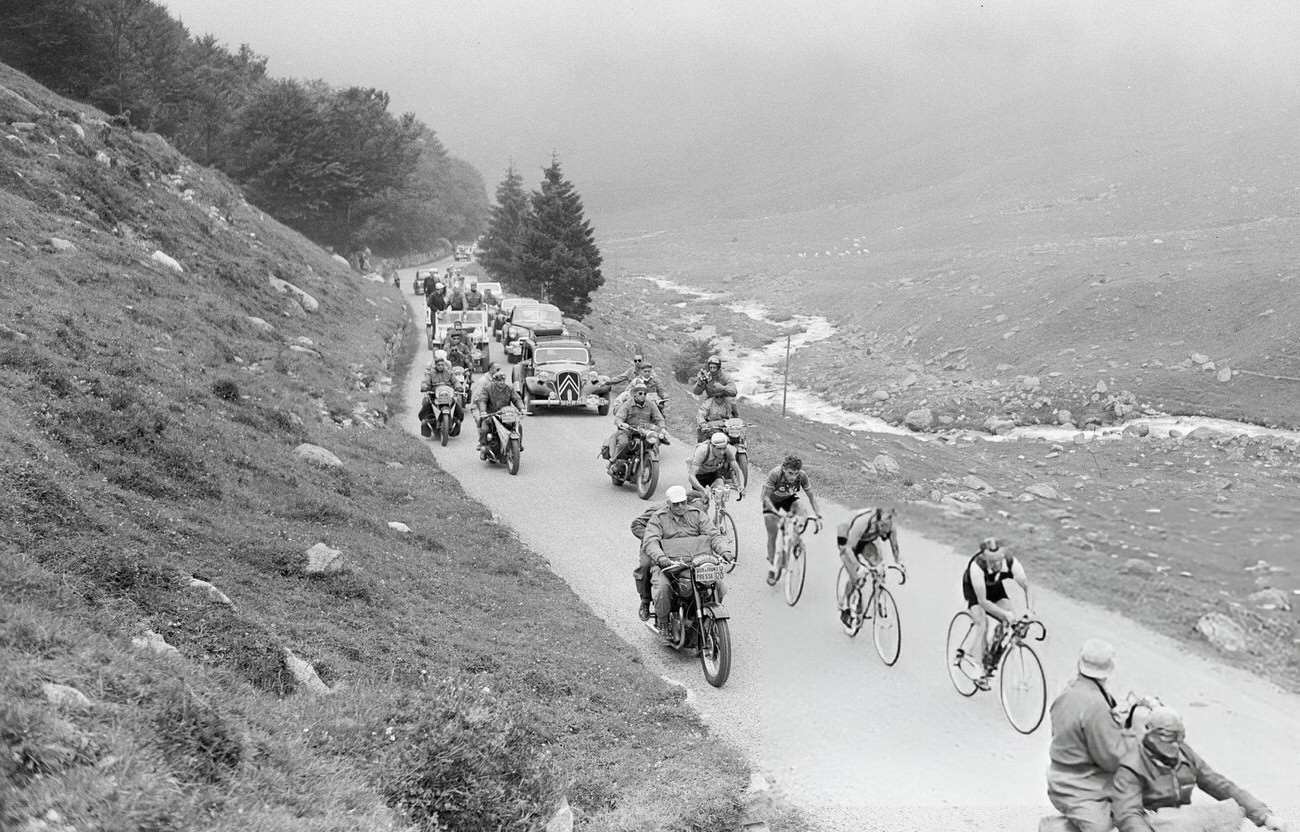
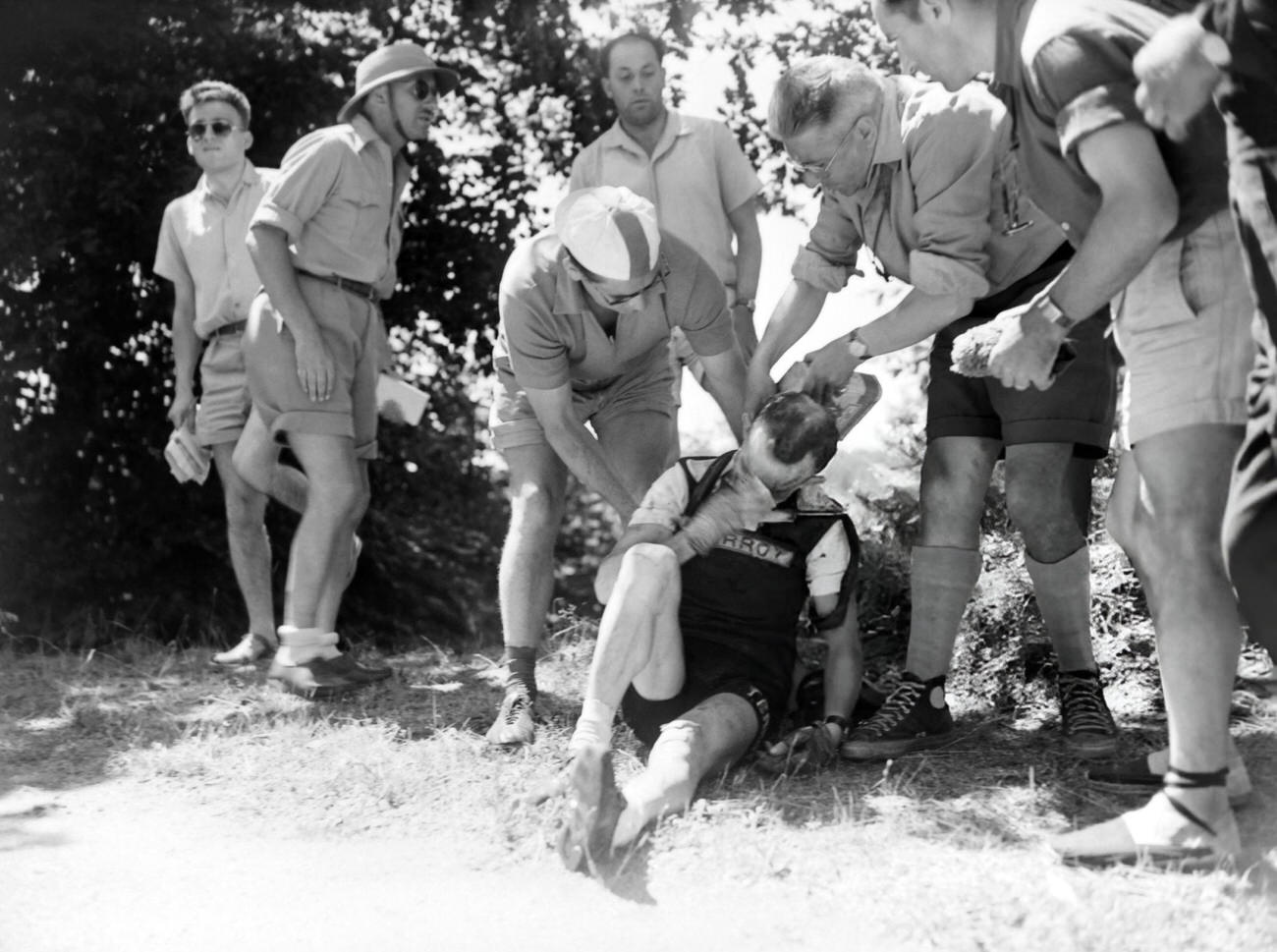
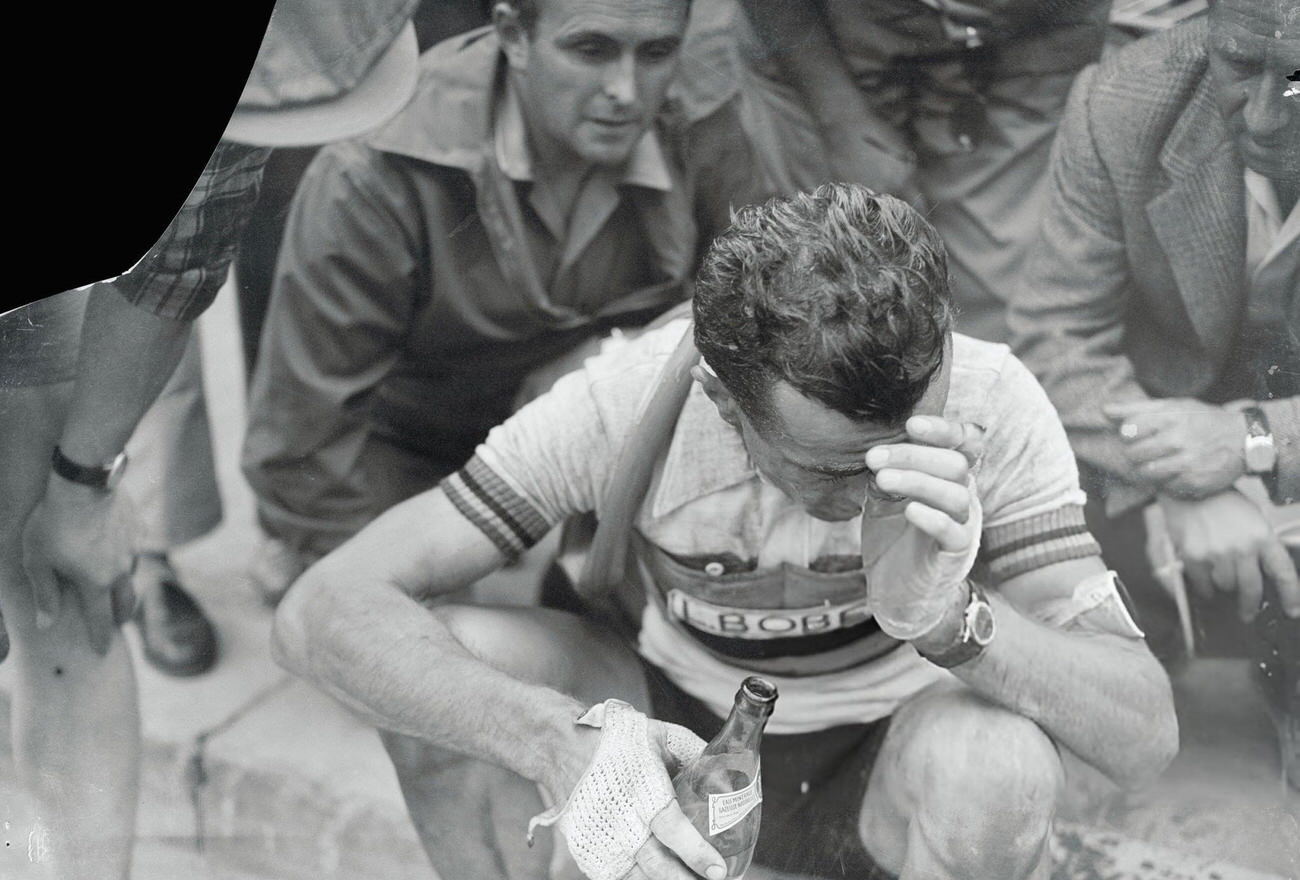
The mountain stages were where the race was won and lost. Jean Robic, a fierce climber, was among the riders grinding up the Tourmalet, one of the most feared climbs in the Pyrenees. He later suffered a fall that left him bloodied but still in the race.
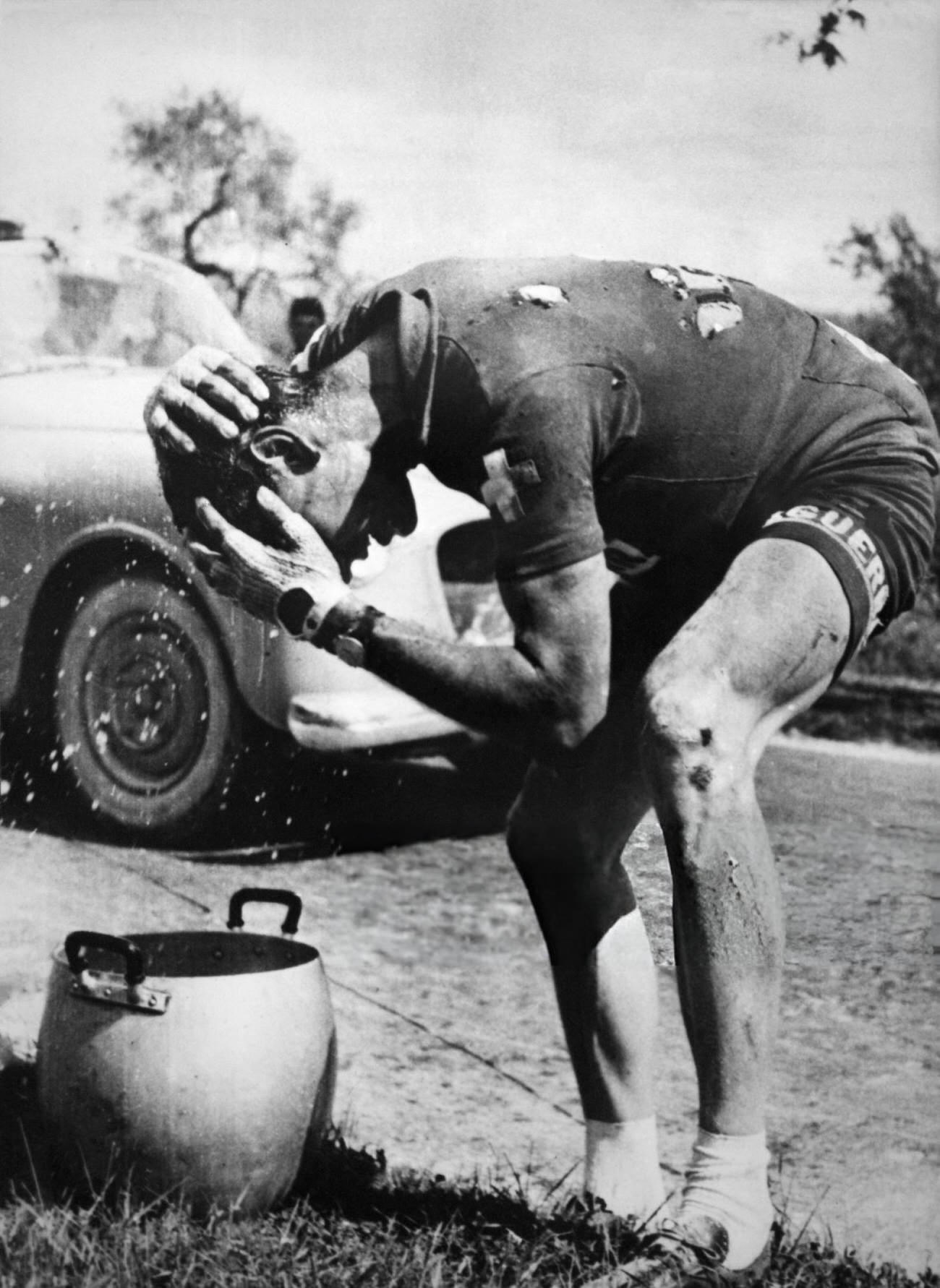
Stage 11 through the Pyrenees was especially brutal. Jean Mallèjac, one of Louison Bobet’s main rivals, collapsed from heatstroke and had to be revived at the roadside. He recovered and continued, eventually finishing second overall.
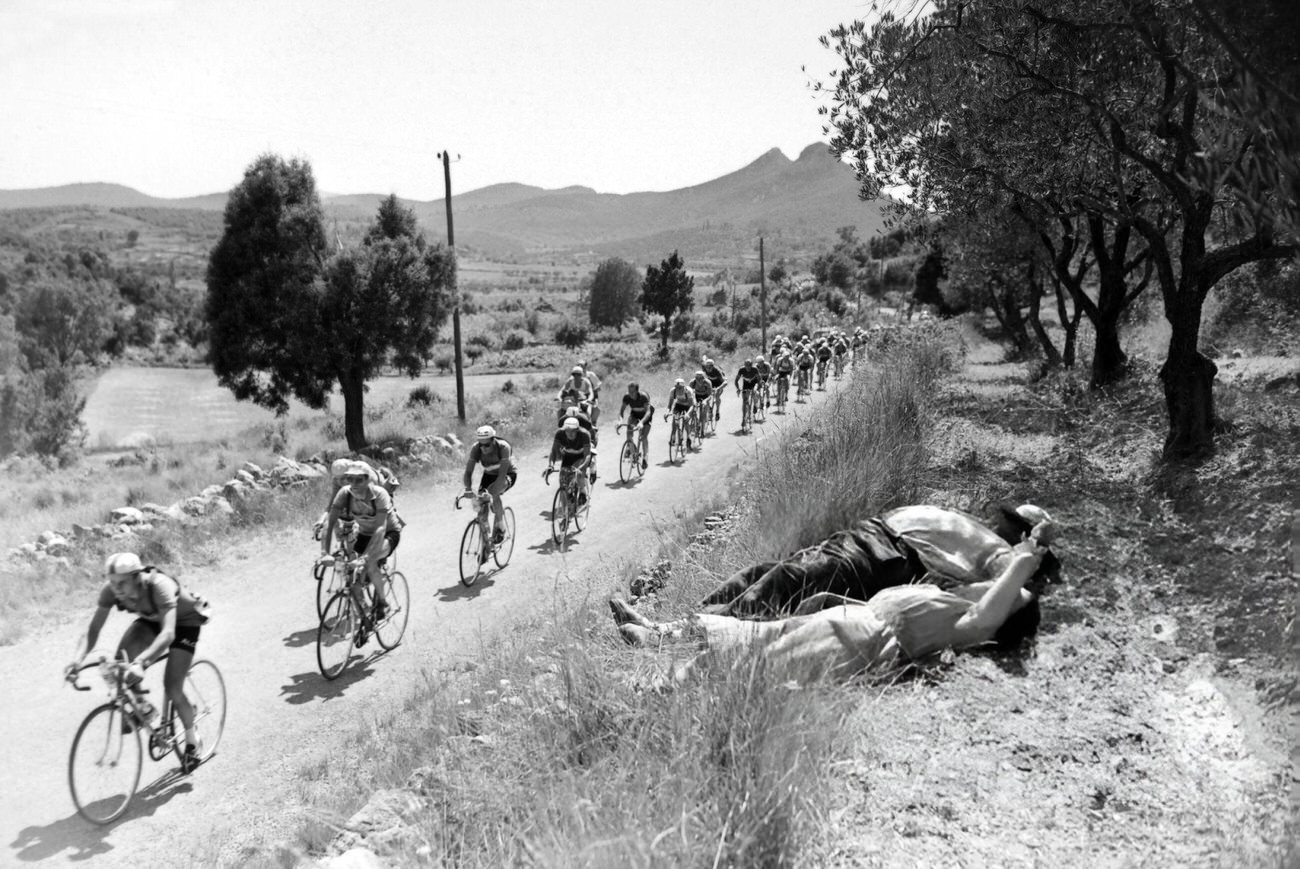
Spectators traveled long distances to watch the race pass by, often camping overnight along the route to secure a good viewing spot. Some fans simply fell asleep at the roadside waiting for the riders to arrive.
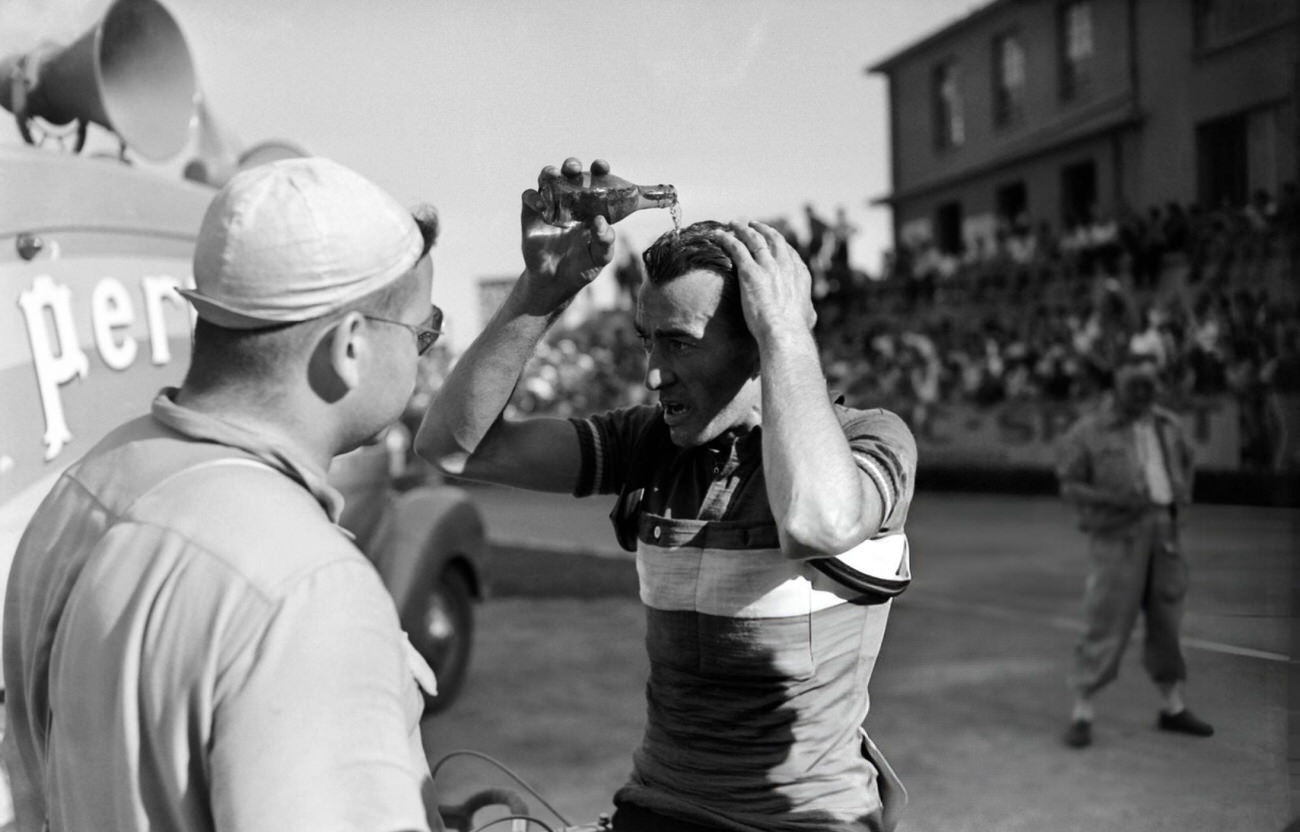
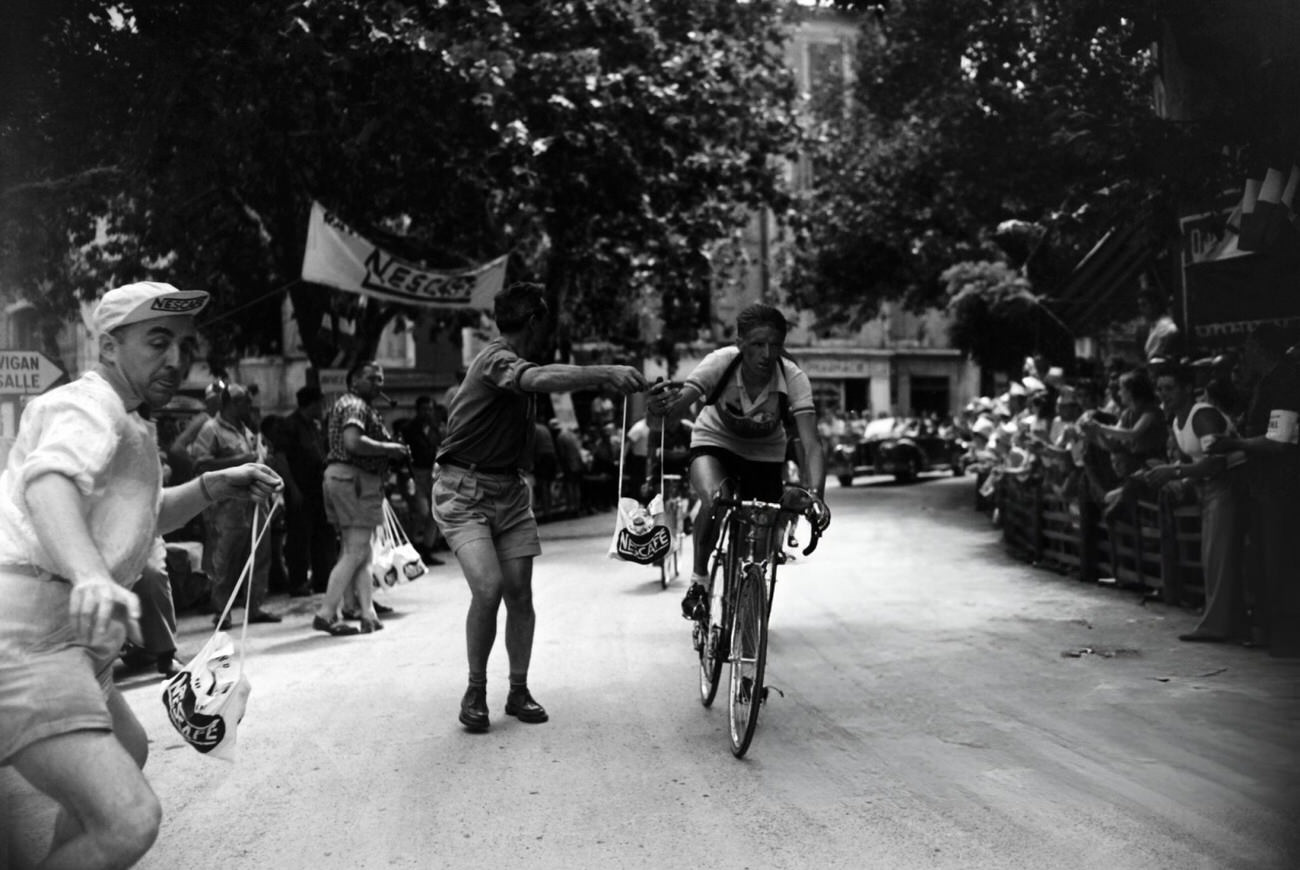
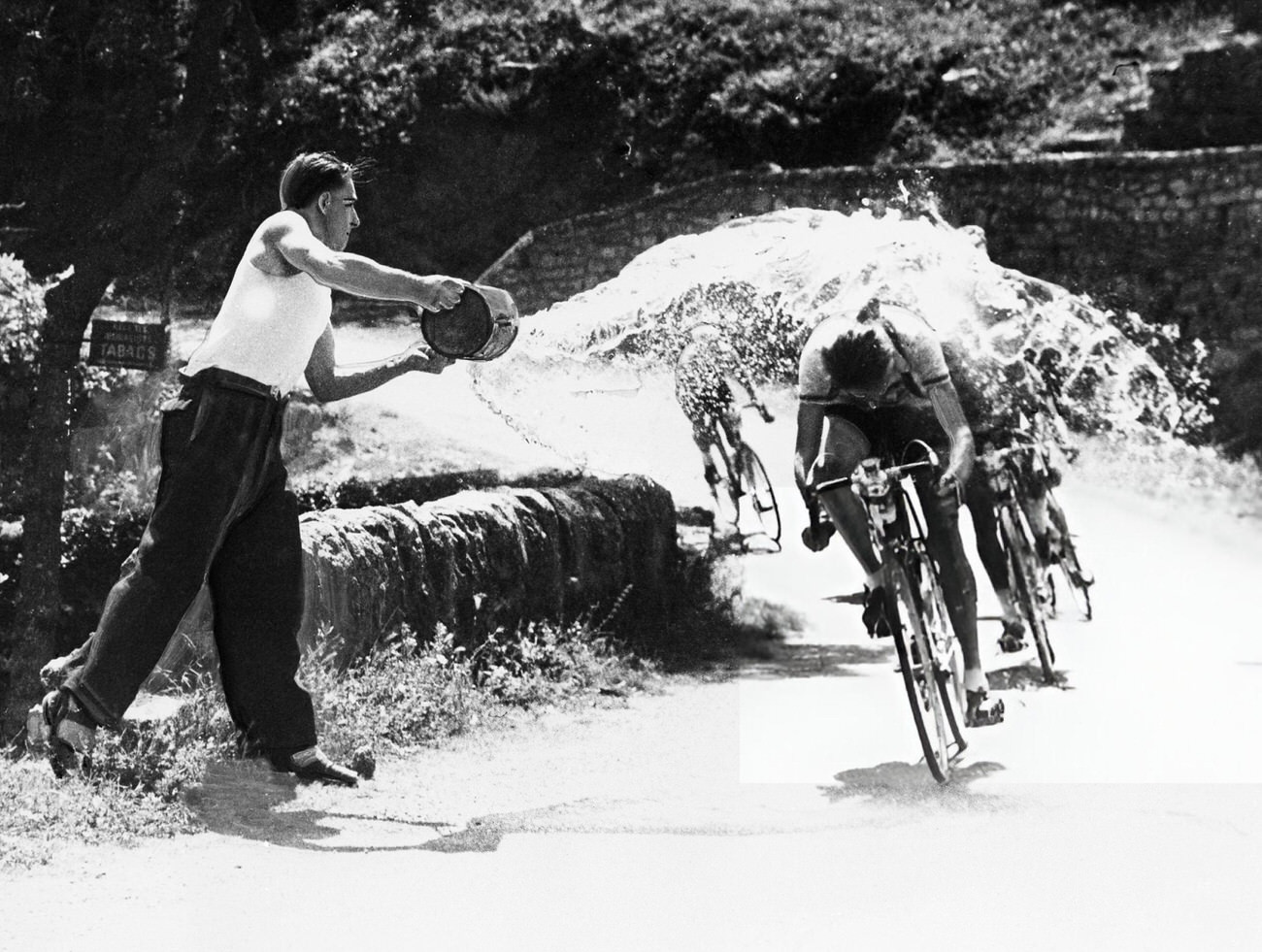
Feeding and hydrating riders during stages was a critical operation. Team staff handed off food and water at designated points, and sometimes spectators pitched in to help riders struggling in the heat.
Veterans like Gino Bartali kept their equipment in meticulous condition throughout the race. Even a loose handlebar could spell disaster on a fast descent.
Louison Bobet seized the yellow jersey during Stage 8 and never let go. As a climber and a time trialist, he was built for a race like the 1953 Tour. His Stage 21 individual time trial performance, over 129 kilometers, sealed his overall victory beyond any doubt. He crossed the finish line in Paris on July 26th to jubilant crowds.
Dutch rider Jan Nolten needed more than just food during the punishing stages. Spectators poured water over him to help him cope with the heat, a small but vivid reminder of the physical demands riders faced every day.
Rest before a stage was precious. Riders grabbed every moment of recovery they could, knowing that the road ahead would demand everything they had left in their legs.
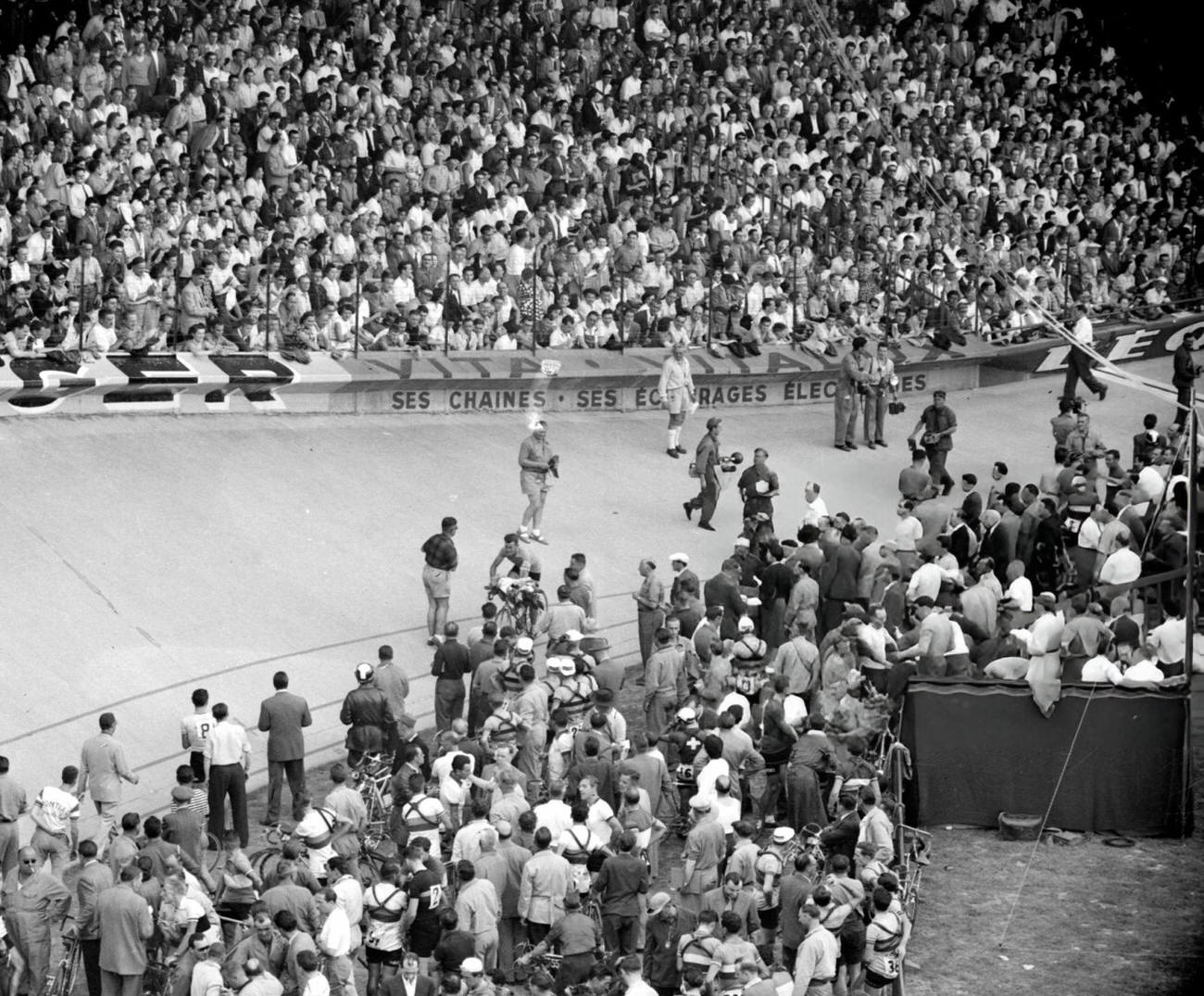
Bobet’s victory lap in Paris was a celebration not just for him, but for French cycling. He had ridden 4,476 kilometers to earn that moment on the Champs-Élysées.
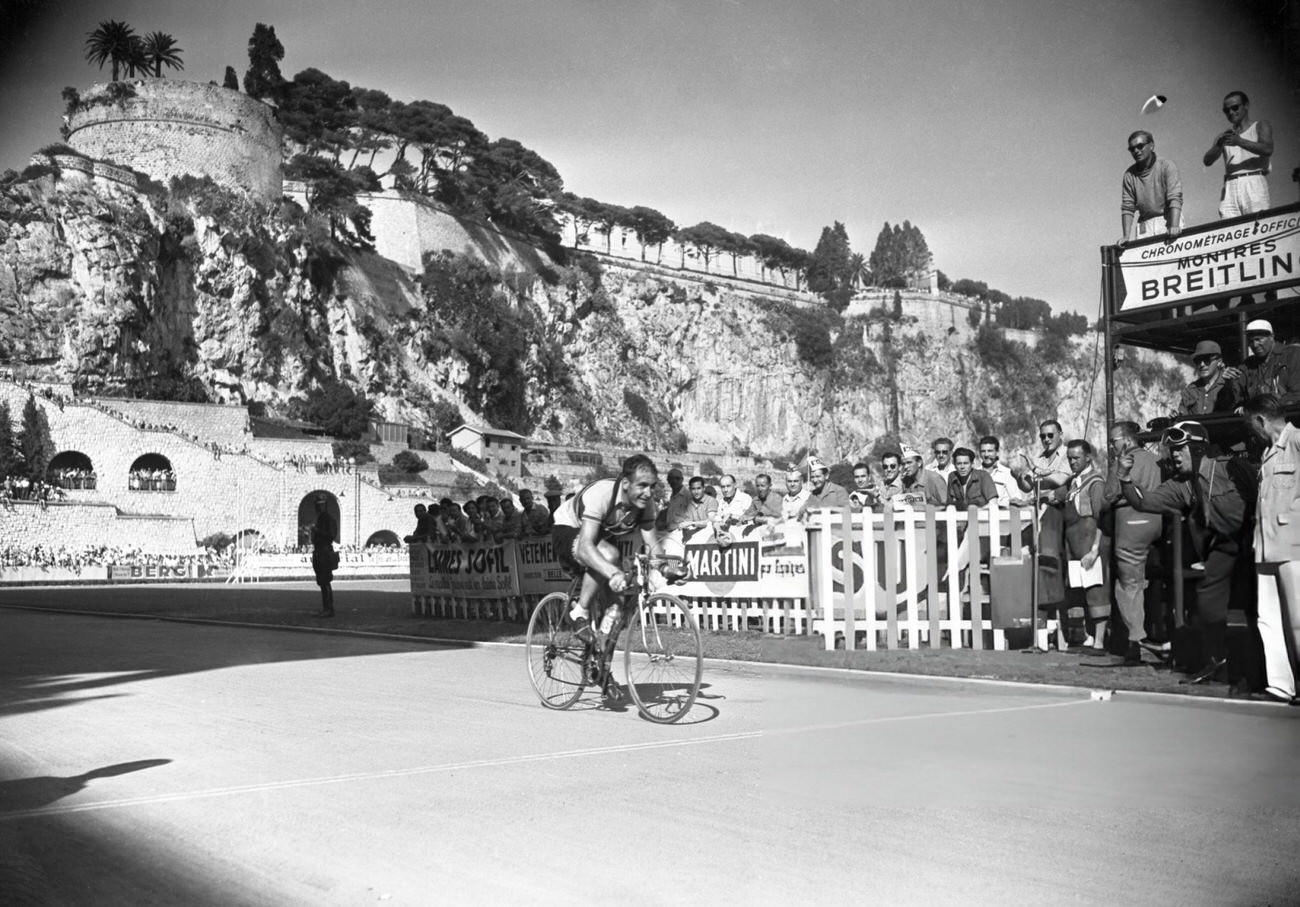
Wim van Est gave the Dutch team a stage victory on the Marseille-Monaco run, one of the standout performances from a national team that competed hard throughout the race.
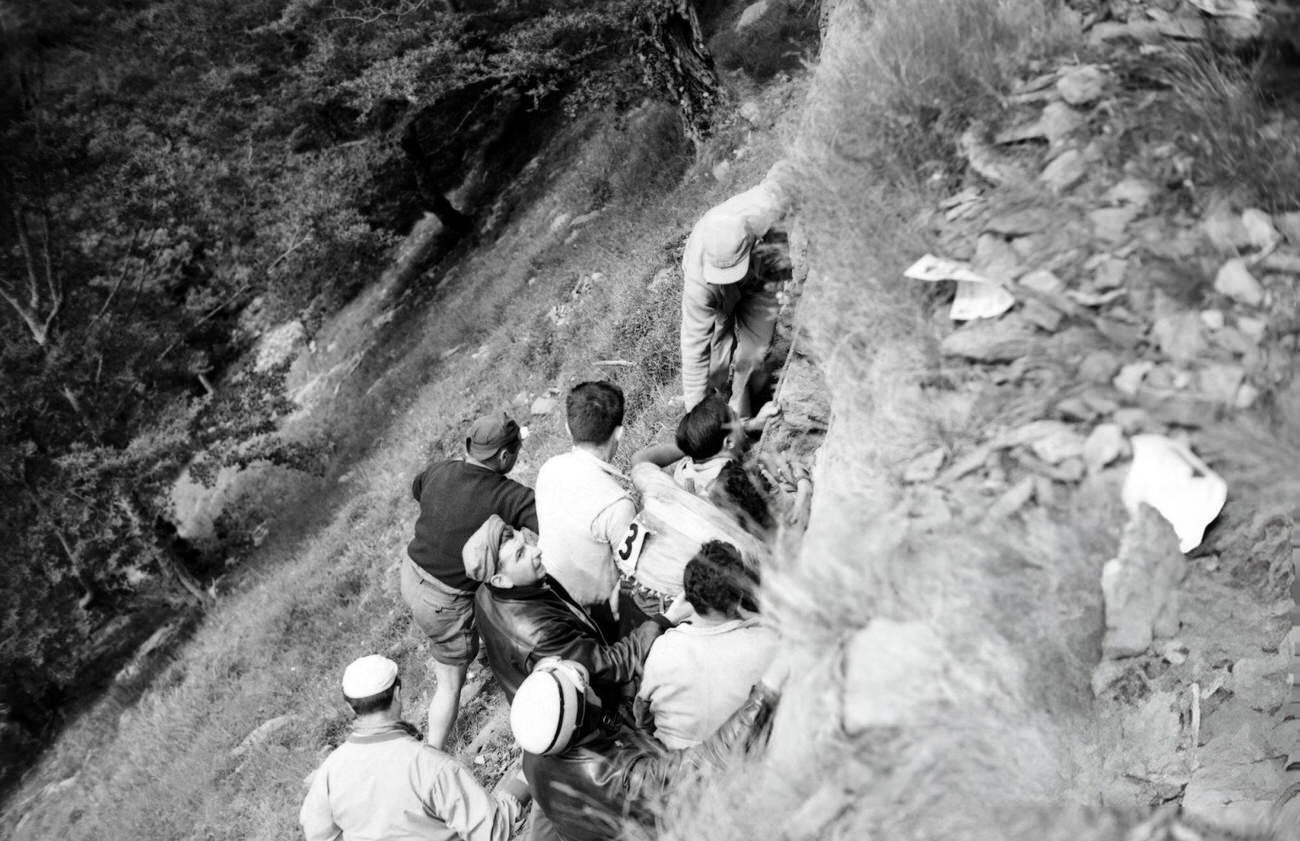
Crashes were an unavoidable part of racing at this pace over these roads. Cyclist Guy Buchaille was pulled from a ditch after a fall, one of many riders who needed roadside rescue before the race reached Paris.
Between stages, Bobet cooled down and recovered like any other rider. The yellow jersey offered no shelter from the heat, and staying hydrated was a constant battle across the long summer days of the 1953 Tour.