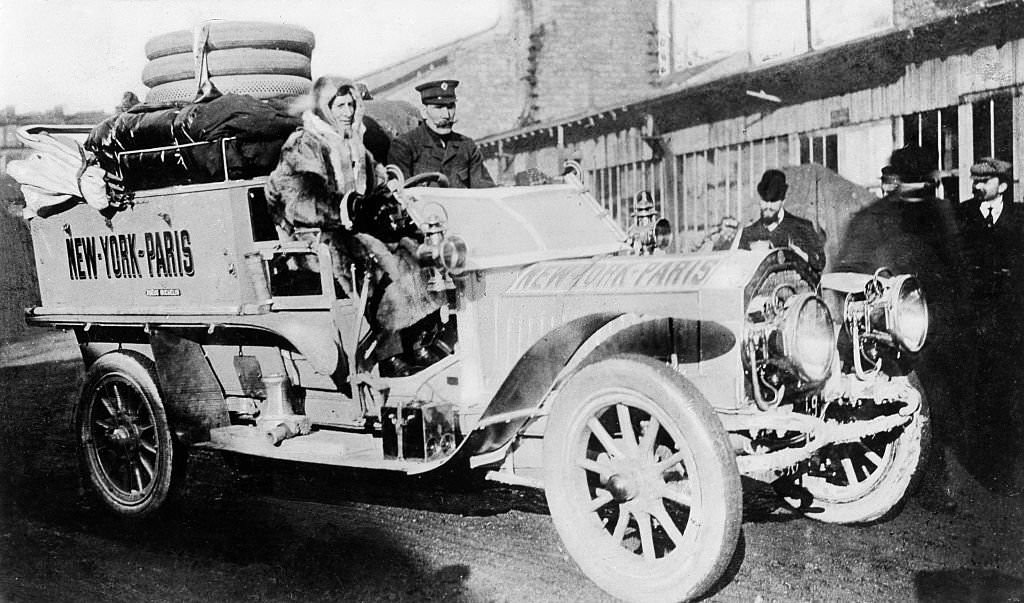
In 1908, the automobile was still a novelty. There were no paved highways stretching across continents, no gas stations on the roadside, no road maps for vast stretches of wilderness, and no motels waiting at the end of a long day’s drive. Most people on earth had never seen a car in person. Against that backdrop, someone proposed doing the unthinkable: racing automobiles from New York to Paris — around the world.
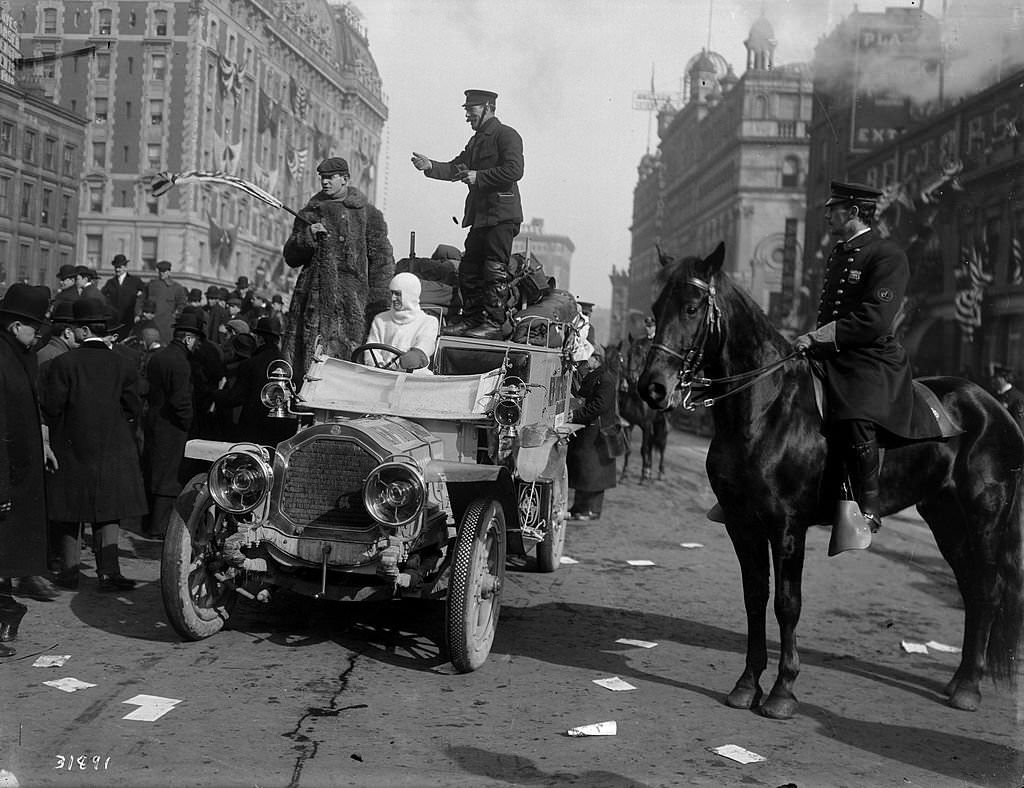
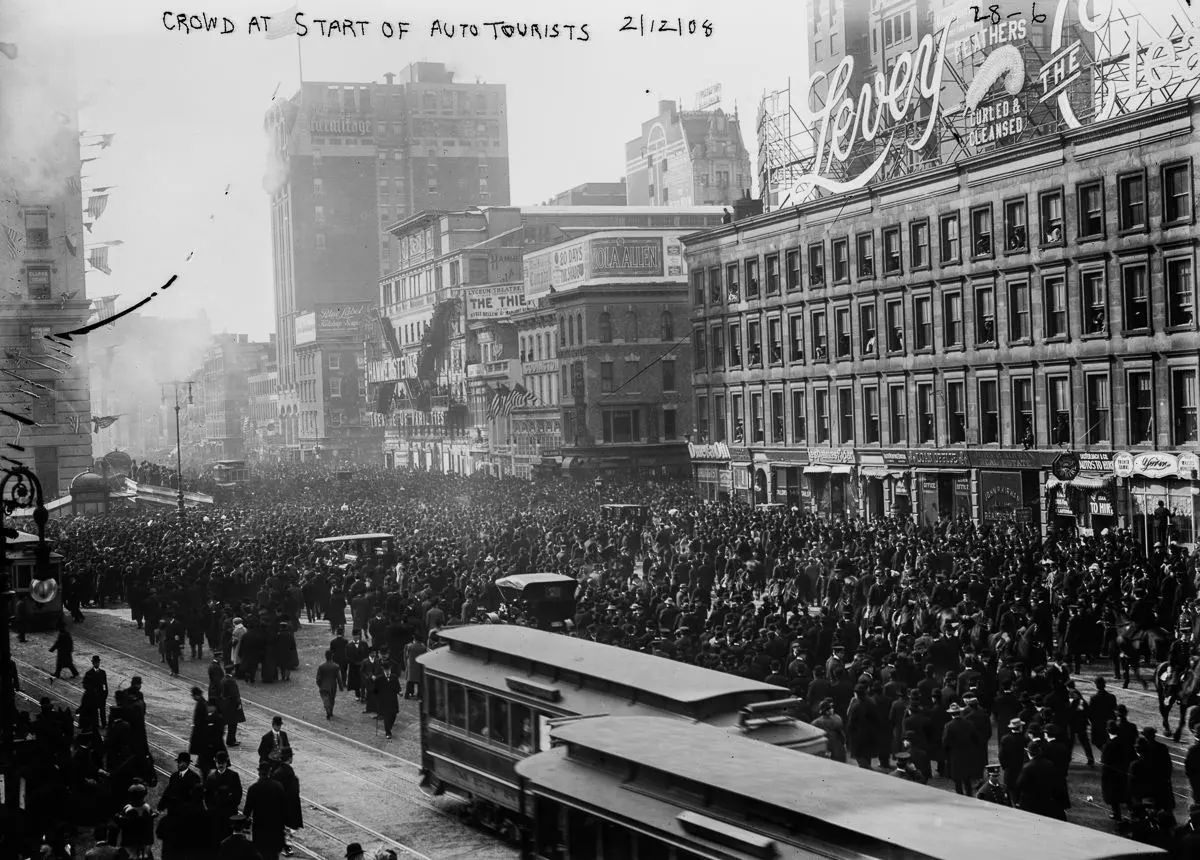
The idea was announced in the summer of 1907. The prize was a trophy weighing 1,400 pounds and the right to claim it had been done. On February 12, 1908, six cars representing four nations lined up in Times Square to begin what would become the longest motorsport event in history at 169 days.
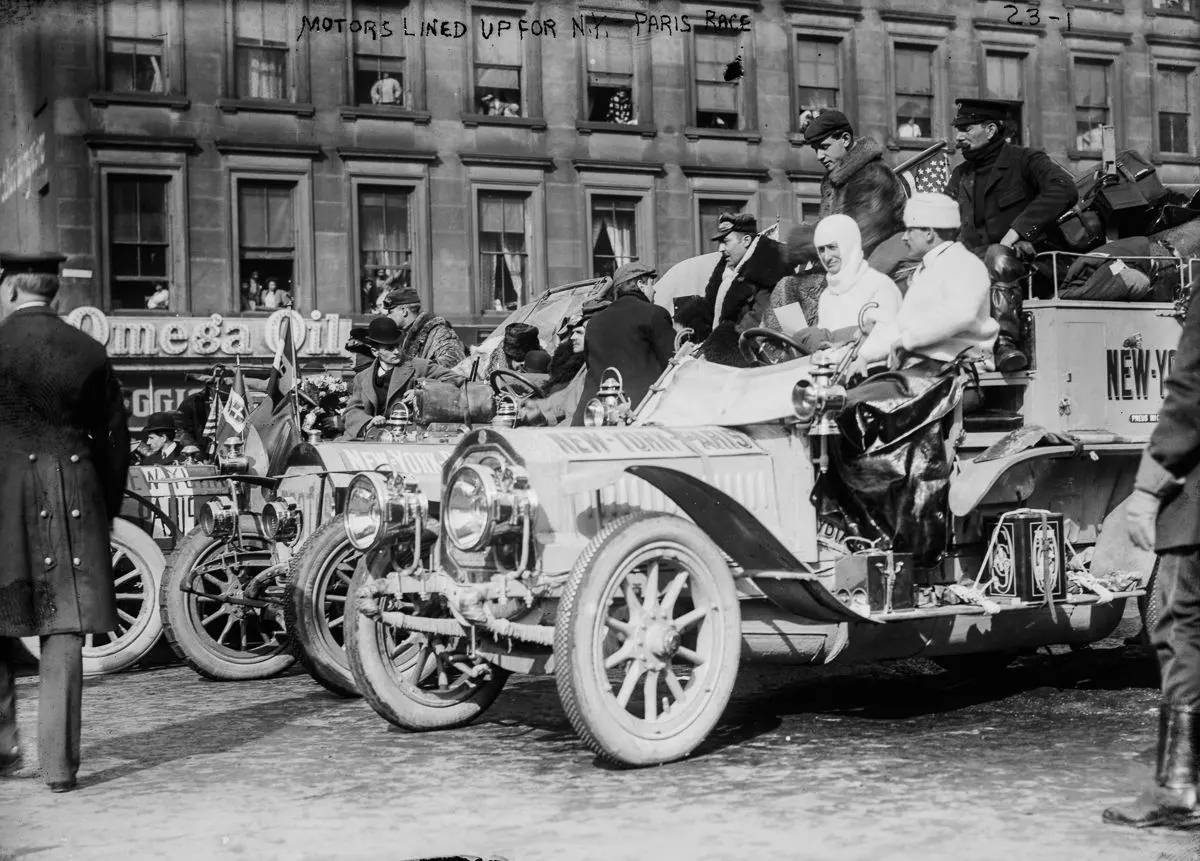
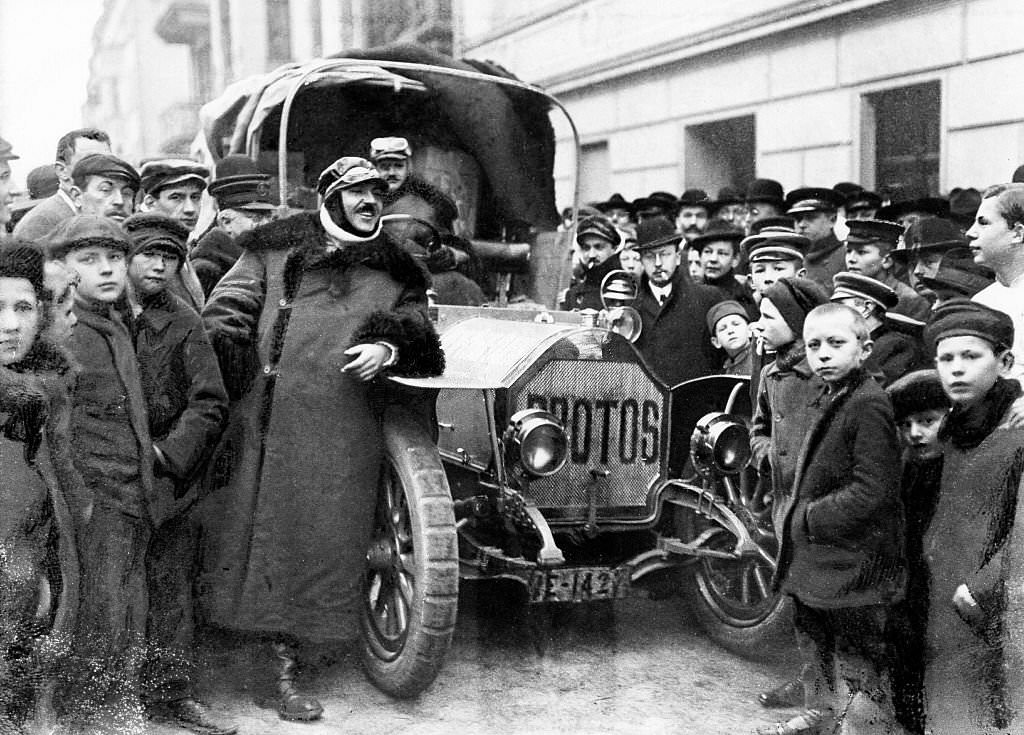
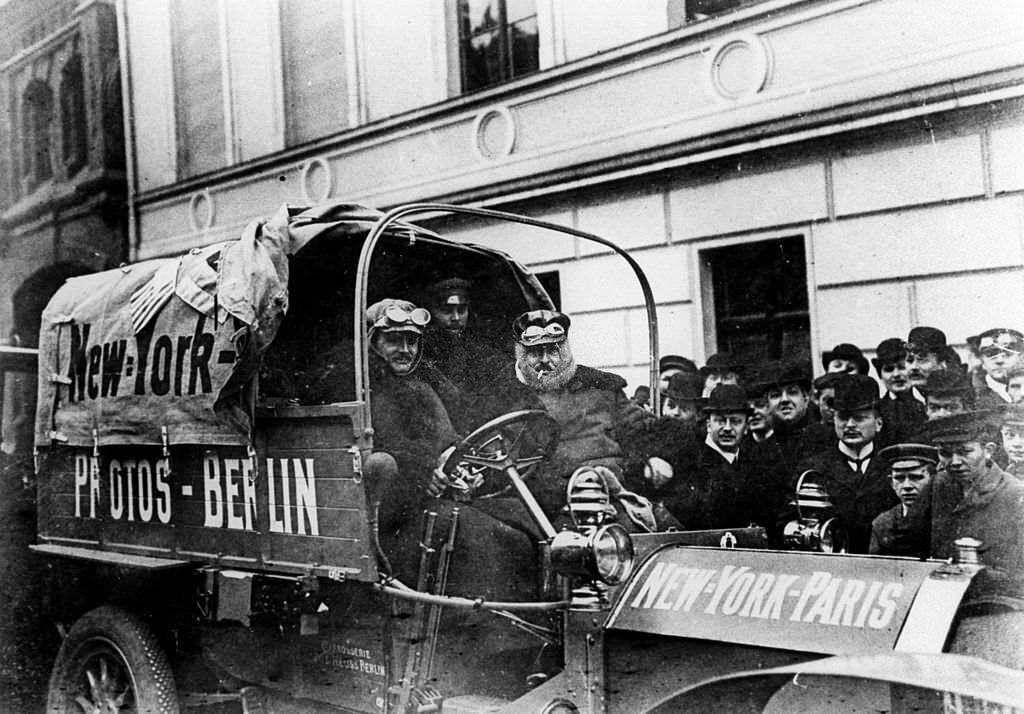
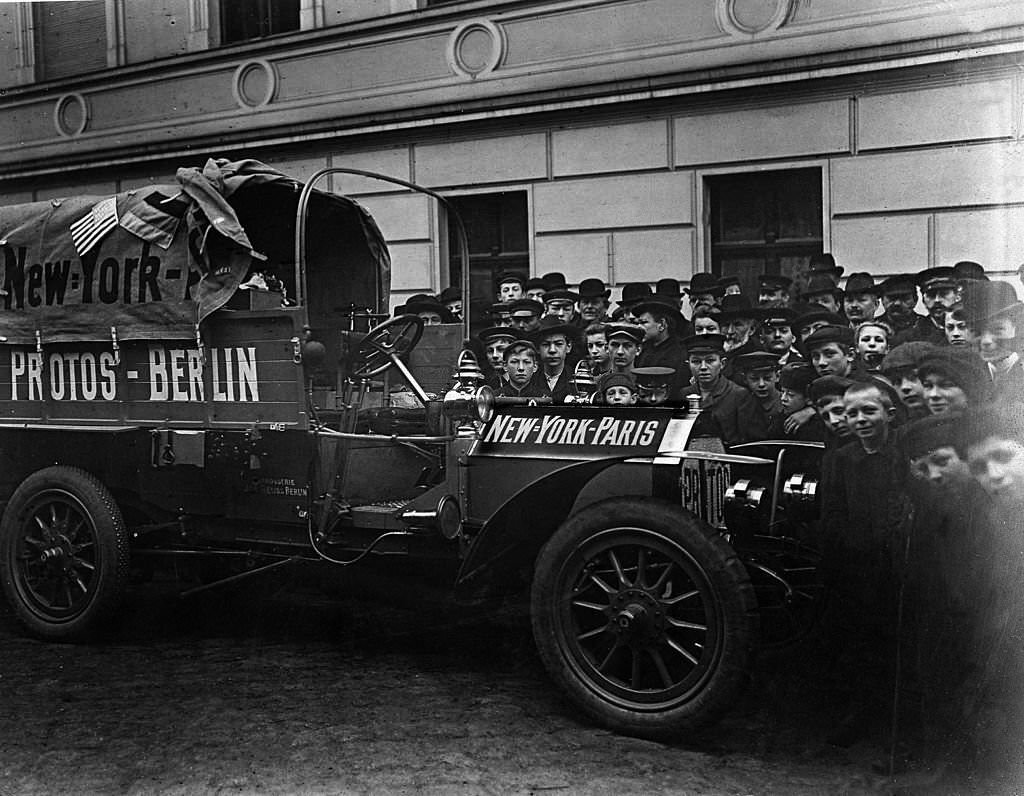
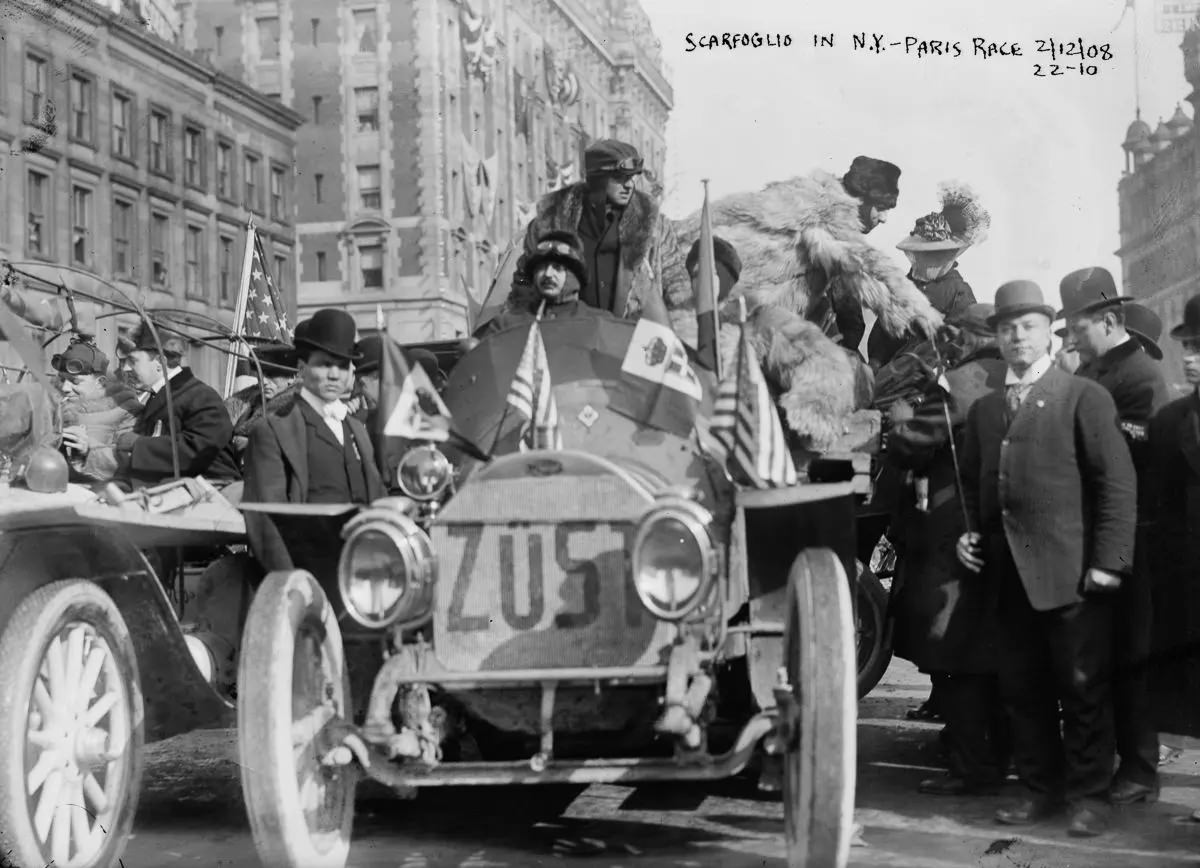
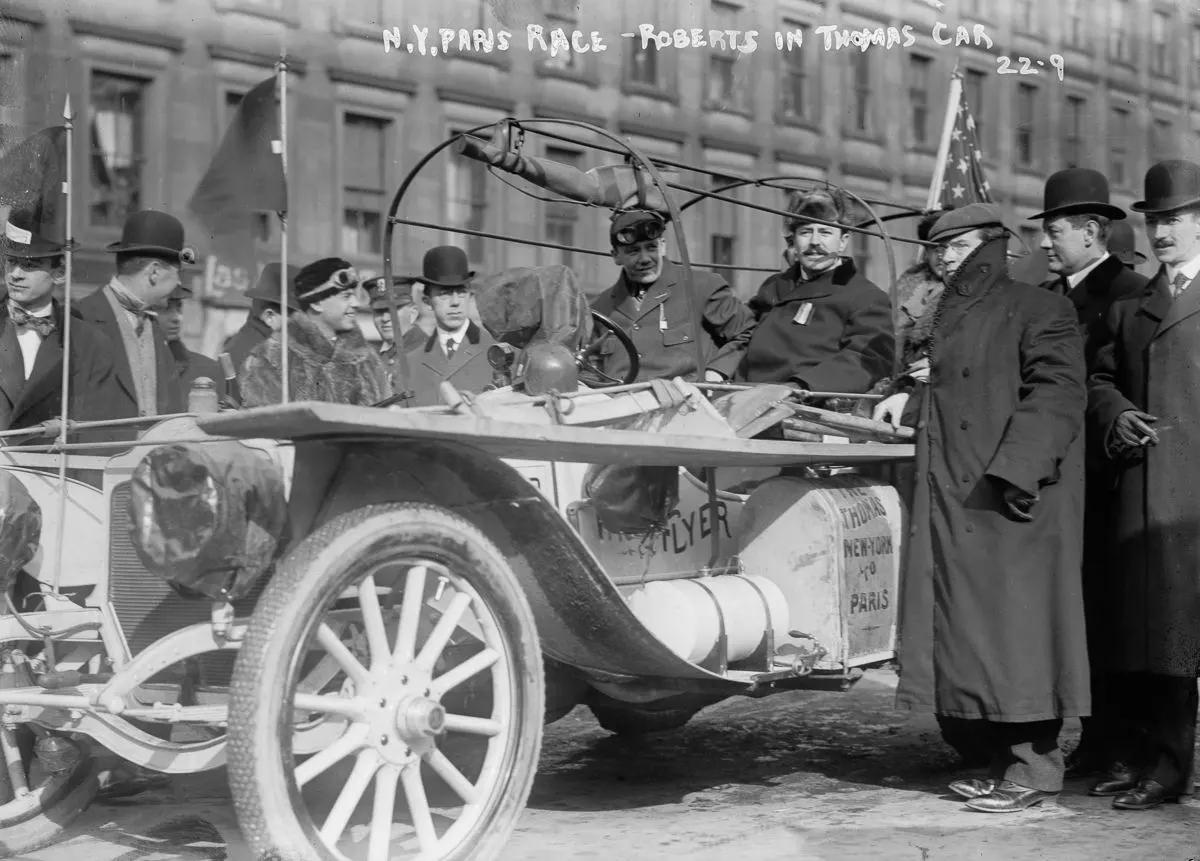
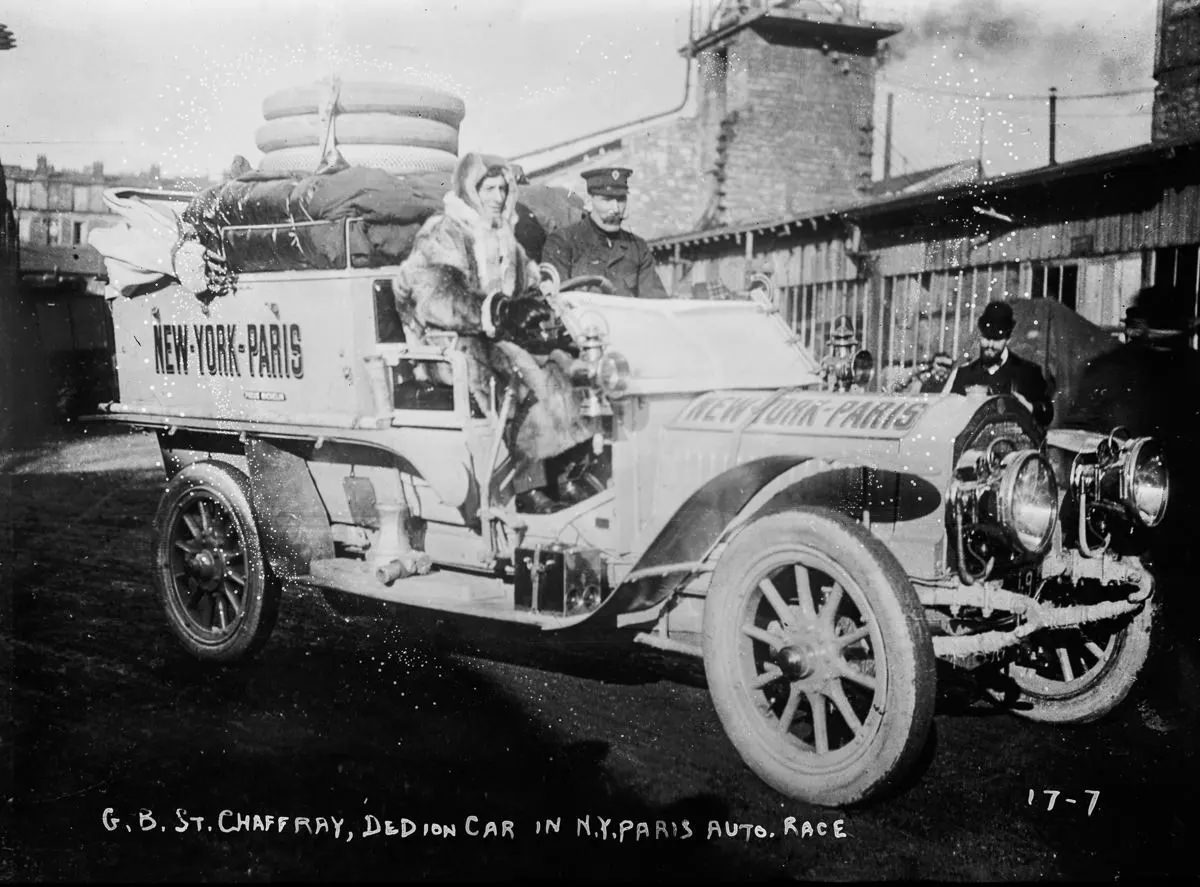
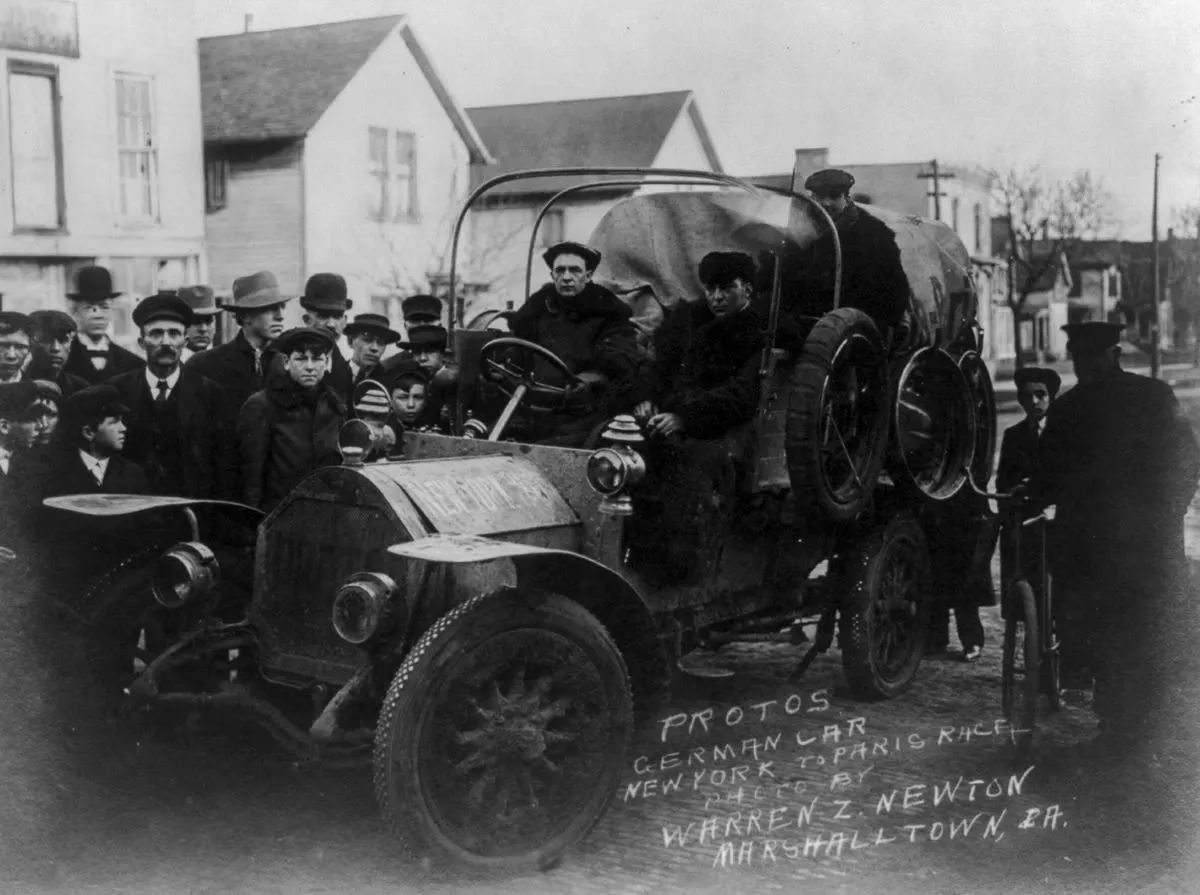
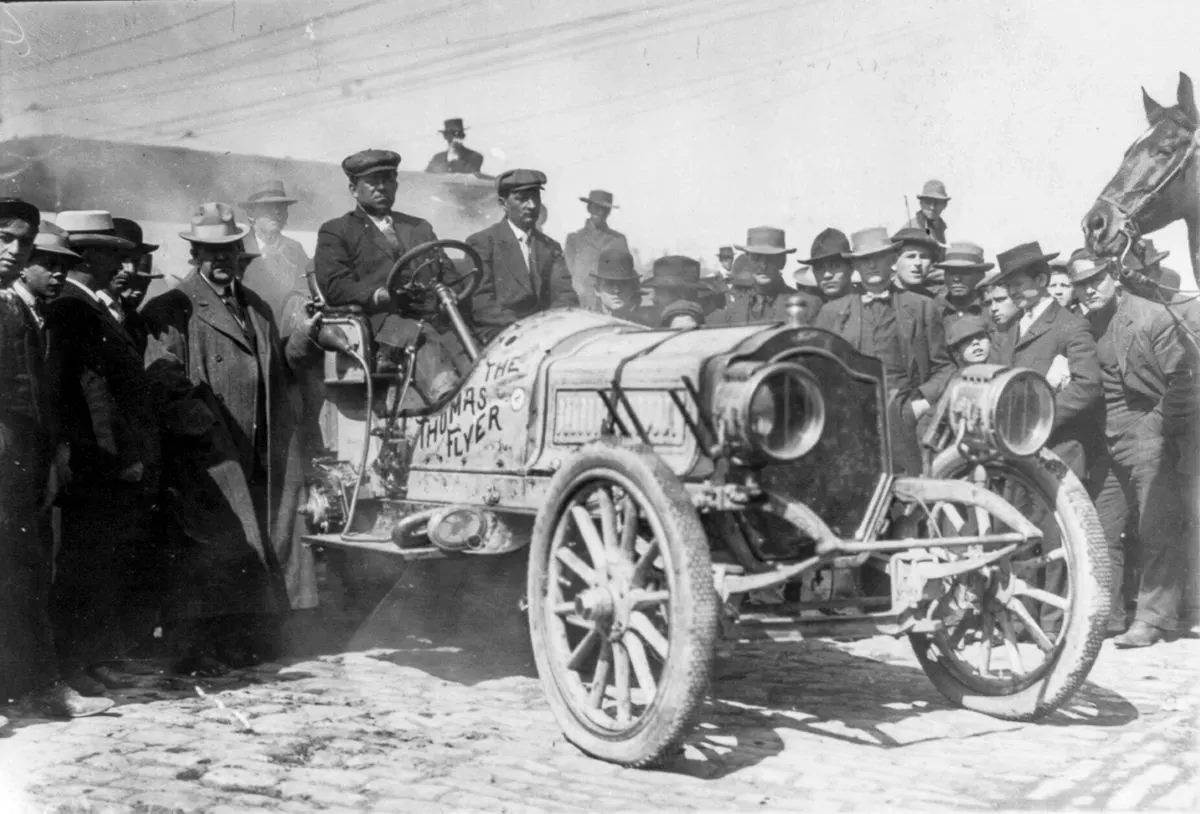
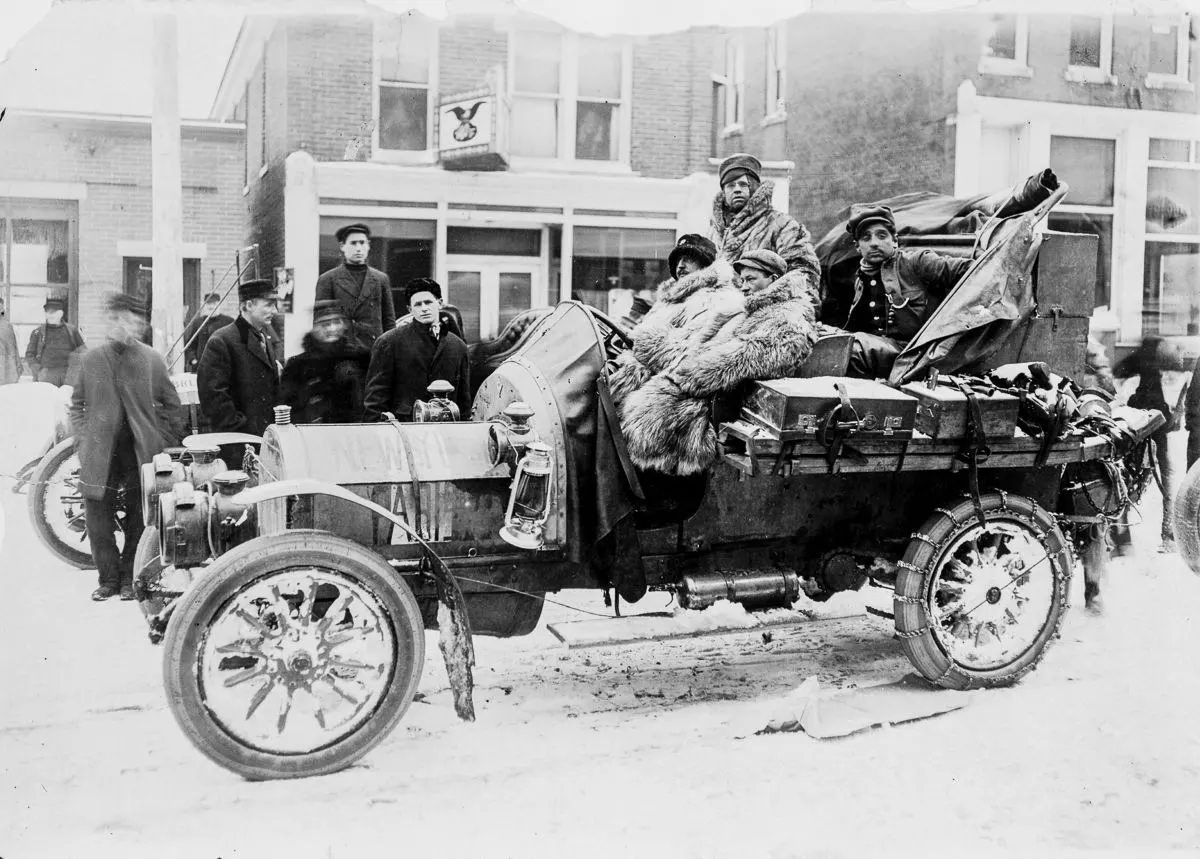
The nations competing were Germany, France, Italy, and the United States. Germany entered a Protos, driven by Lieutenant Hans Koeppen. Italy sent a Zust, with driver Emilio Sirtori and journalist Antonio Scarfoglio on board. France entered three cars: a De Dion-Bouton, a Motobloc, and a Sizaire-Naudin. The United States entered a Thomas Flyer, driven by Buffalo’s own George Schuster, who also served as the car’s mechanic.
The American entry almost didn’t happen. Theodore Roosevelt, concerned that European cars would cross the country without any American challenge, pushed for U.S. participation. Buffalo’s Pierce-Arrow, a well-established automaker, turned down the invitation. At the last minute, the Thomas Automobile Company — also from Buffalo — pulled a production car straight off the factory floor and entered the race.
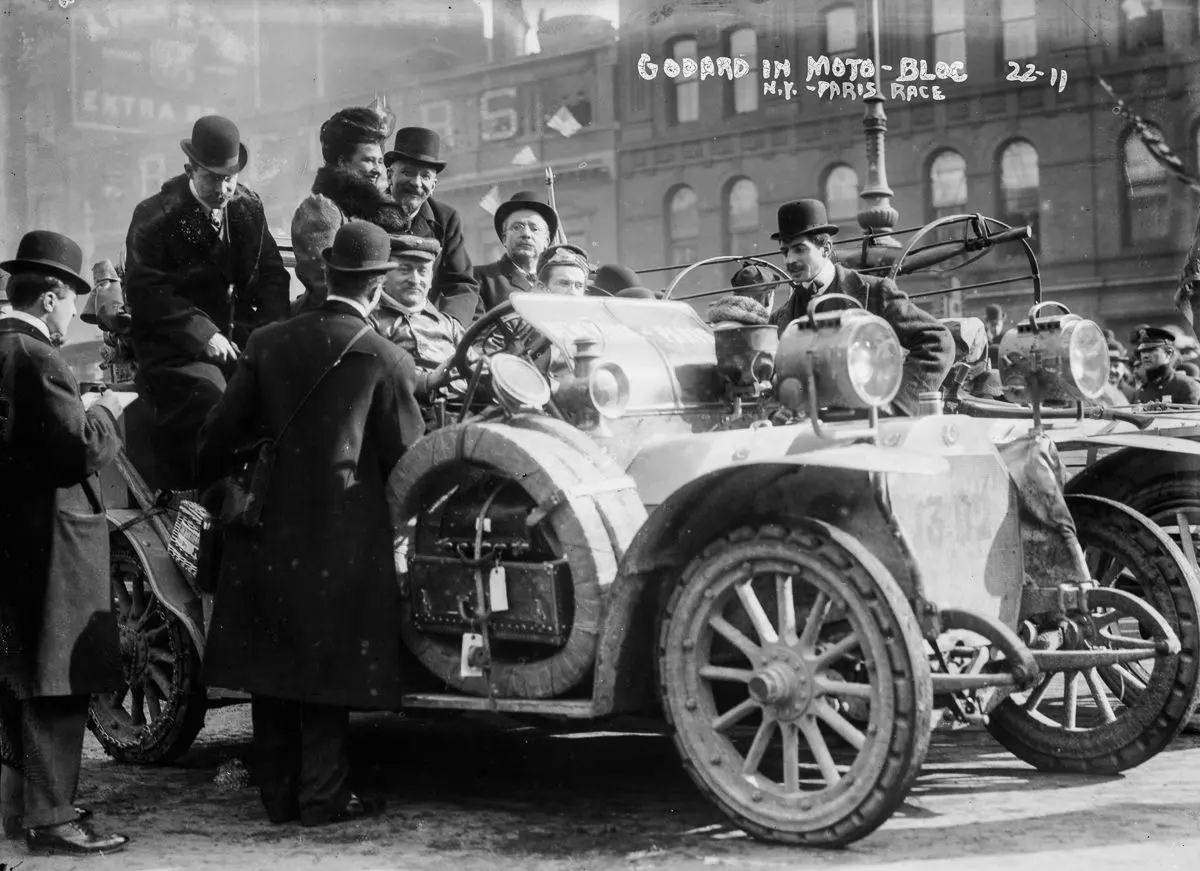
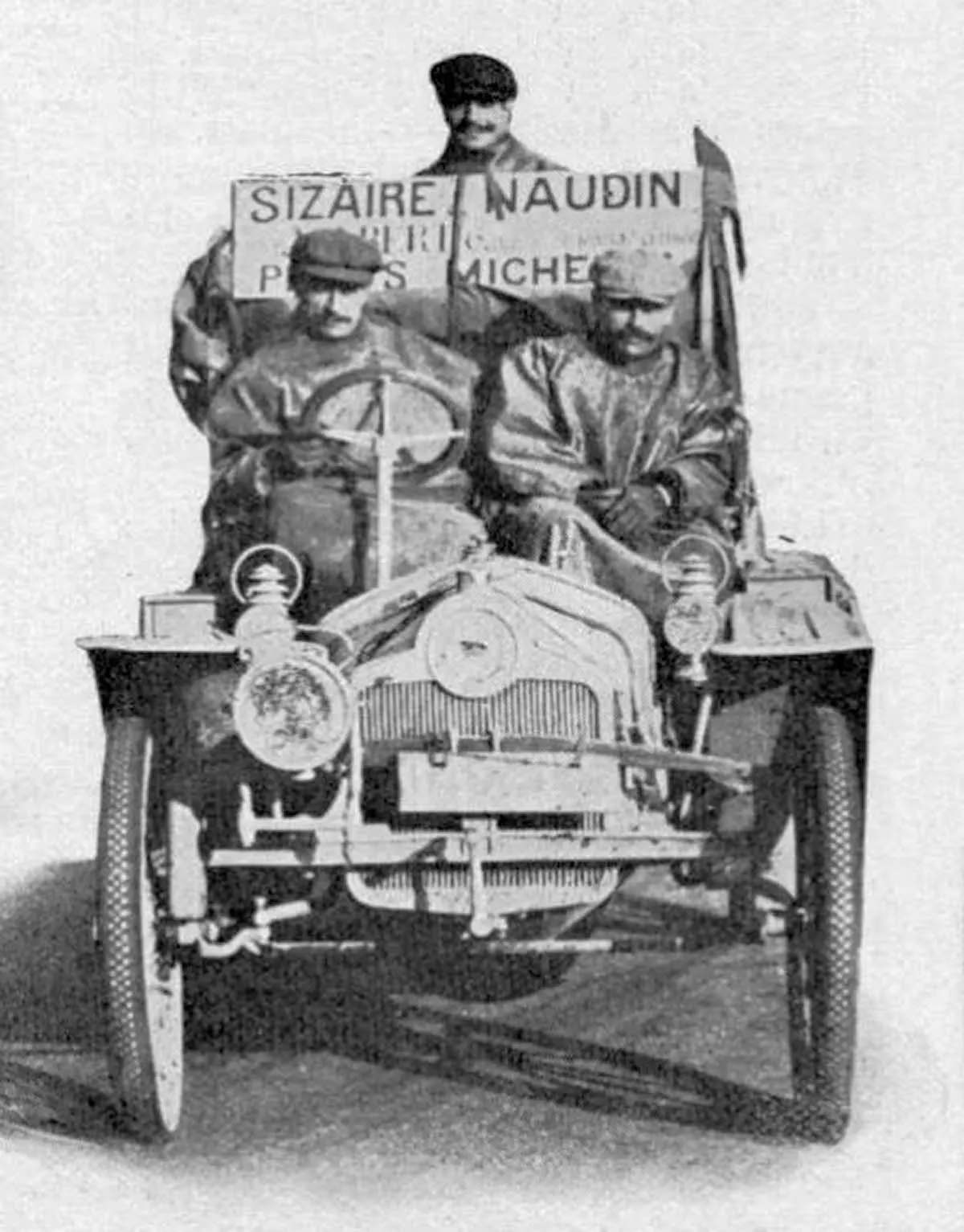
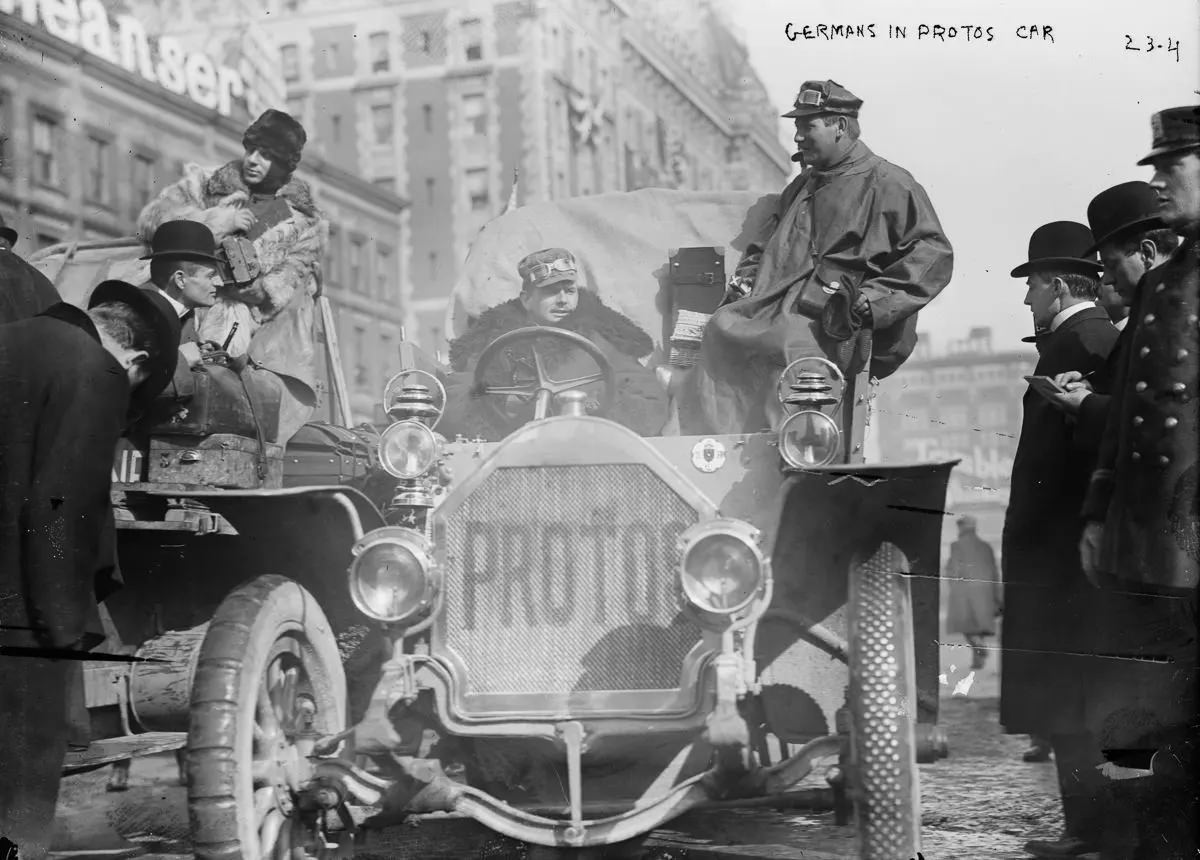
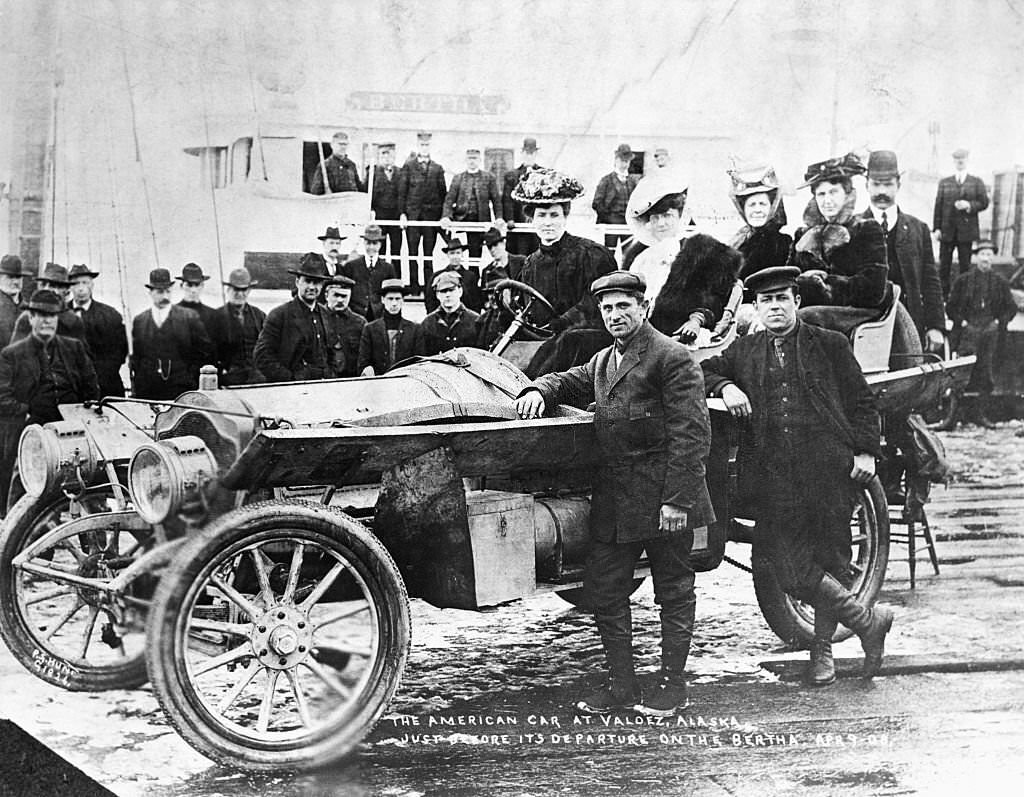
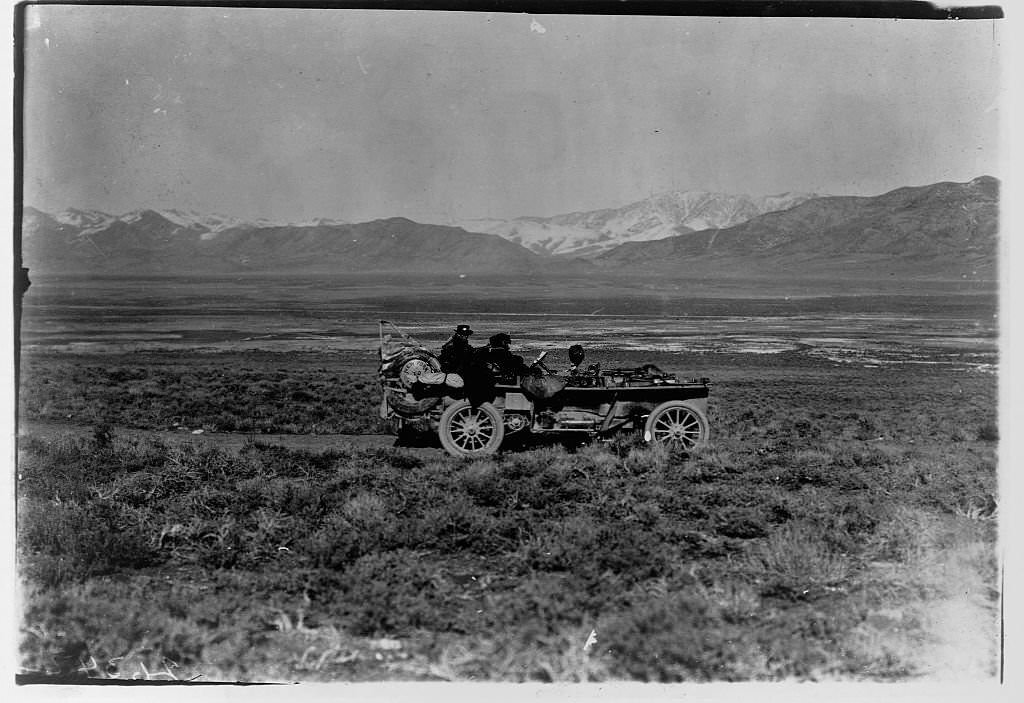
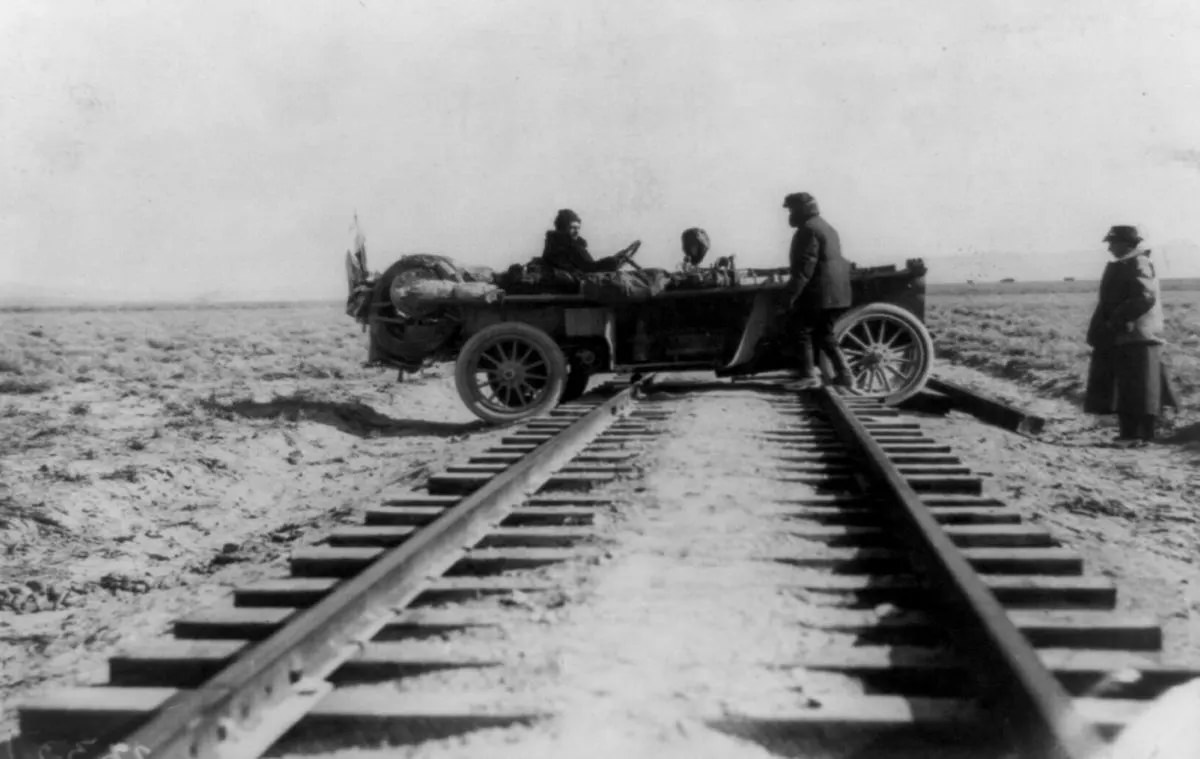
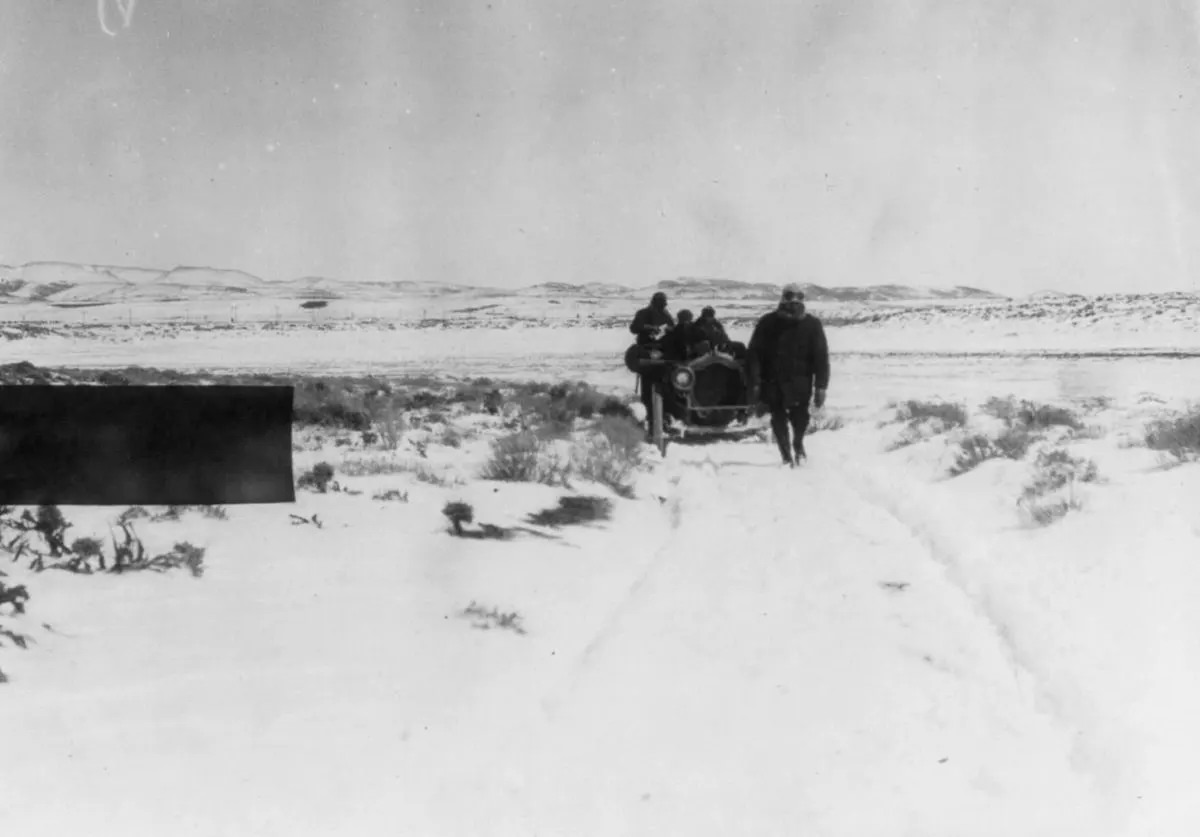
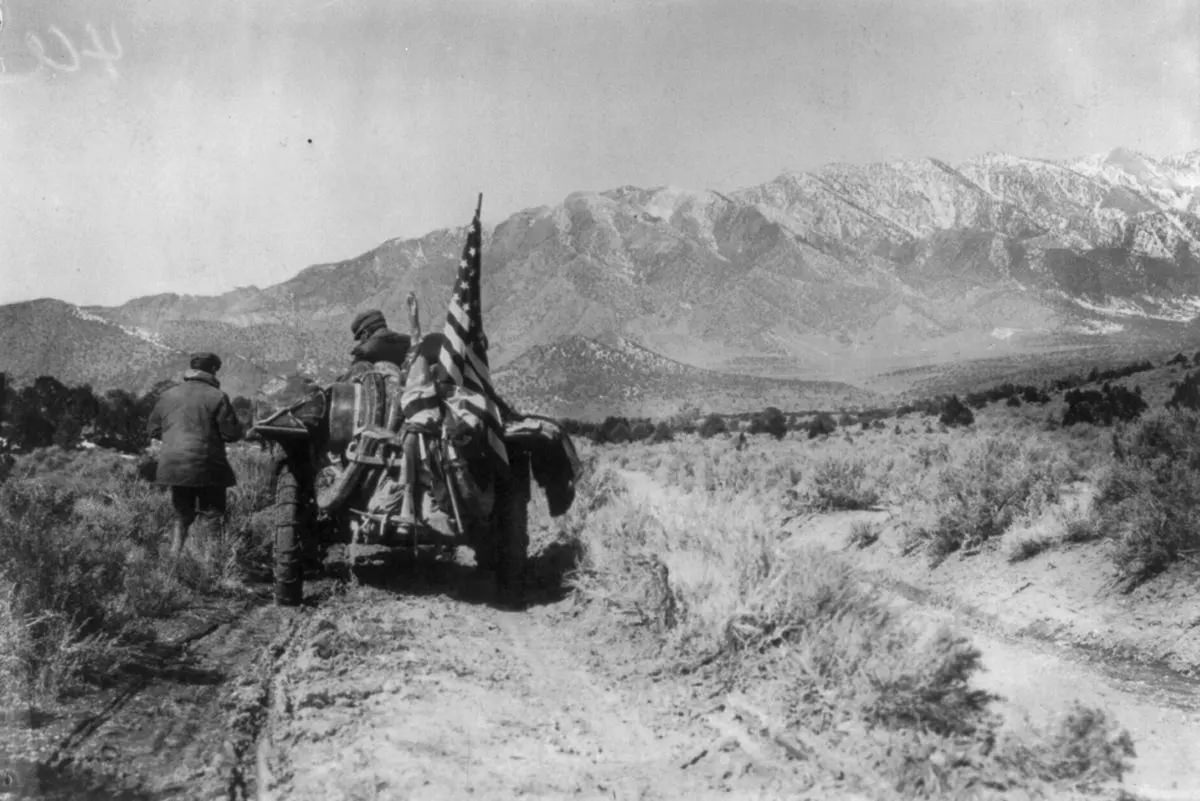
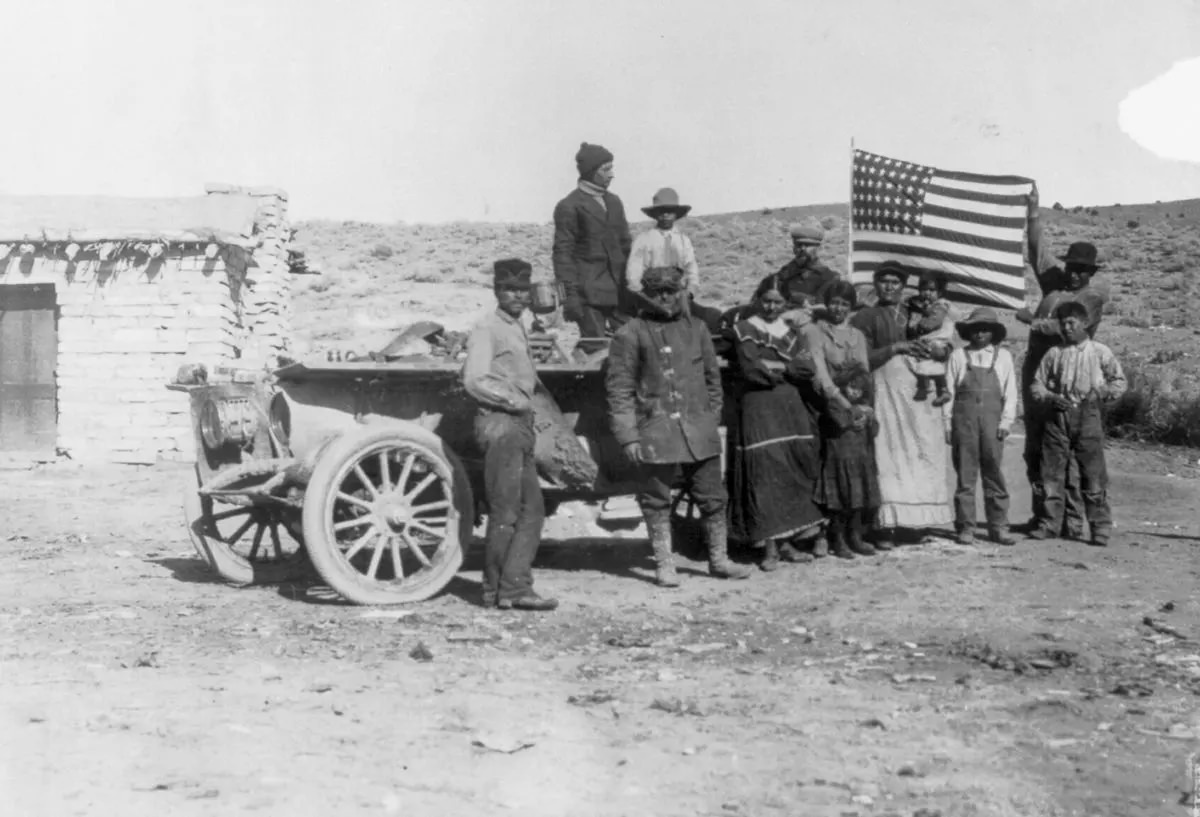
The planned route was staggering in scope. The cars would first cross the entire United States — through regions with almost no roads — then travel to Alaska, cross the frozen Bering Strait by ice, push through Siberia to Moscow, and finally drive the last leg into Paris. This was the first-ever winter crossing of the United States by automobile. That portion alone took 41 days, 8 hours, and 15 minutes.
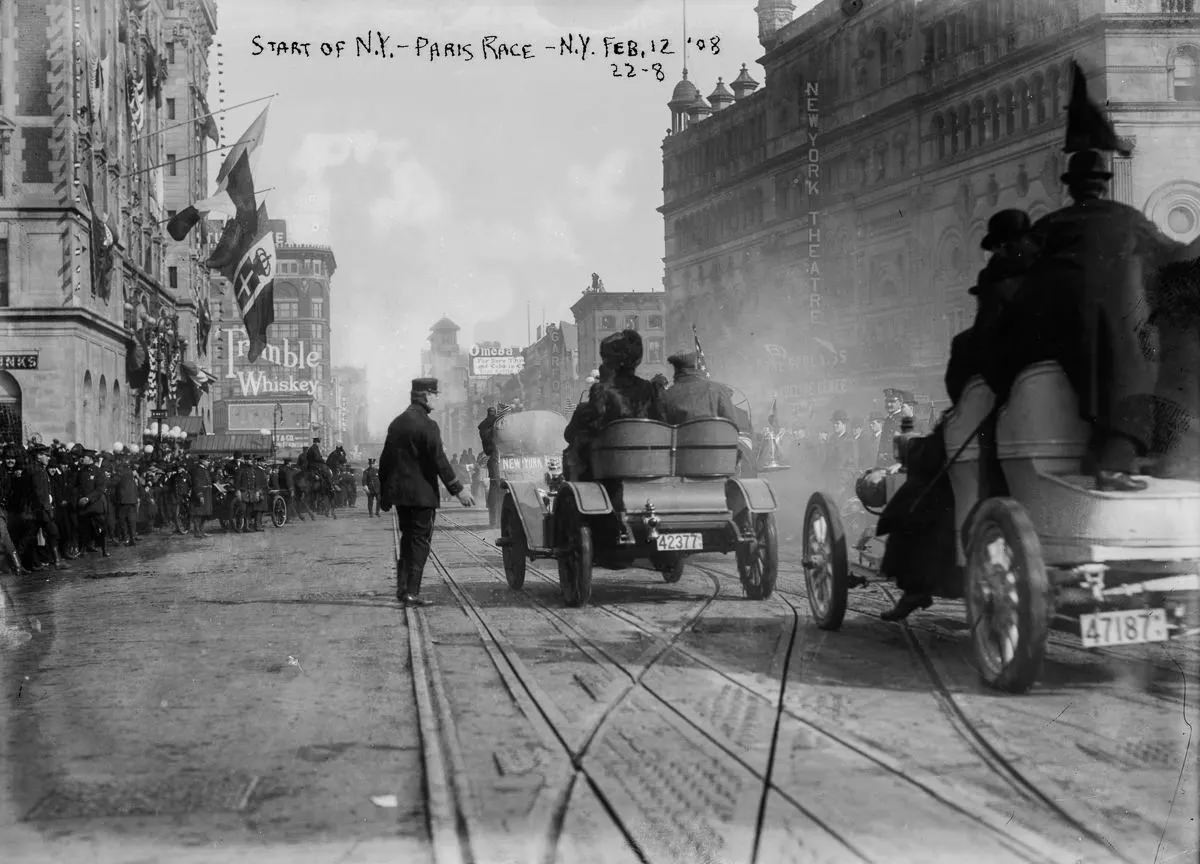
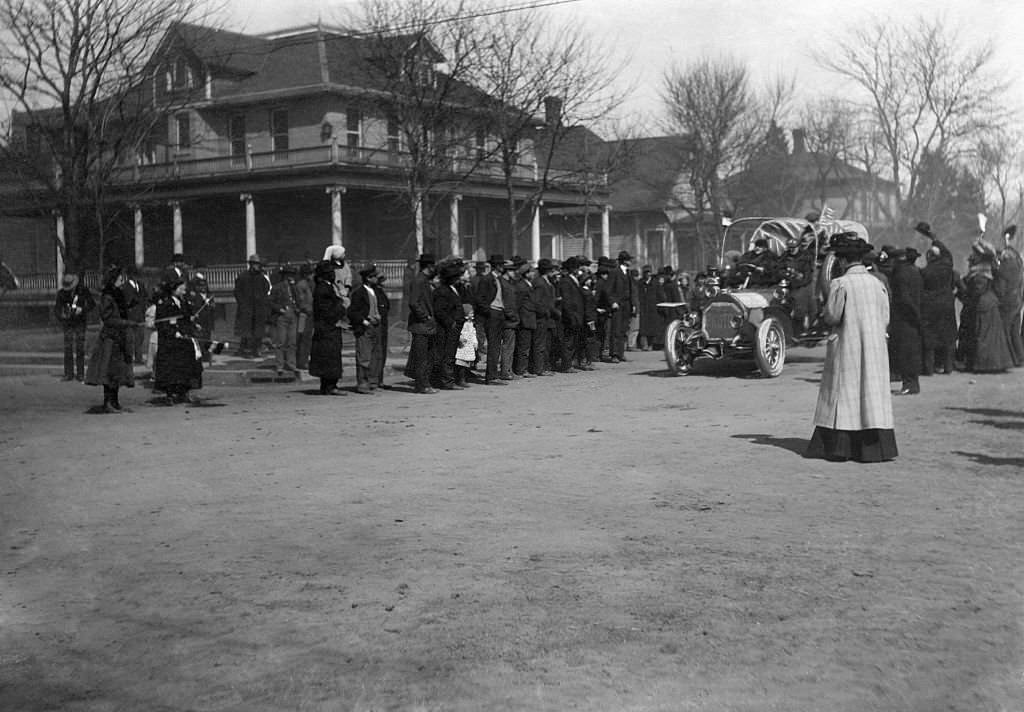
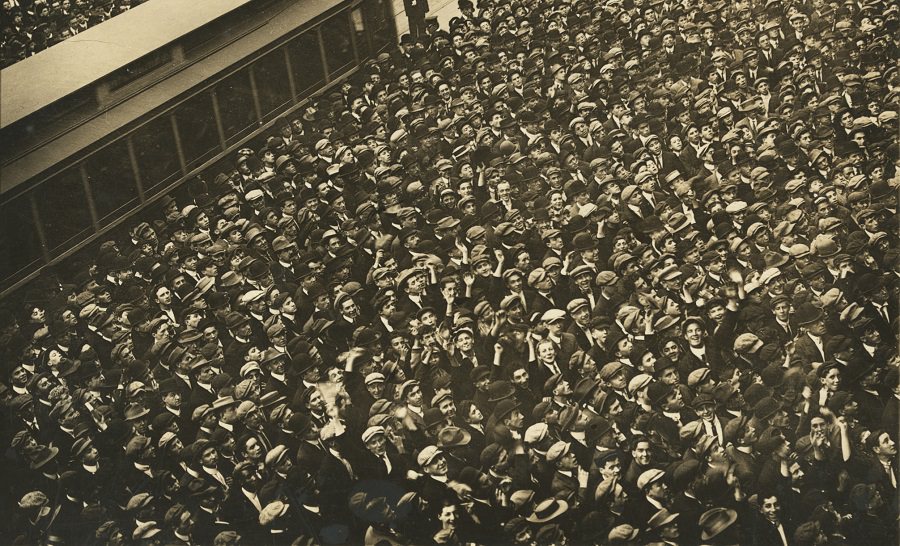
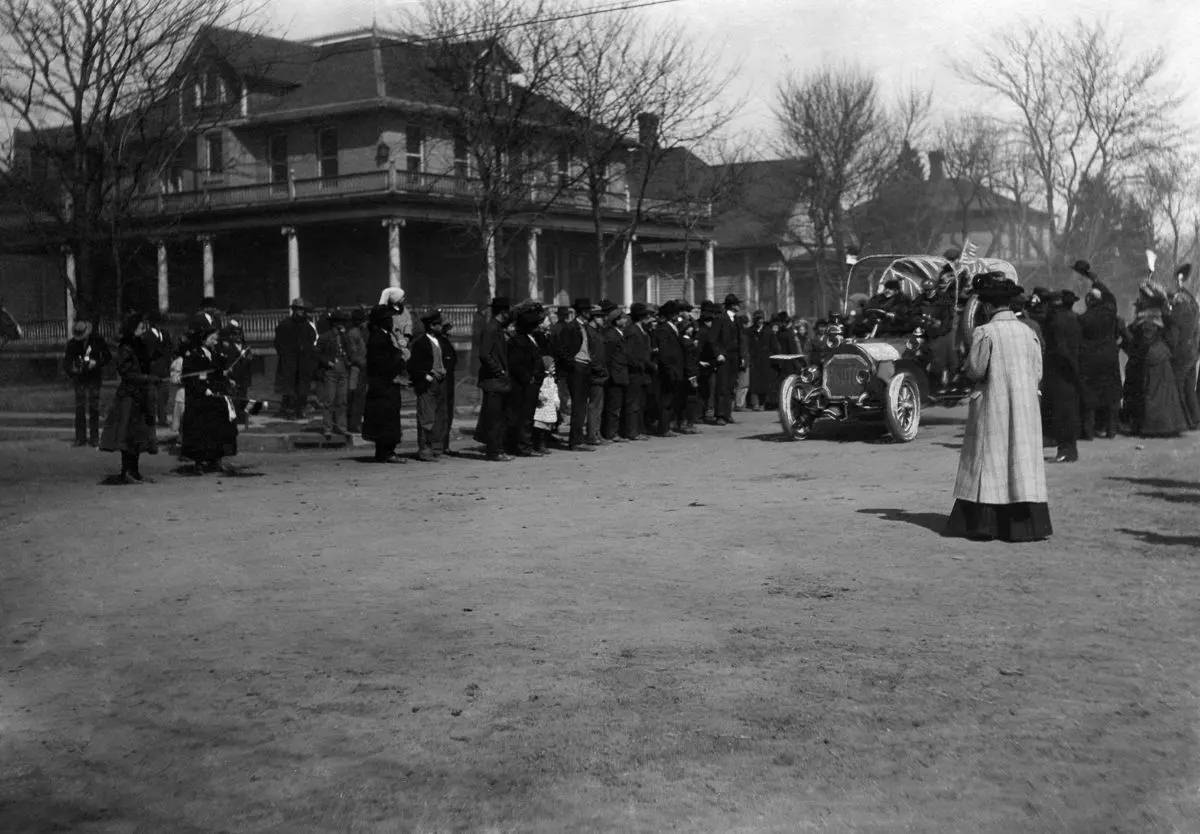
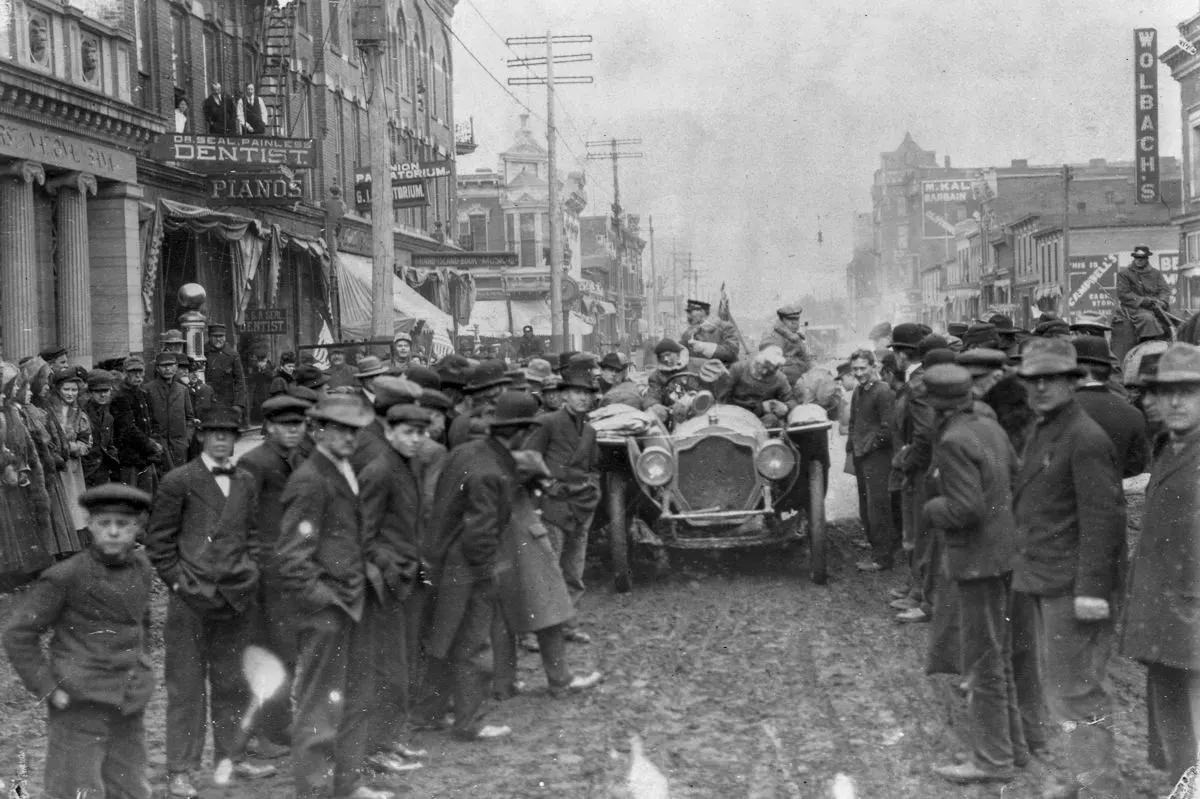
The crowds that turned out to watch were massive. As the cars pushed westward, a line of onlookers stretched from California to Iowa. The Zust was in Omaha, the De Dion was in Cedar Rapids, the Motobloc was in Maple Park, Illinois, and the Protos was in Geneva, Illinois. Each city along the route treated the passing cars as a spectacle unlike anything residents had witnessed.
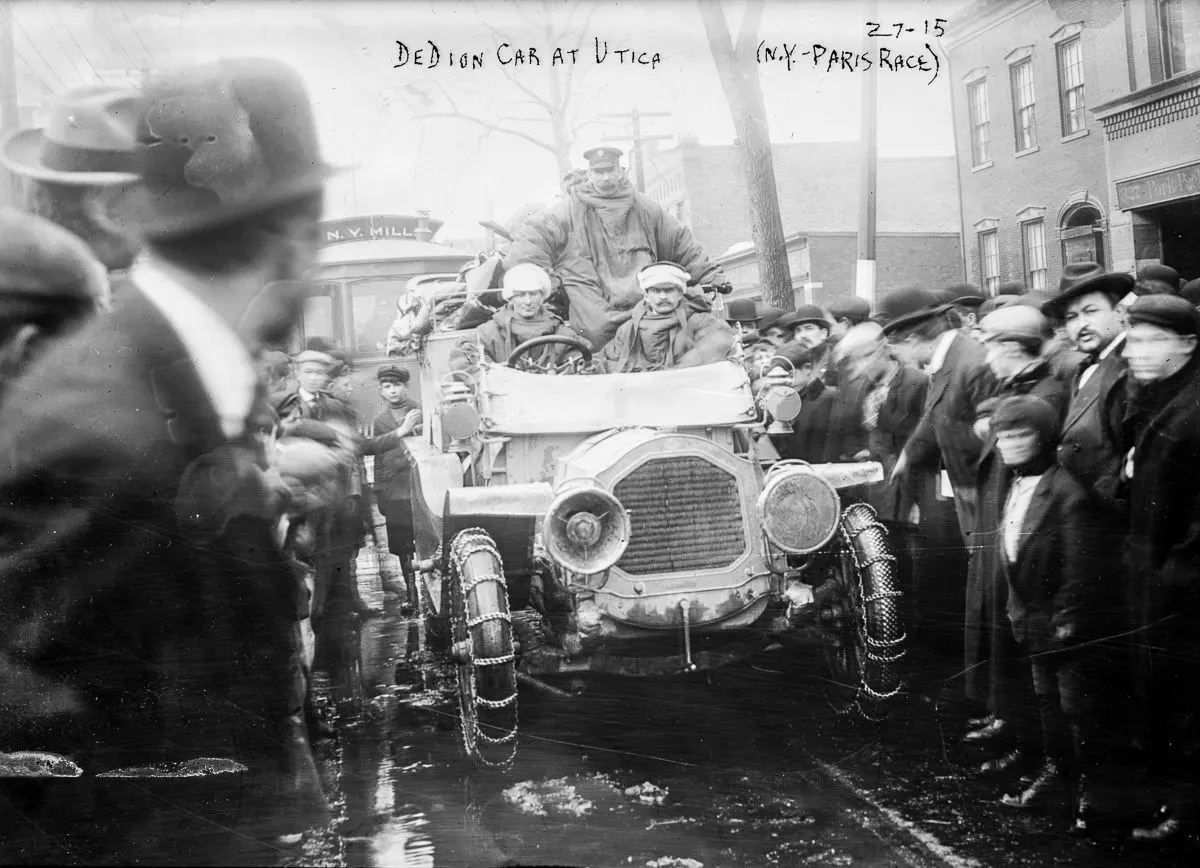
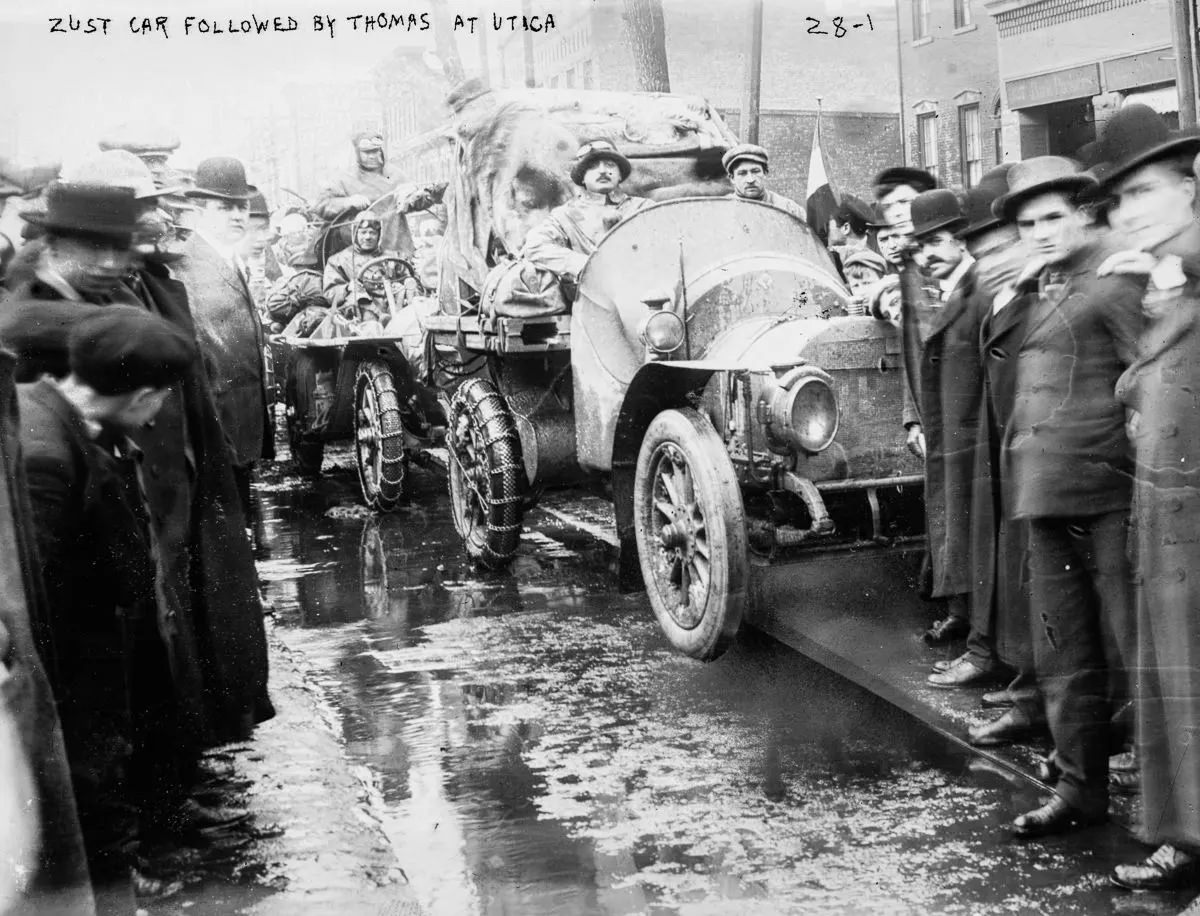
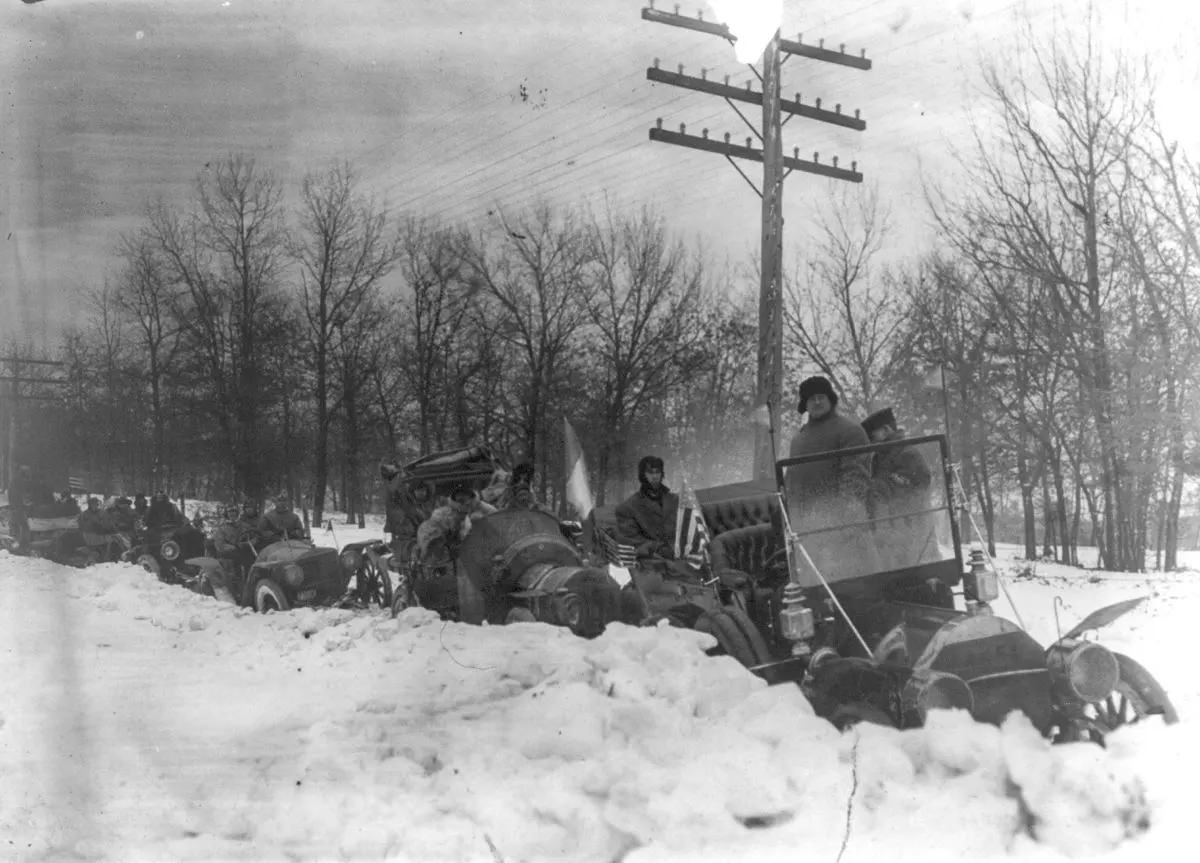
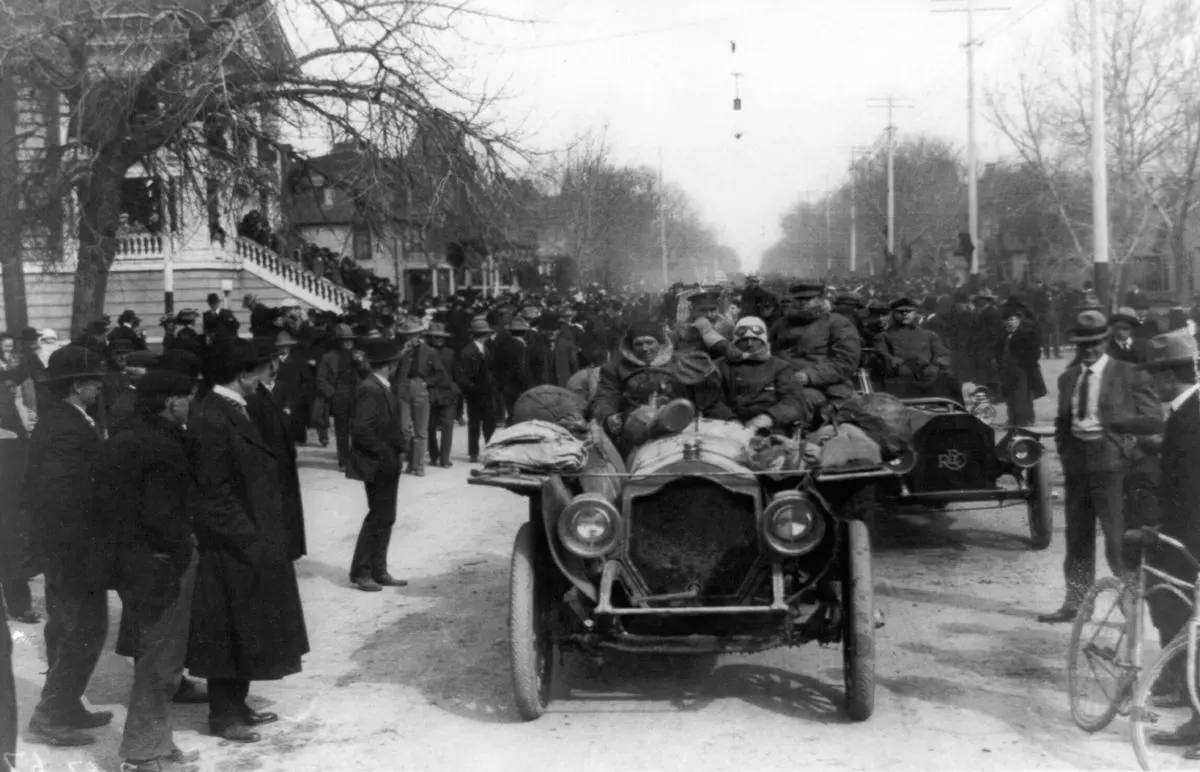
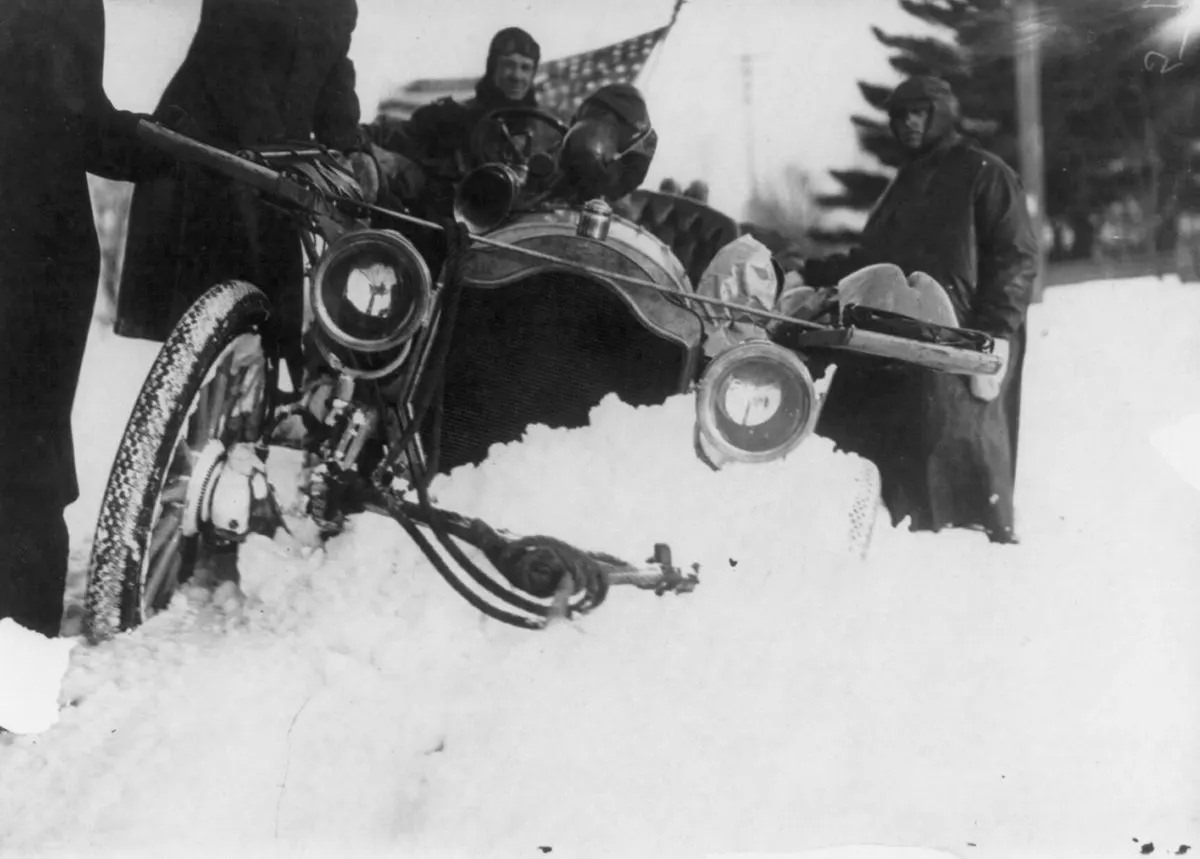
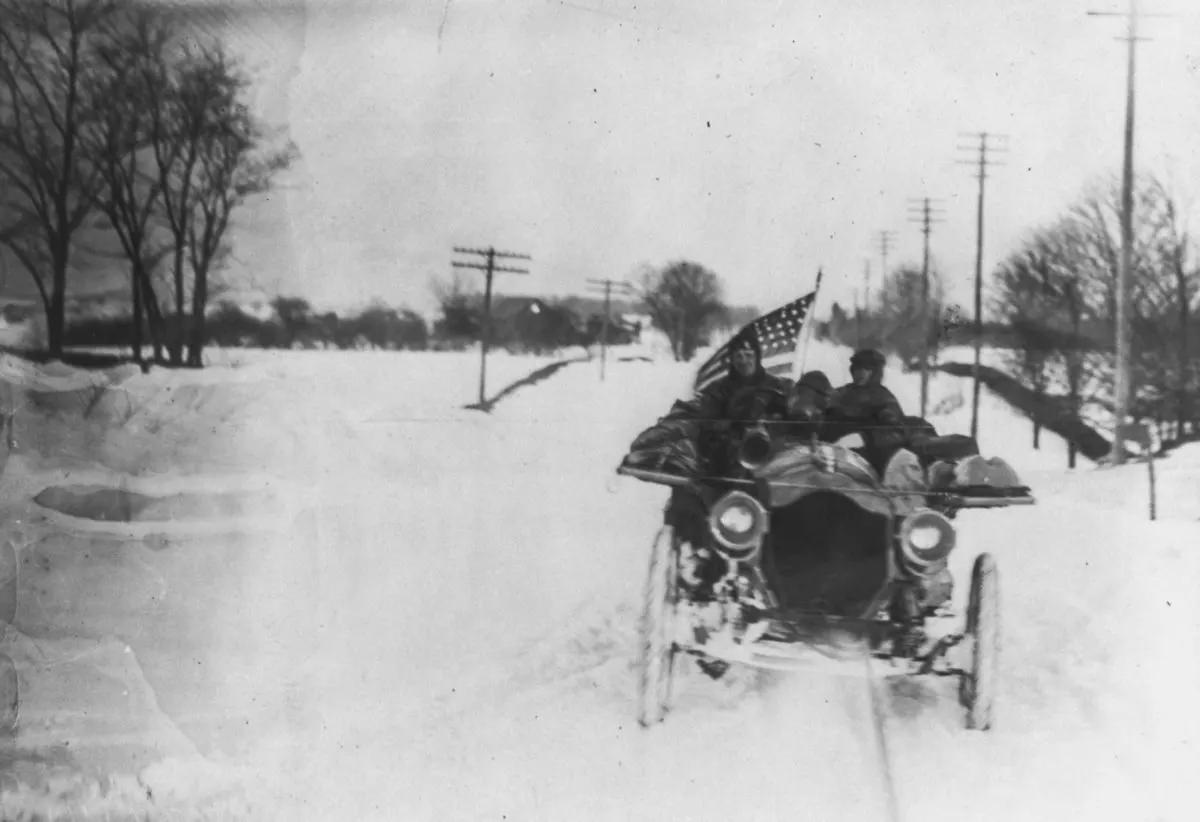
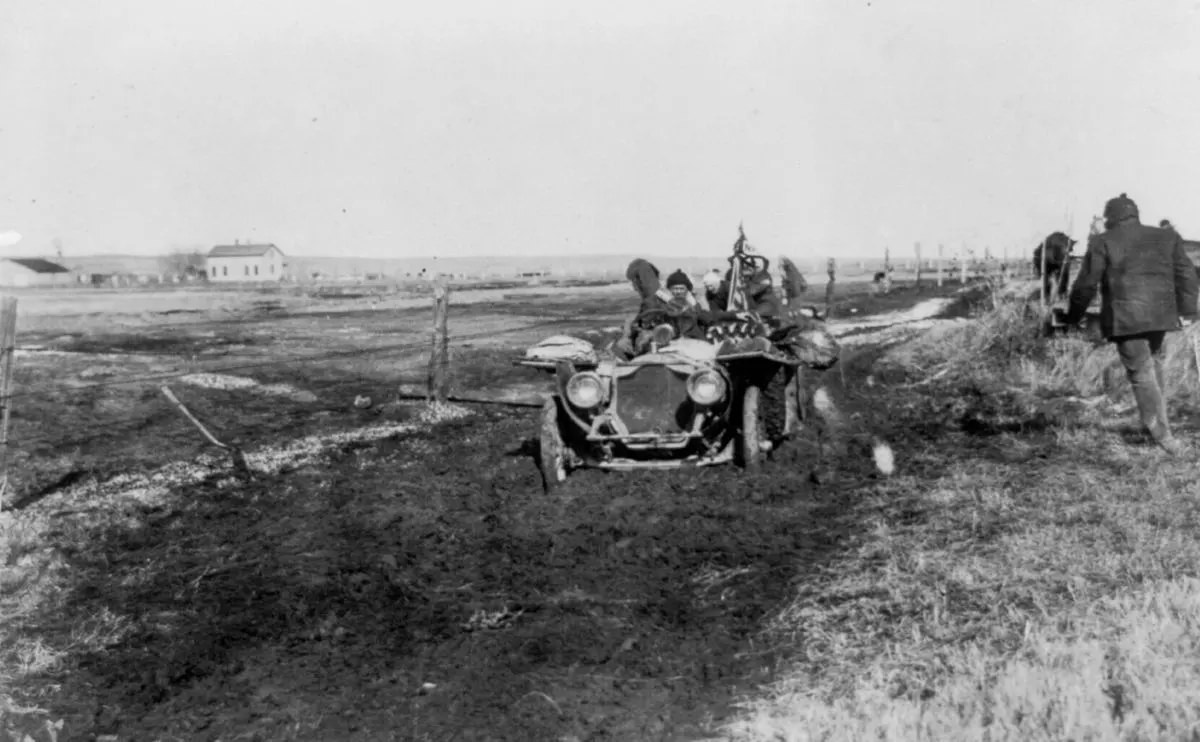
Mechanical problems began taking their toll early. One of the French cars was forced to withdraw due to breakdowns before the race had even cleared the American Midwest. The surviving cars pressed on through mud, snow, and terrain that had never been touched by a motorized vehicle.
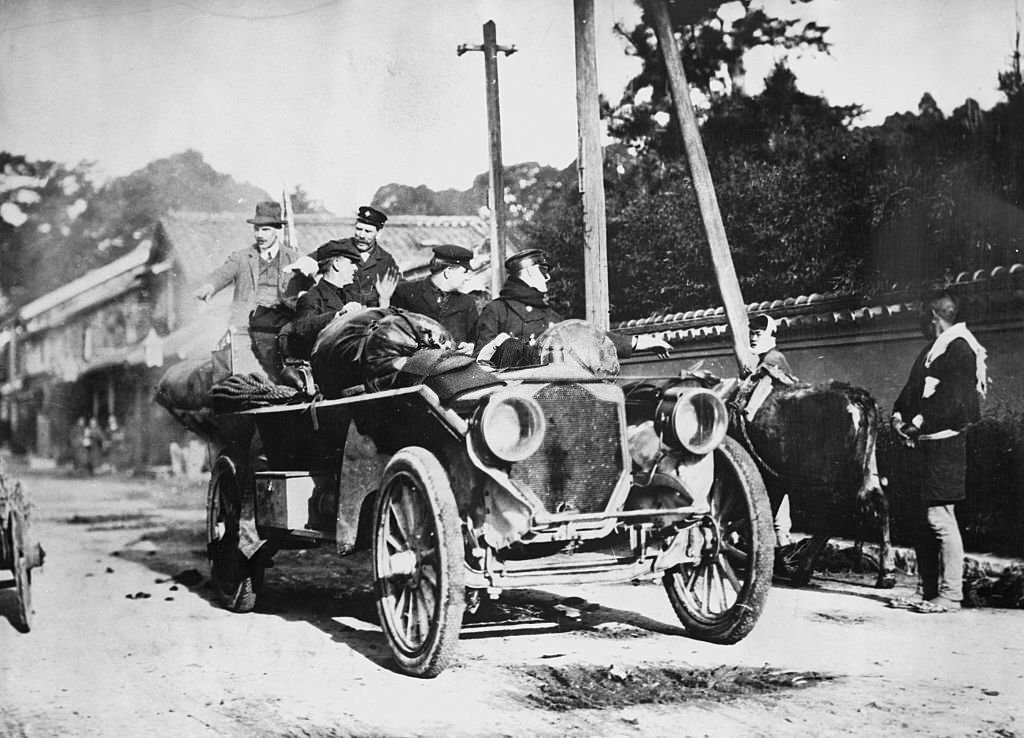
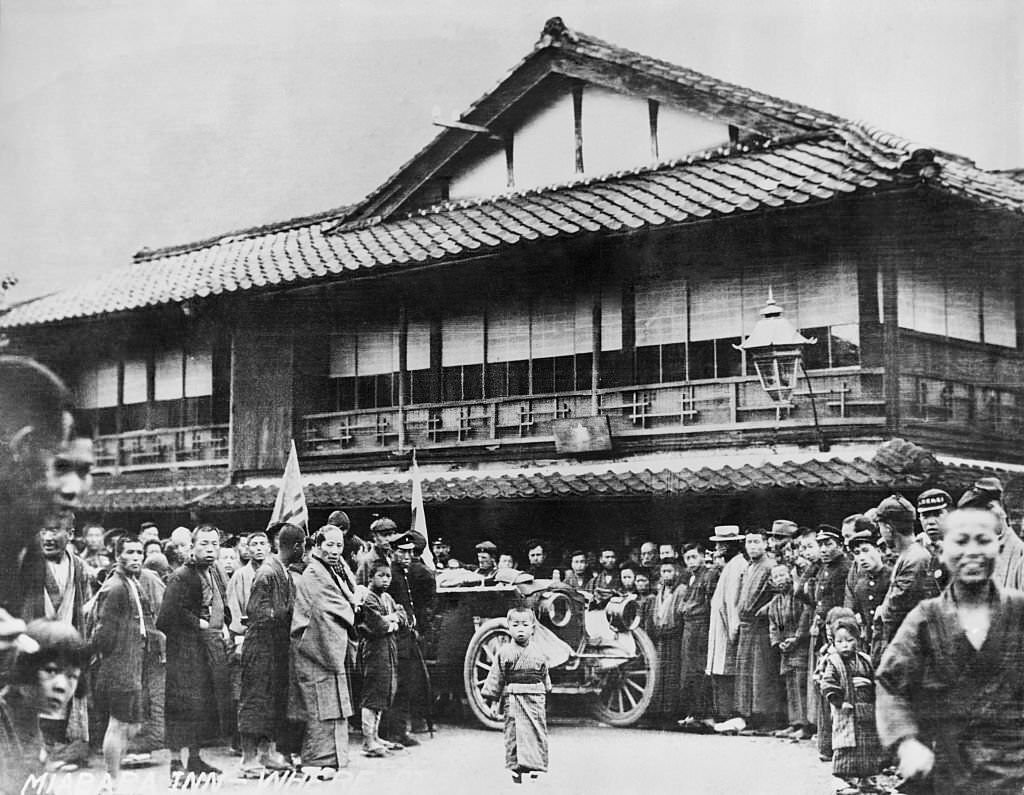
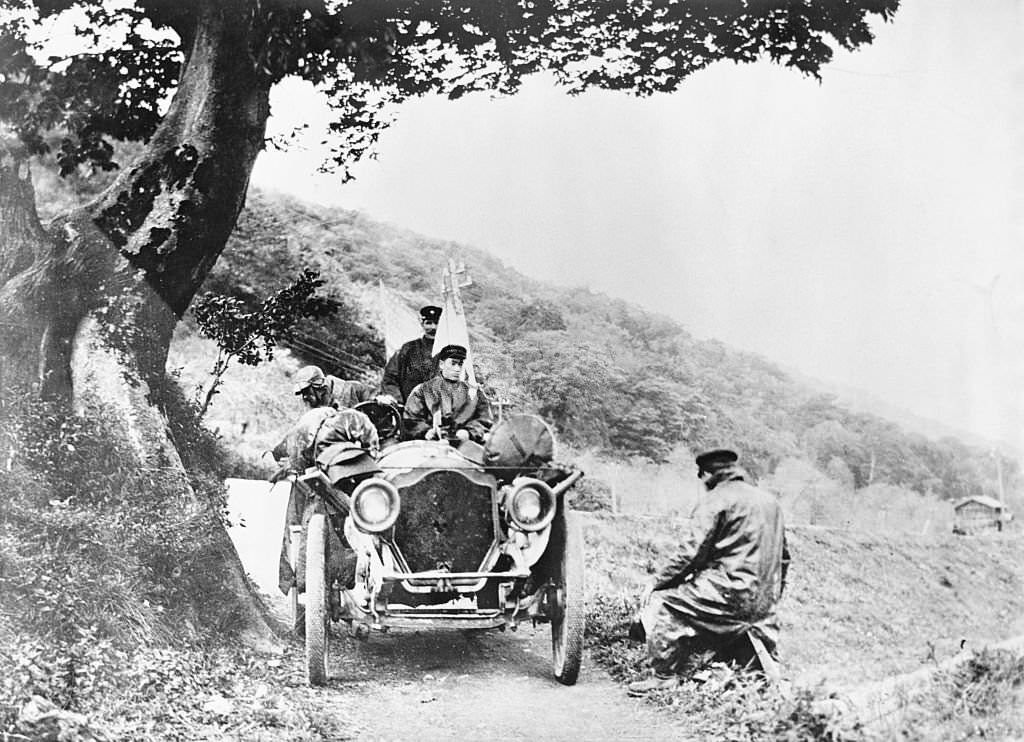
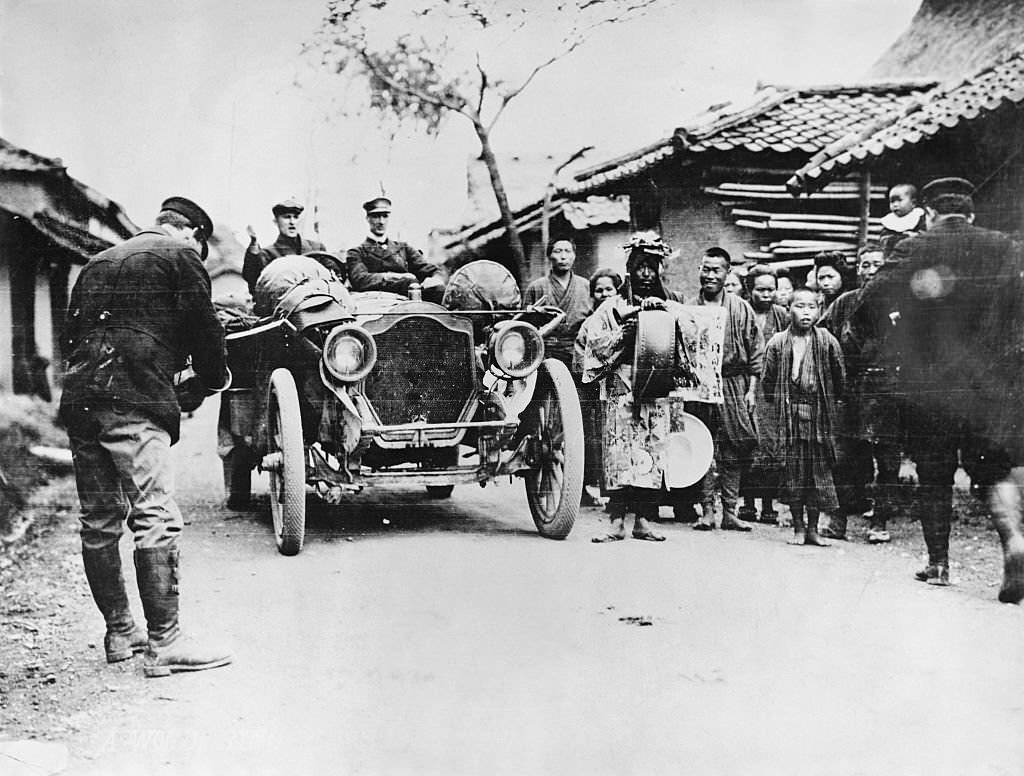
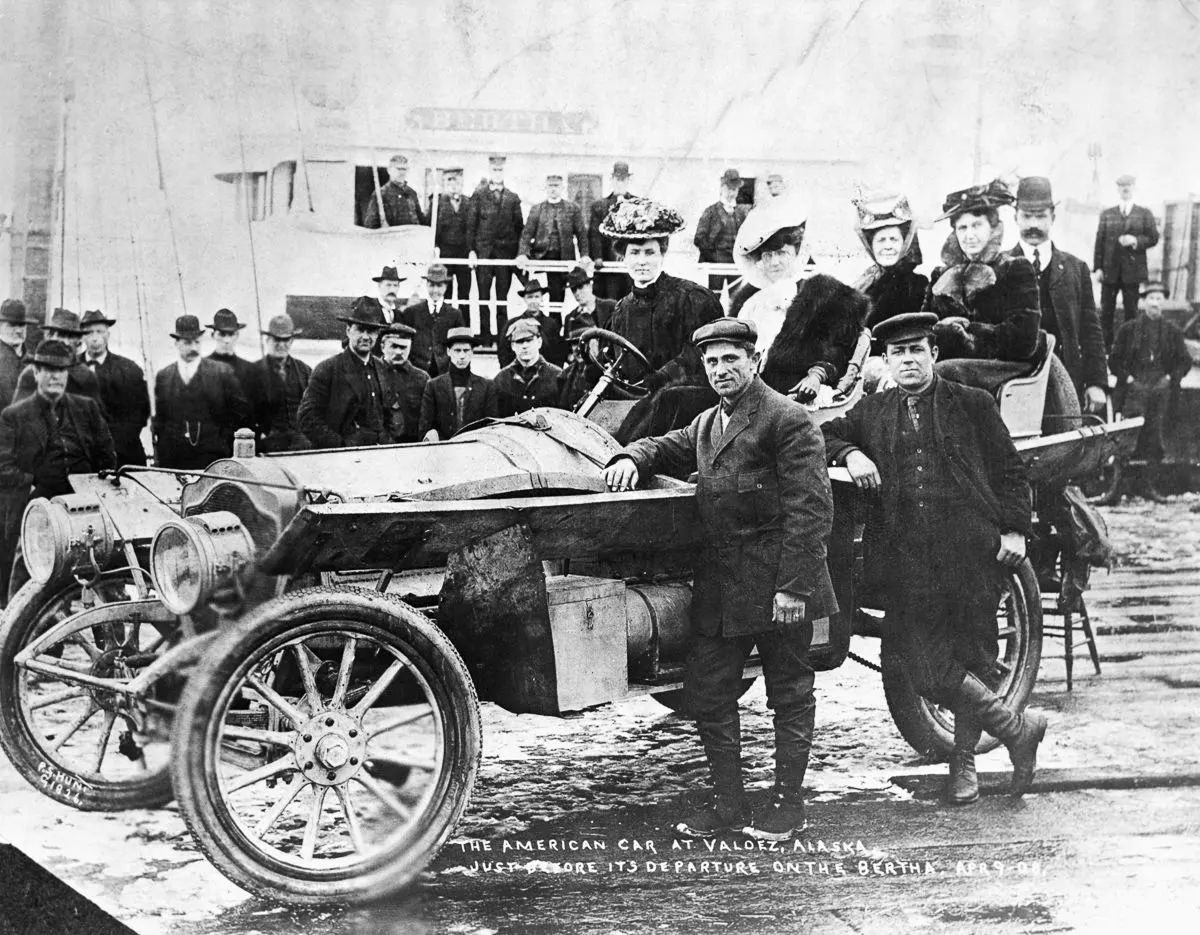
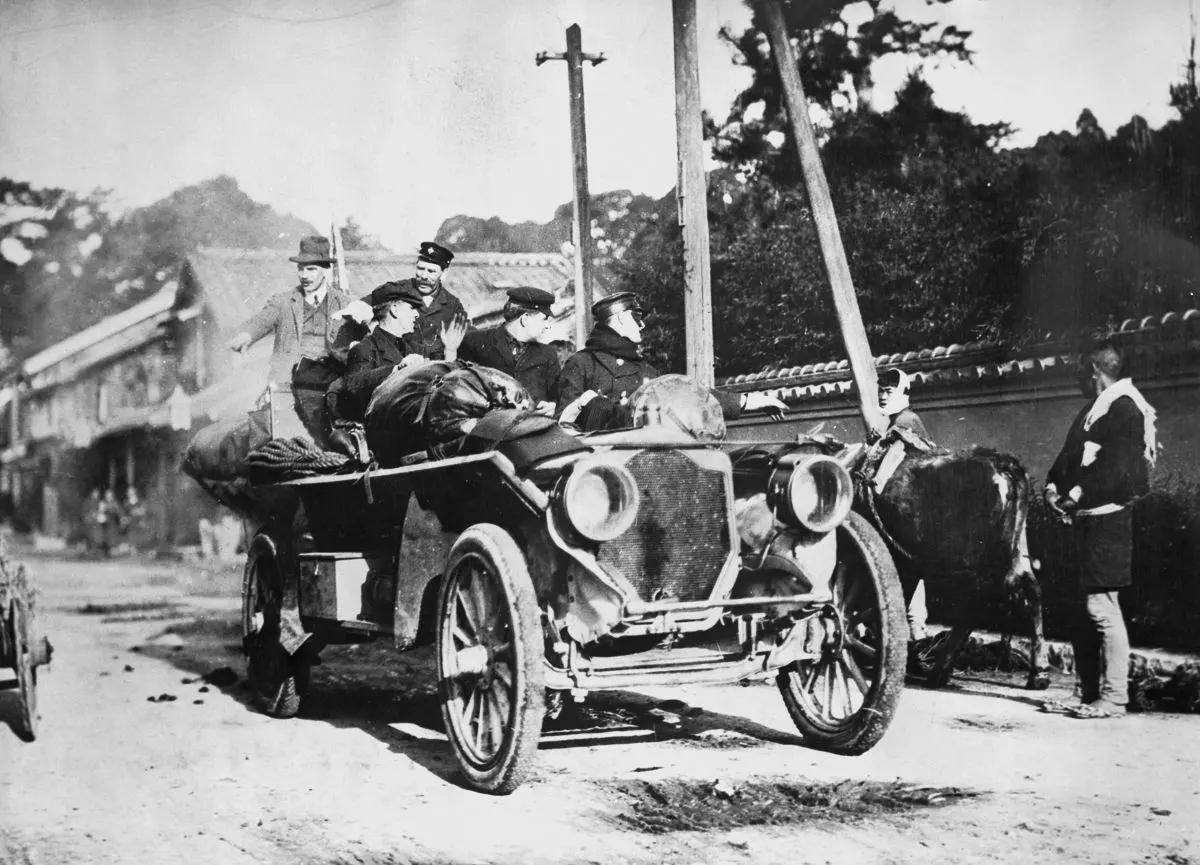
The race hit its first major crisis when the Thomas Flyer’s crew turned north toward Alaska and found conditions impossible to navigate. The Bering Strait crossing that race organizers had envisioned — over frozen water — was not feasible. Race officials rerouted the entire competition. Instead of crossing Alaska and the Bering Strait, the remaining cars were shipped by steamer across the Pacific to Japan.
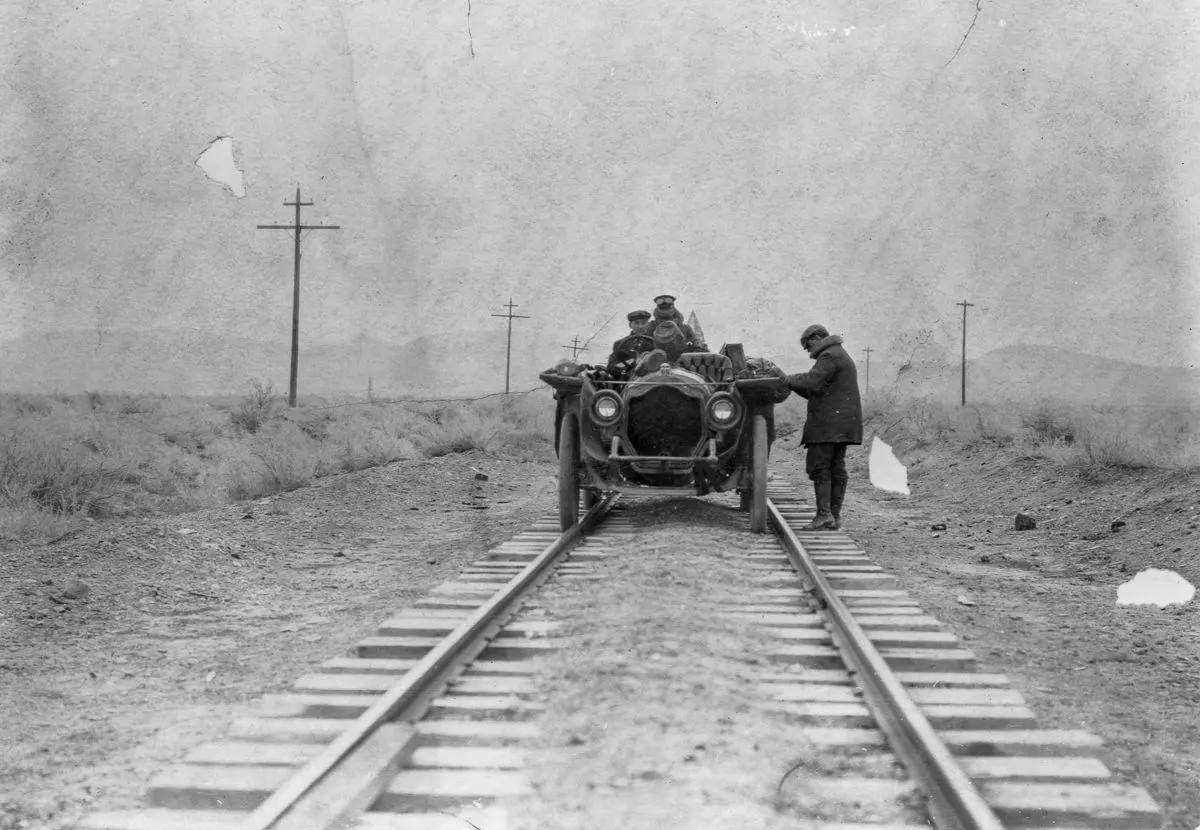
From Japan, the competitors crossed the Sea of Japan and continued by ship to Vladivostok, Siberia, where the overland push across Asia and Europe would begin. Only three cars made it past Vladivostok: the German Protos, the Italian Zust, and the American Thomas Flyer. The spring thaw turned the plains of Siberia and Manchuria into a sea of mud, making forward progress a daily struggle.
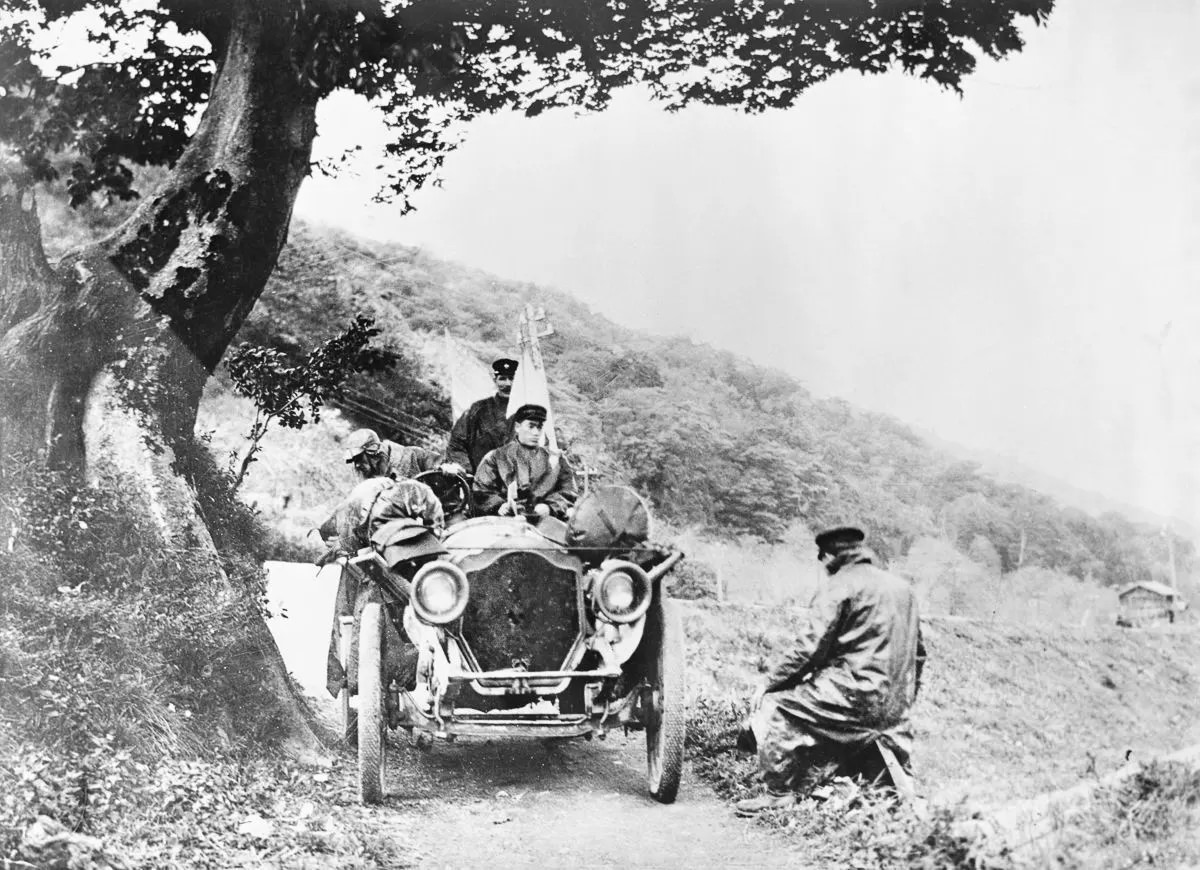
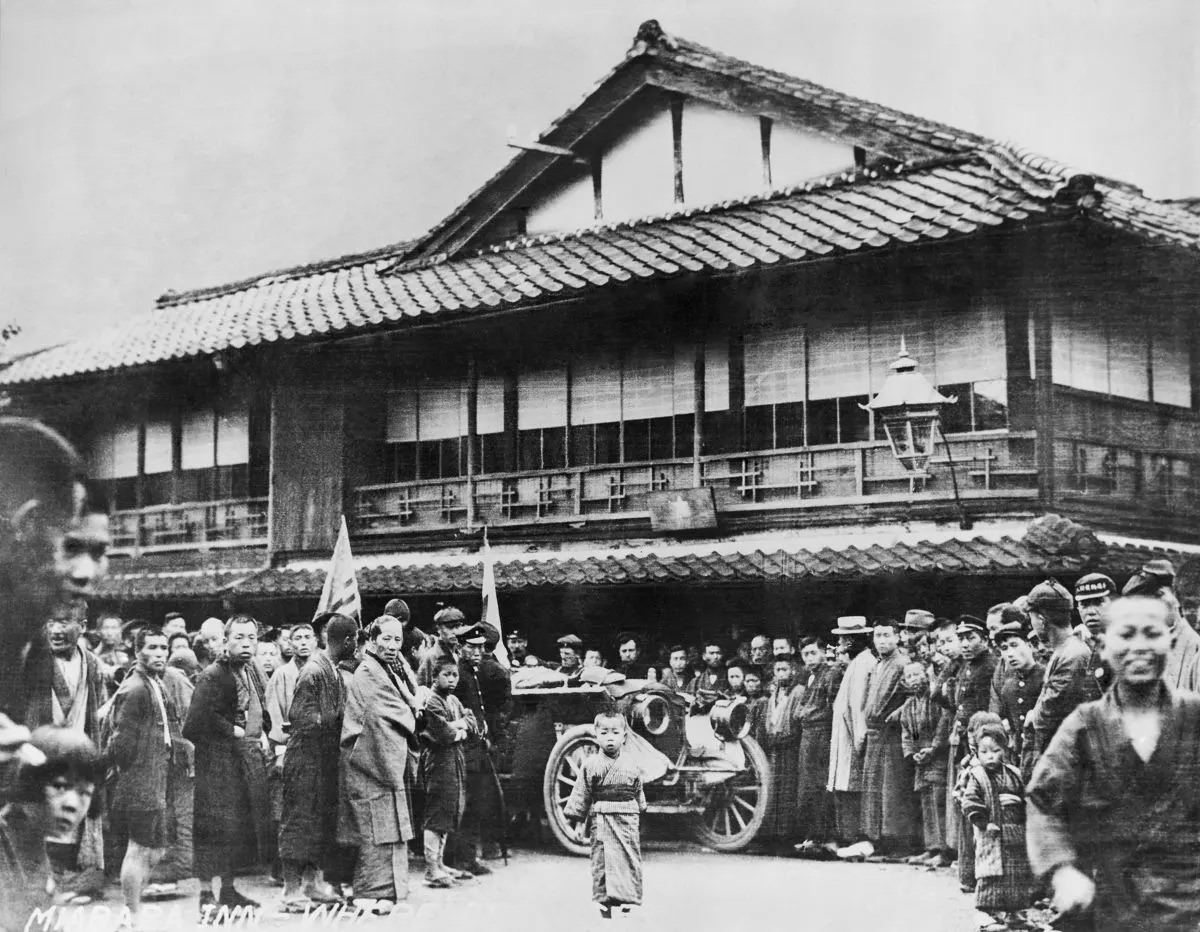
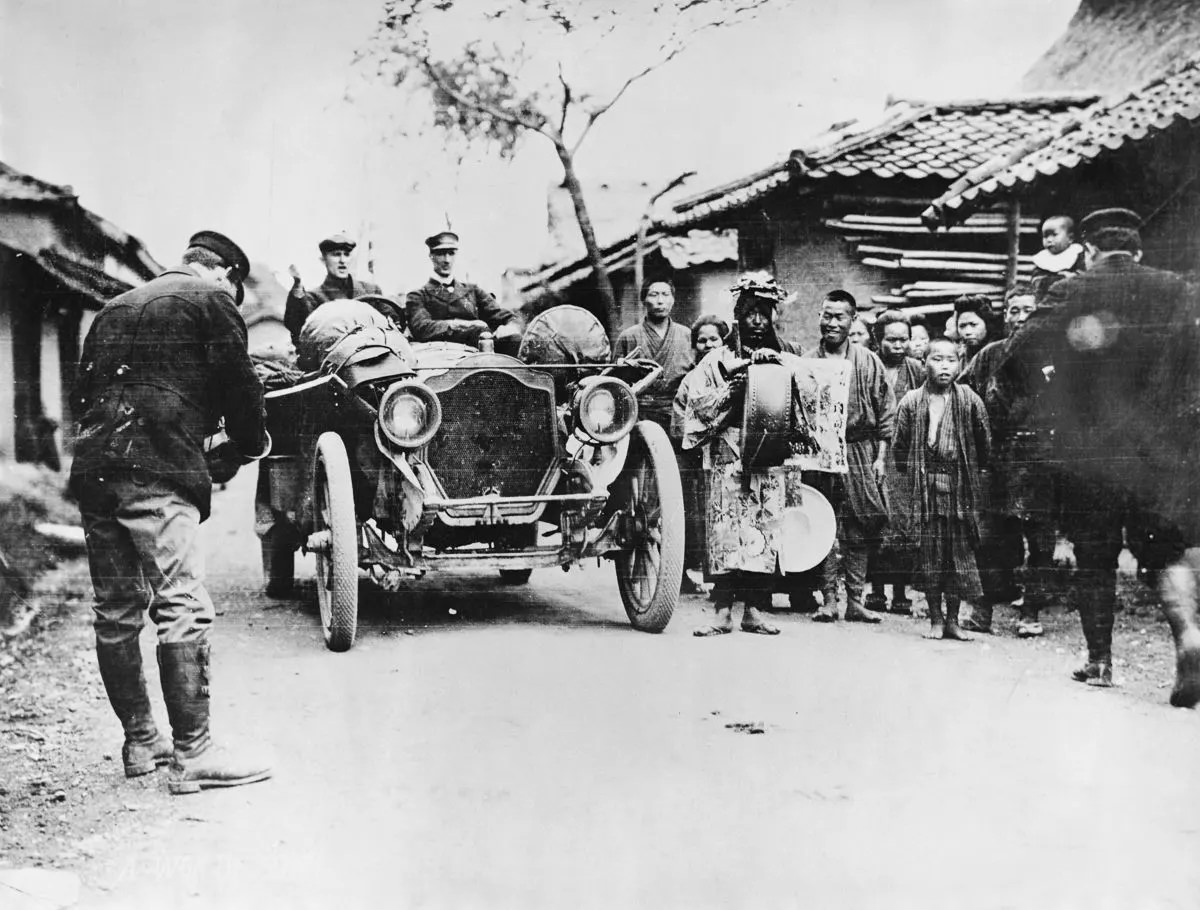
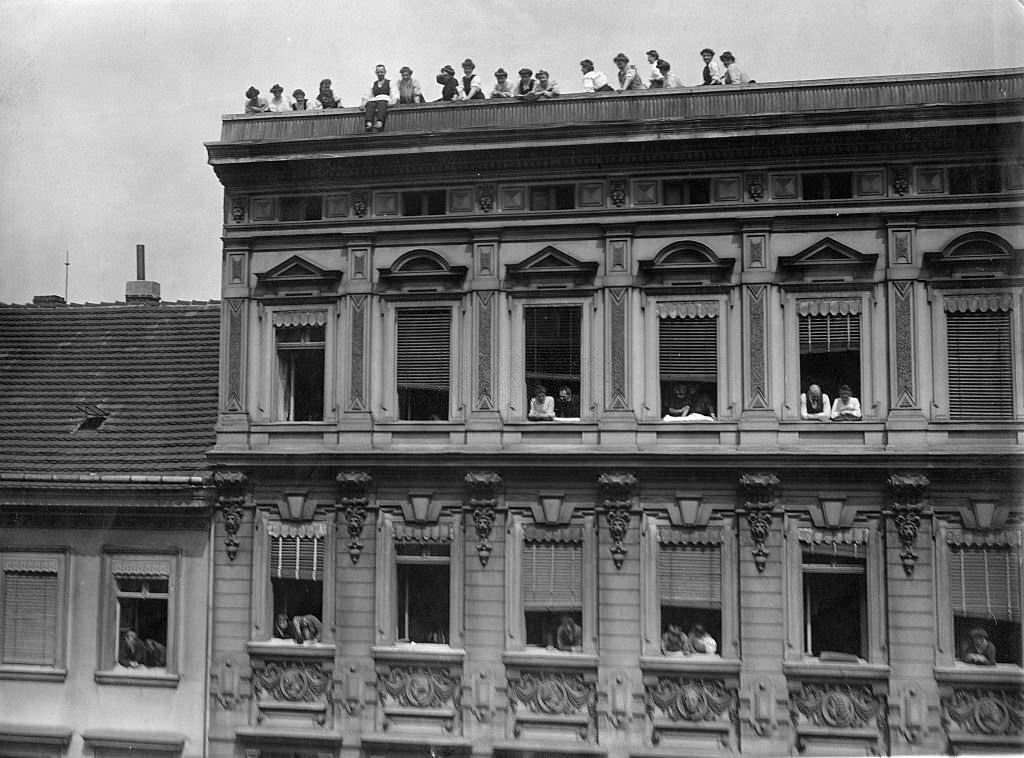
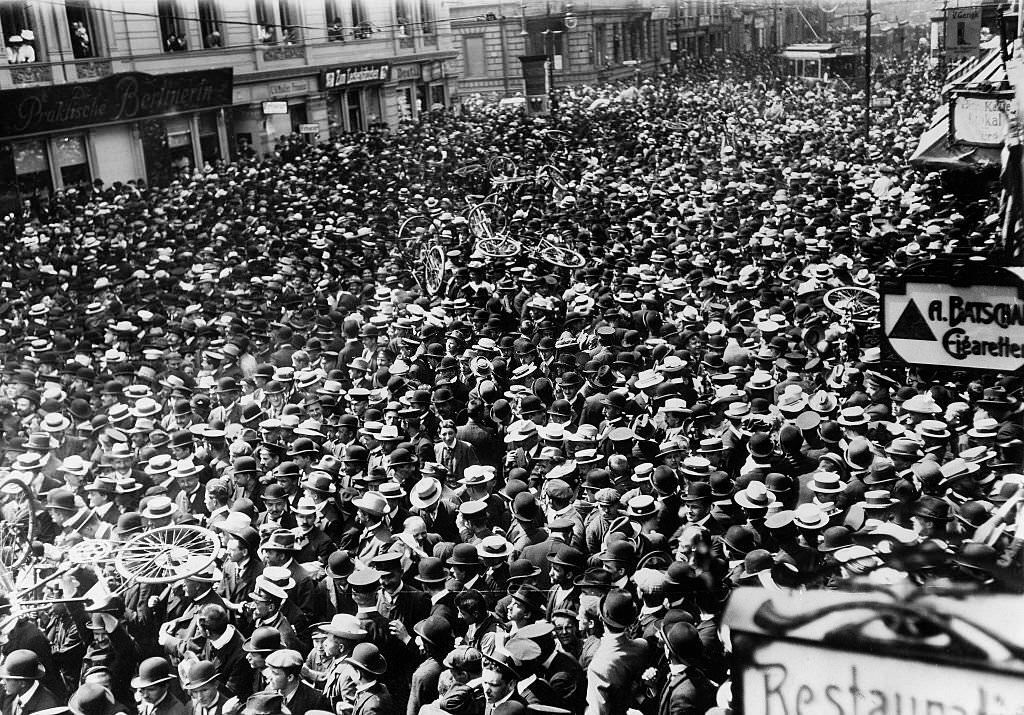
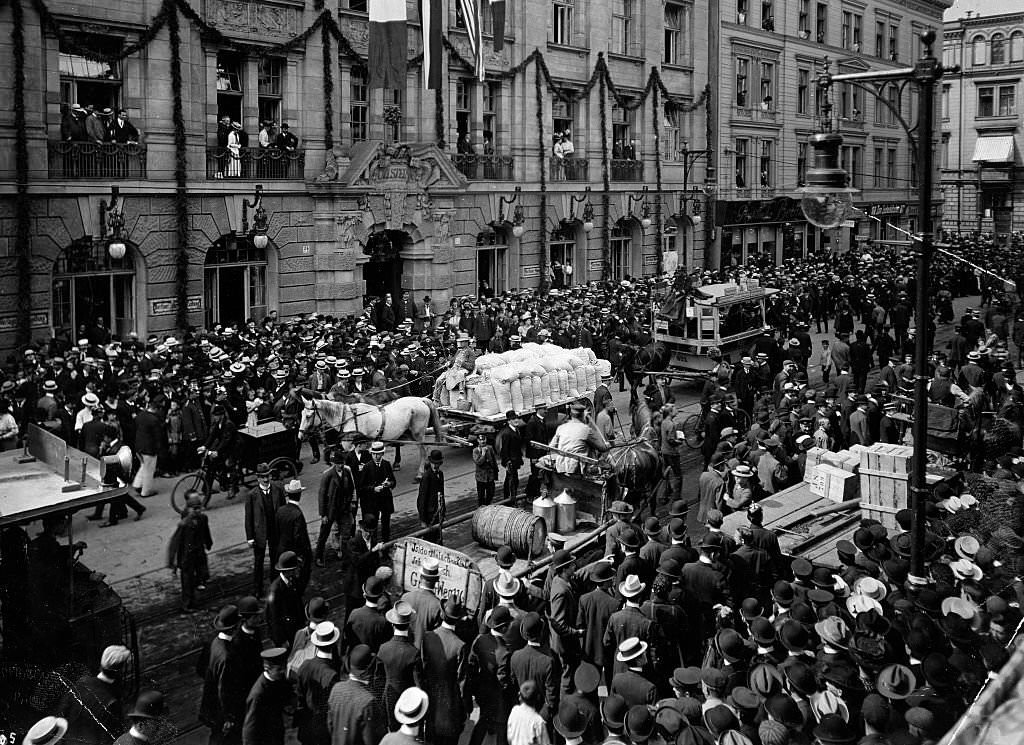
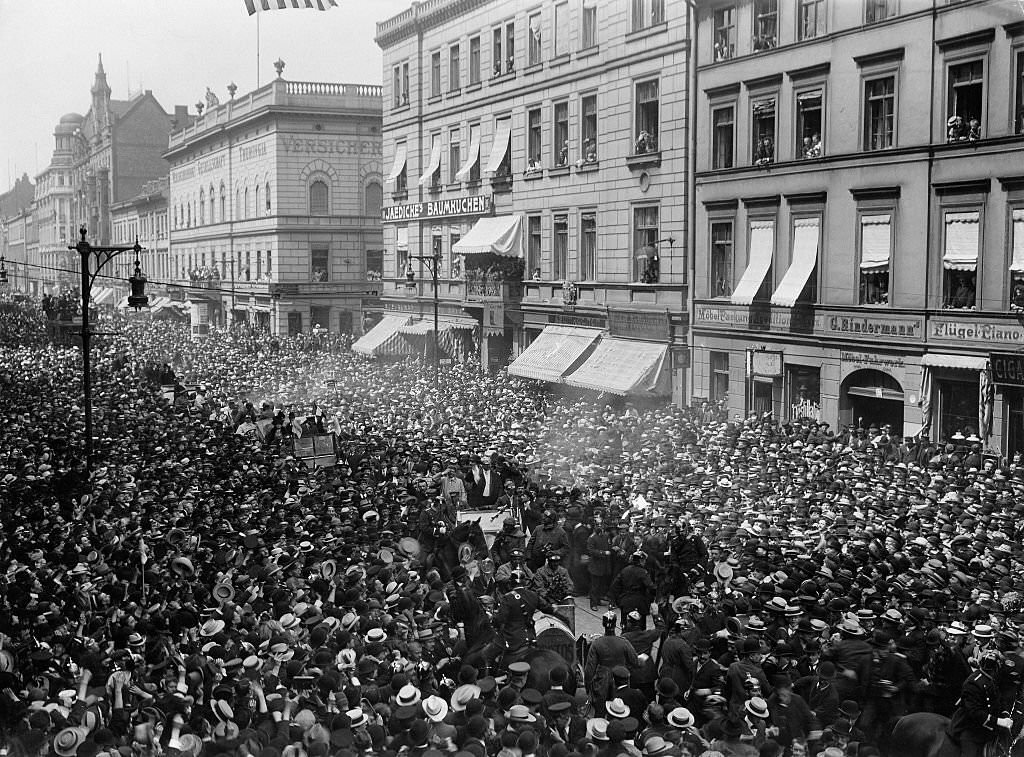
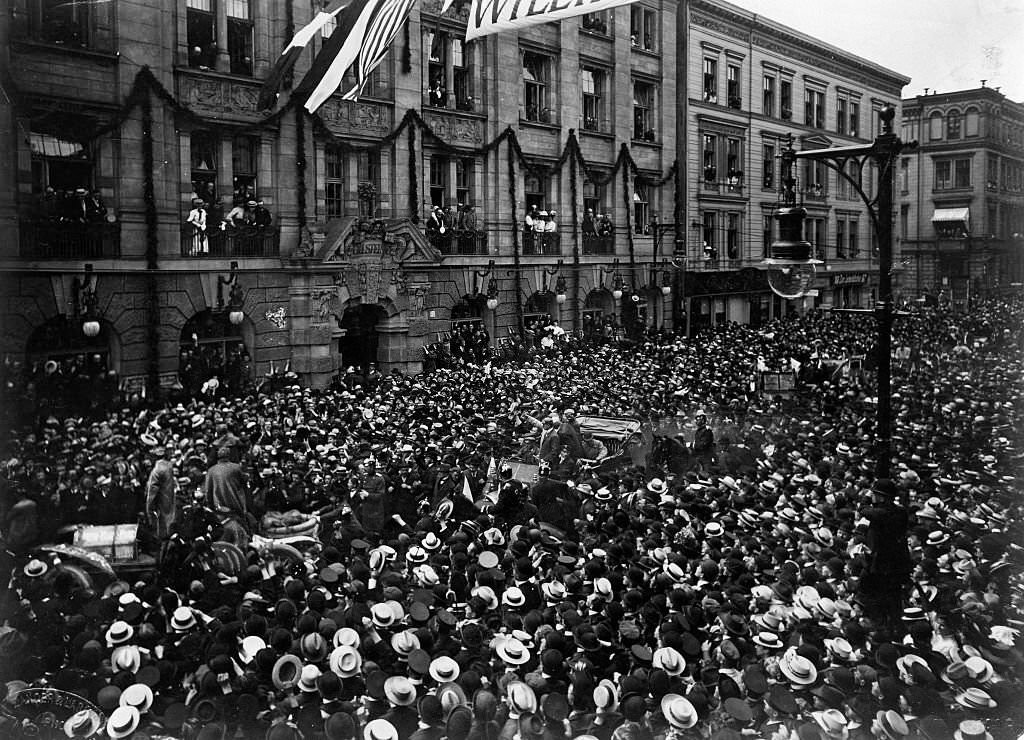
As the surviving cars rolled west through Siberia, Manchuria, and eventually into Europe, public excitement reached a fever pitch. In Berlin, enormous crowds poured into the streets to witness the arrival of the Protos. Lieutenant Koeppen’s car pulled in to thunderous acclaim. Spectators climbed onto rooftops just to get a better view of the cars passing below.
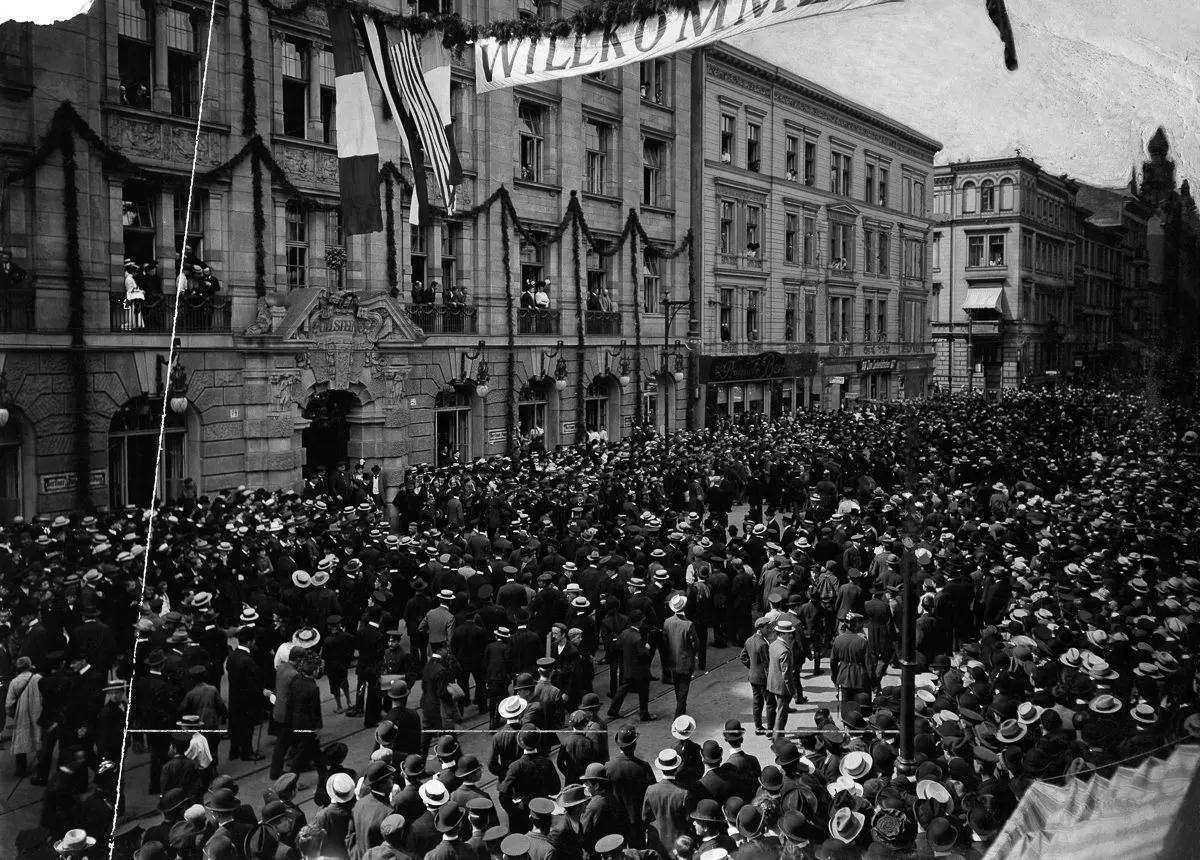
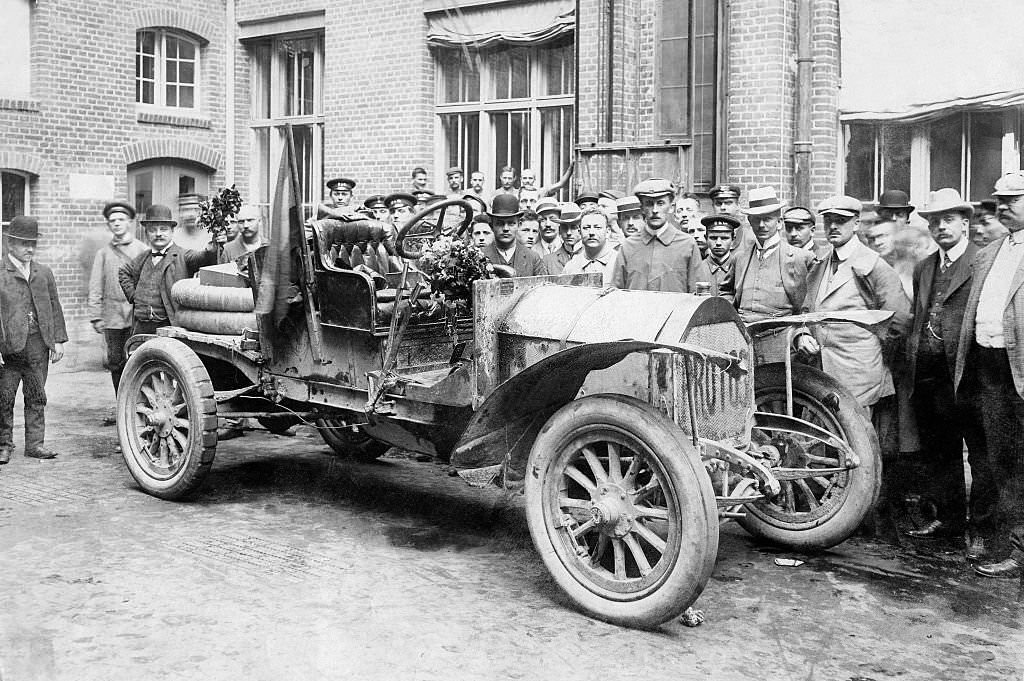
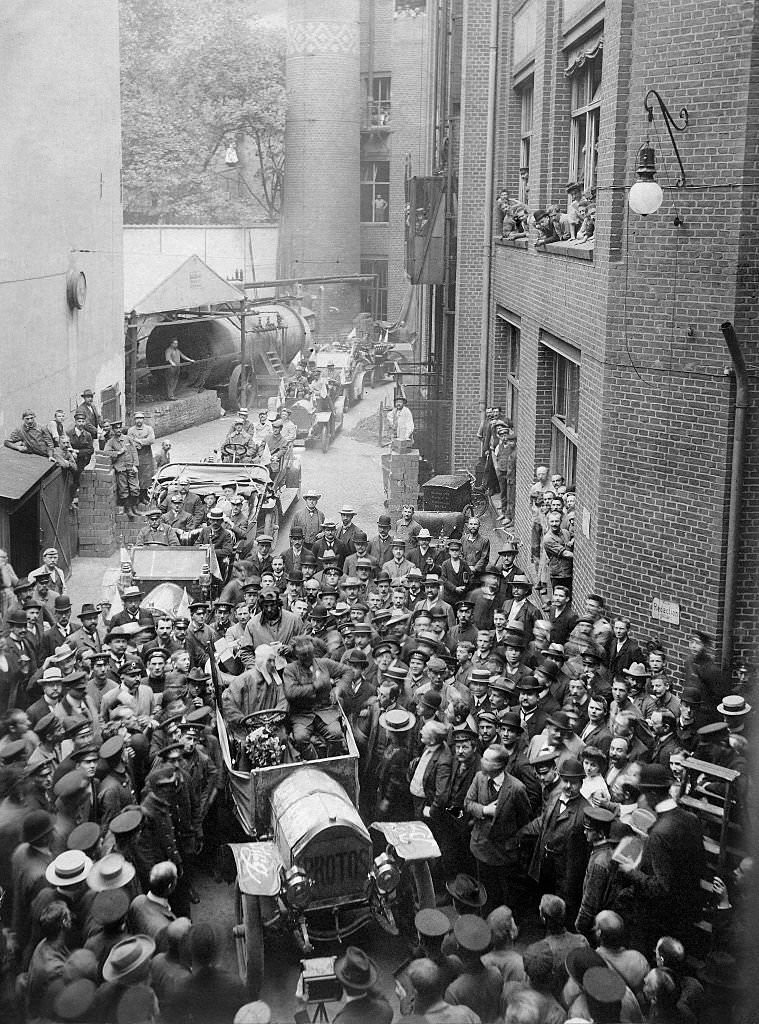
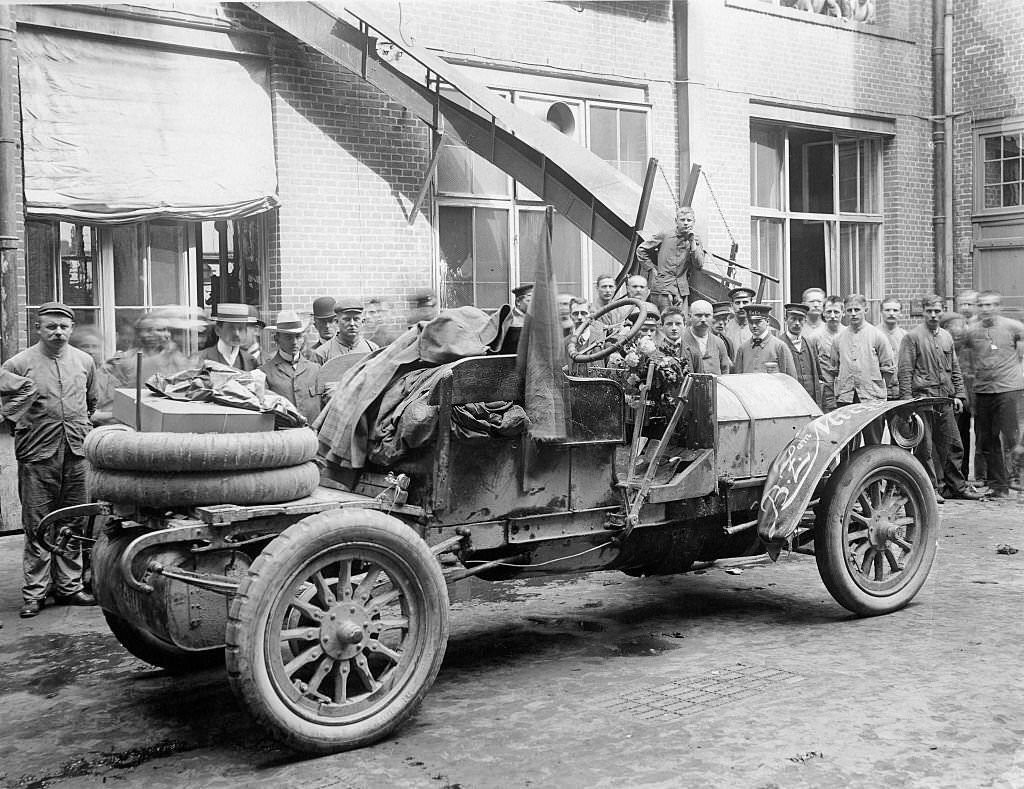
Despite Koeppen arriving first physically, the Protos was handed a time penalty for rule violations during the race. That penalty cost Germany the victory. The Thomas Flyer, covering over 13,000 miles in 169 days with George Schuster at the wheel, was declared the winner of the 1908 New York to Paris Auto Race.