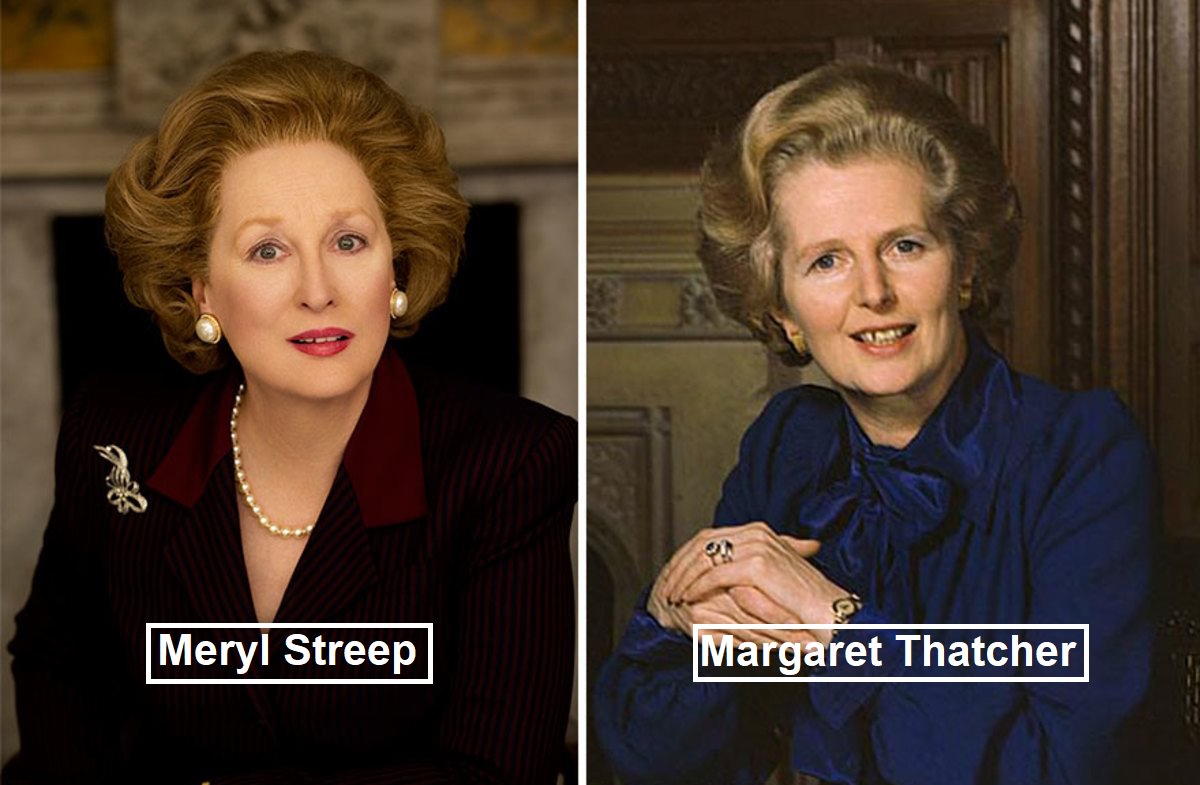
Released in 1953 and directed by Richard Thorpe, The Girl Who Had Everything centers on Jean Latimer, a young and successful defense attorney who, on paper, lacks nothing. She has money, status, and a devoted father. Yet the film wastes no time making clear that none of it is enough. Jean is restless, and that restlessness drives every decision she makes.
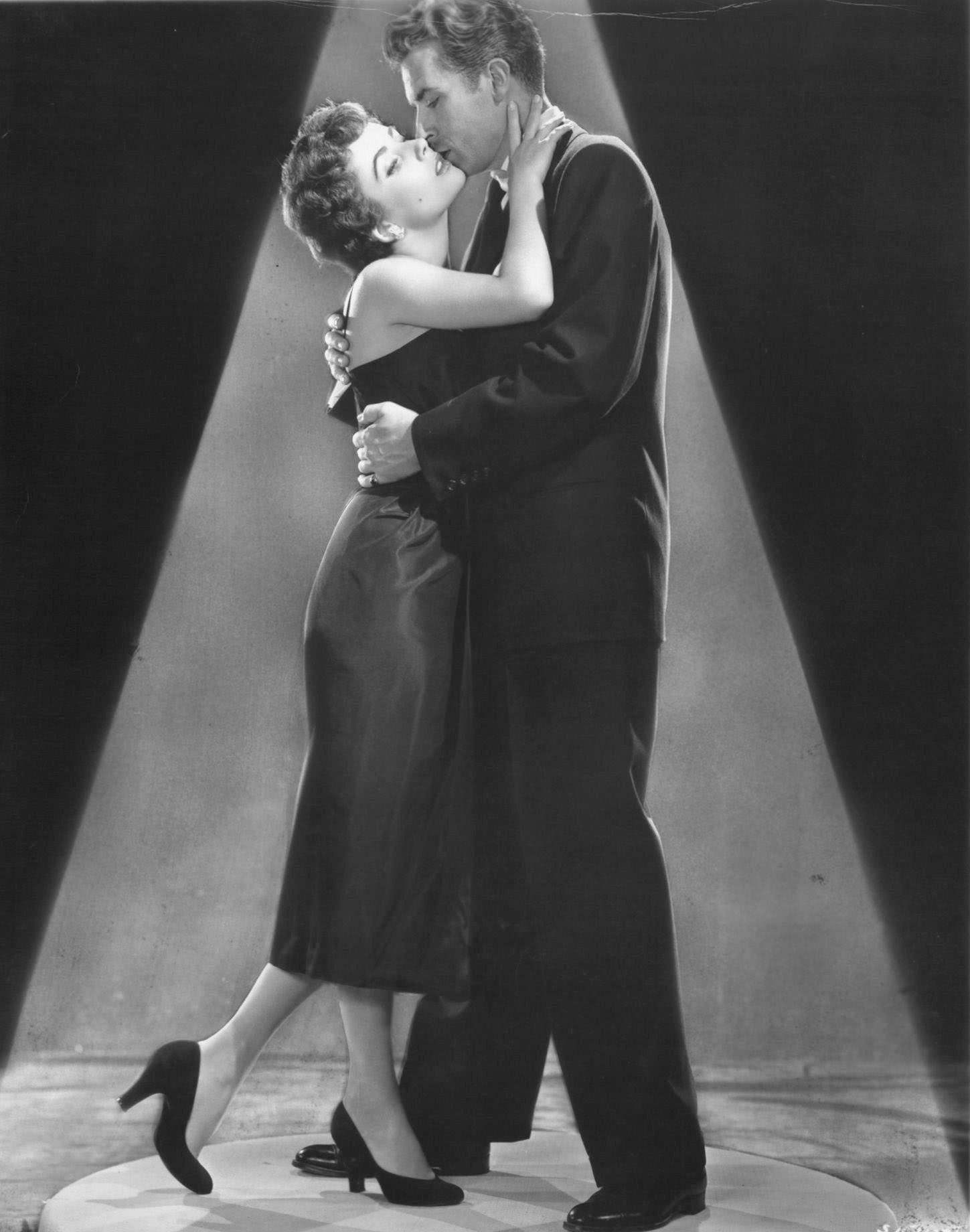
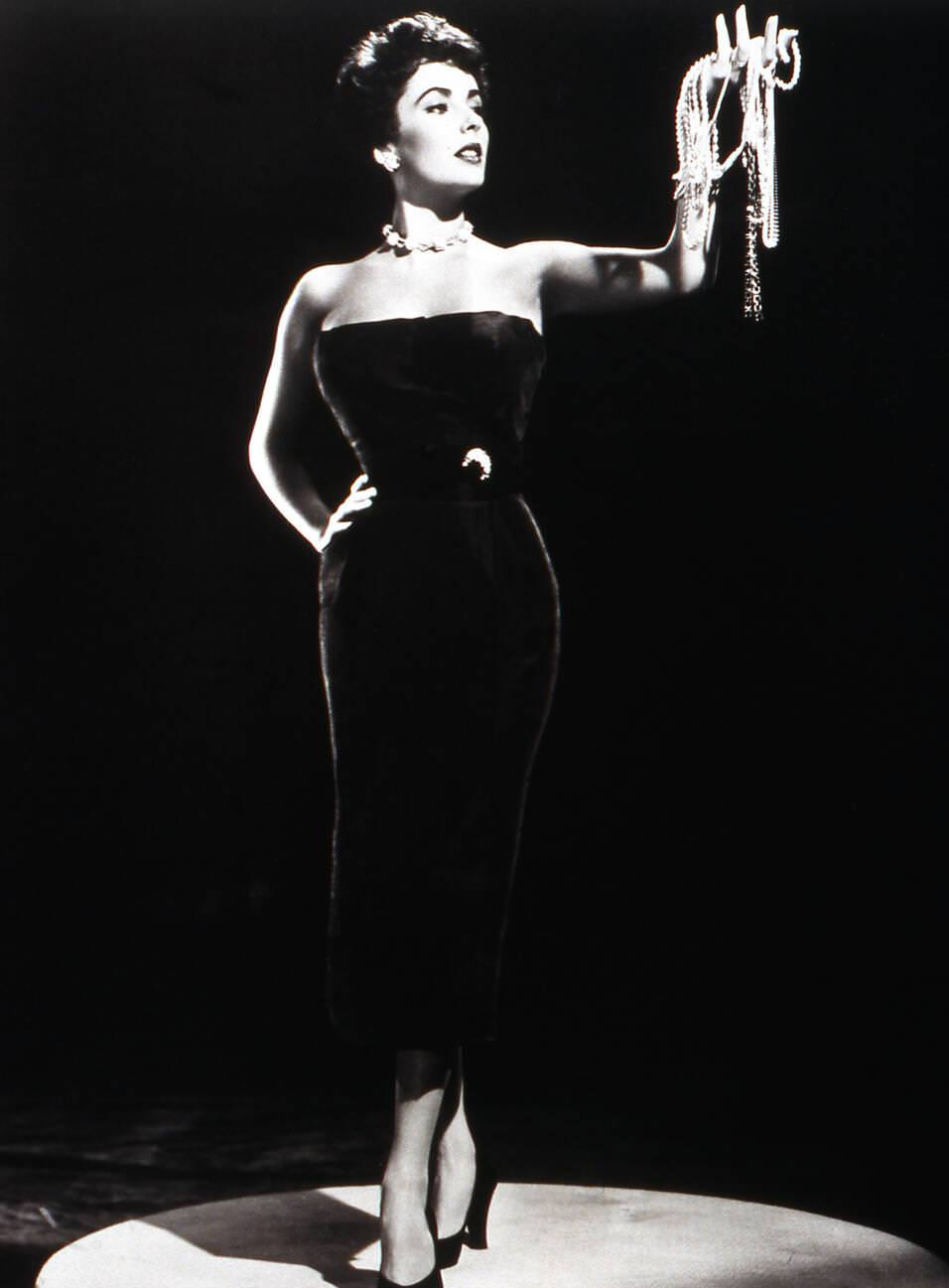
Elizabeth Taylor was just 21 years old when she took on the role of Jean Latimer. At that age, many actresses were still building their screen presence, but Taylor arrived fully formed. She carried Jean’s sophistication and inner conflict with an ease that made the performance feel effortless. Her ability to hold tension across a scene — to say one thing while feeling another — gave the film its emotional core.
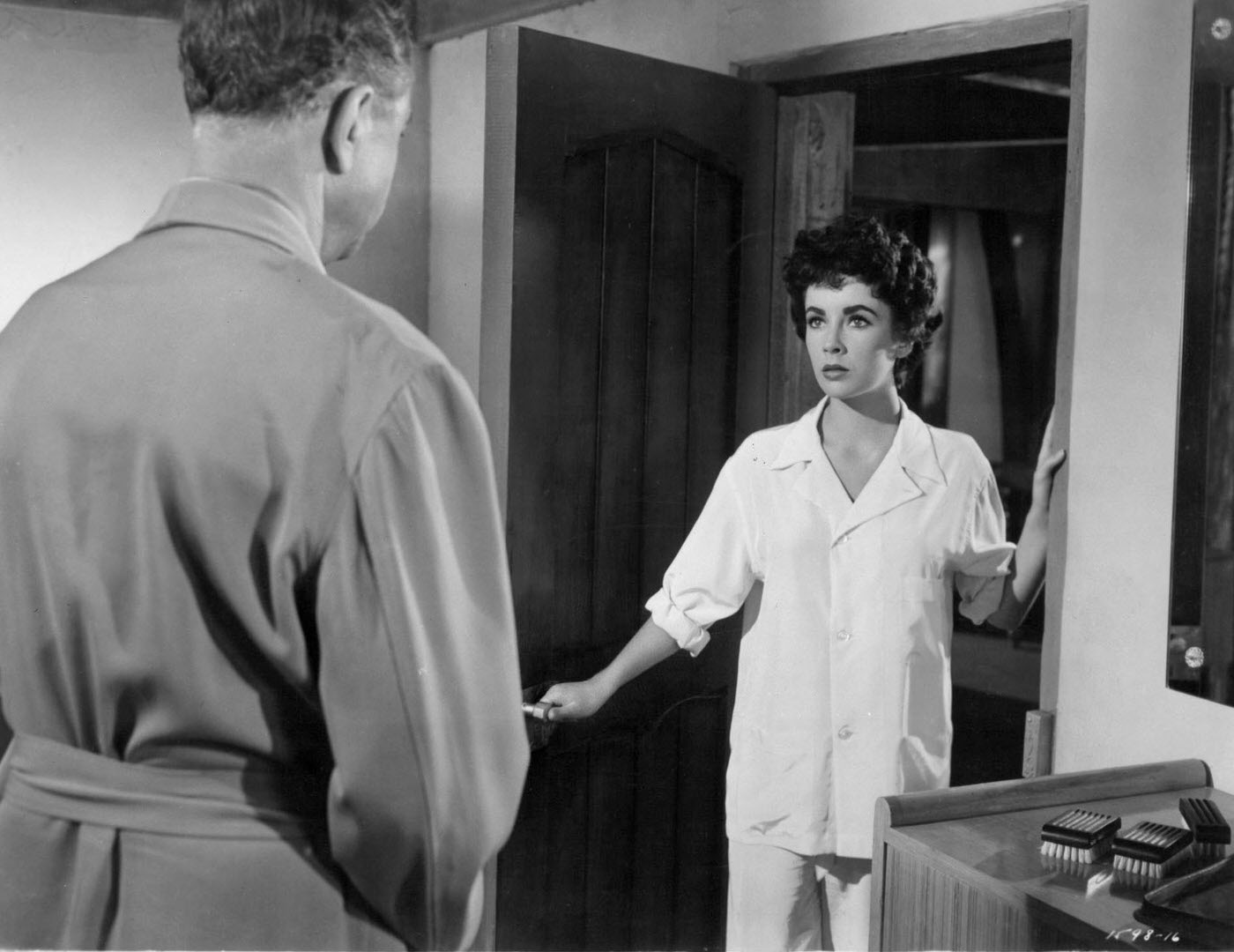
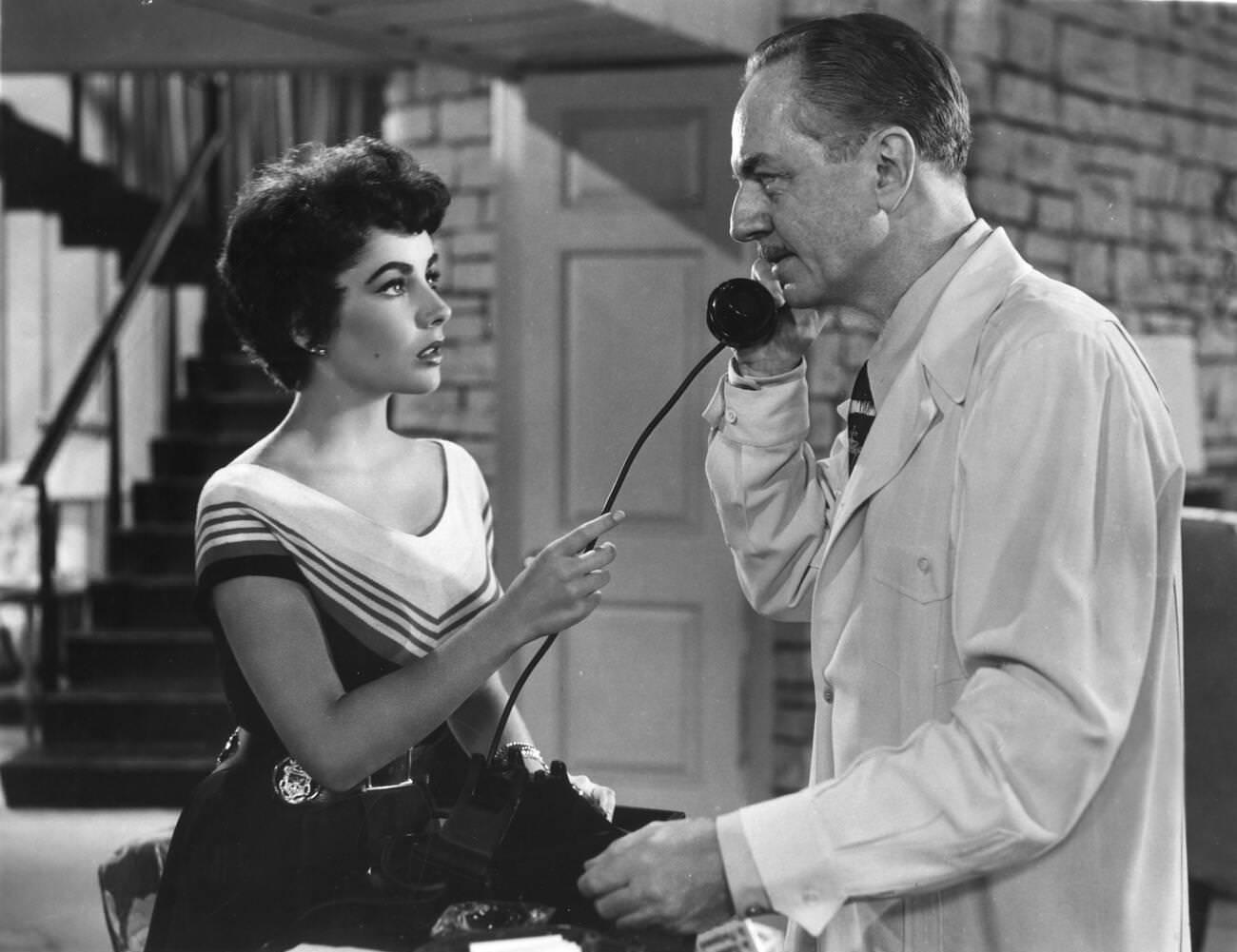
Playing Jean’s father, Steve Latimer, is William Powell. Powell brought decades of screen experience to the role — he was already known to audiences from The Thin Man series — and that experience shows. Steve is a man who loves his daughter fiercely but watches, frustrated, as she pursues a relationship he cannot approve of. The father-daughter dynamic between Powell and Taylor is one of the film’s most grounded elements, giving the story a sense of real stakes.
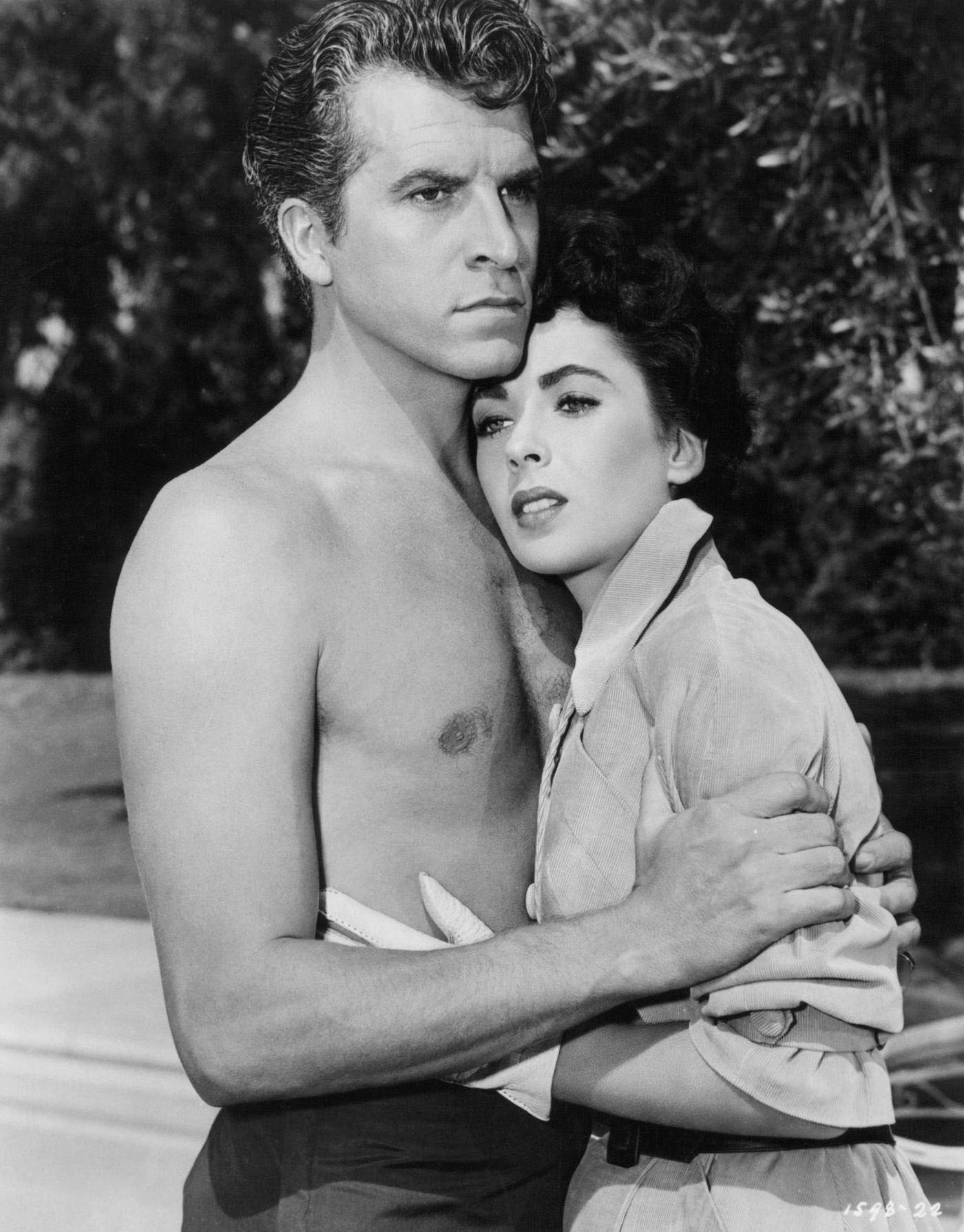
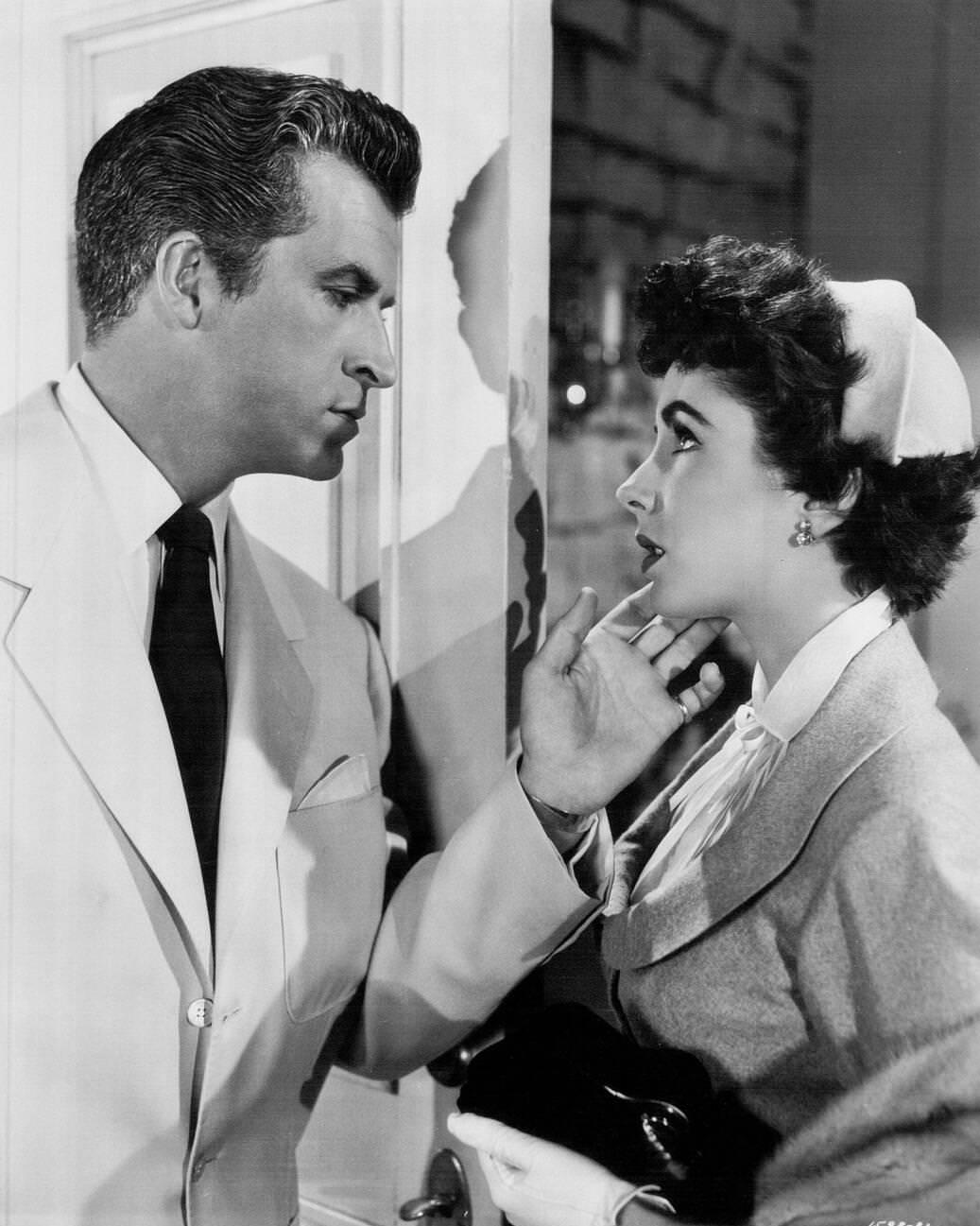
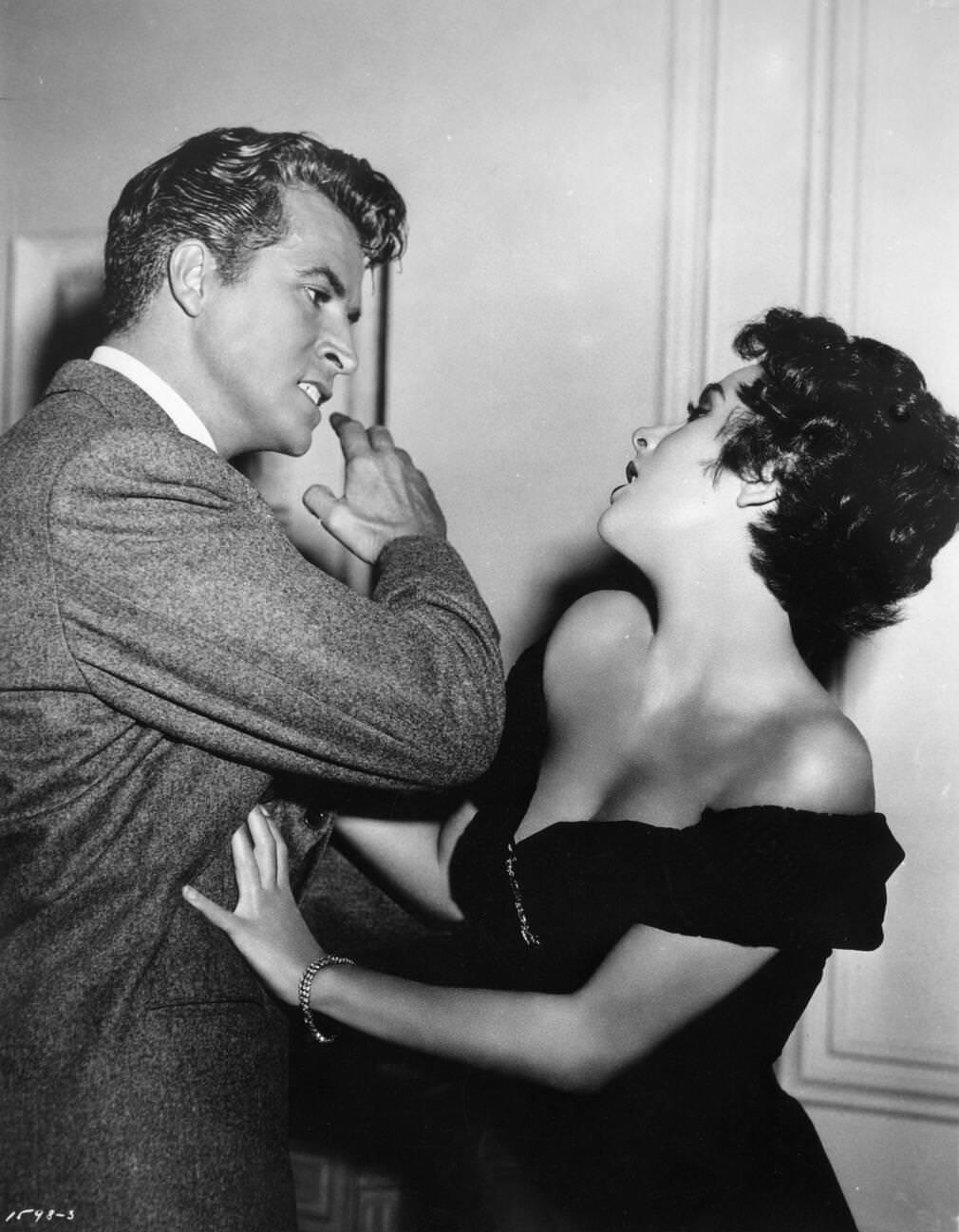
The source of Steve’s alarm is Victor Ramondi, played by Fernando Lamas. Ramondi is wealthy, charming, and widely suspected of criminal ties. He is exactly the kind of man a father fears for his daughter, and exactly the kind of man Jean finds herself drawn to. Lamas plays him with a charisma that makes it easy to understand the attraction, even as the warning signs pile up around him.
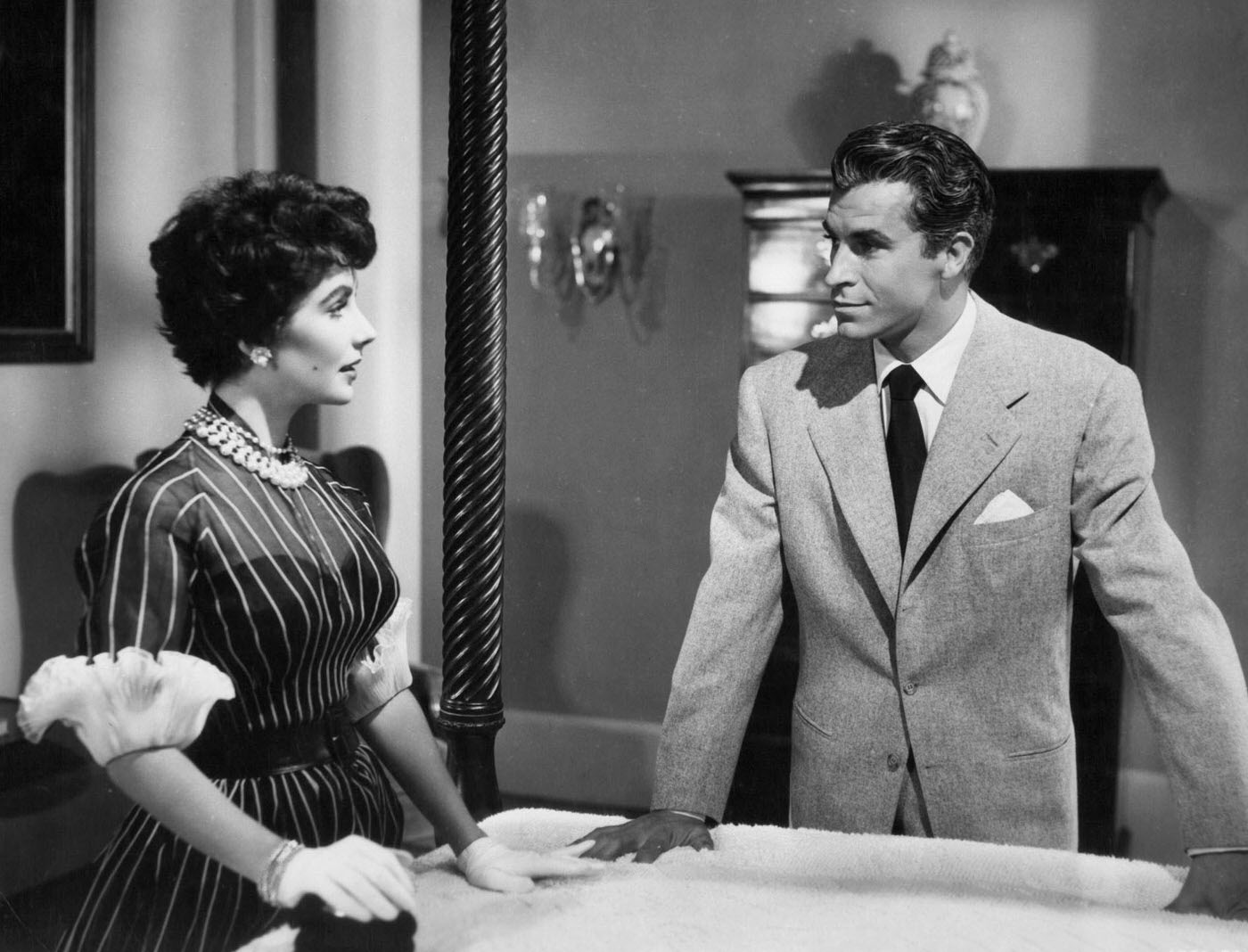
The tension between Jean and Ramondi builds steadily. Their scenes together move between tenderness and danger, with both characters fully aware of what they are risking. Jean is a lawyer — she understands the world Ramondi operates in — and yet she chooses to step into it anyway. That choice is what makes her compelling rather than simply reckless.
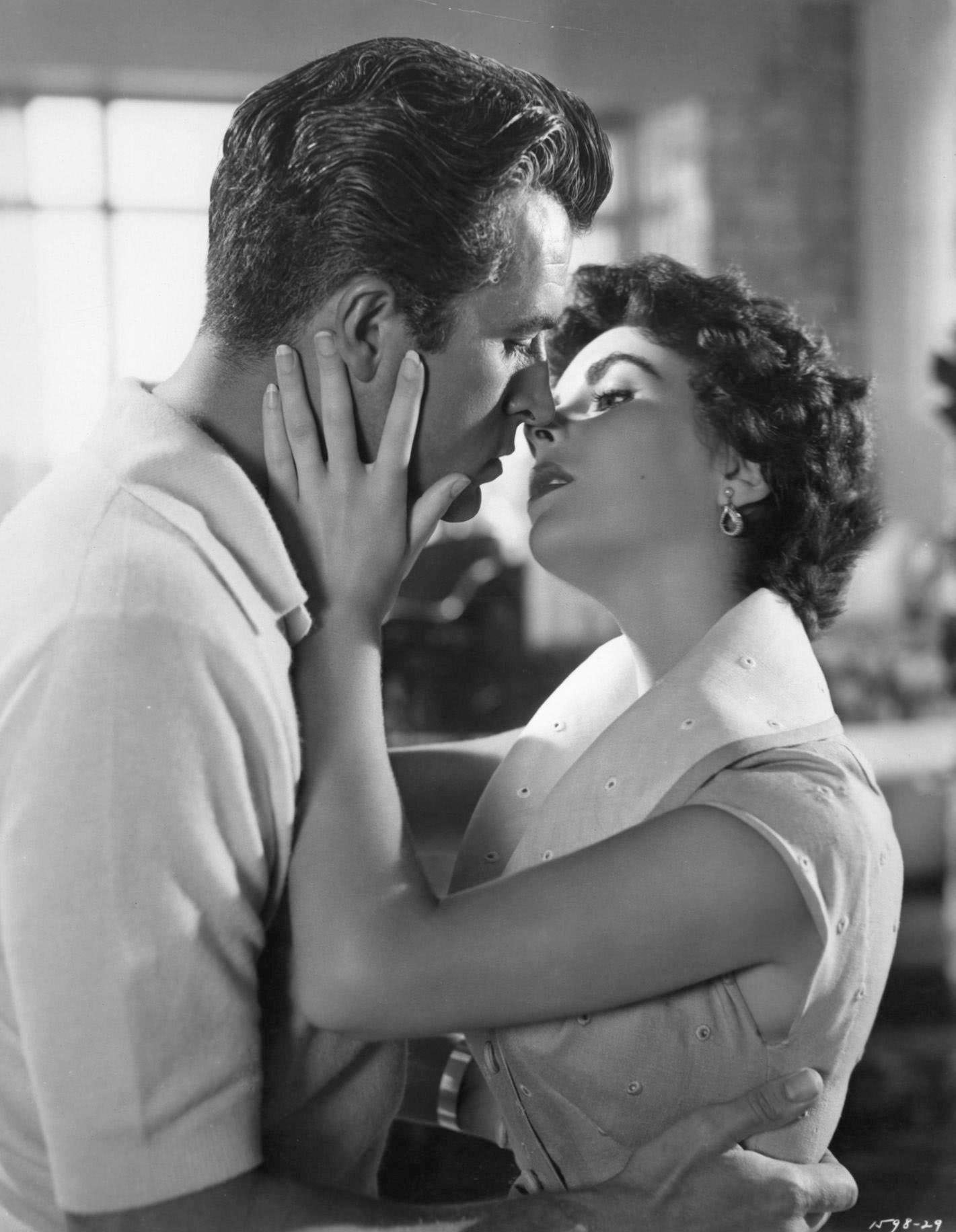
At its core, the film asks a pointed question: what does happiness actually require? Jean has wealth and professional achievement in an era when few women held positions like hers. But the film frames all of that as backdrop rather than fulfillment. Her yearning is not naive — it is specific, and Taylor communicates it precisely.
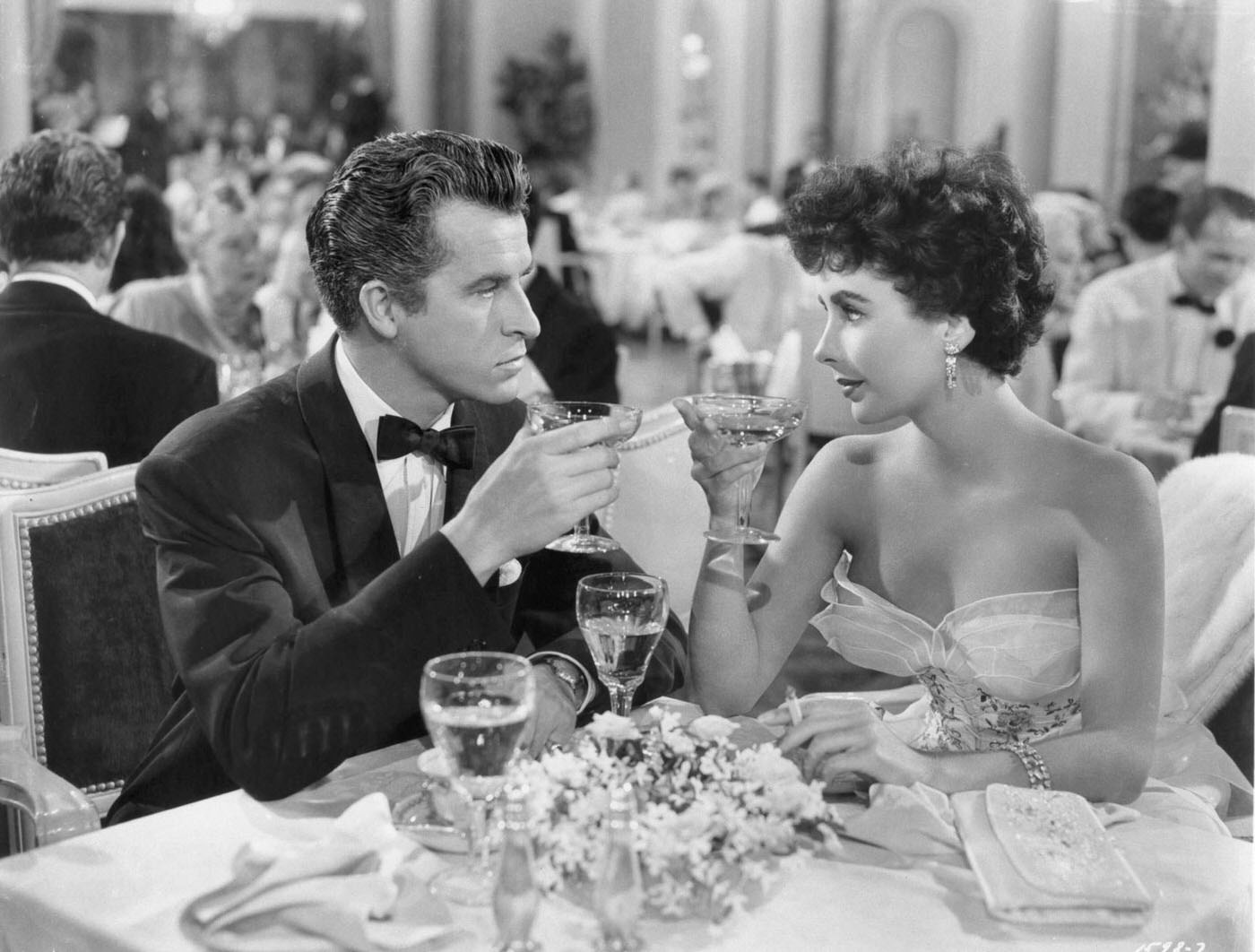
Visually, the film is a clear product of its era. The costumes are polished and deliberately luxurious, reflecting a postwar American ideal of success and style. The sets are built around opulence — large rooms, well-appointed interiors, and the kind of physical environment that signals wealth without needing to announce it. Classic cars appear throughout, grounding the story in a specific moment in American life.


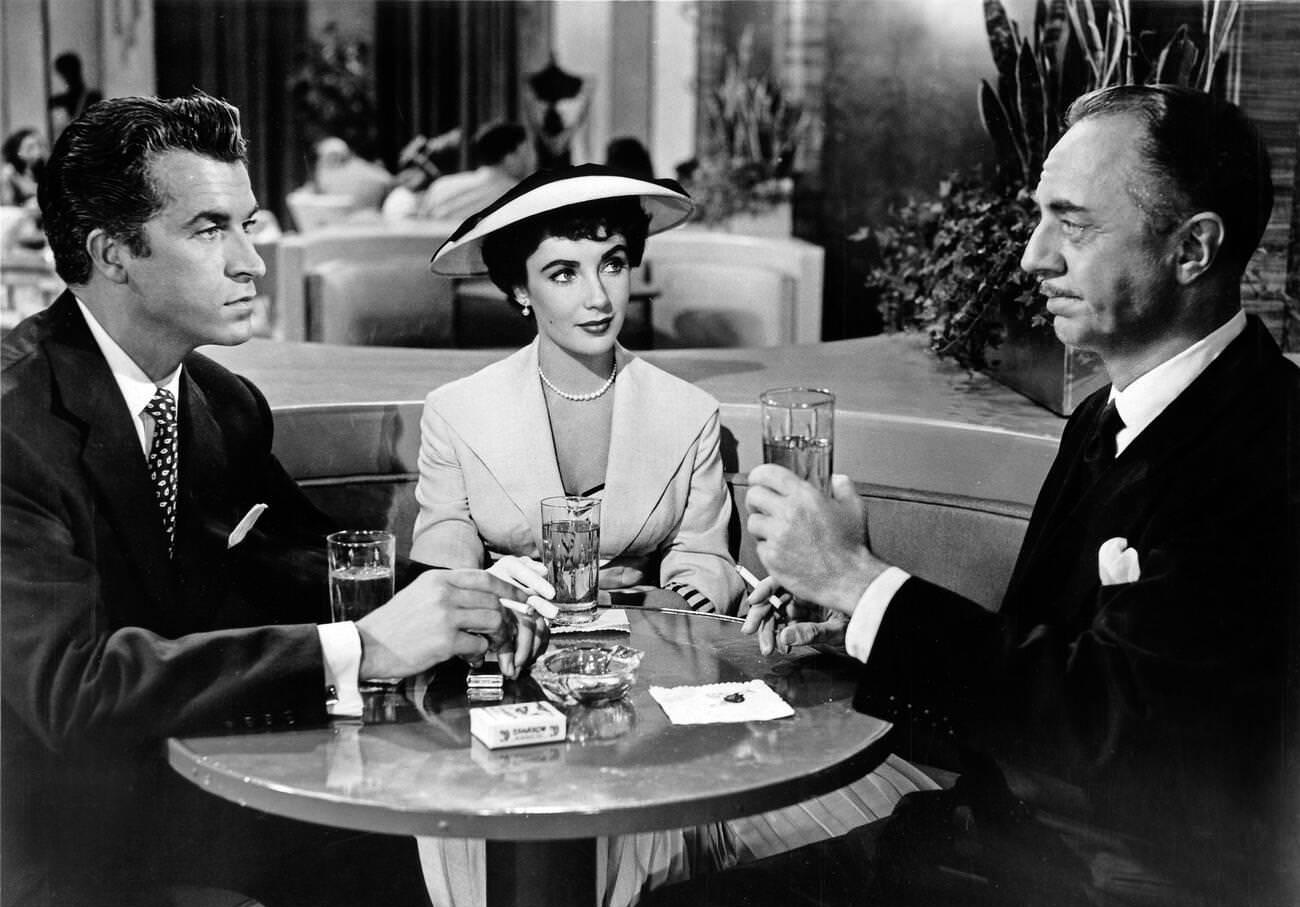
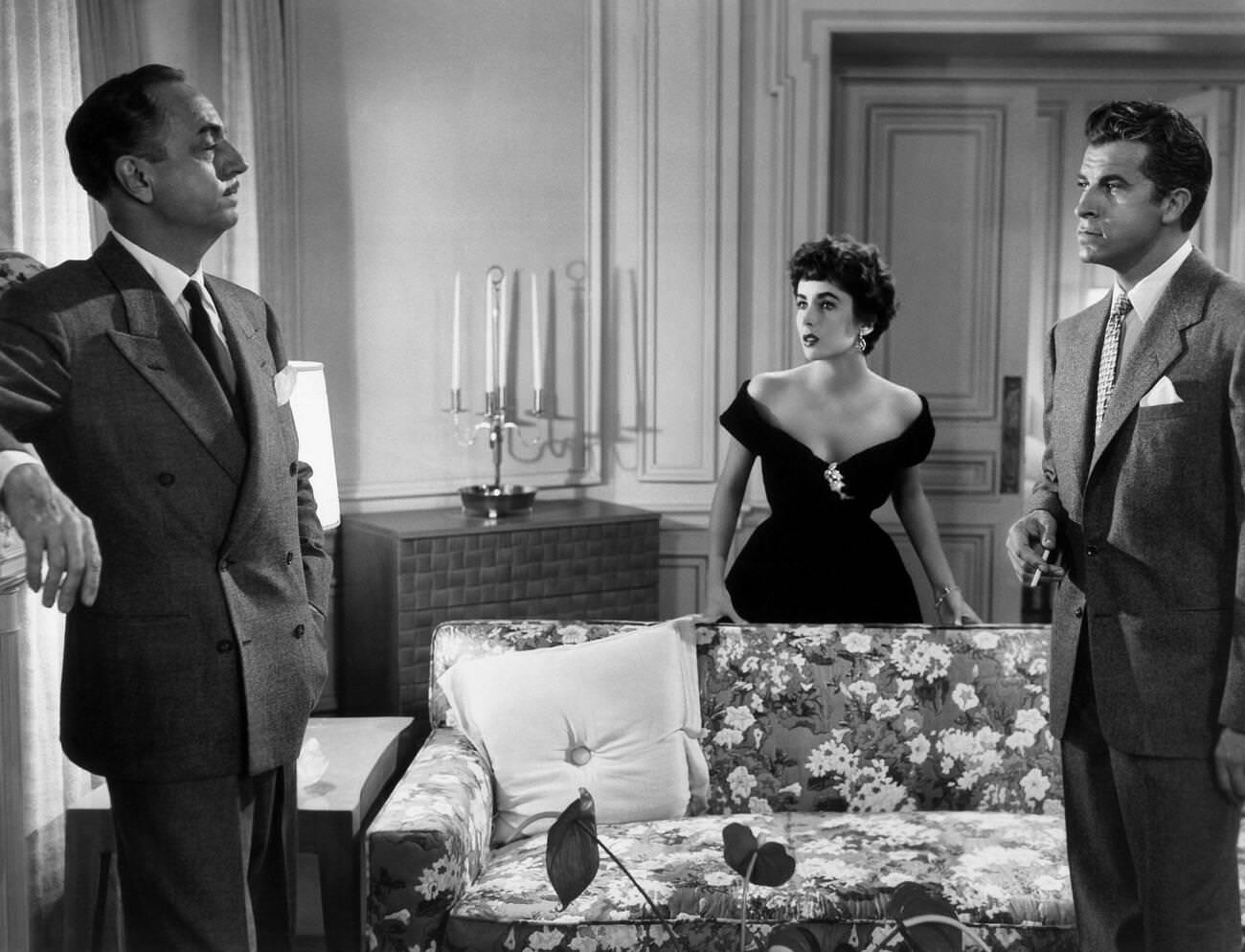
The film runs at a tight pace. Thorpe keeps scenes focused, and the script doesn’t allow subplots to sprawl. Every scene between the three leads — Taylor, Powell, and Lamas — advances either the romantic tension or the family conflict, usually both at once. The result is a film that feels economical without feeling rushed.
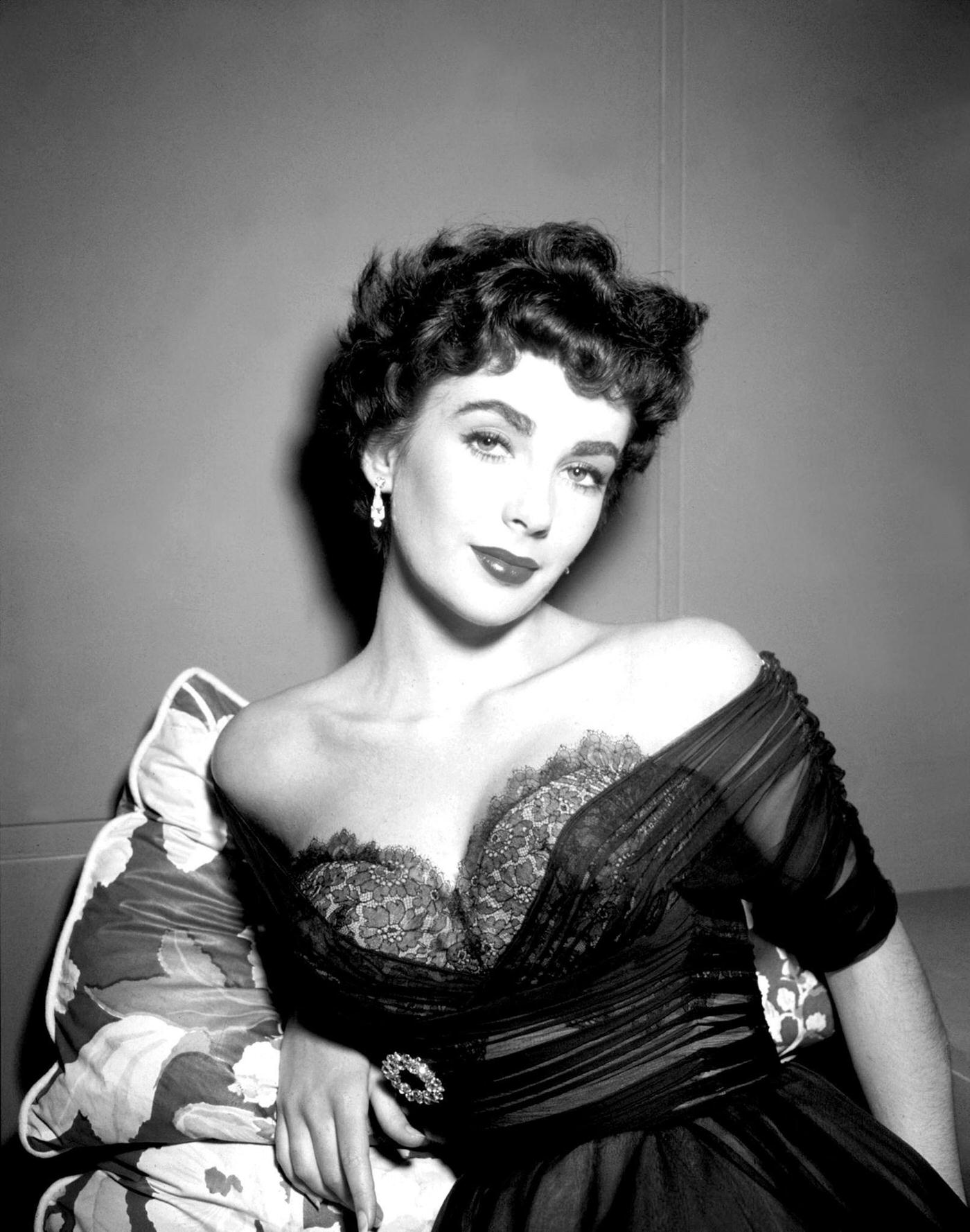

The three-way dynamic between Jean, Steve, and Ramondi is where the film lives. Steve sees Ramondi as a threat, not just to Jean’s safety but to the life he has built for her. Ramondi, for his part, is not presented as a simple villain — Lamas plays him with enough depth that his appeal feels genuine rather than manufactured. Jean stands between them, making choices that are entirely her own.
Taylor’s performance is the engine that keeps everything moving. She was at a transitional point in her career in 1953 — no longer the child actress of National Velvet, not yet the Hollywood icon of her later years. This film sits squarely in the middle of that evolution, and her work here shows exactly why that evolution happened.
The film’s title carries a deliberate irony. Jean Latimer does, by any external measure, have everything. The drama comes from watching someone with every advantage still find herself standing at a crossroads — choosing between safety and desire, between her father’s world and her own.