
Before fingerprinting became the standard tool of criminal identification, police forces across the world relied on a different method — one built on rulers, calipers, and careful recordkeeping. In 1894, the system that made this possible had a name: bertillonage. It was the invention of a French police officer named Alphonse Bertillon, and for a time it was the most advanced criminal identification method in the world.
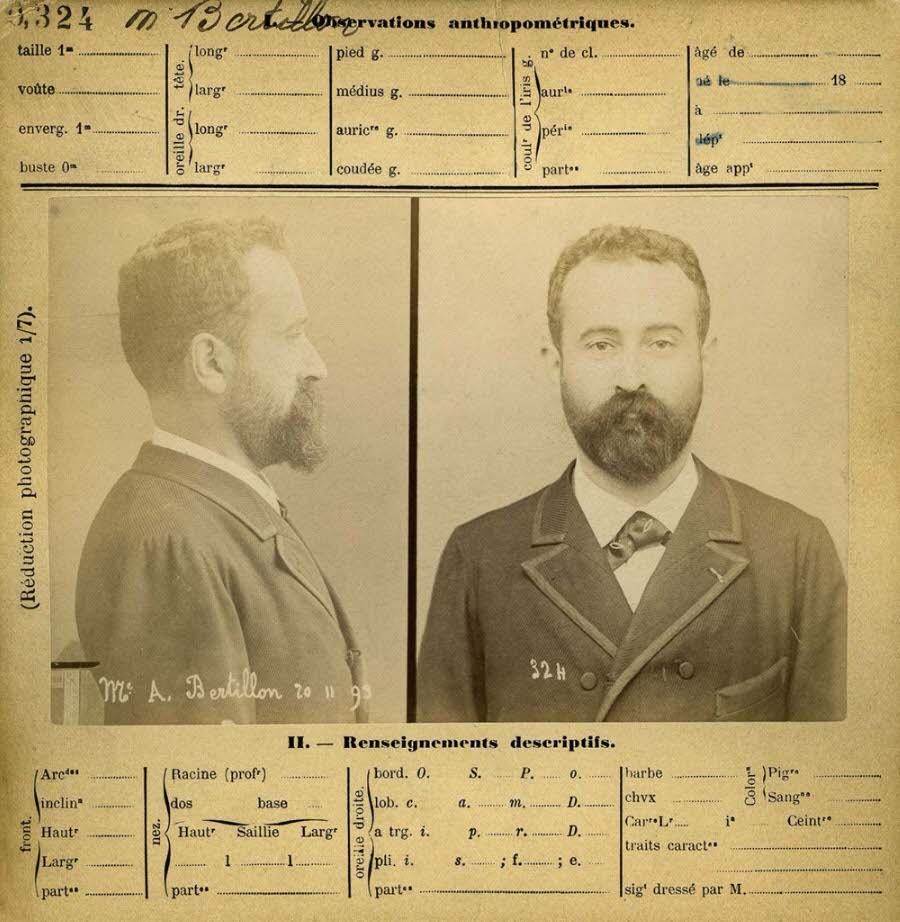
Alphonse Bertillon was born into a family steeped in scientific thinking. His father, Louis Adolphe Bertillon, was an anthropometrician — a specialist in applying statistical methods to the study of the human body. That background shaped everything Alphonse would go on to do. When he joined the Paris police force, he quickly became frustrated with the existing approach to tracking criminals. Officers relied on written physical descriptions, which were vague, inconsistent, and nearly useless when trying to match a new arrest to a prior offender. Bertillon believed the body itself could provide something far more reliable: a set of precise, measurable numbers that would be unique to each person.
His primary goal was identifying repeat offenders. In the 1800s, a criminal who served time and returned to a life of crime could simply give a false name upon their next arrest and avoid harsher sentencing. There was no reliable way to prove they had been in custody before. Bertillon’s system aimed to close that gap permanently.
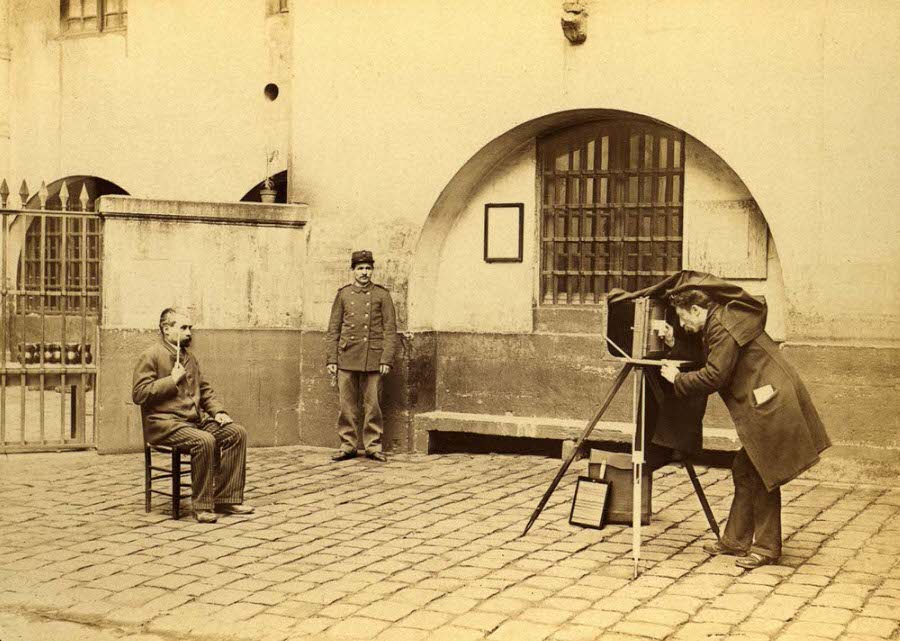
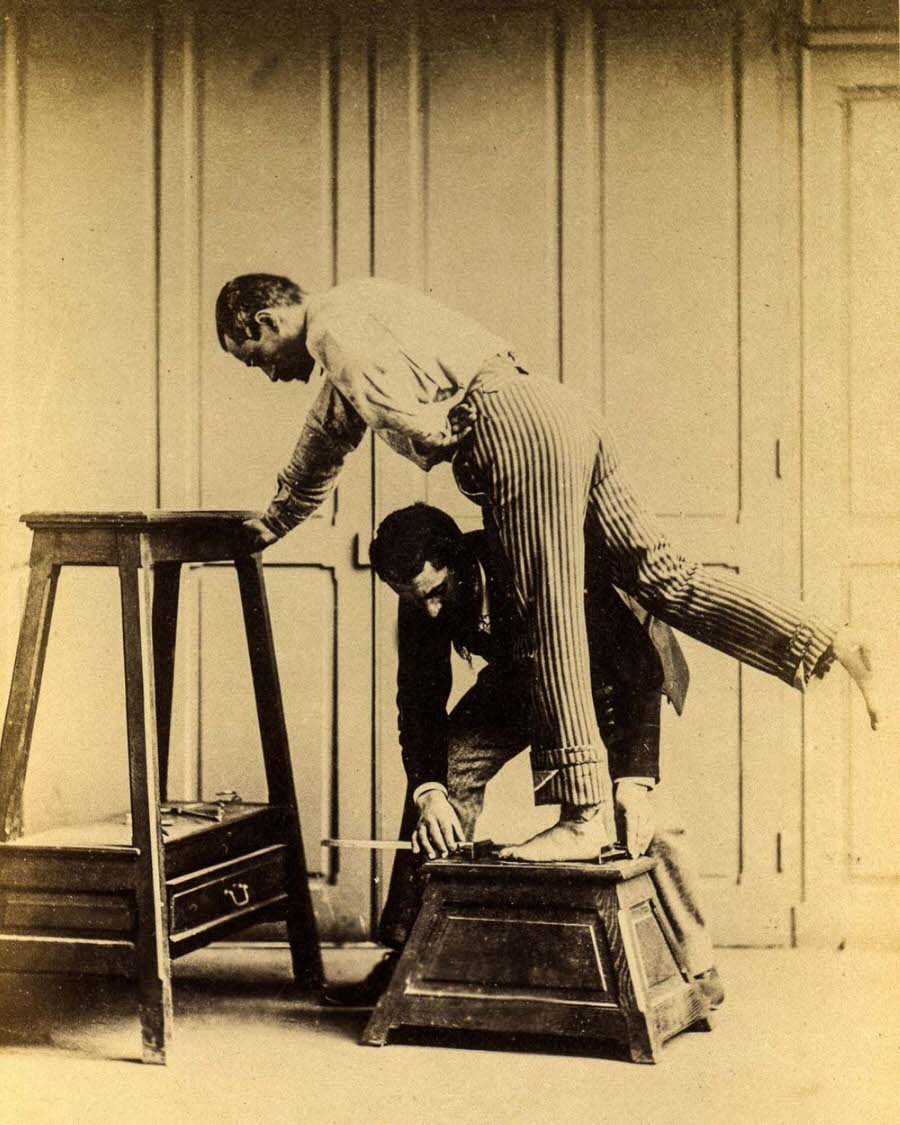
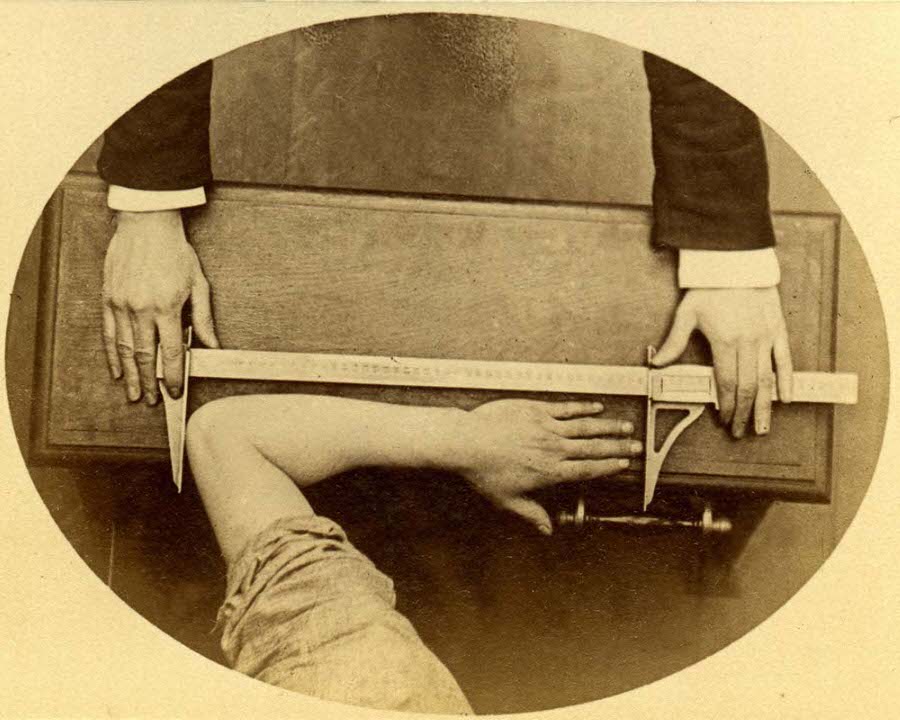
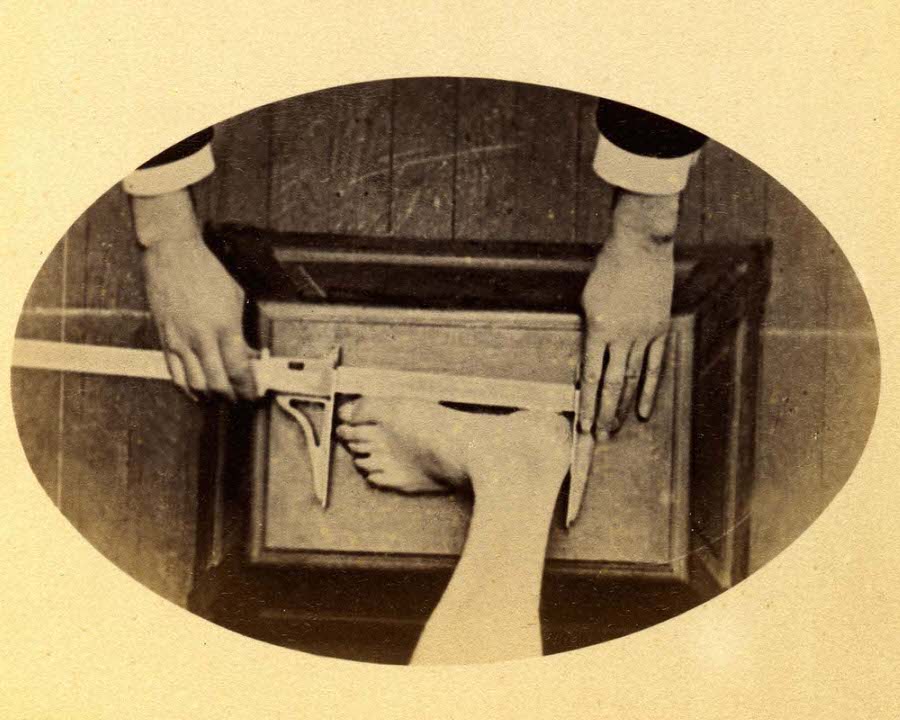
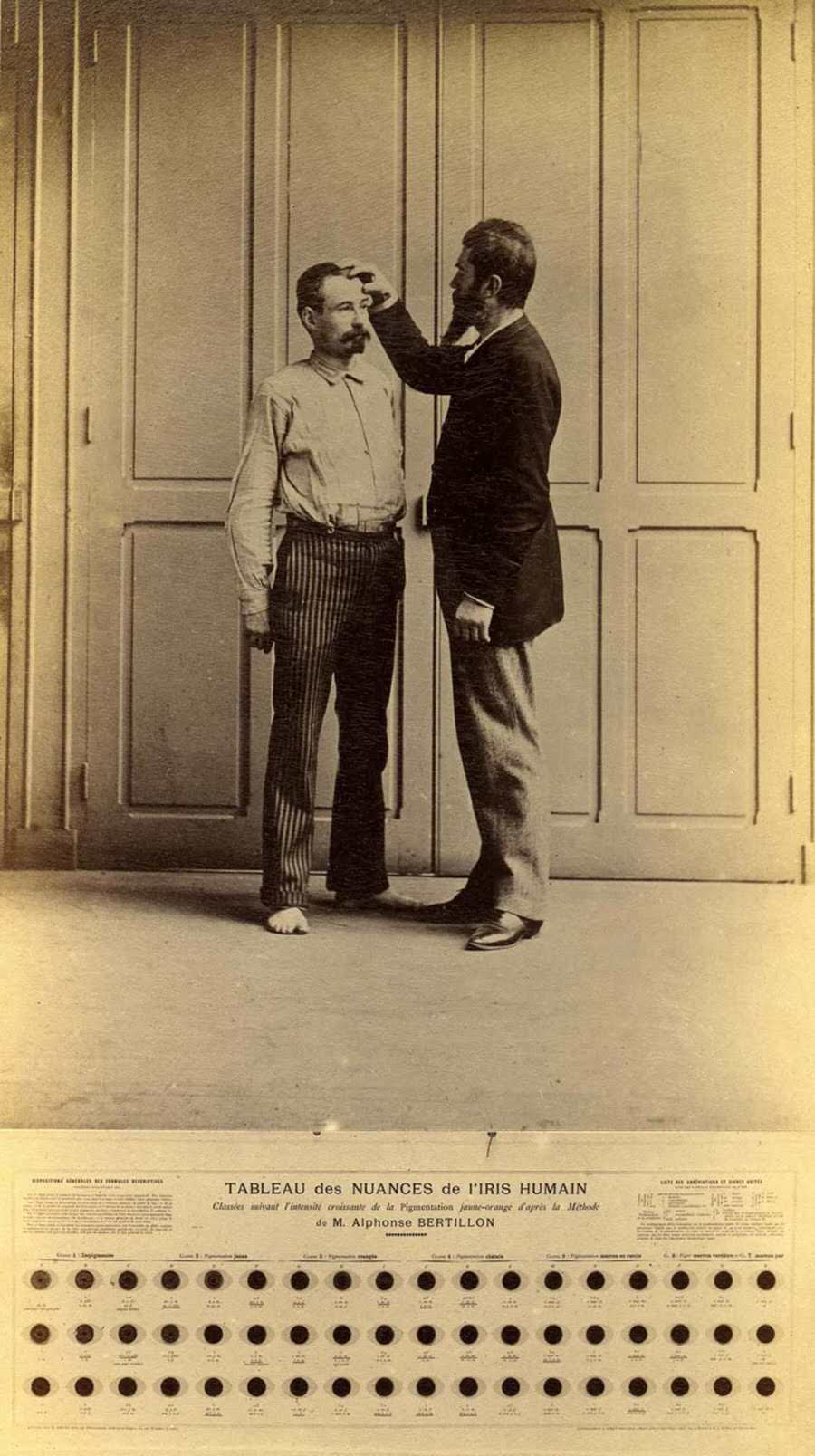
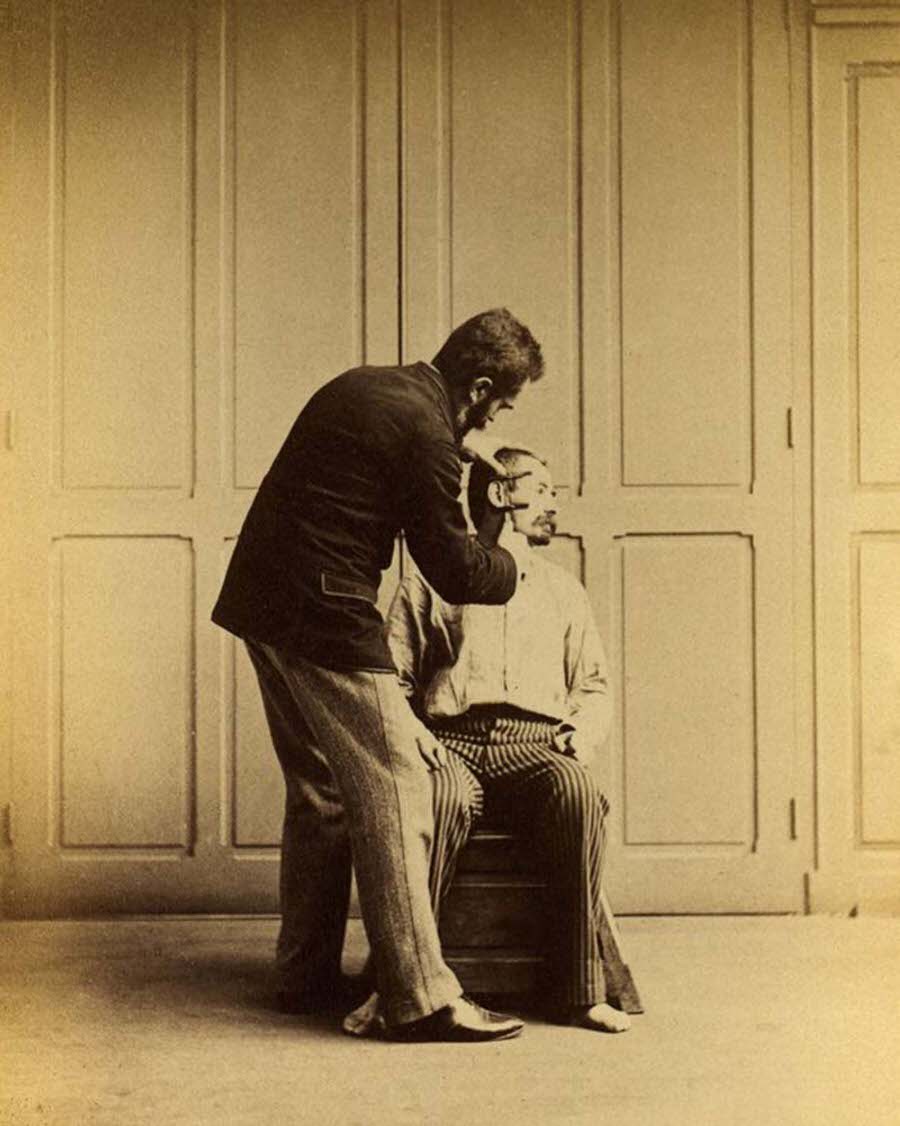
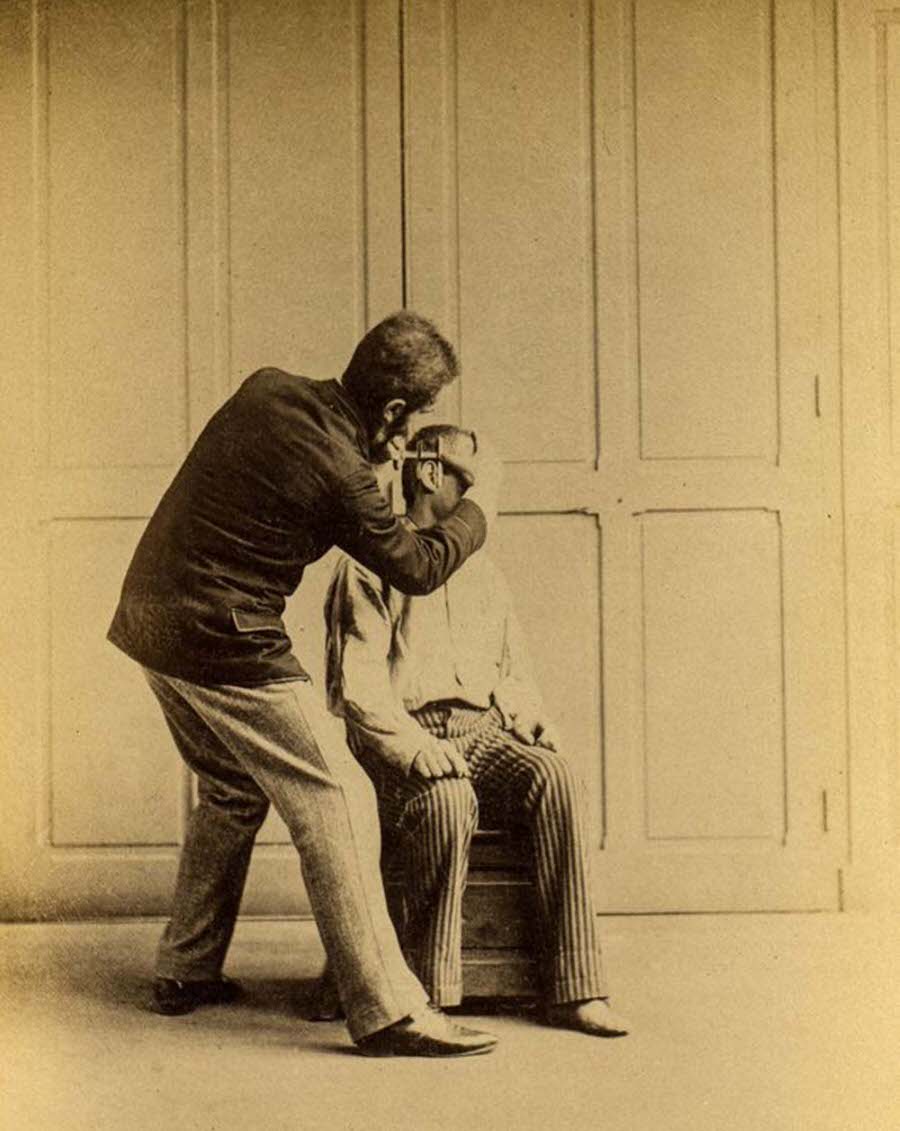
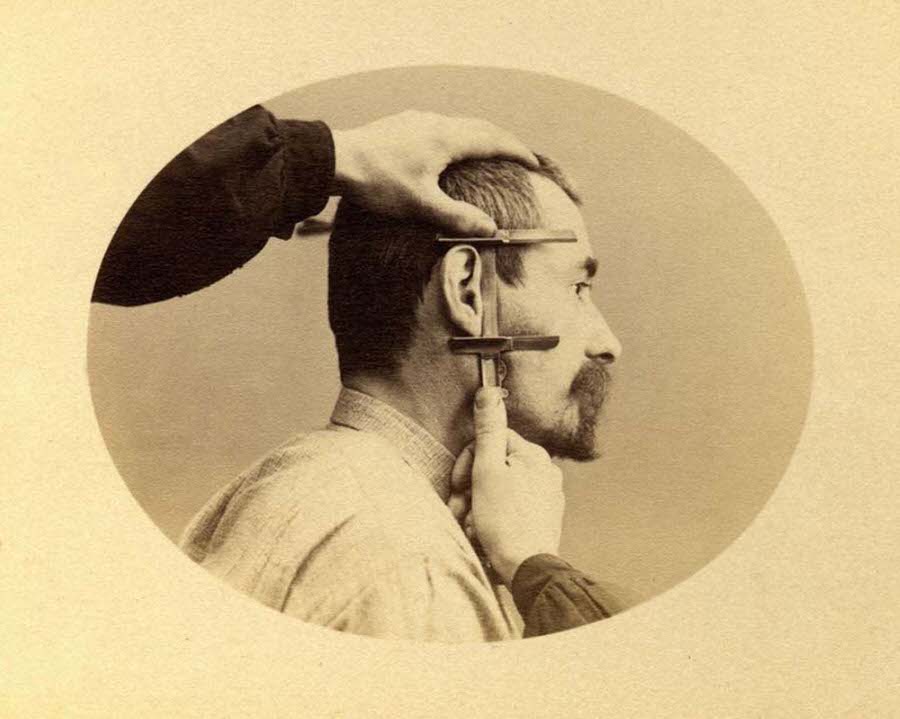
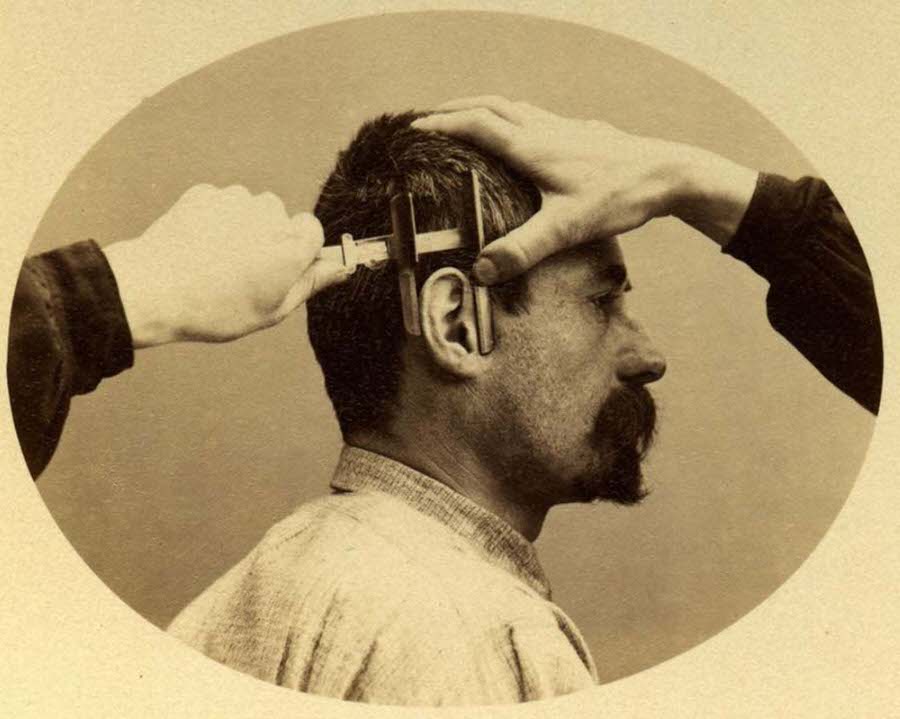
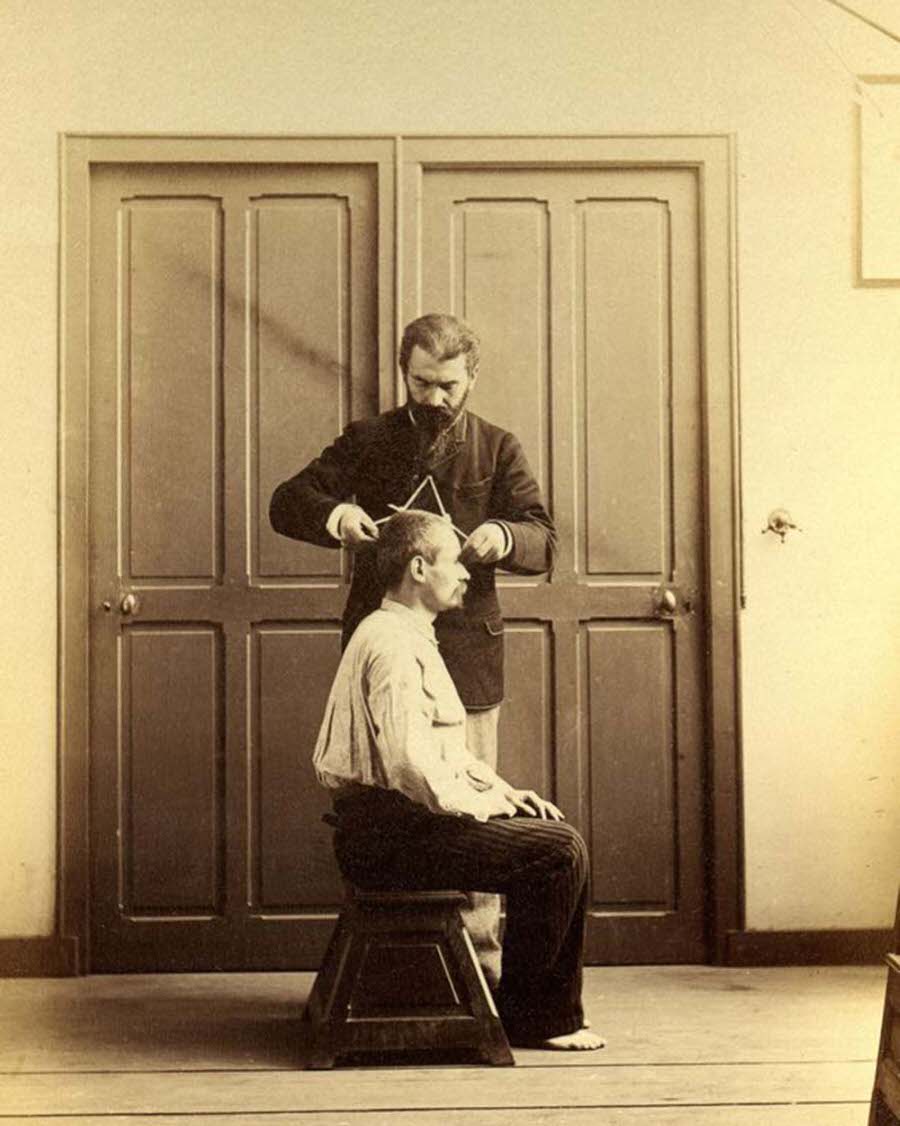
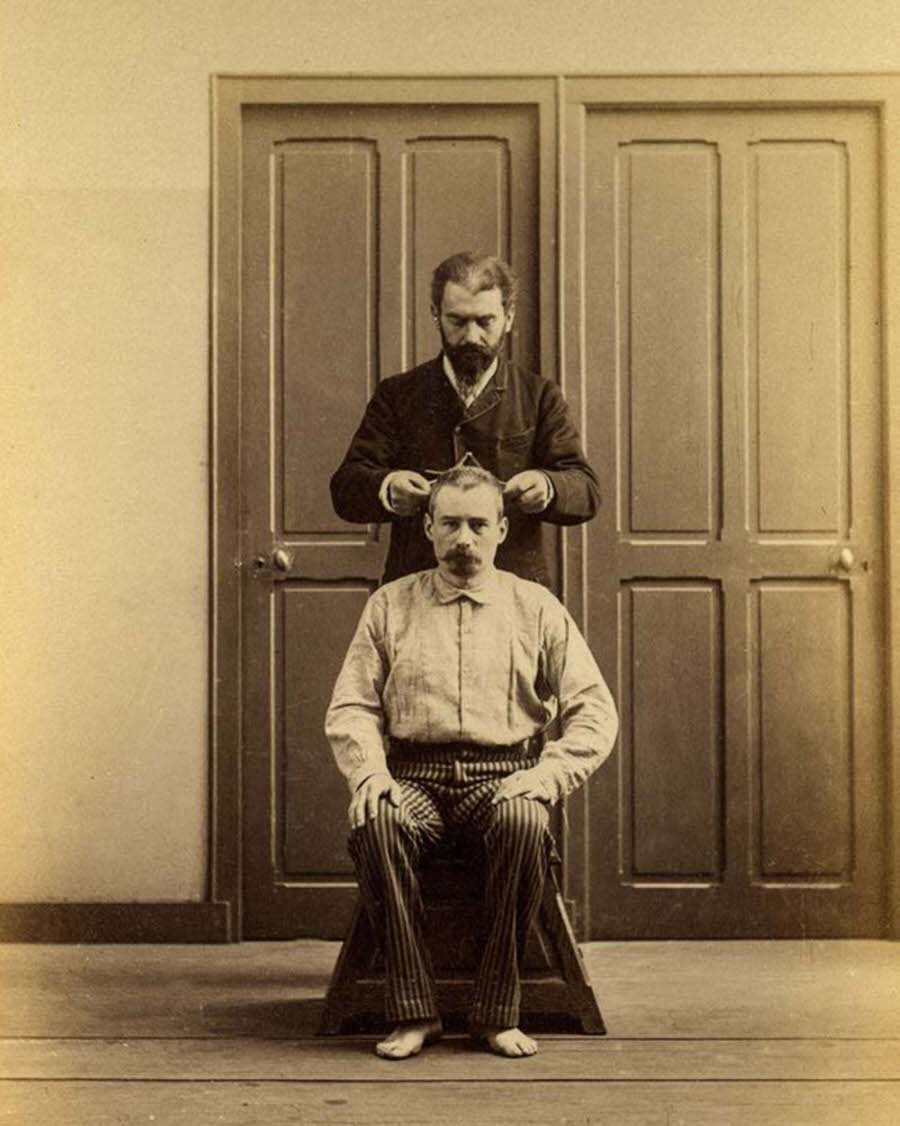
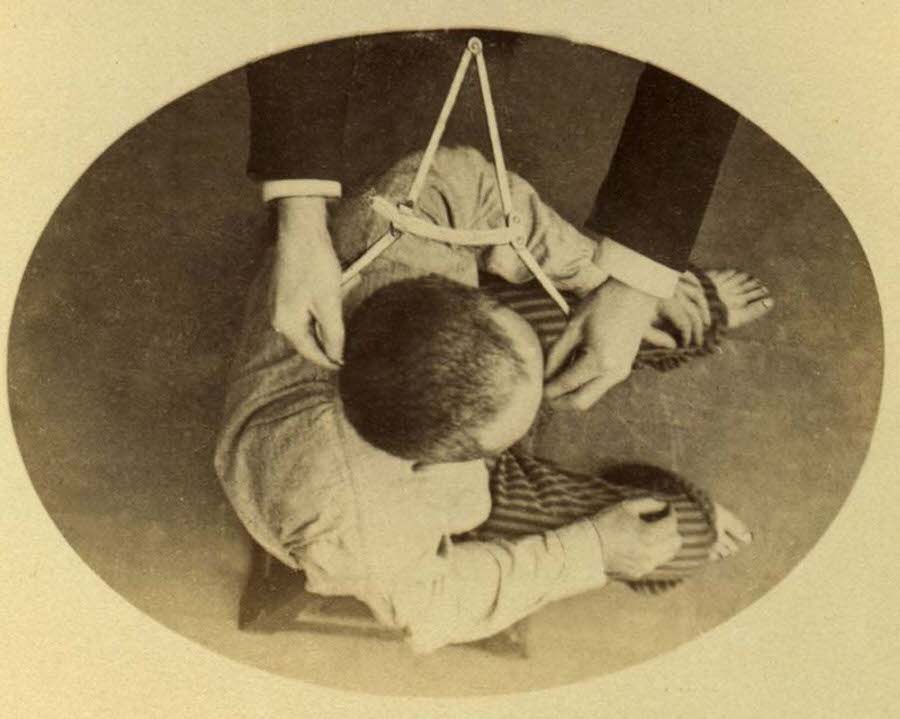
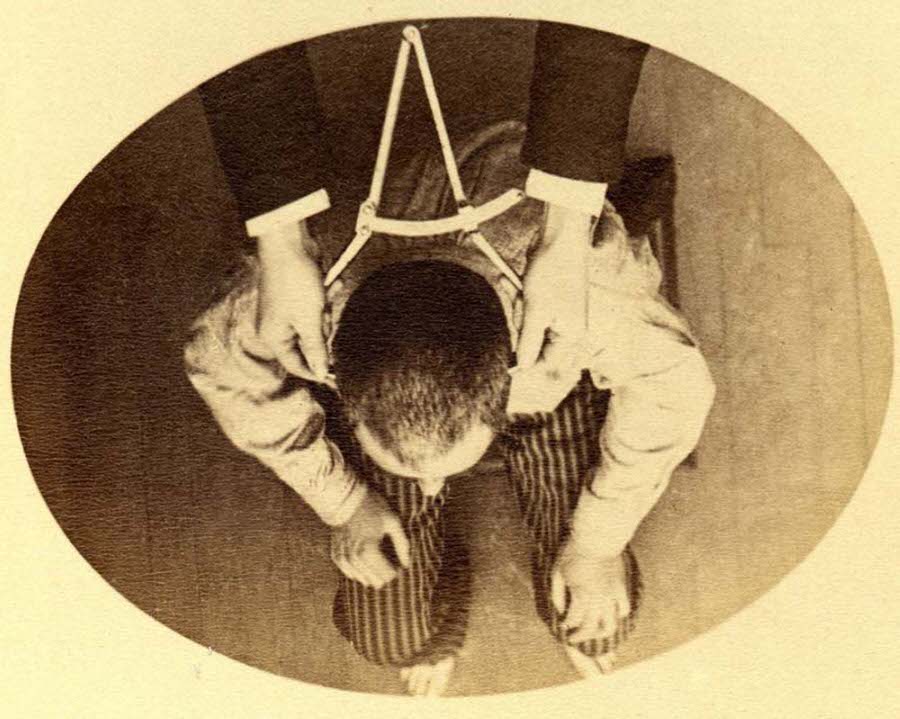
The bertillonage system applied eleven measurements to key parts of a person’s head and body. These included overall height, the length of the head, the width of the head, the length of the right ear, the length of the left foot, the length of the left middle finger, the length of the left little finger, the length of the left forearm (measured from the elbow to the tip of the middle finger, a unit called the cubit), the width of the cheeks, and other distinctive bodily features. Each measurement was recorded precisely and entered into a filing system that allowed officers to search and retrieve records based on combinations of these figures.
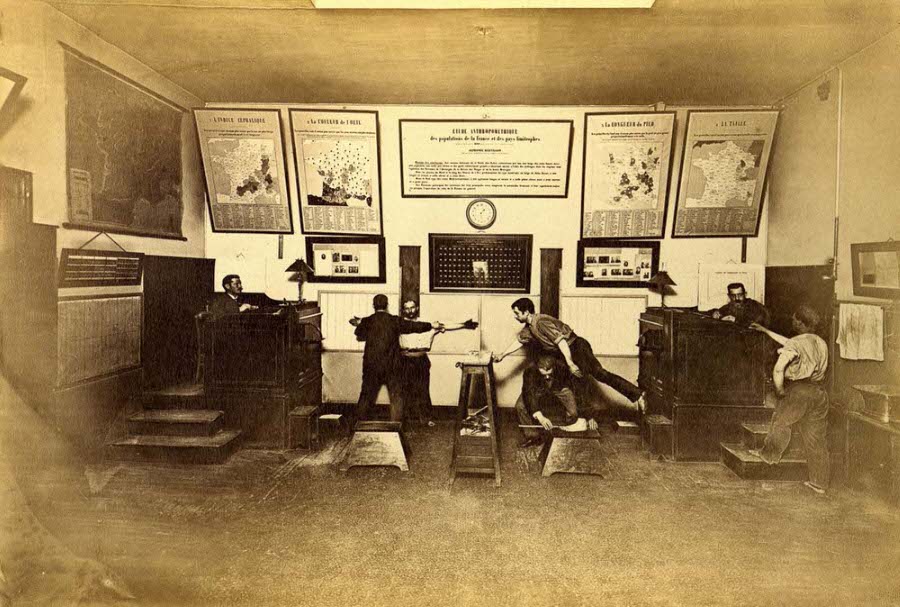
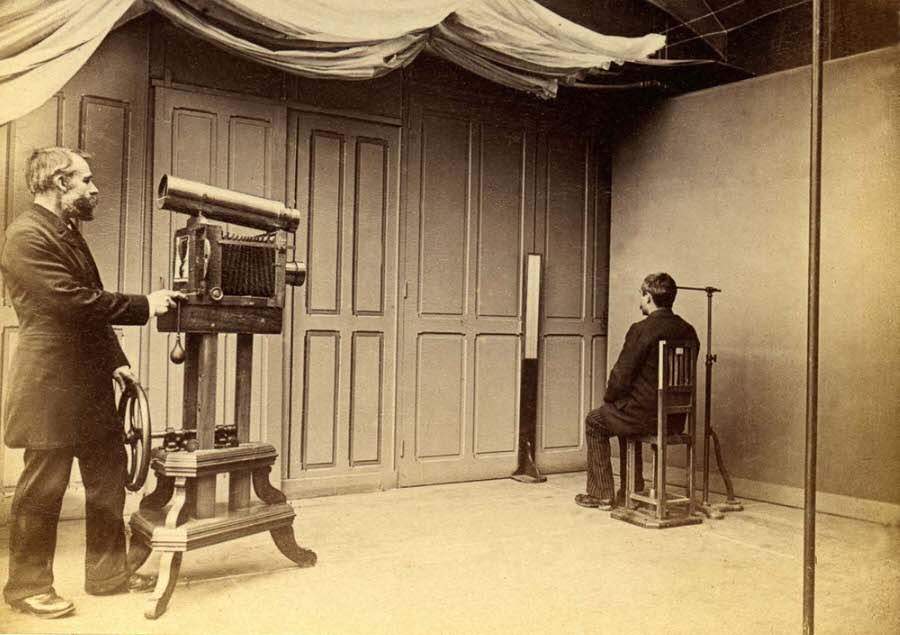
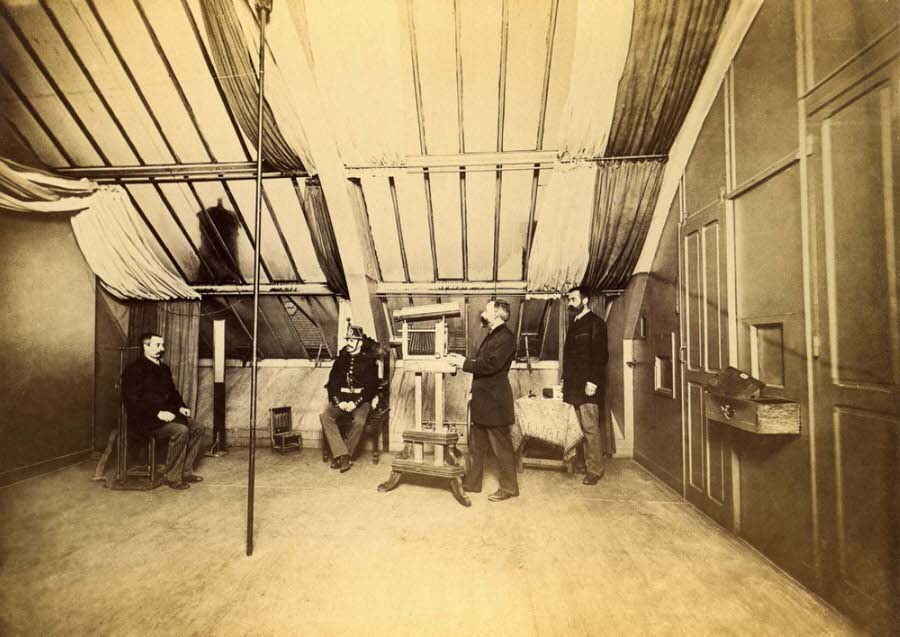
The measuring process itself was methodical. Suspects were brought into dedicated rooms equipped with calibrated instruments. Officers were trained to take each measurement in a specific way to ensure consistency across different examiners and different locations. Bertillon understood that the system would only work if the numbers were reliable — even a small variation in technique could produce a record that failed to match a prior entry.
Photography was a central part of the process. Bertillon did not simply take photos of suspects — he standardized every aspect of how those photos were taken. Lighting conditions, exposure times, camera distances, poses, and scale were all fixed. The result was what we now recognize as the criminal mugshot: a full-face portrait paired with a profile shot, both taken under identical conditions, both appearing on the same identification card. Before Bertillon, photographs of criminals were taken haphazardly, with no consistency in angle or framing, making comparison nearly impossible. His rigid standards changed that.
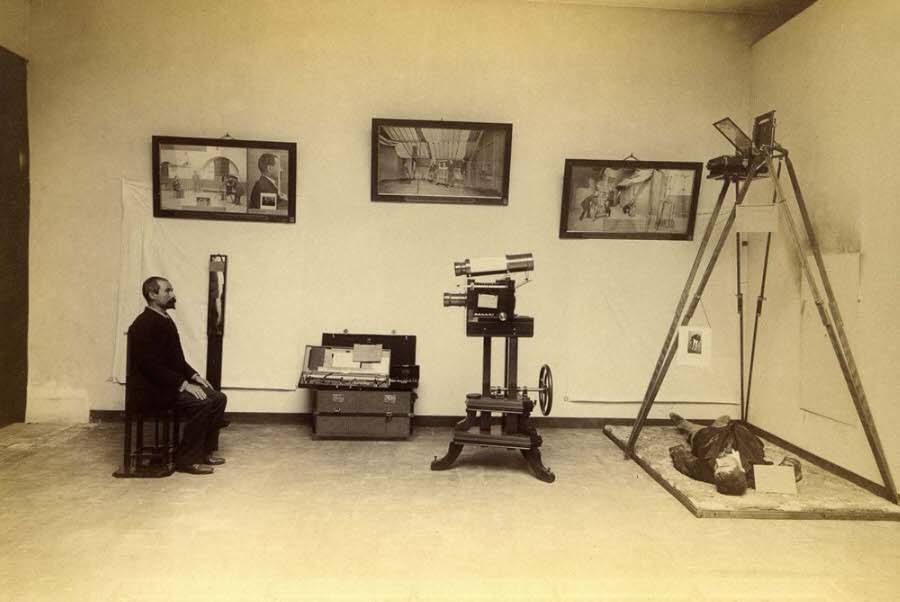
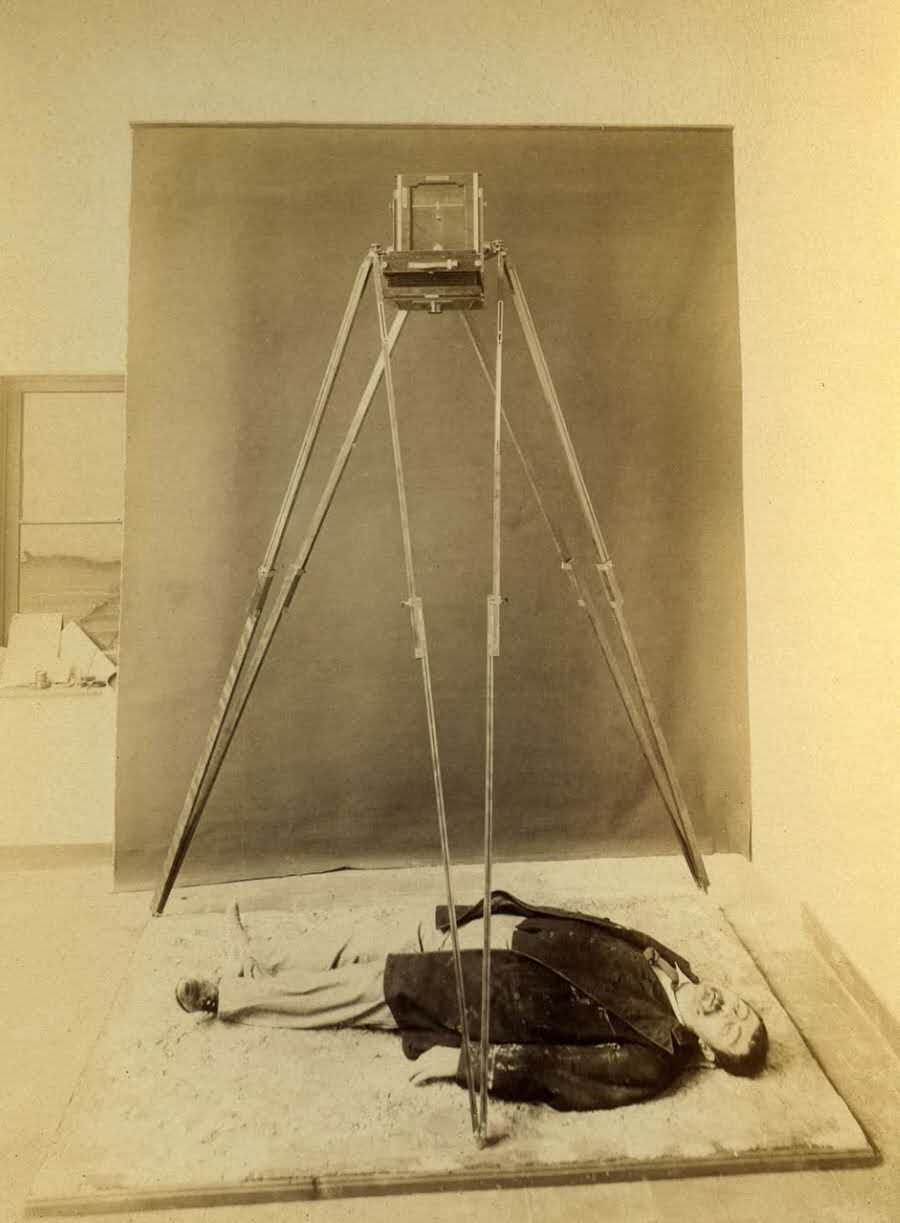
Bertillon extended his photographic methods beyond the police station. He developed specialized equipment and procedures for photographing crime scenes and murder victims. A specially designed tripod arrangement allowed officers to photograph a body lying on the ground from directly above, capturing the scene in a way that preserved spatial relationships between evidence. These techniques brought the same discipline he applied to mugshots into the field of crime scene documentation.
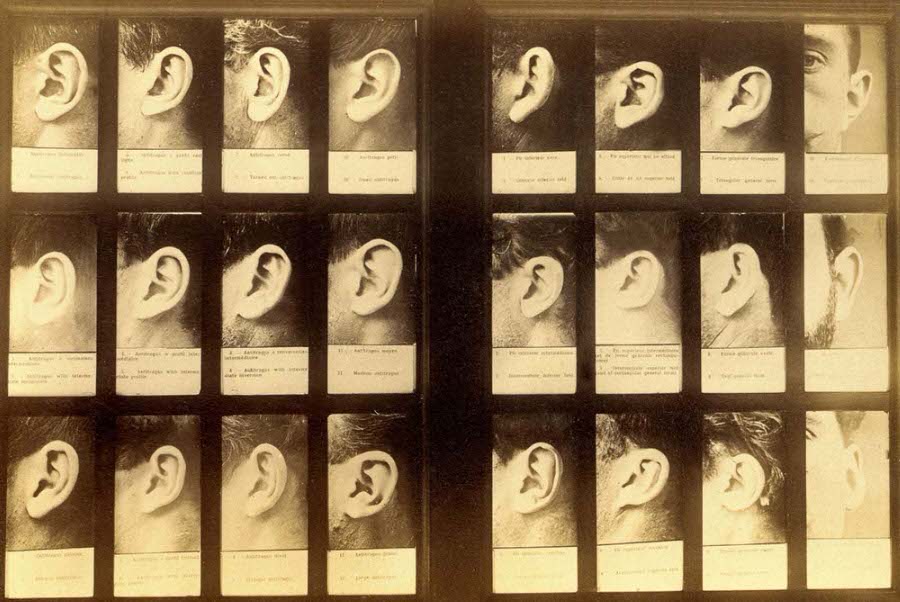
Beyond numbers and photographs, Bertillon created what he called the portrait parlé — literally, the “speaking portrait.” This was a detailed verbal and visual breakdown of a person’s physical features, with particular attention paid to the face. Photographs of individual facial features, such as the ear, the nose, and the overall shape of the face, were catalogued and mounted side by side to allow direct comparison between records. The goal was to give investigators a precise language for describing and comparing faces, one that went far beyond “tall man with brown hair.”
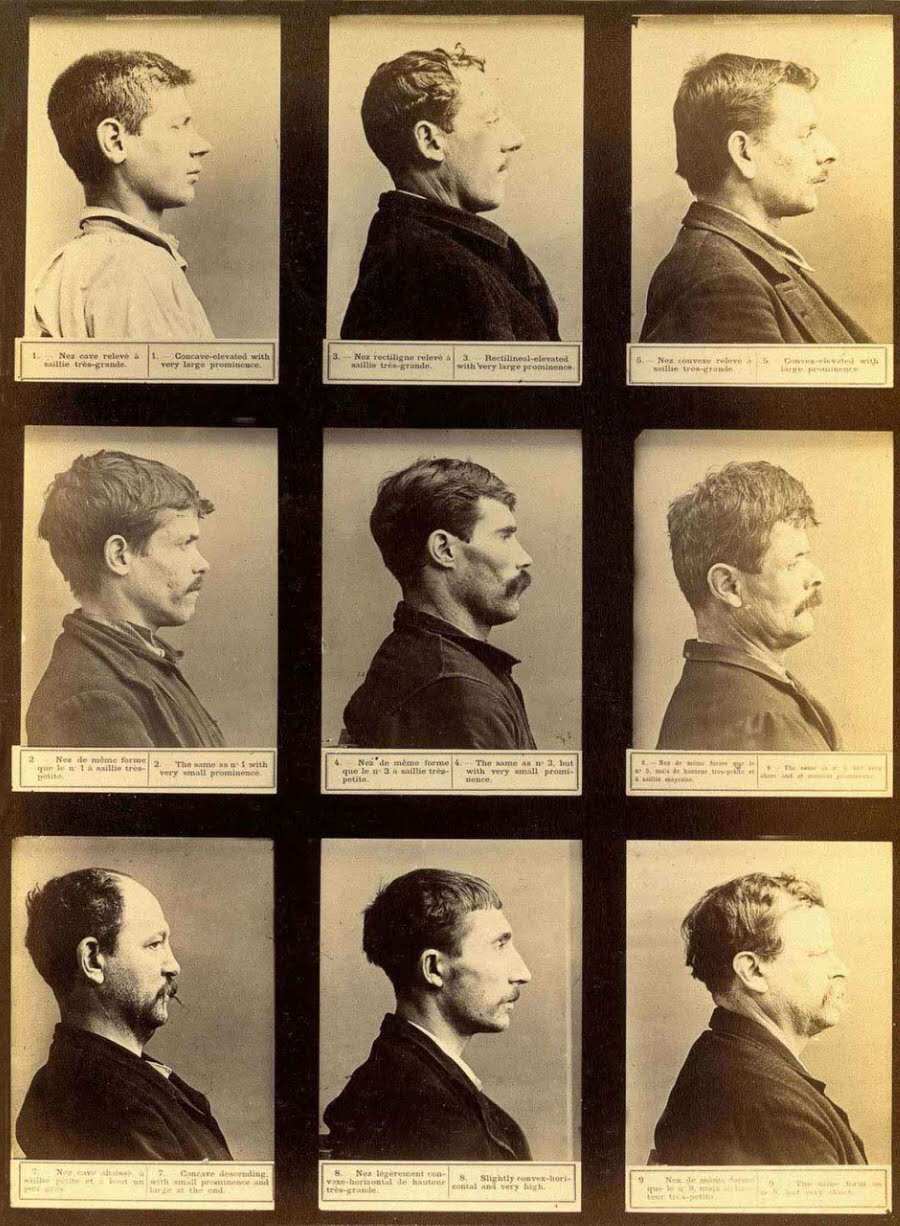
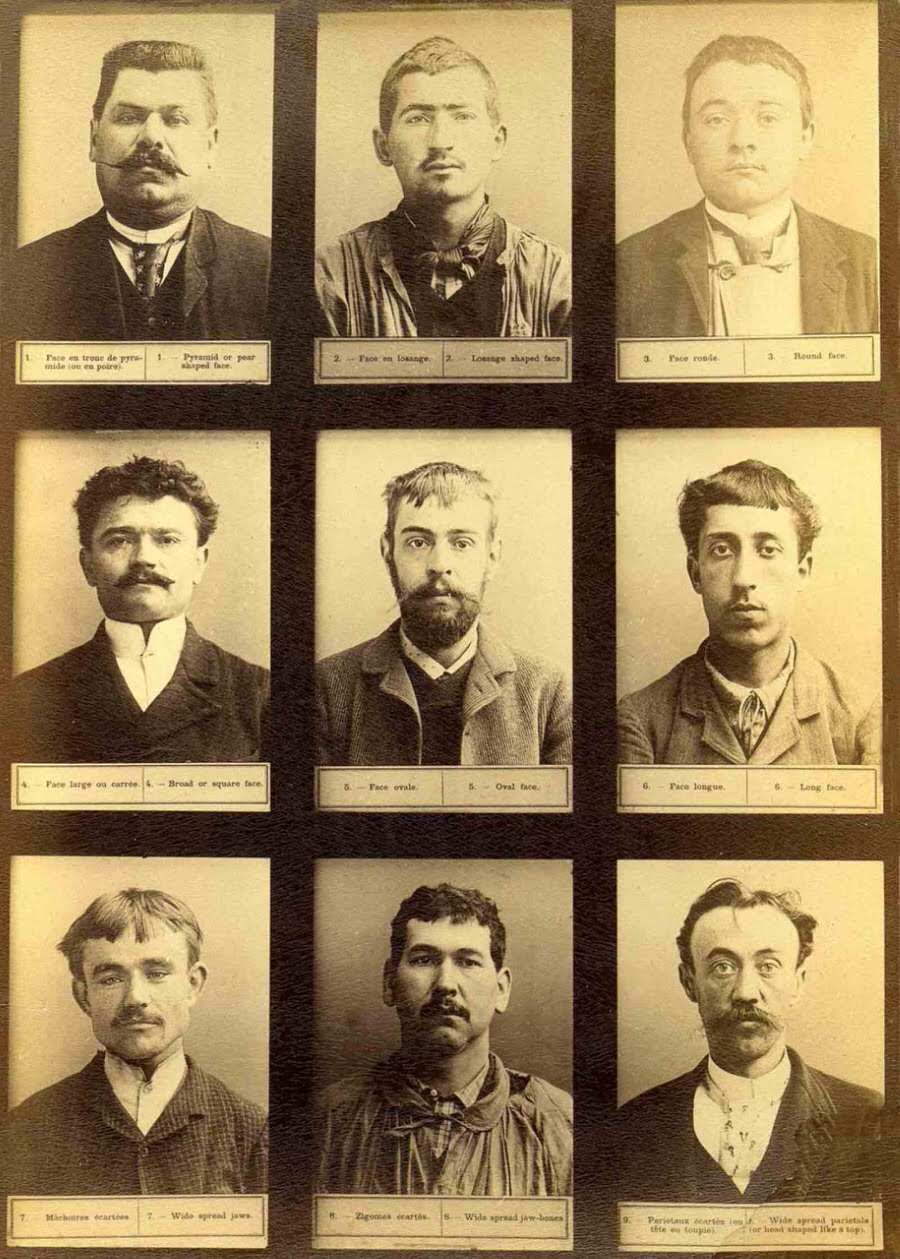
The system spread quickly. Police departments across Europe and North America adopted bertillonage, and training classes were established to teach officers how to take measurements and maintain records correctly. By the early twentieth century, the Bertillon system was in use on multiple continents, and dedicated classrooms were set up to train new practitioners in the method.
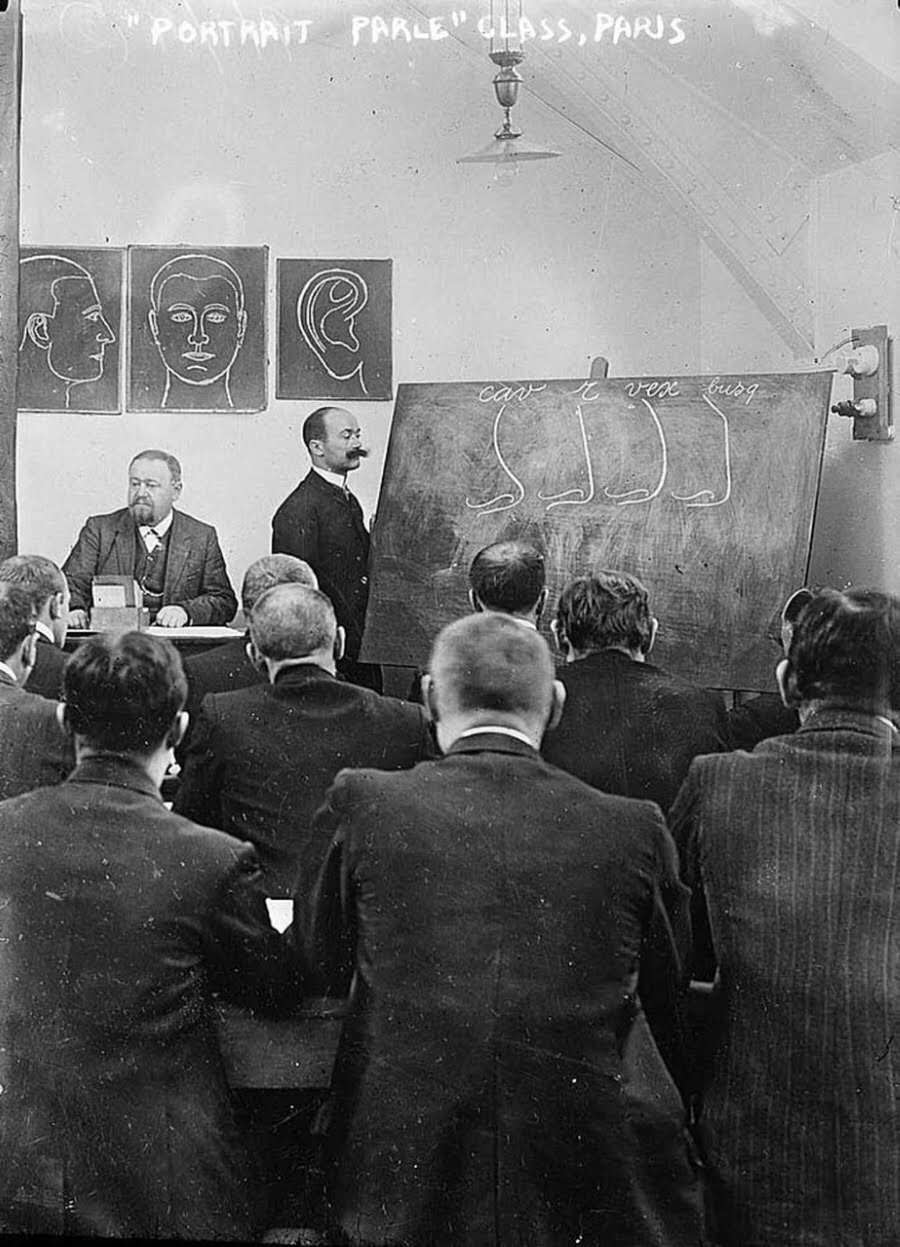
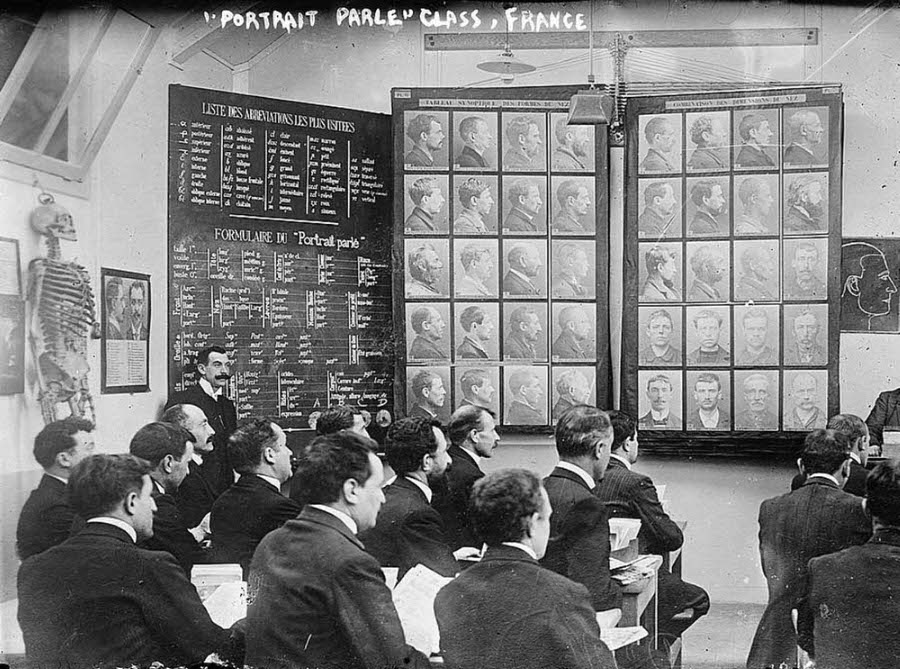
Despite its scientific foundation, the Bertillon system had real and documented flaws. The most significant was its limited scope: the system was designed specifically for adult men who had reached full physical maturity. Women and children were excluded because their bodies continued to change in ways that made fixed measurements unreliable as long-term identifiers. Men with short hair were easier to process under the system’s photographic standards, while longer hair complicated the standardized portrait format. The system also depended entirely on the accuracy and consistency of the officers taking the measurements — human error could corrupt a record and cause a match to fail.
Still, bertillonage represented a genuine leap forward in forensic thinking. It replaced guesswork with measurement, and anecdote with documented records. The standardized mugshot that Bertillon introduced in the 1890s remains in use today in every police department in the world — a direct product of his insistence that criminal identification should be a science, not an art.





It’s a fascinating article. The photos and photographic equipment are beautifully displayed.