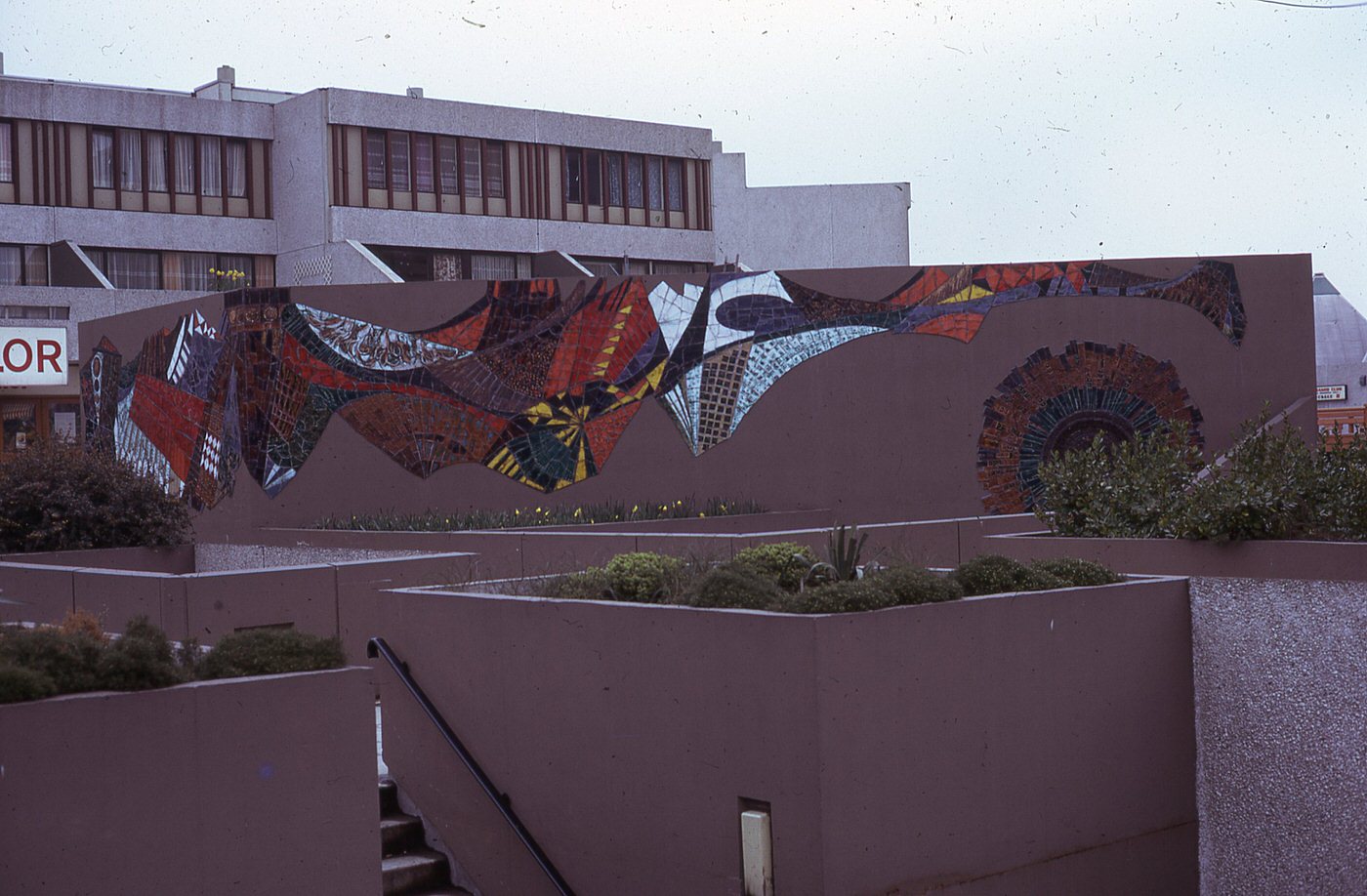
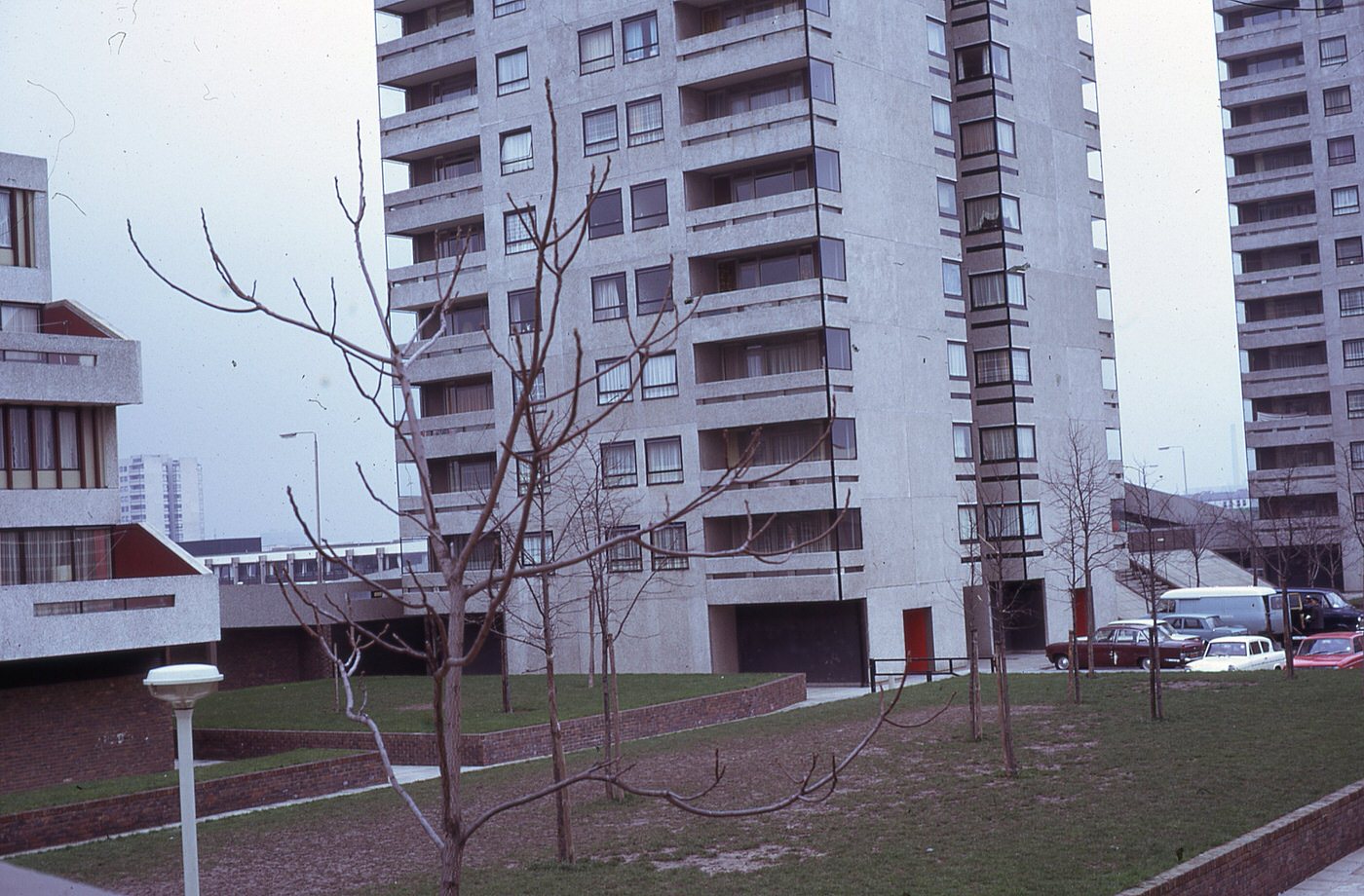
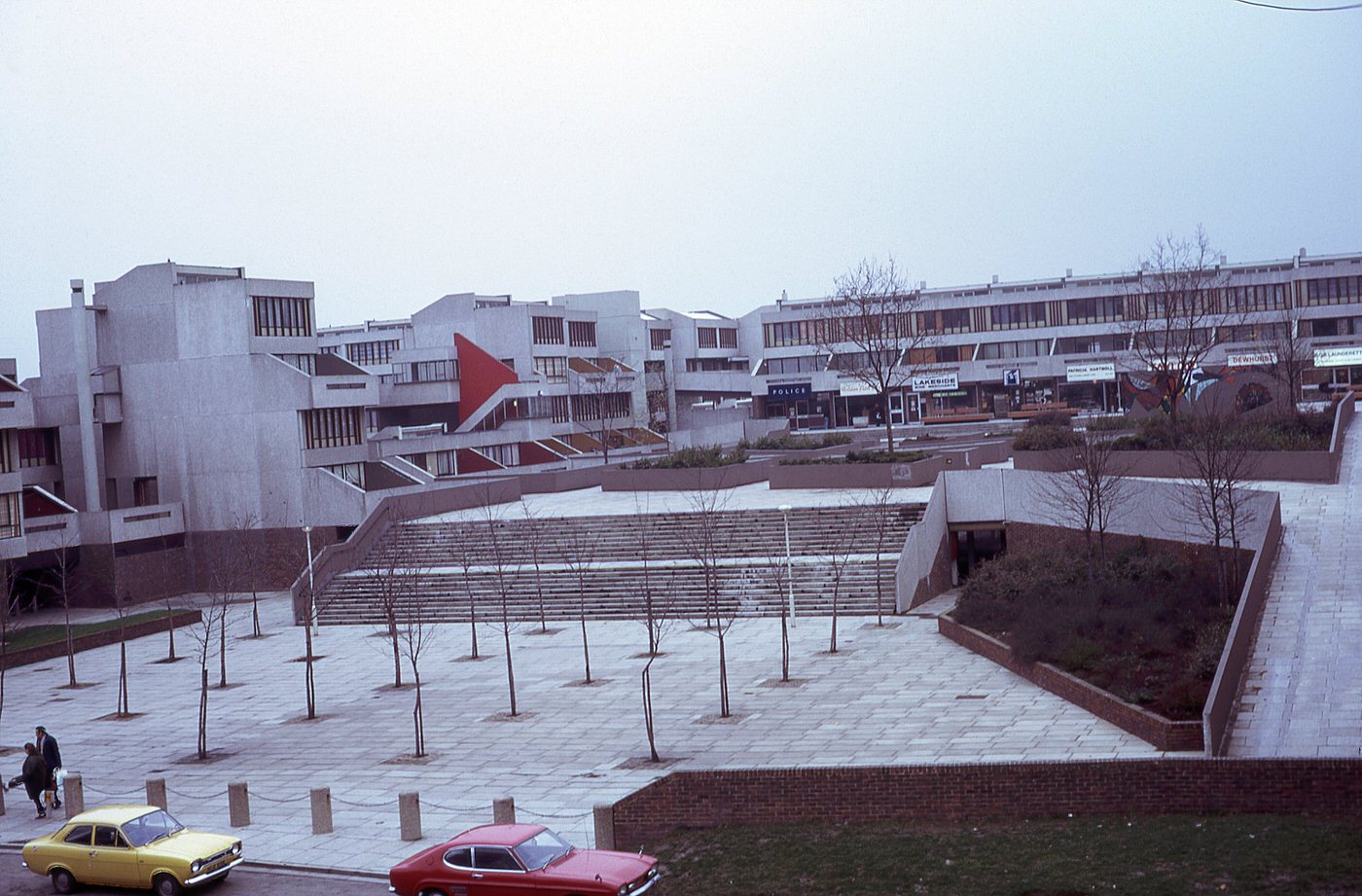
Thamesmead was built on the site of a former munitions factory on the southeastern edge of London. The Greater London Council launched the project to tackle the city’s housing shortage, and their ambitions were enormous. Planners wanted a fully self-contained community — shops, schools, leisure facilities, and even a marina were all on the drawing board.
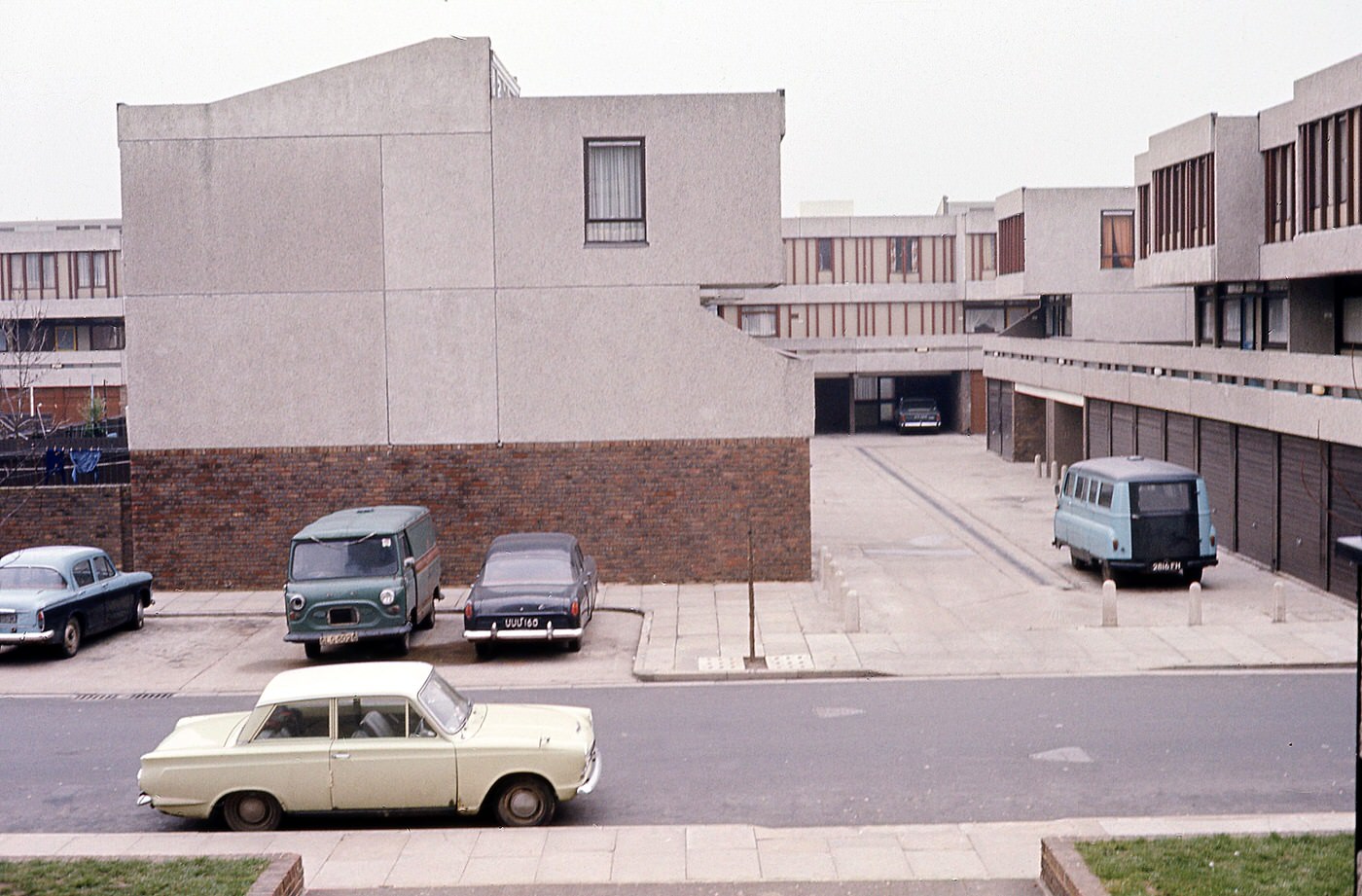
Before anyone moved in, prospective residents were interviewed. The GLC wanted a carefully balanced mix of ages and backgrounds, a deliberate attempt to engineer a thriving social community from the ground up. On paper, Thamesmead looked like London’s answer to the future.
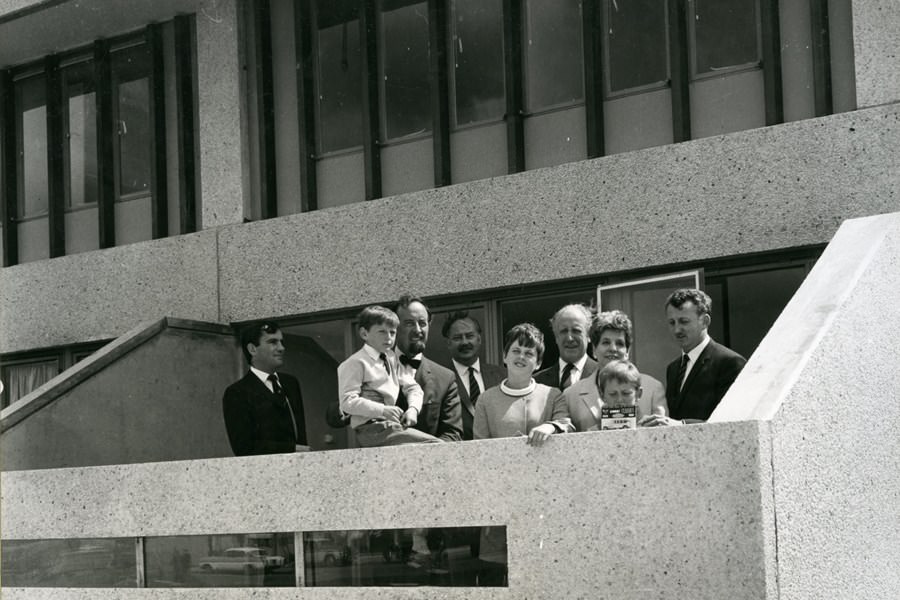
The site sat on marshy ground, which forced architects into an unusual solution. They designed a network of raised walkways that connected homes and amenities above the waterlogged earth. The idea was practical — keep residents’ feet dry — but the spaces underneath quickly became dark, isolated, and unwelcoming.
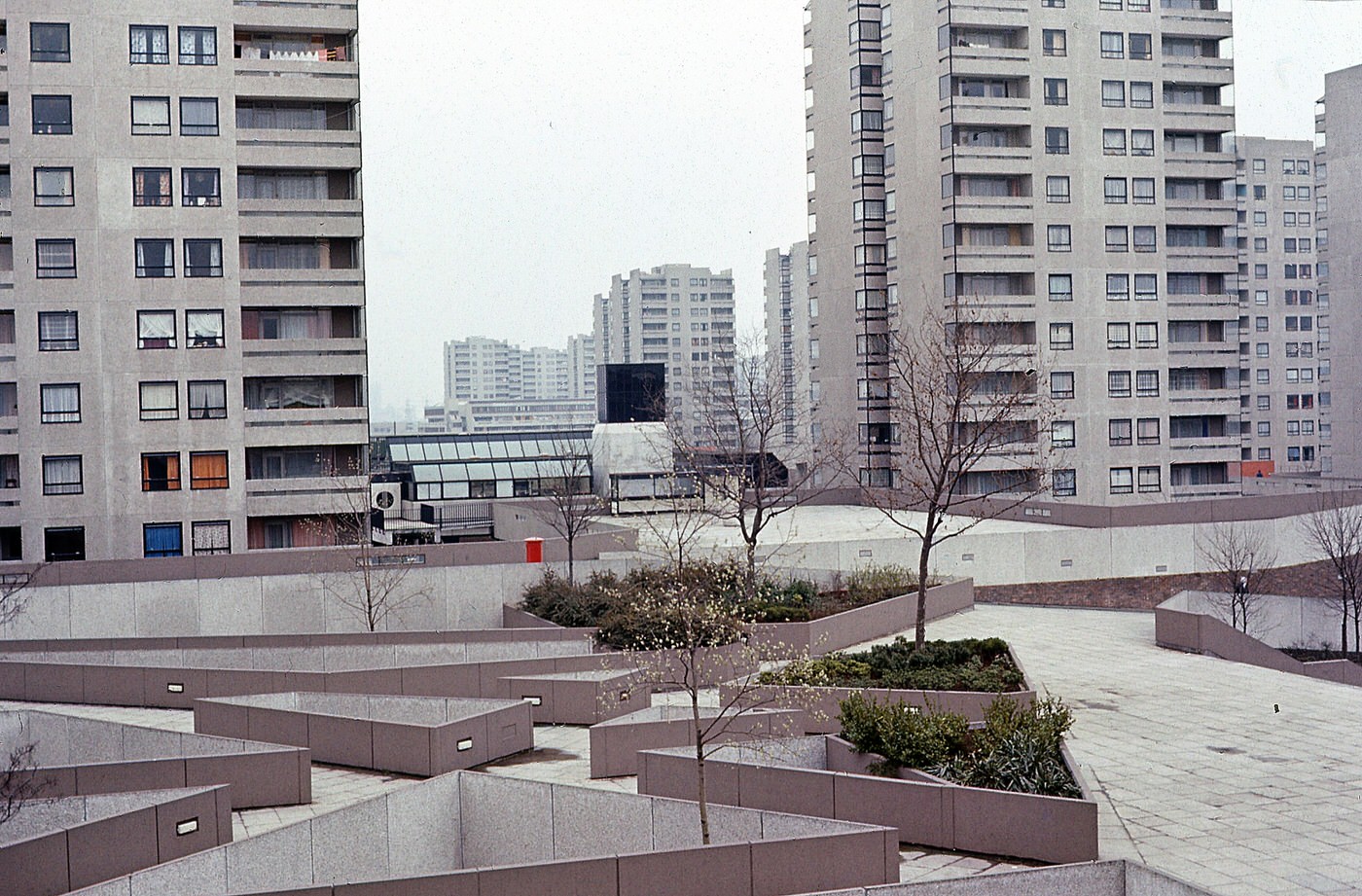
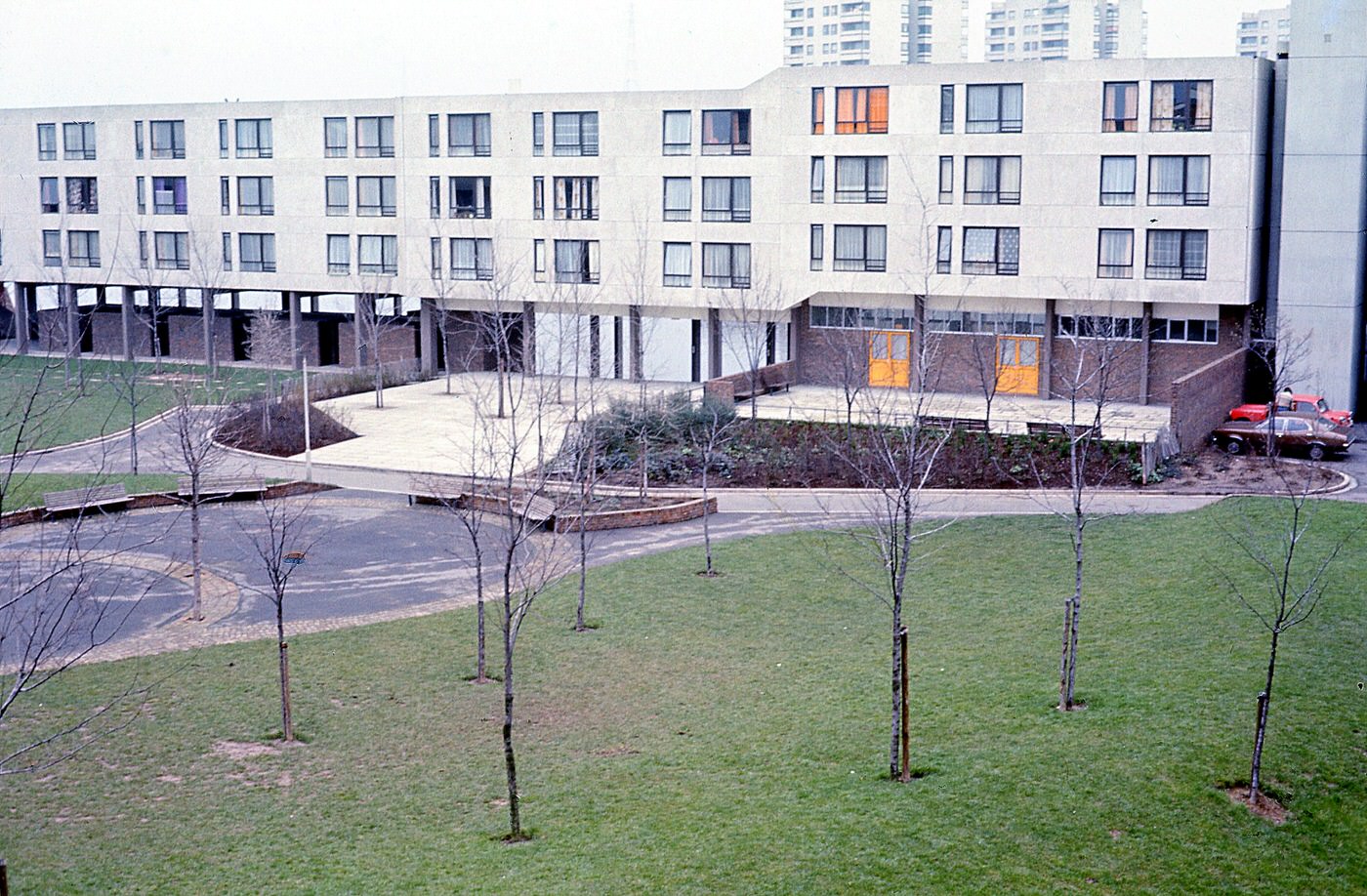
The bold promises began falling apart almost immediately. The planned marina was never built. No bridge over the Thames materialized. The train station that would have connected residents to central London never came. Without reliable transport, Thamesmead became an island cut off from the rest of the city.
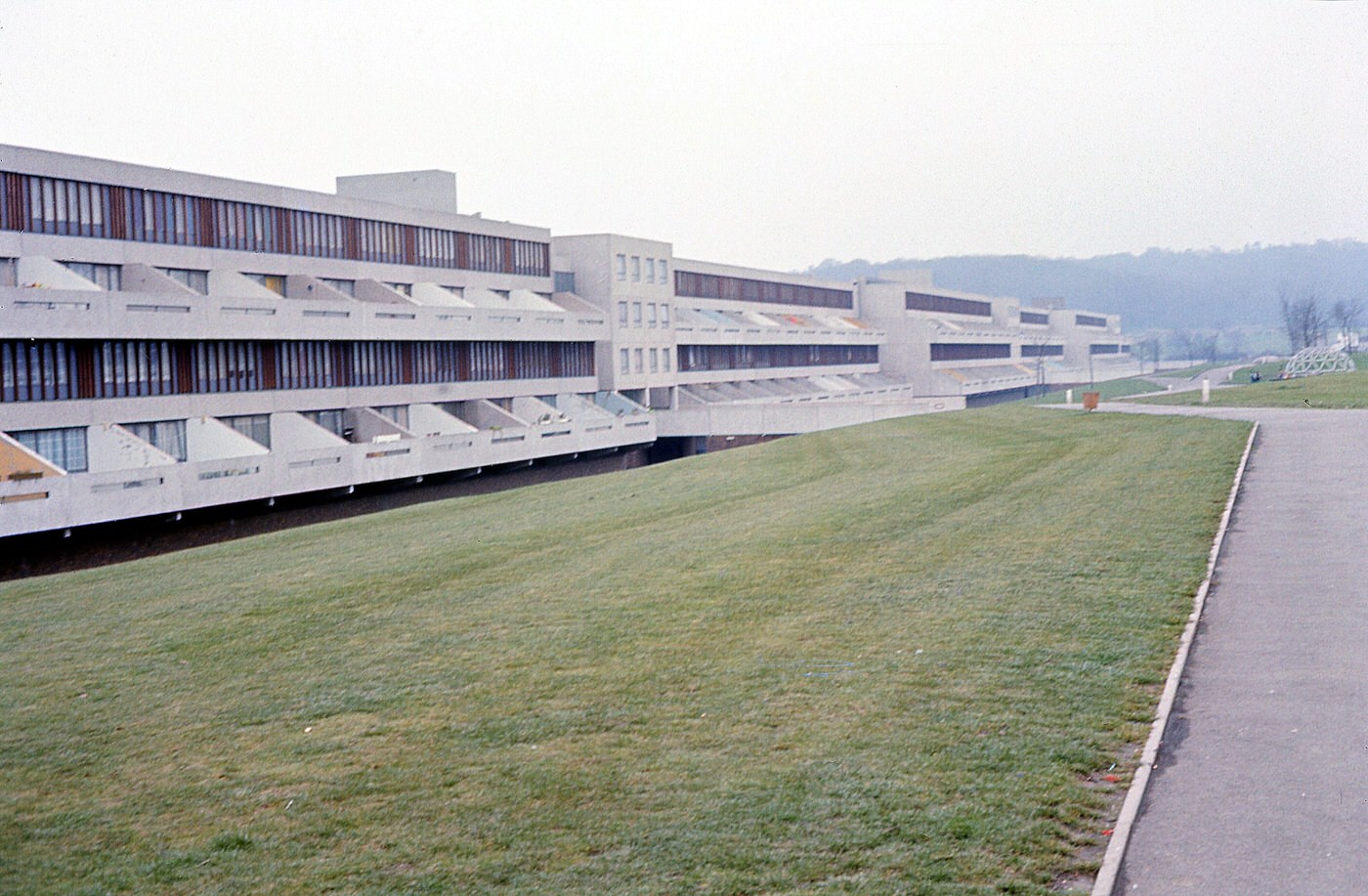
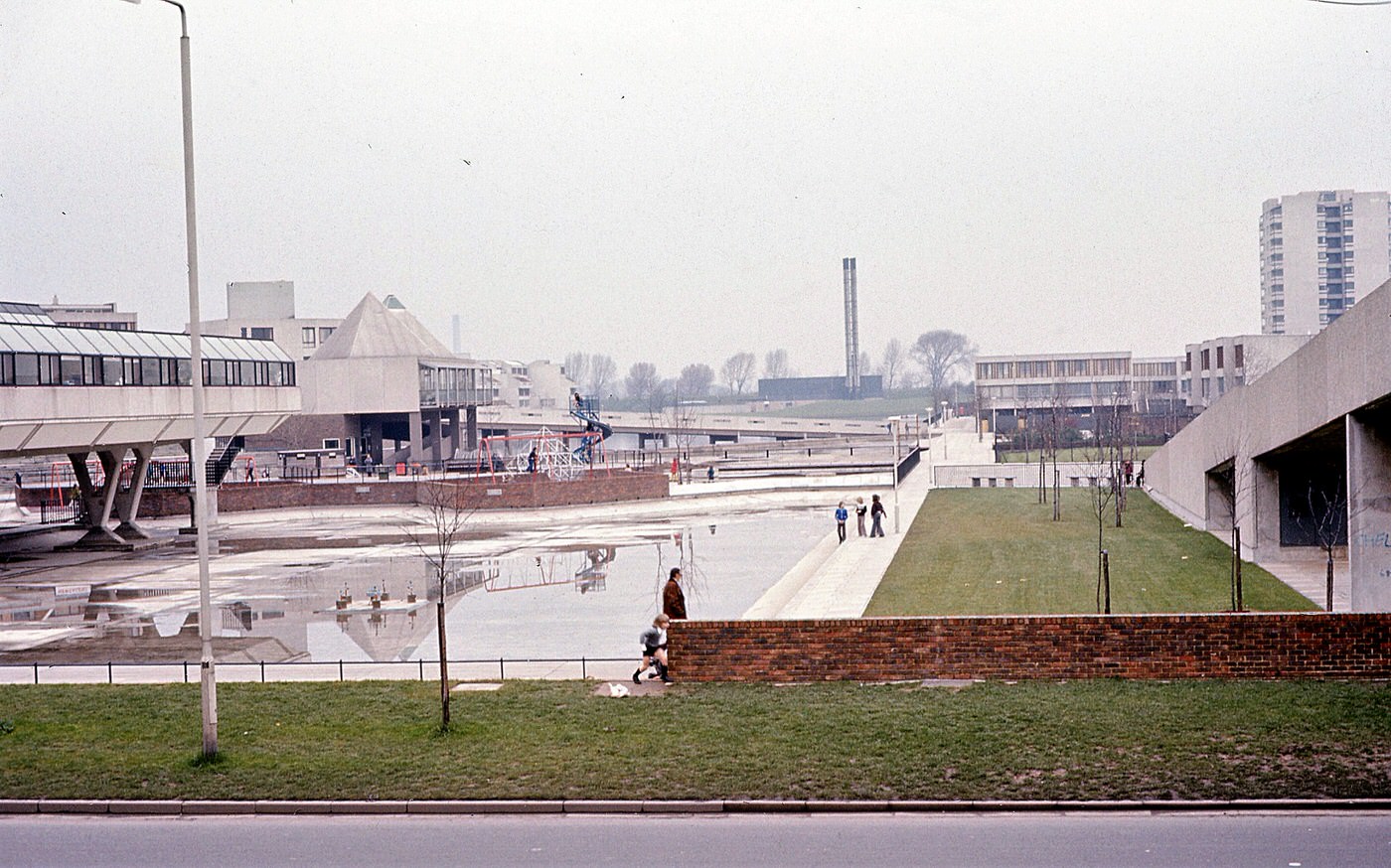
The town center, meant to buzz with activity, never found its footing. Shops closed or failed to open. The community heart that planners had envisioned simply did not beat. By the mid-1970s, the gap between the original vision and the daily reality was impossible to ignore.
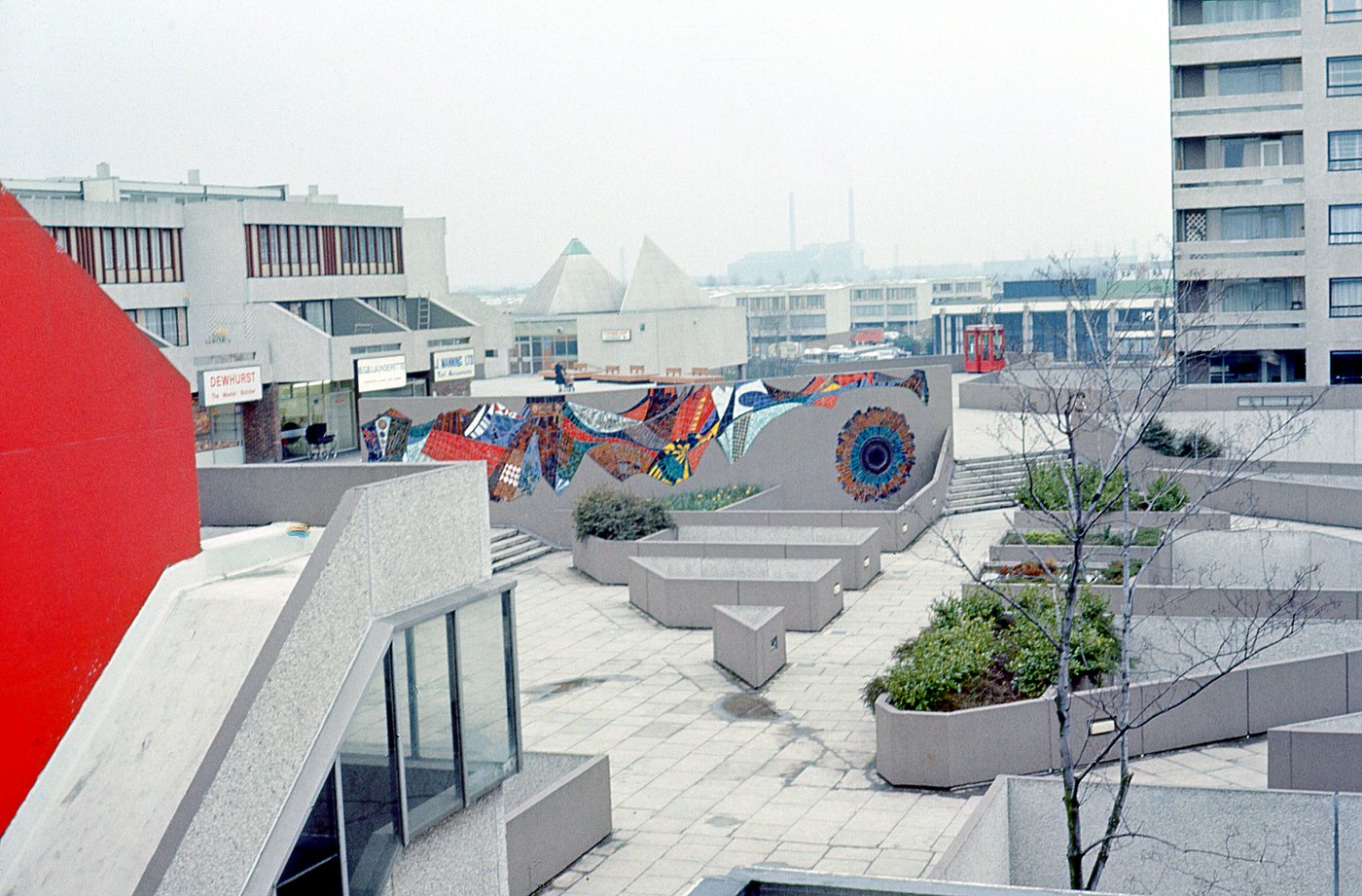
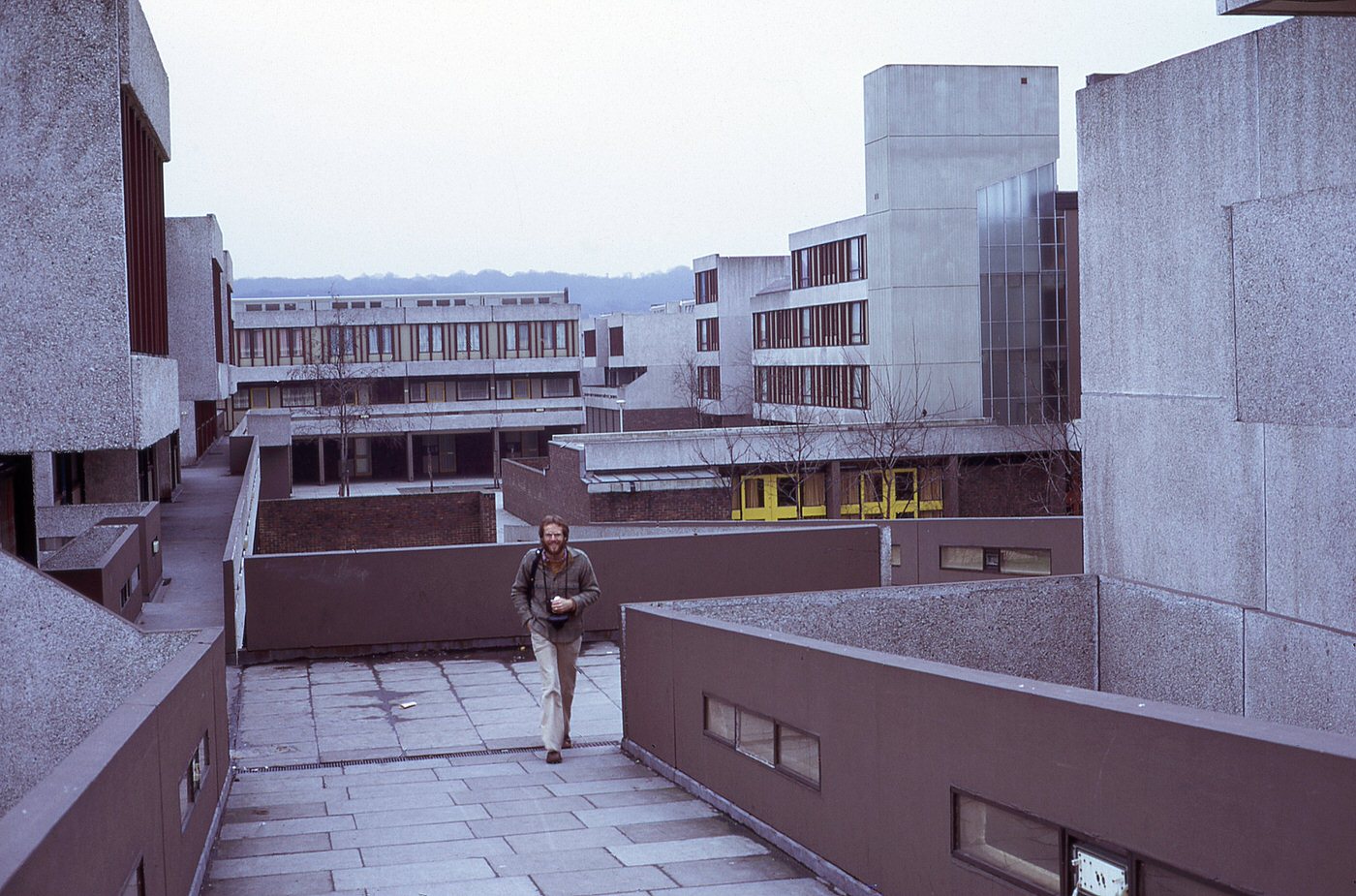
Thamesmead’s reputation deteriorated steadily. Housing authorities began relocating families from troubled areas of London there, concentrating deprivation rather than distributing it. Original residents who had the means to leave did so. Those who stayed had little choice.
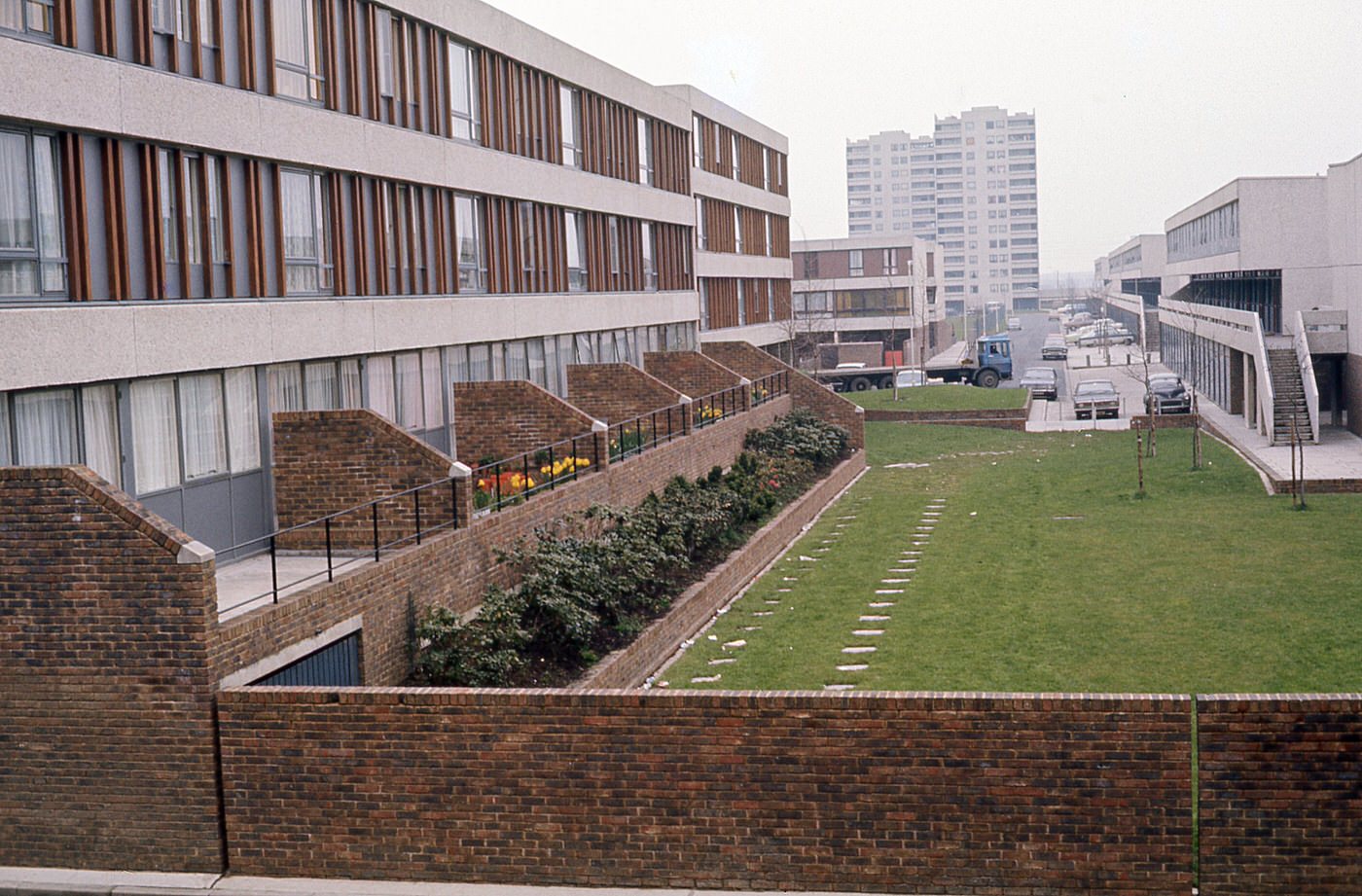
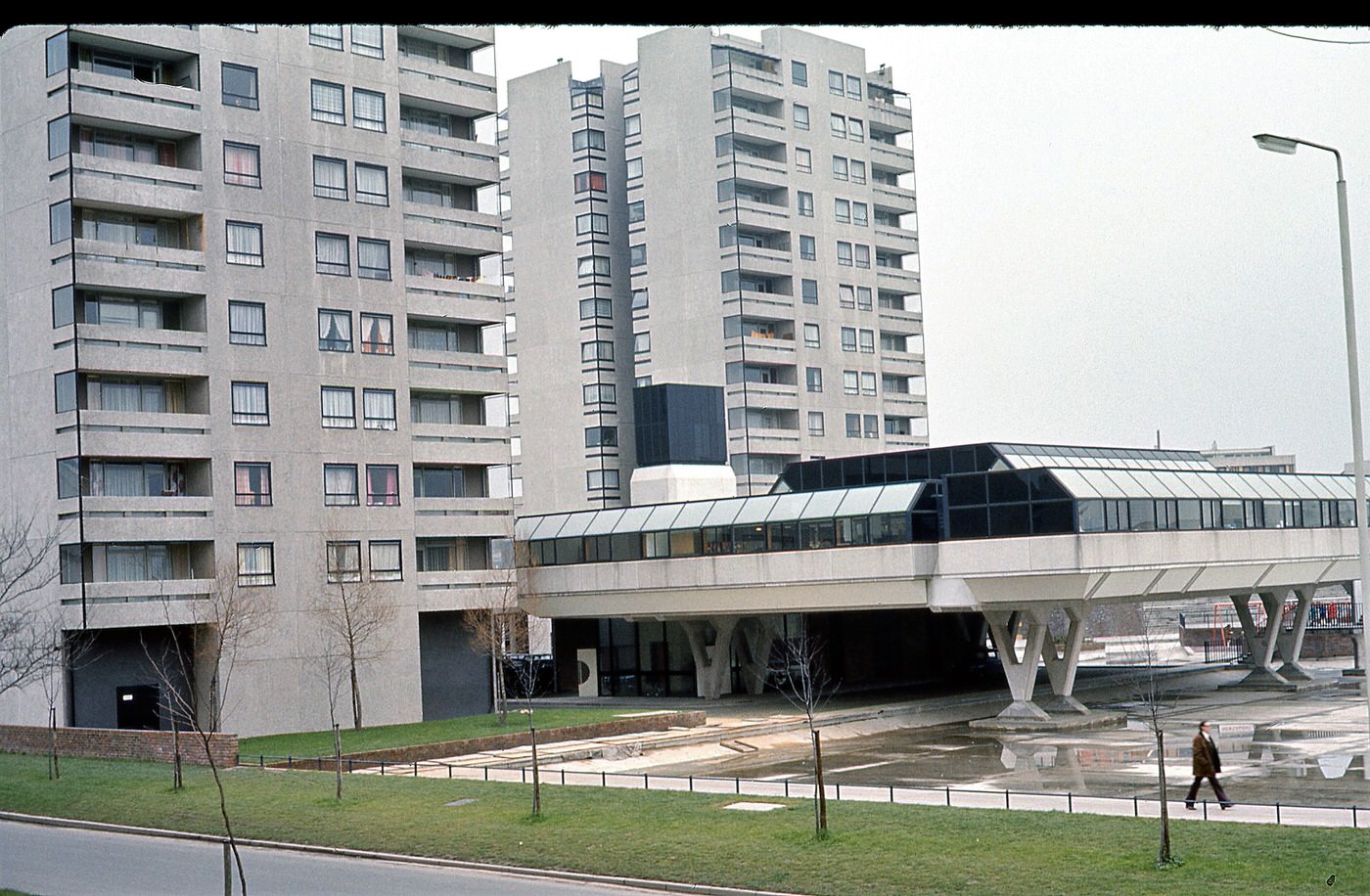
The brutalist concrete architecture, once marketed as cutting-edge and modern, became a symbol of everything that had gone wrong. The stark grey blocks and angular forms that were supposed to signal progress now reflected neglect and decline.
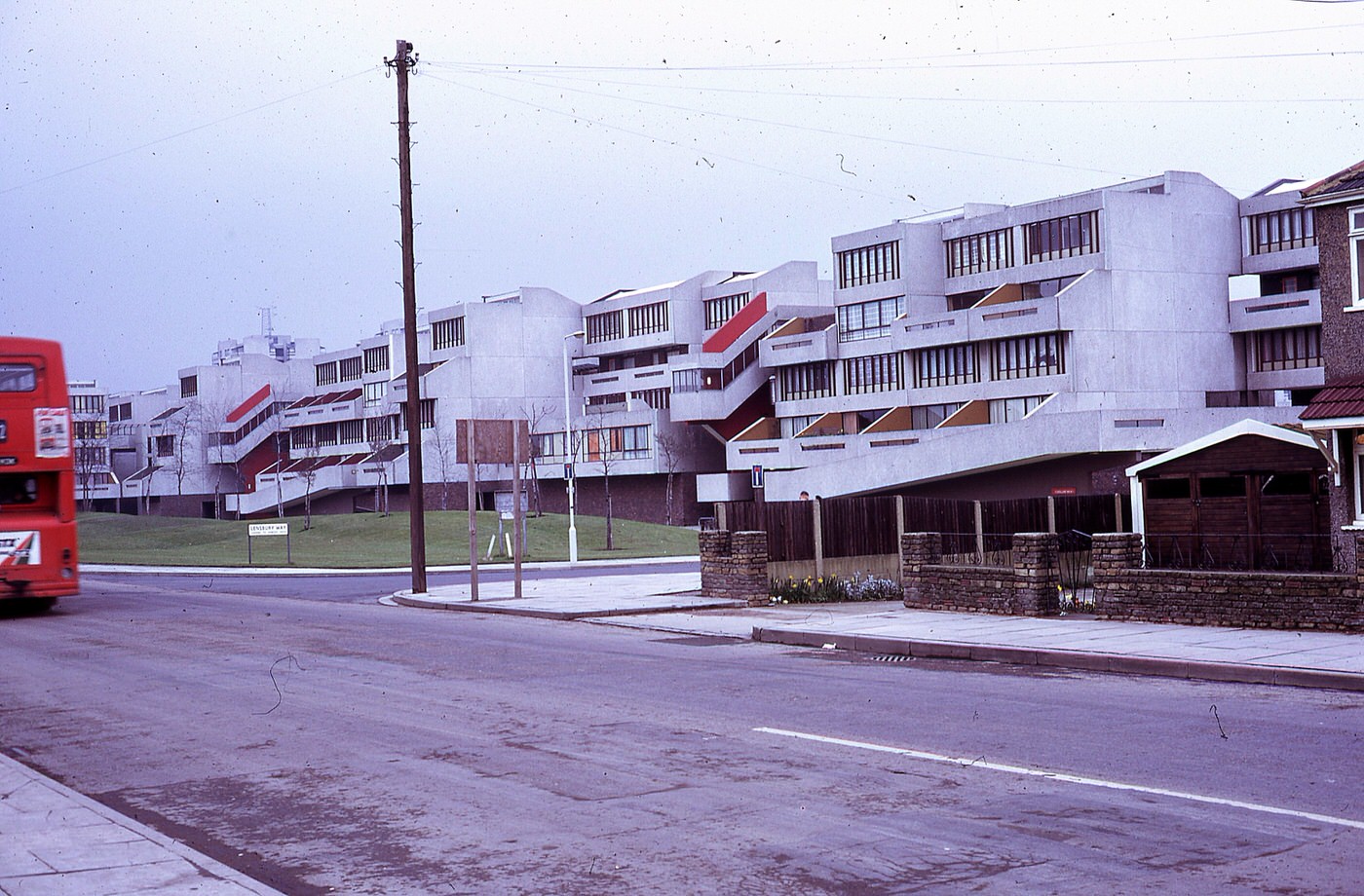
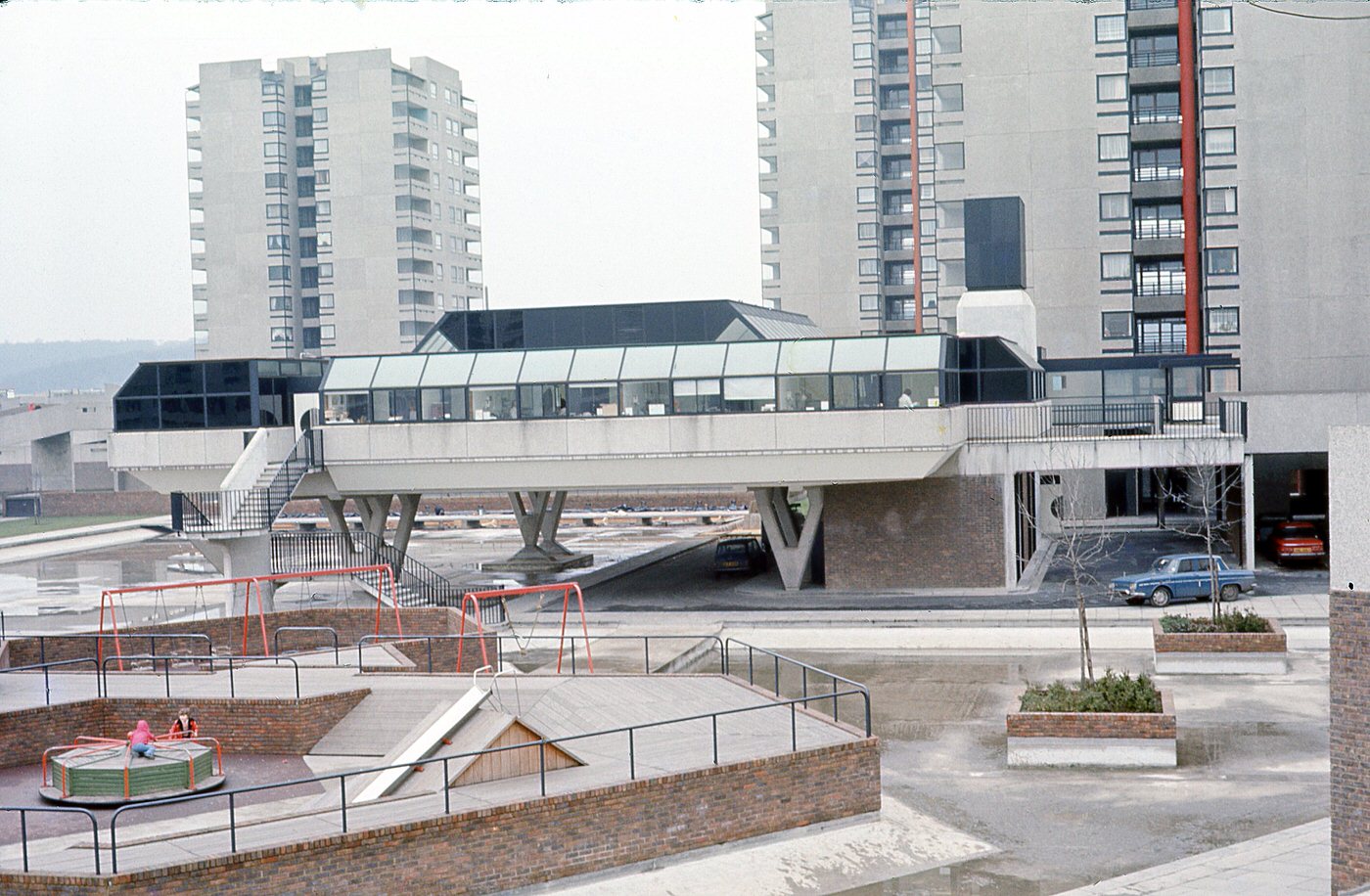
Stanley Kubrick recognised that landscape. He filmed key scenes of his 1971 dystopian film A Clockwork Orange in Thamesmead, using its walkways and towers as a backdrop for violence and social breakdown. The estate’s appearance in that film cemented its public image for a generation.
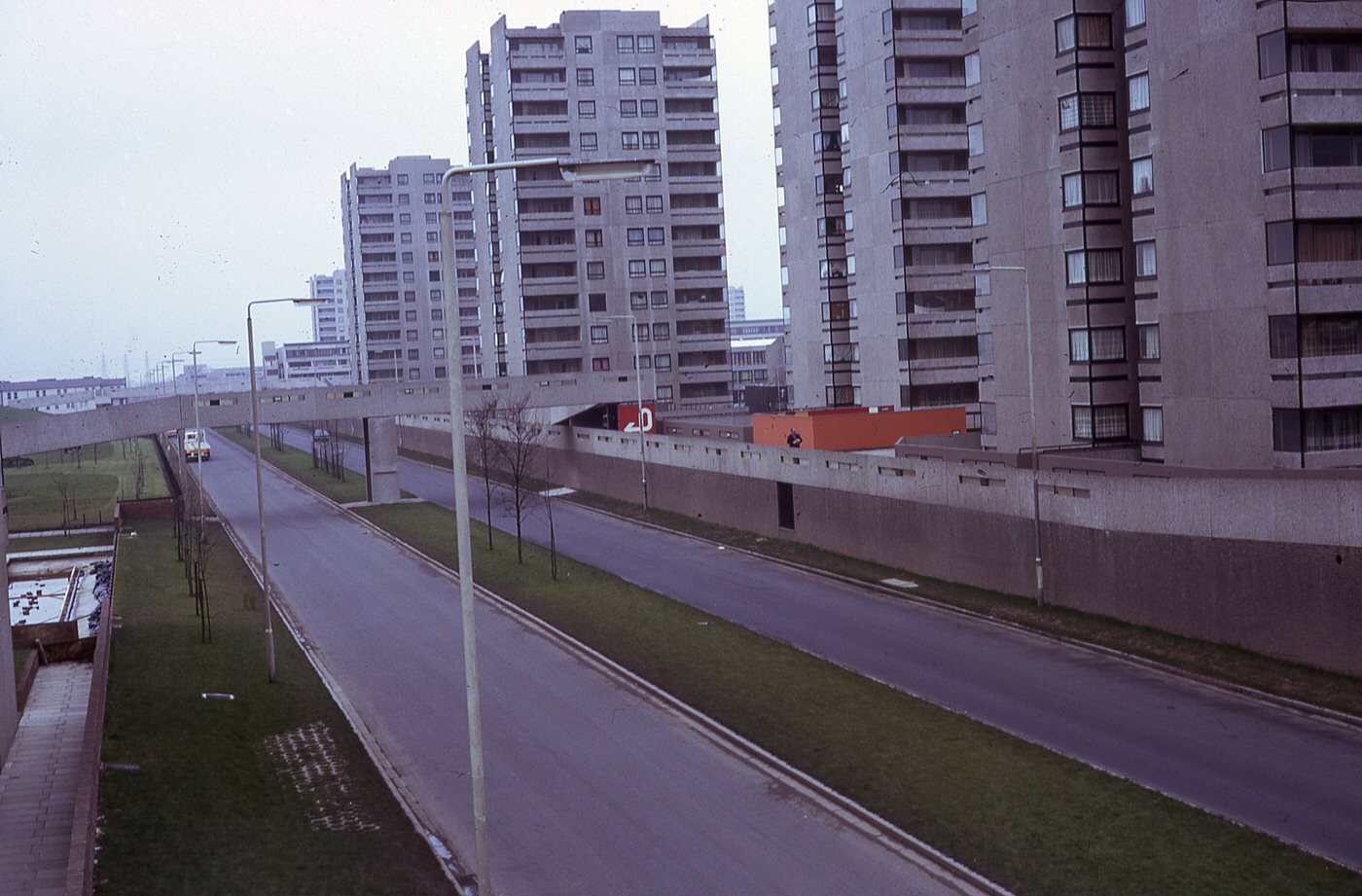
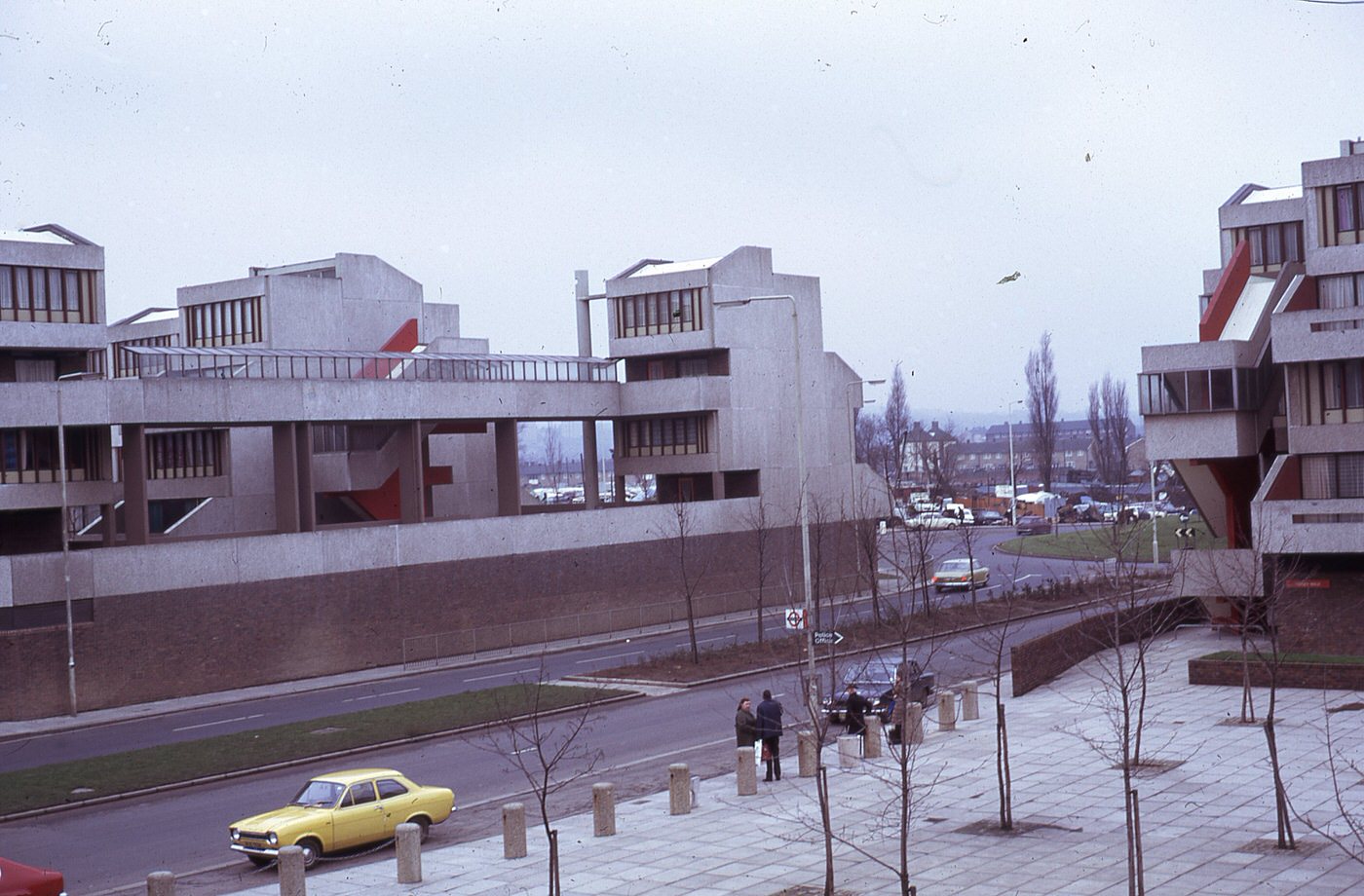
By 1975, the gap between what Thamesmead was supposed to be and what it had become was stark. The estate stood as a very visible record of what happens when grand planning ambitions outpace the infrastructure and investment needed to support them.