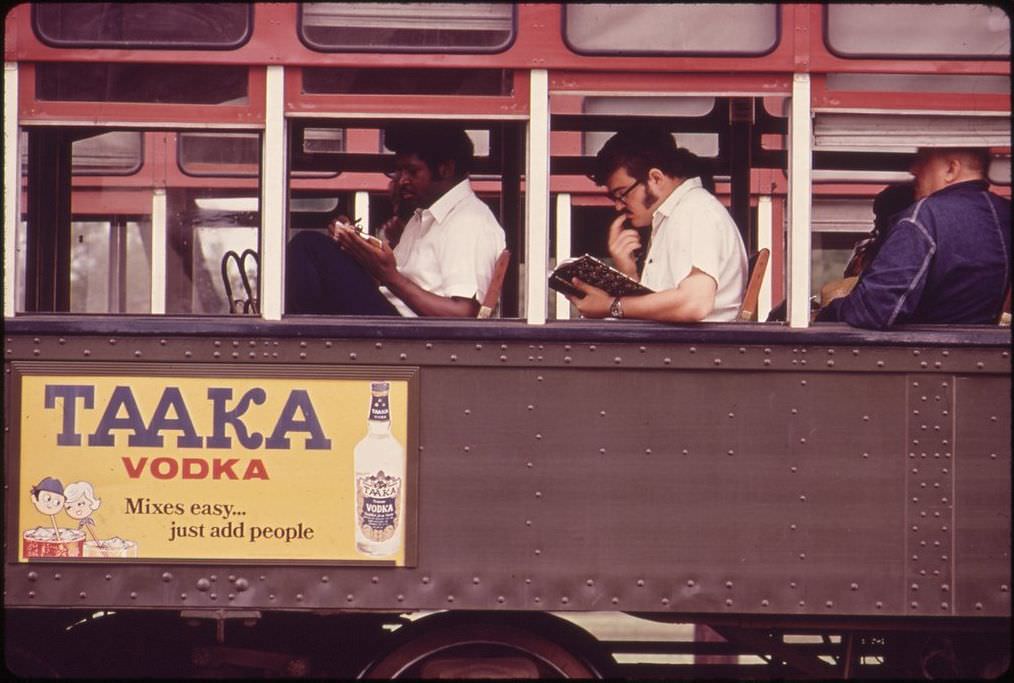
In the early 1970s, the Environmental Protection Agency launched DOCUMERICA, a project that sent roughly one hundred photographers across the United States to document American life and the state of the environment. Photographer Marc St. Gil was assigned to Texas, focusing on areas around Houston, San Antonio, and the small Hill Country town of Leakey. His work captured two contrasting worlds: cities struggling with industrial pollution and rural communities holding tightly to tradition.
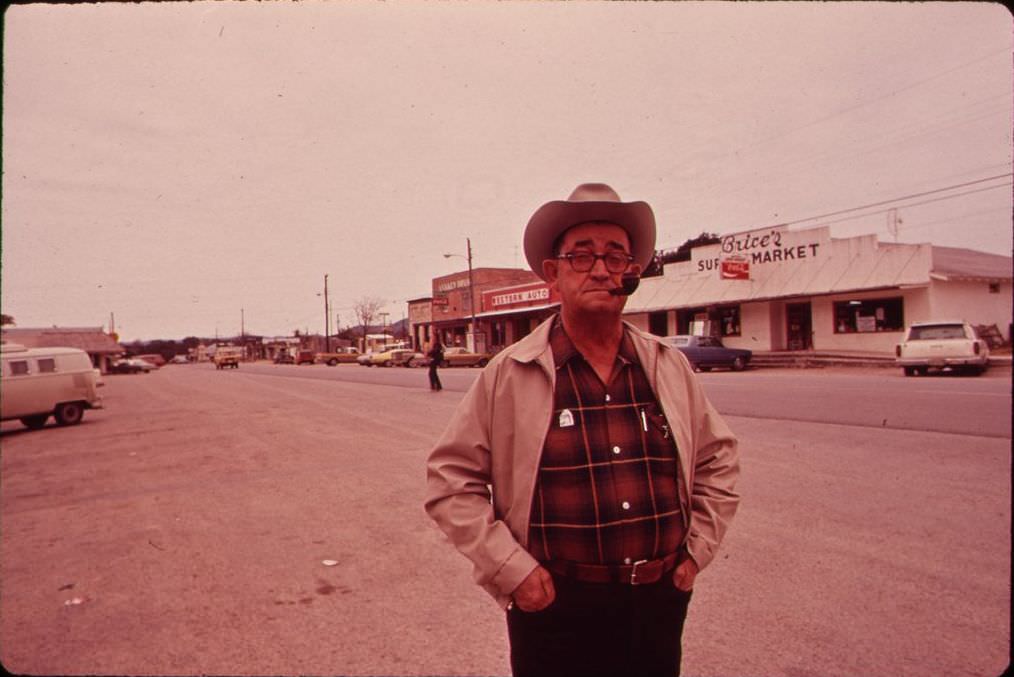
Leakey sat at the center of much of St. Gil’s work. Its Main Street reflected the quiet rhythm of small-town Texas, where local store owners, familiar faces, and a slower pace of life defined daily routines.
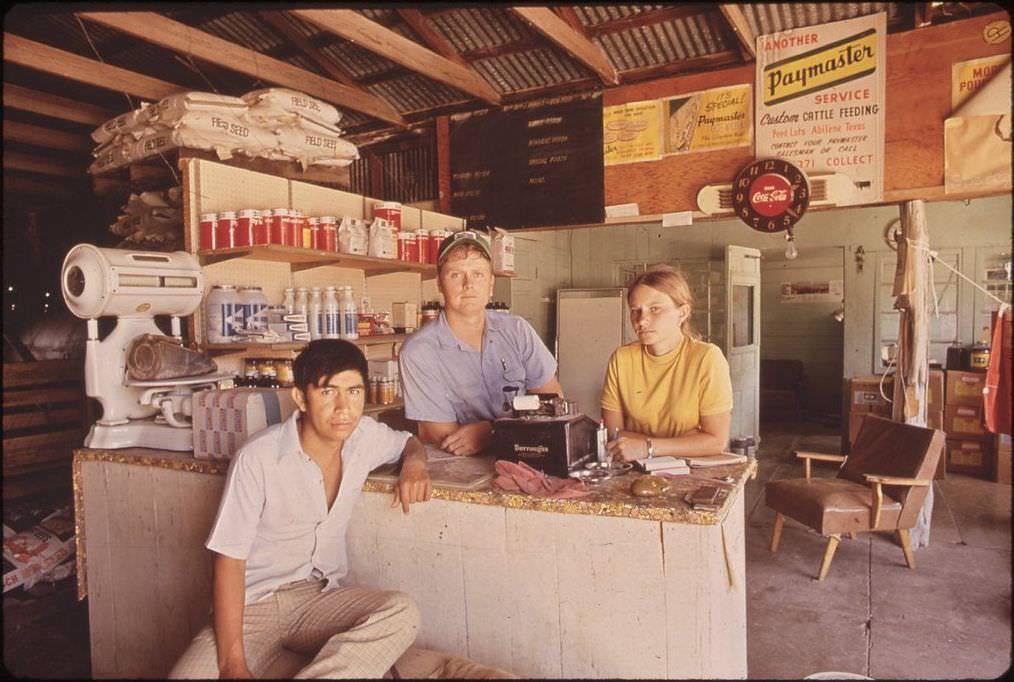
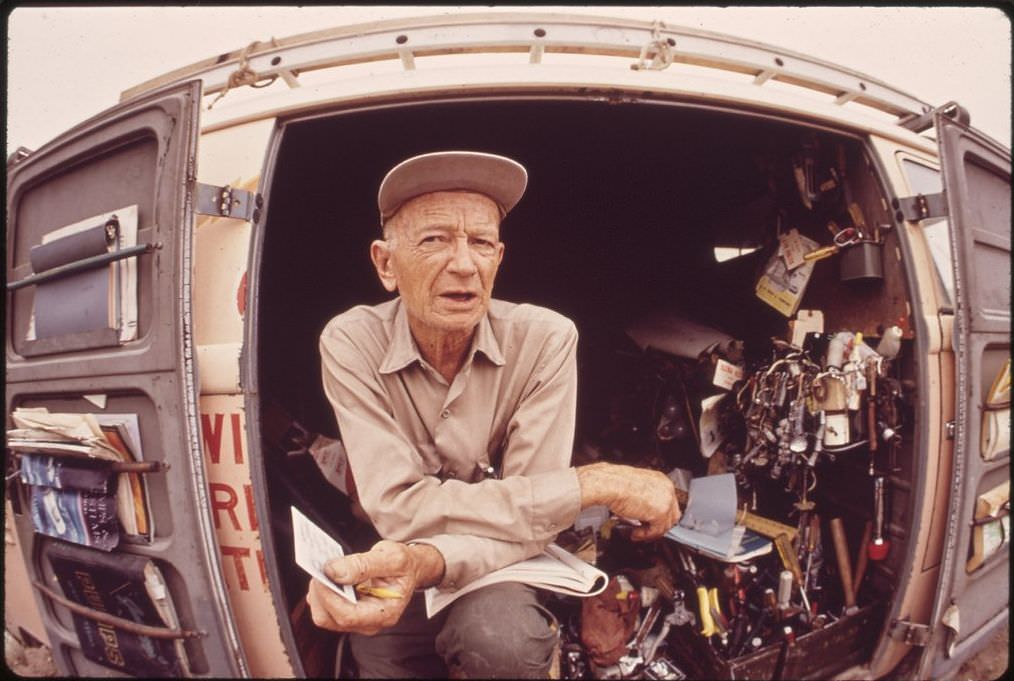
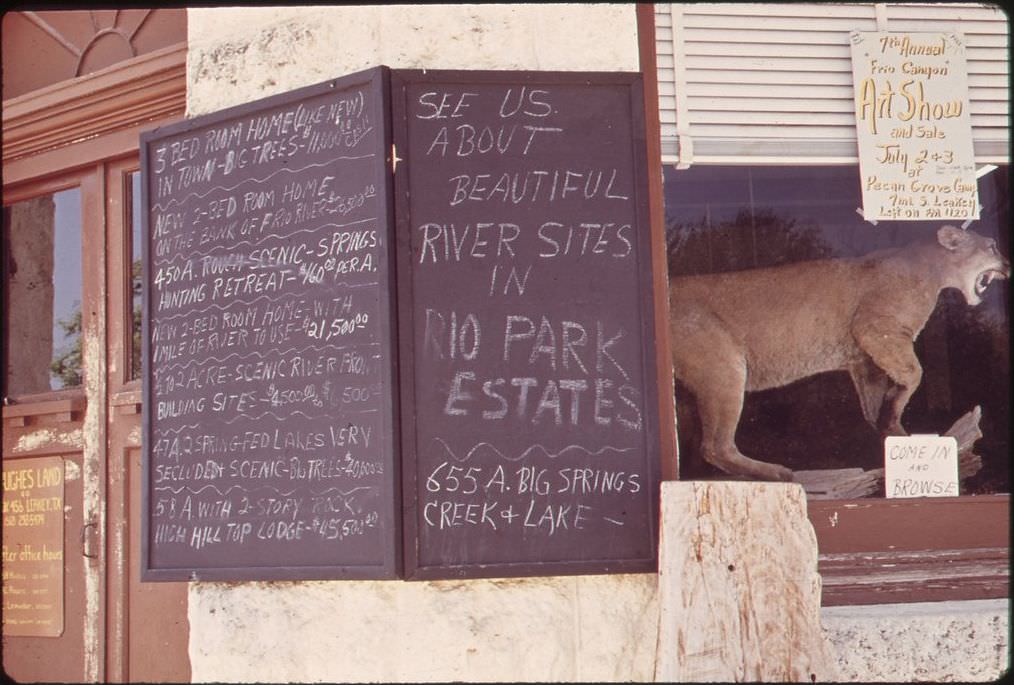
Community figures like Mayor Casey were fixtures of the town. Even local notices were informal — a chalkboard outside his office served as a public message board. St. Gil photographed residents who embodied the character of the place.
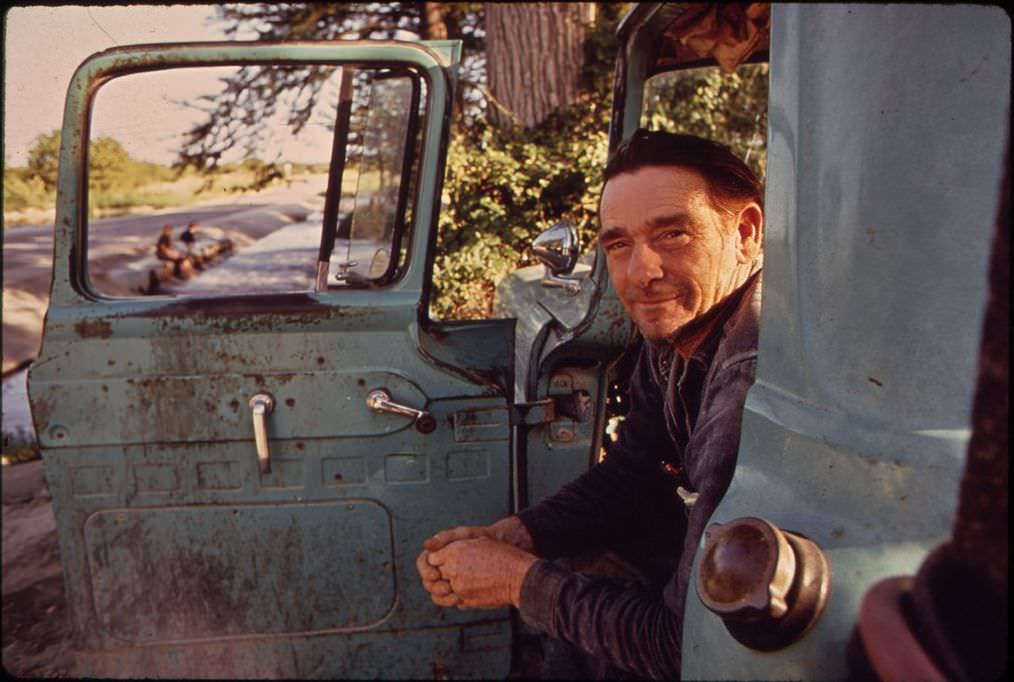
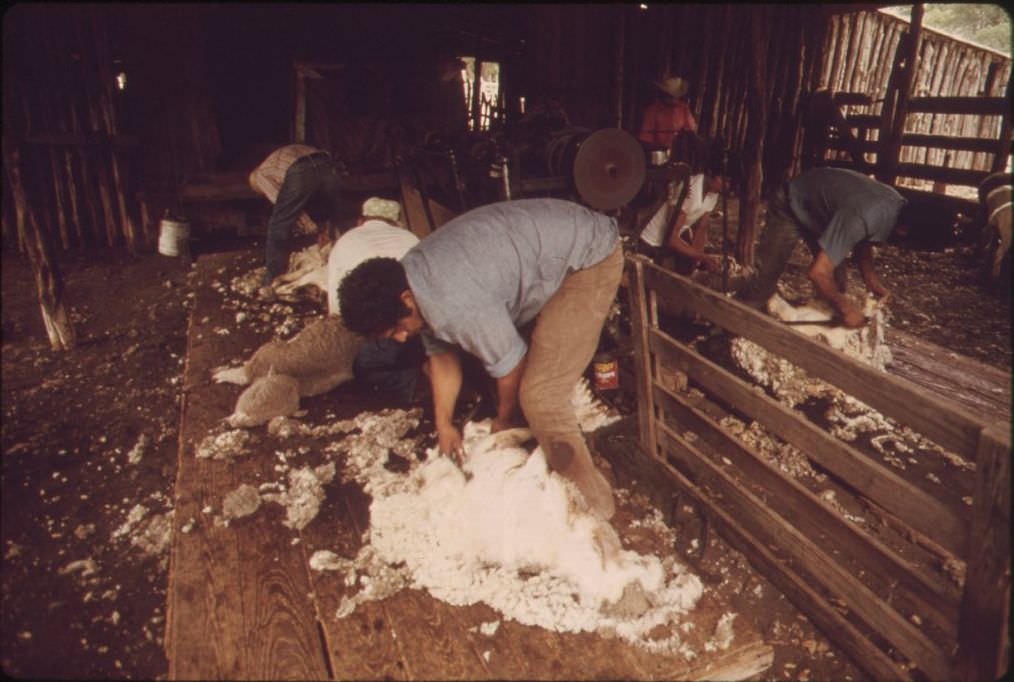
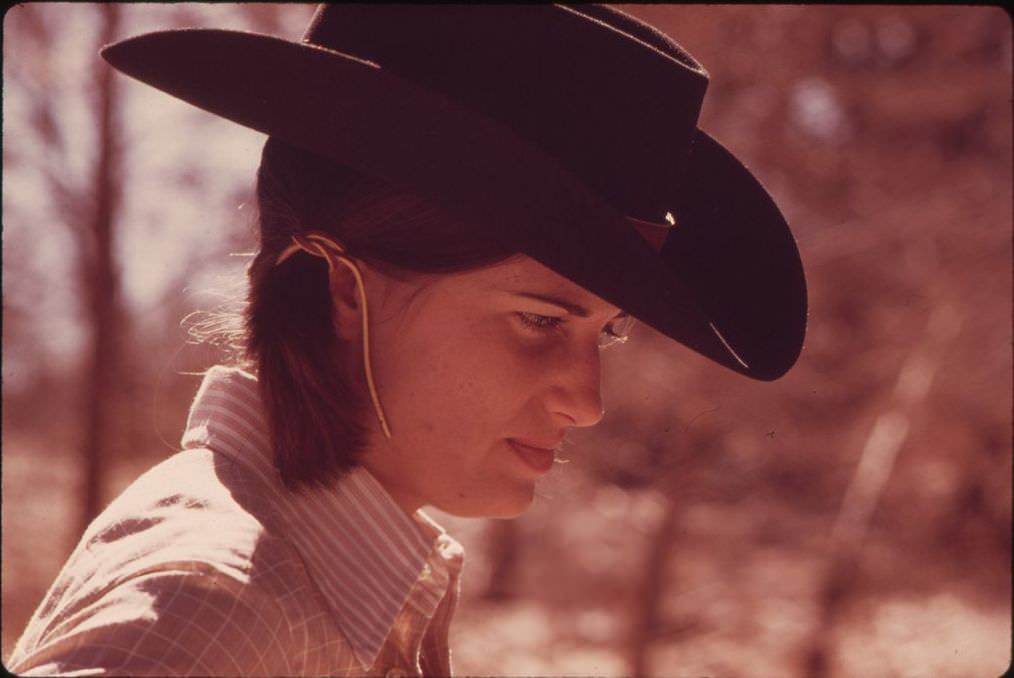
Ranch life near Leakey was central to the region’s identity. Sheep ranching was a working reality, with shearing days bringing the whole family out to watch and participate.
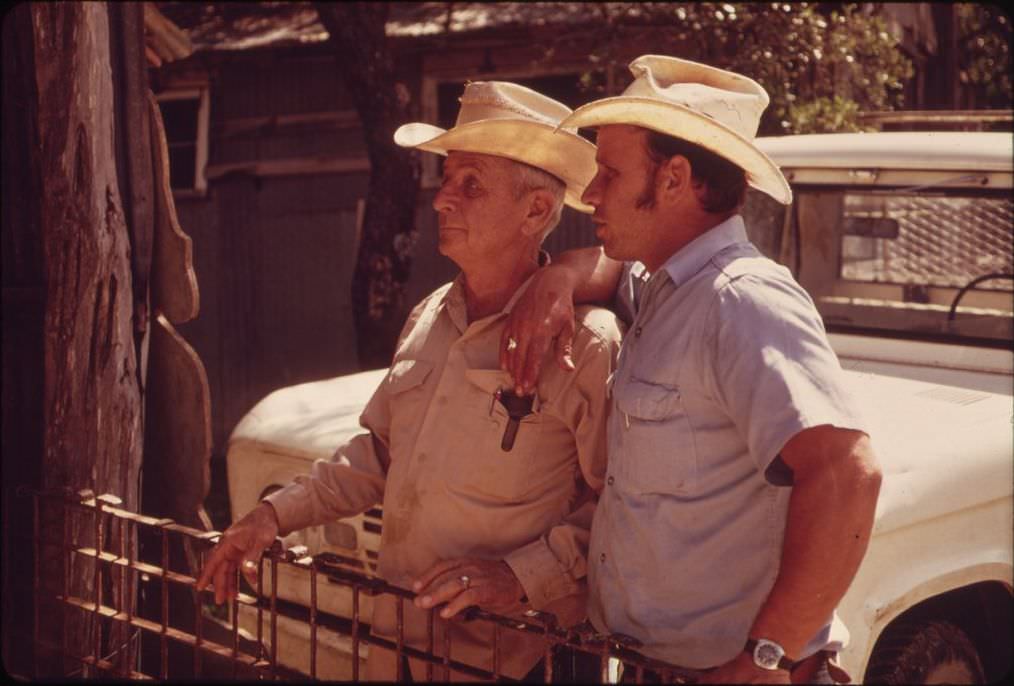

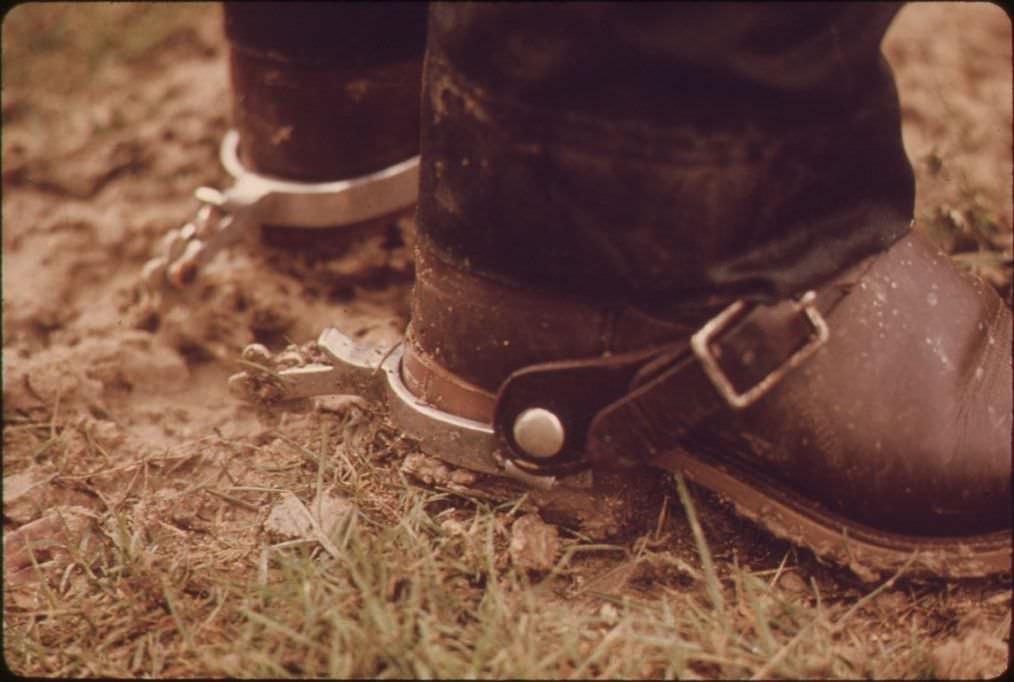
The tools of ranch work were worn and well-used. A ranch hand’s spurs told the story of daily labor without a single word.
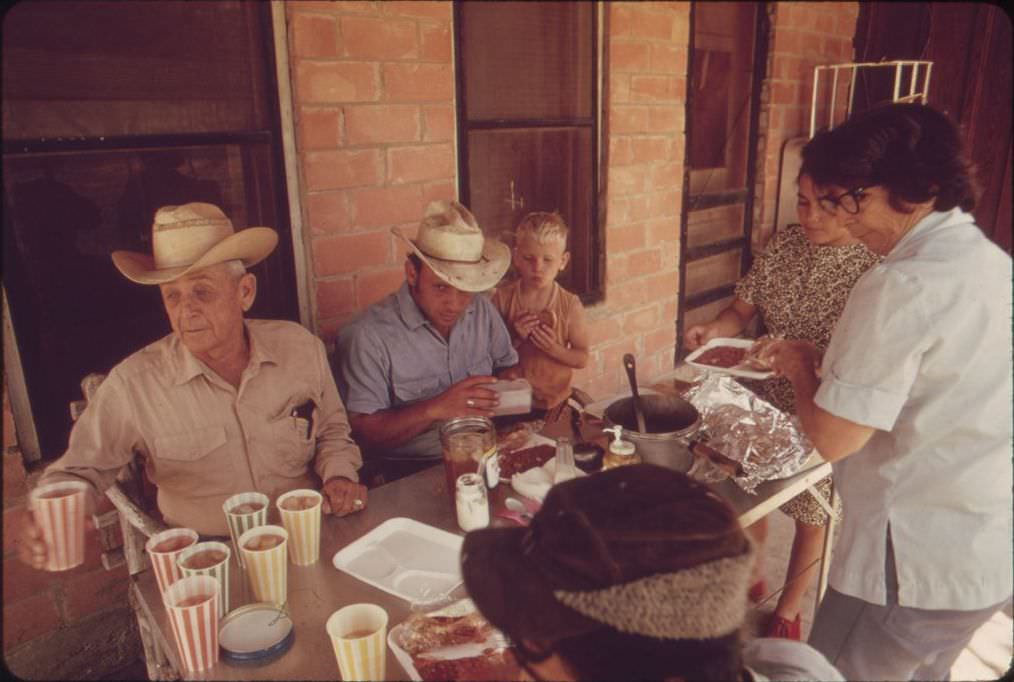
Mealtimes on the ranch were communal. Families gathered on the bunkhouse porch, sharing food after long days of physical work.
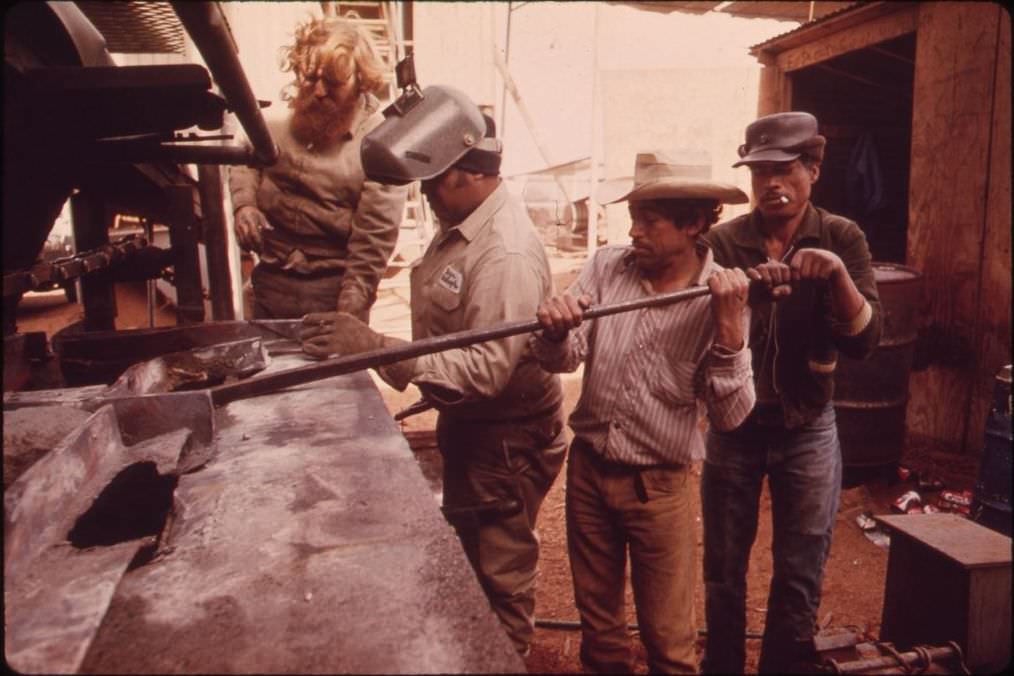
Cedar mills near Leakey relied on labor from workers who crossed from Mexico, forming an essential part of the local economy.
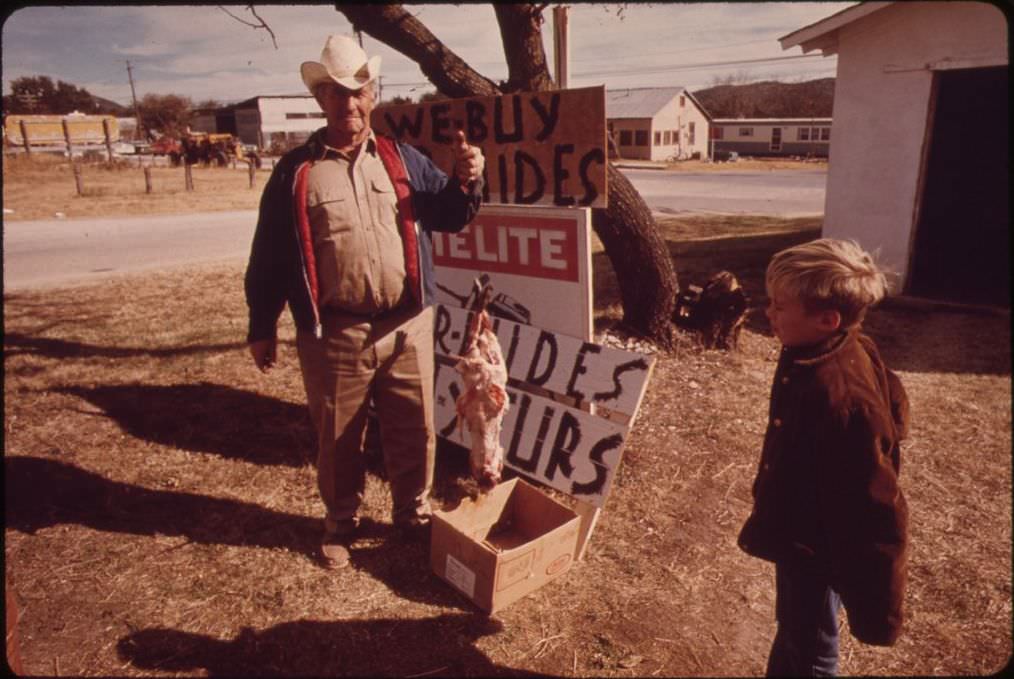
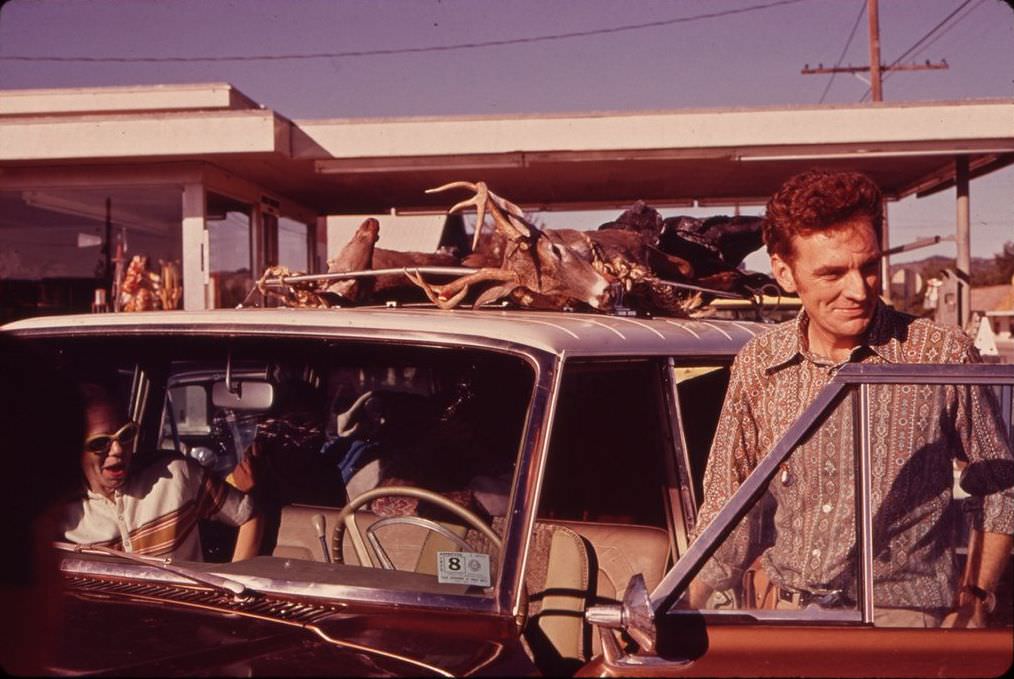
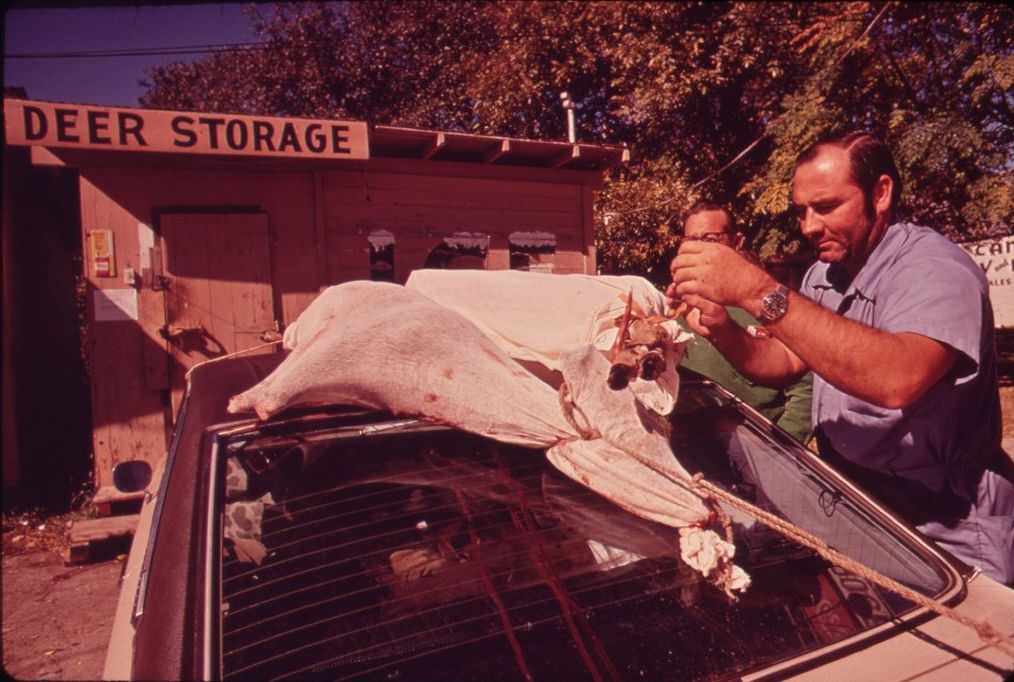
Trapping and hunting were woven into Hill Country life. Trappers skinned their catches, and fur buyers collected hides from deer, fox, raccoon, and bobcat to sell at market.
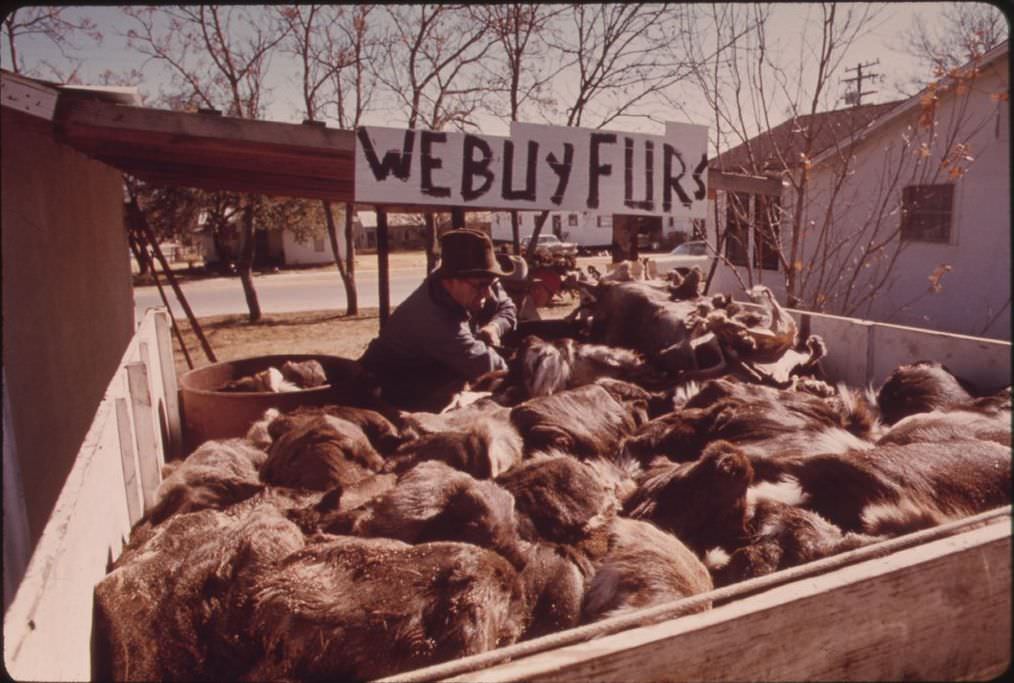
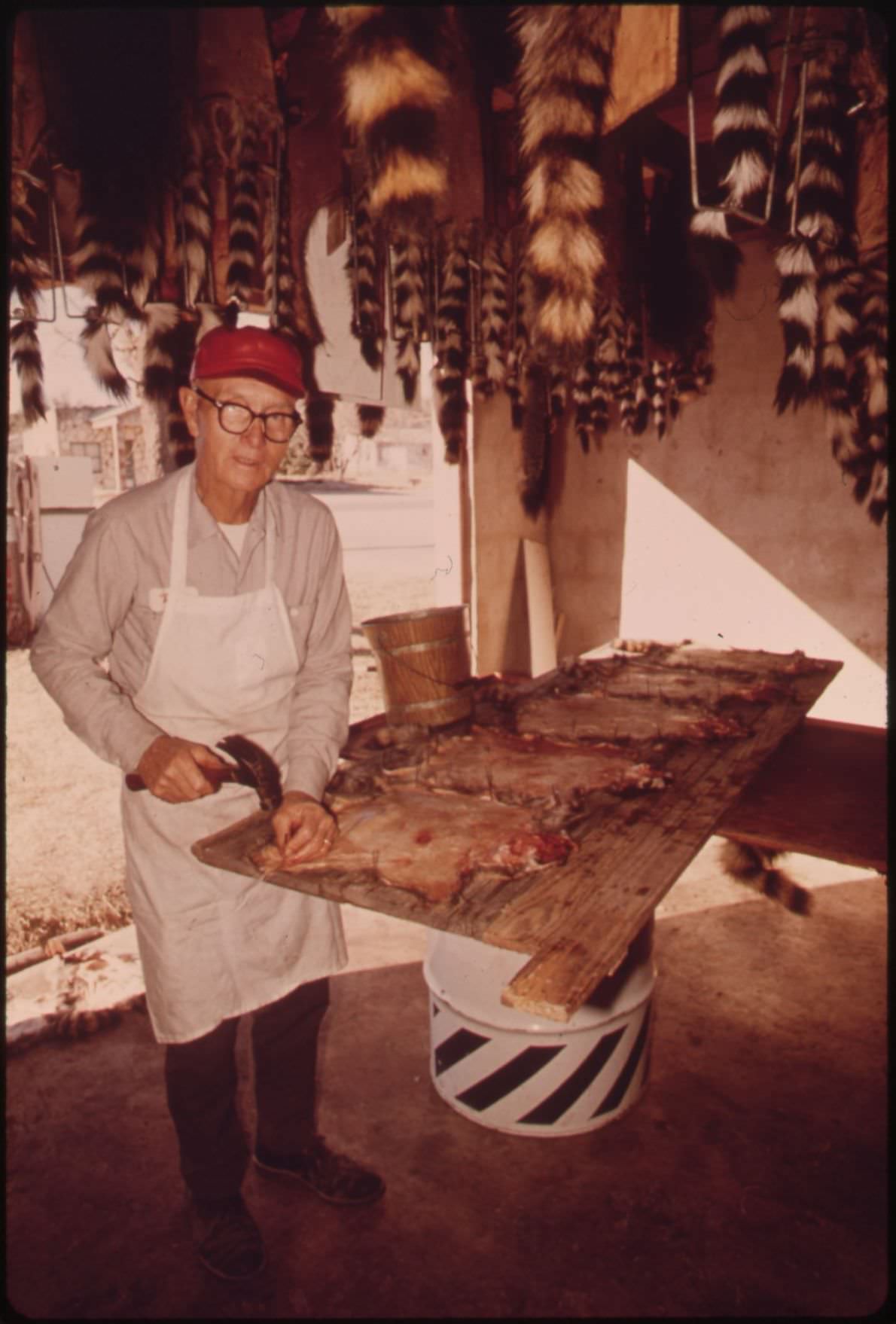
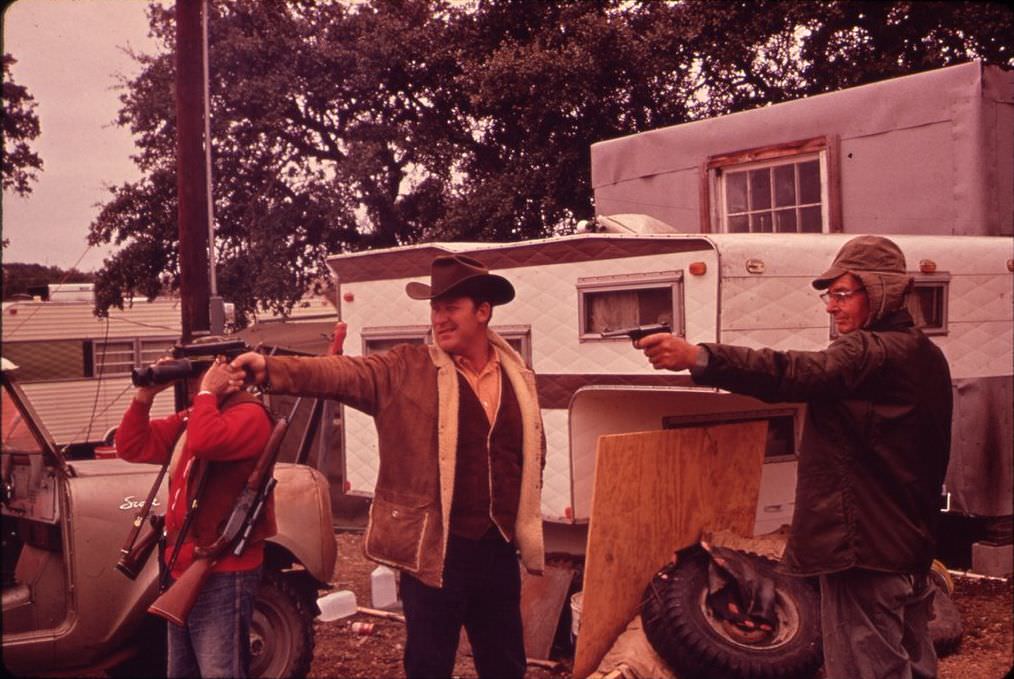
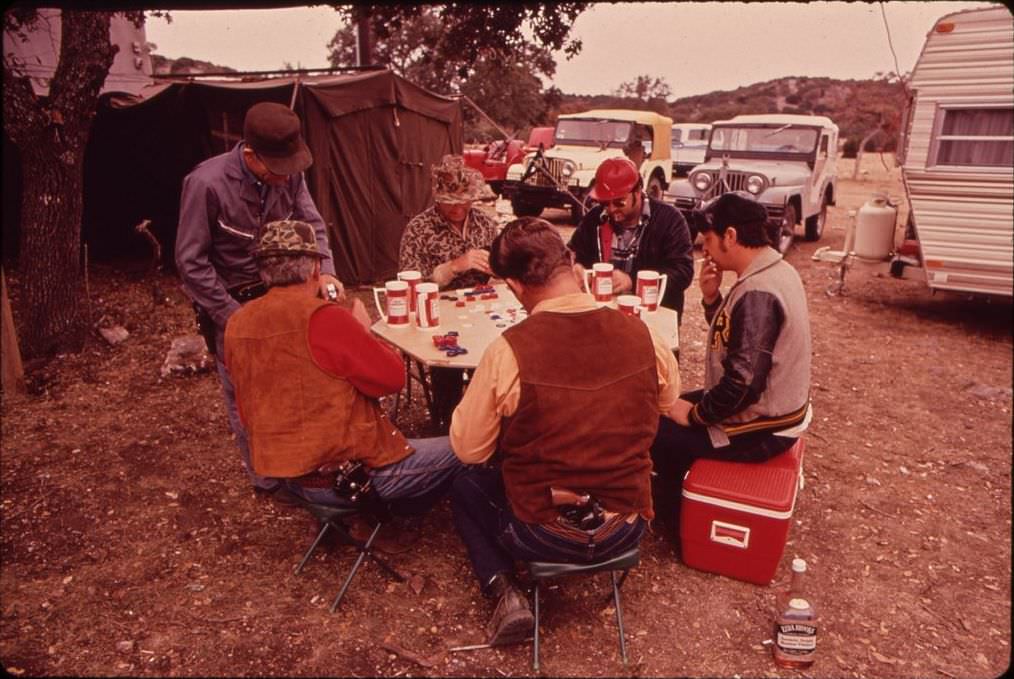
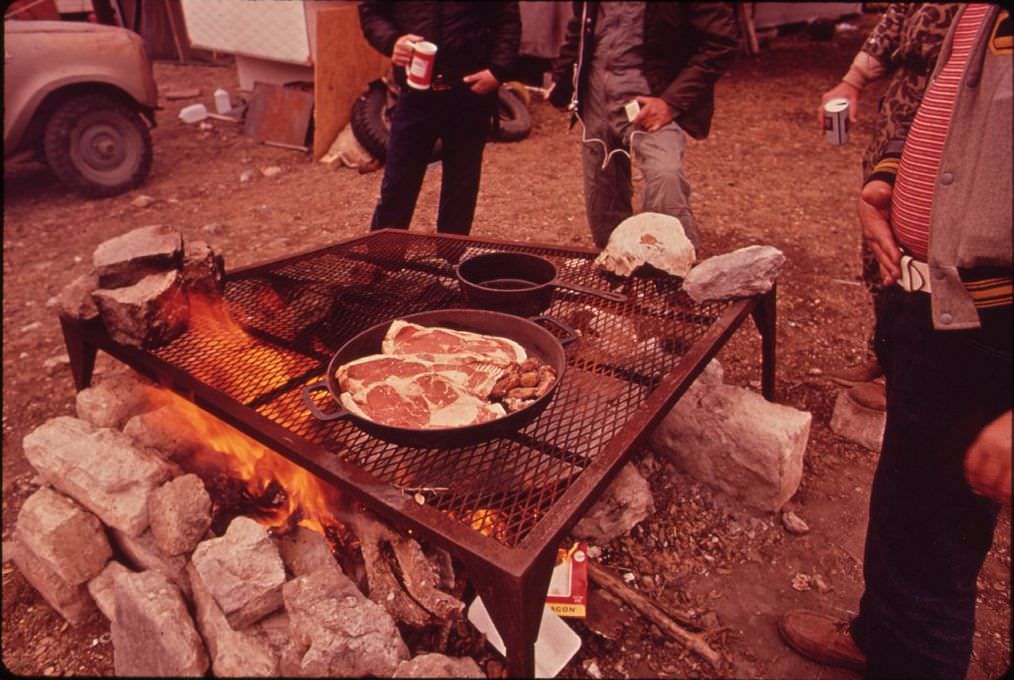
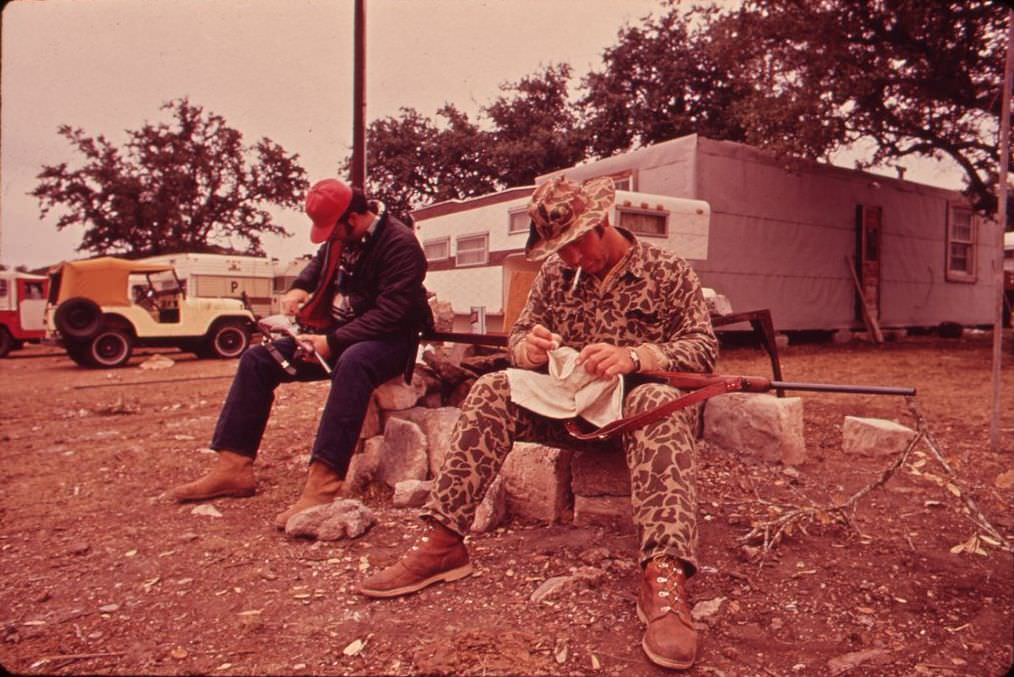
Deer hunting season was a major annual event. Hunters set up permanent camps, where they cooked meals, played poker, and marked the season’s first kill together.
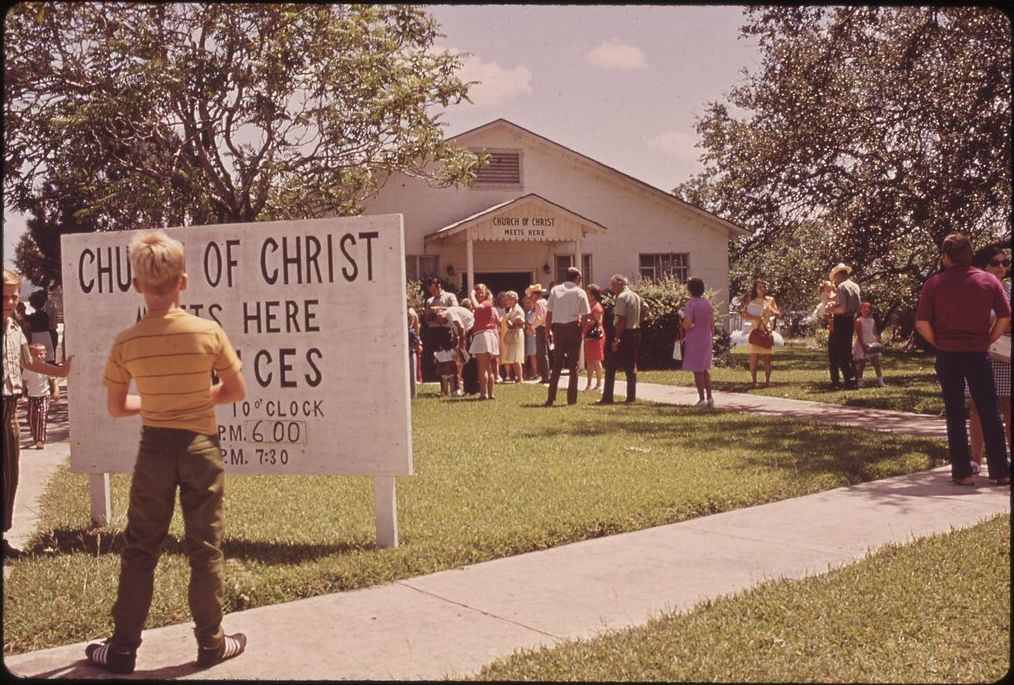
Church on Sunday was a cornerstone of community life, drawing Leakey residents together each week.
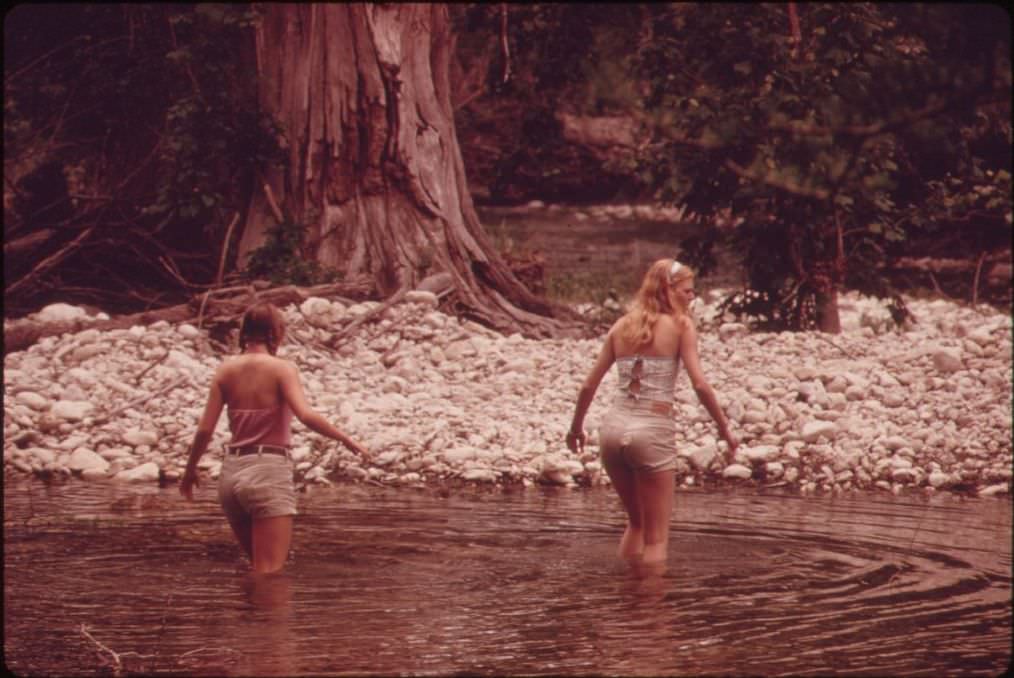
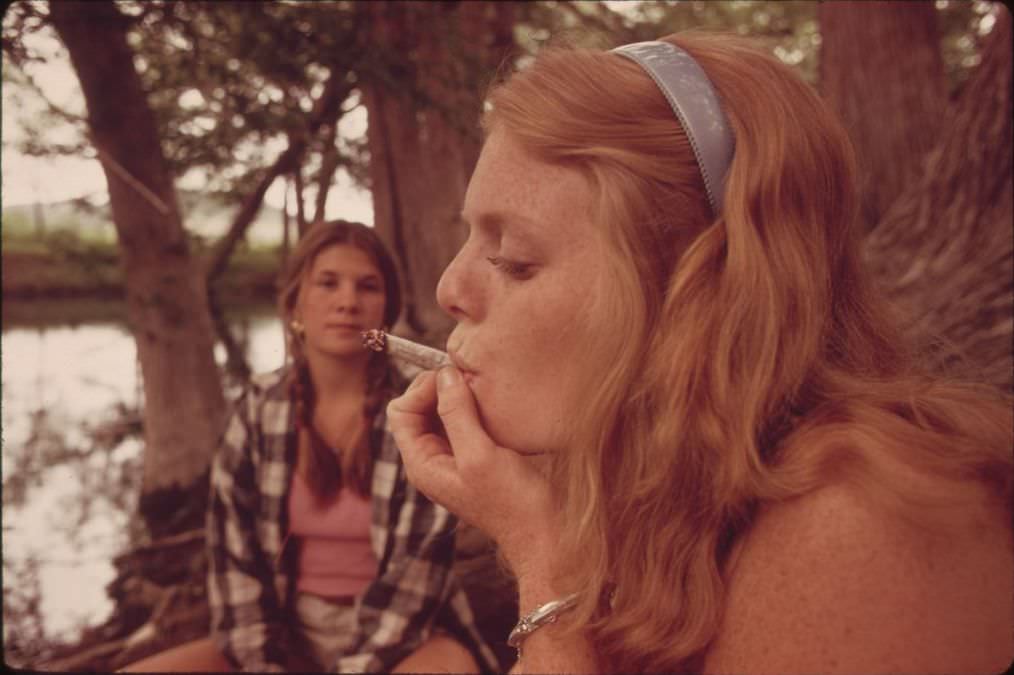
Younger residents navigated their own version of 1970s Texas. Teenage girls waded in the Frio Canyon River, smoked marijuana in the open country, and gathered with friends including local pageant figures like Miss Junior Texas.
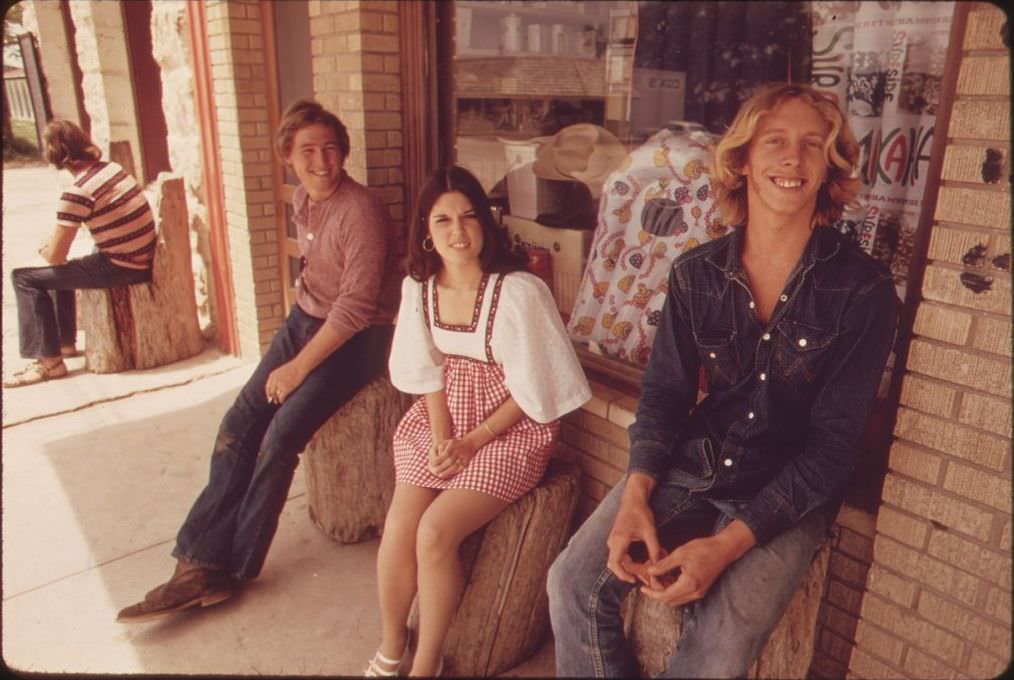
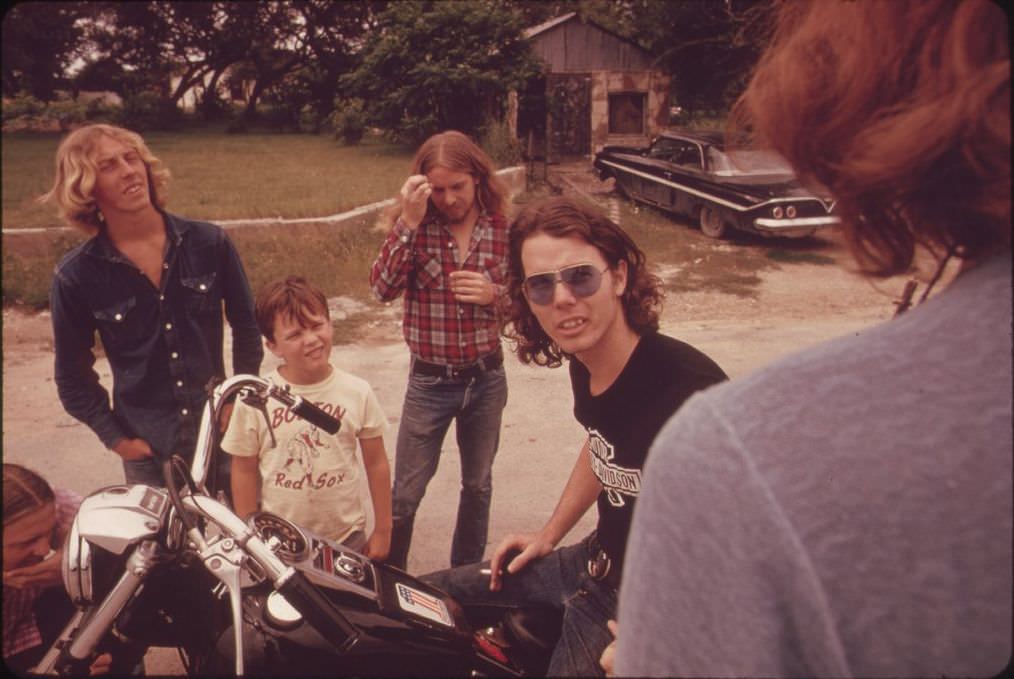
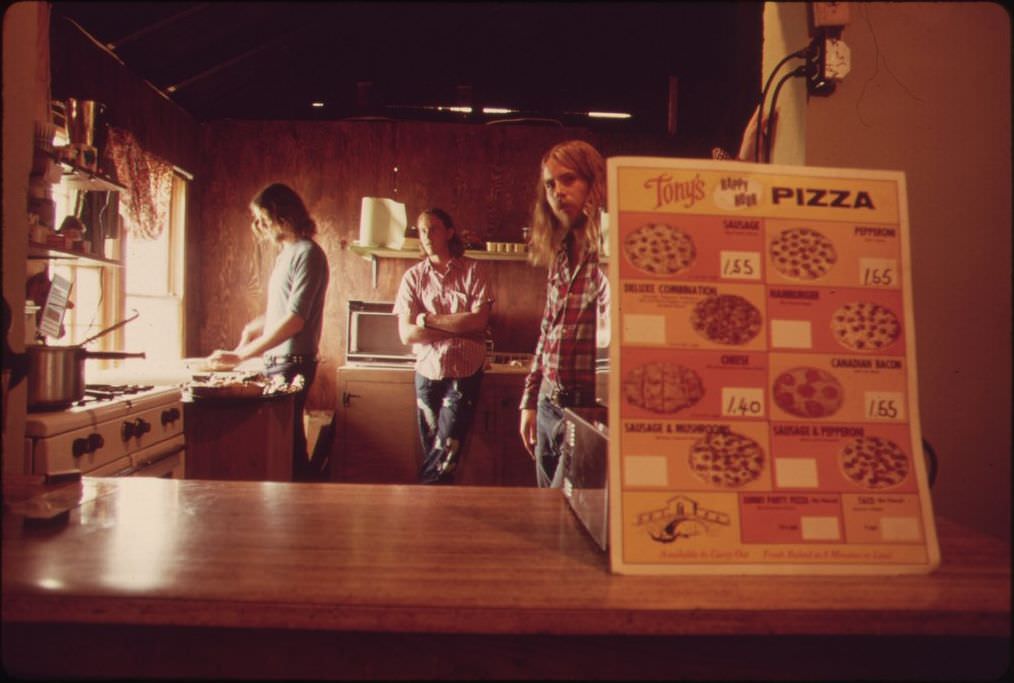
The Frio Canyon area also drew visitors from San Antonio looking for a break from city life. Motorcyclists passed through town, and small businesses like a local pizza place had taken root alongside the older establishments.

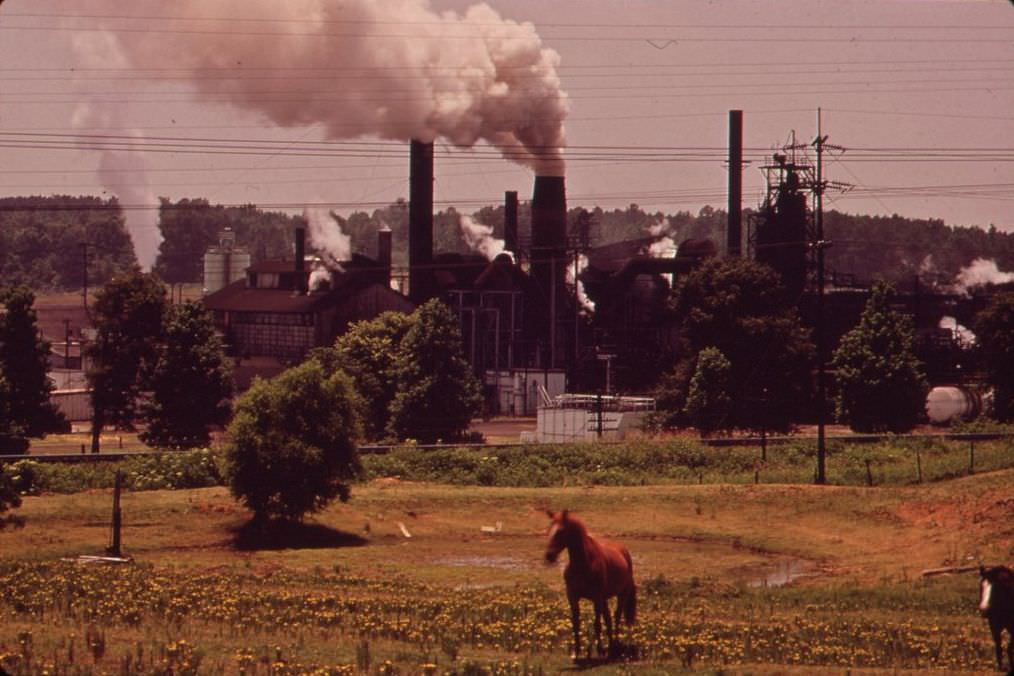
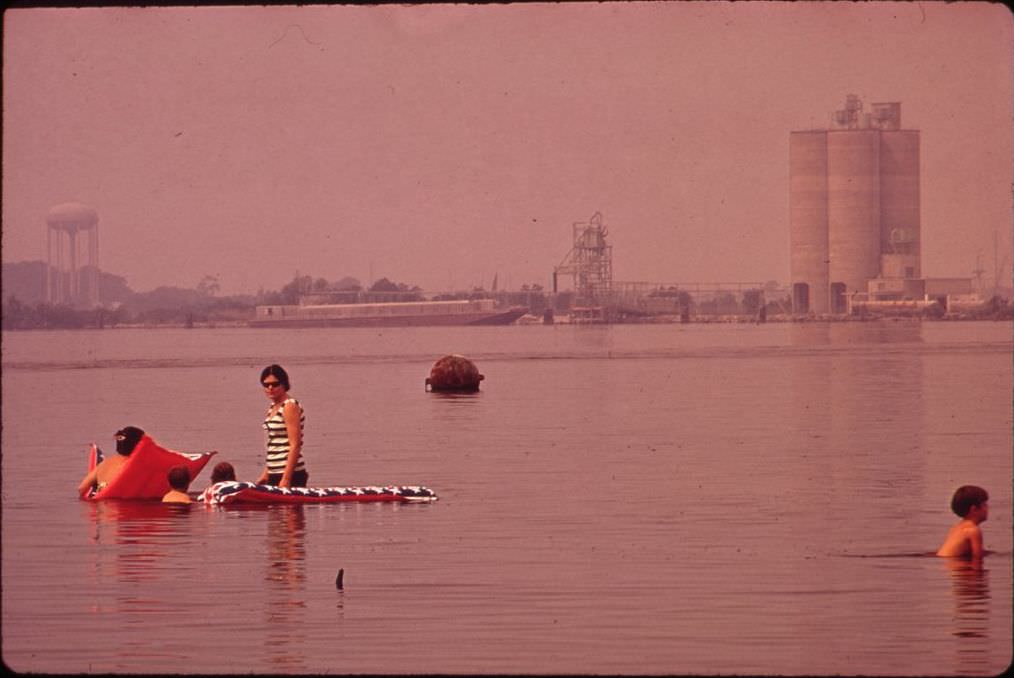
Beyond Leakey, St. Gil documented the environmental cost of Texas’s industrial growth. The Atlas Chemical Company pumped thick smoke into the air, while swimmers at Lake Charles shared the water with pollution from the nearby Olin-Mathieson Plant. Oil infrastructure stood next to roadside businesses, a visible sign of the state’s petroleum economy.
![An oil derrick beside a restaurant and used car lot, [Date unclear, removed].](https://www.bygonely.com/wp-content/uploads/2025/05/Texas_1970s_Documerica_17.jpg)