Stephen Lester Reeves was not an ordinary man. Standing tall with a perfectly symmetrical physique and a face that belonged on a movie screen, he became one of the most recognizable figures in both bodybuilding and film history. By the late 1950s and early 1960s, he was the highest-paid actor in all of Europe — a remarkable achievement for a man who started his journey loading boxcars in the U.S. Army.
Reeves was born in Montana, and his early life gave little indication of the fame ahead. He won his first title — “Healthiest Baby of Valley County” — at just six years old. At 18, he enlisted in the army, where his duties involved loading boxcars and trucks. During his downtime, he trained obsessively in the gym. That discipline would define the rest of his life.
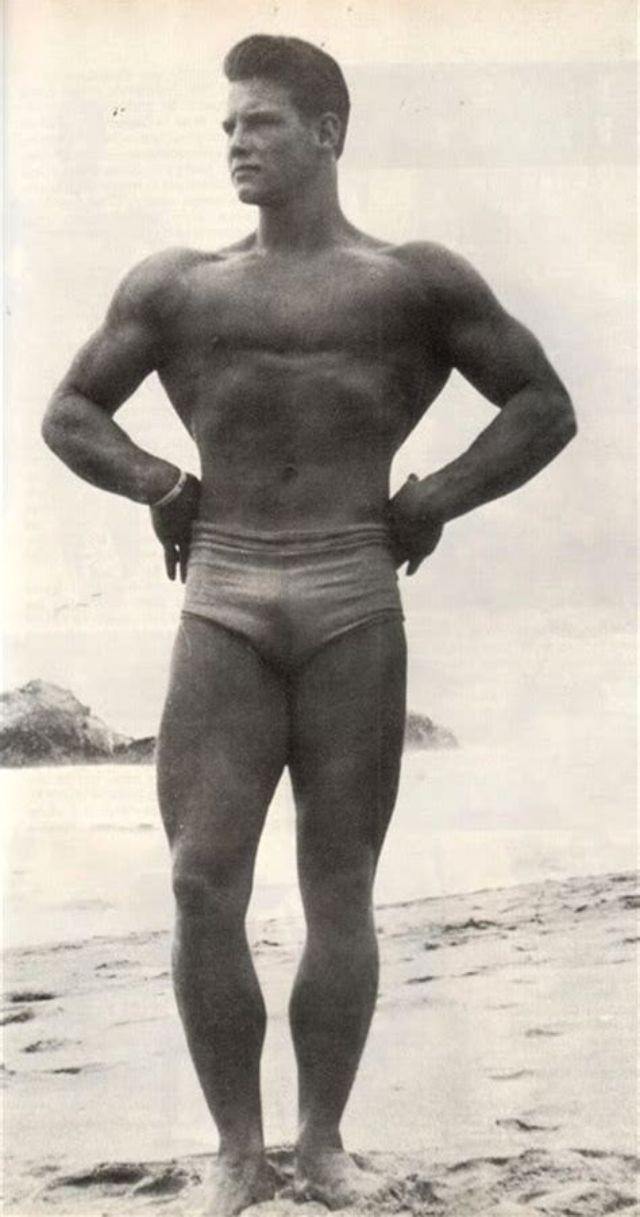
After leaving the military, Reeves shifted his focus entirely to competitive bodybuilding. His early training photos from 1944 already showed the raw potential that would soon make him a legend on the contest stage.
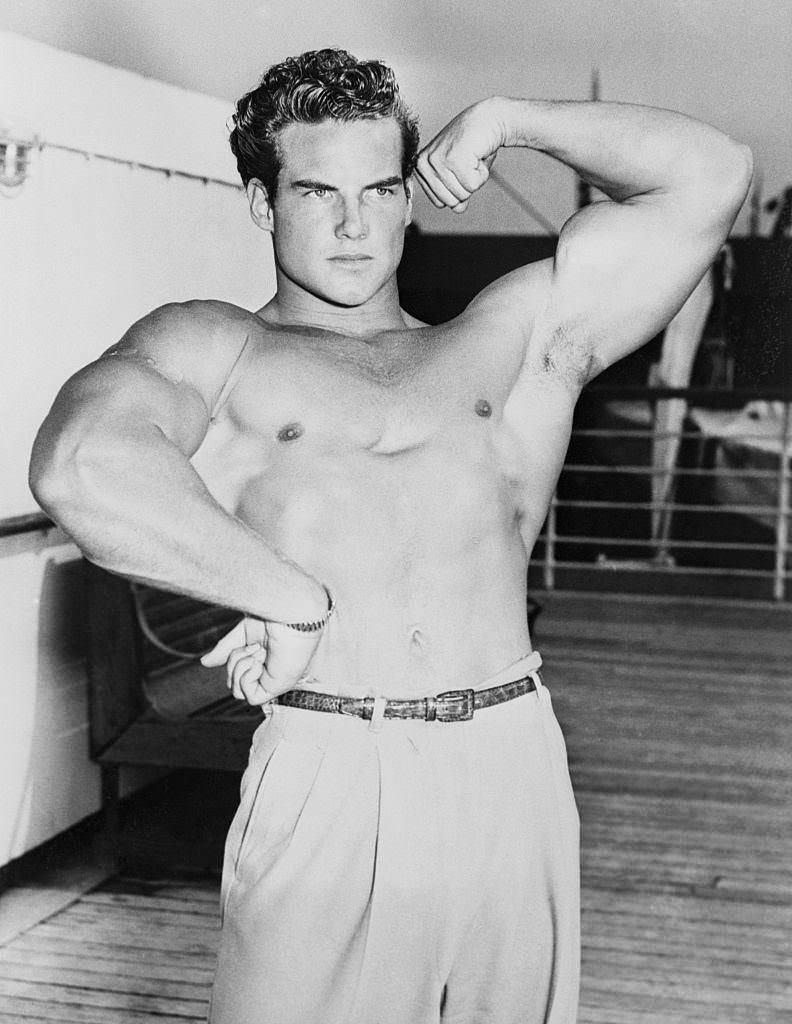
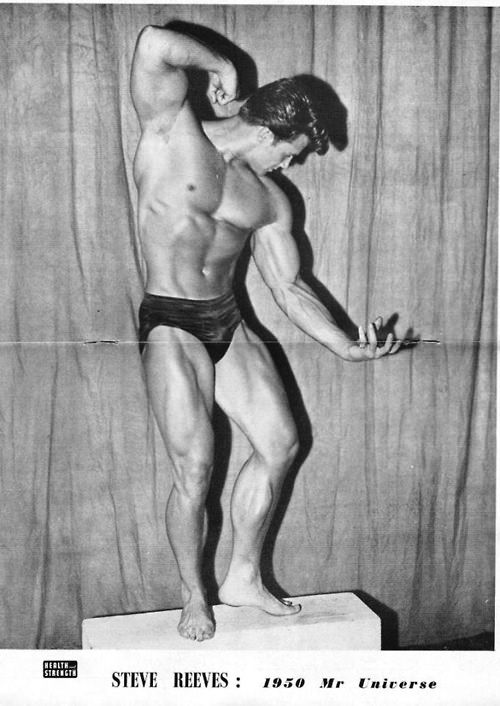
Reeves built a competition record that few athletes in any era have matched. He claimed the title of Mr. Pacific Coast, then Mr. Western America in 1947. That same year, he won Mr. America. In 1948 he took the Mr. World title, and in 1950 he captured Mr. Universe — completing one of the most dominant runs in bodybuilding history. His physique was known for its proportions: a narrow waist, wide shoulders, and muscles that looked sculpted rather than simply large.
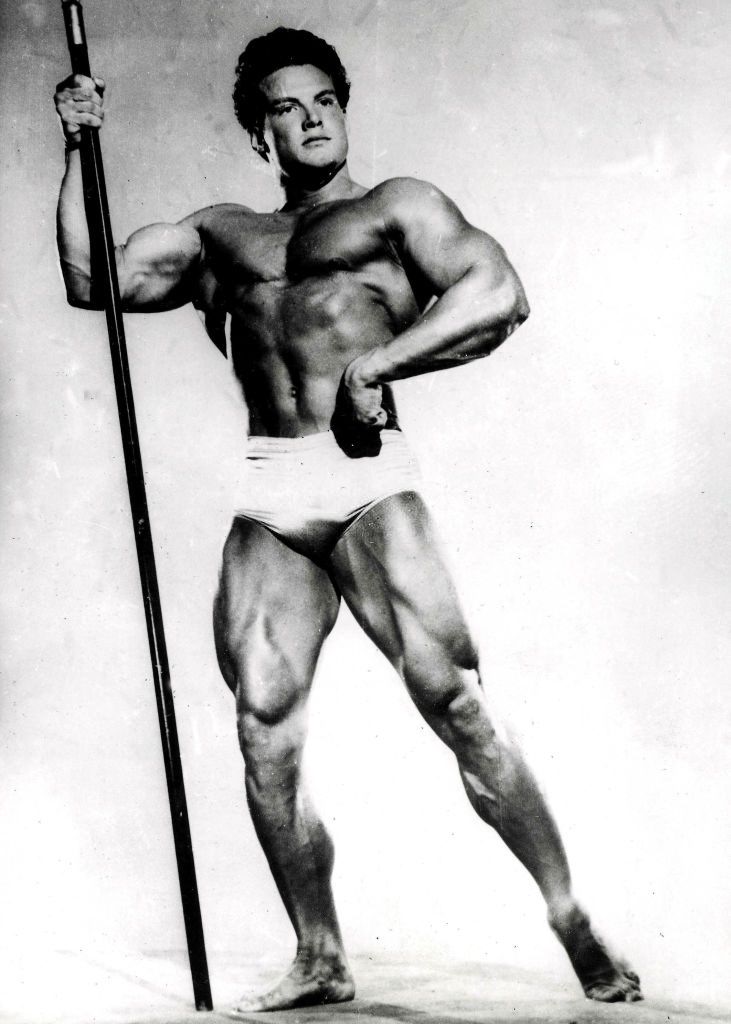
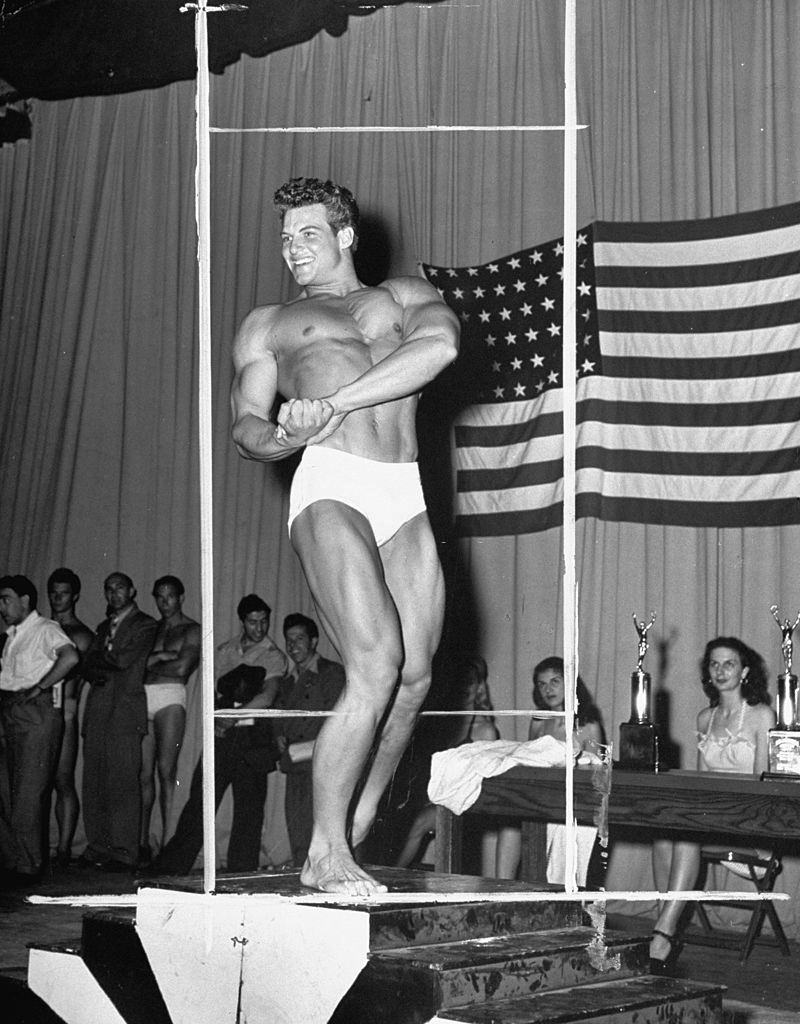
His 1947 Mr. America win came after intensive preparation. He trained alongside other dedicated athletes in Los Angeles, pushing his body to its limit ahead of competition day.
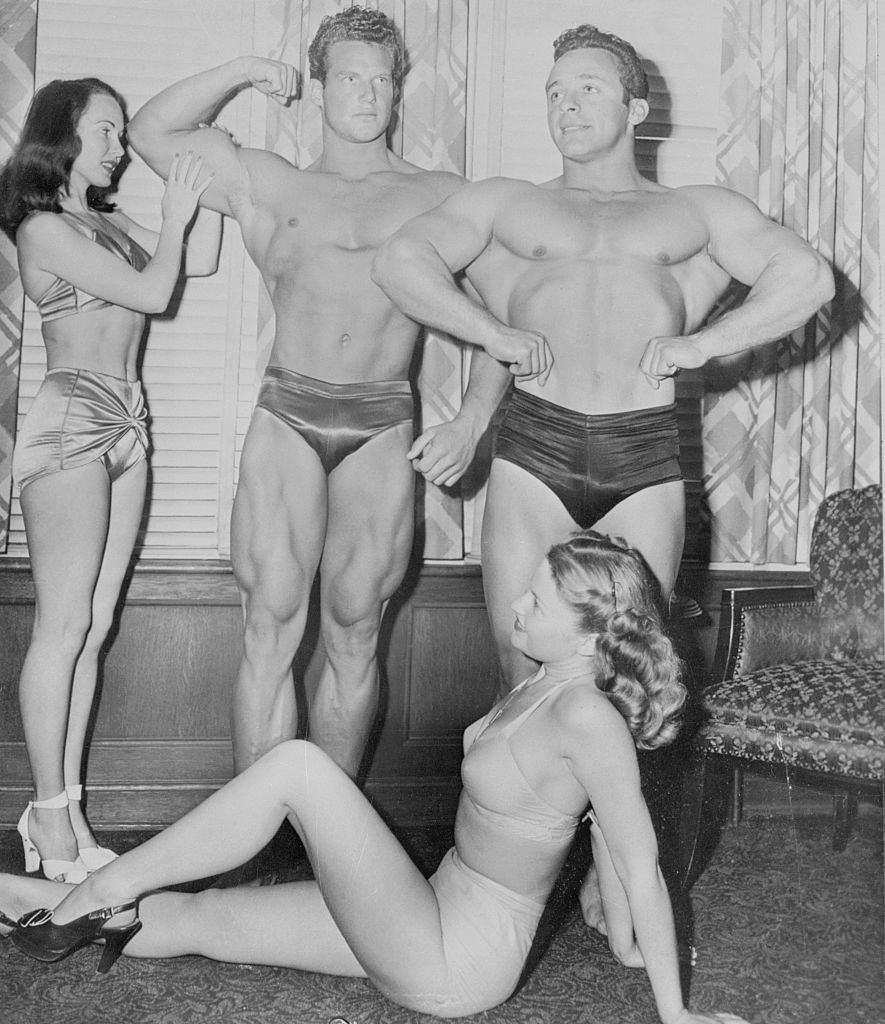
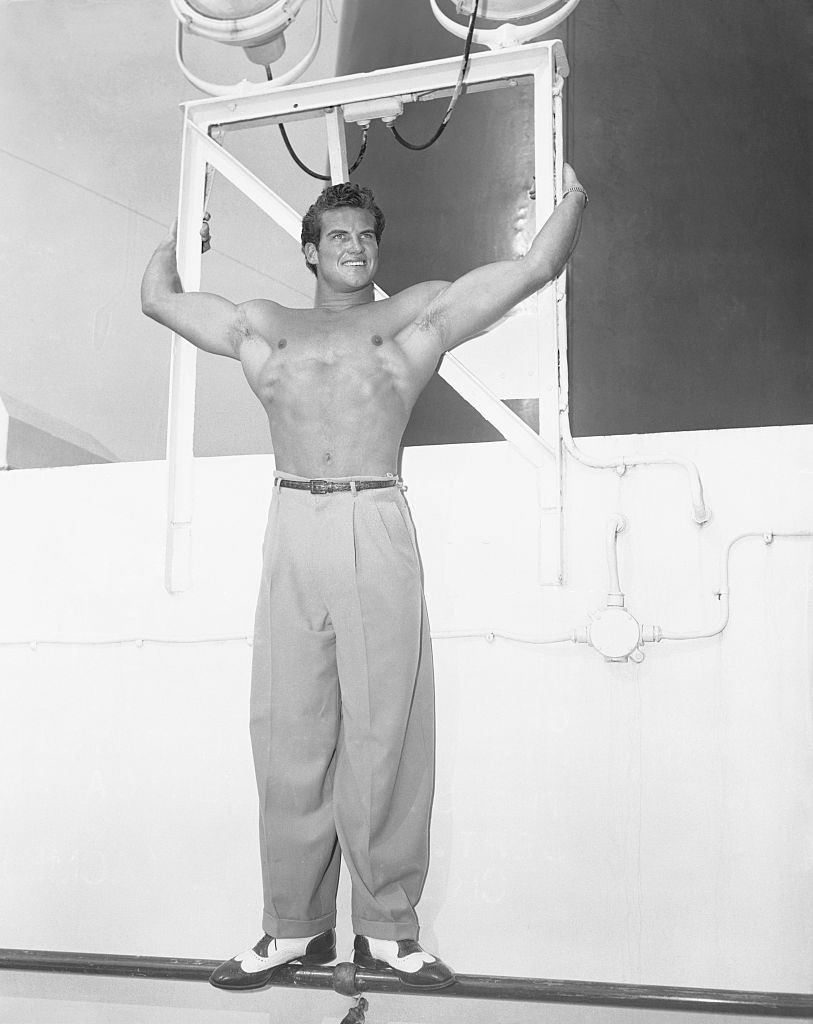
Even at sea, Reeves found ways to train. As the newly crowned Mr. America, he used whatever space and equipment was available — including a makeshift gym aboard a ship — to maintain the physique that had just earned him the country’s top bodybuilding title.
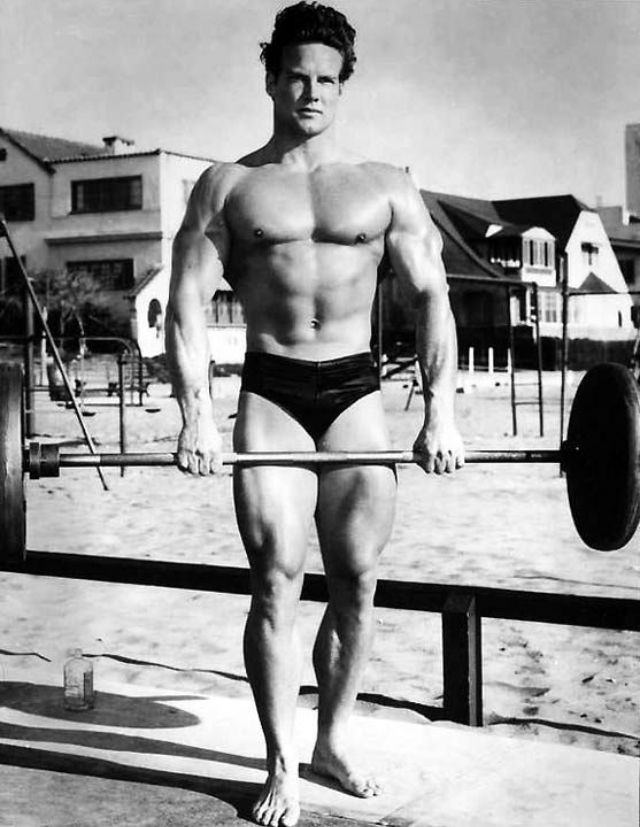
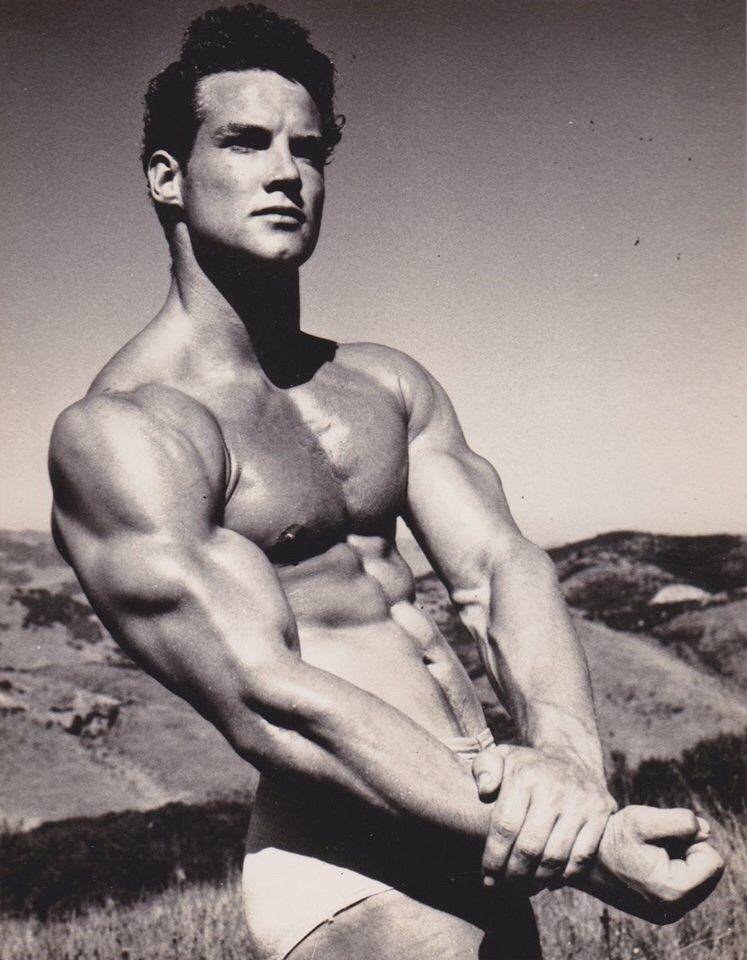
By 1950, Reeves had claimed the Mr. Universe crown, cementing his status as the finest physique athlete in the world. That same year, he was photographed alongside Reg Park, another future bodybuilding icon who would go on to inspire a young Arnold Schwarzenegger.
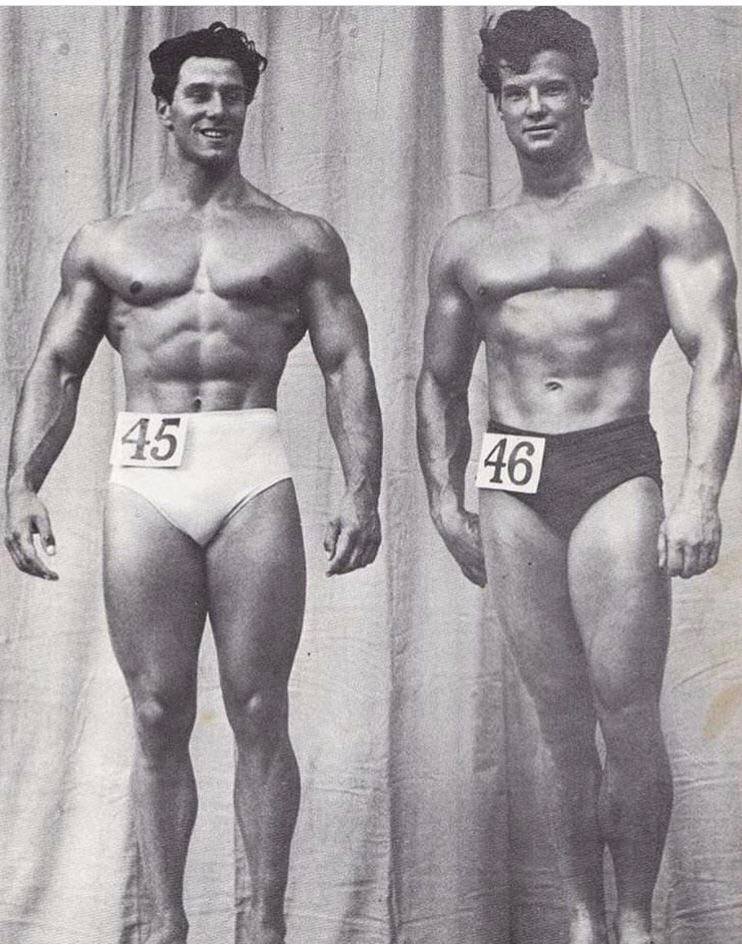
With his competition days winding down, Reeves turned his attention to Hollywood. The transition wasn’t easy. There was limited demand for muscular actors in American films at the time. Legendary director Cecil B. DeMille offered him the lead role in Samson and Delilah (1949), but attached a condition: Reeves would need to reduce his muscle mass. He refused outright and walked away from the role.
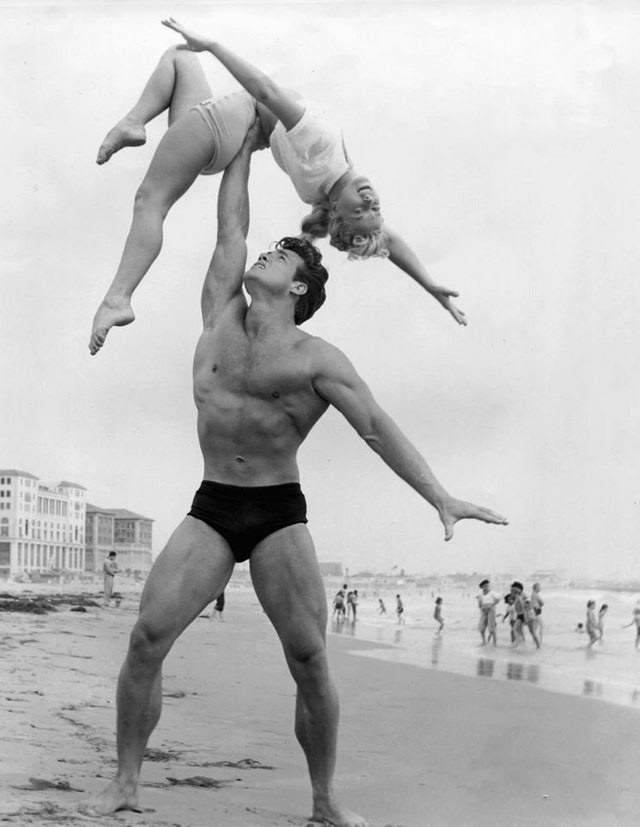
While Hollywood kept its doors mostly closed, Reeves found work on television and in talent shows. He appeared on programs like the Edward Allen Show in the mid-1950s, where his physique drew audiences who had never seen anything like it on screen.
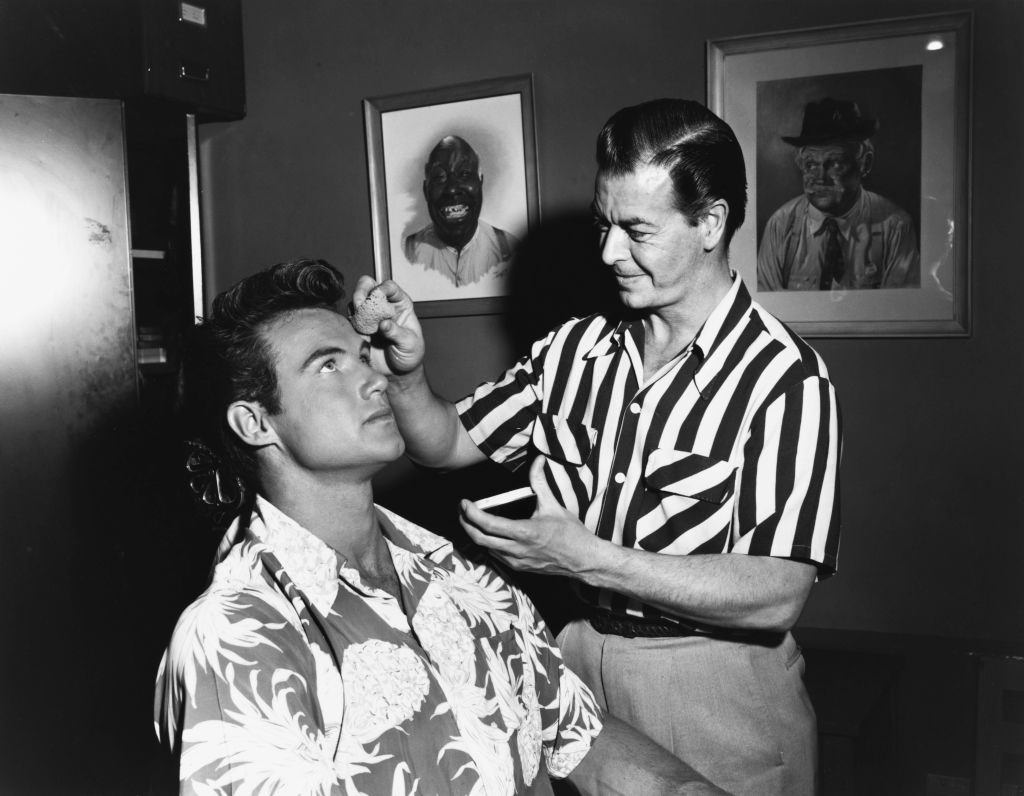
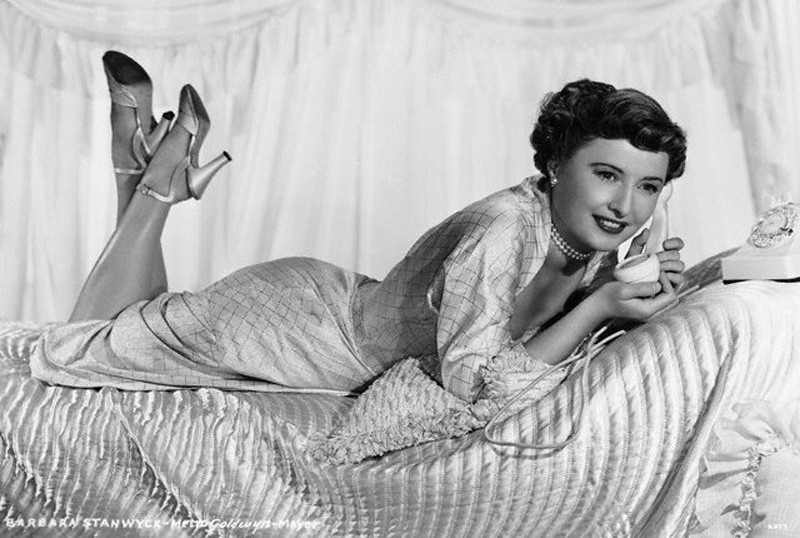
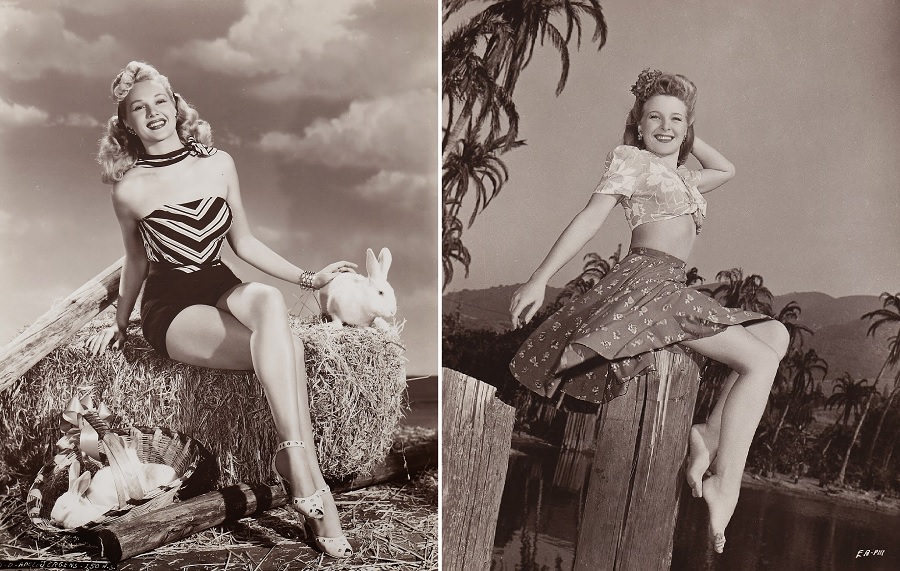
During this period, Reeves also crossed paths with major Hollywood personalities. He was photographed with stars like Jane Powell and Debbie Reynolds, as well as the iconic Mae West, each encounter adding to his growing public profile.
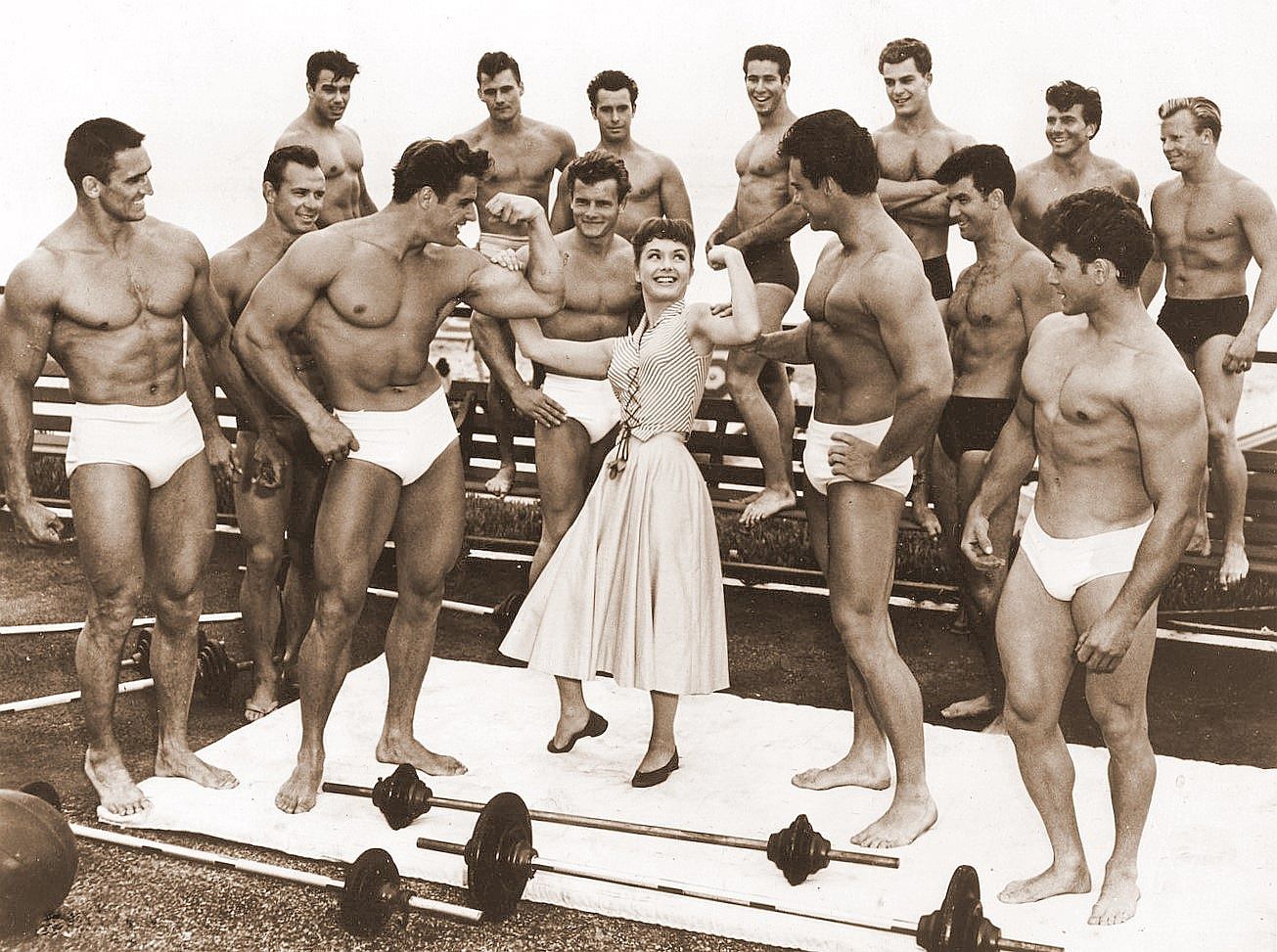
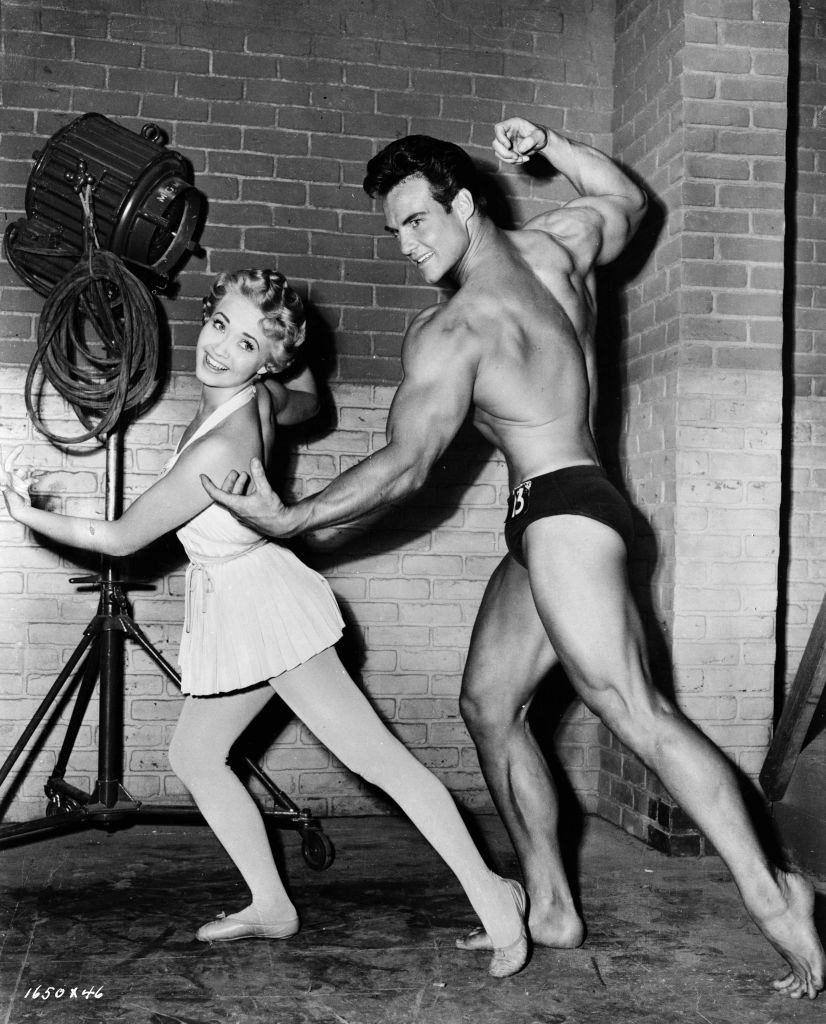
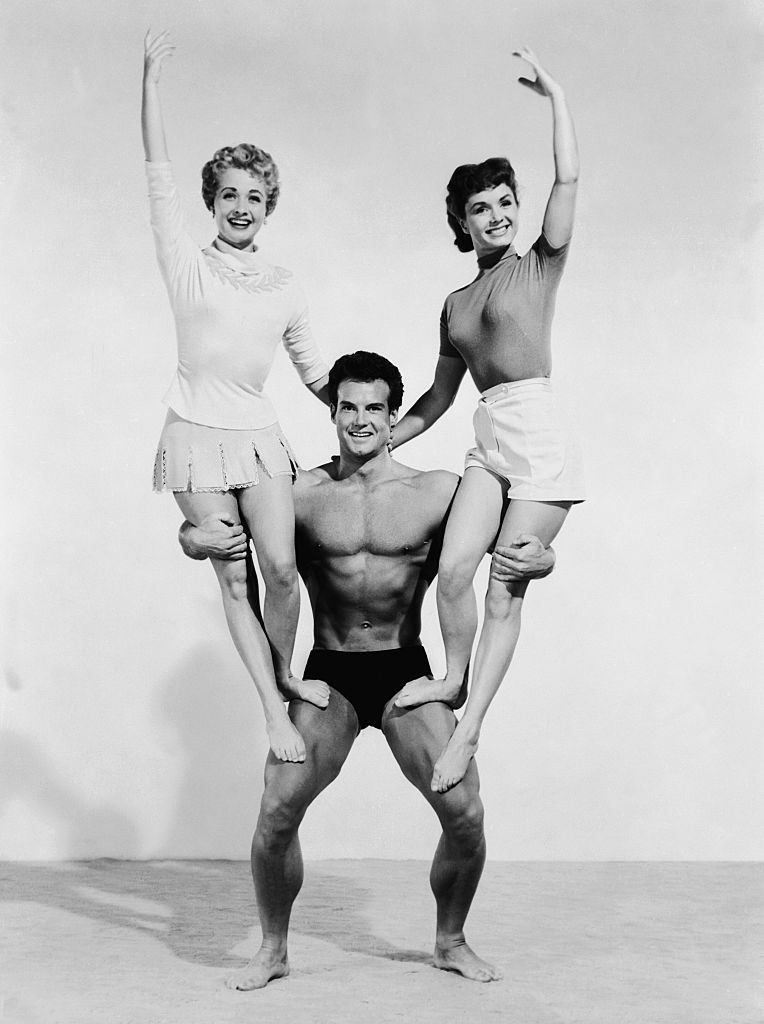
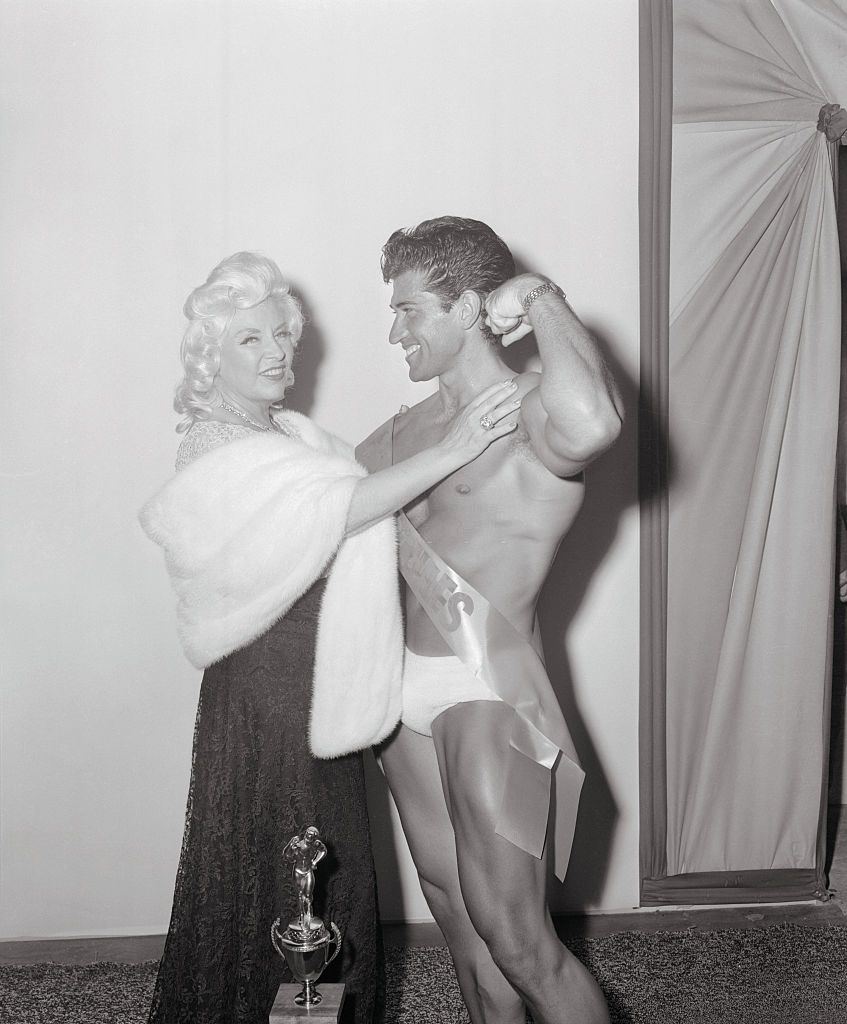
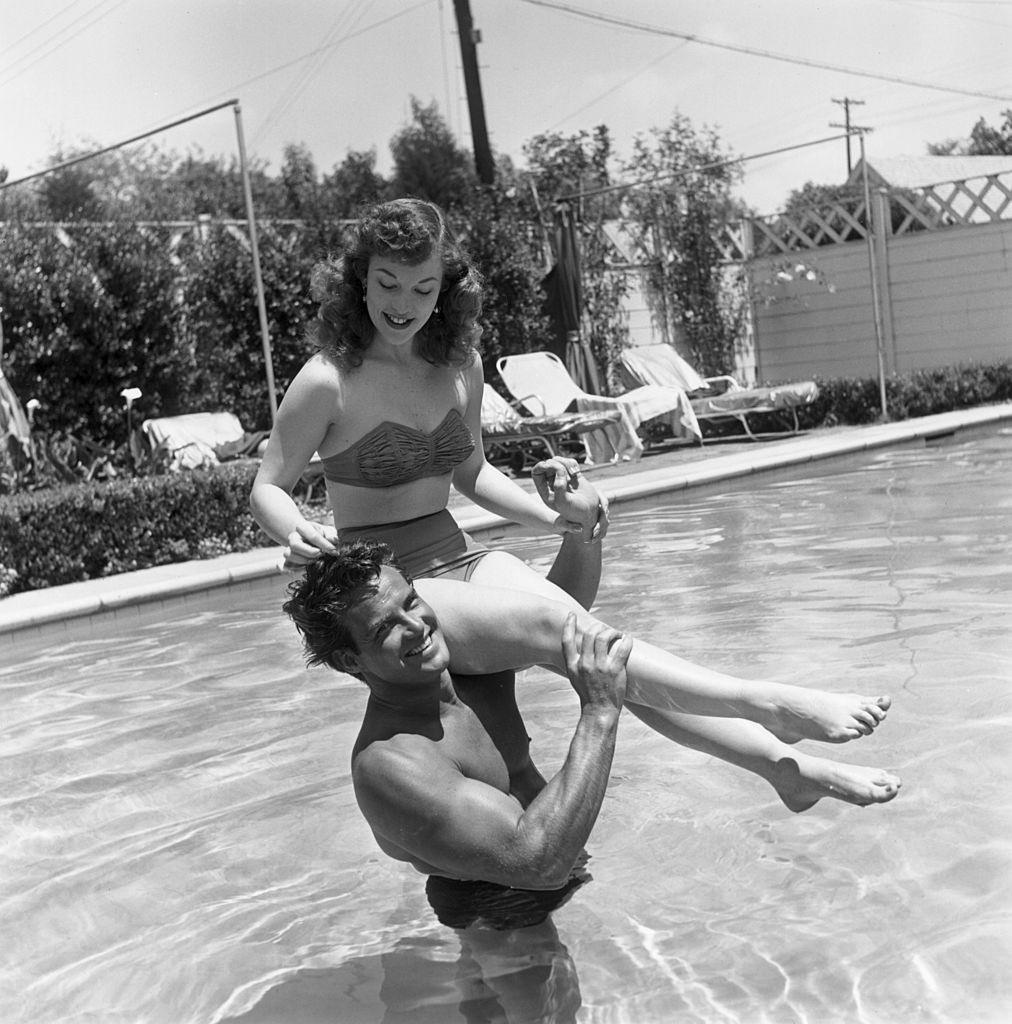
Reeves also found time for his personal life during these years. In 1952, he was photographed with his girlfriend, Lillian Lanier, as his fame continued to grow on both sides of the Atlantic.
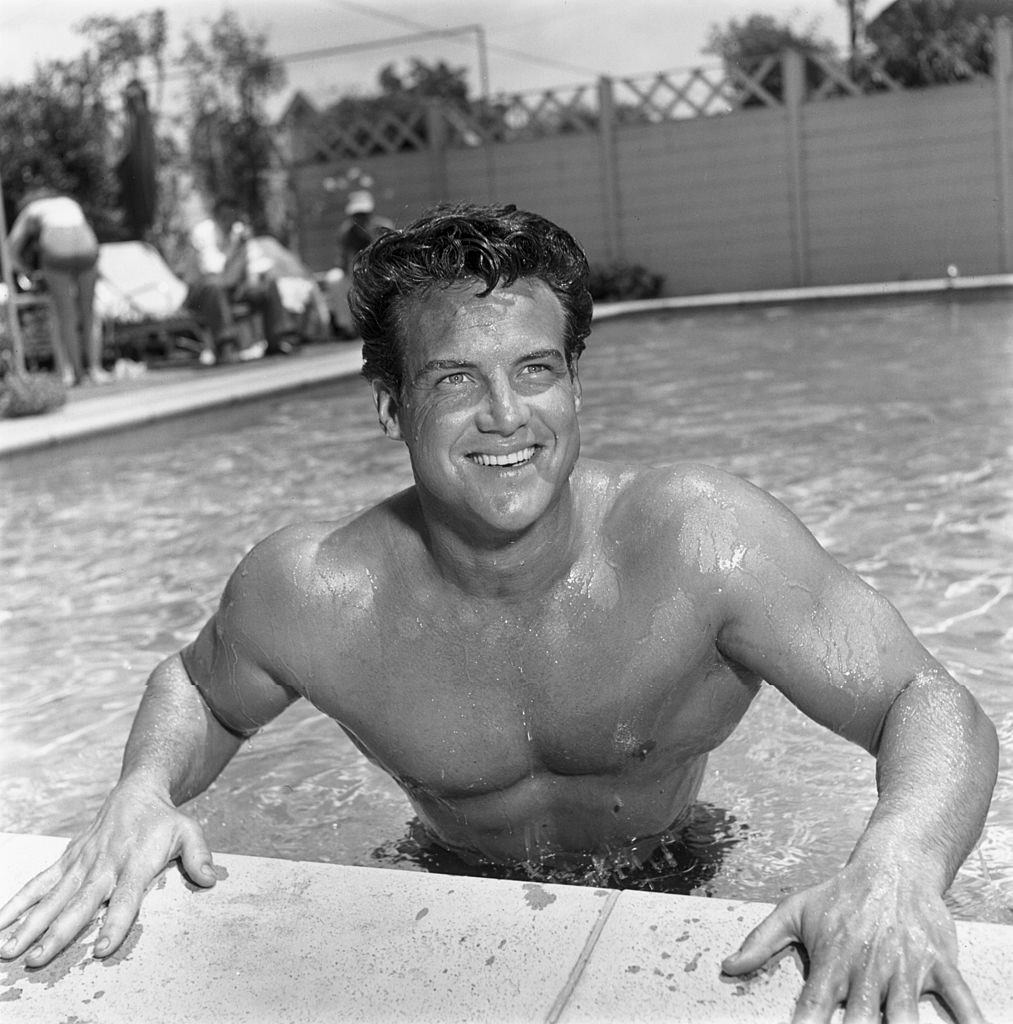
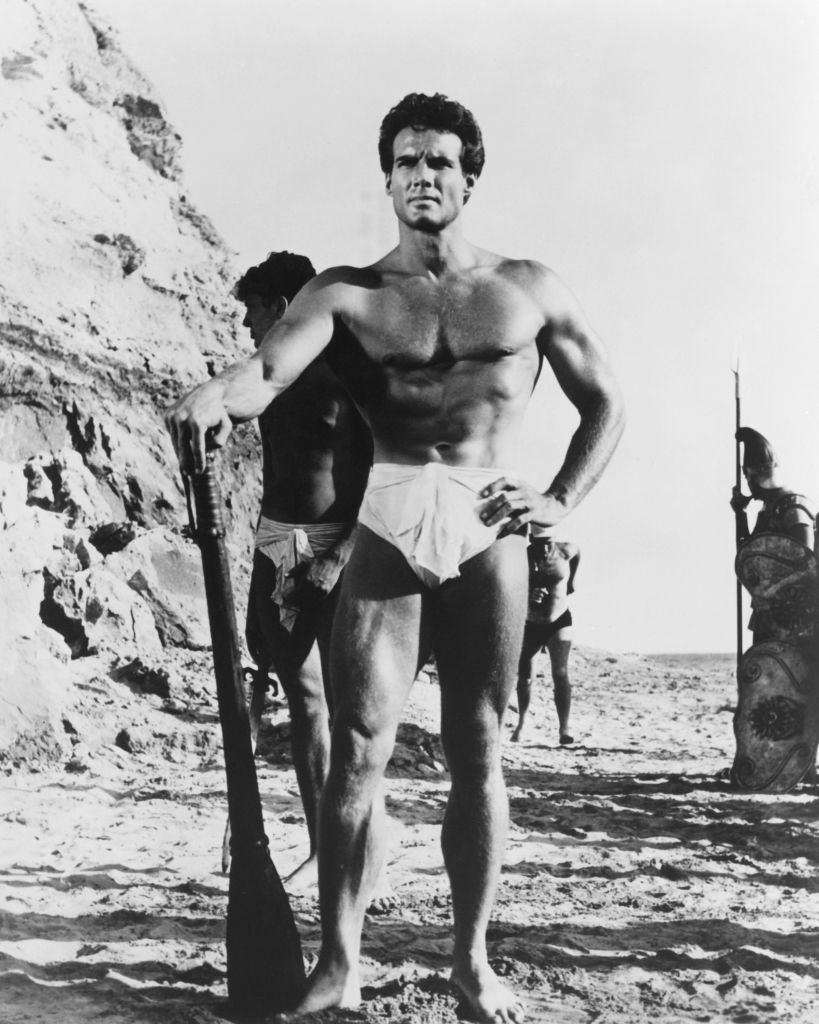
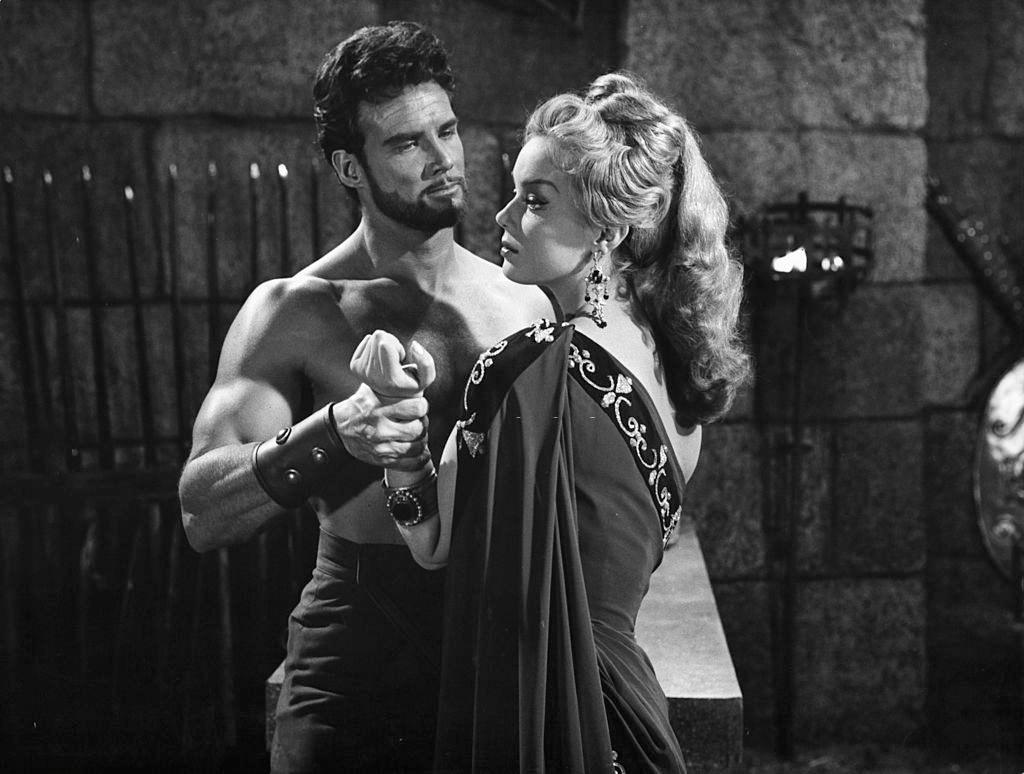
The career-defining break finally came from Italy, not Hollywood. Director Pietro Francisci cast Reeves as Hercules in the 1958 Italian production Le fatiche di Ercole — known internationally simply as Hercules. The film was a massive hit worldwide. Reeves was tailor-made for the role: powerful, handsome, and physically convincing in a way no other actor of the era could match.
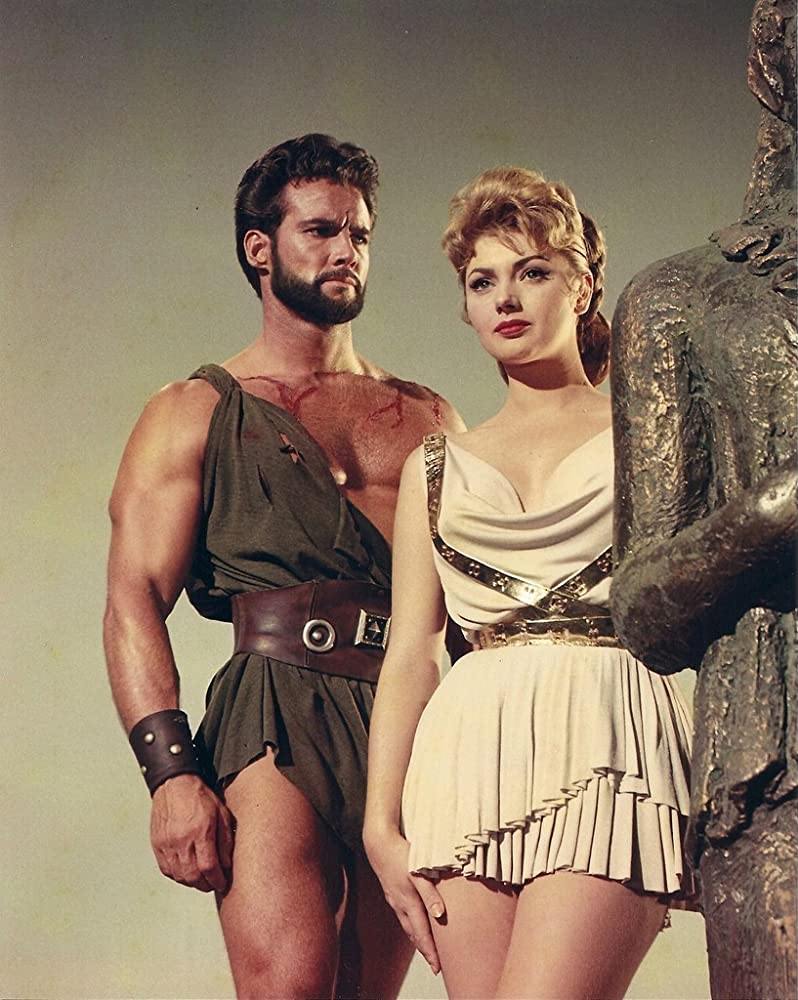
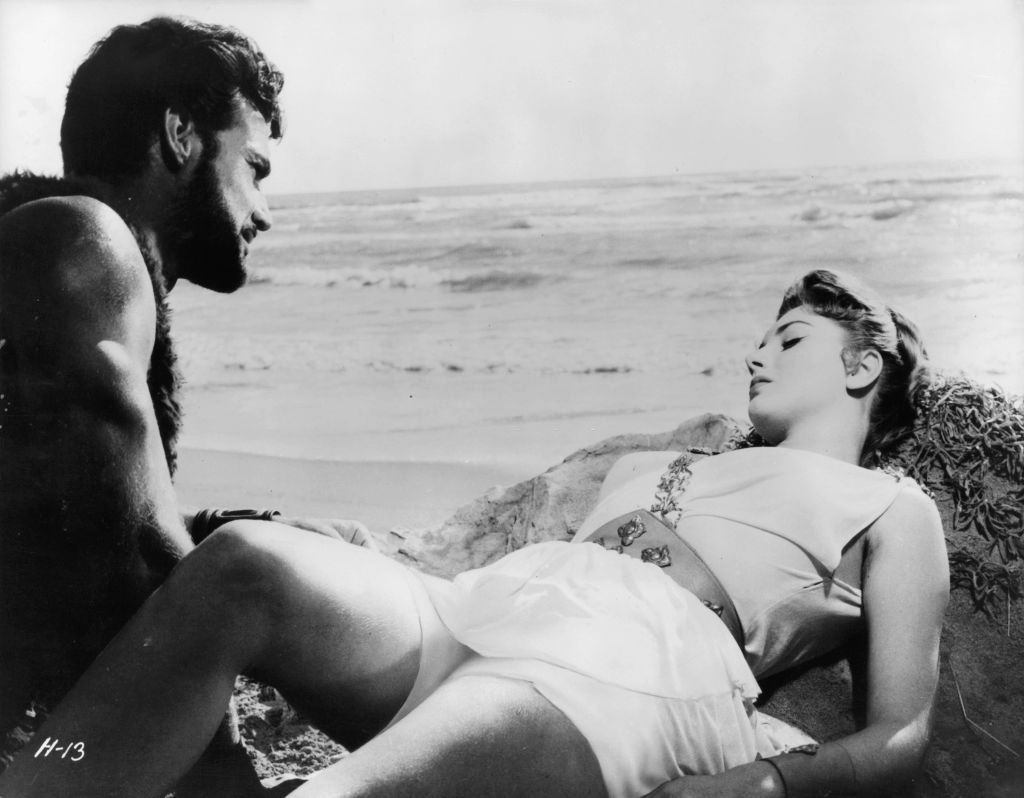
The success of Hercules led directly to a sequel, Hercules Unchained (1959). Reeves reprised the role with full command of the screen, delivering action sequences that showcased his strength in a way that felt entirely real — because for Reeves, it largely was.
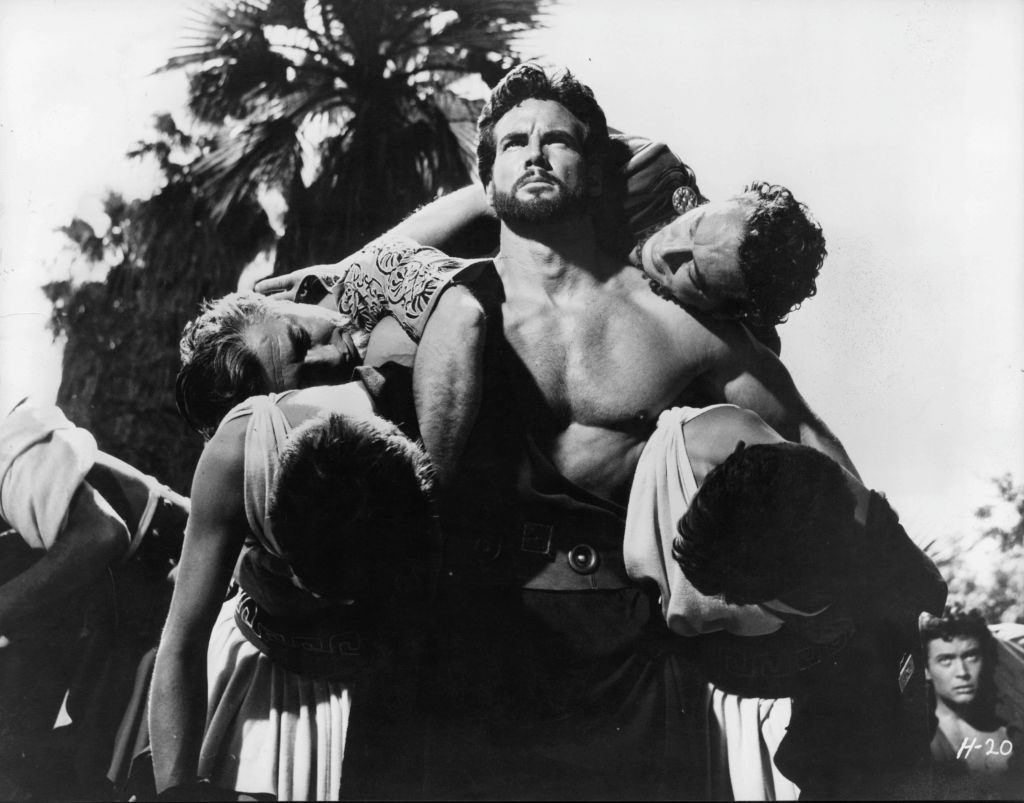
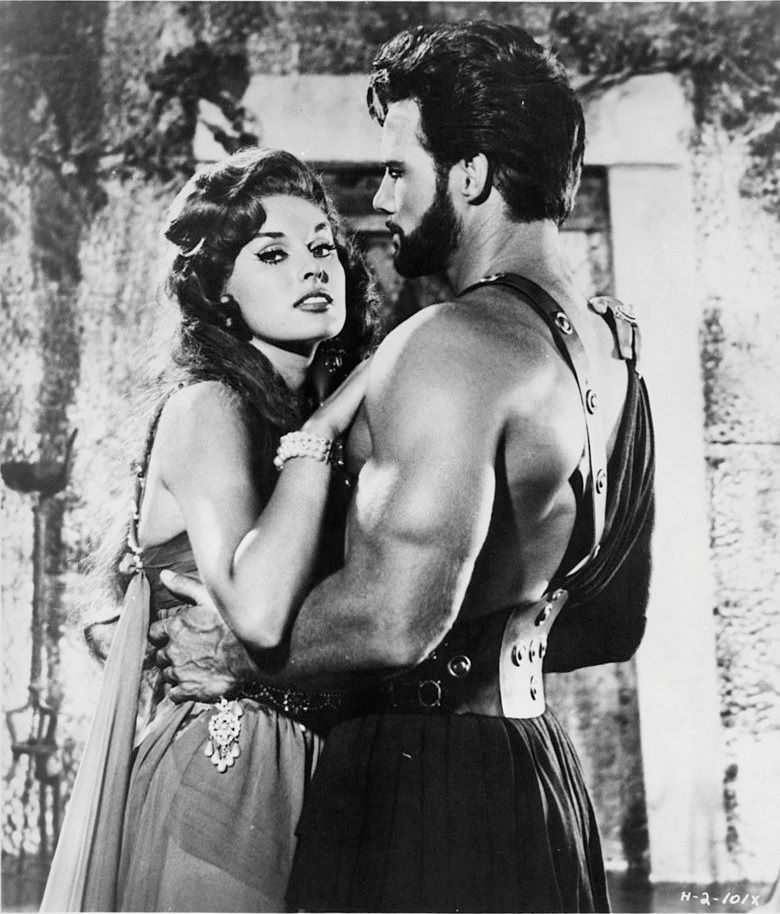
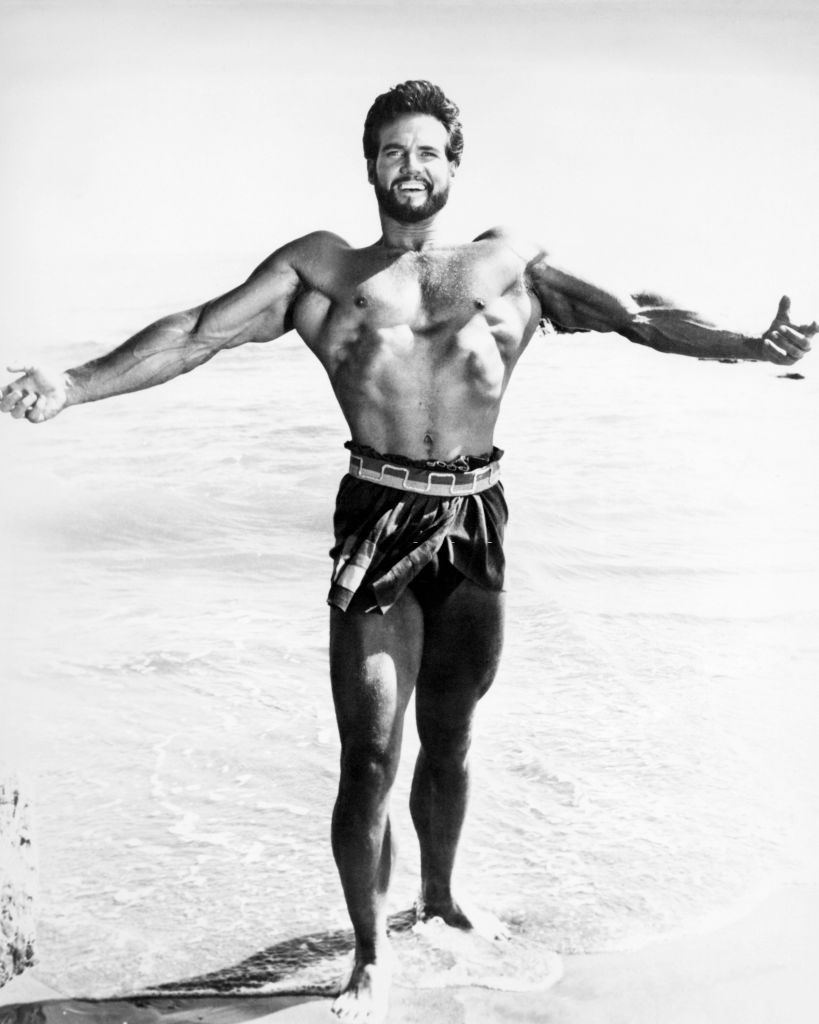
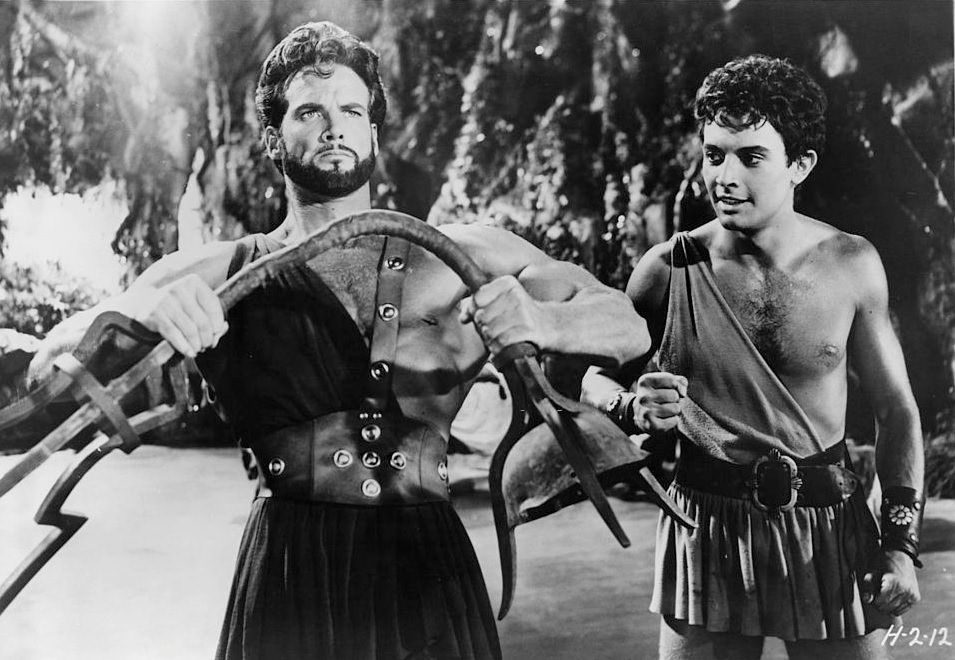
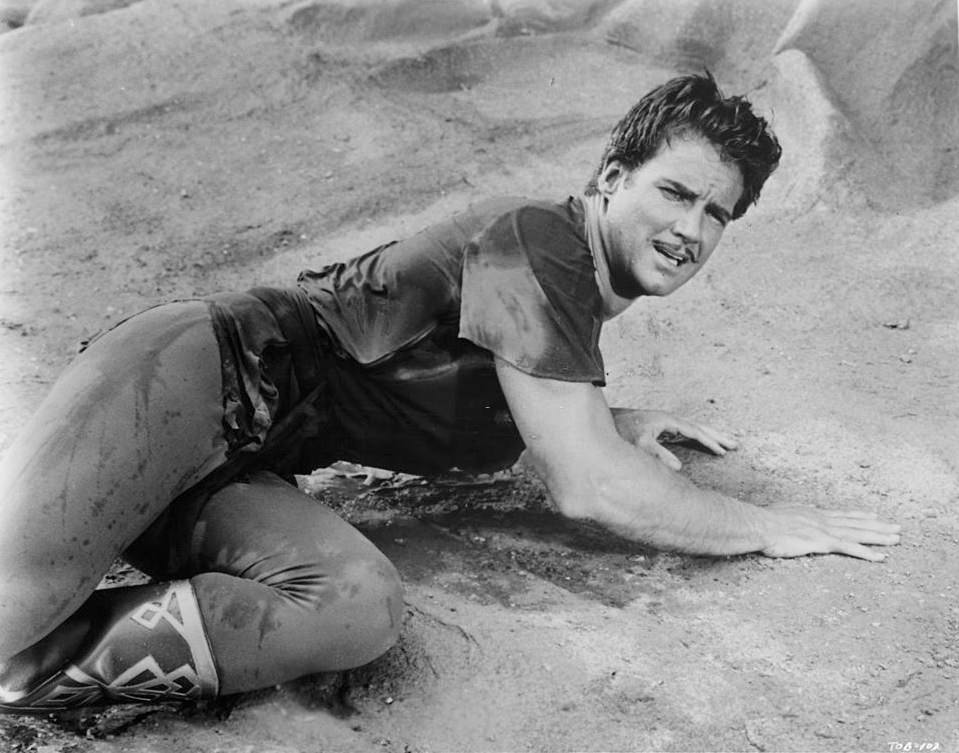
Also in 1959, Reeves starred in The Giant of Marathon and Gli ultimi giorni di Pompei — The Last Days of Pompeii. During the filming of The Last Days of Pompeii, a chariot he was driving struck a tree, and he dislocated his shoulder. The injury was serious enough to restrict his training permanently, and it eventually forced him out of competitive bodybuilding altogether.
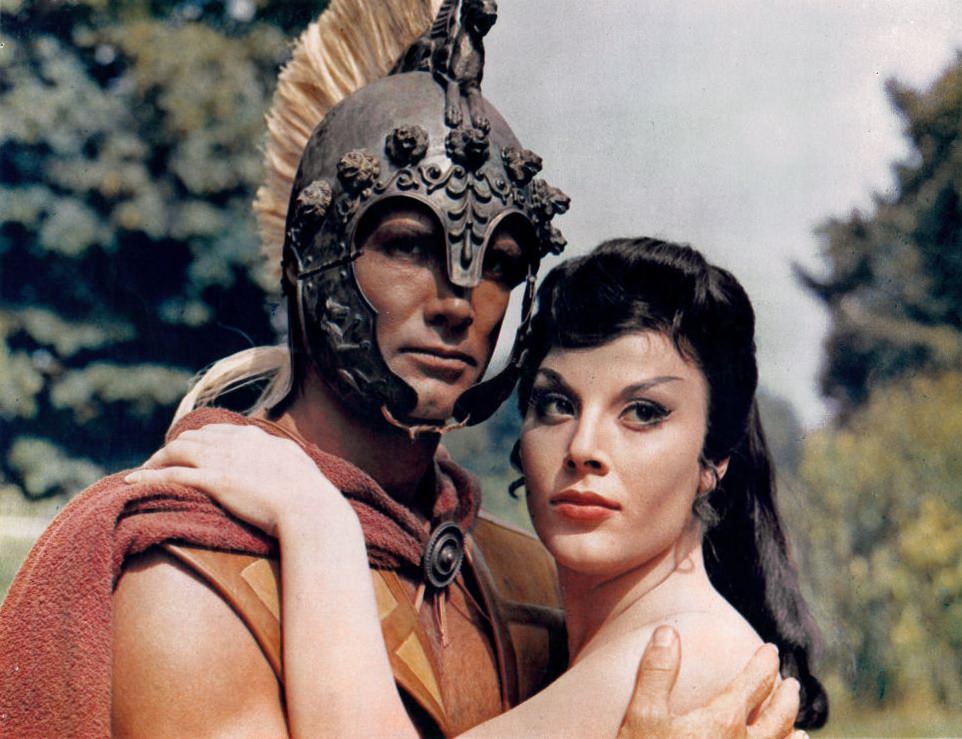
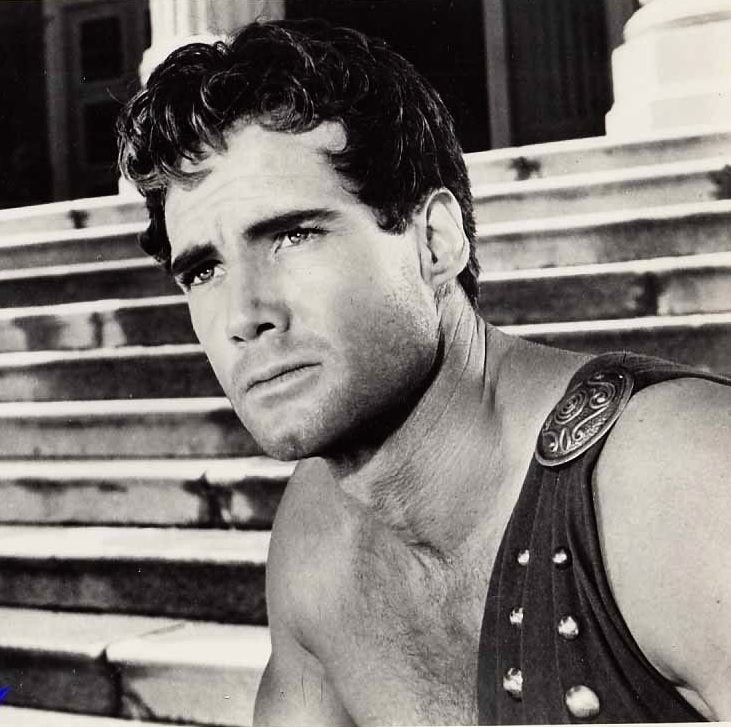
Despite the injury, Reeves kept working. In 1960, he took on the swashbuckling role of Henry Morgan in Morgan the Pirate, an Italian-French production that showed he could carry an action film beyond the sword-and-sandal genre.
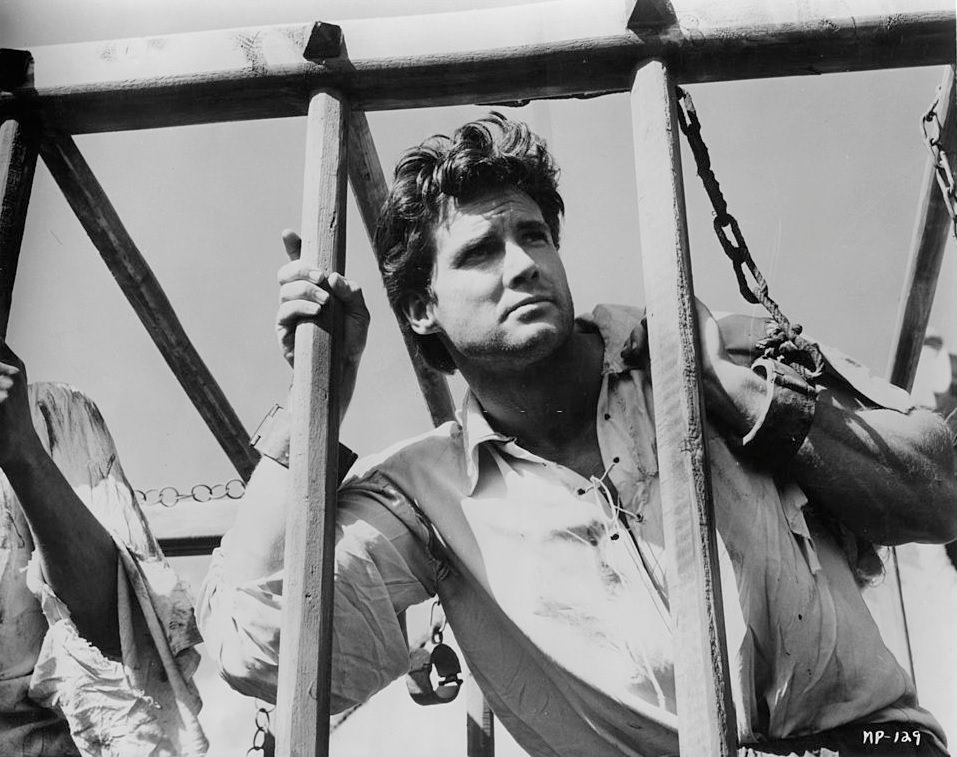
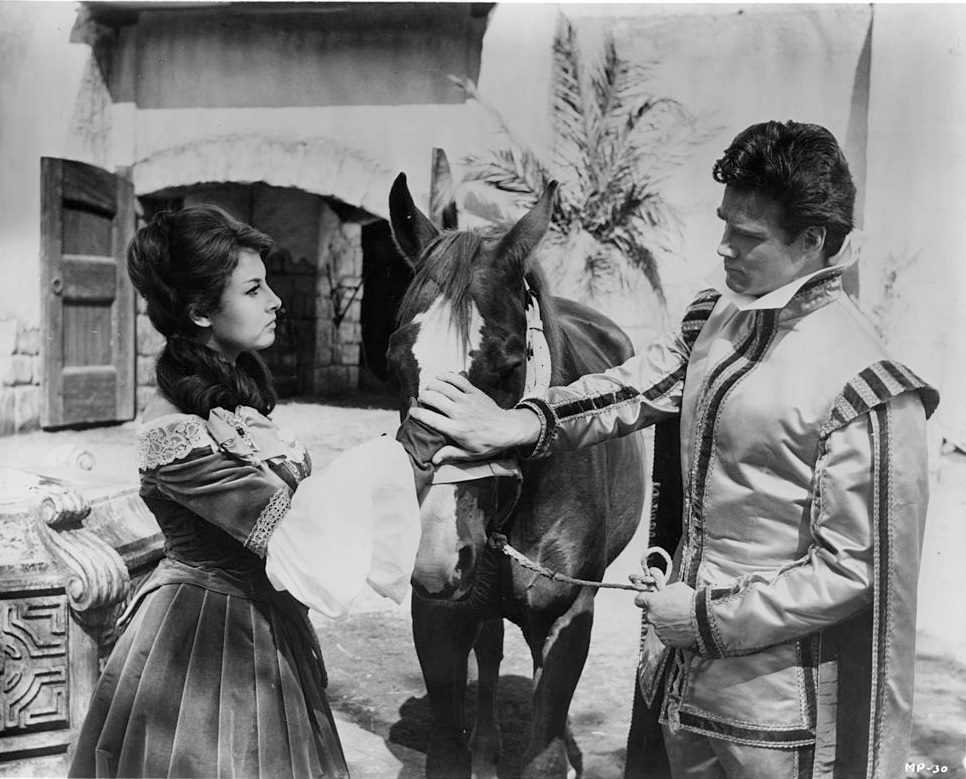
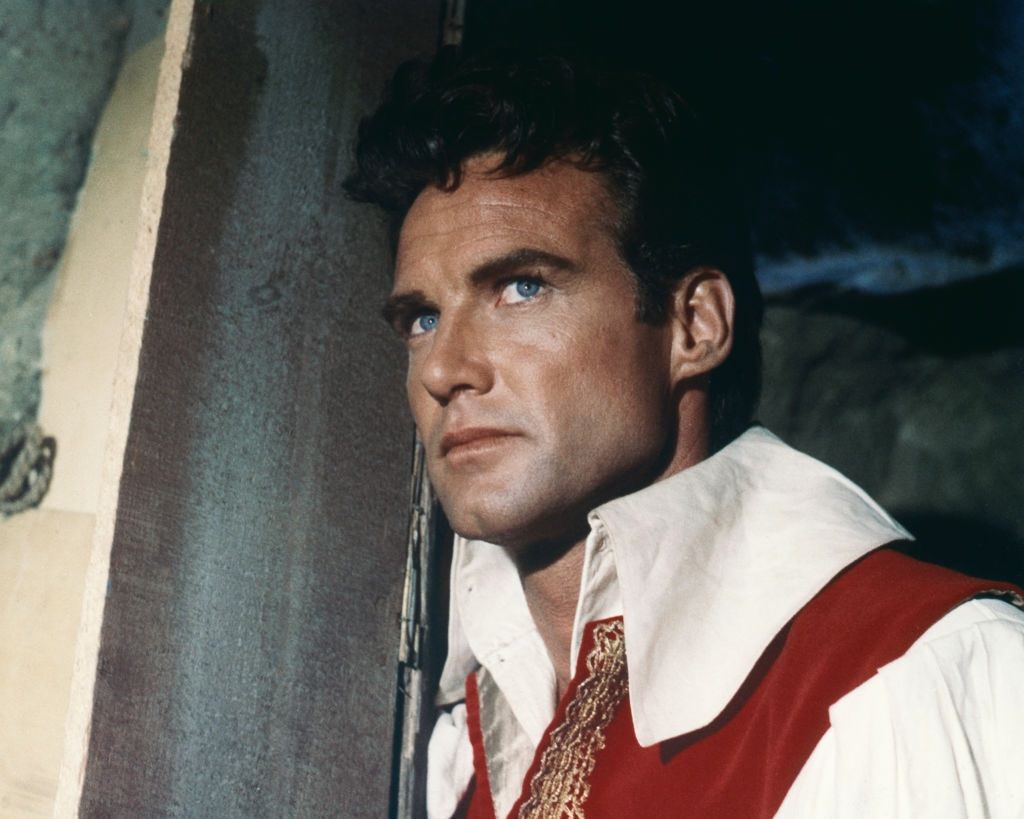
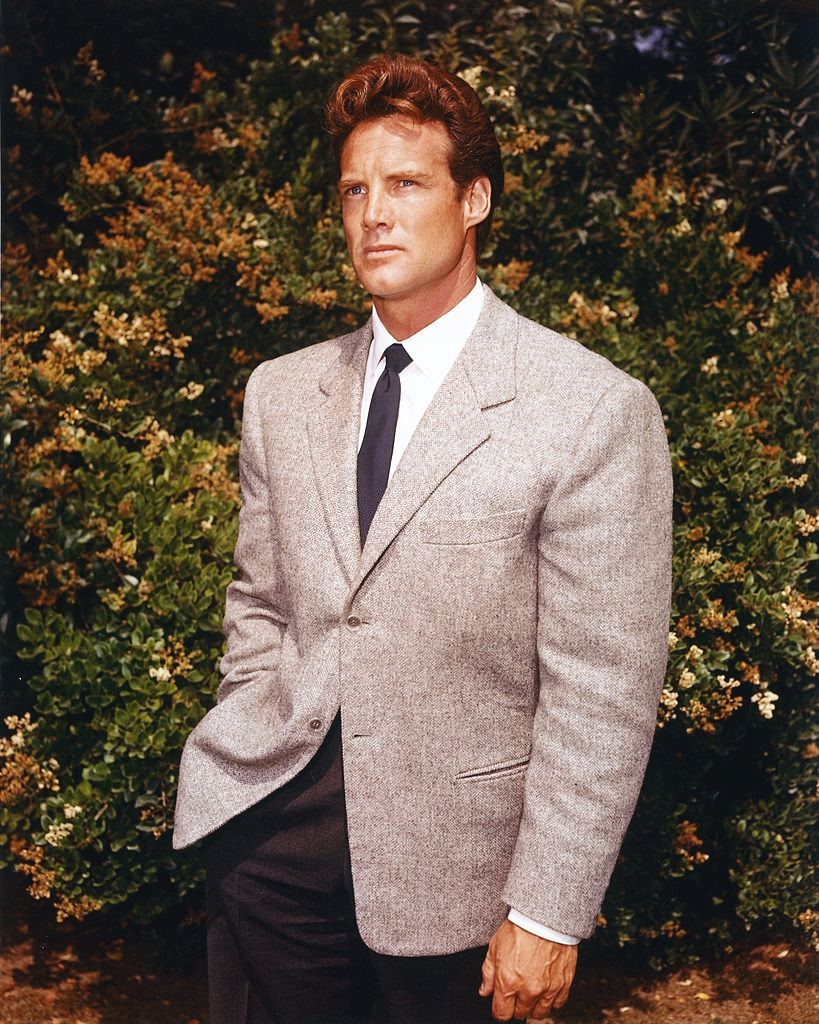
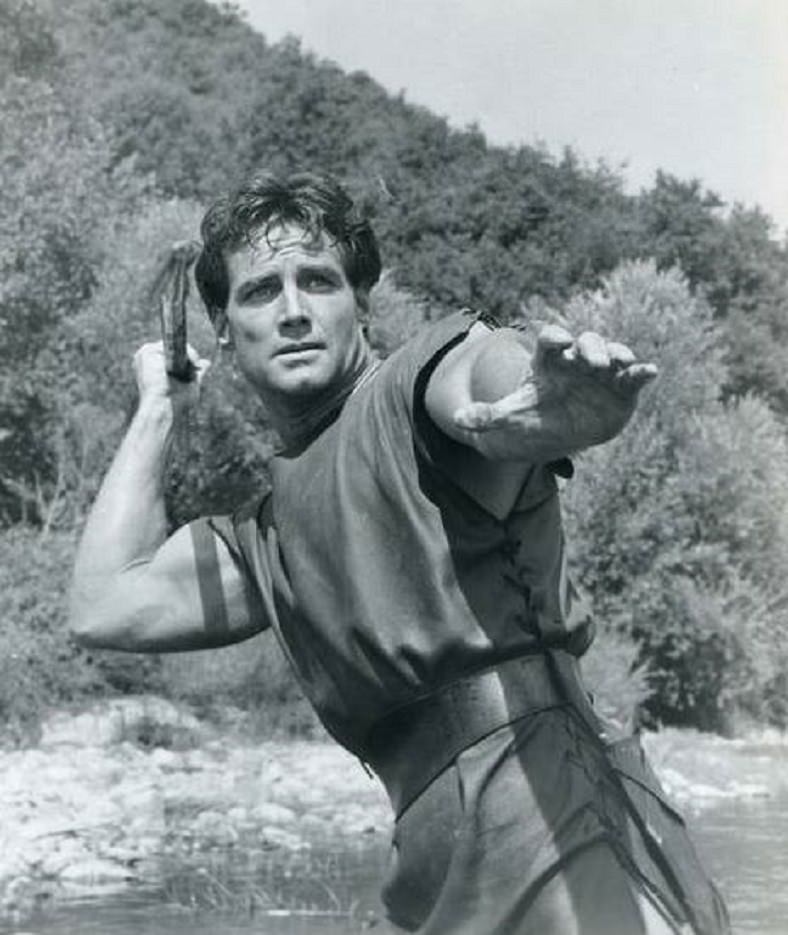
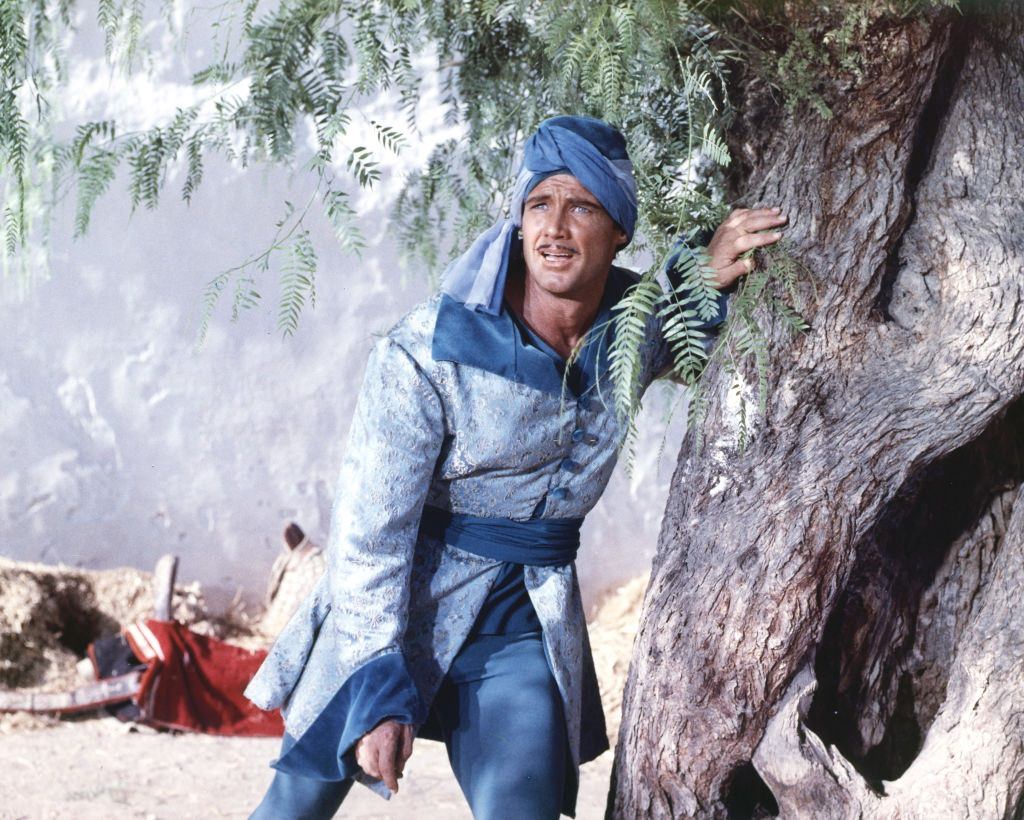
The early 1960s brought a string of high-profile European productions. In 1961, Reeves starred in Duel of the Titans alongside Italian actress Virna Lisi, The Trojan Horse, The Thief of Baghdad, and Romolo e Remo — a retelling of the founding myth of Rome.
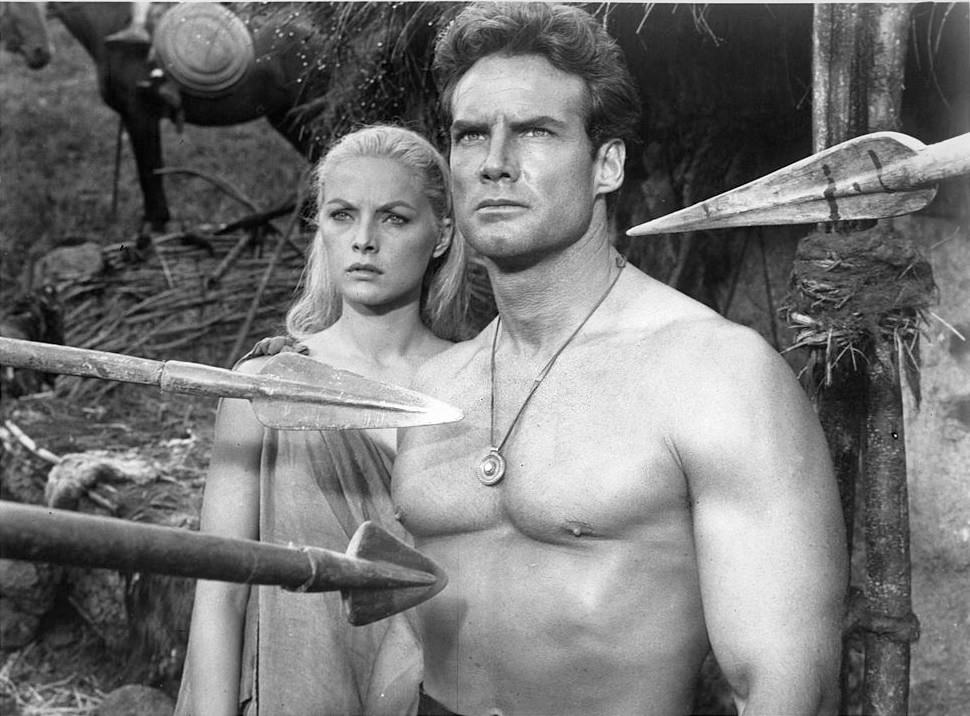
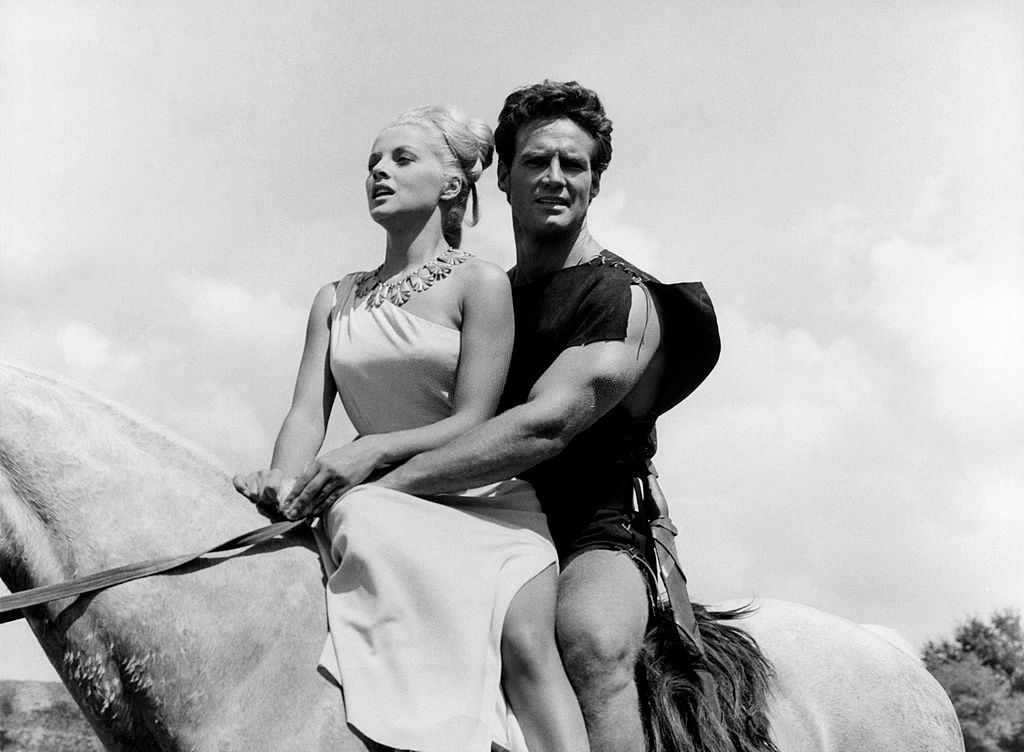
In 1963, Reeves appeared in Sandokan, la tigre di Mompracem alongside Geneviève Grad, continuing his run of European adventure films. That same year, he married Aline Czartjarwicz, his second wife, after a brief first marriage to Sandra Smith had ended in divorce in 1956. He and Aline remained married for 26 years, until her death from a stroke in 1989.
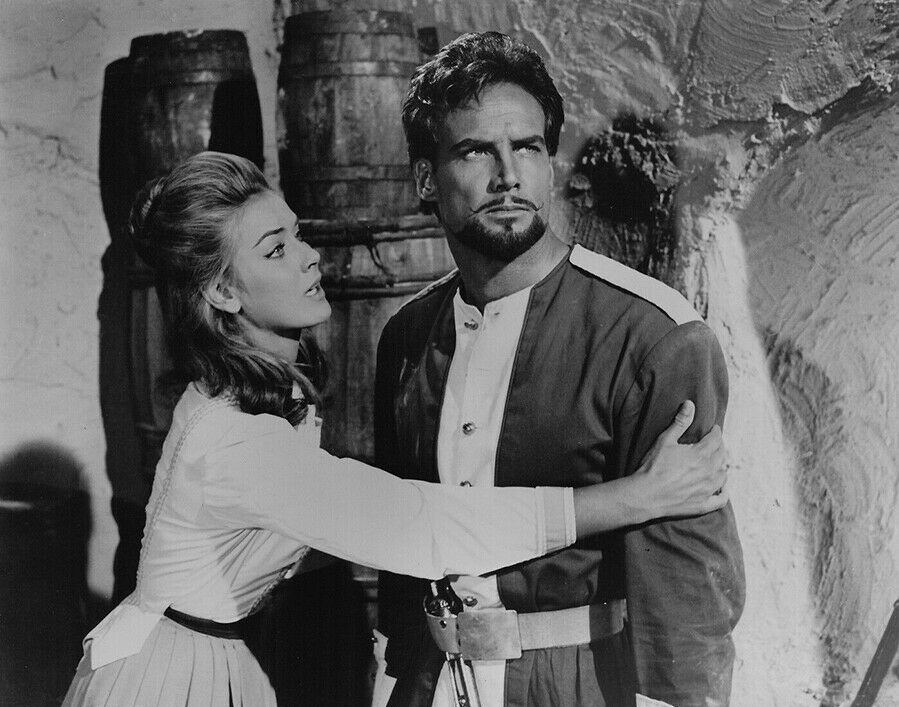
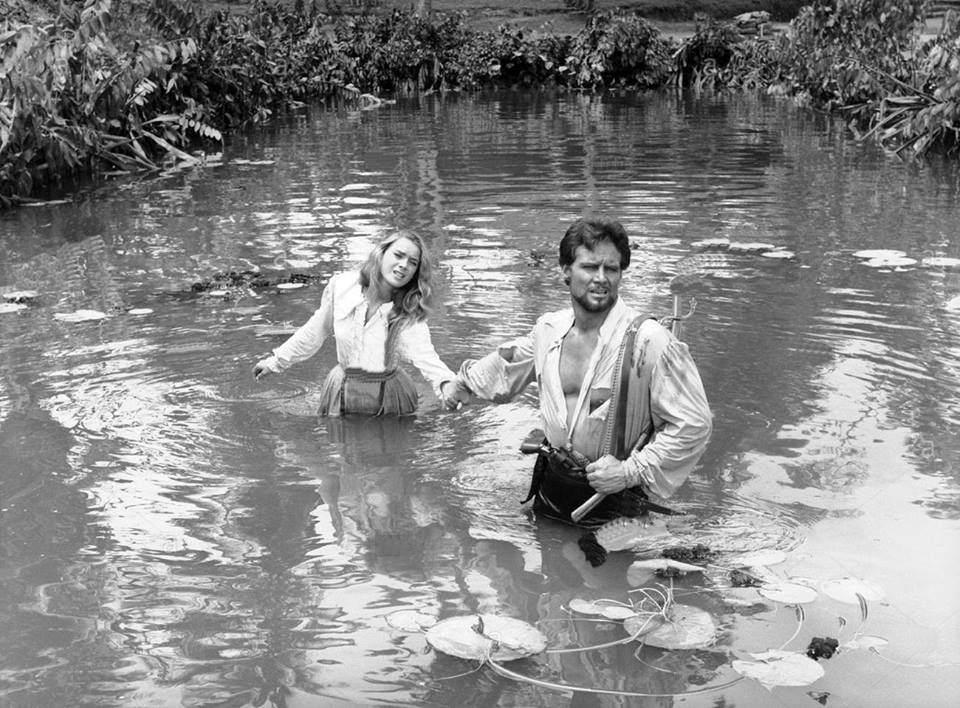
Reeves made his final film appearance in 1968 with I Live For Your Death. Shortly after, he stepped away from the screen entirely. He returned to California, settled on a ranch, and devoted himself to breeding and riding horses — a passion he carried with the same dedication he had once given to the gym.
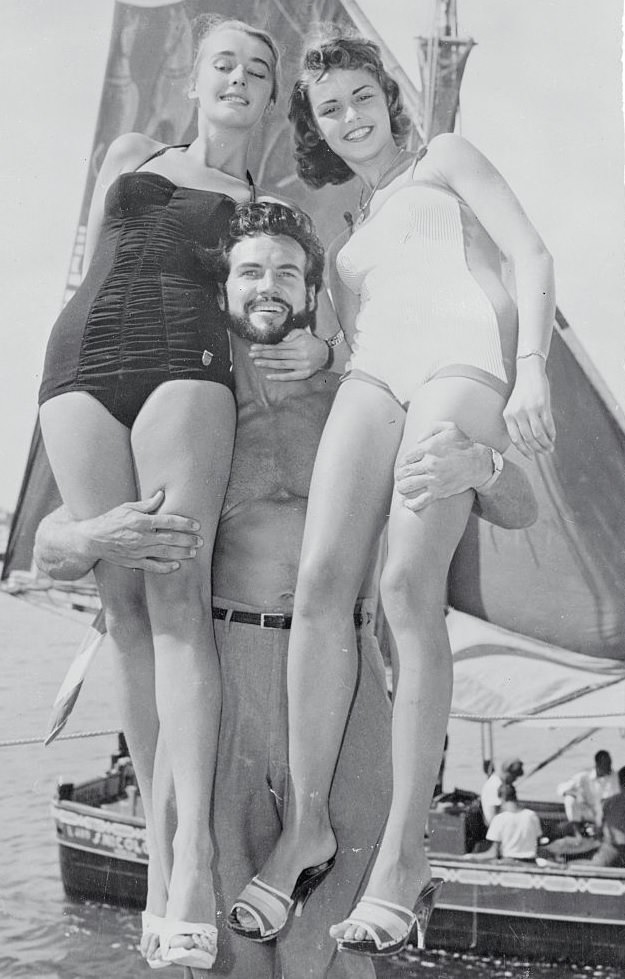
Reeves married his third wife, Deborah Ann Engelhorn, in 1994, five years after losing Aline. He remained married to Deborah until the end of his life. Throughout his retirement years, he was a vocal advocate for drug-free bodybuilding, and his name carried enormous weight among athletes like Sylvester Stallone and Lou Ferrigno, both of whom credited him as a formative inspiration.
On May 1, 2000, Steve Reeves died in California from a blood clot, two days after undergoing surgery. He was 74 years old. Doctors had diagnosed him with lymphoma just six weeks before his death. His body was cremated, and his ashes were scattered in Montana — the state where his extraordinary life began.