

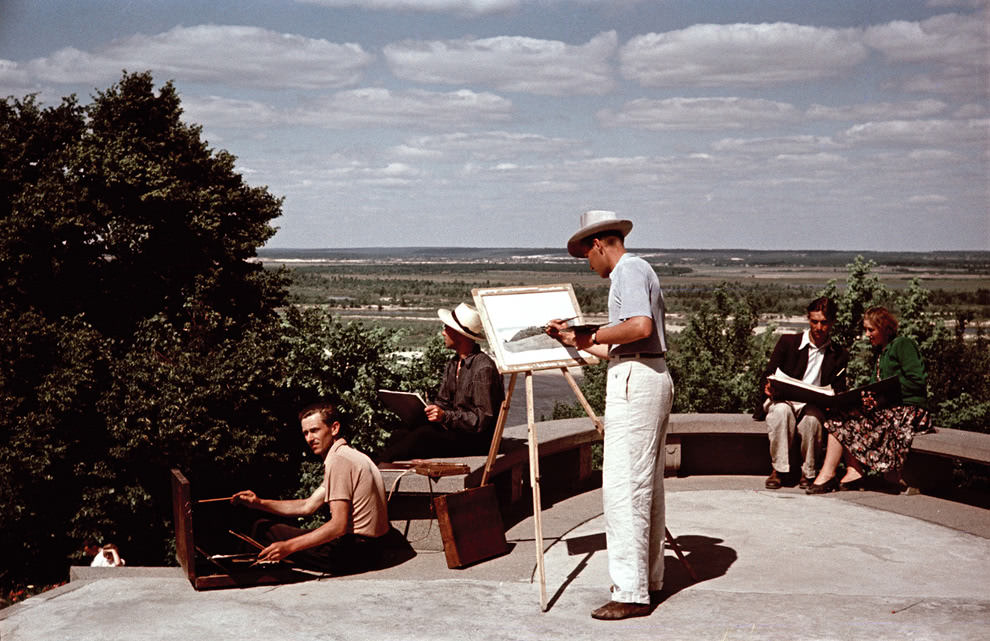
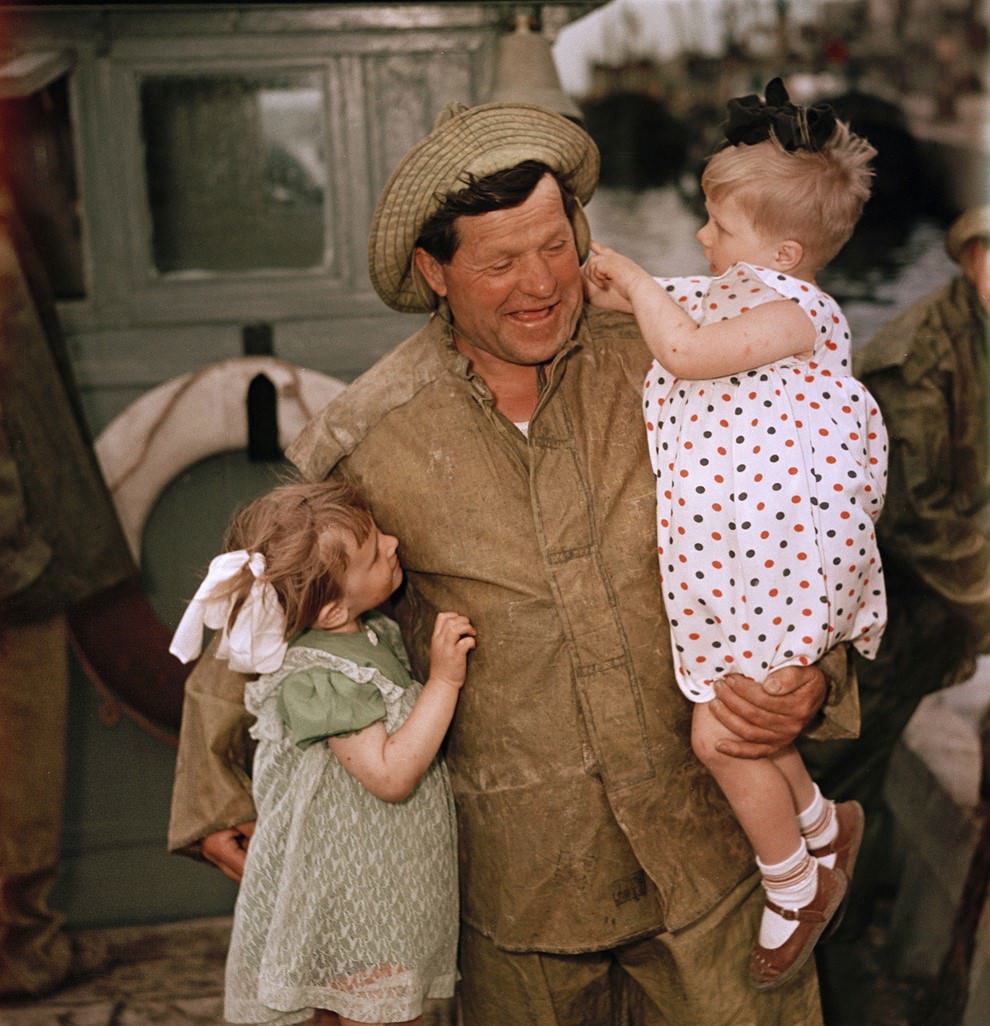
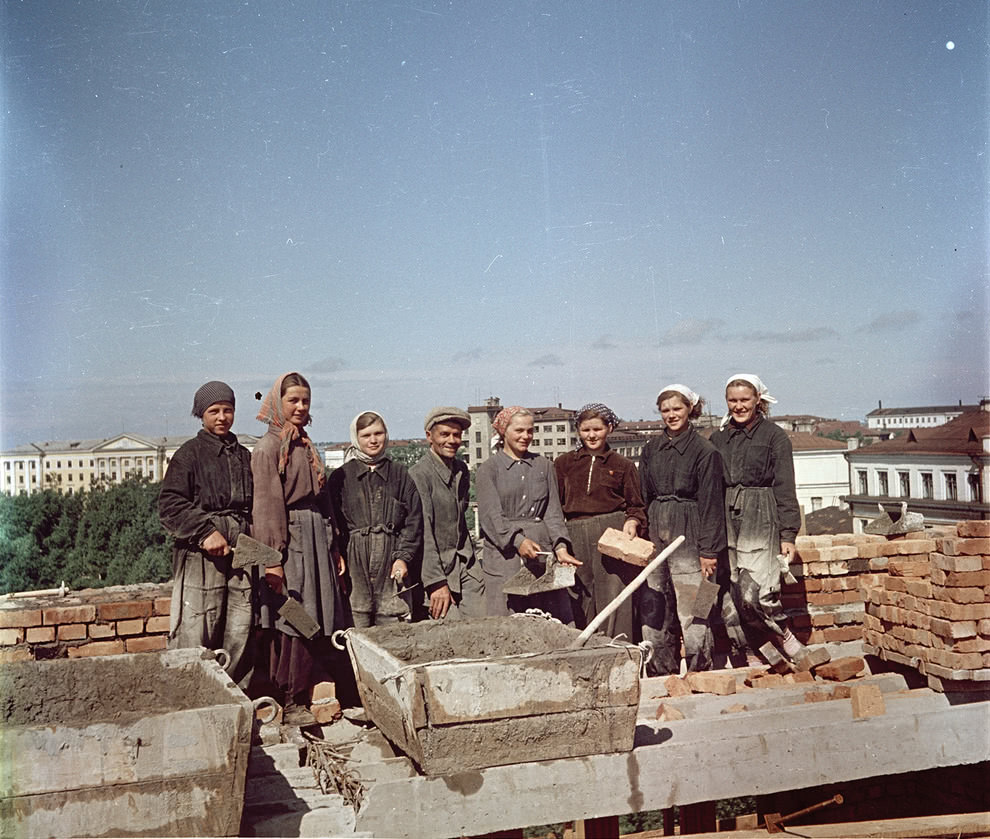
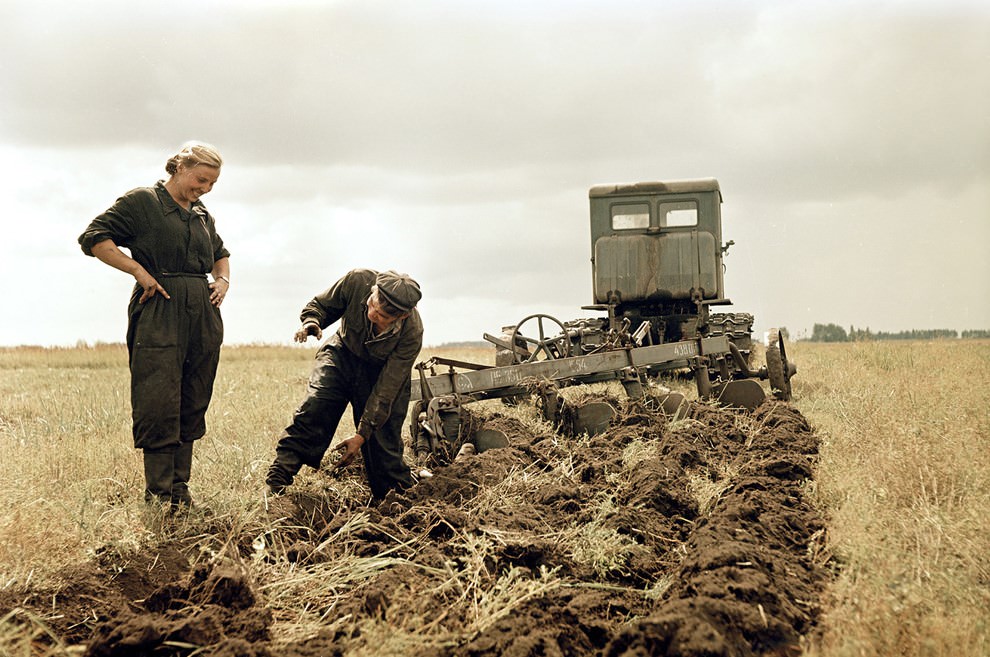
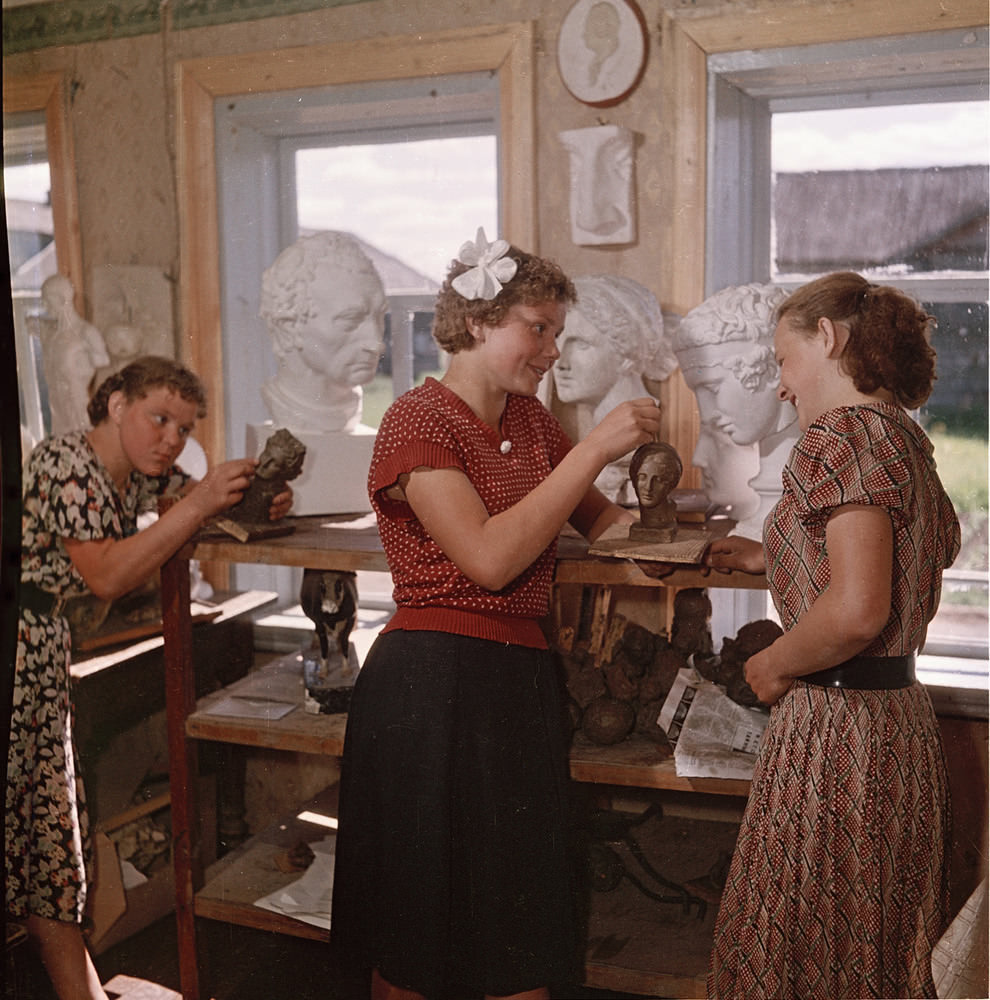
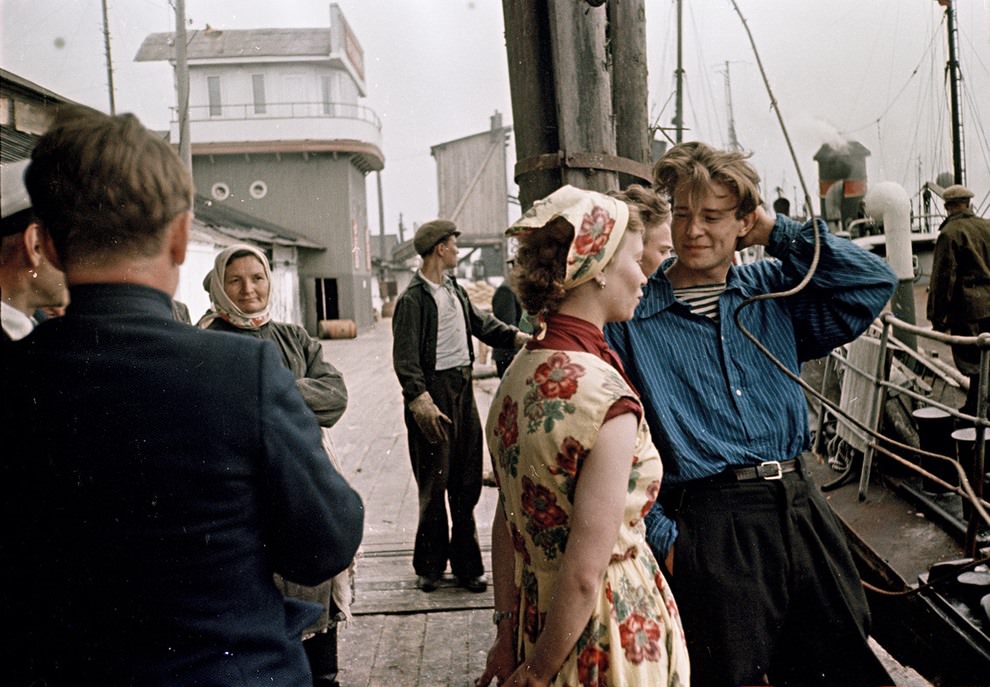
The Soviet Union in the 1950s was a country living under enormous pressure. The Cold War was intensifying, the threat of nuclear conflict hung over daily life, and political tensions shaped nearly every corner of society. Yet ordinary people still went to work, raised children, celebrated holidays, and gathered with neighbors. A remarkable collection of color photographs taken during this decade captures all of that — not the politics, but the people.
The man behind these images was Semyon Osipovich Friedland, a Soviet photographer born in Kyiv. He started out as a journalist but walked away from that career because of the strict censorship that controlled the press. Photography became his path forward. In 1932, he graduated from the photography department of the State Institute of Cinematography, one of the few formal training programs of its kind in the Soviet Union at the time.
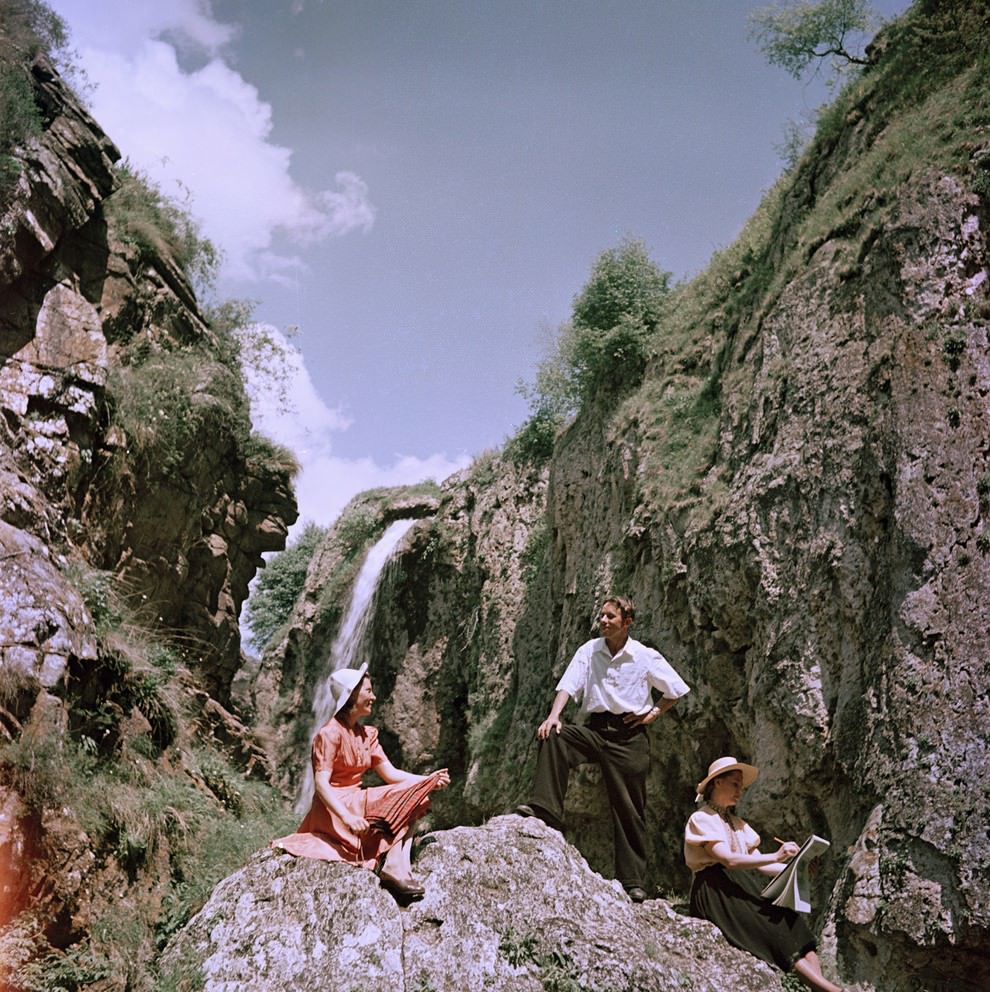
By 1950, Friedland had risen to become editor-in-chief of the photography department at Ogonyok — a magazine whose name translates to “little flame” in Russian. Founded in 1899, Ogonyok was one of the oldest weekly illustrated magazines in the USSR and continues to be published in Russia today. His position there gave him wide access to subjects and locations across the country, and his work took him from the Ukrainian SSR to the Kuril Islands.
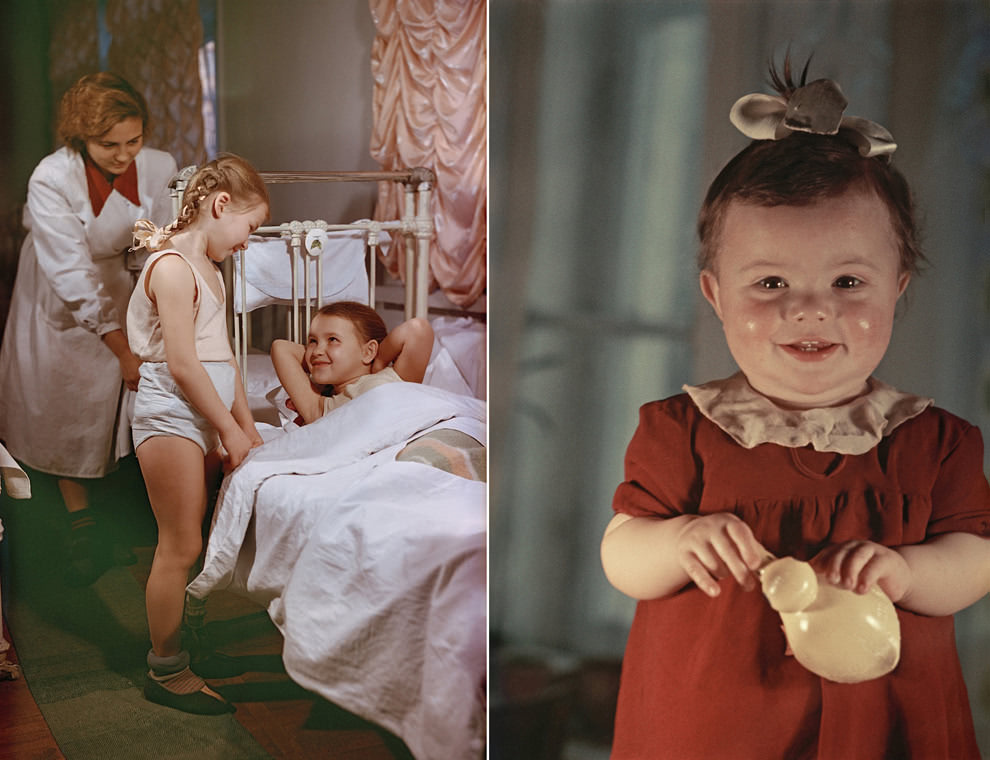
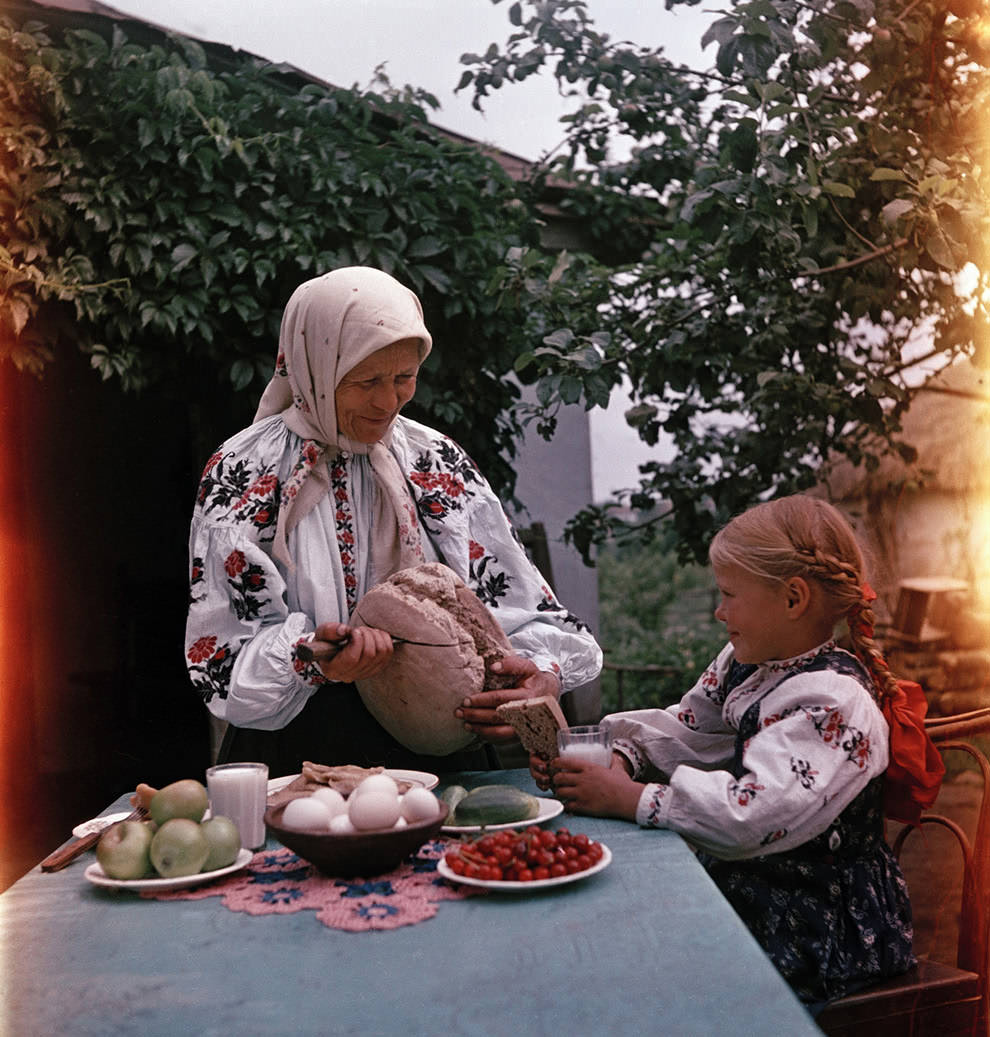
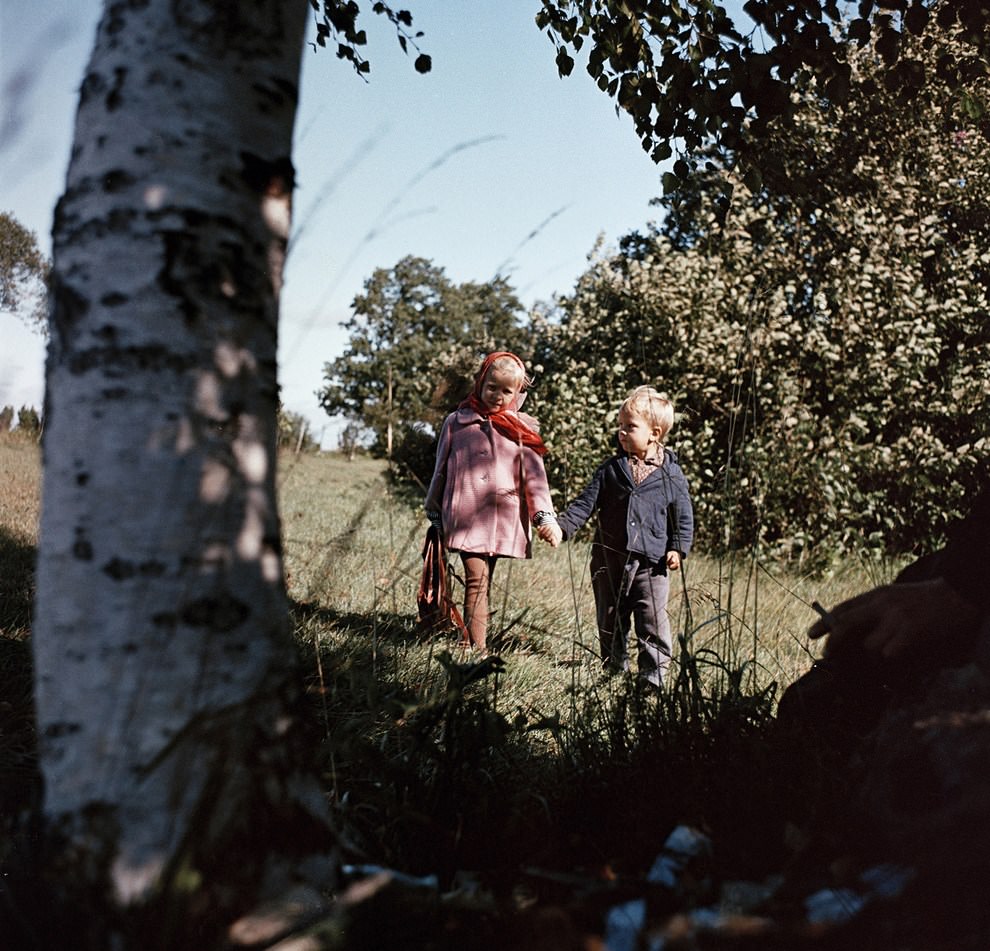
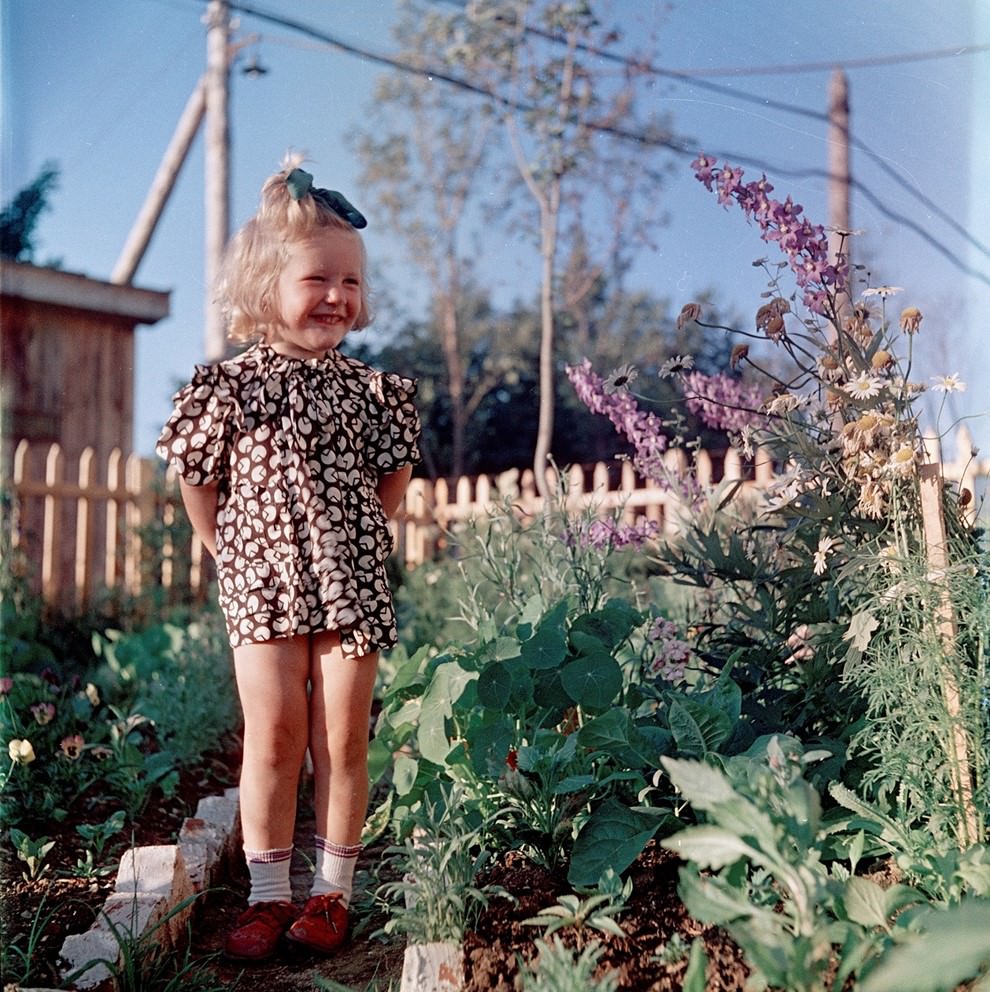
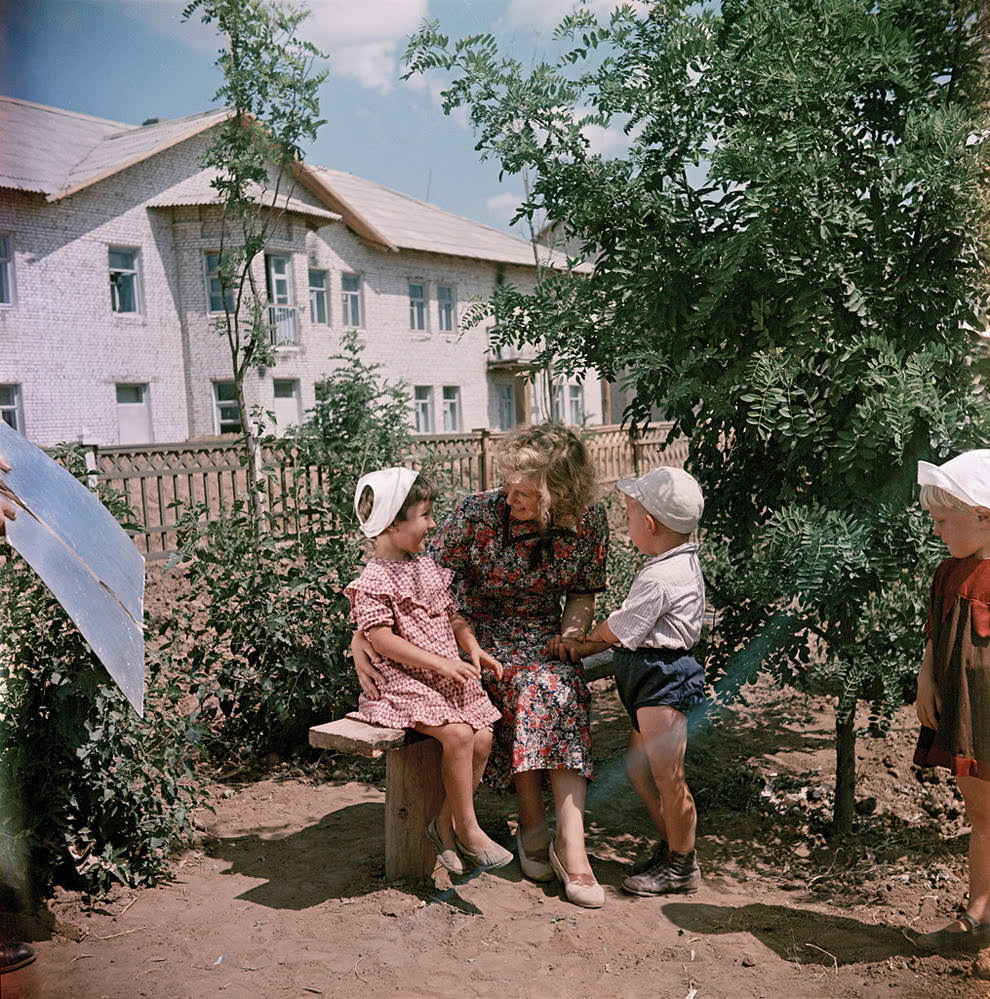
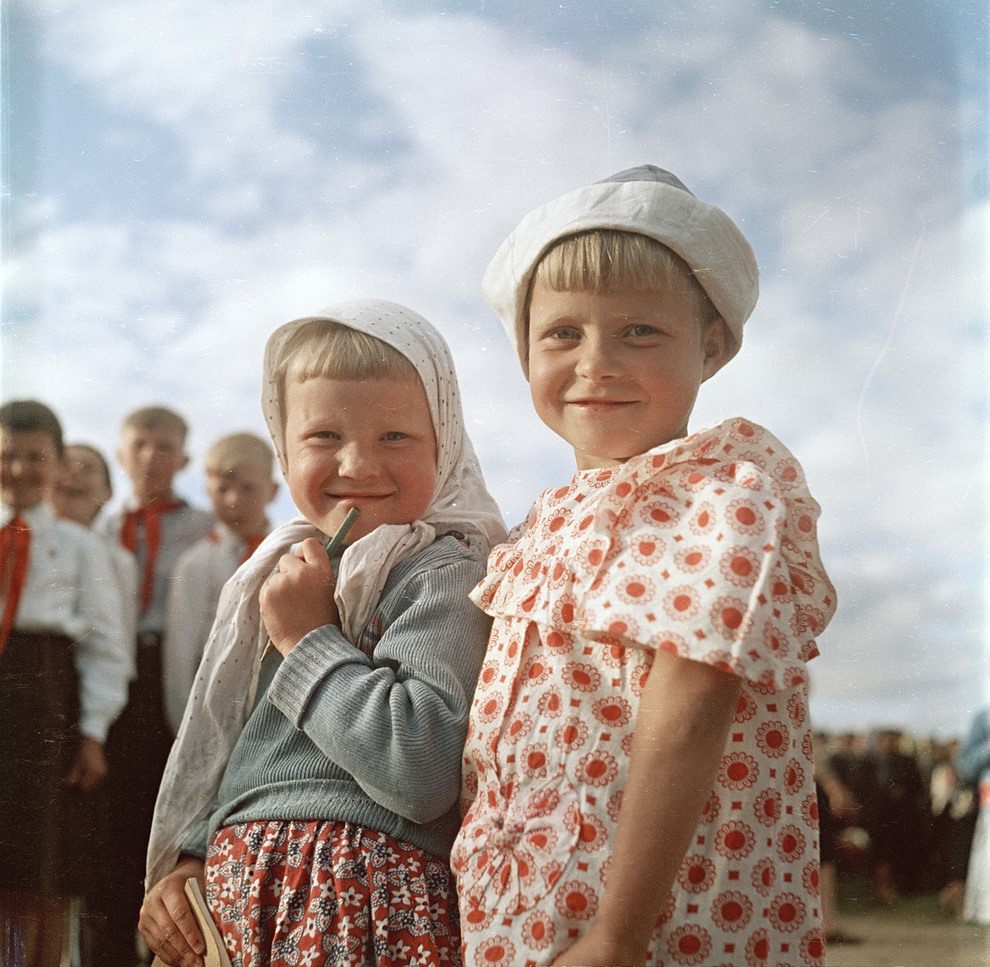
Many of Friedland’s photos center on children. Kindergartens, nurseries, and orphanages in the Ukrainian SSR appear repeatedly in his work from this period, offering a close look at how the Soviet state organized early childhood care. These weren’t candid snapshots — they show clean, organized spaces and children engaged in structured routines.
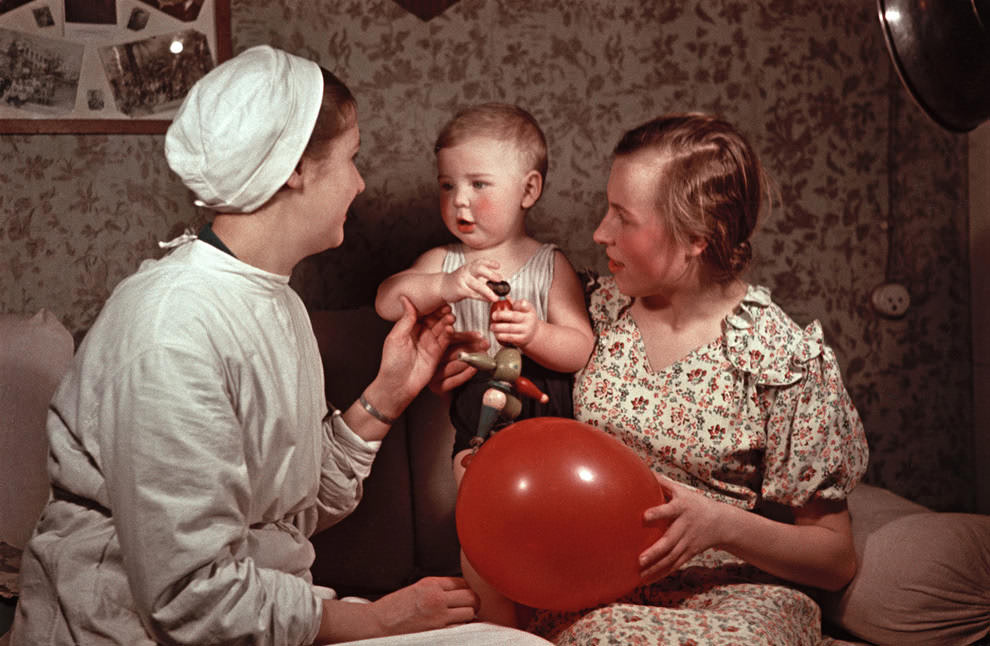
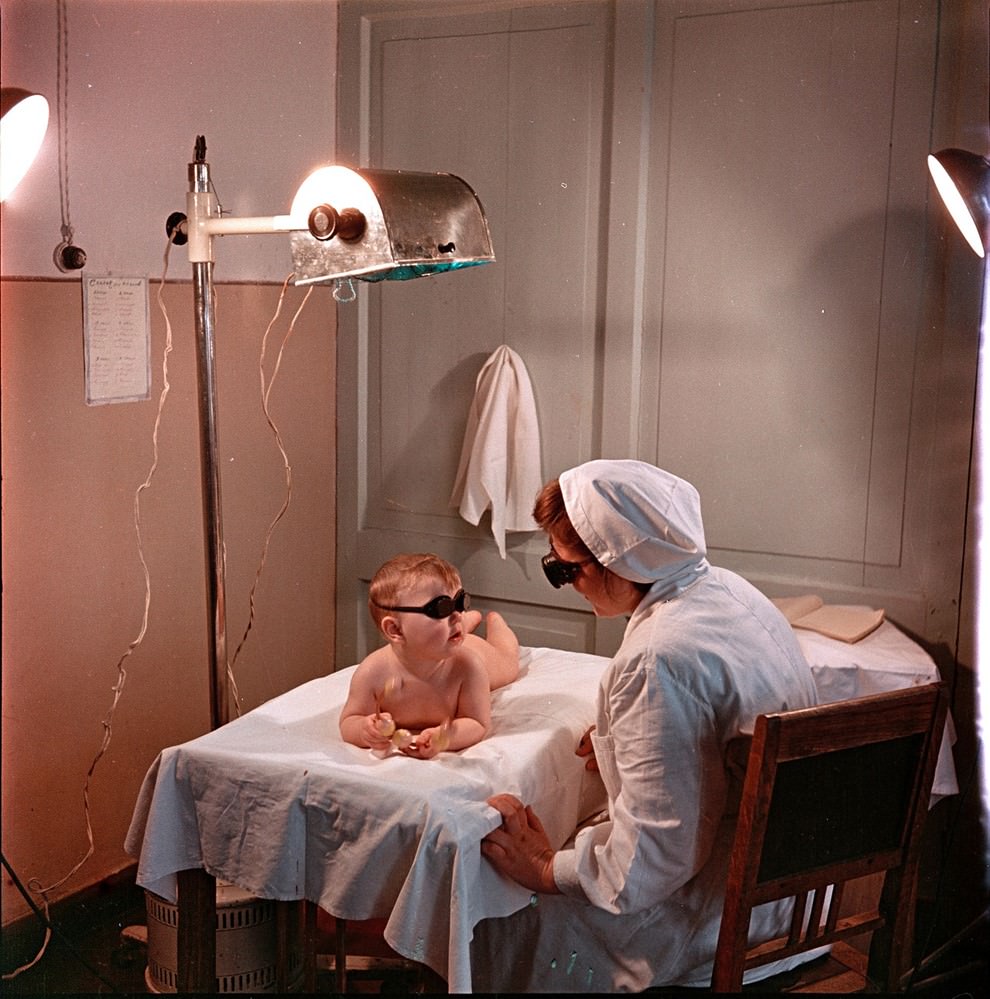
Friedland’s lens wasn’t limited to Ukraine. He traveled to cities and regions spread across the entire Soviet territory. From Arkhangelsk in the far north to Vladivostok on the Pacific coast, his photographs document an enormous geographic and cultural range. Each location brings its own distinct character — the timber towns of the north look nothing like the sun-drenched streets of the Uzbek SSR.
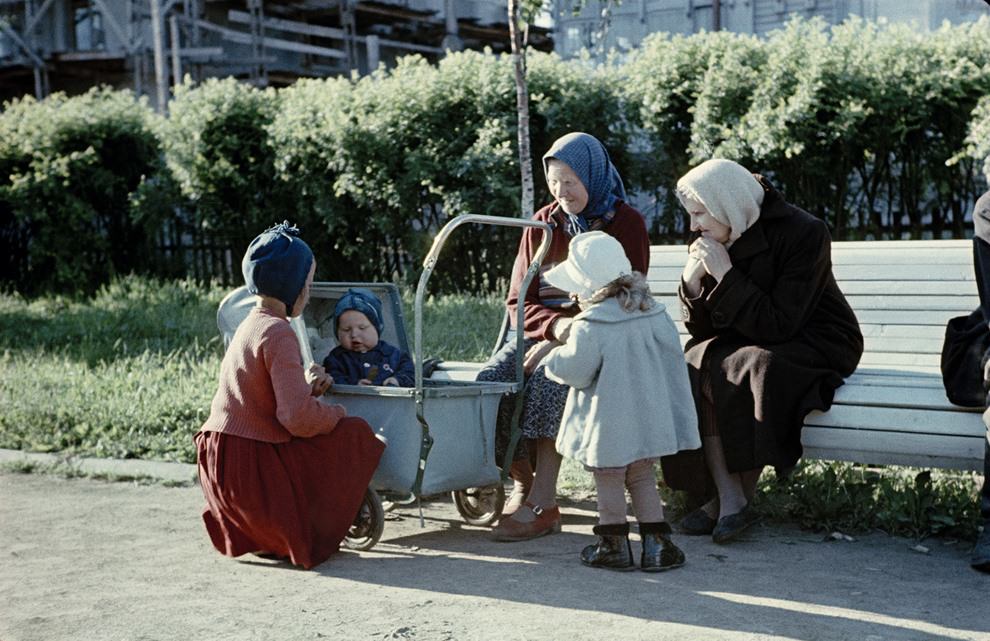
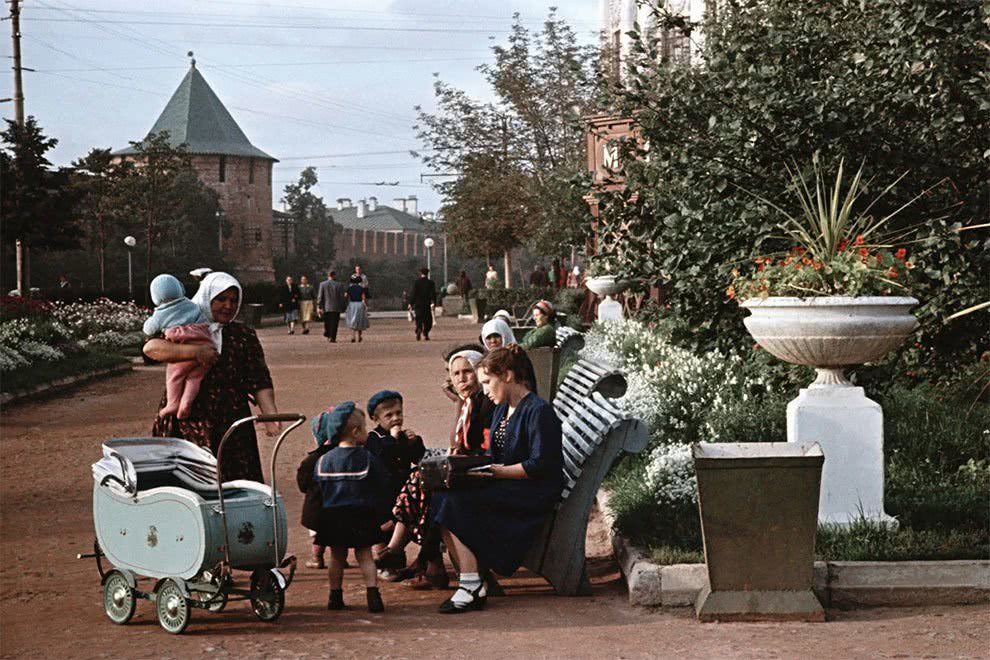
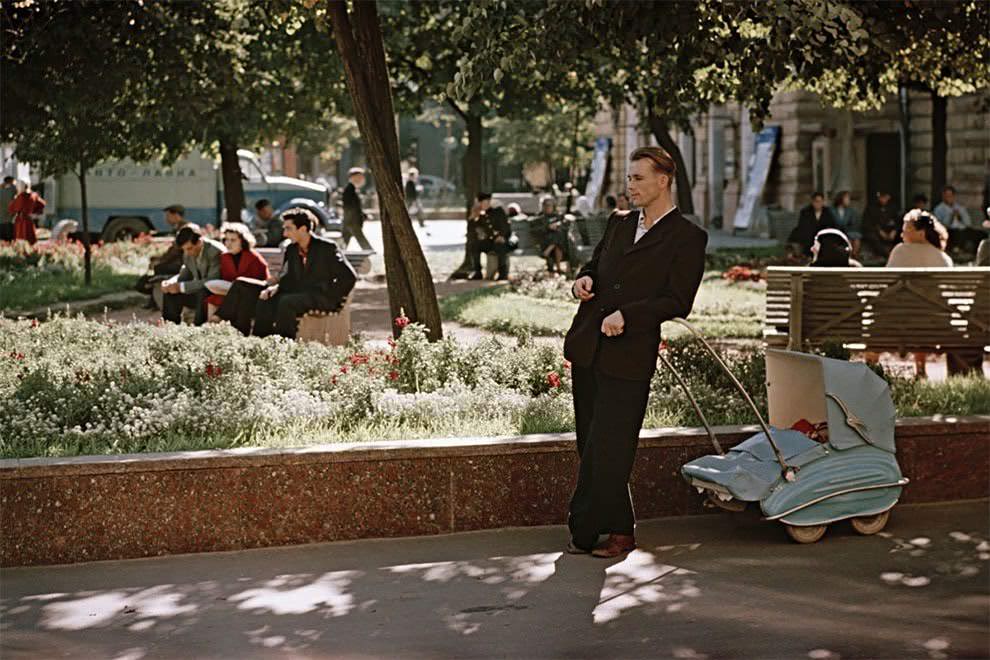
The Siberian and Central Asian republics are well represented too. Novosibirsk Oblast, Pavlodar in the Kazakh SSR, and the Turkmen SSR all appear in the collection, showing life in parts of the Soviet empire that rarely made it into Western imagery of the era. These were working communities — farming villages, river ports, and industrial towns — going about their days.
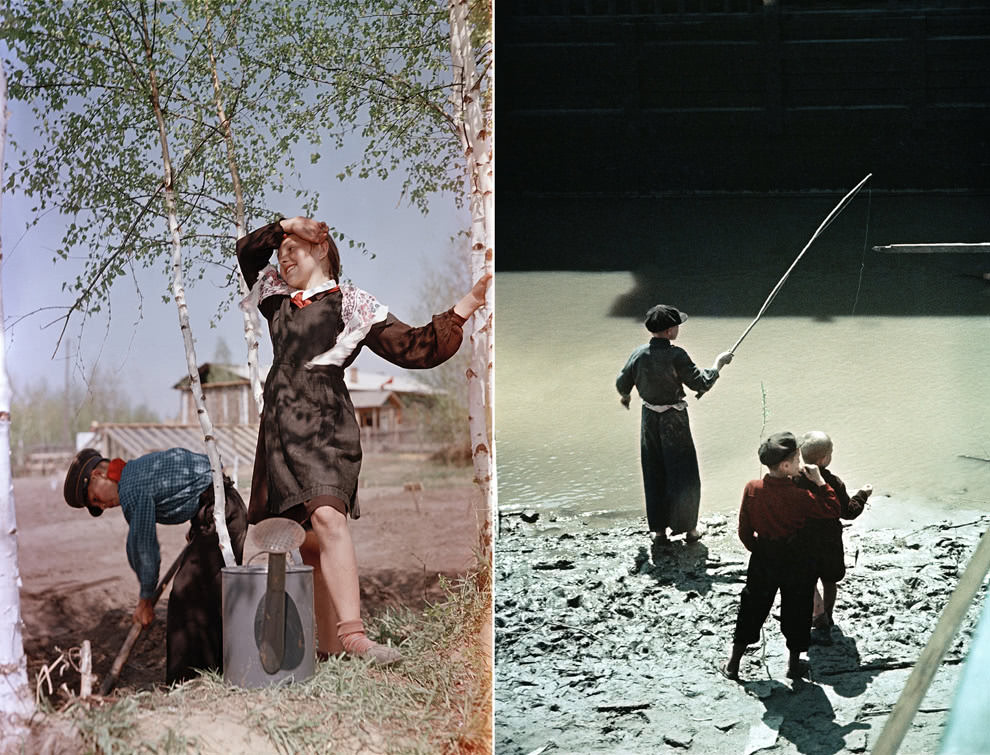
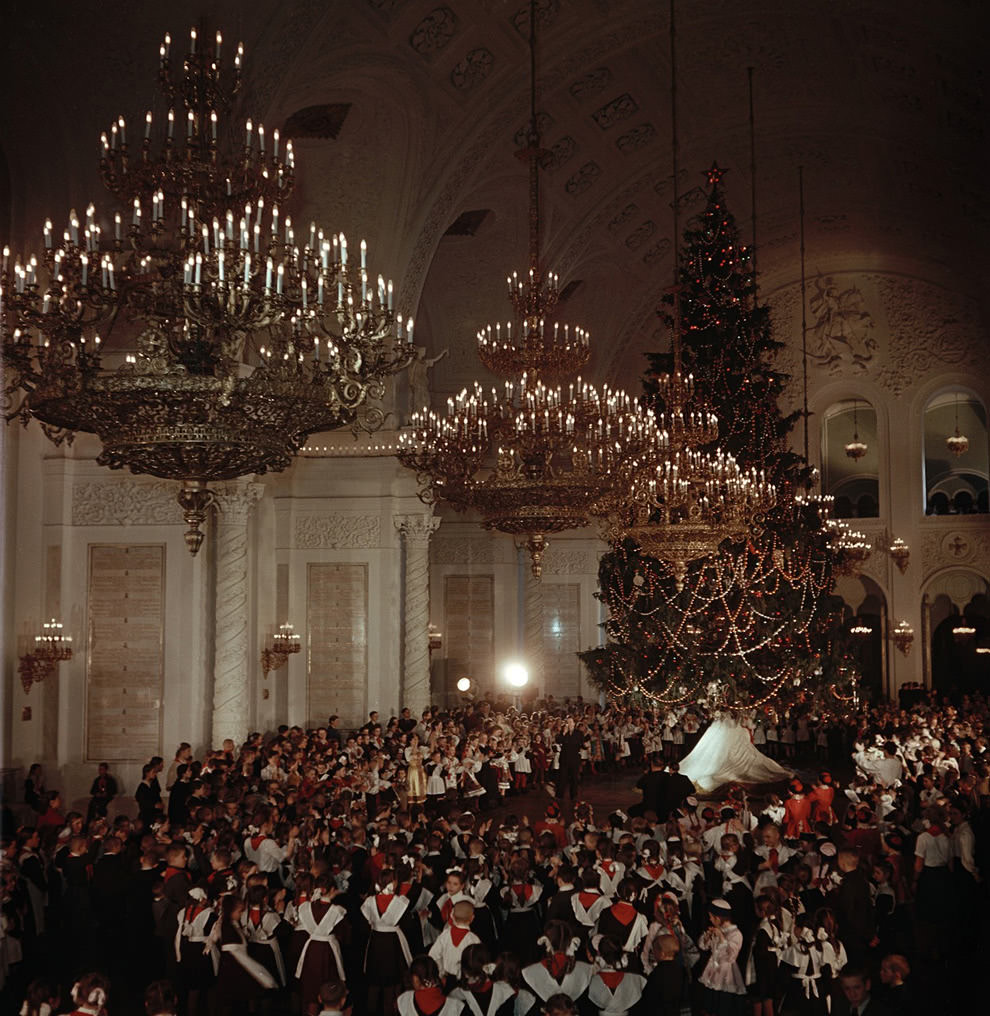
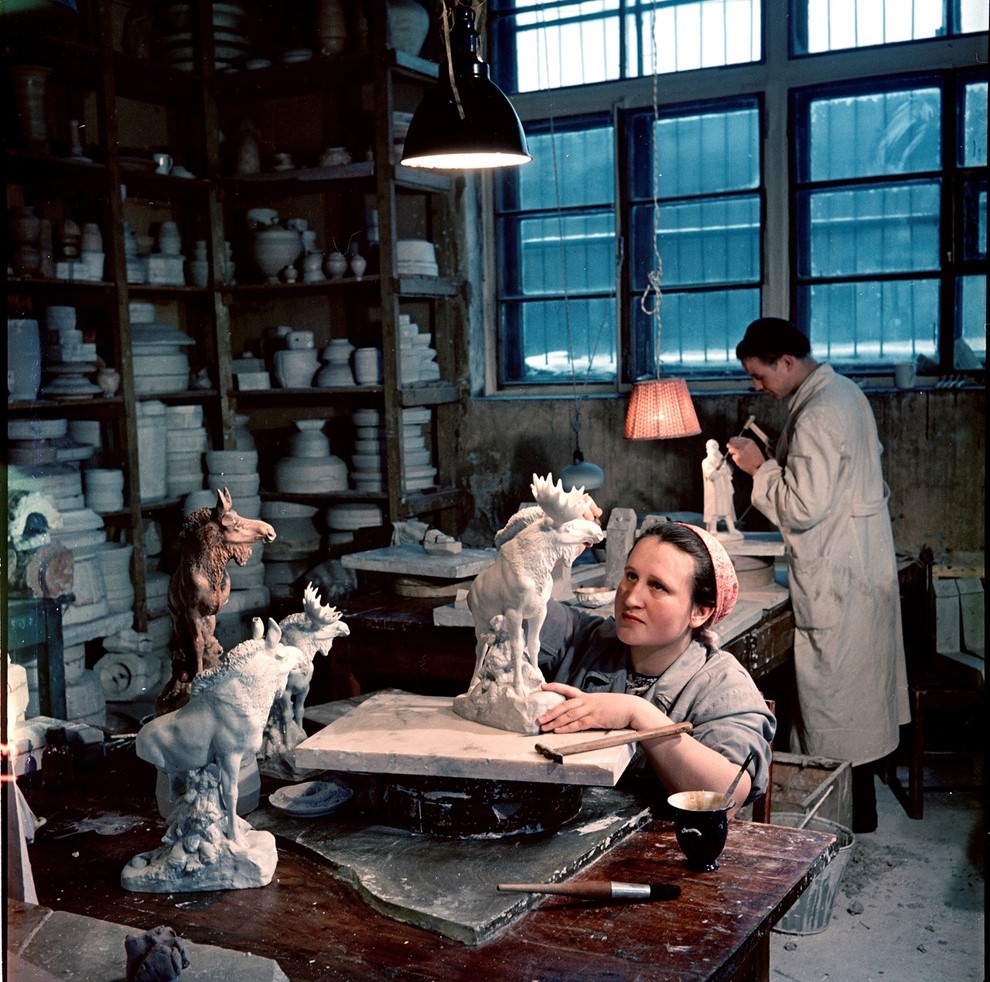
Moscow and Leningrad, the two most prominent Soviet cities, also feature in Friedland’s portfolio. One striking image shows a New Year celebration inside the Kremlin — a rare glimpse into one of the most guarded and symbolic spaces in the entire USSR. The festive setting stands in sharp contrast to the political weight the building carried during that decade.
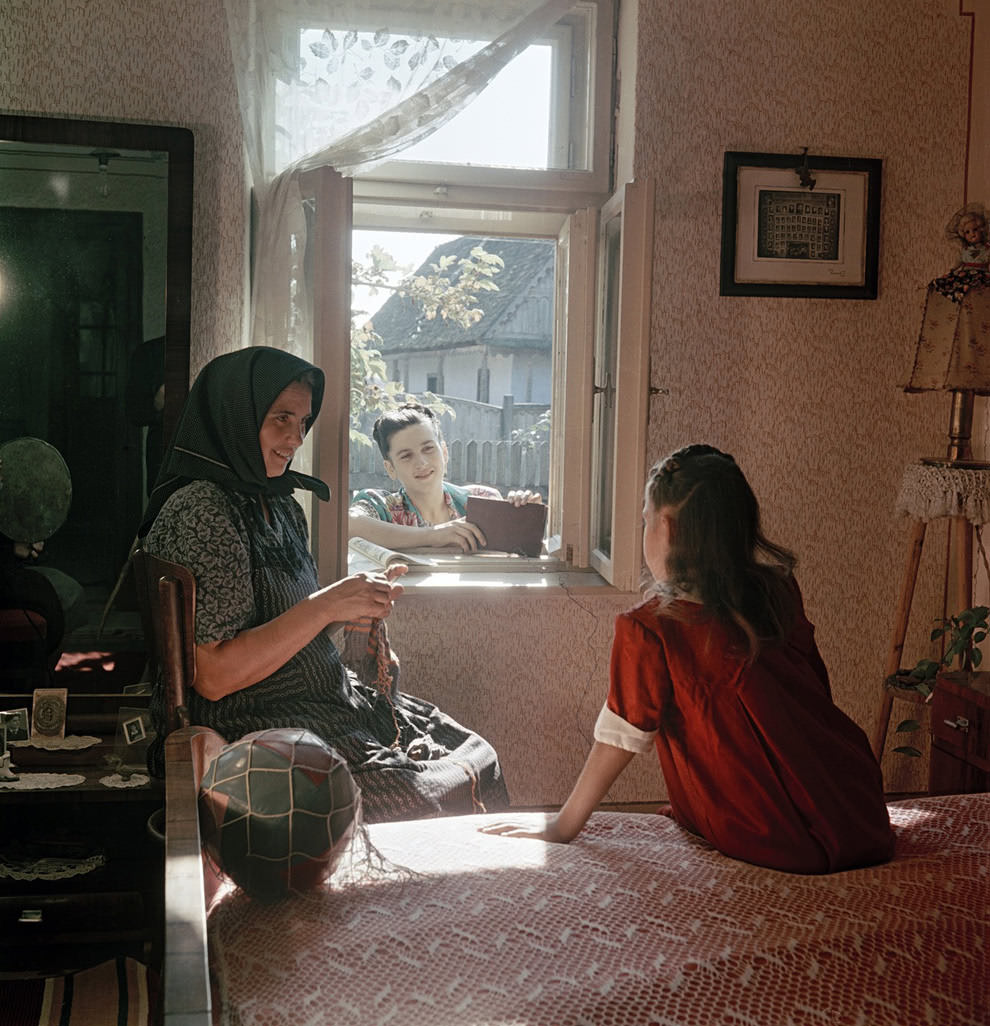
The Ukrainian SSR appears more than any other single region in the collection. Friedland photographed life there across multiple settings — rural landscapes, urban streets, and domestic scenes. A side-by-side comparison from Moscow Oblast and the Ukrainian SSR shows how differently people lived depending on where they were in the country.
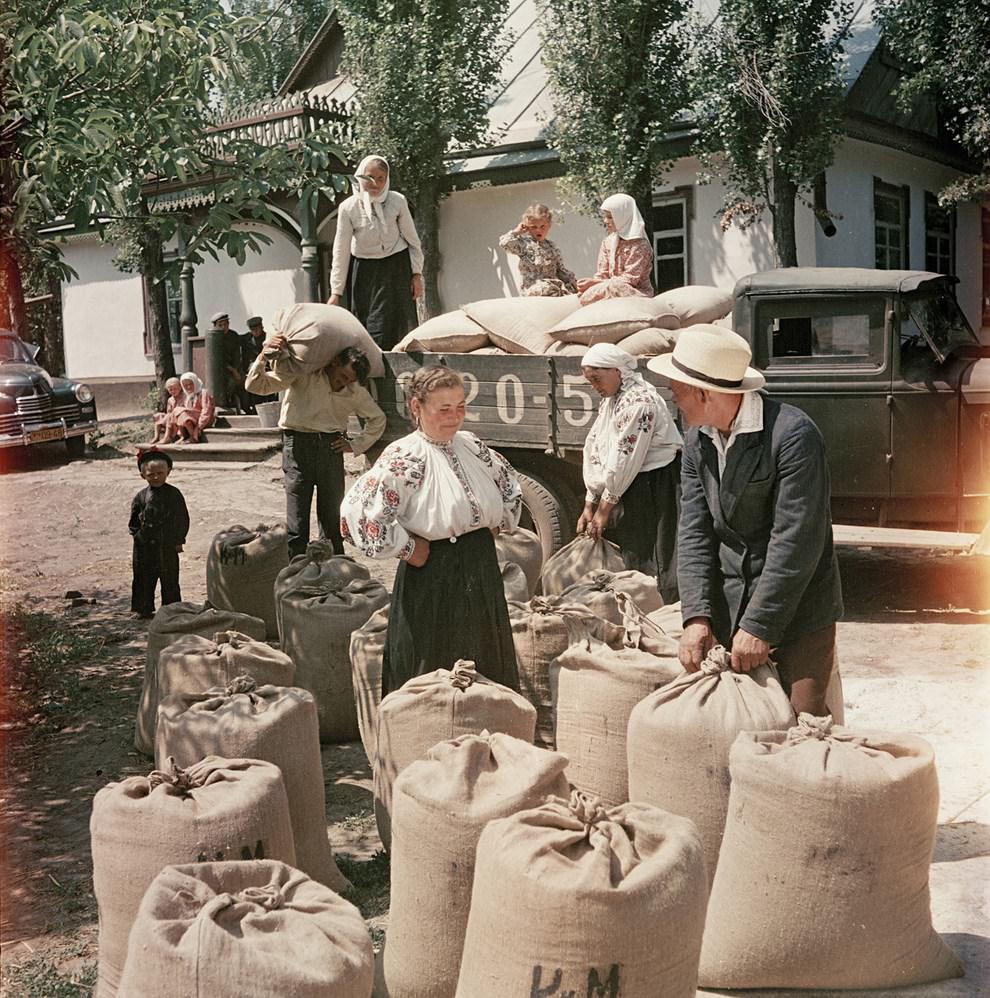
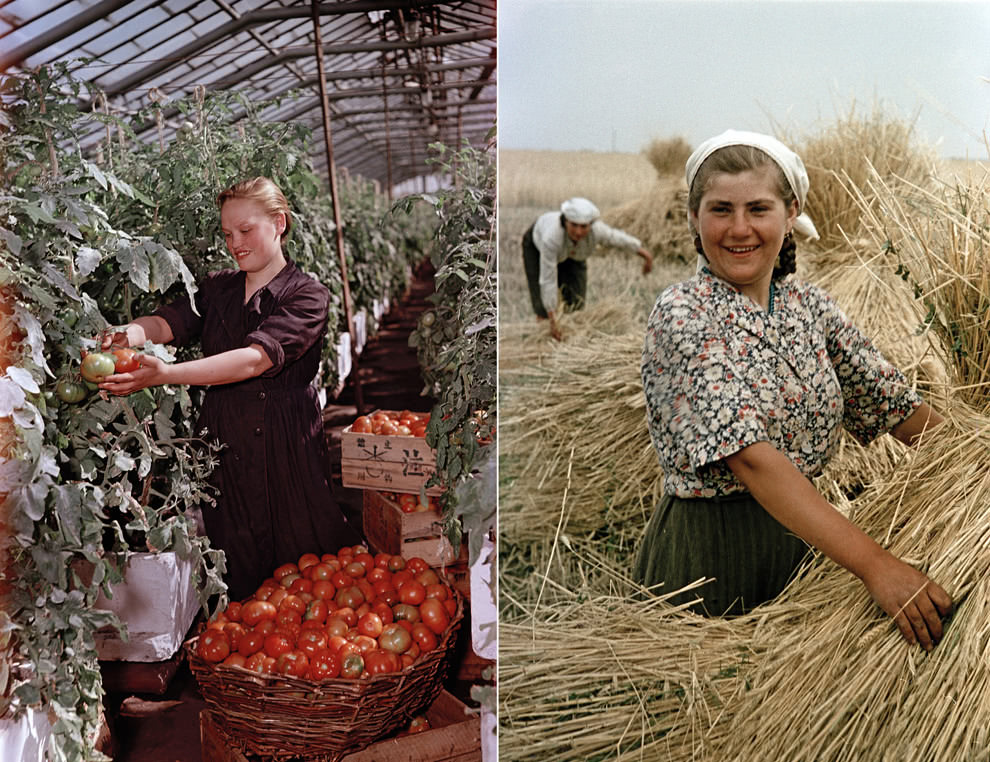
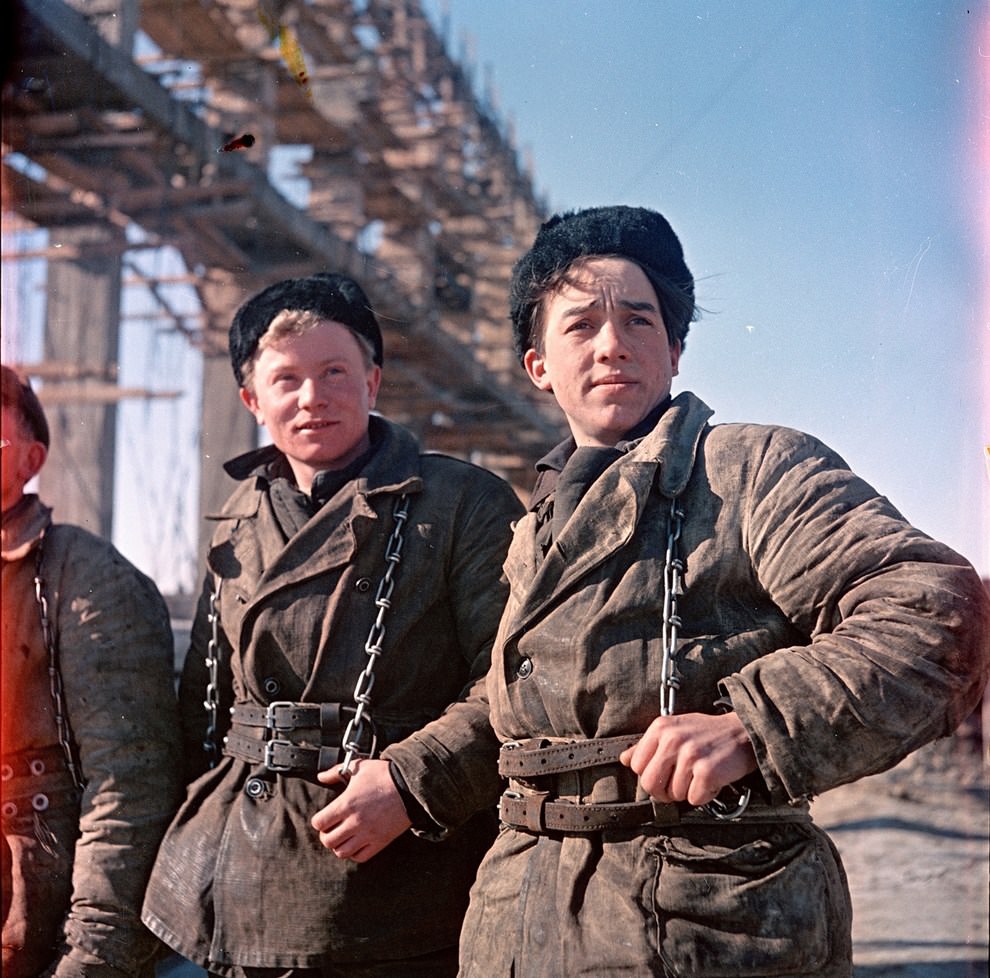
River life was a major part of Soviet infrastructure in the 1950s, and Friedland documented that too. A photo pairing the river port in Kazan with a scene from Kyiv shows how waterways connected communities across thousands of miles. Further south, Kherson on the Ukrainian SSR’s river delta presented its own distinct landscape.
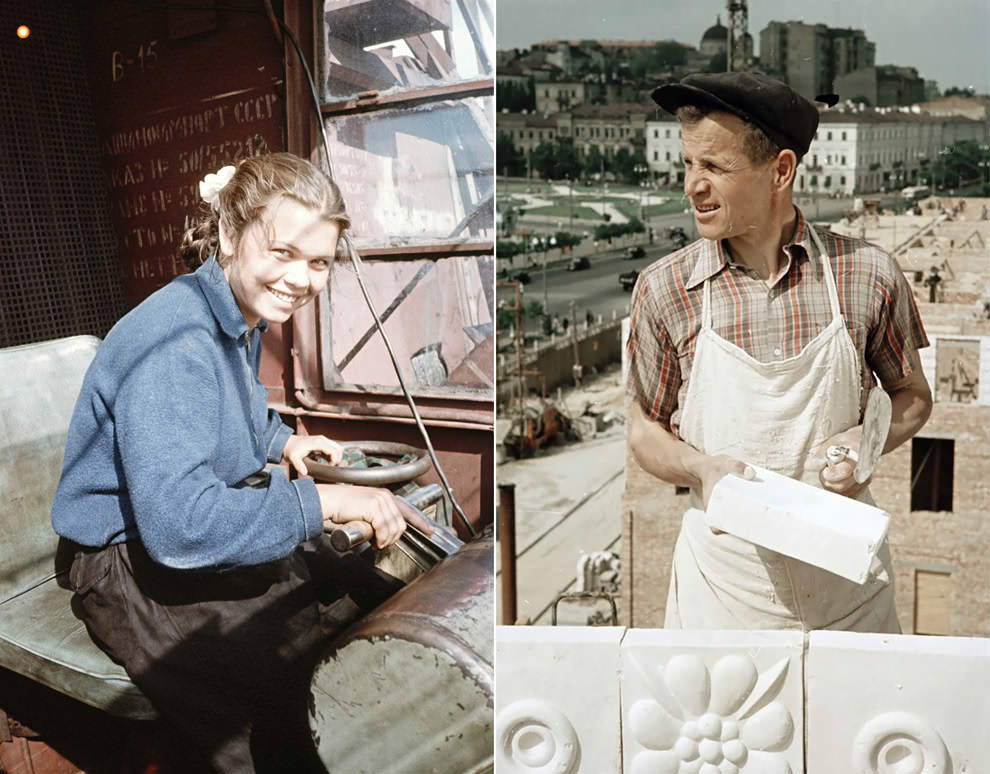
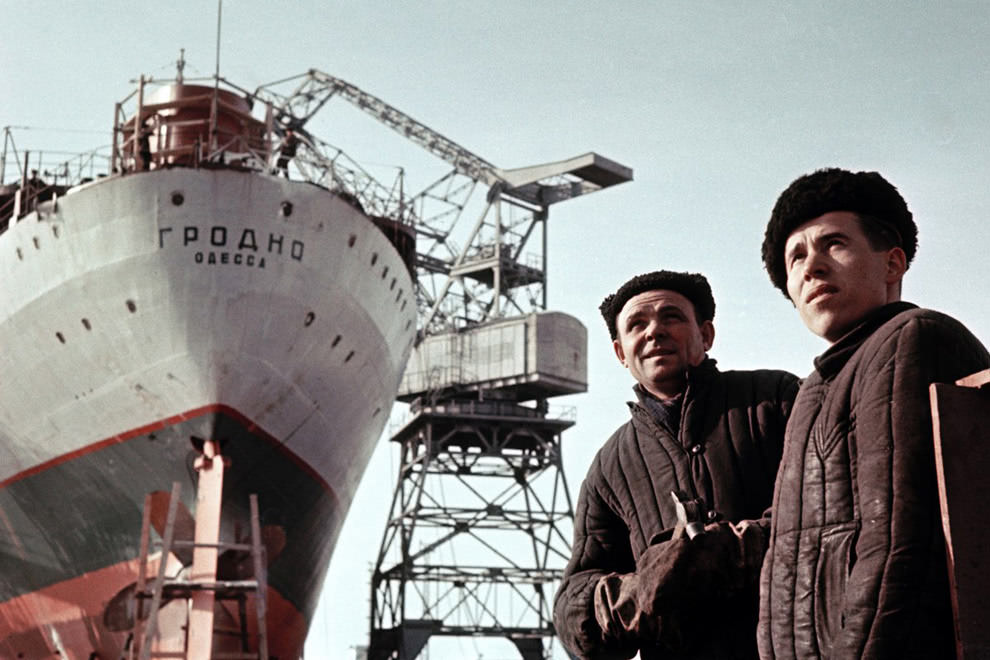
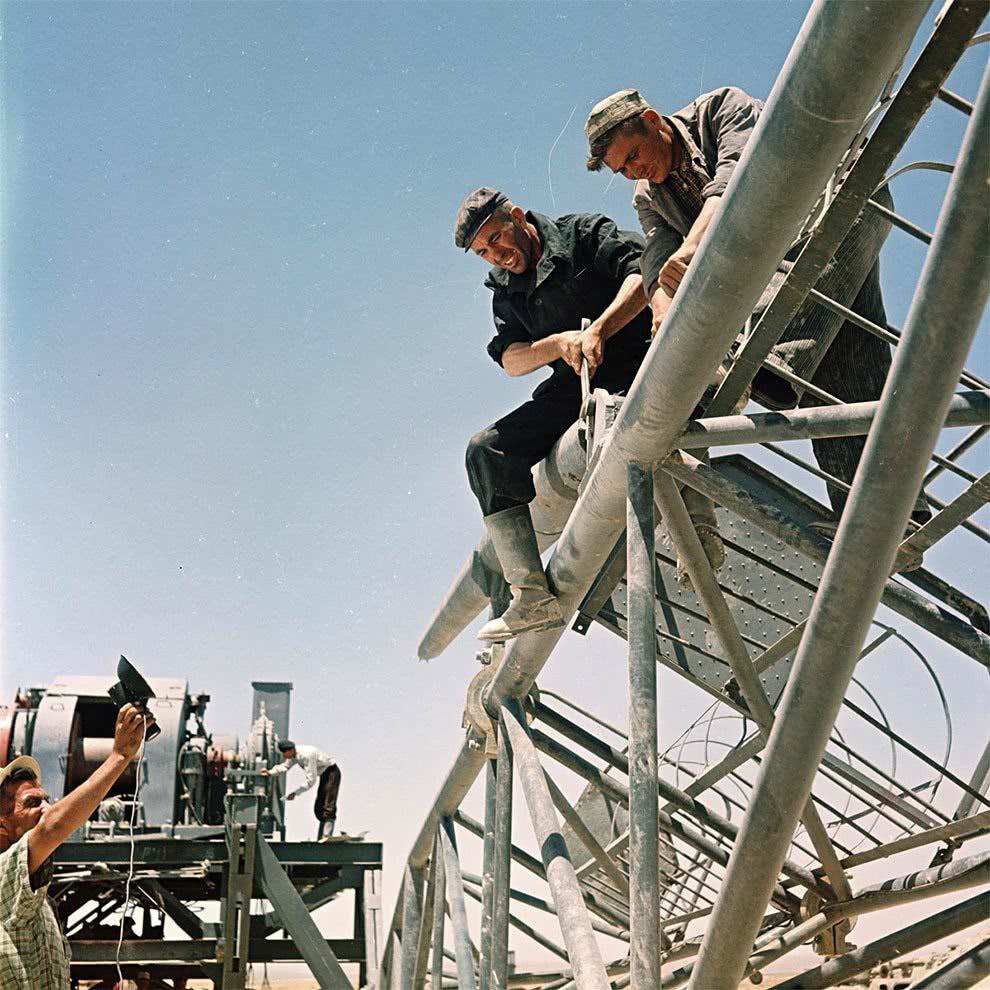
On the Soviet Far East, Vladivostok and the island of Sakhalin show coastal life in a part of the country most Soviet citizens never visited. Iturup in the Kuril Islands — a chain disputed between the USSR and Japan — also appears, a reminder that Friedland’s access extended even to politically sensitive frontier zones.
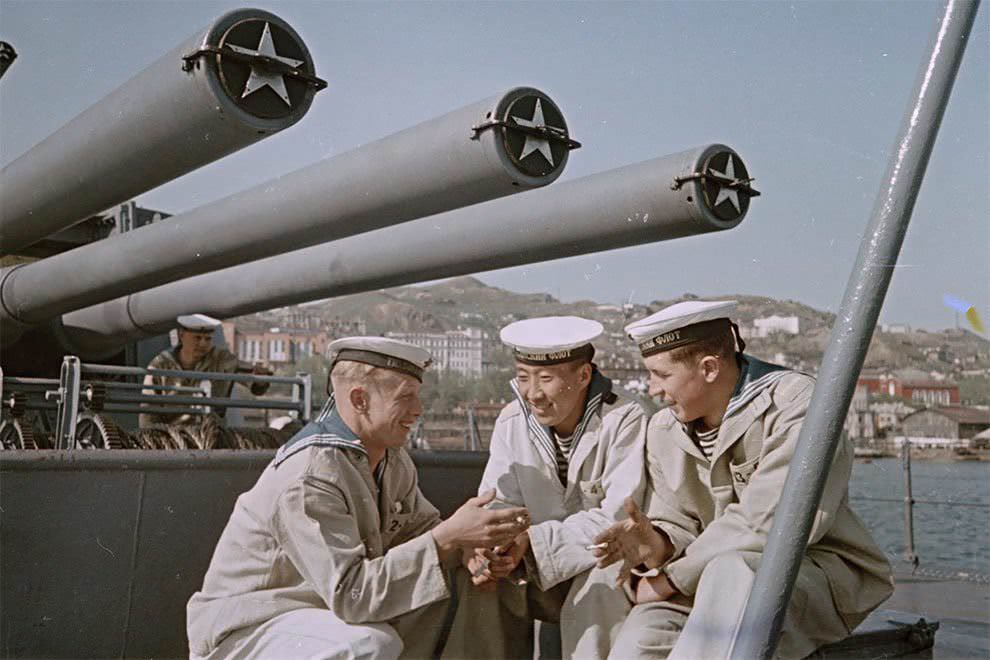
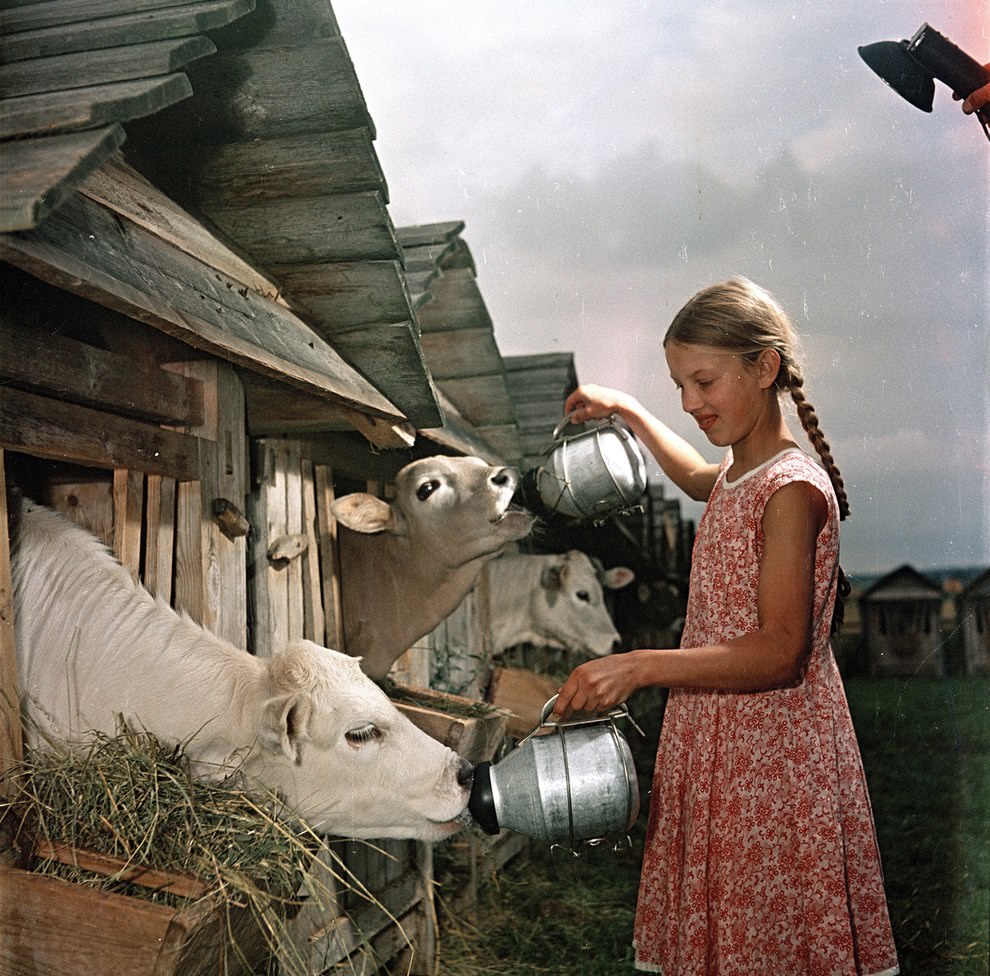
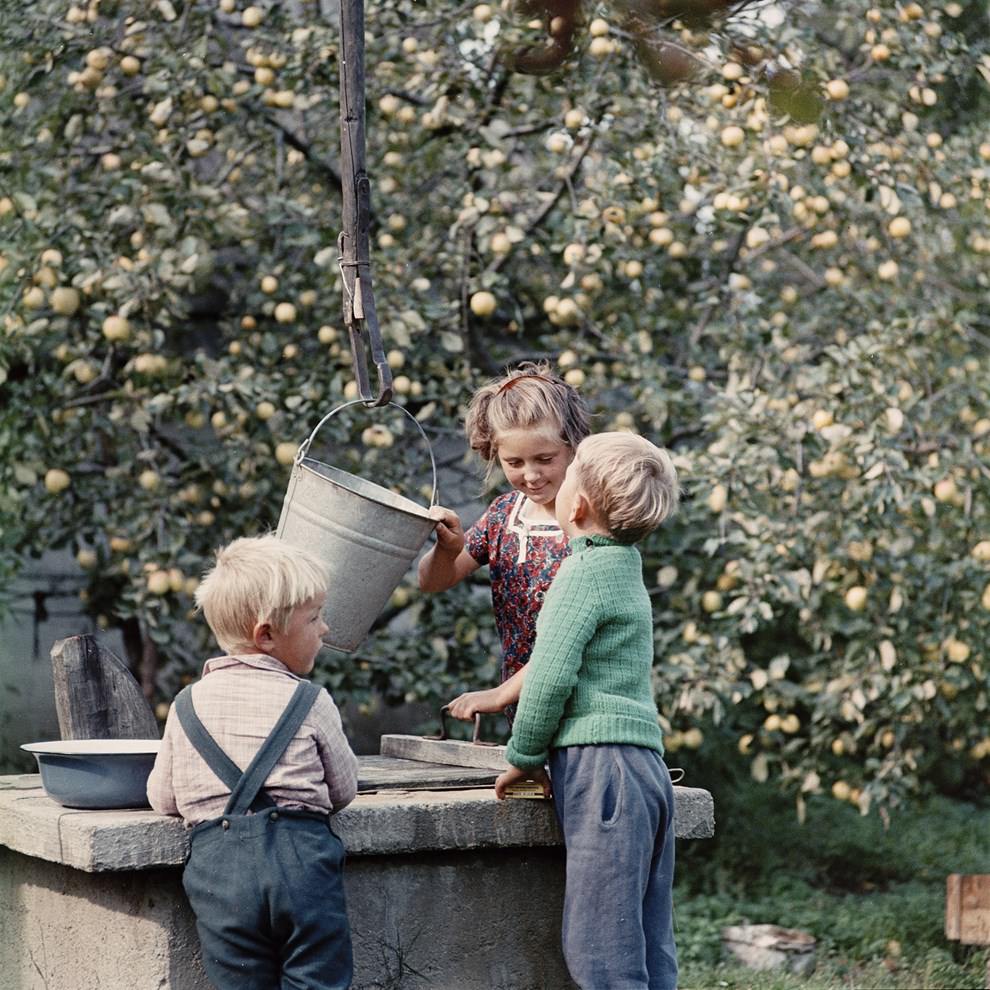
The Baltic states — Estonia, Latvia, and Lithuania — had only been formally absorbed into the Soviet Union in 1940, and their culture remained distinctly different from the Slavic heartland. Friedland’s photos from this region reflect that difference. The architecture, the dress, and the overall atmosphere in places like Pärnu in the Estonian SSR carry a noticeably Western European feel compared to the rest of the collection.
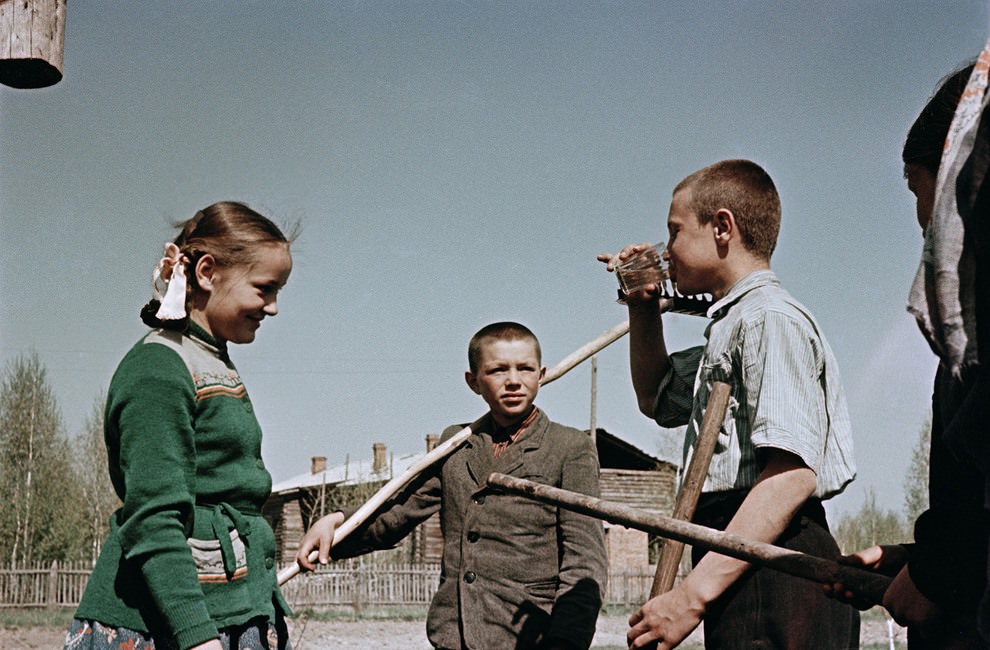
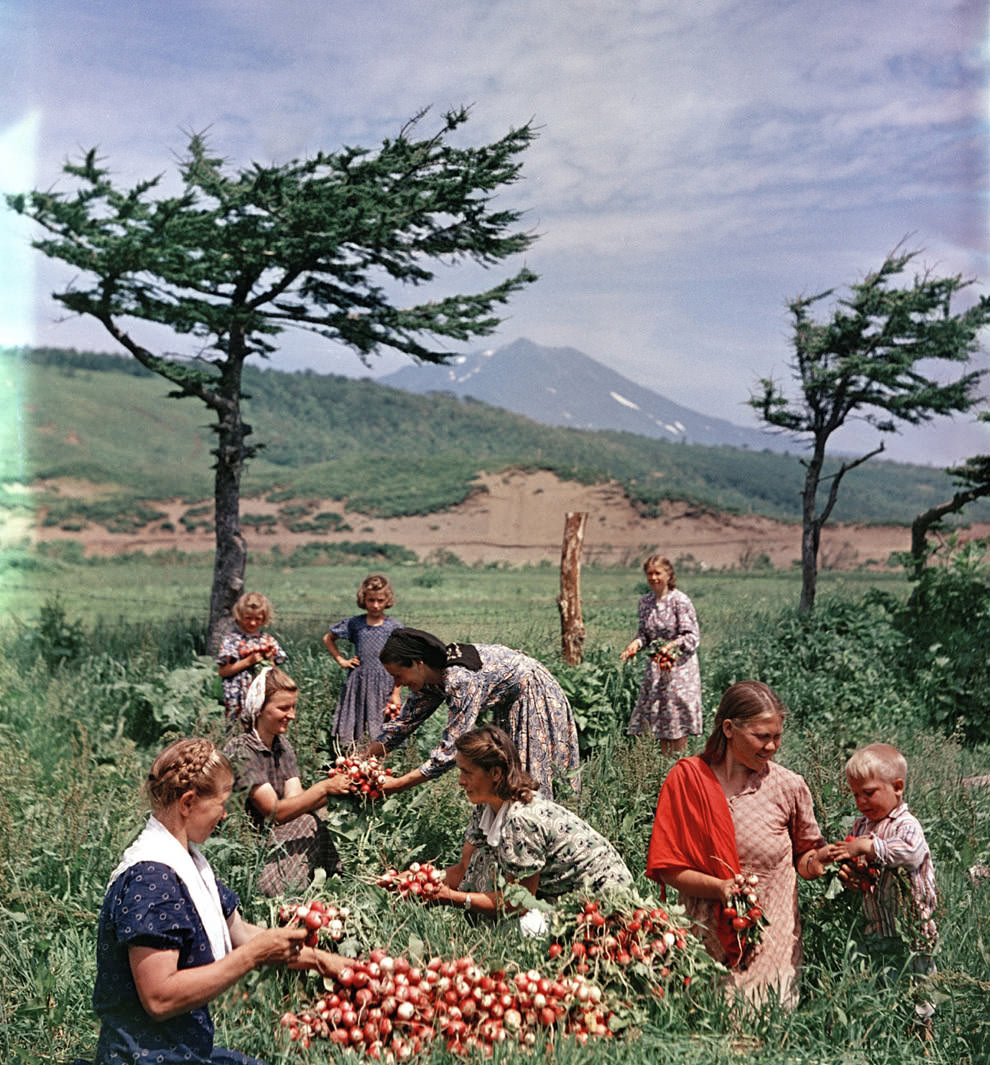
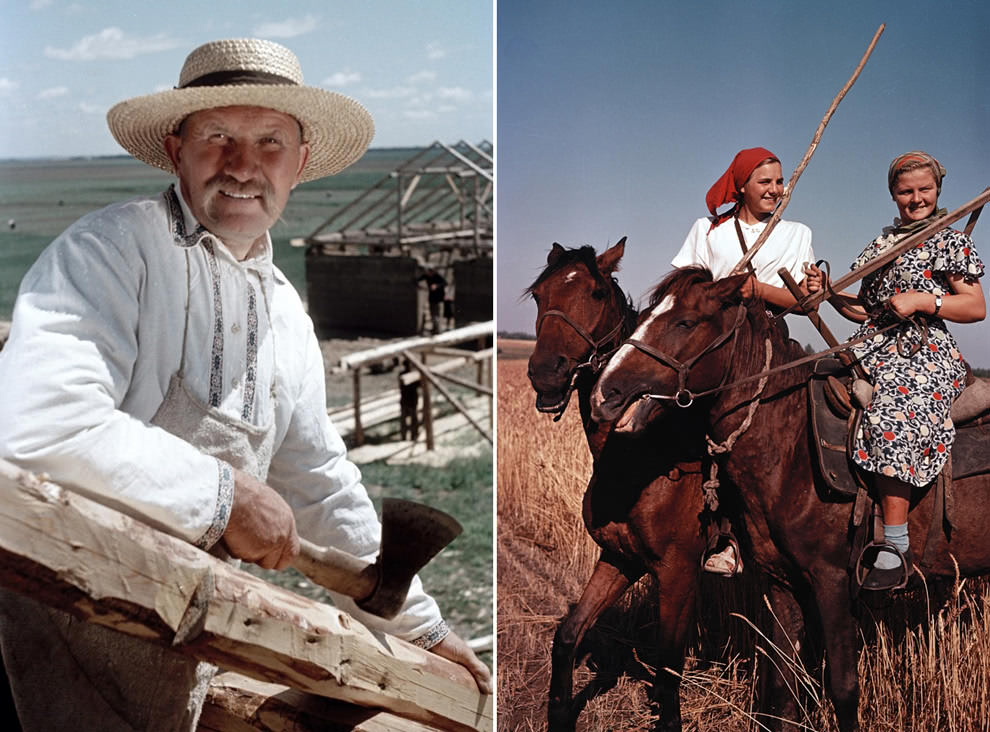
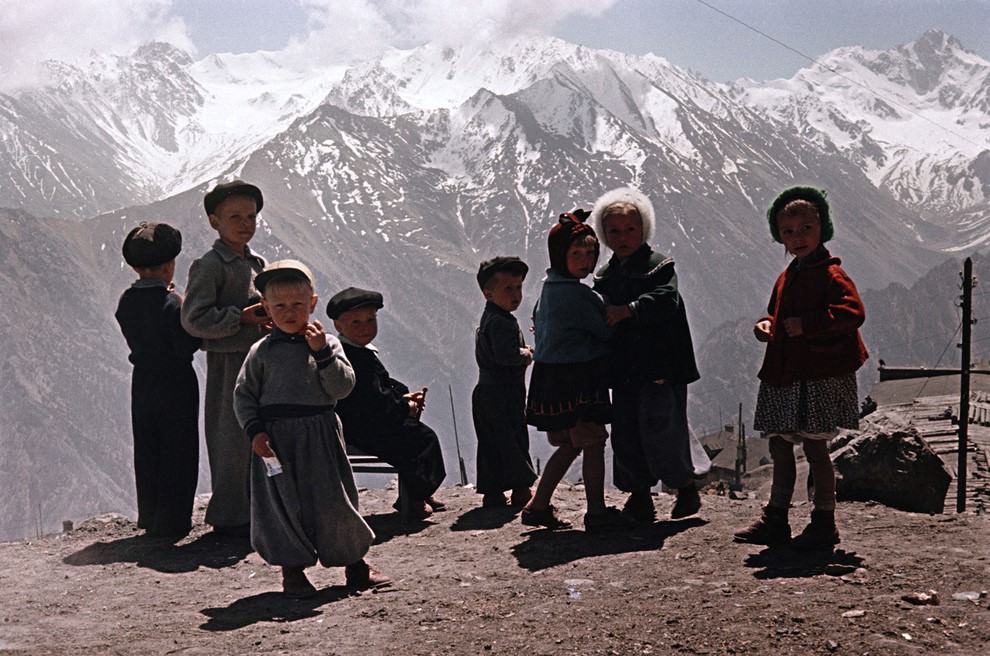
In the North Caucasus, Kabardia appears in a series of four photographs. This region, home to the Kabardian people, sits between the Greater Caucasus mountain range and the Russian steppe. Friedland’s images from there show a culture with its own traditions, clothing, and way of life — distinct from both the Slavic republics to the north and the Central Asian SSRs to the east.
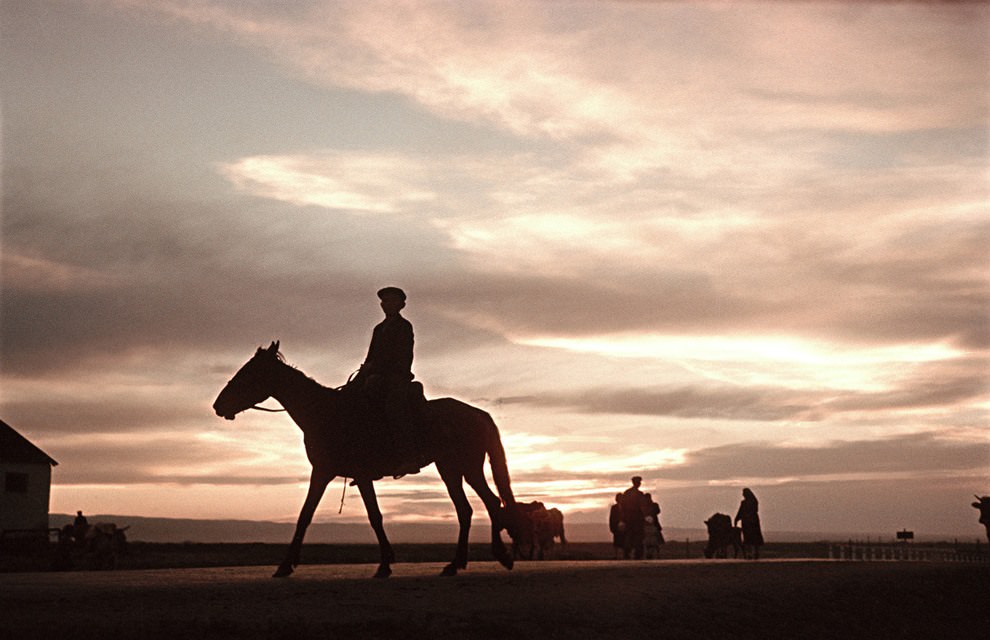
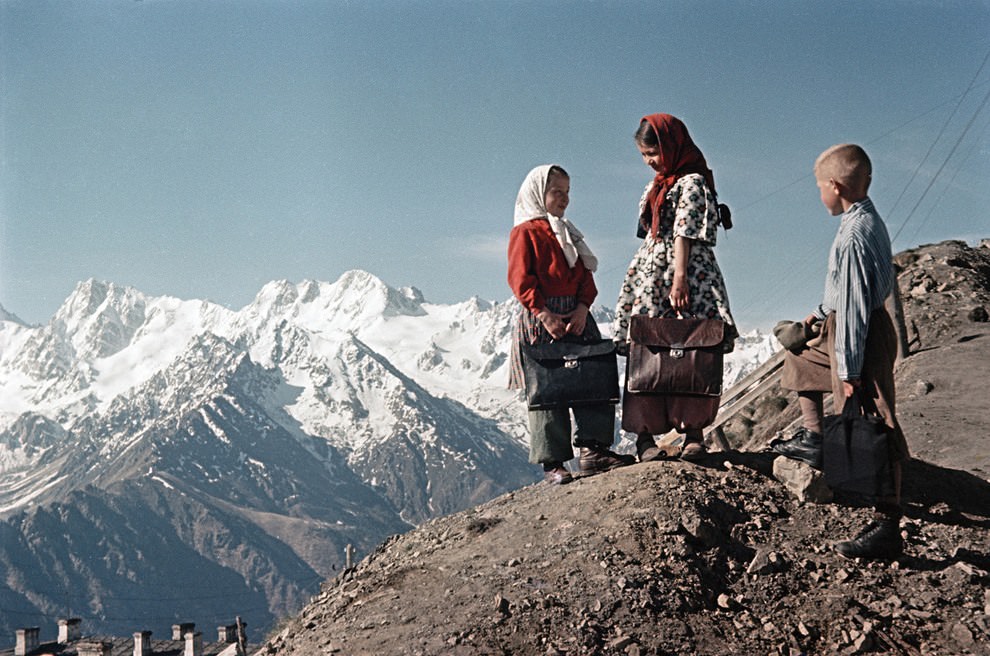
Leningrad — known today as Saint Petersburg — gets its own set of images in the collection. By the 1950s, the city had survived the devastating 872-day Nazi siege that ended in 1944, and rebuilding was still very much underway. Friedland’s photographs from Leningrad show a city trying to return to normal life while carrying deep scars from the war years.
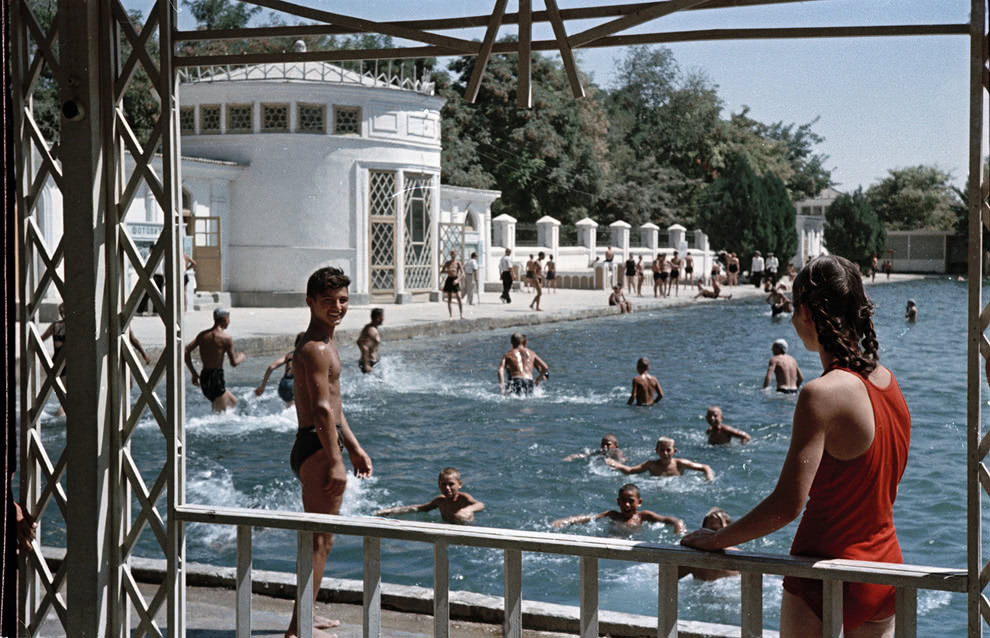
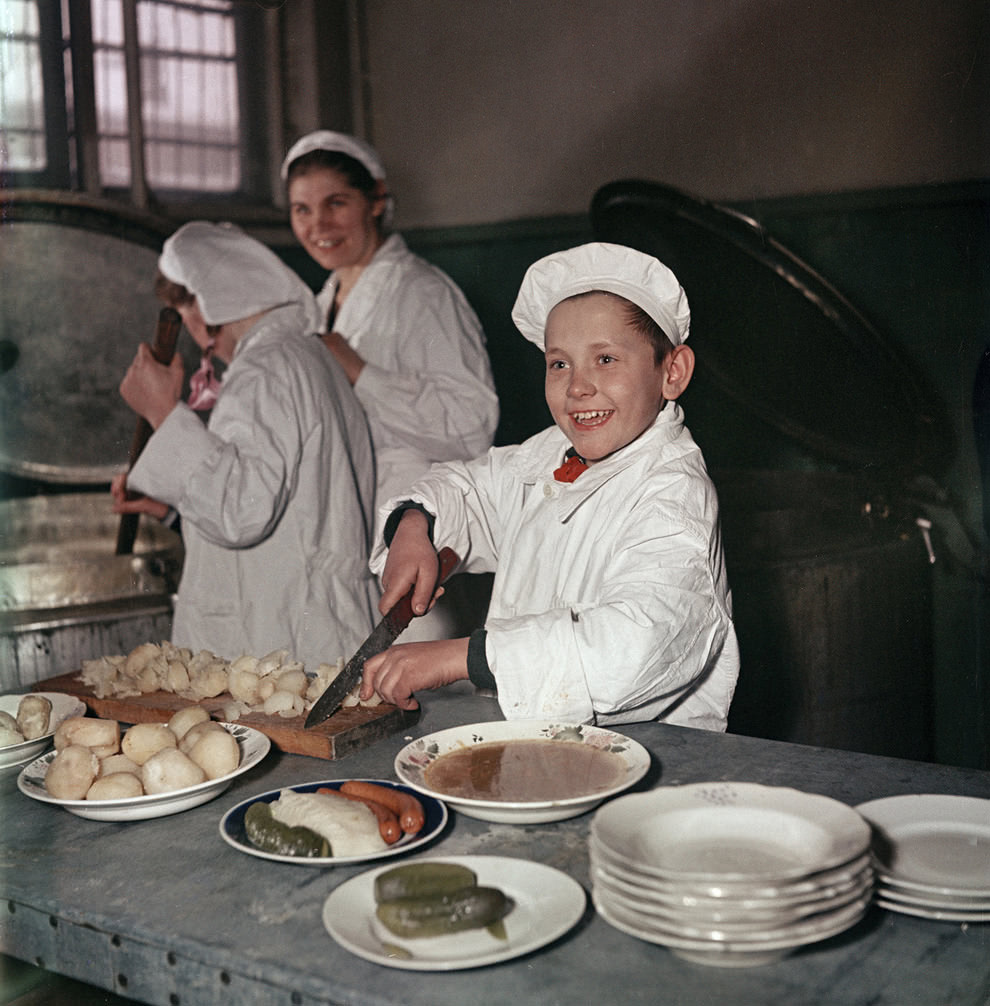
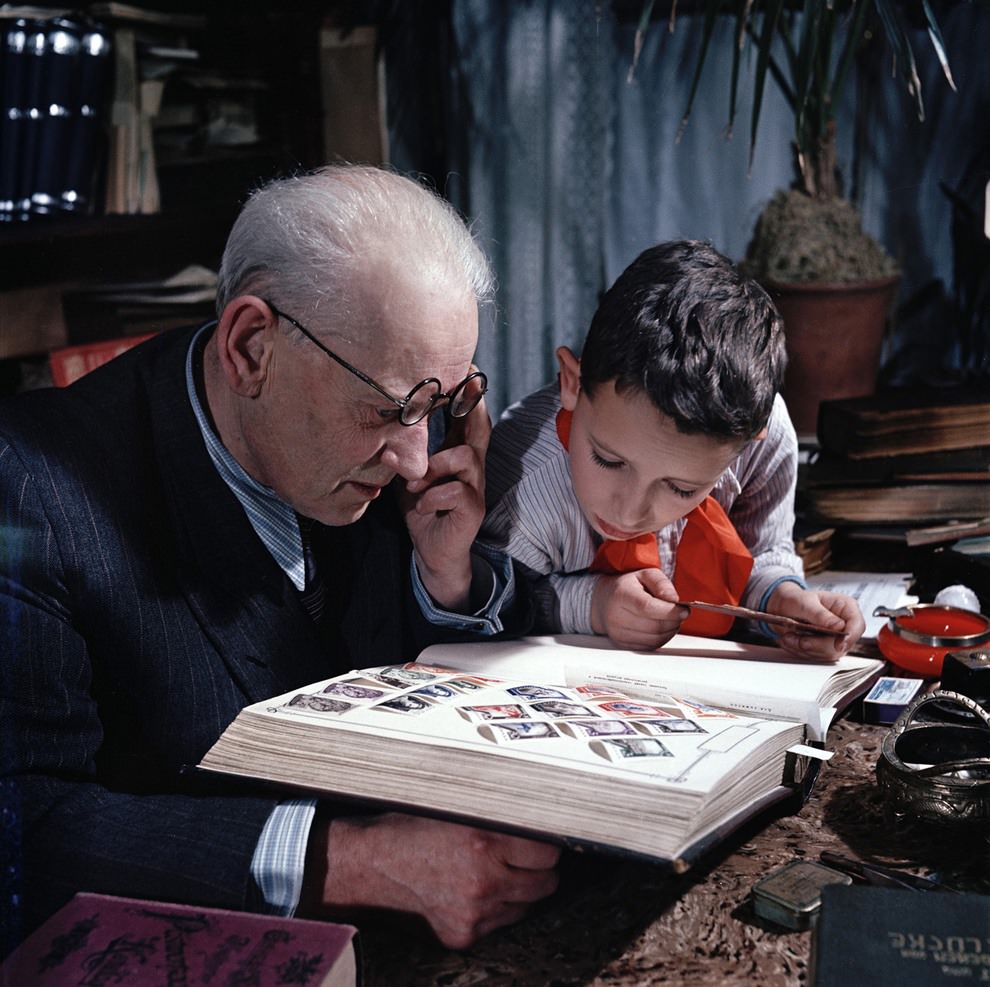
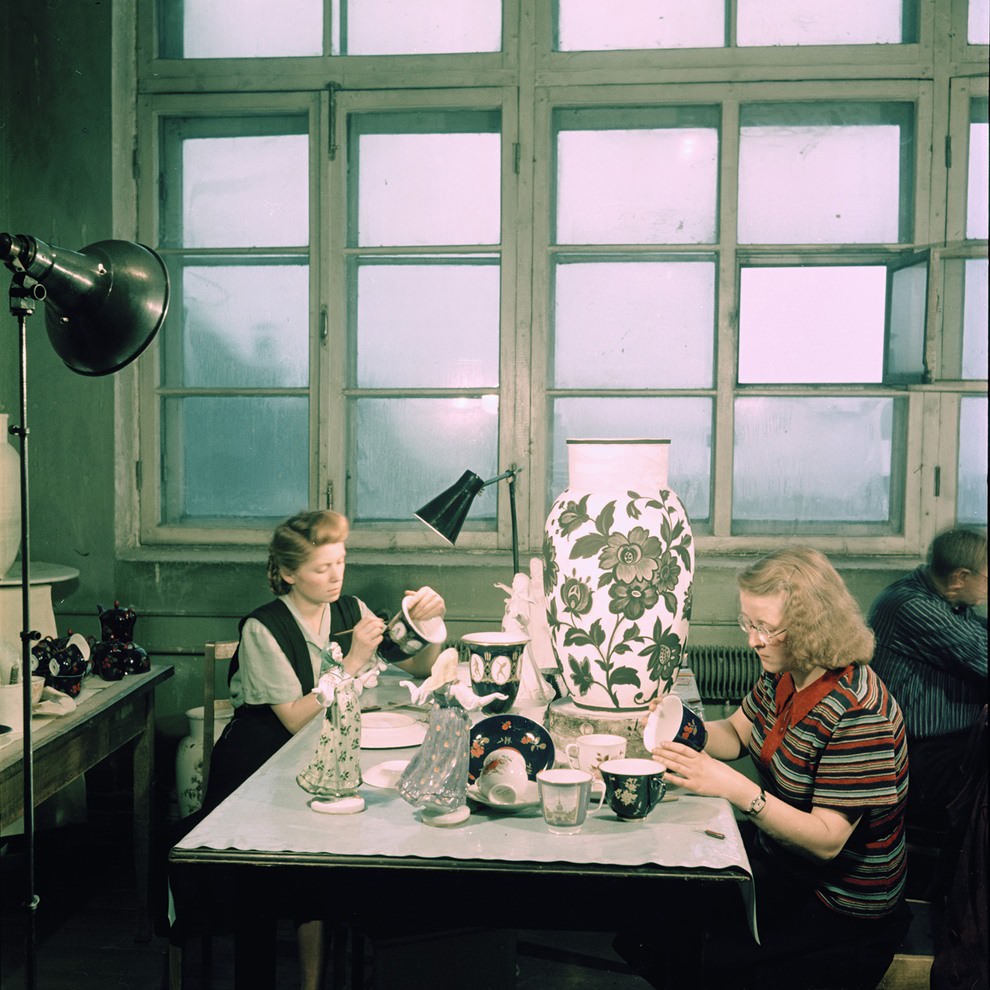
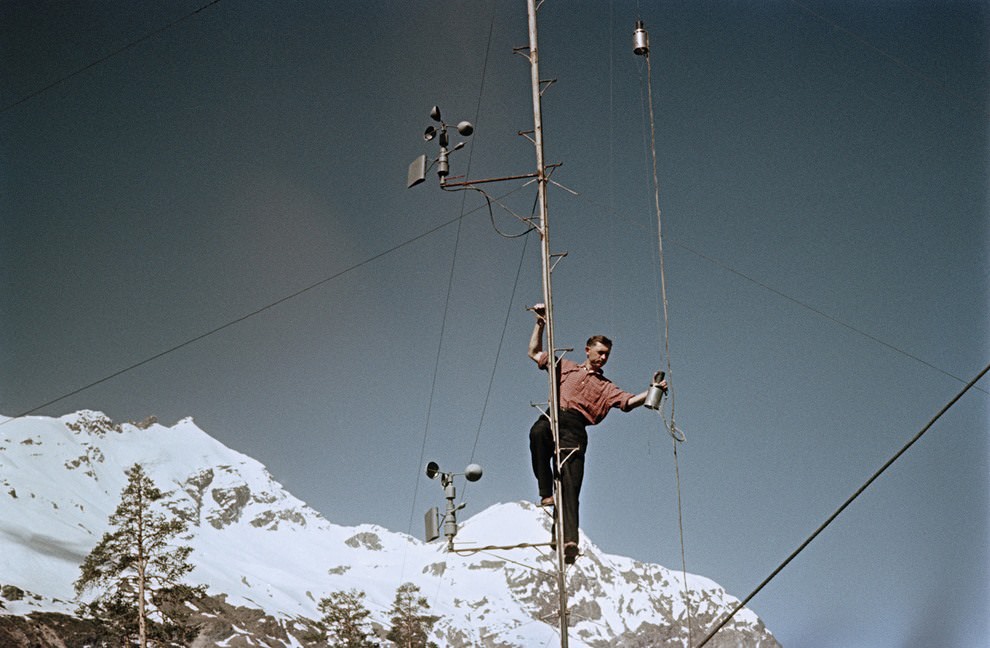
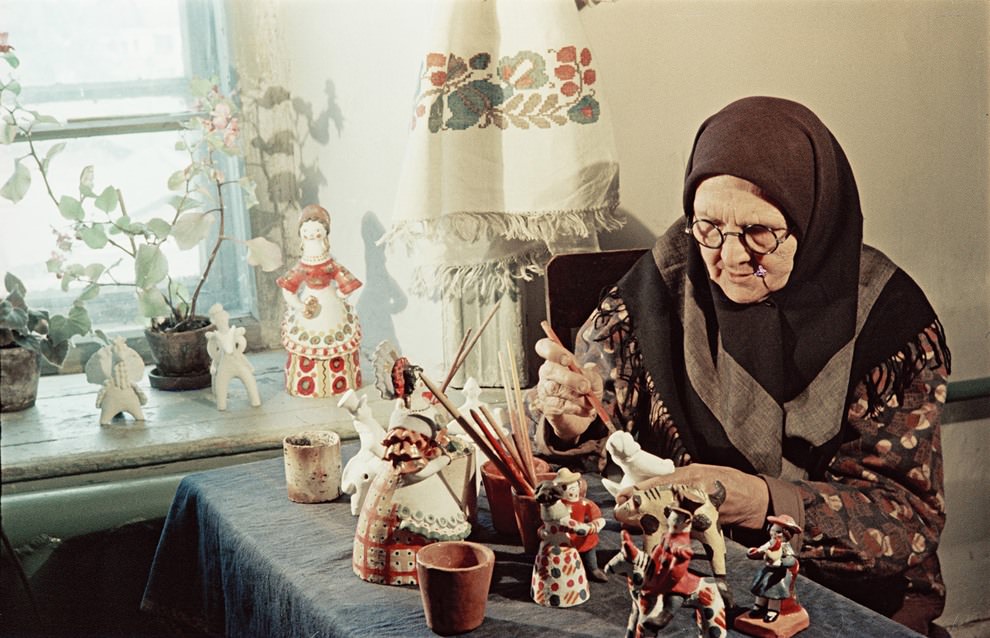
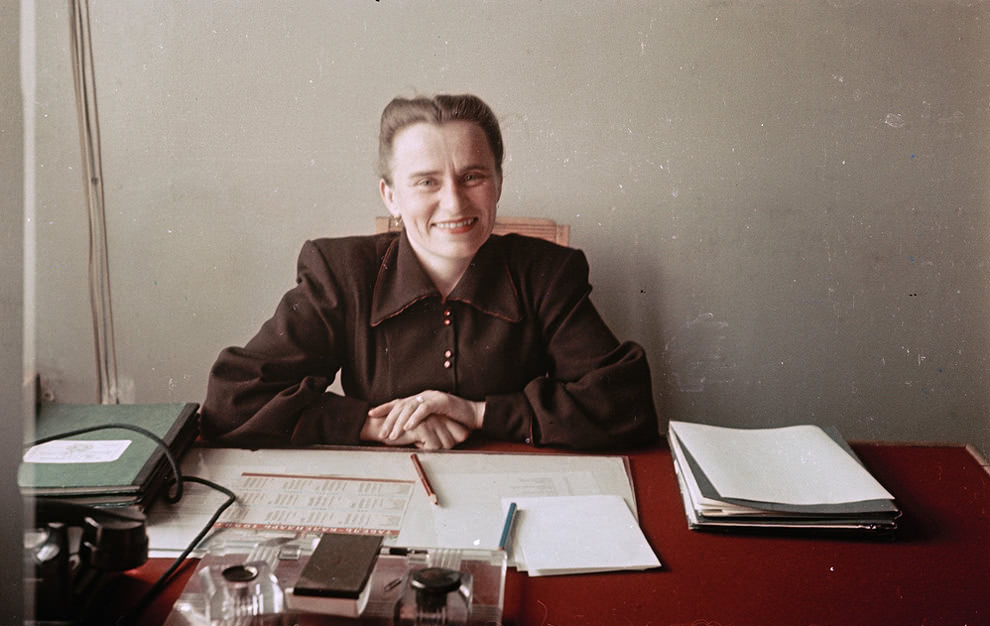
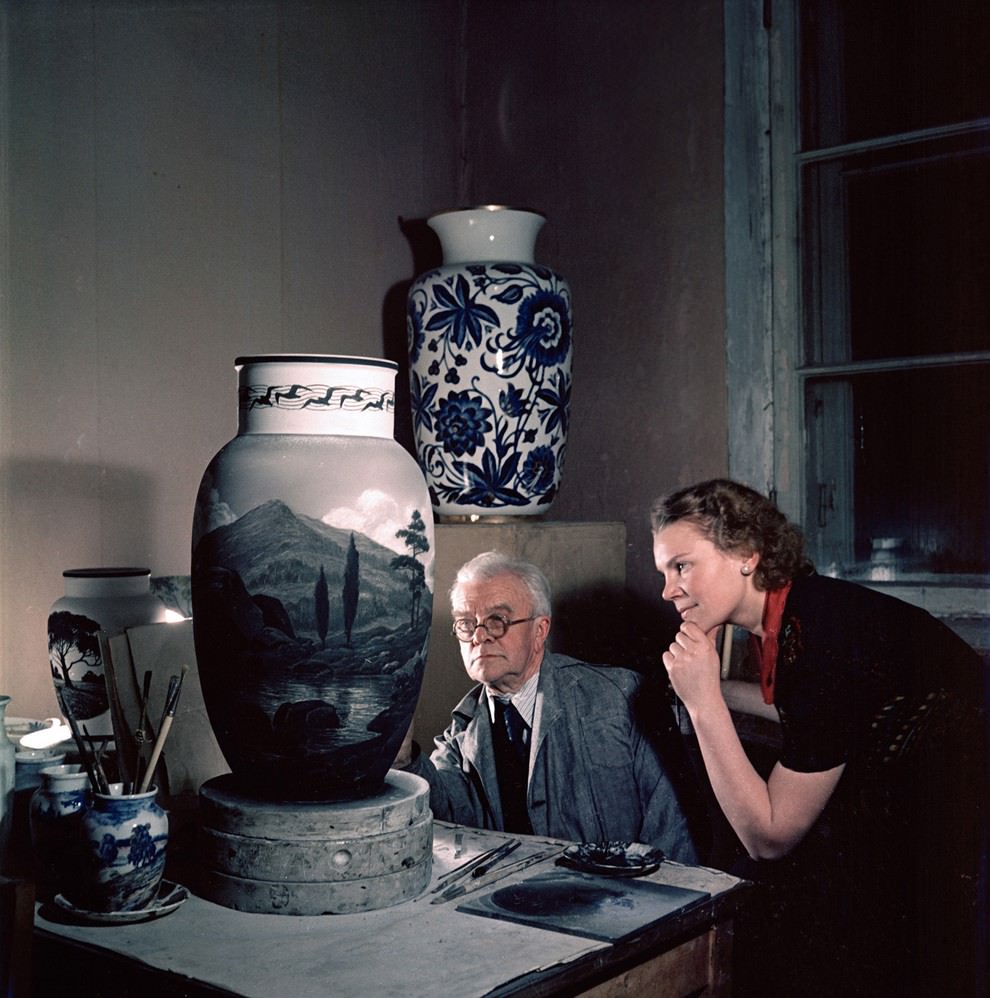
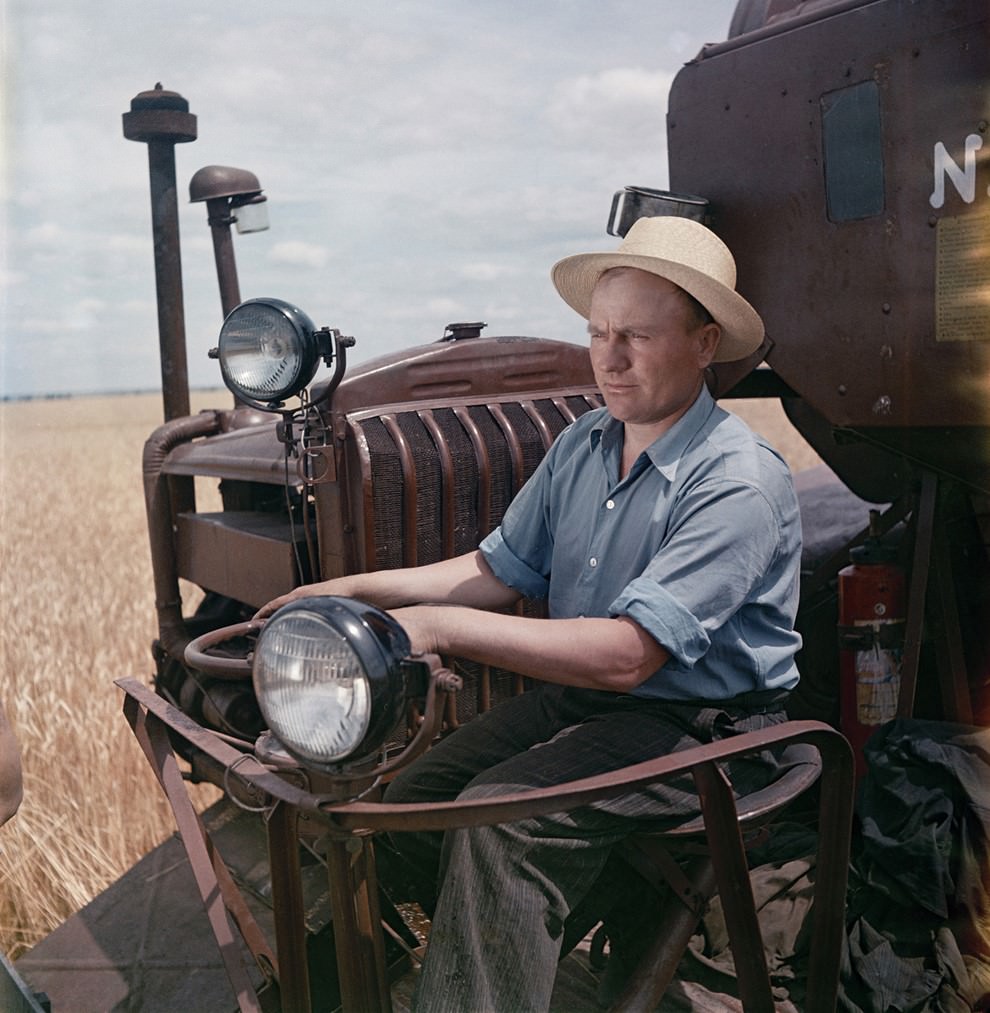
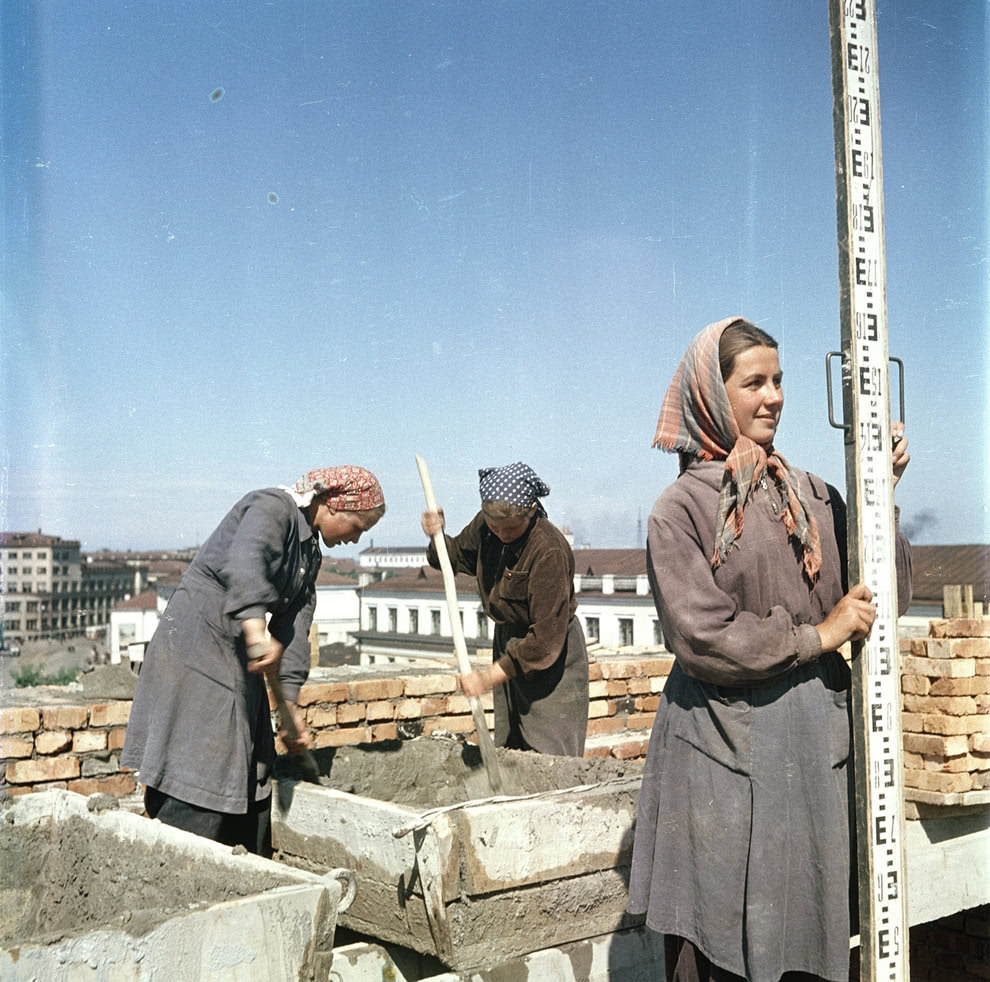
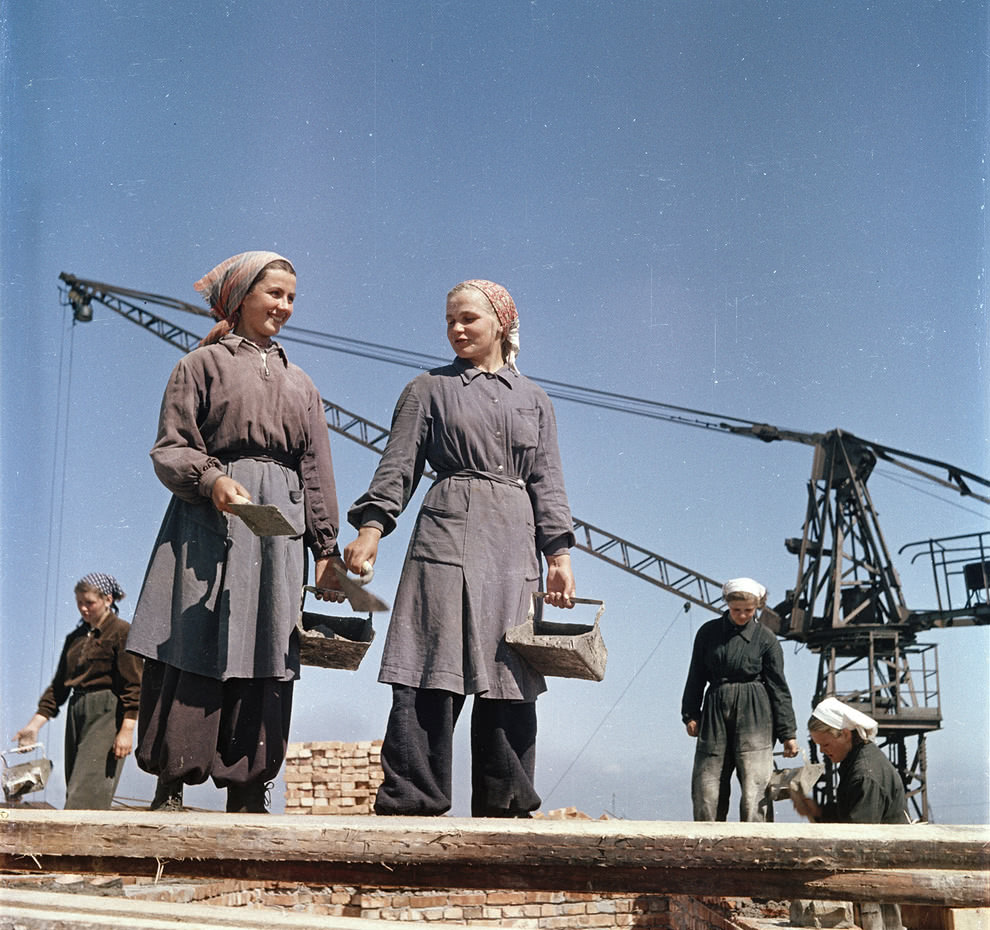
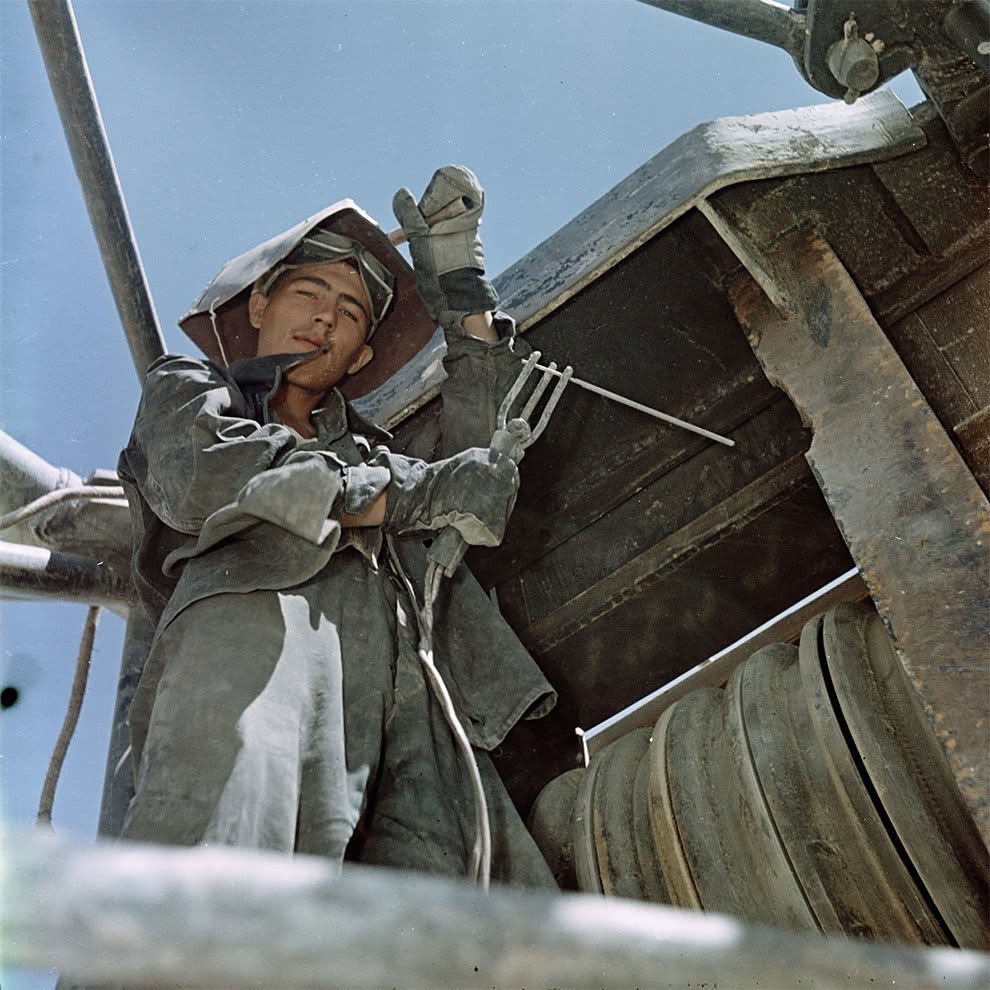
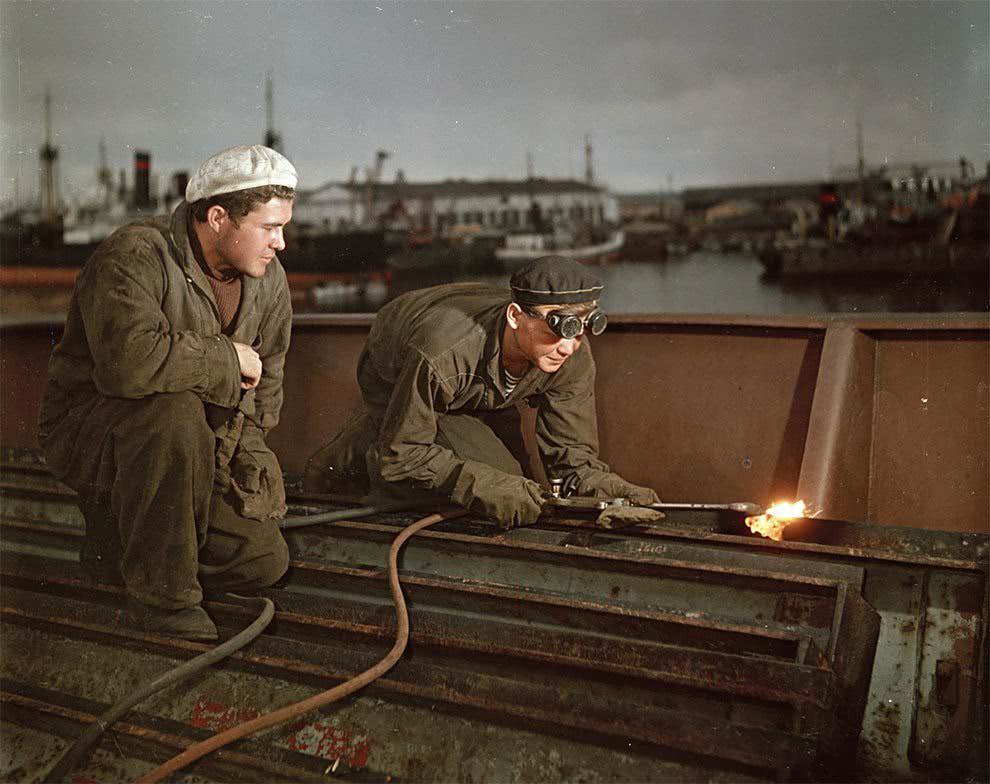
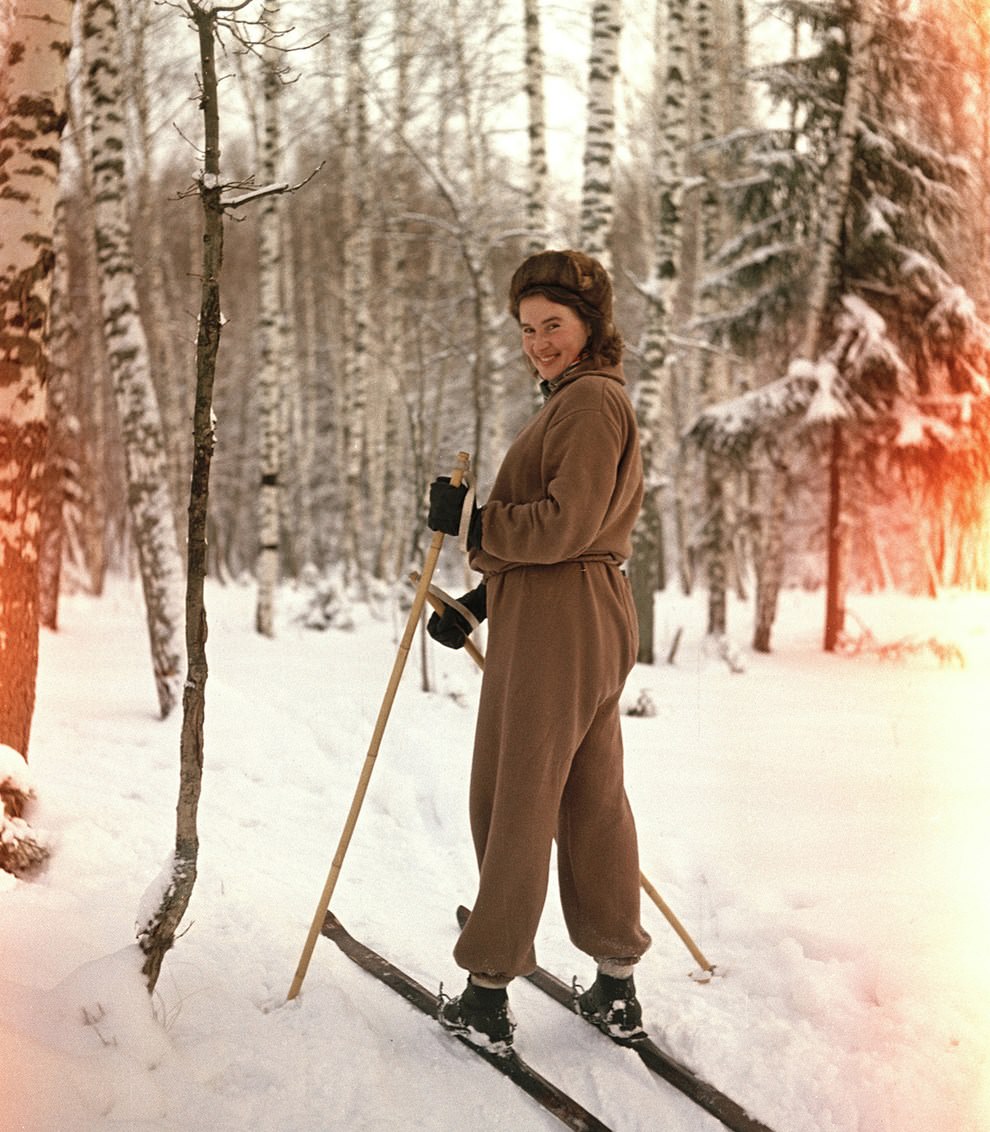
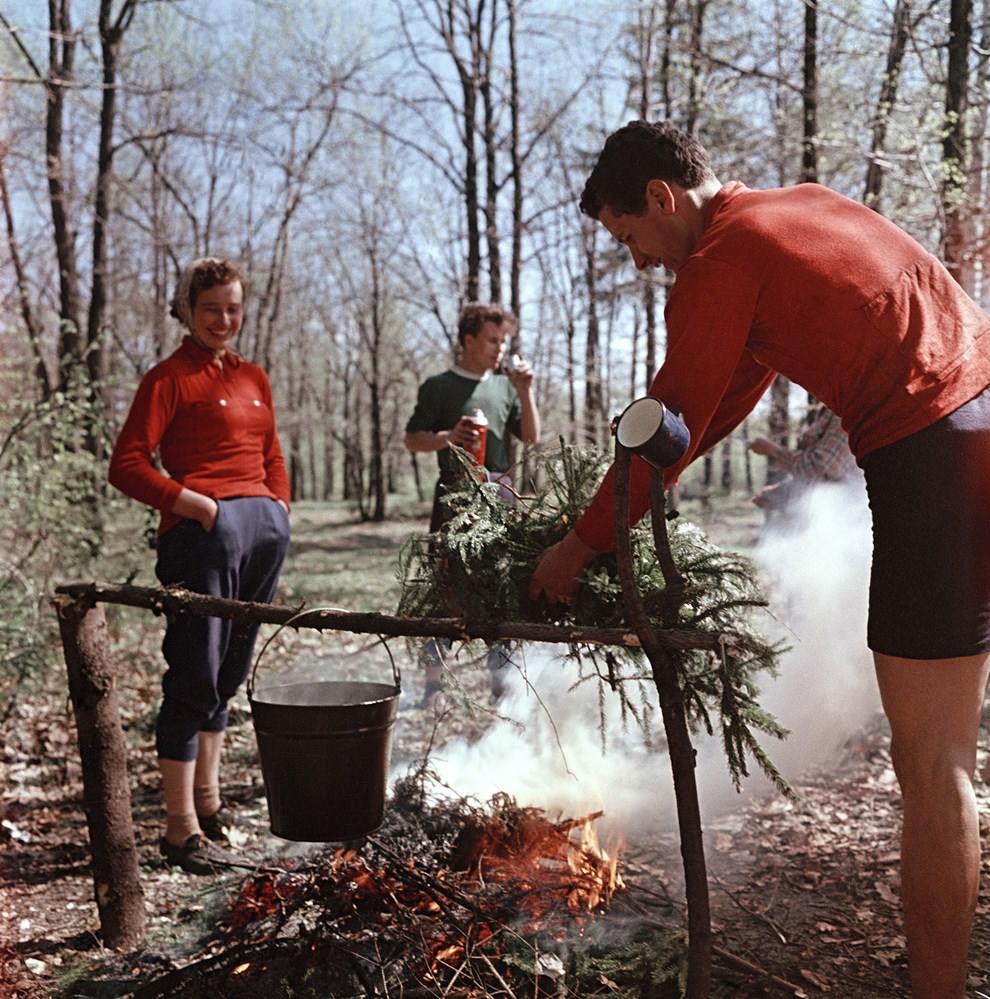
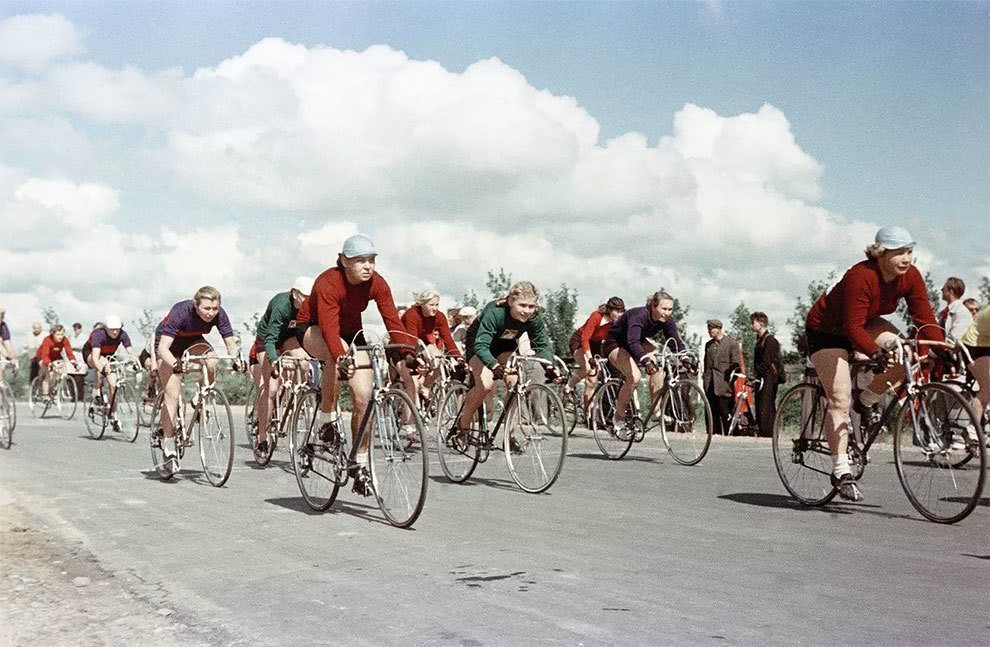
What makes this collection especially valuable is the use of color. Most surviving photography from the Soviet Union in this era is black and white. Color film was rare, expensive, and difficult to process. The fact that Friedland produced so many color images — spanning dozens of locations across the USSR — speaks to both his skill and his privileged access as a senior editor at one of the country’s most prominent publications.
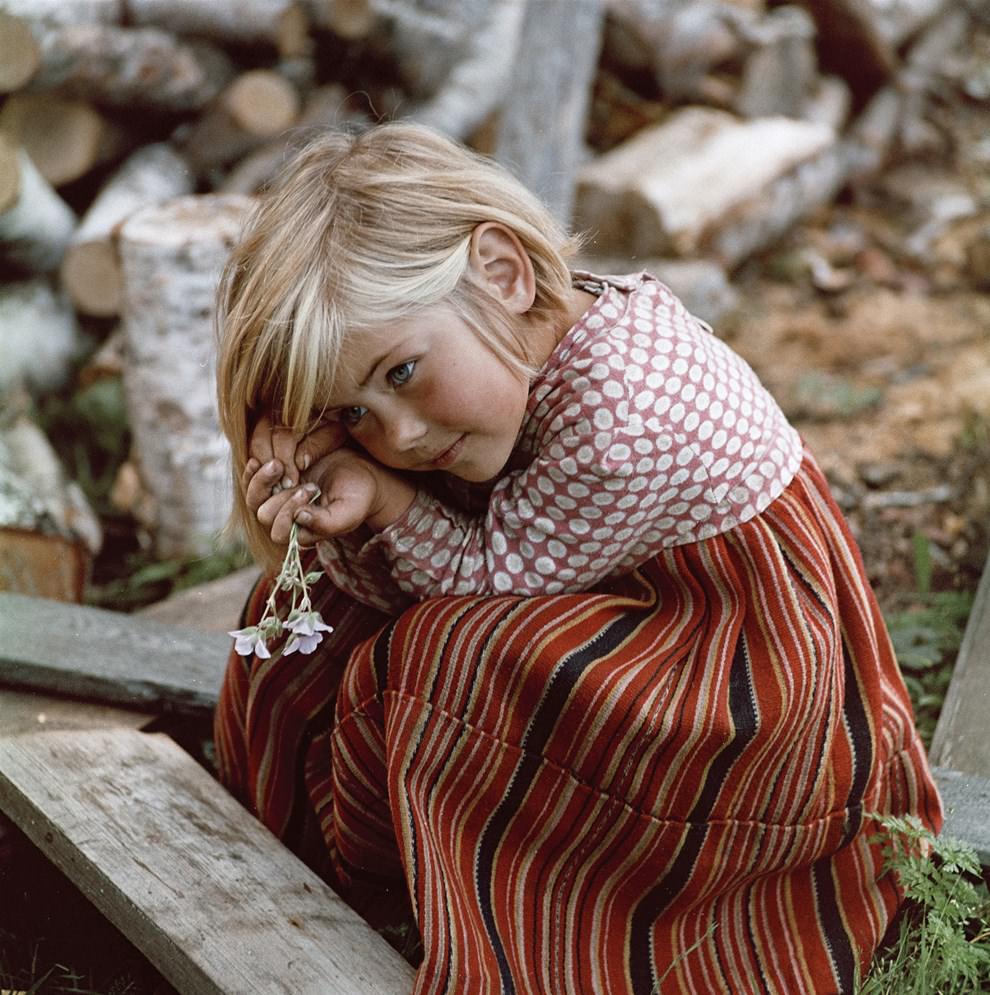
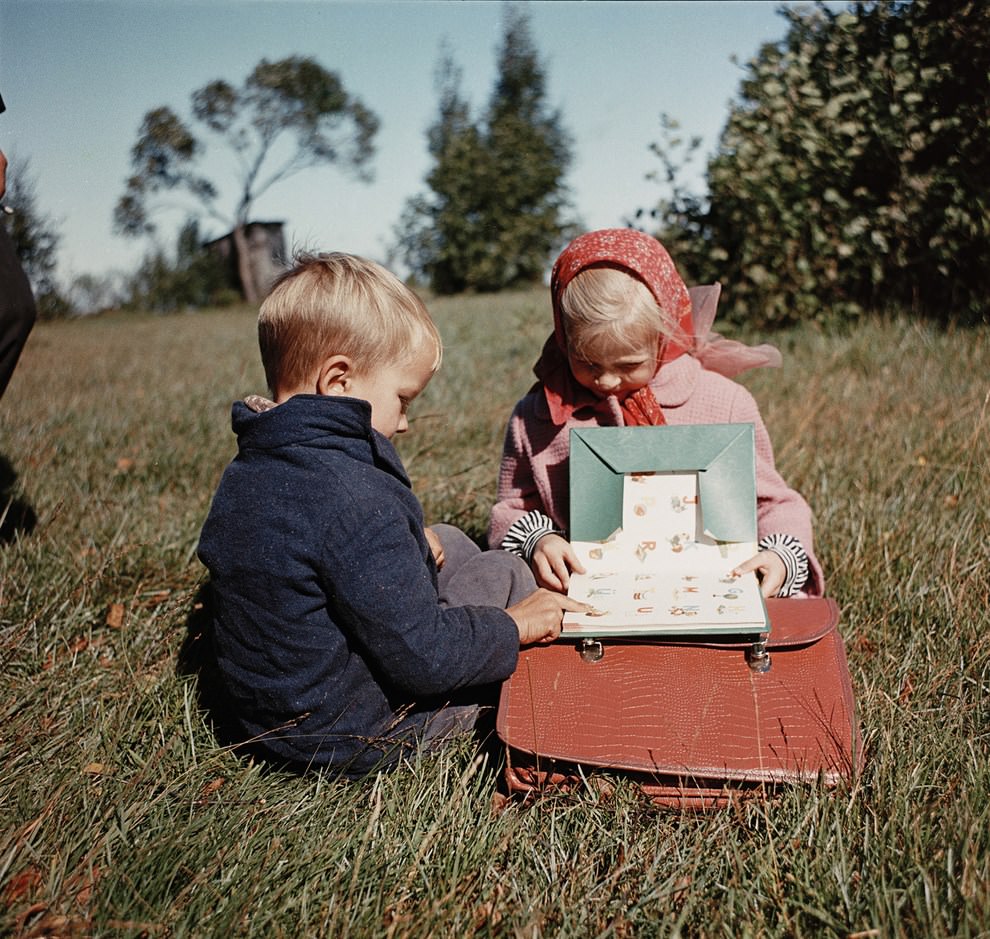


I love the pictures from Nizhny Novgorod.
I’m glad I found this post; remember me of the good old story that my grandma told me of the USSR.(I’m not from the USSR, but I went there to study and got a lot of excellent stories to tell)