In 1964, Life magazine photographer Alfred Eisenstaedt was given rare access to one of the most remarkable private homes in Italy — the Grand Roman Villa of Sophia Loren. What he captured over the course of his visit was an intimate look at how one of the world’s biggest film stars actually lived. The photos show Loren swimming, entertaining guests, strolling the gardens, and sharing quiet moments with her husband, film producer Carlo Ponti. Together, they paint a vivid picture of a life as extraordinary as the woman at its center.
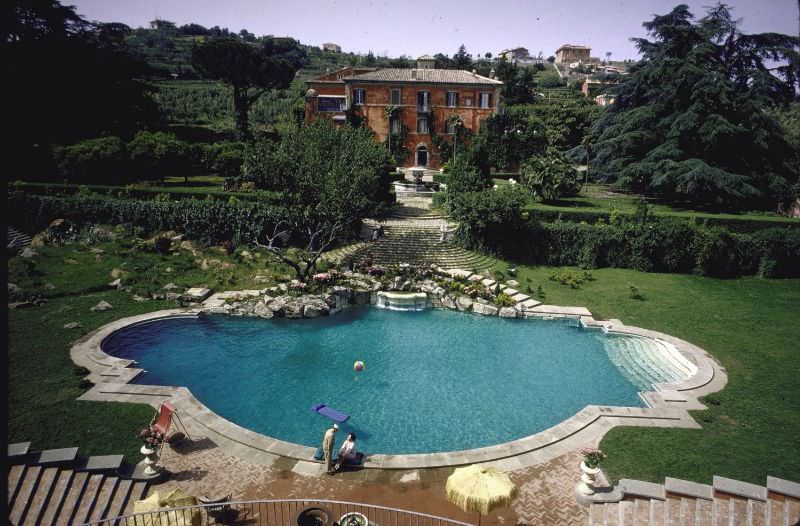
The villa sits within Rome’s Appian Way Park, one of the most historically significant stretches of land in the ancient world. The main building dates to the 19th century, but its roots go much deeper. It was constructed on the ruins of a basalt quarry that had been in use since 312 BC — the very quarry that supplied the stone for the Appian Way, Rome’s most famous road. The grounds cover 1.5 hectares and are filled with centuries-old trees and wide, open lawns. It is, by any measure, an exceptional place.
Carlo Ponti had made Loren a promise: after they married, he would give her the most beautiful house in the world. He kept his word. Ponti and Loren first married in Mexico on September 17, 1957, though that union was annulled in 1962 amid bigamy charges. Ponti secured a divorce from his first wife, Giuliana Fiastri, through French courts, and the couple legally married on April 9, 1966. The villa, which Eisenstaedt photographed two years before that official wedding, was already very much their shared home.
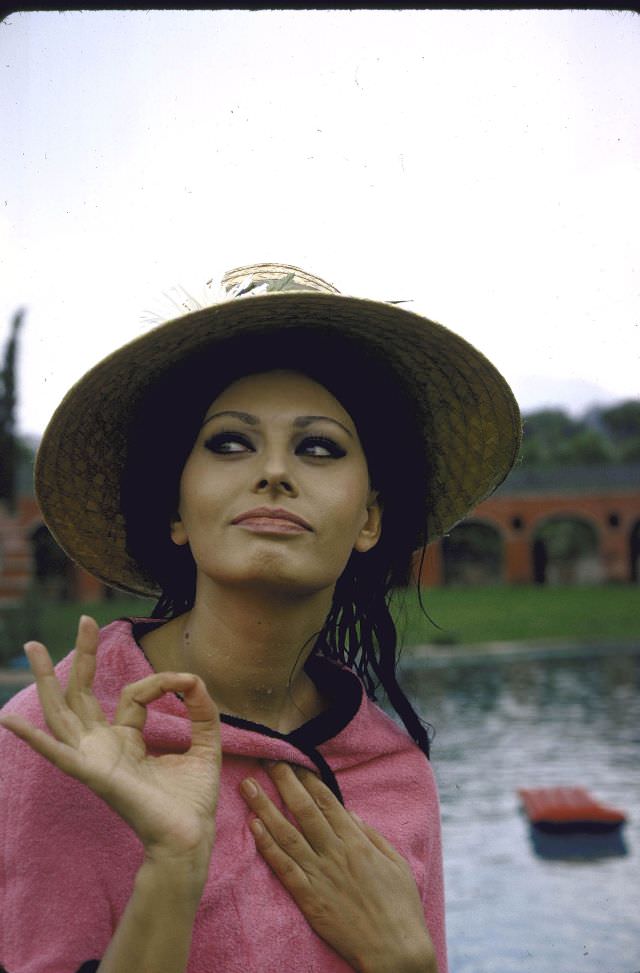
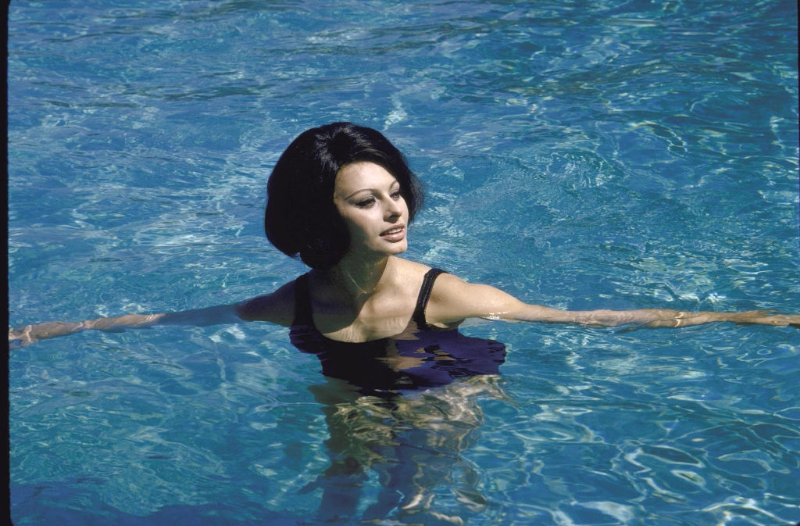
The property’s centerpiece outdoors is a massive 135-foot swimming pool. Eisenstaedt spent considerable time photographing Loren there, and it’s easy to see why.
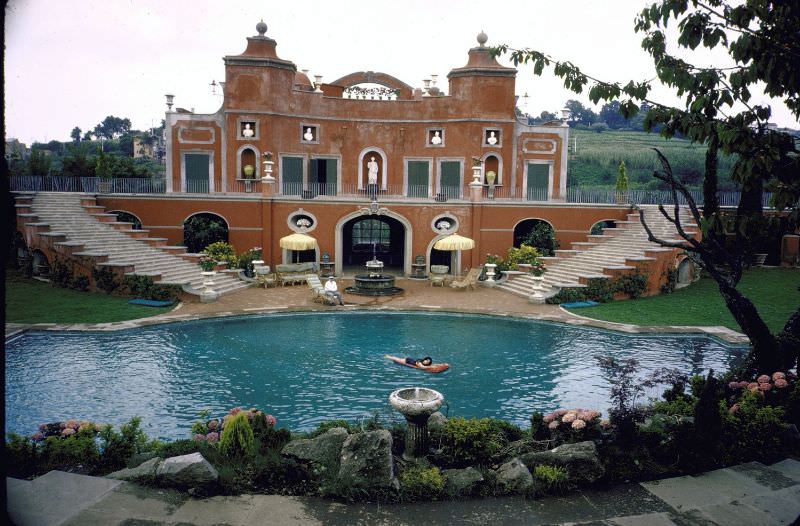
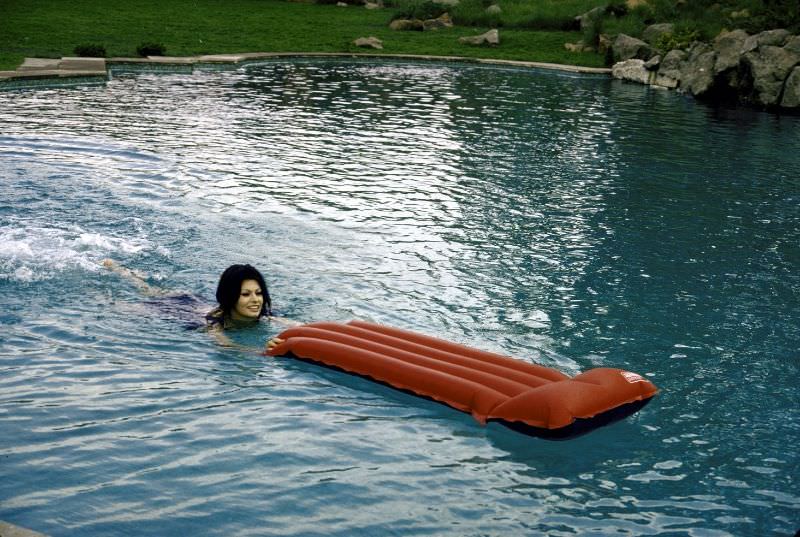
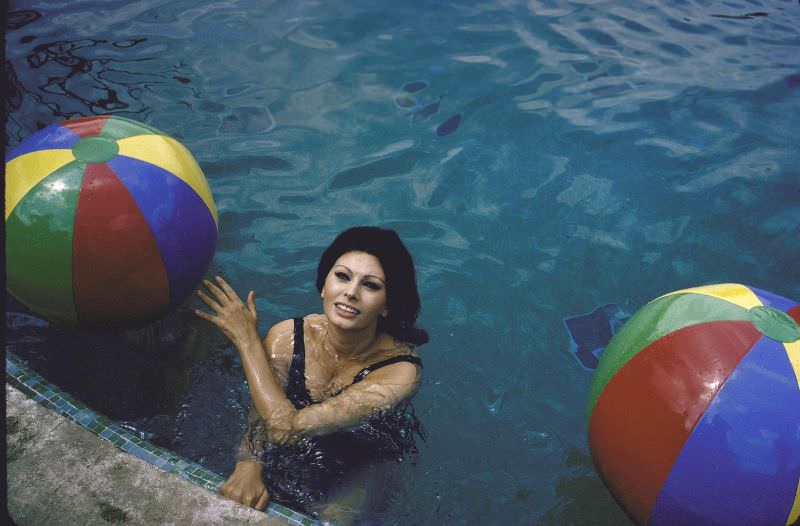
The pool area clearly served as a place where Loren relaxed and enjoyed the Mediterranean warmth. Away from film sets and press junkets, this was her private retreat.
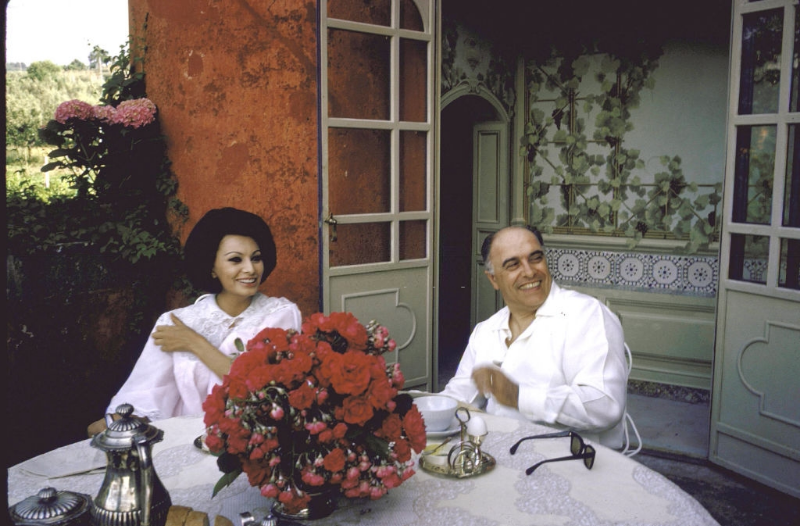
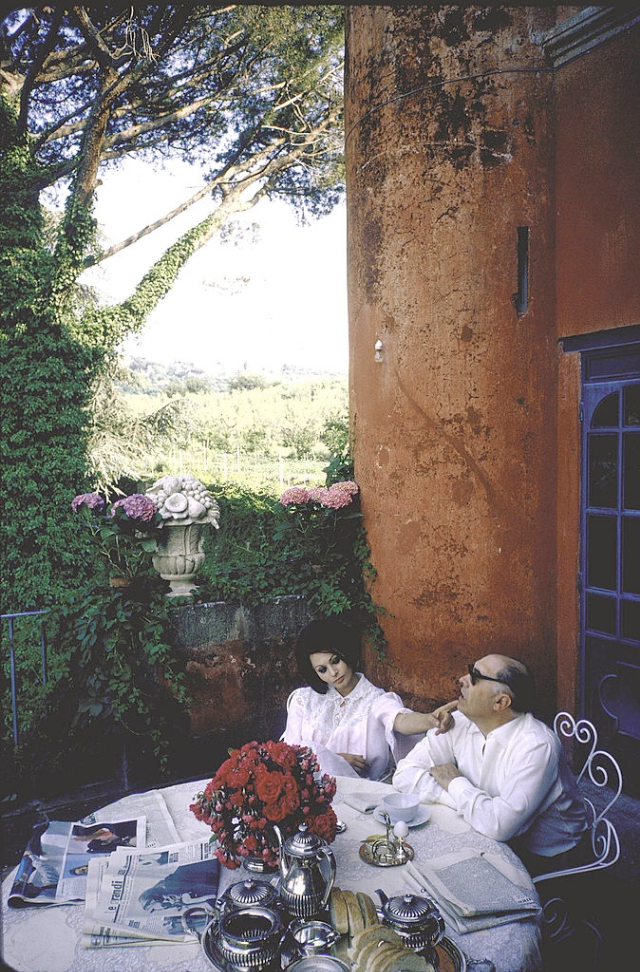
Carlo Ponti was a constant presence throughout Eisenstaedt’s visit. The two are photographed together throughout the grounds — at the pool’s edge, on the terrace, and in the villa’s elegant interior rooms. Their relationship, complicated by years of legal battles over Ponti’s marital status, appears entirely at ease in these images.
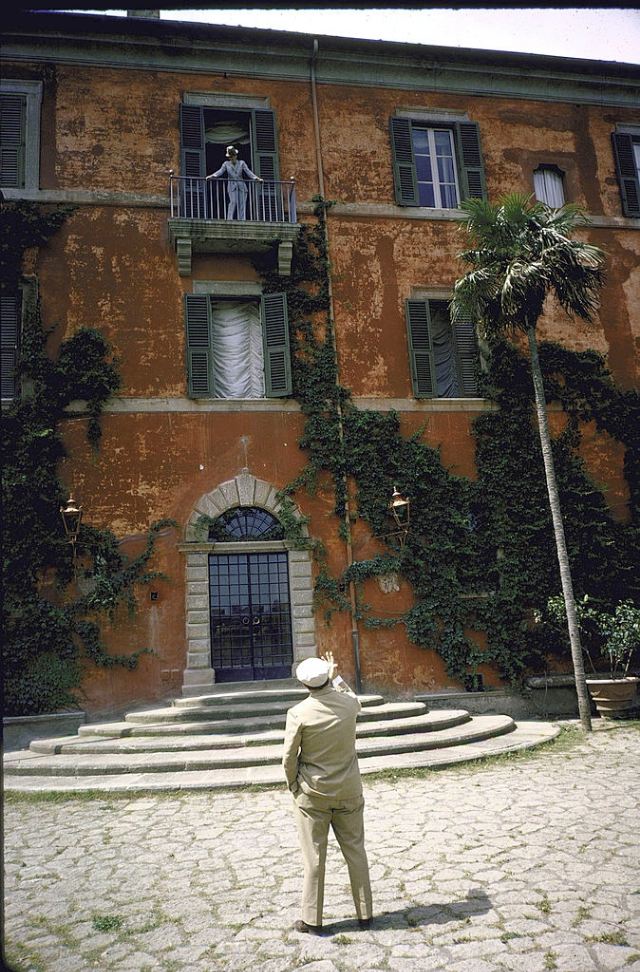
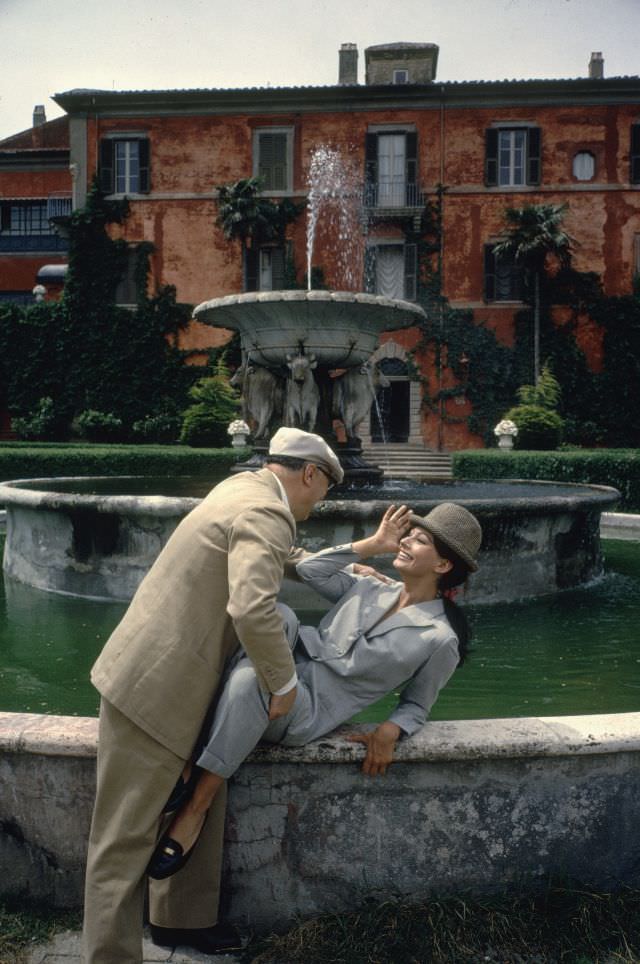
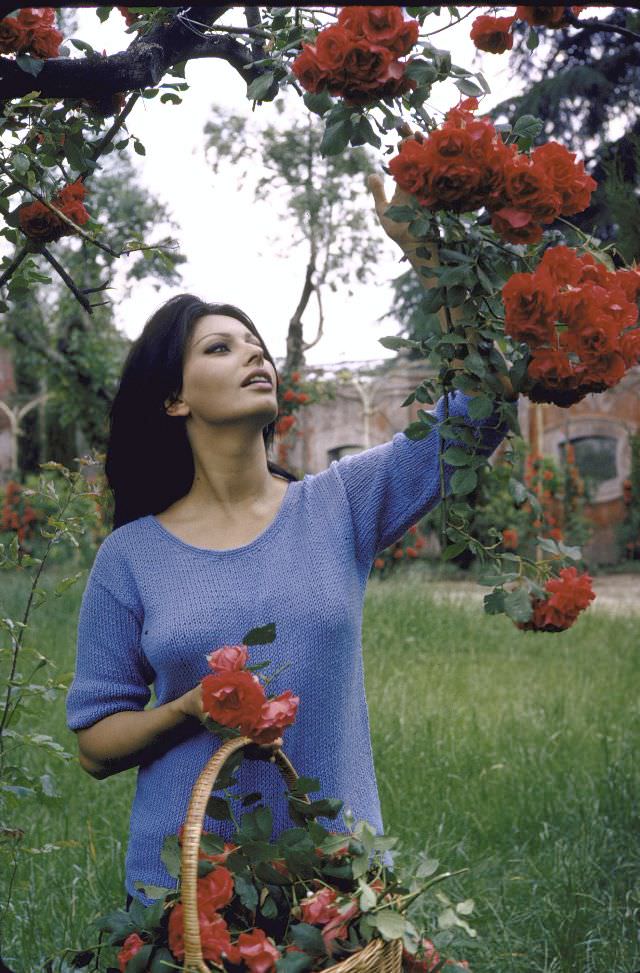
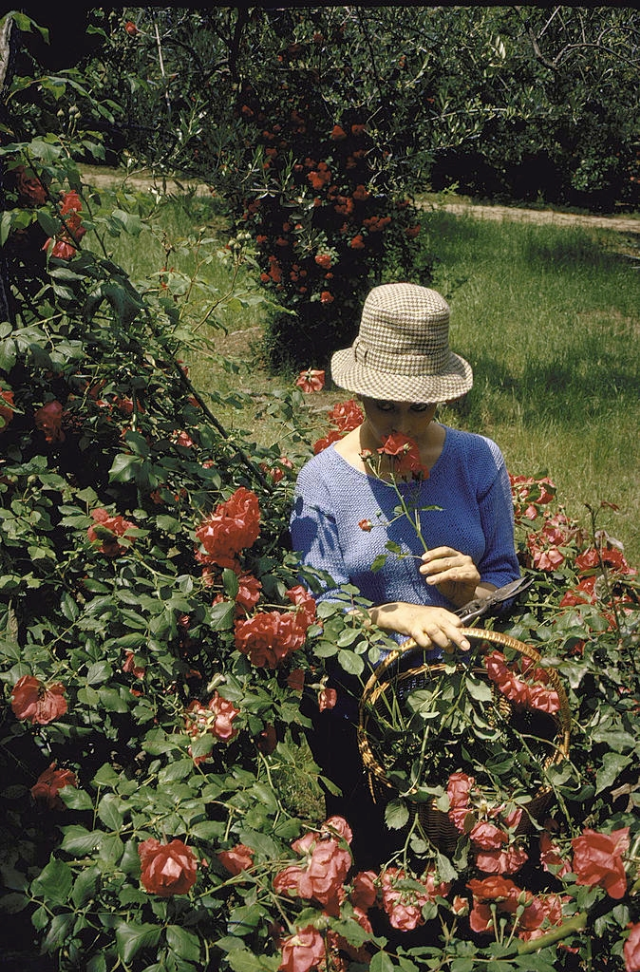
Beyond the pool, the villa’s gardens were a world of their own. Loren is photographed picking roses from the grounds and walking through the lush greenery that surrounds the property.
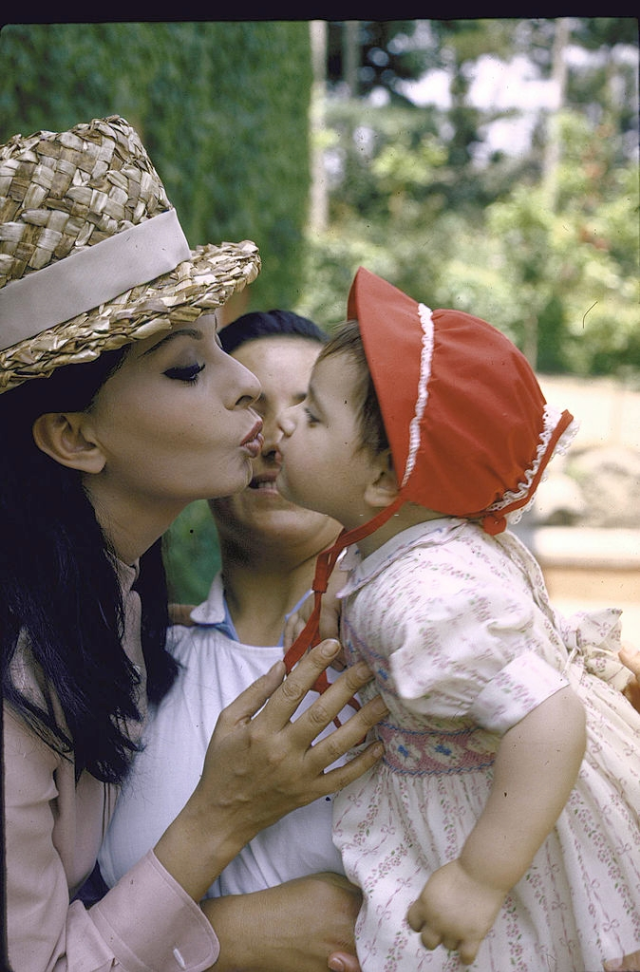
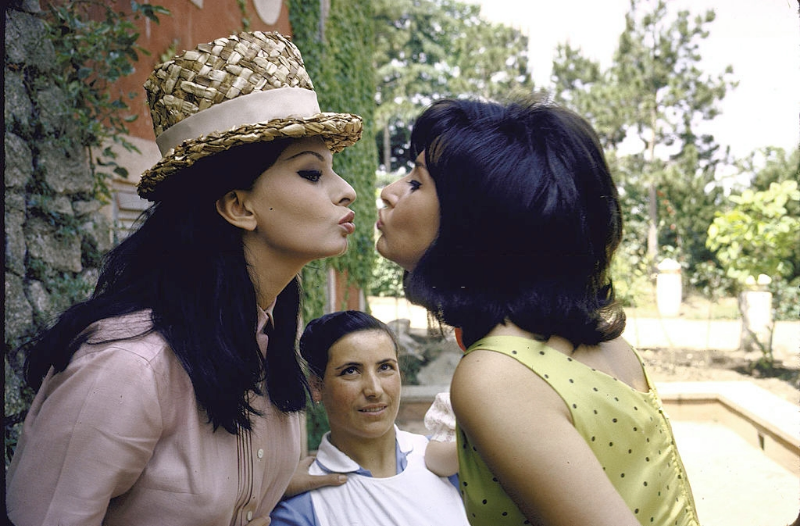
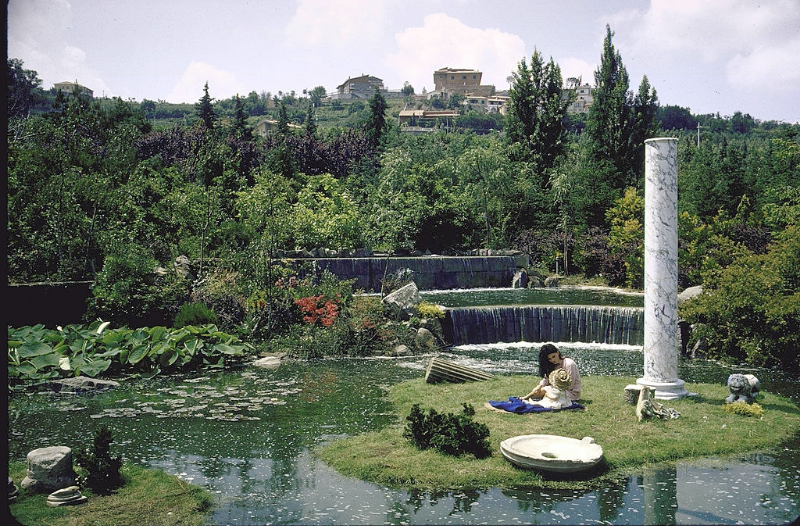
The grounds also included a man-made pond with a small island — a charming feature that gave the villa a fairy-tale quality. Loren’s family visited during Eisenstaedt’s stay, and some of the warmest photos from the session show her with her niece and another woman, likely her sister.
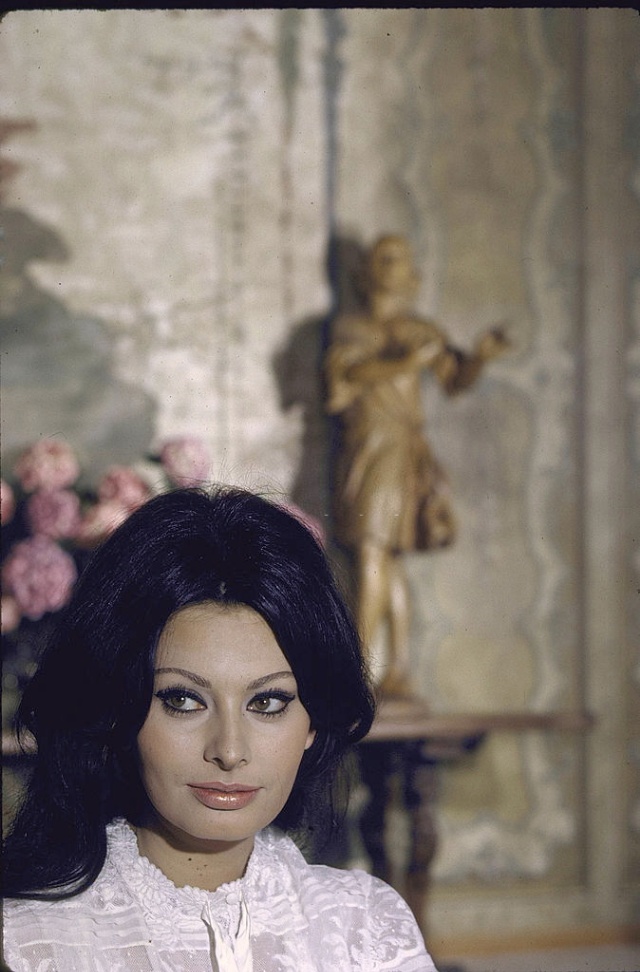
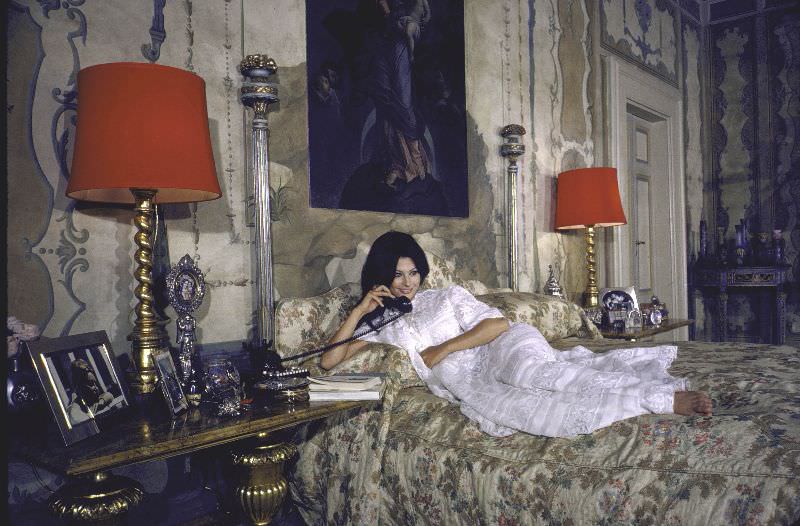
Inside the villa, the rooms reflect the kind of taste and wealth that Ponti’s decades as a top film producer had made possible. Loren’s bedroom, the formal living room, and the private study all appear in Eisenstaedt’s photographs.
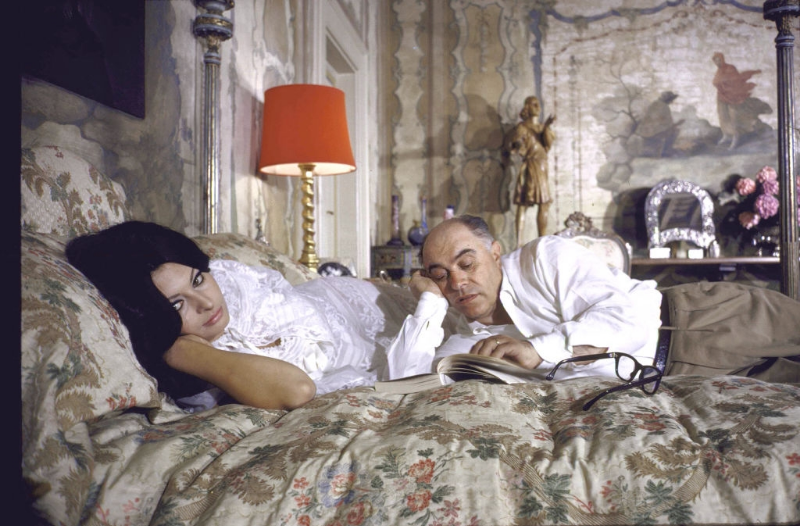
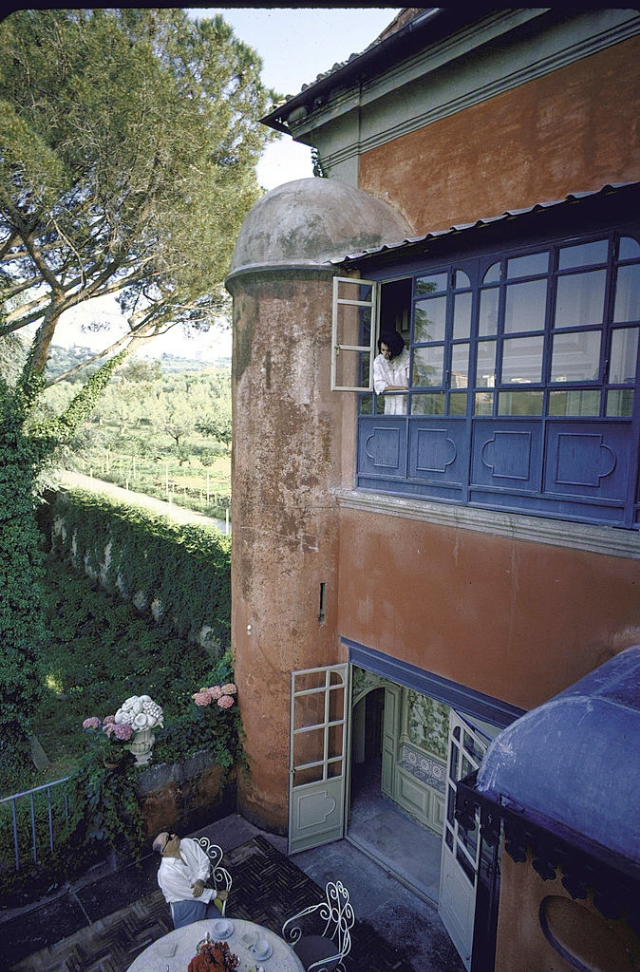
Life in the villa was not all leisure. Loren took meals on a second-floor terrace, and she and Ponti shared breakfasts outdoors — a routine that speaks to a very Italian relationship with food, sunlight, and home.
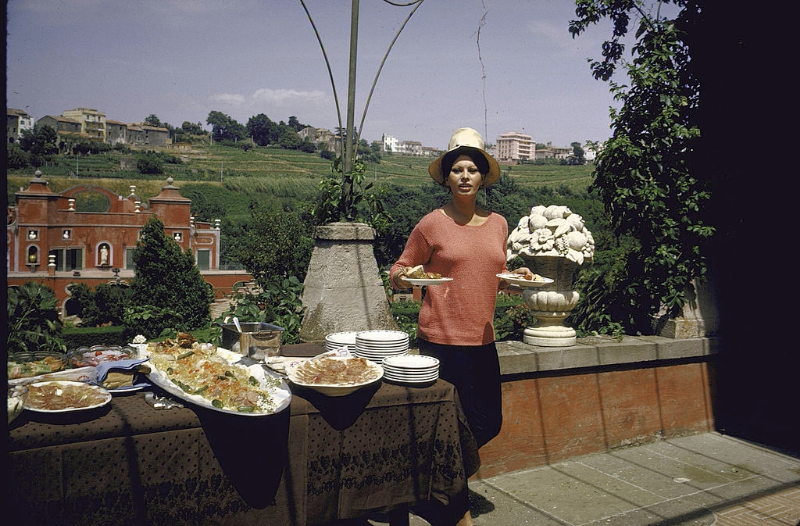
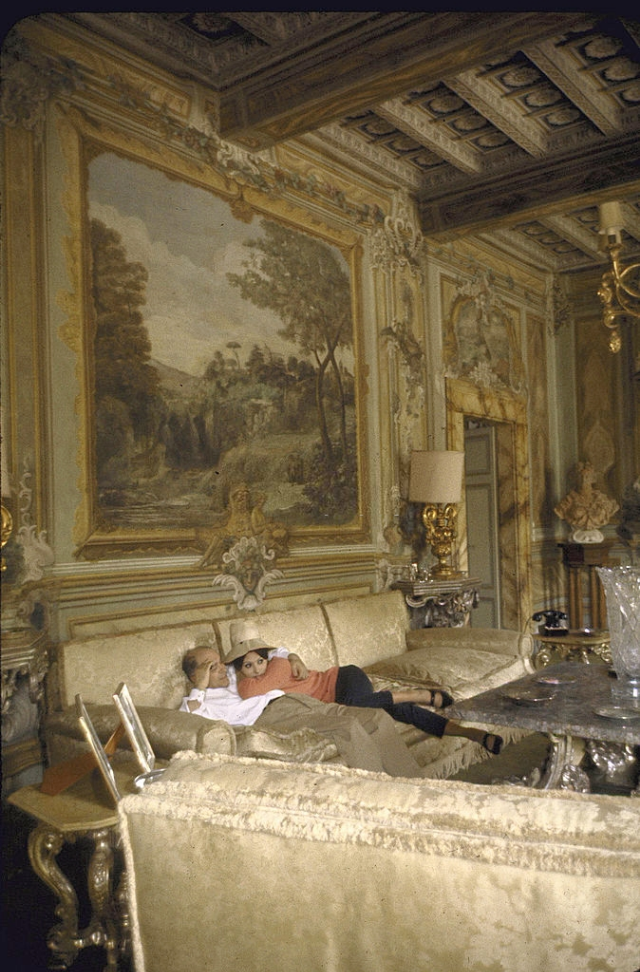
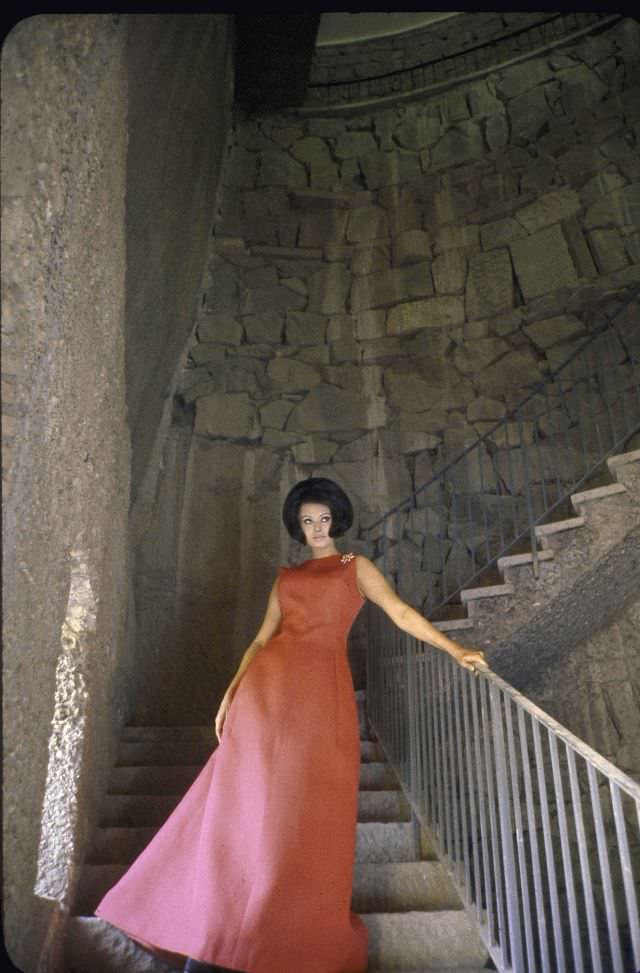
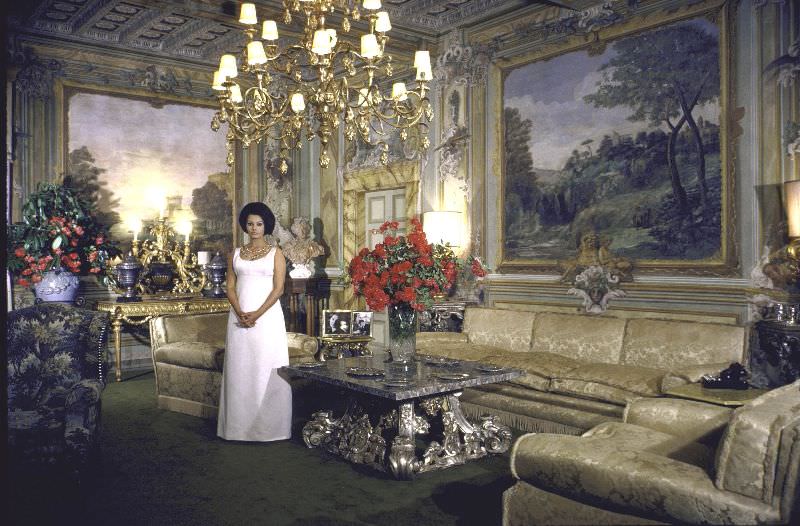
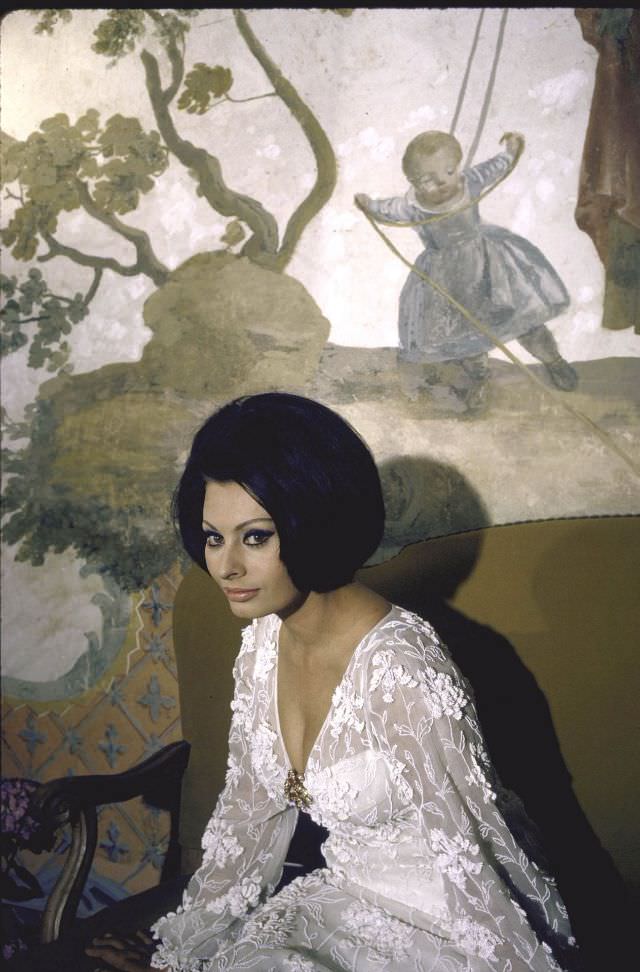
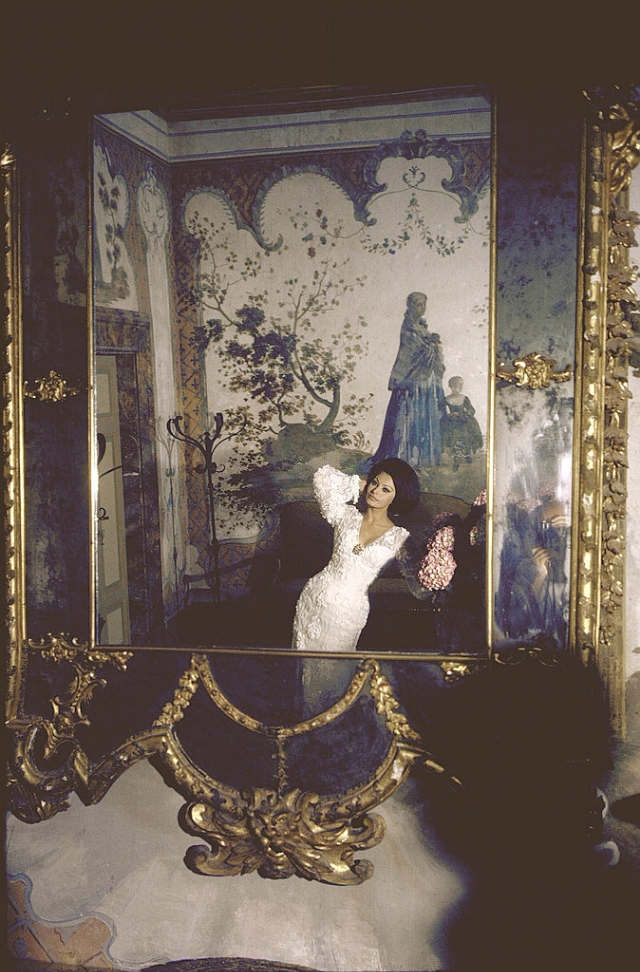
The villa’s interior rooms are decorated with fine art and elegant furnishings. One striking photo shows Loren in a white dress seated in front of a large painting, while another captures her in one of the villa’s many ornate side rooms.
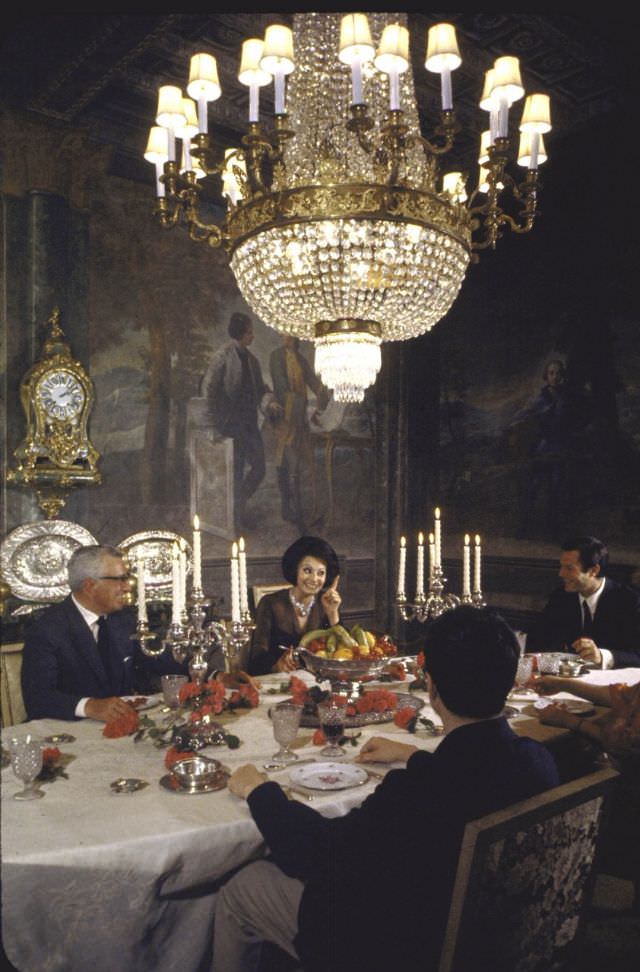
During Eisenstaedt’s visit, Loren hosted a dinner in the formal dining room that brought together some of the biggest names in Italian cinema. Director Vittorio De Sica — who had directed Loren in Two Women, the film that earned her an Academy Award in 1962 — attended along with his wife. Actor Marcello Mastroianni, Loren’s frequent on-screen partner, was also at the table. The gathering was a glimpse into the tight-knit world of Italian filmmaking at its peak.

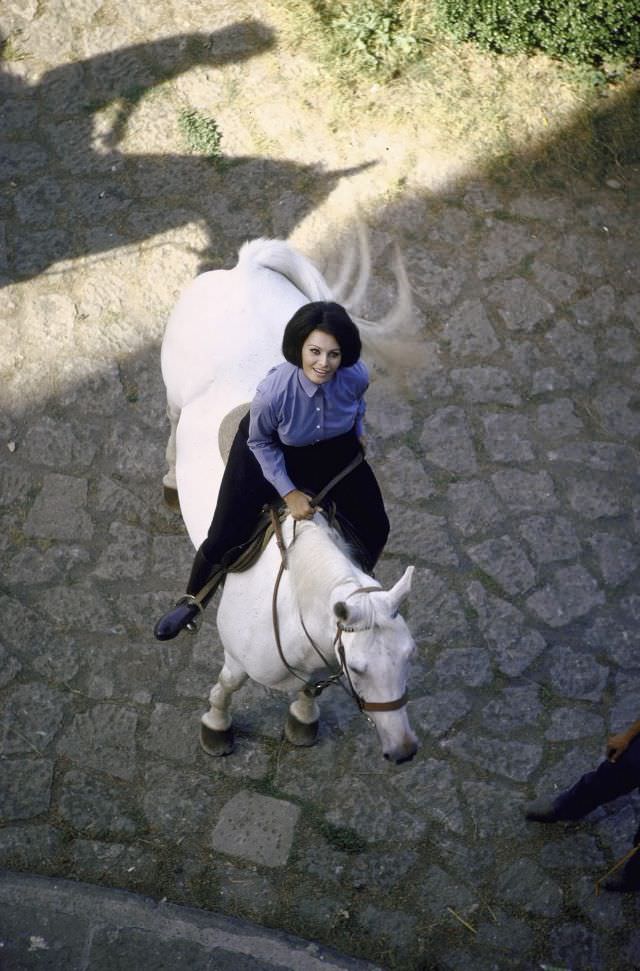
The grounds of the villa extended far enough to accommodate horseback riding, and Loren made full use of them. The image of her on horseback is a striking contrast to the poolside photos — equally confident, just in a different setting entirely.
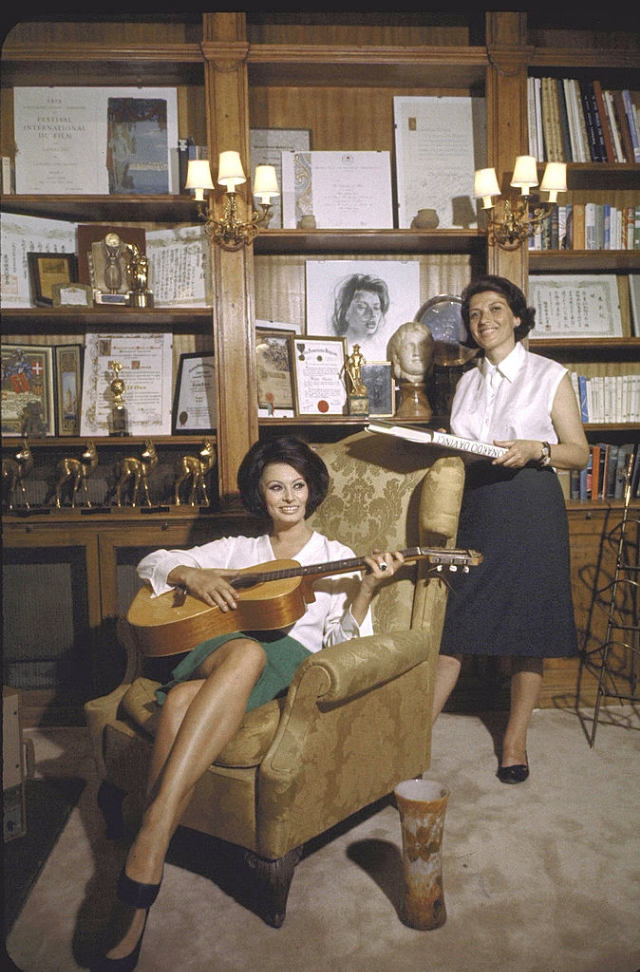
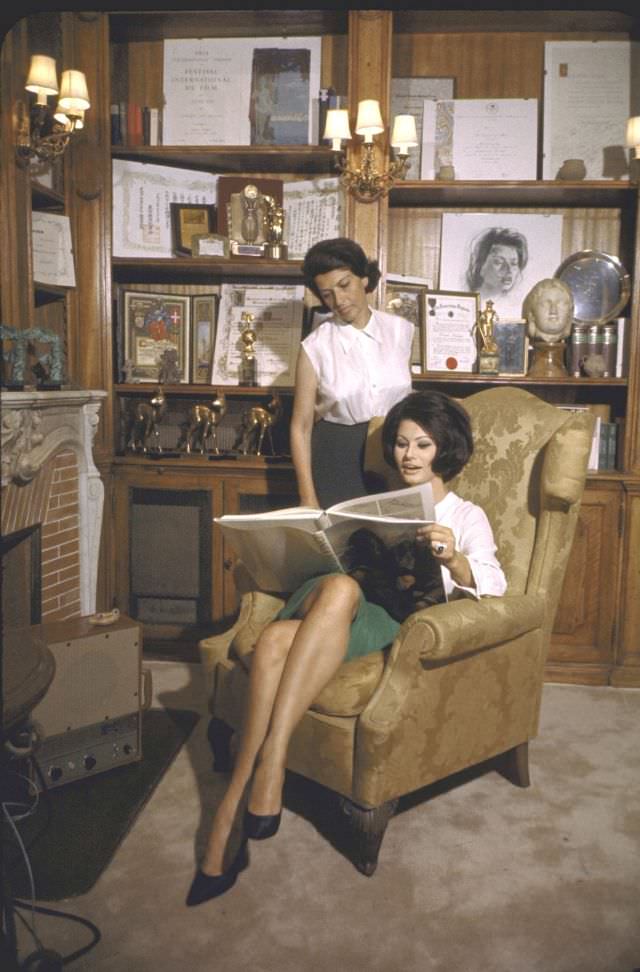
Loren’s study was another focal point of Eisenstaedt’s session. Her secretary, Ines Bruscia, who had worked closely with her for years, appears in photos taken there. In one, Loren holds a guitar — a rare, relaxed glimpse into her time away from the demands of her career.
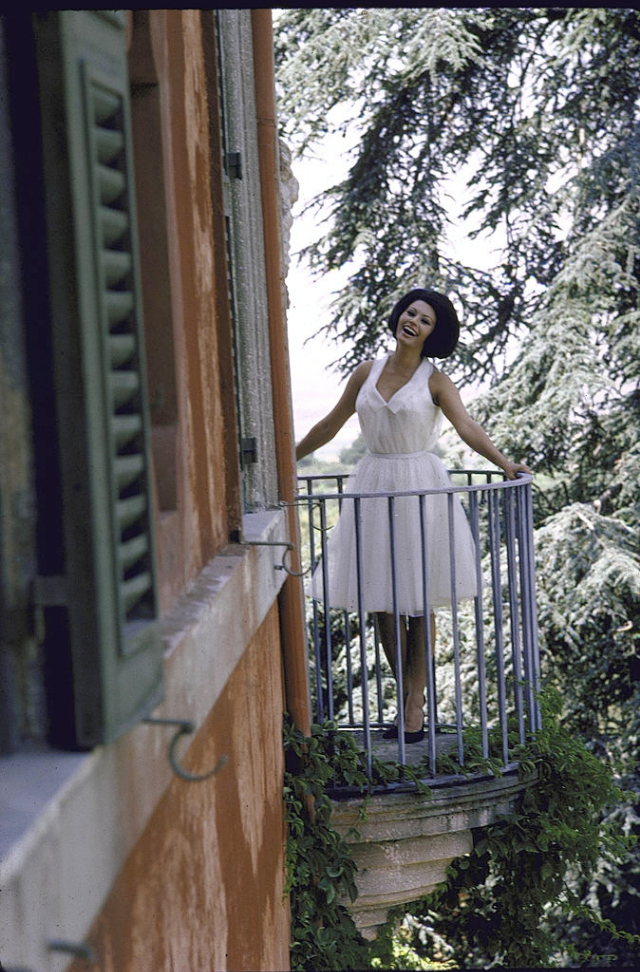
Eisenstaedt’s final photographs bring the viewer back outside, to the villa’s balconies and open-air spaces that made the property so distinctive. Built on ancient ground, surrounded by old trees, and filled with the rhythms of daily life, the villa was exactly what Ponti had promised — extraordinary.