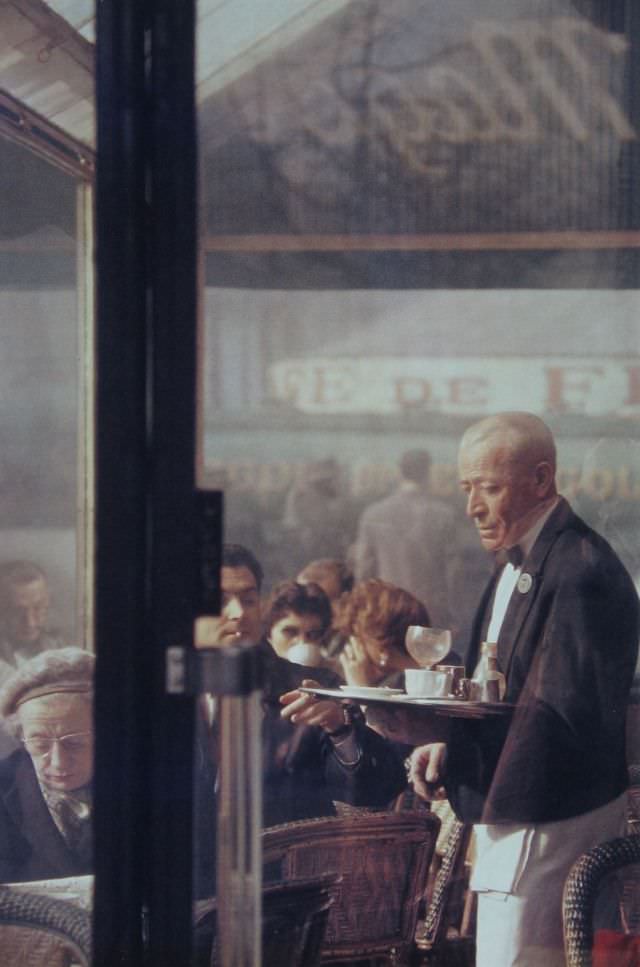
Saul Leiter was born in Pittsburgh in 1923. At 23, he left theology school and moved to New York City to pursue painting. That decision would eventually change the way the world understood color photography. In New York, he befriended Abstract Expressionist painter Richard Pousette-Dart, who was also experimenting with photography. That friendship, followed shortly by one with renowned documentary photographer W. Eugene Smith, pulled Leiter deeper into the medium.
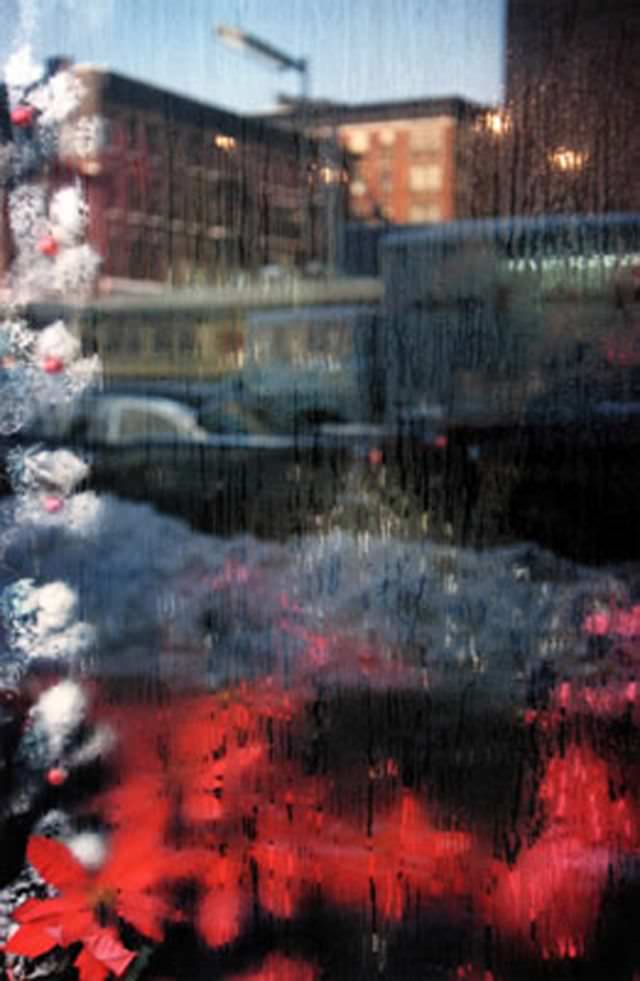
Leiter’s early black-and-white work already showed a natural command of the camera. But it was his move into color during the 1950s that set him apart. Color photography was still in its infancy at the time, and very few artists were treating it as a serious creative tool. Leiter dove in anyway, building an enormous body of work across the decade while most of his peers stayed with black and white.
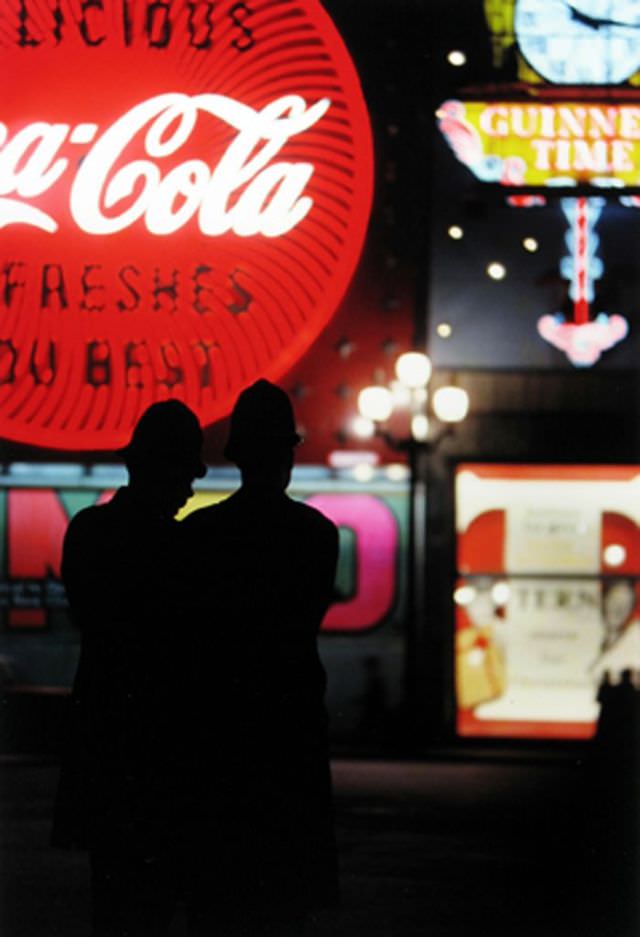
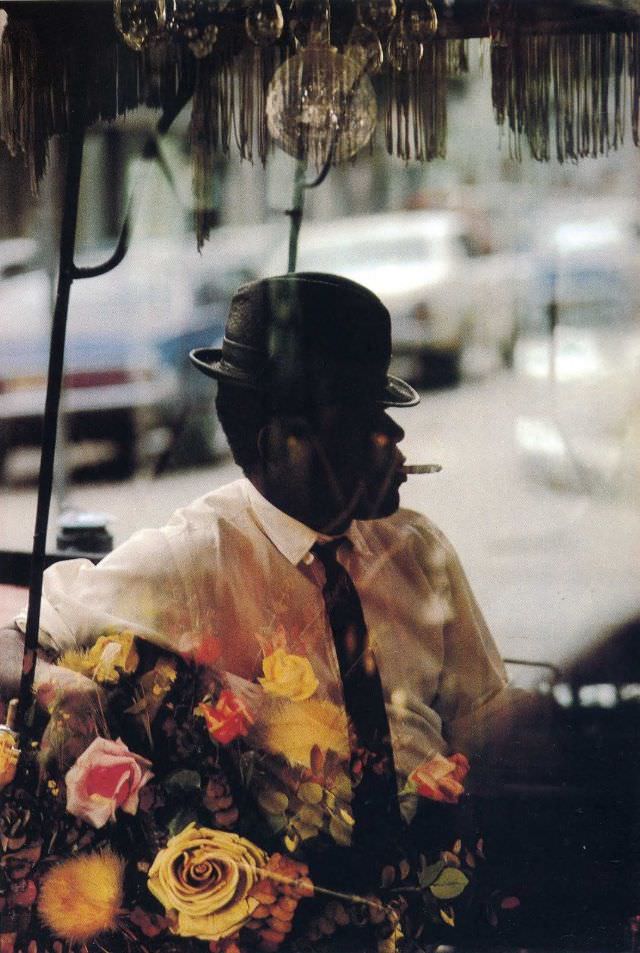
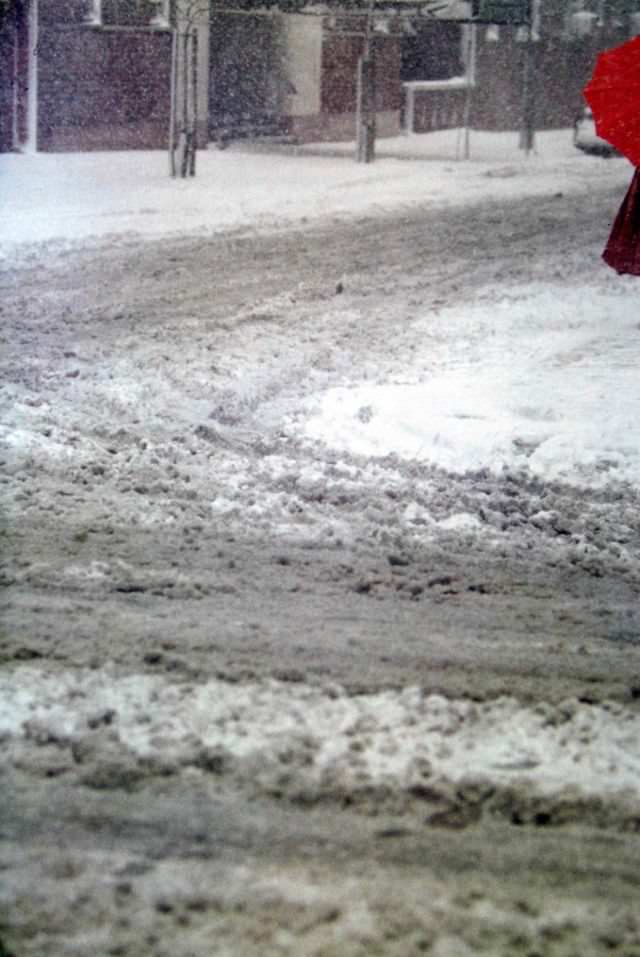
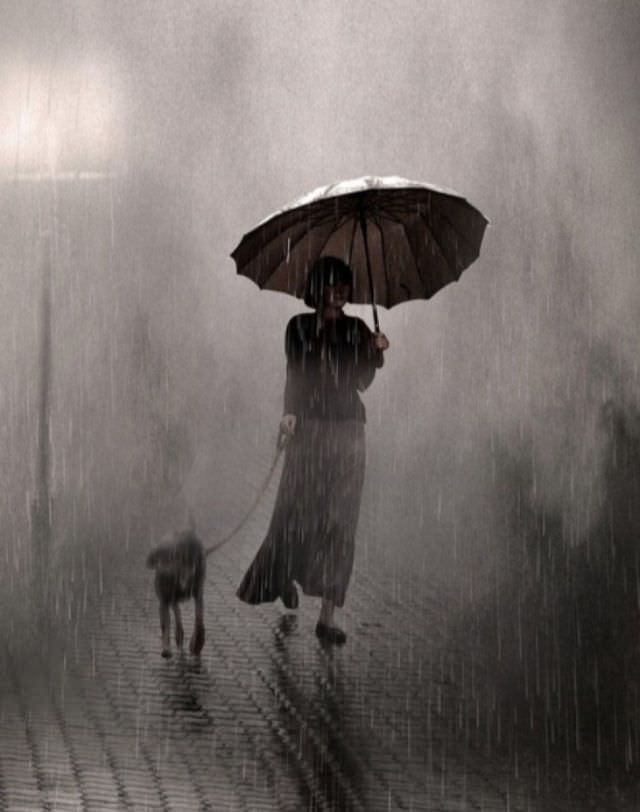
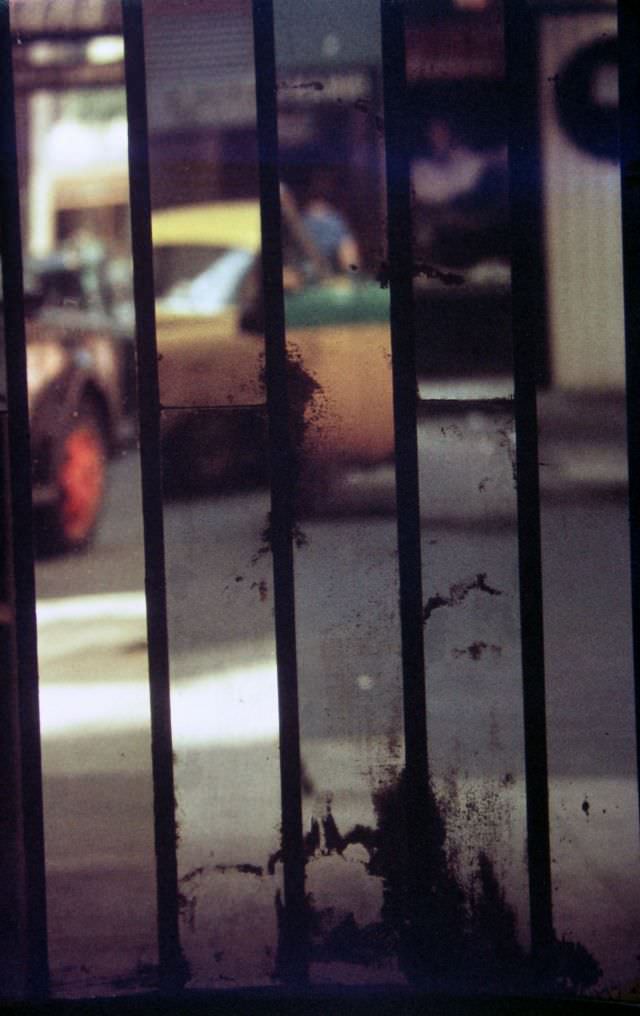
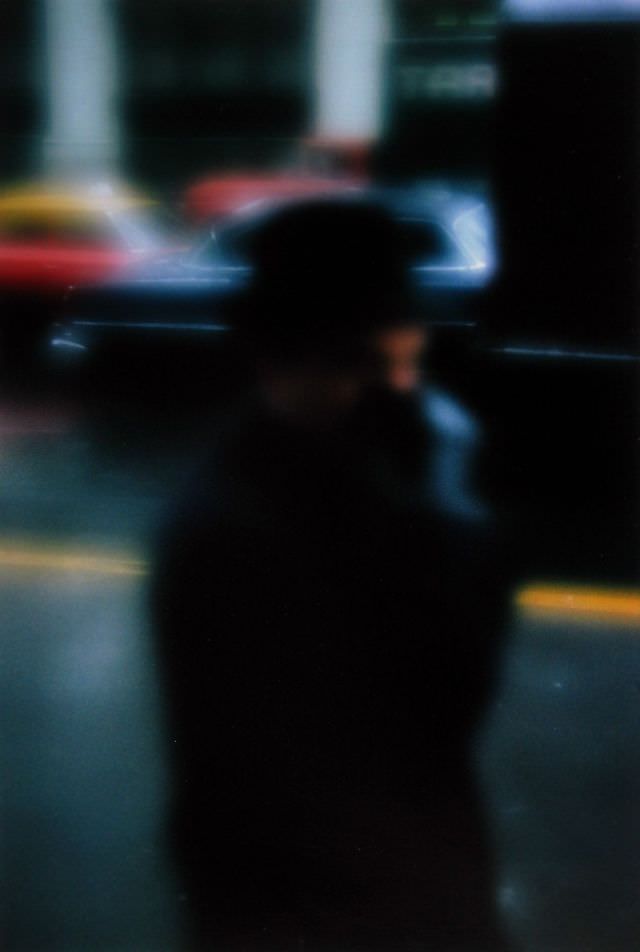
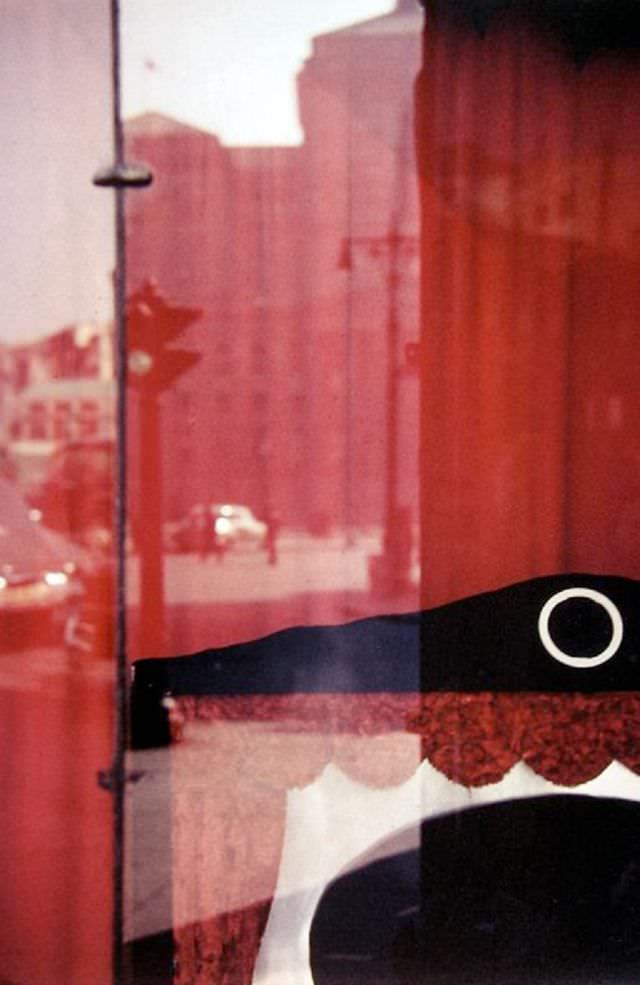
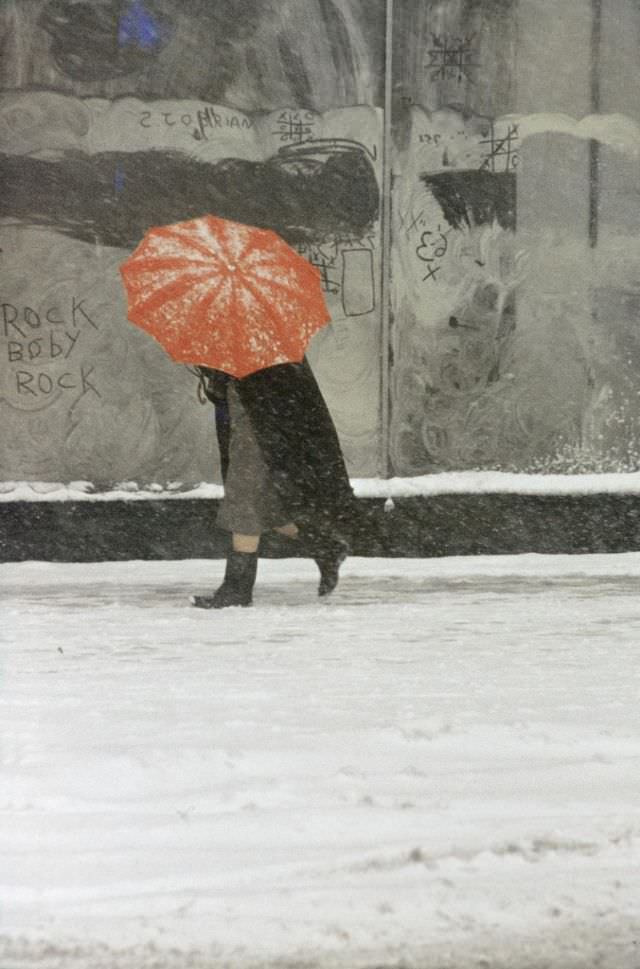
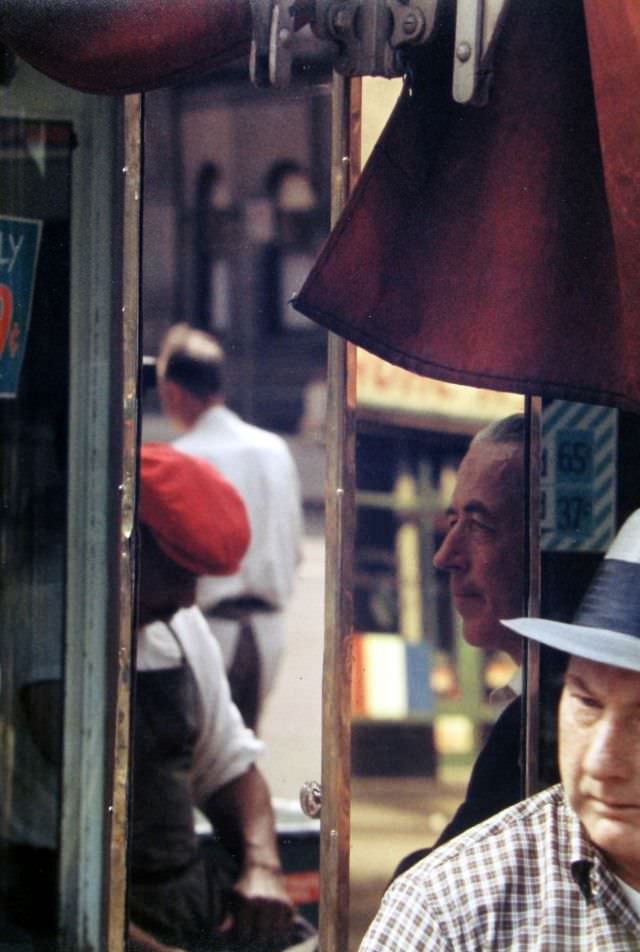
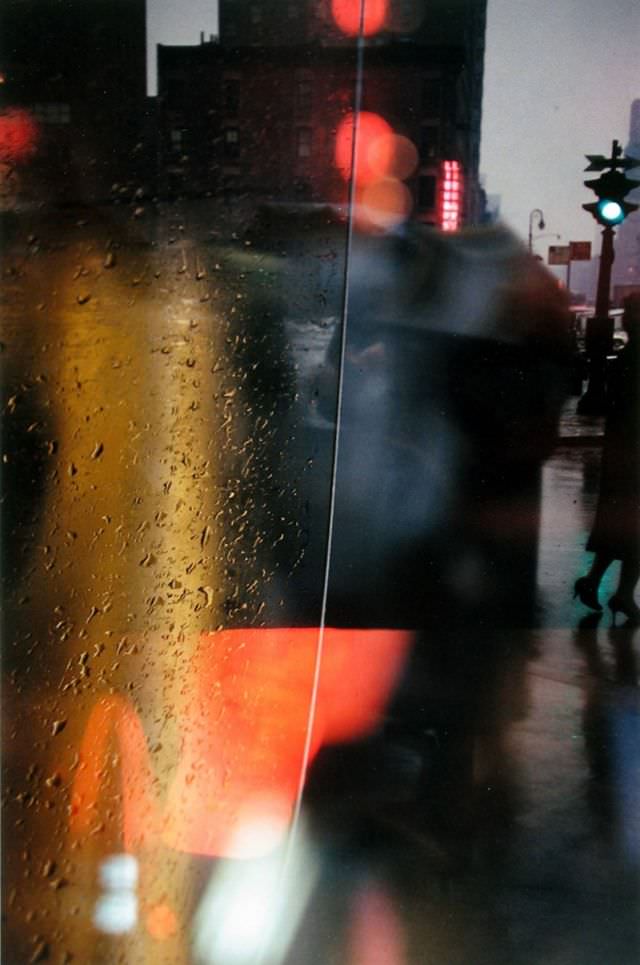
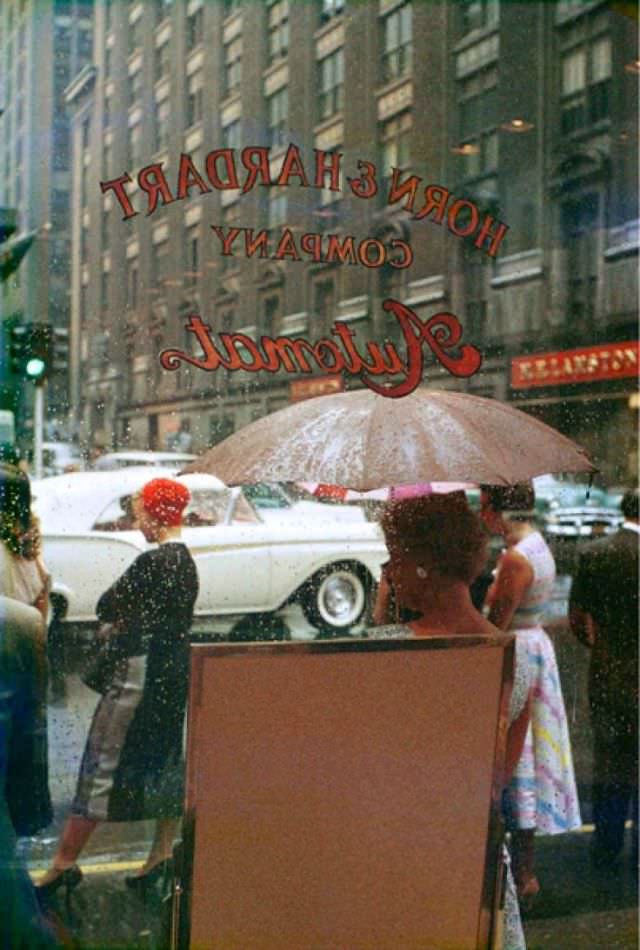
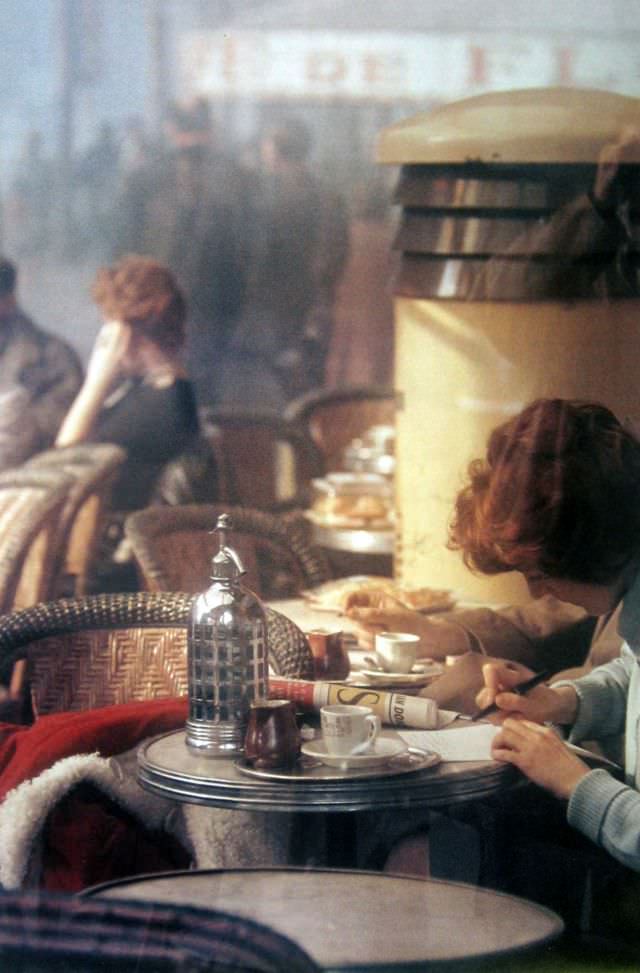
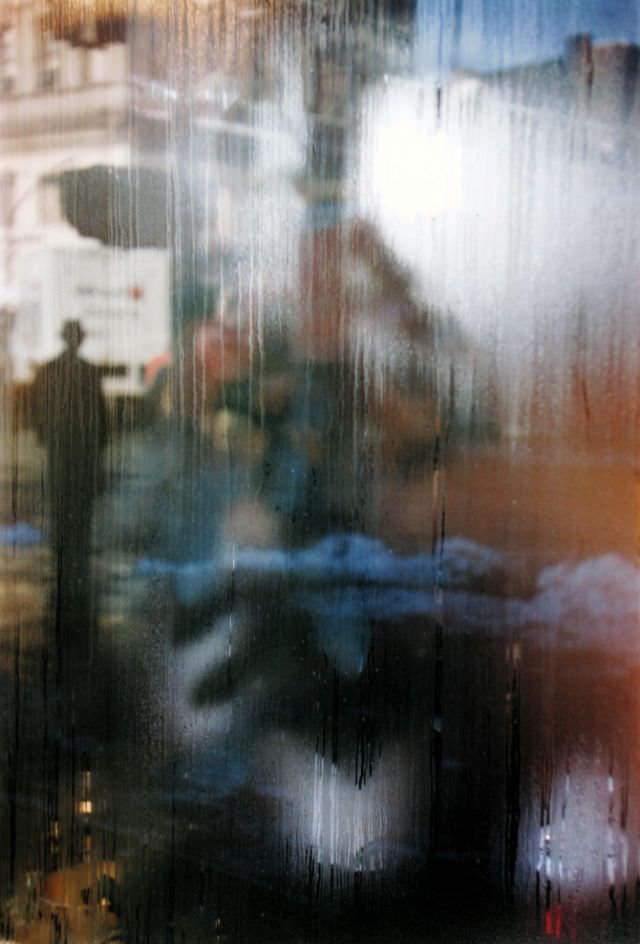
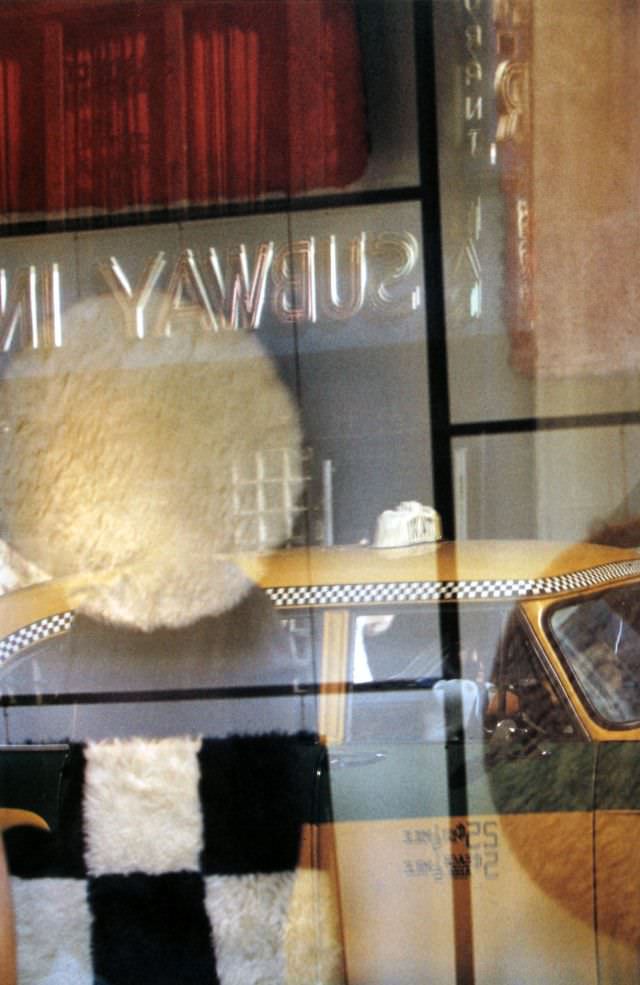
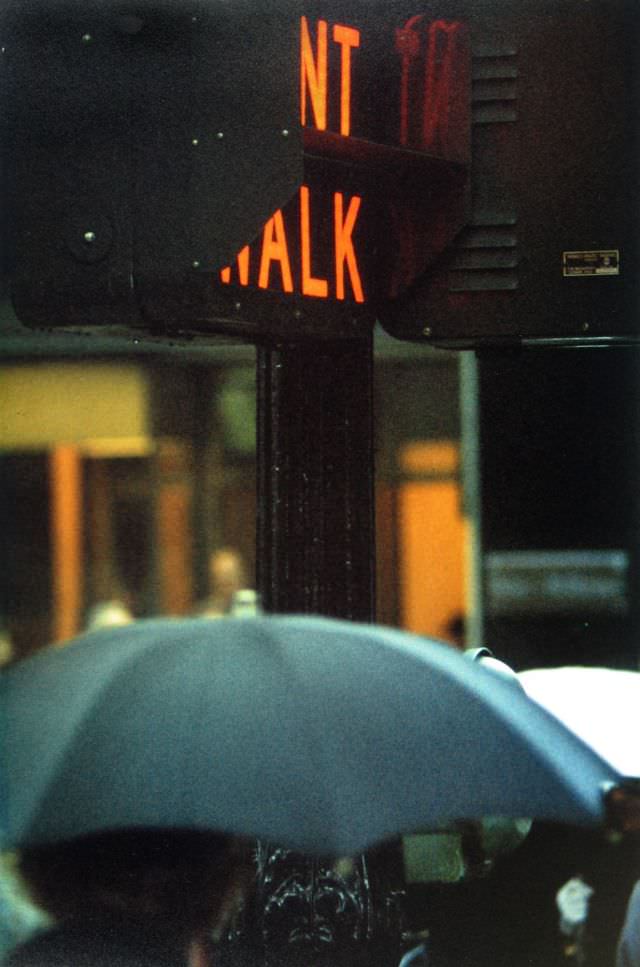
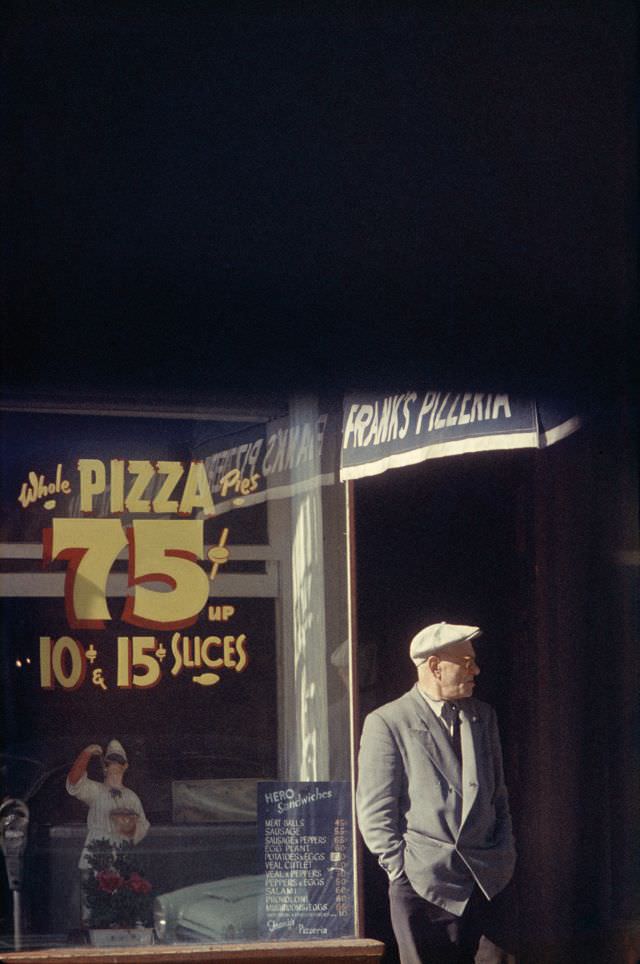
What made Leiter’s color work immediately distinctive was its painterly quality. His palette leaned toward muted, subdued tones rather than the saturated hues that most photographers chased. Reflections in wet glass, figures glimpsed through foggy windows, rain-slicked streets — these were his subjects. The frame itself often felt like a canvas.
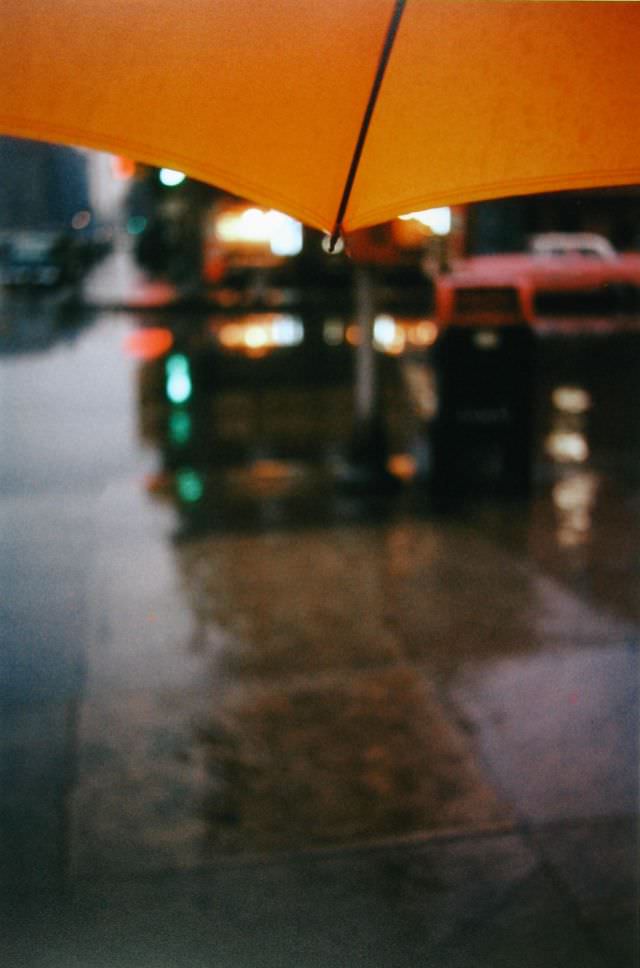
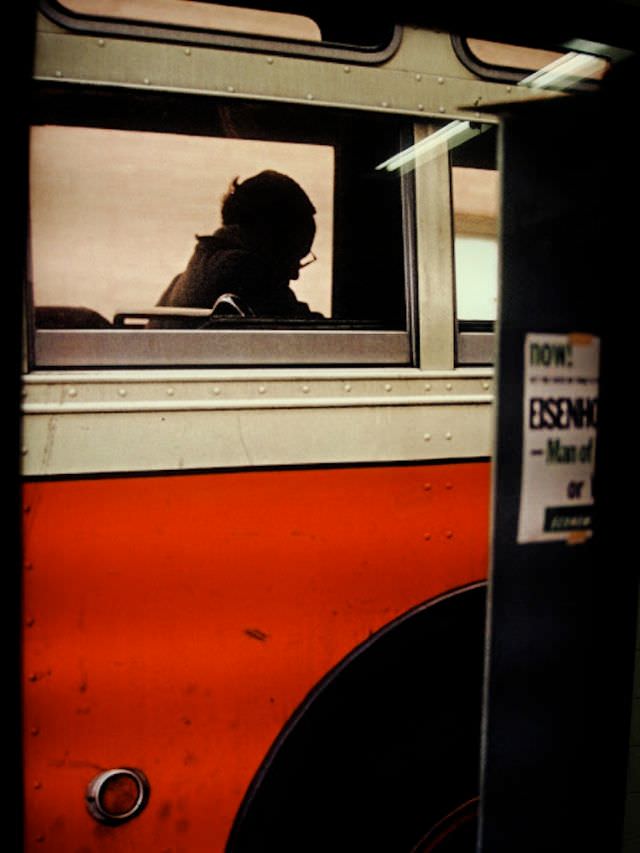
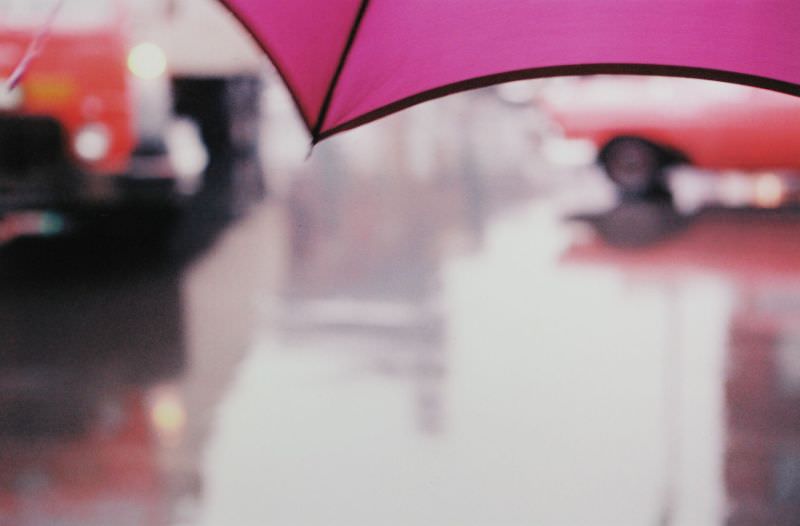
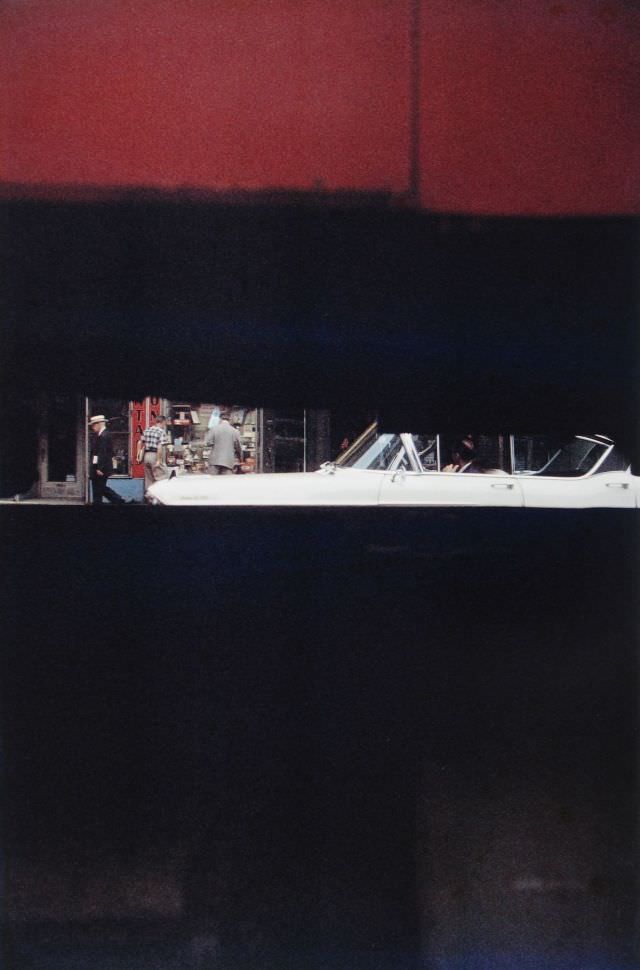
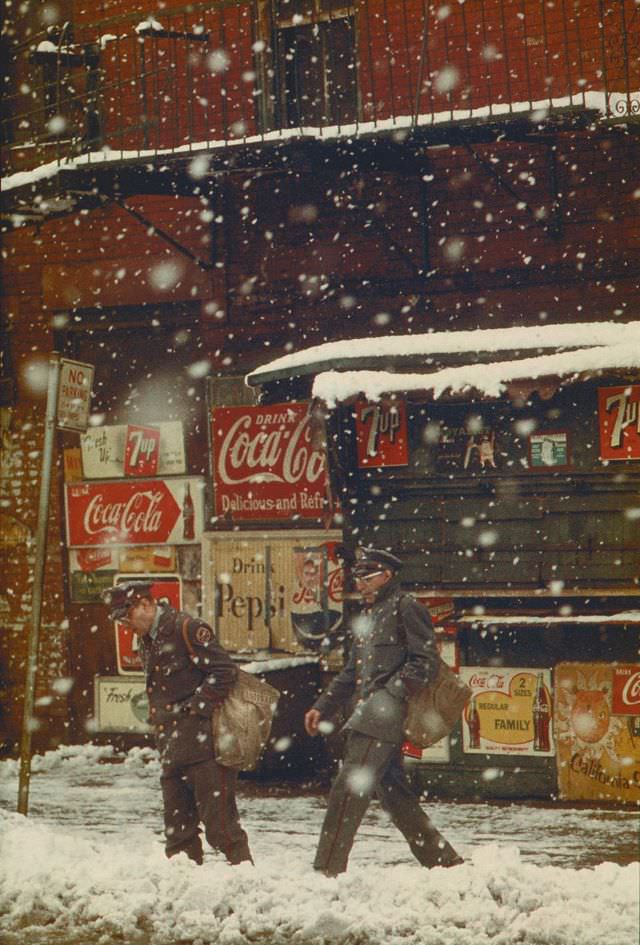
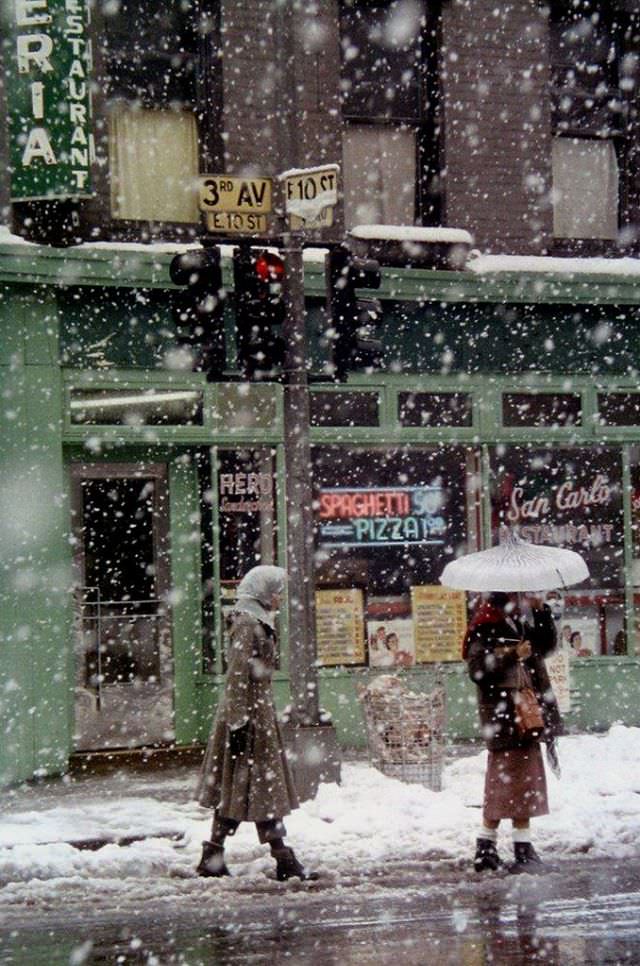
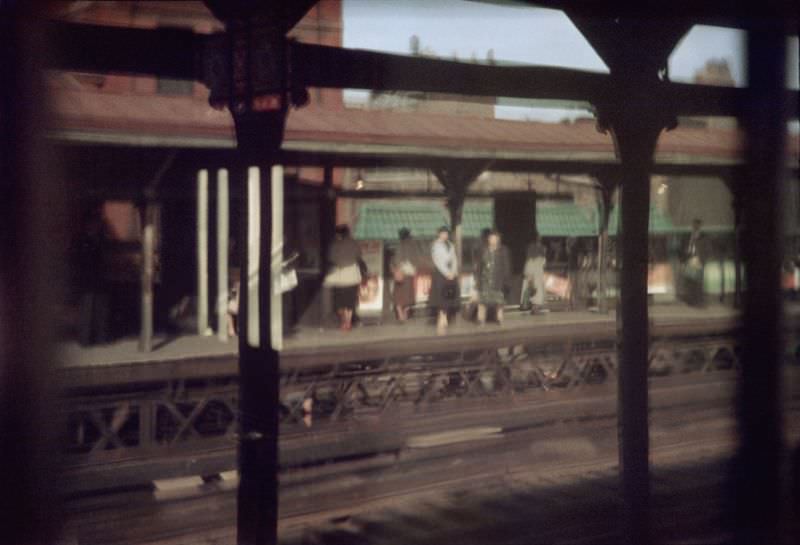
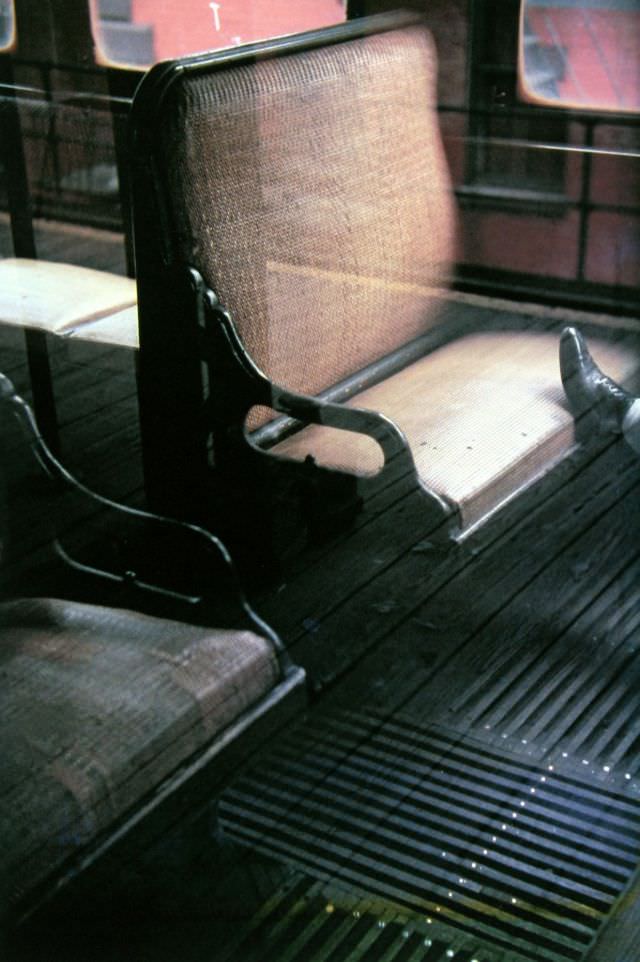
New York City was his primary subject throughout the decade. He photographed its streets, subways, storefronts, and pedestrians with an unhurried eye. Rather than chasing decisive moments in the traditional photojournalist sense, Leiter lingered — waiting for color, light, and geometry to align in ways that felt more like painting than reportage.
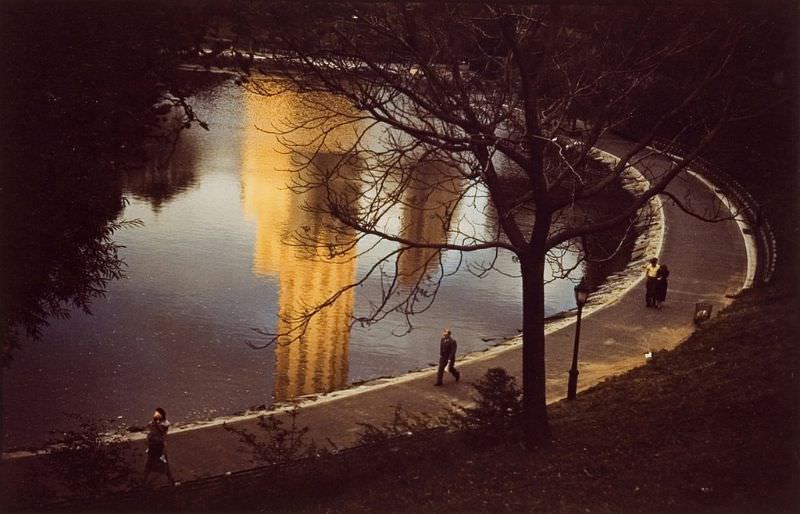
Despite the quality of this work, Leiter’s noncommercial photography stayed almost entirely unknown to the wider art world for four decades. He wasn’t interested in self-promotion. His images piled up in his apartment while the art world largely looked the other way.
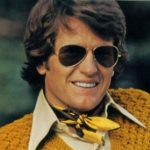
To earn a living, Leiter worked as a fashion photographer throughout the 1970s. His editorial work appeared in major publications including Elle, British Vogue, Show, Queen, and Nova. His fashion photography was respected, but it was always separate from the personal street work he cared about most.
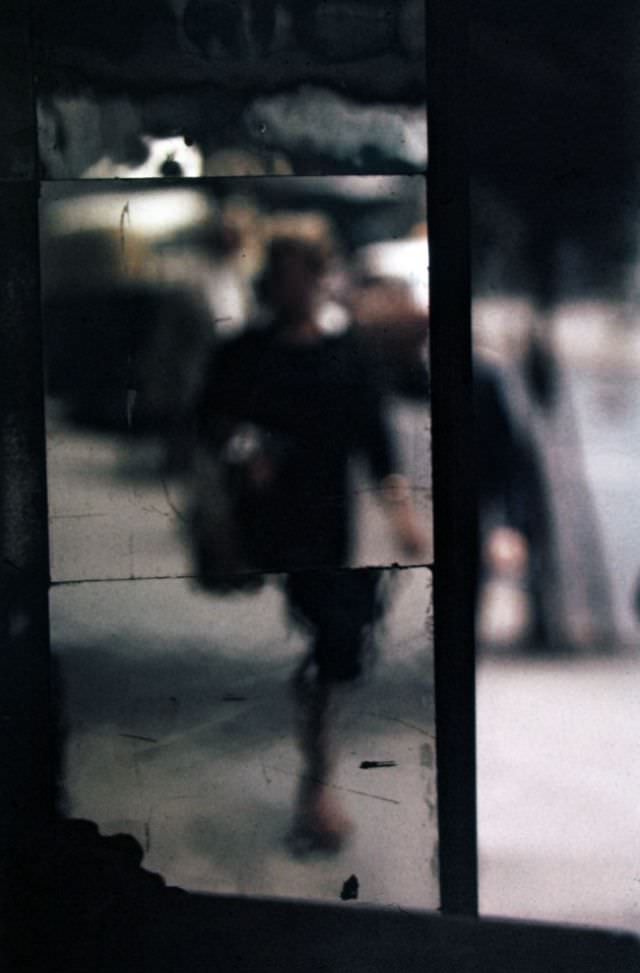
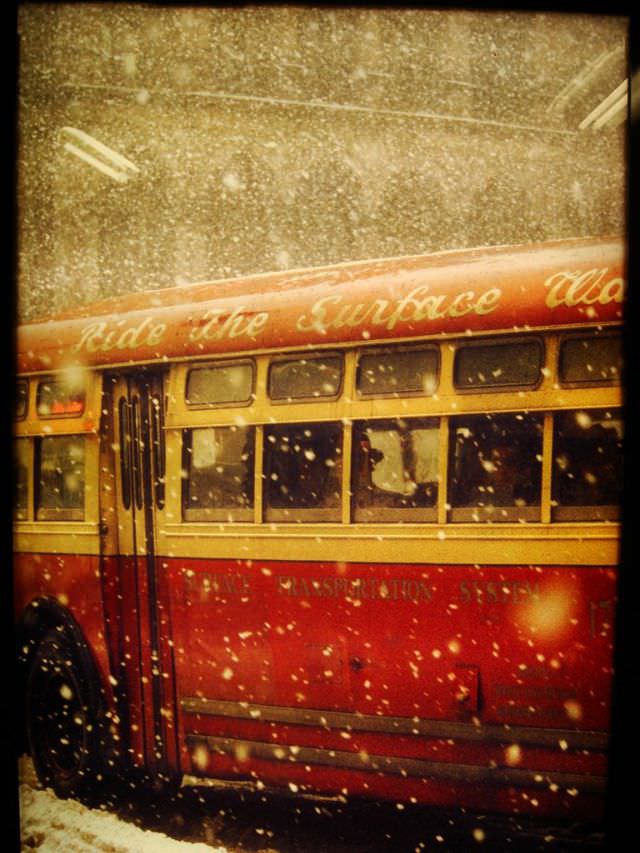
His elevated position in photography history is clear when you look at the images themselves. Umbrellas, taxi cabs, shop windows, and crowded sidewalks all became opportunities for compositions that feel less like snapshots and more like framed artworks. Leiter treated the ordinary New York street as a source of endless visual material.
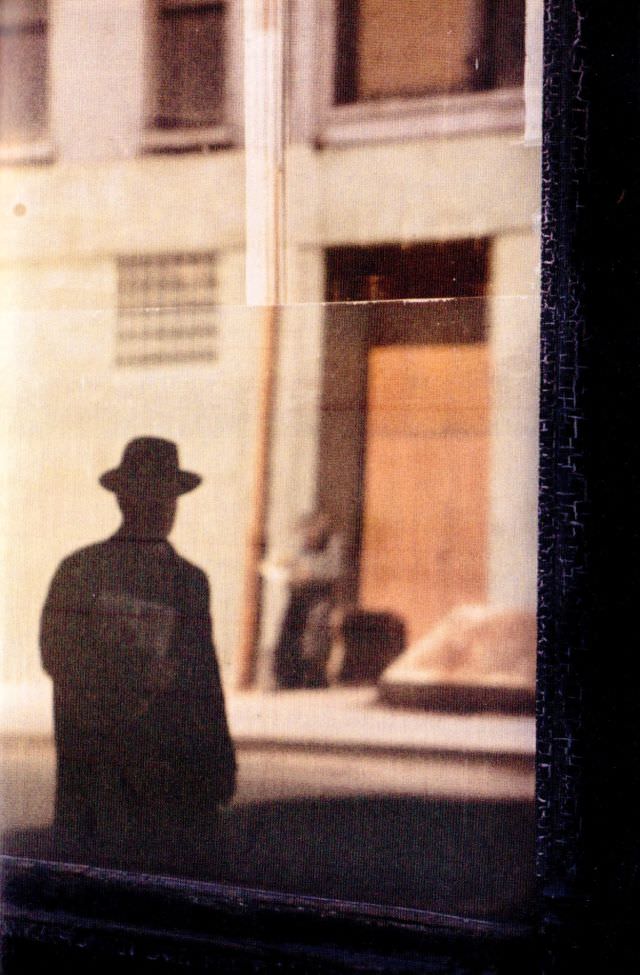
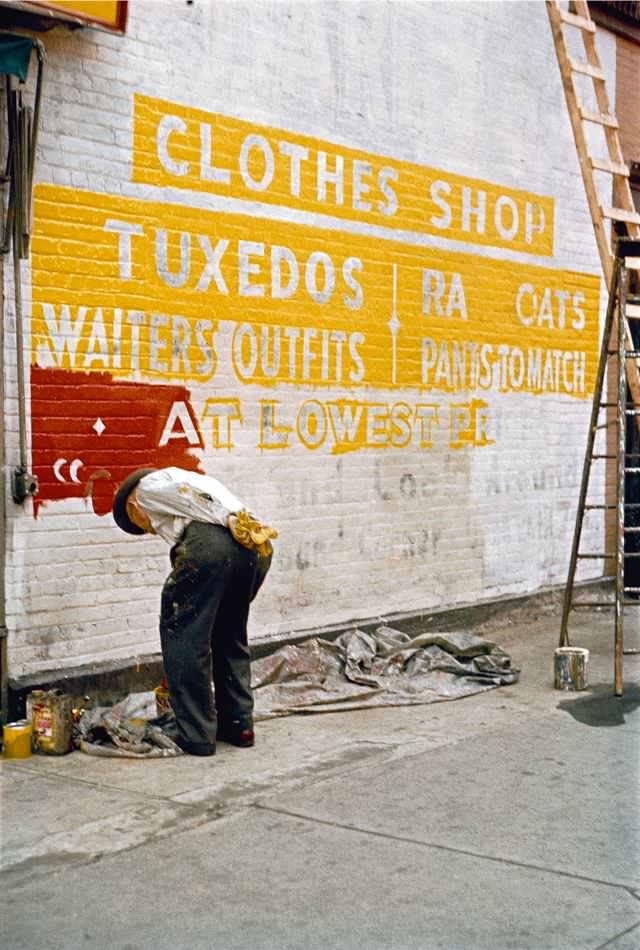
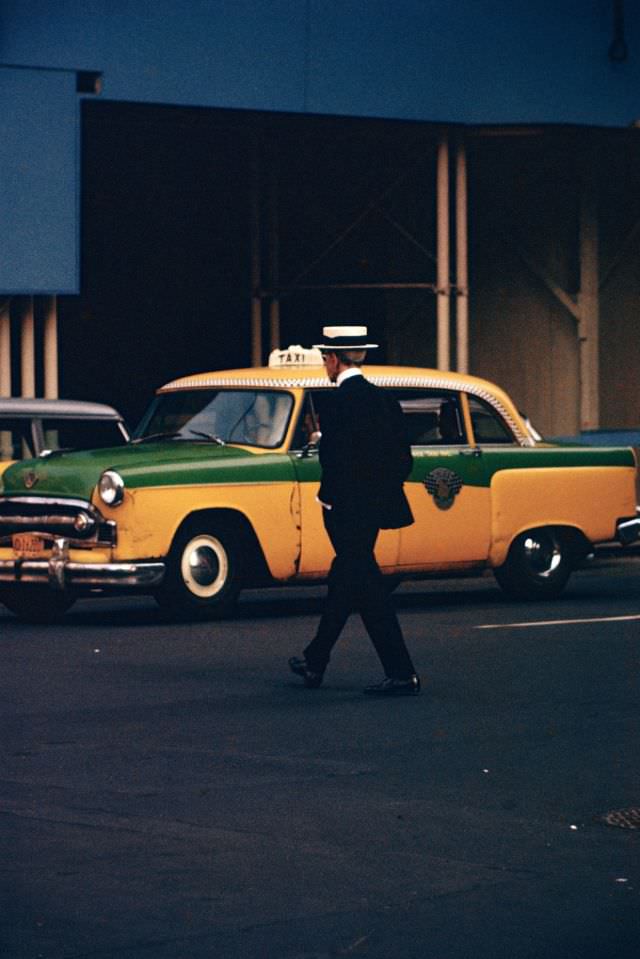
Several exhibitions at the Howard Greenberg Gallery during the 1990s brought Leiter’s work to a slowly growing audience. But it was the 2006 publication of his monograph Early Color, released by Steidl, that truly broke him into the mainstream art world. The book gathered his 1950s color photographs and introduced them to readers who had no idea this body of work existed.
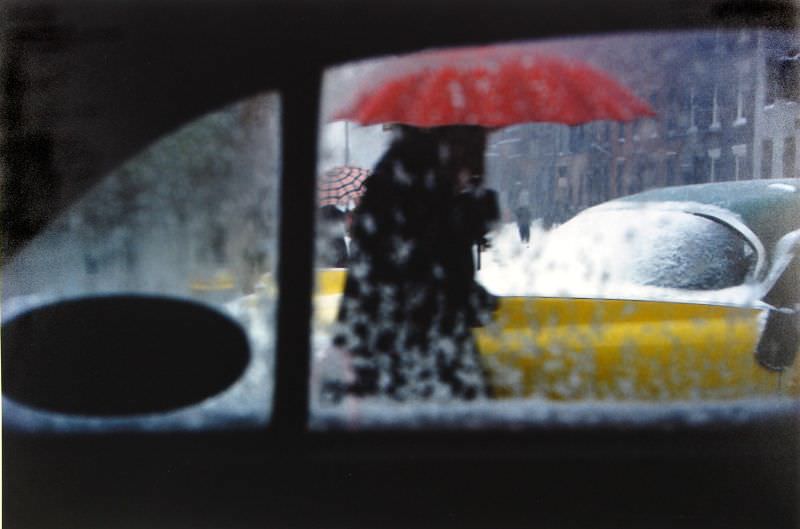
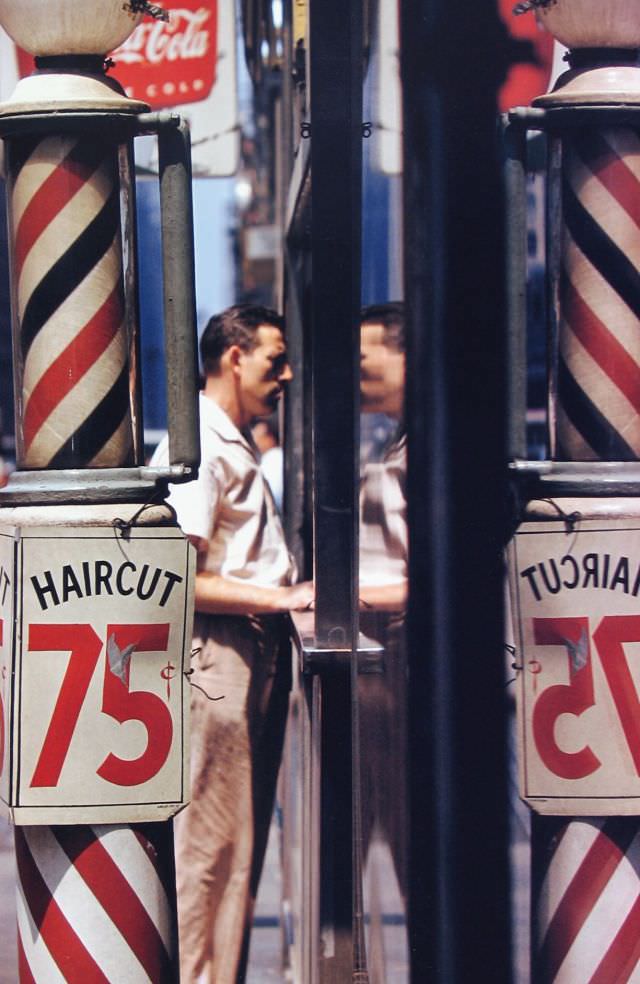
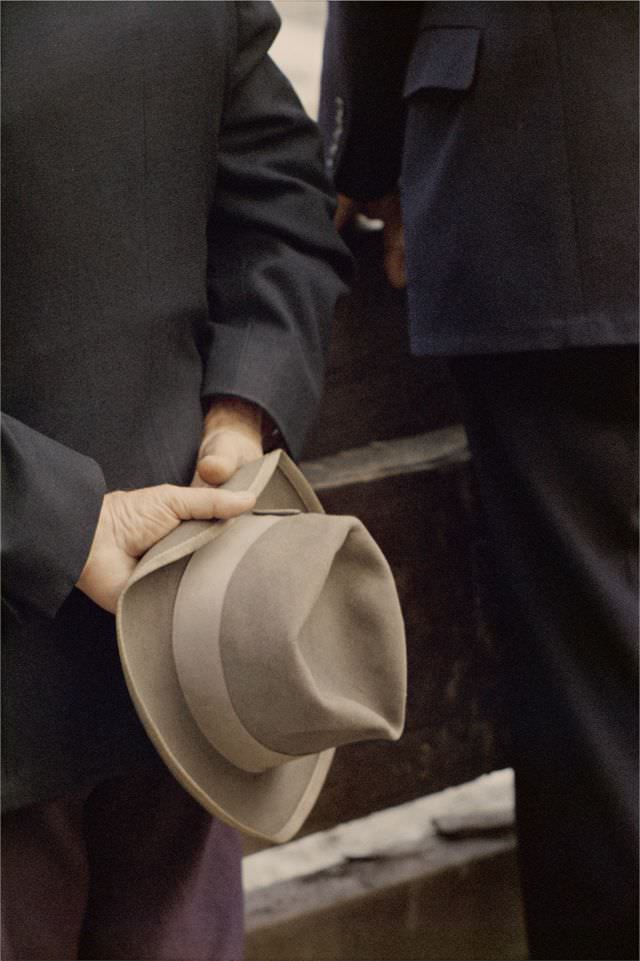
After Early Color was published, solo exhibitions followed at major institutions across Europe. These included shows at the Fondation Henri Cartier-Bresson in Paris, the Jewish Historical Museum in Amsterdam, the Musée de l’Elysée in Lausanne, and the Deichtorhallen in Hamburg. His status as one of the most important figures in postwar photography was firmly established.
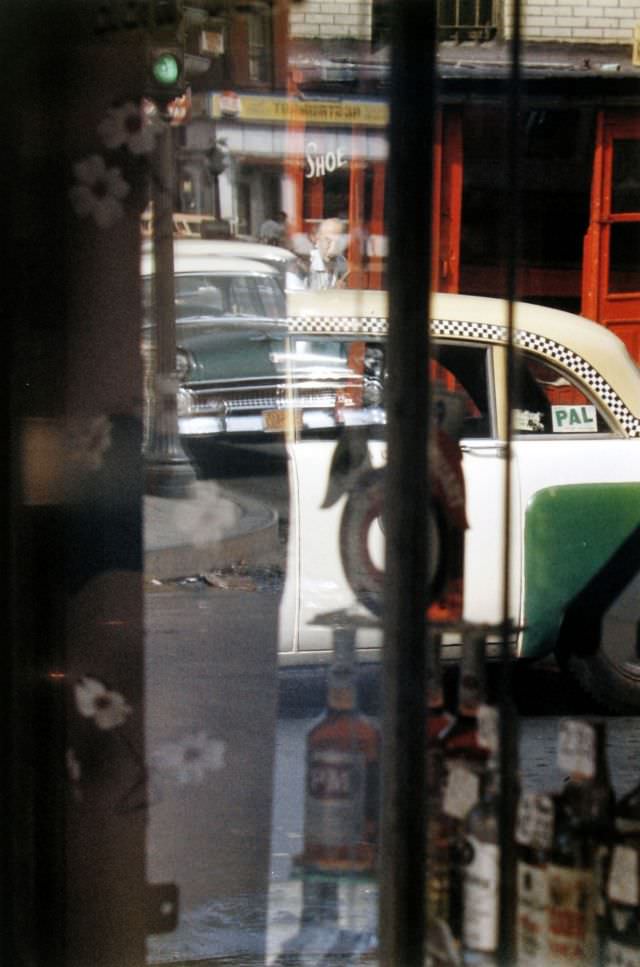
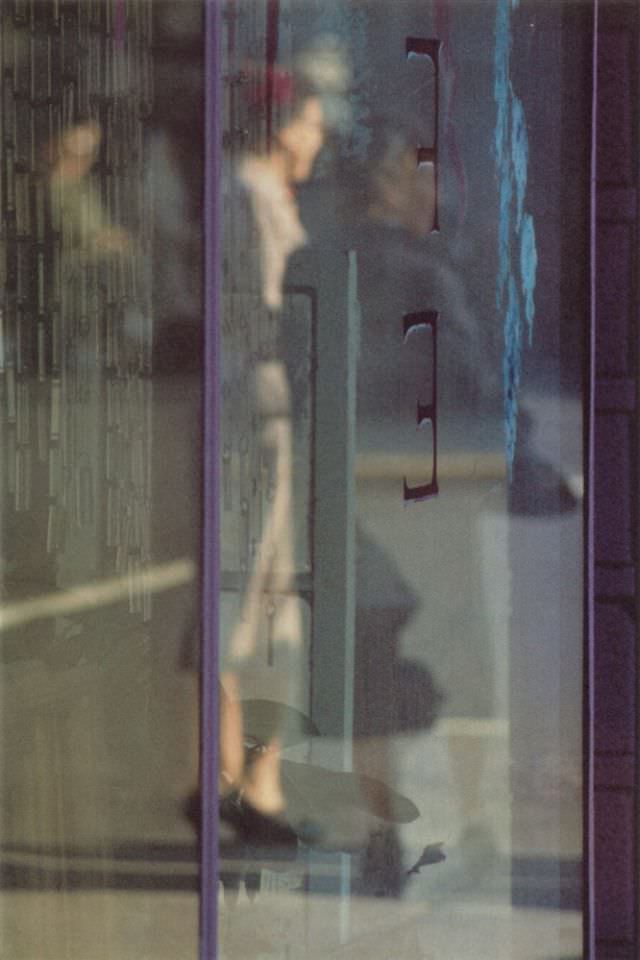
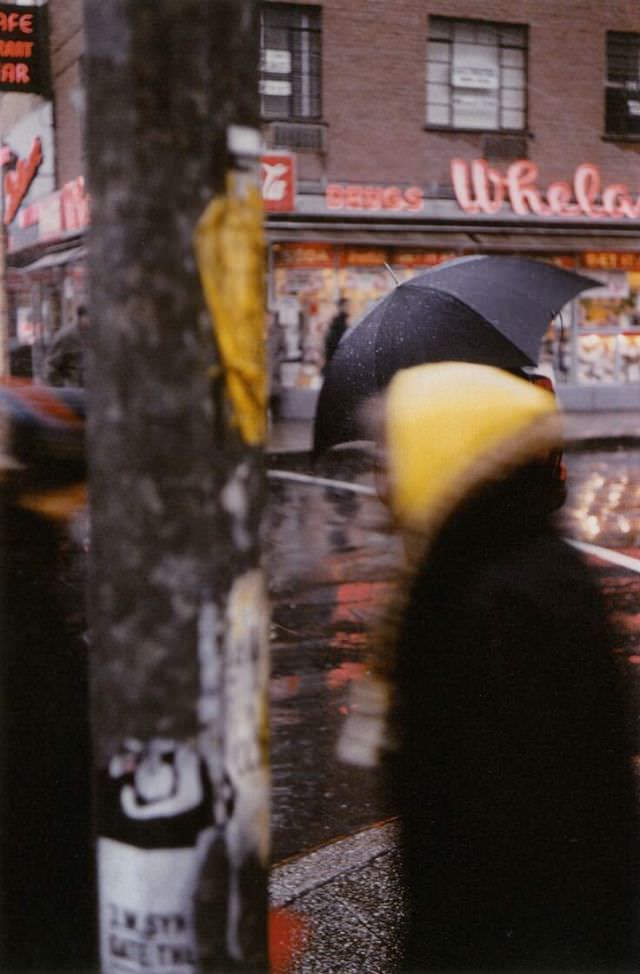
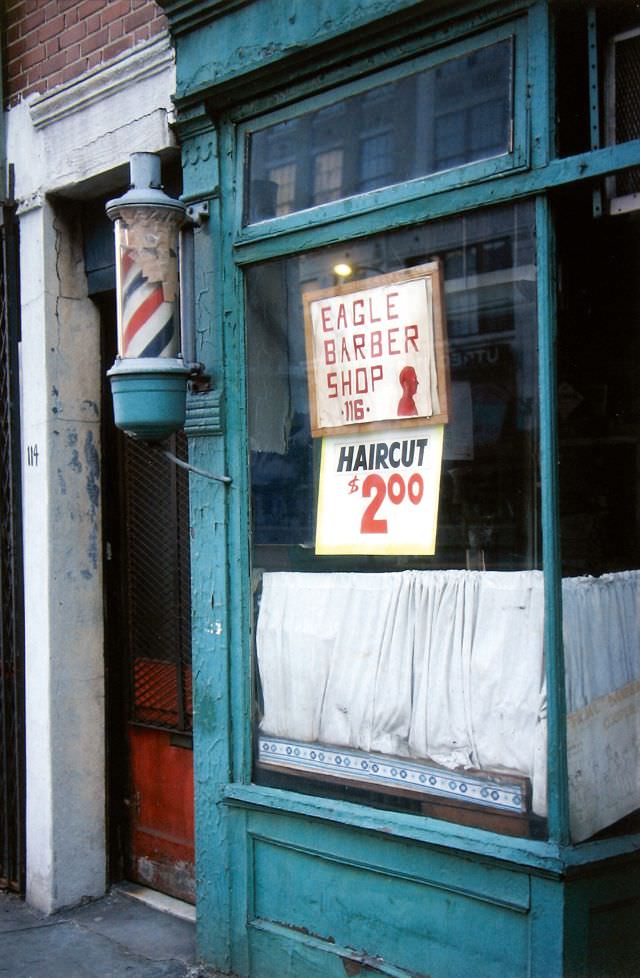
The photographs below span the full decade, from 1950 through 1959. They show Leiter working across New York’s neighborhoods, inside its transit systems, and briefly abroad in cities like London and Paris. Each image carries that signature quality — quiet, layered, and lit with a softness that few photographers before or since have matched.